
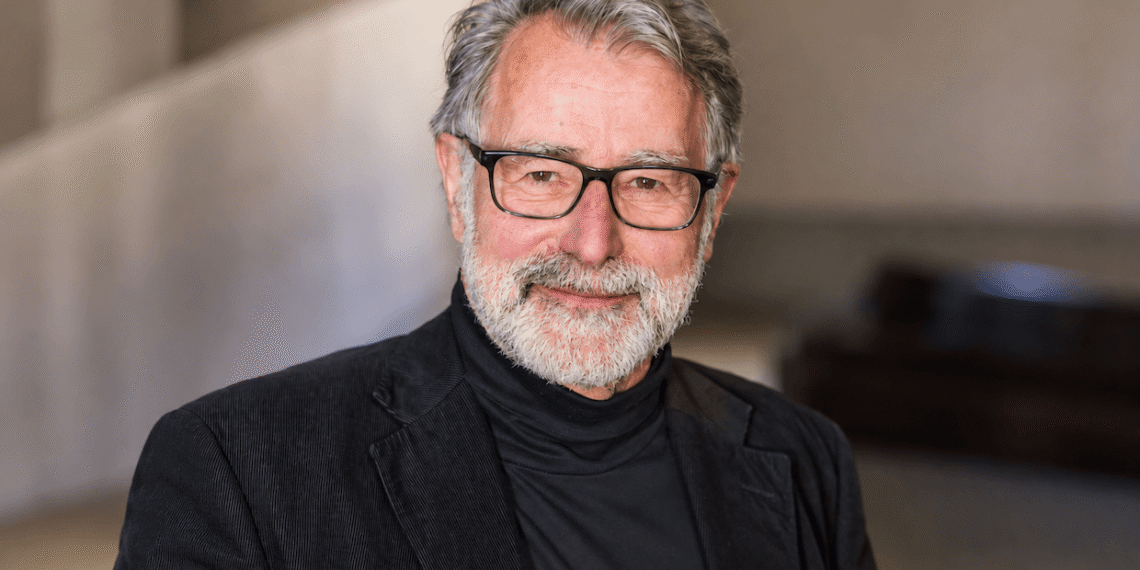
In this ECPS interview, Professor Wolfgang Merkel examines the rise of the AfD, the weakening of Germany’s traditional political center, and the broader crisis of representation reshaping the party system. He warns that mainstream parties risk strengthening the far right when they adopt its positions: “If mainstream parties try to outflank right-wing parties by adopting their positions, they risk legitimizing them.” Professor Merkel also criticizes the Brandmauer as “a political mistake” and rejects an AfD ban as an attempt “to save liberal democracy by illiberal means.” At the same time, he emphasizes the resilience of German democracy, urging greater confidence in institutions and civil society. His conclusion is clear: “We Democrats need to be more optimistic.”
Interview by Selcuk Gultasli
In this wide-ranging interview with the European Center for Populism Studies (ECPS), Professor Wolfgang Merkel, Director at the WZB Berlin Social Science Center and Professor of Political Science at Humboldt University Berlin, reflects on the transformation of Germany’s party system, the rise of the AfD, the weakening of the traditional political center, and the challenges these developments pose for democratic resilience. A leading scholar of democracy, polarization, political conflict, and institutional resilience, Professor Merkel situates recent electoral shifts within a broader erosion of the integrative capacity of Germany’s traditional Volksparteien and the growing centrifugal pressures affecting both the right and the left.
Our conversation comes at a moment of profound transformation in German politics. The far-right AfD has achieved major victories in Saxony-Anhalt and Mecklenburg-Western Pomerania, while Die Linke has emerged as the strongest party in Berlin, exposing growing pressures on Germany’s traditional political center and on Chancellor Friedrich Merz’s CDU. These developments raise fundamental questions about populism, representation, socioeconomic and cultural cleavages, the Brandmauer, militant democracy, and the resilience of liberal institutions.
At the heart of the conversation is the question of how mainstream democratic parties should respond to the rise of the far right. Professor Merkel is particularly skeptical of strategies that seek to neutralize radical-right competition by adopting parts of its political agenda. “If mainstream parties try to outflank right-wing parties by adopting their positions, they risk legitimizing them,” he argues. Such a strategy, in his view, effectively communicates that these parties “were right” and that mainstream parties are merely “correcting their own policies and following their lead.” His conclusion is unequivocal: “I do not think this is a winning strategy.” Instead, democratic parties, he insists, should remain firmly anchored in constitutional principles and clearly defend democratic red lines against racism, xenophobia, and anti-pluralism.
Professor Merkel nevertheless rejects a purely defensive conception of democracy. He describes the Brandmauer—the informal exclusion of the AfD from political cooperation—as “a political mistake,” arguing that it has allowed the party to remain comfortably in the role of protest opposition without having to demonstrate whether it can govern effectively. He is equally critical of proposals to ban the AfD, warning that such a move would amount to an attempt “to save liberal democracy by illiberal means” and could intensify rather than diminish political polarization.
The interview also examines the deeper social foundations of Germany’s changing political landscape. Professor Merkel discusses how socioeconomic insecurity, cultural conflict, migration, regional grievances, and weakened cross-cutting cleavages are increasingly reorganizing political competition into antagonistic camps. He distinguishes cosmopolitan, municipal-communitarian, and chauvinist conceptions of belonging, while emphasizing that the crisis of representation extends beyond the right and is also visible in the resurgence of Die Linke.
Yet Professor Merkel’s analysis ultimately resists democratic pessimism. Germany, he argues, should have greater confidence in its institutions, civil society, and decades of democratic development. “We Democrats need to be more optimistic,” he concludes. Democratic resilience requires not only resistance to anti-democratic pressures, but also the capacity to adapt, govern, rebuild trust, and actively shape political circumstances.
Here is our interview with Professor Wolfgang Merkel, edited lightly to enhance clarity, readability, and overall flow for publication.
Germany Is Seeing Both Deeper Representation and Greater Democratic Risk
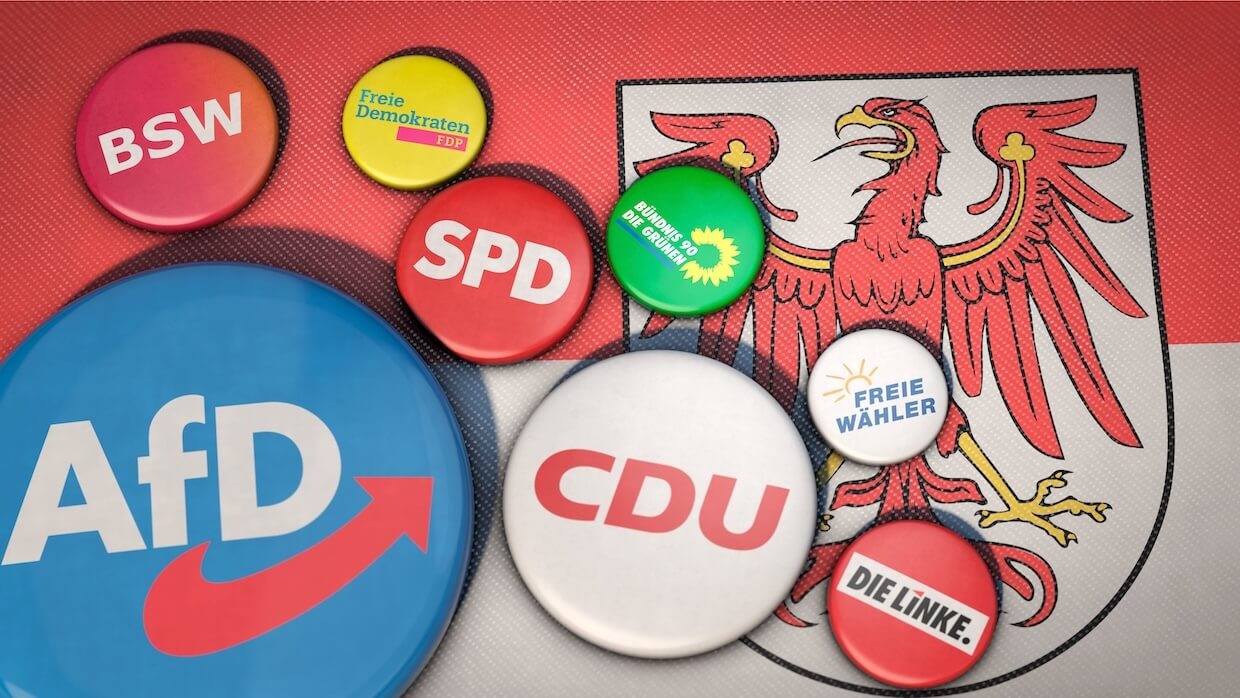
Professor Merkel, welcome. Let me begin with the broader question of how we should interpret recent state election results in Germany. Your work distinguishes legitimate democratic conflict from pernicious polarization. After the AfD’s 44 percent victory in Saxony-Anhalt, its 38.3 percent in Mecklenburg-Western Pomerania, and Die Linke’s victory in Berlin, are we seeing neglected conflicts gaining political representation—or a deeper fragmentation of German democracy?
Professor Wolfgang Merkel: The clear answer is that we are seeing both. There is a deeper representation of neglected interests. Very clearly, especially at the wings of the party system, the once-big parties have moved steadily toward the center, leaving political space open. They did not represent this space—on the one side, on the right, and on the other side, on the left.
So, what we are seeing now is a stronger Left Party and, especially, a very strong right-wing populist party on the right. Both are representing people who were not represented before. On the one hand, therefore, there is a deepening of representation, but this does not automatically mean that it is good for democracy. This is an ambivalent effect. What is not good for democracy is that we have, especially on the right, a party that is not completely democratic.
At the same time, we are seeing a centrifugal tendency toward the wings. In the classical political science literature, this has always been considered an alarming sign, because the center of the party system can become, to some extent, open and no longer properly represented. I do not think we are at that stage at the moment. Nevertheless, we have to think about these ambivalent effects: better representation, but also greater risks for the centrist parties as stable pillars of democracy.
The AfD Is Not a Homogeneous Party—Important Conflicts Run Through It
You argue that contemporary politics is increasingly structured by the interaction of socioeconomic and cultural cleavages. Does the AfD’s strength in eastern Germany show how effectively it has fused material insecurity with migration, identity, sovereignty, and belonging?
Professor Wolfgang Merkel: They have been very successful in mobilizing around all the issues you mentioned, particularly migration and the gender debate in Germany and Western Europe. In that respect, they have clearly been successful. But I would hesitate to say that they have fused these issues with socioeconomic concerns. In my view, the party’s positioning is highly ambivalent.
On the one hand, in socioeconomic terms, the AfD represents the lower strata of society and, to a large extent, the working class. In that sense, it has become the working-class party. That role is no longer played by the Social Democratic Party; it is now increasingly occupied by the AfD.
But if we look at the party’s economic program, we see strong neoliberal language, a clear neoliberal orientation, and an emphasis on the market. This contradicts, to some extent, its sociocultural and socio-structural positioning in elections. So, again, the AfD is not a homogeneous party. Here too, we can see important lines of conflict running through it.
Social and Economic Insecurity Can Create a Search for Scapegoats
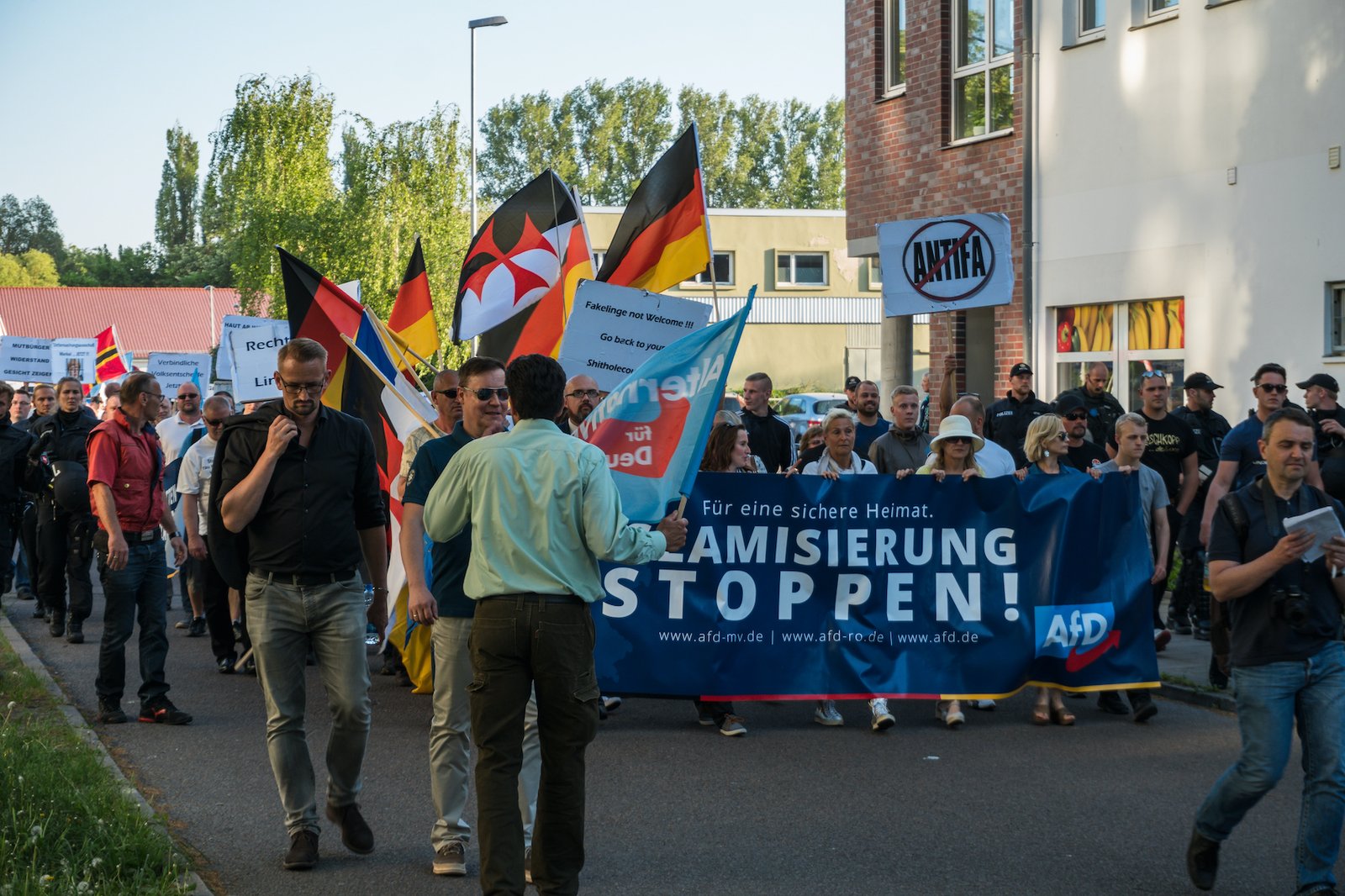
In your work, socioeconomic conflicts are often more negotiable than cultural conflicts rooted in identity and moral absolutes. Has migration become precisely such a conflict in eastern Germany, particularly after the AfD’s victories in Saxony-Anhalt and Mecklenburg-Western Pomerania?
Professor Wolfgang Merkel: Again, it’s both. We see a party that has been very successful in mobilizing around migration—more precisely, migration from societies and cultures that the AfD regards as culturally different. The party is not opposed to migration from countries such as Canada—although, by the way, Canadians are not coming to Germany in large numbers. It is, however, very strongly opposed to migration from Muslim countries. This is one of the central issues around which the AfD mobilizes, at times not only in xenophobic but also in racist terms.
This is where cultural and economic issues begin to merge. When social and economic insecurity grows, those who feel affected by that insecurity may look for scapegoats. They look for people whom they can blame for their own difficult personal situation.
So, there is a fusion of cultural and economic concerns, especially in situations of growing socioeconomic insecurity. In objective terms, the situation in Germany is not completely dramatic, but this sense of insecurity has nevertheless become part of the mindset of quite a few people.
Catch-All Parties Are Becoming a Dying Species
Your work also addresses the weakening of the traditional Volksparteien. What does the contrast between the AfD’s victories and the CDU’s collapse to 4.9 percent in Mecklenburg-Western Pomerania tell us about the declining integrative capacity of Germany’s center-right?
Professor Wolfgang Merkel: I would immediately say that this is not only a problem for the center-right. It concerns both the center-right Volksparteien, or catch-all parties, as they are called in Anglo-Saxon terminology, and the center-left. In fact, the process began earlier on the center-left.
The classical Volkspartei, the Social Democratic Party, has been losing votes for almost two and a half decades. In that sense, the SPD has already ceased to function as a traditional catch-all party. That stage has been passed.
The Christian Democrats, by contrast, long assumed that this was primarily a problem for the Social Democrats. They saw themselves as the real catch-all party, the real centrist force, and did not expect, even five years ago, that the same process would affect them. But it has.
This development has affected the Christian Democrats just as it has affected traditional catch-all parties across Europe, especially in Western Europe. So, this is no longer merely a German phenomenon; it is a broader European one.
I would also stress one further point: highly fragmented and polarized societies do not provide fertile ground for catch-all parties. It is very difficult for such parties to survive in this kind of social and political environment.
That era has largely passed. These parties dominated the second half of the 20th century, but they are no longer dominant. They are becoming a dying species. What we are witnessing is the decline of catch-all parties on both the center-right and the center-left.
There Is Still Trust in Democratic Principles
Friedrich Merz called the Mecklenburg-Western Pomerania result a “disaster” but insists on continuing his reform agenda. In light of the earlier Saxony-Anhalt defeat, is the CDU confronting a problem of policy performance—or a more fundamental crisis of political representation?
Professor Wolfgang Merkel: Again, it’s both. This is fundamentally a challenge of political representation. The CDU has lost its former dominance among lower-income voters, including traditionally Christian working- and lower-class constituencies where the party was once quite strong. It has also lost more liberal voters, some of whom have moved toward the Greens.
Merz is therefore right to describe the elections in East Germany as a disaster. But this cannot be explained simply by weak policy performance. It also reflects a deeper dissatisfaction among a growing share of the population with the political system as a whole. People are critical, and they are becoming increasingly so.
At the same time, the basic principles of democracy remain strongly supported: around 90 percent of people still consider democracy preferable to any authoritarian alternative. This distinction is crucial. There is still broad trust in democratic principles, but there is no longer the same degree of trust in the functioning of democratic institutions.
People Have Lost Trust in the Way Political Elites Govern
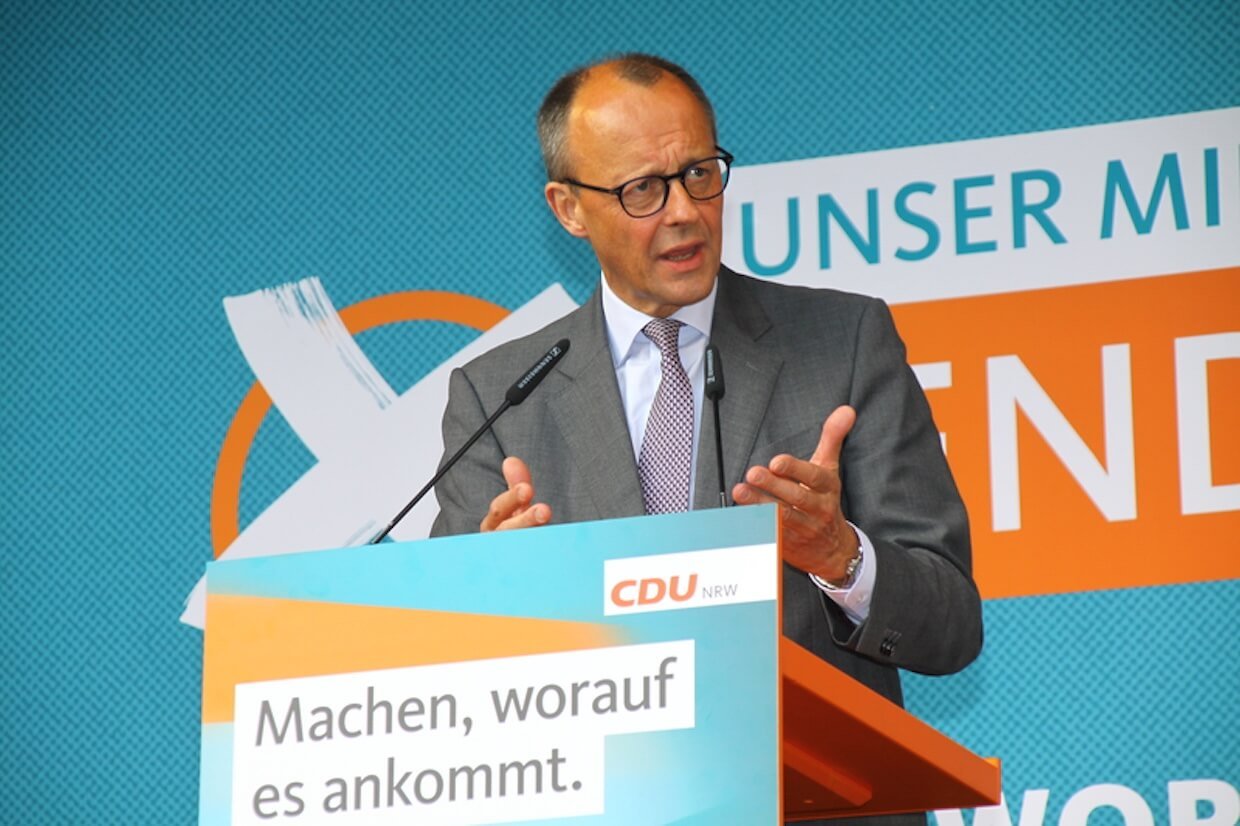
Merz argues that economic and social reform can act as an antidote to authoritarianism. From the perspective of your work on democratic resilience, can effective problem-solving still rebuild trust when dissatisfaction is increasingly directed at the political system itself?
Professor Wolfgang Merkel: I think I have already partly answered this question. People have lost trust in the way political elites govern. In that sense, their dissatisfaction is directed more toward what the Italians call the classe politica—the political elite—than toward democracy itself. There is deep distrust of political elites, but, as I have said, there is still trust in democratic principles. So, again, we have to distinguish clearly between these two different things.
Democratic Parties Should Stand on Constitutional Principles
You have warned against excessive moralization in politics while also recognizing racism, xenophobia, and anti-pluralism as democratic red lines. The CDU moved rightward on immigration, yet the AfD continued to advance. Does mainstream adaptation contain the radical right—or risk legitimizing its political frame?
Professor Wolfgang Merkel: I think the evidence on this question is not entirely clear, but I would lean toward your second interpretation. If mainstream parties try to outflank right-wing parties by adopting their positions, they risk legitimizing them. In effect, they are saying that these parties were right and that mainstream parties are now simply correcting their own policies and following their lead.
I do not think this is a winning strategy. It can legitimize political positions that cross important democratic red lines and become racist or xenophobic. Democratic parties therefore need to be clear about where those boundaries lie. Rather than trying to bypass right-wing extremist parties, they should stand firmly on constitutional principles and use the Constitution as a guide for concrete politics and policies.
So, my advice would be not to try to outflank these right-radical or far-right parties. That strategy is likely to fail. In the end, it can damage democracy while also contributing to the decline of the mainstream party itself. This is a risk that the Christian Democratic Party does not always fully recognize.
The Social Democrats Have Lost Representative Capacity to the Left
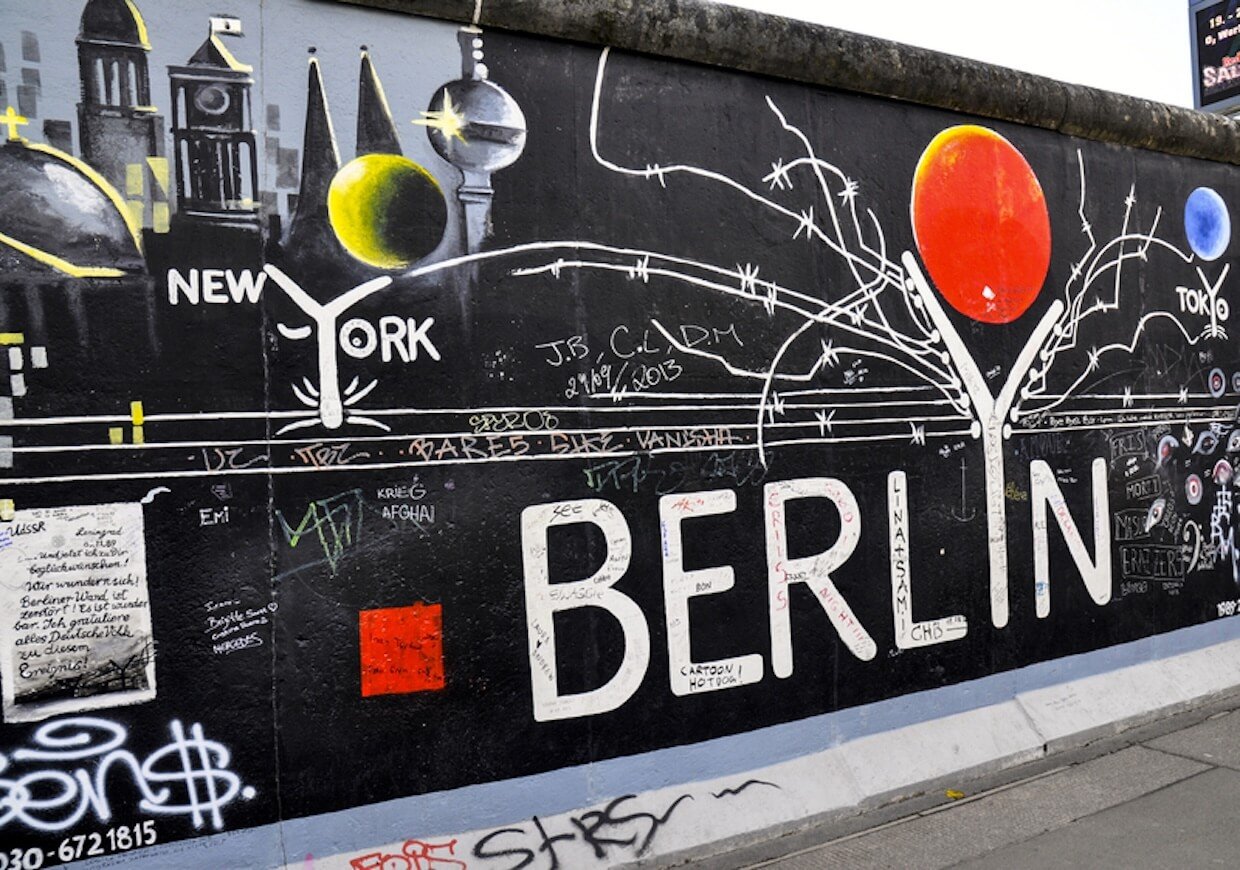
Berlin offers a contrasting form of political dissatisfaction. Die Linke won under Elif Eralp, while the AfD also increased its support. Does this suggest that the erosion of centrist representation can produce very different forms of radical or populist mobilization depending on the social structure and dominant grievances of the electorate?
Professor Wolfgang Merkel: Without the decline of the center and the weakening of catch-all parties at the center of the party system, we would not see the growing electorates of Die Linke on one side and the AfD on the other. This is one major reason why parties on both wings have been able to grow.
Berlin, however, is a quite unique case in Germany. It has always had a substantial leftist political culture, more so than many other places. A significant part of the population has traditionally seen itself as clearly to the left of center. In that sense, this is part of Berlin’s normal political landscape and its historical identity.
Nevertheless, there are moments when this leftist potential can be particularly strongly mobilized, and we are seeing such a moment now. The AfD’s 18 percent in Berlin is clearly below its national average. By contrast, a leftist party winning 25 percent of the popular vote sends a very clear message to the Social Democratic Party: you have lost representative capacity because you are no longer pursuing sufficiently leftist policies. You have become a rather bourgeois party, positioned in the center but without a clear profile, and you are failing to recognize social grievances in society. As a result, you lose, while the Left gains.
One additional factor is that Die Linke has a different habitus and political style. Its representatives are less pessimistic, more optimistic, younger than much of the established political elite, and they appear fresh. So, it is not particularly difficult to understand why they won in Berlin. But again, Berlin is Berlin. In Munich, the situation would already be quite different.
The Left Emphasizes Inclusion; the Right Seeks Exclusion on Ethnic Grounds
Elif Eralp, the daughter of Turkish asylum seekers, mobilized strongly around housing and inequality. How should we distinguish this form of left-wing populist or radical-left mobilization from the AfD’s nativist populism in terms of equality, inclusion, and conceptions of “the people”?
Professor Wolfgang Merkel: By the way, Selçuk, I’m not entirely sure I would describe this Left as genuinely populist. If it is populist, then you are right that we need to distinguish it from the AfD’s right-wing, nativist, chauvinist, and nationalist populism. I would say the cardinal difference is that the Left seeks to integrate people, at least in theory. It is integrative. The right, by contrast, seeks to discriminate against and exclude people on ethnic grounds.
So, one side emphasizes inclusion—integrating poor people, the lower classes, and those who find it difficult to achieve a successful life course. This is fundamentally different from the right, which seeks to exclude migrants and does not want these people to be part of society. The Left is also much more socioeconomically oriented toward the lower classes and seeks to integrate them even under capitalist conditions.
The Desire for Heimat and Belonging Is Not Necessarily Based on Ethnicity
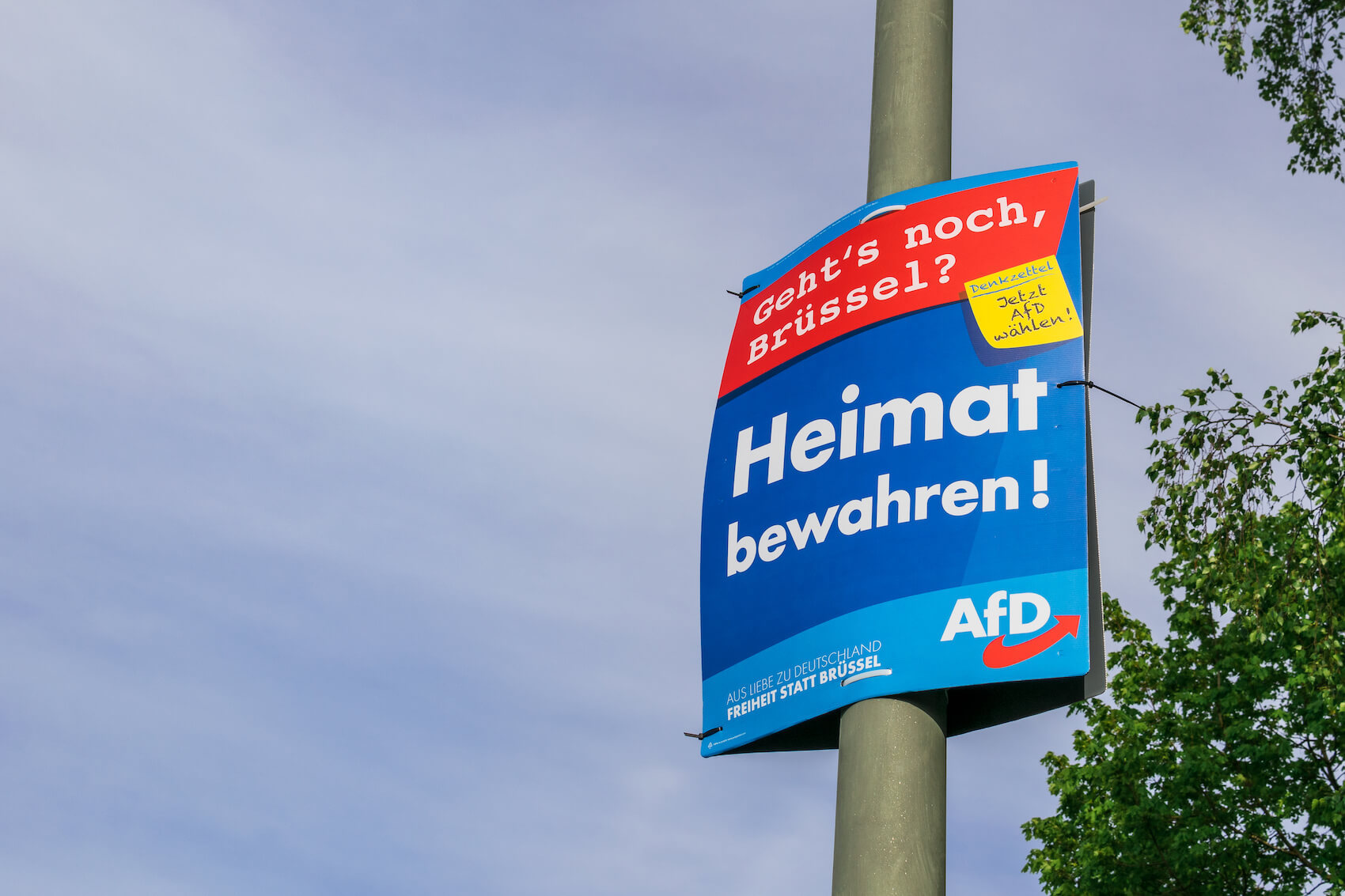
Your work on cosmopolitanism, communitarianism, and political borders is particularly relevant here. Do Berlin and the AfD-dominated eastern states now represent competing answers to the question of who belongs to contemporary Germany?
Professor Wolfgang Merkel: Yes, very much so. These are two different worlds within Germany. On the one hand, cosmopolitanism is dominant in Berlin’s political culture, perhaps more so than in any other German city. On the other hand, you have rural regions, especially in East Germany, where people understand belonging to the community in a different way. They are less focused on cosmopolitan values and more focused on community.
I see two distinct streams centered on the political community. One is nationalist. It seeks to create a nation in which people feel they belong, and certainly a more ethnically homogeneous nation. Here, we are talking about conceptions of the nation based on ethnic grounds.
But there is also another form of communitarianism, which is conservative. People want what Germans call a Heimat. They want to live among people who share similar customs, and they want to feel that they count and belong. This is not necessarily based on ethnicity.
So, I distinguish between nationalist communitarianism and a more community-based communitarianism rooted in local communities and in the completely legitimate desire to count and to belong. In that sense, we do not have only two worlds; we have three: the cosmopolitans, the municipal communitarians, and the chauvinist communitarians.
The Brandmauer Was a Political Mistake
The Brandmauer becomes more difficult to sustain when the AfD wins 44 percent in Saxony-Anhalt and more than 38 percent in Mecklenburg-Western Pomerania. At what point can democratic exclusion itself become a source of populist grievance, even if it is intended to protect constitutional democracy?
Professor Wolfgang Merkel: The Brandmauer was a political mistake. It helped the AfD expand the electorate it could mobilize, while also shielding the party from having to prove that it was capable of governing. Because of this conventio ad excludendum—the party’s informal exclusion by the democratic parties—no one wanted to cooperate with the AfD or form a coalition with it.
As a result, the AfD was able to remain a protest party. It could criticize the democratic parties—sometimes rightly—without ever having to demonstrate that it could govern more effectively. I have serious doubts about whether it could. If I look at its personnel, its program, and the habitus it presents to the public, I think it would fail badly in government.
But as long as we—the democratic forces and parties—continue to exclude the AfD, it can remain comfortably behind the Brandmauer.
Therefore, although there are risks, I would let the AfD govern in Saxony-Anhalt. The state accounts for only 2.5 percent of Germany’s population, and a state government there would have no influence on foreign policy. There are risks, no doubt about that, but such an experiment could also demonstrate the vitality of civil society and of those working in public administration.
So, I would not be overly afraid. We have to let them govern in order to see whether they are actually capable of governing.
Banning the AfD Would Mean Trying to Save Liberal Democracy by Illiberal Means
This connects directly to your warnings about the “pitfalls of militant democracy.” Does the AfD’s growing electoral strength strengthen the case for constitutional containment—or make measures such as a party ban more democratically hazardous?
Professor Wolfgang Merkel: In my understanding of pluralist democracy, there is no place for banning political parties. Doing so would restrict the range of pluralism that democracy requires. A pluralist system must accommodate political forces with different interests, worldviews, and Weltanschauungen. For that reason, I am, in principle, opposed to banning political parties.
If a party wins 25 percent or more of the vote nationally and becomes the strongest party in electoral terms, and the Constitutional Court then declares, “This is a party you are not allowed to vote for. You—25 percent of the democratic sovereign, part of the German people—may vote for any party except the one you actually want to vote for,” then I would describe that as an attempt to save liberal democracy by illiberal means.
There is also a pragmatic argument. If the AfD were banned, let us say in Saxony-Anhalt, where it is by far the strongest party, its representatives would not simply say, “Yes, we accept the ruling. We will go home, take our notebooks, and leave Parliament and the municipal councils.” I once calculated that more than 10,000 people across Germany would have to give up mandates to which they had been elected.
That would represent another turn in the spiral of polarization. I simply cannot imagine such a development occurring without major political turmoil and violence.
Economic Decline Alone Does Not Explain AfD Support in East Germany
You have argued that citizens who repeatedly experience themselves as political or socioeconomic losers may turn toward anti-system parties. How far can post-reunification inequality, demographic decline, and lack of recognition explain AfD support without reducing nativism and ethnonationalism to economic grievance?
Professor Wolfgang Merkel: I wouldn’t say that, in objective terms, this is a clear case of economic decline. People in East Germany are clearly better off than they were before 1989. It is more a question of mentality. They felt overrun and overtaken by Western capital and Western political elites and, to some extent, discriminated against in their own country.
This is very much a psychological grievance. Yet this alone does not explain why they are more inclined than the West German population to vote for the party. They still feel more excluded and more uncertain about the future course of their lives. In that context, racist and xenophobic attitudes can fall on fertile ground, and here we see a clear combination of factors.
But I would say that, at the outset, there was this sense of being taken over by the West, which made racist and xenophobic attitudes, as well as scapegoat thinking, much more widespread in East Germany than in West Germany.
Germany Is Moving Toward a Carl Schmittian Division Between Friend and Foe
Your work on polarization stresses the danger of multiple cleavages collapsing into a single antagonistic divide. Are conflicts over migration, inequality, housing, national identity, climate, and regional inequality in Germany increasingly reinforcing rather than cross-cutting one another?
Professor Wolfgang Merkel: There is no longer the same degree of cross-cutting among cleavages—religious cleavages, cleavages between capital and labor, or cleavages between rural and urban populations. These cross-cutting divisions normally help moderate polarization, but they no longer function as effectively when society becomes polarized and increasingly reorganizes itself into political camps.
On specific issues, you now often see clearly opposed camps. On migration, for example, people may be strongly in favor because they are cosmopolitan, or strongly against it because they are nationalist. The same applies to climate, the war in Ukraine, and the Russian question: these issues immediately encourage people to identify with their respective camps.
As a result, a dominant cleavage emerges that divides society into two camps whose members no longer communicate with one another, or do so only in hostile terms. In that sense, this resembles a Carl Schmittian division of society into friend and foe. The overlapping and cross-cutting nature of multiple cleavages is therefore no longer functioning as a moderating force in society.
Politics Must Not Only Adapt to Changing Circumstances, It Must Shape Them
Your resilience framework distinguishes between the capacities to withstand, adjust, and recover. After Saxony-Anhalt, Mecklenburg-Western Pomerania, and Berlin, which capacity is most urgently needed in Germany today: institutional defense, adaptation of political representation, or recovery of public trust?
Professor Wolfgang Merkel: From my understanding of democratic resilience, you clearly need all three, and you need them simultaneously. But if I had to emphasize one, I would say that politics must not only adapt to changing circumstances; it must also shape those new circumstances. Active policy is therefore needed to create a more communicative situation and, especially, to demonstrate that political actors are able to govern and to shape the future of citizens.
So, you need to withstand challenges to democracy from both outside and inside. You have to adapt to and shape changing circumstances. And when authoritarian politics has already damaged democracies, civil society and political elites have to recover from the damage caused by challenges to liberal democracy.
We Democrats Need to Be More Optimistic
Finally, what would a genuinely comprehensive strategy of democratic resilience require in Germany today? How can mainstream democracy respond simultaneously to far-right ethnonationalism, radical-left critiques of inequality, and the erosion of centrist representation without suppressing legitimate conflict and dissent?
Professor Wolfgang Merkel: I smile a bit because this is such an encompassing question, and throughout our conversation we have approached it from different angles. But I will not completely avoid the question. I would say that we Democrats need to be more optimistic.
We should have greater confidence in our institutions, in the power and vitality of civil society, and in 75 years of democratic development. We are—and I say this with some Republican-Democratic joy—now among the 12 best democracies in the world in terms of democratic quality. That is not something insignificant that we should overlook.
In history, there has been no single society or democratic system that collapsed after having existed for more than 40 years. We now have 75 years of democratic experience. So, again, we should be more self-confident and more optimistic, and we should not follow the classical right-wing—and sometimes left-wing—populist tendency to focus only on criticism.
We should also look for opportunities. A critical citizen is important, no doubt about it, but an optimistic citizen is equally important for our future. So, let’s shape the discourse critically, but also optimistically.