
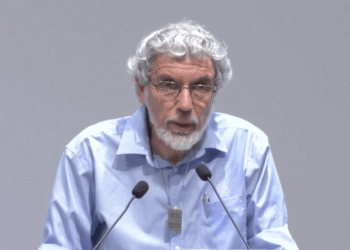
Prof. Peled: Israel Risks Losing What Remains of Its Liberal Democracy After October 27
In an in-depth interview with the ECPS, Professor Yoav Peled, Professor Emeritus of Political Science at Tel Aviv University, warns...
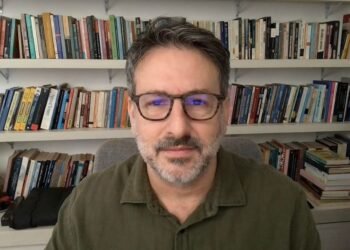
Prof. Rennó: Brazil Faces Unusual Democratic Backsliding Through Legislative Authoritarianism
As Brazil approaches its October 25 presidential runoff, Professor Lucio Rennó of the University of Brasília warns of an unusual...
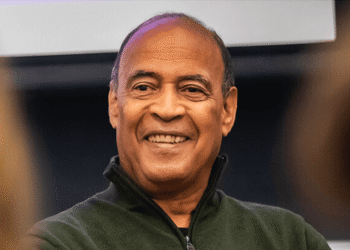
Prof. Reed: The Structural Contradictions That Gave Rise to Trumpism Remain Unresolved
As the United States approaches the 2026 midterm elections, Professor Adolph Reed Jr. offers a critical political-economic interpretation of Trumpism,...
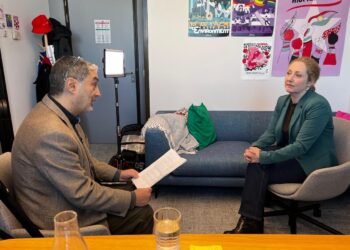
MEP Gedin: The EU Is Losing Its Voice When It Comes to Upholding International Law
MEP Hanna Gedin argues that the EU’s credibility as a defender of democracy, human rights, and international law is being...
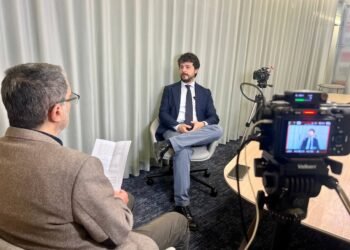
MEP Benifei: An Alliance of Interests Between the Extreme Right and Techno-Oligarchs Threatens Our Democracies
MEP Brando Benifei warns that Europe’s struggle for technological sovereignty is inseparable from the defense of democracy. In this ECPS...
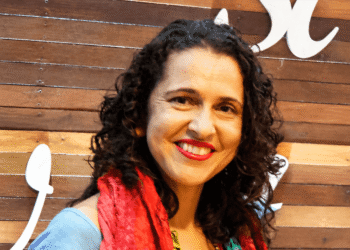
Prof. Sátyro: Bolsonarismo Has Already Become Bigger Than Bolsonaro Himself
In an interview with ECPS, Professor Natália Sátyro argues that Brazil’s 2026 presidential election reflects a conflict extending far beyond the Lula–Flávio...
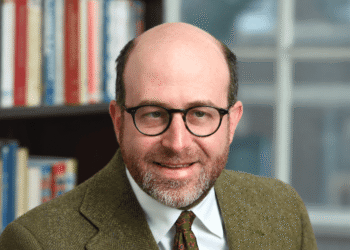
Prof. Schlozman: American Voters Are Tired of Trumpism
In this ECPS interview, Professor Daniel Schlozman examines the 2026 US midterms through the deeper crisis of American party organization....
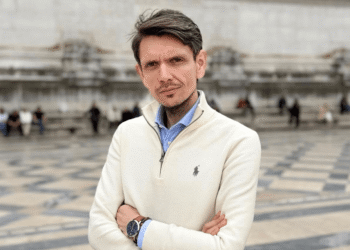
Dr. Hasanović: Ethnically Defined Power Sharing in Bosnia Is the Algorithm That Continually Reproduces the Crisis
In this ECPS interview, Dr. Jasmin Hasanović analyzes Bosnia and Herzegovina’s October 4 elections through the lens of inter-, intra-, and cross-ethnic...
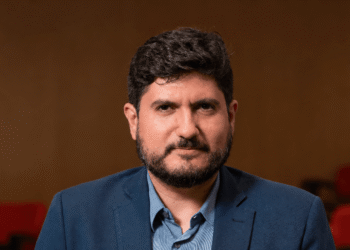
Assoc. Prof. Casarões: What Really Died on October 4 Was Brazil’s Democratic Pact Itself
Associate Professor Guilherme Casarões argues Brazil’s October 4 election marks more than a contest between Luiz Inácio Lula da Silva...

Dr. Dzebo: Dayton Accomplished Peace in Bosnia, but It Has Not Been Great at Democracy
In this interview with ECPS, Dr. Semir Dzebo, Postdoctoral Researcher at the Centre for Socio-Legal Studies at the University of...
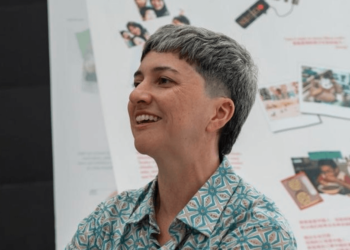
Dr. Nogueira: Trump’s Influence Is Shaping Brazil’s Election, Making It a Very Important and Dangerous One
In this ECPS interview, Dr. Mara Nogueira examines Brazil’s 2026 presidential election through the intertwined dynamics of US influence, Bolsonarism,...
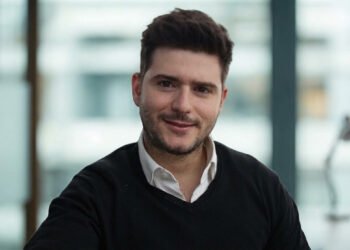
Dr. Varriale: Academics Should Engage Public Debate Without Turning Scholarship into Political Activism
In this ECPS Voice of Youth (VoY) interview, Dr. Amedeo Varriale reflects on the study of populism, the responsibilities of...