

Prof. Marlière: Local Elections Show Polarization in France Amplifies the Mainstreaming of the Far Right
In an era marked by intensifying polarization and electoral fragmentation, France’s 2026 municipal elections offer a revealing lens into the...

Dr. Henriksen: Strict Migration Policy in Denmark Fails to Contain the Radical Right
In this ECPS interview, Dr. Frederik Møller Henriksen offers an in-depth assessment of Denmark’s 2026 general election, highlighting both continuity...
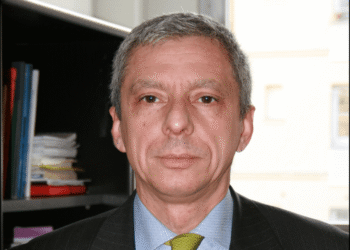
Professor Camus: The Boundary Between Mainstream and Radical Right in France Is Blurring Locally
Professor Jean-Yves Camus, a leading scholar of the far right and researcher at the Observatory of Political Radicalities at the...
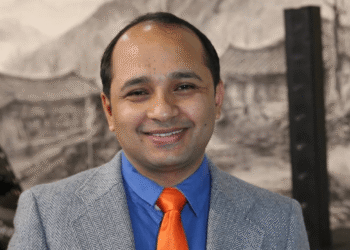
Dr. Humagain: Institutionalized Populism Poses Enduring Challenge to Nepal’s Democracy
Dr. Sanjeev Humagain offers a nuanced and cautionary reading of Nepal’s post-election moment, arguing that the March 2026 vote should...
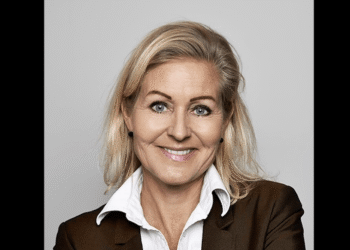
Prof. Wind: Mainstream Parties in Denmark Have Absorbed, Not Neutralized, the Radical Right
Professor Marlene Wind argues that Denmark’s 2026 general election is not only a contest over leadership and crisis management, but...

Prof. Joshi: Depoliticizing Courts, Bureaucracy, and Police Is Essential to Stabilizing Nepal’s Democratic Renewal
Professor Madhav Joshi argues that Nepal’s recent political upheaval reflects both “anti-elite” mobilization and “a form of generational democratic renewal,”...

Prof. Klein: Political Transformation in Iran May Come, but Not in the Way the West Expects
Professor Peter W. Klein offers a historically grounded warning against simplistic regime-change narratives in Iran. In this ECPS interview, the...
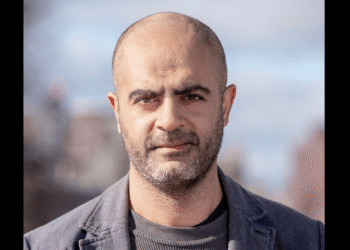
Dr. Arian: Neither Foreign Powers nor Clerical Elites Represent the Iranian People
In this interview with the ECPS, Dr. Amir Ahmadi Arian offers a penetrating account of Iran at a moment of...
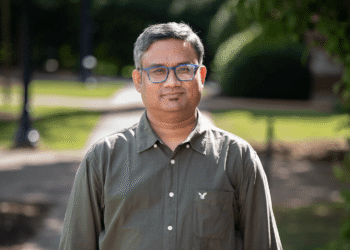
Assoc. Prof. Huda: Bangladesh’s Democratic Future Depends on How Political Parties Exercise Power
In this interview with the ECPS, Associate Professor Kazi A. S. M. Nurul Huda offers a nuanced assessment of Bangladesh’s...

Samzir Ahmed: Institutionalization Is an Acid Test for Populist Politics in Bangladesh
Bangladesh’s 2026 election—the first since the 2024 uprising that toppled Sheikh Hasina—has been widely framed as a democratic turning point....
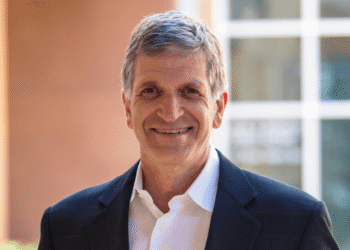
Prof. Kopstein: Trumpism, Better Understood in Patrimonial Terms, Treats the State as a Family Business
Professor Jeffrey Kopstein argues that Trumpism is best analyzed not primarily as populism, but as patrimonial rule—where “the state itself...
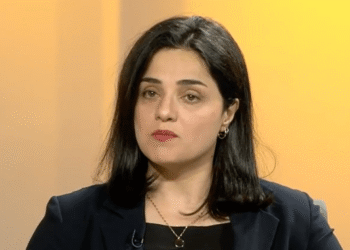
Dr. Shahriari: Without Western Recognition, Rojava Lacks Leverage to Secure a Lasting Power-Sharing Deal with Damascus
In this ECPS interview, Dr. Soheila Shahriari offers a theoretically grounded diagnosis of Rojava’s most precarious post-ISIS moment. She argues...