

The ECPS Panel on Demographic Populism, titled “Demography as a Political Battleground: Migration, Family, Race, Religion, and Radical-Right Populism” examined how demographic change becomes politically meaningful when transformed into narratives of threat, survival, and belonging. Bringing together contributors to the book titled The Radical Right and Demographic Populism, the discussion showed how migration, fertility, abortion, gender, religion, race, and family are increasingly connected through struggles over who constitutes “the people,” who reproduces them, and whose future is imagined as endangered. Across cases from Europe, Latin America, the United States, and Russia, panelists explored the weaponization of demographic data, the role of emotion and transnational networks, and the effects of demographic narratives on party competition, public policy, and social boundaries. The panel underscored that demographic populism is ultimately less about population numbers than about their political interpretation.
Reported by ECPS Staff
Demographic change is often treated as a background condition of political life: a measurable shift in fertility, migration, age structure, religious composition, or family formation. Yet the ECPS Panel on Demographic Populism titled “Demography as a Political Battleground: Migration, Family, Race, Religion, and Radical-Right Populism”, held online on September 30, 2026, demonstrated that demography becomes politically consequential only when such changes are interpreted, narrated, and connected to broader struggles over identity, belonging, reproduction, and collective survival.
Bringing together contributors to the book The Radical Right and Demographic Populism, the discussion examined how demographic developments are transformed from social facts into political threats, how apparently separate issues become articulated within a common ideological framework, and what happens when these narratives gain electoral, institutional, or transnational traction. The panel was expertly moderated by Dr. Klaudia Koxha, Postdoctoral Fellow at the University of Lausanne, whose comparative framing and carefully structured interventions consistently connected the speakers’ cases while drawing out the conceptual links among demographic change, populism, political competition, and belonging.
At the center of the discussion was the concept of demographic populism. Rather than reducing radical-right politics to opposition to immigration or cultural change, the panel explored a broader logic in which “the people” are imagined as a population whose continuity is endangered. In this framework, migration, declining fertility, abortion, LGBTQ+ rights, changing gender norms, religion, race, and family policy can be linked through a common question: who constitutes the legitimate people, who reproduces them, and which groups or institutions are portrayed as threatening their future? Professor Oscar Mazzoleni emphasized that this perspective shifts attention from sovereignty and prosperity toward survival and reproduction, while Associate Professor Alberta Giorgi highlighted the active weaponization of demographic change through fear, discursive articulation, and claims to scientific or cultural authority.
The comparative breadth of the panel revealed that this political logic takes markedly different forms across national and regional contexts. Professor Reinhard Heinisch showed how, in Austria, demographic categories become cultural and civilizational categories through party competition and the construction of Muslims as a threat to national continuity. Professor Carlos de la Torre demonstrated that in Latin America demographic politics cannot be understood primarily through migration, since race, gender, sexuality, mestizaje, and the politics of the family have long been central to populist constructions of “the people.” Professor Carol Mason, meanwhile, traced how anti-abortion movements in the United States and post-Soviet Russia have mobilized the “unborn” as a collective symbol of national and racial futures, showing how demographic anxieties circulate through transnational networks and religious-political alliances.
Across these cases, a central conclusion emerged: demographic populism is not simply about numbers. It is about the political interpretation of numbers and the selective construction of demographic realities. Population statistics, fertility rates, migration flows, and family structures acquire political meaning when they are woven into narratives of decline, replacement, dispossession, or moral disorder. Such narratives may then reshape party competition, public policy, institutional agendas, social alliances, and even definitions of citizenship and belonging. The panel therefore situated demographic populism not as a marginal subfield of radical-right politics, but as a potentially powerful framework for understanding how contemporary struggles over nation, religion, race, gender, and reproduction are increasingly fused into competing visions of the future of “the people.”
Dr. Koxha: Demographic Populism Connects Migration, Reproduction, Religion, Race, and the Politics of Belonging
In her opening remarks, Dr. Klaudia Koxha, Postdoctoral Researcher at the University of Lausanne, introduced the ECPS Panel on Demographic Populism by situating the discussion within the recently published volume The Radical Right and Demographic Populism, which she co-edited with Professor Oscar Mazzoleni and which appeared with Manchester University Press in July 2026.
Rather than presenting the volume as a conventional sequence of chapter summaries, Dr. Koxha explained that the panel was deliberately organized around comparative questions cutting across the book’s diverse cases. This approach reflected one of the volume’s central analytical premises: issues such as migration, fertility, abortion, gender, LGBTQ+ rights, religion, race, and family are frequently discussed as separate domains, yet within radical-right politics they often become interconnected through a broader struggle over population, belonging, and collective continuity. The key questions therefore concern who constitutes “the people,” who reproduces that community, how its composition is understood to be changing, and which actors or developments are represented as threats to its future.
Dr. Koxha emphasized that the concept of demographic populism seeks to move beyond treating demographic developments as objective trends that automatically generate political consequences. Declining fertility, increased migration, changing religious composition, or evolving understandings of gender and family do not in themselves become political crises. What matters analytically is the political work through which such developments are interpreted, connected, dramatized, and transformed into narratives of demographic anxiety and collective threat.
She then introduced the panelists and highlighted the comparative breadth of their contributions. Professor Oscar Mazzoleni examines Fratelli d’Italia and the adaptation of demographic fears and “great replacement” narratives as the party moves from the margins into government. Professor Alberta Giorgi analyzes the online circulation and normalization of replacement narratives in Italy and France, particularly the legitimizing role of statistics, science, and demographic expertise. Professor Carol Mason focuses on transnational anti-abortion mobilization connecting the United States and Russia, showing how reproductive anxieties intersect with gender and broader radical-right projects. Professor Carlos de la Torre contributes a historical Latin American perspective on the incorporation of race, gender, sexuality, and family into different populist waves. Professor Reinhard Heinisch examines the Austrian Freedom Party’s shift from anti-clericalism toward cultural Christianity in constructing Muslims and immigration as questions of national and demographic belonging.
Dr. Koxha concluded by inviting Professor Mazzoleni to elaborate on why these diverse political struggles can productively be understood through the common lens of demographic populism and what this concept contributes to both theoretical and empirical debates.
Prof. Mazzoleni: Demographic Populism Reframes the Politics of “the People” Around Survival, Reproduction, and Belonging
Professor Oscar Mazzoleni framed demographic populism as a form of populist politics in which the central concern is not only the sovereignty or prosperity of “the people,” but their perceived survival and reproduction. While populist discourse often identifies enemies who allegedly undermine popular power or material well-being, demographic populism casts certain actors and social changes as threats to the continued existence of the people understood through national, racial, or religious belonging.
Within this framework, issues such as LGBTQ+ rights, homosexuality, abortion, and changing family structures can be represented as challenges to biological reproduction. The traditional family therefore occupies a central position, whether imagined as Christian, white, or nationally defined. It becomes not merely a cultural institution but a demographic and political pillar through which the continuity of the people is supposedly secured.
Professor Mazzoleni stressed that these claims vary across contexts and actors and should be examined through both demand-side and supply-side dynamics. A key contribution of the concept is to challenge the tendency to treat religion, race, immigration, sexuality, and family as separate cultural issues. Instead, demographic populism connects them through a common logic of population, reproduction, and belonging. From this perspective, radical-right opposition to multiculturalism, cosmopolitanism, and changing gender norms may form part of a broader political project centered on defending the traditional family and preserving an imagined national, religious, or racial community against perceived demographic transformation.
Dr. Koxha noted that Prof. Mazzoleni’s intervention provided the conceptual starting point needed to move the discussion forward. She then shifted the panel from the concept to the cases, asking how demographic change becomes political in the first place. Dr. Koxha stressed the premise that demographic change does not automatically become a political crisis. She pointed specifically to declining fertility, migration, changing religious composition, and changing family structures, and asked what has to happen for such developments to be transformed into political threats. She also asked what the individual cases examined by the panelists reveal about this process. Dr. Koxha then invited Professor Alberta Giorgi to respond first, giving her the floor.
Assoc. Prof. Giorgi: Demographic Change Becomes Political Through Weaponization and Cultural Resonance

Associate Professor Alberta Giorgi argued that demographic shifts do not constitute crises in themselves. Rather, they become politically consequential when political actors actively transform them into threats. Drawing on the comparative cases she analyzed, Professor Giorgi identified the active weaponization of demography as a first crucial step. This involves political actors reframing demographic developments through a politics of fear and translating policy challenges into apocalyptic scenarios. Demography therefore becomes politically charged when it is deliberately presented as a source of danger.
A second element concerns discursive articulation. Professor Giorgi emphasized that different narratives must be brought together and connected in ways that make demographic change meaningful within a broader political frame. For such narratives to be effective, however, they must also achieve cultural resonance. She explained that this cultural resonance can be constructed in different ways. In the cases she examined, it is built partly through references to science and figures of authority, but also through longer-term processes of cultural change. These processes gradually reshape what can be said publicly and how it can be said.
Professor Giorgi described this as a long-term metapolitical project. Through such processes, demographic developments are progressively transformed into perceived demographic threats. She summarized the mechanism in two central dynamics: the active weaponization of demography and the transformation of the cultural boundaries of what can legitimately be articulated in public discourse.
Dr. Koxha highlighted one point in particular from Professor Giorgi’s intervention: the importance of discursive articulation. Dr. Koxha emphasized that demographic developments have to be interpreted, narrated, and given political meaning before they can function as political threats. Building on this point, she shifted the discussion to Professor Reinhard Heinisch and the Austrian case. She noted that, in Austria, demographic change intersects particularly strongly with religion and immigration. Dr. Koxha therefore asked how the process of transforming demographic change into a political threat operates in this specific national context.
Prof. Heinisch: Demographic Change Becomes Political When It Is Reframed as a Civilizational Threat
Professor Reinhard Heinisch strongly endorsed the preceding argument that demographic change is not inherently political. Drawing on the Austrian case, he argued that it becomes politicized when demographic categories are transformed into cultural and civilizational categories. Professor Heinisch stressed that this process does not follow automatically from immigration numbers. Austria experienced a significant increase in its Muslim population, yet politicization did not coincide directly with that demographic change. Instead, there was a lag. The issue became politically salient when the radical-right Freedom Party (FPÖ) chose to make it a central theme of party competition and when the Conservative Party subsequently decided to compete on similar terrain.
He noted that earlier opportunities to politicize the growth of the Muslim population had existed but were not taken up. Politicization therefore depended on specific circumstances of party competition and particular political actors. Professor Heinisch explained that demographic change is then reframed as a zero-sum process. An increase in immigrants or Muslims is translated into identity markers, which are subsequently presented as threatening the native population. Populism enters through the construction of a people portrayed as endangered, losing sovereignty, and facing collective decline.
This produces a symbolic distinction between native and non-native Austrians, or between the “real people” and those depicted as not fully belonging. In this way, demographic change is reinterpreted as a threat to the civilization of the native population. Professor Heinisch therefore emphasized the strongly discursive character of this radical-right reframing process.
Dr. Koxha highlighted the recurring themes emerging from the discussion, particularly the role of political parties and party competition in determining when and how demographic issues become politically mobilized. She noted that the Austrian case showed why a topic that had previously remained politically marginal could later become salient under specific competitive conditions. Dr. Koxha also emphasized that this process involved not only the framing and legitimation of demographic fears, but also the construction of religious and cultural difference in connection with migration and immigrants from particular backgrounds.
She then turned to Professor Carlos de la Torre, explaining that his chapter offered an opportunity to complicate the discussion further. Unlike the European cases considered so far, mass migration is not a central organizing political issue in the Latin American cases he examines. Dr. Koxha therefore posed a comparative question: if immigration is not performing the same political function in these contexts, what other processes transform demographic questions into political questions?
Prof. de la Torre: Latin America Shows That Demographic Politics Can Center on Race and Gender Without Mass Migration
Professor Carlos de la Torre situated the Latin American experience within the longer history of populism in the region. He noted that while Latin America has experienced populism in government and as a regime form since the 1930s, 1940s, and 1950s, as well as earlier neoliberal forms of right-wing populism, the newer radical-right populism associated with figures such as Jair Bolsonaro represents a more recent development.
Professor de la Torre explained that, rather than applying categories developed primarily for European cases, his chapter compares contemporary radical-right constructions of race and gender with the ways these issues were articulated in earlier Latin American populist experiences. His central finding is that race, gender, and sexuality have long been politicized in the region, but that the forms and meanings of this politicization have changed considerably over time.
To illustrate this, he turned first to Peronism in Argentina during the 1940s and 1950s. Argentina had historically imagined itself as a predominantly white and European nation. Under Perón, however, race was politicized in a more inclusionary manner, with greater recognition of Indigenous legacies and of a national identity rooted in racial and ethnic mixing. Peronist supporters themselves were often described through racialized labels such as “Black Peronists” or “Cabecitas Negras,” even when they were not Black but Indigenous, Mestizo, or perceived as non-white.
Professor de la Torre emphasized, however, that this model of racial mixing was itself complex because it could obscure the distinct experiences and identities of Indigenous and Black populations. He contrasted this earlier inclusionary construction with contemporary radical-right politics in Brazil. Jair Bolsonaro, he argued, invoked the idea of Brazil as a “racial democracy” to question demands for racial equality by Afro-Brazilians. In this formulation, the very claim that racial mixing has eliminated racial divisions can be used to deny the need for group-based recognition and redistribution.
For Professor de la Torre, the key analytical point is therefore that demographic politics in Latin America cannot be reduced to migration. Race itself has been repeatedly reconstructed and politicized in different ways, shifting from more inclusionary populist narratives of racial mixing toward more exclusionary uses of the myths of racial democracy and mestizaje.
Dr. Koxha noted that questions of race, gender, and sexuality also become sites through which “the people” are constructed and defended, but that this occurs in ways that differ significantly from the European cases discussed earlier. Dr. Koxha highlighted in particular Professor de la Torre’s reference to more inclusionary forms of populist construction in Latin America. She then connected the discussion of race to the question of reproduction itself.
Turning to Professor Carol Mason, Dr. Koxha shifted the focus toward transnational anti-abortion mobilization. She noted that Mason’s chapter addresses questions of who is considered wanted or unwanted in reproductive terms and asked how narratives of demographic change become politically meaningful within this transnational context. Her question therefore introduced a new dimension to the discussion: how demographic anxieties are shaped and mobilized not only within national political settings, but also through transnational linkages in anti-abortion activism.
Prof. Mason: Anti-Abortion Politics Turns Demographic Anxiety into a Struggle Over the Future of “the People”

Professor Carol Mason situated contemporary anti-abortion politics within a much longer history of demographic anxiety in the United States. She argued that fears of demographic decline have shaped anti-abortion mobilization for decades and have repeatedly intersected with different currents of the radical right.
Professor Mason traced these anxieties back at least to the 1970s, pointing to anti-abortion figures such as Father Paul Marx, founder of Human Life International. She emphasized that demographic fear within anti-abortion activism has long had an international dimension. In the United States, however, the roots extend even further, to early twentieth-century nativist fears of “race suicide,” which were often framed around the claim that white women were not having enough children at a time of increased immigration.
She noted that such anxieties are frequently expressed through discussions of birth rates, especially declining birth rates among white women. Yet this framing, she stressed, can be misleading if mortality rates are ignored. In a country marked by substantial health disparities, understanding demographic change also requires attention to maternal mortality as well as fertility.
Professor Mason then turned to the role of conservative media in making demographic anxieties emotionally resonant. She highlighted the 2008 film Demographic Winter as a recent articulation of these fears, linking it to an earlier anti-abortion film, Whatever Happened to the Human Race?, featuring Christian intellectual Francis Schaeffer and physician C. Everett Koop. Both films, she observed, combined supposed expert authority with highly emotional visual techniques.
A particularly striking device involved images of children disappearing from otherwise idyllic settings. In one case, a playground swing remains in motion after the child has vanished; in another, children visually dissolve from the frame. For Professor Mason, these images symbolically represent fears that white progeny are being erased.
Her broader argument was that anti-abortion rhetoric helps create a bridge to right-wing populism by presenting the unborn not simply as individual lives, but as a collective embodiment of the future of “the people.” Demographic change can then be framed as imperiling that collective future. In this way, reproduction becomes connected to racialized anxieties, population decline, and broader radical-right narratives about who belongs, who should reproduce, and whose future is imagined as being under threat.
Dr. Koxha reflected on Professor Mason’s discussion by highlighting the concept of the “unborn” as particularly revealing. She noted that, in Mason’s account, the unborn can represent contrasting possible futures: both the baby that is desired and the one that is not. In this sense, Dr. Koxha suggested, the unborn can operate as a kind of floating signifier within demographic and political narratives.
She also emphasized Mason’s distinction between declining birth rates and the omission of mortality rates. For Dr. Koxha, this illustrated how political actors and transnational networks construct selective narratives by foregrounding one part of a demographic story while leaving other dimensions aside. She connected this process to a broader tendency within populism, and radical-right populism in particular, to simplify more complex social phenomena.
Dr. Koxha then turned back to Professor Oscar Mazzoleni and the case of Fratelli d’Italia. She highlighted how demographic anxieties, immigration, and replacement narratives converge within a party-political setting. Her question focused particularly on how demographic developments continue to be transformed into political threats when a party moves from the political margins into government while retaining a strong ideological legacy.
Prof. Mazzoleni: Governing Radical-Right Parties Balance Demographic Radicalization with Strategic Moderation
Professor Oscar Mazzoleni focused on the challenge radical-right parties face once they enter government and gain the capacity to implement policies related to natality, fertility, and demographic change. He argued that this governmental role is crucial for understanding both the impact of demographic populism and the ways demographic transformations continue to be politicized.
Professor Mazzoleni noted that radical-right actors frequently frame demographic change as a threat to the centrality of native, white, and often Christian populations. Yet the form and intensity of this politicization vary according to national context and political actors. In the Italian case, he highlighted the tension faced by a party that must govern while also maintaining a radical ideological identity.
This creates what he described as a form of calculated ambivalence. Political leaders may invoke fears associated with the “great replacement” while simultaneously distancing themselves from the conspiratorial implications of that narrative. In this way, demographic transformation can be presented as a factual or structural concern, while the more explicitly radical-right interpretation is denied or softened. The result is an ability to appear moderate in one register while continuing to mobilize radical themes in another.
Professor Mazzoleni emphasized that this strategy is particularly important in the context of major demographic transformations, including changing balances between younger and older generations. Such structural changes have direct implications for policymaking, but radical-right parties seek to reinterpret them politically in ways that maintain mobilization and ideological continuity.
The broader challenge, he argued, is one of political survival. Radical-right parties in government must remain connected to their core constituencies while also reaching wider audiences. They therefore have to manage what he described as “the two sides of the moon”: on one side, gaining respectability within the political establishment, including at the European level; on the other, preserving a radical identity through discourse and public policy. This tension, he suggested, is central to understanding how demographic populism operates once radical-right parties move from opposition into government.
Dr. Koxha closed the first round by emphasizing the role of political actors and movements in constructing and circulating demographic narratives. She highlighted two mechanisms that had emerged from the discussion: selective framing, whereby only part of a broader demographic story is foregrounded, and what Professor Oscar Mazzoleni described as “calculated ambivalence.”
Dr. Koxha stressed that demographic reality alone does not determine political salience. Returning to a point raised by Professor Heinisch, she noted that similar demographic conditions do not always become politicized in the same way. This, she suggested, raises a broader question about whether similar political narratives can gain traction under very different demographic circumstances.
She therefore underscored the distinction between demographic change itself and its political interpretation, noting that complex demographic developments are often simplified through political narration. With this distinction established, Dr. Koxha introduced the second round of the panel, shifting attention from how demographic developments become politicized to what connects these different political struggles. She then invited Professor Carlos de la Torre to begin.
Prof. de la Torre: Radical-Right Populism Mobilizes Nostalgia to Defend Family, Hierarchy, and an Idealized Social Order

Professor Carlos de la Torre argued that what connects many of the political struggles examined across the Americas is a nostalgia for an idealized past. Drawing on both Latin American and United States cases, he described this imagined past as one in which religion occupied a stronger social position, gender roles were clearly defined, and racial and social hierarchies were more firmly established.
Professor de la Torre emphasized that this nostalgia centers on a hierarchical vision of society. Men and women are assigned traditional roles, while racial and other minorities are expected to remain within clearly defined social boundaries. In this sense, the different political struggles are linked by an effort to restore or defend a social order perceived as having been destabilized.
Turning to gender, he identified the defense of the traditional heterosexual patriarchal family as a particularly important source of mobilization. He argued that radical-right actors have constructed “gender ideology” as a common enemy capable of bringing together opposition to sex education in schools, same-sex marriage, adoption by gay and lesbian couples, and non-binary gender identities. These issues are framed as components of a single project allegedly threatening the nuclear family. Professor de la Torre also highlighted the role of Catholic intellectuals and other conservative thinkers in developing and circulating this framework.
On race, he noted that Latin American radical-right narratives often draw on claims that the region possesses its own distinctive racial model, expressed through ideas such as mestizaje and racial democracy. Within this framing, racism is either denied or attributed to activists accused of importing foreign ideologies that divide society. For Professor de la Torre, these narratives converge around a common political logic: opposition to what are presented as alien ideas that divide populations along racial, gender, and sexual lines, combined with the defense of family, hierarchy, and an idealized social past.
Dr. Koxha highlighted how Professor de la Torre’s case showed that defining “the people” also involves ideas about legitimate families, gender relations, and racial identities. She then returned to the European context, inviting Professor Alberta Giorgi to examine how immigration and reproduction become linked through replacement narratives, and how these connections construct the image of a threatened people.
Assoc. Prof. Giorgi: Replacement Narratives Link External Migration and Internal Reproductive Threats
Associate Professor Alberta Giorgi examined how replacement narratives connect immigration, reproduction, gender, and sexuality within a broader demographic framework. Drawing on a comparison between Italy and France, she noted that the specific discourse varies across the two cases, but that the underlying logic of replacement remains similar.
Professor Giorgi explained that society is framed through a nativist perspective in which migration is constructed as an external demographic threat. Migrants are portrayed as having supposedly higher birth rates and, because they are positioned as not fully belonging, their reproduction is represented as contributing to the displacement of the native population.
She added that migrants can also be constructed as a sexual threat. This may involve fears of seduction or sexual relations with members of the native population, introducing an explicitly racialized dimension into the narrative.
Alongside this external threat, Professor Giorgi identified an internal one. LGBTQI+ rights, abortion rights, and other gender-related issues are presented as forces that allegedly weaken the reproductive capacity of society. In replacement narratives, these internal and external threats are therefore connected through a shared concern with reproduction.
Professor Giorgi also highlighted an important shift in the interpretation of demographic data. In the Italian case in particular, figures referring to the population living in Italy may be reinterpreted as if they referred only to Italians. This transformation of meaning allows demographic statistics themselves to be reframed through a nativist lens.
She emphasized that these different strands are brought together through a broader discursive articulation linking external and internal threats to reproduction. Professor Giorgi pointed to the struggle against so-called “gender ideology” as another important mechanism connecting these issues. She traced the origins of the concept to the Vatican and the Catholic Church before its subsequent adoption by political actors. In this sense, the contemporary discourse has a broader genealogy and infrastructure through which ideas about migration, sexuality, reproduction, and demographic decline become interconnected within a common political framework.
Dr. Koxha highlighted the striking connection between who enters a population and who reproduces it from within, linking this dynamic to the broader theme of demographic replacement running throughout the volume. She then turned to Professor Oscar Mazzoleni and Fratelli d’Italia, emphasizing the party’s tension between governing responsibility and its radical-right ideological legacy. Dr. Koxha asked who constitutes “the people” at the center of its narrative and in whose name demographic anxieties are articulated.
Prof. Mazzoleni: Defending the “True People” Against Demographic Replacement
Professor Oscar Mazzoleni identified the people at the center of Fratelli d’Italia’s demographic narrative as the Italian nation imagined in explicitly native terms. The perceived threat of “great replacement,” he explained, is closely connected to immigration and to wider anxieties about Italy’s “demographic winter” and population decline.
Within this framing, the population understood to be at risk is composed primarily of white, Italian, and Christian citizens. The perceived demographic threat is associated particularly with Islam and immigration from Africa. Professor Mazzoleni presented this as part of a broader European pattern in which demographic transformation is politicized through the defense of a native or “true” people. He linked this construction to the familiar radical-right triad of family, God, and nation, through which demographic concerns are incorporated into a broader ideological project of protecting national continuity and belonging.
Professor Mazzoleni also introduced a historical dimension, arguing that contemporary scholarship should look more systematically beyond the present. He noted that similar arguments concerning population, national survival, family, and demographic threat were already prominent in the early twentieth century and were strongly connected with fascist movements. For the Italian case especially, he stressed that understanding contemporary demographic populism therefore also requires attention to these historical continuities.
Dr. Koxha highlighted Professor Mazzoleni’s historical point, stressing that demographic narratives are not entirely new but can recirculate across different periods. She linked this to the earlier question of how political actors selectively use demographic conditions to construct narratives that do not necessarily capture the full complexity of reality.
Dr. Koxha also returned to Professor Alberta Giorgi’s observation about demographic data, emphasizing how statistics about populations can be transformed into claims about specific national communities such as Italians. This showed, she argued, that “the people” are not merely a numerical population but are culturally and normatively defined. She then turned to Professor Reinhard Heinisch, asking how religious and national belonging intersect in Austria, particularly despite the country’s increasing secularization.
Prof. Heinisch: Demographic Populism Defines the Boundaries and Reproduction of “the People”
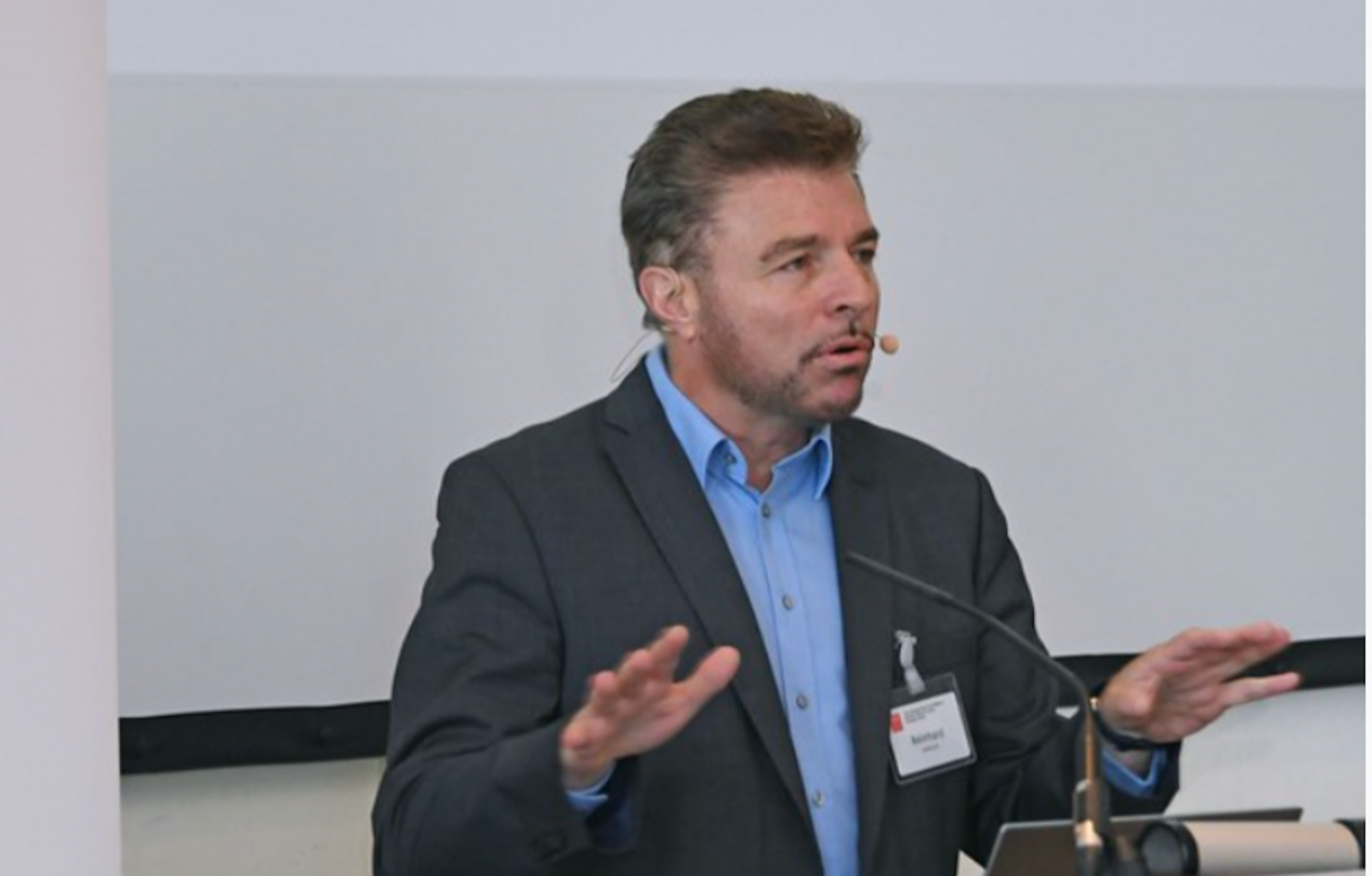
Professor Reinhard Heinisch began by reinforcing Professor de la Torre’s emphasis on nostalgia. Referring to a recent Freedom Party (FPÖ) poster proclaiming “the past, just better,” he argued that radical-right politics often constructs an idealized past designed to generate emotional aspiration. He then identified three components linking the different issues discussed in the volume. First, they all concern the boundaries and reproduction of “the people.” Immigration raises questions about who enters the community, while family, fertility, gender, and sexuality concern how the community reproduces itself and preserves continuity.
Second, Professor Heinisch noted that classical populism revolves around an antagonism between “the people” and “the elite.” In the cases examined in the volume, however, a third actor is also present: a constructed cultural “other” portrayed as an enemy or threat.
Third, these dynamics allow demographic populism to extend across multiple political domains. Immigration determines who enters; religion defines cultural belonging; family and fertility shape questions of reproduction; and gender and sexuality become linked to cultural continuity, moral order, and the future.
The Austrian case, Professor Heinisch argued, demonstrates particularly clearly that “the people” cannot simply be equated with citizens. It is a more complex category produced at the intersection of demographic, cultural, religious, and moral boundaries.
He concluded that the radical right’s ability to dominate demographic debates enables it to intervene across all these areas simultaneously. This creates a significant challenge for other political parties, which often struggle to compete on terrain already strongly shaped by radical-right narratives.
Dr. Koxha reflected on Professor Heinisch’s intervention by emphasizing the complexity of belonging across race, religion, and culture. She noted that an immigrant or person of color who is Christian may still be understood as culturally belonging, while a white Muslim may occupy a more ambiguous position. For Dr. Koxha, this showed how racial and religious identities are filtered through broader cultural definitions of belonging. She then extended the discussion to the transnational politics of reproduction, inviting Professor Carol Mason to explain the role of religion, particularly Christianity, in connecting these issues within a common political struggle and in defining the people claimed through that process.
Prof. Mason: The “Unborn” as a Collective Future Linking Anti-Abortion Politics, Racial Anxiety, and Christian Nationalism
Professor Carol Mason focused on the symbolic role of the “unborn” as a representation of “the people” and their imagined future. Rather than treating the unborn solely as an individual figure within anti-abortion rhetoric, she argued that different sectors of the right have deployed it collectively, enabling demographic fears to be articulated through both religious and secular registers.
To illustrate this dynamic in the United States, Professor Mason turned to Randall Terry, founder of the militant anti-abortion organization Operation Rescue in the 1980s. The organization became known for direct-action tactics at reproductive healthcare clinics, including blockading entrances, attempting to dissuade patients from entering, and using forms of physical noncompliance when confronted by police. Although such tactics resembled methods associated with the American civil rights movement, Terry explicitly distanced Operation Rescue from that tradition.
Professor Mason highlighted instead the religious language through which Terry justified such activism. He presented the United States as facing imminent divine punishment because of abortion and described activists as acting on behalf of “our children and their futures.” For Mason, this formulation reveals how the unborn become more than individual fetuses: they operate as a collective symbol of the future of “the people.”
She then drew attention to the striking proximity between this rhetoric and the white-power slogan known as the “14 Words,” written by David Lane during roughly the same period, which similarly invokes securing a future for white children. Professor Mason used this parallel to demonstrate how language concerning children, futurity, reproduction, and collective survival can travel across different sectors of right-wing politics.
She then extended the analysis beyond the United States, arguing that the use of the unborn as a collective representation of the future of a nation or race was exported into post-Soviet Russia. Drawing on an example discussed by Kristina Stoeckl, Professor Mason described a Russian anti-abortion reinterpretation of the socialist slogan “Proletarians of the world, unite!” Through a purported derivation of proletariat from the Latin prolis, meaning offspring, the slogan was recast as if it contained an originally anti-abortion message. This reinterpretation was accompanied by the claim that abortion had been legalized in the Soviet Union by Jewish doctors.
Professor Mason characterized this as an anti-Semitic and revisionist reworking of political language. In her account, it illustrates how the unborn can be mobilized as imagined future offspring in the construction of Christian-national populism, connecting reproduction, religion, nationalism, and demographic survival across transnational political contexts.
Dr. Koxha observed that the discussion had demonstrated how extensively the concept of “the people” operates across the cases. It may refer to a nation, a cultural, racialized, religious, or civilizational community, or even to a population imagined through its future reproduction. Despite these different manifestations, she identified a common political logic: the construction of an “us” and a “them,” accompanied by a sense of incompatibility and competing imagined futures.
Dr. Koxha then introduced the panel’s third round, shifting attention from the construction of demographic threats to their consequences once such narratives gain political traction. She asked how demographic populism shapes political mobilization, alliances, public debate, ideas of rights and belonging, and potentially institutions and policy. She invited Professor Oscar Mazzoleni to begin by reflecting on what his case reveals about these broader political consequences.
Prof. Mazzoleni: Radical-Right Parties Turn Demographic Policy Constraints into Fuel for Permanent Campaigning

Professor Oscar Mazzoleni argued that one of the most important next steps in the study of demographic populism is to move beyond discourse, framing, and political communication toward a more systematic examination of public policy. He explained that the volume opens a broader research agenda by bringing together different national contexts, methodological approaches, and perspectives from both the supply and demand sides of politics. However, he stressed that understanding demographic populism also requires closer attention to whether radical-right parties, leaders, and social movements are actually able to translate demographic narratives into concrete policy.
Professor Mazzoleni underlined that there is no automatic connection between rhetoric and implementation. Political parties may emphasize natality, fertility, family, immigration, and demographic decline in their discourse, but the crucial question is whether they can transform these priorities into effective policy instruments.
He referred to Hungary under Viktor Orbán as an instructive case in which governments have attempted to implement policies explicitly linked to family support and demographic concerns. He also returned to the Italian case, emphasizing the challenge of moving from rhetorical commitments to reforms capable of addressing what radical-right actors describe as the “demographic winter.” This may involve natality policies, financial support for families, and measures intended to place the family more centrally within public policy, alongside restrictive approaches to immigration.
Professor Mazzoleni stressed that implementation itself can become politically significant when such policies fail to produce the expected results or encounter institutional and structural constraints. In these circumstances, radical-right actors may explain the difficulties by identifying external enemies or obstacles, including European institutions, political competitors, or other actors portrayed as preventing them from carrying out their agenda.
In this sense, policy limitations can themselves be incorporated into populist discourse. The inability to fully implement demographic policies may be reframed as evidence that hostile forces are obstructing the will of the people. Professor Mazzoleni concluded that this dynamic contributes to a form of permanent campaigning. Even when radical-right parties hold significant governmental power, they can continue to mobilize supporters by presenting themselves as engaged in an ongoing struggle against forces allegedly undermining their demographic and family-oriented political project.
Dr. Koxha highlighted Professor Mazzoleni’s point that the volume aims to open a broader research agenda. She noted that governing creates opportunities to pursue demographic policies but also exposes parties to institutional constraints, particularly within the European Union. Dr. Koxha then shifted the focus beyond parties in government or opposition, asking what happens when political actors operate through transnational networks and organizations. She invited Professor Carol Mason to examine the political consequences of successfully connecting and circulating demographic narratives across borders.
Prof. Mason: Anti-Abortion Networks Turn Demographic Anxiety into Transnational Political Power
Professor Carol Mason argued that deploying the unborn as the imperiled future of the nation can contribute to major political transformations. In her chapter, she examines this dynamic through the shift from the Soviet Union to the post-Soviet clericalization of Russia, emphasizing the central role of abortion in that process.
Professor Mason noted that the Soviet Union had a complex history of abortion policy. It decriminalized abortion in 1920, later banned it, and then decriminalized it again in 1955. Unlike the 1973 legalization of abortion in the United States through Roe v. Wade, she argued, abortion in the Soviet context had become close to a universal experience for many women and was often treated as a practical necessity rather than primarily as an expression of individual reproductive choice. Debates over abortion policy were also repeatedly framed through demographic concerns.
Professor Mason stressed, however, that accounts focusing on Russian demographic debates often overlook the sustained involvement of the global anti-abortion movement, particularly support from the United States beginning in the 1990s. She identified the World Congress of Families (WCF) as a particularly important institutional vehicle in this process.
Founded in the mid-1990s through cooperation between American and Russian academics concerned with demographic change, the WCF developed recurring international conferences where different right-wing actors could establish connections. Over time, Professor Mason explained, these networks facilitated the circulation of shared ideologies, tactics, and resources linking Russian Orthodox actors with American Republicans, theocratic groups, and white supremacist currents.
She also noted that the WCF has operated beyond Europe and Russia, using populist and sometimes neocolonial language in campaigns against reproductive rights in African contexts. It became part of a broader international network encompassing overlapping ambitions associated with illiberal politics, theocratic governance, and hypercapitalism.
Professor Mason emphasized that the origins of this network should not be understood only through later anti-gender mobilization. Anti-abortion activism, she argued, was present from the outset. Citing Neil Datta’s work, she noted that leaders of national anti-abortion movements were among those who established Christian micro-parties and subsequently sought influence within mainstream center-right parties.
For Professor Mason, this history matters because opposition to abortion has functioned not only as a political objective but also as a mobilizing strategy. By presenting abortion as part of an apocalyptic demographic struggle over cultural survival, transnational anti-abortion networks have helped create political alliances and narratives that have benefited broader repressive right-wing movements.
Dr. Koxha noted that political traction does not necessarily mean electoral success alone. It can also involve building infrastructures, alliances, and repertoires through which ideas travel across movements and political arenas. She then invited Professor Reinhard Heinisch to explain what consequences follow when demographic and religious threat narratives gain traction in Austria and move from party politics into the institutional sphere.
Prof. Heinisch: Demographic Narratives Reshape Party Competition, Policy, and Belonging
Professor Reinhard Heinisch identified three principal consequences when demographic narratives gain political traction: they restructure party competition, transform public policy, and alter public perceptions.
First, he pointed to the Austrian party system, where immigration and Islam became increasingly salient political issues. The Conservative Party had previously regarded Austrian Muslims as potential allies against secularism and had maintained links with Muslim communities. Once the radical right successfully reframed Islam and immigration as demographic and cultural threats, however, conservatives faced pressure to adjust their own political messaging.
Second, Professor Heinisch emphasized the impact on public policy. He referred to debates surrounding headscarves, the teaching of Islam in schools and universities, and broader questions involving security and secularization. These examples demonstrated how demographic narratives can move beyond rhetoric and influence institutional and policy agendas.
Third, he highlighted changes in public perception. Drawing on Austrian survey data over roughly two decades, Professor Heinisch noted an increasing perception that Muslims are not fully compatible with the European way of life. He argued that these shifts parallel changes in public debate and can be traced across successive election cycles.
Professor Heinisch concluded that once demographic narratives become politically successful, their effects extend well beyond elections. They can reshape institutions, public discourse, policy priorities, and the social boundaries through which belonging is defined.
Prof. de la Torre: Demographic Enmity Enables New Religious and Cross-Class Coalitions
Professor Carlos de la Torre emphasized the political consequences of constructing groups as enemies of “the people,” the nation, or the family. He argued that such antagonistic narratives can produce alliances among actors who may previously have been divided or even hostile toward one another. In the Latin American context, he pointed in particular to the convergence of right-wing Catholics and Evangelicals. Religious discourse, he suggested, can provide a common framework through which these groups are brought together around the defense of the family and the nation against allegedly threatening forces.
Professor de la Torre also stressed the class dimension of this process. Historically, he noted, the political right has often struggled to secure the support of poorer sectors of society. However, when political conflict is reframed around the defense of the family, opposition to perceived cultural enemies, or protection of the nation, these issues can help construct a broader coalition that extends beyond traditional middle- and upper-class constituencies.
In this sense, demographic and moral narratives can facilitate the formation of multi-class political alliances. By presenting politics as a struggle against actors said to threaten family, nation, or social order, radical-right movements can transcend older divisions and incorporate poorer voters into coalitions organized around cultural and religious concerns rather than primarily economic ones.
Q&A Session
Dr. Valeria Reggi: The “Natural Family” as a Discursive Boundary of Belonging
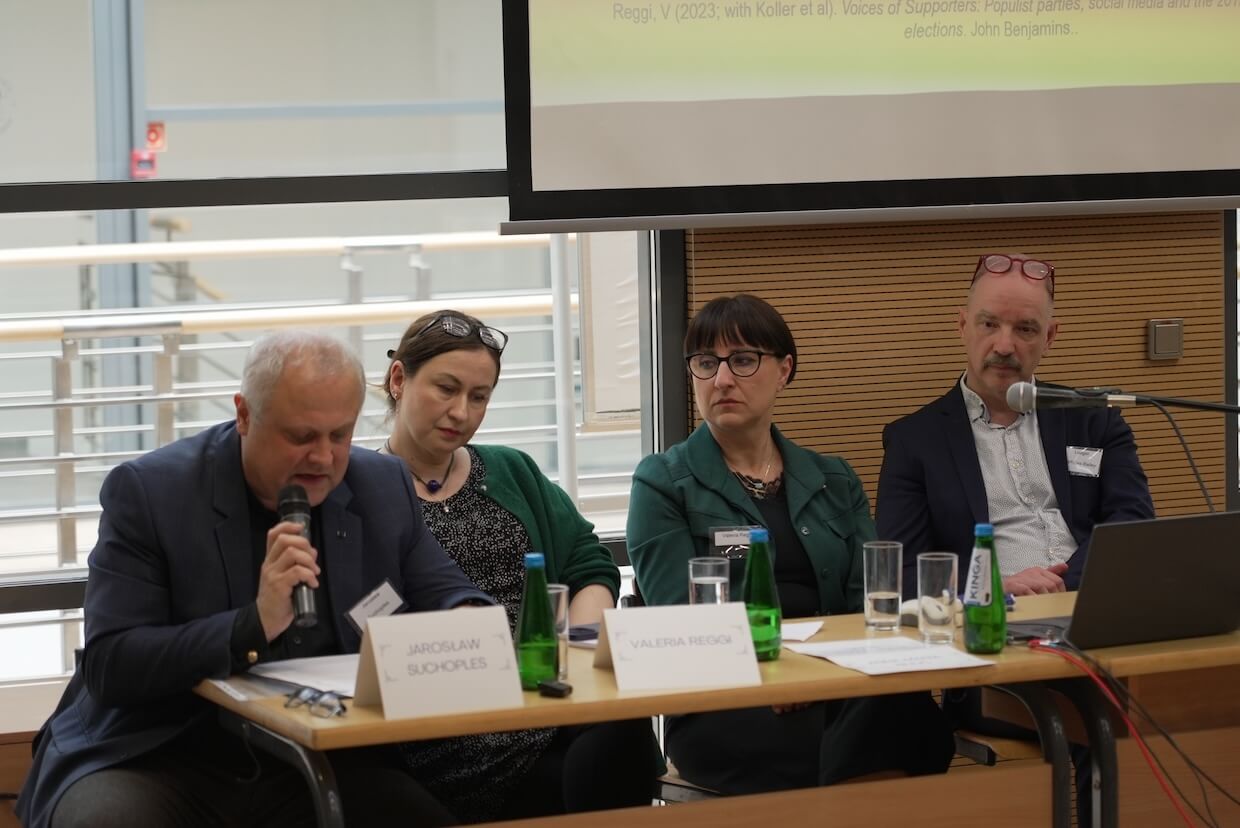
During the Q&A session, Dr. Valeria Reggi drew attention to the role of “naturalness” in the political discourse of Fratelli d’Italia and the League. Speaking from the perspective of linguistics and discourse analysis, she argued that the idea of the “natural family” functions as an important way of defining the legitimate in-group.
Dr. Reggi noted that the traditional heterosexual family—composed of a man and a woman, potentially with children—is frequently represented as natural and therefore commonsensical. In this framing, political discourse constructs a contrast between what is presented as naturally belonging to the national community and what is implicitly positioned outside it.
She suggested that this language becomes particularly significant as radical-right parties seek to present themselves as more moderate and appeal to broader electorates. Rather than relying on explicitly racialized distinctions, political actors may use the language of naturalness as a more indirect or euphemistic way of defining legitimate belonging.
Dr. Reggi connected this discourse to an image of Italy as culturally Christian and predominantly white, while also questioning the stability of such racial categories. Drawing on her own experience of being classified as “white other” while studying in the United Kingdom, she emphasized the ambiguity of what “white” itself means.
Her intervention therefore centered on how categories of family, race, Christianity, and national belonging can be reconfigured through appeals to what is presented as “natural” in a particular place and moment. She invited the panelists to reflect further on how this discourse operates politically.
Prof. Giorgi: Naturalizing the Family and Recasting Radical-Right Claims as Common Sense
Professor Alberta Giorgi agreed with Valeria Reggi’s emphasis on the political significance of “naturalness.” She argued that the normalization of radical-right discourse is closely connected to the naturalization of the family and to presenting particular ideas as simple “common sense.”
In this process, the traditional family is framed as natural, while political claims surrounding it are recast as self-evident and socially normal. Professor Giorgi described this as part of a broader hegemonic strategy through which the boundaries of acceptable discourse are reshaped. She also noted that references to the “natural family” appear across other cases, including formulations associated with the Vatican.
Beatrice Bottura: Can Demographic Populism Extend into Welfare Policy and Redistribution?
During the Q&A session, Beatrice Bottura raised two questions concerning the broader policy implications of demographic populism. First, she connected the discussion to debates over deservingness in social policy, noting that welfare policies associated with right-wing populist parties frequently incorporate nativist and exclusionary principles.
She asked whether demographic populism could therefore be extended analytically beyond policies directly related to natality and reproduction to other areas of social policy, including redistribution. In particular, she invited reflections on cases where radical-right parties have governed, such as Fratelli d’Italia in Italy and the FPÖ in Austria, and whether demographic understandings of belonging influence decisions about who is considered entitled to welfare and state support.
Her second question concerned Germany. Bottura pointed to the relationship between migration and fertility, noting that the country’s total fertility rate ceased declining following a significant migration influx. She asked whether this case complicates radical-right demographic narratives, particularly where migration may counteract demographic decline, and whether such data can nevertheless be politically reframed even as an extreme-right party gains support.
Dr. Koxha: Demographic Populism Extends from Reproduction into Education, Mobility, and Deservingness

Dr. Klaudia Koxha responded to Beatrice Bottura’s question by showing how demographic populism can extend beyond policies directly concerned with fertility and reproduction into other areas of social policy. Drawing on her own chapter in the volume, Dr. Koxha referred to her analysis of the youth factions of Austria’s FPÖ and the ways demographic narratives are adapted to a younger generation. She explained that these discourses construct the so-called native youth as increasingly disadvantaged within the education system.
According to the narratives she examined, education is portrayed as being negatively affected by immigration and by what radical-right actors describe as “gender ideology.” Immigrants are presented as supposedly incompatible with the existing educational environment and as contributing to a decline in educational standards, while gender-related changes are likewise framed as undermining the system.
Dr. Koxha emphasized that these concerns are then connected to the future labor-market position of native youth. The argument presented by these actors is that young natives are being prevented from acquiring the skills necessary for future economic success because of broader transformations within education.
What reconnects these claims to demographic populism, she argued, is the portrayal of native youth not only as future workers but as the future of the nation itself. Questions of education, labor-market advantage, and deservingness therefore become tied to demographic continuity.
She noted that similar dynamics can also appear in discussions of mobility. During the COVID-19 period, for instance, some narratives contrasted policies allegedly facilitating the movement of migrants or asylum seekers with restrictions experienced by native youth.
Dr. Koxha stressed that these issues may appear only indirectly related to reproduction. Yet they become connected through a broader chain of meaning centered on who is considered the deserving native population and who is imagined as carrying the nation into the future.
She concluded that demographic populism can therefore reach into education, mobility, and social advantage, expanding beyond fertility policy into wider struggles over resources, opportunity, and national belonging.
Prof. Heinisch: Demographic Populism Moves Beyond Welfare Exclusion Toward Narratives of National Survival
Professor Reinhard Heinisch distinguished between the exclusionary logic traditionally associated with radical-right social policy and the more far-reaching implications of demographic populism. He noted that radical-right parties in countries such as Austria, and historically Germany, have at times moved toward support for certain social policies, but primarily for the benefit of the native population. In this context, welfare exclusion is often justified through arguments about efficiency, limited resources, and the need to restrict benefits to those considered part of the national community.
Professor Heinisch argued, however, that demographic populism goes significantly further. Whereas welfare exclusion can be framed in terms of cost and resource allocation, demographic politics invokes questions of national survival and cultural replacement. This, he suggested, creates the basis for more extensive and potentially more radical political agendas.
He pointed in particular to the growing debate over “remigration” in Germany and Austria. In this context, he described a dynamic in which Identitarian actors and the radical right can operate in a kind of “tag team”: more extreme ideas may initially be articulated by Identitarian movements and subsequently taken up, adapted, or normalized by radical-right political actors.
Professor Heinisch also highlighted an important geographical paradox. In both Austria and Germany, some of the strongest radical-right support can be found in areas experiencing comparatively little demographic change or immigration. In Austria, for instance, such tendencies may be less pronounced in Vienna and stronger in provinces with lower levels of immigration.
For Professor Heinisch, this raises an unresolved causal question. It remains unclear whether radical-right parties become more radical in such areas because they are responding to already existing perceptions of decline and cultural loss, or whether political actors themselves actively produce and intensify these perceptions.
He framed this as a broader research problem concerning the relationship between demand and supply: do radical-right policies respond to pre-existing public attitudes, or do political actors generate the demand to which they later respond? Professor Heinisch concluded that this remains an open and important research agenda.
Prof. de la Torre: When Demographic Radicalization Pushes Populism Toward Post-Fascism
Professor Carlos de la Torre built on Professor Heinisch’s remarks by raising a more fundamental conceptual question. He argued that when demography is intensely politicized and charged with strong emotions, especially against the historical background of Nazi demographic politics, it becomes necessary to ask whether populism is moving toward a form of post-fascism.
Professor de la Torre applied this question to Donald Trump’s second presidency. While he regarded Trump’s earlier phase as populist up to the January 6 Capitol attack, he questioned whether this category remains sufficient amid intensified demographic politics and the use of coercive enforcement structures. His broader question was therefore whether radicalization around demographic issues eventually reaches a point at which the analytical framework of populism itself becomes inadequate.
Prof. Mazzoleni: Demographic Populism, Fascist Legacies, and the Politics of Reproductive Survival
Professor Oscar Mazzoleni responded by stressing that the relationship between populism and fascism is complex and should not be reduced to a simple equivalence. He returned instead to the question of how “the people” are defined and reproduced, asking who counts as the “good people” responsible for reproducing the nation. For Professor Mazzoleni, this remains recognizably populist because it is organized through a Manichean division between the legitimate people and forces portrayed as undermining them. These forces may include political elites, foreigners, and groups seen as threatening the nation, the family, and particularly the Christian family.
At the same time, he acknowledged that some of these components overlap with historical fascist politics. Fascism has itself sometimes been interpreted through populist categories, although Professor Mazzoleni stressed that the term carries a specifically anti-democratic historical meaning. The two traditions therefore should not be collapsed, even if some elements may be articulated together.
He identified demographic claims as one of the points of overlap. The issue concerns not only biological survival but also cultural survival. In many European radical-right narratives, fertility rates among native white Christian populations are contrasted with those of immigrant, particularly Muslim, populations. Professor Mazzoleni connected this directly to “great replacement” narratives. In this framing, immigration is presented not simply as the arrival of outsiders, but as a transformation in the demographic balance of the population. Higher fertility among immigrant communities is then portrayed as threatening the future reproduction of the native nation. He concluded that this connection between demographic reproduction, cultural continuity, and imagined national survival lies at the heart of the book’s broader concerns.
Dr. Andy Knott: Where Exactly Does Populism Enter the Analysis?
Dr. Andy Knott responded to the preceding discussion by questioning how explicitly populism itself had featured in the panel’s analysis. Reflecting on the relationship between fascism and populism, he noted that European scholars have historically had a somewhat different relationship with both the phenomenon and the terminology of populism than scholars working in the Americas.
Dr. Knott pointed to the classic volume edited by Ghita Ionescu and Ernest Gellner, observing that it did not even include a chapter on Western Europe. For him, this reflected the limited use of “populism” as a political signifier in the European context at that time.
While praising the richness of the panel’s analysis, he offered a provocation: much of the discussion, in his view, had centered on civilizationism, nativism, and nationalism, while the classic populist opposition between “the people” and “the establishment” had appeared less prominently. His question therefore challenged the panel to clarify more precisely where populism enters the framework and how demographic populism differs analytically from adjacent radical-right ideologies.
Prof. Mason: Populist Participation, Citizen Enforcement, and “Social Totalitarianism”
Professor Carol Mason returned to the question of how “the people” themselves may become active participants in coercive political projects. Drawing on Chip Berlet and Matthew Lyons’ Right-Wing Populism in America, she highlighted a distinction between the fascism associated with the industrial-era nation-state and a more diffuse form of “social totalitarianism” emerging under conditions of globalization. Professor Mason suggested that this distinction may help explain how citizens can be incorporated directly into systems of surveillance and enforcement. In this model, coercion does not depend solely on formal state institutions; ordinary people may be encouraged to monitor and act against others in the name of defending a threatened social order.
She illustrated this through Texas Senate Bill 8, under which private citizens were enabled to initiate legal action related to abortions prohibited by the law. Mason interpreted this as an example of citizens being effectively deputized to observe, report, and act against those seeking to terminate pregnancies. For her, this produces a form of surveillance and coercion exercised “in the name of the people” and, simultaneously, in the name of the unborn. She argued that demographic fears can therefore fuel a populist form of mobilization in which citizens themselves participate in enforcing moral and reproductive boundaries.
Dr. Koxha: Demographic Populism as an Emerging Political Project
Dr. Klaudia Koxha intervened in the discussion to address two questions raised by the panel: whether demographic populism may be developing into a broader political project, and where exactly the populist dimension lies within this framework.
Referring to the concluding chapter she co-authored with Professor Oscar Mazzoleni, Dr. Koxha explained that the book leaves open the question of whether previously separate struggles over migration, gender, reproduction, family, and identity are now becoming consolidated into a more coherent political agenda. What began as distinct issues mobilized for electoral purposes increasingly appears, she noted, to be connected through a common narrative centered on who is biologically reproduced and who constitutes the future population.
For Dr. Koxha, this inevitably raises historical questions about fascism, since fascist movements placed considerable emphasis on the biological, racial, cultural, and physical characteristics of the population. However, she stressed that the book treats this as an open question rather than a settled conclusion. It also raises the related issue of how effective counter-movements and democratic institutions may be in preventing such dynamics from developing further.
Turning to the question of populism itself, Dr. Koxha argued that the three familiar elements of populism—people-centrism, anti-elitism, and the restoration of sovereignty—remain clearly present in demographic populism. The anti-elite dimension appears, for example, when political establishments and mainstream parties are blamed for permitting immigration or allowing so-called “gender ideology” to enter schools and education systems. In her own chapter, she noted, similar claims depict native youth as disadvantaged by demographic and cultural change allegedly facilitated by political elites.
The sovereignty dimension emerges when radical-right actors argue that the “real people” have lost control over these transformations. In this sense, demographic populism does not merely identify demographic threats; it presents elites as enabling them while portraying the authentic people as deprived of the power to shape their own collective future.
Dr. Koxha then returned the floor to Professor Reinhard Heinisch.
Prof. Heinisch: Elite Culpability and Loose Civilizational Framing Keep the Radical Right Populist
Professor Reinhard Heinisch responded directly to the question of where populism lies within radical-right demographic politics. He argued that the populist dimension remains strong precisely because these actors combine radical-right themes such as nativism and civilization with a clear attack on political elites. Professor Heinisch emphasized that elites are routinely portrayed as responsible for demographic and cultural change. Depending on the narrative, they may be depicted as deliberately causing such developments or as so incompetent that “stupidity alone cannot explain” what is happening. This attribution of culpability, he argued, is central to the populist logic.
At the same time, he distinguished this form of politics from more elaborate ideological traditions. In the Austrian case, the Freedom Party does not offer a deeply developed theory of civilization or ethnic difference comparable to historical fascist movements or to some other contemporary radical-right parties. Instead, its worldview is comparatively eclectic and loosely constructed.
Professor Heinisch contrasted this with Germany’s AfD, which, in his view, has invested more heavily in defining Germanness, national history, and civilizational identity through detailed ideological elaboration. The Austrian Freedom Party, by contrast, operates with a much thinner programmatic framework.
He also stressed that the party’s references to Christianity are largely cultural rather than devotional. Party actors may openly acknowledge that they are not religious or churchgoing, while still defending what they regard as Austrian Christian traditions.
For Professor Heinisch, this ideological thinness is precisely what makes the party’s discourse highly adaptable. Civilizational and demographic themes function less as parts of a systematic doctrine than as flexible tools for reframing political conflict, assigning blame to elites, and defining the boundaries of the legitimate people.
He concluded that this is why the Austrian case remains distinctly populist: the discourse centers on culpable elites, a loosely defined authentic people, and contested boundaries of belonging, even while drawing simultaneously on broader radical-right themes.
Final Reflections
Dr. Klaudia Koxha closed the substantive discussion by asking each panelist to step outside the specialist debate and identify one key point that a non-specialist audience should take away about demographic politics today. The resulting reflections brought together the panel’s central themes while also revealing different analytical emphases.
Professor Reinhard Heinisch offered the most concise formulation. For him, demographic populism is fundamentally the transformation of demographic change into a story about national survival and cultural replacement. The crucial political act lies in this reframing. Once demographic developments are narrated in terms of collective survival, they can generate wide-ranging political consequences that demand further study.
Professor Carol Mason emphasized instead the emotional dimension of populist politics. She described populism as a politics of feeling and encouraged audiences to pay attention to how demographic rhetoric makes them feel. Fear, resentment, sentimentality, and a sense of being overwhelmed can be politically powerful precisely because they do not always require a fully articulated argument. Returning to her earlier discussion of abortion, Professor Mason reiterated that anti-abortion politics can function as a strategy for generating emotional mobilization rather than simply as an end in itself. Demographic talk, in this sense, can promise powerful feelings without necessarily offering policies that produce the outcomes supporters actually seek.
Professor Carlos de la Torre emphasized both commonality and variation across radical-right populist movements. He identified recurring themes such as nostalgia for an idealized past, law and order, hostility toward communism, the left, and progressive politics, and, in many cases, racialized and gendered understandings of social order. At the same time, he stressed that these categories are imagined differently across regions. In Latin America, for example, racial inequality may be denied through narratives of mestizaje or “racial democracy,” while anti-racist claims are portrayed as foreign imports. Similarly, challenges to traditional gender roles and the heterosexual nuclear family may be framed as externally imposed threats associated with “gender ideology,” LGBTQ+ activism, or feminism. His central point was that the emotional and mobilizational power of radical-right populism must be studied comparatively, with attention to how common themes are translated into different national and regional contexts.
Associate Professor Alberta Giorgi drew attention to the politics of knowledge. Her principal takeaway concerned the ways science, statistics, numbers, academic authority, and expertise can be weaponized within demographic narratives. She stressed that demographic politics does not operate only through overt ideological claims; it also depends on how apparently objective knowledge is selected, interpreted, and circulated. The role of science and numbers, she argued, therefore deserves close attention across different national settings.
Professor Oscar Mazzoleni concluded by distinguishing between demographic change itself and the political interpretation of that change. Profound demographic transformations are real features of contemporary societies, but the ways they are framed can vary significantly. He argued that radical-right actors simplify this complexity by defining an authentic or “true” people and grouping together diverse social actors as enemies allegedly responsible for undesirable demographic trends. These may include groups whose ways of living or thinking differ from dominant norms. In this process, complexity is transformed into a simplified narrative of legitimate people versus threatening outsiders.
Dr. Koxha closed the panel by drawing these insights together. She emphasized that demographic politics is not simply about population statistics or demographic trends. It is fundamentally about how such developments are interpreted, connected to questions of identity and belonging, and politically mobilized.
Conclusion
The panel demonstrated that demographic populism is best understood not as a direct political response to demographic change, but as a process through which demographic developments are selectively interpreted, connected, and transformed into narratives of collective threat. Across the cases discussed, migration, fertility, abortion, gender, religion, race, family, and social policy became linked through a recurring question: who constitutes “the people,” who belongs to that community, and who is imagined as securing—or endangering—its future.
The discussion also underscored the comparative flexibility of this political logic. In Austria and Italy, demographic concerns are articulated through immigration, cultural Christianity, and replacement narratives; in Latin America, race, mestizaje, gender, and the heterosexual family occupy a more central place; while in the United States and Russia, anti-abortion politics and the symbolic figure of the “unborn” connect reproduction to national and civilizational futures.
A further insight concerned the consequences of these narratives once they gain traction. Demographic populism can restructure party competition, influence policy agendas, reshape public perceptions, build transnational networks, and redefine deservingness and belonging. It can also sustain permanent campaigning by allowing political actors to reinterpret policy constraints as evidence that elites or external institutions are obstructing the will of the people.
Ultimately, the panel showed that demography is never politically self-explanatory. Numbers acquire meaning through discourse, emotion, institutional competition, and struggles over knowledge. As Dr. Klaudia Koxha emphasized in closing, demographic politics is therefore fundamentally about how demographic developments are interpreted, connected to identity and belonging, and mobilized politically.
