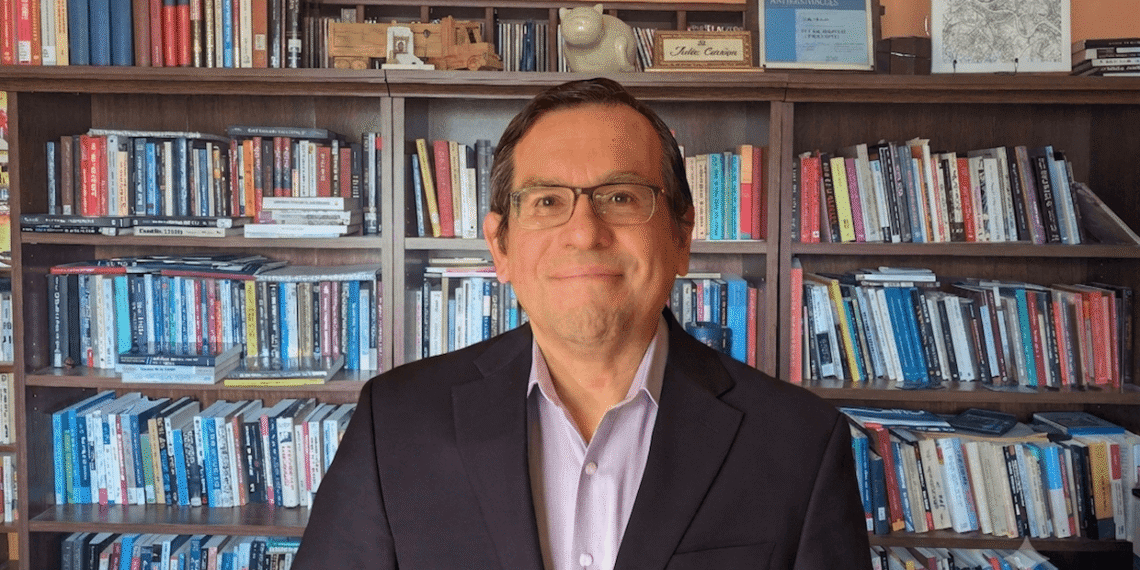
Peru’s 2026 presidential election revealed far more than another episode of political volatility. It exposed deep and persistent weaknesses in political representation, institutional trust, and democratic legitimacy. In this timely interview, Professor Julio Carrión argues that Peru’s crisis is rooted not primarily in ideological polarization but in the fragmentation of the party system, the erosion of public confidence in institutions, and the growing normalization of illiberal political practices. Reflecting on the enduring appeal of Fujimorismo, anti-establishment politics, democratic fatigue, and declining rule of law, Professor Carrión warns that Peru may be entering a “post-populist” era in which democracy survives formally but steadily deteriorates in quality. The interview offers important insights into democratic resilience and democratic erosion across Latin America.
Interview by Selcuk Gultasli
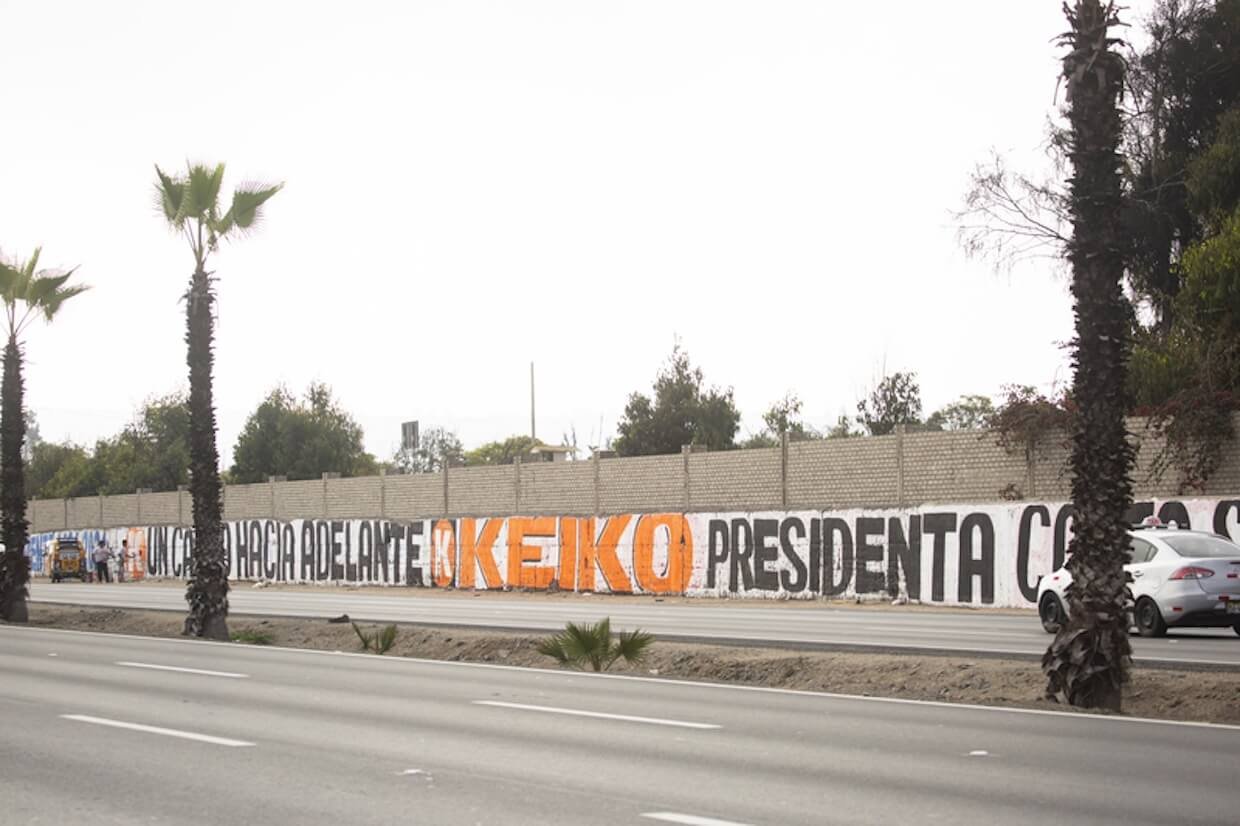
Peru’s 2026 presidential election has once again exposed the deep structural weaknesses that have long characterized the country’s democratic system. The narrow runoff victory of Keiko Fujimori over Roberto Sánchez followed an extraordinarily fragmented first-round contest involving dozens of candidates and revealed not only the persistence of anti-establishment sentiment but also the continuing erosion of political representation, institutional trust, and democratic legitimacy. While Peru remains formally democratic, growing concerns over political instability, institutional capture, declining public confidence, and the normalization of illiberal political practices have raised fundamental questions about the future of democratic governance in the country.
Few scholars are better positioned to assess these developments than Professor Julio Carrión, Professor of Comparative and Latin American Politics and Populism at the University of Delaware. Throughout his distinguished career, Professor Carrión has examined democratic legitimacy, populism, public opinion, political representation, and democratic accountability across Latin America, with particular attention to Peru’s enduring institutional vulnerabilities.
In this wide-ranging interview with the European Center for Populism Studies (ECPS), Professor Carrión argues that Peru’s current predicament extends far beyond electoral volatility. The election results themselves, he contends, provide “prima facie evidence of the deep crisis of political representation,” noting that the two runoff candidates together secured only 29 percent of first-round votes, forcing the overwhelming majority of Peruvians to choose between candidates they had initially rejected. For Professor Carrión, this reflects a political system marked by extreme fragmentation and weakening links between citizens and parties.
The interview also explores the enduring appeal of Fujimorismo, anti-establishment politics, regional divisions, and the persistent tensions between Lima and the provinces. Yet Professor Carrión’s most sobering assessment concerns the broader state of Peruvian democracy. Repeated confrontations between presidents and Congress, institutional dysfunction, and the weakening of checks and balances have, in his view, produced not democratic resilience but democratic exhaustion. Indeed, he warns that Peru’s political trajectory has brought the country dangerously close to a systemic crisis of democratic governance.
“I am very pessimistic about the prospects for Peruvian democracy,” Professor Carrión states bluntly. In his assessment, informal political coalitions have significantly weakened the rule of law, secured influence over institutions designed to provide oversight, and created conditions under which democratic erosion can continue without the dramatic ruptures that characterized earlier authoritarian episodes.
At the same time, Professor Carrión offers a broader reflection on contemporary Latin American politics. He argues that the region may be entering a “post-populist” era in which populism has become normalized rather than exceptional. While democracy may not necessarily collapse outright, illiberal practices, polarization, hardball politics, and attacks on institutional constraints have increasingly become part of the political mainstream. The result, he suggests, is a political environment in which democracy survives but steadily declines in quality.
The interview offers a timely and penetrating analysis of Peru’s uncertain future and raises broader questions about democratic resilience, populism, representation, and institutional decay across Latin America.
Here is the revised version of our interview with Professor Julio Carrión, edited lightly to enhance clarity, readability, and overall flow for publication.
The Runoff Was Prima Facie Evidence of Peru’s Deep Crisis of Representation
Professor Carrión, welcome! Peru’s 2026 presidential election, marked by the contest between Keiko Fujimori and Roberto Sánchez, once again highlighted both the extraordinary volatility of Peruvian politics and the deep fragmentation of the country’s party system, while also revealing the continued appeal of anti-establishment narratives. How should we interpret these results in light of your longstanding argument that Peru suffers from a profound crisis of political representation and institutional trust rather than merely periodic electoral volatility?
Professor Julio Carrión: It’s a very good question. The actual results of the runoff show just how severe the crisis of political representation in Peru is. Keiko Fujimori obtained 17% of the vote and Roberto Sánchez obtained 12% of the vote in the first round. So, if you add the top two contenders together, it amounts to less than a third of the electorate—29%. Yet, 70% of those who did not vote for either of them in the first round were forced to choose between them in the runoff. That, for me, is prima facie evidence of the deep crisis of political representation. Eight out of ten voters had to choose between two candidates for whom they had not voted in the first round.
So, in a sense, what you have is a combination of a deeply fragmented political system, where 35 different candidates vied for votes in the first round, followed by a kind of artificial situation in the runoff in which the overwhelming majority of voters had to choose between Keiko Fujimori and Roberto Sánchez. It so happened that this time a slight majority—a hairline majority of forty-five thousand votes, or perhaps even fewer—decided to support Keiko Fujimori, putting her on top. This was the fourth time she had run for the presidency.
So, the election illustrates both the crisis of political representation and, at the same time, some of the deeper features of Peruvian society today—features that it has carried for the last two or three decades. Perhaps we can talk a little more about that later, but that’s where we are.
Fujimorismo Is Declining, But It Remains a Force No Candidate Can Ignore
Keiko Fujimori’s strong performance suggests that Fujimorismo remains one of the few durable political identities in Peru. What explains its continued resilience despite its association with both economic modernization and authoritarian rule?
Professor Julio Carrión: We have to recognize that perhaps the Fujimorista Party is the only real political party in Peru today. It is a party with national penetration. It has been around for at least 15 years, and it represents an important segment of the Peruvian electorate. But it is also important to note that this is a declining segment of the electorate, despite the fact that she won the runoff this time. In the first round this year, she obtained only 17% of the vote. Ten years ago, in 2016, in the first round, she received 33%. So, this time she obtained roughly half the votes she received in the 2016 election. For reasons that we can perhaps explore later, she was able to overcome her opponent in the second round. But it is important to remember that Fujimorismo remains a powerful political identity in Peruvian society, even though it is declining. It is declining especially among older voters. As that population gradually diminishes, identification with Fujimorismo also declines.
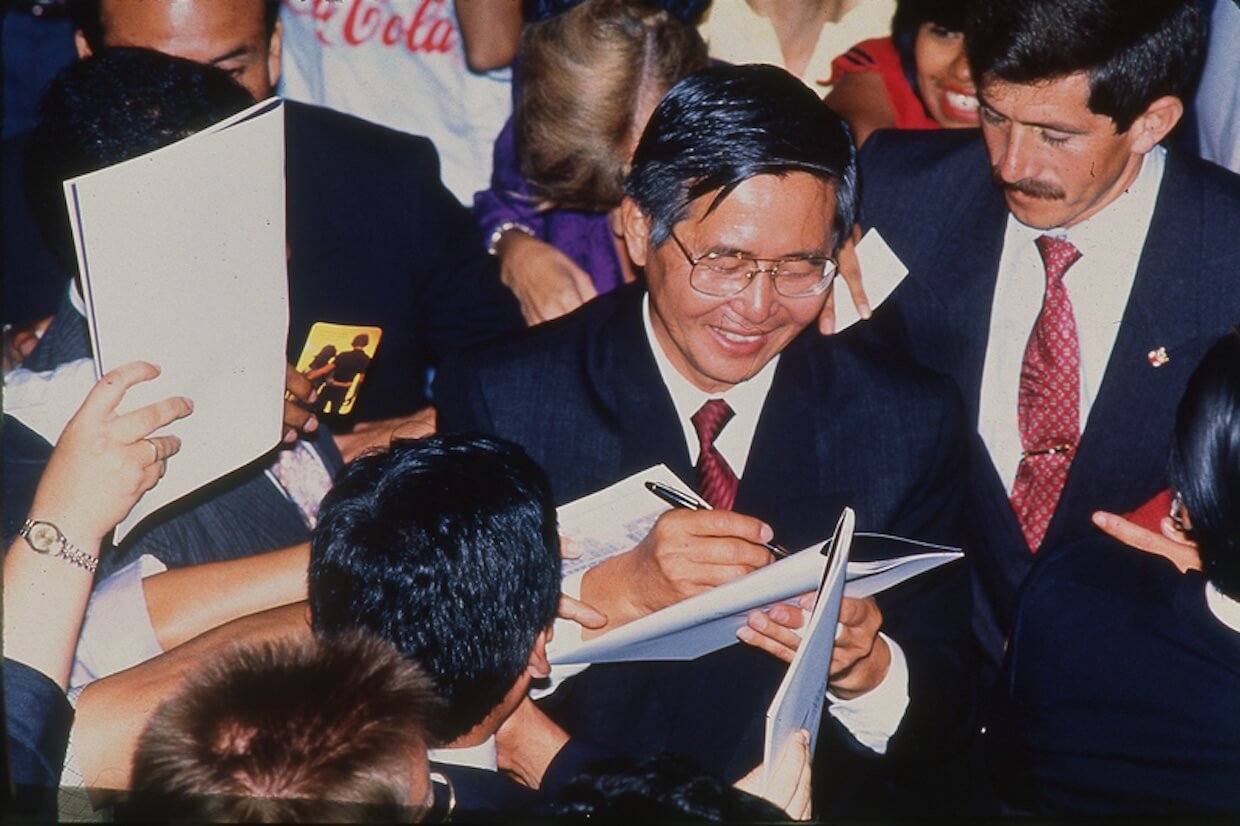
What explains its endurance? I think two factors are crucial. One is that there is a tradition in Peruvian politics whereby those who inherit the legacy of a dictatorship—especially if that dictatorship evokes positive memories among a segment of the electorate—tend to survive politically for some time. Hers is not the first case in which a party that represents, or claims the legacy of, a former dictator performs well electorally. She is simply the latest manifestation of that phenomenon.
It is true that a significant segment of the Peruvian electorate, although declining, still views her father’s decade in power positively. Her father was able to defeat a domestic insurgency, and he was able to bring under control a severe economic crisis. That legacy has provided the political foundation upon which she has been able to build a party. It is also important to note that, despite being a center-right party, it has maintained a certain degree of penetration among working-class and lower-income voters. It is not an upper-middle-class or upper-class party.
Despite its ideological orientation, it appeals to segments of the population that favor clientelistic policies and state assistance because they genuinely need it. These voters retain positive memories of her father’s government, in part because it implemented strong social programs that resonated with these sectors of society. The second factor is that, in Lima and the most important cities of northern Peru, there has been a clear reorientation of the electorate toward the right. Not the extreme right, but certainly further to the right than twenty years ago. The Fujimorista Party, in many ways, represents that ideological transformation within an important segment of the Peruvian electorate. It is not a majority—certainly not 60 or 70 percent of the electorate—but it is concentrated in Lima, a city of roughly 14 million inhabitants within a country of 33 million people, as well as in several important northern cities.
So, the combination of an electorate that has gradually shifted to the right and the enduring memories associated with her father’s government has helped sustain a party that continues to endure, even in the midst of a party system that, in many respects, barely exists because of the extraordinarily high level of political fragmentation. It is a complicated explanation, but that is what really explains it.
The Real Divide Is Not Left Versus Right, but Lima Versus the Rest of Peru
Roberto Sánchez campaigned as a critic of the political establishment and promised political renewal, while the 2026 campaign more broadly was marked by strong anti-establishment rhetoric from multiple candidates. Does the appeal of such messages suggest that anti-establishment sentiment remains the dominant force in Peruvian politics, and do you see contemporary Peru as fertile ground for a new wave of populism, or has the turbulent experience of leaders such as Pedro Castillo made voters increasingly skeptical of populist appeals?
Professor Julio Carrión: Peruvian society is characterized by a number of important cleavages, and the anti-establishment cleavage is certainly one of them. But it is not the only one. Among the poor and the working class, there is a widespread sentiment that the establishment has not really done much for them during the more than two decades since Peru returned to democracy in 2000. As a result, anti-establishment sentiment constitutes an important cleavage that helps explain electoral outcomes. Parties that are perceived as part of the establishment often find themselves competing against parties or candidates who are viewed as anti-establishment figures. At the same time, however, this cleavage interacts with a couple of other important divisions.
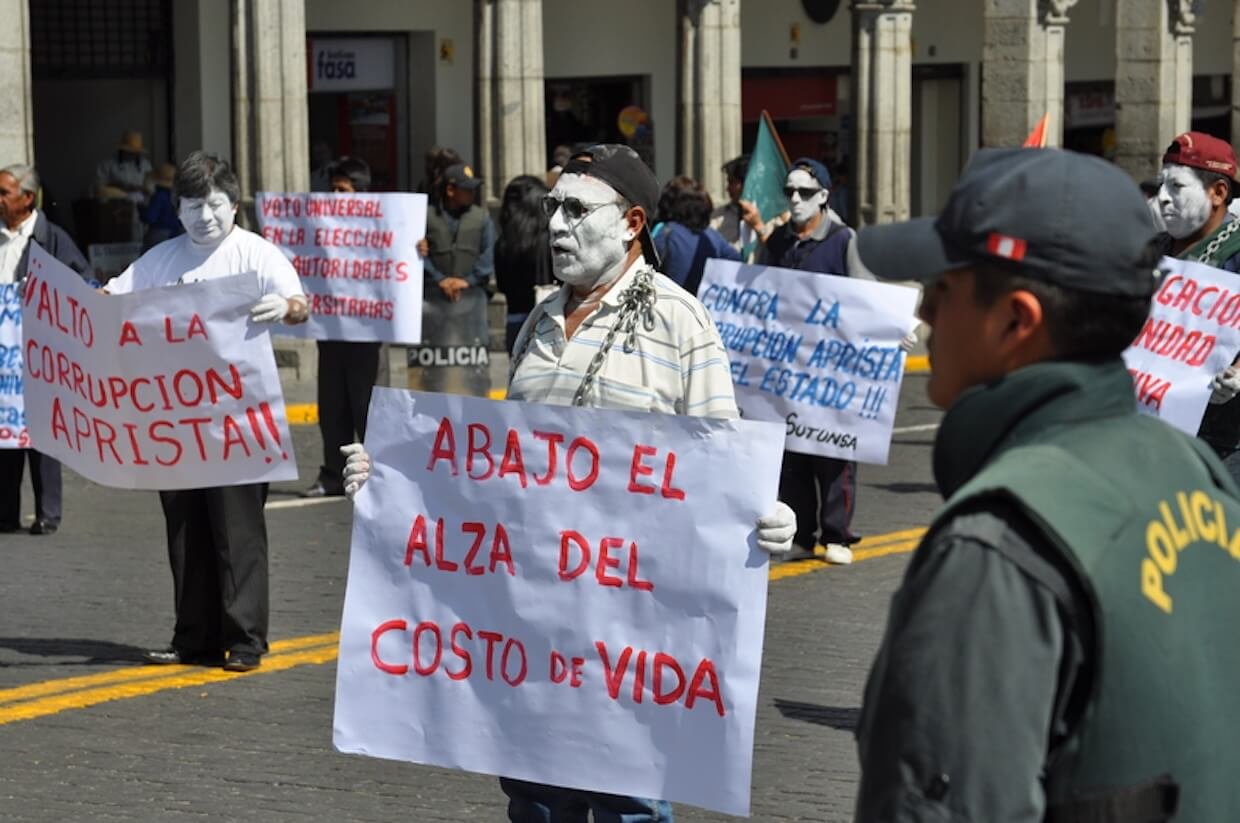
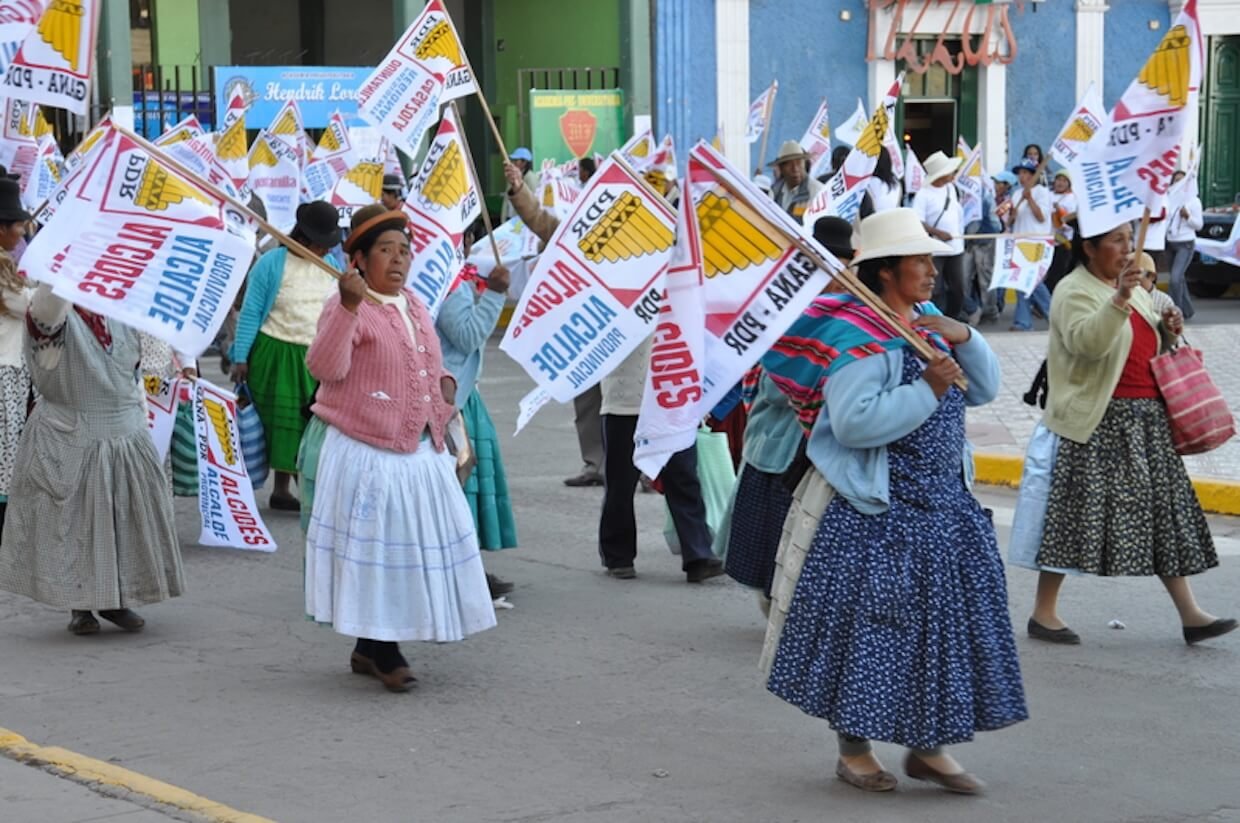
The second cleavage is the one between the regions and the capital. As I mentioned, Lima has about 14 million people in a country of 33 million. It is a modern city, and one that has gradually been shifting to the right. It is also the seat of government, where parliament sits and where most political leaders reside. Unfortunately, it is also home to segments of the upper-middle class and upper class that can be deeply racist and that do not fully regard the southern part of Peru and the provinces as integral parts of the nation. So, you have this additional cleavage between the regions and the capital. For the last three national elections, the runoff has exemplified this divide. Regardless of who competed against Keiko Fujimori, that candidate generally received the majority of votes in the regions outside Lima, while Keiko Fujimori secured the majority of votes in Lima and in the larger cities of northern Peru. So, you have this additional cleavage that sometimes overlaps with the establishment-versus-anti-establishment divide. But it adds another layer because it is geographical rather than purely political.
Then there is a third cleavage, one that has helped explain electoral outcomes for the last fifteen years: the divide between those who embrace Fujimori’s legacy and those who reject it. Every runoff since 2011 has been a contest between Keiko Fujimori and a candidate who represented the anti-Fujimorista segment of the electorate.
So, you have this combination of three different cleavages, and the way electoral politics has functioned over the last fifteen years is that the candidate running against Keiko Fujimori in the runoff has generally been able to represent the overlap of all three.
This time, however, by a whisker—by the narrowest of margins—Fujimori was able to come out on top. That outcome can be explained partly by demographic changes, but also by the fact that Roberto Sánchez was a terrible candidate. During the first-round campaign, he placed considerable emphasis on the need to convene a constituent assembly. Then, in the second-round campaign, he essentially abandoned that demand. As a result, the runoff campaign never really developed a clear center. He moved toward the political center, but it was a move that took weeks to materialize, and he was never able to articulate a coherent political message for the runoff. That was basically the reason for his defeat.
Peruvians Do Not Trust Elections Because They No Longer Trust Institutions
Your research has consistently shown that Peru exhibits comparatively low levels of democratic satisfaction and institutional trust. To what extent did these attitudes shape voter behavior in the 2026 election?
Professor Julio Carrión: I think that certainly helps explain the dynamics of this particular election. Just yesterday (on Tuesday), Roberto Sánchez announced that he would not recognize the presidency of Keiko Fujimori because he claims that electoral fraud was committed through the votes of Peruvians residing abroad, which is not the case. I mean, there are no serious indications that electoral fraud was committed. But the fact is that neither Keiko Fujimori nor Roberto Sánchez was perceived by important sectors of the middle class as a democratic candidate or as someone genuinely committed to the democratic process. So, unlike previous elections, where the contest between Keiko Fujimori and her opponent became polarized along the lines of Fujimorismo versus anti-Fujimorismo, this time there was an important minority that advocated casting a null vote—voting for neither candidate. That might have given Keiko Fujimori the edge that she needed.
Those who identified as anti-Fujimoristas criticized the political actors advocating a null vote, arguing that they might be the reason why Fujimori would eventually win the election. They argued that voters should rally behind Roberto Sánchez. But the response from those advocating a null vote was that Roberto Sánchez was not really a democratic candidate either and that there were serious questions about his commitment to democratic procedures. Something that he just demonstrated yesterday by deciding not to recognize the electoral process.
This occurred in a context in which the great majority of Peruvians do not trust elections. And they have reasons for that. In 2021, it was Keiko Fujimori who advocated annulling elections in certain parts of the country, especially in the southern regions, because she claimed that fraud had been committed against her. Then it was Keiko Fujimori’s turn to allege electoral fraud. Today, it is Roberto Sánchez’s turn to make the same claim.
Public-opinion polls show that the great majority of Peruvians do not trust elections, even though one can say that, from 2000 until today, elections have been largely free and fair, especially in comparison with those held under Alberto Fujimori’s presidency.
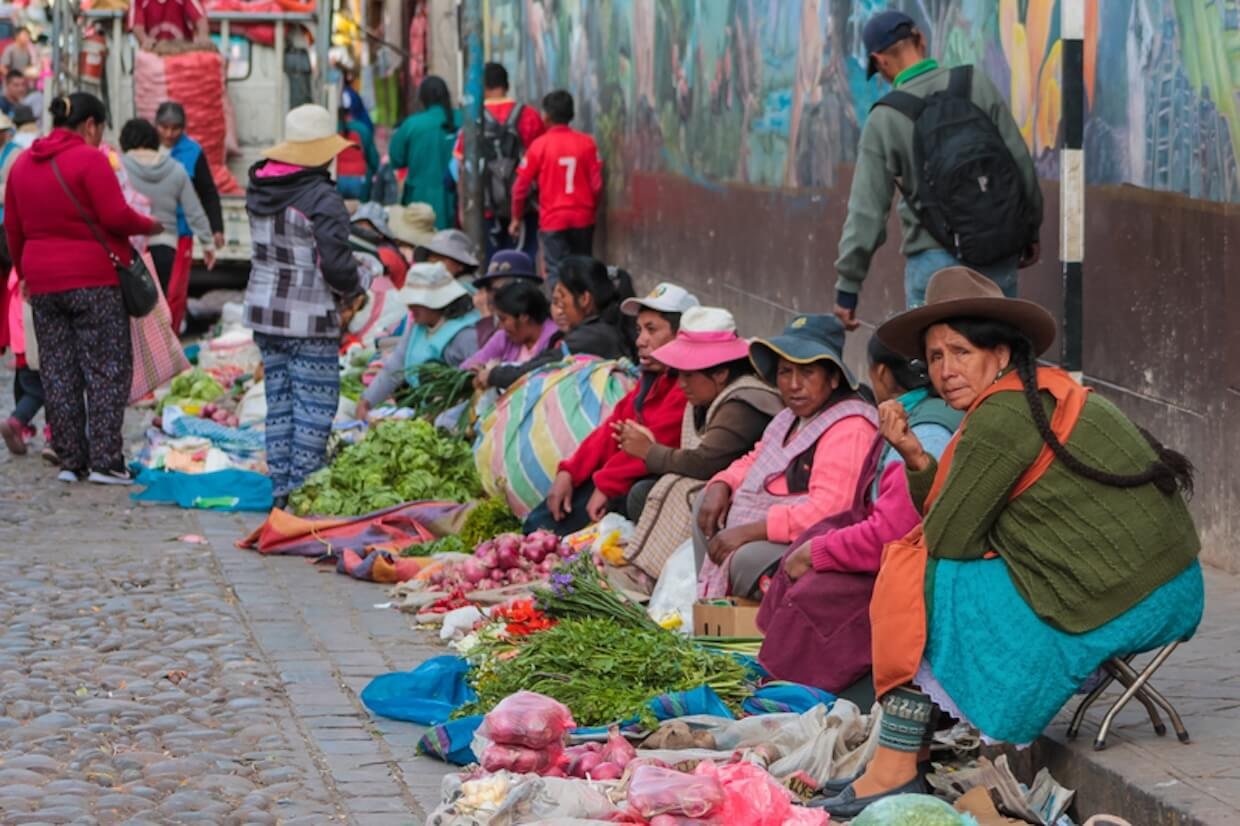
So, you have this environment in which public opinion does not trust elections because Peruvians, in general—and this is another finding from public-opinion surveys—do not trust anyone. There is a very low level of interpersonal trust, and there is a very low level of trust in institutions. They do not trust the judiciary, for good reasons, because the judiciary is largely corrupt. They do not trust political parties. Fewer than 10% of Peruvians identify with a political party.
So, at election time, they have to choose a candidate from a party that does not really mean much to them. They have to vote because voting is compulsory in Peru. If you do not vote, you have to pay a fine. In an environment where citizen trust in institutions and elections is very low, these claims of electoral fraud find fertile ground in which to survive.
That happened in 2021, when many people were actually demanding military intervention, sadly. Today, you have a candidate demanding that the votes of Peruvians living abroad simply be annulled because he won inside Peru but lost once the votes from abroad were counted. So, he wants to erase those votes. Unfortunately, there will be important segments of the Peruvian population that will regard his allegations of electoral fraud as valid because they do not trust elections. I am sure that if the situation were reversed—if Keiko Fujimori were the loser—she would also be claiming electoral fraud.
Unfortunately, we find ourselves in a new situation, not only in Peru but more broadly in Latin America, where a significant number of elections over the last decade have been followed by allegations of fraud from the losing side and that seriously undermines democracy.
Take Colombia, for example. It is a very recent case. President Petro has questioned why election results should not be declared null and void because of alleged fraud. Before that, we had the case of Brazil, where Jair Bolsonaro claimed electoral fraud after losing the election. Before that, we can go back to 2006, when Andrés Manuel López Obrador in Mexico argued that he had lost because of electoral fraud. Of course, we have the United States, where Donald Trump lost the 2020 election and claimed that electoral fraud had been committed against him.
It is unfortunate that we now live in a hemisphere where it is almost expected that the loser will question the results by alleging fraud. That completely undermines the fundamental foundations of democracy in the region.
The Main Cleavage in Peru Is Not Ideological but Political and Territorial
Many analysts argue that Peru’s political crisis stems less from ideological polarization than from the collapse of effective representation. Did the Fujimori–Sánchez contest reveal competing ideological visions, or merely alternative responses to the same crisis of representation?
Professor Julio Carrión: The latter, definitely, rather than the former. This election, like the election in 2021, can be framed as a contest between right and left. But that is really incidental. In 2016, the election was a contest between Pedro Pablo Kuczynski, who was a center-right candidate, and Keiko Fujimori, who was also a center-right candidate. So, the main cleavage has really been the competition between pro-Fujimoristas and anti-Fujimoristas.
Even in the most recent election, in 2026, although Roberto Sánchez was a candidate from the left, that was not really the ideological cleavage or the source of polarization. It was not fundamentally a contest between left and right. In a way—and this is very interesting—if one looks at the electoral performance of Roberto Sánchez, people were not really voting for him because of who he was. He also ran for the Chamber of Deputies in Lima. He received about 22,000 votes. He was not elected. He ran for the presidency, came in second in the first round, and was very close to winning the presidency in the runoff. But the number of voters who decided to vote for him personally was fewer than 25,000 in Lima. He was not elected to Congress.
Even within his own party, another candidate received more votes than he did in the first round. So, in the second round, Roberto Sánchez was not really mobilizing voters because of who he was. He was mobilizing voters because of what he represented. He was a vessel for those who rejected the centralism of politics in Peru. People residing in the provinces were voting against Keiko Fujimori because she represented, in their view, politicians living in the capital.
Roberto Sánchez also embodied the establishment-versus-anti-establishment cleavage that we discussed earlier. He was perceived as an anti-establishment figure, even though he was not really one, given that he has been a member of Congress—and still is, although he was not re-elected. He was also a member of the cabinet during the Pedro Castillo administration. He likewise represented anti-Fujimorista sentiment.
So, all of those currents of opinion used Roberto Sánchez as a vessel through which to vote against Keiko Fujimori. It was not really a vote for him; it was a vote against Keiko Fujimori. That has been the pattern in Peruvian elections since at least 2011, but especially since 2016, when the contest effectively became one between those voting for Keiko Fujimori and those voting against her.
The opponent was almost incidental. It could have been almost anyone and still attracted that anti-Fujimori vote. In 2016, it was a candidate from the right. In 2021 and 2026, it was a candidate from the left. But the main cleavage is not really ideological. The main cleavages are the ones I mentioned earlier: establishment versus anti-establishment, capital city versus regions, and, in addition, pro-Fujimori versus anti-Fujimori.
The Promise of Popular Sovereignty Often Ends with the Concentration of Power
In your recent work, you challenge the argument that populism strengthens popular sovereignty. Looking at Peru today, do citizens increasingly equate popular sovereignty with strong leadership in the name of "the people" rather than with institutional accountability and constitutional constraints?
Professor Julio Carrión: I’m glad that you mentioned that work, because there is a debate in populism studies among those who embrace, or see, populism in a more positive light. They argue that populism enhances popular sovereignty. My work has shown that when populism is not constrained—not always, but in some important cases, most of which have occurred in Latin America—populism reduces or diminishes the exercise of popular sovereignty.
If one understands popular sovereignty as the ability of the people to choose their representatives in free and fair elections, then it is not always the case that populist governments end up undermining democracy in significant ways, as my work, Kurt Weyland’s work, and the work of many others have shown. Only in certain cases does populism end up undermining democracy. It has also been shown that in no case does populism actually enhance popular sovereignty.
The best-case scenario is that it simply leaves popular sovereignty alone. It does not get worse, but it does not get better either; it remains more or less the same. Argentina under the Kirchners is a good example.
Unfortunately, in Peru, as in many other Latin American countries, there is a very strong plebiscitarian understanding of democracy. The idea is that democracy is simply majority rule, and whatever the majority wants is what should happen. The notion that majority rule must operate within a system of checks and balances and respect for minority rights is not deeply ingrained.
As a result, it is very common to find personalistic leaders arguing that the true exercise of popular sovereignty lies in giving one person all the power because that person represents the will of the people. They speak for the people. They give voice to the voiceless. Those claims now come not only from the left but also from the right. Obviously, the enemy is different. A right-wing populist will focus on the political class as the enemy. A left-wing populist will focus on economic powers, the rich, the aristocracy, or the oligarchy as the enemy. But in both cases, what they want is full power to “express popular sovereignty.”
What we know is that once they accumulate power—and if they are able to do so, because they are not always successful—popular sovereignty is no longer fully in place. It then takes significant societal mobilization to remove these populist leaders from power. So, there is an element in Latin American political culture that understands popular sovereignty as voting for a strong leader so that that leader can speak for all of us. Unfortunately.
Peru Is Experiencing Democratic Fatigue, Not Democratic Resilience
Peru has experienced repeated confrontations between presidents and Congress, impeachments, and constitutional crises. Has this pattern produced democratic resilience through institutional contestation, or democratic fatigue among citizens?
Professor Julio Carrión: Oh, definitely fatigue. And even more than fatigue, it has pushed democracy to the brink of extinction. The political and institutional dysfunction, together with the informal alliance that has controlled Congress until today—today (Wednesday) is the last day of the Congress inaugurated in 2021, so there will be a new Congress operating in a new institutional environment because Peru will once again have a Senate, something it has not until next month.
This informal coalition has significantly eroded the rule of law in Peru. It has colluded to take control of important institutions responsible for checks and balances and judicial oversight, creating a situation in which Keiko Fujimori, upon coming to power, does not really need to undermine institutions because they have already been undermined. In a way, she has an easier task than her father did because, in order to take control of institutions, her father had to carry out a self-coup and rule by decree. She does not have to do that. All she needs to do is to assemble a modest congressional majority to maintain the control that her party has already established.
This is not a situation where political instability, as in the case of the UK, occurs within the context of democratic competition, with parties debating whether they should move a little further to the right, a little further to the left, or remain in the center. This is a situation in which those who controlled Congress from 2021 until now have created conditions that allow them to secure impunity for their actions, secure favorable laws for the private interests that sponsor them, and secure control of institutions so that the next president can preserve a situation of significantly weakened rule of law rather than strengthen it. So, I am very pessimistic about the prospects for Peruvian democracy.
The best-case scenario is that the situation remains as it is—bad, but not dramatically worse. Of course, the worst-case scenario would be one in which Keiko Fujimori reproduces the more autocratic practices of her father. I hope that does not happen. But it is still too soon to tell.
Democracy May Survive, Yet Continue to Decline in Quality
You have written extensively about the relationship between populism, illiberalism, and democratic accountability. Are there signs that Peru’s democratic crisis could evolve into a more systematic form of democratic backsliding, or do the country’s fragmented institutions paradoxically prevent the concentration of power?
Professor Julio Carrión: It’s a very interesting question. I’m now working on an article for a textbook on Latin American democracy, and I think that we may be experiencing the beginning of a period that might be described as post-populism. What do I mean by post-populism? I mean the mainstreaming of populism.
Populism in the 1990s and the early 2000s in Latin America was transformational populism in the sense that it sought to re-found countries in significant ways. It enacted constituent assemblies to take control of institutions, as was the case with Chávez in Venezuela, Evo Morales in Bolivia, and Rafael Correa in Ecuador. Or it took power forcefully and ruled by decree, as in the case of Alberto Fujimori in Peru in 1992. These were forms of populism that relied on significant popular support to undermine the foundations of democratic rule. Of course, we have all studied the consequences. We are still living with those consequences.
Today we are moving into a period in which some of the practices associated with populism have become normalized.
Even though democracies do not necessarily end as a result of those practices, the practices associated with populism—for instance, polarization, confrontational politics, and hardball tactics—have become normalized. The idea is: I am going to take control of institutions if I can, not because I want to end democracy, but simply because I want to govern unencumbered by the opposition or by judicial constraints. I might not go all the way toward ending democracy, but I am going to govern at the borderline. Democracy will still be there. I will not really interfere with elections; they will remain free and fair. But once I have power, I will rule pretty much unencumbered by institutions. There is also the idea that if I lose an election, I will claim electoral fraud. I will undermine democratic norms by alleging electoral fraud.
Even if a politician is not a populist per se, some of these practices are now being normalized. So, I am afraid that we are living in an era in which democracies do not necessarily end, but they do not get better either. The quality of democracy declines, and these democracies survive in a context where politics are illiberal, where politics embrace some of the tactics associated with populism, and where governments become more status quo-oriented rather than transformational.
In some countries, certainly in the case of Peru, we might be entering that era that I would call post-populist. It is not that we are beyond populism; it is that populism has become normalized, mainstream. And that is not good for Latin American democracy.
Of course, there is the international environment. It is very important. We did not have to worry about the international environment 20 years ago. In fact, the United States was an actor that, to a certain extent, pushed for some degree of democratization in Latin America. Today, we are in an environment where President Trump will happily live with many of these presidents who may not end democracy, but who certainly erode the rule of law. Because they are, in a way, reproducing what Donald Trump is doing in the United States.
Democracy Is Not Bound to End in Peru, but Recovery Will Take Time
Looking ahead, are you optimistic that Peru can reconstruct democratic legitimacy through institutional reform and political renewal, or has the crisis reached a point where a more fundamental reconfiguration of the relationship between citizens, parties, and the state is required?
Professor Julio Carrión: That is a big question. I’m a little pessimistic.
I am optimistic in the sense that I do not think democracy is bound to end in Peru. Despite the erosion of the rule of law and the weakening of institutions, there are still significant political actors and a vibrant civil society that might pose meaningful opposition to any effort to end democracy. But it will take time to improve the quality of government, improve the quality of democracy, and rebuild the rule of law in Peru.
We are now operating under a different institutional architecture. Before July of this year Peru had a unicameral system. Now we are returning to the traditional bicameral system. So, the Senate might become a significant arena in which the political opposition can articulate a degree of influence that could prevent, or perhaps even reverse, further erosion of the rule of law, or at least improve the situation of the rule of law in Peru to some extent.
But it is ultimately in the hands of political actors, and we will have to wait and see what Keiko Fujimori does once is sworn in as president. Some of us are hoping that she will realize that she is a minority president and that she needs to reach out to other political forces in order to build some form of consensus government. Or she might simply embrace a horrible “my way or the highway” style of politics that would place even greater pressure on Peru’s democracy. I hope that she does not do that, and I hope that political actors in the Senate are able to think in medium- to long-term terms rather than focusing exclusively on the short term.