
In this Voice of Youth (VoY) piece, Emaan Zahra examines the intertwined environmental and developmental costs of the rapid expansion of generative artificial intelligence. She argues that AI’s seemingly immaterial convenience rests on resource-intensive infrastructures whose growing demands for freshwater and electricity can intensify environmental pressures, contribute to greenhouse gas emissions, and affect communities surrounding data centers. At the same time, Zahra draws attention to the implications of habitual AI use for children, particularly when technological assistance substitutes for independent learning, critical thinking, creativity, and problem-solving. Connecting these concerns, she presents AI proliferation as a dual challenge for climate sustainability and the intellectual development of younger generations. Zahra calls for greater responsibility from parents, educators, technology companies, and policymakers to establish boundaries that enable technological progress while protecting environmental resources and children’s capacity for independent thought.
By Emaan Zahra
Today, the use of generative artificial intelligence (AI) is growing very fast. This growth creates many serious problems all over the world. To fix these problems, we must look at how AI works behind our screens. AI has quickly become a normal part of daily life for most people. This has created a habit of overusing technology. This constant use hurts the environment and changes how children grow up. While we enjoy the speed of AI, we ignore its real-world costs. In the end, the convenience of AI harms our planet and weakens the thinking skills of the next generation.
The Hidden Environmental Cost of AI
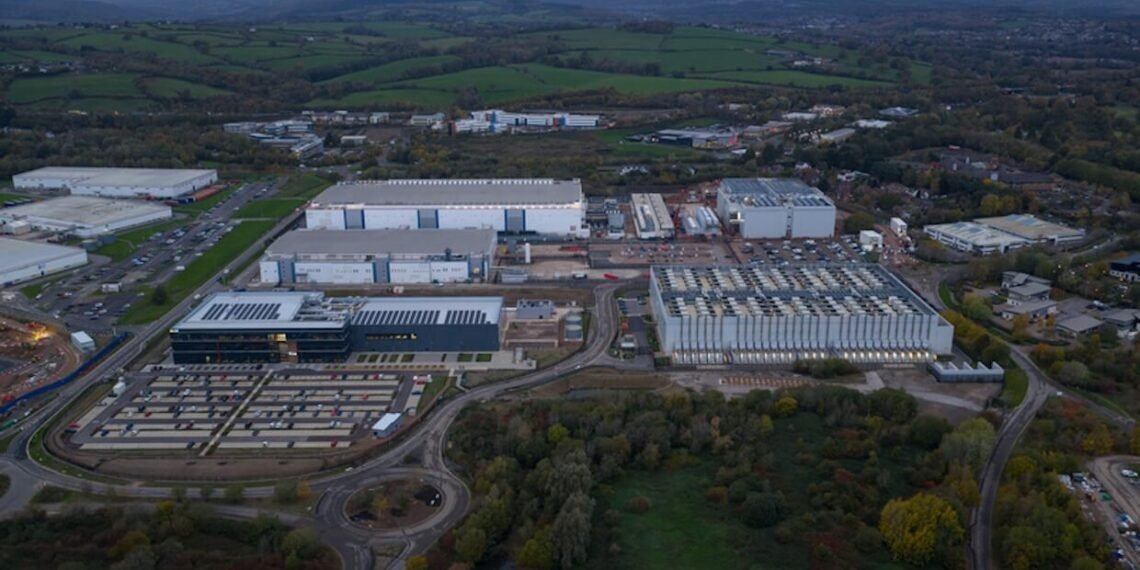
The computers that power AI search engines and chatbots require a massive physical setup. A decade ago, technology companies used simple liquid cooling systems to keep their computers from overheating. These older systems did not require too many resources. However, as millions of people started using AI, computers had to work much harder and faster. To stop their systems from crashing, big tech companies like Microsoft, Google, and Meta now use huge amounts of electricity and freshwater. These companies need perfectly clean water, so their expensive computers do not rust or break. Because AI is so popular today, the demand for these natural resources has skyrocketed.
How AI Drains Local Water Supplies
The huge amount of water used by AI data centers directly hurts local communities. These centers take water from nearby lakes, rivers, and underground supplies. This is the exact same water that families, neighborhoods, and schools rely on every day. Research shows that asking an AI chatbot just 20 to 50 simple questions can use up to one full liter of water. Over time, this adds up to a massive amount. AI cooling systems waste enough water to fill nine Olympic-sized swimming pools every single day. Even worse, 80% of this water turns into vapor and is completely lost to the air. This causes a real water crisis for the people living near these computer centers.
Energy Pollution and Climate Change
Along with wasting water, AI centers need an incredible amount of electricity to stay turned on. Experts estimate that by the year 2030, AI energy needs will increase by 400%. This is the same amount of electricity that the entire United Kingdom uses in a whole year. For example, Google reported that its push into AI caused its total greenhouse gas emissions to rise by 48% compared to 2019. Because most electricity still comes from burning coal, oil, and gas, power plants have released over 30 billion tons of pollution recently. This pollution traps heat, raises global temperatures, and causes worse hurricanes, floods, and climate change.
The Problems with Proposed AI Fixes
Scientists and tech companies have tried to think of ways to fix these problems, but most ideas are not practical yet. One popular idea is to build data centers underwater so the cold ocean can cool the computers naturally. However, salt water is highly corrosive. It can easily leak into the pods and destroy the delicate technology. Another idea is to launch AI data centers into outer space as satellites. While this would save Earth’s water, it is way too expensive and dangerous right now. Space debris and rocket pollution make this a very distant dream. Because these fixes do not work yet, our local environments continue to suffer.
How Environmental Damage Hurts Children’s Health
This damage to nature directly harms the health and safety of young children. To understand this problem, we have to look at a child’s everyday surroundings. The air pollution from burning fossil fuels for AI electricity has caused a rise in lung illnesses among children. Young bodies are still growing, and their lungs are small. This makes them highly vulnerable to bad asthma and permanent lung damage. In addition, climate change ruins crops and alters weather patterns, which causes food shortages and high grocery prices. The invisible power grids that run our apps are creating a physical health crisis for children.
How AI Weakens a Child’s Thinking Skills
At the same time, easy access to AI tools threatens the mental growth and independent thinking of children. When young students let machines do their schoolwork, their brains do not get the exercise they need to grow. Instead of figuring out hard problems, students use AI chatbots to write essays, read stories, and solve math homework. This habit weakens the brain just like a lack of exercise weakens a muscle. If you stop walking, your leg muscles will waste away. In the exact same way, the human brain gets weaker if it is shielded from challenges. Children who rely completely on AI may never learn how to analyze information deeply.
The Loss of Creativity and Memory
The long-term danger of relying on AI is that children lose the ability to spot lies, think of new ideas, and solve problems creatively. Learning these skills takes years of practice and making mistakes without help. Because AI gives perfect answers in a split second, children learn to accept whatever the computer tells them. They do not double-check facts or think critically. Because of this, their knowledge stays very shallow. They do not truly understand what they are learning. This instant gratification loop also shortens attention spans and makes it hard for children to remember things. Instead of learning to think for themselves, kids are trading their brainpower for fast answers.
A Path Forward
The rapid rise of AI creates a double crisis for our environment and our children’s minds. The hidden computer systems behind AI drain vital water supplies and cause heavy air pollution, hurting local families. At the same time, using chatbots as an academic shortcut stops children’s brains from developing properly. To fix this, parents, teachers, and tech companies must work together. We need to set strict limits on how much power AI uses and how children use it in school. Only by setting these boundaries can we protect our planet and keep the next generation smart and independent.
Emaan Zahra is a 16-year-old aspiring student who believes that that the over and unnecessary consumption of AI is very harmful for our minds and climate. She would like to note that she believes that AI should prosper in medical and industrial fields but in ones day to day tasks it should be used as little as possible or not at all. Email: emaanzahra212@gmail.com