Iran is entering a critical juncture as renewed protests expose both the fragility and the resilience of the Islamic Republic. In this in-depth interview with the ECPS, Dr. Kamran Matin argues that since the 2009 Green Movement, the Iranian regime has ruled “primarily through coercion rather than consent,” relying on repression while retaining the support of only a small social base. Yet violence alone does not explain regime survival. As Matin emphasizes, the Islamic Republic endures “not only through violence, but through a fragmented opposition” that lacks organizational depth, ideological coherence, and a credible alternative vision. Drawing on political economy, Gramscian theory, and regional geopolitics, Dr. Matin analyzes why economic shocks quickly become systemic political crises in Iran—and why, despite widespread de-legitimation, the unresolved question of “what comes next” continues to constrain revolutionary outcomes.
Interview by Selcuk Gultasli
Iran has entered one of the most volatile phases of its post-1979 history. The protest wave that erupted after the sharp currency shock of late December 2025 quickly escalated into explicitly anti-regime mobilization, revealing not only the depth of socio-economic dislocation but also the political vulnerabilities of the Islamic Republic. In this interview with the European Center for Populism Studies, Dr. Kamran Matin—Reader in International Relations at the University of Sussex—offers a theoretically informed analysis of the current conjuncture, foregrounding two interlinked claims that capture the central stakes of the moment: “Since 2009, [the] Iran regime has ruled by coercion, not consent,” and “[the] Iran regime survives not only through violence, but through a fragmented opposition.”
For Dr. Matin, the disputed 2009 election and the Green Movement mark a critical turning point in the regime’s mode of rule. As he emphasizes, “almost all of these signals are present in some form, but at least since 2009—going back to that critical moment—the Iranian state, the Islamic Republic, has ruled primarily through coercion rather than consent.” In his account, the erosion of consent is not merely ideological but institutional: the narrowing of factional pluralism and the weakening of reformist mediation diminished the regime’s capacity to manage dissent through electoral incorporation. The result, he argues, is a system that “retains the support of a small segment of Iranian society—perhaps 10 to 15 percent at most, and maybe closer to 10 percent,” while relying on “brute force: repression, torture, imprisonment, surveillance, and so on” to govern the remainder.
Yet Dr. Matin’s analysis also resists purely repression-centered explanations of authoritarian durability. Alongside state violence, he argues, regime survival is sustained by the organizational weakness and strategic incoherence of its opponents. “I would argue that, in addition to massive levels of violence, what sustains the regime is precisely the fractured nature of the opposition, its disorganization, and the absence of a political discourse that appeals equally to the main segments of society.” Even as protests broaden to include bazaar networks, students, workers, women, and peripheral provinces, the opposition—he contends—lacks the institutional capacity to translate mobilization into a viable transition project. “Apart from state violence,” he continues, “this lack of an organized alternative—ideologically, discursively, and organizationally—is a key factor keeping the regime in power.” The enduring strategic dilemma is therefore not simply the de-legitimation of the regime, but the absence of a credible successor: “Many people ask themselves, ‘What comes next?’”
Across the interview, Dr. Matin situates these dynamics within wider debates on revolutionary crises, hegemonic contestation, and regional geopolitics. He examines how economic shocks in a rentier political economy can rapidly become systemic political conflict; how coercion is deployed through targeted and exemplary violence; and how opposition plurality can both energize revolt and inhibit the formation of a unifying, “national-popular” project. Taken together, Dr. Matin’s intervention offers a stark but analytically precise assessment of Iran’s predicament: a regime increasingly dependent on coercion, confronting a society in revolt—yet facing an opposition still struggling to answer the question that shadows every revolutionary moment: what comes next?
Here is the edited transcript of our interview with Dr. Kamran Matin, slightly revised for clarity and flow.
In Iran, There Is No Sharp Distinction Between the Economic and the Political
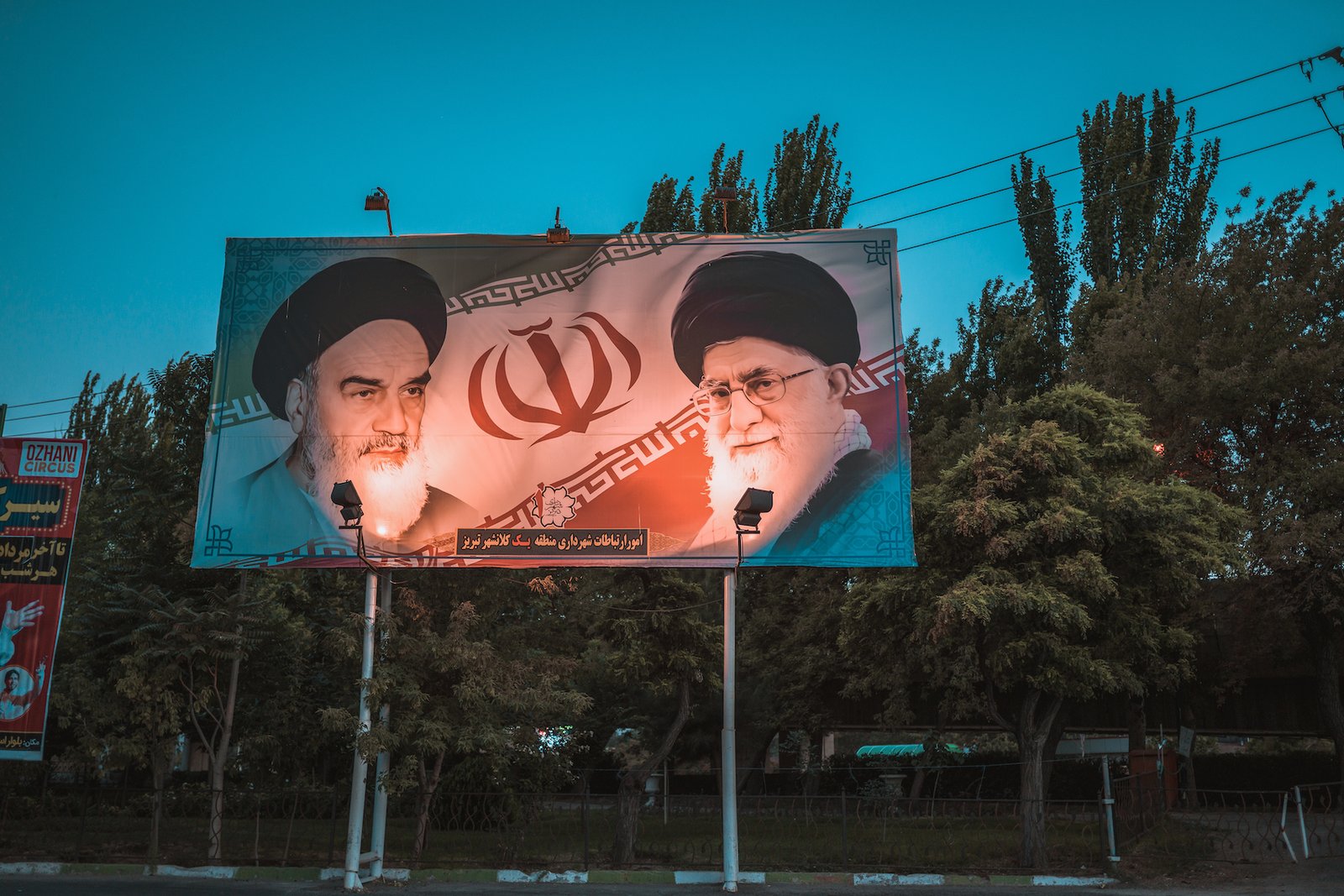
Dr. Kamran Matin, thank you so much for joining our interview series. Let me start right away with the first question: Protests in Iran reportedly originated in a sharp currency shock on 28 December 2025 and rapidly escalated into explicitly anti-regime mobilization. Through what causal pathways do socio-economic dislocations in Iran—currency collapse, inflationary spirals, and distributive breakdown—translate into systemic political contestation rather than reformist grievance, and how does Iran’s specific configuration of state–market–religious authority condition this radicalization?
Dr. Kamran Matin: First of all, I would like to thank you for giving me this opportunity to discuss the protests in Iran. Your question is obviously very dense and contains multiple sub-questions. I will try to address them one by one, to the extent that I remember them.
In terms of economic grievances translating into political contestation, I think we have to bear in mind that Iran is still largely a rentier state. Therefore, like many rentier states—but also developmental states in general—there is hardly anything that is not political in essence. There is no sharp distinction between the economic and the political, because the economic accumulation of capitalists, or the work that the working class does for capitalists, in a country like Iran is ultimately not based—if I use the language of Marxist political economy—on surplus value in the sense we understand it in theory. Rather, profit is ultimately a redistribution of external rent by the state to various sections of society. As a result, the distribution of profit and wealth is politically determined, although not directly; it is mediated through multiple institutions and mechanisms.
In that sense, it is very easy in Iran for economic problems to become political issues. This has always been the case, even before the revolution, during the Shah period. Currently, however, this dynamic has intensified, because the combination of sanctions, the illicit economy, and the informal economy means that control over currency, in particular, is very tightly exercised. The government allocates foreign currency at different rates to different actors. There are cheaper rates from which large industrialists or merchants can benefit, but access to these requires proximity to the state or the government. So even economic competitiveness becomes a fundamentally political process. It is not economic in the straightforward sense that greater efficiency or lower production costs automatically generate higher profits. That logic has very limited purchase in a place like Iran.
Against this backdrop, it is not surprising that the protests began in the so-called bazaar and then very quickly turned into a popular, widespread political movement. However, we should also bear in mind that the bazaar, in the context of Iran—and to some extent perhaps even in Turkey—has somewhat different meanings and characteristics. Historically, the term bazaar referred to the large mercantile bourgeoisie involved in trade. But in recent decades, and probably even earlier, the bazaar has come to include different layers. For example, the current protests were not initiated by traditional, ideologically religious merchants as such, but by shopkeepers selling electronic goods. These goods are imported, especially from Asia—South Korea, Taiwan, Japan and elsewhere—and these traders were unable either to buy or to sell because the currency was in free fall. As a result, they initiated the protests. Because society as a whole was already suffering from high inflation, unemployment, and general economic insecurity, the wider population could easily identify with their grievances.
As for the second part of your question—about Iran’s specific configuration of state–market–religious authority and how it conditions this situation. The bazaar, particularly its traditional merchant class, has historically been very close to the ulama, or clerical class, through intermarriage and shared religious conservatism. At the same time, the security forces—the Revolutionary Guards (IRGC) and the Basij militia—have largely been recruited from the petty bourgeoisie, as well as from these social strata in different parts of Iran. There is therefore a close linkage among these elements. The government itself may be internally diverse, with competing factions, but in moments of crisis such as the current one, these factions tend to close ranks in order to weather the storm. The Supreme Leader plays a key role in maintaining a certain level of coherence within this system, though that is something we might discuss later.
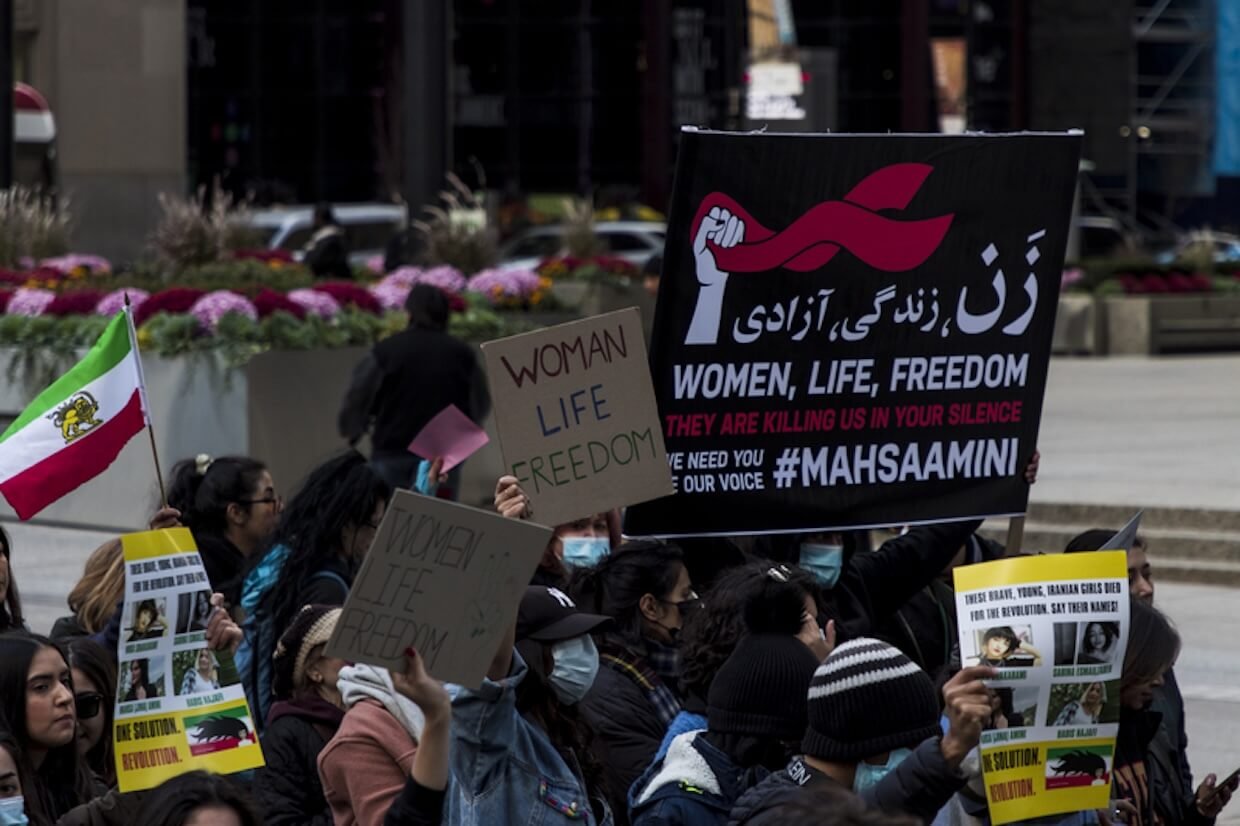
Finally, there is, of course, the question of minorities, nationalities, and women—the gender dimension. In the last major wave of protests, the “Zan, Zendegi, Azadi,” or “Women, Life, Freedom” movement, women and subaltern nations were at the forefront, while large cities—especially in majority Persian-speaking regions—were comparatively quiet. This time, however, the pattern has been somewhat different. The protests began in Tehran and other major cities, while significant sections of Kurdistan remained relatively quiet, although some areas were highly active and bore the brunt of repression in the early days—places such as Ilam or Kermanshah. This difference also calls for explanation and is related to the way the previous protest wave was suppressed, as well as to the fragility and temporary nature of solidarity between the center—Persian speakers or Iranian nationalists more generally—and groups such as the Kurds, the Baluch, and the Arabs.
I hope I have addressed your question, but I am sure that we will return to many of these issues again in subsequent questions.
Wider, More Popular, Yet Unorganized: The Limits of Expanding Protest Coalition
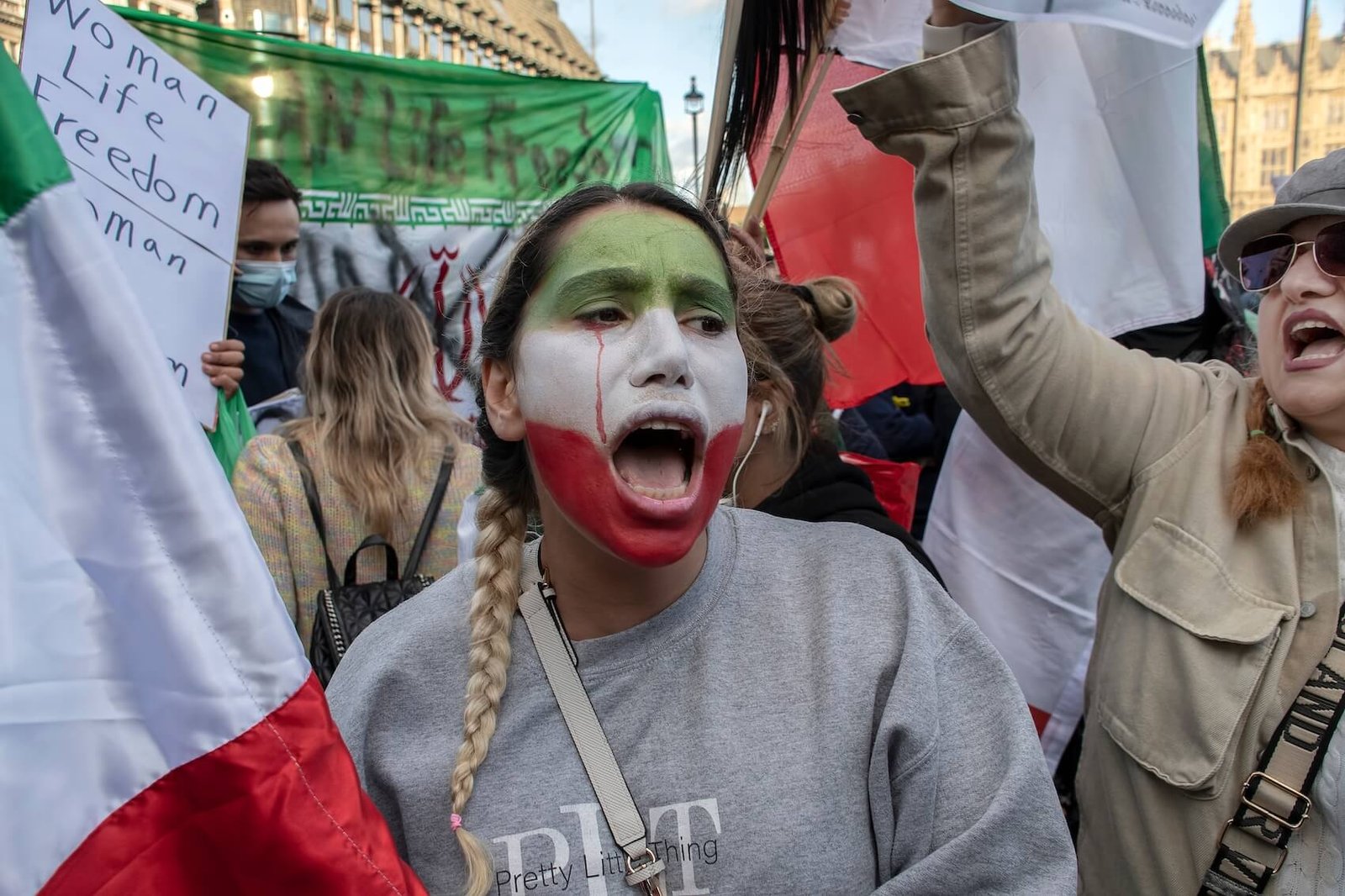
If the current protest wave incorporates bazaar and merchant networks alongside students, workers, women, and peripheral provinces, how does this re-composition of class alliances alter the movement’s structural power, organizational density, and leverage vis-à-vis the state when compared to 2009, 2017–19, and 2022? In particular, does bazaar participation reintroduce a historically decisive—but long dormant—node of revolutionary capacity?
Dr. Kamran Matin: The fact that the bazaar was involved is significant, because in the previous protests you mentioned there was always this notion that the so-called gray area of the Iranian population was not participating. By this gray area, people meant those who were unhappy or dissatisfied but not willing to go to the streets, protest, and risk their lives. This time around, that changed, because we saw participation not only in big cities but also in small ones. There were a large number of casualties in places whose names I had never even heard before—very small towns in distant provinces like Khorasan in the northeast, near Afghanistan—where historically we have seen very little in the way of radical protest against the regime.
So, I think this time the protests were wider and more popular, with the partial exception of Kurdistan, which again has to do with the way Iranian nationalism operates. Opposition forces often fail to acknowledge Kurdish grievances as such, and not only that: by accusing Kurds of separatism and of being foreign agents, they actually—albeit indirectly—help the Iranian state repress them even more brutally. As a result, people were very afraid of much harsher repression in Kurdish areas, and some parts remained quiet, although, there were many protests in other regions.
Another important point is the significance of the Green Movement in 2009. Just to clarify, in case readers do not remember, it was triggered by a disputed election in which Ahmadinejad was declared the winner, even though Mousavi, the other candidate, contested the result, leading to large protests. That episode effectively resulted in the strategic marginalization of the so-called reformist faction within the Islamic Republic from the state apparatus and state power. This had incredibly important consequences for subsequent protests, because before 2009 the Islamic Republic was often able to remain flexible vis-à-vis popular mobilization. The reformist faction could articulate some of the grievances, allowing people to continue expressing their dissatisfaction through the electoral system by voting for reformist candidates. In this way, the Islamic Republic was able to absorb a great deal of social and political energy and was therefore not as fragile or brittle politically as it later became.
With the sidelining of the reformists, the state became more or less monolithic, dominated by what Western commentators often describe as hardliners or conservatives. Reformists did not disappear entirely, but they no longer wielded any significant power. At the same time, people lost faith in the reformist route to change. From that point onward, every new protest became more radical. Electoral participation dropped dramatically, even according to the state’s own statistics, which are themselves highly engineered and manipulated. Around 2017 or 2018, a famous slogan emerged: “Neither reformists nor conservatives—this is the end of the story.” In effect, people were saying that they no longer trusted either faction, which meant that they were now seeking radical change in the state itself. In their view, the Islamic Republic had to go.
In the most recent protests, we can also see that there was no reference to any possible alternatives within the establishment or the regime, and the slogans were overtly radical. Many of these slogans had appeared in previous protest waves as well, but from the limited footage I have seen, the key difference was the level of determination shown by protesters in confronting the security forces. They fought them in the streets and, in some cases, even chased them away. This is why, on the 8th or 9th of January, the regime deployed the IRGC. There are also many reports suggesting that the regime brought in militias from Iraq—the Shi‘a militias of the PMU, or Hashd al-Shaabi—as well as other foreign elements of the so-called axis of resistance that it could mobilize. The idea was that, because they were foreigners, they would have no relatives or social ties that might restrain their actions.
So, the density was there, and the scale was there, but organization was not necessarily present—and that is something we may want to discuss further.
Why Repression, Not Legitimacy, Remains the Regime’s Decisive Pillar
In assessing whether the Mullah regime is approaching a decisive rupture, which indicators matter most analytically: elite fissures within the clerical–security nexus, defections or hesitation within coercive institutions, breakdowns in fiscal extraction and strike coordination, or erosion of regime legitimacy within religious networks? How should these signals be weighted relative to one another?
Dr. Kamran Matin: Almost all of these signals are present in some form, but at least since 2009—going back to that critical moment—the Iranian state, the Islamic Republic, has ruled primarily through coercion rather than consent. It still retains the support of a small segment of Iranian society—perhaps 10 to 15 percent at most, and maybe closer to 10 percent. For the rest, it relies on brute force: repression, torture, imprisonment, surveillance, and so on.
If I use Gramscian language, there were periods when a form of hegemonic governance existed, combining coercion with consent. Consent was generated through elections—however engineered they may have been—but also through internal plurality and factional diversity. Reformists and hardliners coexisted, and people could choose one over the other. At the time, many Iranians used to say that they were choosing the “bad” over the “worse.” That option, however, was removed after 2009. From then on, there was effectively only the “very bad” to vote for.
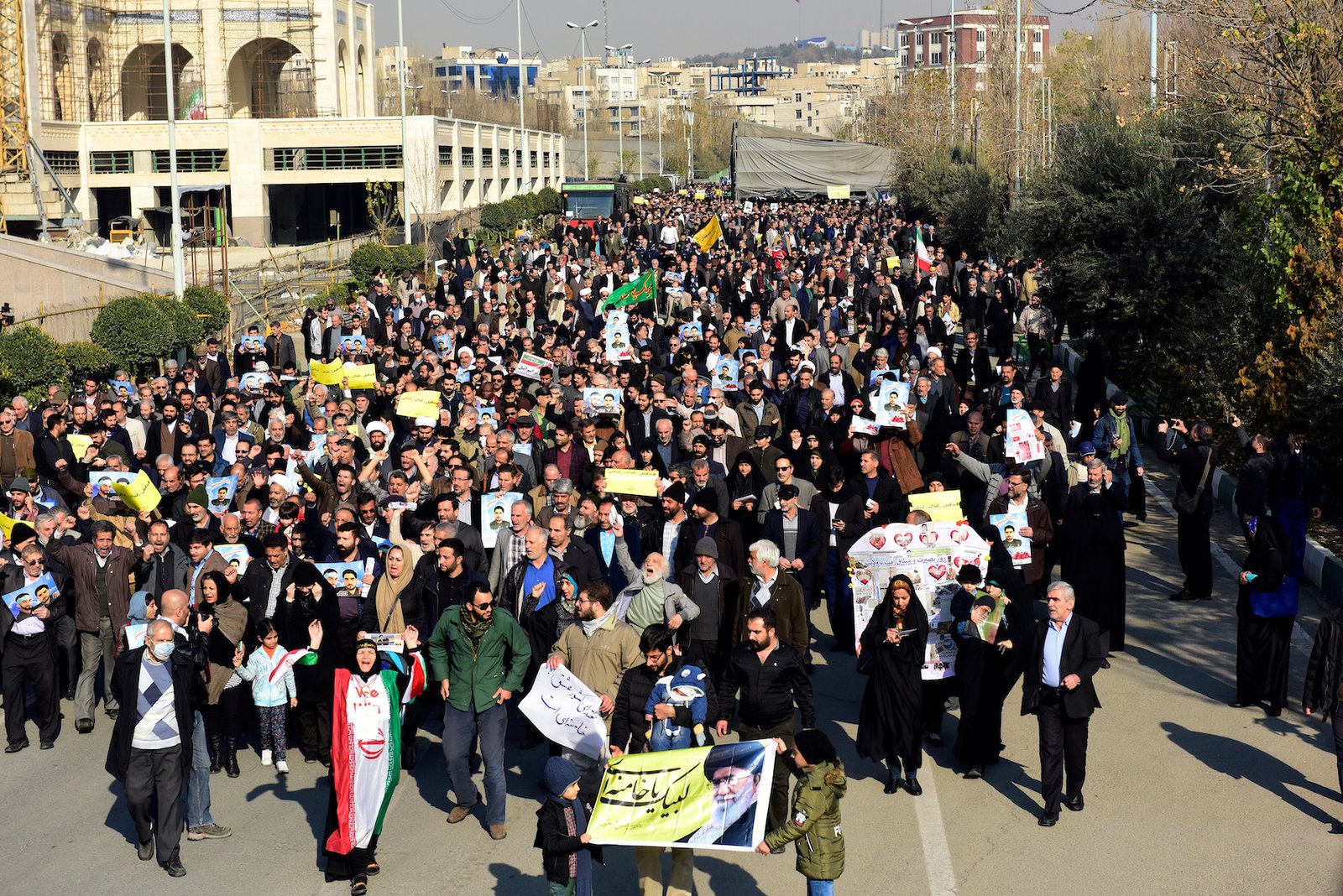
All the other indicators you mention are also present: dire economic conditions, a deep crisis of regime legitimacy, a lack of future prospects, international isolation, and geopolitical weakening—especially since October 7 and developments affecting the so-called proxy forces in the region, the fall of Assad, and related events. Without sheer violence, the Islamic Republic would not be standing. We can see this clearly in the current round of protests as well. Millions of people took to the streets across Iran, in both small towns and large cities, and yet within two nights the regime killed so many people that it managed to force the population back into their homes.
I would say—and this is not just my view, but one shared by scholars of revolution—that it is not enough for a population simply to reject the way it is ruled for a revolution to succeed. For a revolution to succeed, the state must also be unable to repress in the way it has. As long as the repressive and security organs of the state are both willing and capable of suppressing protests, the regime is likely to survive. This is precisely what we have seen over at least the past ten years. So, I think this is the most important indicator.
An indirect confirmation of this can be seen in the way the 12-day war last summer paved the way for the current protests. Militarily, people saw that the Islamic Republic was unable to defend itself. A large number of the most senior commanders of the IRGC were killed on the first day, and the so-called axis of resistance forces disappeared from the political scene, at least temporarily. This created the impression that the state was far more fragile than before, which encouraged people—or gave them the courage—to act as they did this time.
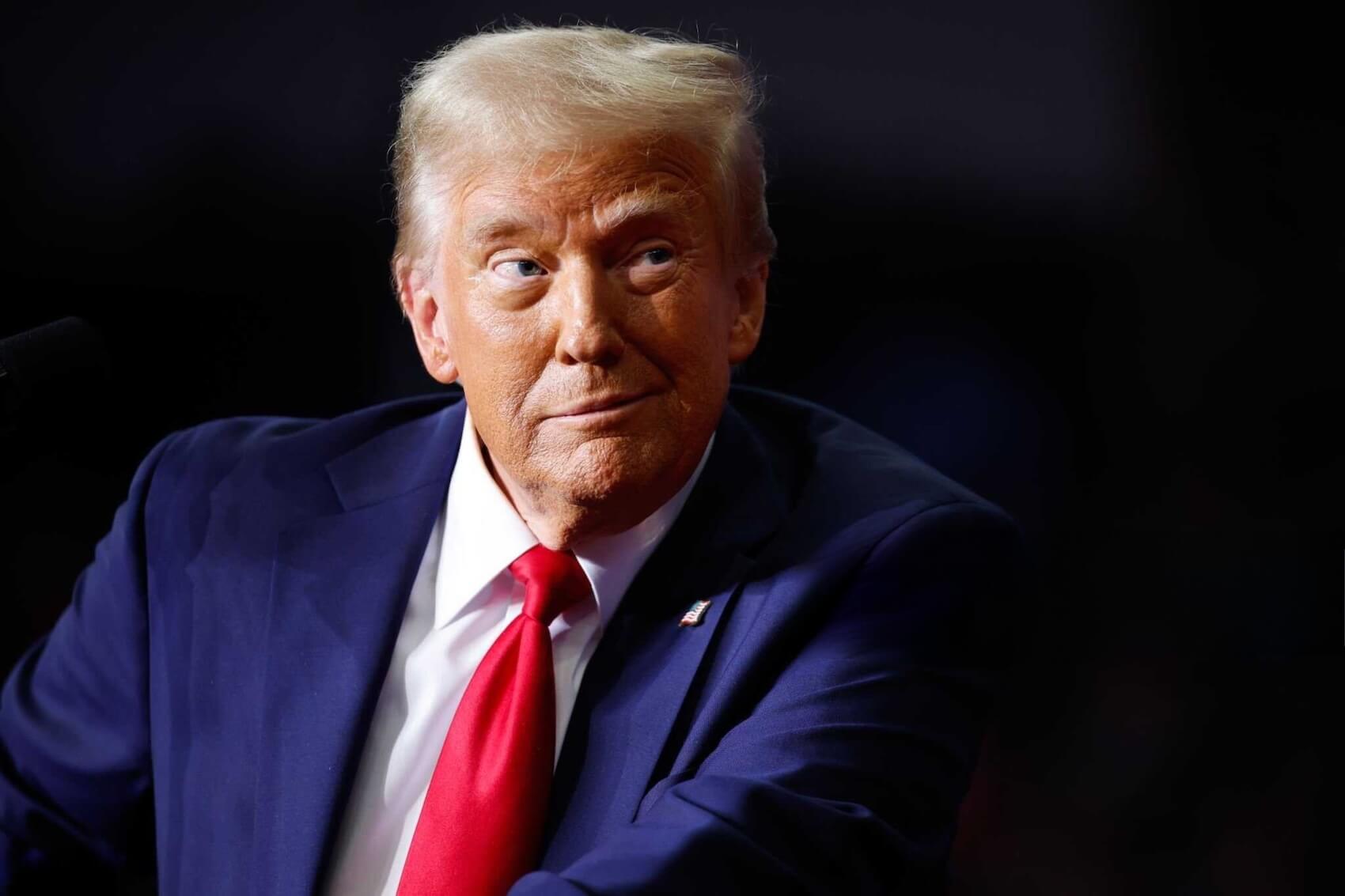
On top of that, there was a statement by Trump, which initially emboldened the protesters. But we know what happened afterward: he changed his position, and the threat of intervention, at least for now, disappeared. This again demonstrates how vital the physical, coercive power of the state remains for keeping it intact and for sustaining the current elite in power. The moment it changes, the Islamic Republic will fall.
So, everything now really depends on whether the coherence of the security apparatus and the repressive organs of the state can be maintained in the period ahead.
Many Symbols, No Common Project
Building on your work on societal multiplicity and the nation’s Janus-like form, how should we interpret the coexistence of competing symbolic projects in the streets—monarchist iconography, republican imaginaries, feminist slogans, and multi-ethnic frames? Under conditions of uneven and combined development, does this plurality enable a Gramscian “national-popular” articulation, or does it risk fragmenting sovereignty claims in ways that invite external instrumentalization?
Dr. Kamran Matin: I cannot remember the exact words, but Lenin has this famous line that says revolution brings together the most extreme, diverse, and different forces into some sort of unplanned alliance against the status quo. So, it is not surprising that we see very different forces—ideologically, politically, and socially—on the streets. Like most revolutions, these protests in Iran are defined more by opposition to what exists than by a shared vision of the alternative that each actor seeks to establish.
Historically, it is in such contexts that an organized political party or movement can harness this massive social energy toward a particular political objective. This role was played in 1979 by Ayatollah Khomeini, a charismatic leader who was able, in some ways, to direct the revolutionary movement. He was vague enough to appeal to all sections of society, while at the same time being very clear in his opposition to the monarchy. This was central to how he built a hegemonic force, as he managed to present the particular interests of Islamists as the general interest of society as a whole. This, of course, ended once the revolution succeeded, when we saw how even Khomeini had to rely on massive violence to consolidate the post-revolutionary state.
At present, we have a great diversity of social and political forces and classes, but the opposition lacks two crucial things. First, it lacks organization on the ground—again, with the partial exception of Kurdistan, where Kurdish parties have a long history of organized politics. I am sure there are clandestine networks in Kurdish cities and elsewhere, but nothing comparable exists in the rest of Iran, for a variety of reasons. One key reason is that since the 1980s the Islamic Republic has invested almost everything in the physical destruction of the left: mass executions, imprisonment, forced exile, and, even in exile, hundreds of assassinations of dissidents and political leaders. Anyone who could potentially have played a leading role was eliminated.
As a result, we lack organization, we lack charismatic figures, and neither the left nor the liberals possess organic intellectuals in the Gramscian sense. A national-popular front or bloc, in Gramsci’s formulation, also requires organic intellectuals who can articulate a hegemonic project capable of uniting otherwise disparate sectors of the opposition. We do not have this, and in some respects we see the opposite dynamic at work.
Among monarchist forces gathered around the son of the former king, Reza Pahlavi, there is a strong unwillingness to engage in collaboration on an equal footing with other opposition forces. They seek dominance rather than partnership and claim a form of quasi-divine legitimacy. It is almost treated as the birthright of Reza Pahlavi to become the next monarch of Iran, or at least to lead a transitional period. As a result, meaningful cooperation with other parties or opposition groups becomes impossible. The so-called Georgetown alliance during the “Women, Life, Freedom” movement collapsed very quickly precisely for this reason, as he withdrew rather than accept equality with others.
Another major source of fragmentation within the opposition is the deployment of an exclusionary Iranian nationalism—by monarchists, by liberals in the opposition, and by the Islamic Republic itself. After the 12-day war, there was a sudden surge in nationalist symbolism: the promotion of Cyrus the Great, the erection of his statue in Tehran, and the revival of symbols of ancient Iran by the regime. The Islamic Republic understood that Islamist discourse could no longer mobilize society, but that nationalist appeals still might. At the same time, this further alienated the non-Persian peripheries of Iran, which in fact constitute more than half of the population: Azeri Turks, who make up roughly 20 to 25 percent; Kurds, around 10 to 15 percent; as well as Arabs, Baluch, Turkmens, Gilaks, and others.
Most of these groups are unwilling to contribute to the rise to power of forces that already seek to subordinate them politically and culturally. This denial of Iran’s internal diversity by large sections of the opposition creates a major barrier to forming a genuinely powerful nationwide opposition bloc. Each opposition group on its own is too small or too weak to overthrow the regime, yet the discourses they deploy and the strategies they pursue also prevent them from agreeing even on a minimal common program to confront the Islamic Republic.
I would argue that, in addition to massive levels of violence, what sustains the regime is precisely the fractured nature of the opposition, its disorganization, and the absence of a political discourse that appeals equally to the main segments of society. The Women, Life, Freedom slogan did manage to do this briefly. However, as I noted earlier, it was quickly undermined both by internal divisions within the opposition and by the regime itself. Within weeks, an alternative slogan emerged—“Man, Motherland, Development”—which is strikingly reminiscent of fascist slogans from Mussolini’s Italy. Woman, Life, Freedom versus Man, Motherland, Development. Until recently, Reza Pahlavi even displayed this slogan on his profile on X. I think the brief hegemonic role played by the Women, Life, Freedom slogan was significant, but it was actively undermined by substantial sections of the Iranian opposition.
Necro-politics in Practice: How the Regime Governs Through Maiming, Fear, and Exemplary Violence
Reports describe systematic maiming, mass casualties, and targeted injuries amid an intensifying crackdown under communication blackouts. How should we conceptualize this repertoire of violence—deterrence, exemplary punishment, strategic mutilation, or biopolitical terror—and what does comparative evidence suggest about its medium-term political effects on mobilization, radicalization, and regime cohesion?
Dr. Kamran Matin: The Islamic Republic has a very complex necro-politics. Even the treatment of the dead has a particular political economy. In addition to what you mentioned in the question, many people have been shot in the eyes. This is very deliberate, because the aim is for those who are injured to remain alive and visible, walking around in public, so that others see this as the fate of anyone who opposes the regime.
This is particularly striking because, in the past, the Islamic Republic sought to conceal its violence. Even now, it is only in recent years that there has been some acknowledgement that in 1988 around 3,000 to 5,000 political prisoners were executed. At the time, almost nobody knew; most Iranians were unaware because it was carried out entirely in secrecy. By contrast, today state media actually show the protests and even display bodies in morgues and other locations.
What is also remarkable is that when families of those who have been killed go to collect the bodies of their loved ones, they are required to pay for the bullets that were fired at them. For each bullet, they are reportedly asked to pay around seven million Iranian tomans, which at the current exchange rate is roughly $80 or so—I cannot recall the exact figure. In other words, families are literally required to pay for the bullet that killed their loved one in order to retrieve the body.
On top of that, there are reports that families are offered the option of signing a document stating that the person who was killed was a member of the Basij, the pro-government militia—thus turning them, quote-unquote, into a “martyr.” This allows the government to claim that large numbers of security forces were killed by terrorists allegedly backed by Israel, the US, and others. If families refuse, the bodies may be buried in unmarked graves, and the family may never know where their loved one is buried. In some cases, families are confronted with this choice in addition to the financial demand.
I should add, however, that demanding money for bullets or for the return of bodies is not new. This practice was widespread in the 1980s, especially in Kurdistan, but also in cases involving political prisoners who were executed or hanged in prisons. The Islamic Republic therefore deploys violence in a highly complex and sophisticated manner. It uses exemplary punishment to deter others from protesting and to instill fear across society. When people see injured individuals everywhere, or witness bodies being withheld, mishandled, buried anonymously, or simply disappearing, the psychological impact is deeply traumatizing.
In the short term, this strategy may work for the regime by frightening people into submission. In the longer term, however, it produces enormous anger and even hatred within society—among individuals, families, and communities. This accumulated resentment is likely to erupt again in future protest waves. Yet the Islamic Republic is almost built on periodic crises; in a sense, it thrives on them. Just before we began, I saw a pro-regime journalist or activist claiming that, thanks to God, these recent events have extended the life of the Islamic Republic by fifty years.
They feel that they have not only repressed the protests, but that the very fact of having done so successfully has given them a sense—not of legitimacy, but of unassailability. This, in turn, makes people think twice before participating in the next round of protests.
Why Iran’s Opposition Is Unprepared for Transition
During revolutionary moments, the question of political succession becomes decisive. How would you characterize the current opposition landscape in terms of organizational depth, ideological coherence, and governing capacity, and what risks emerge when maximalist anti-regime unity is not matched by institutional preparedness for transition?
Dr. Kamran Matin: The opposition has none of these: neither organizational depth, nor a clear plan, nor the human capacity to run post-regime governance in any meaningful way at the moment. The material elements are there, but they are not organized in any coherent way. Again, I would distinguish between the situation in Kurdistan and the rest of Iran, because there are important differences.
I could talk for hours about this, but briefly, there are organized Kurdish parties with bases very close to the border, and there is an organic connection with society. As we remember from 1979, the moment the Shah fell, the Kurdish regions became autonomous and self-governing because this organizational infrastructure was already in place. We see similar patterns in Rojava after 2011, or in Iraq after the 1991 Kuwait War. But in the rest of Iran, we do not have this, and I think this absence is absolutely crucial.
Apart from state violence, this lack of an organized alternative—ideologically, discursively, and organizationally—is a key factor keeping the regime in power. Many people ask themselves, “What comes next?” And this is precisely why many were reluctant to take to the streets in the past. One reason Reza Pahlavi’s name was chanted in some protests is that people believed he had a workable plan, although we later saw that he really did not. He called on people to go to the streets and suggested that help was on the way, echoing Trump’s rhetoric, and obviously nothing materialized. In fact, many people now blame him for a significant portion of the casualties in Iran. So, overall, the opposition is rather weak.
Trump’s Iran Rhetoric Aims at Behavioral Change, Not Regime Change
US President Trump’s call for Iranians to “keep protesting” and his claim that “help is on its way” mark an unusually explicit rhetorical intervention. How do such statements reshape internal protest dynamics, regime threat perceptions, and escalation logics—and where do they sit on the spectrum between moral encouragement, strategic signaling, and coercive diplomacy?
Dr. Kamran Matin: I think for Trump all three are objectives—strategic signaling, coercive diplomacy, and moral encouragement. But ultimately, he is pursuing his own interests. And his primary interest is not regime change, but a change in the regime’s behavior. That is crucial, because it means that Trump may seek to instrumentalize the protests in order to extract a deal from the regime.
The problem is that Khamenei, the Supreme Leader, cannot make such a deal, because it would be perceived as a form of submission. Any agreement—at least one based on US conditions—would be seen as a defeat of the regime. And those conditions are unacceptable: no nuclear enrichment, no long-range missiles, and no proxy forces. These are core pillars of the Islamic Republic, so they simply cannot concede them. This means that even though US preference is for behavioral change rather than regime change as such—and this is clearly articulated in the US National Security Strategy released a few weeks ago, as well as reflected in recent US interventions, such as in Venezuela—this strategy has inherent limits.
Trump was hoping that internal pressure within Iran, combined with the threat of intervention, could be leveraged to secure a deal that would advance US objectives in the Middle East, open Iranian markets, and distance Iran from China, among other goals. This has not happened. And the United States does not appear to have a clear plan for what to do if a deal proves impossible. This is where US and Israeli positions diverge to some extent. For Israel, any attack would need to lead to a radical outcome; otherwise, it would incur the costs of Iranian retaliation without achieving a clear political objective. This helps explain the confusion over recent developments, including why Trump has not followed through on what he initially appeared to signal.
That said, revolutions have historically been aided—often indirectly and unintentionally—by foreign powers. The October Revolution succeeded in part because of World War I and the weakening of the Tsarist regime. The French Revolution was linked to a severe fiscal crisis driven by geopolitical rivalry with England. More broadly, many classical revolutions have occurred in the context of war and wider geopolitical crises. In this respect, Iran is not exceptional.
The key issue, however, is whether there is sufficient organization on the ground to take advantage of these geopolitical and inter-imperialist rivalries. Unfortunately, to a large extent, there is not.
Why Rojava’s Future Lies Beyond Counterterrorism
Turning to Syria, with Kurdish-held areas under renewed assault and the future of Rojava/AANES increasingly uncertain, what are the plausible political trajectories—forced integration, negotiated autonomy, territorial rollback, or renewed international guarantees—and which are structurally most likely given current regional alignments?
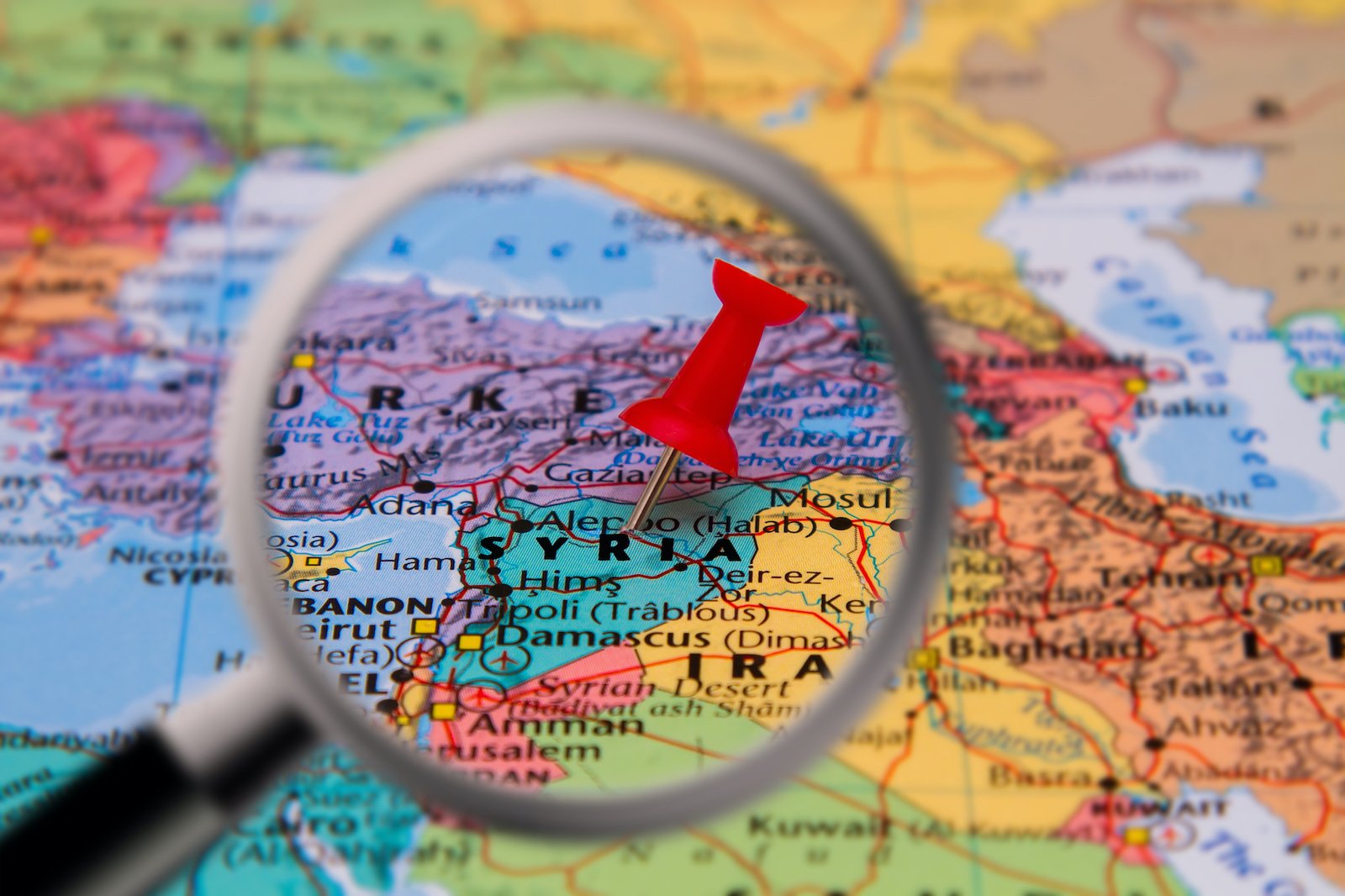
Dr. Kamran Matin: The current so-called transitional government is clearly no different in terms of what it wants to do with the Kurdish parts of the region in Syria, or with other minorities. We have seen what it has done to the Druze and the Alawites. The fact that it is not doing more, or has not been able to do so, is because there has been resistance against it. So, I would say the long-term aim of this government is to control the entirety of Rojava, while making some sort of symbolic concessions—such as the decree announced yesterday (January 16, 2026) recognizing the Kurdish language to some extent—but without any constitutional guarantee of self-governance of the kind the Autonomous Administration of North and East Syria (AANES) demands.
From what happened in Aleppo in recent weeks, we know that this followed very quickly after a meeting in Paris between Israel, the Syrian transitional government, and the United States; I believe Turkey was present as well. It seems there has been an agreement that areas under SDF or Rojava control should be limited to east of the Euphrates. At the moment, the SDF is being evacuated from other regions. Leaders of the Autonomous Administration might think this will become the natural border between their autonomous region and the rest of Syria, and that may be the case in the short term, but I am confident that pressure will continue and that the government will push for more.
The Syrian government is prepared to make every concession possible to Israel in order to prevent intervention and then, with the help of Turkey, to deal with the Autonomous Administration in a gradual manner. Initially, it was thought that the so-called resolution process in Turkey—including PKK disarmament and dissolution—was the price the Kurdish movement was paying to keep Rojava safe. But I think this assessment has changed. At first, the Turkish state was clearly worried about Israel attempting to recruit allies in the region, as well as about Iran and the possibility of Iran fragmenting. Over time, however, Turkey regained its momentum. Now it is using the so-called resolution process precisely to keep the PKK, or whatever it is now called, out of the Rojava scene, and in fact to use the absence of conflict with the PKK in order to concentrate its efforts on Rojava.
I have written about this in recent weeks and days, and I do not know how much the Rojava leadership reads or listens to external advice, but I think they should be very concerned. This process is not going to end. Pressure will advance step by step, and attempts will be made to retake territory incrementally. The Autonomous Administration must ensure that its relationship with the United States is not based solely on counterterrorism and ISIS. It needs to push for some form of political recognition and for a decentralized or federal system. Otherwise, renewed conflict between the two sides is inevitable.
Regional Powers Prefer a Weakened Iran to a Collapsing One
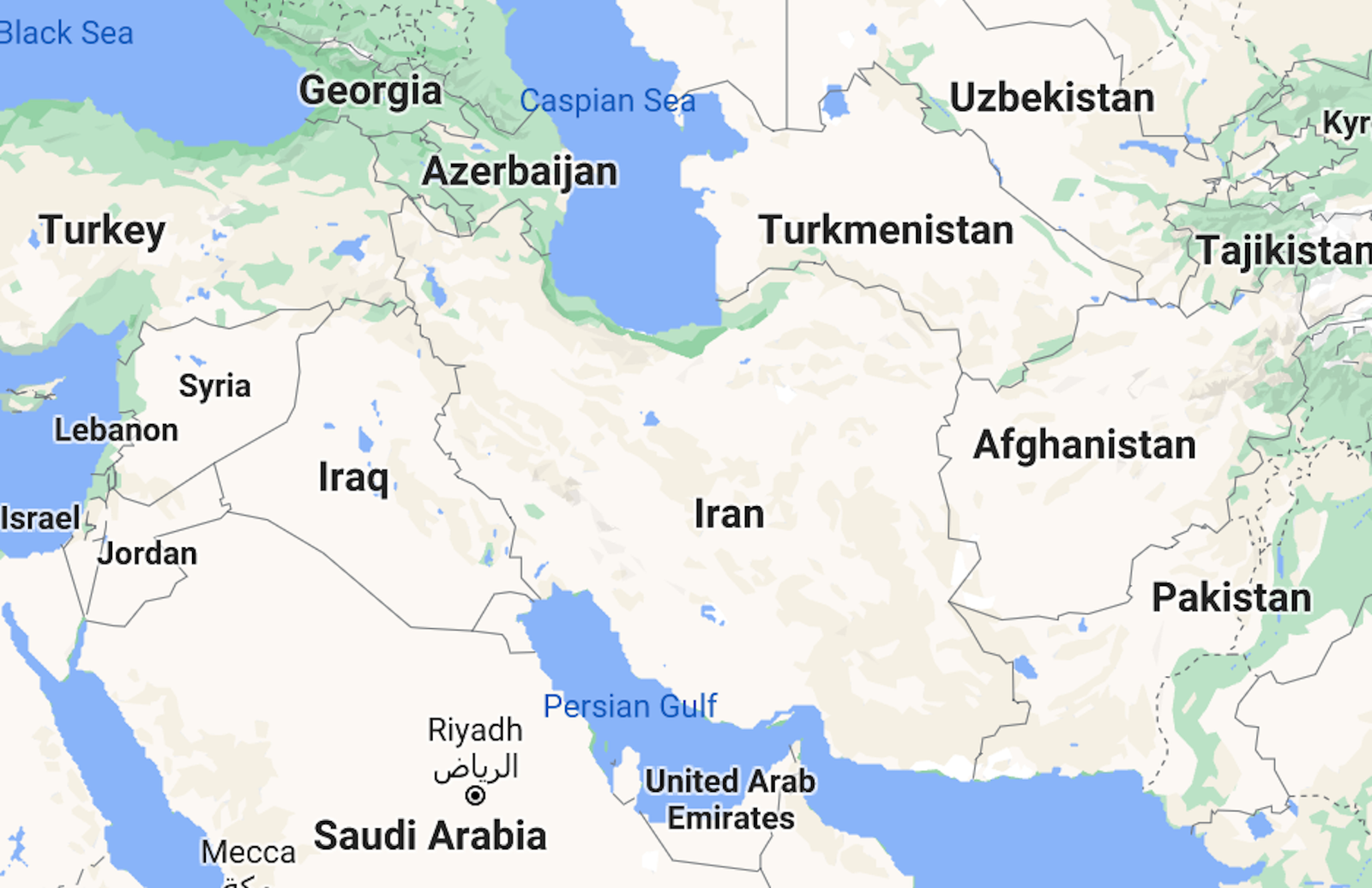
How do regional power calculations—the Erdogan regime’s anti-Kurdish security doctrine, Damascus’s centralization drive, Russia’s brokerage role, and US/Gulf/Israeli threat perceptions—intersect with Iran’s internal crisis, and what implications does each Iranian outcome (hardening, fragmentation, or transition) carry for the fate of Rojava?
Dr. Kamran Matin: This is a very complex question. In terms of existing states—not just Turkey, but also the transitional government in Syria—they are ultimately driven by a vision of a centralized, unified, and homogeneous state. In societies characterized by a multiplicity of peoples, this model clearly does not work except through violence. And violence begets violence, which is precisely what we have witnessed over the past hundred years.
In that sense, any event or process that leads to de facto decentralization of power in these states—for example, what happened in Iraq in 2003—is viewed as a major threat. Turkey still regrets having allowed the KRG to emerge in the first place, and it now harbors similar concerns regarding Iran. As a result, Turkey—which is ostensibly a regional competitor of Iran—is now openly assisting the Islamic Republic. It opposes US intervention and provides intelligence against Kurdish armed forces, because it believes that the moment the Iranian state weakens, another Kurdish entity could emerge. Such a development would have direct implications for the Kurdish question within Turkey itself.
In this sense, the Kurdish question is a challenge for all these states, but at the same time it also constitutes the basis for their tactical cooperation—and even strategic alignment—at critical moments. If Iran were to weaken significantly, or if a situation similar to Syria in 2011–12 were to unfold there, this would pose a serious challenge for Turkey. At the same time, it is important to note that Iran has a large Azeri Turkish population. Some observers are concerned that Turkey might seek to instrumentalize this segment of Iranian society through Turkish nationalist sentiments in order to establish a foothold in northwestern Iran. There is also the question of Azerbaijan and whether the two might coordinate in such a scenario.
That said, from the perspective of regional states, the overall calculus appears to be that a weakened Islamic Republic is preferable to one that collapses entirely. This helps explain why Arab states, too, have urged the United States not to attack Iran. A breakdown of central authority and a deeply unstable Iran are outcomes that alarm everyone. At the same time, while many regional actors are hostile to the Islamic Republic, they also do not want to see an unmanaged, uncontrolled, and unplanned collapse of the Iranian state. As a result, they are actively seeking to prevent such an outcome.