ECPS has joined TRACE – Tracing Colonial Legacies in Climate Vulnerabilities, a new 24-month project funded by the European Union’s Citizens, Equality, Rights and Values (CERV) programme. TRACE examines how Europe’s colonial history continues to shape contemporary climate vulnerability, inequality, migration, and environmental justice. Focusing especially on young people aged 15–30, including those from migrant and postcolonial backgrounds, the project combines climate education, historical reflection, democratic participation, and public engagement. Activities will include workshops, exhibitions, public debates, documentary screenings, student-led case studies, and foresight exercises. TRACE will culminate in a Youth Charter on Climate Migration and Vulnerability, bringing young people’s perspectives into wider European debates on climate justice, historical responsibility, and intergenerational equity.
ECPS (Brussels)
The European Center for Populism Studies (ECPS) has joined TRACE – Tracing Colonial Legacies in Climate Vulnerabilities, a new 24-month project funded by the European Union’s Citizens, Equality, Rights and Values (CERV) programme.
TRACE explores how Europe’s colonial history continues to shape patterns of vulnerability to climate change today. By examining the connections between colonial legacies, climate inequality, migration, and environmental justice, the project seeks to explain why communities experience the consequences of the climate crisis so differently and how more equitable and inclusive responses can be developed.
The project focuses primarily on young people aged 15–30, including secondary school students, university students, and young professionals, with particular attention to participants from migrant and postcolonial backgrounds. It also engages educators, policymakers, and civil society organizations, especially those working on migration, youth participation, climate change, and environmental justice.
At the heart of TRACE is an effort to strengthen young people’s understanding of colonial history and its relationship to contemporary climate and environmental inequalities. The project also aims to equip participants with the knowledge and critical tools needed to engage with debates on climate change, migration, historical responsibility, and intergenerational justice.
A Participatory and Youth-Led Approach
TRACE is built around participatory and youth-led activities designed to combine historical reflection, climate education, democratic participation, and public engagement. Planned activities include workshops on climate science, open forums where young participants can share experiences, emotions, and testimonies, and intergenerational conversations exploring how historical memories and contemporary climate challenges intersect.
The project will also organize exhibitions, public debates, documentary screenings, student-led case studies, and foresight exercises encouraging participants to imagine possible patterns of climate mobility by 2050.
An important dimension of TRACE will be its engagement with European climate policy. Participants will examine initiatives including the EU Clean Industrial Deal through a decolonial perspective, considering how contemporary climate strategies relate to questions of historical responsibility, inequality, and justice.
Young participants will also work together to develop a conceptual framework connecting colonization and contemporary climate vulnerability. Their findings and reflections will be communicated through a youth-led Instagram channel, helping extend the project’s discussions beyond formal workshops and events.
From Historical Reflection to Democratic Participation
One of the project’s central objectives is to connect historical understanding with democratic practice. TRACE will culminate in the collaborative drafting of a Youth Charter on Climate Migration and Vulnerability. Developed through a participatory process, the Charter will articulate young people’s perspectives on climate vulnerability, migration, historical responsibility, and justice.
The final document will be shared with policymakers, activists, civil society organizations, and other relevant stakeholders, ensuring that the voices and experiences of young participants contribute to wider European debates about climate policy and migration.
By looking critically at the past, TRACE seeks to deepen understanding of how colonial histories continue to influence the unequal distribution of climate risks in the present. At the same time, the project aims to foster inclusive remembrance, intergenerational justice, democratic participation, and climate resilience.
A European Partnership
TRACE brings together organizations from across Europe with expertise in education, environmental sustainability, human rights, youth participation, democratic engagement, and research. The consortium consists of:
🇵🇹 EducPro — Portugal
🇮🇹 Fondazione CREDA ETS – Centro Ricerca Educazione Documentazione Ambientale — Italy
🇪🇸 Altekio Iniciativas hacia la Sostenibilidad, S. Coop. Madrid — Spain
🇸🇮 PIC – Legal Center for the Protection of Human Rights and the Environment / Pravni center za varstvo človekovih pravic in okolja — Slovenia
🇧🇪 Sumatra Innovation ASBL — Belgium
🇧🇪 European Center for Populism Studies (ECPS) — Belgium
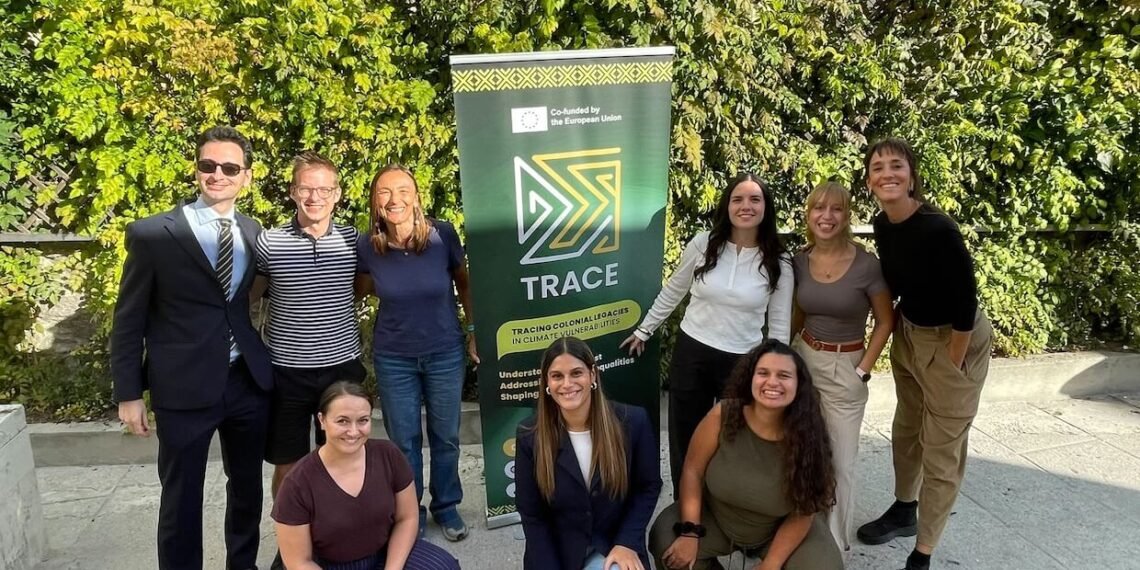
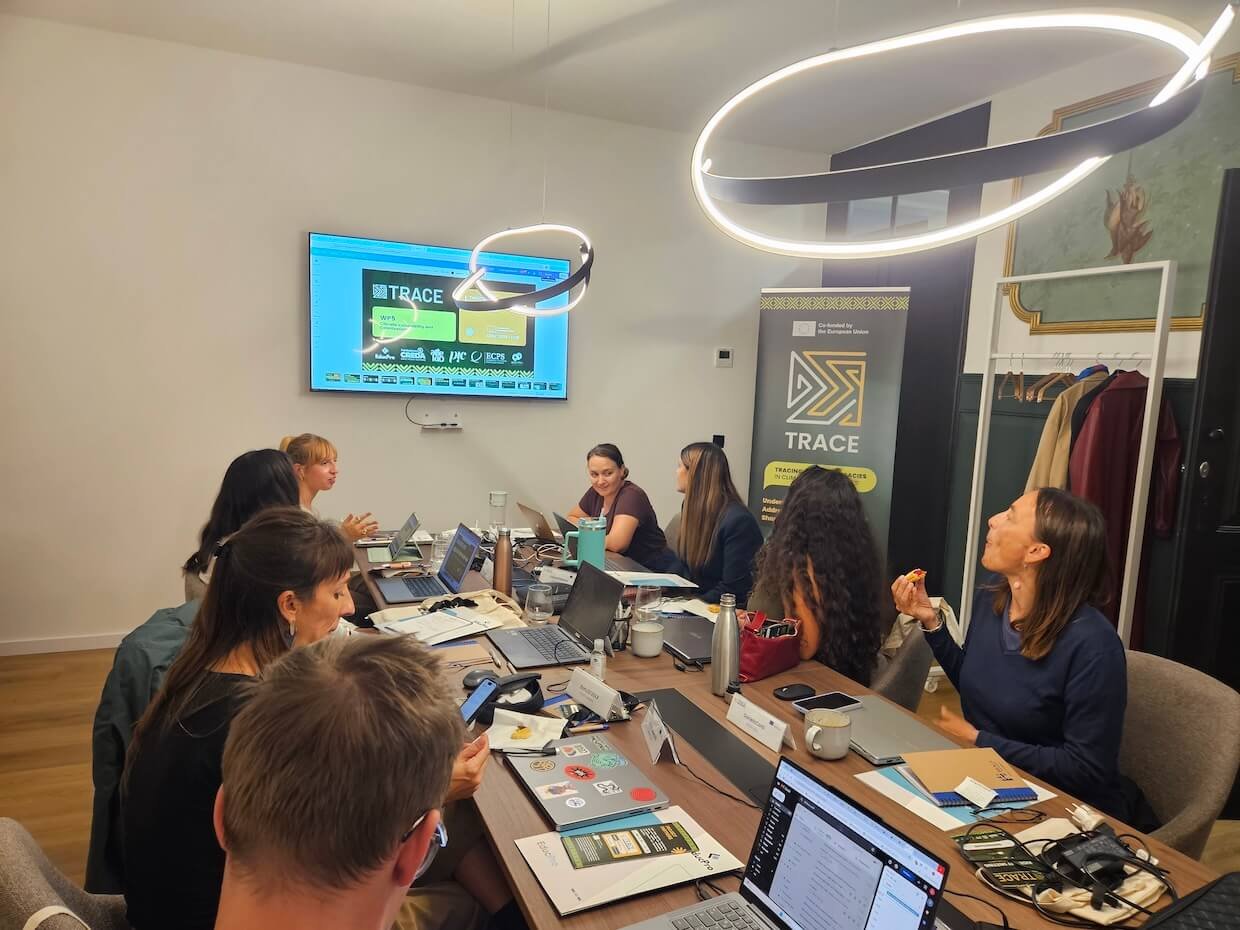
The consortium recently held its kick-off meeting in Portugal, where project partners came together to establish the framework for cooperation and set the course for the activities to be carried out over the coming two years. The launch of TRACE also received local media attention in Portugal, with the project featured in the Portuguese newspaper Diário do Minho.
Through its participation in TRACE, ECPS will contribute to the project’s broader examination of historical legacies, democratic participation, inequality, climate vulnerability, and the political dimensions of climate justice. The partnership also extends ECPS’s engagement with European research and civil society initiatives addressing the intersection of democracy, social justice, youth participation, and contemporary political challenges.
Over the coming months, ECPS will share updates on TRACE’s research, workshops, exhibitions, public debates, youth activities, and other project outputs through its website and social media channels.