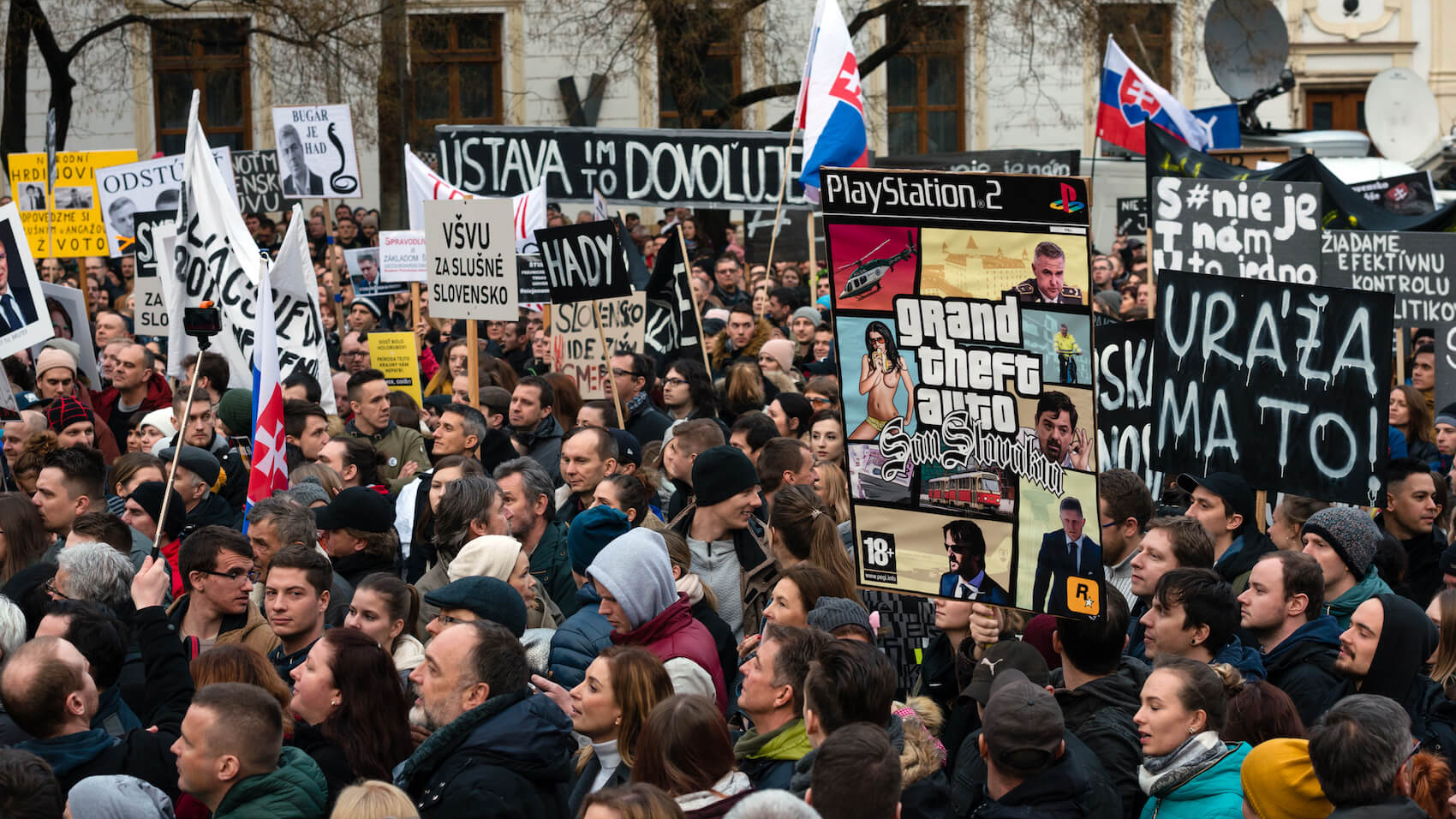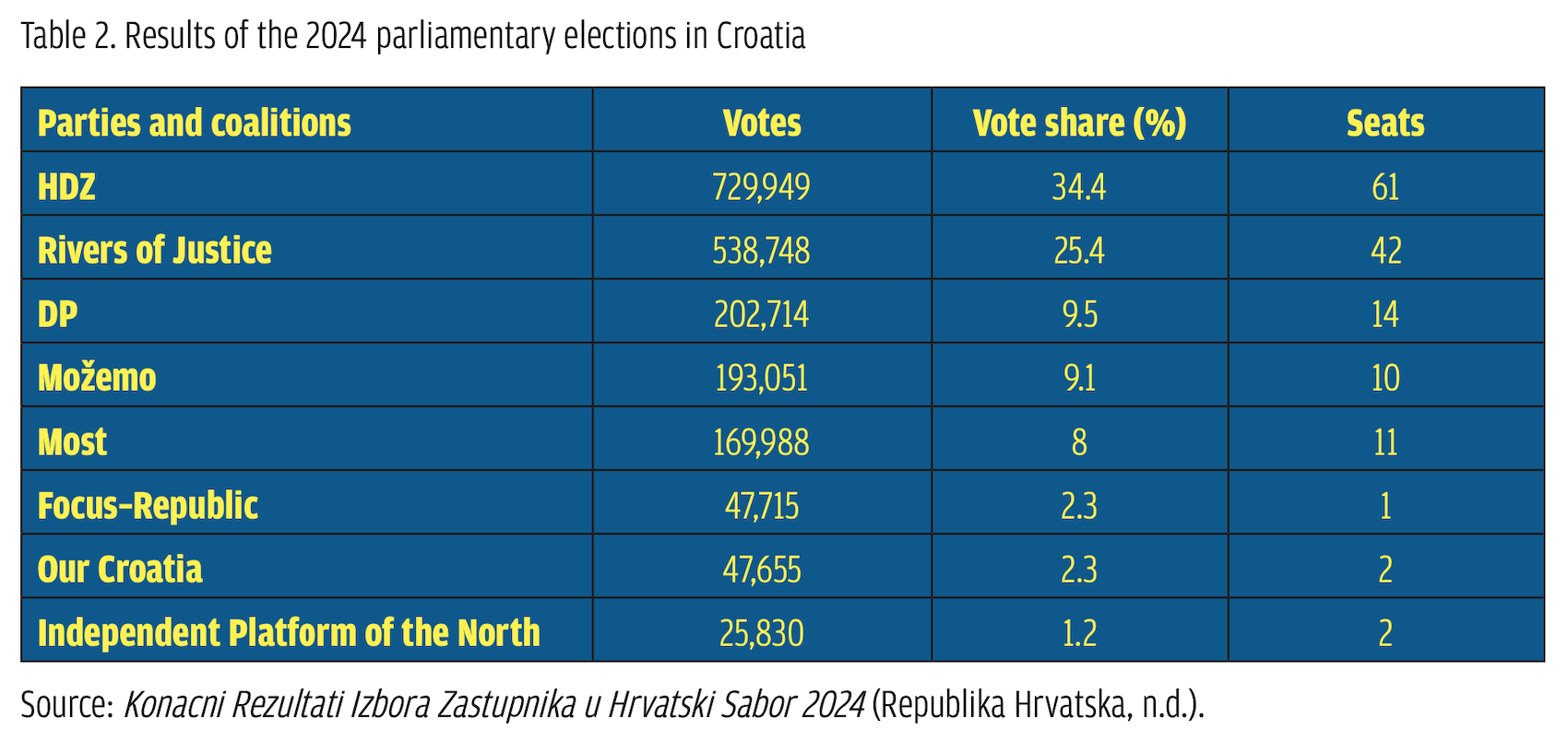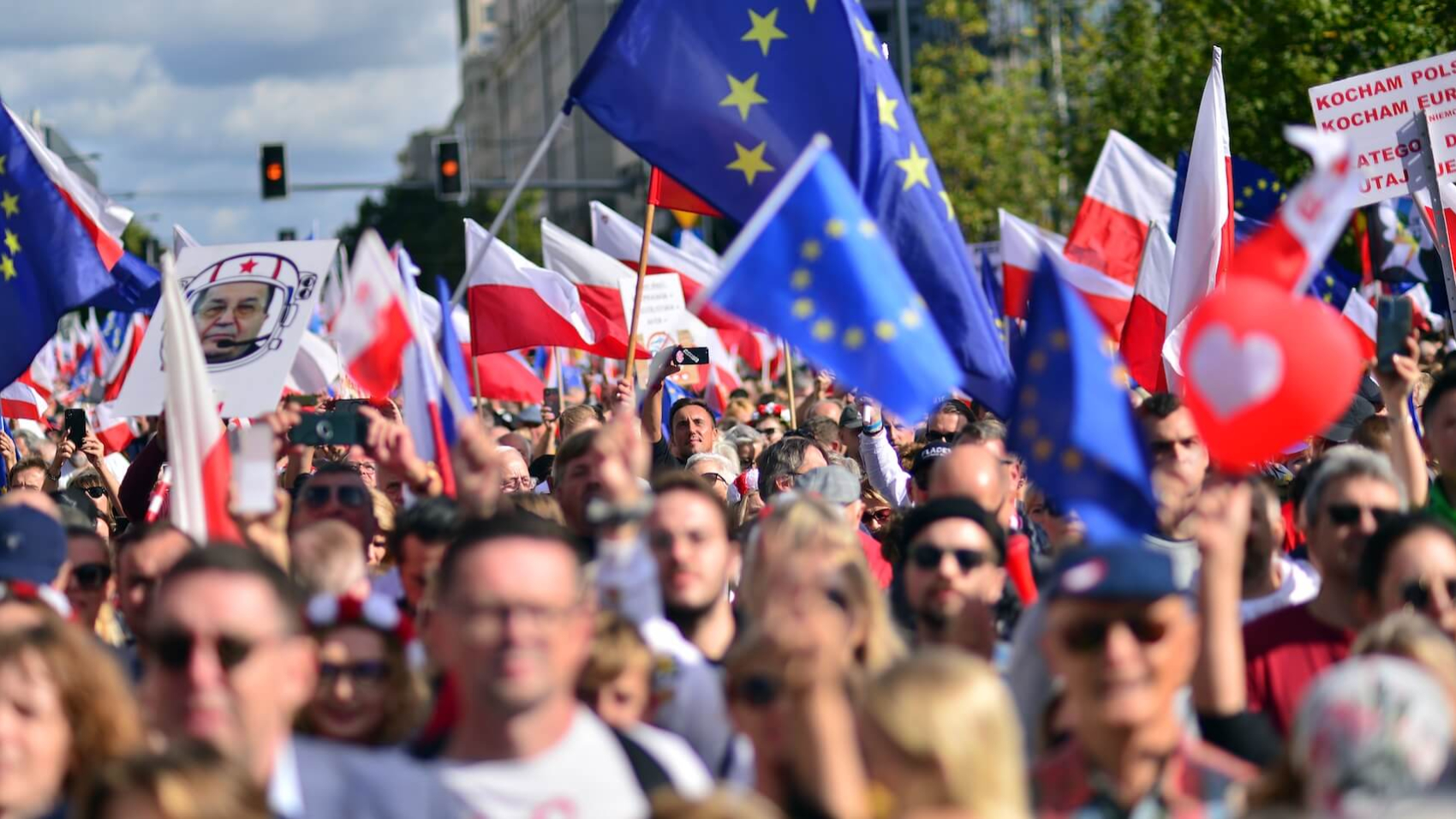
March of a Million Hearts. Hundreds of thousands march in anti-government protest to show support for democracy in Warsaw, Poland on October 1, 2023. Photo: Shutterstock.

Dashed Hopes and the Success of the Populist Right: The Case of the 2024 European Elections in Poland

Please cite as:

Lipiński, Artur. (2024). “Dashed Hopes and the Success of the Populist Right: The Case of the 2024 European Elections in Poland.” In: 2024 EP Elections under the Shadow of Rising Populism. (eds). Gilles Ivaldi and Emilia Zankina. European Center for Populism Studies (ECPS. October 22, 2024. https://doi.org/10.55271/rp0079


DOWNLOAD REPORT ON POLAND

Abtstract

The European Parliament elections of 9 June 2024 were the next stage in the electoral marathon started by parliamentary elections in 2023 and local elections earlier in 2024 and ended with a good result for the populist Law and Justice Party (Prawo i Sprawiedliwość, PiS) and the radical-right Confederation of Freedom and Independence (Konfederacja Wolność i Niepodległość), confirming the relevance of right-wing populist parties in Poland. The combined electoral outcome of both PiS (36.16%) and Confederation (12.08%) is only slightly below 50%. The hopes of all those who treated the 2023 parliamentary elections in Poland as a victory over populism, paving the way for more victories, were thus dashed. The report aims to highlight the political and social context that led to these results and offer arguments supporting the classification of PiS and Confederation as populist communicators. The subsequent sections analyse the political communication strategies employed by both parties, emphasizing the intricacies of their discursive articulations concerning national and European themes. Lastly, the report explores the correlation between the political agendas of PiS and Confederation and the thematic preferences of their electorate, offering a comprehensive understanding of the dynamics at play.

Keywords: Law and Justice; Confederation; populism; EP elections; right wing

By Artur Lipiński* (Department of Political Science and Journalism, Adam Mickiewicz University, Poznań, Poland)

The European Parliament elections on 9 June 9 2024, the next stage in the electoral marathon started by last year’s parliamentary elections and this year’s local elections, ended with a good result for the populist Law and Justice Party (Prawo i Sprawiedliwość, PiS) and the radical-right Confederation of Freedom and Independence (Konfederacja Wolność i Niepodległość) usually referred to simply as Confederation (Konfederacja). The hopes of all those who treated the 2023 parliamentary elections as a victory over populism, paving the way for more victories, were thus dashed. Although Prime Minister Donald Tusk and the ruling Civic Platform (Platforma Obywatelska, PO) framed this election as a contest between his coalition and all parties – including PiS – over the fate of the EU, PiS was still able to secure 36.16% of the vote despite low turnout in the countryside, where voters disproportionately favour PiS.

The elections also confirmed several findings by researchers that consider the EP elections to be ‘second-order’ elections. First, these elections are assumed to be less salient for voters as they do not influence national government formation. In fact, in Poland, the high turnout from the 2023 elections, mainly due to young people coming out to vote, led to the success of the liberal opposition at the time, was not repeated and mainly a hardcore electorate went to the polls. Second, the assumption that these elections favour parties of the radical right was confirmed, as they provide a credible and adequate context for articulating Eurosceptic and nationalist views. In the case of Poland, this meant the relative success of the radical-right Confederation, which has made explicit criticism of the European Union its hallmark. Third, there is the question of whether national themes predominate over pan-European ones in elections for the European Parliament. The assumption is that EP elections tend to reflect conflicts and rivalries within the domestic political arena rather than issues dealt with by the European Parliament. However, as this report details, it was not necessarily so in the 2024 EP elections in Poland, as national and European issues were articulated together, contributing to the larger discourse on Europe, its institutions, values and policies.

The main populist actors and their results

 The results of the 2024 EP elections confirmed the relevance of right-wing populist parties in Poland. The combined electoral result of both PiS (36.16%) and the Confederation (12.08%) is only slightly below 50%. Out of these two, PiS constitutes a ‘quintessentially populist’ party (Stanley, 2023), not only with respect to its discourse but also in promoting and subsequently implementing policy solutions. If one adopts the widely shared view that populism is a kind of discursive logic that pits the people against immoral and corrupted elites, then PiS definitely has a populist character. PiS constructs a moralized dichotomy by positioning the traditional Christian nation against the ‘post-communist’ or ‘liberal’ elites (Bill, 2022). A significant element of PiS’s agenda includes anti-migration themes, which have contributed to the politicization and discursive shift in the public sphere since the so-called ‘migration crisis’ of 2015. This shift has led to the normalization of racist discourse and the securitization of migration issues (Krzyżanowska & Krzyżanowski 2018; Krzyżanowski 2020).

At the level of political action, populism combines colonization of the state with mass clientelism and discriminatory legalism (Müller 2016). Accordingly, after taking power in 2015, PiS immediately started dismantling institutional checks and balances, including the Constitutional Tribunal and Supreme Court and transformed the public broadcaster into the government’s mouthpiece (Sadurski, 2019). At the economic level, the party promoted generous social transfers, which not only allowed it to garner the support of beneficiaries but also to accuse political opponents of neglecting the people’s interests.

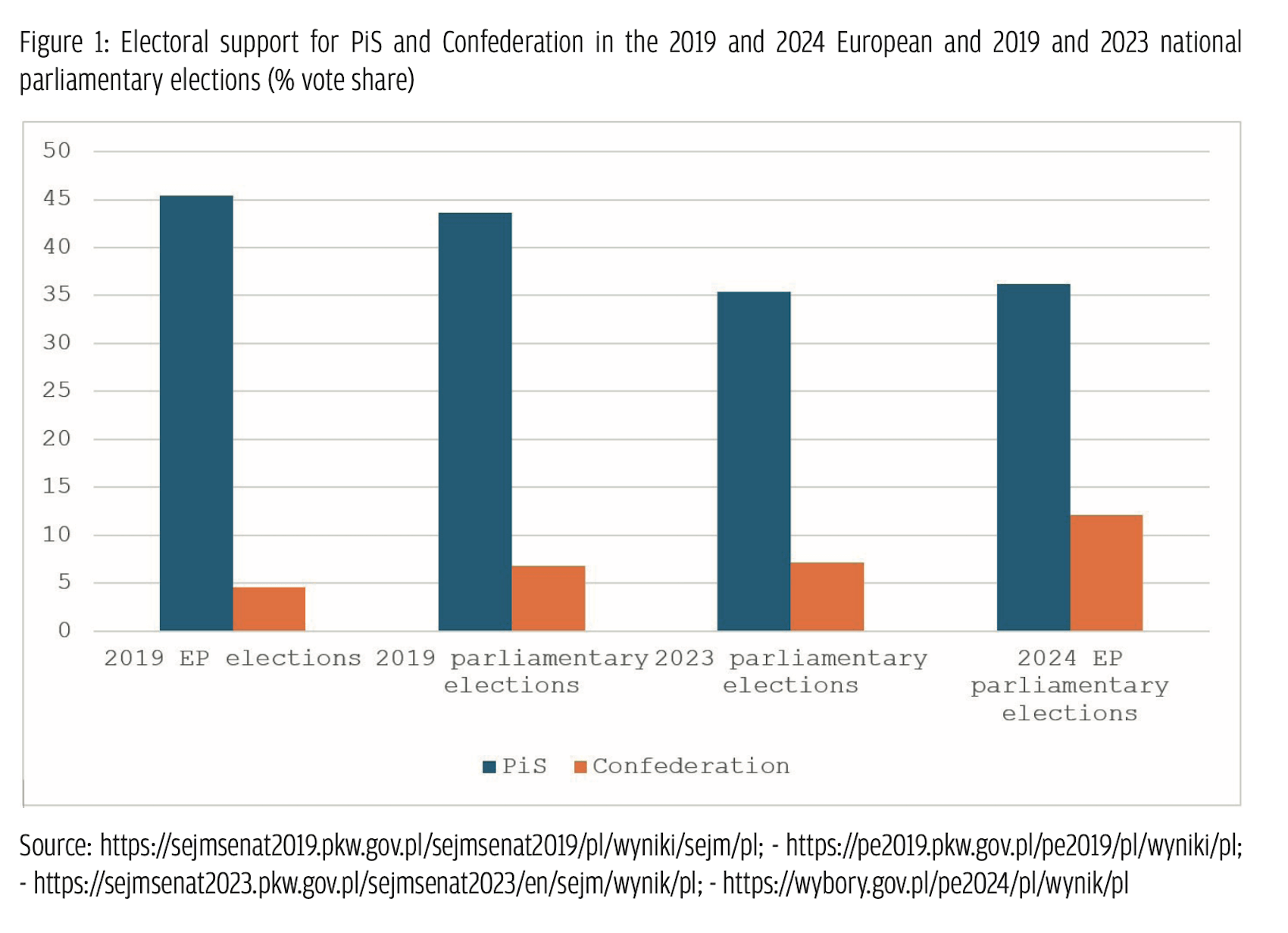
Such a populist formula allowed PiS to win a number of elections. In 2015, the party gained 37.5% of the votes, translating into 235 seats in the 460-member parliament, enabling the party to form a majority government that introduced all the changes it promised during the campaign. The expensive social transfers made after 2015 and further financial promises, as well as the rhetoric of threats targeted against LGBTQ+ people, secured PiS very good electoral results in the European Parliamentary elections in 2019, namely 45.4% of votes and 27 seats in the EP. The parliamentary elections held the same year brought PiS another victory; the party secured 43.6% of the votes and took 235 seats. It was exceptional not only in terms of the vote share, the highest for any political actor after 1989, but also in terms of the reelection for the second term with the overall majority (Szczerbiak, 2023). The ruling of the Constitutional Tribunal, an institution widely perceived as fully controlled by PiS, to introduce further restrictions into already harsh abortion law coupled with the series of financial and legal irregularities of PiS’s politicians systematically revealed by the media as well as the growing inflation contributed to the visible drop in public opinion polls. Although in the next parliamentary elections held on October 2023, PiS obtained 35.4% of the votes, it did not translate into the majority of the votes in the Sejm (the lower chamber of parliament), and the party was not able to form a government.

The second of the relevant right-wing actors is Confederation. Its classification poses decisively more challenges. Although The PopuList (Rooduijn et al. 2019) classifies the grouping as far right and Stanley (2023) adds that it is of libertarian rather than populist orientation, two caveats should be made here. Formally, the Confederation is a coalition of several parties that represent diverse views and target different segments of the population. New Hope, led by Sławomir Mentzen, is a libertarian party with a strong focus on economic issues, advocating for tax system simplification, tax cuts and neoliberal economic freedoms. Confederation also includes the National Movement, led by Krzysztof Bosak and the Confederation of the Polish Crown, founded by Grzegorz Braun. These groups combine (ethno)nationalism with moral and cultural conservatism, Euroscepticism, antisemitism and anti-Ukrainian sentiments. At least the latter two promote a nationalistic vision that merges anti-establishment rhetoric with the demonization of various groups. Additionally, as strategically calculating organizations, these political groupings adapt their communication strategies to the evolving political landscape and emerging challenges (Van Kessel & Castelein, 2016).

Since 2019, Confederation has slowly and consistently moderated its agenda, foregrounded free market aspects of its identity and economic discourse, dropped its antidemocratic messages and backgrounded or removed its most controversial figures. One crucial step was replacing the controversial leader Janusz Korwin-Mikke with Mentzen, a 35-year-old businessman and lawyer, and changing the name of one of the coalition parties ‘KORWiN’ to New Hope. Moreover, broadening the palette of the party communication with populist themes combined with populist performative strategies (like ‘beer with Mentzen’, a series of events organized across Poland when one of the leaders takes the stage with a mug of beer and talks about his political views emulating relaxed convention of stand up comedy genre) plus the skilful usage of the social media (with his 40 million views and 700,000 followers, Mentzen was the most popular Polish politician on Tik Tok) allowed the party to cross electoral threshold and to slowly build its popularity, particularly, among youngest cohorts of the electorate.

Confederation’s initial attempts to win public support through radical and controversial messages underpinned by antisemitism (Mentzen’s so-called Five Points: ‘we don’t want Jews, homosexuals, abortion, taxes and the EU’) did not bring the party satisfactory results in the 2019 EP elections. The grouping fell below the electoral threshold, receiving only 4.6% of the votes (see Figure 1 below). That led to significant moderation in the October 2019 parliamentary elections and 2020 presidential elections, with communication that emphasized the economic agenda and radical background content, which enabled Confederation to get 6.8% of the vote and win 11 seats in the 460-member Sejm. In the middle of 2022 the party experienced a slump in public support due to its implicit anti-Ukrainian agenda, manifested in references to the dramatic and sensitive aspects of Polish–Ukrainian history (the Volhynian massacre, in particular) and emphasis on the differences in the two states’ national interests. Confederation also chided the PiS government for its overly generous aid for Ukraine. This stance – alongside the extreme polarization between PiS and PO that left no space for smaller actors and the (social) media activity of critical journalists that exposed the radically conservative and exclusionary programmatic assumptions of Confederation – may have influenced the lower-than-expected double-digit result in the 2023 parliamentary elections, which ultimately saw Confederation take 7.2% of the vote (see Figure 1 below).

Confederation nearly doubled its support in the subsequent 2024 European Parliament elections. This increase was attributed not only to the ‘second-order’ nature of the elections, which in many countries bolsters the radical right, but also to the favourable opportunity structure created by various contextual events related to European and domestic affairs in Poland.

Campaign communication, populism and 2024 European Parliamentary election

The international and domestic context

At the international level, a few key issues have been heavily politicized and used as campaign themes by PiS and Confederation. First is the European Green Deal, introduced in 2019, which aims to achieve climate neutrality in the EU by 2050. This policy package is ripe for political exploitation due to its likely uneven impacts on the budgets of households, businesses, industries, regions and member states. Secondly, the European climate and energy agenda might be easily represented as led by the European elites against the sovereign decision of the member states. Additionally, being the result of very complex decision-making based on even more complex scientific expertise makes it even more vulnerable to political exploitation and populist argumentation.

Another important issue which affected the Polish public debate was the European Council’s approval in May 2024 of the EU Pact for Migration. The most controversial aspect of that was the so-called ‘solidarity mechanism’, which Poland’s populist right framed as a false choice between accepting an unspecified number of immigrants or paying €20,000 per immigrant. This framing ignored the option of negotiating alternative forms of support.

The backlash was further fuelled by the tense situation at the Polish–Belarusian border, where Belarusian President Alexandr Lukashenko’s regime transported foreigners from Africa and Asia to the border and forced them to cross. Both attempted and actual illegal crossings were met with a harsh and legally questionable response from the previous PiS government, a policy continued by the PO-led government after October 2023. This response included pushbacks, the introduction of the state of emergency, but also the idea of building the 187-kilometre-long physical wall and the electronic barrier equipped with cameras and motion detectors. These measures were justified by a strong anti-Muslim and orientalist discourse, introduced and normalized by PiS during the 2015’ migration crisis’, which reduced refugees to stereotypes of illegal Muslim migrants intent on imposing their values or posing a terrorist threat.

The outbreak of the war in Ukraine in February 2022 and the resulting influx of refugees, of which approximately 1.5 million have stayed in Poland, constitutes another dimension of context for the campaign communication (Duszczyk, Górny, Kaczmarczyk & Kubisiak, 2023). First, the populist right-wing government expressed a welcoming attitude towards Ukrainian refugees, granting them temporary protection, including access to the Polish healthcare system, schools and the job market, which stands in stark contrast with the Islamophobic and anti-migration discourse targeting refugees from the Polish–Belarusian border. Secondly, however, with the lapse of time, sociologists have observed some signs of growing compassion fatigue towards refugees staying in Poland yet in the second half of 2022, which makes the Ukrainian issue extremely vulnerable to politicization by radical populist parties (Sadura & Sierakowski, 2022; Baszczak, Winckiewicz & Zyzik, 2023).

Finally, two events preceded election day and strongly affected the discourse of the opposition. First, Onet, a leading news website, reported on 5 July that at the end of March and early April, three soldiers were detained after firing warning shots around a group of 50 people who were trying to cross the Polish–Belarusian border (Wyrwał & Żemła, 2024). The media information about detention coincided with the death of a Polish soldier on the same border, stabbed through the border fence with a knife attached to a pole and thrust in the direction of the soldiers by an unidentified man from the Belarusian side. The incident was part of a series of attacks and a surge in attempts at illegal crossings by migrants supported and forced by Belarussia and Russia. It created the discursive opportunity for the right-wing opposition, which accused the Tusk government of detaining the Polish soldiers responsible for the protection of the border and creating the freezing effect regarding the use of firearms for self-defence, which allegedly led to the death of the soldier.

The political communication of PiS

PiS was consistent in keeping its ambivalence towards the EU, which was determined by the still strong popular support for EU membership, but on the other hand, it was blackmailed by the Eurosceptical, if not Eurorejectionist, agenda of Confederation. The tone of the campaign was set at the party convention on 27 April 2024, during which Jarosław Kaczyński declared that: “We are Poles, and we have Polish responsibilities. Our red and white team is entering this election, this great undertaking, with full conviction and full determination that we must defend Polish values, Polish interests and the Polish raison d’etat. This means taking up the issues of the Green Deal, the migration pact, the change of treaties, the euro, the protection of the Polish countryside, security and, finally, what is the essence of Polishness – freedom” (Kaczyński 2024).

It clearly reveals the basic premise, lists the key issues of the campaign and informs about the master frame, providing the angle from which each of the listed issues was to be perceived. The contradictory relationship between national and European interests was perceived as a threat to freedom, which in the majority of contexts was understood as a right to absolute, exclusive sovereignty. During the convention inaugurating the campaign, the party presented a declaration containing a series of negative slogans exhibiting its attitude toward the EU: “We will cancel the Green Deal, stop the migration pact, stop the new treaty, defend the zloty, defend the interests of the Polish countryside in the EU, strengthen Poland’s security and armaments, and defend Polish freedom. […] The most important values to us are the welfare of the Fatherland and a better life. We are going to the European Parliament to defend the Polish national interest’” (aja/X, 2024).

At the forefront of the listed issues was the European Green Deal, which the party portrayed in its communication as an ideological project of the EU elites aimed against ordinary citizens. As the party has argued, higher energy and transport prices will raise costs for ordinary Poles as well as for businesses and housing construction. Further, it will have a substantial impact on agriculture: ‘Imposing so many different burdens on agriculture will lead to it first being in a very deep crisis, and in the long run, it will simply disappear’ (Tak dla polskiego rolnictwa, 2024).

The construction of crisis and the politics of fear, discursive mechanisms typical for the populist right, were also employed to represent the Pact on Migration, which was labelled as a ‘Trojan horse introduced to Europe’, a ‘particularly dangerous’ solution, and an ‘ideological project’ that would allow the EU elites to impose any number of migrants or punish Poland with financial penalties. It was further claimed that the Pact on Migration would lead to uncontrolled, massive immigration that would eventually change the demographic structure of Europe, destroy national cultures and adversely affect the security of Poles. As Kaczyński claimed: “Wherever this phenomenon of illegal immigration appears, but also where this immigration has been legal for many years, we are dealing with such zones where basically no law applies, where one is afraid to leave his house even during the day” (PiS, 2024a).

Moreover, campaign communication also contained many warnings regarding European treaty changes, which, if implemented, would lead to the centralization of the EU (conceived as German domination), complete erasure of Polish sovereignty and a threat to the national security and personal freedoms of ordinary people. Occasionally, the communication adopted a hyperbolic tone with the supposed adverse developments represented as part of the large plan of Western states, elites, ideologues, bureaucrats and lobbyists in collaboration with national elites to control weaker states in order to change their culture and exploit their economy: ‘Poland will no longer be a state, but simply an area of inhabitation of Poles. An area of inhabitation of Poles managed from outside’ (PiS, 2024d).

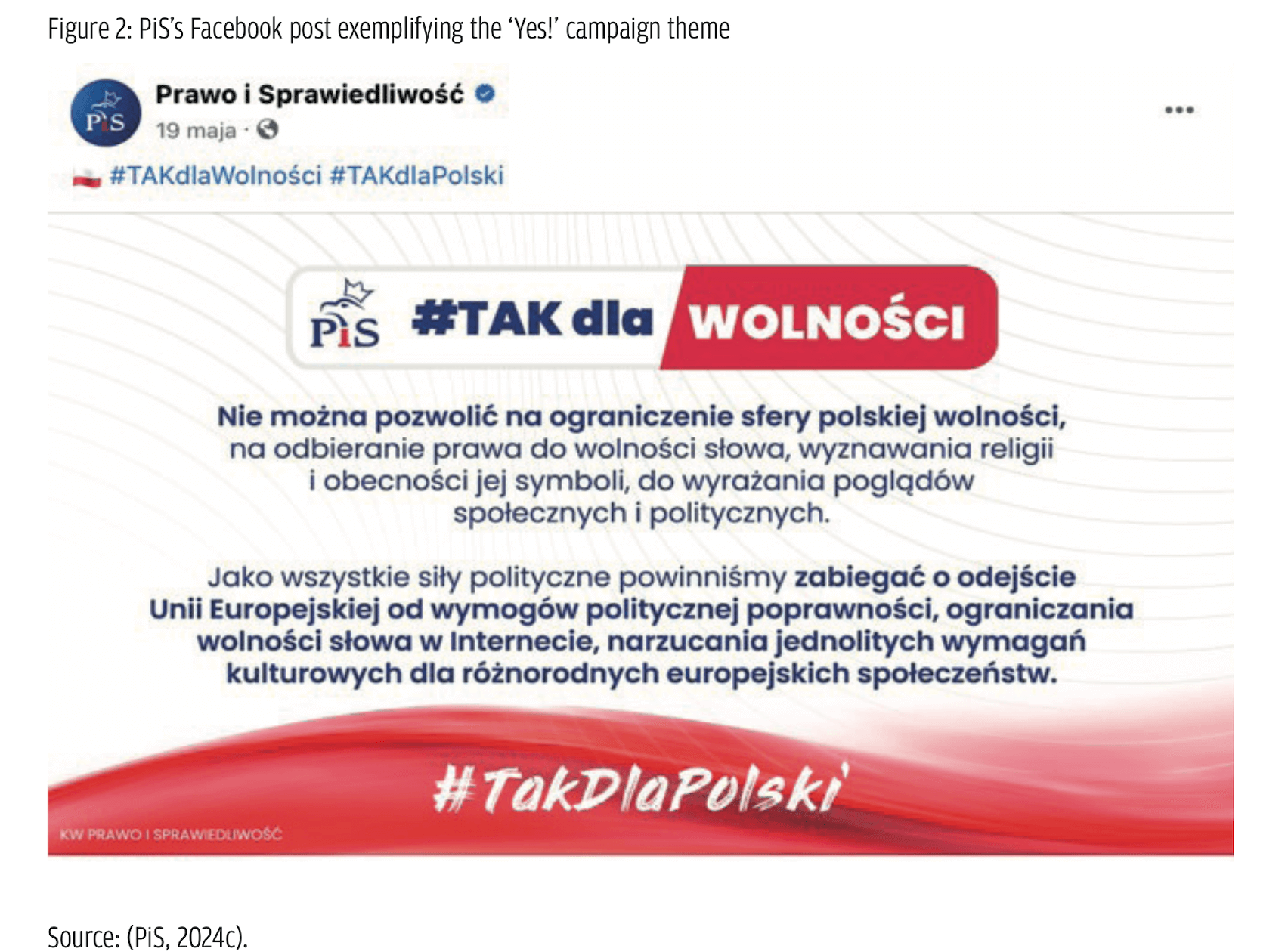
Interestingly, being aware that such communication exposed the party to the accusations of merely negative campaigning and planning to withdraw Poland from the EU, PiS attempted to reframe its message in a positive way. In particular, in the second part of the campaign, it promoted a series of ‘Yes’ slogans, for example: ‘#Yes for Poland!’, ‘#Yes for the Polish countryside’, ‘#Yes for investments’ or ‘‘#Yes for the defence of Polish borders’ (PiS, 2024b).

The party also explicitly declared its attachment to the EU and distanced from the Eurorejectonist slogans by emphasizing its vision of the Europe of Fatherlands as opposed to the populist perception of Europe as the elitist project targeted at the sovereignty and freedoms of ordinary people. Interestingly, although the security issue was an important part of the agenda, the war in Ukraine did not feature prominently in the campaign. In the end, the party used the incidents on the Polish–Belarusian border to articulate this issue together with the anti-migration discourse, legitimize its decision to build a fence and attack Civic Platform for criticizing this idea when it was in opposition.

The political communication of Confederation

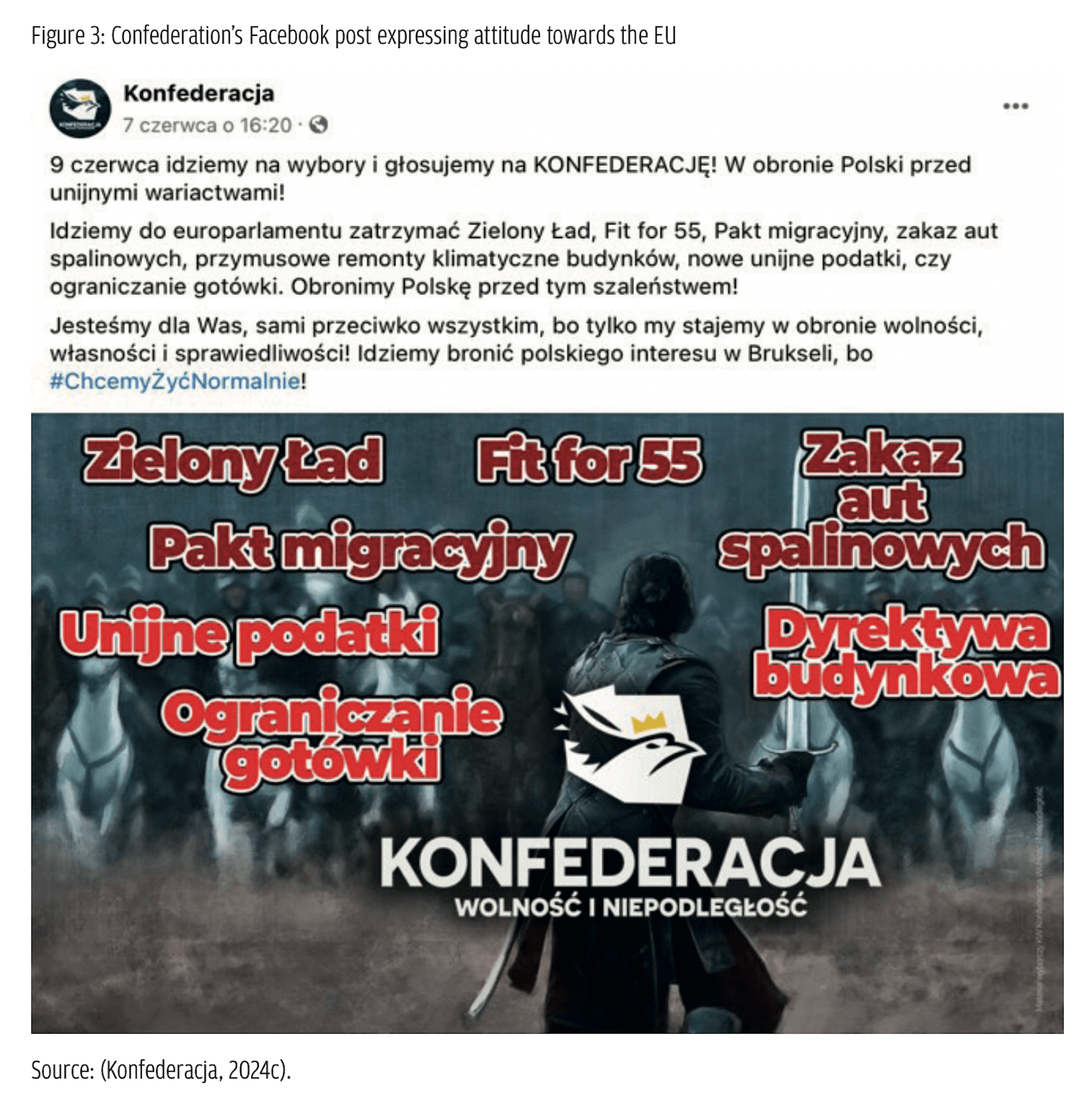
The electoral agenda of Confederation is best captured by the Facebook message posted two days before the elections, which deploys the visual metaphor of war to portray the relationship between the grouping and the EU and its policies (see Figure 3). The list of the issues mentioned in the picture to be fought with includes the European Green Deal, Fit for 55 (the EU’s plan to reduce carbon emissions), the Pact for Migration, banning combustion engine cars, European taxes, restricting the use of cash, and the Energy Performance of Buildings Directive.

The post neatly captures the Eurorejectionist attitude towards the EU, which is represented as a structure inimical to the national interests and the interests of ordinary Poles. Similarly to PiS, the main focus of attention was the European Green Deal, conceived as a prominent example of the madness of the EU elites driven by the socialist inclination to overregulate and the ideology of ‘climatism’. The EU is a bureaucratic structure with the tendency to go beyond its legal treaty limitations and is conceived as detached from normal people. As the grouping claimed, ‘We are going to the Europarliament to stop these absurd and harmful crazies coming from Brussels, because #WeWantToLiveNormally!’ (Konfederacja, 2024a).

The essence of the grouping’s stance is neatly captured by one of its leaders, Krzysztof Bosak: “I don’t know if you’ve noticed the new platitude promoted by the Eurofederalist lobby in Poland: they call the principle of unanimity in the EU by the term ‘liberum veto’ and suggest that it is some kind of systemic gangrene. Thus, they admit that it is the EU and not Poland that is the new state reference point for them. It’s power and decisiveness they care about. What they don’t add is that the more prerogatives in Brussels, the less in Warsaw. This is a zero-sum game. The sovereignty being shifted to Brussels, Strasbourg and Luxembourg is being lost in Poland. Our influence on the vector of the evolution of EU policies oscillates around zero, and the veto is the last hard tool that can influence anything in this organization. Instead of further strengthening the Eurocracy, we need to regain control!” (Konfederacja, 2024b).

Such a vision of European relations underpins the radically anti-establishment discourse of the Confederation, which allows the presentation of all the political elites as traitors of the Polish national interests. Contrary to the PO, which was conceived as representative of the interests of Germany, PiS’s agenda was attacked for its hypocrisy or for stealing programmatic ideas from the Confederation.

The EU environmental policy solutions were attacked for detrimental effects on the development of the economies of EU member states and led to the drastic deterioration of the standards of living for ordinary Poles: “The entire policy of the European Union will lead to the poor becoming even poorer, and the process of weakening nation-states will gain even more momentum! That’s why I’m going to the European Parliament to stop this madness and stand up for the interests of ordinary citizens!” (Zajączkowska, 2024).

Populist strategies were used to articulate other ideological themes. In line with the libertarian currents of the Confederation’s profile, the EU policies were also framed as illegitimate, ideological interference in ordinary people’s lives. According to the Confederation, poor people will be forced, for example, to conduct costly renovations of their houses to fulfil energy standards of the EU’s Energy Performance of Buildings Directive.

Another key issue on the campaign agenda was the rejection of the EU Pact on Migration. Confederation did not shy away from using racist and Islamophobic rhetoric, portraying migrants as a dangerous threat to security, demographics and culture and as a burden on welfare systems. They not only supported strengthening existing borders but also advocated for amending laws to permit more liberal use of firearms against migrants. Although less prominent, they also criticized the so-called ‘privileges’ granted to Ukrainian refugees, portraying them as undeserving. Additionally, Confederation leveraged the incidents at the Polish–Belarusian border to promote its hardline stance on migration.

The resonance of the campaign issues and the electoral support

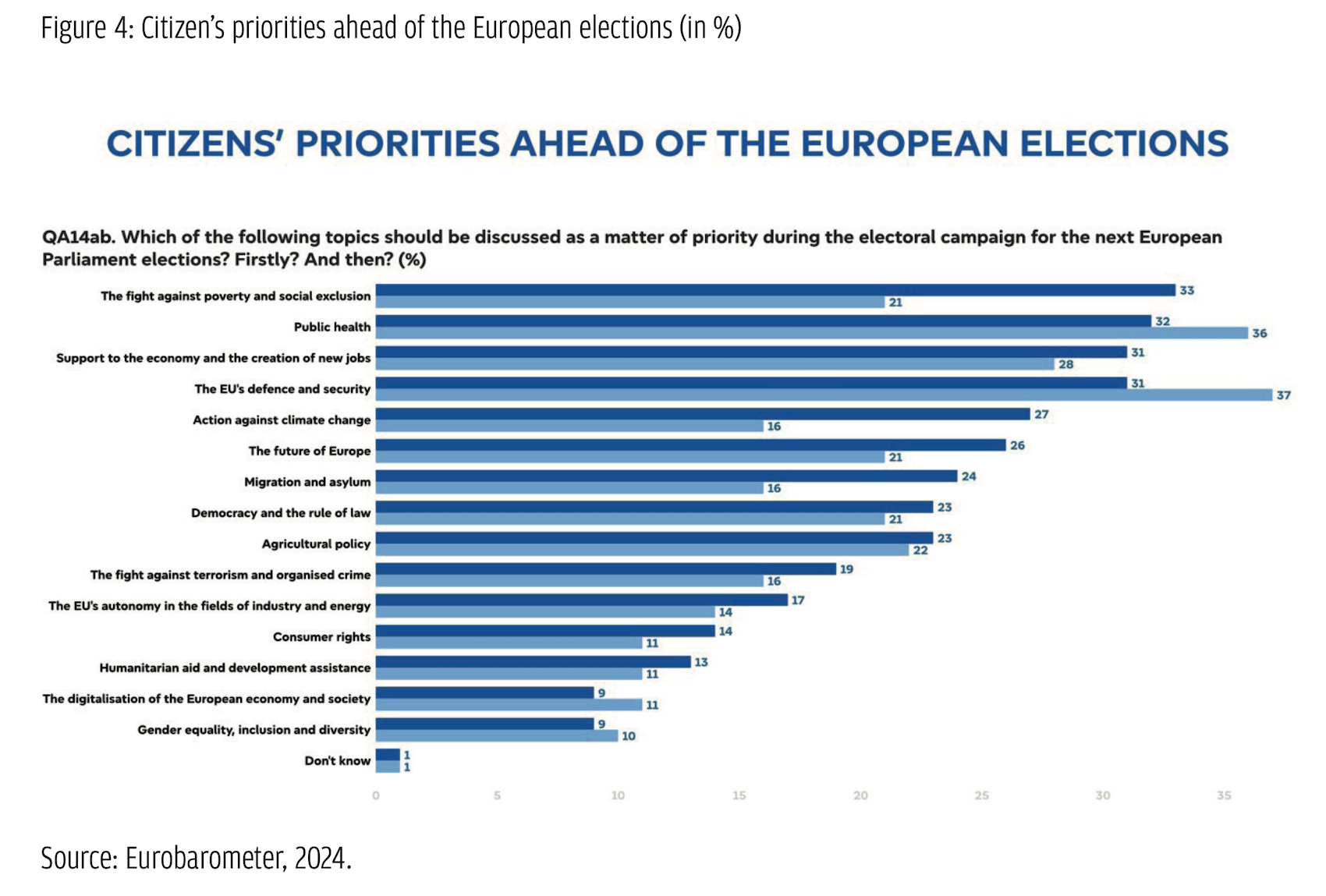
The results of the European Parliament’s Spring 2024 Eurobarometer sheds some light on the list of campaign topics of particular significance to Polish voters. According to the survey, the EU’s defence and security policy and public health ranked highest, 37% and 36%, respectively, among Polish voters. Support for the economy and creating new jobs (28%) and agricultural policy (22%) are of secondary interest. There is also a potential disconnect between the migration issue, one of the most potent topics for the political communication of the right-wing populists, and the interests of the voters. As the survey shows, migration and asylum scored only 16% despite extreme politicization of the issue and extensive media coverage, particularly just before the elections when the incidents on the Polish–Belarusian border took place. The timing of the survey might provide some explanation; in Poland, it took place in February, long before the campaign started. Second, the migration issue was embedded in the larger security narrative, a topic the voters recognized as the most important one. Interestingly, support for the actions against climate policy ranked at 16%, whereas at the EU level, the score was at 27%, which might explain why populist actors paid so much attention to the rejection of the European Green Deal and the Fit for 55 package.

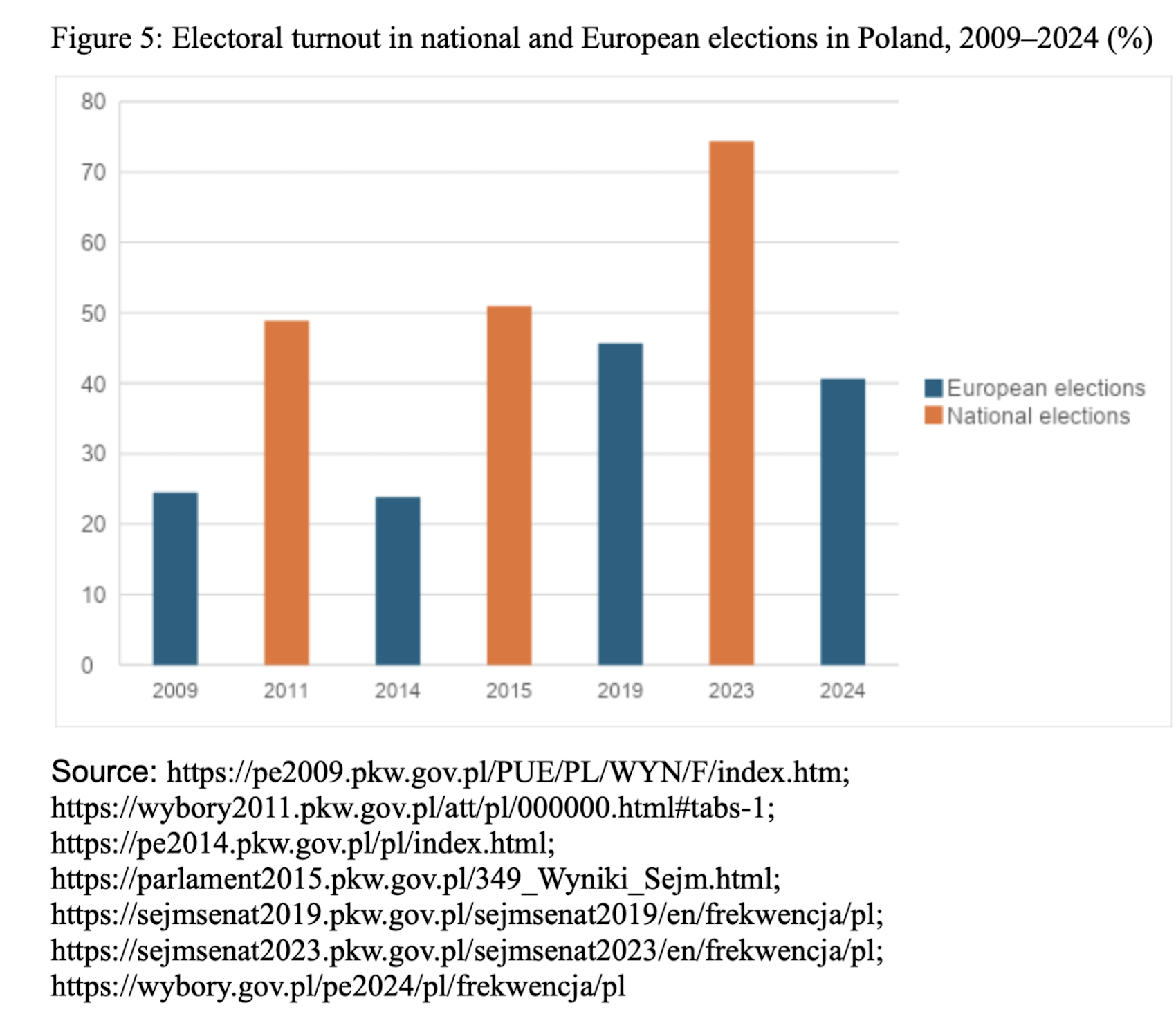
The elections confirmed the structure of support for the right-wing populist electorate. First, PiS confirmed its support in rural areas (46.36% of voters) than in cities (30.67% of voters), among the elderly (only 16.2% of votes of those aged 29 and over and 46.1% of those over 60) and among less educated voters (TVN24, 2024). The Confederation was different, with as many as 30.1% voting for the group in the 18–29 age bracket. The breakdown by gender was also important: 16.5% of male eligible voters and 8.1% of female voters voted for the Confederation (very significantly, in this case, 0.3% more than for the Left). It is also worth noting the high loyalty of the PiS electorate, with only 8% of its 2023 voters supporting other groups. In the case of the Confederation, it was 16% (Katkowski, 2024). Interestingly, Confederation gained the support of the 165,000 PiS supporters (Machowski, 2024). Finally, the electoral turnout was significantly lower than during previous national elections (40.65% to 74.38%) but still relatively high if compared to the elections before 2023.

Conclusions

Although the elections confirmed the strength of polarization and the importance of the PO and PiS divide, with the two largest parties winning a combined 73.22% of the electoral vote, this did not prevent the Confederation from gaining an important third place in the electoral competition. Discursive structures of opportunity related to the dramatic situation in the east resonated with the Confederation’s securitized, anti-immigrant message. Moreover, as the oppositional actor, the grouping has greater credibility in proclaiming radical slogans than PiS, who previously held power.

Second, it appears that both parties will seek to slow down (PiS) or undermine (Confederation) the process of European integration and use the issues of immigration and environmental EU policies as important parts of the Eurosceptic agenda. Yet during the campaign, The Confederation announced that it would seek to establish a special commission in the European Parliament to investigate illegal immigration.

Third, the division on the right side of the political scene and the competition over the conservative electorate is also reflected at the European level as two actors joined different political groups in the European Parliament. Being part of the European Conservatives and Reformists (ECR) group, PiS was courted by Viktor Orbán to join his new alliance called Patriots for Europe (PfE). Initially, it seemed a very probable option for PiS if one takes public declarations of its politicians at face value.

Yet at the end of June, former Polish Prime Minister Mateusz Morawiecki suggested in an interview with Politico that the option of joining Viktor Orbán was 50/50. As he declared, ‘It’s quite obvious that we could be united on a geographical platform and not [an] ideological platform. I’m less and less interested in all those ideological elements of the jigsaw’ (cited in Wax, 2024). Nevertheless, it turned out it was part of the protracted negotiation strategy over the distribution of the posts in the group. Ultimately, the longstanding relations between PiS and Fidesz were not translated into an alliance with the party, which adopts an entirely different stance on Russia’s aggression in Ukraine, the effectiveness of sanctions and the significance and scale of assistance for Ukraine. On 3 July 2024, it was announced that PiS would remain within ECR and renew its alliance with Giorgia Meloni’s Fratelli d’Italia.

The decision of which EP group to join was equally difficult for the Confederation, leading finally to internal divisions within the grouping. Only three out of six of the Confederation MEPs decided to join the Europe of Sovereign Nations (ESN) group led by the pro-Russian Alternative for Germany (AfD). Stanisław Tyszka, one of the MEPs who joined the group, admitted the differences but also listed commonalities: ‘opposing the EU’s crazy climate policy, the immigration policy that threatens the stability of our countries and Europe, and attempts to build a European superstate’ (Tyszka, 2024). Interestingly, all three politicians come from Sławomir Mentzen’s New Hope, one of the groups that form part of the Confederation alliance. Two other MEPs from the National Movement (Ruch Narodowy) refused to join the group and started negotiations with PfE.


(*) Artur Lipiński is an Associate Professor in the Department of Political Science and Journalism, at Adam Mickiewicz University in Poznan, Poland. He has participated in several international and Polish research projects and networks related to the representation of migrants in discourse (MEDIVA) and populist political communication (COST Action). From 2019 to 2022, he was a leader of the Polish team within DEMOS ‘Democratic Efficacy and the Varieties of Populism in Europe’, a collaborative H2020 Research & Innovation project. Currently, he is the leader of the Polish team within the Horizon Europe project MORES ‘Moral emotions. How they unite, how they divide.’ His research interests are focused on political communication and Polish right-wing politics. He has published on the uses of the historical past in political discourse in Poland and populist and right-wing political communication in Problems of Post-Communism, American Behavioral Scientist and the Journal of Contemporary European Studies.


References

Aja/X (2024). Beata Szydło w imieniu kandydatów PiS do PE podpisała przedwyborczą deklarację. “Chcemy żyć i oddychać po polsku w normalnym kraju.” https://wpolityce.pl/polityka/689998-jest-deklaracja-kandydatow-pis-do-pe-podpisala-ja-b-szydlo

Baszczak, Ł., Wincewicz, A., Zyzik, R. (2023). Poles and Ukrainians – the challenges of integrating refugees. Polish Economic Institute, Warsaw.

Bill, S. (2022). Counter-Elite populism and civil society in Poland: PiS’s strategies of elite replacement. East European Politics and Societies And Cultures. 36(1), 118–140. https://doi.org/10.1177/ 0888325420950800

Konfederacja. (2024a, 3 May). Idziemy do europarlamentu, żeby zatrzymać te absurdalne i szkodliwe wariactwa płynące z Brukseli, bo #ChcemyŻyćNormalnie! [Video attached] Facebook. https://www.facebook.com/watch/?v=644736061171708

Konfederacja. (2024b, 9 May). Krzysztof Bosak: Nie wiem czy zauważyliście nowy frazes lansowany przez nadwiślańskie lobby eurofederalistów: nazywają zasadę jednomyślności w UE terminem „liberum veto”. [Image attached] Facebook. https://www.facebook.com/KONFEDERACJA2019/posts/pfbid02ULP6XKC6M77zoGs53ap4XnpJaNCQLMoPbkSFAF7o7EHoapjGzhm8qmqEoLeAaY2cl

Konfederacja. (2024c, 7 June). 9 czerwca idziemy na wybory i głosujemy na KONFEDERACJĘ! W obronie Polski przed unijnymi wariactwami! Idziemy do europarlamentu zatrzymać Zielony Ład, Fit for 55, Pakt migracyjny. [Image attached] Facebook. https://www.facebook.com/KONFEDERACJA2019/posts/pfbid02rMbNzHBFnrXHh6yibZJDzEagTtcT6XH2MRYPEbyc7GoJQYuhywcfFaewHzZBBYYnl

Duszczyk, M., Górny, A., Kaczmarczyk, P., & Kubisiak, A. (2023). War refugees from Ukraine in Poland–one year after the Russian aggression. Socioeconomic consequences and challenges. Regional Science Policy & Practice. 15(1), 181–200. https://doi.org/10.1111/rsp3.12642

Eurobarometer (2024). EP Spring 2024 Survey: Use your vote–Countdown to the European elections. https://europa.eu/eurobarometer/surveys/detail/3272

Kaczyński, J. (2024). Biało-Czerwoni! Europejska, Programowa Konwencja Prawa i Sprawiedliwości. https://pis.org.pl/aktualnosci/bialo-czerwoni-europejska-programowa-konwencja-prawa-i-sprawiedliwosci

Katkowski, K. (2024). Wyniki wyborów europejskich: gniew wymierzony w państwo. Fundacja Batorego. https://www.batory.org.pl/blog_wpis/wyniki-wyborow-europejskich-gniew-wymierzony-w-panstwo/

Krzyżanowska, N., & Krzyżanowski, M. (2018). ‘Crisis’ and Migration in Poland: Discursive Shifts, Anti-Pluralism and the Politicisation of Exclusion. Sociology 52(3), 612–618. https://doi.org/10.1177/0038038518757952

Krzyżanowski, M. (2020). Discursive shifts and the normalisation of racism: imaginaries of immigration, moral panics and the discourse of contemporary right-wing populism. Social Semiotics, 30(4), 503–527. DOI: 10.1080/10350330.2020.1766199

Machowski, Z. (2024). Wybory do PE: zwycięstwo demokratów czy udana kontrofensywa prawicy? Gazeta Wyborcza. https://wyborcza.pl/7,75968,31068665,wybory-do-pe-zwyciestwo-demokratow-czy-udana-kontrofensywa.html

Müller, J.-W. (2016). What is populism? University of Pennsylvania Press, Philadelphia.

PiS. (2024a, 16 May). Dzisiaj sprawą, którą musimy brać pod uwagę, jest pakt migracyjny. Pakt, który został ostatecznie przyjęty. I to jest sprawa dla nas niezmiernie ważna. Facebook. https://www.facebook.com/100044312205441/posts/1010670630420001

PiS. (2024b, 19 May). Lista nr 7 to 7 razy #TAKdlaPolski. [Image attached] Facebook. https://www.facebook.com/pisorgpl/posts/pfbid02HGfRASNPFJy1gmfw8xJpez41EQqaNByV9dqrJH6g4Z16aBveNJBEXDEAi51EcWnLl

PiS. (2024c, 19 May). #TAKdlaWolności #TAKdlaPolski  (Image attached] Facebook. https://www.facebook.com/pisorgpl/posts/pfbid02TTVVK3gcvfEmxcFy69xXTo5FAhMiZFKWdYUDKB5ieTwKdL5iDVr7uHR7DjRPaZTNl

PiS. (2024d, 26 May). Te zbliżające się wybory do PE są niesłychanie ważne. Pierwsze półrocze rządów naszych politycznych przeciwników pokazało, że ten proces marszu Polski ku Europie. Facebook. https://www.facebook.com/100044312205441/posts/1016762776477453

Rooduijn, M., Pirro A. L.P., Halikiopoulou D., Froio c., Van Kessel S., De Lange S., Mudde C., Taggart, P. (2023). The PopuList 3.0: An Overview of Populist, Far-left and Far-right Parties in Europe. www.popu-list.org. DOI 10.17605/OSF.IO/2EWKQ

Sadura, P., Sierakowski, S. (2022). Polacy za Ukrainą, ale przeciw Ukraińcom. Raport z badań socjologicznych. Warszawa.

Sadurski, W. (2019). Poland’s constitutional breakdown. Oxford, Oxford University Press.

Stanley B. (2023). Poland. In N. Ringe, L. Renno (Eds.). Populists and the pandemic: how populists around the world responded to COVID-19 (105–116). Routledge.

Szczerbiak, A. (2023). Why did the opposition win the Polish election? https://notesfrompoland.com/2023/10/31/why-did-the-opposition-win-the-polish-election/

Tak dla polskiego rolnictwa (2024). Retrieved 12 June 2024, from https://pis.org.pl/aktualnosci/tak-dla-polskiego-rolnictwa, accessed on 20.06.2024.

TVN24. (2024, 9 June). Wybory do Parlamentu Europejskiego 2024: Jak głosowali najmłodsi, jak najstarsi, jaki wynik Konfederacji? [2024 European Parliament elections: How did the youngest and oldest vote, and what was Confederation’s result?], TVN24, 9 June 2024, https://tvn24.pl/wybory-do-europarlamentu-2024/wybory-do-parlamentu-europejskiego-2024-jak-glosowali-najmlodsi-jak-najstarsi-jaki-wynik-konfederacji-st7955037

Tyszka, S. [@styszka] (2024, 10 July). Przed chwilą powołaliśmy zupełnie nową grupę polityczną w europarlamencie: Europę Suwerennych Narodów [Tweet]. Twitter. https://x.com/styszka/status/1811059236543123916?ref_src=twsrc%5Etfw%7Ctwcamp%5Etweetembed%7Ctwterm%5E1811059236543123916%7Ctwgr%5E362ff4a2b6f6d9632ddeded68943728ed9ca9555%7Ctwcon%5Es1_&ref_url=https%3A%2F%2Fnotesfrompoland.com%2F2024%2F07%2F10%2Fsplit-in-polish-far-right-confederation-as-half-its-meps-join-germanys-afd-in-new-eu-grouping%2F

Van Kessel, S. & Castelein, R. (2016). Shifting the blame. Populist politicians’ use ofTwitter as a tool of opposition. Journal of Contemporary European Research. 12(2), 594 –614. https://doi.org/10.30950/jcer.v12i2.709

Wax E. (2024). Poland’s Law and Justice ‘50/50’ about leaving Giorgia Meloni and joining forces with Viktor Orbán, Politico. https://www.politico.eu/article/poland-law-and-justice-mateusz-morawiecki-giorgia-meloni-viktor-orban/

White-Red! European, Programmatic Convention of Law and Justice (2024). Retrieved June 15, 2024, from https://pis.org.pl/aktualnosci/bialo-czerwoni-europejska-programowa-konwencja-prawa-i-sprawiedliwosci, accessed on 20.06.2024.

Wyrwał, M., Żemła, E. (2024). Polscy żołnierze zakuci w kajdanki na granicy z Białorusią. W wojsku wrze. Onet. https://wiadomosci.onet.pl/tylko-w-onecie/polscy-zolnierze-zakuci-w-kajdanki-na-bialoruskiej-granicy-w-wojsku-wrze/kv2w39q

Zajączkowska, Ewa. (2024, May 12). To od Was zależy, czy 9 czerwca wybierzemy do Parlamentu Europejskiego reprezentację, która będzie dbała o polski interes, czy wybierzemy ludzi, którzy za pieniądze od unijnych [Image attached] Facebook. https://www.facebook.com/EwaZajaczkowskacom/posts/pfbid0ikPMMxb2SzsvAhDF6svi97WP4Mp8NPkXsAWxFAiQFVUw53nXmFx9puWmzq7v6GFTl


DOWNLOAD REPORT ON POLAND

Members and supporters of nationalist organizations participate in Lukovmarch procession - a march in commemoration of general Hristo Lukov in Sofia, Bulgaria on February 16, 2019. Photo: Shutterstock.

Populism and Polycrisis in Bulgaria on the Eve of the 2024 European Parliament Elections

Please cite as: 
Zankina, Emilia. (2024). “Populism and Polycrisis in Bulgaria on the Eve of the 2024 European Parliament Elections.” In: 2024 EP Elections under the Shadow of Rising Populism. (eds). Gilles Ivaldi and Emilia Zankina. European Center for Populism Studies (ECPS. October 22, 2024. https://doi.org/10.55271/rp0063


DOWNLOAD REPORT ON BULGARIA

Abstract

The 2024 European Parliament election in Bulgaria took place amidst a prolonged political crisis and economic uncertainty. The EP elections, for the first time, coincided with national legislative elections – the sixth parliamentary elections in just three years. This two-in-one vote led to a complete overshadowing of the debate on Europe by domestic issues and concerns over the composition of the next national parliament and the likelihood of forming a stable government. The centre-populist GERB convincingly won the elections, although the populist radical right increased its representation by one MEP. Like many European countries, Bulgaria has had to contend with the rise of populism and nationalism, in addition to its continued struggle against corruption and, as a result of the war in Ukraine, with a population divided in attitudes towards Russia. This polycrisis has led to continued political fragmentation and polarization with little prospect of stable government and a growing disillusionment among voters.

Keywords: European Parliament elections; populism; polycrisis; Bulgaria; new parties


By Emilia Zankina* (Temple University, Rome, Italy)

Introduction

The 2024 European Parliament election in Bulgaria took place amidst a prolonged political crisis and economic uncertainty. The EP elections, for the first time, coincided with national legislative elections – the sixth parliamentary elections in just three years. This two-in-one vote led to a complete overshadowing of the debate on Europe by domestic issues and concerns over the composition of the next national parliament and the likelihood of forming a stable government. The centrist populist GERB convincingly won the elections, although the populist radical right (PRR) increased its representation by one MEP. Like many European countries, Bulgaria has had to contend with the rise of populism and nationalism, in addition to its continued struggle against corruption and, as a result of the war in Ukraine, with a population divided in attitudes towards Russia. This polycrisis has led to continued political fragmentation and polarization with little prospect of stable government and a growing disillusionment among voters.

Anatomy of a polycrisis: Between economic uncertainty and political turmoil

The past four years in Bulgaria have been characterized by political instability, turmoil and never-ending electoral campaigning. A string of caretaker governments, six parliamentary elections (with a seventh one scheduled for October 2024), a presidential election and a local election have led to politicizing every issue in society for electoral gain. During this period, a number of new parties have appeared with varied success dramatically changing the configuration of political actors and patterns of voter support, while voter turnout has steadily decreased (Figure 1). This political uncertainty is unfolding in the context of multiple pressing issues: 1) economic downturn and slow recovery from the pandemic, coupled with lack of political consensus on economic priorities; 2) geostrategic uncertainty as a result of the war in Ukraine and the escalating conflict in the Middle East with the war in Israel, Gaza, and now also in Lebanon; 3) deepened divisions among political actors and voters along the long-standing pro-Russian/anti-Russian divide; 4) rising nationalist sentiments stirred by deteriorating relations with Russia and North Macedonia (Zankina 2024b). 

With the start of the COVID-19 pandemic, Bulgaria plunged into a period of economic uncertainty and political turmoil. Four years later, Bulgaria still struggles with economic recovery and is unable to effectively absorb and utilize funds from the European Recovery and Resilience Facility. Prolonged anti-government protests that started in July 2020 unleashed a never-ending cycle of parliamentary elections and a mushrooming of new political formations. 

Between April 2021 and June 2024, Bulgaria held six parliamentary elections and had two short-lived regular governments. Interim governments appointed by President Radev became the norm while a series of parliaments failed to agree on a governing formula. Thus, early elections were held in July 2021, November 2021, October 2022, April 2023 and June 2024. The leading parties have changed significantly compared with just a few years ago. Although Citizens for European Development (GERB), which has dominated domestic politics since 2007 and has led three governments, still attracted the most votes in the elections of October 2022, April 2023 and June 2024, it lost over half a million votes (or more than half of the voter support it had in 2017). The centre-left Bulgarian Socialist Party (BSP), the oldest political party in the country and the heir to the former communist party, saw its vote share drop to 7% in June 2024 compared to 28% in 2017. 

In the meantime, new parties emerged as dominant political forces—namely Prodalzhavame Promyanata (PP—We Continue the Change), a new anti-corruption and pro-European party, and Vazrazhdane (Revival), a starkly nationalist and pro-Russian party. More new parties have come and gone, with some managing to register momentary success, such as the populist party headed by prominent folk-pop singer and television showman Slavi Trifonov, Ima Takav Narod (ITN—There Is Such a People), which won the July 2021 early elections with 24% of the vote, but failed to form a government and has since oscillated around the parliamentary threshold. Others, such as, Izpravi se! Mutri vŭn! (Stand Up! Mafia, Get Out!) led by a former ombudswoman, Maya Manolova, managed to pass the threshold in April and July of 2021 but then disappeared altogether. The democratic centre-right witnessed yet another reconfiguration in a new collation called Demokratichna Balgariya (Democratic Bulgaria, DB), bringing together Demokrati za Silna Balgariya (Democrats for a Strong Bulgaria, DSB) and Da Bulgariya (Yes, Bulgaria) and a new nationalist formation called Velichie (Glory) surprised political analysts with 4.65% at the national elections in June 2024. 

Within this period, Bulgaria had two short-lived regular governments. A new coalition government was formed in December after the November 2021 elections, under the premiership of Kiril Petkov, uniting the winner of the election PP (25.67%) with three coalition partners—BSP, ITN and the DB alliance. The government survived until June 2022, when it was removed by a parliamentary vote of no confidence initiated by GERB after ITN ended its support for the government and withdrew its members from ministerial posts. The Petkov government had the difficult task of dealing with the war in Ukraine, which erupted in February 2022 and divided public opinion in Bulgaria. With a large pro-Russian population, the war enabled parties like Vazrazhdane to thrive while constraining the government to maintain a delicate balance between the country’s commitment to its Euro-Atlantic partners and pressure from pro-Russian groups. Although Bulgaria enforced EU sanctions on Russia, phased out Russian oil deliveries, and provided military support for Ukraine, there has been continuous opposition from both inside and outside the National Assembly to these actions (Zankina, 2023).

The second regular government was formed following the April 2023 elections. In these elections, GERB placed first, with 26.5% of the votes and 69 seats, closely followed by an alliance between PP and DB, which obtained 24.6% of the votes and 64 seats. GERB sought to form a coalition government with PP–DB. After several rounds of difficult negotiations and a second mandate granted by President Radev, the two alliances agreed on a technocratic government with a rotating prime minister. Despite the strong antagonism and competition between the two leading blocs in parliament, GERB and PP–DB recognized as a greater threat the continued rise in electoral support for Vazrazhdane and the growth in pro-Russian sentiments in the country. Hence, a government headed by Nikolai Denkov of PP–DB was approved by the National Assembly. Denkov was to be replaced by the Deputy Prime Minister and minister of foreign affairs and former European Commissioner, Mariya Gabriel of GERB, after a period of nine months. As expected, the rotation did not take place, and the coalition partners slid into political bickering and mutual accusations. The government collapsed in March 2023, and two-in-one elections (European parliament plus early parliamentary elections) were scheduled for June 2024. 

Populism in Bulgaria

Populism has been a permanent feature of Bulgarian political life since the early 2000s, expressing itself both in the centre and the radical right. While there have not been left populist parties in Bulgaria, both centre and radical-right populists have been noted for advocating various left and extreme left policies, from significant increases in pensions to nationalization of entire industrial sectors. In addition to the PRR, which has had a permanent presence in the national parliament since 2005, Bulgaria is also notable for having populists in government who have held power almost uninterruptedly between 2009–2021 and, most recently, in 2023–2024. 

Centre populism

Centrist populists have had much greater success than radical-right populists in Bulgaria, all of them having led or participated in governing coalitions. This participation makes the Bulgarian case rather unique. Unlike radical-right populists who represent varying combinations of authoritarianism, nativism and nationalism, centrist populists in Bulgaria have been decidedly pro-European. The main mobilizing factor in their success has been a mix of charismatic leadership and anti-corruption appeals. 

Populism made its grand entrance on the Bulgarian political scene in 2001 when the former Bulgarian king, Simeon Sakskoburggotski (King Simeon II from 1943–1946), who had been in exile for nearly six decades, made a dramatic reappearance. Heading the National Movement Simeon the Second (NDSV), the former king convincingly won the 2001 parliamentary elections and became prime minister. A typical personalist and populist party, NDSV had loose structures based on circles of associates, proclaiming itself to be not a party but a “coalition of like-minded individuals”. Capitalizing on disillusionment with the transition and established elites, NDSV relied on a vague platform and ambitious promises such as “fixing the country in 800 days” (Gurov and Zankina, 2013). The NDSV government firmly pushed the country towards the Euro-Atlantic alliance and oversaw Bulgaria’s entrance into NATO. Despite such success, in the subsequent 2005 elections, NDSV lost its leading position, taking part instead in a BSP-led coalition government. By 2009, NDSV had all but disappeared from the political scene, only to be replaced by another personalist and centrist populist party – GERB. The short-lived success of NDSV marked the birth of populism in post-communist Bulgarian politics and legitimized the personalist party model, which dominates politics to the present day.

GERB was formed in late 2006 by Boyko Borisov, while he was mayor of Sofia. Shortly after its establishment, GERB gained the endorsement of the European People’s Party (EPP) at the first European Parliament elections in Bulgaria after the country joined the EU in 2007 and secured 5 of the 18 Parliament seats allocated to Bulgaria. By the time of the July 2009 Bulgarian legislative elections, GERB had established itself as a major political force and received over 40% of the votes. Boyko Borissov became the dominant figure in Bulgarian politics, serving as prime minister three times (Spirova and Sharenkova-Toshkova, 2021).

Replicating Sakskoburggotski’s formula, GERB at first lacked an established party structure and ideological coherence. GERB’s program consisted of elusive and symbolic issues, such as ‘corruption’ and ‘crime’, which appealed to a discontented electorate, while its party officials represented a hastily and often apparently randomly selected group of experts and people from Borisov’s personal circle. In the course of its long and successful rule, GERB developed dense structures throughout the country, penetrating the national, regional and local governments and establishing a loyal electoral base. These structures have been crucial in securing GERB’s almost uninterrupted hold on power for over a decade and the party’s continued success in every parliamentary and European election since 2007.

GERB’s rule ultimately became associated with the corrupt status quo, provoking prolonged anti-government protests on several occasions. The 2020–2021 anti-government protests posed the greatest challenge to GERB’s hold on power, with demands that Borissov and the prosecutor-general, Ivan Geshev, resign, calls that were backed by President Radev. The protests gave birth to a string of new political formations, the most notable of which was ITN.

Electorally, the most significant party to emerge and achieve success from the anti-government protests was founded and led by the prominent singer and long-standing television showman Slavi Trifonov: Ima Takav Narod (There Is Such a People, ITN). Although his party was new, Trifonov was not new to politics; most notably, he had been a driving force behind the 2016 referendum on reform of the electoral system. Trifonov used his media appearances, including his own TV station and virtual concerts, to spread his anti-corruption and anti-status quo message to voters at home and abroad alike, striking a chord of homeland undertones (Haughton, Neudorfer and Zankina, 2024). In the July 2021 elections, ITN garnered 24.1% of the votes and 65 seats and succeeded in narrowly defeating GERB, which only managed to attract 23.5% and 63 seats, marking the first time since 2007 that GERB or a GERB-led coalition had not been placed first in elections. ITN failed to form a government and was eclipsed by yet another populist party from the centre, Prodalzhavame Promyanata (We Continue the Change, PP). Formed by entrepreneurs and Harvard graduates Kiril Petkov and Assen Vassilev, PP reaped the popularity its leaders had gained as ministers in the outgoing caretaker government. PP placed first in the November 2021 legislative elections with 25.7% of the vote and 67 seats. Running on an anti-corruption platform and declaring to “promote left politics with right instruments”, PP managed to undercut other new protest parties, including ITN. A new coalition government was formed, headed by Kiril Petkov, with three coalition partners – BSP, ITN and DB. Since its appearance in the fall of 2021, PP has already lost more than half of its electoral support, although its coalition with DB has managed to remain among the top three political formations in the national parliament. Most importantly, the PP–DB alliance managed to return to government in coalition with GERB in 2023 on a pro-European and reform-oriented platform. Coalescing with GERB proved disastrous for the PP–DB coalition, which lost over half of its support in the concurrent national and EP elections of June 2024.

Radical-Right Populism

In 2005, Bulgaria witnessed the firm establishment in politics of the populist radical right (PRR), which since then has been represented in parliament as well as in the European Parliament. Radical-right populism in Bulgaria emerged relatively late compared to other East European countries. Since 2005, various configurations of nationalist populist radical-right parties have been represented in parliament and, between 2017–2021, even in government. Those include Ataka, the Internal Macedonian Revolutionary Organization (VMRO), the National Front for Salvation of Bulgaria (NFSB), and, more recently, Revival (Vazrazhdane) and Greatness (Velichie). In the decade and a half before 2021 and the cycle of early parliamentary elections, around one in ten voters cast their ballots for nationalist parties (Haughton, Neudorfer and Zankina, 2024). 

Most recently, the PRR vote has significantly increased, reaching over 18% in the June 2024 elections, a function also of the historically low voter turnout (Figure 1). The PRR vote has been extremely volatile and shifting between various PRR parties and new protest parties. In the July 2021 election, for instance, IMRO–Bulgarian National Movement, the Volya Movement and NFSB came together under the umbrella of Bulgarian Patriots. But during the November 2021 election, all three of those parties and Ataka ran separately, yielding no seats for any of them, at the expense of Vazrazhdane, which increased its support tenfold from March 2017 to April 2023 (ibid., 2024).

PRR parties rely on the usual repertoire of dividing issues. Bulgaria’s sizeable ethnic Turkish and Roma minorities, as well as a string of migration crises in Europe, have provided fertile ground for nationalist rhetoric and mobilization. Most of those actors are clearly anti-elite, anti-West, and even antidemocracy (Zankina, 2023). PRR parties have cashed in on the overall discontent with politics and political elites, as well as on particular issues such as ethnic minorities, LGBTG+ rights, social provisions and welfare chauvinism, as well as criticism of NATO and EU memberships. With 58% of the population reporting positive attitudes towards Russia and Putin before 2022, the war in Ukraine has provided a fertile ground for PRR parties who have been pronouncedly pro-Russian (Zankina, 2023). Vazrazhdane has been particularly successful in benefiting from the polycrisis, combining anti-vax, anti-NATO and anti-EU rhetoric. 

The war in Ukraine provided an unprecedented opportunity for Vazrazhdane’s leader, Kostadin Kostadinov, to broadcast his pro-Russian views and stage eccentric activities, attracting ever more votes with each subsequent early election (Zankina, 2024a). In the combined June 2024 elections for the national parliament and the European Parliament, Vazrazhdane scored close to 14%, becoming the third largest party in the Bulgarian parliament with 38 MPs, coming in fourth in the European Parliament elections and sending 3 MEPs to Brussels. While most parties have adopted a cordon sanitaire towards Vazrazhdane, the party has become a key factor in Bulgarian politics and an actor to reckon with. Just like Vazrazhdane managed to steal the votes from early PRR formations, Velichie has managed to grab enough votes to enter parliament. Its party group dissolved only a couple of weeks after entering parliament, and the party is unlikely to pass the threshold in the October 2024 election. Velichie’s success illustrates what we observe at the European level – that the radical right has a permanent and growing presence, yet it is highly divided.

The 2024 European Parliament elections

Centrist and radical-right populists have been represented at the European Parliament since the first EP elections in Bulgaria in 2007 (See table 2). GERB is considered an important partner for the EPP, sending five to six MEPs in each parliament. Populist radical-right parties, in turn, have been represented among the Non-attached (NA), the ECR and now also the ESN. 

The 2024 EP elections are the first EP elections in Bulgaria to coincide with national legislative elections. Analysts expected a higher voter turnout due to the mobilizing effect of national elections. While voter activity in 2024 was about 1% higher than in 2019 (33.78% and 32.64%, respectively), the voter turnout for the national elections dropped to 34.41% from 40.69% in April 2023. This record-low voter turnout due to the multiple early parliamentary elections in the past three years did not have the expected mobilizing effect. Of those who did not vote, 40% indicated a lack of trust in politics as their reason to abstain – almost double the EU average (Eurobarometer, 2024). Yet, Bulgaria was not the one with the lowest voter turnout, as Lithuania and Croatia registered the lowest figures at 28.97% and 21.35%, respectively. 

More importantly, the two-in-one elections significantly shifted the debate towards domestic issues. Opinion polls indicated corruption (59%), low income (57%), and healthcare (45%) to be the top three issues of voter concern (Alpha Research 2024a), while poverty and equality were singled out as the top priorities the EU should focus on (Trend 2024). Rising prices and increased cost of living (56%) along with the economic situation (53%) were the main motivators for Bulgarian voters – much more so than the EU average of 42% and 41%, respectively (Eurobarometer 2024). 

In the context of six national legislative elections and a string of caretaker governments, the European debate was completely overshadowed by preoccupations over the composition of the future national parliament and the likelihood of forming a stable government. Even pressing topics such as expanding Schengen to land borders and joining the Eurozone remained in the background. The former coalition partners GERB and PP–DB, the two most pronouncedly pro-European parties in the country, were caught in political bickering and mutual accusations, failing to effectively articulate their priorities for the next European Parliament. In the meantime, Vazrazhdane ran an aggressive anti-EU campaign with the slogan “Out of the EU and NATO”. Less Eurosceptic parties like ITN advocated for national sovereignty and energy security, opposing the European Green Deal and the closing of coal electric plants. The Green Deal is strongly criticized by Vazrazhdane as well. The war in Ukraine prominently featured in the campaign, dividing political parties over support for Ukraine (GERB, PP–DB, and DPS) vs. maintaining neutrality and spending the money on other priorities (BSP, Vazrazhdane and ITN). The division perfectly aligns with the anti-Russian and pro-Russian attitudes of the respective parties and their supporters – one of the key dividing issues in Bulgarian society for the past two centuries. 

Although there was little debate about Europe, Bulgarian voters remain starkly pro-European, with over 60% approving EU membership and only 16% having negative attitudes (Figure 2), while 60% are optimistic about the future of Europe (Eurobarometer, 2024). A study by Trend further indicates that 41% of respondents think that Bulgaria has benefitted from EU membership, with free travel and EU funds being singled out as the top benefits (Trend, 2024). The same study found that 45% of respondents feel safer in the current geostrategic situation thanks to EU membership, and 41% think membership also contributes to greater economic and social stability. 

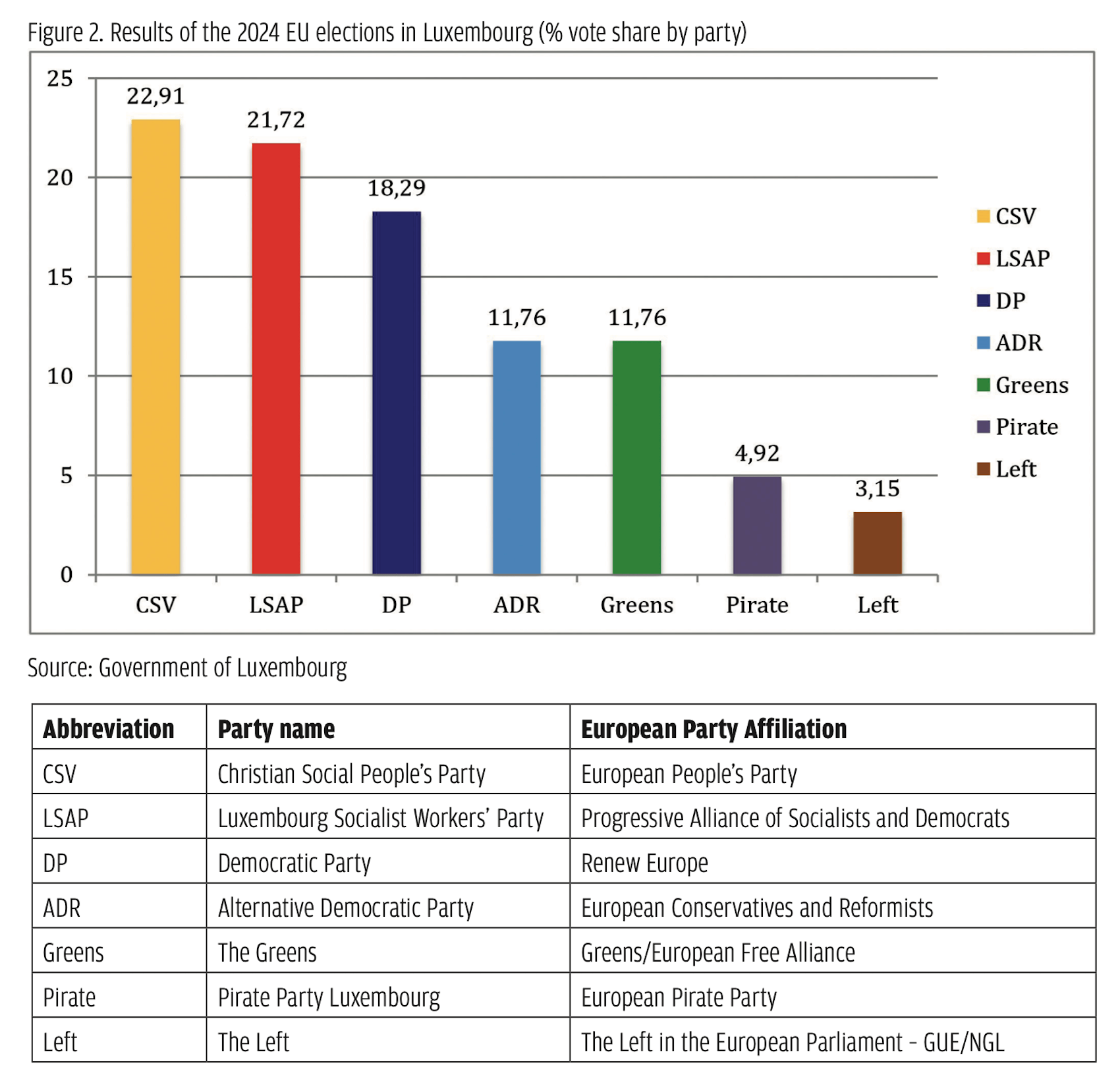
GERB convincingly won the 2024 European Parliament elections with 23.55% of the votes and five seats. Second came Dvizhenie za Prava i Svobodi (Movement for Rights and Freedoms, DPS) with 14.66% of the votes and three seats, closely followed by the PP–DB alliance, with 14.45% and the same number of seats, and Vazrazhdane (Revival) with 13.98% and also three seats. While pro-EU parties received the majority of the votes in the election, the results of Vazrazhdane and the increase of radical-right MEPs from 2 to 3 are a cause for great concern amidst an overall rise of the populist radical right in the European Parliament. 
Similarly, GERB won the national elections with 24.7% of the votes, which made little difference in terms of forming a government. Parties in the fragmented and polarized parliament failed to agree on a governing formula, and subsequently, a seventh legislative election is scheduled for 27 October 2024. Early forecasts predict seven political formations in the subsequent parliament with little prospect for a governing coalition. In fact, 53% of voters do not believe that the new parliament will be able to produce a regular government (Alpha Research 2024b). Who benefits from yet another round of early elections, although, is Vazrazhdane who will have more opportunities to broadcast their pro-Russian, anti-EU and anti-NATO rhetoric and attract more disillusioned voters. Bulgaria’s future remains uncertain – politically, economically and geostrategically.


(*) Emilia Zankina is an Associate Professor in political science, Dean of Temple University Rome Campus and Vice Provost of Global Engagement at Temple University. Her research focuses on populism and political parties, politicization and public administration reform, gender representation and East European politics.


References

Alpha Research. (2024a). Public Opinion at the Start of the Electoral Campaign for National and European Parliament [Обществени нагласи на старта на предизборната кампания за Национален и Европейски парламент]. May 2024. https://alpharesearch.bg/post/1021-obshtestveni-naglasi-na-starta-na-predizbornata-kampania-za-nacionalen-i-evropeiski-parlament.html 

Alpha Research. (2024a). At the start of the campaign: seven political forces in the future parliament [На старта на кампанията: седем политически сили в бъдещия парламент]. September 2024. https://alpharesearch.bg/post/1025-na-starta-na-kampaniata-sedem-politicheski-sili-v-budeshtia-parlament.html 

Eurobarometer. (2024). Special Eurobarometer 101.5: Country Results: Bulgaria. European Parliament, https://europa.eu/eurobarometer/api/deliverable/download/
file?deliverableId=94206

Gurov, Boris and Emilia Zankina. (2013). “Populism and the Construction of Political Charisma: Post-transition Politics in Bulgaria”. Problems of Post-Communism, 60(1), pp. 3–17.

Haughton, Tim, Natascha Neudorfer and Emilia Zankina. (2024). “There Are Such People: The Role of Corruption in the 2021 Parliamentary Elections in Bulgaria”. East European Politics, 40(3), pp. 521–546.

Spirova, Maria and Radostina Sharenkova-Toshkova. (2021). “Juggling Friends and Foes: Prime Minister Borissov’s Surprise Survival in Bulgaria”. East European Politics 37 (3): 432–447. https://doi.org/10.1080/21599165.2021.1883589

Trend. (2024). Attitudes towards EU policies at the forenight of EP elections [Нагласи на българите спрямо политиките на ЕС в навечерието на изборите за Европейски парламент]. April 2024. https://rctrend.bg/project/attitudes 

Zankina, Emilia. (2023). “Pro-Russia or anti-Russia: political dilemmas and dynamics in Bulgaria in the context of the war in Ukraine”. In Ivaldi and Zankina (eds.), The Impacts of the Russian Invasion of Ukraine on Right-Wing Populism in Europe. European Center for Populisms Studies. Brussels, pp. 48–63. 

Zankina, Emilia. (2024a). “The Consequences of the War in Ukraine in Bulgaria: Political, Economic, and Cultural Divides”. In Mörner, Ninna (ed.), A World Order in Transformation? A Comparative Study of Consequences of the War and Reactions to These Changes in the Region. CBEES State of the Region Report 2024, pp. 82–90. https://sh.divaportal.org/smash/record.jsf?pid=diva2%3A1846696&dswid=1173 

Zankina, Emilia. (2024b). “Bulgaria: History”. In Europa Publications (ed.) Central and South-Eastern Europe 2025 (25th Edition), Routledge, pp. 115–120.


DOWNLOAD REPORT ON BULGARIA

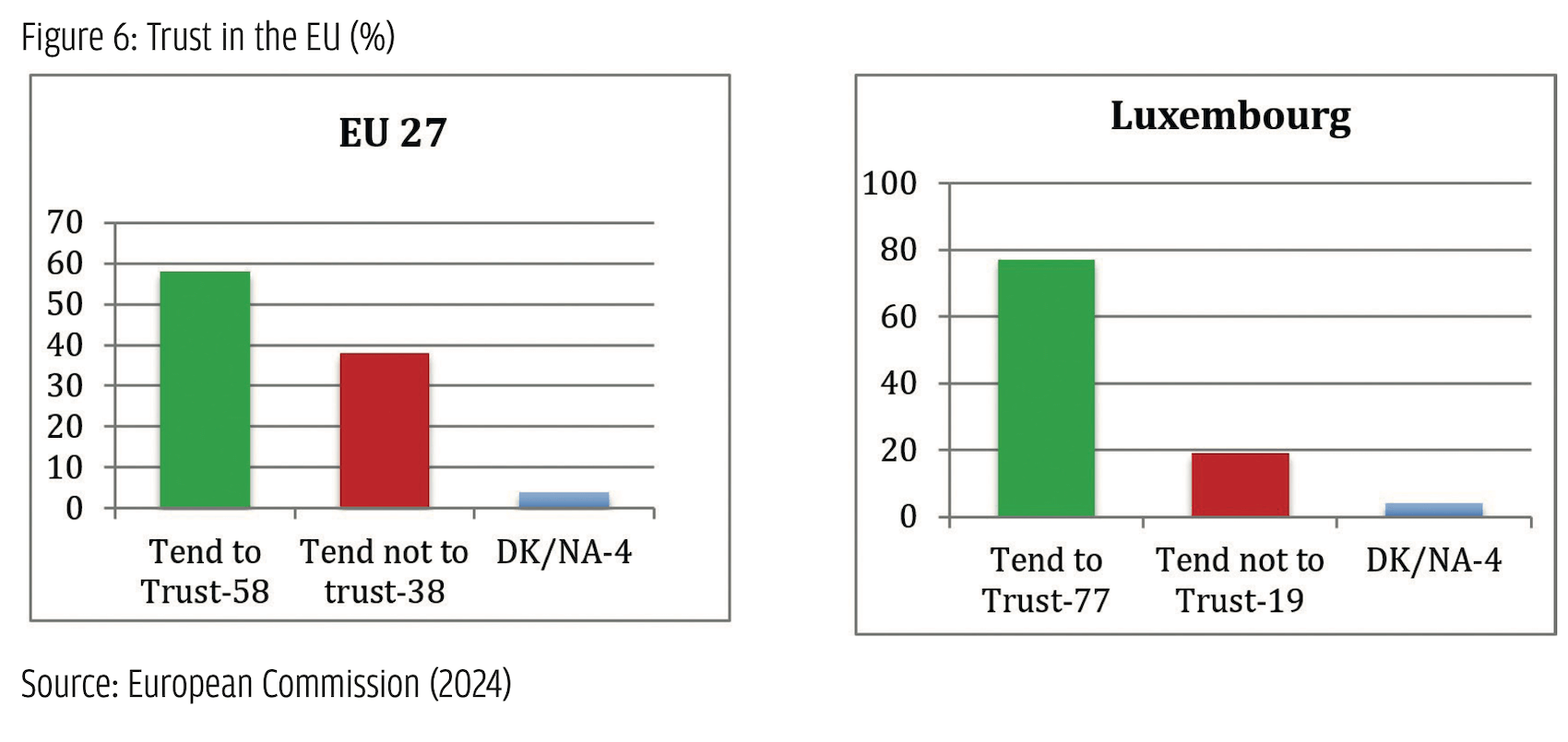
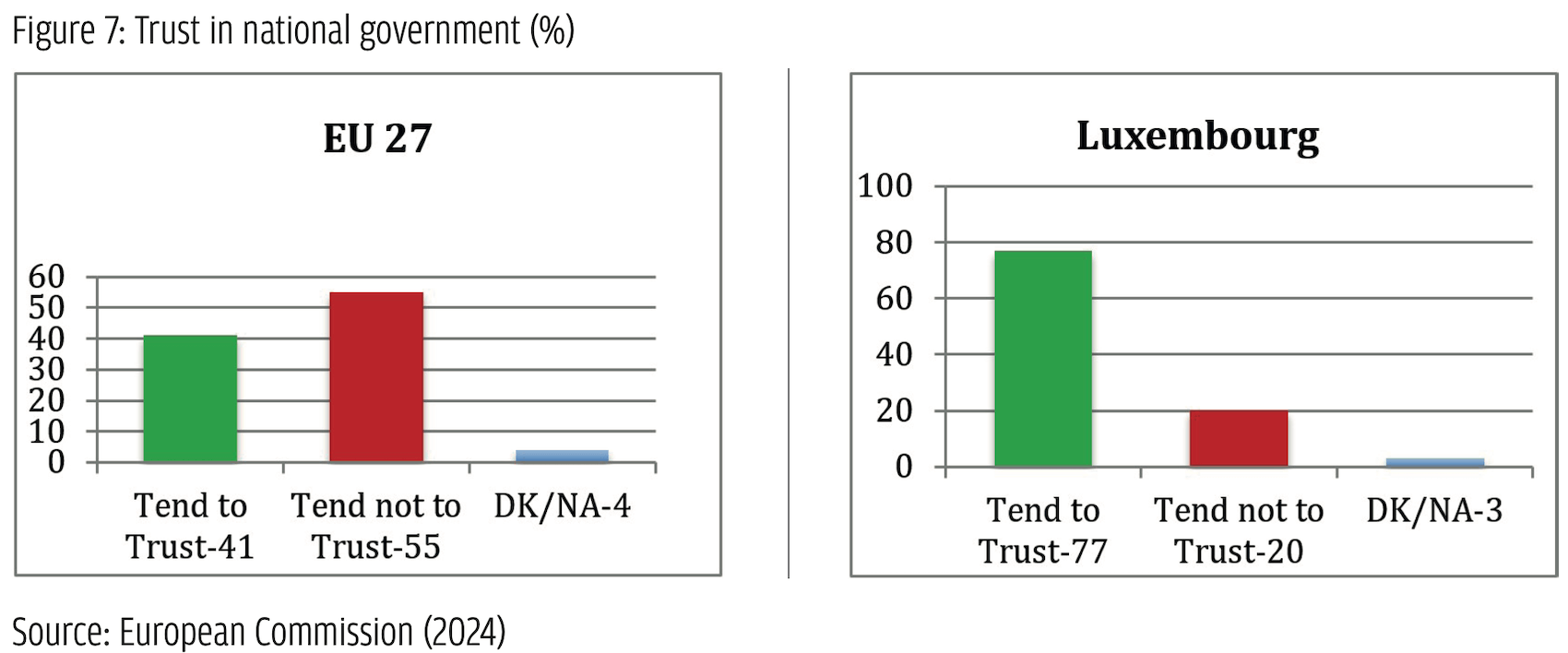
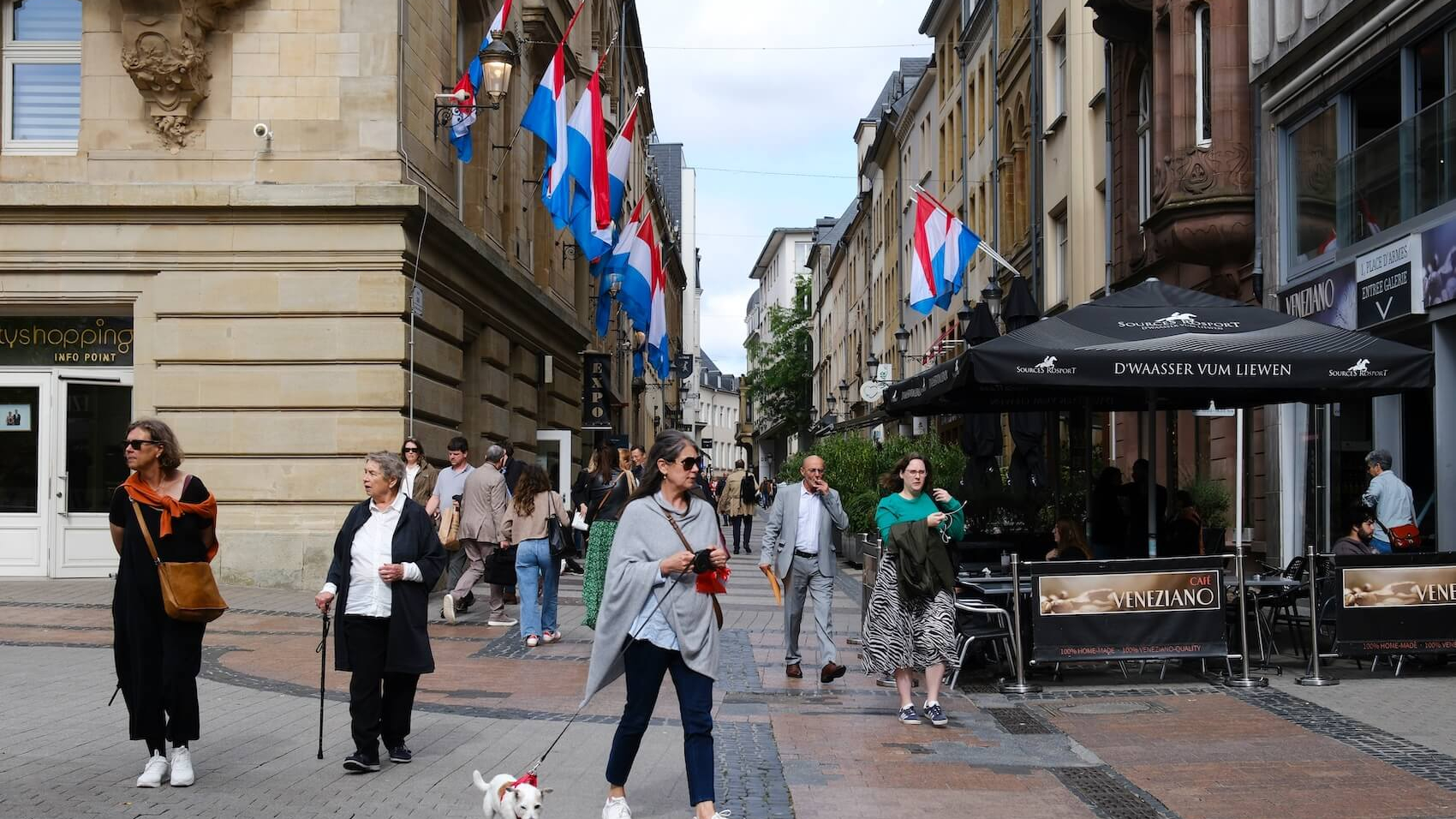
People walk in the center of Luxembourg City on June 19, 2024. Photo: Alexandros Michailidis.

Right-wing Populism in Luxembourg During the 2024 EP Election

Please cite as: 
Carls, Paul. (2024). “Right-wing Populism in Luxembourg During the 2024 EP Election.” In: 2024 EP Elections under the Shadow of Rising Populism. (eds). Gilles Ivaldi and Emilia Zankina. European Center for Populism Studies (ECPS. October 22, 2024. https://doi.org/10.55271/rp0078


DOWNLOAD REPORT ON LUXEMBOURG

Abstract

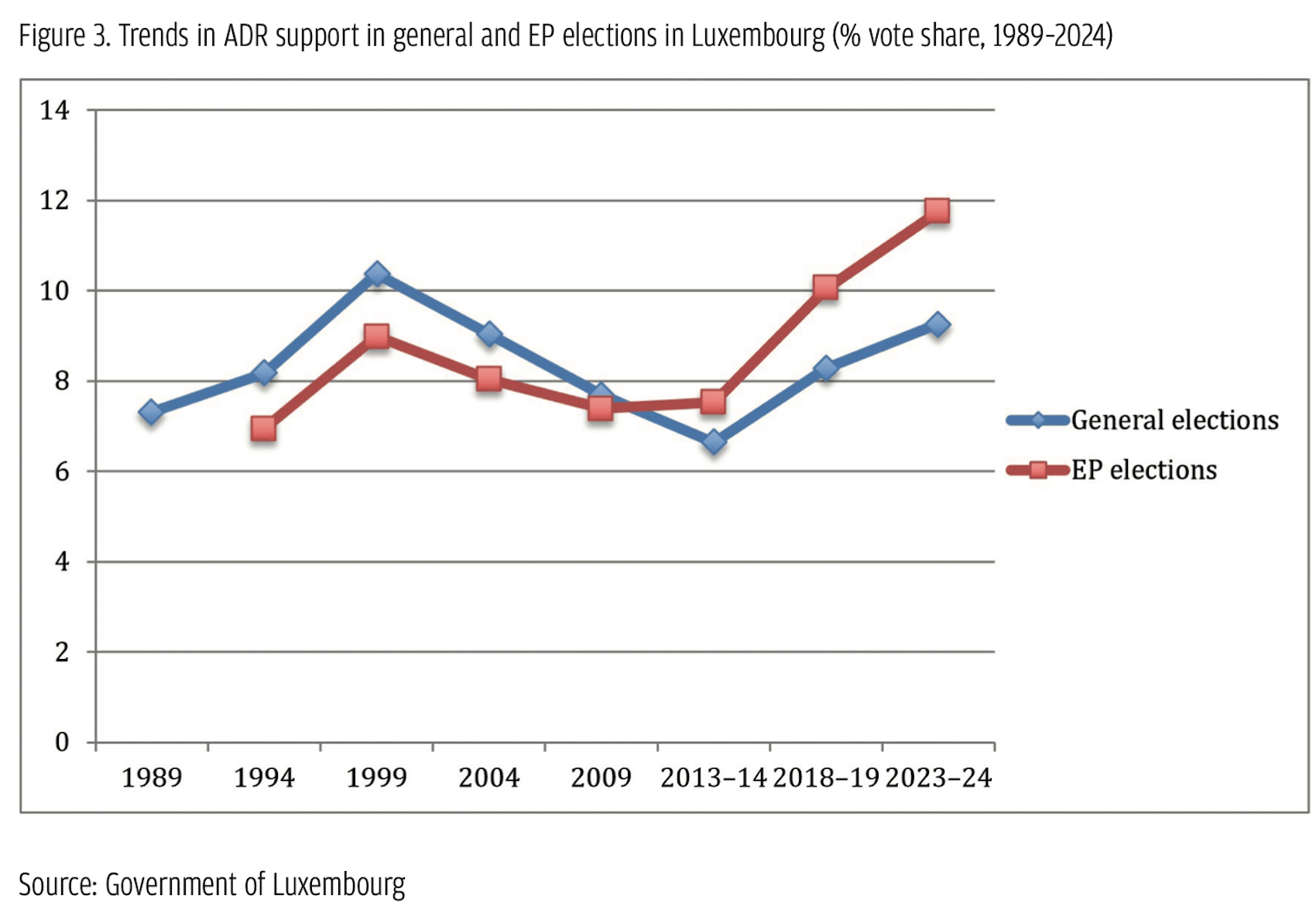
Right-wing populism in Luxembourg is largely confined to the Alternative Democratic Reform Party (Alternativ Demokratesch Reformpartei, ADR). The name is, however, a bit of a misnomer. While ideologically, the ADR maintains national–conservative positions consistent with other European right-wing populist parties, its views are not as extreme. The party retains relatively constant support, consistently gaining around 10% of the vote in national elections; in the 2023 election for the Chamber of Deputies, it gained 9.3%, while in the 2019 European Parliament election, the party gained 10%, just short of enough to obtain a seat. Given the rise in support for right-wing populist parties in other European countries (e.g., the AfD in Germany or the National Rally in France), the ADR was optimistic about its chances of gaining its first-ever seat in the European Parliament, which would require about 12% of the vote total. This contribution will investigate the results of the European Parliament election in Luxembourg, focusing on the ADR. It will discuss any ideological shifts in the party as well as its positioning on a host of issues where one finds a prominent voice for right-wing populist parties in Europe, including NATO, the war in Ukraine, migration, COVID-19 or the functioning of the European Union. The entry will also address the results of the election to determine how strong support for right-wing populism in Luxembourg is. Other relevant aspects of the election (e.g., campaign events, media coverage) will be discussed if they featured prominently in the campaign.

Keywords: ADR; Luxembourgish; European integration; transnational migration; Luxembourg Compromise

By Paul Carls (Independent Researcher, PhD Université de Montréal)

Background

Luxembourg is not a country known for right-wing populism. With a population of 672,000, roughly half of whom hold foreign nationality (STATEC, 2020), it is a small and internationally integrated country that benefits greatly from the trends of globalization that many right-wing populists denounce; the country is highly integrated politically in the European Union, its economy is heavily dependent on international financial and economic integration, and its economy similarly is heavily dependent on an international and transnational worker base, many of whom travel daily to Luxembourg from neighbouring countries (Carls, 2023; de Jonge, 2021; Fetzer, 2011). Luxembourg does, nevertheless, have a party that maintains a right-wing populist profile and that has had electoral success, the Alternative Democratic Reform Party (Alternativ Demokratesch Reformspartei, ADR). The party formed in 1987 as the Aktiounskomitee 5/6 Pensioun fir jiddfereen (Action Committee 5/6ths–Pensions for Everyone) to campaign on the single issue of pension reform and in 1992, changed its name to Aktiounskomitee fir Demokratie a Rentegerechtegkeet (Action Committee for Democracy and Pension Justice). In 1999 the party received its greatest success to date in the national general election with 11.3% of the vote, although pension reforms in 1998 and 2002 made the single issue of pension reform less pressing (Schulze, 2006). The ADR then evolved into a catch-all party, adopting its current name in 2006.

In 2015 it gained prominence in the campaign surrounding a referendum to amend the constitution to allow, among other things, non-Luxembourgish residents to vote in general elections for the Chamber of Deputies, Luxembourg’s national legislative body. The election result showed that between 70% and 80% of the population rejected the proposed constitutional modifications. The ADR was notably the only elected party to oppose the proposed reforms (Carls, 2023). In the 2019 European Parliament (EP) election, the party gained 10%, just short of enough to obtain a seat, while in the most recent general election in 2023, the party received 9.27% of the vote and gained 5 seats in the 60-seat Chamber of Deputies.

Ideologically the party maintains a national–conservative profile with flavours of classical liberalism that seeks a broad appeal, including to the working class. In the 2023 general election, for example, the party criticized ‘gender ideology’ or the push for transgender recognition but also supported legalizing prostitution. The party generally maintains a distrust of big government, whether economically or in terms of individual freedom, consumer rights or bodily autonomy, as was the case during the COVID-19 pandemic (ADR, 2023), but also supports government protection of special working privileges for Luxembourgers, which sees well-paid government jobs going only to those with a high proficiency of Luxembourgish, a position with broad appeal among the electorate (Carls, 2023).

There is no consensus as to whether the ADR is a right-wing populist party, with some saying yes (Blau, 2005; Carls, 2023; Zulianello, 2020) (although these authors generally note that the variety of populism exhibited by the ADR is mild or atypical in comparison with other European cases) and some saying no (Camus, 2017; Poirier, 2012). Such confusion stems from the fact that, due to Luxembourg’s specific socioeconomic situation, a right-wing populist party in the style of the National Rally or the Freedom Party of Austria is likely electorally impossible, leading the ADR to adopt comparatively softer stances on important issues. The ADR is by no means in favour of an exit from the EU, for example, and while it is in many respects critical of both the EU and multiculturalism, such critiques are often modulated by words of praise for the positive benefits the EU and immigration have brought to Luxembourg (Carls, 2023; de Jonge, 2021).

Nevertheless, it shares many of the same positions and preoccupations as other right-wing populist parties in Europe (including migration, Covid policies, free speech, retaining national sovereignty within an EU institutional framework, etc.) and is a member of the European Conservatives and Reformists (ECR) group in the EP, which includes the well-known Law and Justice Party (PiS) from Poland, the Brothers of Italy (led by Prime Minister Giorgia Meloni), and the Sweden Democrats (Carls, 2023; Lamour & Carls 2022). These facts, coupled with the lack of a suitable alternative, suggest that any exploration of right-wing populism in Luxembourg must focus on the ADR.

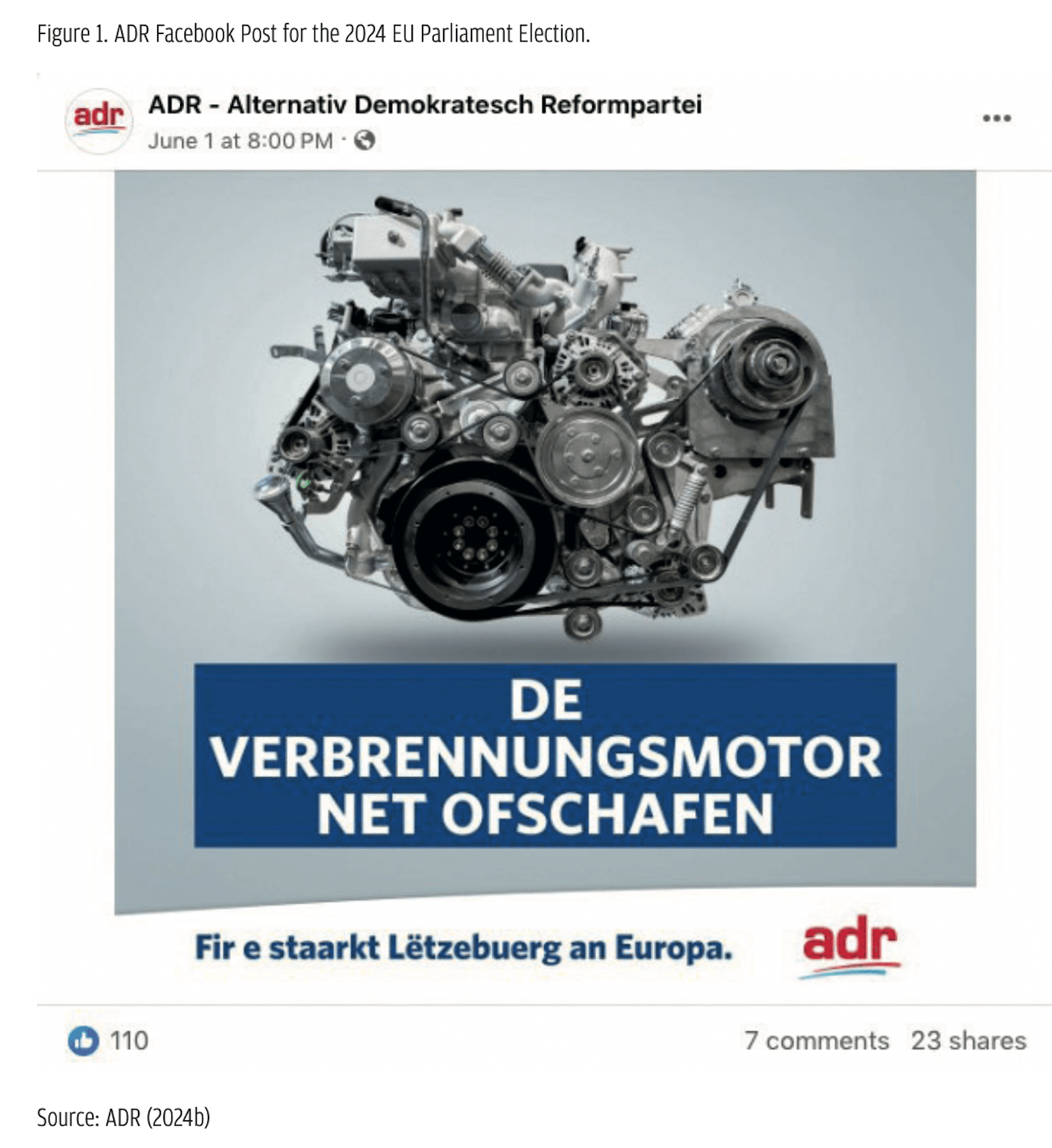
Heading into the 2024 EP election, the ADR’s lead candidate was Fernand Kartheiser, a former military officer and diplomat and a member of the Luxembourgish Chamber of Deputies for the ADR since 2009. The party prioritized several issues: the functioning of EU institutions, maintaining the 1966 Luxembourg Compromise or the veto power of countries regarding decisions deemed of vital national interest, migration policies, the preservation of the combustion engine or the opposition to green politics more generally, and concerning the war in Ukraine, a politics of peace in Europe.

ADR positioning during the election: The supply side

Following a minimalist definition according to which populism is ‘an ideology that considers society to be ultimately separated into two homogeneous and antagonistic groups, “the pure people” versus “the corrupt elite”, and which argues that politics should be an expression of the volonté générale (general will) of the people’ (Mudde, 2017: 29), the ADR’s framing of issues during the 2024 election was broadly populist. Right-wing populism contains a further nationalist dimension (de Cleen, 2017; Mudde, 2007; Rydgren, 2007; 2017; Taguieff, 2015), also present in the ADR’s electoral framing. This additional element leads to a set of exclusions on the vertical axis (people–elite) and the horizontal axis (people–outsiders) that is characteristic of right-wing populist discourse and was visible in the ADR’s advocacy for a ‘Europe of sovereign nations’ (ADR, 2024a: 1).

Much of the ADR’s policy positions and profile as a right-wing populist party in the EP election can be summed up in a passage from their EU electoral program: “The ADR must note with regret that the EU has also fundamentally changed politically in recent years. Obvious violations of the rule of law in the Covid Crisis, the war in Ukraine with sanctions against Russia that drive up energy prices and destroy European competitiveness, the high inflation that is also linked to the monetary policy of the ECB, a militant and harmful green policy in the field of energy and industry, a still massive and unbridled illegal immigration in Europe, accusations of corruption, including against the President of the European Commission, a diffuse and contradictory accession policy, limitations of freedom of expression and institutional threats not only from the EU institutions but also from increased German and French hegemonic efforts are only a few of the many challenges we face. These and many other problems have progressively made it more and more difficult for the European Union to present a facade of unity to the outside world. The European institutions have not caught up with how far they have already moved away from the people” (ADR, 2024a: 17).

This passage encapsulates the vertical and horizontal exclusions typified by right-wing populism and remains consistent with the ADR’s positions in past years. Luxembourgers and other European nations are represented by the idea of the ‘people’. They are opposed vertically by a left-wing dominated and increasingly autocratic EU and horizontally by ‘unbridled illegal immigration’ from the third world.

The vertical exclusions pitting the ‘people’ against elites was the most salient aspect of the campaign positioning and was visible on the following issues, which the ADR emphasized during its campaign. The first is federalism. The ADR fundamentally opposed efforts at EU federalism or a strongly centralized federal EU state that takes competencies away from the member states. The party notably criticized ‘Brussels bureaucrats’ who take power away from ‘the people’ in their nation-states (ADR, 2024a: 1). In line with its opposition to a federal state and support for national sovereignty, the ADR strongly supported the unanimity principle or the veto power of countries in the European Council regarding decisions deemed of vital national interest. Of note is the importance of this principle as it concerns Luxembourg’s financial and taxation systems.

The ADR also condemned Brussels’ attempts to isolate member countries with which it has important conflicts. Such conflicts surround refugee and migration policies, family policies and changes in national legal procedures. They have often involved members of the Visegrad Group, most notably Poland and Hungary. The ADR framed such conflicts as a result of a clash of wills – namely, that of ‘the people’, which democratically elects politicians to enact specific policies, and that of the ‘unelected’ EU (ADR, 2024a: 7).

The ADR strongly supported the principle of free speech and saw it under threat from left-wing activists and EU regulation. It spoke specifically of the Digital Services Act, an EU regulation designed to promote transparency of online services. While such efforts aimed to fight disinformation and defend democracy, the ADR argued that such measures actually demonstrated that the EU was increasingly less tolerant of voters who have the ‘wrong’ opinions or vote for the ‘wrong’ politicians (ADR, 2024a: 7).

The ADR also equated the EU with ‘experts’ who push a radical green–left ideology onto member states in an undemocratic way. The ADR saw such policies as a way to grant ever-greater competencies to the EU, arguing that decisions around environmental regulation should be left to national states (ADR, 2024a: 9). EU policies in this area, the party argued, have led to economic hardship and undermined innovation. The party made a particular point of the EU’s decision to ban the sale of internal combustion engines by 2035, a decision it called ‘extremist’ (ADR, 2024a: 21).

While the ADR strongly condemned the Russian attack on Ukraine (ADR, 2022), the party took a position of peace concerning the war in Ukraine. Recognizing the complexity of the situation and the relevance of Ukraine geopolitically, the party called on the EU not to intensify a conflict that would only serve to destroy Ukraine. It also criticized Brussels for not abiding by the Minsk Accords and reproached the EU for utilizing the conflict to push a federalist agenda, in this case concerning European defence (ADR, 2024a: 4). The party was also somewhat sceptical of Ukraine’s ability to join the EU, noting that it fulfilled none of the Copenhagen criteria and should not be accepted without an exhaustive accession process (ADR, 2024a: 36).

The ADR was critical of continued, uncontrolled migration to Europe from largely third-world or war-torn countries. In this respect, the EU has been leading a failed migration policy since 2015, which has led to a significant loss of trust in the EU and substantial illegal immigration, including economic migrants masquerading as refugees. The ADR called for a humane policy that granted asylum but reduced migratory flows and prevented illegal immigration.

Another point that the ADR made during the campaign was to advocate for the recognition of Luxembourgish as an official EU language. Such recognition was important as it would recognize Luxembourg as a unique country with its own history and culture. As such, the ADR appealed to Luxembourgish national pride.

Despite their criticisms of the EU, the ADR nuanced its positions on many points. The ADR made it clear that it supported the EU. It noted the great advances the EU had given to Europe in terms of peace and prosperity in post-war Europe (ADR, 2024a: 3). The party was thus concerned that so many people had lost their trust in the project and stated that their goal was ‘to stabilize Europe in these times and rebuild it at the same time so that the idea of a European Union remains attractive for the next generations in as many countries as possible’ (ADR, 2024a: 2). On these points, the ADR made a clear distinction between itself and other right-wing populist parties. As Alexandra Schoos, president of the ADR at the time of the EU election, stated in an interview: “The intention of the ADR is certainly not to destroy the European project from within. As Luxembourg, we need Europe and a European Union. The ADR is therefore certainly not on the same line as defended by certain parties which are opposed to the EU” (Schoos, 2024).

The ADR similarly struck a positive tone on the issue of migration (or at least legal migration within EU borders, of which there is a great deal in Luxembourg): ‘The ADR is expressly of the opinion that the legal migration of persons in the internal market can bring many advantages and should continue to be encouraged’ (ADR, 2024a, pp. 3–4). These nuances were also visible in the ADR’s campaign posters, which also served as social media posts. The image in Figure 1 from the party’s Facebook page states, ‘Don’t ban the combustion engine’ Below the image is the ADR’s EU campaign slogan: Fir e staarkt Lëtzebuerg an Europa (‘For a strong Luxembourg in Europe’). This slogan clearly indicated that the ADR saw Luxembourg’s destiny as closely tied to that of the EU.

These nuanced positions are consistent with the brand of right-wing populism the ADR embodies, which offers moderate critiques of the EU, all while distancing itself from the more radical positions taken by other European right-wing populist parties (Carls, 2023).

The ADR performed its message in a variety of ways. Party leaders such as Fernand Kartheiser, Fred Keup, and Alexandra Schoos made media appearances for interviews or debates with other candidates in national print newspapers, on national radio stations such as Radio Television Luxembourg (RTL) or Radio 100.7, and on TV, for example, on RTL’s Kloertext or Table Ronde programs. The party was also active on social media, posting content on Facebook, X, Instagram and TikTok. ADR candidates and party representatives were also present at stands at local street markets and events throughout the country in the weeks and months leading up to the election.

Election results: The demand side

The election results can be found in Figure 2. The Christian Social People’s Party (CSV), a member of the European People’s Party (EPP) group, came in first with 22.91% of the vote and obtained two EP seats. The ADR tied with the Greens at 11.76%, an improvement of 1.72 percentage points over their showing in 2019 and also higher than their performance in the 2023 general election, allowing them to obtain their first-ever EP seat, which was filled by Fernand Kartheiser. All remaining elected parties received one seat in the EP. All the main issues the ADR campaigned on likely contributed to their success, with none standing out. Figure 3 shows the trends in the ADR’s electoral support since its founding and shows that this support has grown only marginally since 1989. While there was talk of a Rechtsruck or strong shift to the right in many European countries, it would be wrong to claim this was the case in Luxembourg. Support for the ADR has remained relatively steady between 8–10% over the decades, and while the 2024 EP election result was the party’s highest showing yet, the party remains a relevant but junior player in Luxembourgish politics. Nevertheless, the result allowed the ADR, for the first time, to be represented at all levels of government in Luxembourg and marked a high point in the party’s history.

The media landscape of Luxembourg is quite distinctive. Print publications receive generous state subsidies to preserve media plurality and many such publications have a direct link to established political parties. The largest and oldest newspaper, the Luxemburger Wort, has connections to the CSV, while the second largest, the Tageblatt, has connections to the Luxembourg Socialist Workers’ Party (LSAP). The country is also very small, leading to a high degree of familiarity between journalists and political actors. As a result, the media landscape generally reflects the moderate views of the country’s political elites (de Jonge, 2021, pp. 159–163). That said, the print mostly reported on the election results in a mostly neutral way, simply noting the results and that it was a historic night for the ADR. Such was the case with the article in the Luxemburger Wort, which also included quotes from many ADR politicians (Javel, 2024). One exception came from the Tageblatt, which noted in their coverage that the ADR was among the ranks of ‘right-wing populists’ (Rechtspopulisten). The article also noted that the ADR would caucus with the ECR, which was led by the ‘post-fascist’ Giorgia Meloni and would likely soon include Hungary’s Fidesz party, whose leader Viktor Orbán was an ‘outspoken friend’ of Vladimir Putin (Kemp, 2024). Apart from such exceptions, print media reporting on the ADR leading up to the election was also mostly neutral.

The situation was similar regarding radio and television leading up to the election, with coverage mostly neutral and the ADR being invited, as with all other parties, to debates, interviews and other events hosted by, for example, RTL, the country’s main radio and television station. Unlike in other countries where there is a Brandmauer (firewall) or cordon sanitaire surrounding right-wing populists, no such impediments to presenting their positions on a general media platform existed for the ADR during the election.

While there exists no exit-poll data with which to analyse the election results, a Eurobarometer report from the winter of 2024 by the European Commission (2024) sheds light on the particularities of Luxembourg that contributed to the success or lack thereof of the ADR. The report looks at Luxembourgers’ views on topics such as the EU and their economic situation, and it shows that compared to the EU average, Luxembourgers were far more satisfied with their economic situation and the EU.

As Figures 4, 5, 6 and 7 demonstrate, those living in Luxembourg felt much better off economically and also had much higher levels of trust in their national government and the EU. These are generally indicators of success for right-wing populist parties and populist parties in general. That Luxembourg had strongly divergent responses compared to the EU 27 indicates the lack of demand for a right-wing populist party that is aggressively anti-EU or anti-immigration. These poll results also show the limited demand for a party like the ADR, which nuanced its criticisms of the EU with praise but also presented itself as an ‘outsider’ to the political establishment.

Discussion and perspectives

An aggressive or radical right-wing populist party seen in other European countries is not electorally viable in Luxembourg, a well-off, highly international and economically interconnected country. As a result, the ADR modulates its discourse to appeal to a population that is largely optimistic about its general economic situation and its place within the EU (see also Carls, 2023). For this reason, it represents a more moderate form of right-wing populism and will likely be among the most moderate and pragmatic members of the ECR group in the EP.

In the EP, the ADR will likely prioritize the core issues it campaigned on: maintaining the right of veto on the European Council, opposition to federalist tendencies in the EU, opposition to the Green New Deal, a politics of peace in the Ukraine war, defending free speech and finding a solution to the migration crisis. In this respect, the ADR will not be much different than most other right-wing populist parties in Europe, especially those within the ECR. What will distinguish the ADR is its advocacy for the Luxembourgish language. Luxembourgish holds a special place in Luxembourgish politics not only as a cultural marker of national identity but also because C1 level (basically native fluency) is a requirement for almost all public sector jobs. These jobs are extremely well paid and ensure many Luxembourgers a good standard of living. Abolishing this requirement would remove Luxembourgers’ special access to this range of jobs (Carls, 2023). Having Luxembourgish recognized as an official European language in the EU would solidify its status in Luxembourg. This issue will likely be a top priority of Fernand Kartheiser.

Ultimately, political parties represent the views of those who support them. In Luxembourg there is little appetite for a right-wing populist party that is aggressively anti-immigration or anti-EU. Quite simply, the country benefits too much from these aspects of European integration. Looking at trends in the EU more widely, Luxembourg seems quite exceptional in this sense. It is therefore difficult to extrapolate any recommendations or generalities from the Luxembourgish case.


(*) Paul Carls holds a PhD in political science from the Université de Montréal and completed a post-doctoral research assistantship at the Luxembourg Institute of Socio-Economic Research (LISER). He has published on the topics of multiculturalism and right-wing populism in Germany, Luxembourg and France.


References

ADR (2022). Ukrain. https://adr.lu/ukrain/

ADR (2023). ADR-Walprogramm fir d’Chamberwalen, den 8.Oktobe 2023.

ADR (2024a). Fir e staarkt Lëtzebuerg an Europa Walprogramm fir d’Europawalen 2024.

ADR (2024b, 1 June). De Verbrennungsmotor net ofschafen. Facebook https://www.facebook.com/photo/?fbid=874381084714804&set=a.301892138630371

Blau, L. (2005). Histoire de l’extrême-droite au Grand-Duché de Luxembourg au XXe siècle. 2nd edition. Le Phare.

Camus, J. (2017). Extremismusforscher Jean-Yves Camus: ‘Die ADR ist nicht rechtspopulistisch’. Luxembuger Wort. 29 January: https://wort.lu/de/politik/extremismusforscher-jean-yves-camus-die-adr-ist-nichtrechtspopulistisch-588e44c7a5e74263e13a9c53

Carls, P. (2023). Approaching right-wing populism in a context of transnational economic integration: Lessons from Luxembourg. European Politics and Society 24(2): 265–283. https://doi.org/10.1080/23745118.2021.1993056

De Cleen, B. (2017). Populism and Nationalism. In C. Kaltwasser, P. Taggart, P. Espejo, & P. Ostiguy (eds.), The Oxford Handbook of Populism (pp. 342–362), Oxford University Press

De Jonge, L. (2021). The Success and Failure of Right-wing Populist Parties in the Benelux Countries. Routledge

European Commission (2024) Flash Eurobarometer: Public opinion in the EU region, Luxembourg. European Union.

Fetzer, J. (2011). Luxembourg as an Immigration Success Story: The Grand Duchy in Pan-European Perspective. Lexington Books.

Kemp, G. (2024). ‘Glücklose Gewinner, zufriedene Verlierer’, Tageblatt, 10 June: https://www.tageblatt.lu/headlines/gluecklose-gewinner-zufriedene-verlierer/

Javel, F. (2024). ‘ADR sichert sich zum ersten Mal Sitz im EUParlament’, Luxemburger Wort, 9 June: https://www.wort.lu/politik/adr-sichert-sich-zum-ersten-mal-sitz-im-eu-parlament/13746916.html

Lamour, C. and P. Carls (2022). When COVID-19 circulates in right-wing populist discourse: The contribution of a global crisis to European meta-populism at the cross-border regional scale. Journal of Contemporary European Studies, pre-print: https://doi.org/10.1080/14782804.2022.2051001

Mudde, C. (ed.). (2017b). The Populist Radical Right. Routledge.

Poirier, P. (2012). L’ADR: de la recherche de l’équité à la construction inachevée d’un mouvement conservateur et souverainiste. https://adr.lu/ladr-de-la-recherche-de-lequite-a-la-construction-inachevee-dun-mouvement-conservateur-et-souverainiste/

Rydgren, J. (2007). The Sociology of the Radical Right. Annual Review of Sociology vol. 33: 241–262. https://doi.org/10.1146/annurev.soc.33.040406.131752

Schoos, A. (2024) Alexandra Schoos: Notre intention n’est pas de détruire le projet européen. Le Quotidien. 30 May. https://lequotidien.lu/a-la-une/elections-europeennes-alexandra-schoos%E2%80%89-notre-intention-nest-pas-de-detruire-le-projet-europeen/

Schulze, I. (2006). Luxembourg: an electoral system with panache. In E. Immergut, K. Anderson, & I. Schulze (eds.), The Handbook of West European Pension Politics (pp. 804–853). Oxford University Press.

STATEC. (2020). Population Structure. https://statistiques.public.lu/stat/TableViewer/tableView.aspx?ReportId=12853&IF_Language=eng&MainTheme=2&FldrName=1

Taguieff, P. (2015). La revanche du nationalism: Néopopulistes et xenophobes à l’assaut de l’Europe. Presses Universitaires de Frane.

Zulianello, M. (2020). Varieties of Populist Parties and Party Systems in Europe: From State-of-the-Art to the Application of a Novel Classification Scheme to 66 Parties in 33 Countries. Government and Opposition 55: 327–347. https://doi.org/10.1017/gov.2019.21


DOWNLOAD REPORT ON LUXEMBOURG

Demonstration by the Flemish far-right party Vlaams Belang in Brussels, Belgium, on May 29, 2023. Photo: Alexandros Michailidis.

Populist Radical Parties in Belgium and the 2024 European Elections

Please cite as:
van Haute, Emilie. (2024). “Populist Radical Parties in Belgium and the 2024 European Elections.” In: 2024 EP Elections under the Shadow of Rising Populism. (eds). Gilles Ivaldi and Emilia Zankina. European Center for Populism Studies (ECPS. October 22, 2024. https://doi.org/10.55271/rp0062


DOWNLOAD REPORT ON BELGIUM

Abstract

In 2024 elections in Belgium were concurrently held for the European, federal and regional levels. For that reason, the European elections were clearly second-order elections. As the main opposition parties at the federal level, populist radical parties of the right (Vlaams Belang, VB) and the left (the Workers’ Party of Belgium, PTB–PVDA) approached the 2024 elections in a strong position. They were portrayed as clear favourites in the polls and the media. From 2019 to 2024 they managed to set the agenda on their issues: migration and law and order for the VB, socioeconomic issues and civil liberties and rights for the PTB–PVDA. Both parties came out of the elections with more votes and seats. Part of the reason for this success is that their program matched with voters’ priorities. Their populist, anti-elite rhetoric also permeated public opinion. Yet they were perceived as having underperformed electorally. Moreover, because they were not politically indispensable, they were quickly sidelined. At the European level, the VB and the PTB–PVDA will likely continue directly pushing their respective populist, Eurosceptic and radical agendas. They are also likely to have a real indirect contamination effect through mainstream parties and public opinion integrating part of their programmatic positions and priorities.

Keywords: Belgium; radical parties; populism; voting behaviour; European elections

By Emilie van Haute* (Department of Political Science, Université libre de Bruxelles (ULB), Brussels, Belgium)

Introduction

The 2024 European elections in Belgium appeared distinctly like the ‘mother of all elections’. Voters were called to cast ballots concurrently in three separate elections (European, federal and regional) held on the same day. Additionally, it had been five years since Belgian voters had faced a single election. Consequently, it was also a test of the balance of power between the numerous parties that form the two separate party systems operating in the country.

Belgium has a highly fragmented multiparty system. Since the split of traditional party families along the linguistic divide, Belgium has been characterized by two party systems operating separately (Table 1): Flemish parties compete in Flanders (the north of the country), whereas Francophone parties compete in Wallonia (in the south). Parties only compete together in Brussels. 

Among these parties, two are clear cases of populist radical parties based on the PopuList categorization (https://popu-list.org): the radical-left Workers’ Party (Parti du Travail de Belgique–Partij van de arbeid, PTB–PVDA), the only relevant national party in Belgium (Delwit, 2014; 2022), and the radical-right Flemish Interest (Vlaams Belang, VB), a party that competes only in Flanders and in Brussels (van Haute & Pauwels, 2016). On the French-speaking side, the populist radical-right parties have always had a hard time anchoring themselves structurally in the political landscape (De Jonge, 2021b; Delwit & van Haute, 2021). The present chapter therefore analyses the electoral performance of the PTB–PVDA and the VB at the 2024 EP elections.

Background

After a series of electoral setbacks after 2007 caused by the emergence of an alternative Flemish nationalist vote with the N–VA and internal tensions around the dominance of the party elite from Antwerp (van Haute & Pauwels, 2016), the populist radical-right VB returned to success at the 2019 European, federal and regional elections. The VB won a substantial number of seats: from 3 seats in the House of Representatives at the federal level in 2014 to 18 seats in 2019. More generally, 2019 saw a substantial shift in party preferences towards radical populist parties (Goovaerts et al., 2020) since the PTB–PVDA also won a significant number of seats (from 2 in 2014 to 12 seats in 2019). These results contributed to a fragmented and polarized political landscape, with VB gaining grounds in Flanders and PTB–PVDA winning in Walloon constituencies. These trends also characterized the concurrent European elections (Figures 1 and 2).

The profile of VB and PTB–PVDA voters in 2019 presented similarities. Data from the 2019 Belgian panel survey (Michel et al., 2024) show that both parties attracted a younger, more male voter group with lower levels of education and a protest component, and displaying lower levels of trust and satisfaction with the government, but also higher levels of anger (Gallina et al., 2020; Jacobs et al., 2024). Populist radical parties thus clearly capitalized on voters seeking an alternative. But they also attracted issue-based voting on their core respective issues (Goovaerts et al., 2020; Walgrave et al., 2020).

VB voters position themselves furthest to the right on the left–right axis and PTB–PVDA furthest to the left. For the PTB–PVDA, this positioning reflects the salience of socioeconomic issues for its voters, whereas for the VB, cultural issues are most salient (Pilet et al., 2020). What explains this difference in the success of populist radical parties across the linguistic divide is not so much the differences in attitudes between French- and Dutch-speaking voters. The average position on socioeconomic and migration issues, for instance, are very similar (Walgrave et al., 2019). 

Rather, it is the structure of the party system and the salience of issues that make a difference. The weakness of the radical-right party organizations in French-speaking Belgium is patent (Close & Ognibene, 2021); in contrast to the VB, such parties lack local anchorage, links with civil society organizations and leadership. Partly due to the cordon sanitaire in the French-speaking media (De Jonge, 2021a), radical-right parties are not able to push their issues on top of the political agenda. While migration was the top priority among voters in Flanders in 2019, it only ranked fifth in Wallonia, where socioeconomic issues dominated (Walgrave et al., 2019).

The 2019–2024 legislature was particularly difficult at the federal level. The polarized results of 2019 put centrifugal pressures on parties in the two political sub-systems. Despite the extended period of minority caretaker government after the N–VA withdrew from the federal government in December 2018, the negotiations to form a new government after the 2019 elections quickly stalled. The position of the two main parties on each side of the linguistic border, the N-VA and the PS, proved irreconcilable as they were both pushed by the pressure of their respective radical challengers, the VB and the PTB. In March 2020, the COVID-19 crisis was an accelerator, and the caretaker government was given six months of full power as a minority government. In October 2020, sixteen months after the elections, a full government was finally formed, composed of seven parties: the two liberal parties (OpenVLD and MR), the two socialist parties (Vooruit and PS), the two green parties (Groen and Ecolo), and the Dutch-speaking Christian Democrats (CD&V). The new government had to deal with COVID-19 and its aftermath, as well as Russia’s February 2022 invasion of Ukraine, the consequent influx of refugees, the energy crisis and high inflation. With seven parties around the table, it was very difficult to agree on major reforms.

The challenge made it easy for opposition parties to capitalize on the weakness of the federal government. On the Dutch-speaking side, the main opposition came from the VB, as the N-VA was leading the Flemish regional government, which was also facing difficulties. On the French-speaking side, the main opposition came from the PTB and Les Engagés.

An analysis of the communication of all 13 parties represented in the federal parliament and their leaders on Twitter (now X) between 1 January 2022 and 31 March 2023 (N=16,330 tweets) reveals that populist radical parties were much more active on social media than mainstream parties (Close et al., 2023; see also Delwit & van Haute, 2021).

The content of this communication provides insights into the saliency and ownership of issues. Overall, the public debate in Flanders and French-speaking Belgium revolved around different issues. Flanders saw more focus on migration, law and order issues (crime, justice), and finance, whereas in French-speaking Belgium, the focus was more on energy, civil rights and liberties, and work (Close et al., 2023). Despite the international context, European issues and foreign affairs were not dominant.

This agenda was particularly favourable to the populist radical parties. Close et al. (2023) have shown that the VB positions itself clearly on the most salient issues in Flanders. They come up first in terms of mentions of migration, law and order (including terrorism), but also lifestyle and religion. Interestingly, the party also comes second on EU issues after the Dutch-speaking Liberals (who held the federal prime ministership) and on animal welfare. They come up third in agriculture.

The PTB also position itself also on the most salient issues in Wallonia (Close et al., 2023), especially civil rights and liberties. The difference in discourse between the two branches of the party is striking in that regard. The results also show that the party avoids any mention of migration issues. Conversely, it clearly owns socioeconomic issues. The party ranks first in terms of mentions of employment, work, pensions, finances, and disasters (on the French-speaking side, linked to the floods of 2021). It ranks second on economy and foreign affairs.

Populist radical parties thus approached the 2024 elections in a strong position. They occupied the position of outsiders and alternative vote to an unpopular federal government. They owned the most salient issues in their respective polarized political landscapes. In Flanders, the VB was systematically polling first after autumn 2022 (VRT, 2023), and the PVDA was for the first time also showing anchorage in Flanders. In Wallonia, the PTB was polling third from March 2020, and the gap with the first two parties, the Socialists and the Liberals, was closing in after March 2022.

An electoral victory portrayed as a political defeat

The European elections in Belgium were marked by a change in the electoral rules, allowing 16- and 17-year-olds to vote. After a controversy, voting was also made compulsory for this segment of the electorate. More generally, with no elections held in Belgium since 2019, the 2024 electorate comprised more than a million first-time voters, including 268,000 voters aged 16–17 for the EP elections, which had the potential to weigh on the results.

Radical parties performed extremely well electorally on 9 June (see Figures 1 and 2). At the European level, the VB ranked first in the Dutch-speaking group with 22.9% of the votes, representing an increase of almost 4 percentage points. Given the low number of seats allocated to the Dutch-speaking group (13 out of 22 for Belgium), the party failed to gain an additional seat and therefore tied with N-VA. The progress of the PTB–PVDA was asymmetrical. On the Dutch-speaking side, the party almost doubled its vote share, from 4.9% in 2019 to 8.1% in 2024. It allowed the party to get its first seat in the European Parliament in the Dutch-speaking group. On the French-speaking side, the PTB also confirmed progress. With 15.4% of the votes in the French-speaking group, it gained about 1 percentage point and climbed from the fourth (2019) to the third position. Again, given the low number of seats allocated (8), this symbolic progress did not see the party gain any additional representatives, again taking just one seat in the EP in the French-speaking group.

However, these good electoral performances were overshadowed by what happened at the federal and regional levels. On the Dutch-speaking side, even if the VB progressed and the N-VA lost votes and seats, the latter managed to remain the first party at these levels. The VB underperformed compared to expectations based on the pre-election polling, possibly due to the large number of undecided voters, which makes accurate polling difficult (Pilet et al., 2024). Also, politically, Bart De Wever, leader of the N-VA, clearly closed the door to the VB a couple of days before the elections and encouraged voters to vote for the N-VA, saying that a vote for the VB would be a lost vote. This call for strategic voting seems to have paid off, as N-VA remained the first party at the regional and federal levels but not at the European level, where voters had a lower incentive for strategic voting.

Another element that may have weighed is the performance of De Wever in a new popular TV show, ‘Het conclaaf’ (‘The Conclave’), where he spent a weekend locked away with the VB leader Tom Van Grieken. De Wever clearly dominated the exchanges. Finally, together, N–VA and VB did not come out of the elections with a majority of seats in the Flemish parliament, which de facto excluded this only coalition option. Vlaams Belang was thus quickly portrayed as the underperformer; N-VA managed to frame these results as a victory, and VB was excluded from the negotiations for government formation at the regional and federal levels. The PTB–PVDA also gained votes and seats. At the federal level they progressed in Flanders (from three seats in 2019 to six in 2024, now getting at least one seat in each constituency) and in Brussels (from two to three seats). In Brussels, the PTB mainly gained voters from the socialist party PS and came top among first-time voters (Biesemans et al., 2024). However, the party lost seats in the Walloon constituencies (one at the federal level, two at the regional level). It did not manage to steal as many former PS voters, and it did not convince the first-time voters who turned more massively to the Liberals (MR) and the former Christian Democrats (LE) (Close et al., 2024). As for the VB, the party underperformed compared to what the polls had created regarding expectations, which overshadowed its other victories. The leadership of right-wing parties in the negotiations for government formation in Brussels and Wallonia also meant that the party was directly excluded from the equation.

A program and communication in tune with voters’ priorities

Vlaams Belang presented a classic populist radical-right manifesto for the 2024 elections. Titled ‘Flanders Back to Us’ (VB, 2024), the program puts ethnonationalism first, advocating for Flanders’ independence from Belgium, power to the people, a stop to immigration and a strong take on law and order. Socioeconomic, fiscal and cultural issues are framed in ethnonationalistic terms. In a classic welfare chauvinist approach, national preference is portrayed as the solution to poverty and high housing prices and better health care services; independence is painted as the solution to fiscal and budgetary issues, as the party denounces fiscal transfers to French-speaking Belgium and asks for the return of ‘Flemish money in Flemish hands’ (VB, 2024: 10).

Since elections were held concurrently for three levels, more local issues were covered first, while Europe was discussed in detail only on the last two pages of the VB manifesto (VB, 2024: 96–97). The party uses the ‘taking back control’ tagline and denounces EU leaders as ‘extreme’ (and overly bureaucratic/technocratic), hallmarks of a populist radical-right platform. The party opposes further enlargement and positions itself against EU interference in the national politics of illiberal democracies (e.g., Hungary), as well as EU policies on climate, agriculture and migration. The party’s list of specific proposals includes stifling the European Parliament, reducing Belgium’s budget contribution, negotiating a package of opt-outs from certain EU policies and legislation, defending Western values and promoting the subsidiarity principle and member states’ sovereignty. Interestingly, the manifesto avoids concrete topics related to foreign affairs, such as the Russia–Ukraine War and the war in Gaza.

PTB–PVDA also presented a classic populist radical-left program for the 2024 elections. Titled ‘The Choice to Break Away’ (PTB, 2024), the program puts socioeconomic issues first, advocating for fiscal justice, more social policies and purchasing power for households, better jobs, the right to healthcare, the end of political privileges, and a social climate policy. Highly active on university campuses, the party also tailored its message to young people, which was also likely driven by an interest in mobilizing first-time voters. Similarly, the party takes a notably progressive position on rights and liberties, especially racial discrimination, feminism and LGBTQ+ issues.

The concurrent elections also blurred the VB’s specific positions regarding the EU. The party developed a separate program for the European elections, which did not contribute to making it visible. This program reflected the VB’s populist orientation, with an explicit equation of Europe with a distant class of wealthy and privileged elites. Nevertheless, while the VB mobilizes cultural values and identities to underpin its populist rhetoric, the PTB–PVDA mobilizes a socioeconomic discourse that denounces a capitalist Europe imposing austerity on the poor through nondemocratic rules. The party takes a clear stance against austerity, privileges, inequalities, poverty, punitive environmental taxes, social dumping and the logic of profit and the market. It advocates addressing the root causes of migration, such as poverty in the Global South. Regarding external affairs, the party justify its nonalignment and rejection of NATO in terms of a commitment to striving for peace. On the Israel–Hamas war, it takes a clear position in favour of Palestine, denouncing acts of genocide as against international law and human rights.

The parties’ programs were heavily relayed online. Vlaams Belang is the absolute leader in online communication in Belgium. The party spent €1.5 million during the four months preceding the elections (Ryckmans, 2024). PVDA ranked fourth, spending €708,933. While the PTB had been very present during the legislature, it took a step back during the campaign.

The content of their respective communication reveals the saliency of issues they own (Figure 3). The VB clearly made migration the salient issue in its communication during the campaign. More than a quarter of its communication on X is on this issue. The gap with other parties is massive. The party also over-communicated on crime but to a lesser extent. The PTB–PVDA clearly stands out with its focus on finance, the economy, pensions, work and all socioeconomic issues. Europe is not central to these parties; they mention it less than other parties.

While the content reveals the ideological focus of these parties, the tone of their communication connects to their populist core. Both parties heavily rely on attacks as a mode of communication. Previous studies have shown that personal or programmatic attacks represent 26.5% of the total communication of the VB on X (first party in Belgium) and 25% for the PTB–PVDA (Close et al., 2023).

These programmatic priorities match voters’ priorities. The 2024 Belgian voter panel survey asked voters an open-ended question: ‘What is the most important issue in Belgium at the moment?’ The question was asked in wave 2 of the survey during the campaign. Results show that, in Flanders, three issues stand out: budget and finances, as well as migration and political representation, a category that refers to trust, competence, extremism, and populism (Table 2). These issues match populist radical-right demands. In Brussels and Wallonia too, migration and political representation rank high, together with the economy. Crime and Justice, Employment and institutional reforms form a second block of priorities. These priorities match populist demands towards a change in political elites and institutions, as well as the socioeconomic agenda of the radical left. The populist, anti-elite rhetoric of the two parties also permeated public opinion.

Conclusion

The 2024 elections in Belgium saw voters casting ballots for three separate levels: European, federal and regional. In this context, the EU elections were clearly second-order elections. As main opposition parties at the federal level, populist radical parties of the right (VB) and the left (PTB–PVDA) approached the 2024 elections in a strong position. They were portrayed as clear favourites in the polls and the media. During 2019–2024 they managed to set the agenda on their issues, among other things, via a robust online presence.

Both parties came out of the elections with more votes and seats. Part of this success is because their programs matched voters’ priorities. Yet they were perceived as having underperformed. And because they were not politically indispensable, they were quickly sidelined from negotiations at the regional and federal levels. At the European level, the Belgian delegation is limited, and the fragmentation of the party systems leaves the VB and the PTB–PVDA with a very limited number of seats to weigh in on policies. Nevertheless, they are expected to continue pushing their respective populist, Eurosceptic and radical agendas. As has been the case at the national level in Belgium, their programmatic positions and priorities have contaminated public opinion and the mainstream parties, which feel pressured by their success, something that is a significant source of concern.


(*) Emilie van Haute is Francqui Research Professor at SciencePo ULB (Centre d’étude de la vie politique – Cevipol). Her research interests focus on political parties, political participation and representation, elections and democracy. Her work has appeared in numerous international journals, including Comparative European Politics, the European Journal for Political Research, the Journal of Elections, Party Politics, Public Opinion and Parties, Representation and West European Politics. She is the co-editor of Acta Politica. Email: emilie.van.haute@ulb.be


References

2024 Belgian voter panel survey (2024). https://notlikeus.be.

Biesemans, R., Delwit, P., Vandeleene, A., & van Haute, E. (2024). Les dynamiques de vote à Bruxelles le 9 juin 2024. Premiers éléments. Note du Centre d’étude de la vie politiquehttps://cevipol.phisoc.ulb.be/fr/les-dynamiques-du-vote-a-bruxelles-le-9-juin-2024-premiers-elements

Close, C., & Ognibene, M. (2021). Les droites radicales en Belgique francophone. In P. Delwit & E. van Haute (eds.), Les partis politique en Belgique. Brussels : Éditions de l’Université de Bruxelles, 4th edition.

Close, C., Delwit, P., Vandeleene, A., & van Haute, E. (2024). Les dynamiques du vote en Wallonie le 9 juin 2024. Premiers éléments. Note du Centre d’étude de la vie politiquehttps://cevipol.phisoc.ulb.be/fr/les-dynamiques-du-vote-en-wallonie-le-9-juin-2024-premiers-elements

Close, C., Kins, L., Kumar, T., & Jacobs, L. (2023). Les partis politiques et leurs president.e.s sur Twitter : quelles tendances un an avant l’élection de 2024?, Social Media Lab @ULB.

Delwit, P. (2014). PTB. Nouvelle gauche, vieille recette. Liège: Luc Pire.

Delwit, P. (2022). The Labor Party of Belgium (PTB–PVDA): A Modern Radical Left Party?, Frontiers in Political Science, 4. doi.org/10.3389/fpos.2022.862949

Delwit P., & van Haute, E. (eds.) (2021). Les partis politique en Belgique. Brussels : Éditions de l’Université de Bruxelles, 4th edition.

De Jonge, L. (2021a). The Curious Case of Belgium: Why is There No Right-Wing Populism in Wallonia? Government and Opposition, 56(4), 598–614. doi:10.1017/gov.2020.8

De Jonge, L. (2021b). The Success and Failure of Right-Wing Populist Parties in the Benelux Countries. London: Routledge.

Gallina, M., Baudewyns, P., & Lefevere, J. (2020). Political Sophistication and Populist Party Support. The Case of PTB–PVDA and VB in the 2019 Belgian Elections. Politics of the Low Countries, 2(3), 265–288. doi:10.5553/PLC/258999292020002003003

Goovaerts, I., Kern, A., van Haute, E., & Marien, S. (2020). Drivers of Support for the Populist Radical Left and Populist Radical Right in Belgium. Politics of the Low Countries, 2(3), 228–264. 10.5553/PLC/258999292020002003002

Jacobs, L., Close, C., & Pilet, J.-B. (2024). The angry voter? The role of emotions in voting for the radical left and right at the 2019 Belgian elections. International Political Science Review, Online First. doi.org/10.1177/0192512123122452

Michel, E., Feitosa, F., Lefevere, J., Pilet, J.-B., van Erkel, P., & van Haute, E. (2024). Studying Dimensions of Representation: Introducing the Belgian RepResent Panel (2019–2021). European Political Science, 23, 199–217. doi.org/10.1057/s41304-023-00430-z

Pilet, J., Lefevere, J., Baudewyns, P., & Eck, B. (2024). Analyse de l’enquête du project NotLikeUs: Les électeurs indécis.

PTB (2024). Programme européen. https://www.ptb.be/programme-europeen

Ryckmans, G. (2024). Plus de 7,4 millions d’euros dépensés sur les réseaux sociaux par les partis politiques lors de la campagne, une stratégie payante?’, RTBF Décrypte, 23 juin 2024.

Social Media Lab (2024). Database of parties and party leaders posts on X (01/01/2024 – 15/05/2024). Social Media Lab @ULB.

Van Erkel, P., Lefevere, J., Walgrave, S., Jennart, I., Kern, A., Marien, S., & Baudewyns, P. (2020). Des transferts de voix avant ou pendant la campagne? Une étude sur les transferts électoraux lors des élections 2019 en Belgique. In J.-B. Pilet, P. Baudewyns, K. Deschouwer, A. Kern, & J. Lefevere (Eds.), Les Belges haussent leur voix (pp.29–58). PUL.

Van Haute, E., & Pauwels, T. (2016). The Vlaams Belang: Party Organisation and Party Dynamics. In R. Heinisch, O. Mazzoleni (Eds.), Understanding Populist Party Organisation. The Radical Right in Western Europe (pp.49–77). Palgrave.

Vlaams Belang (2024). Vlaanderen weer van ons. Verkiezingsprogramma.

VRT (2023). Sondage en Flandre : Vlaams Belang reste le plus grand parti, Vooruit gagne plus de terrain, le PVDA monte à la 4ème place, https://www.vrt.be/vrtnws/fr/2023/
05/13/sondage-en-flandre-vlaams-belang-reste-le-plus-grand-parti-vo/

Walgrave, S., et al. (2019). Vlamingen and Walen stemden voor verschillende partijen maar verschillen minder van mening over het beleid dat ze willen. Nota op basis van RepResent-studie. http://represent-project.be/wp-content/uploads/2019/09/EOS-nota-attitude-Vlamingen-en-Walen.pdf

Walgrave, S., van Erkel, P., Jennart, I., Lefevere, J., & Baudewyns, P. (2020). How Issue Salience Pushes Voters to the Left or to the Right. Politics of the Low Countries, 2(3), 319–352.


DOWNLOAD REPORT ON BELGIUM

Lithuania and EU flags waving under a cloudy sky. Photo: Andy Liu.

Lithuanian Populist Far-right (In)security Discourse During the European Parliament Elections in the face of Russia’s War Against Ukraine

Please cite as:

Ulinskaitė, Jogilė. (2024). “Lithuanian Populist Far-right (In)security Discourse During the European Parliament Elections in the face of Russia’s War Against Ukraine.” In: 2024 EP Elections under the Shadow of Rising Populism. (eds). Gilles Ivaldi and Emilia Zankina. European Center for Populism Studies (ECPS. October 22, 2024.https://doi.org/10.55271/rp0077


DOWNLOAD REPORT ON LITHUANIA

Abstract

The full-scale invasion of Ukraine by Russia has disrupted the previously perceived stability in Central and Eastern Europe (CCE) and exacerbated the prevailing sense of insecurity. The evolving circumstances are reshaping the political terrain and presenting avenues to mobilize support for the populist far right. However, to date, the far-right populist parties in Lithuania have not been successful in either national or European Parliament (EP) elections, as they have failed to surpass the required thresholds. However, the most recent European Parliament elections were an exception, with the election of a long-standing far-right politician in Lithuania as an MEP. This study delves into an analysis of the discourse employed by Lithuanian far-right populists throughout the 2024 EP election campaign, with a specific focus on the narratives pertaining to (in)security that they propagated. The investigation seeks to ascertain whether the far right capitalized on the situation to fuel discussions on crisis with the aim of attracting support and identifying the strategies utilized in constructing the narratives surrounding (in)security.

Keywords: populist far right, European Parliament election, insecurity, immigrants, European Green Deal, traditional values

By Jogilė Ulinskaitė (Institute of International Relations and Political Science, Vilnius University, Vilnius, Lithuania)

Introduction

The full-scale invasion of Ukraine by Russia in February 2022 disrupted the sense of stability in Central and Eastern Europe (CEE), exacerbating existing widespread insecurity and evoking memories of Soviet repression. Although the unyielding support of the Lithuanian political elite and society for Ukraine has cultivated a rally around the flag effect, the prolonged conflict has underscored the critical importance of defence solutions. These conditions create a conducive environment for the far right to mobilize support. Although far-right populists thus far have been unable to surpass the 5% threshold required to secure seats in the national legislature, shifting circumstances provide the far right with opportunities to advocate for increased security measures and criticize the political establishment for its perceived inaction. The election of far-right politician Petras Gražulis to the European Parliament (EP) in 2024 signifies a change in the reception of contentious political discourse. The central question of this chapter concerns whether the far right is leveraging these conditions to acquire backing and the methodologies utilized to mould narratives of (in)security.

In this chapter, I define the populist far right as political agents who adhere to the procedural norms of democracy and are situated at the extreme right end of the left–right ideological spectrum. Their rhetoric is distinguished by populism and nativism, where the nation is viewed as a homogeneous entity that needs to be defended from both a corrupt political elite and perceived external threats (Wodak, 2019). The populist far right portrays the political elite as corrupt, acting against the populace’s interests and advancing the agenda of the European Union (Golder, 2016; Buštíková & Kitschelt, 2009; Wodak, 2019). Finally, they place a strong emphasis on traditional family values and a nostalgic yearning for an idealized past (Wodak, 2019).

This article analyses the discourse of three populist far-right political organizations. The National Alliance (Nacionalinis susivienijimas, NS) failed to secure any parliamentary seats in the 2020 elections but gained 3 out of 51 seats on the Vilnius City Council in 2023. The People and Justice Union (Tautos ir teisingumo sąjunga, TTS) held one parliamentary seat in a single-mandate constituency until late 2023. The third party, the Christian Union (Krikščionių sąjunga, KS), aligned with the Lithuanian Family Movement (Lietuvos šeimų sąjūdis, LŠS) in the 2024 EP election. LŠS, known for organizing the ‘Great March in Defence of the Family’ and other anti-government protests, won five seats across various municipal councils in spring 2023 on the ballots of different political parties. The analysis draws on electoral manifestos, official election debates and communications via official Facebook pages and websites during the EP election campaign.

In this chapter, I present the results of the EP elections in Lithuania and then examine the rhetoric employed by Lithuanian far-right populists during the election campaign, focusing particularly on articulated narratives of (in)security. The analysis looks at whether the campaign focused more on leveraging the crisis – a tactic often used by the Lithuanian far right – or if it instead tried to offer ideas for creating security in a volatile situation.

European Parliament election campaign and results

The 2024 EP elections in June marked the third time Lithuanian voters had been to the polls within six weeks, leading to an intertwining of election debates across different institutions. The preceding presidential election had dominated both public and political agendas, with some candidates leveraging it to boost their popularity ahead of the EP elections. Additionally, national parliamentary elections scheduled for autumn compelled many candidates to focus their campaigns on domestic issues. As a result, EP election debates were heavily dominated by national concerns, such as social benefits and employment, rather than EU-specific policies. The compressed electoral timeline and emphasis on national issues may have contributed to voter fatigue, as evidenced by the low turnout for the EP elections (28.94%), which was significantly lower than in previous years when it coincided with the presidential runoff (53.48% in 2019 and 47.35% in 2014).

The 2024 EP elections in Lithuania saw voters lean towards mainstream candidates and a significant degree of continuity, with five of the country’s eleven elected MEPs retaining their seats from the previous term. Moreover, two of the new MEPs had previously served as European Commissioners, further reinforcing the presence of experienced EU-level politicians on the Lithuanian slate. The most successful parties were the Homeland Union–Lithuanian Christian Democrats, who won three seats and 20.92% of the vote. The Social Democratic Party of Lithuania came second with two seats and 17.63% of the vote. The following political parties shared the remaining six seats, taking one each: Lithuanian Farmers and Greens Union (8.95%), Freedom Party (7.94%), the Union of Democrats ‘For Lithuania’ (5.84%), Electoral Action of Poles in Lithuania–Christian Families Alliance (5.67%), the People and Justice Union, TTS (5.34%), Liberals’ Movement (5.31%).

The notable exception to the support for the mainstream was electing Petras Gražulis, a leader of TTS, with 5.45 % of votes. TTS is itself an amalgam of several outfits, including the Centrists–Nationalists, Gražulis’ political movement ‘For Lithuania, Men!’ (Už Lietuvą, vyrai!), and the Union of Lithuanian Nationalists and Republicans. Lacking a cohesive ideological core, TTS has been predominantly associated with the persona of its leader, Gražulis, since 2021. Gražulis, a figure of notable controversy, has garnered international attention, including recognition on Politico’s list of the most eccentric MEPs (Wax & Cokelaere, 2024). His political profile is characterized by determined opposition to the LGBTQ+ community, particularly evident in his contentious engagement with ‘Pride’ events. The controversy surrounding Gražulis extends beyond rhetoric into legal domains. He is currently facing criminal prosecution for alleged defamation of LGBTQ+ individuals (Steniulienė et al., 2024), which led to him being denied joining and questioning by the EP party of his choice – the European Conservatives and Reformists (ECR) group. Eventually, he joined the Europe of Sovereign Nations (ESN) group.

Gražulis, who served as a member of the Seimas (Lithuania’s parliament) from 1996 to 2023, has consistently secured his position through single-mandate constituency victories. His political career reached a critical juncture in the winter of 2023 when he was impeached by the Seimas. The impeachment process, triggered by his unauthorized voting on behalf of another MP, culminated in a ruling by the Constitutional Court that the politician had broken his oath of office and violated the constitution (Gaučaitė-Znutienė et al., 2023). During election debates, Gražulis strategically reframed this decision as political persecution to express his indignation and to present himself as a victim of censorship and political repression. The election outcomes indicate that his party achieved significant success in the regions outside the major cities of Lithuania. A decline in voter turnout, the dissolution of the right-wing populist party Order and Justice (Andrukaitytė, 2020), and the absence of other ideologically similar political leaders (such as Remigijus Žemaitaitis, another controversial right-wing politician) in the EP elections all contributed to the backing received by this politician.

In general, the populist far-right parties in Lithuania experienced limited electoral success. Only one such party surpassed the 5% threshold necessary for representation. Despite conducting an intensive campaign, the National Alliance expressed disappointment with its performance, garnering only 3.79% of the vote. In a post-election press conference, one of the party’s leaders, Vytautas Sinica, posited that their programmatic provisions and discourse might have been too complex for the electorate, suggesting a potential reconsidering of their campaign strategy ahead of the national elections. The Christian Union’s even less favourable outcome, securing only 1.37% of the votes, further underscores the challenges far-right parties face in Lithuania.

Prioritizing culture wars over the war in Ukraine: Fighting the usual suspects

Despite the prevalent focus in Lithuanian public discourse on the war against Ukraine (and the Russian threat) and broader defence and security matters, the far-right narrative gives precedence to Lithuania’s internal security. All scrutinized political parties emphasize the nation’s sovereignty over EU federalism and express a dedication to shielding the nation from the ‘dictates of EU bureaucrats’ and the so-called ideologies promoted by the EU, such as genderism and multiculturalism. Safeguarding the nation and traditional family values serves as the foundation and primary perspective through which all other matters are examined.

For example, the Christian Union asserts that Lithuania encounters a dual threat: ‘Our country and the entirety of European civilization face the threat of war, while internally Lithuania is undermined by an ideology that is hostile to the natural family, the Lithuanian language, culture and traditions, Christian values and scientific truths’ (Central Electoral Commission, 2024). Nevertheless, every other section of the manifesto highlights the importance of safeguarding family and traditional values. Similarly, the National Alliance’s campaign material prominently features the threat of war but as a backdrop. The primary focus of the National Alliance’s propositions is the defence of traditional European cultural values against EU bureaucrats and their supposed intentional effort to push Europe toward a multicultural identity to undermine the authority of nation-states.

These so-called ideological dangers are linked to the Istanbul Convention, an international agreement to prevent and combat violence against women, which is yet to be ratified in Lithuania and is vehemently opposed by far-right political groups. The Istanbul Convention is labelled as the ideology of genderism – a foe deemed worthy of resistance by A. Rusteika (Jursevičius, 2024) or a social engineering venture rooted in Marxist ideology, aiming to dismantle the family structure in Europe by Radžvilas (Jursevičius, 2024).

Another identified adversary is the LGBTQ+ community. The EP elections coincided with Vilnius Pride – a fact not overlooked by the National Alliance. The party noted that the demands from the LGBT community are endless, starting from recognition and parades to gender transition rights, marriage, and adoption (Sinica, 2024).

The spectre of communism is continuously brought up by the far right to evoke cultural trauma from the Soviet era. The character and magnitude of this threat were most eloquently articulated by the elected MEP: “Europe today is simply a poison that brings genderism, drugs and everything else that destroys the idea of the founding fathers, whether Schuman or Adenauer, who created this Europe. Now, they are destroying all values, Christian values, by introducing Leftism, same-sex marriage and all these perversions. I want to tell you that we are going backwards; in fact, Europe has returned to the ideas of Russia or even Lenin…. If these values return, the family will be destroyed; with what they are doing, there will be no more Europe [in the future]” (Pumprickaitė, 2024).

In addition to these internal threats emanating from the EU, migration is another usual suspect in the list of far-right threats. The image of migrant flows, so characteristic to the discourse of the EU’s far-right politicians, is also articulated in Lithuania, with a particular focus on Russian-speaking migrants. The unprecedented influx of immigrants in 2022, primarily driven by the reception of Ukrainian refugees, and the subsequent 15% increase in the foreign population in 2023 have catalysed the securitization of discourse.

The far right’s strategic focus on Russian-speaking migrants from Belarus and Central Asia suggests selective targeting of specific groups of immigrants. Migrants, both those trying to cross the border illegally and those who have obtained visas to work in Lithuania (mainly from Central Asian countries and Belarus), are portrayed as a homogenous group and as ‘invaders’, disloyal to the Lithuanian government and a threat to Lithuanian identity. Meanwhile, refugees from Ukraine are rarely mentioned by the far right. In a society that still actively supports Ukraine and Ukrainian refugees – some 89% of Lithuanians agree that Ukrainian refugees fleeing the war should be accepted (European Commission, 2024) – it is difficult to portray them as malicious intruders. Although the governing political parties have taken stringent measures to restrict migration across the Belarus–Lithuania border, the far right has also criticized the government for being insufficiently restrictive and ‘kept the borders open until the European Commissioner for Migration herself came to Lithuania and authorised the turnarounds’ (Radžvilas & Sinica, 2024).

The European Green Deal is a new usual suspect emerging in the rhetoric of the Lithuanian far right. The Green Deal and renewable energy policies are framed as ‘extremist’ and examples of ideological ‘fanatism’ emanating from Brussels aimed at burdening ordinary citizens with regulations and fines (Radžvilas, 2024a). While nominally supporting environmental protection, they advocate for a ‘rational’ approach (Central Electoral Commission, 2024: 21) that does not ‘ruin the European economy’ (Central Electoral Commission, 2024: 18).

This stance allows the far right to position themselves as pragmatic defenders of national economic interests against perceived EU overreach. First, the EU environmental policies are portrayed as a threat to Lithuanian farmers, who are purportedly already disadvantaged by lower EU subsidies than their counterparts in the West. Secondly, it is argued that environmental restrictions impose undue burdens on businesses, potentially compromising competitiveness (Tapinienė, 2024). The far right’s unexpected positioning as defenders of both business and agricultural interests during the EP election campaign represents a strategic adaptation of their rhetoric.

Security issues: bridging defence and social conservatism

Security and defence issues, already prominent in the CEE region, have come to dominate Lithuania’s public discourse, not least because of the election of the president of Lithuania in the spring, the official who is the commander-in-chief of the Lithuanian armed forces. Security and defence issues dominated the election debates and are also at the forefront of public opinion: a recent Eurobarometer survey shows that 60 % of Lithuanians (in contrast to 37 % of EU citizens) argue that the EU should focus more on defence and security issues to reinforce its position globally (European Parliament, 2024). In response to perceived security challenges, the Lithuanian government has implemented a series of proactive measures, including augmenting defence expenditure, planning strategic military acquisitions and initiating reforms to the conscription system.

Within this heightened security context, far-right political organizations find themselves compelled to engage with international security issues. Their security discourse is characterized by a multifaceted narrative that interweaves the concepts of national defence, national identity and traditional family values. This rhetorical strategy positions these parties as unique defenders of both conservative societal norms and robust national security.

Gražulis, the People and Justice Union leader, presented a forceful critique of the West. He asserted that the root cause of conflicts, including the current war, is the accommodating stance of US President Biden and the Western powers more broadly (Tapinienė, 2024). Furthermore, he censured the Lithuanian government, alleging that it is stoking tensions and provoking Putin. Gražulis’ proposed remedy for the prevailing insecurity is the election of Donald Trump as the president of the United States. He revealed that his outfit had opened an electoral campaign office in Lithuania supporting Trump, emphasizing the former US president’s purported dedication to peace and traditional values: ‘We support Trump’s views on the traditional family and traditional values. We trust Trump’s promise to end the war in Ukraine within 24 hours, at the expense of Russia’ (ALFA.LT, 2024).

Within the discourse of the National Alliance, a distinct sentiment of distrust towards international partners in the West is evident. Vytautas Radžvilas, the National Alliance leader, portrays Lithuania as positioned within the ambiguous sphere situated between the two competing geopolitical forces of Russia and the West. While advocating for the development of the defence industry at the national level and financial support at the EU level in the party manifesto, Radžvilas simultaneously contends that in the event of a conflict, no NATO or European allies would intervene to protect Lithuania (Radžvilas, 2024b). Specifically, he underscored a sense of mistrust towards the United States in light of the shift in US strategic focus toward the Pacific Ocean region (Beniušis et al., 2024). Conversely, the Western European allies are depicted as engaging in friendly interactions with Russia. Even the deployment of a German army brigade to Lithuania, although welcomed, does not instil complete confidence, and the primary focus remains on bolstering Lithuania’s national defence capabilities (Ibid.). The proposed solution is two-fold. Firstly, to enhance sovereignty and national security for self-defence, Lithuania must strive for independence from Brussels (Radžvilas, 2024b). Secondly, Lithuania should rally a coalition comprising Central Eastern European and Scandinavian nations to advocate for reforms within EU policy (Beniušis et al., 2024).

All analysed political parties endorse the European integration of Ukraine. It appears inevitable in a country where, as of May 2024, 77% of Lithuanians supported granting Ukraine candidate status (European Commission, 2024). However, even this pro-European stance is exploited by the far right to advance their political agenda. Gražulis and the Christian Union advocate for Ukraine’s accession, citing its potential to combat ‘genderism’ and uphold Christian principles. Nevertheless, there are lingering reservations. Aurelijus Rusteika, one of the leaders of the Lithuanian Family Movement, highlights concerns that the European project entails a loss of national sovereignty, prompting questions about Ukraine’s willingness to relinquish its autonomy to Brussels (Jursevičius, 2024). Additionally, the National Alliance posits that the integration decision will be a pivotal choice between the major geopolitical players, namely the West and Russia (Jursevičius, 2024). Even in cases where unequivocal public backing exists, the far right manages to cultivate an environment characterized by scepticism and lack of clarity.

Conclusion

The European Parliament election in 2024 marked a significant milestone as the populist far right in Lithuania managed to surpass the 5% electoral threshold for the first time. Factors such as support from regions outside major cities, low voter turnout, the disbandment of the right-wing populist party Order and Justice, and the absence of similar ideological leaders in the EP elections all contributed to the rise of politician Petras Gražulis. Nevertheless, it is crucial to note that current circumstances have seen political parties engaging in debates that reinforce narratives of insecurity in society.

The party led by Petras Gražulis, along with other political entities under scrutiny, navigate their rhetoric by considering prevailing societal attitudes towards Ukraine and Ukrainians while also fuelling discontent towards familiar targets such as the Istanbul Convention and the LGBTQ+ community. However, notwithstanding the difficult security situation prevailing in the region, the primary focus of policymakers has centred on the cultural wars within the state. This year, the influx of migrants originating from Belarus and Central Asia, as well as the implications of the European Green Deal on farmers and businesses in Lithuania, have been underscored as potential threats to the nation. Although the analysed political parties emphasize their commitment to the security and defence of Lithuania, their discourse primarily reflects a deep-seated scepticism towards international partners, emphasizing the pivotal role of upholding Lithuania’s sovereignty and implementing national defence strategies as the key to ensuring security both at the global level and domestically. However, the European elections in June are not the end of the story; the national parliamentary elections in autumn will be another opportunity for far-right populist parties in Lithuania to repeat established and articulate new (in)security narratives.


(*) Jogilė Ulinskaitė is Associate Professor at the Institute of International Relations and Political Science, Vilnius University. She defended her PhD thesis on the populist conception of political representation in Lithuania in 2018. Since then, she has been researching the collective memory of the communist and post-communist past in Lithuania. As Joseph P. Kazickas Associate Research Scholar in the Baltic Studies Program at Yale University in 2022, she focused on reconstructing emotional narratives of post-communist transformation from oral history interviews. Her current research integrates memory studies, narrative analysis and the sociology of emotions to analyse the discourse of populist politicians. Email: jogile.ulinskaite@tspmi.vu.lt


References

ALFA.LT. (2024, 10 April). P. Gražulis su bendražygiais įsteigė D. Trumpo rinkiminį štabą Lietuvoje. ALFA.LT. https://www.alfa.lt/aktualijos/lietuva/p-grazulis-su-bendrazygiais-isteige-d-trumpo-rinkimini-staba-lietuvoje/326687/https://www.alfa.lt/aktualijos/lietuva/p-grazulis-su-bendrazygiais-isteige-d-trumpo-rinkimini-staba-lietuvoje/326687/

Andrukaitytė, M. (2020, 21 July). Likviduojama „Tvarka ir teisingumas’ mėgino registruotis rinkimams. 15min.lt. https://www.15min.lt/naujiena/aktualu/lietuva/likviduojama-tvarka-ir-teisingumas-megino-registruotis-rinkimams-56-1350422

Beniušis, V., Čiučiurkaitė, A., Bukšaitytė, D., Lisauskas, S., & Zaveckytė, L. (2024, 6 June). 15min Europos Parlamento debatai 2024: karšta diskusija dėl karo, lyčių lygybės ir klimato kaitos [15min European Parliament Debates 2024: a heated debate on war, gender equality and climate change] [Video]. 15minhttps://www.15min.lt/video/15min-europos-parlamento-debatai-2024-karsta-diskusija-del-karo-lyciu-lygybes-ir-klimato-kaitos-254928

Buštíková, L., & Kitschelt, H. (2009). The radical right in post-communist Europe. Comparative perspectives on legacies and party competition. Communist and Post-Communist Studies42(4), 459–483. https://doi.org/10.1016/j.postcomstud.2009.10.007

Central Electoral Commission. (2024). Lietuvos Respublikos vyriausiosios rinkimų komisijos leidinys: 2024 m. birželio 9 d. rinkimai į Europos Parlamentą [Publication of the Central Electoral Commission of the Republic of Lithuania: 9 June 2024, European Parliament Elections]. Central Electoral Commission. https://www.vrk.lt/documents/10180/787387/Leidinys+A5+Europos+Parlamento+2024.pdf/50858a94-753f-4ec8-8f86-d0fac621860f

European Commission. (2024). Standard Eurobarometer 101https://europa.eu/eurobarometer/surveys/detail/3216

European Parliament. (2024). EP Spring 2024 Survey: Use your vote – Countdown to the European electionshttps://europa.eu/eurobarometer/surveys/detail/3272

Gaučaitė-Znutienė, M., LRT.LT, & ELTA. (2023, 18 December). Gražulio Seime nebeliks – už mandato naikinimą balsavo 86 Seimo nariai. LRT.LTlrt.lthttps://www.lrt.lt/naujienos/lietuvoje/2/2152920/grazulio-seime-nebeliks-uz-mandato-naikinima-balsavo-86-seimo-nariai

Golder, M. (2016). Far Right Parties in Europe. Annual Review of Political Science19(1), 477–497. https://doi.org/10.1146/annurev-polisci-042814-012441

Jursevičius, D. (2024, 20 May). Rinkimai 2024. Kandidatų į Europos Parlamentą debatai [Elections 2024. Debates between candidates for the European Parliament] [Video]. LRT.LThttps://www.lrt.lt/mediateka/irasas/2000341616/rinkimai-2024-kandidatu-i-europos-parlamenta-debatai

Pumprickaitė, N. (2024, 21 May). Rinkimai 2024. Kandidatų į Europos Parlamentą debatai [Elections 2024. Debates between candidates for the European Parliament] [Video]. In LRT.LThttps://www.lrt.lt/mediateka/irasas/2000342304/rinkimai-2024-kandidatu-i-europos-parlamenta-debatai

Radžvilas, V. (2024a, 24 January). Tebūnie Žaliasis kursas, net jei žūtų Lietuva!https://susivienijimas.lt/straipsniai/vytautas-radzvilas-tebunie-zaliasis-kursas-net-jei-zutu-lietuva/

Radžvilas, V. (2024b, 14 May). Lietuva: ES valstybė ar Šiaurės Rytų pasienio kraštas? Delfi. https://www.delfi.lt/news/ringas/politics/vytautas-radzvilas-lietuva-es-valstybe-ar-siaures-rytu-pasienio-krastas-120013008

Radžvilas, V., & Sinica, V. (2024, 11 April). Europai reikia pertvarkos [Europe needs transformation]. Nacionalinis Susivienijimashttps://susivienijimas.lt/straipsniai/vytautas-radzvilas-vytautas-sinica-europai-reikia-pertvarkos/

Sinica, V. (2024, 8 June). VAIVORYKŠTĖS GALO PRIEITI NEĮMANOMA. Facebook. https://www.facebook.com/nacionalinissusivienijimas/posts/768004178852938?ref=embed_post

Steniulienė, I., Smirnovaitė, V., & ELTA. (2024, 17 June). VRK: Gražulis gali būti teisiamas LGBTQ asmenų niekinimo byloje, jis dar neturi imuniteto. LRT.LT. lrt.lthttps://www.lrt.lt/naujienos/lietuvoje/2/2298883/vrk-grazulis-gali-buti-teisiamas-lgbtq-asmenu-niekinimo-byloje-jis-dar-neturi-imuniteto

Tapinienė, R. (2024, 4 June). Rinkimai 2024. Kandidatų į Europos Parlamentą debatai [Elections 2024. Debates between candidates for the European Parliament] [Video]. In LRT.LThttps://www.lrt.lt/mediateka/irasas/2000344224/rinkimai-2024-kandidatu-i-europos-parlamenta-debatai

Wax, E., & Cokelaere, H. (2024, 14 June). The 23 kookiest MEPs heading to the European Parliament. POLITICOhttps://www.politico.eu/article/23-kookiest-meps-european-parliament-election-results-2024/

Wodak, R. (2019). Entering the ‘post-shame era’: the rise of illiberal democracy, populism and neo-authoritarianism in EUrope. Global Discourse9(1), 195–213. https://doi.org/10.1332/204378919X15470487645420


DOWNLOAD REPORT ON LITHUANIA

European Parliamentary election posters of the FPÖ in Vienna, Austria, on May 15, 2024. Photo: Shutterstock.

The Populist Radical-right Freedom Party in the Austrian 2024 EU elections

Please cite as:

Miklin, Eric. (2024). “The Populist Radical-right Freedom Party in the Austrian 2024 EU elections.” In: 2024 EP Elections under the Shadow of Rising Populism. (eds). Gilles Ivaldi and Emilia Zankina. European Center for Populism Studies (ECPS. October 22, 2024. https://doi.org/10.55271/rp0061


DOWNLOAD REPORT ON AUSTRIA

Abstract

The only competitive populist party running in the 2024 EU elections in Austria, the radical-right Freedom Party of Austria (FPÖ) relied on well-proven recipes that have made it one of the most successful populist parties in (Western) Europe for the last 30 years. It called for cutting down the EU’s competences to half the size of its institutions and budget and harshly criticized its policies concerning migration, the war in Ukraine, the climate crisis and the COVID-19 pandemic. This criticism was combined with a highly alarmist rhetoric that portrayed political opponents as either corrupt, fanatical or insane. While all this met with uniform criticism by other Austrian parties and large parts of the media, this again allowed the party to present itself as the sole party actually fighting for the Austrian interest against a broken system controlled by a single establishment ‘unity party’ (Einheitspartei). Once more, this strategy paid off and the FPÖ landed in the first place for the first time in a nationwide election.

Keywords: Austria; populist radical right; Euroscepticism; anti-establishment positioning; European Parliament


By Eric Miklin*(Department of Political Science, Paris-Lodron University, Salzburg, Austria)

Austrian populism: The radical right Freedom Party

Populism in Austria so far has been confined mainly to parties of the (more or less) radical right. Throughout the years, several of these parties have entered the national and regional parliaments but sooner or later departed the scene. The one exception to this is the Austrian Freedom Party (FPÖ). Founded in 1956, it did not start as a populist party but descended from both liberal and German nationalist currents of the nineteenth century. While it managed to enter parliament in 1956 and has stayed there ever since it played a rather marginal role in the Austrian party system for the first three decades. However, this changed in 1987, when Jörg Haider was elected as party leader, transforming the FPÖ into one of the first and most successful populist radical-right parties in Europe (Heinisch 2003). Since then, the party has reached up to 27% of the vote in national elections and has not only participated in regional governments regularly but also entered national government three times (2000–2003, 2003–2005, and 2017–2019) through coalitions with the centre-right Austrian Peoples Party (ÖVP).

The party’s success has been based on a strong focus on opposing migration policies, identity politics and authoritarianism, combined with classical elements of populism as a ‘thin ideology’ (Mudde 2017). Hence, the party holds a critical stance towards liberal elements of democracy like representation, the separation of powers, the protection of minorities and basic rights. Politics, thereby, is seen as a Manichean battle between ‘good’ and ‘evil’ in which the FPÖ portrays itself as the sole defender of the will of the Austrian people against corrupt (political) elites (Wodak 2005). While the fight against migration clearly has remained its core issue, the party has taken highly critical positions on measures aiming at fighting climate change or towards protective measures taken by the Austrian government during the COVID-19 pandemic (Eberl et al. 2021), among others.

Over the years, the FPÖ has gone through major crises, leading to party splits and significant electoral losses (see Figure 1). The party’s successful ‘stock response’ so far has been its further radicalization in terms of its policies and rhetoric (Heinisch & Hauser 2016), but also in terms of its proponents and their contacts with organizations that have been classified as ‘extreme right’ by the Austrian Federal Office for the Protection of the Constitution like the Identitarian movement or selected German nationalist fraternities (Bundesministerium für Inneres 2023). By now, the party has also established a quite dense network with other anti-liberal populist actors like the Alternative for Germany (AfD) and the French National Rally (RN), but also Vladimir Putin’s United Russia, with which the FPÖ even signed a formal partnership agreement in 2016 (i.e., after Russia’s illegal annexation of Ukrainian Crimea; Heinisch & Hofmann 2023).

During the 2024 EU elections, the FPÖ was the only populist party represented in the Austrian parliament. The only other party that might be classified as populist that ran in the elections was the Democratic, Neutral, Authentic (DNA) list led by a former physician and anti-vaccine activist, who played an active role in protests directed against the protective measures taken by the Austrian government during the COVID-19 pandemic. This party, however, was founded just months before the elections, received hardly any media- and public attention, and failed to win a seat, taking just 2.7% of the votes. The following report will therefore restrict its focus to the FPÖ.

The Freedom Party and EU affairs

Due to its German nationalist origins and the resulting denial of an Austrian nation, the FPÖ for decades was quite positive about the country joining the EU as a second-best option given the impossibility of a ‘reunification’ with Germany (Fallend 2008: 2010ff). It was only in 1991 when the party started to take a more critical position – which in the literature has been interpreted less as an ideological repositioning but as driven by electoral considerations of its then-party leader Haider, who in 1988 was still claiming the Austrian nation was an Ideologische Missgeburt or ‘ideological monstrosity’ (Frölich-Steffen 2004). As a result, the right-wing FPÖ, together with the left-wing Green Party, opposed Austria’s EU accession during the campaign for the required constitutional referendum in 1994. However, while the Green Party modified its position soon after the referendum had passed successfully, the FPÖ stuck to its negative position, making itself (for most of the 30 years since then) the only parliamentary party publicly voicing harsh opposition against EU integration.

In line with the FPÖ’s ideological move from German nationalism to Austrian patriotism (Frölich-Steffen 2004), its position became even more critical over time. Until today, the party has never (openly) called for Austria to leave the EU. Still, it hailed the UK’s decision in favour of Brexit and, so far, has never rejected the possibility of a future ‘Öxit’ (Bartlau 2023). Also, the party not only opposes further integration but calls for the renationalization of decision-making powers to unwind purported aberrations evoked by both the Maastricht and the Lisbon Treaties (FPÖ 2017). In its current party manifesto, the FPÖ envisages a ‘Europe of Peoples’, rejecting ‘any artificial synchronisation … through forced multiculturalism, globalization, and mass integration’. In the party’s view, cooperation within the EU must be based on the principles of subsidiarity and federalism and ‘[t]he basic constitutional principles of sovereign member states must have absolute priority over Community law’ (FPÖ 2024a).

The Freedom Party’s 2024 EU campaign

In line with this position, in its 2024 campaign, the FPÖ repeatedly stated that it would not aim for an ‘Öxit’. However, it framed the elections as a ‘referendum’ about Austria’s ‘future’ and as a choice between a ‘centralized state’ on the one hand and ‘sovereignty’ on the other (Kurz, 2024). For this to be achieved, it called for ‘the EU to shed some pounds’ (‘Weg mit dem Speck’) by halving both the size of the EU’s budget and its institutions. As the party’s front runner, Harald Vilimsky, put it: “The smaller the bureaucratic monster in Brussels, the less it is able to intervene in the lives of European citizens with ever more regulations. In contrast to what our opponents claim, we don’t want to destroy anything …. We only want to focus European cooperation on the original idea of ​​the EU, which has long been forgotten: peace, freedom and prosperity” (Freiheitlicher Parlamentsklub 2024).

According to its electoral manifesto (FPÖ 2024b), the number of MEPs should be cut by half since even the US Congress functions with fewer members, and that, in any event, the EP does not count as a real parliament (Vilimsky 2023). Moreover, the idea brought by Hungarian Prime Minister Victor Orbán to abolish direct elections in favour of the pre-1979 system of national MPs representing their member states was seen as ‘definitely worth considering’ by Vilismky (Kurier 2024).

Regarding policies, four topics dominated the party’s campaign: migration, the war in Ukraine, Climate change and, notably, the COVID-19 pandemic. Amongst those four, migration was the most important. The FPÖ rejected the EU’s Pact on Migration and Asylum and generally any mandatory distribution of asylum seekers across the EU. Instead, it called for a ‘Fortress Europe’ based on a ‘Pact on Re-Migration’ that should transform Europe’s human rights framework into a legal system that permits (a) pushbacks at the EU’s internal and external borders, (b) the denial of asylum to refugees stemming from non-European territory and (c) extra-territorial refugee camps, amongst others. While the Israel–Hamas war was scarcely raised as an issue, the party harshly criticized the EU’s activities in the war between Russia and Ukraine. It called for an immediate end to financial and military aid to Ukraine, as well as for the sanctions against Russia to be abolished due to their detrimental effects on the economy. While the EU was criticized for not trying to find a peaceful solution faithfully, the support for its policies by the Austrian government was criticized as a breach of the country’s constitutional obligation of neutrality.

Regarding environmental policy, the FPÖ demanded a stop to the European Green Deal, the EU Nature Restoration Law, and the scheduled ban on combustion engines. Concerning COVID-19, the party called for a ruthless elucidation of the EU’s allegedly questionable role during the pandemic. Amongst others, it demanded the disclosure of text messages sent between Commission President Ursula von der Leyen and the CEO of Pfizer, the pharmaceutical company from which the EU obtained its vaccinations (Vilimsky, 2024a). More generally, the EU’s COVID-19 policies were criticized for unjustified restrictions on individual freedoms and for having been abused to turn the EU into a Schuldenunion or ‘debt union’ (FPÖ 2024b). 

The frames used by the FPÖ when pushing these claims were located mainly on the cultural dimension when it comes to questions of migration and the EU’s future development (see above). Arguments regarding global warming and the war in Ukraine were framed mainly in economic terms. The party called for Klimapolitik mit Augenmaß, namely, climate policies with a ‘sense of proportion’ regarding their economic effect. At the same time, the sanctions against Russia were criticized for hurting Austria and the EU more economically than they hurt Russia.

Generally, however, the party’s campaign was based less on arguments than on evoking negative emotions by using highly alarmist language combined with rhetoric that portrayed its political opponents on the national level – the ÖVP, the Social Democrats (SPÖ), the Greens and the Liberals – as all being part of an Einheitspartei or ‘single political party’ (Vilimsky 2024b), and EU-level actors as either corrupt, fanatical or insane. For example, on an election poster entitled ‘Stop the EU-lunacy’, a dystopic photo montage showed Ukrainian President Volodymyr Zelensky and Commission President von der Leyen allegedly kissing each other intimately, surrounded by scenes entitled ‘eco-communism’, ‘COVID-19 chaos’, ‘warmongering’ and ‘asylum-crisis’ (Figure 2).

The demand side of the EU: Critical populism in Austria

The FPÖ’s mix of issues and its communicative strategy turned out to be successful (Figure 3). First, it increased its vote share significantly compared to 2019 (it should be noted, however, that the party was hit by a huge scandal – the so-called Ibiza affair – that led to the step-down of the FPÖ’s then-party leader and Austria’s deputy chancellor, Heinz-Christian Strache and the collapse of the then ÖVP–FPÖ governing coalition just eight days before the election). Second, and more importantly, for the first time ever, the FPÖ managed to end up in first place in a nationwide election. According to exit polls, the party won votes mainly from the ÖVP (about 221.000 out of the 891.000 votes for the FPÖ) but also from about 100,000 voters who, perhaps demotivated by the Ibiza affair, did not vote in 2019 (Laumer & Praprotnik 2024). Despite the win, electoral analyses in the media interpreted the result as slightly disappointing for the party, as many polls leading up to the election had predicted an even larger victory and a greater margin over the runner-up, the ÖVP.

There are three possible explanations for this. First, the turnout rates of FPÖ supporters at EU elections have traditionally been lower than in other national elections. Second, FPÖ voters, on average, had decided who they would vote for earlier than supporters of other parties, which might have led to biased polling results. Third, the second ‘populist’ party running for election, DNA, in many regards, focused on similar issues and hence provided an alternative to protest voters who otherwise might have opted for the FPÖ.

Looking at sociodemographic characteristics (Figure 3), the FPÖ somewhat underperformed amongst voters below the age of 30. Regarding education, it was most successful amongst voters who had completed vocational training and least successful amongst high-school and university graduates. Interestingly, and in line with preceding regional elections (Salzburger Nachrichten, 2024), the once significant gender gap has shrunk considerably compared to the elections in 2019. While back then, 26% of men but only 10% of women voted for the FPÖ, this time it was 27% of men compared to 24% of women. Amongst voters holding at least a college degree, the gap even vanished entirely, with 16% of men and 17% of women opting for the FPÖ (Laumer & Praprotnik, 2024). Amongst others, these changes may be a consequence of the position the party took during the COVID-19 pandemic (especially its critique to discriminate restrictions between vaccinated and non-vaccinated citizens) – which was also found among many (also highly-educated) women (Die Presse, 2021).

Looking at voters’ issue preferences shows that, generally, there is quite a significant demand for EU-critical positions within the Austrian electorate. While in the 1994 constitutional referendum on the country’s EU accession, a two-thirds majority voted ‘yes’, approval rates started to drop soon thereafter, and Austrian citizens have ranked amongst the most critical ones across the EU ever since (Fallend, 2008). As Figure 5 shows, in the Eurobarometer from autumn 2023 (European Parliament, 2023), Austria not only recorded the highest share of citizens seeing EU membership as a ‘bad thing’ (22%) but also the lowest share of those seeing it as a ‘good thing’ (42%). 

The FPÖ was very successful in attracting these groups. According to exit polls, 84% of its voters see the EU taking a rather negative development and 63% would even support Austria leaving the EU (Figure 6).

Overall, however, only 4% stated that EU protest was their main reason to vote for the FPÖ, while 40% pointed to the party’s issue positions more generally. Looking at these issues, again, reveals a considerable overlap with the issues the party pushed in its campaign. Among the issues FPÖ voters discussed ‘a lot’ before the elections, ‘migration’ clearly ranks highest (71%), followed by ‘security and war’ (48%), the ‘economy’ (36%), and the ‘Covid pandemic’ (30%), with ‘environment and climate protection’ clearly lagging behind (20%).

Public attention for the elections overall was relatively modest. About eight weeks before the elections, less than 50% of the Austrian electorate reported knowing the parties’ lead candidates, and even more stated that they could not assess their work (Die Presse, 2024). To the extent that the election was an issue, however, the FPÖ and its core issues featured quite prominently in the debates. In the three TV debates that featured all lead candidates, migration and the war between Russia and Ukraine were discussed for the longest time (followed by the climate crisis). Given the singularity of its positions, the FPÖ was criticized by all other parties quite harshly in all these debates. This criticism resulted in the FPÖ receiving by far the most attention and also allowed the party to (once again) present itself as the only ‘real’ alternative vis-à-vis a purported Einheitspartei (‘single political party’), composed of the ÖVP, the Social Democrats (SPÖ), the Greens and the Liberals. A similar phenomenon can be observed regarding general news coverage where, for example, the election poster discussed above met with extensive criticism by journalists both nationally and internationally, pushing attention to the FPÖ itself and its political demands even further (Hammerl, 2024).

Discussion and perspective

Summing up, the populist radical-right Freedom Party’s run for the 2024 EP elections relied on well-proven recipes, which the party has been applying highly successfully throughout the last 30 years. In terms of issues, it focused on culturally framed topics like EU critique and calls against migration, which it combined with other issues that have been highly salient amongst the Austrian electorate and on which the party took a position that was taken by no other (established) Austrian party like an alleged ‘neutral’ position in the Ukrainian war (which de facto would result in strengthening the Russian side), and a highly critical position towards EU-measures to combat the climate crisis. Rhetorically, the party strongly relied on a Manichean frame, portraying its national opponents and EU-level actors/institutions as corrupt elites or members of the de facto Einheitspartei. This strategy seemingly paid off, as the FPÖ landed in the first place for the first time in a nationwide election.

Due to this success, there is little reason to expect the FPÖ to significantly change its strategy or the policies it prioritizes in the coming legislative period. Issues like migration, climate change or even the war in Ukraine are unlikely to vanish soon. And given that EU decisions constitutionally rely on broad centrist compromises, it suggests that whatever policies EU institutions manage to agree on, they will always provide ample room for criticism from a populist, radical-right point of view.

Concerning politics, it will be interesting to see how cooperation with other populist parties will proceed and develop in the coming term. Notably, the FPÖ was one of only two parties of the Identity and Democracy (ID) group that voted against the exclusion of the AfD due to statements of the latter’s lead candidate suggesting sympathy for former members of the national-socialist SS just before the elections. After the elections, the FPÖ left ID and, together with Hungary’s Fidesz (which left the European People’s Party in 2021) and the Czech ANO (formerly of Renew Europe), founded Patriots for Europe (PfE), which most of the other former ID members have subsequently joined. However, negotiations with the AfD to join the group failed, leading to the foundation of another new group – Europe of Sovereign Nations (ESN).

It remains to be seen how the FPÖ will position itself in possible future disputes between and within these groups like, for example, when it comes to their position concerning the Russia–Ukraine War, where some parties (like the FPÖ) hold close ties with Russia, while others see Russia as a security threat to their own country. Overall, however, it seems that politics at the EU level play a subordinate role for the party at large. Owing also to its nationalist agenda, the party probably does not see the main purpose of EU-level politics as shaping policies in Brussels but rather leveraging them to increase electoral support at home.


(*) Eric Miklin is Associate Professor of Austrian Politics in Comparative European Perspective in the Department of Political Science at the Paris-Lodron University of Salzburg, Austria. His research and publications focus on democracy, party politics and parliamentarism with a special focus on the interplay between the national and the European level. E-mail: eric.miklin@plus.ac.at


References

Bundesministerium für Inneres (2023) Verfassungsschutzbericht 2023.https://www.dsn.gv.at/501/files/VSB/180_2024_VSB_2023_V20240517_BF.pdf

Bartlau, C. (2018, 2 February) Freiheitliche Partei Europas: Wie hätt’ ma’s denn gern? Zeit Onlinehttps://www.zeit.de/politik/ausland/2018-02/freiheitliche-partei-oesterreichs-regierung-opposition-identitaet/komplettansicht

Die Presse (2021, 8 August) Impfung: Frauen sind skeptischerDie Presse https://www.diepresse.com/6018633/impfung-frauen-sind-skeptischer

Die Presse (2024, 22 April) Nicht einmal die Hälfte der Österreicher kennt die EU-Spitzenkandidaten. Die Presse https://www.diepresse.com/18391193/nicht-einmal-die-haelfte-der-oesterreicher-kennt-die-eu-spitzenkandidaten

Eberl, J. M., Huber, R. A., & Greussing, E. (2021) From populism to the ‘plandemic’: Why populists believe in COVID-19 conspiracies. Journal of Elections, Public Opinion and Parties31(sup1), 272–284.

European Parliament (2023) Eurobarometer Data Annex, Parlameter 2023. Directorate General for Communication (Public Opinion Monitoring Unit). file:///C:/Users/miklin/Downloads/EP_Autumn_2023_EB044EP_Results_Annex_en.pdf

Frölich-Steffen, S. (2004). Die Identitätspolitik der FPÖ: Vom Deutschnationalismus zum Österreich-Patriotismus. Österreichische Zeitschrift für Politikwissenschaft33(3), 281–295.

FPÖ (2017) Österreicher verdienen Fairness. Freiheitliches Wahlprogramm zur Nationalratswahl 2017. (Brochure). https://www.fpoe.at/fileadmin/user_upload/Wahlprogramm_8_9_low.pdf

FPÖ (2024a, 10 July) Party Program of the Freedom Party of Austria (FPÖ).https://www.fpoe.at/parteiprogramm/parteiprogramm-englisch/

FPÖ (2024b) Vorhang auf für UNSER Österreich. Frei. Sicher. Neutral. [Brochure]. https://www.fpoe.at/fileadmin/user_upload/www.fpoe.at/Websites/EU-Wahl_2024/Wahlprogramm/Wahlprogramm_20x20_Web.pdf

Fallend, F. (2008). Euroscepticism in Austrian political parties: ideologically rooted or strategically motivated? In: P. Taggart, P., & A. Szczerbiak (eds) Opposing Europe? The Comparative Party Politics of Euroscepticism. Vol. I: Case Studies and Country Surveys. Szczerbiak, Oxford University Press, 201–220.

Freiheitlicher Parlamentsklub (2024, 10 May) FPÖ – Vilimsky zu EU-Wahlkampfauftakt: ‚Wir wollen die Nummer eins werden!‘ [Press release], https://www.ots.at/presseaussendung/OTS_20240510_OTS0109/fpoe-vilimsky-zu-eu-wahlkampfauftakt-wir-wollen-die-nummer-eins-werden

Hammerl, M. (2024, 7 June) Wie die Kandidaten im EU-Wahlkampf performt haben. Kurierhttps://kurier.at/politik/inland/eu-wahl-kandidaten-analyse-schieder-lopatka-vilimsky-schilling-brandstaetter-performance/402910168

Heinisch, R. (2003) Success in opposition–failure in government: explaining the performance of right-wing populist parties in public office. West European Politics, 26(3), 91–130.

Heinisch, R. & Hauser, K. (2016) The Mainstreaming of the Austrian Freedom Party: The More Things Change…. In: Tjitske Akkerman, Sarah de Lange, Matthijs Rooduijn (eds) Radical Right-Wing Populist Parties in Western Europe: Into the Mainstream? Routledge, 46–62.

Heinisch, R. & Hofmann, D. (2023) The Case of the Austrian Radical Right and Russia During the War in Ukraine. In: Gilles Ivaldi. G & Zankina, E. (eds) The Impacts of the Russian Invasion of Ukraine on Right-wing Populism in Europe. European Center for Populism Studies (ECPS), 33–46.

Kurier (2024, 12 February) FPÖ: Orban-Vorstoß gegen EU-Direktwahl ‚überlegenswert‘ Kurierhttps://kurier.at/politik/inland/fpoe-orban-vorstoss-gegen-eu-direktwahl-ueberlegenswert/402776170

Kurz, H-P (2024, 8 June) Morgen, am 9. Juni geht es um alles. Die #Europawahl2024 ist eine Volksabstimmung über unsere Zukunft. Wir wollen keinen EU-Zentralstaat, sondern unsere #Souveränität zurück. [Post]. X. https://x.com/hpkurz_fpoe/status/1799471451373785220/photo/1

Laumer, D & Praprotnik, K (2024) Europawahl 2024. Wählerstromanalyse und Wahlbefragung. Institut für Strategieanalysen GmbH & FORESIGHT Research Hofinger GmbH.  https://www.foresight.at/fileadmin/user_upload/wahlen/2024_FORESIGHT-ISAWahlbefragung_EUW24-Grafiken.pdf

Mudde, C. (2017) Populism. An Ideational Approach. In: Rovira Kaltwasser, C., Taggart, P., Ochoa Respejo, P. & Ostiguy, P. (eds) The Oxford Handbook of Populism, Oxford University Press, 27–47

Obermaier, F. & Obermayer, B. (2019) Die Ibiza-Affäre. Innenansichten eines Skandals, Kiepenheuer & Witsch.

Salzburger Nachrichten (2024, 5 March) Gender Gap: Frauen wählen tendenziell links.

Salzburger Nachrichtenhttps://www.sn.at/politik/innenpolitik/gender-gap-frauen-154507360.

Vilimsky, H. (2023, 17 July) Mit seinen aktuell 705 Abgeordneten ist das Europaparlament schon heute das drittgrößte Parlament der Welt. …. [Post]. X. https://x.com/vilimsky/status/1680822701370294272

Vilimsky, H. (2024a, 24 May) Ein belgisches Gericht hat jetzt die Ermittlungen zu ‚Pfizergate‘, der umstrittenen EU-Impfstoffbeschaffung, auf Dezember verschoben … [Post]. X. https://x.com/vilimsky/status/1794002389063938116

Vilimsky, H. (2024b, 9 June) Liebe Freunde, warum es SO WICHTIG ist, am Sonntag die FPÖ zu wählen… [Post]. X. https://x.com/vilimsky/status/1799639530573647977

Wodak, R. (2005). Populist discourses: the Austrian case. In: Rydgren, J. (ed.) Movements of exclusion: Radical right-wing populism in the Western world. Nova Publishers, 121–145.

DOWNLOAD REPORT ON AUSTRIA

Evika Siliņa (R), Prime Minister of Latvia, meets with António Costa (L), President-elect of the European Council, in Riga, Latvia, on October 9, 2024. Photo: Gints Ivuskans.

Populism and the 2024 European Parliament Election in Latvia

Please cite as:
Auers, Daunis. (2024). “Populism and the 2024 European Parliament Election in Latvia.” In: 2024 EP Elections under the Shadow of Rising Populism. (eds). Gilles Ivaldi and Emilia Zankina. European Center for Populism Studies (ECPS. October 22, 2024. https://doi.org/10.55271/rp0076


DOWNLOAD REPORT ON LATVIA

Abstract

Populism has been a feature of Latvia’s political landscape since the 1990s. New insurgent parties have utilized increasingly anti-establishment rhetoric, often through intensive and innovative use of social media, to win seats in the Latvian parliament and even join government coalitions. However, European Parliament elections in Latvia have been comparatively free of populism. There are two main reasons for this. First, and most importantly, there is a broad pro-European consensus in Latvia. Membership in the European Union and NATO is central to all three Baltic nations’ security strategy in light of growing threats from Russia. As a result, there is no serious Eurosceptic party in Latvia and no explicitly Eurosceptic politicians have ever been elected to the European Parliament from Latvia. Second, Latvia’s voters tend to support serious, experienced politicians in European elections, believing that they are better placed to support Latvia’s national interests in the European system. Party politics take second place in campaigning, with the focus being on the experience of candidates (after all, Latvia elected just nine MEPs in 2024) rather than policy differences. As a result, populist anti-elite rhetoric has less salience. This chapter will explore the extent to which the 2024 European Parliament election in Latvia has continued these trends.

Keywords: Latvia; populism; European Parliament; Russia–Ukraine War; election campaign


By Daunis Auers* (University of Latvia)

Introduction

Populism – understood here as a thin ideology magnifying a binary divide between the ‘pure people’ and a ‘corrupt elite’ (see Mudde 2004 and Stanley 2008) – has been a feature of Latvia’s political landscape since the 1990s. Both national parliamentary elections and local government elections have seen a broad bouillabaisse of populist parties campaigning, winning seats and even taking up local and national office. In contrast, European Parliament (EP) elections have been largely free from populist campaigning and few populists have won seats in the EP.

This analysis is divided into four main parts. The first section identifies the key contemporary populist parties in Latvia. The second part drills down on the supply side of the campaign, briefly outlining the nature of EP elections in Latvia, explaining why populists are more marginalized in this vote than in other elections in Latvia, and outlining key policy debates over the course of the campaign. The third section drills down on the electoral results (the demand side) and political manoeuvring following the 8 June poll. The final section reflects on the broader impact of the election on Latvian and European populist politics.

Background

A broad variety of populist actors has populated Latvia’s political stage over the last few decades. Institutional weaknesses, internal feuding as well as a failure to deliver on (often outlandish) populist promises, have contributed to a steady rhythm of party collapse and construction. KPV LV (a Latvian abbreviation for ‘Who Owns the State’?) was formed in the run-up to the 2018 election, ran a fiercely populist anti-establishment campaign, and finished second with a vote share of 14.25% and 16 of 100 parliamentary seats. However, following the established Latvian populist pattern, the party imploded and collapsed within a few months of the election.

By the following parliamentary election in 2022, the populist vacuum had been filled by two new parties that won seats in the legislature. The For Stability! (Stabilitātei, S!) party, founded in 2021, appealed to Latvia’s significant Russian-speaking minority, which makes up around one-quarter of the electorate, while Latvia First (Latvija Pirmā Vietā, LPV) campaigned on a Trumpist national–populist platform that aimed to win both Latvian and Russian-speaking voters. S! finished fifth, with a 6.8% share of the vote and 11 of the Latvian parliament’s 100 seats. LPV also polled above Latvia’s 5% threshold for parliamentary representation with 6.2% of votes and received nine seats.

S! benefitted from the collapse of support for the Harmony Social Democracy (Saskaņa Sociāldemokrātija, SSD) party, which had previously monopolized the Russian-speaking vote in Latvia. However, SSD was quick to speak out against Russia’s invasion of Ukraine in February 2022, which went against the general sentiment of Latvia’s Russian speakers, who were either more uncertain of placing blame for the war on Russia or those having been exposed to Russian state propaganda, were supportive of Russia’s actions. S! was quick to fill the void, walking a rhetorical tightrope of refusing to blame Russia and instead arguing for ‘peace’, as well as focusing on antivaccine and anti-establishment rhetoric.

LPV was founded in 2021 as a platform for Ainārs Šlesers, a serial political entrepreneur who has previously founded and led the New Party (Jaunā Partija, JP), Latvia’s First Party (Latvijas Pirmā Partija, LPP), For a Good Latvia (Par Labu Latviju, PLL), the Šlesera Reform Party (Šlesera Reforma Partija, ŠRP) and United for Latvia (Vienoti Latvijai, VL), and previously served as a former deputy prime minister, economics minister and deputy mayor of the capital city of Rīga. LPV’s 2022 electoral campaign focused on a sharp critique of the incumbent prime minister, Krišjānis Kariņš, and sitting president, Egīls Levits (which they referred to as the ‘Kariņš–Levits regime’), particularly focusing on their COVID-19-era policies and Latvia’s stagnant economy. The party initially denounced Russia’s invasion of Ukraine, even expelling the party’s candidate for president, Jūlija Stepaņenko, from the party ranks after she refused to denounce the war. However, in subsequent years, the party has softened its stance, increasingly talking about the need for negotiations, peace and the renewal of economic relations with Russia.

Both S! and LPV have languished in parliamentary opposition since the 2022 parliamentary election. Latvia has never had a party representing Russian-speaking interests in a government coalition and Russia’s war of aggression in Ukraine has made it even more unlikely that the pro-Kremlin S! could break this pattern. While LPV is more mainstream and critical of Russia on the Ukraine war issue, the party’s founder and leader, Ainārs Šlesers, has long been identified as one of Latvia’s three ‘oligarchs’. Centrist parties have erected a cordon sanitaire around LPV. LPV’s aggressive anti-establishment discourse has made it relatively easy for other parties to keep it out of coalition negotiations. The two parties’ status in opposition gave their anti-establishment populist discourse greater authenticity. They dominated the populist part of the EP election campaign. Latvia’s mainstream public and private media focused their debates, interviews and media stories on those parties polling above 2% in public opinion surveys. Thus, S! and LPV were invited to participate in various broadcast debates and interviews, while the five other populist parties in the campaign were largely ignored.

Briefly, these other five populist parties were, first, the Sovereign Power (Suverēnā Vara, SV) party, which also primarily appealed to Russian speakers and was dominated by politicians that had previously been in the more centrist pro-Russian speaker SSD, as well as Jūlija Stepaņenko, who had been expelled from LPV for her refusal to denounce Russia’s aggression in Ukraine. The New Latvian Union (Apvienība Jaunlatvieši, AJ) was a curious combination of experienced populists (such as Aldis Gobzems, who was KPV LV’s prime ministerial candidate in the 2018 election) and failed Russian-speaking populists (such as Glorija Grevcova, who had been elected to parliament on the S! ticket in 2022 but was stripped of her seat in parliament having been found guilty of lying about her education and professional experience). Power and Strength of the Nation (Tautas Varas Spēks, TVS) was a political vehicle for Valentīns Jeremejevs, a Russian-speaking businessman who has long been seeking a place in Latvian politics. The populist Nation, Land, Stateness (Tauta, Zeme, Valstiskums, TZV) party was a minor nationalist outfit that recruited Aleksandrs Kiršteins, a prominent nationalist politician who had been expelled from the National Alliance party after an unsanctioned trip to China. Finally, the Centre Party (Centra Partija, CP) made clear that it was a political vehicle for politicians from more radical pro-Russia parties that had been barred from competing in the election. Despite its name, CP was the only authentically Eurosceptic party in the election, largely down to it featuring a long-running and unsuccessful Eurosceptic Latvian politician – Normunds Grostiņš – on its slate of candidates.

The supply side

Populists have fared badly in Latvia’s EP elections since 2004. There are two major reasons for this. First, Latvia has few seats in the EP – just nine (up from eight, after a reallocation of seats following Brexit) in 2024 – and Latvia’s MEPs have a resultingly high profile in domestic politics. As a result, Latvia’s voters have tended to vote for sober, politically experienced personalities to represent Latvia’s national (rather than party) interests in the EP. This pattern of voter behaviour is a structural weakness for populist parties that might have well-known personalities in their ranks but typically lack the gravitas of government experience that Latvia’s voters seek. Second, Euroscepticism is weak in Latvia. Kārlis Bukovskis (2018) has explained that this was down to the crucial role of the EU (and NATO) in guaranteeing Latvia’s security as well as the visible role of EU funds in Latvia’s economic development since 2004.

LPV was the only populist party participating in this election that was able to mitigate the political personality challenge. It did this by deploying two tactics. First, although the party’s charismatic chairman, Ainārs Šlesers, did not stand for the EP, he appeared in most interviews alongside the lead candidates. Moreover, his surname was on the ballot as his son, Ričards Šlesers, was the third candidate on LPV’s candidate list (although the younger Šlesers refused to take part in interviews or debates in the election campaign). Indeed, the party’s official manifesto opened with the words ‘vote for Šlesers’ team’ (Central Election Commission of Latvia, 2024a). Second, the party’s lead candidate on the electoral list was Vilis Krištopāns, a former prime minister from the 1990s who moved to the US state of Florida in the early 2000s, having labelled Latvia a ‘country of fools!’ (muļķu zeme!).

Populist parties campaigned around three key issues. First, the war in Ukraine, both in military and economic terms, was the dominant theme in the election. A second dimension was mainstream politicians’ supposed incompetence (or ‘selling out’) in defending Latvia’s economic interests in Brussels. This perfidy was typically linked to domestic corruption and incompetence and was frequently accompanied by a criticism of the European Green Deal (particularly its potentially negative impact on Latvia’s economy). A third theme concerned the defence of traditional family / Christian values versus progressive, liberal ideals in Brussels.

Latvia shares a 284-kilometre-long border with Russia and a 173-kilometre-long border with Belarus. As a result, Russia’s military invasion of Ukraine in 2022 inevitably had a significant impact on Latvia’s domestic and international politics. While Latvia’s mainstream parties were united in denouncing Russia’s actions, supporting international sanctions as well as military, humanitarian and financial support for Ukraine and increasing domestic military spending, re-introducing conscription and developing domestic military readiness, populist parties tended to adopt more ambivalent positions.

While LPV’s leaders consistently denounced Russia’s actions in Ukraine, they pushed for a more nuanced approach to Russia, arguing that the sanctions imposed by the EU were too harsh (particularly in their impact on Latvia) and that both Europe and the United States continued to have dealings with Russia – so why shouldn’t Latvia? As to the issue of Ukraine joining the EU, LPV insisted that the high level of corruption in Ukraine meant that membership should be off the table (for the moment). S! insisted that Ukraine needs to fulfil the Copenhagen criteria for eligibility before it can be considered a member of the EU. S! also refused to identify Russia as the aggressor in the war, preferring to say both sides were at fault and that if elected to the EP, it would seek to create a new party group based on ‘peace and diplomacy’. Indeed, S! argued that the war was irrelevant to the European Union (stating that it was a NATO issue), that the EU should limit assistance to Ukraine to the humanitarian sphere and generally sought to avoid entering into deeper discussions on the theme. S! even pushed for renewing energy imports from Russia, and its leaders similarly argued that the EU should compensate Latvia for the adverse economic impacts of the war. The smaller populist parties agreed with LPV and S! that the EU should share the costs of policing and securing Latvia’s eastern border with Russia and Belarus. CP went further in stating that it would push for peace in Ukraine and continue the work of former MEP Tatjana Ždanoka (who has been charged with spying for Russia’s FSB security service and was banned from competing in the 2024 elections).

The second major populist theme was a sharp denunciation of Latvia’s MEPs and governing elite for their previous domestic and European economic policies. S! was typically harsh in its criticism, writing in its program that: “As part of the European Union, we have lost our self-esteem, our ability to protect our sovereign rights and our country’s development opportunities. Today’s European Union policy, which directly affects Latvia, is virtually incompatible with our country’s development and prosperous future. The total economic poverty, bankruptcy of entrepreneurs, immigration policy, absence of a children’s program, artificially inflated taxes and prices on energy resources are a direct signal that Latvia’s future is at risk” (Central Election Commission of Latvia, 2024b).

LPV similarly argued that mainstream politicians have not defended Latvia’s interests in Europe. AJ’s program argued that the previous generation of Latvia’s politicians was incompetent and corrupt, making ‘boring’ speeches in Brussels and allowing Latvia to join the EU on unfavourable terms, leading to the destruction of domestic industry and the economy. Indeed, AJ went so far as to argue that Latvia’s underdevelopment was deliberately planned by EU politicians and civil servants alongside colluding national politicians. It stated that it would push for compensation from the EU for the damage done to Latvia, for example, by closing domestic sugar factories. LPV particularly focused on the travails of the Rail Baltica project (a major infrastructure project constructing a north-south European gauge railway axis linking Latvia and the other two Baltic states to Poland). The European Green Deal was similarly criticized as being unrealistic and against Latvia’s economic interests, as the country was already among the greenest and most environmentally clean in Europe.

Finally, the populist block of parties was sharply critical of Europe’s progressive politics, arguing that the EU had been hijacked by pro-LGBTQ+ and Green groups and that they would correct this policy direction by focusing on traditional families (those with a mother and a father) and supporting core Christian values. SV argued that policies should favour traditional families over other forms of family. This issue was also connected to immigration – TZV argued that the EU should not be enlarged with people coming from alien non-Christian cultures. Antivaxxer tropes also appeared, for example, with AJ warning of a planned secret treaty between the EU and the World Health Organization (WHO) that would allow for pandemics to be declared at any time, as well as uncovering an alleged EU plan to destroy printed books in Latvian libraries.

S!’s criticism of the EU ultimately hinted at being open to the idea of Latvia leaving the EU if the conditions of membership were not favourable. When asked during the final pre-election debate on Latvian public television if Latvia should leave the EU and forge a closer relationship with Russia or Belarus, S!’s lead candidate Nikita Piņins answered, ‘Only time will tell’ (Latvian Public Media, 2024) while in an interview with Delfi TV, party leader Rosļikovs stated that ‘if the EU continues to strangle Latvia – what’s the point [of membership]?’ (DelfiTV, 2024). Populist politicians generally adopted a far more aggressive and belligerent tone than their mainstream counterparts. In the Delfi TV interview with LPV leaders, the female moderator repeatedly asked the male politicians to stop shouting and be less aggressive in their speaking style. This approach can be seen as part of the populist performance in Latvia – populists echo ‘the people’s’ anger at the state of politics and the economy, frequently arguing that the mainstream media are in cahoots with the governing parties and are thus institutionally opposed to opposition (populist) parties.

The demand side

The final election results came with few surprises. As surveys had predicted, the mainstream parties won the largest share of votes, and of the populist forces, only LPV won a single seat in the EP (and this was won by a former Latvian prime minister, Vilis Krištopāns, continuing the Latvian trend of electing experienced, proven former political office-holders in European elections) (see Table 1).

Table 1. Results of the 2024 European Parliament election in Latvia

Party (European Parliament group) Number of seats in EP  Share of vote Name of elected MEPs
New Unity, JV(European People’s Party, EPP) 2 25.1% Valdis DombrovskisSandra Kalniete
National Alliance(European Conservatives and Reformists, ECR) 2 22.1% Roberts ZīleRihards Kols
Latvia’s Development, LA(Renew Europe) 1 9.4% Ivars Ījabs
United List, AS(European Conservatives and Reformists, ECR) 1 8.2% Reinis Pozņaks
Progressives, PRO(The Greens / European Free Alliance) 1 7.5% Mārtiņš Staķis
Harmony Social Democracy, SSD(Socialists and Democrats, S&D) 1 7.1% Nils Ušakovs
Latvia First, LPV(Patriots For Europe, PfE) 1 6.2% Vilis Krištopāns
Source: Central Election Commission of Latvia (2024c).

However, after being elected to the European Parliament, LPV’s Vilis Krištopāns found himself without a political home. He was blocked from joining the European Conservatives and Reformists (ECR) group by the National Alliances’s Roberts Zīle (a vice president of the European Parliament and senior figure in the ECR), who stated that LPV’s pro-peace rhetoric on the Russia–Ukraine War made it an unsuitable partner for ECR. Krištopāns eventually joined the new Patriots for Europe (PfE) group.

The populist parties’ weak performance in the election was unsurprising. Their position on the Russia–Ukraine War was out of kilter with most ethnic Latvians (who make up three-quarters of the electorate) – a 2023 poll found that 78% of respondents who speak Latvian in their family sympathized with Ukraine, while only 27% of those that speak Russian in their family did so (Krumm, Šukevičs & Zariņš, 2023: 10). A 2024 report found that 58% of respondents who speak Latvian in their family believed that membership of the EU was an advantage in the fulfilment of their dreams, while only 24% of those who speak Russian in their family did so (Ločmele, Zatlers & Krumm, 2024). The core populist ‘peace’ rhetoric and criticism of the EU only had traction with a minority of the population and these votes went to the candidate with the most experienced political CV.

Future perspective

Latvia will now have a major politician in the PfE group, the largest far-right political group in the European Parliament. As a result, LPV will further integrate into the PfE’s network of far-right parties and the party is likely to emerge as the first vocal Euroskeptic force in contemporary Latvia. After all, in a press conference held after returning from Brussels, Krištopāns stated that ‘having got know the European Parliament, the situation is even worse than I thought. The European Parliament has been taken over by left-wingers, pride supporters, climate fanatics and [illegal migrant] Welcomists’! (LPV, 2024).


(*) Daunis Auers is Professor of European Studies at the University of Latvia, a Jean Monnet Chair (2022–2025), Director of the PhD program in Social Sciences and Director of the privately-funded Latvia’s Strategy and Economic Research (LaSER) think tank. He studied at the London School of Economics and defended his PhD at University College London. He has been a Fulbright Scholar at the University of California-Berkeley (2005–2006) and the University of Washington, Seattle (2023–2024) and a Baltic-American Freedom Foundation Scholar at Wayne State University in Detroit (2014). He has published widely on political parties, elections, referendums, populism and the radical right as well as economic competitiveness.


References

Bukovskis, K. (2018). Latvia’s Controlled Discontents. European Council on Foreign Relationshttps://www.ecfr.eu/article/commentary_latvias_controlled_discontents

Central Election Commission of Latvia. (2024a). European Parliament elections 2024: Candidate lists: Program – Latvia First [Latvija Pirmajā Vietā]. Central Election Commission of Latvia. Retrieved 22 July 2024 from https://epv2024.cvk.lv/kandidatu-saraksti/latvija-pirmaja-vieta#programma

Central Election Commission of Latvia. (2024b). European Parliament elections 2024: Candidate lists: Program – STABILITĀTE! Central Election Commission of Latvia. Retrieved 22 July 2024 from https://epv2024.cvk.lv/kandidatu-saraksti/politiska-partija-stabilitatei#programma

Central Election Commission of Latvia. (2024c). European Parliament elections 2024: Election results. Central Election Commission of Latvia. Retrieved 22 July 2024, from https://epv2024.cvk.lv/velesanu-rezultati

Delfi TV (2024). European Parliament pre-election debates with candidates and parties, DelfiTV, Retrieved 22 July 2024 from https://www.delfi.lv/ep-velesanas-2024

Krumm R., K. Šukevičs and T. Zariņš (2023). Under Pressure. An Analysis of the Russian-Speaking Minority in Latvia. Friedrich Ebert Stiftung, Rīga, Latvia. https://library.fes.de/pdf-files/bueros/baltikum/20445.pdf

Latvian Public Media (2024). European Parliament pre-election debates and interviews. Retrieved 22 July 2024 from https://www.lsm.lv/eiroparlamenta-velesanas-2024/

Ločmele N., V. Zatlers and R. Krumm (2024). The Latvian Dream. The Seeds of Freedom in a Divided Society. Friedrich Ebert Stiftung, Rīga, Latvia. https://library.fes.de/pdf-files/bueros/baltikum/21340.pdf

LPV (2024, 11 July). ‘Kā un kāpēc tika izveidota jaunā EP deputātu grupa ‘Patroti Eiropai’? / V.Krištopans LatvijasRadio 1’. [Video]. YouTube. https://www.youtube.com/watch?v=6W0KUV-52PI

Mudde, C. (2004). The Populist Zeitgeist. Government and Opposition, 39(4), 541–563. doi:10.1111/j.1477-7053.2004.00135.x

Šlesers, Ainārs. 27 June 2024. X. https://x.com/SlesersAinars/status/1806350812941090917

Stanley, B. (2008). The thin ideology of populism. Journal of Political Ideologies, 13(1), 95–110. doi.org/10.1080/13569310701822289


DOWNLOAD REPORT ON LATVIA

An Afghan woman in a burqa and locals are seen on the streets of Kabul. Photo: Shutterstock.

Theocracy, Radicalism and Islamist/Secular Populism in Iran, Afghanistan and Tajikistan 

Please cite as:

Bottura, Beatrice. (2024). Theocracy, Radicalism and Islamist/Secular Populism in Iran, Afghanistan & Tajikistan. European Center for Populism Studies (ECPS). October 18, 2024. https://doi.org/10.55271/rp0089


“Theocracy, Radicalism and Islamist/Secular Populism in Iran, Afghanistan & Tajikistan” was the 15th session of the “Mapping Global Populism” panel series hosted by the European Center for Populism Studies’ (ECPS). The session was held online on the 26th of September and was moderated by Dr. Simon P. Watmough. The panel featured an extensive and diverse analysis on the manifestations of authoritarianism, extremism, and populism from distinguished scholars.

Report by Beatrice Bottura

The 15th session of the European Center for Populism Studies’ (ECPS) “Mapping Global Populism” panel series, aimed at creating a comprehensive understanding of populism worldwide, was held online on September 26, 2024. Titled “Theocracy, Radicalism, and Islamist/Secular Populism in Iran, Afghanistan & Tajikistan,” the session featured insights from distinguished scholars on various manifestations of authoritarianism, extremism, and populism in these countries. This report provides an overview of the topics analyzed, with detailed accounts of each speaker’s contributions.

The panel was moderated by Dr. Simon P Watmough, a postdoctoral researcher at the University of Leipzig and a non-resident research fellow in ECPS’ research program on authoritarianism. Dr. Hélène Thibault, Associate Professor in the Department of Political Science at Nazarbayev University, illustrated the authoritarian nature of Tajikistan’s anti-extremism policies. Dr. Zakia Adeli, former Deputy Minister of Justice of Afghanistan and a professor at Kabul University (2018–2021), explored the Taliban regime’s government structure and impositions in Afghanistan. Dr. Zahoor Ahmad Wani, Assistant Professor in Political Science at Lovely Professional University, focused his presentation on gender issues under Taliban rule. Finally, Amir Hossein Mahdavi, a Ph.D. candidate at the University of Connecticut, discussed the potential rise of populist actors in Iran. Originally, Dr. Kathleen Collins, a Professor in the Department of Political Science and a faculty affiliate in Islamic Studies at the University of Minnesota, was scheduled to present on “Radical Islamism vs. Extremist Secular State in Tajikistan.” However, due to her absence, Dr. Thibault covered several key aspects of her colleague’s presentation during the session.

Dr. Hélène Thibault: “Counter-extremism and Authoritarian Governance in Tajikistan”

Having discussed the repressive aspect of counter-extremism policies in Tajikistan, Dr. Thibault then proceeded to cover its performative facet. She described how anti-extremism is used as a tool to promote lifestyles considered “safe” and “in line with national traditions.” To this end, she discussed how the regulation of female clothing is utilized to ensure the secularization of the state. She provided examples such as the ban on the hijab in schools and state institutions, as well as the prohibition of wearing, importing, or selling “foreign clothing” in public places, which international organizations have recognized as a violation of religious rights. She also mentioned restrictions on religious education.

Dr. Hélène Thibault commenced her presentation by addressing the presence and extent of extremism in Tajikistan, with the aim of depicting an accurate picture of the evolution of Islamic radicalization since independence in 1991. She began by demonstrating that the level of radical Islamization in Central Asia is, in practice, less extensive than originally predicted by the media and scholars. Citing works by Edward Lemon (particularly a 2018 report), she highlighted that most recruitment and attacks occur abroad. Based on this information, Dr. Thibault argued that the threat of extremism is exaggerated to create a perception of danger and is used to “eliminate political opponents of all allegiances,” including Islamist parties or other political mobilizations. In other words, the threat of extremism has been used to “sideline all sorts of political mobilization” in a repressive and authoritarian manner, which has become characteristic of politics in Tajikistan.

Dr. Thibault provided examples to support her case. First, the classification of the legally registered Islamic Revival Party as an extremist organization in 2015 led to the imprisonment, persecution, or exile of party members, their families, and lawyers. Second, she cited the harsh repressions and imprisonments during protests in the autonomous region of Gorno-Badakhshan.

Having discussed the repressive aspect of counter-extremism policies in Tajikistan, Dr. Thibault then proceeded to cover its performative facet. She described how anti-extremism is used as a tool to promote lifestyles considered “safe” and “in line with national traditions.” To this end, she discussed how the regulation of female clothing is utilized to ensure the secularization of the state. She provided examples such as the ban on the hijab in schools and state institutions, as well as the prohibition of wearing, importing, or selling “foreign clothing” in public places, which international organizations have recognized as a violation of religious rights. She also mentioned restrictions on religious education. By analyzing these aspects, Dr. Thibault addressed the concept of “authoritarian secularization,” central to Dr. Kathleen Collins’ work, thus connecting her presentation to that of her colleague.

Dr. Thibault concluded her presentation by stating that the exploitation of the concept of extremism, used as a tool for authoritarian and repressive politics, does not address the root causes of extremism—namely unfairness and feelings of exclusion from socio-economic well-being—which she also discussed in one of her 2018 publications.

Dr. Zakia Adeli: “The Taliban’s Totalitarian Regime: Governance, Extremism, and Control”

Dr. Zakia Adeli emphasized how the Taliban’s removal of democratic processes—such as the suppression of elections and political opposition, along with a shift toward decision-making concentrated in the hands of a small religious group—has established a theocratic totalitarian system. This system is characterized by the complete control of the leader, the erosion of human rights, and the restriction of individual and civil freedoms. Examples include the detention, torture, and intimidation of journalists and activists, as well as control over the media and women’s bodies and activities.

Dr. Zakia Adeli introduced her lecture by providing an overview of its core themes, particularly focusing on how the Taliban regime has “systematically centralized power, without any electoral process or legal accountability,” and the consequences of this trend. Hence, the subtitle of her lecture: “Analyzing the Features and Impact of the Taliban’s Rule in Afghanistan.”

The presentation outlined the characteristics of the Taliban’s totalitarian regime: centralization of power, suppression of dissent, the use of ideology to control public and private life, strict censorship, media control, and the homogenization of people. Dr. Adeli expanded on this last point by addressing the enforcement of uniformity through fear and violence, control over institutions (media, civil society, education, and culture), and the imposition of ideological conformity through decrees.

She then described the processes undertaken by the regime to dismantle democratic institutions, including the abolition of:

– Constitutional Law, the core framework of democracy ensuring legal representation and civil rights;

– Parliament, representing the removal of legislative authority;

– The Independent Commission for Overseeing the Implementation of the Constitution;

– The Independent Election Commission of Afghanistan;

– The Ministry of Women’s Affairs;

– Political Parties.

The author explained that, by doing so, the Taliban ensured a lack of checks and balances within the country, which allowed them to centralize power. Under the regime, there are no democratic processes to elect officials, and power is “centralized under the exclusive authority of Hibetullah Akhundzada” (the Taliban’s religious leader), who alone makes and ratifies all political and legal decisions. The institutions and individuals involved in governance—such as ministers—act under the direct orders of the Taliban leader. This structure enforces a “highly centralized and non-electoral regime” with no transparency or accountability, as power is concentrated in one individual, excluding citizens from governance.

Having provided an overview of the Taliban regime’s governance structure, Dr. Adeli focused on the monopolization of power, particularly analyzing the abolition of all political activities. She described how Afghanistan is now a one-party state, with the Taliban controlling media and communication while suppressing political opposition. She noted that in 2022, the Taliban approved a decree banning gatherings not previously approved, leading to the breakup of over 100 peaceful protests, with some individuals disappearing. These practices are enforced with religious justifications, often accompanied by extremist tactics, such as public executions of both previous political actors and individuals not conforming to the Taliban Regime’s ways. 

Following this, the presentation covered the importance of ideology in the totalitarian Taliban regime. Ideology is used as a tool to justify the extreme concentration of power, the elimination of opposition, and the enforcement of obedience from the population. In practice, this destruction of cultural diversity in favor of a singular way of life is executed through:

– Cultural suppression: replacing traditional cultural symbols with their own […];

– Destruction of Historical Heritage: eliminating ancient statues and monuments;

– Ban on Music and Arts: suppressing music, dance, and other forms of artistic expression.

This “homogenization of the people” comprises the core aspects of the Taliban regime, which the speaker carefully outlined throughout the presentation: the enforcement of unity through fear and violence, control of institutions (media, society, education, and culture), and the imposition of ideological conformity. These practices allow the Taliban regime to control both public and private life, depriving people of individual freedoms. In this context, Dr. Adeli highlighted the condition of women under the regime, providing examples such as mandatory dress codes and restrictions on women appearing in public spaces without men.

Dr. Adeli concluded with a brief summary of the main aspects of her presentation. She emphasized how the Taliban’s removal of democratic processes—such as the suppression of elections and political opposition, along with a shift toward decision-making concentrated in the hands of a small religious group—has established a theocratic totalitarian system. This system is characterized by the complete control of the leader, the erosion of human rights, and the restriction of individual and civil freedoms. Examples include the detention, torture, and intimidation of journalists and activists, as well as control over the media and women’s bodies and activities.

Dr. Zahoor Ahmad Wani: “Gender Dynamics and the Plight of Afghan Women under Taliban Rule”

Dr. Zahoor Ahmad Wani emphasized the role of external powers and how their attempts to maintain an imperial presence contribute to understanding the complexity of the region’s cultural, economic, and military heritage. He argued that these external actors destabilized social, tribal, and customary practices in a nearly Manichean manner, leading to decades of conflict, which form the backdrop to the current regime. Dr. Wani continued his historical approach by describing the systematic discrimination faced by Afghan women throughout history, often exacerbated by war and social norms influenced by foreign involvement in national conflicts.

Dr. Zahoor Ahmad Wani’s presentation consisted of a brief history of Afghanistan, aimed at providing context for his analysis, followed by a description of the characteristics of external intervention in Afghanistan and their relation to the current regime, and concluding with an analysis of how language affects the social condition of women. 

Dr. Wani began by discussing Afghanistan’s location, describing it as a crossroads in Central Asia and highlighting how this has given the country a crucial multicultural and multiethnic background. He explained how the high level of cultural and ethnic diversity across regions—intrinsically tied to Afghanistan’s geography—has shaped the complexity of external relations, as outsiders often required different, sometimes conflicting, approaches to connect with various regions. This factor, according to the speaker, has made Afghanistan a frequent site of “geopolitical entanglements” and internal conflicts, evidenced by the presence of different internal and external powers throughout history. 

Dr. Wani emphasized the role of external powers and how their attempts to maintain an imperial presence contribute to understanding the complexity of the region’s cultural, economic, and military heritage. He argued that these external actors destabilized social, tribal, and customary practices in a nearly Manichean manner, leading to decades of conflict, which form the backdrop to the current regime.

Dr. Wani then asserted that, within this political context shaped by “historical diversity and ongoing struggles for power,” one of the most pressing issues has always been the inequality between men and women. He continued his historical approach by describing the systematic discrimination faced by Afghan women throughout history, often exacerbated by war and social norms influenced by foreign involvement in national conflicts. Dr. Wani focused on the importance of terminology, referencing Richard Rorty’s “Philosophy and the Mirror of Nature” (1979), explaining how identity is socially constructed through language. He emphasized how this applies to the current Taliban regime, where both policy and informal institutions (social norms, customs, and discursive narratives) shape the daily lives of women.

Note: Due to connection issues, a more in-depth reporting of Dr. Wani’s presentation was challenging.

Amir Hossein Mahdavi: “The Rise of Populism  in Iran: Inequality, Class Conflict, and Nationalist Authoritarianism”

Mr. Amir Hossein Mahdavi’s presentation began with an overview of how left-wing and right-wing populism can be defined in the Iranian context.He first associated left-wing populism with Iran’s past politics, particularly following the 2005 elections and Mahmoud Ahmadinejad’s presidency, and right-wing populism as a possibility in today’s politics in Iran. The speaker contends that, given Iran’s current political context, right-wing populism is more likely to develop. Mr. Mahdavi argues that due to the current government’s limited capacity and resources, left-leaning rhetoric on redistribution may be less credible to the public.

Mr. Amir Hossein Mahdavi’s presentation began with an overview of how left-wing and right-wing populism can be defined in the Iranian context. He first associated left-wing populism with Iran’s past politics, particularly following the 2005 elections and Mahmoud Ahmadinejad’s presidency, and right-wing populism as a possibility in today’s politics in Iran. Mr. Mahdavi then proceeded with an in-depth analysis of both left- and right-wing populism and how they could manifest in the current Iranian context.

Mr. Mahdavi defined left-wing populism as focusing on “anti-austerity measures, social justice, opposition to economic inequality, and the perceived dominance of large corporations and financial elites.” Consequently, its main ideas are economic equality, social justice, opposition to neoliberalism and austerity policies, advocacy for the rights of marginalized groups, and criticism of global capitalism and large corporations.

He then explained how these ideas could manifest in the current Iranian context and how left-wing populists might leverage them:

  1. Economic inequality and social justice: Left-wing populists could exploit the growing socio-economic inequalities in Iran. The combination of economic sanctions, particularly those tied to Iran’s nuclear program that have intensified since Donald Trump’s presidency, and poor domestic management has increased inequality. Currently, the ratio of income in the top 1% compared to the bottom 10% is among the highest in the world. Meanwhile, 25-30% of the population lives in severe poverty, unable to secure 2,000 calories per day.
  2. Opposition to neoliberalism and austerity policies: Left-wing populists could tie the rising inequalities to neoliberalism and austerity measures. The speaker emphasized the skyrocketing inflation, now over 40%, as a potential target for linking mismanagement and government deficit to neoliberal policies.
  3. Advocacy for the rights of marginalized groups: The economic disparities have prompted marginalized groups to form active social movements, such as the “labor and teacher movement,” which seeks greater political representation and rights—potential support bases for left-wing populist rhetoric.
  4. Criticism of global capitalism and large corporations: In Iran, major corporations are government-controlled, but privatization has been on the rise. Left-wing populists could now tie labor issues to capitalist policies and actions, attributing problems to both private corporations and the government.

To conclude on left-wing populism, the author pointed out how the neglect of fundamental rights, such as those of gender and sexual minorities, could increase people’s receptiveness to any form of left-wing populism that may emerge from the current Iranian context.

Concerning right-wing populism, the author defined it as often emphasizing “nationalism, anti-immigration policies, and a strong stance against political elites, globalism, and multiculturalism.” Its main ideas are: “nationalism and anti-immigration sentiments, opposition to political elites and globalism, preservation of traditional cultural values.” 

The speaker then explained how these ideas manifest in the current Iranian context and how right-wing populists might leverage them:

  1. Nationalism and anti-immigration sentiments: The large influx of Afghan migrants and refugees after the Taliban came to power has sparked heated debate in Iran. Many images and videos showing the presence of these immigrants and refugees in public spaces (such as streets, schools, and health settings) have fueled this debate further, especially in the context of employment and tax contributions. Right-wing populists could exploit these fears to fuel anti-immigration sentiments and gain support.
  2. Opposition to political elites and globalism: Public disenchantment with political elites is widespread in Iran, evidenced by the lowest voter turnout in 46 years during the June presidential elections. The speaker argues that in this context, right-wing populists could present themselves as a “new political voice” against established political elites, gaining momentum and power.
  3. Preservation of traditional cultural values: The author suggests that right-wing populists could appeal to the era before the Islamic regime to gather voter support. Instead of upholding the current state-enforced values, they could draw on older traditions to gain influence.

Finally, the speaker contends that, given Iran’s current political context, right-wing populism is more likely to develop. Mr. Mahdavi argues that due to the current government’s limited capacity and resources, left-leaning rhetoric on redistribution may be less credible to the public.

SummerSchool

ECPS Summer School 2024 — Populism and Foreign Policy: How Does Populist Politics Influence Foreign Affairs?

ECPS organized its fourth virtual Summer School on July 1-5, 2024, focusing on the relationship between populism and foreign policy. The five-day program offered young participants a dynamic, engaging, and interdisciplinary learning environment. Presented by world-class scholars of populism, this intellectually stimulating program helped participants develop as future academics, intellectuals, activists, and public leaders. It also provided an opportunity to gain valuable cross-cultural perspectives and foster knowledge exchange beyond European borders, preparing them for future endeavors.

By Radoslav Valev

ECPS organized its fourth virtual Summer School on July 1-5, 2024, focusing on the relations between populism and foreign policy. The goal was twofold: to examine the theories related to the influence of populism on international relations and analyze case studies such as the US, Turkey, India, Brexit, and Israel to see how leaders use populist instruments in external politics. 

Populism has often been studied as a subject of political science and investigated as a topic of domestic affairs, namely party politics and elections. Nevertheless, a growing body of literature suggests that this phenomenon is not confined to the borders of nation-states; it interferes with international relations thanks to populist leaders’ desire to shape foreign affairs with a populist and mostly revisionist view. Trump’s threats to withdraw the US from NATO, Modi’s handling of India’s relations with Pakistan, Erdogan’s diaspora politics towards European countries, Orbán’s instrumentalization of migration in the EU, Netanyahu’s approach to the Israeli-Palestinian conflict, Johnson’s management of the Brexit process and numerous attempts by populist leaders to undermine or subvert international or supranational organizations, such as the UN, WTO, and EU, are among many examples that showcase how external relations can be blended with populism. 

Considering the current political landscape in which the number of populist figures is on the rise, we may witness more similar instances in the international political arena in the period to come. Populism in international relations has the potential to complicate existing problems, create new ones and bring about repercussions for the multilateral liberal global system. In this light, this year, the summer school examined the theoretical background of the interplay between populism and foreign affairs and examined a number of case studies from different parts of the world with a view to see similarities as well as differences between the ways populist leaders craft external politics.

The lecturers for this year’s summer school were Professor Sandra Destradi, Associate Professor Angelos Chryssogelos, Associate Professor Jessica Greenberg, Dr. Thorsten Wojczewki, Dr Georg Loefflman, Professor Cengiz Aktar, Professor Emeritus Louis Kreisberg, Professor Bertjan Verbeek, ECPS President Irina Von Wiese, Professor Craig Calhoun and Professor Joanna Dyduch. Each session was moderated by a scholar. Hence, the moderators were Dr Rubrick Biegon, Dr Gustav Meibauer, Dr Jonny Hall, Professor Ana E. Juncos Garcia, Professor Franco Zappettini, Professor Allison Carnegie, Dr Ajay Gudavarthy, Dr Aleksandra Spancerska, Professor Alexandra Homolar and Dr Andrei Zaslove.

The opening lecture by Professor Destradi examined the international implications of populism, first by outlining how populism has been conceptualized in comparative politics and political theory. It also introduced the current state of research on the global effects of populism, particularly its potential impact on foreign policy, international disputes, contributions to global public goods, participation in multilateral institutions, and the formation of partnerships with authoritarian and populist governments. The following lecture by Dr Angelos Chryssogelos examined the global rise of populism and how it sparked debate about its impact on the liberal international order. He argued that a deeper understanding of populism is needed to appreciate its varied effects on the international system. 

On the second day, the first lecture by Dr Jessica Greenberg explored the paradox of increasing reliance on international legal institutions to address conflict and bolster governance while populists use these same institutions to authorize antidemocratic policies. The lecture discussed the conditions under which this paradox emerged and how to address it, examining the relationship between populism and the rule of law and how populists subvert the law from within. 

The following two lectures by Dr Georg Loefflman and Dr Thorsten Wojczewski examined the practical manifestations of populism on foreign policy in the cases of the United States and India. 

On the third day, Professor Cengiz Aktar examined another practical populist case, namely Turkey. The following lecture by Professor Louis Kriesberg examined populism as non-governmental actions aimed at changing the conduct of resistant groups, often influencing established institutions. The presentation also examined such actions in the US, Europe, and other countries, assessing their constructiveness or destructiveness based on conflict resolution research, including factors like persuasion, promised benefits, and coercion.

On the fourth day, Professor Bertjan Verbeek and Irina Von Wiese’s lectures examined the role of populism in the EU’s foreign policy and what the EU could do as a foreign affairs actor. 

On the final fifth day, the opening lecture by Professor Craig Calhoun examined Britain’s withdrawal from the EU in the context of populist politics and argued that it stemmed from contingent circumstances, mobilizations, and deeper political shifts, notably influenced by national conservatism and English nationalism prioritizing ethnonationalist identity. The final lecture by Professor Joanna Dyduch gave insights on populism and foreign policy based on the example of Israel, distinguishing between ‘liberalist’ and ‘historicist’ orientations, highlighting how historical memory drives state actions, with ‘Foreign Policy Historicism’ emphasizing a hawkish, emotionally charged approach tied to national identity and othering.

This year’s program was enriched by the participation of around 60 attendees from diverse backgrounds and various parts of the world. They found the opportunity to engage in discussions with the lecturers on the topics mentioned, and they networked with each other in small groups and practiced peer-to-peer learning in a truly international environment.

The Summer School also featured a unique learning opportunity in the form of a case competition, held over five days from 1-5 July. The competition was designed to help participants transform their academic knowledge into practical policy suggestions, providing a hands-on learning experience. 

The competition tackled a real-life problem within the broad topic of populism, specifically populism and US foreign policy. The groups were expected to focus on a specific foreign policy or action Trump has carried out during his past presidency, or that he may carry out if he were to be re-elected in Autumn. These included the withdrawal from the Paris Climate Accord, the renegotiation of NAFTA to USMCA, the trade war with China, immigration policies and the border wall, North Korea diplomacy, the withdrawal from the Iran Nuclear Deal (JCPOA), NATO relations and defense spending, the response to the Syrian civil war, and US relations with Russia. 

The participants could position themselves as think tank members preparing policy suggestions for the US Department of State, the EU, or NATO; advisors to the Secretary of State, the Secretary of Defense or the Vice President; lobbyists aiming to change a policy in a particular direction; or academics drawing policy suggestions from their research on a specific foreign policy topic.

Participants were divided into teams to work together on solving the case and were expected to prepare policy suggestions. The proposals of the participants were then rigorously evaluated by an assessment committee composed of scholars and experts. The committee assessed the proposals based on criteria such as creativity, feasibility, and presentation skills, ensuring a high standard of competition. On the first day of summer school, ECPS provided the groups with an information pack that included documents and sources that outlined the case and its context. Moreover, each day, a one-hour-long consultation session was arranged for the competitors when the teams could discuss their progress and partake in the case-solving activity together. On the final day of the competition, short presentations were carried out and thoroughly evaluated by the assessing committee, which gave valuable feedback to the attendees.

The participants were divided into ten working groups, each named after a US state, and examined the various populist policies enacted by Trump. Two teams, the Texas group and the Utah-Kansas group, finished with the same number of points. Utah-Kansas group (Chiara Cerisola, Martina Micozzi, Muhammad Muhammad, Junsoek Lee, Adriana Duthon, Mohammad Shakib, Sana Akhter, Syed Waqas Bokhari) positioned themselves as a think-thank, examined the populist aspects of US migration policy and designed national and regional policy suggestions to address migration issue and brought recommendations to ensure the continuity of policies across different administrations. Texas group (Anton Miguel De Vera, Olivia Gheyselinck, Giada Pasquettaz, Reka Koleszar, George Kutty, Viktoriia Hamaiunova, M. Fahmi Asshidgy, Sara Torabian) brought suggestions for the EU to strengthen its technology security resilience in light of US technology policy towards China during Trump administration. Taking this opportunity, ECPS congratulates the teams for their diligence and professionalism in research and great talent in presenting their policy suggestions. 

All in all, our five-day schedule provided young people with a dynamic, engaging, and interdisciplinary learning environment. This intellectually challenging program, presented by world-class scholars of populism, allowed them to grow as future academics, intellectuals, activists, and public leaders. Participants had the opportunity to develop invaluable cross-cultural perspectives and facilitate a knowledge exchange beyond European borders, empowering them for their future endeavors.

ECPS Academy Summer School 2024

A rally on the main square of Bishkek. Photo:  Omurali Toichiev.

Tracing the Pathways of Autocracy and Authoritarianism across Central Asia

Valev, Radoslav. (2024). “Tracing the Pathways of Autocracy and Authoritarianism across Central Asia.” European Center for Populism Studies (ECPS). July 10, 2024. https://doi.org/10.55271/rp0058


The fourteenth event in ECPS’s monthly Mapping Global Populism (MGP) panel series, titled “Tracing the Pathways of Autocracy and Authoritarianism Across Central Asia,” convened online on June 20, 2024. This event delved into the evolving autocratic political landscape of Central Asian countries. Moderated by Dr. David Lewis, a respected professor of Politics at the University of Exeter, the panel featured insightful presentations that dissected various aspects of autocracy and authoritarianism from multiple disciplinary perspectives.

Report by Radoslav Valev

In a comprehensive examination of Central Asia’s political landscape, the European Center for Populism Studies (ECPS) hosted the fourteenth and final event of its academic year in the monthly Mapping Global Populism (MGP) panel series. Titled “Tracing the Pathways of Autocracy and Authoritarianism Across Central Asia,” this online event convened on June 20, 2024, bringing together a distinguished panel of scholars to discuss the region’s evolving dynamics. Moderated by Dr. David Lewis, a respected professor of Politics at the University of Exeter, the panel featured insightful presentations that dissected various aspects of autocracy and authoritarianism from multiple disciplinary perspectives.

Dr. Lewis set the stage by reflecting on the evolving discourse around authoritarianism and democracy in Central Asia. He noted the increasing complexity of political systems influenced by populism and regional dynamics, underscoring the shift in international engagement shaped by geopolitical factors rather than clear democratic promotion strategies. Dr. Lewis emphasized the importance of understanding the nuanced aspects of authoritarian regimes, including informal economics, clan politics, and power struggles, beyond mere repression.

The subsequent presentations offered deep dives into specific manifestations of autocracy in the region. Dr. Aksana Ismailbekova, a Postdoctoral Researcher at Leibniz-Zentrum Moderner Orient, analyzed Sadyr Japarov’s rise to power in Kyrgyzstan, attributing his sustained popularity to his portrayal as a “man of the people” and his strategic adaptation to different cultural contexts despite authoritarian measures. Dr. Dinissa Duvanova, Associate Professor at Lehigh University, examined Kazakhstan’s shift towards populism under President Tokayev, arguing that it is a strategic adaptation to maintain autocratic rule by balancing elite interests with popular demands. Oguljamal Yazliyeva, a Ph.D. researcher at Charles University, explored how Turkmenistan’s autocratic system, influenced by Soviet legacy and tribal traditions, cultivates a personality cult around its leaders through controlled media and traditional respect for authority.

Although one of the speakers, Dr. Diana T. Kudaibergen(ova), could not join due to connectivity issues, the panel provided a rich exploration of Central Asian political systems. Dr. Lewis concluded by highlighting the value of this nuanced approach to understanding governance in the region, moving beyond simplistic binaries of democracy and autocracy, and expressed enthusiasm for the ongoing research in this complex field.

Moving Beyond Simplistic Binaries of Democracy and Autocracy 

Dr. David Lewis, the moderator of the panel, gave an overview of the context of the topic of the panel. He began by reflecting on the evolution of discourse surrounding authoritarianism, democracy, and liberal values in Central Asia over the past two decades. Initially, in the early 21st century, liberal democracy was seen as the dominant global paradigm, but this has been increasingly challenged. The rise of populism in Western democracies and a more nuanced understanding of political systems in regions like Central Asia have contributed to a more complex view of authoritarianism and democracy.

Dr. Lewis noted that populism, once associated with revolutionary movements, is now also prevalent in regime politics and authoritarian systems. He highlighted the shift in international engagement with Central Asia, often driven by geopolitical factors rather than a clear strategy for promoting democracy. Dr. Lewis emphasized the importance of understanding the complexities of authoritarian regimes beyond simple repression. This includes examining informal economics, clan politics, regional dynamics, and power struggles that persist even in non-democratic systems.

He remarked that the new generation of political scientists in Central Asia is providing more nuanced insights into these political systems, contributing to a more complex body of literature on the topic. Dr. Lewis concluded by expressing enthusiasm for the panel’s focus on this subject, seeing it as an opportunity to explore the latest research on Central Asian political systems. He emphasized the value of this more intricate approach to understanding governance in the region, moving beyond simplistic binaries of democracy and autocracy.

Dr. Aksana Ismailbekova: “Clean Politics: Kyrgyzstan between Informal Governance and Democracy”

Dr. Aksana Ismailbekova discussed Sadyr Japarov’s rise to power in Kyrgyzstan following the October 2020 revolution. She began by arguing that despite implementing authoritarian measures, Japarov has maintained popularity by portraying himself as a “man of the people” and leveraging his personal history of suffering and injustice. Japarov has demonstrated a talent for speaking the language of local people and using simple language that resonates with them. Dr. Ismailbekova argued that Japarov’s success lies in his ability to wear “several hats” simultaneously. He presents himself as a simple man, a Native Son, while proposing authoritarian power.

The presentation by Dr. Aksana Ismailbekova discussed Sadyr Japarov’s rise to power in Kyrgyzstan following the October 2020 revolution. She began by arguing that despite implementing authoritarian measures, Japarov has maintained popularity by portraying himself as a “man of the people” and leveraging his personal history of suffering and injustice. Kyrgyzstan has experienced three revolutions in recent history (2005, 2010, and 2020), driven by public dissatisfaction with government corruption, fraudulent elections, and mismanagement. The 2020 revolution, sparked by the mishandling of the COVID-19 pandemic, led to the overthrow of President Jeenbekov and the rise of Japarov to power.

According to Dr. Ismailbekova, Japarov, who was released from prison during the 2020 protests, quickly seized the opportunity to become acting president and prime minister. He criticized previous leaders for corruption and mismanagement while promising justice. However, he soon began consolidating power by amending the constitution to increase presidential authority, restricting media freedom, and taking control of the judiciary and foreign policy. Dr. Ismailbekova attributed this to Japarov’s ability to mobilize mass support by playing on emotions and using strategies of kinship. His personal suffering and tragic life story have become key elements in his political narrative, allowing many Kyrgyz citizens to identify with him.

Japarov’s biography plays a crucial role in his political appeal. In 2013, he organized protests to nationalize a gold company, leading to criminal charges and forcing him into exile. He often refers to this experience, claiming to understand the hardships faced by millions of Kyrgyz migrants, primarily in Russia. Dr. Ismailbekova emphasized how Japarov has become an “embodiment of injustice” in Kyrgyzstan. His attempted suicide in prison, which he claimed was a protest against the corrupt court system, resonated with many citizens. Furthermore, Japarov’s personal tragedies, such as losing his son and parents while in prison, have garnered sympathy and support from the public.

Dr. Ismailbekova underscored that Japarov’s suffering has been translated into political capital. He is perceived as more relatable than other candidates, someone who has experienced the injustices of the system firsthand. This narrative of suffering has been cultivated as a necessary virtue for being a good president. Dr. Ismailbekova noted that Japarov has positioned himself as the “hope of the nation” in a failed democracy. This narrative has been well-received by many of his constituents.

Interestingly, since Japarov became president, historians have begun searching for his ancestors to legitimize his right to lead Kyrgyzstan. Some claim that Japarov is a direct descendant of the Khans (a title historically given to rulers and military leaders in Central Asia), suggesting that the search for justice is “in his blood.” Dr. Ismailbekova highlighted how Japarov adapts his image to different situations. For example, when visiting southern Kyrgyzstan, he wore the hat of Iskhak Razzakov, the first Secretary of the Communist Party of Kyrgyzstan, appealing to villagers and relatives by claiming to continue Razzakov’s mission.

Japarov has demonstrated a talent for speaking the language of local people and using simple language that resonates with them. Dr. Ismailbekova argued that Japarov’s success lies in his ability to wear “several hats” simultaneously. He presents himself as a simple man, a Native Son, while proposing authoritarian power. 

The international media has taken notice of Japarov’s rise to power, with many articles focusing on his journey “from prison to presidency.” This narrative reinforces his image as someone who has overcome adversity. 

In conclusion, Dr. Ismailbekova suggested that the popularity of Japarov stems from citizens’ identification with his tragic life story and his ability to tap into the emotional experiences of the Kyrgyz people. Japarov’s political strategy involves constantly referring to his personal history, particularly during elections. Dr. Ismailbekova concluded that Japarov’s approach has maintained his popularity. His ability to understand cultural nuances and to present himself as one of the people have been key to his success. 

Dr. Dinissa Duvanova: “Autocracy’s Past and Present in Kazakhstan”

Dr. Dinissa Duvanova argued that the seeming populist pivot in Kazakhstan is better understood as a strategic adaptation within a stable autocratic framework. The balance between elite interests and popular demands, mediated through regulatory constraints and economic management, continues to define the country’s political landscape. The increase in state capacity and regulatory oversight, influenced by economic conditions, highlights the nuanced strategies employed by the regime to maintain its authority.

Dr. Dinissa Duvanova began her presentation by stating that in Kazakhstan, the link between the autocratic nature of its political regime and populism appears tenuous compared to other cases. After the January 2022 protests, President Kassym-Jomart Tokayev addressed the joint session of the Senate and Mazhilis (The Lower House of the Parliament in Kazakhstan) via a Zoom call. In his speech on January 11, 2022, he criticized powerful elites and profitable companies in Kazakhstan, suggesting it was time they paid their dues to the people. Tokayev proposed establishing a National Fund to collect these debts and redistribute them to the population. Dr. Duvanova suggested that this can be seen as a potential shift towards a populist style of governance, though it may also reflect a continuation of established strategies to maintain autocratic stability.

Following the protests, Tokayev initiated a crackdown on elite leaders behind the unrest, leading to the imprisonment and asset seizure of key figures. However, the extent of asset seizures varied significantly; for instance, only a small fraction of the estimated wealth of members of former President Nazarbayev’s family was confiscated. This indicates that while there was a response to popular demands, it may not represent a deep-rooted commitment to populism but rather a tactical move within a broader autocratic framework.

Dr. Duvanova added that in her research, detailed in her book “Thieves, Opportunists, and Autocrats,” she argued that what appears as a populist pivot in Kazakhstan is actually another iteration of maintaining stable autocratic power perfected during Nazarbayev’s era. This involves strengthening and institutionalizing authoritarian state mechanisms, balancing elite interests with those of the masses. This balance is crucial for autocrats to sustain their rule, ensuring both elite support and popular acquiescence.

Moreover, Dr. Duvanova argued that one way to think about state-building by autocrats is the need to balance the particularistic demands of elites with the promotion of collective goods. Neglecting the latter can lead to economic decline, intensifying competition for rents and destabilizing the regime. Therefore, autocrats must invest in economic performance, benefiting the national economy and, by extension, the populace.

A notable quote from Tokayev’s January 11, 2024 speech highlights this balancing act: “For my friends, everything; for my enemies, the law.” This saying, originally attributed to Latin American politician Oscar Benavides, encapsulates the Kazakh autocracy’s approach to governance, rewarding loyal elites while maintaining a facade of legal accountability for others.

The concept of a regulatory authoritarian state, which Dr. Duvanova explored in her research, involves the systematic construction of formal regulatory constraints on state agencies. These constraints ensure more predictable and accountable bureaucratic behavior. Data from Kazakhstan show a significant increase in formal regulatory constraints since the mid-2000s, driven primarily by ministerial orders rather than legislative statutes. This regulatory expansion corresponds with fluctuations in oil revenues, with more stringent regulations emerging during times of declining oil rents and vice versa.

Popular protests, such as those in January 2022, often prompt autocrats to streamline state institutions to improve responsiveness and effectiveness. Additionally, declining resources necessitate a focus on enhancing economic performance to maintain regime stability. The Russian invasion of Ukraine in February 2022, leading to rising oil prices, provided Kazakhstan with increased resources, potentially alleviating some pressures to pursue populist policies aggressively.

Dr. Duvanova’s quantitative research demonstrates that in times of economic difficulty, characterized by declining state resources, there is an increase in regulatory oversight to curb bureaucratic opportunism. Overall, Kazakhstan has emerged as a high-capacity autocracy, evidenced by its regulatory quality and state capacity ratings. This increase in state capacity has occurred alongside systemic corruption and favoritism towards regime associates. Despite the heavy-handed use of regulations to manage economic activity, these regulations are often biased towards private interests.

The signs of liberalization under Tokayev can also be seen as the rise of digital authoritarianism, with increased digitalization of state services improving efficiency and state capacity. However, there is little evidence of reliance on transparency, public accountability, and oversight, as restrictions on press freedom and an independent judiciary persist.

In conclusion, Dr. Duvanova argued that the seeming populist pivot in Kazakhstan is better understood as a strategic adaptation within a stable autocratic framework. The balance between elite interests and popular demands, mediated through regulatory constraints and economic management, continues to define the country’s political landscape. The increase in state capacity and regulatory oversight, influenced by economic conditions, highlights the nuanced strategies employed by the regime to maintain its authority.

Oguljamal Yazliyeva: “Autocracy in Turkmenistan and the Role of Media in Cultivating Personality Cult”

Oguljamal Yazliyeva argued that Turkmenistan’s autocratic system is deeply entrenched, supported by a tightly controlled media apparatus that perpetuates a strong personality cult. The government’s use of historical tribal traditions recycled Soviet methods, and modern media techniques has created a robust system of authoritarian control. While this system appears stable, the lack of alternative media and independent information sources poses significant challenges for potential democratic development in the country.

Oguljamal Yazliyeva began her presentation by stating that Turkmenistan’s autocratic system and the role of media in cultivating a personality cult is a complex topic that intertwines historical, political, and cultural elements. The country, one of the five Central Asian republics, gained independence in 1991 after the collapse of the Soviet Union. Since then, it has developed into one of the most isolated nations in the region, with a political system characterized by authoritarianism and a strong personality cult surrounding its leaders.

Yazliyeva argued that the foundations of Turkmenistan’s current political culture can be traced back to two main sources: the recycling of the Soviet system and the historical tribal traditions of the Turkmen people. The first president of independent Turkmenistan, Saparmurat Niyazov, promised to develop the country towards democracy but emphasized that it would be a step-by-step process. In reality, this approach led to the state maintaining control over every aspect of life, including the media system.

The Turkmen government has utilized various strategies to legitimize its power and consolidate its authoritarian rule. One such method is the use of national symbols, such as the five patterns on the Turkmen flag representing the country’s five provinces. This symbolism serves to connect the current political system with the tribal history of the Turkmen people.

Yazliyeva also importantly noted that the media plays a crucial role in strengthening and consolidating the authoritarian regime in Turkmenistan. All media channels, including television, radio, print media, and the internet, are under strict state control. The constitution of Turkmenistan nominally guarantees freedom of speech and prohibits censorship, but in practice, the government exercises complete control over all media outlets.

Television remains a significant platform for the government to disseminate information about its policies. A survey conducted by Yazliyeva among Turkmen people revealed that more than 25% of media consumption is through television. Interestingly, over 50% of respondents prefer Russian-language media, which the government also uses to spread its message.

The Turkmen government employs the media to create a cult of personality around its leaders. This is particularly evident in the use of specific epithets and phrases to glorify the president, such as “Father of the Nation, be healthy.” In news broadcasts, these glorifying phrases are repeated multiple times, even in short reports about mundane events like sports.

According to Yazliyeva, the media landscape in Turkmenistan is characterized by repression, propaganda, and suppression. Academic literature on the subject is limited, but existing studies describe a system where all media channels are under state control. Even the single platform considered “private” was launched under government leadership and remains under strict official control.

Yazliyeva  added that the government uses media to consolidate its power through various means. One strategy involves broadcasting content that instills fear in the population. For example, television shows often depict the wrongdoings and subsequent imprisonment of individuals who deviate from government policy. Another tactic involves showcasing acts of extreme deference to the leader, such as hand-kissing or bowing, which are not traditional in Turkmen culture.

Yazliyeva underscored that the personality cult surrounding Turkmenistan’s leaders is a central feature of the country’s political culture. This phenomenon takes root in the historical tribal conditions, the legacy of Soviet communist control, and the idiosyncratic personality of the state leaders. The media consistently promotes the key role of the state leader in Turkmen society by glorifying them on various platforms.

Interestingly, Yazliyeva argued that the consolidation of this authoritarian regime is not solely the work of the political elite. Ordinary citizens also participate in and accept this system, partly due to traditional respect for patriarchal structures and tribal kinship. This acceptance makes it easier for the government to maintain its grip on power.

The development of Turkmenistan’s political system and media landscape since independence has resulted in a unique model of political culture. This model, based on authoritarianism and one-man rule, has played a significant role in building and maintaining the cult of personality around the country’s leaders, from the first president Saparmurat Niyazov to his son and current president, Gurbanguly Berdimuhamedov.

In conclusion, Yazliyeva argued that Turkmenistan’s autocratic system is deeply entrenched, supported by a tightly controlled media apparatus that perpetuates a strong personality cult. The government’s use of historical tribal traditions recycled Soviet methods, and modern media techniques has created a robust system of authoritarian control. While this system appears stable, the lack of alternative media and independent information sources poses significant challenges for potential democratic development in the country. As such, the introduction of alternative media could be crucial in providing Turkmen citizens with diverse perspectives and information about their country and the world at large.