
In this insightful ECPS interview, Professor Johannes Andersen offers a sobering diagnosis of Denmark’s evolving political landscape following the 2026 general election. He argues that the country is undergoing a profound structural transformation marked by voter de-alignment, declining trust, and increasingly fragmented party competition. While voters remain loosely anchored within traditional blocs, many no longer feel represented by specific parties, resulting in growing electoral volatility. At the same time, political parties are shifting from long-term representation toward short-term, issue-driven strategies. As Professor Andersen warns, this dynamic creates a paradox: expanded democratic choice coexists with rising confusion and distrust—pointing to a more unstable, yet still functioning, democratic system.
Interview by Selcuk Gultasli
Giving an interview to the European Center for Populism Studies (ECPS), Johannes Andersen, Professor of Political Science at Aalborg University, offers a sobering and analytically rich assessment of Denmark’s evolving political landscape in the aftermath of the 2026 general election. Professor Andersen’s diagnosis captures a deeper structural transformation unfolding beneath the surface of what has long been considered one of Europe’s most stable democratic systems.
In the wake of Denmark’s closely contested 2026 general election, the country stands at a pivotal political moment—marked by fragmentation, the resurgence of the populist radical right, and renewed geopolitical tensions over Greenland. While the campaign was driven largely by domestic concerns such as the cost-of-living crisis and migration, the results also point to deeper shifts in political trust, voter alignments, and the structure of democratic competition. Professor Andersen’s analysis situates these developments within a broader transformation of democratic politics, emphasizing that Denmark is no longer experiencing episodic volatility but a sustained process of structural change.
At the core of his argument lies the claim that both voters and political parties are undergoing simultaneous and mutually reinforcing transformations. As he underscores, “we are witnessing really fundamental changes in this system,” driven by evolving voter attitudes and shifting party strategies. Voters, while still loosely anchored within traditional bloc structures, are increasingly detached from specific party identities – “voters no longer feel represented by a political party”—resulting in unprecedented levels of electoral fluidity. The fact that roughly half of the electorate has changed party allegiance in recent elections, with even higher volatility anticipated, illustrates the depth of this de-alignment.
At the same time, political parties have adapted by moving away from long-term representational commitments toward short-term, issue-driven competition. Rather than defending stable constituencies, they increasingly seek to maximize electoral appeal through targeted policy responses – “we are the best at solving this problem”—thereby reinforcing a political logic in which responsiveness replaces representation. This transformation is particularly visible in the growing centrality of migration politics, which now structures competition across both left and right.
Professor Andersen also highlights the gradual erosion of the welfare state as a unifying political project. Once the cornerstone of Danish social democracy, it has receded from the center of political discourse, replaced by fragmented issue politics and competing populist narratives. In this context, even strong executive performance does not necessarily translate into electoral gains, as demonstrated by the limited political returns from Denmark’s handling of the Greenland crisis.
Taken together, these dynamics point to what Professor Andersen describes as a new and inherently unstable political equilibrium—one defined by expanded voter choice but declining trust. As he cautions, “we are developing a new political culture based on growing confusion among voters,” where democratic dynamism coexists with increasing alienation.
The interview that follows explores these tensions in depth, beginning with the question of whether Denmark’s fragmentation reflects a temporary fluctuation or a more profound transformation of democratic politics.
Here is the edited version of our interview with Professor Johannes Andersen, revised so slightly to improve clarity and flow.
Politics Has Shifted from Representation to Competition for Voters Across Issues
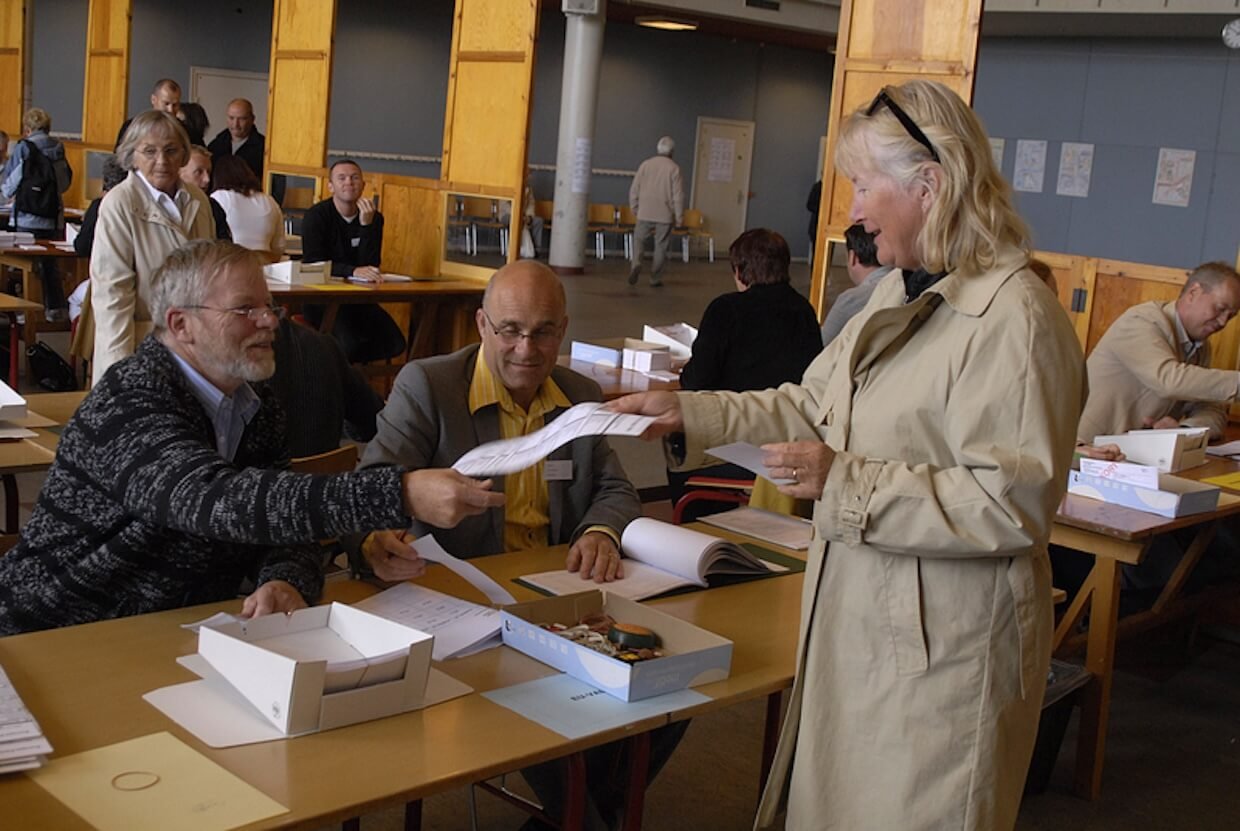
Professor Johannes Andersen, welcome. Let me begin with a foundational question: The 2026 election produced a highly fragmented outcome that appears to unsettle Denmark’s historically stable party system. Drawing on your work on political trust and voter attitudes, would you interpret this as a conjunctural fluctuation, or as evidence of a deeper process of de-alignment—where traditional cleavages and partisan loyalties are being replaced by more individualized, volatile, and contingent forms of political engagement?
Professor Johannes Andersen: I would go for the second half of your question, because we are witnessing really fundamental changes in this system, and this has been going on for 10-20 years—perhaps even longer. There are two structural elements here that are very important. The first is that voters have changed their way of looking at politics, partly because political parties, at the same time, have changed their way of thinking about politics, developing politics, and approaching these questions more broadly. So, we have two structural elements that are both changing, and they are intertwined. I will try to explain that a little further.
When it comes to the voters, in the last election, half of the Danish electorate voted for a new political party. They changed their position in that sense. But most of them are still located within the blocs we know: the red bloc, or socialist bloc, and the blue bloc, the liberal or conservative bloc. So, voters are still, to a very large degree, positioned within these blocs. But they are changing parties within the blocs. As I mentioned, half of the voters changed their party in 2022. This time, my guess is that even more people—perhaps 55 percent of the voters—will change political parties.
So, in a way, you can see that voters no longer feel represented by a political party. This is one aspect of the fundamental change we are dealing with: people are becoming more confused and more insecure. They may still have a basic feeling that they are red or blue, but they are no longer linked to a particular political party.
That means that when election time comes, you see a great many voters searching for guidance. Last time, in 2022, up to 70 percent of voters used those tests published in newspapers, where they try to determine which party they should vote for. And many of them, on their first attempt, simply refused to choose the party the test suggested. But this is actually revealing. It points to a fundamental change: the feeling that one is not represented by a political party. That has changed profoundly for voters.
On the other hand, we have the political parties which are no longer oriented toward a particular group they want to defend, fight for, and help build a better society for. They are not trying to represent such groups in the best way they can. Instead, they are trying to compete for voters. They are becoming broader and broader in their appeal, and they are becoming better and better at identifying what a particular group wants. Then they propose political measures accordingly: we are the best at solving this problem; we are the best at solving that problem.
When it comes to issues, for example, water has been very important in the 2026 election. It could be pollution of the water. It could be the question of an ageing population—how should we deal with that? Or it could be the rising prices in the shops, where parties propose giving people a check, an amount of money they can use to buy groceries, especially food.
So, political parties are becoming more and more occupied with single issues, rather than with any structural or strategic project aimed at defending particular groups. On the one hand, then, we have voters who are becoming more insecure and who do not feel represented in any deeper sense. On the other hand, we have political parties that are increasingly eager to win more and more voters, no matter what.
And one of the issues that has become especially important for political parties—both in the red and blue, blocs—is immigration. The immigration question has become central even for the Social Democrats, and now also for the Socialist People’s Party, which is a left-wing party. They are becoming more and more interested in signaling that they do not want immigrants, especially those with a Muslim background. This issue has become very important for all of them, and they are now in competition over who is most eager to throw people out if they are involved in any kind of illegal activity—or perhaps even just visible Muslim religious activity. In that sense, they are eager to expel them, or even to throw them out.
The immigration issue—and especially immigration from Muslim countries—is, in a way, central. All these other issues they deal with—wanting to give people more money so they can buy food, wanting clean water, and so on—are linked to the immigration question in one way or another. They have to make sure that this does not become a way of scaring people. This is the fundamental structural situation in Denmark: on the one hand, people feel unrepresented; on the other hand, political parties are no longer truly interested in representing anyone. This is the issue, the structural issue, for understanding many of the details.
The Welfare State Has Faded from the Center of Danish Politics
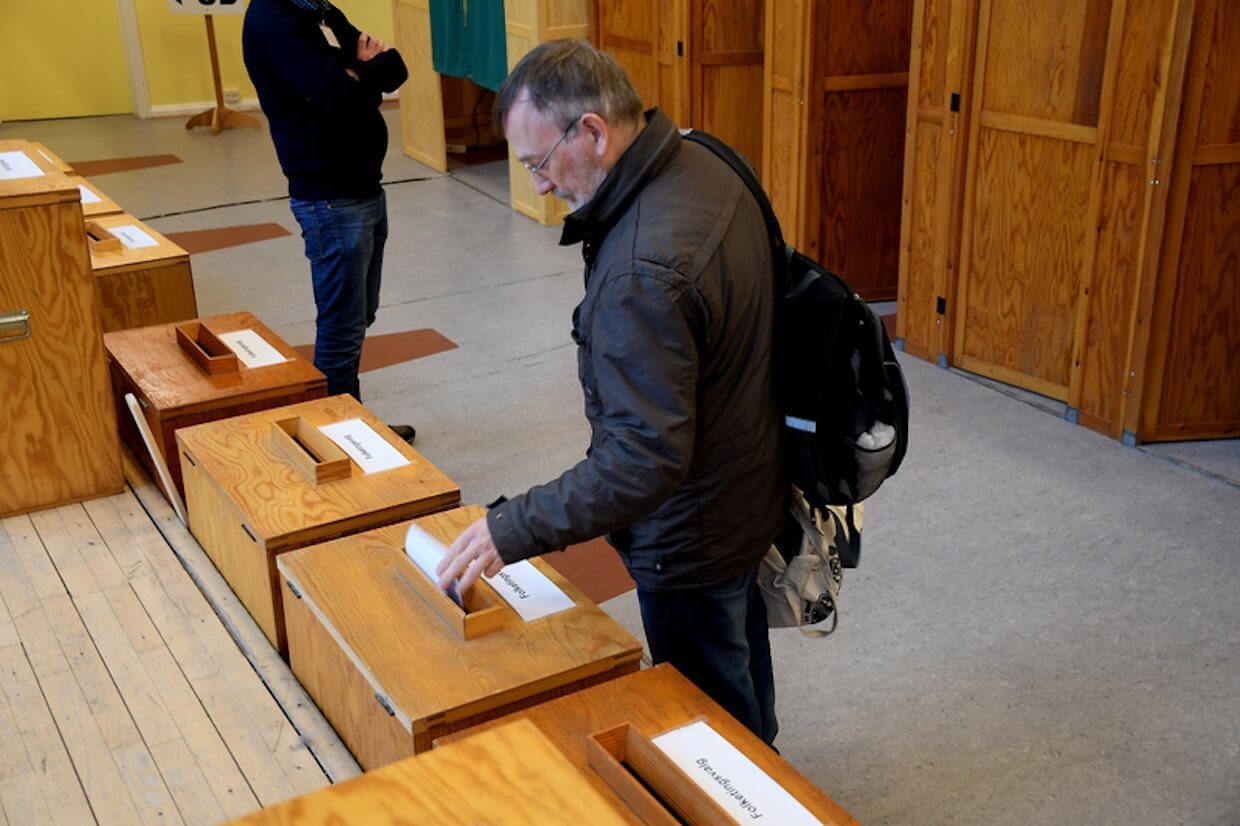
The electoral decline of the Social Democrats raises questions about the durability of catch-all party strategies. To what extent does this trajectory reflect not only the exhaustion of social democratic “big tent” politics under conditions of late modernity, but also a broader erosion of long-term voter attachments and collective identities that historically underpinned social democratic dominance?
Professor Johannes Andersen: I have reflected quite a bit on this question, because it opens up many important dimensions. One of the great strengths of the Social Democratic Party has been its development of the central idea of welfare rights. Citizenship has been understood not only in political and democratic terms, but also in terms of welfare-based social citizenship. The Social Democrats were able, as a strategic defense of workers and society more broadly, to build and expand the welfare state in increasingly comprehensive ways.
However, almost without anyone clearly noticing, this perspective has gradually been left out of both their political practice and public debate. Both the Social Democrats themselves and the organizations behind them, such as the unions, have become less focused on the welfare state—although unions and civil society actors still tend to emphasize universal welfare rights more than political parties do. At the same time, social organizations continue to defend welfare rights, but they face an increasingly difficult struggle. This is largely because the Social Democrats, historically the central defenders of the welfare state, have shifted their focus, becoming more and more preoccupied with the immigration issue.
This creates a highly uncertain electoral trajectory. On the one hand, the Social Democrats could regain support in future elections, perhaps reaching around 30 percent—high by contemporary standards, though still below their historical peak of around 40 percent, when they were the dominant force in defending the welfare state. On the other hand, they could also decline further, potentially falling to 15 percent or even lower. Such volatility is now entirely conceivable.
What we see, then, is a party increasingly focused on maximizing its electoral support by targeting specific issues. The Social Democrats, like other parties, recognize that voters can be mobilized around short-term concerns. If they can create the impression that they are capable of addressing these issues effectively, they may gain support—but they are doing so in direct competition with a growing number of parties.
This helps explain why there are now 12 political parties represented in Parliament. They are competing across a wide range of issues, and in the process, two key elements are eroding: first, the sustained defense of the welfare state system, and second, the belief among voters that the welfare state will reliably support them in times of need.
In turn, this opens the door to what we might describe as a more populist mode of politics. Parties increasingly link specific issues to direct promises – “we will solve this problem,” “we will address that concern”—while often adopting a critical stance toward elites. This dynamic is particularly evident among right-wing parties, especially those drawing support from rural constituencies, but it is also visible among left-wing parties, which similarly frame themselves as defenders of “the people” against elites or against the erosion of welfare state protections.
In short, this is a complex and evolving situation. The welfare state—both its defense and its development as a foundational pillar of Danish politics—has largely receded from the political agenda. Instead, across the 12 parties now represented in Parliament, there is a growing tendency to focus on short-term issues.
Geopolitical Leadership No Longer Guarantees Electoral Reward
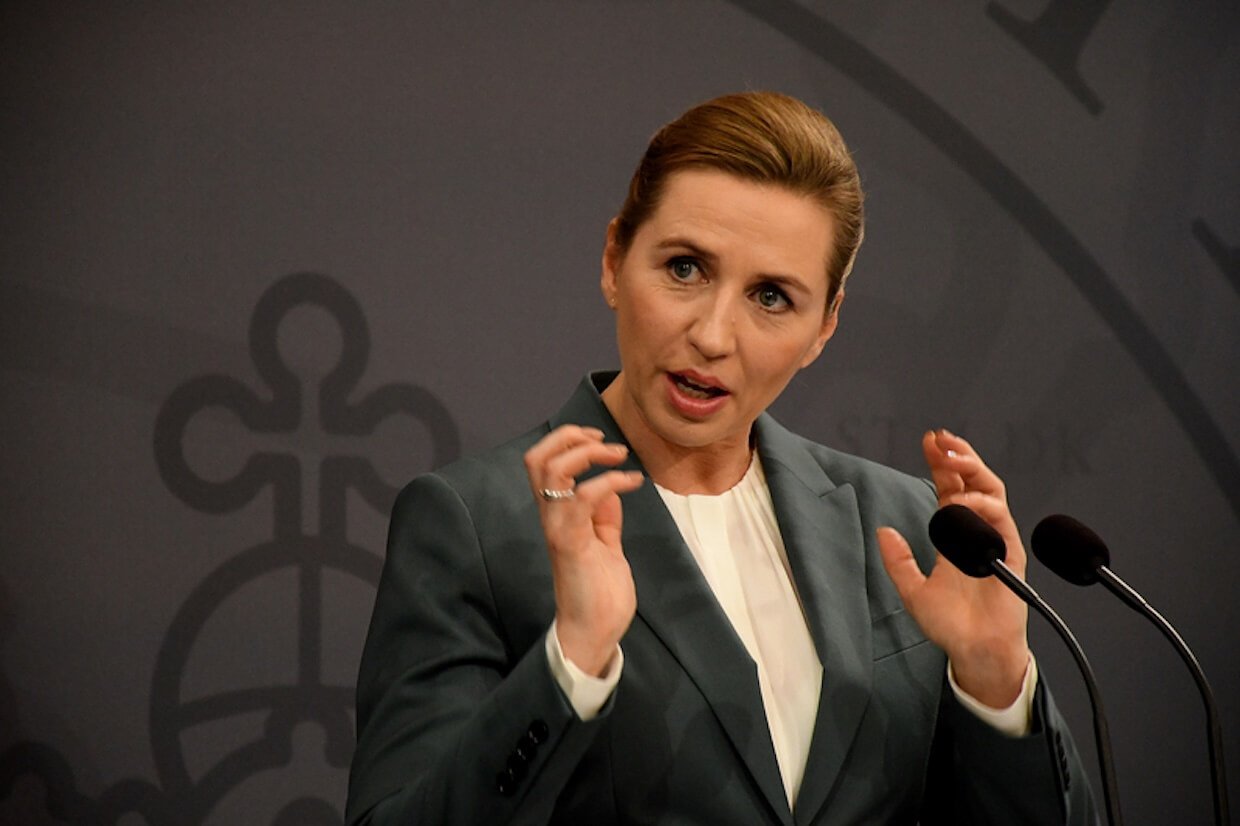
Despite a potential “rally-around-the-flag” dynamic linked to the Greenland crisis, Mette Frederiksen did not translate geopolitical leadership into electoral gains. Does this indicate a growing decoupling between executive performance and electoral reward, suggesting that political trust has become more conditional, situational, and less anchored in traditional forms of leadership legitimacy?
Professor Johannes Andersen: Yes, that is correct. The Greenland issue did not ultimately help, although it appeared to do so at the outset. One of the reasons the election was called is that Mette Frederiksen saw an opportunity to gain additional support, and initially it seemed plausible that this could be achieved. However, the international crisis unfolded within the context of a centrist government composed of the Social Democrats, the Moderates, and the Liberals. While this coalition formally spans traditional bloc divisions, an analysis of Moderate voters suggests that they closely resemble those in the blue bloc. In that sense, one could argue that the government effectively contained two blue bloc parties alongside one from the red bloc.
During the Greenland crisis, the foreign minister was highly visible and active in defending Denmark’s interests as a kingdom, particularly in relation to Greenland. His performance was widely recognized, and voters appeared to acknowledge that he was doing a good job. Yet, when it came to the election, this did not translate into electoral gains. Support shifted within blocs—some voters moved toward the blue bloc, others toward the red—but there was no significant transfer of support across blocs. In effect, the situation resulted in a draw: neither side was able to capitalize electorally on the crisis.
This outcome likely came as a surprise to the government. Mette Frederiksen, who personally decided on the timing of the election, may have expected a more favorable result than what ultimately materialized.
A New ‘Center’ Is Emerging as a Strategic Position Against Extremes
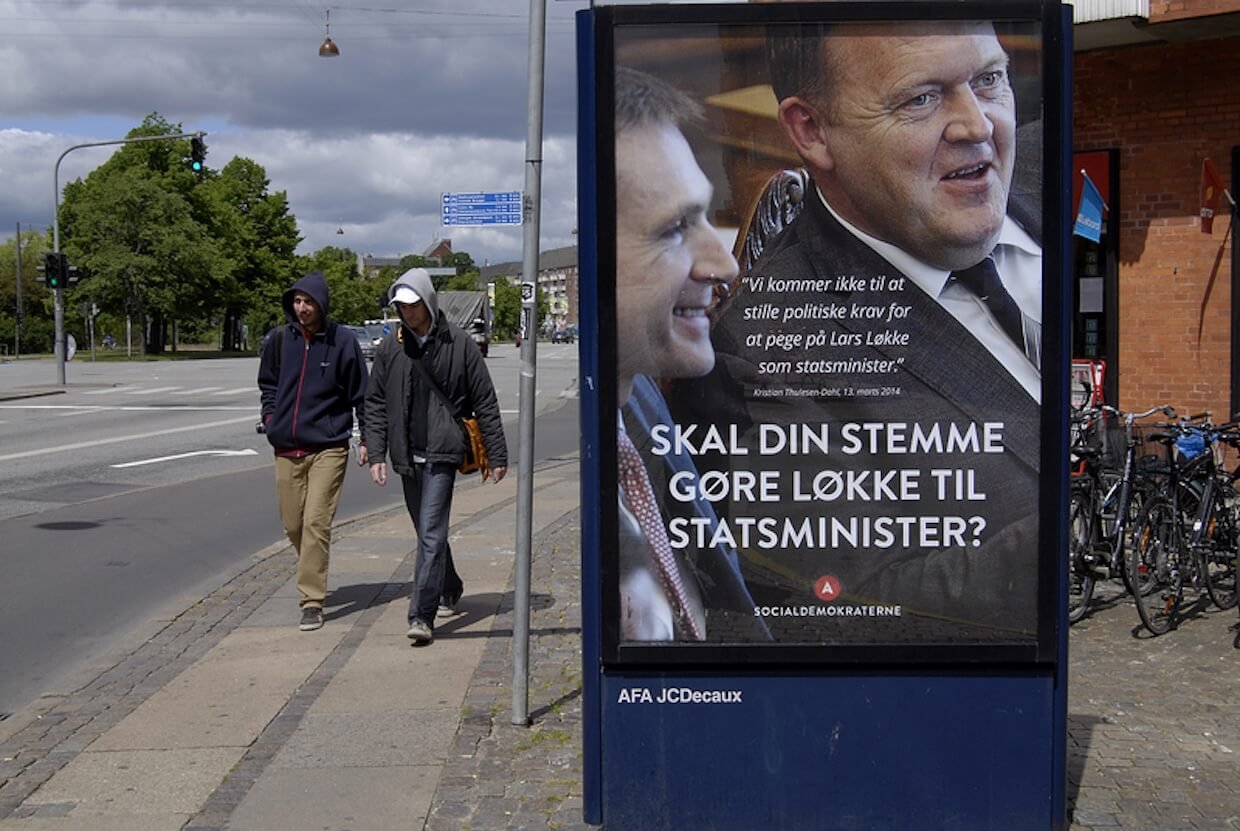
With Lars Løkke Rasmussen occupying a pivotal position, how should we rethink the notion of “the center” in fragmented multiparty systems? Is it still a sociologically grounded median space, or increasingly a strategic and discursive construction emerging from systemic fragmentation?
Professor Johannes Andersen: As I mentioned, when we look at the voters of the Moderates, their profile is almost identical to that of voters in the blue bloc. Their support base aligns closely with the average blue bloc voter, and their appeal increasingly reflects this orientation. At the same time, they emphasize that they do not belong to either the traditional right or the left. Instead, they construct an image of both sides as “extremes,” positioning themselves as an alternative to these perceived poles.
However, Denmark has a long tradition of a different kind of center, represented by the Radical Left (Radikale Venstre), which is a particularly interesting case. Historically, this party emerged from socially engaged small farmers in the countryside who were struggling to sustain their livelihoods. It represented their political voice during a period of hardship. On the other hand, the party advocated for social rights; and it supported economic liberalism. In this sense, it embodied a form of social liberalism that has been deeply rooted in Danish political tradition. Indeed, social liberalism played a significant role in the development of the welfare state, even if the Social Democrats were the primary force advancing and defending it. This combination of social and liberal ideas constituted what we might call the “classic” center in Danish politics.
Today, with the Moderates and Lars Løkke Rasmussen in the lead, we observe a markedly different conception of the center. Their position is defined less by a substantive ideological synthesis and more by a strategic stance against what they label as “extremism.” They seek to exclude the political extremes and present themselves as the responsible and pragmatic alternative within the system.
In this sense, we are witnessing the emergence of a new kind of center. Unlike the traditional social-liberal center, this formation reflects a different logic of political competition. It could even be described as a form of “centrist populism,” should this tendency continue to develop. In some respects, the Moderates may display more pronounced populist features than some of the traditional right-wing populist parties in Denmark.
Their approach involves defending what might be termed “the good people” and their interests—specifically, those who do not identify with more radical positions. They portray themselves as protecting these citizens from the uncertainty and instability generated by both radical left- and right-wing actors. Rather than targeting conventional elites, they construct a political elite associated with extremism, against which they position themselves as defenders of ordinary citizens.
In this way, we can observe the emergence of a new form of centrism—one that is no longer anchored in a stable sociological base but instead arises from a strategic and discursive effort to represent “the common people” against perceived political extremes.
Stability Is Promised, but Volatility Defines the New Political Landscape
How should we normatively and sociologically assess the growing role of centrist kingmaker parties in proportional systems? Does their pivotality enhance pluralist representation, or does it risk distorting democratic accountability while reshaping citizens’ perceptions of fairness and representation?
Professor Johannes Andersen: You raise an important point, particularly with regard to stability. If we look more closely at the Moderates, for example, a year ago they were close to the threshold of parliamentary representation. Their level of support fluctuates significantly—it rises and falls, almost in a “U-shaped” pattern, if you will—and at present they happen to be near a peak.
However, they have emerged from a position where they were not even represented in some of the polls. It is entirely possible that they could return to that position in the future. This reflects a broader dynamic I mentioned earlier: on the one hand, voters increasingly feel unrepresented, and on the other, parties no longer see themselves as representing clearly defined constituencies. The result is a highly fluid political system.
This is what some scholars describe as “hyperpolitics,” where a wide range of actors are constantly communicating, mobilizing, and competing. In such a context, it becomes possible, within a very short time frame, for new centrist parties or initiatives to emerge. Their strategic objective is often to prevent so-called “extremists” from gaining political influence.
My expectation is that even if the Moderates were to disappear, another actor could readily assume the same role. This is because the underlying logic is politically attractive: it acknowledges the existence of conflict but downplays its depth and seeks to avoid polarization. The core argument is that allowing “extremists” to shape political outcomes would generate uncertainty and instability.
In this sense, these parties offer voters a promise of security and stability. At the same time, however, they are themselves embedded in the same uncertainty that characterizes the broader system. Voters are unsure where to turn, and parties are continuously introducing new issues and policy proposals in an effort to remain competitive.
Overall, this points to an increasingly unstable political landscape—one in which volatility, rather than equilibrium, may become the defining feature.
The Danish People’s Party Has Shifted to a More Symbolic, ‘Aristocratic’ Populism
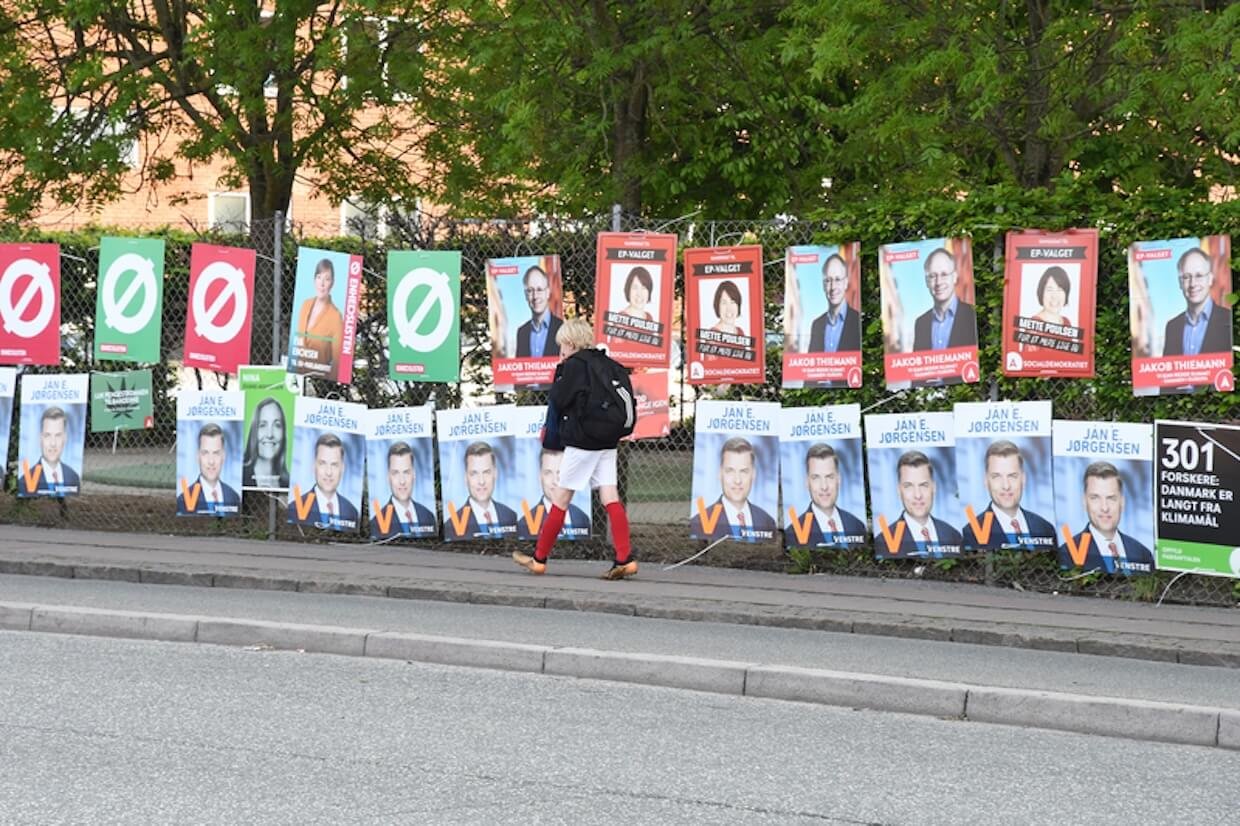
The resurgence of the Danish People’s Party suggests renewed populist energy without systemic takeover. Does Denmark exemplify a model of “contained populism,” and to what extent should this be understood less as a party phenomenon and more as a set of diffuse attitudes embedded within the electorate?
Professor Johannes Andersen: To be honest, I am not entirely sure. The reason is that we are witnessing some rather specific developments in Denmark. The Danish People’s Party, for instance, has undergone a noticeable transformation in its political outlook and style of communication. It has become fundamentally critical of all other political parties, positioning itself as the only authentic representative of “the people.”
At the same time, it has adopted a style that could be described as almost aristocratic. It presents itself as more conservative than even the Conservative People’s Party and seeks to stand above the rest, while claiming to defend all Danes. This stylistic shift is significant. Although it may appear merely rhetorical, it reflects a broader repositioning: the party now frames itself as a guardian of the nation as a whole, rather than as the representative of a specific social group.
In this sense, while the strategy retains a familiar populist logic—defending “the people” against others—it does so in a more generalized and symbolic manner. This marks a departure from earlier, more targeted forms of representation.
At the same time, the Danish People’s Party faces growing competition from the Danish Democrats, who have adopted a more concrete and socially grounded approach. Their focus is on rural communities—people living in small towns who are directly affected by the closure of local shops, medical facilities, and other welfare institutions. These voters often feel that development is bypassing them, that their communities are in decline, and that their economic prospects are increasingly uncertain.
The Danish Democrats seek to give voice to these concerns by advocating for rural development and emphasizing respect for farmers and local livelihoods. In this sense, they represent a more specific, socio-economic form of populism, in contrast to the broader, more symbolic approach of the Danish People’s Party.
What we see, therefore, are two distinct models of populism operating within the right wing of the blue bloc. One is generalized and national in scope; the other is more targeted and rooted in particular social groups. The interaction between these two forms generates a certain degree of turbulence within the political landscape. Rather than cooperating, these parties are engaged in direct competition, each seeking to outmaneuver the other.
Democratic Dynamism Paired with Growing Alienation
And the final question, Professor Andersen. Would you characterize Denmark’s current trajectory as one of adaptive democratic resilience, or do these developments reveal underlying reservoirs of distrust and alienation that could, under specific conditions, enable a more decisive populist radical-right breakthrough?
Professor Johannes Andersen: In a way, I would say that we are developing a new political culture based on growing confusion among voters, with more and more people becoming increasingly uncertain. At the same time, we have what I would call central, government-based mass political parties that are primarily focused on attracting as many voters as possible, without being particularly concerned with their voters’ underlying interests.
This creates a situation in which voters and political parties are constantly moving in and out of alignment with one another. Some voters feel they can no longer trust politicians, while some politicians seek support by claiming to defend all people, fundamental rights, and citizens against major threats. This dynamic opens new opportunities for political parties to gain access to power, while also expanding the range of choices available to voters. As we can see, there are now 12 political parties represented in Parliament, and voters are continually trying to determine which party to support—often changing their choice from one election to the next.
This results in a new and inherently unstable situation which, at its best, may be seen as reflecting positive democratic dynamics, since voters have the freedom to choose among a wide array of alternatives. That is a strength. However, this same instability is also contributing to growing distrust toward politicians. People are becoming increasingly critical of politics and political actors.
As we can observe, the level of voter participation is relatively low and continues to decline. If this trend persists, it could become a serious problem. The Danish electoral system has traditionally been characterized by a high level of voter turnout, but this willingness to participate is now decreasing. We are therefore facing a fundamental challenge.
On the one hand, the system can still be described as a functioning democracy, with voters willing to explore different political options. On the other hand, it is producing increasing confusion among voters, who are becoming more critical of the democratic system as such.