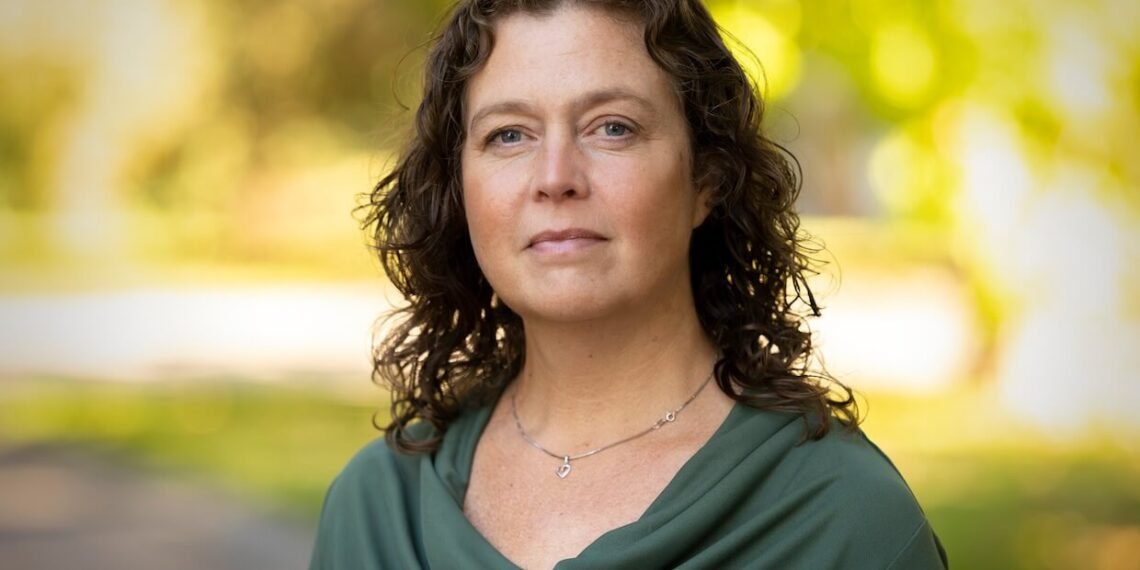
In this ECPS interview, Professor Elin Bjarnegård (Uppsala University) argues that gender is no longer a side issue but “a useful, malleable concept for authoritarian leaders”—and will become “an increasingly central fault line” separating liberal democracy from authoritarian populism. Moving beyond a simple backlash thesis, she shows how regimes alternate between ‘genderbashing’ and ‘genderwashing’, weaponizing equality talk for legitimacy at home and abroad. Professor Bjarnegård also links democratic backsliding to gendered intimidation, online harassment, and what she calls “sexual corruption.” Noting that the Epstein files revealed abuses “in the corridors of power” in democratic settings too, she warns that personalistic rule heightens risk—especially the “impunity surrounding them.” She urges resisting polarization, scrutinizing symbols, and asking where gender concretely matters in policy.
Interview by Selcuk Gultasli
In an era marked by democratic erosion and the global rise of authoritarian populism, gender politics has emerged not merely as a cultural battleground but as a strategic axis of regime competition. In this interview with the European Center for Populism Studies (ECPS), Professor Elin Bjarnegård of Uppsala University argues that gender will increasingly function as a defining fault line separating liberal democratic governance from authoritarian populist rule. Moving beyond conventional explanations that frame anti-gender politics primarily as ideological backlash, Professor Bjarnegård emphasizes the instrumentalization of gender as a tool of political survival, legitimacy, and international signaling. As she explains, “gender becomes a useful, malleable concept for authoritarian leaders—a powerful symbol that can be mobilized for regime purposes,” underscoring how strategic deployment rather than doctrinal conviction often drives contemporary gender politics.
This strategic perspective helps explain why gender rights are likely to intensify as a central arena of geopolitical and normative contestation. Professor Bjarnegård anticipates that “gender rights, or perhaps the strategic use of gender, will become an increasingly central fault line,” not only because of ideological polarization but also because gender provides an “easy, simplistic narrative to deploy strategically” in polarized societies. Such narratives enable regimes to oscillate between exclusionary rhetoric and symbolic inclusion, reinforcing domestic authority while communicating selectively with international audiences.
The interview also highlights the darker governance implications of weakened accountability in populist and authoritarian systems, particularly regarding gendered abuses of power. Drawing on her concept of “sexual corruption,” Professor Bjarnegård reframes such abuses as systemic governance failures rather than isolated misconduct. Referencing the recent release of the Epstein files, she cautions against simplistic regime-type explanations, noting that “these gendered abuses of authority have also proliferated in the corridors of power in predominantly democratic contexts in Europe and the United States.” Yet she stresses that personalistic rule and eroded oversight create heightened risks in authoritarian settings, where such systems are “more at risk both of experiencing these gendered abuses and, perhaps especially, of the impunity surrounding them—of people not reporting them, of them remaining unseen, and of not being addressed.” This dynamic speaks directly to the broader vulnerability of populist authoritarian governance to gendered exploitation and unaccountable power.
More broadly, Professor Bjarnegård situates these patterns within a continuum of gendered violence that includes psychological intimidation, reputational attacks, and digitally mediated harassment—forms of coercion that undermine democratic participation without overt repression. Taken together, her analysis suggests that gender politics is becoming a diagnostic lens through which scholars can assess democratic resilience, institutional integrity, and the trajectory of global political competition. The interview thus positions gender not as a peripheral social issue but as a central structural dimension of contemporary struggles between liberal democracy and authoritarian populism.
Here is the edited version of our interview with Professor Elin Bjarnegård, revised slightly to improve clarity and flow.
Gender Is a Strategic Resource for Authoritarian Survival

Professor Elin Bjarnegård, thank you so much for joining our interview series. Let me start right away with the first question: In your scholarship, you argue that authoritarian leaders treat gender not primarily as ideology but as a strategic resource for regime survival. How does this perspective revise dominant interpretations of populism’s relationship to gender politics beyond the conventional “backlash against feminism” thesis?
Professor Elin Bjarnegård: Thank you for that question. I would say that what this perspective really adds is a strategic dimension. It is not that we want to suggest there is no ideology involved—of course ideology plays a role. The relationship between populism and gender politics, and the backlash narrative in particular, still has analytical value. However, what is often overlooked is the presence of a very important strategic component. That is what we seek to foreground by adding this strategic dimension to the equation.
So we are not arguing that ideology is irrelevant, but rather that strategy deserves more attention. In this sense, gender becomes a useful, malleable concept for authoritarian leaders—a powerful symbol that can be mobilized for regime purposes.
From an ideological perspective, one must focus on policy positions and attempts to persuade opponents. A strategic perspective, by contrast, emphasizes negotiation and maneuvering. This is why I believe it is an important lens to introduce. It opens possibilities for collaboration in a polarized world and encourages us to see political opponents as actors with whom dialogue remains possible, particularly when we recognize the strategic component of their actions.
Gender Equality as Both Shield and Weapon in Global Politics
Your work distinguishes between “genderbashing” and “genderwashing” as complementary authoritarian strategies. Under what structural and international conditions do regimes oscillate between these tactics, and how does the global bundling of democracy and gender equality norms enable such strategic manipulation?
Professor Elin Bjarnegård: We see this oscillation, as you say, more clearly now and in recent years because we have had a fairly strong global norm of gender equality for the past three decades or so. That norm is now evaporating, or at least stagnating, and we also see alternative norms emerging. As the global order itself is increasingly questioned, the norm of gender equality is likewise being challenged. In a multipolar world, actors may view gender mainstreaming—as promoted by the UN or the EU—as no longer the only legitimate path. This creates space, particularly for authoritarian actors, to use gender equality as an instrument to portray themselves as modern, progressive, or even democratic, especially since gender equality and democracy have long been bundled together in major democracy-promotion efforts.
At the same time, however, this shift opens the door to a different interpretation, in which gender is used to distance regimes from global institutions such as the UN and the EU by rejecting what they frame as the foreign imposition of values in favor of traditional family norms. What was once a relatively stable landscape—where countries knew their allies, audiences, and signaling targets—has become more fluid. States now communicate simultaneously with multiple audiences. As a result, the same country may present itself as supportive of gender equality and committed to combating violence against women on the one hand, while simultaneously promoting homophobic narratives to justify, for example, military engagement with other countries.
Feminationalism Turns Inclusion Into a Weapon
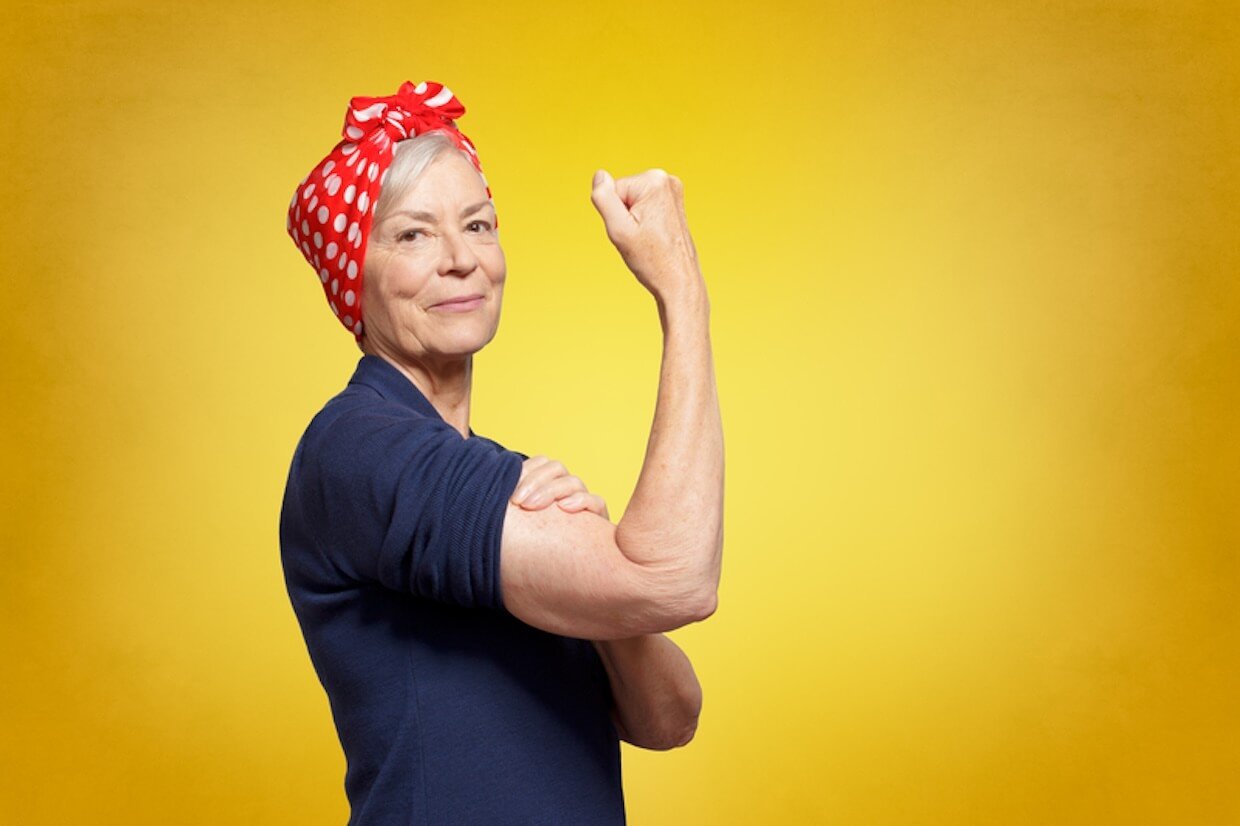
Many populist actors claim to defend women’s rights selectively — for instance, against migrants or minorities — while undermining broader gender equality. How does this selective emancipation differ from classical authoritarian gender politics, and what dilemmas does it pose for liberal and intersectional feminism?
Professor Elin Bjarnegård: This type of politics—sometimes called feminationalism, or homonationalism, depending on the target group—is also part of the broader package I mentioned earlier about bringing strategy into gender politics and into authoritarian politics. It is a clear illustration of how highly strategic these dynamics can be, because in these narratives, inclusion is deployed, as you say, only selectively or strategically—and ultimately for the purpose of excluding certain groups.
If the intersectional perspective, as originally conceived, aimed to ensure that we identify the most vulnerable groups and recognize multiple systems of oppression so that people do not fall between the cracks but instead benefit from policies designed to protect them, this type of feminationalism—or the selective defense of women’s rights deployed against minorities, for instance—does the opposite: it pits these systems of oppression against each other.
In a way, it draws on our knowledge about intersectional layers of oppression but turns them against one another, claiming, for example, that gender equality and women’s rights are under threat from migration. The dilemma it poses is quite similar to that of genderbashing and genderwashing. Insofar as there is a solution, it requires caution. We need to scrutinize these narratives carefully and be specific—not simply respond to symbolism or easy answers, but examine what is actually being claimed and who is being favored—in order to look beyond the strategy.
Militarized Masculinity Fuels Authoritarian Appeal
Your research on militarized masculinity suggests that patriarchal norms can coexist with formal democratic institutions and fuel political violence. How does the persistence of such masculinist political cultures help explain the gendered appeal of authoritarian populism across diverse contexts?
Professor Elin Bjarnegård: I think masculinist cultures are both persistent, as you say, and increasingly revealing themselves and being strengthened in many places. We can begin with the fact that they coexist with, and also exist within, democratic settings. Democratic institutions were originally built by men, for men, and are imbued with male norms; studies of feminist institutionalism, for instance, have made this argument for a long time. Patriarchal norms have therefore always coexisted, to some extent, with formal democratic institutions. However, they have been challenged in recent decades, and they certainly vary and take different forms across contexts.
Many of us associate the political with masculinity to such an extent that it becomes difficult to pinpoint. While there has been significant focus on women in politics, there has been far less attention to men and masculinity in politics. Several research projects in Europe are now examining political science questions from a masculinity perspective, reflecting the rise of new forms of hegemonic and militarized masculinities that make clear the need for deeper understanding. “Men4Them” is one such project, examining radicalized young men as well as leadership and the spillover effects between the two. As part of this project, we seek both to understand the masculine ideals that politicians and leaders attempt to embody and, importantly, how these ideals can be transformed. We know change is possible: not long ago, in my country, Sweden, party leaders competed to present themselves as feminists, which is no longer the case.
This shift is likely related to the broader global order. We see geopolitical tensions and increasing militarization, alongside a reversal of the movement from soft power toward hard power. Narratives emphasizing traditionally masculine traits—such as strength over cooperation—are returning. Research shows these cultures have always existed, but what is striking today is that they are once again becoming, if not hegemonic, at least highly prominent.
Protection Narratives and the Return of Strongman Politics
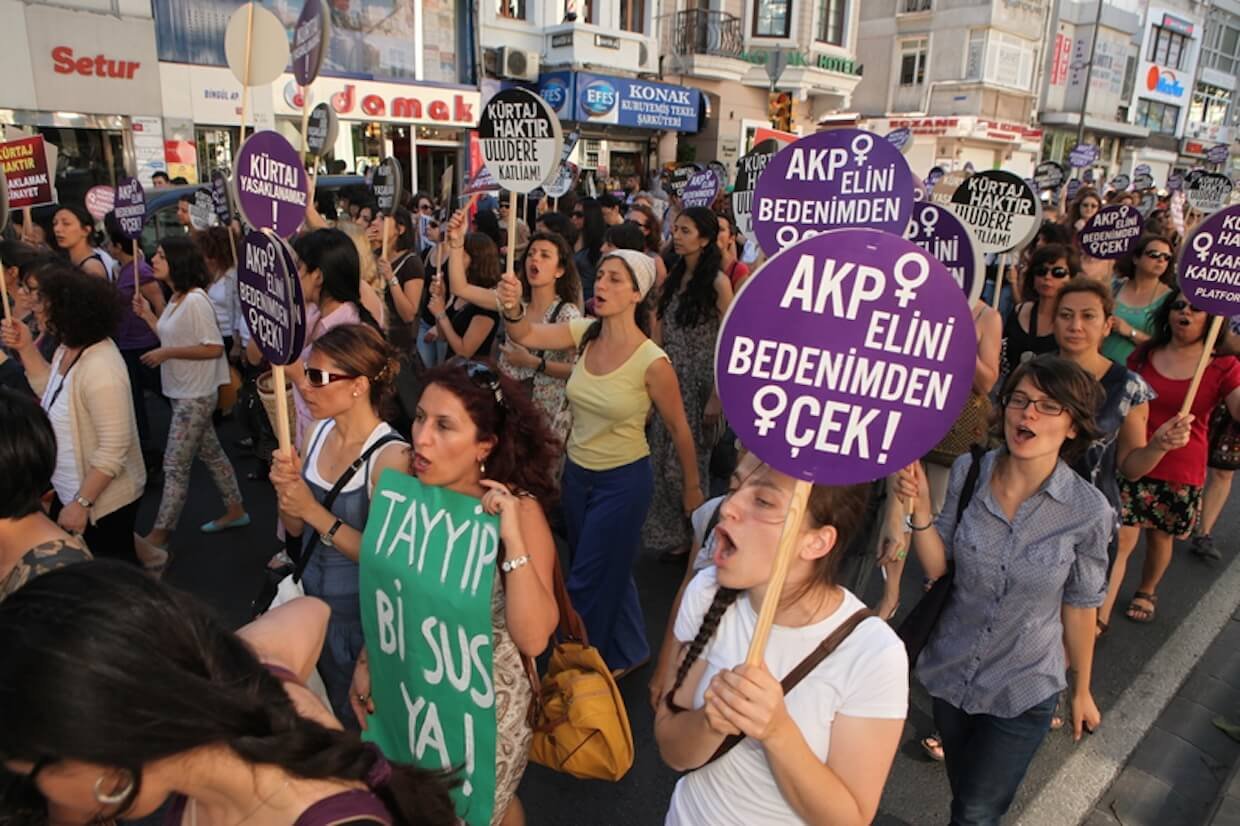
Relatedly, how do hypermasculine narratives and honor ideologies shape the emotional and symbolic appeal of strongman leadership, particularly among male constituencies experiencing status anxiety in periods of social transformation?
Professor Elin Bjarnegård: This goes back again to the question we have just discussed, because, of course, it is about leadership and about what an ideal leader is supposed to be in a specific context at a particular point in time. But as I mentioned, it is really important to consider the spillover and interaction between leaders and their constituents. There is a constant interplay between the two.
In this context of status anxiety and social transformation, there is a great deal of fear and uncertainty, which tends to favor the presentation of easy solutions to complex problems. I think one of the easiest sentiments to mobilize is a sense of lost entitlement, and looking back at traditional gender roles can provide a feeling of security.
These honor ideologies often build on an idea of protection, which speaks to a basic need for security. At the same time, we need to scrutinize this and critically examine strongman ideology. Protection may be necessary, but the key question becomes who is positioned to protect whom. It also relies on a separation between genders and assigns different values to them. This reflects a return to hard-power narratives that signal traditional strongman characteristics—protection achieved not through collaboration, but through the display of force, coercion, and strength.
Online Gendered Abuse Threatens Electoral Integrity
You have shown that violence against women in politics often operates along a continuum that includes psychological intimidation and reputational attacks. How does this less visible violence function as an informal mechanism of democratic backsliding even in electoral regimes?
Professor Elin Bjarnegård: Violence against women, as well as violence against political actors in general, operates along this continuum. But we do see that violence against political actors has gendered components.
Specifically, if we look at those gendered components and include the continuum you mentioned, it becomes important to recognize violations that occur not only physically but also psychologically and online, because the types of reputation-damaging slander that women and men encounter are fundamentally different in character. It is not that men are protected online—that is not the case—but if we examine the types of slander campaigns deployed against men and women politicians, we see that, to a much larger extent, women politicians face narratives targeting them as persons, often highly sexualized and directed at their family members, whereas men are more often, sometimes harshly and unfairly, criticized for their policy stances or political positions.
I, therefore, think it is important to demonstrate this continuum and to include psychological intimidation and reputational attacks, because they can be equally damaging to democratic procedures. They reflect a similar readiness to violate democratic integrity as physical forms of violence. Although such actions may not violate bodily integrity to the same extent as physical violence, they certainly violate personal integrity just as much. If we are concerned with threats to democracy and with disrespect for democratic procedures and institutions, I believe that violations occurring online must also be included in that continuum.
Homosocial Recruitment Sustains Male Dominance in Populist Parties
Your feminist institutionalist research highlights how informal party networks and homosocial recruitment reproduce male dominance. To what extent do populist radical right parties intensify these exclusionary mechanisms compared to mainstream parties?
Professor Elin Bjarnegård: It is a difference in degree rather than in kind. In general, what we see in parties and organizations alike is that if you only or primarily network with like-minded people who tend to think, act, and behave like you, and if you mainly recognize competence in those you perceive as similar to yourself, you may be able to shape a very strong and coherent message. Collaboration may be smooth in that group, and you will be surrounded by people who agree with you.
But you will not have broad representation, you will not hear other perspectives, and you will not be challenged by—or learn from—others. Insofar as populist radical right parties tend to build more on loyalties than on representational claims, and more on personal relationships than on bureaucratic recruitment procedures, we can certainly see this type of homosocial recruitment producing male dominance there as well. It becomes a kind of celebration of like-mindedness rather than a reflection of a diversity of ideas. This plays a significant role in the masculine dominance we observe both among constituents and within these parties themselves.
Gender Equality as a Tool of Authoritarian Legitimacy
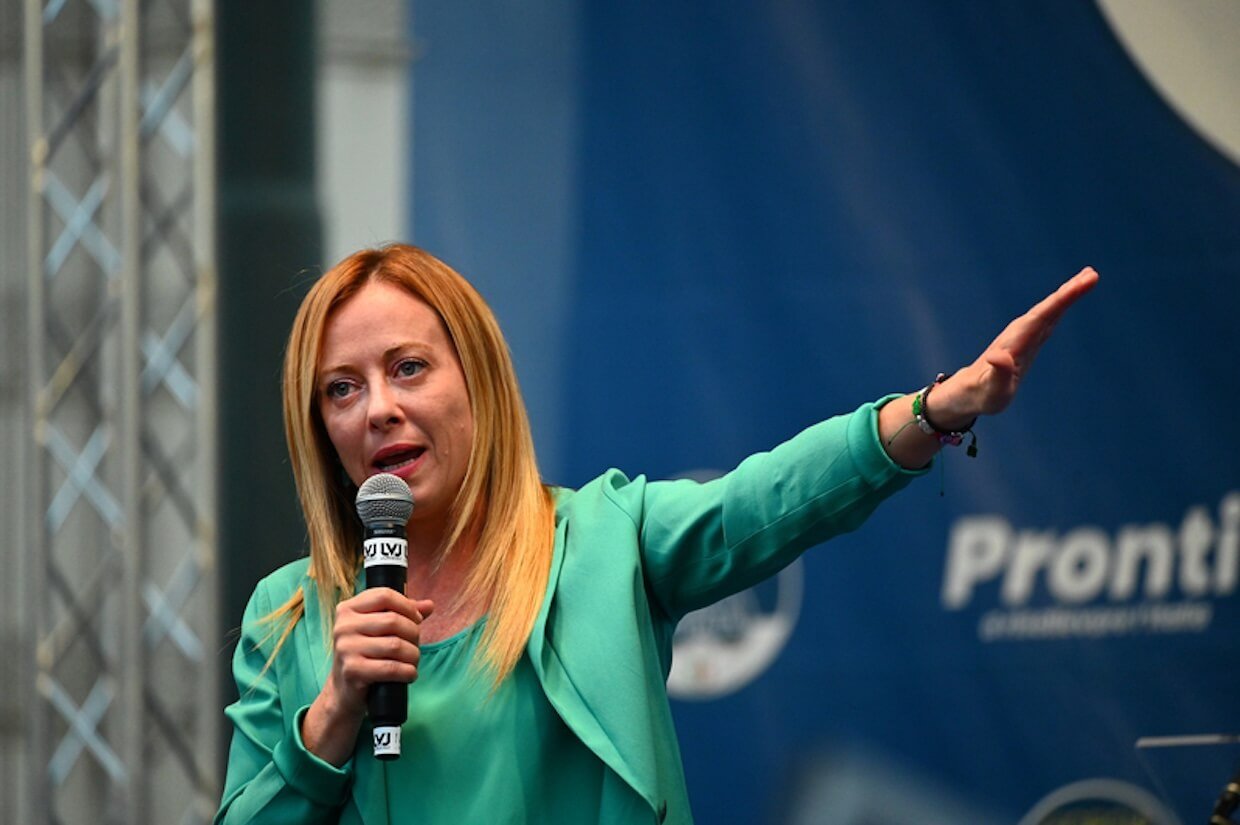
Authoritarian regimes sometimes increase women’s descriptive representation through quotas while simultaneously restricting civil liberties. Does such symbolic inclusion risk legitimizing illiberal rule by projecting an image of progress without substantive empowerment?
Professor Elin Bjarnegård: That is exactly the risk of what my colleague Per Setterberg and I have come to call autocratic genderwashing, especially when this descriptive representation does not lead to substantive representation, or when it is limited and includes only women affiliated with the government, for instance.
In many places, with Rwanda perhaps as one of the clearest examples, we do see that the introduction of gender quotas really boosts the representation of women. But if we take a closer look, we see that it mainly boosts the representation of government-affiliated women. This then leads to an even stronger electoral dominance of an already dominant authoritarian party, at the same time as it generates goodwill and international prestige, because the country is seen as favoring and promoting gender equality and women’s representation. It can present itself as modern and progressive and, interestingly enough, because of this bundling of democracy and gender, even as a democratic country.
All the while, if we look more closely at what happens behind the scenes, we also know that this is a country that keeps jailing opponents, restricting civil liberties, and remains authoritarian. So it is about taking a closer look and considering what kinds of signals they are able to send and who this reform actually favors. It can be that it favors both. We can end up in tricky situations where a gender equality reform improves conditions for women—perhaps for a select group of women, but nevertheless for women—while at the same time strengthening the hold on power of an autocratic regime.
That is, in a way, an impossible conundrum we are faced with, but we nevertheless have to recognize it. That is really what we hope to spur discussion on: not to see it as one thing or the other, or simply accept the image these regimes want to portray, but to recognize these value clashes, these conundrums, and discuss what we should do in such cases.
Democratization Does Not Automatically Deliver Gender Equality
Your work suggests democratization does not automatically produce gender equality and may even coexist with patriarchal power structures. How should scholars rethink linear assumptions linking democratic transitions to women’s rights advancements?
Professor Elin Bjarnegård: In principle, if you ask most scholars, my guess would be that this linear assumption has been rethought. At the same time, it remains a very relevant question, because versions of it still persist in people’s minds. Even when asked explicitly, people may not believe in a strictly linear progression where one development automatically produces the other. As I have often noted, in democracy promotion and in discussions about how to advance democracy, the inclusion of women has become a core component.
While many would define democracy as something that cannot exist without the proper inclusion of all groups—and the inclusion of women is, of course, necessary and important for a genuine democracy—it does not follow that inclusion can compensate for a lack of competition. This is where we have often gone wrong, allowing inclusion to substitute for the absence of political competition in the eyes of the international community, for instance.
Looking back historically, if we examine the issue more closely, some cosmetic gender-equality reforms—for example, in many communist countries where equality was a prominent ideological principle and women were relatively well represented in parliament—did not make those systems democratic. We have also seen in many contexts that women played crucial roles in democratic transition movements, only to be marginalized once parties and institutions were established. The relationship is therefore far more complex than the linear assumption suggests. At the same time, the connection is not entirely absent, because inclusion remains an important principle of democracy; it is simply not the only one.
Sexual Corruption Is a Systemic, Not Isolated, Problem
Your concept of “sexual corruption” reframes gendered abuses of authority as governance failures rather than isolated misconduct. Do such practices proliferate under populist or authoritarian rule where institutional accountability mechanisms are weakened?
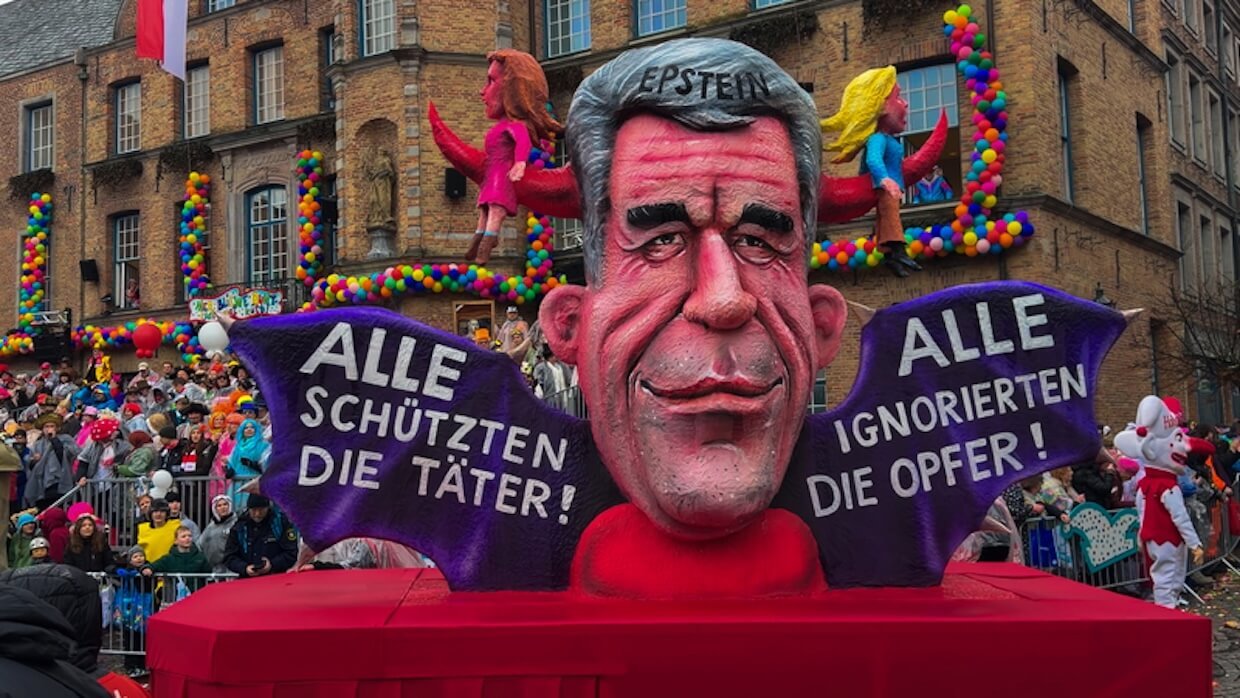
Professor Elin Bjarnegård: Yes, such practices proliferate anywhere institutional accountability mechanisms are weak. But then again, as the recent release of the Epstein files, for instance, has clearly demonstrated, these gendered abuses of authority have also proliferated in the corridors of power in predominantly democratic contexts in Europe and the United States. So it is not as simple as a matter of them and us when it comes to sexual corruption and this kind of gendered abuse of power. The problem exists everywhere.
Interestingly, it has perhaps received the most attention in areas like Sub-Saharan Africa, where there have been significant campaigns against practices such as teachers handing out grades in exchange for sex. But we have to look at different contexts and recognize that they carry different types of risks in different areas.
Insofar as your question concerns populist and authoritarian rule, these systems generally have a greater propensity to overlook institutional accountability mechanisms in favor of, as we discussed earlier, more personalistic loyalties. They are therefore certainly more at risk both of experiencing these gendered abuses and, perhaps especially, of the impunity surrounding them—of people not reporting them, of them remaining unseen, and of not being addressed.
Digital Harassment as a Tool to Exclude Women from Politics
How are online harassment, disinformation, and gendered hate speech transforming the authoritarian toolkit, particularly as methods for discouraging women’s political participation without overt repression?
Professor Elin Bjarnegård: Yes, we talked a bit about this earlier when we discussed the continuum of violence, which of course includes psychological forms of violence, intimidation, and hate speech that increasingly take place online. The use of technology in this type of harassment, disinformation, and hate speech is making an already effective and efficient authoritarian toolkit even more efficient, because it gives it wider reach, causes more harm than before, and can project images and ideas that are simply not true.
The fact that these violations have increasingly moved online, or are also spread online, means that technology is now used both to spread fear and to disseminate propaganda in new ways. It also represents a move away from ideological discussion, because it often disregards ideological stances entirely, relying instead on targeted messaging and algorithms to influence different groups in a particular direction, making it more like marketing than politics in a sense. It is not about convincing people; it is about moving them in a specific direction, even if it means misinforming them. This is an area where the authoritarian toolkit is clearly expanding. For women’s political participation, as well as participation in general, we see a number of new methods emerging here.
Trumpism Normalized Anti-Gender Rhetoric Globally
From a comparative perspective, how do you evaluate the global impact of Donald Trump’s presidency on gender politics? Did Trumpism normalize gender-based rhetoric and policy rollbacks that other populist leaders subsequently emulated?
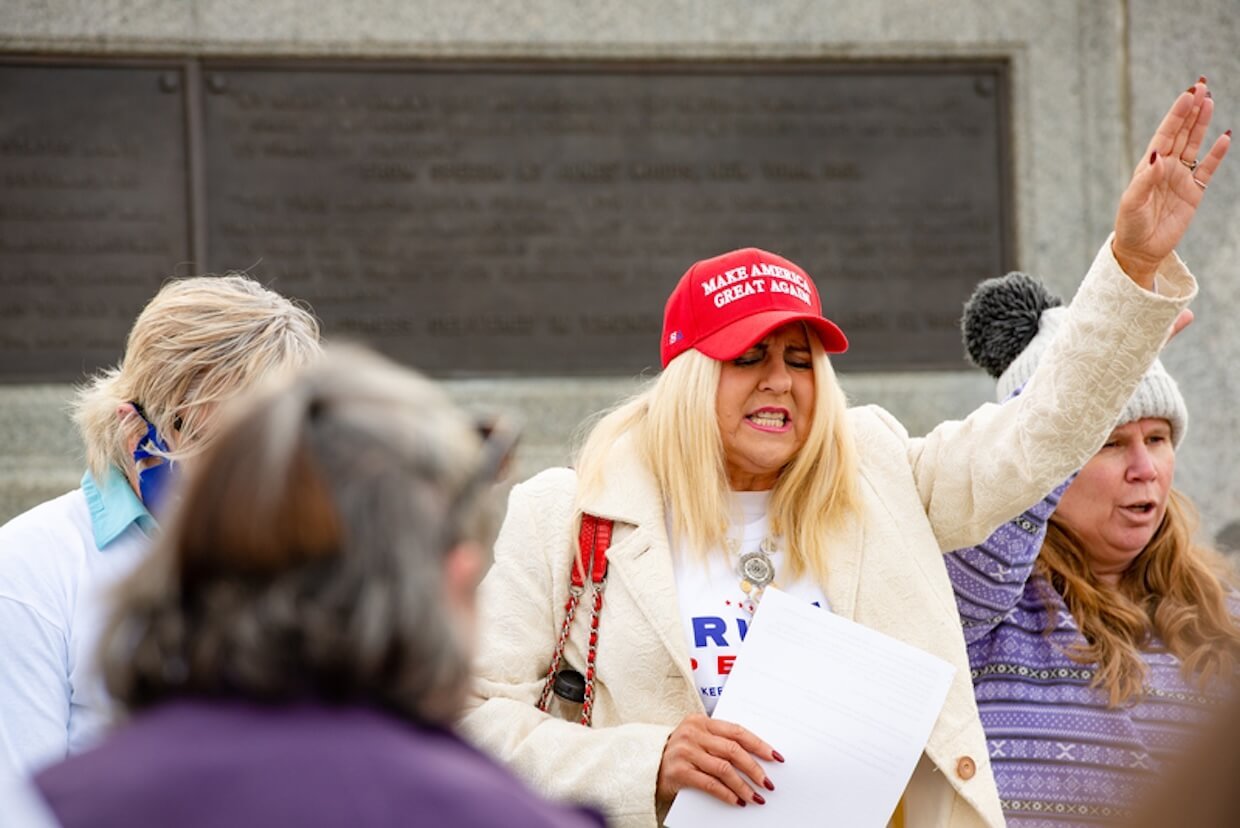
Professor Elin Bjarnegård: It is almost hard to overestimate the impact, but nevertheless I think that what we see happening in the US did not come from nowhere. There was already a platform for this kind of discussion. Political leaders like Putin, Orbán, and Erdoğan had already drawn media attention for both sexist remarks and derogatory statements about what they called “gender ideology,” a broad concept often deployed to describe perceived threats to gender equality against traditional family values. So I think that during Donald Trump’s second term in office, he could simply follow these already existing international narratives, and he did so even in his inaugural address. He vowed to dismantle gender mainstreaming and announced an executive order for government agencies to remove statements, policies, and regulations that promote or otherwise incorporate gender ideology.
This is certainly rhetoric he could build on, and we could say that sometimes it functions mainly as a strategy to align himself with certain parts of the population while distancing himself from others. But the potential danger with these narratives, and with genderbashing in general, is that to be a credible leader, one sometimes also has to follow through. We see that in the US: it has not just stopped at rhetoric. We have also seen the dismantling of diversity, equity, and inclusion initiatives across various sectors.
This shows that he had a platform to build on and could follow suit, but when both this rhetoric and these policy rollbacks occur in the US, they also normalize these types of discussions and narratives, portraying gender not necessarily as something positive but as something potentially dangerous and harmful.
The Rise and Fall of Sweden’s Feminist Foreign Policy
Sweden’s feminist foreign policy was widely seen as a pioneering normative project yet was later discontinued. What does this reversal reveal about the resilience — or fragility — of gender-progressive policies amid shifting political coalitions and populist radical right pressures?
Professor Elin Bjarnegård: Sweden’s feminist foreign policy is an interesting case in point because it vividly illustrates how much the world has changed in just a few years. When the feminist foreign policy was first adopted and launched in Sweden in 2014, it was the first of its kind. It was, as you said, seen as pioneering. We were in a world where being feminist was seen as a good thing and where this was something people competed over in Sweden and elsewhere, and we could also see that a lot of countries followed suit. It is a bit difficult to know exactly what constitutes a feminist foreign policy, but at least 15 or 16 other countries declared, in one way or another, that they also wanted to pursue a feminist foreign policy.
But then, just a few years later, in 2022, when we had a new government, the very first thing they did was to withdraw the feminist foreign policy, claiming that they were not against gender equality but against these labels, which were more about showcasing and using the word feminist than about actually doing things. It is interesting that the first country in the world to adopt a feminist foreign policy was also the first country in the world to withdraw it, and it is very symptomatic of the development we are seeing.
I think it goes back to many of the issues we discussed, particularly the potential danger that gender as a word, and gender equality as a norm, has been so all-encompassing. In gender mainstreaming, for instance, it has been something said to apply to all sectors, all policies, and all genders. In the success story of gender equality over the past few decades, we may have run the risk of not being specific enough, of not saying what matters and why it matters. That leaves the door open for interpretations, misinterpretations, and adaptations of what gender as this big concept actually is and could be.
That is what we are seeing now, and it explains why leaders can juxtapose using gender equality as a good thing with using gender ideology as a bad thing, oscillating between the two, because it is not necessarily clear what it is supposed to mean. That is also why it has been difficult, to some extent, to evaluate policies like the feminist foreign policy. But what we did see is that it was, at least, more than a label. It did change the way things were carried out in Swedish foreign policy, even though it was in place for only a few years.
Gender Rights as the Next Global Fault Line
And lastly, Professor Bjarnegård, looking ahead, do you anticipate that gender rights will become an increasingly central fault line in the global contest between liberal democracy and authoritarian populism — and what forms might meaningful resistance and democratic renewal take?
Professor Elin Bjarnegård: That is the million-dollar question. I do, unfortunately, anticipate that gender rights, or perhaps the strategic use of gender, will become an increasingly central fault line. But I also think that this is why the strategic component we are trying to remind people of is important, because it means that we can find areas where it may not be all about sexism, misogyny, and ideological differences, but also about how gender has become a useful, easy, and simplistic narrative to deploy strategically.
If we try to resist not by increasing polarization but rather by finding spaces for negotiation and discussion, it helps—at least it does for me—to think that part of this is strategy, not only ideological conviction. I really think the first step is to be a bit more cautious whenever we see people speaking about gender, either in the form of potential genderbashing—building this large phantasm of so-called gender ideology—or genderwashing, emphasizing all the good things a country or regime has done for gender equality. We should be careful not to fall into the trap of letting gender become a single, overarching symbol, but instead try to be specific: where and how does it matter in a particular policy area?
Sometimes we also have to be clear about the trade-offs and value clashes that are part of politics. We cannot always have everything that is good, and not everything that is good is compatible. At least for me, looking back at the past decades, it has been an unprecedentedly positive era for women’s rights, and it is in many ways remarkable that gender equality achieved such status as a global norm. But that also means we now need to take a second look in this different era and ask where we need to be more careful and more specific about why it matters, focusing on concrete issues rather than treating gender merely as a symbol, because it is important for many other reasons as well.