

Professor Madhav Joshi argues that Nepal’s recent political upheaval reflects both “anti-elite” mobilization and “a form of generational democratic renewal,” but also warns that the country’s deeper institutional crisis remains unresolved. In his interview with the ECPS, Professor Joshi situates the rise of Balendra “Balen” Shah and the Rastriya Swatantra Party within Nepal’s longer history of structural inequality, elite capture, and democratic frustration. He underscores that legitimacy must be earned through trust in public institutions, not merely through electoral victory. Stressing the centrality of institutional reform, Professor Joshi contends that “depoliticizing the courts, bureaucracy, and police is essential to stabilizing Nepal’s democratic renewal.” Whether this hopeful moment yields durable transformation, he suggests, depends on translating electoral momentum into credible governance.
Interview by Selcuk Gultasli
Giving an interview to the European Center for Populism Studies (ECPS), Professor Madhav Joshi— a Research Professor and Associate Director of the Peace Accords Matrix at the Kroc Institute for International Peace Studies, University of Notre Dame’s Keough School of Global Affairs—offers a deeply grounded and empirically informed analysis of Nepal’s unfolding political transformation in the aftermath of the landmark electoral victory of Balendra “Balen” Shah and the Rastriya Swatantra Party (RSP). Anchored in his extensive scholarship on civil conflict, institutional legitimacy, and post-war transitions, Professor Joshi situates the current moment within Nepal’s longer trajectory of democratic struggle, elite capture, and unresolved structural inequalities.
At the heart of his diagnosis lies a stark assessment of continuity amid apparent rupture. While the recent election signals what he terms both “anti-elite” mobilization and “a form of generational democratic renewal,” it is equally, in his view, “a manifestation of unresolved structural grievances within Nepal’s political economy.” Drawing on his research on the Maoist insurgency, Professor Joshi underscores how patterns of exclusion, patron–client networks, and elite domination have persisted despite formal democratic transitions, leaving large segments of the population—especially youth—disillusioned and economically marginalized.
The interview foregrounds a central theme encapsulated in his headline assertion: “Depoliticizing the courts, bureaucracy, and police is essential to stabilizing Nepal’s democratic renewal.” For Professor Joshi, the current legitimacy crisis is not merely electoral but institutional. He cautions that “legitimacy is not something one possesses simply by being in government; rather, it is earned through trust in public institutions,” a trust that has been severely eroded by systemic corruption and partisan infiltration of state apparatuses. The electoral success of Shah, therefore, reflects not consolidated legitimacy but what Professor Joshi calls an “electoral mandate… to build it by fulfilling promises.”
At the same time, Professor Joshi highlights the transformative role of youth-driven and digitally mediated mobilization. The Gen Z movement, he argues, represents a shift away from traditional party structures toward more fluid, networked forms of political engagement, where “parties with a strong social media presence… are better positioned to gain public backing.” Yet, he remains cautious about overestimating rupture, noting that entrenched institutional networks and political patronage systems may continue to constrain reform efforts from within.
Importantly, Professor Joshi frames the current conjuncture as both an opportunity and a risk. The unprecedented parliamentary majority enjoyed by the RSP creates conditions for meaningful reform, but failure to deliver—particularly in areas such as job creation, governance, and institutional accountability—could accelerate “democratic backsliding,”given the “high level of public expectation placed on this government.”
Ultimately, the interview presents Nepal as a critical case in comparative politics: a post-conflict democracy where populist energies, generational change, and institutional fragilities intersect. Whether this moment evolves into durable democratic transformation or reproduces cycles of instability, Professor Joshi suggests, will depend on the state’s capacity to translate electoral momentum into credible, institutionalized reform.
Here is the edited version of our interview with Professor Madhav Joshi, revised slightly to improve clarity and flow.
The Election Outcome Signals Persistent Economic and Social Frustration
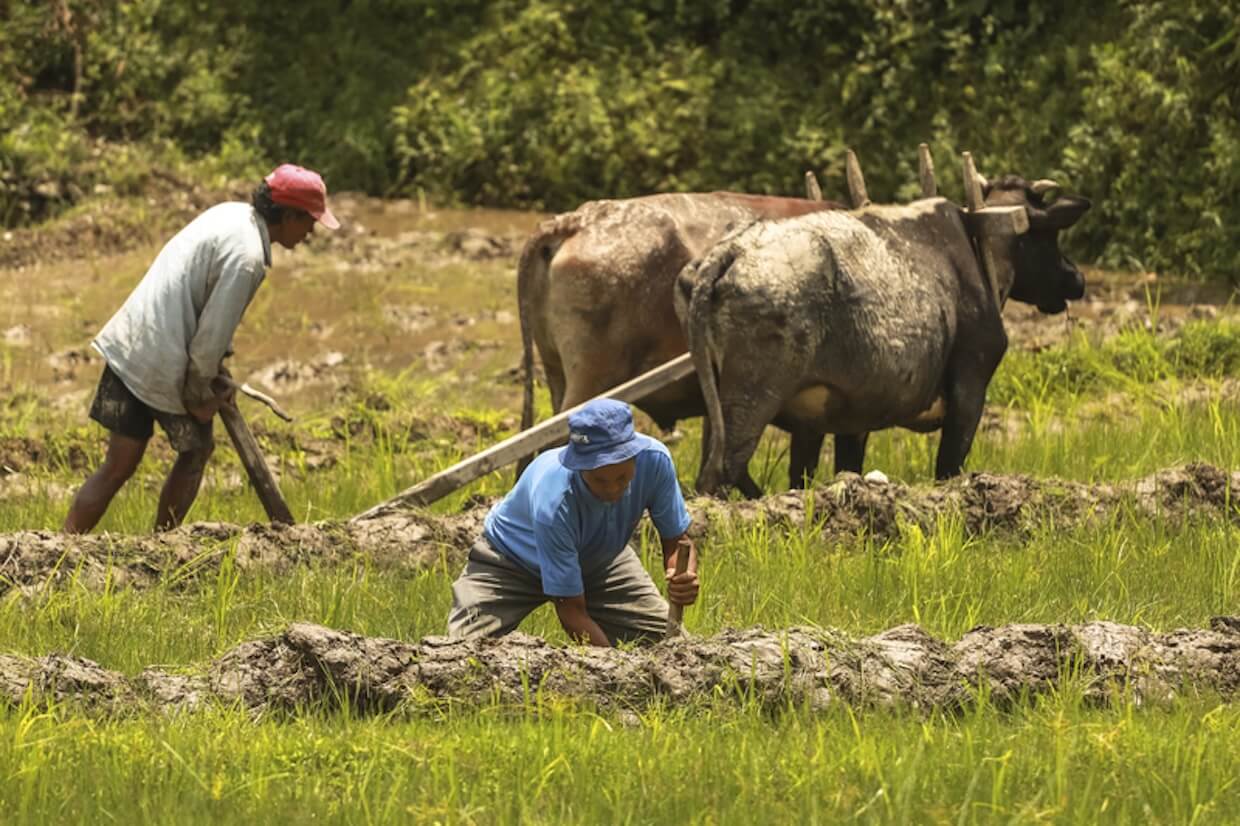
Professor Madhav Joshi, thank you very much for joining our interview series. Let me start right away with the first question: Your research on Nepal’s Maoist insurgency highlighted how structural inequalities and patron–client networks shaped political mobilization and rebellion. In light of the recent election of Balendra “Balen” Shah, do you see this political upheaval as another manifestation of unresolved structural grievances within Nepal’s political economy?
Professor Madhav Joshi: Thank you very much for this wonderful opportunity and for taking the time to have this conversation in light of Nepal’s recent election.
Let me start with the Maoist conflict, and then I will make the connection as to why that is important here. When the Maoist conflict started in 1996, protesters were largely among rural dwellers in the remote parts of Nepal. Support for the conflict was a reflection of structural inequality propagated by elites who were part of political parties and who were elected in all democratic elections since 1996. I would even say since 1991, which was the first multi-party election after the overthrow of the Panchayat regime. They became members of political parties and then went on to win elections.
The Maoist conflict ended in 2006. It began in 1996 and concluded with the signing of the Comprehensive Peace Agreement. Because of that peace process, a number of institutional reforms were introduced. However, these reforms were again captured by political elites, and they did not deliver good governance. That was one of the major promises of the Maoist conflict, particularly in rural Nepal.
Right now, the gap between the poor and the rich is even wider compared to what it was in 1996. Corruption is widespread, from the health sector to the education sector. Youths have no jobs and no opportunities within the country. Grievances once largely confined to rural areas are now spreading into cities, as young people have moved from villages to urban centers in search of jobs and better opportunities—only to find none. This is largely due to the way the system is run by political parties and elites.
To give you a quick statistic, about 3,000 Nepali youths leave the country every day. An estimated one-third of young people are abroad, doing mostly menial jobs—not even high-paying ones, but basic labor.
So, when you compare the situation during the conflict from 1996 to 2006 with the changes that have taken place since then, it becomes clear that, for many people, nothing has really changed. That is why I personally think the outcome of the election two weeks ago reflects a hope that Nepal can do better.
It is a manifestation of unresolved structural grievances within Nepal’s political economy. There is much that remains unaddressed. Even those who joined the Maoist conflict and served in active combat roles have, in many cases, left the country in search of work abroad. This speaks to the depth of frustration among Nepal’s youth.
This Is Both Populist Revolt and Democratic Rejuvenation
The landslide victory of Shah’s Rastriya Swatantra Party appears to represent a dramatic rejection of Nepal’s long-dominant political elites. From the perspective of comparative politics, would you characterize this outcome as a form of anti-elite populist mobilization, or rather as a generational democratic renewal?
Professor Madhav Joshi: Very interesting question. I would say that it is both anti-elite and a form of generational democratic renewal at the same time. It is not only anti-elite, and it is not only democratic renewal—it is both.
It is anti-elite because Nepal’s politics has been transactional for a long time. A few leaders have found ways to remain in power continuously. If you are not the prime minister and if your party is part of the governing coalition, eventually it becomes your turn to assume the premiership. This position has, in recent years, rotated among three key leaders, which has been deeply frustrating. These days, a term has even been coined-“visual fatigue.” Citizens repeatedly see the same politicians in positions of power, which has created widespread frustration among Nepali society.
There are also elements of populist mobilization, including the nomination of Balen Shah as a prime ministerial candidate by the Rastriya Swatantra Party. Because of the reforms he implemented as mayor of Kathmandu City, many people saw him as a credible candidate to run the country. In populist mobilization, certain public sentiments are captured and translated into political momentum to gain support. You can observe elements of this dynamic in the recent election.
At the same time, it represents a democratic renewal. Nepal’s politics has long been dominated by the same parties and elites over the past 35 years, with little visible change. While the political system is formally democratic—a multi-party democracy—the parties themselves have not been sufficiently democratic in renewing their leadership. The same politicians continue to occupy key positions within parties and government.
This is why the recent election, and its outcome can be seen as bringing youth—who have long been marginalized from Nepal’s politics—closer to the democratic process. This is a significant development, and from that perspective, it represents a democratic renewal.
Performance in Office—Not Pop Culture—Fueled Electoral Success
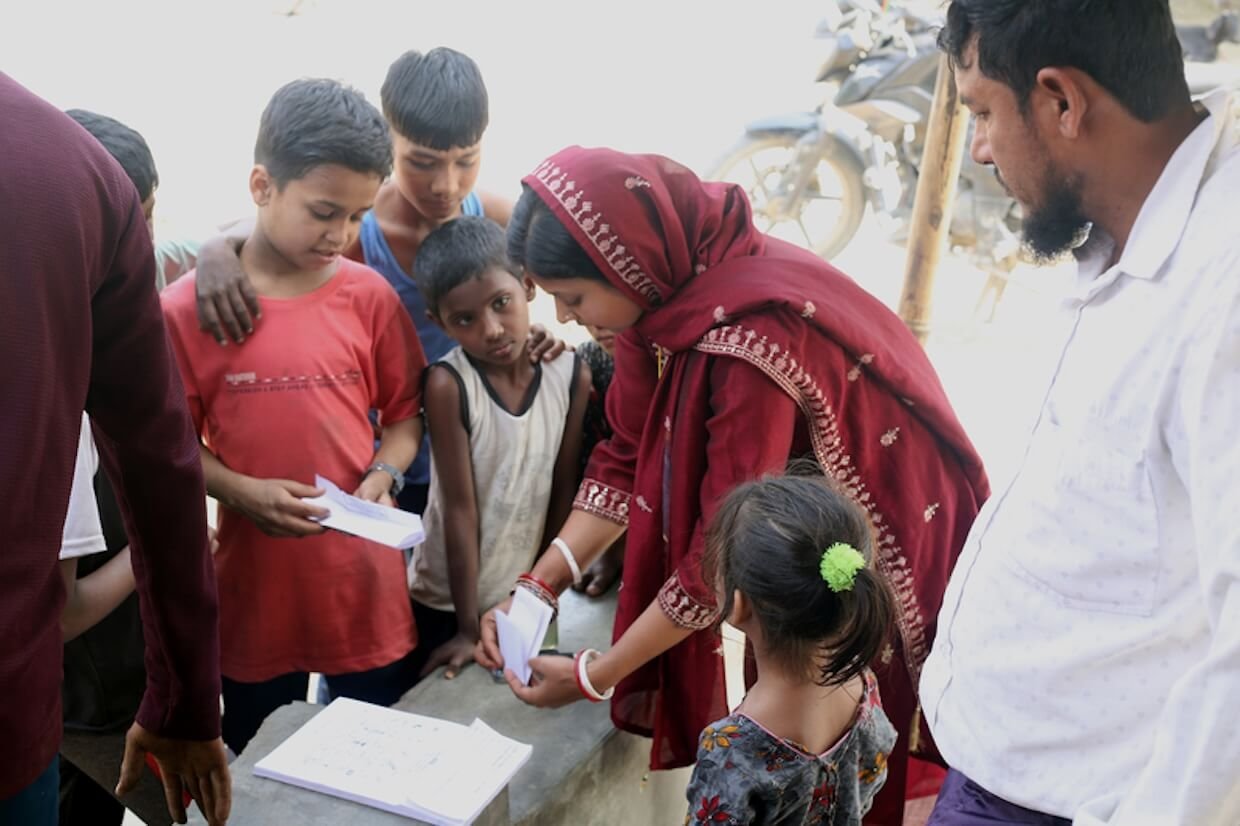
Balendra Shah first emerged as a rapper whose lyrics sharply criticized corruption, unemployment, and political hypocrisy. How significant is the role of cultural figures in translating public frustration into populist political movements, particularly in societies where traditional parties have lost legitimacy?
Professor Madhav Joshi: We do see cultural figures attempting to translate public frustration into populist political movements, as in Uganda, where Bobi Wine ran against Museveni. We also hear of similar developments in other African countries, where cultural figures have been called upon to step in and play significant roles in national politics.
The case of Balen Shah, however, is somewhat different. Of course, he is a rapper, but I would characterize that as a hobby rather than his primary profession. He is, in fact, a structural engineer by training, which is a serious profession. International media tend to focus on his music, which is understandable, but Nepal’s political transformation cannot be attributed to a single rapper or a handful of cultural figures.
Let me explain the strong public appeal surrounding Balen Shah. He had already established himself as a successful mayor before becoming the prime ministerial candidate of the Rastriya Swatantra Party. During his tenure as mayor of Kathmandu, he implemented a series of reforms that had not been achieved by political parties over the previous 35 years. The contrast is quite striking. As the capital city, Kathmandu draws people from across the country, allowing many to directly observe these changes.
To cite a few examples, he introduced simple yet impactful measures: timely garbage collection, improved traffic management, restoration of cultural heritage, reforms in the public school system, and greater transparency in city governance. These changes were implemented in a capital city of 1.7 million people.
Notably, he was elected as an independent candidate and was not affiliated with the Rastriya Swatantra Party at the time. The reforms he carried out as an independent, despite political opposition, were significant. They generated strong public sentiment and fostered trust in his capacity to govern at the national level.
This also indicates the extent of public trust and support he commands. One could argue that he enjoys a higher level of public trust than any other politician in the country. Such trust is crucial in translating public sentiment into a broader social and political movement, as evidenced in the most recent election.
Gen Z Is Redefining Political Participation in Nepal
The recent uprising and election were strongly driven by Generation Z voters. How does this youth-led political mobilization compare with earlier forms of political activism in Nepal, and does it represent a new form of digitally mediated populist politics?
Professor Madhav Joshi: Thank you for this question. I have been reflecting on this quite extensively lately. In 1959, when Nepal held its first democratic election, many young leaders were elected as representatives in parliament. This followed ten years of a successful social movement that overthrew the Rana regime. However, this was followed by 30 years of the Panchayat regime after the democratically elected government was toppled.
In 1990, another social movement overthrew the Panchayat regime and introduced multi-party democracy. This movement was also led by youth, and in the subsequent election, many young representatives entered parliament. A similar pattern can be observed after the Maoist peace process, which brought the Maoists into the democratic fold. In the Constituent Assembly election in 2008, many young representatives from the Maoist party were elected.
After that, however, the Nepalese political system did not renew itself; the same individuals continued to run for office repeatedly. With the emergence of this Gen Z movement, many people—especially young people—became frustrated and took to the streets. In the March election, we again saw a significant number of younger candidates being elected. In fact, particularly within the Rastriya Swatantra Party, the average age of elected officials is around 40, compared to about 53 or 54 in the previous parliament. This reflects a clear generational shift in political mobilization and representation.
At the same time, we need to be cautious. This moment is distinct, as politics is now centered on Gen Z and their future. It is no longer primarily about the struggle for democracy or institutional reform, as those issues were addressed through earlier democratic movements and the peace process. The focus now is on the future of young people—ensuring they have opportunities, so they do not have to leave the country for work, even for low-paying jobs.
This is why the agenda of the upcoming government is likely to prioritize job creation, economic expansion, tackling corruption, and improving governance. These are the central concerns driving current political mobilization.
Regarding your question on digitally mediated politics, I would say that Nepal’s Gen Z voters are highly educated. Access to education has improved, even if the quality remains uneven. They are technologically savvy and know how to use social media for social change.
As a result, I see a decline in membership-based or traditional political parties that rely on active membership networks to mobilize voters. That model is no longer as effective. Politics has changed: parties with a strong social media presence and digital support are better positioned to gain public backing and translate that support into electoral success. This is precisely what we are witnessing.
So yes, the mobilization of digital platforms is already reshaping Nepal’s politics and is likely to do so even more significantly in the future.
Legitimacy Must Be Earned Through Governance, Not Elections Alone
Your work emphasizes the importance of legitimacy in shaping political authority and civilian compliance. In your view, what does the electoral success of Shah reveal about the depth of the legitimacy crisis facing Nepal’s traditional political institutions?
Professor Madhav Joshi: I often emphasize that legitimacy is not something one possesses simply by being in government; rather, it is earned through trust in public institutions. This is critically important.
In Nepal, the legitimacy crisis is both deep and widespread. It was already so under the previous government. State institutions are highly corrupt and are filled with political party loyalists. They fail to respond to people’s basic needs and services—such as education, healthcare, and environmental protection—or to facilitate opportunities for individuals to establish new businesses, and so on.
Corruption permeates the system. Processes are slow, and without political connections or networks, individuals are often unable to accomplish even basic tasks.
From this perspective, the electoral success of Balen Shah and his political party clearly reflects a profound lack of trust in traditional political parties and the existing institutional framework. This was the platform on which they campaigned, and it resonated with voters.
Ultimately, legitimacy is earned through the practice of good governance. I remain hopeful that the future government will be able to rebuild legitimacy through effective and accountable performance.
Judicial Independence Is Central to Nepal’s Democratic Renewal
In your recent research, you demonstrate how judicial institutions can be mobilized to manage or suppress political opposition before conflict emerges. In the current moment of political transition, how crucial will independent courts and rule-of-law institutions be in stabilizing Nepal’s democracy?
Professor Madhav Joshi: As I demonstrated empirically in the research you referred to, at the district level, where political opposition was prosecuted—implicated in both civil and criminal cases—those districts were more likely to experience the Maoist conflict sooner than others. The reason it worked that way lies in the infiltration of political parties into the state machinery, including the courts, police, and bureaucracy. As a result, the court system and the rule of law in Nepal are highly politicized and politically paralyzed. This is not a new revelation; it is a widely accepted reality in Nepal’s everyday politics. If you were to randomly ask individuals whether they trust the court system, the bureaucracy, or the police force to act independently and provide support when needed, most would likely respond negatively. Indeed, such responses are very common, and people now openly discuss corruption within these institutions.
For this reason, ensuring the independence of the courts and rule-of-law institutions is essential for stabilizing the democratic renewal currently underway in the country. This requires depoliticizing the court system in Nepal and moving away from what is commonly referred to as the political division of appointments. In practice, through backdoor arrangements, one party may nominate two or three judges, while another secures three or four, depending on its strength in parliament. Depoliticizing the court system, along with the bureaucracy and the police force, is therefore crucial for stabilizing democratic renewal in Nepal at this critical juncture.
State Capture Limits the New Government’s Reform Capacity
Many populist movements emerge as reactions to perceived institutional failures but often struggle once they confront the realities of governing. What institutional constraints—bureaucratic, legal, or political—might shape Shah’s ability to implement his reform agenda?
Professor Madhav Joshi: This is a very important and highly relevant question in Nepal’s current context. The Rastriya Swatantra Party and Balen Shah do not have much support or influence, as of now, within the police force, the courts, or the bureaucracy. We hear from the current caretaker government that they did not receive support from Nepal’s bureaucracy, and that indicates the depth of the problem.
As I mentioned earlier, Nepal’s court system, bureaucracy, and police force require reform. These institutions have lost public trust. The older political parties have their supporters embedded within them, and they have strong incentives to resist the Shah government. This is because they benefit from existing arrangements—they support the old political parties and, in return, are part of networks that sustain those parties, including through informal kickbacks. As a result, they have incentives to undermine this government.
Therefore, the new government cannot implement all the reforms on its agenda unless it first reforms these state institutions. That is absolutely crucial. At the same time, while the established political parties are relatively weak, they still retain these institutional connections, which they can use to challenge the Shah government.
Clientelist Networks Are Weakening—but Not Yet Defeated
Your earlier work highlights how rural patron–client networks historically shaped electoral outcomes in Nepal. Does the success of Shah’s movement indicate that these traditional clientelist structures are weakening, or might they continue to shape politics behind the scenes?
Professor Madhav Joshi: I believe they have been somewhat weakened in this election cycle. The traditional patron–client networks are not in a position to shape Nepal’s politics behind the scenes in the same way, at least for now. That is why I am cautiously optimistic. This is the first election in which we have seen that these patron–client networks did not function as they previously did.
However, we need to observe whether this trend continues in the local elections, which will take place in less than two years, as well as over the next five years, when the next parliamentary election will be held. In comparative democratization, we often say that assessing democratic consolidation requires observing at least two electoral turnovers. So, I am waiting for two such turnovers to see whether this pattern holds.
Conflict and Repression Reshape Electoral Outcomes
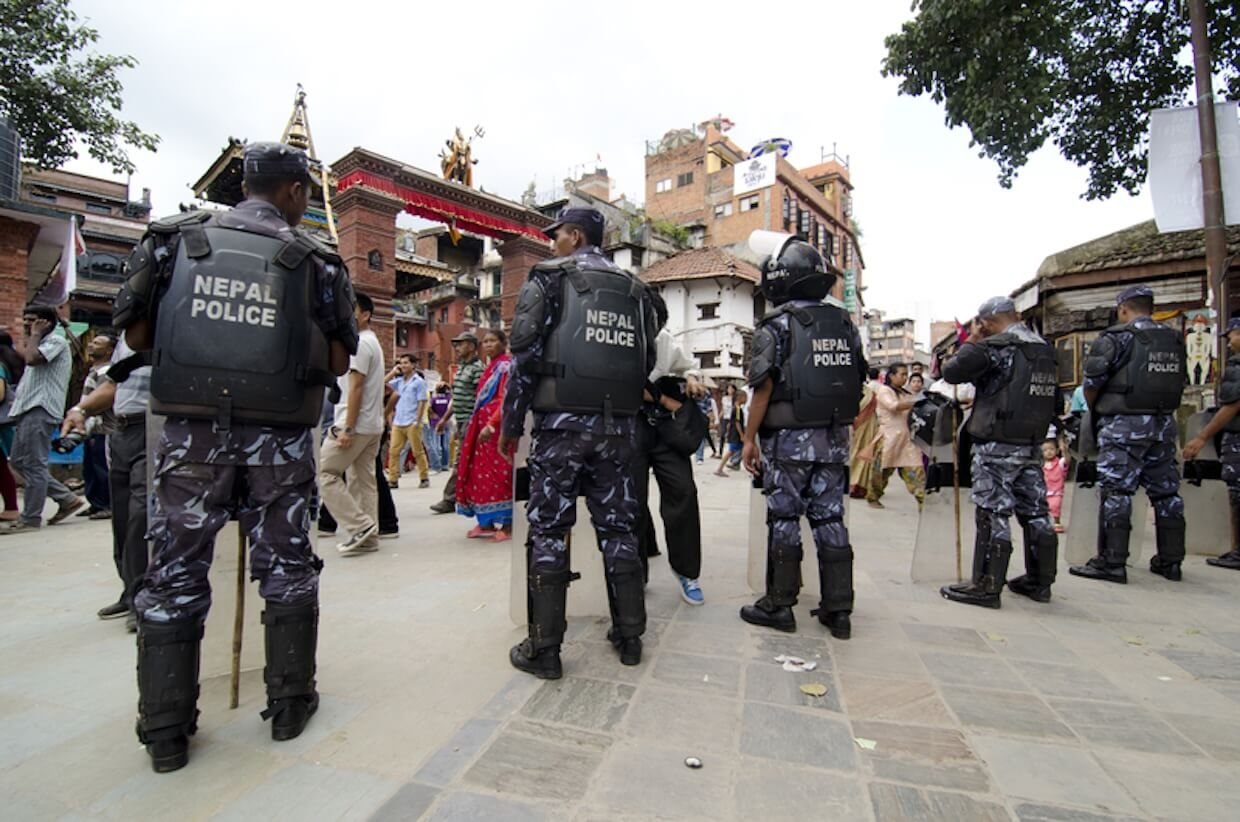
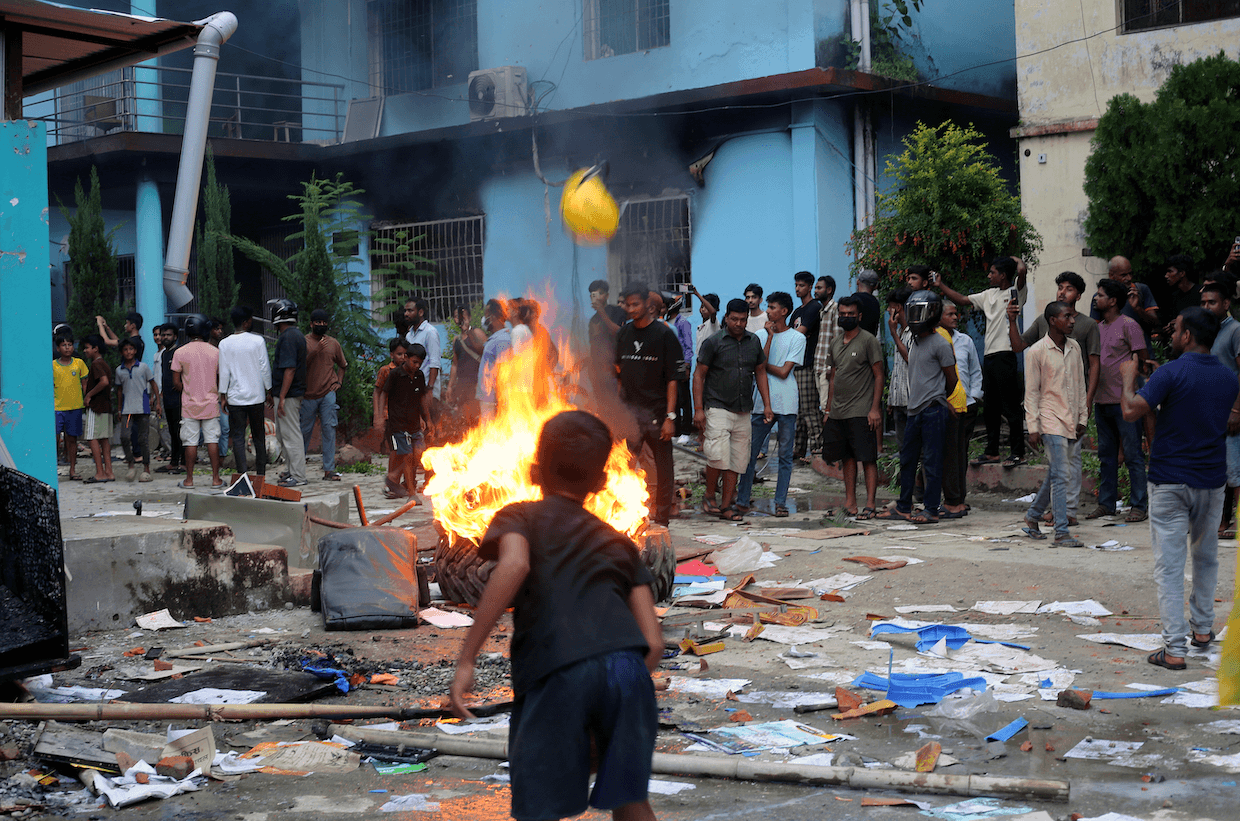
The youth uprising that preceded the election involved significant violence and state repression. From the perspective of your research on conflict dynamics, how might such episodes affect the legitimacy of both the outgoing political order and the new government?
Professor Madhav Joshi: It has a profound impact on both public psychology and the broader psyche of the nation. This helps explain why, for example, a rebel party won Liberia’s 1997 election, and similarly in Nepal, where the Maoist party emerged victorious in the 2008 Constituent Assembly election. These outcomes are closely linked to conflict dynamics.
The success of the Rastriya Swatantra Party in the most recent election is also connected to the Gen Z protests. The protests that the state attempted to repress are part of this dynamic, although the relationship is complex. At the same time, some argue that the Rastriya Swatantra Party is not the legitimate representative of the Gen Z movement, since it did not organize or mobilize it. The movement itself was largely spontaneous and fragmented, but that is a separate issue that can be explored further.
What the election outcome clearly demonstrates is that the two main parties in the previous government lost the election and are now at their weakest point in the past 35 years. This is a significant development. However, this does not mean that the new government possesses full legitimacy. Rather, it holds an electoral mandate—not legitimacy per se, but the mandate to build it by fulfilling its promises. Gaining legitimacy will take time and will depend on whether the government can successfully implement the reforms it has pledged.
The ‘Balen Effect’ Unified a Fragmented Electorate
Historically, revolutionary movements often struggle to transform protest mobilization into stable electoral politics. What factors allowed the Gen-Z movement in Nepal to translate revolutionary momentum into an overwhelming electoral mandate?
Professor Madhav Joshi: I can offer three key factors. The Rastriya Swatantra Party, which emerged as the largest party, winning almost a two-thirds majority in parliament, is not itself the party of the Gen Z movement, as I mentioned earlier.
Many Gen Z leaders are involved, and they are supported by numerous Gen Z figures who remain outside formal politics. It is a highly diverse group, with participants coming from different parts of Nepal. Some have joined political parties, while others have chosen to remain outside formal politics and act as watchdogs, holding those in power accountable.
Nevertheless, the Rastriya Swatantra Party (RSP) was able to capture the sentiment of the Gen Z movement and mobilize it during the election. They did this very effectively, and that is the first reason for their success.
The second factor is that RSP candidates are successful professionals in their own fields. They do not depend on politics for their livelihood, which distinguishes them from candidates of other political parties, whose lifelong profession is politics. If you ask many Nepali politicians about their profession, they will say politics, but it is often unclear how they sustain their livelihood through it. This is not the case with RSP candidates, who come from diverse professional backgrounds and are successful entrepreneurs in their own right.
This is the first time in Nepal’s politics that we see many individuals entering parliament whose primary purpose is not to pursue politics as a career. They often state that they are there for one or two terms, aiming to contribute to the country, strengthen the economy, address socioeconomic and political challenges, and then return to their professions. This is another reason why the revolutionary movement was able to translate into electoral success.
Finally, as you rightly pointed out, there is what we call the “Balen effect,” referring to the prime ministerial candidate of the Rastriya Swatantra Party. Nepal is a highly diverse country, with divisions between Madhesh and hill populations. The Madhesh refers to the southern part of the country, while the hills refer to the northern regions. Although the southern region has a larger population, state institutions and political narratives have historically been dominated by those from the hill regions.
In Nepal’s political history, it is rare to see a prime minister emerging from a southern, Madheshi background. Balen Shah is a candidate who comes from the southern part of Nepal while also maintaining connections with hill communities. This has positioned him as a unifying figure capable of bridging these divides.
That is why many people rallied behind him. Beyond his record as a successful mayor, he has been widely perceived as an ideal candidate to bring the country together and lead it forward.
A Moment of Hope—But Also a Test of Democratic Resilience

Finally, looking ahead, do you believe the election of Balendra Shah signals the beginning of a deeper democratic transformation in Nepal—or could it become another episode in the country’s recurring cycle of political upheaval and institutional instability?
Professor Madhav Joshi: Thank you for this question. I think people have a great deal of hope in him and in the Rastriya Swatantra Party. They hold almost a two-thirds majority in parliament, which gives them the capacity to implement many of the reforms they have promised.
As I mentioned, in the last 35 years of Nepal’s democratic history, the country has not had a government with such a majority in parliament. This is perhaps the first time. There was one in 1974, but it did not last—it was a majority formed when communist parties united as a single entity.
If this government fails to deepen democratic transformation, deliver good governance, and address the underlying grievances of the people—which includes creating jobs and expanding the economy—I would argue that Nepal may further descend into democratic backsliding, given the high level of public expectation placed on this government.
At the same time, this is a moment to recognize and appreciate the sense of hope, rather than focus solely on potential negative outcomes. At present, there is a strong sense of optimism, and people are hopeful that meaningful and significant changes will take place in the country.