
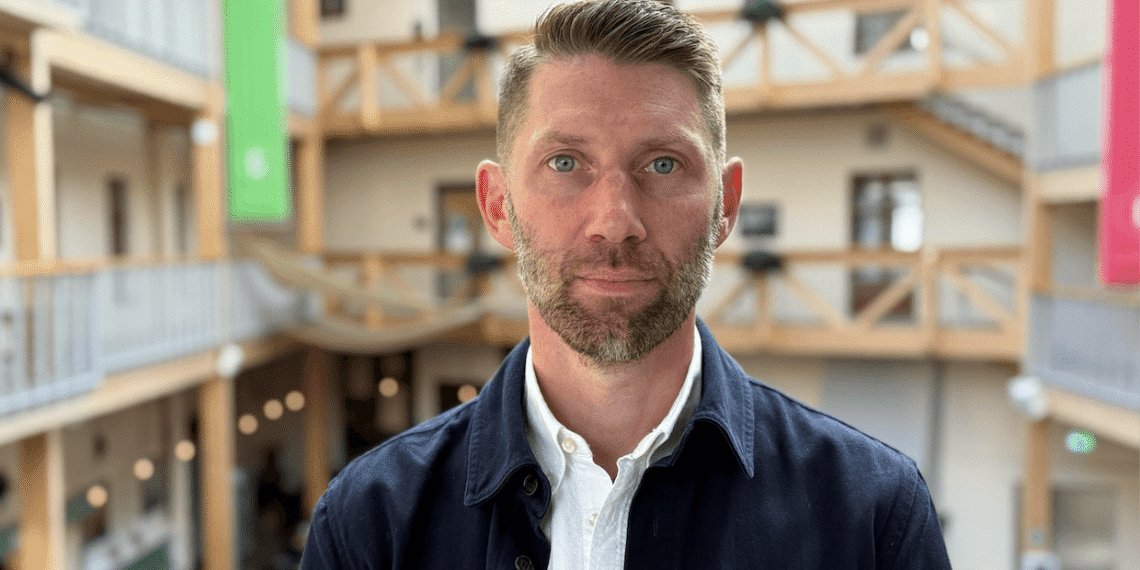
Professor Niklas Bolin argues that the Sweden Democrats’ most consequential transformation is institutional normalization rather than ideological moderation. As Sweden approaches the September 13 election, SD has become deeply integrated into the political mainstream while retaining a resilient populist configuration centered on people-centrism, anti-elitism, popular sovereignty, and antagonism. Professor Bolin stresses that “institutional normalization does not necessarily mean ideological moderation,” even as SD has gained substantial influence through the Tidö Agreement. He also notes that the party has won “an important ideological battle” as restrictive migration positions have become mainstream. Yet normalization creates a paradox: the more successful SD becomes, the more it becomes part of the establishment it has long defined itself against.
Interview by Selcuk Gultasli
Five days before Sweden’s September 13 parliamentary election, the country enters the final stretch of the campaign with an unusually fluid electoral landscape. The latest Novus/TV4 poll places the opposition at 50.3 percent and the Tidö parties at 47.9 percent, with the gap still within the statistical margin of error. The Liberals (L) have climbed to 4.3 percent—just above the parliamentary threshold—while other recent polls still place them below it, making their survival one of the most consequential variables in government formation. At the same time, the Social Democrats (S) remain the largest party overall, while the Sweden Democrats (SD) continue to challenge or surpass the Moderates (M) for leadership of the Swedish right.
In this interview with the European Center for Populism Studies (ECPS), Professor Niklas Bolin, Professor of Political Science at Mid Sweden University, argues that the most significant transformation of the Sweden Democrats is not necessarily ideological moderation but institutional normalization. As he puts it, “Institutional normalization does not necessarily mean ideological moderation.” A party, he stresses, can become “more professional, more accepted by the other parties, and more integrated into the political mainstream without changing its ideological worldview.”
This distinction is crucial for understanding SD’s trajectory. The party has moved from pariah status to substantial policy influence through the Tidö Agreement, while its core populist configuration—people-centrism, anti-elitism, popular sovereignty, and antagonism—has remained resilient. Professor Bolin therefore cautions that the party’s normalization and growing political influence should not automatically be interpreted as evidence that it has “become less populist” or that “its ideology has changed to the same degree.”
The interview also explores how SD’s success has reshaped the wider party system. Professor Bolin notes that Swedish migration policy has “clearly moved in a more restrictive direction” and that positions considered controversial 10 or 15 years ago are “today almost political mainstream.” In that sense, he argues, “the Sweden Democrats won an important ideological battle.” Yet this mainstreaming produces a paradox: when other parties adopt similar positions, they both legitimize SD and reduce the salience of issues the party once dominated electorally.
Bolin further suggests that SD’s growing success creates a tension between outsider identity and establishment power. The party has benefited from substantial influence without formal governmental responsibility, but “the more successful the party becomes, the more it becomes part of the establishment itself.”
Against this backdrop, the 2026 election is about more than which bloc wins. It tests whether Sweden is consolidating a new party system in which the radical right has not merely entered the mainstream, but helped redefine it.
Here is our interview with Professor Niklas Bolin, edited lightly to enhance clarity, readability, and overall flow for publication.
SD’s Almost Automatic Growth Is Probably Over
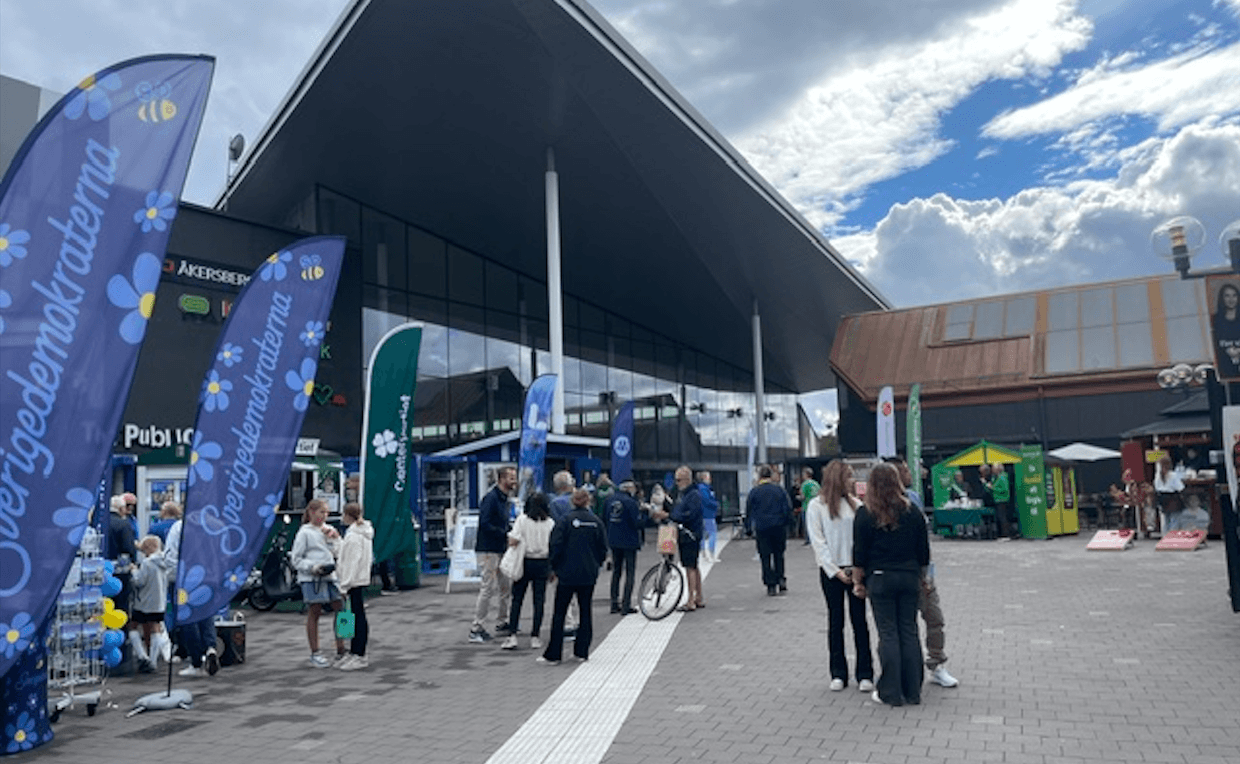
Professor Bolin, welcome! In your analysis of the Sweden Democrats’ setback in the 2024 European Parliament election, you asked whether it was merely a “speed bump” or the beginning of an “uphill journey.” Two years later, with SD polling around 19–20 percent but no longer showing the almost exponential growth that characterized its rise since 2010, how would you answer that question today? Has SD reached a structural ceiling, or is it simply becoming a normalized large party subject to ordinary electoral fluctuations?
Professor Niklas Bolin: I’m not sure that we can talk about a structural ceiling, but the Sweden Democrats have clearly entered a different phase. When you have reached around 20%, it’s obviously much more difficult to continue growing at the same pace. So, we should expect more normal electoral fluctuations. This doesn’t mean that the Sweden Democrats cannot grow further, but this almost automatic growth that we have seen for many years is probably over.
The Sweden Democrats Won an Important Ideological Battle
You explained SD’s poor 2024 European election partly through an “agenda effect”: immigration had declined in salience compared with peace, democracy, and climate. Looking toward September 13, are we reaching the limits of the electoral advantage that anti-immigration politics has given SD? Or has SD already won the ideological battle by pushing restrictive migration policies into the mainstream, even if it no longer monopolizes their electoral benefits?
Professor Niklas Bolin: We need to separate the importance of immigration as an electoral issue from the development of migration policy. When migration is high on the political agenda, this benefits the Sweden Democrats because voters associate the party with this issue. But when other issues dominate, as, for instance, in the European election of 2024, this advantage becomes smaller.
If we, on the other hand, look at policy, the Sweden Democrats have been extremely successful. Swedish migration policy has clearly moved in a more restrictive direction, and positions that were controversial 10 or 15 years ago are today almost political mainstream. In that sense, the Sweden Democrats won an important ideological battle. But at the same time, the political conflict has become less salient, and therefore it becomes less important when voters decide who to vote for.
Other Parties’ Shifts Give Legitimacy to SD
The Sweden Democrats entered parliament as an isolated radical-right challenger, whereas today much of the Swedish center-right accepts positions on migration, crime, and integration once associated primarily with SD. Does this “mainstreaming paradox” strengthen SD by legitimizing its diagnosis of Swedish society, or weaken it by allowing mainstream parties to compete on issues SD once owned?
Professor Niklas Bolin: It does a little bit of both, actually. On the one hand, it has clearly strengthened the Sweden Democrats. When other parties adopt similar positions that the Sweden Democrats have argued for over a long period of time, it gives legitimacy to the party, of course. But this success might also be a problem for the Sweden Democrats. When parties move closer to the party on migration, for instance, and crime, there is less political conflict over these issues. So, this can make voters focus on other issues instead.
Political Mainstreaming Does Not Require Ideological Change
Your recent research shows that although the frequency of SD’s populist statements declined between 2010 and 2024, its underlying populist configuration—people-centrism, anti-elitism, popular sovereignty, and antagonism—remained resilient. Should we therefore distinguish between SD’s institutional normalization and ideological moderation? Has governmental influence made the party more respectable without necessarily making it less populist?
Professor Niklas Bolin: I think this distinction is important. Institutional normalization does not necessarily mean ideological moderation. A party can become more professional, more accepted by the other parties, and more integrated into the political mainstream without changing its ideological worldview. So, although the Sweden Democrats have become, at least to some extent, normalized and have significant political influence, we should not automatically conclude from this that the party has become less populist or that its ideology has changed to the same degree.
Governing Together Is Different from Staying Together in Opposition
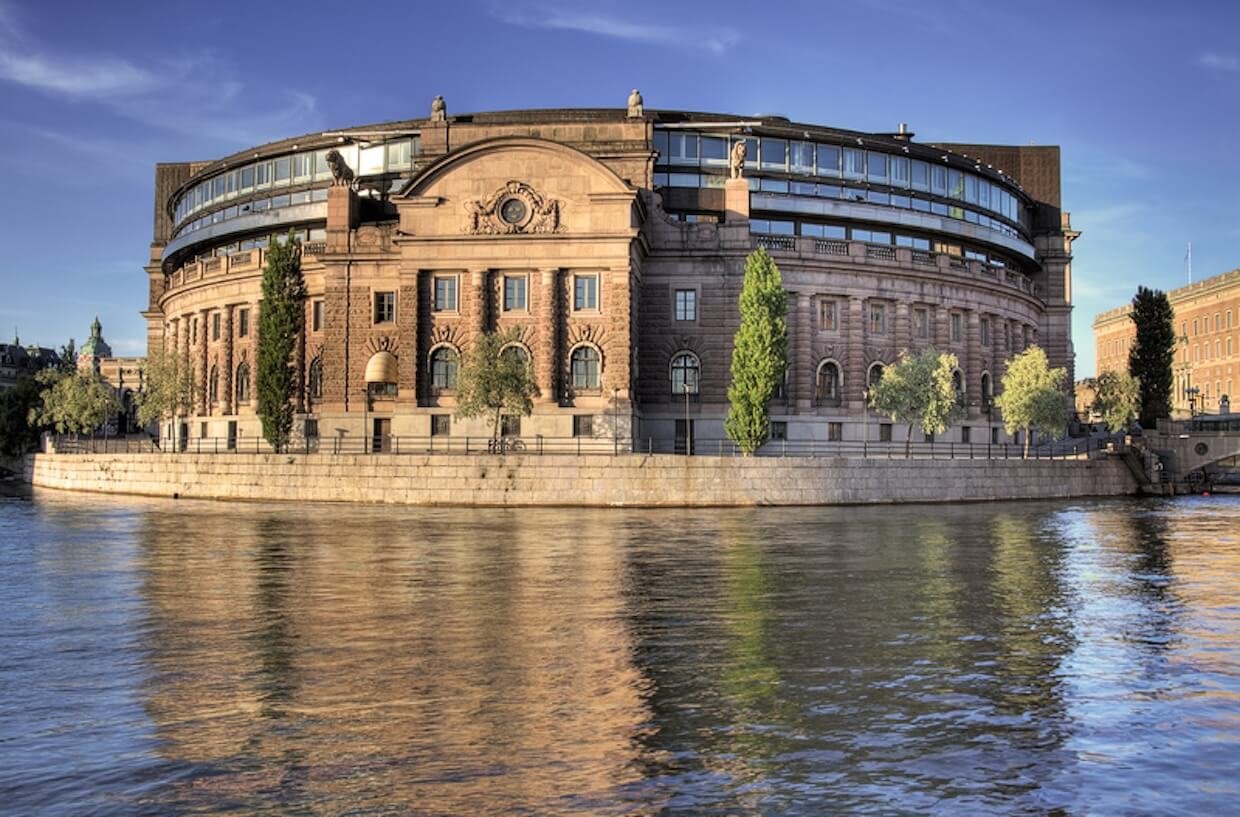
The 2022 election fundamentally reconfigured Swedish politics through the mainstream right’s abandonment of the cordon sanitaire and the creation of a government dependent on SD through the Tidö Agreement. Four years later, how should we assess the Tidö experiment? Has it created a durable two-bloc structure, or has governing together exposed deeper contradictions within the center-right?
Professor Niklas Bolin: Many people, including myself, are probably surprised by how well the cooperation between the government and the Sweden Democrats has worked. Before 2022, it was sort of an open question whether the center-right parties and the Sweden Democrats could cooperate closely over a full electoral period, and they have now shown that they can.
But I would still, to some extent, hesitate to describe Sweden as having a stable two-bloc system.
There are also clear tensions on the left side of politics. In particular, the Center Party (C) and the Left Party (V) have very different positions, primarily on economic policy, and may find it very difficult to cooperate after the election.
And I’m not sure that the parties to the right will necessarily stay together if they lose the election. It’s one thing to cooperate in government and another thing to stay together in opposition.
It Is Becoming Harder for SD to Present Itself as an Opposition Party
SD gained unprecedented policy influence through the Tidö Agreement without formally entering government. Has this allowed the party to enjoy the benefits of incumbency without fully bearing its costs? After four years of visible influence, can SD still credibly present itself as an anti-establishment force confronting political elites?
Professor Niklas Bolin: To some extent, yes. This was one of the advantages of this arrangement for the Sweden Democrats. The party has received great influence without taking formal responsibility for government, so if voters are dissatisfied, the party can distance itself from the government while, at the same time, taking credit for policies that it has supported. But I also think that this becomes increasingly difficult over time. Voters know that the Sweden Democrats have been deeply involved in government policy. And it becomes more difficult to say that you are an opposition party when you have this level of influence. So, the party has built much of its political identity on being an outsider and criticizing the political establishment. But the more successful the party becomes, the more it becomes part of the establishment itself.
The Liberals Have Long Struggled to Define Their Political Role
The Liberals may now be the most consequential variable in government formation, with recent polls placing them below the 4-percent threshold. You have written about the party’s conflictual leadership transition and changing political orientation. To what extent is its present crisis rooted in an unresolved identity conflict between its socially liberal, pro-European tradition and participation in a bloc dependent on SD?
Professor Niklas Bolin: The Liberals have, for a long time, had difficulty defining their role in Swedish politics, and the cooperation with the Sweden Democrats has made this problem perhaps even more visible. The party traditionally combined center-right economic policy with social liberalism and strong support for European integration, and, of course, a very critical stance towards the Sweden Democrats. Moving from that position to close cooperation with the Sweden Democrats is obviously a major change. So, voters need to understand why they should vote for a small party rather than one of the larger ones. And that has been a difficult question for the Liberals to answer.
Pro-Tidö and Anti-SD Voters Both Have Larger Alternatives
More specifically, has cooperation with SD contributed to the Liberals’ prolonged position below the threshold? Have they entered a strategic trap in which voters comfortable with the Tidö bloc prefer M or SD, while socially liberal anti-SD voters have moved toward C or the center-left? Has the pursuit of governmental relevance endangered the party’s parliamentary survival?
Professor Niklas Bolin: I wouldn’t say that cooperation with the Sweden Democrats is the only explanation. The Liberals were already struggling before the agreement with the Sweden Democrats, but the current strategy creates a different and perhaps even more difficult electoral position. Voters who strongly support the Tidö cooperation can choose the Moderates or the Sweden Democrats, which are much larger parties. At the same time, voters who identify with the socially liberal tradition but strongly oppose the Sweden Democrats can choose the Center Party or the center-left. So, I guess the Liberals are a bit squeezed from both directions.
Swedish Politics Is No Longer Only About Left and Right
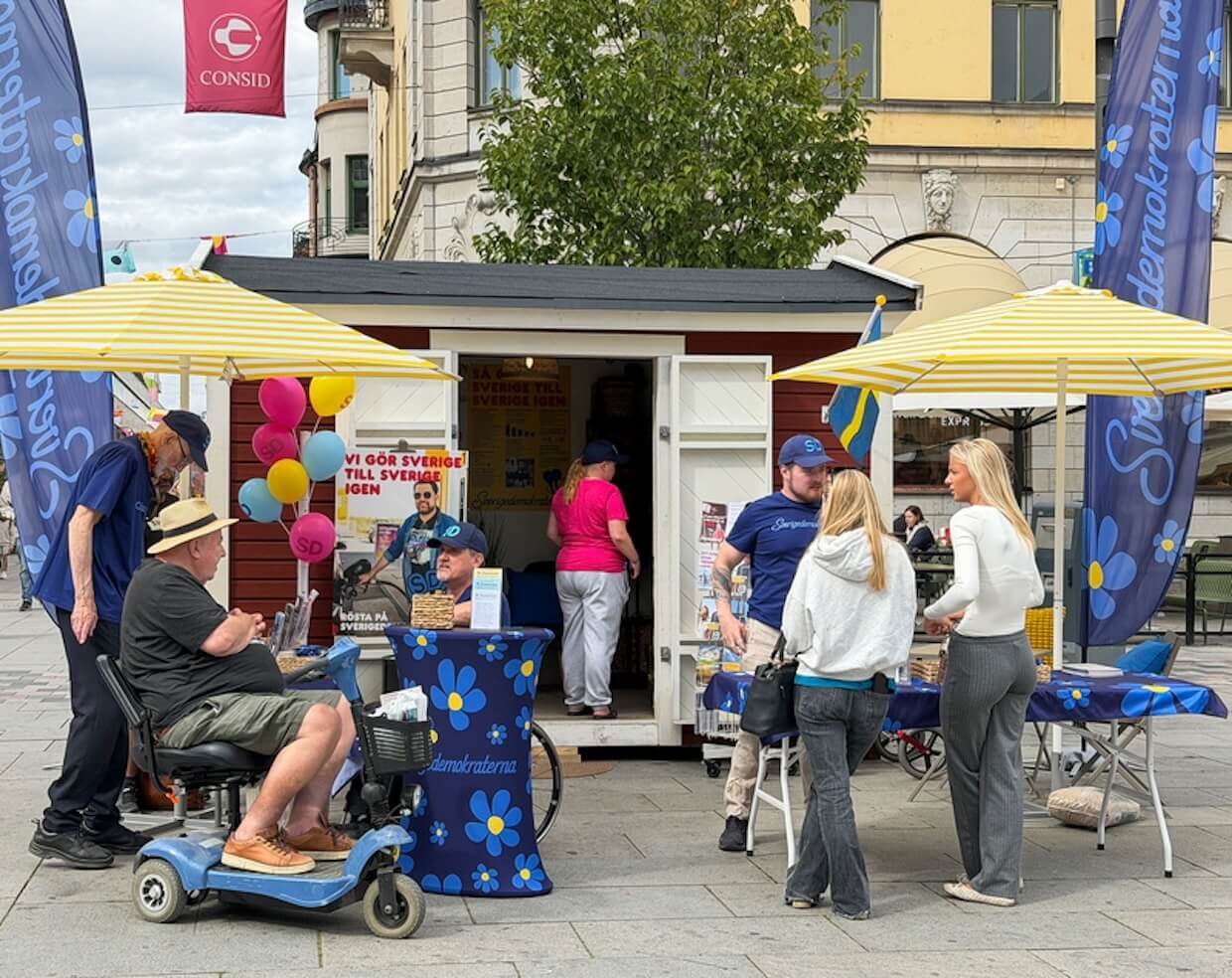
The Center Party has moved away from cooperation with SD, while the Liberals chose the opposite path and now risk disappearing from parliament. Does the 2026 election therefore signal the dissolution of Sweden’s traditional bourgeois or blå-gula political space? If so, what new structure is replacing it?
Professor Niklas Bolin: For many years, the Moderates (M), the Center Party (C), the Liberals (L), and the Christian Democrats (KD) formed one political bloc, even if there were important differences between these parties. The rise of the Sweden Democrats has changed this drastically. All these parties have made different choices in relation to the Sweden Democrats. The Moderates and the Christian Democrats have accepted close cooperation with the Sweden Democrats, and the Liberals eventually chose the same path, while the Center Party has moved in the opposite direction.
So, Swedish politics is no longer only about left and right. Attitudes towards the Sweden Democrats have also been important for determining which parties can cooperate with each other. As long as the Sweden Democrats remain a large party—and I don’t see anything that suggests this will change in the near future—it’s difficult to see a return to the old bloc system, at least as long as the Center Party maintains its current stance towards the Sweden Democrats.
Kristersson Will Remain the Right’s Prime Ministerial Candidate
Current polls show an unusual asymmetry: the Social Democrats (S) remain the largest party overall, while SD often polls ahead of the Moderates on the right. If the Tidö parties retain a majority, would it remain politically sustainable for M to provide the prime minister while being considerably smaller than SD? At what point would an SD claim to cabinet participation—or eventually the premiership—become difficult to resist?
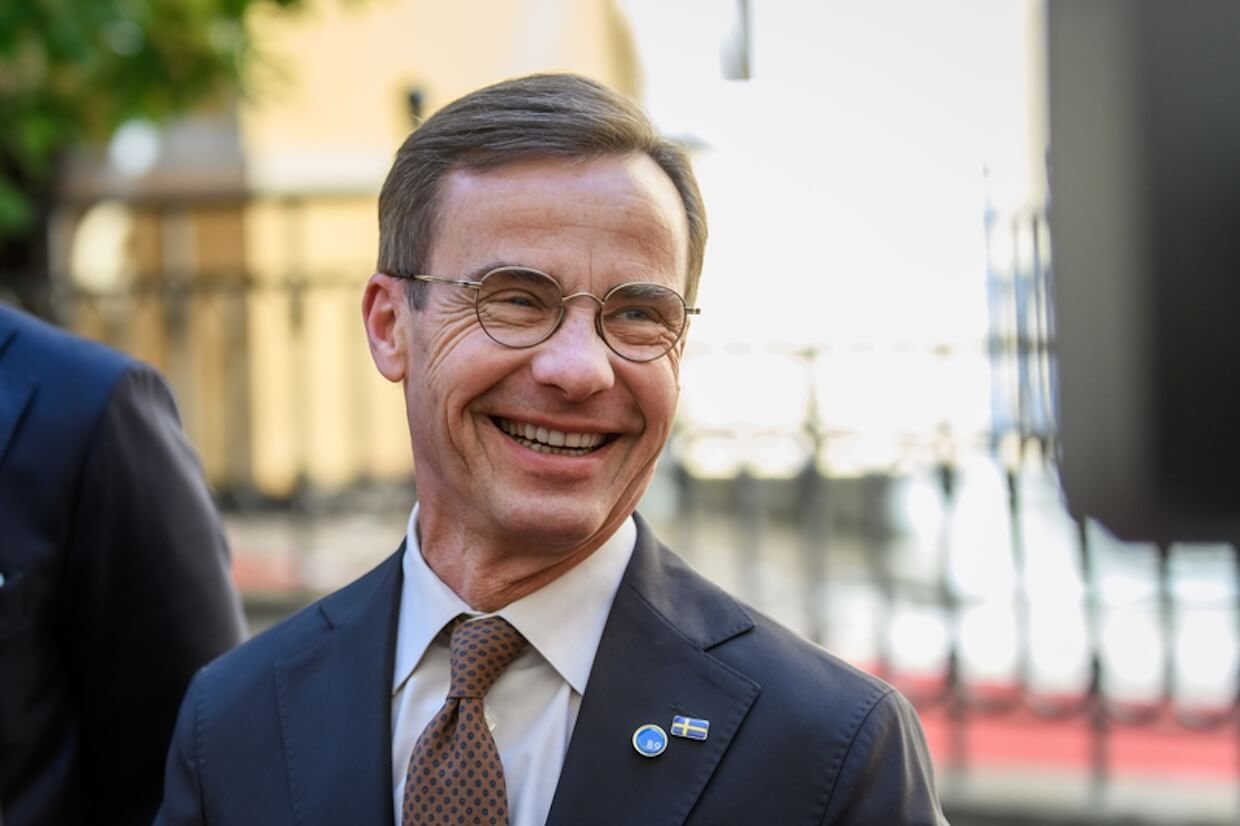
Professor Niklas Bolin: For this election the situation is quite clear. The parties have agreed that Ulf Kristersson is their candidate for Prime Minister, and also that the Sweden Democrats will enter the government if they win. Even if the Sweden Democrats become somewhat larger than the Moderates, Kristersson will remain Prime Minister. So, the more interesting question is what happens in the longer term, so to speak. I mean, if the Sweden Democrats become larger than the Moderates also in the next election, and especially if this continues, it will become increasingly difficult for the Sweden Democrats to accept that the Moderates automatically get the position of Prime Minister.
C–V Differences Make the Post-Election Equation Difficult
Conversely, if the polling advantage of S, V, C and MP survives election day, what government do you regard as most plausible? Could Sweden sustain a Social Democratic-led röd-grön government relying simultaneously on V and C, despite their major differences on taxation, labour markets, welfare and economic policy?
Professor Niklas Bolin: A Social Democratic-led government would be the most likely outcome, but it’s quite hard to say exactly what such a government would look like. At the moment, it’s difficult to see how the Center Party (C) and the Left Party (V) would agree, especially on economic policy. I also think it would be difficult for the Left Party to immediately give up its demand to be part of the government. So, forming a government after this election could take time, I guess. It’s possible that one or more proposals will be voted down before the parties are ready to compromise. But in the end, they will find a solution. Few parties would want to risk a new election, and that may make possible compromises that might seem difficult today.
A Change of Government Would Not Mean a Return to Pre-Tidö Policies
Critics of the Tidö period argue that tougher migration and citizenship policies, expanded coercive powers, and increasingly majoritarian rhetoric have altered aspects of Sweden’s liberal-democratic political culture; supporters see them as legitimate responses to crime and failed integration. If a Social Democratic-led government supported by V and C emerges, how much of the Tidö-era transformation could realistically be reversed? Or has Swedish politics undergone a deeper rightward recalibration?
Professor Niklas Bolin: I think much of this more restrictive migration and crime policy will remain, even if there is a change of government. The Social Democrats have moved quite close to the government on many of these issues. One of the reasons for this is that they want to reduce the political conflict over migration and crime and move the focus to their issues.
And I don’t think the Social Democrats want to risk being criticized again for having a migration policy that is sort of too generous. So, it will be difficult for the parties to the left of the Social Democrats to push policy very far in another direction. Some policies may change, but I would not expect a major return to the policies that we had before the Tidö government.
There Is No Single Explanation for Sweden’s Growing Gender Gap
Sweden is also witnessing a striking gender divergence among younger voters: young women increasingly lean toward progressive, green, and left parties, while young men disproportionately support conservative and radical-right alternatives. What explains this widening gap? Are young women and men responding differently to the same social changes, or increasingly inhabiting different educational, social, and digital worlds that generate distinct political outlooks?
Professor Niklas Bolin: There’s probably no single explanation for this gender gap. Education is one important factor. Young women are more likely than young men to go to university, and education is related to political attitudes on issues such as immigration, climate, and gender equality. There are also growing differences between young men and women on some of these political issues. But, we should be careful about explaining too much. The gender gap is clear, but we still need more research to understand why it has grown.
Career-Oriented Youth Members Tend to Be Less Radical
Your research shows that youth wings do not simply reproduce the preferences of senior parties: radicals remain prominent, especially in center-left organizations, while politically motivated members seek to influence their parties more than career-oriented members do. What does this tell us about the generation now entering Swedish politics? Could youth wings reinforce rather than moderate ideological and gender polarization?
Professor Niklas Bolin: It’s difficult to say. There’s not much research on what happens when youth members move on to the senior parties. Our research shows that more radical members are often more interested in influencing policy, while those interested in a political career tend to be less radical. But we do not know what happens when they move on, so to speak. Do the more radical members become more moderate, or do they try to change the party? We need more research to see.
More Women in Politics Does Not Necessarily Mean Ideological Change
Your research on young women in party youth wings finds that women report greater increases than men in their desire to influence party policy and stand as candidates, particularly in center-right youth wings. Could this growing political efficacy eventually transform not only voting patterns but also the gender composition and ideological direction of Swedish party elites?
Professor Niklas Bolin: Many Swedish parties are already quite gender-balanced, at least when we look at candidates and elected politicians. But if participation in youth wings increases young women’s willingness to influence policy and become candidates, this could, of course, help maintain or even strengthen that balance in the future. When it comes to ideological effects, I’m not sure. More women in politics does not necessarily mean that parties move in a particular ideological direction.
A Center-Left Victory Is the Most Likely Outcome
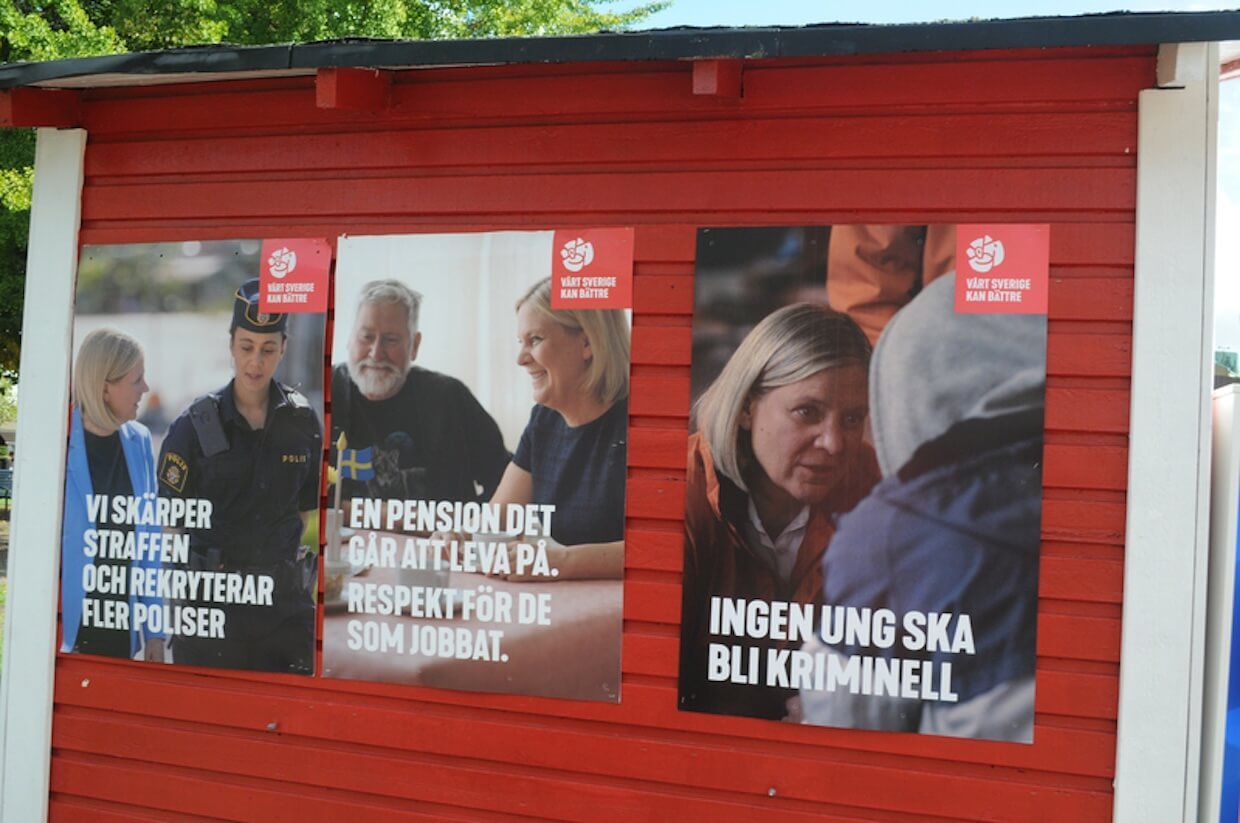
Finally, just days before the election, the Social Democratic (S)-led side remains ahead, SD is larger than M (Moderate Party) in several polls, and the Liberals hover around the threshold. Taking together the electoral arithmetic, the Tidö legacy, Center Party’s changing position, and SD’s transformation from pariah to pivotal party, what is your projection for the next government? And what kind of party system will emerge: renewed left–right competition, a consolidated two-bloc system centered on attitudes toward SD, or a deeper political realignment?
Professor Niklas Bolin: I’m not sure that we social scientists are very good at making predictions, but if I had to make one, I would look at the polls that indicate that the opposition still has a small lead, at least. So, I would say that a victory for the center-left is the most likely outcome, but I’m not certain, of course.
The more difficult question is what happens after the election. At the moment, it’s hard to see what kind of left-leaning government could get enough support in the parliament. On the other hand, if the center-right wins, the situation is much clearer.
In the longer term, I think the Sweden Democrats will continue to become more accepted as a normal political party. Things that seem impossible today can change quite quickly in politics. We’ve seen that with the Sweden Democrats over the last 10 years.
So, it’s possible that the Center Party, or even the Social Democrats, become less negative towards the Sweden Democrats in the future, even if government cooperation seems quite unlikely today. And we know from the past that once the cordon sanitaire has been broken, it’s very difficult to build it up again.