Israel’s October 27 elections have exposed deepening ideological polarization, parliamentary fragmentation, and mounting challenges to democratic legitimacy. In an interview with the ECPS, Assistant Professor Roi Zur of the University of Essex examines Netanyahu’s electoral resilience, Likud’s transformation into a populist radical-right party, and the normalization of religious-nationalist extremism. Highlighting the growing ideological convergence between Likud and its far-right allies, Dr. Zur warns that prolonged coalition deadlock could further consolidate authoritarian-populist forces. He also examines the political exclusion of Arab parties, the decline of Israel’s liberal-left, and emerging claims of electoral fraud resembling Trumpian populism. Ultimately, the interview explores how political instability and ethnonationalist polarization threaten Israel’s democratic institutions and future political trajectory.
Interview by Selcuk Gultasli
Israel’s October 27 elections have produced a fragmented political landscape, exposing the deepening ideological polarization, institutional vulnerabilities, and shifting boundaries of political legitimacy that characterize Israeli democracy. Although Likud remains the largest party, neither Benjamin Netanyahu’s religious-nationalist bloc nor his opponents have secured a parliamentary majority. The results reveal the resilience of Netanyahuism, the growing dominance of competing right-wing formations, Labor’s historical decline, and the potentially decisive role of Arab parties. Together, these developments raise fundamental questions about populism, democratic backsliding, secularism, and Palestinian rights.
In an extensive interview with the European Center for Populism Studies (ECPS), Assistant Professor Roi Zur of the Department of Government at the University of Essex, whose research examines electoral competition, party strategies, and political polarization, offers a theoretically informed assessment of Israel’s evolving political landscape. His central warning is that prolonged political deadlock could further strengthen the forces responsible for Israel’s democratic deterioration. As Dr. Zur observes, “What seems more likely, in my view, is that we are heading into several months, or perhaps even a year, of political instability.” Crucially, he emphasizes that “Historically, such instability has helped the populist radical right maintain and consolidate its power.”
Dr. Zur situates this danger within Netanyahu’s transformation of Likud from a conventional conservative party into an increasingly radicalized populist formation. By systematically directing public frustration toward judicial authorities, security institutions, and allegedly unaccountable elites, Netanyahu has redefined political accountability through antagonistic populist narratives. As Dr. Zur argues, “Likud is no longer a classic center-right party. It increasingly resembles a European populist radical-right party.”
Equally consequential is the normalization of religious-nationalist extremism. Dr. Zur explains that Netanyahu’s cooperation with Itamar Ben-Gvir’s Otzma Yehudit and Bezalel Smotrich’s Religious Zionism has legitimized positions previously excluded from mainstream political discourse. These developments have fundamentally altered debates over territorial sovereignty, Palestinian rights, military conduct, and international law. Indeed, he argues that the ideological proximity between Likud and its radical-right partners makes it “increasingly difficult to differentiate between them.”
The interview also explores the structural obstacles confronting an alternative government, particularly the exclusion of Arab parties from legitimate coalition-making, disputes over ultra-Orthodox military exemptions, and the weakness of Israel’s liberal-left. Despite unprecedented Arab parliamentary representation, ethnonationalist boundaries continue to constrain coalition possibilities, while the Israeli–Palestinian conflict remains central to ideological competition.
Perhaps most disturbingly, Dr. Zur identifies emerging allegations of electoral illegitimacy as evidence of democratic erosion. He notes that “Likud is making statements claiming that the elections were stolen, much like Trump’s claims in the United States after his electoral defeat.” Against this backdrop, the interview illuminates how electoral fragmentation, populist delegitimation, and radical-right normalization could interact to reshape Israel’s democratic future.
Here is our interview with Assistant Professor Roi Zur, edited lightly to enhance clarity, readability, and overall flow for publication.
Netanyahu’s Electoral Resilience Reflects Israel’s Rightward Shift
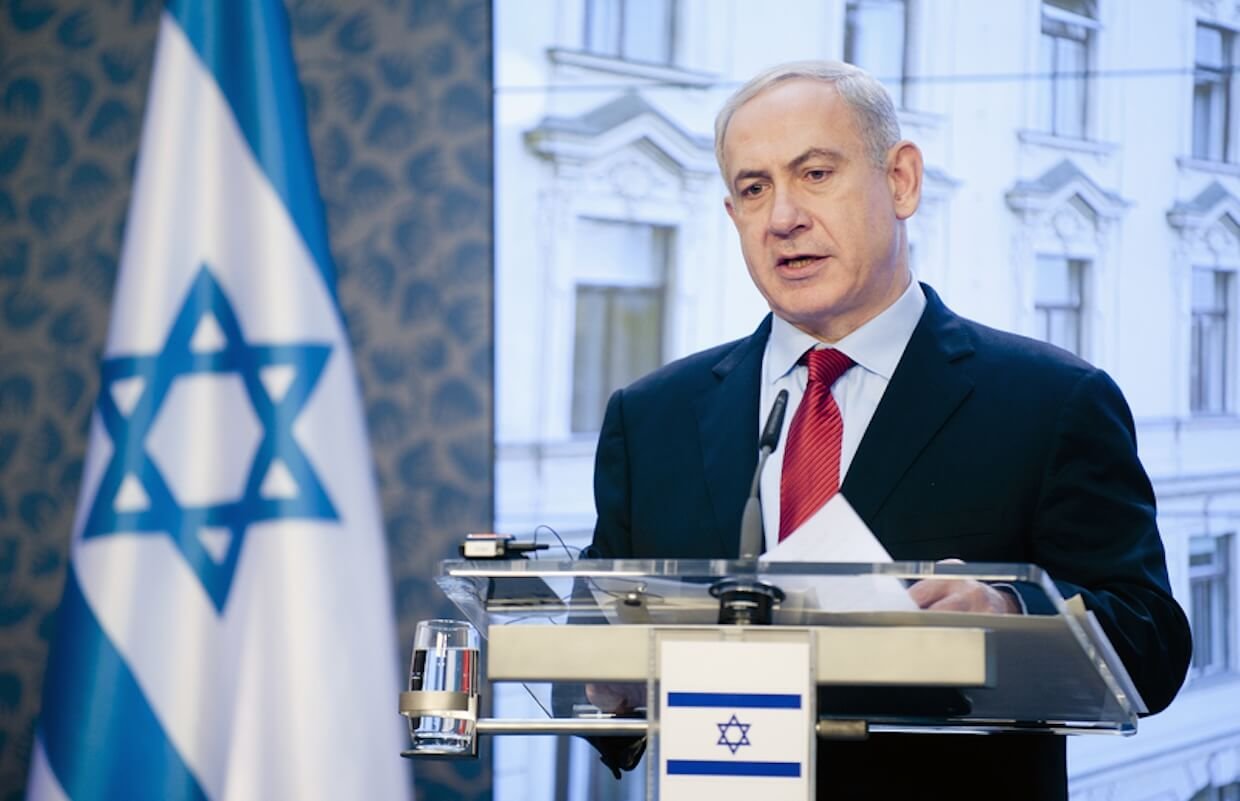
Professor Zur, thank you for joining us. Despite the political fallout from October 7, the Gaza war, and the judicial overhaul, Likud remains Israel’s largest party, with approximately 27 seats in the provisional results. How do you explain Netanyahu’s enduring electoral appeal? Does his resilience reflect ideological loyalty, perceived leadership competence, or the personalized nature of Netanyahuism?
Dr. Roi Zur: It is important to put these results into context and perspective. On the one hand, Netanyahu’s party, Likud, lost five seats compared to the 2022 election and nine seats compared to its representation at the end of the previous Knesset, following its merger with a smaller party during the last term. This represents a significant loss in parliamentary seats.
On the other hand, Likud received approximately 50,000 more votes than in the previous election. These are therefore bittersweet results, particularly when considered in light of mainstream media polls conducted immediately before the election. It is quite surprising that Likud secured 27 seats, while media outlets affiliated with Netanyahu had projected around 30 or even 32. So, these results can be interpreted as both a loss and a victory for Netanyahu. From his perspective, the outcome remains ambiguous.
Now, considering everything Netanyahu and Israel more broadly have experienced over the past four years—including the problems preceding October 7, the fallout from the October 7 attacks, the Gaza war, and the judicial overhaul—this period can be characterized as a struggle for Israel’s very existence. Netanyahu, in a sense, has led Israel through these challenges, for better or worse, depending on one’s political perspective.
Within this context, the results suggest a shift in perceptions of Netanyahu among people who previously disliked or did not support him, but relatively little change among his established supporters. This indicates a degree of resilience at both the party and coalition levels.
Although Likud lost a substantial number of seats, we can also observe a rightward shift in Israeli public opinion. For example, research by Liran Harsgor of the University of Haifa shows that younger Israelis are more right-wing than older generations. Similarly, work by Gal Bitton identifies a modest but statistically significant rightward shift in ideological self-placement among Israelis displaced during the war.
Likud appears to have benefited from these developments, attracting voters who have moved to the right or already held more right-wing positions before the election. These gains are understandable, given that many voters identify with Likud’s policies during the war and in the preceding period.
This became particularly evident in the later stages of the campaign, when Netanyahu successfully differentiated himself from his former coalition partner, Gadi Eisenkot. Through Likud’s campaign, Eisenkot came to be perceived by many voters as more willing to cooperate with the Palestinians, including the Palestinian Authority, Palestinian citizens of Israel, and Arab parties in the Israeli parliament.
Neither Netanyahu nor Eisenkot Has a Viable Path to Power
The provisional results suggest approximately 53 seats for Netanyahu’s bloc, 48 for the predominantly Jewish-led opposition, and 19 for Arab parties. What governing alternatives are realistically available? Could an Eisenkot-led coalition overcome its ideological divisions, or might coalition fragmentation ultimately sustain Netanyahu’s political influence?
Dr. Roi Zur: Currently, there are no realistic alternatives. The numbers simply do not add up for either Netanyahu or Eisenkot.
To form a coalition, Eisenkot would have to break one of his two promises. On the one hand, he promised not to cooperate with non-Zionist parties. On the other, he promised not to cooperate with any ultra-Orthodox party that maintains its opposition to drafting ultra-Orthodox students into the army. It is unlikely that Eisenkot could pull this off and bring the Arab parties to the table. But even if the Arab parties agreed to support him and he agreed to cooperate with them, there is still Lieberman, the leader of one of the more right-wing opposition parties, who has repeatedly objected to cooperating with the Joint List and the ultra-Orthodox parties. So, there simply are not enough seats for Eisenkot to build a stable coalition without breaking one of his major campaign promises.
On the other hand, Netanyahu is also short of a majority. To form a governing majority, he would need to bring at least one opposition party into his coalition. He is six seats short, meaning that six seats would need to shift from the opposition to a Netanyahu-led coalition. Alternatively, at least 14 members would need to abstain to allow him to form a minority government, which seems unlikely at this point.
So, for either Netanyahu or Eisenkot to gain or retain power, they would have to be extremely creative and break at least one major election promise.
Netanyahu’s Populist Narrative Helped Deflect Responsibility for October 7
In your research on party strategies, you distinguish policy positions from valence attributes such as competence, integrity, and leadership. Following October 7, how did these considerations shape electoral competition? Did dissatisfaction with Netanyahu’s performance benefit alternative right-wing leaders more than parties advocating fundamentally different policies?
Dr. Roi Zur: We don’t yet have updated data showing which issues moved voters toward particular parties. However, we can draw on theoretical understanding and historical trends in Israel to consider what might have happened.
There is a substantial body of political science research dating back to the 1960s showing that voters consider the policy positions of political parties. At the same time, another large body of research demonstrates that voters also consider other party attributes, such as the leader’s popularity, competence, trustworthiness, and so on.
These considerations usually work together. From a voter’s perspective, the best option is someone who advocates policies close to their own preferences and is also competent. Moreover, perceptions of competence and trustworthiness are themselves related to how closely voters identify with a particular party.
In the case of Israel in 2026—and I should emphasize that this assessment is based on historical trends rather than updated data—we can imagine that some voters probably defected to parties further to the right, particularly Otzma Yehudit and Religious Zionism, which are more extreme than Likud, itself already a far-right party. Together, these two parties gained approximately 100,000 more votes than in 2022.
It seems to me that, following October 7, many voters perceived Likud, and especially Netanyahu, as responsible for what happened. However, during the war, many of these voters returned to Netanyahu’s camp because he was able, in a very populist way, to convince them that October 7 was not his fault and that he was the strong leader willing to fight to protect Israel.
His campaign claimed that it had reshaped the Middle East by removing the leadership of Iran, Hezbollah, Hamas, and so on. As a result, much of the blame associated with Netanyahu early in the campaign gradually evaporated, particularly among voters who already liked him.
Those who disliked Netanyahu, however, still regard him as one of the principal figures responsible, if not the most responsible, for October 7, the war, and everything that followed. But these voters were not supporting Netanyahu in the first place.
Ideological Polarization Is Deepening Across Israel’s Political Spectrum
In “The Israeli Parties’ Positions in Comparative Perspective,” co-authored with Ryan Bakker, you demonstrate the distinctive importance of the Israeli–Palestinian conflict in structuring left–right competition. Does the October 27 election suggest a lasting rightward ideological realignment? Why has political competition increasingly shifted toward rival versions of nationalist and security-centered politics?
Dr. Roi Zur: Across the board, right-wing parties in Israel seem to have been shifting further to the right over the past few years, especially Likud, which was once a moderate-right party but is now considered a classic European far-right party. I think this process has continued over the past three or four years. However, our updated survey, which Ryan and I are currently conducting, is still in the field, so I don’t yet know exactly where the parties’ positions will fall. Judging from the campaign, though, it seems that the right wing is moving further to the right, the left wing further to the left, while parties in the middle remain in the center.
What I mean is that the structure of the party system, in terms of parties’ ideological positions, is based on an overarching left–right dimension. In politics, people commonly talk about left and right. In the European context, we know that this distinction generally refers to economic issues, such as taxation and housing policies, as well as certain social issues, such as immigration.
In Israel, however, when parties and their voters talk about left and right, they are primarily referring to questions of national identity: Where do we see ourselves as a country? What kind of country are we? Above all, they are referring to security issues. This has always been the case. Obviously, the importance of security increases in some periods and takes second place in others. But security has always been central to Israeli politics, and since October 7, it has probably become the most important dimension distinguishing political parties.
What does this mean in practice? Parties on the right adopt more hawkish positions regarding the territories in the West Bank, or Judea and Samaria. They express stronger opposition to Palestinian statehood and cooperation with the Palestinian Authority and advocate more offensive military strategies in Gaza, Lebanon, Iran, Syria, and elsewhere.
The left, by contrast, is more open to cooperation with Palestinians within Israel and with the Palestinian Authority, more receptive to international negotiations, and more supportive of land-for-peace agreements.
So, I don’t think this is a new reality. Rather, it is reshaping the political spectrum because, quite simply, Israel is part of the Middle East, where there is an ongoing conflict that needs to be resolved. Indeed, the question of the territories and the possibility of land-for-peace agreements have been central issues in Israeli politics since Israel occupied the Palestinian territories previously controlled by Jordan and Egypt in 1967.
Netanyahu Has Transformed Likud into a Populist Radical-Right Party
Netanyahu frequently frames political competition as a struggle between the authentic Israeli people and allegedly unaccountable judicial, media, and political elites. How central is this populist antagonism to Likud’s electoral resilience? Has Netanyahuism transformed the traditional nationalist right into a more explicitly populist political movement?
Dr. Roi Zur: The short answer is yes; he has. We have seen this transformation since the late 2010s and early 2020s, particularly when Netanyahu was first indicted and allegations of corruption against him emerged. Netanyahu made a decisive turn toward a populist agenda, consistently blaming the judicial system for problems in policymaking and accusing it of targeting him personally and attempting to remove him from office as Prime Minister.
This approach is not unique to Likud, but Likud is certainly the largest party and has also been in power for many years. What Netanyahu has managed to do is shift the blame for virtually any policy problem onto these allegedly unaccountable elites, whether within the security apparatus or the judicial system. In that regard, Likud is no longer a classic center-right party. It increasingly resembles a European populist radical-right party.
Likud Is Converging Ideologically with Israel’s Extreme Right
Itamar Ben-Gvir’s Otzma Yehudit and Bezalel Smotrich’s Religious Zionism retain significant parliamentary representation. How should we distinguish their religious-nationalist radicalism from Netanyahu’s populism? Have these parties shifted the boundaries of mainstream political discourse, particularly concerning Palestinian rights and territorial sovereignty?
Dr. Roi Zur: We can look at this in two ways. First, we can consider whether Likud, Otzma Yehudit, or Religious Zionism is closer to the far-right end of the left–right spectrum. In that regard, there is simply not much further to the right to go.
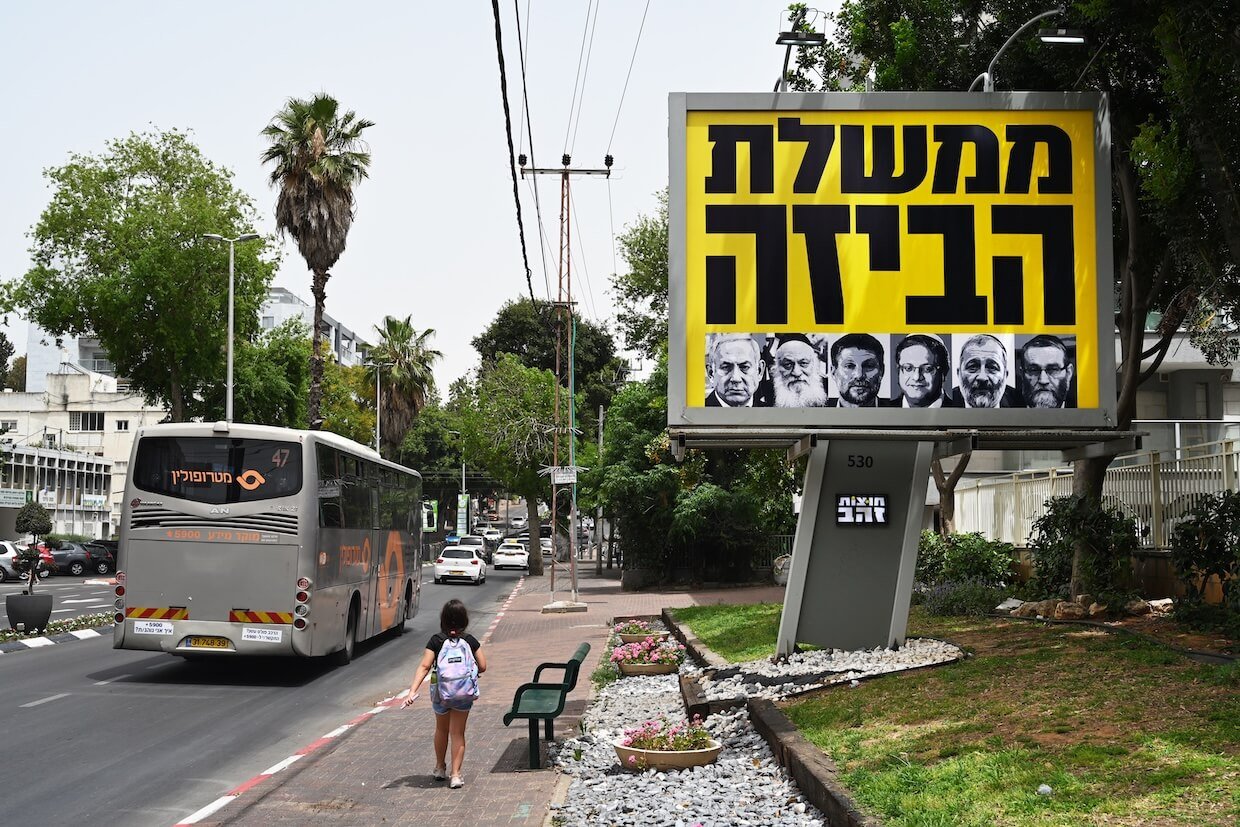
From a comparative perspective, Otzma Yehudit and Religious Zionism are as far right as parties can possibly be. If you look at the Chapel Hill Expert Survey, one of the largest datasets on political parties’ policy positions, these two parties are positioned as far to the right as the most extreme right-wing parties in Europe or elsewhere in the world. Now, Netanyahu and Likud have, in that sense, caught up with them. This raises questions about what it means to be on the right and what it means to be populist.
In both respects, these three parties are very close to one another. Likud is perceived as slightly less right-wing than Otzma Yehudit and Religious Zionism, but it remains very close to the far-right end of the spectrum. The three parties are also very similar in terms of their populism. In this regard, it is increasingly difficult to differentiate between them.
Over the past three years, we have seen Otzma Yehudit and Religious Zionism, but also parts of Likud, pushing the boundaries of the scale itself, making us reconsider where the far-right end of the left–right spectrum actually lies.
In Israeli politics, particularly in response to the war in Gaza, questions about what the Israeli army is allowed or not allowed to do, and to what extent the Israel Defense Forces (IDF) should comply with international law, have become increasingly prominent. The idea of allowing the military to operate without regard for international law—something that was not part of mainstream political discourse before October 7—has become much more mainstream. Otzma Yehudit and Religious Zionism have popularized such positions as legitimate expressions of political opinion.
From their perspective, it is acceptable to advocate occupying the entire West Bank or reoccupying the Gaza Strip and rebuilding settlements in both the West Bank and Gaza. These positions were neither as mainstream nor as widely popularized before October 7.
Netanyahu Has Mainstreamed Previously Marginal Far-Right Positions
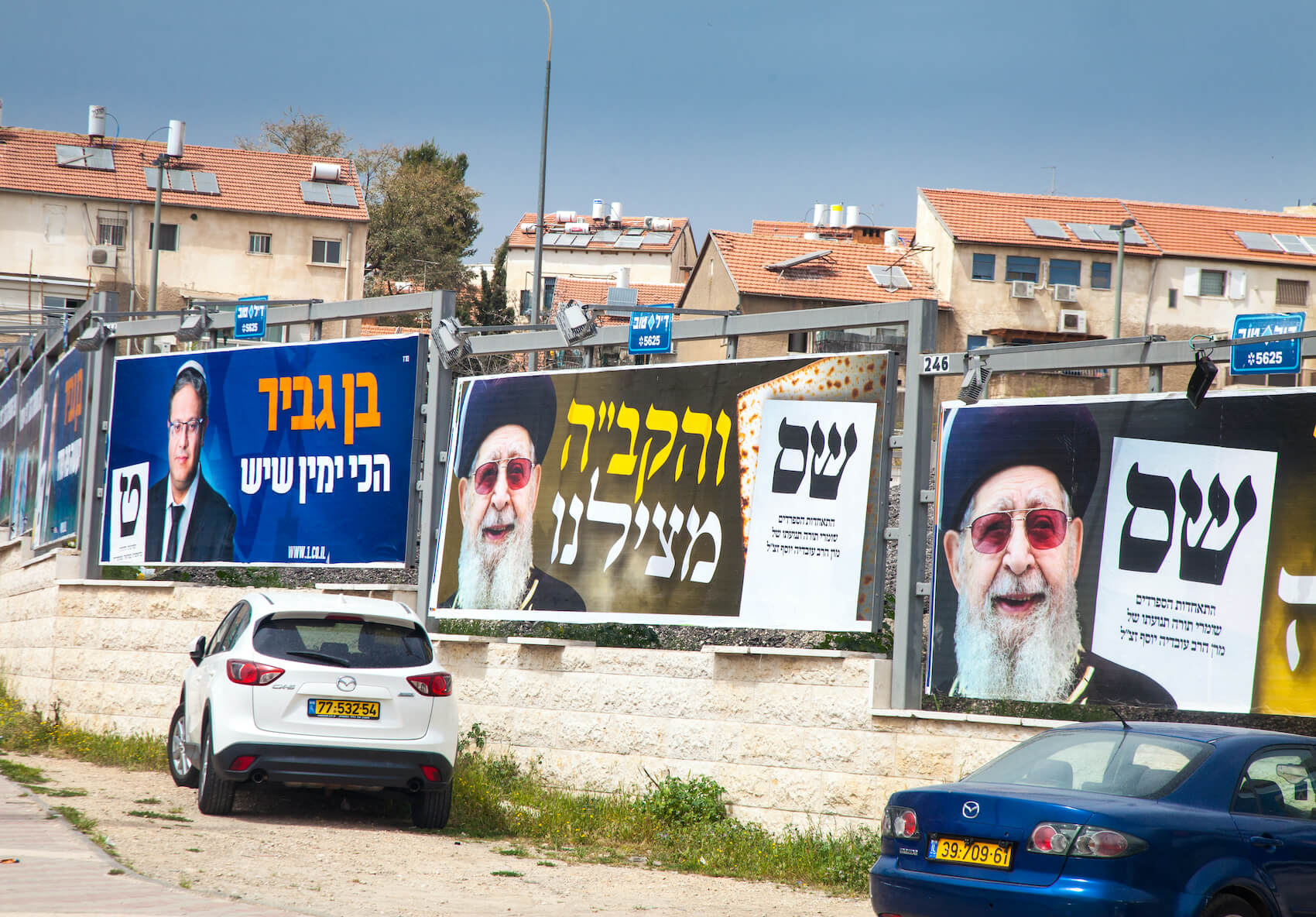
Your research on party competition and ideological positioning offers a framework for examining the normalization of radical political alternatives. Has cooperation between Likud and the religious-nationalist parties of Ben-Gvir and Smotrich mainstreamed previously marginal positions? Does their electoral persistence reflect changing public preferences or the strategic repositioning of established right-wing parties?
Dr. Roi Zur: In addition to what I said earlier, through this cooperation, Netanyahu has legitimized the far-right thoughts, beliefs, and positions of parties and individuals who had previously been on the fringes of the Israeli political system.Since 2019, when the breakdown of the party system was at its height, Netanyahu has increasingly legitimized these positions. Ten or fifteen years ago, people like Ben-Gvir were not considered legitimate politicians. Their positions were regarded as far-right and remained outside the accepted political mainstream.
Since 2019, however, Netanyahu has legitimized them in the eyes of many voters. This is reflected in the fact that both parties have entered government, particularly Otzma Yehudit, which is slightly more extreme than the Religious Zionist Party. These parties have gained governmental power and shaped policies that, just ten or fifteen years ago, would have been considered outside the boundaries of politically legitimate positions.
Ultra-Orthodox Parties Are Losing Their Traditional Kingmaker Role
Shas and United Torah Judaism remain important coalition actors, while military exemptions for ultra-Orthodox men have become increasingly contentious. Could the conscription dispute restructure Israeli party competition? Is the secular–religious divide becoming more electorally consequential than conventional socioeconomic disagreements?
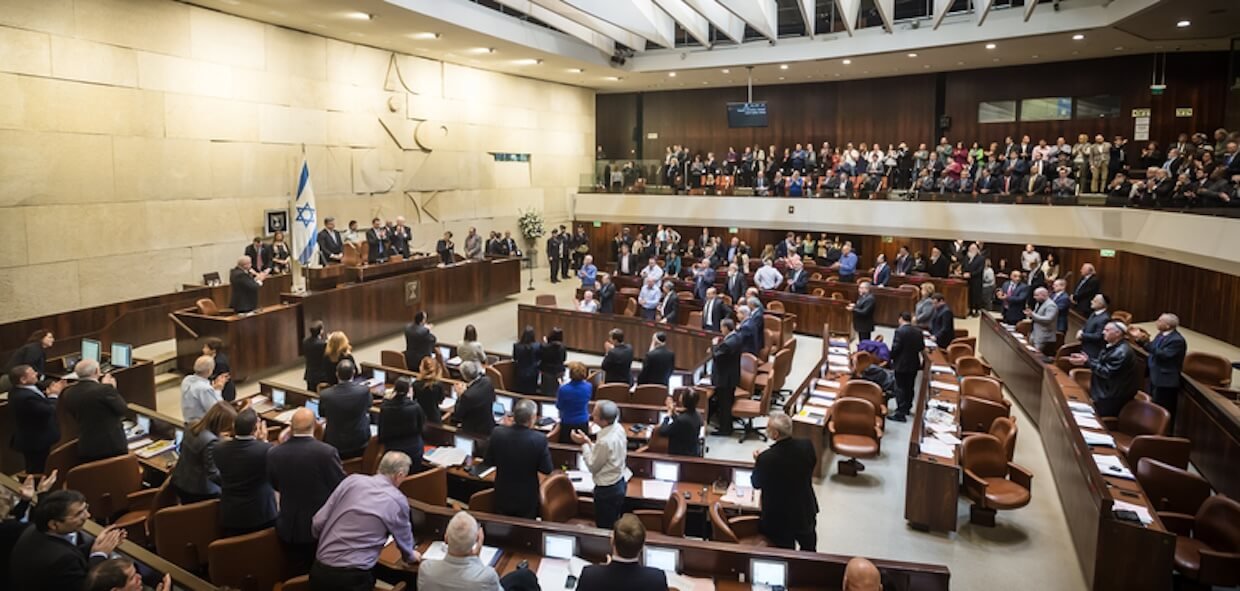
Dr. Roi Zur: There are two important points to make before answering this question. First, the election results show, for the first time in history, that there are more Arab members of the Knesset than ultra-Orthodox members. This represents a major shift in who holds political power and who can act as kingmakers. Historically, the ultra-Orthodox parties played that role and, more often than not, determined whether the center-left or center-right would come to power.
The second major shift is that the ultra-Orthodox parties are no longer in power and are not currently accepted as coalition partners by the center-left or the opposition to Netanyahu. This could change as the government formation process evolves. I have seen media reports suggesting that the ultra-Orthodox parties might allow Eisenkot to control the Knesset by abstaining from important votes, simply to keep things moving and avoid a second election. However, I am not sure they will actually do so.
Now, the second most important dimension of Israeli politics, after issues related to the Arab–Israeli conflict, is indeed the secular–religious divide: whether parties position themselves on the more Jewish or more democratic side of the political spectrum. The ultra-Orthodox parties are obviously at one end of this scale, emphasizing the Jewish character of the state more strongly and its democratic character less.
This divide has always been consequential in Israeli politics, and I think it was particularly important in this election. However, as we have seen, the ultra-Orthodox parties were less successful than in the past, suggesting that some voters who previously supported them preferred more right-wing parties instead.
The question of whether the government should draft ultra-Orthodox students into the army has also long been the second most important issue in Israeli politics, and I think it will remain so.
Returning to one of the earlier questions, if Eisenkot wants to form a government, one option would be to reach an agreement with the ultra-Orthodox parties. He promised not to do that, but it remains an option. If he has to break an electoral promise, he could say, “Okay, we’re going to break this promise to draft ultra-Orthodox students into the army and give them some concessions in return for replacing Netanyahu.”
Secular Politics Does Not Necessarily Mean Liberal Politics
Avigdor Lieberman’s Yisrael Beytenu combines secular positions on military service and religious authority with strong nationalist security policies. How should we locate such parties within Israel’s multidimensional ideological space? Can secularization advance without corresponding liberalization on minority rights or the Palestinian question?
Dr. Roi Zur: We see this quite often in the Israeli political system. Lieberman’s party is somewhat unusual, as you pointed out. If we think about politics in two dimensions—secular versus religious on the one hand and left versus right on the other—secular parties are almost always positioned on the left or in the center of the left–right spectrum, while more religious parties tend to be more right-wing.
Yisrael Beytenu is unusual because it is closer to Likud on issues related to the general left–right dimension, particularly those concerning the Palestinian Authority, peace, and security. On the other hand, it is closer to left-wing parties on issues concerning social groups and the Jewish versus democratic character of the state. So, you are right to highlight this distinction.
When positioning Lieberman within the Israeli political spectrum, we need to be conscious of these differences. This is also what makes Lieberman particularly powerful right now, because he can decide whether to maintain his opposition to both ultra-Orthodox and Arab parties joining the government.
As we discussed earlier, Lieberman, like the other opposition parties, pledged to form a government that would include neither the ultra-Orthodox nor the Arab parties. However, it seems to me that, among the four leaders or parties in the Jewish opposition, Lieberman has the strongest objections to including either the ultra-Orthodox or Arab parties in a governing coalition.
The Failure of the Peace Process Accelerated Labor’s Electoral Decline
The historically dominant Labor Party now survives within the Democrats alliance, far removed from its former centrality in Israeli politics. What explains this profound electoral decline? Has Labor lost its organizational and social foundations, or has the growing salience of security and national identity displaced the economic and redistributive issues on which it once competed?
Dr. Roi Zur: It’s a chicken-and-egg question. What came first? We know that the party’s social power, organizational strength, and institutional foundations have gradually eroded over time. The Labor Party, Meretz, and now the Democrats have long since lost their former control over the government apparatus. They no longer possess the grassroots power they once had.
Labor’s decline essentially began in the early 2000s, when the peace process broke down and the Second Intifada erupted. Many Israelis associated the peace process with deteriorating security, and large numbers of voters abandoned the Labor Party, leading to its rapid electoral decline.
In the current election, however, the Democrats performed slightly better than in the previous one. If we consider the two Zionist left-wing parties that now constitute the Democrats, they received roughly the same number of votes as before but secured seven or eight seats in the Knesset, compared with the four seats they held in the previous parliament.
Centrist Parties Face a Structural Dilemma of Ideological Positioning
In “Stuck in the Middle: Ideology, Valence and the Electoral Failures of Centrist Parties,” you demonstrate that moderate parties can suffer from weak reputations for competence and leadership despite occupying electorally attractive positions. Could this framework help explain Labor’s decline and the limited appeal of the liberal-left? Can ideological moderation compensate for weakened political credibility?
Dr. Roi Zur: In theory, yes. The problem for parties in the center is that they have very little room to maneuver. If they move to the right, they risk being squeezed by more competent right-wing parties. If they move to the left, they face the same challenge from more competent left-wing parties.
In the case of Israel’s Labor Party, two developments occurred simultaneously in the early 2000s. First, Israeli public opinion shifted to the right. The electorate became more right-wing than before, leaving fewer voters who identified closely with Labor. As a result, regardless of whether Labor is perceived as competent or trustworthy, there are simply not enough voters inclined to support it because of this broader shift in Israeli public opinion.
In theory, Labor could moderate its positions and attract more centrist voters at the expense of other centrist parties. However, doing so would also risk losing its distinctive identity as the only Zionist left-wing party.
Ethnonationalist Exclusion Limits Arab Parties’ Coalition Potential
The Joint List and Ra’am could collectively hold approximately 19 seats, potentially making them decisive in government formation. Yet major Jewish-led parties remain reluctant to depend on their support. Does this exclusion reflect a broader ethnonationalist definition of legitimate political representation? Could Arab parliamentary participation become indispensable to forming an alternative government?
Dr. Roi Zur: First of all, the final, updated election results show that the two Arab parties secured 19 seats. As we discussed earlier, this is a unique result. I would not say that Arab voter turnout was the highest in Israeli electoral history, but it was certainly the highest in the last 30 years. Arab parties have also not achieved such electoral success during that period.
Now, about a week after the elections, but before the government formation process has begun, we can see two distinct narratives emerging in the media. The first comes from right-wing media outlets and politicians, who argue that any cooperation with Arab parties is illegitimate. According to this view, Arab parties should neither be included in government formation nor participate in policymaking.
On the other hand, center-left parties and their voters appear more open to cooperation with Arab parties. I saw a survey published a couple of days after the election asking supporters of Jewish opposition parties whether they would prefer forming a coalition with Arab parties, entering a coalition with Netanyahu, or holding another round of elections. A plurality, though not a majority, of these voters indicated that they would prefer a coalition with Arab parties rather than another coalition with Netanyahu and the right wing.
However, there is considerable variation in these ethnonationalist perceptions of political legitimacy. Voters who supported the Democrats are more open to cooperation with Arab parties than supporters of Yashar, Eisenkot’s party, or Bennett’s and Lapid’s parties. Those voters, in turn, are more willing to cooperate with Arab parties than Lieberman’s supporters.
Replacing Netanyahu May Not Transform Israel’s Palestinian Policy
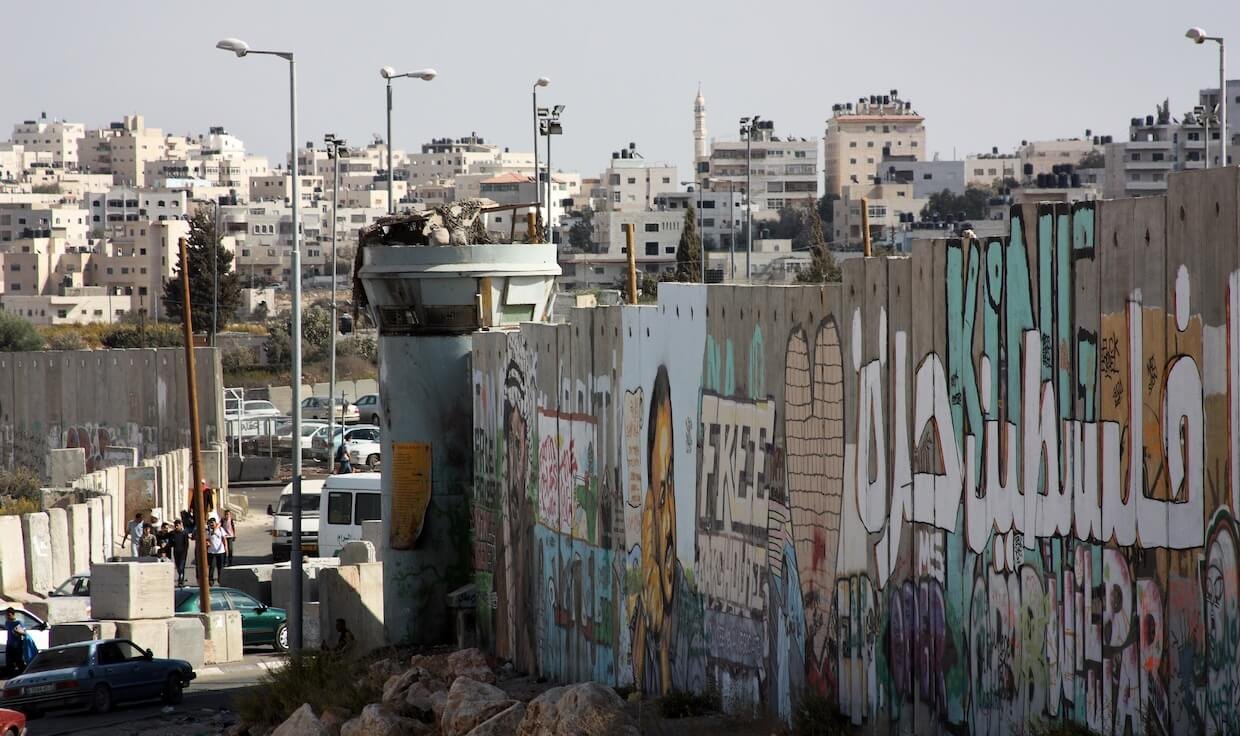
Photo: Giovanni De Caro.
Much of the anti-Netanyahu opposition remains committed to security-centered nationalism rather than a negotiated two-state solution. Would an Eisenkot-led government represent a substantive departure from Netanyahu’s approach to Gaza and the West Bank, or primarily a change in leadership competence and governing style? What electoral conditions could make Palestinian self-determination politically salient again?
Dr. Roi Zur: This is the million-dollar question. If a new government were formed, which does not seem likely at this point, would its policies be any different? First of all, it depends on the composition of that government. If it were an opposition government supported by the ultra-Orthodox parties, or the current coalition joined by one of the opposition parties, we would be unlikely to see any significant change.
A Palestinian state has never been popular among Jewish voters in Israel, but since October 7, the idea has become almost a curse for the majority of voters. Of course, attitudes vary both generationally and ideologically, with people on the center-left more open to the idea than those on the right.
If we consider Eisenkot specifically, just this morning I saw a report in which he discussed the options for the day after the war ends. He made it very clear that he considers the Palestinian Authority illegitimate, much like the other right-wing parties in Israel. Instead, he expressed support for what the Americans call the Board of Peace, the technocratic organization intended to deal with Gaza.
So, if we see any change, it will be because Eisenkot, Bennett, and Lieberman have changed their core positions on Palestinian statehood. But for this to happen, we would first need to see a Jewish-Arab coalition, followed by a successful process of changing the situation in Gaza. These developments would take many years. I do not think we are likely to see them in the next couple of years.
Coalition Deadlock and Democratic Backsliding Threaten Israel’s Political Future
And finally, Professor Zur, your research highlights how party positions, issue salience, leadership reputations, and ideological polarization interact in shaping electoral competition. Looking beyond the immediate coalition negotiations, what developments could fundamentally reshape Israel’s party system? Might the country experience a renewed center-left alternative, further populist radical-right consolidation, or prolonged competition among different forms of nationalism?
Dr. Roi Zur: The first priority for the center-left, or the left more broadly, is to gain power and then demonstrate that it can govern successfully. The first step would be to form a coalition, gain control of the Knesset, and provide citizens with, first and foremost, security and, second, economic success. If they can achieve this over a full four-year term, voters may shift back toward them, or at least the Jewish electorate might.
What seems more likely, in my view, is that we are heading into several months, or perhaps even a year, of political instability. Historically, such instability has helped the populist radical right maintain and consolidate its power, contributing to its current strength.
As for the nature of political competition, we will continue to see a classic populist agenda, particularly from the populist right and Netanyahu’s political environment. In fact, we are already witnessing it. Likud is making statements claiming that the elections were stolen, much like Trump’s claims in the United States after his electoral defeat. These statements allege that Arab voters were bribed, that their turnout was illegitimate, that the elections were bought, and that the judicial authorities overseeing the elections were incompetent and failed to do their job.
The next few days will provide a great deal of new information. We will learn which party or political leader receives the first opportunity to form a government, whether that will be Eisenkot, and whether he can gain control of the Knesset and the legislative process.
These two questions will shape Israeli politics over the coming years. I want to emphasize one important point here: if Eisenkot can gain control of the Knesset within the next month, his coalition could repeal much of the judicial overhaul legislation that the previous government worked on for four years.
A substantial portion of the legislation concerning government control over the judicial system is scheduled to take effect on January 1. This, in my view, is the main reason Eisenkot is in such a hurry to gain control of Parliament and the legislative process, even if forming a coalition government takes another three, four, or six months.