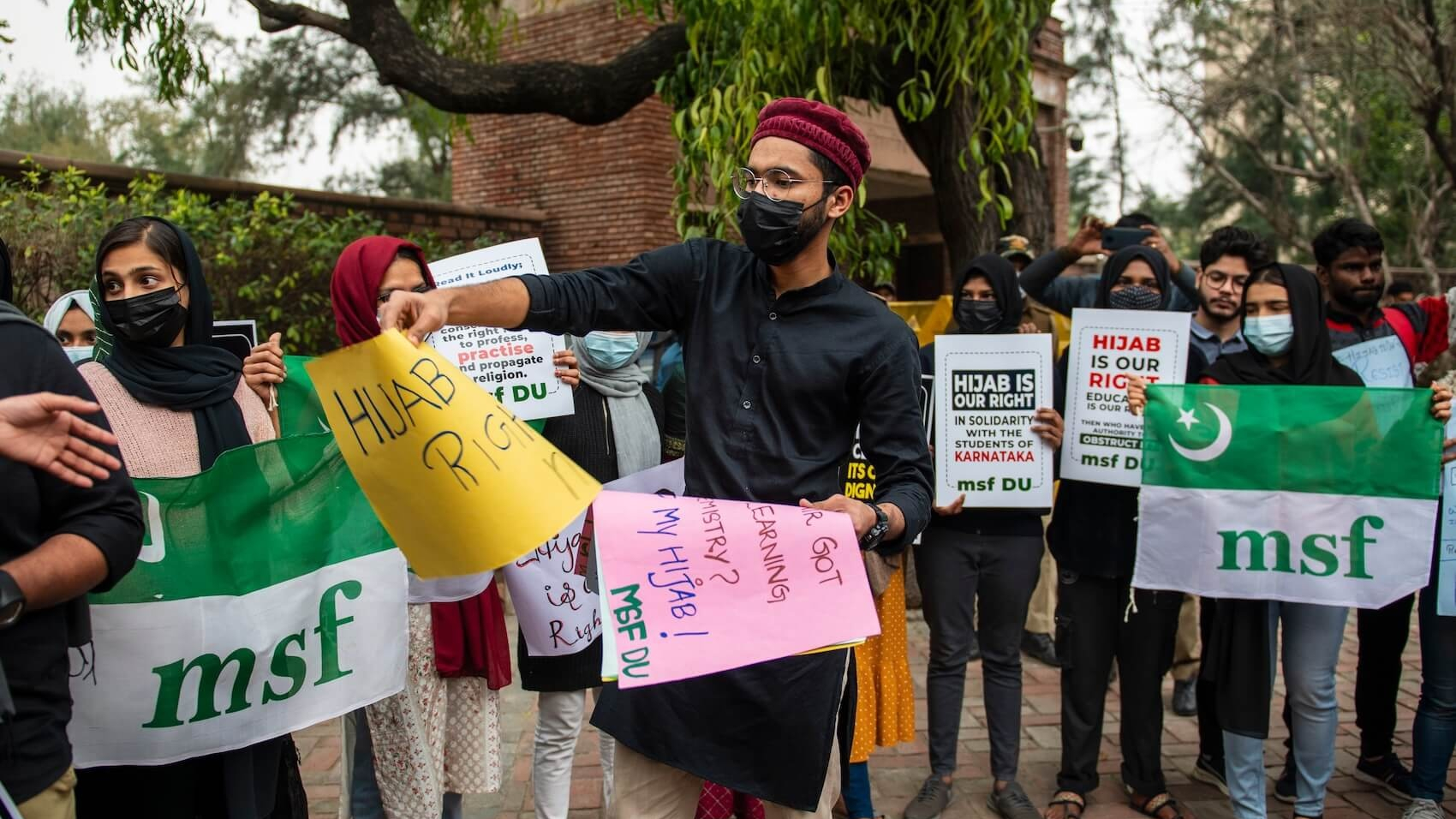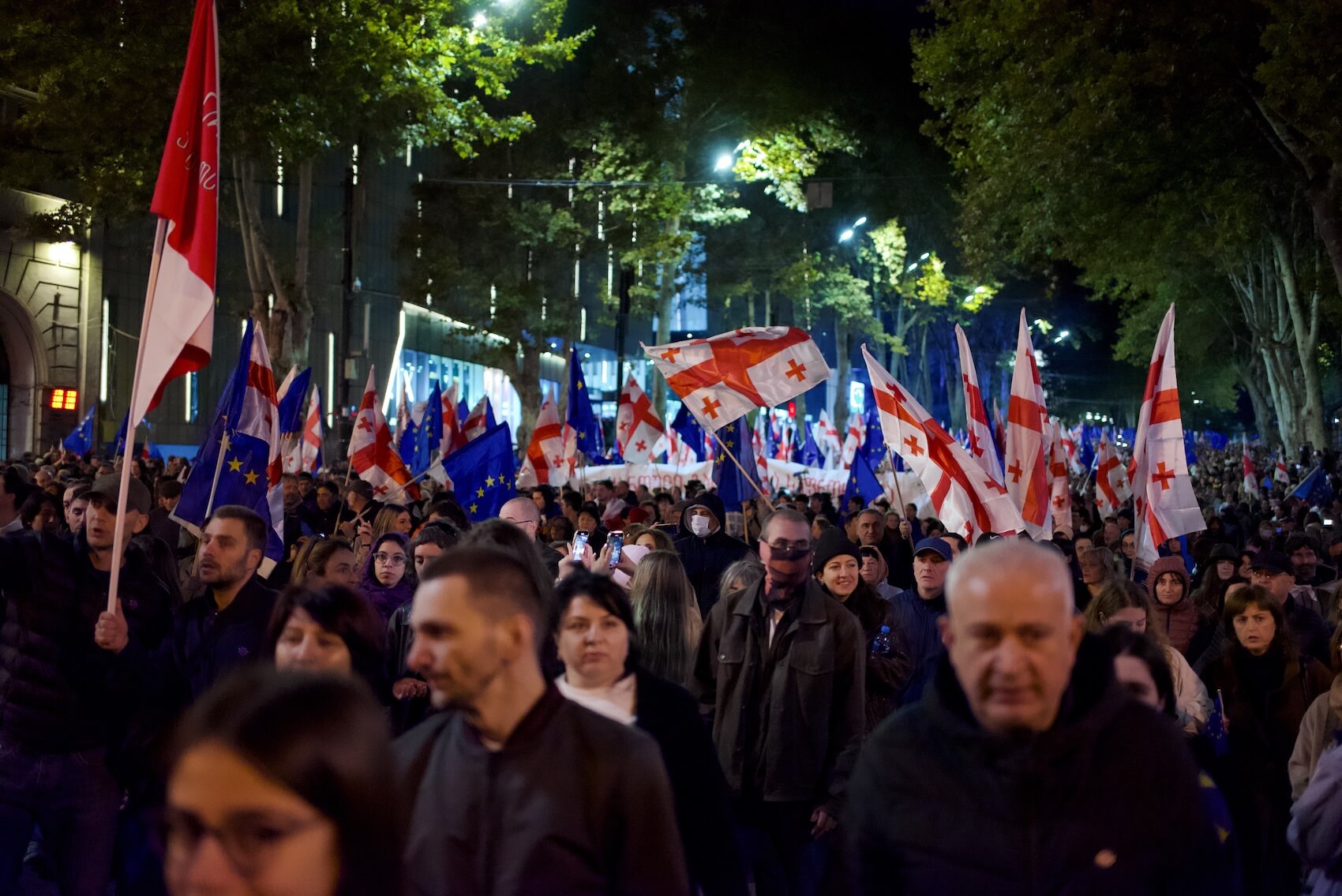
A photograph which was taken during Candlelight March in South Korea. Photo: Shutterstock.

Professor Sang-Jin Han: Threat to Democracy in South Korea Doesn’t Come from Populists, but from Neoliberals 

When queried about the correlation between populism and democracy and the potential jeopardy to democracy in South Korea, Profesor Sang-Jin Han argues the potential threat to democracy in South Korea does not come from populist citizens, but from neoliberal ones. By sharing insights from his 2018 empirical study, he elucidated, “My research aimed to discern which citizens genuinely endorse autocracy and strong leadership. Surprisingly, the findings unveiled that those meeting specific criteria for populism did not inherently endorse robust autocratic leadership. Rather intriguingly, it was the neo-liberal citizens who exhibited a tendency to endorse such authoritarian leadership.”

Interview by Selcuk Gultasli

Giving an exclusive interview to the European Center for Populism Studies (ECPS) on Monday, Profesor Sang-Jin HanEmeritus Professor of Sociology at Seoul National University in South Korea, says the potential threat to democracy in South Korea does not come from populist citizens, but from neoliberal ones.

When queried about the correlation between populism and democracy and the potential jeopardy to democracy in the nation, Professor Sang-Jin Han shared insights from his 2018 empirical study. He elucidated, “My research aimed to discern which citizens genuinely endorse autocracy and strong leadership. Surprisingly, the findings unveiled that those meeting specific criteria for populism did not inherently endorse robust autocratic leadership. Rather intriguingly, it was the neo-liberal citizens who exhibited a tendency to endorse such authoritarian leadership.”

According to Professor Han, the perplexing aspect is why neo-liberal citizens, who typically enjoy the benefits of political liberty and economic liberalism, would support authoritarian leadership. One possible explanation is that they perceive a threat from a powerful civil society and civil movements, fearing that these forces could potentially hinder democracy. In their view, embracing a strong leader is a means to mitigate this perceived threat and safeguard against the influence of civil society.

This puzzling phenomenon raises questions about the motivations of neoliberal citizens, who, despite enjoying political and economic liberties, rally behind authoritarian leaders. Professor Han suggests that their support may stem from a perceived threat posed by powerful civil society and civil movements, which they fear could hinder democracy.

The interview delves into various aspects of populism in South Korea, exploring its historical roots, manifestations, and implications for democracy. Professor Han also challenges the traditional left-wing/right-wing dichotomy often applied to populism, arguing that populism in Korea transcends ideological boundaries and is more about emotion than specific political positions. He highlights the rise of a populist leader, Cho Kuk, and the emotional fervor observed during recent elections, signaling a potential threat to democracy.

Moreover, Professor Han sheds light on the genealogy of populism in Korea, tracing its origins to the aftermath of the Korean War and its enduring influence on the country’s political landscape. He emphasizes the unique context of Korean populism, distinct from Western models, and the role of digital media in shaping public discourse.

Here is the transcription of the interview with Profesor Sang-Jin Han with minor edits.

Two Pillars of Populism: Distrust to Political Elites and Advocacy of the People as Source of Political Legitimacy

Professor Han, thank you so very much for your time and for joining our interview series. Let me start with the first question. How do you define populism in the context of South Korean politics, and what are the key criteria you use to identify populist movements?

Professor Sang-Jin Han: I propose two criteria for a theory of populism: a high degree of distrust towards political elites and conventional politicians, coupled with the advocacy of the people as the genuine source of political legitimacy. I define populism based on these overarching criteria.

Why do you think Derrida’s concept of hauntology is useful to the study of populism not only in Western Europe or Latin America but also globally?

Professor Sang-Jin Han: I was very fascinated by Derrida’s concept of hauntology because we can say that the specter of populism is spreading, haunting the world today, much like Marx and Engels declared the specter of Communism haunting Europe in 1848. Now, living in Asia, I find an interesting overlapping imagination. In East Asia, when someone passes away, we wish for their soul to rest in peace. However, sometimes these specters emerge, wandering around sensitizing attention to their deep-seated sorrows, resentment, or anguish. We feel compelled to address to this anguish in order for them to rest in peace. In a similar way, Derrida argues that the specter of Marxism resurfaces to express their desperate anguish over the lost future which is related to the normative principle of democracy. Thus, Derrida attempts to reconstruct the specific specter of Marxism as critique because it contributes to democracy while deconstructing other specters arising from the genealogical traces of orthodox Marxism or historical materialism. I find this hauntological approach very intriguing.

Profesor Sang-Jin Han, Emeritus Professor of Sociology at Seoul National University in South Korea.

In your article The Hauntological Approach to Populism, you argue that: Thus, there is no reason for the hauntological approach to treat populism in itself as an intrinsic danger to democracy. On the contrary, in many historical examples, populist orientations and movements have paved the road to democracy until modern democratic institutions became rooted there.” Can you please give concrete examples to clarify the assumption that populism is not intrinsically danger to democracy?

Professor Sang-Jin Han: To start, democracy operates on the normative principle that the people are the genuine source of legitimacy in political power. Populism often taps into this appeal. However, the empirical reality often diverges from this normative ideal, leading to the emergence of populism in the real world. This disjuncture serves as the starting point for analysis. Derrida, naturally, acknowledges this complexity. Populism arises as a response to this gap, representing a longing for a future that never quite materialized, yet refusing to relinquish hope for it.

What does this hope for the future entail in the context of populism? Primarily, it involves recognizing the people as the true source of political legitimacy. This underscores the importance of scrutinizing which aspects of populism contribute positively to democracy. While populism can bolster democracy by emphasizing the primacy and advocacy of the people, it also poses dangers. If populism breeds hatred, it becomes a threat to democracy. History provides ample examples. Many experiences in Latin America during the 1930s, 1940s, and 1950s, as well as instances in Southern Europe and Korea in the 1980s, illustrate how populism can either serve as a catalyst for furthering democracy or undermine it, depending on its manifestations.

Role of “Minjung” in Shaping History of South Korean Populism

What are the basic historical milestones in the formation of the significant genealogical traces of populist imagination in modern Korean history?

Professor Sang-Jin Han: I believe one of the most significant occurrences in the 1980s was the transition towards political democracy in our country. The primary actors were the students and the protestant church, advocating a form of emancipation theology. Together, they played a pivotal role in shaping the history of populism. At the heart of this movement was the concept of “Minjung,” representing the grassroots people. The students endeavored to revitalize Minjung culture through various forms of expression such as art, folk dancing, and pop performances, all the while spearheading the democratization process.

Their advocacy extended to marginalized and oppressed individuals under military leadership and dictatorship. Thus, the 1980s stand out as a crucial milestone in Korea’s history. During this period, students ventured into urban shanty towns, rural areas, and factories, actively engaging with workers to help organize labor unions. Through these efforts, they contributed significantly to shaping a constructive image of populism in Korea’s democratization process.

Candlelight March Movement versus National Flag Movement

Ranks of men carry banners to protest against the policies of South Korea President Moon Jae-In in Seoul on November 16, 2019. Photo: Matt Ragen.

You state that, populism in itself involves both pro-democratic and anti-democratic streams. Yet, in the case of South Korea, the historical experience as well as the empirical analysis shows that the pro-democratic streams, exemplified by candlelight vigils, have been so far much stronger than the anti-democratic ones like hatred populism. Can you please elaborate on the pro-democratic streams that help consolidate democracy in South Korea?

Professor Sang-Jin Han: As observed by foreign onlookers, South Korea stands as a compelling example of political democracy despite enduring periods of military or authoritarian rule. The peaceful transition of government through elections in 1988, roughly four decades ago, marked a significant milestone. With two robust political parties, an active opposition, a vibrant political culture, and a strong civil society and public sphere, Korea doesn’t fit the mold of a populist country. However, there are populist tendencies evident among citizens, actors, and popular movements.

Notably, events like the Candlelight March and the National Flag Movement in 2016 and early 2017 showcased dramatic instances of populist movements. These gatherings, occurring in the same downtown streets of Seoul for months, remarkably remained peaceful with no clashes or violence. Despite their differences, with the Candlelight March predominantly composed of young, progressive, and liberal individuals advocating for democracy, and the National Flag Movement comprising older, conservative individuals leaning towards authoritarianism. They peacefully coexisted, competing for attention.

Interestingly, supporters of the Candlelight March emphasized the primacy of the people, while backers of the National Flag Movement harbored significant distrust towards politicians. This dichotomy suggests that populist movements advocating for the people, albeit in a republican sense, tend to bolster democracy, as demonstrated by the events of 2016 in Korea.

Your research distinguishes between the Candlelight movement and the National Flag movement. Could you explain the differences between these two movements and their respective impacts on democracy in South Korea?

Professor Sang-Jin Han: The Candlelight March Movement has a deep-rooted history in Korea, often emerging as a form of populism during periods of democratic regression. In the case of 2016, our government was under the control of President Park Geun-hye, the daughter of former President and military leader Park Chung-hee. Her administration sought to revert to a bureaucratic authoritarian regime by exerting control over civil society through a well-organized bureaucracy.

However, Korean society had undergone significant progressiveness since the democratization movements of the 1980s. The main energy within civil society had become younger, more dynamic, and increasingly committed to principles of freedom of expression, freedom of assembly, and democratic governance. This growing disparity between the political establishment and civil society eventually culminated in clashes, notably in downtown areas.

These clashes symbolize a recurrent pattern: whenever our democracy faces a threat of backsliding, energy within civil society surges, manifesting in movements like the Candlelight March. While not unprecedented, the 2016 protests were particularly decisive and successful. Ultimately, Parliament moved to impeach the President—a decision upheld by the Constitutional Court. This peaceful, progressive process demonstrated the power of people to advance democracy by countering threats and sources of democratic regression.

The events of 2016 stand as a remarkable chapter in Korean history, showcasing the resilience and efficacy of democratic movements in safeguarding and advancing democratic principles.

In your view, what are the main threats to democracy in South Korea, and how do these threats relate to populist movements such as the National Flag movement?

Professor Sang-Jin Han: I’d like to clarify that the National Flag Movement in 2016 didn’t pose a direct threat to democracy; rather, it represented a genuine voluntary effort by individuals, predominantly with conservative leanings, to defend Korea’s freedom against perceived threats from North Korea. Unlike past movements orchestrated by the government or conservative factions, this movement arose more spontaneously, indicating a positive evolution in democracy. However, its advocacy wasn’t inherently pro-democratic; instead, it focused on safeguarding freedom against North Korean threats.

Central to this movement was a strong aversion to the political elite, particularly those perceived as aligning too closely with North Korea. This sentiment, characterized by a sense of hatred or animosity towards certain political figures, rather than a commitment to democratic principles, has the potential to impede democratic progress. The National Flag Movement thus exemplifies this trend. While the movement’s intentions to defend national sovereignty and freedom are commendable, its emphasis on anti-North Korean sentiments and distrust of political elites may detract from broader democratic objectives.

Neo-Liberals as a Threat to Democracy

A group of demonstrators sit on the steps of a downtown building, chanting in protests against president Park Geun-hye in Seoul, South Korea on December 3, 2016. Photo: Kaitlyn McLachlan.


What were the findings of your empirical research regarding the association between populist movements in South Korea and support for democracy? How do these findings inform our understanding of the relationship between populism and democracy in the country? You argue; in the case of South Korea, the potential threat to democracy does not come from populist citizens, but from neoliberal citizens. Can you please explain why this is the case?

Professor Sang-Jin Han: Explaining this question in a simple yet insightful manner is indeed challenging. My empirical research, conducted in 2018, aimed to understand which citizens truly support autocracy and a strong leader. Interestingly, the findings revealed that those citizens meeting certain criteria for populism did not actually support a strong autocratic leader. Instead, it was the neo-liberal citizens who tended to favor such leadership.

The perplexing aspect is why neo-liberal citizens, who typically enjoy the benefits of political liberty and economic liberalism, would support authoritarian leadership. One possible explanation is that they perceive a threat from a powerful civil society and civil movements, fearing that these forces could potentially hinder democracy. In their view, embracing a strong leader is a means to mitigate this perceived threat and safeguard against the influence of civil society.

Despite being relatively privileged and satisfied compared to other groups in South Korea, these neo-liberal citizens still rally behind an autocratic leader. It’s a puzzle, but it’s the reality we uncovered through our research.

What is your response to the arguments that South Korea is democratically backsliding and in the middle of a democratic depression?

Professor Sang-Jin Han: As I previously mentioned, during moments of democratic backsliding, we often witness spontaneous societal movements pushing back against threats to democracy, ultimately succeeding in overcoming these challenges. Currently, while I don’t believe South Korea is facing democratic backsliding, there are concerning signs that suggest we may be heading in that direction.

In recent national elections held in April, both ruling and opposition parties and their leaders heavily relied on populist rhetoric, fueled by a sense of animosity towards each other. Unlike previous elections where strategists led the charge, this time, political leaders themselves actively advocated populist ideas, portraying their opponents not just as political adversaries, but as enemies deserving of punishment, even imprisonment. Consequently, the electoral atmosphere became emotionally charged, marked by harsh and unrestrained confrontations.

This heightened emotional struggle and the unprecedented level of confrontation during the election could potentially set the stage for democratic backsliding in the future. However, it’s worth noting that South Korea has overcome many difficulties in maintaining democracy thus far.

How will the elections held last month influence the political landscape in terms of right-wing and left-wing populism? What implications do you see for South Korean politics in terms of the polarization and demonization observed between the ruling conservative party and the progressive opposition party?

Professor Sang-Jin Han: I’m skeptical about the concept of left-wing populism versus right-wing populism, particularly in the context of South Korea. In my observation, neither left nor right ideology dominates the content of populism here. Populism, by its nature, tends to be more about emotion than adhering to specific ideological positions. Of particular concern is the cultivation of hatred, which I observed flourishing during the last general election.

A notable development during this election was the rise of a specific populist leader, Cho Kuk, a former law professor at Seoul National University and a close aide to former President Moon Jae-in. Over the years, for some understandable reasons related to the legal prosecution of himself and his wife, Cho Kuk has gained public sympathy as a symbol of political oppression and resentment. Just before the election he created a political party which became surprisingly the third party in national congress. He continues to employ aggressive rhetoric, labeling opponents as enemies deserving punishment. The emergence of such a populist leader and party may signal a potential threat to democracy in Korea.

This observation is intriguing, and while I can’t make a definitive judgment, I’m closely monitoring the role of this populist politician and party. Despite being a colleague and friend, his transformation into a popular populist figure underscores a significant shift in Korean politics. Unlike in the past, we now witness the emergence of a strong populist politician and party as a notable departure from previous political landscapes.

South Korea Follows Its Own Trajectory vis-à-vis Populism

Does the surge in populist movements in Europe and the US have any impact on South Korean populism? 

Professor Sang-Jin Han: When examining the genealogy of populism in Korea, I find little influence from either Europe or the US. The roots of populism in Korea can be traced back to strong emotions, particularly those that emerged during the Korean War from 1950 to 1953 and its aftermath. During this period, anti-communist sentiment proliferated, heavily influenced by American Cold War policies. While we’ve moved past this era, remnants of this anti-communist fervor persist, shaping the political landscape.

However, today’s populism in Korea is not directly tied to past influences from Europe or America. Rather, it’s evolving in its own context, influenced by the country’s unique historical trajectory. Populism is no longer neatly categorized into left or right ideological frameworks. Instead, it’s become more of a visually driven phenomenon, especially in the age of social media. Korean society is emotionally charged and deeply divided, and politicians and other actors capitalize on this by leveraging digital media to create and disseminate compelling images.

Korea’s advanced digital technology allows for effective image production and dissemination, shaping public perceptions and discourse. While foreign observers may attempt to apply labels like left populism or right populism, these dichotomies just reflect political slogans or flags but don’t necessarily capture the nuances of Korean populism. Korea follows its own trajectory, distinct from Western models, and its populism reflects this unique context.

Dr. Meredith Shaw, a Research Professor at the University of Tokyo's the Institute of Social Science (社研) and the managing editor of Social Science Japan Journal.

Professor Shaw: Even Progressive Politicians in South Korea Occasionally Display Authoritarian Tendencies

Professor Meredith Shaw of the University of Tokyo discussed the issue of “autocratization” in South Korea, highlighting concerns about authoritarian tendencies even within progressive political circles. She pointed out that some progressive politicians on the left have at times exhibited authoritarian behavior. For example, they have proposed laws in mimicry of the existing national security law, which aimed to penalize statements perceived as supportive of North Korea. These include recent proposals for laws targeting the misrepresentation of historical events, such as the Japanese colonial rule or the democratic movements, including the Kwangju massacre under the military dictatorship.

Interview by Selcuk Gultasli

Giving an exclusive interview to European Center for Populism Studies (ECPS), Dr. Meredith Shaw, a research professor at the University of Tokyo’s the Institute of Social Science (社研) and the managing editor of Social Science Japan Journal, talked on “autocratization” in South Korea and stated that “Unfortunately, in the democratic era, some progressive politicians on the left have occasionally displayed authoritarian tendencies, though not to the same extent.”

According to Professor Shaw, even these progressive politicians in South Korea employed authocratic tactics, such as proposing laws like the national security law, which aimed to penalize statements perceived as supporting North Korea. “More recently, there have been proposals for laws punishing the misrepresentation of historical events like the Japanese colonial rule or the democratic movements, such as the Kwangju massacre under the military dictatorship. While preventing the spread of false historical narratives is essential, such laws could potentially enable governments to selectively dictate acceptable historical interpretations, ripe for manipulation by either side,” said Professor Shaw.

In this exclusive interview, Professor Shaw delves into the complex landscape of South Korean politics. With a wealth of knowledge spanning historical contexts, socio-political dynamics, and the intricacies of populism and authoritarianism, Professor Shaw offers insightful analyses and nuanced perspectives on the challenges and trends shaping contemporary South Korea.

South Korea’s political landscape is deeply influenced by its historical context, marked by a transition from anti-communism to a burgeoning anti-Japanese sentiment. Against this backdrop, the rise of populism and authoritarian tendencies presents multifaceted challenges. Professor Shaw sheds light on the historical and socio-political factors contributing to these phenomena, exploring how they intersect with the dueling antagonisms of anti-Japanism and anti-communism.

Throughout the interview, Professor Shaw navigates through the intricate dynamics of South Korean politics, examining how populist leaders frame their rhetoric and policies to resonate with the populace. She elaborates on the utilization of historical events and symbols by different factions to shape political messaging, providing insights into the evolving political discourse.

Furthermore, Professor Shaw discusses the impact of populist and authoritarian tendencies on democratic institutions and processes in South Korea. As the interview progresses, Professor Shaw explores the influence of nationalism in South Korean politics, particularly during election campaigns. She assesses the strategies employed by political parties to maintain relevance and examines the role of securitization theory in shaping political rhetoric and decision-making.

Drawing on her expertise in North Korean politics and literature, Professor Shaw also offers intriguing insights into the readership and dissemination of state-produced fiction within North Korea. She analyzes how these literary works intersect with the regime’s control over information and ideology, providing valuable perspectives on understanding the reception and interpretation of foreign interactions among North Korean society.

Here is the transcription of the interview with Professor Meredith Shaw with minor edits.

US Supported Authoritarian Military Dictators in South Korea

Professor Shaw, thank you very much for joining our interview series. I want to start right away with the first question.Given the historical context of South Korea’s democracy emerging from a period of severe anti-communism and anti-Japanese sentiment, what historical and socio-political factors have contributed to the rise of populism and authoritarian tendencies in South Korea? How have anti-Japanism and anti-communism shaped the South Korean politics as two dueling antagonisms?

Meredith Shaw: South Korea has emerged from a long period of Cold War classic anti-communism. Anti-Japan sentiment is a relatively newer phenomenon, and it has escalated over time. I perceive it as a response to anti-communism posing a threat to left-wing parties in South Korea in broad strokes, leading them to seek an equivalent emotional trigger to shift the discourse. With North Korea situated nearby, and with a liberal party in power, their left-leaning counterparts in South Korea often find themselves associated with North Korea. There are numerous reasons why this association occurs, but evidently, any party advocating for a redistributive welfare state is susceptible to accusations from the opposing side, much like in Europe. People assert, “this is socialism in South Korea.”

Some left-leaning parties have countered this by proposing a different vision of redistribution. They advocate for reclaiming wealth accumulated through ill deeds—be it from the colonial era or military dictatorships—and redistributing it to benefit the entire country. Instead of simply taking from the rich and giving to the poor, they may frame it as reclaiming wealth gained from ancestors who worked for colonial authorities. This approach aims to circumvent the traditional accusation of leftist policies being communist. Whether this strategy is a sound solution, given recent events showcasing various phenomena, remains debatable. 

Additionally, this addresses the aspect of authoritarian tendencies, albeit in a roundabout manner. We must also consider the role of the United States over decades, supporting fairly authoritarian military dictators in the South, under the guise of necessity to counter Communism. This has led even fairly centrist individuals to believe that measures such as the national security law and government censorship are essential for the state’s safety and security. Such beliefs may find easier acceptance in a country like South Korea, which faces an immediate, threatening neighbor.

Both Righ- and Left-Wing Parties Engage in Dueling Narrative of Weaponization of History 

Visitors and mourners tie yellow ribbons to tents in remembrance of the victims of the Sewol ferry tragedy in Seoul, South Korea on May 5, 2014. Photo: Joshua Davenport.

How do populist leaders in South Korea typically frame their rhetoric and policies to resonate with the populace? What messaging and discourse strategies do they employ to appeal to the grievances of the people they intend to exploit? For example, how do different factions utilize historical events and symbols to shape their political messaging? Is there any indication of an eagerness to move beyond colonial history?

Meredith Shaw: Great question. In South Korean politics, there are many symbols that hold significant importance for both the left and the right. Traditionally, the left-wing tends to emphasize symbols connected to traditional culture. Some left-wing politicians often appear wearing traditional Korean Hanbok attire and deliver speeches at historical sites linked to Korea’s premodern past. Alternatively, they may have a backdrop of young schoolgirls dressed in traditional costumes. This might seem counterintuitive from a European perspective, but in South Korea, it’s the progressive left that embraces traditional values and art forms, while the conservative right tends to adopt a more modernist, utilitarian approach. They typically opt for business attire, focusing on economic growth and technological advancement, showing little interest in the raucous religious or traditional dancing and cultural displays favored by left-wing activists.

It might sound somewhat counterintuitive, but I’ve observed that the left-wing in South Korea also employs symbolism in response to recent tragedies, such as the 10th anniversary of the tragic sinking of the Sewol ferry. Associated with this tragedy is the symbol of the yellow ribbon, prominently displayed in downtown Seoul around a shrine dedicated to the students who lost their lives. Interestingly, another tragedy occurred two years ago during the Halloween crush in Itaewon, where numerous young people were fatally crushed at a party. In South Korea, when such tragedies occur, people often look to the highest levels of leadership for accountability far more than they might in America. In both the ferry incident and the Itaewon crush, people wear yellow ribbons as an activist response directly challenging the conservative president in office at the time. Those displaying the yellow ribbon symbol are likely progressives or, at the very least, disapprove of the current president. It’s a curious connection to make from tragedies stemming from lax regulations over many years, attributing blame to the sitting president. But such is often the nature of events in South Korea.

On the right, certain far-right groups have weaponized anti-feminist sentiments, with men’s rights becoming a significant symbol. One such online community in South Korea is ILBE Jeojangso, openly far-right and primarily focused on anti-feminism and anti-immigrant rhetoric. Often regarded as the trolls of South Korea, they wield influence over the extreme right and shape political discourse, particularly concerning colonial history. However, it’s worth noting that everything right of center in Korea generally seeks to move beyond colonial history, as dwelling on it isn’t a winning message for them. Nevertheless, right-wing politicians are still often associated with that history and perceived as descended from collaborators, whether rightly or wrongly.

Interestingly, many politicians on both sides have family connections to collaborators. However, the progressive left tends to openly address and recount these stories from the past, emphasizing the importance of remembering history. While it’s crucial not to forget the past, it often becomes a political tool, with personal histories being used to assign blame by association for actions during the colonial era. On the right side, there’s a counteraction by pointing out whose ancestors were involved in certain activities during the Korean War or had connections to North Koreans, creating a dueling narrative of weaponization of history on both sides. Both sides have moments in history they would prefer to forget, yet they continually keep these discussions alive in the political discourse.

Favoring Cronies Is Acceptable Among Political and Business Leaders

From a historical perspective, how have populist and authoritarian tendencies impacted democratic institutions and processes in South Korea, including governance, civil liberties, the rule of law, and the broader implications for democracy in the country?

Meredith Shaw: As mentioned, the military dictatorship period, spanning from the post-war era through the 1980s and supported by the US as a bulwark against encroaching Communism, established a society accustomed to government crackdowns on various aspects of public speech and subcultures, such as hippie culture and rock and roll. This regime controlled what people could read and imprisoned individuals for owning certain books, ticking all the classic authoritarian boxes. One could argue that even before this period, during the Japanese occupation, a framework of authoritarianism was established in the country from which they never truly recovered. While the historical connection may be debated, it’s undeniable that prior to 1986, there were few instances when South Koreans could openly express themselves without fear of reprisal.

Unfortunately, in the democratic era, some progressive politicians on the left have occasionally displayed authoritarian tendencies, though not to the same extent. They’ve employed similar tactics, such as proposing laws like the national security law, which aimed to penalize statements perceived as supporting North Korea. More recently, there have been proposals for laws punishing the misrepresentation of historical events like the Japanese colonial rule or the democratic movements, such as the Kwangju massacre under the military dictatorship. While preventing the spread of false historical narratives is essential, such laws could potentially enable governments to selectively dictate acceptable historical interpretations, ripe for manipulation by either side.

There are factors like the national security law that are deeply entrenched and challenging to remove. Additionally, there’s a prevalent concept of guilt by association in South Korean society. If one’s parents or grandparents were involved in wrongdoing, there’s a belief that individuals should, at the very least, not benefit from their actions. This leads to a permisevness for punishing people based on family or friend connections. On the flip side, it fosters a mentality among political and business leaders that it’s acceptable to favor cronies, as everyone could face punishment together if things go wrong. In essence, there’s a perception that it’s preferable to mutually benefit one another while there’s an opportunity. I believe this tendency is deeply ingrained in South Korean politics.

All Perceived Shortcomings Are Attributed to the Current President

The election is viewed by many as a crucial midterm evaluation of President Yoon Suk-yeol’s government. President Yoon Suk-yeol (center) is pictured attending the NATO summit in Madrid, Spain on June 30, 2022. Photo: Shutterstock.

In its 2024 Democracy Report, the V-Dem Institute of Sweden ranked South Korea under Mr. Yoon as one of the 42 countries undergoing “autocratization.” What factors have contributed to the autocratization of South Korea?

Meredith Shaw: I’ve read the report, and I agree with their conclusion. However, I question the internal logic they used to arrive there. Based on what I read, it seems like they’re suggesting that a transition from a progressive administration to a conservative one automatically constitutes democratic backsliding. Additionally, they mention current President Yoon Suk Yeol’s predecessor Moon Jae-in as being a human rights lawyer in the 1980s, but they don’t provide much further context about him. This gives the impression of a human rights lawyer being replaced by a right-wing leader who has made efforts to prosecute the previous administration. While this is true, it presents a somewhat one-sided view of the situation. South Korean democracy is in trouble. While it may not be backsliding yet, there are tendencies on both sides to target their opponents when they are in power and then to distribute benefits to their cronies.

The Moon administration also implemented stringent restrictions on freedom of speech, particularly concerning the North Korean Human Rights Movement and North Korean defectors attempting to discuss North Korea in a negative light. The Moon Jae-in Administration was cautious about such discourse because they were advocating for closer inter-Korean ties and feared upsetting North Korea. Consequently, they imposed both direct and indirect limitations on the publication of certain reports, the writing of memoirs, and discussions about experiences on television. These restrictions were lifted when Yoon Suk Yeol came into power, leading to a resurgence in discussions about North Korean human rights abuses. However, discussing efforts to promote inter-Korean relations remains challenging. Thus, neither side is effectively upholding freedom of speech; instead, each prioritizes certain types of speech while suppressing others.

I would say that Korean politics has long grappled with issues surrounding free journalism and press freedom. There are significant challenges regarding media access, with certain media outlets receiving preferential treatment for offering favorable reporting, leading to clear biases. Most major media organizations in Korea are associated with either the left or the right, lacking a truly impartial centrist perspective. Consequently, the party in power tends to reward media outlets aligned with their own party, a trend observed on both sides of the political spectrum.

In short, the transition from Moon to Yoon Suk Yeol marked a shift from a left-wing to a right-wing leader, which in itself isn’t necessarily problematic. However, the deeper issue lies in widespread disappointment and disenchantment with the political process, irrespective of who holds power. There’s a tendency to attribute all perceived shortcomings to the current president. There’s a tendency to blame the current president for all perceived shortcomings, leading to rapid shifts in party favorability. As evidenced by the significant loss of Yoon Suk Yeol’s party in the recent election, there’s volatility in South Korean politics. While V-Dem might view this as a positive turnaround on the surface, the reality of the recent election was messy. There’s much complexity at play.

The former President of the Republic of Korea Moon Jae-in took a group photo with visitors who came to visit in Cheongwadae (Blue House) in Seoul, South Korea on August 30, 2019. Photo: Chintung Lee.

Both Sides of Political Spectrum Promote Nationalist Messages

How has nationalism been used during the election campaign both by the People Power Party and the opposition the Democratic Party? Can you elaborate on specific strategies or actions taken by these parties to maintain their political relevance? Furthermore, could you assess the role of these strategies in recent elections?

Meredith Shaw: Both parties have made nationalist appeals to the electorate. In the most recent election, the focus appeared to be more on domestic issues rather than regional tensions, given the significant domestic controversies driving the Conservative party’s message. The People Power Party engaged in actions early in the election cycle that aligned with their anti-North Korea, pro-nationalist stance. There was a brief story where the People Power Party warned of signs indicating North Korea’s potential interference in the election, alleging the possibility of a cyber attack. It remains unclear whether this warning was based on credible information or intended to escalate fear towards North Korea.

There was also a recent story I came across stating that the same party issued a directive to the regional election centers to emphasize an anti-North Korea message in this campaign. However, this directive faced resistance from some of the regional candidates, who didn’t perceive it as a winning strategy. If true, this represents a notable shift. In the previous two General Assembly elections, both sides enthusiastically promoted nationalist messages concerning the North Korean threat and Japan. However, in this most recent election, there seemed to be a change in focus. Perhaps they sensed that people were growing weary of such rhetoric, or maybe they found more productive messages centered around the economy. Regardless, this recent election appeared to be relatively more focused on domestic, internal, and economic issues compared to previous ones.

Dueling Antagonisms of Anti-Japanism and Anti-Communism

In one of your past articles, you applied securitization theory to analyze how domestic actors construct foreign threats, particularly concerning Japan and North Korea, within South Korean politics. Could you elaborate on how these securitizing speech acts contribute to the dueling antagonisms of anti-Japanism and anti-communism, and what implications they hold for political rhetoric and decision-making in the country?

Meredith Shaw: In that paper, I argued that politicians don’t only discuss the North Korean threat or engage in anti-Japanese rhetoric in reaction to actions by North Korea or Japan. They also tend to employ such rhetoric reactively in response to criticism from the opposing side. For instance, if North Korea conducts an attack or engages in a provocative action at the border, people immediately turn to left-wing politicians, expecting them to adopt a defensive stance due to their perceived association, whether justified or not.

In response, you see them turning to Japan as a way to bolster their reputation in handling Japan-related issues. There’s a sentiment of questioning whether one should trust those who appear overly friendly with Japan. Similarly, on the right, during the trade dispute with Japan about five years ago, Japan was frequently in the news, leading people to look to the political right-wing and expect them to face repercussions due to their perceived stance favoring better ties with Japan. Consequently, some right-wing politicians pivoted to North Korea, emphasizing its threat as a counterpoint. When individuals instinctively retreat to their comfort zones, it keeps both Japan and North Korea constantly in the public eye. When Japan takes action, the conversation shifts to North Korea, and vice versa. Internally, politicians cannot influence the actions of either country. However, these dynamic prompt reactive responses that often keep the conversation excessively focused on these external threats.

There’s also the issue of excessive scrutiny on family relations, as I discussed earlier. Past history is consistently brought up in every election cycle, which keeps memories of that history fresh and allows grievances to grow. While it’s important not to forget the lessons of history, consider a European example: if there were a highly competitive party in Belgium today with a past history of affiliations with the Nazi party, they would always be associated with that past by virtue of their lineage. It’s somewhat similar, in South Korea, past history remains ever-present in the political conversation, ensuring it is never forgotten.

South Korea Aims to Avoid Being Associated with Leaders Like Orbán

Presidential candidate Lee Jae-myung of the Democratic Party of Korea speaks in front of supporters for his election campaign in Jeonju-si, North Jeolla Province, South Korea on on February 19, 2022. Photo: Yeongsik Im.

How will the elections held last week influence the political landscape in terms of right-wing and left-wing populism? Does the surge in populist movements in Europe have any impact on South Korean populism? What are the potential avenues for countering the challenges posed by populism and authoritarianism and strengthening democratic norms in South Korea?

Meredith Shaw: Last week’s election marked a significant victory for South Korea’s mainstream center-left party, often dubbed progressive by some, though its level of progressiveness remains a subject of debate. This outcome is somewhat surprising considering the recent turmoil within the left-wing camp, with notable defections and attempts to establish new political entities. Amidst this, allegations of corruption and immorality were rife, tarnishing the image of the mainstream center-left party. Just weeks prior, the Conservative party appeared more composed and in control. However, the election revealed that these splinter groups from the left, including defectors, fared poorly, while the mainstream center-left party exceeded expectations.

The implications of this outcome may lead to a period of gridlock, as the mainstream center-left party, along with the third-largest party, nearly commands a supermajority in the legislature, enabling them to push their agenda with greater ease. Nonetheless, lacking sufficient numbers to override a presidential veto could result in political stalemate. This scenario might compel President Yoon Suk Yeol to adopt a more conciliatory approach, as evidenced by his recent offer to meet with the leader of the center-left Democratic Party, Lee Jae-myung, a gesture he had staunchly refused for two years. Such developments may hint at a potential shift towards more cooperative and compromising politics from both sides. It remains to be seen whether the defector politicians will reconcile and return to the fold, adding another layer of intrigue to the evolving political landscape.

In terms of the influence of populist movements in Europe, I haven’t observed significant connections, though I acknowledge this isn’t my expertise. South Korea seems to look to the West and Europe with a sense of pride in its democratic achievements, aspiring to be recognized as a leader among smaller democracies. Just last month, Seoul hosted a summit for democracy, garnering considerable media attention and support from President Yoon Suk Yeol and President Biden of the US. This event, promoted by various democratic nations, underscored South Korea’s desire to play a pivotal role in the global democratic movement. In this regard, South Korea looks to Europe as a model and aims to avoid being associated with leaders like Viktor Orbán. This aspiration serves as a deterrent against democratic backsliding and reinforces their commitment to democratic values.

There Isn’t Samizdat Tradition of Dissident Writers in North Korea

Caricatures of US President Donald Trump and North Korean Leader Kim Jong-Un. Photo: Willrow Hood.

Lastly, as an expert on North Korean politics and literature, could you provide insights into the readership and dissemination of state-produced fiction within North Korea? How does the distribution of literary works intersect with the regime’s control over information and ideology, and what implications does this hold for understanding the reception and interpretation of foreign interactions among different segments of North Korean society?

Meredith Shaw: This is my favorite topic: North Korean literature and how it affects the view of the outside world. So, I can share what I’ve learned and understood from conversations with a few North Korean defectors who’ve been involved in this industry, and also from reading the works of South Korean scholars who study it. North Korea has an impressive system of state-run, state-produced literature and art, which in some ways dates back to the early Soviet-controlled era right after the war, or even the Japanese colonial era. One could argue this because they also had some institutions created during that era for producing literature. But anyway, there’s not what you would call a Samizdat tradition in North Korea of dissident writers. The idea of that doesn’t make any sense; how would they even publish? Where would they find a press?

However, the State boasts a vast and seemingly efficient system for identifying talent. Talented young writers from all over the country are encouraged to compete for literary awards, thereby gaining recognition. Moreover, there’s a system in place where individuals can sign up to become what is known as literary correspondents. While maintaining their day jobs, they also write stories about their workplaces, be it a factory or a farm. If these stories are published by the party and garner attention, there’s a chance of transitioning into full-time writers. This includes the possibility of relocating to Pyongyang and enjoying a significantly better quality of life. In some respects, it appears to be a fairly functional system. Undoubtedly, many individuals are excluded from this system for political reasons. Nonetheless, they have an effective method of incentivizing potentially talented writers to produce work in support of the regime.

When you read these works, they tend to reside on the more mundane end of the Socialist-realist tradition. All the characters are meant to be role models for either extremely good behavior or extremely bad behavior, with the message at the end. The breakthrough always occurs when the leader encourages people, or when the leader comes up with the idea for the breakthrough they were seeking. Then, everyone exclaims, ‘Oh, it’s such a fantastic leader we have.’ An individual never comes up with the idea without some kind of help from the leader.

There’s a relatively small portion of this literature that discusses foreign events and foreigners, such as past US presidents or depictions of Perestroika in Moscow, or portrayals of traders at a convention in Singapore. Every once in a while, you’ll encounter a story where, for some reason, they have to depict a foreigner or a foreign setting. It’s really interesting because these authors have clearly never seen the things they’re describing. Perhaps they have some idea from the limited amount of foreign media they might be allowed to access. However, their depictions are obviously colored by their understanding of the world from within the confines of their environment. So, it’s an interesting phenomenon to analyze and to observe how they interpret foreign events.

To illustrate, consider the depictions of summits with foreign leaders that have occurred in the past. One might expect these portrayals to be somewhat adversarial, especially the meeting between the North Korean leader and former US President Jimmy Carter in the 1990s. However, in these depictions, President Carter is always presented as a relatively nice guy, especially for an American. He is portrayed as a positive character because he interacts with Kim Il-Sung, listens to him speak, and is immediately won over by the greatness of the North Korean leader in the story. Thus, depictions of foreigners who have actually met and conversed with the North Korean leader are consistently positive.

I think they haven’t written the story yet about the Donald Trump-Kim Jong-un summits, but I can predict that, regardless of their approach, they will portray the American President as being very impressed by the North Korean leader and immediately becoming amicable as a result of meeting him. Additionally, I anticipate they will enjoy writing about President Trump keeping Kim Jong-Un’s letters. I can envision how they might frame that particular news story, with the idea that the American President cherished the letters so much that he would break the law to retain them. That message could be seen as pure gold for them. With all the material I’ve read, I could practically write that story myself.

Professor Staffan I Lindberg, Director of the Varieties of Democracy (V-Dem) Institute at the University of Gothenburg and Dr. Marina Nord, Postdoctoral Research Fellow at V-Dem Institute.

V-Dem Director Lindberg: If Trump Is Reelected, Democracy in the US Might Not Survive

V-Dem’s Director Staffan I. Lindberg expresses his concern: “I am deeply concerned about the possibility of Donald Trump being reelected. In the current context, I believe that if Donald Trump is reelected, democracy in the US might not survive. He has been explicit about his dictatorial intentions, even going as far as labeling Democrats as vermin, a term that evokes disturbing parallels with Nazi Germany from the late 1930s to 1945. Such statements must be taken seriously, as they could embolden autocrats worldwide.”

Interview by Selcuk Gultasli

Expressing deep concern over the potential reelection of Donald Trump in the upcoming November elections in the US, Professor Staffan I Lindberg, Director of the Varieties of Democracy (V-Dem) Institute at the University of Gothenburg, warns, “In the current context, I believe that if Trump is reelected, democracy in the US might not survive.” Highlighting Trump’s explicit dictatorial intentions, Professor Lindberg points out his divisive rhetoric, such as labeling Democrats as “vermin,” drawing disturbing parallels with Nazi Germany from the late 1930s to 1945. Lindberg emphasizes the seriousness of such statements, as they could embolden autocrats worldwide.

In an exclusive interview, Professor Lindberg and Dr. Marina Nord, Postdoctoral Research Fellow at V-Dem Institute, share their analysis of the recent V-Dem report and discuss current political developments worldwide. While Lindberg underscores, “It’s premature to declare the end of democracy,” he remains hopeful for the perseverance and strengthening of democracies, with a vision for more people to enjoy democratic rights, human rights, and freedoms in the future. Dr. Nord adds that their examination of data suggests an era of instability, noting that “while autocratization is frequently reversed, so too is democratization.” Therefore, she underscores the importance of shifting the focus of democracy promotion towards democracy protection.

Professor Lindberg sheds light on the pervasive trend of autocratization, spanning almost 15 years, during which the share of the world’s population residing in autocratizing countries has outstripped that in democratizing nations. He identifies key drivers such as China’s anti-democratic stance, Putin’s influence in former Soviet republics, and Saudi Arabia’s support for non-democratic ideologies, underscoring the gravity of these global shifts. The interview also delves into Israel’s departure from the liberal democracy category, reflecting on the constitutional crisis that precipitated this shift.

Additionally, Professor Lindberg emphasizes that according to their criteria, neither India, Hungary, nor Turkey qualify as electoral democracies anymore. He states, “They now fall below that threshold and are classified as electoral autocracies. Turkey has held this classification since around 2016 or 2017, while Hungary followed suit after 2018-19, and India shortly thereafter. Consequently, they rank among the worst offenders in terms of autocratization globally over the past decade and a half.”

Amidst the concerning trends, Dr. Nord emphasizes the importance of resilience and defiance against autocratization. Drawing from their research, she delineates five key factors driving democratic resurgence, ranging from large-scale protests to international democracy support.

The interview with Professor Lindberg and Dr. Nord offers a profound exploration of the complexities and challenges facing global democracy. The interviewees unveil the challenging landscape of global democracy, marked by concerning trends and crucial insights that demand attention and action. Their arguments offer valuable insights into strategies for combating autocratic tendencies and illuminate the path forward, urging concerted efforts to defend democratic ideals and uphold the rights and freedoms of people worldwide.
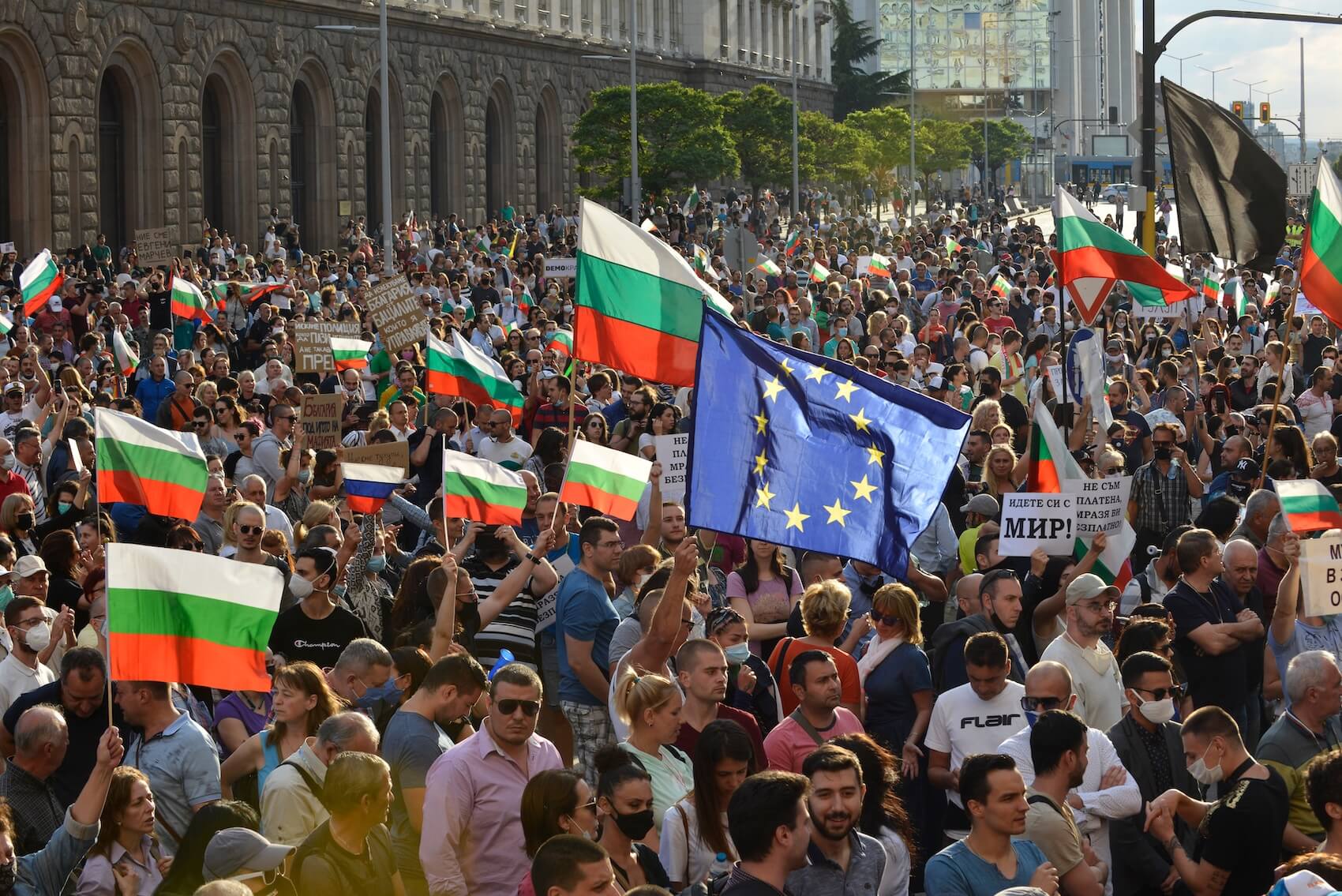
Here is the transcription of the interview with Professor Staffan I Lindberg and Dr. Marina Nord with minor edits.

Far-Right Nationalists Is Undermining Democracy with a Shared Recipe, Diverse Flavors

Professor Lindberg and Dr. North. Thank you so very much for joining our interview series. I want to start right away with the first question. One of the basic findings of your 2024 report, which was published last month, is the level of democracy enjoyed by the average person in the world in 2023 is down to 1985-levels; by country-based averages, it is back to 1998. Since 2009 – almost 15 years in a row – the share of the world’s population living in autocratizing countries has overshadowed the share living in democratizing countries. How do you explain, broadly, the trend of autocratization, what major factors have accelerated this trend?

Staffan Ingemar Lindberg: I suppose that’s a billion-dollar question these days. The first thing to note is that we lack a scientific, rigorous answer to that specific question. While there are some certainties about factors contributing to this trend, the scientific community is still debating many aspects. It’s widely acknowledged that China has been working against democracy since at least the mid-1990s. They expressed dissatisfaction with the third wave of democratization, the dissolution of the Soviet Union, and the global movement toward democracy and human rights. Similarly, Vladimir Putin, upon assuming power in Russia, exerted influence over many former Soviet republics. His recent illegal invasion of Ukraine and involvement in disinformation campaigns and support for radical right-wing, nationalist movements across Europe undermine democracy.

Additionally, Saudi Arabia has long supported the spread of a Salafist version of Islam incompatible with democracy and human rights, which has gained significant ground globally. Moreover, there is a global rise of far-right nationalist, reactionary, and anti-pluralist political parties, leaders and movements, evident not only in Europe and America but also in other regions. These movements, whether Hindu nationalists in Modi’s India, Muslim nationalists in Erdogan’s Turkey, or Christian nationalists in Hungary, among others, share a common recipe, albeit with different flavors, undermining democracy in their respective countries.


V-Dem Democracy Report 2024.

One of your findings in the report is ‘the decline is stark in Eastern Europe and South and Central Asia.’ What went wrong in Eastern Europe and South and Central Asia? How do you explain this downward trend?

Staffan Ingemar Lindberg: I’m not entirely sure what to say about that. I believe there are factors present in Eastern Europe and across Central Asia, beyond those I mentioned. Additionally, I think there are individual country-level factors that vary from one nation to another, making the local context crucial. In Europe, one could at least speculate, although it’s challenging to claim we have concrete evidence. It’s suspected that in countries where the transition from a common ideology occurred before the end of the Cold War, followed by a rapid shift to a market economy and a more liberal political sphere, there might have been expectations of significant improvement. However, when this transformation didn’t lead to the anticipated results, many individuals were financially and otherwise harmed in the process, potentially triggering reactions. However, I wouldn’t generalize this to be the same situation in South and Central Asia. Different processes are at play there, and each country may have its own set of contextual factors influencing the situation.

Israel No Longer Falls within the Category of Liberal Democracy

V-Dem Democracy Report 2024.

Another finding of the report is ‘Israel falls out of the liberal democracy category for the first time in over 50 years.’ Can you please elaborate on Israel falling out of liberal democracies league as it was often referred to the only democracy in the region?

Marina Nord: For many years, Israel stood as the sole liberal democracy in the Middle East and North Africa region. However, in 2023, there was a significant decline in the indicator measuring the transparency and predictability of laws. This decline was largely attributed to the constitutional crisis that unfolded in 2023 when Netanyahu’s Government passed a bill stripping the Supreme Court of its power to declare government decisions unreasonable. The crisis persisted for several months, marked by widespread protests against the change. Eventually, in January 2024, the bill was revoked. Nonetheless, since we only measure indicators for 2023, Israel no longer falls within the category of liberal democracy for that year. Without knowledge of events in the current year, we cannot predict whether it will regain its status.

In the report, you argue that: ‘Almost all components of democracy are getting worse in more countries than they are getting better, compared to ten years ago. Freedom of expression remains the worst affected component of democracy and is worsening in 35 countries in 2023.’ What is the underlining factor in this finding both globally and domestically?

Staffan Ingemar Lindberg: I think you need to put yourself in the shoes of a would-be dictator. What’s one of the first things you’d aim to undermine? It’s freedom of expression, particularly freedom of the media. When you’re in power, you don’t want people freely writing about your actions, voicing opposition against you, or communicating the true facts instead of the disinformation you’re trying to spread. You seek control over the media sphere, as well as the ability of civil society and other actors to speak openly and freely. Therefore, it shouldn’t come as a surprise to us, or to anyone, that we observe many countries moving in the wrong direction, towards autocratization, with freedom of expression being the most affected area, often targeted first.

You also underline in the report: ‘The wave of autocratization is notable. Autocratization is ongoing in 42 countries, home to 2.8 billion people, or 35% of the world’s population. India, with 18% of the world’s population, accounts for about half of the population living in autocratizing countries.’ But you also argue that ‘There may be signs that the autocratization wave is slowing down but one should be cautious with that interpretation.’ What are the signs that show the autocratization is slowing down and why one should be cautious about it?

Staffan Ingemar Lindberg: It primarily originates from the new methodology adopted for this year’s report, which has been evolving over the past few years. With this methodology, the number of countries experiencing autocratization appears to potentially decrease from 47 to 42 in recent years. There’s a slight uptick in the number of countries democratizing. However, because this new methodology sets high standards for a country to qualify as autocratizing, requiring statistical significance and substantial meaning, it can take 2-3 years after a country starts declining before it qualifies as an autocracy according to this rigorous criteria. Therefore, the decrease from 47 to 42 is accompanied by 25 countries that have begun to decline, termed as “near misses” that have not yet met the criteria. While not all of them may ultimately qualify, it only takes a few to meet the criteria to potentially raise the count from 47 to 42 or even higher. Thus, while the trend has shown a slight decline in the past couple of years, this may change in the next one or two years. Consequently, one should exercise caution when interpreting this specific graph as proof or conclusive evidence that the wave of autocratization is slowing down.

Five Key Factors for the Resurgence of Democracies

V-Dem Democracy Report 2024.

In your report, you highlight “Defiance in the Face of Autocratization,” showcasing countries that have managed to reverse democratic decline. Can you delve into the key factors that contributed to these countries bouncing back, and how can their experiences inform strategies to combat autocratization globally?

Marina Nord: We conducted a similar analysis last year, examining the factors primarily responsible for the resurgence of democracies. We identified five key factors. Firstly, large-scale protests, often referred to as “magic protests” in the literature. These instances, such as the mobilization of millions in places like South Korea, demonstrate a powerful force against autocratization. Secondly, unified opposition, which frequently aligns with civil society movements. Thirdly, judicial independence emerged as a significant factor, with courts resisting executive overreach, as described by Nancy Burnell as “executive aggrandizement.” The fourth factor encompasses critical elections or other major events, like the end of two-term limits. Finally, international democracy support and protection played a crucial role. While not all these factors guarantee a reversal of democratization, they have consistently influenced outcomes in numerous cases. These are the primary elements we believe could contribute to countries reversing autocratization and rebounding. However, further research is essential. To provide some statistics, our ongoing research indicates that approximately 70% of countries have managed to reverse autocratization trends within a maximum of five years after the autocratic regime ended. Thus, we hold optimistic prospects for many countries currently experiencing autocratization, as we anticipate eventual rebounds.

Academicians like Prof. Steven Levitsky of Harvard University and Prof. Kurt Weyland of Texas University argue that the findings of V-Dem are ‘exaggerated’ and they underscore the resilience of democracy globally. How do you respond to this criticism?

Staffan Ingemar Lindberg: There are various ways to approach this. One way is to emphasize that we’re simply reporting on the data. V-Dem stands as the largest dataset on democracy globally, comprising 31 million data points, and our analysis reflects the trends revealed by this extensive dataset. So far, there hasn’t been any substantial argument challenging the accuracy of the data from individuals like Steven and Kurt.

Another perspective to consider is the broader context. Steven has presented an argument alongside Lucan Way regarding the resilience of countries that democratized during the third wave of democratization. However, this viewpoint only captures a fraction of the overall picture. It’s essential to recognize that there are numerous countries currently experiencing autocratization during the third wave that were not part of the democratization wave. For instance, India serves as a notable example. When we adopt a global perspective and assess the development of all countries since the late 1990s, the outlook for democracy appears rather grim, as evidenced by various indicators. Marina, would you like to contribute further to this discussion?

Marina Nord: I would like to add briefly that it’s a major question of how we measure certain things, such as democratic breakdown or democratic backsliding. Many papers only measure the transition from democracy to autocracy, overlooking the potential decline in the quality of democracy itself, which is also a concerning trend. Secondly, there is a moral obligation for us as researchers to be confident in the claims we make. If Steven Levitsky claims that there is no decline in democratic practices worldwide, it sends a troubling message to those striving to protect democracy globally. This is particularly worrying given the observed declines in media freedom even within democracies. While resilience in terms of democratic survival may endure, liberal democracies may not be affected, but many countries are experiencing a decline in democratic quality, and this is indeed worrisome.

Turkey, India and Hungary Are Electoral Autocracies

Your research has shown worrying trends not only in autocracies like Russia and China but also in countries classified as electoral democracies, such as India, Hungary, and Turkey. Could you elaborate on the factors driving democratic decline in these countries, and what measures can be taken to reverse these trends and strengthen democratic institutions?

Staffan Ingemar Lindberg: Let me start by stating that neither India, Hungary, nor Turkey qualify as electoral democracies anymore according to our measures. They now fall below that threshold and are classified as electoral autocracies. Turkey has been classified as an electoral autocracy since around 2016 or 2017, while Hungary followed suit after 2018-19, and India shortly thereafter. Consequently, they rank among the worst offenders in terms of autocratization over the past decade and a half globally. What measures can be taken to reverse these trends in these specific countries? I’m not entirely certain. It would likely require a substantial shift in public opinion, as these autocrats and their parties still enjoy significant popularity among large segments of the population. Perhaps, as seen in Turkey’s recent local elections, there’s a diminishing support for these leaders. However, it would also necessitate the independence of institutions such as electoral management bodies, which have been compromised in recent years. Furthermore, it would entail creating more freedom in the media space and fostering freedom of expression more broadly, along with relaxing restrictions on civil society. This would require significant effort on their part, along with potential international pressure. Nonetheless, experts who specialize in studying these countries in detail would be better positioned to provide more specific recommendations on reversing these trends.

I am sure you followed local elections in Turkey that were held on March 31 and which Erdogan badly lost. In your last report, you categorize Turkey as ‘electoral autocracy.’ Do you see his defeat as a venue for Turkey to bounce back from authoritarian politics?

Staffan Ingemar Lindberg: Maybe, maybe not. I haven’t been keeping up with developments in Turkey over the past week or so. The initial reports I saw indicated that the opposition was prevented from assuming power or winning in at least one of the major cities they had secured. This suggests some potential vulnerability or weakness. However, we are unsure of the extent to which Recep Tayyip Erdogan and the Justice and Development Party (AKP) are willing to go to maintain power; the future will reveal that. Nevertheless, it does demonstrate the existence of a substantial opposition in Turkey, which could be considered a prerequisite for initiating a turnaround.

Trump’s Statements Embolden Autocrats Worldwide

In the interview you gave to Democracy Paradox, you talk about the possibility of Donald Trump to get re-elected. How concerned are you about the possibility and how do you think a possible re-election could galvanize autocrats globally?

Staffan Ingemar Lindberg: I am deeply concerned about the possibility of Donald Trump being reelected. I have expressed this concern on multiple occasions in various public settings. In the current context, I believe that if Donald Trump is reelected, democracy in the US might not survive. He has been explicit about his dictatorial intentions, even going as far as labeling Democrats as vermin, a term that evokes disturbing parallels with Nazi Germany from the late 1930s to 1945. Such statements must be taken seriously, as they could embolden autocrats worldwide. During his previous term, Trump demonstrated a willingness to cozy up to dictators in North Korea and Putin in Russia. They understand what they could expect from him. We can extrapolate the potential consequences for NATO collaboration, support for Ukraine in its conflict with Russia, and the ongoing conflicts in the Middle East. In summary, it presents a bleak outlook not only for the United States but also for the world as a whole.

V-Dem Democracy Report 2024.

You highlighted the role of nationalist reactionary narratives in driving autocratization, citing examples such as Putin’s Russia, Modi’s India, and Erdogan’s Turkey. How do you think these narratives interact with existing socio-political tensions within societies, and what strategies can be employed to counteract their influence?

Staffan Ingemar Lindberg: Once again, this is a difficult and complex question, and I believe it’s incumbent upon us to acknowledge that social science may not yet have all the answers. However, what we do know is that there is a growing body of literature utilizing various methodologies, including experimental evidence such as experiments with people, survey experiments, and lab experiments, as well as more traditional opinion surveys. These studies increasingly demonstrate a clear relationship between individuals who perceive social and economic relative deprivation. Typically, these perceptions are gauged through questions such as “Do you think your children will be better or worse off than yourself?” or “Do you feel that you yourself are better or worse off than your parents?” Individuals who perceive themselves or their children as worse off economically or socially are much more likely to vote for far-right nationalist or reactionary political parties and leaders, who often drive autocratization if they come into power. Therefore, there is mounting evidence of a link between sociopolitical or socioeconomic tensions and autocratization.

In your article, ‘A Third Wave of Autocratization is Here. What is new about it?’ you argue that “As it was premature to announce the ‘end of history’ in 1992, it is premature to proclaim the ‘end of democracy’ now.” Do you still think the same or do you have a more somber view about the global nature of democracies?

Staffan Ingemar Lindberg: Of course, it’s premature to declare the end of democracy. We remain hopeful that democracies will persevere, regain strength, and that more people will enjoy democratic rights, human rights, and freedoms in the future than they do today. However, this hopeful outcome is not guaranteed, and it will require continuous efforts from leaders worldwide as well as grassroots movements advocating for democracy. We hope to see such efforts emerge both from leaders and people on the streets standing up for democracy. What are your thoughts on this, Marina?

Marina Nord: I agree with that assessment. It holds true in many respects. In our upcoming article, set to be published at the end of this month, we examined some data and observed that we seem to have entered an era of instability. Notably, autocratization is frequently reversed, but so too is democratization. Therefore, the focus of democracy promotion should now shift more towards democracy protection. This is a crucial perspective to keep in mind moving forward.
Professor Emre Erdogan, Head of the Department of International Relations at Bilgi University, Istanbul, Turkey.

Professor Emre Erdogan: Turkish Opposition Must Adeptly Harness Power of ‘Good Populism’

Stating that populism’s appeal has not significantly diminished in Turkey despite the opposition’s recent win in local elections, Professor Emre Erdogan underscores the fact that even leading politicians within the opposition, such as Istanbul Mayor Ekrem Imamoglu, exhibit certain populist characteristics. “Imamoglu’s use of populist rhetoric suggests that populism continues to hold sway in Turkish politics,” argues Professor Erdogan, urging the opposition in Turkey to adeptly harness the power of “good populism” to achieve success in upcoming elections.

Interview by Selcuk Gultasli

Professor Emre Erdogan, Head of the Department of International Relations at Bilgi University, Istanbul, sheds light on the enduring allure of populism in Turkey despite recent opposition victories in local elections. In an exclusive interview with the European Center for Populism Studies (ECPS), Professor Erdogan emphasizes the continued presence of populist characteristics even among leading opposition figures like Istanbul Mayor Ekrem Imamoglu. He argues that Imamoglu’s use of populist rhetoric underscores the persistent influence of populism in Turkish politics and urges the opposition to adeptly harness the power of “good populism” to secure success in upcoming elections.

Professor Erdogan delves into strategic discussions surrounding populism, noting the advantages it affords in electoral contests and its role as a feedback mechanism within Turkey’s political landscape. He highlights the historical context of populism’s rise, tracing its roots to the failures of the classical parliamentary system and the subsequent alienation of the populace. Despite criticisms of populism’s negative consequences, Professor Erdogan asserts its necessity for system improvement, advocating for its skillful utilization by the opposition.
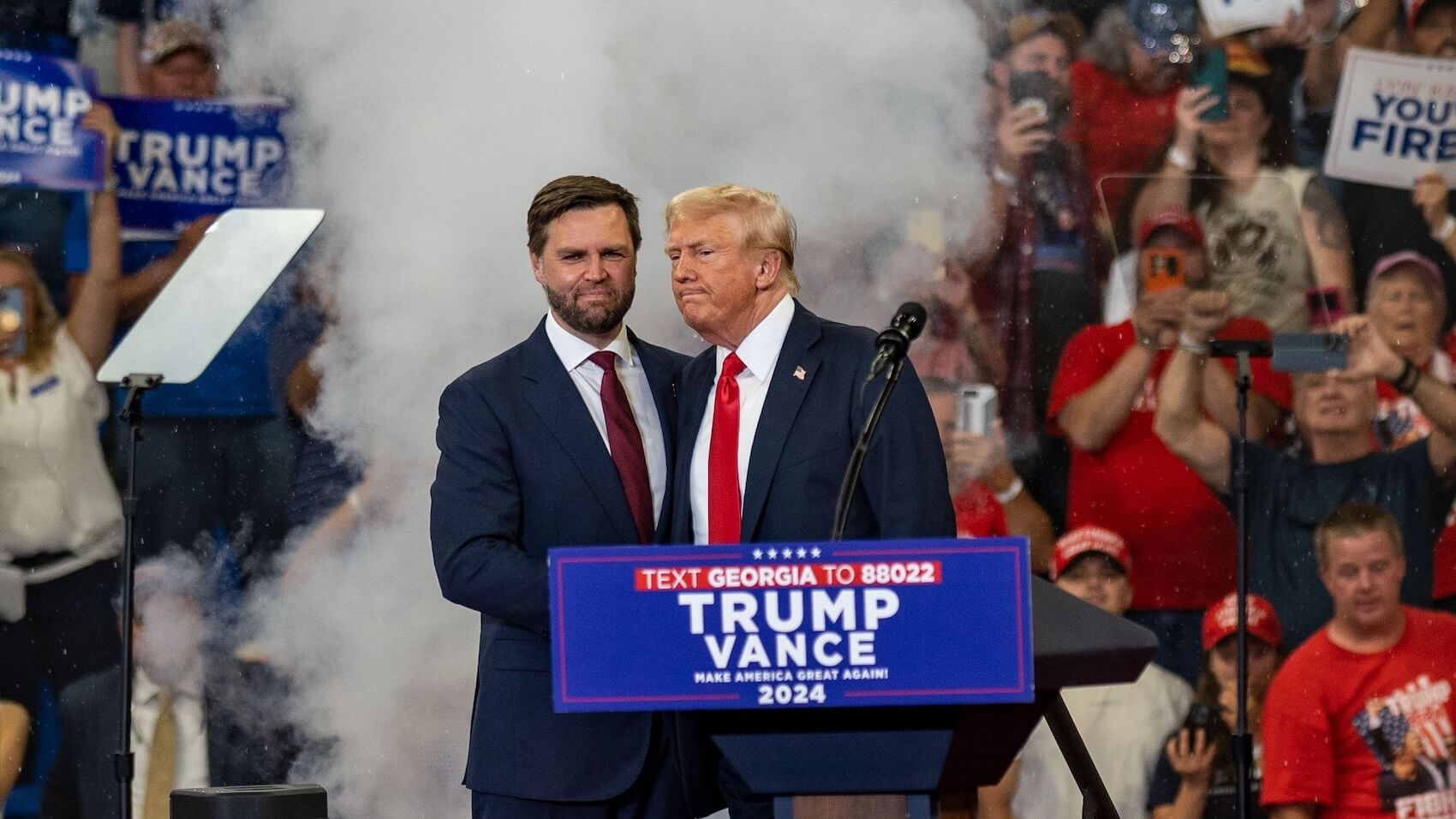
Examining the intersection of populism and authoritarianism, Professor Erdogan elucidates the unique characteristics of Turkey’s political regime, marked by a concentration of power and a lack of autonomous institutions. He underscores the pivotal role of fear in shaping populist discourse, particularly evident in the rhetoric of the ruling AKP to mobilize support and maintain its grip on power. Reflecting on recent election results, Professor Erdogan suggests that while populism’s appeal persists, strategic alliances and shifts in voter preferences offer hope for potential change in Turkey’s political trajectory.

Moreover, Professor Erdogan offers a cautious prognosis on the future of Turkish politics, acknowledging the complexity of upcoming elections and the global resurgence of populism. While populist right-wing movements may continue to thrive, he remains skeptical of any immediate shift away from populism in the current political climate. 

Here is the transcription of the interview with Professor Emre Erdogan with some edits.

Authoritarianism Is Deeply Ingrained in the Fabric of the Turkish Republic

How would you characterize the historical evolution of populism and authoritarian politics in Turkey, particularly focusing on key milestones and major factors contributing to their rise? 

Emre Erdogan: First, let’s clarify the distinction between authoritarianism and populism, a crucial aspect of Turkey’s political history. Populism, akin to many other contexts, traces its roots back to the early 20th century in Turkey. Inspired by the Narodnik Movement, a group of intellectuals emphasized the significance of the people, who were pivotal in the founding of the Republic. One might recall Mustafa Kemal Ataturk’s renowned assertion that “the peasant is the master of the country.” During this period, there were significant debates regarding opening up the country to peasants, marking the zenith of corporatism in Turkey.

From 1935 onward, Turkey transitioned to a robust corporatist regime, wherein people were represented through various cooperative groups, including labor and peasants. Populism, akin to one of the six foundational pillars of the Republican People’s Party (RPP/CHP), emerged, albeit within a predominantly Jacobin party structure. The CHP, established by bureaucrats and the military, exhibited strong elitist tendencies. Thus, while the party rhetorically championed the importance of the people, it wasn’t a quintessential populist entity.

The rise of the Democrat Party (DP) after 1946 marked a shift. Comprised of leading politicians from the CHP, DP focused on the peasantry and rural areas, gradually adopting a more populist stance throughout the 1950s. However, it too retained elitist elements, transitioning from liberalism to right-wing conservatism. This trajectory continued with subsequent parties such as the Justice Party (AP) under Süleyman Demirel, followed by the Motherland Party (ANAP) and the True Path Party (DYP) in the 1980s and 1990s. These right-leaning parties emphasized the importance of the periphery, conservative values, and peasantry, though not all embraced full-fledged populism.

The true emergence of populism in Turkey materialized with the ascent of the Justice and Development Party (AKP). While some scholars draw parallels between the AKP and the earlier Democrat Party due to their representation of peripheral values and religiosity, the AKP stands as a distinct conservative entity. Under Recep Tayyip Erdogan’s leadership, the AKP introduced a novel perspective on populism in Turkey.

In summary, various political parties in Turkey have emphasized the significance of the people, but true populism as we recognize it today became evident with the rise of the AKP.

What about authoritarianism? Over the past century, Turkey has grappled with authoritarian rule. Particularly in the early years of the Republic, free and fair elections were absent, alongside restrictions on freedom of speech and press, especially post-1924. While a brief experiment with multi-party politics occurred in 1930s, it fell short of democracy. The transition to multi-party politics in 1946, without constitutional amendments, marked a significant shift, yet the ruling CHP retained power for two decades under the same constitution.
The Democrat Party initially opposed this authoritarian trend but eventually succumbed to its own authoritarian tendencies, contributing to the turmoil culminating in the 1960 coup. The period between 1960 and 1980 witnessed fleeting liberalization, though even in 1965, political leaders expressed reservations about the constitution’s liberal nature. Suleyman Demirel, a prominent figure, found the constitution too lenient. Subsequent changes in 1971 saw decreased tolerance toward extremist and radical leftist movements.

The 1980 military coup ushered in a period of authoritarian rule, though a transition to democratic governance occurred three years later, the military retained influence. The post-modern coup of 1997 further restricted liberties, extending beyond religious and speech freedoms. Throughout the 1990s, escalating tensions surrounding the Kurdish issue saw heightened state of intolerance towards Kurdish and separatist movements, stifling freedom of expression.
Authoritarian policies are deeply ingrained in the fabric of the Turkish Republic. Despite periodic calls for freedom and liberalization, each decade often witnesses a regression towards greater authoritarianism. Various factors contribute to this natural inclination towards authoritarianism, perpetuating a cycle of authoritarian tendencies in Turkey.

Some Turkish people engage in discussion with Suleyman Demirel, the leader of the Justice Party (AP), during a political meeting on the streets of Istanbul, Turkey in the 1960s. Photo: Shutterstock.

What is the nature of populism in Turkey? How could you define the major characteristics of populism in the country? Does it belong to only one flank of the politics or is it much more widespread?  In what ways have populist and authoritarian tendencies intersected or diverged in Turkey’s political landscape over the years, and what have been the implications for governance and societal dynamics? 

Emre Erdogan: There is no consensus on the definition of populism, with various interpretations existing. Our definition heavily revolves around the creation of an “us versus them” narrative. When politicians employ such rhetoric, they often resort to forms of discrimination or othering. Populist leaders typically cast the populace as “us” and identify other groups as “them.” These groups can include elites such as bankers, industrialists, bureaucrats, and even the judiciary or foreign powers, along with organizations like the Illuminati or international bodies. Subsequently, populist leaders position themselves as the true representatives of the people. At times, they go as far as presenting themselves as the embodiment of the people, declaring, “I am the people,” rather than simply stating they represent the people. This distinction is crucial in understanding populism.

From this perspective, the anti-establishment rhetoric emerged notably with Suleyman Demirel’s approaches. Demirel, a member of the elite class, held an engineering degree, excelled as a bureaucrat, and obtained a master’s degree in the US. Transitioning into politics, he sought to supplant all Democrat leaders following the 1960 military intervention. Presenting himself as the offspring of peasants, he adopted the moniker “Çoban Sülü” or “Shepherd Sülü,” reconstructing his image as a successful peasant. Despite his qualifications and English proficiency, his rhetoric positioned him as a champion of the common people against the elites. These elites primarily comprised westernized or modernized bureaucrats, and Demirel was particularly critical of the judiciary, which, under the 1961 Constitution, enjoyed significant independence, thus constraining governmental powers. Additionally, he opposed planning and autonomous agencies, typical populist targets. However, notably, Demirel did not antagonize big business; rather, he collaborated with it. The relationship between Demirel and the military is intricate; though he initially opposed the military, his stance evolved over time, particularly after 1970. This complexity warrants further scholarly investigation. While Demirel adopted a populist tone, his collaborations with big business and the military suggest a nuanced political strategy.
In addition, another notable figure, Necmettin Erbakan, emerged as a prominent traditionalist. A professor and engineer of considerable intellect, Erbakan positioned himself as a genuine representative of the “people.” He garnered support from small businesses and religious segments of society who felt marginalized by the government. Erbakan epitomized the populist ethos, emphasizing the significance of the people and espousing anti-Western values. He vehemently opposed the capitalist worldview, big business, and the military, criticizing them extensively. Despite his criticisms, he found widespread support among many segments of society. Both Demirel and Erbakan enjoyed prolonged success, remaining influential figures without clear successors.

An Environment Conducive to Authoritarianism Always Exists in Turkey

Mustafa Kemal Atatürk, the founder of the Turkish Republic, during a visit to Anatolia in the 1930s. Photo: Shutterstock.

How would you characterize the current regime in Turkey, and what roles do institutions like the military, judiciary, media etc. play in either moderating or intensifying populist and authoritarian tendencies in the country?

Emre Erdogan: The most important characteristics of this regime are, first, concentration of power, something important to remember, and the lack of autonomous institutions. Firstly, we have a presidential regime, and it’s a very strong one. Presidential regimes are known for their separation of powers characteristic. However, in Turkey, we don’t have separation of powers. The President controls the Parliament because he’s the head of the majority party. Meanwhile, the Parliament is almost powerless and doesn’t have the power to effectively control the government. The President has direct control over the judiciary through the government, as the Minister of Justice is very active in the judiciary. Since 2000, we have seen a weakening of autonomous institutions such as the finance regulation institutions or the central bank, all of which are now under the direct control of the president. Parliament is powerless.

What about the media? Turkish media has always been polarized, as we know. Currently, we still observe a polarized media landscape, but one faction dominates significantly. This segment of the media is supported by the government, with access to government funds, and owned by conglomerates with various business ties, some of which are construction companies dependent on the government. Approximately two-thirds of the Turkish media rely on government support. Meanwhile, a smaller portion of the media is also dependent, lacking autonomous income and relying on support from opposition leaders for survival. There are no independent and autonomous media outlets. Traditional journalism, including printed media, is essentially defunct in Turkey. Additionally, social media exhibits polarization, although it tends to be slightly more balanced due to the relatively stronger presence of the opposition. Nonetheless, it remains polarized, lacking a middle ground.

Furthermore, there is a lack of autonomous civil society in Turkey. Historically, civil society has not wielded significant power in the country. As I mentioned at the outset of the interview, Turkey operated as a corporatist state for many years, which discouraged the development of autonomous civil society organizations. The emergence of civil society in Turkey began in the 1990s, but it has always been weak. What does this weakness entail? It means that these organizations were reliant on external resources, which could originate from European funds or the government. This dependency has led to the rise of government-organized NGOs, known as GONGOs, where bureaucrats are involved in organizing NGOs—an unusual scenario that undermines their independence. Additionally, the bourgeoisie in Turkey has historically been dependent on the state and lacks autonomy. Leading institutions such as TÜSIAD or TOBB have had to align themselves with the state. Although they may attempt to criticize the state on occasion, they often end up conforming to its stance in the long run.

Do you see the pattern? There’s a significant concentration of power in Turkey. We lack a clear separation of powers. The fourth estate, the media, is highly polarized and subject to both indirect and direct state control. Moreover, our civil society is weak, and the bourgeoisie is not strong enough to serve as a check on the government or the state. This creates a fertile environment for authoritarianism in Turkey. Additionally, it’s essential to consider that Turkish political culture tends towards authoritarianism. Turkey is a patriarchal society, and we perpetuate this patriarchal structure daily.

Erdogan Exploits Collective Traumas to Manipulate Fear

Turkish President Recep Tayyip Erdogan in Ankara, Turkey on August 30, 2014. Photo: Mustafa Kirazlı.

In one of your articles which analyzes campaign speeches of the Justice and Development Party (AKP) elites, you emphasize the role of fear in populism, particularly through the construction of ‘us-vs-them’ group differentiation. Can you elaborate on how fear is strategically utilized in AKP discourse to mobilize support and shape voter perceptions? 

Emre Erdogan: It’s crucial to note that from the early days of the AKP, Recep Tayyip Erdogan has employed this rhetoric, drawing from significant collective traumas in the history of the Turkish Islamist movement. We can look back to events like 1924 or the single-party government of the 1930s, but perhaps the most recent and impactful was the “post-modern coup” of 1998. During this period, Islamist politicians in government faced indirect intervention from the military, resulting in their departure. Subsequently, a repressive political environment was witnessed against the Islamist movement, leaving a profound impact. This trauma has instilled a belief among these individuals that their access to power is precarious, always fearing it will be usurped by the establishment.

They identified themselves as a political movement against the “over-Westernized” establishment—a crucial aspect. This stance stemmed from a significant collective trauma. Through our research, we’ve noted that many conservatives expressed discontent with the practices of this period, often relying on inherited memories from their parents. Erdogan has built his rhetoric on this fundamental premise. They saw themselves as authentic Anatolian people, opposed to the establishment and feeling alienated from Westernized bureaucrats.

An essential aspect is the significant economic crisis of 2001. It devastated the economy, and Erdoğan positioned himself as the representative of the people who suffered from this crisis. He portrayed it as a consequence of bankers’ actions or corrupt politicians, leading to a loss of confidence in political institutions. Erdoğan capitalized on this sentiment. The parliamentary system was in disarray for two years, during which Erdogan consistently utilized a rhetoric asserting, “We are elected by the people, yet we are not in power.” He blamed institutions such as the presidency, constitutional court, judiciary, and press for hindering their actions, asserting that they limited their abilities to govern.

In 2008, they experienced the trauma of the constitutional court nearly dismantling the party. This was followed by the Gezi protests, which Erdogan perceived as a precursor to broader challenges. These events occurred amid growing dissatisfaction with the system. Erdogan capitalized on these sentiments, portraying Western powers as advocates of the old Turkey, threatening the Turkish people. He positioned himself as their defender, equating attacks on him with attacks on the people themselves. This fear narrative intensified following terrorist attacks, such as those by ISIS or the PKK, prompting Erdoğan to emphasize the need for unity against external threats.

This rhetoric was consistently employed during the 2017 referendum and the 2019 local elections. It’s noteworthy that Erdogan did not rely on this rhetoric until the final days of the campaign, suggesting a strategic use of this tool. Nevertheless, it remains a potent instrument, allowing Erdogan to rally support by framing attacks against him as attacks against the nation.

Potential Reversal of the Current Political Trajectory

Could you provide a prognosis on the potential trajectory of Turkish politics regarding populist and authoritarian tendencies following last year’s presidential elections and the recent local elections? Moreover, how do you anticipate future electoral dynamics in Turkey will impact the evolution of populist discourse within Turkish politics?

Emre Erdogan: In 1996, there was an article highlighting the inherent challenges of a Presidential system. Governing a diverse country under this system proves to be quite arduous. Unlike a parliamentary system, where power is more distributed, the winner-takes-all nature of the Presidential system concentrates authority in the hands of the victor of the presidential elections. This means that if leaders like Erdoğan and his followers consistently win these elections, their grip on power will only strengthen over time. However, it’s crucial to note that the system also offers the potential for significant change if the opposition manages to secure victory in elections. This dynamic presents a pivotal juncture where the trajectory of the country can shift towards either more authoritarian or pluralistic governance. The outcome hinges on the electorate’s choices and the ability of opposition forces to mobilize support effectively.

Last summer, the opposition missed their chance. What will happen? We thought the game was over. What does that mean? Okay, it was the best performance by the top position holding president. Because they’ve invested in forming coalitions, alliances, addressing needs, nurturing politicians, etc. They investigated; they acted as a bloc. They were successful, very similar to what we see in Brazil or Poland, etc. There was a kind of coalition of alliances, but they failed, and we thought, “Okay, the game is over.” They couldn’t form this kind of allies, but after the local elections, there’s a feeling of a possibility to reconstruct that kind of coalition, not similar to the last one, not an institutional one. But a coalition based on the voters’ preferences. People voted strategically, and they voted for their second most preferred candidate, or they voted with negative emotions. They voted against a candidate. That’s why, in many places, the opposition had a majority, around 58-60 percent, something like that. It was very surprising.

There’s indeed such a probability, but we have four years until the next elections. Early elections aren’t possible due to the Constitution; it’s a challenging situation. However, we can consider that the opposition might succeed in mobilizing the majority of people to vote for their candidate. They can bring this issue to the forefront of their agenda. That’s why we can say, “Okay, there’s always hope from that perspective.” There’s a possibility that the trajectory can be reversed.

Populism Serves as a Feedback Mechanism

Mayor of Istanbul Ekrem Imamoglu of the main opposition Republican People’s Party (CHP) addresses his supporters during a rally in Istanbul, Turkey on April 21, 2019. Photo: Kemal Aslan.

How would you characterize the local election results held on Sunday in terms of entrenched populism constructed by AKP in Turkey? Can we say that populism has lost some steam after the elections?

Emre Erdogan: While the results may directly indicate a loss for the AKP, a closer examination of the aggregate numbers reveals that the AKP, Refah Party, conservative Party, and MHP have maintained their relative strength compared to the last election. The bloc’s power remains largely unchanged. However, when considering the status of populism, it appears that its appeal has not significantly diminished. Leading politicians within the opposition, such as Ekrem Imamoglu, exhibit certain populist characteristics. İmamoğlu does not shy away from employing populist rhetoric or embracing populist ideas. He positions himself as a representative of the ordinary people, emphasizing phrases like “we worked as 16 million people did,” referring to the population of Istanbul. He frames issues in terms of “we the people” versus the government, presenting himself as aligned with the interests of the populace. Thus, İmamoğlu’s use of populist rhetoric suggests that populism continues to hold sway in Turkish politics.

Moreover, there are various strategic discussions underway, with some advocating for the approach of “when dealing with populists, act as a populist.” The rationale behind this perspective is that in the presence of a populist figure, adopting a similar style may prove advantageous. Winning elections without embracing populism is often deemed challenging, as populists tend to enjoy certain advantages in this regard. Additionally, it’s crucial to acknowledge that populism serves as a feedback mechanism, often emerging in response to perceived failures within the classical parliamentary system.

Turkey’s political landscape is not characterized by participatory democracy; even during the peak of the parliamentary system, true participatory elements were lacking. Party leaders exerted tight control over Parliament, effectively dictating proceedings and appointing members at their discretion. This system fostered a sense of alienation among the populace, ultimately paving the way for the rise of populism as a counterforce. Thus, the argument follows that without replacing this outdated and flawed system with a more robust alternative, electoral success may remain elusive.

From a perspective that I disagree with, the current presidential system is perceived as being closer to the people compared to the previous parliamentary system. This is why there is advocacy for presidentialism. Under the current system, the president is elected in two rounds, providing a more direct link between the leader and the populace. In contrast, in a parliamentary system, directly electing the Prime Minister is not feasible. While there are exceptions, such as Israel where direct election of the Prime Minister is possible, the overall system remains complex. Historically, people have felt alienated from politics, and populism serves as a means to re-engage the populace with political issues. The prevalent sense of alienation underscores the need for approaches that attract attention and foster a stronger connection between the people and the political process.

From a normative standpoint, the necessity of populism becomes apparent. Despite its associated negative consequences, as advocated by Margaret Canovan, populism serves as a vital feedback mechanism for system improvement. It provides a channel for addressing issues and engaging with the populace. Therefore, there’s a clear imperative for populism. Personally, I believe that for the opposition to achieve success in upcoming elections, they must adeptly harness the power of good populism.

Do you agree with CHP mayor Ekrem Imamoglu’s prognosis that the local election results will signal an end to authoritarianism not only in Turkey but also globally?

Emre Erdogan: I’m not sure about the future trajectory, especially considering the numerous upcoming elections, including the European Parliament elections and those in the United States. However, I anticipate that the populist political right may fare well in the EP election, and there’s a possibility that Donald Trump could secure the presidency once again. These potential outcomes may be driven by various factors, including ongoing crises such as economic instability, immigration issues, inflation, and the conflict in Ukraine. In times of uncertainty, populists often capitalize on manipulating people’s emotions and reactions to these challenges. Given this context, I see little objective basis for a resurgence of non-populism in the current political climate.

Vladimir Putin's portrait. Illustration: Tpyxa_Illustartion.

Professor Veljko Vujačić: The Recent Election Doesn’t Strengthen Putin

Emphasizing that winning 87 percent of the vote and handpicking compliant candidates does not constitute a genuine election, Professor Veljko Vujačić argues that such practices do not strengthen Putin’s position; rather, they highlight the regime’s weaknesses. Similarly, the murder of Alexei Navalny does not demonstrate strength; it reveals weakness. He further asserts, “I find the term ‘dictatorship’ more accurately encapsulates the reality of the Putin regime than ‘autocracy’ or ‘authoritarianism’ because Putin’s behavior epitomizes dictatorship, where power is wielded outside the confines of law and constitution. Currently, his regime seems to be veering toward a weak form of totalitarianism.”

Interview by Selcuk Gultasli

Professor Veljko Vujačić, a distinguished scholar of Russian, East European, and Eurasian Studies at Oberlin College and Conservatory, is renowned for his deep understanding of Russian history and contemporary politics. In an exclusive interview with the European Center for Populism Studies (ECPS), Professor Vujačić argues, “The recent election doesn’t strengthen Putin.” Through this lens, he peels back the layers of Putin’s grip on power, delving into the historical origins of autocracy in Russia. “It traces back to Ivan the Terrible and finds reinforcement during the reign of Peter the Great,” he remarks, emphasizing the enduring legacy of authoritarianism.

Drawing upon his extensive research and firsthand experiences, Professor Vujačić sheds light on the fundamental drivers propelling authoritarianism and populism in contemporary Russia. “Populism has increasingly become a ubiquitous term in the Western discourse,” he notes, “but it’s crucial to discern that populism typically originates from grassroots movements.” Yet, amidst the rhetoric of representing the will of the nation, he argues, “the reality is that the state dictates to the nation, not the other way around.”

With incisive analysis, Professor Vujačić explores the blurred boundaries between autocracy and dictatorship, challenging conventional narratives and revealing the intricate interplay between state power, societal dynamics, and geopolitical ambitions. “I firmly believe this regime qualifies as a dictatorship rather than simply an autocracy,” he asserts, highlighting the shift towards personal rule under Putin’s leadership.

Furthermore, Professor Vujačić illuminates the internal dynamics shaping Putin’s governance approach, examining the suppression of dissent and the erosion of democratic norms. “The murder of Navalny does not demonstrate strength; it reveals weakness,” he remarks, underscoring the regime’s vulnerabilities amidst mounting opposition.

Throughout the interview, Professor Vujačić’s voice emerges as a beacon of clarity, offering a nuanced understanding of Russia’s past, present, and future. As the world grapples with the implications of Putin’s regime, his insights serve as a timely reminder that the recent election does not fortify Putin’s grip on power, but rather exposes the fragility of his authoritarian rule.

Here is the transcription of the interview with Professor Veljko Vujačić with some edits.

Putin Regime Fundamentally Operates as a Dictatorship

Thank you very much for joining our interview series, Professor Vujacic. I want to start right away with the first question. What are the historical origins and fundamental drivers underlying autocracy and authoritarianism in Russia, considering both the factors driving their implementation by governing authorities and the societal dynamics that sustain them? Additionally, what are the key factors contributing to the observed state of autocracy in both historical contexts and contemporary Russia?

Veljko Vujačić: The origins of autocracy in Russia are hardly a mystery, given the extensive literature on the subject. It traces back to Ivan the Terrible and finds reinforcement during the reign of Peter the Great. This autocratic tradition became deeply ingrained, persisting even into the era of the Russian Revolution. Nicholas the Second, despite conceding to the establishment of a Parliament (Duma), maintained a personal relationship with his subjects, viewing himself as the rightful owner of the realm. While there are undeniable deep roots to this tradition, there’s a temptation today to overemphasize continuity while downplaying discontinuities.

One aspect often overlooked is the bureaucratic tradition. Having served as the provost of the European University in St. Petersburg for four years, I can attest that dealing with the Russian bureaucracy was often more challenging than anticipated. Instead of serving society, it often operates as an instrument of state repression. While autocracy garners attention, the bureaucratic machinery operates with its own dynamics. Pleasing the autocrat or one’s boss is paramount at all levels, leading to distortions in information transmission and feedback mechanisms. Many of the regime’s mistakes can be attributed to this dynamic, even concerning its own goals.

How do you perceive the evolution of populist nationalist rhetoric and authoritarian socio-political implementations in Russia, especially considering Putin’s prolonged tenure and recent electoral processes?

Professor Veljko Vujačić, a distinguished scholar of Russian, East European, and Eurasian Studies at Oberlin College and Conservatory, is renowned for his deep understanding of Russian history and contemporary politics.

Veljko Vujačić: Populism has increasingly become a ubiquitous term in the Western discourse, often associated with various forms of illiberalism, albeit occasionally aligning with left-wing ideologies. It’s crucial to discern that populism typically originates from grassroots movements, albeit frequently catalyzed by demagogues like Donald Trump in the United States. Conversely, left-leaning movements such as those championed by Bernie Sanders or Podemos in Spain also exhibit populist tendencies. Whether the Putin regime merits the label of populism remains debatable. While it does leverage populist rhetoric, asserting the primacy of the Russian people, it fundamentally operates as a dictatorship wherein the state reigns supreme over the populace. Hence, while there’s an appeal to the notion of representing the will of the nation, the reality is that the state dictates to the nation, not the other way around. Thus, it’s essential to avoid overgeneralizing the concept of populism.

When it comes to authoritarianism, there’s a discernible progression from what initially resembled a relatively mild authoritarian regime in the early 2000s. This has transitioned into a more pronounced emphasis on Putin’s personal rule, especially post-2014, notably following the events surrounding Crimea. The trajectory towards a more dictatorial form of governance became even more evident after 2012, notably following protests and Putin’s subsequent inauguration. Personally, I find the term “dictatorship” to encapsulate this reality more accurately than “autocracy” or “authoritarianism.” But I guess we will continue this conversation within that vein.

Russia Seems to Be Veering toward a Weak Form of Totalitarianism

Considering your profound research on nationalism, autocracy, and authoritarianism in Russia’s historical and contemporary contexts, how would you characterize the current form of Putin’s regime? 

Veljko Vujačić: As I mentioned earlier, I firmly believe this regime qualifies as a dictatorship rather than simply an autocracy. Autocracy historically implied a stable system akin to a monarchy, where authority passed from one ruler to the next within a hereditary lineage. However, what we’re witnessing here is markedly different. For the past 24 years, it’s been characterized by one-man rule. The pivotal moment came in 2019 with changes to the Constitution, facilitating Putin’s continued presidency—an exercise of power that bypassed legal and constitutional boundaries, constituting a form of usurpation. This behavior epitomizes dictatorship, where power is wielded outside the confines of law and constitution. Unlike autocracy, which implies stability, this regime has rapidly transitioned from a relatively authoritarian system with limited citizen freedoms to a more dictatorial one. Currently, it seems to be veering toward a weak form of totalitarianism, though not on the scale of historical totalitarian regimes in terms of repression. Nevertheless, the trajectory is concerning, hinting at a shift towards a more oppressive system.

Current Regime Is More Problematic Than the Soviet One

Based on historical comparisons, how do you evaluate Putin’s regime compared to past authoritarian regimes in Russia, including those in the Soviet and tsarist eras? Are there significant continuities or differences between them?

Veljko Vujačić: I’d like to underscore the distinctions more prominently. While it’s undeniable that Putin’s background is rooted in the Soviet regime, particularly his socialization within the KGB, it’s crucial to note that Putin’s regime differs significantly from its Soviet predecessor in terms of stability and institutionalization. Recent events highlight this disparity vividly. Take, for instance, Putin’s spokesperson openly invoking nuclear threats on television—a scenario unimaginable in the Soviet era. During the Soviet period, there existed a stringent institutional framework, and any announcer who independently made such dire threats toward the West, such as “we will destroy London” or “we will deploy a nuclear bomb on Poland,” would undoubtedly face swift removal by the Politburo and the Communist Party. This stark contrast underscores the evolving nature of governance under Putin’s leadership.

Paradoxically, in some respects, this current system appears to be more problematic than the Soviet one, particularly regarding institutionalization. Unlike the Soviet era, where power was distributed among various institutional bodies such as the Communist Party, with regular elections for the General Secretary and oversight from the Politburo, the present system hinges largely on the whims of a single person and his inner circle. If the General Secretary of the Communist Party deviated too far from the party line or took excessive risks, as exemplified by Khrushchev’s removal, there were mechanisms for replacement. Crucially, the Communist Party retained control over the KGB, not vice versa. However, in the current setup, there lacks such structured oversight. There’s a notable absence of party structures or civilian bodies regulating what Russians refer to as the “ministries of coercion” or “ministries of force.” This absence underscores a significant weakness in the current governance model.

Who truly wields power in Russia today? Is it the former KGB or FSB? Without any meaningful institutional constraints, they seem to operate with impunity. Recent events, particularly the shocking images of torture circulated widely, underscore their unchecked authority. While the targets are labeled as alleged terrorists, their identities and culpability remain uncertain. Yet, the brazen display of their torment on television represents a departure from the clandestine methods of the Soviet era. In those times, dissenters were often silenced through incarceration in psychiatric facilities or covert torture, shielded from public scrutiny. Unlike the brutal purges of the 1930s, by the 1970s and 1980s, dissent typically led to imprisonment rather than execution. Aleksandr Solzhenitsyn, for instance, was expelled from the country rather than imprisoned, reflecting the regime’s uncertainty on how to handle outspoken critics. Others, like the Jewish refuseniks and even long-standing dissidents such as Vladimir Bukovsky, were eventually released, sometimes in exchange for political leverage. Despite the repressive nature of the Soviet regime, there was a degree of predictability in its methods—a stark contrast to the arbitrary rule characterizing the current regime. This arbitrariness is why I characterize it as a dictatorship.

There Are Significant Internal Obstacles to Putin’s Ambitions

Police officers detain a woman on Pushkin Square in Moscow, Russia, at a rally protesting war in Ukraine on February 27, 2022. Photo: Konstantin Lenkov.


Does the current regime in Russia persist in its historical expansionist policies as it seeks great power status? What could be the next step for the Putin regime in its politically revisionist and territorially expansionist pursuits following the attempted invasion in Ukraine?

Veljko Vujačić: Your question, while pertinent, risks overstating continuity. Undoubtedly, Russia has a history of expansionism, but it’s crucial to differentiate between the Soviet regime and the earlier Russian imperial one. The Soviet expansionism wasn’t akin to traditional imperialism; rather, it was driven by revolutionary messianism. Communism sought global triumph, advocating support for movements in places like Vietnam, Angola, and Cuba. This mission, and consequently its behavior, markedly differed from the goals and methods of the Russian imperial regime.

In the 1990s, a significant aspect often overlooked or forgotten—rather than actively suppressed—pertains to the collapse of the Soviet Union. It’s essential to remember that in 1991, it was Boris Yeltsin and the Russian Federation that played a pivotal role in the dissolution of the Soviet Union. At that juncture, Russia, or more precisely its elites, demonstrated a reluctance towards imperialism. They sought a new arrangement with the republics, indicating a departure from historical expansionist tendencies. Reflecting on the subsequent two to three decades, I may not be the most adept in matters of international politics, but it’s evident that there has been a significant geopolitical shift. The expansion of NATO, whether justified or not, was perceived by Russian elites as a threat, primarily on a psychological level, which influenced their perceptions and actions. Putin’s invasion of Ukraine can be seen as an attempt to redefine the terms of the international order.

The lack of significant repercussions for Russia’s actions in Crimea in 2014 just emboldened Putin. This historical expansionism and revisionism, particularly in terms of challenging the established international order, represent a relatively recent development. Putin’s actions can be seen as a form of retaliation for what he perceives as Western slights over the past 15 to 20 years. It’s noteworthy that during this period, Putin initially demonstrated cooperation with the West, supporting initiatives like the “war on terror” and granting the United States military access to bases during the Afghanistan invasion. At one point, he even wanted or at least he stated, expressed interest in joining NATO or a similar security structure. However, a shift occurred after 2007, notably marked by his Munich speech. Therefore, to better understand this expansionist behavior, it’s crucial to analyze the factors influencing Russia’s trajectory over the past 25 years.

Now, I doubt he would risk invading a NATO member, such as the Baltic States or Poland; the stakes would be too high. Even Ukraine presents significant challenges. Instead, his strategic focus seems to be consolidating control over territories like Donetsk and Luhansk, connecting them to Crimea to establish a secure land route to Sevastopol and its military bases. This appears to be the current extent of his ambitions. However, the future is uncertain. Putin may have allies in countries like Iran and China, albeit with varying degrees of reluctance. These forces could potentially destabilize the existing international order. Ultimately, the trajectory of this expansionism hinges on the evolving geopolitical context.

Furthermore, there are significant internal obstacles to Putin’s ambitions. Russia has already incurred substantial military losses, though the exact numbers remain undisclosed. A potential mobilization effort to bolster forces for a decisive victory in Ukraine—potentially involving several hundred thousand to half a million people—carries considerable internal risks. Opposition is emerging, with mothers of soldiers forming a social movement against further recruitment. This underscores a pervasive fear among Russians that their youth may be thrust onto the front lines. Despite the regime’s outward confidence, these internal constraints are crucial considerations.

Murder of Navalyn and Election Results Highlight Putin Regime’s Weaknesses

How do recent events such as the war in Ukraine, the murder of Alexei Navalny, and the presidential elections reflect or challenge the autocratic tendencies in Russia, particularly under Putin’s strongman leadership, analyzed through the perspective of authoritarian and nationalist populism?

Veljko Vujačić: I expressed my thoughts on the aspect of populism. Winning 87% of the vote and handpicking other compliant candidates to create the semblance of pluralism does not constitute a genuine election. However, what is more significant is the fact that hundreds of thousands of people queued up to collect signatures for the relatively moderate opposition candidate, Boris Nadezhdin who ran as a candidate for peace. Therefore, the fact that he could gather 300,000 to 400,000 signatures without any state support indicates the presence of a constituency for peace in Russia that is willing to actively engage.

Similarly, the murder of Navalny does not demonstrate strength; it reveals weakness. It is, in fact, a significant blunder. Whether it was intentional or a mistake that led to his exposure to torture and cold, resulting in his demise, the exact circumstances may never be fully uncovered. Nevertheless, it was a grave error on the part of those responsible. In Russia, figures like Navalny often become martyrs in the struggle against the state, gaining increased popularity in death or through prolonged repression and torture. Consider the examples of Solzhenitsyn and Sakharov; the history of Russian dissent is replete with such instances. Navalny will persist as a symbol of resistance to dictatorship and a rallying point for various opposition forces, whether through his wife, his collaborators, or others following in his footsteps. Therefore, it is clear that his assassination was a significant misstep.

Consider the case of the Kurdish leader (Abdullah Öcalan) whom Turkey has imprisoned for over two decades. Nelson Mandela endured 27 years in jail without being killed. Therefore, it wouldn’t have harmed Putin’s regime to keep Navalny in decent conditions in prison for an extended period. However, his assassination signifies weakness. Recent events, such as the terrorist attack, have exposed vulnerabilities within the regime, particularly its failure to ensure Russian security and stability. This incident, in which nearly 200 people were killed, and several hundred others injured, underscores a significant state failure that authorities are attempting to conceal. Despite efforts to suppress or manipulate events, they do not bode well for the regime. The election does not strengthen Putin’s position; rather, it highlights the regime’s weaknesses.

People mourn for Alexei Navalny in Budapest, Hungary on February 16, 2024. Photo: Alexey Gorovoi.

Please Support Russians Living Abroad

Considering the crackdown on dissent in Russia, how do authoritarian practices such as repression of opposition figures and independent media shape the political landscape under Putin’s rule?

Veljko Vujačić: Organizing against the regime in Russia is incredibly challenging. Minor posts on Telegram are landing people in jail with lengthy prison sentences, effectively breeding a generation of martyrs, many of whom are young and some are women. Traditionally, political prisoners in Russia have garnered sympathy from a significant portion of the populace, albeit not the entire electorate. Roughly 20-25% view such actions as wholly illegitimate. However, much of this dissent remains latent, stifled by severe penalties. It’s crucial to remember that over 20,000 arrests have been made in Russia since the onset of the war, possibly more. This indicates that Russian society is not entirely united behind Putin or the war effort. Monitoring Russian blogs, posts, and Telegram channels reveals a pervasive anti-war sentiment among the populace, who are weary and fatigued. This aspect is often overlooked in Western media coverage.

This isn’t a youthful nation. Russians aren’t overflowing with young individuals they can readily send to the front lines. It’s an aging population, predominantly consisting of pensioners who require support. Demographics are dire at present. Who would want to raise a child in Russia given the circumstances? They’ve suffered a significant loss of human capital, with perhaps a million people—potentially fewer—fleeing the country, primarily talented young middle-class individuals who could compete on the global job market. So, there’s substantial fragility beneath the facade of strength. 

However, Russia possesses a menacing poker card: nuclear weapons. This poses a formidable challenge for Western powers, and indeed for any entity, particularly when wielded by someone who acts recklessly and unpredictably, akin to a rogue state. We’ve witnessed how even North Korea can flout international norms with impunity, let alone Russia. That’s a big problem. Internally, organizing opposition is exceedingly difficult, a factor we must acknowledge and comprehend.

I concur with Yulia Navalnaya’s call within the European community: “Please support Russians living abroad, and refrain from revoking their bank cards, credit cards, or visas. Show generosity towards these individuals.” However, it is imperative to exercise caution and implement security measures while extending support. As highlighted by the Czech president, there exists Russian citizens engaged in espionage activities, and it is vital to prevent their entry into Europe and Western nations. These individuals include bots, bloggers, and troublemakers. Nevertheless, it’s crucial to recognize the potential of this generation of emigrants to contribute positively to Russia’s future. Despite the presence of opposition abroad, it is essential to provide them with support to prevent their potential irrelevance, akin to the fate of Russian immigrants post the Russian revolution.

Given recent security challenges, how do you foresee events like the recent terror attack by Islam State Khorasan (ISK) influencing Putin’s governance approach and the continuation of his autocratic policies?

Veljko Vujačić: It’s evident that there’s an attempt to manipulate the narrative by linking it to Ukrainian fascists and other unfounded claims. Russia has long grappled with attacks from Islamist movements, evident in past incidents like the Beslan school shooting during the Chechnya war. There were radicals from Dagestan who went to fight for groups such as ISIS in Syria. These threats are not new; during my time in St. Petersburg, there was an explosion on the metro near a station I frequented with my child. Despite Russia’s extensive security apparatus, which includes a vast number of police officers, FSB personnel, and military forces, such incidents continue to occur, raising questions about their effectiveness.

Many Russians are skeptical of the official narrative attributing the events to Ukrainians because the individuals involved bear Tajik features. Tajik people are also present in Afghanistan, prompting people to question the connection. The absence of Ukrainian involvement raises doubts about the narrative’s credibility. It seems authorities are attempting to manipulate the story for their own agenda, but I doubt it will be readily accepted. Their efforts to spin the situation seem forced and unlikely to convince the public.

Professor, do you have any suspicions that the attack was carried out by ISK?

Veljko Vujačić: I’m not a security specialist, but I don’t believe the idea that somehow Putin’s FSB was behind this, as they may have been behind some of the explosions in Moscow and Ryazan attempted just before Putin’s assumption of power. At this point, I don’t subscribe to this kind of conspiracy theory. This event isn’t in their favor; it’s not something the regime would want, especially now when they need to mobilize more people for the war and garner more support. They’re aware that the election was fraudulent. Trust me, to build consensus, they need much more societal support. They don’t need a disruptive event like this. So, I see no reason to doubt Western intelligence services when they predict such events. They first received intelligence on the ground and through satellites, warning of a potential attack. They advised their citizens to stay away from Moscow concert halls weeks ago. Putin dismissed it as a bogus Western plan, and this is what resulted. I’m not part of those intelligence services; I’m not privy to that kind of information. Nonetheless, I have no reason to doubt that this is probably what happened.

Passivity of Russian Society in Response to War Creates Astonishment

Reflecting on your research, what key factors do you believe are crucial for understanding the persistence of autocracy and populism in Russia amidst shifting geopolitical dynamics and internal challenges?

Veljko Vujačić: I believe I partially answered this question. One aspect that I didn’t elaborate on is the astonishment felt by many Russian intellectuals, educated individuals, and professionals regarding the passivity of Russian society in response to war. They anticipated much more resistance, particularly regarding the recruitment of young soldiers. If there’s something that deeply concerns every person in Russia, it’s the prospect of their son going to war and possibly not returning home. This sentiment was evident in the 1990s, for instance, when attempts were made to mobilize Russian soldiers to participate in the conflict between Armenia and Azerbaijan that erupted in 1988 in Baku, leading to pogroms, and later, war over Nagorno-Karabakh. There was a significant protest by Russian mothers in the Krasnodar region of Southern Russia, resulting in the cessation of recruitment. Similarly, in Chechnya, there were instances of Russian mothers mobilizing and even journeying to Chechnya to retrieve their sons from the army. However, this did not occur this time around. 

Another aspect often overlooked, although noted by observers like Marlene Laurel at George Washington University, is the substantial payments made to impoverished individuals to incentivize their participation in the war effort. In their circumstances, these payments were considerable, amounting to $5,000, $6,000 or even $7,000. This represents a significant sum of money that many people in villages and smaller towns would not earn over the course of several years. Thus, in a sense, they were bought to participate in the war through financial means.

I also believe there’s another factor that isn’t taken into account, and that is the Covid epidemic, not so much because of Putin’s isolation, which is often discussed. He was indeed isolated and cut off. I think what he realized was that the population was responding to mass death with relative indifference. Russia experienced a significant number of casualties from Covid, which was disproportionately high, almost comparable to the United States, despite having a population two and a half times smaller. I think Putin looked around and thought, “well, it doesn’t seem like people care too much if someone dies; they accept it fatalistically. So maybe I can send them to war.” 

Now, this is not what happened in the 1990s at all. There was much more resistance to that. And I think that’s a big surprise. Part of it is money, and part of it is that many of these people in the vast Russian provinces lead dreary day-to-day lives, and suddenly some of them can become heroes. Some of them can be elevated to positions of power or status, and so on. And glory is always very attractive in a society that is essentially dominated by wealthy oligarchs, even if they are state oligarchs under Putin. There’s a huge inequality in Russia, and the war serves as a mechanism for redistributing some money to those social strata. So, that’s one of the major obstacles to real opposition in Russia. But I think, again, that patience will run out as more and more young men return in horizontal positions from the front. That has to thin out at some point.

Pan-Slavism Is Dead

Selective blur on a T-Shirt with the Z letter and Putin portraits in Belgrade, Serbia, supporting Russia and the war in Ukraine on September 25, 2022. Photo: Shutterstock.

Lastly, do you perceive a sense of Pan-Slavic solidarity, shared emotions, and ideals between Putin’s Russia and other Slavic nations, like Serbia? How do Slavic nations generally interact with Putin’s regime in Russia, taking into account both political and emotional dimensions? Furthermore, what is the nature of the relationship between Putinism and Pan-Slavism?

Veljko Vujačić: Pan-Slavism is dead. I mean, how can there be Pan-Slavism when you’re attacking a fellow Orthodox nation, Ukraine, which you claim to be Russian, not even part of a Slavic brotherhood? But in the name of Slavic brotherhood, you’re bombing them, invading them, and killing them. Secondly, there’s no homogeneous Slavic world. It’s a myth; historically, Poles and Czechs dread Russian expansionism. They don’t want to see that again.

Serbia occupies a very unique position. This is because there’s an analogy to be drawn, as I did in my work, between the breakup of Yugoslavia and the breakup of the Soviet Union. Historically, Serbs viewed themselves as being on the right side of World War One. They were opposed to the attempts made by Austria-Hungarians and were victimized by them. They also emerged victorious in World War Two, with Allied assistance. There was significant resistance in Serbia initially by the monarchists, and later by the Communists, many of whom were ethnic Serbs, particularly those from Croatia and Bosnia who played a significant role in Tito’s Partisan Movement.

There’s this perceived loss. “We are nations that lost World War 2. The Germans are living well. The Japanese are living well, but we are not living well. We lost, and so there’s this perception of some kind of historical injustice. And not only that, but we are not even allowed to stay together with our fellow brothers and sisters in Croatia and Bosnia, and so on. They deny us the right to self-determination.” I mean, that’s the narrative. “And here we are. We were exposed to genocide in World War 2.” That’s the Serbian narrative. “We were heroes and victims and look what they did to us.” So, especially the NATO bombing changed the equation in Serbia a lot, and people remember that, unfortunately, and that’s one of the big reasons for pro-Russian sentiment. 

Another reason is, of course, Russian propaganda. That’s quite obvious, and it’s quite intense in the case of Serbia. But a third reason that’s not taken into account is that Yugoslavia was never invaded by the Soviet Union. Serbia is not part of the Soviet bloc. So, therefore, the anti-Soviet/anti-Russian feelings that are characteristic of so much of Eastern Europe were just not present in Yugoslavia. That’s forgotten completely. It was a pro-Western country, essentially, even in Communist disguise and culturally.

So, this notion of Pan-Slavic solidarity is terribly inflated and unrealistic. However, what I do think fosters some affinity between Russia and Serbia is this shared historical experience of state breakup, where both Russians and Serbs feel they got a raw deal. They were heroes and victims of World War 2, and their contribution to the Allied victory was underestimated and undervalued by Westerners. They felt slighted in their pursuit of self-determination, observing NATO’s unilateral actions, such as in Iraq, Afghanistan, and the bombing of Yugoslavia, which was a significant turning point for Russia. Not because of pro-Serbian sentiments at that time, but simply due to the perception that “nobody consulted us.” “How could they bomb European cities like Belgrade without seeking our input? Our cities were bombed in World War 2.” I’ve met Russians who were very young, saying, “We had nothing to do with Serbia; we barely knew where it existed. But all we could think was, how can they bomb a European city in 1999? What are they thinking?” This was a crucial psychological turning point in Serbia, explaining much of the lingering anti-Western sentiment and the inclination to support Russia in disrupting the Western-dominated order.

However, it has very little to do with Pan-Slavism. Sure, there’s Christian Orthodoxy, some historical similarities, and always the Russian soul and all these sorts of mystifications. But they are mystifications. It’s much more important to understand that the real historical experiences they generate memories, whether it’s World War II or the NATO bombing and so on. That’s very immediate to people. Whereas Pan-Slavism, that’s sort of 19th century. Maybe there was some of it in 1945 because there was so much anti-German sentiment then. And when the Soviet army swept through Eastern Europe, there were expressions of Pan-Slavism in some countries, like the Czech Republic, for example, Czechoslovakia then, because they were betrayed by the Western powers, and here were the liberators, the Russians, and so on. So, there was some of that initially. But that’s long ago.

Dr. Neil Robinson, Professor of Comparative Politics at the University of Limerick.

Professor Robinson: Evolution of Putinism as ‘Collective Putin’ Reshapes Russian Politics

Professor Neil Robinson expresses his concerns regarding a potential escalation in the crackdown on dissent, heightened control measures, intensified efforts to label domestic opponents as foreign agents or traitors, and increased indoctrination through the education and media systems following Vladimir Putin’s resounding victory in the recent election. Additionally, he underscores the notion that Putin does not operate alone at the apex of power but rather is bolstered by a circle of allies. Robinson argues, “While this has always been true, there’s now an effort to transform this ‘collective Putin’ into more than just a hegemonic identity that Russians are expected to adhere to; it’s becoming a true collective, an unquestionable identity. Thus, the expansion of these dynamics may lead us to reconsider Putinism as something distinct from official populism.”

Interview by Selcuk Gultasli

In a landscape characterized by shifting power dynamics and heightened political tensions, Professor Neil Robinson, a distinguished scholar of Comparative Politics at the University of Limerick, offers profound insights into the evolving nature of Putinism and its ramifications for Russian politics. In an exclusive interview with the European Center for Populism Studies (ECPS), Professor Robinson delves into the intricate layers of Vladimir Putin’s regime, shedding light on the mechanisms through which power is consolidated and dissent suppressed.

Professor Robinson’s analysis underscores a fundamental shift in the dynamics of Putinism, emphasizing the emergence of what he terms as the ‘collective Putin.’ Contrary to conventional perceptions of Putin as a solitary figure at the helm, Professor Robinson elucidates how Putin operates within a circle of allies, transforming this collective into an unquestionable identity for the Russian populace. He warns against overlooking this transformation, asserting that it signifies a departure from traditional notions of official populism, warranting a re-evaluation of Putinism as a distinct political phenomenon.

Moreover, Professor Robinson highlights his concerns regarding an escalation in the crackdown on dissent, heightened control measures, intensified efforts to label domestic opponents as foreign agents or traitors, and increased indoctrination through the education and media systems in the aftermath of Vladimir Putin’s decisive victory in the recent election.

Drawing from his extensive research, Professor Robinson elucidates the evolution of populist rhetoric in Russia, contextualizing it within broader political frames such as constitutional order and legality. He delves into the strategic deployment of these discourses to stabilize regime hybridity, putting forward how they interact to shape the political landscape. Robinson’s nuanced analysis dispels simplistic characterizations of Putinism, emphasizing its complex ideological layers rather than a cohesive doctrine. He cautions against dismissing Putinism as devoid of ideology, highlighting its profound impact on political discourse and policy formulation.

Professor Robinson provides critical insights into the intersection of official populism with cultural themes, probing its implications for addressing the material needs of diverse social groups within Russia. He explains how the cultural-centric approach adopted by the regime has ramifications for economic development and social cohesion, underscoring the inherent tensions between the cultural narrative of official populism and the economic realities faced by the populace.

Furthermore, Professor Robinson examines the strategies employed by Putin to consolidate power domestically and advance Russia’s interests on the global stage. He analyzes the utilization of events such as terror attacks and elections as opportunities to bolster the regime’s position, both domestically and internationally. Professor Robinson’s comprehensive analysis offers invaluable insights into the complexities of contemporary Russian politics, providing a nuanced understanding of Putinism and its implications for the trajectory of the Russian state.

Here is the transcription of the interview with Professor Neil Robinson with some edits.

The Construction of Putinism Has Undergone Significant Evolution Over Time

In the article titled, ‘Populism and Political development in Hybrid regimes: Russia and Development of Official Populism’ you argue how populist rhetoric in Russia evolved alongside other political frames, such as the emphasis on constitutional order and legality. Could you elaborate on how these competing discourses were strategically employed to stabilize regime hybridity, and how they may have interacted with each other to shape political discourse in Russia?

Neil Robinson: Obviously, Russia exhibits a distinctly different type of populism compared to the forms prevalent in Europe or Latin America, although significant differences exist among those regions as well. In Russia, populism evolved as a response to electoral threats faced by the regime in 2011-2012. It aimed to ensure stability for the regime while simultaneously excluding political rivals to Vladimir Putin. This form of populism allowed the regime to assert a democratic façade while consolidating power. Therefore, while Russia saw the emergence of a more authoritarian and ideological form of politics post-2011-2012, it purported to maintain democratic continuity within the existing constitutional framework, rather than merely serving as a power grab by Putin. 

This narrative of stability and continuity was constructed by amalgamating various discursive frames, including democracy, market economy, and conservative cultural values. This synthesis introduced an ideological shift from the earlier stages of Putin’s presidency. However, it’s essential to recognize that this form of populism does not advocate for radical restructuring of the political system to reflect the will of the people. Instead, it promises continuity to safeguard the popular will and prevent its displacement by foreign values.

In addition, other forms of political discourse utilized by Putin are crucial and should not be overlooked in political analysis. Unfortunately, they are often overshadowed by the focus on the traditional, conservative themes present in his speeches, with many viewing these as the sole elements of significance in his ideology. However, every aspect contributes to the construction of Putinism, and their usage has evolved over time. This adaptability has allowed the regime to address various challenges differently since 2012, particularly with the incorporation of populist tropes into its rhetoric.

Conservative Traditionalism Constituted the Core of Putin’s Populism

You discuss the development of official populism under Vladimir Putin, particularly its acceleration after 2012. Could you elaborate on the factors that contributed to this rapid acceleration, and how did war in Ukraine reinforce the narrative of official populism?

Neil Robinson: In some respects, although one should be cautious not to draw too rigid a line, there exists a distinction between articulating the official populist stance, as Sarah Milne and I described in the article you referenced, and the war in Ukraine. The official populist position was formulated to safeguard the political system and imbue it with purpose, serving as justification for Putin’s return to power. Thus, there was a pragmatic aspect to this articulation; it functioned as a tool in discourse. However, this discourse took on a life of its own as it permeated Russia’s media landscape, particularly the official media structures, fostering a more aggressive, nationalistic, and anti-liberal environment that has persisted over the past decade or so.

On one hand, the ideology of conservative traditionalism, which formed the core of Putin’s populism, seeped into the public consciousness through the media infrastructure. However, it also began to influence other areas of policymaking, albeit much later. Slowly over the course of the 2010s, it started to feature more prominently in foreign policy discourse. Furthermore, it began to shape how Russian democracy was conceptualized and what its purpose was, particularly evident in 2020 when Putin amended the constitution. These ideological themes, expressly embedded in other articles of the Russian Constitution, came to define the essence of the Russian people within the constitutional framework. Gradually, the populist message spread, evolving into a force that was increasingly independent of Putin as its original articulator. It morphed into a structural force in its own right.

Ukraine presented a dilemma within this discourse. It was perceived to be a part of the “Russian world,” sharing the same values as the Russian people and the diverse traditional religions present in Russia. However, this posed an ontological trap in Putin’s ideology. How could one claim authenticity to the “Russian world” when elsewhere within it, different ways of life existed? How could one reconcile the divergence in relationships with the West, with some embracing liberalism, which was deemed a threat, and others embracing a European direction of development, considered a betrayal of organic interests?

Though there wasn’t a straightforward trajectory from the articulation of the official populist stance in 2012 onwards, particularly during the period spanning 2012 to 2014, the war in Ukraine reflects the biases and concerns of Putin’s official populism. It can be seen as a response to the most imminent and significant threat to that discourse: the existence of individuals within the “Russian world” living in divergent ways. The onset of the war served to entrench and intensify this discourse, also engendering a necessity for mobilization around it. Initially exclusionary, the discourse aimed to undermine the political agency of liberals and ethno-nationalists in Russia, providing Putin and the Kremlin with a means to regulate political participation and discredit alternative forms of engagement as futile. However, with the advent of the war, this discourse evolved into a foundation for mobilization in its own right. This shift has led to the utilization of symbols and an increased emphasis on patriotic education, as well as the incorporation of the educational sector—encompassing both school-age children and higher education—into the ideological state apparatus. These developments have both deepened and broadened in conjunction with the war, altering the relationship with populism in Russia. While complex, this dynamic has also transformed the activation and enactment of populism within the country.

Russia Will Need to Confront Its Persisting Development Challenges

A beggar spotted begging in Red Square in Moscow, Russia. Photo: Elena Rostunova.

You argue that official populism in Russia is primarily centered around cultural themes, lacking a significant focus on socio-economic or political issues. How does this cultural-centric approach impact the regime’s ability to address the material needs of different social groups within Russia? Are there potential conflicts between the cultural narrative of official populism and the economic realities faced by the populace? 

Neil Robinson:  Yes, the focus was on politics, values rather than on economic and social development for Russia, and this was a deliberate choice. The regime adopted a populist approach that could be touted as successful regardless of economic circumstances. After the global economic crisis of 2008, Russia failed to address the structural causes of its own economic downturn. Uncertainty loomed over how these issues would be tackled. Thus, a political narrative of success was constructed, detached from any substantial economic changes. This populist rhetoric did not advocate for specific economic policies or structural reforms; instead, it narrowly focused on maintaining political legitimacy.

Economics, meanwhile, was relegated to other discourses, continuing ineffective attempts to blend patronage politics with marketization. These efforts had previously failed to stimulate economic growth in Russia beyond its energy sectors. The populist success that can be declared and demonstrated through speeches, as well as aggressive actions against Western hegemony, is often portrayed as something tangible and real. The regime struggled to find a solution to this dilemma, only stumbling upon a resurgence in economic growth around 2012, largely due to the accidental uptick in energy prices. This rediscovery marked a return to economic growth, albeit without a deliberate strategy in place.

Following the declaration of war in Ukraine, there has been a form of military Keynesianism, essentially injecting funds into the military economy and observing some spill-over effects into the broader economy. However, these measures do not lay the groundwork for Russia’s long-term development. Sooner or later, the war will end—hopefully sooner—and Russia will need to address its ongoing development challenges, including issues such as depletion horizons in the oil industry. The focus on cultural values has come at a cost to Russia. While this cost hasn’t been immediately detrimental to the regime due to fortunate circumstances, luck is not a sustainable strategy in the long term.

Putinism Cannot Simply Be Disregarded as Irrelevant

The head of the Russian Orthodox Church, Patriarch Kirill and Russian President Vladimir Putin as they attended a ceremony celebrating the 1025 anniversary of the Baptism of Kievan Rus in Kiev, Ukraine on July, 27, 2013. Photo: Shutterstock.

In your article titled “Putin and the Incompleteness of Putinism” you argue against both the notion that Putinism resembles Soviet ideology and the idea that ideology plays a negligible role in Putin’s regime. Could you elaborate on why neither of these extremes accurately characterizes Putinism, and what implications this has for understanding contemporary Russian politics?

Neil Robinson: This question delves into a vast territory. Within the realm of Russian studies, there’s a prevalent inclination to seek parallels with the Soviet era. Much of the analysis concerning Putin and ideology is filtered through this Soviet prism. Historically, two perspectives have dominated the discussion of Soviet ideology. One perspective regards the Soviet system as fundamentally flawed and absurd—a relic of totalitarianism. Consequently, there’s a strong temptation to interpret Russia’s increasing authoritarian tendencies as a regression into Soviet-style governance. On the flip side, another viewpoint questions whether Soviet leaders genuinely adhered to Marxist-Leninist ideology. Many argue that these leaders lacked philosophical depth, especially post-Lenin, viewing their ideological pronouncements as mere lip service. So, instead of fixating on ideological roots, it’s more prudent for us to scrutinize the material interests at play in politics and prioritize our analysis accordingly.

The issue with both of these explanations is twofold. Firstly, they set an excessively high bar for defining something as ideological. By insisting that an ideology must adhere to a structured worldview like Marxism-Leninism, we inadvertently limit the scope of what can be considered ideological. This leads to a strained analysis when trying to fit Putinism into predefined ideological categories. Conversely, dismissing Putinism as non-ideological overlooks its significant impact. The articulated discourse within the Kremlin shapes media environments and political participation, extending beyond mere pragmatism.

To dismiss these factors as inconsequential would be a mistake. Putinism cannot simply be disregarded as irrelevant after over a decade of shaping policies and narratives. Assertions likening Putin to Stalin or portraying him as merely pragmatic miss the mark. The reality lies somewhere in between these extremes.

A more nuanced approach is to view Putinism not as a traditional ideology in the vein of Marxism, but rather as a complex discourse. This discourse encompasses elements of cultural conservatism alongside discussions of constitutionality, democracy, and economic development. These facets often conflict with one another, creating a dynamic and multifaceted system. Putinism cannot be neatly categorized as a continuation of the Soviet Union nor reduced to a purely pragmatic authoritarian regime serving the interests of a small elite. While the elite undoubtedly benefits, the system encompasses broader complexities that defy simplistic characterization.

There are pitfalls in veering too far in either direction. Currently, there’s a risk of leaning towards a totalitarian characterization due to the ongoing war. The heightened mobilization may indeed resemble aspects of totalitarianism, particularly in its outreach to the populace, which previous forms of populism lacked. However, it’s overly simplistic to entirely categorize these developments as totalitarian without considering their broader implications.

In my article, I aimed to caution against such extreme categorizations and advocate for a more balanced perspective. It’s essential to remain open-minded and not dismiss statements outright simply because they may seem intellectually lacking. While much of the discourse may indeed lack coherence or deep philosophical grounding, we must still examine its effects and implications. It’s a call to engage critically with ideas, even if we don’t view them as inherently profound or coherent philosophical positions.

The Indiscriminate Application of the Label “Russophobia” by Putin

You argue that Putinism has ideological layers rather than a cohesive ideology. Could you elaborate on how these layers interact and how they contribute to the overall political discourse in contemporary Russia?

Neil Robinson: This question presents a significant challenge for me, not because I lack belief in it, but rather because I perceive shifts occurring within the relationships among these layers. What I originally posited was the existence of a regime-supporting discourse emerging after 2012, characterized by conservative ideologies. This discourse was instrumental in facilitating Putin’s return to the presidency that year and in legitimizing the system. However, its scope was rather limited, focusing on specific topics. Subsequently, ideological entrepreneurs, including individuals in the media and certain political factions aligned with Putin’s regime, seized upon and expanded these ideas, forming what I term a regime-supporting discourse. They took Putin’s concepts and intertwined them with other prevailing notions in Russian politics, thereby enriching the discourse surrounding the regime. Their objective was not only to secure positions for themselves within Russia’s media infrastructure but also to extend the reach of the regime’s own narrative. Thus, we can discern multiple layers: Putin’s original discourse, augmented by additional elements, propagated by secondary political figures and media personalities associated with Putin-aligned parties, whether officially part of the opposition or not.

The demarcation between these layers remained relatively clear until around 2020. However, with the constitutional changes, Putin began incorporating ideas from the broader regime supporting discourse into the official narrative, blurring the lines between the two. This interaction marked a significant shift, epitomized by the constitutional amendments of 2020, where the regime’s discourse expanded to include elements from below, integrating them into the official rhetoric. This evolution underscores a crucial change in the landscape of ideas, challenging the notion that everything is purely pragmatic. As ideas flow from below into the official discourse and are adopted by Putin and others, disentangling from this discourse becomes increasingly challenging.

Now, one significant method to discern these shifts is by examining the language employed. For instance, within the regime-supporting discourse, arguments about Russophobia were prevalent, portraying the West as inherently anti-Russian. Initially, such rhetoric wasn’t commonly used by top political figures like Putin. They acknowledged Russophobia but were more discerning in attributing it. It wasn’t a blanket accusation against all who criticized Russia. Rather, it was a narrative cultivated within the regime-supporting discourse, emphasizing a sense of victimhood: “Look at the way the world hates us.” However, this has now undergone a reversal. Putin and others at the apex of the political system regularly utilize this rhetoric. The label of Russophobia is indiscriminately applied to almost anyone critical of Russia. This shift highlights how certain ideas migrate between layers of discourse over time.

This relay of ideas has been further bolstered by recent war as mentioned earlier. These developments contribute to the reinforcement of authoritarian tendencies and provide new justifications for repression. As these dynamics evolve, they create fertile ground for authoritarian practices in novel ways.

Efforts to Transform ‘Collective Putin’ into More Than Just a Hegemonic Identity

Vladimir Putin’s portrait. Illustration: Tpyxa_Illustartion.

In light of Vladimir Putin’s landslide victory in the recent election just weeks after murder of Alexei Navalny, what strategies do you anticipate him employing to further consolidate his power domestically, particularly considering the heightened repression of dissent and independent voices witnessed in the lead-up to the election?

Neil Robinson: More of the same: more repression, more control, more doubling down on labeling domestic opponents as foreign agents, traitors, or individuals lacking the correct patriotic spirit. There will be increased mobilization around these narratives, along with heightened efforts to embed them into people’s minds through the education and media systems.

In essence, there’s been much discussion about what’s sometimes referred to as the “collective Putin.” Putin doesn’t operate in isolation at the top; rather, he is supported by a circle of allies. While this has always been true, there’s now an effort to transform this “collective Putin” into more than just a hegemonic identity that Russians are expected to adhere to; it’s becoming a true collective, an unquestionable identity. Thus, the expansion of these dynamics may lead us to reconsider Putinism as something distinct from official populism. However, this transformation is a gradual process, and the extent and pace of its progression remain uncertain. Only time will reveal the full extent of these developments.

Election Victory Spurs Putin to Further Marginalize Dissident Voices

Mass protests in Russia demanded the release of Alexei Navalny. Police detained protesters in Moscow, Russia, on January 31, 2021. A girl holds a sign saying “Freedom for Putin from office!” Photo: Elena Rostunova.

Given the international condemnation of the election as a sham and the concerns raised about its legitimacy, how do you envision Putin leveraging his victory to advance Russia’s interests on the global stage, particularly concerning the ongoing occupation in Ukraine?

Neil Robinson: It’s evident that the election results will likely be used to justify the annexation of territories claimed as part of the Russian Federation, where purportedly overwhelming support for Putin was reported. Regions like Sevastopol, Crimea, Donetsk, Luhansk, etc., supposedly showed significant support for Putin, though the legitimacy of these figures is questionable. This tactic mirrors previous attempts, such as the 2014 referendum in Crimea, aimed at legitimizing annexation efforts. While such assertions may not hold sway with much of mainstream political opinion in the West, they find traction elsewhere, even among certain European politicians who congratulate Putin, citing the “will of the people.” Supporters of Putin’s populist, authoritarian, and international agenda are likely to echo the Kremlin’s narrative regarding the elections and support for Putin.

In terms of expectations, I anticipate more of the same: a reinforcement of existing narratives, further marginalization of dissident voices within Russia—evident during the election and the aftermath of Navalny’s death—and continued crackdowns on protestors. These actions perpetuate the ongoing tragedy unfolding in Russia today.

Professor Robinson, considering the recent terror attack in Moscow claimed by the Islamic State group, how do you anticipate President Putin will leverage this event to strengthen his regime’s position domestically and internationally?

Neil Robinson: I think we’ve seen it, haven’t we? There’s been this weak attempt to tie events to Ukraine, perpetuating a narrative that terrorist attacks in Russia are part of a broader global conspiracy encouraged by the West, particularly the United States. Despite repeated instances where Western intelligence agencies, including those in the US, warned against such attacks, these claims persist. It all contributes to the conspiratorial narrative integral to Putinism—a worldview characterized by an “us against the world” mentality, where individuals are either allies or adversaries. This narrative is clearly the one Russian authorities seek to propagate. They even acknowledge that some responsibility lies with Islamist terrorists like Islamic State Khorasan (ISK), but they argue that ISK itself is a byproduct of Western actions: destabilization and arrogance. According to their perspective, Russia unfairly bears the brunt of these consequences.

"Woman, life, freedom": London protest draws thousands following the death of Mahsa Amini in police custody on January 10, 2022. Photo: Vehbi Koca.

Professor Akbarzadeh: Election Results Confirm Iranian Regime’s Legitimacy at Risk, Potentially Non-existent

Reminding that elections are pivotal in justifying Iranian religious leadership and sustaining political legitimacy, Professor Shahram Akbarzadeh emphasizes that the recent turnout data from Iran’s elections serves as a stark wake-up call for authorities. He argues that the low turnout raised serious concerns for the regime’s legitimacy and underscores that the Iranian regime has come to recognize that its legitimacy is significantly at risk, perhaps even non-existent.

Interview by Selcuk Gultasli

Professor Shahram Akbarzadeh, a distinguished Research Professor at the Alfred Deakin Institute, Deakin University, emphasizes that the recent turnout data from Iran’s elections serves as a stark wake-up call for authorities. He underscores the significance of Supreme Leader Ali Khamenei’s consistent emphasis on the necessity of voter participation to validate the regime’s legitimacy. “Elections are pivotal in justifying Iranian religious leadership. Despite its reluctance to relinquish control, the Supreme Leader has adamantly advocated for the continuation of elections, emphasizing their importance in sustaining political legitimacy,” underlines Professor Akbarzadeh.

Iran witnessed its lowest voter turnout since the 1979 Revolution during the parliamentary elections held on March 1, 2024. Conservative politicians secured a dominant position in Iran’s parliament, maintaining control over the Islamic Consultative Assembly despite a record-low turnout amid widespread boycott calls. These results unfolded against the backdrop of heightened tensions following the tragic death of Mahsa Amini, sparking widespread protests that directly challenged the legitimacy of the regime. Akbarzadeh notes, “The low turnout raised serious concerns. The national figure of 41% is alarming, but it’s even more concerning when considering urban centers. For instance, in Tehran, the turnout was approximately 25%, significantly lower than the national average. Only a quarter of eligible voters cast their ballots in Tehran. I think the regime has come to recognize that its legitimacy is significantly at risk, perhaps even non-existent.”

In an exclusive interview with the European Center for Populism Studies (ECPS), Professor Akbarzadeh offers a critical analysis of the regime’s response to societal unrest and the evolving dynamics within the women’s empowerment movement against the backdrop of heightened tensions following the death of Mahsa Amini. Despite the regime’s efforts to suppress opposition, particularly in the aftermath of Mahsa Amini’s killing, Professor Akbarzadeh pays homage to the resilience of Iranian women who continue to defy oppressive norms and assert their rights.

Moreover, Professor Akbarzadeh highlights the consolidation of power by hardliners within the Iranian government and parliament, signaling a concerning homogenization of power in the hands of conservative circles. He underscores the regime’s increasing detachment from the electorate, fueled by a lack of responsiveness to popular demands and a narrowing space for dissent within the Parliament.

Looking ahead, Professor Akbarzadeh also warns of a turbulent future characterized by an increasingly hardline Iran and the potential return of the Trump administration in the US. He cautions against the uncertainty surrounding US policy towards Iran, particularly in light of past decisions that destabilized diplomatic efforts, such as the withdrawal from the nuclear agreement. Against this backdrop, Professor Akbarzadeh emphasizes the need for vigilance and foresight in navigating the complex geopolitical landscape, where the interplay between domestic discontent and international relations shapes the trajectory of Iran’s governance structures.

Here is the transcription of the interview with Professor Shahram Akbarzadeh with some edits.

The Iranian Regime Presents Itself as a Trailblazer to be Emulated by Muslims

Islamist populism has been a significant force in various political movements worldwide. In the context of theocratic Iran, how does sectarian Islamist populism manifest, and to what extent does it influence public discourse and policymaking?

Shahram Akbarzadeh: If you’re examining populism, populism in Iran revolves around the concept of the Ummah. The Iranian regime has risen to power with the principle of advancing the interests of the Ummah. While the Ummah is a global concept, within the Iranian context, it primarily refers to the Iranian nation. There’s a persistent notion that the Iranian nation, or the Iranian Ummah, will serve as a blueprint for the global Ummah to emulate. Therefore, when analyzing the rhetoric and messages from the Iranian leadership, it becomes evident that the Iranian revolution has paved the way to demonstrate to the global Ummah the necessary steps to establish an Islamic model of governance and justice.

That consistency has indeed been a cornerstone since the inception of the Revolution in 1979, as the notion of Iran leading the way was codified in the Constitution. This principle heavily influences Iranian foreign policy and continues to do so today. For instance, during the Arab Spring a decade ago, it was evident that the popular movements in many countries weren’t centered around Islam or an Islamic model of governance. Even the Muslim Brotherhood, a prominent player in the region, found itself grappling with how to respond effectively, essentially playing catch-up. However, Iran took a different approach, organizing events and conferences to portray the Arab Spring as an Islamic awakening. In their narrative, they depicted the Arab population as awakening to the model provided by Iran finally, positioning Iran as a trailblazer to be emulated. This narrative often revolves around the idea of representing and leading the Ummah globally, shaping Iranian stances on issues ranging from relations with the United States to Israel and events in Palestine.

Professor Shahram Akbarzadeh, a distinguished Research Professor at the Alfred Deakin Institute, Deakin University.

In the Iranian historical and political context, do differences in populism exist among various actors such as former and current presidents, Ayatollah Khomeini and Ayatollah Khamenei, judiciary and military figures?

Shahram Akbarzadeh: There isn’t a substantial difference among various actors within the Iranian elite. Primarily, they tend to utilize populism in their approach, with the key variance lying between the reformists and the more conservative factions, particularly concerning the religious dimension of populism. Notably, only President Muhammad Khatami sought to distinguish himself by deviating from the prevailing narrative of the Ummah and instead advocating for a dialogue of civilizations, emphasizing mutual learning among peoples. This perspective introduces a civilizational angle, although it does not entirely depart from the Islamic civilization framework. Khatami’s approach represents a nuanced departure from the dominant perspective, allowing for differentiation among various cultures and individuals.

However, with President Ibrahim Raisi assuming office and the Conservatives consolidating power in Iran, there’s been a resurgence of the original four-decade-old perspective on the Islamic Ummah. Iran now positions itself at the forefront of the global Islamic Ummah, portraying itself as the champion of the Muslim nations against the United States and Israel, among other adversaries.

Iran is frequently depicted as a theocratic authoritarian state, where the amalgamation of theocratic principles with sui generis authoritarian governance profoundly shapes both domestic policies and interactions with the international community. Within this framework, the notion of theocratic populism arises as a pivotal aspect of Iran’s political terrain. How does the Iranian government strategically utilize the principles of theocracy in a populist manner to garner popular support domestically and internationally?

Shahram Akbarzadeh: I think this further elaborates on our previous discussion and reinforces prior points. The Islamic Republic portrays itself as the defender of the Muslim Ummah, thereby implicating others as betrayers of this collective identity. Consequently, neighboring states are discredited for their perceived failure to uphold Islam’s interests on a global scale. Iran particularly criticizes Saudi Arabia, its primary regional rival, for allegedly neglecting the Palestinian cause and for entertaining the notion of normalizing relations with Israel through the Abrahamic Accords. This perspective of Iran leading the global Muslim Ummah permeates its actions both regionally and internationally.

Domestically, this perspective enables the leadership to brush aside dissent, opposition to governance, and the interests of women. For instance, women’s rights are often framed as Western imports, lacking indigenous roots or compatibility with the nation’s traditions. This justification is used to enforce compulsory hijab, suppress political opposition, and mandate obedience to Islamic and governmental authorities. The regime dismisses foreign concepts and practices, including women’s rights and individual liberties, to solidify its legitimacy.

The Supreme Leader Has Ultimate Control in Iran

Considering the complex interplay between Islamism, Islamist populism, theocratic populism, and theocratic authoritarianism, what are the main challenges and opportunities for political reform or evolution within Iran, particularly in light of the country’s unique blend of theocratic governance and sui generis electoral politics?

Shahram Akbarzadeh: It’s ironic how Iran boasts about its elections as evidence of the regime’s popularity, citing the participation of citizens at the ballot box. They highlight presidential, parliamentary, and municipal elections, conveniently overlooking the meticulously orchestrated nature of these events. In reality, these elections are more of a carefully choreographed spectacle. The Guardian Council holds significant sway, determining candidates’ eligibility based on their allegiance to the Supreme Leader. This has led to absurd scenarios where sitting parliamentarians critical of the conservative faction, possibly aligned with the Reformists, are barred from running for re-election due to doubts about their loyalty to the Supreme Leader.

Elections are pivotal in the justification of Iranian religious leadership. Despite its reluctance to relinquish control, the Supreme Leader has adamantly advocated for the continuation of elections, emphasizing their importance in sustaining political legitimacy. Even during the last parliamentary election, the Supreme Leader urged participation, regardless of agreement with his views, recognizing the significance of electoral engagement in validating the regime. However, these elections are carefully managed to maintain control. While they serve as a facade of legitimacy, ultimate authority lies with the unelected Supreme Leader, who wields power over the armed forces, judiciary, and the composition of the Guardian Council, which in turn determines parliamentary candidates. The supreme leader has ultimate control. This orchestration creates the illusion of choice within an authoritarian framework designed to consolidate control.

Internet Emerges as the Next Battleground for the Regime

How does the Iranian regime utilize advanced IT and digital technologies to extend the reach of its repression and authoritarian digital information strategies both domestically and internationally?

Shahram Akbarzadeh: The Islamic Republic of Iran found itself navigating new territory during the Green Movement of 2009. With Facebook emerging as a primary platform for organizing protests, it became evident that social media, Facebook rather than Twitter, played a central role in coordinating dissent. Observing the potential of the internet as a catalyst for opposition, the regime recognized the danger posed by online mobilization. This awareness was heightened by the events of the Arab Spring and similar movements in the region, where social media was instrumental in galvanizing resistance against authoritarian regimes. The regime perceived online activism as a precursor to physical demonstrations, posing a significant threat to its survival.

They embarked on seeking solutions, studying China and other nations’ approaches. They realized the necessity of gaining control over the internet and social media. Consequently, they heavily invested in developing mechanisms to regulate online activity, drawing inspiration from China’s firewall strategy. This culminated in plans for a national intranet, effectively isolating Iranian internet users from the global web. This poses a significant threat to freedom of expression and access to information within Iran, as it disconnects citizens from the outside world. Once implemented, bypassing such restrictions becomes exceedingly challenging. Despite this, Iranian internet users have demonstrated resourcefulness, employing various methods such as VPNs and satellite connections. Nevertheless, the establishment of such controls remains a formidable obstacle to accessing information for Iranian citizens.

The regime has also advanced its surveillance capabilities with sophisticated technologies like facial recognition, strategically deploying cameras in public spaces to monitor the population closely. This allows the regime to swiftly respond to potential protests by deploying security forces and identifying individuals of interest using facial recognition software. Consequently, the internet has emerged as the next battleground for the regime to assert control and stifle dissent. This ongoing struggle presents significant challenges, and while the regime hasn’t definitively triumphed in securing and manipulating the internet, the risks posed by their efforts are considerable.

Iran Relies on Russia and China to Safeguard Its Interests in International Forums

President Vladimir Putin of Russia and then-Iranian President Hassan Rouhani in Yerevan, Armenia, attending the session of the supreme Eurasian Economic Council on October 1, 2019. Photo: Gevorg Ghazaryan.

It is widely acknowledged that authoritarian regimes engage in extensive and intensive collaboration among themselves. In this context, how does the Iranian regime collaborate with countries such as China, Russia, etc., to expand its capacity to enforce its theocratic authoritarianism?

Shahram Akbarzadeh: Iran’s strategic outlook has indeed turned towards China for technological expertise, particularly in internet control and surveillance, as previously mentioned. Additionally, Iran seeks Chinese investment in its infrastructure, facilitated through China’s Belt and Road Initiative (BRI). The Iranian economy has long suffered under sanctions, necessitating external investment and access to Chinese technology to mitigate the adverse effects. Consequently, China emerges as a pivotal player in Iran’s quest to address the economic challenges and bolster its armed forces.

Similarly, Russia holds significant importance for Iran, albeit in a different capacity. While Russia’s role may not primarily involve technological transfers, it provides crucial diplomatic and political protection to Iran. This relationship has intensified due to escalating tensions between Russia and the United States, aligning their interests further. Iran actively demonstrates its commitment to and value for Russia, particularly in countering Western influence and Western hegemony. This convergence of interests is evident during the conflict in Ukraine.

Iran has developed its own drone technology, largely indigenous, which has proven highly effective, especially with low-flying drones capable of evading radar detection. These drones, more cost-effective than sophisticated US models, have demonstrated their utility in overwhelming defense systems. Russia, impressed by their performance in hitting Ukraine, has invited Iran to establish a drone manufacturing base in its territory. This exchange represents a transfer of relatively low-tech capabilities from Iran to Russia, underscoring Iran’s desire to maintain close ties with Russia on the global stage.

Iran relies on Russia and China to safeguard its interests in international forums such as the United Nations Security Council, particularly when facing resolutions or sanctions. However, while Iran expects unwavering support, historical precedent suggests that Russia and China carefully weigh their own economic and strategic interests before fully backing Iran. Nevertheless, from Iran’s perspective, maintaining strong relationships with Russia and China is a prudent move, serving its long-term interests in navigating international politics.

Low Turnout in Elections Raised Serious Legitimacy Concerns

Ruhollah Khomeini and Ayatollah Ali Hamaney on billboard in Tabriz, Iran on August 11, 2019.

The latest Iranian presidential election and recent parliamentary elections saw a historically low turnout, signaling widespread disillusionment with the Mullah regime among the electorate. To what extent do you perceive the record-low turnout of 41% in the recent elections, which was the first in the aftermath of the killing of Mahsa Amini, as indicative of deeper societal shifts and potential challenges to the legitimacy and future of the current regime in Iran?

Shahram Akbarzadeh: This incident served as a significant wake-up call for the authorities. As previously mentioned, Supreme Leader Ali Khamenei has consistently emphasized the importance of participation in elections. He has reiterated, “Even if you disagree with me, exercise your right to vote.” For him, voting signifies the legitimacy of the regime regardless of dissenting opinions. Thus, the low turnout raised serious concerns. The cited national figure of 41% is alarming, but it’s even more concerning when considering urban centers. For instance, in Tehran, the turnout was approximately 25%, significantly lower than the national average. Only a quarter of eligible voters cast their ballots in Tehran.

This revelation is indeed shocking, though not entirely unexpected given the sentiments expressed during Mahsa Amini’s tragic death while in custody over an alleged hijab violation. The outcry from women in the streets condemning the Supreme Leader and calling for an end to dictatorship was unmistakable. Their demands extended beyond mere choice regarding the hijab; they contested the legitimacy of the Supreme Leader and the Islamic regime as representatives of the nation. Unfortunately, this protest was brutally suppressed, as authoritarian regimes often resort to brute force to maintain control. They deploy soldiers and security forces to quash dissent, resorting to violence, torture, and imprisonment. Regrettably, this ruthless tactic proved effective once again.

I think the regime has come to recognize that its legitimacy is significantly at risk, perhaps even non-existent. The turnout for the election, with only 41% nationwide and 25% in Tehran, serves as another stark reminder and indicates the depth of the regime’s troubles.

Iranian Parliament Tilts Further Towards Hardline Stance within Conservative Camp

In light of the recent legislative elections held on March 1, could you provide an analysis of the historical significance of these elections within the context of the Islamic Republic of Iran’s political evolution and the broader trajectory of its governance structures?

Shahram Akbarzadeh: We’ve already addressed the issue of lack of legitimacy, which remains a significant factor. What this election has underscored is the consolidation of power by the hardliners across all branches of the Iranian government. The judiciary, the Presidency, and the Parliament are now firmly under their control. In the past, there was some level of diversity and dissent within the Parliament, even if it leaned towards conservatism. However, the current composition of the Parliament lacks that diversity. It’s now a predominantly conservative body, indicating a concerning homogenization of power and personnel in Iran.

Now, with that being said, we’re also observing some differentiation within the conservative faction. Conservatives can now even be categorized into pragmatists and hardliners. For instance, take Mohammad Bagher Ghalibaf, who held a prominent position in the previous Parliament. He’s a conservative, not a reformist. However, he’s not gaining traction in this election, even finding himself sidelined. This shift indicates a consolidation of power within the conservative ranks, leaning more towards the hardline stance. So, what does this indicate? It suggests that the regime is further distancing itself from the population, creating an even wider gap between the government and the people. The leadership is increasingly detached from the electorate. 

What does this imply for policy? I believe it has rather dire political implications because of this growing disconnect. They no longer feel compelled to heed popular demands, perhaps even feeling they don’t need to respond due to their increasing isolation. The Parliament has evolved into more of an echo chamber, devoid of internal challenge. With the President, Parliament, and judiciary all aligned with the conservative hardline ideology, it becomes a reinforcing echo chamber for their ideological convictions regarding Iran’s direction and both domestic and international policies.

In the wake of the tragic killing of Mahsa Amini in September 2022, how would you characterize the regime’s response to the perceived erosion of its authority, particularly in relation to its handling of societal discontent, and what insights can we glean from the evolution of the women’s movement regarding advancements in women’s empowerment within Iran?

Shahram Akbarzadeh: In the wake of Masha Amini’s killing and amidst the “Women, Life, Freedom” movement, what became evident was that the grip of fear factor was diminishing, losing its sharpness. The fear factor wasn’t enough to disperse the crowds from the streets. The public rallies couldn’t be quelled solely through suppression. I make this statement with some caution because it did take the authorities about a year or so to suppress the popular movement, which they eventually managed to do. As a result, public rallies are no longer commonplace. 

However, I believe this suppression succeeded not merely through brute force, but also due to the absence of organized leadership within the opposition. There was no clear alternative presented to the Islamic Republic. The opposition was fragmented into various groups—leftists, loyalists, liberals, among others—resulting in a lack of a unified voice. Despite everyone being united against the regime, the absence of unity for an alternative significantly weakened the opposition movement. 

However, I also want to acknowledge and pay tribute to the women of Iran for their resilience and courage in standing up for themselves over the years. Even now, on social media, one can witness Iranian women walking in the streets, going shopping, going about their daily lives without wearing the hijab or headscarf, displaying remarkable fearlessness. I believe it’s crucial to recognize their bravery.

A Turbulent Ride Ahead with an Increasingly Hardline Iran and Potential Return of Trump in the US

The Iranian leadership appears confident in the prevailing “saner heads” in Washington, leading them to continue grandstanding and goading the United States in the absence of a nuclear deal. With the upcoming elections and possible return of Donald Trump to power in the US, how do you anticipate the shifting political landscape might affect Iran’s strategy and its relationship with the West?

Shahram Akbarzadeh: Iran has mastered the art of brinkmanship. Throughout various negotiations, particularly in the realm of nuclear talks, Iran has consistently pushed to the brink, aiming to extract maximum concessions from its partners, including the United States and Europe. Remarkably, this strategy has proven effective because its interlocutors have generally been rational actors. Iran has engaged with different administrations, finding success because the responses from US administrations have been rational, as have those from European counterparts.

With the possibility of Donald Trump returning to office, it’s uncertain whether the Administration in Washington would act rationally. There’s a strong likelihood of irrational behavior. In fact, the reality of the Trump Administration’s withdrawal from the nuclear agreement, despite years of negotiation and its proven effectiveness for around two and a half years, underscores this concern. The Trump Administration opted to pull out with the promise of securing a better deal, which never materialized. This decision destabilized the nuclear deal and set us on a path of heightened tension and uncertainty. Consequently, with the potential return of Trump to office, we are facing an extremely uncertain future. With conservative hardliners in power in Iran and an unpredictable US administration, we’re in for a turbulent ride. Predicting what will happen next becomes exceedingly difficult in such a volatile scenario.

Professor Luke March, Personal Chair of Post-Soviet and Comparative Politics at the School of Social and Political Science, University of Edinburgh.

Professor Luke March: Russian Elections to be Another Milestone in Consolidation of Putin’s Authoritarian Rule

Professor Luke March, from the University of Edinburgh, underscores that any surprises or intrigues in the upcoming Russian presidential elections are minor curiosities rather than significant events. He argues that these elections will further consolidate Vladimir Putin’s authoritarian rule, possibly securing up to 80% of the vote. According to March, Putin’s underlying message is clear: his dominance remains unassailable in the foreseeable future; any attempt at opposition will be swiftly quashed. March emphasizes his expectation that this pattern will persist without significant deviation.

Interview by Selcuk Gultasli

Professor Luke March, holding a Personal Chair of Post-Soviet and Comparative Politics at the School of Social and Political Science, University of Edinburgh, emphasizes that any surprises or intrigues in the upcoming Russian presidential elections are more akin to minor curiosities rather than significant events. He argues that this election will serve as another milestone in the consolidation of Vladimir Putin’s authoritarian rule, potentially securing as much as 80% of the vote.

The presidential election in Russia is scheduled to take place from March 15-17, 2024, marking the eighth such election in the country’s history. The winner is set to be inaugurated on May 7, 2024. In an exclusive interview with the European Center for Populism Studies (ECPS) prior to the election, Professor March commented, “Should Putin secure 80% or 85% of the vote, it wouldn’t be unexpected, as it effectively leaves no space for opposition. Once again, these elections are poised to reinforce Putin’s status as a central figure and patron of the elite. The message he seeks to convey is one of unchallengeable authority in the foreseeable future; while individuals may attempt to challenge him, they will inevitably face suppression. I foresee no significant deviation from this established pattern.”

By delving into the Kremlin’s tactics in manipulating the opposition, both systemic and non-systemic, Professor March draw attention to the marginalization of dissenting voices, the crackdown on protests, and the co-option of certain figures to maintain control over the political landscape. March addressed the complexities surrounding the conceptualization of Putin’s politics, particularly the existence of a coherent ‘Putinism’ and its ideological syncretism. He highlighted Putin’s employment of paradigmatic pluralism to bridge various ideologies, ultimately fostering a sense of cohesion within his regime.

Assessing the role of populism and nationalism within Putin’s regime, both domestically and internationally, Prof. March discussed how Putin strategically employs populist rhetoric and nationalist sentiments to garner support and suppress dissent, particularly in the context of events like the invasion of Ukraine. However, March acknowledged the vulnerabilities within the Russian political system, such as economic challenges, casualties in warfare, and inflation. Despite these pressures, he noted that current measures are aimed at ensuring that no political entity can capitalize on these grievances, highlighting the Kremlin’s success in maintaining control thus far.

Here is the transcription of the interview with Professor Luke March with some edits.

Putin Tends to Employ Populism in External Contexts

How do you see the complexities surrounding the conceptualization of Putin’s politics, particularly regarding the existence of a coherent ‘Putinism’ and its ideological syncretism? Does populism play a role in Putin’s regime, particularly in light of its presence within Russian politics and state media environment? What are the main weaknesses and challenges encountered when attempting to classify Putin as either an elitist or a populist leader?

Luke March: Putin employs a form of paradigmatic pluralism in an effort to bridge various ideologies, aiming to foster a sense of cohesion within his regime. However, there exists a notable dichotomy between Putin himself and the overarching ideology of Putinism, which has evolved into an increasingly monolithic entity. While Putin embodies certain principles, they are subject to interpretation by the media and various politicians. This inherent flexibility allows for creative interpretation within certain boundaries, as long as the fundamental nature of the state is not challenged.

This approach presents challenges, as the regime embraces a diverse range of ideologies, albeit with a growing coherence around right-wing nationalism. Populism also plays a significant role, utilized more prominently by opposition figures and the media rather than by Putin personally. Furthermore, Putin tends to employ populism more frequently in external contexts rather than domestically.

One fundamental challenge lies in grasping the implicit rules governing Russian politics, which have become increasingly elusive and difficult to research. This difficulty stems from the tight control exerted over politics, particularly by the security services, despite the facade of diverse ideologies. Any discussion of these ideologies must acknowledge the reality of mounting state control.

When analyzing how Putin utilizes specific ideologies, it’s crucial to consider his leadership within a controlled state apparatus, backed by increasingly repressive measures. Despite espousing rhetoric that may seem populist, such as emphasizing the importance of the Russian people and their values, Putin simultaneously employs coded language emphasizing loyalty, respect for national interests and unity around state objectives. This duality underscores a reciprocal relationship where the state serves the people, but the people are also expected to serve the state.

The characterization of Putin’s approach as merely elitist falls short of capturing its full complexity. While there is an elitist aspect, it differs from historical models like the Bolshevik period, where the party claimed a leading role. Instead, Putin’s elitism operates more subtly, emphasizing the state as the unifier of both elite and populace, with obedience to the elite representing obedience to the state. These messages, conveyed through both overt and coded means, allow authorities to maneuver and adapt as needed. Populism, when applied to Putin’s regime, fails to fully encapsulate this nuanced dynamic, as it operates in distinct ways within the Russian context.

Putin Allows Others to Depict Him as a Superman

Russian President Vladimir Putin, in a virtual interview from Moscow with news agency Press Trust of India (PTI) on June 5, 2021, addressed a number of pressing issues. Photo: Nick Raille.

In terms of leadership style, Putin has usually been described as exhibiting a “bad boy” populist persona. How does this persona align with or diverge from traditional populist leadership styles, and what are its implications for understanding his political strategy? Moreover, how does Putin’s leadership fit into charismatic leadership framework, considering his reliance on incumbency advantages, control of mobilization, and aversion to popular spontaneity?

Luke March: It’s a complex element once again. At first glance, Putin shares numerous commonalities with other infamous figures dubbed “bad boys” or disruptive populist leaders such as Trump, Bolsonaro, and others, particularly those on the right-wing spectrum. His persona revolves around a macho, strongman image—someone who can be crude, cracks sexist jokes, and strongly advocates patriarchal politics and superhuman feats. However, this depiction only partially captures Putin’s actions. In the West, we often focus on these facets, sometimes even finding amusement in them, especially in the UK where our view of leadership differs significantly. 

Yet, there’s far more complexity at play. Putin frequently exhibits sober, restrained behavior, akin to a military or business leader, adopting a CEO-like demeanor. While he occasionally indulges in the pomp and ceremony associated with a Tsar-like figure, much of the time he presents himself in a business suit, embodying a less emotive, more calculated style, devoid of the outbursts seen in populist leaders. He can slip into the populist role when necessary, but also assumes a more nuanced persona. It’s crucial to recognize his background as a representative of the security services in the Soviet state. Thus, when he employs macho language and threats, there’s a subtext pointing to his underlying authority and the genuine menace behind his words. Although Putin’s character has evolved over the past couple of decades, the increasing severity of his repressive actions is becoming more apparent.

In terms of charisma, he undeniably exudes a certain charismatic authority, largely rooted in his widespread popularity. Much of this popularity stems from his portrayal as someone above the party system, viewed as essential to the discourse surrounding the creation of the Russian State. However, it’s worth noting that much of this narrative isn’t directly promoted by Putin himself, but rather by individuals acting on his behalf, who assert, “We need Putin, and we can’t envision the Russian State without him.” Even the head of the Russian Orthodox Church has referred to him as “a miracle of God.” This has fostered a sort of mini personality cult around him, despite his tendency to downplay such notions and present himself in a sober, teetotal, and non-drinker persona. He allows others to depict him as a superman, adding further layers of complexity to his image—partially populist, yet encompassing many other facets as well.

The Space for Ideological and Rhetorical Opposition Has Shrunk

Riot police officers detain a participant of an unsanctioned rally urging fair elections at Pushkinskaya Square in Moscow, Russia on August 3, 2019. Photo: Elena Rostunova.

In one of your articles, you discuss the impact of Putin’s intervention in Crimea (and of course intervention in Ukraine now) on the domestic political situation in Russia, particularly regarding the marginalization of non-systemic opposition groups. Could you elaborate on how this crisis has affected the dynamics between the Kremlin and both systemic and non-systemic opposition movements in Russia?

Luke March: In a nutshell, it’s contributed to the crushing of the opposition, erasing any coherent dissenting voices. While individuals remain, they lack the organizational structure to pose a significant challenge. Many prominent figures of the non-systemic opposition have either been forced into exile, imprisoned, or, in tragic cases like Navalny’s, silenced permanently. A significant outcome has been the bolstering of Putin’s popularity. This strategy also succeeded in co-opting Russian nationalist sentiments. Putin has strategically portrayed himself as a nationalist leader, emphasizing his role as a guardian of Russian territories and heritage, positioning himself as a historical figure who is making Russia great again.

He made it exceedingly challenging for people to criticize him, fostering a rally-round-the-flag effect that portrays critics as traitors. This tactic has exacerbated tensions internationally, allowing him to label domestic opposition as traitorous or pro-Western fifth column. Simultaneously, there’s been a conservative shift in Russian politics, with Putin aligning more closely with conservative nationalist ideals. This shift has effectively silenced dissent, bolstered by legal restrictions on opposition that intensified after February 2022, particularly regarding criticism of so-called “military operation.” The space for ideological and rhetorical opposition has shrunk alongside legal avenues, buoying Putin’s popularity while increasing repression. Consequently, genuine opposition voices are scarce, evident in the upcoming elections where systemic opposition refrain from critiquing Putin’s regime.

Putin’s Core Strategy Is Top-Down Control Aimed at Maintaining Authority

In your article “Putin: Populist, Anti-populist, or Pseudo-populist?”, you argue that Putin’s ideology subverts populism, using populist ideas and rhetoric in service of the authoritarian state. Also, you argue against characterizing Putin as substantively populist. Could you elaborate on why you do not see Putin as a populist leader, particularly in terms of his approach to people-centrism, anti-elitism, and popular sovereignty? 

Luke March: On one hand, those elements are present, and Putin can adopt a populist approach when it suits his purposes. On the other hand, while my previous responses touch upon certain aspects, they only scratch the surface of Putin’s comprehensive rhetoric. Ideologies such as statism and conservatism play equally crucial roles. Putin’s aversion to popular mobilization is deeply ingrained, likely stemming from his background as a security service agent in the GDR during the fall of the Berlin Wall. This suspicion extends beyond just the elite to encompass all forms of mass mobilization.

So where does he incorporate elements of populism? They seem rather disconnected. When he focuses on people’s centrism, it doesn’t necessarily align with anti-elitism. When he does emphasize anti-elitism, it’s often rooted in historical references, such as his rhetoric regarding Ukraine, where he highlights how the Bolsheviks drew up Ukraine against the wishes of the Russian people. However, his critique extends beyond internal elites to include Ukrainian and Western elites. Yet, this critique of Western elites doesn’t seem to be tied to a broader vision of popular sovereignty. So, these elements aren’t interwoven in the fundamental way one might expect from a populist leader. He doesn’t consistently advocate for people’s power everywhere. While he may speak vaguely about fighting for the underdog globally and criticize Western elites, it’s more of a horizontal critique against outsiders rather than a vertical critique advocating for the people against the elite.

That’s also evident in his approach to the situation in Ukraine, where he criticizes what he terms the “coup” but doesn’t advocate for empowering the Ukrainian people in response to the power shift. Instead, he calls for Ukrainians to seek protection from the West by aligning with the Russian people. Thus, his use of populism serves more as an anti-Western critique rather than a genuine appeal to populism. While there may be individuals within the Kremlin who employ a more populist rhetoric, Putin’s core strategy revolves around top-down control and centralization, aimed at maintaining authority rather than empowering the people.

You discuss the concept of “official nationality” in Russia, emphasizing its moderate conservatism and promotion of civic nationalism. How does the Kremlin balance the promotion of this ideology with the need to control more extreme forms of nationalism, particularly those that may challenge its authority? Can you elaborate on how the Kremlin strategically employs nationalism to garner support and suppress dissent, and how effective has this approach been in preserving elite power?

Luke March: It’s a delicate balance that they have often shifted between. When examining the rhetoric coming from the Kremlin, particularly figures like Foreign Minister Lavrov and those surrounding Putin, it has typically been characterized as sober, realist, and rooted in state interests, at least until the past decade. However, over time, this balance has become more porous, especially with the onset of the war in Ukraine and the annexation of Crimea. The Kremlin has increasingly drawn upon a domestic nationalist consensus. About 15 years ago, Putin may have been more inclined towards a pro-European stance, perhaps critical of the US. However, in the last decade, his rhetoric has shifted significantly towards anti-Western sentiment, coupled with critiques of Western liberalism and so-called “woke politics.”

To a certain extent, I believe the official stance on nationality has grown increasingly nationalistic, with Putin aligning himself with some domestic nationalists, such as Alexander Dugin, who were previously viewed as extremists. Their ideologies have now permeated into the mainstream, particularly evident within the media landscape and amidst the ongoing conflict. Many commentators on Russian television espouse overtly nationalistic views, including discussions about the potential obliteration of Ukraine as a nation. Comparatively, Putin’s rhetoric appears more measured, often emphasizing the pursuit of peace deals. However, the Kremlin’s allowance for nationalist voices to dominate the political discourse underscores a shift towards framing official nationality as a clash of civilizations between Russia and the West. While it may still retain some semblance of moderation, this stance has undeniably veered towards extremism over time.

Rather Than Crudely Rigging Elections, Kremlin Prefers to Shape Electorate’s Choices in Advance

In one of your articles, you draw parallels between the dystopian depiction of political control in “The Hunger Games” and the situation in Russia, where opposition parties are manipulated to reinforce the Kremlin’s authority. How do these manipulations manifest in the political landscape, and what strategies does the Kremlin employ to maintain control over opposition activities? Furthermore, what factors could undermine Putin’s support in the long term, and how might the opposition capitalize on the systemic vulnerabilities to challenge Putin’s regime?

Luke March: There exists a complex network of control within the party system, often channeled through figures like Sergei Kiriyenko and the Presidential administration, previously led by Vladislav Surkov. Understanding this network is exceptionally challenging, given its informal nature, relying heavily on circumstantial accounts from Russian political scientists and media sources, which are not as transparent as they once were. The significant caveat in addressing this issue is that ultimately, the full extent of this control remains elusive and uncertain.

However, information occasionally seeps out, as was the case a couple of weeks ago when a consortium of Western media released a report called “Kremlin Leaks.” This report detailed the informal methods through which the Kremlin channels funds into propaganda, media, and education spheres, as well as its strategies concerning the opposition. Rather than overtly and crudely rigging elections, the Kremlin prefers to shape the electorate’s choices in advance. This is not to suggest that Putin couldn’t win a free and fair election, but such an election would have a vastly different dynamic. To control the narrative, pressure is exerted on political parties to pre-select candidates aligned with the Kremlin’s interests. A notable example is the case of the Communists in the 2018 election, who fielded a businessman named Pavel Grudinin, garnering 11% of the vote. While not particularly impressive, Grudinin began gaining traction as a national-scale political figure and potential future leader of the Communist Party. However, through various subterfuges, including attacks on his business and family disputes, he was eventually ousted from politics. This illustrates one of the ways in which such manipulation occurs.

As I’ve mentioned, there’s been a significant increase in regulation and restrictions on street protests, especially regarding demonstrations concerning the war. This is one aspect. Additionally, the Kremlin’s message, exemplified by the assassination of Navalny, serves to delineate the boundaries of what can be achieved. Consequently, opposition politicians and protestors who persist must display immense bravery and commitment. Many politicians opt for self-censorship or refrain from challenging fundamental issues altogether. For a considerable duration, no opposition figure of substantial influence has dared to criticize Russian foreign policy in a fundamental manner. For instance, during the original annexation of Crimea, the Russian Parliament approved it with a vote of 449 to 1, with the lone dissenting voice being Ilya Ponomarev, who had to flee into exile in Ukraine. This prevailing trend, facilitated through both formal and informal means, underscores the extreme difficulty faced by the opposition in expressing dissent.

Russia Has Positioned Itself as a ‘Muslim Power’

The CEO of Rostec Corporation Sergey Chemezov, President Vladimir Putin and head of Chechnya Ramzan Kadyrov at the International Aviation and Space salon MAKS-2015 in Zhukovsky, Russia on August 25, 2015. Photo: Shutterstock.

Referring to one of your surveys, how do Russian policy-making and academic elites conceptualize the idea of ‘radicalization’ within the context of Islam, and what are the key factors they identify as contributing to this phenomenon? How does Russia’s approach to combating radicalization domestically influence its foreign policy towards the Muslim world?

Luke March: The concept of radicalization finds more resonance in Western and UK circles than in Russia, although it has been referenced to some extent. However, over time, the notion of radicalization has often been overshadowed by that of extremism, which has been wielded rather heavy-handedly to suppress alternative or inconvenient viewpoints contrary to the state’s narrative. State policymakers in Russia have typically categorized Islam into what they perceive as traditional, domestic Islam, and the more radical or extremist variant, often associated with foreign influences. This distinction aligns with the broader trend of re-traditionalization and reconservatism in Russian politics, where the state favors a plurality of traditions as long as they are domestically rooted. Consequently, there’s been a concerted effort to support domestic Islamic leaders and restrict foreign engagements, particularly with countries like Saudi Arabia, in efforts to combat what is perceived as Wahhabism.

On another note, regarding the critique of radicalization processes, the Russian discourse on Islam tends to emphasize socioeconomic factors such as poverty and youth unemployment as primary drivers of Islamic radicalization, rather than delving into the political motivations behind the rise of more radical forms of Islam. This stands in contrast to Western perspectives, which often highlight issues of corruption, governance, and centralization, and acknowledge Islam as an ideology of opposition through which disaffected youth express radical dissent against the state. From the official Russian standpoint, such political aspects are often avoided or considered taboo. Instead, their focus lies on addressing poverty, youth unemployment, and implementing policies aimed at bolstering socioeconomic conditions, typically through investment in regions to mitigate vulnerability to radicalization. This approach underscores the significance of socioeconomic improvement as a crucial aspect of addressing the issue.

Simultaneously, there are policies of co-option, involving the allocation of funds and support to loyalist supporters. The prime example of this strategy is evident in Chechnya, where Ramzan Kadyrov champions a syncretic form of domestic Islam, albeit one with questionable historical roots. Nevertheless, Kadyrov is perceived as successfully co-opting elements within the region. In terms of foreign policy, Russia has positioned itself as a Muslim power and a friend to the Arab world, particularly after addressing issues in Chechnya and positioning it as a genuine home to Muslims. This shift can also be seen as part of a broader pivot away from Western politics towards a more multipolar approach. As domestic control strengthens, Russia becomes increasingly comfortable presenting itself as a friendly ally to the Arab world.

Russia’s Relations with External Forces Appear More Opportunistic

There’s a widely observed trend of support from Putin’s Russia towards populist, extreme-right-wing parties globally. How do you explain this relationship, and what factors drive Putin to support these parties? Are these connections primarily ideational or opportunistic in nature? Moreover, how has this relationship been influenced by Russia’s invasion of Ukraine?

Luke March: Overall, Russia’s relations with external forces appear more opportunistic than driven by any consistent ideology. It forms alliances with various groups and individuals for a multitude of reasons, spanning from the radical left to mainstream politicians. Essentially, Russia adapts its messaging to cater to the desires and interests of its audience. However, with the populist right, there’s a discernible ideological component, which has strengthened over time, reflecting Putin’s domestic conservatism. This ideology centers around traditional values, family, church, and robust leadership. In terms of common enemies, the populist right aligns against American hegemony, postmodern liberalism, and views the EU as a supranational actor. This amalgamation of opportunism and ideology is particularly evident in the relationship between Russia and the radical right, where ties are often stronger compared to the radical left. While both may share anti-American and anti-imperialist sentiments, the radical left tends to be more critical of Russia’s domestic model. Conversely, many in the radical right perceive Putin as a symbol of strong, masculine leadership.

The Ukraine war has undoubtedly complicated matters, particularly within Western Europe, making overt support for Russia somewhat taboo. As a result, the stance of the radical right in Europe towards Russia has become geographically divided. For instance, the Finns Party has never been pro-Putin, and now others like the French National Rally have had to reassess their pro-Putin positions, taking a step back and re-evaluating their stance. However, these dynamics are still very much in flux. The war in Ukraine is far from over, and its outcome remains uncertain. This uncertainty means that final alignments are far from settled.

As events unfold, those who have been cautious about openly supporting Putin may gradually shift back towards that position. They may support peace deals while implicitly or explicitly criticizing Western policies such as arming Ukraine and imposing sanctions. Moreover, if Trump secures victory in November, it could significantly bolster the populist right, especially if he follows through on his anti-NATO policies and reduces support for Ukraine. In such a scenario, the radical right may realign towards Russia and begin echoing certain talking points. Overall, these dynamics are still very much in motion and subject to change.

Death of Navalny Sends Message: ‘Imprisonment Is Not the Ultimate Punishment”

People mourn for Alexei Navalny in Budapest, Hungary on February 16, 2024. Photo: Alexey Gorovoi.

What is your interpretation of the recent death of Alexei Navalny in prison, and how does it reflect on the nature of Putin’s regime?

Luke March: There remains a significant amount that we are uncertain about and may never fully understand. The circumstances surrounding Navalny’s death, for instance, remain shrouded in mystery. We cannot definitively determine whether it was orchestrated by someone high up, possibly even Putin himself, or if it resulted from sustained maltreatment during his time in prison, where he faced increasingly harsh conditions endangering his health.

There’s speculation circulating, although its veracity is uncertain, suggesting that Navalny was due for a prisoner exchange, which may have served as a catalyst for his demise. It’s suggested that individuals within the Kremlin deemed such an exchange untenable and thus opted to remove him from the equation. However, these are merely speculative theories, and the truth remains elusive.

However, I believe Navalny’s fate serves as a pivotal indication of the evolving landscape of Russian politics. Just a little over a decade ago, Navalny enjoyed relatively unrestricted freedom to voice his ideas. While he lacked access to state-controlled media, he operated within certain boundaries. Despite occasional arrests or warnings, he even ran in the Moscow mayoral elections in 2013, securing a notable 29% of the vote. At that time, the Kremlin likely perceived him as manageable, perhaps even co-optable, with little cause for concern.

As time progressed, the political climate in Russia grew increasingly restrictive. Navalny was barred from running in the 2018 elections, and he became the target of an assassination attempt, ultimately leading to his imprisonment. This trajectory reflects a trend towards heightened repression and a diminishing tolerance for even limited opposition. While it’s difficult to gauge the extent of Navalny’s potential threat, he never achieved widespread popularity or won a significant election. His influence remained largely potential rather than realized.

By arresting and ultimately leading to Navalny’s death, the Russian government not only displayed its repressive tendencies but also conveyed a message of despair. Navalny, despite his somewhat controversial politics, symbolized a defiance against the Kremlin, a belief that one could stand up to it and even ridicule it without dire consequences. His focus on critical issues like corruption challenged the status quo. However, his demise crushes this sense of hope, suggesting that opposition carries severe consequences. It underscores the message that imprisonment is not the ultimate punishment; there are worse fates awaiting dissenters.

This harsh crackdown also sends a clear message to the West: “We don’t care about your opinions. We disregard Nobel prizes, prominent opposition figures, and any other forms of international recognition.”

Some people have suggested that Navalny’s fate indicates Putin’s fear of him. However, I disagree. Putin likely viewed Navalny as an irritant, with those around him perhaps considering him a potential threat if left unchecked. Personally, Putin likely saw Navalny as someone to be crushed without much concern. This illustrates the impunity of power within the Russian political landscape. As seen throughout my earlier responses, a key trend in Russian politics over the past decade and a half has been the increasing dominance of state power and the utilization of state violence.

Elections Serve to Reinforce Putin’s Position

Regarding the upcoming Russian presidential elections next week, do you anticipate any surprises, or do you view it as another milestone in the consolidation of Vladimir Putin’s authoritarian rule?

Luke March: It’s definitely the latter. It seems that any surprises or intrigues in this election are more like minor curiosities rather than significant events. One potential point of interest could be whether the Liberal candidate, Vladislav Davankov, manages to secure second place ahead of the Communists. However, even if this were to happen, it’s likely to represent only a small percentage, perhaps 7, 8, or 9 percent, if even that much. This election appears to be even less competitive than the previous one, which featured three candidates alongside Putin, compared to eight candidates six years ago. None of the candidates seem to advocate for anything particularly substantive. For instance, the Communists have nominated a secondary candidate who also ran 20 years ago and was considered weak even then. Moreover, there are concerns about the fairness of the election process, with indications that it’s pre-rigged. The Kremlin appears to be increasingly relying on Internet and electronic voting methods, which lack proper scrutiny, thereby enabling it to achieve the desired outcome. There’s speculation that Putin could secure as much as 80% of the vote, with purported leaks from within the Kremlin supporting this notion.

If Putin were to secure 80% or 85% of the vote, it wouldn’t come as a surprise, as it leaves virtually no room for opposition. Once again, these elections serve to reinforce Putin’s position as a pivotal figure and patron of the elite. The underlying message he aims to convey is that he is not challengeable in the foreseeable future; while individuals may challenge him, they will inevitably be suppressed. I anticipate no significant deviation from this pattern. Regarding your earlier query about potential weaknesses in the future, it’s crucial to acknowledge that the Russian political system faces vulnerabilities stemming from economic challenges, casualties in warfare, inflation, and other pressures, all of which are unpredictable. However, current measures are aimed at ensuring that no political entity can capitalize on these grievances. Thus far, the Kremlin has been largely successful in this endeavor.

Dr. Tatsiana Kulakevich, an Associate Professor at the University of South Florida's School of Interdisciplinary Global Studies and a research fellow and affiliated faculty at the USF Institute for Russian, European and Eurasian Studies.

Tatsiana Kulakevich: Belarusian People Await a Window of Opportunity to Usher in a New Regime

Dr. Tatsiana Kulakevich underscores the resilience of the Belarusian protest movement amidst systematic repression and violence. Despite recent parliamentary elections failing to incite significant dissent, she suggests that future electoral events, especially presidential elections, could ignite substantial change. Despite the challenges ahead, the Belarusian people remain hopeful for a window of opportunity to usher in a new regime and reclaim their rights and freedoms. Kulakevich also draws attention to the plight of political prisoners in Belarus, whose uncertain fate mirrors Navalny’s tragic end.

Interview by Selcuk Gultasli

In the wake of the collapse of the Soviet Union, numerous post-Soviet countries have struggled to establish and consolidate liberal democracy, the rule of law, and fundamental rights and freedoms. After two and a half decades, a concerning trend toward populism, authoritarianism, and autocracy has emerged among several of these nations, with some, such as Belarus, never having experienced a functioning democracy. Giving an exclusive interview to European Center for Populism Studies, Dr. Tatsiana Kulakevich, an Associate Professor at the University of South Florida’s School of Interdisciplinary Global Studies and a research fellow and affiliated faculty at the USF Institute for Russian, European and Eurasian Studies, sheds light on the underlying causes of these failures and their implications for Belarus.

Kulakevich begins by addressing the collapse of the Soviet Union and the subsequent expectations of reform and democratization among former Soviet Republics. However, disillusionment soon followed as many countries experienced kleptocracy and oligarchic rule. The global financial crisis of 2008 further eroded confidence in liberal democracy, leading to the rise of populist leaders who capitalized on public discontent.

Belarus, under the authoritarian rule of Alexander Lukashenko, stands out amidst this backdrop. Kulakevich emphasizes the regime’s shift towards “Sultanism,” characterized by the consolidation of power in the hands of one man. However, to her, unlike traditional totalitarian regimes, Belarus lacks a unifying ideology, instead revolving around the arbitrary exercise of power.

Dr. Kulakevich underscores the resilience of the Belarusian protest movement amidst systematic repression and violence. Although recent parliamentary elections on February 25 did not evoke significant dissent, she notes that future electoral events, particularly presidential elections, could catalyze meaningful change. Despite the formidable challenges ahead, Dr. Kulakevich emphasizes that the Belarusian people remain hopeful for a window of opportunity to usher in a new regime and reclaim their rights and freedoms.

Dr. Kulakevich said the murder of Alexei Navalny, a prominent Russian opposition figure, casts a grim shadow over Belarusian dissidents. Kulakevich highlights the plight of political prisoners in Belarus, whose uncertain fate echoes Navalny’s tragic end. The regime’s ruthless tactics, exemplified by Navalny’s assassination attempt, resonate with Belarusian dissidents, who face similar threats to their lives and freedoms.

Here is the transcription of the interview with Dr. Tatsiana Kulakevich with some edits.

Disappointments in Anticipated Changes Led to Rise of Populism in Eastern Europe

After nearly three and a half decades since the collapse of the Soviet Union, numerous post-Soviet countries continue to struggle with consolidating liberal democracy, the rule of law, and fundamental rights and freedoms. Many of these nations have experienced a recent trend toward populism, authoritarianism, and autocracy. What are the underlying and shared causes of these failures?

Tatsiana Kulakevich: I would start with the collapse of the Soviet Union and the definition of Eastern Europe. Some countries experiencing a shift towards right-wing politics, such as Poland and Hungary, are often categorized as Eastern Europe by the United Nations, although some prefer to be called Central Europe. These countries, numbering around 10, are situated close to the former Soviet Union, with some being members of the European Union and others not.

Following the collapse of the Soviet Union in the 1990s, people in the former Soviet Republics had high expectations. However, many experienced kleptocracy and oligarchic rule, including Russia, Moldova, and Ukraine, as well as certain European Union countries that were not yet members at that time. Upon joining the European Union in the 2000s, there was an expectation of economic reform and a reduction in kleptocracy. However, the reality fell short of expectations, and kleptocracy persisted, leading to a second disappointment.

Furthermore, the global financial crisis of 2008 further eroded confidence in liberal democracy, prompting some to seek alternative solutions. This disillusionment paved the way for populist leaders who offered different promises, resonating with the discontented populace. Ultimately, historical disappointments in anticipated changes have gradually led to the rise of populist politics in these regions.

After the Protests of 2020, Belarus Shifted towards Sultanism

We are witnessing a resurgence of populism in Eastern Europe, particularly in Poland, Hungary, Slovakia, and the Czech Republic, while Belarus solidifies its authoritarian rule under a one-man regime. What are the fundamental differences between the experiences of Eastern European countries and Belarus in terms of populism, and are there any notable similarities? How has the war in Ukraine impacted the consolidation of the authoritarian regime in Belarus?

Tatsiana Kulakevich: Here, it’s important to make a clear distinction between European Union members and post-Soviet Republics that are not part of the EU. While European Union countries may be experiencing a decline in certain values, they still maintain democratic structures. It’s crucial to recognize that democracy is not a one-size-fits-all concept; there are varying degrees of democracy among nations, as indicated by different democracy rankings.

European Union countries, despite any decline, continue to uphold democratic principles. On the other hand, countries like Belarus, and Moldova and Ukraine, which aspire to EU membership, are on a different trajectory. While they may be EU candidates, they are not yet EU members and thus have different processes and challenges to contend with.

When discussing Belarus, it’s evident that the country is under an authoritarian regime, which has only strengthened following the crackdown on the 2020 protests, the largest in Belarusian history. Presently, Belarus seems to be veering towards a form of Sultanism, characterized by the consolidation of power in the hands of one individual. Some may refer to the Belarusian regime as “new totalitarian,” but I hesitate to categorize it as such. Unlike traditional totalitarian regimes, Belarus lacks a unifying ideology and widespread mobilization of the populace. Instead, politics in Belarus revolve around a single individual, akin to a Sultan. Such a system doesn’t necessarily rely on a coherent ideology but rather on arbitrary exercises of power. Therefore, while Belarus can be classified as an authoritarian regime, labeling it as totalitarian may not capture all its nuances.

In Belarus, the shift towards Sultanism began to manifest after the protests of 2020, when Lukashenko’s previous balancing act became untenable due to opposition pressure and the closing of doors to the European Union. With limited options and a desire to cling to power, Lukashenko aligned himself more closely with his ally Vladimir Putin. It became apparent that Lukashenko had little choice but to acquiesce to Putin’s demands, allowing Russian military presence and missile launches from Belarusian territory. The crackdown initiated in 2020 has persisted and intensified, rather than commencing in 2022.

Given the erosion of the so-called pillars of Lukashenko’s populism—his alleged proximity to the people, his self-portrayal as a guarantor of peace, and promise of economic and political stability—what internal and external factors contributed to this erosion?

Tatsiana Kulakevich: The erosion of Lukashenko’s populist regime accelerated after 2020, particularly undermining his image as a guarantor of stability. The imposition of numerous sanctions post-2020, exacerbated by Belarus’s involvement in the war, further destabilized the economy and shattered the illusion of economic stability. The brutal suppression of the 2020 protests, documented by the United Nations with reports of violence including rape with batons and deaths, tarnished Lukashenko’s perceived proximity to the people, eroding trust and fueling disappointment. With nearly 1500 political prisoners, the regime’s repression has intensified. Moreover, Lukashenko’s claim as a guarantor of peace disintegrated following Belarus’s complicity in allowing Russian missile launches from its territory during the full-scale invasion of Ukraine, rendering the country a co-aggressor in the war.

Pervasive Atmosphere of Fear Prevents Meaningful Dissent 

Alexander Lukashenko’s main election rival was Svetlana Tikhanovskaya in the 2020 election in Belarus. People attend a pre-election meeting in Minsk, Belarus, on September 7, 2020. Photo: Shutterstock.

In your presentation at an ECPS panel last year, you noted Lukashenko’s success in creating an image of the political elite as working for the people. How has this perception evolved among Belarusian citizens, particularly in light of the COVID-19 pandemic and the war in Ukraine, which brought about economic and security challenges?

Tatsiana Kulakevich: People witnessed the true nature of the Lukashenko regime and became disillusioned, realizing they had been misled on multiple fronts. For instance, during the 2020 presidential election, people wore white bracelets as a symbol of support for the opposition candidate, Svyatlana Tsihanouskaya. They observed each other at polling stations, noting the widespread presence of these bracelets. When Lukashenko claimed an implausible 80% victory while allocating only 10% to Tsihanouskaya, it was a blatant manipulation that many found incredulous. Reflecting on this, one might speculate that if Lukashenko had claimed a more plausible 60%, the situation might have unfolded differently, but this is not to defend the regime; rather, it’s a facetious assessment.

This pivotal moment exposed the regime’s deceit, galvanizing people to protest even before the brutal crackdown ensued. They rallied around symbols like the historic opposition colors of white, red, and white, distinct from the regime’s associations with bloodshed and the official red and green flag. This newfound solidarity formed the basis of a new imagined community, which resonated deeply with those seeking change.

Once people have witnessed such truths, they cannot simply forget or unsee them. Since the regime’s efforts to suppress dissent and stifle civil society, individuals who oppose the regime within Belarus live in constant fear. The regime’s reach extends to monitoring social media activity and intercepting individuals at the border. This pervasive atmosphere of fear and intimidation prevents meaningful dissent, as people are acutely aware of the potential consequences of speaking out.

Lukashenko’s Regime Does Not Fully Exercise Sovereignty

You argue that Russia unofficially controls Belarus, which has significantly influenced Lukashenko’s alignment with Putin’s interests. Could you elaborate on how this control manifests in Belarusian governance and decision-making processes, particularly in matters concerning pro-Putin foreign policy and military cooperation with Russia?

Tatsiana Kulakevich: In this context, it’s crucial to recall the concept of sovereignty as defined in political science: the monopoly of violence within specific borders. Lukashenko’s regime does not fully exercise sovereignty throughout Belarus, lacking complete control over the use of force within its borders. When we refer to violence here, we’re not discussing crime, but rather the authority of police and military to maintain order and security within a territory.

If you look at Ukraine, Ukraine doesn’t have complete sovereignty because the Russian forces are on Ukrainian territory. Similar situation is happening in Belarus but in a different aspect. While the Ukrainians are paying for their sovereignty with blood, Belarusian sovereignty has been challenged peacefully by moving Russian forces on the Belarussian territory. The trainings are happening, and I hear that Russian military officers have been in control of some army units.

Another aspect of this challenge to sovereignty is the presence of tactical nuclear weapons on Belarusian soil, which are under Russian control. While these weapons are not owned by Belarus, their presence directly challenges Belarus’ monopoly of violence within its borders. This gradual erosion of sovereignty occurs quietly but significantly, posing a threat to the Belarusian people who are not aligned with the regime.

Hence, it’s crucial to recognize that Belarus, too, faces a threat, as its people are not necessarily aligned with the Belarusian regime. While the conflict unfolds on Ukrainian soil, Belarus finds itself under a similar, albeit quieter, threat of gradual erosion of its sovereignty.

In your article “Anti-authoritarian learning: Prospects for democratization in Belarus based on a study of Polish Solidarity,” you explore the anti-Lukashenko protest movement in Belarus through a comparative lens with the Solidarity movement in Poland. Why do you believe the anti-Lukashenko democracy movement has not achieved success comparable to the Solidarity movement in Poland? What are the primary differences and similarities between the two movements?

Tatsiana Kulakevich: In this article, we discussed the four stages that social movements undergo to succeed or falter. In Belarus, however, the movement did not achieve the bureaucratization phase, which is crucial for its progression. The movement must initiate with people seeing each other, symbolizing its inception. Subsequently, as people continue to unite, the movement begins to bureaucratize, ultimately culminating in either success or failure.

In Belarus, we witnessed the initial two stages unfold. A significant number of people, approximately half a million, gathered to protest during weekends, demonstrating a collective realization that they are not alone in their desire for change. However, the third stage, bureaucratization, which entails the emergence of leadership, faced challenges. Bureaucratization primarily occurred outside the country’s borders, presenting difficulties as it was forced into exile.

Comparatively, in Poland, bureaucratization occurred internally, albeit amidst regime suppression, signifying a contrasting dynamic. Although the process of bureaucratization did occur in Belarus, its efficacy was hindered by external factors, resulting in minimal progress. It’s essential to acknowledge that successful movements, such as Polish Solidarity, often require significant time to achieve their goals. The Polish example illustrates that it took eight years and persisted until the collapse of the Soviet Union for success to be realized.

Despite the challenges, there is hope that a similar solidarity movement is brewing in Belarus, albeit underground. Viewing these processes positively is crucial, recognizing the existence of the movement and its leadership. The Belarusian people and opposition await a potential window of opportunity, which, if seized, could usher in a new regime.

The Upcoming Presidential Elections Could Serve as Catalysts for Opposition

Peaceful protests on Niezaliežnasci street in Minsk. People rallying and marching towards Independence Avenue in Minsk, Belarus on August 23, 2020. Photo: Shutterstock.

In the same article, you assert that “the 2020 presidential election generated the largest protests in the history of independent Belarus. Masses of Belarusian citizens took to the streets to protest what they considered to be a corrupt and fraudulent election.” However, in the recent elections on February 25, characterized by the Council of Europe as a “travesty of democracy,” there were not many public demonstrations. Why do you think Belarusians did not mobilize to protest the fraudulent elections this time around? Has the demand for change in Belarus been killed by systematic repression and violence? Or how do you assess the state of resilience and determination of the protest movement in the face of such adversity?

Tatsiana Kulakevich: It’s important to differentiate between the parliamentary and presidential elections in Belarus. Parliamentary elections typically don’t elicit significant public outcry or protest; historically, the turnout for dissent is minimal, often involving only a handful of individuals or none at all. This lack of mobilization is unsurprising given that parliamentary candidates are often regime-appointed, with little chance of electoral success for opposition candidates. People in Belarus have lost faith in the prospect of meaningful change through these elections due to pervasive fear and skepticism. The fear of imprisonment or reprisal discourages many from participating in dissent, especially when they perceive the current electoral cycle as lacking in critical opportunities for change. The next presidential election is likely to be the focal point for more substantial protest, especially considering President Lukashenko’s indication of running again. Therefore, while the recent parliamentary elections may not have spurred significant protest, future electoral events could serve as catalysts for more meaningful dissent.

What is the significance of parliamentary and local elections held on Feb. 25 in Belarus? What do the elections tell us about the nature of the regime in the country?

Tatsiana Kulakevich: Historically, these elections have failed to provoke dissent or resentment among the populace because people perceive little opportunity for meaningful change. The prevailing fear within the country suppresses protest during parliamentary elections, underscoring the belief that President Lukashenko remains firmly entrenched in power and is willing to crack down on any signs of dissent.

Opposition Closed the Door on Lukashenko’s Balancing Act

Illustration

What role does Putin’s Russia play in the consolidation of Lukashenko’s regime and the suppression of popular dissent? How has this suppression in Belarus affected the support for Russia’s actions in Ukraine?

Tatsiana Kulakevich: Let’s delve into the events of 2020, when Lukashenko’s regime was known for its balancing act. This approach involved seeking financial support from either Russia or the European Union depending on the circumstances. For instance, if Putin withheld funds or made unfavorable demands, Lukashenko would turn to the European Union, often promising to release political prisoners in exchange for financial assistance. They were deeply entrenched in their relationships, and this strategy proved effective for decades. 

However, everything changed after 2020 when Svetlana Tsikhanouskaya emerged and sought refuge in the European Union, specifically Lithuania. Tsikhanouskaya’s lobbying efforts with leaders in the European Union and the United States effectively closed the door on Lukashenko’s previous balancing act. Consequently, Lukashenko found himself heavily reliant on Putin’s support. Let’s turn our attention to Russia and the onset of the protests. 

In 2020, we witnessed a two-week period of inaction by the Lukashenko regime. During this time, there was a noticeable absence of activity, with people peacefully protesting. Despite the confusion apparent within Lukashenko’s regime, he remained passive, even seen riding with a rifle but making no significant moves. Then, suddenly, there was a sharp escalation, depicted graphically as a sudden crackdown. The question arises: why?

The answer lies in Lukashenko’s newfound confidence, gained through promises of financial and political support from Putin. This support emboldened him to quash the protests decisively. It’s as if Putin whispered, “Enough is enough, Alexander,” signaling the end of the two-week grace period. From then on, Lukashenko relied heavily on Putin to maintain his grip on power, trading sovereignty for political survival. Putin, in turn, kept Lukashenko in his pocket, utilizing Belarus for strategic purposes such as missile launches and nuclear deployments.

While Putin holds considerable sway, Lukashenko maintains a semblance of autonomy, albeit within the confines of Putin’s influence. He navigates a delicate balance, ensuring his own rule while serving Putin’s interests in Belarus. Thus, while Putin remains in power, Lukashenko recognizes the necessity of compliance while preserving his own domain, however limited it may be.

Lukashenko Continues to Suppress Dissent Thanks to Russia’s Support

(L-R) Iran President Hassan Rouhan, Belarusian President Aleksander Lukashenko and Russian President Vladimir Putin at the session of the supreme Eurasian Economic Council in Yerevan, Armania on October 1, 2019. Photo: Asatur Yesayants.

Belarus’ strategic significance for Russia in the context of the Ukraine war is underscored by its long border with Ukraine and its role as a staging ground for Russian military operations. Considering this, what are the potential long-term implications of Belarus’ cooperation with Russia on regional security dynamics and the broader geopolitical landscape in Eastern Europe?

Tatsiana Kulakevich: Belarus appears poised to remain in its current state, with hopes pinned on a favorable outcome for Ukraine. Should Ukraine find itself mired in a frozen conflict or an unfavorable peace agreement, it’s unlikely they will willingly accept it. Any peace accord would likely be imposed rather than voluntary. Thus, the anticipation rests on the United States to provide crucial foreign and financial aid to Ukraine, potentially opening a window for change in Belarus. If Ukraine emerges victorious and triggers shifts within the Russian government, Belarusian opposition forces may find an opportunity for change. However, absent such developments, the outlook for change appears grim. Lukashenko maintains the support of Russia and continues his crackdown on dissent, with reports indicating an escalation in repression, including fatalities in Belarusian prisons. Unfortunately, there seems to be little prospect for improvement at present.

The presence of Russian troops in Transnistria presents a significant obstacle to Moldova’s territorial control, a crucial condition for EU membership. How do you foresee Moldova addressing this issue as part of its EU accession process? 

Tatsiana Kulakevich: In this case, Moldova finds itself in a fortuitous position. While Belarus grapples with challenges to its sovereignty and Ukraine fiercely defends its own, Moldova could have easily been the next target had Russian forces advanced into Transnistria. Moldova lacks a strong military presence to resist such aggression.

The aspiration in Moldova is to align with the European Union, a path that includes Transnistria. Despite the presence of Russian troops in Moldova, the hope remains alive. However, understanding the context is crucial. Even before 2014, prior to Russia’s conspicuous intervention in Ukraine, a murky situation existed along the border with Transnistria and Ukraine, characterized by arms smuggling.

Following the events of 2014, Ukraine bolstered its border control, recognizing Russia as an adversary. With Russian soldiers stationed in Transnistria, Ukraine tightened its grip on the border, impeding movement into Transnistria through its territory. Moldova’s capital also intensified its vigilance over these activities.

Russian soldiers traverse into Transnistria, officially Moldovan territory, including through Moldova’s airports, under watchful eyes. Moldova’s stance is clear: why permit further incursions of soldiers into its territory, even if destined for Transnistria, where they’ve been stationed since 1992. Consequently, accessing Transnistria via Ukraine has become increasingly challenging for Russian officers.

Given that the frozen conflict in Transnistria has persisted since the early 1990s, specifically since 1992, the original Russian soldiers involved have long been replaced. The current soldiers are often descendants of those initial officers, hailing not necessarily from Russia but predominantly from Transnistria itself. For them, Transnistria is their homeland, not Russia; hence, their loyalties are complex, tethered not solely to Russia but also to their own land.

This complexity plays into Moldova’s favor to some extent. These soldiers may prioritize the interests of Transnistria over those of Russia. For Transnistria, ties with Russia have been beneficial, offering retirement benefits and subsidized gas. Meanwhile, Moldova has cultivated strong trade relations with the European Union, particularly through its close cultural affinity with Romania. Consequently, Transnistria finds itself in a position where it benefits from both Russia and Moldova yet leans more towards the EU due to the advantages gained through Moldova’s EU agreements. This dynamic underscore Moldova’s desire to integrate Transnistria, despite the challenges involved. Russia’s persistent influence and disturbance in Transnistria complicates this goal, as it continues to support disruptions in the region, thereby hindering Moldova’s aspirations for stability and unity.

Navalny’s Death Sparked Awareness of Political Prisoners in Belarus

People mourn for Alexei Navalny in Budapest, Hungary on February 16, 2024. Photo: Alexey Gorovoi.

Lastly, today (on Friday) Alexei Navalny’s funeral was held in Moscow. Does the death of Navalny say anything to dissidents in Belarus?

Tatsiana Kulakevich: Yes, indeed, we mustn’t forget. That’s the first thing Belarus compels us to consider, especially after Navalny’s death sparked awareness of the numerous political prisoners in Belarus. Among them are relatives and opposition figures, unheard of for almost a year, or even longer. Their uncertain fate is alarming. We’re not talking about just one person; it’s a matter of concern for many. Navalyn is a big name in Russia. Belarus is no stranger to such cases; there are several prominent names whose fates remain uncertain. It is crucial to emphasize the severity of the situation in Belarus, particularly regarding political prisoners. While overshadowed by the Ukrainian conflict due to its smaller scale and lack of direct bloodshed, Belarus suffers its own form of anguish through the erosion of its citizens’ freedoms.

A few days ago, we received news of yet another political prisoner’s death. His name was somewhat elusive, not quite fully captured, but his passing marks the fifth such tragedy within Belarusian prisons. It’s a grim reality we’re confronting. Reflecting on the demise of Navalny, personally, I found it not entirely surprising. After all, the regime had attempted on his life previously. So, in a sense, they simply finished what they started. It’s a ruthless strategic move, reminiscent of how they dealt with Yevgeny Viktorovich Prigozhin, illustrating that traitors meet their demise. However, Belarus has its own harrowing story, particularly concerning its treatment of political prisoners. The details remain obscured at this point, leaving much to be uncovered.

Professor Vedi Hadiz, Director and Professor of Asian Studies at the Asia Institute, and Assistant Deputy Vice-Chancellor International at the University of Melbourne.

Professor Vedi Hadiz: Prabowo’s Election Heralds a New Level of Danger for Indonesian Democracy

Emphasizing the pressing challenges confronting Indonesian democracy, Professor Hadiz stressed, “The current concern with Prabowo’s election lies in his deep ties to the oligarchy.” He highlighted Prabowo’s track record of human rights violations and his family’s (his brother) involvement in questionable economic activities, resulting in outstanding debts to the state. Additionally, Prabowo’s disregard for democratic processes, principles, and human rights was underscored. Acknowledging Indonesia’s enduring struggle with its oligarchic tendencies, Professor Hadiz warned that Prabowo’s election heralds a new level of danger for Indonesian democracy.

Interview by Selcuk Gultasli

Amidst the global rise of populist movements, Indonesia emerges as a captivating case study, where the intricate interplay between populism, democracy, and Islamism unfolds amidst socio-economic transformations and political contests. The recent electoral triumph of Prabowo Subianto has ignited fervent discussions regarding the trajectory of democracy in the world’s largest Muslim-majority nation. In an exclusive interview with the European Center for Populism Studies (ECPS), Professor Vedi Hadiz, Director and Professor of Asian Studies at the Asia Institute, and Assistant Deputy Vice-Chancellor International at the University of Melbourne, provides insights into the nuanced dynamics of populism, Islamism, and democracy in Indonesia.

Professor Hadiz underscores the prevailing notion that Indonesia is often lauded as a model of successful democratic transformation, a reputation he acknowledges as, in many respects, well-deserved. However, he also draws attention to the darker realities overshadowing Indonesia’s democratic journey. Despite its strides towards democracy, Indonesia has long grappled with deep-rooted issues such as corruption and significant flaws, casting a shadow over its democratic credentials.

Moreover, Professor Hadiz highlights a pressing concern regarding the entrenchment of oligarchic power structures and the erosion of democratic norms, particularly under Prabowo’s possible leadership. He emphasizes that the rights of minorities and vulnerable groups have consistently faced limitations within the Indonesian context. Crucially, Indonesia remains under the sway of what he terms an oligarchy—an alliance between the upper echelons of the state bureaucracy and the bourgeoisie elite. This oligarchy wields influence over virtually all major political parties and exerts dominance over key state institutions and mass organizations, shaping the trajectory of Indonesian politics and governance.

Highlighting the imminent challenges facing Indonesian democracy, Professor Hadiz emphasized, “The current concern with Prabowo’s election lies in his deep ties to the oligarchy.” As the former son-in-law of Suharto, the former dictator, Prabowo epitomizes the entrenched habits of the oligarchy that democratic reforms aimed to mitigate. Professor Hadiz pointed out Prabowo’s history of human rights violations and his family’s (his brother) involvement in questionable economic activities, which have left outstanding debts to the state due to these connections. Furthermore, Prabowo has displayed scant regard for democratic processes, principles, and human rights.

While acknowledging Indonesia’s longstanding struggle with its oligarchic nature, Professor Hadiz warned that Prabowo’s election heralds a new level of danger for Indonesian democracy, amplifying concerns about its future trajectory.

By unpacking the concept of populism and Islamic populism within the Indonesian context, Professor Hadiz also emphasizes its class dimensions and nuanced manifestations in the archipelago. Professor Hadiz elucidates how populism intersects with Islamism, shedding light on the distinctive features of Islamic populism and its historical evolution in Indonesia. Drawing parallels with other Muslim-majority countries, particularly Turkey and Egypt, he navigates through the intricate tapestry of socio-political forces shaping Islamic populism across diverse contexts.

Here is the transcription of the interview with Professor Vedi Hadiz with some edits.

Islamic Populism Replaces “the People” with “the Ummah”

How do you define populism (or Islamist populism) within the context of Indonesia and the broader Islamic world, and what are its distinguishing features compared to other forms of populism? Can you discuss the relationship between Islamist populism and illiberalism & authoritarianism in Indonesia, particularly how these dynamics intersect and influence each other within the political landscape?

Vedi Hadiz: First of all, let’s delve into populism in a broad sense, followed by a discussion on populism within Indonesia, specifically Islamic populism, and its correlation with various forms of illiberalism. At its core, populism can be succinctly defined as a political inclination that frames societal dynamics as a struggle between the elites and the masses, portraying the elite as corrupt, exploitative, rapacious, or culturally detached, while depicting the people as inherently good and virtuous. However, this definition merely scratches the surface, and it’s crucial to acknowledge the contextual nuances inherent in contemporary populisms worldwide. In my analysis, I argue that all contemporary populisms in the world invariably stem from the socio-economic and political repercussions of neoliberal globalization, manifesting differently across diverse societies and impacting domestic social structures in various ways.

The second proposition I advance is that populism contains a class dimension, a facet often overlooked in scholarly discourse. Specifically, within the contemporary framework of neoliberal globalization, populism reflects varying class alliances in different contexts. I posit that these alliances are products of social and historical circumstances intersecting with globalization, resulting in asymmetrical class compositions. For instance, in some contexts, populism may represent the interests of segments of the bourgeoisie, middle class, working class, or peasantry, with power dynamics skewed towards particular classes or class relationships. The asymmetry arises because the driving force within these populist alliances can stem from a specific class or a complex interplay between different classes, where power and influence are not distributed equitably.

In Indonesian populism, there exists an alliance among the classes I mentioned, predominantly comprising individuals from the middle and lower middle classes. These are people with aspirations for upward social mobility yet find themselves hindered by the structures shaped by neoliberal globalization, resulting in widespread social inequalities evident in major economies globally. However, in some instances, such as in America, populist movements receive backing from sections of big business. Nevertheless, the primary social agents driving these movements are often from the lower middle class, whose socio-economic aspirations remain unfulfilled amidst processes of social and economic development. Similarly, aspirations of the lower classes are impeded, albeit with less organization and access to socio-economic and political resources compared to the educated middle classes.

Returning to Indonesia, and focusing directly on the concept of Islamic populism, it presents a distinct form of populism where the notion of “the people” is replaced by the idea of the Ummah, the community of believers. Despite globalization, this concept becomes increasingly nationally defined, as the struggles of the Ummah are framed within national borders. The social agents of Islamic populism in Indonesia typically represent the lower middle classes, whose social mobility has been impeded despite education and efforts at advancement. These individuals articulate their grievances through the lens of social justice, drawing upon Islamic cultural resources rather than liberal or leftist ideologies.

The distinction between Indonesian and Turkish Islamic populism lies in their class dynamics. Indonesian Islamic populism primarily emerges from the middle class, unable to establish alliances with segments of the big bourgeoisie. In contrast, Turkish Islamic populism has been fueled by the Anatolian bourgeoisie—a group of businesses from the provinces challenging the traditional Kemalist elite. This alliance offers resources to uplift the poor, including urban populations, by leveraging the organizational capacity of the middle class and financial backing to implement social welfare initiatives.

Whereas in Indonesia, the challenge arises from the fact that the big bourgeoisie is predominantly ethnically Chinese and not considered part of the Ummah. Consequently, the formation of alliances akin to those in Turkey is considerably restricted. This limitation significantly hampers the ability of the social agents of Islamic populism, primarily concentrated in the urban lower middle class, to uplift the lower classes through initiatives such as social welfare and education. These constraints underscore the broader issue of responses to social inequality and competition stemming from neoliberal globalization in Asia.

Populisms vary in manifestation and expression due to socio-historical disparities and the availability of cultural resources. For instance, in Muslim-majority countries, particularly where the left is either absent or weak, Islam often serves as the framework for political discourse, allowing ideas about social justice to be articulated within an Islamic context. Conversely, in countries like Brazil where Islam does not play a significant role in shaping political discourse, alternative cultural resources are sought to frame a language that can foster the cross-class alliances previously mentioned.

Islamist Populists in Indonesia Are Not Entirely Anti-Democratic

What are the key characteristics of Islamist populist movements in Indonesia since the 1960s, and how have they interacted with democracy in the post-Suharto era? Can you provide a historical overview of the relationship between populism and Islamism in Indonesia, and explain their impact on governance, societal dynamics, political mobilization, policymaking, social cohesion, and identity politics?

Vedi Hadiz: I draw a distinction between what I term as older forms of Islamic populism and newer forms of Islamic populism. The former tends to be rooted in the petty bourgeoisie, traditional traders and small landowners. In contrast, modern Islamic populism is centered around the urban lower middle class and the educated middle class, whose aspirations have been thwarted despite promises of modernity. Unlike the 1960s, Islamic populism in Asia is no longer primarily fueled by these traditional traders and small landowners, but rather by a new segment of society emerging from the modernization process—the urban middle and lower middle classes. Consequently, their aspirations and motivations differ as well.

In older forms of Islamic populism, there typically exists a suspicion of capitalism, rooted in its association with foreign dominance through colonialism and imperialism. However, in newer forms, attitudes toward capitalism can vary. On one hand, there may be strong anti-foreign sentiments, particularly in Indonesia, where anti-Chinese sentiments arise due to the perception of ethnic Chinese control over big business. On the other hand, there’s an acknowledgment that capitalism can offer avenues for upward social mobility, leading to a willingness to compromise with it. This perspective is influenced by examples such as Turkey, where capitalism facilitated upward mobility and access to state power for social agents previously marginalized under Kemalist rule. In Indonesia, however, such outcomes have been limited, if not entirely absent, highlighting a key distinction between old and new Islamic populism.

In Indonesia, the relationship between this new Islamic populism and democracy is also a bit complex. On one hand, some social agents argue that democracy is incompatible with Islam due to the concept of a Caliphate. However, others recognize that, alongside opportunities within the market, democracy offers avenues for upward social mobility and access to state power. Consequently, there are Islamic populists who establish political parties and engage in democratic competition. They are not entirely anti-democratic; in fact, they show sympathy towards democratic mechanisms, acknowledging instances where democracy has facilitated upward social mobility and enabled control over certain aspects of the state.

Islamic Populists in Indonesia Lack Material Resources to Secure Votes of Poor

Former Minister of Defense and winner of the February 14, 2024, Presidential election, Prabowo Subianto, pictured at the 77th-anniversary celebration of the Indonesian Air Force in Jakarta on April 9, 2023. Photo: Donny Hery.

How do you assess the role of populist rhetoric and strategies in the recent Indonesian elections, particularly regarding Prabowo Subianto’s victory? What factors contributed to his success, and how significant was the influence of populism in shaping voter preferences? 

Vedi Hadiz: This case is intriguing because in the previous elections of 2014 and 2019, there was significant mobilization of popular sentiment from both nationalist and Islamist factions. However, in the 2024 election, the rhetoric was notably restrained. This shift occurred partly because Prabowo, the candidate, abandoned his previous allies within the Islamic populist community in favor of aligning with status nationalists who wield control over the state bureaucracy. This strategic move stemmed from the Islamic populists’ inability to provide Prabowo with the necessary material resources to secure the votes of the poor.

Consequently, there was a concerted effort to distribute social aid such as food and rice to the poor, orchestrated by the state machinery, to portray Prabowo as a nationalist populist. Notably, Anies Baswedan, a former ally of the Islamists, failed to mount an effective Islamic populist challenge against this state bureaucratic-led mobilization effort. Such activation would have necessitated alliances with specific state social agents, including the military and local government, which were mobilized in favor of Prabowo. This highlights the limited influence of Islamic populism in Indonesia compared to Turkey, where its upward and downward connections are stronger.

In Indonesia, Islamic populism requires alliances with particular state social agents to be effective. However, in this instance, those alliances were directed away from Islamic populists toward a more nationalist-oriented form of populism exploited by the winning candidate, General Prabowo.

What implications does Prabowo Subianto’s recent electoral victory have for democracy in Indonesia? Are there concerns regarding the consolidation of populist leadership and its impact on democratic institutions and processes, and how might this victory influence societal divisions, governance structures, and the overall political landscape in the country?  

Vedi Hadiz: Indonesia is often hailed as a successful example of democratic transformation, and in many ways that reputation is well deserved. However, it’s crucial to recognize that Indonesia’s democracy has long been plagued by corruption and significant flaws. The rights of minorities and vulnerable groups have been consistently limited. Additionally, Indonesia remains under the control of what I’ve termed an oligarchy—a coalition between the upper echelons of the state bureaucracy and the upper echelons of bourgeoisie. This oligarchy was established during the authoritarian era under Suharto, and despite democratization efforts since 1998, it has persisted and entrenched itself within Indonesia’s democratic and governance institutions. Today, this oligarchy holds sway over virtually all major political parties and dominates key state institutions, mass organizations and so on. Thus, Indonesian democracy has always been characterized by oligarchic domination.

The current concern with Prabowo’s election lies in his deep ties to the oligarchy. As the former son-in-law of Suharto, the former dictator, he epitomizes the entrenched habits of the oligarchy that democratic reforms aimed to mitigate. This includes a history of human rights violations and his family’s (his brother) involvement in questionable economic activities, with outstanding debts to the state due to these connections. Moreover, Prabowo has shown scant regard for democratic processes, principles and human rights. While Indonesian democracy has long grappled with its oligarchic nature, the Prabowo’s election adds a new level of danger.

Indonesian Democrats Should Worry Whether Substantive Democracy Will Endure

The New York Times ran a story right after the elections claiming that ‘Prabowo Subianto’ victory has cast doubts on the future of one of the world’s most vibrant democracies.’ And added that: ‘The era of liberty that followed the ouster of Suharto, critics say, could now be under threat with Mr. Prabowo’s ascent to power.’ Let me ask you bluntly is the biggest Muslim democracy and the third largest democracy in the world in danger?

Vedi Hadiz: The reality is that many rights have regressed over the past decade, signaling a troubling trend. What Prabowo’s rise to power signifies, in my opinion, is an acceleration of this regression—a further erosion of rights and a deepening crisis for Indonesian democracy. It’s reasonable for supporters of democracy in Indonesia to worry whether substantive democracy will endure beyond the mere act of holding elections.

With Subianto in power with nationalist populism and Islamism, are we going to witness a replay of Narendra Modi in India or Donald Trump in US meaning the era of liberal democracy has ended?

Vedi Hadiz: First and foremost, it’s essential not to romanticize Indonesia’s recent past in terms of liberal democracy, as there have never been strong liberal democratic or social democratic parties. The major political forces in Indonesia have typically been nationalist or Islamic nationalist in nature. Thus, Indonesia has never experienced a liberalized democracy that could be dismantled. Instead, what Prabowo’s potential ascension represents is a significant setback. It threatens to extinguish the impulses within Indonesian society that have historically sought to counter the illiberal tendencies of the oligarchy and advocate for the expansion of rights across society despite oligarchic dominance.

Ultimately, Prabowo’s rise would likely signify the oligarchy’s near-total control over Indonesian democracy. This would stifle challenges aimed at securing and broadening rights, achieving greater social equality, and expanding access to power and economic resources.

Preemptive Adoption of Islamic Rhetoric Contributes to Illiberalism in Indonesia

DKI Jakarta Governor Anies Baswedan with residents of Kampung Akuarium in Jakarta, Indonesia on April 14 2018. Photo: Shutterstock.

In your article ‘No Turkish delight: the impasse of Islamic party politics in Indonesia,’ you compare the cases of AKP (The Justice and Development Party) and PKS (The Prosperous Justice Party – Partai Keadilan Sejahtera). Where did PKS fail to achieve where AKP in Turkey succeeded? What results does this comparison between AKP and PKS yield in terms of populisms the respective parties employed?

Vedi Hadiz: It’s evident in Turkish elections that the AKP consistently emerges victorious, while the PKS tends to suffer defeats, including in its support for presidential candidates. This underscores what I mentioned earlier: Islamic populism in Indonesia, although present, has not developed to the extent seen in Turkey. Consequently, it relies on alliances and compromises to exert influence, yet remains largely outside the core of power. However, this doesn’t mean it lacks influence altogether. On the contrary, forces outside Islamic networks often adopt Islamic rhetoric preemptively, as seen in recent legislation incorporating moralistic concerns advocated by Islamists regarding sexual relations.

This preemptive adoption of Islamic rhetoric serves to preempt Islamist forces from using such issues to attack those in power. Yet, despite their electoral losses, the mainstreaming of their ideas contributes to the illiberalism of Indonesian democracy. This is because many of these ideas lean towards the illiberal end of the spectrum, further shaping the political landscape even in their absence from power.

Alright. And the lastly, Professor, how does the phenomenon of Islamist populism in Indonesia compare and contrast with similar movements in other Muslim-majority countries, and what insights can be drawn from these comparative analyses? What are the similarities and differences especially between Islamist populism in Indonesia and the Middle East and North Africa (MENA) region?

Vedi Hadiz: These phenomena have a long historical trajectory, traceable back to at least the early 20th century. However, in the past, they were dominated by older forms of populism, which have since evolved into more modern iterations. This trend is evident in the MENA region as well. For instance, in Egypt, supporters of the now-defunct Muslim Brotherhood included professionals such as doctors, engineers, and lawyers, marking a departure from the provincial figures of the 1950s. Similarly, in Turkey, Islamic populism encompasses a diverse range of individuals. While the social transformations brought about by capitalist development and globalization have impacted the MENA region in a similar manner, the specific histories and interactions with neoliberal globalization have resulted in distinct manifestations in each country.

In Turkey, Islamic populism has largely dominated both the state and a significant portion of civil society. In contrast, in Egypt, Islamic populism once held sway over civil society but failed to extend its influence on the state. In Indonesia, Islamic populism has thus far been unable to exert dominance over either the state or civil society.