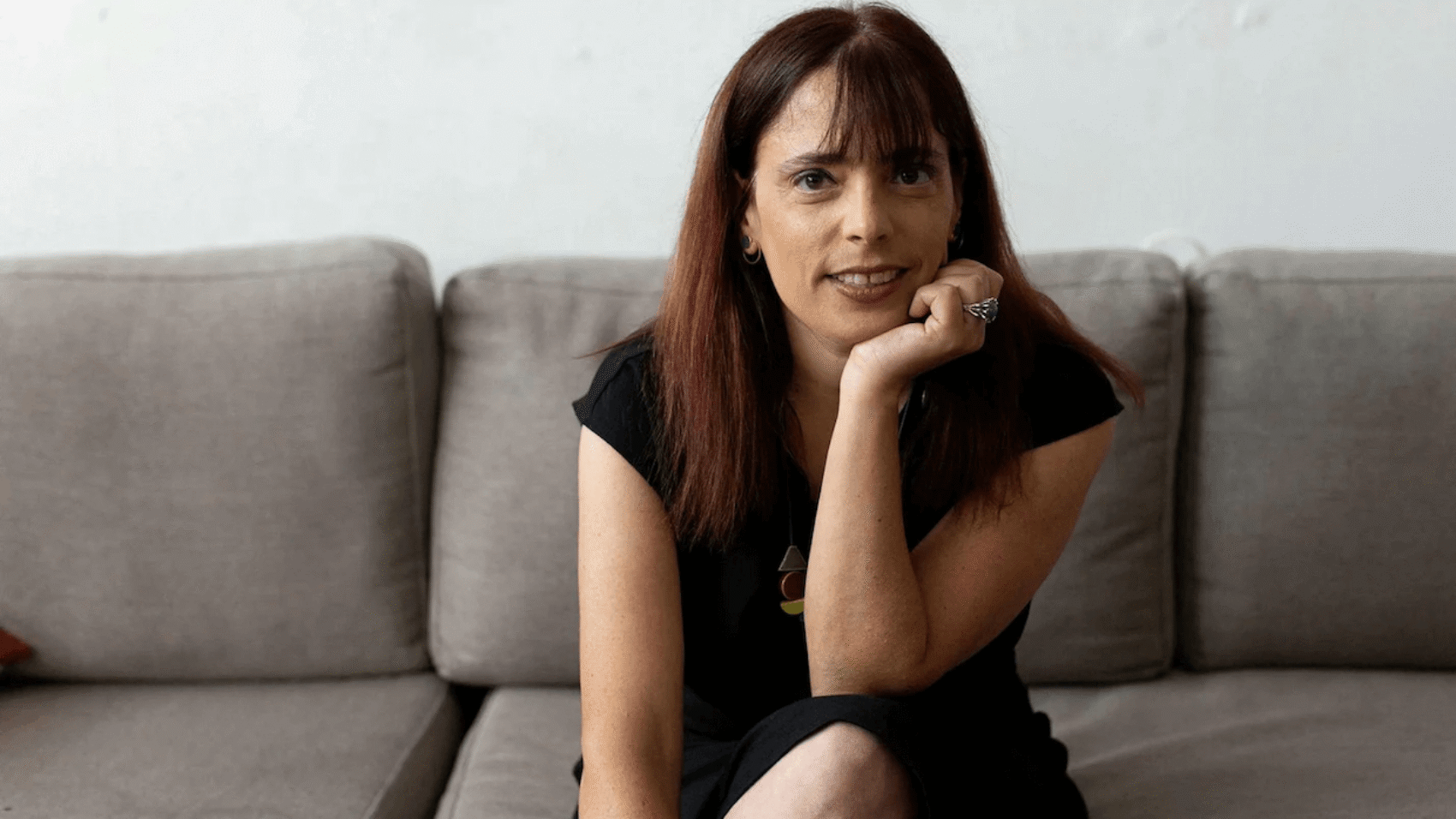
Dr. Ann-Cathrine Jungar, Associate Professor of Political Science at Södertörn University in Stockholm. Photo: Anna Hartwig.

Dr. Ann-Cathrine Jungar: Populists May Serve as Correctives, Amplifying Voices Underrepresented in Mainstream Politics

Emphasizing that populist parties act as platforms for citizens with more critical perspectives, Professor Ann-Cathrine Jungar argues that these parties can serve as correctives for democracies, amplifying voices underrepresented in mainstream politics, even though not all their proposals may receive universal endorsement. While acknowledging that some supporters of populist parties may hold xenophobic views, she highlights the importance of distinguishing between exclusionary and inclusionary populism. Dr. Jungar notes that populist radical right parties typically fall into the exclusionary category due to their critical stance towards liberal democracy.

Interview by Selcuk Gultasli

In an exclusive interview with the European Center for Populism Studies (ECPS), Dr. Ann-Cathrine Jungar, Associate Professor of Political Science at Södertörn University in Stockholm, explores the intricate dynamics of populism in the Nordic region, focusing on Sweden and the rise of the Sweden Democrats. Dr. Jungar delves into the nuanced nature of populism, distinguishing between exclusionary and inclusionary forms, and highlighting the role populist parties play in amplifying the voices of citizens with critical perspectives.

Dr. Jungar argues that while populist parties, such as the Sweden Democrats, may garner support from individuals with xenophobic views, their voter base is diverse, and these parties can act as correctives in mainstream politics. She emphasizes the importance of understanding the distinctions between different populist movements, particularly in the context of radical right parties that often adopt a critical stance towards liberal democracy.

The interview addresses the specific case of the Sweden Democrats and their journey from isolation to becoming a significant force in Swedish politics. Dr. Jungar provides insights into the failures of the “cordon sanitaire” strategy, examining the complexities of government formation, shifting party dynamics, and the impact of the 2015 migration crisis on mainstream parties’ positions.

Furthermore, Dr. Jungar reflects on her upcoming book, which focuses on the Nordic radical right, tracing the historical development of populist movements in the region. She explores the ideological shifts within these parties, their approach to migration, and the impact of changing voter perspectives on the political landscape.

The discussion extends to the Finns Party in Finland, analyzing its performance in the presidential elections and its evolving positions on NATO membership and foreign policy. Dr. Jungar provides a nuanced assessment, considering the party’s role in Finnish politics and the implications of its leader’s background marked by hate speech convictions.

Dr. Jungar also shares her perspective on the global decline of democracy and the potential challenges facing Sweden’s democratic system. While acknowledging concerns about the populist right, she assesses the current state of democracy in Sweden, highlighting the enduring support for democratic values in the Nordic states.

The interview concludes with a discussion on the influence of right-wing radical parties in the European Parliament, anticipating their impact on decision-making processes and collaborations. Dr. Jungar also offers insights into the potential challenges arising from global political collaboration among right-wing radical parties, particularly in the context of the potential return of Donald Trump to power.
Here is the transcription of the interview with Professor Ann-Cathrine Jungar with some edits.

Mainstream Parties Have Adapted to the Sweden Democrats’ Positions

Why did the “cordon sanitaire” fail regarding the Sweden Democrats, whereas it was successful in the initial years of SD’s formation?

Ann-Cathrine Jungar: The isolation was implemented when the Sweden Democrats achieved electoral success in 2010. The Prime Minister and conservative politicians firmly declared that the Sweden Democrats should not influence policymaking, especially on migration. Other parties followed suit at that time. Then, the party secured 5.7 percent of the vote despite not being a relevant party for government formation, the previous majority conservative government, with a parliamentary majority from 2006 to 2010, could still control the plurality of seats and form a viable minority government. In Scandinavia we have had a lot of minority governments, and the isolation was not costly during this period.

However, in 2014 and 2018, the process of government formation became increasingly complex, signaling the gradual dissolution of isolation. The heightened intricacy in the creation of the government marked a shift, making the isolation less sustainable. In 2014, the SD garnered almost 13 percent of the votes, followed by a rise to 17 percent in 2018. By 2022, it had become the second-largest party, trailing only the Social Democratic party.

Unless the right-wing parties—the Conservative party, Moderates, the Liberals, and the Christian Democrats—were willing to collaborate with the Social Democrats, a noteworthy departure from the prevailing bloc politics, creating a viable government would be challenging. Swedish politics traditionally revolved around blocs, with the right pitted against the left concerning socio-economic policies. For a functional government, a cross-block coalition would have been necessary, introducing a complex dynamic. However, such a coalition would have been politically costly, as it would require substantial compromises on various issues and risked backlash from voters engaged in inter-party competition.

Ultimately, research indicates that isolationist pacts tend to unravel when center-right parties, particularly those desiring cabinet positions, grow weary of remaining in opposition and are unwilling to engage in cross-block coalitions. In the case of Sweden, this dynamic has presented a challenging situation, especially considering the strength of the pact against the Sweden Democrats. This pact was robustly formulated, with other parties characterizing the Sweden Democrats as having extremist roots, initially being a neo-Nazi party associated with skinheads. Over time, the Sweden Democrats underwent transformation, but the persistence of radical immigration policies further strained their compatibility with other parties’ stances on migration.

Following the 2015 migration crisis, mainstream parties, including the Social Democrats and the Conservatives, underwent significant shifts in their immigration policies, adopting a more restrictive stance. Notably, it was the Social Democrats, in coalition with the Green party, that implemented border controls in 2015. This marked a departure from the previous system of permanent residence permits, replaced instead by temporary measures along with various restrictions. Over time, these measures were extended and evolved into more stringent legislation within the Swedish context.

The second argument lacks substantial merit, as other parties adjusted to SD positions, albeit without embracing radicalism or employing the same level of nationalist rhetoric regarding the importance of a nationally homogeneous population. Instead, they began framing their immigration policies in a similar vein. Concerns about criminality attributed to immigration and threats against specific welfare institutions, rather than the broader welfare state, became common narratives. This aligning of perspectives with the Sweden Democrats indicates a mainstreaming of their policies and framing on migration.

However, exceptions exist within the left-wing spectrum, specifically with the Green Party and the Left Party, which have not fully embraced or adapted to this discourse. Consequently, the pact’s failure or demise can be attributed to the increasing cost of excluding the radical right party. In such cases, the pragmatic approach became one of inclusion, thus influencing the dynamics of the political equation.

As for the second aspect, the isolation did achieve success in keeping the Sweden Democrats out of the direct governance, but they now play a crucial support role and wielding significant influence. Regrettably, this isolation did not hinder the party’s electoral growth, and it even provided an opportunity for strategic positioning and potential blackmailing. During this period of adaptation, the Sweden Democrats managed to establish themselves as the primary voice on migration policy.

Post-2010, a discernible pattern emerged where other parties shifted towards more liberal positions on immigration policies, prompted by the isolation strategy. Remarkably, the Sweden Democrats remained the sole party advocating for more restrictive integration policies. In recent years, a diverse array of immigration policy positions has emerged among Swedish parties. The efficacy of the isolation strategy remains ambiguous – it neither unequivocally succeeded nor failed. Nevertheless, the Sweden Democrats currently possess issue ownership on matters related to migration. Voters perceive them as the most credible party on migration policies and, notably, criminal policies intertwined with immigration-related concerns.

Populist Parties Have Undergone Transformations That Mirror Trends

Sweden Democrats’ Square Meeting in Umeå. Jimmie Åkesson speaks to the people on the city square where opposition left-wingers have formed a chain and protest in Umeå, Sweden on August 14, 2018. Photo: Shutterstock.

How do you explain the success of populist parties in the ‘North’ namely the Danish People’s Party, Sweden Democrats, the (true) Finns and the Progress Party of Norway?

Ann-Cathrine Jungar: I am currently finalizing a book set to be published by Routledge later this year, focusing on the Nordic radical right. The introductory section of the book highlights the longstanding presence of populist movements in the Nordic region. The initial wave included agrarian populist parties in Finland, as well as tax-based protest parties like the Progress Parties in Norway and Denmark, where the populism was predominantly linked to socioeconomic issues.

The narrative then shifts to the emergence of the second generation of populist parties, notably the Sweden Democrats, founded in 1988. This generation witnessed the transformation of old populist parties, such as the agrarian populist party in Finland evolving into the Finns Party, and the Danish Progress Party giving rise to splinter groups in 1995, all of which adopted Euroscepticism. Importantly, the Danish People’s Party incorporated an anti-immigration stance from its inception, while the Finns Party adopted this position a bit later.

The pivotal moment for the Finns Party occurred in 2008-2009 when they secured their first seats in the European Parliament. Subsequently, in 2011, they experienced a significant electoral triumph, quintupling their vote share from 4% to an impressive 19%.

The Progress Party also shifted its focus to immigration in 1990. These parties have undergone transformations that mirror trends seen in other European political entities, where migration and the EU became pivotal issues. While they have always maintained populist tendencies, a distinguishing factor in Nordic parties is the presence of proportional representation systems. Although Sweden has a higher electoral threshold at 4% compared to other Nordic countries, this alone does not explain the delayed parliamentary breakthrough of the Sweden Democrats.

The ideological legacy of the Sweden Democrats, originating in extremist environments, played a significant role in hindering their legitimacy as a viable party for voters. In contrast, other parties had a reputational shield, often citing their populist nature, and could point to historical precedents such as the predecessor of the Finns Party being in government in the 1980s, and the Progress Parties having different historical roots, which facilitated their electoral breakthroughs.

Examining the Nordic countries’ approach to migration, particularly Sweden, known for hosting one of the highest numbers of migrants, reveals a responsive electorate. The labor migration of the sixties and seventies, along with subsequent forms of migration in Denmark and Norway, shaped the voters’ perspectives. Additionally, growing distrust towards mainstream parties has contributed to the changing political landscape in the region.

Party identification has witnessed a decline, particularly notable in the Swedish case where traditional strong ties between labor voters and the Social Democratic Party weakened significantly over the last 10-15 years, contributing to the breakthrough of other political factions. While there may not be anything inherently unique about the Nordic countries regarding why this shift occurred, there are distinctive characteristics in how these successful parties operate and how they differ from other radical right parties in Europe, especially in their approach to the welfare state.

Despite their general support for the welfare state, observed through various welfare surveys, these Nordic radical right parties frame immigration as a potential threat to the universal Nordic welfare state, which is based on residence. Simultaneously, they have incorporated certain Nordic characteristics into their identity, emphasizing gender equality in terms of socioeconomic factors such as parental childcare and female employment. However, they maintain opposition, to some extent, to LGBTQ rights, not only concerning female and homo-nationalist issues but also encompassing more comprehensive topics like supporting same-sex marriage and adoption rights for gay individuals.

These stances highlight a paradox where these parties, rooted in more secular beliefs prevalent in the Nordic region, particularly in Sweden and Norway, express less acceptance in Finland and Denmark. The latter two countries exhibit comparatively more conservative attitudes in these areas compared to the former. 

What is your assessment of the Finns Party’s performance in Finnish Presidential Elections? How has it performed in the elections compared to other populist parties in the ‘North’?

Ann-Cathrine Jungar: Except for Iceland, Finland is the sole Nordic country with a presidential system featuring two rounds of voting. In the recent elections, Jussi Halla-aho

secured 19% of the votes, an outcome that was largely anticipated. Despite the Finns Party’s shift toward accepting NATO membership, a change prompted by the Russian invasion of Ukraine, they remain staunchly opposed to Putin. Unlike certain right-wing parties in Austria, Germany, or France, there is no disagreement on foreign policy and how Finland should respond.

However, as a radical right-wing party aligned with a more nationalist faction, the Finns Party has assumed a prominent role, particularly after the leader, with a background marked by hate speech convictions. This may raise concerns about his suitability as a representative for the entire country.

In the Finnish context, it holds significance for all parties to field their own presidential candidates to assert visibility and convey their policies, particularly in preparation for municipal and national elections. Notably, the Finns Party had a vigorous campaign during the parliamentary elections last year, targeting a younger demographic. Their leader utilized platforms like TikTok, emphasizing a strong presence on social media, especially among the youth branch of True Finns, to engage with and appeal to the younger population.

Populism Poses Potential Threat to Democracy

Krossa rasismen (fight racism) message on sign during demonstration in Orebro city, Sweden on May 1, 2013.

In your 2023 article for Svenska Dagbladet, you note the global decline of democracy and delve into the potential challenges facing Sweden’s democratic system. What key factors do you identify as having the most significant impact on democracy in Sweden? Additionally, how would you evaluate the risk of a democratic breakdown in Sweden in comparison to the global landscape?

Ann-Cathrine Jungar: Populism poses a potential threat to democracy, contingent on the strength of democratic institutions within each country. In the case of Sweden, I don’t perceive an immediate threat to democracy due to the Sweden Democrats’ (SD) role as a support party. While their proposed legislation, particularly concerning migration, may not align seamlessly with constitutional law, regulations, or international agreements Sweden has endorsed, the SD does not exhibit an inherently anti-democratic stance. This contrasts with situations in the United States where representatives for Trump or elements of the alt-right have actively questioned the legitimacy of democracy.

For instance, the SD’s emphasis on saving public funds by targeting public broadcasting companies raises questions about its impact on democracy. While acknowledging the importance of public television and radio in Sweden, the SD’s focus on cost-cutting may not necessarily jeopardize the core functions of public broadcasting. Their engagement in cultural politics, particularly concerning what type of cultural politics should be pursued, is another aspect. They express concern about supporting cultural politics aligned with the state or Swedish identity. Whether this stance is inherently democratic or not remains a question open to debate.

Of course, the Sweden Democrats are anti-liberal, challenging left-wing liberal ideas, particularly in media and traditions. However, I don’t perceive an immediate threat to Sweden’s well-functioning state. Instances of threats towards politicians are more prevalent among extreme right groups and movements in Sweden that resort to violence, seeking an alternative system to replace the democratic one.

While debates circulate about safeguarding certain aspects, such as the ease with which the Constitution in Sweden can be changed, there are various checks and balances within the system. The political landscape also features a broad range of policy alternatives, potentially contributing to what may be termed as polarization. Whether this polarization poses a democratic threat remains uncertain, but it is crucial to acknowledge the enduring support for democracy in the Nordic states, including Sweden.

Notably, trust in societies, historically high in the Nordic states and Sweden, is on the decline. This decreasing trust may be associated with the complex situations surrounding criminality and ongoing war around. However, it remains challenging to pinpoint a specific radical right party as the sole threat to democracy and communities in such a nuanced context.

Given your research focus on right-wing radical parties, how do you assess the influence of parties such as the Sweden Democrats on the core tenets of democracy, particularly in relation to their stances on migration, integration, and law enforcement? How have SD’s role in Swedish politics and their positions affected the political landscape in Sweden?

Ann-Cathrine Jungar: As mentioned earlier, this is the new mainstream and this perspective has become pervasive, with other parties aligning themselves closely, if not entirely, with these positions. The shift in adaptation began after the refugee crisis in 2015, with the government responding to 160,000 asylum seekers arriving in Sweden by the autumn of that year. In response, a temporary law was promptly formulated, leading to modifications in policy positions on migration, integration, and criminal policy by various parties, all trending towards more restrictive measures.

Initially, Denmark held the most restrictive positions among the Nordic countries, but now there is a striking similarity in immigration policies across the region. In collaboration with research colleague Jonas Hinnfors, I’ve authored a report covering the restrictive turn in immigration policies in the Nordic region over the last two decades. There is a prevailing perception among political parties that adopting more liberal migration policies, particularly on integration, might act as a pull factor. Consequently, there has been a race to the bottom, resulting in a convergence of migration policies across the Nordic countries.

The narrative framing immigration as a problem, tied to concerns about criminality and threats to welfare states, has become a pervasive theme in the Nordic countries. The Social Democratic Party, recognizing a perceived failure in their immigration policies, released a report before Christmas acknowledging a mistake in formulating policies that were deemed too liberal. In a recent debate, party leader Magdalena Andersson asserted that the Social Democratic Party has always been in favor of restrictive and responsible immigration policies. While similar debates have occurred cyclically in the past, such as during the collapse of Yugoslavia, the present discourse reflects a broader consensus on the necessity for adopting more restrictive immigration policies. 

The underlying issue often cited is labor migration, where Sweden has a surplus of unemployed labor for various reasons. Efforts to balance this situation include adjusting asylum-seeking and family reunification policies and introducing more stringent integration requirements such as language tests, kids have to go kindergarten and societal education. There is a growing consensus among political parties on these issues, with only the left-wing party, the Green Party, and the Center Party maintaining more liberal positions. The rest have shifted in the direction of greater restrictions.

Populist Radical Right Parties Are Commonly Exclusionary

In the Svenska Dagbladet article, you discuss right-wing populist parties portraying themselves as democracy saviors. What is your perspective on this claim? Are there instances where such parties have genuinely strengthened democracy? Populism is often negatively charged. How do you see the interplay between populism and democracy, and can populism serve as a democratic reset?

Ann-Cathrine Jungar: This debate revolves around whether populism, illiberalism, prejudice against migration, and hate speech from radical right-wing parties pose a potential threat to democracy, potentially infringing on basic human rights and questioning certain democratic institutions. These parties often adopt a critical stance towards liberal democracy, promoting their own interpretation of the democratic process. It is important to distinguish between exclusionary and inclusionary populism, with radical right parties commonly falling into the exclusionary category.

In the Nordic countries, particularly Finland and Sweden, where my expertise lies, radical right-wing parties have served as a platform for citizens expressing anti-immigration attitudes. This dynamic has played a role in enhancing political representation, addressing a gap in political discourse and providing a voice for those whose perspectives were not adequately addressed by mainstream parties.

For example, before the emergence of the Finns Party, there was no political entity distinctly voicing skeptical positions during the European Monetary Union (EMU) discussions. In the case of Finland, when the country joined the EMU, there was a five-party coalition, all favoring membership without much criticism—a process largely driven by elites. Populism has stimulated debate and mobilized issues that were not adequately addressed by mainstream parties. The parties in question have responded to a demand for skepticism, particularly during events like the euro crisis and the migration crisis, providing a platform for citizens with more critical views.

While acknowledging that some voters for these parties may hold xenophobic views, it’s essential to recognize that their support base is diverse. Studies on support for democracy, political satisfaction, and perceived influence on political decisions reveal that voters dissatisfied and less trusting of democracy and politicians often find increased support when these parties enter parliament or play a role in supporting the government. In this sense, these parties can act as correctives, amplifying voices that feel underrepresented in mainstream politics, even though not all their proposals may be universally endorsed.

Dynamics of the European Parliament Will Undergo a Change

European Parliament offices and European flags in Brussels, Belgium on July 20, 2020. Photo: Lena Wurm.

There is concern that populist right-wing radical parties may secure a quarter of the mandates in the upcoming EU election. How do you anticipate this impacting the political landscape within the EU?

Ann-Cathrine Jungar: The dynamics of the European Parliament will undergo a shift, contingent on how the parliamentary groups, particularly the Identity and Democracy (ID) and the European Conservatives and Reformists (ECR), are formed. In the Member States, we’ve observed center-right parties cooperating with the radical right, and the question arises whether a similar pattern will emerge in the European Parliament. This could manifest as the European People’s Party (EPP) cooperating with ECR but not with ID, or potentially a collaboration between ECR and ID.

The nature of these dynamics will significantly impact their influence and decision-making within the European Parliament. While it’s expected that their influence will grow, the extent of this progress will hinge on the interplay between these groups. Additionally, radical right parties hold considerable influence in the Council of Ministers due to their participation in various national governments, such as Italy, Finland, and support party in Sweden, and Eastern European nations. The changing dynamics in the European Parliament and the European Union have already become apparent, but the presence of radical right parties will bring a different dynamic, particularly during decision-making procedures and collaborations.

How do you assess the potential impact of global political collaboration among right-wing radical parties, especially in light of the potential return of Donald Trump to power in the upcoming fall? What could be the nature of populist political challenges globally in the wake of a second Trump mandate in the US?

Ann-Cathrine Jungar: We are aware that the European radical right is divided over Russia, creating a potential line of division between Identity and Democracy (ID) and the European Conservatives and Reformists (ECR). Last year, the Finns Party transitioned from ID to ECR after parliamentary elections, driven in part by this division. The Finns Party’s closest international ally is the Sweden Democrats, who have cultivated links with the United States, particularly with Republican think tanks and organizations, aligning closely with Trump supporters.

Trump’s radicalization and his stance towards Russia pose challenges for European right-wing parties in taking a clear position in favor of Trump. The Sweden Democrats, among other Nordic radical right parties, have established connections and learned from these links. However, it remains problematic for the leadership, as evidenced by the Nordic parties condemning anti-democratic practices, including questioning electoral institutions.

When you attend a Sweden Democratic meeting or any Nordic Radical right party gathering, you’ll encounter individuals expressing favorable sentiments towards Trump. There is a grassroots appeal, a sentiment that resonates with a certain demographic. However, it becomes problematic for the leadership. It wouldn’t be accurate to claim an immediate and close connection. The Nordic parties, collectively, have taken a stand against anti-democratic tendencies, particularly rejecting challenges to electoral institutions and discourse around electoral fraud. This stance has not been an easy pill for these parties to swallow, given their dependence on prevailing circumstances.

The Nordic parties have faced difficulty accepting challenges to democratic norms. The potential support for Trump could pose a divisive issue within these parties, further complicating their internal dynamics. While grassroots sentiment may favor Trump, the leadership may find it challenging to navigate this terrain.

Indeed, the dynamics surrounding Trump’s potential support would vary among different radical right parties. Similar to their varying stances on Russia and Putin, supporting Trump would be impractical for Nordic radical right parties, especially those committed to securing European Union support for Ukraine and its stance against the war. This alignment might be feasible for more extreme right-wing parties, but mainstream parties would find it impossible.

We’ve observed a radical shift in Sweden Democrats’ approach to Ukrainian refugees, contrasting with their prior call for a complete halt to refugee immigration. How do you interpret the ideological adaptability of far-right parties adjusting to current circumstances and cultural distinctions? Can SD be characterized as a civilizationalist populist as well?

Nordic radical right parties, despite their anti-immigration stance, may express support for refugees from Ukraine as part of their geopolitical agenda, which revolves around ensuring European Union backing for Ukraine in its conflict with Russia. This backing doesn’t necessarily align with a more inclusive immigration policy but serves their strategic goals within the broader geopolitical context.

Their framing of the question revolves around the perception that refugees from Ukraine are seen as legitimate, fleeing from war, as opposed to what they label as “economic refugees” from the Middle East. Their argument is that Ukrainians are expected to return home when the war concludes, differentiating them from refugees from other parts of the world.

In response to the ongoing crisis, the Swedish Government is preparing a package to help Ukrainians return home when the conflict subsides. There has been a historical lack of support for Ukrainians in Sweden, with restrictions on their access to Swedish education. This may be attributed to integration challenges, including language barriers.

As the situation evolves and the labor shortage becomes apparent, there is a growing recognition of the education and skills of Ukrainian refugees. Civil society organizations and municipalities are stepping in, providing language education and other support to facilitate the integration of Ukrainian refugees.

Professor Albena Azmanova, a distinguished academic in Political and Social Science at the University of Kent.

Professor Azmanova: Key Driver of Populism Is Insecurity Rather Than Inequality

In an exclusive interview, Professor Albena Azmanova emphasizes that the ascent of populist parties finds its roots in widespread economic insecurity rather than mere inequality. She contends that the fear of job loss affects not only the unemployed but also those with stable jobs and good pay, emerging as the primary catalyst for societal insecurity. She critically examines the term ‘populism,’ expressing reservations about its negative connotations, and advocates for a linguistic shift. Azmanova argues that the term “populism” is misleading, diverting attention from the actual transformations in ideological orientations. Instead, she proposes a reframing of the political divide, suggesting the lens of opportunity versus risk, transcending conventional left-right categorizations.

Interview by Selcuk Gultasli

In an exclusive interview with the European Center for Populism Studies (ECPS), Professor Albena Azmanova, a distinguished academic in Political and Social Science at the University of Kent, underscores that the rise of populist right-wing parties is rooted in widespread economic insecurity rather than mere inequality. The fear of job loss, she contends, affects not only the unemployed but also those with stable jobs and good pay, shaping the primary driver of societal insecurity. 

The interview navigates through key themes from Professor Azmanova’s articles, such as the intersection of precarity, populism, and the prospects for a green democratic transformation. She posits that left populism has the potential to counter right-wing populism by focusing on economic stabilization policies that appeal to a broad spectrum of the population. Delving into the intricacies of populism, precarity, and the evolving global political scenario, Professor Azmanova sheds light on her insightful analyses and research and challenges conventional perspectives and offers a nuanced understanding of the socio-political forces at play. 

In her exploration of the shortcomings in the left’s response to the rise of populism, Professor Azmanova introduces the concept of ‘democratic prejudice’—a tendency to interpret history as a cyclical progression of democracy and crises. She critiques the left’s focus on combatting inequality, urging a shift towards addressing economic insecurity, which she identifies as the real and enduring issue affecting people across classes. Professor Azmanova introduces the term ‘precarity’ to highlight a distinct form of insecurity politically produced by specific policies. According to her, this form of disempowerment goes beyond general unpredictability and significantly affects people’s livelihoods, lives, and cultural spheres. The discussion unveils the societal implications of precarity, impacting the ability to manage diversity, navigate crises, and govern itself.

The interview further explores Professor Azmanova’s proposition in her book, “Capitalism on Edge,” where she contends that the present state of capitalist democracy holds the potential to subvert capitalism itself. She calls for a recognition that insecurity, politically induced by specific policies, can be politically undone, offering hope for a more resilient and equitable future.

Addressing the term ‘populism,’ Professor Azmanova critiques its negative connotations and advocates for a shift in terminology. She argues that the label is misleading, as it obscures the real changes in ideological orientations. Instead, she proposes framing the political divide as opportunity versus risk, transcending traditional left-right distinctions.

Professor Azmanova addresses her concerns about the surge in support for far-right parties in upcoming European Parliament elections but attributes the trend to the refusal of centrist parties to address popular concerns. She emphasizes the need for a responsive and inclusive political approach to navigate the evolving political landscape.

Here is the transcription of the interview with Professor Albena Azmanova with some edits.

Insecurity Significantly Affects and Troubles People

Professor Azmanova, thank you very much for joining our interview. Let me start with the first question: In your analysis in the article published in 2019 and titled “The paradox of emancipation: Populism, democracy and the soul of the Left,” you mention the Left’s struggle to harness anti-establishment energies and channel them into leftist politics despite the fertile ground created by the Great Recession. Could you elaborate on specific shortcomings in the Left’s response to the rise of populism, and how the phenomenon of ‘democratic prejudice’ might be impeding its effectiveness in appealing to voters?

Albena Azmanova: So, Nietzsche’s famous ‘democratic prejudice,’ which I believe is indeed obscuring our vision, hinders us from making an accurate diagnosis of the current time. Let me explain. Nietzsche observed that in the modern West, we have a reflexive tendency to interpret history as the continuous progression of democracy and its subsequent crises. The recurring pattern is evident: democracy advances, encounters a crisis, and our response is to restore it. However, this perspective carries a conservative intuition about history, implying a constant need for repair and a simultaneous backward and forward movement.

I think the left is currently perceiving the damage caused by neoliberalism, which includes the politics of labor market and product liberalization and the opening of economies. This policy package entails deregulation, privatization, and economic liberalization. The left predominantly identifies the damage in terms of heightened inequality, viewing it as an epidemic undermining democracy. Therefore, the response is to combat inequality, which is the typical left reaction. We hear a lot about fighting inequality, and it has even manifested in academic programs such as master’s degrees in equality studies. The approach is to heal our ailing societies by reverting to a policy set reminiscent of the welfare state’s glorious times—inclusive prosperity, less inequality, and numerous inclusionary policies achieved through growth and redistribution. However, this inclination seems to be rooted in a nostalgic instinct to return to the familiar and typical left solutions. This is evident in the frequent use of direct rhetoric involving class struggle and calls to tax the rich.

All these diagnoses and proposed solutions hinder us from grasping the precise changes in the world and the evolution of our societies. Through my research, I’ve come to the conclusion that insecurity, rather than inequality alone, significantly affects and troubles people. While inequality is undoubtedly a problem, the widespread insecurity presents a different and more challenging dimension. To illustrate practically, consider the rise of Trump in the working class in 2016. The states where he gained support, such as Alaska, Oklahoma, Wyoming, Utah, and Michigan etc., had experienced the smallest increases in nationwide inequality since 1989. However, these states faced economic challenges due to a lack of stable employment opportunities.

The primary driver of this insecurity is the fear of job loss, which affects not only the unemployed but also those with stable jobs and good pay. This fear has been palpable for years, evident in events like the 2005 Polish plumber mobilization in France against the European Constitution. Workers were driven by the fear that cheaper labor from Eastern Europe would compromise their job security and wages, leading to social dumping. This understanding shapes my perspective on the current situation, emphasizing the need for different policies and solutions aligned with the diagnosis of widespread insecurity.

The Left Must Transcend Traditional Class-based Approaches

In your article titled “Precarity, Populism, and Prospects for a Green Democratic Transformation,” you assert that “left populism would finally be able to eclipse the xenophobic, exclusionary right-wing populism, and offer a constructive alternative to neoliberal capitalism.” Considering the current global trend of a rise in far-right parties not only in Europe but also worldwide, how do you envision the realization of this prophecy?

Albena Azmanova: Unfortunately, it’s not a prophecy in the sense of prediction; it’s an advice. It serves as guidance for the so-called progressive forces to address the real issue affecting people: massive economic insecurity. The right is currently responding to these fears of insecurity, job loss, and loss of livelihood by implementing policies that prioritize physical security. This includes increased crackdowns, increased surveillance, and stricter immigration controls. Although they address these concerns with stabilization policies, it’s important to note that these are not focused on economic stabilization. 

What the left needs to do is focus on economic stabilization policies, emphasizing stability. This approach should aim to appeal to a much broader section of the population than its typical electorate, as economic insecurity affects nearly everyone— not just the working class, professional classes, but also the middle and even upper-middle classes. The traditional class struggle narrative cannot fully capture the diverse concerns of individuals, as seen in the recent protests by farmers and the Yellow Vests movement. Those taking to the streets were not solely the working class; they included property owners and individuals deeply troubled by the challenges in managing their lives under mounting pressures. So, the strategy needs to adapt accordingly, moving beyond the traditional class-based approach.

In the article, you introduce the term ‘precarity.’ Could you provide a clear definition of ‘precarity,’ and elucidate how its dynamics intersect with populism?

Albena Azmanova: That is a very special form of insecurity. I use the term “precarity,” a not-so-pleasant term, to highlight a distinct form of insecurity. It’s not the conventional unpredictability or uncertainty of modern life. Instead, it’s a unique kind of disempowerment that is politically produced. It represents insecurity, but it cannot be equated with general uncertainty. I refer to it as “precarity”—disempowerment rooted in politically produced threats to livelihoods, lives, and cultural life worlds. Nowadays, people are primarily concerned with threats to their livelihoods, their sources of income, as jobs even in conditions of lower unemployment become increasingly insecure. 

Additionally, the pressures on job holders escalate. I understand precarity as an incapacity to cope, rooted in a discrepancy between mounting responsibilities and our capacity to fulfill them. Growing obligations but deficient resources and limited abilities to fulfill them. In academia, for instance, academics are expected to take on more teaching, administrative work, and even student recruitment, for which we are not adequately trained. We’re pressured to publish more, teach more, and engage in tasks for which we lack qualifications simply because it is cost-effective for universities to press workers to do more with less. This misalignment between work pressures and resources creates a massive incapacity to cope. In this context, people with well-paying, seemingly secure good jobs, like doctors and nurses, also experience precarity due to the pressures they face beyond their fully equipped capabilities. Therefore, precarity, understood as politically generated disempowerment, affects not only our material well-being but also the psychological welfare of individuals and operates on a societal level. It hampers society’s ability to manage diversity, handle challenges, navigate crises, and, consequently, govern itself.

I believe this is why the medical crisis with Covid transformed into a social crisis—our public services, particularly healthcare, were underfunded and unable to handle the pressures. The gradual reduction in healthcare funding over the past decades left our hospitals ill-equipped to confront such a crisis. The healthcare sector, as a whole, faced an incapacity to cope due to specific policies redirecting funding. While a lack of capacity to cope is understandable in the face of a natural disaster, our specific vulnerability resulted from the repercussions of neoliberal policies. Driven by the goal of enhancing global economic competitiveness, these policies entailed cutting funding for social services. This approach prioritized economic competitiveness, compromising social infrastructure and resilience in the process.

The Solution Entails Undoing the Politics and Policies Generating Precarity

In your book “Capitalism on Edge,” you assert a straightforward proposition: that the present state of capitalist democracy harbors a discernible potential for subverting capitalism itself. Could you delve deeper into the specifics of this claim? Are we witnessing the culmination of capitalist democracy as it has been understood so far, and what implications does this hold for liberal democracies? 

Albena Azmanova: Two crucial points to consider and understand for a more optimistic perspective amid the prevalent precarity: First, it’s essential to recognize that this insecurity, this precarity, is politically induced by specific policies, often dictated by the imperative for competitiveness in the globally integrated market economy. Since it is politically produced, it can be politically undone. Thus, the solution involves more than just building resilience against general insecurity; it entails undoing the politics and policies generating precarity.

Secondly, as I previously mentioned, precarity affects almost everyone. It’s not exclusive to the working class or the poor. To put it bluntly, even the successful individuals find their lives impacted by these pressures, hindering their ability, what they’re educated to enjoy the life they aspire to—a life of leisure, friendships, and travel—due to fears of job loss and work pressures. This reality forms a substantial societal alliance with a shared interest in combatting precarity and addressing its root causes, including the pressures of competitiveness and, fundamentally, the profit motive, which stands as the primary driver of capitalism. It is crucial to recognize that we have sacrificed too much in the pursuit of profit.

So, my hope lies in this alliance of social forces that transcends traditional classifications—a substantial shift that could occur. However, realizing this potential requires the right political forces and effective leadership to respond to this available opportunity and potential.

People Bear Increasing Responsibilities but Have Diminishing Power 

What factors contribute to the understanding of the peculiar nature of the most recent populist upsurge in particular in Europe?

Albena Azmanova: Populism today possesses a distinct nature, with economic insecurity serving as its primary grievance, even when manifested as xenophobia. This animosity towards foreigners is not cultural, but primarily economic, rooted in the fear of job loss. Addressing this fear offers hope that people may be more receptive to progressive reform ideas. For instance, the farmers’ movement, evident in protests across Europe, highlights economic insecurity as the central grievance. Listening to the farmers reveals concerns about their struggle to cope with mounting regulations from the European Commission and increased competition from cheap imports originating from Ukraine and other parts of the world. These grievances revolve around their incapacity to handle these pressures. 

This connection to populism becomes apparent when individuals, under such pressures, narrow their thinking to the immediate present, diminishing their capacity to plan for the future and reducing their ability to engage in solidarity, as the instinct becomes one of self-preservation. This introversion and loss of future perspective result in a permanent crisis management mode. People, due to precarity, end up supporting leaders who promise quick solutions to their problems, such as stopping immigration and enhancing political and military security. Economic reforms, which take time, often get overlooked in favor of immediate measures. This links populism and precarity.

Therefore, I define populism as precarity—responsibility without power. People bear increasing responsibilities but have diminishing power to fulfill them. The opposite of this, power without responsibility, aligns with autocracy, which is precisely what populist leadership represents. These two concepts are two sides of the same coin. 

You argue that ‘What is being currently demonized in the mainstream media as “populism” can be seen, therefore, not as a transient expression of discontent, but as an expression of broadly shared and lasting anxiety triggered by perceptions of physical insecurity, political disorder, cultural estrangement, and employment insecurity.’ First why do you think ‘populism’ has been demonized in the mainstream media, secondly why do you think it is not transient?

Albena Azmanova: Well, journalists and academics have done us a disservice by creating this negative connotation of populism. Initially, populism was not a negative label. For instance, take the US People’s Party in the late 19th century, known as the Populist Party, was a left-wing agrarian political party with a rather progressive agenda advocating for a gradual income tax, collective bargaining, and a shorter work week. They aimed for federally controlled warehouses, embodying the idea of taking care of the people. Actually, I find it very hypocritical because if populism is equated with making political promises that cannot be fulfilled, look at our centrist parties. They keep promising us to address issues like greening the economy and addressing the ecological crisis, prosperity for all, which everybody knows is not feasible without enormous resources. So, if that is not populism, I don’t know what is. This label is not helpful in identifying the actual problems.

It is not transient because the rise of what we call populism has been around for 30 years, drawing attention with the financial crisis in 2008. However, unconventional parties and anti-establishment protests had already started to rise in the 1990s, a decade marked by economic prosperity but also significant destabilization in our Western societies due to neoliberal policies like privatization and deregulation. My first analysis of this trend was written in 2003, published in 2004, much before the economic meltdown of 2008. I observed how it took the shape of very unorthodox anti-establishment protests that combined elements of both left- and right-wing policies in response to people’s grievances like political disorder, physical insecurity, cultural estrangement, and employment insecurity—issues that cannot be neatly defined as either left or right.

The Term ‘Populism’ Is Misleading

You suggest that we should stop using the lazy and misleading label populism. Why do you think the term populism is misleading? What do you propose instead?

Albena Azmanova: The term “populism” is misleading as it hinders us from understanding the real changes in people’s ideological orientations. For ordinary voters, the traditional left and right labels no longer make much sense. The real divides are not about a regulated versus free market economy or liberal values versus traditionalism. If you look at any of those formations that are forming this insurgency now, they combine the narrative centers around open versus closed economies—whether to embrace or protect against global capitalism. It’s not about state intervention in the economy or the extent of privatization; it’s about protecting our capitalism against global capitalism. On the other side are those who believe in global integrated capitalism because they’re reaping its benefits. I prefer viewing it from the perspective of opportunity versus risk, rather than a traditional left-right divide. The central division in people’s perceptions lies in whether to fear the reforms or the neoliberal policy set or to profit from it. As I mentioned, an increasing number of people find themselves on the losing side of this dynamic.

In terms of cultural values and social agenda, the dichotomy is mixed. On the opportunity side, voters embrace the benefits of the global economy, IT revolution. However, on the risk side, there’s a growing demand for more welfare protection, but specifically for us, not for strangers—referred to as welfare nationalism. Culturally, it takes an opposing stance. For instance, the far-right opposition to Islam justifies itself as a defense of our liberal values, presenting Islam as traditionalist. Thus, we claim to defend women’s rights and homosexual rights. An example is Pim Fortuyn, the first populist leader in the Netherlands, who was a homosexual. Trump, in his criticism of Wall Street and globalists, blends social protection and cultural defense of Western liberal values in an exclusionary manner due to the fears and pressures people are unable to cope with.

Therefore, populism is a lazy term that prevents us from seeing the emerging divide. The traditional left-right divide, which has structured ideological understanding for at least two centuries, is being replaced by a new divide—opportunity versus risk. On the opportunity side, there is a mixture of former left and right values, and on the risk side, there is also a blend of left and right preferences.

How do you define the Ataka party in your native Bulgaria? Is it a populist or a racist party?

Albena Azmanova: Alright, so you’re essentially asking whether we should discard the term “populism” and how we should refer to these parties. Well, many parties labeled as populist in a negative sense are essentially nationalist. They advocate for the welfare state for “us” at the exclusion of “others,” often involving white supremacism. For instance, if we consider Ataka in my native Bulgaria, it is undeniably nationalist, but it also incorporates a left-wing critique of globalization. Despite its clear racist elements, I would prefer to characterize it as nationalist rather than use the term populist.

How concerned are you about a possible explosion of in far-right parties’ support in the upcoming European Parliament elections? 

Albena Azmanova: Well, I’m concerned, of course, but not surprised. I believe the sweeping victory for right-wing parties is a trend that began in the 2004 European elections. The popular support for populist and right-wing parties has been growing. I would blame that on the centrist parties that simply refused to listen to the popular concerns.

Dr. Arjun Appadurai, Emeritus Professor of Media, Culture and Communication at New York University.

Professor Appadurai: Ayodhya Temple Opening Heightens Marginalization of India’s Muslims, Transforming Them into a Second-Class Population

In an exclusive interview, Professor Arjun Appadurai analyzed the inauguration of the Ayodhya Temple by Prime Minister Narendra Modi on Monday. He expressed concerns about the potential rise of Hindu majoritarianism and its impact on India’s significant Muslim population. Appadurai emphasized that the monumental structure, replacing the Babri Masjid, symbolizes a shift towards the marginalization of India’s Muslims, potentially relegating them to a second-class status. Alongside many analysts, Appadurai predicts that Modi is poised to maintain a formidable grip on power in the forthcoming Indian elections in April, unless unexpected shifts in the political landscape occur.

Interview by Selcuk Gultasli

In an exclusive interview with the European Center for Populism Studies (ECPS), Dr. Arjun Appadurai (Emeritus Professor of Media, Culture and Communication at New York University) underscores his concerns that the opening of the Ayodhya Temple under Prime Minister Narendra Modi raises the risks of Hindu majoritarianism on India’s sizable Muslim population, estimated at around 250 million. 

Appadurai highlights the historical challenges faced by this minority, with intensified tensions following the recent construction of the Mega Ram Temple in Ayodhya. This monumental structure, replacing the Babri Masjid, symbolizes a shift towards the marginalization of India’s Muslims, transforming them into a second-class population. Appadurai points to domestic policies that foster insecurity among Muslims and explores the paradox of Modi’s alliances with Islamic leaders in Saudi Arabia and the United Arab Emirates. 

According to Professor Appadurai, the inauguration of the Ram Temple consolidates Modi’s image as a righteous Hindu king, departing from historical dominance of Muslim monuments in North India. Appadurai also considers the national dimension, questioning the association of a temple with national identity and challenging conventional perceptions.

Professor Appadurai also delves into the intricate web of demagoguery, propaganda, and the socio-psychological factors that shape political landscapes. Appadurai challenges the conventional narrative by questioning the broad categorization of leaders as demagogic, emphasizing the ubiquitous nature of demagoguery in various forms. Central to the discussion is the exploration of “democracy fatigue,” a concept introduced by Appadurai, shedding light on how demagogues tap into disillusionment with liberal democracy. 

The conversation expands to the comparison of the political climates in Trump’s America and Modi’s India, unveiling surprising parallels in their success narratives driven by dissatisfaction with the state and societal shifts. Appadurai further unveils the nuanced dynamics in India, where Modi’s leadership seemingly catalyzes Western-style individualism within a traditionally hierarchical society, challenging standard liberal social theories. The interview provides a thought-provoking analysis of the emotional resonance, historical contexts, and unique factors contributing to the success of demagogic figures in diverse democratic settings.

Professor Appadurai underscores the shifting dynamics between the success of the right and the failure of the left, urging a departure from the conventional hydraulic theory. Appadurai emphasizes the transformation of the concept of “the people” by the right, evolving into a pre-political, quasi-biological entity. This conceptual shift, operating on an emotional rather than analytical level, challenges traditional categorizations and contributes to the erosion of democratic institutions.

The interview also explores the concept of polymorphous populism, linking it to the digitalization of society. Appadurai highlights the significance of social media in facilitating the rapid formation of movements, creating a volatile environment with a lack of enduring entities. He draws attention to the emotional bonding fostered by social media, providing a platform for right-wing leaders like Donald Trump and Modi to strategically bolster their power.

Our interview concludes with Professor Appadurai’s prediction for the upcoming Indian elections in April, expressing a prevailing sentiment that Modi is likely to maintain a strong hold on power unless unforeseen shifts occur.


Here is the transcription of the interview with Professor Arjun Appadurai with some edits.

Populist Demagogues Exploits ‘Democracy Fatigue’

In your article, you discuss demagoguery as a socio-psychological phenomenon that taps into the emotions of ordinary people. Could you elaborate on which demagogic claims find emotional resonance among ordinary audiences in the contexts of Donald Trump’s America and Narendra Modi’s India?

Arjun Appadurai: The terms demagoguery and propaganda are frequently used when referring to non-democratic, anti-democratic, autocratic, and authoritarian leaders, often interchangeably. In all these cases, some explanation usually involves their demagogic capacities, rhetoric, and propagandistic skills. However, accepting this entirely has been challenging for me because everyone tends to be somewhat demagogic, and the use of some form of propaganda is widespread. So, the question arises: when do these strategies find fertile ground? When do they resonate? There are numerous answers to this, ranging from broad factors such as the global economy and job loss, which then leads to the projection of job loss onto outsiders. These explanations have been familiar for almost 20 or 30 years.

However, I am attempting to delve deeper into two directions, topics that we can explore further with additional questions. One is what I have termed “democracy fatigue,” the title of an essay I contributed to a collection edited by a German editor and published by German publisher. This essay has been translated into 10 languages, including French and English. Despite its early publication in 2017, at a time when people were just beginning to contemplate this question, it didn’t receive much attention. The central argument in “Democracy Fatigue” is that demagogues and propagandists who succeed are those able to tap into the fatigue with democracy, a sentiment prevalent in many countries, albeit with different historical contexts, leading people to be, colloquially speaking, increasingly disillusioned with liberal democracy.

On the other hand, not unrelated to why some demagogue claims succeed while others may not, is their ability to find a path into the emotional world of listeners, followers, citizens, and ordinary people. This contrasts with more abstract, theoretical, and intellectually grounded arguments that may not resonate as effectively. These are the initial considerations regarding when it works and when it does not.

In your article you argue that US and India are very different but equally propitious terrains for the capture of the anti-democratic psyche. What common factors contributed to the success of Narendra Modi in India and Donald Trump in the US?

Arjun Appadurai: The comparison is intriguing because India has long been acknowledged as the world’s largest democracy, while the United States is hailed as the world’s oldest democracy. Beyond this association, what makes it more compelling is that both nations have a unique and historical commitment to democracy. In India’s case, it has been over 70 years, a substantial period even when compared to the United States, making it not a young democracy anymore. However, in both cases, albeit for different reasons, there exists a sense of disappointment with what democracy has delivered, either at the state level, according to some leaders, or in the emotional lives of ordinary people.

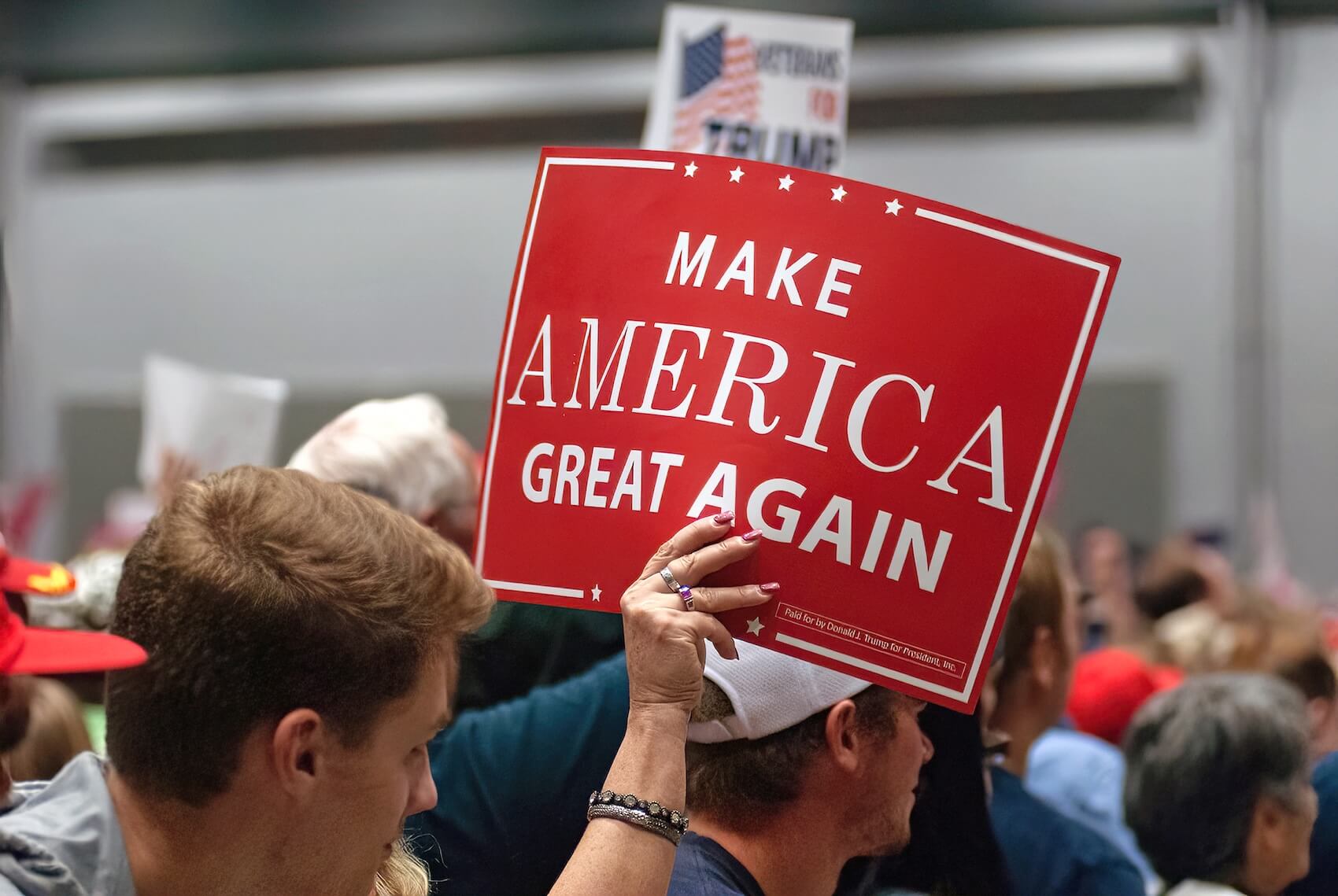
In the United States, this dissatisfaction is reflected in a feeling of downward mobility, a sentiment that “we are not as powerful in the world anymore” at the state level. On the citizen level, particularly among white, lower-middle-class, and working-class individuals, there is a perception that their once elevated status has now diminished. This is central to the concept of “Make America Great Again” (MAGA), where the notion of America being great essentially means that a certain white class was great in America. The sentiment is rooted in a feeling that this specific group was accustomed to being in charge, and now, with the influx of others, there is a sense of decline both nationally and for particular ethnic and class groups.

In India, the narrative is somewhat reversed. It is characterized by aspirational sentiments, as the country is perceived to be gaining more power and prominence, serving as a counterbalance to China, among other factors in the level of state and realpolitik. Modi, along with other factors, has elevated India’s standing significantly on the global stage. This upward trajectory is mirrored in the aspirations of many, despite economic inequalities that have deepened in some respects. Overall wealth has increased, and a considerable number of ordinary and less affluent individuals see themselves progressing. However, frustrations arise when they perceive obstacles impeding their upward mobility, creating a sense of discontent from below driven by aspirations for advancement rather than concerns about decline.

In essence, both scenarios lead to a common destination (both roads end up in Rome), embodying an ambition tempered by the perceived sluggishness of liberal democracy. Therefore, anyone advocating for a strong, authoritative approach, promising immediate results, is likely to find favor. Currently, Modi seems poised to secure his third term in the 2024 elections, and Trump appears to be not only a formidable contender but also potentially victorious.

Your analysis suggests a revolutionized terrain of affect in India, where Modi has allowed the emergence of Western-style individualism within the steeply stratified social order. How does this form of individualism coexist with, and even support, traditional hierarchies? How does Modi use Hindu majoritarianism to challenge social norms and reconcile individualism and hierarchy, deviating from standard liberal social theory?

Arjun Appadurai: The best way to approach this, which is got some counter intuitive qualities. Because if we think of India as a society organized around family caste and kinship, particularly caste, none of them emphasizes the individual. So how can this be reconciled with what I’m saying. I am saying the individual has emerged in India but mainly as a carrier of aspirations to mobility not to revolutionary. This is not a Marxist individual who sees himself as part of working-class struggle and class solidarity. This is people who want to climb up higher than the next one, higher than the next family, one cast above the next. It’s highly competitive individuals. 

On the other side, liberal social theory doesn’t state this always or continuously. There’s a background assumption that what the revolutions in France, England, and the USA, what the great revolutions of the end of eighteenth century, did was to connect a new form of individualism with ideas of equality, justice, education, universalism, etc. What I’m saying is in India you have some kind of individual emerging, but don’t think, therefore, all the other virtues of democracy will come at the same time. That generally explains for me how to see that something new is happening in India. But we should not make the mistake of assuming it comes with all the other entailments. 

The second is that it also accounts for the appeal of Hindu majoritarianism because they’re too a justification. There is a collective justification for this individual mobility because the Hindu majoritarianism doesn’t disturb the ‘cast’. The casts are there in elections, everybody plays to cast candidates, cast electorates, cast interests, and so on. So, in a way this Hindu umbrella is a very successful way of creating a majority in which India historically never existed. So, one of my old scholarly mentors used to say, “India is a land only of minorities.” So, the question is, how do we suddenly get this idea that there’s a majority in a country of thousands of minorities? How did idea of Hindu majority emerged in a country where everybody is thinking about his family and 20 other families and his cast and his region. Suddenly, how do we get this national level formation? Quite an interesting mystery.

Modi Plays the Role of ‘Righteous Hindu King’

Ayodhya Temple in India. Photo: Shutterstock.


On Monday, Mr. Modi has opened Ayodhya Temple in India. So, the next question is how does Modi instrumentalize the Muslim minority to reinforce his populist rule, and what role do you foresee for Muslims in India and the consolidation of Hindutva, especially in light of opening of the Ayodhya temple?

Arjun Appadurai: The question surrounding Modi’s brand of Hindu majoritarianism raises concerns about its implications for the sizable Muslim population in India, estimated at around 250 million, a figure comparable to the total populations of many European countries. This substantial minority has faced significant legal, political, and physical pressures, leading to heightened risks, fears, dangers, and instances of violence. The challenges have been persistent over a considerable period, with a notable escalation following the destruction of the Babri Masjid in the early nineties.

The recent developments, particularly the construction of the Mega Ram Temple in Ayodhya, where the Babri Masjid once stood, have further intensified tensions. The destruction of the mosque was justified on the grounds that it was built by Muslims on the foundation of a Ram temple. In the present scenario, a vast Ram Temple has been erected, while a small piece of land located miles away has been allocated to the Muslim community for the potential construction of a modest mosque. However, this concession pales in comparison to the grand scale of the Ram Temple.

Now, there is a noticeable shift as the marginalization of India’s Muslims transforms them into a second-class population. This shift is evident in endeavors to bring Kashmir entirely under Indian control and enact various legal changes calculated to foster a heightened sense of insecurity among Muslims, particularly as citizens of India. Paradoxically, despite these domestic policies, Modi has cultivated strong alliances with leaders in Saudi Arabia and the United Arab Emirates, countries deeply committed to their version of Islam. This raises questions about the diplomatic dynamics, especially when considering the autocratic nature of these regimes. A noteworthy example is the recent visit of Smriti Zubin Irani, a prominent female leader and the education minister, to Mecca, the Holy of Holies. While this has sparked anger among some Hindus, it also presents a perplexing scenario for observers, as a key figure in a Hindu-majority regime is welcomed into the sacred space of Mecca.

These developments signal a departure from the traditional narrative, reminiscent of Israel’s approach, where a nation can exert significant violence against your own Muslim population and still foster friendly relations based on considerations like arms trade, oil, and energy with leaders from the Middle East. 

The inauguration of the colossal Ram Temple this month is a momentous event in Indian politics and society, raising questions about the invited elite attendees, those who have accepted, and those who have declined. However, boycotting this event is exceptionally challenging due to its grandeur. This grand spectacle consolidates one of Modi’s numerous personas—the image of the righteous Hindu king or monarch. This persona is emphasized through his association with major temples, a concept that was not historically significant in North India. Traditionally, this association was more prevalent in South India. However, it has been transposed to Ayodhya, reflecting a departure from the historical dominance of Muslim monuments, including mosques, in North India. The South, in contrast, is abundant with temples. The adoption of this kingship model is particularly noteworthy in Northern India, specifically Uttar Pradesh, where the Hindi-speaking population and figures like Modi, who is of Gujarati descent, have embraced this South Indian-inspired concept.

Certainly, Modi embodies various personas, but one of the prominent ones is that of the righteous Hindu king, aligning himself with the traditional role of Hindu kings. This role is particularly highlighted in the context of the temple narrative. While much attention is directed towards the temple, my colleague, Revati Laul, has astutely drawn attention to a crucial aspect in an article for an Indian web magazine. She raises the question of the national dimension, asking where the idea of a national temple fits into the narrative. Laul provocatively problematizes the term “nationalist” associated with a temple, highlighting the unconventional association of a temple with national identity—a concept that challenges conventional perceptions. But now we have a national temple.

Failure of the Left and the Success of the Right Should Be Analyzed Separately

Why do you think we need to move away from the ‘hydraulic theory’ to understand the success of the right and the failure of the left? You argue that the Right has replaced the idea of Democracy with the People as a pre-political, quasi-biological entity. How does this shift in framing the People contribute to the erosion of democratic institutions, and what are the implications for governance and civic engagement in the context of polymorphous populism?

Arjun Appadurai: This is likely the most recent concept at least for me in the essay on polymorphous populism, where I grapple with the notion that even amid democracy fatigue, the concept of “the people” retains its compelling allure. “The people” is a uniquely complex idea, exceedingly amorphous, and indeed polymorphous. It operates on an affective, limbic level, engaging with emotions and the body rather than analytical thinking. It defies easy categorization as just citizens, a democratic population, a class, or an interest group. It encompasses all of these, but in a preanalytical manner. This is why, despite shifts in political landscapes, leaders across the globe—be it Erdogan in Turkey, Modi in India, Trump in the United States, or Xi Jinping and Putin—persistently invoke the term “the people.” However, this term is highly polymorphous, resisting confinement to legal frameworks, governance structures, or electoral processes. It introduces a blurring effect necessitating an understanding of how this idea evolves, moving beyond the hydraulic theory. The hydraulic theory posits that when the left fails in certain areas, a vacuum is created, allowing the right to fill it. Conversely, if the right fails, the historical left seizes opportunities at specific points in history. This zero-sum or hydraulic concept oversimplifies the intricate dynamics at play.

I’m trying to say that we need to analyze the failure of the left and the success of the right separately, at least initially, before attempting to establish connections between them. In the short run, let’s not treat them as two sides of the same coin. When explaining the failure of the left or the success of the right, there’s often a tendency to stop there and consider the matter resolved. However, in this argument, I contend that the left has placed excessive emphasis on concepts, theories, and ideas, which, while potentially valid and well-founded, have inherent limitations. I conclude by noting that the right, on the other hand, also possesses historical arguments and ideas but excels in operating at a different, more pragmatic level.

I’m trying to say we have to understand the failure of the left and the success of the right somewhat separately. Maybe eventually we can connect them, but in the short run don’t treat them as two sides of the same coin. The moment you explain the failure of the left, you cannot assume you have accounted for the success of the right. Or if you explain the success of the right, you have to say no more. But I do in the end at least in this argument, saying that the left has continued to put

too much weight on concepts, theories, and ideas which may be really true, which may be well-based, but they have a certain limitation. And I say that the right, of course, has certain arguments about history, the role of the right and national independence. They also have ideas, but they never forget that they have to work at another level. 

While on the left, the instances are relatively few, historical figures such as Fidel Castro and Ho Chi Minh exemplify an understanding of the socialist or communist vision. Nevertheless, these figures inevitably draw on a portion of the Marxist legacy, making it challenging to disassociate entirely from Marx without rejecting him outright. It is essential to remember that Marx, initially a thinker whose early work focused on Democritus, was not a participant in direct revolutionary actions. His evolution from a scholar to a discontented academic unfolded gradually. He remained a man of words, a characteristic that persists within the left. 

I don’t think it’s a bad thing, but it does mean you leave your flanks open to people who play on some other field.

Digital Realm Fosters Emotional Bonding at a Superficial Level

Indian Prime Minister Narendra Modi and former US President Donald Trump met to discuss the betterment of the relations of India and US at Heydrabad House in New Delhi on February 25, 2020. Photo: Madhuram Paliwal.

In your article, you discuss the concept of “polymorphous populism” and its connection to the digitalization of society. Why do you attach so much importance to the social media when explaining polymorphous populism? How do social media and the digital landscape enhance the network of emotions in the context of polymorphous populism, and how has this contributed to the success of right-wing leaders like Trump and Modi?

Arjun Appadurai: There are likely multiple factors contributing to the widespread integration of digital technology in many societies, not limited to the US and Europe but also extending to various regions, such as Turkey and India. In places like India, for instance, mobile phones surpass laptops or computers as the predominant digital instrument, yet the essence remains the same—a swift exchange of information and messages. The pivotal aspect lies in the fact that this digital landscape provides an open platform for anyone to emerge as an influential player and initiate a movement. With just one individual and their message, a movement begins to take shape, and as more people join, it rapidly transforms into a significant force.

In other words, this was never the way in which social or political movements were formed. Historically, movements required public speeches, physical meeting places, offices, and stadiums. Contrastingly, today, a laptop alone can establish a vast network. This shift bears similarities to the concept of flash mobs, where individuals can quickly gather people, even if temporarily, providing the illusion of being part of a substantial movement, regardless of its actual size. This trend contributes to fragmentation, observable in various movements, including the radicalized right, such as ISIS. With minimal resources, anyone can announce the creation of a new group, leading to frequent formations and reshufflings. This dynamic nature, while fostering rapid assembly, also results in volatility, with few enduring entities. Examples include short-lived movements, like those opposing Wall Street, which lacked sustained leadership, structure, or organization, ultimately fading away.

Even more complex examples, like the Arab Spring, illustrate the potential drawbacks of digital movements. While there’s nothing inherently wrong with these phenomena, they can create an illusion of permanence, structure, and shared interests that a minor external force can easily dismantle. The digital realm fosters emotional bonding at a superficial level, as it doesn’t require extensive intellectual output. Unlike the need for treatises, Communist Manifestos, or published works like Mein Kampf, a simple message that resonates with a few individuals can quickly give rise to a sense of historic importance, even if fleeting.

The volatility arises from the connection between social media and the emotional landscape. Unlike written and spoken arguments, which demand substance and endurance, a social media rant can attract followers swiftly, providing momentary significance. Some individuals have mastered the art of making these digital expressions more permanent. Notably, figures like Trump and Modi exemplify this approach. Trump’s success lies in his adept use of Twitter, bypassing traditional press conferences and avoiding face-to-face questioning. Similarly, Modi constantly utilizes Twitter as a one-way communication channel, keeping his followers engaged without facing direct accountability. For these figures, social media serves not just as a temporary means but as a permanent strategy to bolster their power.

You mention Louis Dumont’s comparison between the West and India, which points to individualism as the governing ideology of the former and hierarchy as the encompassing ideology of the latter. And you beautifully explain how masterfully Modi and Trump have been able to instrumentalize the ideological context in their respective countries. Against this background, do you think theories originating from the West are explanatory enough to explain the success of populism in Eastern countries? 

Arjun Appadurai: I view Dumont as being intuitively correct. Over the years, like many others, I have criticized him for placing excessive emphasis on caste, and within the study of caste, for overemphasizing hierarchy, and within hierarchy, for overemphasizing religion. This criticism has been ongoing for almost 50 years, dating back to around 1970.

However, despite these critiques, I find something intriguing in Dumont’s original vision, specifically the contrast between individualism and hierarchy at the level of a Weberian ideal type. This is not about empirical description; rather, it’s a kind of ideal typic contrast, acknowledging its inherent limitations as with all ideal typic concepts. Nevertheless, it possesses some virtues.

One noteworthy aspect of Dumont’s perspective is his emphasis on the distinction between hierarchy and status/stratification. Contrary to popular understanding, he stressed that hierarchy should not be conflated with class. While people often mistakenly associate hierarchy with inequality based on material possessions, Dumont argued against such assumptions. For him, hierarchy had a specialized meaning, focusing on the relationship of parts to the whole. It wasn’t primarily about determining who is higher or lower in a social order, but rather understanding the interconnectedness where each part’s significance derives from its relation to the whole. In this way, Dumont proposed a unique and specialized understanding of how hierarchy served as the underlying social principle in India.

On the Western front, I would assert that his narrative of individualism is somewhat more recognizable. It traces the development of the individual from the seventeenth century through the lens of figures like Marx, presenting a relatively straightforward account of the emerging actor in the Western context. This clarity is attributed, in part, to the early influences of market forces and industrial capitalism, shaping a distinct idea of the actor or agent. He employs the term “homo-economicus” to characterize this mode of individual, reflecting the influence of economic considerations on the Western conceptualization of agency.

Today, I revisit this contrast, acknowledging the numerous limitations in suggesting that Modi has discovered a way to liberate or extract a particular kind of individual from the Dumontian hierarchy. In Dumont’s framework, the part gains significance only in relation to the whole, as observed in the context of Dalits who are significant only within the caste system. However, a notable shift has occurred, where individuals, particularly Dalits, are now experiencing a separation from this interconnectedness. They aspire for mobility, harbor individual aspirations, and seek to rise above others. This departure from the traditional part-and-whole dynamic is something Dumont might have viewed as challenging.

On the Indian front, one could argue that Modi has catalyzed this transformation, breaking away from Dumont’s conception. However, it’s crucial to recognize that Modi is not acting in isolation; he is influenced by broader historical forces such as globalization, capitalism, and a specific form of democracy tainted by corruption. While Modi plays a central role, various factors contribute to this societal evolution, making it a complex and multifaceted phenomenon.

On the US front, a significant challenge for any form of socialist politics lies in the widespread aversion among Americans to any socialist vision. There is a prevalent fear that embracing socialism might corrupt their cherished sense of individualism. However, from the political right, we witness the emergence of a collective sentiment embodied in the slogan “Make America Great Again.” The white majority supporting Trump expresses a strong collective identity, portraying a sense of displacement, “we” who have been pushed aside.

In contrast to the traditional American emphasis on individualism—where one might strive to improve individually relative to others—this collective identification signals a departure. It goes beyond the rhetoric of “Help me make me better than the next guy.” Instead, it articulates a shared experience of displacement, a collective “we” feeling. This shift towards collective identification would have been unthinkable in the past. Unfortunately, it doesn’t align with proletarian class or liberatory, emancipatory socialist ideals; rather, it takes a different direction. Despite this, it is noteworthy that it is a collective sentiment, challenging the notion of “each man for himself” and a rejection of participating in any movement.

This nuanced understanding of collective identity, in contrast to individualism, contributes to a deeper comprehension of the differences between Trump and Modi. Despite their apparent dissimilarities, there is an underlying structural similarity—they both break away from established principles in their respective locations.

Modi’s Victory in April Might Signal the End of Genuine Electoral Processes

Indian Prime Minister Narendra Modi at the virtual Vesak Global Celebrations on Buddha Purnima in New Delhi on May 26, 2021. Photo: Shutterstock.

The elections in India will be held in April. What is your prediction about the performance of Modi and his Bharatiya Janata Party (BJP)?

Arjun Appadurai: Unfortunately, the current outlook suggests that, although unpredictable shifts can occur in politics, many anticipate that Modi maintains a firm grip on power. This conviction, shared by individuals across the political spectrum, is based on various arguments, including those I have presented, and others put forth by different voices. The recent State-level elections, which occurred about six weeks ago, delivered surprises to the opposition. Modi’s triumphs, even in scenarios where his party, the BJP, was expected to face defeat, have spurred extensive postmortems.

Analysts and experts are engaged in a deep examination of the election results, attempting to decipher what went wrong. Questions arise: Is it due to the lack of personal charisma in Rahul Gandhi? Does the dominance of the Nehru family, as a small and longstanding clique, within the Congress and the broader opposition hinder the rise of regional leaders and the infusion of youthful energy? Countless analyses circulate, exploring various facets of the political landscape. However, nearly unanimously, pundits and commentators believe that the 2024 election is Modi’s to lose. This is fine. It is a common way to say that his victory is almost guaranteed. The prevailing sentiment is that unless he takes an unexpected turn or an alliance emerges from the aftermath of the State elections, uniting his numerous opponents, the outcome seems firmly within Modi’s control.

The Indian electoral system operates under its own set of rules and intricacies. In State elections, instances have occurred, such as in Gujarat or Maharashtra, where the total number of votes went against the BJP at the state level, yet the total number of parliamentary seats won by the BJP was in their favor. This phenomenon arises from a somewhat mysterious counting mechanism; it’s not corruption, but a technical nuance akin to the Electoral College system in the US, leading to unconventional outcomes where a party may secure more popular votes but still lose seats.

To address your question directly, despite the hopes of many for a miracle or a shift in a different direction, it currently appears that Modi has a firm grasp on the levers of power. A concern among some is that if he secures victory for a third time, there are fears that it might signal the end of genuine electoral processes. While this assertion might be viewed as extreme, continued electoral success could potentially empower him to establish his influence across various institutions, including the courts and media. He may not even require subsequent victories, as he could solidify his apparatus, leaving a lasting “Modi stamp” on the political landscape. 

Dr. Kai Arzhemier, Professor of Political Science at the University of Mainz, Germany.

Professor Kai Arzheimer: Exposed AfD Meeting Echoes Ideologies of 1930s-1940s, Reminiscent of Plans to Exterminate Jews 

In an exclusive interview, Professor Kai Arzhemier assessed the recent exposure of a meeting involving right-wing extremist AfD politicians and neo-Nazis, where discussions about deporting millions of people with a non-German ethnic background, including citizens, took place. Professor Arzheimer characterize this meeting as echoing the ideologies of the 1930s-1940s, reminiscent of the Nazis’ plans to exterminate Jews. Arzheimer underscores that the meeting adds to the concerns about the AfD’s trajectory over the past few years, aligning with right-wing extremism.

Interview by Selcuk Gultasli

In an exclusive interview with the European Center for Populism Studies (ECPS), Dr. Kai Arzhemier, a Professor of Political Science at the University of Mainz, discussed the evolving landscape of populist radical right movements in Europe, with a specific focus on the rise of the Alternative for Germany (AfD). The interview delves into various aspects, including the historical context of Germany’s resistance to right-wing populism, the ideological transformation of the AfD, and its impact on German and European politics.

One of the key highlights is the recent exposure of a meeting involving AfD politicians and neo-Nazis, where discussions about deporting millions of people with a non-German ethnic background, including citizens, took place. Professor Arzheimer framed this meeting as echoing the ideologies of the 1930s-1940s, reminiscent of the Nazis’ plans to exterminate Jews. According to Arzheimer, the meeting adds to the concerns about the AfD’s trajectory over the past few years, aligning with right-wing extremism.

The discussion also touches on the upcoming European Parliament elections and the potential performance of the AfD. Dr. Arzhemier suggests that, based on current polling trends and the historical pattern of European elections with lower turnout, the AfD could replicate the success of Geert Wilders’ party in the Netherlands, securing a robust performance ranging between 20-30 percent of the vote.

There are calls from the Social Democratic Party (SPD) to ban the AfD due to the presence of individuals within the party who openly talk about remigrating people based on ethnic criteria. Dr. Arzhemier discusses the arguments both in favor of and against banning the AfD, emphasizing the high legal hurdles involved and the potential risks of the party exploiting such actions to portray themselves as victims of political suppression.

The interview explores Dr. Arzhemier’s research on the impact of ‘place’ on populist radical right sentiment in Germany. He discusses how regional disparities, especially in the former German Democratic Republic (GDR), still influence political sentiments. Factors such as authoritarian remnants, low immigration rates and a sense of “place resentment” contribute to increased support for the radical right in these regions.

Dr. Arzhemier reflects on his prediction from five years ago, stating that the rise of a right-wing populist party in Germany has made the country less flexible and more inward-looking. While acknowledging Germany’s increased flexibility in response to external factors like the war in Ukraine and Brexit, he suggests that debates about the AfD have absorbed significant political energy that could have been directed elsewhere.

Here is the transcription of the interview with Professor Kai Arzheimer with some edits.

Radical Right’s Influence in Europe Is on the Rise

Your research focuses especially on the populist radical right in Europe. How have you observed the evolution of far-right parties across different European countries in recent years? How do you see the impact of economic factors on the rise of these movements, and to what extent do cultural and identity issues play a role?

Kai Arzheimer: First and foremost, I think the radical right’s influence in Europe is on the rise. Across various countries, we observe an increase in the vote share of these parties, marking a shift from the political margins to the mainstream. This evolution is evident not only in their electoral significance but also in their impact on other parties and in the shaping of public discourse. The discourse, influenced by the radical right, centers around the concept of crisis. Consequently, the transformations in different European countries, both in terms of societal composition and economic structures, are portrayed as crises. The radical right positions itself as the defender of ordinary people against these perceived threats, contributing to its growing prominence.

Regarding the second part of your question, the two aspects of this perceived crisis are closely intertwined. It is not solely about concerns over immigrants potentially taking away jobs or jobs relocating to regions like China or Central Eastern Europe. Additionally, it involves the perception that immigration and other transformative economic processes, such as the decline of traditional industries like mining and the phase-out of internal combustion engines, are altering our way of life in a manner framed as a threat to the native population. Analyzing public opinion data makes it empirically challenging to separate the effects of economic anxieties from cultural threat perceptions. While they are not identical, these factors are intricately linked in the minds of voters.

Germany was considered an exception to the success of populist radical right and far-right parties until the rise of the Alternative for Germany (AfD). What factors contributed to Germany’s resistance to right-wing populism for an extended period, and how did the AfD manage to break this trend? In other words, how do you explain the success of ‘cordon sanitaire’ until very recently and what factors could contribute to its demise?

Kai ArzheimerYou are right. The AfD, established just a decade ago, represents the first successful national radical right party in Germany since at least the 1960s. The establishment and maintenance of a ‘cordon sanitaire’ against the radical right in Germany can be attributed to several factors. Firstly, right-wing and far-right actors in Germany have often adopted extreme approaches. Unlike the most successful radical right parties in Western Europe, such as those in Scandinavia, the PVV in the Netherlands, and even the National Rally (formerly the National Front) in France, which have moderated their stances over time to appeal to a broader electorate, far-right actors in Germany have tended to adhere closely to the roots of German right-wing extremism from the 1930s and 1940s. This historical connection, understandably, has been repugnant to most Germans, limiting the success of such parties.

Another contributing factor has been the historical division within the far-right in Germany. Numerous relatively small parties competed with each other, preventing any single one from surpassing the 5 percent threshold. Additionally, the mainstream right party, the Christian Democrats, has traditionally embraced a broad spectrum of ideologies, ranging from center-left to robust conservatism. Over the decades, they successfully appealed to a wide array of voters, some of whom later shifted to the far-right AfD once it emerged as a viable alternative.

One crucial aspect to consider is how the AfD successfully broke through the ‘cordon sanitaire,’ especially given that they did not initially identify as a radical right party. When they emerged in 2013, their platform primarily centered around soft Euroscepticism. The most notable member and co-founder, a former Christian Democratic Union of Germany (CDU) member, contended that the CDU had left him due to a perceived leftward shift under Merkel’s leadership. This initial positioning made them acceptable to voters who had previously supported mainstream right parties like the Free Democratic Party (FDP), CDU, and Christian Social Union (CSU).

It was only over the first three years of their existence that it became evident that the AfD was transforming into a fully-fledged radical right party. By that point, they had already secured a presence in Parliament, become a significant political force, and garnered considerable media coverage. Through this evolution, they managed to establish themselves despite the long-standing ‘cordon sanitaire.’

Political Landscape Underwent Significant Changes with Influx of Refugees from Syria

Co-chairpersons of the populist right-wing Alternative for Germany (AfD) Alice Weidel and Tino Chrupalla at a meeting in Berlin, Germany on July 4, 2023. Photo: Shutterstock.


Your research discusses the transformation of the AfD from its moderately Eurosceptic beginnings to a more radical right-wing stance. Can you elaborate on the key factors and events that led to this ideological shift within the AfD?

Kai Arzheimer: First and foremost, it’s crucial to acknowledge that right from its inception, the party encompassed various right-wingers with diverse perspectives. While the individuals I mentioned in my earlier response, those with previous ties to the CDU or FDP, were more prominently featured, they represented just a segment of the broader ideological spectrum within the party. These individuals took center stage as front-row politicians for the fledgling party.

As early as 2014, a power struggle emerged within the AfD, pitting the more moderate proponents against the growing influence of radical elements within the party. By 2015, this internal conflict had escalated to the point where one of the co-founders and arguably the party’s most prominent figure decided to leave, taking approximately 10 percent of the membership with him. Notably, this group comprised a disproportionately high number of individuals from the middle management level of the party, contributing significantly to a division between the more moderate faction and the increasingly influential radical forces within the party.

Moreover, the political landscape underwent significant shifts with the arrival of numerous refugees from Syria and the broader Middle East in 2015 and 2016. This influx propelled the issue of immigration to the forefront of public discourse, providing an opportunity for the AfD to strategically capitalize on this altered agenda. Concentrating on immigration and multiculturalism emerged as a key strategy for success. This emphasis not only resonated with a segment of the electorate but also bolstered the influence of more radical voices within the party.

Finally, the party had solidified its position to such an extent that even more radical elements within its ranks, openly connected to traditional right-wing extremism both outside and inside the party, prominently rose to the forefront. This was exemplified by the regional leader in one of the Eastern States, who has become the face of the ultra-radicals within the party. Despite numerous attempts to expel him, none have succeeded, solidifying his status as a significant figure within the party. It is now challenging to envision any significant developments within the party occurring without his approval.

AfD Pushes Other Parties to Adopt a Tougher Stance on Immigration

Apparently, the AfD has emerged as a formidable force in German politics. How has the party altered the political landscape, and what repercussions does its presence carry for German politics? What impact is the AfD likely to have on the political trajectory of the CDU and CSU? Considering the broader context, what implications does the AfD’s prominence hold for the European Union?

Kai Arzheimer: Firstly, the AfD wields significant influence in several State Parliaments in Germany, particularly in the Eastern States, where it currently stands as the predominant party, commanding around 35 percent of the vote. This success has compelled the CDU to engage in unconventional coalitions with the Greens, SPD, and FDP at the state level, forming heterogeneous and oversized coalitions to avoid collaborating with the AfD. This impact is enduring, with three upcoming state elections, and the possibility that the AfD might even contend for State Premiership, potentially becoming the leading force in one of the Eastern States.

Secondly, the AfD has exerted substantial pressure on the CDU, as many politicians within the party feel a loss of both support and a portion of their conservative identity to the AfD. A discourse has emerged within the CDU asserting that Chancellor Angela Merkel’s leadership of the party and the country was detrimental. Some argue that she shifted the party too much towards the center or even the left during her 16-year tenure as chancellor. Despite her prolonged majority control, this is perceived as a problem by a faction within the party, prompting a desire to adopt a tougher stance on immigration and cultural issues, aiming to realign the CDU with positions now advocated by the AfD. On the other hand, opposing voices within the CDU contend that societal changes have been significant, and Merkel’s success lies in her recognition of these shifts, allowing her to strategically reposition the CDU to maintain its political dominance for one and a half decades. This presents a second impact of the AfD’s success.

I believe the third impact is even more significant. In response to the AfD’s successes, there is now a discussion within the SPD and the FDP about the necessity for these parties to reposition themselves. The prevailing sentiment is that they must adopt a tougher stance on immigration and reconnect with their traditional constituencies. For the SPD, this involves appealing more to industrial workers and working-class individuals, while downplaying emphasis on issues such as gender equality or climate protection. This signifies a notable shift in the overall discourse towards a more right-leaning perspective.

The implications for Europe pose a distinct question. Personally, I don’t foresee the AfD entering into any form of coalition at the national level. There remains a broad consensus within the German political landscape that European integration, if not unification, is generally beneficial. While there is a push for fiscal prudence in Germany’s European relationships, it doesn’t undermine the fact that both major German political parties and the population, broadly speaking, are pro-European. Even the AfD, despite their criticisms of the European Union, doesn’t attribute a significant part of their current success to this issue. Strangely enough, the impact on the matter of European integration seems rather minimal at the moment.

A potential consequence could be that successful German governments may lean towards supporting more restrictive European policies on integration. Historically, the German government has maintained a relatively liberal stance within the European Union. However, there is a shift occurring, as a minority of European governments still support this more liberal approach. Domestically, there is pressure on the German government to adjust its position, and to some degree, this adjustment has already taken place.

Anti-Immigration Sentiment: A Fundamental Driver of AfD Support

EU elections campaign of Alternative for Germany (AfD) in Munich, Germany in May 2019. German nationalist, right-wing populist and Eurosceptic AFD is the largest opposition party in Bundestag. Photo: Shutterstock.

Could you explain how the AfD’s current support aligns with the typical image of European radical right voters? What fundamental motivations drive support for the AfD among its voters? How significant is the role of anti-immigration sentiment in the AfD’s ascension?

Kai Arzheimer: It is absolutely essential for the support of the AfD, just as it is for other European radical right parties. Concerns about immigration, particularly from non-European countries, play a pivotal role in driving support for these parties. While not every individual skeptical about immigration aligns with radical right policies, a close examination of the AfD’s electorate in Germany, as well as that of comparable parties like the PVV in the Netherlands and others across Europe, reveals a notable correlation: it is challenging to find a supporter of these parties who views immigration as a positive development.

There are other motives as well. A range of secondary issues, including climate change denial, concerns about gender equality, and opposition to same-sex marriages, among others, align closely with support for the radical right. While Euroscepticism is present, it is essentially a secondary motive. Stripping away these secondary concerns reveals that the primary and most significant factor for the AfD, and many similar parties, is resistance to immigration and the apprehension towards European societies becoming more diverse and multicultural.

One of your studies explores the impact of ‘place’ on populist radical right sentiment in Germany. Regarding the impact of ‘place’ on populist radical right attitudes, how do regional disparities, such as those in the former GDR (German Democratic Republic), still influence political sentiments, and what policy implications does this have? 

Kai Arzheimer: That’s a very interesting question. What we observe across Europe is a concentration of support for these parties in specific regions, often in rural areas or smaller, economically challenged towns. In our study, we sought to quantify the impact of objective indicators of deprivation, such as demographic changes, declining public infrastructure, high unemployment, and significant immigration rates, among other factors. Even after accounting for the demographic composition of the local population—for example, recognizing that younger, more educated individuals are less likely to support the radical right, while older men with lower levels of formal education tend to support it disproportionately—we discovered a persistent effect related to places being in the former GDR 30 years after reunification. There seems to be something enduring about this part of Germany that contributes to increased support for the radical right, and there are various possible explanations for this phenomenon.

One possible explanation is the lingering influence of the authoritarian regime in the former GDR, which might have left behind an authoritarian mindset. Additionally, the low levels of immigration into the GDR, even up to the present day, could contribute to the phenomenon. Rural parts of the former GDR, in particular, have relatively few immigrants, leading residents to be less accustomed to exposure to individuals who look different or have a different culture. There’s also the argument that individuals in the former GDR, having been ridiculed, treated as second-class citizens, may harbor a backlash against perceived Western superiority.

While all these potential explanations seem to align in a similar direction, disentangling them from each other proves challenging. However, a noteworthy factor that stands out is what we term “place resentment”—the sentiment that the area, town, or region where one lives lacks sufficient recognition and resources. This sense of being overlooked, especially in terms of recognition, appears to be a significant contributing factor to the peculiar and enduring GDR effect observed to the present day.

Hurdles for Banning AfD are Exceptionally High

Photo: Shutterstock.

Given the growing strength of the AfD, there are calls from the SPD to ban the party. How do you evaluate the arguments and considerations behind these calls for banning the AfD?

Kai Arzheimer: The hurdles for banning a party in Germany are exceptionally high, with only three institutions—the Federal Council, Federal Government, and Federal Parliament—having the authority to initiate such a process. However, they lack the power to enact a ban; they can only request the highest court, the Federal Constitutional Court, to consider it. Convincing the court requires demonstrating that the targeted party poses a threat to the existence of democracy in Germany, and even if this argument is made, a supermajority of the court, two-thirds of the sitting judges is needed for approval. The last successful attempt to ban a party was in 1956 when the Communist Party was prohibited, and even then, it was a controversial decision. There have been two subsequent attempts to ban the National Democratic Party of Germany (NPD), another far-right party, which is now relatively small. Despite being labeled a real neo-Nazi party openly aligned with Nazi ideology, the Federal Constitutional Court concluded that, while they may espouse neo-Nazi views, they are essentially a tiny political sect and not a significant threat to the constitutional order of Germany, preventing their ban.

The potential for failure in this process is substantial, and many politicians are concerned that it could be perceived as restricting political competition. Such an attempt would likely align with the AfD’s narrative of victimization and marginalization in German politics. The party could exploit the situation to portray themselves as suppressed, with the establishment resorting to legal means to limit competition and disenfranchise their supporters. The risk of this narrative gaining traction is significant, and even if the process were initiated, it might turn out to be a protracted endeavor. Furthermore, there’s no guarantee of success, as the Federal Constitutional Court could ultimately decide against banning the party, which would, in essence, be seen as a tacit endorsement. Given these concerns, many German politicians and the government are highly reluctant to pursue this course of action.

The argument in favor of a ban stems from the presence of individuals within the AfD who pose genuine threats to the constitutional order. They quite openly talk about remigrating people, suggesting that individuals with a German passport, those who have legally resided in the country, or even their parents, should be expelled because their skin color is the “wrong tone,” or their surname is of the “wrong kind.” This sparked considerable controversy in German politics last week, although such sentiments are not new. These voices have persisted for an extended period, with concrete evidence such as a book authored by Björn Höcke in 2020 where these individuals actively campaigned for reprehensible ideas. The potential elevation of figures like Björn Höcke to significant positions, such as Minister, President, or State premier of a German State, is particularly concerning. Additionally, if the AfD emerges as the dominant political force in various parts of the German East, it raises legitimate concerns about the threat to liberal democracy.

This is why some politicians, journalists, professors, and others argue that we should, at the very least, contemplate the possibility of banning the AfD before it reaches a point of irreversibility. These are the key arguments both in favor of and against such actions. Despite the substantial political risks and the lengthy process involved, proponents argue that it might be a necessary step due to concerns that some individuals within the AfD are actively attempting to undermine the democratic principles that define Germany.

The last sentence of your article titled “Don’t Mention the War! How Populist Right-Wing Radicalism Became (Almost) Normal in Germany” reads: “Therefore, my prediction is that as in other countries, the rise of a right-wing populist party will make Germany less flexible and more inward-looking than it already is. This does not bode well for German and for European Politics.” It is an article written in 2019. Five years later, do you believe your prediction has been vindicated, or has Germany, in fact, become more flexible and outward-looking?

Kai Arzheimer: In a sense, my perspective has been vindicated, as Germany has indeed devoted significant energy to discussions about the rise of the AfD. The debates on accommodating voters, considering more restrictions, and emphasizing national interests have absorbed the attention of German elites and political energy that could have been directed elsewhere. In a sense, yes, Germany is even more inward-looking than it was five years ago. However, it’s crucial to acknowledge that the geopolitical landscape has undergone radical changes, marked by the war in Ukraine, Brexit, and the need to contemplate European security in light of a possible second Trump presidency. In response to these external factors, Germany has shown increased flexibility in its approach to using military power, providing military support to Ukraine, collaborating with European neighbors, and welcoming Ukrainian refugees. However, Germany was compelled to take these actions due to external factors. While I may not have been entirely accurate in my predictions, there is a sense of vindication in understanding the context behind Germany’s decisions.

AfD Poised to Secure 20-30 Percent of the Vote in EP Elections

How do you assess the recently exposed meeting involving AfD politicians and neo-Nazis, where discussions about deporting millions of people with a non-German ethnic background, including citizens, took place?

Kai Arzheimer: Well, I’ve already touched upon that. It sparked public outcry, and rightly so, given its disturbing resemblance to the ideologies of the 1930s and 1940s, particularly the Nazis’ plan to exterminate Jews. This development is significant, aligning with the trajectory of the AfD over the past 5 to 6 years. Martin Sellner, a prominent figure in right-wing extremism from Austria and former leader of the Identitarian movement, attended the meeting, adding weight to the concerns.

Officially, the AfD asserts an incompatibility between membership in the Identitarian movement and the AfD. However, in reality, numerous members, especially within the youth wing of the AfD, are affiliated with the Identitarian movement. Furthermore, individuals from the Identitarian Movement have been hired as staffers for AfD members of Parliament. During the recent party conference for the upcoming European Parliament election, when the list of candidates was drawn up, many expressing similar ideas were present. The party leadership was in attendance, and no one seemed oblivious to the implications. While not entirely surprising news, it does contribute to a growing public awareness of these concerning tendencies within the AfD.

And lastly, what is your prediction regarding the AfD’s potential performance in the upcoming European Parliament elections? Do you believe the AfD could replicate the success of Geert Wilders’ party in the Netherlands?

Kai Arzheimer: I think that’s quite possible. Currently, the AfD stands at approximately 20-21 percent in national polls. However, European elections typically witness lower turnout, as some individuals may not view them with the same seriousness as national elections. The lower threshold becomes relevant for the AfD in this context. Consequently, people might be more inclined to experiment with their votes and support outsider parties. As a result, I anticipate a robust performance by the AfD in the European election, ranging between 20-30 percent of the vote. 

Israelis protest in Tel Aviv against Netanyahu's Judicial Coup in Israel. Photo: Avivi Aharon.

Professor Kurt Weyland: Democracies Possess Inherent Defensive Mechanisms against Populist Challenges

Arguing that democracy is less susceptible, less precarious, and less endangered by populist leadership, Professor Kurt Weyland of the University of Texas emphasizes, “Populist leaders inherently lean towards illiberal tendencies, aiming to consolidate power at the expense of democratic principles. However, democracy possesses inherent defensive mechanisms.”

Interview by Selcuk Gultasli

In an exclusive interview with the European Center for Populism Studies (ECPS), Professor Kurt Weyland, a political scientist and Mike Hogg Professor in Liberal Arts at the University of Texas at Austin, shared insights into the evolving nature of populist movements and their impact on democracies. The interview covered key aspects of his research, addressing the weaknesses of personalistic plebiscitarian leadership, the comparative analysis of populism’s impact on democracy in Europe and Latin America, the role of charismatic leadership in damaging political-party systems, and the long-term impact of populist movements on the political landscape.

Professor Weyland emphasized the challenges faced by populist leaders due to their domineering and self-assured nature, which often leads to arbitrary policy decisions and a lack of systematic governance. He highlighted the difficulties in forming coalitions and the intentional polarization fostered by populist leaders to maintain plebiscitarian support. 

The comparative analysis of populism’s impact on democracy revealed insights into the resilience of democratic institutions, emphasizing the significance of institutional frameworks, robust party systems, and the role of society. Weyland discussed conjunctural opportunities that populist leaders exploit, such as windfall rents and crises, and how these factors contribute to their mass appeal.

Addressing the impact on party systems, Weyland highlighted the corrosive nature of charismatic leadership, causing fragmentation within opposition parties and affecting the overall quality of democracy. He expressed optimism about the future of democracy, acknowledging its record of resilience despite populist challenges.

Regarding the potential re-election of Donald Trump in the United States, Weyland raised concerns about ongoing turmoil but maintained confidence in the strength of US institutions to prevent significant deterioration. He discussed the challenges faced by personalistic leaders in institutionalizing their rule, citing examples from Turkey and Bolivia.

Weyland’s analysis extended to the global perspective, critiquing alarmist findings on the decline of democracy by institutions like the V-Dem Institute. He emphasized the need for nuanced evaluations, considering potential biases in subjective ratings and acknowledging the historical context of democracy’s progress.

Weyland emphasized the significance of tackling representation deficits and addressing citizen concerns, pointing to proactive immigration systems as potential strategies for mainstream parties. He illustrated this point by referencing the Danish Social Democrats’ adoption of restrictive immigration policies, a move that had a profound impact on the populist Danish People’s Party.

Here is the transcription of the interview with Professor Kurt Weyland with some edits.

Dr. Kurt Weyland, a political scientist and Mike Hogg Professor in Liberal Arts at the University of Texas at Austin.


Lacking A Systematic and Well-informed Approach, Populists Are Prone to Fail

In your research on “How Populism Dies,” you discuss the political weaknesses of personalistic plebiscitarian leadership. Can you elaborate on the key weaknesses and how they impact the ability of populist leaders to sustain their movements over time?

Kurt Weyland: When examining populist leaders, I often characterize them as embodying personalistic plebiscitarian leadership. Personalistic leaders tend to be domineering and self-assured, exemplified by their belief, as articulated by figures like Donald Trump, that “only I can do it.” Consequently, these leaders often eschew extensive reliance on expertise, consultation, or collaborative decision-making, leading to haphazard and arbitrary policy decisions. Lacking a systematic and well-informed approach, they are prone to making numerous mistakes. 

This article primarily scrutinizes populist leaders in governmental roles, emphasizing their policy enactments. In many instances, these leaders struggle to accurately identify problems and design comprehensive solutions. While my focus is primarily on economic policymaking, recent events, such as the handling of the Covid-19 pandemic, have underscored the bumbling responses of various populist leaders. Such shortcomings not only weaken their performance but also sow doubts regarding their charismatic prowess, potentially eroding popular support.

Another challenge stemming from personalistic leadership is the difficulty in forming coalitions due to these leaders’ desire to be number one. They want to be in command. They are domineering. Other politicians don’t easily cooperate and collaborate with leaders like that. Their domineering nature and preference for command make collaboration with other politicians challenging. Populist leaders, in fact, often intentionally foster polarization and conflict to bolster their plebiscitarian support. By antagonizing the political establishment and mainstream parties, they create an environment where cooperation becomes even more elusive. Predictably, mainstream parties seize opportunities to retaliate and attempt to remove these personalistic leaders. 

The article primarily concentrates on government performance, and among the approximately 30 populist leaders examined, about 8 to 10 are quickly ousted due to a combination of protest-driven upheaval, impeachment resulting from policy mistakes, and opposition from the elites they antagonize. The main focus of the article is on the intersection of policy performance and governance sustainability. This is encapsulated in the title “How Populism Dies,” emphasizing that many populist leaders are swiftly ousted, particularly when their policy performance is erratic. A recent example is Pedro Castillo in Peru, who, after a year and a half marked by inexperience, lack of consultation, and various mistakes, was swiftly removed from power.

In “When Democracy Trumps Populism,” you provide a comparative analysis of populism’s impact on democracy in Europe and Latin America. What are the key lessons that can be applied to understand populism’s interaction with democratic institutions globally?

Kurt Weyland: In my initial attempt to analyze the threat of populism to democracy from a comparative perspective, a topic I delve into more comprehensively in my upcoming book, the core message remains consistent. I argue that democracy is less susceptible, less precarious, and less endangered by populist leadership. Populist leaders inherently lean towards illiberal tendencies, aiming to consolidate power at the expense of democratic principles. However, democracy possesses inherent defensive mechanisms, which I term resilience in my forthcoming book.

I stress the significance of institutional frameworks in this early analysis, acknowledging the strength and character of these structures. Additionally, I underscore the importance of robust party systems. Nevertheless, upon further reflection, I now consider the nature of society to be a more pivotal factor than the strength of parties and established party systems, as highlighted in my initial work.

In societies characterized by relative prosperity, a strong middle class, and educated sectors, populist leaders encounter greater challenges in garnering widespread support. Conversely, in economically disadvantaged regions like Latin America, where material deprivation and lower education levels prevail, populist figures such as Hugo Chavez in Venezuela find it easier to amass overwhelming mass support.

A pivotal aspect elaborated in my book is the role of conjunctural opportunities that certain populist leaders exploit to bolster their mass appeal. Surprisingly, these opportunities arise from two opposite directions. On one hand, massive windfall rents, as exemplified by Hugo Chavez’s oil revenues in Venezuela, enable leaders to purchase support broadly, achieving popularity levels of 65-70% that nobody can resist. This unchecked popularity can lead to the erosion of democratic principles. However, without such substantial windfalls, it becomes significantly more challenging for populist leaders to achieve the same level of support.

Another unforeseen conjunctural opportunity arises during deep, acute, yet resolvable crises. When populist leaders effectively navigate and combat such challenges, they can emerge as heroes or, as Max Weber described, “charismatic saviors” of their countries. This narrative is exemplified in instances such as Nayib Bukele in El Salvador overcoming the challenges posed by the banking sector and Viktor Orban in Hungary successfully addressing an acute economic crisis. Similarly, Recep Tayyip Erdogan in Turkey which faced a profound economic downturn in 2001, discrediting mainstream parties. However, Erdogan and the Justice and Development Party (AKP) managed to lead the country out of crisis, fostering economic growth and garnering substantial support.

These were the four factors I emphasized in the initial version of the upcoming book, set to be released in a few weeks. My primary focus revolves around institutional strength and conjunctural opportunities. I have streamlined the framework to zero in specifically on these key factors, making the analysis more concise and focused.

Disintegration of Opposition Contribute to the Corrosive Impact of Populism

Your research on “How Populism Corrodes Latin American Parties” highlights the role of charismatic leadership in damaging political-party systems. How does this phenomenon impact the broader democratic landscape, and what challenges does it pose for opposition parties?

Kurt Weyland: This question is interesting as it delves into the perceived danger of populist leadership. My primary argument contends that populist leaders pose less of a threat to the survival of democracy than commonly believed, even though their influence adversely affects the quality of democratic systems.

Populist and personalistic leaders exhibit domineering traits, seeking to bypass intermediaries and establish a direct plebiscitarian connection with large masses of people. Parties, along with their leaders and activists, become perceived obstacles in their efforts to reach followers directly. Consequently, populists tend not to invest in building strong parties of their own, preferring to undermine mainstream political structures. This approach makes it difficult for opposition parties to coalesce, resulting in a corrosive impact on party systems.

According to democratic theory, parties play a crucial role in maintaining the quality of democracy. Common citizens often find it challenging to form opinions on various issues, relying on parties to provide coherent policy packages from which they can make informed choices. Therefore, the corrosive influence of populism on party systems poses a significant challenge to the overall quality of democracy.

In the case of Turkey and Venezuela, for example, populist leaders with their overbearing and autocratic tendencies mobilize diverse opposition groupings. However, the opposition remains fragmented and lacks a cohesive organization due to the wide range of elements from various parties and new movements. The failure to build robust parties and the disintegration of opposition contribute to the corrosive impact of populism on the democratic landscape.

The Role of Institutional Weakness and Conjunctural Opportunity in the Rise of Populists

In your recent article, ‘How Democracy Survives Populism,’ you express optimism about the future of democracy, stating, “Democracy’s record tells us that it does not die easily.” What factors contribute to your optimism, especially in the face of the rise and strength of populist movements?

Kurt Weyland: In examining the instances where populist leaders have effectively undermined democracy and propelled their countries toward authoritarianism, I conducted a comprehensive analysis of 40 cases in my book. Surprisingly, only in 7 of these cases did democracy really get strangled by populist leaders. This prompts the question: under what conditions does such a transformation occur? The article summarizing the book’s main argument emphasizes that this shift occurs primarily under two conditions.

Firstly, institutional weakness is a contributing factor, prevalent in many countries, especially in Eastern Europe, Latin America, Africa, and Asia. However, institutional weakness alone is not sufficient. The second crucial condition is the existence of a specific conjunctural opportunity that enables populist leaders to bolster their mass support. As mentioned earlier, this can be a massive windfall, such as the petroleum revenues that benefited leaders like Hugo Chavez, Evo Morales, and Rafael Correa, or the successful resolution of an acute crisis. These conditions are inherently restrictive. The era of the global commodities boom, particularly benefiting oil-exporting countries due to nationalized industries, has passed. Severe crises, such as hyperinflation, are infrequent. Moreover, not all populist leaders manage to effectively address these crises. Therefore, the circumstances under which a populist leader can truly destroy democracy are narrow and demanding.

Our perception of the threat posed by populism to democracy tends to be distorted, as we often recall emblematic cases. While figures like Chavez, Orban, and Erdogan are well-known, numerous populist leaders serve only one term or fail to succeed in destroying democracy, eventually getting ousted by Congress, mass protests, or impeachment. Examples like Fernando Collor de Mello in Brazil, Lucio Gutiérrez in Ecuador, or Petro Castillo in Peru are often forgotten. Populist leaders indeed have the potential to harm democracy, but success in this regard is far from guaranteed. Many fail, and even those who secure re-election, like Menem in Argentina or leaders in Colombia, often encounter institutional constraints that signal the end of their time in power. Examining the empirical record and the specific conditions required for the populist destruction of democracy reveals a more nuanced and challenging reality than the commonly perceived threat. It’s not that easy.

‘Javier Milei May Be Ousted from Office within One or Two Years’

Ultra-right-wing Argentine politician Javier Milei during the PASO elections in Buenos Aires, Argentina on August 13, 2023. Photo: Facundo Florit.

When you wrote the article, we did not have the election results in the Netherlands and Argentina. Considering that Geert Wilders, known for his Islamophobic stance, won the elections in the Netherlands, and the populist libertarian Javier Milei emerged victorious in Argentina, would you still assert that democracies can survive populism?

Kurt Weyland: Absolutely. Initially, it’s important to note that populist leaders can indeed be elected, as seen in recent events. However, the victory of figures like Geert Wilders does not necessarily spell doom for Dutch democracy. In European parliamentary systems, the proportional representation and extensive party fragmentation make it exceedingly challenging for a populist leader to secure a majority vote. In the case of Hungary, an unusual scenario unfolded due to the 2008 crisis, which eradicated established government parties, enabling Viktor Orban to achieve a super majority and potentially undermine democracy. Yet, this is an exception.

Geert Wilders, for instance, won the election with less than 25 percent of the votes, requiring coalition partners. His populist and radical stance makes forming a governing coalition challenging. Even if he becomes Prime Minister, coalition partners will likely be skeptical and averse to his views, preventing any authoritarian tendencies. They’re not going to support Wilders becoming dictator of the Netherlands. This aligns with the nature of European parliamentary systems, where leaders like Silvio Berlusconi in Italy served three terms without destroying Italian democracy. In fact, during Berlusconi’s tenure, various rating systems, including Freedom House, indicated an improvement in the quality of Italian democracy due to heightened civic mobilization and participation stimulated by the populist government. So, even if Geert Wilders becomes Prime Minister of the Netherlands, he is not going to destroy Dutch democracy. 

Argentina presents a different scenario due to its presidential system, unlike European parliamentary systems. The institutional framework in Latin American countries, including Argentina, tends to be weaker. Javier Milei, despite having a small faction of supporters in both the Chamber of Deputies and the Senate, relies on the backing of other parties. However, his political influence is limited, making it challenging to implement his proposed adjustment program.

The severity of the crisis in Argentina, marked by a staggering 150% annual inflation rate and the failure of his predecessor Mauricio Macri’s gradual adjustment program, adds complexity to Milei’s situation. While Milei aims to enforce a drastic neoliberal adjustment program, he lacks the necessary political strength. The legislative branch, exemplified by Congress, is likely to resist approving his ambitious Mega decree, leading to potential modifications or rejections.

Given the strong opposition, particularly from entrenched Peronists in Congress, unions, and among governors, Milei’s political standing appears precarious. Predicting outcomes in political science is inherently challenging, but it seems likely that Milei, compelled to pursue a drastic neoliberal agenda, will face significant opposition. My projection is that, within one or two years, he may be ousted from office. Comparisons to Fernando de la Rua, who was forced out after a two-year term about two decades ago, suggest a parallel trajectory for Milei’s political tenure.

‘Trump Has a Strong Chance of Being Reelected’

Former US President Donald Trump with a serious look as he delivers a speech at a campaign rally held at the Mohegan Sun Arena in Wilkes-Barre, PA – August 2, 2018. Photo: Evan El-Amin.

Drawing from your analysis in “Why US Democracy Trumps Populism,” how do you assess the long-term impact of populist movements on the political landscape in the United States, especially in terms of institutional resilience and democratic norms? Considering the possibility of Donald Trump winning the 2024 elections, some suggest that the United States could lose its liberal nature and the system of checks and balances. What are your thoughts on the fate of American democracy if Trump is reelected?

Kurt Weyland: The United States is the problem case among advanced industrialized democracies. As seen in the case of Geert Wilders in European parliamentary systems, populist leaders typically don’t come close to winning a majority. Even if they attain the position of Prime Minister, their political strength remains limited. The US, however, stands out as an exception and a problematic case due to its two-party system.

In the United States, a populist figure, exemplified by Trump’s outsider status and minoritarian position in 2015 and 2016, can potentially secure a party’s candidacy through open primaries. If successful, he could then win the presidency, garnering significant political influence. This unique scenario makes the US susceptible to challenges, and I am genuinely concerned that Trump has a strong chance of being reelected.

The potential reelection of Trump raises concerns about ongoing trouble, turmoil, conflict, and unending convulsions in the United States. Democratic norms could once again suffer as Trump, fueled by a sense of grievance from the 2020 election, may seek revenge. Moreover, he has a committed support base that may be inclined to carry out his directives, adding to the potential challenges faced by democratic institutions in the country.

On the other hand, I maintain the belief that US institutions are very strong. Even within the Republican Party, although few openly oppose him, there is a notable amount of resistance. The challenges faced in selecting a House Speaker, revealing a divided Republican delegation with radical and far-right factions, indicate internal dissent. Moderates within the party are unlikely to support a substantial assault on the essence and core of American democracy.

The Senate, with its more independent senators possessing the authority to resist Trump’s influence, provides a check against potential abuses. Senator Mitch McConnell’s apparent distaste for Trump and his reluctance to see Trump wield unchecked power further reinforces this internal resistance. Meanwhile, Democrats are well-prepared to counter Trump’s potential assaults.

The US courts, in Trump’s first term, demonstrated a willingness to rein in his actions, issuing rulings that restrained certain presidential actions. Additionally, the strength of civil society in the US is a formidable force against the transformation of the country into an authoritarian regime.

While I acknowledge the likelihood of Trump’s reelection leading to considerable trouble and conflict, I believe American democracy will ultimately endure. The degradation of democratic norms and the assault on democracy will undoubtedly impact its quality, but the resilience of US institutions will prevent a significant deterioration. Trump’s actions, despite their negative effects, have had unintended positive consequences. His outrages mobilize civil society and politics, resulting in increased electoral participation, diverse candidate representation, and heightened political interest.

Despite the countervailing tendencies at play, the overall quality of democracy in the US is not expected to decline significantly. Contrary to some depictions by democracy rating agencies, which may have downgraded American democracy, I consider such assessments seriously mistaken. While acknowledging the challenges faced, including the damage inflicted by Trump, it is crucial to recognize the counteracting effects that have, to a certain extent, mitigated the decline in democratic quality.

‘Turkish Election Outcome Proves a Significant Disappointment’

Turkish President Recep Tayyip Erdogan in Ankara, Turkey on August 30, 2014. Photo: Mustafa Kirazlı.

Referring to Turkey in your article, you highlight Erdoğan’s success as an authoritarian leader. Regarding the 2016 coup, do you view it as an ‘autogolpe,’ akin to those seen in Latin America?

Kurt Weyland: In Latin America, an autogolpe is typically defined as an incumbent president orchestrating a coup-like assault on political institutions to seize authoritarian power. An example is Fujimori in 1992, where, as the democratically elected president and the incumbent, he utilized the military to shut down Congress and the courts. In contrast, the situation in Turkey doesn’t precisely fit this definition, as the incumbent did not initiate the coup. Some analyses suggest that Erdogan may have intentionally provoked the coup or baited certain factions into attempting it, though the conspiratorial argument that he orchestrated the entire event is dubious.

I would not subscribe to the conspiratorial argument suggesting that he orchestrated the entire event to take advantage of it. However, there is evidence of shamelessly leveraging the failed coup, a tactic reminiscent of what occurred in Venezuela in 2002. In that instance, Hugo Chavez, who had been evicted by a coup for a brief period, made a triumphant comeback and exploited the failed challenge to purge the military, consolidate his command, and strengthen his control over the country. This approach involves an incumbent president with authoritarian tendencies taking advantage of a thwarted challenge to discredit the opposition, implement repressive measures, and augment their personalistic control by claiming more powers. So, it differs from an autogolpe as seen in Fujimori’s case but shares similarities with exploiting a failed challenge, reminiscent of Hugo Chavez’s actions in Venezuela.

Erdoğan won the last elections held in May 2023 again. What do you foresee for Turkish democracy and Erdoğan’s one-man rule?

Kurt Weyland: The outcome of the Turkish election proved to be a significant disappointment, as hopes were high for the opposition, especially after their unification. Erdogan’s handling of the economy and the revelation of corruption within his regime, highlighted by the earthquake and questionable building licenses, had fueled optimism for a potential opposition victory, as indicated by polls. However, Erdogan’s triumph signifies a greater political resilience than initially perceived.

In the short term I think the prospects are not good for Turkish democracy, which has been destroyed. I would classify Turkey as an authoritarian regime, especially after the self-coup and the big crackdown and the repressive turn of the Erdogan regime. The personalistic and charismatic leadership style common among populist leaders tends to lack institutionalization, creating inherent weaknesses. While these leaders assert absolute control in the short term, their dominance can stifle potential successors and generate latent discontent among those aspiring to power.

Populist leaders, by their nature, rarely institutionalize their rule, and the personalistic, plebiscitarian leadership they exhibit inherently creates weaknesses. A typical personalistic leader asserts absolute command, dominating the political landscape. However, prolonged dominance by a single leader obstructs the ascent of other potential leaders. In cases where a leader, such as Erdogan, holds unparalleled control, only a select group of loyal associates can rise, fostering latent discontent akin to a simmering volcano.

Aspirants to power desire roles beyond being mere cronies of the ruling leader. This discontent among those who seek influence creates the potential for a challenge to the leader’s authority. Over time, the leader inevitably confronts their own mortality and grapples with the issue of succession. Choosing a family member, like Erdogan appointing his son-in-law as finance minister, or cultivating one’s own successors may not be well-received, as it excludes other potential leaders indefinitely.

The succession issue, particularly if it arises abruptly due to health concerns or other unforeseen events, unveils the fragility of personalistic populist rule. While such leadership may project an image of solidity and stability on the surface, beneath lies a host of brewing challenges. The example of potential health issues, like a heart attack, underscores that personalistic populist rule may seem robust externally but conceals underlying complexities and vulnerabilities.

Consider the case of Evo Morales in Bolivia, who appeared firmly in control when seeking a third consecutive re-election. During my visit to Bolivia in 2018, I witnessed the transformative changes he had implemented in the country, leading me to believe that a significant portion of the population would express gratitude through a clear majority. However, Morales encountered a formidable challenge, and to my surprise, he was ousted. This example highlights the transient and precarious nature of populism. It lacks firmness, solidity, and institutionalization, relying heavily on personalistic leadership. Populism, as demonstrated by Morales’ experience, lacks firmness, solidity, and institutionalization; instead, it heavily depends on personalistic leadership. It’s more of a temporary and precarious phenomenon, akin to a rental arrangement. This characteristic instability may hopefully also be observed in the case of Erdogan.

‘Meloni’s Success Resulted from Failures of Populist Leaders’

Giorgia Meloni, leader of Brothers of Italy, Silvio Berlusconi, leader of Forza Italia and Matteo Salvini, leader of the League, attend a center-right coalition rally in Rome, Italy on March 01, 2018. Photo: Alessia Pierdomenico.

In the article, when discussing Italy, you mention the late Prime Minister Silvio Berlusconi. Interestingly, you do not refer to Giorgia Meloni and her neo-fascist party Brothers of Italy. How do you explain her success?

Kurt Weyland: I don’t categorize Meloni’s party as a populist party; rather, it aligns more with neo-fascist ideologies, indicating a distinct ideological stance. Ironically, I attribute her success to the failures of various populist leaders. Berlusconi, a dominant figure in Italian politics for two decades, faced decline due to age and scandals, rendering him ineligible for re-election. Following him, Matteo Salvini emerged as a prominent leader in 2018-19 but overplayed his cards, attempting to seize government power and eventually being excluded. This pattern mirrors a typical feature of populism—meteoric rise followed by a swift fall. Populist leaders often aim to grab power without solid support, and Salvini’s failed attempt to secure the Prime Ministership exemplifies this trend.

Additionally, the Five Star Movement, known for its amorphous and weak nature, served as the main coalition partner during Salvini’s tenure but eventually imploded. The failure of these populist figures created a political vacuum that Meloni filled. It’s crucial to recognize that the apparent strength of populist leaders like Salvini may not have substantial staying power; they often resemble shooting stars, dazzling briefly in the political sky before fading away.

The last sentence of your article is as follows: ‘While the threat of populism requires constant attention and energetic countermeasures, there is no need for global alarmism.’ Yet, the V-Dem Institute (Varities of Democracy) of Gothenburg University says in its 2023 Democracy Report: ‘Advances in global levels of democracy made over the last 35 years have been wiped out. The world has more closed autocracies than liberal democracies – for the first time in more than two decades.’ What is your take on V-Dem’s alarming findings?

Kurt Weyland: I think it’s exaggerated, which is why I titled my forthcoming book “Countering Global Alarmism.” The prevailing alarmist sentiment, epitomized by phrases like “how democracies die,” has been fueled, in part, by assessments such as those provided by V-Dem. While V-Dem is undeniably sophisticated and scientifically sound but it relies on subjective ratings by political scientists, which can be influenced by prevailing opinions and biases.

There seems to be a left-leaning inclination among political scientists, leading to a statistically significant bias against right-wing regimes in V-Dem’s assessments. This bias manifests in harsher grading and downgrading of right-wing governments. Considering the subjective nature of these ratings and the existing alarmism, I believe there is an element of exaggeration in the assessments made by V-Dem.

I have to admit I haven’t looked at that report specifically. But in 2023, the starting point of the advances in the last 35 years, would be 1988. At that time, we had Soviet Union and we had communism in Eastern Europe. That hasn’t been all reversed, even if Putin establishes an authoritarian regime, it’s nothing like the post totalitarianism of the Soviet Union. A good part of Eastern Europe is still freer than before. 

‘Mainstream Parties Should Bridge Representation Gaps and Address Concerned Citizens’ Fears’

Thai protester with face mask shows the sign “Listen To The People” at Democracy Monument in Bangkok, Thailand against the government. Photo: Shutterstock.

Given the evolving nature of populist movements, what do you see as the future challenges and opportunities for democracies worldwide in dealing with the populist surge?

Kurt Weyland: You highlight the evolving nature of populist movements, a characteristic described as the “cameolionic nature” by Paul Taggart. This opportunistic flexibility allows them to exploit various opportunities, making it challenging to defend democracy effectively. Populist leaders can capitalize on any weaknesses, representation deficits, or unaddressed issues within the democratic system. However, what stands out to me is the resilience of democracy in the present era.

In my recent book, I explored the challenges faced by established democracies during the interwar years, a period marked by tremendous troubles and crises. Even in those challenging times, established democracies managed to survive. I am optimistic about the likelihood of their survival once again, given the considerable institutional strength, institutional interest, and democratic spirit present today. Populist movements, on the other hand, exhibit their own weaknesses and troubles, with some of them imploding when they assume governance roles due to inadequate performance.

I believe one unfortunate reality that democracies must confront, particularly in advanced industrialized countries, is the emergence of populists what we often perceive as eccentric or unconventional leaders like Trump. These leaders challenge the democratic system by exploiting inherent weaknesses, such as representation deficits. Certain segments of the population may feel unrepresented, excluded, and believe that their interests, needs, resentments, and fears are being neglected. In my view, when these segments constitute a substantial portion, around 20-30% of the population, mainstream political parties will be compelled to address, in some manner, the substantive aspects of these issues. I recognize that this perspective may be controversial.

Consider Europe, where migration is a significant concern for many. Paradoxically, European countries with low birth rates rely on migrants for sustenance. However, the apprehension often stems from the perceived loss of control, as people fear an unregulated influx of migrants. Both of us, residing in countries as migrants, understand the cosmopolitan perspective and empathize with migrants. Nonetheless, when a substantial portion of the population advocates for more restrictions and control, mainstream political parties will be compelled to address some aspects of this issue.

While it’s crucial to denounce illiberal and distasteful approaches, democracy necessitates responding to the concerns raised by a significant portion of citizens. Mainstream parties should not leave such issues solely for populist leaders to exploit. Instead, they should acknowledge and engage with the underlying substance of the issue. This doesn’t mean endorsing measures like building walls, as seen in Trump’s approach, but rather initiating reforms, changes, and improved control over the immigration system.

For instance, it appears that much of the immigration process is currently reactive, with individuals arriving at borders and claiming asylum. Countries tend to respond to these situations reactively. I believe a more proactive immigration system could involve countries selectively recruiting and welcoming certain individuals. This approach would prioritize legal migration while making illegal migration and verbal asylum claims more challenging. It’s a potential avenue that mainstream parties and governments may need to explore.

Consider the Danish case, where the Social Democrats made a move towards a more restrictive immigration policy. This shift significantly impacted the Danish People’s Party, which saw a decline in support from 21% in 2015 to around 8% in 2019, eventually becoming a minor outfit by 2022. Danish Social Democracy’s move, although distasteful and unpalatable for some, addressed the representation deficit on the right regarding immigration.

Mainstream parties might find themselves compelled to make such accommodations if there’s a significant representation deficit and considerable demands from sectors of the population. The specifics of how and to what extent this should be done remain unclear, but a responsive move, even if provocative, may be necessary in a democratic system.

Dr. Rafał Riedel, Full Professor and Head of the Department of Political and Administrative Systems at the University of Opole and visiting fellow at the Vienna School of International Studies.

Professor Rafał Riedel: Undoing Poland’s Eight-Year Illiberal Trend Demands Significant Time

Dr. Rafał Riedel of the University of Opole: “The illiberal trend in Poland persisted for a duration of eight years, during which Prawo i Sprawiedliwość / Law and Justice (PiS) party extensively seized control of the state. The changes PiS party implemented were so deeply ingrained that reversing them will require a considerable amount of time. While I won’t specify another eight years, it is evident that this is not an overnight transformation. In my view, certain changes may materialize in weeks, others in months, and unfortunately, some changes may take years or prove irreversible due to entrenched processes.”

Interview by Selcuk Gultasli

In an exclusive interview with the European Center for Populism Studies (ECPS), Dr. Rafał Riedel, Full Professor and Head of the Department of Political and Administrative Systems at the University of Opole and visiting fellow at the Vienna School of International Studies, delves into the challenges of reversing Poland’s eight-year illiberal trend. As the new government, led by Donald Tusk, takes the reins, Prof. Riedel acknowledges the deeply ingrained changes implemented during the illiberal era, emphasizing that the transformation won’t be an overnight process. The illiberal trend, characterized by the party-state capture, state-market relationship shifts, and erosion of liberal democratic values, necessitates time and strategic interventions.

Reflecting on the recent elections, Prof. Riedel highlights the central role of collective memory manipulation in shaping political discourse. He cites examples of Germanophobia during the campaigns, underscoring the strategic use of historical narratives for political gain. The interview delves into the impact of Prawo i Sprawiedliwość / Law and Justice (PiS) party’s populism on Poland’s political landscape, emphasizing the generational divide and the need to reassess the conservative label.

Discussing the illiberal turn, Prof. Riedel outlines the key indicators, including violations of liberal democracy and the phenomenon of state capture. The interview addresses the implications for democracy in Poland and the potential for reversing this illiberal trend through democratic means. The upcoming European Parliament elections in 2024 are anticipated with caution, considering the Eurosceptic sentiments, while concerns about a surge of far-right parties in the broader European context are analyzed in the context of Poland’s political dynamics.

As the interview concludes, Prof. Riedel emphasizes the significance of the October elections as a potential impetus for a positive shift in Central and Eastern Europe. Poland, with its substantial size and influence, has the potential to pioneer a new trend, challenging the illiberal status quo and reaffirming its commitment to European values.

Here is the transcription of the interview with Professor Rafał Riedel with some edits.

Manipulating Collective Memory for Populist Political Gains

March of a Million Hearts. Hundreds of thousands march in anti-government protest to show support for democracy in Warsaw, Poland on October 1, 2023. Photo: Shutterstock.

Thank you so much for accepting our interview request. So, I start with the first question in the context of a liberal trend in Poland. How do you see the role of collective memory manipulation and its connection to authoritarian Populism? Considering your paper on collective memory manipulation and its connection to authoritarian populism, do you see any evidence of such manipulation in the recent electoral campaigns, and how might it impact democratic processes in Poland?

Dr. Rafał Riedel: Thank you for your invitation. Your question is impressively detailed and tailored to my work. 

Now, regarding the mentioned paper itself, it’s essential to note that it serves primarily as a conceptual framework, offering a tool for analyzing how memory manipulation, particularly collective memory, can be employed manipulatively by populist and authoritarian politicians. The focus is on understanding the mechanisms through which political leaders shape and exploit collective memory to further their agendas.

Secondly, the paper primarily offers a conceptual framework and does not delve into empirical analysis of specific cases, such as Poland or Hungary. However, if we focus on the context of Poland, especially considering the recent election, my simplest answer would be, “yes.” Concrete examples can be provided, and while I could share various instances, I’ll highlight one general and another specific example in detail.

It’s crucial to understand that in Polish politics and in Poland in general, history and historical education wield significant influence. This isn’t merely a subjective observation; scholars have extensively discussed the pivotal role of history, historical education, and what is termed “Gedächtnispolitik” in German, in Poland. This prominence is likely attributed to Poland’s dense and rich history, where the narrative of victimhood plays a central role. Political forces across the spectrum frequently recycle collective memory in the public sphere, saturating discourse with history, storytelling, and historical context. Unsurprisingly, this historical narrative becomes a potent tool in politics, at times employed in a manipulative manner.

If we look for recent examples from the election campaigns preceding the parliamentary elections on October 23, the role of Germany stands out, presenting a particularly intriguing case. The complex history between Poland and Germany, spanning over 1,000 years, is marked by various challenges. In terms of manipulation, a notable instance is the Law and Justice (PiS) party led by Jarosław Kaczyński. They engage in what I call “Germanophobia” in some extend. While it’s valid to maintain a critical stance towards neighbors, this fraction exploits and amplifies anti-German sentiment at every available opportunity. The inspiration for such sentiment is evidently drawn from historical narratives. To illustrate, a frequently used phrase during the political campaign in Poland was “Für Deutschland” which has become the subject of jokes and memes on the Internet.

I’m not sure how acquainted you are with the Polish discourse, but “Für Deutschland” originated from two words taken out of context from Donald Tusk’s speech. He was expressing gratitude to Angela Merkel after receiving the Charlemagne Prize. This speech, delivered in German, was extensively exploited by a particular political party, turning it into a crude instrument of party propaganda, suggesting Tusk’s servility towards Germany. Unfortunately, these two words were repeated several hundred times daily, by the politicians, and in the so-called public TV by the PiS media officers.

This repetition was part of a negative campaign aimed at portraying Donald Tusk in an unfavorable light. The use of “Für Deutschland” in their discourse is highly representative, as the term “German” was transformed into an epithet in their campaign. It ceased to be merely an adjective describing their adversary; instead, it became an offensive epithet. The discursive coalition, consisting of high-ranking party representatives, opinion leaders, and quasi-journalists, played a crucial role in shaping this narrative. Some individuals who were supposed to be journalists failed in their role and instead became instrumentalized by a particular political party.

The manipulation went beyond political communication and delved into the realm of discursive coalition, where the word “German” carried a pejorative connotation. 

It appealed significantly to 30-40 percent of the electorate, making it a functional tool. This example, with its Germanophobic and anti-German meta-narrative inspired by historical references, illustrates a manipulation that goes beyond electoral strategies and touches on broader societal sentiments. Certainly, there are numerous elements to this discourse, and one could delve into discussions about Second World War compensations from the perspective of international law. However, I’m not attempting to initiate such a debate on the justification or lack thereof. I’m emphasizing this from an electoral standpoint, where this historical topic was evidently utilized as a tool, instrumentalized for political purposes. This is why I categorize it as a manipulation—because it served a strategic function in the electoral context. 

PiS Party Predominantly Supported by Older Demographics

How do you perceive the impact of PiS party’s populism on the overall political landscape in Poland, particularly in terms of shaping public discourse and political behavior? PiS has often framed its policies as defending national sovereignty and traditional values. In your view, how has this populist narrative resonated with the Polish electorate, and what demographic groups are particularly influenced by it?

Dr. Rafał Riedel: I’m afraid I have to affirmatively respond to this question. So yes, PiS party’s populism certainly impacted the political landscape. Regarding the resonance of this popular narrative among different demographic groups, the answer to the last part of your question is relatively straightforward. Analyzing the electoral groups and their preferences in the recent elections, it’s evident that the PiS party garnered support predominantly from older demographics, or using a politically correct term, those who are chronologically advanced.

However, despite their victory in terms of seats won, they, in a sense, lost because they lacked coalition potential. The so-called democratic opposition, as a coalition, secured more votes and parliamentary seats. This outcome was driven by the mobilization of younger electoral groups who found PiS party to be an unappealing choice, viewing it as a more conservative, passe (old) type of party. This generational gap was observable not only in the leaders of the party but also in the messaging and support they garnered, including how they distributed resources and allocated the public funds.

While PiS party may address several electoral sectors as a massive party, its primary focus lies in Eastern Poland and older fractions of the electorate. Nonetheless, the younger demographic was mobilized during the elections, contributing to the high turnout, which was exceptional by Polish standards and indicative of a revolutionary momentum, which we witnessed in October elections.

It’s conceivable that when you tailor your message to an older electorate, it naturally aligns more with conservative values. Despite PiS labeling themselves as conservatives, I’m quite skeptical about this characterization. Often, when we discuss traditional values and national sovereignty, we automatically associate them with conservatism. While potentially conservatism is a significant ideological tradition, the PiS party’s message and behavior did not genuinely reflect conservative principles.

In my view, not every regressive idea qualifies as conservatism. I’m not aware of conservatives who disregard and actively undermine institutions, which is precisely what PiS party did. Their actions amounted to the vandalism of liberal democratic institutions. Consequently, I find it challenging, among other reasons, to label them as conservatives. While PiS party attempted to frame themselves as defenders of national sovereignty and traditional values, this was largely a verbal strategy. Upon closer inspection of their actions, decisions and policies, there was little evidence of a genuine commitment to defending national sovereignty or upholding traditional values. 

Liberal Democracy Encompasses More Than Mere Majoritarian Voting

In your paper “Populism Is the Only Game in Town. Poland’s Illiberal Turn as an Authoritarian Threat,” you argue that Poland has been experiencing an illiberal turn. Could you elaborate on the key indicators of this illiberal shift and its implications for democracy in Poland?

Dr. Rafał Riedel: Certainly, the indicators of Poland’s illiberal turn can be observed through various international rankings, such as Freedom House and Bertelsmann, which show a decline in liberal democratic ratings. However, delving more deeply into the developments on the ground in Poland, I would highlight two significant dimensions of this shift.

Just as liberalism can be defined in various ways, the same holds true for illiberalism. It’s important to note that illiberalism is not merely anti- or counter-liberalism. Rather, it can be analyzed along multiple dimensions. One such dimension can be termed as social-political, while another is distinctly economic. 

Primarily, illiberalism involves a rejection of liberal democracy. This rejection is evident not only in the most recent elections but also in preceding ones. Illiberal forces have successfully created a semi-cleavage, dividing the electorate into those aligned with liberal values and messages, and those favoring a more social-oriented approach. The illiberal factions vehemently oppose the liberal message, marking a significant aspect of their ideological stance.

At the same time, I get the sense that their opposition to liberalism was specifically directed at neoliberalism. Their message resonated strongly with those who felt disillusioned by the changes in Poland, particularly within the broader context of Central and Eastern Europe. While our focus is on Poland, it’s important to acknowledge that the post-1989 reforms were socially challenging, shaped significantly by the principles of the neoliberal paradigm.

The reforms were implemented during a Zeitgeist dominated by Thatcherism, Reaganism and a global shift toward neoliberalism. Many scholars argue that, given the prevailing atmosphere, there seemed to be little alternative. Fast forward one and a half decades, and the rise to power of these forces can be seen as a backlash against the weariness induced by the previous trend—a response to the fatigue stemming from the transformations of the late 20th century. In essence, this strain of illiberalism emerged as a counter-revolution, a reaction to the 1989 revolution and the subsequent wave of transformations.

And I believe this aligns well with various interpretations of illiberalism. Rhetorically, they skillfully placed blame on liberal democracy itself. As political scientists, we engage in debates about whether there exists any democracy other than liberal democracy. Even when simplistically defined, liberal democracy extends beyond mere majoritarian voting; it involves the safeguarding of minority rights. It also means that the political process operates within legal boundaries, encompassing non-majoritarian institutions such as the constitutional court and central bank, which are respected for their independence.

From this political perspective, the key parameters I would identify are the violations of liberal democracy and the phenomenon of state capture. In essence, I would characterize it as a party-state capture, as they have taken control of institutions like public media, the constitutional court, the Supreme Court, NGOs, foundations, and more, staffing them with party functionaries. While there may be some parallels with Hungary’s Viktor Orbán, it’s crucial to avoid direct comparisons due to the numerous differences in their approaches.

Now, a brief overview of the second dimension, focusing on economic terms. If we examine various parameters related to the state-market relationship, the post-communist reforms, characterized by liberalization, commercialization, and marketization—following a neoliberal Washington Consensus-type program—were similarly disregarded. Instead, there was a preference for increased state involvement in the market and economy. However, I hesitate to label it any form of a coordinated market economy, as the outcome was quite the opposite. What transpired was, once again, a form of state capture. Party functionaries took control of state-owned companies. At one point, they advocated for the “Polonization” of the banking sector, emphasizing the need for “re-Polonization.”

For example, the underlying assumption was that, following the privatization process post-Communism, the banking sector fell into the hands of foreign entities. To restore economic independence, they asserted the necessity to reclaim and “re-Polonize” the sector. Using public funds, they frequently acquired or, at times, coerced the sale of assets from foreign investors, manipulating legislation and employing various political maneuvers. While the outcome increased Polish capital in the banking sector, it concurrently meant a return to public ownership. Presently, it comprises state-owned banks or capital groups, including investment funds and insurance companies. Ultimately, this “re-Polonization” amounted to simultaneous “re-nationalization,” marking a regression from the trajectory of building a more privately oriented capitalist economy. It is again a backlash and represented a counter-revolution against the earlier trend of market liberalization. These two parameters stand out as significant indicators of the shift toward illiberalism in both the economic and political spheres.

The Key Lies in Distinguishing Between Democratic and Non-Democratic Forces

Donald Tusk speaks at an election rally after a televised debate on government television at the end of the campaign in Warsaw, Poland on October 9, 2023. Photo: Shutterstock.

Given the recent elections in Poland and the success of Donald Tusk, how do you interpret the results in the context of your research on populism and illiberalism in the country?

Dr. Rafał Riedel: The most appropriate answer, without leaning towards any particular viewpoint, would be to adopt a wait-and-see approach. It is still too early to draw definitive conclusions. Although the elections occurred in October, the constitutional periods were extended by the previous ruling party, and the new government was officially appointed on December 13, just a week ago. Speculation at this point is limited, and interpretations remain relatively soft, given the evident change in democratic mood in Poland.

Personally, I harbored some skepticism about the smooth transition of power, given my negative assessment of authoritarian populist politicians. I was even doubtful about whether the power transition would occur seamlessly, particularly considering earlier instances in Brazil and the United States where transitions faced challenges. While I am not suggesting a regular coup, there have been examples, often inspired by figures like Donald Trump, who served as an intellectual ally to these politicians. As of our current conversation, the formal transition of power is underway, with the President appointing a new government led by Donald Tusk.

The illiberal trend in Poland persisted for a duration of eight years, during which they extensively seized control of the state. The changes they implemented were so deeply ingrained that reversing them will require a considerable amount of time. While I won’t specify another eight years, it is evident that this is not an overnight transformation. In my view, certain changes may materialize in weeks, others in months, and unfortunately, some changes may take years or prove irreversible due to entrenched processes.

As of our conversation, there is an ongoing international spotlight on Poland, particularly concerning the battle over public media. The previous administration continues to occupy the buildings, creating a standoff with the new government attempting to usher in new leadership. While they may have formally relinquished political power, their presence persists in numerous institutions. For someone like Donald Tusk, governing becomes a formidable task when facing opposition in public media, the Central Bank, Constitutional Court, Supreme Court, and more. The process of disentangling from these entrenched positions will undoubtedly take time.

Another significant and pressing question is whether reversing this trend is feasible through democratic means. While democratic expectations dictate that the process adheres to legal standards, there is uncertainty about its effectiveness in a reasonable timeframe. On the democratic front, the hope is for a proper and lawful reversal, but pragmatic considerations introduce the possibility that it may be a lengthy process, potentially facing another risk of backlash.

Categorizing these political forces in a simplistic right-, left-wing spectrum doesn’t suffice, as they transcend such conventional distinctions. The crux lies in distinguishing between democratic and non-democratic forces, with some aligning with authoritarian tendencies. This isn’t a standard political game unfolding within the democratic arena, with all players respecting the democratic principles. 

One of your articles explores the concept of “De-Europeanization of Eastern peripheries.” How might the recent elections impact Poland’s relationship with the European Union, and what implications could this have for democratic norms and values? Do you think that Tusk’s government could stop the de-Europeanization of Poland? 

Dr. Rafał Riedel: Yes, I think so, because this was one of the main points during the electoral campaign. The question of Europe emerged as a crucial point of reference, shaping the political discourse. On one side, there was Donald Tusk and the entire democratic coalition, explicitly declaring a pro-European stance. On the other side, the PiS party increasingly adopted a Eurosceptic position. In my view, they have shifted from soft Euroscepticism to a more assertive hard Euroscepticism, with their post-election message being distinctly hard-Eurosceptic. This marks a significant transformation in Polish European politics. The recent EU summit showcased the reception of leaders like Donald Tusk, signaling a positive response. There are high expectations, both pragmatically regarding the unfreezing of the recovery fund—frozen due to concerns over democratic backsliding—and symbolically, as a return to a closer relationship with Europe. The structured shift in Poland is apparent, touching both on practical matters like the recovery fund and symbolic aspects, emphasizing a reconnection with Europe.

Exchange of Knowledge and Know-How Among Populist Movements Across Borders

Chairperson of Law and Justice, Jaroslaw Kaczynski. Photo: Tomasz Kudala.

Considering the rise of populism globally, how do you see Poland’s political landscape influencing or being influenced by broader international populist movements?

Dr. Rafał Riedel: I’m currently collaborating with a colleague from Vienna on a paper exploring the diffusion of populist ideas across borders. Specifically, regarding the type of authoritarian populism seen in Polish politics led by Jarosław Kaczyński and his party, it’s clear that they drew significant inspiration from Viktor Orbán, openly expressing this influence. In 2011, after losing the parliamentary elections, Jarosław Kaczyński, the leader of PiS, famously claimed that he was “convinced that one day, we will have Budapest in Warsaw,” providing a stark acknowledgment of his admiration for Orbán. The frequent meetings between Kaczyński and Orbán facilitated a learning process, with such influences openly declared in the Polish context.

The diffusion of illiberal ideas is working though transnational networks of the populists. There are numerous instances highlighting their admiration for figures like Donald Trump and their favorable view of how he was received in Poland ruled by PiS party. In contrast, after Joe Biden’s election, the Polish President notably delayed sending diplomatic congratulations to Washington. These populist leaders forged alliances through various means, organizing meetings, supporting one another, and hosting politicians from across Europe, such as Marine Le Pen, Matteo Salvini, and others. They collaborated on conferences and attended events like Vox’s electoral events in Spain, showcasing the extent of knowledge and know-how exchange among populist movements across borders.

What are your expectations for the European Parliament elections in Poland scheduled for June 2024?

Dr. Rafał Riedel: Certainly, I wouldn’t attempt to predict the results as it’s too early, and I’m not a fortune teller. Typically, European topics hold significant importance in Polish discussions. I anticipate a highly spirited campaign, especially since it coincides with the ongoing pan-European debate about the future of Europe and federalization.

Presently, the PiS party and other Eurosceptic parties seem to be adopting a defensive stance, a trend likely to continue into the next year. If we manage to achieve re-democratization and re-Europeanization in Poland, I will predict the victory of pro-democratic, pro-European forces. However, it’s crucial to acknowledge that around 30 percent or more of the population holds Eurosceptic views, be it soft or hard Euroscepticism, and this will be reflected in the elections. The key question is whether the Eurosceptic camp will be dominated by PiS party or if it will be divided between PiS party and Konfederacja, a more right-wing and more Eurosceptic party in the Polish political spectrum.

Poland Can Once Again Emerge as a Pioneer in the Broader European Context

Lastly, how concerned are you about a possible surge of far-right parties after the Netherlands in the upcoming European Parliament elections in June?

Dr. Rafał Riedel: On the Polish political spectrum, my skepticism about categorizing PiS party as a far-right party, as I’ve previously mentioned, aligns with the reservations many political scientists have about the oversimplified notions of right-wing and left-wing. Such labels often fall short, especially considering that their economic program may not neatly fit into conventional right-wing characteristics. However, it’s undeniable that PiS party exhibits strong nationalist tendencies and holds hard Eurosceptic views. I anticipate their continued association with the European Parliament fraction, known as The European Conservatives and Reformists Group.

In the European context, I don’t anticipate PiS party achieving more than 30 percent. In fact, I expect even less, considering the prevailing trends in Europe, as you mentioned, such as in the Netherlands. While they secured around 20 percent in their electoral result, it’s crucial to recognize the Dutch political system’s fragmentation and optimization, making it unlikely for a significant number of Dutch deputies from the right-wing spectrum to be elected, despite being the leading party. Looking at Germany, especially in East Germany, anti-migration sentiments could potentially boost right-wing parties. However, European elections are often considered second-order elections, meaning that domestic issues frequently take precedence over European topics in the discourse. Hence, I believe this analysis needs to be conducted on a nation-state level rather than a pan-European level. The absence of a European public sphere and pan-European parties, coupled with the fragmented nature of campaigns, necessitates an examination within the domestic political systems of the 27 member states. Each country’s specific political dynamics will play a crucial role in determining outcomes.

Just to conclude, I consider the October elections in Poland as a significant impetus. The prevailing mood in Central and Eastern Europe, dominated by figures like Orbán and Kaczyński, had been rather disheartening. However, the results in Poland bring a sense of hope and a breath of fresh air. Given Poland’s substantial size in terms of territory, population, and economy, it has the potential to exert a powerful influence. Orbán, with his anti-European and illiberal stance, finds himself more marginalized, lacking a Polish ally in Brussels. I hope that akin to its role in 1989, Poland can once again emerge as a pioneer, regional leader, and initiator of new trends in the broader European context.

Geert Wilders (PVV) in House of Representatives during a debating at the Tweede Kamer on April 5, 2023 in Den Haag, Netherlands. Photo: Jeroen Meuwsen.

Dr. Rooduijn on the Normalization of Far-Right Discourse: Mainstream Parties Shift Towards Extremes, Populist Radical Right Persists in Radicalism

In examining the unexpected triumph of populist radical right leader Geert Wilders in the Dutch elections on November 22, Professor Matthijs Rooduijn highlights a noteworthy shift within mainstream parties. He notes their increasing embrace of more radical positions, which challenges the prevailing notion of substantial moderation within populist radical right parties. Delving into the narratives of prominent populist radical right figures like Wilders and Marine Le Pen, Professor Rooduijn contends that the observed changes are primarily stylistic rather than indicative of fundamental shifts in political programs.

Interview by Selcuk Gultasli

In an exclusive interview with the European Center for Populism Studies (ECPS), Dr. Matthijs Rooduijn, Associate Professor in the Department of Political Science at the University of Amsterdam, provides insights into the normalization of far-right discourse globally, particularly in the wake of the surprising election results in the Netherlands on November 22, 2023. Dr. Rooduijn underscores a significant transformation within mainstream parties, as they increasingly adopt more radical positions, challenging the prevailing notion of substantive moderation within populist radical right parties. Examining into the narratives of prominent figures such as Geert Wilders and Marine Le Pen, he argues that observed changes are primarily stylistic, rather than representing fundamental shifts in political programs.

Delving into the complexities of populist radical right movements, particularly in the Netherlands, Dr. Rooduijn identifies nativism as the core feature, following Cas Mudde’s definition. Nativism, characterized by exclusionary nationalism, manifests in various expressions such as antisemitism, Islamophobia, anti-immigration attitudes and racism. The interview provides insights into how Wilders’ anti-Islam agenda fits into the broader narrative of populist radical right ideologies.

Examining the international landscape, Dr. Rooduijn explores both the similarities and differences between populist radical right movements in the Netherlands and other European countries. While leadership may vary, the core ideology resonates with a significant portion of the electorate holding right-leaning cultural views. The interview scrutinizes the normalization of far-right discourse in the Netherlands, highlighting shifts in public perception and electoral strategies. Dr. Rooduijn notes the adaptation of mainstream right parties towards the radical right, contributing to the observed normalization globally.

The discussion extends to Wilders’ stance on immigration, distinguishing his emphasis on Islam from other far-right parties. Dr. Rooduijn provides insights into the intertwining of civilizational populism, nationalism, and their resonance with the Dutch public. The interview further explores the relationship between populism and Euroscepticism in Dutch politics, emphasizing Wilders’ hard-Eurosceptic position and its significance in the broader European context.

Dr. Rooduijn sheds light on the role of social media in the success and visibility of populist radical right parties, acknowledging its transformative impact on political communication. Analyzing the recent Dutch elections on November 22nd, he highlights the unexpected shift in the political landscape and underscores the challenges in forming a government coalition.

Looking forward to the European Parliament elections in June 2024, Dr. Rooduijn expresses concern about the potential surge of populist parties, emphasizing the discordance between their ideas and liberal democratic principles. The interview concludes by addressing the challenges faced by populist radical right movements in maintaining long-term political relevance, particularly the stigma associated with Wilders’ party and its impact on recruiting candidates for political positions.

Here is the transcription of the interview with Dr. Matthijs Rooduijn with minor edits.

How would you characterize the key features of populist radical right movements, both in Western Europe generally and specifically in the Dutch political landscape? In your analysis, how do these features manifest in the context of Geert Wilders’ political ideology, and what societal and political factors have contributed to the rise and sustained presence of populist radical right parties in the Netherlands?

Matthijs Rooduijn: To address the first question, let’s focus on the definition of the populist radical right. I adhere to Cas Mudde’s definition, which identifies nativism as the core feature. Nativism is an exclusionary form of nationalism, where parties center their focus on the nation. Consequently, they argue that elements or people not compatible with the nation pose a threat. This can manifest in various ways, such as antisemitism, Islamophobia, anti-immigration attitudes, and racism – all expressions of in-group and out-group thinking. This thinking places the nation as the in-group and others as the out-group, forming the core of the radical right.

Furthermore, radical right parties exhibit authoritarian tendencies, advocating for a highly ordered society. They believe that severe punishment should be meted out to those who break the law. This authoritarianism is another core aspect of the radical right. Additionally, these parties adopt a populist stance, emphasizing a group of people, typically portraying ordinary citizens as betrayed, corrupted, or ignored by an evil elite. This elite can be political, cultural, or media-related. Populism is often an integral part of the program for these populist radical right parties. Geert Wilders’ party serves as a prototypical example, distinguishing itself with a particularly strong anti-Islam component. This summarizes the essence of the populist radical right and Wilders’ program.

Substantial Segment of the Population Are Potential Voters for the Populist Radical Right

Dr. Matthijs Rooduijn, Associate Professor in the Department of Political Science at the University of Amsterdam.

Considering the international context, are there similarities or differences between the populist radical right movements in the Netherlands, led by figures like Geert Wilders, and those in other European countries?

Matthijs Rooduijn: Yes, there are both similarities and differences. The type of leader varies significantly from country to country. Wilders differs markedly from Marine Le Pen, Matteo Salvini, or Giorgia Meloni. What they share is their ideology. Economic circumstances, party systems, and media landscapes also differ. However, what’s common across most of these countries, and beyond, is a fertile breeding ground for the success of these parties. In Western Europe and elsewhere, there’s a substantial portion of the electorate that leans right on cultural issues, supporting more restrictive immigration policies, often coupled with a general sense of discontent with politics. This sentiment is prevalent in almost all European countries.

The success of populist radical right movements hinges on their ability to tap into this sentiment and discontent and convince voters to vote for them. So, there is a substantial segment of the population that represents potential voters for the populist radical right. The crucial differentiator is the extent to which politicians can effectively appeal to and persuade these voters, influenced by wider contextual factors such as media coverage and actions of other political parties. Success, therefore, really depends on the circumstances surrounding these parties.

Can you discuss any notable shifts or developments in the public perception of populist radical right ideologies in the Netherlands, particularly in relation to Geert Wilders and his Party for Freedom (PVV), and how have these shifts influenced their electoral performance?

Matthijs Rooduijn: So, you’re inquiring about how voters, parties, and media perceive Geert Wilders over the years and the changes in this perception. Broadly, the rhetoric of the far-right has undergone a significant normalization in the Netherlands, a trend not exclusive to the country but observed globally. For instance, in 2002, right-wing populist Pim Fortuyn faced vehement criticism for his perceived radicalism, even being labeled an extremist. However, a comparison of his statements from two decades ago with Geert Wilders’ current rhetoric reveals Fortuyn as relatively moderate. This shift highlights the extent to which the general discourse in the Netherlands has moved towards the radical right.

Academic studies support this observation, indicating that mainstream right parties, both in the Netherlands and elsewhere, have adjusted their election programs towards the radical right. While they haven’t transformed into radical right parties, there has been a noticeable directional shift. This trend is echoed in the general discourse on immigration and identity issues, showcasing a movement towards the radical right’s framing of relevant topics.

Notably, during the recent election campaign, there was a shift in how Wilders and his Party for Freedom (PVV) were portrayed by other parties. After approximately a decade of exclusion by mainstream right parties, Wilders was actively or passively presented as a negotiable political figure during this campaign. The mainstream right party opened the door to potential collaboration with Wilders in a government coalition, contributing to the normalization of the PVV. In conclusion, the normalization of far-right ideas is a prevailing trend not only in the Netherlands but also on a global scale. This normalization extends to both the ideas associated with the far-right and the PVV party led by Geert Wilders.

Geert Wilders Is Very Islamophobic

Geert Wilders and his Party for Freedom (PVV) are often associated with anti-immigration policies. Could you provide insights into how his stance on immigration fits into the broader populist radical right narrative in the Netherlands?

Matthijs Rooduijn: Geert Wilders’ primary focus is on Islam, he is very Islamophobic, and he holds strong Islamophobic views, advocating for the prohibition of the Quran, Islamic schools, and headscarves—issues that have consistently been at the core of his agenda. While these concerns are now intertwined with broader topics like asylum and immigration, they remain distinctive aspects that set Wilders apart from other far-right parties in the Netherlands. For example, the Forum for Democracy (FvD) led by Thierry Baudet also embraces a nativist ideology but places less emphasis on Islam. Similarly, Right Answer 2021 (JA21), another populist radical right party, does not prioritize Islam to the same degree.

During the recent election campaign, Wilders asserted that Islam was not his primary concern at that moment, highlighting immigration and housing as more pressing issues. However, he simultaneously affirmed that Islam remains an integral part of his party’s DNA. Notably, he did not retract any elements from his election program, which unequivocally outlines his stance on Islam. In essence, while nativism constitutes a fundamental element of the populist radical right ideology, Wilders’ specific expression of nativism is rooted in Islamophobia, complemented by general negative attitudes toward immigration and asylum.

How does the relationship between civilizational populism and nationalism play out in the context of Geert Wilders’ political discourse, and to what extent does it resonate with the Dutch public?

Matthijs Rooduijn: Geert Wilders’ nationalism is fundamentally expressed in his views on Islam, asylum, and immigration. He advocates for closed doors and borders, and exclusionary policies, with a primary focus on Islam, Muslims, and cultural symbols like headscarves. This specific form of exclusionary nationalism is a defining feature of his political program. During the recent election campaign, he strongly emphasized these aspects, which remain integral to his party’s identity and are referred to as its DNA.

Wilders’ Hard-Euroscepticism Surpasses the Eurosceptic Rhetoric of Many Other Far-right Parties in Europe

How has the relationship between populism and Euroscepticism played out in Dutch politics, particularly within the context of populist radical right movements?

Matthijs Rooduijn: We observe that most radical right parties tend to be Eurosceptic, although there are instances where some actors within the radical right may display a less overt form of Euroscepticism, framing it as a defense of Europe against external threats. However, Euroscepticism has been a consistent element in the programs of almost all radical right parties, especially in Western Europe, including Geert Wilders’ Party for Freedom. Wilders’ Euroscepticism is multifaceted, encompassing resistance to European elites and technocrats in Brussels, which he perceives as threatening Dutch identity and impeding the nation’s self-determination. This Eurosceptic stance incorporates cultural, identity-related, and political arguments, emphasizing the perceived erosion of national identity by Brussels and the loss of citizens’ control over important matters. 

Additionally, there’s an economic dimension to Wilders’ Euroscepticism, contending that excessive funds are being directed to other countries. Notably, his program advocates for the Netherlands’ exit from the EU, although the feasibility of this stands in contrast to the positions of other parties he is currently negotiating with, making it unlikely. The prospect of compromise on this issue might emerge if he becomes part of a government coalition. Despite this, it remains intriguing that Wilders maintains a hard-Euroscepticism in his election program, surpassing the Eurosceptic rhetoric of many other far-right parties in Europe.

Can you discuss the role of social media and communication strategies in the success and visibility of populist radical right parties in the Netherlands?

Matthijs Rooduijn: I have limited expertise on the subject of social media, as it falls outside my area of study. While I am aware that Geert Wilders is actively engaged on platforms like Twitter or X, I do not know to what extent social media have really helped to his success. In general, it could be argued that social media provides populist politicians, including Wilders, with a direct means of communication with their followers. In Wilders’ case, he has a sizable and devoted following, allowing him to communicate directly with a large segment of the population. This shift in the mode of communication with followers has undergone significant changes over the last two decades. While acknowledging its importance to Wilders, I cannot conclusively assess the specific role played by social media in his success during this election campaign.

Wilders Potentially Being Part of the Gov’t and Assuming the Role of PM Could Impact Int’l Relations

Can you explain what happened on the night of November 22nd in terms of populism in the Netherlands, populism in Europe, and populism across the globe?

Matthijs Rooduijn: What we have witnessed in the Netherlands is a remarkable and unexpected shift in the political landscape. Just a few weeks ago, it wasn’t anticipated that Wilders would emerge victorious in the elections. The last week of the campaign brought about significant changes. A noteworthy revelation is that one in four Dutch voters cast their ballots for a populist radical right party, indicating an unprecedented size for this party family. This figure becomes even more substantial when considering other radical right parties. Interestingly, voters, including Conservative Liberals, have contributed to the increased support for the PVV. It’s worth noting that some of these votes may be strategic and may not necessarily translate into enduring support for the PVV.

While the victory of the far-right is a significant development, the dynamics of forming a government coalition remain uncertain and complex. Predicting the outcome is challenging due to the absence of clear rules, allowing for various possible scenarios. The consequences of Wilders potentially being part of the government and assuming the role of Prime Minister extend beyond the Netherlands and could impact international relations. Additionally, it may influence how mainstream parties in other European countries approach populist radical right parties.

Simultaneously, when considering elections, it’s evident that, in most countries, the issues that resonate with voters on a national level play a pivotal role. The focus tends to be primarily on domestic matters, with international politics having a lesser impact. However, the upcoming European elections in June 2024 will be intriguing to watch. The strong performance of populist radical right parties in polls, not only in the Netherlands but also in other countries, indicates a noteworthy trend. While some projections for these parties in Poland and Spain fell short of expectations, the overall trajectory remains significant.

It’s crucial to recognize the significance of what transpired in the Netherlands. Yet, it’s essential to acknowledge that this represents a single moment in time. The election outcome could have unfolded differently with minor variations in the circumstances within the country. This emphasizes the fluid and contingent nature of political events.

Regarding the upcoming European Parliament elections, how concerned are you about the potential surge and victory of populist parties in Europe?

Matthijs Rooduijn: Undoubtedly, there is a substantial number of voters drawn to these parties. However, what is particularly concerning are their ideas, as several of them are not in harmony with liberal democracy, especially concerning minority rights, checks and balances, pluralism, and freedom of the media etc… This poses a significant problem. We have witnessed the consequences of such ideologies in countries like Hungary, Poland, and others in Europe. If a populist radical right party gains significant influence or becomes the most powerful actor in a government, it could have detrimental effects on liberal democracy. This is indeed a matter of serious concern.

Mainstream Parties Have Substantially Integrated the Discourse of Populist Radical Right Parties

What impact has the populist radical right had on the overall political discourse and policy agenda in the Netherlands, and how has it influenced the mainstream political parties? Or can we safely say that PVV has now been a mainstream party, and its discourse on immigration, the Moroccans, Islam, and the EU has been mainstream as well?

Matthijs Rooduijn: As mentioned earlier, mainstream parties have substantially integrated the discourse of populist radical right parties, and this is evident in the media landscape as well. The views expressed by figures like Pim Fortuyn, which were once considered radical, have now become relatively mainstream. Thus, the discourse of the far-right has been normalized, and mainstream parties have, to a certain extent, legitimized the arguments put forth by populist radical right parties. However, it would be inaccurate to claim that the populist radical right has become more mainstream in the sense of becoming more moderate. That’s not the case. On the contrary, it’s the mainstream parties that have shifted towards more radical positions. Over time, if we analyze the trajectory of populist radical right parties in Europe, they remain as radical as ever. While Geert Wilders may have projected a more moderate image during these elections, his election program retained its radical core. Similarly, in the case of Marine Le Pen in France, despite efforts to present a more moderate image, the National Rally (FN) remains a fundamentally populist radical right party. Therefore, any moderation observed tends to be more in the presentation style rather than a shift in the core elements of their political programs.

In your view, what are the main challenges faced by populist radical right movements in maintaining long-term political relevance, and how has Geert Wilders navigated these challenges in the Dutch political context?

Matthijs Rooduijn: I believe the primary challenge currently confronting Wilders is the persistent stigma attached to his party, making it challenging for him to garner support from other politicians. Despite securing a considerable number of votes, many political figures are hesitant to align themselves with the PVV. This reluctance poses a significant obstacle in recruiting candidates for political positions. For example, with 45 individuals on his list, a total of 37 were elected, leaving Wilders with only 8 potential replacements. In the event that some individuals assume ministerial roles in the government, he may encounter difficulty finding adequate replacements. The scarcity of willing individuals willing to be associated with him and the PVV makes it particularly challenging to identify suitable candidates for ministerial or significant political roles. Compounding this issue is the fact that Wilders faces personnel challenges due to the absence of party members; he is the sole member of his party and harbors trust issues with his colleagues in the PVV. This personnel shortage remains a considerable hurdle, even after his 17 years in politics.

Lastly, you counted anti-semitism as one of the basic features of populist parties. In the case of Geert Wilders, it is not the case. He is pro-Israeli. How do you explain this?

Matthijs Rooduijn: Antisemitism is not necessarily part of their program. What is part of the program is nativism, and nativism can express itself in different ways. It can manifest as antisemitism but also as Islamophobia, and that is how it is articulated in Wilders’ case. Nativism represents a broader framework of in-group and out-group thinking, centering around the nation versus dangerous others. When discussing antisemitism, the dangerous others are Jews. In contrast, when addressing Islamophobia, the dangerous others are Muslims, or, as Wilders argues, Islam as an extremist ideology. Thus, antisemitism is one manifestation through which nativism can express itself. However, Wilders is not antisemitic; he is Islamophobic. Therefore, it’s a distinct form of nativism, representing a different way in which his nativism finds expression.

Israelis protest at Tel Aviv against Netanyahu's anti-democratic coup on April 1, 2023. Photo: Avivi Aharon.

Professor Filc: Netanyahu’s Era Is Coming to an End, Influence of Clerical Fascism Will Likely Persist

Offering profound insights into the dynamics of Israeli politics and the evolving role of radical right-wing populism in the country, Professor Dani Filc of Ben Gurion University confidently asserts that the era of Benjamin Netanyahu is on the verge of conclusion. However, he also underscores that the influence of “clerical fascism” in Israel is poised to persist.

Interview by Selcuk Gultasli

In an exclusive interview with the European Center for Populism Studies (ECPS), Professor Dani Filc, a distinguished scholar in the Department of Politics and Government at Ben Gurion University in the Negev, confidently asserts that the era of Benjamin Netanyahu, a longstanding figure in Israeli politics, is on the verge of conclusion. However, he also underscores that the influence of clerical fascism is poised to persist.

Offering profound insights into the dynamics of Israeli politics and the evolving role of radical right-wing populism, the interview delves into the historical transformation of the ruling Likud. From its roots as a radical right vanguard to its current status as a sui generis form of right-wing populism, Likud’s evolution is explored. The discussion tracks Likud’s inclusive elements and examines the ideological shifts that occurred during Netanyahu’s tenure.

Addressing the intersection of populism with identity politics, Professor Filc highlights the dangerous chain of equivalencies used to demonize Israeli Arabs and the instrumental use of religion to differentiate the “in-group” and the “out-group.” Professor Filc also provides insights into Israel’s global alliances, pointing out the alliance with European far-right parties. Filc touches on the evolution of Likud under Netanyahu and its alignment with illiberal, right-wing populist movements in Europe. 

Asserting that the ongoing war in Gaza signals the end of Netanyahu’s dominance in Israeli politics, Professor Filc predicts that “with the conclusion of the war in Gaza, Netanyahu will fall, leading to the abandonment of the judicial reform.” However, he expresses concerns about the lasting impact of the ongoing conflict on populist movements and calls for a just peace in the Middle East, highlighting potential dangers associated with civilizational populism or a clash of civilizations.

In this comprehensive interview, Professor Filc shares invaluable insights into the intricate landscape of Israeli politics, the evolution of populism, and the challenges posed by religious and right-wing populist movements in the country.

Here is the transcription of the interview with Professor Dani Filc with minor edits.

How has populism manifested in Israeli politics historically, and are there specific events or periods that stand out? Can you provide insights into the historical roots and evolution of the radical right in Israel?

I think the first populist moment was when Menachem Begin, who was the then-leader of the Herut Party, the main party of the coalition, became the Likud party, which is the party now in government. Sometime in the early to mid-1950s, Begin led a transformation of the Likud party from a radical right, a vanguard type of party to a populist party. This process was relatively a prolonged one, starting in the mid-50s and reaching its peak when Likud arrived in government in 1977, winning the elections against the Labor party, which had been in government from 1948 until 1977.

Likud, under Menachem Begin’s leadership, was a kind of sui generis type of populism. Why? It was a nationalist party with right-wing views on Israel, a commitment to the idea of Greater Israel, and a denial of the existence of a Palestinian people or a Palestinian state. However, it also had inclusive elements, especially for Mizrahi Jews (Jews from Arab countries). Likud was symbolically inclusive, politically inclusive, and had some material inclusion measures, particularly in areas like housing and education for Oriental Jews. Mizrahi Jews became the central leaders within Likud, ministers, members of the Knesset in a way, and Oriental Jews also became part of the Likud. There were some measures that included Oriental Jews and improved their material conditions. Although there is a kind of commonality between left-wing populism and inclusive populism, and right-wing populism and exclusionary populism, Likud was not more exclusionary than the Labor Party that preceded it while it has not been inclusive towards Israeli-Palestinian citizens. So, Likud’s populism was not stereotypical, and it had some inclusive characteristics, making it a sui generis form of right-wing populism.

Likud Transformed into Extreme Radical Right-wing Populism

On the ideological front, despite Takis Papas define populism as anti-liberalism, Likud under Begin was not anti-liberal. It adopted conservative liberal views, especially in the relationship between judicial power and the executive or legislative power. As people like Ernesto Laclau and Margaret Canovan described, populist ideologies are often framed as against the hegemonic ideology, the ideology of the power, and since the Labor Party in power held socialist rhetoric, Likud’s adoption of a more liberal rhetoric can be seen as opposition to the then-elites or at least to their rhetoric. This situation made Likud under Begin a kind of sui generis populist party. 

With Begin’s departure from politics in 1982, Likud underwent a period of transition, with internal conflicts between the more populist wing and the more conservative liberal wing. This lasted until 1992, when Netanyahu became the Likud leader. Between 1992 and 2006, Netanyahu aimed to make Likud a near-conservative party as Ronald Reagan’s or George W. Bush’s Republican Party with radical neoliberal, nationalist, and realistic in international politics and culturally conservative characteristics. When he was replaced by Ariel Sharon as leader of the Likud and he was Sharon’s minister of finance, he performed more radical neoliberal transformations within Israel.

When Sharon split from Likud in the 2006 elections, the Netanyahu-Sharon split occurred because Sharon supported a one-sided retreat from the Gaza strip without an agreement. Netanyahu opposed Sharon on this issue. Netanyahu became the chairperson of Likud once again, and in the 2006 elections, Likud, led by Netanyahu, obtained only 12 seats in the Knesset, which was 10 percent of the vote. These were the worst elections for Likud since the elections to the second Knesset in the early 1950s.

In my view, Netanyahu understood the limits of the Neo-con project in Israel, leading him to shift towards a radical right exclusionary populist party. However, he wasn’t the pioneer of radical right populism in Israel. The pioneer was Avigdor Levi Lieberman, a former Likud member. When Netanyahu was elected chairperson of Likud in 1992, he appointed Lieberman as the CEO of Likud, the principal executive. In 1999, Lieberman split from Likud and created a party called “Yisrael Beiteinu (Israel Our Home),” which is a clear-cut exclusionary radical right-wing populist party. They even have observers in the radical right populist group in the European Parliament.

Eventually, Lieberman became the first politician with a clear exclusionary rhetoric and policy against Israeli Palestinians. He was also the first to assert that Israeli Palestinians posed a greater threat to Israel than the Palestinians in the occupied territories. Using populist rhetoric, he positioned himself as the voice of the people against the oligarchy. However, he clarified, “we are not anti-elitists because elites are good, but there is not an elite. There is an oligarchy, and we are anti-oligarchic.”

Netanyahu also embraced that exclusionary rhetoric and approach, and their parties ran together in the 2013 elections. Despite Netanyahu’s ability to build a coalition, the merger was not successful. Lieberman eventually split from the alliance. This marks the moment when Likud transformed into a radical right-wing populist party, even verging on extreme radical right-wing populism, with some members exhibiting characteristics almost akin to fascism.

Religion Is Instrumental for Likud

To what extent does populism in Israel intertwine with identity politics, particularly concerning issues such as nationality and religion (Jewishness)? Are there populist narratives that specifically target or resonate with certain social groups?

Okay, so for sure, nationalism is nativism as Cas Mudde calls them are very central element of Likud’s populism. The demonization of Israeli Arabs is achieved by creating a chain of equivalences that asserts ISIS is like Iran, Iran is like Hezbollah, Hezbollah is like Hamas, and Hamas is like the Palestinian Authority. The Palestinian Authority is then equated with Israeli Arabs, and Israeli Arabs are likened to the leftist traitors that support them. This chain of equivalencies places national identity at its core.

Regarding the role of religion, it is more instrumental. Most Likud members are traditionalist, observant Jews. However, they are not explicitly religious, and many do not wear a kippa to cover their heads. While they respect some religious mandates, they disregard others. Religion is primarily used functionally to distinguish between the “in-group” and the “out-group.” This is why Likud is much more tolerant in issues such as the LGBTQ community and women’s rights compared to orthodox religious parties.

How does the media landscape contribute to or counter populist narratives in Israeli politics? Have you identified any patterns in the use of media by populist and radical right figures?

They use social media due to the algorithm and the business model being highly conducive to supporting populist leaders and populist politicians. Social media supposedly enables a direct relationship between the leader and the people, eliminating the need for intermediary organizations such as political parties. It creates a clear distinction between “us” and “them.” The impact of social media is evident globally, from Trump in the US to other leaders. In this context, Netanyahu stands out as a master in the use of social media.

Israel started as a secular country and the Zionist movement strongly supported separation of church and state. Then religious populism gained ground and became so powerful today. What went wrong? How did religious populism become such a strong movement?

At the beginning of Zionism, there was a prominent socialist current. However, when the Labour Party did not succeed, or perhaps chose not to, in 1948 to establish a constitution that would formalize the separation between Church and State, things took a different turn. Due to their political alliance with the national Jewish religious party, decisions regarding the relationship between state and religion were postponed. Consequently, Israel does not recognize civil marriages and civil divorces. The religious establishment often dictates personal matters in many areas such as marriages or funerals. The state funds a national rabbi.

So, from the outset, there was no clear separation between the State and the church. 

I believe populism, in terms of establishing a distinction between the in-group and the out-group, has a strong religious identity at its core. However, Likud’s populism is not strictly religious. There is a party called Shas, an ultra-orthodox party, which has exhibited even more pronounced populist characteristics in the past, though this is not the case for Likud. For instance, one of Likud’s prominent leaders is openly homosexual, illustrating that despite its strong core religious identity, Likud is not a religious party. It seems to use religion in an instrumental manner.

Radical Right Populists in Europe are Strong Allies to Likud

Professor Dani Filc.

In the article you co-authored, ‘Israel’s Right-Wing Populists: The European Connection’, you argue: ‘The partnership between Netanyahu’s Israel and Orbán’s Hungary is indicative of the enormous change that Israel has undergone during Netanyahu’s era. Israel has become, much like Orbán’s Hungary, a right-wing, populist, illiberal powerhouse. And it is not above joining forces with a European far right with antisemitism in its lineage.’ How do you explain this enormous change, what are the dynamics of this change and how did Netanyahu achieve it?

I believe this change is part of a broader global shift marked by the rise of radical right populism in the US and Europe, which supports Likud’s Israel’s policies towards the Arab world. Notably, the Palestinian issue takes precedence over the problematic antisemitic past of many of these leaders. This holds true for figures such as Georgie Melonie and the fascist history of her party, as well as Jean Marie Le Pen and Marine Le Pen and the antisemitic past of the Front National. Considering Likud’s worldview and its current commitment to exclusionary radical right populism, it seems that radical right populists in Europe are strong allies to Likud. This alliance is especially evident in the close relationship between Poland’s PiS and Likud, despite the potential challenge posed by PiS’s revisionist stance on Poland’s attitudes during the Nazi regime. However, the focus appears to be more on the present than on the past.

As for the strength of Likud, its main supporters are the lower middle class, middle class, and upwardly mobile middle class, particularly among oriental Jews. The loyalty of these social groups to Likud can be explained by Likud serving as an instrument of social and political mobility for them. Likud has also evolved into a more populist party. Netanyahu, in particular, was willing to adopt more heterodox economic policies, deviating from his earlier radical neoliberal stance. Between 2009 and 2019, the decade during which Netanyahu held continuous power, there was a notable process of social mobility for these groups. The minimum wage increased by 38 percent, accumulated inflation was no more than 20 percent, and the Gini Index decreased in Israel for the first time since the mid-1980s. The two lower quintiles showed improvement compared to the higher quintiles. During this period, private consumption in Israel surpassed the average private consumption in OECD countries for the first time. From a security standpoint, the conflict remained relatively quiet, and economically, there was positive development for the social groups that constituted Netanyahu’s main support base.

Clerical Fascism Supports Colonization of Occupied Palestinian Territories

In the same article, you mention ‘the ongoing Israeli colonialism in the occupied territories.’ Do you see Israel as a colonizer? If so, what role does religious populism play in colonizing Palestinian lands?

The question is quite tricky in today’s context. I don’t think that the colonization process should encompass all of Israel, as some advocates of “free Palestine from the Jordan to the sea” claim. However, I do contend that the policies within the occupied territories reflect a colonizing approach, and there is a connection between this type of process and the rise of radical right populism, which is associated with the colonization process. Presently, the primary role in the settlement of the occupied Palestinian territories is not played by Likud as a radical right populist party, but rather by the radical religious right, which is not populist at all. They hold an avant-garde, and in many ways, an anti-democratic conception of populism. My understanding of populism is that it is inherently democratic. While it may support an illiberal form of democracy, it is not anti-democratic in my view. This is why fascism cannot be considered a form of populism; these are distinct phenomena. What is referred to as the religious Zionist party in Israel appears to be a form of religious fascism, and some scholars even characterize it as clerical fascism, providing significant support for the colonization of the occupied Palestinian territories.

In the same article, you underlined that ‘Netanyahu has turned to nativism and xenophobia, mostly in the form of Islamophobia.’ What does this Islamophobic populism mean for the Israeli Arabs and Palestinians?

For Israeli Arabs, it entailed the denial of their collective rights and the delegitimization of their political leadership. Netanyahu employed this tactic rhetorically multiple times. During the 2015 elections, he asserted, “Jews come to vote because the Israeli Arabs are coming by the hundreds in buses paid for by leftist NGOs.” This statement was made on election day. Between 2019 and 2021, there were four rounds of elections. In one of these rounds, Netanyahu and Likud advocated for the inclusion of cameras in voting booths to combat fraud. However, it was evident that this measure was targeted specifically against Israeli Arabs with the aim of reducing their voting percentage. This move backfired. In the subsequent round of elections, there was an attempt to mitigate this nativism, but it resurfaced with full force in the latest elections.

How do you explain the close relationship between Netanyahu’s Likud and the far-right populist parties in Europe like Vlaams Belang in Belgium or the Freedom Party in the Netherlands?

As mentioned earlier, Likud is currently a populist radical right party. Its messages closely mirror those of the Vlaams Belang and Freedom Party, and I see Islamophobia as essentially a replay of the traditional role that antisemitism played for the radical right in Europe. In many ways, they are like brothers in their promotion of Islamophobia. Islamophobia takes precedence over antisemitism. Given that Islamophobia seems to supersede and, in a way, legitimize their shared narrative.

What do you think about the fate of the so-called judicial reform being pushed by Netanyahu? Do you think the Israeli people will agree to it?

The proposed judicial reform has faced opposition for quite some time; as you may be aware, there were extensive protests against it, and the nation became divided following the massacre of October 7th. The ongoing war in Gaza seems to mark the end of Netanyahu’s dominance in Israeli politics. I hope for a swift resolution to the war, and I anticipate that with its end, Netanyahu will fall and leading to the abandonment of the judicial reform.

Israelis protest in Tel Aviv, Israel on July 18, 2023, against Netanyahu’s anti-democratic coup as a bill to erase judicial ‘reasonableness clause’ is expected to pass despite 27,676 reservations. Photo: Avivi Aharon.

A Just Peace Is Crucial to Preventing Reemergence of Radical Right Ideologies

How does the current war with Hamas will impact the Populist movements in Israel? Some argue that the era of Netanyahu is about to end. Would you agree with that?

I believe Netanyahu’s era is coming to an end, but the influence of clerical fascism will likely persist. In Israel, as in many democratic countries, populism arises from the blind spots and a lack of self-criticism within liberalism, particularly due to its association with neoliberalism. My optimism is limited concerning a significant shift in liberal self-critique, especially as neoliberalism remains a potent factor contributing to the emergence of populism, specifically the populist radical right in Israel.

While Netanyahu may face setbacks, and there might be a temporary decline in the power of the populist radical right, I am concerned that, in the medium and long term, we may witness a resurgence of the radical right if there are no changes in socioeconomic policies. Additionally, a shift toward a just peace in the Middle East, considering the collective rights of both Israelis and Palestinians, is crucial to preventing the reemergence of radical right ideologies.

Do you believe that the recent conflict in Gaza could potentially trigger a wave of civilizational populism beyond Israel and Palestine, and even beyond MENA region? How would you characterize this wave: as civilizational populism or a clash of civilizations?

I do not categorize all right-wing ideologies as populist. My greater concern lies with the potential emergence of clerical fascism or fascism within right-wing populist movements. It’s important to note that clerical fascism or religious fundamentalism does not necessarily have to be populist, and its non-populist manifestation can be particularly dangerous. I sincerely hope for a swift resolution to the ongoing conflict, as it could prevent an escalation and a clash of civilizations that would only lead to more circles of death and destruction. Ending the war promptly is crucial, and it should be followed by a broader understanding that the only sustainable solution for Palestinians and Israelis, as well as the entire region, is an agreement that respects the right of self-determination and security of both peoples, while safeguarding their collective and individual rights and respect it.

Professor Staffan I Lindberg, Director of the Varieties of Democracy (V-Dem) Institute at the University of Gothenburg, Sweden.  Photo: Johan Wingborg.

V-Dem’s Lindberg and Nord express deep concerns about potential victory of far-right populist parties in 2024 EP elections

In an exclusive interview exploring the intricacies of declining democracy, the rise of far-right populism, and the adaptability of democratic systems, Prof. Staffan I Lindberg and Dr. Marina Nord voice their deep concerns, highlighting that this is a matter of significance for all. Prof. Lindberg emphasizes, “We’ve demonstrated through various publications that far-right extremist parties are not only populist but also hold anti-pluralist views in their rhetoric and policies. When they attain power, they often spearhead the ongoing wave of autocratization. I would be very concerned if that also translates into and materialized in the European Parliament elections.”

Interview by Selcuk Gultasli

The state of democracy across the globe is under intense scrutiny as the world grapples with shifting political landscapes and the rise of authoritarian tendencies. In an exclusive interview, Professor Staffan I Lindberg, Director of the Varieties of Democracy (V-Dem) Institute at the University of Gothenburg and Dr. Marina Nord, Postdoctoral Research Fellow at V-Dem Institute, provide valuable insights into the complexities of this critical issue.

Addressing criticisms from Professor Steven Levitsky in an interview with the ECPS on October 12, 2023, the interview begins with a robust response to his contention that the global democratic decline highlighted in the V-Dem Project’s 2023 report may not be as dire as depicted. Lindberg and Nord emphasize the significance of their data, underlining the approach of population-weighted data, which accounts for the global impact of democratic changes in countries with large populations. 

The interviewees discuss the apparent resilience of democracy and its concurrent decline, emphasizing that these findings are not necessarily contradictory. They point to countries such as that have made significant democratic improvements, as well as others where the situation has deteriorated. These varying experiences contribute to the complex global picture of democracy.

Prof. Lindberg explained the use of population-weighted data to assess the state of democracy worldwide, emphasizing that it gives more weight to countries with large populations due to their greater impact on the global state of democracy. This approach led to the conclusion that the global average for democracy regressed to 1986 levels in the V-Dem Project’s 2023 report

Dr. Nord also pointed out that even when looking at country averages, there is a decline, which dates back to 1997. However, she highlighted the resilience of democracy in terms of the continuation of elections in many countries. The interviewees delve into the multifaceted nature of democracy, highlighting that it encompasses much more than the mere presence of elections. Dr. Nord notes that while elections may still take place in certain countries, the decline in essential democratic attributes such as freedom of speech and freedom of association is a pressing concern. 

Prof. Lindberg also expressed a deep concern about the potential surge of far-right populist parties in the upcoming European Parliament elections in 2024. He emphasized that extremist and anti-pluralist parties often drive the current wave of autocratization, and their rise in Europe is worrisome.

Moreover, the interview explores the adaptation of democratic systems to specific cultural and socio-political contexts. Prof. Lindberg emphasizes the inherent contradiction in the concept of an “illiberal democracy” and highlights that the core principle of liberalism is the acceptance of opposing views, which is not compatible with an illiberal stance.

The interviewees conclude with the discussion of the recent Democracy Report by International IDEA, aligning with the findings in the V-Dem Project’s report. Professor Lindberg and Dr. Nord emphasize the urgency of collective action in the face of the growing number of countries undergoing autocratization.


Here is the transcription of the interview with Professor Staffan I Lindberg and Dr. Marina Nord with minor edits.

Democratic Erosion Prevalent Worldwide Across All Metrics

Prof. Steven R. Levitsky, in his article ‘Democracy’s Surprising Resilience’ co-authored with Professor Lucan A. Way, argues that the data does not support your findings in V-Dem Project’s 2023 report. He writes: ‘The Varieties of Democracy (V-Dem) Project’s 2023 report claimed that global levels of democracy had declined to 1986 levels and, thus, that the global democratic advances of the last thirty-five years had been “wiped out’’. What is your response to Prof. Levitsky’s assessment?

Staffan I Lindberg:  The data supports our findings otherwise, we wouldn’t publish it. It’s essential to note that this is a quote based on our calculations using population-weighted data. This approach gives more weight to larger countries with significant populations. The rationale behind this is that when we assess the overall state of democracy worldwide, the country-weighted averages treat all territories with governments equally. In this method, countries with small populations, like the Seychelles with 90,000 inhabitants, carry the same weight as a giant nation like India with 1.4 billion people. While this approach serves specific purposes, we believe that, in the context of assessing the state of democracy worldwide, it’s more meaningful. For example, when democracy declines in a country as populous as India, with 1.4 billion people, it has a more significant impact than democracy improving in the Seychelles with 90,000 inhabitants. According to the population-weighted measure, the global average regresses to 1986 levels. Marina, do you have anything to add to what I just mentioned?

Dr. Marina Nord, Postdoctoral Research Fellow at V-Dem Institute at the University of Gothenburg, Sweden.

Marina Nord: Well, I would like to add that even when we look at country averages, we still observe a decline. While the decline might not be as dramatic, it harks back to 1997, if I recall correctly. Nevertheless, there is still an overall decline.

Prof. Levitsky highlights ‘Democracy’s Surprising Resilience’ all over the world which is exactly the opposite of your findings in the 2023 Democracy Report. How do you explain the two very different findings?

Staffan I Lindberg: These findings are not necessarily contradictory. It’s important to acknowledge that there are numerous countries globally that have made significant improvements in terms of democracy compared to their state in 1989. Large portions of Eastern Europe, Latin America, and Africa have made substantial progress, to name a few examples. However, there are also countries where the situation has deteriorated, and in some cases, significantly so. It’s entirely possible to have countries that democratized during the third wave of democratization, as Stephen Levitsky mentioned, and have since remained stable or even improved their democratic standing. Yet, the global average declines because other countries have witnessed declines. These two perspectives are not mutually exclusive.

Resilience in Elections Amidst Diminished Democracy Quality

Marina Nord: If one only considers the survival of democracy as the presence of contested elections, then, in many countries, elections are still being held. However, the quality of these elections and other aspects that contribute to democracy, such as freedom of speech and freedom of association, are in decline. This is indeed surprising. So, while we observe resilience in terms of the continuation of elections, the decline in the quality of democracy and its essential attributes is a noteworthy concern. These findings don’t necessarily contradict each other; they provide different dimensions of the overall picture.

Alright. In his article ‘Democracy’s Surprising Resilience’, Prof. Levitsky further argues that: ‘Thus, even if Freedom House and V-Dem are correct in identifying an increase in incumbent abuse over the last decade or so, the consequences of that abuse appear to be modest, for many autocratic-leaning incumbents are failing to entrench themselves in power.’ How would you comment on this judgement?

Staffan I Lindberg: Well, if you were to ask serious observers of countries like Turkey, Hungary, and others, it’s not necessarily a viewpoint shared by many. The term “many” is quite flexible. While it’s true that we’ve witnessed cases where autocratizing incumbents have been defeated or removed from power recently, such as in Poland where transition is still ongoing, like Bolsonaro in Brazil and the Trump administration in the United States, there have also been reversals in countries like Zambia. We’ve seen periods of decline in South Korea that were eventually reversed. So, there are indeed significant instances where the autocratizing incumbents have failed. However, based on our data and assessments by organizations like Freedom House, there are many more countries where autocratizing parties and leaders have continued to undermine democracy and, in many cases, have dismantled democratic institutions. This broader trend is what we observe globally, rather than the isolated instances where incumbents fail to solidify autocracy.

Marina Nord: I would agree with that.

Autocratization Has Worsened Since 2019

In your article ‘A Third Wave of Autocratization is Here: What Is New About It?’ co-authored with Anna Lührmann and published in 2019, you argue that a new wave of autocratization is emerging. Given the time that has passed since its publication, do you still stand by its findings?


Staffan I Lindberg: No. We began our work on that article in 2016-2017, and it was eventually published in 2019. At that time, we observed the emergence of a third wave of autocratization, and it was still unfolding. I would say that it’s still ongoing, but I must clarify that it has worsened. In our subsequent research on waves of autocratization, and also in the work we conducted for the democracy report, that wave has become much worse. In the article, if I recall correctly, the maximum number of countries undergoing autocratization simultaneously was 28. In last year’s democracy report, in which Marina was also involved, we counted 42 such countries. This represents a significant increase. What I would not agree with in that article is the notion that there is no cause for panic and alarm.

Exactly. That’s next question: In the same article you underlined that ‘As it was premature to announce the “end of history” in 1992, it is premature to proclaim the “end of democracy” now.’ You argue that democracy is in decline, but it is no reason to panic. It seems that you agree with Prof. Levitsky when he says that democracy has proved to be resilient.

Staffan I Lindberg: No. I hope it’s still too early to declare the end of democracy globally. However, I find myself in a different position today than Anna Lührmann and I were back in 2018 before that article was published. I believe there is a reason to be very, very concerned, if not to panic, which might be an extreme reaction, but to be deeply concerned. Many others share this sentiment. I think that what Professor Levitsky and some other commentators are doing when they suggest that not much is changing is doing a disservice to the world. When I examine our data and witness daily news reporting, I see democracy under attack in so many places, including my own country, Sweden, where signs of another far-right, extreme anti-pluralist party have emerged. This is putting pressure on our current government and could lead to a trajectory of autocratization. It’s deeply worrisome when established democracies start experiencing these challenges. So, while it may not be a time to panic, I believe it’s essential to be extremely concerned and very worried.

Marina Nord: I agree with the sentiment that “panic” might not be the right word, but being worried is indeed appropriate. To provide you with some statistics, our latest data from 2020 indicates that 43 percent of the world’s population resides in autocratizing countries. This is a global trend. What’s concerning is that not only democratic countries like Brazil, Ghana, or Greece are undergoing autocratization, but already autocratic countries are further regressing into autocracy, such as Hungary, India, the Philippines, and Russia. In the case of Russia, which was already a stable autocracy, we’ve observed further autocratization. This is the reason for concern. So, I would say it’s a time for action, not panic, but to take action and pay attention.

Autocratization and Growing Discontent with Democracy 

One of the findings of the Democracy Report 2023 by V-Dem is that the global advances of democracy achieved in the last 35 years has been wiped out. The level of democracy enjoyed by the average global citizen in 2022 is down to 1986 levels. How do you explain the dynamics of this downfall? What went wrong?

Staffan I Lindberg: Yes, I think that’s what it is called these days as one-billion-dollar question. I don’t think we have an answer, and the explanation is likely quite complex. Various forces are at play simultaneously in many countries and regions of the world, including local dynamics. What’s remarkable is that it’s a global phenomenon. We observe this trend in every region of the world, with countries undergoing autocratization across different levels of socioeconomic development, various ethnic, linguistic, and social identity configurations, ranging from countries with dominant/homogenous groups to highly heterogeneous ones, and varying levels of economic development and pre-existing democracy. 

This diversity suggests that there are global forces at play. We know about some of these forces, such as Russia, which played a role in the third wave of autocratization. Putin in Russia turned things around in the late 1990s and early 2000s, and its subsequent actions, including the invasion of Ukraine, involvement in Brexit, interference in American elections, and support for far-right extremist parties and groups across Europe. Then there is China, which has been pushing back against the democratic wave since the mid-1990s, impacting both established democracies and countries in the global south. Let’s not forget about Saudi Arabia. They have been doing a similar thing by supporting anti-democratic Salafist movements. Salafis used to be the microscopic, little part of the Muslim world. It is no longer. Iran is another player on that side. Of course, there are many versions of practicing Islam, that are compatible with human rights and democracy and women’s rights, and so on. Salafism is not.

There’s a growing body of research suggesting that a significant increase in relative economic inequality, which began in the 1980s and spread worldwide, is providing fertile ground for wannabe dictators to exploit dissatisfaction and fears for the future often associated with inequality. While there’s no solid scientific consensus, a growing body of evidence points in this direction.

Marina Nord: I would agree that each case has context-specific factors, but a general explanation could be a growing discontent with democracy as a regime. In each instance, it might be triggered by factors like inequality, an economic crisis, or migration, which are often country-specific. This discontent can give rise to populist movements, ultimately paving the way for wannabe dictators to come to power within democracies. Once in power, these leaders significantly undermine elections.

What distinguishes contemporary autocratization from historical examples is that it’s often a gradual process, not happening overnight, and it often occurs under the facade of legality. This process is frequently referred to as “democratic backsliding” or “democratic corrosion,” marking a substantial decline in a country’s democracy over time.

Having Legislature Does Not Automatically Translate into a Democracy

In the V-Dem’s Democracy Report 2023, you underline that “Democracy broke down in seven of the top 10 autocratizing countries in the last ten years: El Salvador, Hungary, India, Serbia, Thailand, Türkiye, and Tunisia.” What do you mean by democratic break-down? In Turkey, for example, elections are still held, and the Parliament is open and keeps legislating.

Staffan I Lindberg: The same is also the case in Russia. The mere presence of multiparty elections and a functioning legislature on paper doesn’t equate to having a democracy. Back in the 1990s, Thomas Carothers and others referred to this as the “electoral fallacy.” Democracy necessitates more than just holding multi-party elections. To be considered a democracy, it’s crucial that these elections are genuinely free, fair, and held periodically. Furthermore, even if elections meet these criteria, it’s essential that opposition parties are not harassed, oppressed, prosecuted for political reasons, or otherwise impeded between elections. 

Beyond this, democracy also requires freedom of speech, particularly in terms of media and individual freedom of speech. In a genuinely democratic environment, people can express their opinions freely. However, in cases like Hungary, where, since around 2018, Viktor Orban and his Fidesz party have gained control over 98 percent of the media, it becomes challenging to maintain a climate of free speech. Even if individuals on the street can technically voice their opinions without consequences, having a media regime controlled by those in power can shape public perceptions, leading to beliefs that align with the government’s agenda. In Hungary, for instance, the government-loyal press has propagated stories like Putin being compelled by NATO to invade Ukraine, thereby legitimizing Russia’s actions. Many people in Hungary have accepted this narrative, not because of freedom of speech but because of the media environment. Holding elections and having a functioning legislature does not automatically translate into a democracy. Furthermore, civil society’s ability to express opinions, demonstrate, and criticize the regime is vital for a true democracy. In the case of Turkey, many leaders, academics have been imprisoned or subjected to harassment, making it challenging for civil society to operate freely.

Marina Nord: I would like to emphasize that there are only six countries worldwide that do not hold elections at this moment. Therefore, democracy encompasses much more than just the act of voting. To illustrate, the Soviet Union had regular elections, but they were devoid of meaning. So, the mere presence of elections does not automatically signify the existence of a democracy.

Many pundits argue that the upcoming European Parliament elections in June 2024 will witness a surge of far-rights populist parties. How concerned are you about a possible victory of far-right parties?

Staffan I Lindberg: Very concerned and I think everyone should be. We’ve shown in a number of publications, also using the varieties of parties and party organization data set, which is separate from the regular V-Dem data set, but with data on individual parties that are far right, extremist parties which are not only populist, but they are anti-pluralist in the rhetoric and policies that when they come into power they are the ones in the current wave of autocratization that typically drive those processes. There are also a few instances of left-wing parties and leaders that have also talked recently, but they’re very few and far between

in comparison to the vast majority that are driven by these right-wing. So yes, I would be very concerned if that also translates into and materialized in the European Parliament elections.

Marina Nord: I would agree.

Illiberal Democracy Is an Oxymoron

Leaders like Erdogan and Orban who deviate from democracy and veer towards authoritarianism often claim that they have not strayed from democracy, rule of law, human rights and freedoms. They even argue that they are models for other aspiring democracies. They defend these claims by arguing that they have embraced a form of democracy tailored to their country’s socio-cultural characteristics. What is your response to the claim that beyond the democractic systems with universal values and forms we are familiar with, there can be different forms of democracies adapted to each country and culture?

Staffan I Lindberg: Yes, of course. We already see that among the established democracies. It’s been very different the way democracy has functioned in the United States, since they got a really good democracy in around 1970, very different from France and France is very different from Sweden in many ways. And in Ghana it also functions different as a culture, different cultural background, and so on. We can go down the line, of course. That doesn’t mean that any version of what some leader proclaim is democracy is a democracy. China also claims that they are actually -the last white paper they put out on that- the only democracy that works in the world. That was a white paper they issued after the first democracy summit that the Biden administration put together. 

(Viktor) Orban claims to have or wants to have an illiberal democracy. That is an oxymoron. That is a contradiction in terms. A democracy cannot be illiberal because the founding principle of liberalism is the reciprocal acceptance and tolerance of opposing views. If you’re illiberal, you don’t accept the opposing views and that’s not compatible with democracy. Now, Orban tries to frame this in terms of LGBTQI and women rights and conservative family values and all that. But that’s just a framing. The real politics is about eradication of opposing views and opposing political forces. And that’s not compatible with democracy.

Marina Nord: I would just add that I have heard several times in Russian political circles that Russia is called as a “guided democracy,” and that also contradicts this definition of democracy that we have. 

Lastly, latest Democracy Report by International IDEA found that almost half the countries have suffered a notable decline in democratic values. ‘What may be worse is that it is the sixth consecutive year in which countries with net declines outnumbers those with net advances, the longest such pattern in our data set’ argues the report. Are you surprised or feel vindicated by the findings of the report?

Staffan I Lindberg: These findings align closely with our Democracy Report, and they come as no surprise because most of the data used in the International IDEA report originates from V-Dem. While I don’t have the latest figures, it used around 70 percent of their data sourced from V-Dem. Therefore, the patterns observed in their report, released nine months after ours, closely mirror those in our Democracy Report.

Based on the findings of the IDEA report, what are your thoughts on where this trend is leading us?

Staffan I Lindberg: We are not in a position to make predictions; our role is to present the facts as they are. The stark reality is that the number of countries undergoing autocratization has seen a significant increase in recent years, and we have yet to witness a reversal of this trend. This is a cause for concern that should prompt collective action.

Steven Levitsky during a debate about the death of democracies in São Paulo, Brazil on August 9, 2018. Photo: Marcelo Chello.

Prof. Levitsky: The US and Europe accelerate the decline of Western liberalism through their own errors

“This process of a declining Liberal West, along with its increasing inability and unwillingness to promote democracy, presents a significant challenge in the world. Unfortunately, I don’t believe we can return to the world of 1990 to 2003 when democracy was, in many respects, almost the only game in town. Those days are over, and we now face a much more complex and challenging world,” says Professor Steven R. Levitsky. 

Interview by Selcuk Gultasli

Dr. Steven R. Levitsky, the David Rockefeller Professor of Latin American Studies and Professor of Government at Harvard University, stated that “the process of a declining Liberal West, along with its increasing inability and unwillingness to promote democracy, presents a significant challenge in the world.” In an exclusive interview with the European Center for Populism Studies (ECPS), Professor Levitsky analyzed the state of liberal democracy worldwide, saying, “Unfortunately, I don’t believe we can return to the world of 1990 to 2003 when democracy was, in many respects, almost the only game in town. Those days are over, and we now face a much more complex and challenging world.”

Primarily discussing the article jointly written by him and Professor Lucan A. Way for the Journal of Democracy on October 4, 2023, titled “Democracy’s Surprising Resilience,” where they emphasize that authoritarianism has a hard time consolidating power in countries with weak states, Levitsky argues that democracy promoters exaggerate democratic backsliding and criticizes those scholars for doing so because they want to highlight the degree of autocratization in the world. “I’m concerned that there has been an almost a rush to declare the world in a democratic recession, with an excessive focus on cases of backsliding, which are undoubtedly real. But they’re not the only thing happening in the world… Our assessment indicates modest backsliding over the last 15 years, rather than dramatic backsliding,” underlined Dr. Levitsky.


Here is the transcription of the interview with Professor Steven R. Levitsky with minor edits.

“The Record of Democracy Is Actually Quite Impressive”

The first question is about Hungarian Prime Minister Viktor Orban and the leader of PiS in Poland, Mr. Kaczynski, who have been shaping their versions of illiberal democracies for over a decade. With Italy governed by the far-right-winger Georgia Meloni, Slovakian populist Robert Fico scoring a victory in recent election, and the far-right Alternative for Germany (AfD) party rising fast in the polls, the signal is that right-wing populism is gaining strength across Europe. Do you not see a looming danger for democracies in Europe?

Steven R. Levitsky: It’s important to note that among the cases you’ve listed, only one could be argued to have seen a significant breakdown of democracy, which is Hungary. Poland has experienced some democratic backsliding, and there is a very competitive election next week in which PiS could find itself without a majority. It is not as if democracy has been extinguished in Poland.

In the other cases, Robert Fico governed for four years in Slovakia without breaking democracy, and he won 23 percent of the vote and needs to form a coalition. So, it is not like seeing a Hugo Chavez-style takeover in Slovakia. In Italy, I don’t like the Brotherhood, and there is obviously much to worry about. However, it’s a coalition government that doesn’t pose an immediate threat to democracy.

The far-right is pretty illiberal in Europe, and of course, there is much to worry about. But in terms of democracy breaking down, the record is actually quite impressive. The only place in all the list that you just named, where democracy is arguably broken down is Hungary. So, my main point is, there’s a difference between being worried about a changing scenario and declaring that democracy is breaking down. We need to be clear about that difference.

Despite the arguments presented in your article, “Democracy’s Surprising Resilience,” we are witnessing the rise of far-right populism in almost every European country. How do you explain this rise of populism in Europe, given the terrible historical experiences with leaders like Hitler, Mussolini, and Stalin?

Steven R. Levitsky: First of all, I am not an expert on far-right populism in Europe. I primarily study political parties in Argentina; I’m a Latin Americanist. I think there are pretty good, persuasive explanations suggesting that a combination of economic anxiety resulting from the 2008-2009 financial crisis and broader economic changes globally, coupled with the increasing ethnic diversity brought about by migration, has generated reactions among segments of the electorate, particularly among non-college-educated, rural, white Christian sectors in Europe. This phenomenon has occurred across the industrialized world, including the United States.

In various places, typically between 15 and 30 percent of the electorate, which is often non-college-educated, residing in small towns, more frequently male, and predominantly white, has supported right-wing populist parties. However, this doesn’t necessarily mean that fascism is imminent. Most far-right parties in Europe, while certainly holding illiberal views, have, for the most part, adhered to democratic norms. Golden Dawn in Greece is a significant exception. Therefore, we should be cautious about jumping from the rise of far-right parties to declaring an immediate threat to democracy, let alone the imminent arrival of fascism in the region. Frankly, I don’t see that on the horizon.

As a Turk, I would like to ask: You list Turkey as one of the three well-known backsliders, along with Hungary and Venezuela. President Recep Tayyip Erdogan has recently announced his desire to draft a new constitution, and most pundits believe this desire stems from his wish to be re-elected for a third term, which is currently prohibited by the existing constitution. Do you foresee any danger to Turkish democracy if Erdogan succeeds in being elected for a third term?

Steven R. Levitsky: The danger to Turkish democracy is already present. Turkey hasn’t been a democracy for very long. Prior to the late 1990s, military power and restrictions on religious parties made Turkey less than democratic. It briefly achieved full democracy in the early 2000s during the early years of the AKP. However, democratic backsliding began in the first decade of the 21st century and escalated significantly after the failed coup attempt in 2016. Today, Turkey can be characterized as a competitive authoritarian regime, with Erdogan acting as an autocrat.

(However) he has not fully consolidated authoritarian rule, and it doesn’t surprise me that he is continuing to try to perpetuate himself in power. What’s interesting feature of Turkey is the degree of democratic pushback and Erdogan’s inability to prevent the opposition from winning power in the major cities even in elections with tilted playing fields that Erdogan had created. I have a very smart former graduate student who tells me if the opposition had nominated the mayor of Istanbul as its candidate, it probably would have won the recent election although Erdogan would almost certainly have tried many shenanigans to try to stay in power. There’s a good chance that Erdogan would have had to cede power. So, on the one hand, Turkey is a competitive authoritarian regime and on the other hand, the democratic pushback is such that elections remain really competitive. So, I don’t think the question is well framed in saying there’s a danger to Turkish democracy. The danger’s been there a long time and Turkey is not a democracy. But I think that the opposition stands as good a chance as of removing Erdogan in the coming years. It’s a pretty sort of evenly matched battle between an autocratic President and a pretty robust opposition.
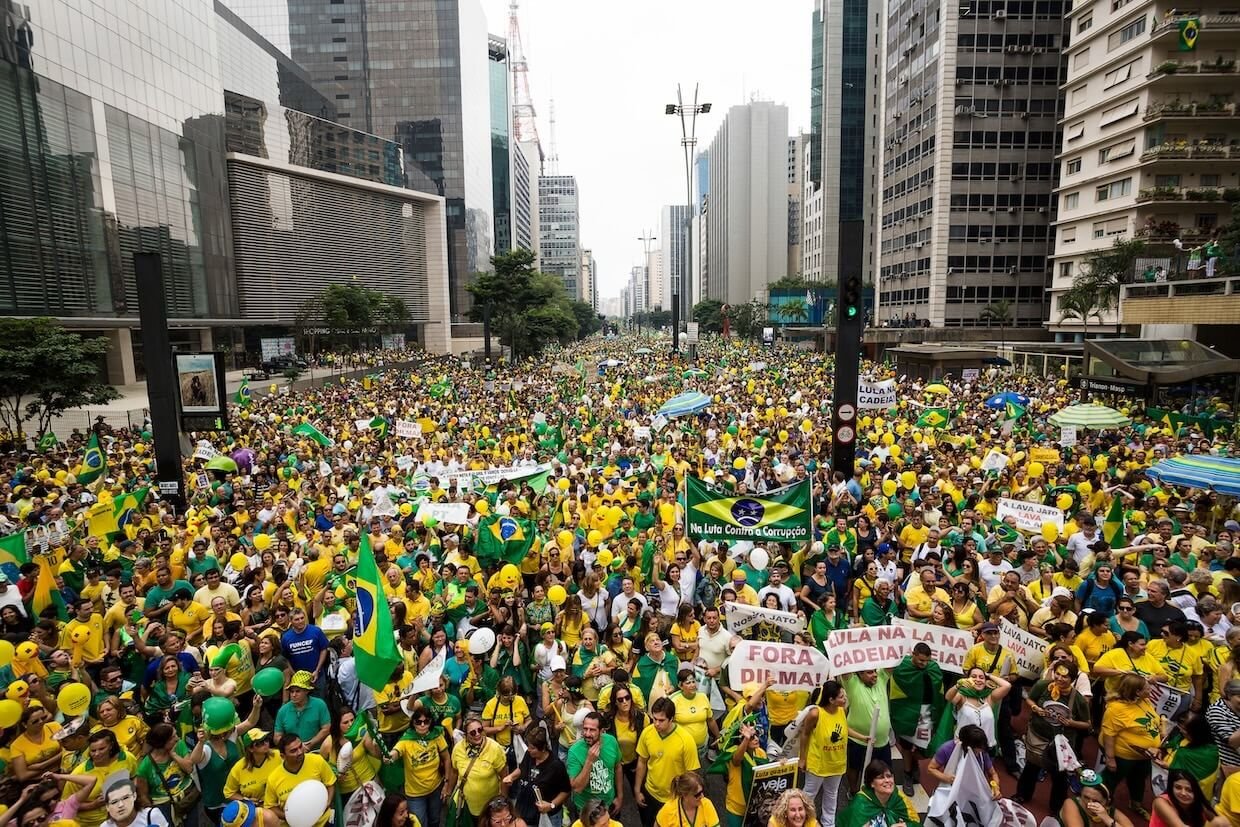
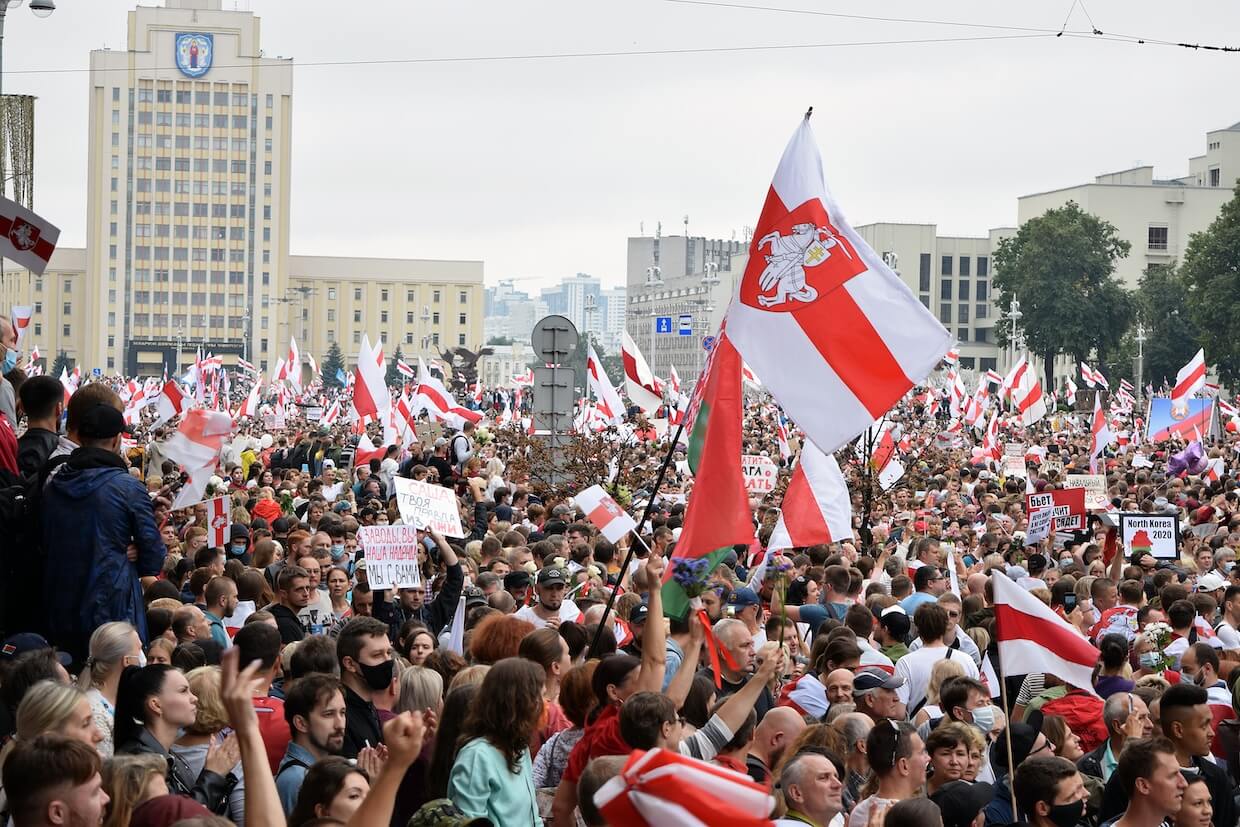
“American Democracy Is Heading for Some Rough Times”

Turning to the United States, Professor Levitsky, if Donald Trump is re-elected in the US, what kind of strains do you anticipate for democracies worldwide? After Speaker Kevin McCarthy was ousted by the far-right Republicans, what do you foresee for American democracy?

Steven R. Levitsky: American democracy is heading for some rough times. Given the strength of opposition forces, I find it highly unlikely that we will witness the consolidation of an autocracy in the United States, akin to Russia or even Hungary. However, it’s very probable that we will observe what we used to call an unconsolidated democracy—a very unstable regime teetering on the brink of constitutional crises and possibly experiencing periods of weak authoritarianism. I wouldn’t be surprised to see a considerable amount of political violence, considering the level of extremism and the prevalence of firearms in the country.

The most significant problem lies with the Republican Party, which has largely abandoned democratic rules of the game. We see this in its willingness to continue supporting Donald Trump, even though he attempted to overturn the results of an election. If Trump wins, the US will undoubtedly slide into another democratic crisis, with the possibility of an authoritarian attempt. This time, it could be much more severe than before because Trump didn’t anticipate becoming President previously. He didn’t have a comprehensive plan for purging and packing the state as Erdogan and Orban did. However, if he succeeds this time, he will likely make a much more concerted effort to purge state institutions, pack them (with loyalists), and politicize them—similar to what we’ve seen in other cases of elected authoritarianism.

Such a scenario would send a terrible signal and have a detrimental impact on democracies worldwide. We’ve already witnessed this between 2016 and 2021 in countries like El Salvador, Honduras, and even Nicaragua, where autocrats perceived autocratization processes as tacit approval, not being opposed by the United States. Emerging autocrats, feeling emboldened by Trump’s actions, started copying his style by attacking the press and denying election results, which closely followed Trump’s rejection of the election outcome. Similar copycat efforts emerged in Peru and Brazil.

What transpires in the United States has global implications in two ways. First, people worldwide look at the United States as a model, so if it’s acceptable to be an autocrat in the United States, it will embolden autocrats elsewhere. Second, US foreign policy will change. While the Biden Administration could do more to promote democracy, it has at least been relatively active behind the scenes in opposing autocratic behavior. For example, we saw this in Guatemala recently and in Brazil after the election, where the Biden Administration pressured autocratic forces to step back. If Trump regains office, these efforts will likely diminish, and there may even be open support for autocrats in some cases. Consequently, a Trump re-election would have profoundly negative consequences for democracy worldwide.

May Weak State Institutions Be a Chance? 

How does the presence of weak state institutions in low- or middle-income countries with authoritarian tendencies hinder the consolidation of authoritarian rule? Can you explain the role of these same weak state institutions, which have been observed as key factors contributing to insufficient democratic resilience against authoritarianism in cases like Turkey, Serbia, and Hungary, in contrast to the cases of the US and Brazil?

Steven R. Levitsky: Well, Turkey doesn’t have such weak institutions. Turkey possesses relatively strong institutions. Hungary also boasts quite robust institutions. When I refer to weak institutions, I’m mentioning countries like Ukraine, Albania, Benin, Honduras, Zambia, and Malawi. These are countries with weak state institutions. Turkey and Hungary, on the other hand, have relatively strong institutions. Serbia has slightly weaker institutions but is not excessively weak either. When we discuss the failure of democracies and the third wave of democracies, we have extended electoral politics to places where democracy had never previously existed, and where sustaining it is quite challenging. These are very poor countries, marked by high levels of inequality and very weak state institutions, such as Nicaragua, Benin, Albania, Mali, and Malawi. These are nations where almost every existing social science theory would predict that democracy would have a hard time to survive. Indeed, democracy has had hard time in such countries. However, the point we emphasize in the article is that authoritarianism has a hard time in consolidating power in countries with weak states, primarily for two reasons.
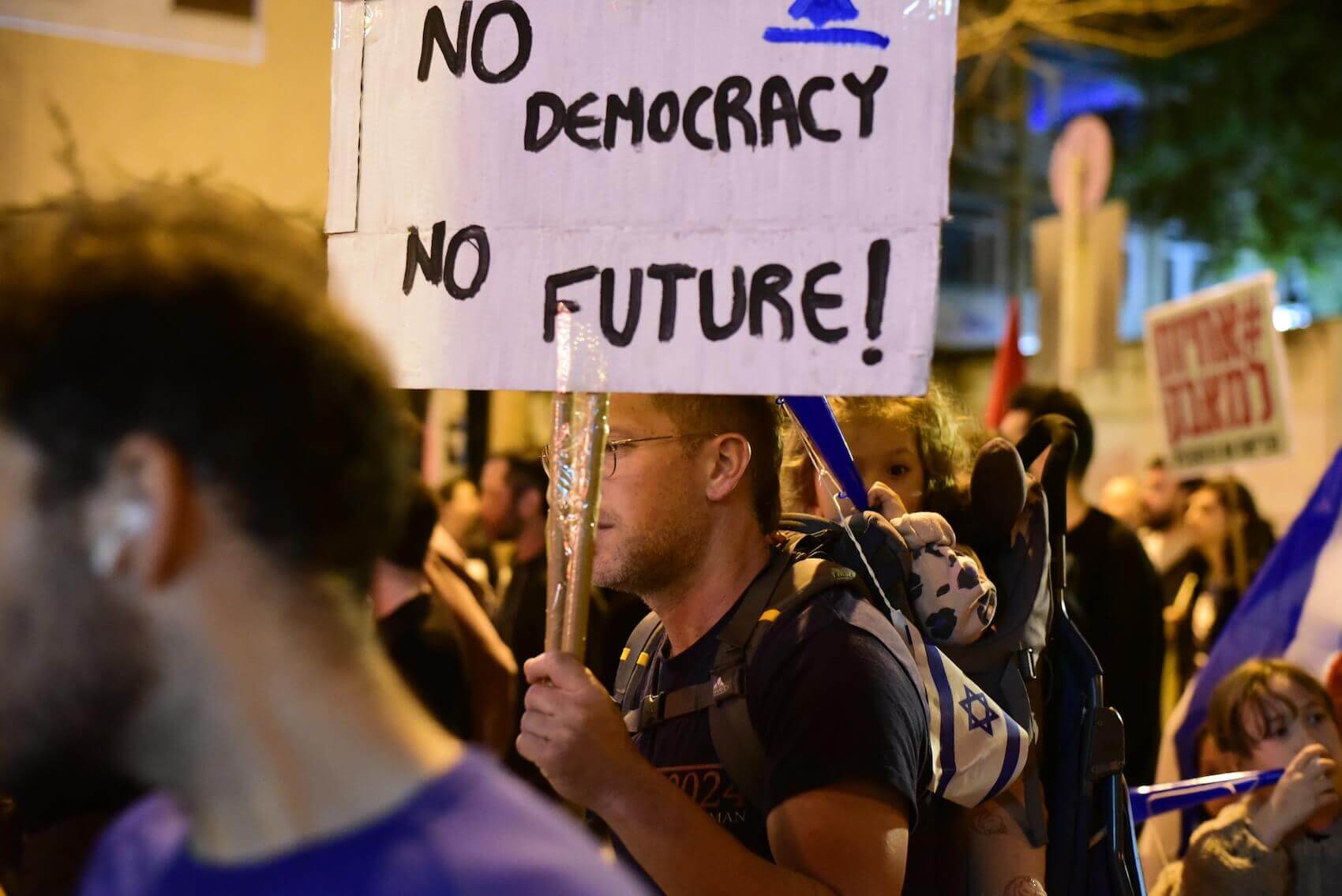
First of all, where the state is weak, governments have a hard time getting state officials to do what they want them to do so. That’s a problem for democracies, because democratic governments have a hard time implementing, enforcing their policies and providing public goods. But it’s problematic for autocrats, too. Because, when they want to steal an election, for example, they have a hard time getting bureaucrats and low-level state officials to go along with them. Similarly, when they want to repress or spy on opponents, they have a hard time getting state institutions to go along with them. We’ve seen that notoriously, for example, in Ukraine where, as my co-author Lucan Ahmad Way has shown, autocrats repeatedly have failed to consolidate power. I’m talking about people like Yanukovych, precisely because they couldn’t get the state to go along. So, when the state is weak, autocrats have a hard time enforcing their power.

Secondly, weak states result in poor governance. Governments govern ineffectively when state institutions are weak, and they have trouble ensuring security and implementing policies that matter to people. So, what does it mean for autocrats? It means that autocrats become unpopular. It means people turn against autocratic governments in the same way that they turn against democratic governments in response to poor performance. As long as elections are held, autocrats are going to have hard time to secure victory in countries with weak institutions. We have witnessed this trend in countries like Sri Lanka, Nepal, Honduras, Peru, Ecuador, Bolivia, Ukraine, Zambia, and Malawi. Governments leaning towards autocracy fail, lose elections, and even lose unfair elections because people are dissatisfied with the government’s poor performance. This poor performance is rooted in the weakness of state institutions. Therefore, while democracy remains vulnerable in lower and middle-income countries, particularly those without significant oil resources, autocracies also prove vulnerable in many of these nations. Autocratic regimes often last for about 7-10 years before they collapse.

You have extensively analyzed the influence of internal factors and the general international political climate on democratic backsliding and democratic resilience. Do you believe that the well-coordinated efforts of authoritarian states such as Russia, China, and Iran to export their authoritarian or illiberal governance style through various economic, political, diplomatic, and technological means and projects play a significant role in these processes?

Steven R. Levitsky: I believe that the claim you just made is overstated. I don’t think there is much effective coordination among China, Russia, and Iran. These are three very different states with distinct interests and activities. While it’s true that all these states oppose the Liberal West and seek to counterbalance the power of the United States, they do work together at times and share an interest in limiting and thwarting US power. There’s no question about that and they have at times supported autocratic governments, but they’re not particularly well coordinated. They’re not particularly affective. Russia, in particular, has largely failed in its efforts, even in neighboring countries like Ukraine or Georgia, to prop up authoritarian allies.

Nonetheless, I completely agree with an element of your argument, which is that there is shift in the global balance of power away from US and European hegemony in the 1990s towards a more multi-polar world, in which the US and Europe are weaker and less influential, China and Russia and other powers are more powerful, pose a significant challenge for democracy. This shift limits the US’ willingness and ability to promote democracy in the global South and almost certainly will lead to some erosion of global democracy. However, it’s important not to overstate the extent of coordination among these states. Despite the substantial geopolitical changes that have been unfavorable to liberal democracy, we have only seen a relatively modest decrease in the number of democracies, namely 5-6 fewer democracies that we had 15 years ago. So, while it’s a real threat, we should be cautious not to overstate it, and the actual consequences of this threat have been surprisingly limited thus far.

“Democracy Promoters Exaggerate the Degree of Autocratization in the World”

Is it possible that the experience of democratic backsliding is different in various contexts? A small change in data might have a more significant local and global impact in certain geographic regions. So, even though the data shows resilience, is it possible that the experience of civilians in everyday life has changed catastrophically?

Steven R. Levitsky: Yes, it is possible. However, the term “catastrophically” may be an overstatement. To persuade me, you would need to provide evidence of catastrophic changes. Nevertheless, it is possible that the situation is worse than the data suggests. I believe we should begin with the data and address my critique of many democracy promoters, particularly V-Dem, in recent years. They have tended to overstate the case. For instance, V-Dem previously classified India as an electoral autocracy. I think they made this change in 2017 or 2019. Before that, they focused on the number of democracies and downplayed per capita figures, i.e., the number of people in the world living under democracy. However, when India shifted to electoral autocracy, V-Dem began emphasizing per capita numbers. Why are they doing that? They’re doing that because they want to highlight and even exaggerate the degree of autocratization in the world. We need to exercise caution and balance when interpreting the data. I’m concerned that there has been an almost rush to declare the world in a democratic recession, with excessive focus on cases of backsliding, which are undoubtedly real. But they’re not the only thing happening in the world. To answer your question, yes, it is possible that the situation may be worse than the data suggests. However, we should approach the data in a serious and balanced manner. Our assessment indicates modest backsliding over the last 15 years, rather than dramatic backsliding.

You suggest that if wealth, education, and urbanization continue to grow, authoritarian vulnerabilities may intensify. However, we have observed a different outcome in both the Russian and Chinese contexts, as well as in regimes supported by them. Could these cases be considered exceptions to the general trend you have discussed?

Steven R. Levitsky: When evaluating regimes, I consider their capacity to monopolize resources and control society. I’ve written a book arguing that regimes born of violent revolution, like China, tend to be very durable. It has also been shown that regimes sustaining high levels of economic growth (while China’s economy has changed, it remains a reasonably strong performer) are likely to survive. Revolutionary regimes overseeing economic growth, such as Vietnam and China, are in relatively good shape in the medium term.

Regimes with abundant energy resources, like oil and gas, as in the case of Russia, are also likely to be in good shape because they can monopolize resources, countering the impact of modernization. In Russia, despite it being a relatively wealthy and a relatively educated country, civil society is incredibly weak due to state control over many resources. Thus, Russia and China are relatively easily explained. Our focus is primarily on countries in Africa, Asia, and Latin America, where urbanization and transitioning into lower-middle-income status are occurring. They are no longer considered poor. Some countries like Burundi and Mali remain very poor. However, countries like Kenya, Senegal, Ghana, and others are experiencing significant modernization, which makes autocratization more difficult.

In Central Europe, Southern Europe, and South America, we see countries graduating into upper-middle-income status with large civil societies, developed private sectors, and robust opposition. This doesn’t make authoritarianism impossible, but it makes it much less likely. In these regions, despite some autocratization, the conditions make it much harder for authoritarian rule to solidify.

We’re seeing in Central Europe, Southern Europe and in South America the graduation of countries into sort of upper middle-income status with large civil societies, developed private sectors and robust opposition that doesn’t make authoritarianism impossible, but it makes it much less likely.

In the cases of South America, Central Europe, and Southern Europe, autocratization is evident primarily in Venezuela, which has abundant oil resources, and Hungary, which is a real outlier. Hungary is a case that theory predicts should not be an autocracy. The fact that the regime doesn’t lock up anybody, doesn’t kill anybody, doesn’t ban anybody and the fact that elections are still competitive suggest that this regime also may not consolidate long-term.

There are valid reasons why China and Russia are authoritarian, and we are not predicting global democratization in the short or medium term. Especially in countries with highly statist economies, impoverished societies, or revolutionary legacies, there are valid reasons to expect stable authoritarianism. However, in much of the world, from the Baltics to Central Europe, South America to parts of East Asia, levels of economic development provide democrats with a fighting chance in many more places than during the beginning of the third wave of democratization.

Lastly, in your famous book “How Democracies Die,” you wrote, “The 1990-2015 period was easily the most democratic quarter-century in world history—partly because Western powers broadly supported democracy. That may now be changing.” Do you still think so? How is that change unfolding?

Steven R. Levitsky: Unfortunately, but inevitably, the Western dominance of the initial third wave period—the extraordinary liberal Western hegemony from the fall of the Berlin Wall or perhaps even the era of Perestroika to the Iraq War, spanning the first decade of the 21st century—that era, the extraordinary liberty of 1989 to 2003 is gone, it is eroding, and will continue to erode. Both the United States and Europe, especially the United States, have accelerated the decline of Western liberalism through their own errors, internal conflicts, and strife. US democracy has become almost dysfunctional, making it extremely difficult to promote or defend liberal democracy globally.

This process of a declining Liberal West, along with its increasing inability and unwillingness to promote democracy, presents a significant challenge in the world. Unfortunately, I don’t believe we can return to the world of 1990 to 2003 when democracy was, in many respects, almost the only game in town. Those days are over, and we now face a much more complex and challenging world.