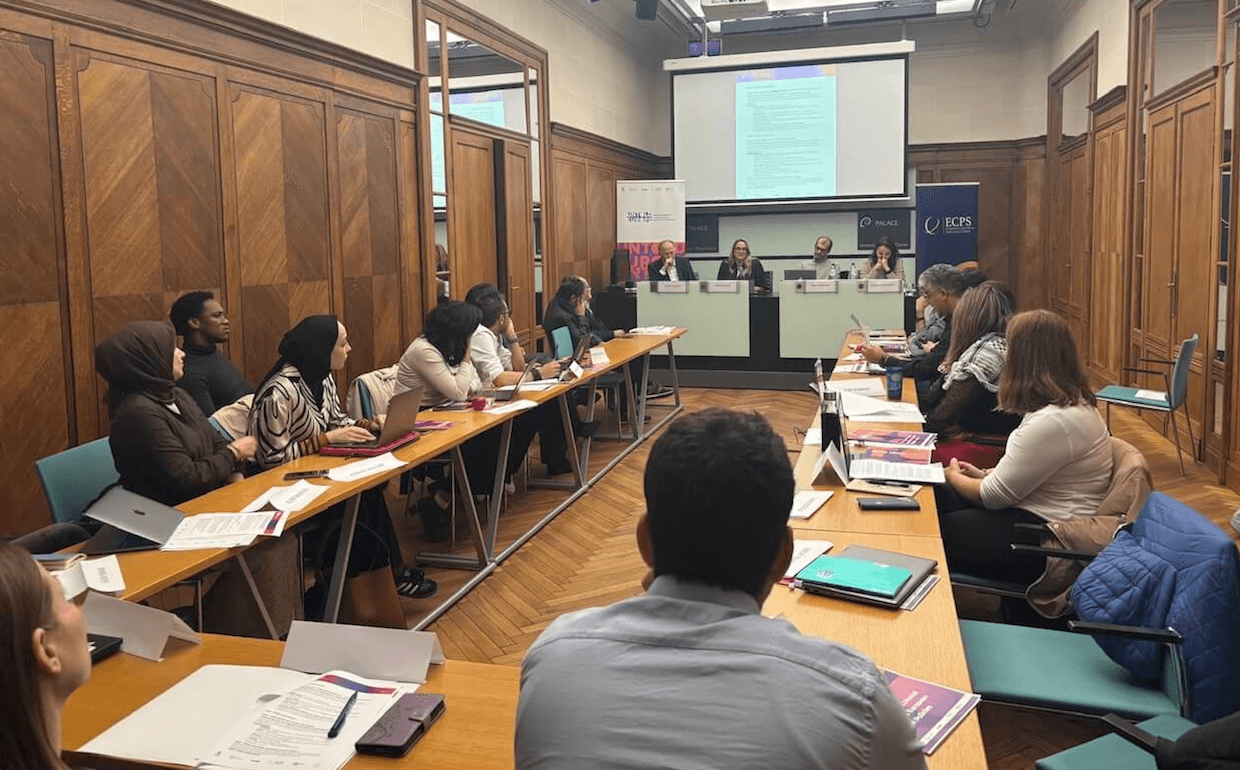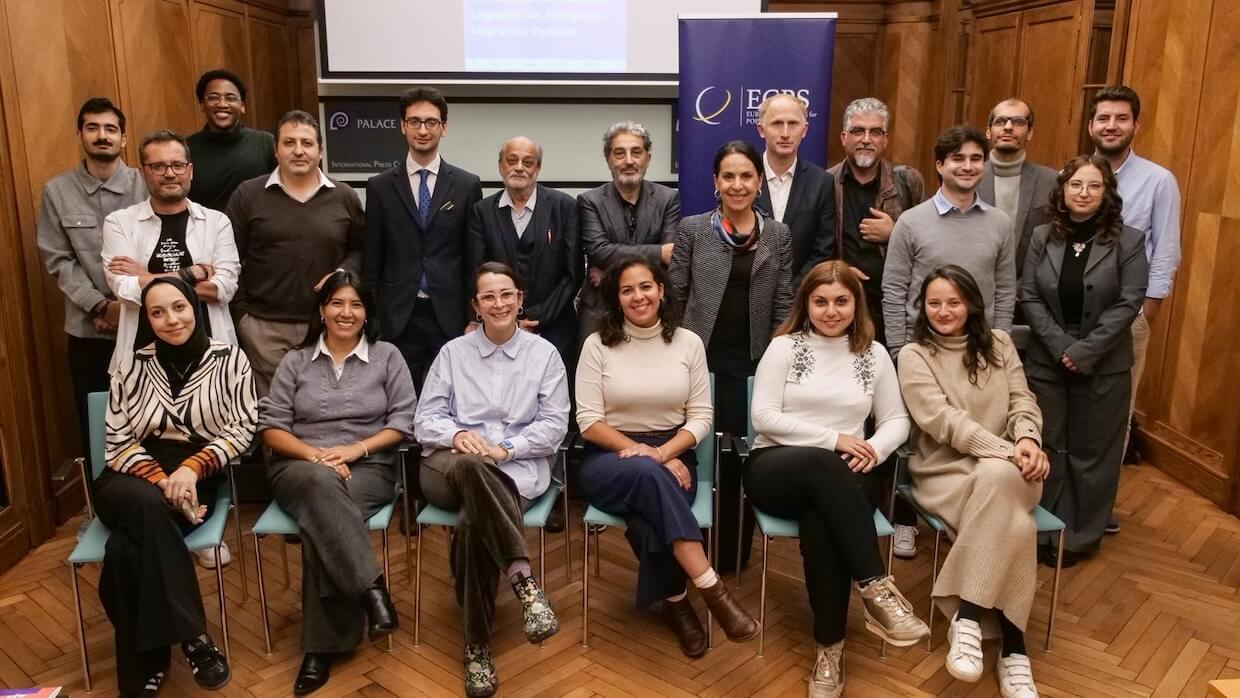
This policy paper, developed from the Untold Europe workshop (Brussels, 21 October 2025), examines structural imbalances in European migration governance across three domains: circular labour migration, external migration cooperation, and internal EU asylum systems. While each field operates within distinct legal frameworks, comparative analysis reveals a recurring tension between control-oriented management tools and the consistent safeguarding of rights. From employer-dependent seasonal labour schemes to accountability gaps in external partnerships and uneven asylum protection standards within the EU, the findings highlight the need for stronger monitoring, legal clarity, and enforceable safeguards. The paper argues that sustainable migration governance requires integrating mobility management with equal treatment, transparency, and human rights-based benchmarks—ensuring coherence, credibility, and long-term legitimacy across EU migration policies.
Executive Summary
This policy paper synthesises findings from three thematic case studies examined during the Untold Europe workshop in Brussels on 21 October 2025. Each case examined a different layer of European migration governance: circular labour migration, external migration cooperation, and internal asylum governance. Through comparative analysis, the workshop identified recurring structural patterns in how mobility is managed, how responsibilities are distributed, and how protection standards are implemented.
While each policy field has its own legal and institutional logic, the cases revealed common tensions between management objectives and rights safeguards. This paper consolidates those findings into a coherent policy analysis aimed at supporting more balanced, sustainable, and legally consistent migration governance within and beyond the European Union.
Case Study 1 – Circular Labour Migration and Agricultural Work
The first case study focused on circular migration schemes in the agricultural sector, discussed during the workshop as an example of labour mobility designed to address seasonal workforce shortages. Participants examined how such programmes operate in practice, particularly in Southern Europe, and how recruitment, residence status, and working conditions are structured. The discussion highlighted that while these schemes offer employment opportunities and address labour market needs, they frequently rely on highly temporary statuses and employer-dependent residence arrangements.
Workshop participants concluded that this structural design could limit workers’ bargaining power, restrict mobility between employers, and create differentiated access to social and labour rights. The case demonstrated how labour migration governance can unintentionally contribute to segmented labour markets if mobility, equal treatment, and access to remedies are not adequately safeguarded. These findings informed the broader policy recommendation that labour migration frameworks should integrate stronger rights protections alongside economic objectives.
Case Study 2 – External Migration Cooperation and Responsibility Distribution
The second case study addressed EU cooperation with third countries on migration management, examined through the lens of recent partnership frameworks discussed at the workshop. Participants analysed how operational responsibilities related to border control and containment are shared between the EU and partner countries. The discussion focused on governance capacity, accountability mechanisms, and the alignment between financial support and protection standards.
The workshop concluded that external cooperation could contribute to migration management objectives but also creates potential responsibility gaps where monitoring, legal safeguards, and access to remedies are limited. Participants emphasised that policy effectiveness depends not only on reducing movements but also on ensuring that protection outcomes are verifiable and consistent with international and EU legal standards. These conclusions shaped the recommendation that external partnerships should be systematically linked to transparency, independent monitoring, and rights-based benchmarks.
Case Study 3 – Internal EU Asylum Governance and Solidarity Mechanisms
The third case study examined recent developments in EU asylum governance, with particular attention to solidarity mechanisms, procedural harmonisation, and the treatment of vulnerable applicants. Workshop participants explored how reforms aim to improve system functionality and coordination among Member States while managing pressures on national systems.
Discussions highlighted that while solidarity tools are intended to distribute responsibilities more evenly, protection standards and reception conditions remain unevenly implemented across the Union. Participants noted that procedural obligations for asylum seekers are increasingly detailed, whereas enforcement of Member State compliance with protection standards can be inconsistent. The workshop, therefore, concluded that solidarity and system functionality must be closely linked to enforceable protection guarantees to ensure long-term system credibility and legal coherence.
Integrated Analysis
Across the three cases, the workshop identified a shared governance pattern: migration is frequently addressed through instruments designed to manage distribution, containment, and procedural compliance. By contrast, mechanisms ensuring participation, equal treatment, and consistent protection standards often develop more slowly or unevenly.
The comparative discussion showed that these dynamics are not confined to one policy field but arise across labour migration, external cooperation, and asylum governance. This insight underpins the paper’s central argument: strengthening accountability, legal clarity, and rights consistency across all migration governance domains is essential for effective and sustainable policy.
Policy Directions
Building on the workshop conclusions, the paper proposes policy directions aimed at better aligning management tools with protection standards. Strengthened monitoring and accountability mechanisms, clearer procedural standards, and improved access to remedies are key elements across all governance areas.
In labour migration, ensuring mobility rights and equal treatment would support fair labour market outcomes. In external cooperation, linking funding and partnerships to verifiable protection benchmarks would reduce legal and reputational risks. Within the EU, solidarity mechanisms should be directly tied to minimum protection standards to ensure that responsibility-sharing also guarantees rights consistency.
The workshop-based comparative approach demonstrates that structural imbalances between control-oriented measures and protection safeguards can emerge across different migration governance fields. Addressing these imbalances does not require abandoning management objectives but integrating them more closely with legal certainty, accountability, and protection standards.
A more coherent and rights-consistent migration governance framework would strengthen the EU’s capacity to manage migration sustainably and credibly while upholding its legal and normative commitments.