

Please cite as:
ECPS Staff. (2026). “Virtual Workshop Series — Session 10: Resisting the Decline: Democratic Resilience in Authoritarian Times.” European Center for Populism Studies (ECPS). January 26, 2026. https://doi.org/10.55271/rp00141
ECPS convened Session 10 of its Virtual Workshop Series, bringing together scholars to examine how democracies endure, adapt, and contest authoritarian pressures amid the normalization of populist discourse and the weakening of liberal-constitutional safeguards. Chaired by Dr. Amedeo Varriale, the session framed resilience as an active democratic project—defending rule of law, pluralism, and civic participation against gradual forms of authoritarian hollowing-out. Presentations by Dr. Peter Rogers, Dr. Pierre Camus, Dr. Soheila Shahriari, and Ecem Nazlı Üçok explored resilience across market democracies, local governance, feminist self-administration in Rojava, and diaspora activism confronting anti-gender politics. Discussants Dr. Gwenaëlle Bauvois and Dr. Gabriel Bayarri Toscano connected these contributions through probing questions on the ambivalence, burdens, and transformative potential of resilience.
Reported by ECPS Staff
On Thursday, January 22, 2026, the European Center for Populism Studies (ECPS) convened Session 10 of its Virtual Workshop Series, titled “We, the People” and the Future of Democracy: Interdisciplinary Approaches. Held under the theme “Resisting the Decline: Democratic Resilience in Authoritarian Times,” the session brought together an interdisciplinary group of scholars to examine how democratic systems, institutions, and civic actors seek to withstand—and, at times, transform—the pressures generated by authoritarian resurgence, the normalization of populist discourse, and the erosion of liberal-constitutional guarantees across diverse political contexts.
The workshop opened with welcoming remarks by ECPS’s Reka Koleszar, who introduced the session’s theme, outlined the format, and presented the contributing scholars and discussants. Her opening situated Session 10 within ECPS’s broader intellectual agenda: advancing comparative, theory-informed, and empirically grounded research on populism and its implications for democratic governance, civic space, and rights-based politics.
The session was chaired by Dr. Amedeo Varriale (PhD, University of East London), whose framing remarks offered a synthetic lens for the panel. Drawing attention to the contemporary “populist zeitgeist,” Dr. Varriale underscored how authoritarianism increasingly advances not merely through abrupt ruptures, but through gradual practices that hollow out democratic norms while preserving formal institutional shells. Against this backdrop, he proposed democratic resilience as an active project: the defense of rule of law, pluralism, and rights through institutions and civic participation, as well as the re-engagement of citizens whose disillusionment can become a resource for anti-democratic entrepreneurs.
Four presentations explored resilience across distinct but connected domains. Dr. Peter Rogers (Senior Lecturer in Sociology, Macquarie University) delivered “Resilience in Market Democracy,” interrogating resilience as a traveling concept shaped by market logics, welfare-state capacities, and shifting moral expectations of citizenship. Dr. Pierre Camus (Postdoctoral Fellow, Nantes University) presented “The Contradictory Challenges of Training Local Elected Officials for the Future of Democracy,” analyzing how professionalization and training—often justified as democratizing—can also reproduce inequalities and widen the distance between representatives and citizens. Turning to conflict and non-state governance, Dr. Soheila Shahriari (EHESS) offered “The Rise of Women-Led Radical Democracy in Rojava,”examining feminist self-administration as civil-society resilience amid regional authoritarianism and geopolitical exclusion. Finally, Ecem Nazlı Üçok (PhD Candidate, Charles University) presented “Feminist Diaspora Activism from Poland and Turkey,” conceptualizing exile-based feminist organizing as a site of transnational resistance to anti-gender politics and authoritarian repression.
Discussion was enriched by two discussants: Dr. Gwenaëlle Bauvois (University of Helsinki) and Dr. Gabriel Bayarri Toscano (Rey Juan Carlos University), whose interventions connected the papers through shared questions about the ambivalence of resilience, the distribution of democratic burdens, and the conditions under which resilience becomes transformative rather than merely adaptive.
Moderator Dr. Amedeo Varriale: From Populist Zeitgeist to Democratic Resistance

In his opening remarks as chair of the session, Dr. Amedeo Varriale framed the panel within a broader moment of profound geopolitical, socioeconomic, and sociocultural transformation. He emphasized that contemporary politics is increasingly shaped by what Dutch political scientist Cas Mudde has described as a “populist zeitgeist”—a diffuse mood or historical moment in which populist ideas have become normalized across political systems.
Dr. Varriale argued that the current rise of authoritarianism cannot be separated from this populist moment, particularly within an emerging multipolar global order. While authoritarian regimes continue to consolidate power in contexts where liberal democracy has historically lacked deep institutional roots—such as China and Russia—he noted with concern that authoritarian tendencies have also re-emerged within long-standing democracies, most notably the United States. In these cases, authoritarianism does not typically appear as outright regime change but rather manifests through populist discourse, attitudes, and political practices that challenge the liberal-constitutional foundations of democracy.
He highlighted how the rule of law, as well as individual and minority rights, are increasingly threatened by actors once confined to the political fringes but now progressively mainstreamed. Against this backdrop, Dr. Varriale stressed that resisting authoritarianism requires the active strengthening of democratic resilience. This entails defending institutions, constitutional norms, and civic participation, while re-engaging disillusioned and passive citizens.
Democracy, he concluded, can survive authoritarian pressure only when citizens, leaders, and state systems actively uphold accountability, pluralism, freedom of expression and association, human rights, and the rule of law. Previewing the session’s contributions, Dr. Varriale noted that the papers would address these challenges through analyses of civil society, activism, democratic resilience, and contemporary feminism, before inviting the first presenter to begin.
Dr. Peter Rogers: “Resilience in Market Democracy”

In his presentation at the 10th Session of the ECPS Virtual Workshop series, Dr. Peter Rogers offered a wide-ranging and conceptually rich reflection on the notion of resilience in contemporary market societies. Drawing on material from his forthcoming book, he approached resilience not as a fixed or neutral concept, but as a “traveling” one—whose meaning, moral coding, and political implications shift depending on whether it is encountered through the lens of market society, welfare-state governance, or democratic resilience.
Dr. Rogers began by laying out a set of foundational assumptions to frame his argument. First, he proposed that contemporary societies should be understood as market societies, in which market mechanisms—competition, supply and demand, profit, and efficiency—have expanded far beyond the exchange of goods and services to become the dominant organizing principles of social life. These mechanisms, he argued, increasingly shape cultural norms, moral values, and the boundaries of what is perceived as wise, legitimate, or even lawful action. Whether embraced or resisted, market logic has become the pragmatic reference point through which social and political possibilities are assessed.
Second, Dr. Rogers suggested that market society has grown more extreme than the market economy from which it emerged. Whereas earlier market arrangements were embedded within broader ethical and social frameworks, contemporary market society increasingly extends its logic into domains once governed by moral, communal, or political considerations. Individual freedom is framed primarily as freedom of choice within markets, while minimal government and entrepreneurial self-reliance are prioritized. This model, he noted, was historically shaped by postwar efforts to protect liberty from authoritarian state power. Yet because markets are not inherently moral, unregulated market systems tend toward exploitation, inequality, and the concentration of wealth among elites.
To mitigate these outcomes, Dr. Rogers introduced his third assumption: that the excesses of market society are, in principle, balanced by the welfare state. Welfare institutions intervene where markets are blind to collective interests, providing social protections such as healthcare, pensions, and employment benefits. Through redistribution mechanisms and regulatory frameworks, welfare states seek to correct market failures and protect citizens from the risks generated by individual self-interest. In this sense, modern governance rests on a fragile balance between market-driven individual liberty and state-supported social equity.
Against this backdrop, Dr. Rogers positioned resilience as a concept that operates across these competing systems. In market society, resilience resonates strongly with ideals of individual autonomy and responsibility. It is framed as a personal trait or capacity—the ability to endure shocks, adapt to disruption, and persevere in the face of adversity. The resilient individual is expected to anticipate risks, respond proactively to crises, and reorganize personal resources to maintain financial, physical, and psychological well-being amid economic instability, precarious employment, or systemic disruption. This understanding aligns with influential global development narratives, such as those advanced by the World Bank, which emphasize individual recovery and functional improvement following negative shocks.
In contrast, resilience takes on a very different meaning within welfare-state contexts. Here, the focus shifts away from individual capacities toward the resilience of institutions, legal frameworks, ethical norms, and governance practices. Building resilience in this sense requires investment in social infrastructure, public services, and decommodified essential goods. Rather than emphasizing self-reliance, welfare-based resilience aims to foster stability, trust, and collective protection through state intervention and social solidarity.
Dr. Rogers emphasized that these differing models of resilience generate distinct expectations of citizenship. Market-based resilience places responsibility primarily on individuals, with the state acting largely as a facilitator of market processes. Welfare-based resilience, by contrast, relies on the state as a central provider of security and social protection. Both models depend on collective investments in social capital and networks of solidarity, yet they distribute moral responsibility and political obligation in markedly different ways.
These tensions, he argued, become especially visible in policy domains such as disaster management, climate adaptation, civil defense, and even democratic governance. As resilience becomes institutionalized through technical practices, guidelines, and risk-management frameworks, it increasingly shapes the rules of governance themselves. This gives rise to what Dr. Rogers described as a broader “politics of resilience,” in which choices about how resilience is defined also determine who bears the burden of coping with crisis.
While acknowledging the appeal of resilience as a positive and empowering concept, Dr. Rogers also addressed critical perspectives. He noted that resilience can function as a tool of neoliberal governance, shifting responsibility for managing systemic crises—from financial instability to climate change—from the state onto individuals. Drawing on the work of scholars such as Peter Bloom, he raised concerns that contemporary narratives of individualized resilience may reinforce a moral framework in which citizens are held personally responsible for adapting to the failures of systems they neither designed nor control.
At the same time, Dr. Rogers cautioned against dismissing resilience outright. Psychological and behavioral approaches to resilience, he argued, can foster agency, learning, and growth, enabling individuals and communities to recover from setbacks and engage in collective action. The challenge lies in balancing personal responsibility with social connectivity, altruism, and institutional support. Notably, he observed that market societies often struggle to fund and sustain initiatives that build social cohesion, as such projects rarely align with profit-driven investment models.
Concluding his presentation, Dr. Rogers returned to the central theme of balance. Resilience, he argued, can be a force for both empowerment and depoliticization, depending on how it is framed and enacted. The task for scholars and policymakers is not simply to promote resilience, but to ask what kind of resilience is being built—for whom, by whom, and at what cost. As a traveling concept, resilience demands continual critical reflection, particularly in democratic contexts where the relationship between citizens, markets, and the state remains deeply contested.
Dr. Pierre Camus: “The Contradictory Challenges of Training Local Elected Officials for the Future of Democracy”
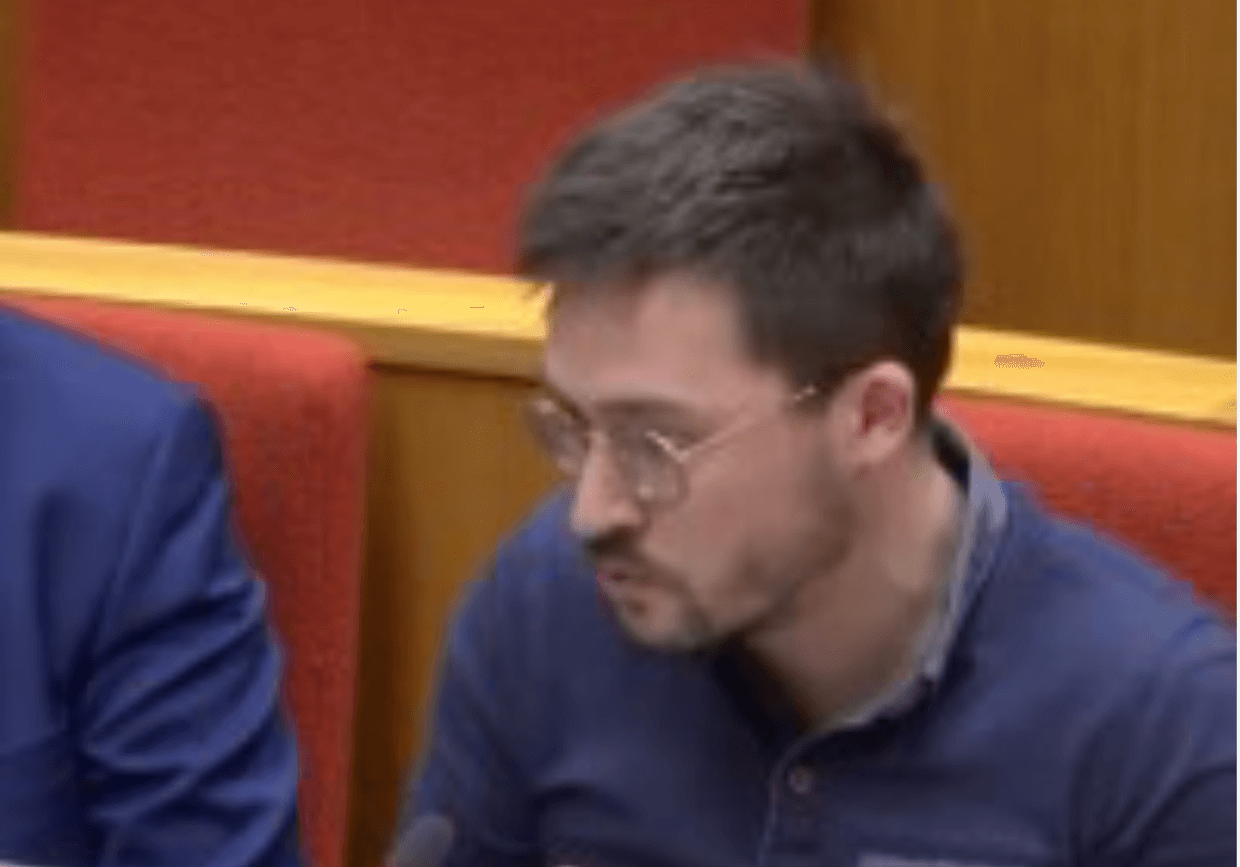
In his presentation, Dr. Pierre Camus offered a sociologically grounded examination of an often-overlooked dimension of democratic governance: the training of local elected officials. Drawing on his doctoral research and ongoing work on political training in France, Europe, and parts of North America, Dr. Camus argued that what appears at first glance to be a technical or administrative issue in fact raises fundamental questions about democracy, political equality, and populism.
Focusing on the French case, which he described as particularly instructive, Dr. Camus advanced the central claim that training for local elected officials constitutes a “democratic paradox.” While officially justified in the name of accessibility, equality, and democratic inclusion, training programs often produce empirical effects that contradict these stated objectives. His analysis rested on two main arguments: first, that training does not reduce inequalities of access to political office and may even widen the gap between elected officials and citizens; and second, that training reproduces inequalities among elected officials themselves, particularly along territorial and gender lines.
Dr. Camus grounded his argument in a mixed-methods research design. Quantitatively, he drew on data from the Caisse des Dépôts et Consignations covering more than 30,000 local elected officials who participated in training programs between January 2022 and December 2025. Qualitatively, his analysis was informed by several dozen interviews with elected officials conducted over an extended period. Together, these sources allowed him to assess both formal institutional arrangements and their concrete social effects.
He began by outlining the French legal framework governing the training of local elected officials. In France, training is legally recognized as a right directly linked to the exercise of political mandate. It is publicly funded and explicitly justified on democratic grounds, with the stated aim of ensuring that political office is accessible to all citizens regardless of education, profession, or prior political experience. Training is intended to compensate for inequalities in knowledge and skills and to enable any citizen, once elected, to govern effectively.
This framework is structured around two main mechanisms: local authorities are required to allocate part of their budget to the training of elected officials, and each elected official has access to an individual annual training entitlement. From a formal perspective, Dr. Camus noted, this arrangement appears inclusive and egalitarian, premised on the idea that political competence can be acquired institutionally rather than inherited through social background. Yet it is precisely here that the first paradox emerges.
Training, Dr. Camus argued, intervenes only after electoral selection has already taken place. It does not help citizens gain access to political office; rather, it supports those who have already been elected. As a result, the social inequalities that structure electoral access—such as education, profession, gender, social capital, and political networks—remain largely unchanged. More critically, training may reinforce the distance between elected officials and citizens by concentrating key forms of democratic knowledge within closed institutional settings accessible only to representatives.
Legal rules, public finance, administrative procedures, and other forms of governing expertise are transmitted in spaces from which ordinary citizens are excluded. In this way, democratic knowledge becomes a specialized resource reserved for elected officials, reinforcing the notion that governing requires expertise available only to a professional political class. Dr. Camus suggested that this dynamic challenges a core element of the French republican tradition: the idea of the elected official as an ordinary citizen temporarily entrusted with political responsibility. Paradoxically, a device designed to strengthen democracy may instead deepen the symbolic and practical separation between representatives and the represented.
The second paradox concerns inequalities within the group of elected officials themselves. Although training rights are formally equal, access to training is highly unequal in practice. Dr. Camus showed that elected officials in large municipalities, metropolitan areas, or higher levels of local government are significantly more likely to participate in training. They benefit from larger budgets, higher allowances, stronger administrative support, and closer ties to political parties that actively encourage professional development.
By contrast, elected officials in small and rural municipalities face structural constraints, including limited financial resources, time scarcity, fewer training opportunities nearby, and weaker institutional support. Drawing on longitudinal data from his doctoral research, Dr. Camus demonstrated that training participation rates are relatively high among regional and departmental officials but approach zero in municipalities with fewer than 2,000 inhabitants. Training thus accelerates political professionalization for some while leaving others on the margins of institutional competence.
Gender inequalities further complicate this picture. While men and women participate in training at similar overall rates, they tend to enroll in different types of programs. Male elected officials are overrepresented in training related to strategically valued policy areas such as public finance, urban planning, and infrastructure. Female elected officials, by contrast, are more likely to receive training in social policy, education, childcare, and cultural affairs—domains that, while essential, carry less political prestige and are less associated with executive power. Rather than correcting gender inequalities, training may therefore stabilize existing divisions in political roles.
In conclusion, Dr. Camus emphasized that the French case reveals a broader structural tension in contemporary democracies. How can political systems respond to the growing complexity of governance without transforming representation into a professional monopoly? And how can competence be promoted without reinforcing new forms of exclusion—especially at a time when populist discourses increasingly challenge expertise and political elites? These questions, he argued, extend far beyond France and invite comparative reflection on the future of democracy, political equality, and populism.
Dr. Soheila Shahriari: “The Rise of Women-Led Radical Democracy in Rojava: Global Democratic Decline and Civil Society Resilience Amidst Middle Eastern Authoritarianism”
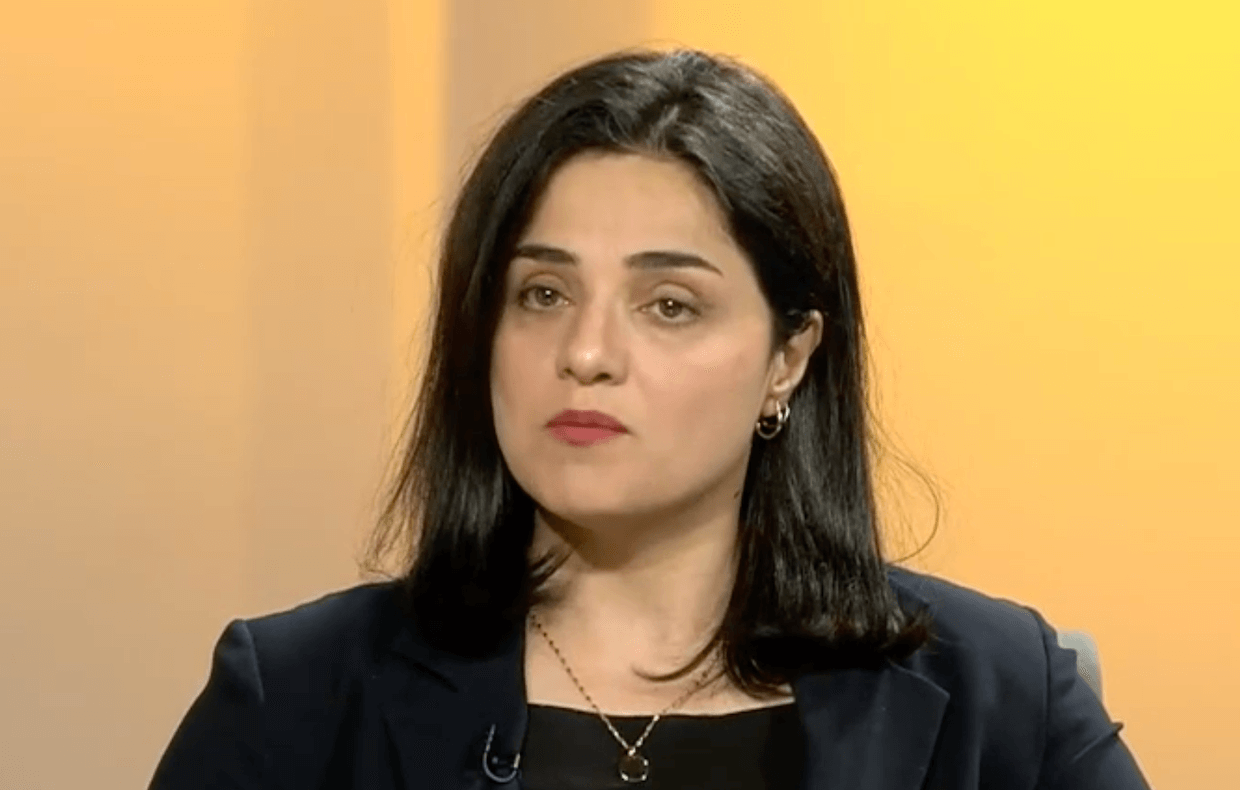
In her presentation, Dr. Soheila Shahriari examined the emergence of women-led radical democracy in Rojava as a rare and fragile counter-hegemonic experiment in an era marked by global democratic decline and entrenched Middle Eastern authoritarianism. Situating her analysis within the broader context of democratic recession, civil war, and geopolitical realpolitik, Dr. Shahriari argued that Rojava represents not merely a local anomaly, but a diagnostic case that exposes the structural limits of contemporary democracy at both regional and global levels.
Dr. Shahriari’s research focused on the Autonomous Administration of North and East Syria (AANES), commonly known as Rojava, which emerged amid the Syrian Civil War and consolidated itself after 2012. Her analysis was framed by three intersecting developments: the global democratic recession since the mid-2000s, the consolidation of authoritarianism in the Middle East, and the persistence of Rojava’s experiment in democratic confederalism despite sustained violence and political marginalization. She emphasized that Rojava’s significance lies not only in its survival under extreme conditions, but in its substantive challenge to dominant models of governance rooted in the nation-state, patriarchy, and centralized sovereignty.
To contextualize Rojava, Dr. Shahriari situated it within what scholars such as Steven Levitsky and Daniel Ziblatt have described as a global democratic recession characterized by institutional decay, executive centralization, and declining public trust. While this recession has taken the form of democratic backsliding in many parts of the Global North, she stressed that the Middle Eastern trajectory is distinct. In the region, the dominant pattern is not democratic erosion but the consolidation of authoritarianism. Drawing on Hamid Bozarslan’s work, she described regional authoritarianism as an anti-democratic system that actively dismantles democratic aspirations while maintaining a façade of legality through elections, constitutions, and populist narratives. In countries such as Turkey, Iran, and Syria, civic space has been systematically constricted and pluralism delegitimized.
Against this backdrop, Rojava emerged as a feminist and pluralist project grounded in the ideology of democratic confederalism developed by Abdullah Öcalan. This model explicitly rejects the nation-state and draws heavily on Murray Bookchin’s theory of social ecology. It emphasizes decentralized self-administration, grassroots participation, ecological sustainability, and radical pluralism across ethnic and religious lines. Dr. Shahriari stressed that Rojava should not be understood as an improvised response to state collapse, but as a deliberate counter-model rooted in a coherent ideological and political project. Scholars such as Dilar Dirik, Janet Biehl, and David Graeber have described Rojava as a rupture in regional history, challenging both ethno-nationalism and patriarchal political orders.
A central pillar of Dr. Shahriari’s analysis was women’s leadership as a structural driver of democratic resilience in Rojava. She highlighted the institutionalization of gender equality through mechanisms such as the co-chair system, which mandates joint male–female leadership across political bodies. As scholars like Joost Jongerden have argued, this arrangement transforms gender equality from a symbolic commitment into a foundational principle of governance. Women’s institutions, including autonomous councils and the Women’s Protection Units (YPJ), disrupt the masculinized logic of militarized resistance and reframe security through care, solidarity, and collective responsibility. Drawing on recent feminist scholarship, Dr. Shahriari suggested that women-led civil society functions as a form of “symbolic infrastructure” that sustains resilience under conditions of chronic insecurity.
However, Dr. Shahriari emphasized that Rojava’s survival has been increasingly constrained by both regional authoritarianism and global geopolitical recalibration. Although Rojava gained international visibility during the Battle of Kobane and the defeat of ISIS, it has remained politically marginalized. The collapse of the Assad regime in December 2024 and the emergence of a transitional government led by Ahmed al-Sharaa did not alter this trajectory. Instead, she argued, exclusionary state logics have persisted. The new authorities continue to frame Kurdish self-determination as a separatist threat to national unity, reproducing earlier statist narratives that prioritize elite-driven transition over negotiated autonomy and pluralism. Rojava representatives remain excluded from constitutional negotiations, reflecting a broader regional consensus against non-state democratic models.
Dr. Shahriari also examined the role of global realpolitik in reinforcing this marginalization. She pointed to Western selective engagement and recalibration, particularly the European Union’s decision to provide substantial financial support to Syria’s transitional authorities despite ongoing concerns about their origins and human rights practices. Such policies, she argued, reflect a hollowing out of democratic commitments in favor of geopolitical stability, state-centric sovereignty, and security governance. In this context, Rojava’s exclusion should be read not as a local failure, but as a symptom of the global democratic recession.
In concluding, Dr. Shahriari framed Rojava as a critical test case for the future of democracy. Its endurance demonstrates that popular sovereignty can be institutionalized through feminist, horizontal, and non-statist forms of governance, even under conditions of extreme repression. At the same time, its marginalization exposes the narrowing boundaries of what is considered “acceptable” democracy in the contemporary international order. Rojava, she argued, not only challenges authoritarianism in the Middle East, but compels a deeper rethinking of democracy itself—beyond the nation-state, beyond patriarchy, and beyond the limits imposed by global realpolitik.
Ecem Nazlı Üçok: “Feminist Diaspora Activism from Poland and Turkey: Resisting Authoritarianism, Anti-Gender Politics, and Reimagining Transnational Solidarity in Exile”
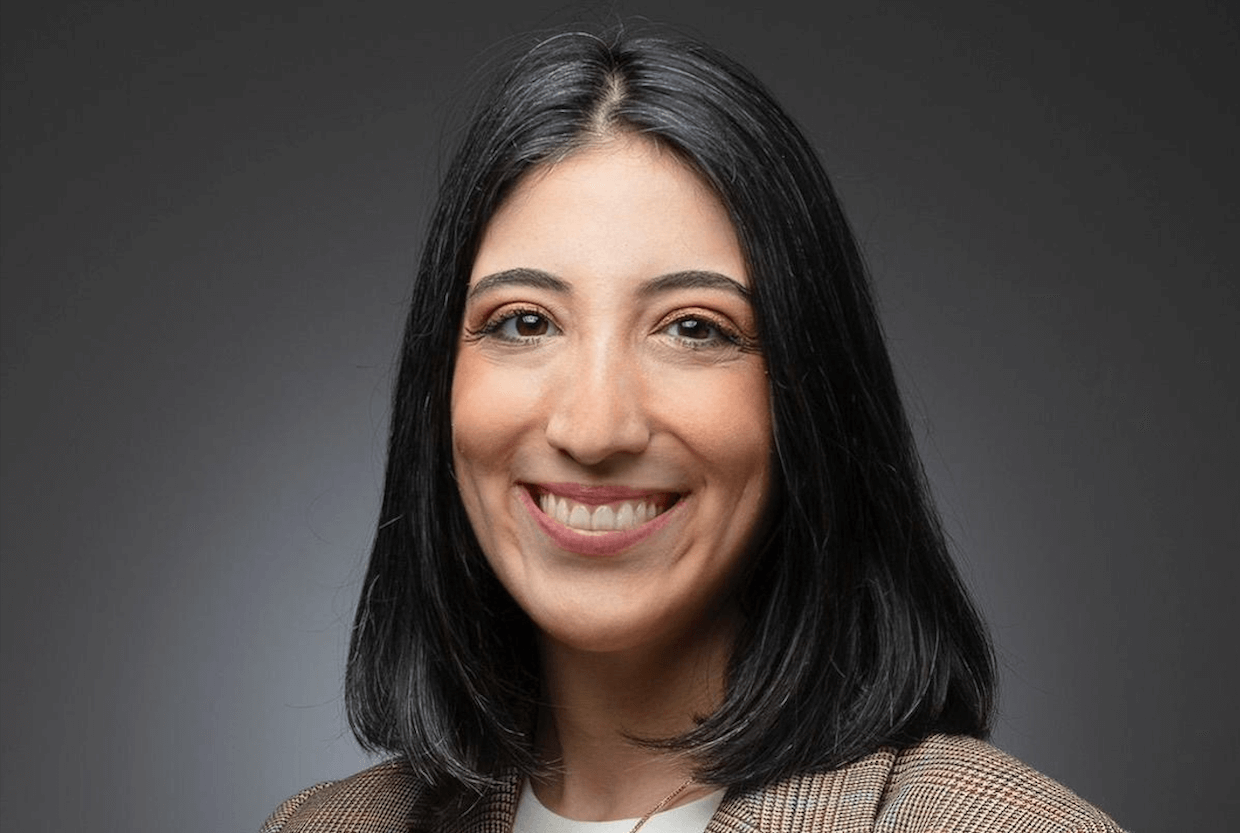
PhD candidate Ecem Nazlı Üçok presented a theoretically rich and empirically grounded analysis of feminist diasporic activism emerging from Poland and Turkey in response to authoritarianism and transnational anti-gender politics. Drawing on her ongoing doctoral research, Üçok framed her presentation around the concept of “feminist diaspora activism” and explored how feminist activists in exile resist authoritarian regimes, challenge anti-gender ideologies, and reimagine transnational solidarity beyond the confines of the nation-state.
Üçok began by outlining the conceptual and methodological foundations of her research. Inspired by Zapatista thought and decolonial feminist theory, she positioned her work within a broader inquiry into how marginalized groups generate new political imaginaries when existing political systems no longer serve them. Rather than treating exile and migration solely as experiences of loss or displacement, her research conceptualizes feminist diasporic spaces as generative sites where new forms of political subjectivity, solidarity, and democratic practice are actively produced.
The research adopts a comparative framework, focusing on Poland and Turkey—two countries that, despite significant differences in historical trajectories, religious contexts, and institutional settings, share striking similarities in the rise of right-wing populism and state-led anti-gender politics. Üçok argued that existing scholarship has tended to examine anti-gender movements within nationally bounded frameworks, particularly in Central and Eastern Europe, while parallel developments in regions such as Turkey are often analyzed in isolation. Her research seeks to bridge this gap by bringing Poland and Turkey into conversation, demonstrating that anti-gender politics operate transnationally through shared narratives, strategies, and moral panics.
A central argument of the presentation was that local political actors in both Poland and Turkey are not passive recipients of transnational anti-gender discourses imported from elsewhere. Instead, they actively produce, adapt, and circulate these narratives, positioning “gender ideology” as an existential threat to the nation, family, and children. In Poland, Üçok noted, gender has been framed by right-wing elites as a force more dangerous than communism, while homosexuality has been depicted as a civilizational threat. Similarly, in Turkey, anti-gender rhetoric has been articulated through a fusion of nationalist and Islamic discourses, portraying feminism and LGBTQ+ rights as Western impositions incompatible with Turkish and religious values.
Üçok emphasized the symbolic power of family-oriented policies in both contexts. Despite Poland’s Catholic identity and Turkey’s secular–Islamic framework, governing elites in both countries have mobilized the family as a moral anchor to legitimize authoritarian governance and suppress dissent. She highlighted key moments such as Poland’s tightening of abortion laws and both countries’ withdrawal from the Istanbul Convention, arguing that these developments illustrate how moral panic travels across borders and reinforces populist authoritarian agendas. The temporal overlap of elections in Poland and Turkey further underscored the uneven but persistent nature of right-wing populism, even when electoral outcomes diverge.
Methodologically, Üçok’s research is rooted in feminist qualitative approaches. She conducted in-depth life-history interviews with feminist activists who migrated from Poland and Turkey to various European countries due to political repression and anti-gender policies. These interviews explored activists’ pre-migration political identities, experiences of repression, and post-migration transformations. In a second research phase, Üçok organized visual focus groups that brought together Polish and Turkish feminist diaspora activists, enabling a comparative analysis of post-migrant activism and transnational solidarity practices.
A key analytical lens employed in the research is the concept of “prefigurative politics.” Üçok used this framework to examine how feminist diaspora activists do not merely resist authoritarian regimes from afar, but actively embody the social and political values they wish to see realized in the future through their everyday organizing. In exile, activism becomes not only oppositional but also constructive—centered on care, mutual support, horizontal decision-making, and inclusive community-building.
Üçok’s findings highlighted the emotional and political dislocation experienced by activists following migration. Many participants described a sense of losing their political voice or feeling distanced from the political life of their host societies. However, this rupture did not result in passivity. Instead, it prompted the creation of new activist collectives and feminist diaspora networks across countries such as Germany, Belgium, Austria, and the Czech Republic. These spaces allowed activists to reconstruct political belonging outside national frameworks and to develop what Üçok described as a “politics of space”—a form of activism that prioritizes embodied presence, visibility, and affective connection over formal institutional engagement.
Visual protest practices played a particularly important role in these diasporic spaces. Üçok presented examples of performative demonstrations, symbolic imagery, and creative interventions staged in front of embassies and public institutions. These acts served multiple purposes: drawing attention to gender-based violence and authoritarian repression in home countries, confronting European audiences with the transnational nature of anti-gender politics, and fostering collective healing and solidarity among activists themselves. While emotionally demanding, these practices enabled feminist diasporas to transform vulnerability into political agency.
Üçok also underscored the intersectional challenges faced by feminist activists in exile. Gendered political identities were compounded by migrant status, producing layered experiences of marginalization and emotional strain. Yet, these intersecting identities also facilitated new alliances and solidarities across national and cultural boundaries. Drawing on Edward Said’s reflections on exile, Üçok framed diasporic activism not only as oppositional but as deeply generative—capable of producing new forms of belonging, care, and political imagination.
In concluding, Üçok argued that feminist diasporic activism from Poland and Turkey illustrates a broader politics of possibility in authoritarian times. Migration, while often forced and traumatic, can enable the reconfiguration of democratic practice beyond the nation-state and normative citizenship frameworks. Rather than viewing activism solely as resistance, her research emphasizes everyday practices of solidarity, mutual care, and community-building as essential components of democratic resilience. Through these transnational feminist networks, exile becomes not an endpoint, but a space for reimagining democracy, plurality, and collective life under conditions of global authoritarian resurgence.
Discussants’ Feedback
Dr. Gwenaëlle Bauvois

Serving as discussant for the session, Dr. Gwenaëlle Bauvois offered a wide-ranging and incisive set of reflections that situated the four presentations within the broader global moment of democratic fragility. She opened by emphasizing the particular timeliness of the session, noting that democratic resilience is no longer a question confined to protecting democracy “elsewhere,” but one that increasingly concerns established and powerful democracies themselves. In this context, resilience must be understood not simply as a defensive response to external authoritarian threats, but as a concept deeply entangled with how democracy is reshaped, strained, and hollowed out from within.
Across the panel’s diverse empirical settings—market democracies, local institutions, revolutionary experiments, and diasporic activism—Dr. Bauvois observed that resilience was consistently presented not as a straightforward remedy to democratic decline, but as an ambivalent and politically charged concept. While resilience can protect democratic practices, it can also normalize crisis, reproduce inequality, and shift the burdens of democratic maintenance onto specific groups. She identified this critical treatment of resilience, rather than its celebration, as one of the session’s central intellectual contributions.
Turning first to Dr. Peter Rogers’s presentation, Dr. Bauvois praised his conceptualization of resilience as a polysemic and “travelling” concept. Rather than attempting to impose a fixed definition, the paper illuminated how resilience derives its political power precisely from its multiplicity of meanings. This, she suggested, raised an important methodological challenge: how to operationalize resilience analytically without flattening its conceptual richness. She was particularly struck by the idea of resilience as an emergent institution of contemporary democracy—an insight that moves beyond seeing resilience as merely reactive and instead positions it as something that actively structures democratic expectations, behaviors, and norms.
At the same time, Dr. Bauvois raised a series of critical questions about the institutionalization of resilience. If resilience becomes an expectation rather than a choice, she warned, it risks functioning as a mechanism through which citizens are asked to endlessly adapt to crisis rather than challenge its structural causes. She asked who ultimately bears responsibility for maintaining democratic resilience—the citizenry, the state, or political elites—and whether the discourse of resilience could be appropriated to claim democratic robustness even as rights, participation, and accountability quietly erode.
Engaging with Dr. Pierre Camus’s paper on the training of local elected officials in France, Dr. Bauvois highlighted its strength in translating abstract debates about resilience into a concrete, empirically grounded paradox. Training programs, she noted, are officially framed as tools to democratize access to political office and “re-enchant” local democracy. Yet, as Dr. Camus demonstrated, they simultaneously reinforce the idea that politics requires specialized expertise accessible only to certain actors endowed with specific forms of capital. In this sense, training functions as a form of institutional resilience that stabilizes local governance, but potentially at the cost of representativeness. While narrowing gaps in technical competence, it widens the symbolic distance between elected officials and ordinary citizens.
Dr. Bauvois posed a provocative question arising from this paradox: what would local democracy look like without such training regimes? Would it become more chaotic, or might it be more inclusive? She also invited reflection on whether alternative, more collective or open forms of political learning could strengthen democratic resilience without reinforcing political elitism—both in France and in other democratic contexts.
Dr. Bauvois then turned to Dr. Soheila Shahriari’s analysis of Rojava, which she described as productively unsettling many conventional assumptions about democracy and resilience. She emphasized how the Rojava case reframed resilience not as institutional continuity, but as collective survival and feminist transformation under conditions of extreme precarity. Democracy, in this account, is not safeguarded by stable state structures but lived through everyday practices of care, participation, and horizontal governance. Dr. Bauvois underscored the importance of Dr. Shahriari’s critique of Western “selective solidarity,” whereby democratic values are rhetorically endorsed but abandoned when supporting non-state or radical democratic actors becomes geopolitically inconvenient.
This led her to pose challenging theoretical questions: What are the minimum conditions for democracy? Can democratic resilience persist without state sovereignty, security guarantees, or international recognition? And how should democratic theory account for forms of resilience that are inseparable from permanent geopolitical threat?
Finally, commenting on the presentation by Ecem Nazlı Üçok, Dr. Bauvois highlighted the paper’s contribution in shifting attention to transnational and diasporic spaces of democratic practice. She commended its framing of exile not only as loss, but as a site of political possibility where agency is recomposed through care, solidarity, and prefigurative politics. At the same time, she suggested that the analytical clarity of the paper could be sharpened by harmonizing its use of overlapping terms such as “far-right,” “neo-fascist,” “conservative,” and “right-wing populist.” She also raised questions about the relationship between feminist diasporic activism and other struggles in exile, including labor rights, anti-racist mobilization, and migrant justice, asking whether feminist frameworks offer a transferable model of resilience for broader political movements.
In closing, Dr. Bauvois posed three overarching questions that cut across all four papers: Is resilience always democratic, or can it merely enable system survival without renewal? Who bears the costs of resilience, particularly given its reliance on the labor of women and grassroots actors? And finally, is resilience ultimately conservative—helping democracies endure as they are—or transformative, opening pathways toward fundamentally different democratic futures? These questions, she concluded, provided a powerful agenda for further discussion and comparative inquiry.
Dr. Gabriel Bayarri Toscano

In his role as discussant, Dr. Gabriel Bayarri Toscano offered a conceptually rich and politically attuned commentary that framed the four papers within what he described as the current “populist moment”—a period marked by crisis-driven politics, accelerated decision-making, and what he evocatively termed a form of global political “carnivalism.” Referring to contemporary manifestations of Trumpism and its symbolic excesses, Dr. Bayarri Toscano suggested that this broader context makes the question of democratic resilience not only urgent but analytically indispensable.
He opened by noting that, despite their diverse empirical settings, all four papers converged on a shared concern: how democratic practices, institutions, and movements endure, adapt, and are reinvented under sustained authoritarian pressure. Rather than treating resilience as simple endurance, he proposed a broader interpretive frame in which resilience is intimately tied to democracy’s relationship with time, legitimacy, and hope.
Dr. Bayarri Toscano argued that authoritarian and populist politics thrive on speed and simplification. They promise rapid solutions, depict procedures as weaknesses, and frame checks and balances as obstacles. Democracy, by contrast, operates through slower rhythms—deliberation, accountability, and incremental change. This temporal gap, he suggested, has profound political consequences. Leaders often fear the “charisma cost” of admitting that democratic reform takes time. Instead, they sustain political momentum through permanent crisis, keeping publics emotionally engaged while postponing tangible improvements. In this sense, the news cycle becomes a sequence of shocks, not merely reporting events but actively producing urgency and distraction.
Within this framework, resilience becomes deeply future-oriented. Dr. Bayarri Toscano observed that many citizens, especially those facing precarious work, high rents, and weakened public services, attach hope to technoutopian promises—innovation, artificial intelligence, growth, and prosperity perpetually “just around the corner.” When democratic projects fail to translate such future-oriented narratives into material improvements, authoritarian shortcuts can begin to appear effective. Resilience, he suggested, thus operates at the intersection of hope deferred and legitimacy strained.
He also emphasized that resilience is shaped by global power asymmetries and what he termed “colonial conditions of meaning.” In fragmented institutional settings—drawing in particular on examples from Latin America—governance often becomes more vertical and hierarchical. Citizens experience policy as something done to them rather than built with them. In such contexts, resilience risks becoming a language that masks domination rather than enabling participation.
Turning to Dr. Peter Rogers’s paper, Dr. Bayarri Toscano praised its treatment of resilience as a polysemic concept and as an emerging institutional norm within contemporary democracies. He found this move analytically powerful, as it revealed how resilience shifts from description to expectation, and ultimately to moral obligation. In market democracies, resilience can become a demand placed on citizens: adapt, cope, remain flexible. The danger, he warned, is that this discourse hides structural insecurity and reframes endurance in the face of precarity as personal strength rather than systemic failure. In crisis-driven political environments, resilience may slide into a form of “managed survival,” normalizing insecurity rather than transforming it. His guiding question to Dr. Rogers asked how one might distinguish analytically between resilience that is genuinely transformative and resilience that merely institutionalizes lowered expectations.
Engaging with Dr. Pierre Camus’s presentation, Dr. Bayarri Toscano highlighted the paradox at the heart of training local elected officials. While designed to open politics and renew local democracy, training can unintentionally reinforce specialization and widen the distance between representatives and citizens. He linked this to a broader Bonapartist tendency in contemporary politics, where legitimacy increasingly derives from competence, executive know-how, and administrative mastery. Training risks signaling that politics is a technical profession requiring certification, thereby narrowing democratic imagination. His question to Camus focused on whether alternative training designs might simultaneously build competence and democratic closeness, rather than reinforcing vertical authority.
Dr. Bayarri Toscano then turned to Dr. Soheila Shahriari’s paper on Rojava, which he described as a crucial shift in perspective. Here, resilience is not about preserving stable liberal institutions but about the everyday production of democratic life under conditions of war, embargo, and geopolitical abandonment. He emphasized the international dimension of democratic decline, noting how Western states may rhetorically support democratic experiments like Rojava while abandoning them when strategic costs rise. His question centered on what concrete forms of international support and responsibility are necessary for such projects to sustain democratic life over time.
Finally, commenting on Ecem Nazlı Üçok’s work, Dr. Bayarri Toscano underscored its contribution in conceptualizing resilience through transnational feminist activism in exile. He highlighted the importance of care infrastructures, solidarity networks, and political practices formed in host societies. At the same time, he raised concerns about the digital infrastructures on which diaspora activism often relies, pointing to trade-offs between visibility and safety amid risks of surveillance and transnational repression. His guiding question asked which practices—formal organizations, informal networks, or care-based relations—most effectively sustain solidarity over time in exile.
In closing, Dr. Bayarri Toscano posed a unifying question for the panel: where is the line between resilience as democratic persistence and resilience as accommodation that quietly reshapes democracy itself? Identifying the first signs of this slide, he suggested, is essential for understanding not only how democracies survive authoritarian pressure, but whether they emerge transformed—or diminished—in the process.
Questions by Participants
The questions raised by participants extended the panel’s discussion by probing the conceptual boundaries of democracy and the political–economic alternatives emerging amid global democratic decline.
Fatima Zahra Ouhmaida, drawing on her background in gender studies, reflected on Dr. Soheila Shahriari’s analysis of Rojava as a feminist and horizontal democratic experiment operating beyond the nation-state. She observed that in contexts such as Morocco, debates on democratic reform and women’s rights remain largely confined within state-centered and institutional frameworks. Rojava, by contrast, revealed how democracy could be imagined as a practice rooted in collective decision-making rather than state authority or international recognition. Her question asked whether projects like Rojava are marginalized primarily because they confront authoritarian power or because they challenge the dominant, state-centric model of democracy itself. She further questioned whether similar feminist and participatory models could emerge within relatively stable states without being framed as existential threats to political order.
Dr. Bülent Keneş addressed Dr. Peter Rogers with a broader political–economic concern, focusing on the global “market” of political systems. He noted that inequalities and distributive failures within liberal market economies are increasingly exploited by far-right and populist actors, and occasionally by left-populist movements as well. In this context, Keneş questioned the growing appeal of “state capitalism” as a purported remedy to democratic deficits and backsliding, particularly following the perceived effectiveness of China’s model during the COVID-19 period. While expressing skepticism toward state capitalism, he asked what critical arguments scholars should advance against it and what democratic dangers might arise from promoting such a model as an alternative to liberal democracy.
Responses by Presenters
Dr. Soheila Shahriari
In her response to the comments and questions raised by discussants and participants, Dr. Soheila Shahriari offered a sobering and deeply critical reflection on the structural conditions that marginalize Rojava’s experiment in feminist radical democracy. She reiterated that Rojava should not be understood as an improvised outcome of Syria’s state collapse, but as the institutional realization of democratic confederalism—an ideology theorized by Abdullah Öcalan over several decades and practiced in various forms long before 2012. As such, Rojava represents a sustained, bottom-up model of governance grounded in pluralism, gender equality, ecological principles, and collective self-administration.
Dr. Shahriari emphasized that what ultimately renders Rojava illegible—and expendable—within the international system is precisely this radical departure from the nation-state model. In international relations, she noted, the nation-state remains the dominant unit of analysis, leaving little conceptual or political space for non-state democratic actors. Rojava’s existence as a feminist, non-state democratic entity challenges this foundational assumption, making it structurally incompatible with prevailing geopolitical logics.
She traced this contradiction through Western engagement with Rojava during the battle against ISIS. At the height of the Kobani resistance, Kurdish women fighters were widely celebrated in international media as symbols of freedom and emancipation. Yet, once the immediate strategic threat of ISIS receded, this rhetorical support evaporated. Dr. Shahriari argued that the subsequent Turkish invasions of Rojava in 2018 and 2019—and the ongoing pressure following the post-2024 Syrian transition under Ahmad al-Shara—have unfolded amid striking Western indifference. The same actors once framed as allies were effectively abandoned once they ceased to serve short-term strategic interests.
Responding directly to questions about democratic resilience, Dr. Shahriari identified civil society—particularly women and feminist actors—as those who shoulder the burden of resilience in Rojava. This resilience, she argued, is transformative in intent but tragically constrained by the absence of any meaningful balance of power, whether militarily or institutionally. Under such conditions, resilience becomes an act of survival rather than a pathway to sustainable democratic consolidation.
Addressing calls for concrete forms of international support, Dr. Shahriari expressed deep skepticism about the adequacy of existing measures such as petitions or symbolic political pressure. While not dismissing these actions entirely, she questioned whether they are remotely sufficient to halt ongoing violence, rising death tolls, and the systematic marginalization of Kurdish-led democratic forces. She concluded by leaving the audience with an unresolved but pressing question: in the face of persistent war and geopolitical abandonment, what forms of solidarity and intervention can genuinely protect radical democratic experiments like Rojava from extinction?
Dr. Peter Rogers
In his response to the discussants’ interventions and participants’ questions, Dr. Peter Rogers framed the debate on resilience within what he described as an emerging era of political realism and pragmatic recalibration. Acknowledging the breadth of the comments, he focused particularly on the question raised about state capitalism and the shifting responsibilities between markets, states, and citizens.
Dr. Rogers argued that the relocation of resilience from the state to the individual has already produced new and often troubling market formations, including what he termed “disaster capitalism.” In this context, market forces increasingly step into domains once associated with public protection, not to safeguard collective welfare, but to extract profit from crisis. This trend, he suggested, reflects a broader and ongoing retreat of the welfare state, as public investment is redirected toward security while resilience-building is increasingly outsourced to private actors, philanthropic foundations, and think tanks.
Rather than framing this shift in purely pessimistic terms, Dr. Rogers urged attention to the evolving metrics through which resilience is evaluated. Drawing on examples from global policy forums, he emphasized the growing importance of redefining “return on investment” beyond narrow fiscal calculations. For resilience to be democratically meaningful, he argued, its success must be measured not only in economic terms but also through moral and social outcomes—particularly the strengthening of social connectivity and collective capacity.
Central to his response was the concept of social capital as a bridge between market logic and democratic resilience. Social capital, he noted, has become an increasingly influential indicator precisely because it translates communal bonds and trust into measurable outcomes legible to policymakers. Investments in social cohesion and networks of solidarity thus offer a language through which collective resilience can be defended within pragmatic governance frameworks.
Dr. Rogers also addressed concerns that resilience discourse risks becoming a moral injunction that normalizes precarity. While acknowledging this danger, he posed a provocative counterpoint: in societies marked by declining welfare provision and weakened collective institutions, citizens may need to reclaim a more active role in shaping democratic life. Individual responsibility, in this sense, should not replace structural accountability but serve as a catalyst for renewed collective engagement against authoritarian and populist pressures.
Finally, Dr. Rogers returned to his core argument that resilience is an inherently polysemic concept. Its meaning, he stressed, shifts across institutional and professional contexts—from emergency responders to security planners to democratic activists. Recognizing these divergent interpretations is not a weakness but a prerequisite for meaningful dialogue. Only by understanding which form of resilience is at stake, he concluded, can scholars and practitioners remain relevant to the political and ethical challenges of democratic survival today.
Dr. Pierre Camus
In his response to the discussants’ comments and participants’ questions, Dr. Pierre Camus addressed the democratic tensions underlying the training of local elected officials, situating the French case within a broader historical and institutional perspective. He began by recalling that, historically, political training in France was largely embedded within political parties—particularly socialist and revolutionary socialist organizations—which played a central role in socializing activists and future officeholders into political skills, ideological frameworks, and the practical workings of government.
In contrast, Dr. Camus noted that contemporary training rights are now framed as individual entitlements rather than collective political processes. In practice, access to training depends heavily on personal resources, time availability, employer cooperation, and institutional position. As a result, training programs often reproduce existing social and political inequalities instead of mitigating them. This dynamic reflects a deeper democratic tension between competence and citizenship: while citizenship is formally treated as sufficient for political participation, competence increasingly operates as an informal prerequisite.
Dr. Camus emphasized that local authorities tend to remain largely passive in overseeing how training rights are implemented and who effectively benefits from them. This regulatory gap allows inequalities to persist, particularly disadvantaging elected officials from working-class backgrounds, small municipalities, or those whose employers restrict time off for political duties. Although he stressed that the current framework is preferable to the absence of training altogether, he argued that its symbolic character limits its democratizing potential.
Responding to questions about alternative models, Dr. Camus highlighted the example of the Australian state of Victoria, where political training is structured in three stages: mandatory pre-nomination training for candidates, compulsory induction for newly elected officials, and ongoing training during the mandate. This model, he argued, “de-enclaves” political competence by circulating basic democratic knowledge before electoral selection, thereby reducing the divide between representatives and citizens.
However, he concluded that such a model remains politically difficult to implement in France, where mandatory training is widely perceived as an illegitimate barrier to candidacy and a threat to the republican ideal that citizenship alone should suffice for political participation.
Ecem Nazlı Üçok
In her response to the comments and questions raised by the discussants and participants, PhD candidate Ecem Nazlı Üçok offered a reflective clarification of her conceptual approach to democratic resilience, transnational solidarity, and feminist diasporic activism. She began by expressing appreciation for the feedback and emphasized her intention to briefly synthesize the main issues rather than extend the discussion.
Üçok directly engaged with questions concerning the limits and sustainability of coalitions and solidarities, particularly those raised by the discussants. She challenged linear and teleological understandings of resistance and resilience that assume a steady progression toward long-term salvation or political resolution. Instead, she highlighted how the activists she studies are acutely aware of the temporality of solidarity. Many of the solidaristic formations she observed are intentionally short-lived, event-based, or situational rather than permanent structures.
For Üçok, the political significance of these formations lies not in their durability but in their capacity to create ruptures within dominant systems. These moments of collective action—however fleeting—allow participants to recognize shared moral frameworks, alternative ways of thinking, and the existence of parallel political imaginaries. In this sense, solidarity functions as a space of recognition and affirmation, even when it does not crystallize into lasting institutions.
Responding to questions about tactics and intersections with other struggles, Üçok emphasized the diversity and creativity of activist practices. She described how feminist diasporic groups intersect with labor rights, migrant rights, and broader political struggles through informal, grassroots initiatives. Examples included the creation of listening spaces centered on protest music, community-based support networks for migrant women from different countries, and hands-on solidarity practices embedded in everyday life.
She also underscored the importance of digital spaces as key infrastructures for sustaining transnational connections, visibility, and care. Üçok concluded by reiterating that resilience, in her research, is not solely about endurance but about creating alternative political spaces—however temporary—that enable new forms of belonging, care, and collective imagination.
Conclusion
Session 10 of the ECPS Virtual Workshop Series offered a nuanced and theoretically rich examination of democratic resilience at a moment when authoritarian pressures increasingly operate through gradual, normalized, and often legally sanctioned practices. Across diverse empirical contexts—from market democracies and local governance structures to revolutionary self-administration and diasporic feminist activism—the session underscored that resilience is neither a neutral concept nor an unambiguously democratic good. Rather, it is a contested political terrain shaped by power relations, institutional design, and the uneven distribution of social and moral burdens.
A key takeaway from the session was the ambivalence of resilience. As several contributions demonstrated, resilience can function as a mode of democratic defense and innovation, but it can also legitimize adaptation to structural injustice, shift responsibility from institutions to individuals, and normalize permanent crisis. Whether resilience becomes transformative or merely adaptive depends on who defines it, who enacts it, and who bears its costs. The presentations collectively challenged celebratory narratives by insisting on the need to interrogate resilience as an emerging norm of governance, citizenship, and political expectation.
At the same time, the session highlighted sites of democratic possibility. Feminist self-administration in Rojava and transnational diaspora activism illustrated how resilience can be grounded in care, solidarity, and prefigurative practice, expanding democratic imagination beyond state-centric and procedural models. These cases also exposed the limits of international democratic commitment, particularly when radical or non-state forms of democracy clash with prevailing geopolitical logics.
Taken together, Session 10 reaffirmed ECPS’s commitment to critical, comparative inquiry into populism and democratic decline. It concluded not with a singular prescription, but with an agenda of questions—about responsibility, transformation, and democratic futures—that remain essential for scholars, decisionmakers, practitioners, and citizens confronting authoritarian times.
