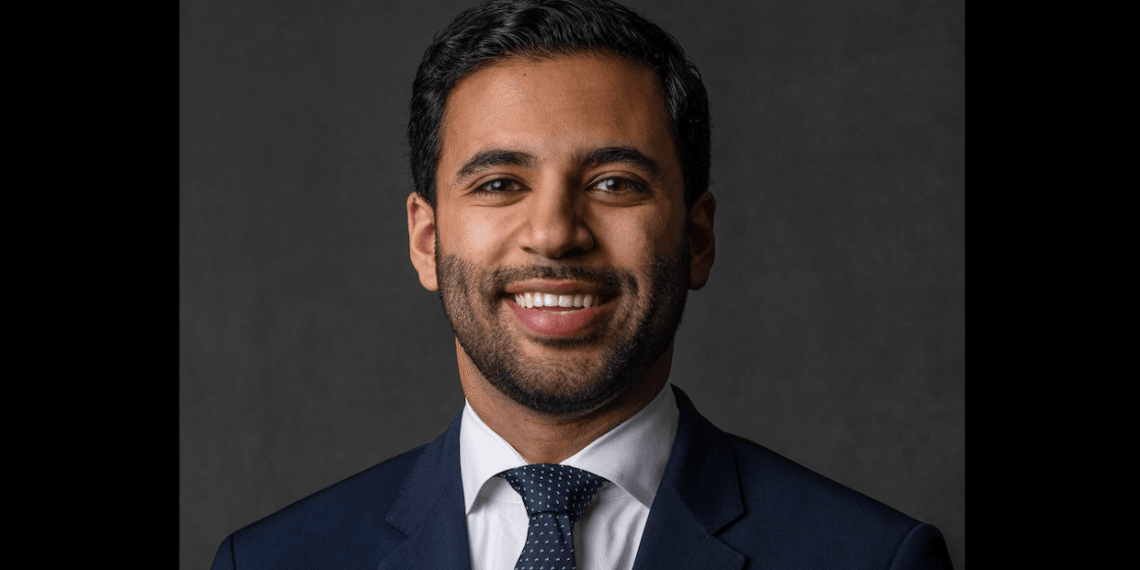
In this interview, Imran Bayoumi examines how the weakening of multilateral institutions and the rise of transactional diplomacy are reshaping global power in ways that often favor authoritarian and populist governments. He argues that authoritarian middle powers benefit from greater flexibility to hedge between competing blocs, while democracies remain constrained by alliances, institutions, and domestic accountability. Turkey under President Recep Tayyip Erdogan emerges as a key example: Ankara has “managed to play and interact with both realms at the same time,” using populist nationalism to present strategic balancing as the defense of national interests. Bayoumi also warns that weakening Western cohesion benefits revisionist powers, while calling for a “retooled American leadership” capable of rebuilding democratic cooperation in a more fragmented international order.
Interview by Selcuk Gultasli
In an era of intensifying geopolitical fragmentation, weakening multilateral institutions, and increasingly transactional diplomacy, authoritarian and populist governments may find themselves unusually well positioned to exploit the emerging international disorder. In this wide-ranging interview with the European Center for Populism Studies (ECPS), Imran Bayoumi, Deputy Director and Resident Fellow with the GeoStrategy Initiative at the Atlantic Council’s Scowcroft Center for Strategy and Security, examines how the erosion of the rules-based international order is altering the balance between democratic constraints and authoritarian flexibility. His central argument is not that autocracies are inherently stronger, but that a fragmented system can reward governments able to hedge between competing powers, bypass institutional constraints, and personalize foreign policy. As Bayoumi puts it, authoritarian middle powers “have experience with hedging” and are less constrained by the institutions and alliances that shape the choices of democratic states.
The decline of multilateralism is particularly consequential because it lowers the costs of defying established rules. According to Bayoumi, states increasingly feel comfortable “bypassing multilateral bodies,” ignoring treaties and challenging norms because the prospect of meaningful punishment has diminished. Yet he cautions against reducing this transformation simply to populism: “It’s a mix of both things: populism and power.” At the same time, the personalization of diplomacy associated with contemporary populist politics is becoming increasingly significant, as foreign policy becomes more closely tied to leaders themselves rather than institutions and professional bureaucracies.
Turkey provides one of the interview’s clearest illustrations of this emerging geopolitical flexibility. Still embedded in NATO and Western institutions, Turkey under President Recep Tayyip Erdogan has simultaneously cultivated relations across competing geopolitical blocs. Bayoumi describes Turkey as a country that has “managed to play and interact with both realms at the same time.” Populist nationalism, he argues, has been crucial to legitimizing this strategy domestically: “Erdogan has been able to sell this balancing strategy as a way of being able to secure Turkey’s interests first.” The willingness to purchase Russian air-defense systems while remaining within NATO exemplifies how Ankara combines alliance membership with strategic hedging.
More broadly, Bayoumi warns that weakening Western alliances and institutional cohesion ultimately benefits revisionist authoritarian powers. “Every action that undermines the strong ties between the United States and its allies is a benefit for them,” he argues, pointing to the growing cooperation among Russia, China, Iran, and North Korea. Yet he rejects the idea that authoritarian ascendancy is inevitable. Instead, he calls for “some sort of retooled American leadership” capable of accommodating the growing autonomy of middle powers while rebuilding institutions and democratic cooperation. The challenge, therefore, is not simply to restore the old international order, but to construct a more resilient one capable of reconciling democratic values, strategic power, and an increasingly multipolar world.
Here is our interview with Imran Bayoumi, edited lightly to enhance clarity, readability, and overall flow for publication.
Authoritarian Middle Powers Are Better Equipped to Hedge
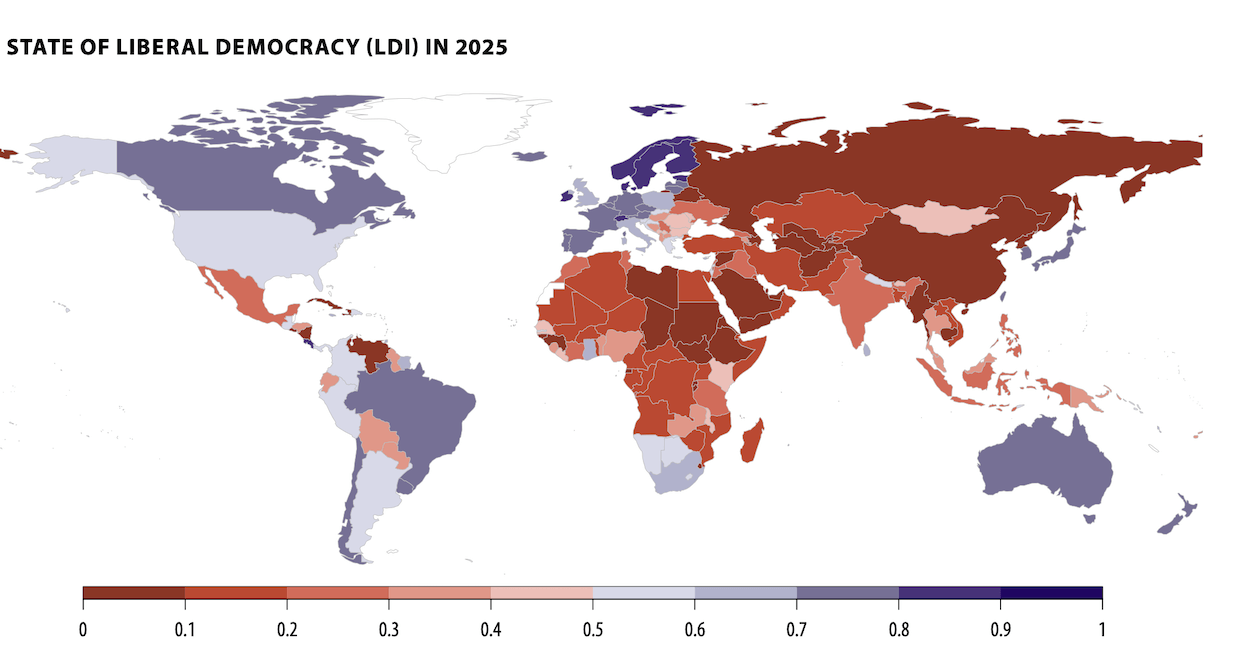
Mr. Bayoumi, welcome! In “Why Today’s Global Disorder Rewards Authoritarians,” you argue that autocratic middle powers are particularly well placed to benefit from today’s fragmented international system because they can hedge between larger powers and pursue highly transactional relationships. What is it specifically about authoritarian government that gives these countries greater room for maneuver than democratic middle powers? Could democratic states adopt similar strategies without weakening their democratic principles?
Imran Bayoumi: In the article, I lay out two factors that I’ve identified. The first is that these autocratic middle powers have experience with hedging. They’ve balanced between different blocs of great powers for a lot longer than these democratic middle powers are now trying to. They’re not constrained by these broader institutions and alliances that are now seeming more and more like a burden.
The second factor is that they are adept at these kinds of personalist politics that we’ve seen really dominate the second Trump administration and the broader political deal-making space. You saw Qatar donate the Boeing 747 for the new Air Force One at the start of the second Trump administration. In terms of hedging, I talk about it in the article, but Kazakhstan, for example, has signed up to both China and Washington’s flagship AI programs.
Therefore, these states are really better in this kind of disruption. They know how to gain influence in ways that democratic states would struggle with. If a democratic state was to donate a jumbo jet, there would probably be some sort of parliamentary pushback, discussions in the media, and potential repercussions that I don’t think authoritarians would be subject to.
So, can democratic states adopt these traits? Sure, it’s just harder for them to do so. There’s nothing stopping them from having a more personalist foreign policy. Nothing’s stopping them from hedging, but they face constraints. I don’t think their populations may want that. It’s harder to leave treaties if you have to have a parliament approve that. I think norms are a big thing, too. I can’t imagine that the Canadian public, for example, would be happy if Prime Minister Carney donated a large amount of military equipment to the United States in exchange for a trade deal. So, there’s nothing in theory stopping them, but the institutions and norms that they adhere to are a real limit.
Alliances Remain an Asset, but New Risks Are Emerging
You suggest that democratic middle powers such as Canada, Australia, South Korea, and the United Kingdom are constrained partly because their economies and security systems were deeply integrated into the US-led postwar order. By contrast, authoritarian middle powers were often less integrated into that system. Has the very institutional dependence that once protected democracies now become a strategic weakness in a more unstable world?
Imran Bayoumi: I’m not sure I would say that it’s a weakness. I don’t think the NATO alliance is a weakness. That’s still the most successful alliance in history, and there’s still great value to states being part of it, regardless of how disruptive and unpredictable they might see Washington as acting.
That being said, it also exposes them to new risks. I think you’ve seen the United States talk about annexing Greenland, making Canada the 51st state, putting kind of ad hoc tariffs in place, and all of this really weakens the strength of those institutions. So, I wouldn’t go so far as to say being part of them is a weakness right now, but it’s certainly a factor that undermines the security, economic interests, and sovereignty of some of these states in the current moment.
If we were really to see full-out great power war, and NATO was attacked and responded, Article 5 was invoked, I don’t think any of these states would see that as a weakness. They would see the alliance as a great benefit. So, these institutions still have great potential and promise. The problem is that we’re actively undermining them, and we need to change that course.
Bilateral Diplomacy Thrives as Institutional Constraints Weaken
Populist leaders often present international institutions, treaties, courts, and alliances as restrictions imposed by distant elites on national sovereignty. Does the weakening of the rules-based international order therefore create a particularly favorable environment not only for authoritarian governments but also for populist leaders who prefer bilateral deals and leader-to-leader diplomacy over multilateral institutions?
Imran Bayoumi: I think the current moment does. When we saw the rules-based international order with bodies like the UN supported by the US and backed by other countries, there were real costs to defying these major institutions and going against global norms. The threat of sanctions was real, as were the loss of market access and diplomatic isolation. What we’ve seen is that now states of all sizes feel more comfortable bypassing multilateral bodies to get action, ignoring treaties, ignoring what they previously signed, and maybe bucking norms because they think that the threat or possible punishment is lesser. There’s no cost associated with their revisionist actions. These bilateral deals are peaking because of that.
The stronger state can now enforce a deal that it wants and get its outcome. But, there are a few interesting threads also to pick up. One is that even though these multilateral institutions maybe are not as strong, the value and the brand of them are still strong. We still see populist autocratic leaders traveling to the UN every September to make a speech. So, there’s still value in that brand and in that address. Maybe the institution is not strong, but the broader value is and could be resurrected.
I touched on this earlier, but to return to your original question, I’m not sure it favors populist leaders so much as actors with power. Looking back, even before the Trump administration, if the United States pursued a bilateral deal with a less powerful populist leader, it would still be able to dictate the terms of that deal largely because of its relative power. So, it’s a mix of both things: populism and power.
Populism Is Accelerating the Personalization of Foreign Policy
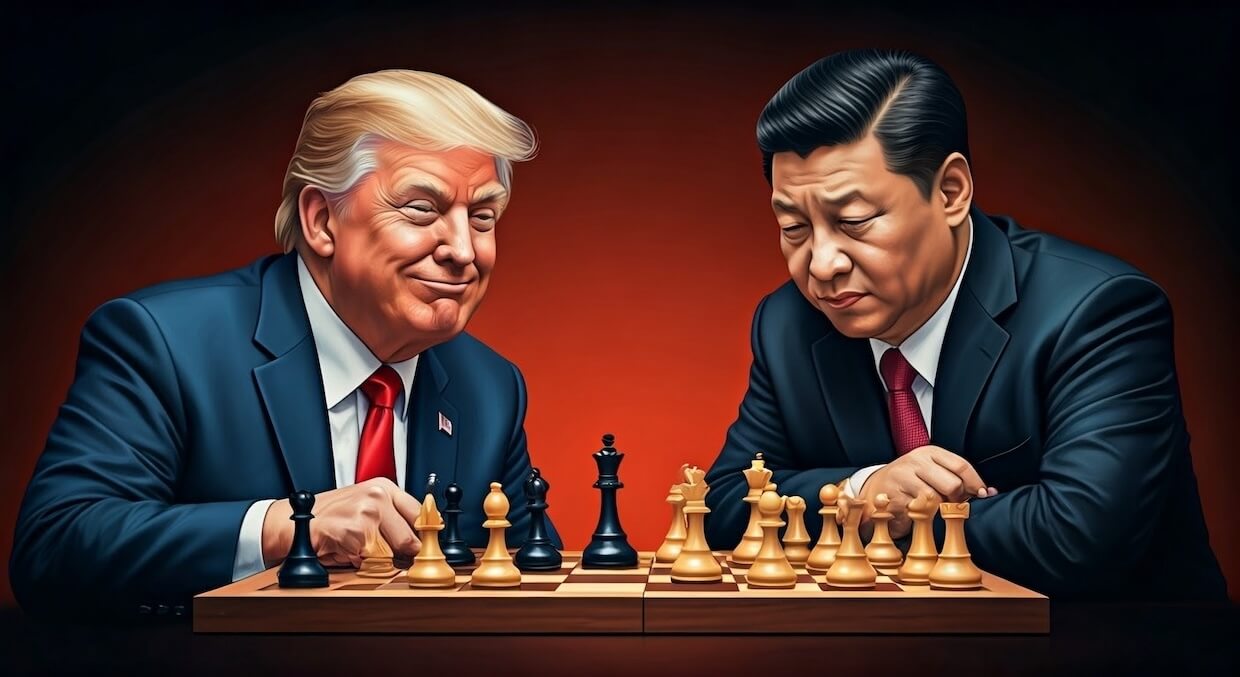
Your argument focuses heavily on increasingly personalized and transactional diplomacy. This also seems characteristic of populist politics, where leaders frequently claim that personal strength and negotiating skill can replace institutions and professional bureaucracies. Do you see a connection between the global rise of populism and the wider shift from institutional diplomacy toward personalized diplomacy?
Imran Bayoumi: Yes, similar to my previous answer, that as populism rises and the foreign policy of countries increasingly becomes about the personalities of those leaders themselves, you do start to see this trend. People start to meet their partners where they are. I think there are some good examples here. King Charles gifted President Trump a bell from a naval submarine that bore his name. We’re even starting to see democracies meet this kind of populist trend. But I’d go back to the power thing. I think power really underpins this system. So, I’m not sure that personal strength and negotiating skill are any better than multilateral institutions if you’re still negotiating, arguing, or dealing with a more powerful state. Military and economic power are two constant underpinnings that exist regardless of the broader dynamic.
Democracies Still Face Constraints That Autocracies Escape
You write that autocratic governments are primarily concerned with regime survival rather than electoral accountability. But democratic populist governments can sometimes develop similar priorities by weakening courts, attacking independent media, politicizing the bureaucracy, and concentrating authority around the executive. Should we therefore think of the advantage you describe as belonging strictly to authoritarian regimes, or more broadly to highly centralized and personalized political systems?
Imran Bayoumi: I think it applies to both, but with the caveat that, in these still highly centralized systems that are maybe partially free democracies, the party can still lose power. If you look at Hungary, there was an election and there was a change in government.
I really tried to focus on autocratic states in my article, arguing that they don’t have to worry about these kinds of institutional checks and balances that highly centralized liberal democracies may have to worry about to a lesser extent, but that are still there. There’s still media, there are still courts, and there are still other ways that they can pressure the government.
Whereas in autocracies, they don’t have to worry about that. So, I think it applies to both, but there’s that caveat that it could change. Political systems change, and in these highly centralized, personalized systems, the media ecosystem, the justices, and the courts could be a vector for that change.
Washington Has Fully Embraced Personalized Foreign Policy
The Trump administration itself raises an important question for your argument. Trump has repeatedly criticized international organizations and alliances, emphasized personal relationships with foreign leaders, and favored transactional bargaining over traditional diplomatic institutions. To what extent has the United States under Trump begun to practice the kind of personalized foreign policy that you associate with authoritarian states?
Imran Bayoumi: Two things here. First, Washington has fully embraced this personalized approach to foreign policy. The diplomacy between President Trump and Kim Jong-un of North Korea during Trump’s first term is a good example. It involved exchanging letters and Trump addressing Kim Jong-un personally. I don’t think it was particularly successful, although it did result in a few summits. Tensions between the two countries remain high, but that kind of personalized diplomacy has clearly carried over into the second administration.
I would, however, push back somewhat on the idea that this approach is associated solely with authoritarian states. At the moment, authoritarian states may be better suited to handle it because they have more experience with this kind of diplomacy and know how to make it work. But over the longer term, they are unlikely to be the only states to practice or utilize personalist foreign policy.
Democratic Backsliding Could Carry Strategic Costs Abroad
Following from that, could there be an authoritarian dimension to the transformation of American foreign policy under Trump? I do not mean that the United States has simply become an authoritarian state, but rather whether the weakening of institutional constraints, the personalization of executive power, and the preference for loyalty and bilateral bargains are making American statecraft resemble some features traditionally associated with authoritarian governance.
Imran Bayoumi: The literature and public discourse around this topic are pretty clear. There is a very real risk of democratic backsliding in the United States, and there are concerns there. Ultimately, whatever US foreign policy looks like over the next decade, the next five years, or whatever timeframe you want to look at, there is a real risk that the kinds of factors you laid out—the personalization of executive power, the preference for blind loyalty, and bilateral deals—will weaken US foreign policy and national security writ large, rather than simply making the United States resemble an autocratic foreign policy.
I think the bigger challenge is not so much what it looks like, but what results it achieves for Washington and for American citizens. The risk is that it will produce a more dangerous world, one where we have more shaky, bilateral, ad hoc deals that are not built on these broad, treaty-bound alliances.
It would be a world where American interests are harder to define and therefore harder to defend, and where American power has lost some credibility. So, revisionist states feel more comfortable challenging it, undermining it, and acting against it. That’s a real challenge. How do we stop that? How do we change that? And what does a new, more powerful, newly designed American foreign policy look like to meet the challenges of the 21st century, deal with revisionist autocracies that are challenging Washington’s power, and also recognize the growing power of these smaller middle-power countries?
Fragmentation Rewards States That Can Move Faster and Hedge More Freely
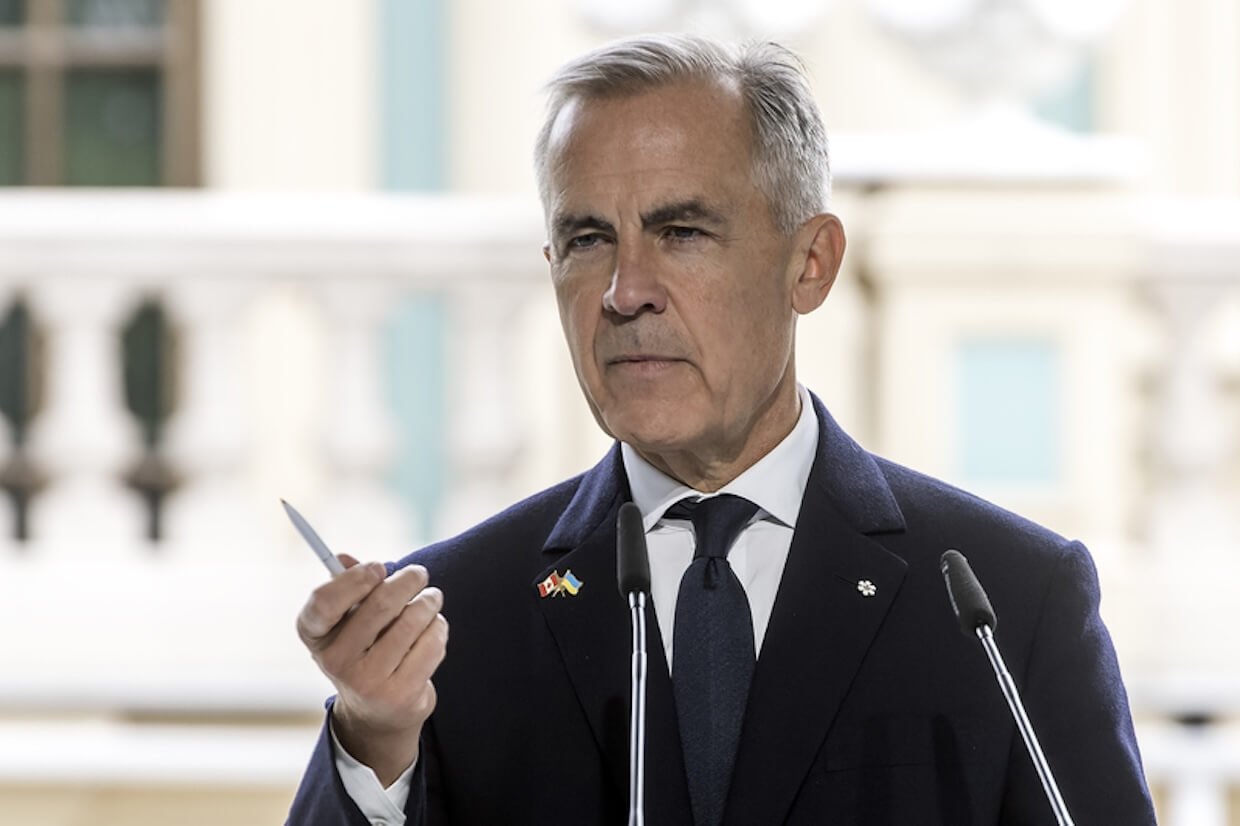
In “Don’t Fall for the Middle-Power Mirage,” you question Mark Carney’s hope that democratic middle powers can build an alternative multilateral order. Democratic states appear divided over how far they should distance themselves from Washington, while authoritarian middle powers can cooperate selectively with Washington, Beijing, Moscow, and regional powers at the same time. Does this mean that fragmentation itself structurally favors governments that are less committed to fixed alliances and common political values?
Imran Bayoumi: In the current moment, 100%. That article really talks about two factors. One is that democratic middle powers, even if they were to answer the call that Prime Minister Mark Carney laid out at the Davos World Economic Forum earlier this year, can’t agree on the approach to doing so. In that article, I talk about then-UK Prime Minister Keir Starmer and Mark Carney. The week after Carney’s speech, Starmer had a different approach. He said, we don’t have to choose; we can balance all sides, play all sides, something to that effect. So that’s the first challenge. Democratic middle powers are not even on the same page.
I think that, in this era of disruption and upheaval, countries that don’t have these long-standing institutional ties and alliances can play both sides. They’re more nimble and can move faster. It goes back to the other article we talked about, where their populations may not want leaders to stay committed to these institutions, or, if they do, the leaders can ignore the will of their population. So, they’re more comfortable making these deals that might invite media blowback.
They don’t necessarily have to get parliamentary approval, or, if they do, it could be rubber-stamped. So, they’re more nimble and can act in different ways. The challenge for them is that they still recognize that there’s value in alliances and in this broader dynamic. Even if you look at Canada, which under Carney is trying to advocate for this new kind of vision of the international system, it’s not about abandoning NATO or totally pulling out of NORAD, the binational command here.
Therefore, there’s still a recognition that alliances are valuable and that these kinds of treaty-bound obligations are strong for a reason. These bilateral deals may be a temporary boon, but I don’t think they should be read as an indication of long-term success.
Revisionism and Pragmatism Increasingly Coexist
You distinguish between authoritarian states that actively seek to revise the international order and those that simply exploit its weakening. But is “pragmatic opportunism” really politically neutral? When governments such as Turkey, the UAE, Saudi Arabia, Egypt, and Kazakhstan benefit from weaker democratic norms, looser conditionality, and more transactional great-power competition, do they not also have an interest in preserving—and perhaps deepening—the erosion of the rules-based order, even if they do not openly seek to replace it?
Imran Bayoumi: This is a really important point. These states—their erosion, or actions contributing to the erosion, of the current international order—are a real risk. Going back to my previous answer, I don’t think they’re trying to build what comes next. There’s not a clearly defined broader international architecture that they’re building toward. They’re more taking advantage of the current disruption.
In the long-term, I don’t know what they will try to build. Even though they’re now preying on this disruption, it would be a mistake to say that they didn’t benefit in some way from the previous international order as well. So, even though Carney’s vision might be incredibly tough to achieve, he’s at least trying to figure out what comes next.
To your point, I think they have an interest in both sides. In some areas and sectors, they want to weaken the current international order and advance their own interests. On some topics, however, they want to strengthen it.
China, for example, is still very committed to this idea of international standard-setting when it comes to telecoms and, potentially, artificial intelligence. These are the broad multilateral structures, forums, and venues that we associate with the previous international order. But in other ways, China and other states are quite revisionist. They don’t want to cede sovereignty; they want to achieve their own goals.
So, I think it’s this balancing act, and part of this tension is a realization that there’s a real question of what comes next. You will have to build what comes next, and that might be harder than merely reacting to the current disruption.
Turkey Shows How Populist Nationalism Can Legitimize Geopolitical Hedging
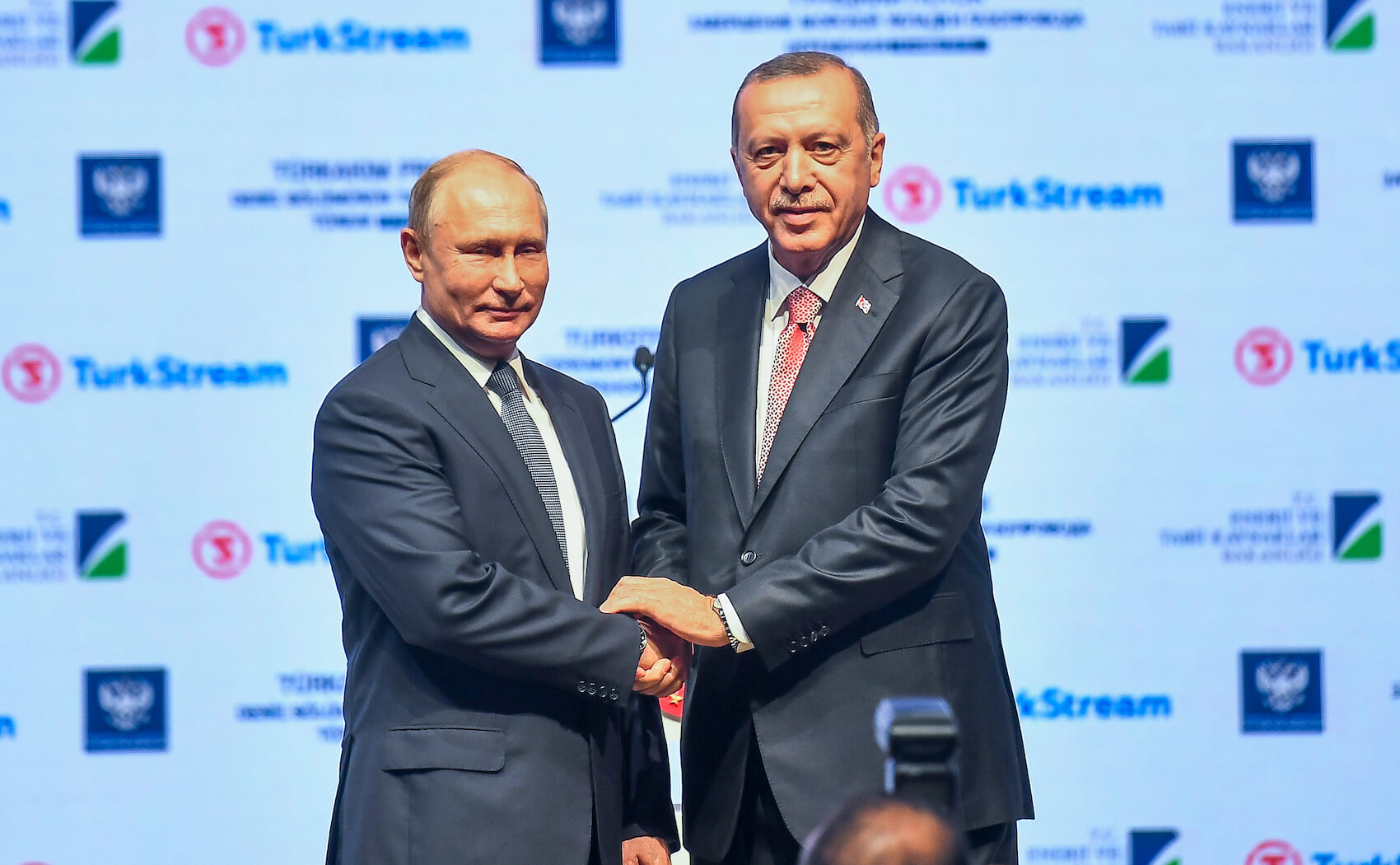
Turkey seems to present an especially difficult case for your argument. It remains a NATO member and benefits from Western security and economic institutions, while under Erdogan it has also experienced severe democratic backsliding, increasing authoritarianism, and a highly personalized and populist foreign policy. Is Turkey effectively benefiting from both worlds—using its place inside the Western institutional order while simultaneously exploiting the strategic flexibility associated with authoritarian middle powers? And to what extent has populist nationalism enabled Erdogan to present this balancing strategy not as dependence or inconsistency, but as evidence of multi-directional foreign policy, sovereignty, and national strength?
Imran Bayoumi: Turkey’s a very interesting case, and it’s one of those countries that has really managed to play and interact with both realms at the same time. The most recent kind of development there, with President Trump talking about lifting sanctions on Turkey that he himself put in place in his first term, is really a testament to the kind of power of personalized diplomacy and the strides in relations that Turkey has developed with the Trump administration in this second term.
To the second part of your question, in terms of populist nationalism, I think that’s key. Erdogan has been able to sell this balancing strategy as a way of being able to secure Turkey’s interests first. If that means buying Russian air defense systems while also being part of NATO, that’s what it takes. But, it goes back to my earlier point, where these kinds of illiberal, partially free democracies that still have elections, these leaders are still susceptible at some stage. So, there’s still, even if it’s limited, kind of opposition media in and out of the country that can pressure these leaders, and that maybe be a weakness. Therefore, there’s also a recognition that they need to work with everyone or work to sell the message more so than true authoritarian states that may not even communicate these foreign policy decisions.
Turkey’s Dual Alignment Reflects Strategic Geography and Diplomatic Flexibility
The recently signed Mecca Joint Defense Agreement between Turkey, Saudi Arabia, and Pakistan seems to take this strategy a significant step further by creating a collective-defense arrangement among three important regional powers, while Turkey simultaneously remains inside NATO. Do you see the Mecca Pact as another example of Ankara hedging within an increasingly fragmented order, or does it represent something more consequential—the beginning of an alternative security architecture that could gradually reduce Turkey’s dependence on the Western alliance system? And what does Turkey’s ability to participate in both arrangements tell us about why today’s global disorder may particularly reward authoritarian or highly personalized middle powers?
Imran Bayoumi: I actually think the Mecca Pact is more about regional security. I don’t think it should be read as an attempt by Turkey, Pakistan, or Saudi Arabia to build a true international order alternative to the US-led alliance system, or to China or Russia. For these three countries, it reflects a recognition that the Middle East will remain markedly different after the conclusion of the Iran war, whenever that might be. They’ve seen that Iran may be weakened in some respects. Its economy has certainly taken a beating. The Supreme Leader was killed, but at the same time, it remains quite disruptive when it wants to be. It has control of the Strait of Hormuz and has launched attacks on a lot of the Gulf countries.
This is really about ensuring these countries’ own security in the region. You have Iran on one side, and then there’s also a recognition that the long-term presence of the United States in the region can no longer be guaranteed. No one knows what that will look like. It could be a substantial drawdown, and without the US there, there are all these other long-standing security threats that may emerge.
So, I see this pact more as strengthening the security of these three countries within the Middle East, within a volatile region that all three of them occupy. It’s a long-term bet that the region will remain unstable and that there’s value in having these alliances and partnerships.
The question with the Mecca Pact in particular is: how far does it go? What does it look like when a state is actually challenged? Is there an Article 5-style response, like you would see with NATO, where other nations commit troops and commit to fighting? Or is there just the provision of economic aid or military equipment, without necessarily joining the conflict with troops on the ground?
What Turkey’s ability to participate in both arrangements tells us is that Turkey has been able to play this system well. It understands that it occupies a geographically strategic and relevant location. It’s able to maintain ties and communications with key global players, and there’s recognition among the US and other NATO countries that it’s perhaps in their interest to have Turkey able to hold discussions with Russia and facilitate that channel, while also having a strong ally in the Middle East that can represent the alliance’s interests there.
So, as much as I think it’s a testament to Turkey’s ability to navigate this disruption, there’s also probably a bit more give than we may want to admit on Washington’s side, London’s side, and Berlin’s side. It’s helpful to have states that can both be your ally and talk to other still powerful, if not revisionist, countries.
Revisionist Autocracies Benefit Whenever Western Cohesion Weakens
In your New Statesman article on the “axis of autocracies,” you emphasize that China, Russia, Iran, and North Korea do not constitute anything like an authoritarian NATO. Their interests differ, and their cooperation remains limited and transactional. Yet you argue that they can still benefit from American strategic mistakes. Is it therefore misleading to focus too much on whether authoritarian states form a coherent alliance, when the more important issue may be that they benefit from the same weakening of Western institutions?
Imran Bayoumi: That’s right. To be clear, they’re working very closely together. Russia, for example, is providing targeting data to Iran to assist with Iran’s war that the United States is fighting. China has been an economic lifeline to Russia during its full-scale invasion of Ukraine and North Korea is providing troops to Russia to fight in Ukraine. Even though there’s no formal alliance system, these kinds of levers of cooperation and ties are deepening between these states.
You’re also right that we don’t need to focus on, or wait for, them to sign a formal alliance before being worried about the threat they pose. Every action that undermines the strong ties between the United States and its allies is a benefit for them. Tariffs against Washington’s trading partners that force them to look to new sources, such as China, are a weakness. Actions that undermine alliance cohesion, like threatening to take Greenland, are also a weakness, and the beneficiaries are really these revisionist autocracies.
So, we don’t need to wait for them to form a formal alliance and sign a treaty. We can be worried in the short term. I’m not sure they’ll ever get to that place, and that doesn’t mean we should wait to counter that threat.
Without Clear Goals, Tactical Victories Can Undermine Long-Term Power
Your analysis of the Iran war makes an important distinction between tactical success and strategic success. The United States might weaken Iran militarily while simultaneously increasing Russian energy revenues, diverting American military resources away from Asia, and creating tensions with European allies. Does this reflect a wider problem in American strategy—an ability to win individual confrontations while gradually weakening the alliances and resources that underpin its long-term power?
Imran Bayoumi: This has been a recurring challenge for the United States since it launched the 2003 Iraq War. It has been hard for the US to win decisively, and looking back to the first Trump administration, there was more of a recognition of that. This administration—the second Trump administration—may have been somewhat falsely emboldened by the relatively well-executed operation to remove Nicolas Maduro, the president of Venezuela, and bring him back to the United States to face trial. Militarily and tactically, that was quite a spectacular operation, with no lives lost. You can debate whether there has really been a transition to democracy or whether the lives of Venezuelan people have markedly improved, but more broadly, this was seen as a success and may have given a false sense of security moving into the Iran war.
One interesting thing to note about the Iran war, and this demonstrates that values still matter, is that if you look at the start of the war and German Chancellor Merz’s statements, he was initially in support of it when President Trump was framing the war as an opportunity for the Iranian people to rise up and overthrow their leaders. Then, once we saw the United States abandon that goal—though it was never really clear whether that was one of the core goals to begin with—and there was a recognition that this was going to be a longer-term conflict, you then saw Merz and other leaders come out against it.
There are a few things here. First, there is definitely a difference between tactical military success on the battlefield and translating that into strategic success in the long term. That’s a long-standing challenge. But the other point that’s maybe a bit more interesting and harder to tease out is that there is still support for these broad values-based interventions. The problem is that, in Iran specifically, I don’t think the war is being executed with a level of strategy and clear goals that would allow allies to support it.
That’s the challenge. Now we’re in this stalemate where both Iran and the United States increase leverage week over week. Sometimes one has more than the other, and there’s no clear off-ramp. That undermines US power and credibility and raises the question, in the eyes of allies: what does the US want here?
Rebuilding Allied Trust Will Take Much Longer Than Losing It
There may also be a populist dimension to this problem. Populist foreign policy often favors highly visible demonstrations of strength—tariffs, military strikes, threats, sanctions, territorial claims—because they can be presented domestically as proof of decisive leadership. But can policies that are politically attractive at home produce strategic costs abroad that only become visible years later?
Imran Bayoumi: That’s a real challenge, and we’re starting to see that now. With the Iran war—and more broadly with the actions this administration has taken—it will take a long time to rebuild the trust that the US had with its allies and partners. That trust still exists on some level. I don’t think it’s totally gone, but it has diminished. The next administration—or this administration, if it decides to change course going forward—will face a key question: how do we manage our relationships with allies, recognizing that they will now want more? They’ve diversified, they’ve taken steps to increase their defense spending, and they want to ensure their sovereignty as well. So what does this broader dynamic look like going forward? That’s a real challenge that I’m not sure many are thinking about.
What the future of the international order looks like is going to be a real challenge. I don’t think everything we’ve taken for granted over the past 80 years can continue to be taken for granted. Things will have to change. Some of these challenges might not be evident in the immediate future.
China Gains Influence by Showing Up Where Democracies Do Not
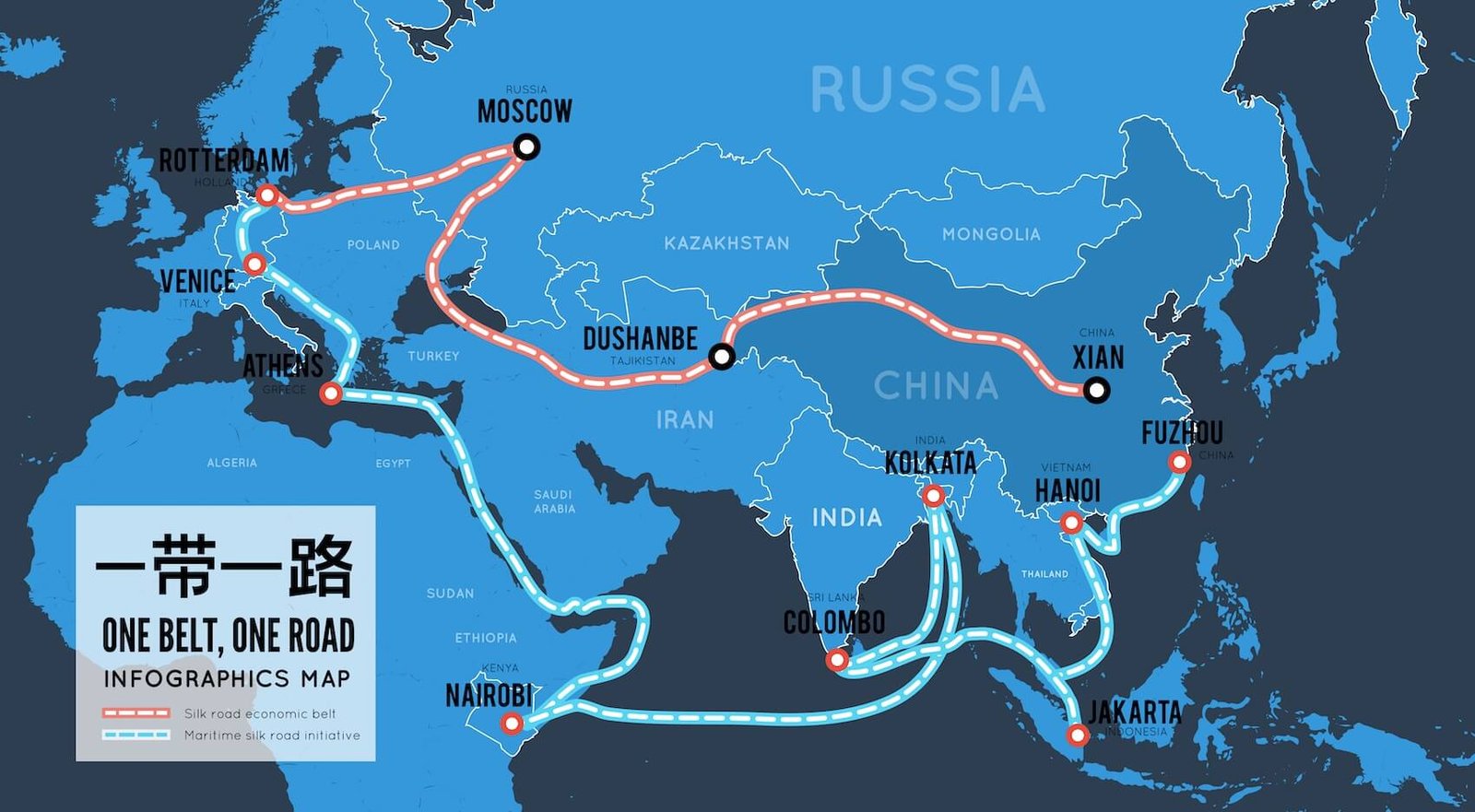
In your work on China’s policing partnerships in the Pacific, you show that Beijing gains influence not simply through military power but through police training, surveillance systems, security assistance, infrastructure, and relationships with political elites. Does authoritarian influence spread partly because authoritarian governments are particularly willing to connect foreign policy with internal security and regime protection? And how should democracies compete without supporting similar forms of political control?
Imran Bayoumi: I think that’s certainly part of it. There is this recognition in authoritarian states that the technology China is selling can help preserve their power. But in the Pacific specifically, it’s more about the fact that China showed up and is willing to offer these goods for cheap. Public safety is a real concern for these governments, and if China is the one offering to help with policing when the US, Australia, or New Zealand is not there, most countries would take that offer of help.
The broader challenge is for the US and its allies to show up and offer cheap or affordable solutions and policies. In terms of what can be done differently, the Pacific is actually almost a success story now. You’ve seen Australia really invest in deepening its security ties across the region, and I’m focusing on that since that was the starting point of this article, or this question. It’s built out these broad security deals. It’s providing police training. There’s a big Pan-Pacific policing initiative, security initiative, and Australia has invested in cultural ties as well. Fore example, it’s used rugby as a way to strengthen support and ties and really build those stronger connections.
So, I don’t think democracies can’t compete or can’t still be attractive partners. The challenge, though, is that they have to offer something as good or better at a competitive price point. It’s hard when that can’t be underwritten by the state.
Democracy Remains a Valuable Organizing Principle
You have also criticized Washington for overlooking democratic backsliding or human-rights violations when dealing with strategically important partners. But if great-power competition gives authoritarian governments more alternatives, American pressure becomes harder to apply because governments can threaten to turn toward China or Russia. How can democracies defend democratic standards without pushing strategically important states toward authoritarian powers?
Imran Bayoumi: I’ll focus specifically on the US here. The United States still has a ton to offer, and countries still want to partner with it, regardless of how disruptive it may be in the current moment. It’s partly about the United States being comfortable using its leverage and its power. We’re seeing it use that power and leverage in ways that undermine its relationships and weaken them writ large. So I would pull that back and instead focus on how we build stronger relationships and how we present the US as a still attractive partner especially in terms of economic and military power.
Then, what are the conditions for partnering with the US? I don’t think that’s really any different from the past. There are opportunities to condition arms sales, trade agreements, and broad diplomatic agreements. So, Washington still has this kind of draw. Even though authoritarian states may be able to hedge better, they’re still hedging, which means there are still two powers—or multiple great powers. They’re not blindly allying themselves with Russia or China, or some combination of that. There’s still something they want from Washington.
It’s all about how we use what Washington has to incentivize changes in behavior. One last point: Democracy is still a valuable organizing principle. You could look at Madagascar last year, which had a youth movement that toppled the government and helped push it toward what may be some sort of democratic transition. So, there is still support for these values, and Washington needs to find a way to elevate that and try to create conditions for that change.
Renewed American Leadership Must Accommodate a More Decentralized World
Finally, you do not argue that authoritarian victory is inevitable. Russia and China have serious economic and demographic weaknesses, and authoritarian partnerships remain much less reliable than democratic alliances. If today’s disorder currently rewards authoritarian and populist forms of politics, what changes would be necessary for the international system to reward democratic cooperation again? And does that require simply restoring American leadership, or developing a new model in which democratic middle powers have much greater autonomy?
Imran Bayoumi: I’m not sure I know the answer to what changes the international system needs to make. But one important point, which I’ve touched on before and which you picked up in the question, is that the international system will look different going forward. What we will have to grapple with—we being the United States, or policymakers here in the United States—is that middle powers, both democratic and authoritarian, will have more power. They might not be able to build a whole new international system, but they will have the power to advance their interests in certain sectors, on certain topics, and in certain regions. So, the new international system will have to deal with their desire for autonomy.
That being said, I still think there is value in having a hegemon. The system still needs one strong power that can draw all of these states together, make them work together, and enforce the rules of the system while maintaining and growing it. Going forward, what we’ll need is some sort of retooled American leadership—one that recognizes the growing power of smaller states and the defining challenges of the moment, whether those come from revisionist states or from non-state threats such as climate change and the challenge of dealing with technology. It also needs to be able to build new institutions or revitalize existing ones in order to spur cooperation and continue that momentum.