
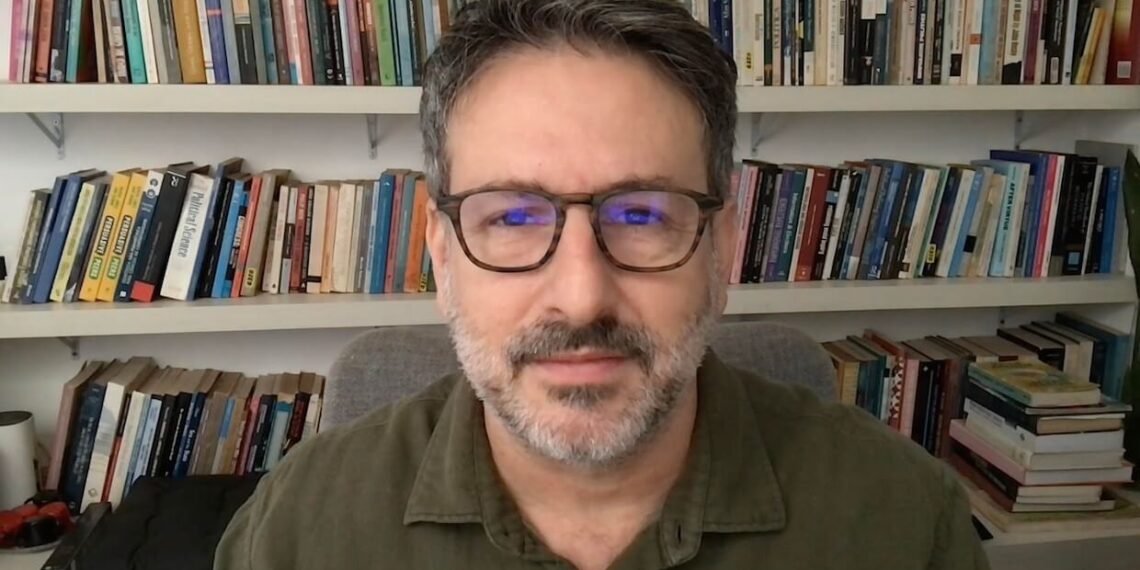
As Brazil approaches its October 25 presidential runoff, Professor Lucio Rennó of the University of Brasília warns of an unusual trajectory of democratic backsliding driven primarily by Congress rather than the presidency. In this ECPS interview, Professor Rennó examines the institutionalization of Bolsonarismo, the consolidation of political polarization, and the persistence of authoritarian enclaves inherited from military rule. Drawing parallels with what scholars call legislative authoritarianism, he cautions that congressional power-grabbing could weaken the Supreme Court and institutions of horizontal accountability. As Professor Rennó observes, “We can identify elements of that same logic in Brazil.” Yet he also emphasizes democratic resilience, highlighting the role of civil society, judicial institutions, and political opposition in resisting institutional erosion and preserving constitutional democracy.
Interview by Selcuk Gultasli
As Brazil approaches the decisive October 25 presidential runoff, the country’s political trajectory raises questions extending far beyond the contest between President Luiz Inácio Lula da Silva and Flávio Bolsonaro. In the October 4 first round, Flávio Bolsonaro secured 47.03 percent of the vote against Lula’s 45.16 percent, while the broader Bolsonarist camp strengthened its congressional presence. ForProfessor Lucio Rennó, Professor at the Political Science Institute of the University of Brasília, these developments illuminate not only the institutionalization of Bolsonarismo but also an unusual transformation in the mechanisms of Brazilian democratic backsliding.
In this wide-ranging interview with the European Center for Populism Studies (ECPS), Professor Rennó, whose research examines populism, authoritarian attitudes, electoral realignment, and democratic resilience, argues that Brazil is witnessing a distinctive concentration of political power. Unlike conventional patterns of democratic erosion, where executives progressively dismantle constitutional constraints, the Brazilian process is increasingly driven by the legislature. As he observes, “What we’re witnessing in Brazil today is a rather unusual process of democratic backsliding, in which power-grabbing and the centralization of power are occurring primarily within Congress rather than the executive branch.”
Drawing on The Crisis of Democracy in Brazil, co-authored with Leonardo Avritzer, Professor Rennó situates this development within the country’s enduring institutional vulnerabilities, particularly the “authoritarian enclaves” inherited from military rule. He identifies a Congress dominated by a pragmatic, clientelistic coalition with conservative policy orientations as a potential vehicle for weakening constitutional checks. Comparing this trajectory with developments in Peru, where scholars have identified legislative authoritarianism, Professor Rennó warns: “We can identify elements of that same logic in Brazil.”
The implications extend directly to judicial independence and horizontal accountability. Professor Rennó anticipates congressional efforts to restrict the Supreme Court’s authority and potentially weaken institutions such as the Public Prosecutor’s Office, the Federal Police, and the Tribunal de Contas. Under a Flávio Bolsonaro presidency, he cautions, executive-legislative alignment could accelerate these developments, weakening oversight institutions “primarily to the benefit of Congress rather than the presidency.”
Yet Professor Rennó’s analysis also emphasizes the resilience of Brazilian democracy. He underscores the constitutional role of the Supreme Court, the mobilizing capacity of civil society, and the potential resistance of the Workers’ Party and congressional opposition.
Ultimately, the interview situates these institutional struggles within a broader political realignment: the consolidation of Bolsonarismo and Petismo as competing national identities. As Professor Rennó explains, Brazil is witnessing “the construction of political identities that transcend politics and increasingly affect our daily lives.” The October runoff therefore represents not merely a presidential contest but a critical moment in the continuing struggle over institutional power, democratic accountability, and Brazil’s political future.
Here is our interview with Professor Lucio Rennó, edited lightly to enhance clarity, readability, and overall flow for publication.
Bolsonarismo’s Strength Now Extends Beyond Jair Bolsonaro Himself

Professor Rennó, welcome, and thank you for joining us. Flávio Bolsonaro finished ahead of Lula with 47 percent, and the broader Bolsonarist camp also advanced in Congress in the October 4 elections. Does this result confirm your earlier argument that Bolsonarismo has become a durable political alignment rather than a phenomenon dependent on Jair Bolsonaro personally?
Professor Lucio Rennó: Yes, this election is a very important historical event in the sense that it consolidates Bolsonarismo’s strength beyond Jair Bolsonaro himself. What we have been witnessing in Brazil since 2022 is the institutionalization of Bolsonarismo. What was basically a charismatic, leadership-driven alignment with Bolsonaro, based on policy positions on certain issues, has become institutionalized within the framework of a political party, Brazil’s Liberal Party (PL).
The party performed very well in the 2024 municipal elections and has since nationalized the narrative of Bolsonarismo, consolidated it across different regions of the country, and established an organizational structure for the movement that was absent during Bolsonaro’s term in office following his victory in the 2018 elections.
He actually remained without a party until almost the end of his mandate, joining the PL only when he was preparing to run in 2022. Since then, what we have witnessed is this interesting process of an individual leadership becoming institutionalized within the framework of a political party, giving its political agenda much greater reach and scope.
Flávio Bolsonaro and the Continuity of the Bolsonarist Coalition
You have described Bolsonarismo as a multidimensional ideological alignment combining cultural conservatism, punitive politics, economic liberalism, and anti-PT sentiment. Does Flávio Bolsonaro’s performance suggest that this coalition has now survived a successful leadership succession?
Professor Lucio Rennó: Yes, I would say that Flávio Bolsonaro now demonstrates that the movement itself and its multidimensional agenda resonate strongly with significant portions of the Brazilian electorate. Bolsonarismo would not be what it is if it did not reflect the mass attitudes, grievances, and cleavages that characterize Brazilian society today.
A significant portion of the electorate embraces this set of policy positions, if not yet concrete policy proposals, in line with what you have highlighted in your question. These positions are becoming, as I have said, part of the PL’s political platform. So, these issues are at the heart of Bolsonarismo’s continuity beyond Jair Bolsonaro.
Now, obviously, we have to wait for the results of the second round of the election, which is coming up in about 10 days, to see, first, whether Flávio will succeed in winning the election and, if he does, what that would mean for Jair Bolsonaro himself, who will probably be freed and pardoned following his conviction for participation in a coup d’état in Brazil. We also need to understand what Jair Bolsonaro’s return to the Brazilian political scene would mean for Flávio Bolsonaro’s government.
That remains a mystery. We still need to determine whether we are actually witnessing Bolsonarismo beyond Jair Bolsonaro or, potentially, the return of Jair Bolsonaro to the center of Brazil’s political agenda and the far right.
From Charismatic Leadership to Institutionalized Ideological Alignment
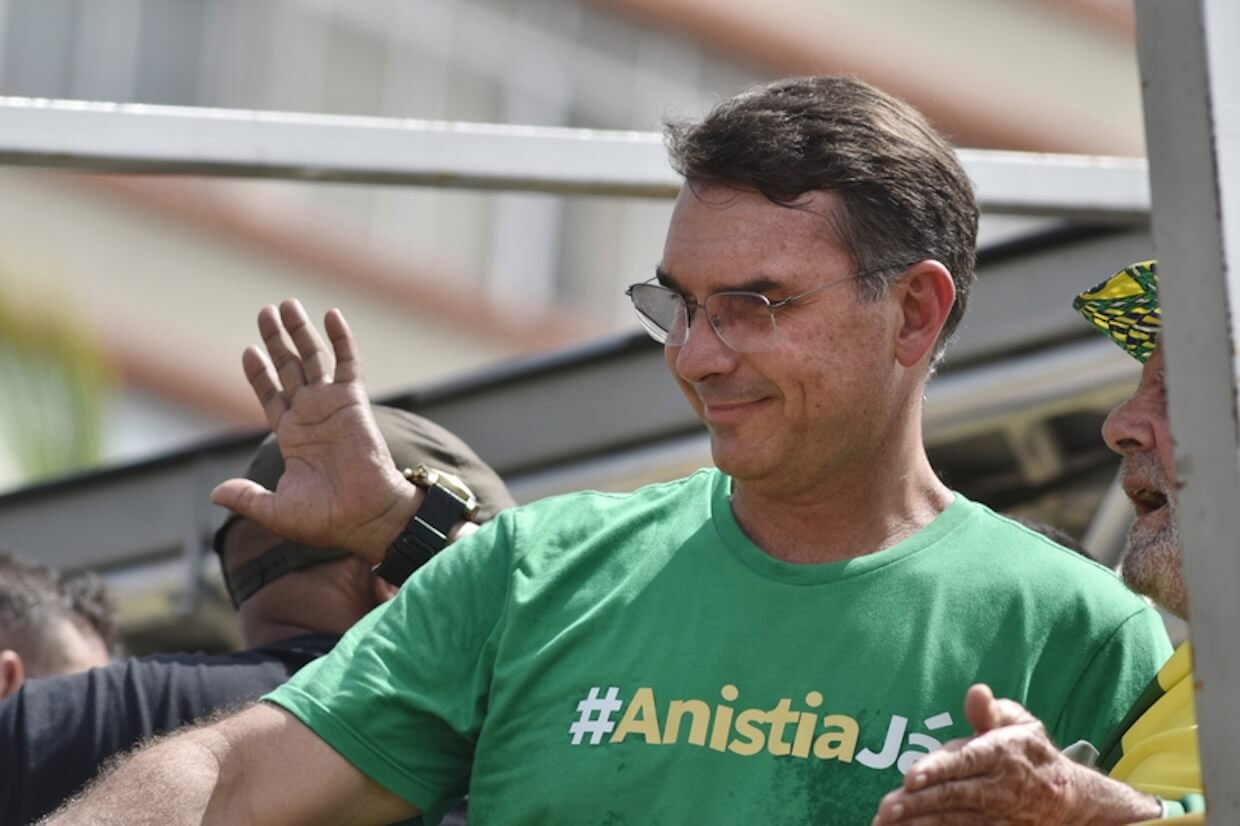
Your research identified a “Bolsonaro effect,” whereby voters did not merely select a candidate matching their prior beliefs but moved ideologically toward Bolsonaro during the campaign. Are we seeing a similar process around Flávio Bolsonaro, or is he mainly inheriting an already consolidated ideological constituency?
Professor Lucio Rennó: That ideological shift was largely the result of Jair Bolsonaro’s leadership. What we’re seeing now is the consolidation of this movement around these policy issues, as well as the affective elements of politics that initially helped construct a significant social movement around Bolsonaro, or even a political and electoral alignment centered on him.
This alignment is now evolving into a more consolidated and institutionalized set of policy proposals that, given the results of the legislative elections and the configuration of Congress over the next four years, are very likely to bring significant policy changes in Brazil, as well as changes to institutional design, particularly regarding the Supreme Court.
So, what we’re witnessing is a significant process of consolidation and institutionalization, whereby what initially resembled a social movement or a political alignment built around a charismatic leader is becoming more deeply ingrained in the country’s political framework, strengthening the presidential far right.
Bolsonarismo Is Becoming Hegemonic on the Right
Does the first-round result represent the normalization of the Brazilian far right, in the sense that Bolsonarismo is no longer an insurgent challenge to the party system but one of its principal organizing poles?
Professor Lucio Rennó: I agree with that. Bolsonarismo is becoming hegemonic on the right. Just as the PT, the Workers’ Party, is hegemonic on the left in Brazil, the PL and Bolsonarismo are moving toward a similarly hegemonic position on the right. Since 2018, we haven’t seen any possibility of a resurgence of the moderate right in Brazil.
So, basically, there’s no third way in the country beyond Petismo and Bolsonarismo, beyond the PT and the PL. This election demonstrates that very clearly, as the results were dominated by strong polarization between Bolsonarismo and Petismo. All the other candidates who attempted to enter this space, especially on the right, failed, receiving very little support at the ballot box. So, the votes are concentrated in Bolsonarismo. This represents a hegemonic shift on the right through the consolidation and institutionalization of partizan Bolsonarismo.
The Supreme Court Was the Big Loser in This Electoral Process
Your work argues that Bolsonarismo combines issue-based conservatism with anti-democratic attitudes. How should we interpret the fact that this political identity remains electorally powerful after Jair Bolsonaro’s conviction and the January 8 crisis?
Professor Lucio Rennó: What we have seen among Bolsonarista supporters is essentially a denial of Bolsonaro’s guilt. We have conducted research using surveys and public opinion polls that clearly show that core Bolsonaristas reject the idea that Bolsonaro is guilty. Instead, they see him as a victim of a witch hunt. The narrative that Bolsonaro is being persecuted, or that the system, whatever that means, is unjustly trying to damage his image, has become widely accepted among his core supporters. He has therefore remained politically significant because his followers have embraced the narrative that he is a victim of persecution for confronting the system.
Consequently, the Supreme Court became Bolsonaro’s principal enemy. After Bolsonaro won the presidency in 2018 and took office in 2019, he shifted his focus. This is important for understanding the construction of the populist narrative around Bolsonaro, particularly the "us against them" idea that drives populist rhetoric. The Supreme Court became the enemy.
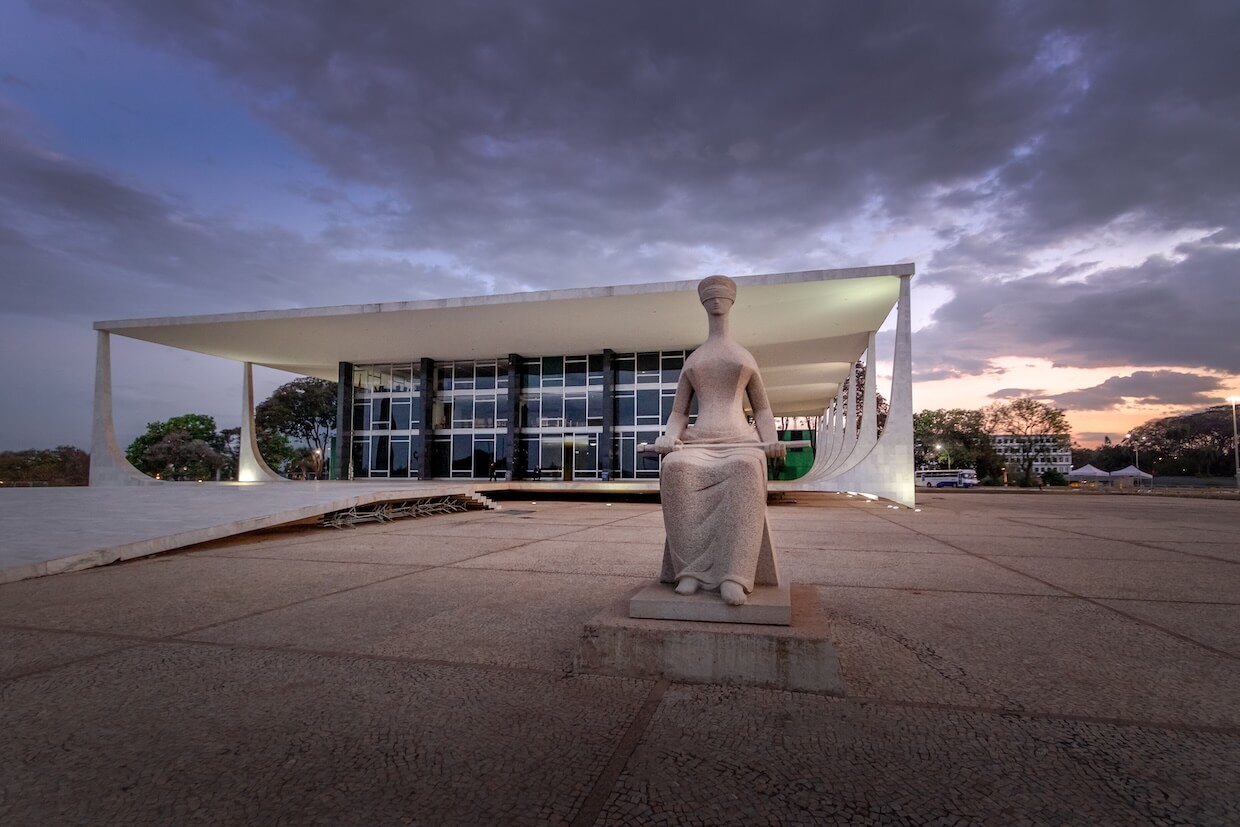
What this election demonstrated, especially in the legislative arena and particularly in the Senate, is that Bolsonarismo defeated the Supreme Court electorally. Oddly enough, the Supreme Court was the big loser in this electoral process in Brazil. The Senate elections were framed around the narrative that the Supreme Court was corrupt and had unjustly tried to impute guilt to Bolsonaro, who, according to this narrative, was innocent of all accusations. This narrative prevailed among Bolsonaristas and prevented any alternative leadership from emerging.
It is particularly interesting to see how Bolsonarismo was able to consolidate around Flávio Bolsonaro rather than an alternative leader, such as the governor of São Paulo, Tarcísio de Freitas. There was competition over who would become the next Bolsonarista leader, and it is remarkable that Flávio Bolsonaro prevailed despite the support Tarcísio received from Brazil’s financial sector and the major businesses and conglomerates of São Paulo. Flávio was ultimately successful because the Bolsonaro name remains so powerful in Brazilian politics today.
So, I would say that the election also confirmed the electoral strength of the Bolsonarista narrative. By positioning the Supreme Court as an enemy, this narrative significantly facilitated the electoral victories of several Senate candidates, including Michelle Bolsonaro, Jair Bolsonaro’s wife, who was elected senator for Brazil’s Federal District.
Brazil Is Divided Along Demographic, Socioeconomic, and Geographical Lines
Lulism remains strongest among lower-income voters, social-policy beneficiaries, Catholics, women, and the Northeast, while Bolsonarism performs strongly among evangelicals, wealthier voters, and parts of the South and Southeast. Is the runoff becoming a contest between two increasingly consolidated social blocs rather than merely two candidates?
Professor Lucio Rennó: Yes, I agree. There is an increasing perception that ideological and policy positions, as well as affective and emotional attachments to Bolsonarismo on the one hand and Petismo on the other, are now dividing the nation along social lines.
What we have today is a country divided along demographic, socioeconomic, and geographical lines. If we look at religion, the data have shown that it is a very important factor behind Bolsonarismo, both directly and indirectly. Evangelicals are more likely to vote for and support Bolsonaro. Religion also plays an indirect role in shaping social attitudes that align with Bolsonaro’s positions, particularly on gender politics and LGBTQI+ issues. There is considerable convergence between religious views and these policy positions among Bolsonaro supporters.
We also see divisions along socioeconomic and demographic lines: wealthier white men are more likely to support Bolsonaro and Bolsonarismo than Black Brazilians and poorer citizens, who are less likely to support the movement.
When we examine the geographical distribution of these populations, the northeastern region of Brazil is much more strongly associated with Lula and the Workers’ Party, while the South and Center-West are much more closely aligned with Bolsonarismo.
So, we see a country divided not only territorially but also along social lines. This adds another layer to the consolidation of Bolsonarismo, rooted in belonging to different social groups.
Brazil Is Now Facing a Highly Conservative Congress
Your research on the Bolsonaro voter found that cultural backlash, law-and-order preferences, economic liberalism, and rejection of redistributive policies all mattered alongside anti-PT sentiment. Which of these dimensions now appears most important to Flávio Bolsonaro’s coalition?
Professor Lucio Rennó: When we look at the convergence between presidential and congressional elections, as well as the population’s issue-based or cognitive alignment with Bolsonarismo, particularly regarding political and policy positions, it becomes clear that we are now facing a highly conservative Congress.
When we examine Bolsonarismo, or the Bolsonaro coalition, if we can call it that, a significant component is ideologically oriented and strongly embraces this policy platform, which we should understand in a broad sense. It is not always defined in terms of specific policy proposals. In some cases, it is, but in others, it reflects a more general political orientation.
What we see ahead is a very conservative Congress, particularly on public security issues. Penal punitivism is going to be at the top of Congress’s agenda during its next mandate because of the conservative turn we have witnessed in the legislative elections, even more so if Flávio Bolsonaro is elected president.
We should therefore expect significant changes in this area, along with the resurgence of anti-democratic beliefs and attitudes concerning the pardoning of Jair Bolsonaro for the crimes of which he was convicted, as well as the pardoning of those who participated in the invasion of the buildings at Three Powers Square in Brasília on January 8.
There will also be a significant attempt to weaken the Supreme Court institutionally, which would affect the balance of powers in Brazil and, consequently, the very essence of horizontal accountability and democracy.
With the support of Congress, these different dimensions of Bolsonarismo are now much more likely to translate into concrete policies and institutional changes than they were during Jair Bolsonaro’s term in office.
Penal Punitivism and the Politics of Public Security
Crime and insecurity have been central to this election, and Flávio Bolsonaro has emphasized punitive policies. Does the continued salience of law-and-order politics show that punitive conservatism remains one of Bolsonarismo’s most durable ideological foundations?
Professor Lucio Rennó: Absolutely. I completely agree with that. This is one of the key issues in this election. While the rejection of the Supreme Court was very important in the legislative elections, public security issues and how to address them remain central to the Bolsonarista agenda. I would also add a certain disappointment with the performance of the economy as another important issue, but we can discuss that later.
Let’s focus on the issue of penal punitivism that you mentioned. Flávio Bolsonaro’s campaign narrative and rhetoric have emphasized a very harsh approach to crime, presenting increased punishment as a solution to criminality in Brazil. As we say in Brazil, "a good criminal is a dead criminal." This is a claim with which a significant portion of the population agrees, and it is central to Flávio Bolsonaro’s position on public security policy.
It’s a very violent position, centered on combating crime and imposing harsh punishment on criminals, with very little discussion about how to address the financing of crime or human rights. These issues have become much more closely associated with the Workers’ Party’s position, or Lula da Silva’s position, on crime. But for most of the population, penal punitivist rhetoric is much more enticing and resonates more closely with their daily lives than the alternative. That’s why Flávio Bolsonaro has centered so much of his campaign narrative on this particular issue.
The Brazilian Population Is No Longer Satisfied with Its Living Condition

By contrast, Lula has again mobilized around Bolsa Família, income protection, and social inclusion. Does the runoff therefore revive the older cleavage between Lulist redistribution and Bolsonarist individual responsibility, or has that divide been overtaken by cultural polarization?
Professor Lucio Rennó: No, Lula da Silva’s initial approach, the way he organized his government, and the outcomes he sought to achieve were closely linked to improving the material conditions of the Brazilian population. He campaigned vigorously in the 2022 elections, criticizing Bolsonaro for his anti-democratic positions and his conduct during the pandemic, but also promising economic improvement. This remained an important issue in this year’s election.
The PT invested heavily in reducing inflation, increasing employment, and raising incomes, but perhaps without paying sufficient attention to other aspects of the Brazilian economy, particularly the profound levels of debt that significant portions of the population face today. This ultimately contributed to a sense of economic dissatisfaction in this year’s election.
I don’t think the Brazilian population is satisfied with its living conditions anymore, which is why this has been such a difficult election for the incumbent. Living conditions have deteriorated in Brazil over the past 10–15 years, and the overall public mood is very negative. That is always difficult for an incumbent to address.
Although the Workers’ Party and Lula’s government attempted to improve economic conditions and, consequently, the population’s living standards, the situation he inherited was so difficult that recovery has been challenging. Economic growth has not been particularly strong. Inflation is under control, unemployment is low, and incomes have increased, but not as much as the population needed. As a result, purchasing power remains a problem for Brazilians.
The general perception is that Lula has not delivered on his promise to improve material conditions, particularly for Brazil’s poorer population. This dissatisfaction and frustration with living conditions and the overall state of the economy have also worked against Lula.
So, the combination of the penal punitivist narrative and the government’s relatively weak economic performance also favored Flávio Bolsonaro in the election. The PT is now attempting several last-minute policy changes to see whether it can reverse some of these significant problems, including the high levels of household debt in Brazil.
The Resilience of Bolsa Família Under a Bolsonaro Government
Your work on Bolsa Família stresses the resilience of social policy even across changes of government. If Flávio Bolsonaro wins, how much institutional room would he actually have to retrench Brazil’s welfare architecture, given bureaucratic capacity, policy feedback, and electoral dependence on social benefits?
Professor Lucio Rennó: Jair Bolsonaro attempted to rebrand the Bolsa Família program during his last year in government. Bolsonarismo has always maintained an ambivalent position toward conditional cash transfer programs. Its supporters criticized these programs in the past, and once in power, they shifted their focus toward finding exit doors from the program rather than expanding coverage and increasing benefits. They also reduced some of the conditionalities.
We should expect the program to continue under a Flávio Bolsonaro government. Previous attempts to change it significantly failed, partly because rebranding Bolsa Família did not produce substantial electoral returns. However, they will certainly try to re-establish the narrative that the government should seek exit doors from Bolsa Família. This approach would likely return under a new Bolsonaro administration led by Flávio.
So, we should expect changes to Bolsa Família, but not its termination or complete disruption. The program clearly continues to provide significant resources to families who would otherwise lack access to this money. It therefore remains a very important source of support for a substantial portion of the Brazilian population.
The political risk of substantially changing Bolsa Família is very high for anyone attempting to reform the program. It should therefore be maintained. It is difficult to say whether they will try to change its name again and claim credit for it, but we should not expect the program to be terminated altogether.
Democratic Backsliding and Legislative Authoritarianism
In The Crisis of Democracy in Brazil, you and Leonardo Avritzer argue that Bolsonaro activated pre-existing institutional vulnerabilities rather than creating them from scratch. Does Flávio Bolsonaro’s rise suggest that those vulnerabilities remain politically exploitable despite the democratic resistance of 2022–23?
Professor Lucio Rennó: The structural components of the Brazilian political system that led us to a significant crisis of democracy, culminating in the January 8 attacks, are still present. Our institutional framework still contains significant elements inherited from the previous military dictatorship. In the book, we refer to these as authoritarian enclaves: institutional features embedded in the Constitution and in the functioning of executive-legislative and civil-military relations. These remain sources of conflict within the country and represent unresolved dilemmas that we have yet to overcome.
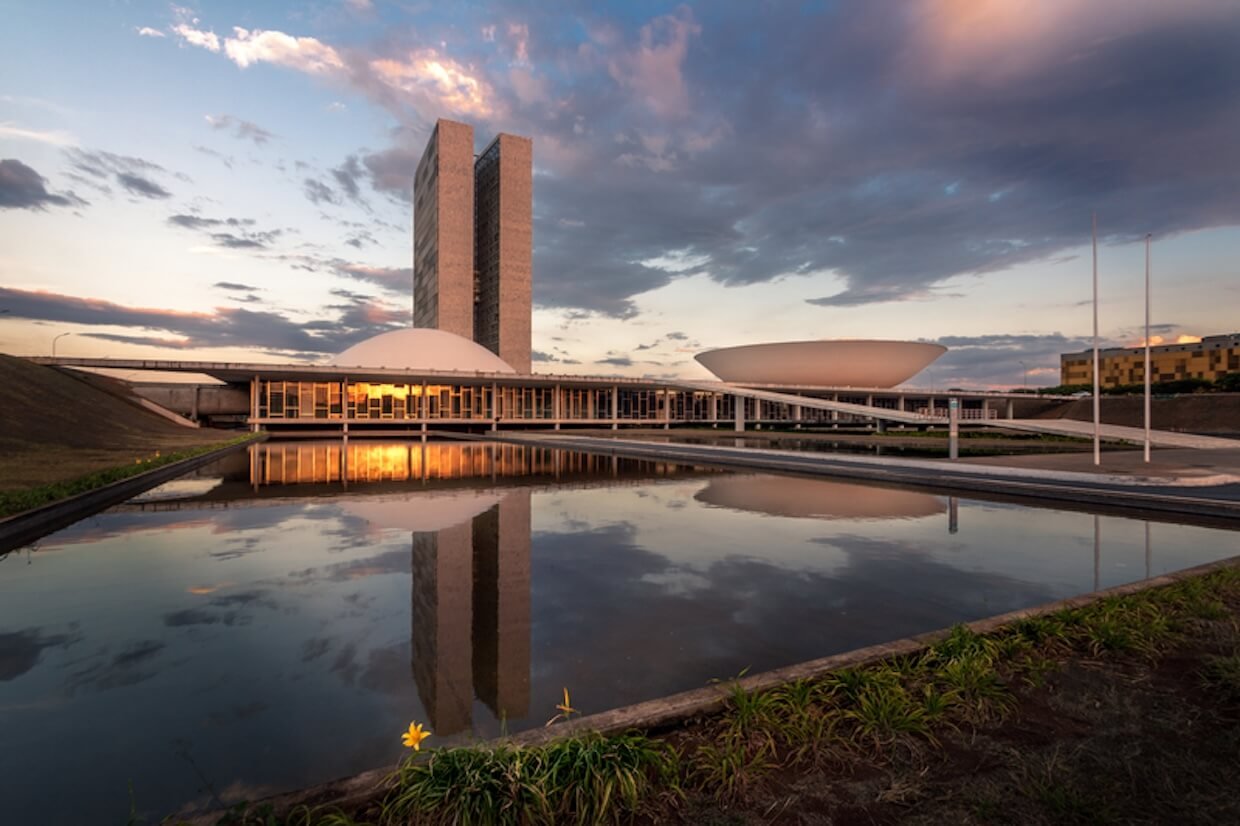
There have been attempts at institutional change to address some of these enclaves, but I don’t think they are helping to strengthen democracy. In fact, they may be counterproductive. What we’re witnessing in Brazil today is a rather unusual process of democratic backsliding, in which power-grabbing and the centralization of power are occurring primarily within Congress rather than the executive branch. This differs from the traditional pattern of democratic backsliding, characterized by the concentration of power in the executive branch and the weakening of checks on executive authority, something we’re seeing elsewhere in the world.
In Brazil, however, we are witnessing the centralization of power within Congress, which is controlled by a highly pragmatic, clientelistic coalition with strong inclinations toward a conservative policy agenda. This represents a different process, although it has parallels with what has happened in Peru, for instance, where some analysts have described the phenomenon as legislative authoritarianism. We can identify elements of that same logic in Brazil.
The military situation also remains unresolved. Military prerogatives persist regarding benefits, salaries, and influence over defense policy, as well as the possibility of military intervention to address civilian problems through the so-called Garantia da Lei e da Ordem (Guarantee of Law and Order, GLO) mechanism, which is embedded in the Brazilian Constitution.
Several of the issues we identify in the book therefore remain unresolved and constitutionally embedded. What may happen in the future is a further strengthening of this process of power-grabbing by Congress and the highly clientelistic, pragmatic, conservative coalition that controls it.
So, if Lula wins the second round of the election, he will face considerable difficulties governing the country, both because of the existing balance of power between the executive and legislative branches and because of the very conservative composition of Congress following the 2026 election.
Congressional Power and the Future of the Supreme Court
You also argue that Brazil’s judiciary became both a source of political conflict and a crucial defender of democracy. If a new Bolsonaro presidency again confronts the Supreme Court, could Brazil enter a renewed cycle of populist conflict between electoral authorization and constitutional restraint?
Professor Lucio Rennó: Yes, this is at the top of Brazil’s reform agenda today, particularly with the new Congress coming into power. Regardless of whether Flávio Bolsonaro or Lula wins, I believe Congress itself will push a strong agenda to reform the Supreme Court, alter the monocratic powers of its justices, and establish greater limitations on what the Court can decide. This is a clear consequence of the results of the Senate and Chamber of Deputies elections in Brazil.
Even if Lula remains in power, Congress will pursue this agenda because it has become so empowered over the past 10 years that it is now the key lawmaking actor in Brazil. I expect some resistance from the Supreme Court and, if Lula holds the presidency, from the executive branch as well. However, if Flávio Bolsonaro wins, this agenda will receive full presidential support.
What we could potentially see under a Flávio Bolsonaro presidency is an alignment between Congress and the executive branch aimed at further weakening the judiciary and institutions of horizontal accountability in Brazil, such as the Public Prosecutor’s Office, the Federal Police, and the Tribunal de Contas, which is responsible for overseeing public accounts. We would therefore be looking at a situation in which these institutions of horizontal accountability are weakened primarily to the benefit of Congress rather than the presidency.
The Supreme Court Became the Primary Target for Retaliation
Flávio Bolsonaro has pledged amnesty for his father and for participants in the January 8 attacks. Should this be read mainly as family loyalty, as movement maintenance, or as a broader populist attempt to redefine accountability as political persecution?
Professor Lucio Rennó: Yes, it has a deeper meaning, as you have suggested. The Bolsonarista narrative all along has been that Jair Bolsonaro has been treated unfairly because of his defiance of the establishment. The Supreme Court, as a representative of this establishment, became Bolsonaro’s and Bolsonarismo’s principal foe, their most important enemy, and the primary target for retaliation.
That is what we should expect. If Flávio wins, we will see Jair Bolsonaro pardoned. Even if Flávio does not win, there is a significant chance that Congress will approve amnesty for Bolsonaro and all those who attacked democratic institutions during the January 8 events.
So, we should expect considerable tension between Congress and the Supreme Court. Depending on who wins the presidency, these attacks against the Supreme Court could receive strong presidential support. If Flávio wins, Jair Bolsonaro will certainly be free by January 2. The same applies to his brother, Eduardo Bolsonaro, who has also recently been convicted of crimes and would likewise be pardoned. We will therefore see clear attempts to challenge legal decisions made under the democratic order. That, in itself, represents an attack on Brazil’s democratic order.
Brazilian Democracy Has Demonstrated Its Resilience

Donald Trump’s second presidency has involved renewed efforts to expand executive authority, reshape federal agencies, challenge institutional constraints, and pursue political adversaries. If Flávio Bolsonaro wins, is the relevant Brazilian risk imitation of Trump’s second-term strategy—or would Brazil’s stronger congressional and judicial constraints produce a fundamentally different trajectory?
Professor Lucio Rennó: Up until now, Brazilian democracy has demonstrated its resilience. Lula’s victory was important in this regard, as was the organization of the opposition to Jair Bolsonaro. Civil society has also played an important role, while the Supreme Court has been particularly significant in safeguarding basic constitutional rights and the rule of law in the country.
A return of Bolsonarismo to the presidency, in an environment where Congress is highly favorable to the movement, would pose a serious threat of substantial institutional change. As I mentioned earlier, this could involve weakening oversight institutions and the judiciary, which remain among the last forms of institutional resistance to democratic retrenchment in Brazil.
However, we should not underestimate the role of the opposition in Congress, led by the Workers’ Party as the hegemonic force on the left. We have already begun to see a reaction to Flávio Bolsonaro from the opposition. This past weekend, substantial popular movements and demonstrations in support of Lula and against Bolsonaro took place in the streets of almost all Brazil’s major cities.
The left has also begun to restructure and reorient itself to confront the rise of the extreme right, reflected in the electoral victories of the PL and Bolsonarismo. We should therefore expect resistance from the opposition, just as we witnessed in the period leading up to the 2022 election. The role of the opposition and the left proved fundamental to Jair Bolsonaro’s first defeat.
The election is still open in Brazil. We need to examine the latest polls coming out today and tomorrow to assess whether Lula still has a chance of winning the second round. Regardless of the outcome, the opposition, particularly the left and the Workers’ Party, is already beginning to organize itself as a force of resilience and resistance to shifts in the policy and institutional agenda in Congress.
We should therefore expect a significant struggle within Congress, with the opposition seeking to delay or obstruct decisions that advance this more conservative agenda. Nor should we underestimate the Workers’ Party’s ability to mobilize civil society to remain vigilant and critical of these changes. We have seen this in the past, and we should expect it again if Flávio wins the upcoming second round.
Even leaving the presidential outcome aside, we should expect the congressional minority, composed largely of the Workers’ Party, to demonstrate considerable resilience in resisting institutional and policy changes.
Brazil’s Emerging Two-Bloc Political System
And finally, Professor Rennó, looking toward October 25, is the deeper significance of this runoff simply whether Lula or Flávio Bolsonaro wins—or whether Brazil is consolidating a new party system structured around two durable political identities, Lulism and Bolsonarismo, each offering a competing conception of “the people,” the state, and democracy itself?
Professor Lucio Rennó: These elections are historic in the sense that they consolidate two national political alternatives, leaving very little room for a third way to emerge in presidential elections. We have to bear in mind that Brazil is a multiparty system, with a significant number of effective parties in the Chamber of Deputies and the Senate, giving it a distinct political dynamic compared with, for instance, the United States. In part, Congress is so powerful in Brazil precisely because of our multiparty structure and the way our party system is organized.
What this election demonstrates, and what the 2024 municipal elections had already begun to reveal, is the nationalization of political polarization in Brazil. This polarization has become dominant in the current election, particularly with the growth of the PL, but also with the significant results achieved by the Workers’ Party, especially in the Chamber of Deputies. The party increased its representation in the Chamber and further consolidated its position as the most important political force on the left.
So, this election is symbolic for Brazil because it demonstrates how the country has become polarized between two political forces representing distinct ideological and policy positions. These forces are also dividing the country along emerging political identities that did not previously exist in this form.
This is particularly important because we are now witnessing the construction of political identities that transcend politics and increasingly affect our daily lives. We see something similar in the United States, where Democrats and Republicans often do not mingle socially. We are beginning to see the same phenomenon in Brazil, and these divisions are becoming even stronger in the current election.