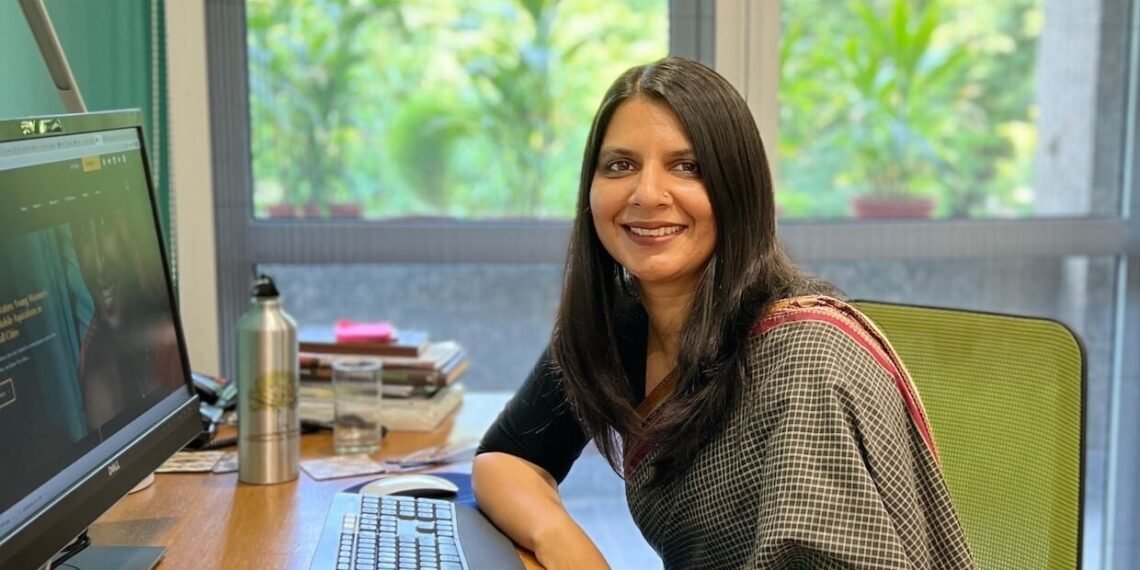
India’s 2026 state elections have reopened fundamental debates about democracy, federalism, and political representation in the world’s largest democracy. In this timely ECPS interview, Yamini Aiyar, Visiting Senior Fellow at Brown University’s Saxena Center for Contemporary South Asia, examines the tensions between the BJP’s centralizing “One Nation” project and India’s plural federal structure. Discussing the BJP’s breakthrough in West Bengal, the dramatic rise of Vijay’s TVK in Tamil Nadu, and the emergence of youth-led movements such as the “Cockroach Janta Party,” Aiyar argues that democratic resistance is increasingly emerging outside formal institutions and party structures. While warning of growing democratic backsliding, she maintains that India’s enduring “democratic sentiment” remains a powerful resource for challenging authoritarian tendencies and renewing democratic life.
Interview by Selcuk Gultasli
India’s 2026 state elections delivered some of the most consequential political surprises since Narendra Modi first came to power. The Bharatiya Janata Party (BJP) achieved a historic breakthrough in West Bengal, ending fifteen years of Trinamool Congress rule and extending its political reach into one of India’s most symbolically important states. At the same time, Tamil Nadu witnessed the extraordinary rise of actor-turned-politician C. Joseph Vijay and his Tamilaga Vettri Kazhagam (TVK), which shattered the long-standing dominance of the state’s established Dravidian parties. Together, these electoral outcomes have reignited fundamental debates about democracy, federalism, political representation, and the future of opposition politics in India.
To explore these developments, the European Center for Populism Studies (ECPS) spoke with Yamini Aiyar, Visiting Senior Fellow at the Saxena Center for Contemporary South Asia at Brown University and one of India’s leading public intellectuals on democracy, governance, state capacity, and democratic accountability. Drawing on her influential recent essay, “The Cracks in the India Model: Democracy Can Be Both Curse and Cure,” Aiyar offers a nuanced interpretation of India’s current democratic moment.
Rejecting both triumphalist and declinist narratives, Aiyar argues that India is experiencing a profound democratic dialectic. On the one hand, democratic institutions have increasingly been captured and instrumentalized by majoritarian political forces. On the other hand, democratic processes continue to generate unexpected forms of resistance and renewal. As she explains, India today is engaged in “a very important old-but-new conversation about what India is and who we are.”
A central theme of the interview is the growing tension between the BJP’s centralizing “One Nation” project and India’s deeply plural federal structure. Aiyar warns that the ruling party has increasingly used state institutions to consolidate power, while simultaneously noting that regional identities and democratic aspirations remain remarkably resilient. The unexpected success of Vijay’s TVK in Tamil Nadu, she argues, demonstrates that “young India is becoming exhausted with many of the older forms of politics.” Far from representing a rejection of Tamil subnational identity, the TVK’s rise illustrates how younger generations are seeking new political vehicles through which to express long-standing regional aspirations.
Indeed, one of the most original aspects of Aiyar’s analysis concerns the emergence of new forms of political mobilization beyond traditional party structures. She points to the recent appearance of the “Cockroach Janta Party,” a satirical youth-led movement that rapidly gained millions of followers after young Indians appropriated a derogatory label allegedly used by a senior public figure. For Aiyar, this phenomenon is not merely a social-media curiosity but evidence of deeper frustrations among younger generations facing unemployment, precarity, and declining faith in established political actors. As she notes, “there is a bubbling up of anxieties among young Indians for a variety of important reasons,” and these emerging forms of mobilization may become important sources of democratic resistance.
Reflecting on the broader political landscape, Aiyar observes that “the Constitution itself became almost a living political actor in the election,” while even within the BJP’s own support base “some voters started questioning the increasingly authoritarian methods being deployed.” These developments suggest that democratic sentiment remains deeply embedded within Indian society despite growing concerns about institutional erosion.
Yet Aiyar’s optimism does not rest primarily on formal institutions. While she is “deeply pessimistic” about the ability of party politics and institutional mechanisms alone to halt democratic backsliding, she remains “hugely optimistic” about the capacity of civic mobilization to generate democratic renewal. Ultimately, she argues that India’s most important democratic resource remains the enduring democratic instinct of its citizens—a “deep democratic sentiment” that will continue to find new avenues through which to challenge and resist authoritarianism.
Here is the revised version of our interview with Yamini Aiyar, lightly edited for clarity, readability, and publication.
West Bengal and Tamil Nadu Show Democracy’s Curse and Cure
Yamini Aiyar, welcome! To begin, in “The Cracks in the India Model,” you argue that India’s democratic institutions can simultaneously function as both a constraint on governance and a corrective mechanism against excesses of power. How do the surprising outcomes of the 2026 state elections—particularly in West Bengal and Tamil Nadu—illustrate this dual character of Indian democracy?
Ms. Yamini Aiyar: It has been a dialectic in some ways. One side of the debate looks at the ways in which democratic institutions have been captured through political mobilization, which itself is a very democratic process. If you look at the history of India’s party system, particularly from the 1990s onwards, we witnessed an upsurge in the vernacularization of the political process as newer regional party formations used democratic mechanisms to bring hitherto marginalized voices into the democratic discourse.
What was surprising about this, however, was that these popular mobilizations effectively utilized democratic institutions in ways that pursued particularistic rather than universalist interests. This was perhaps best articulated through the mobilizations we saw in North India around lower-caste politics, which deployed democratic means to come into power. But once in power, or after capturing state power, these movements often deployed the resources of the state to protect the interests of their own caste groups rather than using state power to advance more universalistic public goods and services.
In the present context, these precise techniques have been deployed to facilitate and enable a far deeper and more majoritarian political agenda. The Bharatiya Janata Party (BJP), which leads the alliance governing India today, has its roots in a strongly Hindu-majoritarian political discourse.
In some senses, India has always had this debate about what she is as a nation. Is India a nation of Hindus first and all others second? Or is India a nation for all, wherein our many diversities can cohere together?
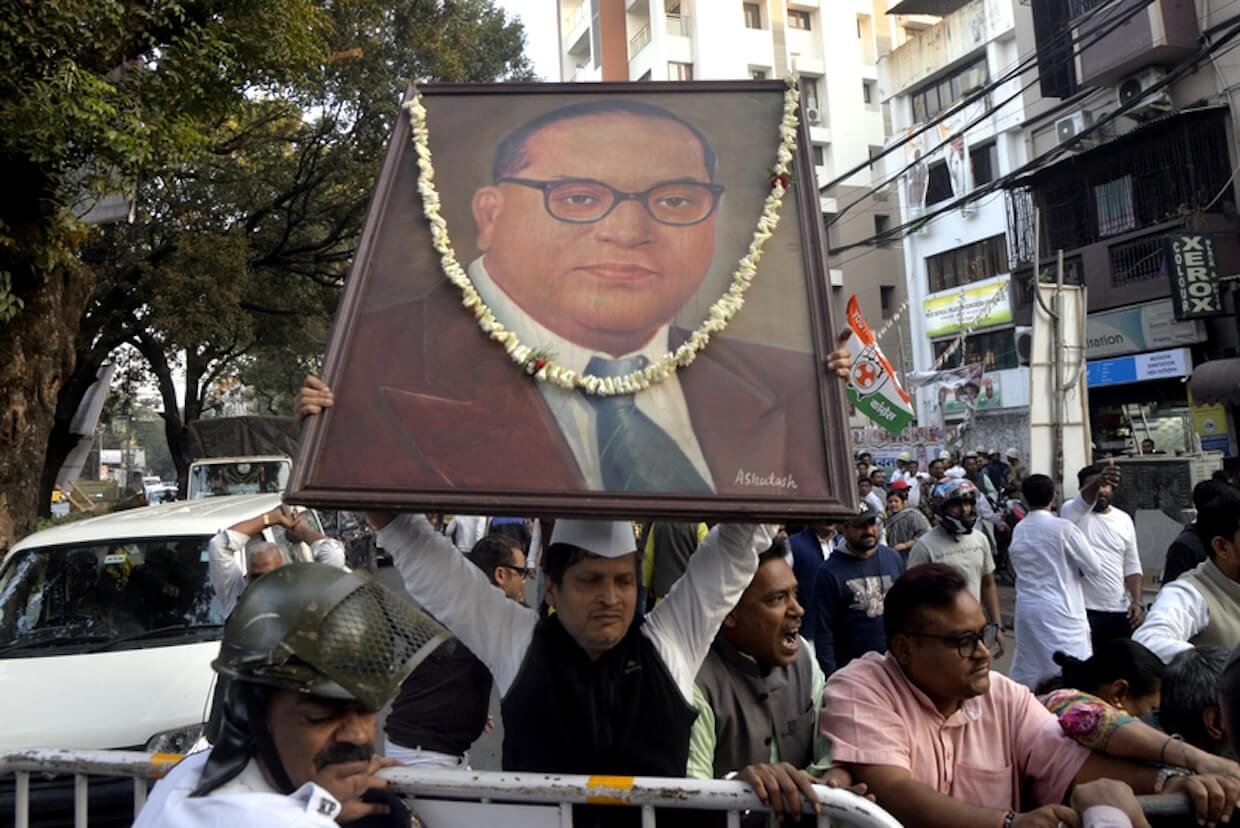
At the time of independence, and during the making and formation of modern India through the Constitution, India made a very active choice. The consequences of Partition gave India a realistic understanding of what majoritarian religious nationalism could do to a nation. India chose to reject the forces that led to Partition and instead recognized itself as a modern nation where equity, fraternity, tolerance, and secularism would serve as the core constitutional values binding the country together.
It was an embrace of the idea that India is, as scholars call it, a state-nation. It is not homogeneous but heterogeneous. That state-nation would cohere within the broader framework of the Indian nation-state. I have a political identity as an Indian, but I also possess many subnational identities—as a Tamilian, as a Hindu, as a Muslim, or as a Christian—and all of these identities can coexist within the construct of the nation-state.
The BJP and its ideological roots represented the other idea of India, one centered much more on the notion of a Hindu nation. Once it captured power in 2014 through entirely democratic electoral means, India effectively reopened this conversation with itself. Over the last decade, as this debate has unfolded, the BJP has not shied away from using the coercive powers of the national government to facilitate and consolidate its hold on power.
The recent state elections in West Bengal offers an important example. The BJP was expanding its presence through what one might call democratic forms of political mobilization. However, in this election it also utilized powers available to it at the national level—military forces, paramilitary forces, and even the Election Commission, which is supposed to function as an impartial arbiter of elections—in ways that tilted the electoral playing field in its favor.
One of the most significant examples was the revision of electoral rolls. Ordinarily, this should be a routine process involving the removal of names of deceased persons or those who have migrated, and the updating of voter records. Instead, it was carried out in a manner that effectively disenfranchised 27 lakh (1 lakh = 100,000) voters, a significant number of whom were Muslim. It also opened up a highly polarizing discourse around who is Indian and who is an outsider.
Remember that West Bengal borders Bangladesh and has experienced considerable population movement as a consequence of the 1947 Partition. In this sense, state institutions were used to shift the electoral balance and alter the playing field of the election.
This is why I describe democracy as both a curse and a cure. In some respects, this institutional capture emerged through the same democratic processes that facilitated the BJP’s rise at the national level. Yet those democratic processes were subsequently used to capture state institutions. The election in West Bengal followed “legitimate procedures,” but the use of institutions such as the Election Commission effectively delegitimized the quality of the election itself.
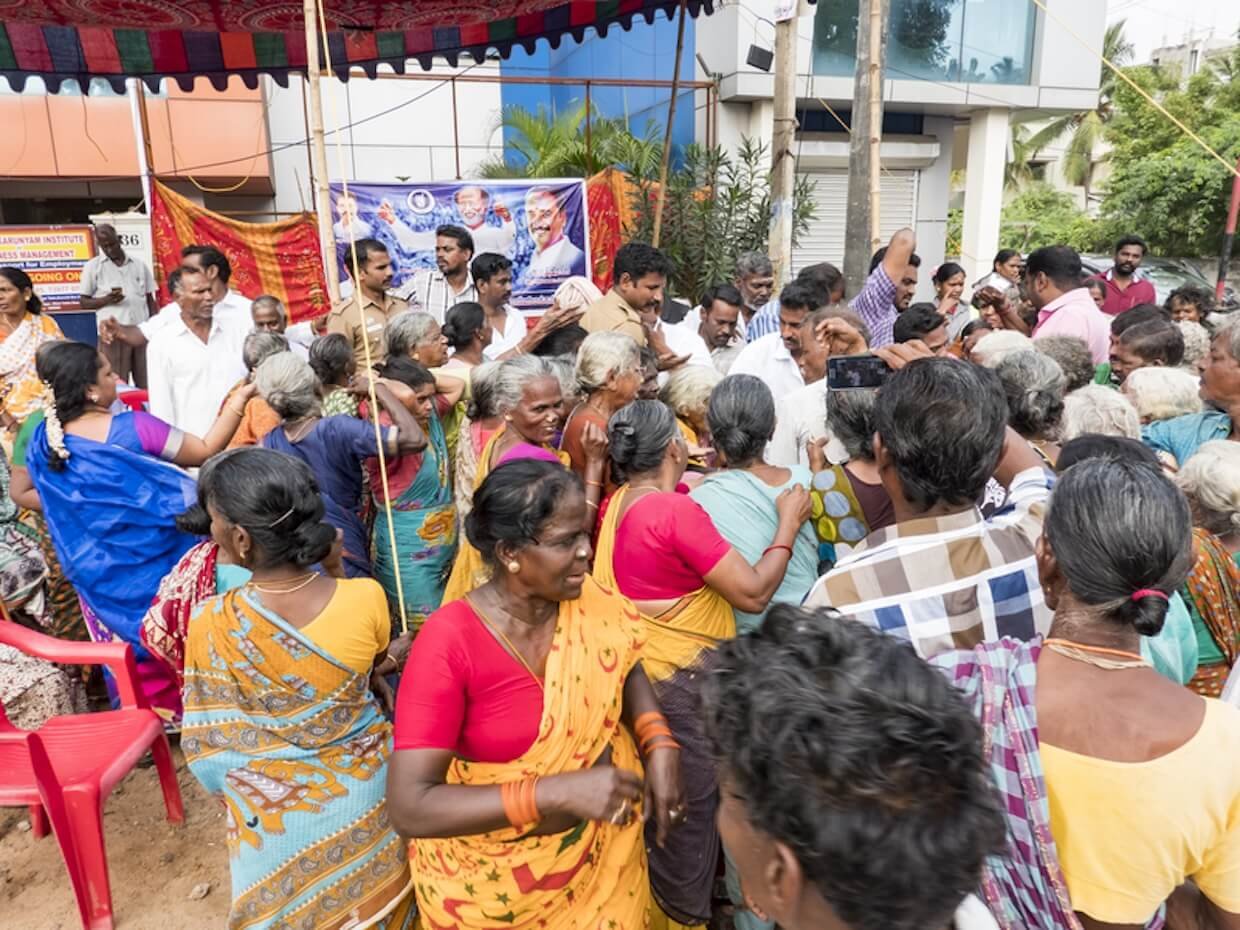
Tamil Nadu presents a somewhat different case. There, a completely new political party emerged, seemingly from nowhere, and surprised observers by dislodging a long-standing political duopoly. In many ways, this is a positive example of what democracy can achieve. A new political formation captured the public imagination and, through democratic means, came to power while displacing entrenched political structures.
India today is living through this complex dialectic. It differs from the caste mobilizations of earlier decades, yet it employs some of the same tools in new and more complex ways. In doing so, it is prizing open a very important old-but-new conversation about what India is and who we are.
‘Democratic Sentiment’ Still Endures
Your work on democratic erosion emphasizes the persistence of what you call a deeply embedded “democratic sentiment” among Indian voters. To what extent do the 2026 state elections suggest that electoral competition continues to provide meaningful avenues of accountability despite concerns about democratic backsliding at the national level?
Yamini Aiyar: When India chose to adopt universal franchise at its founding moment, there was deep skepticism about how a country as poor, as unequal, and as illiterate as India would survive as a democracy. In this sense, India defied the odds. With the exception of the Emergency from 1975 to 1977, India has broadly remained democratic. On the core principles of what constitutes the minimum standard of democracy—elections and the routine transfer of power—India has maintained that commitment.
India’s electoral process has certainly gone through darker periods. Yet the independence of the electoral process has always recovered itself, largely through mechanisms such as the Election Commission, which oversees the objectivity of elections and has undergone repeated cycles of reform aimed at making the electoral process more transparent, inclusive, and effective.
There is no doubt, however, that even during these phases, India’s substantive democracy—the extent to which liberal norms became embedded in the everyday functioning of institutions and society—was much more of a work in progress than the broader institutional dimensions of democracy.
Nonetheless, it was a work in progress, and over the course of our 77 years of independence, we have experienced important moments of democratic deepening. A particularly significant one came in the 1990s, when vernacular parties used democratic space to mobilize and new marginalized communities found representation within the formal political process. The mid-2000s witnessed a major expansion of the welfare state at the national level, driven by pressures from civil society and social movements that sought to challenge a democratic process that had largely ignored questions of inequality and inequity.
What we are witnessing today is a significant democratic backslide. Liberal norms that had come to be accepted—the idea that basic notions of tolerance and equity should define the framework within which democratic competition operates—have increasingly begun to erode.
The capture of the judiciary, evident even in basic matters such as habeas corpus cases not reaching the Supreme Court; the capture of the media; the use of state power to co-opt and undermine the independence of the Fourth Estate; the targeting of civil society through state institutions such as the income tax authorities, the federal enforcement directorate, and criminal law enforcement agencies; and the systematic targeting of opposition voices and political parties—the scale and extent of all this is much greater than anything India has experienced before.
When India entered the 2024 general election, there was a widespread sense that this institutional capture was nearly complete. On the eve of the election, a senior opposition leader, the Chief Minister of Delhi, was jailed on criminal charges related to a liquor scam, with no clarity as to whether he would receive bail. Remember, one is presumed innocent until proven guilty, yet the case had not even begun.
At the same time, the Congress Party, India’s principal opposition party, announced that income tax authorities had frozen many of its accounts based on allegations of tax fraud that had yet to be proven.
The playing field appeared to have been decisively tilted in favor of the BJP and the Prime Minister, whose dominance seemed likely given the extent to which key institutional pillars of liberal democracy had been captured.
Yet once the election unfolded, the voices of ordinary citizens began to emerge. In surveys we conducted, we repeatedly heard expressions of frustration and exhaustion with this pervasive institutional capture. Recognition that the media had been compromised and that legitimate questions existed about the electoral process had entered everyday political conversation.
In regions where the BJP’s economic coalition was beginning to fray, particularly in Uttar Pradesh—one of India’s poorest and most populous states, where caste politics has long dominated—the narrative shifted dramatically. Constitutional rights and affirmative-action protections for lower-caste communities became central electoral issues. The Constitution itself became almost a living political actor in the election. To me, that was a very important indication that a latent democratic sentiment still exists.
The BJP had effectively built a social coalition centered on religious polarization between Hindus and Muslims. That, fundamentally, runs counter to India’s constitutional and democratic principles. Yet during the 2024 election, we began to see signs of resistance within that coalition itself. Some voters started questioning the increasingly authoritarian methods being deployed.
The 2026 elections are more difficult to compare directly with national elections, since local issues play a much larger role in subnational contests. Nevertheless, what we are witnessing since the 2024 general election is a much more blatant misuse of the electoral process. So far, these concerns have not fully penetrated the everyday dynamics of electoral competition. The BJP continues to win elections. Does that mean the democratic sentiment is dead? I would like to believe otherwise.
Many factors shape electoral outcomes, but the scale of the BJP’s use of mechanisms such as the Special Intensive Review (SIR) raises serious concerns about the integrity of the electoral process. It is also important to recognize the role played by the courts. When the Special Intensive Review and related electoral revisions were introduced, civil society activists challenged them legally. The courts have recently delivered judgments that largely endorse the Election Commission’s actions. Indeed, during one hearing, a senior judge reportedly remarked: So, what if 27 lakh voters in West Bengal have been disenfranchised for this election? There will be other opportunities.
The language being used by institutions that are meant to serve as checks and balances raises important concerns of its own. There is little doubt that we are currently in a dark period of democratic backsliding. One can only hope that opposition parties will be able to mobilize and re-nurture the democratic sentiment that, I believe, still runs deeply within the Indian electorate.
Regional Parties Borrowed the BJP’s Playbook
The BJP’s landslide victory in West Bengal appears to represent both the success of nationalized politics and the collapse of a long-dominant regional force. Does this outcome confirm your earlier argument that the growing distinction between national and regional political arenas is weakening the bargaining power of regional parties?
Ms. Yamini Aiyar: It has been a dialectical process. The 2024 election was an interesting moment in which regional parties were able to recover some of their bargaining power at the national level. They did so, however, by more or less copying the BJP’s playbook.
I have looked at this very closely in the context of welfare schemes, which matter enormously in Indian elections because of the scale of inequality and the extent to which large numbers of Indians depend on the state for their everyday needs. India runs the world’s largest food program, the Public Distribution System, through which nearly 80 crore (800 million) Indians receive free food. This gives a sense of just how vast the Indian welfare state is and how important it is to the daily lives of Indian citizens.
What Modi did very successfully was to use technology to centralize the political distribution of welfare. In India’s federal system, responsibility for welfare had traditionally been shared between the central and state governments, allowing regional parties governing states to claim some of the political credit for delivering these schemes. Modi effectively transformed this dynamic by tying welfare delivery to his own political persona. Through powerful branding, welfare programs were presented as gifts and guarantees from the Prime Minister himself.
This strategy paid significant dividends in the 2019 election. Between the 2019 and 2024 general elections, regional parties began adopting the BJP’s approach, embracing heavily personalized branding around welfare delivery, expanding welfare programs, and building political narratives around them.
West Bengal provides a particularly good example. The recently ousted Chief Minister was highly effective in using welfare schemes to cultivate her personal brand and establish an emotional connection with women voters in the state. This paid substantial dividends in the 2024 election. Nearly 60 percent of respondents in our survey attributed political credit for these welfare schemes to Mamata Banerjee, and almost 80 percent of those voters supported her electorally. This demonstrates a strong correlation between the centralization of welfare, personalistic politics, and electoral behavior.
Thus, in the 2024 general election, regional parties were able to reclaim some bargaining power. This is one reason why the BJP returned to office without a full majority and had to rely on two regional parties to form a coalition government at the national level.
The story at the state level has evolved somewhat differently. As I mentioned earlier, once the BJP realized after 2024 that it was losing its grip, it became much more aggressive in its use of institutions under its control, including the Election Commission.
At the same time, state elections are deeply shaped by local anti-incumbency dynamics. One of the challenges of concentrating political credit in the hands of a single leader is that it weakens the internal democratic processes of political parties and removes the feedback loops necessary for responding to public dissatisfaction. Anti-incumbency, a term we use frequently in Indian politics, reflects precisely this sense of public frustration and exhaustion with governments in power.
When power becomes centralized, those corrective mechanisms begin to disappear. One aspect of the West Bengal story is exactly this: an overly centralized political structure that lacked effective feedback loops and therefore failed to respond to mistakes, public fatigue, and shortcomings in governance. This created an opening for the BJP to make gains. It then supplemented those gains with its institutional advantages, ensuring that its hold on power would be firm rather than fragile. So, while centralization and the personalization of welfare served regional parties well in 2024, we are now beginning to see the weaknesses of that model emerge.
One final point concerns the national level. In a country composed of multiple states, the role of regional parties in articulating and representing subnational identities has become increasingly important. The BJP’s ideological vision is far more homogenizing, and regional parties have often functioned as a counterweight to that tendency. This, too, helped correct for the highly centralized and homogenized ideological vision promoted by the BJP at the national level. What we are seeing today, however, is that this dynamic does not necessarily translate into success at the local level. In Tamil Nadu, for example, efforts to explain the DMK’s defeat by a new political party have highlighted how the DMK framed the 2024 general election as a contest between Delhi and Tamil identity, or between North Indian and Tamil subnational identity.
That framing was effective in a national election. It proved far less compelling in a state election, where concerns about governance and everyday administration moved to the forefront. I think something very similar happened in West Bengal.
What we are witnessing, therefore, is an interaction between very different political dynamics at the national and state levels. Centralization is creating opportunities for regional parties to regain bargaining power nationally, but it does not appear to have the same political traction, at least for now, at the subnational level. But this remains an evolving space.
Young India Is Exhausted with Old Politics
At the same time, Tamil Nadu witnessed the remarkable rise of Vijay’s Tamilaga Vettri Kazhagam (TVK), which disrupted the long-standing dominance of both the DMK and AIADMK. Does this indicate that regional political identities remain resilient even as national political centralization advances?
Ms. Yamini Aiyar: Yes, it absolutely does. It is very important to emphasize that while the TVK arguably came out of nowhere—in the sense that it is a two-year-old party that suddenly captured over 37 percent of the vote share and went on to form a government—Vijay, the leader of the TVK, was very careful to reassert his political philosophy within the framework of Dravidian subnational politics and the ideological underpinnings of the Dravidian parties. So, in a sense, Tamil Nadu was making a choice within the context of its own political and ideological identities.
Within that space, there was growing frustration and exhaustion with the DMK. Tamil Nadu is an interesting case because it is one state that has experienced rapid and robust economic growth over the last five years. In fact, by almost every indicator, the DMK had performed very well, both in terms of governance and economic growth. It also continued, in a robust way, to pursue the social development policies of Dravidian politics that are central to Tamil identity. Moreover, it played a very important role in asserting Tamil identity on the national stage. So, by most conventional measures, it appeared that the DMK should have won this election. But it did not. It lost because of this fledgling party that emerged from seemingly nowhere. Yet that party is not challenging the core subnational foundations of Tamilian politics.
What it is doing, however, is raising important questions about the limits of what the DMK has achieved, while also capturing the imagination of young Indians. This is a very important aspect that is often underappreciated in our political debates. Young India is becoming exhausted with many of the older forms of politics.
Even in Tamil Nadu, in 2016–17, if I am not mistaken, there was a largely unorganized mobilization of young people in response to a Supreme Court order that effectively banned a traditional folk bullfight on animal-rights grounds. No formal political party was involved. The issue itself was not necessarily popular, but it generated a great deal of anger, and people mobilized in large numbers. It was a sign that young Tamilians were looking for something different. Those same young people became the most important mobilizers behind Vijay’s success. One repeatedly hears stories of young voters saying, “I convinced my mother not to vote for the DMK and to vote for TVK instead.” They were at the core of what brought TVK to victory.
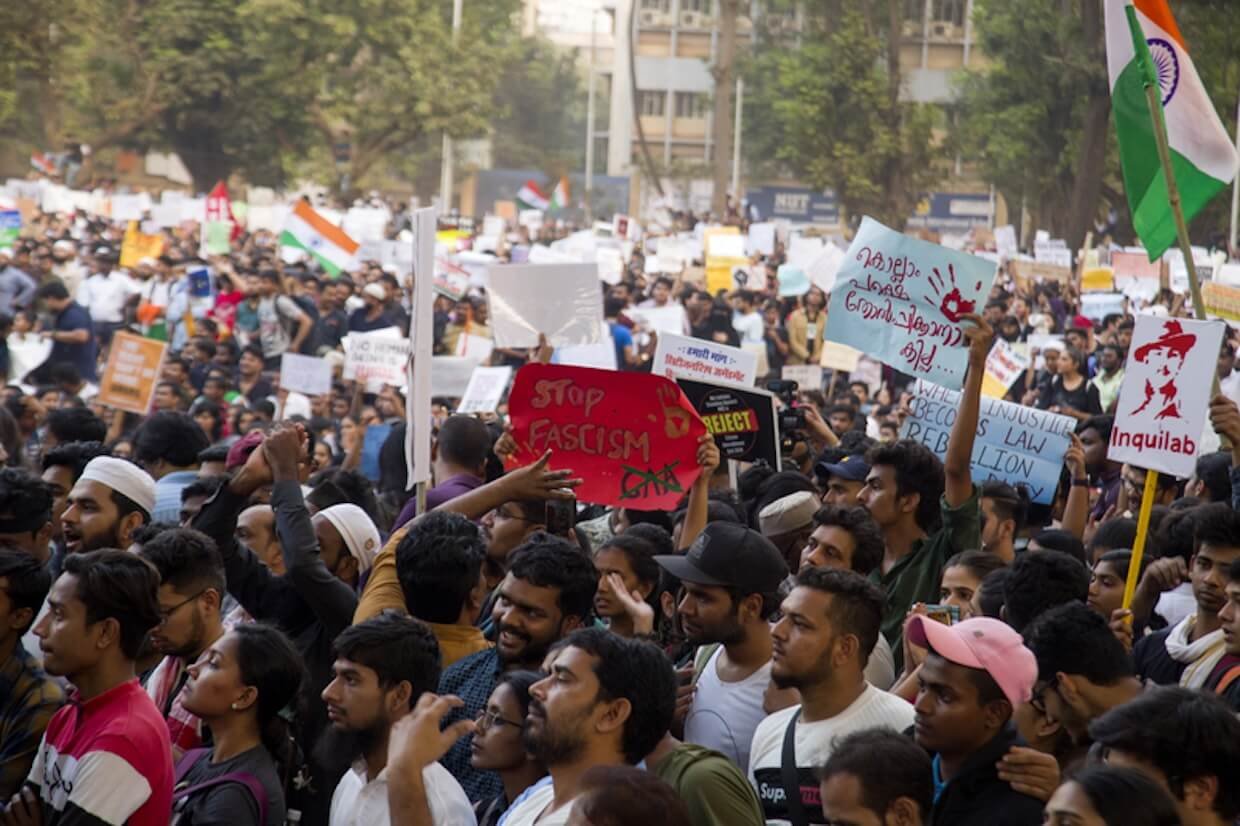
Moreover, we are seeing similar developments at the national level. Just a few weeks ago, a satirical political formation called the Cockroach Janta Party emerged among young Indians. They adopted the name “Cockroach” after a comment by the Chief Justice suggesting that unemployed young Indians were cockroaches and parasites. Almost overnight, they attracted 22 million followers on Instagram. Even they seemed surprised by the scale of the response, and they organized a major protest in Delhi two days ago.
There is a bubbling up of anxieties among young Indians for a variety of important reasons. Vijay represents a very good example of how that phenomenon can translate into political power at the state level.
So, to answer your question, this is, in many ways, a continuation of core Tamilian subnational identity, but expressed in a new form that represents the voices of young India. How this ultimately shapes the evolution of Dravidian philosophy is something we will need to watch closely.
India’s Federal Future Is Up for Grabs
In your writings on Indian federalism, you have argued that the BJP’s “One Nation” project seeks to consolidate political authority and strengthen national coordination. How should we interpret the divergent electoral trajectories of West Bengal and Tamil Nadu in light of ongoing tensions between centralization and federal pluralism?
Yamini Aiyar: In the run-up to the 2026 elections in West Bengal and Tamil Nadu, the national government, led by the BJP, announced a special session of Parliament to debate amendments to the Women’s Reservation Act, without offering any clear explanation as to why. This was a law passed by Parliament in September 2023 that reserved one-third of the seats in India’s lower house for women. However, its implementation was deferred because the redrawing of territorial constituency boundaries—what we call delimitation in India—and the census were to serve as the basis for allocating these reserved seats. As a result, the reservation provisions would only come into effect after 2030, once the next census had been completed.
There was no obvious reason why the government chose to reopen what appeared to be a settled issue. But another important process was unfolding simultaneously. India has been preparing for a reapportionment of its electoral boundaries, a process that is expected to take place after the census, which is scheduled to be completed in 2027. The historical background is complex, and I will not go into it here. But the central concern is that the more populous parts of India are located in the north, where the BJP enjoys much deeper electoral roots. The less populous regions are largely in the south, where subnational identities have served as an important bulwark against the BJP’s expansion.
Several southern political parties are worried that if constituency boundaries are redrawn strictly on the basis of population, representation will become increasingly imbalanced. The more populous northern states would naturally gain additional parliamentary seats, a development that could strengthen the BJP’s electoral position. The less populous southern states, where regional parties remain dominant, would lose relative representation, thereby diminishing their voice in Parliament and their influence over national policymaking.
This has generated an intense political debate, with strong arguments on all sides. The BJP, however, has never been entirely clear about how it intends to address this fundamental issue. What it attempted to do during that special parliamentary session was to introduce the delimitation process under the guise of women’s reservation in the middle of these elections. As a result, both the DMK, the incumbent party in Tamil Nadu, and the TMC, the incumbent party in West Bengal, found themselves confronting a national political issue in the midst of state-level contests.
The opposition eventually came together and succeeded in blocking the delimitation bill, arguing that the issue required much broader consultation and that any reforms needed to ensure equitable representation. In some ways, this amounted to a national victory for subnationalism against the centralizing juggernaut of the BJP’s “One Nation” project.
The electoral outcomes, however, raise important questions about how these debates will proceed in the future. The DMK, which had served as a major voice for subnationalism and regional interests at the national level, lost the election. It remains unclear how the TVK will position itself on these broader national questions.
The TMC, which retains a substantial parliamentary presence—around 29 members, if I am not mistaken, perhaps even more—continues to be an important actor in these debates. Yet it, too, is undergoing a period of significant internal churn following its electoral defeat.
As a consequence, it remains uncertain how opposition voices will coordinate around these issues going forward. At the moment, much remains up for grabs. We do not yet know how the post-election dynamics within these parties, or their roles within the broader INDIA alliance, will evolve. A great deal will depend on how the immediate political consequences of these elections unfold and how the affected parties respond to them.
One-Nation Politics Creates Space for Regional Assertion
Do the 2026 elections suggest that Indian federalism remains an effective institutional safeguard against democratic erosion, or are state-level political arenas increasingly being absorbed into a centralized national political narrative?
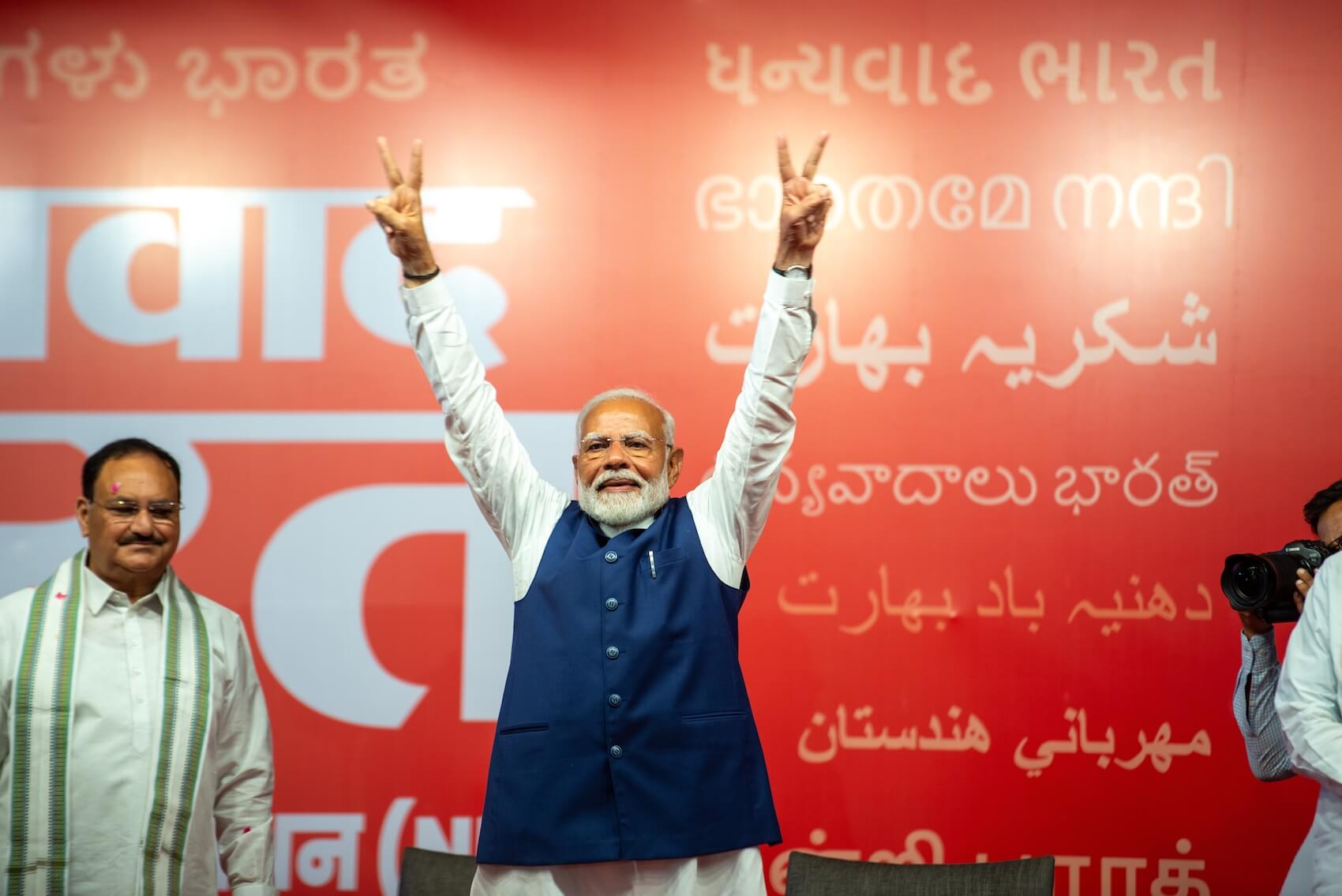
Yamini Aiyar: The BJP is going to use every tool in its arsenal to pursue its One Nation politics. Of that, there is no doubt. It is evident in the way it has deployed institutions such as the Election Commission and the judiciary, as I mentioned earlier, to tilt the playing field of electoral competition in its favor.
There has also been a push for what it calls “One Nation, One Election,” a system of simultaneous elections that, again, has the potential to tilt the electoral playing field in its favor. The BJP has not been shy about using the fiscal instruments at its disposal to squeeze state finances, and it will continue to do so.
So, there is no question that the BJP will pursue its agenda with full force. It will use both legitimate and illegitimate means to weaken regional parties by coaxing them into its fold. Don’t forget that the current BJP Chief Minister of West Bengal began his political career as a very important player in the TMC, the very party he has now defeated. The BJP is not shy about horse-trading and appropriating powerful political actors, using all kinds of legitimate and illegitimate means to bring them into its fold in order to capture power. It is going to play its tricks.
The extent to which regional parties are able to hold on to federalism as a core element of their political agenda will effectively determine the strength of the bulwark against the BJP. The more the BJP advances its One Nation agenda at the national level, the greater the opportunities for regional parties to carve out political space around subnational identity politics. That space is likely to remain significant because the federal sentiment in the everyday lives of Indians, and the multiplicity of our identities, are fundamental to how India understands the structure of the nation, provided that elections remain fair.
At the state level, however, we are witnessing a shift. There appears to be a certain willingness to experiment with the BJP and explore whether, at the subnational level, its homogenizing force is something that the Indian electorate is willing to accept. That question remains open.
For the moment, I do not envisage a situation in which the BJP will be able, through fair elections, to make deeper inroads beyond what it has already achieved in states such as Tamil Nadu, Kerala, and, to some degree, Andhra Pradesh. These are very important states that keep the conversation on federalism alive at the national level.
So, I remain hopeful that this will continue to be the case. But the BJP’s capacity to misuse the institutions at its disposal is significant, and we have seen that it does not shy away from trampling over constitutional practices.
Civil Society Holds the Key to Democratic Resistance
Looking beyond electoral outcomes, what do the 2026 state elections tell us about the future of democratic opposition in India? Are opposition forces developing new organizational forms capable of challenging centralized political power, or do structural asymmetries continue to place them at a disadvantage?
Yamini Aiyar: I would argue that, at the subnational level, structural asymmetries continue to place opposition forces at a significant disadvantage. But I also think that something else is happening in India that we need to talk about more.
If you look at the last twelve years, since the BJP acquired dominance and India returned to a single-party dominant model of party politics, the most significant political challenges the BJP has confronted have not come from the formal electoral or party-political arena. They have come from what one could broadly call civil society.
The first major movement against the Citizenship Amendment Act, which gained momentum in 2019, was a very important moment. It effectively stalled the implementation of the Citizenship Amendment Act all the way through to 2024, when, on the eve of the elections, the rules were finally enforced.
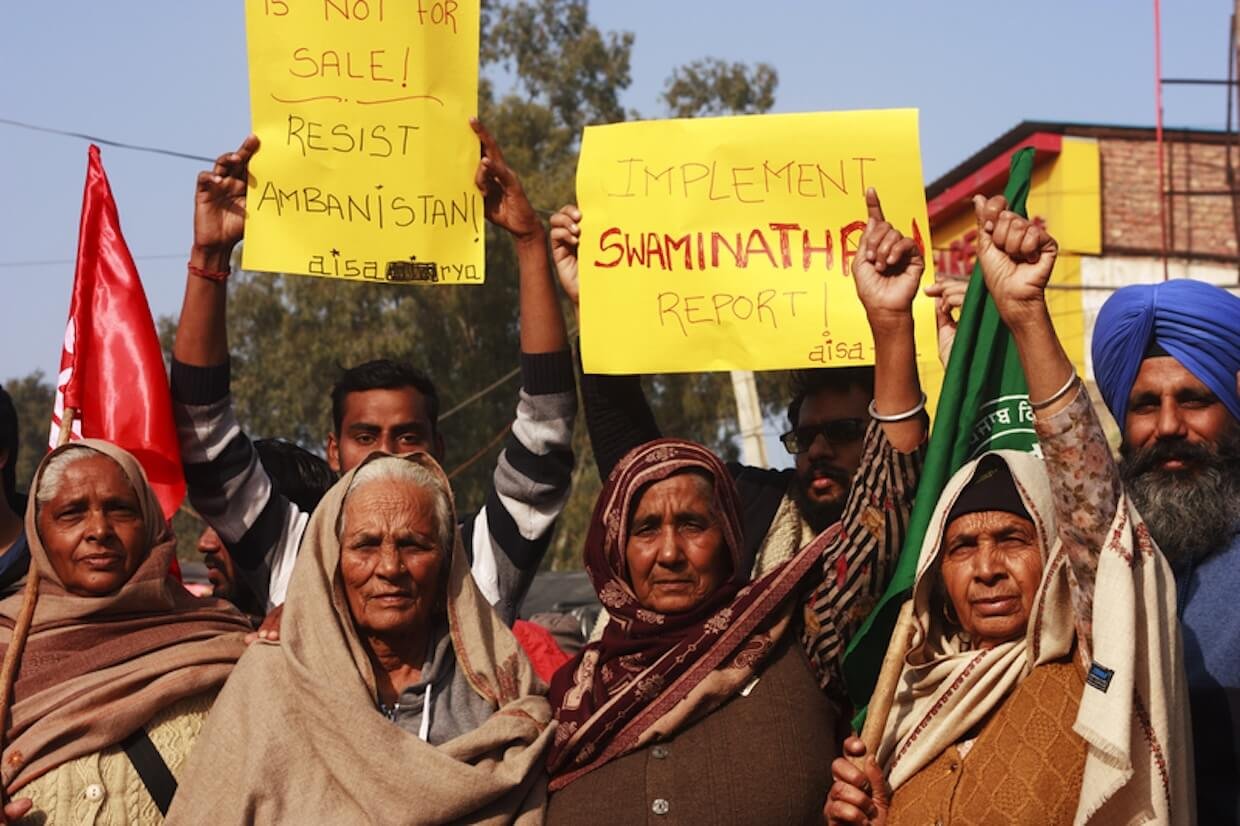
Even more significant was the farmers’ movement in North India against the three agricultural laws passed in 2020. Over a period of roughly two and a half years, that movement became such a powerful political force that the BJP was ultimately compelled to roll back legislation that it had originally pushed through Parliament.
These are important examples of moments in which social formations outside the formal party-political process acted as pressure points on the government. It is also one of the reasons why the BJP’s authoritarian tentacles have become so sharp and extensive. The party uses every means available to curb dissent.
Some of the key political actors involved in mobilizations against the Citizenship Amendment Act, such as Omar Khalid, have now spent years in jail without even a basic charge sheet clearly laying out the accusations against them. They have been denied bail for more than six years. These protests are therefore dangerous for those who participate in them. The BJP recognizes this vulnerability and, as a result, deploys state power aggressively to suppress dissent wherever possible.
The new ferment we are seeing among young Indians—the Cockroach Janta Party is just one small illustration of it—may represent another potential source of resistance. Mobilizations emerging outside formal political structures could create new sites of political action capable of placing limits on the BJP’s increasingly centralized and authoritarian project.
My sense is that the answers to India’s current political dilemmas are more likely to emerge from outside the formal party system than from within it. The opposition remains weak, partly because of its own failures, but also because the BJP has done everything in its power to tilt the playing field against it. It will take deep and sustained mobilization to counter the challenges that opposition forces face today.
I am not entirely confident that they will be able to do so on their own. The political openings available to them are more likely to come from these new social formations that are mobilizing and challenging the BJP’s dominance, and which the formal opposition can then leverage during elections.
Democracy Is More Than Institutions
And finally, your recent work suggests that democracy itself may provide the resources necessary to resist democratic erosion. In light of the 2026 state elections, are you optimistic that India’s democratic institutions retain sufficient resilience to withstand ongoing pressures toward centralization, majoritarianism, and executive dominance?
Yamini Aiyar: I’m deeply pessimistic about the possibility of resistance emerging through the structures of formal institutions, formal party politics, and formal electoral competition. At the same time, I’m hugely optimistic about the possibility of new sites of mobilization emerging outside these formal spaces and then being able to exert the kinds of pressures necessary to tilt the balance toward a fairer and freer electoral competition—one that can challenge the authoritarian backsliding we are witnessing today.
So, I don’t know if that directly answers your question, but I think democracy is about much more than institutions. It is also about forms of mobilization and the capacity of those forms of mobilization and association to place pressure on institutions, ensuring that formal democratic processes function more effectively.
It’s going to be a long and difficult struggle. The odds are certainly stacked against us. But I believe that the deep democratic sentiment that continues to exist in the everyday lives of Indians will find spaces and avenues through which to challenge and resist the authoritarian juggernaut that confronts us today.