
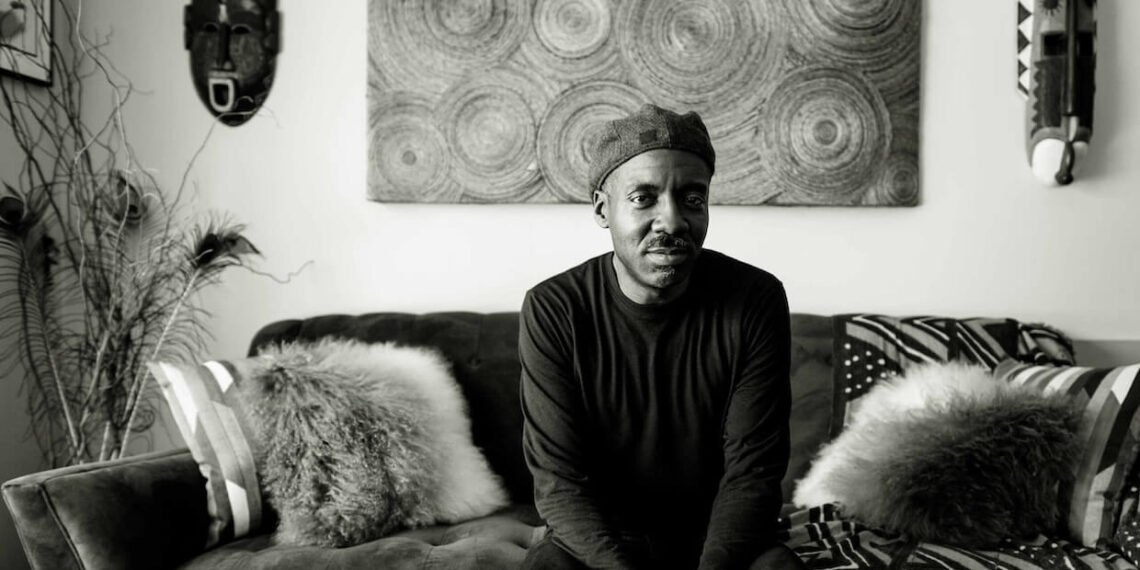
In an in-depth interview with the ECPS ahead of the November 3 US midterm elections, Professor Lester Spence of Johns Hopkins University argues that the fate of American democracy is inseparable from Black political rights: “In the United States, democracy goes as Black people go.” Examining Trumpism, racialized political hierarchies, democratic backsliding, and the weakening of the Voting Rights Act, Professor Spence emphasizes that restrictions on Black political participation undermine democracy more broadly. Drawing on Reconstruction, the Civil Rights Movement, and contemporary Black activism, he explores the relationship between racial domination and political economy while highlighting the democratic potential of cross-racial solidarity, progressive coalitions, and institutional transformation beyond electoral representation to secure substantive empowerment for working-class communities.
Interview by Selcuk Gultasli
As the United States approaches the November 3, 2026, midterm elections, political competition is increasingly shaped by Trumpism, racial polarization, economic inequality, and conflicts over voting rights and democratic institutions. Beyond the struggle for congressional control, these developments raise fundamental questions about racialized political power, the resilience of American democracy, and the prospects for substantive Black political empowerment. At the heart of these debates lies a crucial question: Can American democracy remain viable when the political rights of historically marginalized communities are increasingly contested?
In an in-depth interview with the European Center for Populism Studies (ECPS), Professor Lester Spence, Professor of Political Science and Africana Studies at Johns Hopkins University, offers a historically grounded analysis of the relationship between racial domination, political economy, and democratic backsliding. His central argument is captured in a striking formulation: “In the United States, democracy goes as Black people go.” For Professor Spence, the trajectory of American democracy cannot be understood independently of the political struggles, institutional protections, and democratic participation of Black Americans.
Drawing on the historical experiences of Reconstruction, Jim Crow, the Civil Rights Movement, and contemporary struggles over voting rights, Professor Spence argues that racial exclusion has consequences extending far beyond its immediate targets. As he emphasizes, “It’s not simply that democratic harms inflicted on Black people affect only Black people.” Rather, “for historical reasons, Black people are at the center.” Consequently, “what happens to Black people ultimately ends up hurting everybody.”
This interpretation challenges approaches that treat racial inequality as peripheral to democratic decline. Professor Spence insists that “racial politics are essential to understanding democratic backsliding in the United States,” identifying two competing historical traditions: one that expands democratic participation and another that constrains political representation and governmental responsiveness. He further observes that “the anti-democratizing or de-democratizing tendency has always been associated with forces that have practiced white supremacy.”
Against this historical background, the contemporary weakening of voting rights acquires broader institutional significance. Discussing the Voting Rights Act, Professor Spence warns: “When you weaken or effectively neutralize the Voting Rights Act, you’re not just undermining its protections for Black people; you’re essentially undermining those protections for everybody.” He similarly anticipates that, without electoral reform, “Black political representation” will decline dramatically, particularly in the American South.
Yet Professor Spence’s analysis extends beyond democratic erosion to the possibilities of political renewal. Reflecting on Black Lives Matter, Occupy Wall Street, and emerging progressive coalitions, he argues that “political movements themselves create openings, and institutions then emerge to fill those gaps.” Ultimately, he maintains, meaningful democratic transformation requires more than electoral victories: “It’s not just about electing people; it’s about creating a new model” capable of protecting political participation while generating progressive change and substantive material benefits for working-class communities.
Here is our interview with Professor Lester Spence, edited lightly to enhance clarity, readability, and overall flow for publication.
Trumpism Retains Elements of the Previous Era
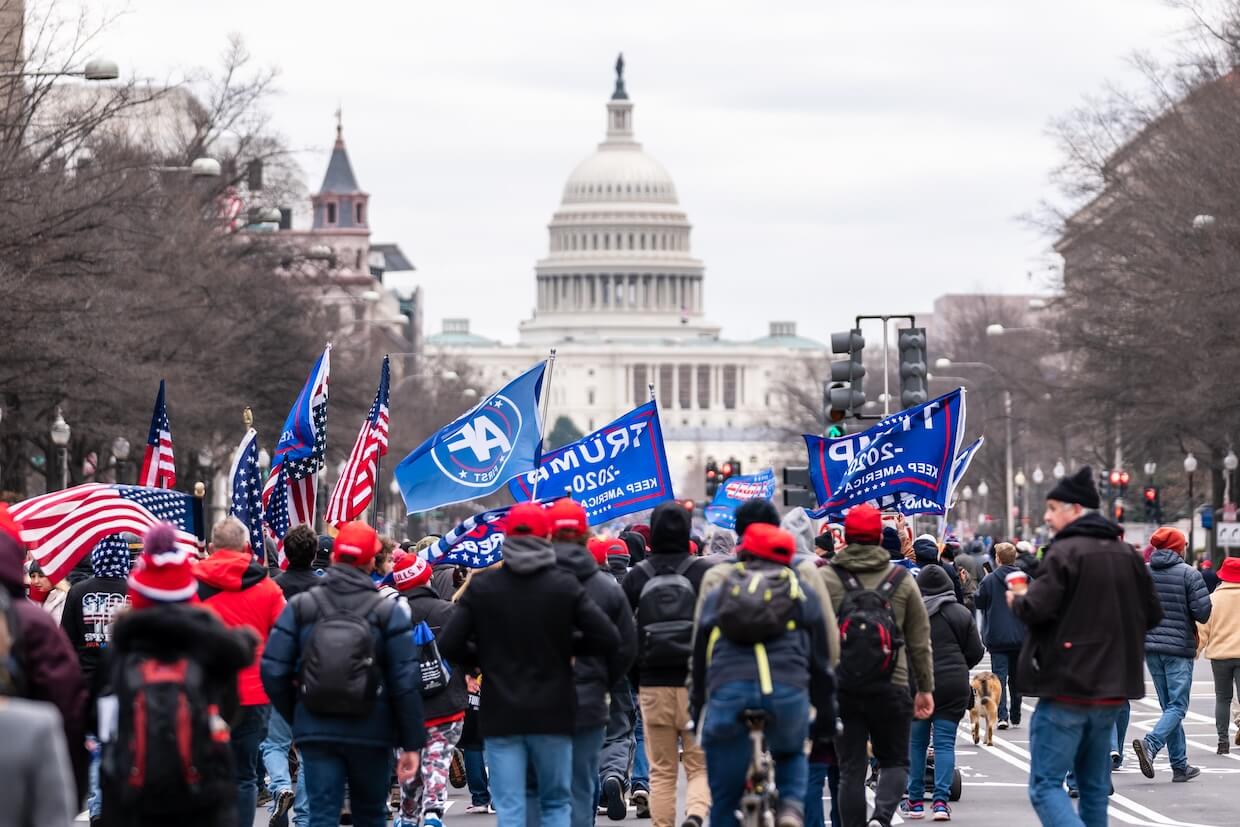
Professor Spence, thank you for joining us. Let me begin with Trumpism’s enduring appeal and its relationship to America’s historical racial hierarchies. How should we understand the intersection of racial resentment, economic insecurity, and anti-establishment populism in sustaining Trumpism? Does it represent a distinctive form of racialized authoritarian populism, or does it reproduce longstanding structures of American racial politics under more confrontational leadership?
Professor Lester Spence: First, that’s a really good question, and answering it gives me an opportunity to talk about this moment with an eye toward helping folks understand political dynamics and political change over time, along with political economy: how the market works, how the economy works, how changes in the economy are both produced by politics and, in turn, produce politics, and how racial dynamics play a role in all that.
To understand Trumpism in the short durée, we have to go back to the economic crises that wracked the country and the world in approximately 2008. In the United States, what this meant for a number of folks, including myself, was that our mortgages went underwater. A number of us had our homes taken away from us, particularly at the middle- and upper-income levels. At the working-class level, folks who didn’t own their homes or didn’t have the capacity to own them, and therefore rented, were placed in even more precarious circumstances because many of them lost their jobs. They didn’t have health benefits, and there were a range of other crises.
In addition to these real crises, such as me being in danger of losing my home or working-class folks dealing with difficult material circumstances, there were psychological challenges that people faced as the economy tanked. They didn’t necessarily lose money, but they thought they would. Or maybe they indirectly lost money through stocks, whatever the hell.
Anyway, it’s in this moment that we see the election of Barack Obama. Obama, as the first Black president of the United States, actually had a lot more room to navigate than I think he and others thought. That is to say, those of us who study this academically, serve as political analysts, work in campaigns, and even regular folks never thought that the United States would elect an African American president. I just didn’t think it would happen.
The fact that he’d already overcome that hurdle created more space for him to navigate. The nature of the economic crisis itself also raised questions, for the first time in a broad sense, about how capitalism in the United States functioned. Obama had a lot of latitude to discipline capital, and he generally chose not to.
The Tea Party Created the Conditions for Trump’s Rise
Now, fast-forward to the 2010 election cycle. He ended up losing Congress, while a number of states fell to the GOP. At this moment, we see the rise of what eventually becomes the MAGA movement. It wasn’t called that then. It was called the Tea Party movement.
The Tea Party movement ends up transforming the Republican Party, moving it sharply toward the right. The Republican Party already had racist tendencies. The movement metastasizes these tendencies and creates space for a certain type of capital to gradually dominate the concentrated support for the GOP. All of that, long story short, creates the conditions in which Trump can run as an outsider and win.
What’s similar between Trump and previous iterations of the Republican Party is this racist tendency, which became prominent in the Republican Party as early as the late 1960s and early 1970s. It becomes even more prominent with the election of Ronald Reagan. Reagan runs on implicit racist campaign appeals, creating the space that, by the mid-1980s, makes it possible for a racist populist like Pat Buchanan to run for president.
He does not win, but he helps create a space within the GOP for it to basically become, at best, a white ethnic nationalist party. That’s what it ends up becoming under Trump, who takes this tendency, pushes it further, and transforms it into something that retains elements of the previous era but can also be understood as something new. And that’s one part of it. If you have questions about any of this, just loop back to me.
Now, if we think about the economy over the period I’ve discussed, we transition from the 1960s and 1970s, when we’re an industrial economy dominated by manufacturing, to one increasingly dominated by the FIRE (Finance, Insurance, and Real Estate) sector. By the 1980s and 1990s, the FIRE sector dominates, and this is when the neoliberal turn consolidates.
Corruption Is a Governing Principle for Trump
But what we’re in now is a different economy, even from those earlier economies. It’s deeply post-industrial, deeply connected to platforms and the internet, and it’s here that we see the rise of not just billionaires but, in Elon Musk, the first trillionaire.
These transformations of the economy end up feeding back into politics. Around the time Obama is running, then Clinton is running, and then Biden is running, this growing tech capital sector is splitting its support. They’re splitting their support the way prior sectors did—not all, but some—because they’re thinking, okay, no matter what, we want to hedge our bets. We want to get benefits if the Republican Party wins, and we want to get benefits if the Democratic Party wins. So, we’re kind of split.
But what you see in the United States is that, increasingly, even before Trump gets elected, but definitely afterward, and then with his second election, tech capital moves toward him.
This is another important dynamic: Trump actually uses the state to compel tech to support him because, unlike previous parties and elected officials of both parties, corruption is a governing principle for Trump. Corruption wasn’t a governing principle for prior iterations.
So, those are some of the things that make Trumpism different. I don’t think I covered everything, and I was perhaps a bit more confusing than I’d like to be. So, if you have any questions about any of that, just holler at me.
Race Is a Political Construction with Social Implications
Your scholarship challenges explanations that separate racial hierarchy from political economy. How should we interpret the relationship between white racial identity, perceived status loss, and material interests in contemporary Republican electoral behavior? To what extent can economic grievances be analytically distinguished from racial resentment when explaining support for Trump and the contemporary far right?
Professor Lester Spence: That’s a great question. When I was younger, an undergraduate in the late 1980s and early 1990s, the common sense about racial difference was changing. At the time, when I was starting school, people still thought—and were still taught in universities—that race was a real physiological or biological thing. By the time I was in graduate school, the common sense had changed, and we recognized that race was a social construction with political implications. The way I think about race is as a political construction with social implications.
It’s a political construction inasmuch as states and state bureaucracies play an essential role in constructing racial difference. They do so to create a social, economic, and political hierarchy. It’s a political hierarchy inasmuch as populations deemed non-white, and Black populations specifically, are placed at the bottom. Even when Black populations and other non-white populations are citizens, they are deemed unworthy of the rights accorded to white citizens. That puts them in a particular category.
Socially speaking, they’re at the bottom. That means there is a range of social rights that society accords—sometimes, when philosophers and political theorists talk about these rights, they refer to things like dignity—that non-white populations aren’t accorded. Economically, that means they’re placed at the bottom of the labor hierarchy. Even when non-white populations own businesses and the like, they’re still placed at the bottom of that hierarchy.
Racial Hierarchies Provide Political, Social, and Economic Benefits to Whites
Now, that hierarchy itself ends up providing political, social, and economic benefits, both for whites in general and for whites in the middle and near the bottom of their own hierarchy. Those benefits change according to the moment, depending on where we are, where the economy is, and where the political economy is. But the hierarchy is durable. It’s durable.
Now, what do I mean by that? When the South was an authoritarian regime largely shaped by Jim Crow, even as whites were victimized by the agricultural sector that dominated the United States South, they could derive psychological benefits and some limited political benefits from knowing that there was a population below them—a population that didn’t have full citizenship rights and was placed at the bottom of the social hierarchy. This was true even when they were in somewhat similar economic circumstances.
Racial Resentment Makes Whites More Likely to Support Trumpism
As we transition out of Jim Crow, what we see is that political parties are consistently able to wield the reality of racial difference in ways that make a majority of whites believe that when government functions progressively—when it gives folks the resources to be healthy, to keep their heads above water economically, and to protect themselves against capital—it is acting on behalf of non-whites in general and Blacks in particular.
Race is wielded in such a way that, when government attempts to function like that, whites end up resenting government because they believe it is being used on behalf of these populations. To the extent that governments act on behalf of these populations, whites believe that these populations are undeserving of the benefits government accords them.
This, in turn, makes whites skeptical of government interventions in general and, more specifically, of progressive interventions designed to address some combination of racial and class inequality.
Racial resentment plays a role here. Whites who are racially resentful—that is, who are predisposed not just to believe in the racial hierarchy generally, but to believe intensely that this hierarchy exists because non-white populations in general, and Black populations specifically, are culturally dysfunctional and deeply undeserving—are far more likely to believe that government should not be used for progressive ends. This translates into the present moment, making them far more likely to support Trumpism and its racist elements.
Race Is Central to Both the Democratizing and De-Democratizing Tendencies
With the Trump administration facing renewed scrutiny over executive authority, immigration enforcement, and the independence of democratic institutions, how should scholars conceptualize the relationship between democratic backsliding and America’s historical structures of racial domination? Are contemporary authoritarian tendencies best understood as a departure from American democratic traditions, or as an intensification of exclusionary practices already embedded within them?
Professor Lester Spence: My answer here will be more straightforward. I believe that American democracy, in simplified terms, can be understood as comprising two traditions. One tradition sustains and extends progressive democratic practices, giving regular people the ability to determine who represents them and to have their interests reflected in progressive government policy. That’s one tendency.
The other tendency seeks to constrain people’s ability to elect representatives who reflect their interests and the government’s ability to respond to those interests. If the first tendency is democratizing, the second is anti-democratizing, de-democratizing, or autocratizing.
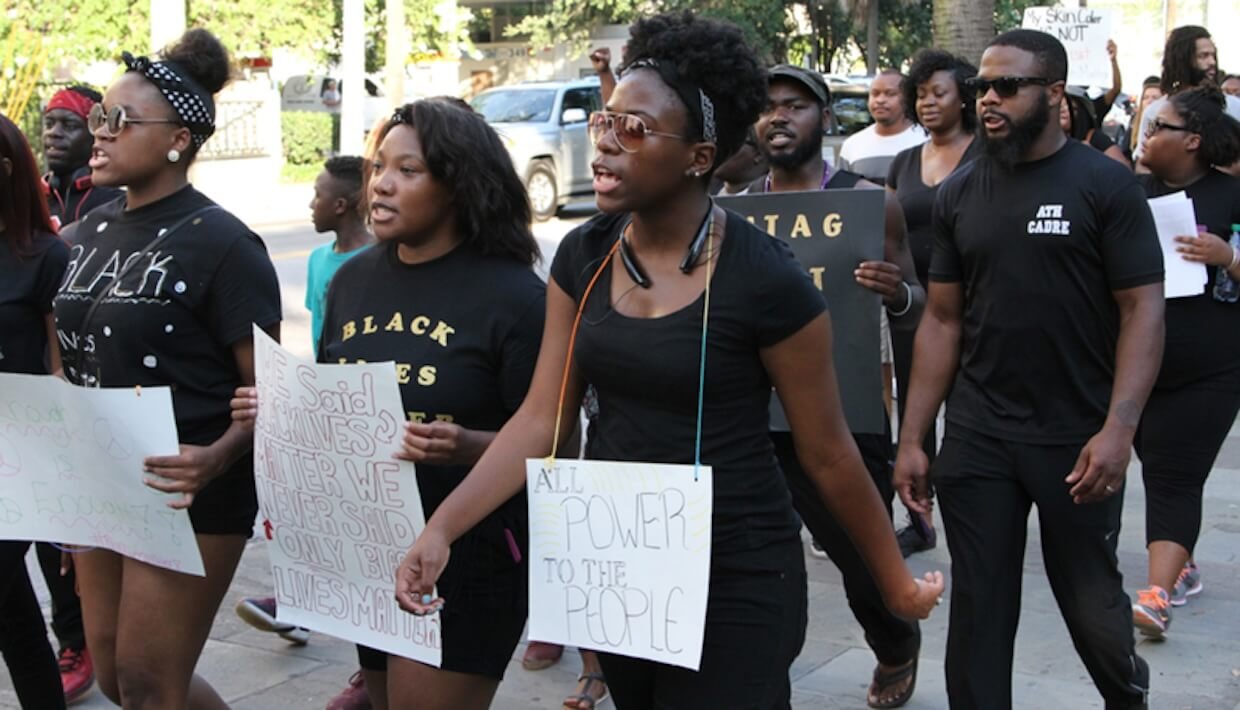
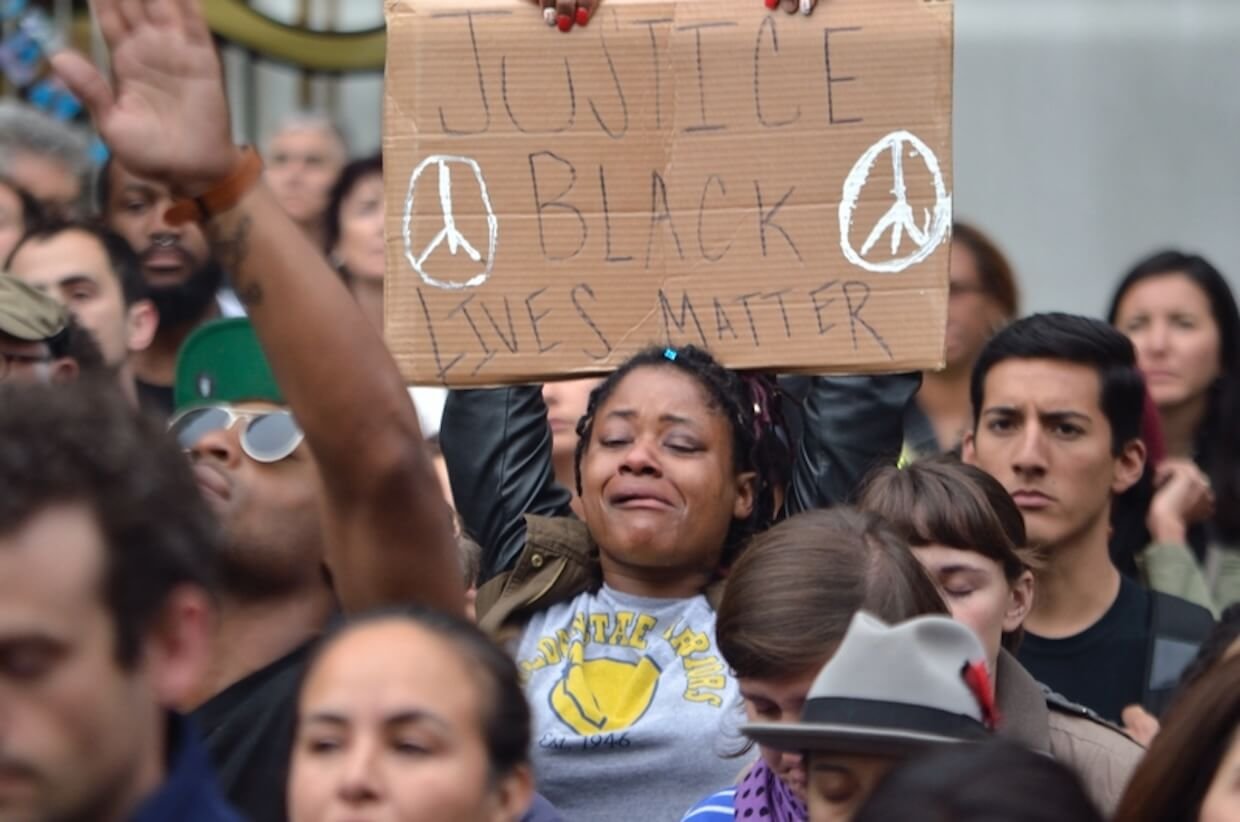
Race is central to both tendencies. In the first, for historical reasons, Black populations have played a critical role in defending and extending democratic practices and the functioning of democracy in the United States at the local, state, and federal levels. We can see this before and during the Civil War, throughout Reconstruction, in the Civil Rights Movement, and, to a certain extent, in more recent Black Lives Matter organizing.
The anti-democratizing or de-democratizing tendency has always been associated with forces that have practiced white supremacy. They’ve either practiced it explicitly or supported policies that tend to produce it as a byproduct.
If we look at the political science literature, the study of democratic backsliding in the United States has only recently returned to mainstream political science scholarship. For the longest time, political scientists studying this question focused almost everywhere except the United States. The exceptions included scholars of racial politics and Black studies more broadly. There are a couple of other exceptions, but I’ll leave it there.
What we’re trying to do is push the discipline toward recognizing that racial politics are essential to understanding democratic backsliding in the United States. Trump gives us the complicated benefit of bringing this issue into sharper focus.
Actually, race—and here I’m referring more broadly to the ways in which the state differentiates populations using biological or cultural concepts—is essential to understanding democratic backsliding. In the United States, it’s race. In some places, it’s not race but ethnicity. In others, it’s not ethnicity but religion, and so on.
These distinctions are essential to understanding democratic backsliding and authoritarian turns more broadly, both within nations and across regions. For example, when we think about the European Union or its current and former member states, we can examine how immigration and race have been used to generate support for democratic backsliding.
If we look at elections in South America—or at Israel, where the election was just held—we can see, in state after state, how racial or race-like dynamics are used to explain democratic backsliding.
The Republican Party Should Be Understood as an Ethno-Nationalist Party
In your essay “Make Sure It Includes Everyone,” you expressed skepticism about the institutional foundations of cross-racial progressive coalitions, arguing that organizations capable of sustaining solidarity across cities, suburbs, and rural communities had substantially weakened. Nearly a decade later, have the Trump era and its aftermath further entrenched racialized political divisions, or have new possibilities emerged for building durable solidarities across racial and class boundaries?
Professor Lester Spence: That’s a great question. I’d say yes to both. I talked about two tendencies: the democratizing tendency and the de-democratizing tendency. Those tendencies have moved even further apart.
One way to think about this is that if you had conducted a survey maybe 20 years ago, you would have found broad support, across parties and populations, for most of the elements of what we consider a functioning democracy, even among people who express racial resentment. People who are racially resentful might believe that certain populations shouldn’t necessarily be protected by democracy, but they would still express support for broad swaths of what we consider the necessary elements of a functioning democracy.
Now, I don’t think that’s the case anymore. Within the de-democratizing tendency, you have a broad swath of folks who increasingly don’t believe in democratic values. For them, race is being used to reinforce that tendency. Even though that tendency includes non-whites—for example, I’m from Michigan, where the Republican gubernatorial candidate is John James, an African American, and there are other African Americans within the Trump tendency running for office—it’s not quite the same as it was during the Jim Crow era. But even so, that tendency remains disproportionately white, and the Republican Party at this moment should be understood as an ethno-nationalist party. It is a white political party.
Within that dynamic, race is used to bring the coalition together, and the only circumstances in which that coalition accepts people who aren’t white are when those individuals themselves explicitly or implicitly express support for white supremacy. There’s that, and it’s important to note that I’m talking about political parties.
There’s also a geographic component: this tendency is concentrated outside American cities. If we had a map of the United States in front of us and broke it down by county—a geographic area larger than a city but much smaller than a state—we would see that urban counties, those containing major cities, support the Democratic Party regardless of the state, while areas outside them support the Republican Party, again regardless of the state.
There are racial dynamics layered onto this geographic divide. Metropolitan areas tend to be racially heterogeneous, meaning you can find all different types of racial populations. Areas outside metropolitan regions, by contrast, tend to be really white. The de-democratizing tendency is concentrated in those predominantly white areas, where people are working together on behalf of Trump and Trumpist policies.
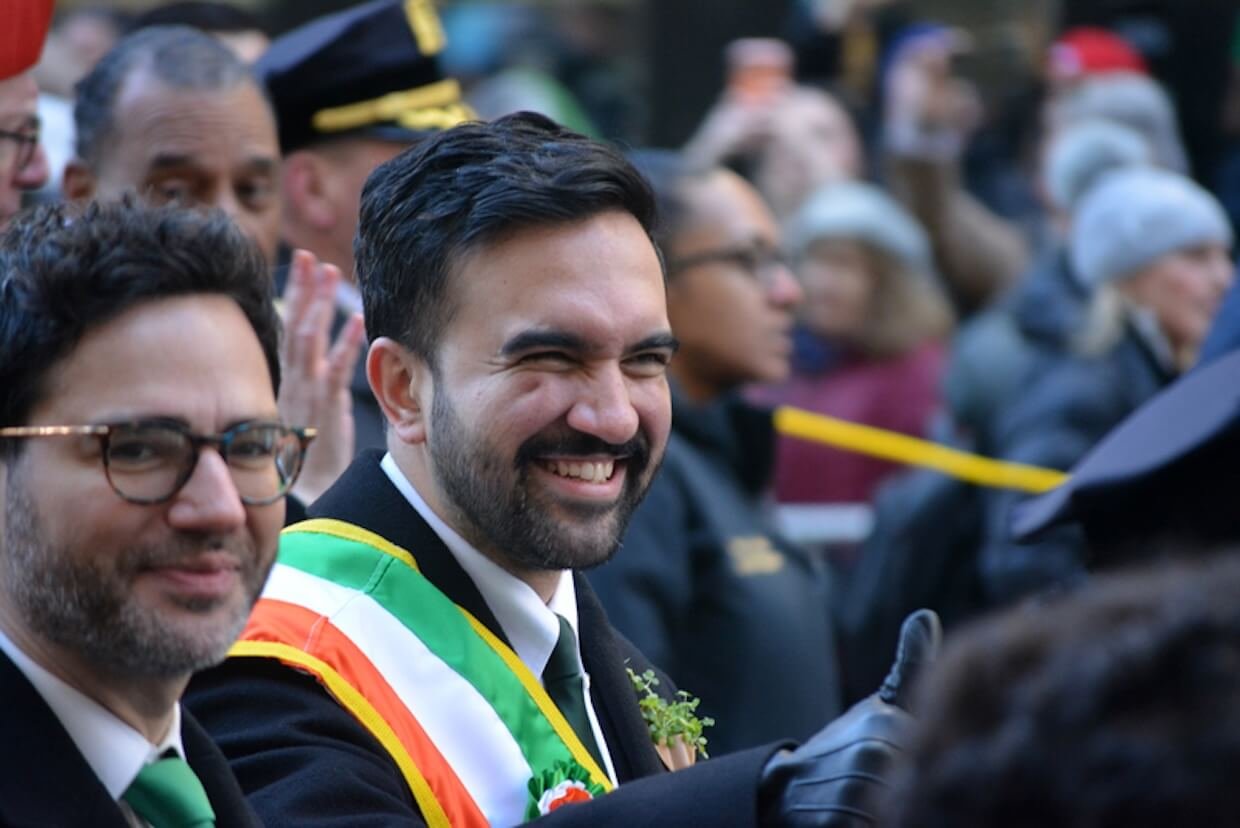
Within metropolitan areas, on the other hand, you see increasing efforts to develop cross-racial solidarity, at the very least to defeat the Trump tendency, but also to create space for more progressive forms of politics. It’s this dynamic that elects Zohran Mamdani as mayor of New York. It’s this dynamic that elects Brandon Johnson in Chicago. He’s not DSA, but he’s really progressive. It’s also this dynamic that is emerging in Providence, the largest city in Rhode Island, where it looks like the next mayor is going to be a DSA member.
All of these elections are pushing the Democratic Party further to the left, and they require strong interracial solidarity—not just class solidarity among working-class members of different racial populations, but also inter-class solidarity, because a lot of small business owners and people who make a little bit of money are supporting these tendencies as well.
So, you see both increased interracial solidarity on one hand and increased racial homogeneity on the other.
Black Populism Has Greater Potential in Major Cities
In the same essay, you defined Black populism around the principle that ordinary Black people should have their interests represented in government, while insisting that Black populism must fundamentally be a class project. How would you reformulate that argument in the political circumstances of 2026? Can Black populism offer a democratic counterweight to right-wing populism without reproducing the elitism, personalism, or exclusionary tendencies that populist movements often exhibit?
Professor Lester Spence: That’s a great question. The quick answer is that Black populism—and by that, I mean a movement designed from below to increase the capacity of working-class populations to have their needs met, focusing particularly on Black people in this case—has significant potential. Black populations, in general, tend to be more democratic. I also think the potential for Black populism in major cities is greater now than at any other time.
What will prevent it from devolving into personalism is the necessity of electoral processes, particularly at the city and county levels, to put people in office and bring about these policy shifts. The act of running for office and building political majorities, almost by definition, makes it difficult, at least for Black populations, to turn toward the type of charismatic, populist leadership that lacks democratic mechanisms of accountability.
Neoliberal Common Sense Is No Longer the Prevailing One in American Politics
In Knocking the Hustle you criticized the penetration of neoliberal assumptions into Black political thought and the institutions claiming to represent Black communities. Days before the midterms, to what extent does the Democratic Party remain constrained by the market-oriented political framework you identified? Does its approach to economic inequality, racial justice, and urban governance reveal meaningful ideological transformation, or primarily a repackaging of familiar neoliberal commitments?
Professor Lester Spence: If you read that book—and for your readers, the PDF is available for free—you’ll see that it was written when Black Lives Matter was just beginning, years before Trump was elected, much less elected for a second time. Those Trump elections, along with the growth of Black Lives Matter organizing and, relatedly, Occupy Wall Street organizing, changed the terrain in terms of the common-sense neoliberal approaches that had dominated Black political life and American political life more broadly.
I no longer think that neoliberal common sense is the prevailing common sense. We can see evidence of this in the election of people like Brandon Johnson, Brandon Scott here in Baltimore, and Zohran Mamdani, even though he’s not African American. In addition, Black congressional representatives are moving further and further to the left. They’ve changed the terrain of common sense, so that the types of neoliberal policies I criticized in Knocking the Hustle now face significant opposition when they’re proposed. At the very least, they’re being contested significantly.
Black Political Representation Also Serves as a Firewall Against De-Democratizing Tendencies
You have argued that the growing number of Black elected officials has not necessarily translated into policies that materially improve the lives of working-class Black constituencies. How should we assess this tension in contemporary American politics, particularly in cities governed by Black political leadership? What distinguishes descriptive representation from substantive democratic empowerment, and what forms of institutional accountability might bridge the gap?
Professor Lester Spence: That’s a great question. I might not be able to answer it as quickly as you’d like, but what I’ll say is that what I missed was partly a consequence of the circumstances of my birth. I was born in 1969, when the benefits of the Civil Rights Movement were just beginning to take effect. Most important for this conversation was the Voting Rights Act, which significantly increased Black political representation.
Because of the circumstances of my birth and the way we study these questions, we didn’t fully know how to reckon with the historical lack of Black political representation, nor did we know how to reckon with the dismantling of the Voting Rights Act. Let me explain what I mean.
Usually, when we think about the question you just asked, we say, okay, we elected these Black political representatives to serve our interests. We identify those interests and then examine the gap between what our interests are and what our political representatives have advocated for and accomplished. We can trace the size of that gap over time and identify moments when they’re doing a pretty good job and others when they aren’t doing well at all, when there’s a significant gap.
What we didn’t take into account was the presence of a party that was literally trying to bring us as close as possible to the conditions of 1950, when Black people lacked political power. As a result, we failed to fully understand the extent to which Black political representation is not simply about ensuring that Black populations are represented and their needs substantively met. It’s also about serving as a firewall to prevent the worst de-democratizing tendencies from gaining control and making things significantly worse.
I still think it’s really important to figure out what kinds of mechanisms Black populations need to hold Black representatives accountable. In instances where they’re not represented by Black officials, we also need to understand how they can work both on their own behalf and in concert with other populations to get their needs met. But I’m increasingly of the belief that, even as we continue that work, we need to better understand practices designed not so much to give Black people what they need politically, but to protect them by preventing the worst outcomes from occurring.
That’s a really difficult thing to study, but it’s what we’ve largely missed. Again, it’s because I was born at a moment when it seemed as if we’d won. It seemed as though Black people would have a durable ability to elect representatives of their choice, although that ability remained constrained. But we’re not in that moment anymore. Things are going backwards as we speak, and we have to figure out new tools.
We’re Not as Attentive to the Pro-Democratizing Elements of Black Life as We Should Be
Your critique of respectability politics suggests that emphasizing individual responsibility, entrepreneurial success, and middle-class behavioral norms can obscure structural inequalities within Black communities. How might this framework help explain the appeal of conservative political messaging among some Black voters, particularly younger men? Should such developments be interpreted primarily through gender, class, cultural identity, dissatisfaction with Democratic elites, or changing understandings of political representation?
Professor Lester Spence: That’s a great question, but I’ll actually push back against it. I think it’s a really good question, yet one that also reflects a challenge in studying Black politics, democratization, and de-democratization.
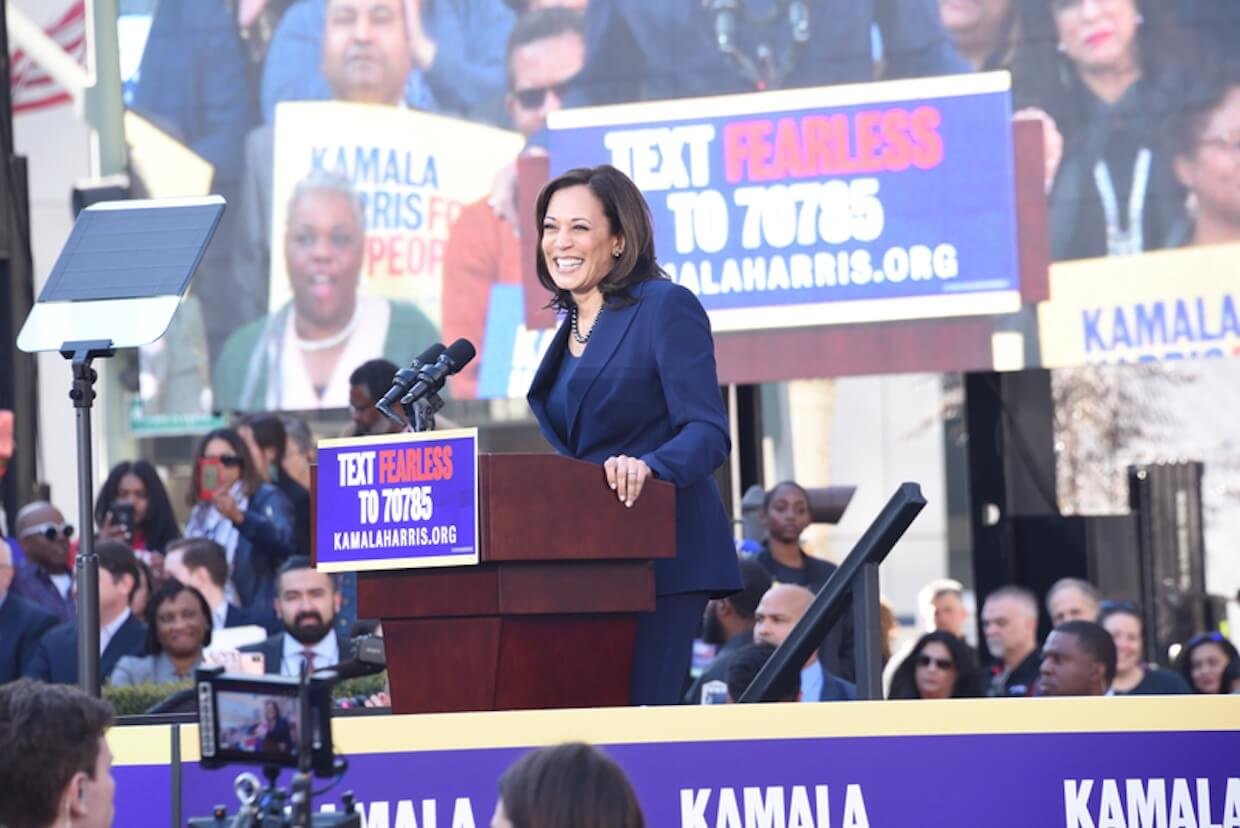
If we look at the 2024 presidential election and acknowledge that, despite the challenges associated with Kamala Harris and the Democratic Party, Harris represented the democratizing tendency while Trump represented the de-democratizing tendency, we see something important.
Two populations gave more support to Kamala Harris and that democratizing tendency than any others. The first was Black women, with approximately 90–92% support. The second was Black men. The gap between Black women and Black men is statistically significant, meaning it’s not due to chance. But that gap is really small, particularly compared with the gap between them and everybody else. If you look at other women—white women, Latino women, and Asian American women—the gap between them and Black women is huge. Similarly, if you look at white men, Latino men, and Asian American men, the gap between them and Black men is enormous. It’s absolutely huge, and it’s statistically significant.
It’s not just Harris; it was also Biden and Obama. This pattern has persisted. People have been talking about the rise of conservative attitudes among Black populations, particularly men, but I actually think that this question shows we’re not as attentive to the pro-democratizing elements of Black life as we should be.
With that said, returning to respectability, I don’t think respectability explains that relatively small gap between Black men and Black women. What probably explains it is a combination of factors. Black men’s economic circumstances are probably the worst among any racial and gender group. What we see among some people is support for Trump simply because they didn’t think Biden spoke sufficiently to their needs.
A second element is that African American populations increasingly include both people born in the United States, whose families have lived here for generations, and people who live in the United States but come from elsewhere. I think that among Black immigrant populations, men are probably more likely to have voted for Trump than for Kamala. But neither of those factors has to do with respectability. I don’t think respectability plays as much of a role in these developments as people think.
When You Weaken the Voting Rights Act, You’re Undermining Protections for Everybody
The Supreme Court’s April 2026 decision in Louisiana v. Callais narrowed challenges to racial vote dilution under Section 2 of the Voting Rights Act. How does this ruling fit into America’s history of racial exclusion? Does the distinction between permissible partisan gerrymandering and unlawful racial discrimination enable racial inequalities in political representation to persist under race-neutral justifications?
Professor Lester Spence: The short answer is yes, but I’ll broaden that point. In the United States, even if we narrow democracy to elections and the ability to elect representatives of one’s choice, democracy functions to the extent that the rights of Black people, as Black people, are recognized both in law and in its interpretation.
Going back to the Reconstruction era, if not earlier, we see attempts to protect and extend political possibilities through Black politics, alongside attempts to constrain those same possibilities. Those constraints don’t just affect Black people; they ultimately work to the detriment of democracy more generally.
In the United States, for example, much of the apparatus we have for understanding when democracy is fundamentally broken, particularly in terms of electoral dynamics, is connected to the Voting Rights Act. So, when you weaken or effectively neutralize the Voting Rights Act, you’re not just undermining its protections for Black people; you’re essentially undermining those protections for everybody.
Democracy Goes as Black People Go
The extraordinary wave of mid-decade redistricting ahead of the 2026 midterms has intensified competition over congressional boundaries, with Republican-led states seeking additional advantages and Democratic-led states pursuing countermeasures. How might these developments reshape Black electoral representation, particularly in the South? More fundamentally, when political parties can manipulate district boundaries to protect electoral power, what happens to the democratic principle that voters should choose their representatives rather than representatives effectively choosing their voters?
Professor Lester Spence: Again, what we’re going to see, unless something is done to change the way voting is conducted, is Black political representation dropping like a rock in the South and increasingly elsewhere. More broadly, we’re going to see support for the principle that people should be able to elect representatives of their choice, rather than the other way around, decline just as dramatically.
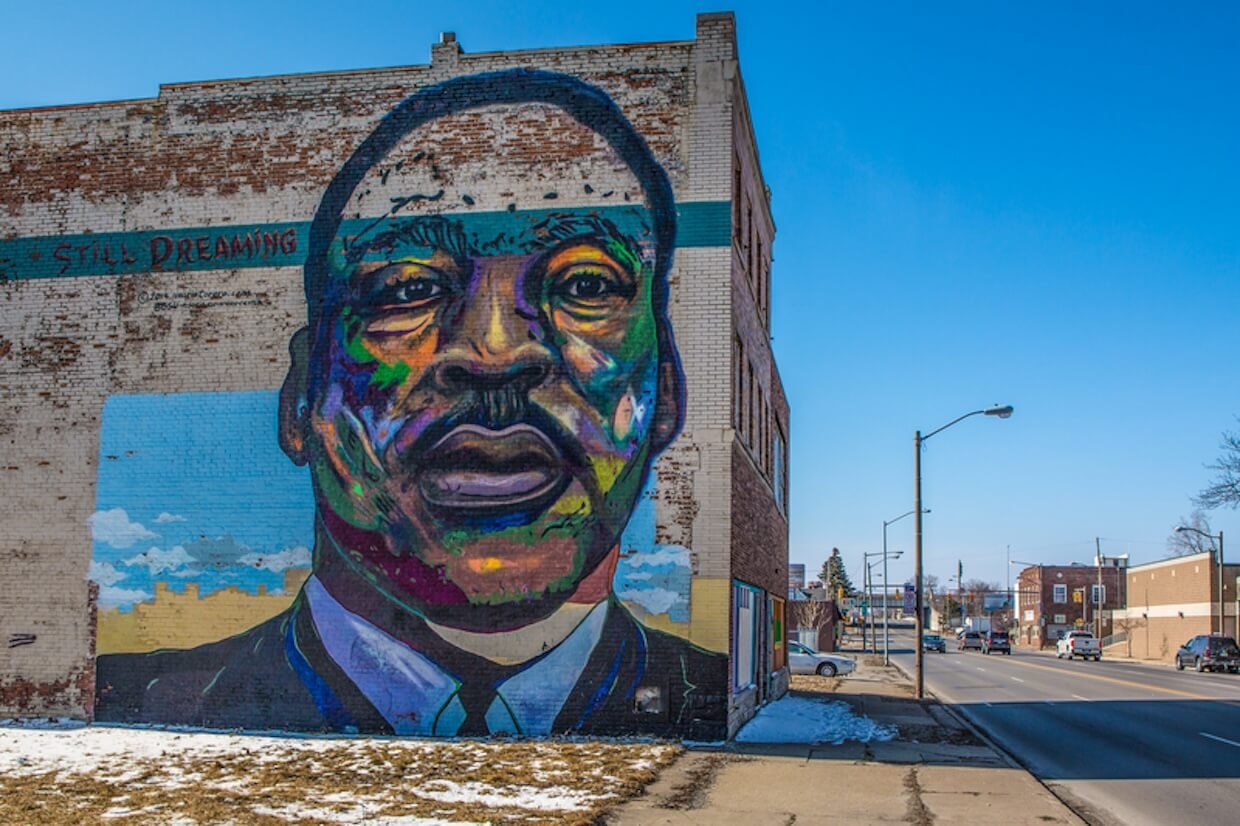
I cannot emphasize this enough: in the United States, democracy goes as Black people go. One of the challenges for political science as a discipline is to begin to fully understand that what happens to Black people aren’t something that happens somewhere else. It’s not simply that democratic harms inflicted on Black people affect only Black people. Rather, for historical reasons, Black people are at the center. So, what happens to Black people ultimately end up hurting everybody.
Black Voter Turnout, Political Alienation, and the 2026 Midterms
Black voters remain a central constituency in the Democratic electoral coalition, yet political representation does not necessarily translate into material improvements in their communities. As the midterms approach, how should we distinguish electoral demobilization rooted in political alienation from genuine ideological realignment? What do contemporary patterns of Black political behavior reveal about the relationship between racial solidarity, class divisions, institutional trust, and perceptions of political efficacy?
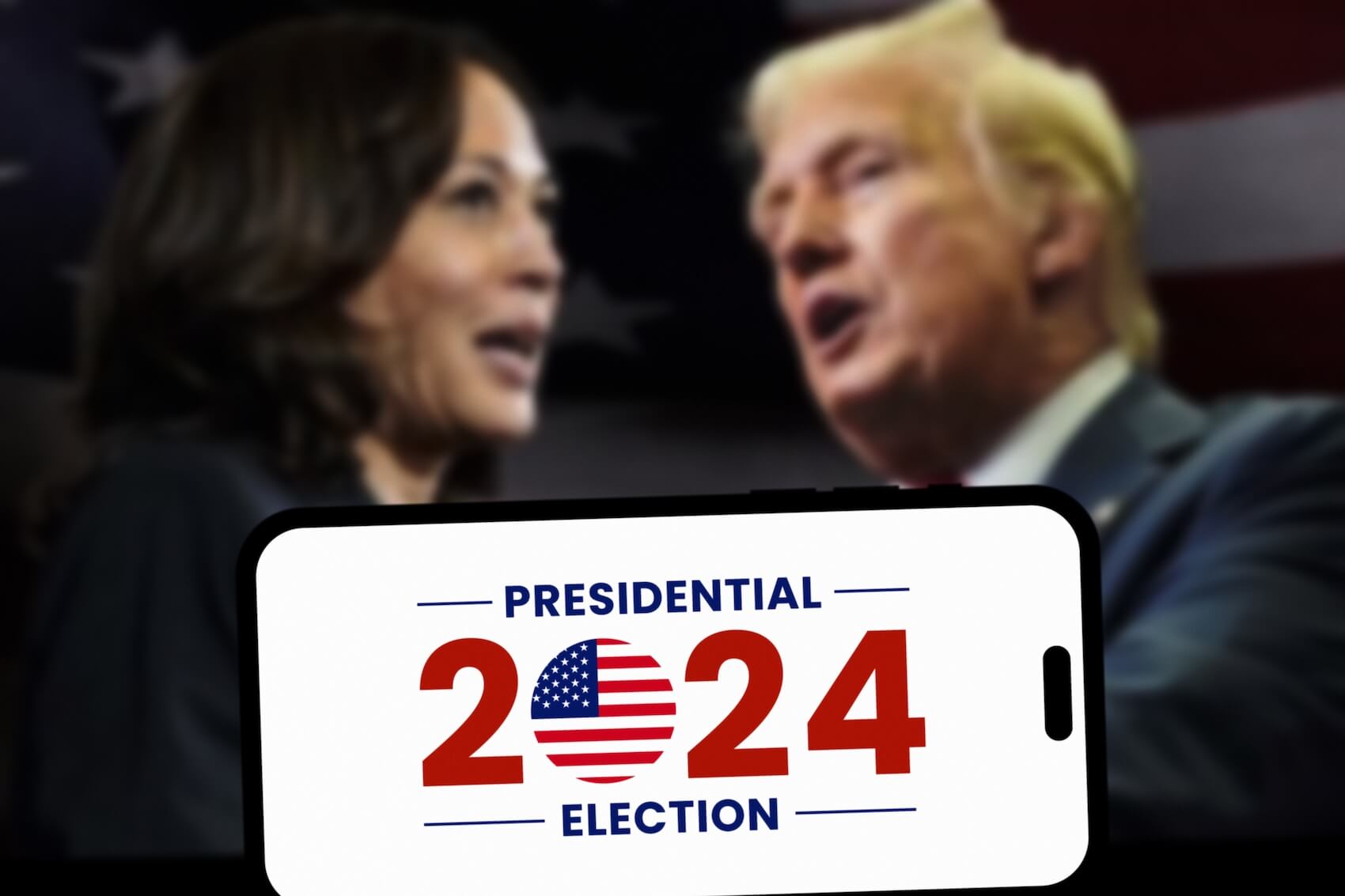
Professor Lester Spence: That’s a great question. Going back to the 2024 presidential election, Kamala Harris lost the Electoral College essentially because of Wisconsin, Pennsylvania, and Michigan. Within those states, she lost because she lost Philadelphia, one of Pennsylvania’s two major metropolitan areas; Detroit, the major metropolitan area in Michigan; and Milwaukee, the major metropolitan area in Wisconsin.
In each of those three instances, it wasn’t a matter of Black people voting for Trump; it was a matter of declining Black voter turnout. So, why did Black voter turnout decline? Part of the answer lies in the question of what exactly the party is doing for us.
Given the Trump tendency and the racism at its core, Black voters basically have two choices: they either vote for the Democratic tendency or stay home. That decision to vote or stay home is shaped partly by mobilization, but also by the issues of institutional trust and political efficacy that you raised.
If we look at the extent to which Black populations feel that their interests are being addressed directly, particularly when the party faces a choice between speaking to Black voters and appealing to white moderates, or even white Republican moderates, some Black voters saw the decision to prioritize white Republican moderates over them and concluded, “Well, if it’s going to be like this, I’ll just stay home.”
That’s one plausible explanation, though certainly not the only one, for why Kamala Harris lost. The real challenge was that she had only a few months to run her campaign. That’s really the challenge. But embedded within that are questions of political efficacy, institutional trust, and what the party actually does for Black voters.
Going forward, what we have to do—and what we’re beginning to see with the election of a number of Black progressive candidates and progressive candidates more generally—is built on these successes and develop durable coalitions that place the material needs of Black and working-class populations at the center. We’ll know more next Tuesday. Even given everything, we have greater potential to do that now than perhaps we’ve had in a long time.
Black Lives Matter, Occupy Wall Street, and Durable Political Institutions
In “Make Sure It Includes Everyone,” you questioned whether Black Lives Matter’s mobilization against state violence could develop into durable institutions capable of transforming local politics and the Democratic Party. Looking back from 2026, how would you assess the movement’s achievements and limitations? Has the changing political environment exposed the fragility of protest-centered mobilization, or have new forms of local political power emerged?
Professor Lester Spence: It’s the latter. New forms of local political power have emerged. In Baltimore, I can name the individuals who have been able to essentially flip the City Council as a result of organizing. I can do the same in other cities. I would point to someone like Brandon Johnson, along with a number of people on the Chicago City Council. I’ve mentioned Providence and New York, and we can also look at the Detroit City Council. There are a number of people in office today who wouldn’t be there without the combined influence of Black Lives Matter and Occupy Wall Street organizing.
I think my critique was right, but what I should have done better in that essay was address the potential of organizing over time. Political movements themselves create openings, and institutions then emerge to fill those gaps. DSA, for example, stepped into the space created by Occupy Wall Street and grew not only numerically but also in its ability to run candidates for office and win elections. We see similar developments emerging from the Black Lives Matter tendency.
At the outset, when you’re involved in a movement, it’s difficult to predict what shape those new institutions will take or how they will function. But what we’ve seen, particularly with the emergence of all these progressive and left-wing candidates, is evidence of people building on those movements and creating something durable.
Anti-Communist Attacks May Backfire Rather Than Achieve Political Success at the Ballot Box
In your July 2026 Counterpublic Papers, you described growing state violence, the targeting of Antifa, and hostility toward democratic socialism as elements of a new Red Scare combining white supremacy and anti-communism. How does this reflect America’s history of political repression? To what extent do anti-socialist narratives restrict legitimate political participation, including within the Democratic Party itself?
Professor Lester Spence: I want to give a shout-out to Charisse Burden-Stelly. More than almost anybody else, she’s been writing about the connections between Black politics, racial politics, communism, and anti-communism. That Counterpublic Paper relied in part on some of her work.
What’s happened in this moment, although it hasn’t been particularly effective, is that people have used the anti-communist label to tar just about anything to the left of the Trump tendency. Historically, that dynamic has been used to delegitimize movements going back to the labor movement, including the Civil Rights and Black Power movements. It’s also been used to delegitimize leaders within Black politics, whether they were integrationists who advocated nonviolence, like Martin Luther King Jr., or held different political positions. And it’s been used to legitimize racist and capitalist domination in American politics.
The challenge, going back to what I mentioned about my age and being born in 1969, is that I’m 57, and I remember when the Soviet Union existed. People today don’t necessarily know what communism and socialism are. Those labels don’t carry the same weight they once did because that political alternative was basically wiped out, with some exceptions. At the very least, in the United States, it was largely erased from our political imagination. So, the use of the anti-communist brush isn’t going to carry the same political weight anymore. In fact, support for socialism among younger voters is higher than at any point since polling on the issue began.
If anything, there’s a risk that this strategy could actually backfire. Again, to point to the same people I’ve been discussing, if you look at the actual governance of somebody like Zohran Mamdani, it doesn’t look anything like what those using the anti-communist or anti-socialist label suggest. It doesn’t resemble what people have been led to expect. People were arguing that immediately after the election, capital would flee New York like nobody’s business. But capital didn’t go anywhere.
People are using these labels rhetorically in ways similar to how they’ve been used in previous eras. They’re also being used politically. Trump controls the state, and he’s been using the FBI and other instruments of state power against radical activists. You can also understand his attacks on the economy as part of that project. But there’s a difference between deploying these attacks and achieving political success at the ballot box. And I just don’t see them being politically successful at the ballot box.
We Have to Prioritize Transforming Elections and State Capacity
And finally, Professor Spence, your scholarship emphasizes the limits of electoral representation without structural change. As Americans prepare to vote on November 3, what would constitute meaningful democratic progress for Black working-class communities beyond partisan electoral victories? How might your conception of Black populism distinguish genuine political empowerment from electoral mobilization without institutional transformation?
Professor Lester Spence: One way to think about this is to return to the weakening of the Voting Rights Act. When Black people first seized political power, they changed the trajectory of the United States through the Reconstruction-era amendments. We see Black people using their political power both to constrain the white Confederacy in the South and to build a new progressive infrastructure. They created the first public schools and began taxing capital.
Fast-forward to the passage of the Voting Rights Act and the creation of the Congressional Black Caucus. Its members were to the left of the Democratic Party and proposed a range of progressive and left-leaning policies deeply connected to labor.
What these two instances demonstrate is that it’s not just about electing people; it’s about creating a new model that protects Black voters and voting rights while expanding the capacity of political power to generate progressive change.
In the current circumstances, with the Voting Rights Act being weakened, this could mean supporting a new Voting Rights Act or something like proportional voting—new voting systems that allow people to vote in different ways, enhancing their ability to act on their own behalf and work with other constituencies.
We have to consider that first. We have to prioritize transforming elections and state capacity because of how virulent, deeply racist, and anti-democratic the Trump tendency is. But beyond that, we need to think not just about changing the electoral system but also about reforming the different components of federal power. That means constraining the executive branch, constraining the judicial branch, and expanding the legislative branch to make it more democratic.
These kinds of reforms help build a constituency that supports them. Once that constituency and political project are established, the project can be linked to working-class policies that not only protect people’s ability to participate in government but also strengthen and further develop their capacity to secure material benefits from government.