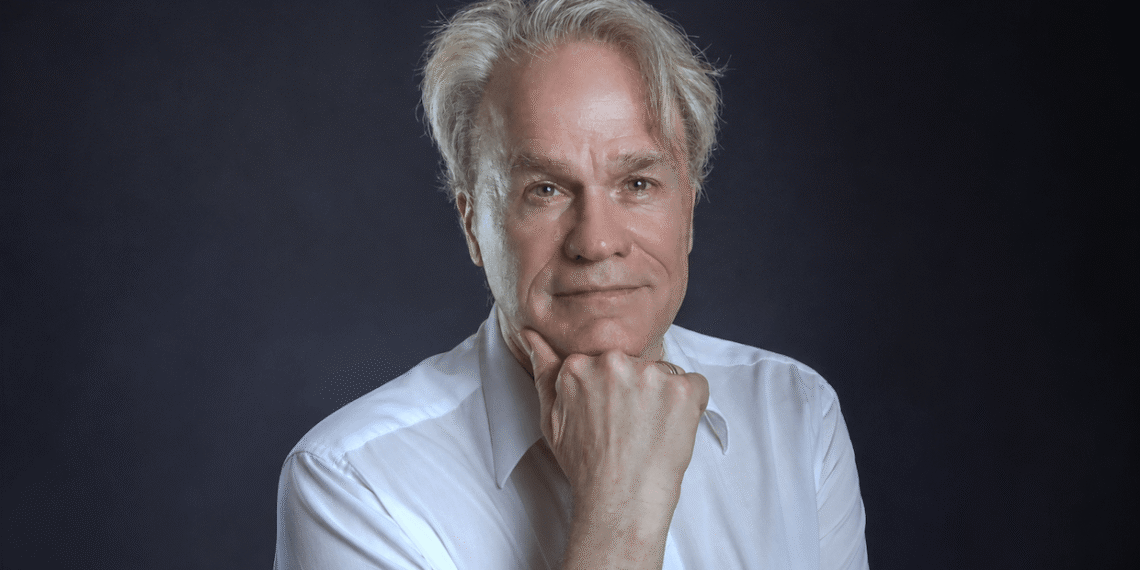
Brazil’s October 25 presidential runoff delivered a narrow victory for Lula da Silva, but the enduring strength of Bolsonarismo raises profound questions about democratic consolidation. In an interview with the European Center for Populism Studies (ECPS), Professor James N. Green, Carlos Manuel de Céspedes Professor of Latin American History Emeritus at Brown University, examines Lula’s electoral comeback, the institutional resilience of Brazil’s radical right, and the continuing threats of authoritarianism. Warning that “the far right in Brazil has not been defeated. It has merely lost a battle,” Professor Green explores conservative congressional obstruction, electoral delegitimation, religious fundamentalism, and democratic backsliding. Drawing on Brazil’s history of military dictatorship and democratic resistance, he emphasizes the indispensable role of grassroots mobilization, inclusive citizenship, and international solidarity in safeguarding democracy beyond electoral victories.
Interview by Selcuk Gultasli
Brazil’s October 25 presidential runoff delivered a remarkable political reversal, with Luiz Inácio Lula da Silva securing a historic fourth term after overcoming his first-round deficit against Flávio Bolsonaro. Yet Lula’s narrow victory, with 51.79% of the vote against Bolsonaro’s 48.21%, exposes a fundamental paradox of contemporary Brazilian democracy: electoral resilience coexists with entrenched authoritarian tendencies, institutional polarization, and the enduring political strength of the radical right. Rather than signaling Bolsonarismo’s demise, the election raises profound questions about the fragility of democratic consolidation.
In an extensive interview with the European Center for Populism Studies (ECPS), Professor James N. Green, Carlos Manuel de Céspedes Professor of Latin American History Emeritus at Brown University, draws on his scholarship on military dictatorship, democratic resistance, social movements, and political polarization to assess Brazil’s uncertain democratic future. His central warning is unequivocal: “The far right in Brazil has not been defeated. It has merely lost a battle.”
Professor Green situates Bolsonarismo’s resilience within Brazil’s historically conservative political culture and the institutional strength of Bolsonaro-aligned forces in Congress. Although democratic institutions successfully resisted the attempted coup of 2023, he cautions that authoritarian political currents remain deeply embedded. “They want an authoritarian state,” he warns, emphasizing that some radical-right forces seek to undermine the rule of law and the separation of church and state.
The danger extends beyond electoral competition. Professor Green identifies parliamentary obstruction, potential impeachment initiatives, and the delegitimization of electoral institutions as significant threats to Lula’s presidency. Reflecting on the far right’s allegations of electoral fraud, he warns that such narratives undermine democratic participation itself: “If people don’t believe the system is trustworthy, they’re not going to take the time or make the effort to go out and vote.”
Drawing historical parallels with Brazil’s 1964–1985 military dictatorship, Professor Green underscores the indispensable role of grassroots mobilization and international solidarity in resisting authoritarianism. He argues that the social movements instrumental in Lula’s electoral comeback must remain politically engaged beyond election cycles while preserving their capacity to criticize the government.
The interview also examines the growing influence of conservative evangelical Christianity, the vulnerability of LGBT+ rights, and the transnational connections between Trumpism and Bolsonarismo. For Professor Green, democratic consolidation ultimately depends on inclusive citizenship and institutional accountability. As he emphasizes, “If that society doesn’t protect broad democratic rights for everyone, no one’s rights are guaranteed.”
Looking ahead, Professor Green anticipates mounting confrontation between Lula’s governing coalition and the radical right, warning that the next four years could “further intensify tensions between the left and the right and deepen the country’s polarization.” His assessment reveals why defeating authoritarian populism electorally is not equivalent to overcoming its structural foundations.
Here is our interview with Professor James N. Green, edited lightly to enhance clarity, readability, and overall flow for publication.
Grassroots Mobilization Secured Lula’s Victory

Professor Green, thank you for joining us. Lula overturned his first-round deficit to defeat Flávio Bolsonaro by 51.79% to 48.21% in the October 25 runoff. What explains this remarkable turnaround? Was it primarily anti-Bolsonaro mobilization, renewed confidence in Lula’s redistributive agenda, or a broader democratic reaction against right-wing populism?
Professor James N. Green: We have to fully understand how polarized Brazilian society is. The elections were close, despite the final victory for President Lula da Silva. In this regard, the coalition that President Lula established sent two messages. The first was a message against the anti-democratic tendencies of the Bolsonaro family, including the son of former President Jair Bolsonaro, who is currently under house arrest for being involved in an insurrection against the democratic state. The second was a reaction against the threat of eliminating social programs established under Lula’s governments over the years, which have really transformed the lives of ordinary and poor people.
The polls had shown Lula ahead in the first round of the elections, making his campaign overconfident. When the election results were finally determined on October 5, Lula was 1.9% behind Flávio Bolsonaro, causing panic among his supporters.
Three things then happened. First, there were initially spontaneous and later organized national demonstrations throughout the country, with huge mobilizations in the streets in favor of President Lula. Second, a very sophisticated and effective media and social media campaign was launched to encourage people to move beyond their bubbles and zones of comfort and reach out to others. Third, people individually drew up lists of those who had not voted in the first round and whom they could persuade to go to the polls in the second round.
That made the difference. Ten million more people voted for President Lula in the second round than in the first, while four million more voted for Flávio Bolsonaro. Both sides gained, but Lula secured a larger margin, largely because of the mobilization of his base of support to get out the vote.
Lulism Faces an Uncertain Future Beyond Lula

Lula has secured a historic fourth presidential term, yet his narrow victory raises questions about the durability of Lulism beyond his personal leadership. Should Lulism be understood as a form of inclusive left-wing populism, a pragmatic cross-class coalition, or a distinctive model of social-democratic governance? Can it survive politically beyond Lula himself?
Professor James N. Green: It’s all of the above and it’s a very complex situation. At the moment, the Workers’ Party (PT), founded in 1980, is the largest left-wing party in the world with a positive dynamic. While other left-wing parties around the world are shrinking in size, the Workers’ Party remains strong and was able to pull off this tremendous electoral victory.
Lula is a social democrat because that’s the camp in which he has found himself, in the sense that he is clearly dedicated to uplifting the lives of ordinary working-class people. He’s not an ideologue; he’s a very shrewd and excellent negotiator who builds broad coalitions, and that’s precisely what he’s done. He built a broad center-left coalition in the country, taking the air out of a centrist political party that had been important for many years after the return to democracy: the Brazilian Social Democratic Party. Lula basically absorbed that sector of society into this large coalition, further polarizing the country while carrying out a program of reforms that some people think is not enough.
The far right, however, thinks it’s way too much, alleging that Brazil is now under a dictatorship and that communism could emerge in the immediate future. All of these are exaggerated fears and discourses that are far from reality.
Lula has a big challenge ahead of him. He has not successfully found a political heir, and there will therefore be disputes over the next three years about who will be the candidate of the left in the 2030 elections.
At this point, only days after the final results of the second round of the elections, the strongest candidate is the governor of the state of São Paulo, Tarcísio de Freitas, who is part of the Bolsonaro camp. He has the biggest chance of emerging as the leading political force in opposition to Lula’s presidency and of leading the opposition in the 2030 elections.
However, that being said, anything can change in Brazil. It’s a very dynamic country with a very complex history, so it’s hard to predict what’s going to happen in four years when we’re barely getting over the election results and beginning to look at the kind of government the Lula administration will establish for his fourth term in office.
Bolsonarismo Remains Powerful Despite Electoral Defeat
Despite Flávio Bolsonaro’s defeat, nearly half the electorate supported his candidacy, while conservative forces strengthened their congressional position. Does this outcome confirm that Bolsonarismo has evolved into an institutionalized radical-right movement independent of Jair Bolsonaro? What historical and social factors explain its resilience?
Professor James N. Green: In spite of a series of stereotypes portraying Brazil as an open, free, fun-loving country, with its carnival, tropical climate, etc., Brazil has a profoundly conservative political culture. Between 1945 and 1964, an interregnum during which Brazil held democratic elections, although the franchise was still limited, the voting blocs were divided basically into three groups: a third on the right, a third in the center, and a third on the left. And that is basically the situation today.
However, given the way elections work, there is a first round in which anyone can run for president, followed by a second round between the top two candidates. This tends to polarize the electorate between the left and the far right, although there are other candidates and political forces in the center representing that 33%, whose support is not reflected in the final presidential election results.
And so, Lula will have a difficult time in Congress. There are enough votes to initiate impeachment proceedings against the president, although, at this point, there are not enough votes to successfully impeach him. But they will try. The far right will definitely, at some point, try to seize upon a stumble by Lula and draw up impeachment charges against him in the lower house, the Chamber of Deputies, before taking them to the Senate, where Lula currently has enough support to prevent his removal from office.
The current Congress is very closely linked to Bolsonaro’s political party, the Liberal Party, and the names of political parties in Brazil often have nothing to do with their ideology. I wouldn’t really call his party a liberal party, but that’s the name they’ve taken for themselves. They will therefore have a large bloc, enabling them to push the agenda to the right and block some of the social agenda that Lula will clearly want to carry out in his fourth and final term in office. And so, there’s going to be tremendous tension.
The Bolsonaro forces will continue to have influence as long as Jair Bolsonaro’s family remains politically effective. However, with two of his sons in exile in the United States, claiming that there is a dictatorship in Brazil and that they’re being politically persecuted, the political capital of the Bolsonaro family has weakened.
It’s possible that their support will shrink to a more normal 33% of the population in terms of congressional representation in the future. But at the moment, as you pointed out, they clearly have a hold on the political system, from the right to the far right.
Democratic Institutions Survive, but Authoritarian Threats Persist

Drawing on your scholarship on Brazil’s authoritarian past, how should we interpret Lula’s victory in the context of democratic backsliding? Does the electoral defeat of Bolsonarismo demonstrate the resilience of Brazilian democracy, or does its continuing institutional strength suggest that authoritarian tendencies have merely been contained rather than overcome?
Professor James N. Green: I think we have a situation in which democratic institutions have sustained the democratic system so far and managed to fend off an attempted coup d’état in 2023, when Bolsonaro’s forces invaded the seats of Congress, the Supreme Court, and the executive branch of government. That led to the conviction and imprisonment of Jair Bolsonaro, along with the conviction of certain individuals within the armed forces and his political movement who conspired with him to overthrow the government.
But the fact remains that the Bolsonaro forces have not been defeated. They feel very confident, despite having lost this election. They feel a great deal of strength right now, and their anti-democratic sentiments therefore remain a threat to the consolidation of democracy in Brazil. This is the greatest danger because they do not believe in the rule of law. They want an authoritarian state. Some of them want to eliminate the separation of church and state in Brazil and push for a non-secular government, one shaped by religious ideologies.
And so, there are still threats to democracy in the country. Lula has a very strong popular base of support that will sustain him in office, but democratic forces need to remain alert because the far right has not been defeated. It has merely lost a battle.
International Solidarity Remains Vital to Brazilian Democracy
In We Cannot Remain Silent, you document resistance to Brazil’s military dictatorship and the struggle to restore democracy. How does this historical experience illuminate contemporary Bolsonarismo? What similarities and differences do you identify between authoritarian practices under military rule and today’s radical-right populism?
Professor James N. Green: In 1964, the military took power in Brazil, promising to restore democracy at a time when a left-wing populist government was in power and the country was experiencing high inflation and economic problems. They claimed they would basically clean house, get rid of corruption, and then return the government to the civilian population. But they did not do that. They stayed in power for 21 years. And so, the struggle to end the dictatorship and consolidate a democratic regime has been one of the great challenges people have faced over this period.
Many people ask me why I got involved in Brazil. The simple story is that I met a Brazilian exile in Washington, D.C., in 1973. He had been arrested and tortured in 1970 and 1971. His family helped him leave Brazil and come to the United States. Together with other Brazilian exiles and supporters of Brazil, he had organized a movement to denounce torture and repression in the country. This developed into a grassroots democratic movement throughout the United States, in which academics, religious leaders, politicians, people with connections to Brazil, and a scattering of Brazilian exiles organized a very effective campaign to denounce the military regime and expose the human rights abuses committed during its time in power.
This solidarity, this identification with democratic forces in Brazil, was an important element in containing the excesses of the military regime over time. And so, in recent years, as the far right has once again lifted its head and threatened democracy, a very strong international solidarity campaign with Brazil has developed.
I participated in that movement to a certain extent, and we founded the US Network for Democracy in Brazil and the Washington Brazil Office, a nonpartisan NGO based in Washington, D.C., that advocates on issues concerning Brazil and informs the public about the country’s political and social situation.
What’s significant about this new movement is that in 2022, when Jair Bolsonaro realized he was probably going to lose the elections to Lula, he developed a discourse claiming that the elections were fraudulent and that the voting machines could not be trusted. He therefore tried to mobilize sectors of the armed forces to carry out a coup.
In response, both the Biden administration and forces within Congress sent a clear message to the Brazilian military that the United States would not tolerate a coup d’état or interference in the democratic process. This is very significant because, in 1964, the United States supported the military when it came to power and continued supporting the generals for many years. So, this shift in US foreign policy, coupled with clear denunciations in Congress, created a split within the armed forces. One sector refused to join the attempted coup d’état, and the attempt failed.
This international solidarity, documented in my book We Cannot Remain Silent—which takes its title from the first petition circulated in 1970 about the situation in Brazil—illustrates not only the historical experience of the 1970s and 1980s, when people supported democratic forces in Brazil, but also more recent years, when academics, activists, and others have mobilized significantly to denounce threats to democracy and support democratic forces within the country.
I think they’ve been very successful in that regard. My book shows that this solidarity was very important in the past and remains important today. It is one of the bastions for guaranteeing that Brazil remains a democratic country.
Far-Right Resilience Threatens Brazil’s Political Stability
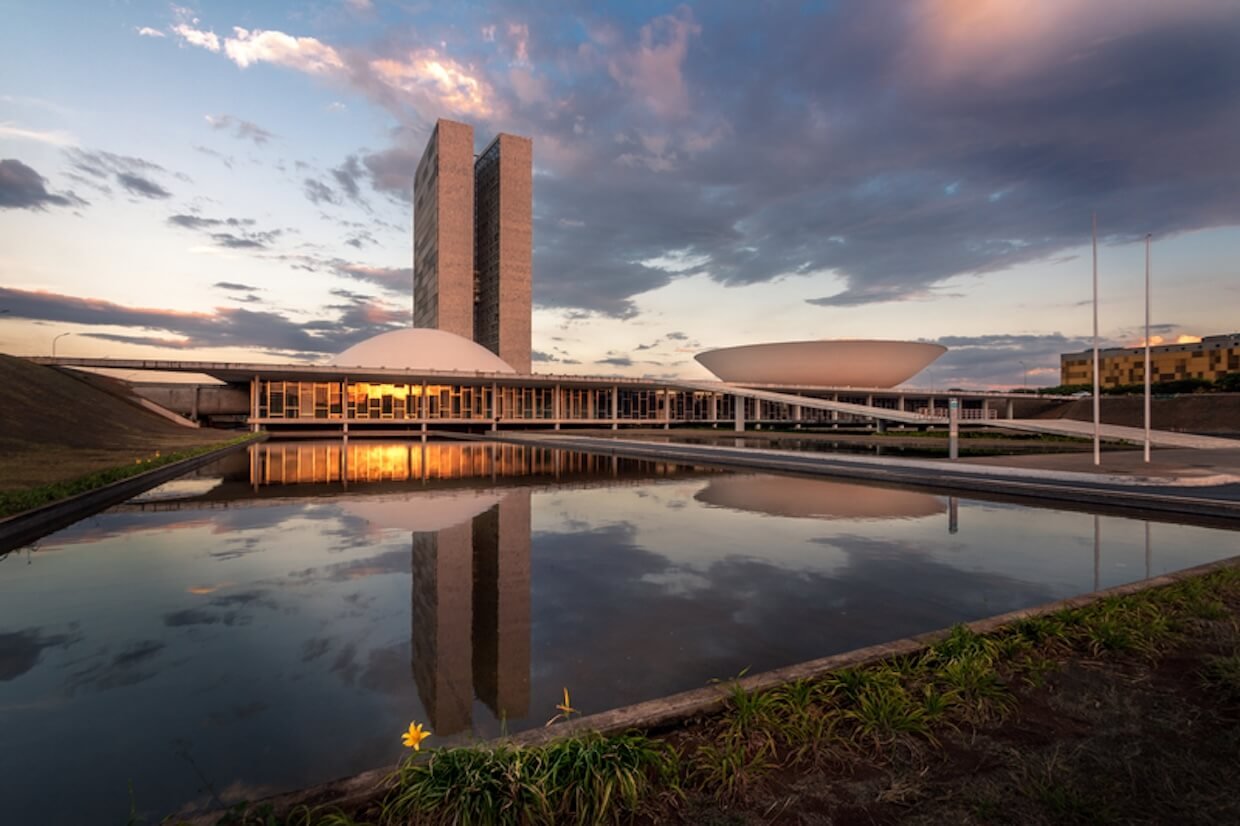
You have previously traced the intensification of Brazilian political polarization to developments beginning during Lula’s first administration. How does this historical trajectory help explain the exceptionally close 2026 election? Has polarization become structurally embedded in Brazilian democracy, extending beyond the personalities of Lula and Bolsonaro?
Professor James N. Green: The situation in Brazil reflects what’s happening worldwide. We’re seeing intense polarization in Europe and certainly in the United States, although we’re soon going to see a resounding defeat for President Trump’s policies in the elections to Congress and for governors and state legislatures in the United States.
This polarization, evident in Brazil, is also occurring across Europe, where the threat of far-right governments coming to power in France, the rise of the pro-fascist right in Germany, and the presence of conservative or semi-fascist governments in other parts of Europe are creating a very alarming situation for people around the world. We see the possibility of the far right consolidating its position in many parts of the world.
In Latin America, for example, most governments now in power are led by elected far-right or right-wing candidates. This is particularly the case in South America. At the moment, only three countries—Uruguay, Mexico, and Brazil—have center-left political parties in power. So, this threat is real. As you point out, the elections were so close that one cannot speak of a defeat of the far right in Brazil, but merely its containment—and an unsuccessful containment in Congress—which raises serious questions about the future.
Further victories by the far right can encourage its forces, whereas defeats, as will take place in the United States, could potentially discourage them. Brazil finds itself in a middle ground between strong far-right support for the opposition and Lula’s important but still narrow victory. This points to a somewhat unstable situation in Brazil, given the continuing strength of the far right.
Congressional Resistance Could Paralyze Lula’s Agenda
Lula enters his fourth term facing a conservative Congress in which Bolsonaro-aligned forces retain substantial influence. Could parliamentary obstruction and institutional confrontation constrain democratic governance even after the presidential defeat of the radical right? How should we distinguish legitimate legislative opposition from practices contributing to democratic backsliding?
Professor James N. Green: The question concerns the proposals that different political forces will put forward in the new Congress. What legislative proposals will they actually present that will affect the people of Brazil? This is especially important in addressing rising inflation, the high cost of living, a large domestic debt, and a government deficit resulting from huge spending on government programs. These problems could cause a very serious economic crisis in the next two or three years, weakening the legitimacy of the Lula government and opening the door, as I mentioned earlier, to possible impeachment proceedings.
So, the question really is whether Lula, together with his allies in Congress, can build a large enough coalition that, while not necessarily agreeing with all the political positions defended by the Workers’ Party and Lula, is nevertheless deeply concerned about holding back democratic backsliding in the country.
In this regard, Lula is currently putting together his new government, which will include members of centrist political parties that did not field a presidential candidate but remained open to supporting either of the two candidates, depending on who won. These parties will likely receive positions in government ministries, where they will be able to appoint their supporters to key political posts and exercise influence over government policy and practice.
Much therefore depends on Lula’s ability to win over potential opponents and bring them into his government. He did this during his last administration, but there was a problem: he recruited members of opposition political parties into his cabinet who served in the government, while their parties did not support the government in Parliament. Therefore, he has made it a condition for inviting people into his government that their parties commit to supporting government policies throughout his administration. Otherwise, they really shouldn’t be serving in the government.
One of Lula’s main challenges is thus to build a broad enough coalition to reduce some of the opposition to his governance while ensuring that these arrangements do not paralyze his ability to carry out his own political agenda over the next four years.
The Far Right Questions Elections Only When It Loses
Flávio Bolsonaro’s refusal to concede immediately and his challenge to electoral procedures have renewed concerns about institutional trust. In light of Brazil’s experience following the 2022 election, how significant are these developments? Can electoral institutions maintain democratic legitimacy when substantial political constituencies question the credibility of election outcomes?
Professor James N. Green: This is very interesting because the right-wing questions election outcomes when it loses, but when it wins, it doesn’t question the voting system. Brazil has an electronic voting system in which voters enter a booth and punch in numbers corresponding to their political party and its candidates. It’s a very efficient system. We know the results within an hour of the polls closing, and the outcomes have never been seriously challenged by legitimate forces. In this most recent election, there were outside international observers, and no one raised any questions about the outcome.
Moreover, no one on the far right questioned the victory of the majority of its supporters in Congress. So, somehow, the voting machines worked when they elected their supporters but didn’t work when they lost the presidential race. This undermines the electoral process and creates a sense of illegitimacy by casting doubt on the country’s existing voting system, which is extremely trustworthy, in my opinion.
This opens the door to a narrative that the elections were stolen, that Flávio Bolsonaro actually won, and that such a shift in voting between the first and second rounds of the election simply wasn’t possible. This narrative will be used to discredit the Lula government by claiming that it’s illegitimate. That, in turn, affects the entire democratic system in the country.
If people don’t believe the system is trustworthy, they’re not going to take the time or make the effort to go out and vote. This is very alarming for those who believe in consolidating democracy in Brazil rather than undermining it, which is what the far right is actually doing when it questions the final election outcome.
Social Movements Remain Essential to Brazilian Democracy
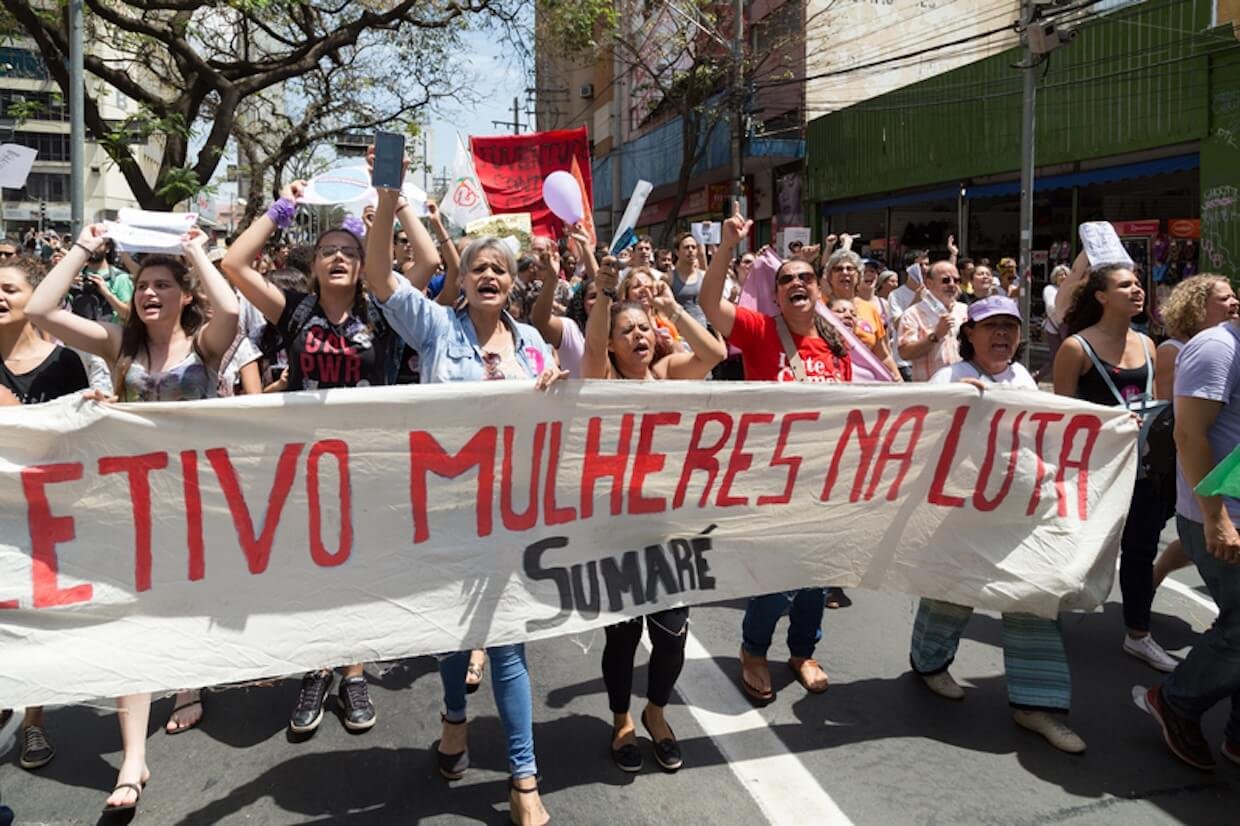
Your historical research emphasizes the role of organized labor, students, and social movements in Brazil’s democratization. How important were grassroots organizations and renewed voter mobilization in Lula’s second-round recovery? Can this electoral coalition develop into a sustainable social movement capable of challenging Bolsonarismo between elections?
Professor James N. Green: What’s important to understand is that, before the military came to power in 1964, there was an upswell of social movements, especially around issues of land and workers’ rights, which was cut off when the military took power. Between 1968 and 1977, it was virtually impossible to organize a public demonstration against the military regime.
In 1977, students mobilized after some students and workers involved in leafleting in a working-class neighborhood were arrested and tortured. This sparked national demonstrations against their arrest and treatment in prison, opening the door to further mobilizations. The following year, the labor movement went on strike to demand wage increases in response to high inflation. This sparked a resurgence of the labor movement in the late 1970s and into the 1980s, as the country was transitioning to democracy.
These social movements were extremely important in demanding democracy during the late 1970s and 1980s and, after democracy was re-established, in consolidating social rights through the drafting of a new constitution in 1987–88 and the implementation of its best elements to guarantee broader democratic rights for citizens.
For example, before the Constituent Assembly of 1987–88, people who were not literate were not allowed to vote. That changed when literacy requirements were eliminated, along with prohibitions on Marxist and left-wing political parties. These parties were then allowed to field candidates, run for office, and participate in the electoral system.
This represented a very important consolidation of democracy. Similarly, the movements against the Bolsonaro government when it was in power, as well as the movement to defeat Flávio Bolsonaro, were driven in large part by social movements throughout the country. These included rural movements demanding land rights and urban social movements of all kinds, from those addressing homelessness to those seeking to expand democratic rights for different segments of society.
These movements were very important in mobilizing the additional 10 million people who voted in the second round of the elections. I think they will also provide an important base of support for the Lula government while pushing it to the left when it becomes stalemated or struggles to determine its future direction as it tries to implement policies. So, social movements are very much alive and well and remain strong. They will be a very important component in guaranteeing democracy in Brazil over the next four years.
Conservative Evangelicals Sustain Bolsonarismo’s Social Base
Lula’s social-policy credibility appears to have contributed to his runoff comeback, particularly among economically vulnerable voters. Yet Bolsonarismo retains substantial working-class support. How does this apparent contradiction reflect changes in Brazilian class politics? Can redistributive policies alone sustain progressive political identification amid cultural polarization and economic insecurity?
Professor James N. Green:
This is a very important question, as have been all the others. In 1970, if you had asked people about their religious identification, 90% would have said they were Catholic. There were small percentages of Jews, Muslims, people who supported Afro-Brazilian religions, and Protestants, but the country was overwhelmingly Catholic.
Today, 30% of the population consists of evangelical Christians. They’re fundamentalists, and there are tens of thousands of churches. If you go to a working-class neighborhood, you’ll find four or five small churches on every corner, run by pastors from the community who build a sense of belonging and welcome poor and vulnerable people. They offer social networks and connections that help people make contacts, find employment, and resolve problems they might be facing with their families. This has built a very strong base of support for the conservative social, cultural, and political policies promoted by these evangelical Christians. They formed the base of support for the anti-Lula coalition.
Lula had very strong backing from the Catholic Church, particularly its left wing, during the early years of the Workers’ Party’s formation. But that influence declined as the Catholic Church lost ground to evangelical Christians. Lula also lost support among evangelical Christians from working-class and poor families, which reflect his own origins.
So, one of the big challenges over the years has been balancing the defense of a broadly democratic program with efforts to attract evangelical Christians whose ideas and beliefs are not democratic and who don’t believe in an open, democratic society that guarantees rights for everyone.
This is a dilemma that the Workers’ Party has faced. On the one hand, how do we defend our values and our program? On the other, how do we attract people who, for whatever reason, are not aligned with our political worldview?
This has been really difficult. This time around, some evangelical Christian churches backed away from an enthusiastic endorsement of Flávio. I don’t think they mobilized their base of support as effectively as they could have in the second round of the election. To a certain extent, this is one of the reasons why Flávio lost the runoff to Lula, amid an upsurge in support for Lula’s policies and presidency.
So, the challenges remain. There is a hardcore Christian fundamentalist radical-right movement aligned with the far-right parties in the country. They have influence in Congress, where they hold a bloc of votes, and they’re still strong enough both to impose their political program and to block progressive ideas from the left. This will be one of the many difficulties Lula faces over the next four years.
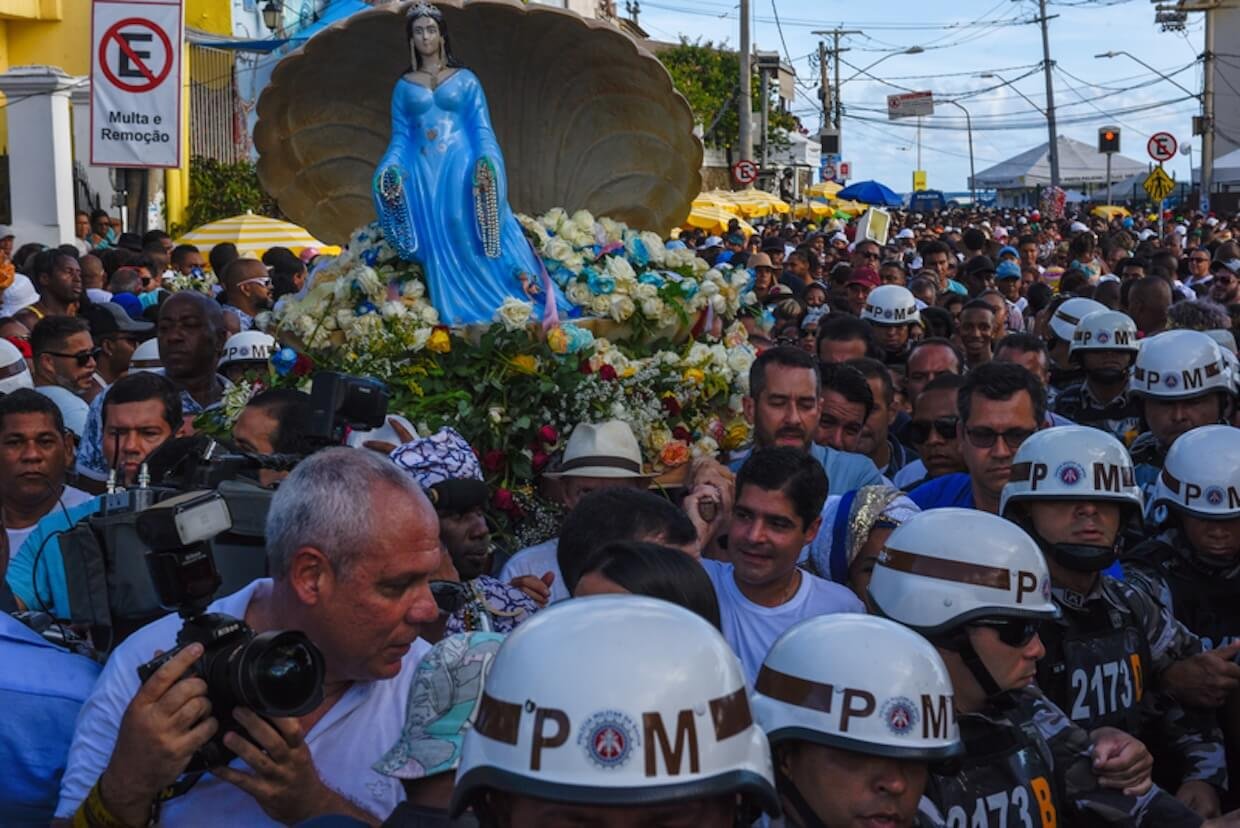
Brazil’s LGBT Movement Can Resist Conservative Backlash
In your recent co-authored study, “LGBT+ Policies in Post-Redemocratization Brazil (1985–2025),” you demonstrate the institutional fragility and discontinuity of federal LGBT+ policies. What does Lula’s reelection mean for protecting these rights? Can his administration create durable institutional safeguards against future conservative reversals?
Professor James N. Green: This is a really good question. During the dictatorship, an LGBT movement emerged in Brazil, particularly in São Paulo and other cities, and it faced major challenges during the transition from dictatorship to democracy. But in the 1990s, the movement grew in size, and today, some of the largest pride parades in the world are organized in Brazil. There are probably 250 to 300 pride parades throughout the country commemorating LGBTQ rights.
At the same time, the movement has achieved specific changes in the law, largely through Supreme Court decisions that have broadened democratic rights. These include the rights to have same-sex partners, inherit from their partners, receive Social Security benefits, and obtain some form of legal recognition for relationships that exist beyond the normative standards traditionally established by society.
There are also a significant number of recently elected LGBTQ members of Congress who are very vocal. Erika Hilton, the transgender candidate elected to Congress with the largest number of votes, received 1.5 million votes, the highest number a woman has received in a congressional election. Other important members of Congress have also been elected throughout the country and are defending these rights.
The big challenge will be confronting a conservative Congress that is interested in rolling back some of the democratic achievements secured over the last 30 to 40 years. I think members of the LGBT community will be among the most vulnerable populations.
They’re very organized and highly mobilized, and they played a very important role in mobilizing support for Lula’s victory. So, this will be an ongoing dispute. It won’t be a simple battle; it will be very contentious over the years. But the movement is strong enough and has enough allies to block any serious rollback of its democratic rights in the country and perhaps even expand those rights during the four years of the Lula administration.
Without Universal Democratic Rights, No One’s Rights Are Guaranteed
Your biography of Herbert Daniel and your work on Brazil’s LGBT+ movement demonstrate how struggles against dictatorship became intertwined with demands for broader democratic inclusion. Following the 2026 election, what lessons do these experiences offer for contemporary coalitions defending minority rights, pluralism, and democratic citizenship against exclusionary populism?
Professor James N. Green: The question really is: What kind of democracy do we believe in? And do we really believe in democracy? People who have lived under authoritarian regimes that outlawed political parties, arrested and tortured political opponents, censored the press, and prohibited any kind of public demonstration against the regime come to value and understand, over time, the importance of democracy as a foundation, a baseline of support necessary to carry out any progressive social agenda.
My study of Herbert Daniel, who was involved in the armed struggle against the dictatorship, later came out as a gay man, and played a very important role in the fight to defend people living with HIV and AIDS, illustrates how people within the left eventually came to understand that we might have a long-term fantasy, a dream, or an aspiration for an economically and socially just society. But if that society doesn’t protect broad democratic rights for everyone, no one’s rights are guaranteed. This realization has helped strengthen the LGBT movement and enabled it to defend itself against the onslaught of the far right.
The big challenge over the next four years will be to consolidate that support and protection, along with the legislative and judicial decisions that guarantee democracy is not just for some people in Brazil, but for everyone, and that everyone has access to democratic rights, not just a select few. This commitment was a very significant part of the dynamic of the movement that defeated Flávio Bolsonaro, and it will help consolidate any advances that the Lula administration manages to achieve during what will be a very challenging next four years.
Bolsonaro’s Alignment with Trump Could Weaken His Movement
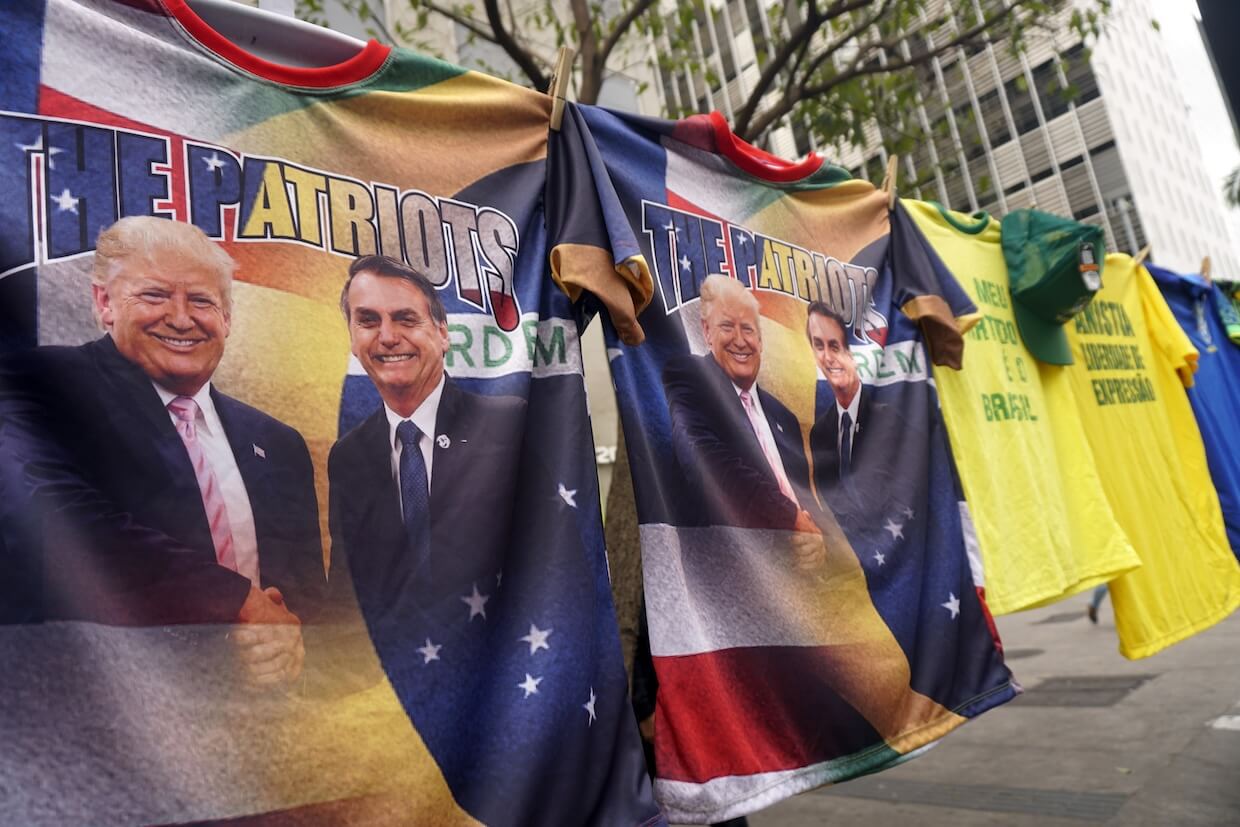
You have extensively examined the political connections between Trumpism and Bolsonarismo. How might Flávio Bolsonaro’s defeat reshape this transnational relationship? Could Trump’s political and economic interventions in Brazil unintentionally reinforce Lula’s nationalist appeal while helping sustain the Bolsonaro movement domestically?
Professor James N. Green: In 2025, when Donald Trump was going through his crazy phase of imposing 50% tariffs on countries around the world and then trying to negotiate something, he imposed those tariffs on Brazil, even though the United States has a positive trade balance with the country. The United States doesn’t have a trade deficit with Brazil, so there’s no reason to impose tariffs on Brazilian products entering the United States.
Nevertheless, the tariffs were imposed, and their removal was conditioned on ending the trial of Jair Bolsonaro, who, at the time, was facing charges before the Supreme Court for conspiring to overthrow the government. Lula received a demand that Bolsonaro’s trial be ended and that he be freed in order to eliminate the tariffs. So, already last year, Trump was imposing his political perspective on Brazil, conditioning the removal of high tariffs on freeing one of his allies.
I think the defeat of Flávio Bolsonaro, who immediately traveled to the United States, where he and his brother will now be living outside the law, will weaken them. His brother has certainly been convicted of crimes, and Flávio will likely be convicted of money laundering or other crimes he’s been accused of being involved in, not formally but informally. It’s likely that there will be some indictments in the immediate future.
Their position will be weakened in the United States, and their presence there merely encourages anti-American sentiment. Historically, the United States government has generally supported the wrong side in political battles in Latin America and Brazil. It supported the 1964 coup d’état and the military regime that followed, and it took a long time, until Jimmy Carter’s administration, to begin addressing human rights violations in Brazil and Latin America.
So, every time Trump does something that hurts Brazil, whether through tariffs or attempts to impose his will on the country, there is a strong anti-American backlash. And that helps Lula in the polls. The tariffs the United States has recently imposed on Brazil, which are 37%, are hurting the economy. There’s a strong sentiment that the United States is unjustified in what it’s doing, which gives the Lula administration more room to negotiate or try to change the dynamics of the situation.
The fact that a defeated candidate who claims there was electoral fraud is now in the United States and maintains close contacts with the White House is also unacceptable to some sectors of society that did not necessarily vote enthusiastically for Lula. They find this kind of subservience to the United States unacceptable.
Brazil has a strong sense of its national importance. It knows it’s a large and wealthy country, the eighth-largest economy in the world, with a huge territory and tremendous resources. It’s no longer willing to play a subservient role to the United States. And this will weaken Trump’s ability to impose his will on Brazil, especially if the Democrats win control of the House and perhaps the Senate, delivering a very strong blow to the Trump administration.
So, this is the situation. I think relations between the United States and Brazil will remain tense as long as Trump is in office. But Lula and his foreign ministry are very capable of pushing back and exploring whether they can negotiate tariff agreements and other accommodations with the United States, to the extent possible within this context.
Transnational Civil Society Remains Vital to Democracy
Through your work with the US Network for Democracy in Brazil and the Washington Brazil Office, you have emphasized the importance of international solidarity in defending democratic institutions. How might Lula’s reelection reshape Brazil–US relations under Trump? What role can transnational civil society play when ideological tensions between governments complicate diplomatic cooperation?
Professor James N. Green: What’s been important about the grassroots work of the US Network for Democracy in Brazil and the educational work of the Washington Brazil Office in the nation’s capital, especially in Congress, has been educating people about the situation in Brazil. Unfortunately, very few people know much about the country, its history, culture, and politics. And so, that’s an important element. Over the years, we’ve been very successful in raising awareness among Democratic members of Congress, who have been important allies of the democratic forces in Brazil.
Recently, since Flávio Bolsonaro fled to the United States, members of Congress have asked the Trump administration for clarification about how he was granted a humanitarian visa, what the conditions were, who allowed him into the country, what negotiations took place beforehand, and whether the United States had any involvement in the 2026 elections. Did far-right forces finance Flávio Bolsonaro’s campaign in any way? What are those connections?
All these questions will be investigated by the new Congress, especially if the Democrats win both houses. Even if they win only the House, they’ll still be able to pursue these investigations because there’s a large bloc of members of Congress who are aware of the situation in Brazil. Although this won’t be their top priority in the coming period—the main priorities will be addressing the high cost of living and ending the war in Iran—they’ll nevertheless raise these questions and put pressure on the Trump administration to ease up on its offensive behavior toward Brazil, perhaps by lowering tariffs or establishing a more favorable dialogue between the two countries.
Without these allies in Congress, these Democrats who have been willing to stand up and defend democracy in Brazil, we would have seen a much more cynical situation in the country, including the possibility of a coup d’état in 2023. We managed to avert that because of political forces in the White House, Congress, and civil society in the United States.
So, these movements are very important, both within the institutional structures of the United States, particularly Congress, and among civil society organizations in Brazil, which have learned over the last few years how to articulate their demands and concerns internationally in support of democracy and social justice in the country. These forces will need to remain active because, as I said earlier, we live in a very polarized time in which the balance of forces is constantly in dispute.
BRICS Strengthens Brazil’s Autonomy but Creates Contradictions
Lula’s victory preserves Brazil’s commitment to BRICS, closer economic engagement with China, and a more autonomous foreign policy. How might growing US–China competition affect his administration’s domestic political choices? Could Brazil’s pursuit of strategic autonomy strengthen national sovereignty while creating new economic and political vulnerabilities?
Professor James N. Green: Since the 1950s, the Brazilian government has pursued a policy of remaining largely equidistant and neutral between the Soviet Union and the United States during the Cold War. Brazil did not want to align itself too closely with either bloc. When the military came to power, it maintained this idea of autonomy on the one hand, while aligning itself very closely with the United States during the early years of military rule on the other. The US government supplied military and economic aid to the military regime to consolidate its hold on power.
This idea that Brazil needs to remain autonomous fits very interestingly with the concept of BRICS, which was developed by an economist to describe emerging nations that investors might want to consider: Brazil, Russia, India, China, and later South Africa. The BRICS coalition has expanded to 20 members, and it’s a very interesting bloc because, economically, it represents an attempt to create a counterweight to the United States in the international arena. The United States really controls the international economic system through the dollarization of the world economy and a series of international institutions, including the World Bank, the IMF, and others, that sustain US economic dominance.
China’s role as a countervailing force in this competition between the United States and the BRICS nations is particularly significant. On the one hand, the United States has depended on China over the years as an industrial manufacturing base for producing cheap consumer goods for the American market. On the other hand, this has contributed to the decline of industrialization in the United States, as many companies moved to China and other countries where they could find cheap labor under authoritarian regimes with no labor organizing or union structures to defend workers’ rights. They could therefore produce goods at very low cost and sell them to consumers in the United States.
Over the years, China has become a very important importer of Brazilian agricultural and mineral products and is now Brazil’s largest trading partner, particularly in agribusiness, cattle, and other exported goods. This has really threatened the United States’ ability to maintain its hegemony and control over Latin American economies, which has become a goal of the Donald Trump administration.
So, BRICS and its efforts represent, on the one hand, a reinforcement of Brazil’s independent foreign policy. On the other hand, they represent a shift away from the United States, partly because tariffs have made many Brazilian goods unprofitable to sell in the American market. Brazil has therefore sought new markets and increased its exports to China and other countries around the world. As a result, China’s influence and importance in Brazil have grown, which has also threatened the United States.
In a way, the Trump administration was hoping that Flávio Bolsonaro, if elected, would somehow block China’s growing influence in Brazil. On the other hand, Flávio Bolsonaro relied heavily on agribusiness to sustain his political base, and that sector was not interested in stopping shipments of soy, meat, or other goods to China because it was making a lot of money from those sales.
And so, there’s a very contradictory situation. Brazil wants to maintain close economic and political relations with the United States while also trying to counterbalance its influence by supporting the BRICS countries.
The irony of all this is that, although some BRICS countries can be defended as democracies that guarantee democratic rights for their citizens, other members of the coalition are far from democratic. Brazil therefore finds itself in a very strange position: as one of the world’s largest democracies, it is allying with authoritarian regimes to participate in a bloc challenging US hegemony.
And so, there are many contradictions in this realignment that I think have yet to play out and will become apparent in the immediate future.
Far-Right Resilience Could Deepen Brazil’s Polarization
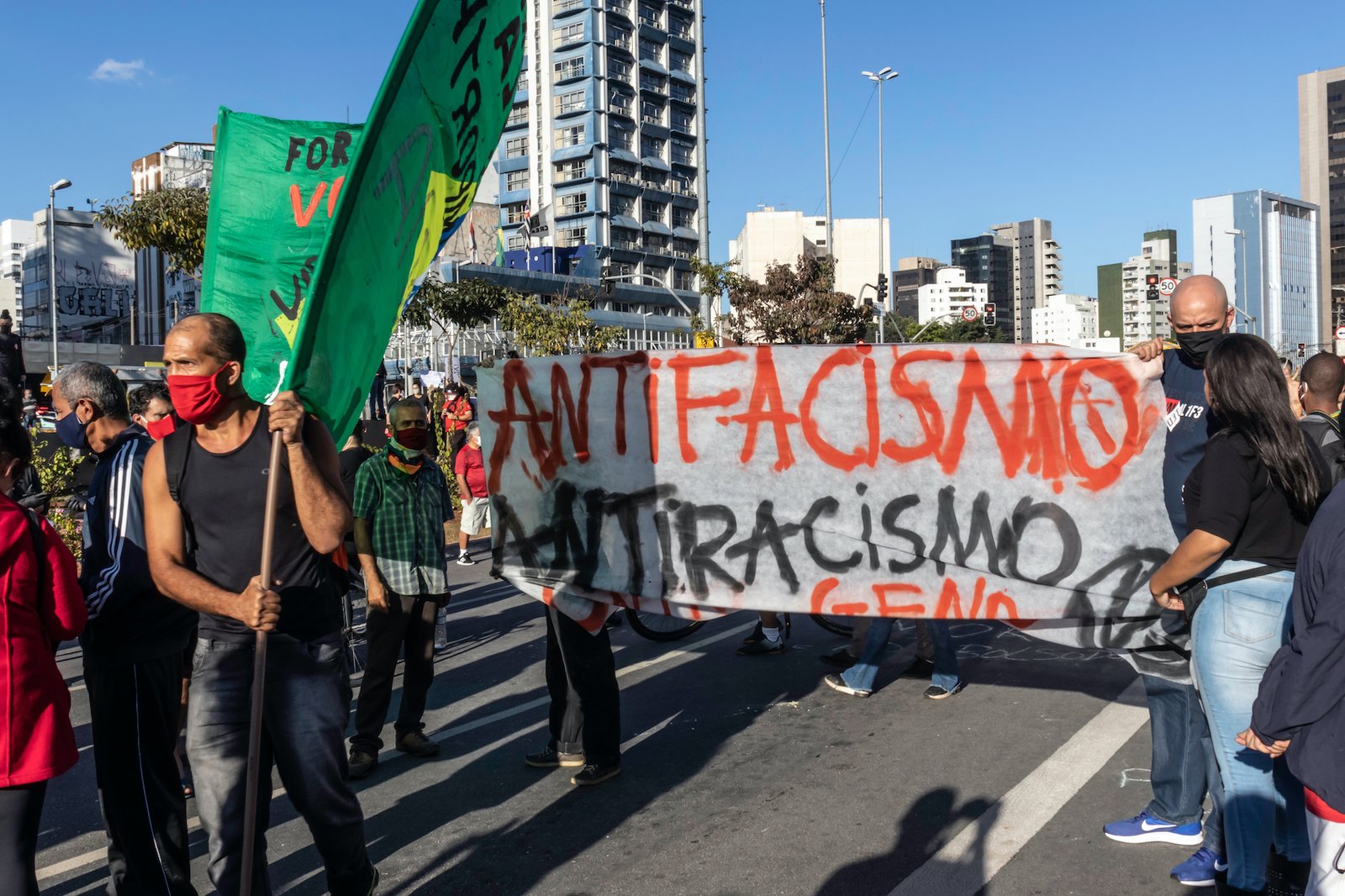
And finally, Professor Green, your scholarship demonstrates that Brazil’s democratization has historically depended on sustained popular mobilization rather than electoral change alone. Given Lula’s narrow victory, Bolsonarismo’s resilience, and the conservative congressional balance, what would constitute meaningful democratic progress during his fourth term? Can Brazil move beyond recurring electoral confrontation toward more durable democratic institutions and inclusive citizenship?
Professor James N. Green: The challenge of the next four years is precisely what you’re pointing out. It involves both guaranteeing democratic institutions and continuing the socioeconomic programs of the Lula administration, which have had a very significant impact on sectors of society but face the challenges of huge budget deficits and the difficulty of sustaining social programs without raising taxes on the electoral base that supports them.
So, the challenge for the Workers’ Party will be to find the means to implement a successful social program that consolidates Lula’s legacy across his four terms and the term and a half of his successor, Dilma Rousseff, who was subsequently impeached. This will be the big challenge, and the right wing will be doing everything it can to undermine these programs in order to create the kind of economic and political chaos that would justify its return to power in 2030.
Therefore, the real challenge for social movements that are genuinely committed to democracy will be to support and sustain the progressive elements of Lula da Silva’s current and future government without abandoning their political principles, ideals, and values.
The lesson of the election turnaround was that popular mobilization can guarantee democratic processes, and it’s very important to sustain these mobilizations beyond electoral cycles. In other words, how can social movements be actively involved in building the new government while also feeling free to criticize it when it falls short?
This will be the challenge for social movements: to navigate the very complex political balance between support and criticism, while the far right waits for any missteps by the Lula government to immediately pursue impeachment proceedings against him or limit his political powers through Congress.
So, the challenges facing social movements and democratic forces in the coming period are immense. They won a victory with the electoral defeat of Flávio Bolsonaro, but he has not been definitively defeated.
In my view, the problems of the next four years are going to further intensify tensions between the left and the right and deepen the country’s polarization. This makes it very difficult to know to what extent democracy will be consolidated or weakened by the far right’s offensive against the Lula government, aimed at undermining it and thereby regaining power in 2030.