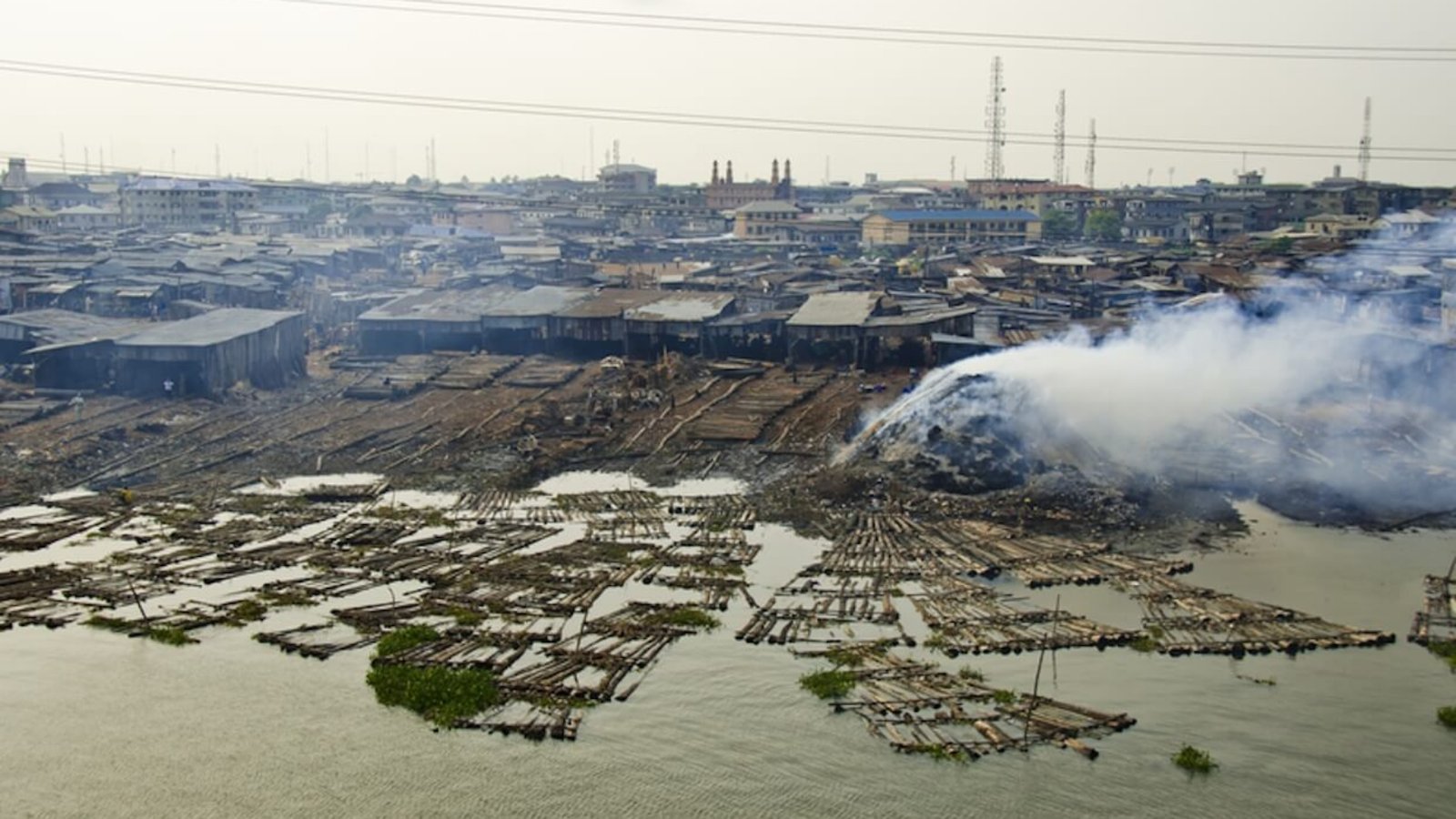
This commentary examines how fuel pricing in Nigeria has become a central site of democratic contestation, linking economic reform to everyday political experience. Drawing on recent scholarship, Dr. Oludele Solaja shows that the removal of fuel subsidies is interpreted less through macroeconomic logic than through lived realities—rising transport costs, food inflation, and declining purchasing power. In this context, fuel policy functions as a visible test of state credibility and fairness. The analysis highlights how “everyday populism” emerges as citizens frame reforms through moral distinctions between suffering publics and detached elites. Crucially, the study argues that climate and fiscal reforms cannot succeed without trust: where institutional credibility is weak, even economically rational policies risk generating political backlash and deepening democratic discontent.
In Nigeria, fuel isn’t simply a commodity but perhaps one of the most immediate points through which Nigerians engage with the state. Changes at the pump influence transport prices, the distribution of food, the nature of informal work, substitutes to electricity, household coping mechanisms. Any significant change at the pump is rapidly translated through market and commuters’ routes, domestic budgets, turning fiscal policy into political experience. Consequently, fuel pricing has evolved into perhaps the most visible site of democratic validation and of state-society trust (Gbadebo, 2025; Okonkwo & Ezenwegbu, 2024).
The lifting of a long-standing petrol subsidy as part of recent reforms re-ignited an ever recurrent and sensitive national debate around governance, fairness and burden-sharing. The declared rationale for subsidy removal was correction of unsustainable fiscal spending, drain on public finances and constraint on welfare and infrastructure investment (Gbadebo, 2025). Nevertheless, macroeconomic rationales never fully determine political meaning. In the view of many Nigerians, what is primarily being assessed in post subsidy withdrawal policy aren’t ratios in macro-economic indicators, but transport fare hikes, food price volatility, diminishing purchasing power and pervasive uncertainty; studies found mitigation measures to be inadequate and unevenly distributed, which compounded distrust in the government (Gbadebo, 2025; Okonkwo & Ezenwegbu, 2024).
This dilemma reveals the more important sociological aspect of the problem: economic reform easily gains political meaning in fragile trust situation. Populism is not merely about elite discourse or electoral tactics, but also everyday interpretation where citizens divide the social world along the moral lines of “normal citizens in suffering” and “detached politicians.” Petrol pricing is one aspect where it comes into the citizen vocabulary as its impact is immediate, transparent, and social inequal (Yang et al., 2021; Moerenhout et al., 2021). Rather than seeing it as the market correction, for many citizens the rising of petrol price is viewed as an indication of their anxieties over issues of justice, elite benefit and the credibility of the state.
Public conversations often return to questions such as: Why must austerity begin with ordinary households? Why do reforms demand sacrifice where visible political restraint appears limited? These questions contribute to what may be called everyday environmental populism — a form of public meaning‑making in which environmental and economic reforms are judged through moral experiences of inequality and institutional betrayal (Gbadebo, 2025). While classic fuel subsidy literature focuses on economic costs and distributional effects, political economy research highlights that reform success depends on public trust and the social contract between state and citizens (Yang et al., 2021).
The contradiction is clear: long‑term fiscal rationality collides with short‑term social hardship. In principle, subsidy removal may improve efficiency and reduce distortions in consumption. But in an unequal society with fragile institutional credibility, citizens encounter “energy transition” through transport costs, generator fuel, food inflation, and daily mobility (Esekpa, 2024).
Within an urban environment, such as Lagos, rises in fuel price can rapidly influence commuter patterns, market costs and flow of informal economy money. In peri-urban and rural settings electricity is already unreliable, with generators being extensively used. Here price of fuel is likely to define the profitability of a micro business. In a local study within Nigeria, increases in fuel price are seen to correlate with economic suffering and an increase in the cost of living, therefore reinforcing the public opinion that the burden of reforms is primarily on the common man (Abaddah, 2025).
This explains why trust becomes central to policy legitimacy. Historical memory matters: earlier reforms were often accompanied by promises of safety nets, infrastructure improvements, or welfare expansions that many citizens believe were never fully realized. Consequently, new fuel adjustments are interpreted not in isolation but against accumulated experiences of unfulfilled government commitments and governance shortfalls (Okonkwo & Ezenwegbu, 2024).
Public reactions in both formal surveys and public commentary reflect this complex interpretation. A nationally representative household study finds that opposition to fuel subsidy reform is strongly linked with beliefs about government corruption and capacity to deliver compensatory programs; respondents were more likely to support reform only where they believed in transparent governance and effective social protection (Yang et al., 2021).
There is also a profound communication gap in Nigerian fuel governance. Policy announcements often emphasize fiscal necessity while underestimating how reforms are emotionally and morally received. Citizens rarely oppose reform simply because they reject technical economics; rather, they resist because they doubt institutional fairness. This creates fertile ground for populist framing and political contestation around trust and governance (Gbadebo, 2025; Yang et al., 2021).
The political symbolism is intensified by Nigeria’s oil‑dependent identity. In a major oil‑producing country, public expectations remain shaped by the belief that resource wealth should translate into broad social benefit. When hardship deepens in an oil-rich economy, citizens often interpret such contradictions politically. Research on global subsidies also shows that fuel subsidy reforms often generate political controversy where institutional quality is low and trust weak (Droste et al., 2024).
While some assessments confirm that reducing subsidies can yield macroeconomic benefits, these gains do not automatically produce democratic legitimacy where hardship expands faster than visible welfare delivery. The result is a politics of resentment, where state actions are judged through everyday experiences of inequality rather than abstract fiscal reasoning (Gbadebo, 2025). For this reason, fuel policy should be understood not merely as economic reform but as democratic communication. The challenge is not only whether subsidy should exist, but whether citizens can trust that reform burdens are socially shared, publicly justified, and institutions remain accountable (Yang et al., 2021).
This is where Nigeria’s climate politics becomes especially instructive. The democratic sustainability transition in developing democracies can no longer be carried out through technocratic sequencing. It will demand overt distribution, convincing social protection and credible assurance that burdens are not unilateral (Gbadebo, 2025). Fuel becomes politicized in the sense that it encapsulates a variety of societal fears including inequalities, citizenship, institutional trust and the moral narrative of the state itself. Therefore, the sociology of petrol prices illustrates how the politics of environment is evaluated by “the governed,” in relation to everyday politics of trust, fairness and public meaning (Yang et al., 2021; Esekpa, 2024).
The lesson here is stark: climate and fiscal reforms implemented without democratic trust are politically dangerous, even when economically defensible. For the citizen in Nigeria asks the basic and obvious question of who bears the cost, who reaps the reward, and to whom should believe (Gbadebo, 2025; Okonkwo & Ezenwegbu, 2024).
(*) Dr. Oludele Solaja is an Environmental Sociologist and Developmental Scholar based in Olabisi Onabanjo University, Nigeria. His research focuses on environmental governance, climate policy, and everyday political populism in African contexts. He is a Nonresident Research Fellow at the European Center for Populism Studies (ECPS) and has published extensively on climate governance, citizen trust, and socio-political interpretations of environmental reforms.
Droste, N., Chatterton, B., & Skovgaard, J. (2024). A political economy theory of fossil fuel subsidy reforms in OECD countries. Nature Communications, 15, 5452. https://www.nature.com/articles/s41467-024-49835-4
Esekpa, O. I., Ekarika, W. A., & Njama, G. J. (2024). Economic implications of fuel subsidy removal in Nigeria: Challenges and prospects. Journal of Public Administration, Policy and Governance Research.https://jpapgr.com/index.php/research/article/view/131
Gbadebo, A. D. (2025). The political economy of fuel subsidy removal: Governance and sustainable development in Nigeria. Journal of Social Political Sciences, 6(3), 206–224. https://doaj.org/article/e97ce91a0aff459a9106ff8fc6cff551
Okonkwo, A. E., & Ezenwegbu, J. C. (2024). Removal of petrol subsidies and its impact on democratic governance in Nigeria. Nnamdi Azikiwe Journal of Political Science, 9(3), 38–47. https://najops.org.ng/index.php/najops/article/view/267
In this insightful commentary, Dr. Oludele Solaja reconceptualizes recurrent flooding in Nigeria as a site of political contestation rather than merely an environmental crisis. Introducing the concept of “everyday environmental populism,” the piece shows how lived experiences of disaster, unequal relief, and institutional failure generate bottom-up political claims that reshape democratic trust. Drawing on case studies from Delta, Anambra, and Niger states, the analysis demonstrates how citizens’ responses—from grassroots mobilization to digital dissent—reconfigure perceptions of state legitimacy. Situated at the intersection of environmental governance and populism studies, this commentary advances a novel framework for understanding how climate-related risks can catalyze political agency and redefine state–society relations in vulnerable democracies.
In Nigeria, recurring floods have moved beyond being environmental disaster to become political events that shape relations between citizens and states and influence democratic trust. In the context of recent floods and uneven relief, this commentary introduces a new political concept-everyday environmental populism-to conceptualize citizens’ bottom-up political claims rooted in everyday experience of environmental hazards, institutional inadequacies, and inequitable disaster relief delivery.
In contrast to elite-driven claims, everyday environmental populism emerges from lived experiences of vulnerability in the face of environmental disasters and from citizen-centered complaints about institutional shortcomings, which in turn generate bottom-up political dynamics. The states of Delta, Anambra, and Niger provide illustrative case studies, showing how floods stimulate civic engagement, trigger institutional critique, and reshape popular evaluations of state legitimacy.
Situated within the broader frameworks of environmental governance, climate security, and democratic legitimacy, this commentary argues that flood disasters are transformative political events that generate bottom-up agency in Nigeria. It also discusses the implications for policy and academia, as well as for community-led resilience in environmentally vulnerable contexts.
Conceptualizing Everyday Environmental Populism
In Nigeria, devastating floods recur, with the 2022 floods alone displacing more than 1.4 million people and wreaking widespread damage to infrastructure, livelihood and housing (Agbiboa, 2024; Solaja et al., 2020). More than mere destruction, they represent the confluence of environmental hazard and political accountability. Political response—how it is delivered, and how resources and infrastructure are distributed and allocated—serves as a barometer of the state’s democratic legitimacy. Existing research has already linked environmental hazards such as recurrent floods to public critique, collective agency, and political attitudes (Obatunde, Akanle, & Solaja, 2025; Barnett, 2001; Dalby, 2013).
Populism research has generally focused on elite-led constructions opposing “the people” to “the elite” (Mudde & Rovira Kaltwasser, 2017). Extending this tradition, the concept of everyday environmental populism is introduced here as “citizens’ collective understanding and articulation of political claims shaped by their experiences and interpretations of environmental risk, disaster-relief inequalities, and institutional failures” (Solaja et al., 2020; Solaja, 2025). While elite populism is framed against political actors/elites, the idea of everyday environmental populism foregrounds ordinary citizens whose everyday experiences of vulnerability lead to complaints and grassroots political action which then fuels the distrust against political figures.
This conception centers on the agency of citizens, as they challenge the political status quo, express their expectations for accountable and equitable disaster responses and seek state actions beyond the traditional structures of politics (Obadare, 2020; Solaja, 2025).
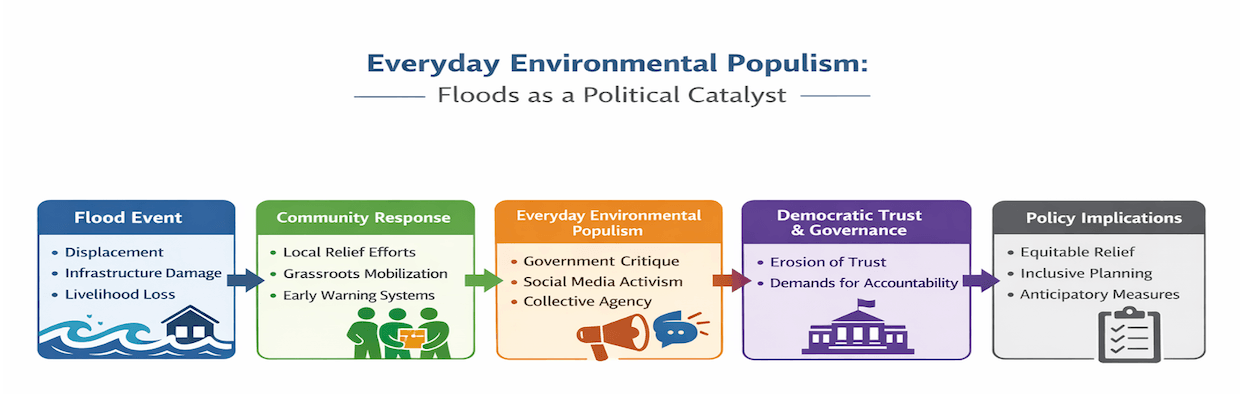
Figure 1: Everyday Environmental Populism: How Flood Catches Political Capital.
This diagram illustrates how floods trigger citizens’ responses and shape political opinions, ultimately influencing levels of public trust in the state and in its policy formulation.
Floods and Democratic Trust in Nigeria
Repeated floods expose critical failings in Nigeria’s disaster response and governance structures, thereby politicizing environmental disasters (Adebayo, 2018; Agbiboa, 2024). More broadly, the scale of such disasters can undermine citizens’ confidence in political institutions (Barnett, 2001; Dalby, 2013).
In Nigeria, successive floods have consistently triggered similar public reactions, as affected citizens cope with material losses while evaluating the adequacy of government responses. When state intervention is inconsistent, delayed, or inequitable, declining democratic trust leads citizens to rely on community-based assistance or to express dissent through social media, public meetings, and civil society organizations (Solaja et al., 2020; Solaja, 2025). Even prior to state involvement, citizens often self-organize, cultivating forms of autonomous political agency that can, in turn, shape public perceptions of state legitimacy (Obatunde, Akanle, & Solaja, 2025).
Citizens’ Response and Political Opinion
As illustrated in Figure 1, community mobilization in the initial stages of a flood event constitutes the foundation of everyday environmental populism, as citizen-led relief and response processes shape public political opinion and perceptions of the state’s democratic credentials. Grassroots relief initiatives often emerge in response to the absence or inadequacy of state intervention. In flood-affected areas, community leaders frequently assume responsibility for organizing shelters, disseminating alerts, and mobilizing local volunteers to assist victims, thereby demonstrating forms of self-reliance in disaster management (Solaja et al., 2020; Solaja, 2025).
These actions are inherently political, as they prompt evaluations of state responsiveness, challenge governmental priorities, and articulate demands for accountability. The internet serves as a platform where individual grievances coalesce into collective claims, transforming environmental crises into indicators of trust in the democratic system. In this sense, they exemplify everyday environmental populism, with citizens initiating forms of political mobilization from below (Obadare, 2020; Solaja, 2025).
Policy and Governance Challenges
It is crucial to address floods as political problems requiring preventive, equitable, and citizen-oriented governance. Such response mechanisms should include robust early warning systems, as well as transparent processes for the disbursement of funds and the allocation of resources to affected communities (International Rescue Committee & EU, 2025; Barnett, 2001; Solaja et al., 2020). Neglecting governance dimensions of disaster risk management fuels citizen distrust and intensifies public discontent. Conversely, equitable relief and fair governance can reinforce the legitimacy of democratic institutions (Dalby, 2013; Solaja, 2025).
Scholarly and Theoretical Contribution
The contribution of this commentary to populism studies and environmental governance lies in framing environmental disasters as triggers of political contestation. Through the concept of everyday environmental populism, it argues that lived experiences of disaster—driven by environmental threats—can empower citizens with the agency to resist injustice and challenge governmental actions (Solaja et al., 2020; Obadare, 2020).
The concept calls for further research into how environmental hazards shape citizens’ political attitudes and how such bottom-up agency influences the democratic legitimacy of state structures. Beyond political dynamics, it also intersects with debates on sustainability and the circular economy, opening new avenues for community-based initiatives—such as recycling plastic into productive materials through projects like EcoBalls and other entrepreneurial models (Solaja, 2025).
Conclusion: Politics in the Water
Floods are not merely natural disasters; in Nigeria, they constitute defining political events that shape the relationship between the state and its citizens, as well as perceptions of governmental legitimacy and responsiveness. The way citizens interpret state responses influences their assessment of whether democratic governance can deliver efficient, accountable services and provide support in times of crisis. Everyday environmental populism offers a useful framework for understanding these dynamics, highlighting how citizens’ responses are shaped by their exposure to environmental threats and by perceived inadequacies in governmental management (Solaja et al., 2020; Obadare, 2020).
There is a need to strengthen anticipatory governance, integrate citizen participation into flood management, and ensure that relief resources reach affected communities without being filtered through partisan interests. From an academic perspective, more extensive research is required to examine the political impacts of environmental hazards on mobilization, citizenship, and the pursuit of democratic accountability in flood-prone societies worldwide (Solaja et al., 2020; Obadare, 2020; Barnett, 2001).
References
Adebayo, B. (2018). “Nigeria overtakes India in extreme poverty ranking.” CNN.
Agbiboa, D. E. (2024). “Deep waters: Flooding and the climate of suffering in Nigeria.” PS: Political Science & Politics.
Barnett, J. (2001). The meaning of environmental security: Ecological politics and the United Nations. London: Zed Books.
International Rescue Committee & EU. (2025). Strengthening flood preparedness in Nigeria.
Mudde, C., & Rovira Kaltwasser, C. (2017). Populism: A very short introduction. Oxford University Press.
Obadare, E. (2020). Everyday politics in Africa: Publics, grievances, and popular engagement. Cambridge University Press.
Obatunde, B. A., Akanle, O., & Solaja, O. M. et al. (2025). “Doing sociology in Nigeria.” International Journal of Sociology, 16(1), 14–26. https://doi.org/10.13169/ijs.16.1.0014
Solaja, M.O., Awobona S., & Adekanbi, O.O. (2020). “Knowledge and practice of recycled plastic bottles (RPB) built homes for sustainable community-based housing projects in Nigeria.” Cogent Social Sciences, 6(1), 1778914. https://doi.org/10.1080/23311886.2020.1778914
Solaja, O.M. (2025). “EcoBall as a sport-based intervention for community engagement, behavioural change, and sustainable solutions to plastic pollution.” Discovery Environment, 3, 186. https://doi.org/10.1007/s44274-025-00347-y
Dr. Oludele Solaja’s analysis introduces the concept of “Algorithmic Environmental Populism” to illuminate how digital platforms are reshaping the politics of waste across African cities. Moving beyond conventional policy-centered approaches, Dr. Solaja demonstrates how environmental degradation—from plastic pollution to urban flooding—has become a site of algorithmically mediated political contestation. In this emerging landscape, complex ecological crises are reframed into morally charged narratives of blame, privileging visibility, outrage, and immediacy over systemic understanding. By linking populism theory with digital governance and environmental politics, the article offers a novel framework for understanding how platform logics transform ecological grievances into potent political forces. It is an essential contribution to debates on populism, digital media, and environmental governance in the Global South.
Environmental politics is now occurring not only at policy and infrastructure levels, but also through algorithms—from the clogged drains of Lagos to flood-prone Accra to landfills in South Africa. Environmental degradation has become a politically charged phenomenon on social media, and the sensational, outrage-driven, and immediate nature of these platforms has created an environment where narratives of blame outpace formal, institutional action. I refer to this new phenomenon as Algorithmic Environmental Populism, and I argue that digital infrastructure has become paramount in the formation, circulation, and contestation of ecological grievances.
The environmental crisis is no longer merely a management problem but a digitally mediated political language across the African continent, in which grievance, blame, and claims to power or moral legitimacy are performed. Plastic pollution, floods, burning dumpsites, and informal recycling have entered platform ecologies within which, according to a range of criteria, the most intense, visible, and confrontational content receives algorithmic attention. From this combination emerges a condition in which the environmental crisis is abstracted from complex systemic causes and reframed as a direct moral confrontation between “the people” and villains: polluters, corrupt elites, those who ship waste to Africa, and absent governments. In this process, platform algorithms prioritize the most engaging framing rather than the most policy-relevant one (Zeng & Schfer, 2023; Heidenreich et al., 2022).
The concept offers a way of extending understandings of populism and digital media, by foregrounding the environmental as a key site of algorithmically mediated political struggle. Classical theory on populism deals with the ideological construction of ‘the people’ and ‘the elite,’ while the infrastructures through which populist rhetoric is dispersed have been historically overlooked. Algorithmic Environmental Populism instead draws focus to platform logics, showing how they shape the contours and narratives of ecological complaint. By this it builds on research on algorithmic governance, the increasing role of algorithms in policy perception and the legitimacy of state power (Parthasarathy & Rajala, 2023).
In African cities the role of algorithms in producing a political context for waste is further amplified by its material presence on everyday life. Clogged drains, plastic-choked lagoons, burning dump sites and litter, produces and feeds readily available data streams, which produce, or a “condition of constant possibility” for data to be recorded and transmitted, resulting in environmental breakdown becoming rapidly politicisable. Take, for example, Nigeria. When the Lagos State government implemented restrictions on single-use plastics in 2025, environmental considerations took a back seat to narratives of bias, and selective policy enforcement. Viral image of floodwater pouring through plastic-clogged drains fed accusatory commentary that blamed the state, turning environmental degradation into a performance of political betrayal.
Although it is true that a massive volume of plastic waste is annually dumped in Lagos State, these digital conversations tend to flatten the systems behind environmental degradation into morally legible pronouncements of blame and victimhood, which are amplified in the digital domain for emotional impact, rather than for systemic nuance (Couldry & Mejias, 2023).
The significance of such arguments for politics in Africa is that these stories become diagnostically central. In such cases, a multiple-layered system of production, consumption, municipal service provision and global trade are collapsed into stark oppositional narratives because it is the only way in which environmental problems can be successfully broadcast within an algorithmic environment, where visibility takes priority over complexity. As digital media research shows, what gets amplified is content that triggers reactions: outrage, pity, and the assignment of blame.
Similarly, we can observe this in Kenya where political activism is closely tied to moral pronouncements. Though debates exist surrounding extended producer responsibility, green economy initiatives, and refill systems; their manifestation in the digital space, in an effort to capture attention and elicit reaction, tends to focus on “blame-allocation” rather than the mechanics of institutional responsibility between citizens, corporations, and the state. Floods in Kenya’s urban centers of Nairobi and Mombasa provided highly visual and charged contexts to exacerbate these dynamics, producing further blame-oriented discourse regarding governmental incompetence and the inadequacy of infrastructure. In essence, the digitally mediated form of this political problem is not merely transmitting it; it is actively transforming it.
Another significant dimension of the digital landscape is how it also creates new forms of political subjectivity. Waste pickers and scavengers, once entirely invisible components of the informal city, are now visible. They challenge their invisibility through interventions in the digital domain, attempting to recover material flows and claim their political agency. They are now recognized as integral parts of urban recycling systems, while remaining ignored in the policy sphere (Njeru & Ochieng, 2025). Their visibility can be attributed to algorithms that amplify their stories, portraying them as overlooked labor fighting back against systemic neglect. Locally based actions, such as coastal clean-ups by youth groups in Kenya, become symbolical performances. The clean-up has the effect of politicizing the environment, either as an assertion of the citizen’s responsibility, as an attack on state incompetence or as a demonstration of collaborative effort. Environmental activism is transformed into a moral battlefield on the digital platform.
In South Africa we see a similar phenomenon of politically charged, algorithmically amplified resistance to landfill expansion and waste siting decisions. In 2026 protests against landfill development in urban periphery settlements, turned into a national narrative of social and environmental injustice through media mobilization; landfill as a continuance of structural violence through spatial inequalities. The discourse produced and amplified across the networks links contemporary exposure to historical environmental inequities through these landfill developments. Here Algorithmic Environmental Populism and environmental justice are closely interwoven, as the narratives attributed to technology and its governance are interpreted through morally loaded systems of victimhood and violence. The broader implications of Algorithmic Environmental Populism in Africa are that the histories of unequally mediated ecological flows, including plastics, second-hand goods and e-waste that flow into African cities and homes as waste from global consumption and production patterns. Such stories tend to produce a framing where the external imposition of blame arises from deeper historical conditions known as waste colonialism – an unequal world where states and their inhabitants bear uneven burdens of waste (Mah, 2024; Dauvergne, 2022).
This links directly into concepts of waste sovereignty – a state of ownership and control over material waste flows, their meanings and governance. In the digital space, sovereignty can now be enacted through the control of narrative. Those able to frame environmental crises in terms of simple, easily accessible, morally legible oppositions, are gaining political ground regardless of their technical knowledge. Environmental politics of waste is no longer a question of physical waste, or of policy-makers’ actions, but increasingly a matter of the visibility of what it is that matters and to whom it matters, a battle of recognition, and control, within platform governed space.
Therefore, I suggest a three-stage process of digitally mediated waste politics: first, visible urban environmental decay; second, morally legible frames of attribution; and third, algorithmically favored amplification. It is in these stages that complexity is simplified and environmental disaster turns into visible, and therefore governable, political matter.
A certain democratizing aspect is that it allows for participation on new grounds, where citizens, informal waste workers and activist groups can join in debates around the environment on the internet. The downside is that these systems allow for a contraction of discourse: immediate visibility takes the form of sensation and outrage over deliberative engagement, bringing together political mobilization and propaganda (Heidenreich et al., 2022). Consequently, the environment has begun to be spoken of in conflicting terms: critical discourse clashes with simplified frameworks of accusation. A street in Accra that floods, or a dirty drainage canal in Kenya, or a burning landfill in South Africa, are instantly turned into evidence against the state, corporations, or the global system, obscuring underlying complexities.
This new discourse dynamic has major implications for environmental governance. Effectiveness is no longer solely about design and capacity but also about how environmental policies are understood, accepted, and engaged with on line. Municipalities and governments, as well as non-profit organizations need to operate in the digital space to manage the material and political aspects of waste. Scholars of environmental data governance agree that algorithms are key in framing environmental information (Gabrys, 2023). This is also significant for populist politics; waste cannot continue to be seen as an auxiliary or an afterthought. Instead, it has to be seen as a key component of the negotiations around citizenship, inequality, sovereignty and state power; the material traces of society that make social tensions visible and open to struggle. Algorithmic Environmental Populism provides an explanatory frame that connects environmental governance, digital media, and populist politics together, and helps to make sense of the way ecological grievance can be translated into potent political force by means of technologically managed visibility.
In short, the environmental politics of waste in Africa is no longer solely regulated by state and international institutions; its regulation is also about what becomes visible and how, within the spaces that platform logics control. What is now at stake is how we see waste, what we make of it in the discourse we construct, and the meaning that it is given within our digitally mediated attention economies. This transformation is an emblem of a broader shift: authority is no longer held by those who convene political discussions in spaces that are free from the influence of amplification. The management of waste, therefore, involves managing its meaning, a task that in the digital age depends greatly on the very politics of platforms.
References
Couldry, N. & Mejias, U. A. (2023). “Data colonialism and the future of social order.” New Media & Society, 25(4), 945–962.
Dauvergne, P. (2022). “Waste, pollution, and the global plastic crisis.” Global Environmental Politics, 22(1), 1–10.
Gabrys, J. (2023). “Digital waste and environmental data politics.” Information, Communication & Society, 26(9), 1785–1801.
Heidenreich, T., et al. (2022). “Populism and digital media: A comparative perspective.” Political Communication, 39(3), 345–362.
Mah, A. (2024). “Waste colonialism and global inequality.” Nature Sustainability, 7(1), 12–15.
Njeru, J. & Ochieng, C. (2025). “Plastic waste governance and informal economies in Africa.” Environmental Politics, 34(2), 256–275.
Parthasarathy, S. & Rajala, R. (2023). “Algorithmic governance and environmental policy.” Regulation & Governance, 17(4), 987–1003.
Zeng, J. & Schäfer, M. S. (2023). “Conceptualizing algorithmic populism.” New Media & Society, 25(8), 2015–2032.
In this incisive analysis, Dr. Oludele Solaja interrogates how AI-driven waste governance reproduces global inequalities under the guise of efficiency. Introducing the concept of “algorithmic populism,” the article reveals how technocratic systems, framed as serving the public good, instead concentrate power within elite infrastructures while marginalizing affected communities. Through empirical insights on global plastic flows and case evidence from Nigeria, the article demonstrates how optimization logics perpetuate “plastic colonialism.” It calls for transparency, participatory design, and updated regulatory frameworks to prevent algorithmic governance from entrenching environmental injustice.
Even though the world was debating about a new global plastic treaty and big multinational companies were developing intelligent AI systems for managing worldwide recycling, nothing actually changed the status quo. The Global South remained the global repository for the world’s plastic waste. Far from being an outcome of ignorance or incompetence, the logic behind this persistent pattern of global environmental injustice could be explained by concepts of algorithmic populism. Algorithms designed to optimize global waste flows were simultaneously creating new forms of global environmental governance that duplicated existing power hierarchies, while ostensibly addressing a global waste crisis (Dauvergne, 2018; Brooks et al., 2018; Vinuesa et al., 2020). Algorithmic optimization, not the solution to our waste crisis, increasingly served as the vehicle for reproduction of the system of plastic colonialism in digitally encoded form.
This problem is conceptualized here by the idea of algorithmic populism. Following Mudde’s influential definition of populism as a moralized political logic that differentiates between “the pure people” and “the corrupt elite” (Mudde, 2004; Mudde & Kaltwasser, 2017), algorithmic populism suggests the new logic of governance through which algorithmic systems are promoted as apolitical tools of expertise serving the ‘people,’ yet control and authority are increasingly concentrated within a small technocratic elite (Beer, 2017; Pasquale, 2015). Within this regime of technocratic management, ‘the people’ have been transformed into data points managed through complex computational infrastructure created and controlled by corporate and institutional entities. This structure of governance presents a facade of democratic and technical efficiency while obscuring significant inequalities in the application of decision-making authority.
This pattern reflects a wider contemporary mode of governance. As Michel Foucault noted (1980), modern power structures are built through the creation of regimes of knowledge through which what can be known and what constitutes rational and efficient behavior are determined. Within the sphere of waste governance, algorithmic systems increasingly produce their own authoritative ‘truths’ about the destinations, treatment processes and the comparative economic efficiencies of exporting or receiving waste. These truths, however, are socially embedded, shaped by a global economy in which cost efficiency may easily override concerns about environmental justice (Kitchin, 2017; Pasquale, 2015). Optimization therefore perpetuates, rather than ameliorates, patterns of global inequality.
An example of this dynamic can be observed in patterns of the global plastic waste trade. Despite international regulations such as the Basel Convention high-income countries continued to export large amounts of plastic waste into countries with limited environmental regulations (Jambeck et al., 2015; Geyer et al., 2017). When China banned imports of plastic waste in 2018, global waste flows rerouted themselves to Southeast Asia and parts of Africa, now managed through an array of global optimization, tracking and tracing algorithms that help to streamline and automate logistical operations (Brooks et al., 2018). Optimization algorithms identifying cheap destinations also naturally target locations with weaker regulatory institutions and environmental controls, typically those in the Global South.
The waste trade in Nigeria provides a clear example of this pattern. Nigeria is one of Africa’s most populous nations and one of the continent’s largest consumer markets; the nation has long faced an overwhelming plastic waste problem and is a destination country for enormous quantities of plastic waste generated both within its own borders and abroad (Dauvergne, 2018). The overwhelming majority of the informal waste picking sector in Lagos operates as an unofficial but fundamental component of waste management systems, where pickers sift through landfills and waterways for materials to recycle under dangerous and precariously employed conditions, and these workers remain completely outside decision-making circles regarding new forms of smart and algorithmic waste management (Beer, 2017; Heeks, 2022). Tools and applications developed in distant corporate and institutional settings serve to create a system of waste management that fails to account for the conditions that workers face at local sites of accumulation.
This exclusion is a manifestation of the contradictions inherent in algorithmic populism. In fact, where algorithmic governance is supposed to create more democratic forms of participation, it often works to obscure power asymmetries and lack of participation; indeed, many contemporary populist movements draw power from precisely the perception of exclusion and lack of voice, a problem increasingly amplified in the digital space (Norris & Inglehart, 2019). Environmental policy, for instance, increasingly relies on information systems and models that make decision-making opaque to even its most implicated stakeholders (Pasquale, 2015; Kitchin, 2017). As such, efficient algorithmic logic may ultimately consolidate rather than alleviate environmental injustices.
The popular circular economy model is itself a perfect illustration of this contradiction; it seeks to build a system of material flows that aims to minimize waste but ends up facilitating global waste flows through optimized systems that reproduce traditional economic and political hierarchies. As has been shown above, this circular logic simply becomes a circular illusion whereby waste continues to circulate globally in the context of unequal power relations, ultimately continuing to accumulate in the countries with weaker environmental and political infrastructure (Vinuesa et al., 2020; Dauvergne, 2018).
This difference is striking when comparing how these technologies are often experienced in different parts of the world. In Europe, AI applications in waste management are presented as “green” technological innovations, part of broader goals for climate-compatible resource consumption; in many parts of Africa, they function to exacerbate waste problems, through the continued accumulation of waste in landfills and waterscapes and increased precarious work in the informal sector (Brooks et al., 2018). Cost efficiency trumped local realities and environmental justice outcomes in Europe, while for Africa continued accumulation resulted in increased environmental degradation and precarity.
This isn’t just about failing to adequately represent the people; algorithmic populism actively digitizes populism itself. What could and should be debated as political issues around the global distribution of waste, through the processes of debate and consensus-building, are reframed and regulated as technical problems solvable through expert-driven algorithmic intervention, de-politicizing them in the process, and ushering in new forms of technocratic rule (Beer, 2017; Pasquale, 2015). Without checks on their operation, optimization-driven technologies risk legitimating environmental inequality.
There are number of solutions required to solve this problem. First, algorithmic transparency should be a central pillar of future governance of waste. Public access should be required to the decision-making logic behind algorithmic choices, including the factors used to identify destinations for waste streams (Kitchin, 2017; Vinuesa et al., 2020). Second, participatory models should be part of future design and deployment of technology systems. Waste pickers in Nigeria, for example, possess unique on-the-ground knowledge of the complex political and environmental ecology of waste that can help to create truly ‘smart’ systems that are ‘fairly smart’ and beneficial to local contexts (Beer, 2017; Heeks, 2022). Third, international governance frameworks need to adapt to address the reality of algorithmic infrastructure as a central force in shaping the contemporary global waste trade.
Existing conventions that regulate waste flows were written prior to the rise of algorithmic systems, and new regulations and standards must be devised in order to guarantee fairness, accountability and environmental justice in technological governance (Pasquale, 2015; Vinuesa et al., 2020). Lastly, environmental technology governance needs to be de-politicized: algorithmic tools must be reconceptualized not as ‘solutions,’ but as socio-technical systems implicated in patterns of power and exclusion (Foucault, 1980). In the absence of such measures, algorithmic governance may become the ultimate tool for disguising environmental inequality as technological progress.
In conclusion, algorithmic populism reveals how ostensibly neutral technologies can entrench, rather than resolve, global inequalities. By depoliticizing waste governance and privileging efficiency over justice, AI systems risk reproducing plastic colonialism in digital form. Meaningful reform therefore requires transparency, participatory inclusion, and updated global regulatory frameworks. Without such interventions, algorithmic governance will continue to legitimize unequal environmental burdens while masking them as technical necessity and progress.
References
Beer, D. (2017). “The social power of algorithms.” Information, Communication & Society, 20(1), 1–13.
Brooks, A. L.; Wang, S. & Jambeck, J. R. (2018). “The Chinese import ban and its impact on global plastic waste trade.” Science Advances, 4(6), eaat0131.
Dauvergne, P. (2018). “Why is the global governance of plastic failing the oceans?” Global Environmental Change, 51, 22–31.
Foucault, M. (1980). Power/knowledge: Selected interviews and other writings, 1972–1977. Pantheon Books.
Geyer, R.; Jambeck, J. R. & Law, K. L. (2017). “Production, use, and fate of all plastics ever made.” Science Advances, 3(7), e1700782.
Heeks, R. (2022). “Artificial intelligence for sustainable development: The new frontier.” Development Informatics Working Paper Series, University of Manchester.
Jambeck, J. R.; Geyer, R.; Wilcox, C.; Siegler, T. R.; Perryman, M.; Andrady, A.; Narayan, R. & Law, K. L. (2015). “Plastic waste inputs from land into the ocean.” Science, 347(6223), 768–771.
Kitchin, R. (2017). “Thinking critically about and researching algorithms.” Information, Communication & Society, 20(1), 14–29.
Mudde, C. (2004). “The populist zeitgeist.” Government and Opposition, 39(4), 541–563.
Mudde, C., & Kaltwasser, C. R. (2017). Populism: A very short introduction. Oxford University Press.
Norris, P., & Inglehart, R. (2019). Cultural backlash: Trump, Brexit, and authoritarian populism. Cambridge University Press.
Pasquale, F. (2015). The black box society: The secret algorithms that control money and information. Harvard University Press.
Vinuesa, R.; Azizpour, H.; Leite, I.; Balaam, M.; Dignum, V.; Domisch, S. & Fuso Nerini, F. (2020). “The role of artificial intelligence in achieving the Sustainable Development Goals.” Nature Communications, 11, 233.
Environmental crises are increasingly reshaping political conflict across the Global South. In this ECPS commentary, Dr. Oludele Solaja examines the rise of climate populism—a political dynamic in which environmental policies and climate transitions are reframed as struggles between “the people” and technocratic or global elites. As governments implement reforms such as energy transitions, subsidy restructuring, and carbon taxation, the economic consequences—particularly rising fuel and food prices—often generate social backlash under conditions of economic insecurity and political distrust. Drawing on examples from Africa and global energy geopolitics, the commentary shows how climate governance, distributive inequality, and populist political narratives increasingly intersect. Dr. Solaja argues that sustainable climate transitions require integrating environmental policy with social protection, economic justice, and inclusive democratic governance.
Environmental crises are reshaping political conflict across the world. As governments pursue climate-related policy reforms—such as energy transitions, carbon taxes, and subsidy restructuring—the economic consequences of environmental policies, particularly rising fuel and food prices, increasingly turn climate governance into a contentious political arena in many countries of the Global South. Under conditions of economic precarity and political distrust, these pressures create fertile ground for climate populism—a phenomenon that scholars are increasingly examining—where environmental crises and climate policies are framed through narratives that pit “the people” against corrupt, technocratic, or global elites.
The escalating confrontation between Iran, Israel, and the United States is demonstrative of how the geopolitics of energy transition increasingly converges with that of global confrontation. As major oil routes like the Strait of Hormuz continue to form the spine of global energy supply, even limited military escalation can prompt volatility that quickly becomes translated into increases in fuel prices and foodstuffs in import-reliant economies of the Global South. Here, economic disruptions tied to energy geopolitics could potentially consolidate populist discourse framing climate policies and energy transitions as “elite” enterprises imposed on “the people” (Lockwood, 2018; Haas, 2023; Marquardt et al., 2022).
The convergence of climate governance, economic vulnerability, and a populist political logic of “the people vs. the elite” explains why climate populism has become a growing trend. Climate populism describes the tendency to frame climate crises and environmental policies as political struggles between “the people” and elites who, for example, design policies without public input and are insulated from the negative effects. This is not necessarily about rejecting climate science. Rather, it reframes climate politics as an economic issue that affects ordinary people who bear the brunt of climate policy costs. Populism, understood as the political logic that divides society into two antagonistic groups—virtuous citizens versus corrupt elites (Mudde, 2004)—is emerging in an environment where structural transformations, such as energy and climate transitions, threaten citizens’ economic security, while political institutions are perceived as either unwilling or unable to protect it.
Climate Policy and the Politics of Energy Prices
The political conflict surrounding climate policy is closely linked to the politics of energy markets. The distribution of energy resources, particularly fossil fuels, is a key element of social welfare policies in many developing economies. Governments have historically relied on fuel subsidies to alleviate the cost of living and gain political legitimacy. Policy changes toward energy subsidies and price reform, typically introduced either due to fiscal pressure or international environmental commitment, can and have become a source of political backlashes, protest and civil disobedience (Cheon et al., 2013). Fuel prices are not simply a policy instrument but an integral part of the political relationship between governments and citizens. Environmental policy reforms now become political rather than apolitical technocratic measures.
Measures aimed at reducing emissions can be translated by elites as policies that hurt the poor while benefiting elites or distant entities in ways that can be exploited to incite resentment by actors such as the state and other institutions. This happens primarily during times when economic fragility and political distrust are widespread. Norris and Inglehart (2019) note that populist politics is particularly suited for instances where cultural or economic marginalization occur due to structural shifts. This is exactly what climate transition brings about as governments overhaul energy systems and regulate the environment to facilitate the transition, creating anxieties and uncertainty which populist politics is able to exploit.
The Climate Populist Framing of “People vs. Elites”
Climate populism specifically arises when the issue of environmental policy becomes an important element of populist narratives of social and economic injustice, where environmental policy reform and climate transition are depicted as an agenda of distant elites. The issue of climate governance often becomes framed in the Global South as a policy of global governance institutions such as UN, multilateral financial institutions and environmental NGOS whose global agenda does not have legitimacy in local context. It also assumes a populist stance where the people are unable to influence the decisions. Importantly, climate populism should not be seen as a rejection of climate science. Climate politics itself may be reframed to represent a struggle for fairness, economic and distributive justice.
While climate populism may not challenge the underlying science behind climate change, the perception that the policy may disproportionately affect vulnerable or working class population may translate into protest action and populist politics. Climate populism in the Global South takes two main forms: i) anti-environmental populism which reject climate policies on grounds of economic harm or political injustice and ii) environmental justice populism where environmental policy is criticized on the basis that it either is insufficient or has distributive inequalities in how it applies costs and benefits across society. Both types draw on populist logic by invoking the idea that climate policies do not benefit ordinary citizens and serve elites instead. The nexus between climate governance and the politicization of economic hardship often characterizes the Global South. Increased food prices, fuel price hikes, and climate shocks can make room for populist claims based on widespread inequality and lack of trust in government.
Africa and the Politics of Climate Economic Discontent
Examples from various African countries illustrate the politics of climate economic hardship. Subsidy reforms and fuel price changes often trigger significant political mobilization. Nigeria provides one of the starkest cases where the 2012 fuel subsidy removal triggered protests known as “Occupy Nigeria” which halted the economy, forcing the government to reverse parts of the reform (Ogunyemi, 2013). In many of these protests, fuel price hikes were perceived as the product of government corruption and elite mismanagement.
Similar cases of mass protests are visible across African countries in countries such as Sudan where rising fuel prices contributed to the collapse of the regime, as well as Kenya and Ghana where fuel price hikes have become recurrent drivers of political dissent. These instances reflect the convergence of energy politics, climate policy, governance and inequality within African countries. The politics of climate transition is therefore fraught with the risk of triggering widespread opposition through populist political rhetoric on matters of economic injustice. Efforts to implement climate policies while simultaneously seeking to maintain economic stability face heightened risks in such countries.
The Global South and the Politics of Environmental Inequality
The emergence of climate populism in the Global South can also be understood through global inequality of climate impact. Countries in the Global South, while least responsible for climate change, suffer disproportionately. These inequities give rise to global justice claims that can easily translate into political discourse in the Global South. Developing countries also have limited resources and institutional capacity to meet global climate policy demands. The push toward global climate mitigation goals coupled with global policy reforms that carry certain conditions attached with funds may increase the perception of external imposition and lack of democratic processes on climate policy making. In this context, climate populism arises out of these dynamics of unequal distribution of climate impacts, risks and responsibilities. In other words, climate policies can become entangled with questions of state sovereignty, national autonomy, and global power relations.
Climate policy reforms must incorporate social protection in order to be politically sustainable. It has been shown that policy changes regarding fuel reforms face much less resistance when they are accompanied by compensating social protection mechanisms such as targeted cash transfers and welfare support programs that benefit the poor (Scurfield, 2003). The inclusion of ordinary citizens in climate governance can also strengthen public buy-in and resilience. Popular engagement can enhance the legitimacy of climate policy and prevent anti-climate populist narratives from gaining traction.
Conclusion
Climate change impacts ecological systems as well as politics. Environmental crises in developing countries where they intersect with the existing lack of equity and institutional capacity provides conditions for populist politics based on the issues of fuel prices, subsidy reform and climate governance. Climate populism therefore indicates the deep distributive inequalities and challenges associated with climate transition. As more governments move towards a transition toward climate smart economies, contests over distribution of costs and benefits associated with reforms will increase. To respond to climate populism, policy actors will need to integrate climate governance with distributive justice, social protection and equitable policy making at all levels. Failure to ensure social fairness of climate transition will also trigger anti-elite populist backlash.
(*) Dr. Oludele Solaja is a faculty member in the Department of Sociology at Olabisi Onabanjo University in Ago-Iwoye, Ogun State, Nigeria.
References
Cheon, A.; Urpelainen, J. & Lackner, M. (2013). “Why do governments subsidize gasoline consumption? An empirical analysis of global gasoline prices.” Energy Policy, 56, 382–390.
Marquardt, J. (2022). “Climate change and populism.” Environmental Politics, 31(1), 1–23.
Mudde, C. (2004). “The populist zeitgeist.” Government and Opposition, 39(4), 541–563.
Norris, P., & Inglehart, R. (2019). Cultural backlash: Trump, Brexit, and authoritarian populism. Cambridge University Press.
White, J. (2023). “Climate populism: The political consequences of environmental crisis.” London School of Economics Working Paper.
Plastic waste has become one of the defining environmental crises of the twenty-first century—but its politics extend far beyond questions of recycling and waste management. In his commentary, Dr. Oludele Solaja examines how global plastic trade reflects deep structural inequalities between the Global North and the Global South, where environmental burdens are systematically displaced onto poorer regions. Drawing on insights from political economy and environmental justice scholarship, he introduces the concept of waste sovereignty—the claim that states should exercise political control over transboundary waste flows as part of broader struggles for ecological justice and economic autonomy. By examining global waste markets and emerging regulatory responses, Dr. Solaja highlights how plastic pollution has become a key arena of power, sovereignty, and inequality in global environmental governance.
By Dr. Oludele Solaja*
For decades the plastic waste has been travelling through global trade routes and has ultimately landed on waste pickers and informal sector recyclers in developing countries. Although most of the plastic products are consumed in richer economies, the bulk of waste generated through their consumption processes is handled in countries that lack technical capabilities and facilities to do proper recycling. What seems like a technical issue of dealing with waste is, in fact, tied up to the power politics and global asymmetrical relationship between Global North and South resulting in large transfer of environmental risk and pollution to the poorer world, thereby causing rampant pollution.
The first part of the twenty-first century has undoubtedly been defined by an environmental crisis involving plastics. The production of plastic has rapidly escalated to over 400 million tons of material annually since the late 1970s. Despite this, only countries in the Global South have to manage the overwhelming environmental problems related to the processing of this waste, which is mostly generated by more prosperous countries. The flow of plastic waste to the South is a direct result of the export business where more industrialized countries ship their own plastic waste to developing countries for disposal under the guise of recycling markets. Although these movements often disguise themselves as a technical solution to plastic waste disposal, it’s truly about exporting environmental harms to less equipped regions.
According to many researchers and environmentalists, these movements reflect a “plastic colonialism,” where developing nations bear the burden of ecological unequal exchange. As political economist Dani Rodrik describes “globalization is in conflict with democratic politics. A great tension now exists between deep global economic integration and the conditions of domestic political legitimacy.” Plastic has therefore moved beyond being merely an environmental problem; it has become a symbol of global inequality, giving rise to the emerging political concept of waste sovereignty—the argument that nations should have the right to control the transboundary movement of waste as part of broader struggles for environmental justice and economic autonomy.
The Global Plastic Waste Economy
The world economy of plastic involves intricate networks spanning continents that link production, consumption, and disposal, while producing globally distributed yet inequitable environmental impacts. For a long time, China has been a recipient of bulk quantities of plastic waste exported from the US, Japan, and various European countries; this changed in 2018 when China refused to process contaminated waste products. In turn, the export markets shifted, mainly to Southeast Asia and parts of Eastern Europe.
However, these new arrangements are evidence of weaknesses in our recycling infrastructure. In 2017, research from the journal Science showed that only a mere 9% of all plastic waste has ever been recycled. While the remainder of the waste gets dumped, incinerated, or deposited in natural environments. A study from Nature reveals the sheer amount of plastic pollution in our oceans: “275 million tons of plastic, of 4.8 million tons, are drifting across the world’s seas” (Jambeck et al., 2015). The irony of promoting recycling for plastic waste is clear: the recycling industry relies on disposable structures.
Plastic Colonialism and Environmental Inequality
Political ecology and critical political economy inform the notion of plastic colonialism, illustrating that waste is rarely just a result of technical failures in managing waste disposal; rather it is a consequence of wealth disparities, power imbalances, and weaknesses within governmental infrastructure.
In this light, the flow of global waste represents a process of ecological unequal exchange, where waste generated in richer parts of the world results in environmental degradation predominantly in the poorer regions of the world. Thomas Piketty in his study of political economy confirms the persistence of structural disparities within global politics. Moreover, it has been suggested by scholars like Nancy Fraser that environmental problems frequently entail “expropriation,” where marginalized populations bear the ecological costs of production within a globalized world. Plastic waste is therefore not simply about recycling techniques but a critical political struggle between different parties over an issue of environmental justice and unequal resource distribution.
Waste Sovereignty Theory
In an effort to contextualize these issues, Waste Sovereignty Theory introduces the concept of governing waste as an expression of political and environmental sovereignty. Here, governments seek to reclaim ownership over environmental decision making while rebuffing impositions by international markets which place the burden of ecological costs on them. The theory is best understood through the framework of four interconnected concepts representing how states and communities tackle unequal global waste governance.
Territorial Control: States attempt to regulate and control transboundary movements of waste through bans and regulatory checks, with China’s 2018 plastic waste ban being a prime example.
Economic Transformation: Nations are looking to make waste a resource rather than a burden. The creation of circular economy strategies aims to reintroduce waste as part of the production system.
Environmental Justice: Claims for waste sovereignty are primarily derived from accusations that developing nations bear an unjust ecological burden due to the consumption in wealthier nations. These claims call for a new system of waste trade that prevents the unequal distribution of environmental responsibility.
Political Mobilization: The debate over waste governance is often linked to populist and nationalist narratives, which frame these issues as a struggle against oppressive distant powers and an exploitative system where rich nations offload their environmental burdens.
These four pillars, therefore, show how waste politics has become a political and environmental battlefield.
Global Case Studies
Several of the countries across the world exemplify the increasing power of waste sovereignty politics. In Malaysia, a dramatic increase in exports of plastic waste, recently taking place there, is attracting national concern over pollution. Malaysia’s government is trying to regain control of waste streams via a strategy of inspection and sending of suspect materials back to source countries.
Turkey, along with other European countries, is also now dealing with large shipments of plastic waste from Europe, leading to domestic focus on the issues the trade raises in Turkey, and demands for a more responsible waste trading relationship with European countries.
The management of plastic waste across many African countries, presents a multifaceted problem intimately linked to development, and millions survive by waste picking (Ghana). In Kenya, there is a ban on all single-use plastic bags, and in Nigeria research explores avenues for using waste plastic in sectors like textiles.
They all portray a story of nations attempting to address their domestic plastic pollution concerns, while also attempting to retain some control over imported waste streams.
Waste Politics and Populist Narratives
Waste politics and populist ideas are increasingly interconnected. Waste import debates offer powerful evidence that the world’s powerful global players continue to exploit weaker nations. As demonstrated in Naomi Klein’s analysis of environmental crises, these issues can become a part of a larger critique against neoliberalism; the problem of plastic waste is not just a technological issue but also political as it symbolizes the unequal nature of globalization.
Conclusion
The worldwide crisis in plastics unveils a significant discrepancy between the circular economy strategies proposed by global institutions and the ongoing replication of inequality in the sharing of environmental problems that exists in the global waste trade. Plastic colonialism isn’t just an inability to deal with waste, but a structured reflection of the inequality found within the globe, a growing challenge that has sparked protest across the Global South. Waste Sovereignty theory provides an understanding of such developments by framing waste governance as a battle for environmental justice, political sovereignty, and economic autonomy. The international debate surrounding waste governance is likely to play an integral role in the future of global environmental politics and the path towards establishing a more equal world.
(*) Dr. Oludele Solaja is a faculty member in the Department of Sociology at Olabisi Onabanjo University in Ago-Iwoye, Ogun State, Nigeria.
References
Brooks, A. L.; Wang, S. & Jambeck, J. R. (2018). “The Chinese import ban and its impact on global plastic waste trade.” Science Advances, 4(6), eaat0131. https://doi.org/10.1126/sciadv.aat0131
Fraser, N. (2016). Expropriation and exploitation in racialized capitalism: A reply to Michael Dawson. Critical Historical Studies, 3(1), 163–178. https://doi.org/10.1086/685779
Geyer, R.; Jambeck, J. R. & Law, K. L. (2017). “Production, use, and fate of all plastics ever made.” Science, 3(7), e1700782. https://doi.org/10.1126/sciadv.1700782
Jambeck, J. R.; Geyer, R.; Wilcox, C.; Siegler, T. R.; Perryman, M.; Andrady, A.; Narayan, R.; & Law, K. L. (2015). “Plastic waste inputs from land into the ocean.” Nature, 347(6223), 768–771. https://doi.org/10.1126/science.1260352
Klein, N. (2014). This Changes Everything: Capitalism vs. the Climate. New York: Simon & Schuster.
In this commentary, Dr. Oludele Solaja examines the often-overlooked ecological consequences of modern warfare. Moving beyond traditional analyses focused on military strategy and territorial control, he argues that contemporary conflicts produce long-lasting environmental damage that can destabilize societies for decades. From contaminated farmland and polluted water systems to devastated ecosystems and forced migration, war’s environmental fallout directly undermines human security. Drawing on historical examples such as Agent Orange in Vietnam and the Kuwaiti oil fires during the 1991 Gulf War, the commentary highlights how ecological destruction persists long after hostilities end. Dr. Solaja ultimately calls for stronger international environmental governance and greater integration of environmental protection into global security and peacebuilding frameworks.
By Dr. Oludele Solaja*
Thinking About War in an Ecological Framework
When war is finished in terms of battles, water systems remain polluted, nature destroyed, and infrastructure shattered—and continues to shape the ways in which societies survive and exist. Whereas the majority of scholarly focus concerning warfare centers on issues of military victory, deterring enemies, or controlling territory, the environmental consequences of war can often produce effects that can persist over decades (Lawrence & Stohl, 2019; UNEP, 2009). The current confrontation between the United States, Iran, and Israel, for instance, should be understood not merely as a geopolitical conflict, but as an ecological disaster, as well. The bombing and attack on industrial and energy infrastructure result in more than mere destruction of physical property; these incidents produce ecological disarray, which can lead to widespread contamination of landscape, livelihood and inhabitants, even long after the end of hostilities (Foster et al., 2010; Ide, 2021).
Understanding war in relation to ecology and displacement is one way of looking at the long-term consequences of military combat. Destruction to environment can create instability for societies by contaminating farmland, polluting water sources, or even eliminating the natural resource base required to survive. Therefore modern warfare reaches beyond the battlefield to create different forms of insecurity that may exist in the environment for generations (Nixon, 2011). Hence a sociological study of war, examining both strategic and environmental results of battle, should be adopted in understanding conflict in the 21st century. In an age of increasing environmental crises and security concerns, treating war as an ecological affair can become as significant as viewing it as the domain of military actions (Foster et al., 2010).
Environmental Effects of Modern Warfare
Even though destruction of the environment has historically been a factor of warfare, it often goes overlooked in analyses of security. It can create massive ecological devastation, not just exacerbate humanitarian crises within a warzone, but create an environmental crisis for surrounding regions as well (UNEP, 2009; Lawrence & Stohl, 2019). Aerial bombardment of infrastructure can spread poisons into the air, water sources and natural habitat required for sustenance. Industrial buildings and energy sources—refineries, chemical plants, water treatment plants—are sometimes prime targets. When these sites are destroyed, dangerous pollution can linger in land, air and ground water long after fighting has ended, with effects on human security far reaching (Ide, 2021).
Toxic lands may become unfit for farming and public health will be compromised by contaminants and the food supply jeopardized. It can often take decades to repair the environmental damage so that it may become safely habitated again (UNEP, 2009). Attacks on Iranian oil refineries and petrochemical industries, for example, could cause catastrophic environmental degradation over a wide region of the Middle East, compromising public health and damaging natural ecosystems of the area (Lawrence & Stohl, 2019).
Historical Evidence of Environmental Destruction during War
The long-term humanitarian effects have historically been a characteristic of war-induced ecological damage. Between 1961 and 1971, the US deployed large quantities of Agent Orange across Southeast Asia during the Vietnam War. Large portions of farmland and forest became useless while their soils were contaminated with toxins. In addition to long-lasting health problems, communities continue to deal with the aftermath of these chemicals (Vo & Ziegler, 2018).
Also, during the 1991 Gulf War, Iraqi troops burned hundreds of Kuwaiti oil wells in an attempt to deter advancing forces. Large quantities of pollutants were released into the air, and oil slicks devastated marine life (Al-Dabbous & Kumar, 2014). As in Vietnam, long-lasting human security issues and a devastated ecosystem resulted from environmental disaster during wartime. The widespread destruction of natural and manmade landscapes caused during conflict does not end immediately and the need for their repair is a long-term challenge that often prolongs instability within nations affected by war. Such environmental harm frequently unfolds gradually and invisibly, what Nixon describes as “slow violence,” in which ecological destruction continues to affect communities long after the immediate conflict has ended (Nixon, 2011).
War, Environmental Degradation and Human Security
Seeing war as a source of ecological devastation helps to better understand the link between war and human security. Attacks on water systems, farms or factories can harm societies through ecological harm which causes social consequences. An attack on an ecosystem could destroy farms, harm public health through pollution of water sources and prompt migration as farming has no longer become an option. These elements—war, environment, displacement—can therefore be described as having a circular relationship, where destruction to one aspect of existence directly fuels destruction in another.
Rural communities are particularly susceptible, since their entire way of life is contingent on their surrounding environment. Without the existence of healthy ecosystems, a livelihood becomes unsustainable and this leads to forced migration in order to survive (Ide, 2021). Homer-Dixon has emphasized the importance of the environment as the driver of conflict through its impact on resource availability and human security; with widespread ecological destruction during conflict, this connection is intensified, creating an even more dire situation (Homer-Dixon, 1999).
Implications for International Environmental Governance
The ecological devastation that war leaves in its wake makes clear the need for international action to help govern the conduct of war so that environment is not harmed so severely and, hopefully, at all. Although international laws of armed conflict are already in place to help alleviate the harm inflicted upon the environment during war, their enforceability has not been successfully maintained (UNEP, 2009). The long-lasting results of ecological destruction often are not considered and may never be compensated for or rectified in the absence of stronger governance structures.
The establishment of environmental monitoring systems, strict liability laws for states or parties engaged in warfare that are responsible for ecological damage, and inclusion of environmental restoration within peacebuilding initiatives would all serve to diminish the long-term negative effects of war on ecology (Ide, 2021). Making protection of the environment a component of security strategy will make policies aligned with global security concerns, and address issues of ecological sustainability as well.
Conclusion
The conflict with Iran highlights the vast ecological consequences of modern warfare. It is a process that not only brings conflict to lands and peoples, but can reshape entire landscapes. Its consequences, historically in war zones such as Vietnam and the Persian Gulf, show that it can be a far more destructive phenomenon to ecosystems than merely battlefield action, lasting far into the future of human habitation (Vo & Ziegler, 2018; Al-Dabbous & Kumar, 2014). Considering war an ecological threat has made it easier to grasp its entire meaning, and looking at warfare from a strategic and environmental perspective allows for a far greater understanding of warfare itself. In an age of increasing geopolitical turmoil, it may soon become just as significant as military victories, if not more so, to understand the environmental threat war poses.
(*) Dr. Oludele Solaja is a faculty member in the Department of Sociology at Olabisi Onabanjo University in Ago-Iwoye, Ogun State, Nigeria.
References
Al-Dabbous, A. & Kumar, P. (2014). “Environmental impacts of the Gulf War oil fires.” Environmental Pollution, 189, 59–68.
Foster, J. B., Clark, B., & York, R. (2010). The Ecological Rift: Capitalism’s War on the Earth. Monthly Review Press.
Homer-Dixon, T. (1999). Environment, Scarcity, and Violence. Princeton University Press.
Ide, T. (2021). “Environmental peacebuilding and the impact of war on ecosystems.” Global Environmental Politics, 21(1), 1–12.
Lawrence, M., & Stohl, A. (2019). “The impact of military emissions on climate change and air pollution.” Nature Communications, 10(1), 1–9.
Nixon, R. (2011). Slow Violence and the Environmentalism of the Poor. Harvard University Press.
UNEP. (2009). Protecting the Environment During Armed Conflict: An Inventory and Analysis of International Law. United Nations Environment Programme.
Vo, M., & Ziegler, A. (2018). “Agent Orange and the environmental legacy of the Vietnam War.” Journal of Vietnamese Studies, 13(2), 1–28.
Along Nigeria’s vulnerable coastline, climate change is not a projection but a daily struggle shaping survival, governance, and democracy. In this incisive commentary, Dr. Oludele Solaja reveals how communities—from Lagos to Cross River—are filling critical gaps left by weak institutions, organizing drainage cleanups, mangrove restoration, and informal warning systems to confront flooding, pollution, and shoreline loss. These grassroots practices constitute “climate security from below,” challenging state-centric narratives that equate security with national planning alone. Yet this resilience also exposes deep democratic deficits, as citizens assume responsibilities that should belong to public authorities. The Nigerian case calls for a rethinking of climate security—one that bridges community initiative with accountable governance and recognizes local actors not as substitutes for the state, but as indispensable partners in building sustainable, democratic adaptation.
By Oludele Solaja*
Along the Nigerian coast, climate change is not a distant forecast; it is an everyday reality. Floodwaters inundate homes. Shorelines relentlessly recede. Saltwater contaminates freshwater supplies. Drains choke with plastic refuse, transforming streets into temporary lakes when the rains arrive. For those in the Niger Delta and adjacent coastal areas, climate insecurity is not a concept but a lived experience.
Yet climate security is often discussed in terms of state stability, resource conflicts, or national-level adaptation planning. On the ground, the picture is very different. In many parts of the Nigerian coast, securing the climate is a local endeavor—it is climate security from below.
All along Nigeria’s long coastal belt—from Lagos in the west to Cross River in the east—communities are filling governance gaps caused by weak infrastructure, state absenteeism, and an economy structured around extractive activities. Their everyday efforts to prevent environmental hazards, safeguard livelihoods, and protect daily life from environmental instability constitute a concrete instance of climate security from below.
Climate Risk and Governance Gaps
Among all regions of Nigeria, the coastal zone—characterized by high population density, vital ecosystems, and extensive oil-sector industrial development—is one of the country’s most climate-sensitive areas. Devastating nationwide floods (2012 and 2022) caused massive population displacement (UN OCHA, 2023), while the low-lying areas of the delta region are vulnerable to flooding due to the combined effects of sea-level rise and subsidence. The persistent and serious pollution of marine and coastal areas by oil (UNEP, 2011; World Bank, 2021) is another major challenge to the region’s resilience, in addition to the issue of waste disposal.
However, these climate hazards do not operate independently of existing governance failures: the most basic measures of environmental protection—drainage, waste management systems, shoreline stabilization, and adaptation measures—are still absent from the majority of coastal Nigerian communities even after over half a century of oil production. The institutions responsible for addressing these hazards often exist only on paper rather than being effectively implementable, and are seen by communities as out of reach, lacking sufficient resources, or being overly controlled by industrial corporations (Watts, 2004; Adekola & Mitchell, 2011).
National planning and large infrastructure projects have come to dominate official discourse on climate security. However, daily maintenance tasks—such as unblocking drainage channels and maintaining vegetation cover along coastlines—appear to receive little attention. The resulting governance gaps mean that environmental risks mount even as the ability of institutions to respond to them fails to keep pace. The response? Communities themselves have filled these gaps.
Everyday Climate Security
Across the Nigerian coast, locals organize cleanups of drainage channels in anticipation of the rains. Youth groups remove plastic waste from waterways. Local fishers actively plant mangrove trees that offer protection from storm surges, and some local leaders invest in manually reinforcing shorelines. Informal communication networks are established to disseminate warnings during extreme weather events. These actions perform critical climate-security functions: clearing waterways reduces flooding risks, planting mangroves strengthens coastlines, waste removal enhances public health, and social networks bolster community solidarity during critical moments.
This is climate security lived through everyday practice. It involves the extensive use of local ecological knowledge—the implicit understanding of local tidal systems, sedimentation processes, vegetation cover, and flood dynamics that formal engineering approaches sometimes fail to capture (Berkes, 2018). These efforts are frequently outside state plans, organized through communal labor, volunteers, and community associations (Adger et al., 2005; IPCC, 2022). This form of security has moved from a distant policy objective to a matter of routine—often invisible, often unpaid—maintenance that ensures continued habitation in these communities.
The Politics of Resilience
However, community agency is only one aspect of the story. It reveals deep democratic deficits in Nigeria’s governance landscape. Many communities in Nigeria’s coast have had minimal participation in environmental decision-making and very limited input in planning related to coastal infrastructure (Adekola & Mitchell, 2011). Environmental damage and subsequent exclusion caused by the operations of the oil industry in the Niger Delta continue to fuel local suspicion and resentment of both the state and oil companies (UNEP, 2011).
Dominant narratives about national development tend to focus on megaprojects, especially those involving infrastructure such as new highways and expanding coastal reclamation schemes, instead of the vital work of maintaining drains or planting mangroves. Communities therefore take on tasks that ought to be part of municipal governance. On the one hand, this enhances community resilience; yet, on the other, it may inadvertently normalize state withdrawal and a general lack of commitment from both national and subnational governments. When people do not expect the municipality to respond, self-help becomes the norm, and they may no longer notice the absence of this state function. Climate security from below becomes both a function of and evidence of failed state governance. Understanding this dynamic is critical; the ability of a community to exhibit resilience through its own actions should not serve as justification for abandoning its rights to a participatory state governance structure.
Informality and Legitimacy
A significant proportion of this community-based environmental management along Nigeria’s coast operates informally. There are no municipal plans that document these practices, nor are there official funds allocated to support them, yet they possess strong local legitimacy. The practice of collective labor and a long tradition of shared ownership over local environments continue to be powerful social resources. The application of indigenous ecological knowledge enhances their efficacy, given that local actors may possess more detailed knowledge of flood dynamics than engineers. For instance, locally managed mangrove planting may have higher survival rates than centrally implemented technical solutions that are often not sensitive to local ecology (Berkes, 2018; IPCC, 2022). Nevertheless, informality means that these efforts struggle when faced with widespread industrial pollution or encroaching urban waste. Sustained resilience under such conditions requires not only community initiative but also institutional support and legitimacy.
Rethinking Climate Security
The Nigerian case thus requires a reconsideration of conventional understandings of climate security. Security may not simply entail preventing conflict and safeguarding states but also includes the protection of livelihoods, human health, and natural ecosystems threatened by contemporary climate change processes. In the Global South, resilience is emerging first in informal, grassroots, locally managed communities rather than through national adaptation planning.
To achieve sustainable climate security, bridging grassroots efforts and inclusive state governance institutions must be a priority. Formal acknowledgement of these community-led adaptations within national adaptation frameworks, cooperative frameworks integrating local knowledge and technical capacity, participatory planning mechanisms to overcome democratic gaps, small-scale climate financing to support community projects without over-bureaucratization, as well as the integration of local ecological knowledge into formal assessments are some policy strategies. This reconfigures communities not as a substitute for the state but as legitimate and important partners in governance.
Conclusion
In fact, climate security is already being constructed from below on Nigeria’s coast—with drainage repair, mangrove planting, waste disposal, and vigilant self-policing, communities are managing daily life under accelerating environmental breakdown. This is indicative of both community strength and utter policy collapse simultaneously. The Nigerian case makes clear that strategies for climate security need to consider possibilities beyond the state and engage in discussions around daily security practices if adaptation is to become the practice of democratic, responsive statehood.
(*) Dr. Oludele Solaja is a faculty member in the Department of Sociology at Olabisi Onabanjo University in Ago-Iwoye, Ogun State, Nigeria.
References
Adger, W. N.; Hughes, T. P.; Folke, C.; Carpenter; S. R. & Rockström, J. (2005). “Social-ecological resilience to coastal disasters.” Science, 309(5737), 1036–1039.
Adekola, O. & Mitchell, G. (2011). “The Niger Delta wetlands: Threats to ecosystem services, their importance to dependent communities and possible management measures.” International Journal of Biodiversity Science, Ecosystem Services & Management, 7(1), 50–68.
Berkes, F. (2018). Sacred ecology (4th ed.). Routledge.
IPCC. (2022). Climate change 2022: Impacts, adaptation and vulnerability. Cambridge University Press.
UNEP. (2011). Environmental assessment of Ogoniland. United Nations Environment Programme.
UN OCHA. (2023). Nigeria floods situation report 2022–2023. United Nations Office for the Coordination of Humanitarian Affairs.
Watts, M. (2004). “Resource curse? Governmentality, oil and power in the Niger Delta.” Geopolitics, 9(1), 50–80.
World Bank. (2021). Climate risk country profile: Nigeria. World Bank Group.
Please cite as: ECPS Staff (2026). “Virtual Workshop Series / Session 12 — Decolonizing Democracy: Governance, Identity, and Resistance in the Global South.” European Center for Populism Studies (ECPS). February 23, 2026. https://doi.org/10.55271/rp00143
Session 12 of the ECPS Virtual Workshop Series explored how “decolonizing democracy” requires attention to the material and symbolic structures shaping participation, legitimacy, and representation. The presentations framed democracy not as a settled institutional model but as a contested field shaped by colonial legacies, extractive political economies, and identity-based struggles over inclusion and authority. Dr. Oludele Mayowa Solaja’s comparative study of Nigeria and the United Kingdom showed how environmental governance can produce “participation without power,” where formal inclusion coexists with persistent injustice. Dr. Salomon Essaga Eteme’s analysis of Cameroon highlighted how pluralism has intensified communal claims to state ownership, complicating political alternation. Supported by Dr. Gabriel Cyril Nguijoi’s feedback, the session underscored the value of concepts such as biocultural sovereignty and communocratic populism and emphasized the need for context-sensitive, interdisciplinary approaches to democratic renewal in the Global South.
Reported by ECPS Staff
On Thursday, February 19, 2026, the European Center for Populism Studies (ECPS) convened Session 12 of its Virtual Workshop Series, “We, the People” and the Future of Democracy: Interdisciplinary Approaches, under the theme “Decolonizing Democracy: Governance, Identity, and Resistance in the Global South.” The session foregrounded a core problem in contemporary democratic theory and practice: how democratic institutions—often inherited, transplanted, or externally modeled—are reshaped, contested, and resisted in postcolonial contexts marked by extractive political economies, unequal state–society relations, and enduring struggles over recognition and voice.
Moderated by Neo Sithole (University of Szeged), the workshop approached “the people” not as a stable category but as a contested political project—produced through governance arrangements, mobilized through identity, and asserted through resistance. Across the session, democracy emerged less as an institutional endpoint than as a field of struggle in which colonial legacies, state power, and community agency intersect. Rather than treating decolonization as a symbolic discourse, contributors examined its concrete implications for how participation is structured, how resources are governed, and how legitimacy is claimed in environments where the state’s democratic form may coexist with exclusionary or coercive practices.
The session brought together two presentations that, while distinct in focus, converged on a shared concern with democratic deficit: the gap between formal mechanisms of participation and the effective capacity of communities to shape political and material outcomes. First, Dr. Oludele Mayowa Solaja (Olabisi Onabanjo University) examined environmental governance as a critical site of democratic contestation in a paper jointly authored with Busayo Olakitan Badmos (Olabisi Onabanjo University), titled “Decolonial Environmentalism and Democracy: A Comparative Study of Resource Governance in Nigeria and the United Kingdom.” Positioning environmental politics within the broader architecture of power, he explored how colonial histories and technocratic governance models marginalize local knowledge and produce “participation without power,” while proposing biocultural sovereignty as a pathway toward more inclusive ecological governance.
Second, Dr. Salomon Essaga Eteme (University of Ngaoundéré) analyzed electoral politics and identity mobilization in Cameroon in “Africa at the Test of Populism: Identity Mobilisations, Crises of Political Alternation, and the Trial of Democracy,” jointly authored with Dr. Yves Valéry Obame (University of Bertoua / Global Studies Institute & Geneva Africa Lab). His contribution interrogated how multiparty competition can intensify communal claims to representation, framing elections not as programmatic contests but as struggles over inclusion, alternation, and the symbolic ownership of the state.
The discussion was anchored by Dr. Gabriel Cyril Nguijoi (National Institute of Cartography; ICEDIS), whose role as discussant helped connect the papers’ empirical insights to broader debates on coloniality, accountability, and democratic substance. His interventions highlighted how both contributions disrupt common analytical shortcuts—whether the assumption that environmental injustice is confined to the Global South, or the notion that repeated elections necessarily constitute democratic consolidation.
Taken together, Session 12 offered a layered and comparative exploration of how democracy is challenged—and potentially renewed—through the politics of governance, identity, and resistance in postcolonial settings.
Dr. Oludele Mayowa Solaja:“Decolonial Environmentalism and Democracy: A Comparative Study of Resource Governance in Nigeria and the United Kingdom”
Dr. Oludele Mayowa Solaja is a faculty member in the Department of Sociology at Olabisi Onabanjo University.
Dr. Oludele Mayowa Solaja of Olabisi Onabanjo University delivered a thought-provoking presentation examining the entanglement of environmental governance, colonial legacies, and democratic practice. Speaking from a comparative Nigeria–United Kingdom framework, he advanced the central claim that environmental governance should be understood not merely as a technical or administrative domain but as a site of democratic struggle shaped by historical power asymmetries and contemporary political economies.
Positioning his research within ongoing debates on participation and sustainability, Dr. Solaja noted that mainstream environmental governance literature often assumes that stakeholder inclusion naturally enhances democratic legitimacy and ecological outcomes. However, he argued that such frameworks frequently overlook how colonial histories and extractive economic structures continue to shape decision-making processes. In many contexts, governance systems privilege capital accumulation over community well-being, thereby reproducing ecological inequality across regions. From this perspective, environmental governance cannot be treated as politically neutral; rather, it reflects contested struggles over resources, voice, and knowledge.
The study was guided by three principal research questions: i) how colonial legacies continue to shape environmental governance in both Nigeria and the United Kingdom; ii) how distributive, procedural, and recognitional injustices manifest across the two cases; and iii) how Indigenous and decolonial approaches might offer alternative pathways toward sustainable governance.
By placing a Global South extractive economy alongside a Global North post-industrial democracy, the project sought to challenge the assumption that environmental injustice is primarily a Southern phenomenon and instead reveal its structural character across diverse political systems.
Dr. Solaja explained that the comparison was deliberately constructed. Nigeria’s Niger Delta represents a post-colonial, resource-dependent region marked by centralized control, oil extraction, and militarized environmental conflict. In contrast, the United Kingdom’s post-industrial regions—particularly South Wales and Northern England—illustrate an advanced industrial democracy navigating decarbonization and energy transition. Despite these differences in institutional capacity and policy development, both contexts exhibit what he termed a “democratic deficit” embedded within environmental governance arrangements.
The presentation’s theoretical foundation drew on decolonial environmentalism, particularly the work of Walter Mignoloand related scholars. Dr. Solaja argued that dominant environmental governance models are shaped by Eurocentric and technocratic assumptions that privilege market-oriented and state-centric solutions while marginalizing relational, place-based, and Indigenous ecological knowledge systems. Decoloniality, in this sense, involves challenging the presumed universality of Western sustainability paradigms and embracing what he described as “epistemic disobedience”—the refusal to accept a single authoritative model of environmental knowledge. Environmental conflicts, therefore, emerge not only from competition over resources but also from struggles over recognition and authority.
Methodologically, the study employed a cooperative qualitative case-study design grounded in critical interpretivism. The research team analyzed legislative archives, reports from NGOs and international organizations, media coverage, environmental indices, and data from the Environmental Justice Atlas. Through thematic coding, they identified patterns related to governance models, justice dimensions, and underlying power relations shaped by colonial continuities.
Turning to the findings, Dr. Solaja highlighted stark contrasts and parallels. In the Niger Delta, thousands of oil spill incidents in recent years have produced severe ecological damage, including heavy-metal contamination and concentrated environmental risk zones near pipeline infrastructure. While official narratives often attribute spills to sabotage, the research emphasized the role of weak regulation and aging infrastructure. The result is pronounced distributive injustice, with local communities bearing disproportionate environmental burdens.
The United Kingdom, by contrast, has achieved measurable progress in decarbonization, including the phase-out of coal and expansion of renewable energy. Yet structural tensions remain: fossil fuels continue to dominate overall energy consumption, new oil projects are still approved, and community influence over environmental decision-making is often limited. Thus, although distributive injustice may appear less severe in absolute terms, procedural and recognitional deficits persist.
Across both cases, environmental injustice manifested along three dimensions. Distributive injustice concerned the unequal allocation of environmental harms and benefits. Procedural injustice involved exclusion from meaningful decision-making processes, whether through repression in Nigeria or limited consultation mechanisms in the United Kingdom. Recognitional injustice referred to the marginalization of local knowledge, identities, and historical experiences. Dr. Solaja summarized this dynamic as “participation without power”: communities may be consulted, yet they rarely possess the authority to shape outcomes.
The presentation also underscored the role of resistance movements. In the Niger Delta, environmental activism is intertwined with ethnic identity, territorial sovereignty, and cultural survival, exemplified by movements such as the Ogoni struggle. In the United Kingdom, climate justice activism often reflects class, regional, and generational concerns. Despite contextual differences, movements in both regions increasingly share strategies, including civil disobedience, digital mobilization, and transnational solidarity networks—suggesting the emergence of a broader planetary justice framework.
In concluding, Dr. Solaja proposed alternative pathways centered on “biocultural sovereignty” and plural ecological governance. In Nigeria, this could involve ethical extractivism grounded in free, prior, and informed consent, equitable benefit sharing, and stronger accountability mechanisms. In the United Kingdom, community-owned renewable energy initiatives and locally driven transitions could advance energy democracy. Ultimately, he argued that democracy must extend beyond electoral institutions to encompass ecological sovereignty, epistemic plurality, and intergenerational justice. Only through such transformations, he concluded, can environmental governance become genuinely democratic.
Dr. Salomon Essaga Eteme:“Cameroon at the Trial of Democracy: Presidential Elections, Communaucratic Populism, and the Crisis of Political Transition”
Dr. Salomon Essaga Eteme is from the University of Ngaoundéré, Laboratoire camerounais d’études et de recherches sur les sociétés contemporaines (Ceresc).
In his presentation, Dr. Salomon Essaga Eteme offered a sociologically grounded analysis of electoral politics in Cameroon, advancing the concept of “communocratic populism” to explain the enduring tensions between democratic pluralism and community-based political mobilization. The presentation situated Cameroon’s contemporary political trajectory within the broader challenges of democratic transition in postcolonial African states, where formal multiparty systems coexist with deeply rooted communal identities.
Dr. Essaga Eteme began by framing the study within Cameroon’s transition to political pluralism in 1990, a watershed moment that introduced multiparty competition after decades of single-party dominance. While this transition generated widespread optimism about democratic reform, he argued that it also revealed structural constraints. Cameroon is composed of more than 250 ethnic communities, each with distinct historical and political aspirations. In such a context, electoral competition has increasingly become a mechanism for negotiating communal representation rather than contesting ideological programs. Presidential, legislative, and municipal elections alike are thus shaped by the imperative to secure community backing, transforming democratic participation into what Dr. Essaga Eteme conceptualized as communocratic populism—political mobilization grounded in communal identity claims rather than policy platforms.
The presentation traced the historical roots of this phenomenon to Cameroon’s post-independence political consolidation. From 1972 until the early 1990s, the country operated under a highly centralized system characterized by limited political freedoms and restricted avenues for dissent. The transition to multiparty democracy raised hopes for political alternation and broader participation. However, Dr. Essaga Eteme noted that the persistence of long-term incumbency—particularly the extended tenure of President Paul Biya—has generated both expectations and frustrations. While some citizens initially viewed democratic reforms as an opportunity for renewal, others increasingly perceived them as insufficient to produce meaningful change, thereby fueling community-based demands for political inclusion.
Central to the analysis was the observation that presidential elections have become focal points for communal competition. The announcement of President Biya’s candidacy in the 2025 election, after decades in power, intensified perceptions among various groups that political authority had been monopolized by a particular regional or ethnic constituency. This perception, Dr. Essaga Eteme argued, reinvigorated communocratic narratives asserting that leadership should rotate among communities. Such narratives do not necessarily reject democracy but reinterpret it as a mechanism for redistributing access to state power among identity groups.
The research was guided by three principal questions: i) identifying the forms and manifestations of communocratic populism during presidential elections; ii) examining how community affiliation shapes voter alignment; and iii) analyzing how political actors exploit communal sentiments either to legitimize incumbency or to challenge it. To address these questions, Dr. Essaga Eteme employed a mixed-methods approach combining field observations, social media analysis, and electoral data from recent presidential contests, particularly those of 2025. This methodology enabled a multi-layered understanding of both elite strategies and grassroots perceptions.
Empirical findings highlighted patterns of continuity across successive elections. Electoral outcomes revealed the sustained dominance of the incumbent leadership, accompanied by accusations of fraud and declining trust in electoral institutions. At the same time, opposition candidates frequently mobilized support by appealing to communal solidarity. For example, challengers from northern, western, or Anglophone regions framed their campaigns around the notion that their respective communities deserved access to national leadership after prolonged exclusion. Such appeals resonated strongly with voters who interpreted political power as a collective resource to be shared among groups.
Dr. Essaga Eteme illustrated how these dynamics have evolved over time. Earlier opposition figures, including prominent Anglophone leaders in the 1990s and 2000s, mobilized regional grievances against perceived Francophone dominance, contributing to tensions that later fed into the Anglophone crisis. More recent challengers have similarly invoked regional identity, arguing that the concentration of power within one community undermines national cohesion. Even post-electoral disputes often reflect communal narratives, with defeated candidates attributing outcomes to structural favoritism toward the incumbent’s group rather than to programmatic differences.
The presentation emphasized that communocratic populism shifts the focus of democratic competition from ideological debate to identity-based claims. Elections become symbolic contests over which community will control the state apparatus rather than deliberations over policy direction. This dynamic, Dr. Essaga Eteme suggested, contributes to a broader crisis of political transition, as democratic institutions struggle to mediate between national integration and communal representation. Instead of fostering a shared civic identity, electoral politics may reinforce divisions by encouraging leaders to frame political demands in communal terms.
At the same time, the analysis acknowledged the ambivalent character of communocratic mobilization. On one hand, it can serve as a vehicle for marginalized groups to articulate grievances and demand inclusion. On the other hand, it risks entrenching zero-sum perceptions of power, where one group’s gain is viewed as another’s loss. This tension complicates efforts to build stable democratic institutions capable of transcending identity politics.
Dr. Essaga Eteme concluded that Cameroon’s experience demonstrates the limits of procedural democratization in deeply plural societies. The introduction of multiparty elections does not automatically produce programmatic competition or institutional trust; instead, it may activate preexisting communal cleavages. Addressing the crisis of political transition therefore requires reimagining democracy beyond electoral mechanics, fostering inclusive governance structures that balance communal recognition with national cohesion. Without such reforms, communocratic populism is likely to remain a defining feature of Cameroon’s political landscape, continuing to shape both the aspirations and anxieties of its democratic experiment.
Discussant Dr. Gabriel Cyrille Nguijoi’s Feedback
Dr. Gabriel Cyrille Nguijoi is a researcher at the National Institute of Cartography (NIC), and lecturer at the Cameroonian Institute of Diplomatic and Strategic Studies (ICEDIS).
Dr. Gabriel Cyrille Nguijoi offered substantive and analytically rich feedback on the presentations delivered by Dr. Oludele Mayowa Solaja and Dr. Salomon Essaga Eteme, highlighting their contributions to contemporary debates on populism, governance, and democratic transformation from African perspectives. His remarks underscored both the conceptual significance and the empirical originality of the two studies while posing clarifying questions aimed at strengthening their theoretical implications.
Regarding Dr. Solaja’s presentation on decolonial environmentalism and democratic deficit, Dr. Nguijoi characterized the paper as a stimulating and timely contribution to populism and governance studies. He was particularly struck by the comparative framework linking environmental governance in Nigeria and the United Kingdom, which juxtaposed a Global South extractive context with a developed post-industrial democracy. This transnational comparison, he emphasized, offered a compelling analytical lens that challenged conventional assumptions that environmental injustice is primarily a problem of the Global South. Instead, the paper demonstrated that tensions between resource governance and democratic accountability transcend regional boundaries and manifest across different political systems.
Dr. Nguijoi highlighted the presentation’s central argument that environmental governance is not politically neutral but historically embedded in colonial legacies and extractive political economies. He noted that this insight implicitly raised a profound normative question: whether democracy can genuinely flourish within development models that reproduce forms of colonial extractivism. In his view, this question extended beyond environmental politics to the broader relationship between governance structures and historical power asymmetries.
He further praised the paper for introducing environmental issues into populism discourse, an area often dominated by identity, economic, or institutional analyses. By situating environmental governance within debates on decolonization, identity, and resistance in the Global South, the presentation expanded the conceptual terrain of populism studies. At the same time, Dr. Nguijoi invited further clarification on the concept of decolonial environmentalism. Specifically, he asked whether the approach implied epistemic recognition of Indigenous knowledge systems alone, or whether it also entailed deeper institutional transformation involving ownership, participation, accountability, and governance restructuring. He also questioned whether environmental resistance movements, while democratizing public discourse, were capable of transforming governance architectures in practice. Overall, he expressed strong appreciation for the paper’s innovative integration of environmental governance into analyses of populism and democratic transformation.
Turning to Dr. Salomon Essaga Eteme’s presentation on communocratic populism and the crisis of political alternation in Cameroon, Dr. Nguijoi described the case as particularly significant given the country’s long-standing presidential incumbency and its implications for democratic renewal. He framed the study as addressing a structurally sensitive question: whether identity-based mobilization in electoral politics represents democratic participation or contributes to democratic erosion.
Dr. Nguijoi identified two principal analytical strengths in the presentation. The first concerned the centrality of identity mobilization in Cameroonian politics. He observed that political competition in this context appears structured less around ideological programs than around communal belonging, regional solidarity, historical grievances, and narratives of stability and protection advanced by political elites. In his interpretation, this dynamic captured the essence of communocratic populism, whereby electoral alignment becomes embedded in community affiliation, particularly during presidential elections. He noted empirical examples illustrating how opposition candidates mobilized regional and communal support bases in recent electoral contests, reinforcing the salience of identity in political mobilization.
The second strength he highlighted was the analysis of political alternation as a test of democratic substance. Although elections have been regularly held since the country’s transition to pluralism, executive turnover has not occurred, raising questions about whether democracy can be reduced to procedural repetition or must include a credible possibility of leadership change. Dr. Nguijoi suggested that Cameroon exhibits a pattern of electoral persistence without alternation, where communal rhetoric frames political competition as a struggle for survival, regional balance, or national stability. This dynamic, he argued, renders alternation structurally improbable and complicates assessments of democratic consolidation.
In concluding his feedback, Dr. Nguijoi emphasized that both presentations addressed crucial themes linking populism, identity, governance, and democratic transformation. He commended their focus on historically embedded structures — colonial legacies in the Nigerian case and identity-based mobilization in Cameroon — while encouraging further theoretical clarification. His remarks framed the two studies as important contributions to understanding how democratic processes are shaped, constrained, and contested in diverse political contexts.
Responses to Discussant’s Feedback
Dr. Oludele Mayowa Solaja
In his response to Dr. Nguijoi’s feedback, Dr. Oludele Mayowa Solaja expressed appreciation for the questions and comments, clarifying key aspects of his comparative framework on environmental governance in Nigeria and the United Kingdom. Speaking from a reflective standpoint, he emphasized that the contrast between the two cases was deliberate and methodological rather than evaluative. The study, he explained, did not seek to measure or compare the degree of environmental injustice across the two countries. Instead, its primary objective was to identify and illuminate democratic deficits present in both contexts despite their differing levels of development.
Solaja underscored that the United Kingdom, as a developed country with robust institutional structures, regulatory frameworks, and environmental governance mechanisms, nonetheless exhibits forms of democratic deficit. He noted that certain communities and groups remain marginalized in decision-making processes, particularly regarding environmental policy formulation and implementation. Even within a system characterized by strong democratic representation, unequal participation and limited voice for affected communities persist, revealing that institutional strength alone does not eliminate governance shortcomings.
Turning to the Nigerian case, Dr. Solaja highlighted the enduring influence of colonial legacies on environmental management. He argued that Nigeria inherited centralized, state-centric governance structures from colonial administrations, which continue to shape contemporary environmental policies. In this framework, the state retains dominant control over natural resources and extraction activities, often without meaningful consultation with indigenous populations or local communities. As a result, those who bear the ecological consequences of extraction are frequently excluded from decision-making processes, creating a pronounced democratic deficit.
He reiterated that the comparative analysis aimed to demonstrate that environmental governance challenges are not exclusive to the Global South. By juxtaposing Nigeria with the United Kingdom, the study sought to challenge the assumption that democratic deficits in environmental management are primarily a Southern phenomenon. Instead, Dr. Solaja argued, such deficits manifest in different forms across both the Global South and Global North, shaped by distinct historical and institutional trajectories.
Dr. Salomon Essaga Eteme
In his response to Dr. Nguijoi’s feedback, Dr. Salomon Essaga Eteme expressed gratitude for the discussant’s observations and used the opportunity to clarify key dynamics underlying his concept of communocratic populism in Cameroon. He focused particularly on the role of alliance formation among opposition forces and communities during presidential elections, presenting it as empirical evidence reinforcing his analytical framework.
Dr. Essaga Eteme explained that the persistent contestation of electoral procedures since the country’s transition to pluralism in 1990 has created a political environment marked by distrust and accusations of fraud. While acknowledging that post-electoral disputes are not uncommon in many democracies, he emphasized that in Cameroon such contestation often takes on a communal dimension. Opposition parties and communities excluded from power tend to interpret electoral outcomes as illegitimate, prompting efforts to build cross-community alliances against the incumbent’s support base.
He highlighted the 2025 presidential election as a revealing example. According to his account, when a prominent opposition figure was deemed ineligible to run by electoral authorities, segments of his regional support base redirected their backing to another candidate from a different community. This strategic convergence of voters across communal lines, he argued, illustrates how alliance-building operates within a communocratic logic: electoral behavior becomes driven less by ideological affinity than by the shared objective of displacing the community perceived to monopolize power.
Dr. Essaga Eteme concluded that these alliance dynamics demonstrate the adaptive nature of communocratic populism. Faced with a dominant ruling party and entrenched incumbency, opposition actors mobilize communal solidarities and forge temporary coalitions to challenge the status quo. In his view, such practices further substantiate his argument that identity-based mobilization remains central to understanding Cameroon’s electoral politics.
Q&A Session
The Q&A session developed into a wide-ranging and intellectually engaged dialogue that deepened the themes raised in the presentations, particularly the intersections between populism, environmental governance, democratic legitimacy, and identity-based political mobilization. Moderated by Neo Sithole, the discussion brought together conceptual reflections, empirical clarifications, and comparative insights, revealing the broader implications of the research beyond the specific case studies of Nigeria and Cameroon.
Opening the session, Sithole offered strong praise for Dr. Oludele Mayowa Solaja’s paper, emphasizing its methodological rigor and its successful integration of theory with empirical evidence. He noted that the study provided not only a clear conceptual framework but also concrete proof, particularly through environmental data from the Niger Delta demonstrating the presence of harmful chemicals and minerals in topsoil affecting local populations. Sithole framed the discussion within a broader critique of minimalist understandings of democracy, arguing that governance should not be confined to electoral processes but must extend to everyday conditions of life, including environmental quality and access to clean resources. In his view, the paper effectively illustrated how democratic governance—or its absence—directly shapes environmental outcomes.
Sithole also situated the Niger Delta within a wider global political economy, highlighting how multinational corporations often relocate environmentally harmful extraction activities to regions in Africa, Latin America, and Asia where regulatory frameworks are weaker. He characterized the Niger Delta as both one of the longest-running cases of environmental degradation and one of the most sustained examples of environmental resistance, noting that such resistance has become embedded in local identity. Extending the argument, he suggested that dissatisfaction with democratic governance across Africa stems from unmet expectations following the democratic transitions of the 1990s and 2000s, when many citizens assumed political liberalization would lead to improved living conditions. Instead, he observed, many postcolonial states continue to operate within institutional frameworks inherited from colonial administrations that were not designed to address local needs.
Drawing on examples from Kenya and South Africa, Sithole highlighted ongoing disputes over land rights and resource ownership, illustrating how colonial-era patterns of dispossession persist in contemporary governance. He posed a forward-looking question about whether environmental resistance movements across the continent could serve as catalysts for democratic renewal at a broader scale.
In response, Dr. Solaja clarified the intent of his research. He stressed that the study did not advocate dismantling existing environmental governance frameworks but rather reforming them through the integration of indigenous ecological knowledge systems. According to Dr. Solaja, contemporary democratic institutions in many postcolonial societies were externally derived and insufficiently adapted to local realities. The proposed solution, which he described as a biocultural approach, involves incorporating indigenous practices and knowledge into formal governance structures to create more inclusive and effective systems. This approach, he argued, would address democratic deficits while strengthening environmental stewardship by recognizing the long-standing expertise of local communities.
The discussion then shifted toward the question of accountability and reporting mechanisms. Sithole raised concerns about the effectiveness of multinational institutions and international organizations in contexts where domestic environmental reporting systems are weak or unreliable. He asked whether reliance on external actors was sufficient to ensure environmental justice or whether strengthening state capacity should be prioritized.
Dr. Solaja responded by emphasizing the importance of community participation in monitoring environmental conditions. He proposed bottom-up reporting mechanisms that would enable local populations to communicate environmental challenges directly to authorities, potentially using technological tools such as mobile applications. While acknowledging the necessity of formal institutional frameworks, he argued that they must be complemented by indigenous knowledge and grassroots engagement to achieve meaningful environmental democracy.
Dr. Bülent Kenes expanded the discussion by introducing a geopolitical perspective that connected environmental governance in Africa to the rise of contemporary populist movements in Western countries. He framed his question around the potential global implications of political ideologies associated with figures such as Donald Trump and the MAGA movement, which he characterized as challenging postcolonial frameworks and signaling a form of renewed imperial assertiveness. Dr. Kenes invited the speakers to reflect on whether African states and societies should be concerned about the broader consequences of these developments, particularly in relation to historical patterns of external domination. He specifically asked whether such political trends could generate new forms of re-colonization or intensified exploitation of African resources, labor, and environmental assets. His intervention underscored the possibility that shifting power dynamics in the Global North might place renewed pressure on Africa’s ecological systems and resource governance, thereby linking domestic environmental issues to wider geopolitical transformations.
In his response, Dr. Solaja addressed the geopolitical concerns surrounding potential renewed exploitation of African resources by situating them within a longer historical continuum of extractivism. He emphasized that African communities have endured the adverse consequences of intensive resource extraction both during colonial rule and in the post-independence period, often with limited benefits for local populations. According to Dr. Solaja, the well-being of affected communities has frequently been compromised, while state interventions have tended to be delayed, insufficient, or absent altogether. In many cases, assistance has been mediated through international donors or multinational corporations rather than delivered directly by national governments, creating complex arrangements that do not always serve the interests of local beneficiaries.
Dr. Solaja noted that although most African countries have been politically independent for decades, the persistence of asymmetrical global economic relationships continues to shape environmental governance and resource management. He argued that while no country can operate in isolation, interactions between the Global North and Global South should evolve toward more equitable and mutually beneficial partnerships rather than exploitative ones.
Returning to the conceptual framework of his paper, Dr. Solaja reiterated the importance of biocultural sovereignty, which advocates integrating indigenous knowledge systems into formal environmental governance structures. He suggested that empowering local communities to participate in decision-making over resource control, distribution, and management could reduce conflict and resistance movements. By drawing on longstanding indigenous ecological practices, he concluded, marginalized communities could gain greater democratic voice and contribute to more sustainable and inclusive resource governance.
The session also addressed conceptual issues arising from Dr. Salomon Essaga Eteme’s presentation on communocratic populism. Dr. Kenes noted the novelty of the concept and requested clarification of its meaning and applicability beyond the Cameroonian context. Dr. Eteme explained that communocratic populism refers to a form of political mobilization grounded in community identity rather than ideological programs. In this framework, electoral competition becomes a contest among communal groups seeking access to state power, often leading to alliances between communities aiming to displace incumbents.
He elaborated that political discourse frequently attributes governmental actions to entire communities rather than to individual leaders, reinforcing identity-based interpretations of power. As a result, electoral campaigns focus less on policy proposals and more on demonstrating communal strength, intelligence, or entitlement to rule. Dr. Eteme further explained that communocratic alliances emerge when communities perceive the existing power structure as monopolized by a particular group. These alliances are pragmatic and strategic, formed not around shared ideological visions but around the collective objective of redistributing political power.
Throughout the discussion, participants acknowledged that such dynamics complicate conventional democratic theory, which assumes competition based on policy alternatives and public interest. Instead, identity-based mobilization can transform elections into zero-sum contests among communities, challenging the ideal of governance oriented toward the common good.
The Q&A session concluded with a recognition of the originality and relevance of the concepts introduced by the presenters, particularly the integration of environmental governance into populism studies and the articulation of communocratic populism as a framework for understanding identity-driven electoral politics. The exchange underscored the importance of interdisciplinary approaches that consider historical legacies, institutional structures, and socio-cultural dynamics in analyzing contemporary democracy.
Overall, the session demonstrated how localized case studies—whether environmental conflicts in the Niger Delta or identity politics in Cameroon—can illuminate broader structural challenges facing democratic governance in the Global South and beyond. By fostering dialogue between empirical research and theoretical reflection, the discussion highlighted the value of comparative and context-sensitive analyses for advancing the study of populism, governance, and democratic transformation.
Concluding Remarks
ECPS Early Career Research Network (ECRN) member Neo Sithole. Photo: Umit Vurel.
In his concluding remarks, moderator Neo Sithole reflected on the thematic contributions of the presentations and highlighted their broader significance for understanding populism and democracy in African contexts. He began by acknowledging his limited familiarity with the politics of Central Francophone Africa but noted that the presentations resonated with patterns he had observed elsewhere, particularly the role of geographical and historical divides in shaping populist mobilization. Drawing on comparative examples, he emphasized how north–south disparities rooted in colonial infrastructure development have produced enduring political imbalances in several postcolonial states. He commended the presenters for illuminating these structural divides and their implications for democratic governance. Sithole also encouraged further scholarly development of the concept of communocratic populism.
Offering brief feedback on the presentations, Sithole observed that both papers revealed understudied dimensions of populist expression in Africa. He noted that Dr. Solaja’s research demonstrated how environmental resistance can become central to local identity while exposing the persistence of colonial-era governance practices that continue to marginalize affected communities. In contrast, Dr. Essaga Eteme’s work shed light on identity-based mobilization and the enduring dominance of strong leadership patterns in certain Francophone states, where communal affiliation shapes political competition.
Conclusion
Session 12 of the ECPS Virtual Workshop Series underscored the urgency of rethinking democracy through the lenses of decolonization, governance, and identity in the Global South. By juxtaposing environmental struggles in Nigeria and the United Kingdom with identity-driven electoral politics in Cameroon, the session demonstrated that democratic deficit is neither geographically confined nor institutionally uniform. Rather, it manifests in diverse forms shaped by colonial legacies, political economies of extraction, and enduring contestations over representation and authority. The discussions revealed that formal democratic procedures—whether participatory environmental frameworks or multiparty elections—do not automatically translate into substantive inclusion or equitable outcomes. Instead, communities often confront structures that allow consultation without empowerment and participation without transformative capacity.
A key takeaway was the necessity of expanding democratic theory beyond procedural benchmarks toward a more substantive understanding that incorporates ecological justice, epistemic plurality, and communal recognition. The concept of biocultural sovereignty advanced in the environmental context, alongside the notion of communocratic populism in electoral politics, illustrated how locally grounded analytical frameworks can illuminate dynamics that conventional models overlook. Both contributions highlighted the ambivalence of resistance movements and identity mobilization, which may simultaneously articulate legitimate grievances and risk reinforcing new forms of exclusion.
Ultimately, the session emphasized that decolonizing democracy requires confronting the historical and structural conditions that shape contemporary governance, rather than merely adapting existing institutional templates. By bringing empirical case studies into dialogue with broader theoretical debates, Session 12 contributed to a more nuanced understanding of how democracy is negotiated, contested, and reimagined in postcolonial settings. It thus reinforced the importance of interdisciplinary and context-sensitive approaches for advancing scholarship on populism, governance, and democratic transformation in an increasingly interconnected world.
Please cite as: Fiorino, Daniel. (2026). “The Trump Administration and Climate Policy: The Effects of Right-wing Populism.” In: Populism and the Future of Transatlantic Relations: Challenges and Policy Options. (eds). Marianne Riddervold, Guri Rosén and Jessica R. Greenberg. European Center for Populism Studies (ECPS). January 20, 2026. https://doi.org/10.55271/rp00132
Abstract The Trump administration’s renewed withdrawal from the Paris Climate Agreement forms part of a wider retreat from multilateralism that has defined recent US foreign policy. Beyond exiting the Paris framework – which remains the central mechanism for global coordination on climate mitigation and adaptation – the administration has disengaged from institutions such as the World Health Organization, curtailed international assistance and launched broad reviews of US participation in global governance. Climate policy is especially vulnerable under a right-wing populist presidency marked by hostility toward multilateral cooperation and scepticism of scientific expertise. Given the United States’ role as the largest historical emitter, a major current emitter and a key actor in climate diplomacy, its disengagement has significant systemic consequences. Yet the most profound effects may arise from domestic rollbacks of emissions regulation and constraints placed on state-level climate action. For the European Union – committed to net-zero by 2050 and the world’s largest climate financier – sustained US disengagement necessitates continued autonomous climate leadership.
Keywords: climate change; populism; Paris Agreement; multilateralism; global engagement
With the arrival of the second Donald Trump administration in January 2025, a new era dawned in the foreign affairs of the United States and the world. A goal of the Trump administration is to withdraw as much as possible from multilateral institutions and problem-solving. This stance reflects a tenet of right-wing populism: hostility to working with other nations in international platforms. The United States became one of four nations not participating in the Paris Climate Agreement. This is the second time the United States has pulled out of the Paris Agreement. The first occurred during the first Trump administration, although President Joe Biden rejoined before the withdrawal became official.
President Trump issued Executive Order 14162 on 20 January 2025, calling for a review of ‘international agreements and initiatives that do not reflect our country’s values’ as the administration defines them (The White House 2025b). As the Democratic Party-oriented Center for American Progress noted at the time, the withdrawal from the Paris Agreement and other global initiatives ‘marks a stark return to isolationism at a moment when global cooperation is needed’ (Gibson 2025). What are the consequences of the United States’ withdrawal from global platforms? What, in particular, does this shift in US engagement mean for the European Union (EU)?
The withdrawal from the Paris Climate Agreement was part of a larger pattern. The United States also dropped participation in the World Health Organization (WHO) (Yamey and Titanji 2025), turned on and threatened traditional allies, including Canada and the European Union; eviscerated the U.S. Agency for International Development (USAID), and terminated funding for many international initiatives. The effect of all these actions, Stewart Patrick has observed, is that President Trump ‘is declaring independence from the world America made’ (Patrick 2025). The Trump global agenda reflects many of the views that foreign policy conservatives have long held dear: that multilateral institutions and agreements interfere with American national sovereignty; that international law is illegitimate and constrains freedom of action; and that countries should deal with each other bilaterally under a ‘might makes right’ framework. Part of this worldview is a disavowal of global development and creation of ‘destabilizing tariffs’ that upend decades of open trade policies. From a global sustainability perspective, this view also constitutes a ‘rejection of global public goods’ as the US government denies climate science, ignores biodiversity collapse, rejects global environmental collaboration, and declares ‘war on the Sustainable Development Goals’ adopted by the United Nations (Patrick 2025).
This chapter reviews US–EU climate negotiations, how they changed during the transition from President Biden to President Trump, the direction they are moving under the Trump administration, and the prospects for US–EU relations over the next three years. Given the position of the Trump administration on climate science (and, for that matter, on scientific expertise generally), the administration’s emphasis on developing and exploiting the fossil fuel resources of the United States, and the administration’s hostility to global engagement, it is difficult to be optimistic about the prospects for climate negotiations and the US–EU relationship more generally.
Consequences of Withdrawal from the Paris Agreement
On his first day in office, as he had done at the start of his first administration, President Trump withdrew the United States from the Paris Climate Agreement. So far, no other countries have withdrawn from the Paris Climate Agreement (Crowfoot 2025), although President Javier Milei of Argentina announced that he is considering it (Gibson 2025). Otherwise, what are the effects of Trump’s withdrawal from the Paris Agreement? When the largest historical emitter of greenhouse gases walks away from the principal platform for addressing the global problem of climate change, there will be consequences (CRS 2025; Paraguasso and Volcovici 2025). Not having the United States participate substantively in future annual Conferences of the Parties (COPs) to monitor progress and set Nationally Determined Contributions (NDCs) is, in itself, a setback. The United States is still the second-largest emitter of greenhouse gases. It is also the world’s largest economy and has been a formidable influence in global politics. Indeed, the system of relationships that Trump is dismantling was largely created by the United States in the years following the Second World War.
One consequence of the US withdrawal from international climate negotiations is a reduction in funding for mitigation and adaptation in developing and other countries. EO 14162, discussed earlier, ended any financial commitments made under the United Nations Framework Convention on Climate Change (UNFCC). On 4 March 2025, the United States also withdrew from the Climate Loss and Damage Fund, which was designed to compensate countries for climate change-related damages and to help fund adaptation. The administration is not only eliminating financial support for climate-related initiatives but also reducing assistance across the board, including humanitarian aid.
The pattern of the Trump administration is to disrupt relationships with traditional allies. The administration has not only insulted allies; it has also imposed tariffs that undermine the global economy and those of many nations, with the EU generally seen as losing in the trade agreement (FitzGerald and Geoghagan 2025). The asserted goal is to revive domestic manufacturing with high tariffs on imported goods. That is unlikely to prove effective, according to most experts. The tariffs have been directed especially at China, which the administration sees as the United States’ principal economic and military competitor. They have also been directed at many other countries.
Jennifer Lind and Daryl Press (2025) see an effort to refocus American resources on China as at least part of the motivation for this strategy of global disengagement. The catch is that this effort to refocus on China, which the administration perceives as the primary global threat to US primacy, could cede the role of international technology and economic leader to the Chinese government. Certainly, withdrawing from the Paris Agreement risks ceding global climate leadership to the EU and China if it aspires to play that role. Combined with the significant reductions in climate, scientific and other research, these actions put the United States at a disadvantage relative to China in the coming decades.
Yet the main effects of Trump’s actions, at least in the short term, may be in the domestic policy arena (Brown and Stevens 2025). Before November 2024, assuming the continuation of Biden’s climate mitigation policies, the United States was likely to meet the goal of a 50–52% reduction in emissions by 2030 relative to a 2005 baseline. The tax credits and incentives in the Inflation Reduction Act (enacted in 2023) and the Investment and Infrastructure Jobs Act (passed in 2022) were expected, if implemented, to get the United States most of the way toward that goal. Efforts at the state and local levels, supplemented by corporate and other actors, could have carried the United States the rest of the way toward that goal (King et al. 2024). With Trump’s reversal of provisions in those laws and a range of other domestic policy changes, that emissions reduction goal is now out of reach.
The Trump administration not only set out to reverse legislative and other policy changes taken by its predecessor; it also declared an ‘energy emergency’ to justify and facilitate the further development of fossil fuels (The White House, 2025a). This executive order claims that US energy capacities ‘are all far too inadequate to meet our Nation’s needs’. In a dig at wind and solar generation, it asserted that the country had come to depend on ‘a precariously inadequate and intermittent energy supply, and an increasingly unreliable grid’ (The White House 2025b). Among the measures outlined in the executive order were expanding oil and gas production on federal lands, facilitating the production of corn-based ethanol, and removing regulatory barriers to expanded fossil fuel infrastructure from laws such as the Clean Water Act (enacted in 1972) and the Endangered Species Act (enacted in 1973).
In addition to declaring an ‘energy emergency’, the Trump administration has taken steps to promote the expansion of fossil fuels, which are the principal source of greenhouse gases. In an order titled ‘Unleashing American Energy’, it committed to expanding fossil fuel production on federal lands, including the outer continental shelf; stated an intent to eliminate what it called the ‘electric vehicle mandate’ in order to ‘promote consumer choice’, proposed to eliminate ‘unfair subsidies and other ill-conceived market distortions that favour electric vehicles (EVs) over other technologies and effectively mandate their purchase’, and directed officials ‘to safeguard the American people’s freedom to choose from a variety of goods and appliances’, a threat to revise federal product energy efficiency standards (The White House 2025c). In a direct challenge to the scientific consensus on climate change, the Trump administration has also proposed to overturn the ‘endangerment finding’ that underpins authority granted in the Clean Air Act (Joselow and Friedman 2025). If this effort succeeds, it will not only directly affect vehicle emission standards but also undermine the legal basis for future administrations’ climate mitigation actions.
Even state-level policies are being threatened. Using authority granted under the Congressional Review Act, the Republican-controlled Congress and the president revoked the California waivers issued by the Biden administration, allowing the state to mandate zero-emission vehicles. First included in the Air Quality Act of 1967 and later incorporated into the Clean Air Act in 1970, the State of California has the legal authority to set stricter motor vehicle standards than the federal government. In 1977, amendments to the Clean Air Act extended that authority to other states wishing to adopt more stringent California standards, which more than a dozen states have adopted. The administration wants to revoke that authority as part of its defence of the fossil fuel industry. California and other states are challenging this decision in court (Rosenhall and Friedman 2025). California has been especially aggressive in its climate policies.
Prospects for the US–EU Relationship
The long-standing collaborative relationship between the United States and the European Union is particularly fraught in the light of these developments. President Trump is unlikely to be persuaded to change course regarding multilateral institutions and agreements. This view is firmly ingrained in the Trump administration’s worldview. The United States is out of the Paris Climate Agreement (CRS 2025). Some in the administration are even calling for the United States to withdraw from the United Nations Framework Convention on Climate Change (UNFCCC), although that would require ratification by the US Senate and would be more difficult. The EU’s strategy is to ‘wait it out’ while continuing to exercise international climate leadership, as it has for years. The EU should continue to make an economic and security case for mitigating emissions and for strategically adapting to the impacts of climate change. Renewable energy is the most efficient way to generate electricity in most of the world; the environmental, economic and national security benefits are compelling. Energy innovation delivers more jobs per unit of investment, provides economic benefits to national and regional economies, improves air quality and contributes to global reductions in greenhouse gas emissions. The public policy case for committing to a clean energy transition is strong.
The case for EU climate leadership is compelling (Zito 2024). The European Commission views climate change as an existential threat. It aims to be the ‘first climate-neutral continent’ and has committed to a net-zero-emission economy and society by 2050, relative to 1990 levels (European Commission 2025a, 2025b). The EU has an Emissions Trading System covering 40% of emissions, which recently expanded to include aviation and maritime sources (European Commission 2025c). It has adopted an intermediate goal of a 55% reduction in emissions by 2030, with a 90% target for 2040. The EU adopted a Carbon Border Adjustment Mechanism and is (alongside the member states and the European Investment Bank) the largest source of funding for developing nations. The EU has set targets for carbon removals for 2030. Although progress toward net-zero was recently deemed ‘insufficient’, it has adopted goals and is making more progress than any other group among developed economies. It plays a leading role in the annual Conferences of the Parties to the UNFCCC, and the EU actively participates in efforts to implement the Paris Agreement (Zito 2024).
The EU has been a global climate leader and must continue to play that role. Although it has experienced difficulty in cutting emissions, as all countries have, it has made as much or more progress than any other part of the world. Indeed, in the most recent ‘Climate Change Performance Index’, which compares countries across a range of mitigation indicators, EU members held 11 of the top 20 positions (CCPI 2025). Although some experts are calling for a suspension of democratic norms and procedures in light of the urgency of the problem, the research suggests (although not uniformly) that democratic systems, like most in the EU, are better at mitigating emissions than more authoritarian states (Fiorino 2018).
The United States is balanced between two competing coalitions: one accepts the need for climate action; the other rejects it. US policies are also evenly balanced, with about half of the states preferring progressive policies to mitigate emissions and the other half avoiding them. The pattern in midterm congressional elections is for the party of the sitting president to lose seats in the US House of Representatives; the Senate is harder to predict. This pattern, combined with President Trump’s low approval ratings, makes it likely that Democrats will gain a majority in the House in 2026. And of course, there is a new presidential election in 2028. Exercising its leadership on climate change may be the EU’s best strategy over the next few years. Following this approach is arguably the most sensible way to ‘wait out’ the Trump presidency.
With this administration unlikely to change its views on climate change or on multilateral commitments, the best course for the European Union is to continue to exercise climate leadership, to muddle through and hope for a more favourable US position on climate change and on multilateral problem-solving.
(*) Daniel J. Fiorino is a Distinguished Executive in Residence and Director of the Center for Environmental Policy in the School of Public Affairs at American University. He teaches courses on environmental and energy policy and public policy approaches to sustainability. He is the author or co-author of eight books, many of which have been recognized with national or international awards. His most recent books are the Clean Energy Transition: Policies and Politics for a Zero-Carbon World (Polity Press, 2022) and A Good Life on a Finite Earth: The Political Economy of Green Growth (Oxford University Press, 2018). He also was the lead editor of the Elgar Encyclopedia of Climate Policy, published in 2024. Before joining American University in 2009, he served in a variety of management and analytical positions at the United States Environmental Protection Agency. His PhD is in Political Science from Johns Hopkins University. Email: dfiorino@american.edu
Yamey, Gavin and Boghuma K. Titanji. 2025. “Withdrawal of the United States from the WHO—How President Trump is Weakening Public Health.” The New England Journal of Medicine 392 (15): 1457–1460.
Zito, Anthony R. 2024. “European Union.” In Daniel J. Fiorino, Todd A. Eisenstadt, and Manjyot Kaur Ahluwalia, eds. Elgar Encyclopedia of Climate Change, pp. 429–433. Edward Elgar.