
In this ECPS interview, Dr. Frederik Møller Henriksen offers an in-depth assessment of Denmark’s 2026 general election, highlighting both continuity and change in one of Europe’s most stable democracies. He characterizes the outcome as “a very poor election for the traditional governing parties,” underscoring the historic decline of established actors alongside the emergence of “a highly fragmented parliament.” While domestic concerns dominated the campaign, Dr. Henriksen emphasizes that strict migration policies have not contained the populist radical right, as evidenced by the resurgence of the Danish People’s Party. At the same time, he cautions against overstating democratic crisis, noting Denmark’s enduring institutional trust. Instead, he points to media fragmentation and digital communication as key forces reshaping political competition and voter alignment.
Interview by Selcuk Gultasli
In the aftermath of Denmark’s closely contested 2026 general election on March 24, the country stands at a critical political juncture—marked by fragmented blocs, the resurgence of the populist radical right, and renewed geopolitical tensions over Greenland. While domestic issues such as the cost-of-living crisis and migration shaped the campaign, deeper transformations in political communication and democratic contestation are also unfolding. Giving an in-depth interview to the European Center for Populism Studies (ECPS), Dr. Frederik Møller Henriksen, a postdoctoral researcher at Roskilde University working at the intersection of politics, media, and digital society, whose research on digital counter-publics, alternative media ecosystems, and anti-systemic populism, offers important insights into these developments.
Reflecting on the election outcome, Dr. Henriksen underscores that “this was a very poor election for the traditional governing parties,” pointing to the historically weak performance of both the Social Democrats and the center-right Venstre. He further highlights that “we now have a highly fragmented parliament,” a development that is likely to render coalition-building both complex and protracted. Indeed, the emergence of multiple competitive actors across the political spectrum has produced what some observers describe as “Dutch conditions” of party fragmentation and even “Belgian conditions” of prolonged government formation.
At the same time, Dr. Henriksen draws attention to the resurgence of the populist radical right, particularly the Danish People’s Party, emphasizing that restrictive policy convergence has not neutralized such forces. As he notes, the Danish case illustrates that strict migration policies do not necessarily diminish the electoral appeal of the radical right, but may instead coincide with renewed voter mobilization around issues of identity, economic anxiety, and national direction.
Beyond electoral dynamics, the interview also engages with the transformation of political communication in digitally mediated environments. While cautious about attributing direct causal effects to alternative media, Dr. Henriksen observes that “it has been very difficult to define” the election in terms of a coherent overarching narrative, suggesting that media fragmentation and hybrid communication systems are reshaping how political competition is structured and understood.
Importantly, despite these shifts, Dr. Henriksen does not interpret recent developments as signaling a systemic crisis of democracy. Denmark, he argues, remains a high-trust society with robust institutional foundations. Yet, it is increasingly “no longer isolated from trends we see elsewhere in Europe,” including fragmentation, anti-incumbent voting, and the growing salience of populist communication.
Taken together, Dr. Henriksen’s reflections situate the Danish election within a broader European trajectory, where established party systems are under pressure, populist actors continue to adapt, and democratic politics is being reshaped by both structural and communicative transformations.
Here is the edited version of our interview with Dr. Frederik Møller Henriksen, revised slightly to improve clarity and flow.
Voters Reward Clearer Political Profiles on Both Sides
Dr. Henriksen, thank you very much for joining our interview series. Let me begin with the electoral outcome itself: How should we interpret the 2026 Danish election results, where both the red and blue blocs fell short of a majority? Does this fragmentation signal a structural transformation of Denmark’s party system?
Dr. Frederik Møller Henriksen: Thank you for this question—it is a very broad one. I will try to narrow it down to a few key takeaways, and then we can elaborate further during the interview.
The first takeaway is that this was a very poor election for the traditional governing parties. The Social Democrats, for instance, remained the largest party, but they fell to a historic low—their worst result since 1903. The center-right party, Venstre, as it is called in Danish, also suffered a historically weak result.
The second takeaway is that we now have a highly fragmented parliament. This means that coalition-building will be unusually difficult and potentially lengthy—at least, that is what commentators are suggesting at the moment.
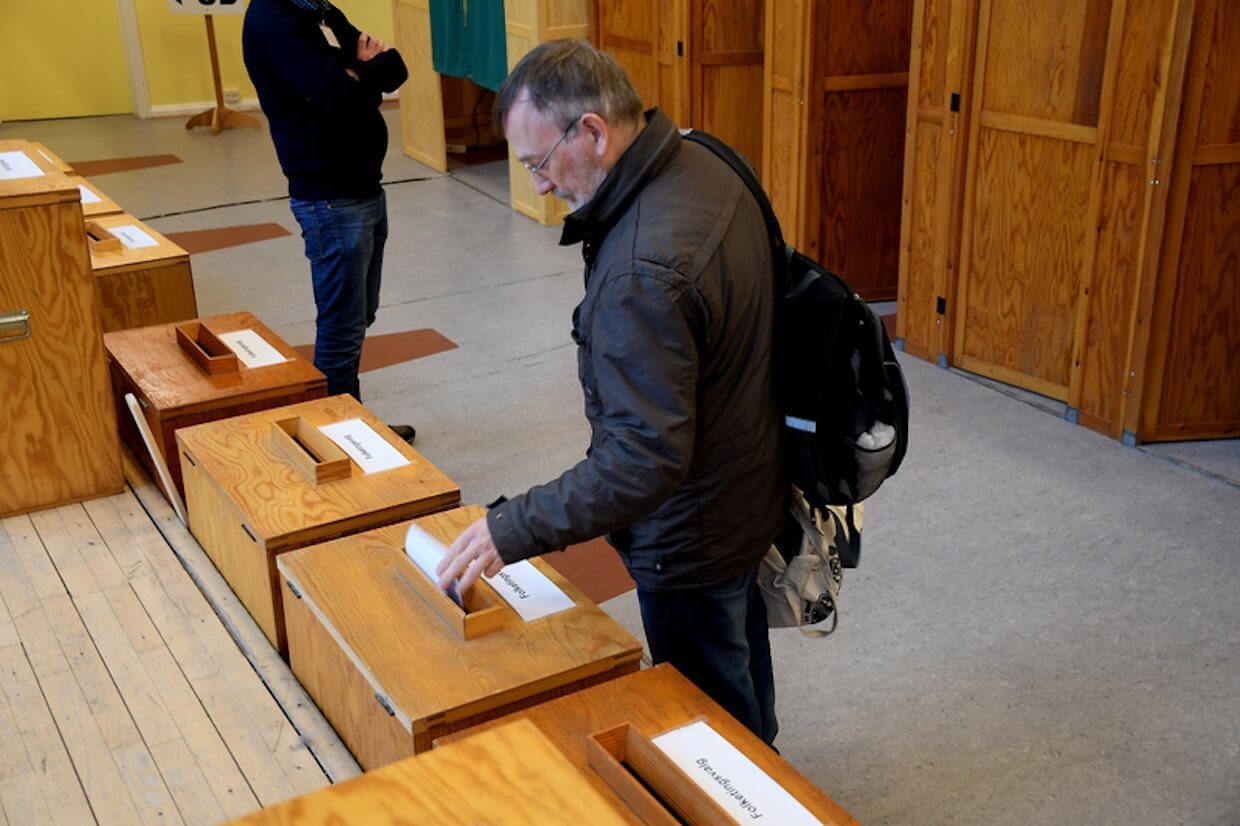
The third point is that overall voter turnout was lower than usual, although still high by international standards. I interpret this as a sign that voters have been dissatisfied with the centrist government we have had over the past four years.
The fourth point is that there were clear winners outside the old or established center. The Danish People’s Party, for example, performed strongly with 9.1%, and the Socialist People’s Party on the left became the second-largest party.
Thus, the election did not simply produce fragmentation for its own sake; rather, it suggests that voters rewarded parties with clearer profiles on both sides of the political spectrum. In this sense, the Danish People’s Party can be seen as one of the main winners.
I also heard a commentator suggest that these are “Dutch conditions,” in the sense that we now have many parties represented in parliament. There is a political science measure for the effective number of parties, and it has reportedly never been higher in the Danish parliament. Another commentator added that we may face “Belgian conditions,” meaning that it could take a very long time to form a government with so many parties involved. I find this framing quite insightful.
Regarding whether this signals a structural transformation, I would say it is important to view the situation in light of the decline of the Social Democrats. They have been in government for an extended period—first leading a left-leaning government and then a centrist coalition. This development should therefore be understood in the context of their weakening position, including their time in power during COVID-19. It appears they have struggled to maintain momentum, which is reflected in the election results. At the same time, we do see clear signs of fragmentation—this is quite evident.
We can also observe that centrist parties, such as the Moderates, have become highly important in the coalition-building phase. Although relatively small, both blocs—the left and the right—depend on their mandates to form a government. As a result, they are likely to play a very prominent role.
Finally, this election also points to the growing importance of person-driven politics rather than party-driven politics. For voters, the election itself has been quite fragmented. It is not entirely clear what the main issues have been; instead, individual political figures have played a central role. We can see that some of the key figures, such as Martin Messerschmidt and Lars Løkke Rasmussen, have attracted a significant share of the vote. This indicates a broader shift toward more person-driven politics and person-driven electoral outcomes.
Unpopular Reforms Cost the Social Democrats Voter Support
The Social Democrats emerged as the largest party but recorded one of their weakest results in over a century. To what extent does this outcome reflect voter fatigue with incumbency, and to what extent does it point to deeper shifts in political trust and democratic legitimacy?
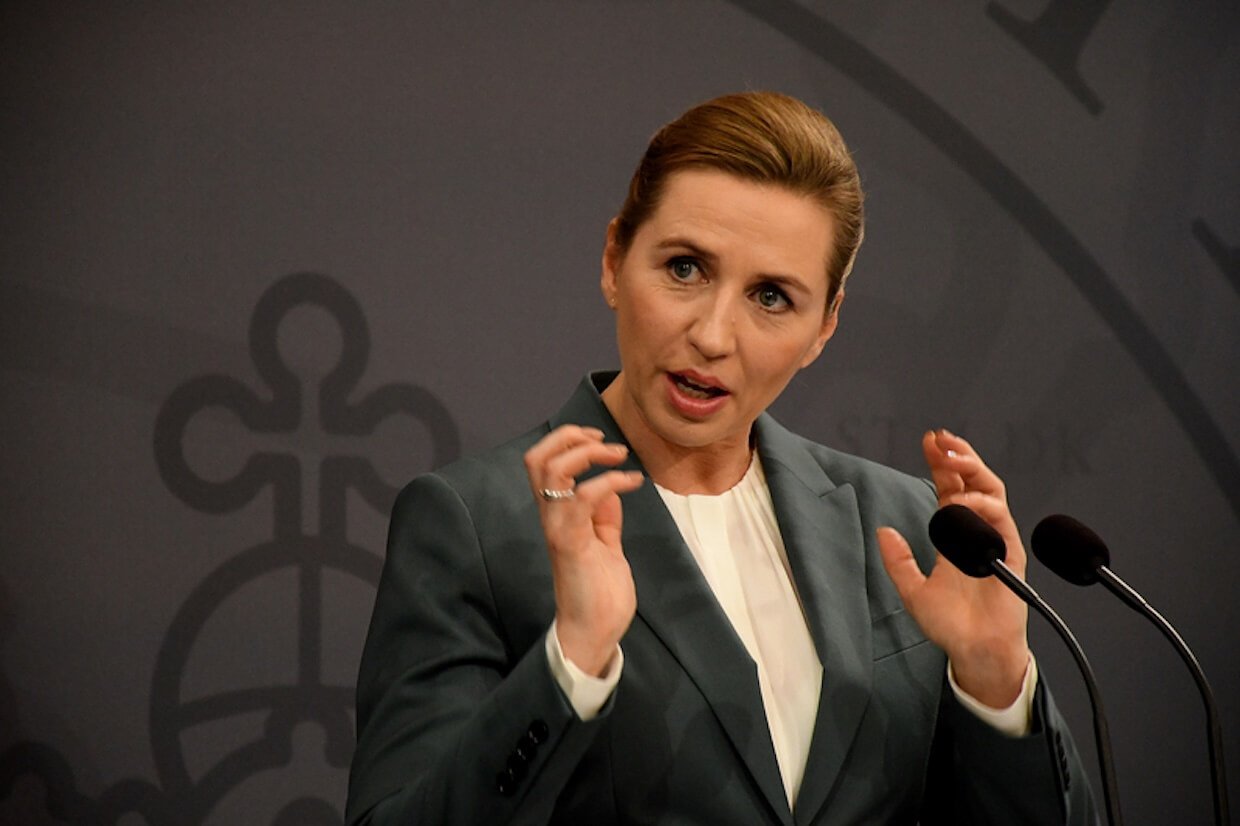
Dr. Frederik Møller Henriksen: It’s a very good question. There is clearly an incumbency story here. It is important to situate the Social Democrats’ decline in voter support within a broader anti-incumbent mood among voters, which I alluded to, earlier. After nearly seven years in power, the party has been carrying the burdens of office. As we know from political science, this is challenging for governing parties, particularly when they are associated with unpopular reforms. One notable example is the abolition of a national holiday in 2024, known as the Great Prayer Day. This decision appears to have resonated strongly with voters across the political spectrum, and the party has been penalized for it. I think that when the government abolished the holiday, it did not anticipate the extent of its electoral impact. That is an important factor to consider.
At the same time, it would be too narrow to interpret the result solely as voter fatigue. The Social Democrats were squeezed from both sides. Some left-leaning voters felt that the party had become too restrictive on immigration, while some right-leaning voters continued to distrust it on economic issues. In this sense, the outcome reflects both incumbency effects and the limits of a centrist repositioning, which is relatively unusual in the Danish political context. So, while the party remains electorally dominant in relative terms, its broad coalition appears thinner and more fragile than before.
That said, I do not see strong evidence—at least at this stage—of a more generalized crisis of democratic legitimacy. Denmark still has stable political institutions, and the economy is in relatively good shape compared to some other EU countries. Voter turnout also remained relatively high, and the election process was fair. Therefore, framing this as a general crisis of democratic legitimacy may be an overstatement. However, much will depend on what kind of government ultimately emerges.
The Danish People’s Party Re-Emerges as a Major Force
The election saw a notable resurgence of the Danish People’s Party and other anti-immigration actors. How do you explain this revival in light of your research on anti-systemic populism? Does it indicate that such movements have successfully re-entered the electoral mainstream?
Dr. Frederik Møller Henriksen: That is a good question. There is clearly a strong case to be made that the Danish People’s Party has re-emerged as a significant force. They moved from around 2–3% to 9.1% of the vote, effectively tripling their support compared to the previous election. They have campaigned on issues such as zero net Muslim migration and cost-of-living concerns, including proposals like abolishing petrol taxes. They have been very successful in doing so, and I would also argue that they have run one of the most effective social media campaigns, which likely contributed to their performance.
This revival suggests that anti-immigration politics have not disappeared; rather, they were partially displaced and fragmented. This election indicates that when economic anxiety, migration, and broader questions about national direction become salient again, these constituencies can be remobilized electorally.
In relation to my own research, I have focused less on elections per se and more on anti-systemic movements and forms of mobilization. From that perspective, the Danish People’s Party has been particularly successful in tapping into this kind of anti-systemic mobilization.
At the same time, we also see another far-right party, the Danish Democrats, led by former minister Inger Støjberg. While they share a similar anti-immigration stance, they have not been as successful in converting this into electoral support. To me, this suggests that additional factors are at play. One key element appears to be the effectiveness of social media campaigning, particularly on the part of the Danish People’s Party and Morten Messerschmidt.
A Key Lesson for Social Democratic Parties in Europe
The Danish case has often been cited as an example of mainstream parties absorbing far-right agendas—particularly on immigration. In light of the latest election results, do you see this strategy as containing or, paradoxically, legitimizing populist radical right discourse within mainstream political competition? Do the election results suggest that this strategy has reached its limits—or even backfired?
Dr. Frederik Møller Henriksen: Yes, I definitely think this election lends support to the argument that the strategy of normalizing far-right rhetoric and policies within the center and the center-left has its limits—perhaps even backfiring to some extent. For example, Denmark has maintained one of Europe’s toughest migration policies, and yet the Danish People’s Party still achieved a very strong electoral result.
When we examine the data, particularly in comparison to the 2022 election, we also observe one of the largest estimated voter shifts from one party to another—specifically from the Social Democrats to the Danish People’s Party. This is based on the data currently available, although it will require further analysis. At the very least, this suggests that voters are moving from the Social Democrats to the Danish People’s Party, and that this shift is closely linked to the migration issue.
What this indicates is that a strict mainstream migration policy does not automatically neutralize the radical right or the far right in electoral terms. This is an important lesson for other social democratic parties across Europe that are observing the Danish election and seeking to shape their own positions on migration and anti-immigration policies in light of these developments.
Far-Right Digital Counter-Publics Remain Highly Active
Your work emphasizes the role of alternative news media in shaping political perceptions. To what extent do you think digital counter-publics and alternative information environments influenced the electoral performance of populist and radical right actors in this election?
Dr. Frederik Møller Henriksen: Let me begin with alternative news media. I would say that, in themselves, they do not have a significant impact on electoral outcomes. I have been collecting articles from Danish alternative news media throughout the election, and only one outlet—one that is somewhat close to the Social Democrats, called PUPU—has actively covered the election. I have also followed debates on national television, where at least one editor from a right-leaning outlet was invited to participate in discussions on migration, particularly concerning Muslims and the Danish Muslim population. So, there is certainly something to this, but it is not an impact that we can clearly observe.
When it comes to digital counter-publics connected to alternative news media, it is becoming increasingly difficult for researchers to obtain reliable data from platforms, which makes this question quite challenging to answer. Based on my intuition, however, these counter-publics—especially those associated with the far right and the Danish People’s Party—are highly active. I am quite confident that the Danish People’s Party’s social media strategy has aimed to mobilize some of these digital counter-publics. How successful these efforts have been, and the extent of their overall impact, remains difficult to determine—particularly given the ongoing challenges of accessing data from different platforms.
No Electoral Impact from the Greenland Issue
Despite intense international attention on the Greenland crisis, domestic issues ultimately dominated the campaign. How do you interpret this gap between geopolitical salience and voter priorities? Was the so-called “Greenland effect” electorally significant or overstated?
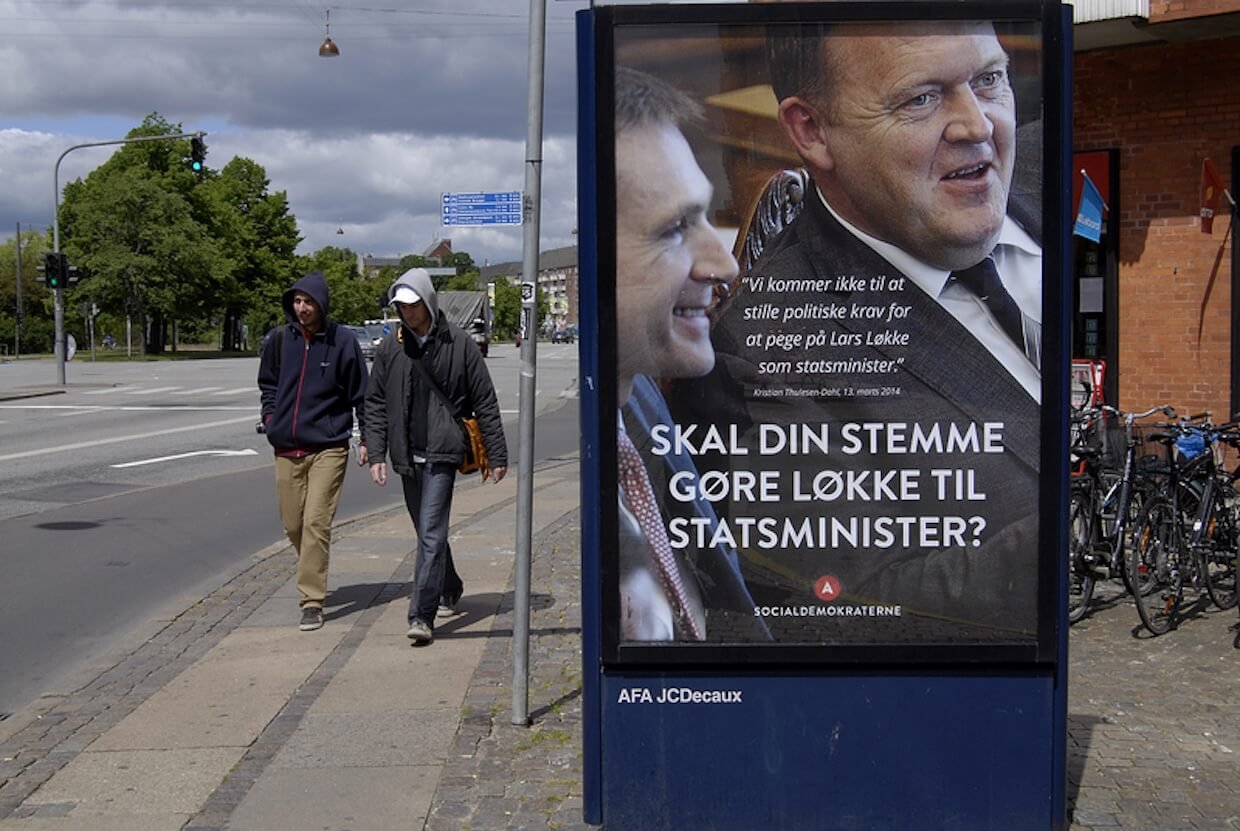
Dr. Frederik Møller Henriksen: As I see it, the only politician who really managed to benefit from the “Greenland effect,” or to gain something from it, was the former Minister of Foreign Affairs, Lars Løkke Rasmussen, from the Moderates. There was a documentary film about the days leading up to and during the crisis, when it was at its peak, and Lars Løkke Rasmussen traveled to Washington to meet with American politicians.
I think he was the only one who really gained something from this in electoral terms, at least. I am not entirely sure why. Mette Frederiksen was certainly in a position to benefit as well, since she played a significant role in managing the situation and coordinating with European counterparts. However, we do not see this reflected in the numbers, at least not in the electoral outcome.
If we consider the Greenland case more broadly, it mattered quite a lot in the run-up to the election. Mette Frederiksen called the election while still benefiting from the visibility and leadership image created by Trump’s pressure over Greenland. During the campaign itself, however, the issue was clearly overshadowed by domestic concerns. These included rising costs of living, the green transition, debates over clean drinking water, healthcare for an aging population, and, of course, immigration. These issues ultimately dominated the campaign. The established parties struggled to mobilize effectively across all of them, although the Social Democrats were more successful on issues such as the green transition and welfare, while the Danish People’s Party mobilized strongly on immigration as well as welfare and healthcare-related concerns.
Potential Spillover into Populist Narratives
At the same time, could the Greenland issue have indirectly shaped the election by reinforcing narratives of sovereignty, external threat, and national unity—particularly within populist communication frames?
Dr. Frederik Møller Henriksen: As I mentioned earlier, perhaps—but not to a very strong extent. I think it is, to some degree, a matter of time. We will have to see whether concerns over Greenland spill over into broader, more classic right-wing populist debates regarding border control, security, national cohesion, and immigration. That said, I would still be somewhat hesitant to answer definitively in the affirmative. It is also a question of timing—we will have to see, especially as the formation of a coalition government will likely take a few months, according to some political analyses. These topics could certainly resurface.
Fragmentation Elevates the Moderates to Kingmaker Status
The Moderates, now positioned as a pivotal kingmaker at the political center, occupy a decisive role in post-election coalition building. From your perspective, does this development represent a stabilizing corrective within Danish democracy, or does it instead point to a deeper fragmentation of political representation?
Dr. Frederik Møller Henriksen: I think it points to a deeper fragmentation of political representation, as you suggest. Today, the left-leaning bloc has chosen the Moderates as the kingmaker, which is entirely new information. However, the left-leaning bloc still needs the mandates from Lars Løkke Rasmussen’s party to succeed, so the most likely scenario is a left-leaning government with the Moderates as part of it—although I would not put my head on the block for that.
It is somewhat striking, because leading up to the election, many expected that Lars Løkke Rasmussen and the Moderates would assume the kingmaker role. However, learning from the last election, the Social Democrats appear to have tried to avoid that situation, as it would have placed considerable pressure on them—even as the largest party—within an increasingly fragmented party system. Time will show what role the Moderates and Lars Løkke Rasmussen—who hold 14 seats in parliament—will ultimately play in forming the government.
One additional point is that Lars Løkke Rasmussen has been the clearest advocate for forming another centrist government. He has maintained this position consistently from the outset. If the government formation process drags on, he may find himself in a particularly strong position, as having a clear and consistent stance can be advantageous in such a fragmented political landscape. There is a great deal at stake, and forming a government will be a difficult political process. It could prove especially interesting for the Moderates.
No Clear Narrative Defines This Election
Your research highlights how digital environments can foster echo chambers and partisan homophily. Do you see evidence that such dynamics contributed to the electoral polarization—or fragmentation—observed in this election? How might these dynamics have influenced voter alignments in this election, particularly regarding contentious issues such as immigration, economic redistribution, and national sovereignty?
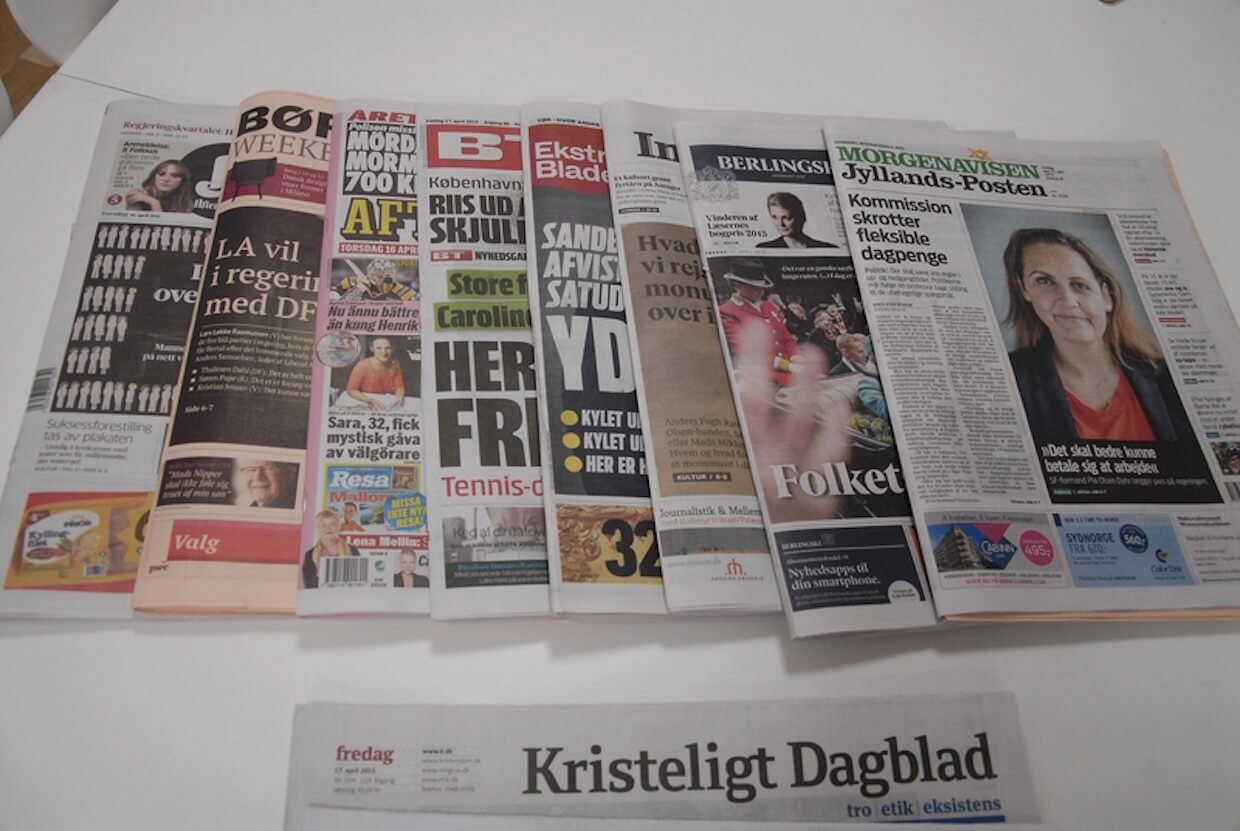
Dr. Frederik Møller Henriksen: The short answer is no, but I think the fact that it was not possible for either political parties or the media to construct a very clear storyline for this election—for voters, at least—really says a lot. It is something that political commentators across the spectrum agree on: this has been an election that has been very difficult to define. It has been unclear whether the election was about policies related to the green transition, immigration, or other issues. It has been highly fragmented, and none of the parties has been able to set the agenda in a decisive way.
My hypothesis—perhaps also from a researcher’s perspective—is that we are witnessing the long-term effects of media fragmentation. Legacy media and social media together are making it increasingly difficult, within this hybrid media environment, for the media to establish a coherent narrative for voters—one that clearly identifies the main dividing lines between parties and presents the election as a unified communicative and political process. Of course, social media is not new to this election, but we may now be seeing its longer-term effects more clearly.
I do not have a definitive answer as to why it has been so difficult for the media. Denmark still has a high-quality, high-trust media system, with outlets that voters generally trust. So it is somewhat puzzling why it has been so difficult to formulate a cohesive narrative about the election.
European Trends Reshape Danish Politics
Denmark is often described as a high-trust, low-polarization society. Yet your work suggests that even such contexts are not immune to the rise of anti-systemic communication. Do the current election dynamics indicate an erosion of this “Nordic exceptionalism,” or rather its adaptation under new digital conditions?
Dr. Frederik Møller Henriksen: I think the fact that the far-right party, the New Right—which we have not discussed—entered parliament in the last election is indicative of this—an erosion of Nordic exceptionalism, at least to some extent. They only entered with 2.1% of the vote, so Denmark remains a high-capacity democracy with fairly high turnout, as we have said—a little lower than in the last couple of elections—and there is still broad institutional legitimacy.
On the other hand, one could argue that Denmark is no longer isolated from trends we see elsewhere in Europe. The fragmentation we discussed, anti-incumbent voting patterns, migration-centered competition, and increased pressure on mainstream, established parties all point in that direction.
However, my analysis is that much of the anti-systemic mobilization and communication has been picked up and channeled very successfully by the Danish People’s Party, particularly through social media campaigns. The Danish People’s Party has been one of the parties that has gained the most from this election. So, it has not been a landslide erosion of democratic trust; rather, it is a sign of an increasingly polarized political landscape. We may also be observing some longer-term effects, particularly the difficulties faced by the media system in providing a clear and coherent narrative of the election for voters.
Nativist Strategies Can Backfire Electorally
In your view, how does the Danish election contribute to our understanding of populism beyond the traditional left–right spectrum? Do we observe forms of “valence” or “anti-systemic” populism that cut across ideological divides, especially in digitally mediated environments?
Dr. Frederik Møller Henriksen: I will have to give a somewhat boring answer to this—and also one that is not particularly favorable for my own research on anti-systemic populism—but I do not see it as the main case here. It is not the central story of this election. There is, however, an interesting argument in how the Social Democrats appropriated a far-right nativist discourse, which appears to have backfired in terms of voter transitions to the Danish People’s Party. I think this is partly because the Danish People’s Party was effective in exploiting the opportunities it was given. What I mean by this is that we do not observe the same voter transition to the Danish Democrats, who did not achieve the electoral success they had anticipated. So, to a large extent, this comes down to the social media campaigning of Morten Messerschmidt and the Danish People’s Party.
Anti-Centrist Voting Defines the Election
The election results indicate gains both for the populist radical right and for certain left-wing actors. Does this suggest that populism in Denmark is increasingly transcending the traditional left–right divide? From a comparative perspective, how does Denmark’s experience relate to broader European trends in populist radical right mobilization? Does the Danish case still represent a distinct model, or is it converging with patterns observed in countries like Germany, Austria, or Sweden?
Dr. Frederik Møller Henriksen: First of all, I would not say that the Danish case shows that populism has fully transcended the left–right divide, at least not in a symmetrical sense. What we do see, however, is a clear revolt against the status quo and the established parties. A more accurate formulation is that this represents a kind of anti-centrist voting, spread across the spectrum on both the left and the right.
On the right, we have the Danish People’s Party, whose recovery was clearly tied to classic populist radical right themes such as immigration, national protection, and related issues. They campaigned on zero net Muslim migration and on cost-of-living grievances. On the left, we see the Socialist People’s Party, which mobilized around classic welfare issues and a stronger green profile.
In comparative terms, Social Democrats in countries such as Sweden, Germany, and perhaps the Netherlands are likely looking at this election and drawing lessons from it—particularly that they should avoid adopting strategies that appropriate nativist tropes from far-right parties. I think that would be my answer to this question.
No Strong Cordon Sanitaire in Danish Politics
Denmark’s far right has historically been constrained by institutional and cultural factors, including elements of a cordon sanitaire. Do recent developments suggest a weakening of these barriers, particularly through digital mainstreaming processes?
Dr. Frederik Møller Henriksen: Good question. Historically, when we compare Denmark to Sweden and Germany, for instance, we do not have as strong a cordon sanitaire tradition as we see in the German context, where certain parties, such as the AfD, are very actively and explicitly excluded.
The Danish political scene is characterized by a relatively wide spectrum of voices that are allowed in. So, I do not think that the 2% threshold for entering parliament necessarily prevents a broader range of parties from gaining representation; rather, it allows for what one might call a “long tail” of parties. So, I tend to disagree slightly with that premise.
Regarding whether this relates to digital mainstreaming processes, there has certainly been a mainstreaming of nativist discourse. That is quite clear to me. And, as I mentioned before, it is now up to Social Democrats across Europe to consider whether they want to follow the same path as the Social Democrats in Denmark.
A Left-Leaning Government Is Likely to Emerge
And finally, looking ahead: Based on these election results, what are the key risks and opportunities for Danish democracy? Do you foresee a consolidation of mainstream politics, or further growth of anti-systemic and populist forces in future elections?
Dr. Frederik Møller Henriksen: For this election, and for the government coalition-building process currently underway, I think we will see a left-leaning bloc entering government. As for the long-term effects, this relates more to how difficult it can be to form a centrist government, especially in a political party system that does not have a strong tradition of doing so. I think the three parties that formed the previous government were not very successful in this regard, and we can see that reflected in voter turnout—the voters simply did not like it.
On the other hand, this did not translate into strong anti-systemic mobilization. I think this is more closely related to Denmark being a high-trust society, where people are not concerned about fraud and are not worried about being misinformed by state media, for instance.
I think we need to center our attention on the core pillars of democracy that sustain it, rather than focusing solely on a specific election outcome. Of course, that is also very important, but to understand why we do not see strong anti-systemic mobilization on either the left or the right, we need to look at trust in the media system and the political system.