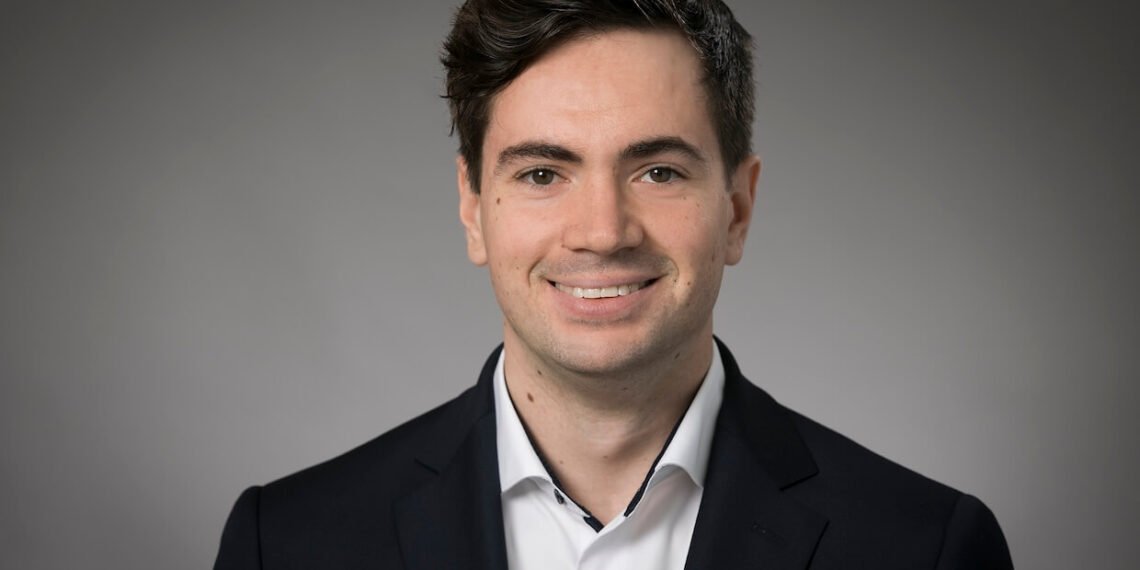
In this provocative ECPS interview, Dr. Laurenz Guenther, Research Fellow at the Toulouse School of Economics, challenges dominant interpretations of populism, migration politics, and democratic crisis in Europe. Rather than viewing the rise of the populist radical right primarily as an external threat to liberal democracy, Dr. Guenther argues that it reflects deeper “representation gaps” between mainstream parties and large segments of European electorates, particularly on migration and cultural issues. He contends that European politics is undergoing a profound transformation in which “culture has, overall, become the more dominant dimension of political conflict.” Contrasting with many ECPS interviews emphasizing democratic backsliding and illiberalism, Dr. Guenther argues that liberal democracies can regain legitimacy not by suppressing cultural anxieties, but by responding to them more effectively within democratic and liberal constitutional frameworks.
Interview by Selcuk Gultasli
At a time when much of the scholarly and public debate on populism focuses on democratic backsliding, authoritarian drift, disinformation, and the dangers posed by the populist radical right, Dr. Laurenz Guenther offers a strikingly different interpretation of Europe’s political transformation. Rather than treating right-wing populism primarily as an external threat to liberal democracy, Dr. Guenther argues that its rise reflects deeper failures within liberal-democratic representation itself. In this sense, his perspective stands in contrast to many previous ECPS interviews, which have largely emphasized the illiberal, exclusionary, and anti-pluralist dangers associated with populist movements.
A Research Fellow at the Toulouse School of Economics, Dr. Guenther has become an increasingly influential voice in debates surrounding migration politics, democratic responsiveness, cultural polarization, and the rise of the populist radical right in Europe. Through his research on “representation gaps” and issue voting, he argues that mainstream European parties have become “systematically more culturally liberal than large segments of their electorates,”particularly on immigration. According to Dr. Guenther, this disconnect has created fertile ground for populist challengers who successfully position themselves closer to voter preferences on culturally salient issues.
Central to Dr. Guenther’s argument is the claim that European politics is undergoing a profound structural transformation. As he puts it in this interview, “politics in the average European country has shifted from something like a 60–40 balance in favor of economic issues to perhaps 40–60 in favor of cultural issues. We may even be moving toward something like 70–30.” In his view, “culture has, overall, become the more dominant dimension of political conflict.” This diagnosis sharply departs from conventional analyses that continue to treat class, redistribution, or neoliberal economics as the primary organizing principles of political competition.
Throughout the interview, Dr. Guenther advances several arguments that challenge dominant liberal assumptions surrounding migration and populism. He contends that mainstream parties increasingly lose credibility when they dismiss or underrepresent concerns surrounding migration, demographic change, asylum policy, and cultural identity. “The main threat,” he argues, “comes from failing to represent people,” which can push voters toward increasingly radical alternatives. Unlike many scholars who interpret tougher migration policies primarily as democratic erosion, Dr. Guenther views the recent convergence of mainstream parties toward stricter border and asylum policies as, at least partly, a democratic response to voter preferences.
At the same time, the interview also explores some of the most sensitive and controversial questions currently shaping European politics: the relationship between migration and demographic transformation, the growing salience of Islam and civilizational identity, the future of multiculturalism, and the normalization of culturally conservative politics across Europe. Yet despite his stark assessment of Europe’s political trajectory, Dr. Guenther ultimately rejects the idea that liberal democracy and more restrictive migration policies are necessarily incompatible. “If handled intelligently,” he argues, “Europe does not necessarily have to choose between these two paths.”
Here is the revised version of our interview with Dr. Laurenz Guenther, lightly edited for clarity and readability.
When Mainstream Parties Fail to Respond, Populists Fill the Void
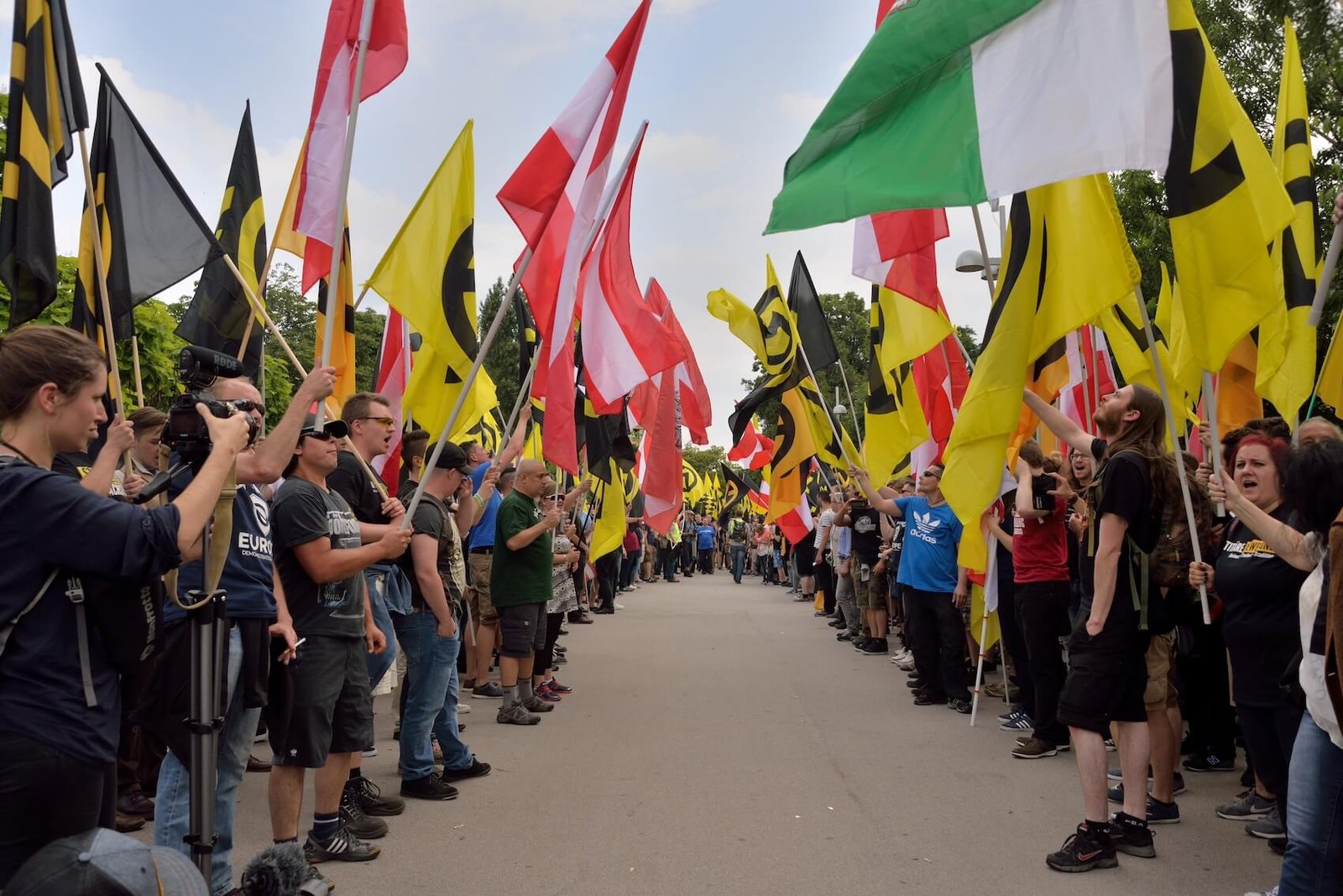
Dr. Guenther, welcome! To begin, in your work on “representation gaps,” you argue that mainstream European parties have become systematically more culturally liberal than large segments of their electorates, particularly on immigration. To what extent do you see the rise of populist radical-right parties as reflecting a broader crisis of democratic representation and political responsiveness within liberal democracies?
Dr. Laurenz Guenther: I think these representation gaps, and this “crisis of representation,” as you call it, are one major factor behind the rise of populism. They are certainly not the only factor, but I do think they have contributed significantly to populism’s growing appeal. The failure of mainstream parties to reflect the attitudes of many citizens has created space for new populist parties to step in and represent these voters by proposing policies that are closer to their preferences on issues such as immigration. When these issues then became much more salient — for instance, during the refugee crisis — this provided a shock that led many voters to reconsider their political choices and ultimately support populist parties instead.
Europe’s Political Elites Often Misjudge Public Opinion on Immigration
Your analysis of Germany suggests that the AfD’s rise was driven not only by anti-immigration sentiment itself, but also by the perception that established parties were unwilling to openly engage with public concerns over migration. How can democratic societies address legitimate anxieties surrounding migration while resisting xenophobia, exclusionary nationalism, and anti-minority politics?
Dr. Laurenz Guenther: You are right that the key challenge for mainstream parties is to be very precise in how they approach these issues. Choosing the right policy is largely a matter of accurately assessing public opinion. You do not want to be too far to the right on immigration, but you also need to be sufficiently responsive to public concerns. At the same time, immigration is a multidimensional issue. A party may adopt a much tougher position on certain questions, such as the asylum system, while remaining more lenient on issues like skilled migration.
To find the right balance, parties need a very strong understanding — and reliable measurement — of where citizens actually stand on these questions. My impression is that many mainstream parties do not really have that understanding. There are studies asking politicians directly where they believe voters are positioned, and often even leading politicians misjudge what the majority position actually is. Without that understanding, parties cannot position themselves effectively.
Culture Has Become Europe’s Dominant Political Cleavage
Across your writings, you emphasize the growing salience of the “cultural dimension” of politics. Does this imply that traditional economic left-right divisions are increasingly being displaced by conflicts centered on migration, multiculturalism, identity, religion, and national belonging?
Dr. Laurenz Guenther: Yes, I think this is true to a large extent. As you suggest, the cultural dimension of politics has become significantly more important and, in my view, continues to grow in importance. The economic dimension is still relevant, of course, but its relative weight has declined. Over roughly the last 15 years, politics in the average European country has shifted from something like a 60–40 balance in favor of economic issues to perhaps 40–60 in favor of cultural issues. We may even be moving toward something like 70–30. So, while economics still matters, culture has, overall, become the more dominant dimension of political conflict.
Ignoring Voters’ Concerns Fuels Political Extremism
You argue that even conservative mainstream parties in Europe are often more culturally liberal than the median voter. How should liberal-democratic parties respond to cultural representation gaps without normalizing anti-immigrant rhetoric, Islamophobia, or hostility toward diversity and pluralism?
Dr. Laurenz Guenther: I am personally not convinced that these normalization effects are particularly strong in practice. I think the main threat comes from failing to represent people, which can lead them either to become more extreme in response or to support almost anyone who appears willing to represent their concerns, including the most extreme parties.
This goes back to your earlier question about how far mainstream parties should go in responding to these issues. I would reiterate that parties need a strong understanding of where public opinion actually stands and then position themselves in a way that fills the representation gap. In many cases, I do not think they do this effectively because they lack reliable measurements of public attitudes.
A second point I would emphasize is that mainstream parties need to have some trust in their own voters and in the broader public. One concern I often hear from politicians is that voters may be highly extreme, deeply Islamophobic, or otherwise illiberal, such that representing their views could itself become anti-liberal. But when I look at survey evidence and at what people actually say when asked about their attitudes toward Islam or related issues, I do not get the impression that most people hold highly extreme views. On the contrary, most people have fairly reasonable preferences.
And if you want democracy to function successfully, you ultimately have to trust people to some extent. Even liberal democracy, with all its institutional checks on majority rule, ultimately depends on the assumption that majorities will vote in a broadly reasonable way. If you believe that people are fundamentally unreasonable and should not be represented, leaving large representation gaps open, then it becomes difficult to sustain a genuine democratic outlook. So, even for the sake of democratic consistency, politicians need to trust people at least to some degree and take their preferences seriously.
Europe May See the Rise of Economically Left but Culturally Conservative Parties

In your work on the decline of Die Linke and the rise of Sahra Wagenknecht’s BSW, you suggest that culturally conservative left-wing politics may become increasingly electorally viable. Could Europe be entering a new political configuration in which economic redistribution is increasingly combined with restrictive migration and culturally conservative agendas?
Dr. Laurenz Guenther: Yes, I think this could certainly happen. Wagenknecht’s party is a good example. In the beginning, it was quite successful. Although its momentum has weakened somewhat since then, its first result in a German national election was still a considerable achievement for a newly established party. It narrowly missed entering parliament.
In Germany, it is actually very rare for a new party to enter parliament in its first national election. So, compared to other parties — even compared to the AfD or the Greens in their early stages —the BSW performed very well. To me, this demonstrates the electoral potential of combining these kinds of policy positions.
Moreover, in most European countries, we still do not really have parties that combine economically left-wing policies with culturally conservative positions in a consistent way. But I do think this combination has significant potential. As political competition becomes more intense and fragmented, we are seeing more new parties emerge, and I think some parties adopting this formula could become very successful.
Europe’s Migration Shift Reflects the Growing Power of Populist Parties
Many mainstream European parties have recently adopted tougher migration policies, including externalization agreements, stricter asylum rules, and expanded border controls. Do you interpret the EU’s recent migration pact as an attempt to restore democratic legitimacy and public trust—or as evidence that populist radical-right actors have successfully shifted European politics toward a more restrictive and securitized migration paradigm?
Dr. Laurenz Guenther: I think it is more the latter. It appears to me that mainstream parties are primarily responding to pressure from populist right-wing parties, as well as to broader public demands — in other words, to these representation gaps — rather than making an independent decision to become more representative or responsive. The growing electoral strength of populist right-wing parties may have pushed mainstream parties to reconsider their own positions and reflect on whether they made strategic mistakes by adopting such liberal stances on migration. But overall, this shift is driven mainly by political necessity.
In the European Parliament, for example, populist parties have become strong enough that centrist parties are increasingly compelled to cooperate with them on certain issues. I see the new migration pact as a reflection of this broader development, and I suspect this trend will continue.
At the same time, this places mainstream parties in a very difficult position. Even though they are now implementing more restrictive migration policies, they are not especially well-positioned to benefit from them electorally. Many voters are unlikely to reward them because these policy shifts are perceived as responses to populist pressure rather than as genuine convictions.
From the perspective of mainstream parties, this creates the worst of all worlds. They are unable to pursue the policies they would actually prefer — because many mainstream politicians still personally favor more liberal migration policies — yet they also fail to gain significant electoral advantages from adopting tougher measures. To benefit electorally, they would either have needed to shift earlier or would now need to adopt a much stronger repositioning.
Uncertainty About Demographic Transformation Drives Migration Anxiety
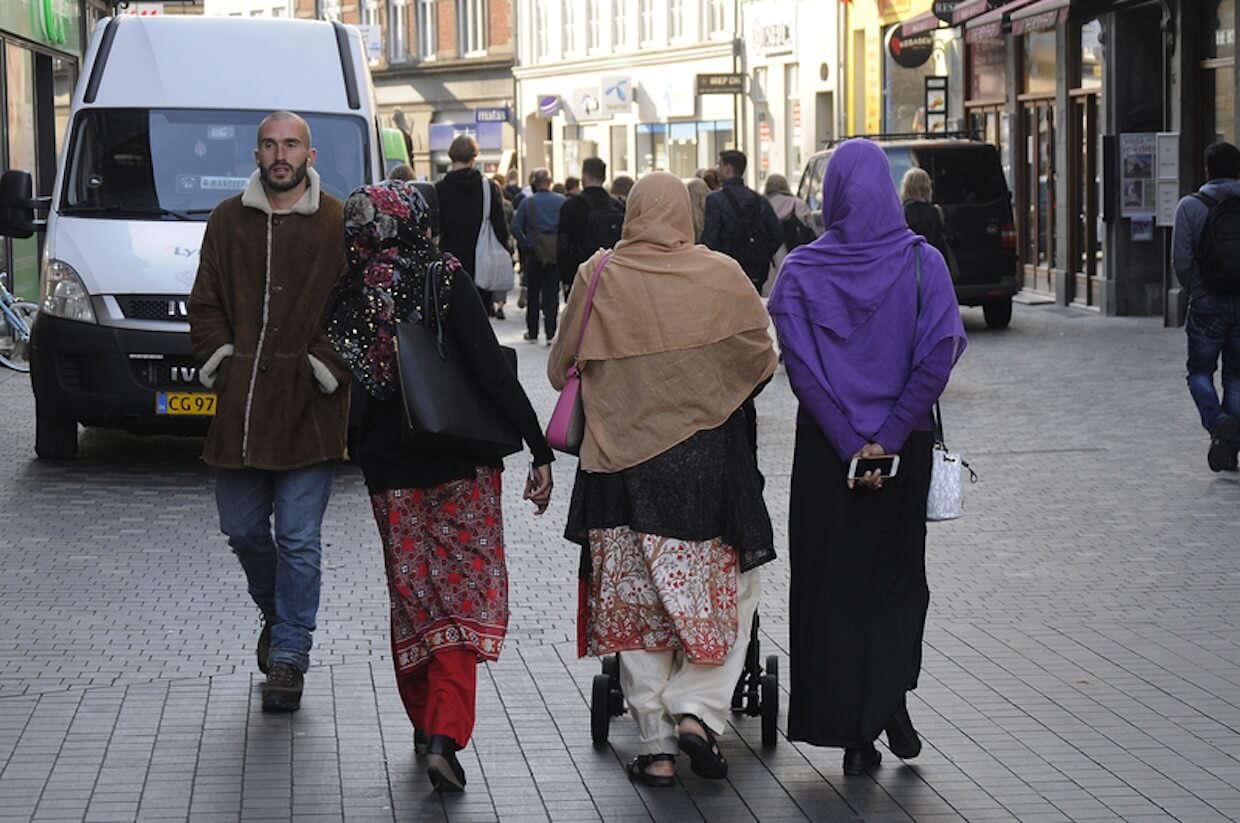
Your research suggests that immigration has become one of the most politically salient issues driving right-wing populist growth across Europe. Why do you think migration possesses such extraordinary mobilizing power compared to issues such as inequality, housing, or climate change, which many critics argue are themselves deeply shaped by capitalism and broader structural economic forces?
Dr. Laurenz Guenther: All of the issues you mention are very important, and they matter greatly to voters as well. It is not that issues such as inequality, housing, or climate change are unimportant; rather, immigration appears to matter even more to many voters. One reason for this — and I think this is something that is still not openly discussed, though I suspect it will become a major debate in the future because it touches on very sensitive questions — is that immigration is closely connected to demographic change.
The migration Europe is experiencing is not random. A significant share comes from non-European regions such as the Middle East, North Africa, and Sub-Saharan Africa. If these migration patterns continue over a long period of time, they could fundamentally reshape the demographic structure of European societies in the long run.
This raises a number of important questions that, in my view, are often not openly addressed because of political sensitivities. Liberal democracies tend to understand people primarily as individuals, and discussions about ethnicity or the ethnic composition of societies are often viewed as potentially dangerous, especially given Europe’s historical experiences with exclusionary nationalism and discrimination.
At the same time, this reluctance to engage with such questions means that many concerns people consider legitimate are not openly discussed. As a result, citizens often do not clearly understand where political parties stand, nor do they easily find what they regard as reasonable research about how demographic changes may affect society over time. This creates a considerable degree of uncertainty, and when people face uncertainty, they often become highly risk averse. I think this uncertainty is one of the key factors driving much of the fear or caution surrounding immigration.
Migration Politics Is Reshaping Traditional Party Loyalties
In your writings, you argue that voters increasingly engage in “issue voting,” particularly on migration and cultural questions. Does this trend weaken traditional party loyalties and create structurally favorable conditions for populist outsiders, anti-establishment movements, and increasingly polarized democratic politics?
Dr. Laurenz Guenther: Yes, it currently does have those implications. But in principle, it would not necessarily have to. In my view, the reason issue voting produces these effects today is precisely because of the representation gaps we discussed earlier. Take, for example, a voter who historically had strong ties to the SPD but now votes primarily based on immigration policy. That voter may no longer feel able to support the SPD because, on immigration, most people hold positions that are considerably more conservative than those of the party itself. So, issue voting weakens traditional party loyalties under these conditions, but only because parties such as the SPD have positioned themselves in a comparatively liberal way on these questions.
Liberal Democracy Can Respond to Migration Concerns Without Becoming Illiberal
One of the central arguments advanced by liberal-democratic parties is that populist radical-right actors threaten institutional checks and balances, minority protections, and democratic pluralism once in power. Yet you argue that this critique loses credibility if mainstream parties appear unwilling to acknowledge issues voters consider important. How can democracies balance responsiveness to majority concerns with the protection of liberal norms, human rights, and minority communities?
Dr. Laurenz Guenther: I think this question is very similar to issues we discussed earlier, especially regarding where exactly the line should be drawn. That, in many ways, is the central challenge. One more concrete point I would make is that anti-immigration attitudes among many citizens are, in my view, largely driven by attitudes toward asylum seekers specifically. If you ask people whether there should be fewer or more asylum seekers coming into the country, most people tend to say fewer rather than more. But when you ask about other forms of immigration — and most migration actually takes place outside the asylum system — the responses are often much more moderate. Many people say they are generally fine with it, or that they might prefer slightly more or slightly less immigration, but there is no comparably strong tendency. So, when people describe themselves as “anti-immigration,” what they often mean in practice is that they want fewer asylum seekers.
For that reason, I think that a much more restrictive asylum system — for example, limiting asylum numbers to levels similar to those of 20 years ago, or designing an asylum framework that operates primarily within Europe — would likely appease many citizens and close a large part of the representation gap without necessarily being anti-liberal.
After all, this was effectively the kind of system many European countries had in the past. Before the signing of the New York Protocol, asylum systems limited largely to Europe were common across the continent. And if you look at Germany 20 years ago, the asylum system was considerably more restrictive than it is today. Germany experienced an asylum crisis in the 1990s during the Yugoslav wars, and afterward the constitution was amended specifically to prevent a similar situation from recurring.
The constitutional framework that emerged was extremely restrictive and essentially stated that anyone arriving from a safe country — which in practice applied to almost everyone entering Germany — would not qualify for asylum. Later, under Merkel, it was argued that international agreements such as the Geneva Convention overrode this constitutional interpretation. According to many critics, including some legal scholars in Germany, it was this reinterpretation that made the asylum system much more liberal in practice and created broader opportunities for migration.
So, in Germany’s case, a different interpretation of existing law alone could significantly tighten the asylum system again. It might not even require major new legislation and would, in effect, return the country to a situation more similar to that of 20 years ago. And 20 years ago, Germany was still a liberal democracy, just as it is today. It was not a hostile or oppressive environment for migrants.
Therefore, I do think it is possible to strike the right balance — one that avoids anything resembling fascism or authoritarianism while still responding to public concerns. Again, the reason I believe this is possible is that, if you actually look at what Germans and other Europeans say about immigration, very few people hold genuinely extreme views. Many of the concerns they express are, from their perspective, relatively reasonable.
Many Europeans Increasingly View Migration Through a Civilizational Lens
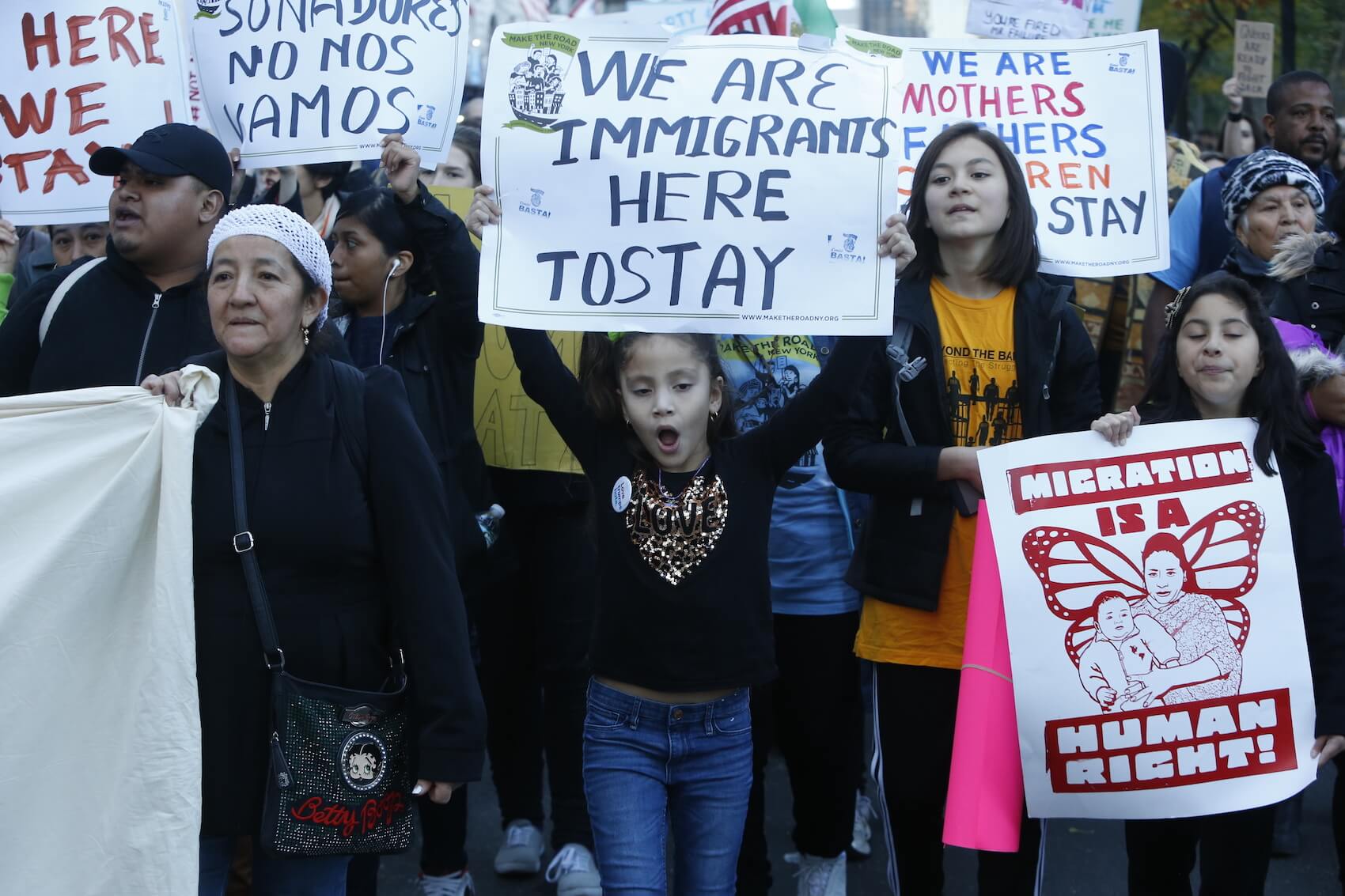
Across Europe, debates over migration increasingly intersect with concerns about Islam, security, demographic change, and national identity. To what extent do you believe contemporary anti-migration politics should be understood as part of a broader civilizational and cultural backlash against multiculturalism and demographic diversity?
Dr. Laurenz Guenther: We touched on this a little earlier, and I do think this is a key component of the debate. It is important that you raise this point, because I do not think it is discussed often enough. What we are witnessing in many European countries is significant demographic and ethnic change driven by patterns of immigration, the regions migrants are coming from, and differences in birth rates. Many people — on both sides of the debate — interpret these developments as part of a broader civilizational or cultural struggle. In many European societies, populations of African and Middle Eastern descent are growing, and Muslim communities are becoming more numerous as well.
Given Europe’s long history of conflict between civilizations and religious groups, these developments make many people uneasy. For that reason, the issue needs to be discussed openly and addressed seriously.
One point I have written about is the importance of political parties communicating a clearer sense of where they believe these developments are ultimately leading. The population of North African and Middle Eastern countries exceeds one billion people — larger than Europe’s population combined — and these regions generally have much younger populations, whereas Europe is aging rapidly.
There is also a strand of liberal thinking that argues borders should effectively be abolished and that people should be free to move wherever they wish. I do not think most political parties explicitly advocate such a position, but these ideas are present in public debate, and ordinary citizens encounter them regularly in newspapers and political discussions.
If such policies were ever fully implemented, Europe would, over time, become majority Muslim and majority composed of people of African and Middle Eastern descent. Many Europeans would strongly oppose such an outcome. If people begin to feel that this is the direction developments are heading, then the political reaction could become far more intense than the current rise of right-wing populism.
So, the question many people are asking is: where is this process ultimately leading? How much demographic and ethnic change is expected? Is there some kind of endpoint, or are these demographic shifts expected to continue indefinitely? If current trends persisted over many decades, then in some countries Muslims could eventually become a majority among younger generations.
The problem is that liberals often do not openly address these long-term questions. It is extremely important to have a serious discussion about them, supported by realistic projections and rigorous research examining the potential social consequences of demographic change.
At the same time, this is also a very difficult topic for researchers. Conducting serious research on these issues can be extremely challenging because, if findings portray ethnic change negatively or identify tensions associated with it, publishing such work while maintaining one’s academic career may become very difficult.
Europe’s Populist Right Has Become a Stable Electoral Force
In your analysis of the European Parliament elections, you argue that culturally conservative parties are likely to continue rising until the “cultural representation gap” narrows. Does this suggest that the normalization of populist radical-right politics is becoming a long-term structural feature of European democracy rather than a temporary protest phenomenon?
Dr. Laurenz Guenther: Yes, I think so. In the beginning, many mainstream parties were effectively betting that right-wing populism was simply a temporary bubble that would eventually burst. But that expectation has clearly failed. By now, survey data also show that supporters of right-wing populist parties are often among the most loyal voters — people who say they will continue voting for these parties no matter what happens. So, I think these parties are now very firmly established within European politics.
Migration Politics Now Mirrors Everyday Public Sentiment
Your work highlights how mainstream parties increasingly converge toward tougher migration positions, citing figures such as Mette Frederiksen, Emmanuel Macron, and Friedrich Merz. Do you see this convergence as democratic adaptation to voter concerns—or as evidence that populist radical-right narratives are increasingly hegemonizing European political discourse?
Dr. Laurenz Guenther: It is, in many ways, both. I certainly see populist actors as the main driving force behind this shift. They succeeded in making migration and cultural issues far more politically salient, and public debate has increasingly moved closer to the way populists initially framed these questions.
Part of the reason may simply be that populists often discuss these issues in a language that resembles how many ordinary people talk about them in everyday life — whether in informal conversations, bars, or other social settings. And at some point, media debates and broader public discourse inevitably adapt to public preferences and concerns. From that perspective, the response of mainstream parties can also be interpreted as a democratic adaptation — an attempt to respond to shifting voter priorities and broader public sentiment.
Democratic Stability Depends on Taking Citizens’ Concerns Seriously
Much contemporary debate frames populism primarily as a threat to liberal democracy. Yet your work suggests populist success may also reflect unresolved failures within liberal democracy itself. Do you think European democracies can regain stability and legitimacy without fundamentally rethinking representation, participation, and democratic responsiveness on culturally divisive issues such as migration and integration?
Dr. Laurenz Guenther: Yes, it is definitely possible. And this ultimately comes back to my understanding of public opinion: namely, that the concerns many people — indeed, most people — have are generally reasonable, and that it is entirely possible to build political systems and adopt policy solutions that respond to those concerns. In fact, I would argue that, only a few decades ago, many European countries already had systems and policy frameworks that functioned in this way. So, in a sense, we already know how to do it. There are also countries today that have immigration policies which are broadly popular while still remaining clearly within liberal-democratic boundaries and far from anything extreme. Mette Frederiksen’s Denmark would be one example, and Sweden’s recent policymaking would be another.
Europe Can Strengthen Borders Without Abandoning Liberal Democracy
And finally, Dr. Guenther, looking ahead, do you believe Europe is moving toward a new political equilibrium in which migration restriction, stronger borders, and culturally conservative policies become normalized across both mainstream and populist parties—or do you still see the possibility of a renewed democratic consensus grounded in pluralism, human rights, diversity, and inclusive multicultural citizenship?
Dr. Laurenz Guenther: If handled intelligently, Europe does not necessarily have to choose between these two paths or treat them as mutually exclusive. I certainly believe we will see stronger borders and more restrictive asylum policies in the future. At the same time, I do not think that other forms of immigration necessarily need to be restricted, nor do I see a strong electoral incentive for parties to target them more broadly.
So, I think immigration policymaking can become much more specific and targeted, focusing primarily on restricting those forms of immigration that are perceived as having negative effects on European societies. Immigration can, of course, have both very positive and very negative effects, and much depends on who immigrates.
In my view, Europe is currently experiencing some forms of immigration that do have negative consequences, but if we look at immigration overall, I think these cases still represent a relatively small share. Addressing them therefore requires a very specific and carefully targeted policy response. And I think doing so is entirely compatible with the broader principles you mentioned. It is consistent with liberal values in general. So, while I do expect Europe to move toward more conservative immigration policies in certain areas, I still believe liberal democracy has a strong chance of being preserved.