

Following the October 25, 2026 electoral defeat of Aleksandar Vučić’s ruling coalition, Serbia offers significant lessons for citizens confronting competitive authoritarianism. In an interview with the ECPS, Associate Professor Jelena Lončar of the University of Belgrade examines how student-led protests evolved into nationwide democratic mobilization through nonviolent resistance, cross-class solidarity, decentralized organization, and grassroots election monitoring. She argues that positive messaging, sustained civic engagement, and direct contact with citizens helped overcome authoritarian strategies of protest containment. Yet she cautions that Serbia’s experience cannot simply be replicated elsewhere, given differences in repression and institutional conditions. Ultimately, democratic consolidation requires independent institutions, political pluralism, and continued public scrutiny beyond electoral victory.
Interview by Selcuk Gultasli
Serbia has entered a potentially transformative political moment. What began as student-led protests following the November 2024 Novi Sad railway-station tragedy evolved into a nationwide movement against corruption, institutional capture, and authoritarian governance, culminating in the October 25, 2026 electoral defeat of Aleksandar Vučić’s autocratic ruling coalition. Yet translating electoral victory into democratic consolidation remains a formidable challenge.
In an in-depth interview with the European Center for Populism Studies (ECPS), Associate Professor Jelena Lončar of the Faculty of Political Science at the University of Belgrade examines how sustained civic mobilization, nonviolent resistance, and grassroots electoral oversight challenged entrenched authoritarian power—and what citizens confronting similar regimes elsewhere might learn from Serbia’s experience. As she emphasizes, “Citizens in other competitive authoritarian regimes could learn a great deal from the student movement.” The most transferable lessons, she argues, include “positive messaging, clear demands, sustained activity across the country, mobilization across social groups, and a commitment to nonviolence.”
For Assoc. Prof. Lončar, Serbia’s experience underscores the democratic potential of political participation beyond established parties and electoral institutions. Neighborhood assemblies, nationwide marches, student blockades, and citizen-led election monitoring helped transform political disillusionment into collective agency. As she observes, “The student movement succeeded in waking citizens up and encouraging them to take responsibility for their communities.”Crucially, these practices challenged not only the ruling coalition but also the political passivity on which authoritarian resilience often depends.
Drawing on her scholarship on competitive authoritarianism, political representation, and the performative dimensions of power, Assoc. Prof. Lončar highlights the significance of solidarity networks and sustained mobilization. “This combination of sustained mobilization and extensive election monitoring helped turn public dissatisfaction into an electoral challenge,” she explains. Yet she cautions against treating Serbia as a universally transferable model: more closed autocracies present different institutional constraints, opportunities for electoral competition, and levels of repression.
The interview also explores the unfinished challenges of democratic transition, including institutional capture, minority representation, gender equality, nationalism, and Serbia’s geopolitical orientation. Assoc. Prof. Lončar warns that replacing incumbents cannot automatically dismantle clientelistic networks or guarantee institutional accountability. As she stresses, “Continued public scrutiny will therefore be essential.”
Serbia’s experience raises a broader comparative question: Can movements that successfully mobilize against authoritarianism translate their moral authority into durable democratic institutions without reproducing the concentration of power they opposed? Assoc. Prof. Lončar’s analysis suggests that the decisive test lies not simply in electoral victory but in institutional pluralism, sustained civic engagement, and the peaceful transfer of power.
Here is our interview with Associate Professor Jelena Lončar, edited lightly to enhance clarity, readability, and overall flow for publication.
Citizens’ Renewed Political Engagement Is Essential to Serbia’s Democratic Transition
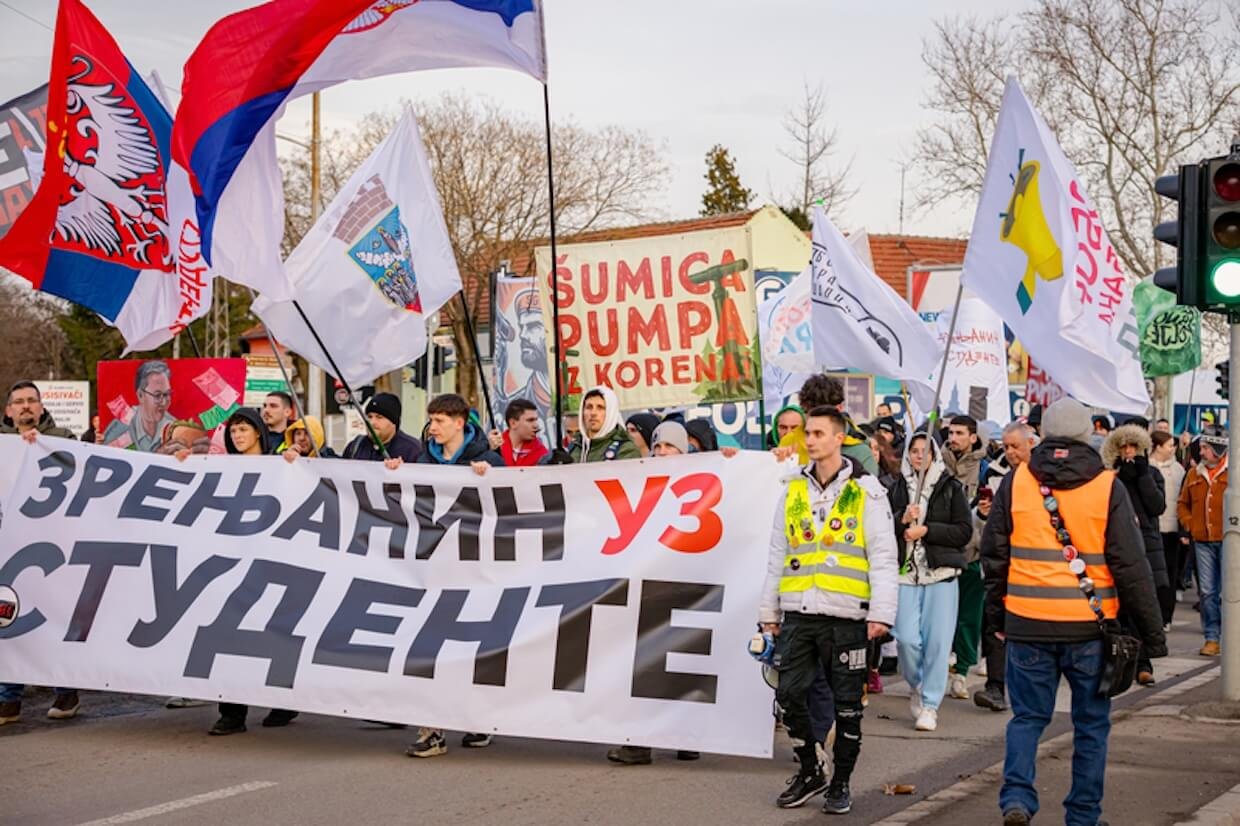
Professor Lončar, thank you for joining us. Let me begin with Serbia’s historic electoral breakthrough and the challenges of democratic transition. On October 25, the student-backed list secured 141 parliamentary seats, ending 14 years of dominance by Aleksandar Vučić’s Serbian Progressive Party (SNS). Yet networks established under Vučić remain deeply embedded in the judiciary, security services, public administration, and media. What are the principal obstacles to translating this electoral victory into genuine democratic transition and transformation? To what extent could institutional capture survive the defeat of the political forces responsible for sustaining it?
Assoc. Prof. Jelena Lončar: I’d like to start with what has already been achieved before returning to the obstacles. I’d say that citizens who had become very passive and disillusioned with politics have become politically active again. We saw an extraordinary electoral turnout, but a great deal had already happened before election day.
We’ve seen the formation of neighborhood assemblies, a form of democratic innovation in which citizens participate in discussions of local political issues. They met in squares and parks in different neighborhoods to discuss local issues and how to support the student movement. It’s a form of direct democracy.
We’ve also seen hundreds of thousands of citizens supporting students during their protests and marches, alongside widespread grassroots mobilization during the electoral campaign. Citizens spoke to their colleagues and neighbors about the importance of voting, volunteered to monitor elections, and became very active on social media. This is the first time we’ve seen such huge grassroots mobilization, at least in Serbia.
Immediately after the elections, we even saw citizens painting over graffiti and cleaning up public spaces, demonstrating that they care for the public good and symbolically sending a message that they would remain active even after the student-backed list won the elections.
The student movement succeeded in waking citizens up and encouraging them to take responsibility for their communities. This is a prerequisite for democracy. My hope is that they will remain active and scrutinize the work of the new government and other public institutions. Their continued engagement could help prevent another concentration of power.
Grassroots Mobilization Can Help Prevent Another Concentration of Power
Now, as for the obstacles you asked me about, criminal networks retain considerable influence and control important flows of money. We do not yet know what will happen to these networks. The regime treated the state budget as its own private money, and there are indications that substantial sums have left the country in recent days. The incoming government will face serious economic challenges alongside the task of institutional reform.
People loyal to the outgoing regime also remain in the judiciary, police, and security services. Reforming these institutions will take time. The Progressive Party still has loyal media outlets, and watching them in recent days, you would hardly know that anything had changed in the country. They gave the impression that Vučić was about to return to power.
Then there’s also the question of the student-backed list itself. It is not a political party with an established structure or a history of working together. Many of the candidates have only recently met, have never worked together before, and come from different ideological backgrounds. They have no experience in politics. It’s their first time. Maintaining cooperation and unity within the parliamentary group of 140 MPs, who have never worked together, as well as unity with the student movement, which will not be present in the institutions, will be important if they want to carry out substantial reforms.
As I said, so many of these candidates entering public office have very limited experience with parliamentary and administrative procedures. They will need time to learn, develop these relationships, and turn electoral promises into decisions that citizens expect.
The student movement has already demonstrated considerable organizational capacity. But governing and being present in the institutions will bring further responsibilities, including decisions about limited resources, divisive issues, and competing demands. My first hope is that the institutions will perform their constitutional roles, to start with, and then regain citizens’ trust.
Serbia does have professionals with knowledge and experience. They were very much constrained by political control, and I hope that the new government will quickly create conditions in which expertise and institutional independence become essential parts of the transition.
Justice Must Be Based on Evidence, Not Political Retaliation
In the days following Vučić’s defeat, Serbia has witnessed arrests, resignations, renewed corruption investigations, and challenges to politically appointed officials. How can the incoming leadership dismantle patronage networks and restore institutional accountability without reproducing the politicization of state institutions? Where should the boundary lie between transitional justice and political retaliation?
Assoc. Prof. Jelena Lončar: Yes, that is one of the very important questions we face nowadays, even though the student-backed list has not yet taken power. So many crimes and corruption cases have gone uninvestigated for more than a decade, and citizens in Serbia are hungry for justice. Many people also lost their jobs, faced intimidation, and experienced violence because they refused to obey or dared to resist the regime. Their frustration is entirely understandable.
But certainly, this frustration should not become a justification for individuals to draw up lists of those they believe deserve punishment, as we’ve seen, or to treat arrests as achievements in themselves. We need an independent judiciary that investigates cases on the basis of evidence and respects due process.
Losing a public position does not establish criminal guilt, but holding public office should not provide protection from investigations either. Many of the leaders of the previous regime will now be MPs, members of Parliament, but they should still face investigations if they were involved in any illegal activities.
The credibility of the transition will depend on whether citizens perceive the judiciary as actually doing its job. The student movement has demonstrated patience, unlike the citizens. But again, students will not be the ones taking public positions, and we still do not know who those people in the government will be. So many things are still unknown to us.
Citizen Monitoring Was Crucial to Protecting the Electoral Process
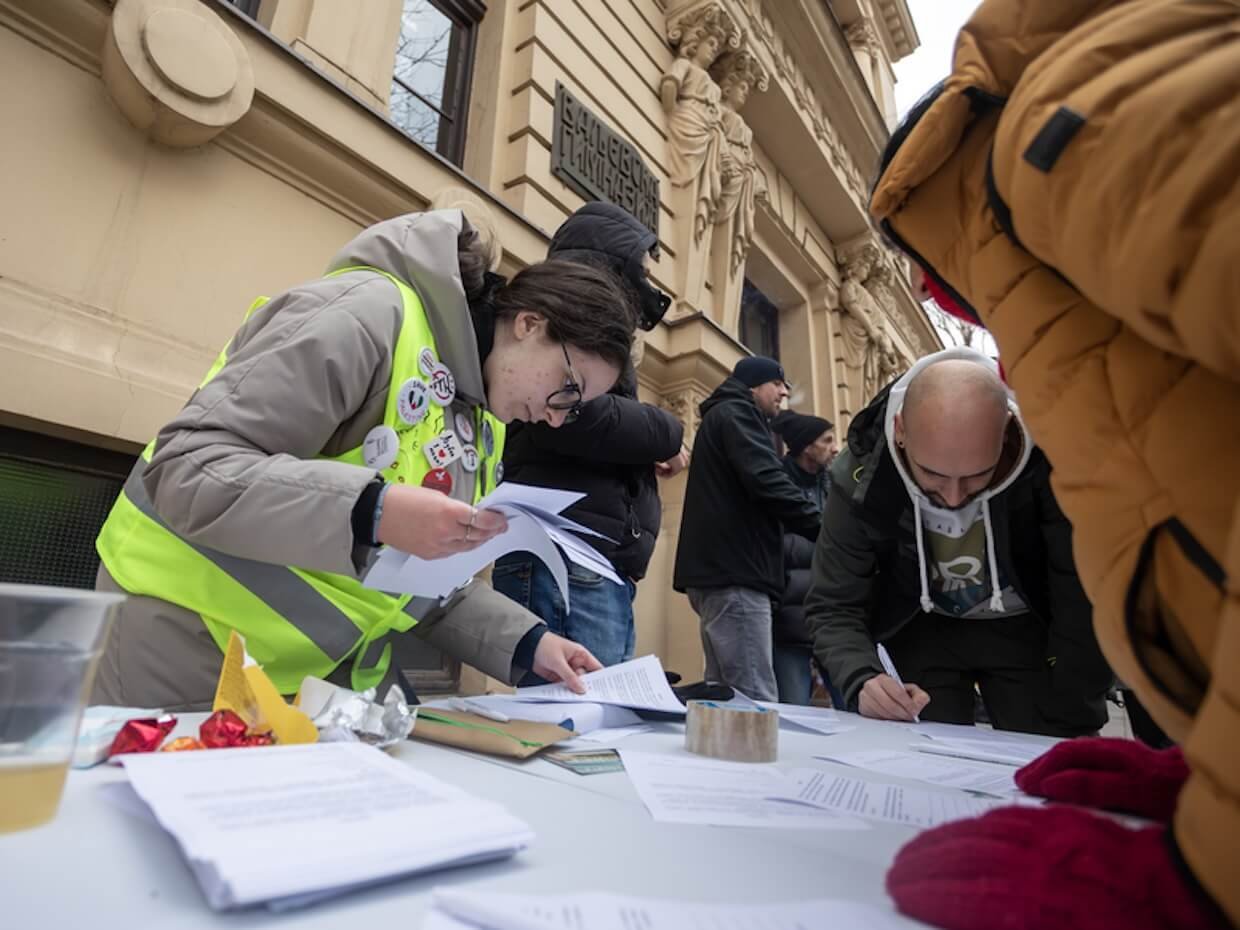
A firsthand account of the elections describes approximately 50,000 citizens participating in monitoring across some 8,300 polling locations. Although these figures require independent verification, they suggest an extraordinary effort to protect electoral integrity. Does this indicate that democratic change in competitive authoritarian regimes depends not only on winning votes but also on citizens temporarily assuming oversight functions that captured institutions fail to perform?
Assoc. Prof. Jelena Lončar: Absolutely. If there’s one thing we can learn from the Serbian experience, that’s it. Competitive authoritarian regimes hold elections regularly, but those elections are neither free nor fair. Election observation missions have documented numerous irregularities in previous Serbian elections.
I remember the debate last year about whether students should demand elections at all. Many argued that there was little point under the existing conditions, given vote buying, the use of public office and public money during campaigns, multiple voting, pressure on public sector employees, voter intimidation, the use of unofficial copies of electoral registers to track voters on election day and pressure them to vote, and the photographing of ballot papers to prove how someone had voted.
The students’ response was that they could not resolve all these problems until they took power. The only way to do so under the existing conditions was through elections. However, they could do everything possible to prevent serious irregularities on election day. This made monitoring the voting and counting process extremely important. In previous elections, many polling stations had been monitored only by representatives of the ruling party because the opposition lacked the personnel to cover every location. Manipulation was easier in those places.
The scale of citizen involvement helped address this gap. Of course, election monitoring cannot remove every inequality created during a campaign, but it can certainly make manipulation more difficult and help protect the votes that have been cast. In the longer term, oversight responsibilities must be performed by institutions that citizens can trust. But in the recent elections, citizen involvement, alongside a very high turnout, was the most important factor.
The Students Reached Communities That Opposition Parties Could Not
The student-backed list appears to have displaced Serbia’s established opposition as well as defeated Vučić’s ruling coalition. How do you explain the movement’s ability to mobilize constituencies that conventional opposition parties could not reach? Does this represent a renewal of democratic representation, or could its rejection of established political elites generate a different form of anti-establishment populism?
Assoc. Prof. Jelena Lončar: The regime’s dominance relied heavily on constantly generating fear of enemies, including the opposition. Years of such messaging contributed to deep distrust of opposition parties. A similar strategy was used against civil society. This strongly affected citizens’ trust in the opposition, their perceptions of it, and their willingness to vote for opposition parties.
Some responsibility also lies with the opposition parties themselves. They were fragmented and often more focused on disputes with one another than on challenging the regime. They also lacked sustained work on the ground and, at times, the courage to take political risks. I would therefore see this result as a renewal of democratic representation rather than a rejection of political parties as such.
Given the lack of control over the media, it was essential to reach citizens directly and convince them that the aim was to improve the country rather than destabilize it, as they constantly heard in the media. The students did this through their marches and cycling journeys, conveying strong emotional messages of patriotism, hope, and love. They reached communities that established opposition parties had struggled to engage.
Now the task is to strengthen institutions and internal democracy within political parties. Parties will probably become more prominent again. The students have not established a long-term structure, and their goal is not to compete in future elections. So we will probably see political parties competing in the next elections, but we can also expect new political parties to emerge. Democracy needs organizations through which different interests can be expressed and contested. Distrust of the existing parties should encourage their renewal rather than become a reason to reject political pluralism.
The Students Turned Demands for Justice into Broad Social Solidarity
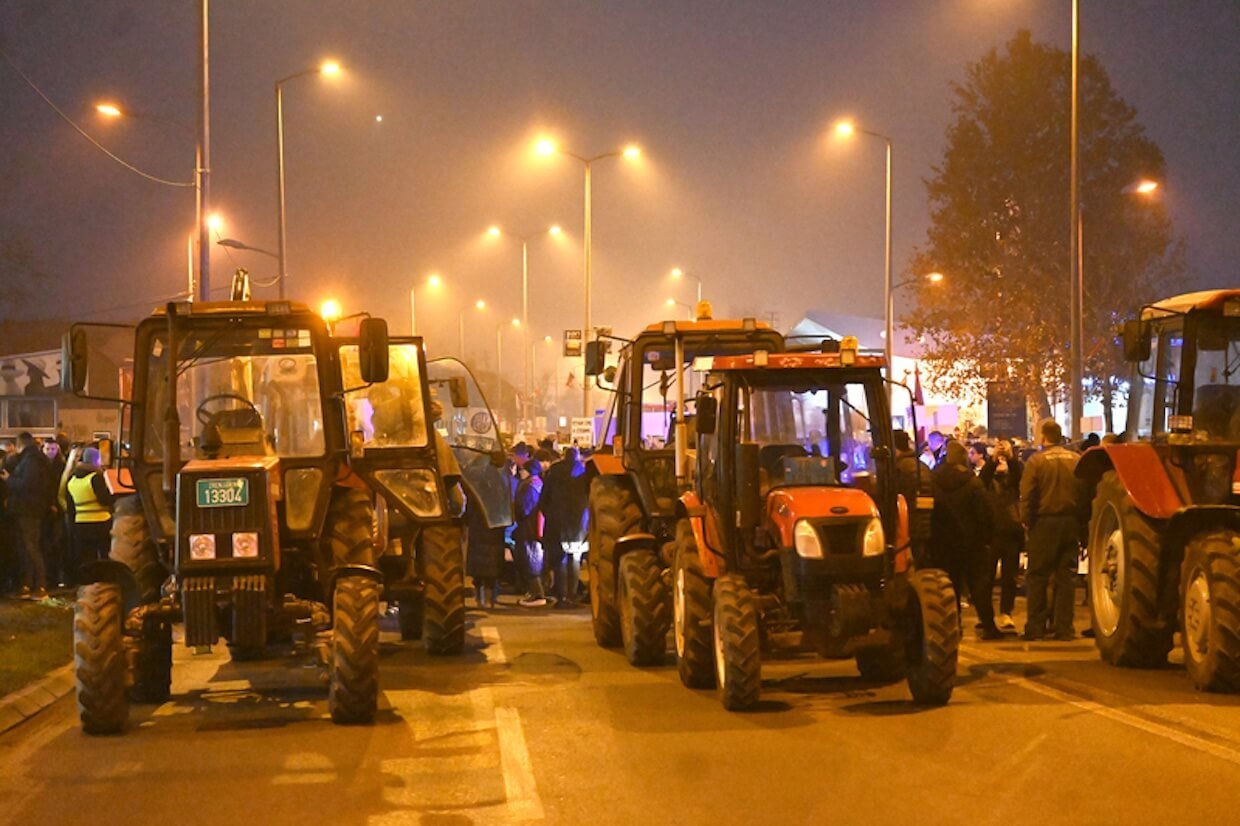
The Novi Sad railway-station disaster transformed demands for accountability into a nationwide movement against corruption and institutional capture. How did students successfully connect a specific tragedy to broader grievances while maintaining support across ideological and social divisions? What made this mobilization different from earlier protest waves that Vučić’s government successfully contained?
Assoc. Prof. Jelena Lončar: Positive messaging was important, as was focusing on issues that connected citizens across ideological divides. The students presented the tragedy as a question of responsibility, justice, and the rule of law that concerned everyone. Citizens did not have to agree on every political issue to demand that institutions establish what had happened and hold those responsible to account.
Over the past two years, moral claims have been central to the movement. The students presented themselves as courageous, socially responsible actors defending the rule of law and justice without seeking personal gain. This messaging distinguished them from opposition parties, which were framed as interest-oriented. The students were seen as having no interest in taking power. They only wanted institutions to do their work and the Constitution to be respected.
Their willingness to make sacrifices further reinforced their moral authority and the sense that they were acting on behalf of all citizens and future generations. They justified their demands by emphasizing institutional accountability and consultation with experts. They argued that negotiating away their demands would violate their values and moral principles. Even when invited to discussions with the government or the president, they would say, “But there’s nothing to discuss. We cannot negotiate about the rule of law. What are we going to say? You should respect one law, but not the other? There’s nothing to negotiate about the principles, about the values, about the laws.”
This broad solidarity gave real legitimacy to their actions. Their sense of unity was reinforced by consistent public messaging and deliberate silence about internal disagreements. This did not mean that these differences had disappeared. Rather, the students kept their shared demands at the center of their public activity. Their sustained presence across the country, together with the relationships built during marches and local gatherings, helped turn that message into something citizens could experience directly. This was very different from what we’ve seen in past protests.
Silence Became a Persistent Act of Resistance to Power
In your 2025 study “Performance, Performativity, and Political Power,” you engage with Hannah Arendt and Michel Foucault to understand how power is constituted and resistance performed. How might this framework explain the students’ use of silence, university blockades, decentralized plenums, and symbolic actions? Did these practices generate an alternative form of political power capable of challenging Vučić’s personalized authority?
Assoc. Prof. Jelena Lončar: Silence is very important here. Shortly after the tragedy, students began organizing 15-minute silent commemorations outside the faculties, one minute for each victim. After a 16th victim died from injuries, the commemoration was extended to 16 minutes. The ritual was very simple. Participants would gather at a designated location, someone would announce the beginning and end of the silence, and those present would simply stand silently, blocking the street before dispersing. This happened every day, with other citizens also joining the students.
Every day for almost two years, at 11:52, the exact time of the collapse, citizens gathered at intersections and in public squares across Serbia. Their presence interrupted everyday life and made it difficult to push the tragedy out of public view. Silence also became part of larger protests and demonstrations. On New Year’s Eve in December 2024, for instance, thousands gathered in a central Belgrade square for a silent commemoration instead of partying and listening to music. They chose to commemorate the victims together. The silence began at 11:52 p.m., just a few minutes before midnight. You could hear music and fireworks in the distance, and we all knew that this was the regime’s music.
Silent protests have been organized in many countries before, but what stands out in the Serbian case is the centrality and duration of this practice. It remained central throughout the last two years. While in other countries we’ve seen silence used as a brief commemorative moment, here it became the movement’s principal action, organizing political participation and public engagement.
The authorities’ response to the silent blockades was also particularly harsh. There were several reported incidents of cars being driven into protesters. During the protest on March 15 last year, the reported sonic weapon incident also disrupted the evening silent commemoration.
In my research, I have also been interested in what participants created through this repeated practice. Silence kept the victims and the circumstances of their deaths present in public life, resisting attempts to move on without accountability. In this way, they created a public memory, with citizens themselves deciding what would remain in that memory.
Silence also became a persistent act of resistance to power. Citizens continued to occupy public spaces and challenge authority despite intimidation and violence. Standing together, day after day, helped build relationships of solidarity, mutual recognition, and shared responsibility. Participants began to see themselves differently, as citizens with both the capacity and the responsibility to act. This is where I find the question of political subjectivation particularly useful. Through participation, citizens challenged the passive roles assigned to them and experienced their own political agency.
The plenums and university blockades added another dimension. Students made decisions together, debated responsibilities, and sustained the practical work of collective action. In Hannah Arendt’s terms, we can think of power emerging through acting together. This is what Arendt would describe as the power to do, the power to create.
The Foucauldian perspective draws attention to how resistance challenges established relations of power and changes the ways individuals understand themselves. These practices gave the movement an authority grounded in participation and solidarity. They created a basis from which to challenge personalized rule, but translating that authority into accountable institutions now remains a separate task.
Serbia Shows That Authoritarian Incumbents Are Not Impossible to Defeat

In your research with Dušan Spasojević, particularly “Facing Protests in Serbia: Patterns of New Competitive Authoritarianism” and your study of the 2023 elections, you examine how hybrid regimes adapt to protest through subtle institutional manipulation and selective repression. Why did these mechanisms ultimately fail against the student movement? Does Serbia’s experience challenge existing theories of competitive authoritarian resilience?
Assoc. Prof. Jelena Lončar: In those two studies, we examined the electoral irregularities I mentioned earlier, as well as the strategies competitive authoritarian regimes use to contain protests. These include strategically ignoring protests rather than banning them, keeping the police out of sight, and constantly producing crises and narratives about vaguely defined international or regional enemies.
Such strategies can be effective when protests remain isolated and participants fail to develop solidarity networks and a collective identity. None of the previous protest waves managed to develop a social movement with a strong collective identity and solidarity, and many began without building on earlier waves.
The student movement made these strategies harder to sustain by maintaining its activities throughout the last two years and reaching citizens across the country. Most previous protests had taken place only in the capital. By contrast, students organized protests across the country and built support among different social groups, which was particularly important. This combination of sustained mobilization and extensive election monitoring helped turn public dissatisfaction into an electoral challenge.
I’d be cautious about treating this as a refutation of theories of authoritarian resilience. These theories help us understand the obstacles the movement faced, but they do not imply that authoritarian incumbents are impossible to defeat. Serbia’s experience shows that demands for justice can mobilize citizens and that protest movements can contribute to electoral change. This is very important to reiterate. Such change requires cooperation, commitment, and a credible prospect of change. However, whether this electoral defeat develops into a long-lasting transformation is something we still need to assess.
The Students’ Demands Offer a Basis for an Inclusive Democratic Project
Vučić’s political discourse frequently relied on claims of popular legitimacy and the portrayal of opponents as threats to national stability. Students, meanwhile, mobilized around demands for accountability and the rejection of corrupt elites. How should we distinguish their competing constructions of “the people”? Can a movement that challenges a populist authoritarian regime through anti-elite discourse avoid reproducing populism’s exclusionary logic?
Assoc. Prof. Jelena Lončar: I would first distinguish the student movement from the student-backed electoral list. As I said, the students were not on the electoral list, which means they will not be in Parliament or the government. This distinction is important. If we take their stated intentions seriously, the aim is to create conditions for free elections in the next electoral cycle, when political parties can compete fairly.
There’s also a difference between criticizing elites for corruption and claiming that only one movement can legitimately represent all citizens. This is not what the students are claiming. Their demands centered on institutions doing their jobs and rules applying equally to everyone. This offers a basis for an inclusive democratic project.
Still, moral authority should not place anyone above criticism. The student-backed representatives will need to accept disagreement, opposition, and public scrutiny. Their commitment to pluralism will be tested by how they treat those who did not vote for them and how they respond when citizens challenge their decisions. I’m optimistic so far, but we will see.
Gender-Equality Legislation Means Little Without Effective Implementation
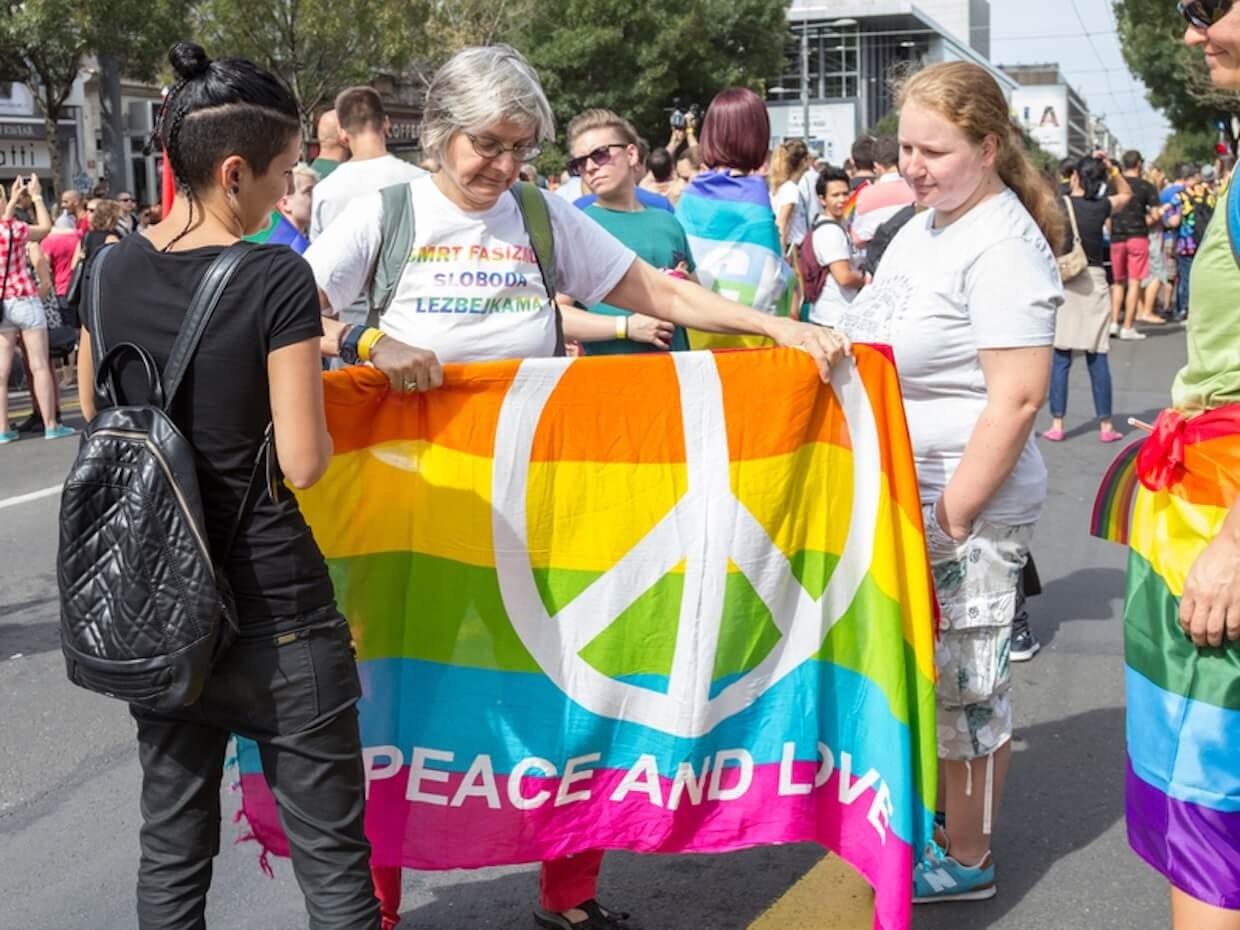
Your article “Autocratic Gender-washing: Gender-Equality Reforms in Serbia” demonstrates how authoritarian governments can instrumentalize women’s representation and gender-equality legislation to cultivate democratic legitimacy while sustaining conservative political agendas. What would distinguish substantive democratization from symbolic reform under Serbia’s incoming leadership? Could the transition expose the limitations of Vučić-era gender-equality policies?
Assoc. Prof. Jelena Lončar: There needs to be a willingness to implement gender-equality legislation rather than simply adopt it. Having more women in leadership positions or establishing bodies responsible for gender equality really matters. But those bodies need adequate funding, staff, and the authority to carry out their work. That’s what I mean when I say that gender-equality reforms during Vučić’s regime were merely symbolic. The regime would establish a gender-equality institution without providing the funding necessary for it to carry out its work.
The adoption of the gender-equality law under Vučić in 2021 was also presented as evidence of progress, while its implementation remained deeply problematic. The law was not implemented, as its implementation was stopped very soon after it was passed. So, basically, there’s no difference between having the law and not having it if it’s not implemented at all. This gap between formal commitments and everyday practice is very important. Gender analysis in legislative and oversight processes, the use of gender-disaggregated data, and gender-responsive budgeting are all required under the current legislation. These need to become meaningful parts of decision-making, which they have not been so far.
We should assess whether women influence policies. We should also assess spending and how it affects women differently, including women whose interests are rarely represented. It remains to be seen how the new Parliament and government will approach these issues. They will face many competing demands, and gender equality may not be a high priority at the beginning.
That’s precisely why continued pressure from women’s organizations and other civil society actors will matter. A change of government will certainly not guarantee a change in priorities. The new leadership will face many challenges, particularly at the beginning, but the pressure needs to be maintained.
Minority Representation Must Extend Beyond Parliamentary Presence
Your scholarship on political representation and minority rights raises an important question about the inclusiveness of democratic transformation. The student movement united diverse constituencies through broad demands for justice and accountability, but what place do ethnic minorities occupy within its emerging political project? Could an emphasis on national unity reproduce majoritarian assumptions that have historically marginalized minority voices?
Assoc. Prof. Jelena Lončar: That’s a concern at the moment. Many minority voters supported the student-backed list, as the election results clearly indicate. At the same time, the electoral system provides a lower threshold for minority parties. The three largest minorities—Hungarians, Albanians, and Bosniaks—will have representatives in Parliament following the latest elections. There are no announced plans to change the arrangements for minority parties’ electoral participation. Rather, the aim is to open up opportunities for minority citizens to become more interested in voting for mainstream parties as well. The student movement also addressed this by reaching out to minority citizens, not only majority citizens, which is different from what we’ve seen before.
However, the parliamentary presence of minority parties is only part of the question. Minority representatives will need opportunities to influence decisions, and minority citizens will need to see their concerns taken seriously beyond election campaigns. Because the student-backed list has a very strong majority in Parliament, it will not need to form a coalition to establish a government. This will probably be the first time that minority parties are not part of the governing coalition. That makes the responsibility of the new leadership even more important. They should leave room for the particular experiences of discrimination and exclusion that minorities face.
It remains to be seen how these issues will be addressed once the government is formed. However, some minority parties supported the students during the protests, as did many minority citizens. This gives us reason for optimism about what we can expect from the new government.
Avoiding Kosovo May Preserve Unity but Cannot Replace Political Debate
In your 2023 BIRN interview, following threats over academic cooperation with Kosovo researchers, you warned that elites cultivate fear and deepen ethnic divisions. Does Vučić’s electoral defeat offer an opportunity to challenge the nationalist discourses that enabled such intimidation? Or might the incoming movement’s reluctance to confront Kosovo’s status leave essential foundations of Serbian ethnonationalism untouched?
Assoc. Prof. Jelena Lončar: The student movement is internally very heterogeneous. We still know relatively little about the positions of the new MPs, and we do not yet know the composition of the government. Those entering office may decide to take greater responsibility for political decisions themselves, relying less on students than they did during the campaign. Once they assume their positions, they may act independently of the students. However, we still do not know their positions on these issues because their names have not yet been announced. Divisions are also possible, both within the student movement and among the newly elected officials.
We remember the broad coalition that came to power after Milošević’s fall in 2000 and how quickly its internal differences became apparent. Once the prime minister and ministers are named, the direction of Serbian foreign policy should become clearer. There’s certainly an opportunity to challenge the intimidation of academics, activists, and others who cooperate across ethnic boundaries. Doing so would require public officials to defend their freedom to work, even when they disagree with their views.
Avoiding the issue of Kosovo may have helped maintain unity during the mobilization process, but it cannot replace a longer-term discussion of nationalism, minority rights, and relationships with neighboring societies. These questions will now come to the forefront, but it will not be the student movement that will have to address them. Rather, the new officials, Parliament, and government will have to confront these challenges.
Solidarity Across Ethnic and Religious Divides Offers a More Inclusive Patriotism
Serbian nationalism has frequently invoked Orthodox Christianity, historical victimhood, Kosovo, and the defense of national sovereignty against perceived Western interference. To what extent has Vučić transformed these narratives into a form of civilizationalist populism? Could the student movement articulate a more inclusive conception of Serbian political identity without alienating nationalist constituencies that contributed to its electoral victory?
Assoc. Prof. Jelena Lončar: Yes, elements of that argument apply, particularly to the final years of Vučić’s rule. It didn’t apply in the first few years, but toward the end of his rule, he increasingly drew on familiar nationalist narratives, presenting Serbia as a defender of sovereignty and traditional values against external pressure.
Orthodox Christianity and conservative morality featured in this discourse, while liberal actors and some Western demands were portrayed as threats to the country. We’ve also seen a rise in anti-gender mobilization, and Kosovo became a symbol of resistance to foreign intervention. At the same time, his use of these narratives was highly pragmatic. He maintained close economic relations with Western partners while cultivating ties with Russia and China. I would therefore be careful about presenting his politics as a consistent civilizational project. These messages also served the more immediate purpose of consolidating power and discrediting opponents.
There is now hope that the new government will articulate a more inclusive understanding of Serbian identity. But I’m not sure it will be able to attract these strongly nationalist constituencies, which will likely remain supportive of Vučić’s party.
What I find more important is the students’ ability to attract minority citizens and groups, as we discussed earlier. There’s something I haven’t mentioned that I consider particularly important: the solidarity shown toward Bosniak students during the marches from Novi Pazar, a town in southern Serbia where Bosniaks constitute the majority.
The Bosniak students from Novi Pazar marched to Belgrade, and many citizens welcomed them along the way. They made efforts to prepare food that the students could eat and learned a great deal about religious and cultural differences. This was a very broad expression of solidarity with minorities, which I find particularly important. It shows that attachment to the country can be expressed through solidarity across ethnic and religious differences. I hope this will become a lasting political approach.
Defeated Authoritarian Leaders Can Retain Influence Through Transnational Alliances

Only days after their respective electoral defeats, Vučić and former Hungarian Prime Minister Viktor Orbán publicly reaffirmed their political solidarity, with Vučić declaring, “We will return.” How should we interpret this continuing relationship within the broader transnational networks of populist and illiberal political actors? Can defeated authoritarian leaders retain influence through shared media strategies, ideological alliances, and cross-border political networks?
Assoc. Prof. Jelena Lončar: Authoritarian leaders learn a great deal from each other, and these connections are very strong. We’ve seen Vučić supporting Orbán during the last election campaign in Hungary and Slovak Prime Minister Robert Fico attending Vučić’s rally during the election campaign in Serbia. Such relationships can help defeated leaders retain visibility, political support, and access to sympathetic audiences.
At the same time, the strengthening of the far right elsewhere in Europe, including Western Europe, could affect developments in Eastern Europe and the possibility of these forces returning to power in countries such as Hungary and Serbia. Much will depend on how much additional influence far-right parties gain in Austria, France, and Germany, as this could have a spillover effect on countries such as Serbia.
Vučić’s party still has a substantial parliamentary presence and loyal media outlets. Its representatives seem confident despite the electoral defeat. Anti-democratic attitudes and populist discourse certainly remain a threat to democratic consolidation. The party may use Parliament to obstruct reforms and its media presence to spread fear and create instability. What makes me somewhat less worried is that much of Vučić’s support rested on clientelistic networks rather than a firm ideological commitment. Those networks may become harder to maintain once access to state resources is reduced.
Much will also depend on how democratic forces address everyday problems, particularly the economy. Authoritarian populist leaders rely on fear, economic hardships, and security crises, all of which could help them regain support. In recent days, we’ve heard Vučić claim that pensions will no longer be paid and that Serbia will soon face electricity cuts. Many citizens believe these warnings, and the incoming government will need to communicate clearly and demonstrate that institutions can meet citizens’ basic needs.
Regional Stability Must Not Justify Support for Autocratization
Vučić maintained relationships with the EU, Russia, and China while benefiting from European concerns about regional stability. The student movement has largely avoided divisive positions on Kosovo, Russia, and European integration. Does this strategic ambiguity facilitate broad democratic mobilization, or could Serbia’s unresolved geopolitical orientation become a major obstacle to democratic consolidation? How should the EU reconsider its longstanding engagement with Balkan stabilitocracies?
Assoc. Prof. Jelena Lončar: Yes, the students’ strategic ambiguity helped them mobilize broad support. This was particularly important because defeating Vučić required such support. That’s why they focused on issues that would bring people together rather than divide them. Citizens with very different foreign policy and ideological views could unite around demands for accountability and functioning institutions. However, the new government will have to be more explicit about its strategic orientation and foreign policy. In my view, a clear pro-European orientation would be important for Serbia’s further democratization.
One source of frustration among citizens in Serbia is that EU support helped sustain Vučić in power. This is what you refer to as stabilitocracy. The EU supported stabilitocrats such as Vučić to ensure regional security and peace in the Balkans. Regional stability certainly matters, but it should not become a justification for supporting autocrats or overlooking autocratization. In the long run, autocratization will also affect stability. This is something we all need to relearn.
The EU needs to engage consistently with questions of electoral integrity, media freedom, and judicial independence, while listening to civil society as well as government officials. Its credibility will depend on whether democratic standards guide its actions, even when they conflict with short-term political or economic interests, such as lithium mining.
Lessons from Serbia for Democratic Movements Elsewhere
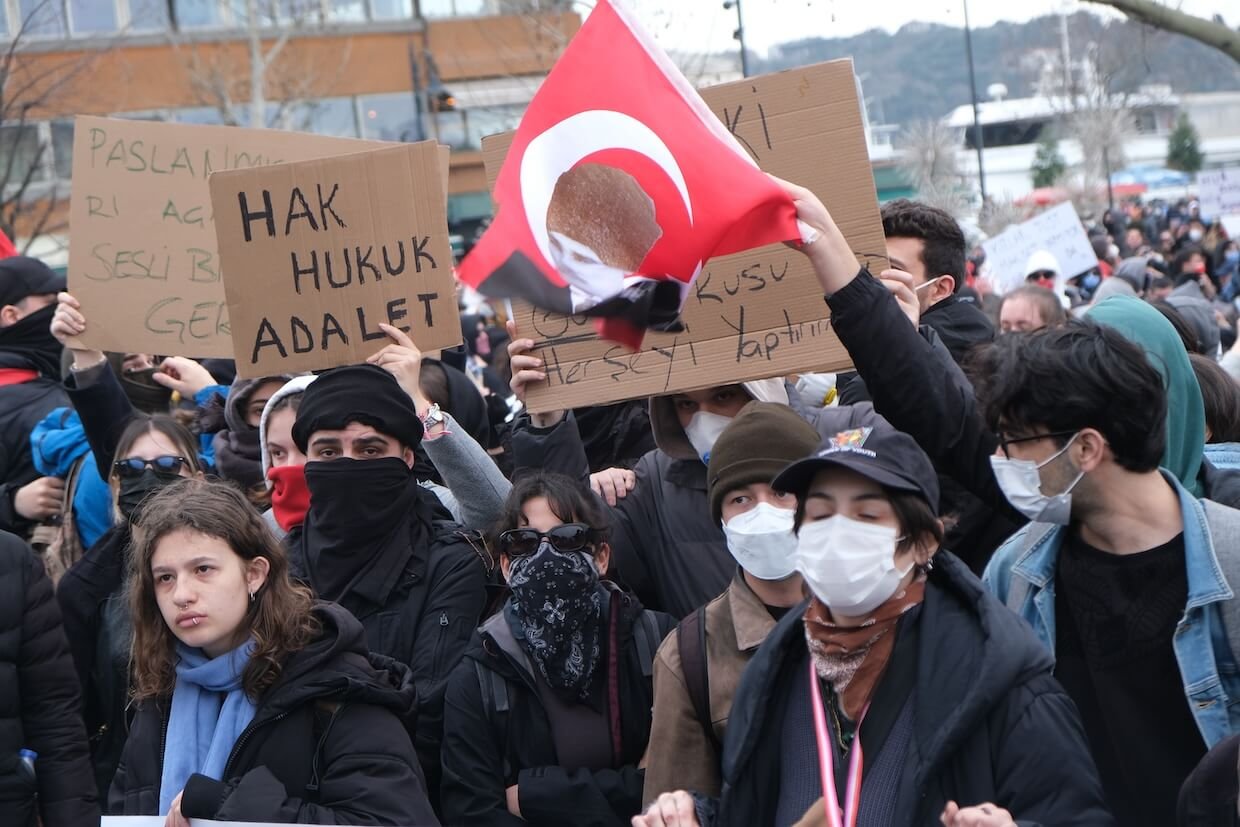
Serbia’s student movement combined decentralized organization, nonviolent resistance, cross-class mobilization, and extensive election monitoring to challenge entrenched political power. Which elements of this experience might be transferable to movements confronting competitive authoritarianism or autocracies elsewhere, including Turkey, Georgia, or other countries experiencing democratic backsliding? What institutional, cultural, or geopolitical conditions limit the transnational diffusion of Serbia’s example?
Assoc. Prof. Jelena Lončar: Serbia’s experience shows that protests can contribute to a change of government, and this is not limited to Serbia; Brazil is another example. Citizens in other competitive authoritarian regimes could learn a great deal from the student movement. I would particularly emphasize positive messaging, clear demands, sustained activity across the country, mobilization across social groups, and a commitment to nonviolence, which was particularly important.
Extensive election monitoring also matters, as does drawing international attention to what is happening. I’m referring, for instance, to the students cycling to Strasbourg and Brussels. The involvement of the European Parliament was also important in drawing attention to developments in Serbia.
The relationships created through direct contact were especially important. Marches and visits to smaller communities allowed citizens to meet the students themselves and assess claims about the movement against their own experiences. This made it harder for hostile media narratives to undermine the movement.
However, these approaches cannot simply be transferred everywhere. In more closed autocracies, there may be less space to organize, elections may offer fewer openings, and repression can be more severe. Universities, local networks, and independent civic organizations may also differ in their capacity to sustain mobilization.
European countries outside the EU can sometimes benefit from the attention associated with the accession process and EU scrutiny. However, that attention is useful only if international actors are willing to respond. The Serbian case does offer some of these lessons, but we’ll see.
Serbia’s Democratic Future Depends on Citizens Remaining Politically Active
Finally, Professor Lončar, your work on political representation, authoritarian adaptation, and the performative dimensions of power suggests that democracy involves more than replacing incumbents through elections. What would constitute meaningful democratic consolidation in Serbia over the next four years? Can the student movement transform its moral authority and protest-based legitimacy into pluralistic, accountable institutions without reproducing the personalized power and political exclusions it mobilized against?
Assoc. Prof. Jelena Lončar: That is certainly their goal. My first hope is that institutions will start doing their jobs. An independent judiciary, effective checks and balances, and free media would be important signs of progress. They would also shape how citizens perceive reality and the issues facing society. Many citizens believed what they heard in the media, and media control strongly shaped their perspectives.
An end to smear campaigns against civil society, the survival of civic activism, and opportunities for citizens to participate in decision-making would also be very important. These factors contributed significantly to the success of the student movement, and we should build on these resources and citizens’ willingness to become more active in politics. Citizens should also be able to scrutinize the government without fear for their jobs or safety. However, it is difficult to predict the next four years when we are still absorbing the election results and do not yet know what the new government will look like.
The student-backed candidates will have a strong parliamentary majority, giving them considerable room to act. Much will depend on their internal relationships, and maintaining cooperation could be difficult, as I mentioned earlier. Continued public scrutiny will therefore be essential. One of the clearest measures of success would be whether the next election allows citizens to choose freely and whether those in power accept that they can be replaced.