
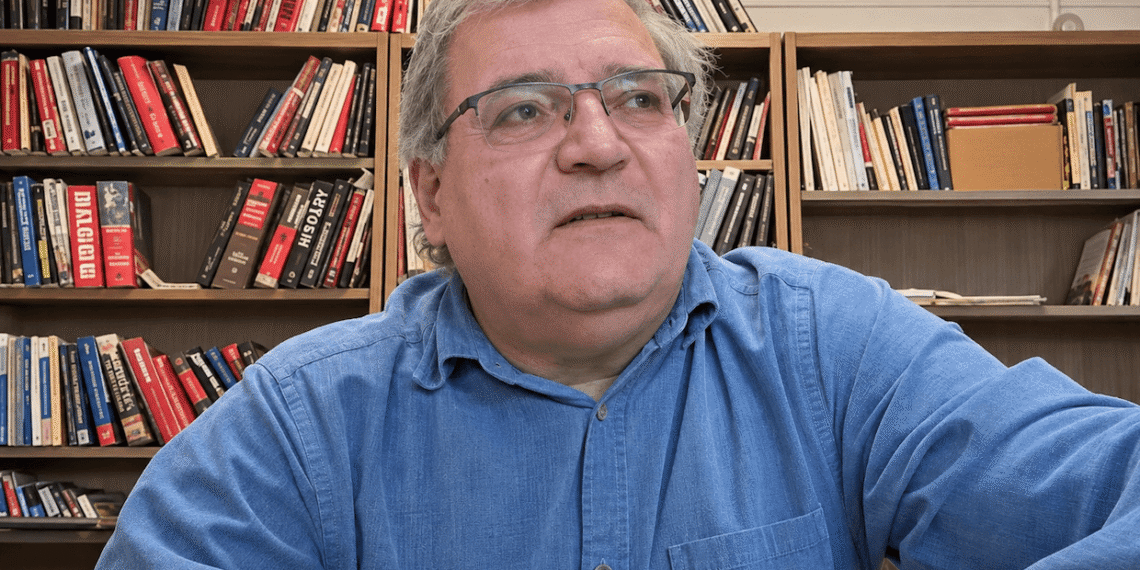
In an interview with the ECPS, Professor Venelin I. Ganev, Professor of Political Science at Miami University in Oxford, Ohio, examines Bulgaria’s political transformation following the 2026 elections. Warning that “the Bulgarian political system is showing a tendency to become less liberal,” he distinguishes electoral stability from the erosion of liberal-democratic institutions. Drawing on his scholarship on state predation and soft decisionism, Professor Ganev argues that Prime Minister Rumen Radev is consolidating power while taking over entrenched corrupt networks rather than dismantling them. He also explores mainstream populism, Russian influence, and the diminishing leverage of European integration. Despite these concerns, he emphasizes civil society’s resilience as a democratic counterweight and warns against Eastern Europe’s persistent preference for strong leadership over constitutional checks and balances.
Interview by Selcuk Gultasli*
Bulgaria is experiencing a significant political realignment following years of electoral instability, corruption controversies, and declining institutional trust. Iliana Iotova’s presidential victory on November 1, 2026, reinforces Prime Minister Rumen Radev’s parliamentary dominance, raising important questions about democratic consolidation, populism, institutional accountability, and Bulgaria’s geopolitical orientation. Yet exceptionally low electoral turnout suggests persistent problems of political representation and legitimacy.
In an interview with the European Center for Populism Studies (ECPS), Professor Venelin I. Ganev, Professor of Political Science at Miami University in Oxford, Ohio, offers a critical assessment of Bulgaria’s evolving political landscape, warning that electoral stabilization may coexist with the erosion of liberal-democratic institutions. Drawing on his influential scholarship on state predation, soft decisionism, and post-communist democratization, Professor Ganev argues that “the Bulgarian political system is showing a tendency to become less liberal.”
Distinguishing electoral democracy from its liberal foundations, Professor Ganev identifies democratic backsliding as Bulgaria’s central institutional challenge. “It’s not so much democracy itself—I don’t think democracy is endangered in Bulgaria—but rather the liberal component of liberal democracy that’s being assaulted,” he observes. Pointing to declining judicial independence, diminishing media freedom, and legislative efforts to restrict civil society, he expresses particular concern about proposals targeting nongovernmental organizations and narrowing public debate.
Professor Ganev also questions whether Radev’s anti-corruption agenda represents genuine institutional renewal. Rather than dismantling entrenched oligarchic structures, he argues, the new leadership is consolidating control over them. “What we are seeing right now is simply a takeover,” he states, suggesting that contemporary state predation increasingly depends on controlling public institutions and redistributing state-held resources rather than weakening the state itself.
Situating these developments within the broader resurgence of populism in Eastern Europe, Professor Ganev characterizes Radev’s political appeal as mainstream rather than radical populism. Nevertheless, he identifies troubling indications of centralized decision-making and the persistence of personalistic governance. His analysis also explores Bulgaria’s ambiguous relationship with Russia, emphasizing the distinction between pro-Kremlin rhetoric and concrete departures from Euro-Atlantic commitments.
Despite these concerns, Professor Ganev underscores the resilience of Bulgarian civil society, which he describes as a durable institutional counterweight capable of challenging governing elites through grassroots mobilization. He also maintains that European integration continues to impose meaningful, although diminished, constraints on domestic powerholders.
In sum, the interview exposes a fundamental tension between democratic consolidation and persistent popular expectations of strong leadership. As Professor Ganev concludes, “The cycle seems to be that we elect a strong leader, he disappoints us, and then we elect another strong leader.” This recurring pattern offers broader insights into the vulnerabilities and resilience of post-communist democracies across Eastern Europe.
Here is our interview with Professor Venelin I. Ganev, edited lightly to enhance clarity, readability, and overall flow for publication.
Bulgaria Will Finally Have a Stable Government and Clear Political Leadership
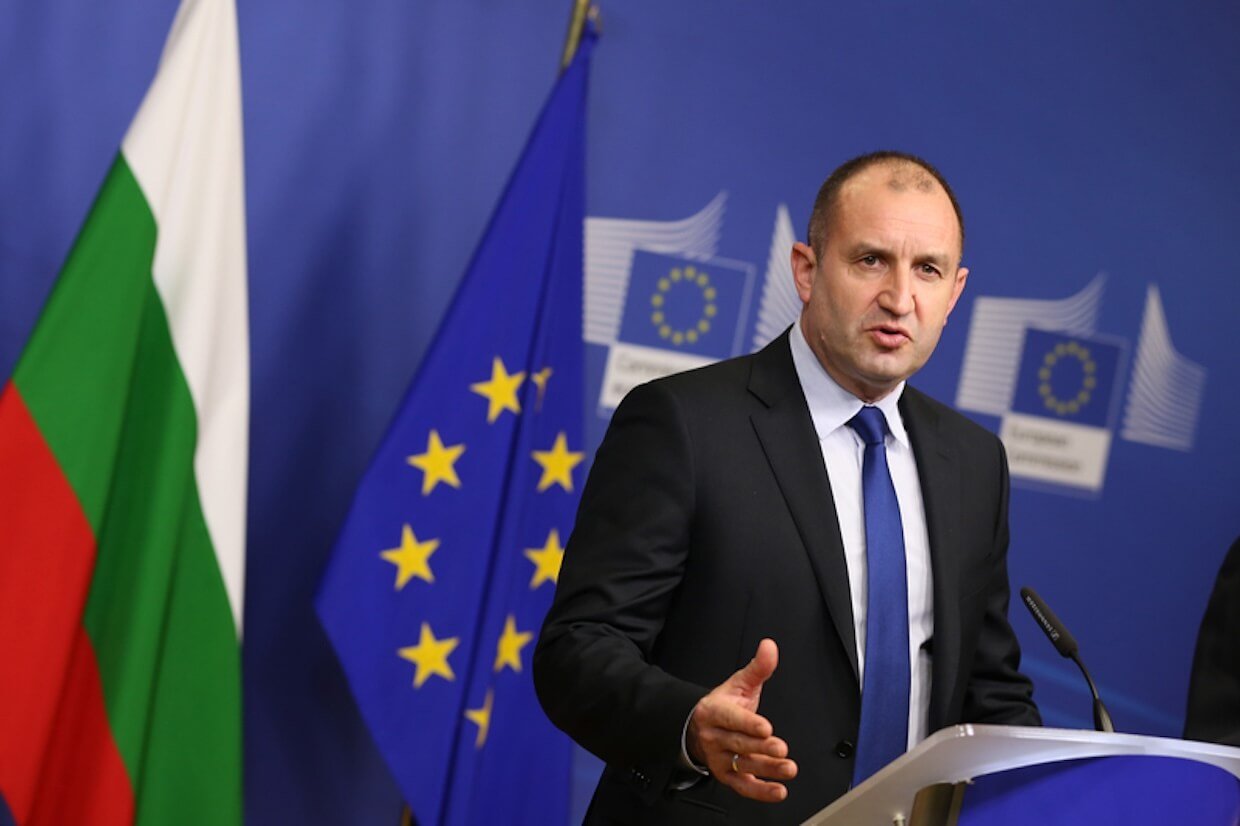
Professor Ganev, welcome! Drawing on your influential scholarship on state predation, democratic backsliding, and soft decisionism, let me begin with the election itself: Iliana Iotova won Bulgaria’s November 1 presidential runoff with 57.57% of the vote, reinforcing Prime Minister Rumen Radev’s political dominance. Yet turnout was only 28.67%. Does this outcome signify democratic stabilization after years of political fragmentation, or does it reveal a deeper crisis of political representation and legitimacy?
Professor Venelin I. Ganev: In the case of the Bulgarian presidential elections, a major factor contributing to the low turnout was the refusal of some of the major parties to endorse a candidate. Specifically, the party representing the ethnic Turkish minority did not endorse anyone, which is why electoral activity in Bulgaria’s ethnically mixed regions was very low, sometimes in the single digits.
In my view, the outcome of the elections will result in stability. Over the last five or six years, Bulgaria has undergone various electoral cycles marked by fragmented parliaments and unstable governments. Now, however, at least this will be accomplished: There will be a stable government, and it will be fairly clear who is in charge.
Radev’s Consolidation of Power Signals the Persistence of Personalistic Rule
In your influential Journal of Democracy article, “Soft Decisionism” in Bulgaria (2018), you describe how personalistic rule can undermine democratic institutions without dismantling competitive elections. Does Radev’s consolidation of parliamentary power, alongside an allied presidency, suggest the emergence of a new form of soft decisionism?
Professor Venelin I. Ganev: I think it’s too soon to tell, in a sense, because the consolidation of Radev’s influence took place only several weeks ago. However, there are indications that he’s centralizing decision-making power in his own hands and is unwilling to delegate or share power. So, some form of soft decisionism will persist in Bulgarian politics.
Radev Is Taking Over Corrupt Networks Rather Than Dismantling Them
In your book Preying on the State: The Transformation of Bulgaria After 1989 (2007), you examine how powerful elites weakened state institutions to advance their interests. Can Radev’s anti-corruption agenda dismantle these entrenched networks, or might the replacement of established elites reproduce familiar patterns of state predation?
Professor Venelin I. Ganev: The situation, not just in Bulgaria but across Eastern Europe, has changed significantly since the 1990s. My book focused on the 1990s, the early stages of post-communism. Today, rather than assaulting and weakening the state, predatory elites use it; they need it. Prevalent forms of corruption now focus on the redistribution of state-held resources, making the state essential to their activities.
As far as Radev’s policies are concerned, it’s clear that he has no interest in dismantling these corrupt networks. He hasn’t done anything meaningful in that regard. What we are seeing right now is simply a takeover. Radev is using his executive power to take over the existing corrupt networks from which he was previously, by and large, excluded.
I mean, it’s all under the label of combating corruption, but I haven’t really seen anything suggesting that he’s serious about it. Quite the opposite: many of his specific appointments clearly imply that he’s not interested in dismantling corruption. Instead, he will simply take over the pre-existing corrupt networks and use them for his own purposes.
Bulgaria’s Liberal Foundations Are Under Assault
Your scholarship distinguishes competitive elections from the broader institutional quality of democracy. Given Bulgaria’s persistent problems with judicial independence, prosecutorial accountability, and oligarchic influence, should the country’s current trajectory be understood as democratic backsliding, institutional stagnation, or an opportunity for democratic renewal?
Professor Venelin I. Ganev: I would go with democratic backsliding. That’s what’s happening. It’s not so much democracy itself—I don’t think democracy is endangered in Bulgaria—but rather the liberal component of liberal democracy that’s being assaulted.
By backsliding, I mean that the judiciary was more independent 15 years ago, publicly owned media were freer, and legislative measures were rarely used to intimidate the opposition. This was one of the positive characteristics of Bulgarian democracy: legislation was not used to intimidate political rivals.
What we see right now, however, are attempts to do exactly that. For example, there is currently a discussion in the Bulgarian parliament about foreign agents. I’m sure you have heard about this law, which was introduced in Russia a decade ago. Clearly, it is a measure that targets civil society and nongovernmental organizations and is intended to restrict the scope of public debate in Bulgaria.
I find this effort very worrisome. We don’t know whether the law will pass. The legislative draft was actually introduced by a different party, not Radev’s party, and so far, he has remained silent about whether he intends to support or reject it. But clearly, there is an effort to restrict public discussion, and the Bulgarian political system is showing a tendency to become less liberal.
Radev Represents Mainstream Populism Rather Than Radical Populism
Radev’s Progressive Bulgaria achieved a remarkable parliamentary breakthrough by mobilizing anti-establishment sentiment across ideological divisions. How would you characterize its political appeal? Does it represent a distinctive form of sovereignty-oriented populism, or does its ideological heterogeneity challenge conventional definitions of populism?
Professor Venelin I. Ganev: I don’t think Radev’s rise should prompt us to challenge conventional definitions of populism. Clearly, what we have in the case of Progressive Bulgaria is a populist phenomenon. But in the Bulgarian context, it’s more a form of mainstream populism than radical populism.
Radev is a politician who avoids extremes. He’s not a risk-taker, an ideologue, or a crusader for any particular cause. There are parties like that, however, such as Revival. This is the dangerous populist party in Bulgaria, which, by the way, lost votes and may therefore be in decline. It would be safe to say that its influence is declining.
Overall, the rise of Radev and his party, along with the subsequent election of Iotova as president, can easily be understood within the broader phenomenon of rising populism in Eastern Europe.
Eastern Europe’s Radical Populists Are Economically Left-Wing
In “Neoliberalism Is Fascism and Should Be Criminalized” (2017), you controversially interpret Ataka’s populism as a form of left-wing radicalism rather than conventional radical-right politics. How does this framework help explain today’s Revival party and the ideological relationship between nationalism, anti-Western sentiment, and economic radicalism?
Professor Venelin I. Ganev: I wrote this piece about neoliberalism and populism in response to the conventional wisdom that populists in Eastern Europe are right-wing. Of course, it depends on how you look at it. But from my perspective—and I think members of my generation would agree—the distinction between left and right is ultimately an economic one. I mean, what is your economic agenda? What economic policies do you champion? If you approach the issue from that angle, these populists are clearly very left-wing. They’re interventionists who seek to undermine property rights and call for the radical redistribution of resources.
That was the reason for my argument. If we apply strictly economic criteria to this phenomenon, which I think is the correct analytical approach, then these are obviously left-wing parties. There’s simply no doubt about it.
Now, when it comes to nationalism and foreign policy, perhaps we can debate that classification. But if you look at the economic policies they favor and campaign on, they’re undoubtedly quite radically left-wing. For example, Ataka, which has now practically ceased to exist but has its successors, called for the nationalization of all foreign companies in Bulgaria, placing them under state control. This is clearly a radical left-wing measure.
With regard to anti-Western sentiment, I think this is a difficult issue to analyze. Certainly, anti-Western sentiments exist and are clearly and aggressively expressed. On the other hand, it’s really hard to identify specific measures or steps that would substantiate the argument that Bulgarian politics is governed or dominated by anti-Western sentiment.
As for economic radicalism, I don’t see such a thing. With regard to the economy, the policies, rhetoric, and discourse are all very mainstream. I don’t see discussions of radical privatization, measures intended to boost markets, or radical redistribution. So, when it comes to the economy, the policies remain mainstream.
Radev Condemns Corrupt Elites Despite Being Part of the Political Elite
In your 2024 book chapter, “From Populist Emplotment to Populist Deeds,” you examine populism through the relationship between political narratives and action. How can we distinguish Radev’s anti-elite rhetoric from genuinely populist governing practices, and what institutional developments would demonstrate that populism is reshaping Bulgarian democracy?
Professor Venelin I. Ganev: The institutional developments I mentioned concern policies toward nongovernmental organizations and civil society. If efforts to restrict the scope of public discussion and to marginalize and assault nongovernmental organizations persist, that would clearly indicate that populism is reshaping Bulgarian politics in a negative way. But I think it’s too soon to tell. So far, I haven’t really seen any radical measures in that regard.
If you consider the two major components of populism, the first is elite-versus-the-people rhetoric and the condemnation of corrupt elites. The second is the rejection of pluralism and the understanding of the people as one homogeneous whole.
From this perspective, Radev clearly talks a lot about corrupt elites, which, of course, is ironic because he’s been president since 2016. In other words, he’s a member of the elite. He cannot plausibly portray himself as an outsider because he’s an insider. Nevertheless, he uses that language: the elites versus the people, the corrupt elites versus the suffering people.
But when it comes to the other component—homogeneity, the radical rejection of pluralism, and the willingness to condemn opponents as traitors or alien elements—I really don’t see much of that. So, as I mentioned, this is a form of mainstream populism.
The European Union’s Democratic Leverage Has Diminished
Your concept of “post-accession hooliganism” describes how political elites weakened democratic governance once EU accession conditionality diminished. With Bulgaria now fully integrated into Schengen and the eurozone, does European integration still provide meaningful constraints on domestic powerholders, or has its democratizing leverage been exhausted?
Professor Venelin I. Ganev: That’s a great question, and a difficult one to answer because the picture is very mixed. Immediately after accession, when East European countries finally gained full membership in the European Union, there was this hooliganism. By hooliganism, I mean knowing what the rules are but disregarding them. This behavior was rampant, and it seemed, as you put it, that the European Union’s leverage had been exhausted.
However, what subsequently became clear is that East European elites, including those in Bulgaria, who openly disregarded the European Union, flouted its rules, and behaved as if there were no constraints on their actions, began to lose elections. The electorate doesn’t like that, or at least it becomes disillusioned fairly quickly with this form of politics, in which the person at the top disregards all the rules.
Now, as the second decade of Bulgaria’s membership in the European Union draws to a close, some of these constraints still matter. The leverage, to use your language, has not been completely exhausted, although it has diminished because of the European Union’s structure, which gives every member state veto power.
I also think decisionmakers in Brussels were caught by surprise by democratic backsliding and this hooliganism. They didn’t really know how to react to Orbán in Hungary or Kaczyński in Poland. But they have figured that out now. Misbehavior leads to negative consequences, and East European leaders understand that.
Radev and Iotova Are Russophiles, but Their Policies Remain Ambiguous
Radev and Iotova reaffirm Bulgaria’s EU and NATO membership while questioning sanctions against Russia and advocating diplomatic engagement over Ukraine. Should this orientation be understood as pragmatic national-interest politics, a continuation of post-communist Russian influence, or a form of sovereignty-centered populism challenging Euro-Atlantic solidarity?
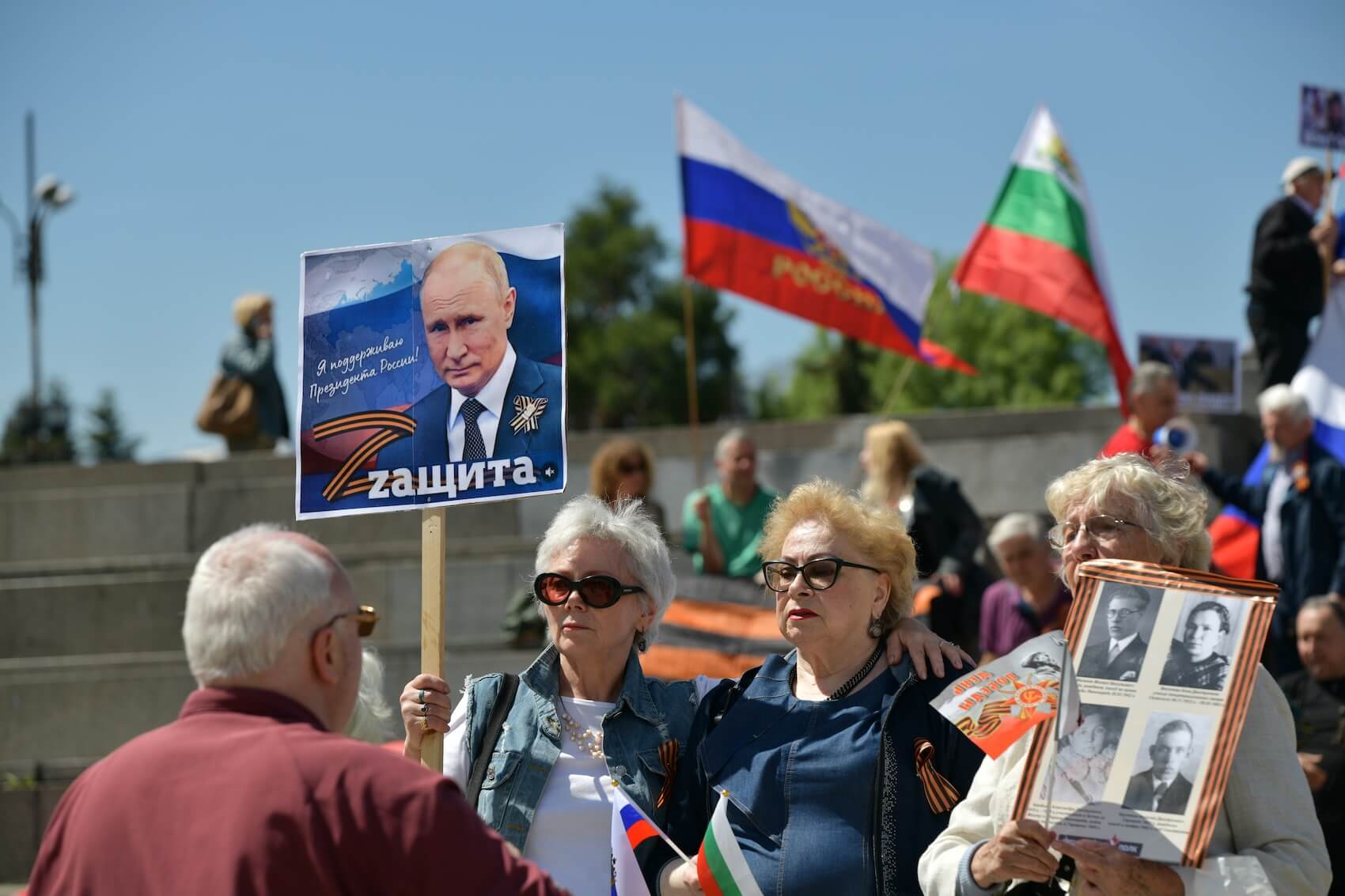
Professor Venelin I. Ganev: Yes, there’s definitely very strong Russian influence in Bulgarian politics. It would be fair to say that both Radev and Iotova are Russophiles in their instincts, sentiments, and mentality. There’s no doubt about it.
But what we’ve seen so far is ambiguity. They make statements that clearly indicate sympathy for Russia, the Kremlin, and Putin, as well as a desire to distance themselves from Ukraine and the Ukrainian cause. That’s on the one hand. On the other hand, they haven’t really done anything to undermine European unity, veto policies against Putin, or sabotage assistance to Ukraine. So, in my view, they talk the pro-Russian talk.
The reason for that is electoral. There is a sizable minority of Bulgarians who are Russophiles, so if you want to win their votes, you have to praise Russia somehow. But Radev and Iotova haven’t really walked the pro-Putin walk. So far, they haven’t taken any concrete steps in that direction. That remains to be seen, particularly with Iotova, who will now try to exert her power in international relations as president. She wants to be an international player whom everybody has to reckon with.
She campaigned on this issue, arguing that the war in Ukraine should stop and that there must be peace. This is a form of soft pro-Kremlin policy that does not necessarily involve supporting Putin directly but rather emphasizes peace. That was actually her main argument: If elected president, she would never allow Bulgarian troops to be stationed in Ukraine. Of course, this is an irrelevant point because no one has ever suggested that Bulgarian troops should be stationed in Ukraine. Nevertheless, that was her campaign strategy.
It’s a really interesting question, and we have to defer judgment until we see what happens. But so far, that’s what I would say: Yes, there is Russian influence; yes, there is a Russian presence; and yes, there is a very aggressive Russian ambassador in Sofia who constantly meddles in Bulgarian affairs. On the other hand, I really cannot think of a single policy, step, or measure indicating that Bulgaria is willing to break with the West and openly support Putin.
The Oligarchic Takeover of the Turkish Minority’s Party Could Create Long-Term Problems
In “History, Politics, and the Constitution” (2004), you examine the constitutional protection of minority political representation in post-communist Bulgaria. How resilient is this pluralistic framework today, particularly amid the radical right’s nationalist mobilization and changing political dynamics surrounding the Turkish minority and the Movement for Rights and Freedoms?
Professor Venelin I. Ganev: The model is resilient. I wouldn’t call it ethnic harmony exactly, because that would be too much, but rather ethnic peace and a sort of consensus among elites not to play the ethnic card. That consensus persists, and I don’t think it’s under any serious threat.
Quite the contrary, actually. One phenomenon observable across Eastern Europe is that, with the arrival of immigrants from Syria, North Africa, and elsewhere, the status and standing of traditional historical minorities have improved. The perception now is that we don’t have to fear these minorities because there are other people coming to our countries, and the minorities we already know are actually fine. In Slovakia, we know the Hungarians; in Romania, we know the Hungarians; and in Bulgaria, we know the Turks. So that’s okay. The perceived danger now comes from refugees and immigrants.
The problem in Bulgaria is the split within the Movement for Rights and Freedoms, which used to be a very cohesive and functional mechanism for representing the Turkish minority. The Turkish minority had this party, which was welcomed in Bulgarian politics, was influential, and could promote their rights. Now, the party has split and lost its leader. It was taken over by an oligarch who doesn’t really care much about Turkish issues, unlike his predecessor, who was an ethnic Turk and genuinely cared about the rights of Turks. Ahmed Dogan was very corrupt, and I can say all kinds of negative things about him. But there’s no doubt that he defended the rights of ethnic Turks in Bulgaria, whereas the new leader, Delyan Peevski, does not.
This could become a problem if the mechanism for representing the Turkish minority becomes dysfunctional, leaving them without full integration or a meaningful voice in Parliament. That might create problems in the long run. I’m very much concerned about this development, in which a functional minority party was practically taken over by an oligarch. I don’t really know what the long-term consequences will be. Right now, the situation appears to be fine. This new oligarch, who is ethnic Bulgarian, has at least surrounded himself with ethnic Turks. But we’ll have to see. If the Turkish minority becomes disillusioned with Bulgarian politics, that may cause problems.
Civic Vigilance Is Restraining Radev from Pursuing Radical Pro-Russian Policies
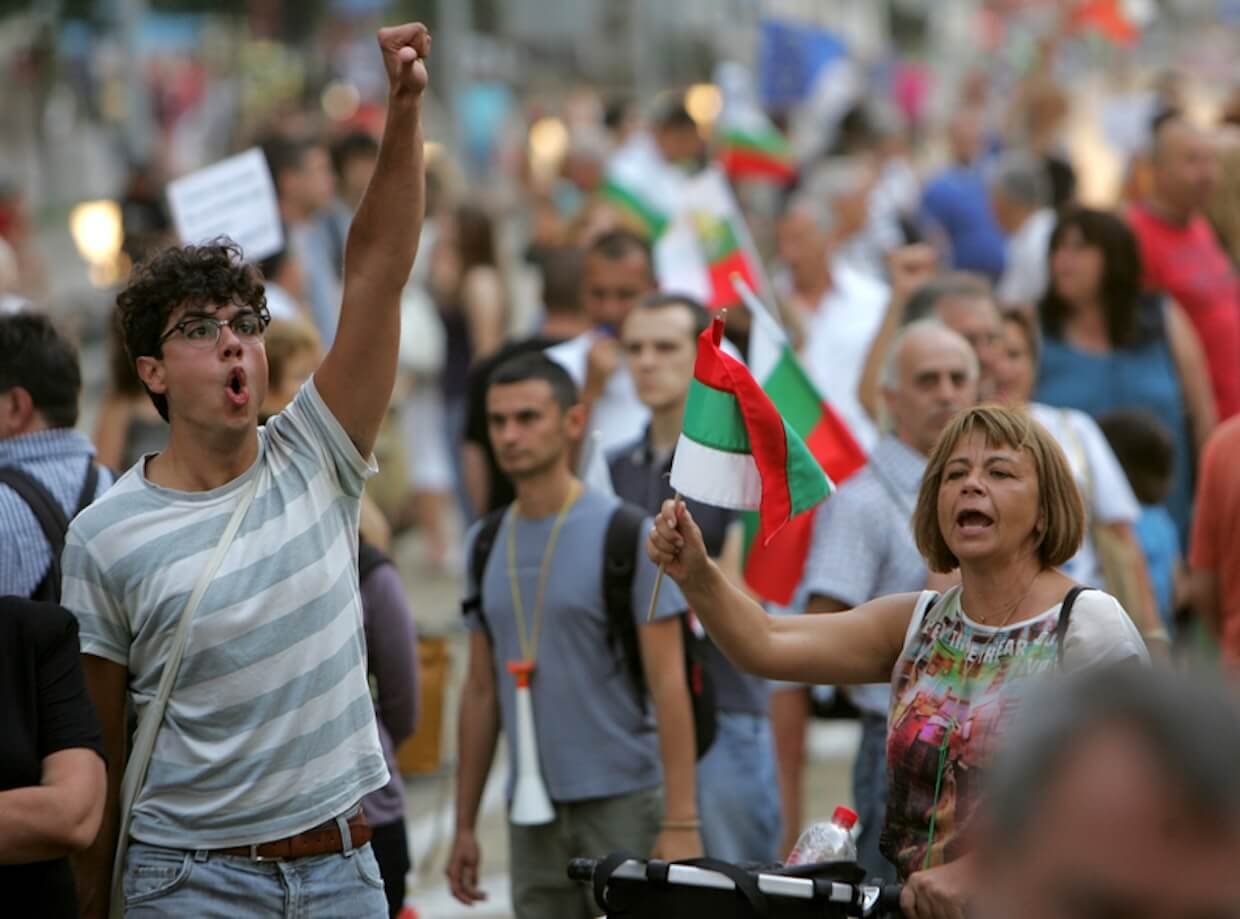
In “Bulgaria’s Year of Civic Anger” (2014), you emphasize the importance of nonelectoral democratic accountability through grassroots mobilization. Considering the protests that preceded Radev’s electoral breakthrough, has Bulgarian civil society become a durable institutional counterweight, or does its mobilization remain dependent on episodic dissatisfaction with governing elites?
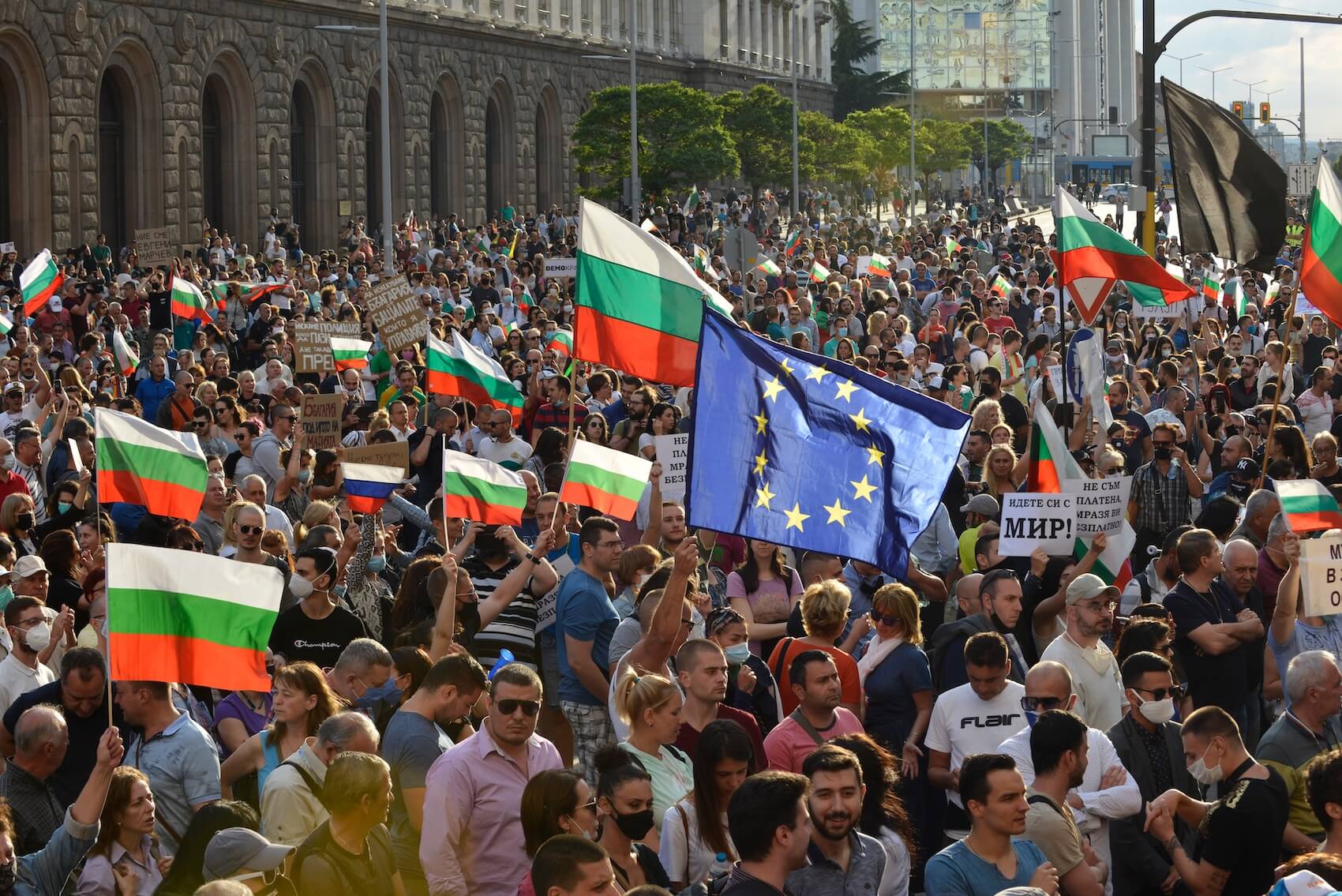
Professor Venelin I. Ganev: That’s another great question. I think civil society has become a durable institutional counterweight. This pattern, in which corrupt actions or unacceptable behavior by elites are countered by grassroots mobilization, began in 2013. My article is devoted to that episode, when an effort to hand over the national security apparatus to the oligarch Peevski, whom I mentioned earlier, triggered mass protests. Eventually, the government had to resign. That was the beginning.
Subsequently, this pattern was repeated on several occasions. When the government does something unacceptable, protests and demonstrations follow, and eventually the government resigns. This is how the political career of Boyko Borisov, the previous prime minister, ended—as a result of mass protests.
So, returning to your question, civil society has become an institutional counterweight. It’s a very active player, and its mobilization is not merely episodic. There is a sort of civic vigilance in Bulgaria. Of course, civic vigilance and civic commitment are scarce resources, and they can disappear. Perhaps passivity or apathy will eventually take over. But right now, Radev understands very well that if he goes too far with his pro-Russian policies or further antagonizes the West and NATO, he’ll have to face mass protests. That’s one reason why he’s avoiding radical behavior.
“We Elect a Strong Leader, He Disappoints Us, and Then We Elect Another”
And finally, Professor Ganev, looking ahead, can Bulgaria escape the recurring cycle of electoral upheaval, elite replacement, and institutional weakness that has characterized much of its post-communist development? What would constitute convincing evidence of genuine democratic consolidation, and what broader lessons does Bulgaria offer for understanding populism and democratic resilience in Eastern Europe?
Professor Venelin I. Ganev: The answer to the question of democratic consolidation in Bulgaria depends on how we define democratic consolidation. There are more expansive definitions and more minimalist ones. I personally prefer minimalist definitions, which revolve around a fundamental question: How do we know that a democracy is consolidated?
First, the electoral process must be clean and fair, and those who lose must step down. Second, there must be respect for human and political rights. That’s really all. Obviously, consolidated democracies can still be corrupt and inefficient. But if we apply these two criteria—elections and rights—Bulgaria has been a consolidated democracy since the late 1990s.
I don’t really expect any deterioration in that regard. I don’t think anyone wants to destroy the electoral process, and I don’t see any indications that human, civil, or constitutional rights will come under assault. Of course, you never know.
As for the broader lessons about populism, I don’t really think there is a specifically Bulgarian lesson. What’s happening in Bulgaria is more or less similar to what’s been happening across the region. The lesson is that popular belief in strong leadership persists. It’s not going away.
The cycle seems to be that we elect a strong leader, he disappoints us, and then we elect another strong leader. So, the broader lesson is that popular attitudes in Eastern Europe still favor strong leadership over constitutional concerns and a system of checks and balances.
(*) This interview was academically curated and edited by Dr. Bulent Kenes.