

In an interview with the ECPS, Professor Donatella della Porta, Professor of Political Science at the Scuola Normale Superiore in Florence and Director of the Center on Social Movement Studies (COSMOS), examines the democratic significance of emerging youth-led protests worldwide. Arguing that Generation Z movements seek to expand democracy rather than undermine it, she situates their mobilization within growing socioeconomic precarity, militarization, and the breakdown of the intergenerational social contract. Professor della Porta warns that protest repression is blurring the boundaries between democratic and authoritarian countries while potentially generating renewed solidarity and democratization. Highlighting Palestinian solidarity as central to generational political consciousness, she emphasizes the importance of diffuse leadership, cross-societal alliances, and participatory innovations in translating collective resistance into lasting democratic transformation.
Interview by Selcuk Gultasli*
From France and Serbia to India, Albania, Nepal, and Bangladesh, a new wave of youth-led protests is challenging established political institutions and demanding accountability, economic opportunity, and democratic representation. Although rooted in distinct national grievances, these movements share growing frustration with corruption, socioeconomic precarity, and the perceived failure of political elites to address generational aspirations. Their decentralized organization, digital mobilization, and confrontational repertoires raise fundamental questions about transnational protest diffusion, democratic resilience, and the transformative potential of collective action.
In an intriguing interview with the European Center for Populism Studies (ECPS), Professor Donatella della Porta, Professor of Political Science and Dean of the Institute for Humanities and the Social Sciences at the Scuola Normale Superiore in Florence, where she also directs the Center on Social Movement Studies (COSMOS), examines the democratic significance of this emerging global protest wave.
Distinguishing democratic anti-elitism from exclusionary political mobilization, Professor della Porta argues that, for contemporary Generation Z movements, “the desire to expand democracy rather than undermine it is central to all these mobilizations.” Their democratic aspirations reflect a conception of political participation that serves as an important counterbalance to conventional representation.
Professor della Porta situates these movements within the breakdown of the intergenerational social contract, describing young people as “a generation that struggles to imagine a future.” Growing precarity, climate change, militarization, and declining confidence in political institutions have fostered a shared generational consciousness that transcends national boundaries while facilitating alliances among students, workers, teachers, and families.
A particularly disturbing development, Professor della Porta observes, is “a blurring of the boundaries between democratic and authoritarian countries.” Examining protest policing, disciplining, and stigmatization, she identifies the resurgence of colonial policing practices and the increasing use of what she terms “incapacitation policing.” Yet repression contains an inherent paradox: “Repression can reduce the capacity of social movements to take to the streets, but it can also produce solidarization.” Even authoritarian consolidation, she suggests, can generate conditions conducive to new waves of democratization.
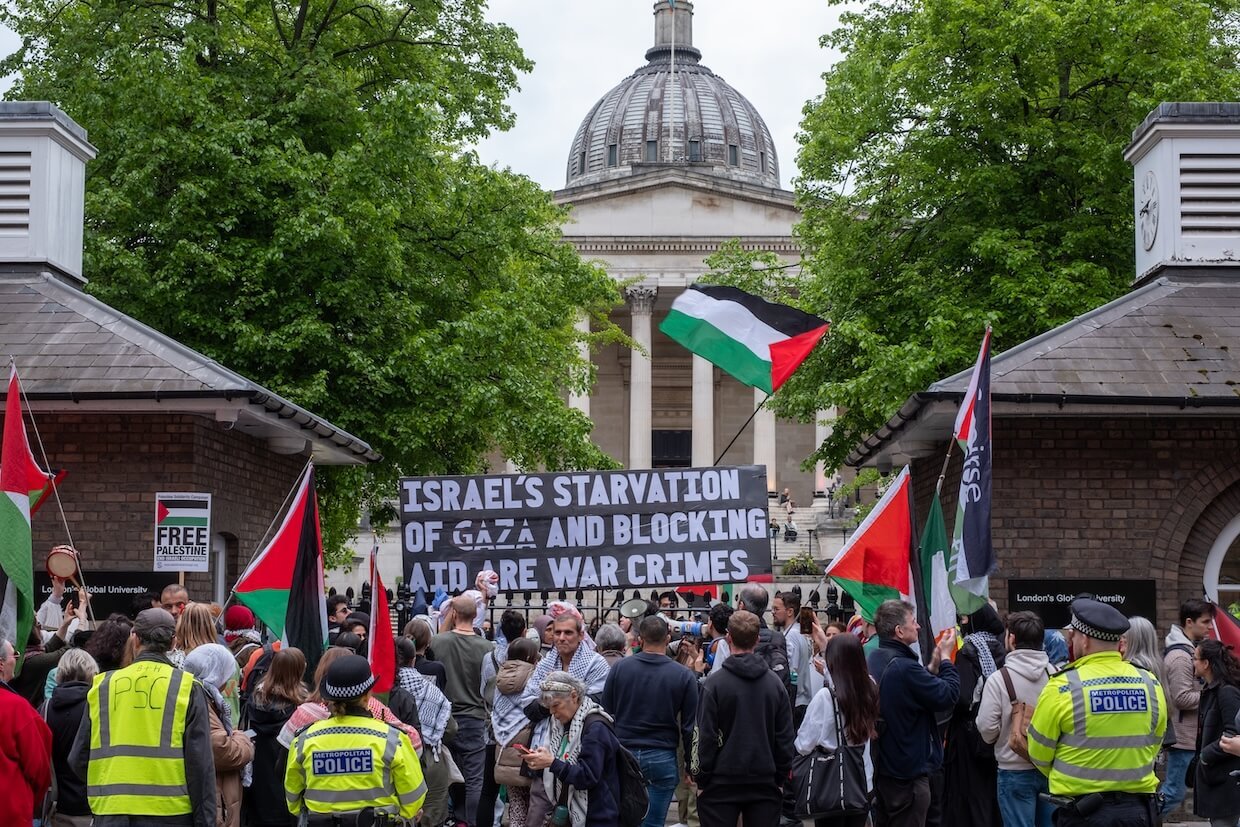
The interview also highlights the centrality of Palestinian solidarity in shaping Generation Z’s political consciousness. Professor della Porta emphasizes that “Palestine as a global symbol of injustice resonates strongly” among younger generations. Mobilizations over Gaza have connected struggles against colonialism and racism with demands for gender equality, environmental protection, labor rights, peace, and social justice.
Nevertheless, Professor della Porta cautions against deterministic assumptions about the democratic outcomes of mass mobilization. Drawing on her research on critical junctures, she emphasizes the importance of cross-societal alliances, diffuse leadership, and the preservation of participatory innovations within institutional politics. Advocating a comparative, relational, and interdisciplinary research agenda that transcends Western biases, she underscores both the transformative potential of contemporary youth activism and the structural challenges confronting its democratic aspirations.
Here is our interview with Professor Donatella della Porta, edited lightly to enhance clarity, readability, and overall flow for publication.
Today’s Youth Movements Reflect a Common Response to Global Challenges
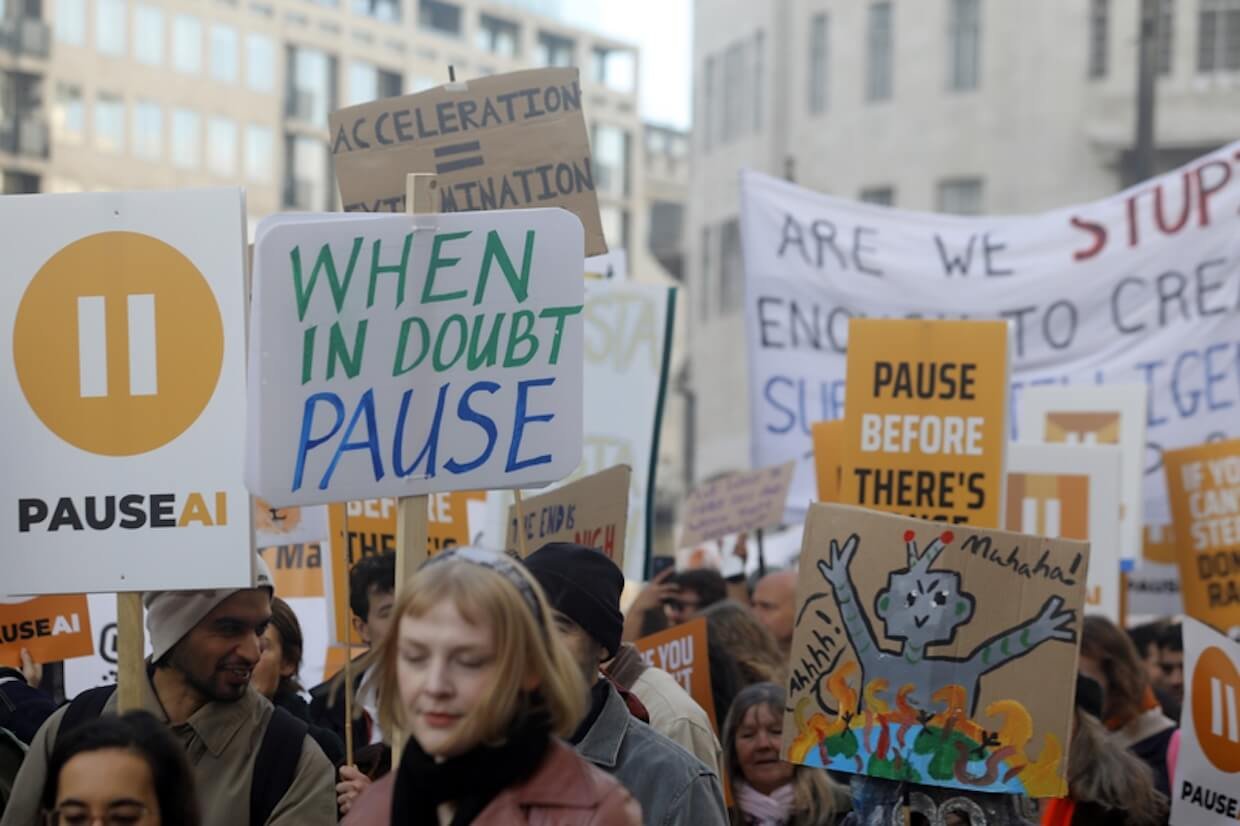
Professor della Porta, thank you for joining us. Let me begin with the broader significance of emerging protest movements. Drawing on your research on social movements and democratic transformation, do recent youth-led protests in France, Serbia, India, Albania, Nepal, Bangladesh, and elsewhere signal the emergence of a new transnational cycle of contention, or are they better understood as nationally rooted responses to distinct political crises?
Professor Donatella della Porta: They are nationally rooted but also part of a global wave. Research on the diffusion of contention has often highlighted the importance of struggles in certain countries in facilitating cross-national diffusion. These are not necessarily the countries where protests first emerge. For instance, during the Arab Spring, protests spread not so much from Tunisia as from Egypt. It is, therefore, the contingent characteristics of certain movements that facilitate their diffusion.
In this case, the perception of a global wave emerged particularly when French students started to protest. There had been other mobilizations involving Gen Z, or Generation Z, but it was especially from France that a wave of protests with similar characteristics spread. One country where it spread most widely was Italy, where very similar demands were put forward: greater investment in public education, less injustice, and opposition to state interventions that could exacerbate inequalities. The wave also spread to Belgium, Denmark, Germany, and many other countries where student protests have led broader mobilizations.
Important messages have also emerged from different countries. For instance, the victory of the student list in Serbia has provided an example of how protests can translate into electoral success. The protests in Albania have brought together the concerns of younger generations with specific concerns about colonialism in Europe. The protests in Spain and Portugal have highlighted the problems created by the rising cost of living, particularly housing costs.
So, while these movements have specific characteristics, there is also, more generally, a shared consciousness and awareness among younger generations that embrace similar symbols. This reflects a response to common global challenges, ranging from pandemics and climate change to authoritarianism and neoliberalism more broadly. Some of these concerns are quite typical of this generation.
Younger Generations See Militarization as a Direct Threat to Their Future
In Student Movements in Late Neoliberalism, you examine how educational struggles challenge broader political-economic arrangements. To what extent are today’s youth uprisings driven by precarious employment, declining social mobility, and the perceived breakdown of the intergenerational social contract?
Professor Donatella della Porta: It is very important to consider these claims. The right to education is central and has significant value for society as a whole. It is a key element of the welfare state, but it also has important implications for the development of critical knowledge and freedom of expression, among other things. It is, therefore, a concern that is both practically and symbolically relevant to the population at large.
But there are also other central elements. As you mentioned, precarity is growing, posing a risk to the future of these generations. This is a generation that struggles to imagine a future, confronted not only with challenges like global climate change but also with another set of challenges that have been central to all these mobilizations: war, militarization, and military investment, which are perceived as directly threatening their future.
This is the generation that will be asked to serve in the military if compulsory military service is introduced in many countries, as politicians have suggested. It is also the generation that faces the risk of dying on battlefields in wars it does not want to fight.
This, too, is a distinctive element. The generational dimension is important, as is the breakdown of the intergenerational social pact. But this is also a generation that is open to building alliances. Teachers and families have mobilized in support of students across all the countries mentioned. In many of them, trade unions have also mobilized in solidarity with students while broadening their demands to encompass greater investment in the welfare state and opposition to what is perceived as an increasingly authoritarian political system.
Student Protests Have Become Catalysts for Broader Societal Mobilization
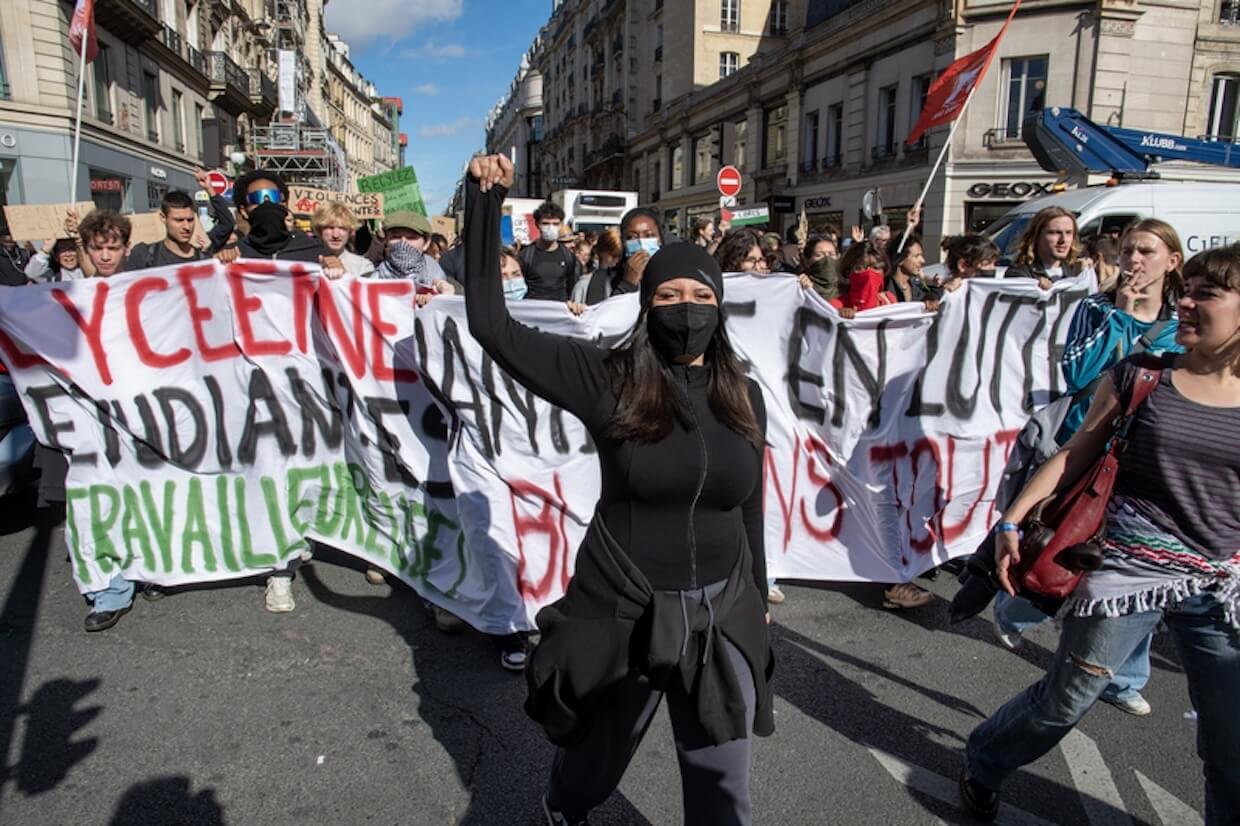
France’s student protests have expanded beyond educational grievances to encompass austerity, social inequality, and opposition to police repression. What explains this transformation of sectoral demands into broader political contention, and how significant are alliances between students, labor unions, and other social movements?
Professor Donatella della Porta: Student protests have always been frequent, often explained by biographical availability and the heightened ethical concerns of young people in general. But we also have to consider how, in some cases, student protests have acquired the capacity to lead broader forms of protest and contestation.
Chile and Quebec were examples of this. We are now at a moment when students have catalyzed broader mobilizations that were already underway. Our research on student protests in Italy shows that they did not begin in October 2026 but have become increasingly frequent over the past two years. Italy has also experienced about six general strikes called by trade unions over various issues, primarily the rising cost of living but also the genocide in Gaza, war, and related concerns.
In this context, students have played an important role in many countries because of their capacity to mobilize much broader segments of society. Serbia is an example of this. Albania illustrates how, in countries with high levels of emigration, diasporas maintain connections with politics in their home countries and play an important role in the social movements that emerge there.
Protest-Born Parties Can Introduce More Participatory and Deliberative Forms of Democracy
Serbia’s student-led anti-corruption movement recently achieved a historic parliamentary victory after nearly two years of mobilization. Can its transition from horizontal protest assemblies to institutional politics become a model of democratic renewal, or does electoral success threaten the movement’s participatory ethos?
Professor Donatella della Porta: We know from past protests that they often bring about the development of new political parties. Podemos in Spain, for instance, is an example of a new party emerging from the protests of 2011. New parties tend to emerge when protest movements highlight a lack of representativeness and the inability of existing parties to articulate protesters’ demands and channel them into institutions. This has historically been the case: both the socialist and green party families emerged from social movements.
In all these cases, parties that have emerged from protests have struggled to preserve their innovations within the party system while being forced to adapt to a certain extent. Emerging parties have generally introduced organizational innovations, such as opening up to non-party members through various mechanisms and providing representation for social movement communities within their structures. In Latin America, MAS in Bolivia and, earlier, the Partido dos Trabalhadores in Brazil are examples of parties that have introduced changes both in their organizational structures and in the way they act in society, for instance, by participating in protest movements.
But there are also challenges, as entering a highly structured arena such as electoral politics and surviving periods of low mobilization require adaptation. A long time ago, in discussing the socialist party family, Robert Michels spoke of the iron law of oligarchy and the tendency to adapt.
I would not say that the tendency toward oligarchy is inevitable. New parties have introduced more participatory and deliberative ways of practicing democracy. Nevertheless, adaptation remains a challenge, and it remains to be seen to what extent changing circumstances will transform one of the main innovations of the Serbian students: their highly horizontal, assembly-based forms of mobilization, which have enabled them to establish strong links at the local level and across different segments of society.
Young People Demand Recognition as Democratic Citizens, Not Merely as Future Soldiers
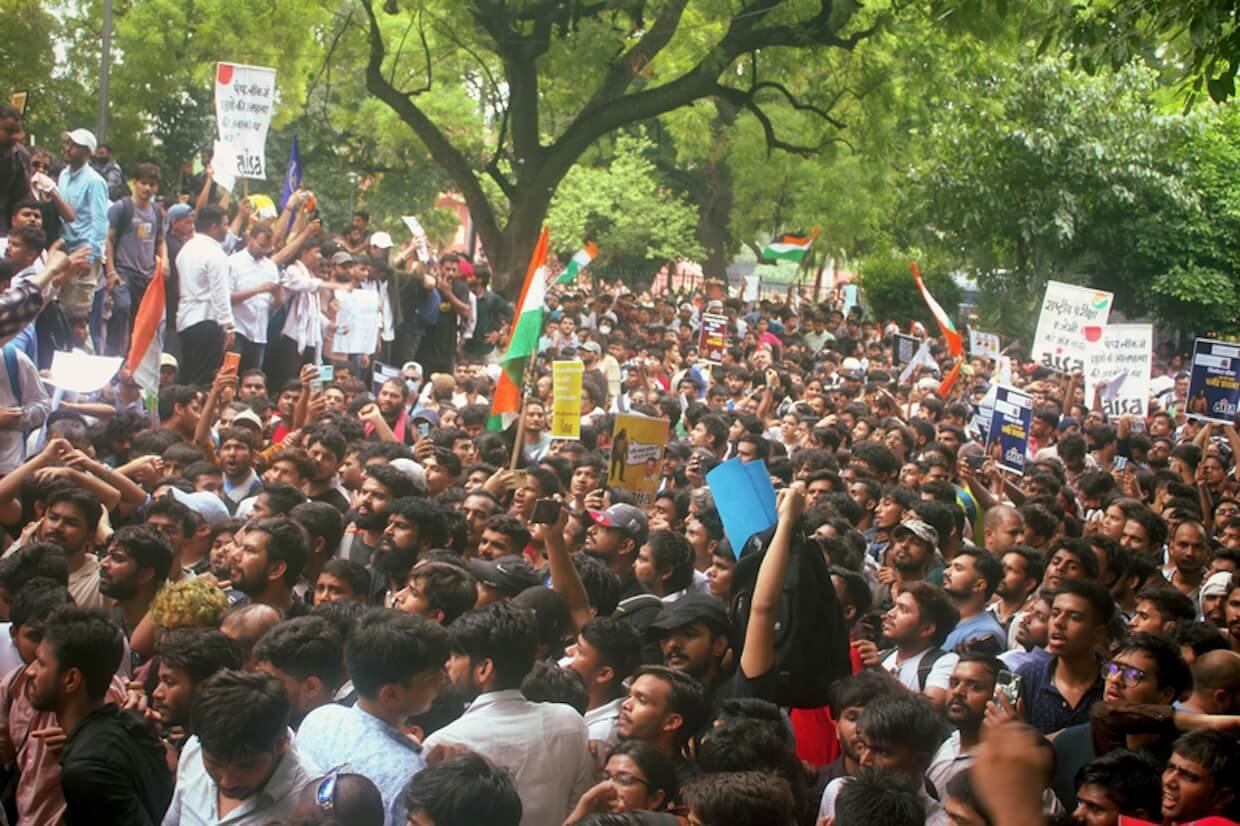
Youth protests in India and Albania have challenged corruption, unequal opportunities, and perceived elite privilege. How do frustrated educational and economic aspirations interact with political distrust to transform seemingly localized grievances into broader anti-establishment movements?
Professor Donatella della Porta: One of the answers lies in the concept of solidarization. Governments have responded to protests in increasingly repressive ways. While there was an expectation that governments would recognize the right to protest as integral to democracy, their responses to Generation Z protests have been extremely repressive. I was reading today about the French government’s response and its use of less lethal but very painful forms of repression. Similar responses have occurred in other countries, as we have seen in the streets of Serbia and Albania, but also in Italy, Germany, and elsewhere.
Repression produces a sense of injustice. By targeting mass movements involving very young people, it has also generated outrage among their parents. Such repression has been perceived as unjust by a large part of the population. It has also led to the broadening of the initial demands for greater investment in universities to encompass opposition to militarization and investment in wars, as well as demands for a broader democracy.
At this point, it has become a claim for recognition—for the recognition of young people not merely as future soldiers to be sent to the battlefield but as legitimate subjects in a democratic society.
The Democratic Outcomes of Mass Protests Depend on the Capacity to Build Lasting Alliances
The youth-led uprisings in Nepal and Bangladesh helped overturn entrenched governments but produced different political trajectories. Drawing on your work on protests as critical junctures, what determines whether successful mass mobilization generates lasting democratic transformation rather than renewed instability or elite reproduction?
Professor Donatella della Porta: Critical junctures are important because they bring about a change in perceptions of time and alter the ways in which events can produce deep transformations. During critical junctures, changes proceed at a very rapid pace and profoundly transform societies. They can accelerate social interactions and produce, as Durkheim observed long ago, moments in which people feel empowered to change fundamental characteristics of their societies.
At the same time, however, critical junctures do not override structural conditions. William Sewell has defined eventful temporality as a moment in which events are stronger than structures. Yet the literature on critical junctures has also highlighted the continuing importance of preexisting structures, particularly in shaping the relational development of these events.
Context, therefore, still matters, as does the capacity of movements to build alliances both within the system itself and across social groups. This includes, for instance, the capacity of younger generations to become a symbol of broader societal concerns. Both the availability of allies and the international context are important.
During critical junctures, different actors interact intensely, often as allies in a shared project of democratization and deep transformation. But when mobilization in the streets subsides, divisions reemerge. Think about Tunisia or Egypt after 2011. The roles of the military and religious groups, as well as class divisions, become central again, and the capacity of different groups to build alliances becomes particularly important. Thus, many factors, ranging from internal ethnic divisions and class conditions to generational conflicts and gender distinctions, regain their significance.
The Challenge for Social Movements Is to Become Leaderful Rather Than Leaderless
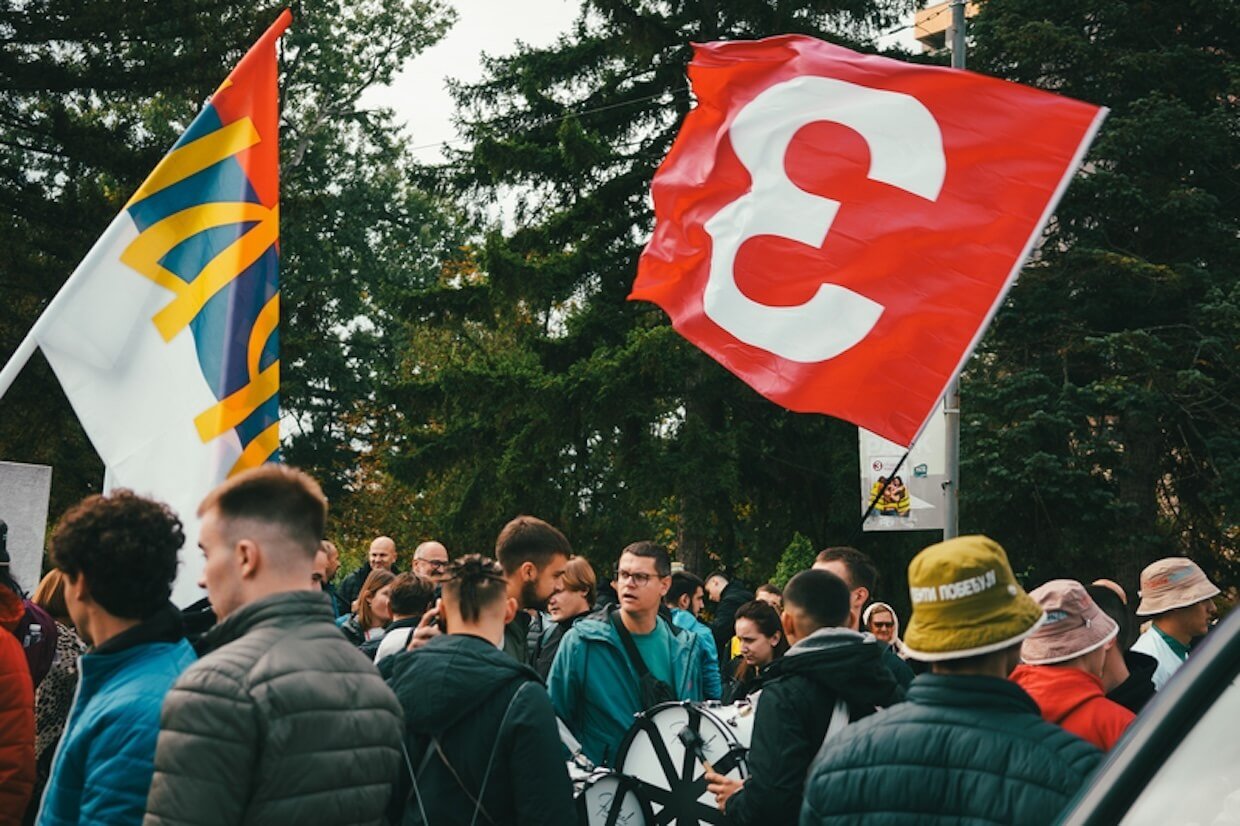
Your research traces the evolution of contentious politics from formal transnational networks toward digitally mediated, decentralized mobilization. Do today’s loosely organized Gen Z movements represent an organizational innovation, or does their apparent leaderlessness undermine strategic coherence and long-term political effectiveness?
Professor Donatella della Porta: Horizontality is particularly relevant during the development of protests. The challenge for movements is often how to move beyond moments of broad and intense street mobilization while preserving its advantages, even as the number of people taking to the streets declines. Typically, people cannot protest throughout their lives, nor can they remain in the streets for months or years. So, a central challenge is how to combine the advantages of horizontal networking with the need to survive periods of low mobilization or protest latency.
There is an awareness within social movements of the risks associated with leaderless mobilization. In fact, there has been considerable reflection on a leaderful type of mobilization. This, however, does not imply a centralized form of organization but rather the capacity to develop multiple leaders—that is, diffuse leadership. This is one of the main challenges facing social movements, but also one of the most significant innovations they can develop.
Repression Can Incapacitate Protesters but Also Generate Outrage and Solidarity
In your recent studies of protest policing and the suppression of Palestinian solidarity, you distinguish policing, disciplining, and stigmatization as mechanisms of repression. How do these mechanisms operate across democratic and authoritarian settings, and under what conditions does repression demobilize protesters or intensify resistance?
Professor Donatella della Porta: What we see, particularly in the repression of protests in solidarity with Palestine and now also in the repression of the Generation Z protests we are discussing, is a blurring of the boundaries between democratic and authoritarian countries. Repression has been particularly severe in hybrid regimes and countries with low levels of democracy. But we have also witnessed severe forms of repression in France and the UK, countries generally considered democratic, not to mention the United States under Trump, where fundamental democratic principles concerning the rule of law, civil rights, and political rights have often been disregarded.
With this blurring of the boundaries between authoritarian and democratic countries, we are witnessing what scholars have called a return of colonial policing in the metropolis. This entails a failure to recognize protesters as democratic citizens and the perception of protest as insurgency, extremism, terrorism, radicalism, and so on, accompanied by the growing use of counterinsurgency-style police interventions. These interventions are aimed not at maintaining public order or balancing the right to protest with respect for the law, but rather at incapacitating protesters. I have used the term incapacitation policing to describe the ways in which protesters have been repressed to such an extent that protest has been rendered invisible in many countries.
This is happening not only in the streets but also through the persecution of dissenters in their everyday and professional lives. Disciplining and stigmatization have also been used as weapons against activists who have been fired, international students who have been expelled from countries, and university professors who have been dismissed or punished for what they say.
This has been accompanied by the availability of increasingly sophisticated techniques for policing protests and conducting surveillance of opponents. Direct Israeli influence has been observed, for instance, in the acquisition of weapons and equipment for public-order policing, as well as surveillance techniques and equipment tested in Gaza. This has often gone hand in hand with the training of police forces in Israel itself, resulting in a sort of Israelization of the conflict.
This has produced fear, which is the aim of intimidation, but it has also generated outrage. This is what has been called the dilemma of dictators. Repression can reduce the capacity of social movements to take to the streets, but it can also produce solidarization. What we are witnessing at the moment is that, in the face of perceived injustice, solidarization tends to increase. At the same time, social movements have sought to develop forms of defense against severe repression, ranging from litigation and the globalization of struggles to the development of alternative forms of communication and mobilization.
Authoritarian Repression Can Sow the Seeds of New Waves of Democratization
Professor della Porta, can the possibility of mass protest, even under repression, serve as an indicator of a regime’s degree of authoritarianism? For example, Turkey witnessed the massive Gezi Park protests in 2013, yet comparable mobilization seems almost unimaginable today. Does the effective suppression of protest signal a transition from competitive to more consolidated authoritarianism?
Professor Donatella della Porta: Yes, we have seen many cases in which hybrid regimes have responded to protests with authoritarian moves. We can never say never. We can never say that protests are unthinkable because we are often surprised by their reemergence. This was the case in Tunisia and Egypt in 2011, when protests reemerged not in response to an opening of political opportunities but in the face of increasingly repressive regimes.
What we see is that protests can reemerge under certain circumstances, but also that waves of protest leave enduring effects. They leave behind, for instance, networks of organizations that may survive through their engagement with issues such as the environment or labor rights. Even in authoritarian regimes, they often leave behind people who retain memories of past struggles and can reemerge as activists in new movements.
So, the effective suppression of protest does indeed signal a transition toward consolidated authoritarianism, but it also imposes greater constraints on governments themselves, potentially generating new waves of democratization.
Palestine Has Become a Global Symbol of Injustice for Younger Generations
Your research on pro-Palestinian student encampments emphasizes prefigurative democracy and transnational solidarity. How have mobilizations around Gaza contributed to a shared political consciousness among younger generations, and what explains the diffusion of protest repertoires across otherwise disparate national contexts?
Professor Donatella della Porta: We still see the relevance of protests over Gaza in the current wave of mobilization. We see Palestinian flags in all the countries we have mentioned, including France, Italy, and Spain. We also see the keffiyeh, which the new generation has adopted as a symbol of global struggles. Palestine as a global symbol of injustice resonates strongly even among young people who may have been too young to mobilize in October 2023 but who have been socialized in contexts where mobilization for Gaza has been significant not only for its capacity to mobilize large numbers of people but also for the innovations it has brought about in organizational structures.
This includes the capacity to create broad networks in which different movements have connected the struggle for a free Palestine with core concerns about gender rights, environmental protection, labor rights, and so on. It has also been important in developing a broader critique that addresses both capitalism and the lingering effects of colonialism.
It has brought about the mobilization of a generation composed not only of students but also of workers, and not only of autochthonous populations but also of second- and third-generation citizens who have grown up amid pervasive and growing racism. For them, questions of justice in the Middle East, the struggle for a free Palestine, and the crimes of the West have become central to the formation of their identities.
Opinion polls tell us that Generation Z is very progressive and left-wing compared with previous generations, and mobilizations over Gaza have helped foster this sensitivity to questions of justice and peace, as well as opposition to war and genocide.
Left-Wing Populism Can Open Democracies to Broader Forms of Participation
Many youth movements denounce corrupt elites and established parties while rejecting conventional political representation. Where should we draw the analytical distinction between democratic anti-elitism and populism, and under what conditions might such mobilizations strengthen pluralism or facilitate exclusionary political projects?
Professor Donatella della Porta: Not all protests have a democratic contribution at their core. We also know that there are illiberal forms of social movements and protests. But we have to be clear about what we mean by populism. Your center has contributed to the study of populism, and we know that there are very different definitions as well as very different practices.
Populism, as conceived in its left-wing form, does not imply authoritarianism. On the contrary, it implies opening up democracies to broader forms of participation. It draws on the traditional reference to the people against the elite, which still carries an emancipatory meaning and makes an emancipatory contribution.
Of course, it is important to consider the extent to which these movements have an emancipatory, progressive message at their core. Democracy, freedom, and justice are central to progressive movements.
When we look at the Generation Z movements we have been discussing, the desire to expand democracy rather than undermine it is central to all these mobilizations. This involves a reelaboration of the concept of democracy, as we discussed earlier in relation to student protests.
It is a conception of democracy in which participation serves as an important counterbalance to representation. This form of democracy, however, has long been present within liberal democracies through various institutions and institutional innovations, ranging from participatory budgeting to institutional decentralization.
Global Youth Mobilization Is Challenging Traditional Political and Geographical Divisions
Professor della Porta, as we come to our final question, what does this worldwide resurgence of youth activism reveal about the crisis of representative democracy? Can these movements translate generational discontent into lasting democratic renewal, or might unmet expectations and authoritarian responses deepen political alienation and democratic backsliding?
Professor Donatella della Porta: As sociologists, it is better to refrain from making predictions because not only is the world very complex, but we are also dealing with a global wave of protest rooted in very different domestic contexts. In some cases, we can expect it to produce more progressive outcomes, while in others, it may trigger more regressive forms of politics and reactions.
What we can do as sociologists is study these forms of mobilization from a comparative perspective. In methodological terms, this means going beyond the widespread Western bias in our disciplines to understand not only protests in the West but also how this global wave connects with mobilizations in countries such as India and Morocco. Such a comparative analysis must also take into account how traditional divisions between the West, the East, the South, and the North are challenged not only by the global nature of these struggles but also by the fact that protests involve and address citizens from different parts of the world.
Racism is a central concern for migrants and citizens, raising fundamental questions about the very characteristics of what we consider democratic, both domestically and globally.
What we should develop in this comparative analysis is a relational approach that allows us to understand how, during these intense moments of protest, outcomes are produced by diverse actors interacting within complex fields of relations. We therefore need extensive collaboration among scholars from different countries, as well as interdisciplinary research, to better understand how the outcomes of these protests will unfold in the future.
(*) This interview was academically curated and edited by Dr. Bulent Kenes.