
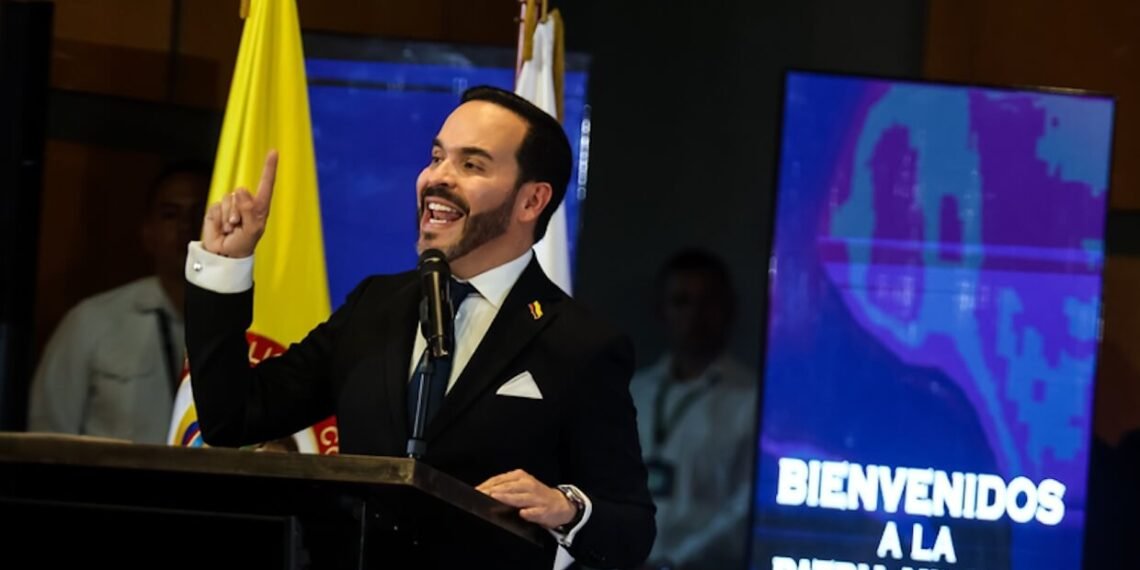
As Abelardo de la Espriella assumes Colombia’s presidency on August 7, 2026, the country enters a defining moment in its democratic development. In this timely ECPS interview, Dr. Cynthia J. Arnson examines how insecurity, rather than ideological realignment alone, has reshaped Colombia’s political landscape and accelerated the rise of security-centered populism. While acknowledging widespread public demands for stronger state authority, she warns that democratic governance cannot be reduced to coercive effectiveness. Drawing on Colombia’s own experience with armed conflict, peacebuilding, and institutional reform, Arnson argues that “offering a blank check to the armed forces and police vis-à-vis accountability invites future abuse.” The interview explores the future of the Peace Accord, human rights, constitutional checks and balances, US-Colombia relations, and the broader implications of Latin America’s rightward turn for liberal democracy.
Interview by Selcuk Gultasli
As Abelardo de la Espriella (ADLE) prepares to assume Colombia’s presidency on August 7, 2026, the country stands at a critical juncture in its democratic trajectory. His election concludes four years of Gustavo Petro’s unprecedented left-wing administration but simultaneously inaugurates a new political era shaped by mounting public insecurity, institutional distrust, and the growing appeal of punitive forms of governance. Across Latin America, deteriorating security conditions have fueled the rise of leaders who promise decisive action against crime, often accompanied by populist rhetoric that portrays liberal democratic constraints as obstacles rather than safeguards. Colombia now finds itself at the center of this regional transformation, raising fundamental questions about whether democratic resilience can be reconciled with demands for stronger executive authority and uncompromising security policies.
In this wide-ranging interview with the European Center for Populism Studies (ECPS), Dr. Cynthia J. Arnson—adjunct lecturer at the Johns Hopkins University School of Advanced International Studies and former director of the Latin American Program at the Woodrow Wilson International Center for Scholars—places Colombia’s political transition within the broader evolution of Latin American democracy. Rather than viewing ADLE’s victory as evidence of a sweeping ideological realignment, Dr. Arnson argues that insecurity, disappointment with governance, and anti-incumbent dynamics provide a more persuasive explanation. While acknowledging an observable regional rightward trend, she cautions that "it’s important not to exaggerate the anti-incumbency aspect" or "the degree of ideological realignment of the electorate," emphasizing that Colombian voters remain positioned largely in the ideological center.
The interview’s central concern, however, lies beyond electoral politics. It focuses on the democratic implications of governing through an increasingly militarized conception of public security. Arnson argues that ADLE successfully capitalized on widespread perceptions that Petro’s Paz Total strategy had failed, allowing him to dominate the campaign through promises of an "iron fist" approach. Yet she also warns that the popularity of coercive policies should not obscure the institutional dangers they entail. Drawing on Colombia’s painful experience with the "false positives" scandal and other abuses committed during previous security campaigns, she insists that military effectiveness cannot be separated from democratic accountability and respect for human rights.
This concern reaches its sharpest expression in Dr. Arnson’s warning about the incoming administration. "The temptation during the ADLE administration to do away with human rights and legal constraints on the armed forces is high," she cautions. While recognizing the urgency of restoring public security, she argues that "offering a blank check to the armed forces and police vis-à-vis accountability invites future abuse and a delegitimization of state forces." In her view, indiscriminate coercion ultimately undermines the very objectives it seeks to achieve by weakening citizen trust and disproportionately harming Colombia’s most vulnerable communities.
Beyond security policy, Dr. Arnson examines the future of Colombia’s 2016 Peace Accord, the resilience of judicial institutions, relations with the United States under a second Trump administration, and the broader rise of security-centered populism throughout Latin America. Throughout the interview, she offers a nuanced reminder that democratic stability depends not merely on defeating armed actors but on preserving constitutional restraints, maintaining institutional checks and balances, and ensuring that the pursuit of order never comes at the expense of the rule of law. As Colombia enters the ADLE era on August 7, these questions are likely to define not only the country’s democratic future but also broader debates over populism, security, and democratic governance across the hemisphere.

Here is the revised version of our interview with Dr. Cynthia J. Arnson, edited lightly to enhance clarity, readability, and overall flow for publication.
Anti-Incumbency Mattered, but It Does Not Fully Explain the Election
Colombia’s 2026 election has been interpreted by many observers as part of a broader regional resurgence of the populist radical right. Do you see Abelardo de la Espriella’s victory primarily as an ideological realignment, a backlash against Gustavo Petro’s presidency, or as another manifestation of the increasingly anti-incumbent nature of democratic politics in Latin America?
Dr. Cynthia J. Arnson: There is undeniably a rightward trend in Latin American politics: since Donald Trump took office in January 2025, all 7 Latin American elections in South or Central America (Bolivia, Chile, Colombia, Costa Rica, Ecuador, Honduras, and Peru) have been won by the center- or far right. Not all those elected are populists or outsiders; and most, but not all, reflected an anti-incumbent wave. Donald Trump’s explicit endorsement of victorious presidential candidates in Honduras and Colombia may have played a role, given the importance of the United States to both countries, but the impact is difficult to quantify.
Colombia’s Abelardo de la Espriella (ADLE) cast himself as an outsider and in certain aspects he was. A lawyer and businessman with his own luxury brands, ADLE created his own political movement and electoral vehicle—Defensores de la Patria—outside the established party system. Prior to his election he had never held political office.
A notable feature of the 2026 presidential election was the collapse of Colombia’s traditional right, represented by Paloma Valencia of the Centro Democrático party. She was endorsed by former president Álvaro Uribe and won a primary of rightist candidates that did not include ADLE. In the first round, Valencia was attacked as one of the políticos de siempre(same old politicians) and garnered less than 7 percent of the vote. Meanwhile centrist presidential candidates together pulled in just over 5 percent, although centrist mayors govern five of Colombia’s largest cities.
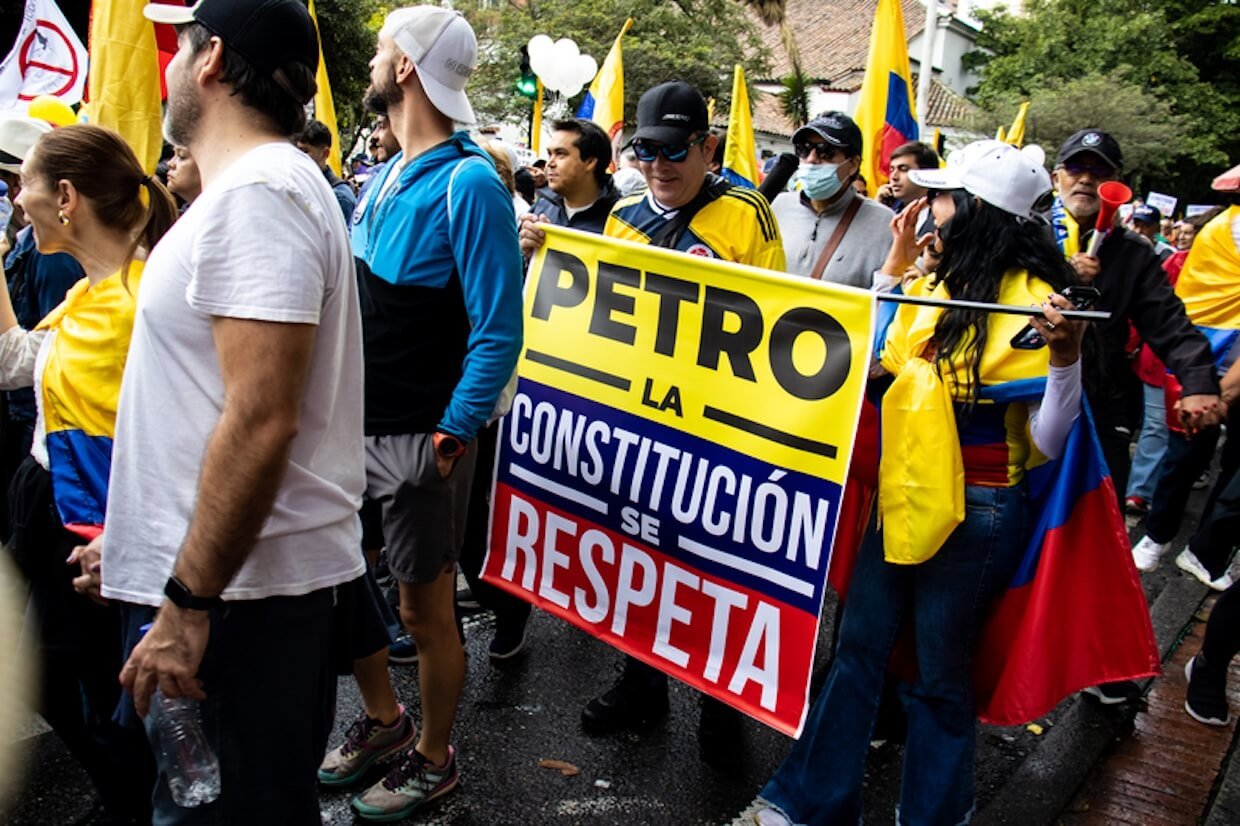
There was certainly an anti-incumbent aspect to ADLE’s election, as leftist candidate Iván Cepeda pledged continuity with many of the policies of President Gustavo Petro, including the widely criticized negotiations with criminal and quasi-insurgent groups under the rubric of Paz Total. But it’s important not to exaggerate the anti-incumbency aspect. Petro’s approval rates rose to over 46 percent in February 2026, following increases in the minimum wage. Moreover, ADLE won by an extremely narrow margin—just under 252,000 votes of the over 26 million cast, less than one percent. Without the votes of 390,974 Colombians living abroad, ADLE would have lost to Cepeda.
Similarly, one must not exaggerate the degree of ideological realignment of the electorate. As political scientist Orlando Pérez has pointed out, the way Colombian voters defined themselves on a left-right spectrum changed very little between 2020 and 2024. On a scale of one to ten (with zero on the far left and 10 the far right), the Colombian average in 2024 was 5.3, up only 0.4 from 2020, and well below the 2002 peak of 6.8.
De la Espriella Won by Owning the Security Narrative
You have long argued that Colombian democracy must be understood through the interaction of political institutions, armed conflict, and state legitimacy. To what extent does this election reveal that insecurity, rather than ideology, has become the principal driver of electoral behavior, allowing populist outsiders to redefine political competition around order rather than representation?
Dr. Cynthia J. Arnson: One area of clear advantage for ADLE was on security issues. Petro’s signature policy of Paz Total was widely seen as a disastrous failure. Multiple indicators showed rising insecurity in rural and urban areas, including the assassination of a prominent center-right candidate in 2025, the territorial expansion of illegal armed groups and their dominance over local populations, increased kidnappings, extortion, and child recruitment, and the growth of criminal economies such as drug trafficking and illegal mining. Public opinion polls prior to the election overwhelmingly showed that “public order” was the principal concern of Colombian voters, far outstripping the second most reported issue, unemployment and the economy. Iván Cepeda’s pledge to continue Petro’s policy of negotiating with armed groups allowed De la Espriella to dominate the security narrative.
ADLE proposed numerous “iron fist” security measures, including robust military campaigns to retake territory, fumigate coca crops, build maximum security “mega-prisons” modeled on those in El Salvador, expand military budgets, and invest in intelligence, technology, and equipment for the armed forces and police. He also pledged a reinvigorated security alliance with the United States and Israel. Some of his proposals were unrealistic—he initially vowed to recapture territory in the first 90 days of his term. But his proposals, punctuated by worsening security indicators and a spate of deadly bombings in southwest Colombia before the election, resonated with the public.
Issues of social inclusion—a staple of populist politics—did not figure prominently in ADLE’s campaign. He vowed to shrink the size of the state by 40 percent and emphasized the role of free markets in growing the economy. He cited his private sector experience as the key to rapidly resolving one of Colombia’s most longstanding, thorny issues: land tenure. He also announced vague plans to address hunger by convincing prominent businessmen to purchase agricultural products in various departments of the country. At the same time, he appealed to voter sentiment by promising to come down with an “iron fist” (mano de hierro) against those who would steal public funds. He proposed the creation of an anti-corruption “search bloc,” the kind of specialized police unit that hunted down Pablo Escobar in the early 1990s.
Security Populism Has Become a Staple of Latin American Politics
Throughout Latin America we increasingly observe candidates who combine anti-establishment rhetoric with promises of uncompromising law-and-order policies. Is Colombia witnessing the emergence of a distinctly Colombian version of right-wing populism, or does De la Espriella fit into a broader transnational family that includes leaders such as Nayib Bukele, Javier Milei, Donald Trump, and José Antonio Kast?
Dr. Cynthia J. Arnson: The problems of crime and violence in Latin America are long-standing and profound. According to the United Nations Office on Drugs and Crime (UNODC), “Latin America and the Caribbean remain the region most affected by organized crime and gang-related violence.” Homicide rates vary in different sub-regions and within countries, but are the highest in the world, almost four times the global average. Regional homicide rates declined between 2015 and 2023, but the UNODC reported that “the level of lethal violence remains alarmingly high.”
Homicides reflect only part of the story, however. Security analyst Robert Muggah has underscored how “lived insecurity often manifests as extortion at shopfronts, robbery on commuting routes, spectacular high-visibility incidents, and a persistent suspicion that criminals exercise de facto authority in specific neighborhoods.” In many countries, the fear of crime outstrips actual indicators of crime and violence. Muggah argues that the “disjuncture between real and perceived violent crime is most evident in places once seen as comparatively safe but where organized crime and everyday violence have become more visible.”
As a result, UNODC found that only 44 percent of citizens in Latin America feel safe walking alone in their neighborhood at night, the lowest percentage in the world and almost 30 percent lower than the global average. Chilean scholar Lucía Dammert has characterized the region’s security challenges in terms of the existence of multi-dimensional and deeply rooted structures of illegal power. These have emerged from a “perfect storm” of political crisis, corruption, criminal penetration of the state, powerful criminal economies, violent forms of dispute resolution, and the weakness of state institutions responsible for public safety.
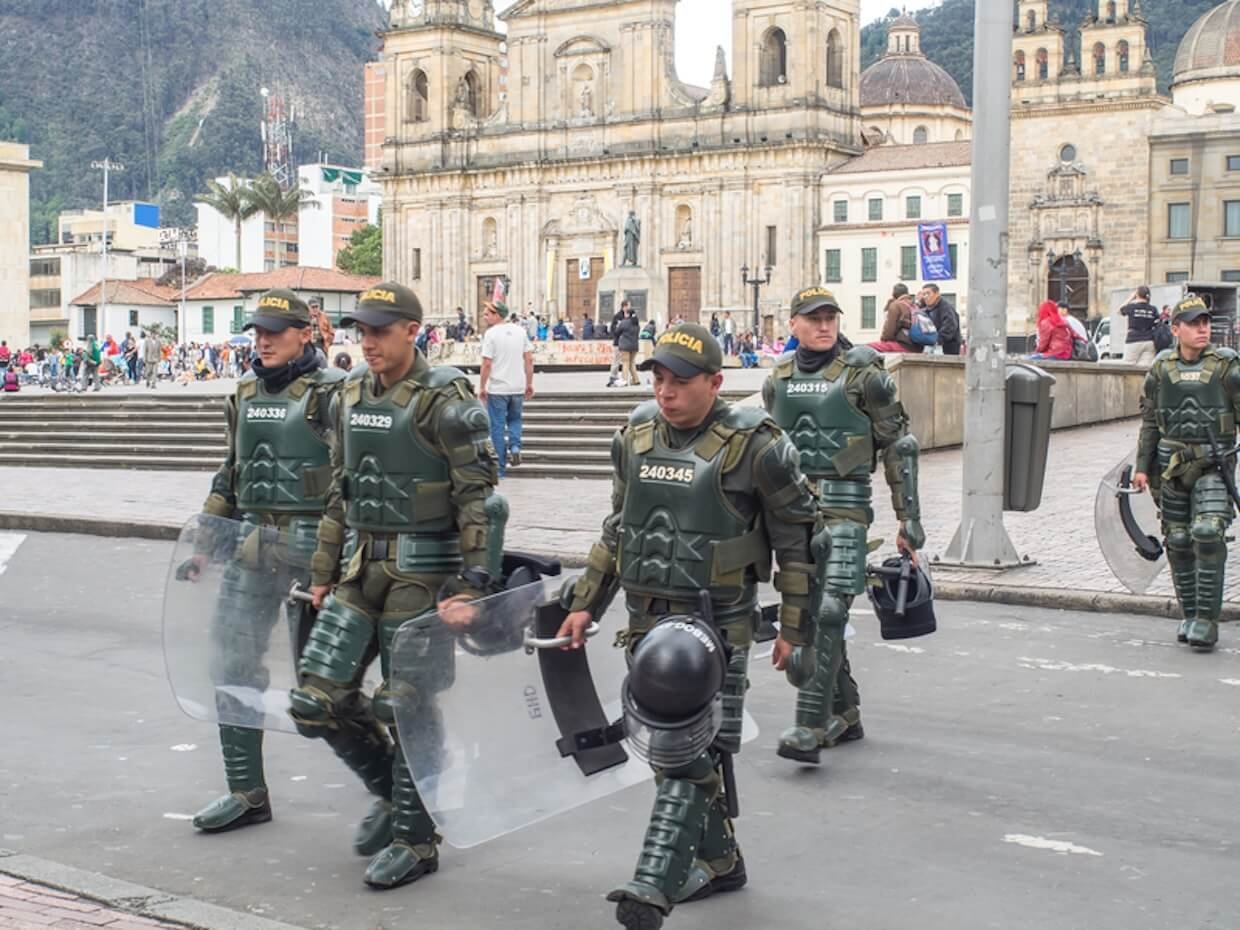
Against this backdrop, security populism has become a staple of political campaigns, as fearful citizens demand what Muggah has called “expanded coercive power.” Governments have responded by imposing states of emergency, granting expanded powers to the military to fight crime, and pursuing judicial reforms to limit the rights of the accused and impose harsher sentences. Salvadoran President Nayib Bukele has adopted the most draconian measures, improving security but at a horrendous cost to human rights, democracy, and the rule of law. His notorious anti-terrorism prison known as CECOT is a model which many leaders on the right look to emulate. ADLE’s pledge to construct ten mega-prisons reflects the appeal of the so-called “Bukele model.” Indeed, when a journalist asked De la Espriella to respond in one word to the name Bukele, he responded, “the future.”
Elite Connections Do Not Prevent Anti-Elite Appeals
One striking feature of election campaign was the prominence of anti-elite discourse despite the fact that several leading candidates were themselves deeply embedded in political and economic elites. Does this suggest that contemporary populism has become less about social representation than about constructing a moral narrative that divides society between virtuous citizens and corrupt establishments?
Dr. Cynthia J. Arnson: For all his anti-elite pretensions, Colombian journalists have pointed out ADLE’s numerous connections to Colombia’s political and private sector elite. During his legal career he defended right-wing members of Congress ultimately convicted for their ties to paramilitary groups (the so-called parapolítica scandal). He also served as a defense lawyer for other business and government figures accused of corruption, including the notorious Alex Saab, accused of massive corruption and laundering money for the Venezuelan dictatorship. In addition, ADLE has surrounded himself with well-known figures in Colombia’s political class. His vice-presidential running mate, José Manuel Restrepo, held two ministerial posts during the Iván Duque presidency (Minister of Commerce, Industry, and Tourism and Minister of Finance and Public Credit) and his choice for Interior Minister, Rodrigo Lara Restrepo, served as president of the House of Representatives and in the Senate. Miguel Gómez Martínez, ADLE’s designate for Finance Minister, is a former ambassador and deputy comptroller general. These individuals are expected to provide important governing experience for the new administration.
Despite his many elite connections, ADLE’s campaign featured a staple of populist discourse—the division of society between the virtuous “people” and corrupt elites. ADLE claimed to represent “los nunca” (the nobodies) against los de siempre (the usual suspects or established political class). The anti-elite messaging struck a chord considering the low regard of Colombian citizens for key political institutions. Polling by the Colombian firm Invamer in February 2026 showed that political parties, the judicial system, and the Congress were viewed more unfavorably than any other institution in Colombia except the ELN criminal insurgency. (The armed forces and the Catholic Church scored highest).
Another feature of populism is the view that opponents are enemies to be crushed, not legitimate political actors with whom to bargain. During the campaign, ADLE declared himself the “sworn enemy” of the left (which he threatened to “disembowel”), qualifying them as “criminals,” “bandits,” and “narcoterrorists.” Invoking an all-out Manichaean struggle between good and evil, he characterized the election as a choice between “totalitarianism and democracy.” He claimed divine inspiration for his decision to run, telling Spain’s El País that God had told him to enter politics at a moment of “extreme danger” to the homeland. The battle was not just political, he said, but also “moral and spiritual” given that “evil inhabits the Casa de Nariño,” the presidential house.
ADLE emphasized conservative family values but was not above vulgar language and demonstrations of hypermasculinity. He boasted that women voters were attracted by the size of his genitals and claimed that he had the “balls” (cojones) to take on established interests.
It is an open question as to whether ADLE’s populist campaign tactics will spill over into his governing style and whether the inclusion of seasoned center-right politicians in his cabinet will moderate his propensity for disruption.
False Claims of Fraud Erode Trust Even When Elections Are Fair
The election was accompanied by allegations of electoral irregularities and public questioning of preliminary results. You recently warned that fraud narratives without evidence can undermine democratic institutions. More broadly, how dangerous is the normalization of electoral delegitimization in countries with otherwise credible electoral systems? Can repeated attacks on electoral integrity become a form of democratic erosion even when institutions ultimately withstand them?
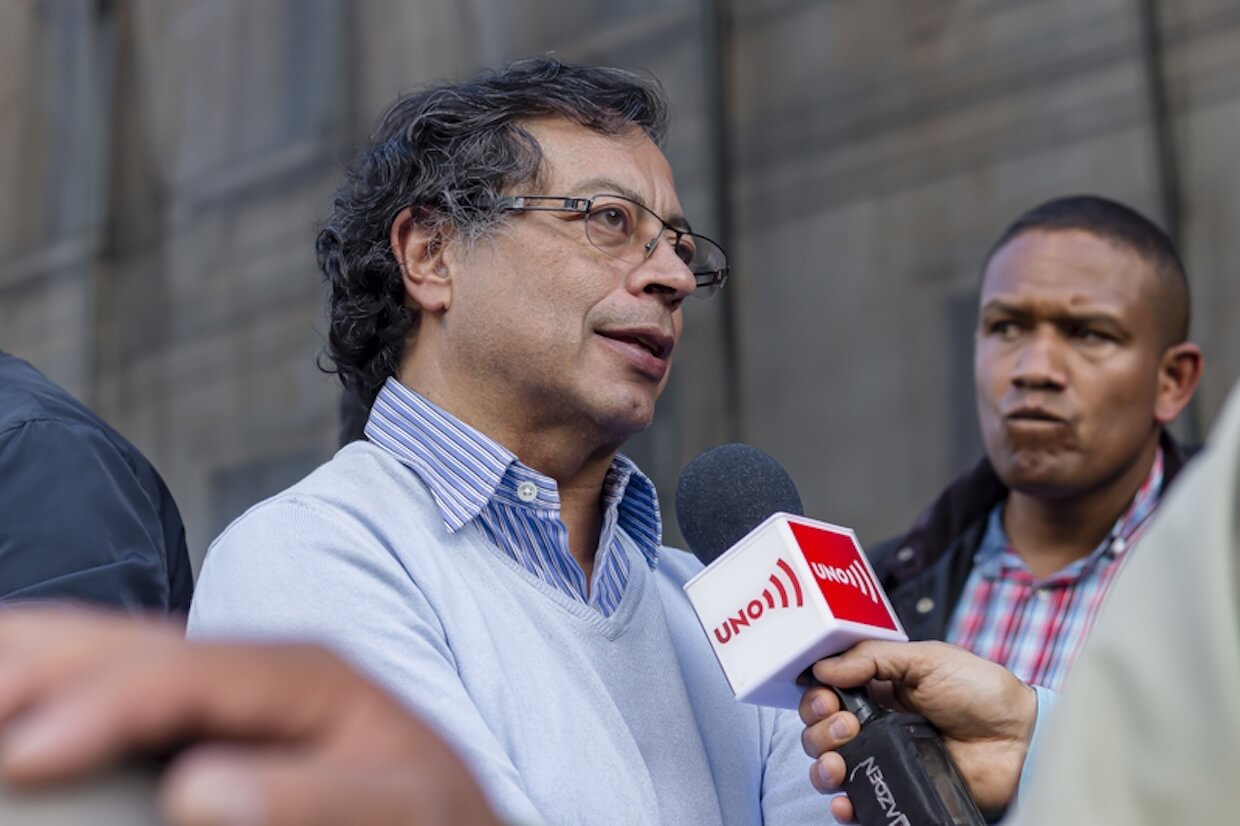
Dr. Cynthia J. Arnson: No one did more to undermine confidence in the electoral system that President Petro himself. For months he spread false narratives about fraud and refused to accept ADLE’s victory; a group of his supporters have filed a judicial complaint aimed at declaring the election null and void. Petro accused the National Civil Registry (Registraduría Nacional del Estado Civil), in charge of voter registration and vote tabulation, of manipulating results before the election. Petro also lashed out at Colombian and Israeli companies for their supposed electoral intervention. Even after Iván Cepeda himself recognized ADLE’s victory, Petro claimed that “the Colombian people have elected Iván Cepeda.”
The fraud narrative was amplified on social media. According to the US-based Carter Center, the campaign marked the first “widespread use of artificial intelligence” in Colombian elections, contributing to the spread of disinformation. This included “false messages about voting, out-of-context videos suggesting fraud, alleged early results, and misleading narratives about the transparency of the vote count.”
Despite repeated denunciations of fraud, Petro failed to present supporting evidence. An election observer team from the European Union praised the electoral system’s transparency, safeguards, and rapid publication of results. Observers from the Organization of American States and Colombia’s own Electoral Observation Mission (Misión de Observación Elctoral, MOE) acknowledged complaints and made recommendations to improve technical aspects of election administration but similarly found no evidence to support fraud allegations.
Had Cepeda won the election, one presumes that Gustavo Petro would have desisted from claiming fraud. Insisting on the narrative will continue to erode faith in Colombia’s institutions, fostering ongoing polarization and ultimately damaging its democracy.
Performance Matters as Much as Democratic Principles
Colombia’s 1991 Constitution was designed to broaden democratic inclusion after decades of political violence. Yet thirty-five years later, many Colombians appear willing to support leaders advocating exceptional measures against crime and armed groups. Does this suggest that constitutional democracy is increasingly being judged less by liberal principles than by its perceived capacity to deliver security and effective governance?
Dr. Cynthia J. Arnson: It is probably not the case that citizens are indifferent to issues of democratic practices, civil liberties, and human rights. In its most recent survey in 2024, the Santiago-based polling firm Latinobarómetro found that 61 percent of Colombian’s agreed with the statement that “democracy may have its problems but it’s the best system of government.” At the same time, Latinobarómetro found that a scant 20 percent of Colombians were satisfied with the way democracy functioned. The gap demonstrates an important weakness in Colombia’s democratic system—its capacity to deliver things that citizens want and need: security and economic opportunity. An alarming majority of Colombians—52 percent—said they didn’t care if a non-democratic government came to power “if it solved problems.” Vanderbilt University’s LAPOP has consistently found that crime victimization and support for authoritarian measures go hand in hand. And in his book, The Crisis of Modern Capitalism, British financial correspondent Martin Wolf found that an essential ingredient of democratic stability was an economy that provided for a decent standard of living. Government performance, rather than abstract principles, is key to the future of representative democracy, in Colombia and elsewhere.
Security Without Accountability Invites Future Abuse
Throughout your work you have emphasized that unresolved violence weakens democratic institutions. If Colombia shifts from Petro’s strategy of negotiation toward a far more coercive security doctrine, what lessons should policymakers draw from Colombia’s own history regarding the relationship between military effectiveness, democratic accountability, and respect for human rights?
Dr. Cynthia J. Arnson: Of the many incoherencies of Petro’s Total Peace policy, the most important was a lack of strategic vision concerning the relationship between military force and political negotiations with insurgent or criminal groups (in recent years, the line has all but disappeared). Ceasefires with multiple armed groups allowed them to expand their territorial presence and increase their coercive control over the civilian population. By contrast, the peace accord between the government of Juan Manuel Santos and Colombia’s largest insurgent group, the Revolutionary Armed Forces of Colombia (FARC), was concluded after a sequence of military operations, most notably between 2008 and 2012, that profoundly weakened the insurgency.
The Colombian experience also demonstrates that military and political advances absent efforts to establish legitimate state presence throughout the national territory are easily reversible. Following the FARC’s demobilization in 2017, other armed groups, not the state, filled the vacuum of power. These groups competed amongst themselves for lucrative drug routes and other sources of illegal rent. The 2016 peace accord provided an historic opportunity to extend state presence throughout the countryside, in security as well as development terms. The failure to do so began late in the Santos administration, continued under the Duque administration, and accelerated during Petro’s term.
That said, Colombia also illustrates the dangers of military force not bounded by democratic and human rights norms. Over a period of decades—but principally between 2002 and 2008—the military murdered over 7,800 young men from poor neighborhoods, dressing them up in guerrilla uniforms to inflate body counts. This was the “false positives” scandal, the worst blow to the prestige of the armed forces in recent times. Other undemocratic practices carried out in the name of security during the Uribe years included the illegal wiretapping of opposition politicians, Supreme Court justices, and journalists. This led to the dissolution of Colombia’s domestic intelligence agency, the DAS.
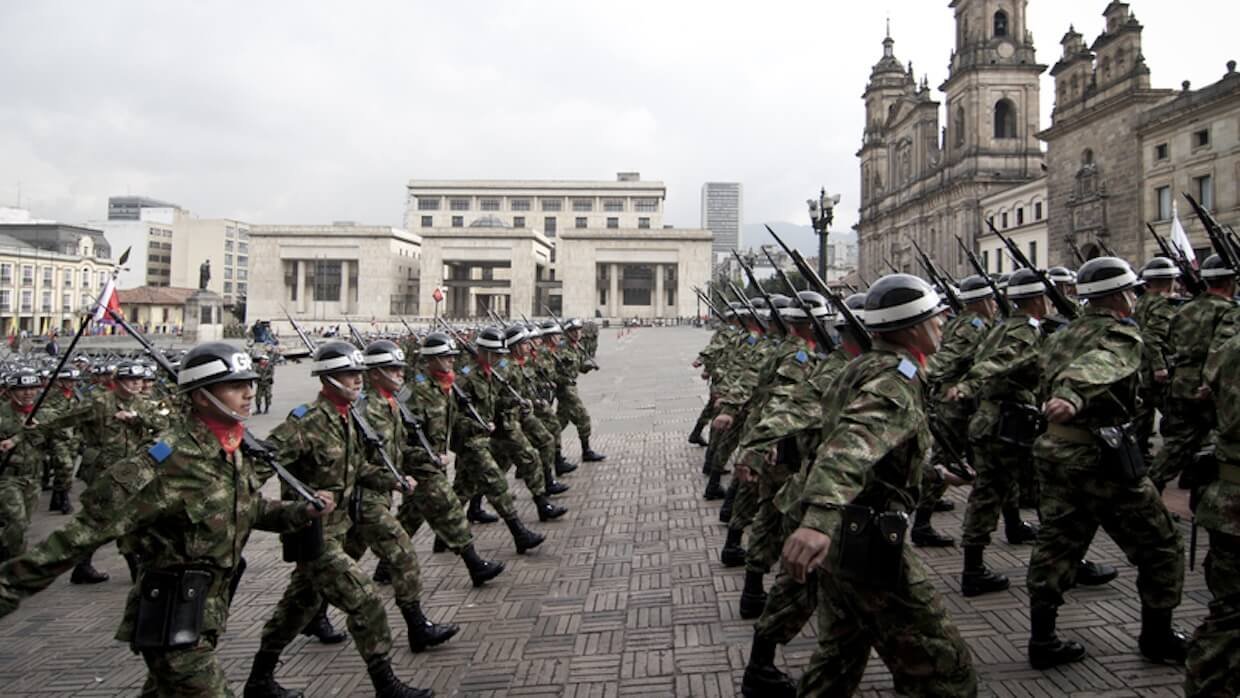
The temptation during the ADLE administration to do away with human rights and legal constraints on the armed forces is high. ADLE has proposed total judicial security for public security forces ….“an absolute priority to the public forces over the narcoterrorists regarding international humanitarian law.” However necessary it is to improve security in Colombia, offering a blank check to the armed forces and police vis-à-vis accountability invites future abuse and a delegitimization of state forces. The tasks of weakening violent actors and illegal economies, recovering state control of territory, and reinforcing citizen trust in the police and armed forces are undermined by indiscriminate tactics that inevitably have their greatest impact on poor communities.
Sustainable Peace Depends on Governance, Not Only Coercion
How should we understand the relationship between populism and Colombia’s long-standing armed conflict? Does persistent insecurity create unusually fertile conditions for populist leaders who promise decisive action, or does populist politics itself risk further polarizing a society that has struggled for decades to build sustainable peace?
Dr. Cynthia J. Arnson: During Petro’s term, a dynamic of confrontation between and among armed groups largely replaced confrontation between such groups and the government, with disastrous consequences for the civilian population. According to the International Committee for the Red Cross, the humanitarian consequences of the armed conflict in 2025 reached “the most serious level in the last decade.” Restrictions on movement (confinements), extorsion, forced recruitment, and displacement reflect a perverse gobernanza criminal in Colombia’s rural areas where the state has historically been absent. The increase in the number of combatants comprising Colombia’s eight principal illegal armed groups has been staggering since the peace accord with the FARC: from approximately 6,500 in 2017 to more than 27,000 today, according to government figures compiled by the Bogotá think tank, Fundación Ideas para la Paz. While significant increases took place under the previous government of President Iván Duque, the pace of growth accelerated between 2023-2025 during Petro’s term.
This is the backdrop to ADLE’s victory. He laid out his security approach in a February 2026 interview with Colombia’s leading daily, El Tiempo. To combat all the forms of violence, he said, one had to begin by fumigating 333,000 hectares of coca, “the base of the pyramid” and source of income for criminal confederations. He also proposed bombing narcoterrorist camps and killing or capturing ten ringleaders in each Colombian department.
One does not have to discount the importance of a robust security strategy to weaken criminal groups and the illicit economies on which they rely to observe that force alone will not establish state legitimacy. Colombia’s peace agreement posited that rural development and creating the conditions for sustainable livelihoods, especially in coca-producing areas, were essential ingredients of governance and stability. That premise remains as valid today as it was in 2016.
Undermining the Peace Accord Would Be Counterproductive
The 2016 Peace Accord remains one of the most ambitious peacebuilding projects in recent history. To what extent could a more confrontational security strategy alter the political consensus surrounding the peace process? Is Colombia entering a period of policy correction, or might it risk reversing some of the institutional gains achieved since the agreement?
Dr. Cynthia J. Arnson: One of the biggest obstacles to peace accord implementation has been, precisely, the lack of consensus over its provisions. This was reflected most dramatically in the narrow victory of the “No” vote in an October 2016 plebiscite. But since then, the accord has been embedded in Colombian law and the constitution, providing for some, albeit uneven, degree of implementation over the last decade. Most important have been programs of reinsertion for some 11,000 former combatants as well as focused development programs, known as PDET’s, to provide development opportunities for conflict- and coca-affected communities. The Petro administration oversaw some advances in land restitution but most of the rural reform agenda remains pending, as do other important aspects of the accord.
The University of Notre Dame’s Kroc Institute, which measures accord implementation, noted in June 2026 that “violence remains the primary impediment to sustainable peace.” The Institute noted the “gap between ambitious planning and territorial reality” and cited a “pressing need to accelerate structural reforms.”
To what extent, if at all, the ADLE administration will pursue further implementation of the 2016 accord remains to be seen, although it is unlikely. The Trump administration maneuvered in 2025 to narrow the mandate of the UN mission verifying implementation of the peace agreement, eliminating its monitoring of the accord’s ethnic chapter and the work of the transitional justice mechanism known as the JEP (Special Jurisdiction for Peace). ADLE has vowed to abolish the JEP; and although it has constitutional standing, he could simply starve the court of funds. The same holds true for other aspects of the accord, including programs to reincorporate demobilized fighters into civilian life.
Efforts to undermine the peace agreement will likely prove to be counter-productive. Without judicial guarantees and sustainable livelihoods, hundreds if not thousands of demobilized guerrillas could be tempted to return to arms, worsening the security challenges.
Human Rights Institutions Face Growing Political Pressure
You have written extensively about the importance of human rights in democratic consolidation. Around the world, however, populist leaders increasingly portray human rights institutions as obstacles to popular sovereignty and effective governance. How vulnerable are Colombia’s judicial institutions, constitutional safeguards, and human rights mechanisms to this increasingly widespread populist critique?
Dr. Cynthia J. Arnson: Since winning the election, ADLE has vowed to eliminate several entities charged with overseeing peace and human rights issues, folding their functions into other ministries. Those on the chopping block include the office of the High Commissioner for Peace, and the presidential advisors for National Reconciliation and for Human Rights and International Humanitarian Law. Like President Javier Milei in Argentina, ADLE has plans to slash government positions and dramatically shrink the size of the state. There is undoubtedly a need for state reform and improved inter-agency coordination in Colombia. For example, Colombian scholar Michael Weintraub has identified over two dozen government entities involved in drug policy. Colombia has two institutions with important human rights responsibilities—the Defensoría del Pueblo and the Procuraduría General de la Nación (the People’s Defender and Inspector General, respectively.) The leaders of both institutions are elected by the Colombian legislature from a slate of candidates put forward by the executive branch and the courts. The heads of these agencies serve four-year terms which end in 2028 (Defensor) and 2029 (Procurador). Hence, while activities of both institutions can be affected by budget and personnel cuts, ADLE is not at liberty to remove the existing leadership.
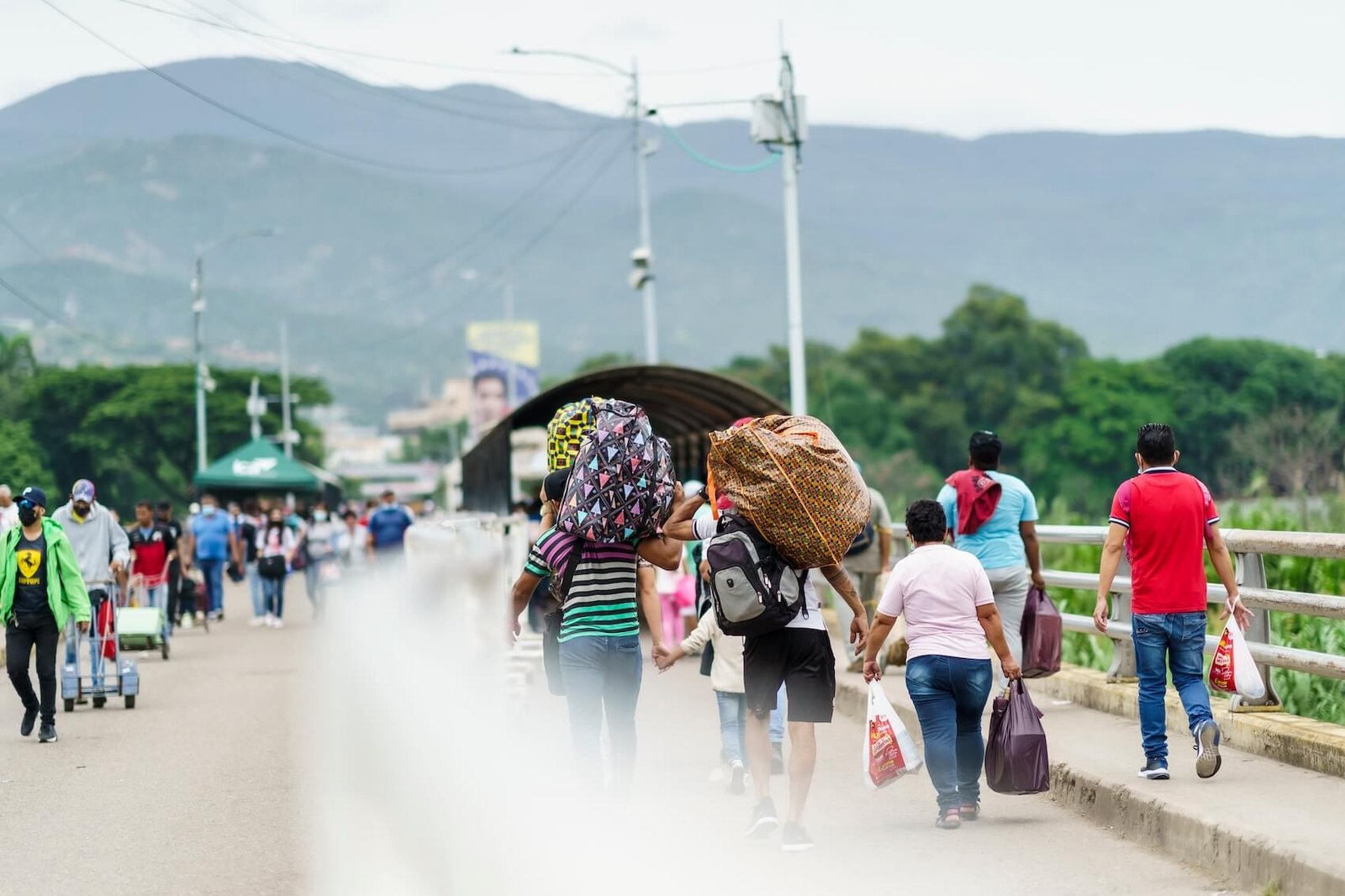
Especially troubling is ADLE’s hostility to multilateral organizations and human rights bodies. He has tempered pledges made in 2025 to withdraw Colombia from the UN, OAS, and Inter-American human rights system, but he has made no secret that he views these organizations as biased, inefficient, and contrary to Colombia’s interests. Eliminating or reducing the UN and OAS presence within Colombia would be especially damaging, given the rising human and economic toll of conflict and violence. Multiple parts of the UN system, including the Verification Mission for the Peace Process, the High Commissioner for Refugees (UNHCR), the High Commissioner for Human Rights (OHCHR), and the Office for the Coordination of Humanitarian Affairs (OCHA) all play critical roles. These include verifying the implementation of the peace agreement, providing assistance to displaced populations and refugees (nearly 3 million Venezuelan refugees and migrants have entered Colombia since 2014), and addressing the worsening human rights and humanitarian crisis in rural areas. All parts of the UN system, in Colombia and elsewhere, have suffered budget cuts that are largely a product of reductions in US assistance. For its part, the OAS provided extensive monitoring of the first and second rounds of the 2026 elections, pushing back against narratives of fraud and making numerous recommendations to strengthen electoral institutions and processes; and since 2004, the OAS Mission to Support the Peace Process has also provided important support for peacebuilding.
ADLE’s plans to intensify military operations, if coupled with efforts to reduce the presence of key international actors, could significantly worsen the already dire situation facing conflict-affected populations.
Washington and Bogotá Are Entering a New Phase of Cooperation
Your recent work highlights both the enduring strategic importance of Colombia for the United States and growing tensions in bilateral relations. Under a new right-leaning Colombian administration and a second Trump presidency, do you anticipate a restoration of the traditional US-Colombia partnership, or could new disagreements emerge despite greater ideological affinity?
Dr. Cynthia J. Arnson: US-Colombia relations will tighten substantially following the years of tension and near rupture during the Petro years. Deputy Assistant Secretary of War Joseph Humire visited Colombia in July 2026, pledging to take cooperation to “new levels” and invoking a “Plan Patriota 2.0,” an important symbolic reference to Álvaro Uribe’s 2002 security policy. Also in July, a high-level Colombian delegation visited Washington, including the incoming vice president and ministers of finance, trade, foreign affairs, and defense. The group held a whirlwind of meetings in the executive branch, Congress, and international development banks, with officials emphasizing a “new beginning” in bilateral relations.
ADLE has called for tightening relations with the United States and Israel, citing needs for new military equipment, technology, intelligence and AI capacity, and expanded troop levels. His view that narcoterrorism constitutes not just a threat to Colombia but to the national security of the United States dovetails seamlessly with that of the Trump administration. Early in his term President Trump designated drug cartels and gangs as Foreign Terrorist Organizations and late last year informed the US Congress that actions by cartels “constitute an armed attack against the United States.” In that context, the United States has carried out dozens of attacks on so-called narcolanchas in the Caribbean and Eastern Pacific, killing hundreds in what critics decry as violations of the laws of war.
Along with other conservative leaders in the hemisphere, ADLE is poised to eagerly join the Trump administration’s Americas Counter Cartel initiative and participate in the security alliance known as the Shield of the Americas. It remains to be seen, however, what concrete assistance will flow through these programs, despite the pressing need for regional collaboration in combatting organized crime. At the same time, a more direct US role in Colombian security operations—something alluded to in the White House Counterterrorism Strategy—could provoke a strong backlash among ADLE opponents who constitute roughly half the electorate.
ADLE’s and the Trump administration’s militarized approach to counter-drug strategy is likely to meet its most significant obstacles in the US Congress. This will be especially true if the US mid-term elections put Democrats in control of one or, potentially, both houses of Congress. Thus far, President Trump has relied on Republican majorities in the House and Senate to support, however narrowly, his foreign policy priorities. That said, the foreign aid bill signed into law in February 2026 contained provisions advanced by Democrats that conditioned 20 percent of military financing on progress in bringing human rights violators to justice, reducing threats and attacks on civil society activists, and protecting Afro-Colombian and Indigenous communities. Democrats will insist—as they have over the decades of US-Colombian cooperation—on the human rights, humanitarian, and development dimensions of bilateral relations. Restoring what had been a bipartisan consensus over the importance of US-Colombian relations will require accommodating not just the Trump administration and Republicans, but also congressional Democrats. Álvaro Uribe ignored such concerns to his peril, ultimately failing to overcome resistance to a long-sought bilateral free trade agreement (FTA) because of human rights concerns.
The Trump administration is also likely to support financing from both the US Treasury and international financial institutions to stabilize Colombia’s economy. Government spending and public debt mushroomed during Petro’s presidency as he suspended the so-called fiscal rule designed to limit the debt-to-GDP ratio. The incoming ADLE administration inherits a fiscal deficit that has already resulted in a downgrading of Colombia’s credit rating. Cutting the budget to restore fiscal balance has the potential to detonate social unrest.
Executive Ambition Will Face Legislative and Judicial Constraints
Many scholars argue that contemporary democratic crises are increasingly characterized not by abrupt authoritarian breakdowns but by gradual institutional erosion. Looking ahead, what indicators should observers watch most closely in Colombia to distinguish democratic correction from democratic backsliding under the incoming government?
Dr. Cynthia J. Arnson: Political scientist Michael Coppedge has identified two main paths to democratic backsliding: attacks on civil liberties and a free press, and the erosion of checks and balances (what the scholarly literature calls “horizontal accountability”). Backsliding is associated with power grabs by the executive branch, the weakening of judicial institutions, and efforts to undermine the independence of electoral and other institutions.
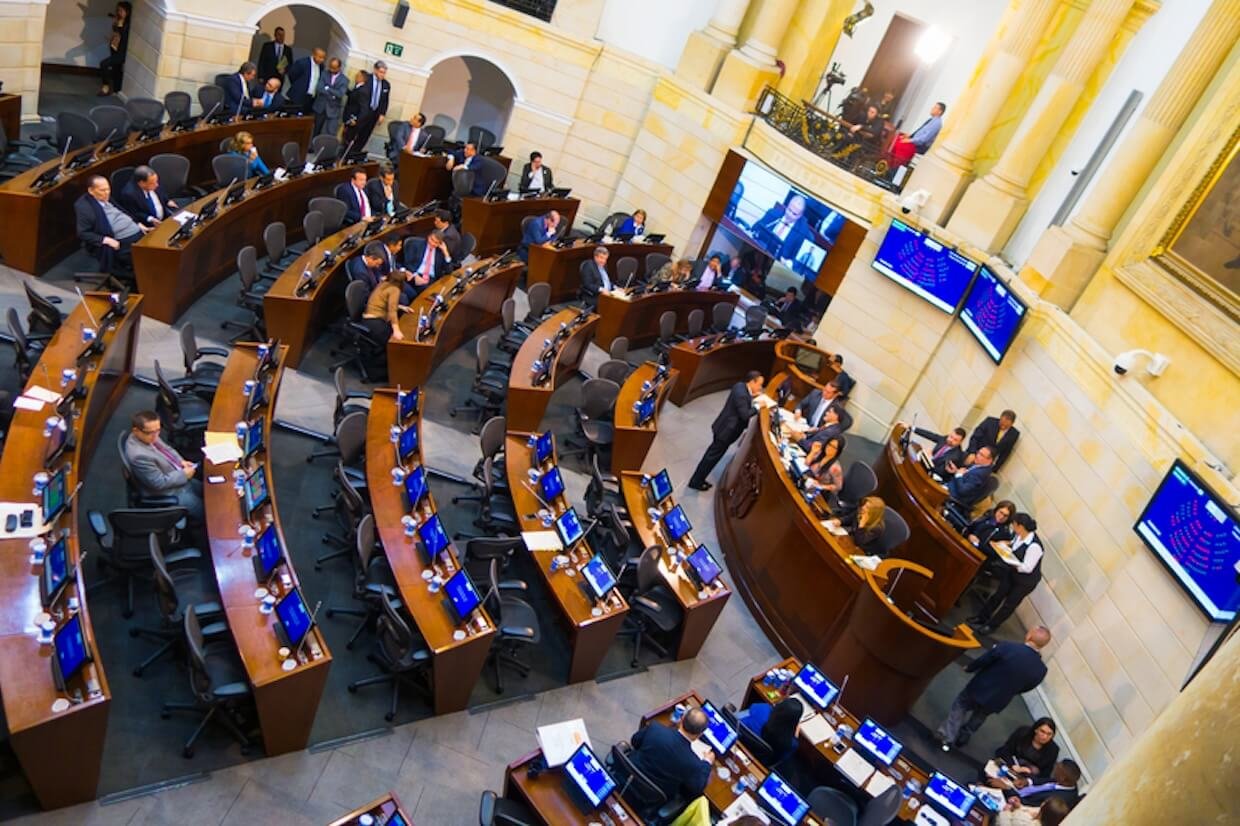
ADLE may be tempted to rule by decree, but he is likely to face legislative and judicial checks on his power. The composition of the legislature since the March 2026 elections saw Petro and Cepeda’s Pacto Histórico party win the largest number of seats in the House and Senate, significantly more than Álvaro Uribe’s center-right Centro Democrático. According to Colombia Risk Analysis, a consultancy, Colombia’s traditional Conservative and Liberal parties, together with the centrist Partido de la U, captured 47 Senate seats. These parties constitute a “swing” bloc with which ADLE will have to negotiate, issue by issue, to enact parts of his agenda.
ADLE cannot even count on the center-right to back his priorities all the time. When the new Congress was inaugurated in July 2026, a bizarre left-right alliance between the Pacto Histórico and Centro Democrático kept ADLE’s preferred candidate from being elected legislative president. Recurrent obstacles of this sort might tempt ADLE to try to bypass the Congress altogether, but Colombia’s Constitutional Court has the ultimate authority to rule on the constitutionality of executive decrees and legislation. The Court is widely respected as a defender of Colombia’s rights-oriented 1991 Constitution.
It Is Too Early to Declare a Permanent Rightward Turn
Finally, stepping back from Colombia itself, do you believe Latin America is entering a new political cycle in which populist radical-right movements increasingly replace the left-populist wave or “pink tide” of the previous decade? Or are we witnessing something more profound—a regional transformation in which ideology matters less than citizens’ demand for security, state effectiveness, and political order?
Dr. Cynthia J. Arnson: The electoral successes of the far right in Latin America are a relatively new phenomenon (this excludes right-wing military regimes that took power by force). Thus, it is perhaps too soon to make sweeping conclusions about what their electoral victories bode for the region.
Some analysts view the recent spate of right-wing successes as part of an anti-incumbency trend, in which the deep challenges of governance, particularly in confronting crime and organized crime, lead to popular frustration and a subsequent swing of the political pendulum. If this view is correct, and if the right proves no more successful in improving security and livelihoods than their left-wing predecessors, future elections could see the pendulum swing away from right-led governments. That said, three countries in Latin America—the Dominican Republic, Ecuador, and Mexico—bucked the anti-incumbency trend in their most recent presidential elections, suggesting that the desire for alternation may be less potent than before. Furthermore, polling by Latinobarómetro and others shows little evidence of a large ideological realignment of the region’s electorate, with most voters placing themselves towards the middle of the ideological spectrum.
Chilean political scientist Cristóbal Rovira Kaltwasser, co-editor of a 2026 volume, The Far Right in Latin America, has identified commonalities among far-right actors in Latin America, Europe and the United States; they are “capitalizing on feelings of status loss and declining political relevance among groups unsettled by the gradual incorporation of historically marginalized populations.” Low or mediocre economic growth, stagnating or declining real wages, the high cost of living (exacerbated now by the Iran war), culture wars, and the mistrust or rejection of elites provide a common backdrop for the rise of far-right leaders.
Whereas the “rise of the left” in Latin America in the aughts was associated with a critique of neoliberalism and the structural adjustment reforms advocated by Washington-based institutions, for Rovira and other analysts, the rise of the right is linked to cultural rather than economic issues. These include family, traditional gender roles, religion, and opposition to abortion and LBGTQ rights. Today’s right-wing governments inherit a longstanding feature of rightist politics having to do with crime-fighting strategies. Two decades before Nayib Bukele imposed a 2022 state of emergency and jailed close to 1.5 percent of the Salvadoran population, El Salvador’s right-wing presidents imposed mano dura and súper mano dura policies to curb gang violence. Rightists since the 1990s have rejected rights-based efforts to fight crime through policies aimed at fostering social inclusion, community policing, and youth-oriented crime prevention. Deteriorating security conditions in Latin America—both real and perceived—have created a backlash against policies viewed as “soft on crime,” creating a fertile climate for the emergence of “punitive populism” embraced by the right long before Latin America’s most recent electoral cycle.
The anti-immigrant sentiment that has super-charged the right in Europe and the United States is reflected unevenly in Latin America. Chile’s rightist president José Antonio Kast made opposition to immigration a central tenet of his campaign, linking the rise in crime to foreign gangs such as Venezuela’s Tren de Aragua. By contrast—and despite the presence of close to three million Venezuelans in Colombia—anti-migrant sentiment did not figure in ADLE’s campaign.
It is difficult to predict how long the current rightward shift will last. The salience of identity politics means that politicians will have to satisfy not only demands for improved performance in the security and economic arenas but also appeal to voters’ sense of self in relation to others in society. Polarization is likely to deepen as core values become all-or-nothing objects of contestation. How this dynamic plays out will be central to determining liberal democracy’s future.