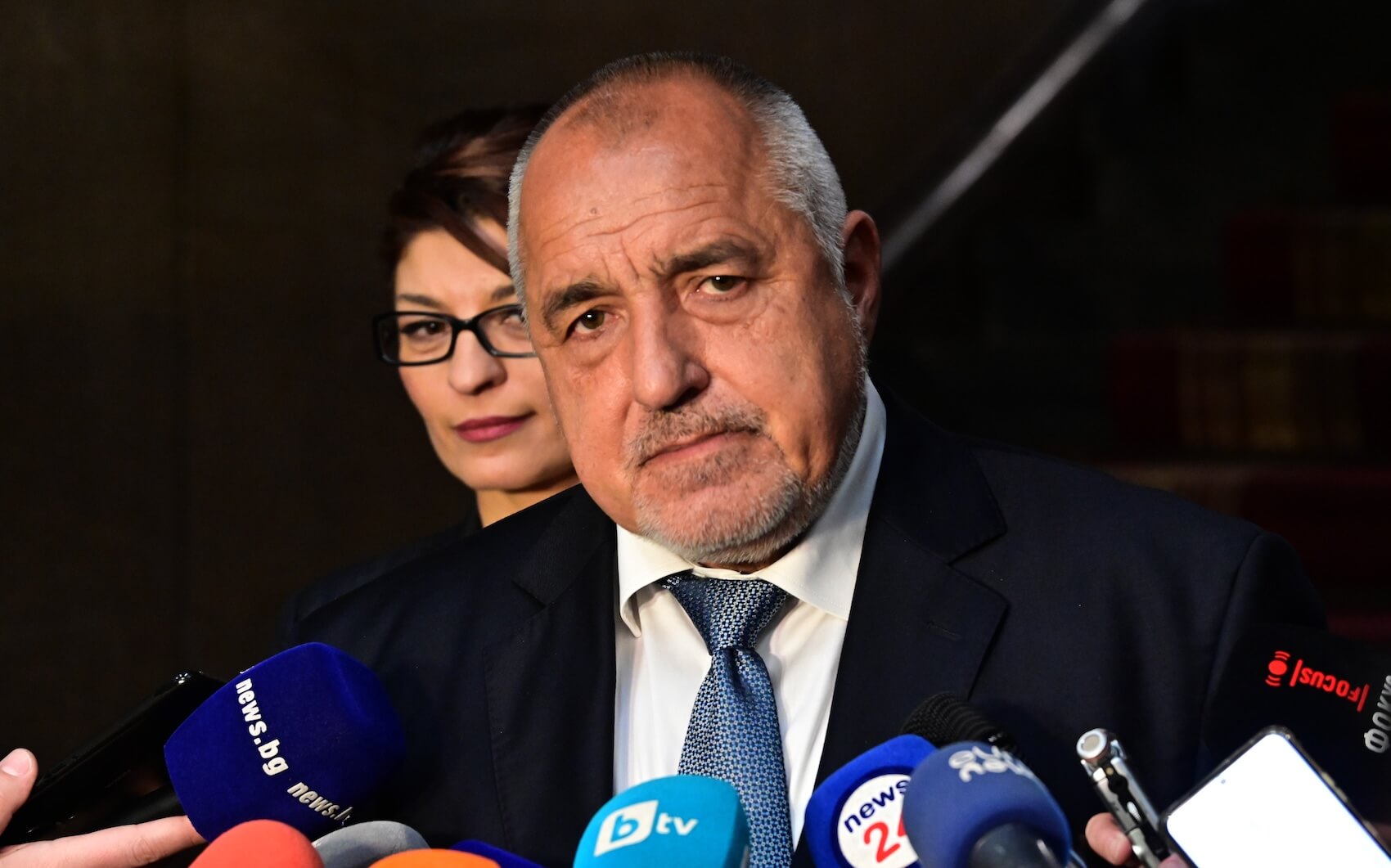
Slovak Prime Minister Robert Fico and EU Commission President Jean-Claude Juncker hold a press conference after their meeting at the EU Commission headquarters in Brussels, Belgium on July 27, 2017. Photo: Alexandros Michailidis.

Professor Haughton on Fico Assassination Attempt: Polarization Boosts Charged Political Climate in Slovakia

In an illuminating interview Professor Tim Haughton assessed the recent assassination attempt targeting Slovakian Prime Minister Robert Fico and underlined that the camp around Fico has pushed numerous polarizing narratives that could be categorized under the populism label. “This polarization has contributed to the charged political atmosphere in Slovakia,” he noted, highlighting the environment that led to the assassination.

Interview by Selcuk Gultasli

Dr. Tim Haughton, Professor of Comparative and European Politics and Deputy Director of the Centre for Elections, Democracy, Accountability, and Representation (CEDAR) at the University of Birmingham, stated that the camp around Robert Fico has pushed numerous narratives that could be categorized under the populism label. “This polarization has contributed to the charged political atmosphere in Slovakia,” he noted, highlighting the environment that led to the assassination attempt targeting Fico.

In an illuminating interview he gave, on Friday, to the European Center for Populism Studies (ECPS), sheds light on the complex and evolving political landscape of Slovakia. With a deep understanding of Central and Eastern European politics, Professor Haughton provides insightful analysis on the rise of radical right and far-right movements, the influence of populism, and the role of national identity and immigration in shaping political rhetoric. He discusses the significant impact of Robert Fico’s leadership, the challenges facing Slovak democracy, and the broader implications for European politics.

Professor Haughton begins by addressing the characteristics of radical right parties in Slovakia, noting the historical roots of the Slovak National Party and the more recent emergence of neo-fascist parties like those led by Marian Kotleba and Republika. He emphasizes the shift in focus from ethnic Hungarians to non-European elements, particularly in response to the migration crisis, aligning these parties with broader European trends.

Regarding Robert Fico, Professor Haughton highlights the nuanced nature of his political stance, combining leftist economic policies with nationalist rhetoric. According to him, this complexity makes it difficult to categorize Fico simply as a far-right populist. Professor Haughton also delves into the polarization of Slovak politics, exacerbated by populist narratives and the divisive rhetoric surrounding the war in Ukraine.

The assassination attempt on Fico and its aftermath underscore the fragility of democracy and the deep-seated tensions within Slovak society. Professor Haughton discusses the influence of Russian disinformation, the significance of journalist Jan Kuciak’s murder, and the broader discontent with liberal democracy. Through his thoughtful analysis, Professor Haughton paints a comprehensive picture of the challenges and dynamics at play in Slovakia, offering valuable perspectives on the region’s political future.

Here is the transcription of the interview with Professor Tim Haughton with minor edits.

A Strong Stance Against Muslim Immigration Creates a Common Cause

Hungarian government’s anti-immigration billboard says “STOP the refugees” in Budapest, Hungary on April 4, 2018.

Professor Haughton, thank you so very much for joining our interview series. Let me start with the first question. What are the main characteristics of the radical right and far-right movements in Slovakia, and how do they compare to similar movements in other European countries?

Tim Haughton: It’s worth emphasizing that Slovakia has a number of radical right parties and movements. For example, the Slovak National Party, which has been a significant political force in Slovakia for the past 30 years, actually traces its roots back to the 19th century. This party has consistently maintained a radical right agenda.

In more recent times, particularly in the past decade, we have seen the emergence of parties that could be labeled as neo-fascist. These include the party led by Marian Kotleba and the party that split off to form Republika. These parties have a much sharper and stronger nationalist message and a more discriminatory stance towards specific minorities.

When comparing these Slovak parties to other radical right parties across Europe, there are notable similarities. Many radical right parties, especially in Central and Eastern Europe, have historically focused their criticism on neighboring countries or ethnic groups. For instance, the Slovak National Party has been very critical of ethnic Hungarians in the past. However, this focus has shifted more towards a common criticism of non-European elements, particularly in response to the migration crisis. This has included a strong stance against Muslim immigration into Slovakia, or even the perceived threat of it. This shift aligns these Slovak parties with many other radical right parties in Europe, creating a common cause among them.

How has Robert Fico’s leadership influenced the rise of populism and far-right politics in Slovakia? Additionally, how significant a role, do you think, populism played in the assassination attempt on the Slovak Prime Minister Robert Fico?

Tim Haughton: I should probably stress at the outset that, while I appreciate speaking to the European Center for Populism Studies, I am not the biggest fan of the term “populism” as a label. I prefer examining populist appeals rather than labeling particular politicians or parties as populist.

When considering broad populist appeals, such as the notion of a pure nation versus a corrupt elite, these have been utilized by Robert Fico over time. It’s also important to note that there have been increasing links between Robert Fico and parties or politicians known for using populist appeals. Fico has certainly played a role in promoting these messages in Slovakia.

Regarding the shooting involving Fico and the role of populist appeals, two key points are worth emphasizing. First, we can distinguish between the individual who was arrested and his motivations, which appeared to center on criticism of Robert Fico’s domestic policies, particularly changes to the state broadcaster. This was highlighted in the video he shared on social media.

Second, it’s essential to understand the broader context of Slovak politics, which has become highly polarized in recent times. The camp around Robert Fico has pushed numerous narratives that could be categorized under the populism label. This polarization has contributed to the charged political atmosphere in Slovakia.

PM Fico and His Party Can Not Be Classified As Far-Right

Protesters hold signs during an anti-government demonstration demanding a change in government in Bratislava, Slovakia on March 16, 2018. Photo: Ventura.

What is the role of immigration and national identity in the political rhetoric of Slovakia’s far-right parties? How do they use these issues to gain support, and what strategies have populist and far-right parties in Slovakia used to gain and maintain political power? How effective have these strategies been?

Tim Haughton: Firstly, I want to emphasize that I wouldn’t classify Robert Fico’s party as far-right. When discussing other parties that fit that description, the theme of immigration is very important. For these radical right parties, it’s not just about actual immigration but often a perceived threat or worry about its cultural and political impact on Slovakia.

This fear of the outside, or fear of the other, is something that far-right parties and politicians have exploited. However, it’s also crucial to note that their appeal hinges significantly on domestic issues. They rally support by focusing on what they perceive as the negative impacts of liberals and progressives on Slovak politics. This opposition to liberal and progressive agendas has been a significant rallying point for the far-right in Slovakia.

In your article ‘The Return of Robert Fico,’ you argued that the fate of democracy was at risk with the ‘Orbanization’ of Slovakia. Can you please elaborate on the future of Slovakian democracy after the assassination attempt?

Tim Haughton: In that particular article, my remarks referred to observations about Orbanization and the situation in Slovakia. Since the election, specifically, we have seen the creation of a government that has implemented measures which conflict with our understanding of liberal democracy. For example, there have been changes to the criminal code, efforts to alter the state broadcaster, and measures that have impacted funding for the NGO sector. This indicates a movement in a concerning direction.

I want to emphasize both the immediate and longer-term reactions to these developments. Initially, I was very concerned because several key politicians close to Fico blamed liberals and progressives, exacerbating the polarization of Slovak society. Efforts by leaders like incoming President Peter Pellegrini and current President Zuzana Čaputová to encourage unity among political party leaders were snubbed by several politicians, which was worrying.

In the last few days, however, the situation appears to have calmed somewhat, which is slightly reassuring. Nevertheless, Slovak politics is at a critical juncture, heavily influenced by Robert Fico himself. He has been the dominant figure in Slovak politics for the past 20 years and controls his political party. Currently, there are differing voices within his party on how to respond to recent events. Some, like the de facto Prime Minister Robert Kaliňák, advocate for a pragmatic approach, while others, like politician Ľuboš Blaha, push a more pro-Russian stance.

Slovakia’s future direction depends significantly on the language and rhetoric used by politicians around Fico. Although the rhetoric has recently toned down, making me feel a bit more optimistic, it’s challenging to judge the situation so soon after these events.

Slovakia Can Not Be Described As a “Black Hole” in Central Europe

Former US Secretary of State Madeleine Albright called Slovakia a ‘black hole in the center of Europe’ back in 1997. What do you think of this characterization? Does Slovakia still deserve to be labeled as the black hole in the center of Europe?

Tim Haughton: It’s worth emphasizing that Albright came up with that label during the time when Vladimir Mečiar and his government were in power. At that time, Slovakia wasn’t invited to begin accession negotiations to join the European Union in 1997, unlike the Czech Republic, Hungary, and Poland. It seemed as if Slovakia was diverging in a different direction, so the label may have been reasonably apt then.

However, it’s important to note that Slovakia has been a member of the European Union for 20 years now. It is more integrated into European structures than some of its Visegrád-4 Group partners. For instance, Slovakia is part of the eurozone, which is not true for all neighboring states. Thus, Slovakia is very much part of the European mainstream.

There have been some recent question marks since Fico took power, particularly regarding Slovakia’s stance on the war in Ukraine. The country has shifted from being a strong advocate and supporter of Ukraine to becoming critical of military involvement under Fico. While this indicates that Slovakia may be currently less aligned with the ideological core of the EU, I certainly wouldn’t describe it as a “black hole” in Central Europe.

Strong Polarization of Politics in Slovakia

From Left: Hungary PM Viktor Orban, Poland PM Beata Szydlo, Czech PM Bohuslav Sobotka and Slovakia PM Robert Fico pose prior their meeting in Prague on February 15, 2016. Photo: Shutterstock.

What does the assassination attempt on Slovak Prime Minister Robert Fico tell us about the political culture, the level of polarization, and populism in Slovakia?

Tim Haughton: So again, I would distinguish between the actual event itself and the reaction to it, which is important. Regarding the event itself, according to what we know about the individual who was arrested and charged for the assassination attempt, he seems to have been motivated by a strong political disagreement with Fico. However, various images and narratives about this individual have circulated on social media, making it difficult to say definitively.

More broadly, the reaction to these events highlights the strong polarization of politics in Slovakia. The country is quite divided. I was reading an article today that examined polling data on a range of political questions and policies introduced by the Fico government. It is very clear that there are significant numbers of people who strongly support the government’s agenda and those who strongly oppose it. What’s striking about this polarization is the strong overlap between the groups in favor of particular measures. This division underscores the significant polarization in Slovak society.

Interior Minister Matus Estok stated that the country was ‘on the doorstep of a civil war’ right after the shooting, suggesting that the assassination attempt on the prime minister confirmed this. Do you believe Slovakia, a member of the European Union and NATO, is truly on the brink of a civil war, or do you find this assertion a bit far-fetched?

Tim Haughton: I don’t think that particular characterization is accurate. Slovakia is a country where there are tensions and strong differences of opinion, but it’s much too strong to suggest that the country is on the verge of civil war. That phrase was uttered in the immediate aftermath of the shooting and was likely driven more by emotional reaction than by careful judgment. While Slovak society is divided, I don’t believe it is accurate to depict it as on the brink of civil war.

Senior officials in Fico’s governing Smer party have accused liberal journalists and opposition politicians of motivating the shooter to open fire. Rudolf Huliak, an ally of the government from the far-right Slovak National Party, claimed progressives and journalists “have Robert Fico’s blood on their hands.” Is there any truth in these accusations?

Tim Haughton: Obviously, that’s a very emotive phrasing, and I certainly wouldn’t want to use such language. If we step back and look at it in a more scholarly way, we can see that polarization in Slovak society has stemmed from the rhetoric and language used by both sides of the political spectrum. The liberal progressive media is very critical of the steps taken by Robert Fico, arguing that it is their right as journalists to call out what they see as wrong and to highlight the harmful actions taken by the Fico government.

However, there are critical voices and certain politicians who assert that we need to stop Robert Fico. We must be careful with this rhetoric, as it can be interpreted as providing some justification for what happened. I don’t think that’s true. This heightened rhetoric creates a context in which the stakes of politics seem much higher, contributing to the polarization of Slovak society and politics.

It Is Challenging to Categorize Fico Definitively

Mr. Fico is pushing a strongly contested overhaul of the judiciary to limit the scope of corruption investigations, reshape the national broadcasting system to purge what the government calls liberal bias, and crack down on foreign-funded non-governmental organizations. He opposes military aid to Ukraine, LGBTQ rights, and the power of the European Union, while favoring friendly relations with Vladimir Putin’s Russia. Do you agree that all these points indicate that Fico is a far-right populist leader par excellence or not?

Tim Haughton: I would not classify Robert Fico as a far-right populist politician. Reflecting on his political career and policies, it is challenging to categorize him definitively. At the core of Fico and his party, Smer, are leftist economic policies focused on the welfare state and supporting the poorer segments of society. Many of his socioeconomic measures, such as free travel for pensioners and increased pensions, have populist characteristics but are fundamentally left-leaning.

In recent years, particularly since the migration crisis in 2015, Fico has adopted more nationalist rhetoric. This shift is also reflected in the evolution of his party’s name. Originally called just Smer (meaning “Direction”), it briefly adopted the name Smer – Tretia Cesta (Direction – Third Way), echoing the era of Tony Blair and Gerhard Schröder. In the mid-2000s, it became Smer – Sociálna Demokracia (Direction – Social Democracy), emphasizing its social democratic roots. Recently, it has been rebranded as Smer – Slovenská Sociálna Demokracia (Direction – Slovak Social Democracy), which conveys both a Slovak version of social democracy and a stronger national emphasis.

This combination of leftist economics, nationalist appeal, and Fico’s leadership makes it difficult to classify his policies neatly. While my explanation may be lengthy, it underscores the complexity of Fico’s political stance. It is essential to recognize this nuance and understand that Robert Fico is not a far-right politician.

Russia Plays Substantial Role in Shaping Debate in Slovakia

An elderly lady is looking at the advertising newspaper of the presidential candidate Peter Pellegrini ahead of elections in Bratislava, Slovakia on April 2, 2024. Photo: Shutterstock.

How have pro-Russian media and the issue of Ukraine shaped Slovakian politics?

Tim Haughton: Regarding the war in Ukraine, it became a significant theme in domestic Slovak politics leading up to the elections. Robert Fico’s criticism of Western military involvement in the war played an important role in his re-election in 2023. While domestic factors were primarily at play in his 2023 campaign, the Ukraine war did have some influence.

Since taking power, Fico has implemented policies such as halting Slovakia’s military contributions to the war in Ukraine, stating that not another bullet would be sent. However, he has emphasized his support for Ukraine’s reconstruction and economic recovery. For instance, there was a meeting about a month ago in Michalovce, in the far east of Slovakia, where ministers from both the Slovak and Ukrainian governments agreed on deals regarding infrastructure, energy, and other areas.

Opponents of Robert Fico, particularly from the progressive side, have criticized his stance as moving Slovakia away from the European mainstream. They advocate for a stronger pro-Ukrainian position. This division was evident during the Presidential elections in Slovakia earlier this year, highlighting the differing views on military involvement in Ukraine.

Regarding Russia and Russian disinformation, numerous studies suggest that disinformation from Russian sources is influential in Slovakia. A significant number of Slovaks get their news from alternative media sources, many of which are believed to be influenced by Russian interests and funding. This impact on the media sphere translates into people’s views and attitudes, affecting actual politics. While it is challenging to provide concrete scholarly evidence for these influences, there seems to be a substantial role played by Russia in shaping debate and discussion in certain sections of the media. Additionally, Russian influence on social media platforms is also believed to be significant.

In 2018, Fico had to resign as prime minister in the face of enormous street protests following the murder of investigative journalist Jan Kuciak, who was investigating government corruption, and his fiancée, Martina Kusnirova. What has been the significance of Kuciak’s murder in Slovakian politics?

Tim Haughton: It was a very significant event with major consequences. It led directly to Robert Fico resigning as Prime Minister in 2018, although he remained the leader of his party. This event also played a crucial role in the defeat of Smer in the 2020 parliamentary elections. Broadly speaking, it has been a pivotal moment often used by anti-Fico forces to mobilize and rally support.

In the immediate aftermath of the murder, there were major demonstrations on the streets of Slovakia. The campaign “For a Decent Slovakia” became significant in mobilizing anti-Fico sentiment. This event was also instrumental in bringing together opposition forces after the 2020 election to form a government. It remains a key event in Slovak history, frequently invoked to rally anti-Fico forces. Even six years later, it still has significant resonance.

The Sense of Disappointment with Democracy Is Quite Widespread

Lastly, according to The New York Times, Slovakia has the highest proportion of citizens who view liberal democracy as a threat to their identity and values among all the countries in Central and Eastern Europe that shook off communist rule in 1989. Additionally, 27 percent of Slovaks see Russia as a key strategic partner, the highest level in the region. What does this tell us about the political culture of Slovakia compared to other Central and Eastern European countries?

Tim Haughton: This situation highlights some important factors. A significant proportion of the population in Slovakia feels that the system hasn’t delivered or hasn’t delivered well enough for them. This indicates that we need to be aware of the threats and dangers to democracy, as it is fragile in many respects—not just in Slovakia, but in many other countries across the region and even across Europe as a whole.

Concerns about the state of democracy are widespread. The data from Slovakia illustrates underlying tensions, problems, and challenges that many European countries face. The sense of disappointment with democracy is quite widespread. However, I don’t want to exaggerate or suggest that all democracies in Europe are on the verge of collapsing. Rather, it’s important to recognize that a significant portion of the population is dissatisfied with what democracies are delivering.

In Slovakia, this dissatisfaction is particularly evident. When large segments of the electorate are unhappy with the current political system, they may be more open to the appeals of politicians advocating for changes, whether minor or more extensive.

Young activists participate in an opposition rally during the Ugandan presidential elections, organized by the FDC (Forum for Democratic Change), opposing the ruling party NRM in Mbale, Uganda on February 14, 2011. Photo: Shutterstock.

Crisis of Democratic Political Legitimacy and Emerging Populism in Africa

Please cite as:
Sithole, Neo; Nguijol, Gabriel Cyril & Micozzi, Martina. (2024). Crisis of Democratic Political Legitimacy and Emerging Populism in Africa. European Center for Populism Studies (ECPS). May 2, 2024. https://doi.org/10.55271/rp0056    


This report provides an overview of the second regional panel organized by the ECPS titled “Crisis of Democratic Political Legitimacy and Emerging Populism in Africa,” which took place online on May 9, 2024. Moderated skillfully by Dr. Chipo Dendere, the panel included experts from Southern Africa, Central Africa, and beyond. They offered a comprehensive examination of the largely overlooked phenomenon of populism in Africa. Through their insightful presentations, the panelists analyzed the various forms and behaviors of populism on the continent, tracing its historical role as a galvanizer during anti-colonial struggles for self-determination to its current impacts on social and political affairs. A common theme emerged: as both Africa and the globe witness a decline in democratic integrity despite the rise in populist movements, it is crucial to understand the complex roles populism plays—both beneficial and detrimental—in shaping local political landscapes.

Report by Neo SitholeGabriel Cyril Nguijol & Martina Micozzi

This report summarizes the second regional panel organized by the ECPS titled “Crisis of Democratic Political Legitimacy and Emerging Populism in Africa,” held online on May 9, 2024. Expertly moderated by Dr. Chipo Dendere, an assistant professor of Africana Studies at Wellesley College in Massachusetts, who studies the factors that influence party survival and democratization in the developing world, the panel featured experts from Southern Africa, Central Africa, and beyond. Each provided a diverse look into the understudied phenomenon of populism on the African continent.

Dr. Dendere forwent an opening speech to dive straight into the presentations, allowing more time for discussions. The panelists examined various unique aspects of populism in Africa. In order of presentation, Dr. Henning Melber, Professor, Nordic Africa Institute, Uppsala; Extraordinary Professor at the Department of Political Sciences at the University of Pretoria and the Centre for Gender and Africa Studies at the University of the Free State in Bloemfontein, gave an introductory overview of populism’s historical place in Africa, focusing on the narratives used by populist actors, particularly in Southern Africa.  Dr. Sergiu Mișcoiu, researcher and Professor of Political Science at the Faculty of European Studies, Babeș-Bolyai University in Cluj-Napoca, explored the possibility of progressive populism in Africa. Dr. Edouard Epiphane Yogo, a political scientist specializing in international relations and strategic studies at the University of Yaoundé II, illuminated the relationship between populism and the challenges in African governance, emphasizing the tendency of populists to erode institutional stability.

Continuing the theme of governance from populism’s ‘supply side,’ Dr. Nchofua Anita Nyitioseh, an English law lecturer at the University of Bertoua, Faculty of Law and Political Science, discussed how government failures in services, welfare, and employment create fertile ground for populist support. Dr. Derick Fai Kinang, a Political Scientist, Jurist, Conflict Resolution Specialist, and Crime Expert with the Cameroon National Council of Crime Experts, reviewed how populist narratives further inflame hate speech and fuel societal divisions. Lastly, Dr. Ama-Ambo Chefor, a senior lecturer at the University of Dschang, Cameroon, examined how African populist actors reinforce patriarchal norms, undermining women’s and girls’ rights and undoing decades of gender-based societal progress.

Through their insightful presentations, each panelist provided thorough analyses of the shape and behaviors of populism in Africa, from its historical role as a galvanizer and unifier during the continent’s anti-colonial struggles for self-determination to its contemporary impacts on societal and political affairs. A unifying thread emerged: as the continent, and indeed the globe, experiences growing democratic decline despite the rise in populist expression, it is vital to understand the multifaceted roles populism plays—both positive and negative—in shaping Africa’s local political realities.

Dr. Henning Melber: “Various Facets of Populist, Authoritarian, and Nationalist Trends in Africa”

According to Dr. Henning Melber, the populist parties in Africa frequently rely on the continued heroic narrative of former liberation movements, seeking to connect the electorate with the country’s past to legitimize the present political realities. They appeal to a still-present struggle against foreign domination, marketing themselves as the only true alternative and promise of a better future—a concept Dr. Melber labeled ‘retrospectively applied populism.’ African liberation movements still retain a movement-like character while in government, often combining this with charismatic leaders and vivid individuals who make politics personal and immediate instead of remote and bureaucratic.

In the opening presentation, Dr. Henning Melber emphasized that populism in politics is far from a new phenomenon, despite the recent increase in scholarly attention likely driven by new communication technologies that enhance populism’s reach (such as ‘new media’ which are often effective tools for spreading populist messages). He pointed out that populism’s presence in the political sphere is not limited to African contexts. In reality, populist politics has manifested in various historical settings across numerous societies and ideological frameworks worldwide.

As is customary when discussing populism, Dr. Melber explained his understanding of the term. He stated that beyond its specific subjective content, which is typically context-dependent, populism operates through a distinctive kind of rhetoric that addresses the people simply and directly. According to Dr. Melber, populism gives people the impression that they matter, count, and are more important to the populist actors. He also noted that populist forms of mobilization are not necessarily despotic or authoritarian, as they are often perceived. Sometimes, populism can promote liberal democracy (either intentionally or deceptively) while remaining illiberal at its core.

Next, Dr. Melber shifted focus to populism in Africa, unpacking the behaviors and narratives of populist messages. In Africa, the transmission of populist messages often relies on personal appearances and face-to-face mobilization, highlighting a vital aspect of populism: the presence of leaders who personify populist policies and invite identification with individuals as much as with policy programs. Generally, there is a close affinity between forms of populism and strong nationalist-oriented forms of government and governance. Dr. Melber argued that this connection is rooted in the continent’s political history, where the fight for political self-determination cultivated strong nationalist tendencies that played a substantial role in nation-building. He further articulated that contemporary forms of populism on the continent are situated within established democracies, where populist figures mobilize against the establishment and appeal to the sentiments of those who are suspicious of the elites in the government.

To provide a mental picture of populist messaging and its relationship to Africa’s history of self-determination, Dr. Melber referred to former liberation movements in Southern Africa that now stand as the ruling parties in their respective governments, such as the African National Congress in South Africa and the South West Africa People’s Organization in Namibia. These parties frequently rely on the continued heroic narrative of former liberation movements, seeking to connect the electorate with the country’s past to legitimize the present political realities. They appeal to a still-present struggle against foreign domination, marketing themselves as the only true alternative and promise of a better future—a concept Dr. Melber labeled ‘retrospectively applied populism.’ Additionally, Dr. Melber articulated that outside of retrospectively applied populism, African liberation movements still retain a movement-like character while in government, often combining this with charismatic leaders and vivid individuals who make politics personal and immediate instead of remote and bureaucratic. 


Dr. Sergiu Mișcoiu: “Taming the Lion: On the Conditions of Possibility of a Progressive Populism in Sub-Saharan Africa”

Dr. Sergiu Mișcoiu shared results from research conducted in 23 sub-Saharan African states aimed at understanding the conditions necessary for the emergence of progressive populist movements. The findings revealed a generalized mistrust in existing leaders, perceived to be under Western influence, alongside support for movements focused on improving material conditions and removing current elites from power. Respondents emphasized the need for former colonial powers to fully acknowledge their historical responsibility and support development projects effectively and impartially.

Our second panelist, Dr. Sergiu Mișcoiu, began by revisiting the centrality of nationalist-popular sovereignty for liberation movements in sub-Saharan Africa. He noted that many of these movements included authoritarian or even totalitarian components, whether from extreme ideas of Marxist-Leninism or ultra-nationalism. In this context, Dr. Mișcoiu posed the question, “Is progressive populism possible in sub-Saharan Africa?” and if so, what would its articulatory form and discursive contents be, and where would its main proponents emerge from?

Before answering, Dr. Mișcoiu unpacked how populism is understood in the context of his presentation. He explained that his understanding is derived from populism ‘discourse theory,’ built on the works of Ernesto Laclau, Chantal Mouffe, and Jacques Ranciere. Dr. Mișcoiu emphasized that populism can be defined not as an ideology but rather as a discursive register with a hegemonic vocation. Aligning with the general consensus, it is based on an “us vs. them” narrative, where on one side there is “the people,” who should align with populist leaders, parties, intellectuals, and those expressing demands for justice, redistribution, and morality. On the other side are the “non-people,” comprising the elites, the rich, foreigners, and minorities who are perceived as preventing the people from being themselves.

Progressive populism, however, was described as the virtuous articulation of the popular identity that includes all groups and individuals who were previously oppressed or marginalized, or as Ranciere calls them, “the part of no part.” Progressive populism is not devoid of exclusion; those excluded are the forces that prevent unity and democratic consistency among the people. In this case, progressive populism can be emancipatory, aiming at the economic and political empowerment of the people, as well as being liberal democratic, establishing a tolerant and inclusive participatory system of collective decision-making.

In setting the scene, Dr. Mișcoiu reviewed the evolution of populism across the continent, beginning in the 1950s with the first emancipatory anti-colonial platforms. He highlighted the 1960s wave of independence, which initially sparked societal enthusiasm but soon waned as democracy was sacrificed on the altar of Cold War alignments. This period led to the rise of populist movements under Marxist-Leninist or ethno-nationalist ideologies, culminating in the 1980s with the growth of authoritarianism and widespread political repression.

Having established a conceptual foundation of progressive populism and contextualized the historical background of African populism, Dr. Mișcoiu addressed his earlier question by examining the case of Senegal’s recently elected president, Ousmane Sonko. Sonko has exhibited aspects of progressive populism by advocating for a political platform rooted in deliberative democracy, social and economic progressivism, and a stance against elitism, corruption, stagnation, and neo-colonial dependence. His foreign policy prioritizes state interests over broader African values. However, Sonko’s platform falls short of being fully progressive due to its ambiguity around cultural and societal emancipation and its moral and cultural conservatism, particularly concerning women’s rights.

In closing, Dr. Mișcoiu shared results from research conducted in 23 sub-Saharan African states aimed at understanding the conditions necessary for the emergence of progressive populist movements. The findings revealed a generalized mistrust in existing leaders, perceived to be under Western influence, alongside support for movements focused on improving material conditions and removing current elites from power. Respondents emphasized the need for former colonial powers to fully acknowledge their historical responsibility and support development projects effectively and impartially. However, they also noted that while reconciliation and tolerance are essential, they cannot come at the expense of radical reforms. 

Conversely, these results also highlight more harmful aspects, such as support for populist movements rooted in essentialist ethno-religious traditions and skepticism about the sustainability of democracy in Africa. Some respondents advocated for strong leadership, order, and discipline as necessary guarantees of freedom. 


Dr. Edouard Epiphane Yogo: “Populism and the Challenges of Democratic Governance in Africa”

According to Dr. Yogo, who examined the strategies contributing to the success of prominent populist leaders in Africa, these leaders often employ nationalist rhetoric that emphasizes national pride and sovereignty, tapping into sentiments of patriotism to gather support. They capitalize on anti-elite rhetoric, portraying themselves as champions of the people against corrupt or out-of-touch political elites. Furthermore, populist leaders in Africa frequently promise simple solutions to complex issues, offering quick fixes to deep-seated problems such as poverty, unemployment, and inadequate public services.

Dr. Edouard Epiphane Yogo’s contribution to the panel focused on the link between the rise of populism and the challenges of democratic governance in Africa. Dr. Yogo began by mapping the African political landscape, which he characterized by various challenges, including governance issues, socio-economic disparities, and post-colonial legacies. He noted a recent rise in populism in Africa, structured around charismatic leaders leveraging popular grievances to gain power. This trend has significant implications for democratic governance in Africa, shaping political discourse and influencing policy decisions.

Dr. Yogo noted that populism in Africa can be seen as a political movement emphasizing the interests and needs of the common people against those of established elites or perceived outsiders. Populism generally involves charismatic leaders employing discourses that appeal to emotions, identity, nationalist rhetoric, anti-elite sentiment, and promises of rapid changes or transformation, rather than rational policy solutions.

Dr. Yogo further explained that populism in Africa can be better understood through several factors, such as socio-economic and historical contexts. Persistent socio-economic inequalities foster the rise of populist discourses, as marginalized populations express their grievances. Corruption also plays a significant role, weakening trust in traditional political institutions and prompting people to seek alternative leaders who promise to eradicate corruption. Additionally, post-colonial legacies, including ethnic divisions and weak state institutions, exacerbate social tensions and provide opportunities for populist leaders to exploit identity politics.

Dr. Yogo also examined the strategies contributing to the success of prominent populist leaders in Africa. These leaders often employ nationalist rhetoric that emphasizes national pride and sovereignty, tapping into sentiments of patriotism to gather support. They capitalize on anti-elite rhetoric, portraying themselves as champions of the people against corrupt or out-of-touch political elites. Furthermore, populist leaders in Africa frequently promise simple solutions to complex issues, offering quick fixes to deep-seated problems such as poverty, unemployment, and inadequate public services.

Dr. Yogo further discussed the consequences of populism on democratic governance in Africa. According to him, populism weakens democratic institutions, such as the separation of powers, which is essential for maintaining checks and balances within a democratic system. Populist leaders may attempt to consolidate power by undermining the independence of the judiciary, sidelining legislative bodies, and concentrating authority in the executive branch. They also contribute to political polarization and social fragmentation by framing political discourse in terms of “us” versus “them.” Populist leaders often appeal to a narrow segment of the population, fostering divisions along ethnic, religious, or regional lines. Additionally, populism impacts the rule of law and human rights by resorting to repression, such as the arbitrary detention of political opponents, censorship of the media, and restrictions on freedom of expression. 

To address the dynamics of populism in Africa, Dr. Yogo elaborated on several perspectives. He emphasized that African states should:

1.         Strengthen democratic institutions and inclusive governance:

– Promote the separation of powers.

– Guarantee the independence of the judicial system.

– Protect civil liberties, including freedom of speech, assembly, and association.

2.         Promote transparency and accountability:

– Implement robust mechanisms such as oversight bodies and whistleblower protections.

– Rebuild citizens’ trust in the political system.

3.         Combat misinformation and political manipulation:

– Invest in promoting media liberty and critical thinking skills to empower citizens to discern fact from fiction and resist manipulation.

– Promote collaborative efforts between governments, civil society, and technological companies to combat misinformation and preserve the integrity of democratic elections and public discourse.

4.         Encourage citizen participation and political education:

– Facilitate access to information through transparent government communication channels and public forums.

– Foster dialogue and collaboration between government officials and citizens through public consultations and participation in decision-making processes.

In wrapping up, Dr. Yogo called for action to fight against populism in Africa. He emphasized that these actions should focus on preserving democracy and strengthening democratic institutions. He advocated for collaborative efforts between governments, civil society, and citizens to uphold democratic principles, protect human rights, and promote inclusive governance.


Dr. Nchofua Anita Nyitioseh: “Democratizing Africa: Navigating Populist Trends, Building Trust in Institutions, and Promoting Stability through Inclusive Governance”

Dr. Nchofua Anita Nyitioseh outlined, much like Dr. Yogo, that populist leaders are often charismatic figures who exploit public disappointment with the status quo and challenge established institutions. Dr. Nyitioseh described populism in Africa as a political approach that appeals to ordinary people who feel their concerns are disregarded by established elite groups. She explained that populism manifests in various forms and ideologies but often involves simplifying complex issues and using emotional rhetoric to gain support.

In her presentation, Dr. Nchofua Anita Nyitioseh introduced the triangulation between populist trends, the strengthening of institutions, and the promotion of stability through inclusive governance. According to her, this triangulation renders the democratization process in Africa very complex and fragile. She outlined, much like Dr. Yogo, that populist leaders are often charismatic figures who exploit public disappointment with the status quo and challenge established institutions. Dr. Nyitioseh described populism in Africa as a political approach that appeals to ordinary people who feel their concerns are disregarded by established elite groups. She explained that populism manifests in various forms and ideologies but often involves simplifying complex issues and using emotional rhetoric to gain support. Dr. Nyitioseh highlighted this form of populism during the Kenyan elections in 2017, where President Uhuru Kenyatta used populist rhetoric to consolidate his power base.

During the field trip, Dr. Nyitioseh navigated the delicate situation surrounding the causes and consequences of populism in Africa. According to her, populism is driven by socio-economic inequalities, characterized by a growing gap between the rich and the poor, and reinforced by resentment toward elites perceived as indifferent to the struggles of ordinary people. She illustrated this by referencing the Gini coefficient in South Africa, which has been used to indicate significant income inequality between the elites and the general population. The Gini coefficient was around 0.63 in 2009, remained the same in 2022, and continues to reflect substantial disparities in income distribution in the country.

Corruption is also a significant factor in the rise of populism in Africa, as it weakens institutions and destroys public trust. Dr. Nyitioseh cited examples such as Zimbabwe, where the Mugabe regime’s corruption and mismanagement led to economic collapse, driving public disappointment and paving the way for populist movements. In Nigeria, widespread corruption among political elites favored support for populist figures like Muhammadu Buhari, who promised to tackle corruption. In South Africa, the ANC’s corruption scandals under Jacob Zuma’s presidency contributed to the rise of populist opposition parties like the Economic Freedom Fighters (EFF).

Youth unemployment also creates fertile ground for populism in Africa, as disillusioned young people may turn to charismatic leaders offering simple solutions. Populist leaders often exploit these frustrations by simplifying complex issues and identifying scapegoats. While they may initially appear responsive to citizen concerns, their rhetoric can exacerbate social divisions and undermine democratic institutions. Dr. Nyitioseh illustrated this with the example of Julius Malema in South Africa, who gained popularity among unemployed youth by advocating for radical economic policies and land redistribution. In Nigeria, the “Not Too Young to Run” movement emerged partly in response to high youth unemployment rates, reflecting a desire for political change among the younger generation. A similar trend was observed in Zimbabwe with the creation of the “This Flag” movement, led by Pastor Evan Mawarire, who highlighted youth frustrations with unemployment and government corruption, calling for united support for change.

Dr. Nyitioseh then outlined the best strategies to combat populism in Africa. She emphasized the importance of establishing and consolidating the rule of law through the fair and impartial application of laws, regardless of social status. For instance, South Africa has undertaken constitutional reforms to strengthen institutions and uphold the rule of law, while Liberia has made efforts to reform its judicial system after the civil war. Ensuring that the judiciary is free from political influence is crucial in this regard.

She said Rwanda and Ghana have implemented robust anti-corruption measures, essential for promoting transparency and accountability, key elements of the rule of law. In Kenya, vibrant civil society movements advocating for legal reforms and accountability have contributed to a stronger rule of law. Dr. Nyitioseh also highlighted the importance of promoting human rights and fighting corruption as vital components in eradicating populism in Africa. Countries like Rwanda, Botswana, and Mauritius have established anti-corruption commissions to address these issues effectively.

Dr. Nyitioseh reminded us that African countries must promote good governance by empowering civil society and encouraging effective decentralization, as seen in Kenya, South Africa, and Ethiopia. She stressed the need for investing in mass education, as democratization in Africa is an ongoing process. In conclusion, Dr. Nyitioseh asserted that if African countries address the root causes of populism, foster trust in institutions, and promote inclusive governance, they can build more stable and democratic societies free from populism.


Dr. Derick Fai Kinang: “Populism Discourse and the Proliferation of Hate during Elections in Central African Sub-region.”

Dr. Derick Fai Kinang pointed out that the use of ethno-tribal stereotypes and hateful clichés during the election periods in Africa undermines social cohesion, fuels tensions, and can lead to conflict. He emphasized the need for reforms to promote justice, democratic values, and socio-economic development to counteract the harmful effects of populism and hate speech. By implementing these measures, societies can become more resilient and capable of discerning between populist and democratic ideologies, ultimately fostering sustainable peace and development.

Dr. Derick Fai Kinang’s presentation focused on the relationship between populist discourse and the proliferation of hate speech during elections in the Central African sub-region. He began by noting that populism has existed in Africa in various waves, particularly in Sub-Saharan Africa. According to Dr. Kinang, one of the most dangerous waves emerged in the early 1990s with the advent of multi-party politics in Africa. During this period, the use of populist discourse became prevalent as rulers sought to conquer and exercise power.

Dr. Kinang referenced Danielle Resnick (2010) to highlight how the imposition of multi-party politics led to the adoption of populist strategies, often accompanied by hate speech, as a means to achieve and maintain power. This approach, he argued, has significantly impacted the political landscape in the Central African sub-region, contributing to increased tensions and undermining democratic processes.

Before delving into the intersection between populism and hate speech during elections, Dr. Kinang defined populism. Citing Jane Mansbridge and Stephen Macedo, he explained that populism involves the people in a moral battle against the elites. This dynamic, where political leaders using a populist approach encourage people to see their political engagement as part of this moral battle, can sometimes devolve into hate speech.

Dr. Kinang noted that there is no universally accepted definition of hate speech but often refers to the one provided by the United Nations. According to the UN, hate speech is “any form of communication in speech, writing, or behavior that attacks or uses pejorative and discriminatory language concerning someone’s religion, ethnicity, color, descent, nationality, gender, or identity factor.” In Dr. Kinang’s opinion, hate speech is any form of communication that attacks, discriminates against, or denigrates someone because of their background.

Furthermore, Dr. Kinang emphasized the significance of elections, highlighting their crucial role in understanding how populist discourse, particularly through the use of hate speech, manifests during election periods. Using Ewang’s (2008) definition, he stated, “elections can be considered as the mechanism by which power is given to certain individuals to govern the people.” Populist discourse, through the use of hate speech, has been a widely used political strategy to conquer and exercise power during elections in Africa, especially in the Central African sub-region. During the electoral calendar, political populism often reaches its peak during presidential elections.

Dr. Kinang highlighted the 2018 presidential elections in Cameroon as an example of deep national polarization. He pointed out that the use of ethno-tribal stereotypes and hateful clichés during these periods undermines social cohesion, fuels tensions, and can lead to conflict. He emphasized the need for reforms to promote justice, democratic values, and socio-economic development to counteract the harmful effects of populism and hate speech. By implementing these measures, societies can become more resilient and capable of discerning between populist and democratic ideologies, ultimately fostering sustainable peace and development.


Dr. Ama-Ambo Chefor: “The Protection of Female Rights and the Rise of Populism in African Democracies: A Need for a Reformed Society”

Dr. Ama-Ambo Chefor emphasized that the rule of law is essential for maintaining societal order and ensuring gender equality, highlighting its incorporation into many African constitutions. For example, Dr. Chefor mentioned the Maputo Protocol, which protects women’s rights and sets a minimum age for marriage to prevent early marriages. Despite these legal frameworks, cultural norms and biases in Africa continue to suppress women’s voices, affecting their rights and status.

Panel’s last presenter, Dr. Ama-Ambo Chefor, focused her presentation on the challenging intersection between the protection of women’s rights and the rise of populism in African democracies. She divided the presentation into four parts, each highlighting populism’s implications on women’s rights, the rule of law, and democracy. Dr. Chefor began by defining populism, noting that while the concept can carry various meanings, she adopted a simpler approach, viewing populism as “the will of the people” and equating it with public opinion. By adopting this definition, Dr. Chefor aimed to illustrate how populism contrasts with traditional democratic representation. She described populism as a system where politicians or political leaders tend to depend on the will of the people, often against their representatives, whom they portray as corrupt.

Dr. Chefor raised the question of whether populism is legal or has legal backing. She noted that while populism appears to be legally supported by the Universal Declaration of Human Rights, particularly its provisions for freedom of expression and opinion, it raises doubts about its impact on society. Specifically, she pointed out that populism can either benefit or harm societal values, particularly by undermining the rule of law.

Subsequently, Dr. Chefor proceeded with the second part of her presentation, examining the rule of law and arguing that it is a system where law is supreme, and society should be governed by the statute of law. She emphasized that the rule of law is essential for maintaining societal order and ensuring gender equality, highlighting its incorporation into many African constitutions. For example, Dr. Chefor mentioned the Maputo Protocol, which protects women’s rights and sets a minimum age for marriage to prevent early marriages. Despite these legal frameworks, cultural norms and biases in Africa continue to suppress women’s voices, affecting their rights and status.

Dr. Chefor argued that these difficulties persist due to the advent of populism, which tends to reinforce traditional patriarchal beliefs that women should not have a voice or an opinion. This led to the third part of her presentation, where she addressed the implications of the failure of democracy. Dr. Chefor explained how populist tendencies can disrupt the rule of law, leading to failures in democratic processes. This disruption is evident in outdated or biased laws, such as those in Cameroon’s penal code before 2016, which reflected deep-seated societal biases that hinder gender equality and justice.

To counter these challenges, Dr. Chefor emphasized the need for accurate and necessary information for a successful society. An informed public can better navigate the challenges posed by populism and ensure the effective implementation of democracy and the rule of law.

P&P

Populism & Politics Workshop – The Interplay Between Migration and Populist Politics Across Europe Ahead of European Parliament Elections

DOWNLOAD WORKSHOP PAMPHLET


Date

May 22, 2024 (in person) / May 23, 2024 (virtual)

Organizing Institutions

European Center for Populism Studies (ECPS), Belgium

European Studies Centre (ESC), University of Oxford, UK  

Oxford Democracy Network, University of Oxford, UK

Organizers

Dr. Othon Anastasakis (Director of the European Studies Centre, University of Oxford).

Sumeyye Kocaman (DPhil Researcher in Asian and Middle Eastern Studies, University of Oxford and Executive Editor of Populism & Politics).

George Hadjipavli (DPhil Candidate in Area Studies and Research Associate at Southeast European Studies at Oxford).

Hosts

Dr. Othon Anastasakis (Director of the European Studies Centre).

Irina von Wiese (Honorary President of the ECPS).

Venue

European Studies Centre, 70 Woodstock Rd, Oxford OX2 6HR 


Populism & Politics (P&P) is a digital journal dedicated to advancing the study and understanding of populism-related phenomena and populist challenges in historical and contemporary contexts. 

Migration, with its multifaceted socio-economic and political implications on voting behavior, stands at the nexus of the factors that have fueled the demand for populism in Europe and beyond. As the 2024 European Parliamentary elections approach, comprehending the trends in voting behavior and the role of immigration-related populism necessitates an interdisciplinary approach. 

The central theme of the workshop revolves around elections and anti-immigration populism in the European context. This two-day workshop will be held in hybrid format and will bring leading scholars and researchers in the field of populism and migration to discuss the interplay between populism and migration and their socio-economic and political repercussions.  

Some of the papers that will be presented at the workshop will be looking at:

-Populism, Fast and Slow – A Dual Thinking Approach to Populist Attitudes.

-Recalibration, Not Austerity: The Interplay of Populism, Neoliberalism, and Welfare States in the Struggle for Liberal Values.

-Voting for Populist Radical Right Parties amongst Minority and Majority Groups in France, Germany and the Netherlands.

-The Moral Panic Button (MPB) and the Road to the 2022 Election in Hungary.

-Migration Challenge and Populist Responses: A Comparative Analysis of Parliamentary Elections in Hungary and Turkey.

-Diasporas Intertwined: The Role of Kin-State Minorities in the Hungarian State’s Diaspora Engagement.

-Nationalist Myths and The Emergence of Anti-Immigration Discourses.

-Gendering Conflict: A Comparative Study of How Palestinian Civilians and Arab European Refugees Are Portrayed within Europe Parliamentarian Narratives.

-Scandinavian Countries and the Rise of Extremism.

-The Victory Party at the Crossroads of Asylum Policies and Populist Discourse in Turkey.

-The Populist Origins of Migration Politics in the Federal Republic of Germany, 1973-1983.

-European Populism and Dimensions of Euroscepticism.

-Emigration and Political Party Membership in Central and Eastern Europe: Evidence from a Difference-in-Differences Design.


Editorial Team for Special Issue of Populism & Politics (P&P) on Migration

Dr. Azize Sargin (Director for External Relations, ECPS).

Dr. Jafia Naftali Camara (British Academy Research Fellow, University of Cambridge).

Dr. Ilhom Khalimzoda (Postdoctoral Researcher, University of Jyväskylä, Finland).

Hannah Geddes (PhD Candidate in Management, University of St. Andrews).  

Timor Landherr (PhD Candidate in Politics and International Relations, Queen Mary University, London). 

Iuliana Nyerges (MPhil Candidate, Politics and International Relations, Balliol College, University of Oxford).

Maria Christofidis (MPhil Candidate, Philosophy, Mansfield College, University of Oxford). 


DAY ONE 

Date/Time: May 22, 2024 / 08:30-17:00 (UK Time)

To register for in-person sessions in Oxford please email by May 14, 2024: skocaman@populismstudies.org.

Register for Zoom: https://us02web.zoom.us/meeting/register/tZUrceCurDovH9w3vFc7saBUSHBggbs7zDe4


Opening Remarks

08:45-09:00 (UK Time)

Dr. Othon Anastasakis (Director of the European Studies Centre).

Irina von Wiese (Honorary President of the ECPS).


Panel 1 – Supply and Demand Sides of Populism: Political Psychology, Neoliberalism and Xenophobia

Date/Time: May 22, 2024 / 09:00-10:45 (UK Time)

Venue: European Studies Centre, 70 Woodstock Rd, Oxford OX2 6HR

Chair 

Irina von Wiese (Honorary President of the ECPS). 

Discussant

Dr. William L. Allen (British Academy Postdoctoral Fellow, Department of Politics and International Relations, and Nuffield College, University of Oxford). 

Papers

“Populism, Fast and Slow – A Dual Thinking Approach to Populist Attitudes,” by Dr. Filipa Figueira (Lecturer at the School of Slavonic and East European Studies at University College London) & George Hajipavli (DPhil Candidate in Area Studies and Research Associate at Southeast European Studies at Oxford).

“Recalibration, Not Austerity: The Interplay of Populism, Neoliberalism, and Welfare States in the Struggle for Liberal Values,” by Jellen Olivares-Jirsell (PhD Candidate in Politics at Kingston University).

In-group Love Explains Voting for Populist Radical Right Parties amongst Minority and Majority Groups in France, Germany and the Netherlands,by Dr. Sanne van Oosten (Postdoctoral Researcher, Equal Strength, COMPAS, University of Oxford).


Panel 2: Hungary: A Case Study for Migration, Elections and Diaspora

Date/Time: May 22, 2024 / 11:00-13:00 (UK Time)

Venue: European Studies Centre, 70 Woodstock Rd, Oxford OX2 6HR

Register: https://us02web.zoom.us/meeting/register/tZUrceCurDovH9w3vFc7saBUSHBggbs7zDe4

Chair

Dr. Othon Anastasakis (Director, European Studies Centre, Oxford University).

Discussant

Dr. Márton Gerő (Assistant Professor of Sociology at the Faculty of Social Sciences of Eötvös Loránd University).

Papers

“You Don’t Even Have to Press It Anymore” – The Moral Panic Button (MPB) and the Road to the 2022 Election in Hungary,” by Dr. Márton Gerő (Assistant Professor of Sociology at the Faculty of Social Sciences of Eötvös Loránd University) & Dr.Endre Sik (Research Professor at the Institute of Sociology – Centre for Social Sciences of the Hungarian Academy of Sciences Centre of Excellence).

“Migration Challenge and Populist Responses. A Comparative Analysis of Parliamentary Elections in Hungary and Turkey,” by Dr. Tamas Dudlak (Researcher at the Contemporary Arab World Center, ELTE Eötvös Loránd University).

“Diasporas Intertwined: The Role of Kin-State Minorities in the Hungarian State’s Diaspora Engagement,” by Judit Molnar (DPhil Candidate in Anthropology at the University of Oxford).


Panel 3 – Anti-Migrant Perceptions and Populist Reactions Across Europe

Date/Time: May 22, 2024 / 14:30-16:30 (UK Time)

Venue: European Studies Centre, 70 Woodstock Rd, Oxford OX2 6HR

Register: https://us02web.zoom.us/meeting/register/tZUrceCurDovH9w3vFc7saBUSHBggbs7zDe4

Chair

Rob McNeill (Deputy Director of Migration Observatory, Compas Researcher, University of Oxford).

Discussants

Jafia Naftali Camara (British Academy Research Fellow, University of Cambridge).  

Hannah Geddes (PhD Candidate in Management, University of St. Andrews).  

Papers

“Nationalist Myths and The Emergence of Anti-Immigration Discourses,” by Luca Venga (Post-graduate Student at St. Antony’s College, University of Oxford).

“Scandinavian Countries and the Rise of Extremism,” by Priscilla Otero Guerra (Postgraduate Student at the University of Oxford).

“Gendering Conflict: A Comparative Study of How Palestinian Civilians and Arab European Refugees Are Portrayed within Europe Parliamentarian Narratives,” by Arunima Cheruvathoor (MPhil in Global and Area Studies at the University of Oxford).

“Digital Engagement and Political Voices: A Comparative Analysis of Skilled Immigrant Women in Ottawa and Stockholm,” by Ayshan Mammadzada (PMP, PhD Candidate at uOttawa).


Concluding Remarks 

Time: 16:30-17:00 (UK Time)

Venue: European Studies Centre, 70 Woodstock Rd, Oxford OX2 6HR

Register: https://us02web.zoom.us/meeting/register/tZUrceCurDovH9w3vFc7saBUSHBggbs7zDe4

Dr. Othon Anastasakis (Director of the European Studies Centre, University of Oxford).

Rob McNeill (Deputy Director of Migration Observatory, Compas Researcher, University of Oxford).


DAY TWO 

Panel 4 – Intersection of Populist Politics, Far Right and Asylum Policies

Date/Time: May 23, 2024 / 09:00-11:00 (UK Time)

Venue: European Center for Populism Studies (Virtual)

Register: https://us02web.zoom.us/meeting/register/tZUrceCurDovH9w3vFc7saBUSHBggbs7zDe4

Co-chairs

Dr. Ilkhom Khalimzoda (Postdoctoral Researcher at the Department of Language and Communication Studies, University of Jyväskylä, Finland).

Dr. Sanne van Oosten (Postdoctoral Researcher, EqualStrength, COMPAS, University of Oxford).

Discussants

Dr. Simon Watmough (Postdoctoral researcher at the University of Leipzig in Germany and a non-resident research fellow at ECPS).

Dr. Tamas Dudlak (Researcher at the Contemporary Arab World Center, ELTE Eötvös Loránd University).

Hannah Geddes (PhD Candidate in Management, University of St. Andrews).

Papers

“The Victory Party at the Crossroads of Asylum Policies and Populist Discourse in Turkey,”  by Dr. Ezgi Irgil (Postdoctoral Research Fellow within the Global Politics and Security Programme at the Swedish Institute of International Affairs – UI) & Dr. Zeynep Sahin Mencutek (Senior Researcher at Bonn International Centre for Conflict Studies).

“Populist Politics Kills Asylum Policies: How Populist Discourses About Migration in Bulgaria Invent the ‘Refugee Crisis’,” by Dr. Ildiko Otova (Assistant Professor in International Migration at New Bulgarian University) & Dr. Evelina Staykova (Associate professor in Political Science at New Bulgarian University).

“‘The More Refugees, the More Votes’: The Role of Migration on the AfD Growth,” by Dr. Avdi Smajljaj (Assistant Professor and lecturer at the Department of Political Sciences and International Relations, Epoka University, Tirana, Albania).

“Between Gastfreundschaft and Überfremdung: The Populist Origins of Migration Politics in the Federal Republic of Germany, 1973-1983,” by Simon Ahrens (MPhil in Development Studies, University of Oxford).


Panel 5 – The Influence of Populist Anti-Immigration Narratives on European Self 

Date/Time: May 23, 2024 / 12:30-14:30 (UK Time)

Venue: European Center for Populism Studies (Virtual)

Register: https://us02web.zoom.us/meeting/register/tZUrceCurDovH9w3vFc7saBUSHBggbs7zDe4

Co-Chairs

Dr. Avdi Smajljaj (Assistant Professor and lecturer at the Department of Political Sciences and International Relations, Epoka University, Tirana, Albania).

Dr. Marieke van Houte (Assistant Professor for Anthropology and Development Studies, Radboud University).

Papers

“Refugees and the Eurosceptics: Understanding the Shifts in the Political Landscape of Europe,” by Dr. Amrita Purkayastha (Assistant Professor at Bangalore, India).

“Populist Discourse and European Identity: A Poststructuralist Analysis,” by Nazmul Hasan (PhD Candidate in the Department of Philosophy and Comparative Religion, Visva-Bharati University, Santiniketan, West Bengal, India).

“Nationalism and Anti-Immigration Sentimentalism in Europe,” by Sulagna Pal (PhD Research Scholar, Department of Philosophy, University of Delhi, India).

“A Critique of Eurocentric Conceptualisations of Social Cohesion in Academia, Refugee Policy, and Refugee Settings,” by Basma Doukhi (PhD Candidate in Migration Studies at the University of Kent).


Panel 6 – Diverse Aspects of Anti-Migrant Populism in Europe

Date/Time: May 23, 2024 / 15:00-17:00 (UK Time)

Venue: European Center for Populism Studies (Virtual)

Register: https://us02web.zoom.us/meeting/register/tZUrceCurDovH9w3vFc7saBUSHBggbs7zDe4

Co-Chairs

Dr. Tamirace Fakhoury (Associate Professor of International Politics and Conflict, Fletcher School, Tufts University).

Dr. Zeynep Sahin-Mencutek (Senior Researcher at Bonn International Centre for Conflict Studies).

Discussants

Dr. Jafia Naftali Camara (British Academy Research Fellow, University of Cambridge).

Dr. Azize Sargin (Director for External Relations, ECPS).

Papers

“Enemies Inside: European Populism and Dimensions of Euroscepticism,” by Dr. Ana Paula Tostes (Senior Fellow at the Brazilian Center of International Relations and Professor at the State University of Rio de Janeiro).

“Emigration and Political Party Membership in Central and Eastern Europe: Evidence from a Difference-in-Differences Design,” by Melle Scholten (PhD Candidate at the University of Virginia).

“Digital Engagement and Political Voices: A Comparative Analysis of Skilled Immigrant Women in Ottawa and Stockholm,” by Ayshan Mammadzada (PMP, PhD Candidate at uOttawa).

“The Role of Populism in Redefining Citizenship and Social Inclusion for Migrants in Europe,” by Dr. Edouard Epiphane Yogo (Lecturer-Researcher in Political Science at the University of Yaoundé, Cameroon).


Concluding Remarks & Thanks

Time: 17:00-17:30 (UK Time)

Dr. Azize Sargin (Director for External Relations, ECPS). 

Sumeyye Kocaman (DPhil Researcher in Asian and Middle East Studies and Executive Editor of Populism & Politics).


Abstracts and Brief Biographies


Panel 1

Supply and Demand Sides of Populism: Political Psychology, Neoliberalism, and Social Media


Populism, Fast and Slow – A Dual Thinking Approach to Populist Attitudes

Filipa Figueira (The School of Slavonic and East European Studies at University College London).

George Hajipavli (Southeast European Studies at Oxford).

This article applies the concept of dual thinking to understand the psychological mechanisms driving demand for populism. Dual thinking theories posit that human thinking can take two forms: Type 1 – fast, intuitive, and emotional, and Type 2 – slow, considered, and elaborate. Through a behavioral experiment, we examine whether, when prompted to adopt Type 1 thinking, respondents display greater attraction to populism than when prompted to adopt Type 2 thinking. 

Following Reinhard’s typology, we test four types of populism that adhere to the minimalist definition of populism as ‘the people’ versus ‘the others.’ These are populism as a reaction to a) the psychological inability to adapt to rapid change (‘the people versus the transnational elite driving globalization’); b) the perceived overreach of the ‘administrative’ state and the corrupt and arrogant elite (e.g., the out-of-touch elite ‘Remainers’); c) an experience or fear of decline (e.g., Trump’s ‘Make America Great Again’), and d) a threat to their identity through immigration (‘the people versus the immigrants’). This approach further enables us to test for correlation between the various populist groups as posited in theory. This is of additional utility given the topic of the workshop, as it will enable us to gauge both whether psychological mechanisms are applicable to migration-driven populism, and whether migration-driven populism is a unique phenomenon or forms part of a broader cluster of populist dynamics. In our experiments, we control for alternative explanations to populist party support, such as cross-national cultural differentials, factors pertinent to migration (perceptions of and exposure to migratory flows), personality types, the role of ideology, trust in political institutions, standard socio-economic and demographic controls, and the ‘need for chaos’ variable. 

By considering the link between intuitive thinking and attraction to populism, our findings carry significant implications for our understanding of the psychological processes behind the phenomenon of populism. Overall, this novel approach will significantly inform our understanding of the mechanism behind migration-driven populism, and how it relates to broader anti-establishment and populist attitudes. Consequently, gaining a better understanding of the psychological processes behind the phenomenon will enable us to counter migration-driven populism through carefully tailored approaches with the help of mass and social media ahead of a critical election year.

Filipa Figueira is a Lecturer at the School of Slavonic and East European Studies (SSEES) at University College London (UCL). Her main areas of expertise are the European Union and public policy. She is particularly interested in bounded rationality and the effectiveness of EU policymaking, EU governance and the allocation of policy competencies between the EU and the national level, and populism/Brexit. Her interdisciplinary research aims to offer novel combinations of political and economic theoretical frameworks. She is also a Senior Adjunct Researcher at the Vrije Universiteit Brussel (VUB), within the Brussels School of Governance (BSoG), and a Senior Member of the SSEES-based Centre for New Economic Transitions (CNET). She has contributed to many high-impact journals, such as European Review, British Politics, the Journal of European Public Policy, and the European Journal of Government and Economics.

George Hajipavli is a Research Associate at Southeast European Studies at Oxford (SEESOX) based in St Antony’s College, Oxford. George’s research interests primarily lie in area studies and political sociology. He has recently written on public opinion, such as the electoral attitudes underpinning the paradoxical relationship between the Communist Party of the Russian Federation and the Russian Orthodox Church, and the determinants of Orthodox Church support in contemporary Russia, with a particular emphasis on the aspect of communist legacies and the secularization thesis. He has presented at conferences, such as the annual conferences of the University Association for Contemporary European Studies (UACES), the World Association of Public Opinion Research (WAPOR), and the British Association of Slavonic and East European Studies (BASEES). His interest in the present topic derives from his curiosity about the psychological determinants of public opinion and his doctoral research on the impact of religious identities on political outcomes. George enjoys complementing his academic research with his prior experiences in policymaking, which included stints in the European Parliament, and the Cypriot House of Representatives.


Recalibration, not Austerity: The Interplay of Populism, Neoliberalism, and Welfare States in the Struggle for Liberal Values

Jellen Olivares-Jirsell (Kingston University).    

This paper challenges the idea that the effectiveness of welfare states should be measured solely based on their universality of provision. The author argues that focusing on universality conceals issues with the workings of welfare states. The paper also suggests that welfare states are undergoing recalibration, not retrenchment and that abandoning the aim for universality is essential to protect those who need it the most. Overall, the paper highlights the importance of welfare states in protecting vulnerable populations and argues for a more nuanced approach to measuring their effectiveness.

Keywords: Populism, recalibration, welfare states, workfare, austerity, producerism.

Jellen Olivares-Jirsell is a doctoral candidate in Politics at Kingston University, UK. Before joining Swansea University (Wales) as a Research Assistant, she was engaged in research projects at the Technical University of Munich (Germany) and Malmo University (Sweden). Scholarly contributions include publications in Global Affairs and Populism journals. Her research interests encompass politics, norms, and ideologies, focusing on populism, neoliberalism, welfare states, trust, liberalism, and polarization.


In-group Love Explains Voting for Populist Radical Right Parties amongst Minority and Majority Groups in France, Germany and the Netherlands

Dr. Sanne van Oosten (Postdoctoral Researcher, EqualStrength, COMPAS, University of Oxford).

Populist Radical Right Parties’ (PRRP) politicians and supporters often claim ethnic minorities vote for their parties, possibly in an effort to legitimize their parties’ policy positions. In mainland Europe, where gathering quantitative data on ethnic minorities poses challenges, it is very difficult to disprove such statements. Do ethnic minorities and majorities tend to vote for PRRP and what dimensions of ethnocentrism explain their (lack of) support? I surveyed voters in France, Germany and the Netherlands and ask them about their propensity to vote for Rassemblement National (RN) in France, Alternative für Deutschland (AfD) in Germany, and Partij voor de Vrijheid (PVV) in the Netherlands. Thanks to a novel oversampling method, I can compare ethnic minority and majority groups. The findings clearly state that ethnic minority voters are very unlikely to vote for PRRP, with the exception of Dutch Hindustani Surinamese voters and German voters with a migration background in the Former Soviet Union. Besides these two exceptions, the French Maghrebi, French Black and French Turkish, German Turkish, Dutch Turkish, Dutch Moroccan and Dutch non-Hindustani Surinamese voters are very unlikely to vote for PRRP. Ethnic majorities are much more likely to vote for PRRP. I find in-group love explains their support to a much larger extent than out-group hate. Though immigration attitudes predict PRRP voting in all three countries, in-group love explanations explain PRRP voting much more. In France, PRRP voting is driven the most by a preference for putting French interests first. In Germany, it is a preference for not mixing with other groups. In the Netherlands, it is the feeling of not being accepted as belonging in the Netherlands that predicts voting the most. These indicators of in-group love explain PRRP voting amongst majority groups much more than immigration attitudes, attitudes towards Islam, gender equality, LGB rights, green policies, or economic redistribution. Feeling close or distant towards ethnic in- or out-groups does not predict PRRP voting in any of the cases. These findings contribute to our understanding of PRRP voting in Europe.

Dr. Sanne van Oosten is a political scientist interested in the impact of anti-Muslim racism in politics and society. She is an expert on anti-Muslim narratives and policies in post-9/11 societal debates, the political representation of Muslim politicians in European parliaments, the electoral implications of anti-Muslim discrimination, and voter discrimination against Muslim politicians. Dr. van Ossten is completing her PhD in political science at the University of Amsterdam, where she taught and researched the role of Muslims in politics. Her current research focuses on discrimination against minorities by employers, landlords, and childcare facilitators and the resultant impact on the well-being and identification of these minorities. This research is part of the Horizon 2020 project EqualStrength. Her work has been published in journals such as Legislative Studies, Electoral Studies, and Acta Politica. https://www.compas.ox.ac.uk/people/sanne-van-oosten


Panel 2

Hungary: A Case Study for Migration, Elections, and Diaspora


‘You Don’t Even Have to Press It Anymore’ – The Moral Panic Button (MPB) and the Road to the 2022 Election in Hungary

Márton Gerő (Assistant Professor of Sociology at the Faculty of Social Sciences of Eötvös Loránd University).

Endre Sik (Research Professor at the Institute of Sociology – Centre for Social Sciences of the Hungarian Academy of Sciences Centre of Excellence).

In this paper, we aim to show how the moral panic button contributed to the incumbent party, Orbán Viktor’s Fidesz, a landslide electoral victory in Hungary in 2022. The moral panic button is a concept based on Stanley Cohen’s idea of ‘moral panic.’ However, instead of a single event, the moral panic button is viewed as a governance technology typical of populist and autocratzing governments. The moral panic button aims to increase the cohesion of the voter base, applying a mode of political communication based on threats and enemy images. In Hungary, the moral panic button was triggered by portraying immigration and immigrants as an existential threat to the ‘Hungarian Nation’ following the Charlie Hebdo attack in January 2015. Since then, it has served as a central issue for the propaganda machine of Fidesz. 

This paper will show how the Fidesz electoral bloc was “made.” We use the data from four population surveys conducted between 2017 and 2021 to demonstrate how the Fidesz propaganda machine secured the number of voters needed to win the 2022 elections almost independently of the current campaign themes and messages. A central theme in our surveys is the portrayal of terrorism and immigration as an existential threat and immigrants as enemies, along with other threats and enemies (as George Soros, the European Union’s Bureaucrats, or the opposition). In this analysis, we use binomial regression analysis to examine how strongly agreement or disagreement with the variables associated with framing the moral panic button affects the likelihood of belonging to the Fidesz, or oppositional constituency. 

The analysis will show the importance of the moral panic button as the leading tool for creating and maintaining the Fidesz bloc, leading to the increasing polarization of society. First, the constant maintenance of moral panic helps to develop and ‘maintain’ a constituency based on loyalty and identification with the leader. Second, the Fidesz world is created amorphous in terms of social background but homogeneous in terms of political behavior, whose members primarily – if not exclusively – enforce the aspects of belonging to the camp in their political identity and behavior. 

Endre Sik is a Research Professor at the Institute of Sociology – Centre for Social Sciences (TK) of the Hungarian Academy of Sciences Centre of Excellence (MTA), and professor emeritus at Eötvös Loránd University, Budapest. He has a Ph.D. (1985) and a Doctor of Sciences (2006) in Sociology from the MTA. He was also Deputy Chair of the Committee of Sociology at MTA and President of the Hungarian Sociological Association. He has lectured at the University of Toronto, Notre Dame University, the Central European University in Prague, and the Global Camps of Human Rights in Venice. He is a member of IMISCOE’s Maria Baganha Committee. He is the head of research of several projects funded by TK and the Hungarian Scientific Research Fund. He has participated in EU-funded projects such as CEASEVAL, STYLE, Concordia Discourse, Euborderegions, and Workcare Synergy. His interests include migration, xenophobia, border studies, network and content analysis, and economic sociology.

Márton Gerő is a Research Fellow at the Institute of Sociology, Centre for Social Sciences (TK) of the Hungarian Academy of Sciences Centre of Excellence (MTA). He is also an Assistant Professor of Sociology at the Faculty of Social Sciences of Eötvös Loránd University. His main research interests include civil society, social movements, and political integration processes. He has published in the Journal of Civil Society, Central and East European Politics and Society and Czech Political Science Review. Currently, he is developing a postdoctoral project on ‘Civil Society, enemy images and redistribution: The interplay between structural factors and political action in the process of de-democratization (NKFIH – 132768) and serves as a principal investigator of the project titled ‘(De-) democratization and the trajectories of civil society’ at TK. 


Migration Challenge and Populist Responses. A Comparative Analysis of Parliamentary Elections in Hungary and Turkey

Tamas Dudlak (The Contemporary Arab World Center, ELTE Eötvös Loránd University).

Over the last decade, there has been a growing interest in issues related to illiberal governance systems, primarily referring to Hungary and Turkey. Beyond superficial comparisons, however, the similarities of the trajectories and policies followed by the lengthy political career of Viktor Orbán and Recep Tayyip Erdogan and their respective political systems generally have not gained much academic attention. Similarly, investigations are missing from the literature to understand the relationship between the Hungarian and Turkish migration policy. To fill this gap, this research assesses the circumstances and motivations that shaped the Fidesz and the AKP governments’ policies and discourse on immigration during the last electoral campaigns (in 2022 and 2023, respectively). 

While Hungary and Turkey are relatively distant countries, their cases are comparable as they constitute stable populist regimes in the periphery of the European Union and have intensive and direct contact with significant migration and trafficking routes. They are situated next to unstable regions (such as the Balkans and Ukraine in the case of Hungary and Iraq, Syria, Iran, and Afghanistan in the case of Turkey) and accept refugees in large numbers.

Although populism can be defined as a political practice, a discursive strategy, or an ideology in ‘mainstream’ research, it is primarily associated with a country’s domestic politics. Populism’s connection to migration policy is still undertheorized in social sciences. Exceptionally rare is research that examines how populism can be connected to the political and discursive practices of different Middle Eastern actors. Despite a growing literature on populism, illiberalism, and authoritarian tendencies in the ‘Western periphery,’ there is a lack of context-sensitive analysis of how Erdogan and Orbán use migration discourse to seek alternative identity formations in their political pursuit of the Syrian and Ukrainian refugee crises. This circumstance prompts the researcher to utilize a new, migration-specific reading of the existing primary and secondary sources.

Generally, or theoretically, this paper seeks the reference points (the narrative background) of the two governments in migration-related issues. In this respect, I am particularly interested in the governmental framing of securitization, sovereignty, humanitarianism, and bordering. The goal of this article is to understand how migration policies have been formulated in Hungary and Turkey during the last parliamentary elections, what are the current circumstances that shape the outcome of governmental decisions (political practice), and discourses (political theory) on how to deal with the mass movement of peoples in these countries.

The underlying narratives are examined by discourse and content analysis. For this purpose, I focus on the official statements and speeches of the two leaders. The analysis seeks to understand the logic of cooperation and similarities between illiberal populist regimes. All in all, explaining the differences and similarities might shed light on the workings of these populist systems and theorize how illiberal populist governments design their migration policies and how their ideological background (internal constraints) and Europeanization (external constraints) limit or extend their political maneuverability.

Tamas Dudlak is a Doctor of International Relations based in Budapest, Hungary and affiliated with the ELTE Eötvös Loránd University of Budapest as a researcher in the Contemporary Arab World Center. He previously received degrees in History, Arabic, and Turkish and studied geopolitics. His main research interest lies in the Middle East; he analyses contemporary Turkish politics from a comparative perspective. He focuses on the similarities and differences betweenTurkey and Hungary in various fields, such as migration policies, the characteristics of the populist regimes, electoral strategies of the incumbents and the oppositions, and the role of religion and civilizational discourse as the underlying ideologies of the Hungarian and Turkish governments.


Diasporas Intertwined: The Role of Kin-State Minorities in the Hungarian State’s Diaspora Engagement

Judit Molnar (The University of Oxford).

“Fidesz received 94% of the votes of Hungarians living outside the borders,” reported the InfoStart online portal after the 2022 elections in Hungary. The statistics might come as highly surprising, looking at the character of recent emigration from the country. As a response to the autocratic and populist government, which growingly infringes on the principles of democracy, migrants have been documented to increasingly ‘vote with their feet’ (Somin, 2011; Meardi, 2012; Triandafyllidou & Gropas, 2014), with politically motivated emigration slowly and steadily replacing the economic emigration of Hungarians first triggered by the 2008 economic crisis. Hallmarked by events like the expulsion of forward-thinking educational institutions like the Central European University, the aggressive campaign to push women into traditional childbearing roles, and the severe limitations placed on the LGBTQ+ community, many people have opted for a more liberal atmosphere when deciding to start a new life outside the country.

Therefore, it is important to understand who these voters are. According to Brubaker (1996), there are two types of diasporas: those that emerge by people crossing boundaries and those that are formed by boundaries crossing people. When the treaty of Trianon detached two thirds of Hungary’s territory in 1921, many ethnically Hungarian people found themselves outside the borders overnight. According to Waterbury (2010), the loss was especially acute as some of the lost territories were perceived as the cradle of Hungarian civilization and their inhabitants the carriers of the most authentic form of Hungarian culture. Trianon has stayed framed as a national trauma by Hungarian politics and motivated by an ethnic approach to the nation, since 1989, a plethora of schemes have been set up to tie the Hungarian population of these territories to Hungary. The experience of being removed from Hungary despite a strong consciousness as Hungarians made this group keen to embrace the state’s call and to support the Fidesz’s nationalist agenda. 

In Fidesz’s discourse, kin-state minorities are the exemplary communities of national consciousness and the kind of ideal citizens that all emigrants should aspire to become. While historically, emigrants’ treatment by the Hungarian state went from “fascist criminals, class enemies, and useless, work-shy rabble” (Kunz 1985:102) in 50s and 60s to traitors who placed their well-being above that of the homeland after 1989 (Herner-Kovács, 2014), kin-state minorities have stayed framed as loyal victim communities. Therefore, ever since diaspora outreach schemes aimed at emigrants were first devised by Hungarian state in 2010 in the hope of reconnecting them to the homeland to tap them for brain gain, remittance and political lobby potential, kin-state minorities have been involved as key players. For example, 60-70% of the facilitators sent to diasporas through the Kőrösi programme, the flagship scheme of diaspora engagement, have been from pre-Trianon territories of Hungary. Their role is to reconnect emigrant communities to Hungary by organizing emigrants around a shared Hungarian culture and language and boosting the preservation of traditions even though some have never lived in Hungary.

In my paper, I would like to explore how these two remarkably different experiences of ethnic identity and connectedness to the homeland are bridged by Hungarian populist discourse in the country’s attempt to govern its diasporas across borders and reconstruct the long-lost historic nation. Furthermore, relying on the framework of state-led transnationalism, I set out to investigate how such narratives impact the dynamics of the Hungarian emigrant diaspora and, ultimately, whether trying to fit the emigrant population into the kin-state minority mold can be productive to align emigrant citizens with Fidesz’s ideology. To answer these questions, I will rely on the ethnographic data from my recently completed one-year fieldwork in London, the United Kingdom, and reflections on similar research projects in Ireland and Argentina. 

Judit Molnar is a DPhil candidate of Anthropology at the University of Oxford, with an interest in migration, diasporas, transnationalism, and the anthropology of the state. Her doctoral research investigates the correlations between home-state ideologies and the cultivation of diaspora subjectivity through ethnographic case studies of Hungarian and Venezuelan migrant communities in London. Prior to coming to Oxford, Molnar worked for the Hungarian State Secretary for Nation Policy as a cultural facilitator delegate to the Hungarian diaspora in Argentina and completed a traineeship at the Cabinet of Education, Culture, Youth and Sport of the European Commission. She holds an MLitt in Cultural Studies from the University of St Andrews and an MA in Anthropology from the University of Vienna.


Panel 3

Anti-Migrant Perceptions and Populist Reactions Across Europe


Nationalist Myths and The Emergence of Anti-Immigration Discourses

Luca Venga (St. Antony’s College, University of Oxford).

The fall of the Berlin Wall lulled a majority of Europeans into thinking they had consigned nationalism and war to the dustbin of history. The ascent of the EU seemed to have ushered in an era of rational, peaceful dialogue based on universal values and on tolerance for differences. Nationalism, tainted by the World Wars, had been discredited as a serious political philosophy, becoming little more than a fringe view or a touristic attraction.

But autocratic tensions, Brexit, and the return of war on the continent have demonstrated that nationalism is more alive than ever, and it is already reshaping our societies and our institutions. Nationalist narratives, above all else, have caused a discernible shift in attitudes towards migrants, contributing to the rise of anti-immigration sentiment across the continent and stoking the fires of xenophobia and racism. 

This paper critically examines the dynamic interplay between the creation and reinterpretation of nationalist myths and the emergence of anti-immigration discourses within the European context. By analyzing the construction of invented histories, contemporary retellings and ahistorical myths, this study elucidates the processes through which these discourses have shaped public perceptions and policy responses toward immigration.

Drawing on a comprehensive review of historical and contemporary literature, this paper underscores how ambitious and unscrupulous politicians have utilized certain actors (think tanks, political parties, media organizations) to deliberately construct and revise nationalist myths. This re-writing of history has allowed them to present themselves as scions of holy dynasties, saviors of the fatherlands, or redeemers and avengers. 

In their quest to gain the favor of public opinion by reasserting a sense of collective identity and cultural superiority predicated on the exclusion of ‘The Other,’ however, these political figures have caused old and new cleavages to spread across societal divides, contributing to a climate of polarization and intolerance.

Through the selective commemoration of historical events, figures, and symbols, nationalist narratives have fostered a sense of cultural exceptionalism and entitlement, positioning the foreign as a threat to the national fabric. This narrative framing has, most evidently, caused a reduction of the options available when confronting the question of immigration, as certain courses of action have become politically radioactive.

My essay will then delve deeply into the multifaceted ways in which the reinterpretation of nationalist myths has been instrumental in shaping the rhetoric of exclusion and securitization within public discourse and policy-making processes. The selective deployment of historical narratives to construct narratives of victimhood, cultural purity, and national resurgence has facilitated the normalization of anti-immigration rhetoric but needs to be understood in the context of economic uncertainty, cultural anxieties, and the impacts of globalization. Thus, this study will also touch upon the ways in which nationalist myths have been harnessed as a reactionary response to socioeconomic insecurities and the fast pace of change that has invested most societies. 

In conclusion, this study provides a comprehensive analysis of the intricate nexus between the construction and reinterpretation of nationalist myths and the rise of anti-immigration sentiments in Europe. This will be achieved by illuminating the ways in which nationalist narratives have shaped public attitudes and policy responses toward immigration, while also considering the myriad other forces that shape and mold public opinion. Finally, this research proposes as a partial solution the recuperation and galvanization of a different set of myths, which are based on inclusion, on cross-cultural contamination, and on the richness of human experience, as a way to bring about closer integration and stem the rising, worldwide tide of intolerance that will truly and finally reject nationalism.

Luca Venga is a postgraduate student at St. Antony’s College, Oxford. He have lived in Italy, the United States and Germany, before moving to England where he obtained his Bachelor’s degree in Politics and International Relations from the University of Manchester with a comparative thesis on the relative strengths and weaknesses of various multilateral institutions. Having always been extremely interested in Latin America, its cultures and its people, he decided to expand his knowledge and enrich his understanding of this wonderful region through the MPhil in Latin American studies at the University of Oxford. At Oxford he has had the chance to explore a variety of themes and trends that span the continent, while designing and carrying out his own independent research geared towards the completion of a 30,000-word thesis. This original contribution to the scholarly literature has been enriched by a multi-month period of fieldwork in Mexico, during which he collected dozens of hours of interviews and ethnographic observation. 

Venga is particularly interested in questions of nationalism, political participation, authority and security, and he is committed to exploring these issues through a variety of means, both within and beyond academia. He collaborated with Italian think-tank IARI (Istituto Analisi Relazioni Internazionali) as Editor in Chief of the Latin American Desk, publishing a number of accessible articles in collaboration with other scholars. More recently, he has joined AKE International as part of a team focusing on political and personal risk in Latin America, providing detailed and relevant analyses to business leaders, policymakers and other stakeholders. An avid reader, sports enthusiast, and traveler, he is always looking forward to the next adventure, such as rowing for his college or beginning a Portuguese language course.


Scandinavian Countries and the Rise of Extremism

Priscilla Otero Guerra (University of Oxford).

This article examines the impact populist parties have had on health policies and health social issues of the Scandinavian countries (Sweden, Norway, and Finland). This is important, given the rise of immigration in the past decade. How do populist attitudes shape health policies? Does health governance change significantly? I highlight the importance of government support for globalization regarding health, interconnecting the Nordic Model to populist parties, ideology, and practice. Health governance, a crucial topic in the politics of migration, is at the intersection of the welfare state and capitalism; thus, the right and left support nationalist and populist attitudes that shape health politics.

Scandinavian countries have a robust history of nationalism. The Nordic region is familiar with political extremism in its right-wing strains. The countries selected and discussed in this paper have historically supported political institutions with ideologies that have espoused the natural genetic superiority of individuals of Nordic descent. So much so that presently, the region has been experiencing a robust rise in far-right political support in the past decade. Since 2016, several of these far-right organizations have been documented by international human rights groups to be of substantial Nazi influence. The establishment of the Nordic paramilitary group Nordic Strength of Sweden in 2019 of the cross-country Nordic Resistance Movement is a nationalist reflection of the most extreme ideas against inward non-Nordic migration.  

To understand the rise of far-right extremism, we need to unfold sentimental and practical roots for the domestic support for populist political parties. Populism is not a novel occurrence in Scandinavia. The working classes have traditionally supported political beliefs that are of populist dimensions. The success of socialist policies is a common characteristic of the region. Left-oriented policies would not have been established if not for the organization of the working classes against the perceived economic elites.  

The Nordic Model combines features of capitalism with social benefits. Immigration, populism, and political parties with ideologies that are pro-welfare have traditionally been supported. Globalization was once supported in the region, and support for globalist policies has been drastically declining. There is a sharp contrast in the region’s support of left-supportive policies as decreased disgruntled members of the working classes change their political orientations. As exemplified in The Battle Over Working-Class Voters (2021) by Sanna Salo and Jens Rydgre, generations of capitalism have created a sentiment of discord and dissatisfaction.  

To conclude, this article attempts to document and analyze the evolution of the working classes of Scandinavian countries. Whilst the working classes once supported left ideologies, the rise of immigration from non-Nordic countries has increased support for anti-globalist, nationalist, and anti-immigration policies tied to nationalist nativist rhetoric.   

Priscilla Otero Guerra is a postgraduate student at the University of Oxford. She is a member of St. Antony’s College, Oxford and is interested in state-society relations, political violence, geopolitics, and the politics of development. Her research interests include political regimes, state capacity, political parties, and socio-political determinants of development. Priscilla’s additional interests in political/economic history and philosophy navigate topics that intersect comparative and international affairs disciplines, analyzing liberties, policies, and strategies. She obtained her bachelor’s degree in political science and philosophy from Gustavus Adolphus College with high honors and distinctions. Her regions of specialization include the United States, Latin America, and Europe. Priscilla is working on a book on philosophy of mind and a project on Latin American affairs.  


Gendering Conflict: A Comparative Study of How Palestinian Civilians and Arab European Refugees Are Portrayed Within Europe Parliamentarian Narratives 

Arunima Cheruvathoor (Global and Area Studies at the University of Oxford).

The Israel-Palestine issue has emerged as central to the geopolitical foci of candidates contesting the 2024 European Parliament Elections. Historically, the representatives of the 27 states in the Parliament have struggled to find a common stance on the decades-long issue. The five major political groups within the Parliament articulate distinct objectives they seek to advance concerning the treatment of Palestinians and more recently, schisms in geopolitical ‘goal’ alignment were noted in the responses given by parliamentarians in the face of the increasing violence in Gaza since October 7, 2023. More intriguingly, the discourses on the treatment of Palestinian civilians, with its multiple variations in the European Parliament, have been non-uniform in many respects except one: the construction and simultaneous imposition of an assumed (and indeed, uninterrogated) gendered performance upon Palestinian female civilians, who are framed solely as victims, within the European Parliamentarians’ narratives. 

This paper utilizes Van Dijk’s (2005) methodology of Critical Discourse Analysis (CDA) to examine statements and press releases issued by political groups within the European Parliament and Members of the European Parliament (MEPs) from October 7, 2023. The primary aim of this paper is to discern the conceptualizations of Palestinian female subjectivities within these discourses, whilst simultaneously comparing it to the discoursal subject-positions of (other, non-Palestinian) Arab female refugees in Europe. Contributing to the existing academic literature on the gendered conceptualizations of Arab refugees in Europe within European state discourses (building upon the works of Yuval-Davis, 2007; Abu-Lughod, 2015; Spijkerboer, 2017 and others), this paper highlights and timely addresses an academic lacuna by delving into the intricate ways in which the recent discourses of MEPs and political groups construct Palestinian female subjectivities—which has largely been academically unexplored— and how these discoursal constructs intersect with the prevailing gendered conceptualizations of Arab refugees in Europe within parliamentarian narratives. 

Building upon the works of decolonial scholars such as Dipesh Chakrabarty (2000), Saba Mahmood (2005), and Gayatri Spivak (2009 and 2023), among others, this paper excavates how within the heterogeneous opinions of MEPs, the uninterrogated and continually evoked gendered Palestinian identities, has resulted in the surfacing of the female Palestinian body as a discoursal vacuum upon which expected performances of victimhood are interpellated, framing her solely in terms of her perceived vulnerability. Postulating that the uninterrogated conceptions of Palestinian gendered citizenship within parliamentarian discourses simultaneously parallels the discoursal subject-positions of Arab refugees in Europe, this paper forwards the argument that largely, Arab women are seen solely as victims that need to be saved by European state intervention, ultimately diminishing Arab women’s self-expression, who are then framed solely as victims of (masculine) state and non-state actions. Furthermore, this paper will evidence how, within discourses of the European Parliament, narrative-building on the Israel-Palestine conflict actively utilizes controlled constructs of Palestinian female identity to secure consensus on geo-political intervention whilst perpetuating similarly constructed (and uninterrogated) gendered conceptualizations of Arab refugees in Europe within discourses about the refugee crises in the European Union.

Arunima Cheruvathoor is a young researcher with a Master of Philosophy in Global and Area Studies (2023) from the Oxford School of Global and Area Studies, University of Oxford. She also has a Bachelor of Arts (Honors) in Political Science (2021) and a diploma in Conflict Transformation and Peacebuilding (2021) from Lady Shri Ram College for Women, University of Delhi. Her MPhil thesis, titled ‘Masculinization of Politics: Gendering India and China’ used Van Dijik’s methodological framework of Critical Discourse Analysis to examine the construction of female identities within the nationalist narratives of Chinese General Secretary Xi Jinping and Indian Prime Minister Narendra Modi, based on a constructed database of 577 Mandarin, English, and Hindi videos, as well as several keynote speeches and press releases by the political leaders. She has previously worked with think-tanks, government organizations, and NGOs in India, Bangladesh and the United Kingdom. Her area of academic expertise is the interpellation of nationalism and gender in elite political discourses. She continues writing academically whilst currently employed as a Program Officer for the Rhodes Trust, whilst also working as a Project Assistant for Dr Jane Gingrich.


Digital Engagement and Political Voices: A Comparative Analysis of Skilled Immigrant Women in Ottawa and Stockholm  

Ayshan Mammadzada (The University of Ottawa).

This study delves into how digital platforms are vital for skilled immigrant women in Ottawa, Canada, and Stockholm, Sweden, to engage in political discourse and counter populist narratives. Ottawa and Stockholm are chosen for their unique positions in the global landscape of immigration and digital innovation and their encounters with populist movements.

Ottawa, as Canada’s capital, is not only the political heart of the country but also a burgeoning tech hub. It boasts a significant number of tech firms and start-ups, contributing to a vibrant digital economy. The city’s immigration policy is one of the most progressive, with Canada welcoming over 300,000 immigrants annually, fostering a multicultural environment where skilled immigrants play a crucial role in the socio-economic fabric. Despite this openness, Canada has not been immune to the global rise of populism, with increasing debates on immigration policy and national identity affecting political discourse.

Stockholm, on the other hand, stands as a beacon of innovation in Europe, home to numerous tech unicorns such as Spotify and Skype. Sweden’s immigration policy has been notably generous, particularly in response to the Syrian refugee crisis, positioning Stockholm as a key destination for skilled and asylum-seeking immigrants alike. However, like Ottawa, Stockholm has witnessed the growth of populist sentiments that challenged the country’s immigration stance and contributed to a polarized political climate.

The selection of Ottawa and Stockholm for this study is rooted in their similarities as progressive, tech-savvy cities with robust immigrant populations, and their differences in handling the challenges posed by populist politics. Both cities offer a rich context for exploring how skilled immigrant women leverage digital platforms for political engagement. For example, initiatives like Ottawa’s Digital Inclusion Strategy aim to bridge the digital divide, a crucial step for ensuring equitable access to digital platforms for political activism. Similarly, Stockholm’s innovative public-private partnerships in digital infrastructure provide fertile ground for political engagement among immigrants.

By employing a mixed-methods approach, this research aims to uncover the strategies skilled immigrant women in these cities use to navigate digital platforms for political activism, their challenges, and their successes. This includes examining the role of social media campaigns, digital forums, and online communities in shaping political participation and countering populist narratives.

The expected outcomes include a deeper understanding of digital engagement’s role in empowering skilled immigrant women politically, offering insights into the broader implications for democratic participation and policymaking in the face of rising populism. This comparative analysis between Ottawa and Stockholm will highlight effective practices and potential barriers to digital political engagement, providing a blueprint for leveraging technology to enhance democratic inclusion and resilience against populist challenges.

In conclusion, Ottawa and Stockholm serve as compelling case studies for examining the intersections of immigration, digital engagement, and political activism. This research not only contributes to the academic discourse on digital democracy and immigration but also offers practical insights for policymakers, activists, and community organizers aiming to foster inclusive political environments.

Ayshan Mammadzada is a PhD candidate in Geography, specializing in Canadian Studies at the University of Ottawa. Her thesis examines the resilience of skilled immigrants in Ottawa: the role of gender, occupation, and place of settlement. She serves as a Data, Research, and Policy Analyst at the Ottawa Local Immigration Partnership, working on improving immigrant integration and policy development. With over 12 years of experience in different sectors of Canada, the USA, China, Turkey, Azerbaijan, and Georgia, she also worked as a consultant at immigrant-based companies to localize their businesses. Fluent in Azerbaijani and English, proficient in Russian and Turkish, and with reading knowledge in French learning, her research reflects her interdisciplinary and international background. Addressing the challenges skilled immigrants face and contributing to creating more equitable and inclusive societies motivates her research on immigration. 


Panel 4

Intersection of Populist Politics, Far Right and Asylum Policies


The Victory Party at the Crossroads of Asylum Policies and Populist Discourse in Turkey

Ezgi Irgil (Postdoctoral Research Fellow within the Global Politics and Security Programme at the Swedish Institute of International Affairs).

Zeynep Sahin Mencutek (Ph.D., Senior Researcher at Bonn International Centre for Conflict Studies).

This paper delves into the intricate interplay between immigration-related populism and political dynamics in Turkey, specifically focusing on the Victory Party. Established in 2021, the party became quite vocal during the 2023 national election campaign as a purely anti-immigrant and populist political party. Although the party’s share of the vote remained tiny, it propelled the anti-refugee narrative and pushed other parties to embrace more radical discourses and seek alliances with them in the second round of the 2023 election. Given this context, the study scrutinises the multifaceted relationship between asylum policies and populist rhetoric aiming to influence public opinion. By analysing the discourse surrounding refugees, the research seeks to unravel the complex web of influences that shape public sentiment and anti-immigrant and pro-repatriation discourse in Turkey’s political agenda through the rise of the Victory Party. 

Existing studies that analyse immigration-related populism and political parties focus either on the national level refugee politics in countries hosting larger numbers like Egypt, Pakistan, Colombia, Lebanon (Ahmad, 2017; Fakhoury, 2021; Freier & Parent, 2019; Nassar & Stel 2019; Norman, 2019, 2020; Tsourapas, 2017), or the populist political parties’ influence in domestic politics that adopt anti-immigrant discourse in the Western contexts (Dennison & Geddes, 2019; Hameleers, 2019; Norris, 2019; Stetka et al., 2021; Wodak, 2019). Yet, what has been overlooked is the domestic political impact of refugee rentierism as an issue through anti-immigrant political party discourse and how it is used to influence the domestic political agenda through populist rhetoric in a country with a protracted refugee situation. Thus, in this paper, we ask: how does a newly emerged populist party influence the domestic political agenda and discourse in Turkey? What does this interplay tell us about the refugee rentierism’s dynamics in domestic politics? 

To answer this question, we use discourse analysis of the media speeches (or broader media coverage) of the party leader, focusing on the period after the foundation of the Victory Party and until the elections (2021-2023). Thus, we demonstrate the extent to which factors contribute to shaping the political agendas of various parties, with a spotlight on the strategies employed by analysing the Victory Party within the context of refugee rentierism and how this rentierism manifests itself as an outcome in domestic politics. We argue that the Victory Party uses the issue of refugee commodification in domestic politics through populist discourses to obtain and create a platform for anti-refugee political strategies as a means to extract votes regardless of if the party secure seats in the parliament or not. Hence, we further argue that the Victory Party uses refugee commodification as a bargaining chip within domestic politics, either using the existing one or creating a new one, through three ways: (1) by becoming an agenda-setter on populist narratives and debates over refugees, (2) by enabling other political parties to adopt anti-refugee rhetoric and shape other political parties’ agendas on the refugee issue, and (3) by making use of the institutional context in anti-refugee rhetoric. 

Overall, the findings aim to contribute to a nuanced understanding of the complex dynamics shaping immigration-related policies and their implications on political strategies in migration studies and populism studies, which may be generalisable to the cases in similar contexts. Although refugee commodification/rentierism is often addressed in relation to foreign policy and aid, the study indicates its relevance in domestic politics, particularly with election times, further elaborating the link between refugee rentierism and domestic politics.

Ezgi Irgil is a Postdoctoral Research Fellow within the Global Politics and Security Programme at the Swedish Institute of International Affairs (UI). Her work lies at the intersection of politics and forced migration, particularly focusing on migration diplomacy and migration management in the Middle East and the European Union and everyday politics of forced migration. She is a member of EuroMeSCo Euro-Mediterranean Research, Dialogue, Advocacy Network and IN2PREV Project’s Frontline Practitioners Network. She received her PhD in Political Science from the University of Gothenburg, Sweden, her MA in International Affairs from the George Washington University, Washington, DC, and her BA in Political Science and International Relations from Boğaziçi University, Istanbul, Turkey.

Zeynep Sahin Mencutek is currently Senior Researcher at Bonn International Centre for Conflict Studies (BICC). She co-leads a Horizon Europe project, called GAPs on migrant returns and return policies with Uppsala University. She is also Research Affiliate with Canadian Excellence Research Chair in Migration and Integration, Toronto Metropolitan University and conducts joint research on the thematic area of Governance of Migration in a Globalizing World.  She held the prestigious Alexander von Humboldt Research Fellowship for Experienced Researchers (June 2020–May 2021) and an international fellowship at the Centre for Global Cooperation Research in Duisburg (2019–2020). She also served as Senior Researcher for the Horizon 2020 project RESPOND: Multilevel Governance of Mass Migration in Europe and Beyond. Previously, she worked as an Assistant Professor in Turkey, and in 2018, she achieved the rank of Docent in international relations.  

Dr. Mencutek received her PhD in politics and international relations from the University of Southern California in 2011. Her research interests include politics of migration, migration governance, diaspora studies and return migration. She has published in a wide variety of international peer-reviewed journals in the area of migration, such as the Journal of Refugee Studies and Comparative Migration Studies, as well as journals in the area of international politics, including Geopolitics, Journal of Global Security Studies, and International Studies Review. Besides dozens of book chaptersshe published a monograph, Refugee Governance, State and Politics in the Middle East (Routledge 2018). Sherecently co-authored a book, Syrian Refugees in Turkey (IMISCOE Series, 2023).


Populist Politics Kills Asylum Policies: How Populist Discourses About Migration in Bulgaria Invent the ‘Refugee Crisis’

Dr. Ildiko Otova (Assistant Professor in International Migration at New Bulgarian University).

Dr. Evelina Staykova (Associate professor in Political Science at New Bulgarian University).

Migration is a highly politicized phenomenon. It is one of the favourite topics of populists who create crises with their discourses about it, which they instrumentalise for their own gain. The Bulgarian case is particularly interesting. A country of immigrants, with an acute demographic problem, whose politicians (re)discover immigrants and turn them into the most convenient other. The lack of experience with “visible” immigrant communities and the (mis)presentation of immigration processes as a national catastrophe in the poorest of the EU member states, against the background of dominant populist discourses, lead to negative public attitudes towards asylum seekers. Political anti-immigrant discourse is translated into policies or lack thereof, creating a crisis in both cases. This article focuses on one of the most vivid periods not only in the Bulgarian migration experience but also in the European one, which goes down in history as the ‘Long Summer of Migration’ (Kasparek & Spear, 2015). The analysis illustrates the politicization of migration in Bulgaria during this particular period. This process was internalized at the time but was a turning point in policymaking and public opinion for a long period.

Ildiko Otova is an Assistant Professor of international migration at New Bulgarian University. Dr Otova holds a PhD in Political science from the New Bulgarian University and is a laureate of the Mozer Scholarship for Excellence in Political Science and Civil Courage. Her main academic and scientific interests are migration and refugee issues, integration, urban policies, (е)citizenship, far right and populism, and current forms of antisemitism. ORCID ID: 0000-0002-3620-3067

Evelina Staykova is Associate Professor in political sciences at New Bulgarian University. She is head of the Department of Political Sciences and coordinator of CERMES (Centre for Refugees, Migration and Ethnic Studies). Her teaching and research interests include migration and urban studies, citizenship and e-democracy, populism, and far-right extremism. Dr. Staykova is experienced in coordinating and participating in various national and international projects on the quality of democracy, integration of migrants and refugees, development of city policies, populist strategies, and counter-movements. Her last projects are “MATILDE – Migration Impact Assessment to Enhance Integration and Local Development in European Rural and Mountain Regions” (Horizon 2020), “ReCriRe – Representations of the Crisis and Crisis of Representation” (Horizon 2020); “CEASEVAL – Evaluation of the common European asylum system under pressure and recommendations for further development” (Horizon 2020). She has publications in English, French, Russian and Bulgarian languages. Her last book is Migration and Populism in Bulgaria. Routledge, 2022. ORCID ID: 0000-0001-9155-3169


The More Refugees, the More Votes’: The Role of Migration on the AfD Growth

Avdi Smajljaj (Assistant Professor and lecturer at the Department of Political Sciences and International Relations, Epoka University, Tirana, Albania). 

Recently there has been an increased likelihood of significant neo-Nazi leaning of the electorate in Germany. This is best proved by the continuous increase of the number of votes Alternative für Deutschland / Alternative for Germany (AfD) is getting, not just in Eastern Germany but country wide. The growth of AfD is being consistently driven by migration waves, especially the one in 2015 and later. AfD started against the Euro as a single-issue political party, to switch to an anti-migration and Eurosceptic political party after the Euro crisis was managed successfully. The paper will look at migration’s role in the development and expansion of the AfD. How does AfD use migration as a tool for increasing electoral support? What is the AfD approach toward migration? And how does the AfD populist party impact the party politics and democracy in Germany and broader at the EU level? 

Avdi Smajljaj is an Assistant Professor and a lecturer at the Department of Political Sciences and International Relations, Epoka University, Tirana, Albania. His research interests include political parties, electoral systems, EU integration, public policy, political theory, democracy, and democratization. His latest publications evaluated populism in the Balkans.


Between Gastfreundschaft and Überfremdung: The Populist Origins of Migration Politics in the Federal Republic of Germany, 1973-1983.  

Simon Ahrens (The University of Oxford).

This paper offers a rare historical account of the interplay between populist politics and migration in Germany. It traces how national identity discourses among political parties in West Germany shaped an increasingly populist immigration and foreigner policy between 1973 and 1983. After World War II, West Germany became one of the world’s largest migrant-receiving countries. In addition to ethnic German war refugees, expellees and East German refugees, the government recruited fourteen million guest workers between 1955 and 1973, predominantly from Italy, Turkey, Spain, Greece, and Yugoslavia. This labour migration was meant to ameliorate the recovering economy’s labour shortages temporarily. Yet it inadvertently laid the groundwork for the permanent settlement of three million guest workers and their families. 

Drawing on Critical International Relations theory, this paper argues that guest worker immigration blurred West Germany’s national boundaries of belonging. Most political parties denied the young Federal Republic’s status as a country of immigration. They mobilised populist narratives to construct guest workers as a foreign ‘Other’ in relation to an ethnically defined national ‘Self’. From the guest worker recruitment stop in 1973 to the federal elections of 1983, national identity discourses turned immigration policy vis-a-vis the ‘new ethnic minorities’ into a political battlefield on which the future of the nation-state was negotiated.  Controversial parliamentary debates on sovereignty and citizenship initially neglected and then aggressively politicised and securitised the national membership of guest workers. 

Existing research has emphasised the economic outcomes of West German guest worker policies rather than their populist origins. By highlighting party-political debates on immigration, this paper fills this gap. It explores how and why particular concepts of nationhood affected policymaking once the permanent settlement of guest workers dominated German ‘high politics’ after 1973. Through a discourse analysis of immigration and foreigner laws, party programmes, and parliamentary speeches, I identify three critical junctures of emerging populist migration politics: the recruitment stop in 1973, the Kuehn Memorandum in 1979, and the federal elections in 1983. These critical junctures, in turn, expose three hegemonic national identity discourses, which powerfully shaped immigration and foreigner policies: economic, humanitarian, and ethnocentric. 

The recruitment stops of guest workers in 1973 marked a transition from economic ‘cost-benefit’ discourses on immigration to political portrayals of the immigrant ‘Other’ as a harbinger of social instability. A humanitarian discourse of Gastfreundschaft (hospitality) in the SPD-sponsored Kuehn Memorandum of 1979 demanded the liberalisation of immigration policy by emphasising foreigners’ post-national membership rights. The backlash of an ethnocentric discourse reinvigorated the ethno-culturalist identity politics of Überfremdung (foreign infiltration) during the federal election campaign of 1983. As permanent multiculturalism became inevitable, the CDU/CSU-led government framed guest workers as a security threat from within the nation. Post-war debates on immigration signalled a partial restoration of Germany’s ethnocentric past rather than a comprehensive introduction of a new national identity oriented at the country’s multicultural future. 

The nexus between national identity discourses and immigration policy between 1973 and 1983 had a long-term impact on populist migration politics in Germany. Despite political recognitions of Germany’s status as a country of immigration and changes to citizenship and migration laws in the early 2000s, decades of reform hesitancy by conservative governments entrenched ethnocentric conceptions of nationhood and rendered them vulnerable to populist mobilization. Since the European refugee ‘crisis’ of 2015, the increasingly popular Alternative für Deutschland (AfD) has rooted its anti-immigration rhetoric in the alleged erosion of German sovereignty during the guest worker period. To make sense of this resurging ethnocentrism ahead of the European Parliament elections in 2024, this paper provides a starting point for more systematic research on historical constructions of the ‘foreigner problem’ in Germany and beyond.  

Simon Ahrens has recently graduated with an MPhil in Development Studies (Distinction) from the University of Oxford as a Clarendon Scholar. In his thesis, he conducted fieldwork in Botswana’s Ministry of Education. Using elite interviews and document analysis, he explored how civil servants reflect on nationhood, particularly the construction of official nationalisms through curriculum development and language policymaking in education. 


Panel 5

The Influence of Populist Anti-Immigration Narratives on European Self 


Refugees and the Eurosceptics: Understanding the Shifts in the Political Landscape of Europe

Amrita Purkayastha (Assistant Professor at Bangalore, India).

Europe has experienced an extraordinary inflow of refugees since 2015, which raised many questions regarding the inefficiency of the region as a whole in tackling the crisis and changing the region’s political consciousness. There were debates among countries that polarized the region regarding accepting refugees as it would allocate sufficient resources to the new entrants. Although the pressure of the influx of refugees has lessened over the years, the region has been polarized into three zones- the liberal countries of Western Europe, the moderate countries of the Mediterranean region and the erstwhile communist countries of Eastern Europe. 

A visible securitization of the region proves the tensions created due to the large influx of refugees in the region. The tensions and xenophobic tendencies against the arrival of refugees can be reflected in the sudden rise of right-wing populist parties throughout the European region. The sudden surge has led to a shift in the choices and perceptions of the voters in many countries, including both Eastern and Western Europe. Eurosceptic right-wing parties indulge in negative, uncivil campaigns that result in fearmongering among people towards a particular issue or a community. The issue of refugees from Middle Eastern and North African countries in the last decade has been the biggest issue dividing the Eurosceptic and Europhile parties and electoral campaigns, especially by the far-right parties. While each of these parties has different policies and their electoral campaigns vary, the prime issue in their agenda remains the influx of refugees having a different ethnicity from the Middle Eastern and North African countries, which has resulted in the loss of homogenous stability in Europe. 

Many people have been echoing the populist opinions and extreme ideas of the right-wingers regarding the influx of refugees. Reference can be provided to the infamous speeches of the Hungarian and Dutch leaders who openly spoke about their fear of refugees altering the homogenous structure of Europe. Political parties have played a pivotal role in provoking the citizens against the reception of refugees in Europe. In this scenario, the research wants to highlight the rise of Euroscepticism among the member countries fueled by the right-wing parties. It will further try to analyze the effect of Euroscepticism on the youth of these countries and how far it affects the elective behavior of these young voters. Additionally, the research wants to examine the changes that have taken place in the political landscape of Europe. 

Amrita Purkayastha is an Assistant Professor at Bangalore, India and an independent researcher. Her research interest includes areas like refugee laws, migration, and European regional affairs. After completing her doctorate degree from Jawaharlal Nehru University, Amrita is currently working as a freelance “Academic Writer” for two companies. Previously, she worked as a content writer and translator before starting her present jobs. She has three peer-reviewed publications centering on different issues of refugees around the world.


Populist Discourse and European Identity: A Poststructuralist Analysis

Nazmul Hasan (Visva-Bharati University, Santiniketan, West Bengal, India).

Discourse theory emerged in the late 1970s as a response to the challenges of mainstream theory following critiques of structuralist language, culture, and the crisis of Marxism amid the rise of neoliberal and neoconservative ideologies. Discourse theory didn’t aim to provide a new fixed theoretical framework but offered a flexible analytical perspective. It focused on the rules and meanings shaping social, political, and cultural identity construction.

There is a recognition of the social nature of identity, particularly within modernity, where human identity is inherently social. This entails an understanding of identity as socially constructed. From a discourse theory perspective, the issue of identity is not about actively constructing it. The rejection of the obviousness and essentialism of social identities brings attention to the political dimension of identity formation, emphasizing its reliance on contingent hegemonic struggles and processes of inclusion or exclusion. It also reveals that the ongoing political construction of social identities never leads to a closed, self-contained, and absolute identity. According to Ernesto Laclau, understanding this process is the psychoanalytic category of identification. This concept explicitly posits a lack at the root of any identity with something such as a political ideology or ethnic group because there is an inherent and insurmountable lack of identity. The act of identification arises from a fundamental absence or incompleteness in one’s sense of self. This psychoanalytic perspective helps shed light on the dynamics of identity construction in both personal and political realms.

Exploring Freud’s insights on identification and group formation can contribute to understanding questions related to collective identity. Freud suggests that the cohesive power of groups, as seen in examples like the church and the army, is rooted in symbolic meaning and discourse and the libidinal organization of groups. In collective identification, individuals are bound by libidinal ties to both the leader and other group members.

Lacan builds on Freud’s focus on the affective side of identification, redirecting it to the paths of enjoyment (jouissance). In Lacan’s framework, jouissance, an excessive and charged satisfaction bordering on pain, aligns with Freud’s concept of libido. Lacan reconceptualizes sexual energy in terms of jouissance, distinguishing between the symbolic (representation and discourse) and the real (jouissance), the subject of representation is associated with unconscious desire, while the subject of affect or the ‘enjoyment subject’ is linked to jouissance. So, identification operates on both discursive structural or representation and jouissance.

Ole Waever employs poststructuralist discourse theory to analyze how major European powers, particularly Germany and France, construct distinct ‘we’ – identities. This construction involves integrating notions of ‘state’, ‘nation’, and ‘Europe’ into their self-defining narratives. Yannis Stavrakakis supplements discourse theory with Lacanian insights to delve into the contemporary paradoxes and dilemmas surrounding constructing a European identity.

This article explores what contributes to the appeal of identity construction, why people collectively identify with specific formations and the implications of such identification. The goal is to pave the way for a more sophisticated discussion of identity formation, particularly in the context of European identity. The article emphasizes the incorporation of psychoanalytic considerations, particularly the problem of enjoyment, to enrich the discourse-theoretical account of identification. This includes not only formal or discursive but also substantive or affective identification conditions, termed as ‘obscene dimension’.

Nazmul Hasan has a post-graduate degree in Philosophy. He is a doctoral researcher in the Department of Philosophy and Comparative Religion, Visva-Bharati University, Santiniketan, West Bengal, India. His area of research interest is mainly political philosophy. His current research project is titled Populist Reason: A Philosophical Enquiry. He published papers on political activism, democracy, and populism in India. 


Nationalism and Anti-Immigration Sentimentalism in Europe

Sulagna Pal (PhD Research Scholar, Department of Philosophy, University of Delhi, India).

This study attempts to demonstrate how trajectories of nationalism and anti-immigration sentimentalism in Europe are seen through the philosophical ideas of Johann Gottfried Herder, Rabindranath Tagore, David Miller, Kieran Oberman and others. While Herder’s idea of nationalism was rooted in cultural, linguistic and ethnic identities, Tagore was keen on challenging what he called ‘narrow-centric’ nationalism and racism. Tagore’s cosmopolitan and universal humanistic values sought to transcend narrow parochial boundaries in favour of a broader understanding of humanity. His legendary short story Kabuliwala, written in 1892, depicts the life of a migrant from Afghanistan who chose to live in Calcutta for social and economic reasons (Eggel et al., 2007; Panjabi et al., 2023). This study suggests that Herder’s ‘brotherhood of humanity,’ Tagore’s pro-migration Kabuliwala narrative and Oberman’s classical liberal principles of freedom of movement and anti-coercion might help combat the growing anti-immigration sentimentalism in Europe in nuanced ways.

Keywords: Anti-Immigration, David Miller, Johann Gottfried Herder, Kieran Oberman, Kabuliwala, Nationalism, Rabindranath Tagore  

Sulagna Pal is a PhD candidate in the Philosophy Department of the University of Delhi. She worked as an Assistant Professor of Philosophy at Janki Devi Memorial College, University of Delhi, from July 2017 to March 2023. She has an M.Phil. in Philosophy in Environmental Ethics from Delhi University in 2016. Following are her areas of interest: Ethics, Meta-Ethics, Normative Ethics, Applied Ethics, Buddhism, and Philosophy of Religion. She was a part of the International Conference of Philosophy, held in the Philosophy Department, University of Ljubljana, Slovenia, EU, in 2013, funded by a Travel and Maintenance Grant from the Indian Council of Social Science Research, New Delhi. She was part of a Buddhist Conference held in Sri Lanka in 2013. She has many papers published in various journals and a book on the gendered body and environmental pluralism published by the Lambert Academic Publishing House, Germany.


A Critique of Eurocentric Conceptualizations of Social Cohesion in Academia, Refugee Policy, and Refugee Settings

Basma Doukhi (The University of Kent).

This paper applies a postcolonial approach to contest Eurocentric ways of thinking and approaches the contemporary phenomenon of mass displacement, tracing the origins of this thinking to history, power, and colonization (Said, 1993). This approach allows for a critical understanding of social cohesion as a Western construct, which can be challenged by examining the concept’s application in diverse contexts (Lemberg-Pedersen et al., 2022). Mainstream social cohesion is a politically and socially contested concept that has been deployed by scholars, policymakers, and practitioners to define, and can be operationalized in two distinct discourses. The first is an academic and theoretical discourse which has emerged in sociology and social psychology fields (Norton & de Haan, 2013). The second is a policy-oriented discourse, which offers a Western top-down and problem-driven perspective to examine solutions to diverse challenges undermining social cohesion (Norton & de Haan, 2013). Bernard (2000: 2-3) commented on social cohesion’s deployment within these two discourses by defining it as a ‘quasi-concept’ or ‘concept of convenience’ that is “flexible enough to allow the meanderings and necessities of political action from day to day.” This flexibility has allowed the promotion of social cohesion as an agenda within these discourses leading to “…a move away from multiculturalism to a social cohesion agenda” (Gozdecka et al., 2014: 56).

This paper is a critical review that contests Western conceptualizations of social cohesion across Western and English-speaking policy and academic contexts including North America and Europe (Jenson, 1998; Markus, 2010; de Berry & Roberts, 2018; Ozcurumez & Hoxha, 2020). It argues that the concept, as presented in the discourses above, is rooted in Western sociology and follows a Western framework (Ozcurumez & Hoxha, 2020). Reviewing literature, it shows how limited knowledge about social cohesion’s application is limited and undermined in refugee contexts and argues how understanding the practices of community from the perspectives of displaced people, beyond achieving social cohesion as defined in Western academic and policy discourses, should be a priority (Delhey et al., 2018). 

Discussions and understanding of social cohesion by refugees in a refugee setting have been under-researched (Delhey et al., 2018, Fiddian- Qasmiyeh et al., 2022). Instead, social cohesion has become an elastic term co-opted into a buzzword for the institutions of the Global North within academic and policy discourses, rather than as a concept to understand the lived experiences of the people at the forefront (Seyidov, 2021). Looking beyond these discourses, the paper examines possible context-aware alternative conceptualizations of the concept, such as ”harmonization,’ that have been explored by researchers on refugee integration in Türkiye (Hoffmann & Samuk 2016: 10). Exploring Türkiye highlights how this Western understanding of social cohesion has contributed to  limited applicability, measurements, relevance, and vagueness in low and middle-income countries (Gray Meral & Both, 2021) and to new forced displacement and migration, conflict-affected and refugee contexts (Ozcurumez & Hoxha, 2020; Finn, 2017; de Berry & Roberts, 2018), ‘risk[ing] the effectiveness of the word – and the outcome – altogether’ (Mookherjee & Easton-Calabria, 2017).

Basma Doukhi is a Ph.D. Candidate in Migration Studies at the University of Kent. She is a Palestinian academic, human rights activist, and humanitarian practitioner. She worked for more than fourteen years in humanitarian and development with displaced people with UN agencies and international NGOs in the MENA and the UK. Basma was raised and lived in Al Rashideh Palestinian Refugee Camp in the South of Lebanon and is currently based in Canterbury, UK.  Basma obtained a Chevening Scholarship to pursue a master’s degree in the Development and Emergency Practice at Oxford Brookes University, and She is recently pursuing her PhD in Migration Studies at the University of Kent as the first Palestinian refugee woman specialized in this topic from the camps in the MENA. Her Ph.D. explores the role of Refugee-Led Organizations in providing protection and assistance for displaced communities in Turkey. She published the first chapter, under the title, “The Moment We Arrived to Saida [City in the South of Lebanon] in the Afternoon, We Became Refugees’ – (Kanafani, 2015: 75) ” about the resilience and power of Palestinian Refugee women in the camps of Lebanon. Basma is also a Dabke dancer and a founder of Roouh social enterprise, which is a platform for female refugee artisans to tell their stories in their own words through their craft, and it is addressed to UK audiences to listen to these stories in the way that they want to be told. 


Panel 6

Diverse Aspects of Anti-Migrant Populism in Europe


Enemies Inside: European Populism and Dimensions of Euroscepticism 

Ana Paula Tostes (Senior Fellow at the Brazilian Center of International Relations and Professor at the State University of Rio de Janeiro).

Despite the apparently undeniable impact of regional integration on domestic politics, national societies and the European party systems, scholars have engaged in lengthy debates on the levels, limits, and importance of such an impact (e.g. Kitschelt, 1992; Gabel, 2000; Mair, 2005, 2007; Poguntke & Scarrow, 1996). Taggart (1998), Marks et al. (2002) and Marks et al. (2006) found evidence that national political parties’ position on the regional integration process in Europe is a variable that explains voter preferences. Along the same lines, Stefano Bartolini (2007) sustained that no other issue in “post-war electoral history” has had the same broad and standardizing effects across the European party system as the regional integration process. The authors examine voter preferences in national elections based on the level of support for regional integration. In a disaggregated manner, the authors rate the ideological and party positions according to the level of support for integration in the economic and political spheres. The emergence of issues related to identity, sovereignty, safety, etc. – that is, “non-material” issues in ideological positions on both the right and the left – proved to be variables that influence the preferences of European voters.  

Since the early 2000s, it became remarkable that criticisms of economic integration that strongly opposed economic integration, such as the far-left political parties, did not see significant popularity among voters. Criticisms of the liberal model for a single market did not create obvious costs or harm for citizens distant from the integration process and did not perceive any economic losses. On the contrary, throughout the 1990s, countries most affected by the 2008 financial crisis benefitted from the transfers of European resources from the European Structural Funds. A similar situation happened after the COVID-19 pandemic, resulting in an unprecedented economic contraction in 2020. 

In the two cases, the EU’s response to transfer benefits, policies, and funds was fast, forceful, and well-coordinated at all levels. 

We cannot say the same about the social and political integration contestants once the migration crises appeared as a yeast to make intolerance grow in the region, on the one hand, and populism on the other. In the context of the European migration crisis that began in 2015, it is possible to notice a considerable increase in the politicization of the issue of defending national identity and culture, especially by new far-right political parties (Hutter & Kriesi, 2019; Halikioupolou & Vlandas, 2020). 

Despite the ambiguities of populism (Judis, 2016; Müller, 2016; Kaltwasser, 2012), we seek to analyze the dimensions and consequences of Euroscepticism by classifying populist political parties and examining electoral data. For this article, we use the national electoral results for extremist political parties over the period when the European new extreme right emerged in the 1980s to 2022.  

By identifying differences between countries and in the range of ideological positions from the right to the left in the EU-15, it will be possible to conclude the EU crises’ impacts on support for new populist ideologies. We use data on electoral support and the analysis of far-right and far-left parties, their political platforms, and strategies as our object of investigation to gain a better perspective on the current state of Euroscepticism in the region. Finally, we hope to confirm that even though the dimensions of diffuse or specific Euroscepticism (Kopecky & Mudde, 2002) may be complementary at times, we see that the difference between the two is reproduced in the Eurosceptic ideological positions defended by the left and those defended by the right.

Ana Paula Tostes is Jean Monnet Chair (Project: 101127443 EUgac) and Professor at the Graduate Program in Political Science at the Institute of Social and Political Studies of the State University of Rio de Janeiro (IESP-UERJ) and Senior Fellow at the Brazilian Center of International Relations (CEBRI). She holds a PhD in Political Science (IUPERJ, currently IESP) and Postdoc at University of São Paulo (USP). She was a visiting researcher (2016-2017) at the Free University of Berlin (FUB) and Professor at Michigan State University (MSU). Currently holds Productivity Scholarships from FAPERJ (Prociência/UERJ) and CNPq (n.316785/2021-0), and she is coordinator of Program for International Cooperation (PROBRAL CAPES/DAAD Edital n. 9/2023) between IESP/UERJ and the German Institute for Global Studies and Area Studies (GIGA), Hamburg, Germany.


Emigration and Political Party Membership in Central and Eastern Europe: Evidence from a Difference-in-Differences Design 

Melle Scholten (The University of Virginia).

How does large-scale emigration affect politics in the peripheral states of the European Union? While a large amount of literature looks at the political consequences of immigration in the more affluent Western and Northern member states, comparatively few scholars have taken up the mantle of examining the political effects of large-scale emigration in Central and Eastern Europe. Since emigration ranks higher among the concerns of non-migrants in these countries than immigration, this question is not without import. It could potentially help explain democratic backsliding in the Union. From a political economy perspective, high levels of emigration, concentrated in the younger, more progressive parts of society, change the makeup of the electorate. This project investigates how emigration, and its associated economic and political consequences affect policymaking and politics in CEE countries. Evidence is provided from panel data and a generalized difference-in-differences estimator. The findings presented here matter for the future of democracy in what is arguably the international organization most concerned with promoting democracy among its members. They also contribute to the study of the political economy of the Single Market and intra-European migration.

Melle Scholten is a PhD candidate at the University of Virginia (UVA). His research projects examine international and comparative political economy, primarily focusing on the effects of migration and remittances on migrant-sending societies, employing quantitative methods and causal inference. 


The Role of Populism in Redefining Citizenship and Social Inclusion for Migrants in Europe

Dr. Edouard Epiphane Yogo (Lecturer-Researcher in Political Science at the University of Yaoundé, Cameroon).

This research critically examines how populism in Europe impacts the redefinition of citizenship and social inclusion for migrants, considering the rise of populist movements and their influence on political discourse, policies, and societal attitudes. The study aims to unravel the intricate ways in which populist ideologies shape the treatment of migrants in European societies, focusing on citizenship redefinition and social inclusion challenges. The literature review explores historical and theoretical aspects of populism in Europe, emphasizing how populist leaders leverage anti-immigrant sentiments to frame migrants as threats to national identity. The mixed-methods approach integrates qualitative interviews with policymakers, activists, and migrants, providing rich insights into subjective experiences. Quantitative data from national surveys complements qualitative findings, offering a broader understanding of trends.

The research delves into citizenship redefinition, analyzing changes in laws and rhetoric under populist influence, especially regarding jus soli and jus sanguinis principles. Social inclusion challenges are scrutinized, considering populist narratives portraying migrants as cultural threats and their impact on public perceptions, media representations, and policy measures affecting integration in education, employment, and healthcare.

Case studies from select European countries showcase variations in populist influence on citizenship and social inclusion policies, considering historical context, economic conditions, and populist movement strength. The research concludes with policy implications, recommending strategies to address challenges posed by populism to migrant populations. The study aims to contribute valuable insights for policymakers, scholars, and advocates working towards a more inclusive and equitable European society amid populist challenges.

Edouard Epiphane Yogo is a lecturer-researcher at the University of Yaoundé, holding a PhD in political science. A specialist in international relations and strategic studies, he has authored over thirty publications, including ten books. His expertise covers security, defense, and geopolitics, with a particular interest in issues related to state fragility, violent extremism, and terroris

Thumbnail Graham Watson

Sir Graham Watson: We Must Persuade Younger People to Go to the EP Polls

As opinion polls indicate a potential surge in support for far-right parties in the European Parliament elections scheduled for June 6-9, Sir Graham Watson emphasizes the critical need to persuade younger people to vote. “In recent years, we have seen significant abstention among younger voters. This was a major factor in Brexit,” Watson explains. “We desperately need everyone eligible to vote, especially those over 18 across the European Union, to exercise their democratic rights. Perhaps the younger generation does not fully grasp that freedom must be actively used, or it can be lost. If they do not use their freedom to vote and participate in democratic society, they risk losing that freedom in the future,” he warns.

Interview by Selcuk Gultasli

In an exclusive interview with the European Center for Populism Studies (ECPS), Sir Graham Watson, a liberal politician and Advisory Board member of ECPS, emphasizes the urgent need for mainstream parties to intensify their efforts in the upcoming European Parliament elections. “It is particularly important to persuade younger people to go to the polls,” Sir Watson asserts, highlighting a critical factor that influenced the Brexit vote. “In recent years, we have seen significant abstention among younger voters. This was a major factor in Brexit, where older voters, who largely supported leaving the EU, turned out in high numbers, while younger people, who favored remaining, did not vote in large numbers.”

As opinion polls indicate a potential surge in support for far-right parties in the elections scheduled for June 6-9, Sir Watson shares his concerns about the implications for the European Union’s future. He acknowledges the far-right’s growing presence in countries like Germany and Italy, where parties such as Fratelli d’Italia and Lega Nord are gaining traction. “Clearly, the next Parliament will include a larger far-right group,” Sir Watson notes. However, he believes that mainstream democratic forces will still hold a majority, provided they collaborate effectively to counteract the far-right’s influence.

Sir Watson, a former leader of the Liberal Group in the European Parliament, also addresses the broader threat posed by the far-right and populist radical right parties, arguing that their potential success does not signal the end of liberal democracy but represents a significant danger. “A lot of people think ‘Oh, well, it’s only the European Parliament. It’s not national parliaments.’ They underestimate the European Parliament’s role in shaping public policy in every Member State,” he explains. Watson warns that the presence of nationalistic and anti-democratic forces could lead to the fragmentation of the EU and a rollback of social progress.

Highlighting the external threats to the EU, Watson points to Russia’s aggression in Ukraine and its financial support for far-right politicians like Salvini in Italy and Marine Le Pen in France. “The Russians are trying to destabilize the European Union to reestablish their hegemony on the continent,” he warns. Sir Watson underscores the necessity for EU member states to recognize and respond to this threat.

Addressing strategies to boost voter mobilization, particularly among the youth, Sir Watson stresses the importance of leveraging technology and social media algorithms to counter the far-right’s influence. “We need to use this technology ourselves to get our message across,” he says, emphasizing that mainstream parties must defend the principles of liberal tolerance and democracy more effectively.

As Sir Watson prepares to stand in Italy for the European Parliament elections, his commitment to combating the rise of the far-right and promoting European unity is clear. “We must persuade younger people to go to the polls,” he reiterates, underscoring the critical role of voter participation in safeguarding the future of the European Union.

Here is the transcription of the interview with Sir Graham Watson with minor edits.

Migrants boat

Death Toll Much Higher Than Reported: Rising Casualties Among Migrants Attempting to Reach the EU

Statistics on the EU migration crisis indicate that over 3,000 lives have been lost in the Mediterranean Sea, with 60% of the deaths linked to drowning. However, these figures are not precise, many ‘ghost boats’ disappear from radar with no record of the number of migrants on board. Indeed, the majority of migrant deaths worldwide go unrecorded.

By Greta Martinez

In recent years, Europe has witnessed a large number of migrants risking their lives in search of better life and opportunities. Tragically, this search sometimes results in death. The danger of this route is too great to ignore, and this paper aims to examine the intersection between migration policies, populism, human rights, and the escalating number of deaths.

In the last decade, Europe has faced an unprecedented number of migrants attempting to cross its borders, particularly via the Mediterranean Sea, which is infamous for being the deadliest migration route. The number of deaths is alarming; in 2023, the total number increased by 20%, making it the deadliest year for migrants since the International Organization for Migration (IOM) began keeping records (IOM Report, 2024). Statistics on the EU migration crisis indicate that over 3,000 lives have been lost in the Mediterranean, with 60% of the deaths linked to drowning. However, these figures are not precise, as the IOM explains, many ‘ghost boats’ disappear from radar with no record of the number of migrants on board. Indeed, the majority of migrant deaths worldwide go unrecorded (Migration Data Portal, 2024).

Populist Migration Policies to Blame for Increasing Death Tolls

To understand the reasons behind the rising death toll and the increasing number of migrants taking more dangerous routes, it is necessary to examine the interaction between these deaths and populist migration policies. The growing popularity of populist politics across Europe has dramatically impacted migration policies. Populist policymakers are known for their nationalistic rhetoric, which fosters fear of the unknown and of those who are different. Border protection policies are a central element of populism, prioritizing border security over human lives. This results in policies that focus on protecting borders rather than saving the lives of those fleeing unstable states, poverty, or wars (Osuna, 2022). When countries restrict legal routes for refugees, they force individuals to undertake even more perilous journeys to reach safety (Oxford, 2024).

The externalization of border control by populist governments often involves proposing migration deals to improve partner countries’ border management and migrant interception capabilities. Examples of these policies include the recent bilateral agreement between Italy and Albania signed by Italian populist Prime Minister Giorgia Meloni, and a similar agreement with Libya, primarily signed by former populist Prime Minister Silvio Berlusconi (Martini & Megerisi, 2023). These agreements shift the responsibility of handling migrants to third-party states, which do not always respect fundamental human rights or adhere to the Geneva Convention. Populist migration policies are frequently criticized by international human rights organizations for violating international laws and agreements on asylum and refugee rights (Muižnieks, 2017).

The migration policies followed by populist governments, which often result in more deaths, include measures such as refusing docking rights to rescue ships. A notable example of this was the ‘Sea Watch Case’ in Italy. The then Italian Interior Minister, Matteo Salvini, did not permit the docking of the NGO “Open Arms” rescue ship. However, the ship’s captain, Carola Rackete, defied his orders and docked anyway, sparking a legal dispute about the interpretation of humanitarian aid for migrants with sanitary needs. The policy of denying docking rights to ships in the European Union after a long and perilous journey often leads to more deaths in the Mediterranean Sea due to delayed responses from authorities. It is crucial to highlight the dangerous situations that delayed responses create for migrants arriving in the EU on illegal boats. Late actions by the European Border and Coast Guard Agency (FRONTEX) or national authorities can result in shipwrecks, such as the one that occurred in Cutro, Italy, on the night of February 25, 2023.

Border States’ Responsibility to Save Lives: The Italian Example

Populist parties in Mediterranean countries such as Spain, Italy, and Greece are known by the EU Commission (Triandafyllidou, 2013) for emphasizing migration issues more strongly than other EU states, as these border countries are more affected by the illegal arrival of irregular ships. The increase in deaths is linked to the inadequate response of these states often lacking the resources and infrastructure to cope with the influx of arrivals. For example, the Italian approach to the migrant crisis has gained significant attention and generated controversy, with their closed-border policies raising critical humanitarian concerns. Italy has been a primary destination for migrants coming from North Africa and the Middle East.

The new regulations, which are part of the migration policy followed by Italian PM Meloni to prevent irregular migration, reduce the possibility of multiple rescues and introduce sanctions and administrative measures for violations. These measures have consequently led to an increase in deaths on the Mediterranean Sea. By closing ports and restricting rescue operations, Italy has effectively left thousands of migrants stranded at sea in dangerous conditions, as seen in the Cutro catastrophe. This fatal incident occurred just three days after the approval of the restrictions on NGO rescues. The cause of this shipwreck was Italy’s delayed response following the FRONTEX report of a ship needing rescue. The Italian authorities approached the situation as a police operation to stop irregular migration, not as a humanitarian mission (Pons, 2023). Despite the application of this new regulation, in 2023, Italy experienced a 50% increase in migrants arriving by sea compared to 2022.

Conclusion 

As noted in the analyzed example of Italy, populist governments justify stringent migration policies as necessary for their national security and sovereignty. However, they often do not respect international refugee and migration law and fundamental human rights. The protection of borders, fueled by populist agendas, perpetuates and maintains a lack of empathy towards the deaths during the migration process, reducing these tragedies to mere numbers in European newspapers. Furthermore, populist agendas create and perpetuate a narrative of “us versus them,” neglecting the ethical imperative to protect human rights. This undermines European credibility as an exemplar of human rights advocacy on the global stage. The escalating number of deaths at EU borders is a stark reminder of the human cost of racist and restrictive migration policies driven by populist agendas. To prevent further deaths, the EU must adopt an approach that prioritizes protecting human rights, human lives and fosters international cooperation to avoid casualties.


References

Oxford, D. (2024). “Why refugee deaths at an all-time high.” Al-Jazeera. March 8, 2024. https://www.aljazeera.com/news/2024/3/8/why-are-refugee-deaths-at-an-all-time-high (accessed on May 15, 2024).

Osuna, J. J. O. (2024). “Populism and Borders: Tools for Constructing ‘The People’ and Legitimizing Exclusion.” Journal of Borderlands Studies, 39(2), 203–226. https://doi.org/10.1080/08865655.2022.2085140

Black, J.; Warner, K.; Manke, M.; Borja, M.G.; Abdelazim, M. & Sigman, Z. (2024). A Decade of Documenting Migrant Deaths: Data analysis, and reflection on deaths during migration documented by IOM’s Missing Migrants Project,International Organization for Migration. Berlin. https://missingmigrants.iom.int/MMP10years (accessed on May 15, 2024).

Martini, L.S. & Megerisi, T. (2023) “Road to Nowhere: Why Europe’s Border Externalisation is a Dead End.” European Council on Foreign Relationshttps://ecfr.eu/publication/road-to-nowhere-why-europes-border-externalisation-is-a-dead-end/ (accessed on April 15, 2024).

Migration Data Portal. (2024). Migrant deaths and disappearanceshttps://www.migrationdataportal.org/themes/migrant-deaths-and-disappearances (accessed on April 16, 2024).

Muižnieks, N. (2017). Populism? Human Rights Regression and the Role of the Ombudsman. Keynote Speech at IOI Europe Conference, Barcelona. https://rm.coe.int/16807095ff (accessed on May 20, 2024).

Pons, L. (2023). “Naufragio di Cutro, cosa è successo: la dinamica e le responsabilità.” Fanpage. June 7, 2023.  https://www.fanpage.it/politica/naufragio-di-crotone-cosa-non-ha-funzionato-nella-catena-dei-soccorsi-ai-migranti/ (accessed on May 15, 2024).

Triandafyllidou, A. (2013). “Migration policy in Southern Europe: challenges, constraints and prospects.” European Website on Integration. October 18, 2013. https://migrant-integration.ec.europa.eu/library-document/migration-policy-southern-europe-challenges-constraints-and-prospects_en (accessed on May 20, 2024). 

Sir Graham Watson is a liberal European politician and Advisory Board member of ECPS.

Sir Graham Watson: We Must Persuade Younger People to Go to the EP Polls

As opinion polls indicate a potential surge in support for far-right parties in the European Parliament elections scheduled for June 6-9, Sir Graham Watson emphasizes the critical need to persuade younger people to vote. “In recent years, we have seen significant abstention among younger voters. This was a major factor in Brexit,” Watson explains. “We desperately need everyone eligible to vote, especially those over 18 across the European Union, to exercise their democratic rights. Perhaps the younger generation does not fully grasp that freedom must be actively used, or it can be lost. If they do not use their freedom to vote and participate in democratic society, they risk losing that freedom in the future,” he warns.

Interview by Selcuk Gultasli

In an exclusive interview with the European Center for Populism Studies (ECPS), Sir Graham Watson, a liberal politician and Advisory Board member of ECPS, emphasizes the urgent need for mainstream parties to intensify their efforts in the upcoming European Parliament elections. “It is particularly important to persuade younger people to go to the polls,” Sir Watson asserts, highlighting a critical factor that influenced the Brexit vote. “In recent years, we have seen significant abstention among younger voters. This was a major factor in Brexit, where older voters, who largely supported leaving the EU, turned out in high numbers, while younger people, who favored remaining, did not vote in large numbers.”

As opinion polls indicate a potential surge in support for far-right parties in the elections scheduled for June 6-9, Sir Watson shares his concerns about the implications for the European Union’s future. He acknowledges the far-right’s growing presence in countries like Germany and Italy, where parties such as Fratelli d’Italia and Lega Nord are gaining traction. “Clearly, the next Parliament will include a larger far-right group,” Sir Watson notes. However, he believes that mainstream democratic forces will still hold a majority, provided they collaborate effectively to counteract the far-right’s influence.

Sir Watson, a former leader of the Liberal Group in the European Parliament, also addresses the broader threat posed by the far-right and populist radical right parties, arguing that their potential success does not signal the end of liberal democracy but represents a significant danger. “A lot of people think ‘Oh, well, it’s only the European Parliament. It’s not national parliaments.’ They underestimate the European Parliament’s role in shaping public policy in every Member State,” he explains. Watson warns that the presence of nationalistic and anti-democratic forces could lead to the fragmentation of the EU and a rollback of social progress.

Highlighting the external threats to the EU, Watson points to Russia’s aggression in Ukraine and its financial support for far-right politicians like Salvini in Italy and Marine Le Pen in France. “The Russians are trying to destabilize the European Union to reestablish their hegemony on the continent,” he warns. Sir Watson underscores the necessity for EU member states to recognize and respond to this threat.

Addressing strategies to boost voter mobilization, particularly among the youth, Sir Watson stresses the importance of leveraging technology and social media algorithms to counter the far-right’s influence. “We need to use this technology ourselves to get our message across,” he says, emphasizing that mainstream parties must defend the principles of liberal tolerance and democracy more effectively.

As Sir Watson prepares to stand in Italy for the European Parliament elections, his commitment to combating the rise of the far-right and promoting European unity is clear. “We must persuade younger people to go to the polls,” he reiterates, underscoring the critical role of voter participation in safeguarding the future of the European Union.

Here is the transcription of the interview with Sir Graham Watson with minor edits.

Mainstream Democratic Forces Need to Collaborate Much More Effectively 

European Union flags against European Parliament in Brussels, Belgium.

Many polls and pundits argue that there is a significant possibility of a far-right surge in the upcoming European Parliament elections scheduled for June 6-9. Given the current political climate and recent events in Europe, how likely do you think a far-right victory is, and what would be its implications for the future of the EU?

Sir Graham Watson: I think the far-right will certainly perform better than they have in the past. Opinion polls suggest their growth in several countries, particularly in Germany and Italy, where I’m a candidate. In Italy, we see strong support for Fratelli d’Italia and Lega Nord, both of which can be considered far-right parties. There’s also Vox in Spain and the far-right in the Netherlands. Clearly, the next Parliament will include a larger far-right group. The question is whether they will have a majority and if they can organize themselves well enough to influence policy. Currently, the far-right is divided among two or three different political groups, making them less effective. I believe mainstream democratic forces will still hold a majority in the European Parliament, but they will need to collaborate much more effectively to minimize the far-right’s impact.

If the far-right and populist radical right parties win in the upcoming elections, do you think this will signal the end of liberal democracy as we know it?

Sir Graham Watson: I don’t think it will signal the end of liberal democracy as we know it, but it does represent a far greater threat than most people realize. A lot of people think “Oh, well, it’s only the European Parliament. It’s not national parliaments.” Many dismiss the significance of the European Parliament, thinking it doesn’t impact national parliaments. They underestimate the European Parliament’s role in shaping public policy in every Member State and the influence a strong performance in European Parliament elections can have on national elections. I am very worried about the immediate future of the European Union because of the presence of forces that are not only nationalistic, which can lead to the fragmentation of the EU, but are also fundamentally anti-democratic and aim to reverse social progress achieved in many areas.

People Have Not Yet Fully Grasped How Dangerous The Situation Is

Marine Le Pen, from the Front National, a national-conservative political party in France in meeting for the presidential election of 2017 at the Zenith of Paris on April 17, 2017. Photo: Frederic Legrand.

In an interview with The Guardian, you argued that the rise of the far-right and the threat Russia posed to the EU compelled you to accept the invitation to stand in Italy. How serious do you think the Russian threat to the EU is, and how do you assess the strong relations between Russia and far-right parties in Europe?

Sir Graham Watson: We see the military threat every day on our television screens in Ukraine. Although Ukraine is not a member state of the European Union, it is a candidate country, and Russia’s attack on Ukraine and attempts to seize more territory demonstrate that no European country is safe from expansionist policies. Alongside this, we see Russian money supporting figures like Salvini in Italy and Marine Le Pen in France, and previously Nigel Farage in the United Kingdom. The Russians are trying to destabilize the European Union to reestablish their hegemony on the continent. People have not yet fully grasped how dangerous this situation is.

There are stories in the European media that far-right voters are very well mobilized for the upcoming elections compared to the voters of mainstream parties. What strategies do you believe pro-European parties should adopt to increase voter mobilization, particularly among the youth?

Sir Graham Watson: Clearly, we, the mainstream parties, need to put much more effort into the campaign. It is particularly important to persuade younger people to go to the polls. In recent years, we have seen significant abstention among younger voters. This was a major factor in Brexit, where older voters, who largely supported leaving the EU, turned out in high numbers, while younger people, who favored remaining, did not vote in large numbers. We desperately need everyone eligible to vote, especially those over 18 across the European Union, to exercise their democratic rights. Perhaps the younger generation does not fully grasp that freedom must be actively used, or it can be lost. If they do not use their freedom to vote and participate in democratic society, they risk losing that freedom in the future.

European Council on Foreign Relations (ECFR)’s research in March argued that the agenda of the European Union will not be defined by far-right parties as they are divided on their aims and ambitions. Do you agree with this finding?

Sir Graham Watson: I’m not sure I agree with it, but I understand where they’re coming from. Their arguments suggest that the far-right is not sufficiently unified at the European level, and that the parties comprising the far-right groups in the European Parliament are not well-coordinated. These parties may not recognize the same priorities, whereas the democratic forces in the European Parliament tend to be well-organized, accustomed to working together, developing common agendas, and reaching agreements even when compromises are needed on policies such as energy and transport. In contrast, the far-right tends to be more splintered and less effective. However, we should not let studies indicating the far-right’s lack of effectiveness make us any less concerned about the potential consequences of a far-right victory.

President of the European Commission Should Be Elected Directly

Viktor Orban, Hungary’s prime minister arrives for a meeting with European Union leaders in Brussels, Belgium on Dec. 13, 2019. Photo: Alexandros Michailidis.

As a former leader of the liberals and a candidate running in the EP elections, what are the basic promises you present to the electorate? What are your plans to combat the surge of far-right parties?

Sir Graham Watson: I think the most important thing is to make the European Union work properly. Currently, we have a Confederal Europe, where any country can veto important policies. For example, Viktor Orban can veto crucial developments in European defense policy needed to defend against Russia in Ukraine. We need majority voting by qualified majority in the Council of Ministers, rather than allowing individual states to have a veto. Additionally, we should see the President of the European Commission elected directly by the people, similar to how the President of the United States is elected. This would ensure a proper ideological debate during European elections and a President elected on a clear program for government. This is more understandable for most voters than the current situation, where individual parties present their programs, which are not always well understood.

It has been announced that the far-right Dutch politician Geert Wilders will be forming the next coalition in the Netherlands. Do you think this is a milestone in terms of far-right parties’ ability to form governments?

Sir Graham Watson: I believe they will not be forming a government on their own, as they don’t have the numbers to do so. We already have an example in Europe with a far-right party, the so-called Sweden Democrats, who are part of the governing coalition but have no ministers. They are part of the governing majority, but without ministerial positions. I hope we see a similar outcome in the Netherlands. I don’t think anyone is seriously considering Geert Wilders as Prime Minister, and I hope his party will not have any ministers. However, I believe parties should avoid participating in governments with the far-right if it is at all possible.

How concerned are you that mainstream parties might imitate far-right rhetoric to garner more votes? In other words, are you concerned that the values of far-right parties will be mainstreamed by center-right parties?

Sir Graham Watson: I’m very worried about what is happening within the European People’s Party (EPP), where member parties in some countries are shifting to the right on policy issues like immigration, abortion, and LGBTQ+ rights. They are doing this to try to protect their vote share, essentially saying, “We don’t want to lose votes to the far-right, so we’ll adopt their policies.” This approach is absolutely wrong. These parties need to defend the society built on principles of liberal tolerance against the far-right’s attacks. In other words, they need to advocate for their positions much more effectively rather than fearing voters on the far-right.

Democracy Is Now Being Undermined by Far-right Forces

From Left: Hungary PM Viktor Orban, Poland PM Beata Szydlo, Czech PM Bohuslav Sobotka and Slovakia PM Robert Fico pose prior their meeting in Prague on February 15, 2016. Photo: Shutterstock.

The recent assassination attempt on Slovakian PM Robert Fico has raised concerns about political stability and violence in Europe. How do you think the EU should respond to such incidents to ensure the safety and security of its political leaders, including the populist radical right or far-right ones, and maintain democratic integrity?

Sir Graham Watson: I think this is a big challenge. As we saw in the 1930s—although few people remember that time directly—politics can become very nasty. During that decade, we witnessed the assassination of numerous mainstream politicians as the far-right gained power. I’m very concerned about the current situation, not only with the attempt on the life of Robert Fico but also with attacks on candidates in Germany and other countries. Through the European Union, we have established something rare and incredible in European politics: a peaceful, secure, stable, liberal democracy. This democracy is now being undermined by far-right forces, often financed by the Russians, and it’s something we must defend. That’s why I’m a candidate. It was not in my life plan to run again at my age, having already served 20 years in the European Parliament. But I’m so worried about what’s happening and the failure of young people to stand up against it that I’ve decided to confront people like Matteo Salvini directly.

Considering the potential long-term challenges that the EU faces, including the rise of soft and hard Euroscepticism, anti-European sentiments, and anti-EU political parties, what strategies do you recommend for maintaining the EU’s resilience, strengthening European unity, to protect democratic values and institutions across member states?

Sir Graham Watson: First, we need to communicate all the remarkable achievements of the European Union, many of which people take for granted. It’s not just about programs like Horizon for scientific cooperation or Erasmus for student exchanges. It’s also about having Airbus, a leading aircraft manufacturer that competes with Boeing, and world-leading pharmaceutical companies thriving due to Europe’s single market freedoms. In emergencies, such as a major terrorist attack, we can seamlessly move human blood supplies across borders. These are all results of laws adopted at the European level.

When I was in the European Parliament, I helped pass the European Arrest Warrant, allowing police and judicial services from different countries to collaborate in arresting criminals and tackling international organized crime. However, very few people understand these achievements. We must first help them recognize what Europe is capable of and what it has already accomplished, especially as we seek to grant Europe more powers to achieve even more.

Additionally, we need to be smarter and acknowledge that the far-right has succeeded by effectively using social media algorithms, an inexpensive but powerful way to influence people against the European Union. When you lose a battle, it’s often because your enemy has better technology. We need to leverage this technology ourselves to get our message across.

Thumbnail Pawel Zerka

Dr. Pawel Zerka: Low Turnout in EP Elections Worries Me More Than the Results

Just three weeks ahead of the European Parliament elections, Dr. Pawel Zerka says he is more concerned about low turnout than the election results. Dr. Zerka stated, “Even if the far-right increases its number of seats, it will still be a clear minority. What is much more concerning is the lack of reasons for a high turnout.” Concerning the potential threat to liberal democracy in Europe due to the possible success of the far-right in the EP elections, Zerka said, “There is surely a danger for what the EU will stand for in the coming years. However, the responsibility for that danger lies on the shoulders of not just the far-right, but even more so on the center-right.”

Interview by Selcuk Gultasli

As the European Parliament (EP) elections approach, Dr. Pawel Zerka, a senior policy fellow at the European Council on Foreign Relations (ECFR) and a leading analyst on European public opinion, emphasizes his concern over low voter turnout rather than the election results themselves. In an interview with the ECPS on Friday Dr. Zerka highlighted his worries, stating, “Even if the far-right increases its number of seats, it will still be a clear minority. What is much more concerning is the lack of reasons for a high turnout.”

Dr. Zerka also expressed concerns about the potential threats to liberal democracy in Europe stemming from the possible rise of far-right power in the EP elections. He argued that the real danger lies in how the European Union (EU) might be reshaped in the coming years, emphasizing that the responsibility does not rest solely on far-right parties but also on center-right ones. He elaborated, “Maybe ‘threats to liberal democracy’ would be an exaggeration for me. But there is surely a danger for what the EU will stand for in the coming years. However, the responsibility for that danger lies on the shoulders of not just the far-right, but even more so on the center-right.”

The far-right’s potential surge in the EP elections, scheduled for June 6-9, has been a topic of intense discussion. However, Dr. Zerka clarifies that a far-right victory is unlikely, and the focus should instead be on the broader implications for EU policies and dynamics. According to his analysis, the far-right and Eurosceptic parties, grouped under the “Identity and Democracy (I&D)” and “European Conservatives and Reformists (ECR)” factions, might increase their seats from 30% to 37%, remaining a minority but achieving a significant foothold in the Parliament.

The increasing influence of far-right parties across Europe is evident, as seen in recent political developments in the Netherlands, Finland, Croatia, and Austria. Dr. Zerka noted, “This is quite worrisome. We have Georgia Meloni, who leads the coalition government in Italy. Even though she has largely detoxified her image and is no longer seen as a problem by most European leaders or the public, she still represents Brothers of Italy, a party with several disturbing elements in its political platform.”

Reflecting on the mainstreaming of far-right values, Dr. Zerka highlights a troubling trend where center-right parties adopt far-right positions to retain voter support. He observed, “In a way, it’s the center-right or liberal parties that, by working with the far-right, legitimize and normalize the far-right alternative. This has already happened to a large extent with migration policies and is increasingly occurring with climate policies.”

Here is the transcription of the interview with Dr. Pawel Zerka with minor edits.

A general view of the hemicycle during of a plenary session on BREXIT vote of the European Parliament in Brussels, Belgium on January 29, 2020. Photo: Alexandros Michailidis.

Dr. Pawel Zerka: Low Turnout in EP Elections Worries Me More Than the Results

Just three weeks ahead of the European Parliament elections, Dr. Pawel Zerka says he is more concerned about low turnout than the election results. Dr. Zerka stated, “Even if the far-right increases its number of seats, it will still be a clear minority. What is much more concerning is the lack of reasons for a high turnout.” Concerning the potential threat to liberal democracy in Europe due to the possible success of the far-right in the EP elections, Zerka said, “There is surely a danger for what the EU will stand for in the coming years. However, the responsibility for that danger lies on the shoulders of not just the far-right, but even more so on the center-right.”

Interview by Selcuk Gultasli

As the European Parliament (EP) elections approach, Dr. Pawel Zerka, a senior policy fellow at the European Council on Foreign Relations (ECFR) and a leading analyst on European public opinion, emphasizes his concern over low voter turnout rather than the election results themselves. In an interview with the ECPS on Friday Dr. Zerka highlighted his worries, stating, “Even if the far-right increases its number of seats, it will still be a clear minority. What is much more concerning is the lack of reasons for a high turnout.”

Dr. Zerka also expressed concerns about the potential threats to liberal democracy in Europe stemming from the possible rise of far-right power in the EP elections. He argued that the real danger lies in how the European Union (EU) might be reshaped in the coming years, emphasizing that the responsibility does not rest solely on far-right parties but also on center-right ones. He elaborated, “Maybe ‘threats to liberal democracy’ would be an exaggeration for me. But there is surely a danger for what the EU will stand for in the coming years. However, the responsibility for that danger lies on the shoulders of not just the far-right, but even more so on the center-right.”

The far-right’s potential surge in the EP elections, scheduled for June 6-9, has been a topic of intense discussion. However, Dr. Zerka clarifies that a far-right victory is unlikely, and the focus should instead be on the broader implications for EU policies and dynamics. According to his analysis, the far-right and Eurosceptic parties, grouped under the “Identity and Democracy (I&D)” and “European Conservatives and Reformists (ECR)” factions, might increase their seats from 30% to 37%, remaining a minority but achieving a significant foothold in the Parliament.

The increasing influence of far-right parties across Europe is evident, as seen in recent political developments in the Netherlands, Finland, Croatia, and Austria. Dr. Zerka noted, “This is quite worrisome. We have Georgia Meloni, who leads the coalition government in Italy. Even though she has largely detoxified her image and is no longer seen as a problem by most European leaders or the public, she still represents Brothers of Italy, a party with several disturbing elements in its political platform.”

Reflecting on the mainstreaming of far-right values, Dr. Zerka highlights a troubling trend where center-right parties adopt far-right positions to retain voter support. He observed, “In a way, it’s the center-right or liberal parties that, by working with the far-right, legitimize and normalize the far-right alternative. This has already happened to a large extent with migration policies and is increasingly occurring with climate policies.”

Here is the transcription of the interview with Dr. Pawel Zerka with minor edits.

Votes of Anti-European and Eurosceptic Parties Will Increase to 37 Percent

Dr. Pawel Zerka is a senior policy fellow at the European Council on Foreign Relations (ECFR). Photo: seesaw-foto.com

In one of your commentaries, you discuss the possibility of a far-right surge in the upcoming European Parliament elections scheduled for June 6-9. Given the current political climate and recent events in Europe, how likely do you think a far-right victory is, and what would be its implications for the future of the EU? 

Pawel Zerka: We never suggested that there will be a far-right victory. Let me start by saying that I’m coming from a foreign policy think-tank. We are not studying populism in the same way as you; we are interested in it from a foreign policy context. European elections are important to us because we believe they will impact Europe’s foreign policy in the coming years. That’s why we conduct regular public opinion polling to gauge evolving public sentiment in Europe. On the occasion of these elections, we asked our academic friends, led by Simon Hicks, to predict how the next European Parliament might look. They did this in January, a few months ahead of the real campaign.

Their prognosis indicated that the next European Parliament is likely moving to the right. This means that two more Eurosceptic groupings—the “Identity and Democracy (I&D)” group, which includes Germany’s AfD and Marine Le Pen, and the “European Conservatives and Reformists (ECR),” which includes Jarosław Kaczyński, Georgia Meloni’s party, and Spain’s Vox—are expected to increase their number of seats. Altogether, we expect that the parties considered anti-European, although many are simply Eurosceptic rather than anti-European, will increase from the current 30% to 37%. They will still be a minority, not even close to a majority. In that sense, we never expected them to win the election. However, it will still be a significant success for those Eurosceptic parties if they manage to further increase their number of seats and power in the European Parliament.

This is particularly important as the national context in several capitals is changing rapidly. Recently, we heard about the new coalition government in the Netherlands, where the largest member is Geert Wilders’ Freedom Party. We also see far-right parties in government roles in Finland, Croatia, and potentially Austria, where polls show the Freedom Party (FPÖ) leading ahead of this year’s national elections. This is quite worrisome. We have Georgia Meloni, who leads the coalition government in Italy. Even though she has largely detoxified her image and is no longer seen as a problem by most European leaders or the public, she still represents Brothers of Italy, a party with several disturbing elements in its political platform.

What I’m trying to say is that it’s hard to define what victory for the far-right or Eurosceptics actually means. They are not going to win the European elections in the sense of gaining a majority of seats, but the fact that they increase their number of seats is already a victory. This victory is particularly significant as their positions in several national capitals across Europe are also strengthening.

Division between Left and Right Has Become So Blurred

Donald Tusk speaks at an election rally after a televised debate on government television at the end of the campaign in Warsaw, Poland on October 9, 2023. Photo: Shutterstock.

Even if the far-right parties do not have a victory but a substantial increase in their votes, what will this result tell us about liberal democracy?

Pawel Zerka: This largely depends on what the other part of the political spectrum, which we tend to consider pro-European, will do. In a way, it’s the center-right or liberal parties that, by working with the far-right, legitimize and normalize the far-right alternative. There’s a long discussion about whether there should be a “cordon sanitaire” around parties whose political platforms include illiberal and undemocratic elements. Critics of the “cordon sanitaire” argue that it only strengthens the far-right and that real people have voted for these parties in democratic elections, so their will should be respected. This was the main argument for why mainstream pro-European parties in the Netherlands chose to create a coalition with Geert Wilders. They realized that he leads the party with the largest number of votes in the country, and the electorate’s choice needs to be respected.

However, when mainstream parties enter coalitions with far-right or radical right parties, they give these parties more impact on policies, particularly on migration and climate issues. Additionally, they normalize the language and approach of these parties, which often includes distrusting elites, glorifying a direct voice of the people, and oversimplifying complex political issues. Normalizing these elements makes it even more difficult to address the problems they can bring.

I don’t know whether this signifies a crisis for liberal democracy, but I feel we often start the discussion about the far-right or radical right from the wrong place. We demonize them, presenting them as an alien body and a problem, whereas they might simply be a response to a different problem. Many people choose to vote for Georgia Meloni in Italy, AfD in Germany, Vox in Spain, or Chega in Portugal because they are disappointed with what we call the pro-European mainstream. This disappointment can stem from various reasons, such as corruption scandals, as seen in Spain, or the convergence of center-left and center-right parties, making them appear as if there is no alternative. 

They started representing something which was then mocked as “there is no alternative (TINA)” politics. Whether you are on the center-left or center-right, you now accept the presence of the state in the economy, as the COVID-19 pandemic has shown that pouring money into the economy is necessary. There is also a general consensus on the need to address climate change, as it is widely recognized as a major challenge. The previous division between the left and right has become so blurred that we now essentially have a center. It’s natural for people to seek some sort of alternative.

When there is no longer a clear left-right alternative, the most significant choice becomes between the center and a more radical alternative, often positioned on the far-right. For many voters, these parties represent the only credible alternative to an increasingly similar center. While we tend to demonize far-right parties, they are, in a way, providing a response to issues that exist within the center of our political spectrum.

There Is A Danger for What EU Will Stand For in Coming Years

Geert Wilders (PVV) in House of Representatives during a debating at the Tweede Kamer on April 5, 2023 in Den Haag, Netherlands. Photo: Jeroen Meuwsen.

ECFR’s research back in March argued that the agenda of European Union will not be defined by far-right parties as they are divided on their aims and ambitions. Do you still have the same diagnosis?

Pawel Zerka: These are my colleagues who authored the paper, and I will serve as an imperfect spokesperson to explain in what sense I believe they are correct, and in what sense they are not. Currently, the public debate ahead of the European elections is largely dictated by the far-right parties indirectly. Every day, my colleagues and I receive numerous calls and questions from journalists, and 95% of those questions are about the threat of the far-right. It feels like this is the only topic ahead of the European elections, as if there is no positive story or agenda that the pro-European parties could promote. The main focus seems to be the danger of the far-right, which in itself shows that the far-right is having an impact on the debate.

They have also had a key impact on why and how migration was debated, prompting many centrist leaders like Emmanuel Macron in France to adopt a harsher stance on migration because he knew he could not afford to be seen as too liberal on that point. Even in Poland, where there is a new pro-European government led by Donald Tusk with strong European credentials, there is a conservative approach to migration. Tusk is self-censoring to avoid easy criticism from the Law and Justice (PiS) party, a more anti-European alternative in the country.

I feel that, yes, the radical right or far-right parties have already had an impact on how topics are discussed in Europe. Climate has also become a topic where they benefit from people’s disappointment or dissatisfaction with how that policy has been handled at the European level. This makes it more difficult for otherwise pro-European centrist forces to stand up and defend Europe’s climate policies. So, I agree, they have an impact on the debate.

I believe my colleagues were suggesting that their impact will be limited on these concerned policies. To change or implement new policies, you need stable cooperation and a majority. The ECR and I&D parties in the European Parliament, despite being grouped together, have often disagreed on various occasions. These groups are much less coherent and consistent than those in the center of the political spectrum. Still, I don’t exclude the possibility that if they increase their number of seats and their position in the Parliament—each of these two groups could hope to become the third largest political group, ahead of the Liberals and the Greens. If they somehow managed to merge, they could even become the second largest group in the European Parliament.

Once they are stronger, they could also become more united for pragmatic reasons. Looking at how Meloni and Geert Wilders behave domestically, the leaders of Europe’s far-right have started acting very pragmatically. They are ready to give up some elements of their political platform to preserve the parts that are really important to them and to remain in government. One conclusion from observing the Dutch coalition negotiations is that Geert Wilders agreed not to become Prime Minister and not to question the Netherlands’ general support for Ukraine. In return, he secured a strong position on migration policy and some flexibility in climate policy. Migration and climate issues were critical for him, but he was ready to compromise on foreign policy.

We see similar behavior from Georgia Meloni. While many people initially feared her, she has shown to be quite constructive on several points, ensuring that the rest of Europe is content. This leaves her room to pursue domestic policies that may be less visible to most Europeans but still worrisome.

So, I was saying that those forces can still have an impact, but they are divided. What I should add is that the result of the European elections in terms of seat distribution can still significantly impact European policies. This impact arises not just because the far-right or anti-Europeans are gaining seats, but mostly because we cannot fully trust the EPP, the center-right, on what they will choose. They seem to be quite divided and at a crossroads.

For example, climate policy could be revised negatively, or we could see a harsher approach to migration or enlargement, because EPP parliamentarians might choose to vote with the far-right rather than with the Liberals and Social Democrats. If your question is whether there is a danger for liberal democracy, maybe that would be an exaggeration for me. But there is surely a danger for what the EU will stand for in the coming years. The responsibility for that danger lies not just with the far-right, but even more so with the center-right.

Example of Meloni Could Normalize the Far-right Threat

Giorgia Meloni, leader of Brothers of Italy, Silvio Berlusconi, leader of Forza Italia and Matteo Salvini, leader of the League, attend a center-right coalition rally in Rome, Italy on March 01, 2018. Photo: Alessia Pierdomenico.

In your article published at Euronews back in March, you argue that far-right parties have been successful in ‘detoxifying’ themselves and consequently it has been more difficult for mainstream parties to make a convincing case to save Europe from far-right parties. Can you please elaborate on how successful ‘detoxifying’ has been?

Pawel Zerka: I am responsible for conducting daily public opinion polls on foreign affairs. In our latest poll, we aimed to gauge perceptions of different far-right or anti-European party leaders in various countries, tailored to each specific context. For example, in Italy, we asked about Georgia Meloni; in Poland, about Jaroslav Kaczynski; in Germany, about the leaders of AfD; and in Austria, about the leader of FPÖ. We asked people, “Do you believe that this person—Kaczynski, Marine Le Pen, etc.—wants to: first, get your country out of the EU; secondly, get your country out of the Eurozone; and thirdly, obstruct the work of the European Union?”

Then we analyzed the results by dividing voters into supporters of the given leader (like Meloni, Kaczynski, or Le Pen) and everyone else. In some cases, like Poland, very few of Kaczynski’s supporters believed he had anti-European intentions, while two-thirds of the rest believed he posed a threat to Poland’s EU membership and sought to obstruct the EU’s work. Conversely, in Italy, Georgia Meloni has managed to detoxify her image remarkably well. Not only do her voters not believe she has dangerous intentions towards Europe, but neither do most other voters. They don’t think she seeks to pull Italy out of the Eurozone or the EU or to obstruct the EU’s work. This indicates that she has successfully created an image of a constructive and reliable leader despite initial fears.

I believe Geert Wilders is learning from Meloni’s approach, which is why he was not so radical during the negotiations for the new government in the Netherlands. He adopted a conciliatory stance to be in the government and preserve the core elements of his platform. Similarly, while Meloni might have once learned from Marine Le Pen, it now appears that Le Pen is learning from Meloni ahead of the 2027 elections in France.

In a way, looking at this phenomenon from a distance, there are reasons to be somewhat optimistic. It shows that anti-European or Eurosceptic forces behave differently depending on whether they are in opposition or in government. It’s promising that once they assume government roles, they start behaving more responsibly. However, this is not always the case. Poland, Hungary, and the US under Donald Trump are clear demonstrations that leaders can remain alarming and continue having negative impacts on national politics and democracy even after taking power.

Therefore, I think it’s dangerous that the example of Giorgia Meloni could normalize the far-right threat, making many in France say, “Look, in Italy, they feared Giorgia Meloni, and nothing happened. So perhaps in France, we shouldn’t be that worried about Marine Le Pen, and we shouldn’t listen to all of those pro-European radicals who are so afraid of the far-right threat.”

However, in France, it could be a completely different story. Not only is France a different country, but it is also a member of the UN Security Council, holds nuclear power, and has a much bigger economy. Therefore, a far-right leadership in France would have a more systemic impact on the European economy. Moreover, Marine Le Pen might choose to behave differently than Giorgia Meloni and could be more radical, especially considering the French presidential system, which grants her much more power. She would be less constrained by the democratic system and economic factors.

Perhaps Giorgia Meloni’s constructive behavior can be partly attributed to the fact that the Italian economy needed stability. Meloni understood that her survival as Prime Minister depended on gaining the trust of the markets and other leaders, not just her supporters. In contrast, Marine Le Pen might be less concerned about these issues.

Low Participation Rate Could Undermine Legitimacy of European Leaders

Autonomous community of Madrid elections in Spain on May 05, 2021. Photo: Sangiao Photography.

Your article mentions the potential for a “bitter-sweet victory” for progressives. Could you elaborate on what this might look like in practice, and what it would mean for the EU’s internal dynamics and policies? How concerned are you about the mainstream parties to ape far-right to garner more votes? In other words, are you concerned that the values of far-right parties will be mainstreamed by the center-right parties?

Pawel Zerka: Exactly. We’ve already mentioned that the danger lies not only in the far-right but also in the center-right adopting far-right positions. This has already happened to a large extent with migration policies and is increasingly occurring with climate policies. The center-right seems to hope that by moving further right, they can prevent their voters from defecting to the far-right. This strategy might result in a “bitter-sweet victory.”

Actually, thinking about the European elections, with three weeks to go, I am more concerned about low turnout than the results. As I said earlier, I don’t expect, nor should we expect, a complete catastrophe. Even if the far-right increases its number of seats, it will still be a clear minority. What is much more concerning is the lack of reasons for a high turnout.

I am currently visiting several EU Member States and following the discussions in those I know better, such as Poland and France. Recently, I’ve been to Italy and just returned from Greece. Despite the differences among these countries, there is a common trend: no debate, no campaign, and no clear stakes for voters. Even as an expert, I find it challenging to argue convincingly why people should vote in a country like Greece, which sends only 21 members to the European Parliament out of 720. It wouldn’t significantly impact Europe whether New Democracy gets 9 rather than 7 MEPs. It’s hard to motivate people to spend part of a sunny weekend voting.

In Poland, even the ruling pro-European coalition isn’t investing much in the campaign. Perhaps they realize that mobilizing their voters might also mobilize PiS voters. After several recent elections, including parliamentary elections in the autumn and local elections a month ago, people are election-weary. They may feel they’ve done their part by helping pro-European forces regain power in the autumn, so why vote again in European elections? When I hear Donald Tusk, Poland’s Prime Minister, say these are critical elections for the country, even I find it hard to believe. 

Five years ago, there were reasons to mobilize voters, such as the “Fridays for Future” movement and the climate urgency. The fresh argument about the far-right threat also helped. But you can’t repeat the same argument indefinitely, and climate change is no longer a strong motivator because the European Union has introduced a lot of progressive climate legislation in the past five years.

While I personally see it as a positive development, I understand that European society is divided and largely critical. This criticism extends to the EU’s handling of the Covid pandemic and the war in Ukraine. Some people believe the EU should be more supportive of Ukraine, while others feel the EU is pushing Ukraine towards conflict rather than investing in peace solutions. As a result, there is significant dissatisfaction with the EU.

The challenge lies in accepting this dissatisfaction and acknowledging that being critical of the EU does not equate to being anti-European. Pro-European forces need to create space for citizens to express their dissatisfaction and work together to find solutions to improve the EU. Many people are pro-European but critical of various EU actions. The task for the next five years is to address this criticism constructively.

In the short term, however, this dissatisfaction, coupled with unclear stakes in the upcoming elections, may lead to low voter turnout. This low participation rate could undermine the legitimacy of the next European leaders compared to those elected five years ago.

India's Prime Minister Narendra Modi addresses a Bharatiya Janta Party  rally ahead of state legislative assembly election on February 22,2021 in Hooghly, India. Photo: Saikat Paul.

What after Populism? Analyzing General Elections in India, 2024

The BJP consistently built a mass movement to construct a temple for Lord Ram at his birthplace of Ayodhya. This populist narrative, which framed an imagined majority as the ‘authentic people,’ resonated widely. The temple’s construction became the central issue for the 2024 General Elections. However, soon after the temple’s inauguration in February, the expected exuberance was noticeably absent. Mobilization around the temple fell flat, failing to create the kind of hysteria that Modi expected would secure him a third term in office.

By Ajay Gudavarthy* 

Indian democracy, alongside global shifts, took a ‘populist turn’ in 2014. It had populist features since 1970s that some have referred to as ‘agrarian populism,’ which included populist welfarism for rural peasants (Ghosh, 2019). However, in 2014, India witnessed a dramatic shift to a majoritarian discourse of authentic (Hindu) people; strongman phenomenon that undermined procedural niceties, legal norms and rule of law; centrality of performance and narrative over mobilization of social identities such as caste, class and language; pre-eminence of personality cult over institutional functioning; foregrounding of culture and civilizational ethos over public discourses on redistribution and justice; penetration of anti-elitist discourse against entitled and entrenched caste/class networks and finally a shift to mobilization based on psychological imperatives, latent emotions and everyday ethics. 

Under the stewardship of Prime Minister Narendra Modi, populist features assumed heightened mobilizational potential that could be seen in greater street mobilization, everyday violence (such as mob lynching) and aspirational aggression combined with electoral successes. Though BJP`s (Bharatiya Janta Party) vote share was limited to 37% at the height of its popularity, there was an unprecedented spread of the BJP’s footprint to unchartered territories in the Northeast of India and South of Vindhayas. Modi became the glue cutting across the regions. He symbolized a new age religiosity, hyper-nationalism, and supremacism that came across in popular politics as resurgent Hindu identity and renewed Indic civilizational belonging. Modi managed to tap deep-seated cultural codes, harness ‘collective sub-conscious,’ and stroke a sense of historical injury in majority Hindu community. It was a decade long (2014-2024) high decibel cultural narrative that left the opposition parties struggling with the muscular nationalism and populism of Modi. BJP, at one point, began to make hyperbolic claims such as ‘Congress-mukt Bharat’ (India free of Congress) and that it will continue in power for the next 50 years. The Modi juggernaut looked unstoppable.

Come 2024 General elections, there is a deafening silence, and lull. It now looks like the Modi juggernaut has come to a sudden and an abrupt screeching halt. In complete contrast to the last ten years, the ongoing general elections in India are without a national narrative, excitement, hyperbole, and in fact is witnessing a steady withdrawal by the electorate. The current elections are witnessing a palpable drop in the voter turnout. According to the data released by the Election Commission, the first phase witnessed 66.14 per cent turn out as against 69.89 per cent in 2019; second phase saw 66.71 turn out as against 69.64 per cent in 2019, and the third phase 65.68 per cent as against 67.3 in 2019. India’s voter turnout is lower than in several emerging markets (Mohan, 2024).

India is considered one of the youngest nations of the world, given its demographics of the largest youth population. Modi was considered an aspirational figure for the young. However, Election commission claimed only 38% of eligible first-time voter (18 million out of 49 million) registered to vote in 2024 elections; merely 17% of youth population of Bihar (state with highest concentration of youth and considered one of the poorest) registered to vote and only 21% in the capital city of Delhi. A Recent survey titled Drivers of Destiny argued that the young do not see politics and elections as a way out of social problems (Rama, 2024). Does this suggest an initial and preliminary withdrawal from populist mobilization? If so, we could ask what after populism? Do we return to constitutional liberal democracy, or would it be a new combination of constitutionalism and populism? 

In fact, in the ongoing elections opposition parties are seeking support around the counter narrative of ‘save constitution, save democracy.’ Protection of the Constitution is the central plank for the opposition parties. If the INDIA bloc (opposition alliance) is to come to power in June 2024, what kind of questions should one raise in terms of the continuances of the ‘populist turn’? Could we refer to a certain combination of social democratic imagination, with nyay (justice) as its central theme, and bringing back institutional accountability as a turn to left populism? However, there is no populist leader, no strongman, there is no appeal to an authentic people and there is a return to social identities of caste and local narratives and issues. 

Equally perplexing is the sudden change in the contours of Hindu identity. Much of BJP`s mobilization in the last ten years was centered around the construction of an authentic Hindu identity that needs to avenge the historical injury caused by external invaders (read Muslims). It consistently built a mass movement for building a temple for Lord Ram at his birthplace of Ayodhya. This populist narrative around an imagined majority as the ‘authentic people’ found a great deal of resonance. In fact, construction of the temple was the central issue for the General elections, 2024. However, soon after the temple was inaugurated (referred in religious parlance as ‘Pran Prathistha’) in February 2024, it was followed by absence of exuberance. Mobilization around temple fell flat and it failed to create the kind of hysteria that Modi expected will grant him his third term in the office. However, another decision of the Modi government of abrogation of Article 370 that granted autonomy to Kashmir, continued to remain popular. 

What does this variance between religious mobilization and nationalist mobilization suggest? Does it mean nationalism with regard to Kashmir has a better appeal owing to the sense of belonging it offers, as against the communalism centered on religious identity? Could we then meaningfully argue that populist assemblage could crack into smaller parts that do not find an easy equivalence? Does this lead to decline of populism or into the emergence of different shades of populism?

Finally, there is a return of the region and the local, as against the national. The ongoing general elections are witnessing a distinct voting pattern between the Hindi-speaking Northern states and the non-Hindi speaking Southern states. Modi’s populist mobilization based on nationalism and religiosity managed to partially obscure these boundaries. More than voting, the North-South divide foreground significant issues for our understanding of the interface between the social/cultural and the political domains that is at the heart of the ‘populist turn.’ 

Populism indicated certain kind of culturalization of politics and economy. While, North had, for instance, politicization of caste through the emergence of caste-based political parties, it had very little impact on the socio-economic indicators in terms of the mobility of marginalized castes. In contrast, in South of India, anti-caste movements took to social mobilization, independent of political parties, and electoral politics. It witnessed significant change in the socio-economic mobility of the marginalized castes. 

Along these lines, independent social activists and organizations for the first time took part in the electoral process by campaigning against the BJP. It had significant impact in the electoral outcomes in Karnataka and Telangana, two developed states of the South. Karnataka forged, Eddelu Karnataka (wake up Karnataka) and in Telangana it was called Jago Telangana (Wake up Telangana). The understanding was, while Rastriya Swayam Sevak Sangh (RSS) mobilized around socio-cultural issues for the BJP, it was the social activists working for the opposition bloc. 

North of India had no independent social activists or movements that coincided with the unprecedented rise of right-wing populist-authoritarianism. This tells us something about the workings of populism after the ‘neoliberal consensus.’ If there is independent and social mobilization, it seems to work as a check on hyperbolic political mobilization. However, to check populist authoritarianism, independent social activists were ‘compelled’ to take part in electoral campaigns. There seems to be a need to recalibrate the interface between the social/cultural and political domains. In fact, the changing equation between these domains in modern, complex and socially differentiated societies is what decides the future of populism.


(*) Dr. Ajay Gudavarthy is an Associate Professor at the New Delhi Centre for Political Studies, Jawaharlal Nehru University, India. His recently published book is titled as Politics, Ethics, Emotions in ‘New India,’ (Routledge, India, 2023).


References

Ghosh, Atig. (2019). “Rearticulating ‘Agrarian Populism’ in Postcolonial India: Considerations around D.N. Dhanagare’s Populism and Power: Farmers’ Movement in Western India: 1980-2014 and Beyond.” Delivered as Lecture entitled as part of the Friday Lecture Series of Mahanirban Calcutta Research Group on July 18, 2019. http://www.mcrg.ac.in/Friday_Lecture/Abstract/Atig_Populisum.pdf

Mohan, Archis (2024). (92 Of 102 Seats in First Phase Saw Voter Turnout Drop.” Rediff. May 1, 2024. https://www.rediff.com/news/report/india-votes-2024-92-of-102-seats-in-first-phase-saw-voter-turnout-drop/20240501.htm (accessed on May 16, 2024).

Rama, Bijapurkar. (2024). “Does Young India Care About Elections 2024?” Rediff. May 4, 2024. https://www.rediff.com/news/column/india-votes-2024-does-young-india-care-about-elections-2024/20240504.htm(accessed on May 16, 2024).

ECPS-MGP Panel 12 Thumbnail

ECPS Regional Panel 2: Crisis of Democratic Political Legitimacy and Emerging Populism in Africa

Moderator

Dr. Chipo Dendere (Assistant Professor of Africana Studies at Wellesley College).

Speakers

“Various Facets of Populist, Authoritarian, and Nationalist Trends in Africa,” by Dr. Henning Melber (Professor, Nordic Africa Institute, Uppsala; Extraordinary Professor at the Department of Political Sciences at the University of Pretoria and the Centre for Gender and Africa Studies at the University of the Free State in Bloemfontein).

Democratizing Africa: Navigating Populist Trends, Building Trust in Institutions, and Promoting Stability through Inclusive Governance,” by Dr. Nchofua Anita Nyitioseh(Assistant Lecturer, Department of English Law, University of Bertoua, Cameroon).

“Taming the Lion: On the Conditions of Possibility of a Progressive Populism in Sub-Saharan Africa,” by Dr. Sergiu Mișcoiu (Professor of Political Science, Director of the Centre for International Cooperation Babeș-Bolyai University).

Populism and The Challenges of Democratic Governance in Africa,” by Dr. Edouard Epiphane Yogo (Executive Director and Principal Researcher at the Bureau of Strategic Studies (BESTRAT), University of Yaoundé II, Cameroon).

Populism Discourse and the Proliferation of Hate during Elections in Central African Sub-region,” by Dr. Derick Fai Kinang (University of Buea, Cameroon).

“The Protection of Female Rights and the Rise of Populism in African Democracies: A Need for a Reformed Society,” by Dr. Ama-Ambo Chefor (Senior Lecturer, Department of English Law, University of Dschang, Cameroon).