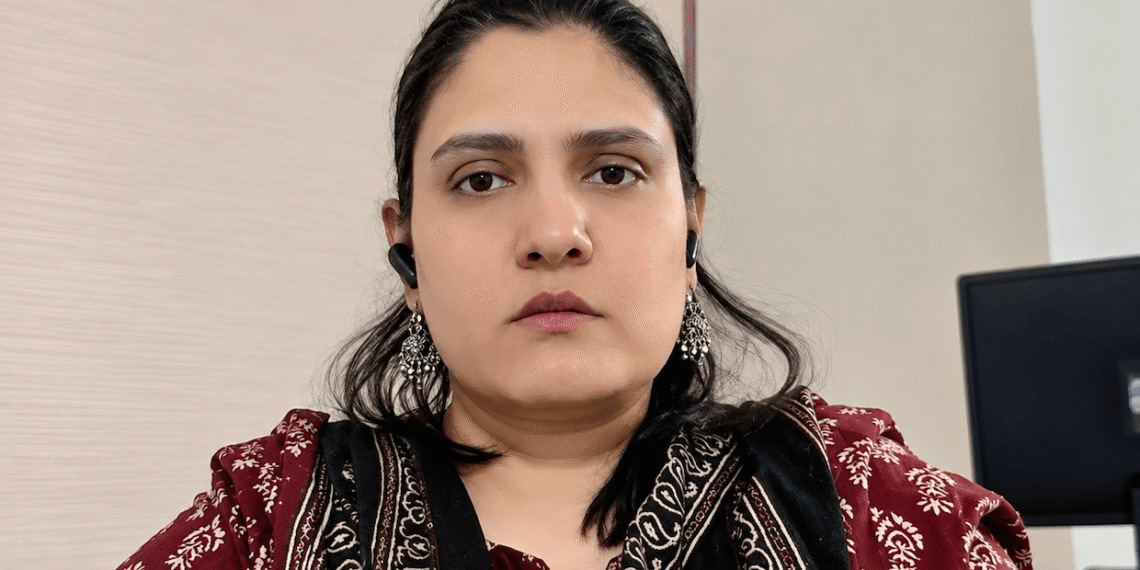
In this ECPS Voice of Youth (VoY) interview, Dr. Fizza Batool, Assistant Professor of Social Sciences at SZABIST University in Pakistan, discusses the evolution of populism studies, the methodological challenges of researching populism in diverse political contexts, and the importance of incorporating perspectives from the Global South into comparative political research. Emphasizing that “you need to understand a society in order to understand its populism,” she advocates combining qualitative interpretation with computational methods and moving beyond Western-centered frameworks. Reflecting on her research into Pakistan’s populist politics, academic mentorship, and international scholarly networks, Dr. Batool also explores the relationship between religious nationalism and populism, including her forthcoming comparative research on Pakistan and Israel, while calling for greater attention to the public demand sustaining populist movements.
Interview by Natalia Crane
As populism continues to reshape political landscapes across the world, understanding its diverse manifestations requires moving beyond Western-centered theoretical frameworks and engaging more deeply with the historical, cultural, and political contexts of individual societies. In an insightful interview for the European Center for Populism Studies (ECPS) Voice of Youth (VoY) series, Dr. Fizza Batool, Assistant Professor of Social Sciences at the Shaheed Zulfikar Ali Bhutto Institute of Science and Technology (SZABIST) University in Pakistan, reflects on the intellectual, methodological, and institutional challenges confronting contemporary populism research.
Specializing in comparative politics, democratization, peace studies, and populism, Dr. Batool brings an interdisciplinary perspective shaped by more than a decade of experience in research and development. Her academic journey began unexpectedly in the natural sciences, where she studied physics, mathematics, and astronomy before transitioning to political science. Her interest in populism subsequently emerged through research on political participation and Pakistan’s evolving political landscape.
Drawing on Ernesto Laclau’s discursive approach and Francisco Panizza’s understanding of populism as a mode of identification, Dr. Batool challenges the assumption that competing theoretical traditions must be mutually exclusive. Instead, she argues that ideational, stylistic, strategic, and discursive approaches illuminate different dimensions of the same political phenomenon. Her comparative research on Zulfikar Ali Bhutto and Imran Khan further demonstrates how conventional distinctions between inclusionary and exclusionary populism can obscure the complex intersections of nationalism, religion, and socioeconomic discourse.
Central to her scholarly perspective is the conviction that “you need to understand a society in order to understand its populism.” She emphasizes that computational techniques and quantitative analysis must be complemented by qualitative interpretation and contextual knowledge. Populism in Pakistan, she explains, cannot necessarily be understood through analytical assumptions developed in Europe or the United States.
Looking ahead, Dr. Batool discusses her forthcoming research fellowship at the German Institute for Global and Area Studies (GIGA), beginning in February 2027, where she intends to investigate the relationship between religious populism and religious nationalism. Her proposed comparison of Pakistan and Israel highlights both the intellectual possibilities of cross-regional research and the mobility restrictions confronting scholars from the Global South.
She also advocates greater attention to the demand side of populism, asking why ordinary citizens develop and maintain populist attitudes rather than focusing exclusively on political leaders and their strategies.
Beyond theoretical debates, the interview addresses academic mentorship, international research networks, methodological innovation, and the obstacles facing early-career scholars. Dr. Batool stresses that research collaboration represents a “two-way learning process” through which younger scholars contribute perspectives that established researchers may overlook.
Dr. Batool’s reflections offer a compelling argument for a more globally inclusive, context-sensitive, and methodologically pluralistic study of populism—one that recognizes the distinctive experiences of societies beyond established Western democracies.
Interview with Dr. Fizza Batool lightly edited for clarity and flow.
An Unconventional Academic Journey
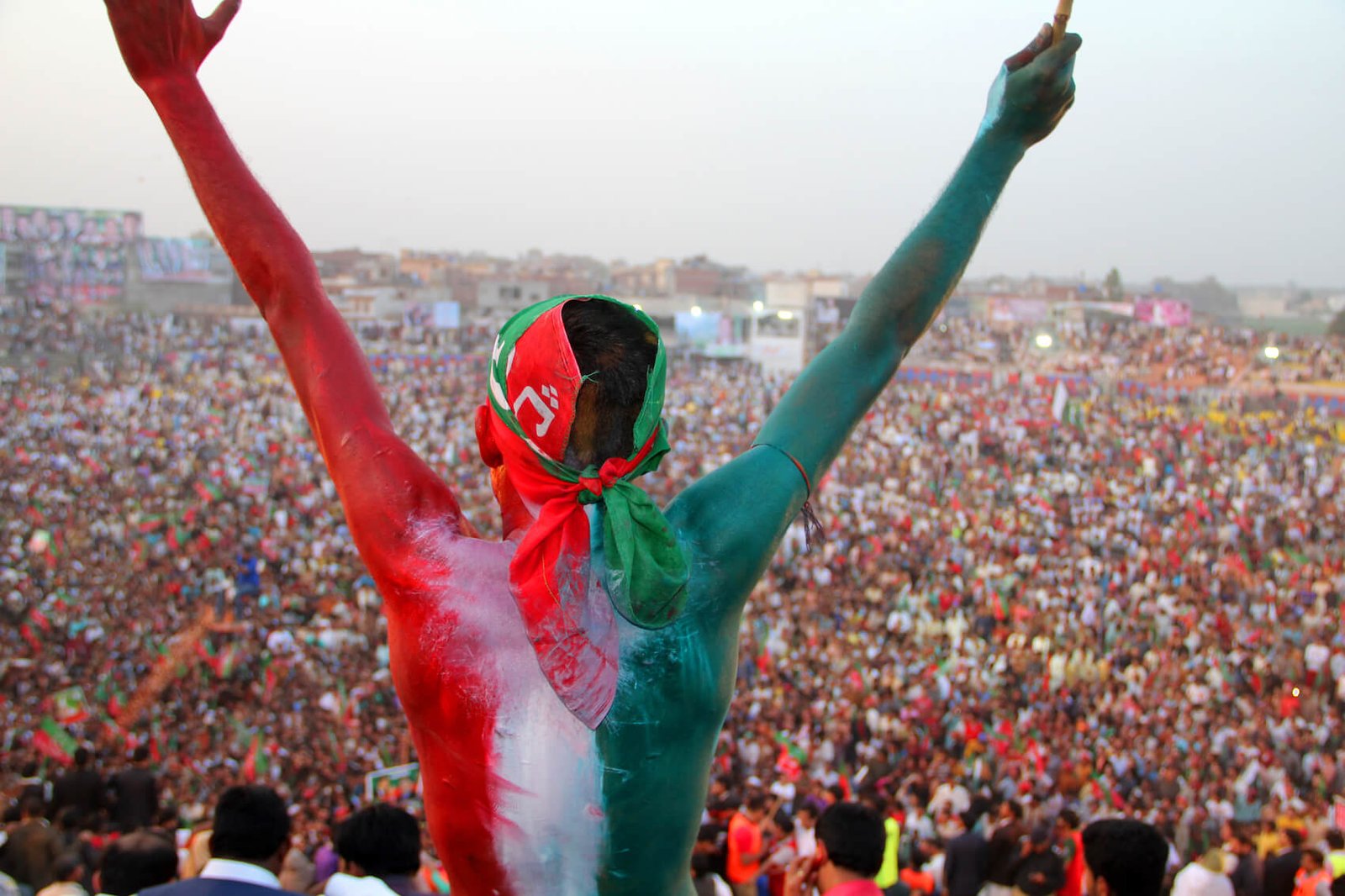
To begin, could you introduce yourself, outline your academic and professional journey, and explain how your research interests developed? What initially drew you to comparative politics, democratization, peace studies, and populism?
Dr. Fizza Batool: Thank you, Natalia, and thank you to ECPS for inviting me. I’m currently an Assistant Professor at SZABIST University in Pakistan, although from February 2027 I will be moving to Europe to take up a research fellowship at GIGA. My academic journey might be relatable to students from the Global South, but it was not a particularly conventional one. I initially graduated in the natural sciences, studying physics, mathematics, and astronomy—subjects that seem to have very little to do with populism or political science.
In many parts of the Global South, when students perform well academically, their parents do not necessarily encourage them to pursue the social sciences. It was difficult for me to make that transition, and I probably lost one or two years of my academic life trying to convince my parents that I wanted to study social sciences. Eventually, I was able to make that change, and looking at where I am today, I believe I made the right decision. I would encourage students who are considering popular or demanding fields of study to choose something they genuinely enjoy. In the long run, that will be much more rewarding.
My interest in populism developed almost by coincidence. When I began my PhD in International Relations, I was primarily interested in democracy and democratization. My doctoral research focused on political participation and voting behaviour across liberal and illiberal democracies. It was a comparative project that also incorporated quantitative and computational methods, with Pakistan as one of its case studies.
At the time, populism was not my main focus. However, Pakistan experienced a successful populist movement, and I became interested in understanding it. I kept encountering the term populism in journalistic discussions of the Pakistan Tehreek-e-Insaf (PTI) movement, and I decided that I needed to study the concept more closely. I eventually wrote a paper on the subject. The findings were quite different from what I had initially expected, and that experience encouraged me to explore populism further. That is how my research journey in this field began.
Understanding Populism: Beyond Competing Definitions
How do you define populism in your own research, and why have you adopted that particular conceptual approach? Has your understanding of populism evolved throughout your academic journey, particularly as you have explored its manifestations in Pakistan?
Dr. Fizza Batool: I began with Ernesto Laclau’s definition of populism as a discursive logic, and I still use it. I consider it one of the most useful definitions we have. I also draw on Francisco Panizza’s work on populism as a mode of identification, applying this perspective to both political leaders and citizens. However, my conceptual understanding has evolved. When I first started researching populism, I treated the different approaches—the ideational, discursive, stylistic, and strategic schools—as separate categories that were competing with one another.
After working on populism for several years and particularly following discussions with Kenneth Roberts during my postdoctoral fellowship, I began to understand these approaches differently. I now see that the differences between Laclau’s understanding of populism and the ideational approach, particularly the definition developed by Cas Mudde, are largely about the questions they seek to answer.
Laclau is more concerned with the process of populist construction: how political actors construct the people as a collective identity. The ideational, stylistic, and strategic approaches, meanwhile, tend to focus more on the outcomes of that process.
I therefore don’t necessarily see these approaches as contradictory. They have different emphases. The process Laclau describes can produce outcomes that are then examined through other approaches. For example, Benjamin Moffitt’s work on populism as a political style helps us understand how the distinction between high and low politics is communicated, while Mudde’s approach highlights the antagonistic division between the people and the elite.
I continue to use Laclau’s definition, but I don’t disagree with the other schools. I see them as offering different ways of understanding the same broader phenomenon.
Theoretical Debates and Misconceptions in Populism Studies

Populism remains one of the most contested concepts in political science. Which theoretical debates do you consider most consequential for the future of the field? And what misconceptions about populism do you encounter most frequently, both inside and outside academia?
Dr. Fizza Batool: I think we have reached a point where the debate about what populism is has become relatively settled. One misconception I frequently encounter in academic writing is the claim that populism has no clear definition. I disagree with that. I believe populism is as well-defined as other concepts in the social sciences. Most concepts begin as relatively general terms used in everyday language, newspapers, and public discussions. Eventually, social scientists begin to develop more precise definitions. This happened with democracy, nationalism, and many other concepts, and the same process occurred with populism.
A lack of complete consensus is therefore not something unique to populism. Most social science concepts have boundaries that are debated, but that does not mean we do not understand what they refer to. In populism studies, we now have a sufficiently developed understanding of the concept and how it differs from other discursive frameworks. I expect future debates to focus increasingly on how populism relates to other phenomena, particularly nationalism and authoritarianism, as well as its impact on democracy.
Outside academia, one common misconception—particularly in Pakistan—is that populism simply means being popular. The term is also frequently used as a negative or insulting label. This can make discussions difficult when engaging with audiences who are unfamiliar with its academic meaning.
There is another misconception that I encounter among people who already study populism. When I explain that I follow Laclau’s definition, some assume that everyone who uses his approach must also be a post-Marxist or must consider populism something inherently positive. I don’t think that is necessarily true. Following Laclau’s conceptualization does not mean that you automatically endorse a particular political position or view populism positively.
Methodological Challenges: Combining Discourse and Computational Analysis
How do you operationalize and measure populism in your own work, particularly when examining different political systems and contexts? What methodological challenges arise when studying populism in Pakistan, and how do you balance qualitative and quantitative approaches?
Dr. Fizza Batool: Since I started with Laclau’s definition, I was initially more interested in the process through which the people are constructed as an identity group. Empirically analyzing populism through Laclau’s approach can be challenging. Studying a process is much more difficult than examining a specific event or outcome. Applying an ideational definition, for example, can be easier because there are already established scales and methods for analyzing political speeches and populist attitudes. The same resources were not as readily available for applying Laclau’s approach.
Nevertheless, this approach also allowed me to develop a broader and more comprehensive analysis. Discourse remains my main source of data because I believe language and discourse are central to the construction of political identities. However, I have combined computational methods, including text analysis, with qualitative approaches such as discourse-historical analysis.
I don’t think computational methods alone are sufficient, particularly when applying Laclau’s framework. You always need qualitative interpretation because populism in Pakistan might mean something quite different from populism in Europe, Turkey, or the United States. Understanding these differences requires contextual knowledge, and that is where qualitative research becomes essential.
The study of populism increasingly relies on digital data, social media, and computational methods. How have these tools influenced your research, and how have they transformed the study of populist movements, particularly in South Asia?
Dr. Fizza Batool: One positive development is that social media has made large amounts of political data much more accessible. Politicians are constantly publishing statements, commenting on events, and communicating with their audiences. Even when a political event is not originally digital, a recording or written transcript of a speech can often be found online. The problem of accessing data has therefore been reduced considerably. However, the growing volume of available information also means that researchers need to enhance their analytical skills.
I began with qualitative research, which requires a great deal of in-depth analysis. I developed my computational research skills much later in my academic journey. This is something I often recommend to my students: build your quantitative and computational skills much earlier in your academic career. We are now dealing with so much information that it is no longer possible for an individual researcher to analyze everything manually. We need computational techniques, but we also need to combine computational analysis with our own understanding of the subject.
Unexpected Findings in Pakistan’s Populist Politics

In your work examining populism in Pakistan, what has been the most surprising finding? Have you encountered evidence that fundamentally challenged your original assumptions?
Dr. Fizza Batool: My first research project on populism began when I was still relatively unfamiliar with the concept. I selected a theoretical framework that was particularly popular at the time: the distinction between inclusionary and exclusionary populism.
I chose two cases from Pakistan’s political history. I expected Zulfikar Ali Bhutto, who was a left-wing populist in the 1970s, to represent inclusionary populism. Imran Khan, whom I understood as a right-wing nationalist and populist, seemed likely to represent an exclusionary form. However, when I began analyzing their speeches, I realized that the distinction was not so straightforward. Both leaders drew on religion and religious nationalism. Both used narratives that constructed divisions between Muslims and non-Muslims, including in relation to India. Nationalist discourse was very prominent in Bhutto’s speeches, despite his association with left-wing politics.
At the same time, I found considerable socialist discourse in Imran Khan’s speeches, particularly around social justice and equality. This was surprising because it challenged the categories I had initially expected to find. It also encouraged me to develop a different analytical framework, which I later applied in my first book. In many ways, my involvement in populism studies began with a finding that contradicted my original assumptions.
Researching Politically Sensitive Topics and Maintaining Objectivity
Populism frequently operates in politically polarized environments characterized by disinformation and contested narratives. Have these dynamics affected your ability to collect data and conduct research? How do you approach politically sensitive topics while maintaining scholarly rigor?
Dr. Fizza Batool: This is a particularly important question given the level of polarization we are currently witnessing. Data access, disinformation, and the wider political environment are all concerns. I come from a society where certain subjects are difficult to research. You can face discouragement, obstacles to accessing data, criticism, and even social media campaigns directed against you. However, these pressures were not my greatest concern. What I found more challenging was recognizing my own political opinions and making sure they did not influence my research.
Imran Khan was the main populist case I was studying, but I did not support him or agree with his policies. I was concerned that my personal disapproval of his politics might affect how I analyzed his movement. I, therefore, had to remind myself repeatedly that my responsibility as a researcher was to remain objective. This is a challenge that many scholars face. You might dislike Donald Trump as a person or disagree with his politics, for example, but when researching his political movement, you still need to approach the subject analytically.
There are several tools that can help. Computational analysis can be useful because it allows researchers to examine data systematically before interpreting the results. A clearly defined theoretical framework is equally important, even when conducting qualitative research. You need to operationalize every concept you use. If you are studying democratic backsliding or political polarization, for example, you need to explain precisely what you mean by those terms and how you intend to identify them in your research. You cannot be completely neutral, but you can take steps to make your research more objective.
Academia, Public Debate, and the Role of the Classroom
Given your experience in academic research, policy research, and contributing to English-language newspapers and international publications, do you believe scholars have a responsibility to intervene in public discussions? How do you communicate complex academic findings to broader audiences?
Dr. Fizza Batool: I entered academia after spending several years working in policy research. My first professional engagement was, therefore, with policymakers and public institutions. Later, I began writing academic papers and books.
When I initially moved into an academic career, I thought that policy commentary and newspaper articles would remain my main ways of engaging with the public. However, I have come to believe that the classroom is one of the most important places where scholars can initiate these discussions.
With technological developments and the availability of large language models, access to information is no longer the main problem. Students can find information relatively easily. Therefore, we should not treat the classroom simply as a place where lecturers transfer information. Instead, it should be a space where we initiate debates and inspire students. I try to use my classroom to teach students how to be tolerant of different perspectives and how to engage constructively with disagreement.
Of course, students represent only a relatively small and often highly educated section of society. But they will eventually enter different professions and areas of public life. The discussions they experience in the classroom can therefore influence how they approach disagreements and political debates in the future. I believe this is one of the most important tools available to academics.
Looking Beyond Populism as a Challenge to Democracy
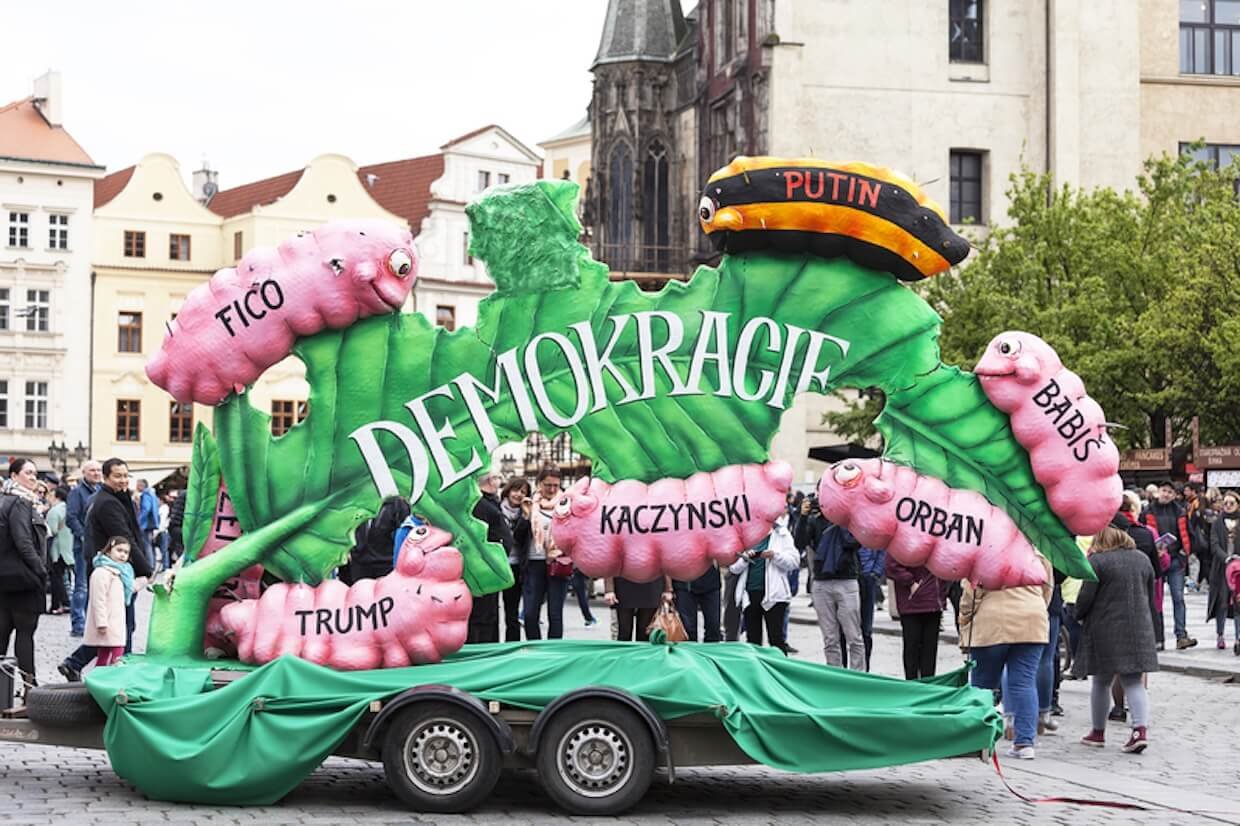
Photo: Jolanta Wojcicka.
Beyond academic publications, what impact would you ideally like your research to have? How can scholarly work contribute to addressing democratic challenges associated with populism, political polarization, and institutional instability, particularly in developing democracies?
Dr. Fizza Batool: One impact I would really like to have is to encourage people to look beyond the idea that populism is the only challenge facing democracy. There is currently considerable attention devoted to populism, but I believe several other forces are working together and contributing to the challenges facing democratic systems. We also need to examine the problems that emerge from within democracy itself.
We need to be critical and progressive in the sense that we should look for practical solutions—not only for established democracies, but also for hybrid regimes and autocracies. How can these societies be transformed? Questions of social justice, economic equality, and other structural factors are important to this discussion.
I also believe scholars should be careful not to become advocates who simply decide what is good or bad. Earlier in my career, I was more inclined to approach research in that way, but I now try to position myself as an analyst. My responsibility is to present the findings of my research rather than provide moral judgements. I want to give readers the results of my analysis and allow them to decide what they make of them.
International Collaboration and Opportunities for Global South Scholars
How has cooperation with other scholars, academic networks, and initiatives such as the ECPS Early Career Researchers Network influenced your research and professional development?
Dr. Fizza Batool: I consider myself fortunate to have been among the scholars in Pakistan who began working on populism and were introduced to international researchers relatively early in their careers. When I submitted my first research paper on populism, I had no idea that one of the reviewers was Ihsan Yilmaz. Because the paper underwent blind peer review, he did not know who had written it either.
Later, when I was looking for a supervisor for my postdoctoral research, I contacted him and shared the paper. He told me that he had been one of its reviewers and that he considered it an excellent piece of research. That was how I was introduced to him, and subsequently to ECPS.
I attended the ECPS Summer School and was able to meet many other scholars working on populism. This was the beginning of a much wider academic network.
I strongly believe that these networks play a very important role, particularly for scholars from the Global South. Researchers in these countries often have limited access to academic databases and research funding, and they may also lack the guidance and institutional support available elsewhere. I would therefore encourage scholars from the Global South to join international networks and become part of the wider academic community working on their research topics.
I have also been fortunate to work with senior scholars such as Kirk Hawkins and Ihsan Yilmaz. During my postdoctoral fellowship at Central European University, I worked with senior academics who became important role models for me. Beyond the knowledge they shared, they showed me how to support early-career researchers. They taught me that mentorship is not only about transferring knowledge, but also about encouraging younger scholars and helping them develop professionally. That is something I now try to do with my own students. I believe this connection between generations of scholars needs to continue and should never be broken.
Professional Challenges and the Importance of Academic Mobility
Having worked for more than a decade in the research and development sector, including in managerial positions, before and alongside your academic career, what have been your greatest personal and professional challenges? How has moving between policy-oriented work and academia influenced your approach?
Dr. Fizza Batool: As someone based in Pakistan, one of the greatest challenges is mobility. Pakistani citizens face significant difficulties in obtaining visas and attending international conferences. Travel grants are not always available, and universities do not necessarily provide financial support for international academic participation. Researchers therefore often depend on grants offered by external organizations and must repeatedly apply for funding to attend conferences and academic events.
This connects to the importance of international collaboration. Academic exchange is always a two-way learning process. It is not simply about providing students with access to international networks; younger researchers also bring perspectives and knowledge that more established scholars may not have considered. A younger student might see something differently, and that perspective can be valuable. This is why academic mobility is particularly important for early-career researchers, even though it remains difficult for many of them.
As scholars progress in their careers, they also face the challenge of balancing research with teaching and administrative responsibilities. These are common difficulties for academics everywhere.
On a personal level, I have been fortunate to have a very supportive family. My first postdoctoral fellowship took place only a few months after my wedding, and my husband was extremely encouraging. He supported my decision to spend eight months away for the fellowship, even though it was at the beginning of our life together.
I therefore experienced fewer personal obstacles, although professional challenges have certainly been present. Ultimately, I believe persistence is essential when navigating these challenges.
The Rewards of Academic Research

Looking back at your academic and professional journey, what has been the most rewarding aspect of your research? Is there anything you would approach differently if you were beginning your academic career today?
Dr. Fizza Batool: One of the most rewarding experiences has been seeing my books published. Holding them in print was a particularly meaningful moment.
Another important experience was receiving my first postdoctoral fellowship. I had spent almost a year contacting scholars, applying for different opportunities, and receiving rejections. When the fellowship finally came through, it was an extremely rewarding moment. Rejection is never easy, and it can be discouraging. However, you need to be prepared for it. With persistence, you can eventually find opportunities.
I also find it very rewarding to see my students develop. When you supervise and teach students and later see them grow in their careers, it is a particularly fulfilling experience.
If I could go back and change something, I would develop my computational skills much earlier and begin publishing sooner. Because I entered academia after working in policy research, I started publishing relatively late. My advice to students would be to begin developing the skills they want to use in their careers as early as possible. It is important to balance learning information with building practical research skills.
Intellectual Influences and Academic Mentorship
Who or what has most profoundly influenced your intellectual development? Are there particular scholars, books, political experiences, or academic traditions that have shaped your thinking about populism, comparative democratization, and peace studies?
Dr. Fizza Batool: When it comes to academic literature, Francisco Panizza’s work has been particularly influential. I sometimes wish he had written more on populism because his application of Laclau’s definition to understand populism at the level of the public was, for me, a very different and valuable approach. I don’t think it has received as much attention as it deserves.
I am also currently working with Kirk Hawkins on a paper, and he has been another important intellectual influence. I have written two books with Ihsan Yilmaz, who has influenced me not only as a scholar but also through his personal qualities. He is an excellent person, and that has been a positive influence on me.
Beyond individual scholars, I also learn from the regions I research. Every region has its own particularities, and my experiences working in different academic, political, and social environments have influenced how I approach my work.
Advice for the Next Generation of Political Scientists
As universities become increasingly internationalized and research more competitive, what skills do young political scientists need most in order to thrive? What advice would you offer to the next generation of scholars entering the field?
Dr. Fizza Batool: I have already mentioned the importance of developing computational and data-analysis skills, as well as understanding that rejection is part of the academic process.
Another thing I would encourage students to do is focus more on theoretical reading. Empirical research is important and rewarding, but young scholars should also learn to question existing theories rather than simply apply them.
Try to think differently and be critical of the theoretical frameworks you encounter. If you begin working on theoretical development early in your academic career, it can help you establish a stronger foundation as a researcher and support your future development.
The Future of Populism Studies: A More Global Perspective
Where do you see populism studies evolving over the next decade? Should greater attention be given to populism beyond Western democracies, particularly in South Asia and other developing political contexts? Which neglected research areas deserve more attention?
Dr. Fizza Batool: I certainly believe that populism studies need to become more global. We need to understand more cases because each one contributes something different to the field.
I also expect to see more debate about the relationship between populism and other political phenomena, including nationalism, securitization, and other ideological and discursive frameworks. I don’t see populism studies losing relevance. On the contrary, I believe it will become increasingly important.
There are, however, several areas that remain under-researched.
One is the demand side of populism. Apart from the populist attitude scales that already exist, we have not explored enough alternative methods for measuring populism among the public. I have tried to address this in one of my books, but I believe we need to develop further qualitative and quantitative techniques to understand and empirically analyze populist demand.
Another area is the relationship between populist leaders in power and the foreign policies they develop. Although foreign policy has received more attention in recent years, there is still considerable room for research.
I am also currently interested in the relationship between religious nationalism and religious populism. There is already a substantial body of work on both subjects individually, but I want to understand how religious nationalism contributes to religious populism, and whether the relationship also works in the opposite direction.
I expect these connections to become increasingly important in future research.
Religious Populism, Nationalism, and the Case of Israel
If resources, time, and institutional constraints were no obstacle, what research project would you most like to pursue? More broadly, what do you hope will be the lasting contribution of your work to scholarship and public understanding?
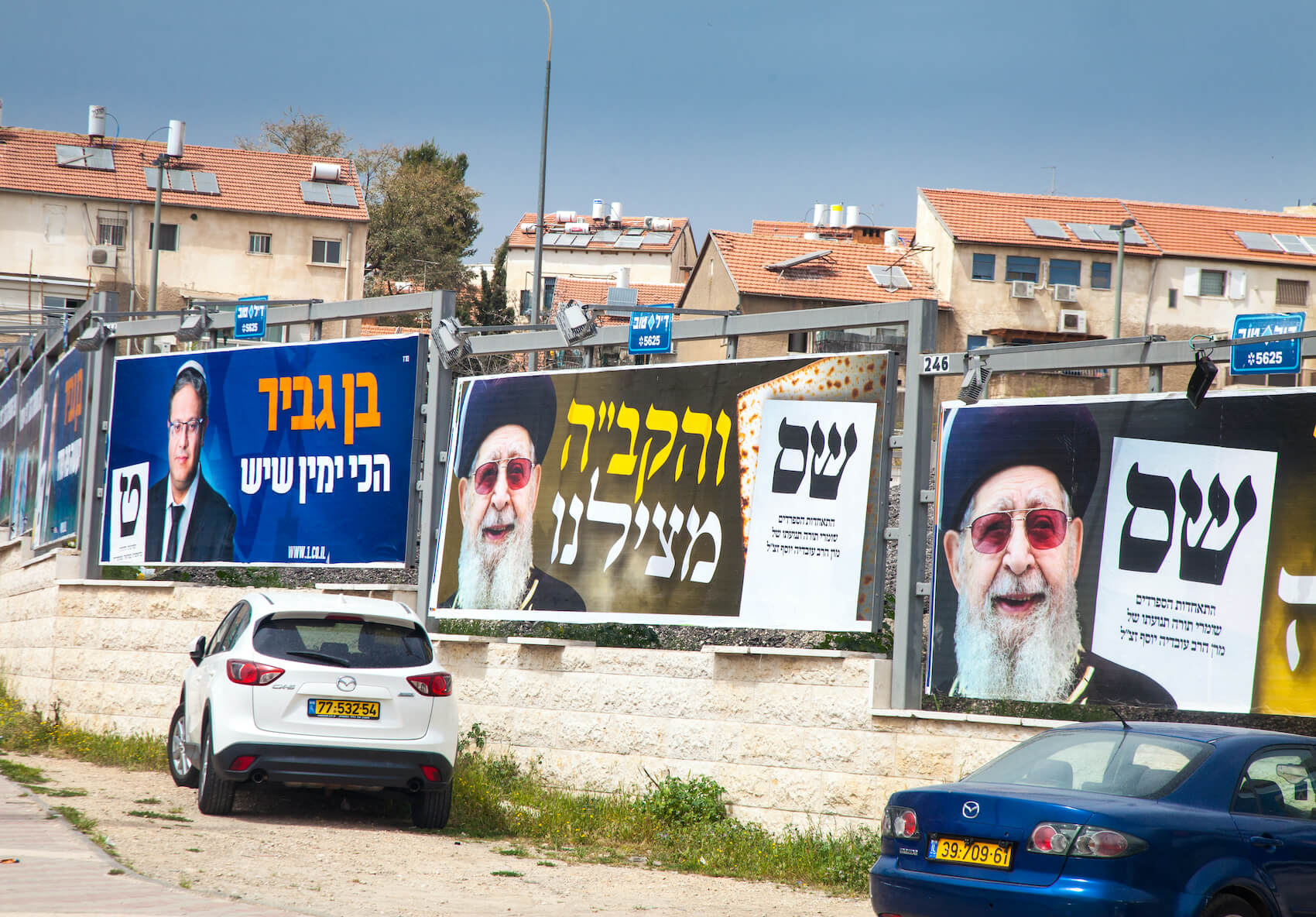
Dr. Fizza Batool: For the postdoctoral fellowship I will begin in February 2027, I will be working on the relationship between religious populism and religious nationalism. One of my case studies will be Israel, and I would really like to visit the country and study it in person.
I believe Israel shares several important characteristics with Pakistan. Both countries were founded with religion playing a central role in their national projects, and religious nationalism was present from the beginning of their political histories. I would therefore like to compare Pakistan and Israel.
However, as a Pakistani citizen, I cannot currently visit Israel because travel there is not permitted under my passport arrangements. This presents an important practical obstacle, so I will have to rely on publicly available data. If these barriers were ever removed, I would love to spend time in Israel and study its society directly. I have always believed that you need to understand a society in order to understand its populism.
Another important contribution I would like to make is to develop research on the demand side of populism. We already know from existing populist attitude scales that populist attitudes are widespread, but the question of why people develop and maintain these attitudes remains important.
There is considerable research on how populist leaders operate within society, but I think we need to understand more about the public demand that sustains populism. That is an area I would really like to explore further.