Please cite as:
ECPS Staff. (2026). “ECPS Symposium 2026 / Panel 5: Democratic Resistance in a Hardening World — Civic Capacity, Strongmen, and Economic Coercion.” European Center for Populism Studies (ECPS). April 28, 2026. https://doi.org/10.55271/rp00154
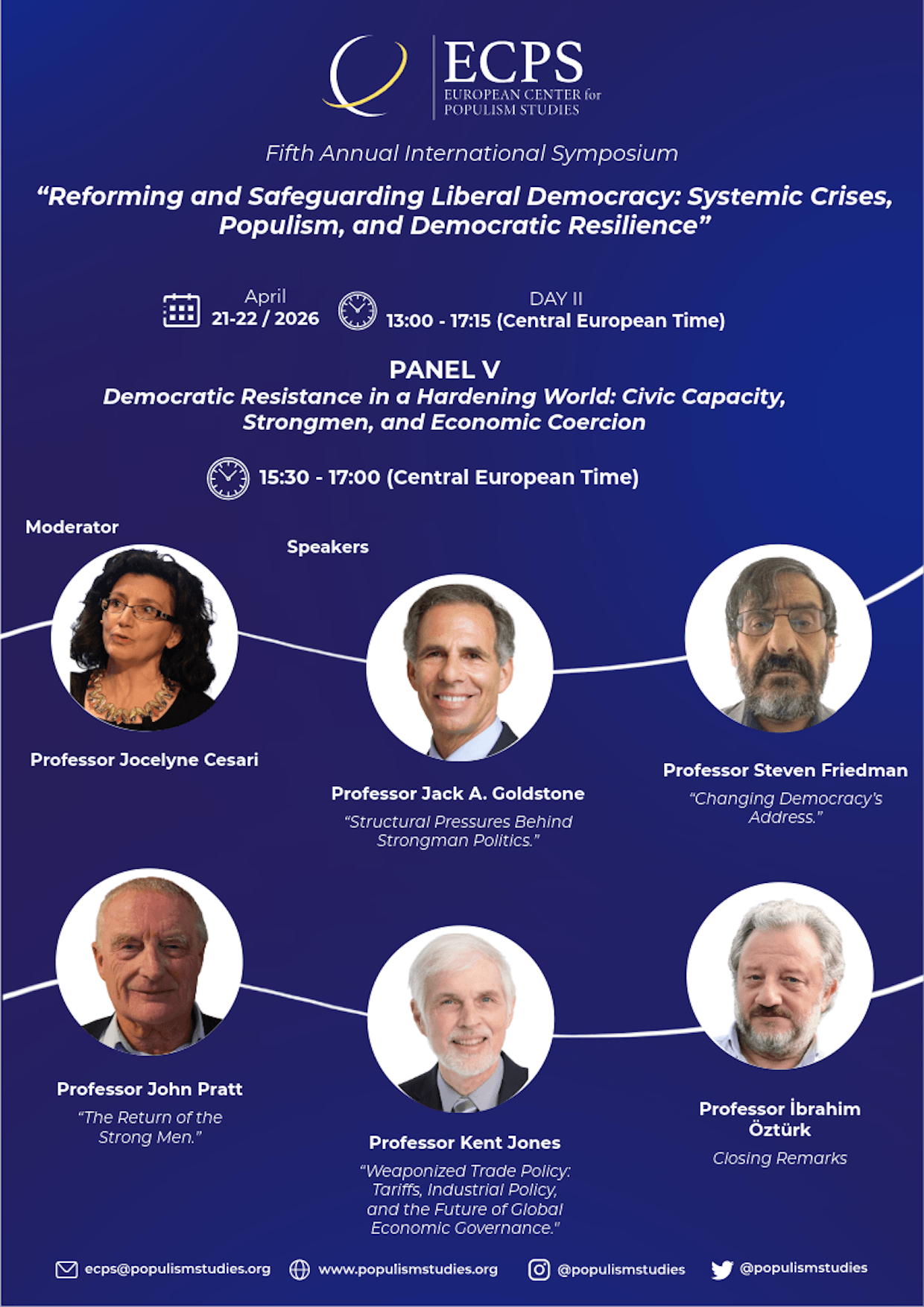
Panel 5 of the ECPS Fifth Annual International Symposium, moderated by Professor Jocelyne Cesari, offered a comprehensive examination of democratic resistance amid intensifying global pressures. Bringing together perspectives from political sociology, democratic theory, criminology, and international political economy, the panel illuminated how structural inequality, cultural backlash, institutional erosion, and coercive economic practices converge to sustain contemporary strongman politics. Contributions by Professor Jack A. Goldstone, Professor Steven Friedman, Professor John Pratt, and Professor Kent Jones underscored that democratic backsliding is not reducible to leadership alone but reflects deeper transformations in governance, legitimacy, and global order. The panel ultimately highlighted the urgent need to rethink democratic resilience beyond institutional safeguards toward structural and societal renewal.
Reported by ECPS Staff
Panel 5, titled “Democratic Resistance in a Hardening World: Civic Capacity, Strongmen, and Economic Coercion,”concluded on April 22, 2026, the second day of the ECPS Fifth Annual International Symposium, “Reforming and Safeguarding Liberal Democracy: Systemic Crises, Populism, and Democratic Resilience.” Moderated by Professor Jocelyne Cesari, Professor and Chair of Religion and Politics at the University of Birmingham and Senior Fellow at Georgetown University’s Berkley Center, the panel examined the structural, ideological, institutional, and economic forces driving contemporary democratic erosion and the resurgence of strongman politics.
Professor Cesari’s moderation situated the panel within the symposium’s broader concern with democratic resilience under conditions of systemic crisis. The session brought together four distinguished scholars whose presentations approached the hardening global political environment from complementary disciplinary perspectives: historical sociology, political theory, criminology, and international political economy. Together, they explored how economic insecurity, democratic disillusionment, punitive politics, cultural backlash, and coercive trade policy have reshaped the terrain on which liberal democracy must now defend itself.
Professor Jack A. Goldstone, Virginia E. and John T. Hazel, Jr. Professor of Public Policy at George Mason University and Senior Fellow of the Mercatus Center, opened the panel with “Structural Pressures Behind Strongman Politics.”Professor Goldstone argued that the rise of authoritarian-populist leaders cannot be explained simply by demagoguery or declining democratic values. Rather, it reflects long-term structural pressures, including globalization, technological displacement, regional inequality, immigration surges, cultural diversification, fiscal stress, and declining confidence in mainstream institutions.
Professor Steven Friedman, Research Professor of Politics at the University of Johannesburg and former Director of the Centre for the Study of Democracy, followed with “Changing Democracy’s Address.” Professor Friedman challenged the assumption that contemporary democratic crises reflect a popular rejection of democracy itself. Instead, he argued that the dominant post-Cold War model of democracy has failed by neglecting private power and by presenting democracy as inherently Western, thereby weakening its legitimacy both in established democracies and across the Global South.
Professor John Pratt, Emeritus Professor of Criminology at Victoria University of Wellington, then presented “The Return of the Strong Men.” Professor Pratt traced the contemporary rise of populist strongmen to the neoliberal restructuring of the 1980s, the resulting legitimacy deficit, and the emergence of penal populism, anti-expert politics, enemy construction, and strongman promises of protection.
Professor Kent Jones, Professor Emeritus of International Economics at Babson College, concluded the presentations with “Weaponized Trade Policy: Tariffs, Industrial Policy, and the Future of Global Economic Governance.” Professor Jones analyzed how Trump’s populist trade agenda undermined the rules-based global trading system, transforming tariffs into instruments of executive power, coercion, and institutional destabilization.
Thıs, Panel 5 offered a wide-ranging account of democratic resistance in an era marked by structural insecurity, institutional erosion, and globalized authoritarian repertoires.
Professor Jack A. Goldstone: Structural Pressures Behind Strongman Politics
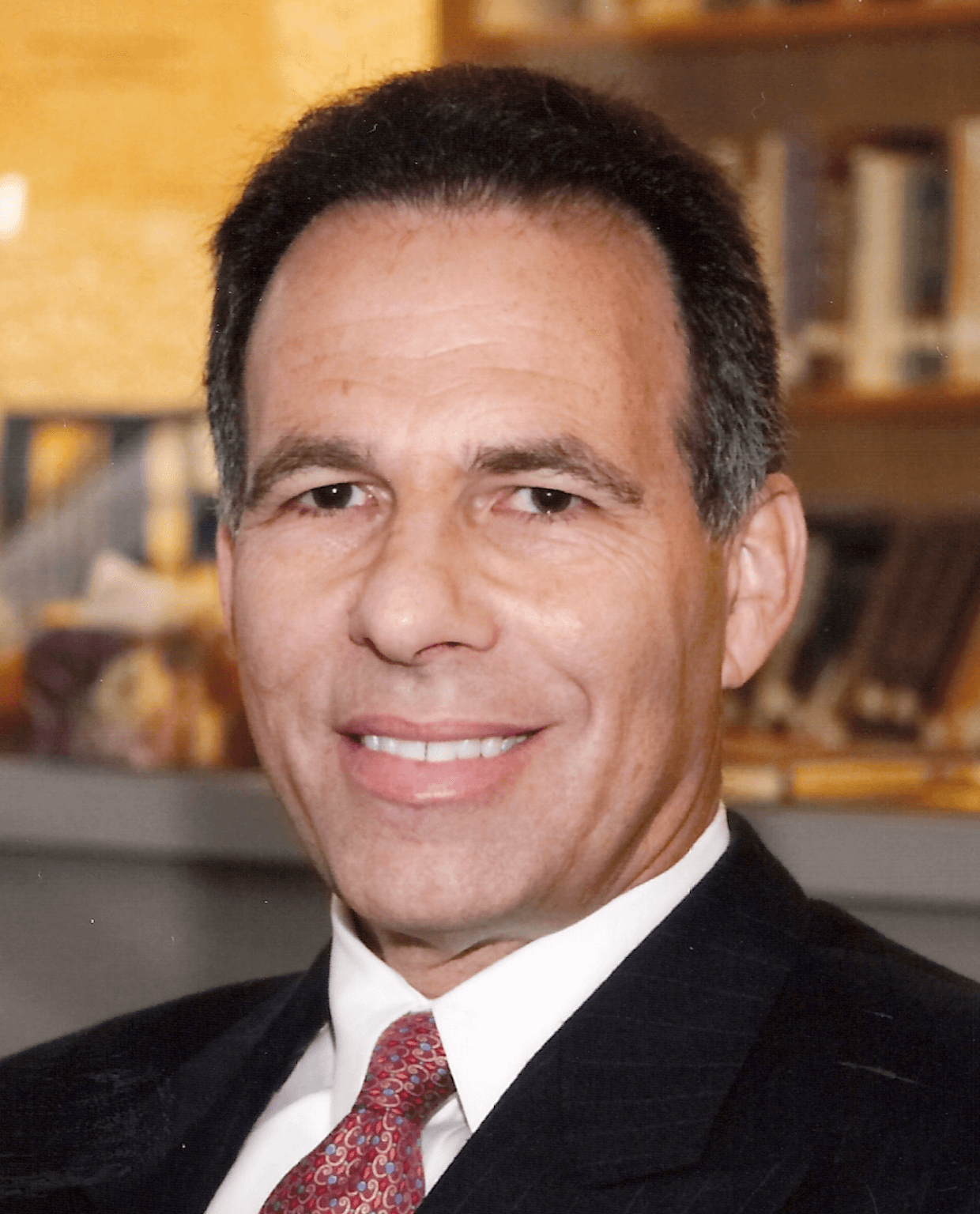
Professor Jack A. Goldstone’s presentation offered a structural account of the contemporary rise of strongman politics, situating it within long-term global transformations rather than attributing it to short-term political manipulation or individual leadership alone. Professor Goldstone began by emphasizing that authoritarian-populist leadership is now a genuinely global phenomenon, visible across the United States, Europe, Asia, and Latin America. This global spread, he argued, necessitates a shift in analytical focus: rather than concentrating solely on leaders or rhetoric, scholars and policymakers must examine the underlying structural pressures that have made such leadership politically viable and electorally successful.
Rejecting explanations that attribute democratic erosion to a simple decline in civic values or generational amnesia, Professor Goldstone noted that support for authoritarian-populist movements often comes disproportionately from older voters rather than younger cohorts. Nor, he argued, can the phenomenon be reduced to the manipulative success of demagogues. While acknowledging that leaders such as Donald Trump, Jair Bolsonaro, and Recep Tayyip Erdoğan have pursued personalistic and patrimonial forms of governance once in power, Professor Goldstone insisted that their ascent reflects genuine electoral demand for change. This demand, in turn, is rooted in structural transformations that have unfolded over several decades.
At the theoretical level, Professor Goldstone reaffirmed a key insight of modernization theory: rising prosperity and autonomy tend, over the long term, to foster demands for democratic accountability. However, he stressed that this trajectory is not linear. Periods of widespread anxiety and insecurity can reverse democratic inclinations, pushing citizens toward leaders who promise order, protection, and decisive action. Drawing historical parallels, Professor Goldstone suggested that the present moment resembles earlier waves of global instability, particularly the 1930s, when fear and uncertainty contributed to the erosion of democratic norms.
Structural Pressures Behind Strongman Politics
Professor Goldstone identified four principal structural pressures driving this contemporary wave. The first concerns the long-term economic transformations associated with globalization and technological change since the 1980s. These processes have disproportionately harmed working-class communities, particularly those dependent on manufacturing and mid-skill employment. While globalization generated aggregate economic gains, including lower consumer prices and expanded opportunities in high-skill service sectors, its benefits were unevenly distributed. Major metropolitan areas prospered, while rural and small-town regions experienced economic decline, reduced social mobility, and loss of status. Professor Goldstone highlighted the emergence of stark regional inequalities across countries, from the United States to Germany and the United Kingdom. These inequalities have been compounded by policy responses that prioritized corporate competitiveness—through deregulation, tax reductions, and the weakening of labor unions—over the protection of vulnerable communities. The result has been rising inequality, declining life prospects for many citizens, and a growing sense of economic insecurity.
The second structural pressure identified by Professor Goldstone relates to surges in immigration. While acknowledging that immigration can be economically beneficial and socially enriching, he argued that sudden and large-scale increases in migration generate widespread anxiety, even among populations that are generally supportive of immigration. These surges create perceptions of insecurity and loss of control, particularly when political elites fail to respond in ways that address public concerns. According to Professor Goldstone, elite discourse often emphasized tolerance and openness without adequately recognizing the psychological and social impact of rapid demographic change. This disconnect contributed to social tensions, anti-immigrant backlash, and growing distrust toward political elites.
A third factor concerns the broader increase in ethnic, cultural, and religious diversity. Professor Goldstone noted that diversification has been a global trend, but its political consequences vary depending on how it is managed. In many cases, right-wing actors have framed diversity as a threat to social cohesion and national identity. At the same time, Professor Goldstone argued that both progressive and conservative elites have struggled to respond effectively. In particular, he pointed to a widening cultural gap between elites and ordinary citizens, especially in relation to religion. Contrary to earlier expectations of secularization, religious identity remains a significant source of meaning and dignity for many individuals. Elite dismissiveness toward religious values, combined with policies perceived as privileging minorities, has fueled resentment and reinforced perceptions of cultural marginalization.
The fourth structural pressure identified by Professor Goldstone involves fiscal constraints and rising public debt. Increasing expenditures on pensions, healthcare, and interest payments have placed significant strain on government budgets. At the same time, political systems have struggled to address these challenges effectively, leading to persistent deficits and intensifying conflicts over resource allocation. According to Professor Goldstone, this fiscal environment has contributed to perceptions of governmental inefficiency and corruption, further eroding public trust in democratic institutions.
Erosion of Trust and the Rise of Populism
Taken together, these structural developments have produced a broad-based decline in confidence in political institutions, mainstream parties, and traditional media. This erosion of trust creates fertile ground for outsider candidates and anti-establishment movements. Professor Goldstone addressed the question of why this discontent has more often translated into right-wing rather than left-wing populism. While acknowledging the presence of left-wing populist movements, he argued that right-wing actors have been more effective in directing public anger toward cultural, intellectual, and political elites, rather than toward economic elites alone. In the current context, many citizens perceive professional and globalist elites as more directly responsible for their grievances than corporate actors.
Professor Goldstone also questioned the adequacy of the concept of “democratic backsliding” in describing recent developments, particularly in long-established democracies. In the case of the United States, he suggested that current dynamics more closely resemble a form of political transformation akin to a revolutionary shift, in which longstanding democratic arrangements are being fundamentally challenged. This perspective underscores the depth of the crisis and the extent of institutional change underway.
Despite this diagnosis, Professor Goldstone rejected the notion that such developments are inevitable or irreversible. Drawing on historical experience, he emphasized that periods of democratic erosion can be countered and reversed. However, he cautioned that removing individual leaders from power is insufficient. Lasting democratic recovery requires addressing the structural conditions that generated widespread discontent in the first place. This includes restoring social mobility, reducing inequality, strengthening public goods provision, and rebuilding trust in political institutions.
Professor Goldstone argued that democratic resilience ultimately depends on the ability of political systems to respond effectively to citizens’ concerns. Policies perceived as favoring corporate interests over workers, or prioritizing minority groups at the expense of broader societal cohesion, risk further undermining public confidence. Conversely, political strategies that focus on widely shared concerns—such as economic security, affordability, and corruption—may help rebuild support for democratic governance.
In his concluding remarks, Professor Goldstone emphasized that the current crisis reflects not only political failures but also deeper misjudgments by global elites in the post-Cold War era. The assumption that economic growth and globalization alone would ensure social and political stability proved misguided. By neglecting issues such as inequality, cultural identity, and social cohesion, elites contributed to the conditions that have enabled the rise of authoritarian-populist movements. Addressing these structural imbalances, Professor Goldstone concluded, is essential for restoring democratic legitimacy and resilience in the years ahead.
Professor Steven Friedman: Changing Democracy’s Address

Professor Steven Friedman’s presentation offered a critical reflection on the contemporary crisis of democracy from the vantage point of South Africa and the Global South. He situated his remarks within his own experience of having lived under an undemocratic system before South Africa’s democratic transition in the mid-1990s. That transition occurred during the height of the global democratization wave and was accompanied by considerable optimism about the possibilities of democratic renewal. For Professor Friedman, the ideas associated with transition-to-democracy scholarship were deeply inspiring because they appeared to offer a way out of authoritarian rule. Yet, three decades later, he argued, the democratic model that generated such hope is itself in crisis.
Professor Friedman framed his central argument around the collapse of the particular model of democracy that became dominant in the 1990s. He stressed that the current moment should not be understood as a wholesale rejection of democracy itself. Rather, many citizens are rejecting a specific model of democracy that has failed to constrain certain forms of power and has presented democracy as essentially Western. This distinction, for Professor Friedman, is crucial: the problem is not democracy as such, but the limitations of the version of democracy that was globalized after the Cold War.
To illustrate the changing democratic landscape, Professor Friedman recounted an anecdote from his own academic experience. After publishing a book on Jewish identity and Palestine-related issues, he was invited by colleagues in Germany to present his work. Shortly before the seminar, he was informed that several colleagues would not participate because they feared losing their jobs if they joined the discussion. Others were prepared to attend but unwilling to ask questions for the same reason. Professor Friedman found this striking, given that he had once lived in a country without freedom of speech and had envied countries where open debate was possible. He now found himself in a South Africa where he felt able to speak freely, while European colleagues appeared increasingly constrained. This anecdote served as an entry point into his broader argument about the erosion of democratic freedoms in established democracies.
The Failure to Constrain Private Power
Professor Friedman challenged the common explanation that contemporary authoritarian-populist advances reflect majorities turning against democracy. He argued that this claim does not withstand empirical scrutiny. Donald Trump, he noted, was elected with approximately 31 percent of the voting-age population. If 69 percent did not vote for him, the key question is not why the majority chose authoritarianism, but why a minority was able to impose itself politically. Professor Friedman extended this point comparatively, observing that anti-democratic right-wing parties often do not win majority support. Even Narendra Modi, at the height of his power, secured a parliamentary majority with 42 percent of the vote. The problem, therefore, is not necessarily that majorities have embraced authoritarianism, but that minority forces are being enabled to dominate political systems, sometimes because majorities withdraw or disengage.
Professor Friedman attributed this disengagement to two core conditions embedded in the dominant post-1990s model of democracy. The first is the failure to democratize private power. In the prevailing model, democracy is understood mainly as a relationship between government and citizens: public power is held accountable by citizens, while citizens are assumed to be powerless political equals. Yet Professor Friedman argued that this conception ignores the reality that some citizens possess immense private power. Figures such as Elon Musk, Jeff Bezos, and Mark Zuckerberg cannot plausibly be understood simply as powerless citizens trying to hold government to account. They exercise power over others and shape public life in profound ways. A workable democratic model, Professor Friedman argued, must therefore constrain private power just as it constrains public power.
According to Professor Friedman, the 1990s model largely excluded this dimension. It coincided with a broader hollowing out of democracy in older Western democracies, where parties that had previously constrained private power increasingly stopped doing so. He cited the Clinton administration in the United States and New Labour under Tony Blair in the United Kingdom as examples of this shift. The postwar idea that government should ensure private power remained accountable to citizens gradually eroded. Whether theory followed practice or practice followed theory, Professor Friedman argued, the result was the same: democracy became less capable of meeting people’s needs.
This failure, he suggested, helps explain political disengagement. When citizens find that voting does not change their material conditions, labor market exclusion, or exposure to economic insecurity, they lose motivation to participate. Professor Friedman referred to research suggesting that Trump’s 2024 victory was shaped not only by active support but by the fact that millions who had voted against him in 2020 did not vote against him in 2024. He also noted evidence that Democratic candidates who challenged private power—by addressing high prices, exploitation, and unfair commercial practices—performed significantly better than those who did not. For Professor Friedman, this indicates that democratic renewal requires confronting private power within a liberal democratic framework. He emphasized that constraining private power is not contrary to liberal democracy; rather, it is integral to it when done within the rule of law.
Democracy as a Western Construct: A Contested Assumption
The second condition Professor Friedman identified is the assumption that democracy is inherently Western. He argued that the post-Cold War model often presented democracy as a gift from the West to the rest of the world. While this was rarely stated crudely, it was embedded in scholarly and policy frameworks, particularly in democratic consolidation theory. In his view, such approaches often asked not whether democracies were genuine or durable, but whether they were “Western enough.” This assumption has had damaging consequences, especially in the Global South.
Professor Friedman illustrated this through African debates in which anti-Western actors reject democracy precisely because they view it as Western. He referred to military coups in West Africa, where opposition to French influence has been linked to claims that democracy itself is a Western imposition. In Burkina Faso, he noted, the country’s leader recently dismissed democracy as unsuitable because it is allegedly Western. For Professor Friedman, those who defend democracy in Africa are not helped when Western scholars and policymakers reproduce the same assumption that democracy belongs to the West.
Professor Friedman connected this issue to multiculturalism in Western democracies. He argued that Western elites have struggled to adjust to multicultural realities partly because of an underlying assumption that democracy is culturally Western and that too much non-Western participation creates a problem. This, he suggested, can be empirically demonstrated in debates over immigration, rights, and citizenship.
The Palestine issue, for Professor Friedman, brings together both failures: the inability to constrain private power and the Westernization of democracy. He argued that Palestine has become a core democratic issue in established democracies for two reasons. First, support by Western elites for Israeli state actions in Palestine has provided a rationale for the retrenchment of democratic rights, including restrictions on protest, academic freedom, freedom of speech, and freedom to organize. Second, Palestine reveals a widening gap between citizens and elites. Polls after October 7, 2023, showed significant majorities in many established democracies supporting a ceasefire and an end to violence, yet political leadership often ignored these preferences. Professor Friedman suggested that one reason for this gap is the failure to constrain private power: politicians become more responsive to those with money than to those who vote for them.
Elite Responsibility and the Rightward Drift
Professor Friedman also rejected the tendency to blame ordinary citizens for democratic erosion. He argued that much of the responsibility lies with elites, especially the movement of the democratic center and conservative parties toward the right. In several countries, the traditional alternation between center-left and democratic center-right has weakened because the center-right itself has shifted or collapsed. He cited the United Kingdom, where the political choice increasingly appears to be between Labour and Reform, and France, where the alternative to Macron is no longer a Gaullist democratic right but the far right. This, he suggested, echoes the 1930s, when democratic collapse was substantially an elite failure rather than simply a popular one.
In the final section of his presentation, Professor Friedman developed the metaphor of democracy’s “change of address.” For those outside the West, he argued, the assumption that democracy is inherently Western has lost credibility. The future of democracy can no longer be understood as something decided primarily in the West. This does not mean that Global South democracies are all healthy or that Western democracies are uniformly failing. Rather, because democratic crisis is global, the idea of the West as democracy’s natural beacon has become untenable.
Professor Friedman concluded by calling for a renewed understanding of democracy grounded in its intrinsic value rather than its association with Western modernity, prosperity, or sophistication. Democracy should be embraced because people everywhere desire a share in the choices that affect their lives and because they value the freedoms that make such participation possible. For Professor Friedman, the task facing democratic actors in South Africa, the Global South, and beyond is to defend democracy not as a Western import, but as the most desirable form of social organization yet invented.
Professor Kent Jones: Weaponized Trade Policy — Tariffs, Industrial Policy, and the Future of Global Economic Governance
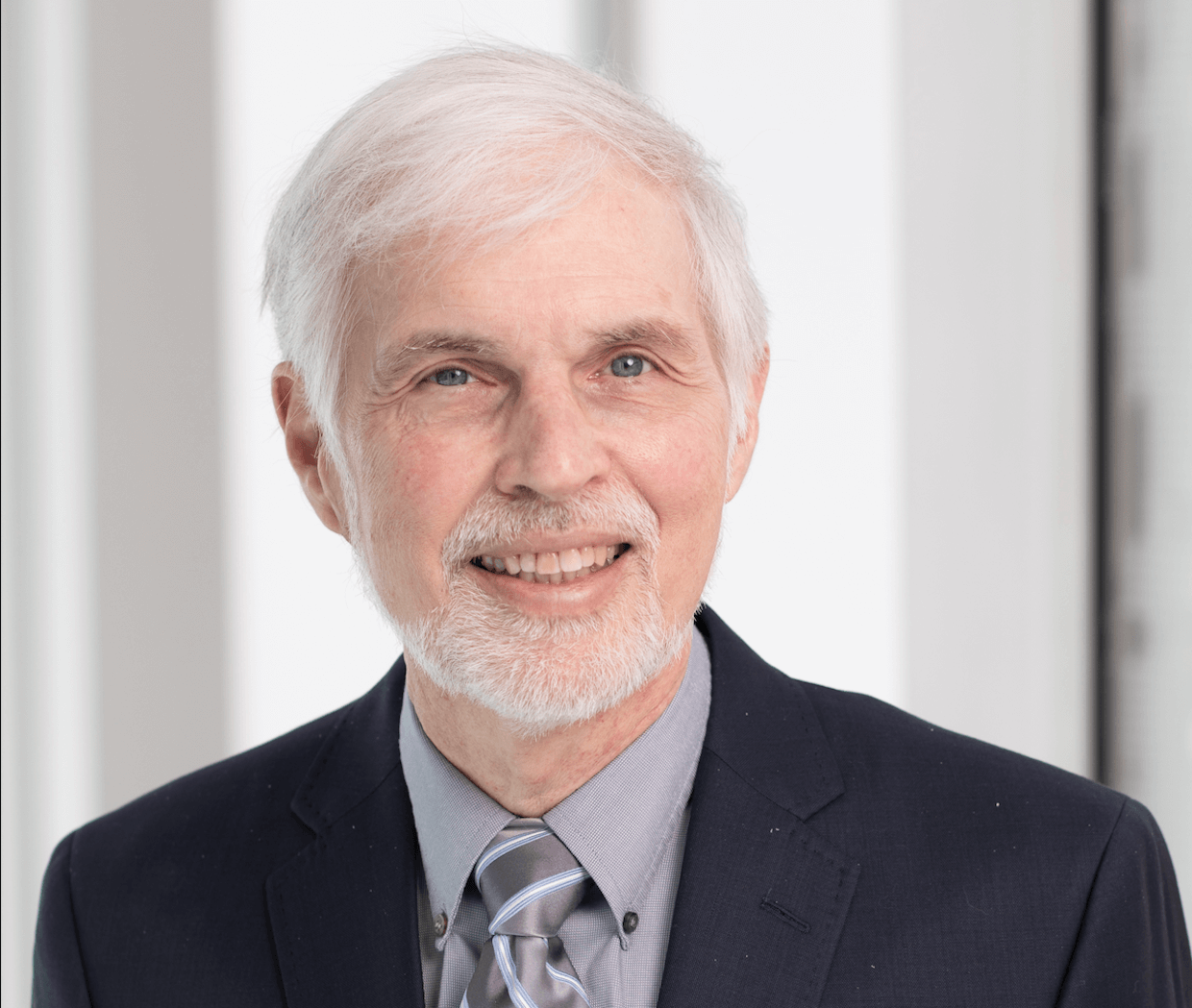
Professor Kent Jones’ presentation offered a focused analysis of the relationship between populism, trade policy, and the destabilization of the global trading system under President Donald Trump. Speaking as a trade economist rather than a specialist in populism, Professor Jones explained that his interest in the subject emerged after Trump’s first term, when it became clear that populist politics had become deeply entangled with trade conflict and institutional disruption.
Professor Jones argued that the Trump case represents a special and highly consequential form of populism: one in which a populist leader was uniquely positioned to undermine the institutional foundations of the global trading order. This was possible because the United States had historically been the principal architect, champion, and guarantor of that system. Under Trump, however, the same country that once sustained multilateral trade rules became the central force weakening them.
Populist Narratives and the Politicization of Trade
Professor Jones began by noting that Trump’s populist rhetoric consistently exploited the division between “the people” and “elites.” In the trade context, this meant portraying globalization as a project controlled by foreign and domestic elites at the expense of ordinary Americans. Trump linked trade anxiety to other grievances, especially immigration, presenting both imports and migrants as forms of external invasion. In this narrative, trade deficits became evidence that foreign countries were “cheating” the United States and extracting American wealth.
As an economist, Professor Jones rejected this framing, emphasizing that imports are not exploitation but voluntary exchanges that provide value to consumers and support economic growth. Yet he argued that Trump successfully transformed trade into a populist grievance by presenting imports as part of what Professor Jones described as a “trade-driven replacement theory.” Much like cultural replacement narratives, this economic version encouraged fear that globalization was displacing American workers, industries, and communities.
Professor Jones then distinguished between Trump’s first and second terms. During the first term, several institutional guardrails still constrained trade policy, including WTO rules, negotiated tariff commitments, NAFTA, and domestic trade law. Trump pursued a more aggressive version of traditional trade remedies, such as anti-dumping and countervailing duty cases, but generally operated within recognizable legal frameworks.
However, Professor Jones identified Trump’s first major attack on the global trading system in his use of the national security clause under Article XXI of the GATT. By claiming that lower employment and reduced output in certain industries constituted a national security emergency, Trump used a rarely invoked exception to justify unilateral trade restrictions. For Professor Jones, this exposed a major weakness in the WTO system: once a country defines an issue as a national security concern, it becomes difficult to challenge through dispute settlement. This opened the door for abuse, since any country could potentially invoke national security to justify protectionist measures.
Trump’s second term, in Professor Jones’ account, marked a far more radical phase. Trump became convinced that he could remove the remaining guardrails and assert near-total presidential control over tariffs. Professor Jones emphasized that Trump had long been fascinated by tariffs, dating back to his public statements in the 1980s about Japanese automobile imports. In office, this fascination merged with a broader drive to expand executive power and bypass institutional constraints.
Tariffs as Instruments of Discretionary Power
A key turning point came with the “Liberation Day” tariffs announced on April 2 of the previous year. These were justified through the International Emergency Economic Powers Act, based on Trump’s claim that trade deficits constituted an emergency caused by foreign cheating. Professor Jones described the tariff formula used to justify these measures as economically nonsensical. Nevertheless, it enabled the president to impose tariffs of any level, against any country, for any duration.
For Professor Jones, this amounted to a fundamental violation of the core principles of the GATT and WTO system. It undermined non-discrimination by imposing different tariff rates on different countries, ignored binding tariff commitments, and weakened the dispute settlement framework. Trump also used tariffs as leverage to pressure countries into bilateral trade deals, including with the European Union, demanding preferential access for American goods while maintaining US tariffs on European products.
This strategy, Professor Jones argued, effectively gave Trump control over the global trading system insofar as countries traded with the United States. It also generated anger among long-standing American partners that had previously relied on stable, rules-based access to US markets. Average US tariffs, once around 2–3 percent, rose dramatically to roughly 18–19 percent, creating both direct costs and deep uncertainty for businesses and governments.
Professor Jones described this as a “dictatorship of the tariff.” Trump reserved the right to alter tariffs at will, often in response to personal reactions or political moods. This unpredictability, he argued, reflected the autocratic dimension of Trump’s trade policy: tariffs became not merely economic tools but instruments of discretionary presidential power.
A central populist myth in Trump’s trade policy, Professor Jones noted, was the repeated claim that tariffs are paid by foreigners. This claim, despite being economically false, remained politically useful because it allowed Trump to present tariffs as costless punishment of foreign actors. Yet the economic consequences became increasingly visible, including higher costs, uncertainty, and failure to revive US manufacturing and employment as promised.
Patrimonialism and the Politicization of Trade Governance
Professor Jones connected these developments to Max Weber’s concept of patrimonialism. In Trump’s administration, loyalty often outweighed competence, producing corruption, administrative weakness, and policy failure. The tariff regime itself, he argued, was poorly managed and increasingly vulnerable to legal challenge. The Supreme Court’s decision overturning the Liberation Day tariffs provided an important legal backstop, demonstrating that constitutional and judicial limits still retained some force.
Yet Professor Jones warned that Trump responded by attempting to revive his tariff agenda through other legal mechanisms, particularly Section 301. This would enable new tariff measures based on alleged violations of trade practice, including forced labor content in global trade. Professor Jones emphasized the irony that such accusations could apply broadly, including to the United States itself, but would be used selectively to punish other countries. Europe, he noted, was especially concerned about this new route to expanded presidential tariff power.
In the final part of his presentation, Professor Jones turned to the future of the global trading system. He argued that the United States has forfeited its leadership role. This creates a profound challenge because the postwar trading system depended heavily on American hegemonic leadership: an open US market, a deep financial system, and the dollar’s role as a reserve currency helped stabilize global trade and finance.
The question now, according to Professor Jones, is whether the European Union or another coalition of countries can assume leadership. He expressed doubt that any actor can easily replace the United States, while also stressing that the rest of the world still appears committed to preserving a rules-based trading system.
Professor Jones concluded by identifying the need for WTO reform. The existing system, especially its consensus rule and single-undertaking model for multilateral agreements, has become increasingly difficult to sustain. Populism has intensified these challenges by turning globalization into a highly charged political issue. For Professor Jones, the central task is therefore not only to repair trade institutions, but also to understand how populist grievances have transformed trade from a technical policy domain into a battlefield over sovereignty, identity, and democratic authority.
Professor John Pratt: The Return of the Strong Men
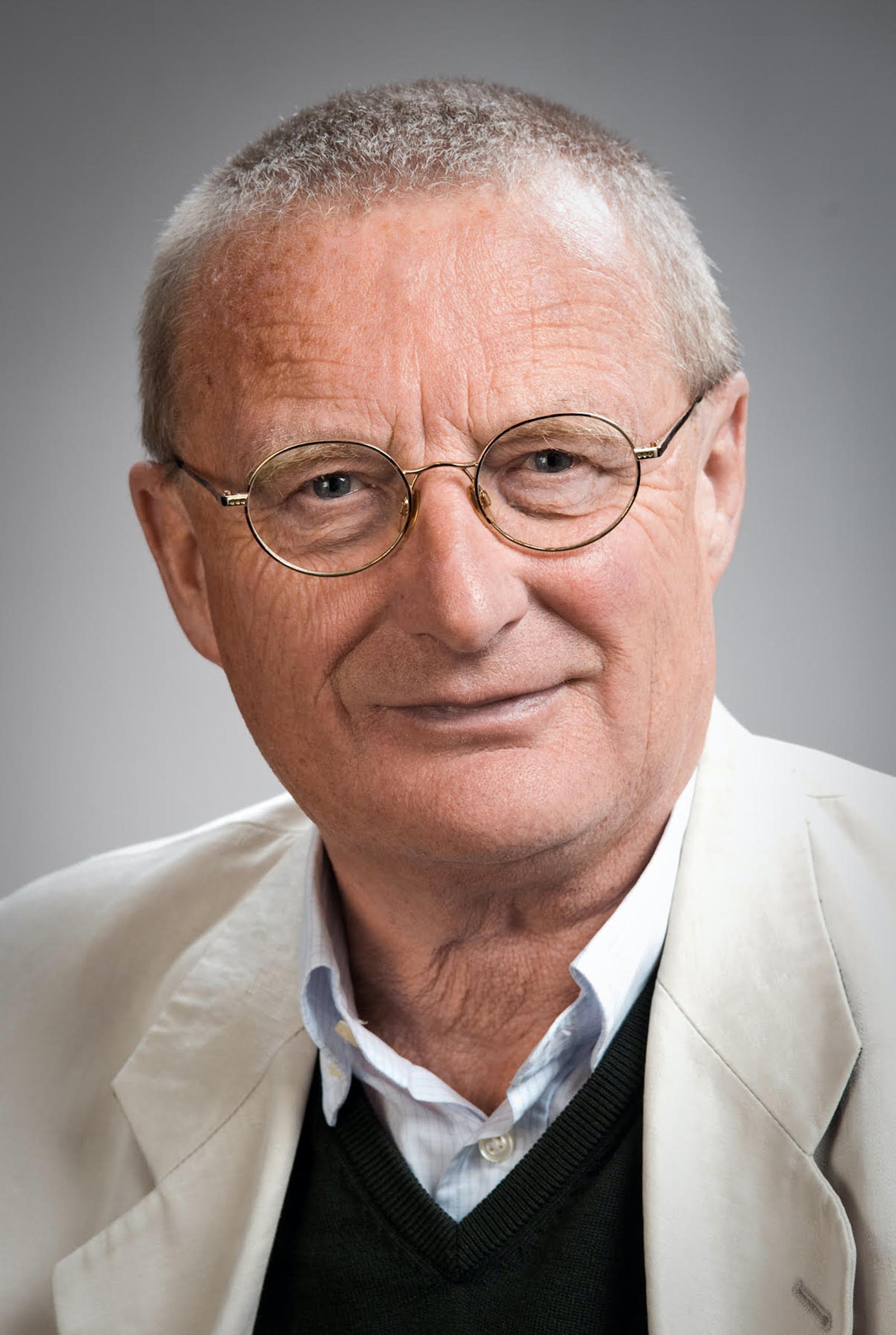
Professor John Pratt’s presentation offered a historically grounded and theoretically rich account of the contemporary rise of populist strongmen, situating this development within the long-term transformation of democratic societies. Professor Pratt began by invoking a striking 1961 opinion poll in the United Kingdom, which found that 91 percent of young respondents believed the world would be a better place within a decade. For Professor Pratt, this optimism was not naïve but reflective of a broader post-war democratic settlement characterized by economic security, institutional trust, and a shared belief in progressive improvement.
This post-war order, as Professor Pratt outlined, was built on a combination of full employment policies, expansive welfare states, large public sectors, and significant investment in science and expertise. Governments were also committed to protecting citizens from abuses of state power, particularly in response to the lessons of totalitarian regimes such as Nazi Germany. These commitments were institutionalized through criminal justice reforms that limited the punitive capacity of the state and elevated the role of academic experts in shaping public policy. In this context, demagogues of the interwar period were widely believed to have been relegated permanently to history.
Neoliberal Transformation and the Rise of “Casino Economies”
Professor Pratt then posed the central question of his presentation: how did societies move from this optimistic and relatively stable democratic moment to the present resurgence of strongman politics? His answer centered on the transformative impact of neoliberal restructuring beginning in the 1980s. According to Professor Pratt, this shift fundamentally altered the economic and social foundations of democratic life, particularly in Anglo-American societies. The transition toward deregulated, market-driven economies created what he described as “casino economies,” in which the distribution of benefits became highly uneven. While some individuals and sectors thrived, many more experienced declining security, reduced opportunities, and a sense of marginalization.
This growing precarity, Professor Pratt argued, generated a profound legitimacy deficit between governments and their electorates. Citizens increasingly felt that democratic institutions were no longer responsive to their needs or capable of ensuring stable and predictable lives. In response, governments sought to restore their authority and credibility through a turn toward punitive governance, most notably through “tough on crime” policies. These policies represented an early manifestation of contemporary populism, as political leaders attempted to demonstrate responsiveness to public anxieties by targeting crime as a visible and emotionally resonant threat.
However, as Professor Pratt emphasized, this turn to penal populism did not resolve the underlying legitimacy crisis. Instead, it contributed to dramatic increases in imprisonment, particularly in Anglo-American democracies from the 1990s onward, while failing to restore public trust. The persistence of economic insecurity and social fragmentation ensured that populist sentiment continued to grow. This process was further intensified by two major developments: the global financial crisis of 2008, which deepened existing inequalities, and rising hostility toward immigration, particularly following increased mobility from Eastern Europe after the end of the Cold War.
Within this context, Professor Pratt identified four core themes that define contemporary populist discourse. The first is a commitment to destroying the establishment, often expressed through hostility toward experts, scientists, and technocratic governance. Populist leaders frame the establishment as corrupt and detached, responsible for the insecurities faced by ordinary citizens. In this framework, the strongman leader presents himself as possessing intuitive or innate knowledge that renders expert advice unnecessary.
Restoring Dignity Through Strongman Protection
The second theme is the systematic targeting of critical voices, particularly in the media and political opposition. Professor Pratt noted that in some cases, such as Hungary, this strategy has been largely successful, while in others, including the United States, it remains an ongoing project. By delegitimizing independent sources of information and critique, populist leaders seek to consolidate control over public discourse.
The third theme involves the construction and expansion of “enemies of the people.” Professor Pratt stressed that such enemies are essential to populist politics, as they justify the existence and authority of the strongman. Initially, these enemies were framed as criminals or individuals perceived as threatening public order, such as beggars and the homeless. Over time, however, the category has expanded to include immigrants, asylum seekers, political opponents, and various minority groups. This dynamic reinforces a narrative of constant threat, requiring strong leadership for protection.
The fourth theme is the promise to defend and restore the dignity of “the people,” understood as victims of both crime and broader social change. Populist leaders position themselves as protectors not only against physical threats but also against cultural and demographic transformations perceived as destabilizing. Professor Pratt highlighted how Donald Trump has extended this logic by presenting himself as a victim of institutional persecution, thereby aligning his personal narrative with that of his supporters.
Turning to the consequences of these dynamics, Professor Pratt offered a critical assessment of populist governance. He argued that key populist projects, such as Brexit, have failed to address the grievances that fueled their emergence. Instead of resolving social tensions, they have often exacerbated uncertainty and division. At the same time, Professor Pratt observed signs of democratic resilience, including electoral pushback against populist movements in parts of Europe.
In the case of the United States, Professor Pratt expressed concern about the potential trajectory of Trump’s leadership, particularly in light of suggestions that he might seek to extend his tenure beyond constitutional limits. Such a development, he argued, would represent a profound departure from democratic norms, challenging the very foundations of constitutional governance. This scenario would invert the optimistic vision of democratic consolidation articulated by Francis Fukuyama at the end of the Cold War.
Limits and Contradictions of Strongman Populism
Despite these concerns, Professor Pratt concluded on a cautiously optimistic note. He suggested that the internal contradictions of strongman populism—its reliance on charismatic authority, its policy failures, and its inability to deliver on its promises—may ultimately undermine its durability. In his view, Trump’s political success has depended heavily on personal charisma, which is unlikely to be replicated by potential successors who lack comparable appeal.
As a result, Professor Pratt argued that democratic systems may experience a form of reprieve once the current wave of populist leadership subsides. However, he emphasized that such a reprieve should not be mistaken for a return to the stable and optimistic conditions of the post-war era. The structural conditions that gave rise to populism—particularly economic precarity and the erosion of institutional trust—remain in place.
For Professor Pratt, the central lesson is that democracy’s resilience depends on its capacity to maintain legitimacy in the eyes of its citizens. If the legitimacy deficit that emerged during the neoliberal era is allowed to persist or deepen, democratic institutions will remain vulnerable to future populist challenges. The task, therefore, is not merely to resist individual strongmen but to address the underlying conditions that make their rise possible.
Discussions

The discussion session of the fifth panel brought together the central analytical threads of the preceding presentations and situated them within a broader comparative and theoretical framework. Modearor Professor Jocelyne Cesari opened the discussion by offering a synthetic assessment of the panel’s contributions, emphasizing that the diversity of disciplinary approaches reflected the current state of scholarship on democratic backsliding, authoritarianism, and populism. Professor Cesari identified several major explanatory frameworks that have emerged in the literature and were echoed in the panel’s presentations, while also pointing to key gaps and tensions within these approaches.
Professor Cesari first underscored the importance of structural economic transformations, particularly those associated with neoliberal restructuring. Drawing attention to themes raised by Professor John Pratt, Professor Cesari noted that the dualization of labor markets, regional economic decline, and the concentration of wealth have produced a growing imbalance within societies. This imbalance is not merely a matter of generalized impoverishment but rather reflects a widening divergence between those who benefit from globalized economic structures and those who experience diminished opportunities. Professor Cesari emphasized that this structural divergence constitutes a critical background condition for contemporary political discontent. However, she also cautioned against overly deterministic interpretations, noting that existing scholarship does not support a direct causal relationship between inequality and authoritarianism. Instead, economic grievances operate within a more complex constellation of political and cultural dynamics.
Hybrid Regimes and the Erosion of Democratic Standards
Building on this point, Professor Cesari introduced a second analytical perspective centered on cultural backlash. While not always explicitly foregrounded in the panel, she argued that several presentations implicitly engaged with this framework. Drawing on influential empirical studies, Professor Cesari highlighted that political mobilization is often driven less by material deprivation per se than by perceptions of status loss and cultural displacement. In this context, feelings of resentment, moral injury, and loss of social centrality can become powerful drivers of political behavior, even in cases where objective economic conditions are not the sole determinant. Professor Cesari suggested that this dimension is essential for understanding why populist movements are able to mobilize diverse constituencies across different socioeconomic contexts.
Professor Cesari then situated these dynamics within a broader historical trajectory, emphasizing the transformation of the global political order since the end of the Cold War. She noted that the post-Cold War period was marked by a widespread sense of optimism, encapsulated in narratives such as the “end of history,” which posited the universalization of liberal democracy as both inevitable and desirable. However, Professor Cesari argued that the current moment represents a profound backlash against this earlier consensus. The limitations and contradictions of the neoliberal order have become increasingly visible, yet traditional political actors, including mainstream parties and institutional elites, have largely failed to address these shortcomings. In contrast, populist leaders and, notably, religious actors have been more effective in articulating critiques of inequality, dignity, and redistribution. Professor Cesari emphasized that the political appeal of religious discourse in this context should not be dismissed as merely emotional or irrational, but rather understood as a response to perceived deficiencies in the prevailing economic and political order.
Turning to the nature of contemporary authoritarianism, Professor Cesari challenged conventional dichotomies between democracy and dictatorship. She argued that the current wave of democratic backsliding differs fundamentally from earlier historical experiences. Unlike the overtly coercive regimes of the twentieth century, contemporary authoritarian leaders operate within formally democratic frameworks. Elections remain central to their legitimacy, yet electoral competition alone is no longer a sufficient criterion for democratic quality. Professor Cesari pointed to additional dimensions, including elite turnover, redistribution, and the protection of civil liberties, as essential components of democratic governance. In many cases, these dimensions are being eroded not only by overtly authoritarian actors but also by mainstream political forces.
Personalized Leadership in the Digital Age
Professor Cesari further emphasized that contemporary authoritarianism is characterized less by abrupt institutional rupture than by gradual erosion and reorientation of existing institutions. Leaders such as those referenced throughout the panel—including figures in Turkey, India, and Hungary—operate within democratic systems while systematically reshaping them to consolidate power. This process is often accompanied by a shift away from comprehensive ideological frameworks toward more flexible, context-specific forms of populism. In this regard, Professor Cesari highlighted the concept of “thin” ideology, which allows populist movements to adapt to local cultural and social contexts. Religion, in particular, emerges as a key resource in this process, providing a readily available framework for articulating collective identity and political legitimacy.
Another significant transformation identified by Professor Cesari concerns the increasing personalization of political leadership. While charismatic authority has long been a feature of authoritarian regimes, its contemporary manifestations are amplified by the dynamics of the digital media environment. The proliferation of social media and continuous information flows has shifted political communication from traditional propaganda to interactive spectacle. Leaders are required to maintain a constant presence, with style and performance becoming as important as substantive policy content. This transformation, Professor Cesari suggested, has not yet been fully incorporated into existing analytical frameworks, despite its centrality to contemporary political dynamics.
In synthesizing these observations, Professor Cesari concluded that the current global landscape is best understood in terms of “hybrid” regimes, rather than a simple opposition between democracy and authoritarianism. Drawing on comparative insights, she argued that even established Western democracies exhibit significant deficiencies across key dimensions, including electoral participation, redistribution, and civil liberties. These shortcomings contribute to the broader legitimacy crisis that underpins the rise of populist and authoritarian actors. For Professor Cesari, a more productive analytical approach requires a systematic reassessment of democratic performance across multiple dimensions, rather than reliance on idealized models.
Competitive Authoritarianism and Limited Legitimacy
Following this comprehensive synthesis, Professor Jack Goldstone offered a response that introduced a more cautiously optimistic perspective. Professor Goldstone agreed that contemporary regimes are best characterized as competitive authoritarian systems, in which electoral processes remain meaningful, albeit constrained. He emphasized that support for authoritarian leaders typically constitutes a minority of the electorate, often ranging between one-quarter and one-third. This core base is driven by deep resentment toward perceived elite betrayal and seeks transformative leadership capable of disrupting existing institutions.
However, Professor Goldstone highlighted the importance of a broader group of “middling” or swing voters, whose support is more contingent and instrumental. These voters may support authoritarian-leaning leaders not out of ideological commitment but as a response to perceived failures of incumbent governments, particularly in areas such as economic inequality, immigration, and inflation. Crucially, this group remains open to shifting its support, as evidenced by electoral volatility in recent years. For Professor Goldstone, this dynamic suggests that authoritarian leaders remain vulnerable to electoral defeat if they fail to deliver on their promises. In this sense, the persistence of electoral competition provides a potential mechanism for democratic correction, even within constrained systems.
The discussion then moved to a question posed by ECPS-ECRN member Yacine Boubia, which addressed the puzzling tendency for individuals experiencing economic hardship to direct their grievances toward political and cultural elites rather than economic elites. Professor Goldstone responded by emphasizing the role of perception in shaping political attribution. According to Professor Goldstone, many individuals view economic competition as a legitimate “game” in which success is admired rather than resented. As a result, those who succeed within this framework, including wealthy economic actors, are often not perceived as responsible for inequality. Instead, blame is directed toward those who are seen as setting the rules of the game—namely governments and political elites.
Professor Goldstone further noted that this attribution dynamic is reinforced by the narratives advanced by right-wing populists, who emphasize themes such as immigration, globalization, and cultural change. These narratives provide clear and emotionally resonant targets for political mobilization, whereas critiques of economic elites are often less salient or more difficult to translate into effective political messaging. Consequently, left-wing populist movements have generally been less successful in directing public attention toward structural economic inequalities, despite the objective significance of these issues.
The discussion concluded with closing remarks by Professor Ibrahim Öztürk, who formally ended the panel and the broader symposium. The exchanges during the discussion session underscored the complexity of contemporary democratic challenges, highlighting the interplay between structural economic conditions, cultural dynamics, institutional transformations, and evolving forms of political communication. Collectively, the contributions of Professor Cesari and Professor Goldstone, along with the audience engagement, reinforced the need for multidimensional analytical frameworks capable of capturing the hybrid and evolving nature of modern political regimes.
Conclusion
Panel 5 illuminated the multidimensional nature of contemporary democratic crisis, underscoring that the resilience of liberal democracy cannot be secured through institutional defense alone, but requires a deeper engagement with the structural, cultural, and political transformations reshaping societies. Across the presentations, a common thread emerged: the erosion of democratic legitimacy is rooted not merely in the rise of charismatic strongmen, but in long-term shifts that have weakened the social and normative foundations of democratic governance.
Professor Jack A. Goldstone’s structural analysis highlighted how globalization, inequality, and demographic change have generated enduring pressures that fuel demand for authoritarian-populist leadership. Complementing this, Professor Steven Friedman’s critique of the post-Cold War democratic model exposed the failure to regulate private power and the limitations of framing democracy as a Western construct, both of which have undermined its global credibility. Professor John Pratt’s historical perspective further demonstrated how neoliberal restructuring has produced a legitimacy deficit that populist leaders exploit through punitive, anti-establishment, and exclusionary narratives. Meanwhile, Professor Kent Jones’s examination of trade policy revealed how economic governance itself has become a terrain of populist contestation, with significant implications for the stability of the global order.
The discussion, guided by Professor Jocelyne Cesari, reinforced the need to move beyond binary understandings of democracy versus authoritarianism and to recognize the prevalence of hybrid regimes characterized by gradual institutional erosion, personalization of power, and the strategic mobilization of cultural and economic grievances. At the same time, Professor Goldstone’s intervention suggested that democratic systems retain mechanisms of correction, particularly through electoral competition and the volatility of “middling” voters.
Ultimately, the panel underscored that democratic resistance must be grounded in restoring legitimacy—through addressing inequality, rebuilding trust, regulating power, and reimagining democratic inclusion in a global context. Without confronting these underlying conditions, liberal democracy will remain vulnerable to recurring waves of populist challenge.