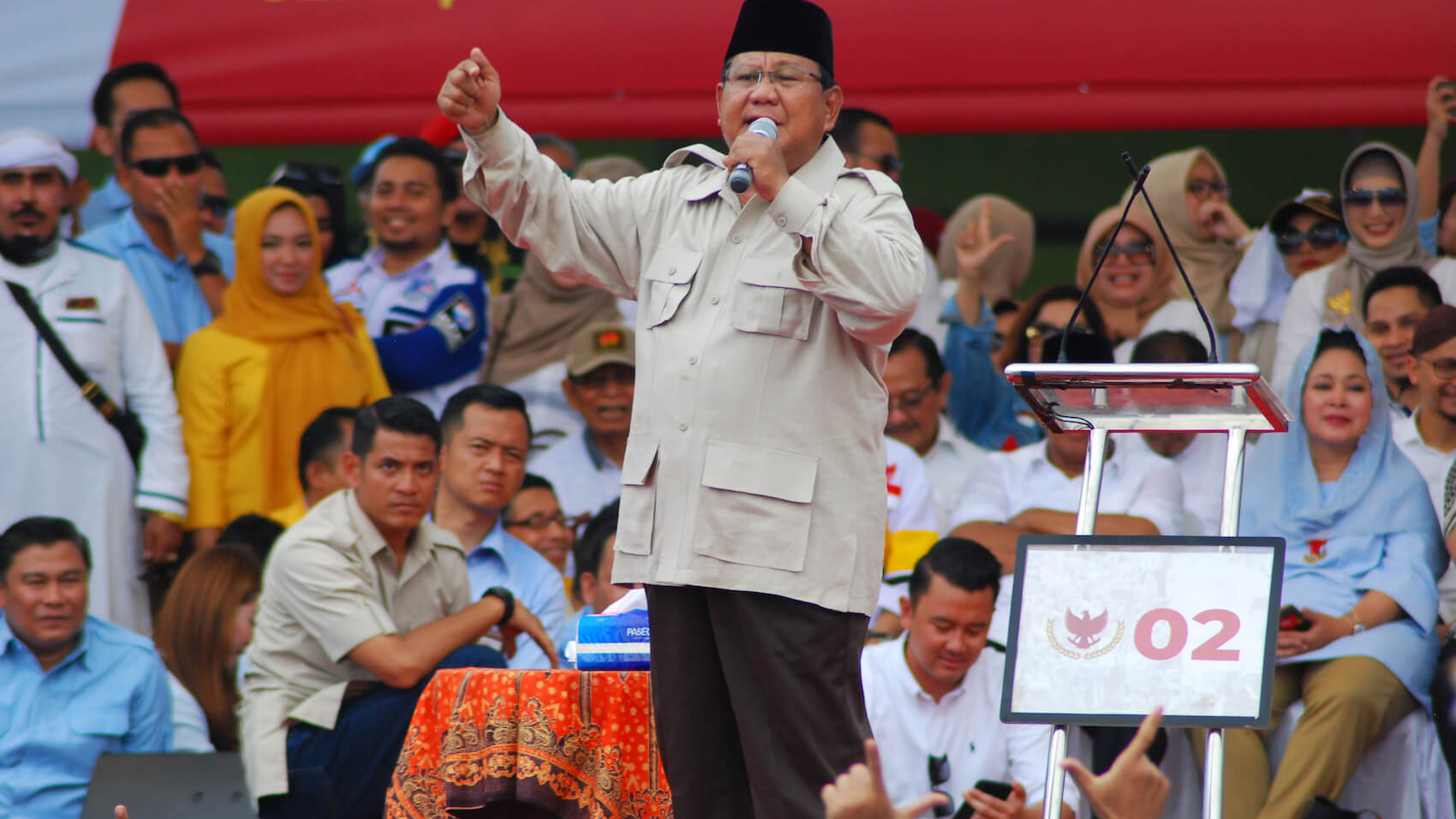
Deakin University, in collaboration with the European Center for Populism Studies (ECPS), Universitas Indonesia, and Universitas Gadjah Mada, is organizing “The International Conference: Populisms, Digital Technologies, and the 2024 Elections in Indonesia.” This event, scheduled shortly after the simultaneous multi-level elections in February, will be hosted by the Alfred Deakin Institute for Citizenship and Globalization (ADI), providing a crucial platform to explore various aspects and dynamics of populism in Indonesia. The conference’s scope extends beyond electoral outcomes to encompass the intricate interplay between populism, digital technologies, artificial intelligence, disinformation, religion, collective emotions, and socio-political factors that shape Indonesia’s democratic discourse.
Over the course of two intense days, the conference will feature comprehensive discussions spanning 31 papers organized into eight thought-provoking panels. These panels will address distinct facets of Indonesia’s populisms, ranging from Gender and Youth to Populist Strategy and Communication, and from the complexities of Sharp Power, Disinformation, and Cancel Culture to the nuances of Authoritarianism and Islamist Populism. The diversity of topics underscores the breadth and depth of issues that this conference endeavors to explore.
In addition to paper presentations, the conference will also host two distinguished keynote speakers: Professor Simon Tormey, a renowned authority on populism theory with over a decade of scholarly contribution, and Professor Vedi Hadiz, a seasoned scholar specializing in Islamic populism within the Indonesian context. Their insights will enrich understanding and stimulate critical dialogue throughout and after the conference.
The timely conference is made possible thanks to the generous funding provided by the Australian Research Council (ARC), the Alfred Deakin Institute for Citizenship and Globalization (ADI), and the European Center for Populism Studies (ECPS).
V-Dem Director Staffan I. Lindberg expresses his concern: “I am deeply concerned about the possibility of Donald Trump being reelected. In the current context, I believe that if Donald Trump is reelected, democracy in the US might not survive. He has been explicit about his dictatorial intentions, even going as far as labeling Democrats as vermin, a term that evokes disturbing parallels with Nazi Germany from the late 1930s to 1945. Such statements must be taken seriously, as they could embolden autocrats worldwide.”
Expressing deep concern over the potential reelection of Donald Trump in the upcoming November elections in the US, Professor Staffan I Lindberg, Director of the Varieties of Democracy (V-Dem) Institute at the University of Gothenburg, warns, “In the current context, I believe that if Trump is reelected, democracy in the US might not survive.” Highlighting Trump’s explicit dictatorial intentions, Professor Lindberg points out his divisive rhetoric, such as labeling Democrats as “vermin,” drawing disturbing parallels with Nazi Germany from the late 1930s to 1945. Lindberg emphasizes the seriousness of such statements, as they could embolden autocrats worldwide.
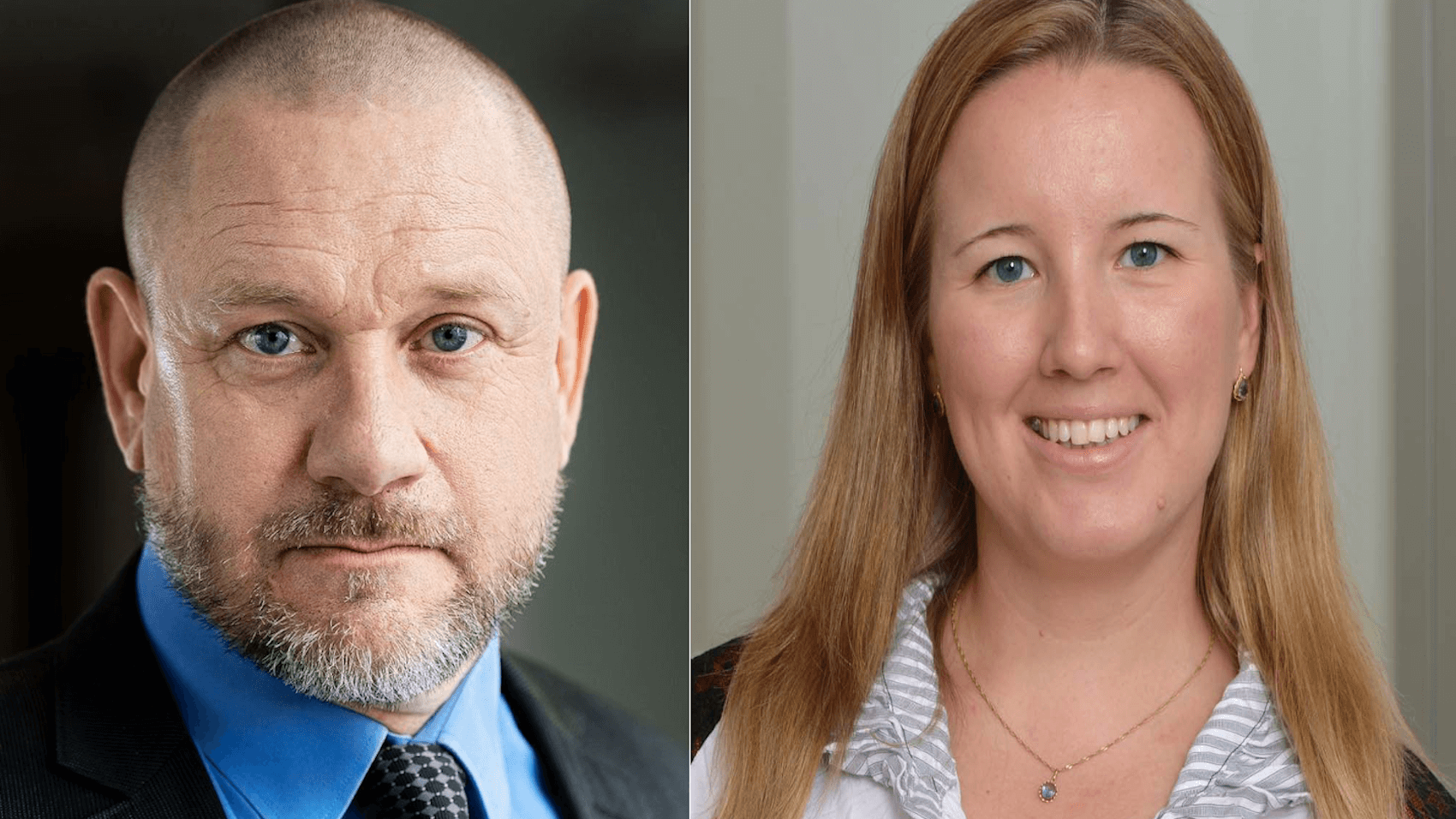
In an exclusive interview, Professor Lindberg and Dr. Marina Nord, Postdoctoral Research Fellow at V-Dem Institute, share their analysis of the recent V-Dem report and discuss current political developments worldwide. While Lindberg underscores, “It’s premature to declare the end of democracy,” he remains hopeful for the perseverance and strengthening of democracies, with a vision for more people to enjoy democratic rights, human rights, and freedoms in the future. Dr. Nord adds that their examination of data suggests an era of instability, noting that “while autocratization is frequently reversed, so too is democratization.” Therefore, she underscores the importance of shifting the focus of democracy promotion towards democracy protection.
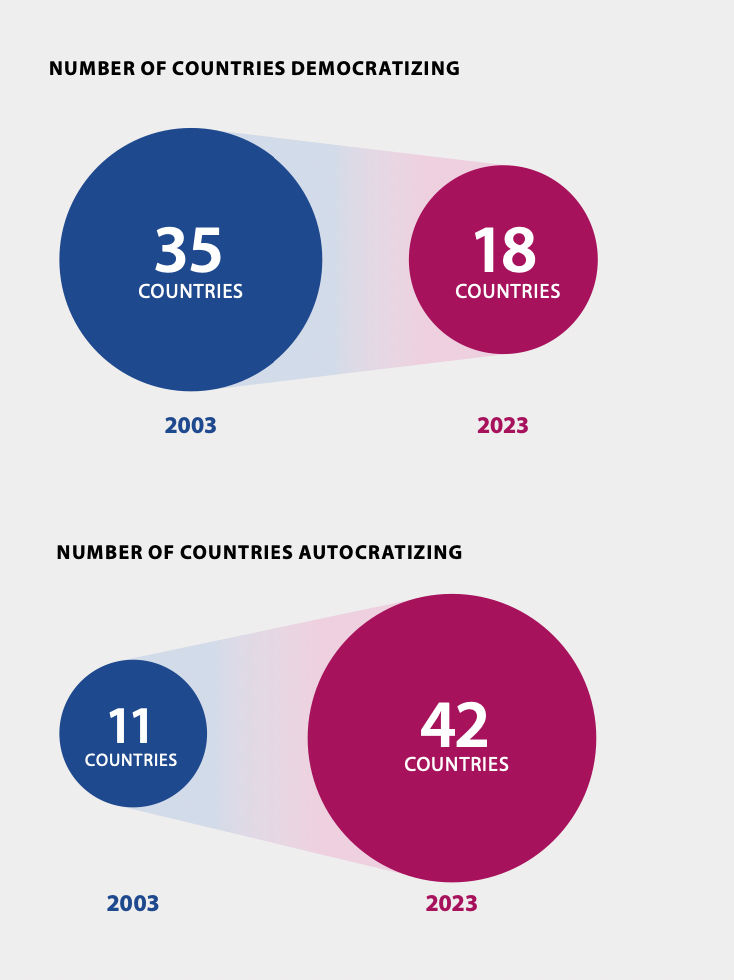
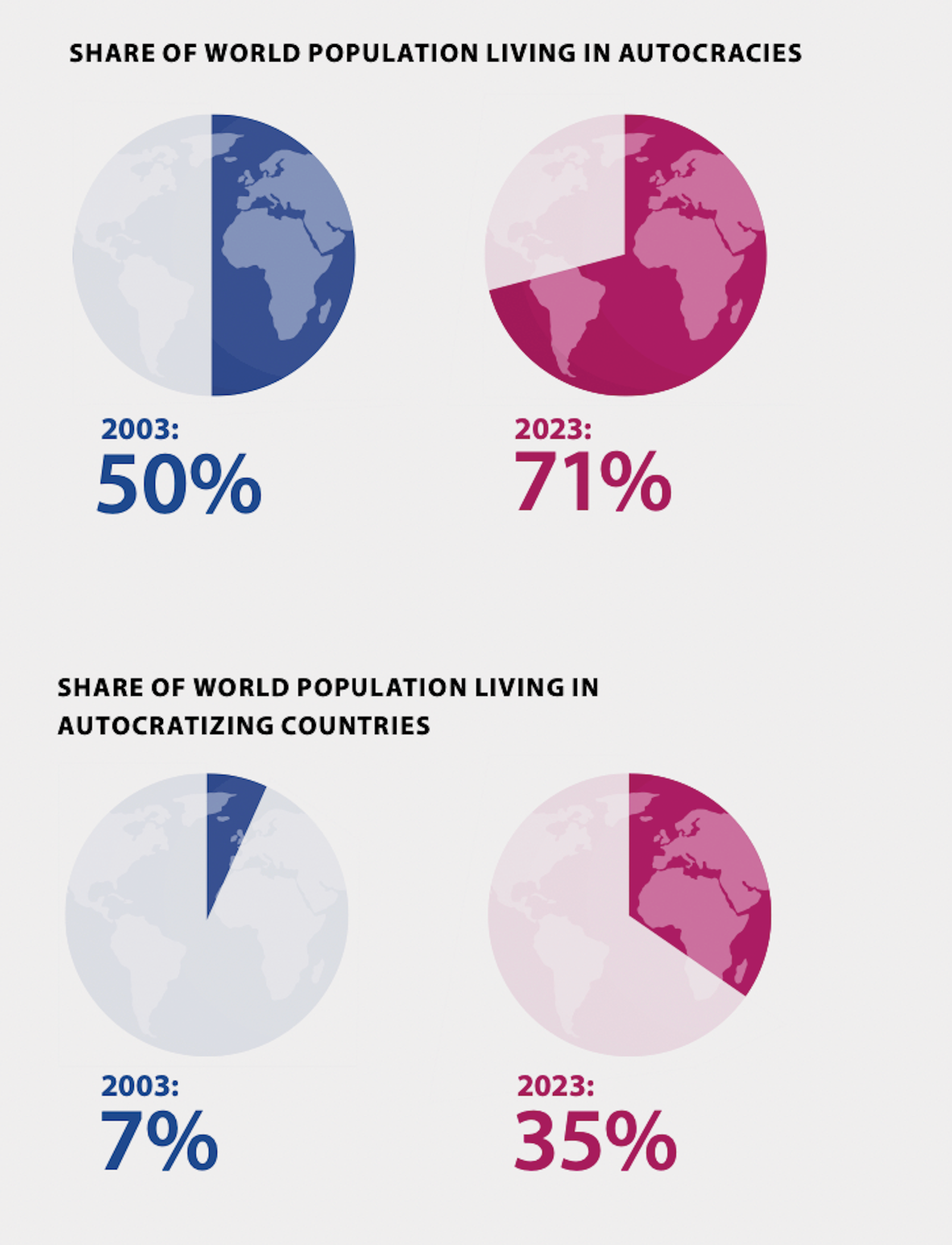
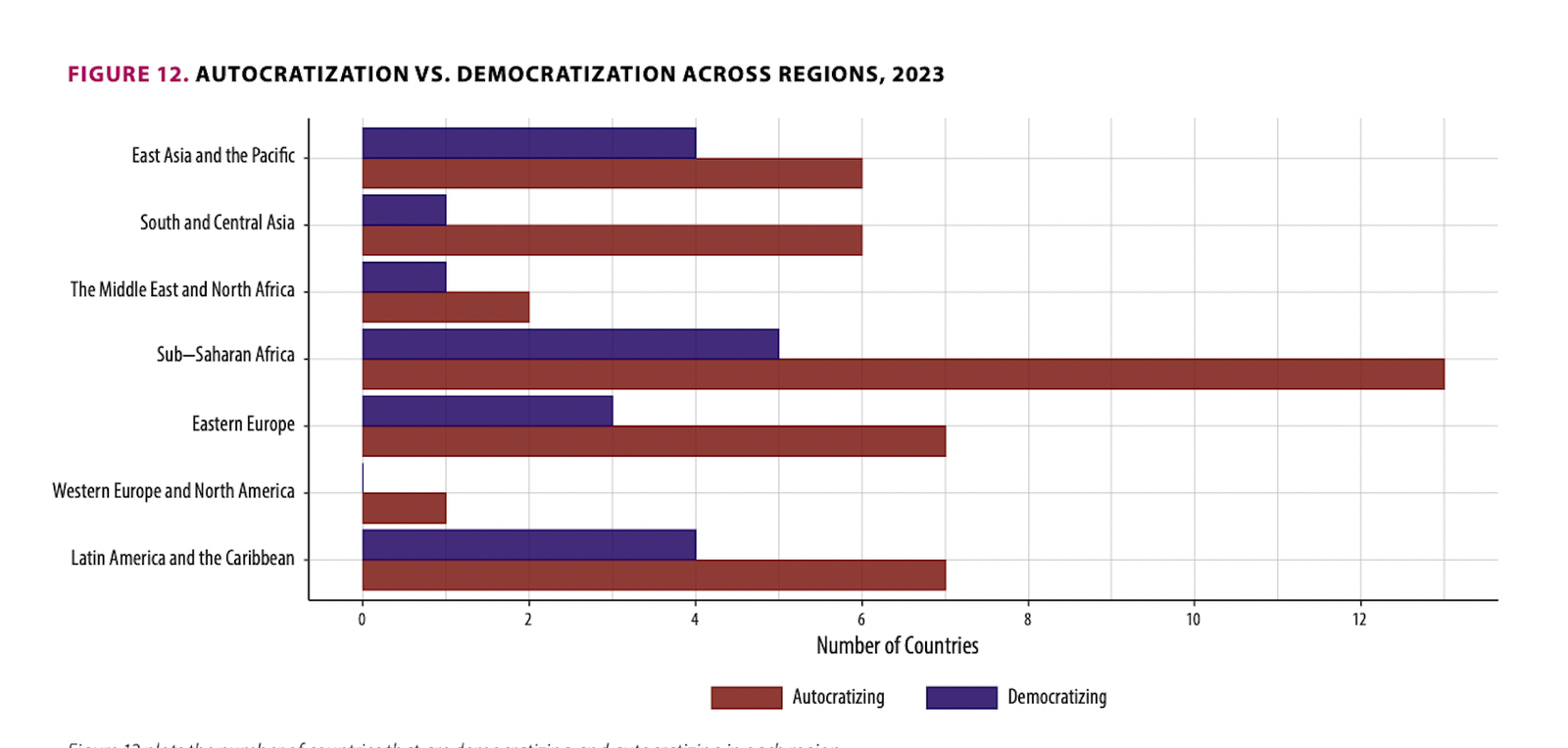
Professor Lindberg sheds light on the pervasive trend of autocratization, spanning almost 15 years, during which the share of the world’s population residing in autocratizing countries has outstripped that in democratizing nations. He identifies key drivers such as China’s anti-democratic stance, Putin’s influence in former Soviet republics, and Saudi Arabia’s support for non-democratic ideologies, underscoring the gravity of these global shifts. The interview also delves into Israel’s departure from the liberal democracy category, reflecting on the constitutional crisis that precipitated this shift.
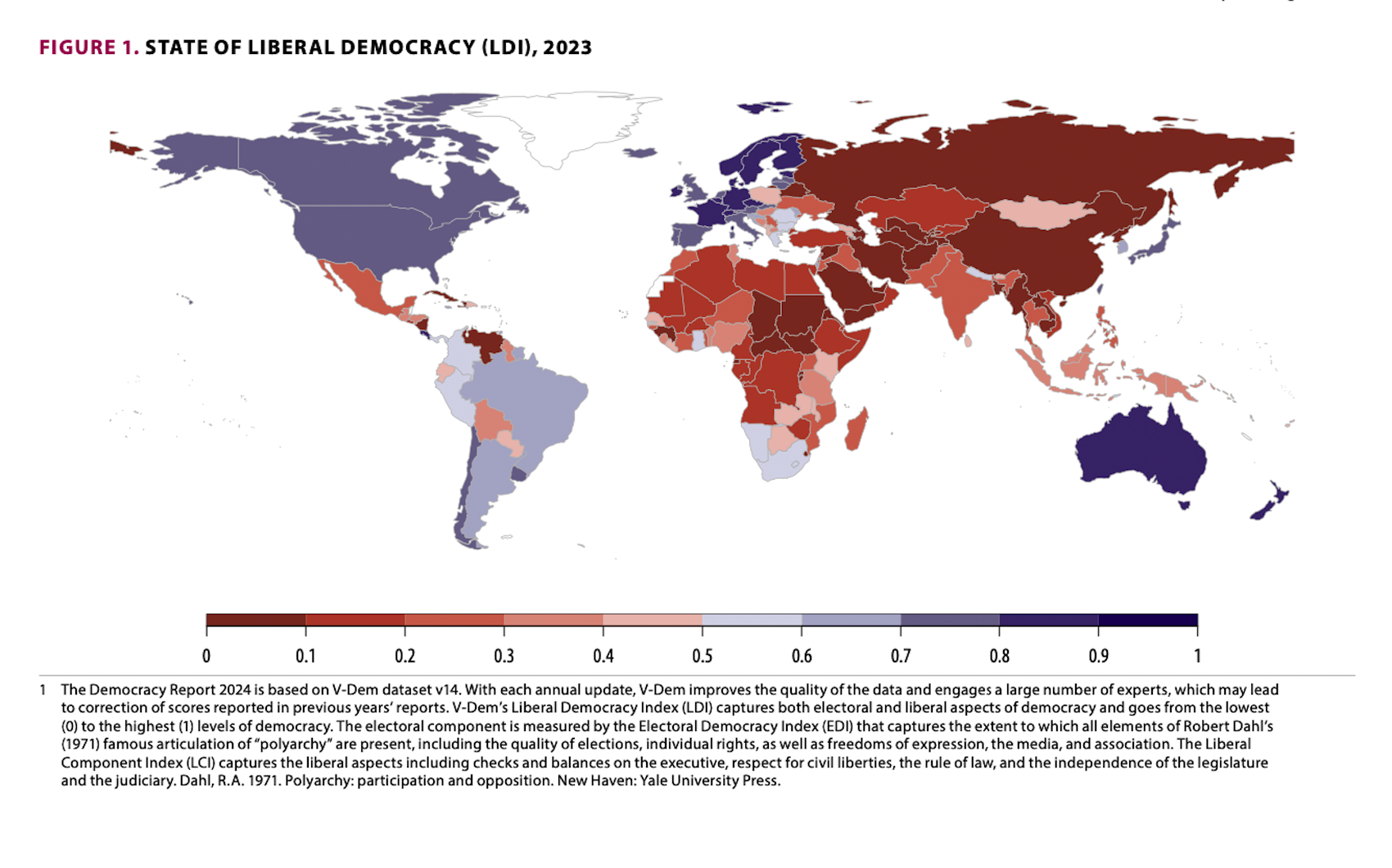
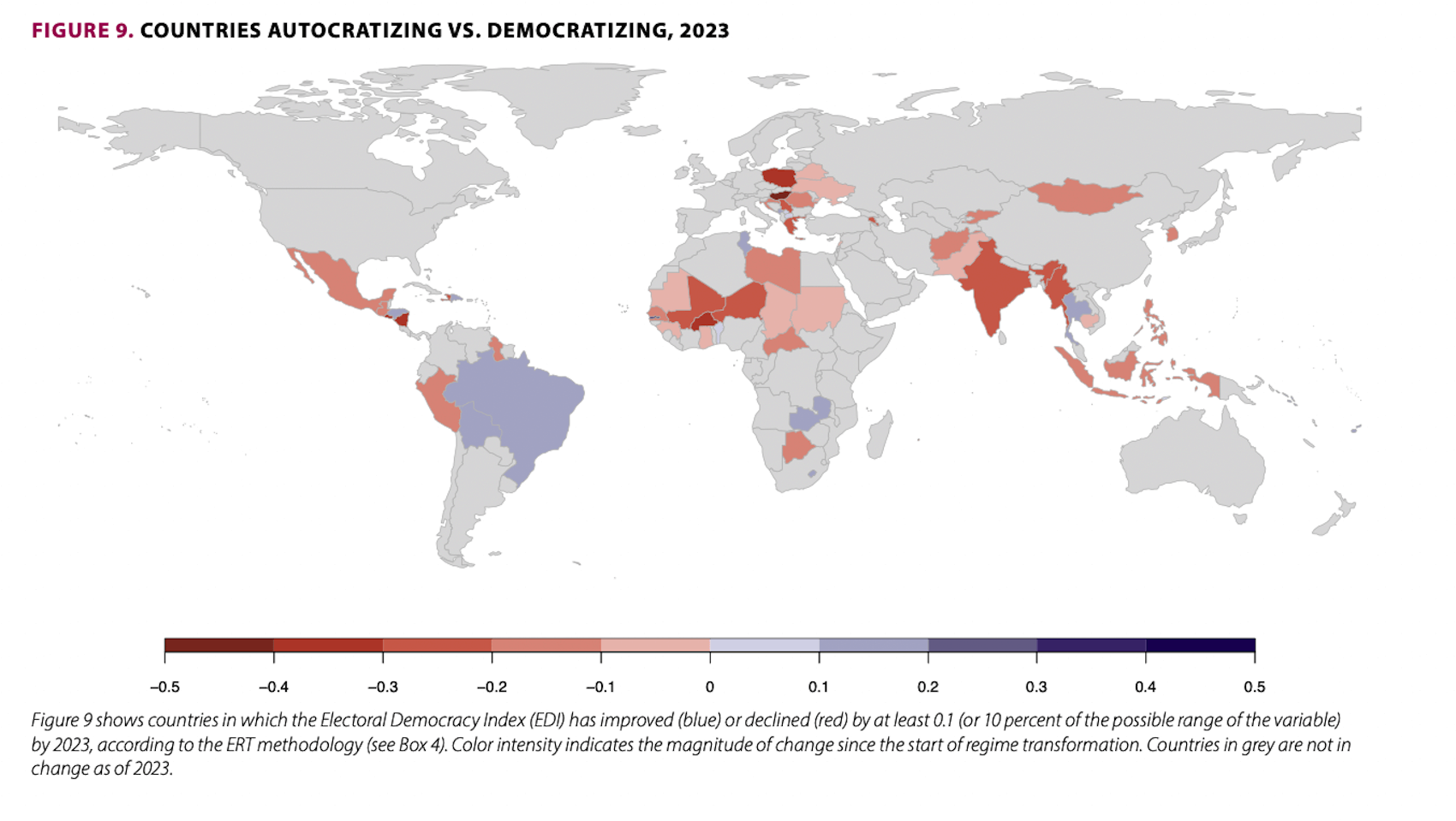
Additionally, Professor Lindberg emphasizes that according to their criteria, neither India, Hungary, nor Turkey qualify as electoral democracies anymore. He states, “They now fall below that threshold and are classified as electoral autocracies. Turkey has held this classification since around 2016 or 2017, while Hungary followed suit after 2018-19, and India shortly thereafter. Consequently, they rank among the worst offenders in terms of autocratization globally over the past decade and a half.”
Amidst the concerning trends, Dr. Nord emphasizes the importance of resilience and defiance against autocratization. Drawing from their research, she delineates five key factors driving democratic resurgence, ranging from large-scale protests to international democracy support.
The interview with Professor Lindberg and Dr. Nord offers a profound exploration of the complexities and challenges facing global democracy. The interviewees unveil the challenging landscape of global democracy, marked by concerning trends and crucial insights that demand attention and action. Their arguments offer valuable insights into strategies for combating autocratic tendencies and illuminate the path forward, urging concerted efforts to defend democratic ideals and uphold the rights and freedoms of people worldwide.
V-Dem’s Director Staffan I. Lindberg expresses his concern: “I am deeply concerned about the possibility of Donald Trump being reelected. In the current context, I believe that if Donald Trump is reelected, democracy in the US might not survive. He has been explicit about his dictatorial intentions, even going as far as labeling Democrats as vermin, a term that evokes disturbing parallels with Nazi Germany from the late 1930s to 1945. Such statements must be taken seriously, as they could embolden autocrats worldwide.”
Expressing deep concern over the potential reelection of Donald Trump in the upcoming November elections in the US, Professor Staffan I Lindberg, Director of the Varieties of Democracy (V-Dem) Institute at the University of Gothenburg, warns, “In the current context, I believe that if Trump is reelected, democracy in the US might not survive.” Highlighting Trump’s explicit dictatorial intentions, Professor Lindberg points out his divisive rhetoric, such as labeling Democrats as “vermin,” drawing disturbing parallels with Nazi Germany from the late 1930s to 1945. Lindberg emphasizes the seriousness of such statements, as they could embolden autocrats worldwide.
In an exclusive interview, Professor Lindberg and Dr. Marina Nord, Postdoctoral Research Fellow at V-Dem Institute, share their analysis of the recent V-Dem report and discuss current political developments worldwide. While Lindberg underscores, “It’s premature to declare the end of democracy,” he remains hopeful for the perseverance and strengthening of democracies, with a vision for more people to enjoy democratic rights, human rights, and freedoms in the future. Dr. Nord adds that their examination of data suggests an era of instability, noting that “while autocratization is frequently reversed, so too is democratization.” Therefore, she underscores the importance of shifting the focus of democracy promotion towards democracy protection.
Professor Lindberg sheds light on the pervasive trend of autocratization, spanning almost 15 years, during which the share of the world’s population residing in autocratizing countries has outstripped that in democratizing nations. He identifies key drivers such as China’s anti-democratic stance, Putin’s influence in former Soviet republics, and Saudi Arabia’s support for non-democratic ideologies, underscoring the gravity of these global shifts. The interview also delves into Israel’s departure from the liberal democracy category, reflecting on the constitutional crisis that precipitated this shift.
Additionally, Professor Lindberg emphasizes that according to their criteria, neither India, Hungary, nor Turkey qualify as electoral democracies anymore. He states, “They now fall below that threshold and are classified as electoral autocracies. Turkey has held this classification since around 2016 or 2017, while Hungary followed suit after 2018-19, and India shortly thereafter. Consequently, they rank among the worst offenders in terms of autocratization globally over the past decade and a half.”
Amidst the concerning trends, Dr. Nord emphasizes the importance of resilience and defiance against autocratization. Drawing from their research, she delineates five key factors driving democratic resurgence, ranging from large-scale protests to international democracy support.
The interview with Professor Lindberg and Dr. Nord offers a profound exploration of the complexities and challenges facing global democracy. The interviewees unveil the challenging landscape of global democracy, marked by concerning trends and crucial insights that demand attention and action. Their arguments offer valuable insights into strategies for combating autocratic tendencies and illuminate the path forward, urging concerted efforts to defend democratic ideals and uphold the rights and freedoms of people worldwide.
Here is the transcription of the interview with Professor Staffan I Lindberg and Dr. Marina Nord with minor edits.
Far-Right Nationalists Is Undermining Democracy with a Shared Recipe, Diverse Flavors
Professor Lindberg and Dr. North. Thank you so very much for joining our interview series.I want to start right away with the first question. One of the basic findings of your 2024 report, which was published last month, is the level of democracy enjoyed by the average person in the world in 2023 is down to 1985-levels; by country-based averages, it is back to 1998. Since 2009 – almost 15 years in a row – the share of the world’s population living in autocratizing countries has overshadowed the share living in democratizing countries. How do you explain, broadly, the trend of autocratization, what major factors have accelerated this trend?
Staffan Ingemar Lindberg: I suppose that’s a billion-dollar question these days. The first thing to note is that we lack a scientific, rigorous answer to that specific question. While there are some certainties about factors contributing to this trend, the scientific community is still debating many aspects. It’s widely acknowledged that China has been working against democracy since at least the mid-1990s. They expressed dissatisfaction with the third wave of democratization, the dissolution of the Soviet Union, and the global movement toward democracy and human rights. Similarly, Vladimir Putin, upon assuming power in Russia, exerted influence over many former Soviet republics. His recent illegal invasion of Ukraine and involvement in disinformation campaigns and support for radical right-wing, nationalist movements across Europe undermine democracy.
Additionally, Saudi Arabia has long supported the spread of a Salafist version of Islam incompatible with democracy and human rights, which has gained significant ground globally. Moreover, there is a global rise of far-right nationalist, reactionary, and anti-pluralist political parties, leaders and movements, evident not only in Europe and America but also in other regions. These movements, whether Hindu nationalists in Modi’s India, Muslim nationalists in Erdogan’s Turkey, or Christian nationalists in Hungary, among others, share a common recipe, albeit with different flavors, undermining democracy in their respective countries.
V-Dem Democracy Report 2024.
One of your findings in the report is ‘the decline is stark in Eastern Europe and South and Central Asia.’ What went wrong in Eastern Europe and South and Central Asia? How do you explain this downward trend?
Staffan Ingemar Lindberg: I’m not entirely sure what to say about that. I believe there are factors present in Eastern Europe and across Central Asia, beyond those I mentioned. Additionally, I think there are individual country-level factors that vary from one nation to another, making the local context crucial. In Europe, one could at least speculate, although it’s challenging to claim we have concrete evidence. It’s suspected that in countries where the transition from a common ideology occurred before the end of the Cold War, followed by a rapid shift to a market economy and a more liberal political sphere, there might have been expectations of significant improvement. However, when this transformation didn’t lead to the anticipated results, many individuals were financially and otherwise harmed in the process, potentially triggering reactions. However, I wouldn’t generalize this to be the same situation in South and Central Asia. Different processes are at play there, and each country may have its own set of contextual factors influencing the situation.
Israel No Longer Falls within the Category of Liberal Democracy
V-Dem Democracy Report 2024.
Another finding of the report is ‘Israel falls out of the liberal democracy category for the first time in over 50 years.’ Can you please elaborate on Israel falling out of liberal democracies league as it was often referred to the only democracy in the region?
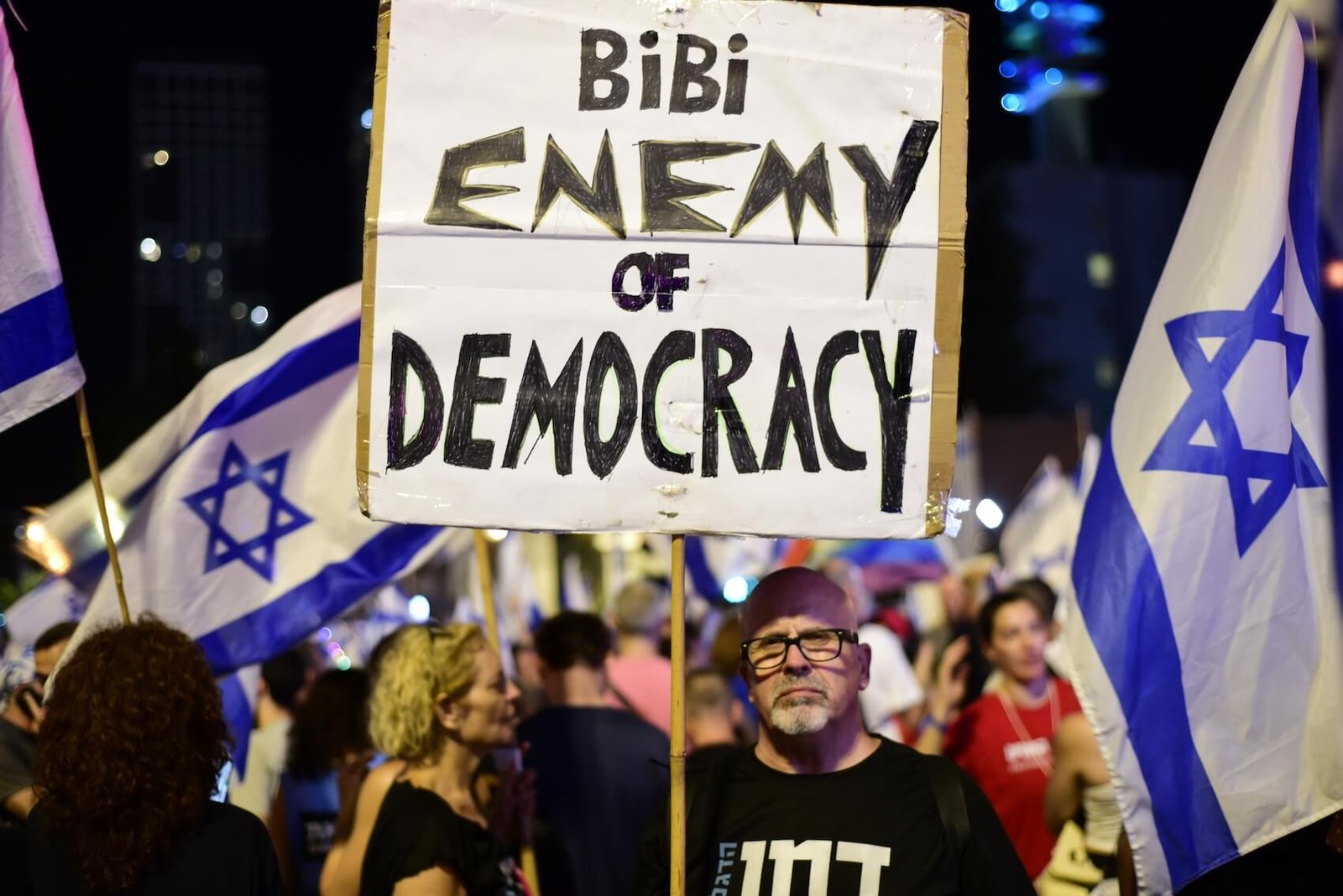
Marina Nord: For many years, Israel stood as the sole liberal democracy in the Middle East and North Africa region. However, in 2023, there was a significant decline in the indicator measuring the transparency and predictability of laws. This decline was largely attributed to the constitutional crisis that unfolded in 2023 when Netanyahu’s Government passed a bill stripping the Supreme Court of its power to declare government decisions unreasonable. The crisis persisted for several months, marked by widespread protests against the change. Eventually, in January 2024, the bill was revoked. Nonetheless, since we only measure indicators for 2023, Israel no longer falls within the category of liberal democracy for that year. Without knowledge of events in the current year, we cannot predict whether it will regain its status.
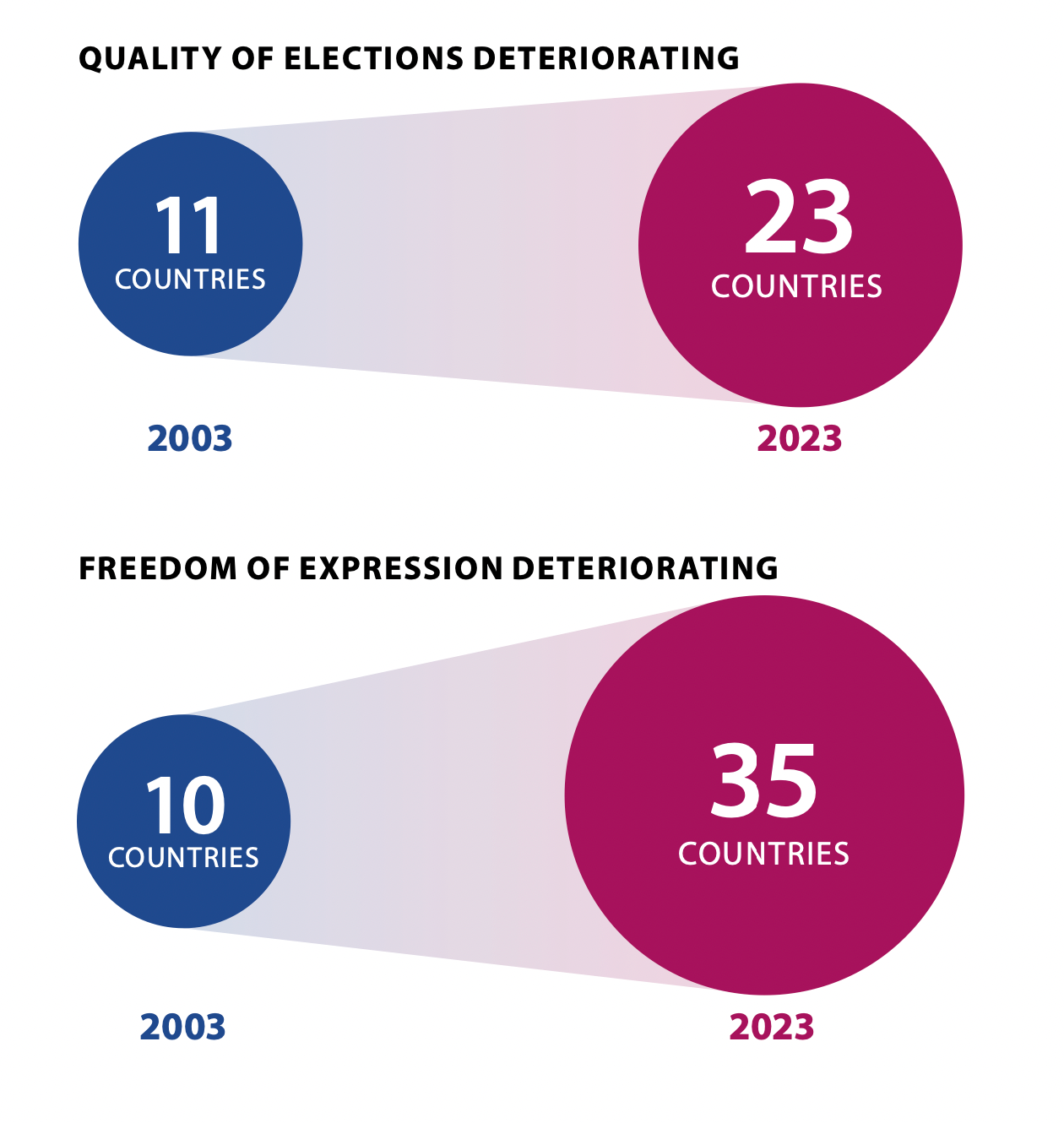
In the report, you argue that: ‘Almost all components of democracy are getting worse in more countries than they are getting better, compared to ten years ago. Freedom of expression remains the worst affected component of democracy and is worsening in 35 countries in 2023.’ What is the underlining factor in this finding both globally and domestically?
Staffan Ingemar Lindberg: I think you need to put yourself in the shoes of a would-be dictator. What’s one of the first things you’d aim to undermine? It’s freedom of expression, particularly freedom of the media. When you’re in power, you don’t want people freely writing about your actions, voicing opposition against you, or communicating the true facts instead of the disinformation you’re trying to spread. You seek control over the media sphere, as well as the ability of civil society and other actors to speak openly and freely. Therefore, it shouldn’t come as a surprise to us, or to anyone, that we observe many countries moving in the wrong direction, towards autocratization, with freedom of expression being the most affected area, often targeted first.
You also underline in the report: ‘The wave of autocratization is notable. Autocratization is ongoing in 42 countries, home to 2.8 billion people, or 35% of the world’s population. India, with 18% of the world’s population, accounts for about half of the population living in autocratizing countries.’ But you also argue that ‘There may be signs that the autocratization wave is slowing down but one should be cautious with that interpretation.’ What are the signs that show the autocratization is slowing down and why one should be cautious about it?
Staffan Ingemar Lindberg: It primarily originates from the new methodology adopted for this year’s report, which has been evolving over the past few years. With this methodology, the number of countries experiencing autocratization appears to potentially decrease from 47 to 42 in recent years. There’s a slight uptick in the number of countries democratizing. However, because this new methodology sets high standards for a country to qualify as autocratizing, requiring statistical significance and substantial meaning, it can take 2-3 years after a country starts declining before it qualifies as an autocracy according to this rigorous criteria. Therefore, the decrease from 47 to 42 is accompanied by 25 countries that have begun to decline, termed as “near misses” that have not yet met the criteria. While not all of them may ultimately qualify, it only takes a few to meet the criteria to potentially raise the count from 47 to 42 or even higher. Thus, while the trend has shown a slight decline in the past couple of years, this may change in the next one or two years. Consequently, one should exercise caution when interpreting this specific graph as proof or conclusive evidence that the wave of autocratization is slowing down.
Five Key Factors for the Resurgence of Democracies
V-Dem Democracy Report 2024.
In your report, you highlight “Defiance in the Face of Autocratization,” showcasing countries that have managed to reverse democratic decline. Can you delve into the key factors that contributed to these countries bouncing back, and how can their experiences inform strategies to combat autocratization globally?
Marina Nord: We conducted a similar analysis last year, examining the factors primarily responsible for the resurgence of democracies. We identified five key factors. Firstly, large-scale protests, often referred to as “magic protests” in the literature. These instances, such as the mobilization of millions in places like South Korea, demonstrate a powerful force against autocratization. Secondly, unified opposition, which frequently aligns with civil society movements. Thirdly, judicial independence emerged as a significant factor, with courts resisting executive overreach, as described by Nancy Burnell as “executive aggrandizement.” The fourth factor encompasses critical elections or other major events, like the end of two-term limits. Finally, international democracy support and protection played a crucial role. While not all these factors guarantee a reversal of democratization, they have consistently influenced outcomes in numerous cases. These are the primary elements we believe could contribute to countries reversing autocratization and rebounding. However, further research is essential. To provide some statistics, our ongoing research indicates that approximately 70% of countries have managed to reverse autocratization trends within a maximum of five years after the autocratic regime ended. Thus, we hold optimistic prospects for many countries currently experiencing autocratization, as we anticipate eventual rebounds.
Academicians like Prof. Steven Levitsky of Harvard University and Prof. Kurt Weyland of Texas University argue that the findings of V-Dem are ‘exaggerated’ and they underscore the resilience of democracy globally. How do you respond to this criticism?
Staffan Ingemar Lindberg: There are various ways to approach this. One way is to emphasize that we’re simply reporting on the data. V-Dem stands as the largest dataset on democracy globally, comprising 31 million data points, and our analysis reflects the trends revealed by this extensive dataset. So far, there hasn’t been any substantial argument challenging the accuracy of the data from individuals like Steven and Kurt.
Another perspective to consider is the broader context. Steven has presented an argument alongside Lucan Way regarding the resilience of countries that democratized during the third wave of democratization. However, this viewpoint only captures a fraction of the overall picture. It’s essential to recognize that there are numerous countries currently experiencing autocratization during the third wave that were not part of the democratization wave. For instance, India serves as a notable example. When we adopt a global perspective and assess the development of all countries since the late 1990s, the outlook for democracy appears rather grim, as evidenced by various indicators. Marina, would you like to contribute further to this discussion?
Marina Nord: I would like to add briefly that it’s a major question of how we measure certain things, such as democratic breakdown or democratic backsliding. Many papers only measure the transition from democracy to autocracy, overlooking the potential decline in the quality of democracy itself, which is also a concerning trend. Secondly, there is a moral obligation for us as researchers to be confident in the claims we make. If Steven Levitsky claims that there is no decline in democratic practices worldwide, it sends a troubling message to those striving to protect democracy globally. This is particularly worrying given the observed declines in media freedom even within democracies. While resilience in terms of democratic survival may endure, liberal democracies may not be affected, but many countries are experiencing a decline in democratic quality, and this is indeed worrisome.
Turkey, India and Hungary Are Electoral Autocracies
Your research has shown worrying trends not only in autocracies like Russia and China but also in countries classified as electoral democracies, such as India, Hungary, and Turkey. Could you elaborate on the factors driving democratic decline in these countries, and what measures can be taken to reverse these trends and strengthen democratic institutions?
Staffan Ingemar Lindberg:Let me start by stating that neither India, Hungary, nor Turkey qualify as electoral democracies anymore according to our measures. They now fall below that threshold and are classified as electoral autocracies. Turkey has been classified as an electoral autocracy since around 2016 or 2017, while Hungary followed suit after 2018-19, and India shortly thereafter. Consequently, they rank among the worst offenders in terms of autocratization over the past decade and a half globally. What measures can be taken to reverse these trends in these specific countries? I’m not entirely certain. It would likely require a substantial shift in public opinion, as these autocrats and their parties still enjoy significant popularity among large segments of the population. Perhaps, as seen in Turkey’s recent local elections, there’s a diminishing support for these leaders. However, it would also necessitate the independence of institutions such as electoral management bodies, which have been compromised in recent years. Furthermore, it would entail creating more freedom in the media space and fostering freedom of expression more broadly, along with relaxing restrictions on civil society. This would require significant effort on their part, along with potential international pressure. Nonetheless, experts who specialize in studying these countries in detail would be better positioned to provide more specific recommendations on reversing these trends.
I am sure you followed local elections in Turkey that were held on March 31 and which Erdogan badly lost. In your last report, you categorize Turkey as ‘electoral autocracy.’ Do you see his defeat as a venue for Turkey to bounce back from authoritarian politics?
Staffan Ingemar Lindberg: Maybe, maybe not. I haven’t been keeping up with developments in Turkey over the past week or so. The initial reports I saw indicated that the opposition was prevented from assuming power or winning in at least one of the major cities they had secured. This suggests some potential vulnerability or weakness. However, we are unsure of the extent to which Recep Tayyip Erdogan and the Justice and Development Party (AKP) are willing to go to maintain power; the future will reveal that. Nevertheless, it does demonstrate the existence of a substantial opposition in Turkey, which could be considered a prerequisite for initiating a turnaround.
Trump’s Statements Embolden Autocrats Worldwide
In the interview you gave to Democracy Paradox, you talk about the possibility of Donald Trump to get re-elected. How concerned are you about the possibility and how do you think a possible re-election could galvanize autocrats globally?
Staffan Ingemar Lindberg:I am deeply concerned about the possibility of Donald Trump being reelected. I have expressed this concern on multiple occasions in various public settings. In the current context, I believe that if Donald Trump is reelected, democracy in the US might not survive. He has been explicit about his dictatorial intentions, even going as far as labeling Democrats as vermin, a term that evokes disturbing parallels with Nazi Germany from the late 1930s to 1945. Such statements must be taken seriously, as they could embolden autocrats worldwide. During his previous term, Trump demonstrated a willingness to cozy up to dictators in North Korea and Putin in Russia. They understand what they could expect from him. We can extrapolate the potential consequences for NATO collaboration, support for Ukraine in its conflict with Russia, and the ongoing conflicts in the Middle East. In summary, it presents a bleak outlook not only for the United States but also for the world as a whole.
V-Dem Democracy Report 2024.
You highlighted the role of nationalist reactionary narratives in driving autocratization, citing examples such as Putin’s Russia, Modi’s India, and Erdogan’s Turkey. How do you think these narratives interact with existing socio-political tensions within societies, and what strategies can be employed to counteract their influence?
Staffan Ingemar Lindberg:Once again, this is a difficult and complex question, and I believe it’s incumbent upon us to acknowledge that social science may not yet have all the answers. However, what we do know is that there is a growing body of literature utilizing various methodologies, including experimental evidence such as experiments with people, survey experiments, and lab experiments, as well as more traditional opinion surveys. These studies increasingly demonstrate a clear relationship between individuals who perceive social and economic relative deprivation. Typically, these perceptions are gauged through questions such as “Do you think your children will be better or worse off than yourself?” or “Do you feel that you yourself are better or worse off than your parents?” Individuals who perceive themselves or their children as worse off economically or socially are much more likely to vote for far-right nationalist or reactionary political parties and leaders, who often drive autocratization if they come into power. Therefore, there is mounting evidence of a link between sociopolitical or socioeconomic tensions and autocratization.
In your article, ‘A Third Wave of Autocratization is Here. What is new about it?’ you argue that “As it was premature to announce the ‘end of history’ in 1992, it is premature to proclaim the ‘end of democracy’ now.” Do you still think the same or do you have a more somber view about the global nature of democracies?
Staffan Ingemar Lindberg: Of course, it’s premature to declare the end of democracy. We remain hopeful that democracies will persevere, regain strength, and that more people will enjoy democratic rights, human rights, and freedoms in the future than they do today. However, this hopeful outcome is not guaranteed, and it will require continuous efforts from leaders worldwide as well as grassroots movements advocating for democracy. We hope to see such efforts emerge both from leaders and people on the streets standing up for democracy. What are your thoughts on this, Marina?
Marina Nord: I agree with that assessment. It holds true in many respects. In our upcoming article, set to be published at the end of this month, we examined some data and observed that we seem to have entered an era of instability. Notably, autocratization is frequently reversed, but so too is democratization. Therefore, the focus of democracy promotion should now shift more towards democracy protection. This is a crucial perspective to keep in mind moving forward.
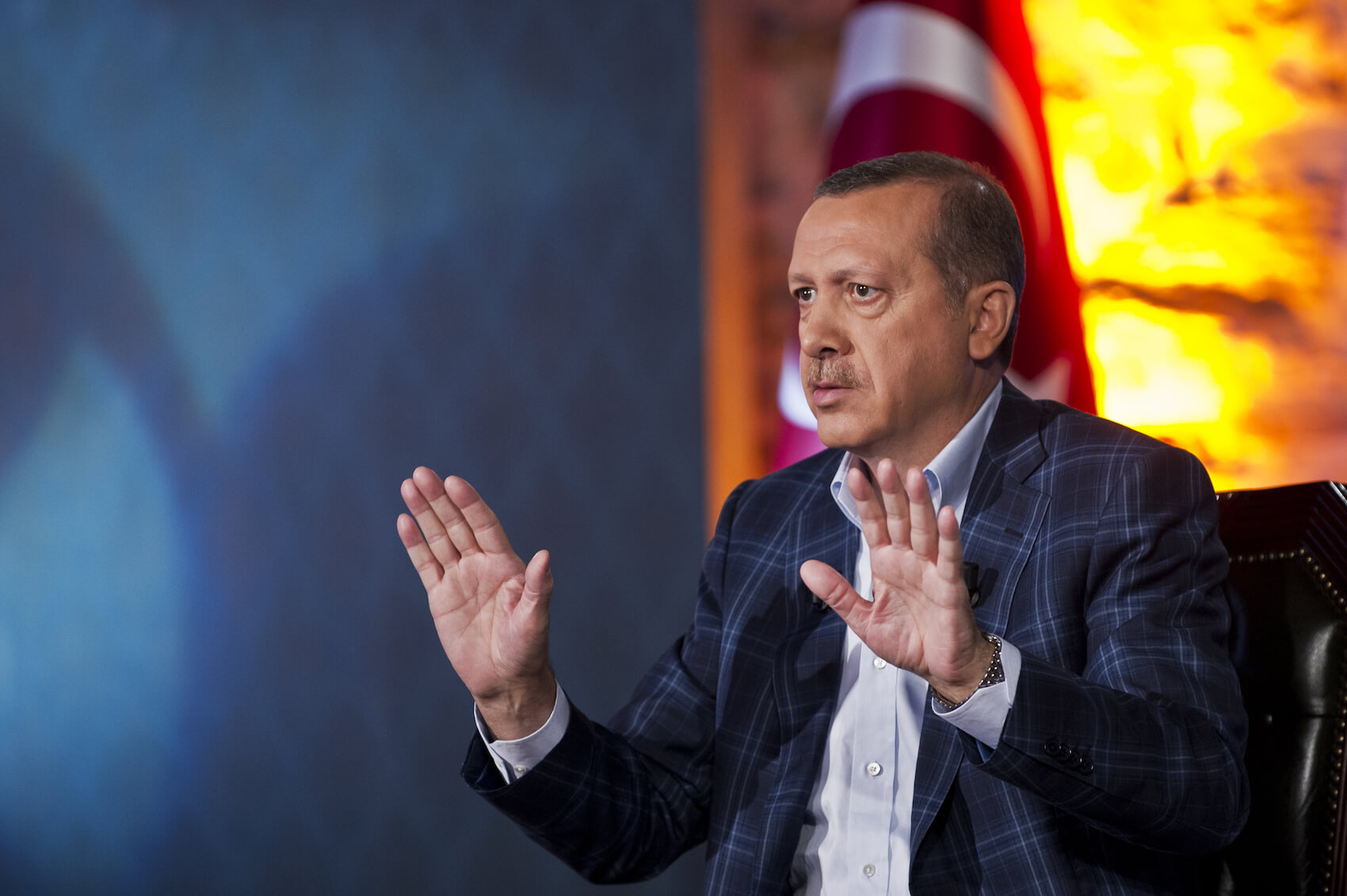
Given the inability of Turkey’s strongman Recep Tayyip Erdogan’s to satisfy Turkey’s 86 million citizens with an economy reliant on corrupt patronage networks and the challenges of implementing a heavy austerity program within a democratic framework, diverting public attention to domestic and foreign disturbances to suspend democracy becomes a realistic expectation. Ultimately, Erdogan’s pursuit seems to lead toward a costly Pyrrhic Victory.
In one of his poems, the late Turkish poet Sezai Karakoc, whose verses were even recited with enthusiasm by Turkish President Recep Tayyip Erdogan, proclaimed, “Never say fate, there is a fate beyond fate,” and spoke of “victories growing from defeat.” Through these words, he sought to nurture the hope that the oppressed, who steadfastly endure in their just “cause,” will ultimately triumph.
Tactical Commitment to Democracy Between 2003-2011
It all began with a “cause”! Erdogan and a few friends decided to engage in politics in an independent party, breaking away from the main political backbone known as National Outlook (Milli Gorus), of which he was a member, and its cult leader, Necmettin Erbakan, in the early 2000s. Erdogan explained his “taking off the National Outlook shirt” as “evolving and transforming towards perfection.” He described Turkey’s fundamental problems as political repression, leading to corruption and resulting in poverty. To break this vicious cycle, Erdogan declared that his team would not address the ambiguous rhetoric of National Outlook but rely on human rights-based, pluralistic, participatory democracy, full membership in the EU and, in this context, a modern and democratic constitution.
The party program of the Justice and Development Party (AKP), which he founded, confirmed this. With the support of EU reforms, favorable domestic and international circumstances, and relatively good governance, he continuously elevated the bar for success during a period that could be considered successful. As a Muslim country on the path to EU membership, adhering to the norms and values of a democratic secular regime and safeguarding the rule of law and a market economy, Turkey stirred feelings of admiration in the Islamic world, underscoring its role model status.
As the famous political historian Lord Acton wrote in a letter to an Anglican priest in 1887, “Power corrupts, and absolute power corrupts absolutely.” Having observed Erdogan’s successive election victories in general elections for central government and local elections for municipalities and his subsequent rise in power, I raised questions in my commentary in Project Syndicate in 2011 about how Erdogan would wield his increasing power or how it would be balanced. The question is legitimate because when populist politicians come to power, they might disregard the promises made to society during their time in opposition. Instead, they may opt to perpetuate the old regime and exploit it for their own benefit rather than reforming it in a positive direction, particularly when confronted with real challenges in governance, leading to the implementation of unrealistic solutions to real problems. Additionally, the manner in which they would relinquish power in case of failure remains a highly controversial issue.
Corruption Economy and Return to Authoritarian Agenda
Much has transpired since then, and the AKP’s utilization of its acquired power has been viewed with dismay. Indeed, following the success of the 2011 elections, Erdogan veered toward a different path. AKP Istanbul Provincial Chairman Aziz Babuscu openly declared at the April 1, 2013, Inner City Meetings what they intended to do: “… in the next decade, we will separate our ways from our stakeholders with whom we collaborated when we were powerless because we will no longer need them. For us, the state and social order they idealized were merely tactics and war ploys. We will depart from this intersection, and due to the bitter realities of life, we will have a callous agenda to eliminate them.”
Therefore, society would come to understand for the first time that the proclamation of being an “exemplary secular-conservative democratic model” before and upon assuming power was merely a strategic maneuver until the AKP cadre consolidated enough power. With the eruption of a corrupt regime, where Erdogan diverted economic resources to construct a political order he had long envisioned, coupled with the environmentalist Gezi Protests in June 2013 and the police-judicial graft operations on December 17-25, 2013, he found himself compelled to expedite the inevitable transition towards authoritarianism. This pivotal juncture, symbolizing the crossing of the Rubicon, is fraught with danger for individuals like Erdogan, burdened by a multitude of transgressions and devoid of any avenue for retreat. Indeed, the die has been cast, the arrow released from the bow, and the conflict has commenced.
We have also witnessed how the evolving multipolar world provides authoritarian populists with additional opportunities to validate their “political engineering” and shift towards more oppressive regimes. By labeling corruption files and probes as “imperialist-foreign capital induced coup attempts against the autonomous government of the people,” Erdogan promptly forged an emergency alliance with the previously corrupt state apparatus inherited in 2002, significantly overhauling it to align with Turkey’s EU membership requisites. In exchange for his cooperation, Erdogan directed his highly politicized judiciary to dismiss all former Gladio-related cases in 2014, thus safeguarding his government and himself while closely collaborating with members of the old oligarchy.
After the defeat in the general elections on June 7, 2015, amidst escalating violence due to a resurgence of intelligence-led terrorism and heightened pressure on the Kurds, Erdogan capitalized on security concerns among the populace. He was subsequently reelected in the snap election held on November 1, 2015. However, achieving his political goals required strategic planning and luck. The “witch hunt,” which couldn’t be conducted within the bounds of a democratic rule of law, found fertile ground only under a state of emergency where legal norms were disregarded. This tactic, often employed by Turkey in the past to target minorities of various ethnic backgrounds, proved effective under such circumstances. The “failed coup attempt” on July 15, 2016, served precisely this purpose.
Following the coup attempt, hundreds of thousands of public employees were dismissed from universities, the judiciary, the police, the military, and the Ministry of Education etc. Dozens of foundation universities, widespread educational institutions, and prep schools were shuttered. Thousands of companies were seized, and their assets confiscated. A witch hunt ensued, wherein people were stigmatized for exercising their constitutional rights, ostracized from society, and rendered unemployable. To solidify Erdogan’s party state, hundreds of thousands of political militants were recruited without regard for merit-based criteria to fill the vacancies left by those purged from the public sector.
With the controversial July 15 coup attempt, not only was the relatively moderate faith-based Gulen movement demonized by Erdogan, but also those who did not support the regime were declared open enemies, or at the very least intimidated, with the slogan “those who are impartial will be eliminated.”
The final stage in the regime’s transformation occurred with the 2017 referendum. The adoption of a partisan Presidential system effectively eradicated the separation of powers and checks and balances. The Turkish Parliament (The Grand National Assembly of Turkey, TBMM) lost its efficacy, becoming a mere formality. The judiciary, police, and media were completely co-opted and utilized to serve the regime’s interests. Authoritarian populism, forsaking long-term scientific and institutional planning in favor of a cult of strong leadership centered around a single man, led to decisions made on a whim and managed arbitrarily. Decisions made overnight were rescinded during the day, while personal preferences and exceptions proliferated. Institutions whose autonomy was dismantled were infiltrated by unqualified party militants.
Several crucial examples illustrate the extent of the damage: the Turkish Statistical Institute’s (TUIK) inability to provide accurate information; the Central Bank of the Republic of Turkey’s (CBRT) inability to execute specialized monetary policies crucial for price stability; the Competition Authority’s inability to prevent market monopolization; and the Banking Regulation and Supervision Agency (BDDK) and the Savings Deposit Insurance Fund’s (TMSF) inability to fulfill their roles in the financial system. Furthermore, the Court of Accounts’ capacity to audit the legality of public administration actions was compromised. The Public Procurement Law underwent constant amendments and violations, leading to inflated costs through preferential tenders, while compromising quality and exacerbating impoverishment. The erosion of the rule of law was further evidenced by the severe repression of civil society.
At this juncture, political power took precedence over social dialogue, exacerbating polarization and conflicts. While certain influential industrialists, pro-government media entities, and rent-seeking groups found favor under the regime, disillusionment grew among the educated middle class and youth, who had once harbored hopes for a society founded on principles of freedom of thought, expression, rule of law, and human rights. The Turkish populace, yearning for an open and progressive society, felt betrayed, particularly evident during the 2017 referendum and the 2018 presidential and parliamentary elections, where they expressed their discontent by voting against Erdogan.
The consolidation of political power within Erdogan’s inner circle, notably through intra-party elections in August 2017 which saw power being transferred to his relatives, and the appointment of his son-in-law as Treasury and Finance Minister in the subsequent government, heightened perceptions of “familism” and cronyism among the public. Projects backed by “customer and foreign currency-indexed price guarantees,” which were later transferred to the Treasury, became significant drains on public finances, resembling black holes in their insatiable consumption of resources.
At this point, it’s crucial to briefly examine Erdoganism’s governing model. Erdogan’s tenure, starting from his days as the mayor of Istanbul, has been characterized by notable successes in creating “win-win games” and “interest coalitions” primarily through rent-seeking. In this corrupt system, Erdogan has enriched himself through a give-and-take approach. Secondly, “purchased loyalty” emerges as another key aspect. His transactional strategy involves incentivizing individuals to partake in his corrupt regime by generously sharing the spoils, thereby securing their loyalty, and inducing compliance. Thirdly, a tactic of creating scapegoats and governing through division, even if it means ruthlessly sacrificing one’s allies and offspring when necessary. For Erdogan, any means to achieve his objectives are deemed permissible. Politics is regarded as a battlefield, where deceit and stratagems are not only necessary but also legitimate. This ethos shapes both alliances and enmities. Just as forming coalitions is inevitable, so too is the elimination of partners to strengthen one’s position at every stage.
Tragedy of Patronage in A Low Productivity Economy
Despite the exposure of Erdogan’s blatant corruption model during the December 17-25, 2013 corruption operations, the public did not retract its support from this political structure, which it perceives as vital to its bread and freedom. As is the case globally, the political behavior of Turkish society oscillates between instability, fear of authority, and the risk to livelihood. Until the adverse effects of the deeply entrenched corruption within the regime directly impacted their lives, society not only refrained from reacting out of fear that Erdogan’s absence could lead to instability, but also remained steadfast in their support for him.
Numerous factors, including justice, contribute to the source of political legitimacy, yet the provision of livelihood stands out as the pivotal influence. Erdogan’s dilemma lies in maintaining the sustainability of a patrimonial order characterized by high levels of contingency and arbitrariness in a country as populous as Turkey, with its 86 million inhabitants, largely possessing relatively weaker human capital. Furthermore, the challenges posed by the country’s large population and the inadequacy of natural resources are compounded by external changes. As the world undergoes a new wave of “creative destruction” marked by intensified technological competition, driven by the Fourth Industrial Revolution and the Fifth Generation Communication Revolution, Erdogan’s focus on sectors from the first and second industrial revolutions, such as textiles and land-construction, which are shielded from foreign trade and competition, as well as rent-seeking activities facilitating wealth transfer, proves unsustainable.
Attempting to evade the Middle-Income Trap (MIT) through reliance on these sectors—often associated with the lowest value-added and situated at the cheapest end of the global value chain—is futile. The MIT concept posits that traditional sectors, at the current stage of development, are excessively costly to compete with low-cost developing countries, while modern sectors demand higher quality and added value to rival leading industrialized nations. Consequently, the manufacturing industry finds itself trapped between traditional sectors characterized by high prices and modern sectors marked by inadequate quality.
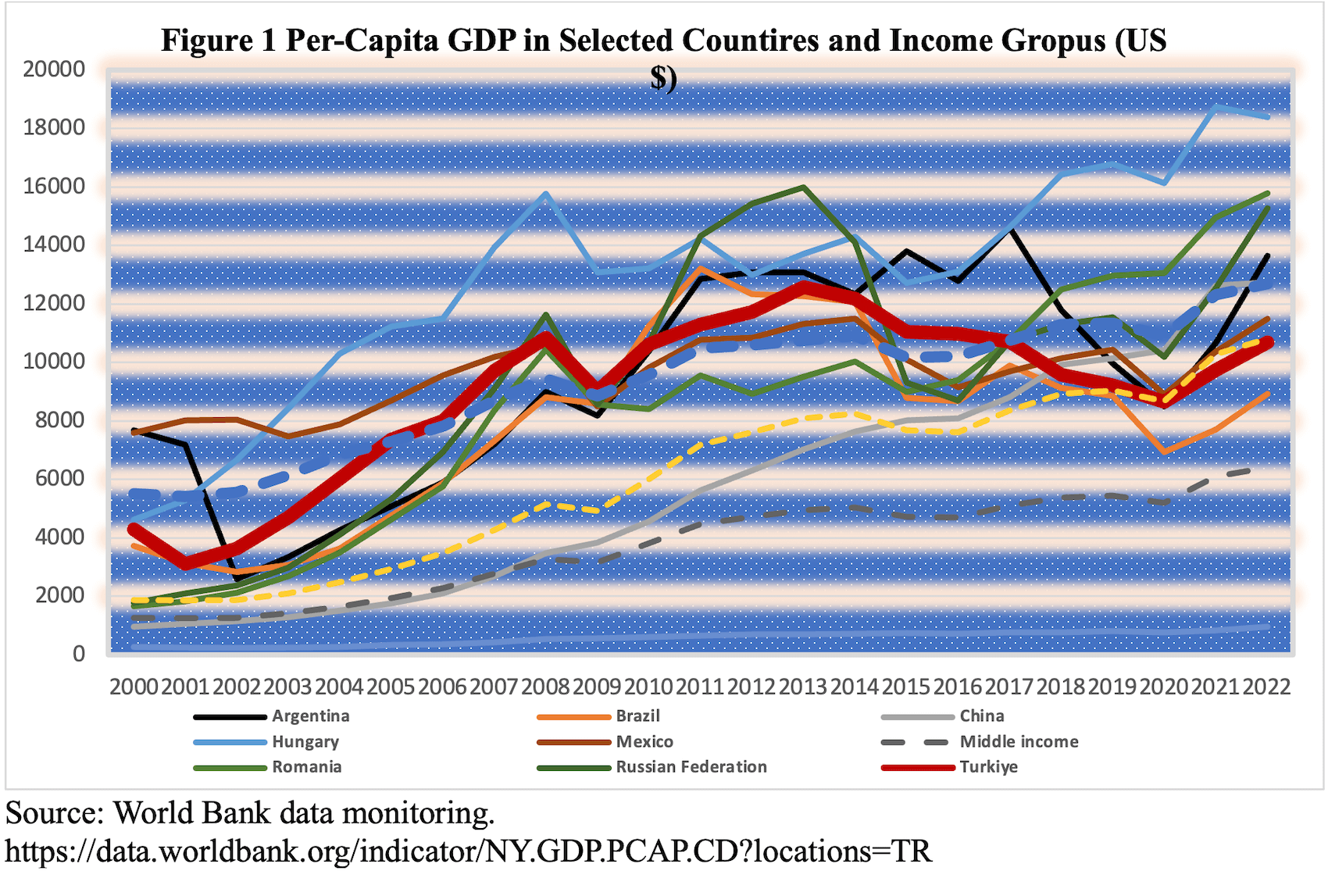
Indeed, in a 2012 economic report I edited for the Independent Industrialists and Businessmen’s Association (MUSIAD), of which Erdogan was one of the founders, I forecasted a continuous decline in per capita income from 2013 onwards, suggesting that Turkey would likely fall into the MIT by the 100th anniversary of the Republic. These projections have largely materialized today: Per capita income, which stood at $12,500 in 2013 and for the first time in her modern history put Turkey on the brink of entering the high-income country group and attracting global attention, has steadily decreased and plummeted to $10,674 by 2022. In the context of the 2023 election, due to excessive suppression of the exchange rate and the exclusion of migrants, who were considered in the calculation of the gross domestic production (GDP), when GDP was divided by the population, per capita GDP was reported as $13,000 (Figure 1). Despite the national income remaining at $1 trillion in 2023, the per capita income aimed at $25,000 stagnated at half that level—a loss of a decade’s worth of progress. Turkey, which climbed to the top of the developing country groups in the 2012-2013 transition, has slipped back to the status that Erdogan took over 20 years ago, as of 2022. In 2021, Turkey dropped out of the “top 20 largest economies in the world” rankings for the first time in modern history.
The predictions regarding macroeconomic management under populist regimes, spanning from right to left-wing populists, have been largely confirmed in Erdogan’s case. Initially, Erdogan began his term in late 2002 with an IMF program and effectively implemented EU reforms. However, following the regime change in 2018, which marked the onset of his authoritarian tendencies, Erdogan exhibited numerous shortcomings. These included the implementation of expansive monetary and fiscal policies, resulting in soaring inflation rates, price controls, credit rationing, persistent budget deficits, unsustainable debt accumulation, arbitrary and short-term decision-making, non-compliance with established economic programs, and failure to achieve projected outcomes.
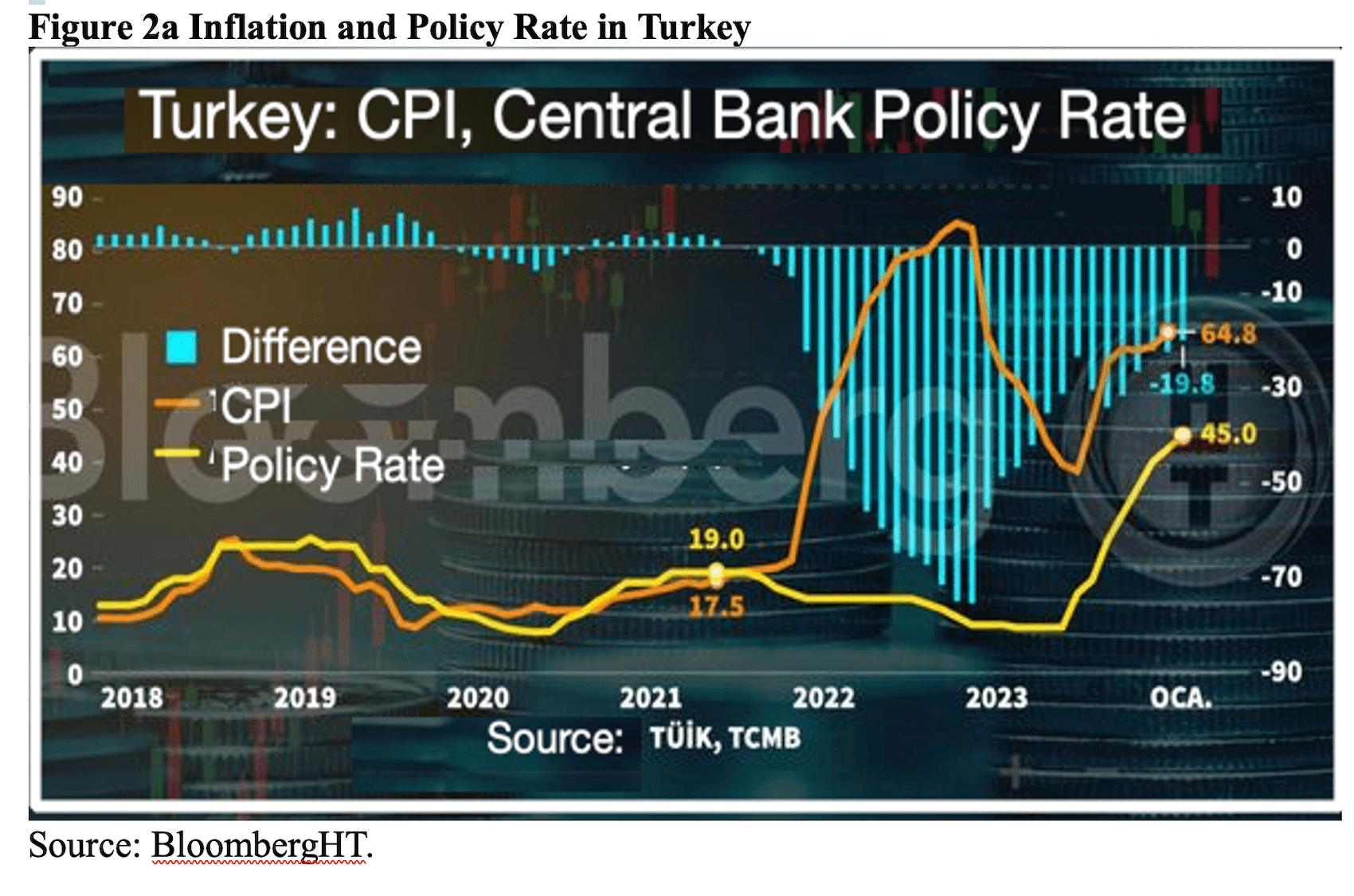
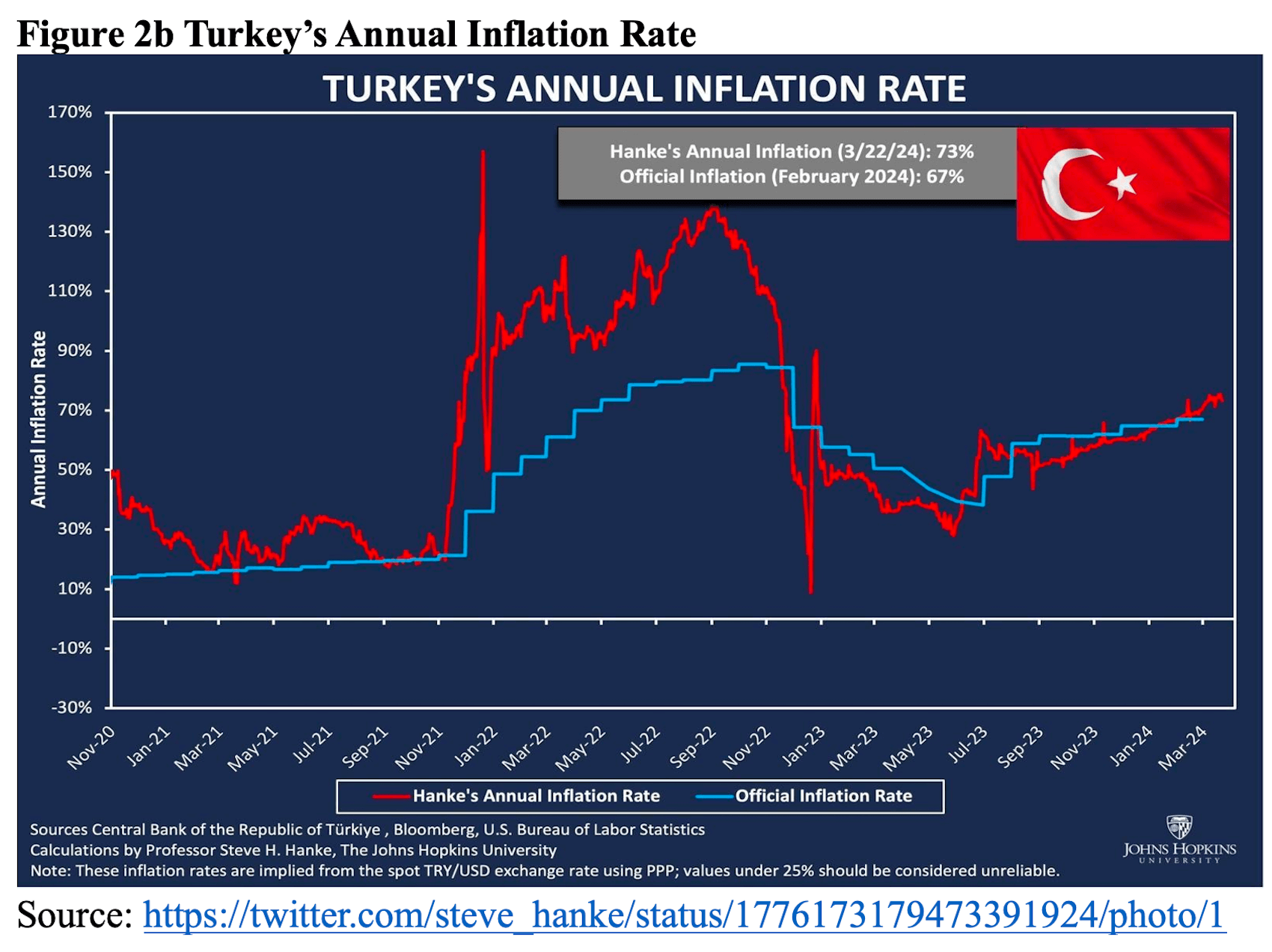
Erdogan’s management has failed to address chronic macroeconomic imbalances, characterized by persistent external and internal deficits, high inflation rates, volatile borrowing and lending rates, and depreciation of the Turkish Lira (TL), thus impeding the economy from achieving sustainable growth. The economic environment, marked by a sharp annual increase in broad money supply by 65 percent and the political decision to keep the policy rate well below inflation, has led to a significant negative real return, creating conditions favorable to speculative attacks on the TL. Heightened insecurity and uncertainty have further increased demand for foreign exchange, while the annual credit volume has surged by approximately 55 percent, driving up consumption and import demand and inflating the real estate sector bubble. These factors have exacerbated inflationary pressures, which have already spiraled out of control (Figure 2a). Johns Hopkins University professor Steve H. Hanke and the Inflation Research Group (ENAG) have meticulously uncovered a stark reality: TURKSTAT, evidently under the direct influence of Erdogan’s administration, has significantly understated inflation data. This revelation sheds light on a deliberate manipulation aimed at distorting income distribution, particularly impacting fixed-income civil servants, workers, and employees. The wealth transfer orchestrated through this misrepresentation has inflicted a substantial blow to their financial well-being (Figure 2a).
Meanwhile, the dollar exchange rate surged from ₺3.86 in 2018, the year of the regime change, to ₺32 by the end of March 2024, marking an 850% depreciation of the TL over five consecutive years. Despite unreliable public data, inflation spiked to around 100% at one point in 2022, up from 17% in 2020, before closing the year at 65%. The same level of inflation, 65%, was recorded in the election year 2023. However, Erdogan intervened aggressively in the foreign exchange markets to curb further inflation after his politically motivated decision to lower interest rates, depleting over $200 billion from central bank reserves in just two years.
With Mehmet Simsek’s return to politics, who served as finance minister in the AKP government until 2018, in June 2023, and his reappointment to the same ministry, there has been discussion of a stabilization program under the motto “cutting off the wrong and returning to rational ground.” However, despite having a name, its content has remained unfulfilled. When Simsek took office, the CBRT policy rate stood at 8.5%, with inflation around 39%. By the end of 2023, the interest rate had soared to 45%, while inflation reached 65% by the year’s close. Despite selling more than 40 billion dollars of additional borrowed reserves from the Central Bank, and the interest rates rose to 50% during the election to repress inflation, it hit 68,50%. Such a doubling of consumer inflation over less than a year, accompanied by an almost 6 to 7-fold increase in the policy rate, is highly unusual, reflecting the heavy injury of the demand and supply mechanism. Populist policies implemented following successive elections have worsened expectations, and the secondary effects of the inflation shock in autumn 2021 appear to be further strengthening.
Erdogan’s “economic model,” based on unfulfilling prophecies and aimed to determine the opportunity cost of money through political decrees centrally, assumed that lowering interest rates would reduce production costs and decrease inflation. It also posited that an increase in the exchange rate would enhance Turkey’s export competitiveness, thus allowing the country to close its foreign exchange deficit. However, these prophecies did not come true, and instead, the opposite happened. The model eventually transitioned into a tragic stage when Erdogan and his “politburo members” attempted to control inflation through direct and indirect exchange rate and price controls at all costs. This “learning-by-doing experience,” which incurred a devastating political and economic cost, reflects the tragic “self-fulfilling prophecies” of populist leaders like Erdogan, who aim to keep interest rates low while unreasonably hoping to prevent prices, foreign exchange rates, and inflation from rising. The process resulted in an incredible transfer of wealth and increased cost of living in favor of a small segment of society at the expense of the majority.
As outlined above, the challenges under Erdogan’s regime extend beyond resource allocation efficiency and raise significant concerns about distributional issues. This is sadly reflected in Turkey’s income and wealth distribution statistics in 2023, compiled by TUIK. According to labor union studies conducted in March 2024, the hunger threshold for a family of four in Turkey, where the minimum wage is 17,000 TL, was estimated at nearly 20,000 TL, while the poverty line stood at almost 55,000 TL. Thus, voters faced dire circumstances without security or other guarantees when hunger and poverty levels reached such heights. According to TUİK, by 2023, the share of the highest-income group, comprising 20 percent of the population, had surged to 50 percent of the national income, while the lowest-income group remained stagnant at 6%.
The Gini coefficient, a key measure of income inequality (where zero indicates perfect equality and one signals extreme inequality), has been on the rise since 2014, reaching an estimated 0.433. Finally, data released by Credit Suisse and UBS in March 2024 depict an even grimmer picture of wealth distribution in Turkey. The country’s wealth Gini coefficient stands at 0.8, with the wealthiest 10% owning a staggering 70%. According to a recent European Commission for Turkey report, Turkey still lacks a dedicated poverty reduction strategy. After sustained price increases, the poverty rate reached 14.4%, up from 13.8% in 2021. The severe-material-deprivation rate reached 28.4% in 2022.
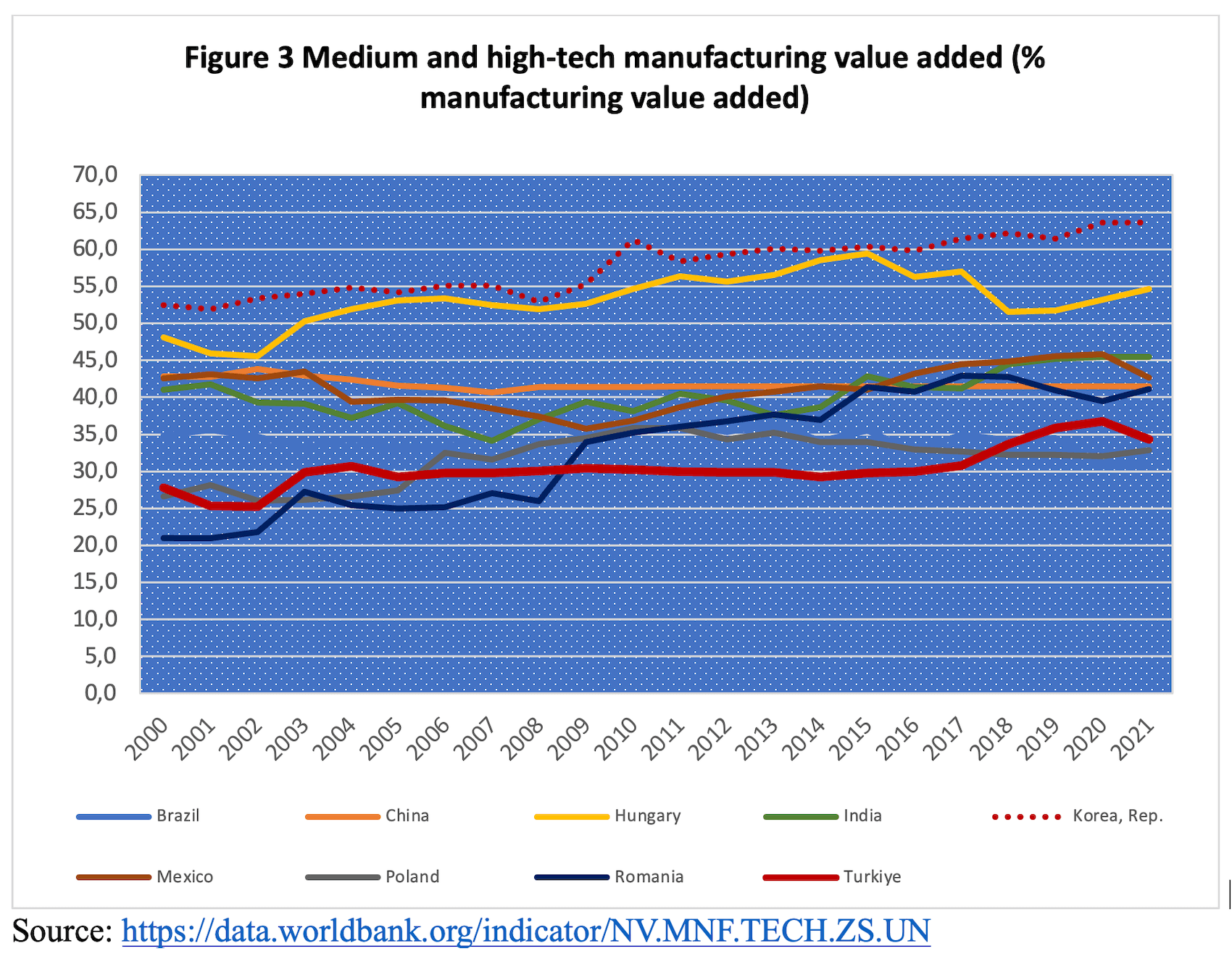
In that, after 2011, it became increasingly evident that Erdogan’s focus shifted towards exploiting the flaws of the old regime to consolidate his government rather than addressing political repression, corruption, and poverty. Instead of actively tackling poverty and income inequality, he opted to “manage” these issues, perpetuating a cycle of dependency. Emerging data summarized above shows that Erdogan can not sustain his role as a Robin Hood figure, redistributing part of the wealth generated from public rents to society through various mechanisms in a low-value-added, low-productivity economy (Figure 3) with a population of 86 million people.
A recent publication indicates that this range of patronage or patrimonial economic relationships was facilitated through cultural and ideological narratives, civilizational and religious populism, anti-elite polarization, and the government’s inclination to scapegoat foreigners.
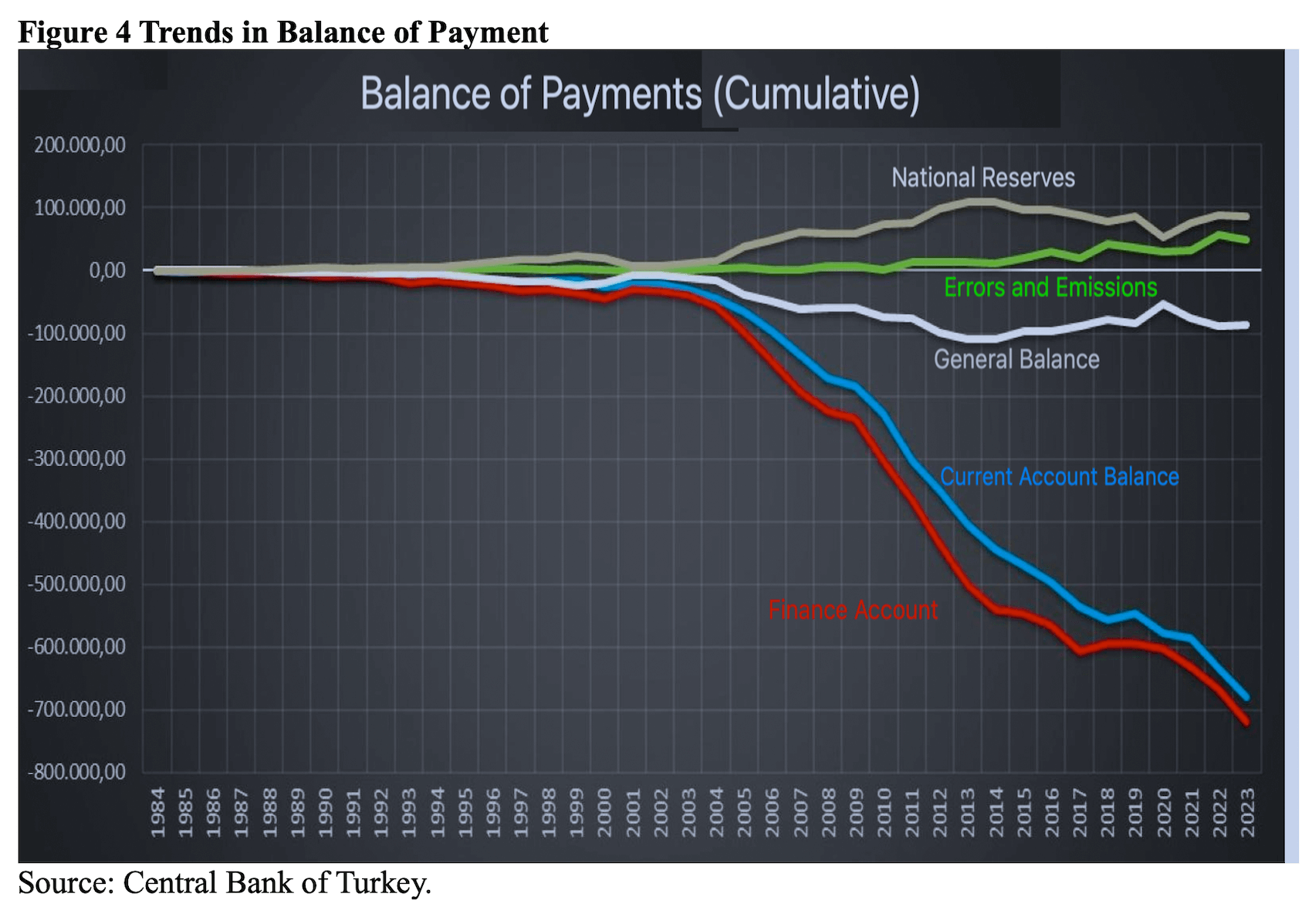
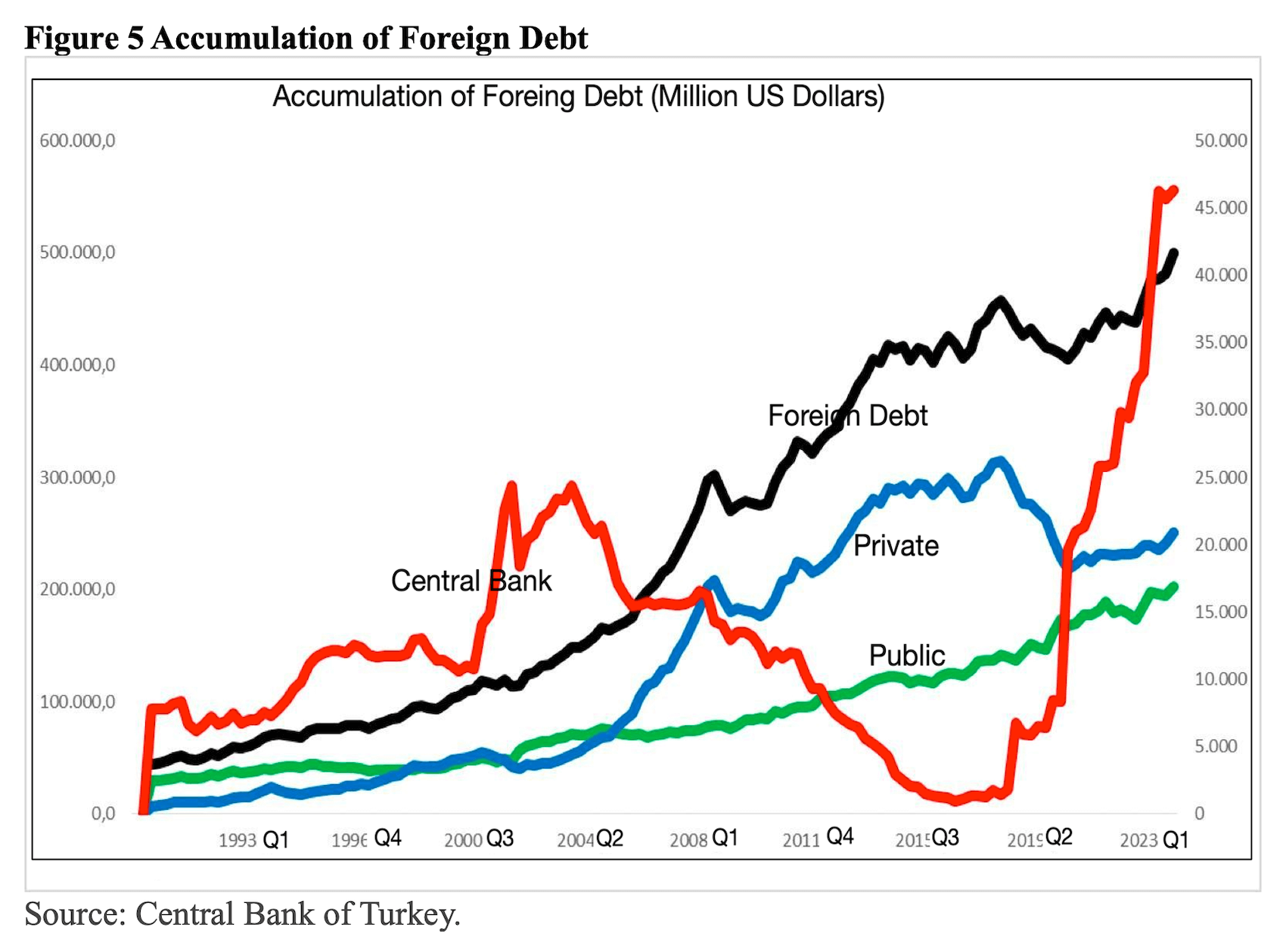
Erdogan’s purported model, as discussed thus far, aims to position Turkey as a “cheap production base” in the western part of Eurasia and the eastern part of Europe by suppressing real wages, utilizing cheap surplus labor provided also by immigrant workers, channeling people’s savings to cronies through subsidized interest rates, attracting capital by devaluing all national assets through currency depreciation, sustaining economic growth inflated by inflation, raising indirect taxes, and ultimately exporting low-value-added products to improve the external balance. However, these objectives have yet to be fully realized. Despite the sharp devaluation of the TL and the imposition of very high customs duties, trade deficits have continued to increase, and financing quality has deteriorated, leading to the accumulation of unsustainable foreign debt (Figures 4 and 5).
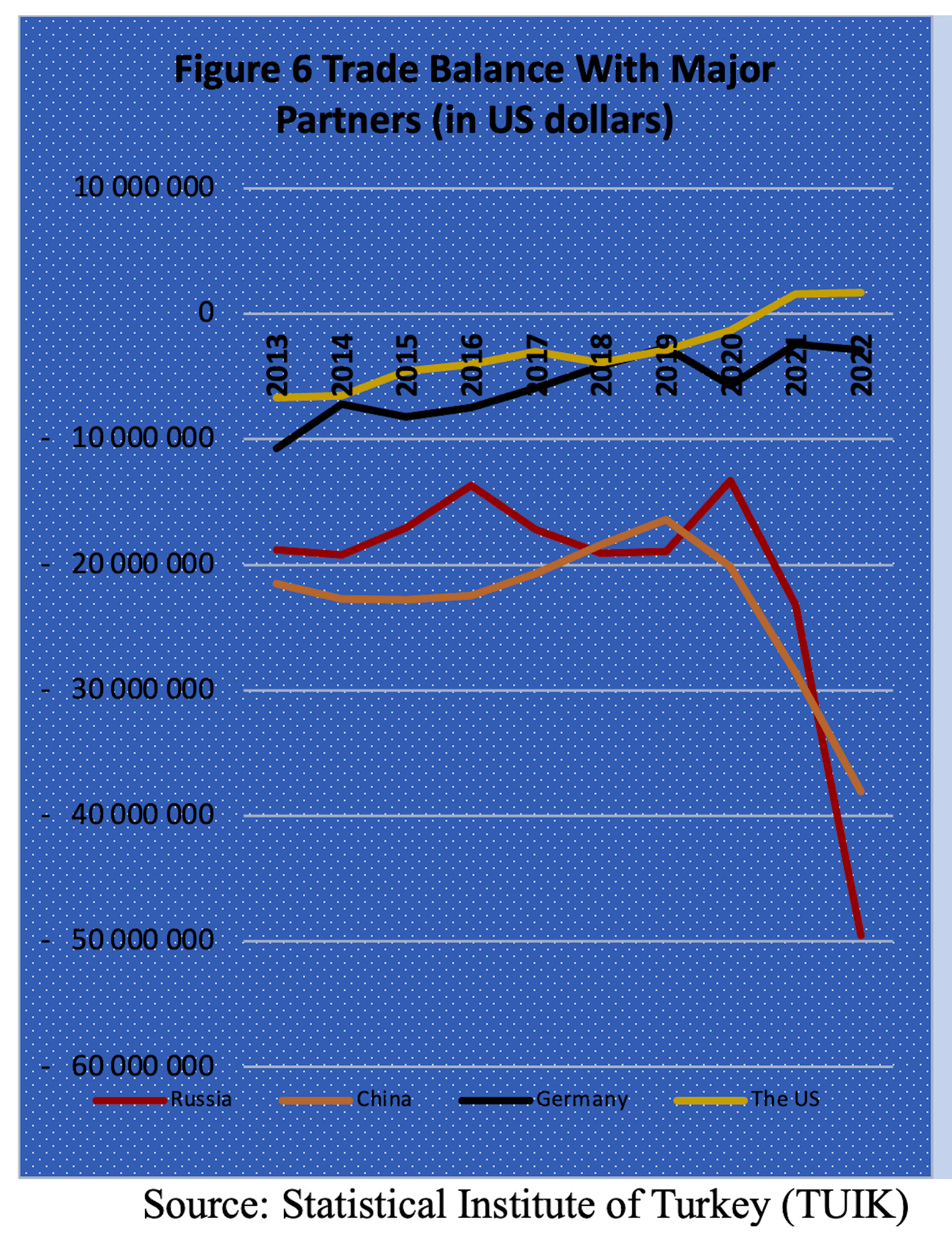
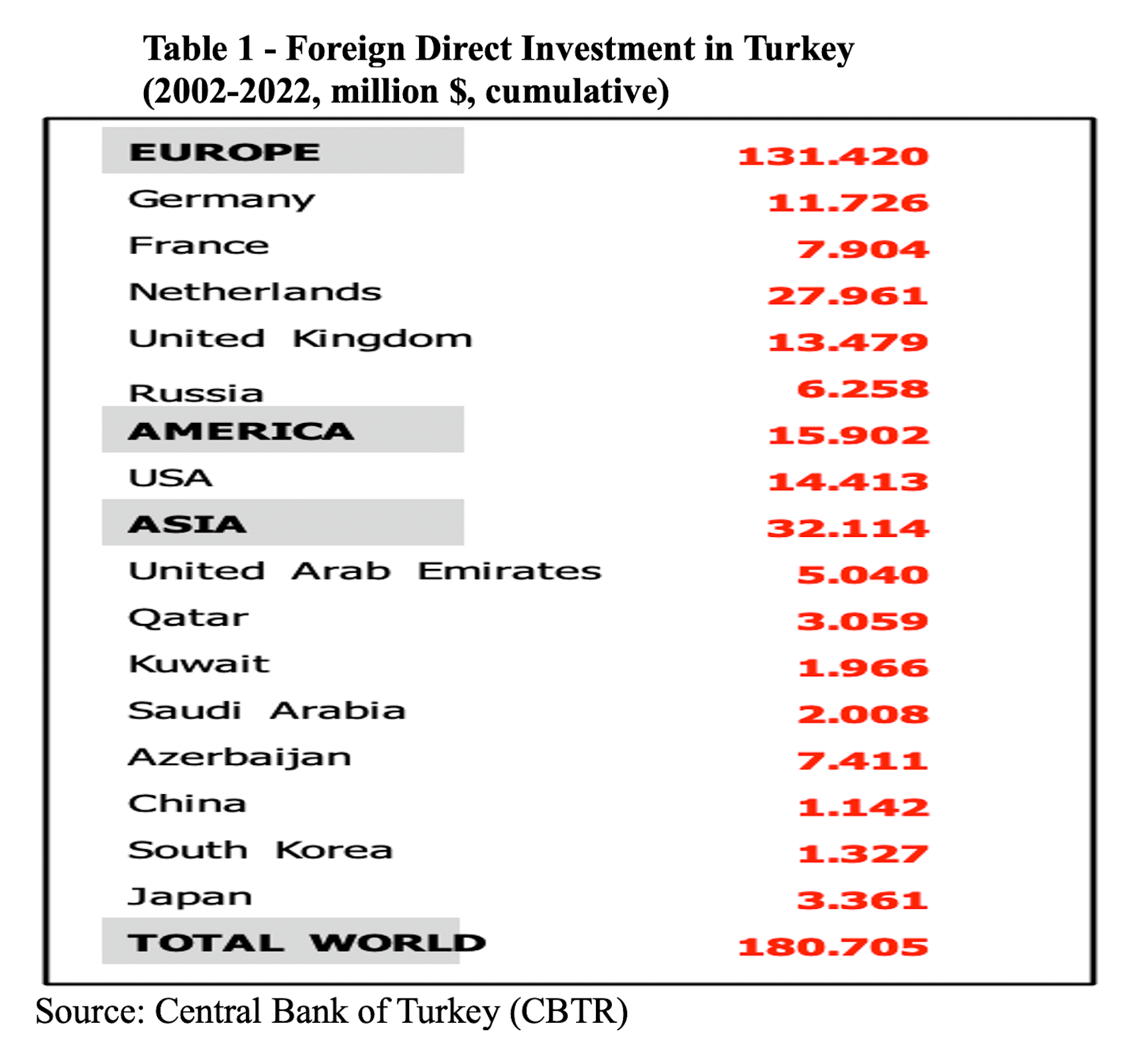
From a longer-term perspective, the combined impact of institutional erosion, the dismantling of checks and balances, and a contentious foreign policy under autocratic rule have resulted in flawed economic policies and the disintegration of the production fabric. The total volume of Foreign Direct Investment (FDI) entering Turkey has experienced a sharp decline since 2007. The crisis of trust has led Turkey to detach from the European value chain. Simultaneously, political tensions with major Arab countries like Saudi Arabia and Egypt have prompted a distancing from the Middle Eastern market. Meanwhile, Erdogan’s allies in Eurasia, such as China and Russia, dominate in trade deficits but do not contribute to financing. China relegates Turkey to merely an “open market” and a “transit route” to access the EU and neighboring countries duty-free. In summary, China and Russia are the primary sources of Turkey’s trade deficit, while the source of finance remains traditionally Western Europe (Figure 6, Table 1).
‘God of Hunger’ Prevails over the “Gods of Fear’
In Greek mythology, Limos represents the embodiment of starvation, hunger, and famine, while Deimos and Phobos epitomize chaos and fear. Deimos symbolizes terror and dread in ancient Greek religious beliefs and mythology, whereas his sibling Phobos embodies panic, flight, and rout. Recently, the Turkish populace, losing hope and experiencing escalating hunger, has rebelled against the dominion of the “gods of fear.” Instead, they find themselves under the sway of the god of hunger, embodying their current struggles.
In the March 2024 local elections, amid the economic crisis and regional and global contractions in foreign policy, a pivotal moment emerged where the “god of hunger” prevailed over the “god of fear.” Despite the government’s extensive propaganda urging the populace to prioritize “stability,” maintain “gains” under Erdogan’s regime, and resist foreign influence, people turned a deaf ear to these messages. Consequently, the elections resulted in a resounding defeat for the ruling party.
In recent years, Erdogan has crafted his entire political narrative around themes of national honor, sovereigntism, independence, and autonomous foreign policy. Consequently, he has leaned towards polarization, alienation, and divisive governance both domestically and internationally. Erdogan has positioned himself as the guardian of the Muslim ummah, the champion of a Free Palestine, and the rightful inheritor of former Ottoman territories. However, his loss of ability to engage in economic and political populism at home and abroad during the March 2024 local elections underscores the unsustainability of populism in a country of Turkey’s magnitude and geopolitical complexity. It is indeed a notable irony in the history of a religiously motivated populist authoritarian political leader to transition from the rhetoric of the “caliphate of the ummah” to being labeled as a “collaborator of Zionism” amid Israel’s Gaza massacres. This shift arises from the diverse forms of support, including weapons and kerosene, extended to the Netanyahu government during the ongoing massacre of civilians in Gaza and the relentless destruction of the city. This transformation must be viewed as a profound turn of events in the history of the region.
Finally, despite the ruling party’s defeat in the local elections, the opposition strategically positioned itself to claim victory. Firstly, by gaining control of critical municipalities in major cities through the “Nation Alliance,” formed in 2019 as a counterforce to Erdogan’s “People’s Alliance,” the opposition effectively deprived the government of a populist tool while providing an avenue for engagement with the public and showcasing its capabilities. Despite Erdogan’s acknowledgment that losing Istanbul equated to losing Turkey, he couldn’t prevent it in 2019. Fast forward to 2024, not only did he fail to reclaim any major cities lost in 2019, but the losses extended further, with additional significant cities slipping away.
Utilizing this opportunity, opposition-led municipalities efficiently reached out to citizens facing hardships during the crisis. Secondly, the opposition embraced positive populism, taking cues from Erdogan’s playbook. This involved a notable transformation within the main opposition party, the Republican People’s Party (CHP), which shifted from its elitist and establishment image to a more grassroots approach. By speaking the language of the people, acknowledging past shortcomings, and seeking forgiveness, the CHP significantly bolstered its appeal and credibility among the populace.
Conclusion
Following Erdogan’s recent electoral defeat, exacerbated financial crisis, and foreign policy constraints, the period between 2024 and 2028 is poised for turbulent developments. The stark contrast between the people’s needs and Erdogan’s priorities renders the situation even more fragile. Erdogan’s primary objective is to maintain power and evade accountability at all costs.
The inevitable repercussions of the March 2024 local elections seem unavoidable, primarily due to the substantial number and size of municipalities lost, rather than merely the overall voting percentages. These cities predominantly housed Erdogan’s rent projects, thrived on corrupt economies, and relied on assistance to people experiencing poverty, cementing their dependence on him.
Hence, Erdogan suffered losses not only in terms of the popular vote but also in terms of financial resources. Ambitious projects like “Canal Istanbul” or the construction of malls in Taksim Gezi Park now seem unattainable. Moreover, his loss of domestic support and resources has tarnished his reputation. To reclaim these lost assets, it’s foreseeable that Erdogan will centralize numerous resources and administrative units previously overseen by municipalities. This might involve appointing trustees to many cities, obstructing municipal budgets, and hindering investment financing initiated by municipalities.
However, instead of focusing on trivial matters, a more comprehensive political strategy should be anticipated to address the underlying issues. The saying goes, “each blow that doesn’t kill strengthens.” Erdogan finds himself wounded, vulnerable, and, consequently, highly perilous. Just as Turkey spiraled into a state of fear following the June 7, 2015 elections that he lost and witnessed the suspension of law after the failed coup attempt orchestrated by government intelligence on July 15, 2016, Erdogan might resort to provoking Kurds and stoking societal tensions using his concocted “FETO” narrative to neutralize the impact of local elections by sidelining legal procedures once more.
The recent attempt to hinder the elected candidate in Van province immediately after the election may signify something more than a conclusion but rather the inception of a more extensive process. Erdogan’s alliance with the ultranationalist National Action Party (MHP) and its leader, Devlet Bahceli, known for their connections with criminal elements, could potentially draw Erdogan into hazardous undertakings, leveraging Turkey’s instabilities to their advantage.
Another urgent agenda that influences the aforementioned projects is Turkey’s austerity program, whether implemented with or without the IMF. Turkey is currently facing economic and political crises, and implementing a rigorous stabilization program is crucial to mitigate inflation and urgently address the foreign exchange shortage. However, the societal burden of such programs is significant, and only a newly elected government with high credibility could realistically enact one. Given the ongoing erosion of trust, compounded by Erdogan’s autocratic regime’s arbitrary and amateurish practices, it seems unlikely that the current government could effectively execute such a demanding program to fully address the situation.
The upbeat “signaling effect” of an IMF agreement is undoubtedly more urgent than a gradual loan dispersal. Yet, Erdogan’s acceptance of such an agreement presents another challenge, as it would require substantial reforms, including transparency, accountability, addressing past crimes, and moving away from entrenched corruption. Moreover, the specific political and economic concessions the US might demand from Turkey to facilitate an IMF agreement still need to be determined.
In terms of the root cause of Erdogan’s tragedy in Turkey, while Erdogan endeavors to assert leadership within “the Islamic Ummah” rather than “bowing to Europe,” he finds himself increasingly isolated not only from Europe but also from the Arab world. His efforts to appease Russia and China have faltered, and he is entangled in a costly “war of liberation” without sufficient resources. In this scenario, the longstanding propaganda that portrayed Erdogan as “the guardian of the Ummah” has collapsed and been replaced by the perception of him as a “Zionist collaborator.”
Therefore, given Erdogan’s inability to satisfy Turkey’s 86 million citizens with an economy reliant on corrupt patronage networks and the challenges of implementing a heavy austerity program within a democratic framework, diverting public attention to domestic and foreign disturbances to suspend democracy becomes a realistic expectation. Ultimately, Erdogan’s pursuit appears to lead toward a costly Pyrrhic Victory.
Pretorius, Philip Christo & Valev, Radoslav. (2024). Forces Shaping Populism, Authoritarianism and Democracy in South Korea, North Korea and Mongolia. European Center for Populism Studies (ECPS). April 5, 2024. https://doi.org/10.55271/rp0054
This report offers a summary of the 11th event in ECPS’s monthly Mapping Global Populism panel series, titled “Forces Shaping Populism, Authoritarianism, and Democracy in South Korea, North Korea, and Mongolia,” held online on March 30, 2024. Dr. John Nilsson-Wright moderated the panel, featuring insights from five distinguished scholars: Dr. Joseph Yi, Dr. Meredith Rose Shaw, Dr. Sang-Jin Han, Dr. Junhyoung Lee, and Dr. Mina Sumaadii.
This report encapsulates the highlights of the eleventh event hosted by the European Center for Populism Studies (ECPS) as part of its monthly Mapping European Populism (MGP) panel series. Titled “Forces Shaping Populism, Authoritarianism, and Democracy in South Korea, North Korea, and Mongolia,” this event unfolded online on March 30, 2024. The esteemed Dr. John Nilsson-Wrightexpertly moderated the panel, which boasted insights from five distinguished scholars in the field of populism.
The panelists featured in the event included experts such as Dr. Joseph Yi, an Associate Professor of Political Science at Hanyang University, Seoul, renowned for his work on “Discourse Regimes and Liberal Vehemence.” Dr. Meredith Rose Shaw, an Associate Professor at the Institute of Social Science, The University of Tokyo, provided valuable insights into the regional context through her research on “Foreign Threat Perceptions in South Korean Campaign Discourse: Japan, North Korea, and China.”Dr. Sang-Jin Han, an Emeritus Professor of Sociology at Seoul National University, shared his expertise on sociopolitical trends in South Korea, focusing on the “Transformation of Populist Emotion in Korean Politics from 2016 to 2024.”Dr. Junhyoung Lee, a Research Professor in the School of International Relations at the University of Ulsan, South Korea, contributed with his research on “Nationalism and Resilience of Authoritarian Rule in North Korea.” Lastly, Dr. Mina Sumaadii, a Senior Researcher at the Sant Maral Foundation, Ulaanbaatar, Mongolia, offered a unique perspective on “Populist Nationalism as a Challenge to Democratic Stability in Mongolia.”
The panel served as a platform for a rich exchange of ideas and analysis, shedding light on the complex interplay between populism, authoritarianism, and democracy within these East Asian nations.
Professor John Nilsson-Wright opened the panel by giving a few introductory remarks about North Korea and South Korea. Starting with the latter, he posed the question on whether or not thinking about populism in South Korea is relevant since it seems to be a successful and vibrant state with a healthy and vigorous political process that participates with the international community.
Using the Candlelight Demonstrations as an example of the strength of the political culture in South Korea, Dr. Nilsson-Wright further states that the country’s institutional frameworks are an example of successful democratic governance. However, critics of the system argue that South Korea has not yet become an ‘advanced democracy,’ and that is in danger of democratic backsliding. Further to this, the country has a polarized society with a strong sense of anti-elitism, and have a poor record of press freedom. According to Dr. Nilsson-Wright, one of the features of populist politics in the country is the debate over who constitutes as ‘the people,’ and it is underscored by the debate between the narrative of economic exceptionalism, and those who celebrate the achievements of democratic transition. In contrast to the above-mentioned critics, Dr. Nilsson-Wright turns to scholars who praise South Korea’s democratic emergence, using examples of the 2004 impeachment attempt against President Roh Moo-hyun, and the historical evolution of South Korea’s democracy from its illiberal and authoritarian past, as evidence of the country’s democracy in action.
Dr. Nilsson-Wright highlighted some of the problems that currently undercut and threaten the integrity of South Korea’s Democratic institutions, indicating that there are legitimate questions about the maturity of South Korea’s political system. On a positive note, the last presidential election was strikingly close, with discourse grounded in economic efficiency rather than emotive political issues. The open question remains on whether or not South Korea’s institutions will continue to contain polarizing tendencies from both internal tensions and external threats. Expanding on the latter threat, Dr. Nilsson-Wright highlights that, because of the concerns commentators have over China, a new type of populism has emerged – nuclear populism – which a sign of how fear and distrust can fuel a political climate.
Turning to North Korea, Dr. Nilsson-Wright presents scholarly work that’s been conducted on totalitarian control, and in particular focuses on the works that focus on social, rather than political, change. For him, this has opened new avenues of thinking about the links between populism in South Korea and the style of politics in North Korea. In explaining the persistence of North Korea’s system, Dr. Nilsson-Wright argues that the emotional dimension of politics has been important in the analysis of the two Koreas closer together. These emotions are mostly fear and resentment of opponents, weaponizing the past, and political nostalgia.
Enquiring on whether or not the authority in North Korea will last, Dr. Nilsson-Wright concludes by giving examples of Kim Jong-Un has both continued on with traditional forms of totalitarian control, yet in some respects have broken others, and all that remains now is to watch closely the way the leadership of North Korea formulates national policy objectives.
Dr. Joseph Yi: “Discourse Regimes and Liberal Vehemence”
Dr. Joseph Yi posed two questions. Firstly, he questioned whether individuals with access to identical information and facts would exhibit a greater propensity to compromise and cooperate. Secondly, he explored the notion of diverging strains within liberal democracy. Dr. Yi expressed his belief that populist tendencies exist in South Korea across the political spectrum, with both the left and the right accusing each other of being illiberal and questioning the legitimacy of each other’s procedural rights.
Dr. Joseph Yi commenced his presentation by emphasizing that Populism frequently portrays its adversaries as enemies of both the people and authentic democracy. Additionally, Dr. Yi referenced International Relations literature, asserting that democracies tend to collaborate with one another, contrasting with the animosity often observed between democracies and illiberal regimes. However, there has been a noticeable rise in animosity among OECD democratic polities, evident at both the national and subnational levels. Dr. Yi illustrated this with concrete examples, including California’s state-funded travel ban against Florida and the European Union’s decision to suspend financial funds to Hungary.
Dr. Yi advanced a theoretical argument suggesting that the divergence among democratic polities fosters animosity, with each democratic entity perceiving others as either illiberal or false democracies. He then outlined two approaches: the positive sum approach, where procedural rights support substantive rights, and an emerging approach that sees procedural rights as incompatible with substantive rights. Both the Left and the Right contend that certain groups’ rights have been marginalized, leading to distinctions between “right-wing victim’s rights (RVR)” and “left-wing victim’s rights (LVR).” Dr. Yi introduced his second variable, the information markets, noting that even in “mature” democracies, discourse on victims’ rights limits the information market by restricting “harmful” speech.
Dr. Yi proceeded to make a number of propositions. First, he claimed that there is greater animosity between democracies with different discourse regimes. Proponents of the RVR and LVR views claim that the other regime tolerates hate-speech and censors the voices of victims.
Dr. Yi’s second proposition was that there is especially high animosity when one democracy follows a “victim’s rights” model that restricts information nationwide and the other does not. For example, in South Korea between 1948-1980, the RVR regime repressed communist speech. Similarly, since the 2010s, LVR regimes have prioritized victims of colonialism over academic freedom of dissenting scholars. Dr. Yi provided a personal example where some student activists from his university in Seoul violated his procedural rights by distributing fliers with a quote which was taken out of context i.e. not providing the full set of facts which is an example of limiting the rights of dissenting scholars.
However, in Japan there is more thorough discourse where the government does not criminalize either left-wing or right–wing scholarly perspectives. In South-Korea, the narrative that the Japanese Imperial Army abducted over 200,000 women is very prevalent, while in Japan, the media claims that there is no evidence that this happened. In this context, both Japan and South Korea frame each other of being illiberal. Countries such as the Philippines and Taiwan do not limit the information market and have FTAs with Japan, whereas South Korea cooperates more with countries that restrict the free flow of information.
Dr. Yi concluded by stating two questions. The first one being whether people who have access to the same information and same facts would be more likely to compromise and cooperate with each other. The second question he posed is whether there are diverging strains of liberal democracy. Dr Yi finally stated that he believes that there are populist tendencies in South Korea of both the left and the right to accuse each other of being illiberal and that the other group does not deserve its procedural rights to be respected.
Dr. Meredith Rose Shaw: “Foreign Threat Perceptions in South Korean Campaign Discourse: Japan, North Korea and China”
Dr. Meredith Shaw discusses some key elements she is monitoring for the “second image reversed problem,” particularly regarding the upcoming Korean elections. Two of these elements are Sadaejuui (flunkeyism) and sade oegyo (flunky diplomacy), both of which entail acting subservient or subordinate to a larger nation. While historically referring to Korea’s tributary status to the Qing Dynasty in China and collaboration with Imperial Japan, these terms have recently resurfaced in relation to China. Dr. Shaw notes that both the Left and the Right employ this rhetoric, accusing each other of flunkeyism, thus balancing each other out in terms of populist rhetoric and preventing one side from effectively utilizing this tactic to gain favor with the populace.
Starting her presentation, Dr. Meredith Shaw starts with a powerful statement that she believes South Korea should have already been taken over by right-wing populism as they face two communist threats in both China and North Korea, both of whom they fought a war against. Whenever North Korea launches a missile, support for progressive-left parties tends to diminish, as their opponents find it convenient to associate them with guilt by association. Using the ‘Second Image Reversed’ problem as her foundation, Dr. Shaw highlights that events in the international arena can have effects on domestic politics, of which she believes South Korea is particularly vulnerable to. She posits that the reason that South Korea has escaped this drift is a result of the recent memory of its right-wing dictatorship and the emotional counterweight of the anti-Japan sentiment. Right-wing politics in South Korea is usually more pro-Japan (Chinilpa), giving the left a counterweight to hit back with in reaction to allegations that the left has pro-North Korean (Chongbuk) policies.
In Dr. Shaw’s own research, she found that both Chinipla and Chongbuk resemble populist narratives as both sides portray the opposition as ‘elitist,’ particularly in memes and political imagery. When the right feels attacked on pro-Japanese policies, they hit back with claims that the left is pro-North Korea and -China with similar imagery and memes used by the left, known as retaliatory mimicry. As a result of the rising anti-China sentiment, Dr. Shaw investigated the impact it would have on the Japan/North Korea dueling antagonisms. Politicians on both sides seem uncertain on how to respond to this new public sentiment, particularly because of the close trade ties between South Korea and China. Right-wing candidates are more willing, yet still apprehensive, to partake in anti-Chinese rhetoric, using the same language that the left uses towards Japan – a big power neighbor that steals Korean culture, encroaches on territory, and bullies neighbors with its economic power. This sets up China to overtake Japan as the ‘pushy neighbor.’
To conclude Dr. Shaw shares some of the elements that she’s tracking for the second image reversed problem, particularly in relation to the upcoming Korean elections. Two of these elements are Sadaejuui (flunkeyism) and sade oegyo (flunky diplomacy), which are both often translated as someone who acts subservient or subordinate to a bigger nation. In the past it referred to Korea’s tributary status to the Qing Dynasty in China and those who collaborated with Imperial Japan, but recently has been used in relation to China once again. Dr. Shaw provides examples of how both the Left and Right employ this rhetoric, accusing the opposing side of flunkeyism. This dynamic serves to balance each other out in terms of populist rhetoric, preventing one side from effectively utilizing this tactic to curry favor with the populace.
Dr. Sang-Jin Han: “Transformation of Populist Emotion in Korean Politics from 2016 to 2024”
Professor Sang-Jin Han explains that in anticipation of the upcoming April 2024 election, both the ruling conservative party and the progressive opposition party engage in demonization, utilizing emotions of hatred and resentment. The ruling party accuses the opposition of aligning with North Korea, thereby endangering liberal democracy in South Korea. Conversely, the opposition party accuses the ruling party of being subservient to Japan and thereby undermining the sovereignty of Korea. Dr. Han concludes that Korean parties have excessively politicized issues and rely on animosity towards their opponents rather than fostering constructive dialogue.
Professor Sang-Jin Han initiated his presentation by emphasizing that the ramifications of populism are intertwined with the definition of its criteria. He outlined two primary elements of populism: distrust towards the ruling class and the prioritization of the people in guiding politics. Subsequently, Dr. Han provided a historical overview of populist emotion in South Korea.
The first stage was the last quarter of the 19th century, when Korea faced a series of crisis. The second stage concerned the Imperial Japanese rule over Korea, which was marked by great hatred and animosity towards the Japanese elite as a catalyst for populism. The third stage is related to the Korean War and again this stage is defined by high levels of hatred and distrust but this time towards North Korea. The fourth stage is concerned with the democratization in the 1980s and in that time the movement mainly led by college students attempted to bring back the original cornerstone of populism, namely the primacy of the people in politics. The final fifth stage is related to digital populism. Because South Korea enjoyed a high-level of digitalization, the populist movement also began to utilize technologies to further their cause.
Dr. Han introduced the two populist movements in South Korea, the so-called Candlelight movement and the National Flag movement. Both are characterized as highly distrustful towards politicians and want to bring power back to the people. Dr. Han in his research found out that whether populism is considered as a promoter of democracy or as a barrier to democracy really depends on the definition of the criteria of populism. Dr. Han found out through his empirical research that the Candlelight movement was very much constructive towards strengthening democracy. Meanwhile, the National Flag movement which was led by older and more conservative people appears to obstruct the security of democracy.
The empirical research that Dr. Han conducted through a survey in 2018 found out that the Candlelight movement was more associated with the primacy of the people in politics, while the National Flag movement was associated with the distrust towards the elites. Furthermore, the Candlelight movement was not associated with support towards a strong authoritarian leader, whereas the National Flag movement was deeply associated with that idea. These findings ultimately mean that the question whether populism could strengthen democracy is not determined by populism itself. Rather, this depends on whether the populist movement focuses more on anger and antagonism than promoting the idea that the people should be the primary sovereign in politics.
Therefore, the threat to democracy is South Korea actually comes from the National Flag movement and not from the Candlelight movement. Ultimately, the idea of distrust as the main definitional criteria for populism could endanger democracy, whereas the criteria of promoting the primacy of the people seems to promote democracy.
Dr. Han concluded by having a look at the current situation in 2024. Ahead of the coming election in April 2024 both the ruling conservative party and the progressive opposition party demonize each other by using hatred and resentment emotions. The ruling party accuses the opposition of being an ally of North Korea and therefore jeopardizing liberal democracy in South Korea. The opposition party accuses the ruling party of being a comprador of the Japanese and therefore destroying the pride of the sovereign Korean nation. Dr. Han concluded that Korean parties have politicized issues too much and are relying on the hatred and animosity towards their opponents rather than being constructive.
Dr. Junhyoung Lee: “Nationalism and Resilience of Authoritarian Rule in North Korea”
Referring to the main implications of his research, Dr. Junhyoung Lee highlights the use of nationalism as a primary means to bolster the regime’s resilience and cultivate loyalty among the population in North Korea. Additionally, he emphasizes the significance of performance legitimation as another essential tool for fortifying the regime’s resilience, showcasing the state’s responsiveness to critical issues. Lastly, Dr. Lee underscores the importance of implementing effective co-optation strategies for the regime to address generational shifts within North Korean society and ensure ongoing stability.
Dr. Junhyoung Lee structured his presentation as a historical overview of how the North Korean regime utilized nationalism, intertwining family lineage with the national narrative. The use of nationalist rhetoric has intensified since Kim Jong-un assumed power, primarily aimed at bolstering the legitimacy of his rule. While North Korea initially displayed similarities to the de-Stalinization period in the USSR, Kim Il-sung later embraced a distinct style of socialism and totalitarian ideology following the Sino-Soviet disputes. The subsequent North Korean rulers have relied on utilizing personalism and the socialist ideology to mobilize the collective memory. This underscores the significance of North Korean nationalism in shaping the regime’s resilience. Dr. Lee also researched the legitimation claims in the new year statements of the Kim family. He found that Kim Il-sung made frequent references to the revolutionary legacy of North Korea. In the Kim Jong-il era, there was a particular focus on the cult of personality and loyalty to the ruler. With the current ruler, Kim Jong-un, there is much less reference to the cult of personality than his predecessors.
The Ch’ŏllima (“Flying Horse”) in North Korea could be used as an example of how nationalism could be used for bolstering the regime’s resilience, particularly during periods of crisis. The idea was the mass mobilization of the people, similarly to the Stakhanovite movement in the USSR. It later became the cornerstone of legitimation of the successive North Korean rulers. Rulers such as Kim Jong-il and Kim Jong-un invoked the Ch’ŏllima movement during times of crisis by utilizing the collective memory to bolster nationalism and loyalty to the regimes.
Dr. Lee also analyzed articles from the Korean Central News Agency from 2005-2018 and found out that between 2005 and 2010 the references to the concept of the nation decreased significantly. However, there was a peak in the reference of the nation in 2011, namely when Kim Jong-un came into power. This suggests that he used the concept of the nation more to solidify his regime.
Dr. Lee further analyzed the frequency of the visiting of high-ranking members of the North-Korean Politburo in the areas of economy, politics and military from 1994 until 2015. Following Kim Jong-il succession in 1994 there was increased engagement in the political and military spheres which suggests a move towards power consolidation. Economic engagement remained low during that time, which suggests it was a secondary priority for the regime. Following Kim Jong-un succession in 2011, there was a dramatic spike in the engagement in all areas but particularly in the economic area. This suggests an attempt to link the economic development to the legitimacy of the regime.
There is seemingly a strategic shift in the North Korean state propaganda. This suggests a growing confidence of the stability of the regime to focus on other themes such as economic development and diplomacy. Furthermore, less amount of referencing to the nationalist concept could signal a response to the internal challenges, such as economic hardship.
Dr. Lee concluded by presenting the main implications of his research. First, the employment of nationalism as a tool to bolster the regime’s resilience and the population’s loyalty. Second, performance legitimation also serves as an important tool to enhance the regime’s resilience, as it shows the concern of the state towards other key issues. Lastly, in order for the regime to cope with the generational shifts on the North Korean society, they must implement effective co-optation strategies in order to ensure the stability of the regime.
Dr. Mina Sumaadii: “Populist Nationalism as a Challenge to Democratic Stability in Mongolia”
Dr. Mina Sumaadii elaborated on how the economic and legal landscape in Mongolia has led to adverse outcomes, with politicians resorting to populist nationalism to conceal inequality. During elections, there is a deliberate attempt to discredit rival candidates based on ethnicity, often accusing them of having connections to China, whether familial or business-related. Additionally, paternal populism plays a role, with politicians advocating for ‘strong’ leadership, and anti-democratic reforms being rationalized under the guise of ensuring stability.
In contextualizing the rise of populism in Mongolia, Dr. Mina Sumaadii traced back to the 1985 post-communist revolution, marking the inception of Mongolia’s democratic system. Unlike other post-communist nations, Mongolia stands out due to the former Communist Party’s transformation into the main ruling party during the democratic era. However, with the decline of its primary opposition, the Democratic Party, Mongolia has experienced an extended period of one-party dominance since 2016. Consequently, V-Dem has downgraded Mongolia’s status from an electoral democracy to a ‘grey area’ hovering between electoral democracy and electoral autocracy.
Expanding on her contextualization, Dr. Sumaadii emphasized the impact of the 1990s recession and the shift towards an East-Asian orientation, both of which were bolstered by a mining boom in the 2000s. This boom played a significant role in Mongolia’s successful democratization, as the mining industry was not sufficiently developed during the initial democratization period in the 1990s, resulting in a delayed ‘resource curse’ effect. However, subsequent to this, the mining boom led to increasing inequality, with profits from the industry unevenly distributed, contributing to extreme poverty persisting until the 2010s, as wealth became concentrated among select individuals.
Poverty still remains a key economic and political issue, especially as it has not been reduced significantly in recent years, with corruption becoming a major problem as a result. Dr. Sumaadii reported that Mongolia has now, unfortunately, fallen into the same resource curse pattern as other developing nations. An increase in public protests has been the response to the rising inequality, with public confidence in political institutions at an all-time low, resulting in a loss of legitimacy since the populace believes that they cannot solve the problems in the country.
Although Mongolia is a multiparty system, two major parties have historically dominated politics, but both were/are weakly institutionalized, with poor communication and record keeping of candidate’s policies. Dr. Sumaadii presented that whilst presidential elections receive better coverage, parliamentary elections have little to no record keeping, and no modern study exists investigating if elected candidates fulfilled any of their campaign promises. Political parties themselves do not have a consistent political platform, with individuals promising different contradicting policies under the banner of their political party. As a result, analysis in the traditional terms of ‘left and ‘right’ becomes nearly impossible in this context.
According to Dr. Sumaadii, restrictions on media freedom aid problems, as the country consists mostly of private media broadcasters that are often linked to certain political candidates. Censorship laws fine both local and international reporters for liable defamation, resulting in journalistic self-censorship. Dr. Sumaadii indicates that she still found a means to conduct an analysis of populism by focusing on the strategies employed by politicians, especially in regard to economic populism since most candidates do not campaign on ideology. The center point of this economic populism is alienating rivals with corruption allegations and a narrative of Mongolian ownership of resources as opposed to foreign ownership. In the past, anti-establishment campaigning formed another facet of this economic populism. However, its prominence has waned due to the shift towards a one-party state and the imperative to project party unity to the population. Dr. Sumaadii underscores that the weak rule of law and economic pledges made without due consideration for the national budget have resulted in the failure of many proposed policies, particularly those aimed at combating corruption.
To conclude, Dr. Sumaadii discussed that the economic and legal situation has had a negative effect as politicians try to mask inequality with populist nationalism – where in elections there is an effort to discredit rival candidates based on ethnicity, and in particular accusing them of having a Chinese connection, whether familial or business related. Paternal populism is also a factor, as politicians discuss the need for ‘strong’ leaders, and anti-democratic reforms are justified by the need for stability.
Stating that populism’s appeal has not significantly diminished in Turkey despite the opposition’s recent win in local elections, Professor Emre Erdogan underscores the fact that even leading politicians within the opposition, such as Istanbul Mayor Ekrem Imamoglu, exhibit certain populist characteristics. “Imamoglu’s use of populist rhetoric suggests that populism continues to hold sway in Turkish politics,” argues Professor Erdogan, urging the opposition in Turkey to adeptly harness the power of “good populism” to achieve success in upcoming elections.
Professor Emre Erdogan, Head of the Department of International Relations at Bilgi University, Istanbul, sheds light on the enduring allure of populism in Turkey despite recent opposition victories in local elections. In an exclusive interview with the European Center for Populism Studies (ECPS), Professor Erdogan emphasizes the continued presence of populist characteristics even among leading opposition figures like Istanbul Mayor Ekrem Imamoglu. He argues that Imamoglu’s use of populist rhetoric underscores the persistent influence of populism in Turkish politics and urges the opposition to adeptly harness the power of “good populism” to secure success in upcoming elections.
Professor Erdogan delves into strategic discussions surrounding populism, noting the advantages it affords in electoral contests and its role as a feedback mechanism within Turkey’s political landscape. He highlights the historical context of populism‘s rise, tracing its roots to the failures of the classical parliamentary system and the subsequent alienation of the populace. Despite criticisms of populism‘s negative consequences, Professor Erdogan asserts its necessity for system improvement, advocating for its skillful utilization by the opposition.
Examining the intersection of populism and authoritarianism, Professor Erdogan elucidates the unique characteristics of Turkey’s political regime, marked by a concentration of power and a lack of autonomous institutions. He underscores the pivotal role of fear in shaping populist discourse, particularly evident in the rhetoric of the ruling AKP to mobilize support and maintain its grip on power. Reflecting on recent election results, Professor Erdogan suggests that while populism‘s appeal persists, strategic alliances and shifts in voter preferences offer hope for potential change in Turkey’s political trajectory.
Moreover, Professor Erdogan offers a cautious prognosis on the future of Turkish politics, acknowledging the complexity of upcoming elections and the global resurgence of populism. While populist right-wing movements may continue to thrive, he remains skeptical of any immediate shift away from populism in the current political climate.
Morieson, Nicholas & Yilmaz, Ihsan. (2024). “Is A New Anti-Western Civilizational Populism Emerging? The Turkish, Hungarian and Israeli Cases.” Populism & Politics (P&P). European Center for Populism Studies (ECPS). April 4, 2024. https://doi.org/10.55271/pp0032
Abstract
While it’s typical to associate right-wing populism in Western Europe with the narrative of Islam versus the Judeo-Christian West, there’s a nuanced and emerging form of civilisationalism that we term “anti-Western civilizational populism.” This paper argues that anti-Western civilizational populism is present in the discourse of not only Turkish President Recep Tayyip Erdogan but also Hungarian Prime Minister Viktor Orbán and may be emerging in Israel under the leadership of Prime Minister Benjamin Netanyahu. The article finds two key features common to these three different expressions of anti-Western populism across three different religions: The blaming of ‘the West’ for domestic problems is often the result of poor domestic governance, and an accompanying authoritarian, anti-liberal turn justified by the necessity of protecting ‘the people’ from the ‘liberal’ Western powers and defending and/or rejuvenating ‘our’ civilization. As liberalism promotes global cosmopolitanism and religious diversity, non-liberal states perceive it as a threat to their sovereignty and traditional values. Consequently, they push back against Western cultural hegemony, potentially forming an anti-liberal, authoritarian discursive bloc.
When we think of the role that civilization, and the idea of clashes between civilizations, plays in populist politics, we might first think of how right-wing populist parties in Western Europe claim that Islam and the Judeo-Christian West are implacable enemies, and draw support from fearful Europeans by claiming to be defenders of Judeo-Christian civilization from the menace of Islam. However, there is evidence of a different, and perhaps new, kind of civilizationism emerging among populists globally, what we call “anti-Western civilizational populism.” This phenomenon is not merely present, as one might imagine, in Russia, China, and in Muslim majority democracies such as Turkey. Rather, we argue that anti-Western civilizational populism is also present in the discourse of the Hungarian Prime Minister Viktor Orbán and may be emerging in Israel under the leadership of Prime Minister Benjamin Netanyahu.
In this article, we discuss three cases of anti-Western civilizational populism: in the discourse of Turkish President Tayyip Erdogan, Hungarian Prime Minister Viktor Orbán, and Israeli Prime Minister Benjamin Netanyahu. The article finds two key features common to different expressions of anti-Western populism: the blaming of ‘the west’ for domestic problems often the result of poor domestic governance, and an accompanying authoritarian, anti-liberal turn justified by the necessity of protecting ‘the people’ from the ‘liberal’ Western powers and defending and/or rejuvenating ‘our’ civilization.
The definition of civilisational populism used here is as follows: it is “a group of ideas that together considers that politics should be an expression of the volonté générale (general will) of the people, and society to be ultimately separated into two homogenous and antagonistic groups, ‘the pure people’ versus ‘the corrupt elite’ who collaborate with the dangerous others belonging to other civilizations that are hostile and present a clear and present danger to the civilization and way of life of the pure people” (Yilmaz and Morieson, 2022: 19; 2023a: 5)
Anti-Western Civilizational Populism in Turkey
Turkey’s President Recep Tayyip Erdogan. Photo: Shutterstock.
Among the clearest examples of anti-Western civilizational populism is the one that emerged in Turkey under the AKP rule. AKP ideology “combines Turkish nationalism with Islamism and neo-Ottomanism” and argues that Muslim peoples “ought to come together, for mutual protection against an aggressive West, as a civilizational bloc led by Turkey and its President, Erdogan” (Yilmaz & Morieson, 2023b). In other words, Erdogan and his party possess a fundamentally civilizational ideology, which posits that Muslims – and not merely within Turkey but also globally (Yilmaz and Demir, 2023)– are oppressed by the West, and that Erdogan alone can stand up on their behalf. He “has recurrently proclaimed that he is the continuation, and the contemporary expression, of a major historical struggle, a common religious cause (dava), where the antagonists are the Westernizing secularizing Kemalist actors and their puppeteers – the West” (Yilmaz, 2021: 138).
The AKP did not come to power promising Islamism and authoritarian government. Rather, they first portrayed themselves as populist Muslim democrats who would return power to ‘the people’ by ending secular authoritarian rule, introducing greater religious pluralism, and seeking European Union membership for Turkey (Ozel, 2003; Nasr, 2005; Yilmaz, 2009; 2021). However, the AKP grew intolerant of dissent over time. Responding to growing opposition to their rule, the party increasingly centralized power and embraced authoritarian forms of governance, including by demonizing ethnic and religious minorities in Turkey, claiming Western powers were bent on dismembering Turkey – a claim that played on the painful memory of the dismemberment of the Ottoman Empire – and by encouraging Turkish nationalism and a kind of Islamist politics that portrays Turkey as the “continuation of the Ottoman Empire” and thus leader of Islamic civilization (Moudouros, 2022: 175; Hazir, 2022; Uzer, 2020; Yilmaz and Morieson, 2022).
The AKP engaged in an “imperial civilizational restoration” effort designed to restore the power of the Turkish people and protect Islam, and which necessitated the “centralization of executive power …as a natural result of the restoration of the Ottoman imperial legacy” Moudouros (2022: 157). As a result of this effort, the AKP increasingly “politicized Turkish foreign policy by constructing foreign threats” often involving US and “Zionist international conspiracies” to weaken Turkey and Muslim power globally (Destradi et al., 2022: 488). Erdogan portrays “Turkey as a victim of malign foreign forces” including George Soros, the “interest rate lobby,” Zionists, and the West, against whom, he says, the Turkish people must wage a “war of liberation” (Destradi et al., 2022). Thus, when in 2013 protestors took to the streets of Istanbul to protest the destruction of Gezi Park, Erdogan responded by claiming that Western powers were behind the protests (Yilmaz & Morieson, 2023b). Equally, when a mysterious coup attempt – The Erdogan regime has alleged that it is the work of the Gulen movement– failed to expel Erdogan from office in 2016, the AKP sought to lay ultimate blame on the United States, claiming that the Gulenists were working with “crusader” powers (Yilmaz & Morieson, 2023b). In both cases, Erdogan portrayed himself as a pious Muslim and champion of the Turkish Muslim people, whom he was defending from Western ‘crusaders’ who sought to dismember Turkey, just as Western powers had dismembered the Ottoman Empire at the conclusion of the First World War.
The AKP has also sought to deflect blame for its economic policy failures by blaming Turkey’s monetary problems on the West. The West proved to be a useful scapegoat when Erdogan’s decision to personally take control of monetary policy in Turkey backfired, resulting in low interest rates that devalued the Turkish lira. Rather than admit fault Erdogan portrayed himself as a populist champion defending his ‘people’ from external foes, telling supporters that the United States and other Western powers were trying to bring “Turkey and its people to their knees” (Dettmer, 2018), and later claimed that his decisions were designed to protect Turkey from “foreign financial tools that can disrupt the financial system” and that foreigners were behind “the swelling inflation” which was “not in line with the realities of our country” (Reid, 2018). Thus, for Erdogan and the AKP, claiming that ‘the West’ and ‘global elites’ are responsible for Turkey’s internal problems is not merely a way of deflecting blame for its failed policies. Rather, it is also a way of justifying Erdogan’s growing authoritarianism and his Ottoman imperial civilization rejuvenation project, which is predicated on the notion that to protect the Turkish people a powerful Muslim civilizational bloc must be formed, with Erdogan as its leader.
Anti-Western Civilizational Populism in Hungary
Viktor Orban, Hungary’s prime minister arrives to attend in an informal meeting of Heads of State or Government in Prague, Czechia on October 7, 2022. Photo: Alexandros Michailidis.
Contemporary Hungary presents an interesting case of anti-Western civilizational populism. Hungarian Prime Minister Viktor Orbán, whose Fidesz party has governed Hungary uninterrupted since 2010 – is a populist leader who won power on a conservative and anti-corruption platform. Since 2010 his party has steadily consolidated its rule, establishing hegemonic power over Hungary’s media, bureaucracy, and judiciary, and has used referenda to establish a new constitution that gave greater power to the executive branch.
Orbán is known for his anti-Islam discourse and opposition to allowing Muslims to immigrate to Hungary. However, a closer look at Orbán’s discourse shows that he regards the liberal West – not Muslim immigrants – as a greater threat to the ‘Judeo-Christian’ people of Hungary. For example, Fidesz’ populist 2010 election campaign was centered on the claim that the people of Hungary were threatened – not by Muslims — but by a corrupt national elite, but also by external elites including “the European Union (‘Brussels’), multinational corporations, international financial institutions, the western ‘liberal’ press, the ‘international left’” and “the domestic opposition and several Hungarian watchdog non-governmental organizations (NGOs)” (Bocskor, 2018). Fidesz’s attacks on the European Union were not purposed towards dismantling or removing Hungary from the body but were “a form of anti-politics that challenges liberal and cosmopolitan understandings of European Union” (Scott 2020: 659), and which assisted the party in defining the boundaries between the nationalist Hungarian self and the liberal and cosmopolitan EU ‘other.’
Later, during the 2015-2016 migrant crisis Orbán refused to permit Muslim migrants to enter Hungary, claiming that they presented an existential threat to his nation’s – and Europe’s – Judeo-Christian culture, or rather the cultural hegemony of Judeo-Christianity. However, Orbán also presented himself as the protector of the Christian Hungarian people, who stood up to ‘elites’ in Brussels and elsewhere who care little if Islam were to overtake Christianity as the most widely followed religion across Europe (Éltetö et al., 2022; Yilmaz & Morieson, 2023b; Mendelski, 2019; Balogh, 2022). Moreover, Orbán is a critic of the ideology to which ‘elites’ throughout the Western world are beholden: liberalism.
Orbán is nothing if not honest about his intentions. He has promised to remove the liberal elite that held power within government, bureaucracy, and within other institutions of state, and replace it with a new elite that will support his party in their effort to transform Hungary into an illiberal ‘Christian democracy’ (Lamour, 2022). His chief problem with Western ‘elites’ is that they have abandoned the traditional Judeo-Christian values that made the West a powerful civilization, and instead embraced liberalism. Contemporary liberal democracy, according to Orbán, is no longer democratic but simply liberal, and thus the liberal ‘elite’ in the West no longer cares about the interests of the people, but rather seeks to advance liberal ways of thinking and living everywhere. This elite, personified by Orbán’s bête noir George Soros – a Hungarian American financier and philanthropist – is according to Orbán utterly intolerant of Christian values and uses Muslim immigrants as a tool to break the hegemonic power of Christian Europeans.
George Soros is, within Orbán’s discourse, the personification of the liberal global elite and thus Orbán’s most prominent enemy (Langer, 2021). Indeed, Orbán portrays Soros as a mastermind behind who controls the EU, NGOs and multinational corporations, and is bent on forcing liberalism on the Hungarian people, de-Christianizing Europe, and replacing Europeans with Muslim from the Middle East and North Africa (Langer, 2021). On the other hand, Orbán portrays himself and his party as standing “in the way” of Soros’ “plan which seeks to eliminate nations and seeks to create a Europe with a mixed population” (Scheppele 2019). Fidesz, he claims, stands “in the way of a financial and political empire which seeks to implement this plan—at whatever cost” (Scheppele, 2019). Western liberal elite, according to Orbán, are invested in the Soros plan, and “across the whole of Europe …want to sweep away governments which represent national interests – including ours” (Scheppele, 2019).
Soros and the liberal Western ‘elite’ are useful to Orbán insofar as he uses them to deflect blame when his economic and foreign policies fail or become unpopular. For example, Orbán has deflected criticism of his ambivalent position on the Russia-Ukraine conflict by blaming Soros for starting the conflict in order to destroy Russia, and on the grounds that Russia is an anti-liberal, Christian power. Orbán falsely claimed that, in the 1990s, Soros wrote that “since the Western democracies resent having their citizens dying in a war in a remote place, it will be the Central Europeans who will have to be sent in, thrown in, persuaded, recruited, and Russia will have to be defeated with their blood and through their sacrifice” (Máté, 2023).
He also blamed Soros for the war’s prolonging, claiming that Western businesses “with perhaps George Soros at the forefront …have always dreamed about gaining a foothold in Ukraine and gain[ing] access to the natural resources Russia has to offer (Bráder, 2023). Equally, Orbán claimed on Hír TV that Hungary was experiencing financial troubles because the European Commission was withholding “32 billion Euros,” and that this was occurring due to “George Soros” and his “people in the European Parliament” who instead wished to give this money to Ukraine (Miniszterelnok, 2023).
Although it may be tempting to view Orbán’s anti-Soros rhetoric as motivated by anti-Semitism, Orbán is himself a friend and open admirer of Israel and condemns anti-Semitism. Orbán’s true enemies, he claims, are within Western civilization, not outside of it. For example, in August 2022 Orbán spoke at the Dallas Conservative Political Action Conference (CPAC). There Orbán “attacked the Democratic Party and President Obama, calling them globalists who sought to undermine” ‘Christian and [Hungarian] national values,’ and remarked “that he, Orbán, was fighting the same enemies as his Republican allies – Brussels and Washington – and further claimed that ‘these two locations will define the two fronts in the battle being fought for western civilization’” (Morieson, 2022: 176).
Orbán thus argues that there is a battle taking place for Western civilization. On one side are the politically and culturally dominant liberal elites (represented by Washington and Brussels) who are happy to see their societies decline into childless economic zones populated by LGBTQ people, and which will eventually be transformed into mixed-race majority Muslim states. On the other side are Orbán and his allies – including post-liberal conservative American intellectuals (Morieson, 2022) – who perceive themselves to be protectors of the authentic culture of Western civilization. For example, in his July 2023 speech at the Bálványos Free Summer University and Student Camp in Tusnádfürdő, Orbán described the European Union as an “elite” “political class” that “has no democratic or Christian convictions,” and called upon Hungarians to help him “defend … at all costs” their “Hungarian culture” (Visegrad Post, 2023). The EU and the liberal elite that dominate the body, according to Orbán, was uninterested in preventing the extinction of European culture, but was rather “managing population replacement through migration, and …waging an LGBTQ offensive against family-friendly European nations” (Visegrad Post, 2023), an offensive that would ultimately end in the destruction of the distinct and Christian-based European cultures of Europe.
According to Orbán, the EU and, particularly, the United States were so bent on forcing liberal culture on the world that they were inextricably moving all nations towards civilizational conflict: a conflict between the liberal West and “civilization states” that refused to liberalize such as China and Russia. (Visegrad Post, 2023). This conflict, Orbán argues, will decide the future of the world, and the US ought to permit illiberal states – such as Hungary – to determine their own futures rather than impose “universal values” upon them in an effort to prevent war (Visegrad Post, 2023). Orbán thus sees liberalism as a poisonous ideology that undermines traditional values and will ultimately weaken nations by dissolving the religious and cultural bonds that hold peoples together. Thus, his government has drawn itself closer to China and Russia, anti-liberal, anti-Western powers, and nations which Orbán believes will survive into the future – unlike Europe’s nations – because they reject the corrosive ideology of liberalism and instead remain true to their traditional, civilizational values.
Anti-Western Civilizational Populism in Israel
Israelis protest in Tel Aviv, Israel on July 18, 2023, against Netanyahu’s anti-democratic coup as a bill to erase judicial ‘reasonableness clause’ is expected to pass despite 27,676 reservations. Photo: Avivi Aharon.
Benjamin Netanyahu, leader of the ruling right-wing populist Likud party and the most electorally successful politician of his generation in Israel, has often invoked the concept of civilization is his public remarks. The notion that the world is divided into different and often clashing civilizations plays an important role in Netanyahu’s populist discourse, which divides people into three categories: ‘the people’ or all the Jewish people; ‘elites’ or the Israeli centrist and left-wing opposition parties and their supporters who Netanyahu charges with refusing to defend Israel from its enemies; and ‘others’ or the Muslim Arabs (especially Palestinians) who are fundamentally uncivilized and barbaric and seek Israel’s destruction. Indeed, according to Netanyahu, Israel is “the protective wall of Western civilization” – and at times as the protector of civilization itself – against ‘barbarism’ or in this case the alleged barbarism of the Arab-Muslims (EFE, 2016). Netanyahu draws on this notion regularly, and on the broader notion that the Jewish people – like Europeans – are civilized and brought civilization to a barbarous land, when he wishes to convince European and American leaders to take action against Israel’s enemies.
For example, when a violent Islamist murdered four Jewish people in a French Kosher supermarket Netanyahu called on France to take action to protect “our common civilization” from Islamism (The New York Times, 2015). He also uses this discourse to draw Western support for Israel in its conflict with the Palestinians, and to portray Israel as a civilized Western nation, and the Palestinian Arabs as a largely uncivilized people. At the same time, Netanyahu has also called for European Jews to move to Israel on the basis that most European governments are unwilling to protect Jews from Islamists, suggesting perhaps that Jews are, in the end, not of the West at all. Or as political economist and commentator Bernard Avishai puts it, Netanyahu calls for Jews to “self-segregate: affirm, in principle, the liberal values of the West, but deny that they ever worked well enough for diaspora Jews; insist that we fight for our freedoms from our own ground” (The New York Times, 2015). It is perhaps unsurprising, then, that Netanyahu has formed a good relationship with Viktor Orbán, who shares his antipathy toward both Muslims and the Western liberals who they believe permit the Islamization of the West.
Netanyahu’s claim that Israel is a protective wall for Western civilization appears increasingly dubious following Israel’s indiscriminately violent response to Hamas’ murderous rampage against Israeli civilians on October 7, 2023. The Hamas attacks marked the most significant massacre of Jews since the Holocaust, claiming 1400 lives and resulting in the abduction of 240 Israelis. Exactly what Hamas expected to occur following their brutal acts is not known. Whatever their aims, their terrorism – as it so often does – backfired against the Palestinian people Hamas claim to represent. Whereas in the past Israel has responded to hostage taking by negotiating a return, often exchanging several imprisoned Palestinians for each Israeli hostage, perhaps as a result of the sheer scale of the October 7 attacks Netanyahu did not make serious attempts to negotiate the return of hostages. Instead, his government attempted to utterly destroy Hamas. In the process, an unknown number of Israeli hostages have died, and it appears increasingly remote that the majority of hostages will be returned alive to Israel. In other words, Netanyahu’s Likud government chose to attempt to annihilate Hamas rather than seek to save Jewish lives, a controversial act which – as we write – is becoming increasingly unpopular in Israel and causing mass protests calling for Netanyahu to resign.
However, domestic unrest is not Netanyahu’s only problem. Rather, Israel’s indiscriminate attacks on Palestinians, causing the deaths of over 30,000 people – perhaps two thirds of them civilians and thousands of children – and indeed remote nature of a complete Israeli victory, has led to Western nations withdrawing support for Israel’s war in Gaza. The Biden Administration’s increasing anger towards Netanyahu – which now includes Senate Majority leader Chuck Schumer calling for the Israeli Prime Minister to step down – is a particular problem for Israel, which relies heavily on American military and diplomatic support (The Wall Street Journal, 2024)
Following the Hamas attacks, Western nations largely supported Israel and its right to retaliate against its attacker. However, the length and brutal nature of Israel’s war has made it increasingly difficult for Western states to continue to support Israel, and not merely because Western publics are disturbed by the amount of killing of civilians and destruction of entire neighborhoods occurring. Indeed, demographic, generational and cultural change within many Western nations has led to a drop-in support for Israel and an increasing about of sympathy for the Palestinians. The re-election of George Galloway to British parliament on a pro-Muslim, anti-Zionist platform in a recent election demonstrates the increasing importance of Muslim votes in the West, votes a party that supports Israel’s war in Gaza is unlikely to receive (The Conversation, 2024).
Equally, the unpopularity of Israel’s war in the Middle East and North Africa has caused a rift between Western nations and Muslim majority nations, leading Western politicians to begin considering whether supporting Israel’s war is in their respective nations’ national interests. The Biden Administration appears to have concluded that the war in Gaza ought to end, and that prolonging the war is not in America’s national interest. The loss of American support leaves Israel alienated and in a difficult position in the United Nations where – without an American veto – it is exposed to sanctions placed on it by other nations. Netanyahu, however, has vowed to continue the war, which he claims is “a war between barbarism and civilization” (Ministry of Foreign Affairs, 2023). This is the message Netanyahu has taken directly to European and American leaders, including telling French President Macron, whom he attempted to emotionally blackmail by claiming that “Hamas are the new Nazis” and that Hamas barbarism not only threatens the Jews, but it also threatens the Middle East, it threatens the region, it threatens Europe, it threatens the world. Hamas is the test case of civilization against barbarism” (Ministry of Foreign Affairs, 2023).
In order to maintain his position as Prime Minister amid growing domestic and international pressure for him to resign, Netanyahu has sought to deflect blame for his failure to return the hostages or defeat Hamas without mass Palestinian casualties, and moreover deflect blame for decades of failed Israeli policies on the Palestinian issue. To do this, Netanyahu has crafted a populist political narrative in which he and his government are protecting the ‘civilized’ people of Israel against the barbarism of Hamas, but also standing up to the West, which is allegedly attempting to prevent Israel from defending itself and instead wants to construct a state for Israel’s enemies. Or as former Israeli consul general in New York, Alon Pinkas (The Guardian, 2024), puts it, according to Netanyahu’s narrative “only a heroic Netanyahu can stand up to the US, defy an American president and prevent this travesty” (i.e. the forced ending of the Gaza War and construction of a Palestinian state) (The Guardian, 2024). Thus, Netanyahu is “setting up Biden as the scapegoat” for his “failure to achieve ‘total victory’” or ‘the eradication of Hamas’ (The Guardian, 2024). In this way, Netanyahu is no longer treating the United States as an ally but treating it and other Western nations that seek to create a Palestinian state following the Gaza war as enemies of ‘civilizations’ and implying that they are aiding the rise of barbarism.
It is possible to perceive a change in tone and narrative in Netanyahu’s civilizational rhetoric post-October 7. Considered in the light of Netanyahu’s democratic backsliding, his anti-liberal populism that increasingly attacked the norms and checks and balances on executive power in Israel, his sympathy for Viktor Orbán’s anti-West civilizational populism, his attempts to deflect blame for his failed policies onto the United States, and his portrayal of Western nations as failing to defend ‘civilization’ by pushing for a Palestinian state, we find that the Israeli Prime minister is becoming increasingly anti-Western in his discourse. In his emerging civilizational narrative, Netanyahu is the leader of the ‘civilized world’ and the West is – at best – unwilling to confront the barbarism of the Muslim Arabs, and to see the Palestinians as a savage people that must be utterly defeated and prevented from establishing a state of their own. In this emerging narrative – parts of which were of course already present – Israel may no longer be a wall protecting the West from barbarism; rather, Western nations such as the United States are increasingly helping the barbarians threaten civilization in Israel, and only Netanyahu has the strength to stand up to the twin threats of Arab-Muslim barbarism and the West’s inability to stand up for civilization.
Conclusion
In AKP-ruled Turkey, Fidesz-ruled Hungary, and in the Likud-dominated Israeli government, we find a similar pattern in which the notion of civilizational belonging is weaponized by a populist right-wing government. In each case, a populist leader claims to be standing up for ‘our’ civilization and against inferior people from other civilizations or in the case of Netanyahu, standing against entirely uncivilized people. Equally, this narrative is used in each case to deflect blame for regime policy failure, and to convince the voting public that external forces – not domestic policy failure – are preventing their flourishing or their ability to live in peace and safety. Most importantly, in each case, it is the West that is blamed for domestic policy failure and described as the enemy of ‘our civilization.’ This may seem bizarre, given that Hungary and Israel and most often considered – and in Israel’s case by both its supporters and detractors – Western nations.
However, as Hungary and Israel – like Turkey – transform into illiberal nations, relations with the liberal West, which remains the dominant political force in the world, become more fraught, and claims that the West is attempting to erode traditional values rooted in ancient civilizations become ever more useful ways of justifying authoritarian and anti-liberal politics. Indeed, as Western liberals seek to increase religious diversity and encourage a cosmopolitan atmosphere globally, non-liberal states that view cosmopolitan liberalism as a threat to their sovereignty and traditional values are likely to increasing pushing back and may one day even form as loose bloc of anti-liberal, authoritarian nations that band together to resist liberal Western cultural hegemony.
These cases show that civilizational populism is not merely something that occurs in Europe and is purposed toward excluding Muslims from Western society on the grounds that they are insufficiently secular and liberal. Instead, the liberal and secular West can itself become a target for civilizational populists, demonized and scapegoated by populist regimes as the source of domestic problems created by populist regimes.
Funding: This work was supported by the Australian Research Council [ARC] under Discovery Grant [DP220100829], Religious Populism, Emotions and Political Mobilisation and ARC [DP230100257] Civilisationist Mobilisation, Digital Technologies and Social Cohesion.
Balogh, Péter. (2022). “Clashing geopolitical self-images? The strange co-existence of Christian bulwark and Eurasianism (Turanism).” Hungary, Eurasian Geography and Economics. 63(6): 726-752.
Bocskor, Ákos. (2018). “Anti-Immigration Discourses in Hungary during the ‘Crisis’ Year: The Orbán Government’s ‘National Consultation’ Campaign of 2015.” Sociology. 52(3): 551–568.
Destradi, S.; Plagemann, J. & Taş, H. (2022). “Populism and the politicisation of foreign policy.” The British Journal of Politics and International Relations, 24(3), 475-492. https://doi.org/10.1177/13691481221075944
Éltetö, Andrea; Inotai, András; Szijártó, Norbert. (2022). “European Solidarity? A View from a Renitent Hungary.” In: Kaeding, M., Pollak, J., Schmidt, P. (eds) European Solidarity in Action and the Future of Europe. The Future of Europe.Springer, Cham.
Hazir, Umit Nazmi. (2022). “Anti-Westernism in Turkey’s Neo-Ottomanist Foreign Policy under Erdoğan.” Russia in Global Affairs 20: 164–83. DOI: 10.31278/1810-6374-2022-20-2-164-183.
Lamour, Christian. (2022). “Orbán Urbi et Orbi: Christianity as a Nodal Point of Radical-right Populism.” Politics and Religion. 15(2): 317-343.
Langer, Armin. (2021). “The eternal George Soros: The rise of an antisemitic and Islamophobic conspiracy theory.” In: Europe: Continent of Conspiracies: Conspiracy Theories in and about Europe (1st ed.). Routledge: London.
Mendelski, Bruno. (2019). “The rhetoric of Hungarian premier Victor Orban: Inside X outside in the context of immigration crisis.” The Palgrave Handbook of Ethnicity. Singapore: Palgrave.
Morieson, Nicholas. (2022). “’Hungary is the place to be right now’: Hungarian post-liberalism and its influence on American conservatives.” Christianity-World-Politics. 26: 154–186.
Moudouros, Nikos. (2022). “The ‘Turkish-Type’ Presidential System: An Imperial Civilisational Restoration?” Turkish Historical Review. 13, 1-2 (2022): 157-182, doi: https://doi.org/10.1163/18775462-bja10040
Nasr, Seyyed Vali Reza. (2005). “The Rise of “Muslim Democracy.” Journal of Democracy. 16, no. 2 (2005): 13-27. https://doi.org/10.1353/jod.2005.0032.
Scheppele, Kim Lane. (2019). “The Opportunism of Populists and the Defense of Constitutional Liberalism.” German Law Journal. 20 (3): 314–331.
Scott, James W. (2020). “Hungarian Border Politics as an Anti-Politics of the European Union.” Geopolitics. 25 (3): 658-677.
Uzer, Umut. “Conservative Narrative: Contemporary Neo-Ottomanist Approaches in Turkish Politics.” Middle East Critique 29, no. 3 (2020): 275–90. doi:10.1080/19436149.2020.1770444.
Yilmaz, Ihsan and Mustafa Demir. 2023. Manufacturing the Ummah: Turkey’s transnational populism and construction of the people globally. Third World Quarterly, 44(2), 320–336. https://doi.org/10.1080/01436597.2022.2146578
Yilmaz, Ihsan and Morieson, Nicholas. (2022). “Civilizational Populism: Definition, Literature, Theory, and Practice” Religions. 13, no. 11: 1026. https://doi.org/10.3390/rel13111026
Yilmaz Ihsan and Morieson, Nicholas. (2023a). Religions and the Global Rise of Civilizational Populism. Singapore:Palgrave Macmillan.
Yilmaz, Ihsan and Morieson, Nicholas. (2023b). “Civilizational Populism in Domestic and Foreign Policy: The Case of Turkey.” Religions. 14, no. 5: 631. https://doi.org/10.3390/rel14050631.
Yilmaz, Ihsan. (2009). Muslim Democrats in Turkey and Egypt: Participatory Politics as a Catalyst. Insight Turkey 11: 93–112.
Yilmaz, Ihsan. (2021). Creating the Desired Citizens: State, Islam and Ideology in Turkey. Cambridge and New York: Cambridge University Press.
Stating that populism’s appeal has not significantly diminished in Turkey despite the opposition’s recent win in local elections, Professor Emre Erdogan underscores the fact that even leading politicians within the opposition, such as Istanbul Mayor Ekrem Imamoglu, exhibit certain populist characteristics. “Imamoglu’s use of populist rhetoric suggests that populism continues to hold sway in Turkish politics,” argues Professor Erdogan, urging the opposition in Turkey to adeptly harness the power of “good populism” to achieve success in upcoming elections.
Professor Emre Erdogan, Head of the Department of International Relations at Bilgi University, Istanbul, sheds light on the enduring allure of populism in Turkey despite recent opposition victories in local elections. In an exclusive interview with the European Center for Populism Studies (ECPS), Professor Erdogan emphasizes the continued presence of populist characteristics even among leading opposition figures like Istanbul Mayor Ekrem Imamoglu. He argues that Imamoglu’s use of populist rhetoric underscores the persistent influence of populism in Turkish politics and urges the opposition to adeptly harness the power of “good populism” to secure success in upcoming elections.
Professor Erdogan delves into strategic discussions surrounding populism, noting the advantages it affords in electoral contests and its role as a feedback mechanism within Turkey’s political landscape. He highlights the historical context of populism’s rise, tracing its roots to the failures of the classical parliamentary system and the subsequent alienation of the populace. Despite criticisms of populism’s negative consequences, Professor Erdogan asserts its necessity for system improvement, advocating for its skillful utilization by the opposition.
Examining the intersection of populism and authoritarianism, Professor Erdogan elucidates the unique characteristics of Turkey’s political regime, marked by a concentration of power and a lack of autonomous institutions. He underscores the pivotal role of fear in shaping populist discourse, particularly evident in the rhetoric of the ruling AKP to mobilize support and maintain its grip on power. Reflecting on recent election results, Professor Erdogan suggests that while populism’s appeal persists, strategic alliances and shifts in voter preferences offer hope for potential change in Turkey’s political trajectory.
Moreover, Professor Erdogan offers a cautious prognosis on the future of Turkish politics, acknowledging the complexity of upcoming elections and the global resurgence of populism. While populist right-wing movements may continue to thrive, he remains skeptical of any immediate shift away from populism in the current political climate.
Here is the transcription of the interview with Professor Emre Erdogan with some edits.
Authoritarianism Is Deeply Ingrained in the Fabric of the Turkish Republic
How would you characterize the historical evolution of populism and authoritarian politics in Turkey, particularly focusing on key milestones and major factors contributing to their rise?
Emre Erdogan: First, let’s clarify the distinction between authoritarianism and populism, a crucial aspect of Turkey’s political history. Populism, akin to many other contexts, traces its roots back to the early 20th century in Turkey. Inspired by the Narodnik Movement, a group of intellectuals emphasized the significance of the people, who were pivotal in the founding of the Republic. One might recall Mustafa Kemal Ataturk’s renowned assertion that “the peasant is the master of the country.” During this period, there were significant debates regarding opening up the country to peasants, marking the zenith of corporatism in Turkey.
From 1935 onward, Turkey transitioned to a robust corporatist regime, wherein people were represented through various cooperative groups, including labor and peasants. Populism, akin to one of the six foundational pillars of the Republican People’s Party (RPP/CHP), emerged, albeit within a predominantly Jacobin party structure. The CHP, established by bureaucrats and the military, exhibited strong elitist tendencies. Thus, while the party rhetorically championed the importance of the people, it wasn’t a quintessential populist entity.
The rise of the Democrat Party (DP) after 1946 marked a shift. Comprised of leading politicians from the CHP, DP focused on the peasantry and rural areas, gradually adopting a more populist stance throughout the 1950s. However, it too retained elitist elements, transitioning from liberalism to right-wing conservatism. This trajectory continued with subsequent parties such as the Justice Party (AP) under Süleyman Demirel, followed by the Motherland Party (ANAP) and the True Path Party (DYP) in the 1980s and 1990s. These right-leaning parties emphasized the importance of the periphery, conservative values, and peasantry, though not all embraced full-fledged populism.
The true emergence of populism in Turkey materialized with the ascent of the Justice and Development Party (AKP). While some scholars draw parallels between the AKP and the earlier Democrat Party due to their representation of peripheral values and religiosity, the AKP stands as a distinct conservative entity. Under Recep Tayyip Erdogan’s leadership, the AKP introduced a novel perspective on populism in Turkey.
In summary, various political parties in Turkey have emphasized the significance of the people, but true populism as we recognize it today became evident with the rise of the AKP.
What about authoritarianism? Over the past century, Turkey has grappled with authoritarian rule. Particularly in the early years of the Republic, free and fair elections were absent, alongside restrictions on freedom of speech and press, especially post-1924. While a brief experiment with multi-party politics occurred in 1930s, it fell short of democracy. The transition to multi-party politics in 1946, without constitutional amendments, marked a significant shift, yet the ruling CHP retained power for two decades under the same constitution.
The Democrat Party initially opposed this authoritarian trend but eventually succumbed to its own authoritarian tendencies, contributing to the turmoil culminating in the 1960 coup. The period between 1960 and 1980 witnessed fleeting liberalization, though even in 1965, political leaders expressed reservations about the constitution’s liberal nature. Suleyman Demirel, a prominent figure, found the constitution too lenient. Subsequent changes in 1971 saw decreased tolerance toward extremist and radical leftist movements.
The 1980 military coup ushered in a period of authoritarian rule, though a transition to democratic governance occurred three years later, the military retained influence. The post-modern coup of 1997 further restricted liberties, extending beyond religious and speech freedoms. Throughout the 1990s, escalating tensions surrounding the Kurdish issue saw heightened state of intolerance towards Kurdish and separatist movements, stifling freedom of expression.
Authoritarian policies are deeply ingrained in the fabric of the Turkish Republic. Despite periodic calls for freedom and liberalization, each decade often witnesses a regression towards greater authoritarianism. Various factors contribute to this natural inclination towards authoritarianism, perpetuating a cycle of authoritarian tendencies in Turkey.
Some Turkish people engage in discussion with Suleyman Demirel, the leader of the Justice Party (AP), during a political meeting on the streets of Istanbul, Turkey in the 1960s. Photo: Shutterstock.
What is the nature of populism in Turkey? How could you define the major characteristics of populism in the country? Does it belong to only one flank of the politics or is it much more widespread? In what ways have populist and authoritarian tendencies intersected or diverged in Turkey’s political landscape over the years, and what have been the implications for governance and societal dynamics?
Emre Erdogan: There is no consensus on the definition of populism, with various interpretations existing. Our definition heavily revolves around the creation of an “us versus them” narrative. When politicians employ such rhetoric, they often resort to forms of discrimination or othering. Populist leaders typically cast the populace as “us” and identify other groups as “them.” These groups can include elites such as bankers, industrialists, bureaucrats, and even the judiciary or foreign powers, along with organizations like the Illuminati or international bodies. Subsequently, populist leaders position themselves as the true representatives of the people. At times, they go as far as presenting themselves as the embodiment of the people, declaring, “I am the people,” rather than simply stating they represent the people. This distinction is crucial in understanding populism.
From this perspective, the anti-establishment rhetoric emerged notably with Suleyman Demirel’s approaches. Demirel, a member of the elite class, held an engineering degree, excelled as a bureaucrat, and obtained a master’s degree in the US. Transitioning into politics, he sought to supplant all Democrat leaders following the 1960 military intervention. Presenting himself as the offspring of peasants, he adopted the moniker “Çoban Sülü” or “Shepherd Sülü,” reconstructing his image as a successful peasant. Despite his qualifications and English proficiency, his rhetoric positioned him as a champion of the common people against the elites. These elites primarily comprised westernized or modernized bureaucrats, and Demirel was particularly critical of the judiciary, which, under the 1961 Constitution, enjoyed significant independence, thus constraining governmental powers. Additionally, he opposed planning and autonomous agencies, typical populist targets. However, notably, Demirel did not antagonize big business; rather, he collaborated with it. The relationship between Demirel and the military is intricate; though he initially opposed the military, his stance evolved over time, particularly after 1970. This complexity warrants further scholarly investigation. While Demirel adopted a populist tone, his collaborations with big business and the military suggest a nuanced political strategy.
In addition, another notable figure, Necmettin Erbakan, emerged as a prominent traditionalist. A professor and engineer of considerable intellect, Erbakan positioned himself as a genuine representative of the “people.” He garnered support from small businesses and religious segments of society who felt marginalized by the government. Erbakan epitomized the populist ethos, emphasizing the significance of the people and espousing anti-Western values. He vehemently opposed the capitalist worldview, big business, and the military, criticizing them extensively. Despite his criticisms, he found widespread support among many segments of society. Both Demirel and Erbakan enjoyed prolonged success, remaining influential figures without clear successors.
An Environment Conducive to Authoritarianism Always Exists in Turkey
Mustafa Kemal Atatürk, the founder of the Turkish Republic, during a visit to Anatolia in the 1930s. Photo: Shutterstock.
How would you characterize the current regime in Turkey, and what roles do institutions like the military, judiciary, media etc. play in either moderating or intensifying populist and authoritarian tendencies in the country?
Emre Erdogan: The most important characteristics of this regime are, first, concentration of power, something important to remember, and the lack of autonomous institutions. Firstly, we have a presidential regime, and it’s a very strong one. Presidential regimes are known for their separation of powers characteristic. However, in Turkey, we don’t have separation of powers. The President controls the Parliament because he’s the head of the majority party. Meanwhile, the Parliament is almost powerless and doesn’t have the power to effectively control the government. The President has direct control over the judiciary through the government, as the Minister of Justice is very active in the judiciary. Since 2000, we have seen a weakening of autonomous institutions such as the finance regulation institutions or the central bank, all of which are now under the direct control of the president. Parliament is powerless.
What about the media? Turkish media has always been polarized, as we know. Currently, we still observe a polarized media landscape, but one faction dominates significantly. This segment of the media is supported by the government, with access to government funds, and owned by conglomerates with various business ties, some of which are construction companies dependent on the government. Approximately two-thirds of the Turkish media rely on government support. Meanwhile, a smaller portion of the media is also dependent, lacking autonomous income and relying on support from opposition leaders for survival. There are no independent and autonomous media outlets. Traditional journalism, including printed media, is essentially defunct in Turkey. Additionally, social media exhibits polarization, although it tends to be slightly more balanced due to the relatively stronger presence of the opposition. Nonetheless, it remains polarized, lacking a middle ground.
Furthermore, there is a lack of autonomous civil society in Turkey. Historically, civil society has not wielded significant power in the country. As I mentioned at the outset of the interview, Turkey operated as a corporatist state for many years, which discouraged the development of autonomous civil society organizations. The emergence of civil society in Turkey began in the 1990s, but it has always been weak. What does this weakness entail? It means that these organizations were reliant on external resources, which could originate from European funds or the government. This dependency has led to the rise of government-organized NGOs, known as GONGOs, where bureaucrats are involved in organizing NGOs—an unusual scenario that undermines their independence. Additionally, the bourgeoisie in Turkey has historically been dependent on the state and lacks autonomy. Leading institutions such as TÜSIAD or TOBB have had to align themselves with the state. Although they may attempt to criticize the state on occasion, they often end up conforming to its stance in the long run.
Do you see the pattern? There’s a significant concentration of power in Turkey. We lack a clear separation of powers. The fourth estate, the media, is highly polarized and subject to both indirect and direct state control. Moreover, our civil society is weak, and the bourgeoisie is not strong enough to serve as a check on the government or the state. This creates a fertile environment for authoritarianism in Turkey. Additionally, it’s essential to consider that Turkish political culture tends towards authoritarianism. Turkey is a patriarchal society, and we perpetuate this patriarchal structure daily.
Erdogan Exploits Collective Traumas to Manipulate Fear
Turkish President Recep Tayyip Erdogan in Ankara, Turkey on August 30, 2014. Photo: Mustafa Kirazlı.
In one of your articles which analyzes campaign speeches of the Justice and Development Party (AKP) elites, you emphasize the role of fear in populism, particularly through the construction of ‘us-vs-them’ group differentiation. Can you elaborate on how fear is strategically utilized in AKP discourse to mobilize support and shape voter perceptions?
Emre Erdogan: It’s crucial to note that from the early days of the AKP, Recep Tayyip Erdogan has employed this rhetoric, drawing from significant collective traumas in the history of the Turkish Islamist movement. We can look back to events like 1924 or the single-party government of the 1930s, but perhaps the most recent and impactful was the “post-modern coup” of 1998. During this period, Islamist politicians in government faced indirect intervention from the military, resulting in their departure. Subsequently, a repressive political environment was witnessed against the Islamist movement, leaving a profound impact. This trauma has instilled a belief among these individuals that their access to power is precarious, always fearing it will be usurped by the establishment.
They identified themselves as a political movement against the “over-Westernized” establishment—a crucial aspect. This stance stemmed from a significant collective trauma. Through our research, we’ve noted that many conservatives expressed discontent with the practices of this period, often relying on inherited memories from their parents. Erdogan has built his rhetoric on this fundamental premise. They saw themselves as authentic Anatolian people, opposed to the establishment and feeling alienated from Westernized bureaucrats.
An essential aspect is the significant economic crisis of 2001. It devastated the economy, and Erdoğan positioned himself as the representative of the people who suffered from this crisis. He portrayed it as a consequence of bankers’ actions or corrupt politicians, leading to a loss of confidence in political institutions. Erdoğan capitalized on this sentiment. The parliamentary system was in disarray for two years, during which Erdogan consistently utilized a rhetoric asserting, “We are elected by the people, yet we are not in power.” He blamed institutions such as the presidency, constitutional court, judiciary, and press for hindering their actions, asserting that they limited their abilities to govern.
In 2008, they experienced the trauma of the constitutional court nearly dismantling the party. This was followed by the Gezi protests, which Erdogan perceived as a precursor to broader challenges. These events occurred amid growing dissatisfaction with the system. Erdogan capitalized on these sentiments, portraying Western powers as advocates of the old Turkey, threatening the Turkish people. He positioned himself as their defender, equating attacks on him with attacks on the people themselves. This fear narrative intensified following terrorist attacks, such as those by ISIS or the PKK, prompting Erdoğan to emphasize the need for unity against external threats.
This rhetoric was consistently employed during the 2017 referendum and the 2019 local elections. It’s noteworthy that Erdogan did not rely on this rhetoric until the final days of the campaign, suggesting a strategic use of this tool. Nevertheless, it remains a potent instrument, allowing Erdogan to rally support by framing attacks against him as attacks against the nation.
Potential Reversal of the Current Political Trajectory
Could you provide a prognosis on the potential trajectory of Turkish politics regarding populist and authoritarian tendencies following last year’s presidential elections and the recent local elections? Moreover, how do you anticipate future electoral dynamics in Turkey will impact the evolution of populist discourse within Turkish politics?
Emre Erdogan: In 1996, there was an article highlighting the inherent challenges of a Presidential system. Governing a diverse country under this system proves to be quite arduous. Unlike a parliamentary system, where power is more distributed, the winner-takes-all nature of the Presidential system concentrates authority in the hands of the victor of the presidential elections. This means that if leaders like Erdoğan and his followers consistently win these elections, their grip on power will only strengthen over time. However, it’s crucial to note that the system also offers the potential for significant change if the opposition manages to secure victory in elections. This dynamic presents a pivotal juncture where the trajectory of the country can shift towards either more authoritarian or pluralistic governance. The outcome hinges on the electorate’s choices and the ability of opposition forces to mobilize support effectively.
Last summer, the opposition missed their chance. What will happen? We thought the game was over. What does that mean? Okay, it was the best performance by the top position holding president. Because they’ve invested in forming coalitions, alliances, addressing needs, nurturing politicians, etc. They investigated; they acted as a bloc. They were successful, very similar to what we see in Brazil or Poland, etc. There was a kind of coalition of alliances, but they failed, and we thought, “Okay, the game is over.” They couldn’t form this kind of allies, but after the local elections, there’s a feeling of a possibility to reconstruct that kind of coalition, not similar to the last one, not an institutional one. But a coalition based on the voters’ preferences. People voted strategically, and they voted for their second most preferred candidate, or they voted with negative emotions. They voted against a candidate. That’s why, in many places, the opposition had a majority, around 58-60 percent, something like that. It was very surprising.
There’s indeed such a probability, but we have four years until the next elections. Early elections aren’t possible due to the Constitution; it’s a challenging situation. However, we can consider that the opposition might succeed in mobilizing the majority of people to vote for their candidate. They can bring this issue to the forefront of their agenda. That’s why we can say, “Okay, there’s always hope from that perspective.” There’s a possibility that the trajectory can be reversed.
Populism Serves as a Feedback Mechanism
Mayor of Istanbul Ekrem Imamoglu of the main opposition Republican People’s Party (CHP) addresses his supporters during a rally in Istanbul, Turkey on April 21, 2019. Photo: Kemal Aslan.
How would you characterize the local election results held on Sunday in terms of entrenched populism constructed by AKP in Turkey? Can we say that populism has lost some steam after the elections?
Emre Erdogan: While the results may directly indicate a loss for the AKP, a closer examination of the aggregate numbers reveals that the AKP, Refah Party, conservative Party, and MHP have maintained their relative strength compared to the last election. The bloc’s power remains largely unchanged. However, when considering the status of populism, it appears that its appeal has not significantly diminished. Leading politicians within the opposition, such as Ekrem Imamoglu, exhibit certain populist characteristics. İmamoğlu does not shy away from employing populist rhetoric or embracing populist ideas. He positions himself as a representative of the ordinary people, emphasizing phrases like “we worked as 16 million people did,” referring to the population of Istanbul. He frames issues in terms of “we the people” versus the government, presenting himself as aligned with the interests of the populace. Thus, İmamoğlu’s use of populist rhetoric suggests that populism continues to hold sway in Turkish politics.
Moreover, there are various strategic discussions underway, with some advocating for the approach of “when dealing with populists, act as a populist.” The rationale behind this perspective is that in the presence of a populist figure, adopting a similar style may prove advantageous. Winning elections without embracing populism is often deemed challenging, as populists tend to enjoy certain advantages in this regard. Additionally, it’s crucial to acknowledge that populism serves as a feedback mechanism, often emerging in response to perceived failures within the classical parliamentary system.
Turkey’s political landscape is not characterized by participatory democracy; even during the peak of the parliamentary system, true participatory elements were lacking. Party leaders exerted tight control over Parliament, effectively dictating proceedings and appointing members at their discretion. This system fostered a sense of alienation among the populace, ultimately paving the way for the rise of populism as a counterforce. Thus, the argument follows that without replacing this outdated and flawed system with a more robust alternative, electoral success may remain elusive.
From a perspective that I disagree with, the current presidential system is perceived as being closer to the people compared to the previous parliamentary system. This is why there is advocacy for presidentialism. Under the current system, the president is elected in two rounds, providing a more direct link between the leader and the populace. In contrast, in a parliamentary system, directly electing the Prime Minister is not feasible. While there are exceptions, such as Israel where direct election of the Prime Minister is possible, the overall system remains complex. Historically, people have felt alienated from politics, and populism serves as a means to re-engage the populace with political issues. The prevalent sense of alienation underscores the need for approaches that attract attention and foster a stronger connection between the people and the political process.
From a normative standpoint, the necessity of populism becomes apparent. Despite its associated negative consequences, as advocated by Margaret Canovan, populism serves as a vital feedback mechanism for system improvement. It provides a channel for addressing issues and engaging with the populace. Therefore, there’s a clear imperative for populism. Personally, I believe that for the opposition to achieve success in upcoming elections, they must adeptly harness the power of good populism.
Do you agree with CHP mayor Ekrem Imamoglu’s prognosis that the local election results will signal an end to authoritarianism not only in Turkey but also globally?
Emre Erdogan: I’m not sure about the future trajectory, especially considering the numerous upcoming elections, including the European Parliament elections and those in the United States. However, I anticipate that the populist political right may fare well in the EP election, and there’s a possibility that Donald Trump could secure the presidency once again. These potential outcomes may be driven by various factors, including ongoing crises such as economic instability, immigration issues, inflation, and the conflict in Ukraine. In times of uncertainty, populists often capitalize on manipulating people’s emotions and reactions to these challenges. Given this context, I see little objective basis for a resurgence of non-populism in the current political climate.
Axford, Barrie. (2024). “The Implications of Rising Multipolarity for Authoritarian Populist Governance, Multilateralism, and the Nature of New Globalization.” Populism & Politics (P&P). European Center for Populism Studies (ECPS). March 30, 2024. https://doi.org/10.55271/pp0031
Abstract
What is it about the current phase of globalization that feeds on and is fed by the populist zeitgeist? In what follows I will tie the discussion of populism to the changing character of globalization, sometimes called the “new” globalization, though that label does less than justice to the overlapping nature of historical globalizations. The “new” globalization is both a description of the de-centered and multi-polar constitution of globality today and a reflex to safeguard against the roils of an ever more connected and turbulent world. It is a reminder that globalization has always been a multidimensional and contradictory process, moving to no single constitutive logic, and historically variable. The new globalization is the context for the current populist surge and, in turn, that surge is testimony to its emergence as a serious political force, perhaps as an embedded global script. In this same context the much-trumpeted failures of multilateralism are set against a burgeoning multipolarity which is itself an expression of the changing face of political modernity.
The end of multilateralism and the onset of a multipolar world is a compelling narrative today. Here is a flavor of that narrative as told by academics and players of different hue:
First, Gideon Rose in 2017: “Today the liberal international order is a bit dilapidated. The structure still stands, but paint is peeling, walls are cracking, and jerry-built additions jut out from odd angles. Even at its best the arrangements never fully lived up to their ideals, and benefits have not always been distributed equally or fairly. Slowing growth, increasing inequality, declining social mobility, excessive bureaucracy, self-dealing elites, poor responses to transnational problems such as terrorism and climate change—the litany of current problems is long and familiar.”
Second, EU foreign affairs supremo, Josep Borrell, who in July 2023 opined “(w)e live indeed in a more and more multipolar world, but multilateralism is in retreat. It is a paradox. Why? Because when the number of participants in a game increases, the natural response should be to strengthen the rules governing the game. However, we are facing the opposite trend: the rules governing the world are running out of steam. We must find ways to overcome this paradox.”
The third intervention has it that regardless of what robust multilateralism might imply or even require, as Donald Trump repeated in early Spring 2024, collective security – among other things – can go hang if America is expected to go on bearing undue financial costs.
The penultimate reference is to Elizabeth Braw’s recent claim that “the uprising of Europe’s farmers is a final nail in the coffin of globalization.” She goes on, “globalization is rapidly retreating and the forces of populism it helped to unleash are on the march.” Which, of course, echoes similar predictions made over the 30 years since Silvio Berlusconi first promised Italians a videocracy shorn of usual politics and politicians. Some years later various factions of the British “Leave” campaign weaponized Brexit with the promise to “take back control.”
Finally, from the Politico App in October 2023 a swingeing judgement: “For years we debated whether multipolarity would strengthen or weaken multilateralism. Now we know it has killed it.”
With the exception of the Politico quote none of these references is a full-blown jeremiad on the twilight of the liberal order. Is Trump really serious about NATO? Will his “Second Coming” deliver the brain-death of the liberal international order? Does widespread agricultural protest actually signify a wider and deeper disenchantment with the globalized economy; or even suggest that globalization is crumbling? Well, perhaps, but we are right to question the credentials of such claims. At the least exercising social-scientific caution will alert us to the complexity and dangerous messiness of world geo-politics and economics today, and this almost irrespective of whether one stands on the rise or decline in American power.
In what follows I begin by addressing the key terms in use: first multilateralism and particularly its troubled confrere the liberal international order; then multipolarity, which, with something of an Orwellian cast, can be read in different ways and with quite different agendas in mind. And finally, the part played by populism in these scenarios; bearing in mind the need to couch all this in a rather wider canvass of what might be called “new” globalization with the attendant shift to what looks like a re-racinated modernity, and what that might entail for world order.
Multilateralism Today
The concept of liberal international order is far from precise, despite its routine usage by scholars, journalists, and politicians. It is often spoken about as an open and rule-based order, enshrined ‘in institutions such as the United Nations and norms such as multilateralism’ (Ikenberry, 2011: 56; 2010). States are core actors in this order, which nonetheless prescribes a cooperative demeanor on their part and, in some cases, a partial abrogation, or pooling, of state power (Ruggie, 1993: 562). So far – so uncontentious. But at this point some definitional, and thus operational, issues arise (Kundnani, 2017). These include obvious qualifiers as to its actual openness – is it really no more than a Western club masquerading as a universal order? What is meant by ‘rules? – who makes them and what are the sources of their legitimacy? There is also the matter of what ‘liberal’ implies. Does it suggest a modal opposition to authoritarianism? (political liberalism) Is it just about open markets and opposition to economic nationalism? (economic liberalism). Or is it just an abstract and scholarly term, used to disparage realist and neo-realist theories of international relations? (liberalism as IR theory). Well in fact, the concept melds all these definitions of liberal, but in doing so highlights tensions between them. These tensions are evident in what, some years back, became known as the ‘Beijing Consensus,” whose precepts were succinctly put by Stefan Halper (2012) when he wrote that states outside the West have been ‘learning market economics with traditional autocratic or semi-autocratic politics in a process that signals an intellectual rejection of the Western economic model.’Here economic and political liberalism are distinct and one does not predicate the other.
The present international order fuses two distinct notions of order. The first dates back to the Peace of Westphalia in 1648, somewhat contentiously taken to have laid down the concept of state sovereignty (Teschke, 2003). The second draws on liberal thinking developed first in Britain and the US over the past two centuries. Here being ‘liberal’ means embracing ‘open markets, international institutions, cooperative security, democratic community, progressive change, collective problem-solving, shared sovereignty and the rule of law’ (Ikenberry, 2011: 2). So, what we currently depict as the international liberal order is in fact a hybrid based on more-or-less statist assumptions and, since 1945, a regard for multilateral cooperation in many policy areas and issues of common concern.
In all but name this was a settlement made in the image of the Western powers that initiated it. Realist in its commitment to state autonomy, it also espoused liberal principles, and these found limited expression in the United Nations Charter. The great economic institutions of the postwar era – the General Agreement on Trade and Tariffs (GATT – later to be replaced by the World Trade Organization or WTO), the World Bank and the International Monetary Fund (IMF) were resolutely liberal, but still dominated by Western powers and reflected Western economic interests.
In sum, the idea of a liberal international order comprises three basic elements. The first is a systemic configuration of power in the doctrine of sovereignty. Second is the architecture of fundamental rules and practices that designate sources of authority in that order and smooth its routine operation. Finally, there is the framework of social norms that sanction the other two elements. This third element provides the justification for what might otherwise appear as a system governed by contradictory imperatives – territorial particularism (sovereignty) and moral universalism (seen, for example in the United Nations doctrine of human rights). These elements have developed in different, and sometimes contradictory, ways and these are manifest in the tensions over what constitutes an international security order, an international economic order and an international human rights regime, all under the auspices of a self-styled benignAmerican hegemony.
Current arguments between the West and authoritarian powers such as China and Russia are not so much about international order per se but about different versions of it and in particular about the way Western powers have sought to change it since the end of the Cold War. Russia – some startling appearances to the contrary – wants to go back to the order agreed at the Yalta Conference in 1945, in which states with different ideologies and political systems co-exist and in particular respect territorial sovereignty — a Westphalian world in other words. In contrast, the more ‘liberal’ order for which many in the West argued in the post-Cold War period, “demands that states be obedient to liberal principles in foreign policy” (Kundnani, 2017: 47)
What About Multipolarity?
At this point it is appropriate to add that opposition to the liberal world order is not confined to China, Russia, and their allies. During Donald Trump’s presidency and still a feature of his current bid for office, is the rhetorical dismissal of the postwar liberal order and America’s stewardship of it. Moreover, it is clear that states of different hues do not share the vision of a benign US hegemony or, if they share it, wonder if the United States is still suited or committed to playing that role.
In 2016, Fu Ying, then Chair of the Foreign Affairs Committee of the Chinese National People’s Congress identified three features of what she called the ‘US-led world order.’ These are ‘the American value system,’ the ‘US military alignment system’ and ‘international institutions, including the UN system.’ Although she did not use the term hegemony, what she describes amounts to the same thing. Apparently willing to support the third element of the international order, she said that China would always temper its approval of a system based on Western, and especially American, values. This reaction is increasingly widespread and has led to demands to dismantle the postwar geopolitical order and inaugurate a more obviously multipolar world, much like the economic sector. Americans counter that their hegemony has been, and remains benevolent, but the fact is that many outside the geographic and ideological West (and some within it, including countries in Europe) see the Liberal International Order as an ideological project. China is still frequently mentioned as a possible or likely successor to America’s hegemony, and so attention rightly turns to the kind of world order it would support and pursue.
Multipolarity is the defining feature of this order, and it elicits both approbation and opprobrium. Some commentators argue that it is a myth, and even those who discern its rise claim either that it is “unbalanced” and therefore dangerous, or that it reflects a growing demand for sovereignty (for which read recognition) and identity and recognizes that there are multiple routes to economic modernity, especially in the Global South. As Josep Borrell also wrote, this new multipolarity results from the combination of three dynamics. First, a wider distribution of wealth in the world, second, the willingness of (hitherto middle-ranking) states to assert themselves strategically and ideologically and third, the emergence of an increasingly transactional international system, seen in bilateral deals – strategic partnerships and the like, or in forms of minilateralism – rather than in global rules. All this is a good way from the uniform “end of history” envisaged by Fukuyama in the early 1990’s, or visions of the smooth, networked world of hyperglobalist fantasy, and is clearly threatening to liberalism and universalism as the paradigm expressions of a post-ideological world. Moreover, the multipolar cast of twenty-first-century globalization is significantly different from the twentieth-century version. Before coming to, that let me say, a preliminary word about populism.
The current (and seemingly protracted) spate of populisms is also part of a post-triumphal, post-hegemonic phase of global rebalancing. It is an expression of the tension that arises between globalization as a process of interconnection and de-bordering on the one hand, and strains of consciousness, as well as pressing exigencies, that resist any such convergence. It is at once fractal and ubiquitous; national populism was clearly orthogonal to the ideological landscape of the neo-liberal narrative of late twentieth century globalization, with its borderless credo. Then, it was fashionable, and for a while prescient, to declaim the potentially borderless quality of every kind of network and flow. Now that bullishness is largely absent – in the global north as well as south. Populism in its current guise is a specific moment in the more encompassing dialectic of global convergence and heterogeneity; a dialectic that displays various types of accommodation between national and global imaginaries, while still proclaiming an ontological divide between the two.
Globalization in Flux
The much-rehearsed crisis of (Western) liberal capitalism is, along with the travails of Western modernity, more generally construed a staple in accounts of global change, leading to intense arguments about the end or rebirth of modern history. Sometimes this is glossed as a hegemonic shift, the sequential, and even cyclical, passing of preponderant might. But more often today the emphasis is on systemic disruption, disjunction, and fragmentation, and on alternative futures, where nothing is certain, and insecurity is rife. In terms of scholarship’s attention to things global this is an important development. For one thing, it locates the much touted “backlash” against globalization and modernity in a global crisis of “existential security,” which is a matter of consciousness.
In his book the “Silent Revolution,” published in 1977, Ronald Inglehart drew attention to extraordinarily high levels of existential security experienced in mature democracies in the decades following World War II. This condition brought an unprecedented shift from materialist values that emphasized economic and physical security alongside endemic fears over the liminal quality of many lifestyles; to post-materialist values privileging individual autonomy, self-expression, openness to change and embracing diversity. The value shift so described brought with it huge social and political changes, from the rise of anti-war movements, demands for stronger environmental protection and their partial fulfillment, higher levels of gender equality across the social spectrum and the mainstreaming of gay rights. Democracy as a global cultural script also flourished. It too was dependent upon unprecedented levels of economic prosperity and geo-political stability. Of course, none of this happened overnight. Change was often quite protracted, occurring at the speed of intergenerational population replacement and, while secular, always subject to short, and sometimes not so short, economic downturns.
But, for the past forty years or so, citizens of even high-income countries have seen more volatility in fortunes, so that they no longer take material wellbeing, or even survival, for granted. As a result, the graph tracing feelings of security has dipped markedly. Ulrich Beck argued that this is part of the crisis of second modernity – the inevitable consequence of living in the risk society (1996). In risk society, hazards have become much less predictable than of yore and even when predictable, profoundly more unmanageable. As a result, the scope for contingency, doubt and relativism increases vastly, to the point where fears about survival are rife; all without the dampening effects of fatalism or the haven of insurance. In this scenario the list of contributory ailments is familiar – declining real incomes, erosion of job security, rising income inequality within, if not always between, nations, and fears for the lot of subsequent generations, not least in terms of actual or impending environmental and health disasters and perceived threats from uncontrolled immigration and the displacement of whole peoples. Inglehart argued that the “Silent Revolution” dynamic still musters, but that – to a marked extent – it has gone into reverse with acute consequences, both politically and socially. The consequences include growing support for xenophobic, populist, and authoritarian movements, along with a morbid fear of globalization, at least in its paradigmatic Western and capitalist (neoliberal) shape (Brubaker, 2017).
In systemic language all this suggests a faltering of the Western model of globalization and of Western modernity; modernity shaped by rational, cognitive reflexivity on the part of individuals and institutions, along with critical monitoring of the self and social institutions by all actors. And as a reaction to the perceived failure of reflexive modernization and the ability to manage the trials of everyday life, there has been a search for, or reversion to, seemingly more “authentic,” and decidedly more expressive components of self and collective identity. Anti-globalization and neo-statist rhetoric and activism is one such expression – distilled in the slogan “taking my country back” – and it appears in various shades of contentious politics; not all of them regressive. And where it is not seen as part of a cyclical process, but as a contingency born of circumstance – de-globalization is another; often taking the form of the “innovative fortification” of various enclaves and identities to protect against globalization’s relativizing and integrative dynamics (Betz, 2023; Benedikter et al, 2022). Populism is a key – though not the only – component in such politics.
What are the implications for globalization’s 21st century profile?
The politics range from exclusivist forms of collective identity, like ultra-nationalism, through a world in which the “other” – however conceived – is forever consigned as alien and untrustworthy; to adopting designer selves in line with fashion or circumstance, making identity construction a lifestyle choice (Foges, 2020). Crucially, for the temper of politics abroad in such a milieu, the latter often entails a rejection of meaning systems that are mediated by technical expertise, abstract systems and rationality; ironically at a time when life itself is ever more subject to the pervasive technologies of the Internet, AGI (artificial general intelligence), and soon, quantum computing. The first two are all too familiar as the tools of what Joshua Neves calls “under-globalization” with its panoply of fake news, deep fakes, conspiracy theories, disinformation and polarized worldviews (Neves, 2020).
On the ground the search for security and for recognition has triggered new forms of contentious politics. As well as varieties of populism, new social movements – of indigenous peoples, climate change protestors, communitarians, feminists, and Trans activists – have invoked elements of the romantic-aesthetic tradition. But in its most robust, and least palatable, form the search to minimize exposure to risk tribalizes relations between groups. In this scenario the recently dominant trope of a hegemonic, benign and borderless global order – capitalist, liberal and embracing of (cultural) diversity – has less and less purchase. Other contenders, other globalizations, such as “justice globalism” or “jihadist globalism,” perhaps civilizationism, as well as evidence of multiple routes to modernity, point up the increasingly fissiparous, or at any rate plural qualities of the umbrella concept “globalization” (Steger, 2015). The point is that all such changes in the real world demand an agile scholarship to address changing global complexity which is comprised – inter alia – of the emergence of non-western, post-western, post-capitalist, and post-socialist globalities and a myriad of glocal formations, including platforms in cyberspace.
A sense of impending doom on many fronts lends a febrile quality to any discussion of current global change and its direction; though the actual set of the world aftera veritable glut of deluges remains hard to fathom. Which will undo us first; nuclear Armageddon courtesy of a throwback to what – pre-Ukraine – most scholarship had consigned as an outdated twentieth century trope for world order? Or might demise lie in the kind of politics occasioned by excessive inequalities and growing precarities, in the spillover from wars in Ukraine and Gaza and the weakening of US hegemony on many fronts? Is climate change the obvious, or only, form horse in the apocalypse stakes? These are hardly frivolous questions, and for some, they betoken a world already far down the road to perdition. But here a word of caution is appropriate because while a focus on dislocation and crisis is seductive and the narrative of impending ruin compelling, they tell only part of the story, at least for how we construe and consign the global, both in the academy and in popular imagination.
So, Is There a New Globalization?
Neoliberal globalization is experiencing profound challenges, sometimes simplified as a “backlash,” and its opponents have markedly differing prescriptions for the global future, including a world disaggregated into national redoubts. In the climate engendered by the Coronavirus pandemic the latter scenario is less a strategic vision of multi-polar or decentered globalization than the reflex of insecure humanity looking for succor where it can. The responses to Covid-19 reflect a sense of collective (global) vulnerability while decanting to mainly local ways of dealing with it, and this is a paradigm for the present global condition. The same is true of the politics of climate change, where the cause of national exceptionalism, seen in what became known as “vaccine nationalism,” was reflected in health security measures and more draconian forms of immigration control.
Viral and ecological disasters, along with the possibility of nuclear Armageddon aside, there is widespread agreement that liberal globalization has been usurped by rising protectionism and by diverging growth paths in emerging markets. Taken together they describe a concatenation of crises for previous versions of globality (Gills, 2020). But talk of a backlash against this model does not imply an end to globalization, or even a systematic process of “deglobalization.” Rather it posits a rebalancing in, as well as a destabilization of, what Steger and James describe as once “taken-for-granted shibboleths,” most obviously the centrality of unfettered markets (Steger and James, 2019: 191; Benedikter and Kofler, 2019; Steger, 2019b; Steger, 2019a). Rebalancing tends to what I call a “new” globalization, though the attribution has to be used with care. New globalization is no hyperglobalist rebirth; but neither is it an unequivocal shift to more state-centric forms of national liberalism or, for that matter, national populism.
So, what is it?
First, we should note a shift in the global balance of economic power, which is, or may be, of world-historical significance. We are in the midst of another long-term transition – from the Atlantic economy (Atlantic globalization?) to the Pacific economy (Pacific globalization?) (Nederveen Pieterse, 2018: 124) – a shift that further attests to globalization’s dynamism and its indeterminate nature. This re-balancing is often characterized as a process of “post-Westernization,” or “Easternization.” Using such labels is still simplifying but qualifies the urge to treat radical changes as just another increment in the cyclical transfer of hegemonic power. It is more accurately portrayed as a process of “multi-polar globalization,” no longer in thrall to Western neoliberalism (Nederveen Pieterse, 2018; Arrighi, 2007). Easternization is a complex process wherein “non-Western societies and civilizations acquire, institutionalize, and transform…. modern traits” (Casanova, 2011: 263), but crucially, also enact their own versions of modernity out of their own pasts. The Chinese case underlines the fact that the pattern of global economic integration is not a Western telos, and in key respects never has been (Axford, 2018).
As Jan Nederveen-Pieterse says, twenty-first century globalization involves a “new geography of trade, weaker hegemony and growing multipolarity” (2018: 11). Increasing multipolarity has cast shadows on the relevance, legitimacy, and effectiveness of established multilateral organizations and processes seen, most obviously, in the UN, G-20, World Bank, IMF, EBRD, WTO, and WHO. Chronic weaknesses have been concurrent with the rise of initiatives such as BRICS – plus, the Shanghai Cooperation Organization (SCO), and China’s Belt and Road Initiative (BRI), driven by authoritarian and populist leaders, who have now staked a claim on the future demeanor of global governance. Meanwhile the Western architectures of post-war global governance are often perceived as “weak” or “disingenuous.” These developments have far-reaching implications, not least in the ability to address global challenges such as climate change, food security, conflict resolution, and humanitarian crises. And proxy conflicts, political oppression, terrorism, and ethnic and community displacement have triggered irregular and uncontrolled migration, contributing to the rise of far-right and other populist parties and movements in developed nations.
What really sets the two strains of “old” and “new’ globalization apart is the rise of emerging economies in the current phase. Their growth has outstripped rivals in the developed world to the point where they are now the drivers of the world economy. Data for 2023 confirms this trend. A group of 24 emerging economies accounted for 50% of Global GDP in 2023, and 66% of global GDP growth in the past 10 years (2013-2023) (World Economics 2024). Although dramatic, this growth spurt might still be seen as tracking a pattern of global convergence already extant, whereby Asian and other emerging economies strive to achieve per capita GDP and living standards currently enjoyed by developed nations. But that understates the extent to which the rise of emerging economies upsets, and possibly overturns, the practices and mythologies of two centuries of North over South domination, with its “familiar expressions of colonialism, imperialism and American hegemony” (Nederveen-Pieterse, 2018: 10).
Because of this shift, the new globalization has something of an epochal feel to it, although such a conclusion may be premature. Overall, the demeanor of twenty-first century globalization is not assured because the data lends itself to different interpretations. Thus, in 2019 geopolitical uncertainty in the guise of the US-Iran conflict and a slowing Chinese economy combined to trigger a global manufacturing downturn. A year later the novel coronavirus that began in China dampened Asia’s growth prospects still further, with the global consequences still being played out, most obviously through its effects on those developing nations with poor healthcare systems, pronounced national debt and generally fragile economies. The Coronavirus pandemic then reshaped trade by shortening supply chains. For many multinationals a move towards regional, rather than global, supply chains offers the prospects for resilience and, as the Economist Intelligence Unit reported in 2021 the flexibility to shift production of key components from one location to another. Global trade networks have also shrunk or been damaged in the fallout from the Russian invasion of Ukraine and from Israel’s response to Hamas’ massacre of its citizens in October 2023.
Relations between old and new preponderant powers are also more volatile. In particular, US-China trade relations remain fragile. Geo-strategically the same is true, a consequence of China’s insistent and persistent claims on Taiwan. Calls to decouple Western economies from “strategic dependency” on China for a range of goods and infrastructural services increased markedly during the time of the Coronavirus, partly as a reflection of worsening relations with the USA, and partly out of fears that the CPR controlled too great a proportion of trade in goods critical for national security.
So, important questions have to be asked about the significance of events and trends and about the rise of emergent economies and fragmented societies more generally. Are these secular changes, heralding an epoch-ending, terminal failure of the status quo, or another periodic adjustment in the dominance of global (read Western) capitalism? Do they advance or retard neoliberalism or is that question already redundant? Are they just another frisson in the changing (if not cyclical) fortunes of nations in general and preponderant nations in particular? Do they signify the advent of post-liberal globalization tout court, as an illiberal and authoritarian state (China) and its cohorts, make the running in terms of global growth and stewardship? Most portentous, are the shifts epochal because they intimate the breakup of the capitalist world economy, of capitalist modernity and thus of capitalist history? The weight of these questions imparts a more nebulous quality to any judgment about apparently seminal indicators of change.
The likelihood is that multi-polar globalization has its own dynamics, including the lineages of Chinese and Indian economic development as alternatives to Western models of growth. But this is not another grand narrative of globalization – a new hegemony – in the making; more a major rebalancing in key areas such as trade, finance, international institutions, and soft power. It contributes to a crisis of dominant modes and the appearance of a globalization that is more complex, overlapping, disjunctive and (dis)ordered.
Second:Digitalization. Of course, there are still robust signs of global convergence economically and culturally, but the drivers and character of that convergence are changing, and this has consequences for the character of world trade, for growth, as well as for wealth creation and distribution. Such drivers also impact profoundly on the ways we live our lives. Here I advert digitalization – the displacement of analogue technologies and cultures by digital means – as a new global formation that has become “continuous and ubiquitous” (Sandywell, 2011: 14). In this respect, though in many others too, the “emergent global” as Appadurai says, is (or has been) all about speed (2020). While the trade in goods seems to be slowing down, and may be stagnating, trade in global services and information – especially where they are digitally enabled – continues to boom.
Of course, there are disabling pinch points in these developments. Digital technologies are not replacing mass and low-cost manufacturing altogether; or not yet. But the roboticization of production threatens an ever-wider constituency of workers, not only just low or unskilled operatives. The consequent political need to protect jobs in face of such pressures is growing stronger, especially in advanced economies, and this spawns a protectionist politics to match. But here there is a crucial prospect to consider. Across the board digital media are no longer just intermediaries between social agents, no longer just channels or conduits of information. Rather, they are generative social apparatuses that produce the social. Digital technologies are designed for a borderless world because, as Barry Sandywell argues, “the images of life, nature and relationships they promulgate tend to take a universal form” (2011: 15). Yet there are paradoxes, some of them apparent in the ruttedness of places and identities when set against the desire to live “in the moment,” to benefit from simultaneity and routine access and yet be free of the usual joys and trammels of human contact.
Arguably, these developments have few, if any, parallels in previous analogue cultures. The virtual inscriptions of cyberspace are creating new spaces and times of politics, governance and leisure, new business practices and new kinds of imagined community. The changes are perhaps most advanced and dramatic in visual worlds – especially in the seductiveness and growing availability of worlds through virtual and augmented reality technologies and AGI (artificial general intelligence). But in truth, they are everywhere, mainly because digital information is accessible at any point on the planet – if not always easily – and thus supplies resources for personal and institutional innovation and greater reflexivity, and also opportunities for more systematic and draconian surveillance. This process is never going to be a tale of bland homogenization. The globalization of digital culture is variable and contested in terms of its liberating potential, its repressive and dehumanizing possibilities, and its variation across localities. And the digitalization of personal worlds and cultures demonstrates the same features, arousing the same passions.
Third, Sovereigntism (neo-statism): In a recent foray Jonathan Friedman corrals populism’s basic precepts with the label “sovereigntism” (2018; see also Kallis, 2018 and Basile and Mazzoleni, 2019, Gerbaudo, 2021) an almost elemental regard for retaining or “taking back” control over one’s conditions of existence. In like vein Paolo Gerbaudo labels this phenomenon “neo-statism. This is a mantra that keeps on giving, witness ex-UK Prime Minister Elizabeth Truss’ reference to the Trumpian “deep state” at the CPAC conference in February 2024. Sovereigntism is a very portable concept and popular sovereigntism, the “will of the people,” is the evocation most favored by populists. Just where does all this sit in the narrative of the new globalization?
Sovereignty resides center-stage, if uneasily, in all accounts of modern globalization, where debate and dispute focus on the capacity and future of the state and the international system of states, alongside the threat or promise of statelessness. Sovereigntism looks back longingly to a more untrammeled version of sovereign power based on “mutually exclusive territories and the retrenchment to the national dimension” (Kallis, 2018). If populism is the bully-boy opponent of globalization, then sovereigntism and neo-statism are its intellectual and ideological avatars. They instantiate the “innovative fortification” of the national I spoke of earlier, but they do not amount to de-globalization.
Most observers now agree that states are not in demise, which was the hyper-globalist conceit not all that long ago. But are they routinely effective actors, not just in the mythology of realist and neo-realist theory, but in their actual ability to penetrate, extract and coordinate resources within a territorially defined space and act in concert with others? These resources include the size of the available pool of trust in governments, and the belief that, by and large, what they do will enhance the quality of life for citizens. The Covid-19 pandemic trialed the strength of that trust, challenging the state’s position as a bastion for nationals, while underlining its vulnerability to the indifferent globality of pathogens. But is this a limiting case, or was the pandemic a turning point in the capacity of individual states to manage their affairs, as well as in the shape of global geopolitics?
Taking back control is an elemental, if often non-specific, ambition. The complexities of twenty-first century globalization confront all shades of populism as a battle for the future of the national imaginary in geo-political, geo-economic and geo-cultural guises. Taking note of the previous indicators of new globalization, it can be argued with some conviction that since the millennium the “rise of a multifaceted populist challenge to the liberal mainstream” (has) exposed the shallowness of liberalism’s supposed triumph in the world more generally, but critically in its heartlands in Europe and North America (Kallis, 2018). We might also claim that in the shape of a renewed sovereigntism, the national state, indeed the national imaginary altogether, have staged something of a comeback in recent years. Indeed, sovereigntism as a facet of the new globalization may have “emerged as one of the primary ideological-political fault lines of contemporary politics” (Kallis, 2018: 13). It is, as Aristotle Kallis notes, benefitting from lying at the “intersection between rival populist projects of re-defining and allegedly re-empowering the community of ‘the people’” (2018: 13) and frequently apocalyptic – though sometimes experiential – accounts of a world in chaos, or soon heading that way.
But Are There Reasons to Be Cheerful?
Populism – which traffics the relativization and even transcendence of modernity’s principles and forms – holds up a mirror to current politics and the current phase of globalization, and what that shows is both unedifying and palatable. But the fissiparous quality of politics around the world should temper any impulse to generalize. This is a world manifesting different kinds of conflict and revolt, and that variety is itself a reflection of growing – not to say systemic – multipolarity. The de-centeredness, or multi-centeredness of this world also qualifies any neat blanket labels such as “global capitalism,” “global neoliberalism” or liberal order, as unequivocal descriptions of a predominant or hegemonic variety of globalization or global system. Capitalism is differentiated, and neoliberalism increasingly fails to convince as an overarching and steadfast rubric because big players in emerging markets – China, India, and Northeast Asia – have developed, and continue to develop, outside it (Arrighi, 2007). And to underline further the variety of origin and temper, Modi’s populism in India is a mix of autocracy, ethno-religious nationalism, and neo-liberal economic dogma. Donald Trump – in his guise as the “come-back kid,” still beggars any model of ideological (or policy) consistency; touting a blend of Jacksonian conservatism and protectionism, alongside neo-liberal formulaics, and a now developed white version of nationalism.
It also remains true that in advanced economies in the West and North populist movements and parties of both the (notional) left and the (notional) right have emerged in recent years to protest and counter the perceived and experienced ills of market capitalism. To a greater or lesser extent, and almost regardless of ideological hue, they offer cures or palliatives for perceived maladies that are inimical, or at least challenging, to democratic elitism as the dominant mode of governance and political culture (Inglehart, 2018). On this count, populism, in what I have elsewhere termed its “postmodern” guise, can be seen either as a distinct (though not singular) challenge to the remnants of embedded liberalism and the currency of its neoliberal spawn, or a remedy for their ills (Axford, 2021). As Dani Rodrik says, populism so conceived is part of an ideological and policy rebalancing of globalization (Rodrik, 2018). That said it may be no more than a cathartic response to periodic crises; a shock to the system, rather than its successor-in-waiting, and that syncs with its hit-and-run style of politics. Populism appears to demand transformation, albeit of a back-to-the-future variety but is perennially light on detail. In the aftermath of Covid such coltishness may continue to find favor with sections of disaffected electorates. But in the longer-term, perhaps not. The spate of elections – including to the European Parliament – around the world in June 2024 may provide some of the answers to that question.
And to a great extent it depends on how deep and how widespread the politics of anger and of cultural insecurities run. How serious is the demand for change in the battle to rebuild the world and domestic economies after successive crises? We know the depth of anger and the degree of polarization, or so we now think; though many commentators dismiss such frustration as either whimsy, or as an unlikely basis on which to build a new politics, to fashion radical economic policies, and to mend broken cultures. Populism’s credentials in these respects remain open to question. How committed are various electorates to radical solutions as opposed to garish gestures – and what would a politics born of such radical commitment look like? The “cultural turn” of late has encouraged citizens to repose what were once seen as biddable political issues into matters of identity that are not so malleable, and these may be legion.
So, in the broader warp of social change what signifies is a politics founded on insecurity as the dominant motif for turbulent times. Crucially, insecurities are manifest over the stability of borders and identities, as much as over jobs and wages. And, of course, Covid-19 added a new source of universal insecurity. Populism did not cause these insecurities but taken in the round it narrates a crisis of modernity that is unlikely to be resolved through mere refurbishment of usual politics. Because of that it has a course still to run. Nonetheless, can it be redeemed as a project that tempers globalist excesses; holds at bay the indifferent globalities of microbial infection, and heals cultural divisions? The answer is probably not, and certainly not entirely. But what I have argued here locates populism as a feature of a globalized world itself in the midst of change; and a quickener in the ontological shift away from political and quotidian modernity. This will look like a re-racinated version of twentieth century Western modernity, but notably without its universalist cast and, to say the least, such a designation adds a sting to routine talk of a multipolar world. Populism may not be an embedded feature of current geo-politics, but it is expressive of what is a now likely to be a modal force for change; perhaps for good, but more likely for ill.
Note: A version of this article was delivered by Professor Barrie Axford at the ECPS’ Third Annual International Symposium on “The Future of Multilateralism Between Multipolarity and Populists in Power” with the same title on March 19, 2024.
Arrighi, G. (2007). Adam Smith in Beijing: Lineages of the twenty-first Century. London. Verso.
Axford, B. (2018). The World-Making Power of New Media: Mere Connection? London: Routledge.
Axford, B. (2021). Populism VS the New Globalization; London. Sage
Axford, B. and Huggins, R. (1997). “Anti-politics or the triumph of postmodern populism in promotional cultures?” Javnost: The Public, 4(3), 5–25.
Basile, L. and Mazzoleni, O. (2019). “Sovereignist wine in populist bottles? An introduction.” European Politics and Society, October, 151–162
Beck, U. (1996). Risk Society. Cambridge: Polity Press
Benedikter, R. and Kofler, I. (2019). “Globalization’s current transition phase: the 5 R’s.” Global–E, Series/Re-Globalization, August 29. 12/36
Benedikter, R. Gruber, M and Kofler, I(eds). (2022). Re-Globalization: New Fronetiers of Political, Economic and Social Globalization. Abingdon. Routledge
Bobbio, N. (2013). Qual Democracia? (2nd edn). Sao Paulo, Brazil: Edicoes Loyola Jesuitas
Borrell, J. (2023). Multipolarity Without Multilateralism. Brussels 24/09/2023. The Dipomatic Service of the European Union.
Braw, E. (2024). Goodbye Globalization: The Return of a Divided World. London. Yale University Press.
Brubaker, R. (2017). “Between nationalism and civilizationalism: the European populist moment in comparative perspective.” Ethnic and Racial Studies, 40(8), 1191–1226.
Casanova, J. (2011). “Cosmopolitanism, the clash of civilizations and multiple modernities.” Current Sociology, 59(2), 252–267.
Foges, C. (2020). “The culture wars threaten to tear our nation in two.” The Times, June 20, p. 32.
Friedman, J. (2018). “A note on populism and the global systemic crisis.” Economic Anthropology, 5(1), 135–137. https://doi.org/10.1002/sea2.12108
Fukuyama, F. (1992). The End of History and the Last Man. London: Hamish Hamilton
Gerbaudo, P. (2021). The Great Recoil: Politics after Populism and Pandemic. London. Verso.
Halper, S. (2012). The Beijing Consensus: Legitimizing Authoritarianism. NY New York. Basic Books.
Ikenberry, J. (2010). “The Liberal International Order and its Discontents.” Millennium 38(3). pp. 1–13
Ikenberry, J. (2011). Liberal Leviathan: The Origins, Triumph, Crisis, and Transformation of the American World Order. Princeton, NJ: Princeton University Press
Inglehart, R. (1977). The Silent Revolution: Changing Values and Political Styles Among Western Publics. Princeton, NJ: Princeton University Press
Inglehart, R. (2018). “How to save democracy from inequality and automation.” Foreign Affairs, May/June (online version).
Kallis, A. (2018). “Populism, sovereigntism and the unlikely re-emergence of the territorial nation-state.” Fudan Journal of the Humanities and Social Sciences, 11, 285–302
Kundani, H. (2017). ‘What is the Liberal International Order?’ German Marshall Fund, 2017/N.17
Nederveen Pieterse, J. (2018). Multipolar Globalization: Emerging Economies and Development. Abingdon, UK: Routledge
Neves, J. (2020). Underglobalization: Beijing’s Media Urbanism and the Chimera of Legitimacy. Raleigh. Duke University Press
Rose, G. (2017). “Editorial – What Now?” Foreign Affairs Magazine, 96(4). pp. ?1-4
Ruggie, J.G. (1993). ‘Territoriality and Beyond: Problematizing Modernity in International Relations.’ International Organization, 47(1). pp. 139-174
Sandywell, B. (2011). A Dictionary of Visual Discourse. Abingdon, UK: Routledge
Steger, M.B. (2015). Globalization: A Very Short Introduction (3rd edn). Abingdon, UK: Routledge.
Steger, M.B. (2019a). Globalization 3.0: where does it go from here? Position Paper delivered to the NIC Workshop (Global Trends), December 13, Washington, DC.
Steger, M.P. (2019b). “Globalization and the populist challenge.” Global-E, 12(52), 26 November.
Teschke, B. (2003). The Myth of 1648. London. Verso
Steger, M.B. and James, P. (2019). Globalization Matters: Engaging the Global in Unsettled Times. Cambridge: Cambridge University Press
World Economic Forum (2024). What Will Happen to the Global Economy in 2024? Geneva, WEF.
Emphasizing that winning 87 percent of the vote and handpicking compliant candidates does not constitute a genuine election, Professor Veljko Vujačić argues that such practices do not strengthen Putin’s position; rather, they highlight the regime’s weaknesses. Similarly, the murder of Alexei Navalny does not demonstrate strength; it reveals weakness. He further asserts, “I find the term ‘dictatorship’ more accurately encapsulates the reality of the Putin regime than ‘autocracy’ or ‘authoritarianism’ because Putin’s behavior epitomizes dictatorship, where power is wielded outside the confines of law and constitution. Currently, his regime seems to be veering toward a weak form of totalitarianism.”
Professor Veljko Vujačić, a distinguished scholar of Russian, East European, and Eurasian Studies at Oberlin College and Conservatory, is renowned for his deep understanding of Russian history and contemporary politics. In an exclusive interview with the European Center for Populism Studies (ECPS), Professor Vujačić argues, “The recent election doesn’t strengthen Putin.” Through this lens, he peels back the layers of Putin’s grip on power, delving into the historical origins of autocracy in Russia. “It traces back to Ivan the Terrible and finds reinforcement during the reign of Peter the Great,” he remarks, emphasizing the enduring legacy of authoritarianism.
Drawing upon his extensive research and firsthand experiences, Professor Vujačić sheds light on the fundamental drivers propelling authoritarianism and populism in contemporary Russia. “Populism has increasingly become a ubiquitous term in the Western discourse,” he notes, “but it’s crucial to discern that populism typically originates from grassroots movements.” Yet, amidst the rhetoric of representing the will of the nation, he argues, “the reality is that the state dictates to the nation, not the other way around.”
With incisive analysis, Professor Vujačić explores the blurred boundaries between autocracy and dictatorship, challenging conventional narratives and revealing the intricate interplay between state power, societal dynamics, and geopolitical ambitions. “I firmly believe this regime qualifies as a dictatorship rather than simply an autocracy,” he asserts, highlighting the shift towards personal rule under Putin’s leadership.
Furthermore, Professor Vujačić illuminates the internal dynamics shaping Putin’s governance approach, examining the suppression of dissent and the erosion of democratic norms. “The murder of Navalny does not demonstrate strength; it reveals weakness,” he remarks, underscoring the regime’s vulnerabilities amidst mounting opposition.
Throughout the interview, Professor Vujačić’s voice emerges as a beacon of clarity, offering a nuanced understanding of Russia’s past, present, and future. As the world grapples with the implications of Putin’s regime, his insights serve as a timely reminder that the recent election does not fortify Putin’s grip on power, but rather exposes the fragility of his authoritarian rule.
Here is the transcription of the interview with Professor Veljko Vujačić with some edits.
Putin Regime Fundamentally Operates as a Dictatorship
Thank you very muchfor joining our interview series, Professor Vujacic.I want to start right away with the first question. What are the historical origins and fundamental drivers underlying autocracy and authoritarianism in Russia, considering both the factors driving their implementation by governing authorities and the societal dynamics that sustain them? Additionally, what are the key factors contributing to the observed state of autocracy in both historical contexts and contemporary Russia?
Veljko Vujačić: The origins of autocracy in Russia are hardly a mystery, given the extensive literature on the subject. It traces back to Ivan the Terrible and finds reinforcement during the reign of Peter the Great. This autocratic tradition became deeply ingrained, persisting even into the era of the Russian Revolution. Nicholas the Second, despite conceding to the establishment of a Parliament (Duma), maintained a personal relationship with his subjects, viewing himself as the rightful owner of the realm. While there are undeniable deep roots to this tradition, there’s a temptation today to overemphasize continuity while downplaying discontinuities.
One aspect often overlooked is the bureaucratic tradition. Having served as the provost of the European University in St. Petersburg for four years, I can attest that dealing with the Russian bureaucracy was often more challenging than anticipated. Instead of serving society, it often operates as an instrument of state repression. While autocracy garners attention, the bureaucratic machinery operates with its own dynamics. Pleasing the autocrat or one’s boss is paramount at all levels, leading to distortions in information transmission and feedback mechanisms. Many of the regime’s mistakes can be attributed to this dynamic, even concerning its own goals.
How do you perceive the evolution of populist nationalist rhetoric and authoritarian socio-political implementations in Russia, especially considering Putin’s prolonged tenure and recent electoral processes?
Professor Veljko Vujačić, a distinguished scholar of Russian, East European, and Eurasian Studies at Oberlin College and Conservatory, is renowned for his deep understanding of Russian history and contemporary politics.
Veljko Vujačić: Populism has increasingly become a ubiquitous term in the Western discourse, often associated with various forms of illiberalism, albeit occasionally aligning with left-wing ideologies. It’s crucial to discern that populism typically originates from grassroots movements, albeit frequently catalyzed by demagogues like Donald Trump in the United States. Conversely, left-leaning movements such as those championed by Bernie Sanders or Podemos in Spain also exhibit populist tendencies. Whether the Putin regime merits the label of populism remains debatable. While it does leverage populist rhetoric, asserting the primacy of the Russian people, it fundamentally operates as a dictatorship wherein the state reigns supreme over the populace. Hence, while there’s an appeal to the notion of representing the will of the nation, the reality is that the state dictates to the nation, not the other way around. Thus, it’s essential to avoid overgeneralizing the concept of populism.
When it comes to authoritarianism, there’s a discernible progression from what initially resembled a relatively mild authoritarian regime in the early 2000s. This has transitioned into a more pronounced emphasis on Putin’s personal rule, especially post-2014, notably following the events surrounding Crimea. The trajectory towards a more dictatorial form of governance became even more evident after 2012, notably following protests and Putin’s subsequent inauguration. Personally, I find the term “dictatorship” to encapsulate this reality more accurately than “autocracy” or “authoritarianism.” But I guess we will continue this conversation within that vein.
Russia Seems to Be Veering toward a Weak Form of Totalitarianism
Considering your profound research on nationalism, autocracy, and authoritarianism in Russia’s historical and contemporary contexts, how would you characterize the current form of Putin’s regime?
Veljko Vujačić: As I mentioned earlier, I firmly believe this regime qualifies as a dictatorship rather than simply an autocracy. Autocracy historically implied a stable system akin to a monarchy, where authority passed from one ruler to the next within a hereditary lineage. However, what we’re witnessing here is markedly different. For the past 24 years, it’s been characterized by one-man rule. The pivotal moment came in 2019 with changes to the Constitution, facilitating Putin’s continued presidency—an exercise of power that bypassed legal and constitutional boundaries, constituting a form of usurpation. This behavior epitomizes dictatorship, where power is wielded outside the confines of law and constitution. Unlike autocracy, which implies stability, this regime has rapidly transitioned from a relatively authoritarian system with limited citizen freedoms to a more dictatorial one. Currently, it seems to be veering toward a weak form of totalitarianism, though not on the scale of historical totalitarian regimes in terms of repression. Nevertheless, the trajectory is concerning, hinting at a shift towards a more oppressive system.
Current Regime Is More Problematic Than the Soviet One
Based on historical comparisons, how do you evaluate Putin’s regime compared to past authoritarian regimes in Russia, including those in the Soviet and tsarist eras? Are there significant continuities or differences between them?
Veljko Vujačić: I’d like to underscore the distinctions more prominently. While it’s undeniable that Putin’s background is rooted in the Soviet regime, particularly his socialization within the KGB, it’s crucial to note that Putin’s regime differs significantly from its Soviet predecessor in terms of stability and institutionalization. Recent events highlight this disparity vividly. Take, for instance, Putin’s spokesperson openly invoking nuclear threats on television—a scenario unimaginable in the Soviet era. During the Soviet period, there existed a stringent institutional framework, and any announcer who independently made such dire threats toward the West, such as “we will destroy London” or “we will deploy a nuclear bomb on Poland,” would undoubtedly face swift removal by the Politburo and the Communist Party. This stark contrast underscores the evolving nature of governance under Putin’s leadership.
Paradoxically, in some respects, this current system appears to be more problematic than the Soviet one, particularly regarding institutionalization. Unlike the Soviet era, where power was distributed among various institutional bodies such as the Communist Party, with regular elections for the General Secretary and oversight from the Politburo, the present system hinges largely on the whims of a single person and his inner circle. If the General Secretary of the Communist Party deviated too far from the party line or took excessive risks, as exemplified by Khrushchev’s removal, there were mechanisms for replacement. Crucially, the Communist Party retained control over the KGB, not vice versa. However, in the current setup, there lacks such structured oversight. There’s a notable absence of party structures or civilian bodies regulating what Russians refer to as the “ministries of coercion” or “ministries of force.” This absence underscores a significant weakness in the current governance model.
Who truly wields power in Russia today? Is it the former KGB or FSB? Without any meaningful institutional constraints, they seem to operate with impunity. Recent events, particularly the shocking images of torture circulated widely, underscore their unchecked authority. While the targets are labeled as alleged terrorists, their identities and culpability remain uncertain. Yet, the brazen display of their torment on television represents a departure from the clandestine methods of the Soviet era. In those times, dissenters were often silenced through incarceration in psychiatric facilities or covert torture, shielded from public scrutiny. Unlike the brutal purges of the 1930s, by the 1970s and 1980s, dissent typically led to imprisonment rather than execution. Aleksandr Solzhenitsyn, for instance, was expelled from the country rather than imprisoned, reflecting the regime’s uncertainty on how to handle outspoken critics. Others, like the Jewish refuseniks and even long-standing dissidents such as Vladimir Bukovsky, were eventually released, sometimes in exchange for political leverage. Despite the repressive nature of the Soviet regime, there was a degree of predictability in its methods—a stark contrast to the arbitrary rule characterizing the current regime. This arbitrariness is why I characterize it as a dictatorship.
There Are Significant Internal Obstacles to Putin’s Ambitions
Police officers detain a woman on Pushkin Square in Moscow, Russia, at a rally protesting war in Ukraine on February 27, 2022. Photo: Konstantin Lenkov.
Does the current regime in Russia persist in its historical expansionist policies as it seeks great power status? What could be the next step for the Putin regime in its politically revisionist and territorially expansionist pursuits following the attempted invasion in Ukraine?
Veljko Vujačić: Your question, while pertinent, risks overstating continuity. Undoubtedly, Russia has a history of expansionism, but it’s crucial to differentiate between the Soviet regime and the earlier Russian imperial one. The Soviet expansionism wasn’t akin to traditional imperialism; rather, it was driven by revolutionary messianism. Communism sought global triumph, advocating support for movements in places like Vietnam, Angola, and Cuba. This mission, and consequently its behavior, markedly differed from the goals and methods of the Russian imperial regime.
In the 1990s, a significant aspect often overlooked or forgotten—rather than actively suppressed—pertains to the collapse of the Soviet Union. It’s essential to remember that in 1991, it was Boris Yeltsin and the Russian Federation that played a pivotal role in the dissolution of the Soviet Union. At that juncture, Russia, or more precisely its elites, demonstrated a reluctance towards imperialism. They sought a new arrangement with the republics, indicating a departure from historical expansionist tendencies. Reflecting on the subsequent two to three decades, I may not be the most adept in matters of international politics, but it’s evident that there has been a significant geopolitical shift. The expansion of NATO, whether justified or not, was perceived by Russian elites as a threat, primarily on a psychological level, which influenced their perceptions and actions. Putin’s invasion of Ukraine can be seen as an attempt to redefine the terms of the international order.
The lack of significant repercussions for Russia’s actions in Crimea in 2014 just emboldened Putin. This historical expansionism and revisionism, particularly in terms of challenging the established international order, represent a relatively recent development. Putin’s actions can be seen as a form of retaliation for what he perceives as Western slights over the past 15 to 20 years. It’s noteworthy that during this period, Putin initially demonstrated cooperation with the West, supporting initiatives like the “war on terror” and granting the United States military access to bases during the Afghanistan invasion. At one point, he even wanted or at least he stated, expressed interest in joining NATO or a similar security structure. However, a shift occurred after 2007, notably marked by his Munich speech. Therefore, to better understand this expansionist behavior, it’s crucial to analyze the factors influencing Russia’s trajectory over the past 25 years.
Now, I doubt he would risk invading a NATO member, such as the Baltic States or Poland; the stakes would be too high. Even Ukraine presents significant challenges. Instead, his strategic focus seems to be consolidating control over territories like Donetsk and Luhansk, connecting them to Crimea to establish a secure land route to Sevastopol and its military bases. This appears to be the current extent of his ambitions. However, the future is uncertain. Putin may have allies in countries like Iran and China, albeit with varying degrees of reluctance. These forces could potentially destabilize the existing international order. Ultimately, the trajectory of this expansionism hinges on the evolving geopolitical context.
Furthermore, there are significant internal obstacles to Putin’s ambitions. Russia has already incurred substantial military losses, though the exact numbers remain undisclosed. A potential mobilization effort to bolster forces for a decisive victory in Ukraine—potentially involving several hundred thousand to half a million people—carries considerable internal risks. Opposition is emerging, with mothers of soldiers forming a social movement against further recruitment. This underscores a pervasive fear among Russians that their youth may be thrust onto the front lines. Despite the regime’s outward confidence, these internal constraints are crucial considerations.
Murder of Navalyn and Election Results Highlight Putin Regime’s Weaknesses
How do recent events such as the war in Ukraine, the murder of Alexei Navalny, and the presidential elections reflect or challenge the autocratic tendencies in Russia, particularly under Putin’s strongman leadership, analyzed through the perspective of authoritarian and nationalist populism?
Veljko Vujačić: I expressed my thoughts on the aspect of populism. Winning 87% of the vote and handpicking other compliant candidates to create the semblance of pluralism does not constitute a genuine election. However, what is more significant is the fact that hundreds of thousands of people queued up to collect signatures for the relatively moderate opposition candidate, Boris Nadezhdin who ran as a candidate for peace. Therefore, the fact that he could gather 300,000 to 400,000 signatures without any state support indicates the presence of a constituency for peace in Russia that is willing to actively engage.
Similarly, the murder of Navalny does not demonstrate strength; it reveals weakness. It is, in fact, a significant blunder. Whether it was intentional or a mistake that led to his exposure to torture and cold, resulting in his demise, the exact circumstances may never be fully uncovered. Nevertheless, it was a grave error on the part of those responsible. In Russia, figures like Navalny often become martyrs in the struggle against the state, gaining increased popularity in death or through prolonged repression and torture. Consider the examples of Solzhenitsyn and Sakharov; the history of Russian dissent is replete with such instances. Navalny will persist as a symbol of resistance to dictatorship and a rallying point for various opposition forces, whether through his wife, his collaborators, or others following in his footsteps. Therefore, it is clear that his assassination was a significant misstep.
Consider the case of the Kurdish leader (Abdullah Öcalan) whom Turkey has imprisoned for over two decades. Nelson Mandela endured 27 years in jail without being killed. Therefore, it wouldn’t have harmed Putin’s regime to keep Navalny in decent conditions in prison for an extended period. However, his assassination signifies weakness. Recent events, such as the terrorist attack, have exposed vulnerabilities within the regime, particularly its failure to ensure Russian security and stability. This incident, in which nearly 200 people were killed, and several hundred others injured, underscores a significant state failure that authorities are attempting to conceal. Despite efforts to suppress or manipulate events, they do not bode well for the regime. The election does not strengthen Putin’s position; rather, it highlights the regime’s weaknesses.
People mourn for Alexei Navalny in Budapest, Hungary on February 16, 2024. Photo: Alexey Gorovoi.
Please Support Russians Living Abroad
Considering the crackdown on dissent in Russia, how do authoritarian practices such as repression of opposition figures and independent media shape the political landscape under Putin’s rule?
Veljko Vujačić: Organizing against the regime in Russia is incredibly challenging. Minor posts on Telegram are landing people in jail with lengthy prison sentences, effectively breeding a generation of martyrs, many of whom are young and some are women. Traditionally, political prisoners in Russia have garnered sympathy from a significant portion of the populace, albeit not the entire electorate. Roughly 20-25% view such actions as wholly illegitimate. However, much of this dissent remains latent, stifled by severe penalties. It’s crucial to remember that over 20,000 arrests have been made in Russia since the onset of the war, possibly more. This indicates that Russian society is not entirely united behind Putin or the war effort. Monitoring Russian blogs, posts, and Telegram channels reveals a pervasive anti-war sentiment among the populace, who are weary and fatigued. This aspect is often overlooked in Western media coverage.
This isn’t a youthful nation. Russians aren’t overflowing with young individuals they can readily send to the front lines. It’s an aging population, predominantly consisting of pensioners who require support. Demographics are dire at present. Who would want to raise a child in Russia given the circumstances? They’ve suffered a significant loss of human capital, with perhaps a million people—potentially fewer—fleeing the country, primarily talented young middle-class individuals who could compete on the global job market. So, there’s substantial fragility beneath the facade of strength.
However, Russia possesses a menacing poker card: nuclear weapons. This poses a formidable challenge for Western powers, and indeed for any entity, particularly when wielded by someone who acts recklessly and unpredictably, akin to a rogue state. We’ve witnessed how even North Korea can flout international norms with impunity, let alone Russia. That’s a big problem. Internally, organizing opposition is exceedingly difficult, a factor we must acknowledge and comprehend.
I concur with Yulia Navalnaya’s call within the European community: “Please support Russians living abroad, and refrain from revoking their bank cards, credit cards, or visas. Show generosity towards these individuals.” However, it is imperative to exercise caution and implement security measures while extending support. As highlighted by the Czech president, there exists Russian citizens engaged in espionage activities, and it is vital to prevent their entry into Europe and Western nations. These individuals include bots, bloggers, and troublemakers. Nevertheless, it’s crucial to recognize the potential of this generation of emigrants to contribute positively to Russia’s future. Despite the presence of opposition abroad, it is essential to provide them with support to prevent their potential irrelevance, akin to the fate of Russian immigrants post the Russian revolution.
Given recent security challenges, how do you foresee events like the recent terror attack by Islam State Khorasan (ISK) influencing Putin’s governance approach and the continuation of his autocratic policies?
Veljko Vujačić: It’s evident that there’s an attempt to manipulate the narrative by linking it to Ukrainian fascists and other unfounded claims. Russia has long grappled with attacks from Islamist movements, evident in past incidents like the Beslan school shooting during the Chechnya war. There were radicals from Dagestan who went to fight for groups such as ISIS in Syria. These threats are not new; during my time in St. Petersburg, there was an explosion on the metro near a station I frequented with my child. Despite Russia’s extensive security apparatus, which includes a vast number of police officers, FSB personnel, and military forces, such incidents continue to occur, raising questions about their effectiveness.
Many Russians are skeptical of the official narrative attributing the events to Ukrainians because the individuals involved bear Tajik features. Tajik people are also present in Afghanistan, prompting people to question the connection. The absence of Ukrainian involvement raises doubts about the narrative’s credibility. It seems authorities are attempting to manipulate the story for their own agenda, but I doubt it will be readily accepted. Their efforts to spin the situation seem forced and unlikely to convince the public.
Professor, do you have any suspicions that the attack was carried out by ISK?
Veljko Vujačić: I’m not a security specialist, but I don’t believe the idea that somehow Putin’s FSB was behind this, as they may have been behind some of the explosions in Moscow and Ryazan attempted just before Putin’s assumption of power. At this point, I don’t subscribe to this kind of conspiracy theory. This event isn’t in their favor; it’s not something the regime would want, especially now when they need to mobilize more people for the war and garner more support. They’re aware that the election was fraudulent. Trust me, to build consensus, they need much more societal support. They don’t need a disruptive event like this. So, I see no reason to doubt Western intelligence services when they predict such events. They first received intelligence on the ground and through satellites, warning of a potential attack. They advised their citizens to stay away from Moscow concert halls weeks ago. Putin dismissed it as a bogus Western plan, and this is what resulted. I’m not part of those intelligence services; I’m not privy to that kind of information. Nonetheless, I have no reason to doubt that this is probably what happened.
Passivity of Russian Society in Response to War Creates Astonishment
Reflecting on your research, what key factors do you believe are crucial for understanding the persistence of autocracy and populism in Russia amidst shifting geopolitical dynamics and internal challenges?
Veljko Vujačić: I believe I partially answered this question. One aspect that I didn’t elaborate on is the astonishment felt by many Russian intellectuals, educated individuals, and professionals regarding the passivity of Russian society in response to war. They anticipated much more resistance, particularly regarding the recruitment of young soldiers. If there’s something that deeply concerns every person in Russia, it’s the prospect of their son going to war and possibly not returning home. This sentiment was evident in the 1990s, for instance, when attempts were made to mobilize Russian soldiers to participate in the conflict between Armenia and Azerbaijan that erupted in 1988 in Baku, leading to pogroms, and later, war over Nagorno-Karabakh. There was a significant protest by Russian mothers in the Krasnodar region of Southern Russia, resulting in the cessation of recruitment. Similarly, in Chechnya, there were instances of Russian mothers mobilizing and even journeying to Chechnya to retrieve their sons from the army. However, this did not occur this time around.
Another aspect often overlooked, although noted by observers like Marlene Laurel at George Washington University, is the substantial payments made to impoverished individuals to incentivize their participation in the war effort. In their circumstances, these payments were considerable, amounting to $5,000, $6,000 or even $7,000. This represents a significant sum of money that many people in villages and smaller towns would not earn over the course of several years. Thus, in a sense, they were bought to participate in the war through financial means.
I also believe there’s another factor that isn’t taken into account, and that is the Covid epidemic, not so much because of Putin’s isolation, which is often discussed. He was indeed isolated and cut off. I think what he realized was that the population was responding to mass death with relative indifference. Russia experienced a significant number of casualties from Covid, which was disproportionately high, almost comparable to the United States, despite having a population two and a half times smaller. I think Putin looked around and thought, “well, it doesn’t seem like people care too much if someone dies; they accept it fatalistically. So maybe I can send them to war.”
Now, this is not what happened in the 1990s at all. There was much more resistance to that. And I think that’s a big surprise. Part of it is money, and part of it is that many of these people in the vast Russian provinces lead dreary day-to-day lives, and suddenly some of them can become heroes. Some of them can be elevated to positions of power or status, and so on. And glory is always very attractive in a society that is essentially dominated by wealthy oligarchs, even if they are state oligarchs under Putin. There’s a huge inequality in Russia, and the war serves as a mechanism for redistributing some money to those social strata. So, that’s one of the major obstacles to real opposition in Russia. But I think, again, that patience will run out as more and more young men return in horizontal positions from the front. That has to thin out at some point.
Pan-Slavism Is Dead
Selective blur on a T-Shirt with the Z letter and Putin portraits in Belgrade, Serbia, supporting Russia and the war in Ukraine on September 25, 2022. Photo: Shutterstock.
Lastly, do you perceive a sense of Pan-Slavic solidarity, shared emotions, and ideals between Putin’s Russia and other Slavic nations, like Serbia? How do Slavic nations generally interact with Putin’s regime in Russia, taking into account both political and emotional dimensions? Furthermore, what is the nature of the relationship between Putinism and Pan-Slavism?
Veljko Vujačić: Pan-Slavism is dead. I mean, how can there be Pan-Slavism when you’re attacking a fellow Orthodox nation, Ukraine, which you claim to be Russian, not even part of a Slavic brotherhood? But in the name of Slavic brotherhood, you’re bombing them, invading them, and killing them. Secondly, there’s no homogeneous Slavic world. It’s a myth; historically, Poles and Czechs dread Russian expansionism. They don’t want to see that again.
Serbia occupies a very unique position. This is because there’s an analogy to be drawn, as I did in my work, between the breakup of Yugoslavia and the breakup of the Soviet Union. Historically, Serbs viewed themselves as being on the right side of World War One. They were opposed to the attempts made by Austria-Hungarians and were victimized by them. They also emerged victorious in World War Two, with Allied assistance. There was significant resistance in Serbia initially by the monarchists, and later by the Communists, many of whom were ethnic Serbs, particularly those from Croatia and Bosnia who played a significant role in Tito’s Partisan Movement.
There’s this perceived loss. “We are nations that lost World War 2. The Germans are living well. The Japanese are living well, but we are not living well. We lost, and so there’s this perception of some kind of historical injustice. And not only that, but we are not even allowed to stay together with our fellow brothers and sisters in Croatia and Bosnia, and so on. They deny us the right to self-determination.” I mean, that’s the narrative. “And here we are. We were exposed to genocide in World War 2.” That’s the Serbian narrative. “We were heroes and victims and look what they did to us.” So, especially the NATO bombing changed the equation in Serbia a lot, and people remember that, unfortunately, and that’s one of the big reasons for pro-Russian sentiment.
Another reason is, of course, Russian propaganda. That’s quite obvious, and it’s quite intense in the case of Serbia. But a third reason that’s not taken into account is that Yugoslavia was never invaded by the Soviet Union. Serbia is not part of the Soviet bloc. So, therefore, the anti-Soviet/anti-Russian feelings that are characteristic of so much of Eastern Europe were just not present in Yugoslavia. That’s forgotten completely. It was a pro-Western country, essentially, even in Communist disguise and culturally.
So, this notion of Pan-Slavic solidarity is terribly inflated and unrealistic. However, what I do think fosters some affinity between Russia and Serbia is this shared historical experience of state breakup, where both Russians and Serbs feel they got a raw deal. They were heroes and victims of World War 2, and their contribution to the Allied victory was underestimated and undervalued by Westerners. They felt slighted in their pursuit of self-determination, observing NATO’s unilateral actions, such as in Iraq, Afghanistan, and the bombing of Yugoslavia, which was a significant turning point for Russia. Not because of pro-Serbian sentiments at that time, but simply due to the perception that “nobody consulted us.” “How could they bomb European cities like Belgrade without seeking our input? Our cities were bombed in World War 2.” I’ve met Russians who were very young, saying, “We had nothing to do with Serbia; we barely knew where it existed. But all we could think was, how can they bomb a European city in 1999? What are they thinking?” This was a crucial psychological turning point in Serbia, explaining much of the lingering anti-Western sentiment and the inclination to support Russia in disrupting the Western-dominated order.
However, it has very little to do with Pan-Slavism. Sure, there’s Christian Orthodoxy, some historical similarities, and always the Russian soul and all these sorts of mystifications. But they are mystifications. It’s much more important to understand that the real historical experiences they generate memories, whether it’s World War II or the NATO bombing and so on. That’s very immediate to people. Whereas Pan-Slavism, that’s sort of 19th century. Maybe there was some of it in 1945 because there was so much anti-German sentiment then. And when the Soviet army swept through Eastern Europe, there were expressions of Pan-Slavism in some countries, like the Czech Republic, for example, Czechoslovakia then, because they were betrayed by the Western powers, and here were the liberators, the Russians, and so on. So, there was some of that initially. But that’s long ago.