A poster for the 2024 European elections featuring Italian Prime Minister Giorgia Meloni in Rome, Italy on May 4, 2024. Photo: Stefano Chiacchiarini.

The Role of Mainstream Parties in the Success of Radical Right Populists 

Populist radical right parties (PRRPs) have been gaining votes in recent decades, votes that were once almost exclusively given to mainstream parties. At the same time, voter turnout has declined. Regardless of the analytical reasons, mainstream parties are losing ground and are not convincing as many people as they once did. While it’s easy to blame external factors like misinformation or divisive rhetoric, that’s not enough in a democratic system. Our system is straightforward: parties and politicians need to win votes. If people aren’t convinced, they will shift their support to other parties. Blaming factors beyond their control will only further harm liberal democratic mainstream parties. 

By Maël Jones

The issue of radical right populism (RRP) has exploded onto the political science scene in the last two to three decades. Naturally, this was to be expected after the success of these parties in elections across western democracies. As a result, a flurry of different opinions on the causes of the success of RRP parties have emerged, some mutually inclusive others less so. 

Much of the focus has been on the voter, the so-called demand-side. Here the big divide is generally between those who believe that RRP parties succeed because of economic reasons, while others believe the main driver to be cultural issues (Engler & Weisstanner, 2020; Bornschier, 2018: 213). Some other researchers have focused specifically on the supply-side: the parties (Mols & Jetten, 2020; Russo & Brock, 2024). In this case the focus is generally on the role of the radical right parties themselves (Mols & Jetten, 2020), or in rarer cases, the way in which other parties have interacted with RRPs (Russo & Brock, 2024). By focusing too much on the phenomenon of RRP itself, students of this discipline have forgotten much of what surrounds it. Because, while RRPs do influence voter decisions, voters do not only vote for RRPs they also vote against those parties that they, and the generations before them, trusted for decades – mainstream parties. To avoid lengthy definitions, we will consider mainstream parties as those broadly situated in the middle of the political spectrum and encompassing the country’s political establishment. In the EU, these parties are generally affiliated with the S&D, EPP, Renew, or the Greens. 

Since the onset of the liberal democratic model, mainstream parties have been central actors of the system – parties played an important role in simplifying the political process, representing a large amount of people and pulling people into the political process (Stokes, 1999: 243-244). Of course, the system of parties is imperfect, but the division of the political system into segments of society that were more or less adequately represented by said parties made for a stable system (Lipset, 2000: 50-51). Generally, left-wing parties represented the poorer working class while richer, middle- and upper-class voters opted for right-wing parties. Some systems also had a divide along race lines or religious beliefs (Lipset & Rokkan, 1967; 2000: 50) Yet, in recent years, the decline of these parties has been apparent (Casal Bértoa & Rama, 2021: 37). At times, the green or liberal parties attracted voters away from the mainstream. Increasingly, though, as the latter have been integrated into the political establishment (Burchell, 2014), it has been the radical right that has taken over many of the votes previously held by mainstream parties. One of the main reasons for why this has happened, is due to political disaffection (Ziller & Schübel, 2015: 382; Söderlund & Kestilä‐Kekkonen, 2009: 174, Hooghe et al., 2011).

The first strong indicator of such disaffection emerged in the decades around the end of the cold war: declining rates of voter turnout (Hay, 2007; Mair, 2011). Today, this issue is still at the heart of many political debates despite slowing down and even showing some signs of improvement (IDEA, 2024). In its stead, in the last 20 or so years we have seen votes for the radical right populists increase drastically across the board (Ivaldi, 2024). 

Political Disaffection

European Parliament offices and European flags in Brussels, Belgium on July 20, 2020. Photo: Lena Wurm.

Let us first analyze what has driven political disaffection before turning to how voter turnout and the success of RRPs are linked.

There are multiple drivers for political disaffection. What is clear is that for people to feel implicated in a system and for that system to be of interest to them, they must feel like they have some power within it (Harder & Krosnick, 2008: 538). Thus, drivers of disaffection would cause people to doubt their importance within the political system and abandon it or look for ways to regain this power. Yet, increasingly, mainstream parties have taken steps to decrease the power of the people (Mair, 2011).

First, is the convergence of mainstream parties on policy issues. Some might be surprised by the claim that parties are “converging” when we are constantly being told that our democracies and societies are becoming increasingly polarized (Nguyen & Vu, 2019). But one must not automatically exclude the other. A convergence can exists on policy issues even when political rhetoric is as divided as ever. Additionally, the attention here is specifically on mainstream parties.

For decades, a body of literature has argued that the more political parties converge to the center, the better they will perform electorally (Spoon & Klüver, 2019: 1023). The theory holds merit and cannot entirely be dismissed. Yet, while maximizing their votes in order to win over the ‘median voter,’ mainstream parties have failed to represent those with more radical values. This creates a more volatile political arena that is more inclined to turn to the extremes (Bartolini & Mair, 1990: 1).

As some have remarked, Germany might be the best example for this in Western Europe. For decades now, the CDU and the SPD have moved towards the center (Berman & Kundani, 2021: 23). The former – a family and Christian-oriented party – increasingly moved left on social issues, while the latter – a left-wing workers’ party – increasingly moved to the right on certain economic issues. Both forming a ‘Grand Coalition’ and working together across most of the beginning of the 21st Century (Berman & Kundani, 2021).

But even France, an oftentimes divided society with historically strong labor movements, experienced a neoliberal transformation that transcended party politics. As some of the biggest neoliberal decisions were taken by socialist Presidents François Mitterand and François Hollande (Masquelier, 2021; Pinçon & Pinçon Charlot, 2014). Other countries have seen similar trends within their borders as well. Tony Blair’s Labor Party and Bill Clinton’s democrats both became important drivers of neo-liberalization in their respective countries, with little protest from opposition parties on that particular matter (Rieger, 2021: 113; Meerpool, 2019). 

Today, as Mair (2011: 72) notes, the question between state-controlled and market-controlled economies has been answered: the winners are market-controlled economies. The left-right divide on this issue has thus eroded and the current positions present a far less clear distinction. Therefore, mainstream parties attempt to find distinctions somewhere else: they insist on personalities, character traits and rhetorical differences. But these significantly impoverish the possible policy changes once in power and thus deprives electors of a feeling of potential change (Hay, 2007: 56-58).

In parallel to party convergence, a similar but distinct phenomenon has also been changing Western European societies: the depoliticization of many issues and the rise of the regulatory state. The effect of this is that many decisions which once lay with elected politicians – and thus by extension with the people – have been removed from the political sphere and into the bureaucratic and/or the market-controlled sphere. 

For example, a case of this is Central Bank independence. Central Banks originally emerged in very different circumstances depending on the countries and their history – some were private, others independent, and some were dependent on the national treasury (Wachtel & Blejer, 2020). But today, the idea that these institutions must be independent has been dominant for decades and remains almost entirely unchallenged. This idea was first formulated in 1962 by Milton Friedman (Wachtel & Blejer, 2020), an economist dubbed by Krugman (2007) as an “ideologue [and] the great popularizer of the free-market doctrine.” He was incidentally the man who went on to advise Raegan and Thatcher for their economic policies. While he remains one of the most influential and knowledgeable economists ever to live, he can hardly be described as neutral or apolitical. Yet, his long-term fight to make Central Banks independent has today been made to seem exactly that: neutral and apolitical. In turn, this has justified the depoliticization of central banks and its removal from public decision-making.

In the UK, the Bank of England was one of the last Central Banks to remain under the responsibility of the treasury, but in 1998, under Tony Blair’s Labor government, this changed, and the Bank was granted independence to set interest rates (Burnham, 2001). In a more global study encompassing 155 countries, Romelli (2024: 3), found that out of 370 reforms to central bank designs between 1923 and 2023, over 75 percent of them increased the bank’s independence. In the European Union (EU), the Maastricht treaty required EU countries to have an independent Central Bank. This was in addition, of course, to the European Central Bank (ECB) which is also independent and covers all 27 EU countries (Bruni, 1997).

The EU has not only pushed the depoliticization of central banks, but it has also brought about many depoliticizing policies within its member states. In the early 1990s, the European Commission began heavily banking on regulation and became a powerful actor in restraining an increasingly privatized market; thus began the regulatory state in Europe (Majone, 1994). 

Regulation became a way for a Commission with a low budget to increase its decision-making powers without changing the rules of the game. At the beginning, this did not really pose too many problems. The Commission played a role which, in other democracies, was often taken on by independent agencies and this role was limited in scope (Majone, 1994). But with years passing, the Commission became more powerful, and the roles it took on, outgrew those that made it possible to overlook the institution’s undemocratic nature (Majone, 2014: 1217). Because after regulation came financial control. Of course, member states signed up to this. For example, they agreed to adhere to the so-called ‘Fiscal Stability Treaty’ in 2012 which significantly restrained individual state’s fiscal policies. States must for example avoid excessive public debt and must also submit their budget plans to the Council in order for them to be scrutinized (and possibly asked to be altered). This constrained governments’ actions and put more power into the hands of those with little to no accountability (Majone, 2014: 1220).

While it may seem that the blame is being shifted onto the EU and away from mainstream parties, this is not entirely accurate for two main reasons. First, as Mair (2011: 127) rightly argues, the EU did not grow organically, instead it was built by its architects. These architects were primarily the foreign ministers and leaders of European countries and thus members of the political establishment. Second, critique of the EU has been very constrained, especially in Western Europe. When governments disagree with EU policies, they blame Brussels without calling for real change. When they are happy with these policies, they take credit for them. The only real critics of the EU have been populist parties from both the left and the right (Grzymala-Busse, 2019: 43). Thus, anyone who does not entirely agree with the European project or with the direction it has taken, has to either accept it or vote for populists.

Some other factors can also be named which originate from the political establishment and foster disaffection. Some examples of this are globalization which has deeply affected western societies but has been regarded by the political establishment as the only way forward (even though, in recent years, this enthusiasm has been curtailed slightly); as well as the metamorphosis of mainstream parties, going from ones representing specific groups and interests to catch-all parties with a hugely eroded identity (Mair, 2011: 79-85). 

Consequences of Political Disaffection

Photo: Shutterstock.

Having established the factors of political disaffection, we can move our focus to attempting to understand its consequences.

As mentioned earlier, lower voter turnout has been one of the main symptoms of political disaffection in the last few decades. The direct impact of the latter onto the former is of course hard to assess analytically because it contrasts a subjective state (disaffection) with a phenomenon that is directly and objectively quantifiable (turnout). 

Whether the existence of a link between low turnout and political disaffection needs to be “proven” is debatable. One could argue that the theoretical framework of representative democracy is sufficient to establish this connection. After all, the election of politicians to represent us is fundamental to the functioning of our system. This does not mean that those who do not vote are necessarily apolitical, indeed, many other ways to express one’s opinions exist. Yet, within the formal system, voting is the only universal way of making one’s opinions heard. Choosing not to vote – whether out of apathy or out of protest – can thus be seen as a symptom of disaffection from the present political system.

Based on this though, a vote for radical right populists must not necessarily be a sign of disaffection. And this is true, it is not per se a vote of disaffection, many other reasons exist to vote for RRPs, from authoritarian tendencies to a simple agreement with the party’s policies (Tillman, 2015). But what is of interest to us is specifically the rise of RRPs and why people today are far more likely to vote for such parties than they were 40 years ago. Here, it seems extremely likely that the disaffected have played an important role.

Not all scholars agree on the idea that those who are more dissatisfied will vote for RRPs. This is in large parts because those academics seem to associate disaffection with the idea of ‘protest votes,’ the latter of which is seen as an extension of ‘non-ideological votes’ (Arzheimer, 2008; Van der Brug et al. 2000). Yet, a protest vote must not necessarily be non-ideological. Voters can feel dissatisfaction with a political system because the parties that once represented them do not align with them anymore and thus their ideology is not represented anymore. In this case, an ideological vote simultaneously becomes a protest vote. 

In addition, in the likely case that parties do truly influence political opinion (Slothuus & Bisgaard, 2021), voters who might once have felt only some affinities to RRPs are likely to have developed a stronger ideological overlap over time – Thus distorting studies based on ideological overlap.

It thus seems obvious that when defined right and seen from a broader angle, disaffection from the political system and distrust of its main actors is a central driver of this political movement. People are more likely to vote for the radical right when politicians lose their trust and in turn radical right voters trust mainstream politicians less (Ziller & Schübel, 2015: 382; Söderlund & Kestilä‐Kekkonen, 2009: 174). We know from Germany for example that “turnout surges benefit the populist right ‘Alternative für Deutschland’ (AfD) in contexts of widespread political distrust” (Schulte-Cloos & Leiniger, 2022: 431) meaning that those who did not go out to vote in past elections and were dissatisfied with the system voted in large parts for the AfD. Additional research such as Hooghe et al.’s work (2011: 265) in Belgium also showed how those who are dissatisfied or distrustful are more likely either not to vote or to vote for populist radical right parties.

More simply though, radical right parties have been winning over votes in recent decades, votes that once were almost exclusively given to mainstream parties. Additionally, turnout has dwindled. Whatever the analytical reason, mainstream parties are losing ground and are not winning over or convincing as many people as they once were. One can always blame external factors such as misinformation or divisive rhetoric for this but that is not sufficient in our democratic system. Our system is simple, it requires parties and politicians to win votes. People thus need to be won over and convinced, if they are not, they will defect to other parties. Blaming elements out of their control will only make matters worse for liberal democratic mainstream parties.

Conclusion 

Having established a link between mainstream parties and disaffection with the political system in a first instance, and then between disaffection and radical right votes in a second; one can see a clear link between the mainstream’s failures and the success of RRPs. This link is important to make for a number of reasons. Firstly, simply because it has been overlooked by researchers. Secondly because it shifts a part of the responsibility from the voters onto the political establishment. This matters because the often-used argument that those who vote for RRPs are simply ill-informed or racist is analytically and politically rather unhelpful and oftentimes overlooks important components of the RRP vote. Lastly, establishing this link gives mainstream parties the tools to recenter their fight against the radical right. Many have attempted to fight this fight, but a misunderstanding of the causes seems to have led most of these efforts to failure. To truly fight RRPs, mainstream parties must know their voters, aim to truly represent them, and ensure that their policies – rather than their rhetoric – truly stand out and distance themselves from their political opponents and rivals.


References 

— (2024). “Voter Turnout Database.” International IDEA. www.idea.int website: https://www.idea.int/data-tools/data/voter-turnout-database (accessed on August 31, 2024).

Bartolini, S. & Mair, P. (1990). “Policy competition, spatial distance and electoral instability.” West European Politics13(4), 1–16. https://doi.org/10.1080/01402389008424816

Berman, S., & Kundnani, H. (2021). “The Cost of Convergence.” Journal of Democracy32(1), 22–36. https://doi.org/10.1353/jod.2021.0013

Bornschier, S. (2018). Globalization, cleavages, and the radical right. The Oxford handbook of the radical right, 212-238.

Bruni, F. (1997). Central bank independence in the European Union. In Towards More Effective Monetary Policy (pp. 341-386). London: Palgrave Macmillan UK.

Burchell, J. (2014). The evolution of green politics: development and change within European Green Parties. Routledge.

Burnham, P. (2001). New Labour and the politics of depoliticisation. In The British Journal of Politics & International Relations, 3(2), pp.127-149.

Casal Bértoa, F., & Rama, J. (2021). “The Antiestablishment Challenge.” Journal of Democracy32(1), 37–51. https://doi.org/10.1353/jod.2021.0014

Engler, S. & Weisstanner, D. (2020). Income inequality, status decline and support for the radical right. Springer. https://doi.org/10.5167/uzh-194698

Grzymala-Busse, A. (2019). “The Failure of Europe’s Mainstream Parties.” Journal of Democracy30(4), 35–47. https://doi.org/10.1353/jod.2019.0067

Harder, J. & Krosnick, J. A. (2008). “Why Do People Vote? A Psychological Analysis of the Causes of Voter Turnout.” Journal of Social Issues64(3), 525–549. https://doi.org/10.1111/j.1540-4560.2008.00576.x

Hooghe, M.; Marien, S.; & Pauwels, T. (2011). “Where Do Distrusting Voters Turn if There is No Viable Exit or Voice Option? The Impact of Political Trust on Electoral Behaviour in the Belgian Regional Elections of June 2009.” Government and Opposition (London)46(2), 245–273. https://doi.org/10.1111/j.1477-7053.2010.01338.x

Ivaldi, G. (2024). “EU elections: far-right parties surge, but less than had been expected.” The Conversation. June 10, 2024. https://theconversation.com/eu-elections-far-right-parties-surge-but-less-than-had-been-expected-232018 (accessed on August 30, 2024).

Arzheimer, Kai. (2008). “Protest, Neo-Liberalism or Anti-Immigrant Sentiment: What Motivates the Voters of the Extreme Right in Western Europe?” Zeitschrift Für Vergleichende Politikwissenschaft2(2), 173–197. https://doi.org/10.1007/s12286-008-0011-4

Krugman, P. (2007). “Who Was Milton Friedman?” New York Review of Books. February 15, 2007. 54(2), 27. https://www.nybooks.com/articles/2007/02/15/who-was-milton-friedman/ (accessed on September 13, 2024).

Lipset, S. M. (2000). “The Indispensability of Political Parties.” Journal of Democracy11(1), 48–55. https://doi.org/10.1353/jod.2000.0016

Lipset, S. M. & Rokkan, S. (1967). Cleavage Structures, Party Systems and Voter Alignments. New York: Free Press.

Mair, P. (2013). Ruling the Void: The Hollowing-Out of Western Democracy. London: Verso Books.

Masquelier, C. (2021). “Theorising French neoliberalism: The technocratic elite, decentralised collective bargaining and France’s ‘passive neoliberal revolution.” European Journal of Social Theory24(1), 65–85. https://doi.org/10.1177/1368431020915855

Meeropol, M. (2017). Surrender: How the Clinton administration completed the Reagan revolution. University of Michigan Press.

Mols, F. & Jetten, J. (2020). “Understanding Support for Populist Radical Right Parties: Toward a Model That Captures Both Demand-and Supply-Side Factors.” Frontiers in Communication5https://doi.org/10.3389/fcomm.2020.557561

Pinçon, M., & Pinçon-Charlot, M. (2014). La violence des riches: chronique d’une immense casse sociale. La découverte.

Rieger, Bernhard. (2021). “British varieties of neoliberalism: unemployment policy from Thatcher to Blair.” In: The Neoliberal Age? (pp. 112-). UCL Press. https://doi.org/10.2307/j.ctv1smjwgq.13

Romelli, D. (2024). Trends in central bank independence: a de-jure perspective. BAFFI CAREFIN Centre Research Paper, (217).

Russo, L., & Schulze Brock, P. (2024). “Mainstream partisans’ affective response to (non) cooperation with populist radical right parties.” West European Politics. 1–39. https://doi.org/10.1080/01402382.2024.2336436

Schulte-Cloos, J. & Leininger, A. (2022). “Electoral participation, political disaffection, and the rise of the populist radical right.” Party Politics28(3), 431–443. https://doi.org/10.1177/1354068820985186

Slothuus, R. & Bisgaard, M. (2021). “How Political Parties Shape Public Opinion in the Real World.” American Journal of Political Science65(4), 896–911. https://doi.org/10.1111/ajps.12550

Söderlund, P. & Kestilä-Kekkonen, E. (2009). “Dark Side of Party Identification? An Empirical Study of Political Trust among Radical Right-Wing Voters.” Journal of Elections, Public Opinion and Parties19(2), 159–181. https://doi.org/10.1080/17457280902799014

Spoon, J.J. and Klüver, H. (2019). “Party convergence and vote switching: Explaining mainstream party decline across Europe.” European Journal of Political Research58(4), 1021–1042. https://doi.org/10.1111/1475-6765.12331

Stokes, S. C. (1999). “Political parties and democracy.” Annual Review of Political Science2(1), 243–267. https://doi.org/10.1146/annurev.polisci.2.1.243

Tillman, E. (2021). “Authoritarianism and support for populist radical right parties.” In: Authoritarianism and the Evolution of West European Electoral Politics (pp. 115–144). Oxford: Oxford University Press.

Van der Brug, W., Fennema, M., & Tillie, J. (2000). “Anti-immigrant Parties in Europe: Ideological or Protest Vote?” European Journal of Political Research37(1), 77–102. https://doi.org/10.1111/1475-6765.00505

Wachtel, P. & Blejer, M. I. (2020). “A Fresh Look at Central Bank Independence.” The Cato Journal40(1), 105–132. https://doi.org/10.36009/Cj.40.1.7

Ziller, C. & Schübel, T. (2015). “‘The Pure People’ versus ‘the Corrupt Elite’? Political Corruption, Political Trust and the Success of Radical Right Parties in Europe.” Journal of Elections, Public Opinion and Parties25(3), 368–386. https://doi.org/10.1080/17457289.2014.1002792

Dr. Louis Kriesberg, Professor Emeritus of Sociology, Maxwell Professor Emeritus of Social Conflict Studies at Syracuse University.

Professor Kriesberg: Right-Wing Populism in the US Is Doomed to Failure, Even If Trump Is Re-Elected

Professor Louis Kriesberg argues that right-wing populism, as represented by Donald Trump in the US, is ultimately doomed to failure, even if Trump were to be re-elected. He draws parallels to past episodes in American history, such as McCarthyism in the 1950s and the Ku Klux Klan’s influence in the 1920s, noting that while these movements caused significant harm, they eventually faded into obscurity as the country moved toward more inclusive and democratic norms. Although Professor Kriesberg expresses deep concern about the potential damage, he remains optimistic about the resilience of democratic institutions and the strength of resistance against authoritarian tendencies. He believes that the majority of Americans do not support Trump’s divisive rhetoric and that the country will ultimately reject right-wing populism in favor of more traditional, constructive political engagement.
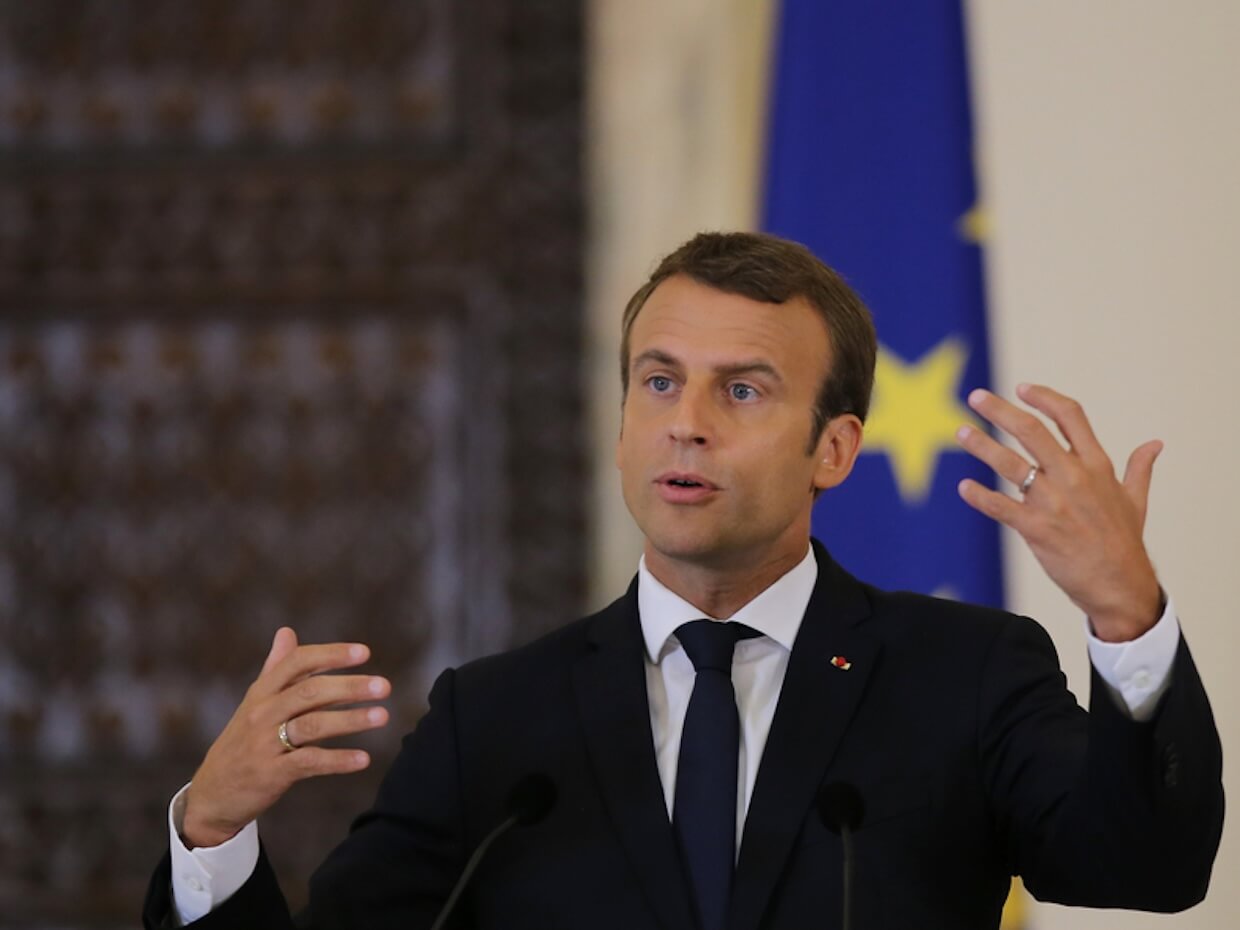
Interview by Selcuk Gultasli

Giving a compelling interview to the European Center for Populism Studies (ECPS), veteran scholar Dr. Louis Kriesberg, Professor Emeritus of Sociology, Maxwell Professor Emeritus of Social Conflict Studies at Syracuse University, delves into the complexities of right-wing populism in the United States (US), particularly in the context of Donald Trump’s political career. Central to the discussion with Professor Kriesberg is the idea that while Trump’s brand of right-wing populism has gained significant traction, it is ultimately doomed to failure. Professor Kriesberg draws parallels to past episodes in American history, such as McCarthyism and the Ku Klux Klan’s influence in the 1920s, to argue that while these movements caused significant harm, they eventually faded into obscurity as the country moved toward more inclusive and democratic norms.

However, the interview also touches on the possible dangers facing American democracy if Trump were to be reelected. Professor Kriesberg expresses deep concern about the potential damage but remains optimistic about the resilience of democratic institutions and the strength of the resistance against authoritarian tendencies. He believes that the majority of Americans do not support Trump’s divisive rhetoric and that the country will ultimately reject right-wing populism in favor of more traditional, constructive political engagement.
The conversation with Professor Kriesberg explores themes from his book Fighting Better, where he analyzes the constructive conflict approach in both international and domestic contexts. As a scholar with extensive experience in conflict resolution, Professor Kriesberg provides a nuanced perspective on how American democracy has been challenged, particularly during and after Trump’s presidency. 

By reflecting on the motivations behind his book, Professor Kriesberg notes the increasing polarization and hostility in American politics. His work seeks to apply the principles of conflict resolution—traditionally used in international disputes—to the domestic conflicts tearing at the fabric of American society. He highlights how the progress of various status groups, such as African Americans, women, and LGBTQ people, has led to significant backlash, which right-wing populism has exploited to deepen divisions.

Professor Kriesberg also offers insights into the potential future of American democracy, stressing the importance of addressing the root causes of inequality and fostering greater cooperation across political divides. His analysis provides a hopeful yet realistic outlook on the challenges ahead, emphasizing that while the road may be difficult, constructive conflict resolution offers a path forward.

Here is the transcription of the interview with Professor Louis Kriesberg with some edits.

Conflict Resolution Could Also Be Relevant to Domestic Conflicts

What reasons compelled you to write the book ‘Fighting Better’ and what is the main purpose of this book? Why did you choose the title of ‘Fighting Better’ for your book? 

Professor Louis Kriesberg: Most of my research has focused on international conflicts, particularly the Cold War and the Israeli-Palestinian conflict. However, over time, I developed an interest in the transformations occurring within my own country since the end of World War II. I was struck by the increasing troubles in our society, particularly the growing political divisions, the nastiness in politics, and the threats of violence. This led me to believe that the development of conflict resolution, which I had contributed to for many years, could also be relevant to domestic conflicts, not just international ones.

In the preface, I mention that I had the audacity to undertake this analysis because I had lived through these changes and possessed the necessary skills. I felt I could contribute to understanding how our society’s troubles became so severe and how a constructive conflict approach could provide solutions.

I was driven to write this book because I wanted it to reach a broad audience—not just my academic colleagues or university courses, but the public at large. The title Fighting Better seemed fitting as it encapsulates the essence of what I aimed to achieve: a proper statement on how we can address conflicts more constructively.

Can you please explain to our readers how conflicts can be waged constructively by analyzing American conflicts that did or did not work out well for the contenders and the country as a whole?

Professor Louis Kriesberg: Certainly. Let me outline some basic principles of constructive conflict. I’ve discussed these ideas extensively in another book, Constructive Conflicts, co-authored with Bruce Dayton. The first edition was published in 1986, but the concepts remain fundamental.

First of all, many conflicts are managed through established institutions. All societies have rules for dealing with conflict—through legal systems, politics, and other institutionalized methods. Conflicts handled within these frameworks tend to be more constructive, provided the rules are fair and widely accepted.

Secondly, coercion isn’t the only way to influence conflict outcomes. There are three major inducements: persuasion, promises of benefits, and coercion. In nearly every conflict, one side tries to convince others of the rightness of their cause. Sometimes, offering benefits or incentives can also play a role in resolving conflicts. This means that not all conflicts rely solely on coercion, whether violent or nonviolent.

Thirdly, conflicts are often interwoven. We might frame them as isolated, but they are connected to broader and smaller issues. This interconnectedness offers opportunities to find better solutions, rather than seeing conflicts as fixed, zero-sum battles.

Fourthly, often, conflicts are framed as a battle between good and bad, but in constructive conflict resolution, it’s crucial to genuinely understand the other side—their needs, perspectives, and misunderstandings. This can lead to more effective conflict resolution.

Finally, conflicts evolve as contexts change, and different factions within each side may shift their positions. This fluidity can make finding better outcomes more possible or less likely, depending on how the situation is handled.

These are some of the basic ideas behind constructive conflict. We’ve explored these concepts further in other publications as well.

The Republican Party Has Pursued Policies That Exacerbated Inequality 

In your analysis of class-related conflicts, how did you observe the relationship between economic policies and the rise of class inequality from 1970 to 1992? What were the key factors contributing to the “hyper class inequality” that you describe as occurring between 1993 and 2022? How do conflicts across different dimensions of inequality (class, status, and power) interact and influence each other according to your findings?

Professor Louis Kriesberg: There has been remarkable progress in achieving greater equality for certain status groups in America, particularly African Americans, since the end of World War II. After the war, there were raised expectations among African Americans that they deserved much greater equality than they had experienced under the oppressive conditions of slavery and segregation. Even President Harry Truman recognized this, believing in the integration of African Americans into the army. However, the South’s conditions were dire, with many whites attempting to maintain the status quo and keep African Americans “in their place.” This led to increased resistance to Jim Crow laws, and the civil rights movement began to take shape, with leadership focused on nonviolent actions as a means to achieve change.

The situation in Birmingham, Alabama, was particularly troubling, with issues like the denial of equal seating on buses. This became a well-defined target for change, with African Americans demanding the right to sit anywhere on the buses. Leaders like Martin Luther King Jr., who was thoughtful and strategic, worked closely with other community leaders, particularly within the church, to build a movement that was carefully planned and constructively waged.

Despite the constructive approach, the white leadership in many Southern cities responded with destructive tactics, including repression, violence, and arrests. These actions, however, only garnered more support for the African American cause. The federal government, under President Lyndon B. Johnson, who was sympathetic to the movement, eventually intervened. The movement’s success inspired other groups of African Americans to employ nonviolent techniques in their own struggles for equality.

I was influenced by the traditional sociological framework that emphasizes the major dimensions of society: class, status, and power. The ideas of class inequality, particularly as discussed by Marx, provided a convenient way to organize my analysis. Class inequality was largely addressed through legislation rather than direct action. Initially, under Democratic leadership, particularly Lyndon B. Johnson, there were efforts to improve welfare payments for low-income people, including African Americans. This contributed to some increase in equality in the years following World War II, despite the negative impact of the Vietnam War.

However, when Ronald Reagan became President and leader of the Republican Party, there was a clear shift. Reagan cut back on welfare payments, limited worker union activities, and reduced taxes for the wealthy and corporations. These actions marked the beginning of a significant increase in class inequality, primarily driven by legislation and the idea that giving more money to the rich would benefit everyone through a “trickle-down” or supply-side economy. This theory, however, was widely discredited by economists who pointed out that increased demand from workers with higher wages is what truly drives economic growth, not the other way around. Despite this, the Republican Party continued to pursue policies that exacerbated inequality whenever they were in power.

While Inequality May Benefit Some in the Short Term, It Is Ultimately Destructive

In the introduction of the book, you refer to main written documents that created US like the constitution and the American Declaration of Independence which defends freedom, justice and life for all Americans however African Americans until the end of 1960s did not enjoy their full civic rights. What made Americans so indifferent to the plight of African Americans for so long? 

Professor Louis Kriesberg: I wouldn’t necessarily call it indifference. Some people, particularly the white leadership in the South during the Jim Crow era, believed they were benefiting from the system. They thought they could maintain cheaper labor by paying African Americans less and denying them basic rights. They saw this as advantageous for their own interests. However, in the long run, it was a mistake, even for those who thought they were benefiting. The South’s economy improved after the end of Jim Crow, proving that equality was beneficial for everyone. One of the key ideas of constructive conflict is to analyze the motivations of different groups and recognize when those motivations are shortsighted or harmful.

My emphasis on the founding documents, which pledge freedom and equality for all, was to highlight that these principles are more constructive and beneficial for society as a whole. It’s a normative judgment, but I believe that working towards equality and justice aligns with the core values of the United States. While inequality may benefit some in the short term, it is ultimately destructive to the nation’s founding ideals and to humanity as a whole.

In the book, you refer to events in the US since the presidency of Donald Trump and conclude that widespread fears have been common about the survival of American democracy and underline in the concluding chapter that: “In recent years democracy have deteriorated significantly.” Do you agree with those pundits who argue that American democracy is dying? Based on your study, what are the greatest threats to American democracy, and what constructive approaches could mitigate these dangers?

Professor Louis Kriesberg: I wouldn’t necessarily use the word “dying.” I don’t think American democracy is doomed, but it has certainly been damaged. One peculiar aspect of this situation is that the progress made by various status groups—African Americans, women, LGBTQ people—through their actions, demands, and some legislative changes has led to significant social advances. However, this progress has sparked backlash. Some people resisted these changes, feeling that they were undesirable or even disruptive, leading to efforts to roll back these gains and return to more oppressive inequalities.

The Republican Party, in particular, became increasingly uncooperative with Democrats. Even attempts by leaders like Bill Clinton to bridge the divide were met with rigidity from Republicans, who increasingly embraced obvious falsehoods, misogyny, and racism, often appealing to white Christian identity. This strategy garnered some support, especially as it played into the anxieties of those who felt left behind by economic changes.

As income inequality grew, many working-class people experienced relative deprivation, with stagnating wages and a declining sense of economic security. This, combined with status anxieties—particularly among some men who felt their social standing was threatened—created fertile ground for the Republican Party to exploit cultural grievances while distracting from the real issue: the growing class inequality.

In this context, the interplay between status gains and the hyper-inequality in income and wealth has been particularly dangerous. The decreasing intergenerational mobility has made it harder for future generations to benefit from economic gains, further exacerbating tensions. To address these dangers, it’s crucial to focus on policies that reduce inequality, enhance social mobility, and foster greater cooperation across political divides.

Trump’s Right-Wing Populist Appeal Will Not Endure in the Long Term

Donald Trump vs Kamala Harris for US President. Photo: Qubix Studio.

With Donald Trump as former president and now president hopeful, right-wing populism has turned out to be a permanent feature of American democracy. Do you think right-wing populism will be here to stay or is it a phenomenon that will be forgotten after Trump ends his political life?

Professor Louis Kriesberg: I don’t think it will be forgotten, but I believe the falsehoods and extremism in Trump’s rejection of American democratic principles will ultimately lead to its failure. I think we’ll see a restoration of more traditional American politics. Historically, we’ve seen similar episodes. McCarthyism was a dreadful chapter, but today, no one wants to be associated with it—it’s a term of shame. Similarly, in the 1920s, the Ku Klux Klan had significant political influence in many areas, which was profoundly undemocratic. However, that period is now largely forgotten. I think right-wing populism, as represented by Trump, is also doomed to failure. Even if he were elected again, I don’t believe his appeal will endure in the long term.

In the last chapter of the book, you observe that Trump’s presidency has been and remain largely contrary to the constructive conflict approach. He has failed to achieve many of his stated goals and the results of what he has accomplished have worsened progress toward more class, status and political power equality. What will happen to American democracy if Trump is reelected on November 5?

Professor Louis Kriesberg:  It would be terrible. However, I believe there will be significant resistance, and he won’t be able to impose his will entirely. During his first term, there was considerable pushback, and while he may have learned from that experience, I don’t think he will be more effective in overcoming the resistance. The strength of this resistance is well-grounded. Most people in this country are not staunch supporters of Trump—he has never had more than around 44% approval. As he tries to implement his agenda, I believe the resistance will only grow stronger.

After watching the debate of US presidential candidates on Tuesday night, who do you think will be the next US President?

Professor Louis Kriesberg: I’m not sure how much the debate will influence the outcome. There’s no question that Kamala Harris was very skillful in baiting Trump to be his typical self—going off on tangents, lying, distorting, blustering, and at times, appearing bewildered and incoherent. This might play a role in the electoral college outcome, but it’s not necessarily decisive.

I believe Harris did a brilliant job of proving that she would be an effective, powerful, and good President, while Trump showed none of those qualities. However, some people may need to witness even more failures before they reconsider their support. Overall, I think the American people, for the most part, are sensible, despite occasional evidence to the contrary.

UK Prime Minister Boris Johnson arrives in 10 Downing Street in London ahead of flying to Brussels for Brexit trade talks on December 09 2020. Photo: Shutterstock.

Many Facets of Medical Populism: British Political Tradition (BPT) and Covid-19

The traditional British political style and rhetoric were utilized by both former Prime Minister Boris Johnson and Nigel Farage of UKIP as tools to communicate their approaches to managing the COVID-19 crisis. This demonstrates the resilience of established political traditions while highlighting the volatility and ambiguity of populist strategies. Notably, populist narratives varied significantly depending on whether the leader was in power or in opposition, which influenced their responsibility towards citizens and their ability to connect populist grievances with pre-existing political arguments in the context of the pandemic. In particular, Johnson’s actions reflect a ‘government knows best’ approach to the crisis, blending epistemic and political authority in determining the necessary measures to address the pandemic.

By Andrea Guidotti*  

Introduction

This paper analyzes the role and significance of the Covid-19 pandemic in the development and behavior of British populist parties. It aims to observe how and when the so-called British Political Tradition (BPT) has been used by these parties as a guiding principle warranting the actions and policies implemented during the Covid-19 crisis in the UK. First, it will briefly introduce medical populism from a general perspective and within the specific situation of the Covid-19 pandemic. Second, it will analyze the overall actions taken by the two main British (right-wing) populist parties at the time and their leaders: the Conservatives in power under Prime Minister Boris Johnson and Nigel Farage’s UKIP party. This piece is not intended to be a theoretical discussion regarding the populist status of the considered parties and assumes that both can be meaningfully characterized as consistently (but differentially) populist on a variety of issues – such as health, immigration, economics or Brexit. The final section discusses the relationships between populists’ responses to the pandemic and the BPT. It evaluates if populists’ attitudes towards COVID-19 and its political management are positively affected by the BPT.

Populism and the Pandemic

One must first understand what kind of crisis the COVID-19 pandemic was and, thus, what kind of phenomena populists were dealing with at the time. Some scholars conceive a crisis as a moment of saliency for systemic contradictions and a consequent perceived need for structural change and strong interventions to take place. In such a situation, political agents are overwhelmed by the unfolding events and there is no common recognized rationality for handling the crisis-driven situation (Bobba & Hubé, 2021: 3).

Under a dynamic conception of crises, populist actors may be better conceived not just as passively reacting to given external shocks, but “as actors that actively perform and spread a sense of crisis” (Bobba & Hubé, 2021: 6). This is a general characterization of an endogenous crisis, where all the contradictions are generated within the political system, and in which political agents are acting. In other words, when confronted with such a scenario, populists from all over the political spectrum usually tend to at least trigger or even manufacture the crisis themselves to gain some leverage in the political system (Ringe & Rennó, 2023: 4). Being an exogenous crisis with respect to populism, the pandemic is harder to politicize than other political shocks or events that are at least partially originated inside the system itself. In addition, it should also be noted that the pandemic has a peculiar nature: as a public health crisis, no one is free from its consequences and implications. 

Bobba & Hubé (2021: 9-10), drawing from other authors, use the following general framework to better understand health crises such as Covid-19. Health crises are thought to be divisible into three parts: (a) an initial phase in which you are confronted with the emergence of the problem; (b) a confrontation phase in which some actors blame other actors for being responsible for what is happening; (c) a managing phase in which who is blaming responsibility upon others generally tries to propose and claim its solutions.

Moving to populism to connect it with the pandemic, a meaningful characterization of the term in the context of public health crises is needed. Following Gideon Lasco’s argument (2020: 1), one could say that “medical populism” is “a political style based on performances of public health crises that pit ‘the people’ against ‘the establishment’.” Different examples of medical populism can be given, going from Jair Bolsonaro downplaying the threat of the virus and pitting the economy against public health policies, to Donald Trump paving the way for conspiracy theories about the virus’ creation and blaming illegal immigrants for its spread around the country. 

With specific reference to Covid-19, we can distinguish some main features of populist strategies acting within such a crisis: (i) the simplification of the pandemic, offering the simplest (and most simplistic) solutions to the problems that the health emergency is posing; (ii) the dramatization, distortion and spectacularizing the threats posed by the crisis; (iii) the forging of societal divisions claiming to be on the side of the ‘real people’ quite often opposed to an unspecified ‘otherhood’; (iv) the invocation of knowledge claims: for example with regards to the virus’ origins, about the most appropriate methodologies to prevent its spreading or on how to treat it consistently (Lasco, 2020: 2-3). 

Investigating the second feature of populism (ii), we can add the fact that populist actors must not be obscured by the coverage of the pandemic itself. They need to spectacularize the crisis with their messaging, a strategy that allows them to stand out as relevant and influential figures in the public and online media to claim reliability and legitimacy properly (Ringe & Rennó, 2023: 5). 

Regarding the third feature (iii), it is difficult to frame the populist concept of the ‘real people’ alongside the strategy of pitting them against other groups or entities when the virus indiscriminately affects everyone. Being aware of this problem, “‘the people’ are imbued with various characteristics, biomedical and otherwise [with populists] claiming that their citizens are less susceptible to the virus” (Lasco, 2020: 4-7). Thus, the ‘others’ against which populists claim to fight in representation of the “real people” during the pandemic are generally international and supranational actors such as the WTO or other states such as China – if not intellectual elites such as academics, journalists or public health experts (Bobba & Hubé, 2021). 

Points (i) and (iv) are strictly intertwined in that simplification goes hand in hand with false claims and controversial scientific statements. In other words, we observe a “widespread deployment of scientific language and imagery – and a selective deployment of scientific consensus” (Lasco, 2020: 8).

British Populism and Covid-19

To better connect British populism with the case of the pandemic, it is useful to get a brief and general background of the previous relationships between populism and healthcare policies in the UK before Covid-19. There is a distinction between healthcare systems that are more or less resistant to populist performances. The former are well-resourced, present a developed network-based model of governance, and involve professions in the policy processes. On the contrary, the latter are poorly financed, present high levels of command along the line of the New Public Management-type (NPM) governance model and display low trust in healthcare providers (Speed & Mannion, 2020: 3). 

But the most important thing to recall regarding the evolution of the British healthcare system (NHS) and populism is the BREXIT process. During those years, right-wing populists argued that by leaving the European Union (EU) more funds could be allocated to better finance the NHS. Specifically, they framed the unsustainability of the NHS and its underdevelopment (mostly in terms of funds and available high-skilled personnel) as a problem of immigration, as the blame was directed towards immigrants enjoying health services paid for by British citizens (Speed & Mannion, 2020: 8). 

Johnson and the Conservatives

The Conservatives, led by then Prime Minister Boris Johnson, were in power when Covid-19 became a global medical problem, and remained so until the end of the pandemic. For some authors (Sahin & Ianosev, 2021), the first wave of the pandemic, from February 2020 to roughly July 2020, can be divided in three phases. The ‘breakout’ phase was characterized by state authorities acting in a relaxed way, without invasive governmental control over people’s freedoms. This moment corresponds to the public’s response to the news about the virus’ spreading. During the ‘confrontation’ phase, the virus’ infection began widely spreading, and the number of people testing positive to Covid-19 began to grow exponentially. The final, ‘managing,’ phase is characterized by attempts to stabilize the situation and enforce measures in order to cope and coexist with the virus while waiting for the development of vaccines. 

During the first two phases the Conservative Party did not take the risks seriously and showed a libertarian way of thinking, arguing against a strict and hard response to the crisis in terms of closures and restrictions. In particular, Prime Minister Johnson did not attend the meetings dedicated to the government’s response to the pandemic in early February 2020 and criticized some warnings made by the British Scientific Advisory Group for Emergencies (SAGE) (Bale, 2023: 69-70). An explanation for that could be that his actions and public statements were influenced and warranted by ‘misplaced optimism’ and regressive and nationalistic ideas, historically speaking, of the British role in the world – stressing the narrative around the exceptionality and efficiency of the NHS (Sim & Tombs, 2022: 6). 

Starting from the end of March and the beginning of April, things became more dramatic, and the Prime Minister Johnson’s attitude changed. Around this time the first lockdown was issued, disregarding the idea of ‘herd immunity’ where the virus is left to spread in the population to lower its virulence (Sahin & Ianosev, 2021: 21). In general, the government stressed conventional public measures and followed international guidelines along other major Western and European states (Bale, 2023: 70). Additionally, Johnson’s Cabinet avoided using tropes potentially contributing to the politicization of the crisis, and attempted to emphasize the importance of scientific guidelines (Sahin & Ianosev, 2021: 26). 

Analyzing the rhetorical repertoire that has been used, the governmental discourse historically situated Covid-19 in mainly three different ways. To do so, the Cabinet used so-called ‘temporal claims,’ as defined in narrative discourse theory. Following the construction of a (i) radically discontinuous time, the virus has been described as a moment of generational significance. The pandemic was to be seen as an unprecedented event disrupting people’s habits and usual social behavior, in order for new economic, social and political initiatives to be ruled and legitimized. From another point of view, events have been plotted with a (ii) linear timeline, positing a unidirectional and cumulative development. Here, a descriptive account of some sequences and a principle of evaluation of the events and by which to assess the correctness of the action leading to their unfolding have been invoked. Lastly, the construction of a (iii) cyclical time helped the government to depict everyday life after the pandemic in a radically different way. In this respect, narratives were prospecting and sketching the idea of a ‘new normalcy’ bringing the emergence of new habits for everyone (Jarvis, 2021: 27-31).

To conclude this investigation of Johnson’s political communication during the pandemic, it is notable that he also employed daily governmental press briefings, using so-called the ‘numbers arms race’ and more broadly the already cited ‘war language.’ Both of them served as an enforcement to the claim of fighting for Britain in a once in a lifetime event. The key mantra has been the following statement: “Stay Home, Protect the NHS, Save Lives” (Sim & Tombs, 2022: 9-10). 

Farage and the UKIP

Nigel Farage speaking in Dover, Kent, UK, on May 28, 2024, in support of the Reform Party, of which he is President. Photo: Sean Aidan Calderbank.

In contrast to Johnson, who avoided politicizing the pandemic, Nigel Farage opted to fully utilize a populist political communication style typically associated with right-wing parties. Despite taking a cautious stance at the beginning of the breakout, he started acting as a radical libertarian, opposing public health restrictions and showing his open skepticism about government actions towards the pandemic (Bale, 2023). 

Two major critiques can be identified. The former critique strictly concerns the governmental actions taken when the health situation started being very problematic. Farage accused Johnson’s government of incompetency and indecisiveness in dealing with the crisis, framing his actions as a lack of leadership on the side of the Prime Minister (Sahin & Ianosev, 2021: 27). His arguments are composed by a mixture of “support for draconian measures on ‘law and order’ and ‘Britain’s borders’,” and “its essentially libertarian opposition to ‘political correctness gone mad’ as well as ‘red tape’ and the ‘faceless bureaucrats’” (Bale, 2023: 71). Resorting to well-known populist grievances, alongside other world leaders such as Trump, he adapted the issue of immigration and the concerns associated with it in claiming that migrants could enter and spread the virus if police enforcement on British borders were not sufficiently severe or incoming international flights were to be easily allowed for foreign travelers coming from high-risk countries (Sahin & Ianosev, 2021: 23). He also denounced the ‘herd immunity’ strategy initially sought to be pursued by the government, although he maintained a libertarian posture by stressing the fact that measures taken to stop the virus’ transmissibility were not meant to become a “house arrest” for the entire nation (Bale, 2023: 72). 

The latter part of his narratives, and the second critique he posed, is about the role of the UK in the world and the attempt to identify responsible actors for the pandemic to occur. In other words, he blamed China for not telling the truth about Covid-19’s emergence in the first place and for its deliberate suppression of key information and the intentional delaying of their communication to the international community (Bale, 2023: 71). Concisely: “While the government undermined the seriousness of the crisis mostly because of economic concerns, Farage opportunistically used the COVID-19 crisis to suggest a scale down to the UK’s relations with the EU and China” (Sahin & Ianosev, 2021: 26).

The British Political Tradition in Times of Crisis

According to Lijphart (1999), the British Westminster Model presents nine core tenets: (1) the concentration of the executive power in one party; (2) cabinet dominance; (3) a two-party system, where parties produce manifestos and seek a mandate to govern; (4) a majoritarian electoral system; (5) a unitary and centralized government; (6) interest group pluralism; (7) the concentration of legislative power in Parliament; (8) constitutional flexibility; (9) the central bank is controlled by the executive. Following Hall (2011: 9-10) and Richards and Smith (2002)  we can add two more tenets: (10) the doctrine of ministerial responsibility; (11) a permanent, neutral, and anonymous civil service. 

What is important to us here is the fact that the Westminster Model emphasizes some peculiar aspects. First, a linear and gradual development of the British political system and its institutions. Second, it stresses a great degree of British exceptionalism, and the superior nature of its system compared to other Western ones. Third, it is warranted by the idea that power is to be concentrated and exercised with a top-down approach. Warranting this system, according to Hall (2011: 124-125), the British Political Tradition (BPT) could be characterized as presenting the following main themes: (i)A discourse that stresses a limited liberal notion of representation and the elitist view that politicians are best suited to make decisions on behalf of the populace […] and are willing to act against the expressed will of the public or in the face of substantial public opposition; (ii) A discourse that stresses a conservative notion of responsibility and the view that a strong, decisive government is the most effective, efficient and desirable form of government. […] (iii) A discourse about change which emphasizes the virtues of continuity, gradualism, flexibility and stability. […] (iv) A discourse concerning a sense of British distinctiveness and superiority politically (Hall, 2011: 124-125)

Regarding discourse (i), it must be added that the BPT is sustained by an elitist conception of democracy, particularly the famous ‘Westminster and Whitehall know best’ statement, which itself reflects the interest of the political elite, thus reinforcing their status and power (Marsh & Hall, 2016: 128). The BPT reifies over time already existing inequalities and asymmetries in the British political system between citizens. Therefore, these ideas and beliefs have been mostly supported by most of the population. This results in the populace developing a somewhat deferential attitude towards politics, where politicians are seen as the best holders of the right to take the most important and crucial decisions for all (Hall, 2011: 159). Moreover, Marsh and Hall rightly highlight that the BPT not only served the interest of the political elite, but also of the socio-economic one. Specifically, regarding discourse (ii) above, the climax of political conservatism made it easier for the working class to accept the status quo. Furthermore, the dominance of the executive power helped political elites to enact policies more favorable to the socio-economic ones without too much opposition (Marsh & Hall, 2016: 135). 

Johnson and the BPT

The discussion seems to beg the question: Has the BPT influenced the populist (Johson and Farage) behavior described above? Following Finlayson et al. (2023), we can observe the employment of several traditional tropes dating back to the language and discourse of the BPT. Particularly, Prime Minister Johnson’s behavior indicates the presence of a ‘government knows best’ approach to the crisis, merging epistemic and political authority over the actions needed to cope with the pandemic. For example, the invocation of the concept of ‘the people’ is used to hide the public’s limited political agency and retain the rights and legitimacy over the enactment of the counteracting measures. All of this is also related to the low participatory governance tradition inherent in the British State, but also shows how Johnson proved to strategically build its narrative of the pandemic to advance and increase the further legitimization of past policy decisions, and in particular the ones connected with the Brexit process (Wellings et al., 2023: 238). The former British premier revitalized the concept of the ‘British people’ within the public imagination, employing the sustainability and functioning of the NHS and other health issues as an element of continuity in his narratives from the beginning of the ‘Leave Campaign’ for Brexit to their management during the pandemic (Welling et al., 2023: 242). 

To better understand the British government’s communicative repertoire, the authors identify four main figurations of ‘the people’ (Finlayson et al., 2023: 344). First, we have ‘statistical realities.’ Here, ‘the people’ are represented and aggregated numerically, thus appearing more as abstract elements that legitimize the quest for acquiescence from the government (Finlayson et al., 2023: 345-346). Put another way, this kind of framing not only confers to the Cabinet epistemic authority because numbers don’t need further explanations, but also certifies its tight cooperation with the scientific community (Massidda & Sacca, 2023: 222). 

Second, we have the figuration of ‘suffering families.’ This narrative aims to develop a public ‘ethos’ via which it can acquire the rights and legitimacy required to advance its policies. The BPT here is involved and works when this communicative strategy properly connects governmental instructions with people’s feelings, needs, and emotions – knowing what is best to accomplish them (Finlayson et al., 2023: 347). 

Third, ‘the people’ are framed as responsible individuals. This one is seen as a rule follower, encapsulated in a hierarchical structure that crystallizes a top-down and vertical conception of the people/state relationships. Once again, the BPT widens the divide between the elites and the public. ‘The people’ are required to follow the moral claims encouraged by the elite to fulfill their individual and collective responsibilities and duties towards resolving the crisis. The individual responsibility regards the task that people are assigned to complete, such as wearing protective masks in public spaces while avoiding unnecessary contact with strangers. The collective responsibility is rooted in utilitarian reasoning: complying with the rules means a faster crisis resolution (Finlayson et al., 2023: 348-349). 

The second and third depictions help understand the way in which Johnson tried to preserve its populist-driven consensus from the backlash of its unpopular decisions during the crisis. He tried not only to highlight the community as a collective as the real protagonist of the effort to fight against the virus’ infection, but also to present himself as a transparent and compassionate leader (Massidda & Sacca, 2023: 209-215). 

The fourth and final depiction utilized is ‘freedom-loving citizens.’ This time, citizens are represented as rights holders and interests to be appropriately recognized. Consequently, the government has a duty to protect these fundamental freedoms and, by showing the truth about them, affirm the legitimacy of its guidelines (Finlayson et al., 2023: 350). 

Farage and the BPT

The case of Farage is different. Being an oppositional force during the COVID-19 pandemic breakout, it was much easier for him to resort to typical and proven to be more effective populist grievances. However, the BPT resonates consistently in Farage’s discourses during the crisis: I’m convinced that its influence is evident when the UKIP’s leader blamed Johnson for his lack of leadership and inefficient management in the initial months of the crisis development. Specifically, Farage used his oppositional platform on health policies to rally against the government and exploit the newly achieved consensus to fuel support around the rebranding of UKIP in ‘Reform UK’ (McManus, 2021: 148-150). 

Relating to discourse (ii) presented before, I argue that Farage somewhat recalls the necessity for the executive to be strong and decisive in its actions on behalf of the State. Second, and about discourse (iv) discussed above, I argue that Farage recalls the BPT when he stresses the role of the UK in the world vis-à-vis the actions and warnings undertaken towards China by other Western leaders. Put another way, he tried to point out the distinctiveness and peculiarity of the British political system as opposed to others, especially in the Western World, while asking for a different resolution path for the crisis (Bale, 2023; Sahin & Ianosev, 2021). 

Overall, even if Farage was not in a position that favored traditional forms of British political thinking, the BPT proves to have (at least) partially influenced his claims and actions during Covid-19’s unfolding. 

Conclusion

To recall the main points of the argument above, there is clear evidence that the British Political Tradition (BPT) still influences how politicians behave in ordinary British political life and their policy-making choices. Even in the face of essential shifts and changes caused by the Covid-19 crisis, many political actors tried to adapt these new challenges to the long-standing historical and common way of interpreting political actions and decision-making in the UK (Hall et al., 2018: 15). 

The aim of this article was to check for the influence of the BPT on populist leaders. As we observed, the British traditional political style and tropes served both Johnson and Farage as a means to instill their ideas about how to manage the crisis. This proves the resilience of established political tradition and clarifies the volatility and ambiguity of the populist repertoire and strategies. Regarding the latter point, populist narratives varied a lot depending on two factors: (i) the position of the leader – being in charge or standing as an oppositional force – and hence its responsibility towards citizens; (ii) the ability to legitimately connect populist grievances in the context of the pandemics with already existing lines of political reasoning. Some examples exemplifying the second point are the case of migration and the issue of border control regarding the likelihood of importing and spreading the virus uncontrolled. 


(*) Andrea Guidotti is a master’s student at the University of Pavia and an intern at the ECPS.


References

Bale, T. (2023). “The United Kingdom: The Pandemic and the Tale of Two Populist Parties.” In: Ringe N. & Rennó L. (Eds.), Populists and the Pandemic: How Populists Around the World Responded to COVID-19. Routledge Studies in Extremism and Democracy. https://doi.org/10.4324/9781003197614

Bobba, G. & Hubé, N. (2021). “COVID-19 and Populism: A Sui Generis Crisis.” In: G. Bobba & N. Hube (Eds.), Populism and the Politicization of the COVID-19 Crisis in Europe. Palgrave Macmillan. pp. 17-30. https://doi.org/10.1007/978-3-030-66011-6

Finlayson, A.; Jarvis, L. & Lister, M. (2023). “COVID-19 and ‘the public’: U.K. government, discourse and the British Political Tradition.” Contemporary Politics. 29(3). pp. 339-356. https://doi.org/10.1080/13569775.2022.2162206

Hall, M. (2011). Political Traditions and UK Politics, Palgrave Macmillan: London. https://doi.org/10.1057/9780230336827

Hall, M.; Marsh, D. & Vines, E. (2018). “A changing democracy: contemporary challenges to the British political tradition.” Policy Studies. 39(4). pp. 365-382. https://doi.org/10.1080/01442872.2018.1451504

McManus, I. (2021). “The Case of the United Kingdom Independence Party (UKIP).” In: Falkenbach, M., Greer, S.L. (eds). The Populist Radical Right and Health. Springer, Chamhttps://doi.org/10.1007/978-3-030-70709-5_8

Marsh, D. & Hall, M. (2015). “The British Political Tradition and the Material-Ideational Debate.” The British Journal of Politics and International Relations. 18(1), 125-142. https://doi.org/10.1111/1467-856X.12077

Massidda, L. and Selva, D. (2023). “Correction to: Boris Johnson’s Approach to the Pandemic, In: European Political Leaders and the Social Representation of the Covid-19 Crisis.” Palgrave Studies in European Political Sociology. Palgrave Macmillan, Cham. https://doi.org/10.1007/978-3-031-38380-9_13

Jarvis, L. (2022). “Constructing the coronavirus crisis: narratives of time in British political discourse on COVID-19.” British Politics. 17. pp. 24-43. https://doi.org/101057/s41293-021-00180-w  

Lasco, G. (2020). “Medical Populism and the COVID-19 Pandemic.” Global Public Health. pp. 1417-1429. https://doi.org/10.1080/17441692.2020.1807581

Lijphart, A. (1999). Patterns of Democracy. Government Forms and Performance in Thirty-Six Countries. Yale University Press: New Haven. https://doi.org/10.12987/9780300189124

Richards, D. & Smith, M. (2002). Governance and Public Policy in the UK, Oxford University Press.

Ringe, N. & Rennó, L. (2023). “Populists and the Pandemic: How Populists Around the World Responded to COVID-19.” In: Routledge Studies in Extremism and Democracy, Routledge: New York. https://doi.org/10.4324/9781003197614

Sahin, O. & Ianosev, B. (2021). “UK: Between Managed Moderation and Far-Right Conspiracy Theories.” In: G. Bobba & N. Hube (Eds.). Populism and the Politicization of the COVID-19 Crisis in Europe, Palgrave Macmillan: London. pp. 17-30. https://doi.org/10.1007/978-3-030-66011-6

Sim, J. & Tombs, S. (2022). “Narrating the coronavirus crisis: state talk and state silence.” UK, Power and Resistance. 5(1-2)pp. 67-90. http://dx.doi.org/doi:10.1332/xfuq5523

Speed, E. & Mannion, R. (2020). “Populism and health policy: three international case studies of right-wing populist policy frames.” Sociology of Health & Illness, 42(8)pp. 1-15. https://doi.org/10.1111/1467-9566.13173

Wellings, B.; Bonotti, M.; Rublee, M. R. & Zech, S. T. (2024). “Correction to: Narrative fusion and layering: statecraft and the shaping of Boris Johnson’s pandemic narrative, 2020–2021.” British Politics19(2), 253–253. https://doi.org/10.1057/s41293-023-00241-2

President Nicolas Maduro

Once Dictators Seize Power, They’re Hard to Remove: Venezuela’s Elections

Some observers believe Nicolás Maduro will follow in the footsteps of Nicaragua’s dictator, Daniel Ortega, by transforming his government into an isolated, repressive regime. Like Ortega, Maduro has already intensified his crackdown on the opposition through increased repression, including arrests, expulsions, and even stripping citizens of their nationality to consolidate control. As this authoritarian trend continues, more Venezuelans will likely flee in search of opportunities and freedoms abroad, exacerbating the already severe migration crisis in the region and beyond.

By Imdat Oner*

“Lacking personal charisma and booming oil revenues, Nicolás Maduro has struggled to obtain his predecessor’s popular support and failed to legitimize his rule at the polls. Instead, Maduro consolidated his power through sharing it with elites and the military.” 

In a profile I wrote about Nicolás Maduro three years ago, I emphasized that his grip on power was not rooted in broad popular support but rather in strategic alliances with elites and the military. This reality has been starkly highlighted by the recent presidential election in Venezuela, which revealed Maduro’s limited base of popular support.

The National Electoral Council (CNE) officially declared Maduro the winner, claiming he secured 52 percent of the vote compared to 43 percent for his main challenger, Edmundo González. However, despite Maduro’s declaration of victory three weeks ago, the CNE has yet to present credible evidence to substantiate this claim. In contrast, Venezuela’s opposition, represented by the Unitary Platform (PUD), has challenged the outcome by publishing a detailed vote count online. This data shows that Edmundo González actually received more than 7.3 million votes—approximately 67% of the total. The opposition’s numbers indicate that González is ahead by over 4 million votes, with Maduro losing in every state. Some reports are even calling this election manipulation one of the biggest electoral frauds in Latin American history. Although Maduro has faced similar allegations of election fraud before, the evidence against him has never been as overwhelming as it is now.

Lacking popular support, Maduro has resorted to familiar tactics. Instead of transparently sharing election results table by table, he requested that the Electoral Chamber of Venezuela’s Supreme Tribunal of Justice (TSJ) review and certify the official results. The government is attempting to present the TSJ as a neutral body to resolve the controversy. Yet, Venezuela’s judiciary has long been co-opted by Maduro, functioning more as a tool to preserve his legitimacy than as an independent institution. Although the court has yet to announce its decision, it’s highly likely it will support the results from Maduro’s controlled CNE.

As the government delays the process to buy time, Maduro continues to rely on military support. His legitimacy has always been anchored in alliances with domestic elites, particularly the military, whose loyalty is crucial to the regime’s survival. The military, having historically shaped Venezuela’s political landscape, remains key to any potential transition of power. Following the disputed elections, Defense Minister Vladimir Padrino reaffirmed the military’s “absolute loyalty” to Maduro, further solidifying their role as a pillar of his regime. Opposition leaders have called on the army to intervene, but this seems unlikely. Since taking power, Maduro has worked to ensure the military remains staunchly pro-government. Those officers who showed even slight disloyalty have been imprisoned, while loyalists have been generously rewarded with significant economic and political favors.

With the military solidly behind Maduro, along with the backing of the National Electoral Council (CNE) and the Supreme Court, Venezuela is going to slide further into dictatorship. Since Maduro’s 2013 election, the country has gradually grown more authoritarian, with opposition politicians, activists, and journalists consistently targeted by his regime. Yet, in recent days, the repression has intensified significantly. The government’s rhetoric and the actions of its security services signal to tighten its authoritarian grip further on the country, even at the cost of becoming a pariah in the region.

Some observers believe Maduro will follow in the footsteps of Nicaragua’s dictator, Daniel Ortega, by transforming his government into an isolated, repressive regime. Like Ortega, Maduro has already intensified his crackdown on the opposition through increased repression, including arrests, expulsions, and even stripping citizens of their nationality to consolidate control. As this authoritarian trend continues, more Venezuelans will likely flee in search of opportunities and freedoms abroad, exacerbating the already severe migration crisis in the region and beyond.

Venezuela’s elections once again serve as a warning to other authoritarian populist regimes that once dictators seize power, they become extremely difficult to remove—though not entirely impossible.


(*) Dr. Imdat ONER is a Senior Policy Analyst at the Jack D. Gordon Institute for Public Policy at Florida International University (FIU). He holds a Ph.D. from FIU, where he completed a dissertation titled “Great Power Competition in Latin America Through Strategic Narrative.” Prior to joining FIU, he served as a Turkish diplomat, most recently at the Turkish Embassy in Caracas, Venezuela, where he was the Deputy Head of Mission and Political Officer. His expertise lies in International Relations, with a primary focus on Latin American politics. Dr. Oner has published extensively on Venezuelan politics and Turkish foreign policy, with articles appearing in War on the Rocks, The National Interest, Americas Quarterly, Foreign Affairs Latinoamérica, and the Miami Herald. He is also a frequent contributor to Global Americans. His analyses have been featured in international media outlets, including Bloomberg, Al Jazeera, Miami Herald, and Agencia EFE.

Former US President Donald Trump at a rally with VP nominee J.D. Vance in Atlanta, GA, on August 3, 2024. Photo: Phil Mistry.

J.D. Vance, Populism, and Culture Wars

The entrenchment of populism and culture wars within the Republican Party, exemplified by J.D. Vance’s rise, raises serious concerns about the future of American democracy. This development reflects broader shifts within American conservatism, where cultural and moral issues have become central to political identity and strategy. The implications of this shift are profound, raising concerns about increased polarization and the potential for democratic backsliding. As the Republican Party continues to evolve in this direction, the stakes for the nation’s political and social fabric have never been higher.

By João Ferreira Dias

The rise of J.D. Vance in American politics signifies a critical juncture in the Republican Party, underscoring the entrenchment of right-wing populism and culture wars within its agenda. While seemingly modern, this phenomenon has deep roots in political history (Hicks, 1931) and must be understood within the broader context of populism and the moral conflicts that characterize contemporary American society. 

Populism: A Brief Overview

Populism is a multifaceted and highly debated concept in political science, with various scholars offering different interpretations and definitions. At its core, populism can be understood as a political approach that frames politics as a struggle between “the pure people” and “the corrupt elite,” a conceptualization popularized by Cas Mudde and Cristóbal Rovira Kaltwasser (2017). However, this definition, while widely accepted, does not capture the full complexity of the phenomenon.

Mudde’s (2004) characterization of populism as a “thin-centered ideology” suggests that populism lacks the comprehensive nature of other ideologies, such as liberalism or socialism, and instead attaches itself to various political doctrines. This view is further explored by Hawkins and Kaltwasser (2017), who emphasize the ideational approach, focusing on the content of populist rhetoric and its distinction from mainstream political discourse. However, some scholars argue against categorizing populism strictly as an ideology. For instance, Aslanidis (2016) refutes the notion of populism as an ideology, proposing instead that it be seen as a discursive frame or a political strategy that can be employed by various ideological camps.

The debate extends to whether a minimum definition of populism is necessary for its study. De la Torre and Mazzoleni (2019) argue that a clear, minimal definition helps to prevent conceptual stretching, while others, like Benveniste, Campani, and Lazaridis (2016), suggest that the concept’s fluidity is essential to capturing its diverse manifestations across different contexts.

Furthermore, populism is often discussed in relation to its opposition to globalization and elite-driven policies. Steger (2019) maps the rise of anti-globalist populism, highlighting its ideological underpinnings and its appeal to those who feel disenfranchised by global economic and cultural changes. Similarly, Abts and Laermans (2018) explore the relationship between populism and the crisis of political parties, particularly in the context of Europe’s far-right movements.

Peter Diehl (2022) advocates for a more nuanced understanding of populism, acknowledging its complexity and the various forms it can take. This perspective aligns with the broader literature that sees populism as a reaction to perceived political failures, often articulated through a rhetoric of exclusion and opposition to the status quo (Taggart, 2018; Fukuyama, 2017). Anselmi (2017) and Mudde and Kaltwasser (2017) provide further insights into the adaptability of populism across different political contexts, reinforcing the idea that populism is not a fixed ideology but a versatile tool in the hands of diverse political actors.

United States, Populism, and Culture Wars

In the American context, populism has historically manifested in various forms, from the agrarian populism of the late 19th century to the right-wing populism of the late 20th and early 21st centuries. The latter, exemplified by figures like Donald Trump and, more recently, J.D. Vance, capitalizes on cultural and economic anxieties, often framing issues in terms of a struggle between ordinary, hardworking citizens and a corrupt, out-of-touch elite. This form of populism erodes democratic norms by exploiting resentment to foster political and social polarization, embodying the adage “divide and conquer.”

The term “culture wars” refers to the ideological and moral conflicts that have increasingly defined political discourse in many Western democracies, particularly the United States. These conflicts revolve around issues such as abortion, LGBTQ+ rights, immigration, gun control, and the role of religion in public life (Hunter, 1991, 1993; Hartman, 2019). Culture wars are not merely debates over policy; they are battles over a society’s very identity and values. They tap into deep-seated beliefs and emotions, often leading to highly polarized and intractable conflicts. As Ezra Klein (2020) notes, these cultural and moral divisions have become so entrenched that they now shape political preferences and social identities. Political affiliation has become a proxy for a broader cultural identity, making compromise and dialogue increasingly difficult.

The convergence of populism and culture wars has significant implications for contemporary politics. Populist leaders often weaponize cultural issues to mobilize their base, framing themselves as defenders of traditional values against the perceived threats of liberal elites and progressive movements. This strategy is evident in J.D. Vance’s political trajectory.

Senator from Ohio and author of the bestseller Hillbilly Elegy, a work that depicts the reality of poor white populations in non-urban America, J.D. Vance, 39, is the face of a new generation of politicians who have embraced conservative populism as a successful political strategy, transitioning from a critic to a proponent of Trumpism. Vance’s rise and his involvement in the so-called “culture wars”—advocating for more restrictive immigration policies, being a fierce critic of progressive education in schools and universities (such as critical race theory and gender studies), defending the traditional American family by opposing abortion and same-sex marriage, and emphasizing that Hollywood is an industry destroying the “good old American values”—reflect a profound shift in the identity and priorities of the Republican Party, raising questions about the future of the party and American politics as a whole.

Vance’s transformation from a critic of Trump to an advocate of Trumpist populism reflects a broader trend within the Republican Party, where cultural conservatism has become a central pillar of political strategy. Vance’s positions on immigration, education, and family values are not merely policy preferences but are presented as part of a larger cultural battle to “save” America from moral decay. By emphasizing issues like opposition to abortion and same-sex marriage and critiquing progressive education and Hollywood’s influence, Vance taps into the anxieties of a conservative base that feels alienated by the rapid cultural changes of the past few decades.

This fusion of populism and culture wars has transformed the Republican Party’s identity, moving it away from its traditional focus on free-market economics and foreign policy and toward a more nationalistic, culturally conservative agenda. Traditionally marked by a commitment to free-market policies, military interventionism, and fiscal conservatism, the Republican Party is now undergoing a “Trumpification.” This shift aligns the party with nationalist agendas that evoke the nostalgic imagery of a bygone era, appealing to a working-class white electorate that yearns for the “happy golden days” of baseball games and hot dogs. Political scientists Aurelien Mondon and Aaron Winter (2020) have highlighted how this focus on a particular electorate was crucial for Trump’s victory and the success of Brexit.

However, this agenda, rooted in ideological nostalgia, poses a significant threat to American republicanism. By undermining liberal democratic principles—such as the separation of powers, freedom of the press, and protection of fundamental rights—this brand of politics could irreversibly alter the landscape of American democracy. The risks are heightened when cultural conflicts are involved, as these issues often carry a zero-sum mentality, where compromise is seen as a betrayal of core values. The parallels with countries like Hungary under Viktor Orbán are stark, suggesting that the US may be on a path toward illiberal democracy, potentially ushering in an era of recycled authoritarianism.

The entrenchment of populism and culture wars within the Republican Party, exemplified by J.D. Vance’s rise, raises serious concerns about the future of American democracy. This development reflects broader shifts within American conservatism, where cultural and moral issues have become central to political identity and strategy. The implications of this shift are profound, raising concerns about increased polarization and the potential for democratic backsliding. As the Republican Party continues to evolve in this direction, the stakes for the nation’s political and social fabric have never been higher.

Implications for American Democracy

The entrenchment of populism and culture wars within the Republican Party poses significant challenges to American democracy. The populist rhetoric of defending “the people” against “the elite” often undermines democratic norms, as it tends to delegitimize political opposition and erode trust in institutions. Furthermore, the emphasis on cultural and moral issues exacerbates societal polarization, making it difficult to find common ground on even the most basic issues of governance.

As Daniel Ziblatt and Steven Levitsky argue (2019), the erosion of democratic norms is a gradual process, often facilitated by populist leaders who, once in power, seek to weaken institutional checks and balances. The risks are heightened when cultural conflicts are involved, as these issues often carry a zero-sum mentality, where compromise is seen as a betrayal of core values.

J.D. Vance’s rise within the Republican Party, therefore, is not just a personal political success but a symptom of broader trends that could have long-lasting consequences for American democracy. The intertwining of populism and culture wars represents a shift toward a more divisive and potentially authoritarian political landscape, where the foundational principles of liberal democracy—such as the rule of law, protection of minority rights, and respect for institutional norms—are increasingly under threat.

Conclusion

In conclusion, the rise of J.D. Vance within the Republican Party underscores a significant transformation in American politics, where populism and culture wars have become central to political identity and strategy. This shift reflects broader trends within conservative movements globally, where appeals to cultural nostalgia and opposition to progressive values are increasingly shaping political discourse. While these dynamics have proven effective in mobilizing certain segments of the electorate, they also pose substantial risks to the stability of liberal democratic principles, fostering division and eroding the common ground necessary for effective governance.

As the Republican Party continues to evolve under the influence of figures like Vance, the future of American democracy may hinge on how these tensions are navigated. The intertwining of populism and culture wars raises critical questions about the direction of American politics and the resilience of democratic institutions in the face of growing polarization. As these issues continue to unfold, the stakes for the nation’s political and social fabric remain exceedingly high, demanding careful consideration and active engagement from all corners of society.


References 

Abts, K. & Laermans, R. (2018). “Populism: Definitions, questions, problems, and theories.” In: C. de la Torre, & O. Mazzoleni (Eds.), Populism, populists, and the crisis of political parties: A comparison of Italy, Austria, and Germany, 19950-2015 (pp. 1-25). Springer.

Anselmi, M. (2017). Populism: An introduction. Routledge.

Aslanidis, P. (2016). “Is Populism an Ideology? A Refutation and a New Perspective.” Political Studies, 64(1_suppl), 88–104. https://doi.org/10.1111/1467-9248.12224

Benveniste, A.; Campani, G. & Lazaridis, G. (2016). “Introduction: Populism: The concept and its definitions.” In: A. Benveniste, G. Campani, & G. Lazaridis (Eds.), The rise of the far right in Europe: Populist shifts and “othering” (pp. 1-23). Springer.

Darts, D. (2006). “Art Education for a Change: Contemporary Issues and the Visual Arts.” Art Education (Reston), 59(5), 6–12. https://doi.org/10.1080/00043125.2005.11651605

De la Torre, C. & Mazzoleni, O. (2019). “Do We Need a Minimum Definition of Populism? An Appraisal of Mudde’s Conceptualization.” Populism (Leiden, Netherlands), 2(1), 79–95. https://doi.org/10.1163/25888072-02011021

Diehl, P. (2022). “For a complex concept of populism.” Polity, 54(3), 509-518.

Fukuyama, F. (2017). What is populism? Tempus Corporate.

Hartman, A. (2019). A war for the soul of America: A history of the culture wars (2nd ed.). University of Chicago Press.

Hawkins, K. A. & Kaltwasser, C. R. (2017). “The Ideational Approach to Populism.” Latin American Research Review, 52(4), 513–528. https://doi.org/10.25222/larr.85

Hicks, J. D. (1931). The Populist Revolt: A History of the Farmers’ Alliance and the People’s Party. University of Minnesota Press.

Hunter, J. D. (1991). Culture Wars: The Struggle to Control the Family, Art, Education, Law, and Politics in America. New York: Basic Books.

Hunter, J. D. (1993). Covering the culture war: before the shooting begins. Columbia Journalism Review, July/August, 29-32.

Hunter, J. D. (1996). “Reflections on the culture wars hypothesis.” In: J. L. Nolan Jr. (Ed.), The American Culture Wars (pp. 243-256). Charlottesville: University of Virginia Press.

Klein, E. (2020). Why we’re polarized. Simon and Schuster.

Levitsky, S., & Ziblatt, D. (2019). How democracies die. Crown.

Mondon, A. & Winter, A. (2020). “Whiteness, populism and the racialisation of the working class in the United Kingdom and the United States.” In: Whiteness and Nationalism (pp. 10-28). Routledge.

Mudde, C. (2004). “The Populist Zeitgeist.” Government and Opposition (London), 39(4), 541–563. https://doi.org/10.1111/j.1477-7053.2004.00135.x

Mudde, C. & Kaltwasser, C. R. (2014). “Populism and political leadership.” In: R. C. Kaltwasser, P. Taggart, P. O. Espejo, & P. Ostiguy (Eds.), The Oxford handbook of populism (pp. 376-388). Oxford University Press.

Mudde, C., & Kaltwasser, C. R. (2017). Populism: A very short introduction. Oxford University Press.

Steger, M. B. (2019). “Mapping Antiglobalist Populism: Bringing Ideology Back In.” Populism (Leiden, Netherlands), 2(2), 110–136. https://doi.org/10.1163/25888072-02021033

Taggart, P. (2018). “Populism and ‘unpolitics’.” In: C. de la Torre (Ed.), Populism and the crisis of democracy (pp. 79-87). Routledge.

Wuthnow, R. (1996). Christianity and Civil Society. Valley Forge, PA: Trinity Press International.

Crowds protest against education cuts in Brazil. Students and teachers from hundreds of universities and colleges gathered on Paulista Avenue in São Paulo, Brazil, on May 15, 2019. Photo: Dado Photos.

Right-Wing Populist Backlash: How Bolsonaro’s Brazil Targeted Academics

Universities, akin to the judiciary, media, and civil society organizations, assume a vital role in the preservation of democratic principles. Inability to safeguard their independence from external influences like governmental interventions and corporate interests hampers universities’ capacity to uphold the rights of their constituents internally or advocate for public interests outside their precincts. Brazil is among the nations that have witnessed a notable decrease in academic freedom over the past decade. Instances of political turmoil or authoritarian rule, like Bolsonaro’s in Brazil, have resulted in constraints on academic pursuits and the imposition of censorship.

By Gulsen Dogan*

Why and how antiscientific fake news and discourse have gained momentum in the last decade while academics and scientific experts faced opposition? After the COVID-19 crisis (Galanopoulos & Venizelos, 2022), the phenomenon of populism, dissemination of misinformation, propagation of conspiracy theories, and dissemination of fake news have coalesced into what is known as ‘post-truth populism,’ a concept that disregards verifiable truths and manipulates public sentiment by capitalizing on emotions and uncertainties. The phenomenon of ‘post-truth populism’ has had the effect of diminishing academic freedom, particularly because right-wing populist movements perceive academic institutions as integral components of the elite ruling class that they oppose. These movements often direct their efforts towards curtailing academic freedom by undermining the independence of universities and stifling the voices of scholars, as academic freedom facilitates the unrestricted exchange of ideas and critical analysis, elements that have the potential to challenge the narratives and policies put forth by these groups (Ignatieff, 2018).

The decline in academic freedom on a global scale, as indicated by the Freedom House Report (Prelec et al., 2020), is attributed to the oppression and arrest of academics and students for their research endeavors. Moreover, there has been a notable increase in the implementation of the corporate governance model within universities worldwide. This shift can be linked to the growing influence of private enterprises’ agendas on the research activities pursued by academics, particularly in light of the proliferation of neoliberal policies. The transformation of knowledge into a techno-scientific paradigm has been observed, accompanied by the dominance of a narrow culture of expertise in the era of neoliberalism. Consequently, there has been a reduction in the financial and institutional independence of universities, leading to greater collaboration with governmental bodies and a subsequent constriction of the space for freedom of expression and critical thinking.

Brazil is among the nations that have witnessed a notable decrease in academic freedom over the past decade (V-DEM, 2024). The contemporary discourse on educational policy involves a variety of stakeholders such as NGOs, political consultative bodies, and lobbyists in the legislative branch, signaling a transition from conventional participants to a more heterogeneous group of actors (Miceli, 2018). Constitutionally, there exist provisions for academic freedom, enabling universities to function independently in their educational, research, and outreach endeavors (Miceli, 2018). However, instances of political turmoil or authoritarian rule have resulted in constraints on academic pursuits and the imposition of censorship. 

Primarily, individuals aligned with right-wing populism tend to portray scientists and experts as members of a corrupt elite, juxtaposing them with the virtuous “people” (Bellolio, 2024). This group tends to censor “truth” and scientific knowledge, preferring conspiracy theories while harboring distrust towards scholars and academic institutions (Haltinner& Sarathchandra, 2020). Notably, there is a tendency to overlook social sciences and humanities by providing limited funding opportunities and imposing constraints on research topics and publications to diminish diversity of thought and promote uniformity in ideas (EPRS, 2023; Folha De S. Paulo, 2022). The spread of misinformation through social media platforms has further rationalized the targeted harassment faced by state universities during Bolsonaro’s administration (Ares et al. 2022). Particularly during the COVID-19 crisis, there was an upsurge in disinformation and fake news disseminated through Brazilian media channels and platforms like WhatsApp, which exacerbated the divide between populist narratives and scientific discourse (Pereira & de Oliveira, 2024; Batista de Oliveira et al., 2022; Gagnon-Dufresne et al., 2023).

Secondly, right-wing populist administrations have emerged as regulatory mechanisms for the content disseminated, studied, and debated within academic institutions. Authorities tend to utilize universities and research institutions to advance their own political agendas. The content of academic research is supervised, subject to censorship to some degree, and is heavily reliant on the approval of those in power. Additionally, extracurricular activities and the selection of guest speakers on campus are scrutinized, thereby restricting the scope for independent thinking. Moreover, individuals offering critical evaluations on topics such as the global health crisis and authoritarian governance risk facing legal action. Those who engage in such critiques may face expulsion from academic institutions. Similarly, Bolsonaro’s opposition to public universities entailed unconstitutional government interference, financial cutbacks, and the targeting of dissenters, all of which propagated a conservative right-wing outlook and challenged the prevailing left-leaning cultural dominance within public higher education (Fiori & Fiori Arantes, 2023). The reductions in funding were linked to neoliberal policies aimed at commercializing social benefits, undermining the public education system established by the Federal Constitution of 1988, consequently leading to direct interference in the appointment of university leadership and a disregard for the preferences of the academic community in financial, administrative, and political matters (Lima & Iamamoto, 2022; Honorato & Souza, 2023).

Figure 1 compares the independence of institutions from the government control and measures the extent of universities ability to establish their own policies for education and research in Brazil. Figure 1 illustrates the level of autonomy of institutions in Brazil from governmental influence, as well as the capacity of universities to formulate their own regulations regarding education and research. Brazilian universities exhibit a moderate degree of autonomy. The level of autonomy remained relatively consistent between 2010 and approximately 2018. However, there has been a notable decrease in autonomy after 2018, particularly evident from around 2022. This trend indicates a substantial decrease in institutional autonomy, potentially signaling alterations in policies, financial support, or administrative authority affecting universities in Brazil.

Compiled from V-Dem Data 2024, Variable Graph, https://www.v-dem.net/data_analysis/VariableGraph/

In Figure 2, the academic freedom also shows a consistent yet modest level across the timeframe, implying persistent restrictions in this domain. There is a gradual decrease observed until 2020, succeeded by a notable increase in 2021 regarding freedom of academic expression and dissemination. It is at times susceptible to constraints such as censorship, self-restraint, or other forms of limitation. The abrupt rebound after 2022 might suggest alterations in policies or transformations within the academic sphere in Brazil subsequent to the election of President Lula.

Compiled from V-Dem Data 2024, Variable Graph, https://www.v-dem.net/data_analysis/VariableGraph/

Universities, akin to the judiciary, media, and civil society organizations, assume a vital role in the preservation of democratic principles. Inability to safeguard their independence from external influences like governmental interventions and corporate interests hampers universities’ capacity to uphold the rights of their constituents internally or advocate for public interests outside their precincts (Valiverronen & Saikkonen, 2021). The discussion heavily involves social media platforms, which enable the fast proliferation of anti-intellectual content. Social media’s growth has enabled Artificial Intelligence (AI) to produce content that closely resembles authentic material. Utilizing these platforms, populists formulate and disseminate “fake news,” often distorting or twisting expert insights to suit their motives (Hameleers,2022). This phenomenon points out the rising power of misinformation and strategic utilization of social media platforms to influence public conversations, frequently fostering division and eroding trust in scientific knowledge and democratic values in the era of “post-truth populism.”


(*) Gulsen Dogan is a Ph.D. candidate in Political Science and International Relations at Koc University in Istanbul, Turkey. She earned her M.A. in International Relations from Koc University, where her thesis focused on the institutional and ideological conditions for executive aggrandizement in Turkey and Brazil over the past decade. Her research interests include populism, democratic backsliding, political economy, governance, political parties, migration diplomacy, and disaster diplomacy. Geographically, her work focuses on Turkey, Brazil, and the European Union. Currently, Dogan is a project researcher at MiReKoc (Migration Research Center at Koc University) for the Horizon Europe Twinning project: BROAD-ER (Bridging the Migration and Urban Studies Nexus).


References

— (2022). “Maioria dos indicadores piora após 2 anos e meio de Bolsonaro e com pandemia.” Folha De S. Paulo. August 21, 2022. https://www1.folha.uol.com.br/poder/2021/08/maioria-dos-indicadores-piora-apos-2-anos-e-meio-de-bolsonaro-e-com-pandemia.shtml (accessed on August 12, 2024).  

— (2023). EP Academic Freedom Monitor 2023. EPRS. https://www.europarl.europa.eu/RegData/etudes/STUD/2024/757798/EPRS_STU(2024)757798_EN.pdf

— (2024). V-DEM Academic Freedom Index Update 2024.  https://academic-freedom-index.net/research/Academic_Freedom_Index_Update_2024.pdf

Ares, G.; Villen, G.; Caira Gitahy, L. M. & Tessler, L. R. (2022). “Memória e desinformação: Os ataques da extrema-direita às universidades públicas brasileiras.” Relações Internacionais, 73, 53–66. https://doi.org/10.23906/ri2022.73a05

Batista de Oliveira, M.; Said Vieira M.; Synesio Alves Monteiro, M. & Akerman, M. (2022). “Covid-19 en Brasil: Controversias políticas por las medidas de aislamiento social para controlar la pandemia. ¿Una disputa entre ciencia y anticiencia?” Razón Y Palabra, 26(114).

Bellolio, C. (2024). “An inquiry into populism’s relation to science.” Politics (Manchester, England), 44(3), 486–500. https://doi.org/10.1177/02633957221109541

Fiori, J. & Fiori Arantes, P. (2023). “Brazil’s Cultural Battleground: Public Universities and the New Right.” Latin American Perspectives, 50(1), 197–217. https://doi.org/10.1177/0094582X221147594

Gagnon-Dufresne, M.-C.; Azevedo Dantas, M.; Abreu Silva, K.; Souza Dos Anjos, J.; Pessoa Carneiro Barbosa, D.; Porto Rosa, R.; de Luca, W.; Zahreddine, M.; Caprara, A.; Ridde, V. & Zinszer, K. (2023). “Social Media and the Influence of Fake News on Global Health Interventions: Implications for a Study on Dengue in Brazil.” International Journal of Environmental Research and Public Health, 20(7), 5299-. https://doi.org/10.3390/ijerph20075299

Galanopoulos, A. & Venizelos, G. (2022). “Anti-populism and Populist Hype During the COVID-19 Pandemic.” Representation (McDougall Trust), 58(2), 251–268. https://doi.org/10.1080/00344893.2021.2017334

Haltinner, Kristin, & Sarathchandra, Dilshani. (2020). “Pro-environmental views of climate skeptics.” Contexts (Berkeley, Calif.), 19(1), 36–41. https://doi.org/10.1177/1536504220902200

Hameleers, M. (2022). “Empowering the People’s Truth Through Social Media? (De)Legitimizing Truth Claims of Populist Politicians and Citizens.” Politics and Governance, 10(1), 210–219. https://doi.org/10.17645/pag.v10i1.4726

Honorato, D. & Souza, K. R. (2023). “Escolha ‘democrática’ de dirigentes das Universidades Federais Brasileiras: As nomeações no Governo Bolsonaro.” Revista Hipótese, e023005-. https://doi.org/10.58980/eiaerh.v9i00.428

Ignatieff, Michael. (2018). “Rethinking Open Society.” June 10, 2018. https://michaelignatieff.ca/article/2018/rethinking-open-society/ (accessed on August 10, 2024). 

Lima, V. & Iamamoto, S. (2022). “‘Culture War’ against Brazilian universities: how budget cuts and changes in tertiary education policies are affecting the academic community.” Alternautas, 7(2). https://doi.org/10.31273/alternautas.v7i2.1108

Miceli, Sergio. (2018). “Palestra: Intelectuais, mídias e universidade pública em contexto de peleja.” Plural, 25(1), 172–177. https://doi.org/10.11606/issn.2176-8099.pcso.2018.149021

Pereira, F. H. & de Oliveira, R. S. (2024). “Journalists and scientists together: the public problem of science disinformation in Brazil.” Journal of Science Communication, 23(3), 1-. https://doi.org/10.22323/2.23030204

Prelec, Tena; Furstenberg, Saipira and Heathershaw, John. (2020). “The Internationalization of Universities and the Repression of Academic Freedom.” Freedom House.  (https://freedomhouse.org/report/special-report/2020/internationalization-universities-and-repression-academic-freedom (accessed on August 11, 2024). 

Valiverronen, E. & Saikkonen, S. (2021). “Science communicators intimidated: researchers’ freedom of expression and the rise of authoritarian populism.” Journal of Science Communication, 20(4), 1-. https://doi.org/10.22323/2.20040208

Nicolás Maduro (center) with First Lady Cilia Flores (left) and Defense Minister Vladimir Padrino López (right), in a militar parade in Caracas on February 1, 2017. Photo: Shutterstock.

Professor Puerta Riera: Maduro is Likely the Reason the Chavismo Movement Will Not Survive

Professor Maria Isabel Puerta Riera: Maduro will not concede, recognize his defeat, or agree to any outcome other than his reelection. I think we are going to see a lot more violence coming from the government. Unfortunately, I don’t think Brazil, Colombia, and Mexico understand that their efforts are not enough. They are not going to convince Maduro. The fundamental issue is not just Maduro and his coalition, but the military, which is keeping Maduro in power. The only way Maduro can leave power is if the military turns on him, and that’s not happening. Maduro’s main concern is not power for its own sake but remaining protected to avoid facing justice, both internationally and in the United States, where he faces very serious charges. This is the crux of the issue—Maduro cannot leave power without facing justice.

Interview by Selcuk Gultasli

In an interview on Friday with the European Center for Populism Studies (ECPS), Professor Maria Isabel Puerta Riera, a political scientist at Valencia College, US, assessed the recent controversial elections in her homeland Venezuela and stated that “Maduro has lost support, not just in terms of popularity, but also in the Chavista strongholds that historically voted overwhelmingly for Chavismo and Chavez. He lost these key areas, which were once solidly pro-Chavez, and they now voted against Maduro. As a result, he has decimated whatever was left of the Chavista movement as a popular political force. I’m confident that the movement is pretty much lost. Maduro, who was the heir to Chavez’s legacy, is likely the reason why the movement will not survive.”

Professor Puerta Riera shared her insights into the increasing repression under Maduro’s regime. “What I’m seeing now is an escalation of repression. For example, they are going to the homes of poll watchers and poll workers, taking them into custody without clear charges. These individuals are opposition members.” She continued, “What we are witnessing now is beyond the usual repression and persecution. Our impression is that Maduro is radicalizing. He will not concede, recognize his defeat, or agree to any outcome other than his reelection. I think we are going to see a lot more violence coming from the government.”

Highlighting the international dynamics, Professor Puerta Riera remarked, “Unfortunately, I don’t think Brazil, Colombia, and Mexico understand that their efforts are not enough. They are not going to convince Maduro. The fundamental issue is not just Maduro and his coalition, but the military, which is keeping Maduro in power.” She further emphasized that the only way Maduro could leave power is if the military turns on him, which she does not see happening. “Maduro’s main concern is not power for its own sake but remaining protected to avoid facing justice, both internationally and in the United States, where he faces very serious charges. This is the crux of the issue—Maduro cannot leave power without facing justice.”

In discussing the socioeconomic collapse of Venezuela, she painted a grim picture, “Poverty has now reached the middle class, and we essentially no longer have a middle class. The wealth gap and socioeconomic structure in Venezuela have deteriorated to the point of widespread malnutrition, lower life expectancy and very limited access to health services and education.”

With nearly 8 million people having left the country, she questioned, “How does a country sustain itself with an aging population, no social security, and no access to medicines or doctors?” She concluded by emphasizing the dire economic and social scenario, “There’s no way to invest in Venezuela, not just because of the political situation, but also because there is no consumption. The population is decreasing and those who remain have no means to even have a meal.”

Professor Maria Isabel Puerta Riera, a political scientist at Valencia College, Orlando, Florida, US.

Here is the transcription of the interview with Professor Maria Isabel Puerta Riera with some edits.

Chaves Created an Illusion That the People Had Power over the Economy

Professor Maria Puerta Riera, thank you so very much for your time. Let me start right away with the first question. What were the key socio-economic conditions and political dynamics in Venezuela that led to the rise of Hugo Chavez and the Chavismo?

Professor Maria Puerta Riera: I think there was a very complex scenario for Hugo Chavez and his political movement when the political system was under a lot of stress. The political elites and parties faced a significant lack of trust, not only from the poor and underprivileged but also from the middle class and some socioeconomic elites. They were essentially giving up on the status quo.

The Venezuelan electorate was convinced that the establishment elites and political parties had failed to introduce major reforms, not just in the economy but also in addressing the wealth disparity and corruption. The lack of trust and the shortsightedness of political parties and leadership led people to consider a different option, one that had some history. 

Chavez’s attempted coup shouldn’t be overlooked. Many saw it as a credential, thinking he aimed to eliminate corruption and inefficiency. The failed coup gave him notoriety and elevated his profile, although he wasn’t initially part of the democratic process. He later abandoned his call for electoral abstention and became a candidate himself. This marked the point where Venezuelan democracy was compromised, as the belief emerged that someone with Chavez’s background could be a savior.

How would you describe the political and economic legacy of Hugo Chavez in Venezuela? What were the major successes and failures of his policies? 

The former president of Venezuela, Hugo Chavez (L) and Nicolas Maduro (R) in Cumana, Venezuela, April 17, 2009. Photo: Harold Escalona.

Professor Maria Puerta Riera: Well, I think he came with a message that aimed to close the gap between those who controlled the wealth associated with the government and the state. His message was one of inclusion and participation, although when it came to policy, it was essentially about replacing one elite group with another. They quickly dismantled the state after the new constitution passed.

It was not just a power grab, even though he won elections; it was about cutting any institutional limitations or basic checks and balances. These were diminished through legal means. Every election became an opportunity to remove any obstacles or limits to his power.

Chavez turned to oil income not just to redistribute wealth but also to create dependence. Clientelism is not new to Venezuelan politics, but under Chavez, it became so prominent that it was almost impossible for people, especially towards the end of his last term, to participate politically and socially without aligning with the government.

All the social programs he designed early on made it nearly impossible for people to benefit without identifying with and becoming part of what the government could control. The economy became an instrument for Chavez to gain more control, as he not only controlled state agencies, companies and corporations like the oil industry but also targeted private sector industries, bringing them to their knees.

He created the illusion that the people had power over the economy, but in reality, he weakened the entire economic system through legal means and controlled participation. The current deplorable state of Venezuela’s economy is often attributed to sanctions, but that is not the full explanation for the crisis.

Venezuela Joins a Group of Nations That Represents the Antithesis of Democracy

How does the Chavismo movement in Venezuela compare with other left-wing populist movements in Latin America? Are there common patterns or significant differences?

Professor Maria Puerta Riera: There are some similarities, especially now with other closed autocracies. Venezuela has been inevitably linked to Cuba, not just because of the close ties with Castro, both Castros and Miguel Díaz-Canel, but because of similar patterns in legislation, state control, social monitoring, constraints on political and civic participation, and human rights violations. If we were to establish a category, we should start at the top with Cuba and Nicaragua. Venezuela joins a small group of nations that can be considered the antithesis of any democracy in the region.

There are leftist governments that are democracies, such as Chile and Colombia under Gustavo Petro. Despite challenges, Petro hasn’t done what Nicaragua and Venezuela have done, which is to dismantle the Constitution and legal framework to ignore basic democratic institutions and mandates. More critically, there is the suppression of the opposition and that’s where we are right now.

Cuba, Venezuela and Nicaragua are regimes that do not recognize the opposition’s space and place in their political systems because they are not formal democracies. They are closed autocracies. That’s what we’re seeing right now.

How has Nicolas Maduro’s leadership differed from Hugo Chavez’s? In what ways has Maduro’s regime become more autocratic compared to his predecessor?

Professor Maria Puerta Riera: Well, I think it’s important to establish a key difference. Chavez had charisma, which we can criticize alongside his populist approach to power. While his methods can be contentious, they were sometimes effective in advancing certain agendas. He also had some authoritarian tendencies. 

The problem for Maduro is that he has no military background. In Venezuela, there has historically been an attraction to strong men and Chavez, as a military commander, embodied that appeal. He was seen as a man of power, which resonated with the people.

Maduro, on the other hand, has no military background and lacks charisma. He inherited political assets and a regime built around the myth of Hugo Chavez and Chavismo. However, he has essentially destroyed Chavez’s legacy, not just because of the economic collapse and humanitarian catastrophe resulting from his inability to govern, but more importantly, due to the complete disengagement with the political base Chavez left behind.

We just received the second bulletin from the Electoral Council and the numbers don’t add up. Despite this, we understand that Maduro has lost support, not just in terms of popularity, but also in the Chavista strongholds that historically voted overwhelmingly for Chavismo and Chavez. He lost these key areas, which were once solidly pro-Chavez, and they now voted against Maduro.

As a result, he has decimated whatever was left of the Chavista movement as a popular political force. I’m confident that the movement is pretty much lost. Maduro, who was the heir to Chavez’s legacy, is likely the reason why the movement will not survive.

It Was a Fraudulent Election

Venezuelans received the candidate for the opposition primary elections, María Corina Machado in the populous sector of Santa Lucia Venezuela-Maracaibo on August 11, 2023. Photo: Humberto Matheus.

There is wide-spread speculation that the presidential election in Venezuela was rigged. What is your assessment of the elections process and the re-election of Nicolas Maduro for another six years as president?

Professor Maria Puerta Riera: Well, I think it was a fraudulent election. It was always going to be very difficult for the opposition to win, given all the obstacles they faced. Despite the challenges in terms of participation, the tallies and reports from credible sources, like the Carter Center, indicate that the election was not free and fair. The results being issued cannot be trusted.

The tallies from the voting machines tell a different story. Several experts have confirmed that the numbers the government is trying to validate through the highest court are unreliable. We believe that the opposition, led by Mundo Gonzalez, won overwhelmingly, as indicated by polls, exit polls and the published tallies, which cannot be easily falsified.

There have been calls from the international community, including Brazil, Colombia and Mexico, to show the true tallies. The election results being certified do not reflect what actually happened on Sunday and a majority of Venezuelans believe there was fraud, not in the voting itself, but in the results the government is presenting, which do not match the supporting evidence.

Massive crowds took to the streets to protest the results of the election and according to New York Times at least 17 people have been killed. It is not the first time that people took to streets to show their anger. Do you think the protests could yield any result this time? In light of the elections and widespread protests, how do you think the political landscape in Venezuela might change? What impact could these elections and protests have on Maduro’s hold on power?

Professor Maria Puerta Riera: Well, repression has always been the reaction, not just under Maduro but under Chavez as well. What I’m seeing now is an escalation of repression. For example, they are going to the homes of poll watchers and poll workers, taking them into custody without clear charges. These individuals are opposition members.

What we are witnessing now is beyond the usual repression and persecution. Our impression is that Maduro is radicalizing. He will not concede, recognize his defeat, or agree to any outcome other than his reelection. I think we are going to see a lot more violence coming from the government.

Unfortunately, I don’t think Brazil, Colombia and Mexico understand that their efforts are not enough. They are not going to convince Maduro. The fundamental issue is not just Maduro and his coalition, but the military, which is keeping Maduro in power.

The opposition leader, María Corina Machado, released data on Tuesday that she said showed Mr. Edmundo González, the candidate she backed, winning the presidency in a landslide. The opposition’s updated results, using paper tallies observers collected from 81 percent of the nation’s voting machines, showed that Mr. Gonzalez had won 7.1 million votes, or 67 percent, versus 3.2 million, or 30 percent, for Mr. Maduro. Do you think these figures could be true?

Opposition leaders Maria Corina Machado and Edmundo Gonzales Urrutia seen waving to thousands of Venezuelans in the streets in Caracas, Venezuela, July 30, 2024. Photo: Jonathan Mishkin.

Professor Maria Puerta Riera: Well, I am inclined to believe what they are showing because María Corina Machado has extensive expertise in electoral processes that no one else in Venezuela can match. They have the infrastructure and the knowledge and I can confidently say they are not falsifying results. 

We also have experts, not just those close to the opposition but also academics here in the US and Europe, who have reviewed the tallies. They confirm what we all know: that Gonzales won overwhelmingly. The problem for the government is that they have waited so long without providing verification or audits and they have turned to the Supreme Court.

This delay and reliance on the highest court do not instill trust in what the regime says. People’s trust lies with the opposition, because Maduro and his government have eroded trust in themselves.

Just look at the process: how they blocked every candidate, even the one elected in a primary. They thought they would win or that if they lost, it would be manageable. What we are seeing is that they can’t manage the loss.

Maduro Cannot Leave Power without Facing Justice

Venezuela’s foreign minister announced that the country was expelling diplomatic missions from seven Latin American countries that had condemned the official election results. Do you think the external pressure will persuade Mr. Maduro to accept the result of the polls? Do you think Venezuela under Maduro risks being diplomatically isolated?

Professor Maria Puerta Riera: I think Maduro is not going to follow any recommendations that involve conceding or recognizing his loss. He simply won’t do it. Brazil, Colombia and Mexico, who are the ones negotiating with Maduro, are trying to find a way for him to take an action that will resolve this situation. Unfortunately, the only viable option would be for him to recognize the results.

The problem for these three countries is that if the results do not recognize Gonzales’ victory, it will trigger another wave of Venezuelan migrants. Colombia, Mexico and Brazil will be the most affected by this. Their primary interest is not necessarily in upholding democracy or even keeping Maduro in power, but in preventing another migrant crisis. Unfortunately, this doesn’t seem possible.

The only way Maduro can leave power is if the military turns on him, and that’s not happening. Maduro’s main concern is not power for its own sake but remaining protected to avoid facing justice, both internationally and in the United States, where he faces very serious charges. This is the crux of the issue—Maduro cannot leave power without facing justice.

It’s not just Maduro; the top military brass also faces serious charges in the United States, including corruption, drug charges and human rights violations. They will remain in power unless they receive guarantees of immunity. However, we have not yet reached that point.

I think most countries that have withdrawn their diplomatic representation, such as Argentina and Chile, will continue to antagonize Maduro. Figures like Gabriel Boric (Chile) or Javier Milei (Argentina) will likely do the same, so they won’t be helpful.

Colombia, Brazil and Mexico are trying to maintain a back channel and avoid further isolation for Venezuela, but I think that’s inevitable. Maduro understands there is no way out. He entered this election seeking some form of legitimacy to convince the US to lift sanctions, regardless of the outcome. However, the international community is not going to recognize him as the legitimate president.

The Carter Center has been very forceful in its assessment, so Maduro lacks the legitimacy he thought would be enough to secure resources. He needs money, but he’s not going to get it. The sanctions are not going to be lifted. I’m not sure if there are any other sanctions the US can impose, as the country is already under heavy constraints and limitations.Maduro made his decision knowing that he, his regime and the country will become more and more isolated. I don’t think the region is ready for what is coming.

Maduro Believes He Can Survive Isolation

Mr. Maduro did receive support from allied leaders in Cuba, Serbia, Nicaragua, Russia, Bolivia and Honduras together with China and Iran, who applauded the results. Maduro has been hailed by the autocrats globally. How do you think this support will help Mr. Maduro as a populist to cement his rule? What roles have international and regional actors who show solidarity with Maduro played in shaping the trajectory of Chavismo and Maduro’s regime? How have possible US sanctions and other international pressures impacted Venezuela?

Professor Maria Puerta Riera: It’s clear that Maduro has made his choice, as I said. He is no longer seen as part of a democratic system and is not recognized as such. It makes sense for him to double down on his alliance with other illiberal, anti-democratic, closed autocracies. He has no other choice; he doesn’t belong in a regional or global community of democracies.

Maduro is likely seeking protection within this alliance. Yes, he will be isolated from democracies in the region and around the world, but he may find support from China and Russia, which could help him maintain his regime. We don’t know if China will support Maduro financially, but there might be possibilities once Venezuela settles its oil debt with China. This could lead to further investments from China, which is something he can’t expect from Russia. Strengthening ties with Iran is another strategy they have used to survive.

My guess is that Maduro believes he can survive this isolation, but it will be very hard for him to gain any financial breathing room. The challenges are immense, not just because of the huge debt, but also because the economic forecast in Venezuela is dire. With GDP, inflation, over 80% of the population in poverty, and more than 50% in extreme poverty, the socioeconomic structure has deteriorated to the point where people make approximately $130 a month. This situation is unsustainable. Maduro may stay in power, but it will not be due to popular support. The people are not willing to accept his mandate. It will be very difficult, and we will likely see a lot of repression because it is clear that the Venezuelan people do not recognize him as their leader.

In your article titled Venezuela: The Decline of a Democracy you wrote back in 2018 you argued that the economic imbalance has increased the chances of social disintegration while government focuses on holding to power. Six years after your article what can you tell us about the nature of democracy in the country and the looming possibility of social disintegration?

There were lots of Venezuelans crossing the border into the land of Colombia. This was captured in La parada, Colombia. Photo: Shutterstock.

Professor Maria Puerta Riera: I think, unfortunately, the situation has worsened. Poverty has now reached the middle class, and we essentially no longer have a middle class. The wealth gap and socioeconomic structure in Venezuela have deteriorated to the point of widespread malnutrition, lower life expectancy and very limited access to health services and education.

We have a country where nearly 8 million people have left. How does a country sustain itself with an aging population, no social security and no access to medicines or doctors? Young doctors and teachers are leaving the country. The workforce is either too old to work or the very young are just waiting to finish school—if they finish—only to leave the country.

How does the population sustain itself with an economic structure where people have no jobs? There’s no way to invest in Venezuela, not just because of the political situation, but also because there is no consumption. The population is decreasing, and those who remain have no means to even have a meal. That’s what I refer to as a dire scenario, and we are already in that scenario.

Professor Tim Bale is a renowned scholar from the School of Politics and International Relations at Queen Mary University of London.

Professor Bale: PRR Parties Can Be Beaten at Elections, But They Can’t Be Eradicated

By analyzing the recent electoral success of Nigel Farage’s Reform UK Party (RUKP) as a representative of European PRR parties, Professor Tim Bale emphasized that “mainstream parties who oppose them have to learn to live with this fact and realize that while they can be beaten at elections, they can’t be eradicated.” Discussing the broader political climate, Professor Bale warned of the challenges posed by both right-wing and left-wing populism. He pointed out that left-wing populism, while lacking the xenophobic and Islamophobic elements of its right-wing counterpart, often proposes overly simplistic solutions that could threaten good governance and economic stability. 

Interview by Selcuk Gultasli

In an interview on Tuesday with the European Center for Populism Studies (ECPS), Professor Tim Bale, a renowned scholar from the School of Politics and International Relations at Queen Mary University of London, provided deep insights into the enduring presence of populist radical right (PRR) parties in the UK and European politics. Reflecting on his earlier predictions, Professor Bale emphasized that “mainstream parties who oppose them have to learn to live with this fact and realize that while they can be beaten at elections, they can’t be eradicated.”

Professor Bale analyzed the recent electoral successes of Nigel Farage’s Reform UK Party (RUKP), highlighting the demographic trends underpinning its support. Unlike in many European countries, where far-right support often comes from younger voters, in the UK, it is generally middle-aged or older individuals who are drawn to these parties. These supporters, many of whom left school at 16 or earlier, are not necessarily deprived but often feel uneasy about cultural changes and harbor nostalgia for a bygone Britain. RUKP has skillfully expanded its appeal beyond immigration to include resistance to “woke” politics and rapid environmental policies, positioning itself as a defender against perceived excessive social liberalism and fast-tracked net-zero targets.

The interview explored the potential implications of the Labour Party’s recent electoral victory on far-right parties. Professor Bale noted that Labour’s handling of immigration would be crucial. While a reduction in legal migration might temper some support for RUKP, ongoing issues such as illegal Channel crossings could still provide fertile ground for Farage’s rhetoric. “Nigel Farage and RUKP will be able to capitalize on that particular problem and Labour’s inability to stop them completely,” he observed.

Discussing the broader political climate, Professor Bale warned of the challenges posed by both right-wing and left-wing populism. He pointed out that left-wing populism, while lacking the xenophobic and Islamophobic elements of its right-wing counterpart, often proposes overly simplistic solutions that could threaten good governance and economic stability. “While left-wing populism has its downsides, it may not be as dangerous for minority communities as right-wing populism has proven to be,” he concluded.

In reflecting on the Conservative Party’s strategy, Professor Bale highlighted the ongoing internal debate about how to address the rise of RUKP. He suggested that the Conservatives’ move towards populist radical right policies has so far been counterproductive, potentially perpetuating a vicious cycle. The party faces a crucial decision: whether to embrace Farage and his supporters or to reaffirm its commitment to centrist, economically focused policies.

Overall, Professor Bale’s insights underscore the complex and enduring nature of PRR parties in the UK and Europe. His assertion that these parties are now a permanent fixture in the political landscape serves as a sobering reminder for mainstream parties of the challenges they face in addressing and countering populist narratives.

Here is the transcription of the interview with Professor Tim Bale with some edits.

Farage Has Majority Shareholder at the Limited Company “Reform UK”

Nigel Farage speaking in Dover, Kent, UK, on May 28, 2024, in support of the Reform Party, of which he is President. Photo: Sean Aidan Calderbank.

Professor Bale, thank you so very much for joining our interview series. Let me start right away with the first question. Can you provide a brief overview of the historical roots of populist far-right movements in the UK and how they have evolved over the past few decades?

Professor Tim Bale: After the Second World War, there was very little support for far-right organizations in the UK. They were very much marginal to the political process. That began to change in the late 1960s and early 1970s when mass migration first became very apparent in the UK, with the founding of an organization called the National Front, which, at least at a local level, challenged some of the main parties’ candidates.

The National Front, however, seemed to have gone effectively underground from the 1970s into the 1980s, when it was in some ways reconstituted by an organization called the British National Party (BNP). The BNP didn’t actually have much success until the late 1990s and early 2000s, when it began to fight European Parliament elections and actually had a couple of MEPs. That, however, was in the end sidelined because it was seen to be too extreme and too racist.

To some extent, it was overtaken by the United Kingdom Independence Party (UKIP), which had no roots at all in the kind of extremist or neo-fascist, violent underground in the same way the National Front or the BNP had. If UKIP was a far-right party, it was very much a Populist Radical Right (PRR) party, not an extreme right party. UKIP became more and more popular, particularly when led by Nigel Farage, and in 2015 it won approximately 4 million votes, but only because of the first-past-the-post system did it secure one MP in Parliament.

Then it transformed itself into the Brexit Party, which did very well at the European elections of 2019, when it took 30% of the vote and came first, beating the Conservatives into fifth place. The Conservatives responded by electing Boris Johnson, and in the 2019 election, the Brexit Party was reduced to just 2% of the vote and no MPs.

However, since then it has rebuilt itself to become Reform UK, very much a PRR party again. In the 2024 election, it was led once again by Nigel Farage. It performed very creditably, taking 14% of the vote, for which it won five MPs—the first RUKP MPs we’ve ever had in this country, one of whom is Nigel Farage.

So, it is seen to be on the rise at the moment. It is an unusual organization, however, in that it is not a political party in the way that most political parties would be recognized. Rather similarly, in some ways, to Geert Wilders’ PVV in the Netherlands, it is very much a kind of leadership-directed organization. It doesn’t have members and is a limited company with shareholders, with Nigel Farage as the majority shareholder.

Immigration, Opposition to “Woke” Politics and Resistance to Net Zero Environmental Policies

In your view, what are the main socio-economic drivers behind the support for far-right parties in the UK? How do these parties capitalize on issues like immigration, economic disparity, crime and national identity?

Professor Tim Bale: Well, immigration has probably been the main appeal of these parties. When the far-right in this country was more extreme, there was a degree of biological or genetic racism—the idea that people from certain ethnicities were somehow inherently inferior. I think that has largely disappeared. However, the racism exhibited by the populist radical right today tends to be more of a “new variety,” whereby people from different ethnicities are not seen as biologically inferior but are perceived as having a culture that does not easily integrate with the majority culture.

Support for these parties depends partly on concerns about cultural integration and the numbers of people coming to the UK. Any increase in immigration, either legally or, as they would define it, illegally (such as asylum seekers arriving outside recognized government routes), is associated with a rise in support for these parties.

Demographically, the support for radical right parties in the UK, unlike in many European countries, does not come much from young people. Their support is generally located among middle-aged or older individuals, including those who are retired. Many of these supporters left school at the age of 16 or even earlier and are not necessarily deprived; some are quite comfortably off but are uncomfortable with cultural change and have a degree of nostalgia for how Britain was when they were younger.

However, immigration isn’t their only appeal. They have also begun to expand their repertoire to include resistance to what they call “woke” politics—any kind of social liberalism they see as excessive. Additionally, they campaign against too rapid a progress towards net zero on the environmental front. So, RUKP pitches its appeal on three main issues: immigration, opposition to “woke” politics, and resistance to net zero environmental policies.

Labour Party leader Sir Keir Starmer speaking and gesturing in the House of Commons, UK Parliament, at Westminster Palace in London, UK, on February 7, 2024. Photo: Tennessee Witney.

How do you think the recent victory of the Labour Party impacts the political landscape for far-right parties in the UK? Do you foresee a decline in their influence, or could it potentially galvanize their base?

Professor Tim Bale: I think, in part, the answer to that question depends on how Labour deals with and delivers on immigration. If Labour manages to preside over a drop in immigration numbers, then that will, to some extent, suppress the support for RUKP. However, it will likely not be able to stop people from making the crossing in the English Channel from France to the UK to claim asylum. This is something that successive British governments have found very difficult to combat, and given that Nigel Farage and RUKP make a great deal out of that particular route into the country, it’s going to be difficult for Labour to completely suppress support for RUKP that arises from anxiety about those crossings.

We will have to see how things unfold. The numbers will probably go down when it comes to legal migration anyway, because fewer people will be coming from Ukraine and Hong Kong, which have been significant contributors to the increase in numbers. The previous government also made it more difficult for people to bring their families with them when they come on the study route into the UK. So, numbers will probably go down as a result of that as well.

However, as I mentioned, that’s only legal migration. The small boat crossings will likely continue, and therefore Nigel Farage and RUKP will be able to capitalize on that particular problem and Labour’s inability to stop them completely.

Labour’s Social Liberalism May Become a Point of Attack for RUKP

Given the current political climate, what potential threats do you think far-right parties pose in the UK? How might they adapt their strategies in response to the Labour Party’s resurgence and the broader political environment? Do you think they will continue to rely heavily on populist Euroscepticism, or might they shift their focus to other issues?

Professor Tim Bale: Euroscepticism is indeed an interesting topic. There is a conspiracy theory on the right of British politics, with RUKP being the main carrier of this idea, that Labour is ultimately interested in rejoining the European Union, or at the very least, getting much closer to it and “reversing Brexit.” Any move by the Labour government in that direction will likely encourage pushback from RUKP, potentially leading them to emphasize Europe more than they have recently. Interestingly, Brexit was not a major part of the general election campaign or RUKP’s campaign; they focused more on immigration, “woke” politics, and net zero.

Given that the Labour government will almost certainly need to try and move closer to Europe to reduce trade friction, it could find itself under attack from RUKP on that basis. Additionally, since the Labour government is fully committed to rapid progress towards net zero carbon emissions, RUKP will likely attack it on those grounds. They will also presumably criticize Labour for not making as big an issue of so-called cancel culture or trans rights as the Conservative government did. Labour’s inherent social liberalism may also become a point of attack for RUKP.

What I predict will happen is that RUKP will argue that both the Conservatives and Labour have tried and failed, particularly on immigration, and now it is time to give RUKP a chance. 

Farage to Be a Very Important Part of PRR Politics in the UK for Decades to Come

Nigel Farage has been a significant figure in British politics, particularly in the rise of UKIP and the Brexit movement. Given the current political landscape, how do you assess Farage’s continuing influence on far-right politics in the UK? 

Professor Tim Bale: Well, in some ways, Nigel Farage is far-right politics in the UK. There is no one, really, at least electorally competitive to the right of RUKP, and he is very much the undisputed leader of that party. He is a consummate communicator, incredibly persistent and patient. He was elected to Parliament on his eighth attempt, having tried and failed seven times before. His doggedness has paid off, and he’s not going away anytime soon. Despite looking older, he is actually only in his late fifties or possibly just about sixty, so he has plenty of political life left in him.

One potential issue with Farage is his tendency to fall out and argue with colleagues who challenge him in any way. This has been a recurring story with UKIP and, to some extent, the Brexit Party, and it may indeed become true of RUKP. It remains to be seen whether RUKP will be able to institutionalize and become a normal political party if that means diluting Farage’s authority. It will be interesting to see if RUKP becomes a genuinely membership-based organization. Currently, its “members” are essentially subscribers or donors with no real say or rights within the party.

As a Member of Parliament, Farage will be able to use that platform in addition to his media presence. Whether he will continue to present his nightly weekday show on GB News, a new streaming platform that has become quite important in the center-right and right-wing media ecosystem, remains to be seen. However, he is undoubtedly “box office” in media terms. Journalists are charmed by him, obsessed with him, and give him much more airtime than RUKP’s vote share or number of MPs would typically warrant.

I would expect Nigel Farage to be a very important part of populist radical right politics in the UK for years, possibly even decades, to come.

Reform is the party that increased its vote the most, by 14% and got 4 million votes. Can you elaborate on the success of Nigel Farage’s RUKP as a populist party like its peers in continental Europe? Can you explain the similarities and differences between RUKP and the continental populist parties? How has his rhetoric and political strategy managed to resonate with a significant portion of the electorate?

Professor Tim Bale: I think Nigel Farage has to be seen as very much the British representative of the populist radical right in Europe. I would use that phrase to classify RUKP rather than the phrase “extreme right.” This differentiates him from parties like France’s National Rally, which has its roots in the extreme right despite its detoxification process. Similar histories can be found in the Sweden Democrats in Sweden and the Brothers of Italy, which evolved out of the fascist movement in that country.

In some ways, Farage is more like the populists seen in other Scandinavian countries, which don’t necessarily have roots in the anti-democratic, sometimes violent, fascist underground. This places him on the more moderate side of far-right parties in Europe.

In terms of techniques, Farage employs familiar populist strategies seen across Europe. He positions himself as the tribune of the people against the elite, who he claims have betrayed the people, particularly on issues like mass migration. He is also prepared to use language regarding Islam that mainstream politicians avoid. Farage talks about the supposed dangers Islamist subcultures present to mainstream national culture, and his rhetoric has become more Islamophobic and xenophobic over the years, which is also true of many populist parties in Europe. So, Farage is not a unique British archetype; he is very much a familiar figure to anyone who has followed populist parties in Europe. 

The Conservative Party’s Strategy Proves Counterproductive

British PM Rishi Sunak shaking hands with supporters at a meet and greet in Leigh-on-Sea, UK, on January 15, 2024. Photo: Tennessee Witney.

Will this moment of triumph for RUKP prove a temporary upset to Britain’s long tradition of largely centrist rule? Or will RUKP’s explosive arrival in Westminster bring a fundamental realignment of British politics along the lines seen elsewhere for populist parties across the globe?

Professor Tim Bale: This is the million-dollar question and relates to how the Conservative Party, the mainstream center-right party in the UK, deals with Nigel Farage from now on. One can argue that the Conservative Party has been moving from the mainstream towards the populist radical right over the last decade, partly because it believed that to suppress support for RUKP, and before that the Brexit Party and UKIP, it had to adopt some of the rhetoric and measures proposed by the populist radical right.

However, that strategy doesn’t seem to have worked. Just as in Europe, it often proves counterproductive, simply increasing the salience of the issues on which those populist radical right parties thrive. So, the Conservative Party has moved towards the populist radical right, yet the populist radical right has become just as, if not more, popular than before.

The Conservative Party is now debating within itself, as it chooses a new leader, whether that new leader should welcome Nigel Farage into the party or at least into some sort of alliance to “unite the right,” or whether they should continue to hold Farage at arm’s length to differentiate themselves and not alienate more moderate voters. This conversation will likely continue within the Conservative Party for some time to come.

The impact of RUKP is limited by the UK’s electoral system. Because we have a first-past-the-post system, RUKP is not rewarded with a fair proportion of seats in Parliament for the votes it receives. Given that it got about 14% of the vote this time around, you would expect it to have something like 75-80 seats in the UK Parliament, which has 650 in the lower chamber, but it only has 5.

However, Nigel Farage has a significant media presence and appeals to both Conservative voters and Conservative members. When polling is done among Conservative Party members, they often cite Farage as one of their favorite politicians. This has led some to conclude that if Farage were ever to join the Conservative Party, he would stand a good chance of leading it, given that the decision on who becomes the leader is up to grassroots members with whom he is very popular.

Do you think RUKP’s success will push the Tories more to the populist right, a trend we see in continental Europe as we already hear calls by some Tory heavyweights to include RUKP among their ranks?

Professor Tim Bale: I think that is entirely possible, because the Conservatives, as I’ve already mentioned, are somewhat obsessed with Nigel Farage and RUKP. They focus more on the voters they have lost to him and that party than on those they have lost to Labour and the Liberal Democrats on their left or centrist flank.

An analysis of the election results suggesting that the Conservative Party did poorly because the right was split might encourage Conservatives to move even further to the right to try and bring back some of those voters from RUKP. However, as examples from Europe indicate, this doesn’t seem to be a particularly successful strategy. That doesn’t mean, of course, that the Conservative Party won’t adopt this strategy, because parties aren’t always as rational as they should be.

Conservative Party Acts More Like a Populist Radical Right Party

In your article “Who leads and who follows? The symbiotic relationship between UKIP and the Conservatives – and populism and Euroscepticism,” you discuss how the Conservative Party initially fused populism and Euroscepticism, which UKIP later capitalized on. How do you see this symbiotic relationship evolving now, especially with the Labour Party’s resurgence and the success of Farage’s party? 

Professor Tim Bale: Well, in that piece, I argued that the Conservative Party talked up themes that resonate with voters for the populist radical right and then elected a leader who chose to abandon those policies and that rhetoric, allowing Nigel Farage to come in and fill that vacuum. At that point, the Conservative Party began to try and bring those who had defected to his party back by adopting his rhetoric. This creates a continual cycle where the Conservative Party begins to act more like a populist radical right party, and the populist radical right begins to do quite well. 

The Conservative Party’s analysis often leads them to believe they need to act even more like a populist radical right party, perpetuating a vicious cycle. I expect this to continue unless and until the Conservative Party elects a leader who decides to break this pattern. Such a leader would need to refocus the party on being a mainstream center-right entity, with an appeal based on their ability to manage the economy and provide a welfare safety net for those who need it. Until that happens, this cycle will likely continue.

The Conservative Party now faces a significant decision. Whether they will elect such a leader this time around or after potentially losing another election, remains to be seen.

Populist Radical Right Parties Can’t Be Eradicated

In your article titled ‘Cinderella and Her Ugly Sisters: The Mainstream and Extreme Right in Europe’s Bi-polarising Party Systems’ that you penned back in 2010, you stress that there is every chance, that such parties (far-right parties) will indeed ‘succeed in securing a permanent niche in Western Europe’s emerging political market.’ How do you evaluate your statement that was made almost 15 years ago looking at both Europe and Britain in 2024?

Professor Tim Bale: Well, I think it sounds rather immodest to say, but it has been borne out by the facts. It is clear now, as scholars like Cas Mudde would emphasize, that the far right is very much a part of normal politics in many countries, including the UK. The populist radical right, as part of the far right, is also well-entrenched. These parties have an appeal to a certain section of the electorate who are frustrated with the mainstream’s inability to deliver what they want, whether it be immigration control, a better standard of living, or a halt to cultural changes.

I see no reason why this shouldn’t continue. However, at the moment, in most countries—perhaps with the exception of France, Italy, and Austria—the populist radical right tends to hit a ceiling of around 15 to 20% in most countries. It will be interesting to see what happens in the upcoming Austrian elections, where the far right is expected to do very well again.

We also have examples like Hungary, where the populist radical right is in power, even though it didn’t necessarily come to power as such a party but has become one under Viktor Orbán and Fidesz. Anyone interested in the populist radical right must accept that these parties are a permanent part of Europe’s party systems. Mainstream parties who oppose them have to learn to live with this fact and realize that while they can be beaten at elections, they can’t be eradicated.

And lastly, second round parliamentary elections in France show that far-left has beaten the far-right National Rally. Do you consider left-wing populism as problematic as right-wing populism?

Professor Tim Bale: Left-wing populism tends not to carry the xenophobic and Islamophobic overtones that are prevalent in the populist radical right. In this sense, it is somewhat less dangerous to multicultural societies than its right-wing counterpart. However, left-wing populism often proposes very radical solutions that are simplistic and likely not feasible, posing a significant threat to good governance and economic growth.

So, while left-wing populism has its downsides, which include potential harm to economic dynamism and governance, it may not be as dangerous for minority communities as right-wing populism has proven to be.

Marine Le Pen and Jordan Bardella are seen at the end of a polical meeting in Marseille for Rassemblement National party on March 3, 2024. Photo: Obatala-photography.

Professor Camus: National Rally’s Electoral Success Goes Beyond Protest Votes

Professor Jean-Yves Camus emphasizes that the social and economic policies of President Emmanuel Macron have driven many voters to the National Rally (NR). However, he cautions against viewing this merely as a protest vote. “When a party remains strong for over 50 years, it cannot be solely due to protest,” he notes. According to Camus, NR’s support base reflects a society grappling with increasing inequalities, where many citizens feel deprived of fair opportunities. This sentiment is compounded by a growing resentment towards foreigners, particularly those from North African, West African and Middle Eastern backgrounds.

Interview by Selcuk Gultasli

In an era marked by the rising influence of far-right movements across the globe, the unprecedented success of France’s National Rally (NR) in both the European Parliament elections in early June and the first round of national elections on June 30, 2024, has captured widespread attention. Scholars, politicians and citizens are keenly observing this seismic shift in French politics. To delve deeper into this phenomenon, we are joined by Professor Jean-Yves Camus, a political analyst and Associate Research Fellow at The French Institute for International and Strategic Affairs (IRIS), who is also a distinguished expert on far-right movements.

Reflecting on NR’s recent successes, Professor Camus emphasizes that the social and economic policies of President Emmanuel Macron have driven many voters to the National Rally. However, he cautions against viewing this merely as a protest vote. “When a party remains strong for over 50 years, it cannot be solely due to protest,” he notes. According to Camus, NR’s support base reflects a society grappling with increasing inequalities, where many citizens feel deprived of fair opportunities. This sentiment is compounded by a growing resentment towards foreigners, particularly those from North African, West African and Middle Eastern backgrounds. NR voters often believe in a clash of civilizations, perceiving a lack of proper assimilation into French society, especially among Muslim immigrants.

In this interview, Professor Camus provides historical context, current dynamics and future projections for the National Rally. He discusses how the NR’s appeal transcends mere protest, touching on deep-seated issues within French society, such as economic disparities, social mobility and national identity. Camus also explores how the NR’s messaging resonates across various demographics, indicating widespread discontent with traditional political parties. He examines the party’s evolution under Marine Le Pen’s leadership, particularly its ‘normalization’ process, which has made it more palatable to a broader segment of voters.

Additionally, Camus sheds light on the influence of cultural and historical factors, including the legacy of France’s colonial past and the Gaullist tradition of national sovereignty, in shaping contemporary far-right and populist movements. He addresses the complexities of European nationalist parties forming cohesive alliances within the European Parliament and the role of external influences, notably from the US and Russia, on the NR and similar movements.

As France stands on the brink of potentially significant political change, this interview offers a thorough analysis of the forces driving NR’s rise and what its continued success could mean for the future of French politics. Professor Camus’s insights are invaluable for understanding the broader implications of this shift and the underlying currents shaping the political landscape.

Professor Jean-Yves Camus, a political analyst and Associate Research Fellow at The French Institute for International and Strategic Affairs (IRIS).

Here is the transcription of the interview with Professor Jean-Yves Camus with some edits.

NR Has Been “Normalized” with Marine Le Pen

Professor Camus, thank you very much for joining our interview series. Let me start right away with the first question. What is the significance of National Rally’s success in the history of the 5th French Republic? What awaits France if NR wins the second round of elections which will, probably, lead to ‘co-habitation’?

Professor Jean-Yves Camus: The significance of this situation, where the Nationally Rally (NR) was voted more than 30% on the first of an election to the lower House of Parliament, is huge. It’s the first time in the history of the Fifth Republic that the extreme right has achieved such success. Back in the 1980s, we used to say in political science that the extreme right was dead. It was believed to have ended in 1945 with the victory against fascism and Nazi Germany and most political scientists considered that it would not be able to resuscitate because there was so much anger from citizens at what fascism stood for.

In spite of this, what we have seen, especially during the time of Jean-Marie Le Pen, between 1972 and 2011, is the re-emergence of the extreme right with some very extreme people and statements. It slowly transitioned from a small fringe movement to parties that initially polled 10%, then 15% and eventually 20%. The National Front even made it to the second round of the Presidential election in 2002 and more or less normalized with Marine Le Pen. Today, it is seen as a far-right party, especially on immigration issues and law and order.

However, the legacy of fascism and the historical extreme right is no more. The generation of people who experienced the Second World War is now deceased. The current members of the party are very young, with figures like Jordan Bardella, who is only 28 years old. For most French people, this is simply a far-right party with a law and order and anti-immigration agenda.

It Would Be a Mistake to Think This Is Only a Protest Vote

How do you explain the enormous success of National Rally both in the European Parliament elections on June 9 and in the first round of French parliamentary elections held on June 30?

Professor Jean-Yves Camus: What is particularly striking is that the National Rally came out ahead among all segments of the population, from people aged 18 to 25 to elderly pensioners and from the upper-middle class to the working class. This indicates that the party has support across almost all segments of French society.

The success of the National Rally can be partly explained by the disaffection of voters with mainstream parties. Whether it be the Socialist Social Democrat left, Macron’s party—which was clearly sanctioned by the voters—or the mainstream conservative right party, Les Républicains, which garnered only 10% of the votes. You have to realize that the party of Jacques Chirac, Nicolas Sarkozy and François Fillon, which used to be a major conservative force, is now practically dead.

The social and economic policies of Macron have driven many voters to the National Rally. However, it would be a mistake to think this is only a protest vote. When a party remains strong for over 50 years, it cannot be solely due to protest.

First of all, the vote reflects the reality that our society is becoming less and less egalitarian. In France, we have a passion for equality, which doesn’t mean everyone should earn the same wage or have the same education. Instead, it means the Republic should enable anyone from any walk of life to climb the social ladder. For example, someone from the working class should be able to see their children rise to the middle class and then to the upper class and so on. However, this social mobility is becoming less and less possible. Inequalities in terms of income and education are now greater than they were in the 1980s.

The second point is that many citizens feel they do not have fair access to opportunities. They perceive that there is an elite—a political elite, a media elite and an economic elite. On the other side, there are the common people and the gap between these two groups is widening.

To National Rally voters, it seems that democracy is not truly democratic because power is concentrated in the hands of a small group of people. That’s their perspective. While I am not claiming this is the absolute truth, it is the way most National Rally voters see French society.

There is also a wider resentment against foreigners, particularly those from North African, West African and Middle Eastern backgrounds. National Rally voters often believe in a kind of clash of civilizations. They think that assimilation into French society, especially of Muslim immigrants, is not happening as it should.

It is true that France has suffered many terror attacks from radical Islamic groups, which has played a very significant role in shifting many conservative voters, who used to vote for the Republicans, towards more hardline stances on immigration and national identity issues. Many of these voters initially moved to Eric Zemmour’s Reconquête party, but since that party received only 0.7% of the vote in the parliamentary elections, many of those votes have shifted to the National Rally. These voters believe that the country is overwhelmed by immigration and advocate for halting it altogether.

French People Are Longing for the Past

The crowd and supporters with French flags during the campaign meeting (rally) of French presidential candidate Eric Zemmour, on the Trocadero square in Paris, France on March 27, 2022. Photo: Victor Velter.

In what ways has the Gaullist tradition and its emphasis on national sovereignty shaped the contemporary far right and populist radical right movements in France?

Professor Jean-Yves Camus: Sovereignty is a key word here. You might remember that during the era of Charles de Gaulle, sovereignty was a central aspect of his policy. At that time, we had the Common Market, not the EU, which was essentially a loose association of nation-states cooperating on selected issues and projects. This arrangement preserved each country’s sovereignty over foreign policy and the economy and there was no common currency. French legislation was not superseded by EU regulations.

Today, however, around 80% of what is voted in our Parliament must align with standards set by the EU. Consequently, our sovereignty is somewhat limited. While we retain the freedom to send or withhold our troops as we see fit, many citizens feel that the EU imposes constraints on our sovereignty. We now have a common currency and we must often agree with our European partners on important issues, relying on EU funding for various projects. The EU project, to some extent, aims at superseding the sovereignty of member states.

This passion for sovereignty, rooted in the Gaullist era, resonates with the far right and populist radical right movements in France. It also ties into the historical perception of France as a global superpower with colonies around the world. France once saw itself as one of the most important countries globally in terms of budget, military forces and influence.

Nowadays, our influence is less. This doesn’t mean that France cannot send a message to the world in terms of values or that we account for nothing on the international scene. We are now a medium-sized power and this status can bring many positive aspects. However, if you speak to National Front voters, they lament that we used to be one of the biggest countries in the world and have lost our colonial empire. They have a sense of decadency, longing for the past, which I personally do not share.

Given the current political landscape and the shift towards illiberalism, how do you assess the role of cultural and historical factors in shaping the political agendas of far-right movements in France today?

Professor Jean-Yves Camus: The National Rally is a good example of what an illiberal democracy would be like if it were in power.

Cultural factors are significant. The first cultural factor is the notion that in France, becoming French means assimilating to a set of values. Unlike Canada, the United States, or the United Kingdom, where individuals can retain part of their cultural or religious background and still identify as Italian American, Afro-American, Arab American or Jewish American, in France, we do not think that way. We have a set of values that require assimilation, which essentially means forgetting about your past identity and embracing the French way of life. This includes the principle of laïcité or the separation of church and state, which is very important in our secular state. When populations from non-European countries with different sets of values arrived, many French people resented this as an attack on our cultural model.

Then comes history. In France, history inevitably involves reflecting on our colonial past. Our relationships with Algeria and, to a lesser extent, Morocco are rooted in this colonial history. Algeria, for instance, gained independence in 1962 after a war that began in 1954. This conflict, which was a civil war both in Algeria and in mainland France, included an attempted coup in 1961 and resulted in many casualties on both sides. The French army was sent to Algeria to combat the pro-independence movement. How can we have a constructive relationship with Algeria when we have not yet overcome the burden of this past? This remains a significant issue. So, this is the challenge we face.

Of course, we also have issues with other countries from our former colonial empire. The burden of the past may be less pronounced with West African countries, but it still exists. These nations were colonized, and some of them are now asking for apologies for the colonization. For instance, if you look at the National Rally’s voter base, about 99% are nostalgic for the France of the colonial era. They do not support the idea of apologizing or paying reparations. Thus, we are still a country that needs to do a lot of introspection and work regarding our colonial past.

Less Than 50% of the French Think the National Rally Is a Threat

How do you assess the evolution of the National Rally (formerly National Front) under Marine Le Pen’s leadership, particularly in terms of its ‘normalization’ process and its success in attracting voters from Les Républicains? Can you provide us a historical perspective? Has the ‘normalization’ or ‘mainstreaming’ of National Rally been successful in attracting the votes of French middle class?

Professor Jean-Yves Camus: The so-called normalization of the National Rally can be seen in the fact that today, opinion surveys show less than 50% of the French think the National Rally is a threat to democracy. In the past, under Jean-Marie Le Pen’s leadership, more than 70% of the French viewed the party as a threat to the democracy.

Why has this perception changed? First of all, when Marine Le Pen became chairperson in 2011, it was clear she did not share her father’s ideology. She is not anti-Semitic, does not believe in racial inequality, and does not deny the harms that Nazi Germany did to France. Compared to her father, Marine Le Pen is more moderate.

However, she remains the only political leader who wants to stop immigration and make France a fortress closed to any kind of immigration. While she is still radical, she is less so than her father was. This normalization process grew gradually as new generations joined the National Rally, generations that had no political activity during Jean-Marie Le Pen’s era. They are not as obsessed with the party’s past and are drawn to it out of disillusionment with the mainstream political spectrum and resentment towards immigration, albeit in a different way than Jean-Marie Le Pen’s followers.

As a result, the party has slowly become more mainstream. Le Pen is perceived by many French citizens as a relatable political leader, someone who resonates deeply with the everyday struggles of the average person. This perception contrasts sharply with the widespread criticism of politicians who are seen as too detached and distant from the daily concerns of ordinary people. 

Marine Le Pen’s appeal lies in her focus on issues such as the spending power of citizens, job losses and factory closures. She is seen as empathetic towards the struggles of the working and middle classes, who are often overlooked by the political elite. This perception makes her particularly attractive to the middle class, a demographic that feels the brunt of economic stagnation. This group, responsible for paying a substantial portion of taxes, sees their income either stagnating or growing very slowly. They are also the ones unable to assure their children of a better future than their own.

The middle class finds itself in a difficult position. On the one hand, a segment of the French population benefits greatly from globalization and financial markets. On the other hand, the working class receives social benefits and often pays minimal taxes due to lower incomes. Those in the middle, however, feel the weight of heavy taxation and perceive a lack of representation and support.

Main Challenge Far Right Parties Face in the EP Is Their Division

The transnational connections of illiberal movements have been in the spotlight for a considerable amount of time. Do you think trans-European strategies have been successful so far for European illiberal groups and their leaders? In your opinion, what challenges do they face in maintaining a cohesive front within the European Parliament?

Professor Jean-Yves Camus: The main challenge they face in the European Parliament is their division into two political factions: the Identity and Democracy Group (ID Group), led by Marine Le Pen, and the European Conservatives and Reformers (ECR Group), led by Giorgia Meloni. Other figures, such as Viktor Orbán, do not currently belong to any particular group but may join one in the future.

These nationalist parties often do not prioritize establishing strong links with foreign groups due to potential clashes over national interests. For example, putting Hungarian and Romanian nationalists in the same room could lead to disagreements over the Hungarian minority in Romania. Similarly, Italian and Austrian nationalists might clash over territorial issues like South Tyrol.

So, the truth is that in every Parliament around the world, you have to belong to a group. This affiliation provides you with significant benefits: funding, jobs, the ability to convene meetings at the headquarters of the European Parliament and opportunities to travel and meet with fellow nationalists. Without group membership, you are essentially isolated in Parliament. Even when it comes to speaking time, those not affiliated with a group receive very limited opportunities to speak. In contrast, groups are allocated speaking time proportional to the number of seats they hold, enhancing their visibility and influence.

Therefore, it is crucial for members to put aside ideological and national differences to sit in the same room. By doing so, they gain the capacity to speak on the floor, increase their visibility and enhance their overall influence within the Parliament.

There is ongoing discussion about the potential merging of the ECR and ID groups into a supergroup of illiberal nationalist parties. However, personal ambitions and ideological differences make this challenging. For instance, deciding the leading figure among Marine Le Pen, Giorgia Meloni or Orban could be contentious.

So, I think in the next legislature at the European Parliament, we will have at least the two existing groups, ID and ECR, and probably a third one. The German AfD can no longer sit with Marine Le Pen’s French National Rally, as Le Pen does not want her party associated with the AfD. Consequently, the AfD is working on building another, more far-right group with the Hungarians from the Mi Hazánk Mozgalom party and some parties from Eastern Europe, which may include the Forum for Democracy in the Netherlands.

The difficulty in forming a group in the European Parliament lies in meeting the required criteria: having at least 25 members and representing at least one-third of the member countries. While gathering 25 members might be straightforward, assembling members from diverse countries can be challenging.

NR and Putin Regime Stands for the Same Values

An activist of the NLM Katasonova Maria holds a poster with the image of Vladimir Putin, Marine Le Pen, and Donald Trump at the press conference in Moscow, Russia on December 23, 2016. Photo: Shutterstock.

Given the historical context of foreign influences on European politics, how do you view the role of US and Russian influences on the National Rally and other far-right movements in France today? Can you elaborate especially on the role of Putin regime in consolidating the role of far-right parties and illiberal movements? 

Professor Jean-Yves Camus: When it comes to the National Rally, one very important piece of their agenda is the desire for France to withdraw from the military command of NATO. This is significant because, despite French troops being sent abroad, we saw in Sahel in West Africa, under French command, they often have to rely on intelligence gathered by the United States and sometimes the UK. This reliance illustrates the complexities of their stance.

The second point is: What does the National Rally want regarding the Ukraine-Russia war? Marine Le Pen has stated that Russia is a multidimensional enemy. She made this claim a week ago during a TV debate. However, shortly after, she clarified her stance, saying, “Russia is an enemy, but I will not send French troops to train and help Ukrainian soldiers. I shall not allow France to sell missiles to Ukraine because those missiles might kill Russian civilians in Russian cities.”

In terms of strategy, usually when a country is labeled as an enemy, there is an implicit expectation to support the opposing side. In this context, if Russia is deemed the enemy, support should go to Ukraine. However, if Le Pen asserts that Russia is the enemy but simultaneously refuses to send troops or provide essential weapons to Ukraine, she indicates a reluctance to fully back Ukraine. This position effectively means turning her back on Ukraine and showing a preference for Russia over Ukraine.

It’s not only a matter of National Rally having relied on Russian money in the past to run the party. Of course, they did borrow money from a Russian bank, but money does not dictate their relationship with Russia. They are supportive of Russia because they believe the Russian regime stands for the same values. These values include authoritarian democracy, a very strong leader and a firm, vertical way of ruling the country. They claim that Russia stands for traditional family values, a multipolar world and law and order. Russia also fights Islamism, even within its borders. In their view, Russia represents a country where traditional European values are still upheld by the government. In other words, they believe the West is too liberal and that Russia is the most traditional country on our continent.

In an article you wrote for Le Monde Diplomatique back in 2014 with the title ‘Not your father’s far right,’ you argue that extensive research into far-right populism over the last 30 years has yet to find a precise, workable definition for this catch-all term, and we need more information on the political category it covers. Revisiting the debate in 2024, do you think we now have a workable definition for populism?

Professor Jean-Yves Camus: We are still in a similar position as we were back in 2002. There is no consensus on a common definition of populism. Broadly speaking, populism can be divided into two different strands: left-wing populism and right-wing populism. In France, for example, left-wing populism is embodied by figures like Jean-Luc Mélenchon and La France Insoumise, while right-wing populism includes parties like the National Rally.

The only similarity between them is their desire to bypass representative democracy in favor of direct democracy, advocating for referenda on major issues. However, what is specific to the far right is their xenophobic agenda. They scapegoat foreigners, immigrants and refugees for everything that goes wrong in the country. In contrast, the far left does not advocate for different rights for native citizens versus documented immigrants or naturalized citizens. For the far right, this xenophobia is the cornerstone of their agenda, which is the fundamental difference between the two.

Photo: Shutterstock.

The Far-right’s Success in the 2024 European Election in Germany — What Does It Mean, and What Is Its Impact?

While the AfD has contributed to the widely expected shift towards the right in the new European Parliament by winning four additional seats, this is unlikely to make a significant political difference. However, the impact of this result in Germany is difficult to underestimate. Paradoxically, as the AfD has become more radical, it has also become an almost normal part of political life in Germany. Unlike in many other European countries, German mainstream parties still choose to ignore that the radical right “owns” the immigration issue. Any attempts by mainstream parties to publicly take a tough stance on immigration will likely further benefit the AfD.

By Kai Arzheimer*

The result of the 2024 European election was a devastating blow to Germany’s mainstream parties. Collectively, the Social Democrats, Greens, and Liberals that make up the “traffic light” coalition won just 31% of the vote. The Christian Democrats (CDU/CSU), for decades Germany’s natural party of government, won 30%. While this is a modest improvement of 1.1. percentage points on their 2019 result and significantly better than the 24.1% they won in the 2021 federal election; this is still disappointing given the CDU/CSU’s historical record and the fact that the government is so unpopular. 

15.9 %, or almost half of the remaining votes, went to the populist radical right “Alternative for Germany” (AfD). While the tally was almost exactly in line with pre-election polls, and while the AfD’s vote share remained well below those of the Rassemblement National or the Fratelli d’Italia in their respective countries, this is still a remarkable result that send shockwaves through Germany and Europe, and rightfully so. 

Who are “Alternative for Germany”?

In the 2010s, Germany was one of the few West European countries where the so-called “third wave” of far-right mobilization, which had begun in the 1980s, had apparently failed on the national level. However, this changed in 2013 when a new party called “Alternative for Germany” founded just months before the federal election, came tantalizingly close to the electoral threshold. AfD won its first seats in the 2014 European elections and was successful in just about every state-level and national election that followed.

AfD initially started out as a softly Eurosceptic, socially conservative, market liberal party fueled by the rejection of the various “bail outs” aimed at keeping the southern member states within the Eurozone. From 2015, it quickly transformed into a typical radical right party focused on immigration and multiculturalism, a process speeded up by the so-called refugee crisis of 2015/16 and the political opportunities it offered.

However, the AfD differs from most other successful European far-right parties in one important way. Parties like the Rassemblement National, the Fratelli or even the Sweden Democrats strive to cut or downplay any ideological ties with historical and contemporary right-wing extremism they had or have. While this does not necessarily render them respectable, it makes them at least acceptable to a wider spectrum of potential voters and coalition partners.

The AfD initially followed a similar strategy by billing itself as “liberal-conservative” and presenting a reassuring front row of politicians that mostly could have been or even had been members of center-right parties. But from the very beginning, the party also harbored other right-wingers that were not just radical in their rejection of immigration and minority rights but also sympathetic to right-wing extremist ideas and openly anti-democratic actors outside the party proper. Over time, this faction (for a time formally organized under the label “the wing”) became the most influential force within the party and already dominated the AfD when they first entered the national parliament in 2017. 

At long last, these developments attracted the attention of the “Office for the Protection of the Constitution,” Germany’s domestic intelligence agency that is tasked with monitoring extremist threats. Three state parties, the AfD’s youth wing, and several individual politicians have already been classified as right-wing extremist by the authorities. The party as a whole is under surveillance as a “suspected right-wing extremist organization,” a legal designation that the party has repeatedly challenged in court to no avail. 

Remarkably, all but two of the thousands of the documents the Office presented in court as evidence are from open sources that anyone could access. The AfD’s caucus in the Bundestag has hired more than a hundred known right-wing extremists as staffers, funneling public money into their organizations. Dozens of AfD politicians, up to the honorary party president, are on the record arguing that some Germans could never be considered full citizens because of their ethnicity (a claim that contravenes the constitution). Others were uncovered as members of extremist chat groups, and one former MP, a sitting judge, is currently standing trial on charges of terrorism and high treason. She had used her parliamentary pass to bring some of her co-conspirators into parliament for reconnaissance and was slated as the minister for justice in the future revolutionary government.

The party also has longstanding ties with Russia. State-level and federal MPs have repeatedly travelled to Russia, but also to Crimea and to the occupied oblasts in eastern Ukraine to serve as “election monitors” as late as September 2022. 

Why Do They (Still) Vote for AfD?

At the end of 2023, the AfD rose above 20% in the polls for the first time in its history, bolstered by concerns about inflation, immigration, energy supplies, and a general sense of discontent. However, January 2024 marked the beginning of a chain of events that trounced the party. In the early weeks of the new year, investigative journalists released footage of a meeting between AfD members including the co-leaders bureau chief, representatives of the right-wing extremist Identitarian Movement, and potential donors. The attendants had discussed plans for the expulsion of millions of Germans from minority backgrounds. The report triggered mass protests on a scale not seen in many years that lasted well into March and still have not fully subsided. The story also marked the beginning of a public rift between the AfD on the one hand and Marine Le Pen and her ID group in the EP at the other. 

Over the course of April, Czech media and authorities released footage which documents that Petr Bystron, the AfD’s second-from-the-top candidate for the EP, had accepted tens of thousands of Euros from the pro-Russian propaganda outlet “Voice of Europe.” As vote buying and selling is illegal in Germany, Bystron became the object of a full criminal investigation that was still ongoing at the time of the election. Just a couple of days later, Belgian police raided the offices of Maximilian Krah, the AfD’s Spitzenkandidat for the EP, and arrested one of his aides as an alleged spy for China. Krah himself was not charged, but German prosecutors launched a pre-investigation (still ongoing) into allegations that he too accepted money from China and Russia. The party made further negative headlines in May, when one of the party’s most notorious hardliners was sentenced for (repeatedly) using the banned slogan of the NSDAP’s paramilitary wing at party conferences. Just two days later, an appellate court confirmed once more that the party’s observation by the intelligence agency was legal and justified. To cap this disastrous campaign off, the AfD was finally expelled from the ID group after Krah had tried to downplay the crimes of the Waffen SS in an interview with an Italian newspaper. 

And yet, against this backdrop, 15.9% of the electorate still voted for the AfD. It is hard to frame this as some sort of content-free protest, as the AfD has a very clear and widely publicized ideological profile. There can be no more doubt that they are fervently anti-immigration, anti-European and anti-Ukrainian, linked to domestic insurrectionists, friends with foreign dictators: too far-right even by Marine Le Pen’s standards.

Pre- and post-election surveys have once more confirmed what has been known all along. The AfD’s voters are primarily driven by a (highly emotional) rejection of immigrants in general and Muslims in particular. Backlash against the ecological transformation and the Green party, gender issues, and German support for Ukraine provide secondary motives. Reports about extremist tendencies within the AfD are regularly dismissed or priced in by these voters, and even concerns about Chinese and Russian influence are minimized. It is difficult to see how other parties could win these voters back in the short and medium term. 

What Are the Likely Consequences for Europe and in Germany?

While the AfD has numerically contributed to the widely expected shift towards the right in the new EP by winning four additional seats, it looks like this will make no big political difference. Even after they excluded Krah from their delegation, the remain excluded from the ID group. Right now (June 25, 2024), the AfD is approaching a number of smaller far-right parties, mostly from Central and Eastern Europe, in a bid to form a parliamentary group of their own. Whether they succeed in bringing together at least 23 MEPs from at least seven members states and whether that impacts the co-operation amongst the parties in the ECR and ID groups remains to be seen. 

However, it is difficult to underestimate the impact of the result in Germany. Somewhat paradoxically, while the AfD has become more and more radical, it has also become an almost normal fact of political life in Germany. Compared to the 2019 EP and the 2021 federal election, the party has gained considerably more support amongst younger voters (a group where the AfD struggled in the past) and has also made inroads in many areas in the western states. 

Nonetheless, the AfD’s support remains geographically lopsided, with levels in the East on average twice as high as in the West. At 30% or more, this makes the AfD the biggest party in large swathes of the eastern states, three of which will go to the polls in September. If the AfD’s levels of support remain where they are now, and if some of the smaller parties fail to clear the electoral threshold in these elections (almost a certainty for the FDP and not unlikely in the case of the Greens, the Left, and the SPD), the AfD will necessitate a very awkward cooperation of the Christian Democrats and the new, left-authoritarian populist BSW. They may win enough seats to block the appointment of judges in state constitutional courts and other officials. The AfD may even end up forming a minority government in one or more of these states that would be, amongst other things, be in charge of the school curriculum and the state police force. The consequences for the respective states, but also for Germany’s normally consensual and highly interdependent system of federal policy making would be dramatic. 

But even outside (state) government, the AfD’s influence can already be felt. In the last week of the EP campaign, the Social Democrats made a desperate U-turn and came out in support of the repatriation of criminals to Afghanistan and Syria. The Christian Democrats (especially those in the eastern states) and even the Liberals have long argued that only the promise of tougher rules on immigration and immigrants can curb support for the AfD. And immediately after the election, the Chancellery, the Home Office, and the state premiers agreed that they would explore the legal feasibility of arrangements akin to the British deal with Rwanda.

Contrary to the evidence from many other European countries, German mainstream parties still choose to ignore that the radical right “owns” the immigration issue. In all likelihood, any attempts to publicly go tough on immigration will only further benefit the AfD. 


(*) Kai Arzheimer is Professor of German Politics and Political Sociology at the Johannes Gutenberg University in Mainz, Germany. He has published widely on voting behaviour and political attitudes and is particularly interested in Far Right parties and their voters.