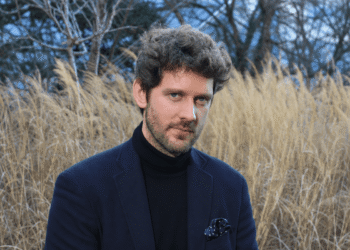

In an interview with the ECPS, Associate Professor Hugo Drochon, a political theorist at the University of Nottingham and author of Elites and Democracy, examines the relationship between populism, elite circulation, and democratic renewal. Reflecting on Trump’s second presidency and the November 3 midterms, Assoc. Prof. Drochon argues that established American institutions retain significant resilience despite efforts to transform governance. He also explores the concentration of oligarchic power surrounding Trump and Silicon Valley, suggesting that emerging fractures may restore competition among elites. Examining Europe’s radical-right resurgence, Assoc. Prof Drochon emphasizes that democracy depends on continuous political contestation. Crucially, he warns that populism becomes anti-democratic when it restricts future challenges, undermining the pluralism necessary for democratic renewal.
Interview by Selcuk Gultasli*
As Trumpism reshapes American governance and radical-right populism challenges established elites across Europe, the relationship between popular sovereignty and elite power has become increasingly contested. Can anti-establishment movements genuinely democratize political power, or do they merely replace one ruling minority with another? And when does populist insurgency become a threat to the very political competition that makes democratic renewal possible?
In an interview with the European Center for Populism Studies (ECPS), Associate Professor Hugo Drochon, a political theorist at the University of Nottingham and historian of modern political thought, addresses these questions through his research on democratic theory, liberalism, and conspiracy theories. In his recent book, Elites and Democracy, Assoc. Prof. Drochon revisits classical elite theory to develop a conception of dynamic democracy, emphasizing elite circulation, political contestation, and social mobilization.
Central to Assoc. Prof. Drochon’s argument is that democracy cannot eliminate elites but can institutionalize competition between them. As he explains, “even in modern democracies, the people as such don’t rule.” The democratic question, therefore, concerns which elites govern, how they relate to citizens, and whether political challenges generate greater participation, redistribution, and equality.
Reflecting on Trump’s second presidency and the November 3 midterm elections, Assoc. Prof. Drochon questions whether the administration has fundamentally transformed American governance. Despite Trump’s recruitment of political outsiders and efforts to strengthen executive authority, he observes that “the midterms suggest that the older American institutions still have some strength left in them.” This institutional resilience complicates narratives of irreversible political transformation.
Assoc. Prof. Drochon also examines the convergence of Silicon Valley wealth and executive power, particularly Elon Musk’s alignment with Trump. Acknowledging an element of “oligarchic financial consolidation,” he suggests that this alliance may now be weakening. More fundamentally, he maintains that political, economic, and social elites must remain competitive: “it’s through that contestation that democracy remains possible.”
Extending his analysis to Europe, Assoc. Prof. Drochon explores the National Rally’s alliances with established economic elites, Germany’s political firewall against the AfD, and the increasingly prominent struggle between the center and the extremes. He argues that defending the political center requires substantive alternatives rather than institutional resistance alone: “A purely defensive position is not enough.”
Perhaps most importantly, Assoc. Prof. Drochon identifies the democratic limits of populism’s anti-pluralist tendencies. While populist challenges may expand participation and facilitate elite renewal, they become anti-democratic when they restrict subsequent political competition. The decisive question is whether emerging elites make future challenges easier or harder.
Drawing on cases ranging from MAGA and progressive movements to Serbia and Hungary, the interview ultimately advances a conception of democracy as an unfinished process. For Assoc. Prof. Drochon, meaningful democratic renewal requires not simply electoral turnover but institutions that preserve contestation, enable elite circulation, and continually expand opportunities for political participation.
Here is our interview with Associate Professor Hugo Drochon, edited lightly to enhance clarity, readability, and overall flow for publication.
Populist Leaders and the Paradox of Elite Rule
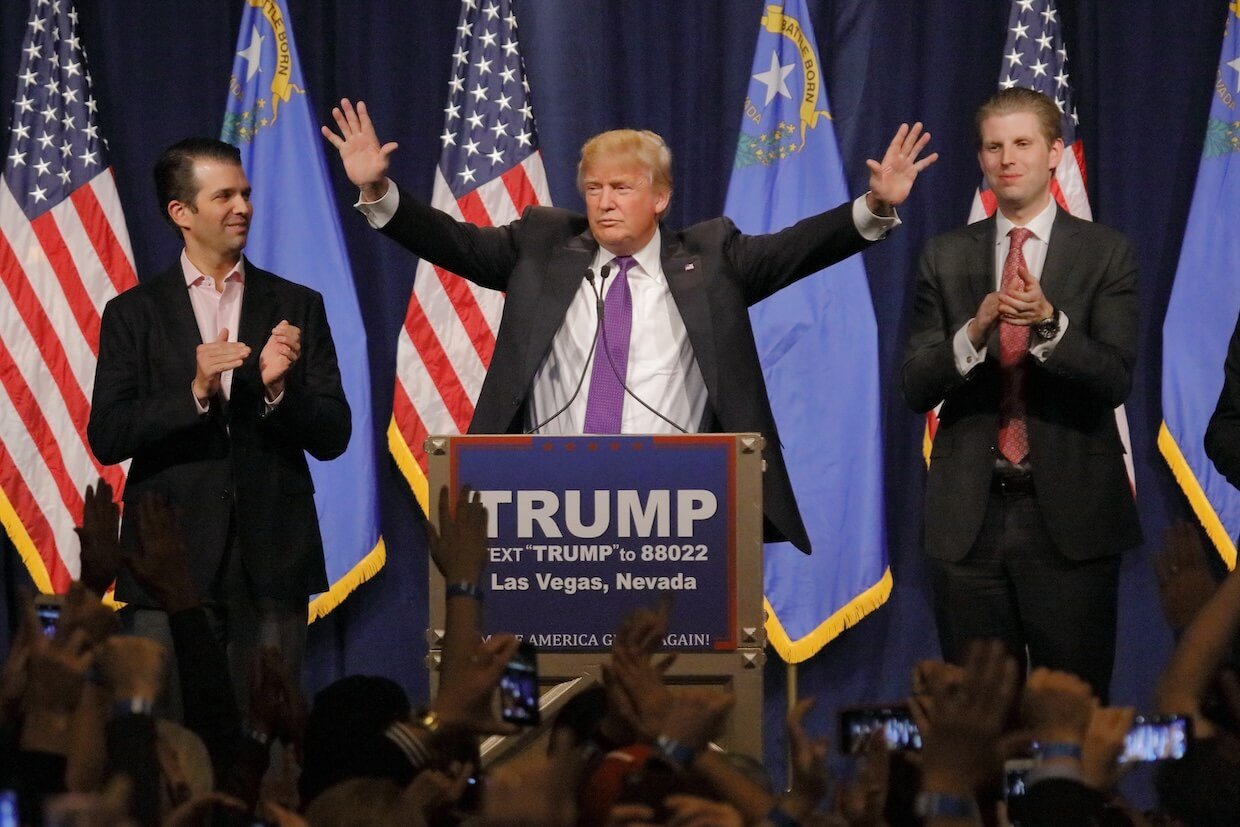
Professor Drochon, thank you for joining us. In Elites and Democracy, you argue that democracy cannot eliminate elites but can enable their continuous contestation and renewal. How does this framework explain the contemporary paradox of populist leaders claiming to represent ordinary people while themselves belonging to powerful political or economic elites?
Assoc. Prof. Hugo Drochon: It’s only a paradox if you think that the people can actually rule. If you don’t think modern democracy works in that way and recognize that there are always elites, there’s no paradox as such. The question becomes the relationship between the two.This is what I was trying to point out. There’s been a lot of discussion, especially since 2016, about populism being the right way to understand what’s going on in our politics, particularly after Trump in the US and Brexit in the UK—not to be too Anglo-centric about it.
But I wanted to point out that all these so-called populist leaders who claim to speak in the name of the people, as you rightly point out, are themselves elites of some description. Trump was part of the 1% economic elite, a media personality with The Apprentice, and used Twitter. In the UK, Boris Johnson was as establishment as they come.
So, it was about putting the emphasis back on the fact that, even in modern democracies, the people as such don’t rule. They’re always led by elites to a certain degree. Therefore, it may seem like a paradox, but it isn’t if you look at the reality of our modern democratic systems.
The question then becomes: What type of elites come to power? What is their relationship with the people? I wanted to keep those two things in mind. There are elites, and there are people, and we have to think about the relationship between the two.
Trumpism and the Transformation of American Elites
In your recent New York Times conversation, you describe Trumpism as the rise of a new elite challenging the Washington establishment. Has Trump’s second presidency fundamentally transformed the American governing elite, or merely replaced established political elites with a different coalition of economic, technological, and ideological power holders?
Assoc. Prof. Hugo Drochon: Very good question. I think the recent midterms perhaps give us a slightly different answer than if you’d asked me before the elections. Before the midterms, it seemed that there was a true transformation of American politics. The types of people Trump brought into Washington, D.C., were very different. Many of them were outsiders. Obviously, some, like Marco Rubio, had been around, while others, like J.D. Vance, had come in. But a whole generation of both Democrats and Republicans seemed to have been replaced, and Trump brought in new people, most notably somebody like Elon Musk.
So, it looked like a very different group of people, with a very different approach to ruling, including the idea of a very strong executive and Congress being put aside. But the midterms suggest that perhaps they haven’t been able to capture and completely change the system in the way they would have liked. Trump seems to have lost quite a bit of power in both the House and the Senate.
Now, perhaps it looks more like a type of circulation, with new and different elites coming in and replacing the old guard of both the Republicans and the Democrats. There’s certainly been a circulation of elites. But whether this has fundamentally changed American government is another question. The midterms suggest that the older American institutions still have some strength left in them. I think we’ll know more in the next couple of years. There’s obviously been some change, but perhaps the institutions haven’t changed as completely as we might have expected when Trump came to power.
Silicon Valley, Trump, and Oligarchic Power
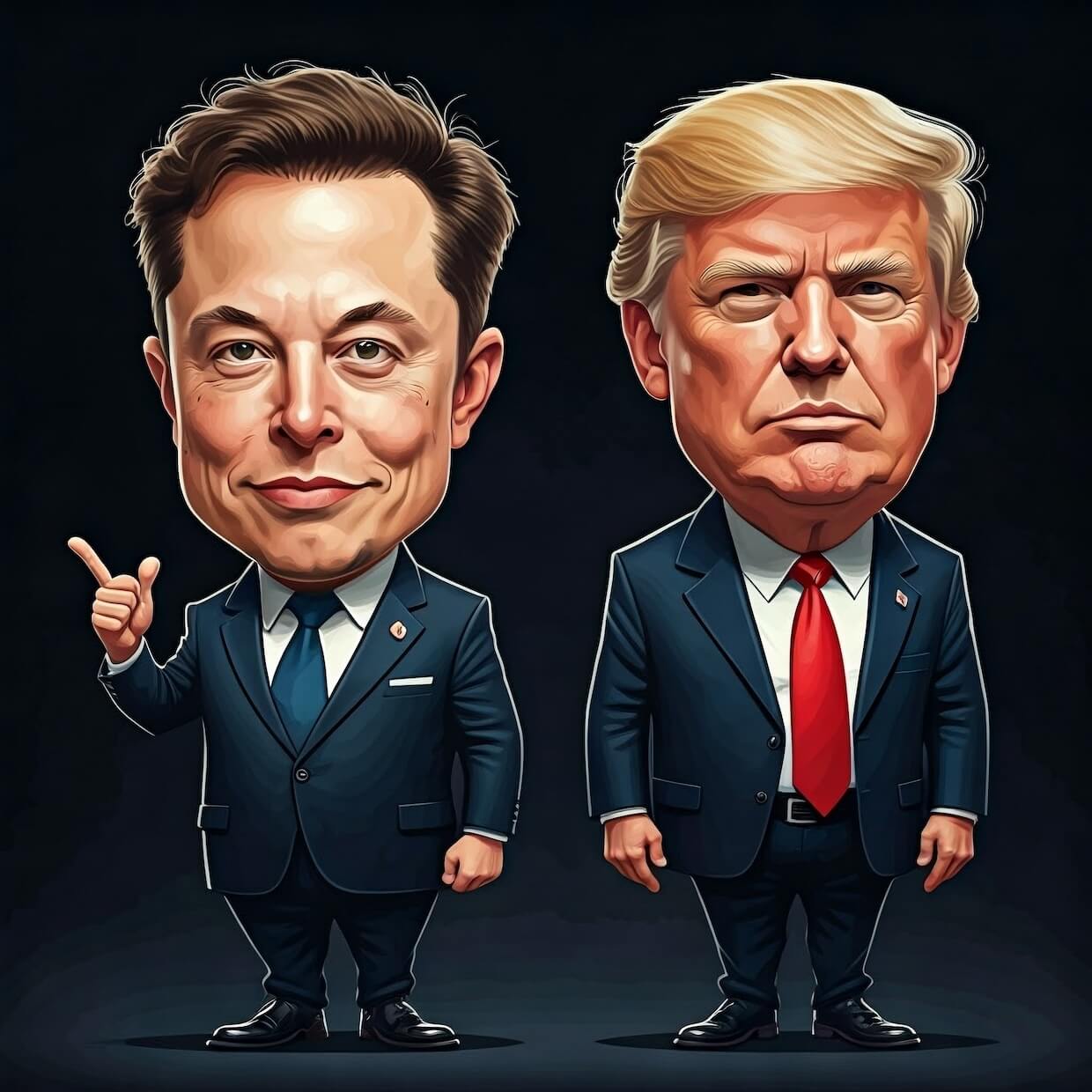
You distinguish governing from non-governing elites, highlighting Elon Musk and other technology billionaires entering Trump’s political orbit. Does the growing convergence of Silicon Valley wealth and executive authority represent democratic elite circulation or a new concentration of oligarchic power?
Assoc. Prof. Hugo Drochon: Both, because there is circulation, with new elites coming in. Interestingly, I just saw today (Thursday) that Elon Musk said he wasn’t MAGA anymore, so there seems to be a break from that, too. Normally, the idea behind this kind of elite circulation is elite competition: different forms of elite power—political, economic, and social—compete with one another. There’s always a degree of competition.
Here, specifically, it seems that a certain type of economic power associated with Silicon Valley—and there are other types of economic power that we haven’t discussed—aligned itself with Trump. This seems to have brought about a degree of oligarchic financial consolidation, which may now be starting to break apart.
So, in that specific convergence, yes, there was an element of oligarchic power. But that seems to be breaking up. More generally, the conventional understanding of elite circulation is that these different forms of power compete with one another. You might have social elites, other economic elites, or different types of political elites, all competing with one another. And it’s through that contestation that democracy remains possible.
The People May Never Rule, but Elite Circulation Can Make Them Better Off
Drawing on Pareto’s theory of elite circulation, you explain how rising elites mobilize ordinary citizens to displace established elites. Yet the people rarely govern directly. Under what conditions can populist elite replacement produce substantive democratization rather than simply reproduce existing hierarchies of power?
Assoc. Prof. Hugo Drochon: Pareto has a very simplistic but useful formula. He talks about A, B, and C: A represents the established elite, while B represents the rising elite challenging A and bringing C, the people, over to its side by saying, “Look, A is not representing you. If you come over with us, we’ll overthrow them, and we’ll give you more opportunities.” Of course, B then comes to power, while C never rules. Eventually, D emerges as the new challenging power, and the circulation continues.
But I do want to emphasize that, at that moment of change, in the moment of circulation, there is a possibility of political change and democratization, depending on what you mean by that. If we think of democratization as a movement toward equality, we can judge whether the challenge from the new elite to the established elite increases participation, diversity, and distribution.
If it does, then you might say that there has been an increase in democratization, though not necessarily in democracy altogether, and that this has benefited the people more generally. C will never rule, but C can be better off with a different type of elite, or even with the existing elite. That is the real question of elite circulation.
Trump’s Takeover of the Republican Party Was Facilitated by Establishment Elites
Your concept of ‘dynamic democracy’ emphasizes three elements: social mobilization, defecting or “rebel” elites, and institutions capable of translating their alliance into political change. How does this framework illuminate MAGA’s success, particularly the decision of establishment Republicans to accommodate Trump rather than resist his takeover of the party?
Assoc. Prof. Hugo Drochon: As you say, you need rebel elites. For me, the key question in 2016, when Trump first launched his political campaign and tried to take over the Republican primaries, was whether he would succeed. I think that was the more interesting moment. He was able to bring in new people, but if the old establishment Republicans had closed ranks and supported more established figures, such as Jeb Bush, would Trump have been able to succeed? That remains an open question.
It was people like Paul Ryan and Senator McConnell who helped facilitate his rise. That process is particularly interesting. There’s accommodation, bit by bit, until eventually there’s a complete takeover. That’s how insurgents come to power.
Without drawing a direct comparison, we often say that Hitler would never have come to power if Germany’s conservative elites at the time hadn’t made concession after concession until it was too late. I don’t want to draw an analogy between the two, but this illustrates how insurgents can come to power.
So, the rebel elites were key. Perhaps that also raises a question about what’s happening today with the Democratic Socialists of America (DSA). They seem to be capturing a particular moment, especially with Alexandria Ocasio-Cortez (AOC). Could something similar be said about the Democratic Party today? Yes or no.
Why MAGA Succeeded Where Black Lives Matter Struggled
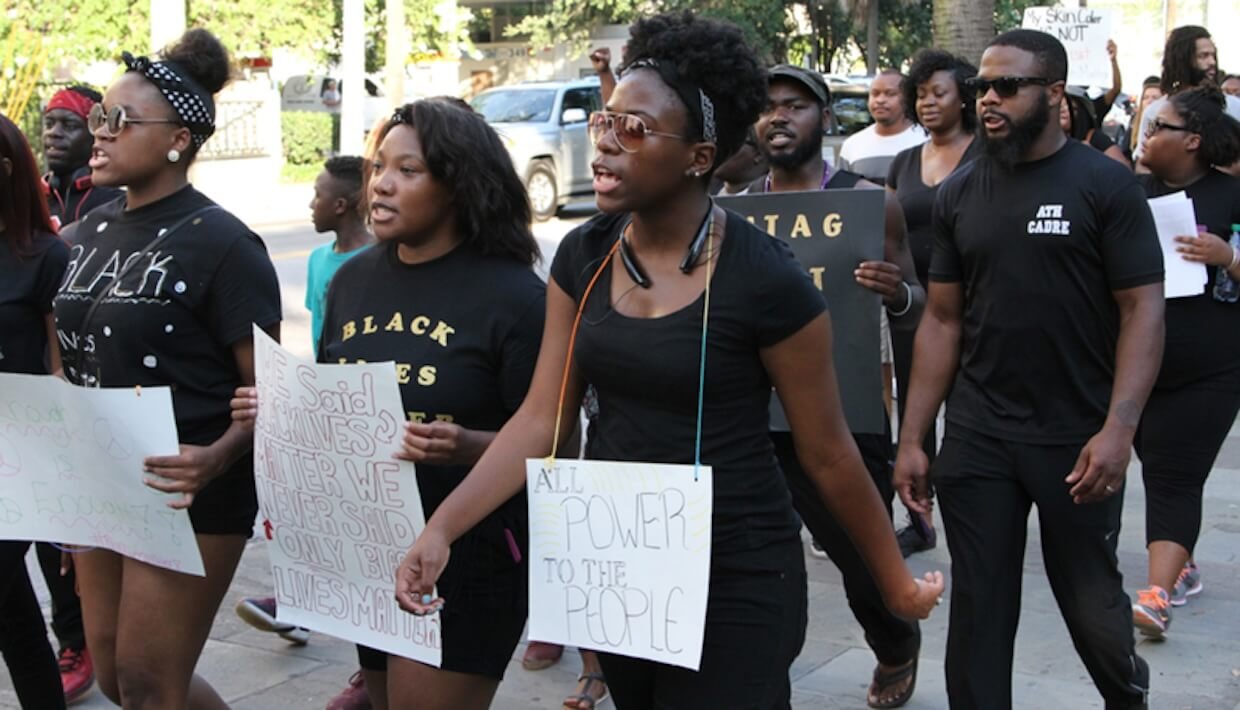
In your New York Times discussion, you contrast MAGA’s institutional success with Black Lives Matter’s limited transformation into an enduring political vehicle. Why did BLM struggle to secure comparable support from established Democratic elites? Does this reveal a structural weakness in progressive movement politics?
Assoc. Prof. Hugo Drochon: That’s a nice contrast. You could say MAGA was building on institutions that were already there, namely the Tea Party movement. It had the movement, one of the three elements I talked about, Trump as its leader, rebel elites like Paul Ryan and Mitch McConnell, as we’ve just discussed, and an institution, namely the primaries. So, it had the three elements of dynamic democracy that I talk about.
Why didn’t BLM succeed in the same way? Partly because the Democratic establishment didn’t want to take it on board. There may be two reasons for that. First, some of BLM’s campaign slogans, such as “defund the police,” were not well received, at least by the Democratic establishment. Second, BLM was much more decentralized than the Tea Party, which made it harder to build alliances.
But there’s a real, ongoing question today concerning the Democratic Socialists of America: whether they’re able to bring over some of the more established Democratic Party members and whether somebody like AOC could bring sufficient people over to their side. I think you could say there is a movement behind the Democratic Socialists of America, and they obviously have their leaders.
The question is whether they have rebel elites from the Democratic establishment willing to come over to their side. Secondly, through which institution would this happen? Perhaps through certain primaries. Some Democratic Socialists of America candidates have already gone through the primaries and succeeded. But those two elements are still missing: the rebel elites and the institutions needed for that change to really happen. There are still a couple of years to go, and it could potentially happen.
AOC Needs Rebel Elites from the Democratic Establishment to Succeed
After the November 3 midterms in the US, democratic socialists and other progressive challengers gained significant victories contesting established Democratic leadership. What would constitute genuine elite renewal within the Democratic Party? Could figures such as Alexandria Ocasio-Cortez generate transformative change without a significant defection from the party establishment?
Assoc. Prof. Hugo Drochon: Yes, I was just trying to address that. For AOC to succeed, if she is serious about it—and this applies not just to AOC but to a number of other progressive candidates as well—she would need, at least according to my theory, a substantial number of rebel elites from the Democratic establishment.
Whether that happens depends on how successful the progressives are considered to be. There’s a debate in America right now about which candidates were more successful: the moderates or the progressives. There’s an argument that moderate candidates actually outperformed progressive candidates.
So, it’s not a given that the Democratic establishment would join them. But for AOC to be successful, she would indeed need those two elements, including members of the Democratic establishment willing to come over to her side. So far, nobody has really done that, although Barack Obama campaigned for El-Sayed. That was an example of a connection between the two, with Obama, an established Democratic politician who is now retired, coming over to help the campaign. You would need more examples of that, with established Democratic politicians actively joining AOC. That’s what you would really need. The institutional question also needs to be thought through: What’s the institution? Will it be the primaries? How will that happen? Those are the two questions that remain open.
Without a Durable Coalition, Serbia’s Student Movement Could Face Serious Difficulties
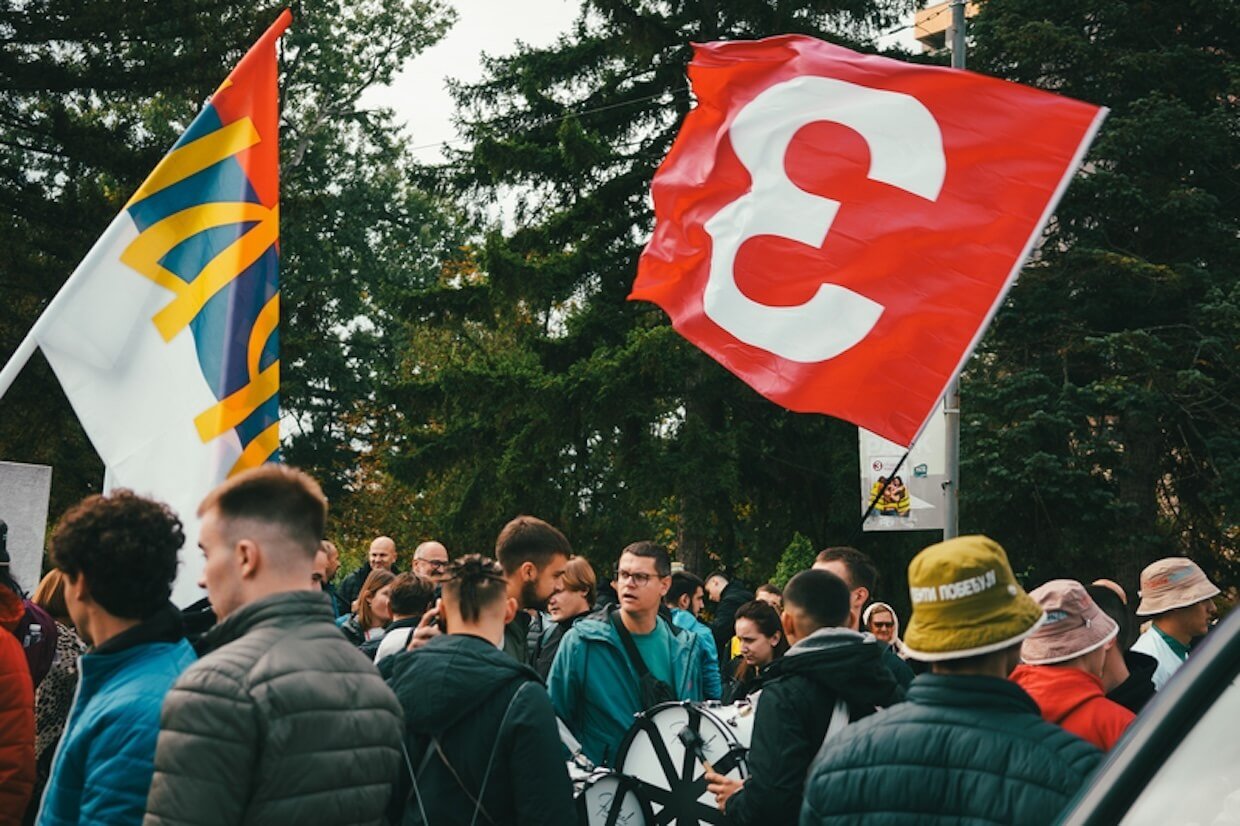
Serbia’s student-led movement has secured a parliamentary majority after nearly two years of protests against Aleksandar Vučić’s government. Does this represent an exceptional example of social movements generating their own governing elites, rather than depending on defections from established political elites? How does it challenge your model of dynamic democracy?
Assoc. Prof. Hugo Drochon: That’s a great challenge, so I’m glad you brought it up. There are a few things to consider. First, some of the movement’s leaders are themselves elites, even if they’re not established political elites. There are lawyers, judges, media figures, university leaders, and others involved. So, it’s not purely a student movement. There are already elites involved, but they come from outside the political establishment.
The one element they’re still missing is rebel elites from the establishment willing to come over to their side. They already have an institution, namely elections, but we’ll have to see how the situation develops. If they don’t attract enough defectors from the establishment—not necessarily politicians, but perhaps people from institutions such as the civil service or the judiciary—I worry about whether the movement will be able to establish itself firmly and continue. It needs a form of institutionalization that it doesn’t yet have.
There’s also a skeptical, perhaps cynical, interpretation of what the leader in Serbia might be thinking: “I’ll step aside and let the students come in. They’ll eventually implode, and then I’ll be able to come back.” So, there’s a real question about the movement’s future.
They need to institutionalize themselves. They’ve won the election, so they clearly have two elements: the movement and the institution. For them to succeed, they now need people to break away from the establishment—not just from politics but more broadly—and come over to their side to build a durable coalition. Otherwise, I fear they’re going to be in trouble.
Europe’s Radical Right and the Politics of Elite Defection
Across Europe, parties such as Germany’s AfD, France’s National Rally, and Reform UK have challenged established political elites. How do their trajectories illustrate the interaction between rising populist elites and traditional conservative establishments? Are elite defections more consequential than mass anti-establishment sentiment in explaining their political influence?
Assoc. Prof. Hugo Drochon: I think you could say anti-establishment sentiment is always present. That’s the nature of modern representative democracy, in a way, because there are always elites, and there’s always a gap between what the people truly want or express—if that can ever be fully identified—and the reality that representative democracy is a form of elite rule.
What my theory tries to emphasize is that we need to be realistic about what’s possible, because the desire to close that gap between elites and the people can be quite dangerous. That gap is a feature of our democracy, and we should resist trying to eliminate it because attempts to do so have led to many disasters throughout the 20th century.
So, anti-establishment populist sentiment is always there, although its intensity increases and decreases. This brings us back to what we discussed earlier about how rising elites may be better equipped to respond to the demands of the people.
I know the French case a bit better, and we’ve seen figures like Le Pen and Bardella courting business leaders. I’ve come across reports of lunches involving Bernard Arnault, the richest man in France. So, they’re trying to bring these defectors over to their side. There’s also been a break within the traditional Conservative Party, with Éric Ciotti aligning himself with Le Pen’s campaign.
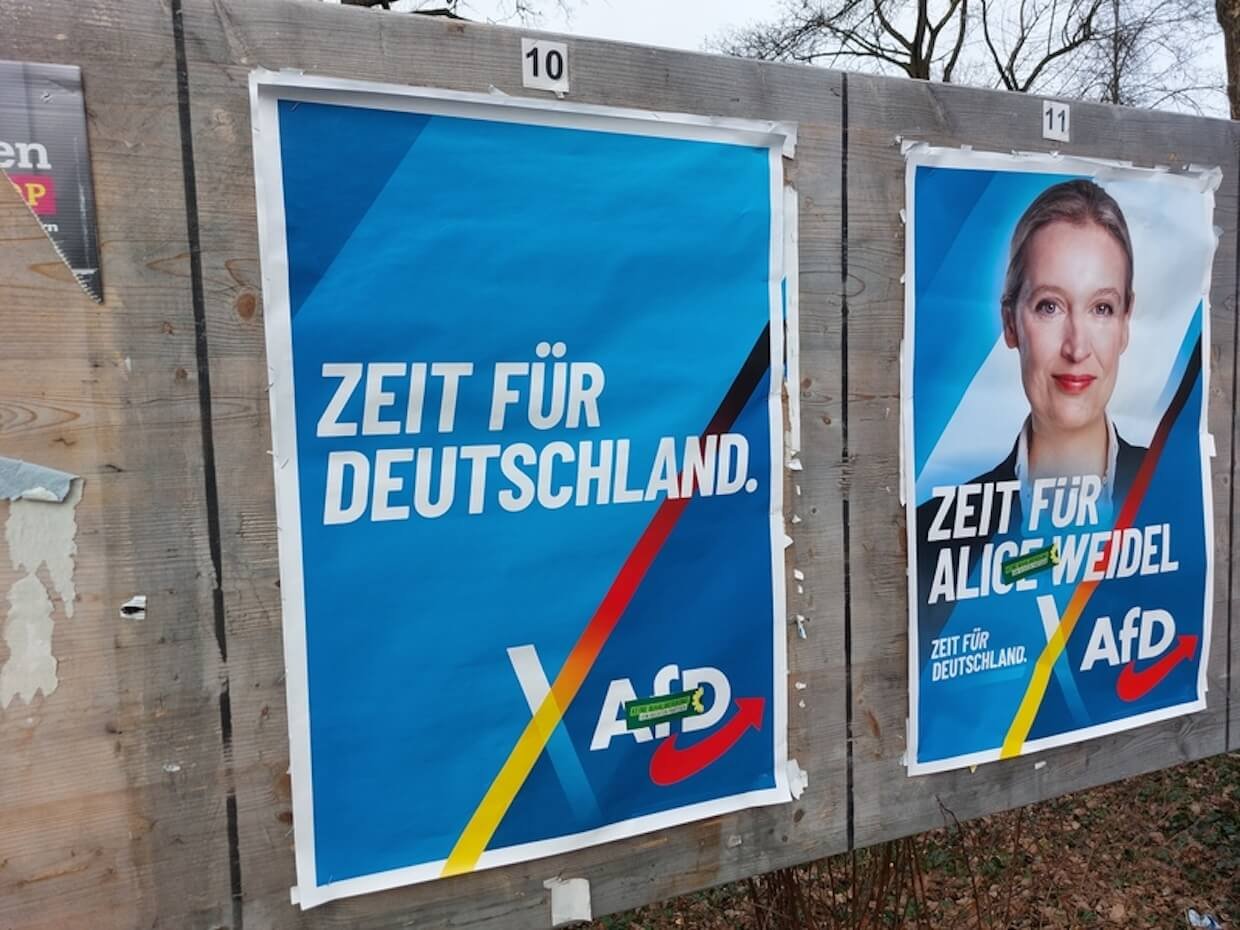
We’ve also seen developments in the media, with Bolloré, the multimillionaire who has been buying up media companies, including CNews, the 24-hour television news channel, as well as some publishing houses, in an effort to legitimize the far right. So, there is an emerging alliance, although the political boundaries have largely held so far. In Germany, too, that kind of firewall hasn’t broken down yet. France is heading toward a very challenging presidential election but maintaining that firewall remains one of the hopes for preventing an extremist takeover of the European political center.
A Defensive Political Center Cannot Survive Without Offering Something New
In your work on Norberto Bobbio, you suggest that contemporary political struggles frequently pit the center against the extremes rather than simply left against right. How does this perspective illuminate Macronism, Le Pen’s National Rally, and Germany’s efforts to maintain a Brandmauer against the AfD? Can centrist elite resistance preserve democracy while inadvertently reinforcing populist grievances?
Assoc. Prof. Hugo Drochon: That’s the central question, isn’t it? I think we’re at a moment when the left-right divide may no longer adequately capture the dynamics of our politics. Take Donald Trump’s rise to power. In many ways, Trump wasn’t simply a left-right phenomenon because he wanted to get rid of not only the Democrats but also the established Republicans. His entire campaign revolved around “drain the swamp.” He wanted to remove the whole Washington, D.C., establishment, left and right, and fundamentally change how American politics operated. That was his program, and when he was most recently elected, it looked as though he might succeed. The midterms have called that into question.
Brexit was similar. In 2017, most of the main political parties—Labour, the Liberal Democrats, and the Conservatives—were, at least officially, campaigning in favor of Remain. Meanwhile, marginal parties such as UKIP, along with rebel elites like Boris Johnson and Michael Gove, broke away and joined these official and semi-official movements. Again, that doesn’t look like a conventional left-right divide but something closer to a center-extremes dynamic. In both cases, Trump and Brexit, something previously considered marginal or extreme became the new center.
The Left-Right Divide No Longer Adequately Explains Today’s Political Realignment
France offers another example. In 2017, Macron embodied the traditional center. But the confrontation with Marine Le Pen illustrates what I think is an important distinction between left-right and center-extremes dynamics. Left-right politics normally involves mutual recognition: you’re a socialist, I’m a conservative, and that’s fine. In center-extremes politics, however, there’s a denunciation of the other, with labels that the other side would reject.
In 2017, Emmanuel Macron argued that the divide was no longer between left and right. He was effectively saying, “I’m left and right at the same time. The divide is between progressives and reactionaries.” In other words, “I, Emmanuel Macron, am a progressive. You, Marine Le Pen, are a reactionary.” Marine Le Pen, meanwhile, was saying, “No, no, no. I’m a true patriot, and you’re a neoliberal globalist.” These are labels that each side rejects. They no longer see themselves simply as opponents or rivals competing for the same political power. This is why the language becomes much more pronounced in center-extremes politics. The struggle is really about defining the true center ground of politics.
Marine Le Pen claims to represent the true French center ground, the patriotic center, whereas Emmanuel Macron represents a globalist European center ground. Both claim to occupy the center. It’s not a question of one claiming to be in the center and the other on the right. In center-extremes dynamics, the question is which side represents the true center ground. In conventional left-right politics, by contrast, there tends to be agreement about what the center is, with each side offering a right-wing or left-wing version of it.
We’re currently experiencing a period of significant political realignment. These dynamics are not adequately captured by the left-right divide but rather by center-extremes competition: a previously marginal position attempting to become the new center ground, around which a new left and right might eventually reestablish themselves, while the conventional center struggles to hold its position.
But whether that conventional center can succeed remains the question. Can the center ground hold? Bobbio raises this issue, as do many others. In the American context, Arthur Schlesinger spoke about the “vital center,” which represented a defense of liberal democracy, and the “dead center,” which amounted to little more than combining left and right without proposing anything genuinely new.
When the center simply combines elements of left and right without offering a new political vision, it invites the extremes to advance further. For the conventional center ground to hold today, it needs to offer something new—a third position, a new political program, or policies capable of bringing people together. A purely defensive position is not enough, and we’re seeing that across European politics today.

The Democratic Test of Populism Is Whether It Allows Further Political Contestation
Jan-Werner Müller defines populism through anti-elitism and anti-pluralism, while your framework emphasizes elite competition and renewal. Can populism be democratically productive when it opens political institutions to excluded constituencies, or does its claim to exclusively represent “the people” inevitably threaten the pluralism on which meaningful elite competition depends?
Assoc. Prof. Hugo Drochon: Thank you for bringing up Müller, who was actually one of my reference points at the beginning of this work. From 2016 onward, particularly in the Western world, there was a strong focus on using populism to describe the political events of the time.
I understood my book not as a corrective to that work but as a complement to it. There’s a great deal to learn from the populism literature, as you’ve just pointed out, particularly the division of politics into a kind of “us versus them”: a corrupt elite versus a pure people. What I wanted to bring into that discussion was the recognition that the relationship between democracy and elites is not new. We’ve been discussing it for a long time, including through Pareto’s work at the beginning of the 20th century. I wanted to bring the elite perspective back into the discussion, particularly the fact that populist leaders are themselves elites.
But I think the point about anti-pluralism is particularly interesting. What I want to emphasize is that there’s always a process of circulation, with rising elites challenging established elites. This is part of politics more generally, but it’s also part of democratic politics. We can judge these challenges by whether they’re democratizing or not. Do they contribute to democratization, understood as greater participation, more redistribution, or perhaps more diversity? We can assess different challenges, whether populist or not, according to those criteria.
There’s another important question concerning anti-pluralism: When these challenges occur, do they make it easier or harder for the next challenge to emerge? If the system becomes more closed and subsequent challenges become more difficult, then we can also regard that as an anti-democratic challenge because it restricts the possibility of further contestation. Perhaps this is one of the defining features of populism’s anti-pluralism. Because populism claims to speak in the name of the people, there’s a tendency to prevent subsequent challenges from emerging. That may be one of the anti-democratic elements associated with populism.
You Cannot Build Democratic Politics on Conspiracy Theories
Your comparative research with Annemarie Walter finds that conspiracy thinking is associated with political distrust and rejection of the political system. How do conspiracy narratives about hidden elites or the “deep state” affect democratic accountability? Can they empower challenges to entrenched authority while simultaneously legitimizing authoritarian leadership?
Assoc. Prof. Hugo Drochon: It’s a big question. What’s important to emphasize is that Christopher Hitchens had this great line about conspiracy theories being the exhaust fumes of democracy. What we need in a democracy is a critical public. We need people to hold their leaders accountable. That’s part of the essence of democracy. Within that critical public sphere, there will always be conspiracy theories and conspiracy theorists.
The difference between a critical public sphere, or even a cynical one, and a conspiracy theorist public sphere is that the critical or cynical public is willing to keep elites in check and hold them accountable while remaining open to new facts, information, and arguments. Conspiracy theories, by contrast, often have a kind of self-sealing capacity. They’re more like belief systems in which no amount of new information, data, or argument can challenge the fundamental core belief.
Both elements exist within democratic discourse. It would be authoritarian and counterproductive to try to repress conspiracy theories or conspiracy beliefs. That’s not what we’re looking for. But we do want the critical element to prevail over the conspiracy theory element because you cannot build democratic politics on conspiracy theories. They’re a form of belief that resists change, whereas critical engagement is precisely what democracy needs.
There’s also an important distinction between a conspiracy theory account of democracy and the elite-centered account of democracy that I’m trying to offer. In my account, there are always elites, but those elites compete with one another. They’re not a homogeneous, unified group exercising power in the same way. It’s precisely through that competition that democratic renewal becomes possible, along with the potential for democracy understood in terms of redistribution and equality, as I’ve just mentioned.
Conspiracy theories, by contrast, portray political elites as a unified group operating according to a predetermined plan, controlling not only politics but also the economy and the environment. That’s why we encounter conspiracy theories portraying climate change as a hoax. That’s not a conception of politics with which you can meaningfully engage. So, we need to distinguish these two perspectives, both intellectually and conceptually, to develop a realistic and clear-eyed understanding of politics without falling into conspiracy theories or counter-politics.
Democracy Depends on the Continuous Challenge of Established Elites by Rising Elites
And finally, Professor Drochon, in your discussion of Elites and Democracy, you suggest that democracy is never fully achieved but must continually be pursued through political contestation. Looking at Trumpism, Europe’s populist resurgence, and Serbia’s recent political transition, what would constitute meaningful democratic renewal beyond electoral turnover? Can your model of dynamic democracy reconcile the permanence of elites with the ideal of popular sovereignty?
Assoc. Prof. Hugo Drochon: There’s a nice Aesop’s fable of a dying peasant who, on his deathbed, tells his children that there’s a buried treasure in the field. He dies, and we would hope the children are sad, but they’re also very excited because they’ve heard there’s a buried treasure in the field. So, they go out and dig, dig, dig, looking for the treasure. Of course, there’s no treasure, but by tilling the land, they’ve made themselves richer.
Those are the two images I want to keep in mind. True democracy, in which the people really rule, is like the buried treasure in the field that you never find. But by striving toward it, which is the essence of my account of dynamic democracy, you may achieve democratic benefits.
To answer your question, I think there’s a broader point: politics can generally be understood as a continuous challenge to established elites by rising elites. This is a historical reality that persists across political systems, not just democracies. What distinguishes democracy is that it institutionalizes this challenge through elections.
Elections make that process clearer, but the challenge itself is always present. It’s a prerequisite for the possibility of positive democratic change. You need the challenge for change to occur, although it doesn’t guarantee that change will happen. It’s only through the possibility of that challenge that positive outcomes can emerge, just as it’s only by tilling the land that you might become richer.
We’ve seen examples of this throughout the world today. I hope I’ve offered at least a yardstick for judging whether these challenges contribute to democratization—whether they involve tilling the land and making people richer, so to speak. We can judge them by whether they increase participation, redistribution, and perhaps diversity, and whether they allow further challenges to emerge afterward. Will they permit continued contestation, or will they try to block it?
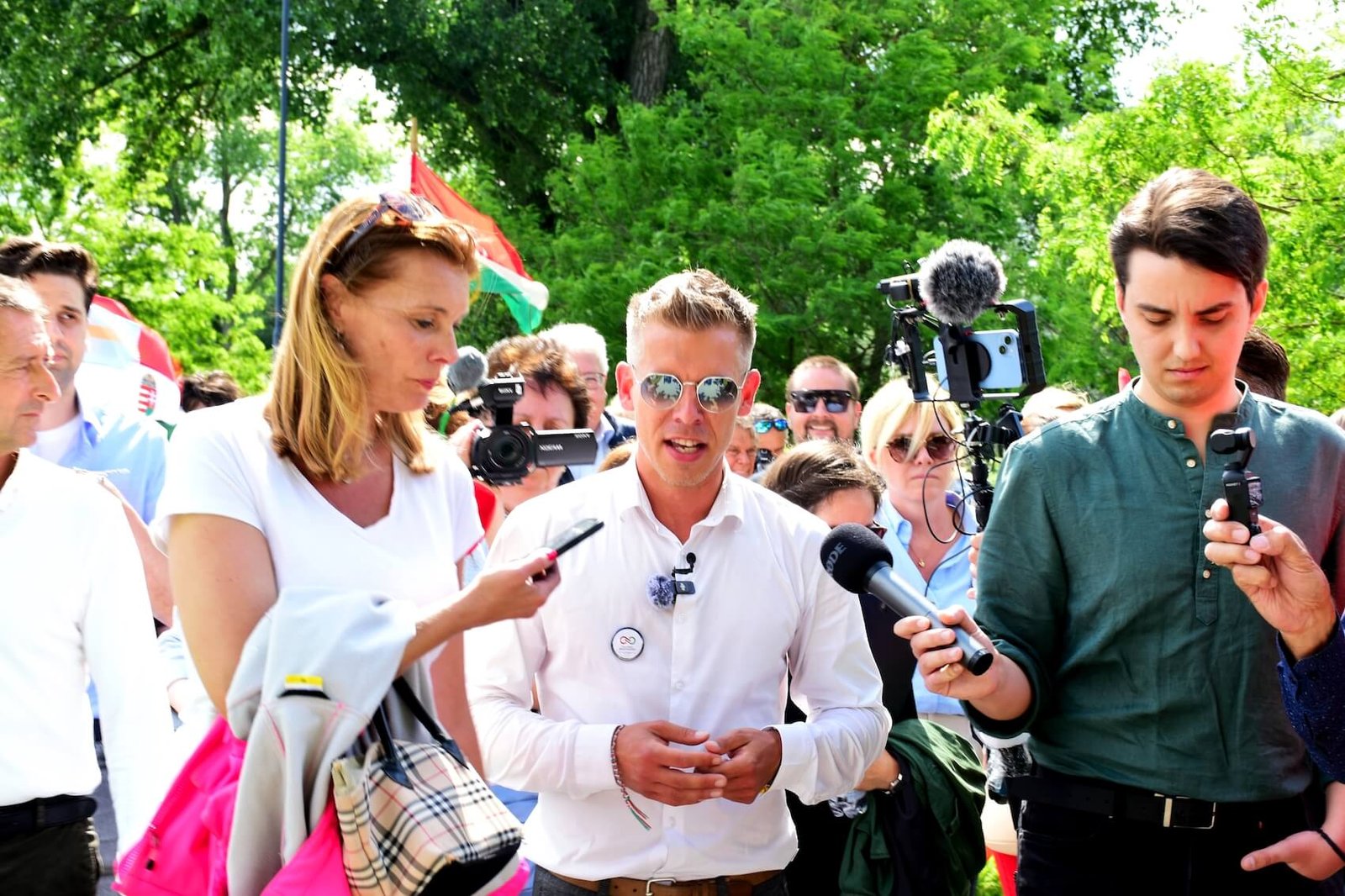
One particularly interesting example we haven’t discussed is Hungary. One of the first institutional changes Magyar wanted to introduce was to prevent certain offices, notably that of the prime minister, from being held continuously. In other words, those holding such offices would need to change. That’s an institutional way of putting dynamic democracy into practice: institutionalizing renewal and making it possible.
So, if we take as our starting point this idea of dynamism in politics—the continuous challenge by rising elites to established elites—we have a democratic yardstick for assessing whether such challenges are democratizing or moving toward greater equality. We can then use that yardstick to understand and evaluate what’s happening in the world today.
(*) This interview was academically curated and edited by Dr. Bulent Kenes.