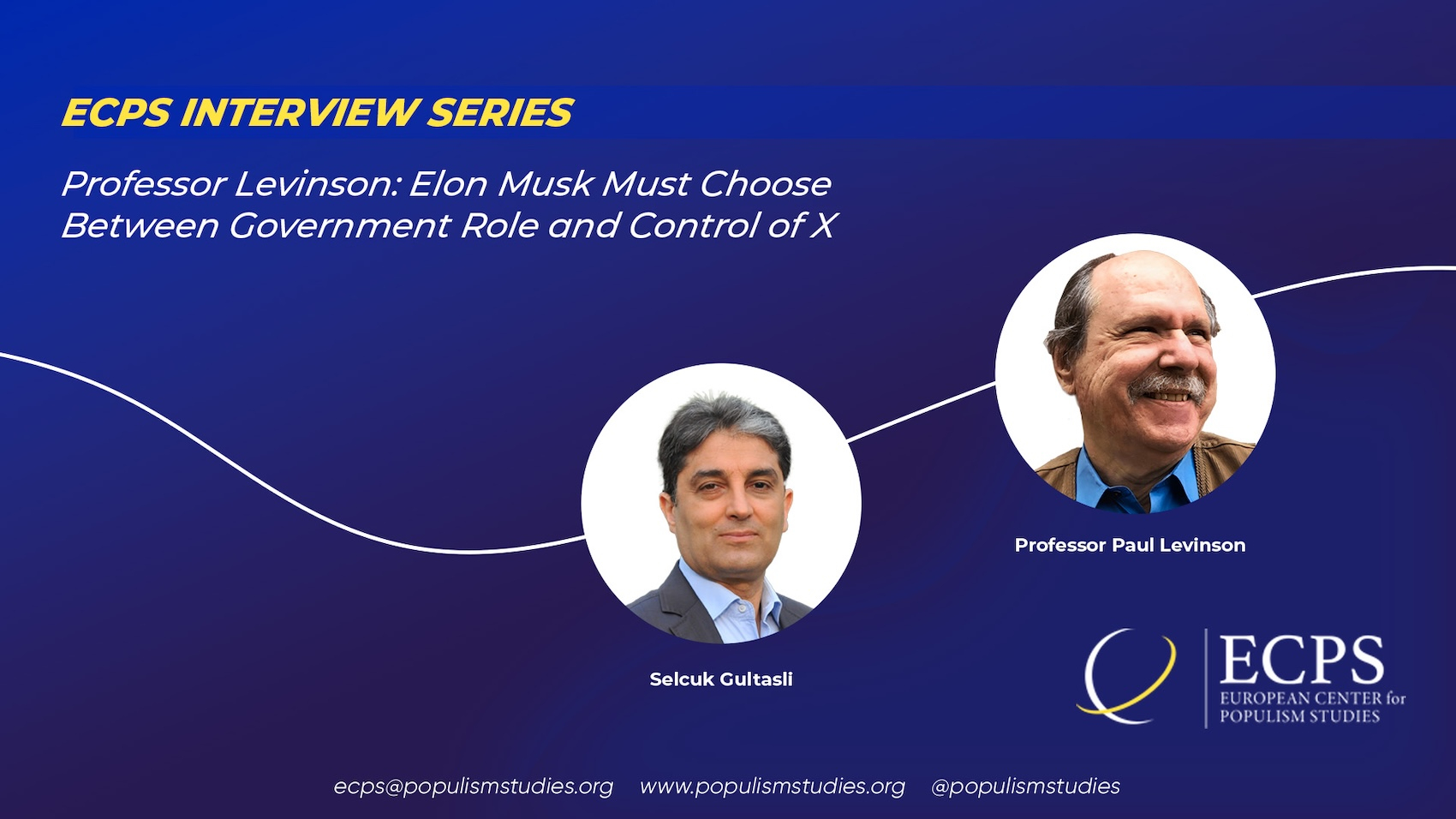
Highlighting Elon Musk’s dual role as a private tech mogul and a potential quasi-governmental leader under elected US President Donald Trump, Professor Anthony J. Nownes underscored the dangers of unregulated private power intersecting with public institutions. He emphasized that ceding excessive power to any private interest—whether in the tech industry or another sector—poses a significant threat to democracy. Illustrating this concern, Professor Nownes pointed to the proposed “Doge Department,” noting, “Unlike actual government departments with conflict-of-interest rules, such private entities lack safeguards, making them a potential avenue for unchecked influence over public resources.”
In an illuminating discussion with the European Center for Populism Studies (ECPS), Professor Anthony J. Nownes, a political science expert from the University of Tennessee and co-author of the book titled The New Entrepreneurial Advocacy -Silicon Valley Elites in American Politics, offered his insights on the growing influence of tech elites and its implications for democracy. Centering on the theme of the delicate balance between private power and public accountability, Professor Nownes emphasized a pressing concern: “Ceding too much power to any private interest—whether the tech industry or any other sector—poses a threat to democracy.”
Highlighting Elon Musk’s dual role as a private tech mogul and a potential quasi-governmental leader under elected US President Donald Trump, Professor Nownes pointed out the dangers of unregulated private power intersecting with public institutions. He explained, for instance, the risks of the proposed “Doge Department” (or Department of Government Efficiency), stating that “unlike actual government departments with conflict-of-interest rules, such private entities lack safeguards, making them a potential avenue for unchecked influence over public resources.”
Turning to the broader historical context, Professor Nownes compared today’s tech moguls to past industrial giants. While corporate influence is not a new phenomenon, he argued that the tech industry’s vast resources and rapid innovation—outpacing government regulation—make its impact unique. Using examples like Microsoft protecting Ukraine from cyberattacks and SpaceX ensuring Ukrainian connectivity, Professor Nownes highlighted how tech companies wield unprecedented power over geopolitical and societal outcomes.
On the issue of lobbying and political advocacy, Professor Nownes delved into the disproportionate focus of Silicon Valley philanthropy on post-material causes, such as environmental conservation and DEI (Diversity, Equity, and Inclusion), rather than structural inequalities. He warned that this prioritization risks sidelining critical issues like income inequality and homelessness, leaving a vacuum often filled by populists like Donald Trump, who, while lacking substantive solutions, at least address these concerns rhetorically.
Professor Nownes also discussed the erosion of public trust in tech companies, exacerbated by scandals such as Cambridge Analytica. Referencing a Pew study that found 78% of Americans believe social media companies wield too much political power, he noted that despite this skepticism, tech giants have not yet faced significant political or economic repercussions. However, he foresees this changing, particularly as ethical considerations—such as the negative effects of social media on children—gain political traction.
Professor Nownes also addressed the future of American democracy under a second Trump administration. While cautiously optimistic about its survival, he acknowledged the erosion of democratic norms and the slow response of legal institutions to recent challenges. His reflections offer a sobering reminder of the delicate equilibrium between private power and public accountability, as well as the need for vigilance in preserving democratic principles in the face of rapid technological and political change.
Highlighting Elon Musk’s dual role as a private tech mogul and a potential quasi-governmental leader under elected US President Donald Trump, Professor Anthony J. Nownes underscored the dangers of unregulated private power intersecting with public institutions. He emphasized that ceding excessive power to any private interest—whether in the tech industry or another sector—poses a significant threat to democracy. Illustrating this concern, Professor Nownes pointed to the proposed “Doge Department,” noting, “Unlike actual government departments with conflict-of-interest rules, such private entities lack safeguards, making them a potential avenue for unchecked influence over public resources.”
In an illuminating discussion with the European Center for Populism Studies (ECPS), Professor Anthony J. Nownes, a political science expert from the University of Tennessee and co-author of the book titled The New Entrepreneurial Advocacy -Silicon Valley Elites in American Politics, offered his insights on the growing influence of tech elites and its implications for democracy. Centering on the theme of the delicate balance between private power and public accountability, Professor Nownes emphasized a pressing concern: “Ceding too much power to any private interest—whether the tech industry or any other sector—poses a threat to democracy.”
Highlighting Elon Musk’s dual role as a private tech mogul and a potential quasi-governmental leader under elected US President Donald Trump, Professor Nownes pointed out the dangers of unregulated private power intersecting with public institutions. He explained, for instance, the risks of the proposed “Doge Department” (or Department of Government Efficiency), stating that “unlike actual government departments with conflict-of-interest rules, such private entities lack safeguards, making them a potential avenue for unchecked influence over public resources.”
Turning to the broader historical context, Professor Nownes compared today’s tech moguls to past industrial giants. While corporate influence is not a new phenomenon, he argued that the tech industry’s vast resources and rapid innovation—outpacing government regulation—make its impact unique. Using examples like Microsoft protecting Ukraine from cyberattacks and SpaceX ensuring Ukrainian connectivity, Professor Nownes highlighted how tech companies wield unprecedented power over geopolitical and societal outcomes.
On the issue of lobbying and political advocacy, Professor Nownes delved into the disproportionate focus of Silicon Valley philanthropy on post-material causes, such as environmental conservation and DEI (Diversity, Equity, and Inclusion), rather than structural inequalities. He warned that this prioritization risks sidelining critical issues like income inequality and homelessness, leaving a vacuum often filled by populists like Donald Trump, who, while lacking substantive solutions, at least address these concerns rhetorically.
Professor Nownes also discussed the erosion of public trust in tech companies, exacerbated by scandals such as Cambridge Analytica. Referencing a Pew study that found 78% of Americans believe social media companies wield too much political power, he noted that despite this skepticism, tech giants have not yet faced significant political or economic repercussions. However, he foresees this changing, particularly as ethical considerations—such as the negative effects of social media on children—gain political traction.
Professor Nownes also addressed the future of American democracy under a second Trump administration. While cautiously optimistic about its survival, he acknowledged the erosion of democratic norms and the slow response of legal institutions to recent challenges. His reflections offer a sobering reminder of the delicate equilibrium between private power and public accountability, as well as the need for vigilance in preserving democratic principles in the face of rapid technological and political change.
Professor Anthony J. Nownes is a political science expert from the University of Tennessee and co-author of the book titled The New Entrepreneurial Advocacy – Silicon Valley Elites in American Politics.
Here is the transcription of the interview with Professor Anthony J. Nownes with some edits.
Tech Titans Shape Public Discourse by Spotlighting Key Issues
Professor Nownes, thank you very much for joining our interview series. Let me start right away with the first question. How do you view the growing influence of tech elites in shaping political agendas? Are they effectively becoming a new form of political aristocracy? How has the concentration of economic power among tech giants influenced the balance of political power in the United States? Could you discuss whether their dominance undermines or enhances democratic institutions?
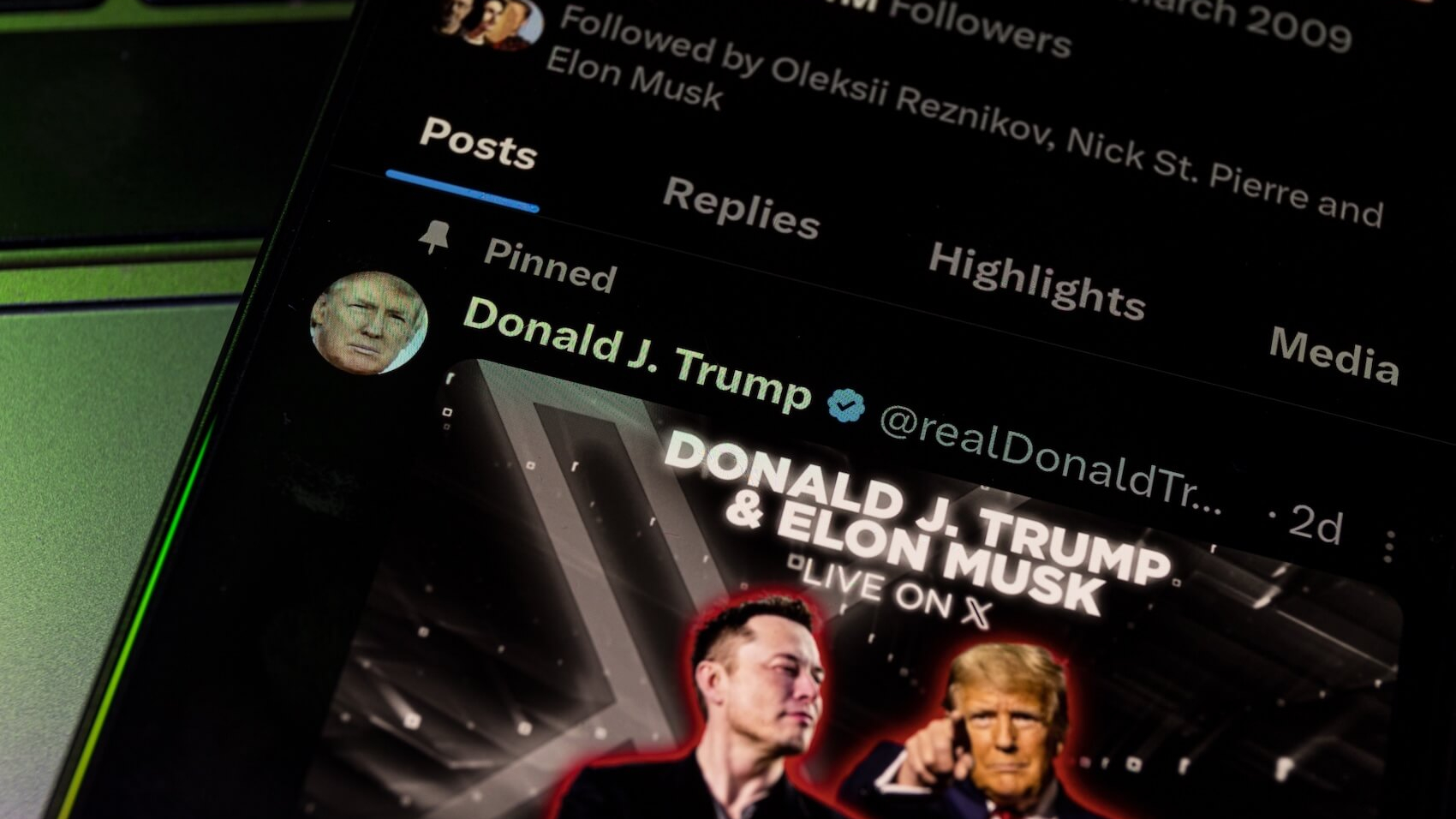
Professor Anthony J. Nownes: First of all, thank you for having me here today. I appreciate the opportunity. I’m glad you phrased the first part of your question the way you did, focusing on agendas rather than policy outcomes. This distinction is important. There’s no question that tech elites shape the political agenda. Let’s start with Elon Musk. He’s the wealthiest man on earth and commands significant media attention for almost anything he does. Beyond that, his direct involvement in media platforms like Twitter—now X—and others like Instagram amplifies his influence. His posts, or whatever they’re called now, and his public statements certainly affect which issues people think about.
This doesn’t necessarily mean people agree with him, but it does mean they see what he says and often recognize the issues he highlights as important. Elon Musk is not alone in this regard. Other tech elites—Mark Zuckerberg, Reid Hoffman, Tim Cook, and many others—also have massive social media followings. While they may not always achieve their desired policy outcomes, there’s no doubt that the issues they publicly engage with are those that garner significant public attention. In this way, they have considerable success in shaping the political agenda.
Now, regarding the second part of your question about the concentration of economic power, these are, of course, challenging questions to answer definitively. Speaking both as a scholar and a citizen, I would argue that whenever the government cedes too much power to private actors, it risks undermining democracy. The government should and must work with private actors—after all, in a capitalist system, the economy’s health depends largely on the private sector’s vitality. But the government has its own role here, and at least theoretically, that role is to look out for the rest of us. I believe that ceding too much power to any private interest—whether the tech industry or any other sector—poses a threat to democracy. To demonstrate this, let me highlight some of the perils of granting excessive power to private actors.
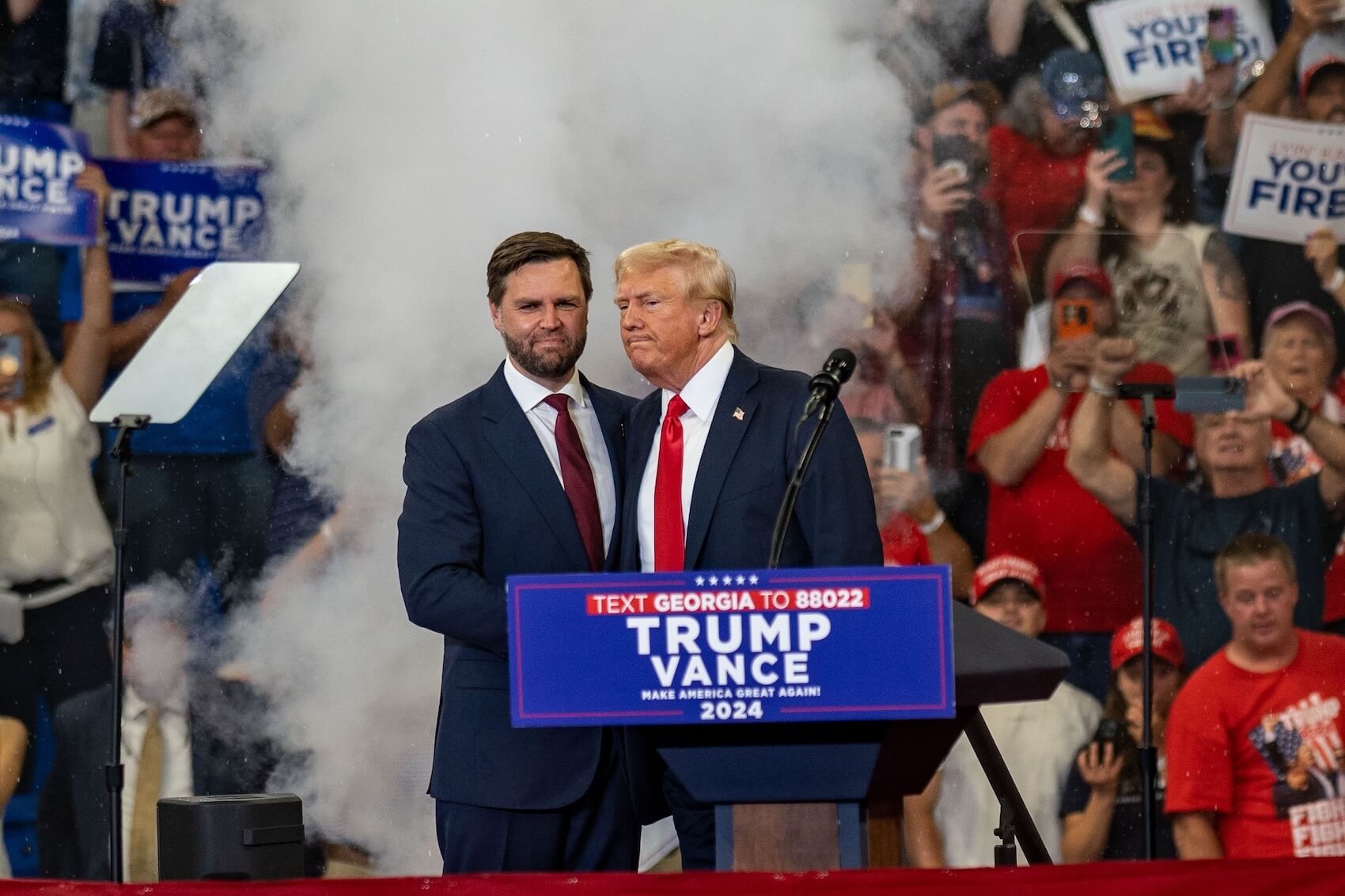
Take, for example, the so-called “Doge Department.” You may not be familiar with this, but it’s the quasi-governmental body Donald Trump has claimed he has already begun forming. Officially called the Department of Government Efficiency (I use air quotes because it’s not actually a government department), it’s essentially a quasi-governmental—or really, a non-governmental—organization. Trump has reportedly chosen Elon Musk and Vivek Ramaswamy to head it, with the stated goal of making the government more efficient.
Real government institutions, agencies, and bureaucratic departments operate under strict rules and regulations. These rules dictate who they can hire, what sorts of behavior are and are not allowed in the workplace, the qualifications required for employment, and, crucially, who the department is accountable to.
Now, imagine this organization gets up and running. Suppose, within six months, Trump grants it actual power. There would be little to stop someone like Elon Musk from making decisions that, for example, ensure his companies receive lucrative government contracts while his competitors do not. Unlike actual government departments, which have conflict-of-interest rules and similar safeguards, a private, non-governmental organization like this lacks such mechanisms.
This is one of the clearest examples of what could go wrong when excessive power is given to private actors within a democratic system. It underscores the importance of maintaining strict oversight and clear boundaries between public institutions and private entities to preserve the integrity of democratic governance.
Power of Tech Giants Today Is Unprecedented Compared to Past Corporate Interests
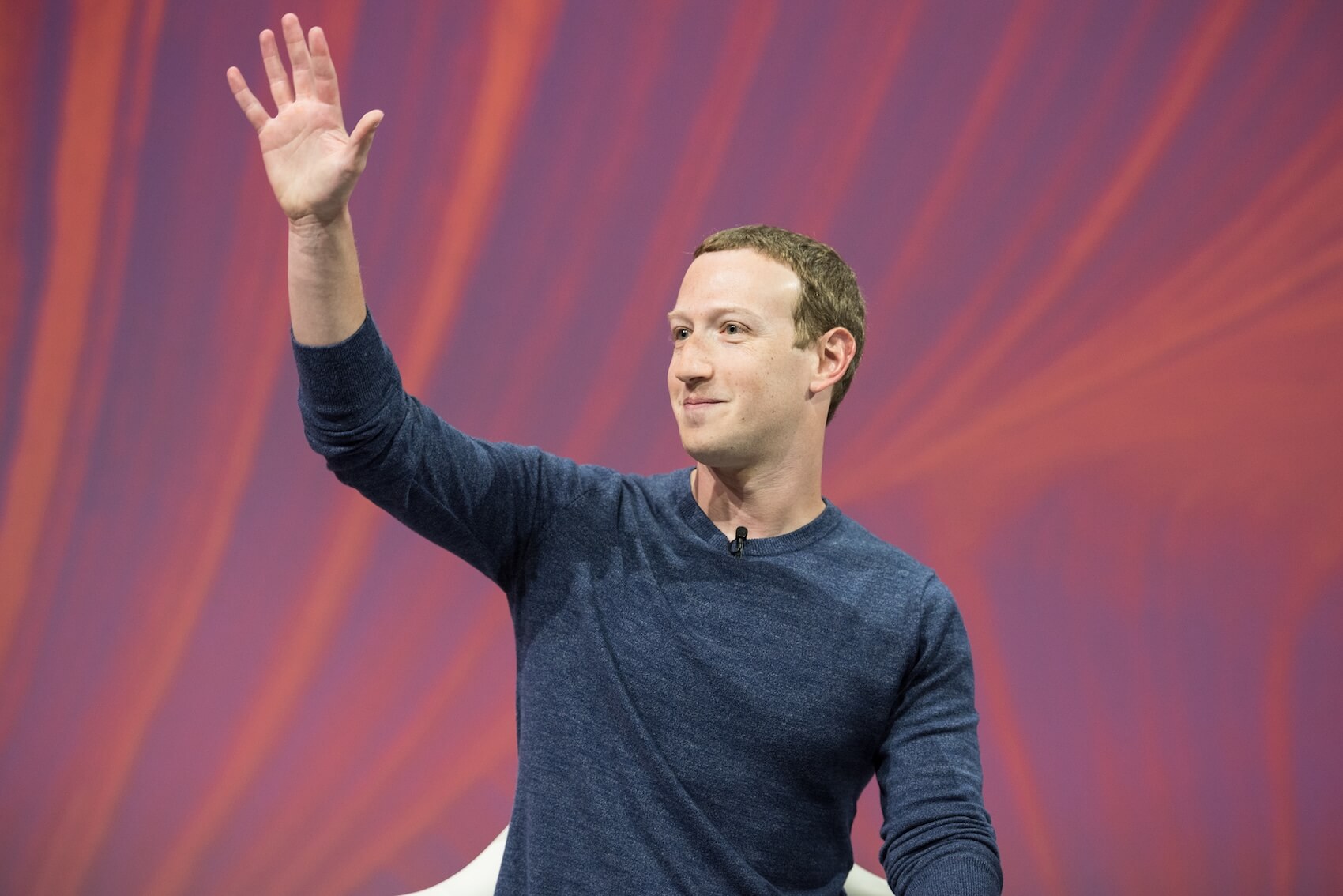
Facebook CEO Mark Zuckerberg in Press conference at VIVA Technology (Vivatech) the world’s rendezvous for startup and leaders in Paris, France on on May 24, 2018. Photo: Frederic Legrand.
Looking at the historical relationship between corporate power and politics, how does the role of hi-tech oligarchs compare to past industrial moguls in shaping American political landscapes? Is this a continuation of corporate influence, or does the unique nature of digital platforms present new challenges?
Professor Anthony J. Nownes: For the first part of your question, I’d like to preface my response by acknowledging that I’m not a historian, so I hesitate to draw extensive comparisons between current tech oligarchs and past industries in American politics. That said, it’s certainly not unprecedented for a powerful industry to wield significant influence over political outcomes in this country.
For instance, every school kid in the US learns about the robber barons of the Gilded Age. Additionally, the tobacco industry wielded extraordinary political power for decades, successfully staving off serious regulation of tobacco products. Throughout US history, doctors, the insurance industry, and other healthcare providers have collectively spent immense amounts of money lobbying against socialized medicine, with considerable success. So, corporate influence in politics is nothing new—it has been a feature of the American Republic from its very beginning.
However, I think it’s worth noting that the tech industry is different in several respects from previous industries that wielded political power. One key difference is the almost unfathomable resources these companies possess. As an industry and even at the individual company level, tech entities have significantly more wealth and resources than many nation-states. This is unprecedented.
Another difference is the rapid pace of innovation within the tech industry, which often outpaces the ability of governments and regulatory agencies to keep up. For example, SpaceX is currently more capable than the US government when it comes to space exploration. Similarly, Alphabet (Google) is far ahead of the US government—and likely any other government—in developing and deploying artificial intelligence. This gives tech companies tremendous influence over our lives, even if that influence is not overtly political.
I believe the rise of the tech industry introduces challenges that are different from those posed by previous corporate powers—some of which we may not even fully understand yet. For instance, consider the war in Ukraine. Tech companies are not directly involved in the conflict, yet they are significantly affecting events on the ground. Microsoft, for example, protects Ukraine from cyberattacks. SpaceX ensures that Ukrainians remain connected to the Internet. I recently read that Google has removed images of Ukraine from its open-source maps. These actions, while not traditionally political, have a profound impact on real-world political and international events. In this sense, the power of the tech industry over people’s lives is unprecedented compared to the influence wielded by previous corporate interests.
‘Leave Us Alone’ Ethos Shapes Platforms and Policies
How do hi-tech firms’ lobbying activities compare to other industries in terms of expenditure and focus? Specifically, what does the dominance of issues like taxes, intellectual property, and technology indicate about their priorities in shaping US policy? How does this concentrated influence by a few tech giants affect policymaking transparency and public interest considerations?
Professor Anthony J. Nownes: I certainly understand why both the media and ordinary people are focusing on tech lobbying and the political influence of big tech. However, I think it’s important to recognize that the tech industry is just one of many industries in this country that spend hundreds of millions of dollars every year attempting to influence policy and elections.
There are other perennial heavyweight industries that spend on a similar scale to the tech industry. For example, the pharmaceutical industry, the health insurance industry, securities and investment companies, and the oil and gas industry are all highly politically active and spend significant sums. In that sense, the tech industry is not fundamentally different from other high-profile, politically active industries.
As for your final question, I found it interesting the way you phrased it. I study what we call public interest groups or non-governmental organizations in this country, which are comprised of individual members. At this point, there simply aren’t many public interest groups—or what we might also call citizen groups—working on the opposite side of the issues that big tech is pushing.
In many other industries, there are countervailing groups. For instance, in the oil and gas industry, there are hundreds of environmental groups in the United States. While they don’t have the same resources as oil and gas companies, they’ve managed to achieve a number of political victories over the past several decades. Similarly, healthcare and pharmaceutical companies often contend with public interest groups—especially senior citizen organizations—that lobby against them on issues like the cost of prescription drugs and government programs. Currently, I don’t see many public interest groups or citizen groups actively working to counterbalance the power of big tech. This, I believe, is another way in which this corporate sector is somewhat unusual.
What role do tech oligarchs play in shaping public discourse, and how do their personal ideologies influence the policies and practices of their platforms? Are we witnessing a new form of political lobbying through algorithmic curation and platform management?
Professor Anthony Nownes: This question seems almost perfectly shaped to refer to Elon Musk. Certainly, his personal ideology seems to affect every aspect of his newest company, X. I think there’s an element of this influence among other tech moguls as well.
It’s a cliché, but I believe it’s accurate to say that many of these individuals, even those who have traditionally supported center-left or left causes and the Democratic Party, are at their core economic libertarians. They are libertarians on social issues as well, but their general ethos of “leave us alone and let us do what we want” seems to permeate how they run their companies. I’m particularly thinking here of platforms like Facebook, Instagram, YouTube, and X. It doesn’t take much time spent on these platforms to realize that a fairly libertarian ethos influences what happens on them.
As for your second question, I’m not entirely sure I know enough about algorithms and platform management to say much definitively. However, I can say this: it seems to me that the conservative criticism these companies faced during the first Trump administration did affect some of their practices. For example, this criticism likely influenced content moderation policies, decisions to label certain material as misinformation or disinformation, and determinations about who to platform and who to de-platform. So, I do think there is some evidence that algorithmic curation and platform management are having political effects.
Social Media Companies Contribute Significantly to Misinformation Epidemic
Given the rise of misinformation and polarization on social media platforms, do you believe tech companies bear responsibility for mitigating these issues, or should this be addressed through government regulation? How do we balance such regulation with the principles of free speech?
Professor Anthony J. Nownes: I’m not sure this is exactly how the question was intended—but I’ll answer it this way regardless, more as a citizen than as a scholar. Social media companies absolutely bear some responsibility for the explosion of misinformation and disinformation in this country. Of course, they don’t see it that way, but I think the evidence is overwhelming that they have contributed significantly to the epidemic of misinformation and disinformation in the US and elsewhere.
No matter how one feels about government regulation, it seems to me that there’s really only one entity in this country large enough, powerful enough, and well-resourced enough to rein in these companies: the federal government. The EU, of course, also has the capacity to impose regulations. However, these companies have shown very little commitment to addressing misinformation and disinformation on their own, so I see the idea of self-regulation as a bit of a nonstarter.
As for the free speech aspect of the issue, I don’t think balancing regulation with free speech is particularly difficult. We already do it all the time in other domains—for example, with tobacco advertising. I think the free speech defense offered by social media companies to justify their conduct is, frankly, somewhat nonsensical. We regulate many things in society without infringing on people’s rights to express themselves or act within legal boundaries.
Do you think the political donations and lobbying efforts by Silicon Valley’s tech executives disproportionately sway policy outcomes? Are there examples where their influence has significantly impacted legislation or political campaigns? With federal campaign finance laws being described as “byzantine and ever-changing,” what challenges do these laws pose in regulating the contributions of tech leaders, and how can these challenges be addressed without infringing on free speech rights?
Professor Anthony J. Nownes: Before addressing this question directly, I want to point out something that may already be familiar to many of you: for those of us who study interest groups, corporate influence, or lobbying, determining influence is incredibly difficult. The primary reason is the old adage: correlation does not equal causation.
For example, in the US, we see the gun lobby making significant contributions to right-leaning politicians, who then work diligently to maintain access to firearms. However, this doesn’t necessarily prove influence because these politicians likely would have acted the same way without the gun lobby’s financial support. Indeed, that alignment is often why the gun lobby supports them in the first place. As a result, proving policy influence is challenging, and at best, we can make educated guesses based on available evidence.
That said, it’s clear to me that the tech industry, like many others, has been highly influential politically. One prominent example is the tech sector’s campaign to preserve Section 230 of the Communications Decency Act. This legislation protects online platforms from being treated as publishers, granting them virtual legal immunity for content posted on their sites—a unique advantage in US law. Social media companies have invested significant time and resources at both the state and federal levels to ensure Section 230 remains intact.
Another notable example is Proposition 22 in California. Uber and Lyft spent substantial sums to secure their exemption from labor laws in one of the country’s most liberal states. Similarly, big tech firms, including Amazon, have successfully resisted legislation aimed at increasing transparency about how user data is utilized. On the individual level, tech leaders like Peter Thiel have played pivotal roles in the political ascendance of figures such as J.D. Vance.
As for the second part of your question about campaign finance laws, I think it’s essential for people to realize that campaign finance laws in this country, as they are currently configured, really can’t stop an individual or organization from pouring as much money as they want into our campaign finance system. Yes, there are regulations, and yes, these regulations can and do prevent the ultra-rich and well-resourced organizations from donating money directly to candidates for office. However, the way the laws are currently structured—and I don’t see this changing anytime soon—there is nothing the government or anyone else can do to stop a person or organization from spending unlimited sums of money to support candidates or parties they favor.
For example, Elon Musk reportedly contributed something between $200 and $300 million to help Trump get elected. He’s not allowed to give that money directly to Trump, as the amount he can donate directly to a candidate is severely limited. But he is allowed to give that money to a Super PAC. In this case, he contributed to his own Super PAC, “America PAC.” All he had to do was hire one or two competent lawyers to ensure they followed the letter of the law, and there was nothing to stop him from funneling unlimited sums of money into the election.
I see no evidence at all that either major political party has any appetite to change anything about the current system. As such, I view the question of regulating this kind of spending as rather moot. I do not see any significant reform in this area on the horizon.
Most People Are Getting All Their News from Podcasters
You discuss “super citizens” leveraging their wealth and public profiles to influence policy through media and social platforms. How do you see this form of direct advocacy evolving, especially with the growing influence of social media as an unmediated channel?
Professor Anthony J. Nownes: I’m not particularly skilled at predicting the future of politics, and I don’t feel I know enough about technology to provide a deeply insightful answer to this question. However, after reflecting on it, I can offer the following observation: One trend my co-author, Darren Halpin, and I have noted regarding the concept of “super citizens” is that an increasing number of people—particularly younger individuals, and especially younger men—are receiving all of their news, not just part of it, from individuals who are not traditionally part of the news industry. Figures like Joe Rogan and Theo Vaughn, for instance, are immensely popular podcasters who exemplify what we term prototypical super citizens. These individuals initially gained fame through non-political activities but now wield considerable political influence through their podcasts.
I think the extent to which people rely on these sources for news and information is somewhat underappreciated. As traditional or legacy media continues to decline in importance, and in some cases disappears altogether, I believe we’re going to see much more of this phenomenon. Unfortunately, as a result, disinformation and misinformation are likely to become even bigger problems moving forward.
Your book suggests that Silicon Valley philanthropy tends to favor postmaterial causes, such as environmental conservation and arts, over redistributive efforts that address economic inequality. What implications does this trend have for addressing structural inequalities in American society?
Professor Anthony J. Nownes: The first part of the question addresses disproportionate funding for certain issues. A good example here is education. Our research showed that Silicon Valley figures and their foundations have spent considerable amounts of money over the past couple of decades on what they call education reforms—initiatives such as charter schools, privatization, and voucher schemes. There’s substantial evidence that this advocacy, and in some cases direct funding, has influenced state policies and school districts across the United States. This demonstrates how Silicon Valley’s prioritization of certain issues over others can have significant impact, though it remains challenging to definitively prove causation.
Regarding the disproportionate focus on post-material issues, the implications are far-reaching. This emphasis on post-material causes means that critical problems in the US, such as income inequality, homelessness, underemployment, poverty, and inadequate access to healthcare, are not prioritized in political discourse. To be a liberal in the 1930s meant focusing on the day-to-day economic interests of ordinary people. Today, however, left-leaning Silicon Valley elites often concentrate on issues like abortion, DEI (Diversity, Equity, and Inclusion) programs, LGBTQ rights, and global warming. While these issues are undeniably important, this shift has left economic concerns largely to right-wing populists like Donald Trump.
Although Trump does not approach these issues with serious policy solutions, he, at least, acknowledges them, which resonates with voters. The center-left’s overwhelming focus on post-material issues has been disastrous for the working class and has, in part, enabled the rise of Trump and other MAGA Republicans.
Regarding current political tendencies, there’s no question that some high-profile tech figures—Elon Musk being a prime example—have aligned themselves with Trump and the right. Others, such as Mark Zuckerberg and Jeff Bezos, appear to have softened their rhetoric toward Trump, even if they may not have supported him outright. However, voting and campaign finance records suggest that Silicon Valley employees, including both rank-and-file workers and many executives, remain largely Democratic and liberal-leaning.
I think that some high-profile names have definitely turned toward Trump. However, I don’t believe they have changed that much. It’s politics that has changed significantly. For example, even though many Silicon Valley employees—particularly the rank-and-file employees—haven’t changed much in their political tendencies, they are certainly more silent than they were 8 or 10 years ago.
I think some of the rhetoric coming from the tech titans—the entrepreneurs, owners, and founders—stems from sheer pragmatism. They understand Trump as a political reality, and this time, they want to position themselves favorably. As for employees, they see how the world has changed and likely feel there’s little reason to engage in protests, as it probably wouldn’t make a significant difference. Additionally, such actions could potentially get them into trouble at work. So, that was a bit of a rambling answer, but that’s my perspective.
People Believe Social Media Companies Wield Too Much Political Power
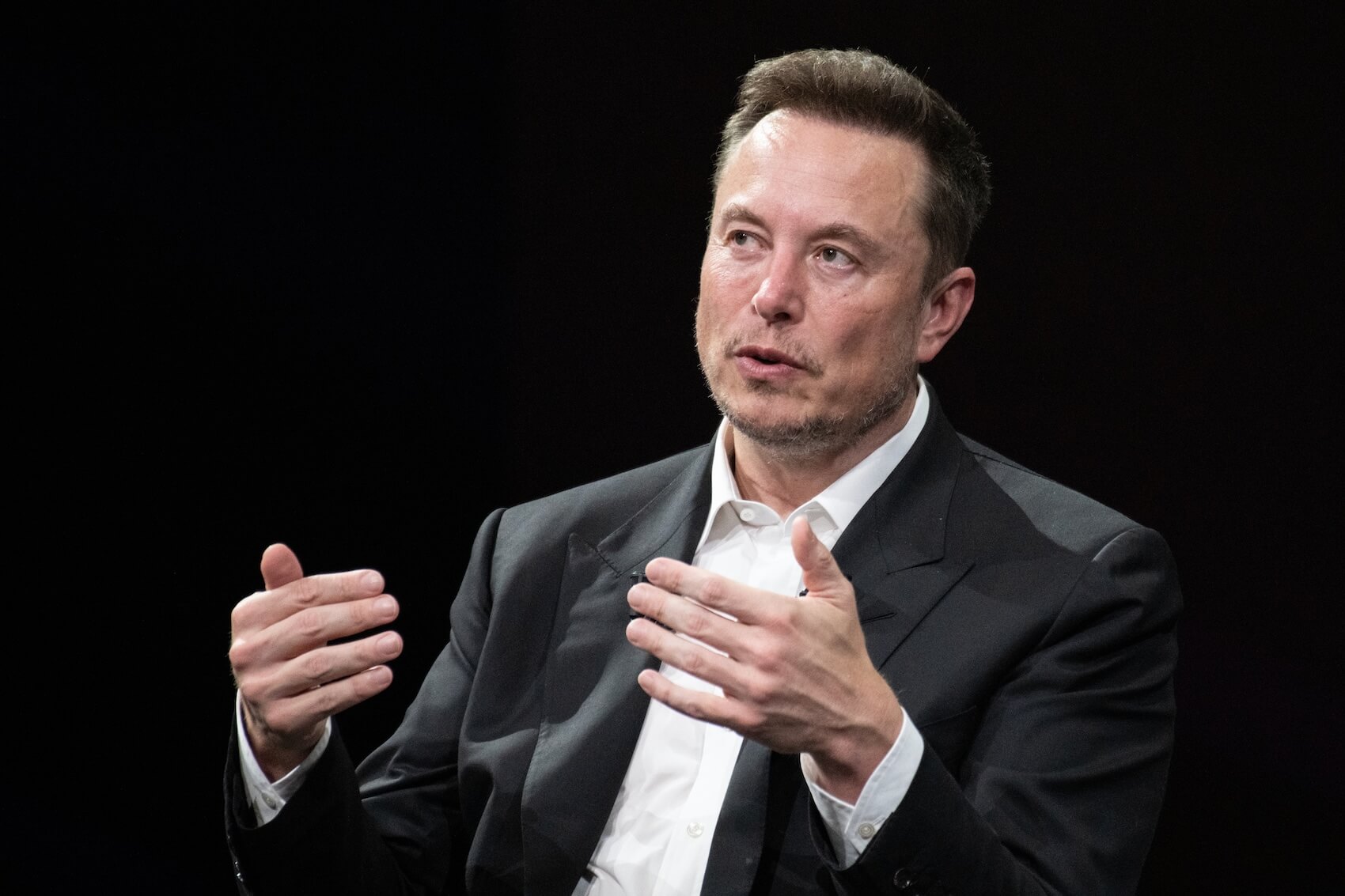
Elon Musk, founder, CEO, and chief engineer of SpaceX; CEO of Tesla; CTO and chairman of X (formerly Twitter); and co-founder of Neuralink and OpenAI, at VIVA Technology (Vivatech) in Paris, France, on June 16, 2023. Photo: Frederic Legrand.
Given the discussion on the erosion of public trust in tech firms due to scandals like Cambridge Analytica, what role do you think transparency and ethical considerations should play in maintaining the political capital of these companies?
Professor Anthony J. Nownes: I think it’s quite interesting. Given how much influence tech companies wield and how closely Donald Trump has aligned himself with Elon Musk, public opinion polls in this country clearly show that the vast majority of Americans are skeptical or even negative about tech companies. For example, in my lobbying class, I reference a Pew study from earlier this year that revealed 78% of Americans believe social media companies wield too much political power. To me, this is an astonishing figure.
Despite this widespread skepticism, these companies haven’t yet paid a significant political or economic price. However, I believe this may be starting to change, potentially influenced by recent political shifts among some tech leaders. What do I mean by this? Over the past couple of years, somewhat quietly, multiple states in the US have passed age verification laws for pornographic websites. While this development hasn’t garnered much media attention, I suspect social media companies are paying close attention. They may be wondering if similar regulations could soon target them, particularly given the growing discourse about the harmful effects of social media on children.
For instance, Jonathan Haidt’s highly successful book The Anxious Generation discusses these negative effects, particularly on children, and I think this conversation is beginning to permeate our political discourse. As a result, tech companies will likely need to start addressing the ethical considerations you mentioned. This growing dialogue and the precedent set by regulations on other industries might push tech companies to pay more attention to these issues in the near future.
And lastly, Professor Nownes, there are those pundits arguing that American democracy may not survive another Trump administration. How do you think American institutions will react to a second Trump administration?
Professor Anthony J. Nownes: Well, this is a tough question. For both professional and personal reasons, I’ll say this: Do I think American democracy will survive? Yes, I do. But what it will look like a few years from now? I honestly don’t know.I see some disturbing signs, particularly regarding democratic norms. Many of these norms have taken quite a hit over the last few years. The legal system, for example, has been quite slow in addressing certain actions, especially attempts by the president-elect to change the outcome of the last election.I think this remains an open question. I wish I had a more definitive answer, but at this point, I just don’t know.
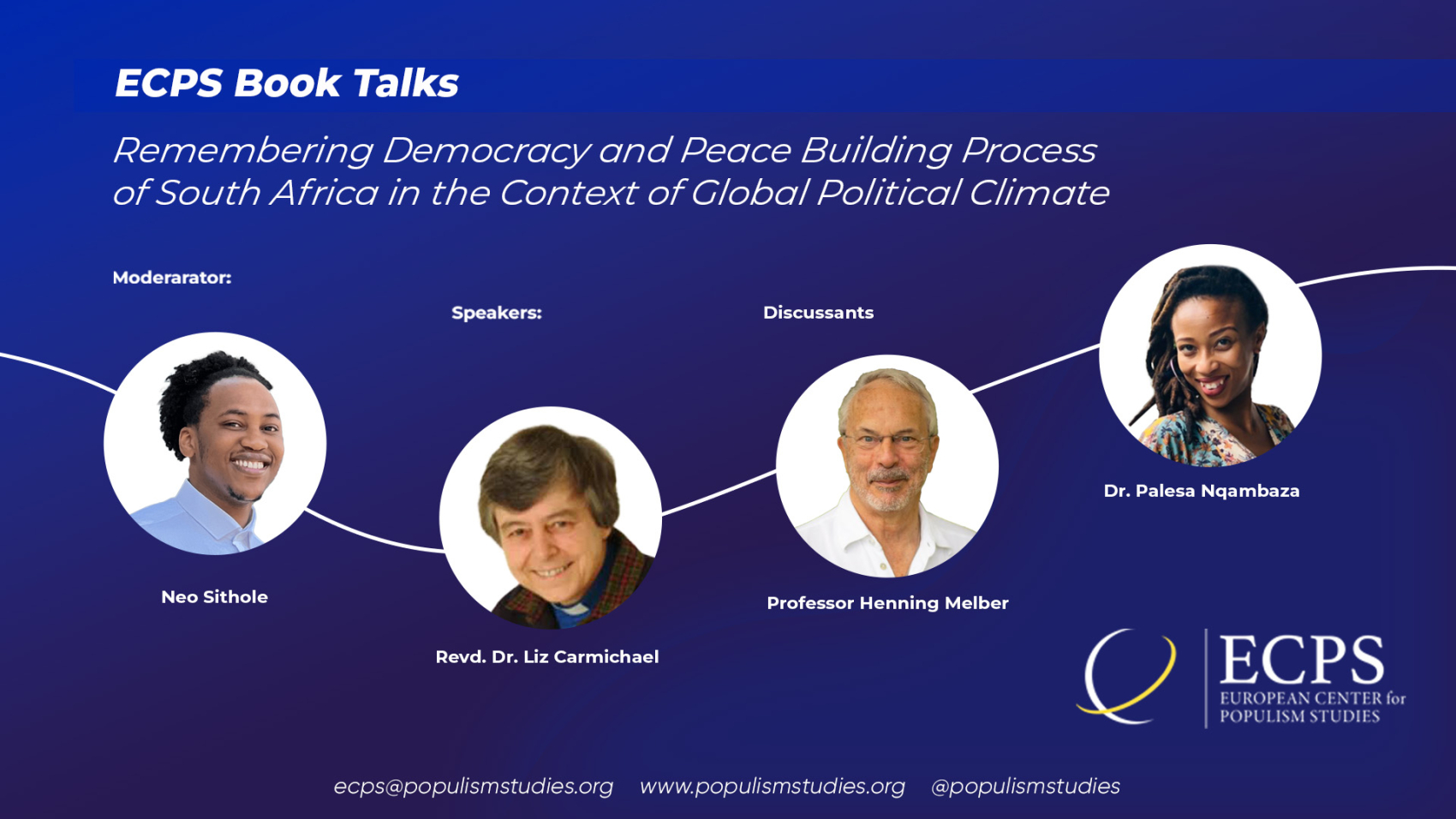
Dr. Henning Melber (Extraordinary Professor at the Department of Political Sciences/University of Pretoria and the Centre for Gender and Africa Studies/University of the Free State in Bloemfontein and a Senior Research Fellow at the Institute of Commonwealth Studies at the University of London).
Dr. Palesa Nqambaza (Postdoctoral fellow in the Department of Political Studies at the University of the Witwatersrand and a Visiting Research Fellow in the School of Philosophy, Religion, and History of Science at the University of Leeds).
Organizator and Moderator
Neo Sithole (Non-resident Research Fellow at ECPS Foreign Policy Research Group. Ph.D. researcher at the University of Szeged, Hungary).
For More Details: https://www.populismstudies.org/ecps-book-talk-peacemaking-and-peacebuilding-in-south-africa-the-national-peace-accord-1991-1994/
Please cite as: Koskina, Stavroula. (2024). Populism, Democracy, and Authoritarianism in the Southern Caucasus. European Center for Populism Studies (ECPS). November 26, 2024. https://doi.org/10.55271/rp0088
The 16th session of the Mapping Global Populism Panel Series hosted by the European Center for Populism Studies (ECPS) critically examined the interplay of populism, democracy, and authoritarianism in the Southern Caucasus. Featuring insights from six distinguished scholars, the event focused on Armenia, Azerbaijan, and Georgia, offering a detailed analysis of their respective political landscapes. Moderated by Professor Cengiz Aktar, this session underscored the broader implications of populist and authoritarian trends on regional stability and global democracy.
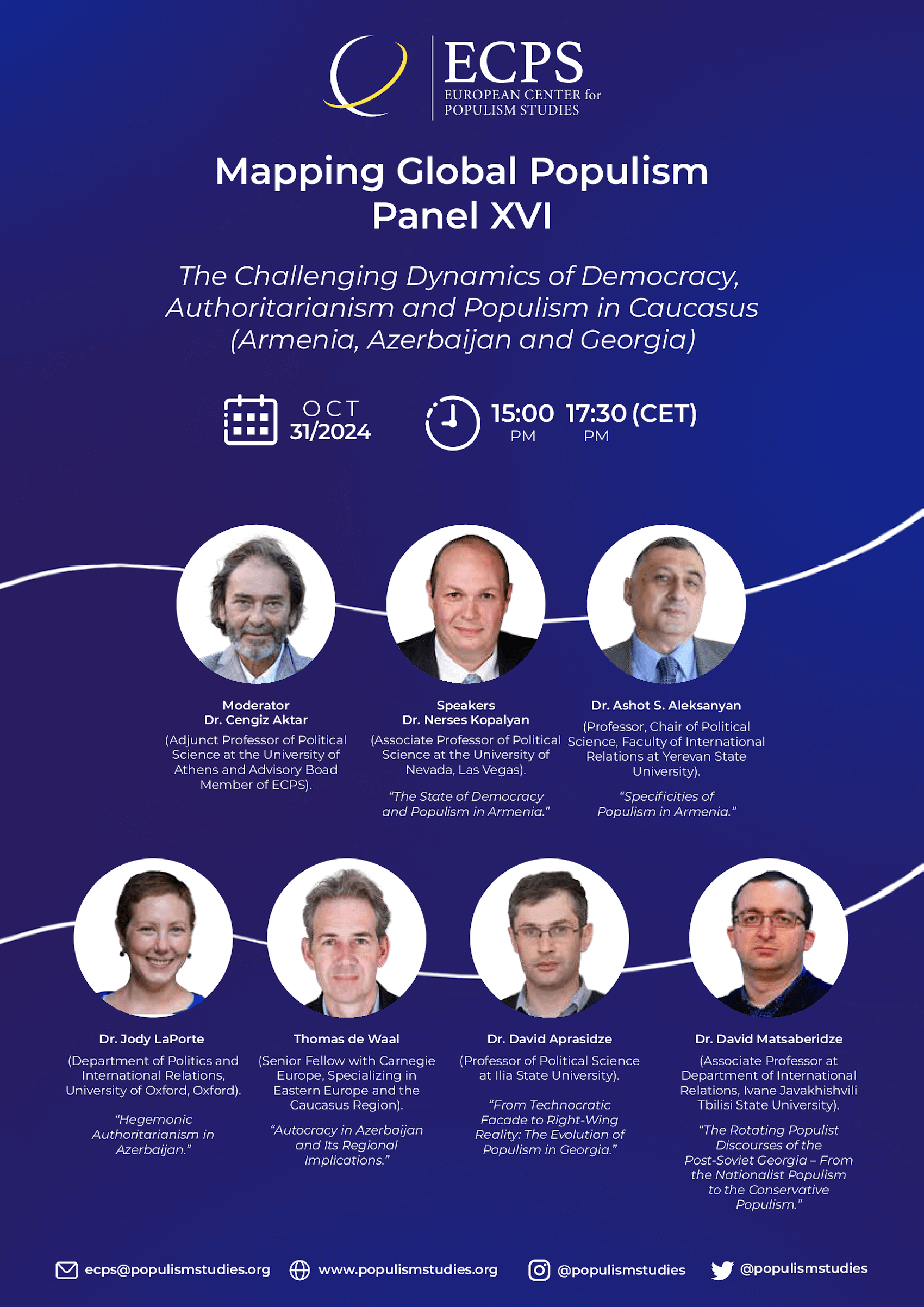
The 16th session of the European Center for Populism Studies’ (ECPS) “Mapping Global Populism” panel series, aimed at creating a comprehensive understanding of populism worldwide, was held online on October 31, 2024. Titled “The Challenging Dynamics of Democracy, Authoritarianism & Populism in Caucasus (Armenia, Azerbaijan & Georgia),” the session featured insights from distinguished scholars on various manifestations of populism and authoritarianism and the state of democracy in these countries. This report provides an overview of the topics analyzed, with some accounts of each speaker’s contributions.
The panel was moderated by Dr. Cengiz Aktar, Adjunct Professor of Political Science at the University of Athens and Advisory Board Member of ECPS. Thomas de Waal, Senior Fellow at Carnegie Europe specializing in Eastern Europe and the Caucasus, discussed the level of autocracy in Azerbaijan and its regional implications. Dr. David Aprasidze, Professor of Political Science at Ilia State University, Georgia, explored the evolution of populism in Georgia, while Dr. David Matsaberidze, Associate Professor in the Department of International Relations at Ivane Javakhishvili Tbilisi State University, presented on “The Rotating Populist Discourses of Post-Soviet Georgia – From Nationalist Populism to Conservative Populism.”
Dr.Jody LaPorte, from the Department of Politics and International Relations at the University of Oxford, analyzed hegemonic authoritarianism in Azerbaijan. Dr. Ashot S. Aleksanyan, Professor and Chair of Political Science at the Faculty of International Relations, Yerevan State University, focused on post-war Armenia’s democratization and European integration under the shadow of populism. Dr. Nerses Kopalyan, Associate Professor of Political Science at the University of Nevada, Las Vegas, provided an overview of the state of democracy and populism in Armenia during the session.
The panelists emphasized how populism contributes to democratic backsliding and institutional fragility in hybrid regimes. While each country reflects unique manifestations of populism, shared patterns include the erosion of liberal democratic norms and the increasing fusion of political and economic power within ruling elites.
The discussions highlighted how regional actors navigate shifting global power structures, particularly under the shadow of Russia’s invasion of Ukraine. These external pressures exacerbate domestic challenges, influencing political strategies and policy orientations across the region.
Country-Specific Analyses
Tom de Waal’s presentation provided a comprehensive analysis of Azerbaijan’s political trajectory and its broader implications for the South Caucasus. He highlighted Azerbaijan as a model of hegemonic authoritarianism, emphasizing its consolidation of power through a fusion of political and economic interests within the ruling elite. He noted Azerbaijan’s skepticism toward multilateral institutions and its alignment with illiberal regional actors like Russia and Turkey. De Waal underscored the Azerbaijani regime’s strategic use of sovereignty discourse to legitimize its dominance while curtailing civil liberties, media freedom, and opposition activity. He also addressed the geopolitical influence of the Ukraine war on the region, arguing that Azerbaijan’s approach reflects a broader trend of illiberalism gaining ground globally. Finally, he pointed to Azerbaijan’s vulnerabilities, including its reliance on declining oil revenues and the absence of mechanisms for political feedback, which pose challenges to the sustainability of its centralized authoritarian model.
Dr. David Aprasidze’s presentation critically assessed the damaging impact of populism on democracy in Georgia, particularly under the Georgian Dream Party. He argued that populism undermines democratization in hybrid regimes by eroding weak institutions, corrupting political actors, and suppressing opposition forces. Tracing the Georgian Dream’s transformation from a progressive, left-leaning populist movement into a conservative, nationalist entity, he highlighted its increasing alignment with illiberal models, such as that of Viktor Orbán’s Hungary. This shift has been accompanied by attacks on the European Union, restrictions on civil society and media, and the systemic manipulation of institutions to consolidate power. Dr. Aprasidze underscored that populism in hybrid regimes exacerbates public demoralization, weakens democratic resilience, and facilitates authoritarian consolidation. He concluded that the Georgian Dream’s trajectory exemplifies the broader risks of populism in hybrid regimes, portraying Georgia’s democratization as increasingly fragile and imperiled.
Dr. David Matsaberidze’s analysis explored the evolution of populism in Georgia through the concept of the “empty signifier,” tracing its progression from nationalist mobilization during the dissolution of the Soviet Union to the current rule of the Georgian Dream Party. He identified a pattern in Georgian politics of leaders utilizing populist narratives to consolidate power, emphasizing shifts from Zviad Gamsakhurdia’s nationalist independence rhetoric to Eduard Shevardnadze’s focus on order and stability, and later Mikheil Saakashvili’s anti-corruption crusade. Dr. Matsaberidze highlighted the Georgian Dream’s strategic pivot from left-leaning populism to conservative nationalism, blending Orthodox Christian values with populist sovereignty discourse to challenge the European Union’s liberal framework. He also criticized the party’s institutional manipulation, drawing parallels with Viktor Orbán’s Hungary and Vladimir Putin’s Russia, noting the use of restrictive legislation, anti-LGBTQ+ policies, and attacks on NGOs and academia to erode democratic spaces. The party’s success, he argued, lies in its ability to exploit public concerns while fostering ambiguity between aligning with Brussels or Budapest, thereby undermining Georgia’s pro-Western orientation. Concluding with a pessimistic outlook, Dr. Matsaberidze warned that the Georgian Dream’s populist tactics and institutional control present significant obstacles to democratization and resistance by the opposition.
Dr. Jody LaPorte’s presentation examined Azerbaijan’s political regime, categorizing it as a hegemonic authoritarian model distinct from competitive authoritarianism due to the absence of meaningful opposition or electoral competition. She highlighted how Azerbaijan’s leaders, particularly President Ilham Aliyev, consolidated this regime through the marginalization of inherited opposition parties, extensive use of formal and informal mechanisms to suppress political activities, and active repression of emerging opposition groups. The regime’s centralized political economy, heavily reliant on oil revenues and controlled by the ruling elite, has further entrenched its authority by linking economic opportunities and upward mobility to political loyalty. Dr. LaPorte also noted the regime’s proactive measures to adapt to changing circumstances, including investments in green energy and economic diversification, which aim to sustain its authoritarian model amid declining oil revenues. While discussing potential vulnerabilities such as socioeconomic inequalities and the finite nature of hydrocarbon resources, Dr. LaPorte emphasized the regime’s strategic efforts to reinforce its stability. Reflecting on the populism theme, she argued that Azerbaijan’s case is characterized more by a disconnect between politics and the populace than by populist appeals, with citizens largely feeling unrepresented by any political party.
Dr. Ashot Aleksanyan’s presentation analyzed the impact of hybrid populism on postwar Armenia, its democratization efforts, and European integration. He employed a theoretical framework rooted in post-Soviet populist studies, drawing from definitions by scholars like Cas Mudde and Ernesto Laclau to highlight populism’s ideological and moral dimensions. Dr. Aleksanyan emphasized the unique challenges faced by Armenia, including the lack of robust political party infrastructure, weak ideological foundations, and an underdeveloped civil society, all exacerbated by the fallout from the 2020 Nagorno-Karabakh war. He identified hybrid populism as a critical factor in Armenian politics, characterized by divisive rhetoric framing issues through binary oppositions such as war versus peace, pro-Western versus pro-Russian, and democracy versus authoritarianism. He also explored the influence of external factors like the COVID-19 pandemic, the Russia-Ukraine war, and regional pressures from Russia, Turkey, and Azerbaijan, which have collectively hindered Armenia’s European integration and democratization. Using a textual analysis of political speeches and party rhetoric, Dr. Aleksanyan demonstrated how populist discourse destabilizes democratic institutions, undermines reform efforts, and fuels societal polarization. He concluded by stressing the importance of addressing Armenia’s geopolitical vulnerabilities and strengthening its political and societal structures to advance its European integration and democratic aspirations.
Dr. Nerses Kopalyan‘s presentation analyzed the limited influence of populism in post-Velvet Revolution Armenia, emphasizing the country’s democratic resilience despite its challenging geopolitical environment. He highlighted three primary factors that have curtailed populism: a robust civil society acting as a safeguard, the development of a democratic political culture, and the transitional government’s deliberate avoidance of populist rhetoric and practices. Unlike other contexts where populism thrives on anti-establishment and nationalist narratives, Armenian leaders have refrained from scapegoating elites, ethnicizing conflicts, or exploiting societal cleavages for political gain. Instead, the government has pursued pragmatic, often unpopular decisions, such as emphasizing peace and concessions, which reinforce democratic consolidation. Dr. Kopalyan contrasted Armenia’s approach with illiberal populist leaders elsewhere, noting the absence of tactics like undermining institutions, exploiting nationalism, or promoting cultural wars. He concluded that Armenia’s unique governance model, anchored in civil society, democratic norms, and a refusal to weaponize populism, has strengthened its democratization process and served as a critical component of its security architecture amid external pressures from Azerbaijan and Russia.
The panel provided critical insights into the destabilizing effects of populism and authoritarianism in the Southern Caucasus. Across the region, the confluence of weak institutions, contested sovereignty, and geopolitical pressures fosters environments where populism thrives, further undermining democratic governance and societal resilience.
The event underscored the need for targeted international engagement to bolster democratic institutions, support civil society, and promote regional cooperation. Recognizing the distinct challenges faced by each country, panelists stressed the importance of tailored strategies that address both domestic vulnerabilities and external influences.
Professor Tanweer Fazal emphasizes that “otherization is primarily a deliberate process rather than something inherently embedded in a culture.” He explains how this systematic targeting involves mobilizing economic, cultural, historical, and political resources to marginalize specific communities. Reflecting on the state’s role, Professor Fazal critiques its evolving relationship with secularism and justice. He notes a shift in the post-2014 political landscape, observing, “The state has increasingly abandoned its efforts to project a secular or morally incorruptible image,” instead embracing a majoritarian framework.
In this engaging and insightful conversation,Professor Tanweer Fazal, a distinguished sociologist from the University of Hyderabad, discusses the intricate and deliberate process of otherization in India. As part of the podcast Countering Religious Hate: Music as Mitigation Strategy, hosted by Mukesh Kulriya and supported by the Initiative to Study Hate at UCLA, the interview delves into the intersections of communal violence, state practices, cultural initiatives such as music festivals to counter hate, and the persistent challenges of justice and reconciliation in South Asia.
Professor Fazal emphasizes that “otherization is primarily a deliberate process rather than something inherently embedded in a culture.” He explains how this systematic targeting involves mobilizing economic, cultural, historical, and political resources to marginalize specific communities. Drawing from his extensive research, he highlights historical examples, such as the plight of the Meo Muslims in Rajasthan during the 1940s, and connects them to contemporary practices, such as the exclusionary mechanisms of the Citizenship Amendment Act (CAA) and the National Register of Citizens (NRC).
Reflecting on the state’s role, Professor Fazal critiques its evolving relationship with secularism and justice. He notes a shift in the post-2014 political landscape, observing, “The state has increasingly abandoned its efforts to project a secular or morally incorruptible image,” instead embracing a majoritarian framework. He underscores how this transformation impacts justice delivery, reconciliation, and the ability of cultural interventions, such as Sufi music or Kabir performances, to counter hate and divisiveness.
The discussion also explores the concept of the “national public” and its symbolic, context-dependent emergence. Professor Fazal argues that the idea of a unified national public in India is more a constructed narrative than an objective reality. “In India, when we talk about the public, we must actually consider ‘publics,’” he remarks, highlighting the country’s linguistic, cultural, and communal diversity. He further elaborates on the disparity in how nationalistic expressions—such as advocating for Khalistan versus calling for a Hindu state—are treated within India’s legal and political frameworks.
Through this thought-provoking conversation, Professor Fazal illuminates how the state, public, and cultural practices intersect to shape and perpetuate the process of otherization in India. This interview offers a critical lens for understanding the broader implications of these dynamics and the potential paths forward in addressing hate and fostering inclusivity.
Professor Tanweer Fazal, a distinguished sociologist from the University of Hyderabad.
Here is the transcription of the interview with Professor Tanweer Fazal with some edits.
Otherization Is Not a Fixed or Stable Phenomenon
Thank you so much, Professor Fazal, for joining me today. It’s truly an honor to have you here. While I’ve been following your public talks for over a decade, this is the first time I’ve directly connected my research to your work, and it has made me realize just how relevant your book is. My project primarily focuses on music, but I’ve come to understand that it’s impossible to study music in isolation from the broader societal context. This particular study is part of a larger initiative called the Initiative to Study Hate. It involves interdisciplinary efforts across fields like media studies, history, and neuroscience, aiming to understand how processes of otherization and hate operate. To set the stage, could you provide a brief overview of the process of otherization? I understand it’s a broad question, but a historical perspective would help our audience better understand the foundations and dynamics of otherization.
Professor Tanweer Fazal: In my view, otherization is primarily a deliberate process rather than something inherently embedded in a culture. It is actively driven by agents or proponents who target specific groups, aiming to marginalize or exclude them from various facets of social life—economic, cultural, historical, and political. Otherization, therefore, involves a deliberate mobilization of resources across these domains to target a group or community.
Importantly, otherization is not a fixed or stable phenomenon. The groups that become targets can shift over time, and the relationships between those who are otherized and those who perpetrate the process can also change, depending on power dynamics and the mobilization of political resources. History provides numerous examples of this.
For instance, in my study of Sikh politics, I found that Sikhs were once seen as integral to the imagination of Indian nationhood. However, during events like the Punjabi Suba Movement in the 1960s and the violence surrounding 1984, we witnessed a shift, where the Sikh community was otherized and subjected to systemic violence. This transformation demonstrates how power relations and political circumstances can alter the dynamics of otherization.
Similarly, in contemporary contexts, otherization remains a deliberate and strategic process. A clear example is the Citizenship Amendment Act (CAA), which is designed to reshape citizenship laws in a way that marginalizes a particular community—in this case, Muslims. The immediate impact is seen in groups like the Muslim Bengalis excluded from the National Register of Citizens (NRC) in Assam. This legal framework exemplifies how otherization operates in specific contexts today.
The Role of Selective Histories and Symbols in Constructing Exclusion
You’ve provided a broad perspective, and I’d like to focus on a couple of specific aspects. Could you elaborate on the historical and cultural dimensions of this process? From my limited understanding and experience in the field, it seems that the social circumstances of a community—in this case, Muslims—have been weaponized by the Hindu right-wing. They appear to draw upon their interpretation of history and culture, using these narratives to validate and reinforce their biases. Could you expand on this interplay and how historical and cultural narratives are mobilized in this way?
Professor Tanweer Fazal: If you’d like me to be specific, let me take the example of Rajasthan, particularly the events in the 1940s, around 1945-46, in the Alwar and Bharatpur regions. During this period, a very targeted campaign of violence was directed against a section of Muslims known as the Meo Muslims. The Meos, who originate from Rajasthan, have a unique history. At some point, they chose to convert to Islam for various reasons while maintaining syncretic practices. Within families, they often observed both Hindu rituals and Islamic traditions. Some even adopted dual names—one Sanskritic and another Arabic or Persian.
Alwar and Bharatpur, then princely states, came under the influence of organizations like the Vishwa Hindu Parishad (then the Hindu Mahasabha). As the process of decolonization began and discussions about a new independent nation gained momentum, Muslims in this region, particularly the Meos, became targeted. This was also the time when the Pakistan movement had gained traction, fueling an atmosphere of hate. The Meos, despite their deep integration with local customs and practices, were increasingly portrayed as part of the “Pakistan project.”
A concerted effort was made to either force the Meos to convert entirely to Hinduism—through processes like Shuddhi—or to drive them out. Many who resisted were subjected to violence, with an estimated 30,000 to 40,000 killed. Those who did not wish to migrate to Pakistan were often forced to do so. However, after arriving in Pakistan, many Meos immediately sought to return to India due to their cultural and historical ties to the Mewat region. Bureaucratic hurdles, like the permit system described in Vazira Zamindar’s work, made their return nearly impossible.
The tragic irony lies in how a community, so closely aligned in customs, practices, and even worship with the local Hindu population, was systematically otherized. Selective histories and symbols were used to construct a narrative of exclusion and vilification. This is the power of otherization: it selectively targets communities, weaponizes history, and imposes identities that may not align with the community’s own understanding of itself.
Even today, the Mewat region remains a hotspot for communal targeting. Reports of lynching by Gau Rakshaks (cow vigilantes) are frequent, with these groups often supported by the state machinery, including the Rajasthan police. During my interviews with some BJP MLAs from the region, they perpetuated allegations against the Meo community, accusing them of being aligned with international Islamic designs, linked to terror networks, and receiving foreign funding for madrasas. These narratives are repeated in public discourse to justify ongoing targeting and violence, making extermination appear acceptable.
So, in a sense, what we are speaking of all the history is not a history, it is present in a sense?
Professor Tanweer Fazal: Yes, you are right!
The experience of the Meo Muslims in 1946 is significant, but it didn’t start then, nor did it end there—it began earlier and continues to this day. In your writing, you’ve described this process as cumulative, a phenomenon that builds over time and persists. I recall speaking to a few singers in the Jodhpur region around 2015-16, including a singer named Chidia Bai, who used to perform songs dedicated to Hindu goddesses. She shared how, during communal violence, her patron pointed out her Muslim identity. That moment marked the first time she realized her identity as a Muslim was not fluid—it was something imposed on her by others. Until then, her identity had been much more open; she identified as a Muslim but was equally accepted as a singer for goddesses. This highlights how cultural practices once characterized by openness and fluidity have been overshadowed by rigid identity constructs imposed by external forces. It underscores that this is not just a historical phenomenon but an ongoing project that continues to shape lives and communities.
Professor Tanweer Fazal: History is never truly in the past; it is often more present than we realize. It continues to shape our understanding and experiences today, influencing how we comprehend both the past and the present. This is especially true in the case of the Muslims in Rajasthan, particularly those from specific regions.
Since 2014, the Indian State Has Shifted Away from Projecting a Secular Image
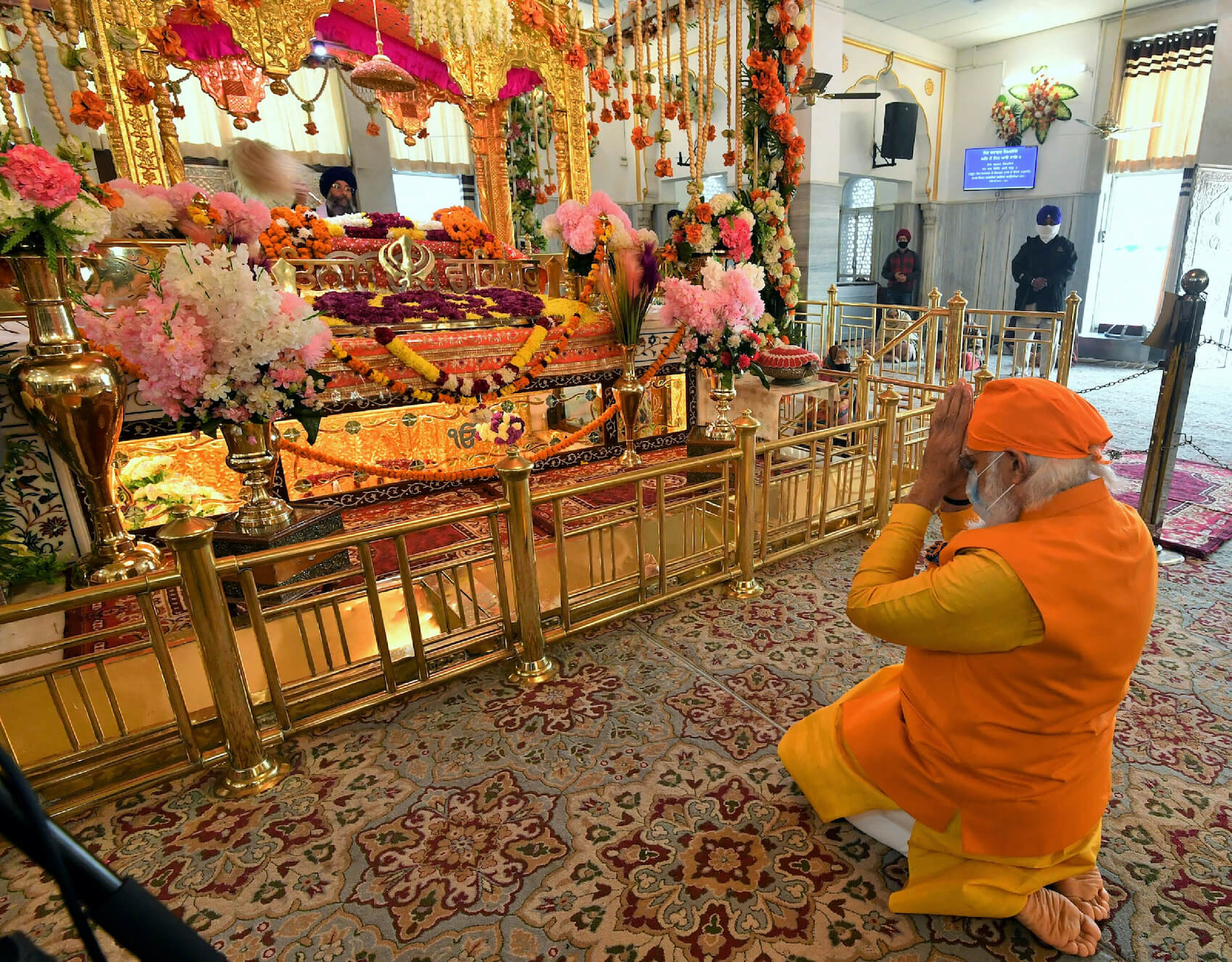
India’s Prime Minister, Shri Narendra Modi visits Gurdwara Rakabganj Sahib to pay tribute to Guru Teg Bahadur, in New Delhi on December 20, 2020. Photo: Shutterstuck.
Otherization is a long and continuous process, but at times, it escalates into collective violence. The terminology we use to describe these events—be it riots, pogroms, or collective violence—also shapes the political and social understanding of such phenomena. Given that the state is the custodian of law and order, how does it operate in these situations? While the state may not always intervene in the everyday process of otherization, its role in instances of targeted violence is crucial. Historically, what has the state’s role been in such cases, particularly when it comes to enabling or preventing these acts of violence?
Professor Tanweer Fazal: My book, which you referred to, examines the practices of the state, focusing on how it operates as a structure with a network of institutions, legal frameworks, hierarchies, and codified rules. This gives us an image of the modern state as a rational actor. However, alongside this idealized notion, it is essential to analyze the state in terms of its practices, where we often find discrepancies between the ideal and the real.
For example, when we consider the Indian Constitution, it presents itself as an ideal document—framing India as a secular state, outlining a socialist pattern of the economy, and offering a framework for governance. Yet, in practice, the state frequently fails to uphold these ideals, often only coming close or falling short entirely. This discrepancy is particularly evident when analyzing the state’s role in cases of otherization, minoritization, and collective violence.
Looking at the colonial state, its approach to inter-religious or inter-community conflicts was often driven by the imperative to maintain public order. To preserve the status quo, the colonial state avoided disrupting long-standing traditions or practices. For example, disputes over religious processions and their routes were often resolved by adhering to established practices, such as ensuring processions followed routes that had been used for generations, even if they passed through minority areas. This approach aimed to avoid conflict by maintaining societal equilibrium, even if it perpetuated existing inequalities.
In the post-independence period, the Indian state grappled with competing ideological forces. On the one hand, leaders like Nehru championed a secular ideological framework. On the other hand, nationalist leaders with right-wing tendencies often sought to address what they perceived as historical injustices against the majority community. For example, cases like the reopening of the Somnath temple and the Ayodhya dispute reveal how nationalist leaders, such as Govind Ballabh Pant, played roles in decisions that catered to these sentiments.
Thomas Blom Hansen provides a useful framework to understand this dynamic, describing the state as having two cultural constructions: the “sublime state” and the “profane state.” In instances of collective violence, the state often projects its “sublime” image—a just state committed to protecting victims and upholding morality. This is evident in measures like the institution of commissions of inquiry or efforts to prosecute perpetrators, which help the state maintain its moral high ground.
However, the everyday experience of vulnerable communities often reflects the “profane” state—a reality characterized by systemic violence, police brutality, and discrimination. For marginalized groups, such as slum dwellers or minorities, encounters with the state are frequently marked by oppression and injustice.
Post-2014, there appears to be a shift in the state’s approach. The state has increasingly abandoned its efforts to project a secular or morally incorruptible image. Instead, it has embraced a majoritarian, triumphalist framework, openly signaling its commitment to upholding the supremacy of dominant ideologies. This shift is evident in the state’s response to hate crimes, such as lynching. Perpetrators often receive bail, are celebrated, or even elevated to positions of political power. Figures like Sadhvi Pragya exemplify this trend, where those associated with divisive or violent acts are celebrated rather than censured.
Music Has Often Been Used as an Instrument of Polarization
The Hindu New Year Parade (Gudhi Padva) is an annual celebration held on Girgaon, South Mumbai, featuring musicians, dancers, and artists from various parts of India on March 18, 2018. Photo: Snehal Jeevan Pailkar.
This discussion has provided valuable insight into how the dynamics of violence and the state’s role have evolved. You mentioned religious processions as a point of contention. I’d like to delve deeper into this. Historically, colonial records often attribute communal violence to disputes over religious processions and their routes. Julian Anthony Lynch argues that music was not merely a factor of animosity but actively used as a tool to differentiate Hindus and Muslims. From my fieldwork and limited reading, I’ve observed that music tends to be more accepted within popular and even orthodox Hinduism, whereas in Islam, it is embraced in popular practice but not necessarily within orthodox frameworks. For example, in 1893, when Tilak initiated the Ganesh Chaturthi and Shivaji celebrations, the songs sung during these events often contained anti-Muslim rhetoric. This continuity in rhetoric can also be seen in today’s Hindutva pop music, which, while quantitatively and qualitatively different, still carries similar themes. Could you elaborate on the intersection of politics, processions, religion, and culture, and how these elements have historically contributed to communal tensions and violence?
Professor Tanweer Fazal: You’ve raised an important point. Music, like any form of communication, is a powerful medium that can be used in multiple ways. Its impact depends on the intent behind its use. There are countless examples where music has served as a bridge between cultures, fostering fusion, borrowing, and adaptation of lyrics and customs to create harmony. However, music has also been employed in highly divisive ways.
You’re absolutely right that music has often been used as an instrument of polarization. Historically, and even today, communal tensions have erupted due to the use of loud music during sensitive times, such as the namaz, or through provocative processions. For instance, processions during Ram Navami continue to deliberately pass through areas prone to conflict, playing inflammatory content, which often leads to skirmishes or even outright violence. This strategy has been revived by right-wing groups but has roots in colonial practices where such processions were tools to provoke unrest.
I would argue that we should view this within the context of the emergence of electoral politics. Electoral politics inherently require the mobilization of people, and processions serve as a convenient tool for this purpose. For instance, if one engages in class politics or politics based on social justice, it necessitates a process of raising consciousness as part of the political effort.
In contrast, divisive politics—often based on religion or similar forms of hate-driven polarization—operates at a more primal level, appealing to basic instincts. These instincts stem from being born into a particular culture or community, often accompanied by latent prejudices about “the other.” Such prejudices are then cultivated and amplified, with boundaries drawn and myths created to reinforce these divisions.
Music, in this context, plays a supporting role. It is a powerful instrument that can be harnessed to serve these broader political agendas. While music alone cannot incite violence, it can contribute to the atmosphere of polarization and hate when intertwined with a political strategy centered around division and conflict.
This brings me to the idea of culture—a shared experience among people living in a particular space and time, even if they belong to different castes, classes, or genders. While this shared culture provides common ground, it also comes with its own complexities. In this context, what are your thoughts on the use of music by the state or police departments as a tool to counter religious hate? For instance, there have been instances where the police have used the same locations where baton charges or water cannons were employed to host musical events, seemingly as an attempt to rewire the collective memory of those spaces. On the surface, this appears to be a creative and positive initiative. However, how do you view the use of music with specifically religious contours in this context? I’m not referring to strictly Hindu or Muslim music but devotional or Sufi music, which carries elements of collective culture but is also deeply tied to religion. How do you perceive the police employing such music as a tool? And more specifically, how do you interpret the use of religiously influenced music to counter hatred rooted in religious differences?
Professor Tanweer Fazal: On the surface, it appears to be a noble exercise, and there is no harm in trying and testing such initiatives. However, as I mentioned, music is merely a means of communication. Music itself cannot bring peace, nor can it incite violence, but there is a politics surrounding its use. Unless the police department addresses the underlying politics of violence, this will remain an artificial exercise. It may be symbolic, but it does not address the experiences of those who have suffered violence. In fact, I suspect it might suggest that people should forget what happened in the past, erase it from their memory, and instead focus on the alternative narratives being offered.
However, as observed in various instances of violent eruptions, if the question of justice remains unaddressed, no amount of reconciliation will be effective. Reconciliation may temporarily mitigate conflict, but the tensions could erupt again unless justice is delivered. Justice must be a collective process—clearly communicated in terms of why it is being delivered, the principles behind it, and how it is being implemented.
For instance, those arrested in events like Karsewashould fully understand why they were arrested, the nature of the crime, and the rationale for the actions taken against them. This approach would also help restore the image of the state as a just entity that upholds the rule of law and stands above societal power dynamics. The state must not be perceived as taking one side over the other.
In cases of caste violence, for example, it is often a foregone conclusion among lower castes that the police and the local state will intervene on behalf of the upper castes. As long as this perception persists, no amount of reconciliatory effort will change the situation unless there is a genuine effort to ensure justice.
So, I would argue that justice must accompany all symbolic efforts. Without it, such initiatives will not succeed, and I don’t believe they will have the desired impact.
Symbolic Struggles Risk Benefiting the Hindutva Project
Volunteers of Rashtriya Swayamsevak Sangh (RSS) on Vijyadashmi festival, a large gathering or annual meeting during Ramanavami a Hindu festival in Ghaziabad, Uttar Pradesh on October 19, 2018. Photo: Pradeep Gaurs.
I have two questions related to this initiative—one focusing on its conception and the other on its outcomes. When this initiative was conceptualized, it seems to have drawn inspiration from global policing practices that address communities perceived as moving toward fundamentalism. One observation I’ve made is the apparent lack of contradiction, for some, between participating in events like the Rajasthan Kabir Yatra and aligning with the Hindutva ecosystem. For them, figures like Kabir and related practices are seen as part of their cultural and religious heritage. Given this, how slippery is the use of religious elements, such as devotional music or cultural icons, to counter religious hate? The challenge lies in the fact that we cannot control how these texts, songs, or symbols are received, no matter how well-argued or well-intentioned the initiative may be. What are your thoughts on this tension, and how might such initiatives navigate this ambiguity?
Professor Tanweer Fazal: That’s where I was trying to suggest that while the exercise can be noble and the intention good, it must address what is fundamentally missing. Without doing so, it will remain a one-off exercise that could go in any direction. Even then, one cannot be certain of how it will be received, as reception depends on various factors: the history of violence, the history of inter-community relationships, and the extent to which those relationships persist. This is especially true in dominant versus non-dominant relationships.
You’re right to point out the issue with de-radicalization projects. These initiatives often fail to consider the radicalization of the majority and instead focus on elements within the minority. However, the reasons for minority radicalization often lie in the larger social or political context, which these projects overlook. Without addressing the broader socio-political factors, the assumption that individuals can simply be brought back into the mainstream is flawed.
While processes toward radicalization exist in all communities, they gain attention and followers only when a conducive larger context exists. If the larger context is accommodating and inclusive, radicalization efforts are less likely to succeed. Take the Zakir Naik phenomenon, for instance. Naik, as a televangelist, gained a following in India but did not incite political action along those lines. This, I believe, was partly due to the earlier phase of Indian nationalism, which, while not entirely empowering for minorities, was to some extent accommodative of their cultural expressions. This inclusivity extended not only to religious minorities but also to linguistic ones, which is why linguistic separatist nationalism did not pose a significant challenge in most parts of India, with exceptions like Kashmir or parts of the Northeast.
However, this accommodative framework has altered. Today, the predominant socio-political atmosphere is highly prejudiced—a condition that has been politically produced and therefore needs a political response. Cultural processes can contribute, but they cannot succeed on their own while the political project remains unchanged.
This is where efforts must focus. The police, for instance, could rise above partisan considerations and present themselves as enablers for those targeted by violence. Reports from states like Jharkhand, however, often highlight police inaction and partisanship, which undermines trust. Addressing these issues could make symbolic efforts like promoting Sufi music helpful. But on their own, such initiatives are unlikely to succeed.
Regarding Kabir Panthis, there has long been a belief, especially among comrades from UP and elsewhere, that countering Hindutva requires embracing cultural practices and critiques emerging from within Hinduism itself. These include anti-Brahminical traditions and sects, which have historically challenged orthodox Hinduism. However, many of these movements have now been co-opted into the Hindutva project.
Hindutva, as I see it, is not a Brahminical philosophy. Brahminical philosophy is traditionalist and conservative, and at times, Hindutva is uncomfortable with it. Hindutva is a nationalist project that seeks to co-opt various tendencies within the broader framework of a majoritarian Hindu nation. For instance, it does not oppose Scheduled Caste reservations; on the contrary, the Hindu right within the Constituent Assembly was vociferously in favor of reservations, believing they would integrate ex-untouchables into the Hindu fold. Similarly, Hindutva has co-opted Kabir Panthis, Namashudras in Bengal, Aadharmis, and other similar groups.
If symbolic struggles remain merely symbolic, they risk benefiting the Hindutva project, as everyone seeks inclusion in a larger enterprise. Hindutva must be understood primarily as a political project. Therefore, a political alternative must be developed. While cultural initiatives can be an important resource in this effort, they cannot be the sole or most significant resource. Cultural activists may differ in their perspectives, but this is my understanding.
Hindutva Project Draws Inspiration from German Fascism
Member of Rashtriya Swayamsevak Sangh Or RSS workers take a part in a route march on January 12, 2020 in Jodhpur, Rajasthan.
I’d like to shift the conversation to the 1980s and ’90s, during the period leading up to the Babri Masjid demolition and its eventual execution. During that time and beyond, a persistent debate emerged, arguing that Western-style secularism was failing and that we needed to return to our roots. We know that from the 1980s onward, groups like SAHMAT and others initiated a surge of Kabir performances in cities and elsewhere. For a moment, let’s assume the critique is valid—that Western-style secularism didn’t work. But clearly, this alternative approach isn’t working either. So, what comes next?
Professor Tanweer Fazal:I would say that Indian secularism cannot necessarily aim to emulate Western secularism because the realities are different. In the West, particularly in Europe, you have relatively homogeneous societies. Recently, some diversity has been introduced due to the arrival of immigrants, which has disturbed the established consensus within Western societies, leading to a crisis. They are struggling to manage this. The older history of secularism, which fought against the ecclesiastical authority of the church, is now becoming counterproductive because it is not a majoritarian ideology and does not accommodate minority cultural needs. That model may not work in India, and that is entirely correct. However, completely rejecting it and adopting an alternative model, as some suggest—Yogendra Yadav being one proponent, along with my teacher Abhijit Pathak and Ashish Nandy, who have also written on these lines—presents its own set of challenges.
One issue is that the Hindutva project has successfully co-opted communities like the Kabir Panthis, the Namashudras, and others, without requiring them to abandon their cultural ideologies. For instance, these groups may continue to identify as Kabir Panthis or Namashudras while simultaneously aligning themselves with the Hindutva framework. This highlights a misunderstanding of the Hindutva project when viewed through a narrow lens. Many, as the Ambedkarite critique suggests, perceive it as a Savarna or upper-caste Brahminical project. However, this is not necessarily the case. While it may maintain certain caste hierarchies, it also actively incorporates other groups into the broader Hindu fold.
The Hindutva project is fundamentally focused on creating a majoritarian cultural niche. In this sense, it draws inspiration from German fascism. While it may not always employ equally aggressive strategies, it adapts its approach based on the context. Consequently, secularism, with its accommodative pluralism, faces its own set of challenges in countering this.
First, this kind of pluralism is easily absorbed into the Hindutva project, making it difficult to convince these communities to detach themselves from Hindutva and seek a better alternative. Second, it essentializes culture, reducing everything to the domain of culture while ignoring the critical role politics plays. Kabir Panthis, for instance, have their own political dynamics, and the Namashudras may also have distinct political agendas. Failing to address these political dimensions leaves the field wide open for Hindutva to dominate.
What evolved in India, however, was a version of secularism that created a flexible “wall of separation” between religion and politics. This model did not strictly adhere to a complete separation; instead, it adapted to the context. At times, the state intervened in religious matters, such as banning untouchability or ensuring temple entry. At other times, it kept itself detached from religion where intervention was not necessary. This approach allowed minorities to feel less threatened by majoritarian religion.
While this model had its limitations, such as insufficient focus on personal empowerment, it emerged organically. By design, it might have aspired to be like the French secular state, but it recognized that this was not feasible in India due to its diversity. Instead, it developed an approach rooted in Indian diversity while committing to the modern philosophy of secularism, the rule of law, and the state as a neutral arbiter.
I believe this model, if its flaws are addressed, remains a far better framework to practice. There is still room to accommodate the religious right within the constitutional space, ensuring that Indian secularism continues to function effectively.
Like on the line of multiculturalism or…
Professor Tanweer Fazal: That is the issue with multiculturalism—it is fine in principle, but when it comes to how the state engages with a multiplicity of cultures, the state cannot be perceived as favoring one over the other. In such cases, it must maintain a certain degree of neutrality where necessary.
There Are Multiple Publics in India
I think one of the final things I’d like to understand from you is this: while we talk about the state and the political project, there is also the public—the citizens, the people. Some scholars, like Kajri Jain, have referred to this in the Indian context as the “politico-devotional public.” She specifically discusses public monuments and the way people view political figures with a sense of devotion. How should we understand the role of the people in this context? It’s one thing to analyze power structures and political frameworks, but at the center of it all are the people themselves. How do we interpret their agency, their perspective, and their role in shaping or responding to these structures?
Professor Tanweer Fazal: I have also discussed the concept of the national public in my book. I argue that minoritization occurs at the crossroads of a triad where the state is at the center, the national public endorses it, and a community is otherized. This happens within a triangular, triadic relationship.
The idea of the public emerges with the system of nation-states, which thrives on cultural homogeneity. In this context, the public is culturally similar, speaks the same language, and often shares the same religion, facilitating active communication among its members. While this public may have class and gender distinctions, there are unifying elements like common history, shared philosophy, and language.
However, this is not the case in India. In India, when we talk about the public, we must actually consider “publics.” There are diverse communities, and because of the linguistic division of provinces and states, political mobilization takes different forms. A truly national public, in my view, is symbolic—it emerges only in specific circumstances.
For example, the national movement was one such situation where a national public emerged, united around the symbolic goal of expelling foreign rulers. Once that goal was achieved, the sense of a unified national public dissipated. Similarly, during communal situations, a specific kind of national public can emerge.
Consider the current context with Sikh nationalism. If a Sikh nationalist declares, “We want Khalistan,” they are immediately labeled seditious and could face trial. In contrast, if someone identifies as a Hindu nationalist and openly advocates for a Hindu state—as a prominent political leader did before becoming Prime Minister—there is no threat of incarceration, arrest, or sedition charges. This disparity reflects how the national public perceives and endorses certain ideologies over others, based on the prevailing dominant narrative.
This may not always have been the case, nor will it necessarily remain so. The national public, being symbolic, is constructed and shaped by the politics of the time. Objectively, there are multiple publics. What we think of as a national public emerges only in specific contexts of symbolic associations, which shift and change over time depending on the nature of the political landscape.
(*) Mukesh Kulriya is a Ph.D. candidate in Ethnomusicology at UCLA, whose research examines the intersection of popular music, communal violence, and forms of public religiosity in India.
Highlighting the dangers of overlapping corporate and governmental powers, Professor Paul Levinson cautioned, “I am deeply opposed to having the person who owns X also hold a high-ranking government position. That kind of overlap means the government could end up controlling communication platforms.” He elaborated on Musk’s ethical responsibility, stating that if Musk were a “true believer in free speech,” he would either divest from X or refuse a government post. However, Levinson expressed skepticism: “I think we both know he’s likely to do neither.” Levinson also voiced his deep concern for American democracy under a potential second Trump administration, describing it as “the worst threat to our democracy since the Civil War.”
In a riveting interview with the European Center for Populism Studies (ECPS), Dr. Paul Levinson, Professor of Communication & Media Studies at Fordham University, discussed pressing concerns about the intersection of technology, politics, and democracy. Professor Levinson’s insights are especially timely, given Elon Musk’s rising influence as the owner of X (formerly Twitter) and his potential role in a second Trump administration. Highlighting the dangers of overlapping corporate and governmental powers, Professor Levinson cautioned, “I am deeply opposed to having the person who owns X also hold a high-ranking government position. That kind of overlap means the government could end up controlling communication platforms.”
Professor Levinson elaborated on Musk’s ethical responsibility, stating that if Musk were a “true believer in free speech,” he would either divest from X or refuse a government post. However, Professor Levinson expressed skepticism: “I think we both know he’s likely to do neither.”
Throughout the interview, Professor Levinson addressed the broader implications of concentrated power in technology. Despite concerns about billionaires like Musk or the owners of Facebook, Levinson pointed out that their influence has not yet stifled democratic impulses. “Social media provides a unique platform for individuals to disseminate the truth widely, even as it enables lies and fascism,” he noted, striking a balance in his evaluation.
On the issue of disinformation and algorithms, Professor Levinson argued that the negative impact of these technologies is often overstated. He acknowledged their role in targeted advertising, referencing Facebook’s data-sharing with Cambridge Analytica during the 2016 US election. However, he emphasized, “The blame lies not with the algorithms themselves but with the disinformation they are used to spread.”
Professor Levinson’s critique of governmental overreach was particularly sharp. Drawing historical parallels, he warned, “When governments gain such control, they can jeopardize democratic systems, even those that have existed for hundreds of years.” He cited the Thatcher administration’s suppression of unfavorable news during the Falklands War as a case study in the dangers of government-controlled communication.
Reflecting on Trump’s weaponization of “fake news,” Professor Levinson described it as a hallmark of fascism, akin to tactics used by Stalin and Hitler. He lamented, “It amazes me how many people have fallen for this tactic, despite the lessons we should have learned from history.”
Professor Levinson shared his deep concern for American democracy under a potential second Trump administration, describing it as “the worst threat to our democracy since the Civil War.” From absurd appointments to calculated assaults on institutions, Professor Levinson’s insights underline the precarious state of democratic governance in the digital age.
Highlighting the dangers of overlapping corporate and governmental powers, Professor Paul Levinson cautioned, “I am deeply opposed to having the person who owns X also hold a high-ranking government position. That kind of overlap means the government could end up controlling communication platforms.” He elaborated on Musk’s ethical responsibility, stating that if Musk were a “true believer in free speech,” he would either divest from X or refuse a government post. However, Levinson expressed skepticism: “I think we both know he’s likely to do neither.” Levinson also voiced his deep concern for American democracy under a potential second Trump administration, describing it as “the worst threat to our democracy since the Civil War.”
In a riveting interview with the European Center for Populism Studies (ECPS), Dr. Paul Levinson, Professor of Communication & Media Studies at Fordham University, discussed pressing concerns about the intersection of technology, politics, and democracy. Professor Levinson’s insights are especially timely, given Elon Musk’s rising influence as the owner of X (formerly Twitter) and his potential role in a second Trump administration. Highlighting the dangers of overlapping corporate and governmental powers, Professor Levinson cautioned, “I am deeply opposed to having the person who owns X also hold a high-ranking government position. That kind of overlap means the government could end up controlling communication platforms.”
Professor Levinson elaborated on Musk’s ethical responsibility, stating that if Musk were a “true believer in free speech,” he would either divest from X or refuse a government post. However, Professor Levinson expressed skepticism: “I think we both know he’s likely to do neither.”
Throughout the interview, Professor Levinson addressed the broader implications of concentrated power in technology. Despite concerns about billionaires like Musk or the owners of Facebook, Levinson pointed out that their influence has not yet stifled democratic impulses. “Social media provides a unique platform for individuals to disseminate the truth widely, even as it enables lies and fascism,” he noted, striking a balance in his evaluation.
On the issue of disinformation and algorithms, Professor Levinson argued that the negative impact of these technologies is often overstated. He acknowledged their role in targeted advertising, referencing Facebook’s data-sharing with Cambridge Analytica during the 2016 US election. However, he emphasized, “The blame lies not with the algorithms themselves but with the disinformation they are used to spread.”
Professor Levinson’s critique of governmental overreach was particularly sharp. Drawing historical parallels, he warned, “When governments gain such control, they can jeopardize democratic systems, even those that have existed for hundreds of years.” He cited the Thatcher administration’s suppression of unfavorable news during the Falklands War as a case study in the dangers of government-controlled communication.
Reflecting on Trump’s weaponization of “fake news,” Professor Levinson described it as a hallmark of fascism, akin to tactics used by Stalin and Hitler. He lamented, “It amazes me how many people have fallen for this tactic, despite the lessons we should have learned from history.”
Professor Levinson shared his deep concern for American democracy under a potential second Trump administration, describing it as “the worst threat to our democracy since the Civil War.” From absurd appointments to calculated assaults on institutions, Professor Levinson’s insights underline the precarious state of democratic governance in the digital age.
Here is the transcription of the interview with Professor Paul Levinson with some edits.
Democratic Impulses Persist Despite Billionaires’ Control Over Social Media
Illustration by Ulker Design.
Professor Levinson, thank you so very much for joining our interview series. Let me start right away with the first question. How do you perceive the influence of hi-tech oligarchs, such as Elon Musk, on the digital public sphere? Does the concentration of digital platforms in the hands of a few individuals pose a unique threat to democratic discourse?
Professor Paul Levinson: Let me answer the second part of your question first. Everything new in communications can potentially threaten a democratic society. However, so far in our history—both the history of the United States and the history of democracies in general—new forms of communication have largely benefited democracy. In fact, they have often undermined dictatorships, autocracies, and oligarchies.
A notable example I often cite is the White Rose group in Germany during World War II. This courageous group of college students used a primitive Xerox machine to disseminate the truth about Nazi atrocities to the German public. Their efforts have always left a profound impression on me. Another example is from the final decade of the Soviet Union in the 1980s. There was something called Samizdat Video, a primitive video technology by today’s standards, but it was instrumental in undermining the autocracy of the Soviet regime, even under Gorbachev, who was probably the most enlightened Soviet leader.
With this historical perspective in mind, while I am always concerned about new technologies, I don’t believe social media presents an insurmountable threat to democracy. In fact, it cuts both ways. Social media enables lies, fascism, and the suppression of truth, which are central to fascistic systems. At the same time, social media provides a unique platform for individuals to disseminate the truth widely.
Now, regarding Elon Musk and other billionaires like those controlling Facebook, despite their unprecedented control over social media platforms, this has not yet prevented democratic impulses from finding expression through these platforms.
The Negative Impact of Algorithms and AI Is Often Overrated
How do you address concerns about the unchecked power of tech companies to shape public discourse, especially when their decisions significantly influence political narratives? In what ways do algorithms on social media platforms amplify populist narratives, and how much responsibility should platform owners like Musk take for the political polarization these technologies can create?
Professor Paul Levinson: First, we’ve heard a lot about algorithms, and more recently, about AI. I think the negative impact of these technologies is often overrated. One area where algorithms have proven particularly effective is targeted advertising. This was evident during the 2016 election in the United States when Facebook provided Cambridge Analytica with detailed data about users—what they were sharing, liking, and discussing on the platform. This data allowed the Trump campaign—who, in this regard, were ahead of the Democrats in recognizing its potential—to tailor their ads to specific audiences. For instance, the ads weren’t wasted on someone like me, who wouldn’t have voted for Trump under any circumstances because I already understood him for what he was.
This approach overcame one of the limitations of traditional advertising, where ads are broadcast to a wide audience via television, newspapers, or billboards, with no way to ensure they reach the right people. A significant portion of the ad spend is wasted because many viewers or readers are not the intended target audience. Algorithms, on the other hand, allowed for precision targeting, which made advertising far more efficient in this context.
The use of such algorithms in 2016, which allowed Facebook to share user data, is something that should be and has been controlled to some extent in the United States by agencies like the Federal Trade Commission. Preventing social media platforms from selling user data is an important step, and it does not interfere with free speech or the First Amendment.
As for algorithms spreading disinformation, the blame lies not with the algorithms themselves but with the disinformation they are used to disseminate. This raises the question of what can and should be done about disinformation on platforms like Twitter—now known as X—and other social media outlets.
Let me introduce an important concept here. In the United States, the First Amendment has never been intended, nor can it be used, to protect criminal communication. For example, if a group uses social media to plan a bank robbery, kidnapping, or murder, that communication is not protected. The government has a vested interest in preventing crimes before they occur.
So, the question is, what are the algorithms spreading? If they are spreading deliberate lies—such as disinformation about COVID-19—that result in harm or death, I believe that constitutes a crime and must be stopped. However, if they are spreading statements like, “Oh, we love Donald Trump! He was such a great President,” even though I strongly disagree with that sentiment, it is still acceptable. That is simply a part of the democratic system.
Do you believe governments or international bodies should regulate hi-tech oligarchs to prevent potential misuse of their platforms for political manipulation? If so, what should such regulations prioritize?
Professor Paul Levinson: This is another central topic. The real question here is: which is worse—the enormous power held by corporations and oligarchs, or governments regulating them?
The reason I frame it this way is that Trump has repeatedly made it clear that, if he returns to office, he plans to target cable media, broadcast media, and social media platforms that, in his distorted view, are spreading lies about him. For Trump, anyone who criticizes him is accused of delivering fake news and lying. He’s essentially attempting to flip the narrative.
The critical difference between the power held by the government and that wielded by massive corporations or billionaires like Elon Musk is that the government controls the military. In my view, this is the most significant threat to democratic systems. Trump has also spoken about using the National Guard to break up protests and take other actions that represent substantial steps toward establishing a fascist state in the United States.
While I don’t like billionaires having so much power, what concerns me even more is the government having the ability to stop communication and prevent people from sharing their ideas—whether or not I agree with those ideas—in the public sphere for others to read and comment on.
Once the government starts regulating communication, it’s a very short step to punishing dissent, arresting people, and throwing them in jail—exactly what the Nazis did in the 1930s. That’s a road I’m deeply concerned about.
Counter Lies with Truth, Not Suppression
Illustration: Shutterstock.
Digital technologies have been tools for both democratic and populist movements. In your opinion, how can society harness these technologies to strengthen democratic values while mitigating their misuse by authoritarian populist leaders?
Professor Paul Levinson: This is a very long-standing issue. John Milton addressed it 400 years ago in his Areopagitica tract, where he argued for keeping the marketplace of ideas open. Milton believed that allowing both truth and falsity to exist in the same marketplace enables people to identify the truth and distinguish it from lies.
When you start regulating what can enter that marketplace, the government—or anyone trying to regulate it—could easily make a mistake or even deliberately suppress the truth while presenting it as false. This prevents people from making rational decisions. That, again, is what fascists do—they attempt to control the public sphere. By keeping the truth out of the public sphere, they can masquerade as truth-tellers while propagating lies.
Much more recently, here in the United States, one of the greatest Supreme Court justices in history, Louis Brandeis—so influential that a university in Massachusetts was named after him, Brandeis University—expressed a similar idea. Brandeis famously said that the best way to combat a lie is not to suppress it but to counter it with the truth. That’s how you destroy lies—by presenting the truth clearly and rationally.
Of course, some people are hopeless; no matter what you say, they won’t change their minds. But I’m an optimist and believe that most human beings are rational. Like John Milton and Louis Brandeis, I think the best way forward is to keep the marketplace of ideas as open as possible. This openness allows the truth to emerge and shine a light on the lies.
A Clear Line Must Be Drawn When Speech Leads to Criminal Activity or Endangers Lives
With Elon Musk’s vision of Twitter as a “public square” open to all opinions, how should social media platforms navigate the tension between upholding free speech and preventing the spread of harmful disinformation? How should actors like Musk balance their personal ideologies with their ethical responsibilities toward maintaining a fair and inclusive digital space?
Professor Paul Levinson: Well, again, the first question has to be addressed by considering whether the communication in question constitutes criminal activity. Are lives put in jeopardy because of such communication? If the answer is yes, then that communication should not be allowed on any platform.
The challenge, of course, lies in defining what constitutes criminal communication. Consider the example of Trump and the attack on the U.S. Capitol on January 6, 2021, which he incited after losing the 2020 election. Trump has since been indicted in multiple cases for criminal activity related to that attack. However, he maintains his innocence, and tragically, if he were to regain the presidency, he could potentially ensure that these cases are dismissed-a deeply unfortunate prospect.
That said, the Capitol attack was, in my view, unequivocally a criminal activity. The individuals involved were not patriots; they were part of a group that believed they could overturn the results of a democratically conducted election through violence, including threats to hang the Vice President for allowing the certification of electoral votes.
First, we must establish a consensus on what constitutes a crime. For example, during a pandemic that has already claimed millions of lives, deliberately spreading lies and deceiving the public about false cures is a clear case of criminal activity. In such instances, figures like Elon Musk have an ethical obligation to prevent this content from being shared on their platforms. If they fail to act, I believe the government has a duty to intervene to stop such harmful communication.
This brings us to the debate on the limits of free speech. Elon Musk presents himself as an absolutist regarding free speech, and we can certainly debate how far I or anyone else leans toward free speech absolutism. Personally, I draw a clear line when speech leads to criminal activity or endangers human lives. It is not difficult to identify such communications online, and when Musk fails to remove this kind of content, I believe he is culpable.
In such cases, the government—though certainly not under Trump, as he and Musk appear to be allies—has a responsibility to engage with Musk and press him to adopt more responsible policies.
Government Intervention in Communication Is Far More Dangerous
U.S. President-elect Donald Trump at a rally for then-VP nominee J.D. Vance in Atlanta, GA, on August 3, 2024. Photo: Phil Mistry.
You argue that it’s concerning that tech executives can exercise so much power over who can use their platforms. But the alternative – government intervention – could be much worse. You argued this before Elon Musk was appointed to a significant post in the second Trump administration. Do you still think the same?
Professor Paul Levinson: Yes, because, as I mentioned, the government wields military power. While corporations can be problematic, and it is undeniably concerning for the richest person in the world to hold so much power that they can essentially do whatever they want—even if they lose millions of dollars and still remain the wealthiest—it is far more dangerous for the government to be involved in communication.
Let me give you another example of this—a relatively minor one, but still important. Some people may remember the Falklands War in the 1980s. Argentina wanted the United Kingdom to relinquish control of the Falkland Islands, which are located off Argentina’s coast. Understandably, Argentina questioned why the UK was still holding on to these islands, which they had seized during the colonial era.
At that time, Margaret Thatcher was the Prime Minister of the UK. She wanted to project toughness and refused to give up the islands, leading to war. The BBC, the British Broadcasting Corporation, unlike media systems in the United States, is not independent of the government. It is part of the British government, and naturally, it reported on the war.
One day, the Argentine forces inflicted significant damage on the British Expeditionary Force in the Falklands. The British government, under Thatcher, didn’t want the British public to know about this, fearing it would provoke public outrage. So, they instructed the BBC not to broadcast or report the news.
This demonstrates the immense power of governments, even in democracies like the United Kingdom. The government effectively told the nation’s primary broadcasting organization, “Don’t report that.” This is precisely the kind of government overreach that concerns me here in America and across Western democracies, where fascist tendencies have been gaining ground.
When governments gain such control, they can jeopardize democratic systems, even those that have existed for hundreds of years. This is why I continue to believe that government intervention in communication is far more dangerous than the unchecked power of tech executives.
Violating the Spirit of the First Amendment Is Not as Severe as Violating the First Amendment Itself
You declare yourself a First Amendment radical, i.e., a staunch supporter of the First Amendment, which says Congress shall make no law abridging free speech. Yet, you have supported Twitter’s ban on Donald Trump. Don’t you think there is a contradiction between these two positions? Where should the ethical line be drawn for social media platforms when balancing freedom of expression with the risk of harm caused by certain types of speech?
Professor Paul Levinson: First of all, I’d like to draw a distinction between the First Amendment itself and what I call the spirit of the First Amendment.
The First Amendment says, “Congress shall make no law abridging freedom of speech or the press.” Through the 14th Amendment, which was enacted after the Civil War in the 1800s, this prohibition on federal government interference with communication was extended to state governments and, in general, to municipalities, including cities. Over the years, the Supreme Court has correctly ruled that no government can interfere with communications—again, unless it involves some kind of criminal activity. That’s the First Amendment.
Now, let’s take an example like the Grammy Awards. These awards, given for the best music in a given year, are broadcast on American television stations like CBS. During a rap artist’s performance, where cursing and vulgarity are often part of the genre, viewers might hear bleeps censoring certain words. What’s happening there? CBS is bleeping those words because they fear their sponsors might object, or that the Federal Communications Commission (FCC) might penalize them by refusing to renew their license.
For the record, I believe the FCC is unconstitutional because it violates the First Amendment—it’s a government agency that interferes with communication. Nevertheless, CBS’s actions, while cowardly in my opinion, do not violate the First Amendment. Instead, they violate the spirit of the First Amendment because CBS is not the government.
Similarly, when Elon Musk or, before him, the previous owners of Twitter banned Donald Trump from the platform, they were not acting as representatives of the government. In Trump’s case, his tweets were rightly perceived as contributing to the instigation of the attack on the Capitol in January 2021—a criminal activity. For this reason, I believe banning him from the platform was the correct decision. However, this action was taken by a private social media company, not the government. As such, while it may have violated the spirit of the First Amendment, it did not violate the First Amendment itself.
In general, my position is that the spirit of the First Amendment should be respected, as censorship is rarely beneficial. However, violating the spirit of the First Amendment is not as severe as violating the First Amendment itself.
To illustrate a clear violation of the First Amendment, consider when President Richard Nixon attempted to prevent The New York Times and The Washington Post from publishing the Pentagon Papers. Nixon argued that publishing the papers would undermine his war effort in Vietnam. Fortunately, the Supreme Court correctly ruled that such an action would violate the First Amendment and voted against Nixon, affirming that a US president cannot impose restrictions on what newspapers can publish. This case represents a classic and correct application of the First Amendment.
The Danger of Elon Musk Holding Power in Both Government and Social Media
Elon Musk, founder, CEO, and chief engineer of SpaceX; CEO of Tesla; CTO and chairman of X (formerly Twitter); and co-founder of Neuralink and OpenAI, at VIVA Technology (Vivatech) in Paris, France, on June 16, 2023. Photo: Frederic Legrand.
You suggest that market forces can effectively counterbalance the dominance of tech giants, as seen with Microsoft’s decline in influence. Do you believe similar market corrections are plausible for current tech behemoths like Twitter or Amazon, given their role as gatekeepers of global communication?
Professor Paul Levinson: Yes, I do. Let’s go back to what I was saying about Microsoft. This happened in the 1990s when Microsoft was at its peak, and Bill Gates was probably the richest man in the world. There was a lot of talk about breaking up Microsoft—claims that it had a monopoly, too large a market share, and that this dominance was unhealthy for the intellectual and economic well-being of the country.
Even back then, I said, “Take it easy.” The market will regulate itself; there’s no need to rush into breaking up the Microsoft corporate system. People were reacting to something that had only happened in the last year or two. I suggested we wait and see what would happen. Sure enough, by the late 1990s and into the 21st century, Microsoft’s influence had already started to decline, and new giants like Amazon were beginning to grow.
Once again, I am more concerned about the government regulating any communication system than I am about the damage caused by such systems. Consider Donald Trump returning to the White House—he’s already naming some of the bizarre people (and that’s putting it kindly) he plans to appoint to important positions in his cabinet and administration.
The last thing I want to see is a scenario where the government goes after MSNBC, an important progressive voice in cable television, or NBC as a whole, claiming they have too much power and must be broken up. That kind of government intervention poses a greater threat to democracy than allowing corporate systems to continue operating.
Now, I’m not saying I’m thrilled about the power Elon Musk holds. In fact, I need to emphasize this point: Trump has stated he wants to put Musk in charge of a new government agency tasked with making the government more efficient. While I’m all for making the government more efficient, I am deeply opposed to having the person who owns X (formerly Twitter) also hold a high-ranking government position. That kind of overlap means the government could end up controlling communication platforms.
As for Musk, I’m not overly concerned about most of the things he’s done so far. What does concern me is the idea of him simultaneously being a member of the new administration and maintaining his powerful position at X. If Musk were a true believer in free speech, he would either divest himself of X or refuse the government post. But I think we both know he’s likely to do neither.
Projection Is a Hallmark of Fascism
You argue that Donald Trump turned the concept of “fake news” into a tool to undermine legitimate media. What long-term impact do you think this has on public trust in journalism and the democratic process?
Professor Paul Levinson: It’s already had a very negative effect, and it’s one of the worst things Donald Trump has done. I remember watching television back in January 2017, shortly after Trump had been elected president in the 2016 election. As president-elect, he was holding a news conference here in New York City. At the end of the conference, reporters raised their hands to ask questions.
A prominent CNN reporter, Jim Acosta, raised his hand, and Trump looked at him and said, “I’m not going to call on you. You’re with CNN, right? You’re fake news.” I remember thinking, “Wow, that’s a pretty clever thing Trump is trying to do.”
CNN was not spreading fake news in any way. It was truthfully reporting on things that made Trump look bad. For Trump, however, anything that embarrasses or criticizes him is automatically labeled as “fake news.” Whether the idea originated with Trump or one of his advisers, it’s a brilliant but dangerous way of undermining criticism.
This tactic reflects what Sigmund Freud called projection. When we look at the world and disagree with someone, we project our own intentions onto them, accusing them of doing what we plan to do. This, in turn, justifies actions against them. Projection is a hallmark of fascism. It’s something Hitler did. It’s something Stalin did. Stalin referred to the press as the “enemy of the people,” which is another favorite term of Trump. In Nazi Germany, during the 1930s, Joseph Goebbels popularized the term Lügenpresse, meaning “lying press”—essentially, fake news.
What amazes me is how many people have fallen for this tactic in 2024, and indeed, over the past decade, despite the lessons we should have learned from the 1930s. Unfortunately, it highlights just how ignorant many people are of history.
The Greatest Threat to American Democracy Since the Civil War
How do you think American people and American institutions will react to second Trump administration?
Professor Paul Levinson: I don’t know, and I have to tell you, I am deeply concerned. I think the United States of America is facing the worst threat to our democracy since the Civil War.
The election results obviously surprised and stunned a lot of people. I’ll just note, parenthetically, that once again, the polls were off. They predicted a razor-close race. While Trump didn’t win by a landslide, he did secure an impressive victory. Even here in New York State, where the Democrats won, they did so by a smaller margin than Joe Biden or even Hillary Clinton had achieved.
This election revealed a significant aspect of American life and I thought that many, including myself, didn’t fully recognize before the election. It’s a deeply troubling realization. As historians know, it’s not as though Germany had an autocratic system in place before Hitler’s rise to power. The Weimar Republic was actually a strong democracy with a robust constitution.
Fascism often doesn’t seize power through a coup d’état—though that can ultimately happen—but rather by undermining democratic systems and turning them against themselves. That’s what makes this such a deeply concerning time.
I’m an optimist, so I hope that the worst won’t happen. But at this point, it just remains to be seen.
Trump’s Appointments Are Not Just Concerning, They Border on Absurdity
Independent presidential candidate Robert F. Kennedy introduced his running mate, Nicole Shanahan, during a campaign event in Oakland, California, on Tuesday, March 26, 2024. Photo: Maxim Elramsisy.
And lastly, Professor Levinson, there are those who are deeply concerned about the future of American democracy under a second Trump administration. Some argue that American democratic institutions may not survive. Where do you stand in this debate?
Professor Paul Levinson: Well, as I just said, I’m very worried. During Trump’s first administration, many of the people he appointed seemed to operate under the mistaken belief that, while Trump might be a little unhinged, they could keep him in check. They thought they knew what was right and would steer him accordingly. Trump’s response to that? He fired anyone who disagreed with him.
He famously dismissed James Comey, the FBI director, and Rex Tillerson, his Secretary of State. Trump became infamous for firing people, both in his presidency and on The Apprentice. This time around, however, he’s being much more calculated in his appointments.
The only person he has appointed so far who, in my view, is not completely unfit for the role is Marco Rubio, a senator from Florida who is now Secretary of State. While I don’t agree with Rubio’s policies, at least he’s not irrational. Unfortunately, the same cannot be said for many of Trump’s other appointees.
For example, Matt Gaetz, recently appointed Attorney General, was until recently a member of the House of Representatives. He resigned to take this post despite being the subject of an investigation involving allegations of sex trafficking, including minors. The idea of someone with such a history holding the top legal position in the country is deeply troubling.
Then there’s Dr. Mehmet Oz. Yes, he’s an MD, but he hasn’t practiced medicine in years and is better known as a television personality. He’s been appointed to lead the CDC or a similar health organization—it’s hard to keep track.
Or take Robert F. Kennedy Jr., who has been appointed Secretary of Health. While he’s Robert F. Kennedy’s son, his anti-vaccine stance goes against the very measures that saved millions of lives during the COVID pandemic. These appointments are not just concerning; they border on absurdity.
At this point, I’m holding out hope that the Senate, which is currently split 50-50 between Democrats and Republicans, might reject some of these nominees. However, it’s unclear whether that will happen. I don’t have a crystal ball, but if I did, I’d see nothing but clouds and stormy weather ahead. Unfortunately, I can’t see through the storm.
Date/Time: Thursday, November 14, 2024 — 15:00-17:00 (CET)
Moderator
Ali H. Aslan (Washington-based Senior Journalist, Former Washington Correspondent & Columnist of Zaman Daily).
Speakers
“It Was (Mostly) the Economy, Stupid: Explaining Trump’s Victory,” by Dr. Alan Abramowitz (Professor Emeritus of Political Science at Emory University).
“Explaining the US Election Outcome and Its Implications for Global Populism,” by Dr. Jennifer McCoy(Regent’s Professor of Political Science at Georgia State University; Nonresident Scholar at the Carnegie Endowment for International Peace & Research Affiliate at CEU’s Democracy Institute in Budapest).
“The Role of White Evangelicals in the 2024 US Presidential Election: What We Know So Far,” by Dr. Marcia Pally (Professor at New York University, the Mercator Guest Professorship in the theology department at Humboldt University-Berlin).
“Does Trumpism Cross the Atlantic?” byDr. Mabel Berezin (Distinguished Professor of Arts & Sciences in Sociology and Director of the Institute for European Studies at Cornell University).
“The Return of Trump and the Future of Global Democracy,” by Dr. Marina Nord (Postdoctoral research fellow at the V-Dem Institute, University of Gothenburg).
Donald Trump’s first campaign and election were not merely a triumph for populism but a “game-changer,” bringing it to the forefront not just as an ideology but as a method of governance. Trump’s rise reshaped Western democracies, fostering a culture where political norms were no longer stable foundations but tools to be discarded when inconvenient. This commentary seeks to analyze Trump’s prospective second administration and its potential to deepen existing fractures in governance. By examining the cabinet figures, controversies, and projected policies, this analysis will explore their implications for the balance of powers, climate policy, immigration, justice, and international relations.
The return of Donald Trump to the White House in 2025 raises profound concerns about the future of democracy in the United States. With a cabinet composed of figures associated with populism, climate denial, extreme nativism, and allegations of serious criminal conduct, the emerging government signals a shift towards authoritarianism.
Authors like Steven Levitsky and Daniel Ziblatt (2019) and Yascha Mounk (2018) have noted the far-reaching impact of Trump on contemporary politics. His first campaign and election were not merely a triumph for populism but a “game-changer,” bringing it to the forefront not just as an ideology but as a method of governance. Trump’s rise reshaped Western democracies, fostering a culture where political norms were no longer stable foundations but tools to be discarded when inconvenient.
This commentary seeks to analyze Trump’s prospective second administration and its potential to deepen existing fractures in governance. By examining the cabinet figures, controversies, and projected policies, this analysis will explore their implications for the balance of powers, climate policy, immigration, justice, and international relations.
Populism, Resentment, and the White Working Class
The literature on populism emphasizes the “us vs. them” dichotomy as central to the ideology and practice of populist movements. This narrative is not merely rhetorical but structural, enabling populist leaders to redefine democratic politics around exclusionary lines. As Mondon and Winter (2020) observe, male anxiety—rooted in fears of economic insecurity and immigration—was pivotal in mobilizing support for both Brexit and Trump’s 2016 election. This anxiety, framed as a defense of cultural and economic stability, has become a powerful driver of populist coalitions.
Yascha Mounk (2018) identifies the declining economic security of the white working class as a critical backdrop to this shift. This demographic, comprising rural laborers and displaced urban workers, has been profoundly affected by globalization and industrial outsourcing, which have hollowed out the economic foundations of entire communities. These “losers of globalization,” marginalized by liberal economic policies, have turned to populist leaders who promise to restore not just jobs but dignity and identity. Begum, Mondon, and Winter (2021) argue that this group has become the symbolic “people” populist radical-right movements claim to represent. This realignment echoes historical fascist strategies, where economic grievances were redirected into nationalist and exclusionary frameworks, undermining class solidarity in favor of cultural antagonism.
Trump’s “Make America Great Again” (MAGA) slogan was the masterstroke that consolidated these sentiments, offering a promise of cultural revival that transcended purely economic appeals. Fukuyama (2018) notes that this shift reflects a reconfiguration of the political spectrum, as economic discontent has increasingly been reframed as a cultural battle. The rise of “culture wars” (Hunter, 1991; Hartman, 2019) has enabled populist leaders like Trump to weaponize moral and cultural grievances, portraying the left as a threat to traditional values and national identity. Concepts such as “woke culture” (McWhorter, 2021) and “cultural Marxism” (Jamin, 2014) are invoked to delegitimize progressive movements, presenting them as enemies of the “common man.”
The “cultural backlash” phenomenon, as described by Norris and Inglehart (2019), plays a crucial role here. By amplifying fears of moral alienation and cultural displacement, Trump crafted a coalition that opposed not only the policies of the left but the foundational principles of liberal democracy itself. This backlash was not an aberration but a calculated strategy to consolidate power, mobilizing resentment to erode the very norms that sustain democratic institutions.
The Collapse of Democratic Norms and the Dismantling of Checks and Balances
Levitsky and Ziblatt’s (2019) framework on democratic backsliding highlights how democracies often erode through gradual institutional decay rather than abrupt authoritarian takeovers. Trump’s presidency exemplified this process, as his persistent attacks on the judiciary, the media, and electoral integrity undermined the legitimacy of these institutions.
Trump’s rhetoric, especially his false claims of election fraud, was not merely an expression of personal grievance but a deliberate strategy to delegitimize the rule of law. These narratives culminated in the January 6th Capitol riot, an unprecedented attack on democratic governance in the modern United States. By encouraging insurrectionist behavior, Trump signaled his willingness to destabilize institutions rather than accept their role as checks on executive power.
Policies such as mass deportations further illustrate this erosion of norms, creating an environment of fear and division that undermines trust in governance. At the same time, Trump’s environmental agenda—typified by proposals to expand oil drilling in Alaska—exemplifies his administration’s disdain for scientific expertise. As Mondon and Winter argue, this confluence of environmental degradation and exclusionary nationalism, or “bio-cultural nativism,” reflects a broader authoritarian project that sidelines expertise in favor of ideological loyalty.
Nativism, Class, and the Fragmentation of Liberal Democracy
Mondon and Winter (2020) highlight the centrality of nativism in Trump’s political strategy. For the white working class, nativist rhetoric offers both cultural validation and a channel for economic grievances, reinforcing the “us vs. them” framework. Trump’s appeal lies in his ability to present himself as the protector of “real Americans” against perceived threats from immigrants, elites, and progressive activists.
Mounk (2018) warns that the separation of democracy from liberalism creates fertile ground for authoritarianism. While democracy centers on majority rule, liberalism safeguards minority rights and institutional checks on power. Under Trump, this decoupling fosters a dangerous “tyranny of the majority,” in which populist policies—such as border walls and mass deportations—erode the pluralism that underpins liberal democracy.
This fragmentation of liberal democracy has broader implications, as populist leaders exploit cultural and economic insecurities to dismantle the institutional norms that sustain democratic governance. The result is a political landscape where nativism and exclusionary policies are not fringe elements but central features of mainstream governance.
Trump’s Cabinet: A Microcosm of Authoritarian Drift
Trump’s prospective 2025 cabinet crystallizes his administration’s authoritarian tendencies. Jason Stanley (2018) identifies the vilification of out-groups and the consolidation of power among loyalists as hallmarks of authoritarian regimes. Trump’s cabinet appointments reflect this dynamic, blending ideological extremism with personal loyalty at the expense of institutional norms and expertise.
J.D. Vance emerges as a key figure in this trajectory. As an intellectual voice for the radical right, Vance bridges populist grievance with the cultural warfare central to Trump’s appeal. His rhetoric, centered on the “decline of traditional values,” positions him as an architect of the culture wars that sustain Trump’s coalition. Vance’s influence extends beyond policy, shaping a narrative that frames the MAGA movement as the defender of American identity against the perceived excesses of progressivism.
Elon Musk, another prominent figure in Trump’s circle, wields outsized influence as both a deregulation advocate and a media magnate. Through his dominance of platforms like X (formerly Twitter), Musk amplifies misinformation, weakening public trust in institutions and expertise. His inclusion in the cabinet signals a shift toward governance driven by individual power rather than institutional accountability, further undermining democratic norms.
Robert F. Kennedy Jr., a vocal climate change skeptic, exemplifies the administration’s disregard for scientific consensus. Kennedy’s presence underscores Trump’s strategy of sidelining expertise in favor of ideological alignment, with significant implications for environmental policy and institutional credibility.
Finally, figures like Matt Gaetz, despite their legal controversies, illustrate Trump’s prioritization of loyalty over ethical standards. This normalization of controversial and compromised figures signals a broader erosion of accountability, mirroring the dynamics of historical authoritarian regimes.
Conclusion: The Authoritarian Future of Liberal Democracy
Trump’s cabinet is not just a collection of individuals; it is a reflection of his administration’s authoritarian vision. By prioritizing ideological conformity, cultural grievance, and personal loyalty, Trump’s appointments deepen the erosion of democratic norms and institutional credibility. The profiles of figures like Vance, Musk, and Kennedy illuminate how populism and nativism are reshaping the American political landscape, with long-term consequences for the principles of liberal democracy.
Resisting this drift requires more than institutional safeguards; it demands a societal recommitment to pluralism, expertise, and the rule of law. Without such efforts, the United States risks cementing a political model where authoritarianism thrives under the guise of democratic legitimacy.
References
Begum, N., Mondon, A., & Winter, A. (2021). “Between the ‘left behind’ and ‘the people’: Racism, populism and the construction of the ‘white working class’ in the context of Brexit.” In: Routledge handbook of critical studies in whiteness(pp. 220-231). Routledge.
Cammaerts, B. (2022). “The abnormalisation of social justice: The ‘anti-woke culture war’ discourse in the UK.” Discourse & Society, 33(6), 730-743.
Duffy, B., Gottfried, G., May, G., Hewlett, K., & Skinner, G. (2023). Woke vs anti-woke? Culture war divisions and politics. https://doi.org/10.18742/pub01-163.
Hartman, A. (2019). A war for the soul of America: A history of the culture wars. University of Chicago Press.
Hunter, J. D. (1991). Culture wars: The struggle to define America. Basic Books.
Hunter, J. D. (1993). Before the shooting begins: Searching for democracy in America’s culture war. Free Press.
Jamin, J. (2014). Cultural Marxism and the radical right. In The post-war Anglo-American far right: A special relationship of hate (pp. 84-103).
Levitsky, S., & Ziblatt, D. (2019). How democracies die. Crown.
McWhorter, J. (2021). Woke racism: How a new religion has betrayed Black America. Penguin.
Mirrlees, T. (2018). “The Alt-right’s discourse on “Cultural Marxism”: A political instrument of intersectional hate.” Atlantis: Critical Studies in Gender, Culture & Social Justice, 39(1), 49-69.
Mondon, A., & Winter, A. (2020). “Whiteness, populism and the racialisation of the working class in the United Kingdom and the United States.” In: Whiteness and Nationalism (pp. 10-28). Routledge.
Mounk, Y. (2018). The people vs. democracy: Why our freedom is in danger and how to save it. Harvard University Press.
Norris, P., & Inglehart, R. (2019). Cultural backlash: Trump, Brexit, and authoritarian populism. Cambridge University Press.
Paternotte, D., & Verloo, M. (2021). “De-democratization and the politics of knowledge: Unpacking the cultural Marxism narrative.” Social Politics: International Studies in Gender, State & Society, 28(3), 556-578.
Stanley, J. (2018). How fascism works: The politics of us and them. Random House.
Dr. Henning Melber (Extraordinary Professor at the Department of Political Sciences/University of Pretoria and the Centre for Gender and Africa Studies/University of the Free State in Bloemfontein and a Senior Research Fellow at the Institute of Commonwealth Studies at the University of London).
Dr. Palesa Nqambaza (Postdoctoral fellow in the Department of Political Studies at the University of the Witwatersrand and a Visiting Research Fellow in the School of Philosophy, Religion, and History of Science at the University of Leeds).
Organizator and Presenter
Neo Sithole (Non-resident Research Fellow at ECPS Foreign Policy Research Group. Ph.D. researcher at the University of Szeged, Hungary).
Objective
In a time when democracies are being tested, understanding how peace-building and democratic transitions succeed is more crucial than ever to remember and think collectively about the democratisation process, ECPS invites you to join the talk to explore Dr. Liz Carmichael’s Peacemaking and Peacebuilding in South Africa: The National Peace Accord, 1991-1994.
The case of South Africa in negotiating peace and democracy teaches us about resilience and unity and has global significance, especially in today’s world. Thus, this book is more than a historical account. It provides timeless insights into how diverse communities, including businesses, civil groups, religious organizations, and political parties, overcame political violence and fostered a shared vision of national peace. Carmichael shows that even in deeply divided societies, peace and democratization are only possible when carried by the people and not as top-down government projects.
Brief Biographies
Revd. Dr. Liz Carmichael MBE is an Emeritus Fellow at St John’s College, Oxford. Born in England, Liz was a doctor at Baragwanath Hospital, Soweto 1975-1981, then studied Theology at Oxford and worked in the Anglican Diocese of Johannesburg 1991-1996, being ordained priest and serving on peace committees under the National Peace Accord. She was Chaplain and Tutor in Theology at St John’s College 1996 -2011, and then held an Emeritus Research Fellowship, 2011-2023, which enabled her to research and write Peacemaking and Peacebuilding in South Africa. The National Peace Accord 1991-1994.
Dr. Henning Melber is an Extraordinary Professor at the Department of Political Sciences/University of Pretoria and the Centre for Gender and Africa Studies/University of the Free State in Bloemfontein and a Senior Research Fellow at the Institute of Commonwealth Studies at the University of London. Melber came to Namibia as a son of German immigrants in 1967, where he joined the anticolonial movement SWAPO in 1974. He was Director of The Namibian Economic Policy Research Unit in Windhoek, Research Director of the Nordic Africa Institute and Director of the Dag Hammarskjöld Foundation, both in Uppsala/Sweden.
Dr. Palesa Nqambaza is a scholar specializing in gender studies, political theory, and African philosophy. She is currently a postdoctoral fellow in the Department of Political Studies at the University of the Witwatersrand and a Visiting Research Fellow in the School of Philosophy, Religion, and History of Science at the University of Leeds. Dr Nqambaza’s research engages deeply with contemporary South African politics through cultural expressions, particularly the Amapiano music genre, which she explores as a lens for understanding the socio-political perspectives of young South Africans post-1994.
Neo Sithole is a non-resident research fellow at ECPS Foreign Policy Research Group. His Ph.D. at the University of Szeged, Hungary, examines the history and trends of populism and political communication in sub-Saharan Africa. Sithole has contributed to publications on democracy, the influence of populism on Western liberal democracies, democratic legitimation and populism possibilities for alternative kinds of democratic imaginings. His academic interests span African and European populism, Afro-European diplomacy, foreign policy, regional and global security, and promoting international solidarity. Sithole also serves as an ambassador for the Doktoranduszok Országos Szövetsége (DOSZ), the Hungarian Association of Doctoral Students, working to foster an inclusive and integrated scientific community.