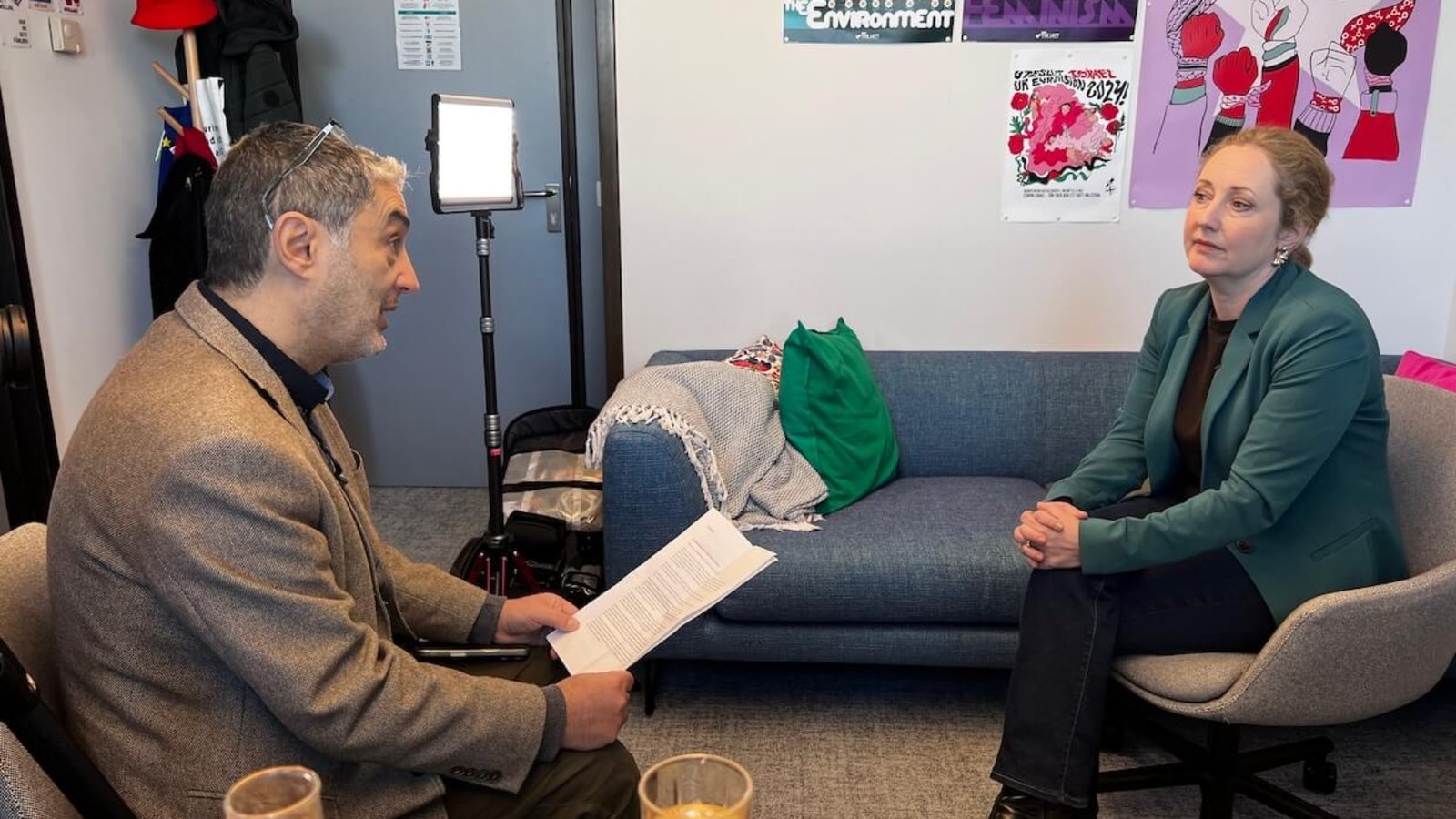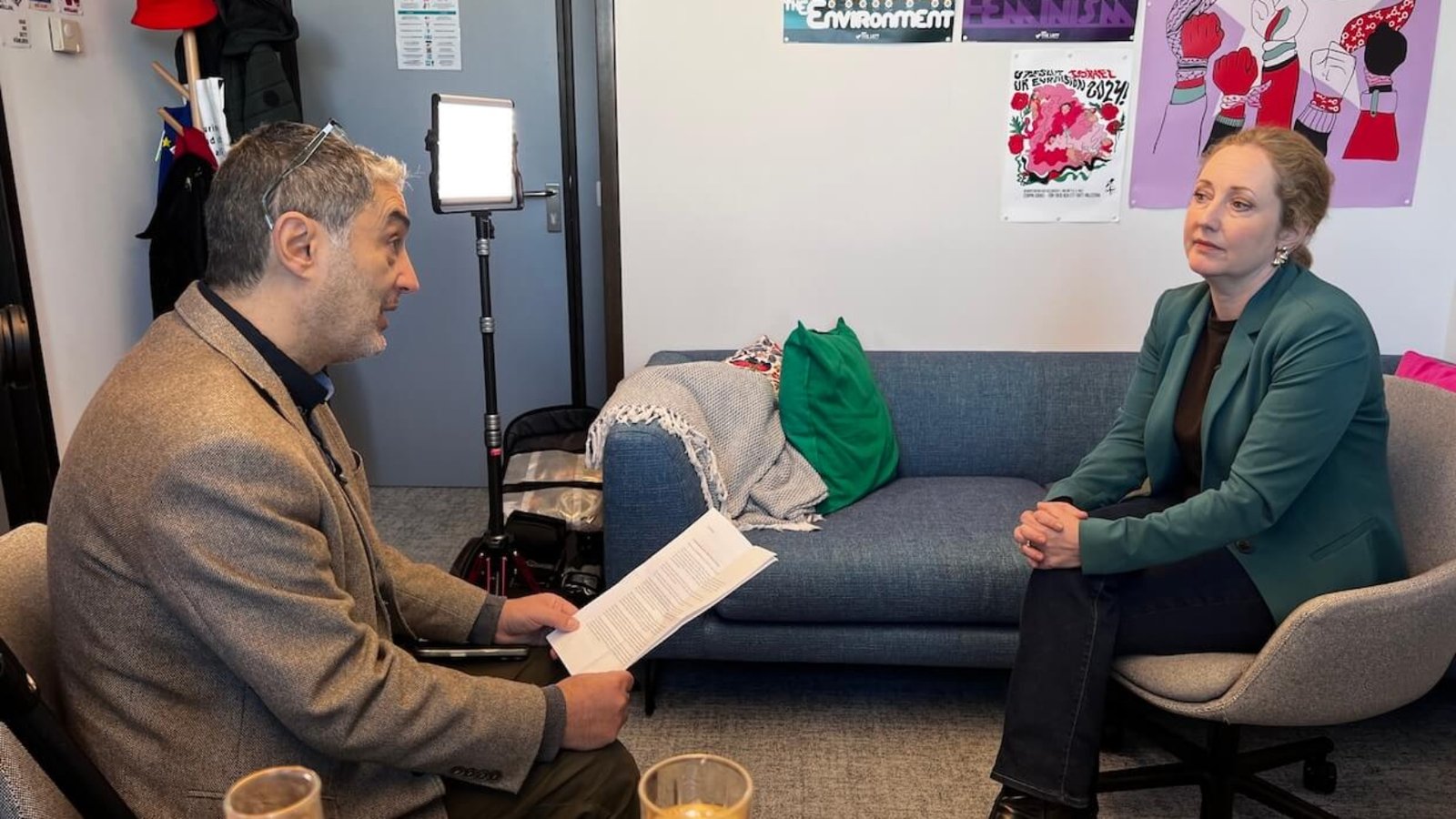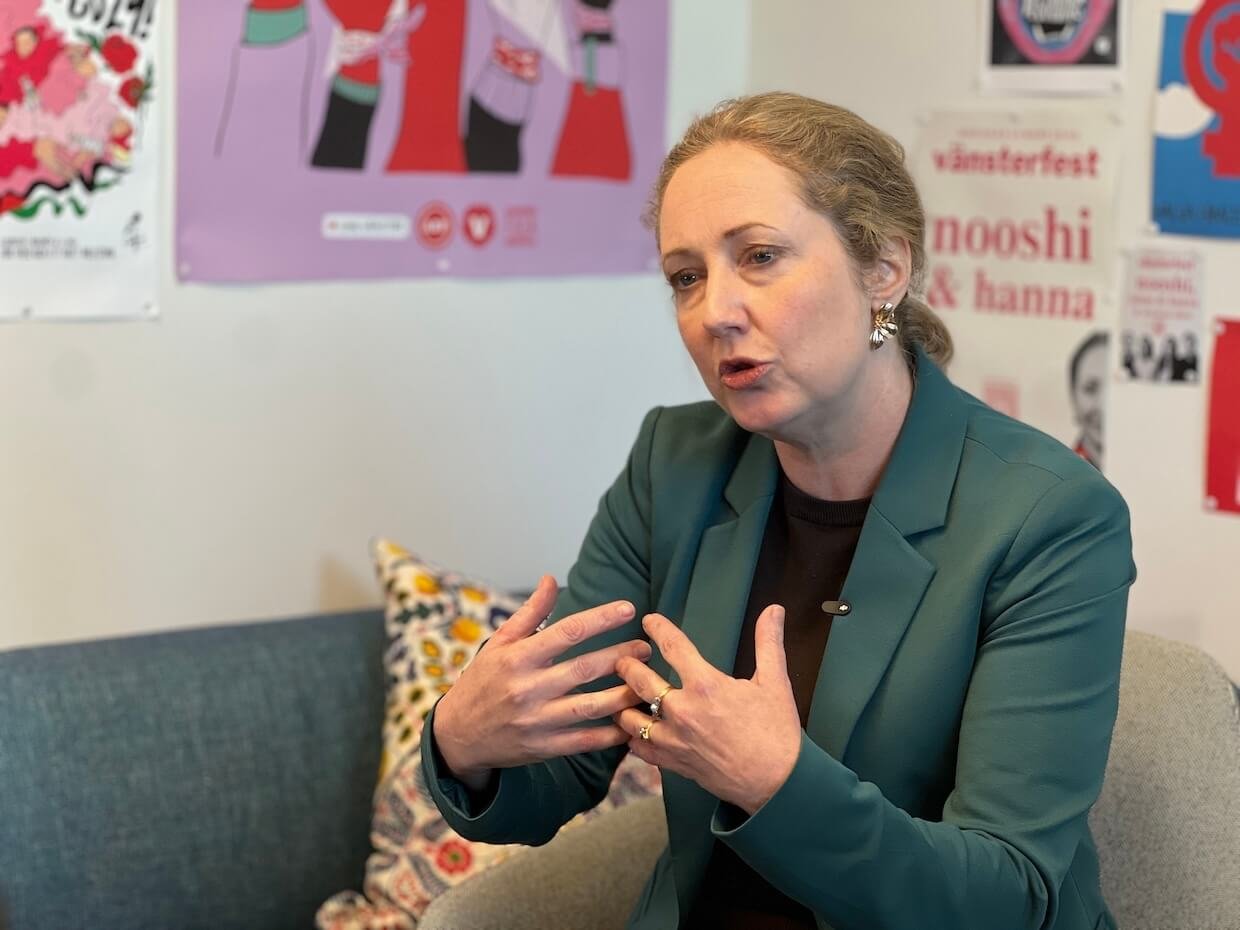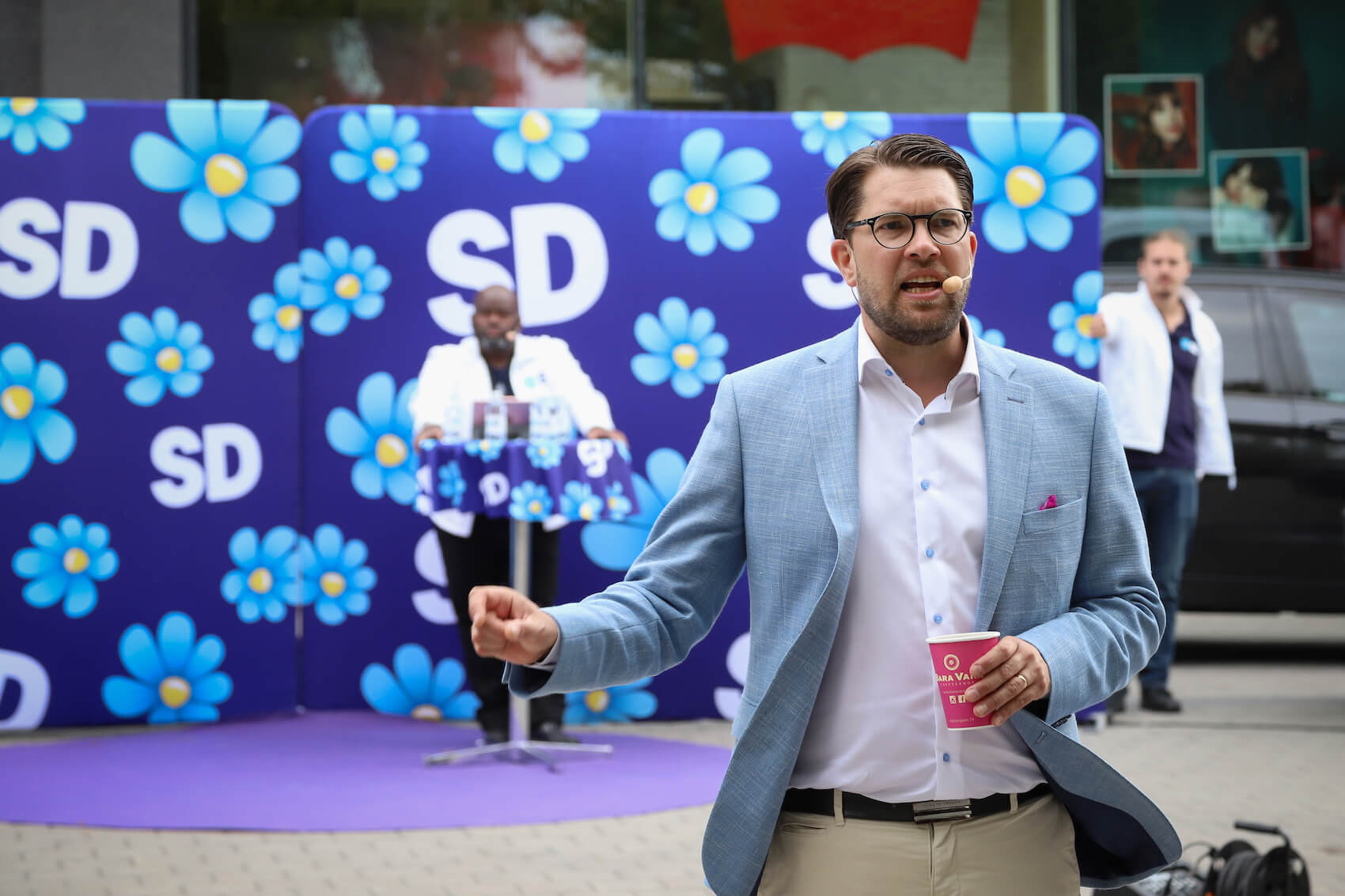
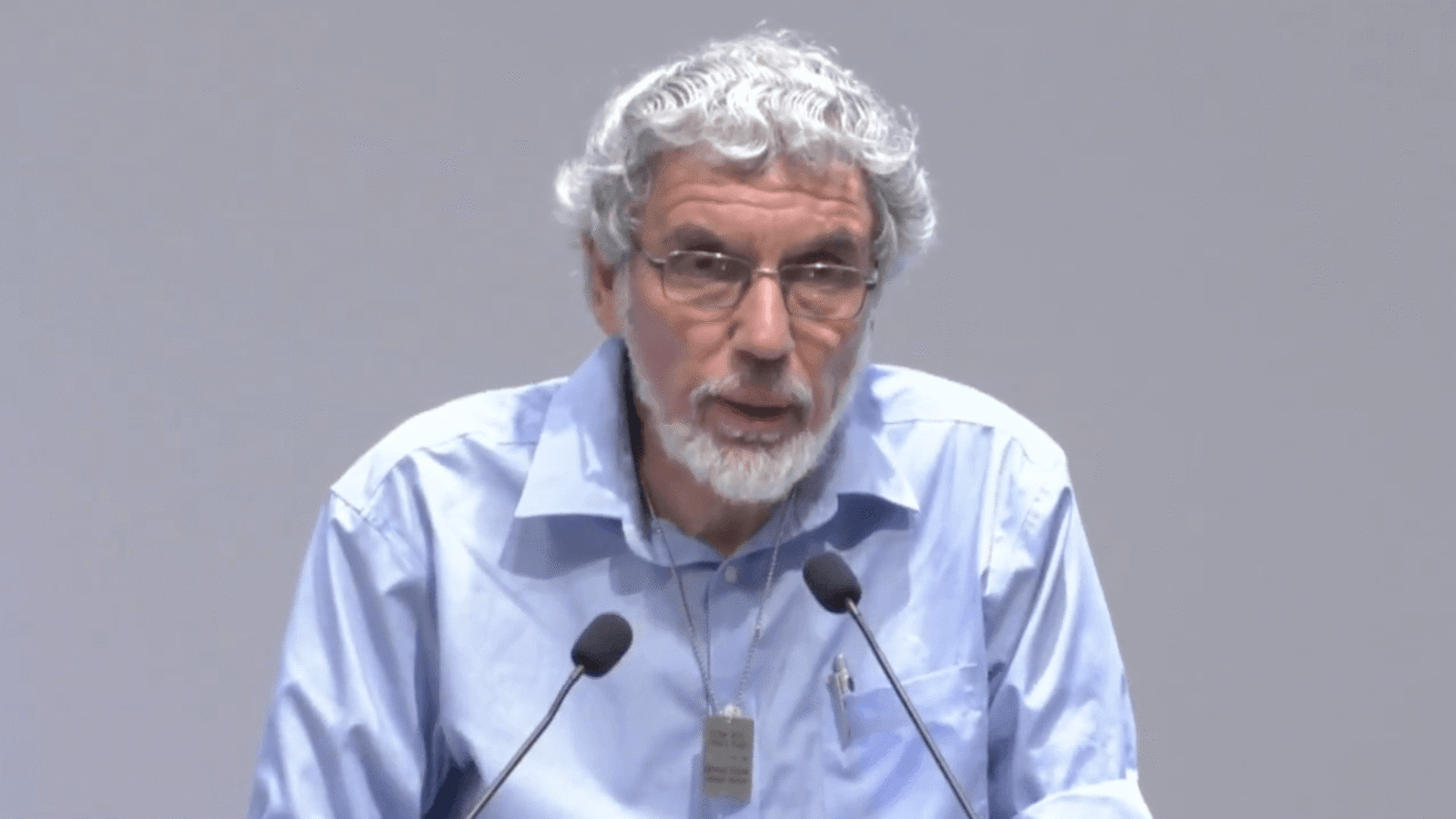
Dr. Justin Patch.

Dr. Patch: In the Age of Populism, Politics Becomes a Struggle over Aesthetics

In this ECPS interview, Dr. Justin Patch argues that, in the age of populism, politics increasingly unfolds as a struggle over aesthetics. Rather than being peripheral, cultural forms—music, memes, and DIY practices—are central to how “the people” are experienced and constructed. As he notes, “the primary terrain of public contestation becomes aesthetic,” as citizens navigate complex political realities through affect, symbolism, and participation. While democracy depends on the capacity to feel “part of something larger than yourself,” this same impulse creates openings for populist capture. By showing how art can function as both democratic expression and ideological instrument, Patch highlights a central tension: aesthetic experience sustains collective belonging yet also enables its manipulation by populist and authoritarian actors.

Interview by Selcuk Gultasli

In this ECPS interview, Dr. Justin Patch, Assistant Professor of Music at Vassar College, offers a powerful account of how politics in the age of populism increasingly unfolds through aesthetics—through sound, image, gesture, affect, and participatory cultural forms. Rather than treating music, memes, art, or DIY production as peripheral to political life, Dr. Patch argues that they are central to how citizens experience belonging, identity, and representation. As he puts it, “the primary terrain of public contestation becomes aesthetic.”

The interview begins by situating democratic culture in practices that emerge from below. Historically, Dr. Patch notes, “the part we celebrate is the work done underneath the state.” From farmers’ organizations to populist gatherings, music, dancing, hymn singing, sewing circles, and potluck dinners created forms of sociability through which “the people” could recognize themselves as political actors. The crucial distinction, he argues, is between culture produced by communities themselves and culture appropriated by state actors or those seeking “state capture.”

This distinction becomes more urgent when Dr. Patch turns to the affective power of political mobilization. Democracy, he argues, depends on people feeling that they are “part of something larger than yourself.” Yet this same need is also democracy’s vulnerability. Populismauthoritarianism, and radical-right movements can offer the same emotional intensity and collective belonging while redirecting it toward exclusionary or leader-centered projects. “Unfortunately,”he warns, “that same need to feel part of something larger can be hijacked.”

A major theme of the conversation is how music and popular culture translate resentment into political identity. Dr. Patch explains that art can become “a proxy for political thought” because of its emotional accessibility. Whether in CasaPound’s punk and hardcore scenes, white-power music networks, or strands of country music, cultural forms can provide “social and emotional cues,” “cognitive shortcuts,” and a language through which grievance becomes durable belonging.

The interview also explores digital populism and the politics of re-signification. In Trump-era memes, parody videos, and online bricolage, Dr. Patch identifies an “aesthetic of domination” in which cultural materials are appropriated, inverted, and weaponized. The ability “to take something associated with one set of values and reframe it entirely,” he argues, becomes a symbolic victory.

Yet Dr. Patch does not reduce popular culture to manipulation. He insists on the democratic importance of self-expression, arguing that “democracy is about a kind of self-expression that communicates with others.” The challenge, then, is to cultivate aesthetic literacy without suppressing popular creativity. Art, he concludes, can be “a pedagogical tool” for learning how to live with difference—and for recognizing humanity “even in the face of profound disagreement.”

Here is the edited version of our interview with Dr. Justin Patch, revised slightly to improve clarity and flow.

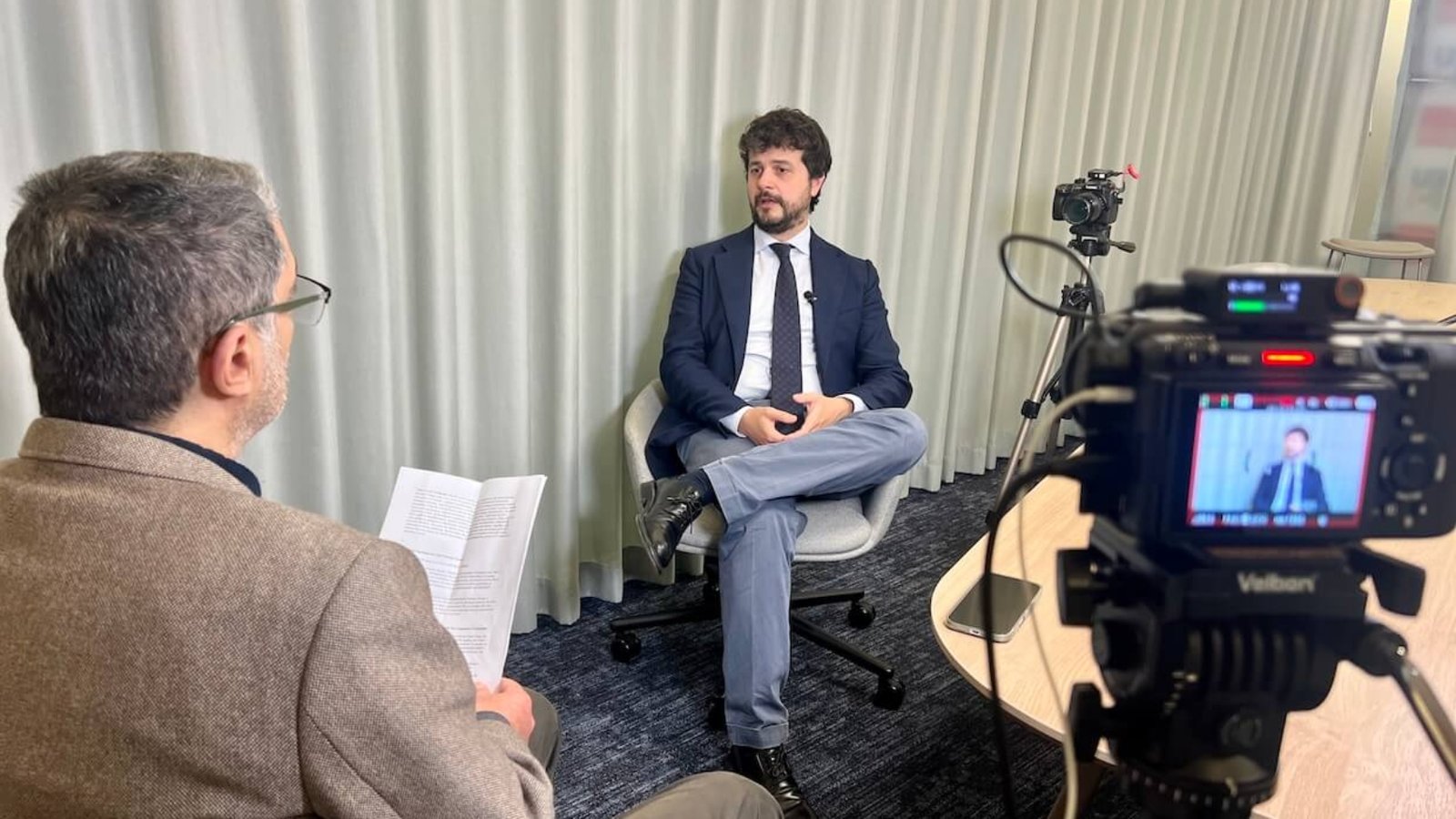
Filip Milacic.

Dr. Milacic: Outbidding Autocrats on Nationalism Only Strengthens Their Legitimacy

In this ECPS interview, Dr. Filip Milacic argues that democrats should not abandon patriotic language to autocrats. Instead, they must develop inclusive and emotionally resonant national counternarratives. Warning that “outbidding autocrats on nationalism only strengthens their legitimacy,” Dr. Milacic explains how authoritarian incumbents justify democratic erosion through “threat narratives” portraying the nation, sovereignty, or identity as endangered. He emphasizes that dignity, recognition, and belonging are crucial drivers of political behavior often neglected by liberal democratic theory. Drawing on cases from Hungary, Poland, Serbia, Turkey, Israel, Brazil, and the United States, he argues that democratic resilience requires institutions, strategy, and narratives—because politics is “fundamentally a battle of narratives.”

Interview by Selcuk Gultasli

At a moment when democratic systems across Europe and beyond are increasingly challenged by populist mobilization, identity conflicts, and institutional erosion, the politics of nationalism has re-emerged as a central battleground. Authoritarian and illiberal actors have proven particularly adept at embedding their political projects within emotionally resonant narratives of national protection, sovereignty, and belonging. It is within this contested terrain that Dr. Filip Milacic’s intervention—captured in the striking claim that “outbidding autocrats on nationalism only strengthens their legitimacy”—acquires both analytical urgency and normative significance. His work invites a reconsideration of how democratic actors engage with the nation not as a fixed identity, but as a politically constructed and contested narrative space.

In this interview with the European Center for Populism Studies (ECPS), Dr. Milacic—senior researcher at the Friedrich Ebert Foundation’s “Democracy of the Future” office—offers an empirically rich account of democratic backsliding, authoritarian legitimation, and the role of narrative politics. Central to his argument is the contention that opposition forces face a strategic dilemma when confronting nationalist authoritarianism: to ignore the nation, to mimic exclusionary nationalism, or to construct an alternative vision. While the first two options remain common, Dr. Milacic insists that “the third option is the most promising”—namely, the development of a democratic counter-narrative that is both emotionally compelling and normatively inclusive.

This emphasis on narrative is not merely rhetorical but deeply structural. As Dr. Milacic underscores, authoritarian actors do not simply dismantle democratic institutions; they justify such actions through what he terms “threat narratives.” In these narratives, “the state is under attack” and “the nation, national identity, or national sovereignty [is] threatened,”thereby creating a moral and emotional framework within which democratic erosion becomes acceptable, even necessary. Crucially, these narratives resonate not because citizens misunderstand democracy, but because, as he notes, voters often support such leaders “not because of their authoritarian policies, but in spite of them.” This insight shifts the analytical focus from institutional breakdown alone to the discursive processes that legitimize it.

Equally important is Dr. Milacic’s critique of prevailing assumptions within liberal democratic theory. By foregrounding dignity, recognition, and belonging, he challenges the reduction of political behavior to economic rationality. Instead, he argues that “interests related to self-esteem, dignity, and recognition are significant,” and that the nation remains a powerful source of both identity and security. This helps explain why authoritarian narratives, particularly in contexts marked by “formative rifts” such as territorial disputes or contested identities, gain traction so effectively.

Yet Dr. Milacic resists deterministic conclusions. While some societies may be more structurally susceptible to such narratives, they are not condemned to authoritarian outcomes. Democratic resilience, he argues, depends on political agency and the capacity to craft inclusive, emotionally resonant counter-narratives. Ultimately, the interview advances a compelling thesis: that the defense of democracy today requires not only institutional safeguards but also a re-engagement with the symbolic and affective dimensions of political life—because, as Dr. Milacic concludes, politics is “fundamentally a battle of narratives.”

Here is the edited version of our interview with Dr. Filip Milacic, revised slightly to improve clarity and flow.

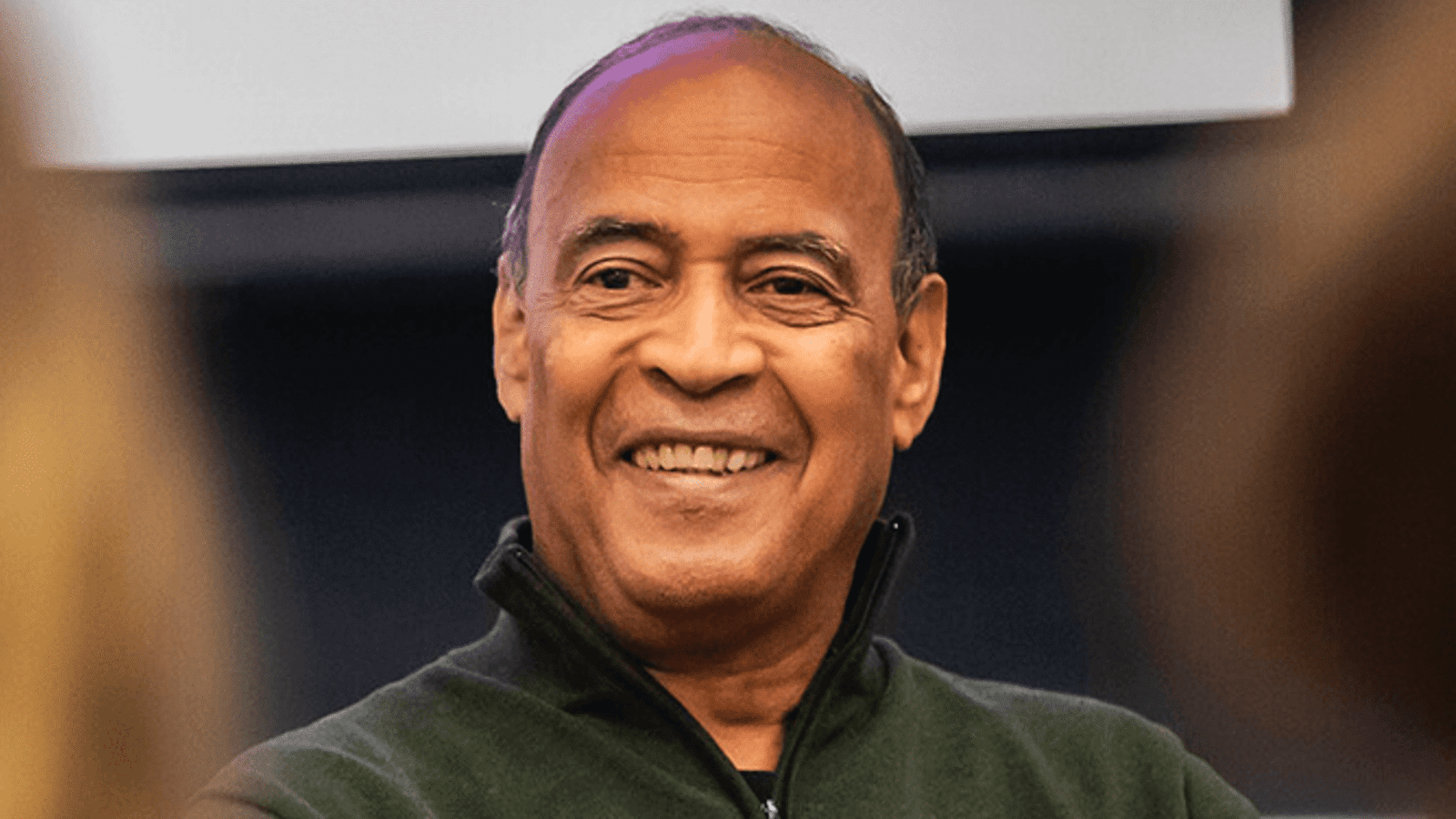
Dr. Justin Patch is an Assistant Professor of Music at Vassar College.

Dr. Patch: In the Age of Populism, Politics Becomes a Struggle over Aesthetics

In this ECPS interview, Dr. Justin Patch argues that, in the age of populism, politics increasingly unfolds as a struggle over aesthetics. Rather than being peripheral, cultural forms—music, memes, and DIY practices—are central to how “the people” are experienced and constructed. As he notes, “the primary terrain of public contestation becomes aesthetic,” as citizens navigate complex political realities through affect, symbolism, and participation. While democracy depends on the capacity to feel “part of something larger than yourself,” this same impulse creates openings for populist capture. By showing how art can function as both democratic expression and ideological instrument, Patch highlights a central tension: aesthetic experience sustains collective belonging yet also enables its manipulation by populist and authoritarian actors.

Interview by Selcuk Gultasli

In this ECPS interview, Dr. Justin Patch, Assistant Professor of Music at Vassar College, offers a powerful account of how politics in the age of populism increasingly unfolds through aesthetics—through sound, image, gesture, affect, and participatory cultural forms. Rather than treating music, memes, art, or DIY production as peripheral to political life, Dr. Patch argues that they are central to how citizens experience belonging, identity, and representation. As he puts it, “the primary terrain of public contestation becomes aesthetic.”

The interview begins by situating democratic culture in practices that emerge from below. Historically, Dr. Patch notes, “the part we celebrate is the work done underneath the state.” From farmers’ organizations to populist gatherings, music, dancing, hymn singing, sewing circles, and potluck dinners created forms of sociability through which “the people” could recognize themselves as political actors. The crucial distinction, he argues, is between culture produced by communities themselves and culture appropriated by state actors or those seeking “state capture.”

This distinction becomes more urgent when Dr. Patch turns to the affective power of political mobilization. Democracy, he argues, depends on people feeling that they are “part of something larger than yourself.” Yet this same need is also democracy’s vulnerability. Populism, authoritarianism, and radical-right movements can offer the same emotional intensity and collective belonging while redirecting it toward exclusionary or leader-centered projects. “Unfortunately,”he warns, “that same need to feel part of something larger can be hijacked.”

A major theme of the conversation is how music and popular culture translate resentment into political identity. Dr. Patch explains that art can become “a proxy for political thought” because of its emotional accessibility. Whether in CasaPound’s punk and hardcore scenes, white-power music networks, or strands of country music, cultural forms can provide “social and emotional cues,” “cognitive shortcuts,” and a language through which grievance becomes durable belonging.

The interview also explores digital populism and the politics of re-signification. In Trump-era memes, parody videos, and online bricolage, Dr. Patch identifies an “aesthetic of domination” in which cultural materials are appropriated, inverted, and weaponized. The ability “to take something associated with one set of values and reframe it entirely,” he argues, becomes a symbolic victory.

Yet Dr. Patch does not reduce popular culture to manipulation. He insists on the democratic importance of self-expression, arguing that “democracy is about a kind of self-expression that communicates with others.” The challenge, then, is to cultivate aesthetic literacy without suppressing popular creativity. Art, he concludes, can be “a pedagogical tool” for learning how to live with difference—and for recognizing humanity “even in the face of profound disagreement.”

Here is the edited version of our interview with Dr. Justin Patch, revised slightly to improve clarity and flow.

Political Culture Begins with Who Creates It: State or Society

Photo: casapounditalia.org

Dr. Patch, welcome. In your work on the “sound of democracy,” you treat music, noise, affect, and collective embodiment not as ornamental features of politics but as constitutive of democratic experience. How should we understand the role of music and art in forming democratic subjectivities at a time when polarization, distrust, and affective partisanship increasingly structure political life?

Dr. Justin Patch: When we look historically at the democratic aspects of music performance and art-making, the part we celebrate is the work done underneath the state. Even when we are talking about the 19th century—and I am being very specific about the American case here—farm labor organizing, farmers’ organizations, and populist movements, the music, art, and dancing associated with these movements came from the people themselves. It was, and I hesitate to say this, almost like a Johann Gottfried Herder-type phenomenon, where the folk arts of farmers in places like Nebraska, Oklahoma, Texas, and Minnesota became part of a political movement.

Here, I find the work of a historian named James Turner quite formative for my thinking. He talks about populist gatherings as places of much-needed sociability. In his article Understanding the Populus, which focuses on Texas, instead of looking purely at the economic output of populous counties versus democratic counties, he examines other factors, such as the number of churches and the average number of miles traveled to market. What he finds is that populous counties were actually more spread out, had less commerce from the outside, and had fewer traveling preachers. There were fewer churches coming from outside. Because they lacked established ways of gathering, populist gatherings became extremely important.

People would hold meetings lasting several days, where there were sewing circles, knitting circles, prayer circles, square dancing, hymn singing, and potluck dinners. In other words, there was a great deal of collective activity. But what is important is that these were things people already enjoyed doing, which they then did together in a collective setting.

So what you see is a distinction between music that people are already making within their communities, which is then directed toward a political purpose, and music that state actors—or those seeking some form of state capture—appropriate, repackage, and project onto society. It is a kind of push and pull, and sometimes it involves the same culture. The key difference lies in who initiates it. Is it culture initiated by the state, where the state defines what it means to be a citizen, to belong to “the people”? Or is it culture that people themselves create and practice, which they then bring into the public sphere as part of their political activity? This is a distinction we need to parse carefully.

Of course, things become more complicated when we consider musicians. In Melanie Schiller’s work with Mario Dunkel, for instance, there are cases of artists in Austria who have aligned themselves with the political right. Certainly CasaPound is an organization that uses music very effectively and has what the British once called “movement artists.” In the 1960s United States, for example, Phil Ochs was considered such a movement artist.

So, where I would begin is by distinguishing between music and art that are appropriated by state actors and those that people are already producing for themselves and then bring into the public sphere. If that makes sense.

Democracy’s Emotional Power Can Be Exploited by Populism

You argue that campaign soundscapes generate emotional intensity, collective participation, and a sense of shared political presence. To what extent are these affective atmospheres indispensable to democratic mobilization, and when do they become vulnerable to capture by authoritarian, radical-right, or supremacist political projects?

Dr. Justin Patch: This is where it becomes two sides of the same coin. Michael Kazin, in his book on American populism, writes that populist waves occur in America so often that he is tempted to say populism is built into American democracy.

Part of democracy—essentially being ruled by your peers—is something we tend to romanticize, but in reality it is a difficult position to be in. The system of popular democracy depends on people feeling that they are part of something. You feel part of something larger than yourself, and this is why democracy is often likened to religion. You secularize authority by saying you are not ruled by God but by a political system, yet you still seek what Freud calls an “oceanic feeling.”

You need that feeling for democracy to function effectively. People must feel that they belong to something larger, but this is also the weak link through which populism, authoritarianism, and similar forces can enter. They can provide that same sense of belonging while, at the same time, redistributing wealth upward to the top one percent. It is, in many ways, the same process.

I remember watching a campaign event in New Hampshire in 2024. My brother and I saw the same event and later discussed it on the phone. He was struck by a man they interviewed, who, when asked about January 6, 2020, and what the truth of it was, replied, “Whatever Donald Trump says is the truth.” I felt an immense sense of sadness at that moment. When we look at the Gini coefficient in the United States and the number of people who are struggling, we see individuals who are searching for something to believe in—who want to be part of something larger than themselves.

What troubles me is that what presented itself to them was Donald Trump and the MAGA movement—something that, beneath its rhetoric, is deeply pernicious—instead of something more constructive. As we mark May Day, we are reminded of the history of labor and labor movements in the United States and Europe. There were periods when people rallied around the idea of supporting working people. Even in the 19th century, many middle-class individuals expressed empathy for the plight of workers. There have been powerful movements in which people looked at the underclasses and said, “You deserve something better.”

As the Supreme Court rolls back the last elements of the Voting Rights Act this week in the United States, we are reminded that, in the 1960s, a majority believed that Black Americans deserved better. These are moments we look back on and recognize that there was a form of empathy—perhaps not radical empathy, but empathy nonetheless—which was tied to the need to feel part of something larger than oneself.

Unfortunately, that same need to feel part of something larger can be hijacked. This is part of the democratic process, at least in the United States. I am not sure there is any guarantee—there is no perfect democracy in which the threat of populism does not exist in some form.

Music Transforms Resentment into Political Belonging

Photo: Dreamstime.

In your analysis of music’s political economy, you emphasize how music provides “social and emotional cues,” creates “cognitive shortcuts,” and affirms identities. How does this help explain the power of far-right cultural ecosystems—from CasaPound’s aesthetic politics in Italy to white-power music networks, identitarian media, and nationalist festivals—to transform diffuse resentment into durable political belonging?

Dr. Justin Patch: When people spend time together, it has an effect on them. When I was younger, I played in rock bands, and when you are playing music, other issues inevitably come up in conversation. There is a process through which cultural leaders can become thought leaders. It is not necessarily a one-to-one relationship, but it often happens.

The beauty—and the danger—of this dynamic is that art becomes a proxy for political thought, partly because of its emotional accessibility. Terry Eagleton, in his early 1990s book The Ideology of the Aesthetic, examines how ideologies are embedded in aesthetics and in the social relations that produce them. Although he focuses mainly on visual art and literature, the insight applies here as well.

If we look at white-power music and CasaPound, for example, much of CasaPound’s music is punk rock and hardcore. This appeals to a very specific audience, often predominantly male. The resentment felt by men in the post-industrial West—if we look at the statistics, in Italy, much like in the United States, non-college-educated white men are falling behind—is captured and expressed through this music. Hardcore, in particular, channels that sense of grievance.

To borrow Althusserian language, it “hails” people together, aggregating them and creating a space in which they can think collectively. CasaPound is able to do this effectively. In smaller pockets, white-power music in the United States performs a similar function. However, there are other forms of music with much broader audiences that do something comparable.

In the United States, certain strands of country music, with far larger fan bases, operate in a similar way. Songs like Try That in a Small Town or Rich Men North of Richmond,” which have charted, translate resentment into a popular idiom. They move it out of the language of newspapers and political speeches and embed it in everyday life.

Former Foreign Service officer, David J. Firestein, wrote an article called “The Honky Tonk Gap,” in which he examined George W. Bush and his relationship with Nashville country music. He argued that Bush was able to adopt the vocabulary of country songwriters in his political rhetoric, creating a link between how he spoke, how musicians sang, and how his audience spoke among themselves. This helped build a kind of intellectual ecosystem across those domains. In that sense, he was able to draw on a shared cultural repertoire with his intended voters and use it very effectively. Country music in the United States has done something similar—on a much larger scale—than white-power music does in more limited contexts, particularly in the mid-2000s.

Digital Populism Thrives on Inverting Cultural Symbols

In “Editing for Partisanship,” you describe Trump-era populist art as grounded not in stable formal properties but in a “relational aesthetic” marked by domination, ridicule, violence, and re-signification. How does this concept illuminate the contemporary radical right’s use of memes, parody, music videos, flags, street art, and digital bricolage to produce “the people” against feminists, migrants, racial minorities, liberals, and cosmopolitan elites?

Dr. Justin Patch: When I look at the digital ecosystem, what you have are communities that are, in many ways, pre-made. You have people who follow certain accounts and others who follow each other because they know one another. Within this context, digital culture—music videos, memes, Photoshop, and similar forms—gives people an opportunity to participate.

Part of the language of participation involves familiarity and humor, but there is also something like a culture and aesthetic of domination. This may sound unusual, but we can see a parallel in DJ culture. One of the things DJs do, especially when they know their audiences well, is to play tracks people have not heard for a while, disguise tracks by starting them in unexpected places, or mix together seemingly unrelated pieces. Sometimes they introduce something that feels almost like a non sequitur, but if it works, the audience responds enthusiastically. It demonstrates creativity and a willingness to think outside the box, but it is also a form of control. The DJ exercises aesthetic authority by blending disparate elements—disco and ragamuffin—into something seamless.

I think this aesthetic of domination operates in a similar way. It still relies on humor and ridicule, but the further one can push into unexpected or even transgressive territory—particularly into spaces perceived as belonging to an “enemy.” The more recognition one gains for creativity, the more one can appropriate elements associated with, for instance, left-leaning culture and invert their meaning, the more powerful the result becomes.

In Editing for Partisanship, I use the example of Footloose. For those unfamiliar with it, it is a 1980s feel-good film about tensions between urban and rural life in a conservative Christian town that bans dancing. A young man from the city arrives and mobilizes the youth against the older generation. In the end, as in many films of that era, there is a resolution: the youth are allowed to dance, authority is partially preserved, and the narrative concludes on an optimistic note.

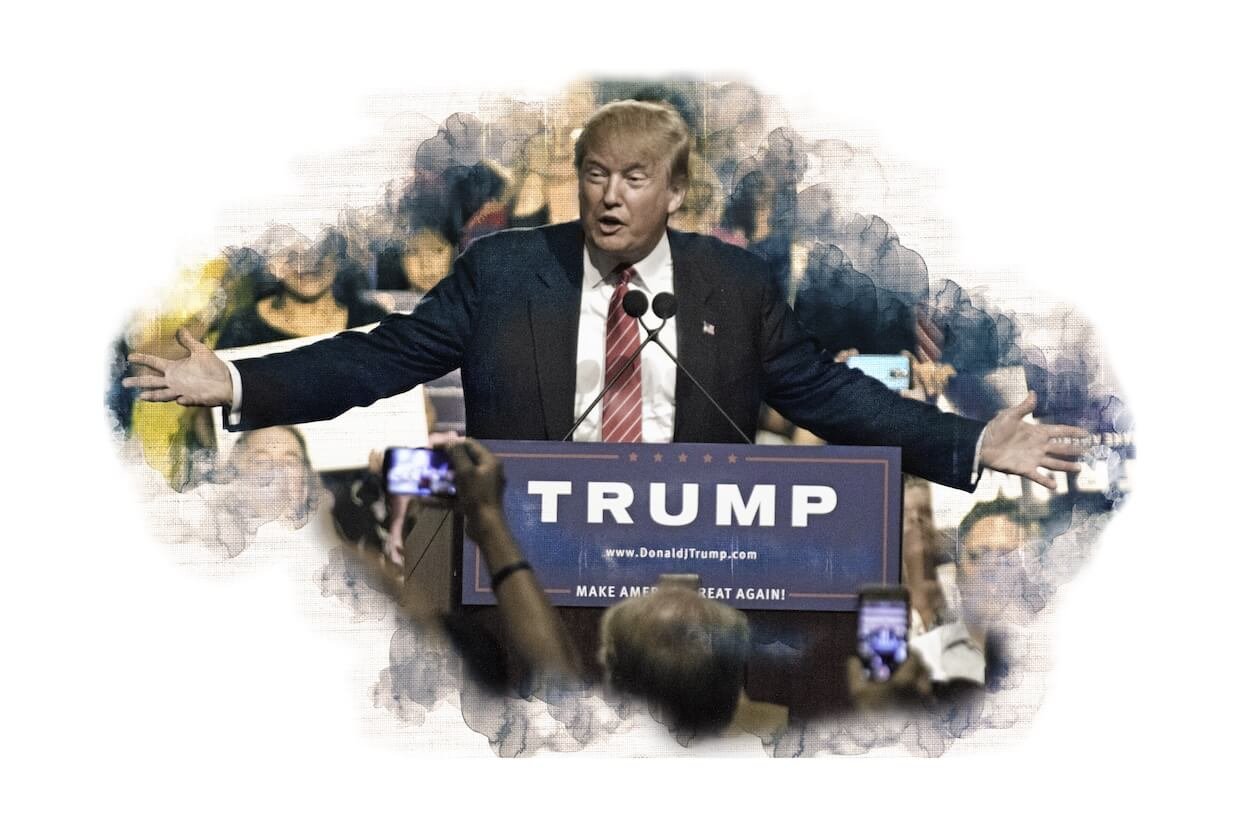
Dan Scavino takes the chorus of Footloose and sets it to footage from Portland showing anti-government, anti-Trump protesters, including an incident in which one protester accidentally sets his feet on fire with a Molotov cocktail. What made that clip go viral, and what made it so striking to me, was the radical re-signification of a song associated with a more conciliatory cultural moment into something distinctly aligned with the MAGA movement.

It is precisely this capacity to invert meaning—to take something associated with one set of values and reframe it entirely—that is highly valued within this particular populist movement. The ability to appropriate and transform cultural material in this way is seen as a significant victory.

Imperfection Becomes the Currency of Political Credibility

Your work suggests that popular culture functions as a medium through which populist communities imagine themselves as authentic, embattled, and morally superior. How do movements such as MAGA, CasaPound, Generation Identity, Hindutva cultural networks, and European radical-right youth scenes use DIY (do it yourself) aesthetics to blur the line between grassroots participation and ideological discipline?

Dr. Justin Patch: DIY is such an interesting concept. George McKay, in his edited volume on DIY, cautions that DIY is not a utopia and is not always a left-leaning phenomenon. There is plenty of conservative DIY as well. The key point about DIY is that it carries a veneer of authenticity. DIY culture is always emblematic of the people who create it, but it also has an aesthetic—and it is this aesthetic that can be co-opted. We see this quite frequently. At the present moment, DIY culture is very important in constructing “the people.”

Let me step back for a moment. Some years ago, probably in the 2010s, I met an EDM (electronic dance music) producer by chance. We were chatting, and he remarked that when everything can be made perfect—when digital tools allow for perfect timing and sound—the real challenge is capturing the imperfection that makes something compelling. When you listen to artists like Aretha Franklin or Marvin Gaye, there is always something slightly off—slightly behind the beat or slightly out of tune—that listeners find appealing.

In a digital environment where perfection is possible, DIY and its associated imperfections become signifiers of authenticity. It is the difference between a perfectly staged shot and a slightly shaky, handheld recording. Even if the latter is less polished, it conveys a stronger sense of authenticity.

What we see now is that political actors are deliberately adopting this veneer of authenticity. Highly polished, “Madison Avenue”-style political advertising increasingly appears inauthentic to younger audiences. During the 2020 US election, for example, Joe Biden’s campaign invited individuals to record themselves explaining why they supported him. These clips were edited into campaign materials and proved more effective than professionally produced advertisements that cost millions of dollars.

The DIY aesthetic, then, becomes a marker of authenticity that political actors seek to harness, because voters respond to what feels genuine. One of the major criticisms of Hillary Clinton in 2016 was that she appeared inauthentic—overly scripted and guarded—which many voters rejected.

What remains, in many ways, is DIY. As Anthony Giddens argued, in the context of postmodernity, trust becomes central. The DIY aesthetic functions as an index of authenticity and humanity. The problem, however, is that it is still an aesthetic—and therefore something that can be appropriated and instrumentalized.

The Key Question Is Not What People Create, but Why

DIY
Photo: Dreamstime.

In your account, citizen-made art is central to the construction of populist identity because it is “by, of, and for the people.” How should we distinguish between genuinely democratic cultural participation and participatory authoritarianism, where citizens voluntarily reproduce exclusionary, supremacist, or leader-centered political imaginaries?

Dr. Justin Patch: This is always the big question. What are cultural outpourings that are essentially top-down, and what constitutes cultural production that is bottom-up—production from the peripheries, and so on?

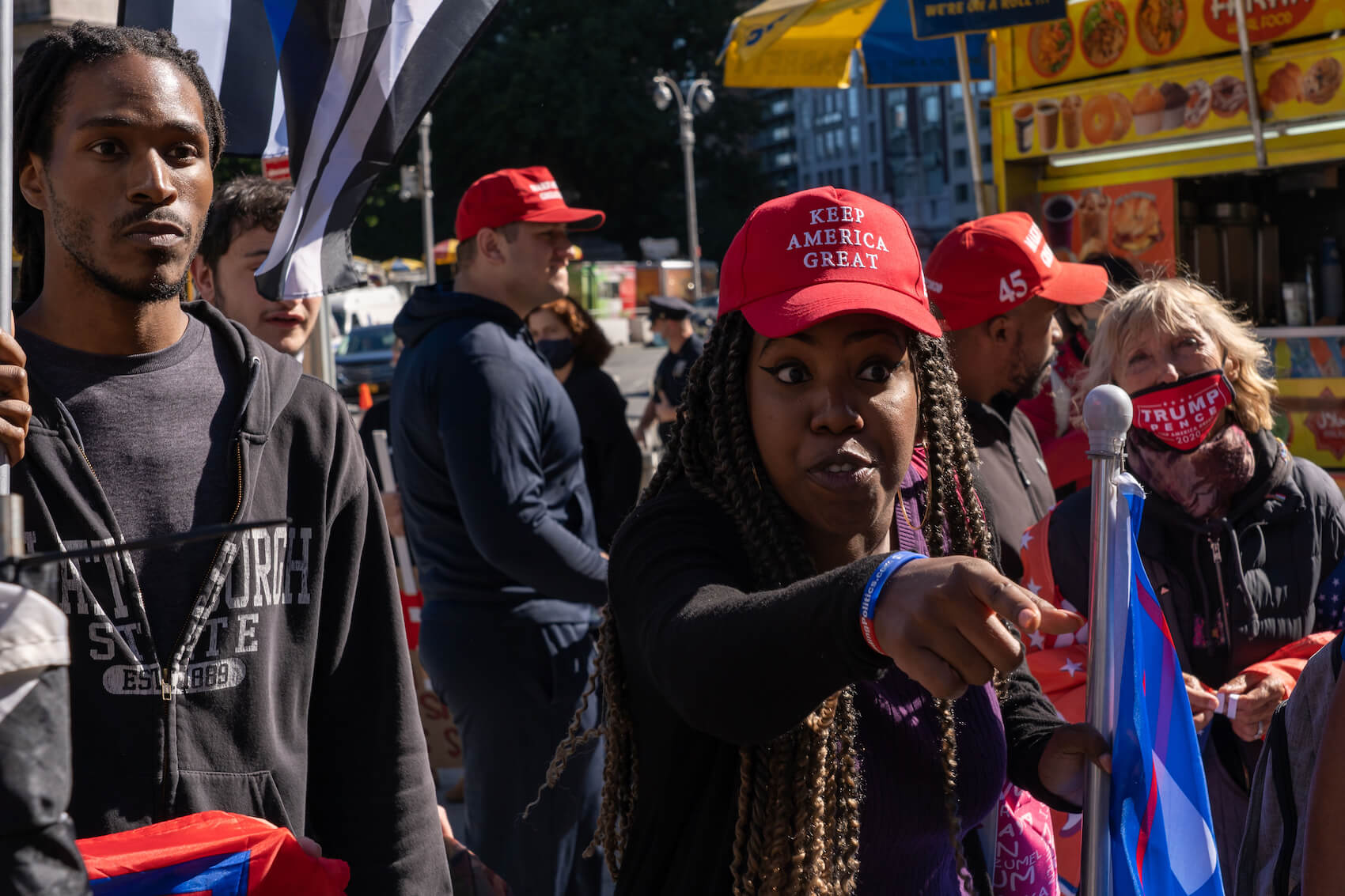
At a certain point, it becomes difficult to draw that distinction, because if someone genuinely supports populist candidates, there is no straightforward way to say that this is not an authentic voice of the people. When I look at Trump-related art—work produced by very young people, very old people, and those at the margins of the movement—I am hesitant to say that it is all co-opted. There are people who genuinely believe that Trump will be good for them.

For me, as an analyst, it becomes more important to ask why. Where have we failed—in terms of the economy, education, or public awareness—that someone would believe that this person’s policies would benefit them, or that this person genuinely cares about their well-being? In that sense, it becomes a second-order analysis. It is one thing to examine the art people create for a populist cause; it is another to ask why this is happening.

How is it that so many young men believe in this so strongly that they create their own podcasts, memes, graffiti, T-shirts, hats, and bumper stickers, or even decorate their vehicles as shrines? Why do they feel so passionately about this? In many cases, some of the DIY art I have examined expresses messages that run counter to official campaign messaging, yet remains unapologetically pro-Trump. What these individuals believe Trumpism to be can differ significantly from actual policies, but they believe in it nonetheless.

That kind of projection offers a window into how people manage their everyday lives. In Jim McGuigan’s sense, this can be understood as a genuine voice of the people. Whether we like it or agree with it is a separate question. From an analytical perspective, the issue is whether this reflects how people actually think.

I am hesitant to dismiss such expressions outright, unless they are clearly repeating talking points from talk radio or television. If they fall outside that realm, they are worth examining, because they reveal how people understand and experience the world. And that is important to understand.

Citizens Engage More with Feeling than Policy

An elderly woman prays amidst a busy crowd in Sydney, Australia. Photo: Martin Graf.

How should we theorize the relationship between aesthetic experience and democratic legitimacy when citizens feel more directly represented by songs, memes, symbols, and performative rituals than by parties, parliaments, or policy platforms?

Dr. Justin Patch: This is very much a Terry Eagleton question. Eagleton writes about the problems of the modern state: economic, educational, infrastructure, human policy, health policy—all of this is so complex that, as an everyday citizen, you are quite literally not equipped with either the knowledge or the totality of information needed to be a full participant in these discussions.

For those of us who enjoy discussing politics, at some point you have to admit that you do not have the full suite of information even to think about crafting policy. I often tell people that when I was working on Obama’s campaign in Texas, you had these incredibly crafted 45-minute speeches. But in the Texas Democratic Party office, we also had Barack Obama’s white papers—ten small volumes covering education policy, domestic policy, health policy, international policy, and economic policy. You could read through them, if you had the time to read ten books. These are two very different things. How we feel publicly about someone’s persona, how they come across, is very different from how we feel about policy.

Unfortunately, the complexities of the modern state are such that we cannot all fully participate in policy debates. But, to Eagleton’s point, what we can participate in is the aesthetic dimension. We respond to how something sounds, looks, and feels. Someone uses campaign music that makes us feel good; someone presents themselves in a particular way or frames an issue in a certain way. All of these are aesthetic elements.

I was once giving a talk at a conference in the Netherlands, and a political scientist said to me, “How can you call Trump populist? His policies are oligarchic, if anything.” I said, “You are not wrong. But I am talking about how he campaigns as populist, not what his policies are.” His campaign is anti-elite, people-centered, and displays many hallmarks of populism, even if his policies are not anti-elite.

So you can have an aesthetic that is populist, or even radically democratic, without having policies that reflect that. I think one of the dangers of modern society is that the knowledge required to govern is so specialized that the primary terrain of public contestation becomes aesthetic. As a result, we end up with these aesthetic shortcuts. For example, Nashville country becomes coded as conservative, while artists like Bruce Springsteen, Taylor Swift, or throwback Motown become associated with more progressive audiences. That becomes the dividing line, rather than the ability to have a substantive debate about policy.

A good example—just from the news this morning—is vaccine policy. Vaccine policy is remarkably complex, yet it is often reduced to a binary: vaccines are bad on one side and vaccines are good on the other. The actual substantive debate is far more complicated. If I did not know people with PhDs in virology, it would be difficult for me to evaluate those arguments. I am fortunate to have access to that expertise, but most people do not. And so, what remains for public contestation is aesthetics.

Art as a Training Ground for Living with Difference

Photo: Dreamstime.

And finally, Dr. Patch, in an era of democratic backsliding, digital populism, supremacist subcultures, and authoritarian cultural politics, what responsibilities do scholars, artists, educators, and democratic institutions have in cultivating forms of aesthetic literacy capable of resisting manipulation while preserving the democratic vitality of popular culture?

Dr. Justin Patch: I think I am one of those people who, even though I teach at a conservatory, is not concerned with what kind of art people make. I am very concerned that people make art—that they are given the freedom to express themselves—because, ultimately, democracy is about a kind of self-expression that communicates with others.

From the ground up, there has to be a way for people to express themselves and share their ideas in a healthy way. When we look at partisanship, especially as it tilts toward the kind of violence we have seen in the United States, as well as in Australia and Europe, one of the issues is that there is no adequate way for people to express themselves and have healthy encounters with those who think differently.

Art is one way this can happen early on, as a kind of pedagogical training ground. One of my colleagues in Boston once described rap battles and DJ battles as a form of peer review. In academia, we write something, present it at conferences, and receive feedback; he argued that this is exactly what rappers and DJs go through. As they perform, they receive immediate feedback from audiences, who let them know in various ways how they are doing. The same applies to art exhibitions, critiques, and even “battle of the bands” events.

This kind of experience is very important for teaching people how to deal with difference. Many of the issues we face—whether in Europe, particularly regarding Muslim immigrants, or in the United States, where tensions often revolve around race, as well as religion, gender, and LGBTQ issues—reflect an inability to engage with difference and to recognize humanity beyond it.

Art, as a pedagogical tool, provides a way to learn how to engage with difference. From a young age, individuals can be placed in environments where their expressions may differ—sometimes radically—from those of others, and they can learn how to navigate those differences.

I often think about this in relation to my experience as a soccer referee. One of the things I appreciate about youth sports is that you can compete intensely with someone, but once the whistle blows, the competition ends. I think of players like Paul Scholes, who was fierce on the field but known as a genuinely kind person off it. That is, in some sense, my political ideal. People should be able to fight passionately for what they believe in and advocate strongly for what they want to create, but that process should not prevent them from recognizing the humanity of others.

Working with art—engaging in self-expression within a community, not just individually—is how we learn to live with difference. That, to me, is essential for building a society prepared for the realities of the twenty-first century, where difference is not an exception but a constant. It is something we must teach—from young people to older generations—how to engage with difference and how to recognize humanity even in the face of profound disagreement.

People live and sift through garbage at a waste disposal site in Lagos, Nigeria on November 22, 2019.  Photo: Alexey Stiop / Dreamstime.

Decolonizing Populism Theory: Ecological Crisis, Informal Governance, and Democratic Claims in the Global South

This commentary by Dr. Oludele Solaja advances a compelling decolonial critique of populism by relocating its analytical center from ideology to material life. It argues that, in the Global South, democratic breakdown is experienced less through electoral conflict than through ecological failure—flooding, waste accumulation, and infrastructural neglect. In this context, environmental crisis becomes a language of political judgment and a site of democratic contestation. The study highlights how citizens respond by improvising governance, producing forms of “everyday sovereignty” that reconfigure legitimacy around performance rather than formal institutions. By foregrounding environmental citizenship and survival politics, the article calls for a fundamental rethinking of populism theory, emphasizing the material genesis of antagonism and the centrality of ecology in shaping contemporary democratic claims.

By Dr. Oludele Solaja

When Ecology Becomes Politics

Democratic anxiety is being defined by populism everywhere today. With elections becoming increasingly polarized, institutions increasingly distrusted, and elites denigrated by citizens hungry for clear moral answers in an age of uncertainty, contemporary populism theory increasingly defines the crisis of democracy in terms of ideological confrontation between “the pure people” and “the corrupt elite.” Influential concepts such as those of Cas Mudde and Ernesto Laclau define this process in terms of party politics, electoral struggles, and discursive clashes, strongly grounded in European experience. The rise of democratic contestation globally necessitates a reassessment of these ideas.

Citizens in many parts of the Global South do not often frame political resentment first and foremost in terms of party politics, immigrant threats or nationalist appeals. For them the crisis of democracy often occurs when streets become inundated, waste accumulates, sanitation collapses, water becomes polluted, food prices spike and the everyday fragility of survival in urban space defines the state’s responsiveness. Citizens experience this failure of government less as a constitutional crisis and more as a systematic material breakdown, turning ecology into language for political dissent.

This is a crucial insight because democratic legitimacy is increasingly negotiated in terms of environmental realities. When storm drainage becomes a source of flooding and waste management failures prevent sanitation, ordinary people perceive these as evidence of the abandonment of the populace, or of their lives being deprivileged by governing authorities. Such environmental breakdown becomes a source of moral judgment, casting doubt upon the moral authority of political elites.

The work of a growing body of scholars is showing that climate and ecological crisis is reframing populist narratives not only through established ideological distinctions. Some argue that the ideational framework of climate populism theory has already failed because it cannot accommodate the varied ways in which ecological grievance leads to different kinds of articulation across various institutions.

The implications are vast: the study of populism cannot be separated from the ecological reality with which it is increasingly tied.

Why Existing Theory Is Not Enough

The existing literature assumes that populist actors are largely capable of mobilizing symbolic opposition against rulers within relatively functioning institutions. In weak democracies the institutional framework is precarious, and the state can be rhetorically present, but materially absent. This creates a unique political terrain.

When institutions routinely fail to provide sanitation, safety and infrastructure, anti-elite discourse emerges less as a battle of ideologies and more as a concrete test of the performance of the state and democratic governance. Citizens criticize rulers not just for corruption, but because roads are impassable, waste remains undeposited and water and electricity do not function properly.

This kind of anti-elite sentiment, in this situation, does not always constitute a threat to democracy. Instead, it constitutes claims to practical citizenship. This is the point at which a decolonial critique must be introduced, for in weak democracies in the Global South the language of populism increasingly derives from everyday experience with ecological neglect.

Environmental Degradation as Democratic Testament

In places of rapid urbanization such as Lagos, Nigeria, environmental crisis has become the defining public face of democratic strain. Repeated flooding, collapsing drainage, rising sea levels, escalating waste accumulation and the spread of disease have increasingly defined the political experiences of urban inhabitants. A recent analysis of flood vulnerability in Lagos highlights how poor waste management, inadequate urban planning enforcement and a lack of community participation continue to undermine efforts to respond to climate risks, despite multiple state interventions. This demonstrates not simply administrative shortcomings, but a failure to provide unequal protection.

Environmental risk in Lagos and elsewhere is socially and materially distributed. Informally governed settlements and the poor suffer greater and more repeated ecological risks than more affluent neighborhoods, yet it is precisely these vulnerable communities that receive slower and poorer infrastructural responses from authorities. Ecology thus becomes a language of inequality and injustice.

The impact of class and settlement vulnerability on flood exposure is reflected in recent studies of urban spatial inequality in Lagos, demonstrating that environmental insecurity is inextricably linked to democratic exclusion. Ecological collapse thus acquires symbolic power: floodwaters signify state abandonment, waste streams become markers of inequality, and infrastructural failures translate into tangible accusations of undemocratic neglect. Citizens may not explicitly define these dynamics as “populist” framework, but the underlying logic is clearly so—a confrontation between the common people and a distant, selectively responsive, and morally indifferent government.

Informal Governance and Everyday Sovereignty

People rarely wait patiently when their formal institutions persistently fail. They improvise governance. Communities organize the cleaning of drainage ditches, youth groups coordinate waste disposal, street vendors pay for sanitation services, religious networks provide disaster relief, and neighborhood committees enforce rules that sustain survival infrastructures. This is not merely emergency survival; it is also a form of practice that demonstrates effective political authority.

This may be understood as everyday sovereignty: the transfer of legitimacy and power from a failing formal state to individuals and organizations that produce concrete solutions to community needs. In weak democracies, citizens increasingly trust those who demonstrate competence in managing crises to produce political order, rather than those who hold office but fail to deliver. This has profound democratic implications. Authority is no longer legitimized primarily by institutions but is increasingly validated by performance. Recent research in Lagos on struggles against displacement-driven urban restructuring shows how communities develop collective strategies to resist state interventions, contest policies, and articulate claims to political belonging as formal governance proves exclusionary.

This demonstrates a radical redistribution of democratic legitimacy from the state to citizens and communities. Waste itself, more than anything else, has become one of the most significant symbolic sites of democratic breakdown. It is immediate, material, accumulating, and unevenly distributed—settling where and when political neglect occurs and public disorder emerges. The prolonged presence of waste in public space signifies delayed state intervention, while its concentrated accumulation in poorer neighborhoods clearly articulates unequal treatment of citizens.

Waste thus emerges as a public inscription of political relations, where the accumulation and persistence of material residue represent not merely sanitation problems but a testament to the priorities governments set in service provision. This sense of abandonment and differentiated citizenship—captured in narratives such as “we contribute but are not protected” or “they rule but do not care”—mirrors populist discourse: the citizenry versus a distant state and ruling elites. Waste has therefore become not only a material problem but also a democratic issue, constituting a core site of political struggle over resource access and state responsibility. It demonstrates that environmental sociology and populist studies must engage more closely to account for the material genesis of antagonism—the very foundation of populism.

A Decolonial Perspective: Three Shifts Required in Populism Studies

For a theory of populism to be decolonized, it needs to abandon some established ideas:

i) Instead of viewing populism as an ideology of the people versus corrupt elites, a material approach to governance can frame political resentment. This recognizes that in fragile democracies, such feelings emerge not from abstract ideas of morality but from tangible experiences of infrastructural failure.

ii) The electoral arena needs to be widened to include the daily life of neighborhood politics, where claims to citizenship are made on the basis of practical survival mechanisms, not solely through party-led contests.

iii) Instead of a detached analysis of the “people,” the concept of environmental citizenship becomes crucial to understanding populism, as citizens engage in political struggle as part of a struggle over their own survival in an ecological context that increasingly determines who has rights and who has a claim to care.

These adjustments do not necessarily invalidate previous research in the field. Rather, they enable populism studies to engage with phenomena that extend far beyond what has until recently been considered “the political.” Increasingly, the theory of populism itself is being reshaped by the recognition of ecological dynamics; this process has arguably already begun in Europe, where ecological movements are contributing to new populist formations. The Global South, however, reveals an even more radical potential, because for its citizens, ecology is often not merely about ideology but about survival itself.

Why Now Is the Critical Moment

Democratic theory needs to acknowledge that political legitimacy is increasingly tied to how effectively the state responds to ecological challenges. In Europe, political disillusionment is fueled by the climate crisis, and the perceived indifference of governments only intensifies citizens’ perceptions of exclusion and corruption. The implications of populist struggles for the state’s capacity and functioning—at both local and international levels—are becoming evident worldwide. The effects are even more pronounced in weaker states, where democratic buffers are less robust and citizens may prioritize life-sustaining functions over procedural norms in demanding effective governance. This underscores that managing drainage systems, coastal defenses, and waste management can no longer be treated as peripheral issues.

Conclusion: Democracy Is Now Being Judged by Its Performance on Ecology

A decolonized approach to the theory of populism must address how it plays out on the ground in contexts where people navigate the daily crises of floods, waste, and uncertain service provision, and where ordinary survival politics are becoming increasingly central struggles that often define the state’s legitimacy in their eyes. It is no longer sufficient for democratic theorists to focus solely on elections and parliamentary institutions when seeking to understand the challenges confronting the globe. The crisis of democracy and the rise of populism in the Global South are, in many respects, a testament to the critical role of ecological and environmental realities in mediating and generating political conflict and claims in everyday life.

Dr. Filip Milacic is a senior researcher at the Friedrich Ebert Foundation’s "Democracy of the Future” Office.

Dr. Milacic: Outbidding Autocrats on Nationalism Only Strengthens Their Legitimacy

In this ECPS interview, Dr. Filip Milacic argues that democrats should not abandon patriotic language to autocrats. Instead, they must develop inclusive and emotionally resonant national counternarratives. Warning that “outbidding autocrats on nationalism only strengthens their legitimacy,” Dr. Milacic explains how authoritarian incumbents justify democratic erosion through “threat narratives” portraying the nation, sovereignty, or identity as endangered. He emphasizes that dignity, recognition, and belonging are crucial drivers of political behavior often neglected by liberal democratic theory. Drawing on cases from Hungary, Poland, Serbia, Turkey, Israel, Brazil, and the United States, he argues that democratic resilience requires institutions, strategy, and narratives—because politics is “fundamentally a battle of narratives.”

Interview by Selcuk Gultasli

At a moment when democratic systems across Europe and beyond are increasingly challenged by populist mobilization, identity conflicts, and institutional erosion, the politics of nationalism has re-emerged as a central battleground. Authoritarian and illiberal actors have proven particularly adept at embedding their political projects within emotionally resonant narratives of national protection, sovereignty, and belonging. It is within this contested terrain that Dr. Filip Milacic’s intervention—captured in the striking claim that “outbidding autocrats on nationalism only strengthens their legitimacy”—acquires both analytical urgency and normative significance. His work invites a reconsideration of how democratic actors engage with the nation not as a fixed identity, but as a politically constructed and contested narrative space.

In this interview with the European Center for Populism Studies (ECPS), Dr. Milacic—senior researcher at the Friedrich Ebert Foundation’s “Democracy of the Future” office—offers an empirically rich account of democratic backsliding, authoritarian legitimation, and the role of narrative politics. Central to his argument is the contention that opposition forces face a strategic dilemma when confronting nationalist authoritarianism: to ignore the nation, to mimic exclusionary nationalism, or to construct an alternative vision. While the first two options remain common, Dr. Milacic insists that “the third option is the most promising”—namely, the development of a democratic counter-narrative that is both emotionally compelling and normatively inclusive.

This emphasis on narrative is not merely rhetorical but deeply structural. As Dr. Milacic underscores, authoritarian actors do not simply dismantle democratic institutions; they justify such actions through what he terms “threat narratives.” In these narratives, “the state is under attack” and “the nation, national identity, or national sovereignty [is] threatened,”thereby creating a moral and emotional framework within which democratic erosion becomes acceptable, even necessary. Crucially, these narratives resonate not because citizens misunderstand democracy, but because, as he notes, voters often support such leaders “not because of their authoritarian policies, but in spite of them.” This insight shifts the analytical focus from institutional breakdown alone to the discursive processes that legitimize it.

Equally important is Dr. Milacic’s critique of prevailing assumptions within liberal democratic theory. By foregrounding dignity, recognition, and belonging, he challenges the reduction of political behavior to economic rationality. Instead, he argues that “interests related to self-esteem, dignity, and recognition are significant,” and that the nation remains a powerful source of both identity and security. This helps explain why authoritarian narratives, particularly in contexts marked by “formative rifts” such as territorial disputes or contested identities, gain traction so effectively.

Yet Dr. Milacic resists deterministic conclusions. While some societies may be more structurally susceptible to such narratives, they are not condemned to authoritarian outcomes. Democratic resilience, he argues, depends on political agency and the capacity to craft inclusive, emotionally resonant counter-narratives. Ultimately, the interview advances a compelling thesis: that the defense of democracy today requires not only institutional safeguards but also a re-engagement with the symbolic and affective dimensions of political life—because, as Dr. Milacic concludes, politics is “fundamentally a battle of narratives.”

Here is the edited version of our interview with Dr. Filip Milacic, revised slightly to improve clarity and flow.

Reclaiming Patriotism Without Exclusion

Photo: Dreamstime.

Dr. Milacic, welcome. In “How to Defeat the Authoritarian Message,” you argue that democrats cannot leave patriotic language to autocrats. How can liberal-democratic actors reclaim national identity without reproducing exclusionary nationalism or validating the authoritarian framing of “the nation under siege”?

Dr. Filip Milacic: What I argue in my book, and also in a recent piece in the Journal of Democracy, is that when the opposition is faced with an authoritarian incumbent who uses national appeals as a justification for the subversion of democracy, it has two or three options. The first is to ignore the issue of the nation. The second is to try to outflank the authoritarian incumbent from the right, meaning to be more nationalist. The third is to create a counter-narrative. I think this third option is the most promising.

However, developing a counter-narrative is not easy. What I have tried to do is offer some guidance to political actors on how to draft such a narrative, based on research I have conducted in several countries. The first criterion is to identify a topic with a strong emotional underpinning. This is crucial. The topic must also be linked to the concept of the nation, because only then can it effectively mobilize voters.

At the same time, this is context-dependent. There is no single topic that fits all cases. It depends on the country. The topic could relate to national history or to contemporary issues. In choosing it, the opposition faces a trade-off. If it wants to defeat the authoritarian incumbent, it needs to win over some of the incumbent’s voters. This requires a narrative that is inclusive not only for its own supporters but also for moderate voters on the other side—those who are willing to switch and are not strongly partisan.

This task is easier in ethnically and religiously homogeneous societies, where it is more feasible to find an inclusive theme. In countries marked by so-called formative rifts—disputes over national identity or territory—it becomes much harder. These rifts are often instrumentalized by authoritarian incumbents as a justification for undermining democracy.

As a result, such issues are very difficult for the opposition to ignore. The Kosovo issue in Serbia or the Kurdish issue in Turkey, for example, is frequently used to legitimize attacks on democracy. The key question is therefore how to approach them. In my research, including cases such as Israel, I find that the opposition faces another trade-off: whether to prioritize inclusion of moderate voters from the majority population or to be more inclusive toward minorities, assuming a deep societal divide between the two.

This depends on the scale and depth of the conflict. In some cases, the divide is so entrenched that the opposition is reluctant to accommodate minority concerns. For instance, the Israeli protest movement in 2023 was more inclusive toward moderate government voters than toward Israeli Arabs. By contrast, in Turkey, the opposition has recently become more inclusive toward the Kurdish minority. Yet this raises another question: will such a strategy also appeal to some government voters? To win elections, the opposition must attract at least a portion of them.

Reconciling these groups is therefore extremely difficult. Finding a topic that addresses a formative rift while remaining sufficiently inclusive is a major challenge. Still, it is not impossible. There are windows of opportunity that allow the opposition to construct an inclusive narrative and even bypass these deeply politicized divides, which authoritarian incumbents rely on to sustain their power.

One example, though not part of my systematic research, is Sri Lanka. Despite strong ethnic cleavages, a presidential candidate recently campaigned on a platform centered on economic progress, good governance, and the provision of public goods for all citizens. However, this approach is often contingent on a severe economic crisis and widespread corruption. In such conditions, these issues acquire strong emotional resonance, extending beyond purely economic concerns.

In this context, it becomes possible to construct a patriotic counter-narrative based on good governance, partially bypassing identity-based conflicts. This is not a universally applicable or particularly reassuring solution, as it implies that such narratives emerge under conditions of crisis. Nonetheless, we observe similar dynamics elsewhere. In Hungary, for example, dissatisfaction with economic performance and corruption has enabled figures like Peter Magyar to develop elements of a counter-narrative centered on good governance.

In some contexts, therefore, widespread corruption and economic failure can open a window of opportunity to bridge divides between electoral groups and construct a patriotic narrative focused on good governance.

Backsliding Is Also a Battle Over the Nation

Photo: Iryna Kushnarova.

Your argument suggests that authoritarian incumbents succeed not simply by attacking institutions, but by embedding those attacks in emotionally resonant narratives of national protection. Should we therefore understand democratic backsliding primarily as an institutional process, or as a discursive struggle over who legitimately embodies the nation?

Dr. Filip Milacic: I do not deny that democratic backsliding is primarily institutional, based on attacks against different elements of democracy, especially so-called executive aggrandizement. However, what I am trying to suggest is that we need to take a step back.

In my work, I have conducted numerous surveys across different countries, and I can say that even voters of parties associated with democratic backsliding—such as Fidesz in Hungary, PiS in Poland, or SNS in Serbia—also endorse and value democracy. This raises an important question: do they perhaps not understand what democracy is? My colleagues and I examined this by asking questions related to so-called democratic competence, and we found that most of them do understand what democracy is and what it is not. Yet they continue to re-elect leaders such as Orbán, Kaczyński previously, and Vučić in Serbia.

So the question becomes: if the majority is pro-democratic and understands democracy, why do they still support these leaders? What I try to do is take a step back and show that they are not voting for these leaders because of their authoritarian policies, but in spite of them. I then investigated this further and found substantial evidence for what I call a “threat narrative.” In the cases I analyzed, before attacks on democracy occurred, there was consistently a narrative suggesting that the state was under attack—that the nation, national identity, or national sovereignty was threatened.

This narrative serves as a crucial justification for attacks on democracy in the name of the nation. In other words, we need to pay attention not only to the institutional dimension of democratic backsliding but also to how such actions are justified. Authoritarian incumbents do not simply undermine democratic institutions and expect voters to accept it; justification is key. My argument is that, before subverting democracy in the name of the nation, these actors construct a narrative in which the nation itself is under threat—and this narrative resonates with voters.

Dignity and Belonging Drive Politics

You emphasize dignity, recognition, and belonging as neglected dimensions of political behavior. To what extent has liberal democratic theory underestimated the affective power of the nation, and how should democratic strategy change once nationalism is understood as a source of personal and collective dignity?

Dr. Filip Milacic: I personally think that we have at least a partially flawed conception of human nature. Much of the literature is based on the assumption that actors are rational individuals whose primary aim is to maximize their economic benefits. While this is partly true, it does not provide a complete picture. There are also interests that are not related to the economy but are nonetheless very important to voters, such as recognition and personal dignity.

These interests may seem abstract. They are not as concrete as wanting more money in one’s pocket or an increase in one’s pension. However, interests related to self-esteem, dignity, and recognition are significant, even if they are less tangible, and this is precisely why they are often overlooked. I believe they are crucial drivers of voting behavior.

If we accept that dignity and recognition matter to voters, we must also acknowledge that people derive a great deal of their self-esteem from group membership. This is why belonging and community are so important. The nation, in particular, is one of the most significant groups. Belonging to a nation contributes not only to individual self-esteem but also to how people perceive their own value.

A simple example illustrates this dynamic. Whether we like it or not, we often feel proud and happy when our country succeeds in international sports competitions. This affects our sense of self-worth, even if we do not fully recognize it. It is a straightforward illustration of how group belonging reinforces self-esteem.

At the same time, groups such as the nation are not only important for self-esteem but also for security. Social psychology shows that belonging to a group provides individuals with a sense of security, which becomes particularly important in times of crisis and uncertainty, such as those we are currently experiencing.

In other words, if we accept that groups like the nation are central to individuals’ self-esteem and sense of security, we can better understand political developments over the past 10 or 15 years. Economic explanations alone are not sufficient.

Identity Conflicts Fuel Authoritarianism

Kurdish people walk by the bombed buildings after the curfew in Şırnak province of Turkey on March 3, 2016. Armed conflict between Turkish security forces and PKK (Kurdistan Worker’s Party) members killed hundreds of people.

In your work on stateness and democratic backsliding, you show that unresolved questions of statehood and national identity create fertile ground for ethno-political entrepreneurship. How should democrats respond when autocrats exploit formative rifts—such as Kosovo in Serbia, the Kurdish question in Turkey, or territorial disputes elsewhere—as justification for concentrating power?

Dr. Filip Milacic: As I mentioned in response to your previous question, context is crucial, particularly in my research. I have found that countries marked by so-called formative rifts—meaning disputed territory or contested national identity—are especially prone to the subversion of democracy in the name of the nation. These disputes generate nationalism and provide a powerful resource for authoritarian incumbents, as it is much easier to develop a so-called threat narrative when such issues remain unresolved. By contrast, where no such issues exist, threats to the nation often have to be constructed.

Let me compare Turkey and Hungary. In Hungary, Orbán had to invent threats to the nation, portraying immigrants or sexual minorities as dangers. For Erdoğan, this was easier because of the ongoing conflict between the Turks and Kurds. The presence of a real, unresolved dispute makes it easier to construct a convincing threat narrative.

How, then, should the opposition respond? As I suggested earlier, it should not attempt to outbid the authoritarian incumbent on nationalist grounds. In Turkey, the opposition initially pursued this strategy but eventually realized that it only reinforced the incumbent’s narrative. Instead, the opposition needs to develop a counter-narrative. A similar dynamic can be observed in Serbia, where Vučić has consistently used the Kosovo issue to justify attacks on democracy. Whenever the opposition tried to outflank him from the right, it failed.

However, developing such a counter-narrative is extremely difficult. When there is a deep conflict between majority and minority groups, the opposition faces a dilemma. To defeat the incumbent, it must win over some of their voters. This requires a narrative that does not ignore the formative rift but is still acceptable to both minority groups and segments of the government’s electorate. This is very challenging, and I do not have a definitive answer on how to resolve it.

What I can suggest is that there are moments when these conflicts become less salient, creating a window of opportunity. The opposition should use such moments to develop a narrative based on good governance, if the context allows. When the economy is underperforming, corruption is widespread, and citizens are dissatisfied with economic outcomes, these issues can become central. In such cases, it is possible to construct a patriotic narrative centered on good governance and strong institutions that deliver for all parts of society. This kind of narrative can be inclusive enough to appeal across different electoral groups.

Legislative Capture Enables Power Consolidation

Your Serbia research identifies “legislative capture” as a pathway through which Aleksandar Vučić transformed nationalist legitimacy into institutional domination. How does this pathway differ from more familiar forms of executive aggrandizement, and what early warning signs should democratic actors watch for?

Dr. Filip Milacic: I do not disagree that in Serbia the key issue is executive aggrandizement, meaning the accumulation of power in the hands of Aleksandar Vučić. However, what I sought to highlight is the role of parliament. Even though we now have a very strong executive at the expense of other branches of government, this process largely unfolded through parliament. Some scholars refer to this as so-called autocratic legalism. In this contemporary process of democratic backsliding, many measures are formally adopted through parliamentary procedures.

This is why it is called legislative capture. Full control of parliament becomes crucial for initiating democratic backsliding, and to achieve that, one must fully control the parliamentary majority. I believe this was the mechanism in Serbia, and in many other countries: a leader who fully controls the party. This is important to emphasize, as the role of political parties in democratic backsliding is often overlooked.

Once Vučić established control over the party and, consequently, over the parliamentary majority, it became much easier for him to implement anti-democratic policies and engage in attacks on various elements of democracy. In my view, the first step was his portrayal of himself as the savior of the nation and of the West as a threat to Serbia, particularly in relation to the Kosovo issue. This strengthened his legitimacy as a so-called savior of the nation, which in turn enabled him to consolidate control over his party, followed by full control of parliament. The final step is that full control of parliament allows the leader to extend control over many nominally independent institutions and to engage in broader power consolidation.

As for early warning signs, I would focus on these threat narratives. If we see an incumbent portraying himself as the savior of the nation while presenting the nation as being under threat, this should be understood as a clear warning sign of potential attacks on democracy carried out in the name of protecting the nation.

Nationalism Outbidding Strengthens Autocrats

Serbian President Aleksandar Vučić participates in an SNS political campaign at Hall Čair in Niš, Serbia, on March 30, 2022. Photo: Radule Perisic.

In the Serbian case, Vučić’s self-presentation as defender of Kosovo and of the Serbian nation gave him a special legitimacy that facilitated party control, parliamentary capture, and the weakening of oversight institutions. How can opposition forces challenge such “national protector” narratives without appearing indifferent to national concerns?

Dr. Filip Milacic: For me, Serbia is a very interesting case, because Kosovo has played a central role in justifying attacks on democracy. The key question, as I also mentioned in relation to the Kurdish issue or the Israeli–Arab divide in Israel, is how to overcome these divisions and build an electoral majority.

In Serbia, opposition actors at times tried to be more nationalist on the Kosovo issue than Vučić, but this strategy failed. The question, then, is how to address voters’ concerns on these issues—on these formative rifts—without strengthening the authoritarian incumbent. I think the opposition in Serbia may now have an opportunity due to a major tragedy, when part of a railway station collapsed, killing 16 citizens. This event demonstrated that, in the absence of the rule of law and strong institutions, and in the presence of widespread corruption, it can cost lives. It is not only that the system fails to perform; people’s lives are put at risk.

This creates the kind of window of opportunity, allowing the opposition to move beyond the Kosovo issue, which strongly divides the electorate. It can instead construct a counter-narrative based on good governance, the rule of law, and democracy, but framed in patriotic terms. In other words, this tragedy illustrates what happens when a country lacks strong institutions and democratic governance.

These are the kinds of windows of opportunity—often arising from tragic circumstances—that the opposition can use to build a narrative that is inclusive enough to appeal to different segments of the electorate.

No Society Is Doomed to Authoritarianism

Your comparative work suggests that authoritarian threat narratives are most effective when they resonate with preexisting historical memories, territorial losses, demographic anxieties, or narratives of victimhood. Are some societies structurally more vulnerable to authoritarian nationalism, or can democratic counternarratives neutralize these vulnerabilities?

Dr. Filip Milacic: As I noted in response to your earlier question, justification is central to attacks on democracy, and threat narratives play a key role in that process. Research by other scholars also shows that narratives about endangered identity or sovereignty tend to resonate more strongly in societies marked by historical losses of territory or sovereignty, as well as in those shaped by formative rifts and demographic anxieties.

All the cases I analyze in my book exhibit these characteristics, which made it easier for authoritarian incumbents to develop narratives that resonated with the population. This resonance is essential, as it makes voters more willing to accept attacks on democracy in the name of protecting an allegedly endangered nation.

However, this does not imply a deterministic path dependency. Societies marked by these factors are not doomed. Poland is a good example. Despite being characterized by many of these conditions, the opposition managed to develop a counter-narrative in 2023 based on EU membership and its role in shaping Polish identity as part of the West. They also emphasized that PiS was jeopardizing this position through its authoritarian policies. This demonstrates that an inclusive counter-narrative is possible even in societies that are historically and structurally more prone to threat-driven narratives.

Another example, not covered in my book, is the United States. It is not marked by the same historical experiences of territorial or sovereignty loss, yet Donald Trump was able to construct a threat-driven narrative that resonated widely. This suggests that contemporary issues, such as immigration, can also serve as the basis for such narratives.

Ultimately, political agency plays a crucial role. It matters greatly whether the opposition is able to develop a counter-narrative that resonates with the public.

Inclusive Narratives Strengthen Democracy

Inclusion and Diversity.
Photo: Dreamstime.

You argue that democratic resistance must develop a nation-related counternarrative rather than ignore nationalism or try to outbid autocrats ethno-nationally. What distinguishes a democratic patriotic counternarrative from a merely softer version of authoritarian nationalism?

Dr. Filip Milacic: I would return to what I said at the beginning about “the three options.” Sometimes the opposition ignores this issue, but when it does not, it often tries to outbid the authoritarian incumbent or, as you mentioned, develops a softer ethno-nationalist alternative. I believe that is the wrong approach.

So how can we differentiate between trying to outflank the authoritarian incumbent and developing a genuine counter-narrative? It comes down to content. A counter-narrative must be inclusive. I am not suggesting that it needs to include 100 percent of the population, but it should be inclusive of a large majority. This is important not only for practical reasons, such as winning elections, but also because it is morally justified and helps define what an inclusive national narrative should be.

First, the choice of topic and its framing are crucial—they must be inclusive. Second, the purpose of the narrative differs. Threat-driven narratives are used to justify attacks on democracy. A counter-narrative should do the opposite: it should be designed to strengthen and safeguard democracy, rather than to serve as a justification for undermining it.

Political Agency Shapes Counter-Narratives

In Poland, Brazil, Israel, and Hungary, you identify cases where opposition actors used patriotic or nationally rooted language to mobilize resistance. What made these counternarratives persuasive, and why have similar efforts been weaker in cases such as Serbia, Turkey, India, or the United States?

Dr. Filip Milacic: For me, political agency is very important here. I conducted many interviews with political actors while researching my book, particularly from the opposition, and I identified two types of politicians. One group would say that the nation as a topic is not relevant and would therefore avoid addressing it. The second group would acknowledge its relevance but admit that they do not know how to develop a counter-narrative. This is why political agency matters so much.

I understand that developing a counter-narrative is not easy, but if a politician chooses to pursue it, some guidance can be offered. The first criterion is that the topic must be emotional, because this is the only way to mobilize people—not only in the streets but also at the ballot box. The topic may be drawn from national history, but it can also be something contemporary.

For example, in Brazil, President Lula frequently framed the contemporary international context—particularly the role of the United States—as a challenge to Brazilian sovereignty, portraying his opponents as aligned with external interests while presenting himself as a defender of national autonomy. The EU, in the case of Poland—and more recently Hungary—served as another contemporary reference point. Péter Magyar, for instance, framed the election as a choice between Hungary as a European, Western democracy or as what he called an Eastern autocracy. This illustrates how contemporary themes can be effective, although historical references can also play a powerful role.

The Israeli protest movement in 2023 provides another example. Protesters invoked the Israeli Declaration of Independence, emphasizing its vision of Israel as a liberal democracy. They argued that the government, by introducing authoritarian measures, was acting against this founding principle—that Israel is a state of all its citizens, regardless of ethnic or religious background.

These examples show that the choice of topic is highly context-dependent. Each opposition must draw on its own national context. In some cases, the economy can also be important. Where authoritarian incumbents mismanage the economy and corruption is widespread, as in Hungary, good governance can become a powerful basis for a patriotic narrative, as Magyar has demonstrated.

However, I am not suggesting that the economy is always decisive. In some contexts it matters, but not in all. For example, in Poland, GDP grew significantly during the PiS period, yet PiS was still voted out of office. This indicates that economic performance alone is not sufficient. Still, when combined with widespread corruption and public dissatisfaction, economic issues can provide a strong foundation for an inclusive and resonant counter-narrative.

Narratives Must Reinforce Community and Democratic Norms

If both ethno-national and pluralist identity claims can become grounds for democratic trade-offs, how should scholars distinguish between identity politics that strengthens liberal democracy and identity politics that weakens democratic resilience?

Dr. Filip Milacic: For me, the key issue is context. It also depends on whether identity politics is inclusive toward a large majority of citizens or whether it is exclusionary. We can, more or less, clearly distinguish between narratives that are inclusive and those that are exclusionary.

The second criterion is the purpose of these narratives. For authoritarian incumbents, the purpose is to justify attacks on democracy; such narratives serve as a cover for power grabs and as a means of legitimizing violations of democratic norms and principles. For pro-democratic opposition actors, the purpose is the opposite. Their narratives are not only aimed at defeating the authoritarian incumbent but also at strengthening democracy, reinforcing the political community, and protecting the elements of democracy that are under attack.

Politics Is a Battle of Narratives

Collage by Marek Uliasz / Dreamstime.

And finally, Dr. Milacic, looking across Hungary, Poland, Israel, Serbia, Austria, Turkey, and the United States, what does democratic resilience require today: stronger institutions, better opposition strategy, more effective patriotic counternarratives, or a deeper rethinking of liberal democracy’s relationship to nationhood?

Dr. Filip Milacic: I would say all of the above. The struggle for democracy is fought on all of these fronts. However, if I may add, the focus has primarily been on the institutional dimension. This is understandable, as democratic backsliding involves the capture, weakening, or dismantling of institutions.

At the same time, the fight for democracy is also fought through words. We should therefore pay much greater attention to the narrative level. This is precisely what I try to do in my research: to explore how democracy can be defended through narratives. It is not only about electoral mobilization; it is also about strengthening democracy by showing people why it matters and why it is important in an emotionally compelling way. For a narrative to succeed, it must resonate emotionally.

I would also acknowledge that the other side—autocrats—is often more successful in this regard than democratic opposition actors. This is because democratic actors tend to focus primarily on output, on what democracy delivers. I am not suggesting that this is unimportant, but it is not sufficient. We also need to engage with authoritarian-leaning actors at the level of narratives. After all, politics is fundamentally a battle of narratives.

SummerSchool

ECPS Academy Summer School — Europe Between Oceans: The Future of the EU Trade Between the Atlantic and the Indo-Pacific (July 6-10, 2026)

Are you interested in global trade politics and the future of Europe in a shifting world order? Do you want to understand how populism, great-power rivalry, and geopolitical tensions are reshaping EU trade between the Atlantic and the Indo-Pacific? The ECPS Academy Summer School 2026 offers a unique five-day program where leading scholars and policymakers explore the EU’s role in an era of economic uncertainty and strategic competition. Participants will engage in interactive lectures, small-group discussions, and a dynamic simulation game on EU trade strategy, gaining hands-on experience in policy analysis and recommendation drafting. Join an international, multidisciplinary environment, exchange ideas with peers worldwide, earn ECTS credits, and become part of a global network studying populism, political economy, and international relations.

Overview

In today’s rapidly shifting global order, the European Union can no longer afford to think in one direction. For decades, the transatlantic relationship has been the backbone of global trade, built on shared institutions, economic interdependence, and liberal values. Yet this foundation is no longer stable. As highlighted in the ECPS report Populism and the Future of Transatlantic Relations, domestic political polarization and the rise of populism on both sides of the Atlantic are reshaping trade policy, weakening trust, and challenging the very principles of open markets and multilateralism. The EU now faces a critical question: how to remain a global trade power when its closest partner is becoming less predictable.

At the same time, the center of gravity of global trade is shifting toward the Indo-Pacific. This region has become the epicenter of economic dynamism and geopolitical competition, where the future of global trade rules is increasingly being contested. The growing rivalry between the United States and China is not only a security issue but also a trade and technological struggle shaping supply chains, investment flows, and regulatory standards. As the US adopts more unilateral and strategic approaches to trade, moving away from traditional multilateralism, the EU must navigate a complex environment where cooperation, competition, and coercion coexist. Ignoring the transpacific dimension would mean missing where the future of global trade is being written.

For the European Union, the challenge and opportunity lie in managing both arenas simultaneously. The transatlantic relationship remains indispensable for economic scale, regulatory cooperation, and political alignment, while the transpacific region is crucial for diversification, resilience, and strategic autonomy. As scholars increasingly argue, the EU is no longer just a “junior partner” but an actor that must define its own role within a triangular system shaped by US–China competition. To lead in international trade today means mastering this dual engagement: stabilizing relations with the United States while actively shaping the Indo-Pacific order. This requires not only policy innovation but also a new generation of thinkers who understand trade through a geopolitical lens.

Against this backdrop, ECPS Academy Summer School-2026 brings together leading scholars and policymakers to examine how populism and great-power competition are reshaping EU trade policy across both transatlantic and transpacific arenas. 

It offers a unique opportunity to explore:

  • The future of EU–US trade relations in an era of populism
  • The strategic importance of the Indo-Pacific and the US–China trade rivalry for the EU
  • How global trade is being reshaped by geopolitics, security, and ideology
  • The populist discourse around trade, policy, and power, and its implications for the EU’s trade relations
  • It also allows participating in an enjoyable and dynamic simulation game on the EU’s trade relations, trying to bring policy suggestions.

You will learn and actively engage in discussions, develop your own policy ideas, take part in simulation games, have the opportunity to publish on ECPS venues, and become part of an international network working at the intersection of political economy, international relations, and populism studies.

Tentative Program

Day 1 – Monday, July 6, 2026

Theme: The EU in the Global Trade Order: From Liberalism to Geoeconomics

This opening day sets the conceptual stage. It introduces how EU trade policy evolved from embedded liberalism to strategic autonomy, and how trade is now intertwined with security and geopolitics. It also establishes the role of populism and domestic politics in reshaping trade preferences and legitimacy crises in Europe and beyond.

Lecture One: (15:00-16:30) – Evolution of EU Trade Policy and Global Trade Order

Lecturer: Arlo Poletti (Professor of International Relations at the Department of Sociology and Social Research of the University of Trento).

Lecture Two: (17:30-19:00) – Populism, Legitimacy, and the Politicization of Trade

TBC

Day 2 – Tuesday, July 7, 2026

Theme: EU–US Trade Relations under Pressure: Cooperation, Conflict, and Populism

Focuses on the transatlantic pillar, still central but increasingly unstable. It examines tariff disputes, regulatory divergence, and how populist and protectionist politics in the US and Europe challenge long-standing cooperation and WTO-based norms.

Lecture Three: (15:00-16:30) –  Political Economy of EU–US Trade Relations

Lecturer: Erik Jones (Professor of European Studies and International Political Economy, Director of the Robert Schuman Centre for Advanced Studies at the European University Institute and Non-resident Scholar at Carnegie Europe).

Lecture Four: (17:30-19:00) – Populism and the Erosion/Reconfiguration of Transatlantic Trade Cooperation

Lecturer: Alasdair Young (Professor and Neal Family Chair in the Sam Nunn School of International Affairs, Georgia Tech).


Day 3 – Wednesday, July 8, 2026 

Theme: The EU Between the US and China: Trade, Power, and Strategic Autonomy

This session introduces the triangular dynamic (EU–US–China) and how the EU navigates between partnership and rivalry. It highlights de-risking, economic security, supply chains, and competing models of globalization.

Lecture Five: (15:00-16:30) – EU–US–China Trade Relations and Global Power Competition

Lecturer: Ramón Pacheco Pardo (Professor of International Relations at King’s College London and the KF-VUB Korea Chair at the Brussels School of Governance of Vrije Universiteit Brussel).

Lecture Six: (17:30-19:00) – Strategic Autonomy, De-risking, and EU Economic Security Tools

Lecturer: Reuben Wong (Associate Professor, Department of Political Science, National University of Singapore).

Day 4 – Thursday, July 9, 2026

Theme: The Indo-Pacific Turn: EU Trade Strategy in a Shifting Global Centre

This session shifts focus to the transpacific dimension, emphasizing that the future of trade is increasingly shaped in the Indo-Pacific. It explores how US strategies toward China and the region reshape global trade, and how the EU responds through diversification and partnerships.

Lecture Seven: (15:00-16:30) – US Indo-Pacific Strategy and Its Trade Implications

Lecturer: Kristi Govella (Associate Professor of Japanese Politics and International Relations in the Nissan Institute of Japanese Studies and the Oxford School of Global and Area Studies at the University of Oxford). 

Lecture Eight: (17:30-19:00) – EU Engagement in the Indo-Pacific (FTAs, Partnerships, Strategic Positioning)

Lecturer: Axel Berkofsky (Associate Professor at the University of Pavia and Co-Head of the Asia Centre at ISPI).

Day 5 – Friday, July 10, 2026

Theme: The Future of EU Trade Power: Between Fragmentation and Leadership

This session will ask whether the EU can become a global trade power amid fragmentation, populism, and great-power rivalry. It also allows for normative and policy-oriented discussions.

Lecture Nine: (15:00-16:30) –  Scenarios for the Future of Global Trade Governance (Fragmentation vs Reform)

Lecturer: Manfred Elsig (Professor of International Relations and Managing Director of the World Trade Institute of the University of Bern). (TBC)

Lecture Ten: (17:30-19:00) – Can the EU lead? Policy Tools, Regulatory Power, and Global Influence

Lecturer: Markus Kotzur (Professor of European and International Law, Vice Dean for International Relations and Chair for Public Law, European and International Public Law, Hamburg University). 

Methodology

The program will take place on Zoom, consisting of two sessions each day and will last five days. The lectures are complemented by small group discussions and Q&A sessions moderated by experts in the field. Participants will have the opportunity to engage with leading scholars in the field as well as with activists and policymakers working at the forefront of these issues.

The final program with the list of speakers will be announced soon.

Furthermore, this summer school aims to equip attendees with the skills necessary to craft policy suggestions. To this end, a simulation game will be organized on a pressing theme within the broader topic to identify solutions to issues related to the future of the EU trade relations.

Who should apply?

This course is open to master’s and PhD level students and graduates, early career researchers and post-docs from any discipline. The deadline for submitting applications is June 16, 2026. As we can only accept a limited number of applicants, it is advisable to submit applications as early as possible rather than waiting for the deadline.

The applicants should send their CVs to the email address ecps@populismstudies.org with the subject line: ECPS Summer School Application.

We value the high level of diversity in our courses, welcoming applications from people of all backgrounds. 

Evaluation Criteria and Certificate of Attendance

Meeting the assessment criteria is required from all participants aiming to complete the program and receive a certificate of attendance. The evaluation criteria include full attendance and active participation in lectures.

Certificates of attendance will be awarded to participants who attend at least 80% of the sessions. Certificates are sent to students only by email.

Credit

This course is worth 5 ECTS in the European system. If you intend to transfer credit to your home institution, please check the requirements with them before you apply. We will be happy to assist you; however, please be aware that the decision to transfer credit rests with your home institution.

Professor Craig Calhoun

Ten Years on with Brexit / Prof. Calhoun: Brexit Reveals Regret, Weakened Influence, and Intensified Backsliding

In this ECPS interview, Professor Craig Calhoun, Professor of Social Sciences at Arizona State University, revisits Brexit a decade after the 2016 referendum, arguing that it has revealed “regret, weakened influence, and intensified backsliding.” While Brexit was presented as a remedy for national decline, Professor Calhoun notes that “there is now a degree of regret,” as its economic costs—shrinking growth, declining investment, and reduced productivity—have become clearer. Yet his analysis moves beyond economics, situating Brexit within deeper struggles over English identity, regional inequality, democratic legitimacy, and geopolitical decline. He argues that Brexit has acted as a “catalytic event,” intensifying existing democratic malaise while exposing Britain’s unresolved tensions over belonging, representation, and national purpose in an increasingly unstable global order.

Interview by Selcuk Gultasli

A decade after the 2016 referendum, Brexit remains a defining fault line in British politics, shaping not only institutional trajectories but also the deeper contours of political identity, democratic legitimacy, and geopolitical orientation. In this wide-ranging interview with the European Center for Populism Studies (ECPS), Professor Craig Calhoun, Professor of Social Sciences, Arizona State University, offers a striking reassessment of Brexit’s long-term implications, foregrounding a central paradox captured in the headline insight: “Brexit reveals regret, weakened influence, and intensified backsliding.” While the referendum was initially framed as a corrective to perceived national decline, Professor Calhoun underscores that “there is now a degree of regret,” as its economic consequences—“shrinkage of the economy, loss of investment and productivity”—have become increasingly apparent.

Yet Brexit’s significance extends beyond material outcomes. Professor Calhoun situates it within a broader transformation of democratic politics, arguing that it has functioned not merely as an event but as an accelerant: “Brexit has functioned as a catalytic event… it has made things worse and intensified democratic backsliding.” In this respect, the UK’s trajectory reflects a wider pattern across Western democracies, where populist mobilization intersects with declining institutional trust and growing dissatisfaction with representation. Although Britain retains relatively robust institutional foundations, he notes a discernible erosion, with the country becoming “less democratic… to a noticeable degree.”

A key contribution of Professor Calhoun’s analysis lies in his emphasis on the persistence of underlying structural and cultural drivers. Far from resolving political tensions, Brexit has entrenched them. “Many of the same factors are still in place,” he observes, pointing to regional inequality, anxieties over English identity, and unresolved questions regarding immigration and belonging. These dynamics have not only sustained polarization but have also contributed to a fragmented party system and a growing perception that “organized politics does not express the concerns that ordinary people have in their lives.”

At the same time, Brexit has come to symbolize a broader narrative of national and geopolitical decline. As Professor Calhoun notes, “the UK appears less powerful, less economically prosperous, and less influential globally,” a perception that has become more visible in the post-2016 period. Crucially, while the Leave campaign acknowledged decline, it promised reversal—a promise that, in his words, “has not occurred.” This disjuncture between expectation and outcome has reinforced both disillusionment and the continued appeal of populist narratives centered on “the people” rather than systemic or institutional considerations.

By placing Brexit at the intersection of populism, nationalism, and democratic transformation, Professor Calhoun’s reflections illuminate the enduring reconfiguration of political subjectivity in contemporary democracies. His analysis suggests that Brexit is not an isolated case but part of a wider shift toward more unstable, contested, and fragmented political orders—where regret, polarization, and uncertainty coexist with persistent demands for recognition, representation, and belonging.

Here is the edited version of our interview with Professor Craig Calhoun, revised slightly to improve clarity and flow.

Professor Craig Calhoun.

Ten Years on with Brexit / Prof. Calhoun: Brexit Reveals Regret, Weakened Influence, and Intensified Backsliding

In this ECPS interview, Professor Craig Calhoun, Professor of Social Sciences at Arizona State University, revisits Brexit a decade after the 2016 referendum, arguing that it has revealed “regret, weakened influence, and intensified backsliding.” While Brexit was presented as a remedy for national decline, Professor Calhoun notes that “there is now a degree of regret,” as its economic costs—shrinking growth, declining investment, and reduced productivity—have become clearer. Yet his analysis moves beyond economics, situating Brexit within deeper struggles over English identity, regional inequality, democratic legitimacy, and geopolitical decline. He argues that Brexit has acted as a “catalytic event,” intensifying existing democratic malaise while exposing Britain’s unresolved tensions over belonging, representation, and national purpose in an increasingly unstable global order.

Interview by Selcuk Gultasli

A decade after the 2016 referendum, Brexit remains a defining fault line in British politics, shaping not only institutional trajectories but also the deeper contours of political identity, democratic legitimacy, and geopolitical orientation. In this wide-ranging interview with the European Center for Populism Studies (ECPS), Professor Craig Calhoun, Professor of Social Sciences, Arizona State University, offers a striking reassessment of Brexit’s long-term implications, foregrounding a central paradox captured in the headline insight: “Brexit reveals regret, weakened influence, and intensified backsliding.” While the referendum was initially framed as a corrective to perceived national decline, Professor Calhoun underscores that “there is now a degree of regret,” as its economic consequences—“shrinkage of the economy, loss of investment and productivity”—have become increasingly apparent.

Yet Brexit’s significance extends beyond material outcomes. Professor Calhoun situates it within a broader transformation of democratic politics, arguing that it has functioned not merely as an event but as an accelerant: “Brexit has functioned as a catalytic event… it has made things worse and intensified democratic backsliding.” In this respect, the UK’s trajectory reflects a wider pattern across Western democracies, where populist mobilization intersects with declining institutional trust and growing dissatisfaction with representation. Although Britain retains relatively robust institutional foundations, he notes a discernible erosion, with the country becoming “less democratic… to a noticeable degree.”

A key contribution of Professor Calhoun’s analysis lies in his emphasis on the persistence of underlying structural and cultural drivers. Far from resolving political tensions, Brexit has entrenched them. “Many of the same factors are still in place,” he observes, pointing to regional inequality, anxieties over English identity, and unresolved questions regarding immigration and belonging. These dynamics have not only sustained polarization but have also contributed to a fragmented party system and a growing perception that “organized politics does not express the concerns that ordinary people have in their lives.”

At the same time, Brexit has come to symbolize a broader narrative of national and geopolitical decline. As Professor Calhoun notes, “the UK appears less powerful, less economically prosperous, and less influential globally,” a perception that has become more visible in the post-2016 period. Crucially, while the Leave campaign acknowledged decline, it promised reversal—a promise that, in his words, “has not occurred.” This disjuncture between expectation and outcome has reinforced both disillusionment and the continued appeal of populist narratives centered on “the people” rather than systemic or institutional considerations.

By placing Brexit at the intersection of populism, nationalism, and democratic transformation, Professor Calhoun’s reflections illuminate the enduring reconfiguration of political subjectivity in contemporary democracies. His analysis suggests that Brexit is not an isolated case but part of a wider shift toward more unstable, contested, and fragmented political orders—where regret, polarization, and uncertainty coexist with persistent demands for recognition, representation, and belonging.

Here is the edited version of our interview with Professor Craig Calhoun, revised slightly to improve clarity and flow.

Britain Remains Stuck on Brexit’s Cultural Divisions

A Brexit Day ‘Independence’ parade was held at Whitehall and on Parliament Square in London to celebrate the UK leaving the European Union on January 31, 2020.

Professor Calhoun, welcome. In your early interpretation of Brexit as “a mutiny against the cosmopolitan elite,” how should we reassess that diagnosis a decade on, particularly in light of the persistence of identity-based polarization and the consolidation of Brexit as a durable axis of political subjectivity rather than a transient electoral cleavage?

Professor Craig Calhoun: Many of the same factors are still in place: regional inequalities and disparities in Britain; anxieties about English identity—often more than British identity—and about White racial identity, though not always openly expressed; and concerns about the place of immigrants and minorities in the country. These factors help explain the Brexit vote and why it was possible to mobilize people for this decision.

What has changed? I think there is now a degree of regret, as it has become apparent that the decision has been economically counterproductive. It has contributed to the shrinkage of the economy, loss of investment and productivity, and even declines in household income and trade. So, there are clear material consequences.

In terms of cultural politics, however, Britain remains stuck on many of the same issues. Efforts to reposition politics after the Brexit vote included an attempt to reassert class in Labour Party politics during the Corbyn years, followed by a reaction against that, such that the Labour Party now can hardly mention it.

More broadly, British politics has become increasingly fragmented. The current government came in with a large majority but has been unable or unwilling to take bold action, making it a weak government despite its numbers.

At the same time, the Conservative Party has been weakened by the rise of Reform UK and defections. There has been some growth in the Liberal Democrats, but not enough to offset this. Britain once appeared closer to a two-party system; now it is more complex, with significant intra-party conflicts.

As a result, fewer people feel that organized politics reflects their concerns. Across the political spectrum, there is widespread frustration that politics in Westminster does not address the everyday issues people face—whether healthcare, the cost of living, immigration, or, for some, race and anxieties about Islam. 

These concerns continue to mobilize people but lack clear expression within party politics, generating ongoing tensions. This dynamic was central to Brexit itself, which represented a move outside the party system. David Cameron allowed the referendum but did not support the outcome, campaigned ineffectively, and assumed it would placate public discontent. It did not. The discontents persist, as do the cultural divisions that drive them. In that sense, Britain remains, in many ways, stuck.

Brexit Reasserted Majority English Identity

To what extent has Brexit transformed political preference into what might be theorized as a “thick” identity—embedding itself in everyday social belonging and moral worldviews in ways analogous to the forms of nationalism you describe as constitutive of modern political communities?

Professor Craig Calhoun: I would say there is a tendency in that direction, but so far it has not fully succeeded. One complication is that strong nationalism, or ethno-nationalism, in this context is English rather than British. Brexit reflected a shift away from foregrounding British identity as inherently multinational—Scots, Irish, Welsh, as well as English—toward a reassertion of a majority English identity.

This kind of majoritarianism is common across countries. Nationalist politics that constitute political communities are rarely without an element of majority identity, which often excludes certain minorities from its conception of the nation. It is never as simple as claiming that everyone is fully united by a single vision. That vision must be reflected in everyday life in multiple ways, which is why it develops over time. At the same time, it is always partly organized around projects of power or domination.

For example, one would not say that Turkish political subjectivity is completely unified by the idea of Turkish identity. It is strong in majoritarian terms, but there are significant minorities, and even within the majority there are differing interpretations of what that identity means. The same is true in Britain, and particularly in England, though the English focus further complicates the situation.

Over a fairly long period, Britain made significant progress in expanding opportunities for minorities to succeed—to attend university, gain employment, and participate in the economy. At the same time, however, there are large concentrations of minority populations, particularly Muslim communities, in specific geographic areas. This makes them highly visible and can generate dynamics of relatively closed communities.

Because populations are not evenly distributed across the country, the development of a unifying democratic nationalism is impeded. These “islands” of difference are reinforced by the dominance of London and a few other metropolitan areas. Cities such as London, and to some extent Manchester, offer more opportunities, enabling people—including minorities—to improve their socioeconomic position.

These relatively cosmopolitan centers tend to favor undoing Brexit, renewing solidarity with Europe, or embracing a more global identity, rather than English nationalism. English nationalism is relatively weak in London but stronger in other regions, and this divide is reinforced by economic disparities. Growth is concentrated in cities rather than in the countryside, which fuels resentment in areas that feel left behind.

This does not necessarily imply poverty. Much of the shift from the Conservative Party to Reform UK involves suburban populations who feel their status and prospects are declining. They are not poor, but they no longer see themselves or their children as future leaders or beneficiaries to the same extent.

As a result, there is a continuing, if partial, alliance between disaffected working-class populations and disaffected suburbanites in various parts of the country. Nigel Farage and Reform UK have been quite effective in building a kind of semi-party that mobilizes these groups through shared fears and resentments, but without offering a clear positive program.

Leave and Remain Became Struggles Over National Identity

Brexit suporters, brexiteers, in central London holding banners campaigning to leave the European Union on January 15, 2019.

Does the enduring entrenchment of “Leave” and “Remain” identities empirically reinforce your argument that nationalism—and adjacent identity formations—are not residual cultural artifacts but actively produced through ongoing political contestation and discursive construction?

Professor Craig Calhoun: Absolutely. The period leading up to Brexit, and even more so the period since the referendum, has been heavily shaped by efforts to forge a stronger sense of national identity. This includes self-declared nationalists—more often English than British—but also those who are concerned about national identity without adopting that label. As a result, the question of who the British people are has become a central political struggle, reinforced not only by the Leave–Remain divide but also by the persistence of the underlying issues that produced it.

Recent polling suggests that around 58 percent of Britons would now vote Remain if given the chance again, indicating that opinions have shifted. This change is largely driven by a growing recognition that people were misled about the material consequences of Brexit. The Leave campaign promised substantial economic benefits—recovering funds sent to Europe, compensating for lost trade through the Commonwealth—but these claims have not been borne out.

The symbolic and cultural dimensions, however, are different. While there is now greater clarity about the material effects of Brexit, identity-related frustrations remain strong for many. Yet political debate has focused primarily on economic conditions, often neglecting the importance of identity and cultural concerns.

It is also important to recognize that these dynamics are not confined to one side. In Scotland, for example, identity politics often take a more cosmopolitan, pro-European form in contrast to English nationalism. Identitarian concerns, therefore, exist across the divide.

At the same time, these issues have not been fully engaged in public debate. For many Britons, they remain somewhat uncomfortable or even taboo. This has enabled right-wing populists to address them more openly than actors on the left. During the Corbyn era, there was greater space for what might be called left-wing populism, but this was followed by a reassertion of control within the Labour Party that marginalized those voices.

For many working-class and less well-off Britons, this shift was experienced as exclusion, reinforcing the perception that urban professional elites dominate Labour and fail to represent their concerns. While the removal of Corbyn increased internal cohesion within the party, it also deepened disaffection among segments of the working class.

These groups engage in identity politics as well. They were not uniformly anti-European a decade ago, nor are they now. The key issue is which political actors provide them with a platform to express concerns that are not merely abstract but tied to lived experiences and ways of life.

Such concerns often originate locally rather than in explicitly national or European debates. For instance, the closure of a local pub due to regulatory or economic changes may be experienced as a loss of community and identity. These grievances can later be framed in nationalist terms, but they typically begin as local concerns.

Frustration intensifies when national political debates appear divided between an urban, metropolitan elite—perceived as disconnected from local realities—and a right-wing populist camp that becomes the primary voice engaging directly with those communities.

Polarization Now Shapes How People Understand Reality

In light of your work on the “degenerations of democracy,” how should we interpret Brexit-era polarization as a case of hyper-partisanship in which epistemic disagreement increasingly shades into ontological division, with opponents cast not merely as adversaries but as existential threats?

Professor Craig Calhoun: You raise three important points, and I agree with all of them. Let me separate them slightly differently, though, and raise a complication about one. I think Britain is highly polarized. The breakdown of the party system means that this polarization is not merely partisan in the traditional sense of competition between major political parties. There are sharp differences in views about how the world works, how things are going, and what is desirable, but these divisions often follow lines such as metropolitan versus non-metropolitan, rather than aligning neatly with party affiliation.

Second, you rightly emphasize the epistemic dimension. People’s basic understandings of how society works—what they take to be facts and valid knowledge—are increasingly contested. The widely discussed breakdown in trust is not simply about attitudes toward politicians; it concerns whether people believe that mainstream media, social institutions, and educational systems provide an accurate account of reality. Many do not, and they question dominant claims about what is true.

This was a major factor in Brexit. Many people accepted statements—often misleading or plainly false—about issues such as the financial relationship between Britain and the EU. Although most academics and journalists demonstrated that these claims were incorrect, this did not persuade a large portion of the electorate. Instead, such corrections were often dismissed as the opinions of pro-European elites, lacking any special epistemic authority. Being an economist or political scientist no longer confers greater credibility than figures such as Nigel Farage.

The erosion of epistemic authority is real. This is not to suggest that experts are always right, but rather that there once existed a broader social consensus about what counts as knowledge and how it should be verified. Today, when individuals encounter claims, the growing tendency is to “do their own research,” not by consulting established media or academic sources, but by browsing a handful of websites or following social media influencers. In this environment, information that is not systematically verified often prevails over more reliable forms of knowledge. This is not unique to Britain; it reflects a broader global trend.

What we often describe as the rise of populism is partly driven by the discrediting of elite claims to knowledge. This, however, raises an immediate question: where can people turn for alternative perspectives that reflect popular concerns while remaining epistemically sound? There is a clear shortage of institutions capable of fulfilling that role. Rather than the emergence of a strong new press, we have seen a proliferation of influencers.

There is, of course, a significant right-wing press, but it is not uniformly populist. It includes some who support more populist positions, alongside others who define themselves as traditional conservatives. This produces a somewhat fragmented and ambiguous informational landscape.

Finally, as you note, this is also the terrain on which political subjectivity is formed. This is not simply about electoral choices; it shapes how individuals understand who they are. Part of the process of polarization involves the development of durable identities. These are not limited to “Leave” and “Remain,” but encompass broader frameworks through which people interpret themselves, their fellow citizens, and what counts as credible knowledge about the world.

To reiterate, the extent to which established mainstream sources have been discredited among large segments of the population is significant. This includes major parts of the media, academia, and political parties. In the past, people tended to trust institutions such as party research offices or political leaders to provide reliable information. That trust has diminished. Many now assume they are receiving partisan messaging from politicians seeking to remain in power, fostering distrust not only toward opponents but also toward those they once supported.

Britain Still Has Institutions, But Democratic Norms Are Eroding

Party leader Nigel Farage speaks during the Brexit Party general election tour event at Little Mill village hall near Pontypool, Monmouthshire, Wales on November 8 2019.

The continued mobilization of Brexit sentiment by actors such as Nigel Farage and the electoral positioning of Reform UK suggest that populism remains a potent force in British politics. Do these developments represent a stabilization of populism within democratic competition, or do they exemplify the longer-term erosion of liberal-democratic norms you associate with populist mobilization?

Professor Craig Calhoun: I think there is a longer-term destabilization of democratic norms. I would hasten to add, however, that norms are not very strong if they exist only as free-floating beliefs rather than being embedded in institutional practices. The good news is that Britain still has relatively strong institutions. The courts, by and large, continue to function with a reasonable degree of independence from politics and with a serious grounding in legal reasoning and precedent.

Although it has suffered some decline, the National Health Service remains an institution to be valued and rebuilt. More broadly, Britain retains institutional foundations that help sustain the norms of a functioning democratic society.

That said, there has been erosion and decline. There are real problems, even if substantial institutional strength remains. I should also note a conceptual concern regarding how populism is often used. It is sometimes treated as a coherent body of thought, analogous to leftism or rightism, socialism or capitalism. I do not think this is accurate. Populism can appear across different points on the political spectrum because it is better understood as a style of mobilization centered on defining “the people” in opposition to elites.

In that sense, one can have both left- and right-wing populism. For example, the Corbyn campaigns represented a more populist alternative to the Starmer approach, even if this is not always recognized. Populism, in this view, prioritizes “the people” over systems—over the economy, the state, or other institutional frameworks—and centers politics on how ordinary people understand their lives and interests.

This helps explain why, during the Brexit debate, few people abandoned a Leave position when it was argued that Brexit would harm the City of London. The response was not to contest the economic analysis but to reject its relevance. Many simply did not care about the City of London; they cared about the English people. While economic consequences may shape material conditions over time, the core populist impulse remains focused on the people rather than on systemic or elite concerns.

Brexit Intensified Britain’s Democratic Backsliding

Would you characterize Brexit primarily as a symptom of deeper democratic malaise—rooted in declining perceptions of citizen efficacy, institutional trust, and representational legitimacy—or as a catalytic event that has itself intensified democratic backsliding in the UK?

Professor Craig Calhoun: I would say the former, though there is also an element of the latter. Brexit has functioned as a catalytic event: it has exacerbated existing problems and intensified democratic backsliding. In some respects, Britain has become less democratic—not to the same extent as the United States, but to a noticeable degree. Other developments, such as the pandemic, have also contributed to this trajectory.

That said, the core issue lies in what Brexit expressed: a prior deterioration in the conditions for democratic solidarity, which the 2016 vote both revealed and reinforced. This includes the factors you mentioned, but it also extends to material foundations and lived conditions. When I refer to metropolitan and non-metropolitan Britain, I use it as shorthand to highlight that people do not simply hold different views; they live under very different material circumstances that shape their priorities and values.

For many living outside major urban centers, aggregate indicators such as gross national product do not meaningfully reflect their experience of prosperity. Much of economic growth is concentrated in London, Manchester, and other large cities, with limited diffusion into local communities. This is not merely an abstract disagreement over economic metrics; it reflects everyday realities. These indicators feel distant from lived experience for material reasons, not simply due to informational deficits.

People’s outlooks are shaped by conditions in their immediate environments—the state of local labor markets, opportunities for younger generations, and access to housing. The housing crisis is particularly illustrative. Rising unaffordability has repeatedly influenced British politics and has eroded what was once a relatively stable upper working-class and middle-class position, weakening the social center.

In the 1970s, Margaret Thatcher promoted homeownership as a means of fostering a society of stakeholders, premised on the idea that property ownership would encourage long-term social commitment. Whatever one makes of that vision, subsequent developments have altered the landscape. After a period of relative accessibility, housing has become increasingly unaffordable due to insufficient supply, higher interest rates, regulatory constraints, and the geographic mismatch between affordable housing and employment centers. These material conditions play a central role in shaping how people interpret what might otherwise appear as abstract or theoretical propositions.

Brexit Made Britain’s Decline More Visible

How does Brexit illuminate the reconfiguration of political identity in ethnonational terms—what you have described as the contemporary shift toward the construction of “majority ethnicities” as politically salient categories?

Professor Craig Calhoun: There are two parts to this. In general, the rise of majoritarian identity politics—whether in Germany, France, England, or elsewhere—is a significant part of what is happening. It is shaping a new right wing that already has considerable political influence and may gain even more, including in the United States.

In framing it this way, I want to emphasize that it is not simply a matter of majorities uniformly embracing such identities. Rather, it involves politically mobilized majoritarian activism carried out in the name of the majority. Actors such as Reform in the UK are not themselves representative of the majority of the population—certainly not of all those who might be categorized as part of the English majority—but they claim to speak for it and mobilize around that claim. This form of mobilization has been growing in importance for decades.

The second part of the story, more specific to the UK, is that the period after Brexit coincides with a perception of decline. The UK appears less powerful, less economically prosperous, and less influential globally. One can debate whether this decline predates Brexit, but it has become more visible since 2016. The Leave campaign itself acknowledged a sense of decline but argued that Brexit would reverse it. That reversal has not occurred.

For many people who are not at the center of political or economic debates, Brexit has come to symbolize this trajectory of decline. At the same time, Europe more broadly is also experiencing challenges and, in some respects, decline. Brexit affected both the UK and the European Union, and the EU has faced internal divisions, including over migration, the war in Ukraine, energy policy, and rearmament.

More broadly, both the UK and Europe are grappling with shifting global power dynamics. The rise of China and India, increasing economic integration across Asia, and a more assertive Russia have all altered the geopolitical landscape. At the same time, the United States has become a less predictable partner, pursuing policies that have at times destabilized international relations and strained alliances.

These geopolitical shifts coincide with economic uncertainty. There is little clarity that current economic transitions will lead to improved outcomes. Even countries like Germany face employment challenges. The long-term decline of skilled manufacturing work continues, and its replacements have not fully materialized. Emerging technologies, including AI, may further intensify these pressures. As a result, personal economic insecurity is increasingly linked to a broader perception that one’s country—and the wider region—is in relative decline compared to rising global powers. 

Brexit Encourages a Dangerous National Myopia

Brexit.
Photo: Dreamstime.

In the current geopolitical context, do you see any viable synthesis between nationalism and cosmopolitanism capable of sustaining the liberal international order, or are we witnessing their progressive decoupling under the pressures of populism and sovereigntism?

Professor Craig Calhoun: We are witnessing a breakdown of the liberal international order. Whether it can be renewed remains an open question. It is not impossible, but what we have seen is a continued erosion in the context of the war in Ukraine, energy politics, conflicts in the Middle East, and related developments.

One feature of the Brexit debates—both in 2016 and in the years since—is that they have reduced attention to the broader ways in which global changes are affecting Britain. If everything is framed in terms of Leave versus Remain, then less attention is paid to ongoing conflicts in the Middle East or to the structural causes of migration. For example, migration is often discussed as simply a matter of people arriving, rather than as the consequence of specific events such as the war in Syria, which displaced large populations.

In this sense, the framing of Brexit encourages a kind of national myopia. A similar pattern can be observed in the United States, where political debates were long focused on internal issues even as international dynamics were shifting significantly. This makes it more difficult to address fundamental questions about what would make a country secure, prosperous, or resilient in a changing global context.

This raises the question of whether the renewal of the liberal international order is either feasible or desirable. It may be possible to reconstruct elements of it, but it could also take a different form. Some argue for protecting the West as a privileged space, accepting reduced global influence while maintaining internal stability. Others point to alternative visions of world order, including those centered on China, which emphasize order rather than liberal norms.

It is not clear that the breakdown of the liberal international order necessarily implies the absence of order altogether. It could lead to a transition toward a new multilateral arrangement or even to a form of hegemonic order. At the same time, there remains the risk of continued fragmentation, with more frequent and proximate conflicts.

These dynamics also affect national self-understandings. In Britain, for instance, there has long been a perception of maritime strength, encapsulated in the idea that “Britannia rules the waves.” The postwar decline of empire already challenged this view, but more recent events have further exposed limitations in military capacity. Such realizations can undermine confidence and reinforce a sense of vulnerability.

This, in turn, raises difficult questions about how national success should be understood in the post-Brexit context. If expectations of renewed strength and autonomy are not matched by material capabilities, the tension between nationalist aspirations and geopolitical realities becomes increasingly apparent.

Populism, Nationalism, and War Politics Are Converging

Finally, looking beyond the British case, do you see Brexit—and the continued resonance of figures like Farage—as indicative of a broader transformation across Western democracies, where populism, nationalism, and democratic dissatisfaction are converging into new, potentially unstable political equilibria?

Professor Craig Calhoun: I think they may not be equilibria. So, instability, yes. There is a very widespread shift away from more or less conventional left-right party politics, and in particular from the dominance of the liberal center, into an unstable era of problematic domestic politics, with parties themselves becoming unstable, new parties emerging, and increasing influence of what is commonly called the populist right, but also of non-populist right-wing currents. Not all of the right wing is automatically populist. There are a variety of extreme right-wing ethno-nationalist movements, particularly on the European continent and in the United States, that are not clearly populist. Some of these operate within frameworks that call for a return to a kind of right-wing, quasi-medieval vision of Europe.

There is also a rise of orthodoxy, not only in regions traditionally associated with it, such as Russia or Greece, but also in the West, where some right-wing thinkers and voices have converted to Orthodoxy. Some have even relocated to other countries and view Orthodoxy as a framework for rethinking the future. Others, like Rod Dreher, have advocated what he calls the “Benedict Option,” a return to forms of quasi-monastic community life. My point is simply that there are multiple kinds of emerging right-wing formations. They vary in how populist they are: some are clearly populist, while others are more explicitly elitist, focused on preserving elite authority.

There has not yet been a corresponding revitalization of left-wing thought. There are strong thinkers on the left, and such a renewal may come, but for now the intellectual and political dynamism appears more pronounced on the right. This development dovetails with broader shifts in international politics and geopolitics. Policies such as increasing tariffs and dismantling trade agreements are nationalist in one sense but are often driven by domestic political concerns that spill over into international relations.

At the same time, the spread of wars and aggressive international actions—sometimes pursued for their own sake, or because they help leaders remain in power—adds another layer of instability. In certain respects, figures like Putin and Netanyahu are in similar positions, where being at war helps sustain their political authority. This kind of dynamic is domestically rooted in nationalist configurations but poses wider global risks.

These actors are not identical to figures like Farage, but they are part of a broader global rise of various right-wing movements, some of which are primarily oriented toward power, while others are more explicitly concerned with the moral state of society. Notably, many of these pro-military, assertive right-wing movements are also strongly masculinist. They express concerns about declining birth rates, oppose expanded roles for women in public life, and often adopt homophobic positions. These stances reflect anxieties rooted in personal and social life within their respective societies, yet they are increasingly linked to broader geopolitical projects.

In that sense, questions that may seem unrelated—such as the connection between foreign policy actions and attitudes toward sexuality—are tied together through a shared emphasis on strength, both in individual, gendered terms and in national terms.

Professor Adam Przeworski

Professor Przeworski: There Is No Worldwide Crisis of Democracy

In this interview, Professor Adam Przeworski, Emeritus Professor of Politics at New York University, challenges dominant narratives of a global democratic crisis. Against widespread claims of democratic recession and authoritarian resurgence, he argues: “I do not believe there is a worldwide crisis of democracy.” For Professor Przeworski, democracy remains best understood as a mechanism for processing conflict through elections rather than as a system that resolves all social, economic, or moral disagreements. While he acknowledges unprecedented developments—party-system instability, polarization, and the rise of new right-wing parties—he cautions against conflating these shifts with systemic collapse. His analysis highlights democracy’s self-preserving capacity, insisting that while “small transgressions may be tolerated,” major violations of democratic rules eventually encounter resistance.

Interview by Selcuk Gultasli

In an era increasingly defined by claims of democratic recession, authoritarian resurgence, and the global diffusion of populist politics, few voices carry the analytical weight and empirical authority of Professor Adam Przeworski, Emeritus Professor of Politics at New York University (NYU). A foundational figure in democratic theory, Professor Przeworski has long conceptualized democracy not as a teleological endpoint, but as a contingent institutional arrangement grounded in electoral competition and the management of conflict. His minimalist definition—“a system in which governments can be selected and removed through elections”—offers a parsimonious yet powerful framework for evaluating both democratic resilience and vulnerability. In this interview, conducted against the backdrop of intensifying scholarly and public concern about democratic backsliding, Professor Przeworski advances a deliberately counterintuitive claim: “I do not believe there is a worldwide crisis of democracy.”

This assertion stands in sharp contrast to dominant narratives, including those informed by datasets such as V-Dem, which suggest a global shift toward autocratization. Yet Professor Przeworski challenges both the empirical basis and the interpretive framing of such claims. “What does it really mean to say that a majority of the world’s population lives under authoritarian governments?” he asks, expressing skepticism toward measurement strategies that, in his view, risk overstating crisis dynamics. Instead, he emphasizes a more structural and historically grounded perspective: “There are more democratic regimes—more democratic countries—in the world today than ever before.” For Professor Przeworski, the proliferation of democratic regimes, even amid evident tensions, complicates the narrative of systemic collapse.

At the core of his argument lies a reconceptualization of democratic instability. While acknowledging “recent changes that are indeed unprecedented—such as the weakening of political parties, the instability of party systems, and the emergence of new parties, particularly on the political right,” he resists interpreting these developments as evidence of a generalized breakdown. Rather, they reflect shifting configurations within democratic systems that have always been characterized by conflict, contestation, and dissatisfaction. Indeed, as he notes, “as much as half of the population is always dissatisfied with what democracy produces,” a condition intrinsic to competitive politics rather than indicative of systemic failure.

Crucially, Professor Przeworski situates contemporary democratic challenges within a broader theory of political conflict and institutional equilibrium. Democracy endures not because it resolves all conflicts, but because it provides a mechanism—elections—through which they can be processed and temporarily settled. Even processes of democratic erosion, he suggests, remain bounded by this logic. While incumbents may attempt to “undermine democracy without abolishing elections,” such strategies are neither universally successful nor irreversible. On the contrary, recent electoral developments in countries such as Poland and Brazil illustrate democracy’s capacity for self-correction. “Attempts to usurp power through various means eventually encounter resistance,” he observes, emphasizing that “small transgressions may be tolerated, but major violations of democratic rules are not.”

This perspective invites a more nuanced understanding of both populism and authoritarianism. Rather than external threats to democracy, they emerge as endogenous features of political competition under conditions of inequality, polarization, and institutional strain. At the same time, Professor Przeworski underscores the enduring appeal of democratic choice itself. “The very possibility of choosing who governs us,” he argues, “is an extraordinarily strong value to which people adhere.”

By challenging prevailing assumptions about democratic decline, this interview offers a sobering yet cautiously optimistic account of contemporary politics. It suggests that while liberal democracy faces significant pressures, its foundational mechanisms—and the normative commitments that sustain them—remain more resilient than often assumed.

Here is the edited version of our interview with Professor Adam Przeworski, revised slightly to improve clarity and flow.

Stop Trump Coalition march, Central London, United Kingdom, September 17, 2025. Protesters dressed as Musk, Farage, Vance, Putin, Trump, and Netanyahu. Photo: Ben Gingell.

Policy Brief: The Conditions for a Democratic Pushback Against Populism

This policy brief by Andrea Guidotti offers a research-based assessment of the conditions under which democratic actors can push back against populism. Synthesizing recent scholarship on populist emergence, incumbency, accountability, and democratic defense, the brief shows that populism thrives amid economic insecurity, cultural backlash, crises of representation, and weak party systems. Yet it also emphasizes that populist power is not immune to constraint: organizational weaknesses, governing responsibilities, institutional resistance, and crisis mismanagement can undermine populist appeal. The analysis cautions that neither confrontation nor accommodation provides a universal solution; both may backfire under specific conditions. Instead, effective democratic defense requires context-sensitive strategies combining institutional robustness, coordinated opposition, citizen engagement, and careful management of polarization. Ultimately, democratic erosion remains reversible, but not automatically so.

By Andrea Guidotti

Introduction

The literature on the study of populism has flourished, building on studies investigating the causes and roots of populism, from the West to Latin America, Southeast Asia, and beyond. On the one hand, scholars have defined different ways to conceptualize populism, notably the ideational (Mudde, 2004; Hawkins & Kaltwasser, 2018), political-strategic (Weyland, 2001 & 2021), discursive (Laclau, 2005a & 2005b), performative (Moffitt, 2015), and socio-cultural approaches (Ostiguy, 2017). On the other hand, there has been a development of historically informed reconstructions of how populism rises in certain contexts, especially after crises (Pappas, 2019; Weyland, 1999; Norris & Inglehart, 2019).

The latter research agenda mirrors comparative and empirical studies reconstructing how mainstream political forces and elected leaders erode institutional norms by fueling polarization and twisting democratic mechanisms (Levitsky & Ziblatt, 2018; Valentim et al., 2025; Stokes, 2025; Bunce et al., 2025). A more neglected niche in the academic literature has focused on the possibilities for political actors and the structural constraints they face when fighting against the contemporary surge of populist platforms and rhetoric. Building on academic work focusing on the protection of democratic norms and institutions, this policy brief is dedicated to offering a concise reconstruction of the major findings within this emerging literature and outlining potential policy actions to counter such developments.

Conditions for Populist Success

One of the main drivers of populist emergence concerns economic factors. Periods characterised by economic shocks and recessions favour the rise of populist movements. In the European context, the financial crisis played a key role, increasing the electoral support for populist parties by about ten to fifteen percentage points (Guriev & Papaioannou, 2022). A systematic meta-analysis of the literature confirms that a significant portion of cases of populist emergence is causally associated with economic insecurity (Scheiring et al., 2024).

Cultural shifts and perceived cultural crises are another major driver of populism. Between the end of the 20th century and the beginning of the 21st century, modern societies with developed liberal democracies experienced unprecedented changes in social attitudes, mainly a shift from material and physical security concerns to post-materialist demands for greater individual liberties and room for self-expression. This triggered what Norris & Inglehart (2019) call a cultural and populist backlash.

Nonetheless, other authors argue that cultural theories should search for different causal explanations, either suggesting that data show how young cohorts, as well as older ones, hold (authoritarian) populist attitudes and electoral behaviours (Schäfer, 2022), or stressing the importance of unresolved issues and older cleavages in explaining support for populist movements (Baro & Todal Jenssen, 2025).

From an organizational and strategic point of view, plebiscitarian populist leaders have gained political power by leveraging three factors (Weyland, 1999). The first is the weakness of the party system. Strong internal disagreement and inconsistencies within mainstream parties constitute a permissive cause for populist movements. The second is the adoption of an adversarial strategy towards political opponents, whereby populist leaders strengthen their position by undermining the credibility of other political actors. The third element is the promotion of a confrontational approach towards structured trade unions and lobbying organizations.

While theories of populist emergence based on economic crises tend to treat political processes as exogenous, this view builds on the idea that the most appropriate indicator to gauge the rise of populism is political crises of representation, mainly endogenous to politics (Pappas, 2012). Such crises are necessary but not sufficient conditions for populism to flourish, and they are sufficient as long as there is adequate political leadership ready to mediate between emergency scenarios and citizens’ demands (Pappas, 2019).

The traction acquired by plebiscitary populist leaders is something not to be underestimated. In Latin America, populist incumbents have often exploited crisis situations so severely as to hamper the space and agency for advancing legitimate political opposition, thus pushing the democratic system towards a competitive authoritarian setting (Levitsky & Loxton, 2013).

Crises of democratic representation are the other side of the coin of populist emergence. While populist leaders capitalize on structural developments and favorable political conjunctures, citizens find ways to express their dissatisfaction with the current state of democracy. Employing longitudinal individual-level data from the European Social Survey (2012–2020), researchers have found that the rise of populism is deeply rooted in democratic dissatisfaction. Populists and non-voters are the most dissatisfied with democratic features, displaying a strong overall mismatch in expectations: European citizens hold very high expectations for democracy, but they perceive that the social and direct democracy dimensions are underperforming (Favaretto & Mariani, 2024).

Some interpretations of the rational voting model help explain why citizens may opt for radical (right-wing) populist parties. Where parties retain a centralized and stable structure and, in parallel, externally project policy effectiveness and competence in their core issue area, voters perceive their decision to electorally support populist outsiders as a strategic way to influence the political agenda when they disagree with the actions of established parties (Betz, 2002).

Populist Accountability in Government

On a general level, personalistic populist parties face three structural constraints while in government: (i) the failure to achieve conflict resolution among major personalities within the party leadership; (ii) the lack of a coherent political platform capable of delivering concrete results; and (iii) the absence of an experienced and skilled governing class. These conditions tend to favor mainstream and conservative parties over populist actors in power (Heinish, 2003).

Nonetheless, the crucial determinant of populist parties’ success during incumbency is their ability to adapt the party’s strategies and priorities to the new goal of office maximization rather than populist vote attraction (Luther et al., 2011). As the Latin American experience shows, another key moment of confrontation arises when populist incumbents face constraints from oppositional forces and the judicial apparatus.

This decisive moment determines whether populists choose to create power asymmetries vis-à-vis other branches of government, thereby becoming an unconstrained governing majority. Throughout this process, populist leaders may mobilize societal organizations or even manufacture state-sponsored confederations to establish hegemonic or authoritarian rule, respectively (Carrion, 2021).

Besides cases of populist governing majorities, there is empirical evidence regarding the cost of converging toward more mainstream political platforms after entering a coalition with other political parties post-elections. Van Spanje (2011) shows that anti-political establishment parties incur an additional cost of governing, in terms of future electoral support, after becoming part of a governing coalition.

Rather than becoming doubtful about the policy compromises made by their populist representatives, supporters are dissuaded by the perceived lack of genuineness in their anti-establishment leitmotifs. Similar findings are presented by other scholars. Katsanidou and Reinl (2020) disprove the correlation between ideological congruence on the left-right and European dimensions and voter support for populist parties in government. Instead, the main driver of populist vote defection is the perception that newly elected representatives are no longer fighting against elites and protecting the people’s interests, thereby breaking the populist link.

Policy accountability for ruling-party populist coalitions follows the same logic. A bank expansion and demonetization policy program implemented in India in 2005 provides an indicative example. Even though individuals from areas most affected by demonetization, due to the presence of fewer banks in the region, were 4.7 percentage points less likely to support the ruling coalition, stronghold areas presented a more nuanced pattern.

Citizens were found to be, on average, unresponsive to the negative externalities of demonetization policies when strongly aligned with the ruling populist party (Khanna & Mukherjee, 2023). The picture changes when populists are confronted with crises.

In the case of the COVID-19 pandemic, populist governments were unable to “perform” the crisis, which consequently exposed their political incompetence. This reduced citizens’ support by 10 percentage points throughout the first year of the emergency (Foa et al., 2022), while in parallel decreasing the share of populist attitudes within the population (Daniele et al., 2020).

Opposing and Fighting (Illiberal) Populism

Countering Illiberal Threats

Empirical research reveals a new pattern of regime-type transformation. In this sense, U-turns can be characterized as episodes of autocratization followed by subsequent episodes of democratization. Specifically, Nord et al. (2025) demonstrate that nearly half of the 102 autocratization episodes taking place between 1900 and 2023 reversed course and eventually resulted in a restored or even improved level of democracy.

Data suggest that 85% of democratic regimes sliding into autocratization episodes U-turned into democracy. Accounting for a more recent period—the last three decades—democratic reactions represent 61% of all U-turns. It is thus clear that a window of opportunity for political action aimed at protecting democracy, its rules, and institutions has opened up in recent times.

As Capoccia (2001) puts it, defending democracy denotes “the elaboration and enactment of short-term political strategies, whether inclusive or repressive in nature, which are explicitly aimed at reacting against those political forces that exploit the rights and guarantees of democracy in order to undermine its fundamental bases.”

To properly deliver democratic defense against illiberal actors, some scholars have developed a series of tools and instruments. On a general level, one should be able to assess the level of threat depending on the nature of the organization—whether collective or individual—that is advancing the challenge. In addition, when confronted with a group, it is important to identify leaders and followers, as well as to understand its internal composition, with the aim of differentially targeting radical and moderate members. Finally, it is essential to establish the objective of one’s own actions: whether the goal of democratic defense is to (i) change illiberals’ attitudes and civic competence, (ii) change illiberals’ behavior, or (iii) mobilize democrats (Lurmhann et al., 2020).

On a more sophisticated level, this emerging literature has conceptualized the defense of democracy in different, but interconnected, ways. Merkel and Lührmann (2021) focus on a functionalist understanding of democratic resilience, clarifying how different responses to prevent or react to illiberal challenges—namely, withstanding major changes, adapting through internal reforms, and recovering after initial damage—are necessary but not sufficient conditions for successful democratic defense.

Two other constitutive dimensions to consider carefully are structural and actor-centered. The former examines the institutional relationships among governing bodies: the legislature, the executive, and the judiciary. The latter scrutinizes the conditions under which political agents can nurture democratic resilience, distinguishing among political parties, civil society, and citizens as members of a polity.

Tomini et al. (2022) provide a typology of so-called resisters to autocratization—namely institutional, political, and social actors—while highlighting that the regime type critically influences both the actors involved and the degree of their democratic resistance. Gamboa et al. (2023) detail the scope and nature of specific measures implemented by oppositional forces in response to incumbent-led democratic backsliding along two dimensions: strategy type and desired goals.

Briefly, strategies can be either institutional or extra-institutional, and goals can be either moderate or radical. The combination of these key dimensions shapes the incentives and costs faced by democratic defenders.

From a procedural and normative standpoint, democratic defense can be addressed in three different ways (Malkopoulou & Norman, 2018). An elitist conception of democracy informs militant democratic defense, consequently violating the principle of non-domination. A procedural account of democratic defense adopts an inclusionary posture but underestimates the role of ordinary citizens and their agency. By contrast, a social model of democratic self-defense enhances the credibility of civil society actors and their participation in such a process as a baseline condition for the full realization of democracy.

In this context, actor-centered approaches to democratic recession appear to hold strong explanatory power. According to Van Lit et al. (2024), the strategic interaction between elites and citizens is the key element within the two-level game of democratic defense. Following this framework, elites’ decision to defend democracy is a function of their self-interest in maintaining the democratic status quo and the threat of repression by incumbents.

On the other side, citizens’ engagement and considerations result from a comparison between the ambiguity of the incumbent’s threat and the democratic credibility of elite defenders (Van Lit & Meijers, 2025).

Building on these insights, a research agenda and theoretical account have been put forward, offering a comprehensive model for countering illiberalism in liberal democracies. In his framework, Capoccia (2026) refines the understanding of viable countermeasures that can be adopted by a range of actors against illiberal threats and defines the related successful outcomes. His dynamic approach helps to explain how endogenous and exogenous information affect the temporal structure, as well as the sources of variation in institutional legacies across time and space, of pro-democratic interventions.

Countering Populism

Populism has become a defining characteristic of contemporary democracies and has developed in many Western countries. To avoid an even greater surge, liberal democratic actors should reduce the level of polarization, especially on matters related to identity politics. To do so, their objective should be to avoid paternalistic narratives and direct opposition to populist actors. Rather, they should concentrate on shaping norms by allowing populists to enter governing coalitions under certain premises.

In this way, populist actors can be held accountable based on the success of their promised actions within such coalitions (Kendall-Taylor & Nietsche, 2020). By welcoming populist ideas within governing coalitions, mainstream parties can not only broaden their electoral support by adopting some of their core policy positions, but also ostracize the more extremist and divisive elements present in populist political agendas. As empirically shown by Van Spanje and de Graaf (2018), analogous strategies can help increase support and the electoral gains of incumbent parties.

This strategy does not come without risks. The strategies of mainstream parties critically influence the chances of success of emerging niche and populist parties in electoral terms (Meguid, 2005). According to Berman (2021), we can summarize three distinct strategies that mainstream parties can adopt to address the emergence of new populist movements. The first is a dismissive strategy aimed at ignoring the key issues of interest to populist newcomers. The second is an adversarial strategy based on direct and explicit opposition to populist newcomers. The third is accommodative in nature, entailing policy convergence toward the political platforms of emerging populists.

Overall, strategies emphasizing either convergence or polarization can be detrimental to democracy under certain conditions. On the one hand, during periods of economic distress, an emphasis on polarizing cultural issues can push citizens toward populist parties that offer scapegoats and simplistic solutions. On the other hand, when votes tend to disperse toward the extremes of the Gaussian distribution, mainstream parties’ convergence toward populist positions may directly nudge citizens to shift their preferences closer to new populist actors (Berman & Kundnani, 2021).

Safeguards against populist illiberal actors can be found on historical and institutional grounds. Populists’ attempts at strangling liberal democracy may be hampered by high levels of institutional solidity and organizational strength, thereby safeguarding pluralism and even indirectly revitalizing democratic participation and resilience (Weyland, 2024a).

When populists are in power, institutional parameters are not the only drivers enabling a pushback. In such cases, the strategies of oppositional forces largely depend on the strength or weakness of the institutional framework and the initial degree of institutional solidity. Moreover, conjunctural opportunities also play a decisive role. Unexpected favorable economic conditions can boost support for populists and expand their scope of action, while significantly limiting the agency of oppositional forces. Acute crises can also enhance charismatic populist leaders’ popular appeal by obscuring the public standing of democratic opponents (Weyland, 2025b).

There seems to be only negative evidence concerning effective, actionable strategies to implement against populist forces. An experiment in Italian municipalities during a 2020 constitutional referendum proposing a reduction in the total number of Members of Parliament (MPs) from 945 to 600 in the two chambers of the Italian Parliament offers some indications (Galasso et al., 2024). Deploying a two-tier advertisement campaign, Stanig et al. (2022) tested the efficacy of two approaches to opposing populism: (i) a “win the argument” strategy aimed at persuading voters by deconstructing populist ideas; and (ii) a “use the same weapons” strategy attempting to reduce populist parties’ credibility, thereby lowering populist voters’ turnout.

Findings from a follow-up survey conducted in 2023 show that, while the campaign reduced attachment to established populist parties, attempts to counter populism by applying its own tactics increased voter disaffection and ultimately backfired. Notably, individuals targeted by the campaign were more likely to support newer and emerging populist parties (Galasso, 2024).

Conclusion

In sum, the literature suggests that democratic pushback against populism is neither automatic nor uniformly effective, but contingent on a complex interaction of structural conditions, institutional resilience, and strategic agency. While economic insecurity, cultural backlash, and crises of representation create fertile ground for populist mobilization, the durability of such movements in power remains constrained by organizational weaknesses, accountability pressures, and their capacity to adapt from opposition to governance.

At the same time, evidence on counter-strategies reveals no universally effective blueprint. Both confrontational and accommodative approaches by mainstream parties carry significant risks, potentially reinforcing polarization or legitimizing populist agendas. Similarly, attempts to counter populism through its own communicative logic may generate unintended consequences, including increased voter disaffection and the emergence of new populist actors.

Nevertheless, recent patterns of democratic “U-turns” indicate that democratic erosion is not irreversible. Institutional robustness, coordinated opposition, and favorable conjunctural conditions can reopen pathways to democratic recovery. As a result, effective democratic defense depends on context-sensitive strategies that balance institutional safeguards, political competition, and citizen engagement, rather than relying on singular or deterministic solutions.


References

Baro, E. & Todal Jenssen, A. (2025). “Beyond the cultural backlash: Exploring diverse pathways to authoritarian populism in Europe.” Democratization32(2), 350–372. https://doi.org/10.1080/13510347.2024.2371453

Berman, S. (2021). “The Causes of Populism in the West.” Annual Review of Political Science24(1), 71–88.https://doi.org/10.1146/annurev-polisci-041719-102503

Berman, S. & Kundnani, H. (2021). “The Cost of Convergence.” Journal of Democracy32(1), 22–36.https://doi.org/10.1353/jod.2021.0013

Betz, H.-G. (2002). “Conditions Favouring the Success and Failure of Radical Right-Wing Populist Parties in Contemporary Democracies.” In: Y. Mény & Y. Surel (Eds.), Democracies and the Populist Challenge (pp. 197–213). Palgrave Macmillan UK. https://doi.org/10.1057/9781403920072_11

Bunce, V. J.; Pepinsky, T. B.; Riedl, R. B. & Roberts, K. M. (Eds.). (2025). Global Challenges to Democracy: Comparative Perspectives on Backsliding, Autocracy, and Resilience (1st ed.). Cambridge University Press.https://doi.org/10.1017/9781009602570

Capoccia, G. (2001). “Defending democracy: Reactions to political extremism in inter–war Europe.” European Journal of Political Research39(4), 431–460. https://doi.org/10.1023/A:1010886614303

Capoccia, G. (2026). “Countering Illiberalism in Liberal Democracies: Information, Legacies, Temporalities.” Comparative Political Studies59(6), 1123–1165. https://doi.org/10.1177/00104140261418663

Carrión, J. (2022). A dynamic theory of populism in power: The Andes in comparative perspective. Oxford University Press.

Daniele, G.; Martinangeli, A.; Passarelli, F.; Sas, W. & Windsteiger, L. (2020). “When Distrust Goes Viral: Causal Effects of COVID-19 on European Political Attitudes.” SSRN Electronic Journal. https://doi.org/10.2139/ssrn.3765302

Favaretto, F. & Mariani, M., (2024). “EDMocracy: populism and democratic dissatisfaction in Europe,” BAFFI CAREFIN Working Papers 24219, BAFFI CAREFIN, Centre for Applied Research on International Markets Banking Finance and Regulation, Università Bocconi, Milano, Italy. https://ideas.repec.org/p/baf/cbafwp/cbafwp24219.html

Foa, R.; Romero-Vidal, X.; Klassen, A.; Fuenzalida Concha, J.; Quednau, M. & Fenner, L. (with Apollo-University of Cambridge Repository & University of Cambridge). (2022). The Great Reset: Public Opinion, Populism, and the Pandemic. Bennett Institute for Public Policy, University of Cambridge. https://doi.org/10.17863/CAM.90183

Galasso, Vincenzo (2024): “The effects of fighting populism on the populist dynamic.” EconPol Forum, ISSN 2752-1184, CESifo GmbH, Munich, Vol. 25, Iss. 2, pp. 32-35.

Galasso et al. (2024). “The populist dynamic: Experimental evidence on the effects of countering populism.” CEPR VoxEUhttps://cepr.org/voxeu/columns/populist-dynamic-experimental-evidence-effects-countering-populism

Gamboa, L. (2022). Resisting backsliding: Opposition strategies against the erosion of democracy. Cambridge University Press.

Guriev, S. & Papaioannou, E. (2022). “The Political Economy of Populism.” Journal of Economic Literature60(3), 753–832. https://doi.org/10.1257/jel.20201595

Hawkins, K. A. & Kaltwasser, C. R. (2018). “Introduction: The ideational approach.” In: R. E. Carlin & L. Littvay (Eds.), The Ideational Approach to Populism: Concept, Theory, and Analysis (1st ed.). Routledge.https://doi.org/10.4324/9781315196923

Heinisch, R. (2003). “Success in opposition – failure in government: Explaining the performance of right-wing populist parties in public office.” West European Politics26(3), 91–130. https://doi.org/10.1080/01402380312331280608

Katsanidou, A. & Reinl, A.-K. (2020). “Populists in Government: Voter Defection and Party Resilience.” Representation,56(3), 349–366. https://doi.org/10.1080/00344893.2019.1700153

Kendall-Taylor, A., & Nietsche, C. (2020). “Combating populism.” Center for a New American Security.https://www.cnas.org/publications/reports/combating-populism

Khanna, G. & Mukherjee, P. (2023). “Political accountability for populist policies: Lessons from the world’s largest democracy.” Journal of Public Economics219, 104819. https://doi.org/10.1016/j.jpubeco.2023.104819

Laclau, E. (2005a). On populist reason (1. publ). Verso.

Laclau, E. (2005b). “Populism. What’s in a name?” In: F. Panizza (Ed.), Populism and the Mirror of Democracy (pp. 32–49). Verso.

Levitsky, S., & Loxton, J. (2013). “Populism and competitive authoritarianism in the Andes.” Democratization20(1), 107–136. https://doi.org/10.1080/13510347.2013.738864

Levitsky, S., & Ziblatt, D. (2019). How democracies die (First edition). Broadway Books.

Lührmann, A.; Finzel, L.; Gastaldi, L.; Grahn, S.; Hellmeier, S.; Hirndorf, D. & Maerz, S. F. (2020). “Defending Democracy against Illiberal Challengers — A RESOURCE GUIDE.” https://www.v-dem.net/documents/21/resource_guide.pdf

Luther, K. R. (2011). “Of goals and own goals: A case study of right-wing populist party strategy for and during incumbency.” Party Politics17(4), 453–470. https://doi.org/10.1177/1354068811400522

Malkopoulou, A. & Norman, L. (2018). “Three Models of Democratic Self-Defence: Militant Democracy and Its Alternatives.” Political Studies66(2), 442–458. https://doi.org/10.1177/0032321717723504

Meguid, B. M. (2005). “Competition Between Unequals: The Role of Mainstream Party Strategy in Niche Party Success.”American Political Science Review99(3), 347–359. https://doi.org/10.1017/S0003055405051701

Merkel, W. & Lührmann, A. (2021). “Resilience of democracies: Responses to illiberal and authoritarian challenges.” Democratization28(5), 869–884. https://doi.org/10.1080/13510347.2021.1928081

Moffitt, B. (2015). “How to Perform Crisis: A Model for Understanding the Key Role of Crisis in Contemporary Populism.” Government and Opposition50(2), 189–217. https://doi.org/10.1017/gov.2014.13

Mudde, C. (2004). “The Populist Zeitgeist.” Government and Opposition39(4), 541–563. https://doi.org/10.1111/j.1477-7053.2004.00135.x

Nord, M.; Angiolillo, F.; Lundstedt, M.; Wiebrecht, F. & Lindberg, S. I. (2025). “When autocratization is reversed: Episodes of U-Turns since 1900.” Democratization32(5), 1136–1159. https://doi.org/10.1080/13510347.2024.2448742

Norris, P. & Inglehart, R. (2019). Cultural Backlash: Trump, Brexit, and Authoritarian Populism (1st ed.). Cambridge University Press. https://doi.org/10.1017/9781108595841

Ostiguy, P. (2017). “Populism: A Socio-Cultural Approach.” In: C. R. Kaltwasser, P. Taggart, P. O. Espejo, & P. Ostiguy (Eds.), Populism (Vol. 1, pp. 73–98). Oxford University Press. https://doi.org/10.1093/oxfordhb/9780198803560.013.3

Pankakoski, T. (2025). “Battle, competition, and game: Three models for justifying democratic self-protection.”Philosophy & Social Criticism, 01914537251382647. https://doi.org/10.1177/01914537251382647

Pappas, T. S. (2012). Populism Emergent: A Framework for Analyzing its Contexts, Mechanics, and Outcomes.https://api.semanticscholar.org/CorpusID:141756553

Pappas, T. S. (2019). Populism and Liberal Democracy: A Comparative and Theoretical Analysis (1st ed.). Oxford University PressOxford. https://doi.org/10.1093/oso/9780198837886.001.0001

Schäfer, A. (2022). “Cultural Backlash? How (Not) to Explain the Rise of Authoritarian Populism.” British Journal of Political Science52(4), 1977–1993. https://doi.org/10.1017/S0007123421000363

Scheiring, G.; Serrano-Alarcón, M.; Moise, A.; McNamara, C. & Stuckler, D. (2024). “The Populist Backlash Against Globalization: A Meta-Analysis of the Causal Evidence.” British Journal of Political Science54(3), 892–916.https://doi.org/10.1017/S0007123424000024

Stanig et al. (2022). Fighting populism on its own turf: Experimental evidence. https://cepr.org/voxeu/columns/fighting-populism-its-own-turf-experimental-evidence

Stokes, S. C. (2025). The backsliders: Why leaders undermine their own democracies. Princeton University Press.

Tomini, L.; Gibril, S. & Bochev, V. (2023). “Standing up against autocratization across political regimes: A comparative analysis of resistance actors and strategies.” Democratization30(1), 119–138.https://doi.org/10.1080/13510347.2022.2115480

Valentim, V.; Dinas, E. & Ziblatt, D. (2025). “How Mainstream Politicians Erode Norms.” British Journal of Political Science55, e105. https://doi.org/10.1017/S0007123425100586

Van Lit, J., & Meijers, M. J. (2025). “Defending democracy: Investigating the efficacy of elite democratic defence in a competitive information environment.” West European Politics, 1–34. https://doi.org/10.1080/01402382.2025.2525601

Van Lit, J.; Van Ham, C. & Meijers, M. J. (2024). “Countering autocratization: A roadmap for democratic defence.” Democratization31(4), 765–787. https://doi.org/10.1080/13510347.2023.2279677

Van Spanje, J. (2011). “Keeping the rascals in: Anti‐political‐establishment parties and their cost of governing in established democracies.” European Journal of Political Research50(5), 609–635. https://doi.org/10.1111/j.1475-6765.2010.01984.x

Van Spanje, J. & De Graaf, N. D. (2018). “How established parties reduce other parties’ electoral support: The strategy of parroting the pariah.” West European Politics41(1), 1–27. https://doi.org/10.1080/01402382.2017.1332328

Weyland, K. (1999). “Neoliberal Populism in Latin America and Eastern Europe.” Comparative Politics31(4), 379.https://doi.org/10.2307/422236

Weyland, K. (2001). “Clarifying a Contested Concept: Populism in the Study of Latin American Politics.” Comparative Politics34(1), 1. https://doi.org/10.2307/422412

Weyland, K. (2021). “Populism as a Political Strategy: An Approach’s Enduring — and Increasing — Advantages.” Political Studies69(2), 185–189. https://doi.org/10.1177/00323217211002669

Weyland, K. (2024). Democracy’s Resilience to Populism’s Threat: Countering Global Alarmism (1st ed.). Cambridge University Press. https://doi.org/10.1017/9781009432504

Weyland, K. (2025). “Opposition to populist backsliding: Conditions, limitations, and opportunities.” Democratization,32(1), 1–26. https://doi.org/10.1080/13510347.2024.2405127