

In a timely interview with the ECPS ahead of Spain’s November 29 snap general election, Associate Professor Hugo Marcos-Marné of the University of Salamanca examines the interplay between political distrust, socioeconomic grievances, affective polarization, and democratic erosion. Warning that Spain’s radical right is “eroding some of the pillars of liberal democracy,” he identifies the delegitimization of political opponents and criticism of institutions of democratic accountability as early warning signs of backsliding. Assoc. Prof. Marcos-Marné argues that the normalization of radical-right issues precedes electoral breakthroughs, while Vox capitalizes on authoritarian nostalgia, housing insecurity, and anti-immigration sentiment. He further cautions that Vox’s anti-elitism could complicate governance rather than coalition formation, exposing tensions between electoral competition and liberal democratic resilience.
Interview by Selcuk Gultasli*
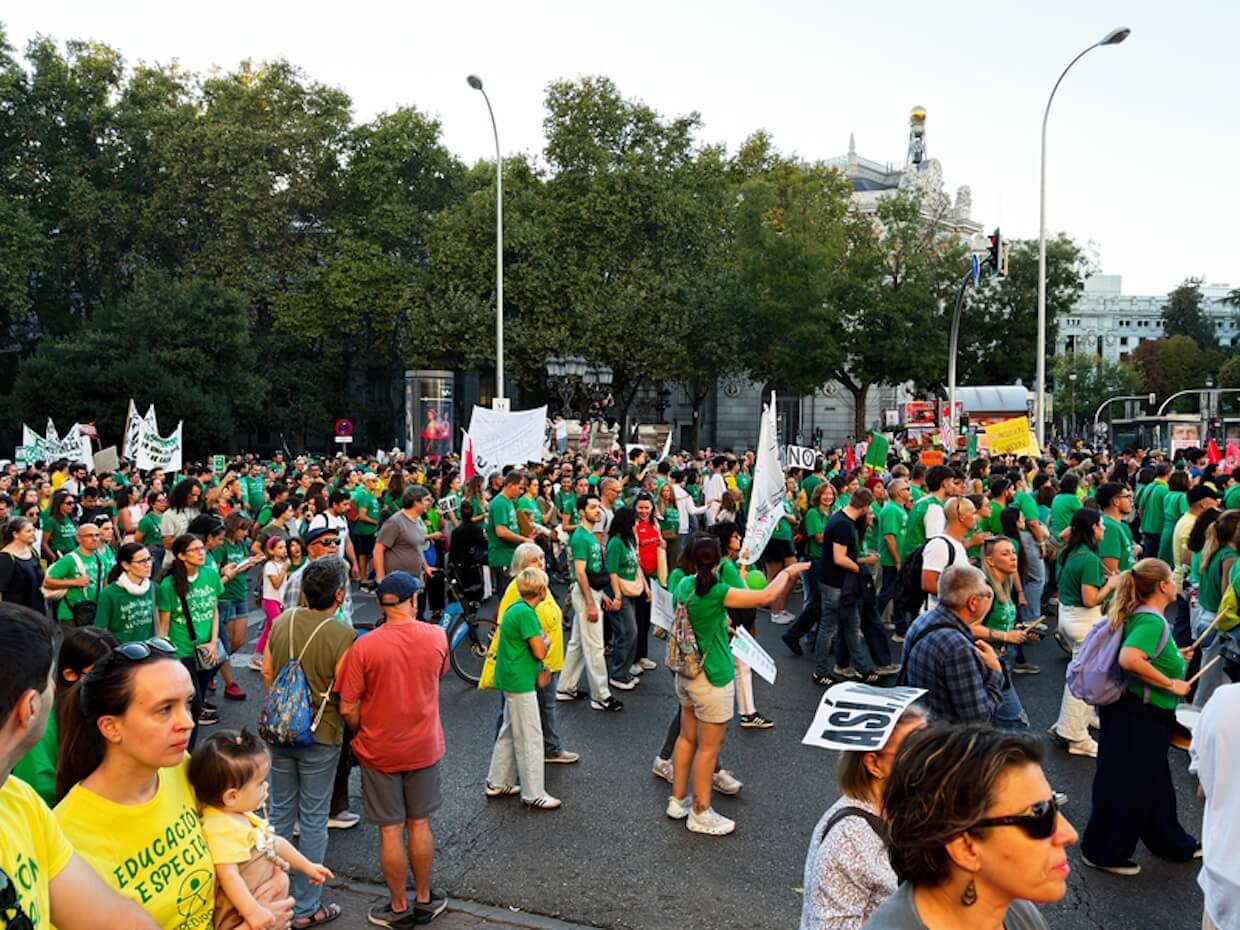
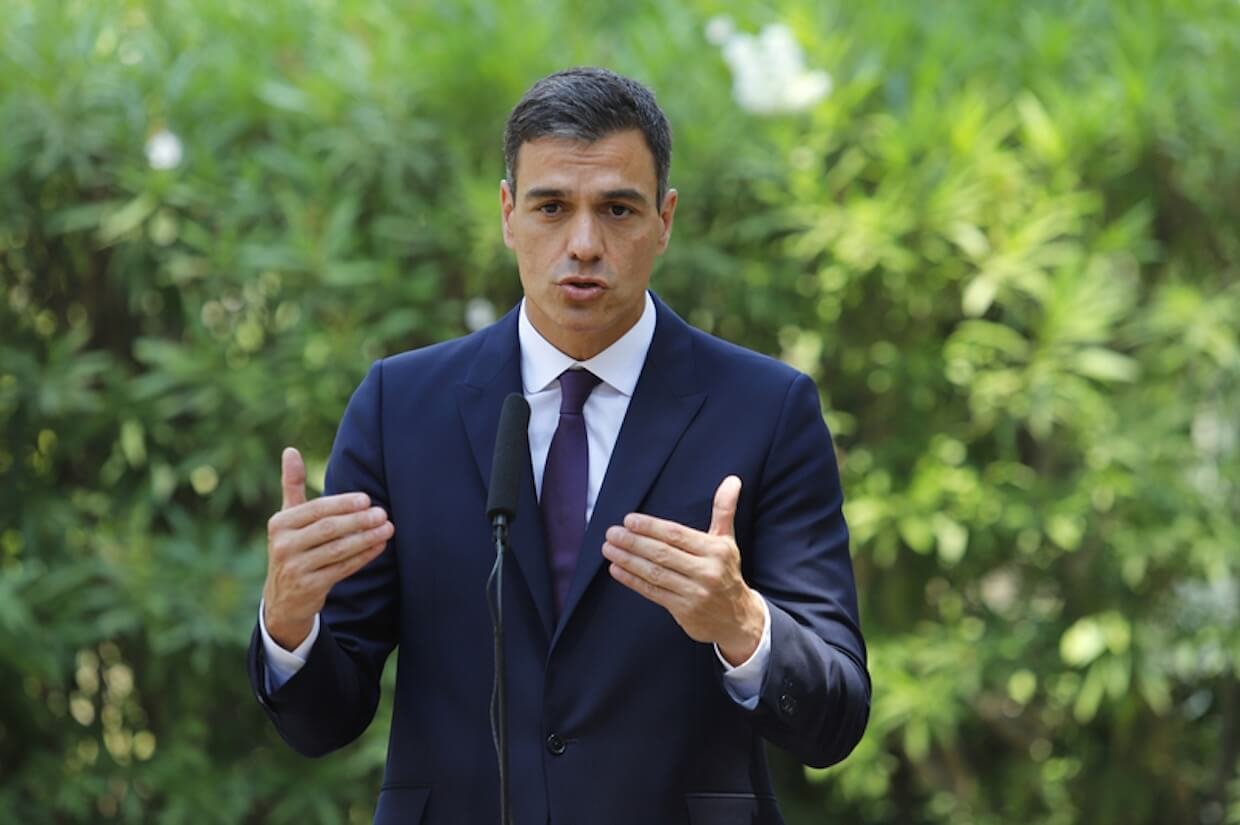
As Spain approaches Sunday’s (November 29, 2026) snap general election, its political landscape reflects mounting socioeconomic grievances, institutional distrust, and intensifying ideological polarization. Despite comparatively robust economic growth, Prime Minister Pedro Sánchez’s Socialist government faces widespread housing protests, controversies over railway safety, and questions of political accountability. Meanwhile, Alberto Núñez Feijóo’s conservative People’s Party (PP) faces growing competition from Vox, while Podemos and other left-wing formations challenge the governing left’s capacity to deliver meaningful social change. These developments raise fundamental questions about populist mobilization, the fragmentation of political representation, and Spain’s democratic resilience.
In an interview with the European Center for Populism Studies (ECPS), Associate Professor Hugo Marcos-Marné, a political scientist at the University of Salamanca whose research examines populism, electoral behavior, political polarization, and democratic institutions, offers a nuanced assessment of these dynamics. While electoral democracy retains considerable legitimacy, Assoc. Prof. Marcos-Marné warns that “the radical right, in particular, is eroding some of the pillars of liberal democracy.” He identifies the delegitimization of political opponents and criticism of accountability institutions, including the media and judiciary, as early warning signs of democratic erosion.
Situating contemporary electoral competition within longer-term structural transformations, Assoc. Prof. Marcos-Marné emphasizes Spain’s unresolved crisis of political representation. “We have yet to recover from that crisis of trust,” he observes, linking persistent political distrust to party-system fragmentation and the emergence of new cultural cleavages.
His analysis of the normalization of radical-right politics challenges conventional assumptions about media visibility. Drawing on comparative research on Vox and Portugal’s Chega, he argues that “the issues most important to the radical right were already present in the media before these parties’ electoral breakthroughs.” Normalization, therefore, “concerns the issues rather than the political actors themselves.”
Assoc. Prof. Marcos-Marné also highlights Vox’s ideological evolution toward increasingly explicit nativism and anti-immigration rhetoric. Its electoral appeal extends to authoritarian nostalgia: While Francoism is not central to its campaigns, Vox uses “dog whistles—specific discussions and references to the past that resonate differently with people who harbor authoritarian nostalgia.”
Economic insecurity likewise provides opportunities for radical-right mobilization. Discussing Spain’s housing crisis, Assoc. Prof. Marcos-Marné underscores the ideological flexibility of radical-right parties, which “benefit from both rising and declining housing prices,” capitalizing on housing unaffordability and grievances in left-behind communities.
Regarding potential post-election alliances, he distinguishes coalition formation from governability. Given Vox’s strongly anti-elitist discourse, he cautions that “coexistence between the two parties will not be particularly easy if they form a government together.”
Professor Marcos-Marné’s assessment invites the wider public, scholars, and policymakers to look beyond electoral competition and formal democratic procedures and pay particular attention to the normalization of exclusionary narratives, growing affective polarization, the delegitimization of political opponents, and the erosion of institutional checks and balances as early warning signs of democratic vulnerability.
Here is our interview with Associate Professor Hugo Marcos-Marné, edited lightly to enhance clarity, readability, and overall flow for publication.
New Cultural Cleavages Are Reshaping Spain’s Political Competition
Professor Marcos-Marné, thank you for joining us. As Spain approaches Sunday’s snap election, how do you interpret the evolving structure of political competition amid socioeconomic discontent, declining institutional trust, and growing ideological polarization? Drawing on your research into populist attitudes and party-system transformation, does the fragmentation of the traditional PSOE–PP duopoly signal a crisis of democratic representation, the consolidation of multidimensional political competition, or a more fundamental realignment of Spain’s electoral cleavages?
Assoc. Prof. Hugo Marcos-Marné: As is often the case in the social sciences, there is a combination of elements and different trends running in parallel. The key message of what we are witnessing at the moment is probably that the economic situation does not directly translate into electoral support in a predetermined manner. Rather, it depends on personal experiences, perceptions of what is happening in society as a whole, and preexisting ideologies and values. Therefore, the economic situation, which is generally positive at the macroeconomic level, is not necessarily perceived as such by everyone living in the country, thereby partly explaining economic voting against the incumbent government.
There is certainly also an ongoing crisis of political representation, which can easily be seen in overall levels of political trust. One of the most obvious consequences of the financial crisis that began in Europe in 2008-2010 and unfolded in Spain after 2011 has been increasing political distrust, especially toward political parties. We have yet to recover from that crisis of trust, and we are still seeing rather low levels of political trust, particularly toward political parties.
There is also the third element you mentioned: the emergence of new cleavages in electoral competition, related primarily to the so-called cultural dimension, with a green-alternative-libertarian pole on one side and a traditional-authoritarian-nationalist pole on the other. In line with cleavage theory, this is often reflected in the formation of new political parties because traditional political parties are sometimes unwilling, but mostly unable, to incorporate this new axis of competition into their existing platforms.
Persistent Political Distrust Is Reshaping Spain’s Party System
Despite relatively strong economic performance, Pedro Sánchez’s PSOE faces mounting dissatisfaction, while Alberto Núñez Feijóo’s PP confronts competition from Vox. What explains the simultaneous difficulties of mainstream left- and right-wing parties in retaining political trust?
Assoc. Prof. Hugo Marcos-Marné: Unlike in other European countries, the traditional parties of the mainstream left and right still retain a large proportion of the vote. Together, they can theoretically account for around 60% of the vote, which constitutes a clear majority. However, they have experienced a relative decline. In the 1990s and the early years of the 21st century, these two parties accounted for a much larger percentage of the vote.
Political distrust is certainly connected to this decline, especially if we go back to the early fragmentation of the Spanish party system around 2015. Political distrust and populist attitudes were, to a large extent, behind voting for new parties. However, as mentioned in my previous response, there is also the emergence of a new axis of competition. Thus, we have political distrust—not necessarily increasing distrust at the moment, but persistently low levels of political trust—combined with a new axis of electoral competition.
The Popular Party seems to be struggling the most at the moment to consolidate the right-wing vote. On the left side of the ideological spectrum, Pedro Sánchez’s Socialist Party appears likely to secure a clear majority of left-wing votes in this election at the expense of both radical left parties, Frente Amplio and Podemos.
The Radical Right Can Capitalize on Both Rising and Declining Housing Prices
Mass housing protests have exposed a striking disconnect between macroeconomic growth and everyday insecurity. Can housing grievances generate a new wave of left-wing populist mobilization, or are they equally susceptible to Vox’s nationalist framing of economic scarcity?
Assoc. Prof. Hugo Marcos-Marné: Housing has been the issue most frequently identified by Spanish respondents in recent months, which was not the case in the past. People increasingly perceive buying or affording a house as the main issue they face today. This situation is clearly new. However, not everybody agrees on what can be done about it, and this has consequences for electoral support. Some people think that liberalizing the sector might be useful, while others believe that social housing or subsidies can be part of the solution. We know that this issue is now politicized and will be central to the elections, just as it has been to the electoral campaign.
There is, however, room for different parties to benefit from this. Radical left parties generally advocate more decisive state intervention in the economy, but polls tell us that these parties are not going to be the main winners of the elections. The Socialist Party is also campaigning more actively for intervention in this sector of the economy. Although this does not represent a major departure from its previous positions, the party has embraced intervention more decisively since September. It had previously maintained a more moderate position in this regard but changed its strategy partly in response to the snap elections.
Then we have the mainstream right, which tends to favor facilitating people’s ability to buy a house. This is a different strategy, involving state intervention but focusing more on mortgages. The radical right, meanwhile, is incredibly flexible on this issue.
From a comparative perspective, we have radical right parties that benefit from both rising and declining housing prices, which is particularly interesting because they seem able to capitalize on both situations. On the one hand, the argument is: “You can no longer afford a house; therefore, you should vote for us because we defend the people.” On the other hand, when prices decline, the argument is: “You are living in a left-behind place, and the elites no longer care about the situation in your neighborhood or village.” Radical right parties seem equally able to capitalize on this situation.
So far, given its strong neoliberal platform, Vox has not advocated state intervention in the economy. The party acknowledges the existence of the housing crisis but, particularly in recent months, has been exploiting the alleged competition between natives and migrants over access to housing in Spain.
Railway Accidents Have Deepened Distrust Without Significantly Altering Voting Intentions
The deadly railway accidents and controversies surrounding infrastructure management have intensified scrutiny of the Sánchez government. How might such failures of public administration translate into anti-establishment sentiment, political distrust, and electoral support for challenger parties?
Assoc. Prof. Hugo Marcos-Marné: There are two different things here. When it comes to political trust and perceptions of efficient infrastructure management, these accidents certainly contribute to greater distrust and reinforce the perception that something is going wrong with infrastructure maintenance and investment. However, the polls do not indicate that this translates into greater electoral support for challenger parties. Many analysts, including myself, expected to see a more pronounced effect of these accidents on voting intentions, but the polls showed little or no such effect.
There is, of course, the counterfactual argument that the PSOE might have gained more votes in the early stages of the campaign had these accidents not occurred. Nevertheless, what we see is that there has been no significant shift in voting intentions, which was unexpected, at least from my perspective.
Vox Has Reinforced Its Nativist and Nationalist Discourse
In your study “Populism and New Radical-Right Parties: The Case of VOX,” you find nationalist and traditionalist elements more central than populism itself. Does Vox’s contemporary appeal still confirm this distinction, or has its anti-elite discourse become more politically consequential?
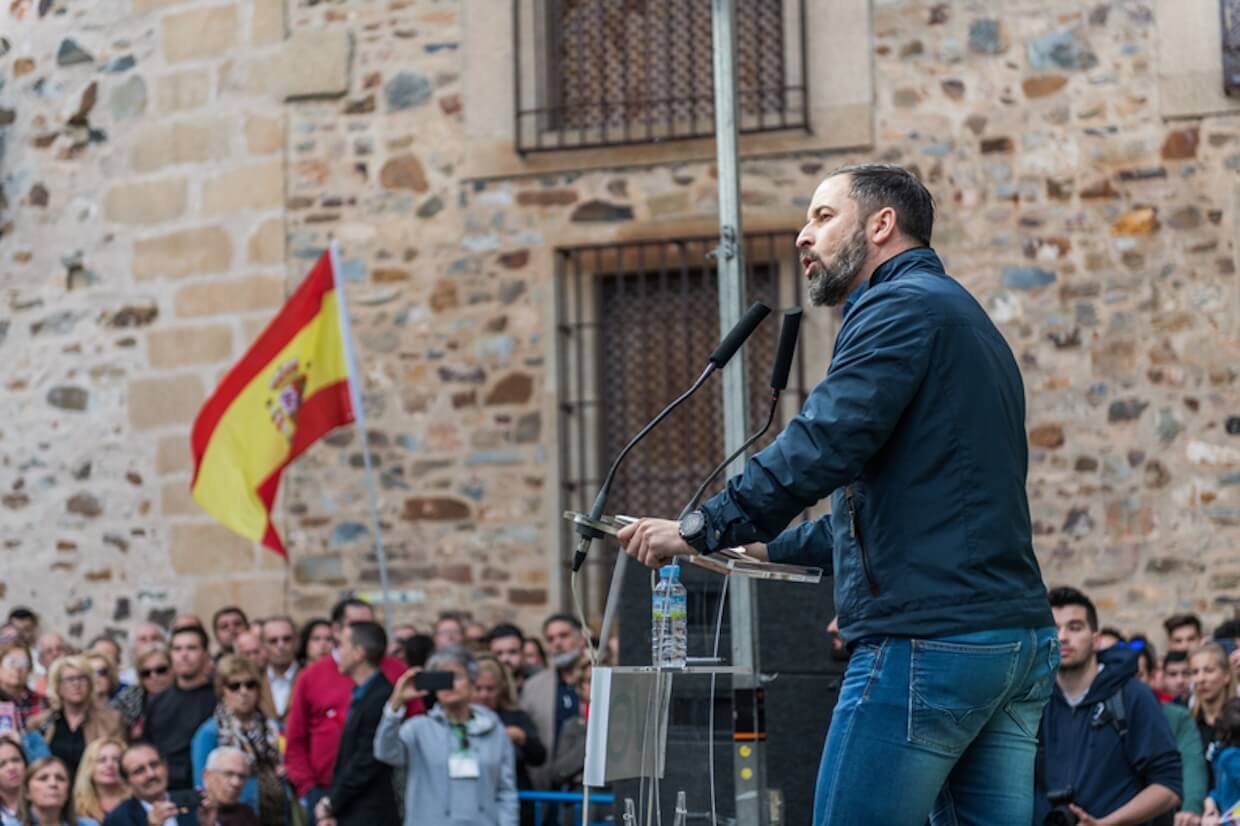
Assoc. Prof. Hugo Marcos-Marné: If anything, Vox has reinforced the nationalist component of its discourse, particularly its anti-immigration dimension. In its early stages, Vox was, comparatively speaking, less anti-immigrant than other radical right parties in Europe, primarily because its enemy was an internal one. The party emerged in the heat of the Catalan crisis, and its nationalist discourse was directed primarily against peripheral nationalisms and the parties, mostly on the left, that supported them. Vox has since moved away from this focus.
Over the past year or two, the party has more explicitly embraced an anti-immigrant discourse. This can be seen, for example, in its rhetoric concerning unaccompanied migrant minors living in Spain, as well as in its responses to border crossings in Ceuta and the arrival of cayucos in the Canary Islands. Vox is increasingly portraying immigrants as the enemy in its political discourse.
Regarding the last part of your question, Vox remains anti-elitist. The party has always been strongly opposed to certain political elites, particularly those in government, as well as certain cultural elites, including some media outlets and scientific institutions. This has not changed. While its anti-elitism remains strong, the party has further reinforced its nativist and nationalist discourse.
Radical-Right Parties Benefit from the Prior Normalization of Their Political Agenda
Your recent research on Vox and Portugal’s Chega challenges assumptions about media attention automatically normalizing radical-right parties. How have mainstream media coverage, parliamentary visibility, and the PP’s engagement with Vox shaped the boundaries of legitimate political discourse in Spain?
Assoc. Prof. Hugo Marcos-Marné: What we found in this article is that the media pay attention to the emergence of new radical right parties. However, at least in Spain, these parties received more or less the same amount of attention as any other new party. Thus, it seems that the newness of the party, rather than its radical right character, explained the media attention. The situation was somewhat different in Portugal, where greater attention was paid, particularly to Ventura, the party’s leader.
The interesting finding—and we think this is where we can see the role of the media in normalizing the radical right—is that the issues most important to the radical right were already present in the media before these parties’ electoral breakthroughs. We think that normalization occurs primarily when the issues central to the radical right become widespread and normalized in political debates and public discourse. Subsequently, these parties can successfully compete and make electoral gains.
Therefore, we argue that normalization does occur, but it concerns the issues rather than the political actors themselves, who certainly receive media coverage, though not disproportionately more than other new parties.
Vox Uses Dog Whistles to Appeal to Voters with Authoritarian Nostalgia
Your 2026 research links media narratives about authoritarianism to nostalgia and radical-right voting. How significant is the legacy of Francoism in Vox’s contemporary appeal, particularly amid disputes over historical memory, national identity, and democratic values?
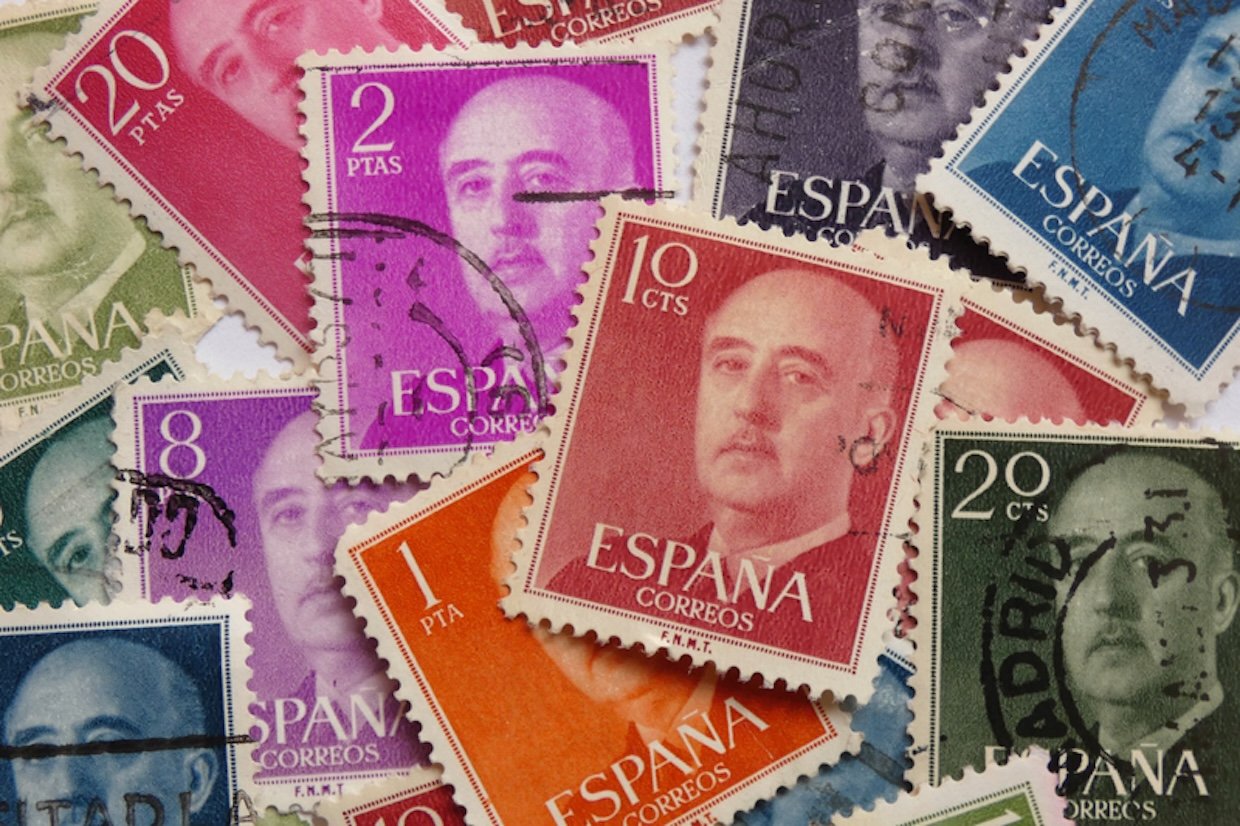
Assoc. Prof. Hugo Marcos-Marné: In Spain, around 20% of the population do not always consider democracy the best system, and 17–20%, depending on the survey, believe that Franco’s dictatorship had some positive aspects. This issue is present in both the electoral campaign and public opinion. Vox has been the most successful party in capitalizing on these feelings. The data show that these percentages are much higher among Vox voters than among voters of the Popular Party, let alone those of the Socialist Party or Podemos.
I would say this is not an issue on which Vox actively campaigns. Its members do not go to rallies or meetings saying that Franco’s dictatorship was great. However, they use dog whistles—specific discussions and references to the past that resonate differently with people who harbor authoritarian nostalgia—and benefit electorally from them. In general, electoral campaigns on the right do not primarily focus on this issue, but parties take advantage of it on certain occasions.
On the left side of the ideological spectrum, parties engage more actively with this issue from a different perspective. They criticize parties on the right, particularly the radical right, for their connections to the authoritarian past and, more specifically, for failing to openly condemn that past. Some Vox members have been more explicit in their positive assessments of Franco’s dictatorship, but this is generally not the central message of the party’s electoral campaigns.
Personal Rivalries Undermine Electoral Cooperation on Spain’s Radical Left
Your research demonstrates that populist attitudes can motivate support for ideologically different challenger parties. How do you interpret the rivalry between Irene Montero’s Podemos and Ada Colau’s Frente Amplio? Does left-wing fragmentation reflect ideological divergence, organizational competition, or the institutionalization of anti-establishment politics?
Assoc. Prof. Hugo Marcos-Marné: At the moment, this is more about organizational competition. Many of the topics covered in the early discussions, when they were deciding whether to run together in the elections, revealed a high degree of ideological affinity, and many of their public policy proposals were closely aligned. Yet they still decided not to compete together in the elections. My reading of the situation is that this has much more to do with personal rivalries and organizational competition.
I would not say that the main difference lies in populist discourse or ideological positioning, although Podemos adopts more radical left positions on certain issues. The main fracture between them stems from organizational competition: Who will be the main actor on the radical left in the future?
Broad Support for Palestine Limits Its Potential for Anti-Elite Mobilization
Sánchez’s support for Palestinian statehood has distinguished Spain internationally, yet Podemos and other left-wing actors demand stronger measures against Israel. Can Palestine mobilize a distinct anti-establishment constituency, or does it primarily deepen competition within Spain’s progressive electorate?
Assoc. Prof. Hugo Marcos-Marné: There is widespread support in Spanish public opinion for Palestine and Palestinian statehood, as well as for the interpretation that Israel is committing genocide in Palestine. Somewhere between 70% and 80% of the population agree with these claims. This means that, unlike in other countries, support for Palestine is confined neither to the radical left nor to the left in general. It is not entirely orthogonal to political ideology, as levels of support are somewhat lower on the right and radical right. However, support is generally quite high, and I don’t think this issue can be used for anti-elite mobilization because a large part of the elite is broadly supportive of Palestine.
When it comes to specific measures, there is political debate, and there will continue to be discussion, but the political mainstream is generally comfortable with this interpretation of the situation. Therefore, I don’t think this issue will play a significant role in mobilizing anti-mainstream discourse, particularly because the incumbent government is strongly supportive of Palestine.
Podemos is using this issue, which makes sense because it offers a potential way to distinguish itself from other political parties. However, I don’t see how this will mobilize a substantial percentage of voters. Vox is the party closest to Israel’s position, and neither the Socialist Party nor Frente Amplio or Podemos is competing with Vox for its electorate. They appeal to a different cluster of voters.
Vox’s Anti-Elitism Could Complicate Governance Rather Than Coalition Formation

In “Is Populism the Third Dimension?” you demonstrate that populism can shape political alliances beyond left–right and center–periphery divisions. How might these three dimensions influence post-election coalition negotiations, particularly relations between PP and Vox and the role of Catalan and Basque parties?
Assoc. Prof. Hugo Marcos-Marné: This is largely speculation, but if I had to guess, I would say that coalitions in this case will follow the traditional left–right axis of competition much more closely. Therefore, unless there is a major surprise, any government formed after the elections will receive support from ideologically closer allies. According to the polls, this will most likely involve the right and the radical right, either governing together or with one providing external support to the other. That, however, is a different discussion.
Regarding government formation, political alliances will be shaped primarily by positions on state intervention in the economy and the cultural dimension. However, given Vox’s strongly anti-elitist discourse, coexistence between the two parties will not be particularly easy if they form a government together. To be clear, I do not think this will affect government formation itself. Rather, its consequences will become apparent afterward, particularly in the ability of the two potential governing parties to coexist peacefully within the executive.
Growing Political Animosity Threatens Social Coexistence in Spain
Your research connects populist attitudes with lower generalized social trust and examines how politically homogeneous social-media networks reinforce anger. Are Spain’s increasingly polarized information environments transforming legitimate political grievances into entrenched hostility toward democratic opponents?
Assoc. Prof. Hugo Marcos-Marné: Recent research on this topic shows that affective polarization has increased in Spain and generally remains at high levels—not the highest in the world, but above average. Much of this seems to be explained by competition between political parties. The way political leaders and parties speak both to and about each other in the media appears to have a considerable effect, contributing to higher levels of affective polarization. Some of these interactions also take place on social media, which constitutes another dimension of affective polarization.
There are two components to affective polarization: affinity toward the in-group and animosity toward the out-group. Recent research by Mariano Torcal shows that affinity toward the in-group is stronger in Spain than animosity toward the out-group. Nevertheless, animosity toward the out-group has increased, which can create problems for social coexistence and everyday interactions.
The only nuance at the moment is that affective polarization is stronger toward political party leaders and parties themselves, while polarization toward their voters appears to be somewhat lower. Thus, the situation is not as bad as it might appear, even though it is certainly bad news for social coexistence.
Attacks on Institutions of Accountability Signal the Erosion of Liberal Democracy
Professor Marcos-Marné, as we come to our final question, I would like to turn to the broader implications for Spanish democracy. In “Tracing Illiberal Talk,” you and Lisa Zanotti argue that democratic erosion can begin rhetorically, long before institutional changes occur. What early warning signs of democratic backsliding should scholars watch for in Spain, and how might a future government involving Vox affect judicial independence, minority rights, media pluralism, and democratic accountability?
Assoc. Prof. Hugo Marcos-Marné: Different researchers have shown that people have different understandings of democracy and have different dimensions in mind when responding to questions about their support for democracy. The general consensus is that free elections are the most valued element. In Spain, we do not see successful political parties questioning this dimension of democracy or the principle that rulers should be elected in free and fair elections.
However, we have empirical evidence showing that the radical right, in particular, is eroding some of the pillars of liberal democracy. This occurs primarily through the delegitimization of political opponents and criticism of key institutions that ensure democratic accountability and maintain checks and balances, including, at times, the media and the judiciary. Based on our data, I would say that these are the dimensions to which people should pay particular attention as early warning signs of democratic erosion.
(*) This interview was academically curated and edited by Dr. Bulent Kenes.