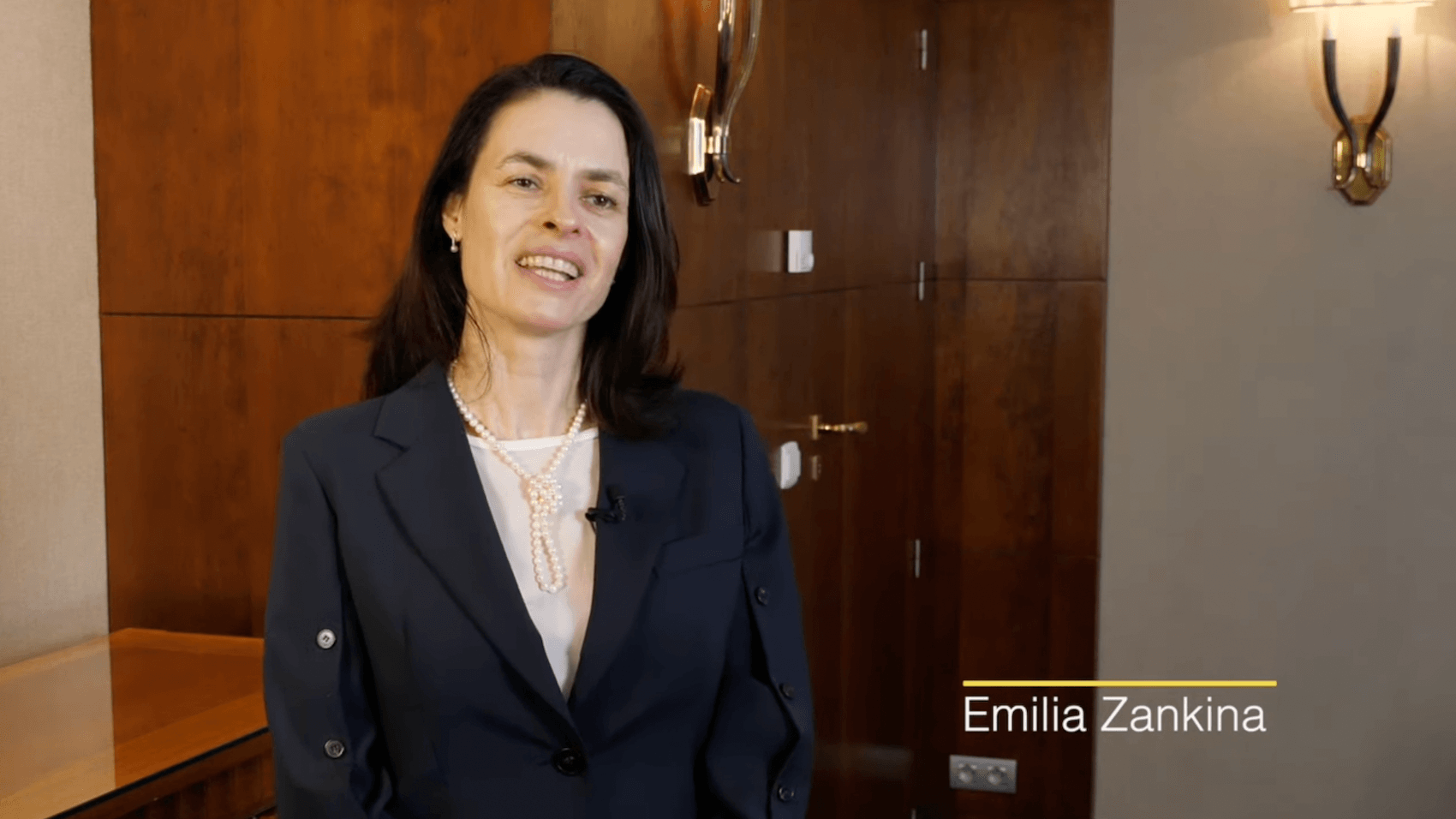
Zankina, Emilia. (2023). “Pro-Russia or anti-Russia: Political dilemmas and dynamics in Bulgaria in the context of the war in Ukraine.” In: The Impacts of the Russian Invasion of Ukraine on Right-wing Populism in Europe. (eds). Gilles Ivaldi and Emilia Zankina. European Center for Populism Studies (ECPS). March 8, 2023. Brussels. https://doi.org/10.55271/rp0012
The war in Ukraine has had a serious impact on Bulgaria, both politically and economically. Bulgaria shares historically strong ties with Russia, and at least a third, if not half, of Bulgarians harbour deeply rooted pro-Russian sentiments. Although Sofia eventually supported sanctions against Moscow, sent humanitarian and military aid to Kyiv, and accepted Ukrainian refugees, key political actors in Bulgaria have vehemently opposed such decisions. Particular opposition has come from the Bulgarian Socialist Party (BSP), the successor to the communist party, Bulgaria’s incumbent president, and at least one populist Radical Right party—Vazrazhdane or Revival—whose support has grown significantly since the start of the war. In the process, Revival and its leaders have managed to capitalize on the nationalist vote and pro-Russian attitudes in the country, almost entirely wiping out voter support for the more established Far Right parties.
Keywords:populism; Radical Right; Russia–Ukraine war; Bulgarian politics; pro-Russian attitudes; Revival…
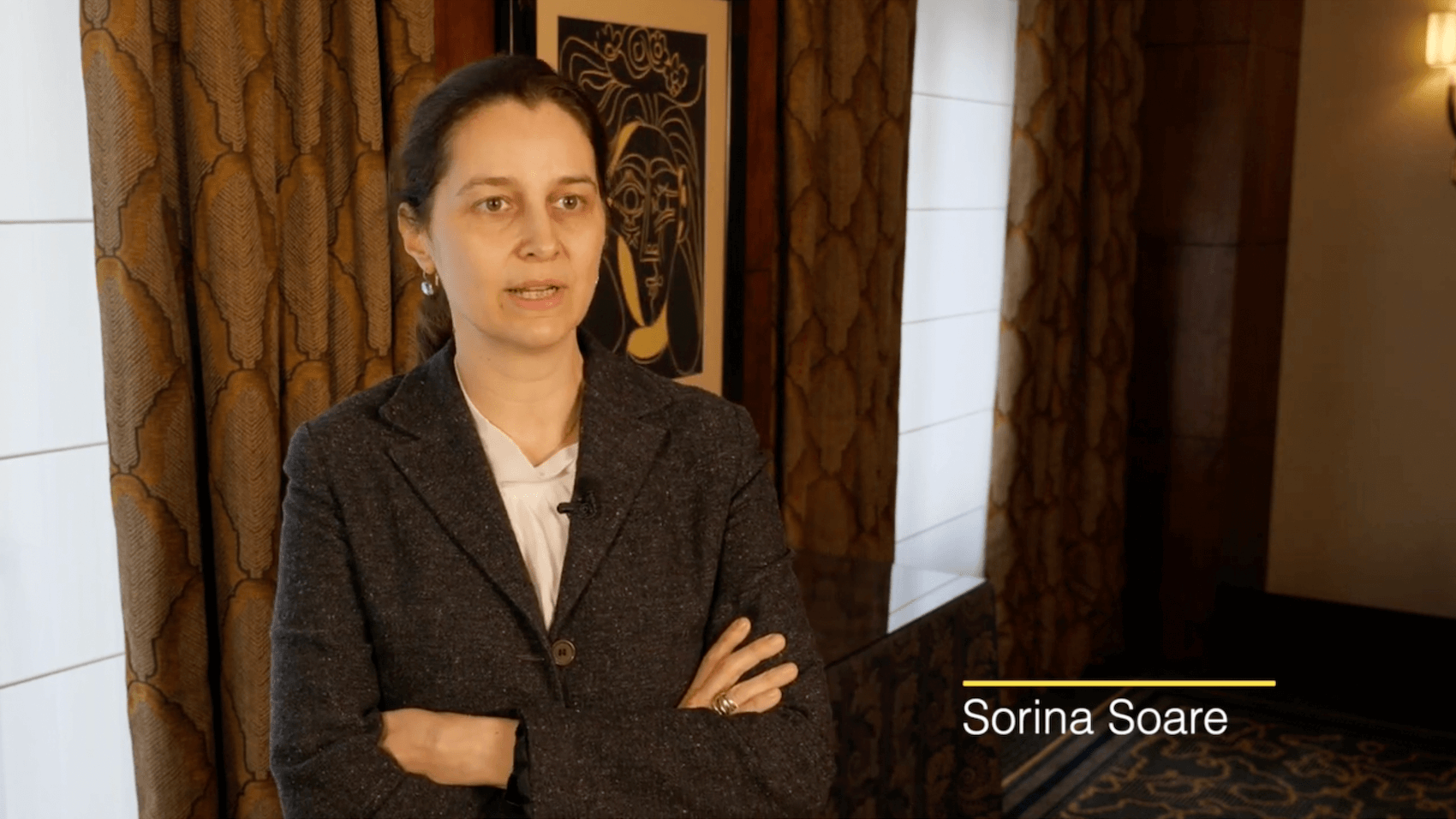
Soare, Sorina. (2023). “Romanian populism and transnational political mobilization.” In: The Impacts of the Russian Invasion of Ukraine on Right-wing Populism in Europe. (eds). Gilles Ivaldi and Emilia Zankina. European Center for Populism Studies (ECPS). March 8, 2023. Brussels. https://doi.org/10.55271/rp0027
Once considered a partial exception to the recent diffusion of populism worldwide, Romania saw Radical Right populism return to Parliament in 2020. The Alliance for the Union of Romanians (AUR) successfully campaigned on a platform of defending the Christian faith, freedom, the traditional family, and the nation. Although the party was initially considered the result of individual entrepreneurship linked to its founding leaders, it has successfully built on diffused networks of societal activism whose origins could be traced back to the early 2000s. However, the AUR’s track record of discourse aligned with Kremlin rhetoric calling for Western economic, political and cultural hegemony to be resisted and rolled back saw a temporary decline in voters’ support for the party. However, the party managed to rebuild consensus strategically by drawing on voters’ increased anxiety regarding the economic effects of the war. This report offers a cogent analysis of the political performance of the AUR, examining the party’s formative phase as well as its evolution since 2020, alongside a discussion of the impact of the war in Ukraine on Romanian party politics.
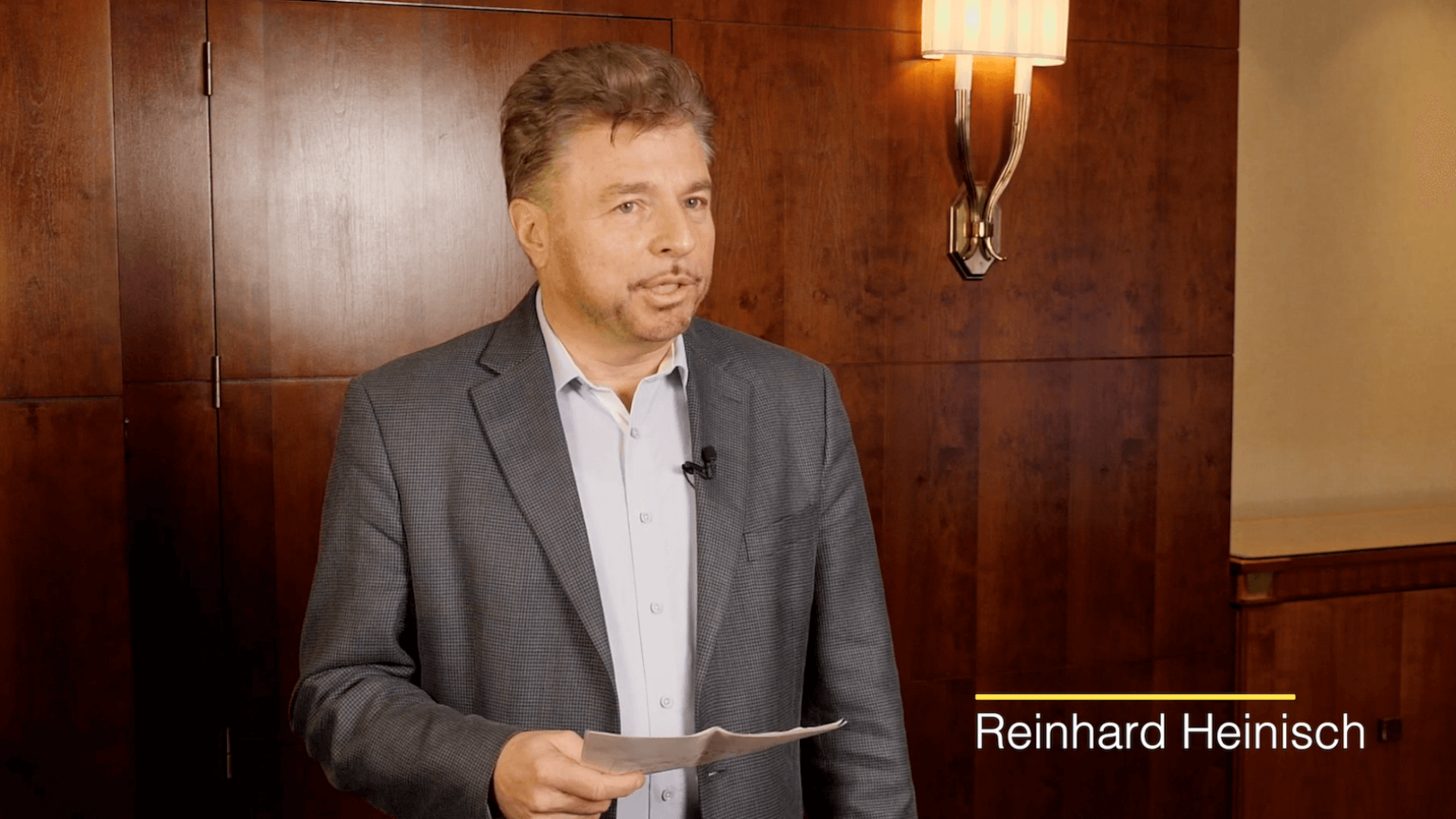
Heinisch, Reinhard & Hofmann, Diana. (2023). “The Case of the Austrian Radical Right and Russia During the War in Ukraine.” In: The Impacts of the Russian Invasion of Ukraine on Right-wing Populism in Europe. (eds). Gilles Ivaldi and Emilia Zankina. European Center for Populism Studies (ECPS). March 8, 2023. Brussels. https://doi.org/10.55271/rp001311
The right-wing, populist Austrian Freedom Party (FPÖ) has viewed Putin’s Russia as an effective constraint on what the Radical Right regards as a liberal cultural and economic agenda pursued by the European Union and the United States. The FPÖ remained a supporter of Kremlin policies, even after Moscow’s annexation of Crimea in 2014, and even signed a cooperation agreement with Putin’s United Russia party in 2016. Following Russia’s invasion of Ukraine, the FPÖ has been careful not to be seen defending Moscow’s aggression. Instead, it has resorted to populist framing that casts the Austrian people as victims of national and Western political elites. Concretely, the party leadership claims that the country’s policies toward Russia are counterproductive and have been decided without the consent of the people. This approach is an extension of the FPÖ’s traditional Euroscepticism and anti-establishment positioning. It also appeals to Austrians’ longstanding preference for neutrality. According to polling data, the FPÖ is well positioned to outperform all other parties in the current issue environment.
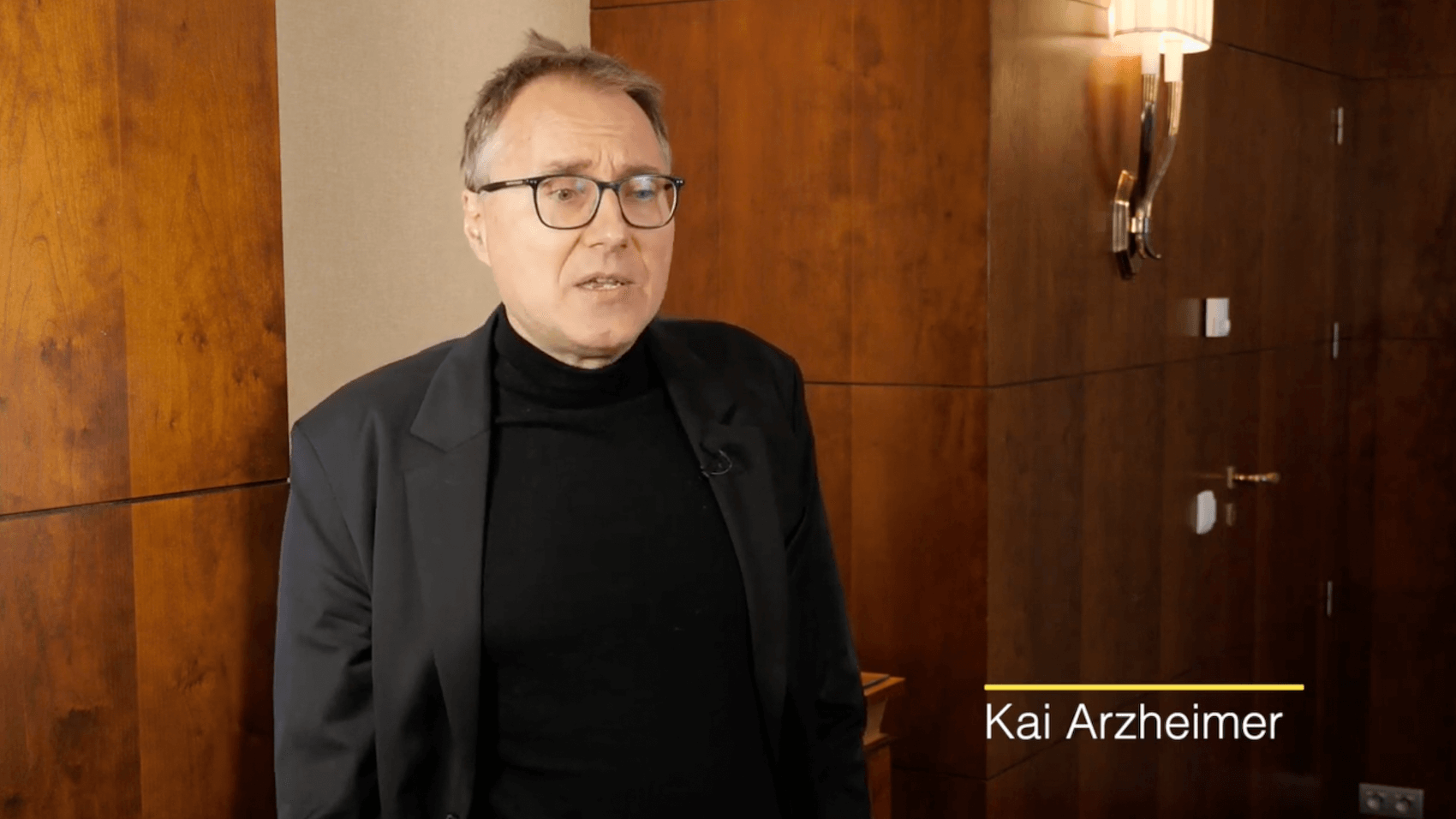
Arzheimer, Kai. (2023). “To Russia with love? German populist actors’ positions vis-a-vis the Kremlin.” In: The Impacts of the Russian Invasion of Ukraine on Right-wing Populismin Europe. (eds). Gilles Ivaldi and Emilia Zankina. European Center for Populism Studies (ECPS). March 8, 2023. Brussels. https://doi.org/10.55271/rp0020
Russia’s attack on Ukraine and its many international and national repercussions have helped to revive the fortunes of Germany’s main radical right-wing populist party, the “Alternative for Germany” (AfD). Worries about the threats posed to Germany’s traditional export-led industries by spiking energy prices, the country’s historical anxieties over becoming involved in armed conflict in Europe, and hundreds of thousands of refugees arriving in Germany seem to have contributed to a modest rise in the AfD’s poll numbers after a long period of stagnation. However, the situation is more complicated for the AfD than it would appear at first glance. While many party leaders and the rank-and-file have long held sympathies for Putin (and for Russia more generally), support for Ukraine among the German public remains strong, even if there is some disagreement about the appropriate means and the acceptable costs. At least some AfD voters are appalled by the levels of Russian violence against civilians. Like on many other issues, there is also a gap in opinion between Germany’s formerly communist federal states in the east and the western part of the country. The AfD’s leadership has responded by blaming the government and unspecified external actors for the economic crisis, calling for a “diplomatic solution,” and demanding a “return to normal.” While this policy has helped to keep the AfD’s base mobilized, the stated approach is scarcely feasible and has not led to a surge in support for the party among the general population.
Keywords: Germany, Alternative for Germany (AfD), Pegida, energy security.
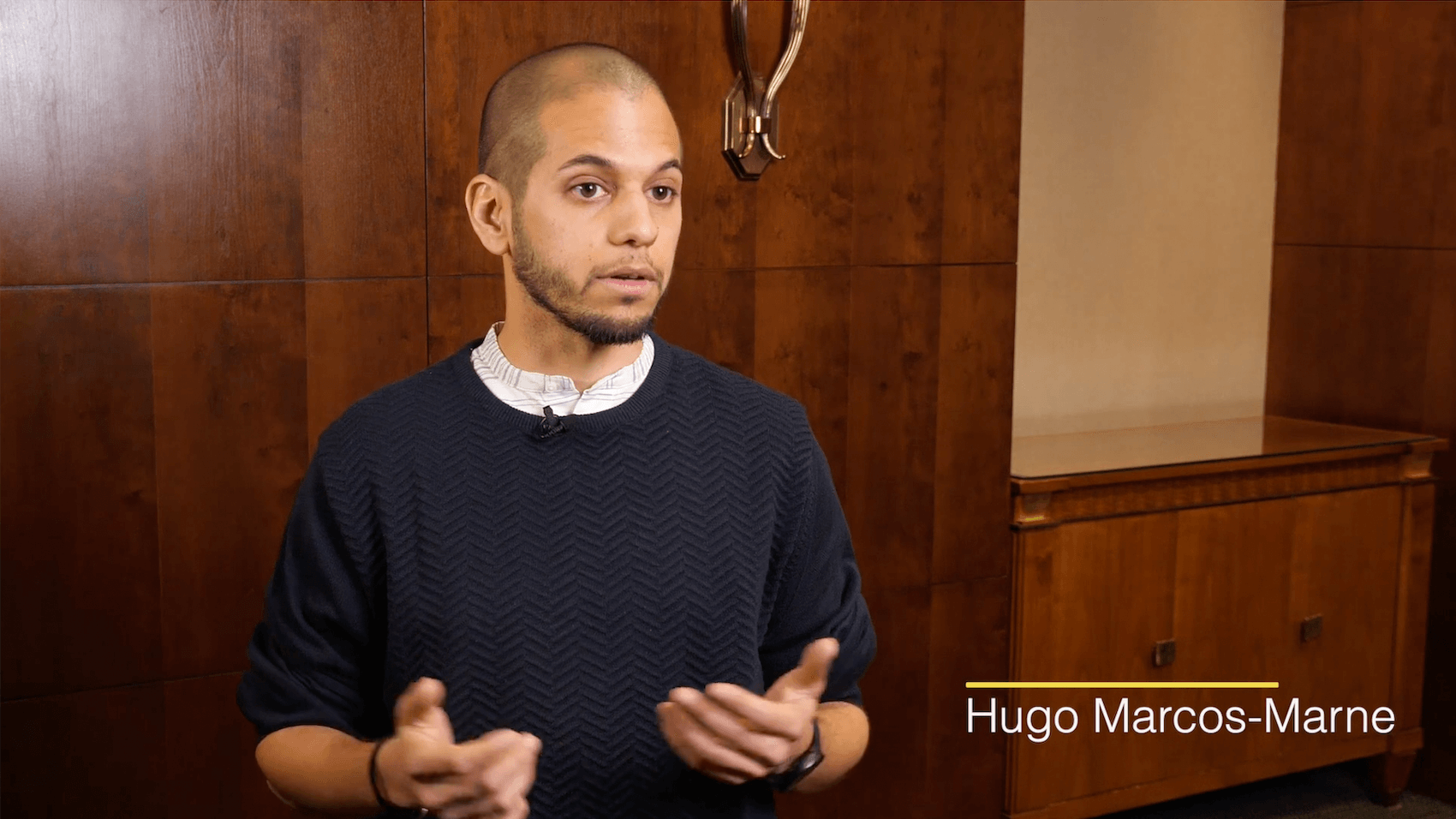
Marcos-Marne, Hugo. (2023). “The Spanish Radical Right under the shadow of the invasion of Ukraine.” In: The Impacts of the Russian Invasion of Ukraine on Right-wing Populism in Europe. (eds). Gilles Ivaldi and Emilia Zankina. European Center for Populism Studies (ECPS). March 8, 2023. Brussels. https://doi.org/10.55271/rp0030
Despite the geographical distance, the war in Ukraine has brought to the fore links between the Russian establishment and Radical Right forces in Spain. Both scholars and pundits have taken an interest in the question, which spread to party competition, quickly turning into a (discursive) race away from Putin as the consequences of war become more evident. Despite the war’s unquestioned relevance and previous links between Russia and the Radical Right in Spain (albeit less established than in other European countries), a systematic analysis of the effects of the invasion is missing. This report addresses this gap by focusing on the impact of the Ukraine invasion on party discourse and public opinion in Spain. It analyses records of proceedings from the Spanish Parliament, Twitter messages posted by the VOX party and its leader, and survey data gathered since February 2022 by the Spanish Center for Sociological Research (CIS). The main findings at the party level highlight the relatively weak associations between the Kremlin and The Radical Right in Spain (compared to other European countries), as well as efforts to separate from Putin after the invasion started. A more complex pattern of preferences is identified at the individual level.
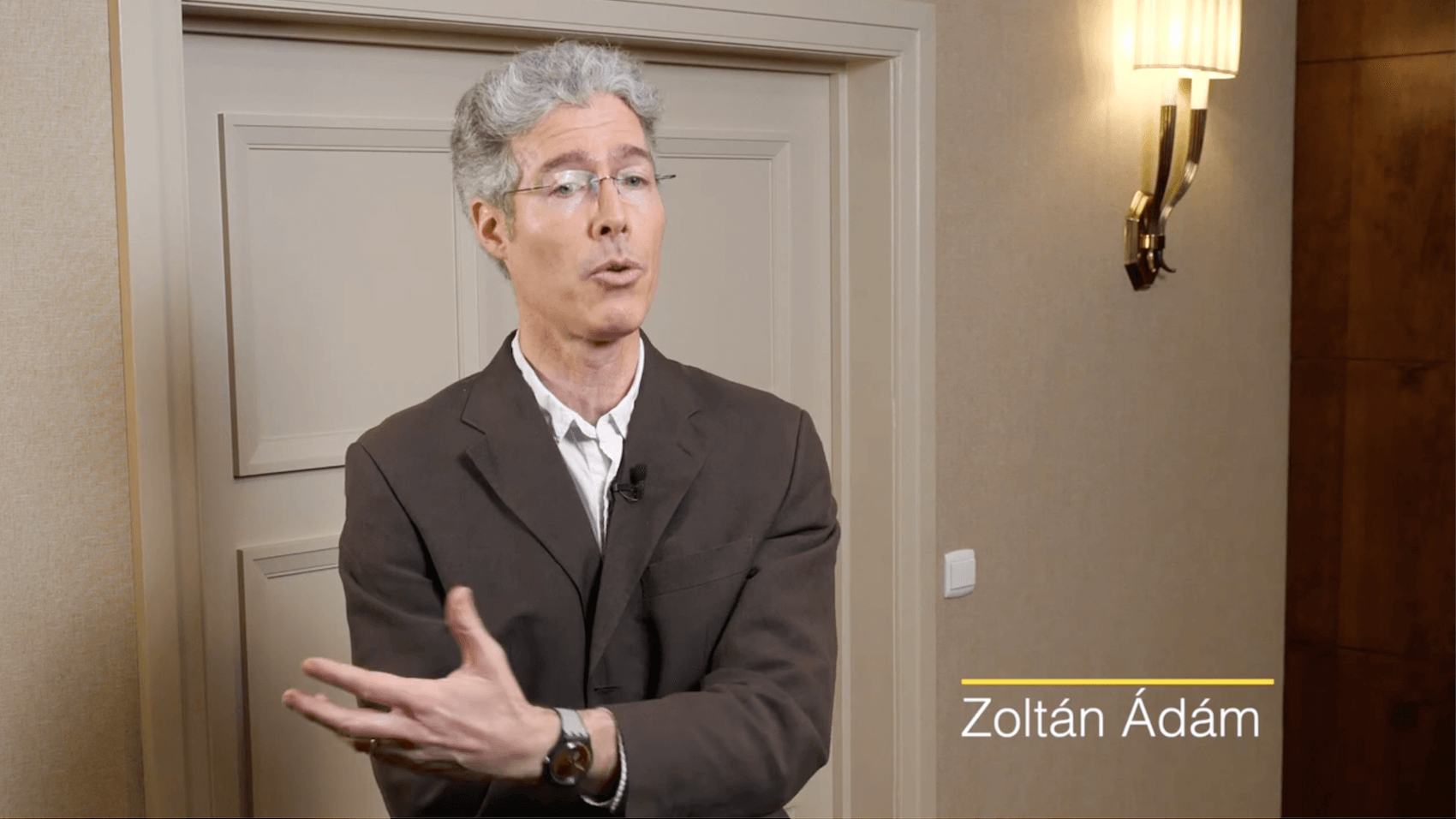
Ádám, Zoltán. (2023). “Politicizing war: Viktor Orbán’s right-wing authoritarian populist regime and the Russian invasion of Ukraine.” In: The Impacts of the Russian Invasion of Ukraine on Right-wing Populism in Europe. (eds). Gilles Ivaldi and Emilia Zankina. European Center for Populism Studies (ECPS). March 8, 2023. Brussels. https://doi.org/10.55271/rp0021
Soon after Viktor Orbán returned to power in 2010, Vladimir Putin’s Russia became a strategic ally for Hungary. This was a somewhat surprising development for a country with a history of mass movements for political freedom crushed with the assistance of Russian troops. Yet, unlike virtually all his European allies on the radical and populist Right, Orbán has supported Putin even during his campaign against Ukraine. As this has not been without political and economic costs for Hungary, the question emerges as to why Orbán has been so loyal to Putin. The report presents three complementary explanations: (1) the traditional animosity Hungarian governments have shown toward Kyiv in the past three decades; (2) blaming the European Union and the pro-Ukraine Western alliance for economic hardship in Hungary; (3) endorsing Putin’s totalitarian turn in Russia to suggest that a similar course of political developments in Hungary is not excluded either. Worryingly, considerable institutional measures in the latter direction in the form of states of danger, continuously implemented since March 2020, have already been taken.
Keywords: Hungary, Ukraine, Viktor Orbán, authoritarian populism, autocratization, macroeconomic conditions.
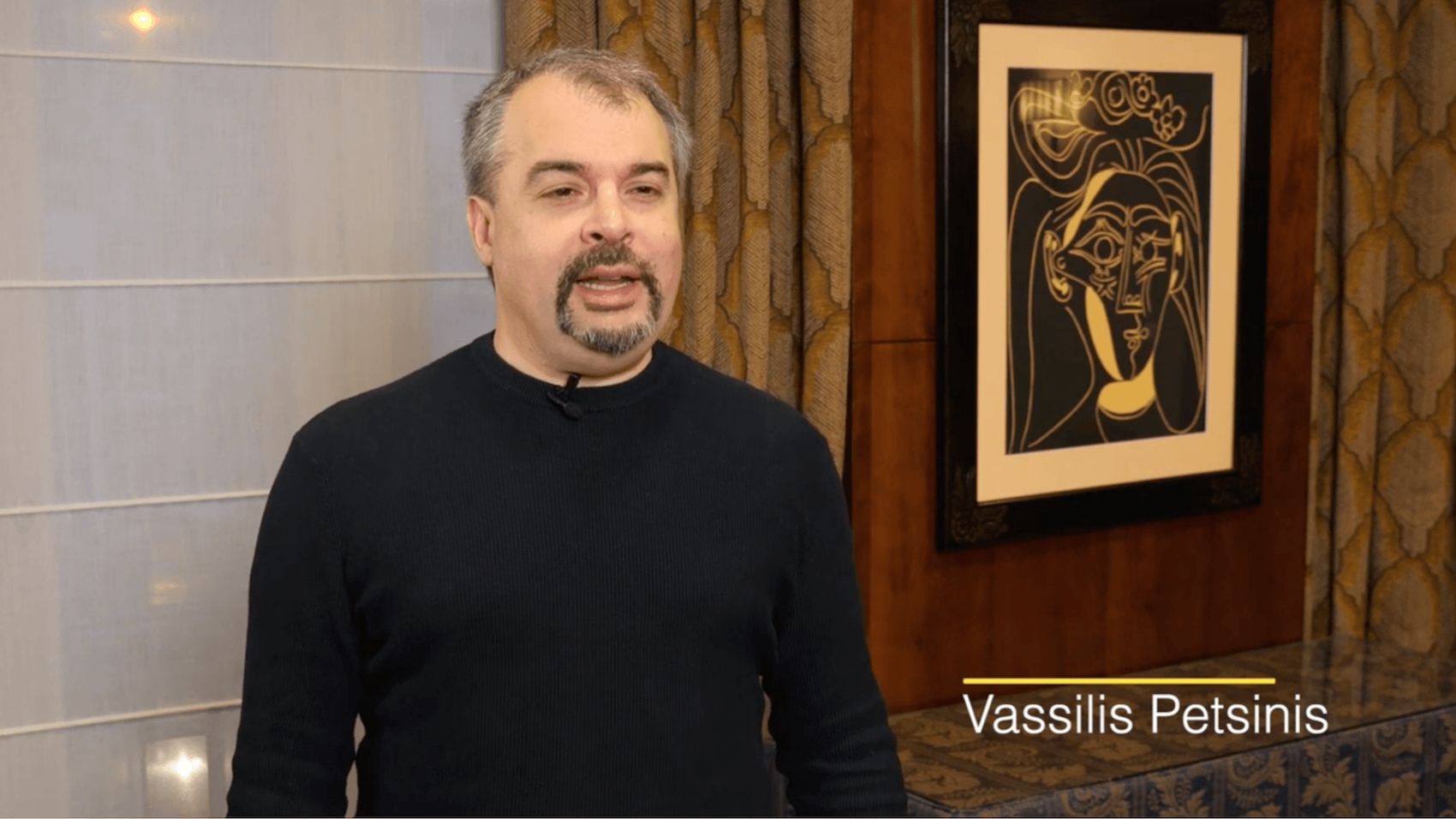
Petsinis, Vassilis. (2023). “The repercussions of the war in Ukraine on Croatia’s Far Right.” In: The Impacts of the Russian Invasion of Ukraine on Right-wing Populism in Europe. (eds). Gilles Ivaldi and Emilia Zankina. European Center for Populism Studies (ECPS). March 8, 2023. Brussels. https://doi.org/10.55271/rp0014
This report deals with the repercussions of the war in Ukraine on the national conservative parties, as well as the radical and extremist right, in Croatia. It focuses closely on these actors’ attempts to draw parallels between the conflict in Ukraine and Croatia’s war of independence in the 1990s, known as the “Homeland War” (Domovinski rat). It also seeks to place into context what, if anything, is so “specific” about the activism of this party family concerning the war in Ukraine – including any “dissident” stances in comparison to the political mainstream. This report covers the most established parties of the Croatian Far Right but focuses most closely on the national conservative Homeland Movement (Domovinski Pokret). This report clarifies how this party: 1) seeks to draw a linkage between the developments in Ukraine and the identity and memory politics of the Homeland War; and 2) utilizes this process in its endeavour to antagonize Croatia’s ruling party, the Croatian Democratic Union.
Keywords:National conservativism; Radical Right; Croatia; Ukraine; Yugoslav Wars; Russia–Ukraine war.
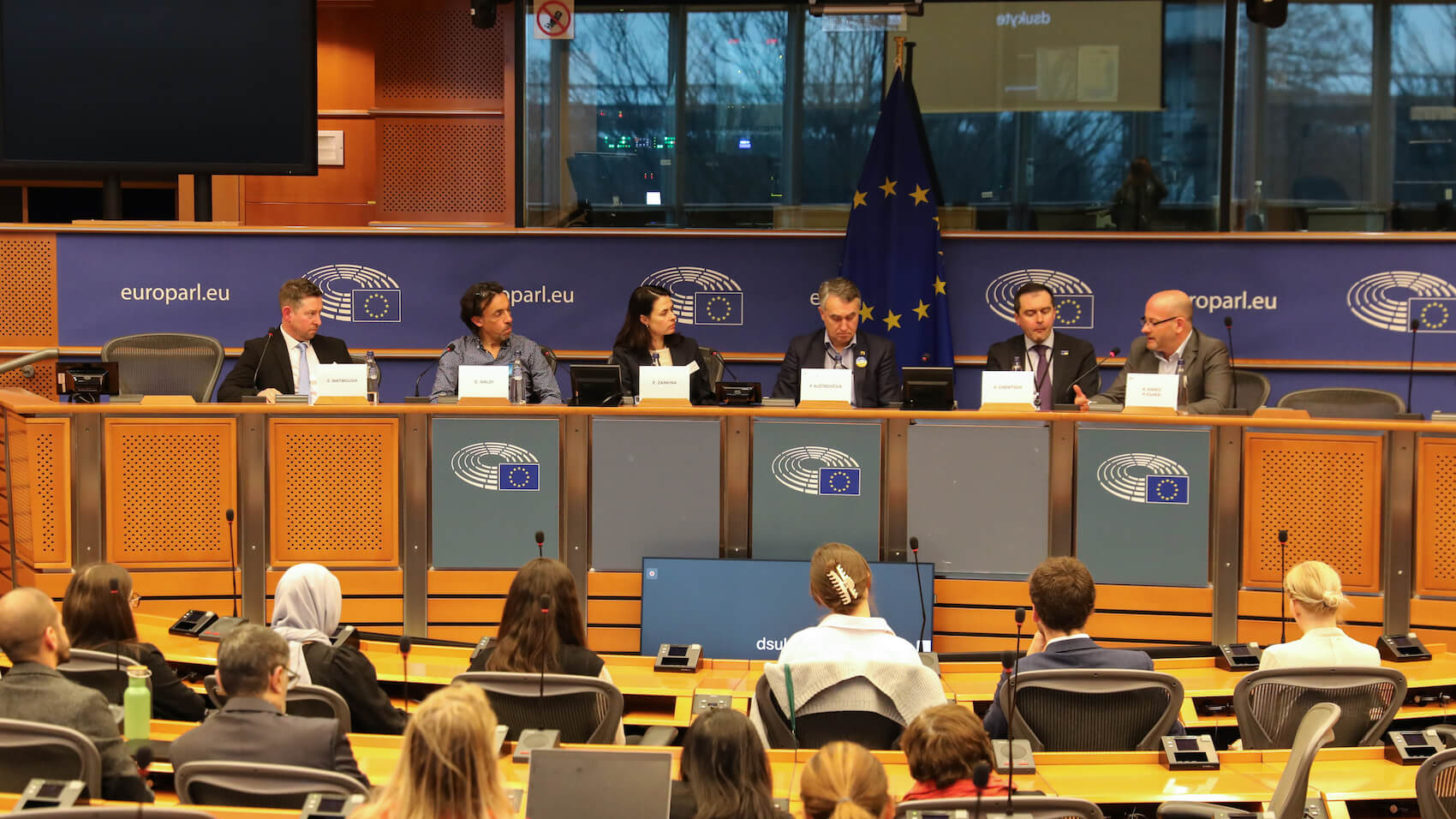
ECPS organised a symposium at the European Parliament in Brussels on March 8, 2023 to mark one year of Russia’s invasion of Ukraine. The symposium aimed to shed light on the challenges the war brought to the European political arena, particularly in the context of rising populism, and trigger a discussion on how to remedy these issues. To this end, ECPS prepared a report contributed by 30 scholars, reflecting the situation in 24 European countries. The conclusions of the report at the European level were presented at this symposium.
Historical game studies is a young, slowly expanding interdisciplinary field which must address the challenges of designing games about the Holocaust and conflict, as well as being a woman in the gaming industry. Only 30 percent of game designers are female which results in on-screen female characters which are underrepresented, have fewer lines, have stereotypical gender roles and are over-sexualised, while nearly half of the people who are playing video games are women and these women play games as well as men do.
By Anita Tusor*
In line with this year’s Women’s History Month theme, “Celebrating Women Who Tell Our Stories,” our first The Collective Memory Through Online Games (COMTOG) interview not only focused on youth radicalisation and its platforms, contemporary antisemitism, online hate and gaming, and historical memory of the Holocaust; but closely examined educational, roleplaying games with stories about women in WWII designed by an international team of women and non-binary writers led by Moyra Turkington.**
The 21st century has seen an impressive and considerable evolution in the capability and popularity of gaming. With the expansion of its market, quality, and audience, COMTOG aims to uncover analog- and video games’ potential to raise historical consciousness. Nonetheless, the depiction of historical events in certain games has recognizable flaws. A common thread of criticism lies in the representation of war – most notoriously, World War Two – and how most games glorify conflict while neglecting the victims’ perspective, especially first-person shooter games (Glouftsis, 2022). Alternatively, some games avoid the mention or existence of tragedies from historical conflict. In this way, these games appear to contribute to misshaping and misconstruing the collective memory of the period.
However, it must be noted that a growing number of games published in the last decade have broached the topic of war and conflict in a far more nuanced and considerate fashion. These projects tend to stem from smaller game-publishing houses, where the artistic and creative choices undertaken by the game developers are often well-researched, portraying the historical past and conflict in such a way that does not obscure the horrible realities of war while remaining instructive but considerate to the victims’ experience. Turkington and her team’s project, War Birds, provides an anthology of games about women in World War II and a fine example of how to approach Holocaust game designing issues.
Turkington’s latest publication (2021) addresses game-designing techniques to bypass serious issues in Holocaust-related historical role-playing games, such as the potential trivialisation of the Holocaust or players learning to blame the victims. Game design challenges are exemplified through the description of Rosenstrasse, a role-playing game in which players adopt the roles of Jewish and non-Jewish Germans in mixed marriages in Berlin between 1933 and 1943. In our conversation, Turkington mentioned Rosenstrasse as an explicitly transformational game specifically designed to be a deep emotional experience. Testplays and qualitative research study with eighteen subjects proved it to be a highly effective experience (AJS Perspectives, 2019).
Historical Game Studies and Women
Historical game studies is a young, slowly expanding interdisciplinary field which must address the challenges of designing games about the Holocaust and conflict, as well as being a woman in the gaming industry. Only 30 percent of game designers are female (Guardian, 2020), which results in on-screen female characters which are underrepresented, have fewer lines, have stereotypical gender roles and are over-sexualised, while nearly half of the people who are playing video games are women (Yee, 2017) and these women play games as well as men do (Shen et al., 2016).
Furthermore, there is an existing and serious concern about the toxicity of not only how and by whom games are developed but the player cultures as well, not to mention the marginalisation of whole groups of people (namely women, LGBTQA+, people of colour) (Wright, 2022: 177; Heron et al., 2014). Women often feel uncomfortable, maybe harassed or excluded from communal gaming spaces (Fishman, 2022). Gaming girls and women are more likely to hide their gender using voice-changing headsets than their male counterparts (Hetfeld, 2021). Abusive players face few consequences; female players are more prone to withdraw from playing certain games (Fox & Tang, 2016).
The gaming industry’s refusal and slow progress in addressing misogyny and extremism (Compton, 2019) have resulted in a dire report by the leading anti-hate organisation; ADL (2022). The latest survey shows gender was the most frequently cited reason for identity-based abuse. “In broader national movements, it is typically antisemitism that lies at the root of white supremacy movements; in games, it is misogyny” (ADL, 2022: 9). The concept of “geek masculinity and networked misogyny” (EGRN, 2021) shows similarities with populism as it is “being entrenched in heteronormative and patriarchal ideas of gender and sexuality, and is threatened by the presence of those deemed to be ‘others’” (Peckford, 2020: 67). Pöhlmann (2021) coins the term ‘ludic populism’ while investigating video games that undermine their own populist aesthetic and argues that video games can both reinforce and challenge the idea of a unified group of “the people” by using populist imagination, often through implicit or explicit essentialist means.
Live-action role-playing games (LARPs) may also utilise populist imagination, as well as perpetuate and foster misogyny and antifeminist hate speech narratives. Karner (2019) and others (Moriarity, 2019, PuzzleNation, 2018) stress that inclusiveness and acceptance of female players are gradually moving in the right direction. However, it is only possible if change begins at the game development level. Games made by women include creative, political minds who “can help break the tide of prejudicial game design and writing” as well as may enable “roleplaying to become the next stage of feminist storytelling” (Cross, 2012: 84).
(*) Anita Tusor is a recent graduate of the Double Master’s Program of King’s College London and Renmin University of China in Asian and European Affairs. She also holds a M.A. in Applied Linguistics and a B.A. in Hungarian and Chinese Studies. Previously, she has worked with different think tanks and is currently working as a Research Assistant at the ECPS and the International Institute of Prague. Anita’s research interests include the processes of democratisation and de-democratisation, populist constitutionalism, political parties and their systems, and foreign malign influence operations.
(*) Moyra Turkington is an award-winning Canadian larpwright, game designer and theorist with a background in Cultural Studies and Theatre. She is also the founder of the indie studio Unruly Designs and the leader of the War Birds Collective — an international community designing political games about women fighting on the front lines of history. Turkington is interested in immersive, transformative and political games, particularly in creating a multiplicity of media, design, representation and play.
ECPS’ Never Again initiative and COMTOG project
Our collective history offers stories of war, resistance, intolerance, and perseverance. ECPS’ Never Again initiative prompts us to look back at these memories of conflict and democratic backsliding so that we, citizens, can be better informed of their causes and realities. A wealth of research has highlighted how mainstream media, i.e., TV, film, radio & news, have shaped the collective memory of these conflict narratives. However, as media technology evolves rapidly, the research studying collective memory must evolve with it.
The Collective Memory Through Online Games (COMTOG) project has emerged under this Never Again initiative to showcase the educational and social potential of serious, transformative gaming (video games, LARPs, tabletop roleplaying games) relaying the realities of conflict through a nuanced, well-researched, and empathetic lens. COMTOG is set to publish a series of interviews exploring the research process, artistic direction, and dissemination of these conflict-centred games. The game creator’s insights are included in interviews alongside the experience of diverse experts in the field (i.e. historians, policymakers, activists), thus creating a resource improving historical serious games’ ability to aid active remembering.
Moreover, serious gaming can provide the population with an immersive experience that can be used for educational purposes such as raising awareness, boosting ethical values, and preserving collective memory. Existing research has found their integration into educational programmes promising and positively impactful. We aim to understand how serious games discussing and portraying the victims of the conflict were researched and developed to stimulate interest in creating similar kinds of games.
Dr Andres Kasekamp (Professor at Munk School of Global Affairs and Public Policy).
Speakers
“The legacy of the post-communist transformation in the agenda of Lithuanian populist parties,” by Dr Jogilė Ulinskaitė(Researcher at Institute of International Relations and Political Science).
“A blossoming tree: The origins and present-day of the Estonian populist radical right,” by Dr Mari-Liis Jakobson(Associate Professor of Political Sociology at Tallinn University).
“What attracts people to populism in Latvia?” by DrAleksandra Kuczyńska-Zonik(Head of the Baltic Department at the Institute of Central Europe / Catholic University of Lublin).
“Is populism in decline in Belarus?” by Dr Tatsiana Kulakevich (Assistant Professor at the University of South Florida’s School of Interdisciplinary Global Studies).