Please cite as: Koskina, Stavroula. (2024). The Challenging Dynamics of Democracy, Authoritarianism and Populism in the Southern Caucasus. European Center for Populism Studies (ECPS). December 9, 2024. https://doi.org/10.55271/rp0091
The 16th session of the Mapping Global Populism (MGP) Panel Series, hosted by the ECPS, critically examined the interplay of populism, democracy, and authoritarianism in the Southern Caucasus. Featuring six distinguished scholars, the discussion focused on Armenia, Azerbaijan, and Georgia, analyzing how populism drives democratic backsliding and institutional fragility in hybrid regimes. Common themes included the erosion of liberal norms and the entanglement of political and economic power among elites. Panelists also examined the influence of global power dynamics, particularly Russia’s invasion of Ukraine, on regional politics, highlighting how external pressures shape domestic strategies and policy orientations.
The 16th session of the Mapping Global Populism Panel Series hosted by the European Center for Populism Studies (ECPS) critically examined the interplay of populism, democracy, and authoritarianism in the Southern Caucasus. Featuring insights from six distinguished scholars, the event focused on Armenia, Azerbaijan, and Georgia, offering a detailed analysis of their respective political landscapes. Moderated by Dr. Cengiz Aktar, an Adjunct Professor of Political Science at the University of Athens and Advisory Board Member of ECPS, this session underscored the broader implications of populist and authoritarian trends on regional stability and global democracy.
The panelists emphasized how populism contributes to democratic backsliding and institutional fragility in hybrid regimes. While each country reflects unique manifestations of populism, shared patterns include the erosion of liberal democratic norms and the increasing fusion of political and economic power within ruling elites. The discussions highlighted how regional actors navigate shifting global power structures, particularly under the shadow of Russia’s invasion of Ukraine. These external pressures exacerbate domestic challenges, influencing political strategies and policy orientations across the region.
Country-Specific Analyses
The presentation of Thomas de Waal, Senior Fellow with Carnegie Europe, specializing in Eastern Europe and the Caucasus region, provided a comprehensive analysis of Azerbaijan’s political trajectory and its broader implications for the South Caucasus. He highlighted Azerbaijan as a model of hegemonic authoritarianism, emphasizing its consolidation of power through a fusion of political and economic interests within the ruling elite. He noted Azerbaijan’s skepticism toward multilateral institutions and its alignment with illiberal regional actors like Russia and Turkey. De Waal underscored the Azerbaijani regime’s strategic use of sovereignty discourse to legitimize its dominance while curtailing civil liberties, media freedom, and opposition activity. He also addressed the geopolitical influence of the Ukraine war on the region, arguing that Azerbaijan’s approach reflects a broader trend of illiberalism gaining ground globally. Finally, he pointed to Azerbaijan’s vulnerabilities, including its reliance on declining oil revenues and the absence of mechanisms for political feedback, which pose challenges to the sustainability of its centralized authoritarian model.
The presentation of Dr. David Aprasidze,a Professor of Political Science at Ilia State University, critically assessed the damaging impact of populism on democracy in Georgia, particularly under the Georgian Dream Party. He argued that populism undermines democratization in hybrid regimes by eroding weak institutions, corrupting political actors, and suppressing opposition forces. Tracing the Georgian Dream’s transformation from a progressive, left-leaning populist movement into a conservative, nationalist entity, he highlighted its increasing alignment with illiberal models, such as Viktor Orbán’s Hungary. This shift has been accompanied by attacks on the European Union, restrictions on civil society and media, and the systemic manipulation of institutions to consolidate power. Dr. Aprasidze underscored that populism in hybrid regimes exacerbates public demoralization, weakens democratic resilience, and facilitates authoritarian consolidation. He concluded that the Georgian Dream’s trajectory exemplifies the broader risks of populism in hybrid regimes, portraying Georgia’s democratization as increasingly fragile and imperiled.
The analysis of Dr. David Matsaberidze, an Associate Professor at Department of International Relations at Ivane Javakhishvili Tbilisi State University, explored the evolution of populism in Georgia through the concept of the “empty signifier,” tracing its progression from nationalist mobilization during the dissolution of the Soviet Union to the current rule of the Georgian Dream Party. He identified a pattern in Georgian politics of leaders utilizing populist narratives to consolidate power, emphasizing shifts from Zviad Gamsakhurdia’s nationalist independence rhetoric to Eduard Shevardnadze’s focus on order and stability and later Mikheil Saakashvili’s anti-corruption-crusade. Dr. Matsaberidze highlighted the Georgian Dream’s strategic pivot from left-leaning populism to conservative nationalism, blending Orthodox Christian values with populist sovereignty discourse to challenge the European Union’s liberal framework. He also criticized the party’s institutional manipulation, drawing parallels with Viktor Orbán’s Hungary and Vladimir Putin’s Russia, noting the use of restrictive legislation, anti-LGBTQ+ policies, and attacks on NGOs and academia to erode democratic spaces. The party’s success, he argued, lies in its ability to exploit public concerns while fostering ambiguity between aligning with Brussels or Budapest, thereby undermining Georgia’s pro-Western orientation. Concluding with a pessimistic outlook, Dr. Matsaberidze warned that the Georgian Dream’s populist tactics and institutional control present significant obstacles to democratization and resistance by the opposition.
The presentation of Dr.Jody LaPorte from Department of Politics and International Relations at University of Oxford, examined Azerbaijan’s political regime, categorizing it as a hegemonic authoritarian model distinct from competitive authoritarianism due to the absence of meaningful opposition or electoral competition. She highlighted how Azerbaijan’s leaders, particularly President Ilham Aliyev, consolidated this regime through the marginalization of inherited opposition parties, extensive use of formal and informal mechanisms to suppress political activities, and active repression of emerging opposition groups. The regime’s centralized political economy, heavily reliant on oil revenues and controlled by the ruling elite, has further entrenched its authority by linking economic opportunities and upward mobility to political loyalty. Dr. LaPorte also noted the regime’s proactive measures to adapt to changing circumstances, including investments in green energy and economic diversification, which aim to sustain its authoritarian model amid declining oil revenues. While discussing potential vulnerabilities such as socio-economic inequalities and the finite nature of hydrocarbon resources, she emphasized the regime’s strategic efforts to reinforce its stability. Reflecting on the populism theme, she argued that Azerbaijan’s case is characterized more by a disconnect between politics and the populace than by populist appeals, with citizens largely feeling unrepresented by any political party.
The presentation of Dr. Ashot S. Aleksanyan, a Professor and Chair of Political Science at Faculty of International Relations at Yerevan State University, analyzed the impact of hybrid populism on postwar Armenia, its democratization efforts, and European integration. He employed a theoretical framework rooted in post-Soviet populist studies, drawing from definitions by scholars like Cas Mudde and Ernesto Laclau to highlight populism’s ideological and moral dimensions. Dr. Aleksanyan emphasized the unique challenges faced by Armenia, including the lack of robust political party infrastructure, weak ideological foundations, and an underdeveloped civil society, all exacerbated by the fallout from the 2020 Nagorno-Karabakh war. He identified hybrid populism as a critical factor in Armenian politics, characterized by divisive rhetoric framing issues through binary oppositions such as war versus peace, pro-Western versus pro-Russian, and democracy versus authoritarianism. He also explored the influence of external factors like the COVID-19 pandemic, the Russia-Ukraine war, and regional pressures from Russia, Turkey, and Azerbaijan, which have collectively hindered Armenia’s European integration and democratization. Using a textual analysis of political speeches and party rhetoric, Dr. Aleksanyan demonstrated how populist discourse destabilizes democratic institutions, undermines reform efforts, and fuels societal polarization. He concluded by stressing the importance of addressing Armenia’s geopolitical vulnerabilities and strengthening its political and societal structures to advance its European integration and democratic aspirations.
The presentation of Dr. Nerses Kopalyan, an Associate Professor of Political Science at the University of Nevada, Las Vegas, analyzed the limited influence of populism in post-Velvet Revolution Armenia, emphasizing the country’s democratic resilience despite its challenging geopolitical environment. He highlighted three primary factors that have curtailed populism: a robust civil society acting as a safeguard, the development of a democratic political culture, and the transitional government’s deliberate avoidance of populist rhetoric and practices. Unlike other contexts where populism thrives on anti-establishment and nationalist narratives, Armenian leaders have refrained from scapegoating elites, ethnicization of conflicts, or exploiting societal cleavages for political gain. Instead, the government has pursued pragmatic, often unpopular decisions, such as emphasizing peace and concessions, which reinforce democratic consolidation. Dr. Kopalyan contrasted Armenia’s approach with illiberal populist leaders elsewhere, noting the absence of tactics like undermining institutions, exploiting nationalism, or promoting cultural wars. He concluded that Armenia’s unique governance model, anchored in civil society, democratic norms, and a refusal to weaponize populism, has strengthened its democratization process and served as a critical component of its security architecture amid external pressures from Azerbaijan and Russia.
Concluding Reflections
The panel provided critical insights into the destabilizing effects of populism and authoritarianism in the Southern Caucasus. Across the region, the confluence of weak institutions, contested sovereignty, and geopolitical pressures fosters environments where populism thrives, further undermining democratic governance and societal resilience.
The event underscored the need for targeted international engagement to bolster democratic institutions, support civil society, and promote regional cooperation. Recognizing the distinct challenges each country faces, panelists stressed the importance of tailored strategies that address domestic vulnerabilities and external influences.
Stamoglou, Anastasia. (2024). The Rise and Reign of Autocratic Populism and Islamist Nationalism in Turkey. European Center for Populism Studies (ECPS). December 9, 2024. https://doi.org/10.55271/rp0090
On November 28, 2024, ECPS hosted the 17th session of the Mapping Global Populism Panel Series, titled “The Rise and Reign of Autocratic Populism and Islamist Nationalism in Turkey.” This session examined the transformative political strategies of Recep Tayyip Erdogan, exploring their impact on Turkey’s political and social fabric. A distinguished panel of experts discussed key topics, including the evolution of national identity, media manipulation, the gendered impacts of authoritarianism, and Turkey’s global influence through sharp power. The session offered critical insights, enriching the series’ mission to deepen understanding of populism’s global effects.
The European Center for Populism Studies (ECPS) hosted the 17th session of the Mapping Global Populism (MGP) Panel Series, “The Rise and Reign of Autocratic Populism and Islamist Nationalism in Turkey,”on November 28, 2024. The session explored the intricacies of populism, authoritarianism, and nationalism in Turkey. Bringing together a distinguished panel of scholars and practitioners, it delved into the transformative political strategies of Recep Tayyip Erdogan’s leadership, with a particular focus on how these strategies have reshaped Turkey’s political and societal landscapes.
Moderated by Dr. Jocelyne Cesari, an authority on religion and politics, the panelists included Dr. Spyros Sofos, whose research examines Turkish populism through a historical lens; Dr. Emre Erdogan, an expert on political participation and populist dynamics in contemporary Turkey; Hafza Girdap, a gender studies researcher focusing on the intersection of political Islam and patriarchy; Ergun Babahan, a veteran journalist with deep insights into Turkey’s media landscape; and Dr. Aleksandra Spancerska, who analysed Turkey’s use of sharp power in international relations. Together, they provided a comprehensive and multi-disciplinary exploration of the challenges posed by autocratic populism in Turkey.
The discussion critically examined topics ranging from the evolution of national identity and the strategic use of media to the gendered impacts of authoritarianism and Turkey’s sharp power influence on the global stage. This session contributed significantly to the series’ goal of fostering a comprehensive understanding of populism’s global impact.
Panel Overview
Dr. Jocelyne Cesari, Chair of Religion and Politics at the University of Birmingham (UK) and Senior Fellow at the Berkley Center for Religion, Peace, and World Affairs at Georgetown University opened the discussion by contextualizing Erdogan’s rise within the broader trends of political Islam and populist ideologies. She highlighted the fluid interplay between nationalism and religion in Erdogan’s narrative, tracing its evolution from a seemingly democratic framework to an increasingly authoritarian model. Dr. Cesari emphasized how Erdogan’s governance reflects a strategic adaptation of populist tools, balancing appeals to religious identity with nationalist pride, in a bid to consolidate power while managing internal and external challenges.
Speaker Contributions
Dr. Spyros Sofos, Assistant Professor at Department of Global Humanities at Simon Fraser University, Vancouver, Canada, initiated the panel with a presentation titled “In Search of the ‘Infant People’: Continuity and Rupture in Turkey’s Political Landscape.” His analysis centered on the historical construction of “the people” in Turkish political discourse, which he described as a dualistic symbol of innocence and incapacity. Dr. Sofos traced this metaphor’s roots back to Mustafa Kemal Ataturk’s republican reforms, where the populace was envisioned as a collective in need of guidance and reformation. This patronizing approach to the masses, Dr. Sofos argued, established a political tradition in which the people are alternately celebrated and marginalized. Moving to the contemporary era, he examined how Erdogan has repurposed this narrative, framing the people as both sovereign and subservient, a dichotomy legitimizing autocratic governance. Dr. Sofos underscored how this discourse has facilitated the exclusion of perceived “enemies” of the state while deepening divisions within Turkish society, situating Turkey’s case within a broader global pattern of populist authoritarianism.
Dr. Emre Erdogan, Professor of Political Science at Istanbul Bilgi University, followed with a detailed exploration of Turkey’s recent electoral cycles in his presentation, “Populism in Transition: Continuities and Shifts in Turkey’s Political Landscape (2023–2024).” He provided a nuanced analysis of the dynamics that shaped the 2023 presidential and 2024 local elections, highlighting the persistence of populist rhetoric rooted in nationalism and religious symbolism. His discussion revealed how the opposition adopted elements of populism to challenge Erdogan’s dominance, a strategy that produced mixed results. Dr. Erdogan examined how economic instability, natural disasters, and the migration crisis became pivotal themes in political campaigns, serving as both challenges and opportunities for populist actors. He argued that while Erdogan has maintained his core narratives, the rise of new actors and shifting voter behavior reflect a changing political landscape. The presentation offered valuable insights into the mechanisms through which populism continues to shape governance, polarization, and political alliances in Turkey.
Hafza Girdap from Women’s, Gender, and Sexuality Studies, Stony Brook University, New York brought a critical gendered perspective to the discussion with her presentation, “Autocratic Practices of the Gendered Regime in Turkey.”She dissected how the Justice and Development Party (AKP) has leveraged patriarchal and Islamist ideologies to consolidate power while systematically oppressing women and marginalized groups. Girdap traced the intersection of political Islam, nationalism, and patriarchy, demonstrating how these forces reinforce traditional gender roles and limit women’s participation in public life. Drawing on examples such as the withdrawal from the Istanbul Convention, Girdap highlighted the state’s failure to address gender-based violence and its role in perpetuating systemic inequalities. She also explored the compounded discrimination faced by Kurdish women, LGBTQ+ individuals, and other minorities, emphasizing the use of gender as a tool of social control. Her analysis provided a powerful account of how authoritarian regimes exploit gendered hierarchies to maintain power and suppress dissent.
The presentation of Ergun Babahan, a veteran journalist, Former Editor-in-Chief of Sabah daily and Ahval news, “Erdogan’s Media Capture Strategies and Their Role in Founding and Consolidating Autocracy in Turkey,” offered a deep dive into the strategic manipulation of Turkey’s media landscape under Erdogan. Babahan, drawing from his extensive experience as a journalist, described how Erdogan has systematically co-opted both state and private media to serve his autocratic agenda. He traced this trend back to Erdogan’s early political career, highlighting his strategic alliances with media proprietors and the use of state resources to undermine journalistic independence. Babahan argued that Erdogan’s media dominance now rivals the control exerted by military regimes in Turkey’s past, enabling the administration to shape public discourse and marginalize opposition voices. His discussion illuminated the broader implications of media suppression for democracy and public accountability, situating Turkey within a global context of declining press freedoms.
Dr. Aleksandra Spancerska, Research Fellow at the Polish Institute of International Affairs, concluded the panel with her presentation, “Erdogan Regime as Emerging Sharp Power.” She introduced the concept of sharp power to describe Turkey’s growing influence on the international stage, particularly through technology, censorship, and diaspora politics. Dr. Spancerska analyzed how Erdogan’s regime has leveraged these tools to suppress dissent both domestically and abroad while projecting power internationally. She examined the strategic use of digital platforms and surveillance technologies to monitor and control political dissidents, as well as the mobilization of the Turkish diaspora to extend Erdogan’s ideological reach. By positioning Turkey as a counterweight to Western liberalism, Erdogan has crafted a narrative that appeals to nationalist sentiments while justifying his autocratic practices. Dr. Spancerska’s presentation offered a critical perspective on the intersection of domestic authoritarianism and global power dynamics, underscoring the implications for international relations and democratic governance.
Conclusion
The 17th session of the Mapping Global Populism Panel Series provided a comprehensive examination of the mechanisms through which populism, Islamism, nationalism, and authoritarianism intersect in Turkey. Each speaker brought a unique perspective to the discussion, collectively painting a nuanced picture of how Erdogan’s leadership has transformed Turkey’s political, social, and international landscapes. The panel emphasized the broader implications of these trends for Turkey and the global struggle against populist authoritarianism.
Through its insightful analysis and interdisciplinary approach, the session reinforced ECPS’s commitment to fostering critical discourse on populism’s impact worldwide. The insights shared during the event will undoubtedly serve as a valuable resource for understanding the complexities of Turkey’s political trajectory and the challenges facing democratic governance in an era of rising authoritarianism.
Please cite as: Koskina, Stavroula. (2024). Populism, Democracy, and Authoritarianism in the Southern Caucasus. European Center for Populism Studies (ECPS). November 26, 2024. https://doi.org/10.55271/rp0088
The 16th session of the Mapping Global Populism Panel Series hosted by the European Center for Populism Studies (ECPS) critically examined the interplay of populism, democracy, and authoritarianism in the Southern Caucasus. Featuring insights from six distinguished scholars, the event focused on Armenia, Azerbaijan, and Georgia, offering a detailed analysis of their respective political landscapes. Moderated by Professor Cengiz Aktar, this session underscored the broader implications of populist and authoritarian trends on regional stability and global democracy.
The 16th session of the European Center for Populism Studies’ (ECPS) “Mapping Global Populism” panel series, aimed at creating a comprehensive understanding of populism worldwide, was held online on October 31, 2024. Titled “The Challenging Dynamics of Democracy, Authoritarianism & Populism in Caucasus (Armenia, Azerbaijan & Georgia),” the session featured insights from distinguished scholars on various manifestations of populism and authoritarianism and the state of democracy in these countries. This report provides an overview of the topics analyzed, with some accounts of each speaker’s contributions.
The panel was moderated by Dr. Cengiz Aktar, Adjunct Professor of Political Science at the University of Athens and Advisory Board Member of ECPS. Thomas de Waal, Senior Fellow at Carnegie Europe specializing in Eastern Europe and the Caucasus, discussed the level of autocracy in Azerbaijan and its regional implications. Dr. David Aprasidze, Professor of Political Science at Ilia State University, Georgia, explored the evolution of populism in Georgia, while Dr. David Matsaberidze, Associate Professor in the Department of International Relations at Ivane Javakhishvili Tbilisi State University, presented on “The Rotating Populist Discourses of Post-Soviet Georgia – From Nationalist Populism to Conservative Populism.”
Dr.Jody LaPorte, from the Department of Politics and International Relations at the University of Oxford, analyzed hegemonic authoritarianism in Azerbaijan. Dr. Ashot S. Aleksanyan, Professor and Chair of Political Science at the Faculty of International Relations, Yerevan State University, focused on post-war Armenia’s democratization and European integration under the shadow of populism. Dr. Nerses Kopalyan, Associate Professor of Political Science at the University of Nevada, Las Vegas, provided an overview of the state of democracy and populism in Armenia during the session.
The panelists emphasized how populism contributes to democratic backsliding and institutional fragility in hybrid regimes. While each country reflects unique manifestations of populism, shared patterns include the erosion of liberal democratic norms and the increasing fusion of political and economic power within ruling elites.
The discussions highlighted how regional actors navigate shifting global power structures, particularly under the shadow of Russia’s invasion of Ukraine. These external pressures exacerbate domestic challenges, influencing political strategies and policy orientations across the region.
Country-Specific Analyses
Tom de Waal’s presentation provided a comprehensive analysis of Azerbaijan’s political trajectory and its broader implications for the South Caucasus. He highlighted Azerbaijan as a model of hegemonic authoritarianism, emphasizing its consolidation of power through a fusion of political and economic interests within the ruling elite. He noted Azerbaijan’s skepticism toward multilateral institutions and its alignment with illiberal regional actors like Russia and Turkey. De Waal underscored the Azerbaijani regime’s strategic use of sovereignty discourse to legitimize its dominance while curtailing civil liberties, media freedom, and opposition activity. He also addressed the geopolitical influence of the Ukraine war on the region, arguing that Azerbaijan’s approach reflects a broader trend of illiberalism gaining ground globally. Finally, he pointed to Azerbaijan’s vulnerabilities, including its reliance on declining oil revenues and the absence of mechanisms for political feedback, which pose challenges to the sustainability of its centralized authoritarian model.
Dr. David Aprasidze’s presentation critically assessed the damaging impact of populism on democracy in Georgia, particularly under the Georgian Dream Party. He argued that populism undermines democratization in hybrid regimes by eroding weak institutions, corrupting political actors, and suppressing opposition forces. Tracing the Georgian Dream’s transformation from a progressive, left-leaning populist movement into a conservative, nationalist entity, he highlighted its increasing alignment with illiberal models, such as that of Viktor Orbán’s Hungary. This shift has been accompanied by attacks on the European Union, restrictions on civil society and media, and the systemic manipulation of institutions to consolidate power. Dr. Aprasidze underscored that populism in hybrid regimes exacerbates public demoralization, weakens democratic resilience, and facilitates authoritarian consolidation. He concluded that the Georgian Dream’s trajectory exemplifies the broader risks of populism in hybrid regimes, portraying Georgia’s democratization as increasingly fragile and imperiled.
Dr. David Matsaberidze’s analysis explored the evolution of populism in Georgia through the concept of the “empty signifier,” tracing its progression from nationalist mobilization during the dissolution of the Soviet Union to the current rule of the Georgian Dream Party. He identified a pattern in Georgian politics of leaders utilizing populist narratives to consolidate power, emphasizing shifts from Zviad Gamsakhurdia’s nationalist independence rhetoric to Eduard Shevardnadze’s focus on order and stability, and later Mikheil Saakashvili’s anti-corruption crusade. Dr. Matsaberidze highlighted the Georgian Dream’s strategic pivot from left-leaning populism to conservative nationalism, blending Orthodox Christian values with populist sovereignty discourse to challenge the European Union’s liberal framework. He also criticized the party’s institutional manipulation, drawing parallels with Viktor Orbán’s Hungary and Vladimir Putin’s Russia, noting the use of restrictive legislation, anti-LGBTQ+ policies, and attacks on NGOs and academia to erode democratic spaces. The party’s success, he argued, lies in its ability to exploit public concerns while fostering ambiguity between aligning with Brussels or Budapest, thereby undermining Georgia’s pro-Western orientation. Concluding with a pessimistic outlook, Dr. Matsaberidze warned that the Georgian Dream’s populist tactics and institutional control present significant obstacles to democratization and resistance by the opposition.
Dr. Jody LaPorte’s presentation examined Azerbaijan’s political regime, categorizing it as a hegemonic authoritarian model distinct from competitive authoritarianism due to the absence of meaningful opposition or electoral competition. She highlighted how Azerbaijan’s leaders, particularly President Ilham Aliyev, consolidated this regime through the marginalization of inherited opposition parties, extensive use of formal and informal mechanisms to suppress political activities, and active repression of emerging opposition groups. The regime’s centralized political economy, heavily reliant on oil revenues and controlled by the ruling elite, has further entrenched its authority by linking economic opportunities and upward mobility to political loyalty. Dr. LaPorte also noted the regime’s proactive measures to adapt to changing circumstances, including investments in green energy and economic diversification, which aim to sustain its authoritarian model amid declining oil revenues. While discussing potential vulnerabilities such as socioeconomic inequalities and the finite nature of hydrocarbon resources, Dr. LaPorte emphasized the regime’s strategic efforts to reinforce its stability. Reflecting on the populism theme, she argued that Azerbaijan’s case is characterized more by a disconnect between politics and the populace than by populist appeals, with citizens largely feeling unrepresented by any political party.
Dr. Ashot Aleksanyan’s presentation analyzed the impact of hybrid populism on postwar Armenia, its democratization efforts, and European integration. He employed a theoretical framework rooted in post-Soviet populist studies, drawing from definitions by scholars like Cas Mudde and Ernesto Laclau to highlight populism’s ideological and moral dimensions. Dr. Aleksanyan emphasized the unique challenges faced by Armenia, including the lack of robust political party infrastructure, weak ideological foundations, and an underdeveloped civil society, all exacerbated by the fallout from the 2020 Nagorno-Karabakh war. He identified hybrid populism as a critical factor in Armenian politics, characterized by divisive rhetoric framing issues through binary oppositions such as war versus peace, pro-Western versus pro-Russian, and democracy versus authoritarianism. He also explored the influence of external factors like the COVID-19 pandemic, the Russia-Ukraine war, and regional pressures from Russia, Turkey, and Azerbaijan, which have collectively hindered Armenia’s European integration and democratization. Using a textual analysis of political speeches and party rhetoric, Dr. Aleksanyan demonstrated how populist discourse destabilizes democratic institutions, undermines reform efforts, and fuels societal polarization. He concluded by stressing the importance of addressing Armenia’s geopolitical vulnerabilities and strengthening its political and societal structures to advance its European integration and democratic aspirations.
Dr. Nerses Kopalyan‘s presentation analyzed the limited influence of populism in post-Velvet Revolution Armenia, emphasizing the country’s democratic resilience despite its challenging geopolitical environment. He highlighted three primary factors that have curtailed populism: a robust civil society acting as a safeguard, the development of a democratic political culture, and the transitional government’s deliberate avoidance of populist rhetoric and practices. Unlike other contexts where populism thrives on anti-establishment and nationalist narratives, Armenian leaders have refrained from scapegoating elites, ethnicizing conflicts, or exploiting societal cleavages for political gain. Instead, the government has pursued pragmatic, often unpopular decisions, such as emphasizing peace and concessions, which reinforce democratic consolidation. Dr. Kopalyan contrasted Armenia’s approach with illiberal populist leaders elsewhere, noting the absence of tactics like undermining institutions, exploiting nationalism, or promoting cultural wars. He concluded that Armenia’s unique governance model, anchored in civil society, democratic norms, and a refusal to weaponize populism, has strengthened its democratization process and served as a critical component of its security architecture amid external pressures from Azerbaijan and Russia.
The panel provided critical insights into the destabilizing effects of populism and authoritarianism in the Southern Caucasus. Across the region, the confluence of weak institutions, contested sovereignty, and geopolitical pressures fosters environments where populism thrives, further undermining democratic governance and societal resilience.
The event underscored the need for targeted international engagement to bolster democratic institutions, support civil society, and promote regional cooperation. Recognizing the distinct challenges faced by each country, panelists stressed the importance of tailored strategies that address both domestic vulnerabilities and external influences.
Miguel De Vera, Anton; Hamaiunova, Viktoriia; Koleszár, Réka & Pasquettaz, Giada. (2024) “Future Resilience of the European Technology Security.” Policy Papers. European Center for Populism Studies (ECPS). November 4, 2024. https://doi.org/10.55271/pop0004
Abstract
This paper explores vulnerabilities in the European Union’s technological security, focusing on Huawei as a case study to illuminate broader security challenges. Amid intensifying US-China tensions, especially under former US President Donald Trump, the EU encountered new risks linked to the strategic positioning of Chinese tech firms within critical European infrastructure. Trump’s “America First” policy targeted China with tariffs and trade restrictions to address perceived unfair practices, triggering disruptions in global supply chains that reverberated through the EU economy. For Europe, heavily reliant on secure, stable trade flows, these events highlighted the urgency of reassessing technological dependencies and reinforcing digital security. The paper presents a series of strategic recommendations for the EU to mitigate such vulnerabilities, emphasizing the need for diversified supply chains, rigorous security standards for tech partnerships, and collaborative policies among EU members to strengthen resilience in the face of geopolitical shifts and technological competition.
Authored by Anton Miguel De Vera, Viktoriia Hamaiunova, Réka Koleszár & Giada Pasquettaz
Introduction
In the increasingly uncertain geopolitical climate, the European Union (EU) is facing the challenge of maintaining its technological resilience while protecting its security and autonomy. The fast-paced international competition for technological leadership is closely tied to the bloc’s economic competence and has consequences for its security. Given the importance of transatlantic cooperation in this domain, the upcoming US elections, and the possibility of a second Trump administration should urge policymakers to focus on strengthening the EU’s preparedness. This paper addresses the existing vulnerabilities in the EU’s technological security through the exemplary case of Huawei and outlines recommendations on how to tackle them.
Connectivity, one of the critical technologies of the rapid Fourth Industrial Revolution, has been at the center of heated discussions in recent years. Several nations identified connectivity to be an essential part of their competitiveness and development and, among others, Huawei emerged at the forefront of advanced technologies. The Chinese-owned ICT provider was among the world leaders in rolling out their next-generation telecommunication networks worldwide. Within the EU, the choice of 5G providers has generated crucial debates. Next to the obvious economic interests, building telecommunication networks came with important security considerations. As the US-China rivalry intensified under President Trump, the EU faced an important vulnerability.
Donald Trump’s trade war with China, a key component of his “America First” agenda, had significant repercussions for the EU. By imposing tariffs on Chinese goods, Trump sought to counter what he perceived as unfair trade practices by China. This conflict disrupted global trade and impacted the EU’s economy, which is heavily dependent on stable supply chains.
For the EU, the escalating US-China trade tensions presented both challenges and opportunities. While the trade war resulted in market volatility, it also provided Europe with a chance to strengthen its trade relationships with China. The two reached an agreement in principle on a comprehensive agreement on investment (CAI) in 2020 – although it was later put on hold due to the tit-for-tat sanctions. The prospect of deepening ties with China posed a risk of straining transatlantic relations, particularly as Trump urged European nations to collaborate with the US in pressuring Beijing. Trump’s populist trade policies thus compelled the EU to carefully balance its relationships with both the US and China while prioritizing its own economic and security interests. It is in this context that the debate around Huawei and the EU’s technological security is situated in.
The EU’s 5G Rollout: Rhetoric Coercion and Uneven Progress
The European Commission identified the possibilities of 5G early on and adopted an action plan in 2016 to launch 5G services in all member states by the end of 2020 (European Commission, 2024). Although some experts warned that the EU is falling behind in technological transformation, member states quickly began catching up and published their roadmaps. However, progress was uneven and fragmented (5G Observatory Quarterly Report 2, 2019). At that time, Huawei was in a prime position in the European market to support the 5G rollout and was already working with several European providers. By 2019, the Chinese company signed memorandums of understanding with wireless providers in at least 9 EU countries, including Germany, Spain, and France (5G Observatory, 2021). For many, it seemed evident that for the EU to stay competitive and meet the plans for 5G coverage, Huawei was the answer.
In parallel, however, concerns about the security of Huawei equipment began circulating. Against the backdrop of the escalating trade war between the US and China, the former began prompting allies to exclude Huawei from their networks (Woo & O’Keeffe, 2018). President Trump labelled Huawei a security risk and threatened to cut off intelligence and information-sharing with allies using the ‘untrustworthy’ 5G vendor (Business Standard, 2020).
US Policy towards China under Donald Trump: Framing as a Strategic Tool
Donald Trump’s political rise is often analyzed through the lens of populism and framing theory, both of which help explain his appeal and communication strategies. Populism, broadly defined, refers to a political approach that pits the “common people” against a perceived corrupt elite (Mudde, 2004). Trump’s rhetoric embodies this populist style, as he frequently claims to speak for ordinary Americans against the political establishment. His 2016 campaign, for instance, centered on “draining the swamp” in Washington, positioning himself as an outsider who would challenge entrenched elites. During the 2024 election, he is still using this populist communication, by portraying himself as “one of the people”, like in one of his recent tweets where he works for one shift in McDonalds.
One of the key aspects of Trump’s populism is his use of framing. He does not only use it on a national level for criticizing his opponents but also in relation to foreign policy issues. Framing theory, as defined by Entman (1993), involves highlighting certain aspects of a reality while downplaying others, effectively shaping how an issue is understood by the public. Trump’s framing of China is a prime example. Throughout his presidency and during his campaigns, Trump consistently framed China as a threat to American economic interests and national security. By doing so, he shaped public discourse and channeled public frustrations about job losses and trade imbalances into hostility toward China.
A prominent example of Trump’s framing of China came during his trade war with the country. He portrayed China as an “unfair” player in global trade, accusing it of “stealing” American jobs and intellectual property. In a 2019 speech, Trump stated, “China has taken advantage of the United States for many, many years. And those days are over.” This framing was effective in galvanizing his political base, particularly among working-class voters who felt economically marginalized by globalization (Inglehart & Norris, 2016). By framing the issue as a battle between patriotic Americans and a foreign adversary, Trump reinforced his populist credentials.
Trump’s framing of China intensified during the COVID-19 pandemic, where he repeatedly blamed China for the spread of the virus, referring to it as the “China virus” and the “Kung flu” (The New York Times, 2020). By doing so, he shifted public discourse to portray China as responsible not only for the economic challenges faced by the US but also for the public health crisis, a narrative that resonated with many of his supporters.
A notable example of this framing came in March 2020, when Trump tweeted, “The United States will be powerfully supporting those industries, like Airlines and others, that are particularly affected by the Chinese Virus.” This statement reported widely in the media, sparked accusations of racism and xenophobia (CNN, 2020). However, Trump defended his rhetoric, arguing that it was necessary to hold China accountable for the pandemic’s global spread. His framing successfully linked the frustrations over COVID-19 to broader concerns about China’s role in the world economy, feeding into his populist narrative of protecting American interests.
Framing theory is particularly relevant here because it highlights how political actors shape public perception by focusing on certain narratives. As Entman (2007) notes, framing involves selecting some aspects of a perceived reality and making them more salient in communication. Trump’s framing of China as both an economic competitor and a national security threat played a significant role in justifying his tariffs and aggressive foreign policy stance. Moreover, Trump’s use of this frame was amplified by the media, contributing to rising anti-China sentiments in the US (Goffman, 1974).
By framing China as a direct threat to American prosperity, Trump not only advanced his populist message but also reshaped political discourse, making foreign policy a central issue for many voters. Through this, he created the basis of US trade policy against foreign companies deemed as a threat and towards allies who seemed hesitant to follow this approach.
With all this, the EU faced a two-fold dilemma: giving in to Trump’s strategy and losing out on competitiveness while appearing to have little strategic autonomy or seizing the opportunities with Huawei but straining the transatlantic relationship while potentially endangering critical infrastructure. As of 2024, the EU’s answer has been fragmented and disunited. Only 10 of the 27 member states have excluded Huawei and although almost all states put in place some kind of restrictions, only a handful of them implemented it (European Commission, 2023a). President Trump’s approach of pressuring allies and threatening to cut off intelligence-sharing may have been counterproductive, but it exposed an important weakness of the EU.
What Next – The Way Forward
With the US elections approaching, the EU has a window of opportunity to address this dilemma. The possibility of a second Trump administration brings the risk of further aggravating the US-China ties and putting the EU into an even more uncomfortable position. The war in Ukraine has heightened the EU’s need and dependence on intelligence-sharing with the US Upcoming challenges in transatlantic relations are likely to have significant repercussions for the EU’s security. At the same time, the EU-China relations are also at a heightened risk of entering into a trade war as the latest developments around the export of Chinese electric vehicles demonstrate. The economic vulnerability of certain European member states to Chinese pressure adds another dimension to the complex nature of achieving united European approaches. Essentially, the EU needs to safeguard its autonomy against unilateral actions while maintaining its competitiveness and ensuring the security of its critical infrastructure. To do that, policymakers should consider the following scenarios and the presented policy recommendations.
If Trump Wins
First, in case of a Trump victory, Europeans have to embrace another period of uncertainty. A second Trump Administration will renew concerns about US support for NATO while the protectionist policies will put direct pressure on transatlantic trade relations. It is expected that President Trump will continue his previous hardline approach towards China leading to an intensified trade war and a bigger volume of Chinese exports being dumped on the European market. All the while, Europeans will increasingly be pulled into a trade and technology war with the Eastern power amid calls from the US to reduce relations. In this scenario, Trump’s rhetorical pressure, as in the previous case of calling to exclude Huawei from the 5G rollout to maintain intelligence-sharing, might turn into actual policies. In 2025, this would come with a huge price given the EU’s dependence on the American intelligence infrastructure to help Ukraine defend itself against Russia’s war. Any threats thus must be taken seriously and addressed accordingly.
Next to that, internally, Trump’s success would galvanize far-right, populist figures and movements. His ideological allies in Europe, such as Hungarian Prime Minister Viktor Orbán, Italian Prime Minister Giorgia Meloni and Polish President Andrzej Duda would be emboldened to continue their path after a Trump victory. Far-right, populist politicians would find renewed reassurance to oppose more European integration. Consequently, reaching unity on crucial foreign policy questions might further be hindered.
Faced with the prospect of this challenging situation, European policymakers would do well to address the potential pitfalls early on. Given the foreseeable fragmentations, the EU must strengthen and implement the framework it already has agreed upon (such as the 5G Cybersecurity Toolbox and the Digital Services Act). According to the latest assessment of the 5G Toolbox, which was adopted to mitigate security risks, only 10 out of the 27 Member States have restricted or excluded high-risk suppliers from their 5G networks (European Commission, 2023b). Based on its own and Member States’ independent analyses, the European Commission considers Huawei along with another Chinese company, ZTE, to ‘pose materially higher risk than other 5G providers.’ Dependency on these providers for critical infrastructure, which the 5G network is considered, creates a serious risk across the Union. Considering the level of interconnectedness between EU networks, a fragmented policy could jeopardize the entire bloc’s security. For instance, last year Hungary’s Minister of Foreign Affairs, Péter Szijjártó highlighted Hungary’s development of 5G networks with the help of Huawei, next to signing additional cooperation agreements with the company (Szijjártó Péter, 2023).
To address the diverging approaches, the EU should develop a mechanism to actively encourage Member States to implement the existing framework and use the available tools. It should also hold Member States accountable for doing so. Considering the weight of risks in the EU’s technological security, policymakers should call for an EU-wide regulation with clear and urgent deadlines. This would support the EU’s autonomy in making security-related decisions as assessments of risks are done both by Member States and by the European Commission. Transatlantic relations are likely to become more friendly as a result and the EU’s security would increase. One of the downsides of this approach, however, is the expected response from Beijing. China is likely to retaliate for a European policy naming and restricting its companies from the market. Besides, reaching this agreement on a European level will not be easy as Member States’ security priorities and relations with China differ significantly. Nevertheless, this approach offers the EU a starting point to be a proactive actor.
If Harris Wins
If Americans choose a Harris administration for the next four years, the EU would find itself in a similar position as they were during Biden’s administration assuming that Harris will take up a similar approach against China. Despite their opposition to each other, President Joe Biden had taken a similar approach to his Republican predecessor. Biden ordered heavy tariffs on Chinese imports of high-tech items such as semiconductor chips while diversifying its sources for imports such as the EU and Mexico (Davis, 2024; Lovely et al., 2024). In doing so, the United States has become less dependent on China for all types of imported manufactured goods since 2018, according to recently released 2023 customs data (Lovely et al., 2024).
The EU and China, however, have maintained or increased their reliance on each other for almost all types of imported goods” (Lovely et al., 2024). As such, the EU could potentially clash with the US by maintaining this dependence which showcases some form of limited autonomy. On the one hand, the EU exercises its agency to shift towards maintaining and deepening ties with China. However, on the other hand, the EU’s agency is somewhat limited given its trade dependency with China which may compel it to act in favor of Beijing on certain issues.
A Harris administration would likely maintain the use of tariffs, particularly targeting China, to counter perceived unfair competition as emphasized by Trump, and to drive progress in the US energy transition, supporting its emissions reduction goals. This was evident during the presidential debate between Harris and Trump in September 2024. She highlighted Trump’s failed attempt to subdue China as an economic powerhouse arguing that “under Donald Trump’s presidency, he ended up selling American chips to China to help them improve and modernize their military” (Butts, 2024). She concluded with the statement, ″[he] basically sold us out when a policy about China should be in making sure the United States of America wins the competition for the 21st century” (Butts, 2024). This comment indicates to the EU and other US allies that Harris is likely to continue Biden’s approach if she wins the presidential race.
In this scenario, the EU faces a more predictable transatlantic landscape. This, however, may prove more perilous. Albeit Harris will follow a hardline approach to China and the pressure on allies to not share advanced technology with Beijing will remain, she is unlikely to strongly push the EU. In contrast to the Trump administration, instead of coercive rhetoric, she is likely to use softer means of persuasion. This carries in itself the risk that the EU will sit on its hands for too long instead of addressing the legitimate security threats that China poses. To ensure that the resilience of technological security remains a priority, the European Parliament should establish a sub-committee of the Committee on Industry, Research and Energy (ITRE). The sub-committee should deal with the security considerations that come with technologies and equipment from third countries and should ensure that the interests of European citizens are considered in tech security-related questions. This would address the risks of de-prioritization and would contribute to enhanced and more nuanced debates. Considering the viewpoints of Members of the Parliament directly through the sub-committee could help the European Commission to propose regulations that are more likely to enjoy support. The only constraining factor to consider is the budget of setting up the sub-committee but the importance of this issue should outweigh that.
Conclusion
This paper highlighted the importance of European technology security and looked at different scenarios European leaders will face during the US presidential election. The example of the rollout of the 5G technology in the EU and the debates around using Chinese Huawei as the technology provider illustrated the EU’s vulnerability when it comes to maintaining its autonomy and competitiveness in the tech sector. In the rapidly changing global landscape, EU leaders are facing a crucial dilemma about the way forward. To maintain technological competitiveness, the EU may have no choice but to rely on Chinese partners while to ensure the continent’s security and stability, it cannot afford to alienate its key transatlantic partner. At the same time, legitimate security risks should not be overlooked and considered as subordinate to trade relations.
This paper offers a concise depiction of the main factors EU leaders should consider as Americans head to the polls. In either scenario, what is crucial for the EU is to be prepared and engage in collective planning. A second Trump administration is likely to bring about a more hectic and turbulent period. His framing of China as a security threat could lead to more pressure on European allies to cut ties with Beijing while his victory could galvanize European populists making it harder to achieve consensus on the European level. To offset this, the paper recommends taking concrete steps to implement the already existing framework and strengthen the available toolbox. In case of a Harris victory, the EU can expect reasonable continuity. Perhaps an important challenge the bloc will face will be finding the impetus to keep the technology security issue in focus. The paper argues that one way to do that would be to set up a dedicated sub-committee within the European Parliament to keep the issue on the agenda and ensure the interests of European citizens.
Authors’ Biographies
Anton Miguel De Verais an MA student in International Business and Economic Diplomacy at IMC FH Krems. He previously earned a bachelor’s degree in Philosophy, Politics, and Economics from Central European University in Vienna, where he specialized in International Relations and Economics. His thesis examined the dynamics of Philippine agency within the US-Philippine security alliance and its nuanced relationship with China, entitled “The Faces of Philippine Agency in Foreign Affairs: The Philippines and the United States Security Alliances”. Currently based in Vienna, Anton works at Raiffeisen Bank International, where he combines his academic expertise with practical experience in finance and international relations.
Viktoriia Hamaiunova is a Ph.D. candidate at Newcastle University (UK), where she investigates the role of legal culture in shaping fair trial standards within ECHR member states, focusing on the integration of mediation into judicial systems to enhance human rights protections. Her research combines doctrinal and non-doctrinal approaches, incorporating thematic analysis and insights from interviews with ECtHR judges to examine how legal culture influences judicial reform and access to justice. Viktoriia Hamaiunova holds an MA in International Law and Human Rights from the University of Tartu, enriched by academic exchanges at Masaryk University and Comenius University. Her legal career includes in-house experience and ECtHR traineership. An accredited mediator and published author, Viktoriia Hamaiunova has presented her work at prominent conferences, including SLSA Annual Conference and the Human Rights Law Conference at the University of Cambridge. With extensive teaching experience, she leads discussions on topics spanning international law to mediation practices. As an interdisciplinary researcher, Viktoriia Hamaiunova is committed to culturally informed legal reforms, fostering development and facilitating discussions on effective judicial systems and dispute resolution.
Réka Koleszáris an independent researcher focusing on the relations between the European Union and Asia, in particular East Asia. Her experience spans international organizations and think tanks including working for the Council of the European Union and the European Policy Centre. Réka holds an MSc in Political Science from Leiden University, an MA in International Relations specializing in East Asian studies from the University of Groningen, and a diploma in the Art of Diplomacy from the European Academy of Diplomacy.
Giada Pasquettazis a doctoral student at the Chair of Political Science and International Politics of Prof. Dr. Dirk Leuffen since October 2023. Her interests are mainly in political communication, international relations, political behavior, comparative politics and quantitative methods. She holds a master’s degree in mass media and politics with a focus on international social movements’ communication from the University of Bologna. She also completed her bachelor’s degree in Sociology at the University of Bologna with a specialization in migration frames used in media. She completed semesters abroad at the University of Sundsvall (Sweden), at UCLouvain (Belgium) and at the UIT Tromsø (Norway).
Lovely, M. E. & Yan, J. (2024, August 27). “While the US and China decouple, the EU and China deepen trade dependencies.” PIIE. https://www.piie.com/blogs/realtime-economics/2024/while-us-and-china-decouple-eu-and-china-deepen-trade-dependencies
Inglehart, R., & Norris, P. (2016). “Trump, Brexit, and the rise of populism: Economic
Trump, D. J. [@realDonaldTrump]. (2020, March 16). The United States will be powerfully supporting those industries, like Airlines and others, that are particularly affected by the Chinese Virus [Tweet]. X.https://x.com/realDonaldTrump/status/1239685852093169664
Ivaldi, Gilles & Zankina, Emilia (Eds). (2024). 2024 EP Elections under the Shadow of Rising Populism. European Center for Populism Studies (ECPS). October 29, 2024. Brussels. https://doi.org/10.55271/rp0059
Throughout the first two decades of the 21st century, populism has emerged as one of the most significant global political phenomenons, deeply affecting electoral politics in democracies across the globe, both new and consolidated. In Europe, populism has become a major force, reshaping the political landscape and discourse of the European Union and most of its member states in unprecedented ways. Over the years, the impact of populist parties has been felt both at the level of domestic and European politics, increasingly putting pressure on more established mainstream parties, particularly at the right of the political spectrum.
Populism is found in different locations in the party system, predominantly at the far-left and far-right of the spectrum. All available data of populist parties illustrates the rise in support for populist, far-left, and far-right parties in Europe since the early 1990s. Such parties have made significant electoral gains in recent years. They have joined coalition governments in several countries, including Italy, the Czech Republic, the Netherlands, Hungary, Poland, Slovakia and Austria, more generally reflecting the mainstreaming of their ideas and themes in party politics and public opinion.
Populist performances typically vary across parties and contexts, reflecting the complex interplay between structural and contextual factors. The electoral support for radical parties is rooted in structural factors, but their translation into electoral choice is conditioned by political discontent that originates in specific political dynamics. While contemporary populism is generally seen as a response to a wide range of socioeconomic and cultural grievances and issues, it can also be seen as an expression of political discontent largely dependent on the national political cycle and the shorter-term country-specific opportunities produced for populist mobilization.
In this context, the analysis of the European Parliament elections in June 2024 provides a unique opportunity to assess the current wave of populism across all 27 European Union (EU) member states simultaneously. With elections occurring around the same time, we can examine this wave of pan-European populism more closely and comparatively, assessing its scale, dynamics, and impact on national politics and, ultimately, on the EU. Thus, this report by the European Center for Populism Studies (ECPS) examines the electoral performance and influence of populist parties in the 2024 European elections. Drawing on country-specific analyses by local experts, the report evaluates populist party performance across all EU member states and discusses the challenges populist politics pose for European institutions and the future of Europe.
The ECPS report illustrates the diversity of populism and the variety of its manifestations across the political spectrum. The current trend is one of increasing mainstreaming and normalization of populist parties as a result of a dual process of modernization and moderation by populists, on the one hand, and accommodation of populist ideas and policies by mainstream parties, on the other hand. The report see that the modernization of populist politics concerns, in particular, the moderation and blurring of those parties’ positions regarding European integration, to increase their appeal to moderate and pro-EU voters and to foster collaboration with mainstream parties.
The results of the 2024 European elections have essentially confirmed the electoral consolidation of the populist phenomenon in Europe. In 2024, these parties won 263 of the 720 seats – approximately 36%. Populists came first in the elections in six countries, with radical right populists winning in four countries, while centrist populists topped the polls in another two countries. Such results reflect the rise in support for populism in recent national elections as well as the increase in the number and geographical spread of populist parties across Europe. No less than 60 populist parties across 26 EU member states gained representation in the European Parliament in June 2024. In comparison, a total of 40 populist parties had won seats in 22 EU countries in the 2019 election.
Populist party performances varied, however, across countries and different brands of populism. The results of the 2024 European elections have essentially attested to the consolidation of the populist right, while left-wing and centrist populist parties have received comparatively less support across Europe. Moreover, the new distribution of seats should not mask distortions due to the relative weight of national representations in the European Parliament.
The 2024 European elections have delivered a new European Parliament whose centre of gravity has clearly shifted to the right and where the presence of populist actors has increased. However, these parties remain divided in the European Parliament. With a few notable exceptions, such as Fico’s SMER in Slovakia and the German BSW, parties of the populist left are all found in the Left group in the European Parliament. Right-wing populists are currently distributed across three different groups – namely, the ECR, PfE, and ESN. Some populist parties are also found among the Non-inscrits (NI). Finally, somewhat reflecting the diversity in their ideological profile, centrist populist parties are scattered across different groups, including the EPP and Renew Europe.
With the increased representation of right-wing populists in the European Parliament, the report anticipates a growing influence on political debates and policy decisions in areas such as migration, climate change, EU enlargement, and support for Ukraine. It also foresees more ad hoc coalitions on specific issues rather than cohesive positions and policy proposals. The legitimation of radical-right discourse and its impact on both European and national politics is expected to continue. While the current EP majority may effectively maintain a cordon sanitaire around both the far-right and far-left, an overall shift to the right, in both rhetoric and policy, is already evident.
Each chapter of the report provides background information about the main populist forces in the country of focus by examining their history, electoral support and political agenda. This includes populist parties across the spectrum where deemed relevant. With a focus on the 2024 European election, each country chapter looks at the ‘supply side’ of populism (i.e., the positions of populist parties towards the EU in general and vis-à-vis specific policies, such as migration and asylum, fiscal policy, the Schengen system, European citizenship and democracy, the COVID-19 pandemic, human rights, as well as external affairs, including policy towards the Russia–Ukraine and Israel–Hamas conflicts). Country analyses ask how populists used Euroscepticism, national sovereignty, ethnic culture, identity, xenophobia and religion during the 2024 EP election campaign and what their discourse was on the composition and working mechanisms of the European Parliament.
Additionally, each chapter examines the ‘demand side’ of populism by looking at how populist parties fared in the elections and which topics played a role in their success or failure. Wherever possible, the country chapters in this report provide public opinion data about critical political issues for populist voters and the characterization of crucial sociodemographics of populist voters across different parties and national contexts.
Finally, each country chapter assesses the impact of populist politics in their respective country and at the EU level (e.g., what kind of populist politics are the elected populist parties going to articulate in the EP and which may be their coalition strategy), allowing for the broader conclusions discussed in this report’s final section.
Please cite as: Ivaldi, Gilles & Zankina, Emilia. (2024). “Introduction: The ECPS Project ‘Populism and the European Parliament Elections 2024’.” In: 2024 EP Elections under the Shadow of Rising Populism. (eds). Gilles Ivaldi and Emilia Zankina. European Center for Populism Studies (ECPS. October 22, 2024. https://doi.org/10.55271/rp0060
This report analyzes the performances and impact of populist parties in the 2024 European elections. Drawing from the analyses of country experts, we provide an account of how populist parties across the spectrum performed in each of the EU’s 27 member states, looking at the campaign, issues and demand for populist politics in each country separately and the challenges that populist party success more broadly bears for the future of the EU. In this introductory chapter, we briefly define populism, provide a topographic map of populist parties across all EU member states ahead of the 2024 European elections, and review the main drivers of populism identified in the literature. We then turn more specifically to the general context and outcome of the 2024 EP election, assessing the hypothesis of another ‘populist wave’ while also looking back at the 2019 election to compare populist party success over time.
By Gilles Ivaldi*(Sciences Po Paris–CNRS (CEVIPOF), France) & Emilia Zankina* (Temple University, Rome, Italy)
Introduction
Throughout the first two decades of the 21st century, populism has emerged as one of the most significant global political phenomenons, deeply affecting electoral politics in democracies across the globe, both new and consolidated (Moffit, 2017; De la Torre, 2019). In Europe, populism has become a major force, reshaping the political landscape and discourse of the European Union and most of its member states in unprecedented ways. Over the years, the impact of populist parties has been felt both at the level of domestic and European politics, increasingly putting pressure on more established mainstream parties, particularly at the right of the political spectrum (FEPS, 2024).
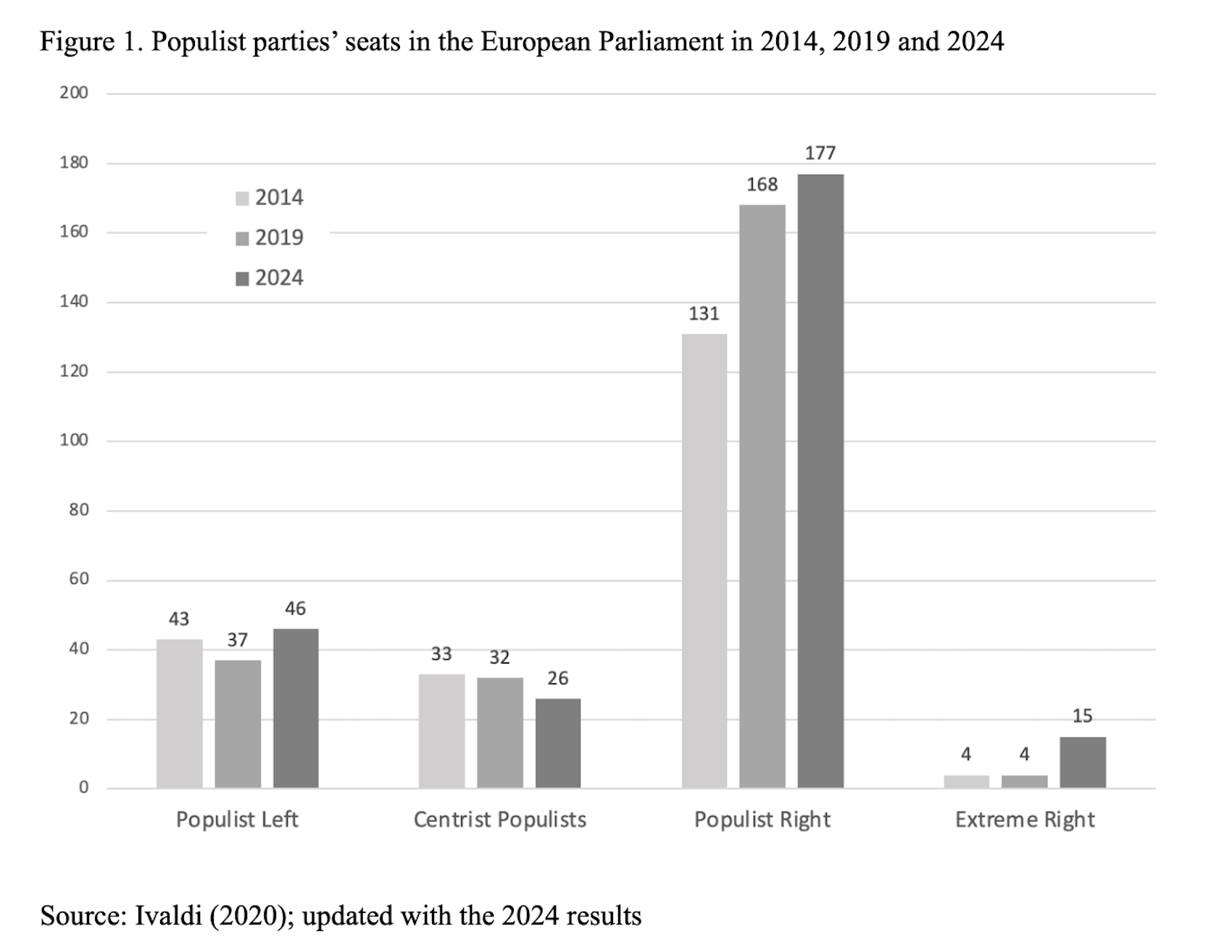
Populism is found in different locations in the party system, predominantly at the far left and far right of the spectrum (Mudde & Rovira Kaltwasser, 2018). The PopuList database of populist parties illustrates the rise in support for populist, far-left, and far-right parties in Europe since the early 1990s (see Figure 1). Such parties have made significant electoral gains in recent years. They have joined coalition governments in several countries, including Italy, the Czech Republic, the Netherlands, Hungary, Poland, Slovakia and Austria, more generally reflecting the mainstreaming of their ideas and themes in party politics and public opinion (Muldoon & Herman, 2018; Schwörer, 2021; Bale & Rovira Kaltwasser, 2021).
Populist performances typically vary across parties and contexts, reflecting the complex interplay between structural and contextual factors. As Kriesi and Schulte-Cloos (2020) show, electoral support for radical parties is rooted in structural factors, but their translation into electoral choice is conditioned by political discontent that originates in specific political dynamics. While contemporary populism is generally seen as a response to a wide range of socioeconomic and cultural grievances and issues (Norris & Inglehart, 2019; Guriev & Papaioannou, 2020; Rodrik, 2021), it can also be seen as an expression of political discontent largely dependent on the national political cycle and the shorter-term country-specific opportunities produced for populist mobilization.
The analysis of the European Parliament elections of June 2024 thus provides a unique opportunity to simultaneously assess the current wave of populism across all 27 European Union (EU) member states. With European Parliament (EP) elections all taking place at about the same time, we can look more closely and comparatively at the current wave of pan-European populism, its size, dynamics and impact on national polities and, ultimately, on the EU.
This report analyzes the performances and impact of populist parties in the 2024 European elections. Drawing from the analyses of country experts, we provide an account of how populist parties across the spectrum performed in each of the EU’s 27 member states, looking at the campaign, issues and demand for populist politics in each country separately and the challenges that populist party success more broadly bears for the future of the EU.
In this introductory chapter, we briefly define populism, provide a topographic map of populist parties across all EU member states ahead of the 2024 European elections, and review the main drivers of populism identified in the literature. We then turn more specifically to the general context and outcome of the 2024 EP election, assessing the hypothesis of another ‘populist wave’ while also looking back at the 2019 election to compare populist party success over time.
Mapping European populism(s)
Mudde (2004) defines populism as a ‘thin-centered ideology’ that ‘considers society to be ultimately separated into two homogeneous and antagonistic groups, “the pure people” versus “the corrupt elite”, and which argues that politics should be an expression of the volonté générale (general will) of the people’. Populist parties champion the cause of the ‘common man’ against what is perceived as a detached and self-serving political elite. While there are other ontological approaches to populism – e.g., political discourse (Laclau, 2005), political strategy (Weyland, 2001), and performance (Ostiguy et al., 2020) – these different traditions of research generally converge towards the same common essential attributes underpinning populism (Olivas Osuna, 2021). Moreover, the ideational approach allows one to connect the supply and demand side of populism and to study the diversity of its manifestations across Europe.
In the European political landscape, populism manifests itself in a variety of parties across the political spectrum, from left to right (Ivaldi et al., 2017; Taggart & Pirro, 2021). In Eastern and Central Europe, populism may also be found across a range of ‘centrist’ anti-establishment parties located inside and outside the mainstream (Hanley & Sikk, 2016). Such diversity is shown in Table 1, which provides an overview of the leading populist parties in the current European political landscape.
Table 1 illustrates the diversity of populism. Overall, there were about 90 populist parties across all EU member states on the eve of the 2024 European election, with varying ideological profiles, backgrounds and electoral sizes. Essentially, populism was found both left and right of the European political spectrum, as well as at its centre, particularly in Central and Eastern Europe (CEE).
On the radical right, populism is typically combined with exclusionary nativism and authoritarianism, whereby the people and the elite are primarily defined along cultural lines (Mudde, 2007). Radical-right populist parties essentialize migration not only in their nativist rhetoric but also portray it with terrorism and crime, and in this way, it is put forward as a security issue, as was the case during the Paris and Brussels attacks in 2015–2016 (Mudde, 2019). Such populism is found in parties like France’s National Rally (RN), Lega (formerly Lega Nord) and Brothers of Italy (Fratelli d’Italia, FdI) in Italy, and the Austrian Freedom Party (FPÖ). The nativist and authoritarian ideology of the PRR is also found in ‘radicalized’ conservative parties such as Poland’s Law and Justice (Prawo i Sprawiedliwość, PiS) and Hungary’s Fidesz, which have turned to a populist radical right strategy over time (Buštíková, 2017: 575).
The populist radical left has, on the other hand, a universalistic profile embracing a more socially inclusive notion of the people, who are essentially pitted against the economic elites (Mudde & Rovira Kaltwasser, 2018; Lisi et al., 2019). In Europe, left-wing populism has been particularly electorally successful in the wake of the 2008 global economic crisis (Katsambekis & Kioupkiolis, 2020). Economic issues, bailouts, and austerity programs were the main driving forces behind a transformation of the radical left emphasizing distributive issues in Eurosceptic populist directions (Gómez-Reino Cachafeiro & Plaza-Colodro, 2018).Parties such as the Spanish Podemos, SYRIZA in Greece, or Germany’s Die Linke (The Left) are examples of this phenomenon. In those countries, however, there has been a decline in the electoral support for parties of the populist left since 2019 (Ivaldi, 2020).
Finally, in CEE, populism often manifests itself in the form of ‘centrist’ anti-establishment parties (Učeň, 2007; Hanley & Sikk, 2016). Such parties operate in the more volatile party system of the former Communist bloc, where political instability is a long-term phenomenon. They focus on challenging the existing political elite and fighting corruption, and they can be found across the entire political spectrum, both within and outside the ideological mainstream (Engler et al., 2019). This type of populism is found in parties such as Slovakia’s Ordinary People and Independents (OL’aNO), the movement of Paweł Kukiz (Kukiz) in Poland and Change Continues (Prodalzhavame Promyanata, PP) in Bulgaria. Looking more specifically at the Czech Republic, Havlík (2019) sees the rise of the Action of Dissatisfied Citizens 2011 (ANO 2011) as a case of ‘centrist technocratic populism’ based on a denial of political pluralism, anti-partyism, resistance to constitutionalism and the embrace of majoritarianism. In Western Europe, the Italian M5S has been seen as a case of ‘centrist populism’, which does not display the typical ideological profile (Mosca & Tronconi, 2019; Pirro & Van Kessel, 2018).
The populism-Euroscepticism nexus
Given their inherent anti-elite and anti-established stance, populist parties in the European context are also often Eurosceptic. Kneuer (2018) emphasizes such a ‘tandem’ of populism and Euroscepticism as one unifying feature of all successful populist parties in Europe, reflecting in her view the formation of a new transnational cleavage cross-cutting the traditional left-right axis.
A recent study examining parties in 30 European countries from 2018 to 2024 (Szczerbiak & Taggart 2024) finds 77 parties to be both Eurosceptic and anti-establishment. Szczerbiak and Taggart argue that the growth of European integration and its association with a series of crises, such as migration, the Eurozone, Brexit and COVID-19, has bred discontent that fostered anti-establishment positions and the demonization of the EU. At the same time, the study found clusters of parties that are anti-establishment but not Eurosceptic and parties that are Eurosceptic but not anti-establishment, arguing that the link is not always straightforward.
Meijers and Zaslove (2021) also examine populist parties’ positions towards European integration, similarly arguing for a nuanced picture, with some populist parties rejecting the EU outright while others are taking a reformist position. According to their study, populist parties such as the Dutch Freedom Party (PVV) and Forum for Democracy (FvD), the Alternative for Germany (AfD), Golden Dawn in Greece and Lega in Italy are highly Eurosceptic. Populist left parties, on the other hand, tend to be more moderate, with the Five Star Movement (M5S) being moderately Eurosceptic and Podemos and SYRIZA having moderate pro-EU positions.
Similarly, Pirro, Taggart and Kessel (2018) find differences between left- and right-wing variants of populist Euroscepticism. Examining the economic and financial crisis (the ‘Great Recession’), the migrant crisis and Brexit, they find left-wing populists attacking the EU’s ‘neoliberal’ agenda and austerity measures, while right-wing populists criticizing the EU on account of increased immigration and multiculturalism. Brexit, on the other hand, is portrayed ‘by various kinds of populist parties as a victory for the ordinary people against unresponsive elites and a rejection of the undemocratic and technocratic decision-making process at the EU level’ (Pirro, Taggart and Van Kessel, 2018). While Euroscepticism is not limited to populist parties alone, neither are all populist parties Eurosceptic. We see a strong correlation between anti-EU positions and populist parties, which is more pronounced to the right than to the left.
More recently, however, there has been a moderating shift in populist Eurosceptic politics both left and right of the spectrum. In the wake of the Brexit referendum of 2016, many populist parties have strategically abandoned their previous plans to drop the Euro or leave the EU altogether, turning to more nuanced or ambiguous positions vis-à-vis European integration in order to increase their appeal to moderate and pro-EU voters, and to collaborate with mainstream parties. As Van Kessel et al. (2020) note, the difficulties in the Brexit process may have dampened public demand for leaving the EU elsewhere in Europe, thus reducing the viability of ‘exit strategies’. Other studies suggest that populist parties, particularly of the radical right, have been shying away from hard Eurosceptic positions. Right-wing nationalist populist parties have adopted ‘alt-Europe’ counternarratives reflecting ‘a conservative, xenophobic intergovernmental vision of a European “community of sovereign states”, “strong nations” or “fatherlands”, that abhors the EU’s “centralized” United States of Europe’ (McMahon, 2021: 10). ‘Taking back control from Brussels’ has been observed to be a common stand of radical right-wing populist parties on the way to the 2024 EP elections (Braun & Reinl, 2023).
As McDonnell and Werner (2018) argue, populist radical right parties ‘remain flexible to perform significant shifts’ on the issue of European integration because of its relatively limited salience. The dampening of their Euroscepticism by populist parties may also be associated with office-seeking strategies. As Ivaldi (2018b) suggests, in the case of the French FN, governmental credibility and coalition potential have been two strong incentives for the FN to tone down its Euroscepticism since the 2017 presidential election.
Drivers of populism: structural and short-term factors
The economic crises of the past decade, coupled with the perceived threats posed by globalization and immigration, have created circumstances that allow for a surge in populist sentiments across various European nations. Populism, characterized by a general distrust towards traditional political institutions and an increasing polarization of society, is fuelled by a complex interplay of socioeconomic, cultural and political factors (Norris & Inglehart, 2019; Guriev & Papaioannou, 2020; Rodrik, 2021).
Different varieties of populism operate on different types of grievances and issues across the economic and cultural dimensions of electoral competition, however. Socioeconomic issues have traditionally been identified as critical factors of left-wing populism at both the party and the voter level (Charalambous & Ioannou, 2019) and have become increasingly relevant for right-wing populist parties since the 2008 financial crisis (Ibsen, 2019; Guriev & Papaioannou, 2020; Rodrik, 2021). Immigration has long been identified by research as a critical issue for populist radical right parties, and it is typically associated with authoritarian views of society (Mudde, 2007).
While sharing similar populist attitudes, populist voters diverge when it comes to the host ideologies to which their populism is attached (Van Hauwaert & Van Kessel, 2018). Populist radical right voters are primarily concerned with cultural issues of immigration and law and order and show stronger nativist and authoritarian attitudes. Voters on the populist radical left tend to embrace more egalitarian and universalistic values while often supporting a libertarian agenda on social issues. Finally, centrist populist voters exhibit strong anti-establishment attitudes and are primarily characterized by protest voting but do not generally show the nationalist attitudes found in right-wing populism (Ivaldi, 2020; 2021). Such parties in CEE often take an anticorruption stance, making this the focus of their electoral appeal (Haughton, Neudorfer & Zankina, 2024).
As Kriesi and Schulte-Cloos (2020) demonstrated, the effect of these different sets of long-term, structural determinants is also conditioned by short-term political discontent, most notably when populist parties are in opposition. Such short-term factors are particularly relevant to studying populism in European elections. EP elections are generally considered ‘second-order elections’ (Reif & Schmitt, 1980). That is, citizens give more weight to national elections than European ones on a range of different variables: political trust, interest in politics, attachment and complexity of politics. In European elections: (a) voters tend to trust national institutions instead of European ones; (b) they have a stronger connection to their own nation rather than the EU, and; (c) they think that European politics is too difficult to grasp and that domestic issues are more compelling than European ones (Braun, 2021).
Looking at party-level data from all European elections between 1979 and 2019, Ehin and Talving (2021) find that the second-order election model continues to wield significant explanatory power, with lower participation rates in EP elections compared with first-order national elections and incumbency being associated with electoral losses in most EP election years.
Because of the increasing politicization of European integration, however, the viability of the second-order election model has been called into question, reflecting the growing salience and resonance of EU-related issues in mass politics and party competition (Hutter et al., 2016). The recent analysis of EU issue voting in the 2019 EP election by Goldberg et al. (2024) concludes that such issues matter for all EP political groups under scrutiny (both mainstream and more radical), which speaks against the idea of conditional mobilization by Eurosceptic parties.
Moreover, while Ehin and Talving (2021) see the ‘second-order type as constituting a base for a fragmented parliament with a strong representation of populist and extremist parties, other studies, such as Wondreys (2023), find only limited evidence for a boost in electoral support for extreme parties in European elections. This finding is particularly salient when considering the size of those parties and their changing role and status in European party systems. As Wondreys (2023: 7) argues: ‘[G]iven the overall increase in size, the role of many extreme parties in their respective party systems may have changed…. Voters already vote for these parties in [first-order elections], and thus have fewer incentives to subsequently vote for them in [second-order elections] as well.’
At the same time, several European countries held elections at multiple levels concurrently from 7–9 June 2024. These included Belgium, which held federal elections alongside European Parliament elections; Bulgaria, which held another early national parliamentary election on the same date as the EP one; and several countries that held local elections alongside the European ones (i.e., Cyprus, Hungary, Italy, Ireland, Malta and Romania). In these cases, we can expect to see European issues merge, rendered secondary or disappear altogether as domestic issues take precedence.
Looking back at the 2019 EP elections
The 2019 EP elections took place in the wake of the migration crisis shaped by an unprecedented refugee flow to European countries, mainly from the Middle East and Africa, which peaked in 2014–2016. The crisis fed into the populist parties’ Eurosceptic, nativist and nationalist narratives, which were even embraced by mainstream parties (Mudde 2019; Capozzi et al., 2023; Rodi et al., 2023). With the associated cultural sensitivities and economic, social and demographic concerns, European public interest has always been high in the political discourses on migration. In this sense, how the EU managed the refugee influx stood at the heart of discussions between 2015 and 2019. In parallel with Eurosceptic and populist concerns around European integration and migration, the economic agenda remained prominent during the 2019 EP election (Braun & Schafer, 2022). Finally, Brexit remained an important issue, serving as a benchmark of evaluation for citizens to reflect on the benefits of European membership to their own countries (Hobolt et al., 2022). In this regard, debates on the legitimacy of supranational governance, as heightened in the framework of sovereignty, were the most exploited narrative by populists against the EU (Ruzza and Pejovic 2019).
However, the predicted surge in support for populism did not fully materialize in the 2019 EP elections (Ivaldi, 2020). Despite a slowdown of economic activity, the economic context was somewhat less favourable to populist mobilization, as unemployment and inflation remained relatively low across much of Europe. Meanwhile, the impact of the EU migration crisis that had fuelled support for right-wing nationalist populists seemed to wane: economic issues dominated the 2019 European election agenda, together with climate change and promoting human rights and democracy, while immigration ranked fifth (European Parliament, 2019).
Moreover, in a context of high political uncertainty, polls showed more substantial support for the EU across member states. In the Spring 2019 Eurobarometer survey, 61% of EU citizens said that EU membership was good for their country, a figure at its highest since the fall of the Berlin Wall in 1989 (Eurobarometer, 2019). Meanwhile, interest in the election was much higher than in 2014, and voter turnout increased in 20 of the then-28 EU member states, most substantially in countries such as Poland (+22 percentage points), Romania (+19), Spain (+17), Austria (+15), and Hungary (+14).
In the 2019 elections, the centre-right European People’s Party (EPP) and centre-left Progressive Alliance of Socialists and Democrats (S&D) lost their majority for the first time since 1979, securing 182 and 154 seats, respectively. A significant number of voters dissatisfied with Europe’s ruling grand coalition turned to the Greens and Liberals. The Greens won a total of 74 seats, making significant gains in Western European countries such as Germany, France, Ireland and the UK. Pro-EU liberals secured 108 seats, which made Renew Europe the third largest group in the European Parliament.
Meanwhile, populist parties rose to a total of 241 seats, representing about a third (32%) of all 751 seats in the European Parliament at the time, as opposed to 211 seats (28%) five years earlier. However, the election showed mixed performances for populist party families across EU member states.
The outcome essentially confirmed the electoral consolidation of the populist right: together, these parties won 168 seats in 2019 – their best result ever – compared with 131 seats five years earlier. Support for right-wing populist parties significantly rose in Italy, Germany, Spain, Estonia, Sweden and Belgium and they dominated the polls in countries such as France, Italy and the UK. In Italy, Matteo Salvini’s Lega was the big election winner, with 34.3% of the vote compared with only 6.2% in 2014. The National Rally (RN, formerly Front National) topped the polls in France with 23.3% of the vote. In the UK, Nigel Farage’s Brexit Party made an impressive breakthrough with 30.5% of the vote, taking over as the main Eurosceptic outfit, a role formerly held by the United Kingdom Independence Party (UKIP).
In Eastern Europe, ruling conservative parties consolidated electorally: in Poland, Law and Justice (PiS) won 45.4% of the vote, increasing its previous support by 13.6%; in Hungary, Viktor Orbán’s Fidesz dominated the polls with no less than 52.6%. Smaller, extreme right-wing parties also made gains in Greece and Slovakia. In Greece, Golden Dawn retained two of its previous four seats. In Slovakia, the neo-nazi People’s Party Our Slovakia (L’SNS), headed by Marian Kotleba, won 12.2% of the vote and two seats. In Cyprus, the National Popular Front (ELAM) increased its support to 8.3% (+5.6 percentage points) but failed to secure one of the island’s six seats in the European Parliament.
In contrast, there was a significant drop in support for the populist left, from 43 seats in 2014 to 37 in the 2019 election. Left-wing populist parties had made substantial gains in the wake of the 2008 Great Recession, particularly in countries such as Greece and Spain, hit hardest by austerity policies (see Kriesi & Pappas, 2015: 23). In the 2014 elections, the populist radical left surged in Greece, Spain and Ireland and such parties made significant inroads in Portugal, Italy and France (Hernández & Kriesi, 2016). In 2019, against the backdrop of a timid economic recovery and lower unemployment, these parties lost ground across most EU member states, most notably in countries like Greece, Spain and France. In Eastern and Central Europe, the populist left remained relatively marginal electorally.
Finally, in 2019, centrist populist parties secured 32 of their previous 33 seats. Centrist populists lost momentum in countries of the former Communist bloc, such as Latvia, where Who Owns the State? (KPV) collapsed to less than 1% of the vote, as opposed to their 14.3% showing in the 2018 national elections. In Estonia, the Estonian Centre Party (EK) fell by 8.6%. In the Czech Republic, the governing ANO and its highly controversial leader, Andrej Babiš, took just 21.2% of the vote, down 8.4 percentage points from its previous result. In Bulgaria, electoral support for the ruling GERB fell by 2 percentage points, although Boïko Borissov’s party remained the most potent force in Bulgarian politics with 30.9% of the European election vote. Centrist populist parties also performed badly in Slovakia, Poland, Lithuania and Croatia. In Western Europe, the Five Star Movement (M5S) was the biggest loser of the 2019 Italian EP election, losing 15.6% compared to the 2018 national election.
With a specific reference to Euroscepticism, the 2019 elections were a real success. In almost all member states, except Luxembourg, Malta, Slovenia and Romania, anti-EU movements won seats. The 2019 elections formed a parliament where more than 28% of MEPs belonged to populist or Eurosceptic parties (Treib, 2021: 177).
The context of the 2024 EP elections
The 2024 EP elections were held in a context characterized by the repercussions of the COVID-19 pandemic, concerns about the EU’s handling of migration and refugee issues, the deteriorating economic situation and inflation crisis in member countries, security challenges posed by the Russian invasion of Ukraine and the newly erupted Israeli–Hamas war in the Middle East.
The EU faced unprecedented challenges due to the COVID-19 crisis and is still dealing with its economic and social consequences. It adopted a €750 billion recovery fund called NextGenerationEU to support member states’ recovery efforts. However, the implementation of this fund was delayed by political disputes and legal challenges, potentially fuelling political discontent – an issue that also carried onto the 2024 EP elections.
Concerning migration and asylum policy reform, the EU has been struggling to find a common approach to address the influx of migrants and asylum seekers, especially from Africa and the Middle East. The current system, based on the Dublin Regulation, has been criticized for putting too much pressure on the frontline states, such as Greece, Italy and Spain and for failing to ensure solidarity and responsibility-sharing among member states. To address this, the European Commission proposed a new pact on migration and asylum to create a more balanced and comprehensive framework for managing migration flows (European Commission, 2024). The proposal took a long time to go through the necessary legislative process due to the opposition from some member states, such as Hungary, Poland and Austria, who rejected mandatory relocation quotas and favoured stricter border controls.
Challenges were not limited to domestic issues; the Russian invasion of Ukraine was a litmus test for the common foreign and security policy of the Union. The EU was confronted with a deteriorating security situation in Eastern Europe as Russia intensified its military aggression against Ukraine and threatened to cut off gas supplies to Europe. The EU imposed sanctions on Russia, but disagreement elicited among the member states on the extent of support and related issues like grain imports from Ukraine. The ECPS report on the impact of the Russian invasion of Ukraine on populism in Europe concluded that populist radical right parties exploited the war as an opportunity to voice their anti-EU rhetoric with sovereigntist arguments. In this vein, their common stance towards the sanctions had been hesitancy and scepticism, illustrating them as not really in line with economic and security-related national interests (Ivaldi & Zankina, 2023).
Furthermore, the recent terrorist attack of Hamas on Israel and the subsequent outbreak of the Israel–Hamas war bore high risks not only for the Middle East but also for other parts of the world, including Europe. Considering the heavy historical and political baggage the Israeli-Palestinian conflict held, it seemed like a convenient topic to be exploited by populist parties ahead of the elections. Instances such as the terrorist attack in Brussels, in which two Swedish citizens were killed in the days after the start of the war, provided room for populists’ rhetoric in the form of xenophobia, Islamophobia and anti-migration.
However, this ‘polycrisis’ was expected to play out differently in each country. The survey by Krastev and Leonard (2024a), which was conducted in September and October 2023 in 11 European countries (Denmark, Estonia, France, Germany, Great Britain, Italy, Poland, Portugal, Romania, Spain, and Switzerland), suggests that the crises of the economy, security, health, climate and migration, have created distinct political responses and opinions across Europe. While immigration was the key issue in Germany, France and Denmark, people in other European countries identified climate change as the most important crisis. Italians and Portuguese, in turn, pointed to global economic turmoil, while in Spain, Great Britain and Romania, the COVID-19 pandemic was the principal issue. Estonians, Poles and Danes considered the war in Ukraine to be the most serious of crises.
In such context, the 2024 European elections represented a crucial test for both the EU and national governments, as voters would evaluate their handling of the pandemic and the recovery and how they planned to address the long-term challenges of climate change, digital transformation, and social cohesion (Bassot, 2023).
However, public opinion data showed relatively positive views toward the Union among EU citizens. Trust in the EU has increased by 6 percentage points since 2019 and now stands at 49%. The perception of the situation of the European economy has improved since autumn 2023, with 47% of respondents rating it as ‘good’, the highest level since 2019. Nearly two-thirds (62%) also said they were optimistic about the future of the EU, which is a slight increase (+4 percentage points) compared to five years earlier. Feelings of being ‘citizens of the EU’ dominated for 74% of the respondents, the highest level in over two decades. Meanwhile, a majority of respondents said they were satisfied with the way democracy works in their country (58%) and in the EU (57%) (Eurobarometer, 2024).
An anticipated rise in support for right-wing populists across the EU
Populist parties have gained traction in recent years, reflecting a broader trend of rising populism across the continent. This surge in popularity has been particularly noticeable among right-leaning populist parties (Ivaldi & Torner, 2023). Such rise in support has been exemplified by the Alternative für Deutschland’s (AfD) triumph in regional elections in eastern states of Germany, the remarkable success of Le Pen’s NR in the 2022 French elections, Giorgia Meloni’s FdI breakthrough in the 2022 Italian election, as well as by the performances of the Sweden Democrats and Finns Party in the last parliamentary elections, which all point to a further increase in the representation of right-wing populist parties in the next EP. In Italy, Meloni’s FdI and Salvini’s Lega, respectively part of the ECR (European Conservatives and Reformists) and Identity and Democracy (ID), were also seen as potentially decisive actors in the alliance formation of the next European Parliament (Massetti, 2023; Maślanka, 2023).
Elsewhere in Europe, right-wing populist parties have become established in countries like Portugal and Spain, and they have topped the polls in Austria and Belgium. In CEE, right-wing populism has been on the rise in Estonia, Croatia, Romania and Bulgaria. In Hungary, Orbán’s Fidesz secured another term in government in the 2022 elections with a clear victory, putting the contested topics between the party and the EU, like the supremacy of the rule of law, immigration, the Russia–Ukraine War, on the agenda of the EP elections. Moreover, Fidezs’s suspension by the EPP and then its departure from this political group has led the party to search for new coalitions after the elections, with talks of joining the ECR group. In Poland, the October 2023 national elections resulted in the opposition parties’ coalition winning over the ruling Law and Justice (PiS) and the new government of pro-EU Prime Minister Donald Tusk. While such an outcome will undoubtedly improve relations between Poland and the EU, PiS has maintained its support at around 30% of the vote, together with Confederation, a heterogeneous extremist group at about 10% of the vote.
Analysts predicted ‘a major shift to the right in many countries, with populist radical right parties gaining votes and seats across the EU and centre-left and green parties losing votes and seats’ (Krastev & Leonard, 2024b). Anti-European populists were expected ‘to top the polls in nine member states (Austria, Belgium, the Czech Republic, France, Hungary, Italy, the Netherlands, Poland, and Slovakia) and come second or third in a further nine countries (Bulgaria, Estonia, Finland, Germany, Latvia, Portugal, Romania, Spain, and Sweden)’ (Ibid.)
The European Parliament and party groups
While reflecting the existing balance of strength across national contexts, populist party performances at the EU level may significantly impact the configuration of party groups within the EP, which is a key legislative body of the EU, working alongside the Council of the European Union to adopt European legislation following proposals by the European Commission. The EP comprises 705 members (MEPs) – 720 in the new EP – making it the second-largest democratic electorate in the world. These MEPs are elected every five years by the citizens of the EU through universal suffrage.
The structure and operation of the EP are governed by its Rules of Procedure, and the political bodies, committees, delegations and political groups guide EP activities. The representation of citizens is ‘degressively proportional’, with a minimum threshold of six members per member state and no member state having more than 96 seats. Degressive proportionality means that while seats are allocated based on the population of the member states, more populous member states agree to be under-represented to favour greater representation of less populated ones.
Political groups within the EP can be formed around a single European political party or can include more than one European party as well as national parties and independents. Prior to the 2024 EP elections, the existing political groups in the EP were the EPP, the Progressive Alliance of S&D, Renew Europe (previously ALDE), the Greens/European Free Alliance (Greens/EFA), ECR, The Left in the EP (GUE/NGL), and ID.
The outgoing EP was home to both left-wing and right-wing populist parties, that is, while Brothers of Italy (FdI), Vox of Spain, Sweden Democrats, Fidesz of Hungary, Law and Justice (PiS) of Poland, the Finns Party (Perussuomalaiset), the AfD, the National Rally of France, stood on the right side of the spectrum, Podemos of Spain and SYRIZA of Greece represented left-wing populism in the 2019–2024 EP. Regarding political group membership, right-wing populist parties tend to choose different political groups, preventing them from having a common voice in the EP. After the 2019 elections, however, their seeking of collaboration has become more evident, especially under the umbrella of ID and ECR.
Questions addressed in the report
Under the auspices of the European Center for Populism Studies(ECPS), this report examines the electoral performances and impacts of populist parties in the 2024 European elections. Based on a compilation of country-specific analyses by local experts, the report looks at populist party performances across all EU member states, and it discusses the challenges of populist politics for European institutions as well as for the future of Europe.
Each chapter provides background information about the main populist forces in the country of focus by examining their history, electoral support and political agenda. This includes populist parties across the spectrum where deemed relevant. With a focus on the 2024 European election, each country chapter looks at the ‘supply side’ of populism (i.e., the positions of populist parties towards the EU in general and vis-à-vis specific policies, such as migration and asylum, fiscal policy, the Schengen system, European citizenship and democracy, the COVID-19 pandemic, human rights, as well as external affairs, including policy towards the Russia–Ukraine and Israel–Hamas conflicts). Country analyses ask how populists used Euroscepticism, national sovereignty, ethnic culture, identity, xenophobia and religion during the 2024 EP election campaign and what their discourse was on the composition and working mechanisms of the European Parliament.
Additionally, each chapter examines the ‘demand side’ of populism by looking at how populist parties fared in the elections and which topics played a role in their success or failure. Wherever possible, the country chapters in this report provide public opinion data about critical political issues for populist voters and the characterization of crucial sociodemographics of populist voters across different parties and national contexts.
Finally, each country chapter assesses the impact of populist politics in their respective country and at the EU level (e.g., what kind of populist politics are the elected populist parties going to articulate in the EP and which may be their coalition strategy), allowing for the broader conclusions discussed in this report’s final section.
(*) Gilles Ivaldi is researcher in politics at CEVIPOF and professor at Sciences Po Paris. His research interests include French politics, parties and elections, and the comparative study of populism and the radical right in Europe and the United States. Gilles Ivaldi is the author of De Le Pen à Trump : le défi populiste (Bruxelles: Editions de l’Université de Bruxelles, 2019), The 2017 French Presidential Elections. A political Reformation?, 2018, Palgrave MacMillan, with Jocelyn Evans. He has recently co-edited The Impacts of the Russian Invasion of Ukraine on Right-Wing Populism in Europe, European Center for Populism Studies (ECPS), 2023, with Emilia Zankina. His research has appeared in journals such as Electoral Studies, the International Journal of Forecasting, Revue Européenne des Sciences Sociales, French Politics, Revue Française de Science Politique or Political Research Quarterly.
(**) Emilia Zankina is an Associate Professor in Political Science and interim Vice Provost for Global Engagement at Temple University and, since 2020, has served as the Dean of Temple University Rome. She holds a PhD in International Affairs and a Certificate in Advanced East European Studies from the University of Pittsburgh. Her research examines East European politics, populism, civil service reform, and gender in political representation. She has published in high-ranking international journals, including West European Politics, Politics and Gender, East European Politics, Problems of Post-communism, and Representation, as well as academic presses such as the ECPR Press, Indiana University Press, and others. She frequently serves as an expert adviser for Freedom House, V-Democracy, and projects for the European Commission. In the past, Zankina has served as Provost of the American University in Bulgaria, Associate Director of the Center for Russian and East European Studies at the University of Pittsburgh and Managing Editor of East European Politics and Societies.
References
Bale, T. & Rovira Kaltwasser, C. (eds) (2021) Riding the Populist Wave. Europe’s Mainstream Right in Crisis, Cambridge University Press.
Braun D. (2021), The Europeanness of the 2019 European Parliament elections and the mobilising power of European issues, Politics, 41:4, 451–466.
Braun D. & Reinl A. K. (2023), Who holds the union together? Citizens’ preferences for European Union cohesion in challenging times. European Union Politics, 24:2, 390–409.
Braun D. & Schafer C. (2022), Issues that mobilize Europe: the role of key policy issues for voter turnout in the 2019 European Parliament election. European Union Politics, 23:1, 120–140.
Buštíková, L. (2017) The radical right in Eastern Europe. In: J. Rydgren (Ed.), The Oxford Handbook of the Radical Right(pp. 565–581), Oxford: Oxford University Press.
Capozzi et al. (2023), The Thin Ideology of Populist Advertising on Facebook during the 2019 EU Elections. Proceedings of the ACM Web ConferenceMay 1–5, 2023, Austin, TX, USA, https://doi.org/10.1145/3543507.3583267
Charalambous, G., & Ioannou, G. (Eds.) (2019) Left radicalism and populism in Europe, Routledge studies in radical history and politics. New York: Routledge.
De la Torre, C. (Ed.) (2019). Routledge Handbook of Global Populism, London, Routledge
Ehin P. & Talving L. (2021), Still second-order? European elections in the era of populism, extremism and Euroscepticism. Politics, 41:4, 467–485.
Engler, S., Pytlas, B., & Deegan-Krause, K. (2019) Assessing the diversity of anti-establishment and populist politics in Central and Eastern Europe. West European Politics, 42:6, 1310–1336.
FEPS (2024) The transformation of the mainstream right and its impact on (social) democracy, Policy Study, Foundation for European Progressive Studies (FEPS), April.
Goldberg, A. C., van Elsas, E. J., & De Vreese, C. H. (2024). The differential impact of EU attitudes on voting behaviour in the European parliamentary elections 2019. Journal of Contemporary European Studies, 1–20.
Gómez-Reino Cachafeiro, M., & Plaza-Colodro, C. (2018). Populist Euroscepticism in Iberian party systems. Politics, 38(3), 344–360.
Guriev, S. & Papaioannou, E. (2020) The Political Economy of Populism, CEPR Discussion Paper DP14433.
Halikiopoulou D. & Vasilopoulou S. (2014), Support for the Far Right in the 2014 European Parliament Elections: A Comparative Perspective. The Political Quarterly, 85:3, 285–288. https://doi.org/10.1111/1467-923X.12102
Hanley, S. & Sikk, A. (2016) Economy, corruption or floating voters? Explaining the breakthroughs of anti-establishment reform parties in Eastern Europe. Party Politics 22, 522–533.
Haughton, T., Neudorfer, N., and Zankina, E. (2024). ‘There Are Such People: The Role of Corruption in the 2021 Parliamentary Elections in Bulgaria’, East European Politics, 40:3, 521–546.
Havlík, V. (2019) Technocratic Populism and Political Illiberalism in Central Europe. Problems of Post-Communism, 66:6, 369–384.
Hernández, E. and Kriesi, H-P. (2016). The electoral consequences of the financial and economic crisis in Europe. European Journal of Political Research, 55: 203–224.
Hobolt et al. (2022), The Brexit deterrent? How member state exit shapes public support for the European Union. European Union Politics, Vol 23(1), 100–119.
Hutter S., Grande E. & Kriesi H. (Eds.) (2016) Politicising Europe: Integration and Mass Politics. Cambridge: Cambridge University Press.
Ibsen, Malte Frøslee. 2019. The Populist Conjuncture: Legitimation Crisis in the Age of Globalized Capitalism. Political Studies 67:3, 795–811.
Ivaldi, G., Lanzone, M.E., Woods, D. (2017). Varieties of Populism Across a Left-Right Spectrum: the case of the Front National, the Northern League, Podemos and Five Star Movement, Swiss Political Science Review, 23:4, 354–376.
Ivaldi, G. (2020) Populist Voting in the 2019 European Elections, Totalitarianism and Democracy, 17:1, 67–96.
Ivaldi, G. (2021). ‘Electoral basis of populist parties’, in R. Heinisch, C. Holtz-Bacha, O. Mazzoleni (eds.) Political Populism. A Handbook, 2nd Edition (pp. 213–224), Baden-Baden: Nomos.
Ivaldi G. & Zankina E. (2023), The Impacts of the Russian Invasion of Ukraine on Right-Wing Populism in Europe. Brussels: European Center for Populism Studies (ECPS).
Katsambekis, G. & Kioupkiolis, A. (eds) (2020) The Populist Radical Left in Europe, Routledge
Kneuer, M. (2018). The tandem of populism and Euroscepticism: a comparative perspective in the light of the European crises. Contemporary Social Science, 14:1, 26–42.
Kriesi, H., and S. Pappas, T.S. (Eds.) (2015). European Populism in the Shadow of the Great Recession, Colchester, UK: ECPR Press.
Kriesi H. & Schulte-Cloos J. (2020) Support for radical parties in Western Europe: Structural conflicts and political dynamics. Electoral Studies 65, 102138
Lisi, M., Llamazares, I., Tsakatika, M. (2019) Economic crisis and the variety of populist responses. Evidence from Greece, Portugal and Spain. West European Politics, 42:6, 1284–1309.
Mach E. M. (2023), Right-wing populism, Euroscepticism and neo-traditionalism in Central and Eastern Europe., (IN) The Right-Wing Critique of Europe. Nationalist, Sovereignist and Right-Wing Populist Attitudes to the EU. Routledge, London.
McMahon, R. (2021) Is Alt-Europe possible? Populist radical right counternarratives of European integration. Journal of Contemporary European Studies, 30(1), 10–25.
Maślanka L. (2023), Realism or Radicalisation: Meloni Walks Fine Line on European Policy. PISM Bulletin, No. 39 (2158).
Massetti E. (2023), From Europhilia to Eurorealism: The 2022 General Election in Italy. Journal of Common Market Studies, pp. 1–12.
McDonnell D. & Werner A. (2020), International Populism: The Radical Right in the European Parliament., Oxford University Press.
Meijers, M. J., & Zaslove, A. (2021). Measuring Populism in Political Parties: Appraisal of a New Approach. Comparative Political Studies, 54(2), 372–407, https://doi.org/10.1177/0010414020938081
Moffit, B. (2017) The Global Rise of Populism: Performance, Political Style and Representation, Stanford, Stanford University Press.
Mosca, L. & Tronconi, F. (2019) Beyond left and right. The eclectic populism of the Five Star Movement, West European Politics, 42:6, 1258–1283.
Mudde, C. (2007) Populist Radical Right Parties in Europe, Cambridge.
Mudde C. (2019), The 2019 EU elections: moving the center, Journal of Democracy 30:4, 20–34.
Mudde, C. and Rovira Kaltwasser, C. (2018) Studying Populism in Comparative Perspective: Reflections on the Contemporary and Future Research Agenda. Comparative Political Studies, 51:13, 1667–1693.
Muldoon, J. & Herman, L.E. (Eds) (2018) Trumping the Mainstream: The Conquest of Democratic Politics by the Populist Radical Right, London: Routledge.
Munoz A. & Ripollés C. (2020), Populism Against Europe in Social Media: The Eurosceptic Discourse on Twitter in Spain, Italy, France and the United Kingdom during the Campaign of the 2019 European Parliament election. Frontiers in Communication, 5:54, https://doi.org/10.3389/fcomm.2020.00054
Norris, P. & Inglehart, R. (2019) Cultural backlash. Trump, Brexit and authoritarian populism. Cambridge: Cambridge University Press.
Olivas Osuna, J.J. (2021), From chasing populists to deconstructing populism: A new multidimensional approach to understanding and comparing populism. European Journal of Political Research, 60: 829–853.
Pirro, A. L., Taggart, P., & van Kessel, S. (2018). The populist politics of Euroscepticism in times of crisis: Comparative conclusions. Politics, 38:3, 378–390, https://doi.org/10.1177/0263395718784704
Pirro, A. L. & van Kessel, S. (2018) Populist Eurosceptic trajectories in Italy and the Netherlands during the European crises. Politics, 38:3, 327–343.
Reif, K. & Schmitt, H. (1980), Nine second-order national elections – a conceptual framework for the analysis of European election results. European Journal of Political Research, 8: 3–44.
Rodi P., Karavasilis L. & Puleo L. (2023), When nationalism meets populism: examining right-wing populist & nationalist discourses in the 2014 & 2019 European parliamentary elections. European Politics and Society, 24:2, 284–302.
Rodrik, D. (2021) Why Does Globalization Fuel Populism? Economics, Culture and the Rise of Right-Wing Populism. Annual Review of Economics 13:133–170.
Rooduijn, M., Pirro, ALP, Halikiopoulou D., et al. (2023). The PopuList: A Database of Populist, Far-Left, and Far-Right Parties Using Expert-Informed Qualitative Comparative Classification (EiQCC). British Journal of Political Science. Published online 2023:1–10. doi:10.1017/S0007123423000431
Ruzza, C. & Pejovic, M. (2021), Populism at work: the language of the Brexiteers and the European Union. In: F. Zappettini, M Krzyżanowski (Eds.),‘Brexit’ as a Social and Political Crisis: Discourses in Media and Politics (pp. 432–448), Routledge, London.
Schwörer, J. (2021) The Growth of Populism in the Political Mainstream. The Contagion Effect of Populist Messages on Mainstream Parties’ Communicatio, Cham, Springer.
Szczerbiak A & Taggart P. (2024). Euroscepticism and anti-establishment parties in Europe. Journal of European Integration, DOI: 10.1080/07036337.2024.2329634
Taggart, P., & Pirro, A. L. P. (2021). European populism before the pandemic: ideology, Euroscepticism, electoral performance and government participation of 63 parties in 30 countries. Italian Political Science Review/Rivista Italiana Di Scienza Politica, 51:3, 281–304.
Treib O. (2021). Euroscepticism is here to stay: what cleavage theory can teach us about the 2019 European Parliament elections. Journal of European Public Policy, 28:2, 174–189.
Učeň, P. (2007). Parties, Populism and Anti-Establishment Politics in East Central Europe. The SAIS Review of International Affairs, 27(1), 49–62.
Van Hauwaert, S.M. & Van Kessel, S. (2018). Beyond protest and discontent: A cross-national analysis of the effect of populist attitudes and issue positions on populist party support. European Journal of Political Research, 57: 68–92.
Van Kessel, S., Chelotti, N., Drake, H., Roch, J., & Rodi, P. (2020). Eager to leave? Populist radical right parties’ responses to the UK’s Brexit vote. The British Journal of Politics and International Relations, 22(1), 65–84.
Wondreys, J. (2023) Unpacking second-order elections theory: The effects of ideological extremity on voting in European elections, Electoral Studies, 85, 102663, https://doi.org/10.1016/j.electstud.2023.102663
Ivaldi, Gilles & Zankina, Emilia. (2024). “Conclusion.” In: 2024 EP Elections under the Shadow of Rising Populism.(eds). Gilles Ivaldi and Emilia Zankina. European Center for Populism Studies (ECPS. October 22, 2024. https://doi.org/10.55271/rp0087
The reconfiguration of the extreme right in the European Parliament reaffirms prior tendencies and analysis (i.e., that despite the increased representation of radical-right actors, they continue to be divided and unable to act as a united front). Hence, we can expect more ad hoc coalitions on specific issues rather than united positions and policy proposals. What should not be neglected, although, is the legitimation of the radical-right discourse and its impact on both European and domestic politics.
This report has examined the electoral performances of populist parties in the 2024 European elections. The collection of country chapters provides a unique source of information to understand the electoral dynamics of populist parties across Europe, highlighting similarities and differences in the economic, social and political context of the European elections in the 27 EU member states. Here, we summarize the main findings from the individual chapters and provide some general conclusions.
The diversity of the European populist scene
The individual country chapters illustrate the diversity of populism in Europe and the variety of its manifestations across the political spectrum. The findings in this report corroborate the vast literature on populism, which has long identified the plurality of articulations between the ‘thin’ ideology of populism and the ‘thicker’ host ideologies to which it attaches itself. As suggested in the individual chapters, in Western Europe, populism is essentially found to the left and right of the spectrum, while in Central and Eastern Europe (CEE), we see a more diverse array of populist actors.
Some individual countries provide a good illustration of such diversity. The Netherlands has long been a breeding ground for populism. Over the years, there has been a succession of populist parties, ranging from right-wing nativist and left-wing populist to agrarian populist. Similarly, Spain has experienced both left and right-wing populism with Podemos and Vox. In Belgium, there are two cases of populist radical parties to the left (PTB–PVDA) and right (VB) of the ideological spectrum. Italy has been described as nothing less than a ‘populist paradise’, hosting a wide range of populist parties. Such diversity is also found in countries like France and, more recently, Germany, with the rise of the BSW to the left of the party spectrum. While in Greece, left–populist parties have been dominant with Syriza and KKE, the populist radical right has long been present with parties such as Golden Dawn and, most recently, with EL and the Democratic Patriotic Movement or ‘Niki’.
There is even more diversity when looking at the populist scene in Central and Eastern Europe. Populists in the centre dominated the elections in Bulgaria, with GERB gaining over 24% of the vote, and in the Czech Republic, with ANO securing 26%. The centrist Prodalzhavame promyanata (PP) and ITN in Bulgaria also registered strong results, with 14% and 6% of the vote, respectively. In Slovakia, it was the left populists of SMER who carried the day, securing 25% of all votes cast. The radical right fared well in all three countries, with Vazrazhdane gaining over 14% in Bulgaria, Hnutie Republika attracting 13% in Slovakia, and Přísaha a Motoristé registering over 10% of the vote in the Czech Republic.
Diversity is also found in the interpretation of populism by populist parties. While populism is still seen as a core feature of the populist right across most cases, there seems to have been a shift away from populist narratives and themes in some parties of the populist left, such as Podemos in Spain, the SP in the Netherlands, and the SF in Denmark. In Spain, for instance, there has been a decline in the use of populist ideas by Podemos, which has turned more clearly to radical-left ones. Moreover, there seems to be less consensus about the populist nature of radical-left parties, as illustrated by Die Linke in Germany, the Left Wing Alliance (VAS) in Finland, the Left Party in Sweden, and the Left Bloc (BE) in Portugal, which may also signal a move away from populism towards a more classic radical-left agenda. The Bulgarian GERB has also significantly moved away from populist narratives, focusing primarily on pro-EU rhetoric. While the Romanian AUR remains Eurosceptic, it has been focusing on specific issues rather than on criticizing the European project itself.
Together with their different locations on the party spectrum, populist parties also diverge in their issue positions. As the country chapters show, this is particularly true of the populist right where substantial differences are found, for instance, in terms of those parties’ economic policies.
In a context marked by rising prices and the inflation crisis, right-wing populist parties have adopted a wide array of economic positions, reflecting diverging economic strategies and the adaptation by populist parties to different contextual opportunities. In France, for example, the RN has significantly moved to the economic left, advocating redistributive policies. In Denmark, the DF combines welfare-chauvinist positions with a good portion of nostalgia. In the Netherlands, the PVV takes a protectionist and welfare-chauvinist position aimed at voters with lower incomes who are most hit by high energy prices. In Cyprus, ELAM supports left-wing economic policies aimed at wealth redistribution and increased state intervention in market regulation. In Estonia, EKRE focuses on economic welfare and regional disparities, as does the EL in Greece, although it combines welfare chauvinism and government interventions with calls for low taxation. Welfare chauvinism and socialist nostalgia have been the trademarks of radical-right populist parties in Bulgaria, but they have also been explored by left populists such as SMER in Slovakia.
In contrast, other right-wing populist parties are found on the economic right. The Dutch FvD, for instance, is more free-market-oriented than the PVV and most other populist radical-right parties in Europe. In Finland, the Finns Party has recently turned to the right on the economy. In Luxembourg, the Alternativ Demokratesch Reformpartei (ADR) exhibits a national-conservative profile and generally maintains a distrust of big government. In Greece, Niki is more free market and low taxation than EL. In Romania, AUR has increasingly introduced neoconservative elements.
Finally, the analysis in this report shows that populist parties differ widely with regard to their political status within their respective political systems. Parties such as the French RN and German Alternative für Deutschland (AfD) are still political pariahs. In Germany, the AfD remains deeply unpopular, and the party has faced strong criticism for its many controversial statements and positions regarding immigration, Islam and the Second World War. In France, despite Marine Le Pen’s de-demonization strategy, the persistence of the RN’s profile as a political pariah was exposed in the 2024 legislative elections where the traditional Republican Front – that is, ad hoc alliances of parties or voters (or both) across the spectrum whenever the RN is likely to win a decisive round – was revitalized. In contrast, Mélenchon’s populist left LFI has managed to establish itself as a coalition partner to the rest of the left. Another case of a cordon sanitaire around the populist radical right is that of Belgium, where leaders of the N-VA continue to close the door to the Vlaams Belang. In Central and Eastern Europe, extreme parties such as Revival in Bulgaria, AUR in Romania or Hnutie Republika in Slovakia are still kept outside mainstream politics despite growing electoral support.
Elsewhere, however, the current trend is one of increasing mainstreaming and normalization of populist parties as a result of a dual process of modernization and moderation by populists, on the one hand, and accommodation of populist ideas and policies by mainstream parties, on the other hand. Such dual process has been well documented in the recent populism literature (Akkerman, de Lange, and Rooduijn, 2016; Herman and Muldoon, 2019; Mondon and Winter, 2020; Mudde, 2019) and the country chapters in this report corroborate both the centripetal move by a number of populist parties from the margins to the centre of national politics and the accommodation of populism by mainstream actors.
Populist accommodation by parties of the mainstream is traditionally found in countries such as Italy and Austria. In CEE, such cooperation has been found in Poland, Slovakia and Bulgaria during the 2017–2019 government. This has more recently been the case, for instance, in the Netherlands, where the change in VVD party leadership has produced a change of strategy towards the PVV, with the new VVD party leader Dilan Yeşilgöz openly suggesting that her party would no longer exclude a government with Wilders. In Sweden, the cordon sanitaire was breached before the 2022 parliamentary election when three of the centre-right parties expressed a more open stance towards the Sweden Democrats. In Cyprus, despite its radical positions and extreme right-wing roots, ELAM has managed to integrate into the political mainstream, collaborating with other parties on specific issues in the House of Representatives since 2016.
Populists against Europe? The strategic moderation of populist Euroscepticism
The modernization of populist politics concerns, in particular, the moderation and blurring of those parties’ positions regarding European integration. The country chapters illustrate such a dampening of Eurosceptic politics, both left and right of the populist spectrum. In many cases, the analysis shows that populist parties have recently abandoned their previous hard Eurosceptic plans to exit the Euro or the EU, often adopting ambiguous positions vis-à-vis European integration and a softer tone vis-à-vis the EU. As discussed in the introduction of this report, this represents a strategic move by populists to increase their appeal to moderate and pro-EU voters and to foster collaboration with mainstream parties.
In France, the RN has abandoned its previous policy of “Frexit”, while de-emphasizing European issues to increase its appeal to moderate voters. Like the RN, LFI has toned down its Euroscepticism in recent years, moving away from its previous call to leave the EU and that France should disobey the European treaties. In Sweden, the SD have moderated their Euroscepticism and dropped their demand for a referendum on EU withdrawal. Such a move has also been visible in the Netherlands, where Wilders has successfully presented himself as a more moderate candidate, no longer calling for a Nexit but promising to reform the EU from within. In Portugal, Chega has articulated some soft Euroscepticism in its European election manifesto. In Italy, Fratelli d’Italia advocates for national sovereignty over supranational integration while maintaining a relatively moderate stance on opposition to the European Union. A similar dampening of Eurosceptic policies and themes has been found in the Lega and M5S since 2018. In Finland, the Finns Party has abandoned its long-term goal of withdrawing from the EU. A stronger support for the EU is found in Luxembourg, where the ADR explicitly acknowledges the great advances the EU had given to Europe in terms of peace and prosperity in post-war Europe while praising the positive benefits the EU and immigration have brought to the country. In Greece, the left-populist Syriza put forward a version of soft Euroscepticism, criticizing the EU’s democratic deficit. The right-wing populist EL has been advocating for a Europe made of nation-states, but it has not been openly calling for Grexit, and neither has the other new right-wing populist party, Niki. The FPÖ clearly stated that it would not aim for an ‘Öxit’, although it called for cuts in the EU budget and institutions and a Union based on subsidiarity and federalism.
In Western Europe, the German AfD stands out for its hard Eurosceptic positions. The most radical faction has dominated the AfD since 2017. In the run-up to the 2024 European elections, the party initially called for the dissolution of the European Union in its manifesto but dropped this demand from the final manifesto after facing public backlash. The Dutch FvD similarly favours Nexit. In Greece, the communist KKE has similarly maintained a hard Eurosceptic stance (as well as an anti-NATO stance), supporting Greece’s exit from the EU and accusing it of being imperialistic, anti-democratic, capitalist and exploitative.
Populists in Central and Eastern Europe widely vary in their level of Euroscepticism. The Croatian right-populist DL, for example, exhibits a soft Eurosceptic orientation, framing the EU as a confederation of sovereign states and never advocating for closer relations with ‘alternative partners’ in global politics, such as Russia, China or the BRICS. The DL expresses a strong opinion against further EU enlargement due to Serbia’s candidacy status, while the Romanian AUR, on the contrary, advocates for EU memberships for Moldova. By contrast, the Bulgarian Vazrazhdane urges for an immediate exit from NATO and the EU, while centrist populist parties in Bulgaria, such as GERB and PP, are ardently pro-European. Czech populists from the centre and the right expressed different levels of criticism towards the EU. ANO, which has been in opposition since 2021, gradually shifted from a mildly pro-European stance towards soft Euroscepticism. The SPD, on the other hand, has sustained its uncompromisingly anti-immigration and hard Eurosceptic rhetoric, describing the EU as a ‘dictatorship in Brussels’ dominated by ‘non-elected bureaucrats’ who produce ‘directives that are against the interests of our state and our people’. Euroscepticism is extremely limited in Estonia, where 77–78% of the population supports EU membership.
Similarly, in Latvia, voters tend to support sober, politically experienced personalities to represent Latvia’s national (rather than party) interests in the European Parliament, leaving little room for Eurosceptic rhetoric. In Romania, AUR has softened its Euroscepticism, while the new SOS prides itself in being the first to advocate for a ‘Ro-exit’. In Slovakia, the ruling SMER claims to support EU membership despite its many shortcomings, while ĽSNS argues that the EU cannot be reformed. Consequently, its party leader promised to ‘lay the groundwork for Slovakia’s exit from the European Union and break the EU from within.’
Populist parties, particularly of the radical right, have been shying away from hard Eurosceptic positions, emphasizing an intergovernmental vision of a community of sovereign and independent states, now claiming to reform the EU ‘from within’ while opposing further enlargement of the EU. As the country chapters in this report show, right-wing populist parties across Europe continue to vilify a ‘bureaucratic EU’. ‘Taking back control’ from Brussels has become a common theme of right-wing populist narratives. In Belgium, the VB has been using the ‘taking back control’ tagline while denouncing EU leaders as ‘extremists’, bureaucrats and technocrats. In the Netherlands, the PVV’s European electoral program emphasized the need to reform the EU from within rather than to leave the Union. In Italy, while cooperating with the EU, Giorgia Meloni’s FdI continues to engage in ideological struggles on specific policies such as civil liberties, environmental issues, gender equality and EU constitutional matters. The Danish DF claims the EU needs to be strongly downsized to safeguard national sovereignty, a similar claim to that of the Denmark Democrats, which ask for ‘less EU’ and more national sovereignty.
Were the 2024 EP elections another ‘populist’ moment?
Rather than showing a new wave of populism, the results of the 2024 European elections have essentially confirmed the electoral consolidation of the populist phenomenon in Europe. In 2019, taking all groups together, populist parties had won 241 seats, representing about a third (32%) of all 751 seats in the European Parliament. In 2024, these parties won 263 of the 720 seats – approximately 36% (see Figure 1, Tables 1, 2 and 3).
Such results reflect the rise in support for populism in recent national elections as well as the increase in the number and geographical spread of populist parties across Europe. Based on the delineation of populism in the country chapters, no less than 60 populist parties across 26 EU member states gained representation in the European Parliament in June 2024. In comparison, a total of 40 populist parties had won seats in 22 EU countries in the 2019 election.
Populist party performances varied, however, across countries and different brands of populism. Moreover, the new distribution of seats should not mask distortions due to the relative weight of national representations in the European Parliament. In June 2024, the largest contingents of populist MEPs came mainly from the populist right in the more populated European countries, in particular from France’s Rassemblement National (30 seats), Fratelli d’Italia (24 seats), the Polish PiS (20 seats), the German AfD (15 seats) and Hungary’s Fidesz (11 seats). In the populist left, the largest contingent came from France’s LFI (9 seats). For centrist populist parties, the largest delegations were elected in Italy with the M5S (8 seats) and in the Czech Republic, where ANO received seven seats.
Asymmetrical populist performances
The results of the 2024 European elections have essentially attested to the consolidation of the populist right, while left-wing and centrist populist parties have received comparatively less support across Europe.
The populist right has established its presence in virtually all EU member states – there are no fewer than 50 such parties in Europe. Right-wing populist parties have done particularly well in countries such as France, Italy, Poland, Hungary, Belgium, Austria, Bulgaria, Romania, and the Netherlands; in many countries, the populist right-wing scene is made up of two, three and sometimes more parties.
There has also been a diversification of the populist right with the emergence of new actors. Alongside the major established players, new parties have emerged, including the Danish Democrats (DD), Latvia First (LPV), Chega in Portugal, the EL and Niki in Greece, the AUR and SOS in Romania, and the Czech Přísaha and PRO. In Lithuania, a populist radical-right politician and his party TSS made a breakthrough, gaining a seat in the EP for the first time.
Other movements have disappeared or been replaced by new populist parties. This is particularly true in Central and Eastern Europe, where party systems traditionally remain more fluid. The Bulgarian Ataka, long represented in the national assembly and the European Parliament, has all but disappeared since 2021, only to be replaced by Vazrazhdane. Golden Dawn, which came third in the 2015 elections in Greece, practically disappeared by 2019 when it failed to enter the national parliament. Its leadership was subsequently imprisoned following a prolonged trial on charges of running a criminal organization. Although the party disappeared, its ideology and electorate were easily picked up by EL, which has been represented since 2019 both in the national and in the European parliaments. Interestingly, small extreme right-wing-wing anti-immigration parties (i.e., the Irish Freedom Party, National Party, Ireland First and The Irish People) have surfaced in a country like Ireland, which has traditionally been more immune to far-right populism in the past, suggesting that the immigration issue has acquired more resonance in Irish politics in recent years.
Altogether, parties of the populist right won 177 seats, making up about a quarter (24%) of all 720 seats in the new European Parliament, an increase on their previous performances in 2019 –168 seats out of 751, that is about 22% (see Figure 1). Amongst the biggest winners were the French RN, the Italian Fratelli d’Italia, the FPÖ in Austria, the VB in Flanders, the Slovenian Democratic Party, the AUR in Romania and the National Alliance in Latvia, which all saw a significant rise in electoral support in the 2024 European elections. Let us also note that the 2024 elections have seen the rise of extreme right-wing nationalist parties across a number of EU member states, as illustrated by the electoral success of Vazrazhdane in Bulgaria, the Confederation in Poland, Hnutie Republika in Slovakia, ELAM in Cyprus, and Domovinski Pokret (DP) in Croatia. Altogether, parties that may be classified as ‘extreme right-wing’ won 15 seats in the European Parliament, significantly increasing their presence since the 2019 elections, where the extreme right-wing had received only 4 seats.
Such a wave of support for right-wing populists has been far from uniform, however, as a number of those parties have suffered losses across Europe. In Portugal, Chega lost nearly 783.000 votes from its general election tally, down to 9.8% of the vote. In Spain, while clearly improving its results from the 2019 EP elections, Vox lost significant support when compared with the 2023 general elections. In Sweden, the SD fell far behind the result of the 2022 parliamentary election. Fidesz in Hungary lost 2 seats despite winning the elections, facing a serious challenge by the new opposition party Tisza. Although PiS and Konfederacija collectively attracted almost half of the votes, PiS lost 9 seats in the EP – the biggest reversal in support in its history.
Compared with their right-wing counterparts, the parties of the populist left have been comparatively less successful, although they have somewhat improved their performance from five years ago. As Figure 1 shows, the populist left won a total of 46 seats in the new European Parliament in June, which represented just over 6% of all 720 seats. This result compared with 37 seats (about 5%) in the previous Parliament. As was the case for the populist right, left-wing populist party performances varied substantially across countries.
In countries such as Ireland, Greece, the Netherlands and Spain, there was a drop in support for the populist left, reflecting the more general decline in support for those parties since the 2008 financial crisis. In Ireland, Sinn Féin suffered significant losses, seeing much of his previous support going to independent or small-party candidates. In the Netherlands, the SP received a mere 2.2% of the vote, showing a decline since its success in 2014 when it had obtained almost 10% of the vote. The Spanish Podemos only received 3.3% of the vote, compared with 20% in 2016 –in alliance with Izquierda Unida (IU) at the time. In the case of Podemos, such decline reflected a variety of factors, including government participation and the recovery of macroeconomic indicators. In Greece, Syriza lost about 3 percentage points on its score in the June 2023 general election, down to 14.9% of the vote, although EKK maintained its 2 MEP seats, as well as representation in the national parliament.
In countries like Belgium and France, there were mixed performances for the populist left. The progress of the Belgian PTB–PVDA was asymmetrical, with the party making more significant gains on the Dutch-speaking side, almost doubling its score. In France, Mélenchon’s left-wing populist LFI won 9.9% of the vote, which represented a gain of 3.6 percentage points on its previous result in the 2019 EP elections, yet far lower than Mélenchon’s performance at 22% in the 2022 presidential election.
Support for the populist left rose, on the other hand, in Nordic countries such as Denmark and Finland. The Danish Red-Green Alliance won 7% of the vote (+2 percentage points compared to the legislative elections of November 2022). In Finland, the biggest surprise came from the Left Alliance (VAS), which came in second with 17.3% of the vote and three seats as opposed to one in the previous parliament. In Slovakia, SMER managed to regain political control in the 2023 national elections and increase its representation in the European Parliament from 3 to 5 seats – a major comeback for Robert Fico, who survived an assassination attempt just a month before the EP elections.
Finally, the 2024 European elections have confirmed centrist populism as a relatively marginal political phenomenon, essentially concentrated in Central and Eastern Europe. In June 2024, only 26 seats were won by centrist populist parties, making up just under 4% of all seats in the new European Parliament, which was very close to those parties’ performances five years ago (32 seats representing just over 4%).
While well-established centrist populist parties such as ANO in the Czech Republic and GERB in Bulgaria managed to secure their electoral support from the previous national elections, winning 7 and 5 seats, respectively, other centrist populist parties performed less well. In Bulgaria, PP lost heavily on their previous performance in the April 2023 elections and secured only two seats in the new European Parliament. This was also the case with the Darbo Partija in Lithuania, which lost most of its support from the last general election and failed to capture a single seat in the EP. Other parties’ results oscillated, such as for ‘There is Such a People’ in Bulgaria, which won the July 2021 early national elections, disappeared from the national parliament in the early national elections in 2022 and reappeared in 2023, gaining a single sear in the EP at the 2024 elections. New centrist populist parties, such as the Czech Přísaha, managed to surpass the threshold, sending one MEP to Brussels. Others, such as Stabilitātei! in Latvia and OL’aNO and SaS in Slovakia, failed to pass the threshold at the European Parliament elections despite gaining representation in the national parliaments in 2022 and 2023, respectively.
In Italy, the results of the 2024 elections have attested to the continuing electoral decline of the M5S. The party received 10% of the vote and eight seats, significantly losing ground from its previous performances in the 2019 European (17.1% of the vote cast) and 2022 general elections (15.4%).
A regional divide?
As mentioned earlier, the distribution of populism across Europe shows a regional divide (see Table 1). In the 2024 European elections, left-wing populism was primarily found in Western Europe, where 13 of those parties were in competition, as opposed to only 2 in Eastern and Central Europe (i.e., SMER in Slovakia and Levica in Slovenia). Conversely, centrist populism was essentially located in CEE countries, which had nine of those parties, as opposed to only two in Western Europe (i.e., the M5S in Italy and the BBB in the Netherlands). Populist radical-right parties were in the majority, and they were predominantly found in Western European countries (21 as opposed to 12 in CEE). Finally, the regional distribution of populism shows the rise of extreme right-wing parties in countries of the former Soviet Union, with no less than 11 of those parties competing in the 2024 European elections, as opposed to only one (ELAM in Cyprus) in the western part of the EU.
Table 1. Number of parties by populist family across Western and Eastern Europe
Countries
Left
Centrist
Right
Radical Right
Extreme Right
Total
Eastern
11
2
9
4
12
11
38
Western
15
13
2
2
21
1
39
26
15
11
6
33
12
77
Source:Compiled by the authors based on Rooduijn et al. (2023) and 2024 EP election data.
Such an uneven distribution of populism makes it difficult to accurately evaluate regional differences in populist party electoral support across Western and Central and Eastern Europe. As the country chapters clearly illustrate, there was a significant amount of variation in the electoral performances of populist parties in the 2024 European elections, both across and within regions. Moreover, no less than 27 populist parties were new parties that had not run in the 2019 European elections, thus rendering the analysis of change in populist party support even more difficult.
Table 2. Average electoral support by populist party family across Western and Eastern Europe
Average % of vote 2024 European elections and change from most recent national election
Left
Centrist
Right
Radical Right
Extreme Right
Eastern
29.5*
9.36
1.21
14.61
5.65
Change
(+1.1)
(–3.3)
(+0.9)
(+1.4)
(+1.8)
Western
7.28
7.69*
10.67*
11.63
11.19*
Change
(–0.2)
(–2.4)
(+2.0)
(+0.9)
(+4.4)
Source: Compiled by the authors based on 2024 EP election data.
* These results should be interpreted with caution due to the small number of parties (n ≤ 2).
Table 2 shows the mean electoral support for populist parties in the 2024 European elections and the change from the most recent general election. The data are broken down by region and populist party family. Because of such heterogeneity, the data in Table 2 should be taken with caution. These data confirm, however, that centrist and left-wing populist parties have lost ground on average in the 2024 European elections compared with their performances in the last general election in their respective country and that such decline was visible in both Eastern and Western European countries. On average, the populist radical right has made progress across both regions: +1.4 percentage points in CEE countries and +0.9 percentage points in Western Europe, again bearing in mind that there was substantial variation in party performances within each region. Finally, the data show that extreme right-wing ultra-nationalist movements have made gains in Eastern Europe, winning an additional 1.8 percentage points on average on their previous performance in the last general election.
Overall, with all limitations in mind, the data do not show a clear regional divide in terms of populist party performances in the 2024 European elections but rather point to the diversity of populist manifestations and variation of their electoral performances within each region. At the country level, the German case illustrates a more striking regional pattern as all three populist parties were much more successful in the eastern states, reflecting the multi-faceted legacy of the GDR and the political impact of the shock and aftermath of the transformation in the 1990s.
Diverse drivers of populism in the EP elections 2024
Across Europe, the popularity of populist movements is rooted in the ‘polycrisis’ to which EU citizens have been exposed since 2008 – the financial crisis, the 2015 refugee crisis, the COVID-19 pandemic and now the wars in Ukraine and Gaza. Fidesz’s electoral slogan, ‘No migration, no gender, no war!’ succinctly captures the division lines not only between populists and non-populists but also among populists from the left, the centre, and the right and even within those subcategories. In Austria, the polycrisis amalgam was perfectly summed up by the FPÖ’s slogan in the run-up to the vote: ‘Stop European chaos, the asylum crisis, climate terror, warmongering and Corona chaos’. In Italy, the multiple crises have led to increased opposition to the EU. In France, since 2012, support for the RN has been fuelled by feelings of economic alienation mediated by cultural concerns over immigration and strong anti-elite sentiments.
However, this polycrisis has played out differently in each country. Belgium illustrates such differences: the political debate in Flanders saw more focus on migration, law and order and public finances, whereas, in French-speaking Belgium, the focus was more on energy, civil rights and work. Immigration issues have become more salient in countries such as Cyprus, which is the first country in the EU to move to per capita applications for asylum. This has led to Euroscepticism and discontent in relation to the EU’s management of immigration. In contrast, in Sweden, immigration was less significant than it had been in both the previous European election and the Riksdag election of 2022. In Greece, domestic – rather than European – issues dominated the campaigns, including the economy, inflation and the cost-of-living crisis, with populists both from the right and the left cashing in on economic decline and regional disparities. In Austria, the FPÖ focused on migration, the war in Ukraine, climate change and, notably, the COVID-19 pandemic. Amongst those four, migration was the most important issue in the campaign. In Latvia, populist parties campaigned around the war in Ukraine, the Green Deal and its economic impact, and the defence of traditional family and Christian values, opposing progressive, liberal ideals in Brussels, including LGBTQ+ rights. Opposition to LGBTQ+ rights was typical for most of the radical-right populists, including in Bulgaria, Hungary, Lithuania, Poland, Romania and Slovakia. LGBTQ+ rights were countered with arguments on religion and traditional family values, including criticisms of political correctness and limiting the freedom of speech. By contrast, some left–populist outfits (such as the Greek KKE) have been defenders of LGBTQ+ rights and socially progressive in general.
Economic uncertainty as a common driver of populism
Beyond such variation, the economic context has heavily weighed on public opinion and has fuelled frustration and anger around the rising cost of living in many countries. Economic fears clearly dominated the campaign in France, creating a propitious context for populist politics across the board. The Denmark Democrats have made significant inroads in rural areas where voters feel neglected and left behind. In Germany, the AfD continued to push their core issues — first and foremost immigration, but also the economic impact of the war on Germany, climate denialism and hard Euroscepticism. To the left, populist parties have also politicized the economic crisis. In Ireland, support for Sinn Féin rose in the 2010s as it adopted a more populist approach combined with a strong focus on economic issues. The acuteness of the housing crisis also helped the party. Sinn Féin had campaigned strongly on the housing issue, and it was this that brought it increased support among young progressive voters.
Luxembourg serves as a counterexample here. Public opinion data show that compared to the EU average, Luxembourgers were far more satisfied with their economic situation and the EU, and they felt much better off economically and also had much higher levels of trust in their national government and the EU. The fact that populists enjoyed more support in rural areas and among the less educated in the Czech Republic and Romania, among others, further indicates the importance of economic uncertainty as a driving factor.
Immigration and refugees
In many cases, the populist radical right has capitalized on insecurities linked to immigration and asylum seekers, which was a key issue in countries such as the Netherlands, Germany, Hungary, Poland and France. Germany had accepted more than a million Ukrainian refugees after the 2022 attack, which brought the issue of immigration back onto the agenda in 2023 after its salience had been low for several years. In France, next to inflation, immigration emerged as the second most salient issue, followed by law and order. In Flanders, the immigration agenda has been particularly favourable to the populist radical parties such as the VB. Immigration represented a key focus for all right-wing populists (EL, FL, and Niki) in Greece. In Austria, The FPÖ rejected the EU’s Pact on Migration and Asylum and the mandatory distribution of asylum seekers across the EU, calling instead for a ‘Pact on Re-Migration’. In Italy, the populist governing coalition of FdI, Lega, and Forza Italia prides itself on the migration deal signed with Albania that aims to relocate immigrants arriving in Italy to Italian-operated refugee centres in Albania. The Italian prime minister, Giorgia Meloni, has further succeeded in pushing for EU-wide agreements with North African countries that envision limiting the flow of migrants in exchange for financial assistance.
Immigration issues were also prominent in Eastern and Central European countries. In the Czech Republic, populists from the centre and the right framed migration in security terms, rejecting the EU Pact on Migration, highlighting the so-called “no-go zones” where women are at risk and Islamic minorities have brought crime, terrorism and the domination of Sharia law. In Poland, migration has been a major focus of both PiS and Konfederacija. The influx of refugees from Ukraine has provided fertile ground for populist discourses. While the PiS government had initially embraced Ukrainian refugees, the prolonged war and the sheer number of refugees resulted in a backlash with time and fervent opposition against the EU’s Migration Pact, which was labelled the ‘Trojan horse of Europe’. The governing SMER party in Slovakia has similarly criticized the Pact on Migration and Asylum and opposed compulsory relocation schemes, proposing measures in the country of origin instead.
Such rising salience of immigration issues may account for the decline in support for left-wing populism. In Ireland, for example, the 2024 European Parliament elections came on the back of a rise in the prominence of immigration as an issue. Sinn Féin’s falling support, then, can be seen as the party’s failure to address such issues despite trying to change its discourse on the pressure that recently arrived asylum seekers put on social services. Similarly, in the Netherlands, the inability of the SP to attract economically left-wing and welfare-chauvinist voters may be seen as a consequence of the party’s lack of commitment to an anti-immigrant stance. In Italy, similarly, M5S has lost support also due to its inability to address the migration problem.
Populist polarization over climate change and the green transition
There has also been a backlash against the European Green Deal, with populist radical-right parties attacking the environmental transition as being “punitive”. Right-wing populist parties’s scepticism about climate change and hostility to low-carbon energy policies has been well documented in the literature (Lockwood and Lockwood, 2022). The recent study by Forchtner and Lubarda (2023) suggests that right-wing populist parties generally claim that climate policies should not harm the economy and jobs and that such parties most effectively perform as defenders of the nation’s economic well-being.
In Flanders, the VB opposes further enlargement and positions itself against the interference of the EU in the national politics of illiberal democracies, as well as against EU policies in terms of climate and agriculture. In Luxembourg, the ADR party has prioritized the preservation of the combustion engine, more generally opposing green politics. The Finns Party has been the Eurosceptic party in Finnish EP elections, promoting an agenda opposed to the EU, immigration and climate change policies. In the Netherlands, the PVV vehemently called for opt-out possibilities for the Netherlands regarding asylum seekers and migration and relaxing obligations with respect to climate change, especially nitrogen. The Austrian FPÖ demands a stop to the European Green Deal, the EU Nature Restoration Law, and the scheduled ban on combustion engines. In Poland, the European Green Deal has been criticized both by PiS and Konfederacija as an ideological project of EU elites aimed against ordinary citizens. Both parties have highlighted the high prices of energy, transport and agriculture to ordinary Poles. The European Green Deal was similarly criticized by right-wing populists in Bulgaria, Hungary and Romania, to name a few.
In contrast, left-wing populist parties have been taking up environmental issues, and they have endorsed an agenda of green transition (Duina and Zhou 2024). Parties such as LFI in France and Podemos in Spain have placed environmental issues at the core of their political platform while blaming political and economic elites for the environmental crisis. In Italy, Movimento 5 Stelle’s electoral platform emphasizes anti-austerity measures, public healthcare defence, anti-corruption efforts, environmental protection, and labour issues, including introducing a minimum wage and a 32-hour workweek. SMER is a notable exception in the left–populist camp, as it has vehemently criticized the Green Dea, labelling it an “extreme environmental initiative” pushed through by “Eurocrats with no accountability” and rejecting the target of reducing emissions by 55% by 2030.
Such a populist divide over climate change is most visible in France, where radical right-wing populist parties such as the RN and Reconquête clearly oppose the European Green Deal and play with climate-sceptic themes to sway voters most affected by the economic cost of the green transition. In contrast, the left-wing populist LFI has adopted an eco-socialist and ambitious green transition agenda, championing the fight against climate change (Chazel and Dain, 2024). We see a similar divide in Italy: Lega’s platform focuses on halting the EU’s technocratic and centralizing drift and restoring the principles of subsidiarity and proportionality. Key proposals include rejecting the Green Deal, ending austerity policies and protecting Italian production chains. In contrast, the M5S has put environmental protection and green transition policies at the core of its electoral platform. In Denmark, the left-wing populist SF has spearheaded the call to accelerate decarbonization efforts and implement policies to achieve concrete results quickly, given the urgency of the climate crisis. In contrast, the populist right-wing, led by the DF and the Denmark Democrats, opposed environmental regulations, which they believed would harm the competitiveness of Danish agricultural products in the European market.
In Germany, on the other hand, the government’s green transition policies are strongly opposed by populist parties across the board. These parties also sided with large-scale farmers’ protests against some cuts to agrarian subsidies that eventually forced a government U-turn. The AfD continued to push climate denialism and hard Euroscepticism. Both AfD and BSW will likely vote against any policies related to the ‘green transformation.’
Finally, the ecological divide is found across other types of populism. In the Netherlands, for example, the BBB typically pits ordinary citizens and farmers against ‘oat milk cappuccino drinking’ city dwellers and unresponsive politicians from the major cities in the west of the country (the so-called Randstad). BBB’s core issues centre around support for farmers and opposition to radical climate policies. Similarly, in Romania, the SOS emphasized the protection of farmers and agriculture workers, criticizing EU product regulations, advocating for Romanians’ rights to continue using traditional energy sources like firewood and natural gas, and demanding the reopening of coal mines. In the Czech Republic, the European Green Deal has been rejected by both the ANO and the SPD. While ANO accused Brussels of committing ritual suicide, the SPD attacked the reduction of combustion engines by placing a former racing driver at the top of its electoral list.
Gaza and the Israel–Hamas war
The Israel–Hamas war and the humanitarian crisis in Gaza have provoked diametrically opposed reactions among populists from across the political spectrum. The conflict has featured much more prominently in political discourse in Western Europe than in Central and Eastern Europe, where the war in Ukraine has taken precedence.
France is a good illustration of such a divide. French lead candidates show deep splits over recognition of a Palestinian state. Left-leaning contenders, from the Communists to the social democrats, are clearly in favour of a ‘two-state solution’, while the French far right, in a break with the past, now supports Israel. Marine Le Pen and RN President Jordan Bardella joined pro-Israeli protests, blaming left-leaning forces for allegedly failing to condemn the 7 October attacks. The LFI, by contrast, has taken a pro-Palestinain position, calling for sanctions against the Israeli government, an embargo on the shipping of weaponry and artillery, an end to the 2000 EU-Israel Association Agreement, and the immediate recognition of a Palestinian state. Mélenchon and members of LFI were accused of antisemitism for declining to condemn Hamas as a terrorist group.
Overall, voters of left-wing forces were more concerned about war in Palestine than Ukraine and were more likely to support the Palestinian cause. This concern was particularly visible among Podemos voters, as well as KKE supporters in Greece. Yet, some right-wing populists have also sided with Palestine and not with Israel, including the Belgian PTB–PVDA and the Irish PBP. Romanian SOS leader Șoșoacă has been accused of antisemitism for her controversial remarks. For instance, during a joint session of parliament dedicated to the Day of Solidarity and Friendship between Romania and Israel in May 2024, Șoșoacă complained that this day should serve to commemorate Romanian martyrs from communist prisons, criticizing what she viewed as an incorrect focus on antisemitism. She protested that Romania saved over 400,000 Jews during the Second World War. Vazrazhdane’s leader, Kostadin Kostadinov, has also been highly critical of Israel, although acknowledging the terrorist attack of Hamas and advocating for a two-state solution.
Other right-wing populists have firmly defended Israel. Chega claimed that Netanyahu’s government was entitled to ‘neutralize the threat’ and was the only parliamentary party to decline to join calls for a ceasefire. In Germany, a knife attack by an Afghan man left a police officer dead just days before the election, triggering a fresh debate about immigration, Islamism and the longstanding policy against deportations to Afghanistan. The anti-Islam stance was also important for the Czech SPD, which has been a stalwart defender of Israel.
Ukraine and Russia
The outbreak of the war in Ukraine resulted in diverse responses by populist parties. Many populists on the right, especially in Western Europe, initially distanced themselves from Putin and cooled off their usual pro-Russian stance. Others, on the contrary, became even more pro-Russian (Ivaldi and Zankina, 2023). Such diversity can be explained by specific geostrategic and historical factors, including geographical proximity to Russia, past conflicts, cultural proximity or trade relations.
Some of the most vehement defenders of Russia in the West have been the AfD and FPÖ, which have denounced their respective governments’ support for Kyiv, accusing them of ‘warmongering’. The AfD has a longstanding association with Russia, repeatedly voicing sympathy for Putin and his regime. Although the party toned down its statements immediately after the February 2022 attack, it has since highlighted the economic consequences of the war and the sanctions for Germany, reinventing itself as a party of “peace”, even adopting the classic dove symbol. The BSW took an even more pro-Russian stance than the AfD, with its leader Wagenknecht routinely claiming that the US and the collective Western block a peace agreement between Russia and Ukraine for reasons of their own. BSW’s 20-page manifesto mentions sanctions 14 times, depicting them as harmful to Germany while having no effect on Russia itself. The FPÖ criticized the EU’s support for Kyiv, calling for an immediate end to financial and military aid to Ukraine and abolishing sanctions against Russia due to their detrimental effects on the economy. The Austrian government, in turn, was criticized for a breach of the country’s constitutional obligation of neutrality. The Dutch FvD has also propagated a pro-Russia and pro-Putin line, as did the Swedish SD. SD’s leader Åkesson stated that there is an upper limit to how much support Sweden should give to Ukraine, while the party’s top candidate, Charlie Weimers, suggested that their own party group, ECR, should be open to cooperating with parties in the ID group, whose stance on Russia has been characterized as relatively friendly. The Irish PBP has taken positions that are less in tune with popular opinion and are often seen as pro-Russian, including calls for Ukraine to enter peace talks.
Putin has enjoyed even more support in Central and Eastern Europe, including in Hungary, Bulgaria, the Czech Republic and Slovakia. Orbán’s campaign made the war in Ukraine its centrepiece. He used fear-mongering to build a Manichean narrative where anybody failing to vote for Fidesz was part of the ‘pro-war’ camp, accusing the Hungarian opposition of carrying out the demands of its international financiers in Brussels and Washington. Orbán repeatedly blamed the EU for wrongdoing and claimed that because of the incompetent leadership in Brussels, ‘instead of peace, we have war, instead of security we have a rule-of-law ruckus, instead of prosperity we have financial blackmail’. The Bulgarian Vazrazhdane and its leader, Kostadin Kostadinov, have been stark defenders of Putin to the extent of reaching comical proportions. Kostadinv is widely known in the country as ‘kopeikin’, referring to the Russian coin currency. His rallies feature more Russian than Bulgarian national flags. He frequently travels to Moscow, and his party is known to be funded by Putin (Zankina, 2024). The Czech SPD has become one of the most vocal anti-Ukrainian voices following Russia’s 2022 invasion, as did the newly emerged SOS in Romania. SOS’s leader Șoșoacă was declared ‘Personality of the Year’ in 2021 by Sputnik. She asserted that Europeans and Americans aim to destroy Russia and argued that Ukraine illegally occupies territories, including some that rightfully belong to Romania. The left–populist SMER in Slovakia, in turn, has called for a halt of all military assistance to Ukraine in its defence against Russian aggression and for a more neutral stance toward Russia. SMER blamed the EU for ‘prolonging war in Europe’ by supporting Ukraine.
In contrast to such support for Putin, a number of parties across Europe have adopted a pro-Ukraine position. In Finland, for example, support for Ukraine has been almost unanimous, including by the Finns Party, which has criticized Putin’s Russia, expressing strong support for Ukraine. Similarly, the Danish People’s Party and the Denmark’s Democrats are declaredly pro-Ukraine. In Portugal, Chega also aligned with most mainstream parties, adopting a pro-Ukraine position. The Croatian DP has expressed firm solidarity with Ukraine and the Ukrainian people, drawing parallels between Croatia’s Homeland War (1991–1991) and Russia’s aggression against Ukraine. Although Sinn Féin has often blamed the West for being unnecessarily aggressive toward Putin, with the invasion of Ukraine, the party stood firmly behind Ukraine, although it continued to abstain on aid packages in the EP.
Many parties struggled to take a clear stance, expressing ambiguous positions. The RN, for example, has significantly moderated its attitude. Le Pen said her only ‘red line’ on Ukraine was stopping France from becoming a ‘co-belligerent’ in the conflict via the use of long-range French missiles against targets on Russian soil. French far-right leader Jordan Bardella said he backed Ukraine’s right to defend itself against Russia, but if elected prime minister, he would not provide Kyiv with missiles that would allow it to strike Russia’s territory. He also said he would stand by France’s commitments to NATO if he became prime minister. In Germany, the Left’s manifesto for the European elections also reflected ambiguity.
On the one hand, the document is highly critical of the US and NATO and even claims that the eastern enlargement of NATO has “contributed to the crisis”. On the other, it highlights Ukraine’s right to self-defence, condemns the attack as a war crime, and demands the withdrawal of Russian troops from Ukrainian territory. The Dutch PVV supported the strengthening of defence, however, without singling out Russia as the main threat. Populists in Latvia took similarly ambivalent positions on Russia. S! refused to blame Russia for the invasion, arguing instead for ‘peace’. The LPV initially denounced Russia’s invasion of Ukraine but subsequently softened its stance, advocating for the need for negotiations, peace and the renewal of economic relations with Russia – a position also adopted by SV, which primarily appeals to Russian speakers. The Romanian AUR has taken nuanced positions. While denouncing Russia’s interference as a significant obstacle to unification with Moldova, the party also criticizes Ukrainian discrimination against ethnic minorities, particularly Romanians.
Multiple Factors of populist performances across EU member states
As the individual chapters illustrate, beyond differences in issue salience across countries, there were a variety of political factors that may account for differences in populist party electoral performances in the 2024 European elections.
National cycle
Such performances may be first related to the location of the EP elections in each country’s national political cycle. The analysis in this report corroborates studies that show that party performances in European elections are mediated by the time of these elections in the national electoral cycle, that government parties lose support in EU elections, especially during the midterm of a national parliamentary cycle, and that opposition parties may benefit from this (Hix and Marsh 2007).
In Germany, the 2024 European election saw devastating results for the governing coalition of the Social Democrats (SPD), Greens, and Liberal Democrats (FDP). The so-called “progressive coalition” and its policies have been deeply unpopular, and the radical-right AfD was the main beneficiary of this discontent. In France, political protest and anti-incumbent sentiments were key to populist voting across the spectrum: over two-thirds of RN voters said they essentially voted to manifest their opposition to the President and the Government, and it was 53% among LFI voters. In the Netherlands, the results of the 2024 European elections for populist parties in the Netherlands were intimately related to the fall of the Rutte IV government in the Summer of 2023 and the outcome of the subsequent national elections on 22 November 2023, which saw a rise in support for the PVV. In Poland, the governing coalition, which managed to take power away from PiS in 2023, saw a decline in its support. While PiS lost 12 MEP seats, it did regain some of its support compared to the 2023 national election. In Slovakia, SMER, which managed to take back power from OL’aNO in the 2023 national election, lost some of its support in the EP elections, coming second after the liberal Progressive Slovakia (PS). In Hungary, while Fidesz won the elections, it lost some support and faced an unprecedented challenge by a new political party that reshuffled the power balance in the opposition.
The country chapters also find evidence of another key element of the ‘second order’ model that has been applied to European elections since the early 1980s, which is that voters typically make judgements about national political issues in those elections (Reif and Schmitt, 1980). In many countries, the 2024 European elections were fought over domestic rather than European issues and populist parties often played the national card. In Spain, for example, the number and relevance of ongoing national-level political issues often sidelined European ones during the 2024 campaign. In Portugal, Chega’s manifesto proposals were mostly domestic; European-level proposals were scarce despite a broader media agenda focused on European immigration, defence and EU enlargement. In Germany, domestic actors and attitudes dominated the campaign, with only a minority of populist voters saying that “Europe” was more important for their decision than “Germany”, particularly AfD supporters who were more inward-looking and more Eurosceptic than the BSW’s. In Greece, domestic issues dominated, with election results representing an anti-government protest vote. This was also the case in the Czech Republic, where many voters supported populist parties out of frustration with national politics and the government’s performance.
The European elections further coincided with national and local elections in Belgium, Bulgaria, Cyprus, Hungary, Italy, Ireland, Malta and Romania. The 2024 elections in Belgium were a triple election for the European, federal and regional levels. In this context, European elections were clearly second-order elections. In Bulgaria, the elections coincided with early national elections (the sixth in two years). Thus, European issues were subsumed by overall political instability and infighting, polarizing discourse and a record-low voter turnout.
Populists in government
Populists in government have had varying success in the 2024 European elections. While the FdL in Italy managed to maintain its dominance, including within the governing coalition, the Finns Party saw a sharp drop in support due to its participation in government. While Fidesz maintained its grip on power, it was challenged by a new opposition party, losing two seats in the EP.
In Italy, all the parties in the centre-right governing coalition (FdI, FI, Lega) improved their results compared to the 2022 general elections, thus enjoying a “honeymoon” period of the government elected two years before, reflecting a consolidation of the approval of the Meloni government at the domestic level. Meloni was heavily involved in the European campaign, enabling her party to benefit from her relatively intact popularity as the head of government since September 2022. In Croatia, the right-wing populist DP was already in the position of kingmaker after coming third in the national parliamentary elections in April 2024 and becoming part of the governing coalition. In the EP elections, the DP maintained its support, thus reaffirming its leverage in domestic and European politics.
Elsewhere, populists in government lost ground. In Hungary, despite Fidesz’s victory in the election, a new challenger, Tisza, posed significant challenges, attracting former Fidesz party member Péter Magyar and gaining seven seats in the EP, while Fidesz lost two. Although Fidesz came in first in the EP elections with 44.82% of the votes, the result was considered the party’s worst performance in an EP election. In Finland, the Finns Party paid for its participation in the government and fell back sharply, losing 6 points compared to 2019. The elections revealed voters’ deep distrust towards the government, in which the Finns Party had supported significant austerity measures and cuts to public spending through its leader and finance minister, Riikka Purra. In Sweden, the 2024 European Parliament election was the first election in which the Sweden Democrats participated while having formal influence over the government. The party performed the worst in mobilizing voters in the week leading up to the election, and its support for the centre-right government could possibly explain such an electoral setback.
Political discontent as a driver of populist voting
In countries where populists were in the opposition, these parties benefited from political discontent with national governments dealing with the aftermath of the pandemic, the energy and high inflation crisis, and the many political and economic ramifications of the war in Ukraine.
In Spain, Vox’s electoral campaign was essentially framed as a referendum against Sánchez. In France, both the RN and LFI sought to capitalize on political discontent by making the election a referendum for or against Emmanuel Macron and the government. In Belgium, populist radical parties, both left and right, positioned themselves as political outsiders and presented themselves as the alternative vote to an unpopular federal government. In Cyprus, ELAM strongly campaigned against corruption, entering the political scene as the new political force that would hold traditional parties accountable. In Portugal, Chega’s leader, André Ventura, nominated himself as ‘the real leader of the opposition’. In Germany, after the initial rally-round-the-flag effect following Russia’s fresh attack on Ukraine, the government’s popularity began to decline as a result of high inflation and worries about (energy) security, resulting in a protest vote in favour of populist actors such as the AfD and BSW.
Similarly, in Greece, there was a strong anti-government protest vote, with the key message of the election being political discontent and a general feeling of economic malaise. In Poland, PiS (now in opposition) criticized the government’s opposing measures to stop illegal migration adopted by the previous PiS government. In Romania, AUR has criticized the government and mainstream parties for being subservient to the EU and betraying national interests. In an interview for a Russian newspaper, the leader of the more radical SOS party declared that Romania is essentially a ‘colony within the EU.’
Populist competition
Another factor of varying populist performances was changes in the populist political scene across Europe and new patterns of competition between populists. The recent wave of populism has seen new parties challenge the more established players (Ivaldi, 2023). Such divisions began to appear in countries such as Austria and France in the late 1990s, and more recently, populist competition has been observed in a number of European countries but in different configurations.
While countries such as the Netherlands, Germany, France, Bulgaria and Italy have a variety of populist actors distributed across the political spectrum, there has also been an increasing fragmentation of the populist right in a number of countries in recent years, with two or three of those parties competing with one another for votes, possibly affecting the balance of forces within that party family.
Such a split of the populist right is illustrated in Spain, which has seen the emergence of a new populist radical-right party, Se Acabó La Fiesta (SALF), competing with Vox, which partly accounts for the latter’s loss of support in the 2024 EP elections when compared with the 2023 general elections. In the Netherlands, there has been an increase in parties competing for the populist vote, forcing these parties to profile themselves not only vis-à-vis mainstream parties but also each other. In Poland, the PiS lost 12 points and 8 seats in five years, suffering from competition from Confederation (Konfederacja Wolność i Niepodległość), which established itself at the heart of the Polish right. In Hungary, Orbán’s party is facing competition from the far-right Our Homeland Movement (MHM). In Romania, AUR is competing for votes with the splinter party SOS. France now has two electorally relevant populist radical-right parties competing with one another, namely, Marine Le Pen’s RN and Éric Zemmour’s Reconquête! In Germany, the AfD is also facing competition on its left flank from the Sahra Wagenknecht Alliance (BSW) on similar anti-immigration policies. In Denmark, the recently formed Denmark’s Democrats compete directly with the Danish People’s Party. As one final example, in Italy, there has been a clear shift in the balance of power between the Lega and FdI, with Meloni’s party taking over the right-wing bloc.
While populist competition essentially concerns the populist right, Ireland provides an interesting case of populist competition to the left of the political spectrum. As the Irish chapter shows, Aontú was in a position to soak up some of Sinn Féin’s collapsing coalition, and it did so by calling more clearly for controls on immigration and by opposing the EU migration pact.
Political profile and candidates
Other factors of variations in populist party performances in the 2024 European elections may be found in the political profile of those parties and lead candidates, as well as in specific campaign events that may have dampened or increased support for those parties.
While some of those parties have taken a path towards normalization, others have maintained a more radical ideology and discourse that may alienate moderate voters. In France, while Le Pen’s RN has been continuing its strategy of “de-demonization” in order to achieve governmental credibility and detoxify its far-right reputation, Zemmour’s Reconquête has come closer to the old extreme right. In Bulgaria, GERB has been moderating its populist appeal, while Vazrazhdane has bet on increasing polarization and extreme right-wing and populist rhetoric. In Ireland, Sinn Féin has transitioned to become a more credible party of government, taking more mainstream positions on a number of issues. In Italy, despite their historical roots in the neo-fascist milieu, Meloni’s Fratelli d’Italia have successfully achieved their transformation into a party of government, taking over Forza Italia’s role as the dominant party within the right-wing bloc. As discussed earlier, other parties, such as the Dutch PVV and the Sweden Democrats, have recently undergone a modernization process to increase their coalition potential and increasingly win over the moderate electorate.
In countries like Spain and Finland, on the other hand, the campaign of the 2024 European elections was dominated by public concerns over the rise of the far right in Europe and its possible impact on future alliances in the European Parliament. In Finland, in particular, people’s fear of the rising far right in Europe was a salient theme in campaign debates, which may have contributed to diminished electoral support for the Finns Party.
As clearly illustrated in the country chapters, the choice of lead candidates in the 2024 European elections somewhat reflected such variation in the political pedigree of populist parties. In Denmark, for example, the DF nominated hardliner and former MEP Morten Messerschmidt despite his being still under investigation for fraud in the so-called MELD and FELD case concerning the misuse of EU funds. In Germany, the controversies surrounding the party’s ‘re-migration’ project and Maximilian Krah’s statements about the SS clearly outraged some voters. In Italy, the Lega’s campaign was further stirred by the controversial candidacy of General Vannacci, known for his homophobic, racist and sexist comments. In Portugal, Chega’s lead candidate, António Tânger Corrêa, was strongly criticized for endorsing conspiracy theories such as the ‘great replacement’ and for his using of antisemitic tropes, like accusing the Mossad of forewarning American Jews of terrorist attacks on 9/11. In Finland, the most successful Finns Party candidate, Sebastian Tynkkynen, represented the provocative and radical faction of the party. Another example of strong populist rhetoric and style is found in Romania, where former AUR leader and now a member of SOS Romania, Diana Șoșoacă, is taking her populist rhetoric to new extremes by using tough homophobic, ultra-nationalist, xenophobic and anti-European messages.
Finally, we should mention specific events that may have altered the course of the 2024 elections. One such example is the failed assassination attempt on Prime Minister Robert Fico of SMER, which took place in mid-May 2024, shocking the country and impacting the campaign and elections both directly and indirectly, as both SMER and SNS blamed the opposition and independent media for the attempt, claiming it resulted from a polarized political environment allegedly created by them.
At times, political scandals punctuated the 2024 EP election campaign. In Sweden, the election campaign took a new turn when, about a month prior to the election, it was revealed that the SD’s communications department was hosting a so-called troll factory in which anonymous social media accounts were spreading disinformation and derogatory portrayals of other politicians.
Populist parties and groups in the European Parliament
The 2024 European elections have delivered a new European Parliament whose centre of gravity has clearly shifted to the right and where the presence of populist actors has increased.
The mainstream forces of the European Parliament – the EPP, S&D, and Renew – have maintained a majority with just over 55% of the seats in the new parliament. The conservative right united within the EPP and reaffirmed its dominance within the European institutions, both in the EP and the Council, with 11 seats compared to only 4 for the left and 5 for Renew. Despite the economic crisis, the European left was unable to establish itself as an alternative force during the election. Finally, the Greens and Renew’s liberals emerged as the big losers of the June 2024 elections, with 53 and 77 seats, respectively, a sharp decline compared to 2019 (70 and 98 seats, respectively) (see Table 3).
Table 3. Political groups in the European Parliament as of July 2024
Political groups
Number of seats
Share of seats (%)
EPP–Group of the European People’s Party (Christian Democrats)
188
26.11
S&D–Group of the Progressive Alliance of Socialists and Democrats in the European Parliament
136
18.89
PfE–Patriots for Europe
84
11.67
ECR–European Conservatives and Reformists Group
78
10.83
Renew Europe–Renew Europe Group
77
10.69
Greens/EFA–Group of the Greens/European Free Alliance
53
7.36
The Left–The Left group in the European Parliament–GUE/NGL
Following the elections, the centre of gravity of the new parliament shifted to the right. In addition to the strong performances of conservative parties, the European election results confirmed the anticipated rise of populist and Eurosceptic right-wing parties.
However, these parties remain divided in the European Parliament, where they are currently distributed across three different groups – namely, the ECR (78 seats), PfE (49), and ESN (25), which have replaced the two previous right-wing populist groups, i.e., ECR and Identity and Democracy. Some populist parties are also found among the Non-attached (NA) (see Table 4).
Table 4. Populist parties by political groups in the 2024 European Parliament
Country
Type
Party
Seats won
% of vote
EP Group
Bulgaria
Centrist
Ima takav narod
ITN
1
6.20
ECR
Croatia
Extreme Right
Domovinski pokret
DP
1
8.84
ECR
Cyprus
Extreme Right
Ethniko Laiko Metopo
ELAM
1
11.19
ECR
Denmark
Radical Right
Danmarksdemokraterne
DD
1
7.39
ECR
Estonia
Radical Right
Eesti Konservatiivne Rahvaerakond
EKRE
1
14.86
ECR
Finland
Radical Right
Perussuomalaiset/Finns
PS/Finns
1
7.60
ECR
Greece
Radical Right
Elliniki Lysi
EL
2
9.30
ECR
Italy
Radical Right
Fratelli d’Italia
FdI
24
28.76
ECR
Luxembourg
Right
Alternativ Demokratesch Reformpartei (Alternative Democratic Reform Party)
ADR
1
11.76
ECR
Poland
Radical Right
Prawo i Sprawiedliwość
PiS
20
36.16
ECR
Romania
Radical Right
Alianța pentru Unirea Românilor
AUR
6
14.95
ECR
Sweden
Radical Right
Sverigedemokraterna
SD
3
13.19
ECR
Bulgaria
Centrist
Graždani za evropejsko razvitie na Bǎlgarija
GERB
5
24.30
EPP
Italy
Right
Forza Italia
FI
8
9.58
EPP
Netherlands
Centrist
BoerBurgerBeweging
BBB
2
5.40
EPP
Slovenia
Radical Right
Slovenska demokratska stranka
SDS
4
30.65
EPP
Bulgaria
Extreme Right
Vazrazhdane
Vazrazhdane
3
14.40
ESN
Czech Republic
Radical Right
Svoboda a přímá demokracie
SPD
1
5.73
ESN
France
Radical Right
Reconquête!
REC
5
5.46
ESN
Germany
Radical Right
Alternative für Deutschland
AfD
15
15.89
ESN
Hungary
Extreme Right
Mi Hazánk Mozgalom
MHM
1
6.75
ESN
Lithuania
Extreme Right
Tautos ir teisingumo sąjunga (The People and Justice Union)
TTS
1
5.45
ESN
Poland
Extreme Right
Konfederacja Wolność i Niepodległość
Konf
3
3,19
ESN
Slovakia
Extreme Right
Hnutie Republika
Hnutie Republika
2
12.53
ESN
Germany
Left
Bündnis Sahra Wagenknecht
BSW
6
6.17
NA
Greece
Radical Right
Dimokratikó Patriotikó Kínima
NIKI
1
4.37
NA
Greece
Left
Plefsi Eleftherias
PE
1
3.40
NA
Greece
Left
Kommounistiko Komma Elladas
KKE
2
9.30
NA
Poland
Extreme Right
Nowa Nadzieja
Nowa Nadzieja
2
2.79
NA
Poland
Extreme Right
Ruch Narodowy
Ruch Narodowy
1
2.57
NA
Romania
Radical Right
S.O.S. România
SOS RO
2
5.04
NA
Slovakia
Left
SMER – sociálna demokracia
SMER-SD
5
24.77
NA
Spain
Radical Right
Se Acabó La Fiesta
SALF
3
4.59
NA
Austria
Radical Right
Freiheitliche Partei Österreichs
FPÖ
6
25.36
PfE
Belgium
Radical Right
Vlaams Belang
VB
3
22.94
PfE
Czech Republic
Centrist
Akce nespokojených občanů
ANO 2011
7
26.14
PfE
Czech Republic
Radical Right
Přísaha a Motoristé
Přísaha a Motoristé
2
10.26
PfE
Denmark
Radical Right
Dansk Folkeparti
DF
1
6.37
PfE
France
Radical Right
Rassemblement national
RN
30
31.47
PfE
Greece
Radical Right
Foni Logikis
FL
1
3.04
PfE
Hungary
Radical Right
Fidesz-Magyar Polgári Szövetség
Fidesz
11
44.69
PfE
Italy
Radical Right
Lega
Lega
8
8.98
PfE
Latvia
Radical Right
Latvija pirmajā vietā
LPV
1
6.23
PfE
Netherlands
Radical Right
Partij voor de Vrijheid
PVV
6
16.97
PfE
Portugal
Radical Right
Chega
Chega
2
9.79
PfE
Spain
Radical Right
Vox
Vox
6
9.63
PfE
Bulgaria
Centrist
Prodalzhavame Promjanata-Democratichna Bulgaria
PP-BD
2
14.45
Renew(PP)EPP(DB)
Belgium
Left
Parti du Travail de Belgique-Partij van de arbeid
PTB–PVDA
2
11.76
The Left
Denmark
Left
Enhedslisten – De Rød-Grønne
Enhl., Ø
1
7.04
The Left
France
Left
La France Insoumise
LFI
9
9.87
The Left
Germany
Left
Die Linke
Die Linke
3
2.74
The Left
Greece
Left
Synaspismós Rizospastikís Aristerás
SYRIZA
4
14.92
The Left
Ireland
Left
Sinn Féin
SF
2
11.14
The Left
Italy
Centrist
Movimento 5 Stelle
M5S
8
9.98
The Left
Spain
Left
Podemos
Podemos
2
3.28
The Left
Sweden
Left
Vänsterpartiet
V
2
11.04
The Left
Source: Compiled by the authors based on election results data from the European Parliament (https://results.elections.europa.eu/en/). Notes: Blue indicates radical-right populist; pink radical-left populist; and white, centrist populist.
Such a reconfiguration of populist groups in the EP reflects a wide array of factors, from national and geopolitical issues to party strategies and political profiles and mutual populist exclusion. The case of Hungarian Fidesz illustrates such complexity. Despite one of the most significant victories across the EU, Orbán’s party faced the challenge of allying with others on the European scene. Initially, Orbán strived to join Meloni’s ECR but ultimately rejected this option to avoid coalescing with the anti-Hungarian AUR in Romania. Additionally, there was a cleavage on the Russia-Ukraine War with Meloni and Jarosław Kaczyński but also smaller members of the ECR from Finland, Latvia and Lithuania, holding diametrically opposed views to Orbán’s. After weeks of negotiations, Orbán succeeded in forming a new coalition based on the former Identity and Democracy group, initially with the Freedom Party of Austria (FPÖ) and the Czech ANO, which was ultimately led by the French National Rally (RN). Although the new Patriots for Europe (PfE) group is the third-largest faction in the European Parliament, it could not secure any significant positions, and thus, Fidesz’s political isolation continues.
Along with the new PfE and previous ECR groups, other right-wing populist parties have found political shelter in the newly formed Europe of Sovereign Nations (ESN) group. These are essentially extreme right-wing parties such as Our Homeland in Hungary, Reconquête! in France, Hnutie Republika in Slovakia, the Bulgarian Vazrazhdane and Czech SPD. The German AfD leads the group following its expulsion from the former Identity and Democracy faction in the EP in the lead-up to the European elections in May 2024, which was the result of the controversial statements made by the AfD’s lead candidate Maximilian Krah about members of the Nazi SS. The ESN currently has 25 members in the EP.
With a few notable exceptions, such as Fico’s SMER in Slovakia and the German BSW, parties of the populist left are all found in the Left group in the European Parliament. The Left currently has 46 seats, which represents a slight increase on its previous share of 37 seats in the outgoing parliament. After talks of creating a new group with the German BSW, the Italian M5S has joined the European Left, which, as the country analysis has shown, is consistent with the ideological and strategic move to the left by the party in Italian politics.
Finally, somewhat reflecting the diversity in their ideological profile, centrist populist parties are scattered across different groups. The Czech ANO has joined the new populist radical-right PfE along with Orbán’s Fidesz in Hungary and Le Pen’s RN in France. Other centrist populists, such as the Dutch BBB and GERB in Bulgaria, are found in the right-wing conservative EPP, while the Bulgarian ITN has joined Meloni’s ECR. ANO’s decision to leave the liberal Renew group and join the PfE alongside Fidesz and FPÖ poses a curious example. Since the PfE has been excluded from the allocation of posts in the EP committees and subject to cordon sanitaire by the EP majority, ANO is likely to have much less leverage in the new European Parliament.
The impact of populism on EU politics
With the increased representation of right-wing populists in the European Parliament, we can expect a growing impact on the political debate and policy decisions. We have already seen such impact in areas such as migration policy, where the ECR and the ID have already left their mark with policies on outsourcing immigration control through a series of agreements with neighbouring nations, particularly in Northern Africa, and with the securitization of the migration debate, framing it as a security threat with a primary focus on border control and deportations, as opposed an effective system of burden-sharing and protection of human rights for refugees and asylum seekers.
Climate change is another area where we may see rollback and obstructionism. Although the Green Deal has been finalized, implementation may be at risk, particularly in areas such as phasing out combustion engines, restoration of nature reserves and green energy investment. Such rollback is likely to impede the ability of the EU to act as a global leader in what is pronouncedly a transnational policy issue.
EU enlargement is another topic that may take the backseat, both when it comes to the Western Balkans, as well as Ukraine. Parties such as PVV, RN, FPÖ and AfD are strongly opposing further enlargement, as are many of the right-wing populists in Central and Eastern Europe. Exceptions are PiS and AUR and their support for EU membership for Ukraine and Moldova, respectively, due to historical and ethnic factors.
Foreign policy is expected to be a point of major contention for the far right in the EP, although the expected impact may be overestimated, at least in the short term. The 19 September 2024 resolution adopted by the European Parliament on lifting the restrictions on the use of Western weapons systems delivered to Ukraine against legitimate military targets on Russian territory presents a case in point. The resolution was passed with 425 votes in favour, 131 against and 63 abstentions. The EP majority, including the EPP, S&D, and Renew Europe, voted in support, with additional support from many members of the Green/EFA and the ECR. Dissenting voices came from the PfE and the ESN, but also from ECR’s FdI, as well as French leftists and Irish, Austrian and Maltese MEPs across the political spectrum reflecting their countries’ neutral (non-NATO) status.
The impact of the populist left is likely to have a more limited impact, given its modest representation, although there may be issues where we may see the populist left and right coalesce, such as the war in Ukraine, for example, or aspects of welfare policy. The BSW is a good illustration of this merging of left and right populism on specific policy topics.
The reconfiguration of the extreme right in the European Parliament reaffirms prior tendencies and analysis (i.e., that despite the increased representation of radical-right actors, they continue to be divided and unable to act as a united front). Hence, we can expect more ad hoc coalitions on specific issues rather than united positions and policy proposals. What should not be neglected, although, is the legitimation of the radical-right discourse and its impact on both European and domestic politics. We have clearly seen this effect in Austria, where after winning the EP elections, the FPÖ increased its support even more, winning the national legislative elections. While the current EP majority may be able to effectively exercise cordon sanitaire over both the far right and the far left, an overall shift to the right, both in terms of rhetoric and policy, is already a reality. This prolonged tendency has the potential to contribute to the future growth of the far right in the subsequent European Parliament, as well as to the continued mainstreaming of far-right policies, as the current majority is trying to push through its priorities. The inclusion of Rafaele Fitto (FdI-ECR) as the Executive Vice-President for Cohesion and Reforms in the new European Commission signals such a tendency and is but one instance of attempts to draw the ECR closer.
(*) Gilles Ivaldi is researcher in politics at CEVIPOF and professor at Sciences Po Paris. His research interests include French politics, parties and elections, and thecomparative study of populism and the radical right in Europe and the United States. Gilles Ivaldi is the author of De Le Pen à Trump: le défi populiste (Bruxelles: Editions de l’Université de Bruxelles, 2019), The 2017 French Presidential Elections. A political Reformation?, 2018, Palgrave MacMillan, with Jocelyn Evans. He has recently co-edited The Impacts of the Russian Invasion of Ukraine on Right-Wing Populism in Europe, European Center for Populism Studies (ECPS), 2023, with Emilia Zankina. His research has appeared in journals such as Electoral Studies, the International Journal of Forecasting, Revue Européenne des Sciences Sociales, French Politics, Revue Française de Science Politique or Political Research Quarterly.
(**) Emilia Zankina is an Associate Professor in Political Science and interim Vice Provost for Global Engagement at Temple University and, since 2020, has served as the Dean of Temple University Rome. She holds a PhD in International Affairs and a Certificate in Advanced East European Studies from the University of Pittsburgh. Her research examines East European politics, populism, civil service reform, and gender in political representation. She has published in high-ranking international journals, including West European Politics, Politics and Gender, East European Politics, Problems of Post-communism, and Representation, as well as academic presses such as the ECPR Press, Indiana University Press, and others. She frequently serves as an expert adviser for Freedom House, V-Democracy, and projects for the European Commission. In the past, Zankina has served as Provost of the American University in Bulgaria, Associate Director of the Center for Russian and East European Studies at the University of Pittsburgh and Managing Editor of East European Politics and Societies.
References
Akkerman T, de Lange S, Rooduijn M (eds) (2016) Radical Rightwing Populist Parties in Western Europe: Into the Mainstream. London: Routledge.
Chazel, L., & Dain, V. (2024). Left-Wing Populism and Environmental Issues: An Analysis of La France Insoumise’s ‘Popular Environmentalism’. Political Studies, 72(3), 1223–1249.
Duina, F., & Zhou, H. X. (2024). The populist discourse on the environment: framework and evidence from Europe and the Americas. Journal of Political Ideologies, 1–25.
Forchtner, B., & Lubarda, B. (2023). Scepticisms and beyond? A comprehensive portrait of climate change communication by the far right in the European Parliament. Environmental Politics, 32(1), 43–68.
Herman LE, Muldoon J (eds.) (2019) Trumping the Mainstream: The Conquest of Democratic Politics by the Populist Radical Right. London: Routledge.
Hix, S. and Marsh, M. (2007), Punishment or Protest? Understanding European Parliament Elections. Journal of Politics, 69: 495–510.
Ivaldi, Gilles (2023) When far-right parties compete: a case study of Éric Zemmour and Marine Le Pen in the 2022 French presidential election, French Politics, online first 13 July 2023 (https://link.springer.com/article/10.1057/s41253-023-00219-y)
Ivaldi, Gilles and Emilia Zankina, eds., The impacts of the Russia-Ukraine War on Right-Wing Populism in Europe, European Center for Populism Studies (ECPS). 8 March, 2023. Brussels. https://doi.org/10.55271/rp0010
Lockwood, B., & Lockwood, M. (2022). How do right-wing populist parties influence climate and renewable energy policies? Evidence from OECD countries. Global Environmental Politics, 22(3), 12–37.
Mondon A, Winter A (2020) Reactionary Democracy: How Racism and the Populist Far Right Became Mainstream. London: Verso.
Mudde C (2019) The Far Right Today. Cambridge: Polity.
Reif, Karl-Heinz; Hermann Schmitt (1980). Nine 2nd-Order National Elections – A Conceptual Framework for the Analysis of European Election Results. European Journal of Political Research 8(1 ): 3–44.
Rooduijn, M., Pirro, ALP, Halikiopoulou D., et al. (2023). The PopuList: A Database of Populist, Far-Left, and Far-Right Parties Using Expert-Informed Qualitative Comparative Classification (EiQCC). British Journal of Political Science. Published online 2023:1–10.
doi:10.1017/S0007123423000431
Zankina, Emilia (2024). “The Consequences of the War in Ukraine in Bulgaria: Political, Economic, and Cultural Divides.” In: Mörner, Ninna (ed.), A World Order in Transformation? A Comparative Study of Consequences of the War and Reactions to These Changes in the Region. CBEES State of the Region Report 2024, pp. 82–90. https://sh.diva-portal.org/smash/record.jsf?pid=diva2%3A1846696&dswid=1173
Please cite as: Bolin, Niklas. (2024). “A Speed Bump in the Road or the Start of an Uphill Journey? The Sweden Democrats and the 2024 European Parliament Election Setback.” In: 2024 EP Elections under the Shadow of Rising Populism. (eds). Gilles Ivaldi and Emilia Zankina. European Center for Populism Studies (ECPS. October 22, 2024.https://doi.org/10.55271/rp0085
Leading up to the 2024 European Parliament election, much attention was given to the anticipated gains of populist parties across Europe. While some populist parties made significant advances, the overall outcome was more moderate than expected. Sweden deviated from this general trend, witnessing gains for left-wing parties and a surprising setback for the populist radical right. The 2024 elections marked a historic decline for the Sweden Democrats, the first instance since their formation in 1988 that they regressed in comparison to previous national and European Parliament elections. This decline is particularly notable following their strong performance in the 2022 national elections, where they became Sweden’s second-largest party. This article examines these developments, drawing on existing research, media reports and exit polls, with a focus on the Sweden Democrats’ campaign strategies, election results and voter behaviour. The article concludes with a discussion of the implications of these election outcomes for both Swedish domestic politics and the broader European political landscape.
Keywords: radical right; populism; Sweden Democrats; European Union; elections, voting behaviour
By Niklas Bolin*(Department of Humanities and Social Sciences, Mid Sweden University, Sundsvall, Sweden)
Introduction
The expectations for the European Parliament elections among parties to the right of the mainstream right were certainly high. Media forecasts were clear, proclaiming that ‘a populist wave surges’ (Vinocur, 2024) and ‘a far-right takeover of Europe is underway’ (Vohra, 2024). The question was not whether the disparate group of far-right parties would gain influence but how significant that influence would be. However, while the results must be seen as a success for these parties, it is probably more accurate to describe it as moderate rather than a landslide victory. While some parties – for example, the French National Rally, the Brothers of Italy and the Alternative for Germany – made significant gains, the development was more modest elsewhere.
Sweden was one country bucking the trend. Parties on the left made gains while parties on the right generally fared somewhat worse. Most surprisingly, it was a defeat for the populist radical right. The 2024 European Parliament election will go down in history as the first election ever where the Sweden Democrats regressed compared to the previous election. Until this point, the party was unique in the sense that in all national elections – both to the national and the European Parliament – since its formation in 1988, it had advanced compared to the previous election. The decline is even more remarkable given that the general expectation was for the party to continue its trend of success. Instead of repeating the achievement from the national parliamentary election in 2022, when it attracted more than 20% of the votes and became Sweden’s second-largest party for the first time, the party experienced a shock. On election night, it became clear that they were not only far behind the result of the 2022 national parliamentary election but also lost ground compared to the previous 2019 European election. Rather than continuing its surge, the party only managed to secure 13% of the votes, making them merely Sweden’s fourth-largest party.
Against this background, this chapter addresses party-political populism in Sweden in connection with the 2024 European Parliament election. Specifically, it describes and analyses the populist radical right Sweden Democrats, with a focus on the campaign, the results and voting behaviour. The article is based on previous research, media reports and exit polls.
Populist parties in Sweden
In a European comparison, the successes of party-political populism came late to Sweden. Except for the brief presence of New Democracy in the Swedish Parliament (the Riksdag) from 1991 to 1994, populist representation was absent until 2010, when the Sweden Democrats were first elected to the Riksdag.
Since then, the Sweden Democrats have monopolized the position of the populist party in Sweden. Although it has occasionally been claimed that the socialist Left Party is populist, a consensus has emerged that the Sweden Democrats is the only Swedish party that unequivocally meets the criteria (Meijers & Zaslove, 2021; Rooduijn et al., 2023). Some believed the newly launched People’s List could become a new populist challenger. The movement, which adamantly rejected the designation of being a party, was founded just over a month prior to the election by a former Social Democratic MP known for winning a reality TV show and a sitting MEP from the Christian Democrats who had been removed from the party’s list. With decent name recognition, the People’s List initially received significant media attention. Interest quickly waned, and with only 0.6% of the votes, the People’s List is destined to become a small footnote in Swedish party history. The initiators announced shortly after the election that they would not continue their involvement with the movement (Rogvall & Nordenskiöld, 2024).
As the only relevant populist party, this article thus focuses on the Sweden Democrats. The party was founded by outright racist groups with neo-Nazi links (Larsson & Ekman, 2001). Because of this history, the party was completely shut out from co-operation with other parties on the national stage for many years due to a cordon sanitaire. This began to change before the 2018 election and, more explicitly, before the 2022 parliamentary election, when three of the centre-right parties expressed a more open stance towards the Sweden Democrats (Bolin et al., 2023). Despite an election outcome in 2022 where these parties lost ground, they managed, with the support of the Sweden Democrats, to regain control of the government after eight years of Social Democratic-led rule. With 20.5% of the votes as the country’s now second-largest party, the Sweden Democrats’ support was crucial for the new government. The party was also rewarded through a far-reaching co-operation agreement. Many observers suggested that the Sweden Democrats had significant influence over the agreement (Aylott & Bolin, 2023). The 2024 European Parliament election was thus the first election in which the Sweden Democrats participated while having formal influence over the government, serving as a potential test of how voters viewed the party’s collaboration with former adversaries from the establishment.
The party’s political profile and priorities resemble those of other parties in the populist radical right family (e.g., Jungar & Jupskås, 2014). Its main priorities have been a restrictive immigration policy and a tough stance on crime. Regarding the EU, the party long favoured exiting the EU. However, following the aftermath of Brexit and a surge in pro-EU attitudes among the electorate, the party moderated its criticism. Prior to the 2019 European Parliament election, the party dropped its demand for a referendum on EU withdrawal (Bolin, 2023a). Despite abandoning its hard Eurosceptic position, it remains the most EU-sceptical party in Sweden, possibly alongside the Left Party.
A key issue, similar to those faced by comparable parties in other EU countries, is the party’s stance on Russia. Despite having taken a stance against Russia’s invasion of Ukraine, other parties in Sweden have accused the Sweden Democrats of having an ambiguous attitude towards the Russian regime. Such attacks have not prevented the party from adopting, in turn, a critical stance towards several other similar parties, primarily within the Identity and Democracy (ID) group, precisely because they have shown a more openly friendly attitude towards the Putin regime (Bolin, 2023b).
The party succeeded in entering the European Parliament for the first time in 2014. One of the most decisive issues for the party has been how the Swedish public perceives its actions at the European level. This concern is particularly evident in the party’s group affiliation in the European Parliament, as there are fears of being tainted domestically by association with other populist radical right parties with extreme pasts and reputations (McDonnell & Werner, 2018). After the 2014 election, the Sweden Democrats applied for membership in the European Conservatives and Reformists Group (ECR) but were not accepted. Instead, it was admitted into the Europe of Freedom and Direct Democracy (EFDD), which actively recruited MEPs from elsewhere after the Danish People’s Party left to join the more mainstream ECR (Bolin, 2015). However, a few years later, resistance to the Sweden Democrats decreased somewhat, leading the party to join its Nordic neighbours, the Danish People’s Party and the Finns Party, in the ECR just one year before the 2019 election (Johansson et al., 2024). Despite the Danish People’s Party leaving the group to join ID a few years later, the Sweden Democrats remained in the ECR for the remainder of the parliamentary term.
The election campaign
Over time, the Sweden Democrats have built up a highly effective communications department that has successfully attracted media and public attention. The communication has often been controversial. In a TV advertisement ahead of the 2010 election, for example, the party illustrated the need for economic prioritization by showing a group of niqab-clad women with strollers racing against an elderly woman with a walker to reach the benefit payment first (Bolin et al., 2022). And in 2020, when party leader Jimmie Åkesson travelled to the border between Turkey and Greece, he distributed flyers with the text ‘Sweden is full’ (Fridolfsson & Elander, 2021).
The campaign strategy in the 2024 European Parliament election initially followed previous patterns. A year before the election, the party leadership proposed a ‘referendum lock’, a law stipulating that all major transfers of power and demands for larger payments to the EU must first be approved in a referendum (Åkesson & Weimers, 2024). This move was seen by many as a way to assert the party’s position as the most EU-sceptical. The campaign continued to be characterized by opposition to further transfers of power to the EU. However, the main focus was consistently related to immigration, often with connections to crime. The party invested heavily in the slogan ‘My Europe builds walls’, a paraphrase of the former Social Democratic Prime Minister Stefan Löfven’s statement during the 2015 refugee crisis that ‘My Europe does not build walls.’ The message appeared on the party’s campaign posters and YouTube channel, where it was accompanied by various dramatic videos showing people with seemingly foreign backgrounds engaging in violent protests or otherwise behaving in a disturbing manner. The message was clear: immigration creates problems, so Sweden and Europe need to close their borders.
The campaign initially had the intended effect of creating media attention around the party. The election campaign soon took a new turn when, about a month before the election, it was revealed that the party’s communications department hosted a so-called troll factory, where anonymous social media accounts spread disinformation and derogatory portrayals of other politicians. The revelation was condemned unanimously by all other parties, including those in the government that the Sweden Democrats were co-operating with. The party responded with a strong counterattack through a five-minute ‘speech to the nation’ on YouTube, where Åkesson claimed that the reporting and the following reactions were ‘a massive domestic influence operation by the collective left–liberal establishment’ (Sverigedemokraterna, 2024). Given the Sweden Democrats’ conventional approach of handling troublesome revelations by downplaying or ignoring the accusations, many were surprised by Åkesson’s strong counterattack. After the election, reports also emerged of rare internal criticism regarding how the party leadership handled the situation. It is plausible that the party’s handling of the crisis also contributed to some voters refraining from voting for the party.
Possibly facilitated by the party’s increased confidence after being given formal influence for the first time, there were also tendencies to express certain controversial positions more openly than before. The party was, for example, once again criticized for its stance on Russia. This recurring discussion was reignited after Åkesson stated that there is an upper limit to how much support Sweden should give to Ukraine (Carlsson, 2024) and, perhaps even more so, after the party’s top candidate, Charlie Weimers, suggested that their own party group, ECR, should be open to co-operating with parties in the ID group, whose stance on Russia has been characterized as relatively friendly (Nordenskiöld, 2024).
Åkesson also received criticism when, just days before the election, he claimed in an opinion piece that multiculturalism had led to a population replacement in Sweden (Åkesson, 2024). A reference akin to the well-known ‘Great Replacement’ theory within right-wing extremist and conspiratorial circles (Mudde, 2019), despite Åkesson himself having distanced himself from the concept just a year before the election.
The ‘demand side’ of populism
Unlike many other populist radical right parties, the Sweden Democrats failed to make gains in the 2024 European Parliament elections. As illustrated in Figure 1, this is an exceptional occurrence since the party had never previously lost ground compared to a preceding national election. Despite securing 13.2% of the votes and retaining its three MEPs, the party experienced a decline of just over 2 percentage points compared to the 2019 election. The contrast with the 2022 national parliamentary election, the Riksdag, underscores the magnitude of this setback.
The Sweden Democrats usually perform worse in the European Parliament elections than in the Riksdag elections. But even taking this into account, the result must be seen as a disappointment, especially since pre-election polls indicated a clear success for the party. Before the election, the question was whether the Sweden Democrats would succeed in becoming the country’s second-largest party. The images broadcast from the party’s election night event, when the exit poll results indicated that they had not only failed to surpass the Moderates but had also been overtaken by the Green Party, were almost of a party in shock.
Turning to the question of who voted for the party based on the exit poll (SVT, 2024), no major surprises emerge. The sociodemographic patterns from previous elections reappear. While 18% of men voted for the Sweden Democrats, only 9% of women did so—at the voter level, the Sweden Democrats are as many other similar parties still männerparteien (Harteveld et al., 2015). Age-wise, there is no clear profile even though the party performs relatively well among the youngest voters (18–21 years old), much like in the parliamentary election of 2022. The party is overrepresented among the unemployed (20%) and those receiving sickness or disability benefits (24%). The party’s voters are also relatively strong among those with the lowest education levels. Additionally, the party is underrepresented among voters who grew up outside Sweden. The relatively low voter turnout of 53.4%, a decrease of nearly 2 percentage points since 2019, and the fact that the party is overrepresented in some of the groups that typically vote to a lesser extent provide some indication of why the Sweden Democrats did not perform as well as it did in the 2022 parliamentary election.
Additional clues are given if we focus on voter mobilization and issue prioritization. It appears that the Sweden Democrats failed to mobilize their supporters to the polls. The party stands out from the others in that it had the highest proportion of voters (59 % compared to the average of 38%) who had decided which party to vote for before the start of the election campaign. Consequently, the party performed the worst relatively in mobilizing voters in the week leading up to the election (23% compared to the average of 40%). The impression that the party failed to convince its supporters to turn out is strengthened by the fact that the proportion of voters who actually voted for the party was similar to those who said they would vote for the party if there were a parliamentary election today, while other opinion polls on voting intentions for the Riksdag, both shortly before and shortly after the election, showed significantly higher support for the party. So rather than switching to other parties, some Sweden Democrats sympathizers chose to abstain from voting.
The fact that the party supports the incumbent government might partially explain the problem of mobilizing voters. However, the aforementioned troll factory scandal is likely a more plausible partial explanation for why some voters chose to stay home. Even more likely, it was an agenda effect. While crime prevention, one of the party’s more important issues, was just as important to voters in 2024 as it was in the 2019 European election, the party’s main issue, ‘refugees/immigration’, was less significant than it had been in both the previous European election and the Riksdag election of 2022. In the exit poll, it was only ranked 11 out of 17 when voters were asked about the importance they attributed to different issues in their choice of party. Only 36% of voters indicated that this issue was of very great importance, which can be compared to 67% for ‘peace in Europe’, 60% for ‘democracy in the EU’, and 53% for ‘climate’, issues not highly prioritized by the Sweden Democrats.
Similarly, the issue of ‘national independence’, closely related to the Sweden Democrats’ message of resistance to transferring more power to Brussels, decreased somewhat compared to the 2019 election and ranked low on voters’ priority list. At the same time, the party’s positioning as the most EU-sceptical seems to resonate with voters. Among respondents who want Sweden to leave the EU, a significant 54% voted for the Sweden Democrats, compared to 11% for the Left Party, the second Eurosceptic party. The survey also confirms that the European Parliament election is primarily a domestic issue for Sweden Democrats voters. 59% of the party’s voters stated that the Sweden Democrats’ efforts in Swedish politics were very important in their choice of party. The corresponding figure for other parties varied between 19 and 46%.
Implications for the future
The 2024 EP election was a serious blow to the self-image of the Sweden Democrats as the eternal election winners. The result was surprising. However, there is no overwhelming evidence that this is the beginning of the end. Rather, it is reasonable to consider the vote decline as an indication that the party will now face ups and downs like most other parties. Moreover, in many respects, the election took place during a perfect storm that resulted in the party’s underperformance. The political agenda was dominated by issues not prioritized by the Sweden Democrats. The troll factory revelations also overshadowed the campaign and, perhaps even more importantly, how the party mishandled this crisis. In addition, and most likely due to this mishandling, many potential voters opted for abstention.
For the Sweden Democrats, European elections are still second-order elections. What happens in European Parliament elections and in Brussels is important primarily insofar as it has repercussions on their reputation at home. Despite harsh condemnations from the Swedish government parties following the troll factory revelations, they seemed equally inclined to move on. After all, the government parties are entirely dependent on the support of the Sweden Democrats for their continued survival. Despite the electoral defeat in the European Parliament election, it is important to note that the party still holds three seats in the EP. Most likely, these will be used strategically to join the group that offers the best leverage for their domestic agenda. The party will continue to maintain its position as the most EU-sceptical party in Sweden and express opposition to further transfers of power and money to the EU. At least for now, the most reasonable interpretation of the party’s election results seems to be more of a temporary speed bump in the road rather than the start of an uphill journey.
(*) Niklas Bolin is an Associate Professor of Political Science at Mid Sweden University, Sundsvall, Sweden. His main research interests include parties and elections, with a specific focus on party organization, leadership, intra-party democracy, youth wings and radical right parties. He has published in high-ranking international journals, including the Journal of Common Market Studies, Party Politics and West European Politics. E-mail: niklas.bolin@miun.se
Aylott, N., & Bolin, N. (2023). A New Right: The Swedish Parliamentary Election of September 2022 West European Politics, 46(5), 1049-1062. https://doi.org/10.1080/01402382.2022.2156199
Bolin, N. (2015). A Loyal Rookie? The Sweden Democrats’ First Year in the European Parliament. The Polish Quarterly of International Affairs, 11(2), 59-77.
Bolin, N. (2023a). Continued Absence: A Case Study of EU Salience in the Swedish Parliamentary Election of 2022. JCMS: Journal of Common Market Studies, 61(S1), 102-114. https://doi.org/https://doi.org/10.1111/jcms.13529
Bolin, N. (2023b). The repercussions of the Russian Invasion of Ukraine on the populist Radical Right in Sweden. In G. Ivaldi & E. Zankina (Eds.), The Impacts of the Russian Invasion of Ukraine on Right-wing Populism in Europe (pp. 303-313). European Center for Populism Studies (ECPS). https://doi.org/https://doi.org/10.55271/rp0031
Bolin, N., Dahlberg, S., & Blombäck, S. (2023). The stigmatisation effect of the radical right on voters’ assessment of political proposals. West European Politics, 46(1), 100-121. https://doi.org/10.1080/01402382.2021.2019977
Bolin, N., Grusell, M., & Nord, L. (2022). Politik är att vinna. De svenska partiernas valkampanjer. Timbro förlag.
Fridolfsson, C., & Elander, I. (2021). Between Securitization and Counter-Securitization: Church of Sweden Opposing the Turn of Swedish Government Migration Policy. Politics, Religion & Ideology, 22(1), 40-63. https://doi.org/10.1080/21567689.2021.1877671
Harteveld, E., Van Der Brug, W., Dahlberg, S., & Kokkonen, A. (2015). The gender gap in populist radical-right voting: examining the demand side in Western and Eastern Europe. Patterns of Prejudice, 49(1-2), 103-134. https://doi.org/10.1080/0031322X.2015.1024399
Johansson, K. M., Jungar, A.-C., & Jupskås, A. R. (2024). The transnational dimension of the Nordic populist radical right. In A.-C. Jungar (Ed.), The Nordic Populist Radical Right. Voters, Ideology, and Political Interactions. Routledge. https://doi.org/https://doi.org/10.4324/9780429199936
Jungar, A.-C., & Jupskås, A. R. (2014). Populist Radical Right Parties in the Nordic Region: A New and Distinct Party Family? Scandinavian Political Studies, 37(3), 215-238. https://doi.org/10.1111/1467-9477.12024
Larsson, S., & Ekman, M. (2001). Sverigedemokraterna. Den nationella rörelsen. Ordfront.
McDonnell, D., & Werner, A. (2018). Respectable radicals: why some radical right parties in the European Parliament forsake policy congruence. Journal of European Public Policy, 25(5), 747-763. https://doi.org/10.1080/13501763.2017.1298659
Meijers, M. J., & Zaslove, A. (2021). Measuring Populism in Political Parties: Appraisal of a New Approach. Comparative Political Studies, 54(2), 372-407. https://doi.org/10.1177/0010414020938081
Mudde, C. (2019). The far right today. Polity Press.
Nordenskiöld, T. (2024, May 31). SD redo för samarbete med ryssvänliga partier. Expressen.
Rooduijn, M., Pirro, A. L. P., Halikiopoulou, D., Froio, C., Van Kessel, S., De Lange, S. L., Mudde, C., & Taggart, P. (2023). The PopuList: A Database of Populist, Far-Left, and Far-Right Parties Using Expert-Informed Qualitative Comparative Classification (EiQCC). British Journal of Political Science, 1-10. https://doi.org/10.1017/S0007123423000431
Herkman, Juha. (2024). “The Loss of the Populist Radical Right in the 2024 European Parliament Elections in Finland.” In: 2024 EP Elections under the Shadow of Rising Populism. (eds). Gilles Ivaldi and Emilia Zankina. European Center for Populism Studies (ECPS. October 22, 2024. https://doi.org/10.55271/rp0069
In the 2024 European Parliament (EP) elections, the populist radical-right Finns Party had a disappointing result; it came sixth nationally and lost 6.2% of the vote and one seat compared to the 2019 elections. The centre-right National Coalition (NC) party won the elections with 24.8% of the vote and four seats, but the real winner was the Left Alliance, which came second (17.3%) and gained three seats. The elections revealed voters’ deep distrust towards the government, in which the Finns Party supported significant austerity measures and cuts to public spending through its leader and finance minister, Riikka Purra. People’s fear of the rising far right in Europe was also a salient theme in campaign debates, which diminished the Finns Party’s support, alongside a low voter turnout.
Keywords: Election campaign; populist radical right; Finns Party; antagonism; government/opposition
By Juha Herkman* (Faculty of Social Sciences, University of Helsinki, Helsinki, Finland)
Introduction
In Finland, one political party is commonly referred to as ‘populist’ – the Finns Party (Perussuomalaiset, which was initially called True Finns). However, depending on how populism is defined, other political parties and individual politicians may sometimes be described as being populist when they use provocative language, make unrealistic promises and encourage strong antagonisms (see Herkman, 2022). Therefore, the label ‘populist’ has occasionally been used to refer to liberal green or leftist actors and minor political parties with little or no representation in parliament. Here populism is understood as an affective process in which strong antagonisms are exploited to construct a united political group identity and movement mobilization as ‘the people’ (Laclau, 2005; Herkman, 2022). In this, no other parliamentary party than the Finns Party can be called ‘populist’ as such in Finland.
The Finns Party was established in 1995 as the successor of the Finnish Rural Party, an agrarian populist party created in 1959. The legacy of the Finnish Rural Party (SMP) has made the Finns Party a more normal political player compared to the populist parties of the Nordic countries (Herkman & Jungar, 2021). Under the leadership of Timo Soini (1997–2017), the Finns Party was a rather traditional populist party with an anti-elitist, nationalist and Eurosceptic agenda, as well as left-leaning economic policies. However, in the 2010s, Soini started flirting with actors opposed to immigration, and the party became very popular. Under the leadership of Jussi Halla-aho (2017–2021) and Riikka Purra (2021–present), the party has become a clear example of the European populist radical right, with a strong anti-immigration message and nativist ideology (Jungar & Jupskås, 2014; Norocel, 2016). Regarding economic policies, the party has also turned to the right. During the Soini’s period, the party followed the SMP legacy as a proponent of the disadvantaged groups as the ‘workers’ movement without socialism’, whereas the new leaders have promoted ‘welfare chauvinism’ and attacked the ‘exploiters of the welfare state as the enemy of the real hard-working people’ in the wake of immigration criticism (see Norocel, 2016).
The Finns Party has traditionally been the only openly Eurosceptic parliamentary party in Finland, although the Centre Party has also promoted Euroscepticism, especially in agricultural policies. However, compared to national elections, in which it has been the second or third largest party in Finland with 17.5–20.1% of the vote between 2011 and 2023, the Finns Party has had limited success in the EP elections (see Figure 1). In the 2019 EP election, the party obtained its best result to date, with 13.8% of the vote, coming in fourth among Finland’s parties. After these elections, the party joined the new Identity and Democracy group, but it moved to the more moderate European Conservatives and Reformists (ECR) group in 2023 because they did not want to be identified with such political parties as France’s National Rally or Italy’s Lega, which were seen far too extreme in Finnish public discussions prior to the 2024 EP elections. In 2019–2024, the Finns Party had two members of the European Parliament (MEPs), Teuvo Hakkarainen and Laura Huhtasaari; as a country, Finland had 14 MEPs (as a result of Brexit, Finland now has 15 MEPs).
Because of geopolitics and its high dependence on European markets, Finland has been among the countries with the most favourable disposition towards the European Union (EU) in the twenty-first century. Based on the figure above, it seems that populist anti-immigration rhetoric and Euroscepticism do not take you as far in the EP elections as in national elections in Finland. In opinion polls, two-thirds of Finns have expressed positive thoughts about EU membership; however, only 22% of Finns Party supporters shared this attitude, and 58% of them were negatively disposed towards EU membership (YLE, 2023). In Finland, the voter turnout is much lower for the EP elections compared to national elections, which usually diminishes the share of the Finns Party’s vote because their voters channel the general disappointment and protest at politics and are therefore unsure of voting. In the 2019 EP elections, the turnout was 42.7% of the voter population living in Finland, whereas it was 72% in the 2023 parliamentary elections and 71.6% in the first round of the 2024 presidential elections.
The 2024 EP elections were very interesting in Finland because the Finns Party has been part of the right-wing government with the NC since 2023. Also, in April 2023, Finland joined the North Atlantic Treaty Organization (NATO). Since entering government, the Finns Party has diminished its populism and promoted very right-wing economic policies based on strong austerity measures and considerable cuts to public spending thanks to its leader, Riikka Purra, who is currently the finance minister. According to polls, support for the Finns Party has decreased remarkably after the parliamentary elections. In the spring of 2024, the relationship between the government and workers became very polarized, with numerous strikes taking place in response to the government’s actions.
The Finns Party has traditionally been the Eurosceptic party in Finnish EP elections, promoting an agenda opposed to the EU, immigration and climate change policies. However, concerning the war in Ukraine and NATO, the party has been in line with the position of the other major parties in Finland because the population strongly supports Ukraine and criticizes Putin’s Russia. On this point, the Finns Party differs from the European far right, which has often supported Putin’s regime and opposed NATO. Among the parties, the NC – which usually comes first in EP elections in Finland – has been the strongest supporter of the EU and NATO. The constellation of the NC and the Finns Party in government and the liberal Greens and the Left in opposition makes the analysis of the 2024 EP elections extremely interesting from the perspective of populism.
Populist antagonism in the election campaign
EP elections are often seen as second-order elections because, in many countries, national and local issues take precedence over European ones during campaigning (see Reif & Schmitt, 1980). This is not completely true in Finland: in the EP elections, European issues are highlighted, even though they are discussed from a national angle (Herkman et al., 2024).
In total, 232 candidates registered to campaign across all Finnish political parties before the deadline of 10 May 2024. The Finns Party fielded 20 candidates, as did the other major parties. In the campaign, the opinion polls ranked the Finns Party third with an estimated 16%–17% of the vote. The time available for campaigning was rather short – no more than three or four weeks. The parties launched their election manifestos about six weeks before the election.
The Finns Party’s manifesto, Päätetään itse (Let’s Make the Decisions Ourselves), was published on 24 April 2024. It was seen as milder compared to the past, as the party abandoned its long-term goal of withdrawing from the EU as ‘unrealistic’. The manifesto recognized the benefits of the EU for Ukraine and the Common Market, even though it saw the euro as damaging for Finland. However, the document contained several familiar themes, such as a strong anti-immigration agenda, according to which asylum seekers should be sent to third countries outside Europe. The manifesto also criticized what it saw as the EU’s unwise expansionism, failed income-transfer politics and eagerness to meddle in matters that are the preserve of the member states.
During the campaign, the Finns Party repeatedly criticized the recent regulation of plastic bottle tops as a striking example of ‘stupid’ EU policies, and it mocked the regulation in several comments, blog posts and YouTube videos. The previous leader and a key figure in the party, Jussi Halla-aho, argued in a campaign video that the EU makes decisions that do not consider national interests because European decision-makers are not interested in them. According to Halla-aho, a vote for the Finns Party would be a vote for the idea of Finland ‘making the decisions ourselves.’
The Finns Party’s status as a populist radical-right actor coloured the whole campaign of the 2024 EP elections in Finland, and an anti-populist struggle took place against them. The Social Democratic Party’s (SDP) campaign slogan and manifesto title was Jo riittää–pystymme parempaan (This Is Enough–We Can Make It Better) in reference to the challenges to European unity, equal rights, the rule of law and the fight against climate change posed by the far right. The Left Alliance and the Greens spoke of the same issues in their campaign manifestos, underscoring their anti-populist and anti-far-right credentials. Interestingly, the NC, the party of the prime minister and one of the companions of the Finns Party in government, chose security as the most important theme in their election manifesto, entitled Oikealla puolella Eurooppaa (On the Right Side of Europe), in addition to their traditional themes of the free market and innovation. In their program, security also meant strict border controls for asylum seekers that aligned with their long-standing Western orientation and support of NATO but also echoed the collaboration with the Finns Party in the governing cabinet.
Online candidate questionnaires have been popular in Finland for several decades, and all major media outlets publish them during an election campaign (Carlson & Strandberg, 2005). The most influential questionnaires are published by the public broadcaster YLE, the leading newspaper Helsingin Sanomat, the oldest national commercial television channel MTV3, and national tabloid papers. The questions posed to candidates vary across the media outlets; however, their results are generally similar to the value map of YLE’s questionnaire (see Figure 2, YLE, 2024a). Even if there is some variation among the candidates in a party, the value map demonstrates the clear differences among the parties in terms of their economic (left–right axis) and value orientations (conservative–liberal axis).
The more a party is on the right of the map, the more it supports the free market, and vice versa. The higher a party is on the map, the more it holds conservative values, and vice versa. By looking at Figure 2, one can see that the Finns Party and the Christian Democrats are the most conservative actors in Finnish politics, as well as the strongest proponents of the free market. Only their companion in government, the NC, is more to the right economically, although this party is more moderate in terms of values, making it a traditional representative of the centre-right. In contrast, the Social Democrats and the Greens are very liberal and economically left-wing, together with the Left Alliance, which is even more to the left regarding the economy. The figure visually demonstrates how far apart the left–green camp and the Finns Party were in the 2024 EP election.
The same chasm was evident in the election debates aired by the major national television channels. Whereas the most important topic in the 2019 EP elections was climate change, which explains the success of the Greens at the time (Herkman et al., 2024: 103), in the 2024 elections, security was the key theme. This was due to the war in Ukraine and Russia’s influence on asylum seekers’ crossings on Finland’s eastern border. As mentioned above, the support for Ukraine in Finland has been almost unanimous among the country’s parties. Stricter border controls as a result of Russian operations have been supported even by the left–green parties, even though they have made some criticism concerning human rights. The focus on security made the Finns Party the agenda setter during the 2024 EP election campaign.
Despite this, the Finns Party was forced onto the defensive in other areas. Due to the predicted victory of the far right across the continent and its consequences for the EU, the media and the left–green parties constantly discussed these issues on the air. The Social Democrats based their campaign on attacking the far right for its damaging influence on European unity, the support for Ukraine, human rights, climate change policies and the principle of the rule of law. The Left Alliance and the Greens attacked the Finns Party on immigration and environmental issues, accusing it of representing the far right. The NC supported the government’s security policies, developed with the Finns Party, but it tried to keep out of the clash between the liberal opposition and the far right. In this situation, the Finns Party remained a ‘fringe populist movement’ (Herkman & Palonen, 2024: xxix).
The leader of the Finns Party, Riikka Purra, who is also the finance minister, had become a symbol of the government’s austerity policies, which created problems for the party during the campaign debates. Even though the party leaders tried to hold back in the debates, some party members had a more aggressive stance. For example, a well-known Finns Party MP, Sebastian Tynkkynen, used much more provocative rhetoric on immigration than Purra. This division of labour, according to which the leaders appear more moderate when there is a large audience while others are more aggressive in their communications with radical supporters, is typical of the populist radical right (Herkman, 2022: 77).
The populist radical right has often been seen as the political force that benefits the most from social media because these tools help them to use the double-speech strategy mentioned above, bypass journalistic scrutiny and appeal to hardcore far-right supporters (e.g., Krämer, 2017). The Finns Party has also been successful in its social media use, from Halla-aho’s and Soini’s blog posts to the more recent use of TikTok and Instagram by its MPs. Tynkkynen has a popular YouTube channel and successfully used Facebook in his campaigning. However, a study of Twitter use during the 2019 EP elections found that the most active tweeters were from the liberal, pro-EU camp and that Finns Party members mostly retweeted other people’s content and commented aggressively on it (Herkman et al., 2024). During the 2024 EP elections, Palonen and Jokinen (2024) systematically monitored social media campaigns. According to them, the Finns Party was not particularly active. Social media debates focused on attacking the government, of which the Finns Party is a member.
Surprising election results
In Finland, the 2024 EP elections were held on 9 June, but there was an advance voting period between 29 May and 4 June. The electoral district was the whole country for the 15 MEPs elected from Finland, who were chosen with the d’Hondt method. Some hoped the turnout would increase from the previous elections, and there was a significant increase in advance voting. However, in the end, the turnout was just below that of 2019, with 42.4% of those eligible in Finland casting their votes. The results surprised everyone because they differed radically from the polls, which are usually very reliable in Finland (see Figure 3).
As predicted, the NC took first place in the elections with 24.8% of the vote, gaining a couple of percentage points more than the polls had predicted and increasing its seats from three to four. The biggest surprise was the Left Alliance, which came in second with 17.3% of the vote and three seats (previously, they had only one). The Social Democrats were third (14.9%). The Finns Party was the most obvious loser, coming in sixth (7.6%), having taken 13.8% of the vote and fourth place in the 2019 elections.
Overall, it seems that the government/opposition divide remarkably affected the election results. Although the prime minister’s party (the NC) came first, the opposition was arguably much more successful. The Left Alliance, SDP, Centre Party and Greens gained nine seats combined, whereas the NC, Finns Party and Swedish Folk Party obtained only six. Therefore, the 2024 EP elections in Finland reflected the voters’ dissatisfaction with the government’s policies. This dissatisfaction was evident not only in the decline of the Finns Party but also in the success of the liberal left–green bloc.
The media made sense of these surprising results in several ways. The main explanation for the victory of the Left Alliance was the remarkable success of its leader, Li Andersson, a 37-year-old female politician who had already attracted positive attention during Finland’s presidential elections in early 2024. Andersson has been a popular figure beyond party lines. In the EP elections, she alone received an astonishing 13.5% of the vote, and she brought two other party members to the EP with their relatively modest percentages. The defeat of the Finns Party was explained by their participation in government, especially that of their leader, Purra, who has become a symbol of painful cuts to public spending. Also, the low voter turnout may harm the Finns Party, whose voters are unsure about voting and prefer voting in the parliamentary and local elections – an effect of the Euroscepticism promoted by the party.
The Finns Party did not have previous MEPs as candidates because Laura Huhtasaari moved from the European to the national parliament after the 2023 parliamentary elections. Also, the party did not accept its previous MEP, Teuvo Hakkarainen, as their candidate for 2024 because he had received significant negative attention for being very passive and incompetent. However, Hakkarainen campaigned as an unaffiliated candidate, and he received a significant number of votes, which also diminished the Finns Party’s share. Interestingly, the party’s most-voted candidate and only MEP for 2024–2029 was Sebastian Tynkkynen, who adopted a more provocative stance during the campaign compared to party leaders.
Finns Party voters’ social and demographic characteristics have changed over the years. Initially, the party was supported by blue-collar workers, the unemployed and the disadvantaged. Today, its voters are mostly middle-class individuals and small entrepreneurs. This change has been due to the party’s shift from the left to the right. In recent elections, its voters have come from average socioeconomic backgrounds, with a clear male preponderance (Isotalo et al., 2024). In the 2024 EP elections, the party received votes from all parts of Finland, but it lost its position as the most popular party in the northern and eastern parts of the country to the Centre Party. Traditionally, the latter dominated these provinces, but it lost them to the Finns Party in the 2023 parliamentary elections (YLE, 2024b).
Conclusion
The 2024 EP elections were surprising in Finland. Despite the predictions, there was no victory for the populist radical right. The Finns Party obtained about half of the votes they won in the 2019 EP elections and only a third of those they received in the 2023 parliamentary election. The real winner was the Left Alliance with its leader, Li Andersson. This result revealed the people’s dissatisfaction towards the government and the Finns Party’s leader and finance minister, Riikka Purra, who has become a symbol of strict austerity and cuts to public spending.
However, even though the populist radical right failed, the overall context of the election was populist due to the strong antagonism between the Finns Party and the liberal left–green bloc (Herkman & Palonen, 2024, p. xxx). The Finns Party was backed into a corner due to its role in government, which all the opposition parties challenged. The most successful Finns Party candidate, Sebastian Tynkkynen, represented the provocative and radical faction of the party. Therefore, it seems that populism lives on in the anti-hegemonic challenger, whose approach did not help the Finns Party in the 2024 EP elections. Tynkkynen will join the ECR group in EP and continue critical activity on his social media channels. He announced that he would recruit assistants for social media campaigns during his MEP career to make the Finns Party voters aware of what is going on in the EU (YLE, 2024c).
(*) Juha Herkman (PhD) is Associate Professor of Media and Communication Studies at the University of Helsinki, Finland. He has studied, among other things, the relationship between populism and media, and he has published extensively on the topic in academic articles. Herkman is an author of the book A Cultural Approach to Populism (2022, Routledge) and editor of the book Populism, Twitter and the European Public Sphere: Social Media Communication in the EP Elections 2019 (2024, Palgrave) together with Emilia Palonen. E-mail: juha.herkman@helsinki.fi
References
Carlson, T., & Strandberg, K. (2005). The 2004 European parliament election on the web: Finnish actor strategies and voter responses. Information Polity, 10 (3–4), 189–204. DOI: 10.3233/IP-2005-0075
Herkman, J., & Palonen, E. (2024). Introduction: European public sphere, populism and Twitter. In J. Herkman & E. Palonen (eds.) Populism, Twitter and the European Public Sphere: Social media communication in the EP elections 2019(pp. xix–xliv). Palgrave. https://link.springer.com/book/10.1007/978-3-031-41737-5
Herkman, J., Sibinescu, L., & Palonen, E. (2024). Finland: Populist polarisation of the Finnish political communication. In J. Herkman & E. Palonen (eds.) Populism, Twitter and the European Public Sphere: Social media communication in the EP elections 2019 (pp. 85–113). Palgrave. https://doi.org/10.1007/978-3-031-41737-5_4
Herkman, J., & Jungar, A-C. (2021). Populism and media and communication studies in the Nordic countries. In E. Skogerbø, Ø. Ihlen, N. Nørgaard Kristensen & L. Nord (eds.) Power, Communication, and Politics in the Nordic Countries (pp. 241–261). Nordicom. DOI: 10.48335/9789188855299-12
Isotalo, V., Sipinen, J., & Westinen, J. (2024). Sukupuolikuilu arvoissa ja puoluevalinnassa. In E.- Kestilä-Kekkonen, L. Rapeli & P. Söderlund (eds.) Pääministerivaalit polarisaation aikana: Eduskuntavaalitutkimus 2023 (pp. 245–274). Oikeusminiteriö. http://urn.fi/URN:ISBN:978-952-400-875-4
Jungar, A-C., & Jupskås, A. R. (2014). Populist radical right parties in the Nordic region: A new and distinct party family? Scandinavian Political Studies,37 (3), 215–238. https://doi.org/10.1111/1467-9477.12024
Krämer, B. (2017). Populist online practices: The function of the Internet in right-wing populism. Information, Communication & Society, 20 (9), 1293–1309. https://doi.org/10.1080/1369118X.2017.1328520
Laclau, E. (2005). On Populist Reason. Polity.
Norocel, O. C. (2016). Finland: From agrarian to right-wing populism. In T. Aalberg, F. Esser, C. Reinemann, J. Strömbäck & C. de Vreese (eds.) Populist political communication in Europe (pp. 42–53). Routledge.
Reif, K., & Schmitt, H. (1980). Nine second-order national elections – A conceptual framework for the analysis of European election results. European Journal of Political Research, 8 (1), 3–44. https://doi.org/10.1111/j.1475-6765.1980.tb00737.x
Please cite as: Marcos-Marne, Hugo. (2024). “Euroscepticism and Populism on Europhilic Soil: The 2024 European Parliament Elections in Spain.” In: 2024 EP Elections under the Shadow of Rising Populism. (eds). Gilles Ivaldi and Emilia Zankina. European Center for Populism Studies (ECPS. October 22, 2024. https://doi.org/10.55271/rp0084
This chapter deals with the association between radicalism, populism and Euroscepticism in the context of the 2024 European elections. It first examines the electoral platforms of leading political parties and shows that Eurosceptic ideas, while not highly prevalent, are more common among forces of the radical right. It also suggests that, as second-order theories expect, national issues dominated the electoral campaign for the European Parliament (EP) in Spain. Second, public opinion data is used to describe the general state of attitudes towards the EU and their association with voting for different political parties. The main results from this section are evidence that voters of radical-right parties are more critical of the EU. They also underline a potential reconfiguration of the radical-right space that now includes Vox and a new anti-establishment, outsider formation, The Party is Over (Se Acabó La Fiesta, SALF).
By Hugo Marcos-Marne*(Department of Political Science and Public Administration, University of Salamanca, Spain)
Introduction
The 2024 European Parliament (EP) elections in Spain took place against a backdrop of political polarization and instability. The general elections in July 2023 resulted in a fragmented parliament, requiring the candidate from the Spanish Socialist Workers’ Party (Partido Socialista Obrero Español, PSOE), Pedro Sánchez, to secure the support of eight different parties and coalitions to be re-elected prime minister. The coalition supporting Sánchez, which included peripheral nationalist parties heavily criticized by right-wing forces, only intensified the existing trends of polarization (Parker, 2022). Political discussions often included accusations of lawfare, insults, and questioning of the government’s legitimacy to a scale not seen before (Jones, 2024). It is no surprise that more than 75% of the population defined the political situation as ‘bad’ or ‘very bad’, according to data gathered in June 2024 by the Spanish Centre of Sociological Research (CIS) (Centro de Investigaciones Sociológicas, 2024c).
The number and relevance of ongoing national-level political issues often sidelined European ones during the 2024 campaign. Topics recurrently discussed included the amnesty law applied to events referring to the independentist movement in Catalonia between 2012 and 2023, alleged corruption scandals around Sánchez and the PSOE, and international issues not directly related to the European Union (EU), such as Spain’s recognition of the Palestinian State and a diplomatic incident with the Argentinian president Javier Milei. Analysts widely agreed that the electoral campaign was framed as a referendum against Sánchez by the right-wing Partido Popular (PP) and far-right Vox (Kennedy & Cutts, 2024). Still, European issues appeared during the campaign, and special attention was given to the potential success of the radical right and its influence on EP alliances. Relevant in this regard was the emergence of a new anti-establishment, outsider formation in Spain, The Party is Over(Se Acabó La Fiesta, SALF), led by the former political adviser and alt-right influencer Luís Pérez (known as Alvise Pérez). The Spanish party system, once depicted as immune to the radical right (Alonso & Rovira Kaltwasser, 2015), included two genuinely radical-right contenders for the EP elections in 2024.
Building upon this background, this chapter focuses on the association between Euroscepticism, radicalism and populism before and during the European elections campaign in Spain. For that, it uses secondary sources and public opinion data from the CIS (Centro de Investigaciones Sociológicas, 2024b; 2024c). The main results suggest that Euroscepticism was comparatively low in Spain both on the demand and supply side, although it was stronger among radical-right parties and their supporters (see Llamazares & Gramacho, 2007). They also evidence a potential re-composition of the radical-right space with the competition between Vox and SALF, the latter with a more heterogenous voter profile regarding self-positioning on the left–right scale and an even stronger impugning discourse towards mainstream politics.
Euroscepticism and populism in Spain
Spain is depicted as a Europhilic country. Citizens and parties had always had positive perceptions of the EU until 2008 (Powell, 2003; Real-Dato & Sojka, 2020; Vázquez García et al., 2010), and widespread critical positions among the public disappeared with the more negative consequences of the crisis (Gubbala, 2023). In April 2024, the CIS gathered data on attitudes towards the EU (Centro de Investigaciones Sociológicas, 2024a). This report showed that Spaniards acknowledged the importance of the EU (more than 82% of the respondents thought that EU decisions matter a lot or quite a lot for the life of the Spaniards) and considered that EU membership had been more positive than not for salaries, employment opportunities, culture, development of less developed regions, business opportunities, and the relevance of Spain in world affairs (this was not the case only for one item, the price of consumption goods). In fact, large majorities supported strengthening EU common foreign policy, creating a European army, having a common policy of migration and asylum, harmonizing taxes, having a common policy of rights and obligations, and economically contributing to creating a European welfare state (Table 1).
Table 1. Percentage of respondents in favour or against key EU policies and actions
In favour%
Against%
Strengthen European common foreign policy
83.3
13.4
Creating a European army
63.5
32.7
Having a European common policy of migration and asylum
78.1
19.2
Harmonizing taxes
62.9
29
Having a common policy of rights and obligations
87.1
9.9
Economically contribute to creating a European welfare state
80.7
16.5
Source: Centro de Investigaciones Sociológicas (2024a)
Nevertheless, post-2008 outcomes included a comparatively more Eurocritical party system with the emergence of Podemos and especially Vox. While Podemos mostly targeted neoliberal policies at the EU level, Vox included more explicit references against the EU as a supranational organization, which could have attracted voters who oppose the European integration process (Marcos-Marne, 2023). Data from the Chapel Hill Expert Survey (CHES) confirm that both PSOE and PP had a favourable/strongly favourable position towards EU integration, Podemos had an opinion between neutral and somewhat positive, and Vox had a somewhat opposed one. The most critical party in Spain, Vox, still ranks higher in EU support than other parties of the radical-right family, such as the Dutch Party for Freedom (PVV), the French Rassemblement National (RN), or the German Alternative für Deutschland (AfD) (Hooghe et al., 2024). The position of the recently created SALF remains unclear because the candidature did not present a structured manifesto for the EP elections. Still, the strongly nationalist and anti-establishment discourse of its leader anticipates a critical discourse towards the EU that might take different forms and intensities.
Considering that both Euroscepticism and populism are often found at the extremes of the ideological spectrum (Hooghe et al., 2002; Rooduijn & Akkerman, 2015), it is no surprise that Podemos and Vox have been more frequently studied regarding populism. According to the ideational approach, populism is found in the intersection between anti-elitism, people-centrism, and a Manichean understanding of politics (Hawkins et al., 2019; Wuttke et al., 2020). Following this definition, Podemos has been said to display a more populist discourse than Vox (Marcos-Marne et al., 2020, 2024), but recent analyses signal a decline in the use of populist ideas by Podemos, which has turned more clearly to radical-left ones (Roch, 2024; Rojas-Andrés et al., 2023). As for Movimiento Sumar (‘Unite Movement’), evidence suggests it does not include populist ideas in its discourse (Thomassen, 2022). Regarding SALF, there is little doubt that anti-elitism, especially against parties of the left, is a fundamental part of its electoral platform, but the use of people-centred ideas is much less clear. At the moment of writing, SALF may be characterized as a far-right protest movement that expresses a demagogic/impugning discourse. It must be acknowledged, however, that there is space for SALF to incorporate populist ideas in a more consistent manner.
Overall, the electoral competition in 2024 Spain seemed better explained by where parties sit in the economic, cultural and centre-periphery axes of competition. This does not mean that populist ideas were irrelevant during the electoral campaign, and it certainly does not preclude populism from again becoming a key component of the political competition in the future. However, it helps to understand that most of the electoral claims, including positioning towards the EU, correlated strongly with left–right positioning in the economic and cultural dimensions. For example, in the Spanish public television debate for the EP elections, Jorge Buxadé (Vox) was the politician who most clearly framed his intervention as an opposition between the interest of Brussels and the Spanish people. Candidates from Podemos and Sumar directed criticisms towards the EU due to its (non)response to the Israel attacks in Palestine but also emphasized the importance of a green and fair Europe that considers the welfare of its peoples. This clearly evidences the relevance of the thick ideology to which populist ideas attach when it comes to EU contestation (Massetti, 2021; Roch, 2020).
The EP 2024 elections: Results, trajectories and electorates
The results of the EP elections in Spain (Table 2) resembled general trends at the European level. A movement towards the right was observed, with the PP being the most-voted force (34% of the valid votes) and parties defending radical-right platforms increasing their vote share (Vox and SALF received together almost 15% of the valid votes). Nevertheless, mainstream forces of the left and right retained most of the MEPs (PP and PSOE secured more than 64.2% of the valid votes and 42 out of Spain’s 62 MEPs). In line with aggregate results, parties integrated into The Left group experienced a decline in electoral support, which can also be attributed to a series of public disputes between Sumar and Podemos.
To put these results into perspective, Vox clearly improved its results from the 2019 EP elections (6.21%), but it lost significant support when compared with the 2023 general elections (12.4%). The emergence and success of SALF are likely to have contributed to this, as according to CIS data, more than 50% of its electorate had supported Vox in the past general elections. Podemos, which together with Izquierda Unida (IU) received 20% of the vote in 2016, only gained two seats in the EP (3.3% of the valid vote). The declining electoral trajectory of Podemos can only be explained by referring to multicausal explanations from punishment to internal divisions, organizational disputes, engagement with institutional power, and the recovery of both macroeconomic indicators and mainstream parties (crucially, PSOE).
To explore the central ideological, attitudinal and sociodemographic differences between voters of different parties, I pay attention to voters of the two mainstream parties of the left and right (PSOE and PP) and the four statewide parties that can be clearly associated with the radical left (Podemos and Sumar) and right (Vox and SALF). This section has used CIS data, particularly the 2024 May barometer (Centro de Investigaciones Sociológicas, 2024b) (N= 4,013) and the pre-electoral study conducted for the EP elections (Centro de Investigaciones Sociológicas, 2024c) (N=6,434). The study conducted in May 2024 incorporates different questions that are important to understand the profile of voters, but it did not include voters of SALF.
Relevant differences can be seen in the positions of voters on key issues that affect the EU, such as climate change or the war in Ukraine and Palestina (Table 3). Podemos and Sumar voters were by far the most concerned about climate change, followed by PSOE voters. The percentage of voters of PP and Vox that were very concerned about climate change did not reach 20%, and it was the lowest for Vox, reflecting general associations between attitudes towards climate change and left–right ideology (McCright et al., 2016). Vox and Podemos voters were the least concerned about the Russian invasion of Ukraine. These voters perceive the negative consequences of the war to a similar extent as the average population, but they seem less concerned for different reasons. On the one hand, Podemos voters declared higher levels of sympathy towards Russians. On the other hand, Vox voters declared comparatively lower levels of sympathy towards both Russians and Ukrainians.
Accordingly, it could be that more pronounced preferences for one side and indifference towards both contribute to explaining lower levels of concern about the conflict. In any case, this does not speak of a general perception towards international conflict. Podemos voters were also the most concerned about war in the Middle East region. Overall, voters of left-wing forces were clearly more concerned about war in Palestine than Ukraine. This was particularly visible among Podemos voters and can be explained by the association between left-wing ideologies/parties and the Palestinian people in Spain (Musuruana & Hermosa Aguilar, 2022).
Table 3. Percentage of different parties’ voters very concerned about…
PSOE
PP
Vox
Sumar
Podemos
Climate change
40.9%
19.9%
13.2%
59.7%
61.3%
Russian invasion of Ukraine
32%
26.2%
15.5%
26.6%
13.5%
War in the Middle East
41.6%
25.6%
17.9%
52.3%
53.3%
Source: Centro de Investigaciones Sociológicas (2024b).
Moving to data from the pre-electoral study, Figure 1 shows relevant information regarding voters’ positioning on the left–right scale. Unsurprisingly, voters of Podemos and Sumar were more clearly positioned to the extreme left of the scale. Voters of PSOE were more often situated to the centre-left of the scale, and PP voters were more to the right. Despite the transfer of votes and some attitudinal similarities between Vox and SALF voters, their ideological profiles seemed quite different. Vox voters self-identified with right and especially radical-right positions, but voters of SALF were more numerous at the centre-right of the ideological scale. This raises important questions about the extent to which the voters widely share the radical-right platform of Pérez or whether his electoral success is partially explained by the dynamics of protest voting that is more easily expressed in the European elections (Hix & Marsh, 2007).
Tables 4–6 below show the aggregated sociodemographic and attitudinal characteristics of the supporters of the most-voted parties. Vox and especially SALF had clearly masculinized electorates (only 21% of SALF voters were women), but the profile of their voters differed regarding catholic identification (more Catholics support Vox), level of studies (SALF gathered more support among people with higher education), economic features (SALF was comparatively more popular among employed people and performed the worst among those with the lowest income), and mean age (SALF voters were the youngest in the sample). Voters of SALF were those who more clearly defined themselves as ‘mostly Spanish’ and showed the lowest levels of identification with Europe. Similarly, voters of Vox also thought of themselves mostly as Spanish but showed a comparatively higher level of dual Spanish–European identity. The more cosmopolitan voters were those of Podemos and Sumar (Table 5). Results in Table 6 suggest that voters of Vox and SALF were also the most critical regarding the benefits of EU membership (PSOE voters were the most satisfied).
Table 4. Sociodemographic features in voters for main parties in the EP elections
PSOE
PP
Vox
Sumar
SALF
Podemos
Female
55.9%
53.1%
39.4%
48.1%
21.3%
52.2%
Catholic
62.1%
80.1%
72.7%
12.2%
52.9%
14.2%
Higher studies
30%
35.1%
21.4%
49.8%
40.2%
39.3%
Less than €1,100
13.4%
12.5%
18.2%
9.8%
9.2%
10.6%
Employed
44.2%
53.2%
59.4%
66.8%
79.6%
57%
Mean age
55.8
55
42.9
47.5
36.9
49.2
Source: Centro de Investigaciones Sociológicas (2024c).
Table 5. European identity among voters for main parties in the EP elections
PSOE
PP
Vox
Sumar
SALF
Podemos
Mostly European
4.7%
2.5%
1.5%
7.4%
0.5%
7.3%
Mostly Spanish
18.2%
31.7%
56.6%
8.6%
64.9%
11.8%
Both European and Spanish
54.7%
55.9%
31.6%
39.6%
20.5%
21.2%
Citizen of the world
21.8%
9.6%
9.1%
43.5%
13.7%
54.7%
Source: Centro de Investigaciones Sociológicas (2024c).
Table 6. Spain mostly benefited from or affected by EU membership
PSOE
PP
Vox
Sumar
SALF
Podemos
Mostly benefited
87.8%
79.2%
43.5%
82.5%
33.3%
78.3%
Mostly affected
8.8%
15.9%
50.8%
12.5%
58%
18.4%
Source: Centro de Investigaciones Sociológicas (2024c).
Conclusion and implications
The results of the 2024 EP elections in Spain resembled larger trajectories unfolding at the EU level. Mainstream parties of the centre-left and right were still the most supported forces, but radical-right forces grew both in number and votes. These forces are characterized by more Eurosceptic discourses that also resonate more strongly with their voters. While populist ideas are sometimes present in their discourses, it is essentially the anti-elitist component of populism that they use more often, sometimes combined with demagogy (especially visible in SALF). While there is no evidence to support a short-term electoral earthquake in Spain that would push forward radical-right forces, mainstream parties should reflect on the extent to which normalizing and incorporating discourses of the radical right complicates both their electoral performance and the project of the EU.
(*) Hugo Marcos-Marne is an Assistant Professor of Political Science at the University of Salamanca and a member of the Democracy Research Unit (DRU) at the same institution. Before joining USAL, he occupied postdoctoral positions at SUPSI-Lugano (Switzerland), the University of St. Gallen (Switzerland), and UNED (Spain). His research focuses on public opinion, electoral behaviour, populism and national identities. His work has been published in Political Behavior, Political Communication, Political Studies, Politics and West European Politics, among other journals. He is also a co-author of a book recently published by Cambridge University Press.
References
Alonso, S., & Rovira Kaltwasser, C. (2015). Spain: No Country for the Populist Radical Right? South European Society and Politics, 20(1), 21–45. https://doi.org/10.1080/13608746.2014.985448
Hooghe, L., Marks, G., Bakker, R., Jolly, S., Polk, J., Rovny, J., Steenbergen, M., & Vachudova, M. A. (2024). The Russian threat and the consolidation of the West: How populism and EU-skepticism shape party support for Ukraine. European Union Politics, 14651165241237136. https://doi.org/10.1177/14651165241237136
Hooghe, L., Marks, G., & Wilson, C. J. (2002). Does left/right structure party positions on European integration? Comparative Political Studies, 35(8), 965–989. https://doi.org/10.1177/001041402236310
Llamazares, I., & Gramacho, W. (2007). Eurosceptics among Euroenthusiasts: An analysis of Southern European public opinions. Acta Politica, 42(2–3), 211–232. https://doi.org/10.1057/palgrave.ap.5500180
Marcos-Marne, H. (2023). A Broken National Consensus? EU Issue Voting and the Radical Right in Spain BT–The Impact of EU Politicisation on Voting Behaviour in Europe (M. Costa Lobo (ed.); pp. 299–322). Springer International Publishing. https://doi.org/10.1007/978-3-031-29187-6_12
Marcos-Marne, H., Plaza-Colodro, C., & O’Flynn, C. (2024). Populism and new radical-right parties: The case of VOX. Politics, 44(3), 337–351. https://doi.org/10.1177/02633957211019587
McCright, A. M., Dunlap, R. E., & Marquart-Pyatt, S. T. (2016). Political ideology and views about climate change in the European Union. Environmental Politics, 25(2), 338–358. https://doi.org/10.1080/09644016.2015.1090371
Musuruana, C., & Hermosa Aguilar, L. (2022). Apoyo y preocupación hacia el pueblo palestino en Argentina y España. Efectos del nivel de conocimiento sobre el conflicto palestino-israelí. Revista Española de Sociología, 31(2 SE-Artículos), a103. https://doi.org/10.22325/fes/res.2022.103
Real-Dato, J., & Sojka, A. (2020). The Rise of (Faulty) Euroscepticism? The Impact of a Decade of Crises in Spain. South European Society and Politics. https://doi.org/10.1080/13608746.2020.1771876
Roch, J. (2024). De-centring Populism: An Empirical Analysis of the Contingent Nature of Populist Discourses. Political Studies, 72(1), 48–66. https://doi.org/10.1177/00323217221090108
Rodon, T., & Rodríguez, I. (2023). A bitter victory and a sweet defeat: the July 2023 Spanish general election. South European Society and Politics, 28(3), 335–357. https://doi.org/10.1080/13608746.2024.2326300
Rojas-Andrés, R., Mazzolini, S., & Custodi, J. (2023). Does left populism short-circuit itself? Podemos in the labyrinths of cultural elitism and radical leftism. Journal of Contemporary European Studies, 1–18. https://doi.org/10.1080/14782804.2023.2269375
Rooduijn, M., & Akkerman, T. (2015). Flank attacks: Populism and left–right radicalism in Western Europe. Party Politics, 23(3), 193–204. https://doi.org/10.1177/1354068815596514
Vázquez García, R., Delgado Fernández, S., & Jerez Mir, M. (2010). Spanish political parties and the European Union: Analysis of Euromanifestos (1987–2004). Perspectives on European Politics and Society, 11(2), 201–221. https://doi.org/10.1080/15705851003764380
Wuttke, A., Schimpf, C., & Schoen, H. (2020). When the Whole Is Greater than the Sum of Its Parts: On the Conceptualization and Measurement of Populist Attitudes and Other Multidimensional Constructs. American Political Science Review, 114(2), 356–374. https://doi.org/10.1017/S0003055419000807

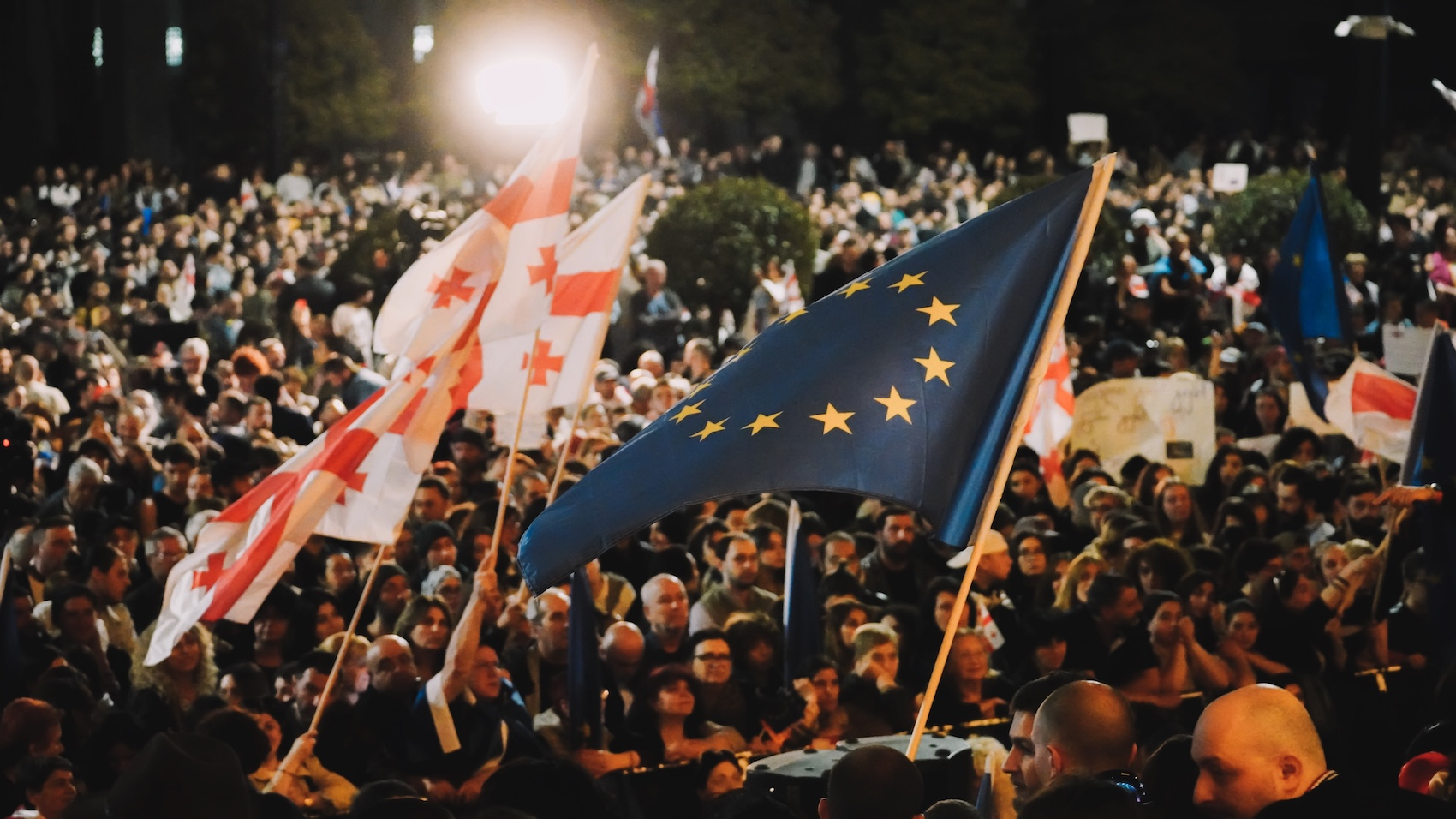

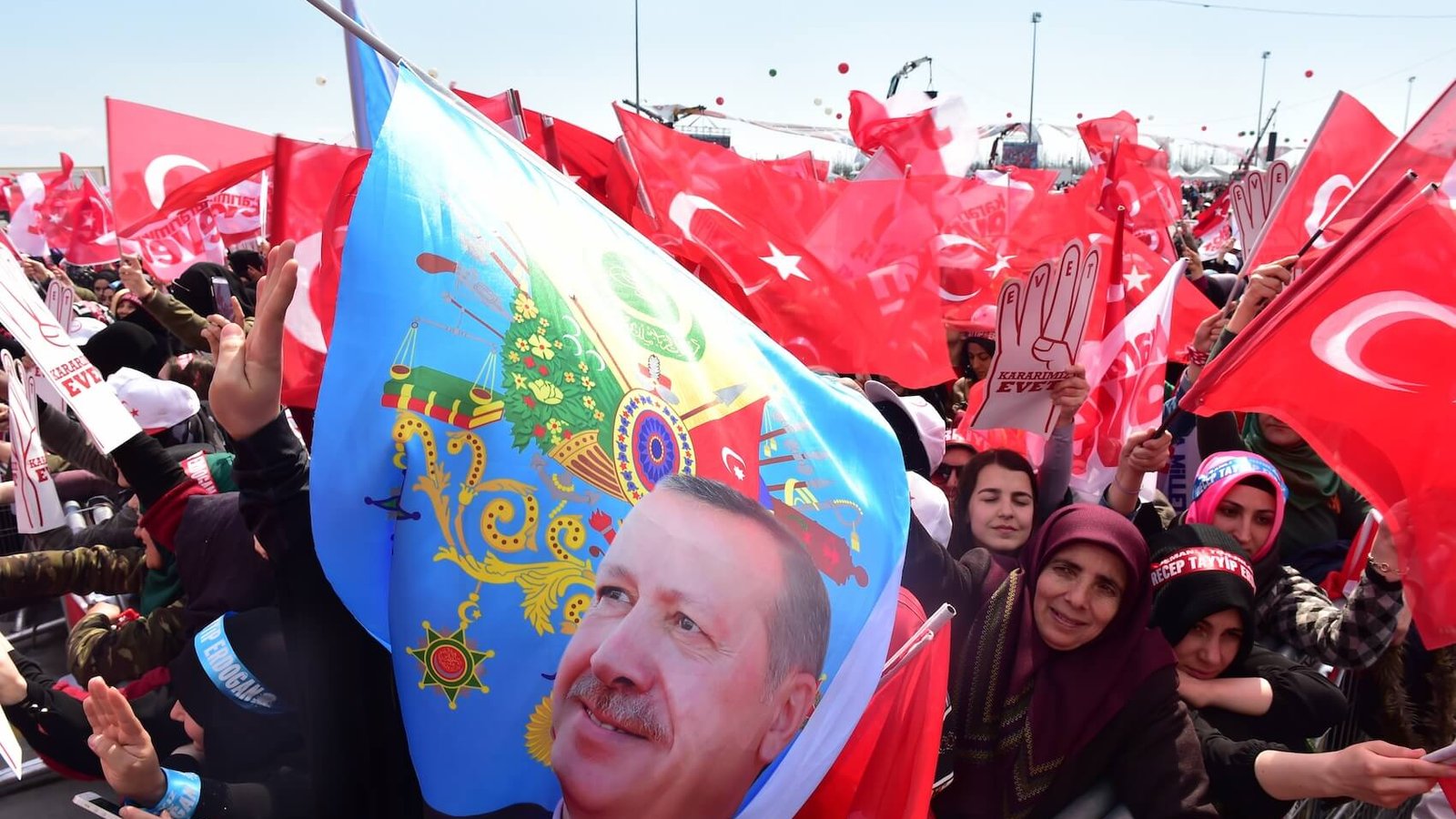
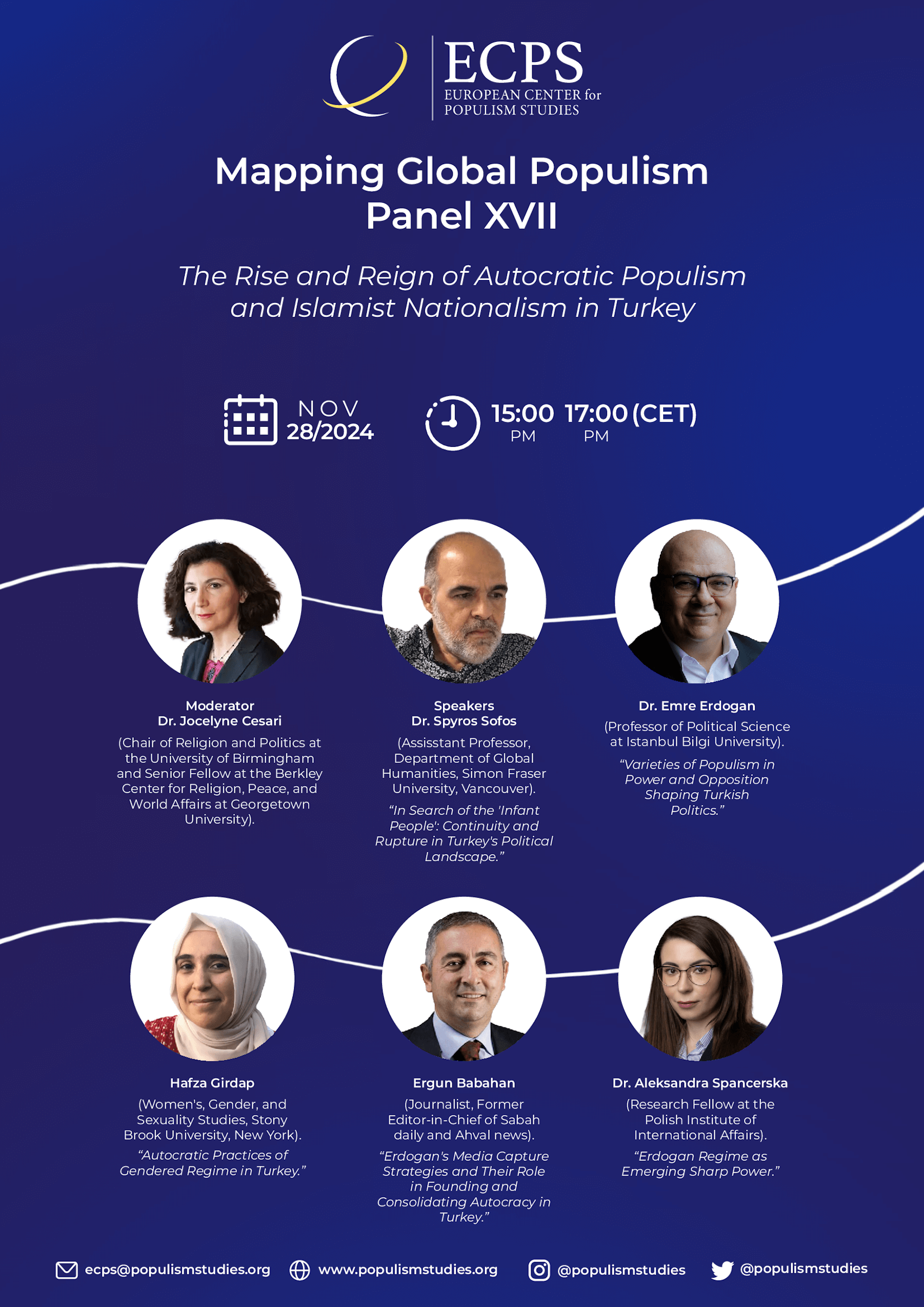


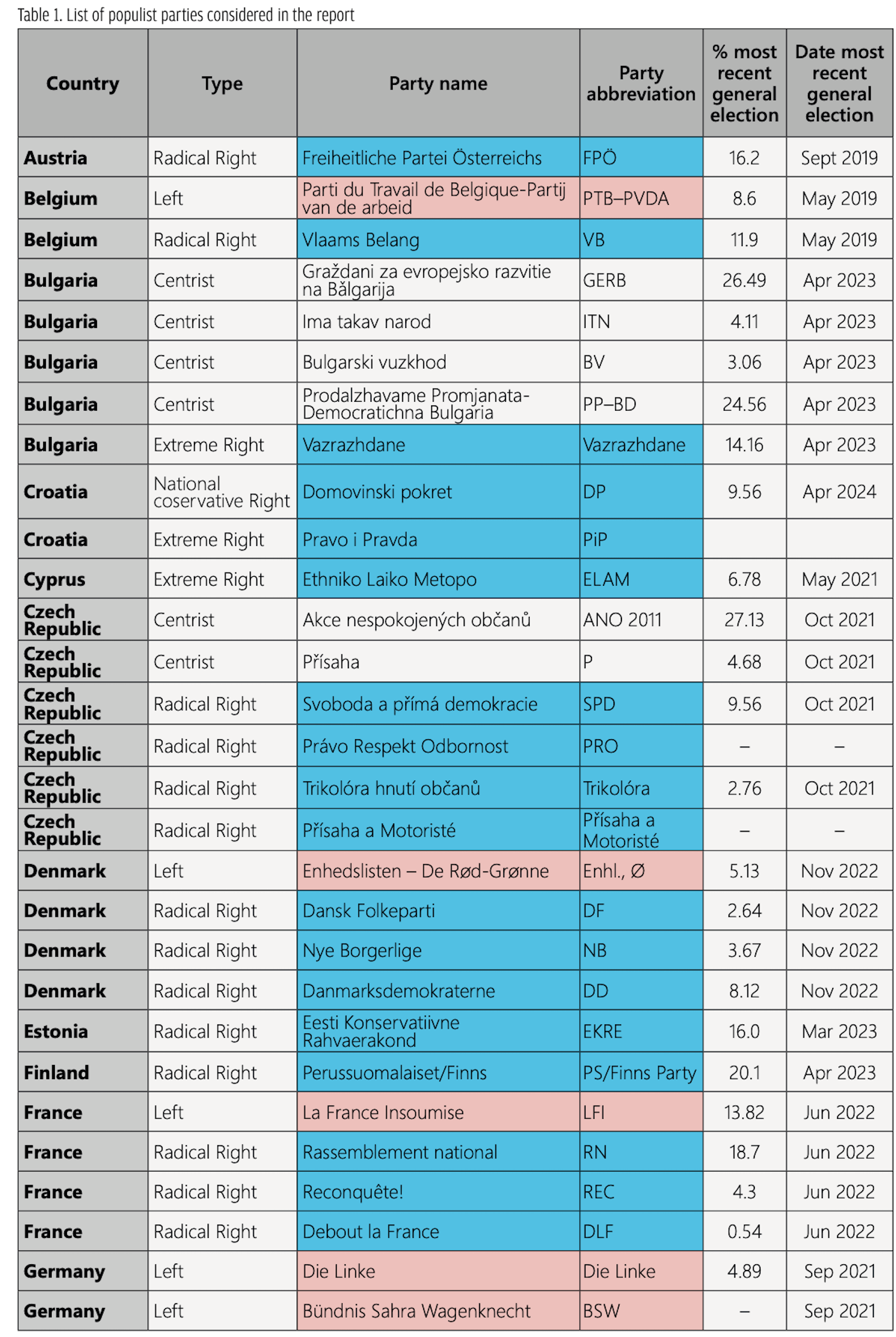
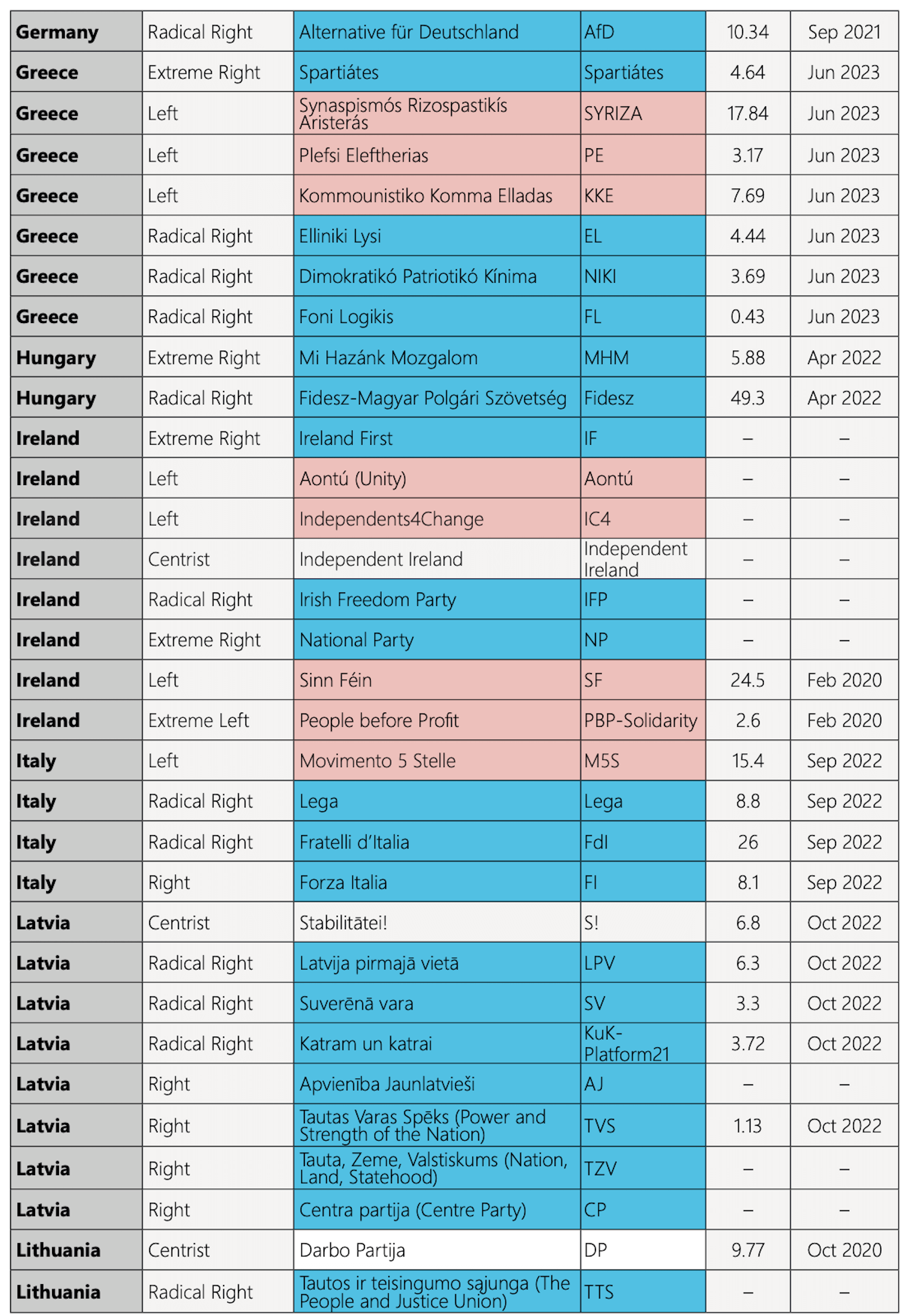
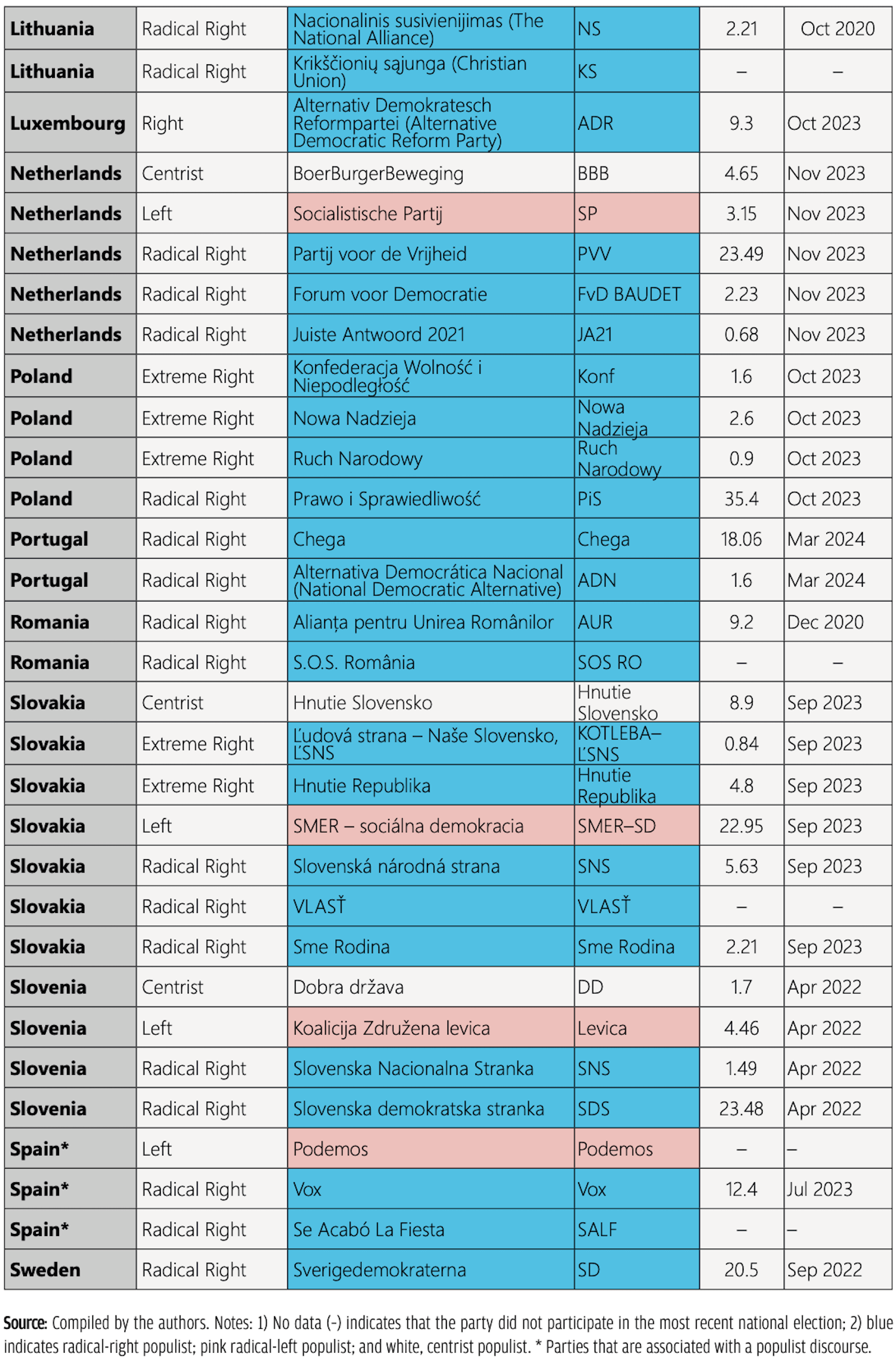 Table 1 illustrates the diversity of populism. Overall, there were about 90 populist parties across all EU member states on the eve of the 2024 European election, with varying ideological profiles, backgrounds and electoral sizes. Essentially, populism was found both left and right of the European political spectrum, as well as at its centre, particularly in Central and Eastern Europe (CEE).