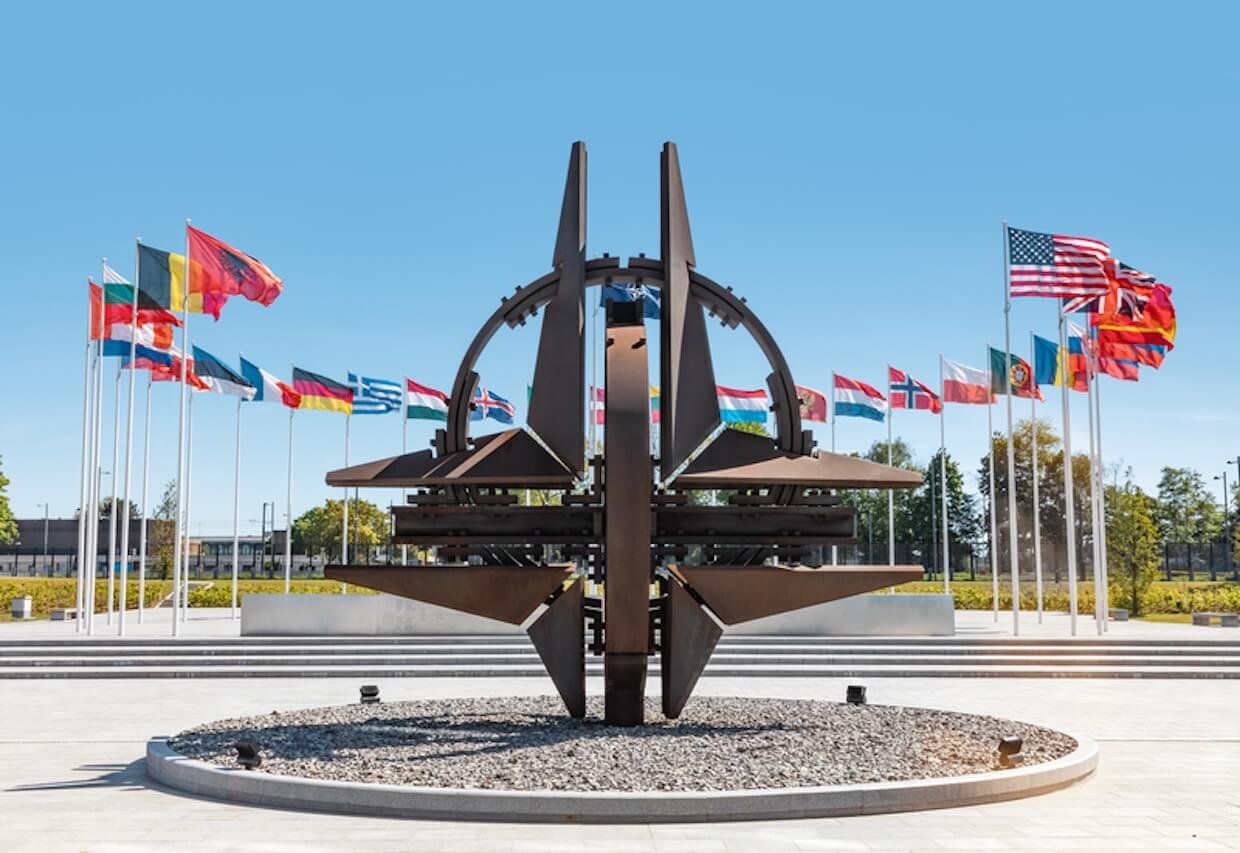
Emblem of the World Economic Forum (WEF) in Davos, Switzerland. Photo: Dreamstime.

From the ‘End of History’ to the ‘End of a Fiction’: What Davos 2026 Really Announced

Davos 2026 revealed a global order no longer converging on a single liberal model, but sliding into a harsher era in which power increasingly outweighs rules and “integration” is reframed as vulnerability. The most striking paradox was that this diagnosis came not from critics at the margins, but from the system’s own architects—transforming elite “candor” into a strategy for managing declining legitimacy. In a world shaped by fragmentation and coercive interdependence, China’s state-capitalist model is increasingly perceived as a more effective crisis-response framework, while the United States and Europe drift toward a troubling hybrid: adopting not China’s developmental strengths, but its coercive instruments of control. This dynamic reflects an emerging logic of reverse convergence—the West is no longer guiding the world toward liberalism, but being pulled toward the governance style of its principal rival.

By Ibrahim Ozturk

The Davos platform can be seen as a stage where dominant actors test narratives, identify legitimacy losses, and modify the public vocabulary they use to govern (or justify governing). It rarely makes formal decisions; instead, it indicates what elites believe they can still publicly defend—and what they can no longer convincingly pretend. Davos 2026, in that sense, can be viewed less as a policy summit and more as a diagnosis of the regime.

In this context, Davos 2026 is significant because the words spoken inside the room seemed less like a reaffirmation of the post-1990 liberal-global order and more like an early draft of its obituary. Larry Fink, Interim Co-Chair of the World Economic Forum (WEF) and CEO of BlackRock—one of the world’s largest asset managers—started with a blunt admission that the world trusts Davos and the WEF’s ability to shape the future “far less,” warning that the forum risks seeming “out of step with the moment: elites in an age of populism” (Fink, 2026). Mark Carney, Prime Minister of Canada, took it even further. He suggested that the problem isn’t just declining trust in institutions; it’s the collapse of the narrative foundations of the “rules-based liberal multilateral order” itself. He described “the end of a pleasant fiction… and the beginning of a harsh reality,” emphasizing that “we are in the midst of a rupture, not a transition” (Carney, 2026).

If anything was “announced,” then it was not a new treaty or a coordinated policy package. It was an elite confession: the old legitimating story no longer works.

What Exactly Is Ending?

The natural questions—What was declared at Davos? Is it the end of the Western system? Is Chinese-style state capitalism rising? —are the right ones. But they require careful separation of the West as power from the West as ideology, and of neoliberal globalization from liberal democracy. What seems to be ending is not “the West” as a geographical or civilizational fact, but a historically specific settlement—visible in three interlocking dimensions.

The end of the convergence myth: One part of the story traces back to assumptions about nineteenth- and twentieth-century modernization. Classical modernization thinking regarded history as a linear, stage-like process where societies would converge toward a single “advanced” model through diffusion, emulation, and integration—so that cross-civilizational differences would eventually appear as “time lags,” not alternative paths (Apter, 1965; Inglehart & Welzel, 2005; Rostow, 1960). In that framework, modernity was not just one option among many; it was seen as the expected endpoint of development.

Francis Fukuyama’s “end of history” thesis—initially presented as an essay and later expanded into a book—was a late-twentieth-century extension of this modernization perspective (Fukuyama, 1989, 1992). After the fall of Soviet-style planning, liberal capitalism seemed not just victorious but final: no significant systemic challengers remained, and future conflicts were seen as minor issues rather than real alternatives.

Davos 2026, however, seemed to quietly acknowledge that this convergence theory has run its course. After decades of “learning-by-doing” globalization, the idea that marketization, integration, and digitization would inevitably lead to liberal-democratic outcomes has become less convincing. Among many others, Öztürk (2025) calls this a fundamental “liberal fallacy,” revealed by post-2008 stagnation, growing inequality, and the resilience of authoritarian governance under capitalist conditions.

The decline of the authority of the “rules-based order” (as performance): A second aspect involves the public authority of institutional rules. Carney’s remarks illustrated a familiar phenomenon: states show belief in a rules-based order—displaying the “sign” publicly—while privately recognizing how often the rules break down in practice (Carney, 2026). His metaphor strongly mirrors Václav Havel’s assessment of late-socialist legitimacy: the system’s survival relied on ritualistic compliance and public participation in an official fiction, even when no one truly believed it (Havel, 1978).

In modern global politics, this is the credibility crisis of liberal internationalism: the rules exist, but enforcement seems selective; the universal language stays, but power distribution shapes outcomes. This is exactly where realism comes back—sometimes openly, sometimes disguised as “values-based pragmatism.”

The end of elite capitalism’s moral economy: Third, Davos 2026 hosted a legitimacy check on elite-led capitalism itself. Fink’s insistence that prosperity cannot be reduced to total GDP gains or stock-market success implicitly admits what critics have argued for decades: growth narratives do not automatically generate social approval when the distribution of wealth is unfair, public services decline, and opportunities disappear (Fink, 2026; Piketty, 2020).

This line closely mirrors Robert F. Kennedy’s well-known critique of national income accounting, asserting that GDP can measure “everything… except that which makes life worthwhile” (Kennedy, 1968). What once seemed like fresh wisdom at Davos in 2026 now appears as delayed recognition: a long-overdue admission that the legitimacy of capitalism cannot rely solely on aggregate indicators. Taken together, these three dimensions do not imply “the end of the West.” They signify the end of the West’s story about itself—the self-description of a system that universalizes its model as destiny, naturalizes its institutions as neutral rules, and considers legitimacy to be the automatic result of growth. Historically, when a hegemonic story collapses, systems rarely vanish overnight; instead, they change and adapt.

The Crisis of Corporate Capitalism as a Reflection of the System

Öztürk’s (2025) “reverse convergence” hypothesis provides one of the clearest ways to interpret Davos 2026. It avoids two lazy conclusions— (1) “China is replacing the West,” and (2) “nothing changes; it’s only noise”—by arguing that the direction of convergence has reversed. Liberal democracies are increasingly adopting illiberal governance techniques (expanded surveillance, executive discretion, securitized policy frames, controlled pluralism), while authoritarian regimes are adopting capitalist tools (market mechanisms, technological dynamism, corporate scale) without liberalizing. This is not ideological convergence through persuasion. It is functional convergence driven by systemic pressure.

Here, Karl Polanyi’s concept of the “double movement” becomes central: disembedded markets cause social division and political backlash, but the protective countermovement can be seized—redirected into nationalist, exclusionary, or authoritarian forms instead of democratic re-embedding (Polanyi, 1944). Fernand Braudel’s distinction is also important: capitalism is not the same as competitive markets; it is often a structure of lasting domination shielded from democratic accountability (Braudel, 1982, 1984).

Add the modern layer of digital political economy. The tools of governance increasingly function through infrastructures of data extraction, algorithmic control, and dependency rather than through persuasion or consent. This is the shared domain of surveillance capitalism (Zuboff, 2019), vectoral power and information monopolies (Wark, 2004, 2019), and “techno-feudal” rent extraction via digital platforms and cloud infrastructures (Varoufakis, 2023). In this view, Davos 2026 was not just a geopolitical event; it also revealed that corporate capitalism has created a legitimacy gap that traditional liberal narratives can no longer fill.

When Fink’s speech is analyzed through the perspectives of Polanyi and Braudel, it seems to outline a plan to restore legitimacy. He urged the WEF to “regain trust,” boost participation, and modernize the language used to defend capitalism (Fink, 2026). Even if the diagnosis is sound, the messenger presents a problem. The contradiction is structural: the credibility crisis he describes is closely linked to the financial and corporate structures that BlackRock represents. When the “doctor” is also one of the system’s most powerful beneficiaries, criticism is often seen as mere damage control by elites rather than genuine reformist bravery. 

Fink also emphasized that prosperity must become distributive, turning “more people into owners of growth,” not spectators (Fink, 2026). Yet this is where Davos rhetoric regularly stalls: it acknowledges the legitimacy problem but often proposes solutions at the level of communication rather than at the level of reconstruction. The 2026 shift, then, is not the defense of globalization’s moral premise; it is an attempt to rewrite capitalism’s legitimacy contract amid mass distrust.

A key concern running through the Davos discussions about AI is anxiety. The worry is that AI will repeat the distributional betrayal of globalization: early benefits go to owners of data, compute, models, and platforms, while the social costs are spread out to others. Without strong redistribution and governance, AI risks being less of a productivity leap and more of a new enclosure system—worsening dependence instead of expanding opportunities (Zuboff, 2019; Varoufakis, 2023).

From Benign Interdependence to Fortress Logic

Carney’s intervention was more impactful because it explicitly addressed what “trust” rhetoric often overlooks: the geopolitical and geoeconomic rupture of the rules-based order. His speech repeatedly suggested that the liberal promise of mutual interdependence has run its course. Integration can become a source of vulnerability and subjugation, leading states to pursue strategic autonomy in energy, food, critical minerals, finance, and supply chains (Carney, 2026).

At one point, Carney invoked a brutally realistic moral: “the strong can do what they can, and the weak suffer what they must.” The phrase echoes the Melian Dialogue in Thucydides—a canonical statement of power politics rationality (Thucydides, trans. 1972). The significance is not the originality of the reference; it is that Davos discourse now treats such realism as publicly speakable.

This is where “weaponized interdependence” becomes relevant: network power can be transformed into coercion when states or firms control critical chokepoints in finance, infrastructure, trade, and digital platforms (Farrell & Newman, 2019). Carney’s prescription—strategic autonomy or a “world of fortresses”—is therefore less a nationalist shift than an acknowledgment that global integration is no longer seen as harmless.

Seen from the broader perspective of globalization discourse, Davos 2026 signifies a significant reversal of the assumptions that characterized the early 2000s. Thomas Friedman’s The World Is Flat summarized the era’s belief that digital connectivity and integrated supply chains were “flattening” the world into a more open, opportunity-filled, and ultimately convergent space (Friedman, 2005). Two decades later, David J. Lynch’s The World’s Worst Bet reads like an obituary for that optimism: globalization now seems less like a benign force for shared prosperity and more like a risky gamble that has weakened industrial resilience, increased inequality, empowered strategic competitors, and fueled political backlash in the West (Lynch, 2025). The transition from “flatness” to “worst bet” reflects the same shift Carney now describes in geopolitical terms: integration is no longer assumed to be mutually beneficial; it is increasingly viewed as a potential pathway to dependence, coercion, and subjugation (Carney, 2026; Friedman, 2005; Lynch, 2025).

This closely aligns with Amitav Acharya’s argument that the liberal “rules-based order” was never entirely universal; it functioned as a Western-centered system with selective membership and inconsistent enforcement. What follows, according to Acharya, is not just “multipolarity,” but a decentralized “multiplex” world—more diverse, more contested, and less controlled by a single hegemon (Acharya, 2017; Acharya, 2018). Even defenders sympathetic to the liberal order acknowledge its historically Western core and its expansion after the Cold War (Ikenberry, 2008, 2018). 

Davos 2026, therefore, seemed like a moment when elites started speaking more openly than before about a world they can no longer describe as heading toward a single institutional model. However, there is a deeper contradiction at Davos: many of the harshest critiques in 2026 were made not by independent critics but by the system’s own architects—CEOs, senior officials, and high-level political leaders. This doesn’t invalidate their diagnosis, but it should change how we interpret it: what looks like honesty may also be a form of preemptive storytelling, a controlled version of systemic self-criticism aimed at maintaining core power structures while giving rhetorical ground.

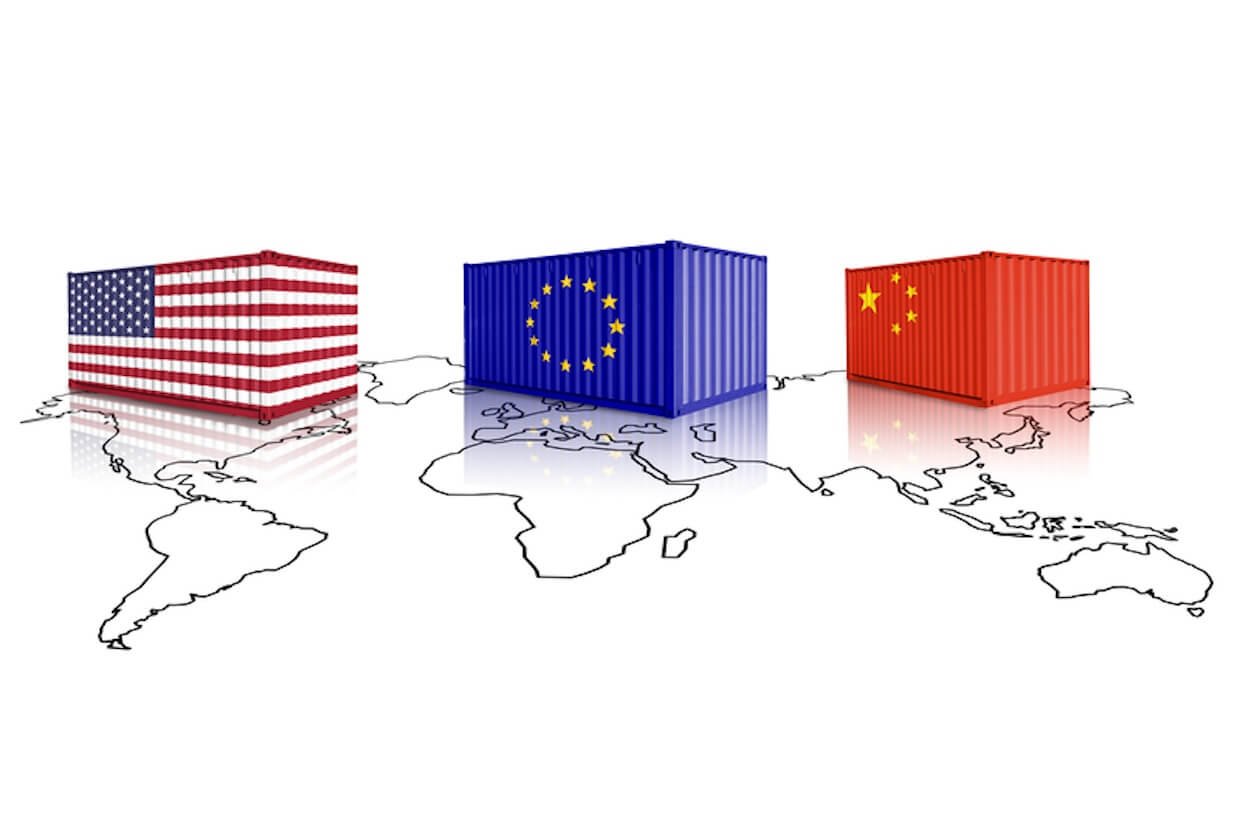
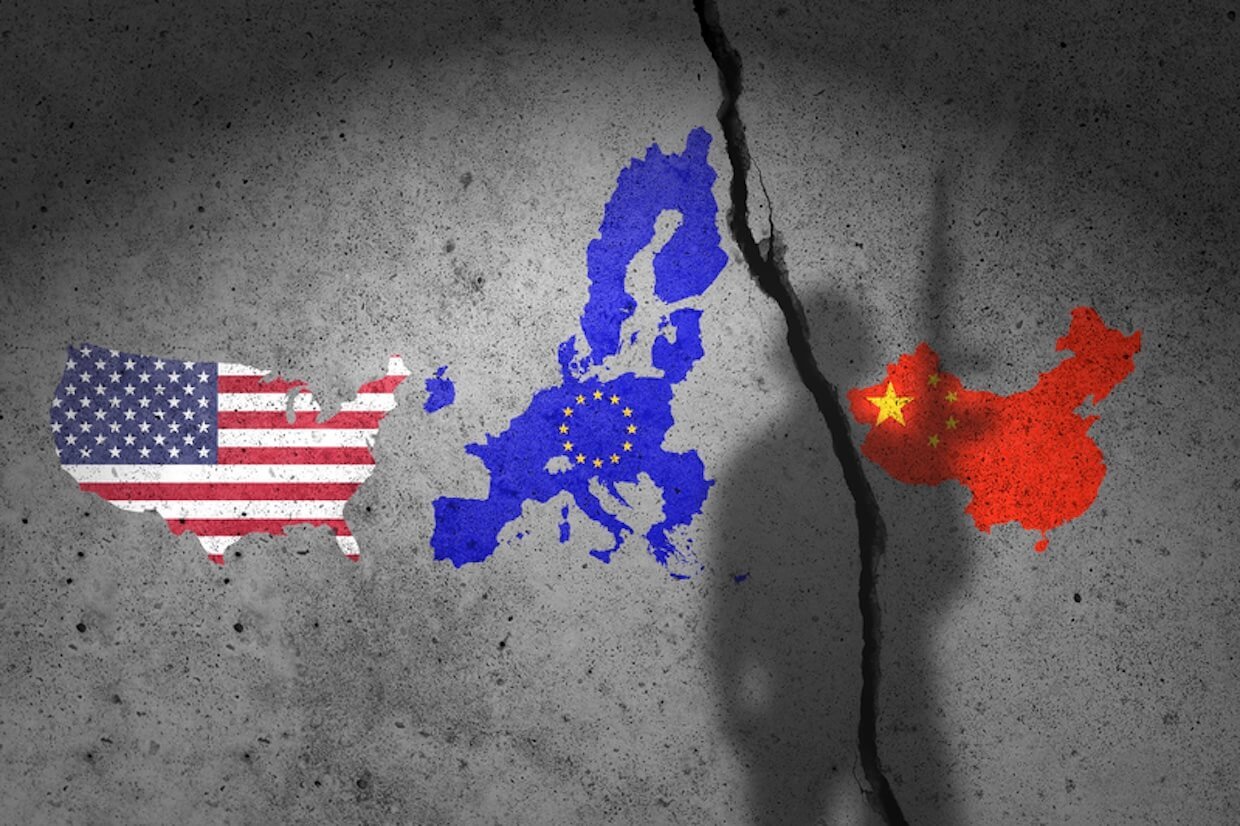
The US–EU–China Triangle: Three Paths, One Convergent Pressure

Against this backdrop, the question facing mainstream systems is no longer just whether globalization can be “fixed,” but which governance model is increasingly seen as the better response to a high-stress world full of uncertainty, fragmentation, and coercive interdependence. Under conditions of heightened geopolitical competition, supply-chain insecurity, volatility in energy and food, and rapid technological rivalry, the focus is quietly shifting toward the idea that China’s model—often called socialist state capitalism—may provide faster, more disciplined, and more strategically coordinated solutions than the liberal market approach, mainly because it can mobilize resources, direct finance, and prioritize long-term national goals. In this context, Davos 2026 didn’t just expose a legitimacy crisis; it also pointed to a growing competition over “effective modernity,” where resilience and the ability to command are beginning to matter more than openness and procedural legitimacy.

Indeed, an even more concerning sign is emerging from within the West itself: leading trends in the United States and the European Union increasingly indicate that what they are taking from China is not its potentially positive strengths—such as developmental coordination or strategic industrial policy—but rather its negative governance traits: securitization, surveillance expansion, executive centralization, and the normalization of emergency-style rule. This creates a growing zone of hybridization, where liberal democracies preserve electoral rituals while gradually adopting illiberal techniques of control and exclusion. In other words, the West seems to be entering a phase of reverse convergence—a process where the “center” shifts toward the logic of its challenger, often in its most coercive forms—a dynamic that I will explore in detail.

Öztürk’s (2025) structured comparison across five dimensions—surveillance regimes, populist discourse, regulatory architecture, market concentration, and distributional outcomes—acts like a decoder for Davos 2026. It does not claim that the US, EU, and China are becoming identical. Instead, it argues that all three are responding to the same structural pressures—tech-driven control, oligopolistic concentration, legitimacy erosion—while doing so through different institutional legacies.

China’s large-scale integration of state and capital shows that advanced capitalism can exist without liberal democracy. It combines market activity and corporate growth within one-party control, increasingly extending worldwide through infrastructure, standards, and digital systems (Callahan, 2016; Creemers, 2018; Dai, 2020). Its governance tools—such as data-driven monitoring, biometric systems, and ideological control of platforms—provide an attractive model for regimes dealing with insecurity and social unrest, even though it also poses legitimacy challenges (Greitens, 2020).

The United States’ hybrid drift shows how liberal democracy can weaken internally due to inequality, institutional capture, and polarization, especially after the 2008 crisis delegitimized traditional economic promises and heightened distrust between elites and the public (Öztürk, 2025). Illiberal populism has proved to be a resilient narrative ecosystem (Levitsky & Ziblatt, 2018; Mounk, 2018). Meanwhile, corporate surveillance and algorithmic governance operate alongside expanding security measures, leading to convergence driven by technique rather than ideology (Zuboff, 2019).

The European Union’s regulatory ambition, even under legitimacy stress, stands as the strongest counterexample to simple convergence claims because it has built the most ambitious rights-based regulatory framework in the democratic world, especially in the digital area (Floridi, 2020; Véliz, 2021). However, it remains vulnerable to legitimacy stress: far-right normalization, internal rule-of-law conflicts, uneven fiscal capacity, and ongoing reliance on US platform power. Regulation can limit domination, but legitimacy ultimately depends on distributive foundations—not just technocracy (Brown, 2019; Piketty, 2020).

If one sentence embodies the West’s strategic trauma, it is this: China demonstrates that sophisticated capitalism can operate without liberal democracy—and at scale. The Davos concern is not just that China competes, but that China’s model is increasingly serving as a reference point for organizing power in the twenty-first century (Öztürk, 2025).

The Hidden Davos Declaration

If we summarize Davos 2026 into a single implicit statement, it is: The global order based on rules-based multilateralism, benign interdependence, and trickle-down legitimacy has reached a final crisis. What comes next is probably going to be centered around: i) strategic autonomy (energy, supply chains, critical minerals, digital sovereignty) (Carney, 2026), ii) narrative legitimacy repair (“inclusive prosperity,” participation, trust) (Fink, 2026). iii) technological control architectures (AI governance, surveillance trade-offs, platform regulation conflict) (Zuboff, 2019; Varoufakis, 2023), and iv) a reduced faith in universalism, and a greater acceptance of bloc rivalry, vulnerability management, and “value-based realism” (Acharya, 2017; Ikenberry, 2018).

This is why Davos 2026 felt like a turning point: elites are no longer pretending we still live in the 1990s. But the new order being outlined is not automatically democratic. It can just as easily shift toward market authoritarianism—combining capital preservation with control-first governance. A democratic solution is still conceptually possible: re-embedding markets in democratic institutions (Polanyi, 1944), rebuilding a distributive social contract (Piketty, 2020), and limiting both corporate and government power through enforceable rights (Floridi, 2020; Véliz, 2021). Davos 2026, however, raises a brutally practical question: Can democracies re-legitimate themselves quickly enough before surveillance, AI, and strategic autonomy become permanent justifications for executive insulation?

That question, more than any speech, was the true “announcement.”


References

Acharya, A. (2017). After liberal hegemony: The advent of a multiplex world order. Ethics & International Affairs, 31(3), 271–285. (Cambridge University Press & Assessment)

Acharya, A. (2018). The end of American world order (2nd ed.). Polity. (Wiley)

Apter, D. E. (1965). The politics of modernization. University of Chicago Press.

Braudel, F. (1982). The wheels of commerce (Vol. 2). Harper & Row.

Braudel, F. (1984). Civilization and capitalism, 15th–18th century: Volume 2—The wheels of commerce (S. Reynolds, Trans.). Harper & Row.

Brown, W. (2019). In the ruins of neoliberalism: The rise of antidemocratic politics in the West. Columbia University Press. (Columbia University Press).

Callahan, W. A. (2016). China dreams: 20 visions of the future. Oxford University Press.

Carney, M. (2026, January). Special address by Mark Carney, Prime Minister of Canada, at the World Economic Forum Annual Meeting (Davos 2026). World Economic Forum. 

Creemers, R. (2018). China’s social credit system: An evolving practice of control. SSRN.

Dai, X. (2020). Enacting the social credit system: Governance through digital trust in China. Media, Culture & Society, 42(3), 408–423.

Farrell, H., & Newman, A. L. (2019). Weaponized interdependence: How global economic networks shape state coercion. International Security, 44(1), 42–79.

Fink, L. (2026). Remarks as Interim Co-Chair of the World Economic Forum at the 2026 Annual Meeting in Davos. LinkedIn.

Floridi, L. (2020). The fight for digital sovereignty: What it is, and why it matters, especially for the EU. Philosophy & Technology, 33(3), 369–378.

Friedman, T. L. (2005). The world is flat: A brief history of the twenty-first century. Farrar, Straus and Giroux.

Fukuyama, F. (1989). The end of history? The National Interest, 16, 3–18.

Fukuyama, F. (1992). The end of history and the last man. Free Press.

Greitens, S. C. (2020). Dealing with demands for surveillance. Journal of Democracy, 31(3), 15–29.

Havel, V. (1978). The power of the powerless. (Essay; English trans. published 1985).

Ikenberry, G. J. (2008). The rise of China and the future of the West: Can the liberal system survive? Foreign Affairs, 87(1), 23–37.

Ikenberry, G. J. (2018). The end of liberal international order? International Affairs, 94(1), 7–23.

Inglehart, R., & Welzel, C. (2005). Modernization, cultural change, and democracy: The human development sequence. Cambridge University Press.

Kennedy, R. F. (1968, March 18). Remarks at the University of Kansas. John F. Kennedy Presidential Library and Museum, (jfklibrary.org).

Levitsky, S., & Ziblatt, D. (2018). How democracies die. Crown.

Lynch, D. J. (2025). The world’s worst bet: How the globalization gamble went wrong (and what would make it right). PublicAffairs.

Mounk, Y. (2018). The people vs. democracy: Why our freedom is in danger and how to save it. Harvard University Press.

Ozturk, Ibrahim. (2025). “Capitalist Disruptions and the Democratic Retreat: A US–EU–China Comparison.” Journal of Populism Studies (JPS). September 11, 2025. https://doi.org/10.55271/JPS000116

Piketty, T. (2020). Capital and ideology. Harvard University Press.

Polanyi, K. (1944). The great transformation: The political and economic origins of our time. Beacon Press.

Thucydides. (1972). The Peloponnesian War (R. Warner, Trans.). Penguin Classics.

Varoufakis, Y. (2023). Technofeudalism: What killed capitalism. Bodley Head. 

Véliz, C. (2021). Privacy is power: Why and how you should take back control of your data. Bantam.

Wark, M. (2004). A hacker manifesto. Harvard University Press.

Wark, M. (2019). Capital is dead: Is this something worse? Verso. (Verso)

Zuboff, S. (2019). The age of surveillance capitalism: The fight for a human future at the new frontier of power. PublicAffairs.

Professor Stephan Klingebiel is Head of the Department of Inter- and Transnational Cooperation at the German Institute of Development and Sustainability (IDOS).

Prof. Klingebiel: Trump’s US Is Actively Undermining Multilateralism—So We Should Push for a ‘Global Order Minus One’

In this ECPS interview, Professor Stephan Klingebiel argues that Trump-era populism signals a durable shift in global governance rather than a passing disruption. He stresses that the “rise of populism, nationalism, and right-wing populism predates Trump,” and warns that Washington is now “actively fighting all forms of multilateralism” through withdrawal, defunding, and the systematic contestation of UN language on issues such as “climate change,” “gender,” and “diversity.” Professor Klingebiel links this normative erosion to the weaponization of trade, tariffs, and development finance, which turns rules-based cooperation into coercive bargaining. He also highlights how geoeconomic competition is reshaping North–South relations by expanding bargaining space for resource-holding states. Looking ahead, he proposes a “global order minus one” as a pragmatic pathway to sustain multilateralism amid fragmentation.

Interview by Selcuk Gultasli

In an era marked by intensified geopolitical rivalry, the resurgence of right-wing populism, and the erosion of long-standing international norms, the future of multilateral governance has become a central question for scholars and policymakers alike. In this wide-ranging interview with the European Center for Populism Studies (ECPS), Professor Stephan Klingebiel—Head of the Department of Inter- and Transnational Cooperation at the German Institute of Development and Sustainability (IDOS)—offers a sober and incisive assessment of how Trump-era populism is reshaping global governance and what realistic alternatives may still be available.

At the heart of Professor Klingebiel’s analysis is a rejection of the notion that Trump-era populism represents a temporary aberration. Instead, he situates it within a broader and more durable constellation of political, ideological, and technological shifts. As he emphasizes, “the rise of populism, nationalism, and right-wing populism predates Trump,” extending across parts of Europe and the Global South. Trump, in this sense, is not an anomaly but a catalyst—“a prominent role” within a system that is unlikely to disappear in the near future.

A central theme of the interview is the normative and material hollowing-out of multilateralism. Professor Klingebiel argues that populism does not merely weaken international cooperation through withdrawals and defunding; it reframes cooperation itself as a zero-sum loss. In Trump’s discourse, he notes, the United States is consistently portrayed as a victim: “Canada, Europe—[they] have long lived at the expense of the United States.” This logic underpins what Klingebiel bluntly describes as an administration that is “actively fighting all forms of multilateralism.”

The interview traces how this antagonism manifests across institutions and issue areas—from the US withdrawal from dozens of international organizations to the systematic erosion of consensus-based norms within the United Nations. Particularly alarming, Klingebiel warns, is Washington’s effort to excise concepts such as “climate change, gender, gender-based violence, and diversity” from multilateral language, producing a chilling effect that leaves international organizations “no longer in a position to be explicit about real global challenges.”

Beyond institutions, Professor Klingebiel examines the weaponization of trade, tariffs, supply chains, and development finance, describing a shift from rules-based governance to coercive bargaining. This marks, in his view, a decisive break with past practices, where even hegemonic power was at least nominally constrained by international law. Recent cases—such as US actions in Venezuela—signal a world in which legal justification is no longer even rhetorically necessary.

Yet the interview is not purely diagnostic. Looking ahead, Klingebiel introduces one of his most provocative ideas: the possibility of sustaining multilateralism through a “global order minus one.” If a broad coalition of states remains committed to multilateral norms, he argues, such an order could both isolate unilateral obstruction and create incentives for eventual re-engagement. While acknowledging that “we are most likely not going back to the situation we had five or ten years ago,” Klingebiel insists that political choices made now—particularly by Europe and like-minded partners—will decisively shape whether the future belongs to cooperative governance or competitive fragmentation.

Together, the interview offers a penetrating reflection on populism, power, and the fragile future of the international order.

Here is the edited transcript of our interview with Professor Stephan Klingebiel, slightly revised for clarity and flow.

Trump-Era Populism and Global Governance

Donald J. Trump, the 47th President of the United States, at his inauguration celebration in Washington, D.C., on January 20, 2025. Photo: Muhammad Abdullah.

Professor Stephan Klingebiel, thank you so much for joining our interview series. Let me start right away with the first question: Is Trump-era populism best understood as a temporary disruption to global governance, or does it mark a structural shift toward a new “normal” defined by transactionalism and power asymmetries? What makes such a shift durable—or reversible?

Professor Stephan Klingebiel: Thank you very much for this question. It is, of course, not an easy one, as it touches on many different dimensions. To begin with, I do not think that what we are currently witnessing is something that will simply disappear in the near future. The rise of populism, nationalism, and right-wing populism predates Trump. We saw these developments earlier in parts of Europe, such as Hungary, and also in several regions of the Global South.

What we are dealing with, then, is a broader system or constellation in which Trump plays a prominent role, but he is by no means the only actor. There are numerous other political figures, institutions, and ideological currents that are unlikely to vanish any time soon. As a result, this is a reality we will probably have to contend with for the foreseeable future.

These dynamics are also connected to wider structural trends. In some parts of the world, for instance, we see growing frustration among younger generations—this is particularly evident on the African continent. At the same time, the influence of traditional media is declining, while social media is gaining prominence. Social media, in turn, has the capacity to mobilize emotions in ways that differ significantly from earlier forms of political communication. From this perspective, it is important to recognize that the impact of social media is not a temporary phenomenon, but one that is likely to remain with us for some time.

The United States Is Actively Fighting All Forms of Multilateralism

How does populism erode multilateral cooperation not only materially (through withdrawal or underfunding) but also normatively, by reframing cooperation as loss rather than collective gain?

Professor Stephan Klingebiel: I think we need to emphasize that, typically—and this is true for almost all populist leaders and movements—multilateral approaches are not really part of populist political identity or thinking. It is very much the opposite. As a populist leader, you emphasize national interest and present yourself as a victim. Just listening to many speeches by President Trump, including his most recent one in Davos, we see this clearly: he portrays the United States as a victim, arguing that the rest of the world—Canada, Europe—has long lived at the expense of the United States. The conclusion, of course, is that a populist leader then seeks to turn this around and make the rest of the world pay. In this narrative, the international system is framed as fundamentally unfair to the hegemon, to the United States. In that sense, the United States is actively fighting all forms of multilateralism.

We see this in many ways. The most visible manifestations are defunding and withdrawal from international organizations. At the beginning of January this year, President Trump announced that the US would withdraw from a total of 66 international organizations. We have also already seen the defunding of a number of other international institutions to which the United States was a part. 

However, what I would stress is that there are many additional ways in which the US has, over the past months, weakened—and to some extent even undermined—multilateralism. One example is the International Conference on Development Finance held last summer in Sevilla, Spain. The United States remained involved in the preparatory process until the very last moment, largely in order to slow down and weaken the negotiations and to ensure that the final outcome document would be as weak as possible. At the very end, the United States announced that it would not participate in the conference at all. In that sense, it did not show up in Sevilla. What is particularly striking, however, is that the US had already been spoiling the process before the conference and then, immediately afterward, resumed efforts to weaken the outcome document, build alliances, and contest the results of the conference.

More broadly, we can see that the United States is pursuing a range of strategies. One additional point is that, from the very beginning of the second Trump administration—in February and March 2025—the US administration has been working with a list of key terms and concepts it actively seeks to oppose. These include concepts such as climate change, gender, gender-based violence, and diversity. As soon as an international organization publishes a report or document addressing climate change or any of these other issues, the United States attempts to eliminate this kind of language and thinking.

This is particularly dangerous because, in institutions such as the United Nations—where many decisions are consensus-based—we now face a situation in which, across executive boards and institutional bodies, the United States consistently intervenes to block or dilute agreed language. For example, it seeks to replace “climate change” with terms like “extreme weather.” This practice is already shaping the internal thinking and behavior of international organizations. Increasingly, they are no longer in a position to speak openly about major global challenges. Instead, they try to avoid explicit language in order to escape constant confrontation with the United States. At the same time, the United States is actively seeking allies to challenge what was previously a broad global consensus, further eroding the normative foundations of multilateral cooperation.

We Are Entering an Era of Competing Organizations and Conflicting Norms

The headquarters of the United Nations in New York City. Photo: Dreamstime.

Are we witnessing the end of universal multilateralism, or its mutation into selective, interest-based cooperation? How does your concept of like-minded internationalism fit into this transition?

Professor Stephan Klingebiel: It is probably too early to draw definitive conclusions about what kind of new era, we are entering. Much of this is still evolving. What is clear, however, is that there are very powerful forces actively trying to undermine the existing international order, most notably the United Nations. Even in the past, we saw situations in which certain actors—Russia, for example—did not accept international law in many respects, and similar patterns could be observed with other governments as well.

The key difference today, however, is that we previously had a very strong group of countries, including the United States, committed to ensuring that this international order functioned effectively. What we see now is that the United States itself is aligning with forces that are seeking to undermine—and in some cases even dismantle—this system.

Just a few days ago, President Trump publicly described the United Nations as an enemy. From this perspective, it is not difficult to understand that any international order in which the United States does not occupy a clearly dominant position is framed as contrary to American interests. The proposal of a so-called “peace council” by President Trump represents an open challenge to the United Nations. My assumption is that even if this initiative ultimately fails, and even if Trump is no longer president, the broader trend toward competing international organizations, rival groupings, and conflicting norms about the rules of the game will persist.

This brings us to the question of like-minded internationalism. On the one hand, a populist leader can seek out like-minded countries, as President Trump is doing. On the other hand, states that remain committed to multilateralism can also pursue cooperation among like-minded partners. This is something we can already observe. If you look at recent speeches in Davos—by leaders from Canada, France, and several other countries—you can see attempts to articulate collective action against the advance of right-wing populism.

At the same time, such efforts require substantial power backing to be effective. While we can see early signs of countries trying to organize this kind of counterpower, it remains a very difficult and uncertain undertaking.

We Are Seeing the Construction of a System Based on Coercive Power

Trump’s use of tariffs and trade threats as coercive tools, or as a “trade bazooka,” reflects a shift from rules-based trade to punitive bargaining. What are the long-term systemic risks of normalizing trade as a geopolitical weapon?

Professor Stephan Klingebiel: We can now observe this dynamic across many policy areas. It relates to trade and tariffs, but also to foreign investment, access to critical minerals, and other domains. What is particularly new is the extent to which Trump is explicitly weaponizing all of these tools—imposing, or threatening to impose, tariffs whenever a country is deemed, from his perspective, not to be behaving in a desirable way.

One positive feature of the past was that, to a large extent, different policy areas were kept separate. If there was a conflict related to trade, it was addressed through trade instruments and negotiation. Today, this separation has largely disappeared. From a European perspective, we increasingly see that almost everything can be linked to questions about US support and positioning—for example, in relation to Russia’s aggression against Ukraine—even when the issues at stake are, in principle, unrelated.

We have seen statements suggesting that if the European Union seeks to regulate US technology companies, this could have consequences for NATO. In reality, these issues are not directly connected, but this administration is deliberately trying to weaponize all the tools at its disposal. Tariffs, in particular, appear to be one of the most immediate and effective instruments Trump can use to respond to a situation. This is deeply concerning. It signals the construction of a system based on coercive power, rather than leadership through partnership. It is no longer about win-win outcomes or cooperation, but about imposing outcomes that align with what the US leadership wants to see.

As a brief aside—and this applies to many of the points I have made—this situation strongly reflects what European countries are currently experiencing, and it is highly relevant for them. At the same time, it is important to recognize that, from the perspective of many countries and actors in the Global South, such coercion and dominance—whether by the United States or by the West more broadly—is not new. These practices have long been part of their political reality.

From a European standpoint, the liberal international order now appears to be at serious risk, and this concern is entirely justified. Yet for many countries in Latin America, the Caribbean, or Africa, experiences such as military intervention are not unprecedented. In conversations I have had over recent weeks and months, academics, political leaders, and policymakers from these regions often say: this is our normal experience as relatively small and powerless countries. US-led military interventions, particularly in Latin America over past decades, are a familiar reference point. This perspective deserves to be taken seriously.

There is also an important additional dimension. In many respects, there is truth in the argument that the international system has never been fair to large parts of the world. What is new today is that Europe and other Western countries are now feeling the impact directly, because these same coercive tools are increasingly being used against them. Yet there remains a crucial difference compared to the past. Historically, the US government—and Western governments more broadly—at least operated with a set of double standards. There were formal commitments to principles such as territorial integrity and sovereignty, and when military interventions occurred, they were typically accompanied by some form of justification grounded in international law.
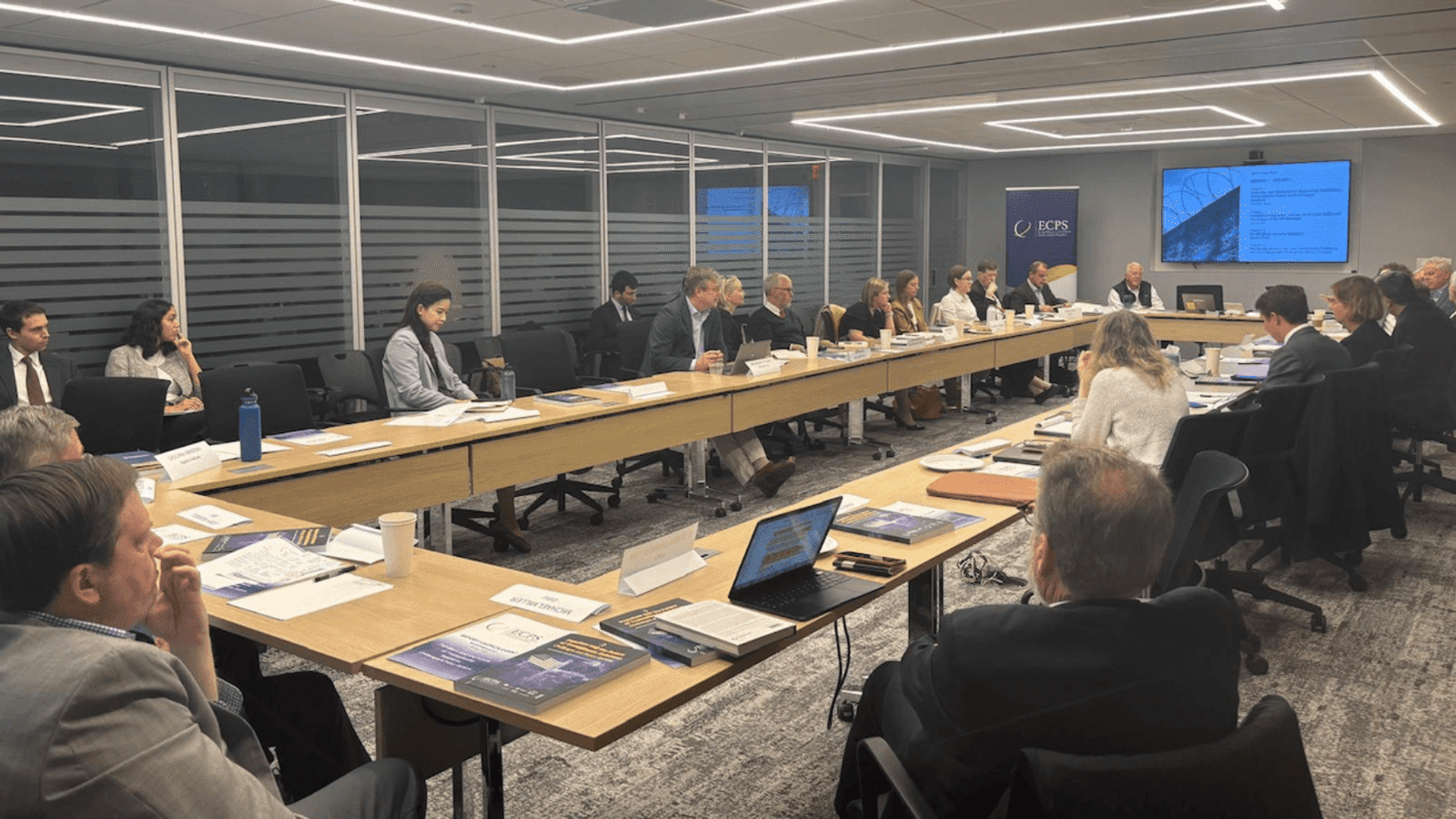
If we look at events such as what happened in Venezuela in early January 2026, it was clear from the outset that there was no attempt by the US administration to justify its actions on the basis of international law. This marks a significant departure from earlier practices. In the past, Western actors were at least under pressure to frame their actions within legal justifications. Today, the United States no longer appears interested in invoking international law even as a reference point. In this sense as well, we are confronting a new situation.

Geoeconomics Has Become a Very Crucial Dimension

How does the weaponization of trade, supply chains, and development finance reshape North–South relations, particularly for countries dependent on access to Western markets and institutions?

Professor Stephan Klingebiel: I think what we have already seen over the last couple of years—and this is only partly related to the second administration of President Trump, as we observed it especially during the COVID period and even before—is that we are now in a situation where supply chains, access to critical minerals, and energy security have become much more important. Geoeconomics has therefore become a very crucial dimension.

In many ways, this increasingly gives even poorer, or very poor, countries a relatively powerful bargaining instrument. Just look, for example, at the situation of a number of Sahel countries, which are now in a position to offer what they have—whether in terms of international support in United Nations General Assembly decisions or access to minerals such as uranium and other resources—to different actors: European countries, the United States, but also China and Russia, particularly when it comes to uranium.

This gives many relatively small or economically less important countries much more power at their own disposal. And this kind of multi-alignment is something that, from this perspective, is seen by many actors in the Global South—on the African continent and beyond—as a positive trend.

Greenland — Seeing Territorial Integrity Questioned Is Deeply Troubling

Colorful houses in Greenland. Photo: Dreamstime.

How should we interpret Trump’s renewed rhetoric and pressure around Greenland—symbolically and strategically? Does this signal a revival of territorial or quasi-imperial logics under populist leadership?

Professor Stephan Klingebiel: This is really—especially from a European perspective—a game changer. I think what we constantly see with the Trump administration is the need to make sense of what is actually going on. There is so much happening at the same time. Some of these activities may be relevant, while others appear to be mere rhetoric or deliberate distractions. At the beginning of his second term, or even before, Trump was already using narratives about Canada, the Panama Canal, and Greenland.

Many observers initially had the impression that this was little more than window dressing—aimed at domestic audiences rather than reflecting serious intentions. However, seeing these intentions articulated so explicitly—we want to take over Greenland—and accompanied by statements that the United States would be willing to use force or military power, including reiterations of this position in Davos and elsewhere, marks a clear escalation. Announcing, over a prolonged period, that the use of military power is not excluded represents a direct challenge to international law.

This is a genuinely new dimension, and it brings us back to an era when imperial ambitions were an accepted part of international politics. From the perspective of European countries, many countries in the Global South, and the normative framework of international law, there has long been a shared hope that the territorial integrity of states would remain a foundational principle of global order. Seeing this principle openly questioned by the world’s most powerful military actor is deeply troubling.

We are therefore at a turning point, and we are still grappling with what effective responses to this new situation might look like. At the same time, this rhetoric constitutes a real threat emanating from the administration. Over the past few weeks, we have seen at least some renewed movement toward European unity. It is also important to recognize that Europe—the European Union (EU) together with the UK, and other partners—as well as countries in the Global South, are not merely in a position to wait and observe. They also have the capacity to respond.

The United States itself depends heavily on the rest of the world—for trade, access to critical minerals, and political support, among other things. In this sense, the debate around Greenland is indeed a game changer. It is likely to shape strategic concepts and political priorities for years to come.

We Can Oppose Attempts to Establish a System of Hemispheres

In a fragmented, multipolar order, are spheres-of-influence politics becoming inevitable again? For smaller and middle powers, does this create new room for maneuver—or deepen structural dependency?

Professor Stephan Klingebiel: I think this is very much a concept associated with President Putin in Russia, and it seems to have been taken up by President Trump as well. If you look at the National Security Strategy from early December 2025, it reflects, more or less, exactly this kind of thinking—how the world should be organized by large powers such as the United States. In this view, regions are defined in which major powers exercise special influence, with the United States claiming its own hemisphere, understood as the Western Hemisphere.

Whether this will ultimately become the dominant way in which the world is organized remains to be seen. At the very least, however, we can observe a real risk that this kind of concept may become attractive to a number of countries.

At the same time, we need to recognize that the imperial era—when colonial powers simply ruled over other countries and territories—is quite different from today’s reality, characterized by a very different global economy. In many parts of the world, there is now an alternative understanding of how the international order should be organized. We also see significant economic and military potential in Europe and elsewhere.

So, in a sense, this intention—we want to rule our own hemisphere—is clearly present. But whether it will actually define the future organization of the international system is still uncertain. Importantly, this is also a moment in which many actors and countries are trying to push back against such ideas. European actors, for example—the European Union and the UK—have the potential to link up with partners in the Global South who are not in a weak position in many respects. So we can oppose those intentions and approaches that seek to establish a system of hemispheres.

Europe Needs the Capacity to React Within Days or Even Hour

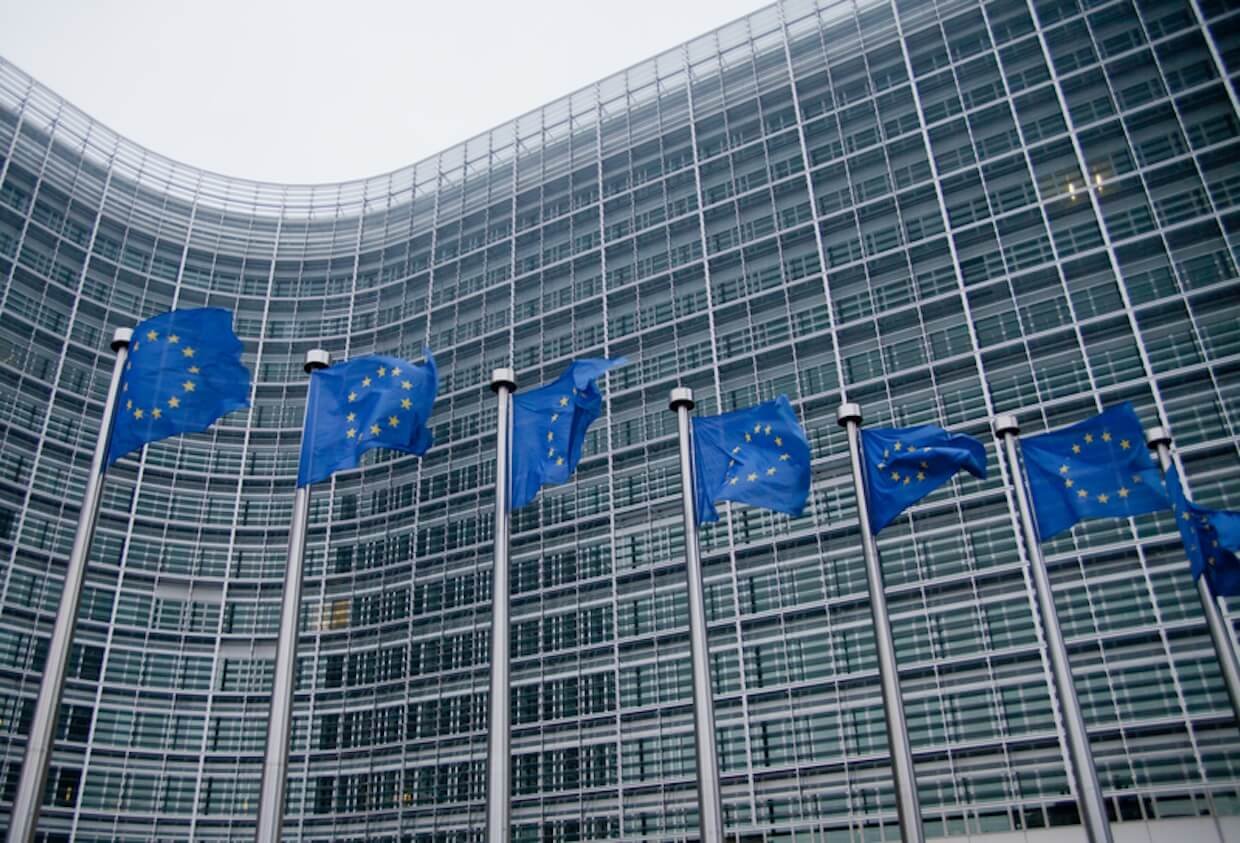
European Commission headquarters with waving EU flags in Brussels. Photo: Viorel Dudau.

What realistic policy alternatives exist to prevent a spiral of authoritarianism, protectionism, and institutional decay? If you had to prioritize three concrete steps for Europe, what would they be?

Professor Stephan Klingebiel: I think one main challenge we need to overcome is organizing collective action. Collective action, as we know, is often difficult to organize because, within one group, there are different views and different interests. Just look at the tariff threats from the US over the past weeks and months. We saw a situation in which, for example, the interests of France, Germany, and other EU countries diverged, making it difficult to arrive at a clear, unified position.

But this is not impossible. With the Greenland escalation over the last few weeks, we saw that collective action can indeed be achieved. So, organizing collective action is crucial. A second point is that collective action among a like-minded group is a requirement—a precondition—for success. At the same time, we also need to recognize that, in certain moments, a smaller group of actors may need to provide leadership, particularly in shaping concepts and strategies.

It is also useful to consider one advantage President Trump has: as the leader in power, he can decide overnight what he wants to do. For the European Union, it is far more difficult to speak with one voice within a very limited timeframe. What this means is that Europe needs to develop the capacity to react within short periods—within days or even hours.

This kind of leadership by some European countries—without neglecting the views and interests of smaller EU members or other actors—should ensure that there is a capable, small group in a position to respond quickly. Like-mindedness is one requirement, but it must also translate into an approach that is agile in many ways: agile in terms of speed, and agile in terms of producing solutions that are ready to confront new challenges, such as political leaders openly stating their intention to take over another country.

In this regard, I think it requires a strong willingness to mobilize political, economic, and military resources, and the capacity to make decisions swiftly. These are some of my responses to your question.

Global Order Minus One Could Become a Powerful Incentive

And finally, Professor Klingebiel, looking ahead, do you foresee a reconstitution of multilateralism, a stable equilibrium of fragmented governance, or a drift toward competitive blocs—and what political choices today will be decisive in shaping that outcome?

Professor Stephan Klingebiel: It is difficult to make any serious forecast at this point about how the world might look. However, what we have seen over the last couple of weeks is a growing discussion suggesting that we should consider—perhaps even actively push for—a global order that could be described as a “global order minus one.” This would mean that if there is a broad consensus among countries that want to uphold a multilateral approach, that want to keep the United Nations relevant—or even make it more relevant—while the United States takes a different position, it might still be possible to sustain a strong and effective form of multilateralism.

In such a scenario, we would be in a position to isolate, in many ways, what the United States is doing. Even from a conceptual perspective, this kind of global order minus one could become a powerful tool to incentivize the United States to rejoin the international consensus. If the United States were the only major player outside such an order, this would entail significant political and economic costs, as well as increased military risks for the United States itself.

What I want to emphasize is that we are most likely not returning to the situation we had five or ten years ago. Instead, we may be moving toward a different configuration in which global governance needs to be reformed in many ways—not least to incorporate rising actors from the Global South and to make the system fairer overall—but where this new arrangement could also generate substantial pressure on the United States to re-engage.

This perspective is also relevant when considering other actors that are not particularly committed to multilateralism, such as Russia. When it comes to China, the picture is somewhat different, but in all these cases, alignment remains necessary in various ways. A global order minus one may thus represent one possible pathway for navigating and potentially overcoming the difficult situation we currently face.

Professor Francisco Rodríguez is a Senior Research Fellow at the Center for Economic and Policy Research and Faculty Affiliate at the University of Denver’s Josef Korbel School of International Studies.

Prof. Rodríguez: Venezuela Is No Longer About Venezuela, It’s About Demonstrating Power

Giving an interview to the ECPS, Professor Francisco Rodríguez argues that today “Venezuela is no longer about Venezuela; it is about demonstrating power.” He reassesses Chavismo’s constitutional refoundation, noting that “not even the most hardline opponents of Chavismo question the Constitution today,” while stressing that redistribution collapsed when oil rents vanished: “The model of oil-rent redistribution simply does not work if there are no rents to distribute.” Professor Rodríguez highlights the durability of moral antagonism—“us versus them”—and shows how social policy can operate as rule: “We bring you food; we take care of your family’s needs.” Crucially, he links the post-Maduro landscape to Delcy Rodríguez’s room for maneuver, arguing that if she can claim Washington is no longer backing the opposition, she can frame Maduro’s seizure as “a strategic victory.” Yet he warns that US demands for “power-sharing with the opposition” would be “deeply problematic for Chavismo.” He concludes that Trump’s approach is transactional: “not demanding political reform… [but] asking Venezuela to sell oil.”

Interview by Selcuk Gultasli

Giving an interview to the European Center for Populism Studies (ECPS), Professor Francisco Rodríguez—Senior Research Fellow at the Center for Economic and Policy Research and Faculty Affiliate at the University of Denver’s Josef Korbel School of International Studies—offers a comprehensive analysis of Venezuela’s post-Maduro political trajectory. Situating the case at the intersection of populist state resilience, authoritarian adaptation, and shifting US power strategies, Professor Rodríguez advances a stark diagnosis: “Venezuela is no longer about Venezuela; it is about demonstrating power.” In his account, the country has become a geopolitical signal—a site through which coercive capacity, transactional hegemony, and the limits of democratic opposition are being tested.

Professor Rodríguez begins by reassessing the foundational pillars of the Chávez-era project—constitutional refoundation, oil-rent redistribution, and the moralization of politics—arguing that these were not merely leader-centered strategies but elements of a durable populist state architecture capable of surviving leadership decapitation. While personally critical of the 1999 Constitution, he notes that “not even the most hardline opponents of Chavismo question the Constitution today,” underscoring how deeply constitutional refoundation has been absorbed into Venezuela’s political ethos. Even critics, he observes, now invoke the Constitution “as a model that the Maduro government is failing to uphold.”

On political economy, Professor Rodríguez emphasizes that populist redistribution depends on material abundance. “The model of oil-rent redistribution simply does not work if there are no rents to distribute,” he argues, pointing to a 93 percent collapse in oil revenues between 2012 and 2020. This collapse, compounded by US sanctions, forced the regime toward pragmatic—and even neoliberal—adjustments, not as a matter of ideological conversion but constraint. As Professor Rodríguez puts it, the economy remained closed “not because the government didn’t want it open, but because the United States government didn’t allow it.”

A central theme throughout the interview is the durability of moralized politics. Chavismo’s framing of politics as an existential struggle between “the people” and apátridas (stateless persons in Spanish/Portuguese, S.C) continues to structure both regime and opposition behavior. Professor Rodríguez cautions that this antagonistic grammar cannot be easily abandoned, particularly because “the opposition has also embraced a moralized framework, albeit from the opposite angle.” This mutual entrenchment helps explain why moments that might have enabled institutional cohabitation—most notably the opposition’s 2015 parliamentary victory—instead produced escalation and breakdown.

Within this transformed landscape, Professor Rodríguez devotes particular attention to Delcy Rodríguez’s room for maneuver. He argues that her political viability now hinges on whether she can credibly claim that Washington is no longer backing the opposition. Under those conditions, Maduro’s seizure can be reframed as “a strategic victory,” preserving Chavismo’s narrative of confrontation. At the same time, Professor Rodríguez warns that any US demand for “power-sharing with the opposition” would be “deeply problematic for Chavismo,” requiring a fundamental rewriting of its moral and institutional grammar.

The interview culminates in Professor Rodríguez’s assessment of US intervention under Donald Trump. Contrary to expectations, Trump did not demand democratization or power transfer, but oil. “What Trump is effectively doing now is not demanding political reform,” Professor Rodríguez explains; “he is asking Venezuela to sell oil to the United States.” This approach reflects a broader logic of informal empire: “It is more efficient to rule through domestic elites who follow US directives than to administer the country directly.” In this sense, Venezuela becomes less a national case than a global message—one that signals the new rules of transactional power, and the risks they pose for democratic oppositions worldwide.

Here is the edited transcript of our interview with Professor Francisco Rodríguez, slightly revised for clarity and flow.

Between ‘Us Versus Them’ and External Power: Chavismo After Maduro

Chavez-Maduro
Iconic sites in central Caracas, where buildings are decorated with murals promoted by the Chávez and Maduro governments. Photo: Dreamstime.

Professor Francisco Rodríguez, thank you very much for joining our interview series. Let me start with the first question: With Nicolás Maduro removed yet the Chavista state apparatus largely intact, how should we reinterpret the foundational choices of the Chávez era—constitutional refoundation, oil-rent redistribution, and the moralization of politics—as elements of a populist state project capable of surviving leadership decapitation?

Professor Francisco Rodríguez: First of all, thank you very much for having me, and thank you for the opportunity to have a conversation about Venezuela and its populist model and evolution. Let me start by addressing the three aspects you mention. One of them is the Constitution. To a certain extent, constitutional refoundation is something Chavismo achieved quite remarkably, and it has become deeply ingrained in the Venezuelan ethos. The evidence for this is that there is very little, if any, discussion among Venezuela’s political actors about the need to change the Constitution. This is not to say that I think the current Constitution is good. On the contrary, I am quite critical of the way it expands executive power, and I believe that reform in this area will be necessary. But the reality is that not even the most hardline opponents of Chavismo question the Constitution today. In fact, they often invoke it as a model that the Maduro government is failing to uphold.

Turning to the other two points you raised—moralization of politics and oil rents—I think what we have seen over the past few years, roughly over the past decade, is that the model of oil-rent redistribution simply does not work if there are no rents to distribute. In Venezuela, those rents effectively disappeared. Oil revenues declined by 93 percent between 2012 and 2020. They have recovered somewhat since then, but they remain around 75 percent lower than their peak in 2012. As a result, the government has far fewer resources to redistribute, and, to some extent, it has already been forced to move toward a neoliberal policy paradigm. The main reason it has not gone further in that direction is that the economy has been under sanctions, which has prevented the implementation of some basic elements of the neoliberal model, such as opening the economy to foreign investment. This closure was not due to a lack of willingness on the government’s part, but rather because the United States government did not allow it.

Moralized Politics, External Pressure, and Strategic Uncertainty

This brings us to the third point: the demoralization of politics. This is something Chavismo will have to grapple with and much depends on how the current intervention evolves. Chavismo’s narrative has long been one of moralization—of us versus them—casting its opponents as apátridas, people without a sense of the fatherland. This narrative was effective over the past decade, during a period of open confrontation with the United States. But what has happened now is that the US has prevailed, in the sense that it has imposed its power on Venezuela and compelled Venezuelan authorities to react according to its dictates. Venezuelan authorities are therefore no longer acting autonomously. How do they sustain this narrative under these conditions? In the two weeks since Maduro’s seizure, they have been playing a dual game: complying with US demands while simultaneously maintaining the narrative that Maduro has been kidnapped and must be returned. In this way, they can still preserve the idea of confrontation.

The problem—and we will probably return to this later—is that this confrontation has its own dynamics. It is not something Chavismo can easily abandon, because the opposition has also embraced a moralized framework, albeit from the opposite angle: an “us versus them” discourse that pits the good against the bad, or decent society against a corrupt criminal mafia. This is not a narrative that can be changed at will. Yet if, for example, as a White House spokesperson suggested —and as President Trump has hinted—a White House visit by Delcy Rodríguez is being contemplated, it will become very difficult to sustain that confrontational narrative.

This leads to the final question: is there a way for Chavismo to continue evolving, and what will its core narrative be? Is this a strategic retreat—a case of “we have to do this to defend the project”? Or does it mean abandoning some of the project’s foundational tenets altogether?

It Is Too Early to Tell Whether Adaptation Will Become Strategy

Hugo Chávez
Late Venezuelan President Hugo Chávez attended the ceremony marking the laying of the foundation stone for a monument to Simón Bolívar in Moscow, Russia on October 15, 2010. Photo: Dreamstime.[/caption]

In your work, you highlight how Chavismo constructed politics as a moral antagonism between “the people” and existential enemies. After Maduro’s seizure, does this moralized populist logic appear less as a contingent discursive strategy and more as a durable institutional grammar that shaped courts, security forces, and rent allocation?

Professor Francisco Rodríguez: I am tempted to respond as Zhou Enlai is said to have responded to a question about the French Revolution: it is too early to tell. It later emerged that the question was lost in translation and was actually about the May ’68 revolts, but the answer certainly applies here as well. What we are seeing now is very short-term adaptation to external circumstances, which, depending on how events unfold, may later be interpreted as strategic. Let me illustrate this with the example of Chávez after the 2002 coup.

After returning to power following the 2002 coup, Chávez adopted a very conciliatory tone. He even asked for forgiveness for his previous attitude, acknowledging that he should not have fired the PDVSA (Venezuela’s state oil company) managers in the manner he did—an episode widely perceived as humiliating, or at least framed that way by Chávez himself. Crucially, at that moment he also acceded to the main demand of economic elites: changing the economic cabinet. He brought in a group of pragmatists to run the economy, and they remained in place for about a year. One year later, however, Jorge Giordani—Chávez’s chief architect and ideologue—was back in charge of economic policy.

Some interpret this episode as Chávez merely playing along, and there is certainly some truth to that. But there is also another dimension, linked to the enduring dynamics of confrontation. That economic cabinet survived through the general strike and the oil strike against Chávez and was only replaced once Chávez concluded that he was back in confrontation mode—that the opposition was again trying to overthrow him—and that he therefore needed a command economy capable of asserting control over oil resources. This entailed abandoning efforts to accommodate the private sector. If we look back at that moment, Chávez imposed exchange controls in January 2003 during the oil strike, but crucially, he did not lift them once the strike ended. In effect, he shifted from a strategy of trying to bring the private sector into a governing coalition and broadening his base of support to one centered on confrontation: controlling oil rents and disciplining the private sector through control of those rents and access to foreign exchange.

Trump Is Not Demanding Reform—He Is Asking for Oil

One of the key uncertainties today is how the United States will proceed. US policy will shape many of the constraints facing Venezuela. If the US were to station warships off Venezuela’s coast and dictate terms, Venezuela would have little room to maneuver. But this is a somewhat unusual version of coercion coming from the Trump administration. President Trump’s first administration was the one that stopped buying oil from Venezuela. What Trump is effectively doing now is not demanding political reform, elections, or the transfer of power to María Corina Machado. Instead, he is asking Venezuela to sell oil to the United States—something Venezuelan authorities had long been asking Trump to permit. This is not a demand that makes the Delcy Rodríguez regime uncomfortable.

To the extent that Venezuelan authorities can establish a working relationship with the Trump administration, and as long as Washington maintains this stance, the moral and institutional grammar you describe is likely to persist. This episode can easily be framed as yet another chapter in the “us versus them” struggle. It is important to recall that Chavismo’s confrontation has never primarily been with the United States, but rather with the domestic opposition and economic elites. If Delcy Rodríguez can credibly claim that Venezuela has won US support and that Washington is no longer backing the opposition, she can present this as a strategic victory. She does not need to deny that Maduro’s capture was problematic; she only needs to frame it as having defeated the opposition on that front.

Under those conditions, the discourse of confrontation would be preserved and would continue to be embedded in Venezuelan institutions. The real difficulty would arise if the US were to change course and demand power-sharing with the opposition. That scenario would be deeply problematic for Chavismo. While it might still be manageable, it would be extraordinarily difficult to justify to supporters. It would be just as challenging for Delcy Rodríguez as for María Corina Machado to explain why they should cooperate, why they should sit at the same table. Such a shift would require a profound rewriting of the moral narrative and the institutional grammar that accompanies it, because any genuine power-sharing arrangement would have to extend into the institutions themselves. That would represent a fundamentally different political game from the one Chavismo has played over the past quarter century.

María Corina Machado
Venezuelan opposition leader and ousted lawmaker María Corina Machado during a street protest movement of civil insurrection against the government of Nicolás Maduro in Caracas, Venezuela, 2017. Photo: Edgloris Marys.

The Difference Between Chávez and Maduro Is Abundance, Not Personality

From a populism studies perspective; to what extent did Chavismo succeed in transforming a charismatic, plebiscitary project into a post-charismatic regime—one in which moral legitimacy, clientelism, and coercion became routinized within the state itself?

Professor Francisco Rodríguez: That’s a great question. It is tempting to focus on the contrasting personalities of Chávez and Maduro, but I would place much greater emphasis on material and economic constraints. Chávez governed during an era of abundance. When he came to power, Venezuelan oil was selling for about $9 a barrel; by the time he died, it was selling for more than $100.

Those rents later collapsed for two main reasons. The first was the sharp decline in oil prices between 2014 and 2016. The second was the political crisis triggered by that collapse, which led, among other things, to US economic sanctions. This raises an unavoidable counterfactual question—one that is necessarily subjective: how would Chávez have reacted to the complete erosion of rents? Would he have behaved differently from Maduro? My view is that he probably would not have.

Had Chávez found himself unable to win elections and facing both a hostile domestic opposition and a US government effectively seeking his removal, I believe he would have become just as repressive as Maduro. There is little in Chávez’s governing style to suggest otherwise. We need only recall the period leading up to the 2004 recall referendum, when Chávez used the Maisanta list to regulate access to public employment in a highly clientelist manner—shoring up support before the vote and intimidating not so much committed opposition voters as potentially neutral citizens and public employees who might have contemplated opposing him. In that sense, similar dynamics would likely have prevailed under Chávez.

That said, as an economist, I am not best equipped—nor is my discipline particularly well suited—to analyze questions of popular or leader charisma. What I can say is that Chávez’s association with a period of prosperity, driven by oil rents and reflected in improvements in living conditions and social indicators through expansive social spending, would likely have made the ensuing crisis resemble Cuba’s “Special Period.” The enduring memory of better times, and of restored dignity and living standards for many of the poor, might have been sufficient to sustain Chávez’s support—something Maduro has been unable to claim.

Chavismo Was Surprised by the Scale of Its Own Electoral Defeat

This contrast is still evident in public opinion today: Chávez remains widely popular, while Maduro does not. As a result, Maduro has relied far more heavily on coercion and institutional control, a tendency that reached an extreme in the 2024 elections, when the government concluded that it had no option but to brazenly steal the vote. Ironically, the fact that Maduro resorted to fraud suggests that he believed victory was still possible. This episode marked a moment when Chavismo was genuinely surprised by the depth of its loss of popular support.

It is important to stress, however, that this surprise did not stem from ignorance of opinion polls or a failure to monitor public sentiment. Careful readings of polling data suggested the election would be relatively close. Nor was it due to an inability to track electoral performance in real time; the government possesses a fairly robust system for doing so, which led it to believe it had mobilized roughly five million votes—enough to make the contest tight even under the opposition’s most favorable assumptions.

What Chavismo was not prepared for was the possibility that, of those five million mobilized voters, around one million would ultimately vote not for Maduro but for Edmundo González. In that moment, the very structures the regime had built revealed their limits. Returning to your question, this suggests that mechanisms of coercion were not fully routinized. They had been routinized for a long period during which they functioned effectively, as evidenced in 2021, when the opposition participated in elections, European Union observers were present, and the government swept the regional contests. At that time, the clientelist model worked.

By 2024, however, something had shifted. That structural break is precisely what the model—one that had kept Maduro in power for twelve years—is now struggling to confront.

CLAPs, Causality, and the Mechanics of Populist Rule

Given that Chávez-era distributive systems continue to function after Maduro’s removal, how should we reassess social policy not merely as welfare provision but as a populist technology of rule—and what does your work on targeted benefits tell us about how redistribution becomes a mechanism of political loyalty under authoritarian populism?

Professor Francisco Rodríguez: I think it is important for me to explain briefly what my work does and what it does not do. This relates, in part, to the broader conversation between economics and the social sciences and to what economists typically try to accomplish. We generally aim to identify causal effects. In my World Development paper on how clientelism works, I use a natural experiment—the repetition of elections in the Venezuelan state of Barinas—to evaluate how social transfers respond to elections. More specifically, I examine the effect of electoral competitiveness on social transfers.

To do so, I use the government’s food package distribution system—the Local Committees for Supply and Production (CLAPs). What I find is quite interesting. When this natural experiment is used to identify causal effects, the results show that, as a consequence of the election, social benefits were targeted more toward median voters—those located in the middle of the political spectrum. This has important implications for the standard narrative on populism. Much of the literature assumes that government supporters are more likely to receive social benefits. That is true as a correlation, as a descriptive statistic, and that point is undeniable. But descriptive statistics are not the same as causal effects. This pattern may exist because the government is actively targeting its followers, but it may also exist because supporters are more likely to self-select into these programs.

It is easy to find anecdotal evidence of opposition supporters saying, “I’m not going to take a food package from the government; I’m not going to give them my information, because that allows them to control me. I don’t like that food; I think it’s poor-quality or even dangerous.” This behavior must be disentangled from other causal factors, such as income differences. Pro-opposition supporters tend to have higher incomes and can therefore more easily opt out of these programs. That disentangling is precisely what the causal experiment helps to achieve.

Between Welfare and Control

So, it is one thing to say that the government uses these programs electorally to target median voters, which is what my paper demonstrates. But it is also important to recognize that, descriptively, government supporters still tend to be the main beneficiaries of these programs. Another key finding in the data is that when people are asked, “Why are you getting CLAP boxes?” or “Why are you not getting CLAP boxes?”, the overwhelming majority respond, “I’m getting them because I registered,” or “I’m not getting them because I didn’t register.” Very few respondents—less than 10 percent—say, “I’m getting them because I support the government,” or “because I have friends in the government,” or “I’m not getting them because I’m not on the government’s side.”

This means that the system is politically targeted, but not necessarily in the way it is often assumed. As a result, voters’ reactions to it are also quite different from what is commonly presumed. In many respects, it appears as the state doing what it is expected to do: delivering food to people and to families. In another paper that I am about to publish in a collection with the Inter-American Development Bank, we estimate the calorie effect of the CLAP program and find it to be substantial—around 500 calories per person. In the context of a massive economic collapse, that can make the difference between famine and the avoidance of famine.

What we are seeing, then, diverges in important ways from standard assumptions. There are, of course, other mechanisms of control. The Carnet de la Patria, for example, operates much more in the classic quid pro quo clientelist manner: if you support me, you receive a monetary transfer. The government uses cash in this way, and it is often considered legitimate for it to do so. As Maduro once explicitly stated during a campaign speech, “This is dando y dando—you give, I give.” He was referring not to CLAP boxes, but to cash transfer programs.

How Everyday Welfare Became a Source of Regime Resilience

At the same time, there is another set of programs that is essentially universalistic. Even if these programs can be politically targeted for strategic reasons, they are universalistic in the sense that everyone is presumed to have access to them, and in practice, those who want access can obtain it. This closely resembles how the Misiones functioned under Chávez, or programs such as Misión Mercal. No one was asked for a government ID card or a Socialist Party card to buy subsidized food at Mercal supermarkets. You simply went in. Yet when you entered the store, saw the staff, and examined the packaging, it was clear that there was political messaging. The implicit message was that the government was doing good things for you. In this sense, it is comparable to Donald Trump signing COVID relief checks and sending them out as personal checks.

My view, then, is that when we try to understand why Chavismo’s popularity—and even Maduro’s support—has remained at around 30 percent, which appears to be roughly what he obtained in the election, we need to ask why, in the context of such a severe economic crisis, it did not fall to 10 percent. In Peru, for example, presidents often have single-digit approval ratings. Why did this not happen in Venezuela? Why was the revolution, in that sense, so resilient? The answer lies in its continued ability to build sources of legitimation, largely by conveying the idea that the state is being administered for you and on your behalf. Even amid economic crisis, the message remains: we are doing our job; we bring you food; we take care of your family’s needs.

When the Model Didn’t Change—but the Conditions Did

The persistence of Chavista governance raises questions about personalism. In retrospect, where do you see the key discontinuities between Chávez and Maduro—particularly regarding elite cohesion, coercive capacity, and the role of elections as rituals of legitimation rather than mechanisms of accountability?

Professor Francisco Rodríguez: Here again, I would return to the counterfactual I mentioned earlier: how different is what we are seeing now from what we might have seen under Chávez had he faced an economic crisis similar to the one Maduro confronted? My view is that the differences are not as pronounced as they are often assumed to be. I do not see major discontinuities in the political model itself, or even in the modes of governance. Many of the apparent discontinuities are better explained by external factors—most notably the collapse of oil revenues and the imposition of economic sanctions, both of which emerged from a particular evolution of the political conflict. That evolution did not stem from the imposition of a fundamentally different governing model, but rather from a deeper issue: the absence of compromise as a viable option within the political culture.

If there is a moment that can be identified as truly decisive—and again, this is not because Maduro is fundamentally different from Chávez—it is the opposition’s victory of a supermajority in the 2015 parliamentary elections, a result that Chavismo initially accepted. The government did not annul or steal the elections and formally recognized the outcome. It did, however, challenge the election of several legislators from the state of Amazonas, a move that ultimately deprived the opposition of its supermajority. That supermajority would have enabled the opposition to initiate proceedings against the Supreme Court or convene a constituent assembly. In that sense, it was a kind of nuclear option, and Chavismo neutralized it by invalidating those legislative seats, while still allowing the opposition to retain a simple majority.

In almost any political system, one would then expect negotiations over cohabitation to follow. Typically, a government in that position would approach the legislature and say, “Let’s work this out. Let’s find a way to govern together. What do you want, and what do we want?” But no such effort was made—by either side. There are, after all, different ways of operating within a political system. One is through negotiation; another is through economic incentives or coercion, which governments routinely employ. Minority parties are bought off; opposition blocs are peeled apart. The government controls the state apparatus and oil rents and can easily approach opposition legislators individually or target small centrist parties, offering ministerial posts or control over specific policy areas—housing, the environment, minority rights. These are standard political tools.

Moral Antagonism and the Breakdown of Political Compromise

In this case, the government had two basic options. It could have sat down with the opposition coalition to negotiate a coexistence arrangement that would allow governance and the passage of legislation. Alternatively, it could have pursued a piecemeal strategy, fragmenting the opposition to construct a working majority. Maduro did neither, and the opposition likewise refused to engage in such processes.

This is where I would locate the core problem. I would hesitate to call it a discontinuity in the political model itself, but it was certainly a discontinuity in outcomes. The system was simply not designed to operate under a constitutional arrangement that required cohabitation. And this is not unique to Chavismo. It reflects a deeper feature of Venezuelan political history. During the democratic period that began in 1958, parliamentary and presidential elections were held simultaneously, ensuring that presidents almost always governed with a compliant Congress. The lone exception was in 1993, when Rafael Caldera won the presidency with only a plurality, leaving his party without congressional control and forcing some form of accommodation.

The belief that governments do not need to negotiate with the opposition is deeply ingrained in Venezuelan political culture. That is where the system—on both sides—ultimately breaks down. And it breaks down, once again, because of the politics of moral antagonism we discussed earlier. How can you justify governing alongside an actor you have portrayed as an existential enemy, as the embodiment of unpatriotic or immoral behavior? You cannot. Neither side could.

This dynamic was evident on the opposition side as well. When Henry Ramos Allup assumed the presidency of the National Assembly, he announced that the opposition would seek a constitutional route to remove Maduro from office within six months. In effect, he was openly advocating regime change. Both sides were locked into this confrontational mode, and their inability to move beyond it precipitated the escalation of the political conflict—ultimately leading to the adoption of scorched-earth strategies that inflicted severe damage on the economy.

From Democratic Opposition to Zero-Sum Politics

And finally, Professor Rodríguez, drawing on your New York Times analysis of Machado’s hardliner identity—including the symbolic handing over of her Nobel Peace Prize medal to President Trump—what does this episode reveal about the risks of moral absolutism, charismatic personalization, and alignment with coercive external power in populist contexts? More broadly, what does the Venezuelan case tell us about Trump’s transactional approach to authoritarian regimes and the dangers it poses for democratic oppositions elsewhere?

Professor Francisco Rodríguez: It is a very revealing episode because it encapsulates a central dilemma in opposition politics. Moderates within the opposition struggle to mobilize voters around their projects and are highly vulnerable to being denounced as collaborationists or as having been co-opted by the government. As a result, moderate opposition figures tend to reach a political dead end. Once they attempt to articulate an alternative based on compromise, they quickly lose momentum.

Returning to my earlier point about confrontation as part of the modus vivendi, the issue is not that no one has questioned this logic. Rather, within the opposition, those who have challenged it have not been electorally successful. This is evident in the case of Henri Falcón, who failed as a candidate in 2018 despite Maduro being as unpopular then as he was in 2024, according to opinion surveys. The same dynamic is visible with Henrique Capriles, who was once a highly popular opposition leader but lost significant support after adopting a more moderate stance. It is also evident in the case of Manuel Rosales, the governor of Zulia, who emerged as a plausible replacement after Machado was disqualified. Rosales had credibility as someone who had reclaimed Zulia from Chavismo and governed from the opposition without framing politics as a zero-sum struggle. Yet he was ultimately sidelined, largely because Machado’s supporters undermined him on the grounds that they reject any form of collaboration.

It is also important to recall that Machado herself was a vocal critic of Juan Guaidó, whom she regarded as too conciliatory toward Maduro. Her main criticism was that, as president of the 2015 National Assembly and interim president, he failed to invoke constitutional powers to formally call for foreign military intervention—effectively inviting external troops into the country. She criticized him forcefully for this. Looking further back, Machado was present at the swearing-in of Pedro Carmona as de facto president following the 2002 coup against Chávez. This is not mentioned simply to question her democratic credentials—though it is often raised in that context—but to underscore the narrative that underpins her political stance: the belief that Chavismo was never democratically legitimate. In her view, Venezuela was already a dictatorship in 2002, and a coup against that dictatorship was therefore justified.

Crisis, Charisma, and the Appeal of No Compromise

President Nicolas Maduro
Venezuela’s controversial President Nicolas Maduro speaks during a rally on the 22nd anniversary of the coup against Hugo Chavez in Caracas, Venezuela, on April 13, 2024. Photo: StringerAL.

This narrative resonates strongly in a country that has experienced the largest economic contraction ever recorded in peacetime, where roughly a quarter of the population has emigrated, poverty rates have exceeded 90 percent, malnutrition—virtually nonexistent in the mid-2010s—has risen to more than 25 percent, and the government has grown increasingly authoritarian. In such conditions, it is understandable that voters are drawn to a leader who argues that Maduro remains in power because previous challengers were not forceful or resolute enough. This is how Machado constructs her political persona: as the uncompromising figure, the leader unwilling to strike a deal with Chavismo, the one who promises not coexistence but defeat. Her slogan, hasta el final—“to the end”—signals a final confrontation in which victory is assured.

This narrative mobilized voters on two levels. Traditional opposition supporters embraced it enthusiastically, given their deep hostility toward Chavismo. At the same time, more centrist voters—some of whom had previously supported Chavismo—were also drawn to her. In many respects, Machado embodied characteristics associated with Chávez himself: a young, decisive, energetic leader offering a dramatic rupture. The promise she made closely resembled the promise Chávez made in 1999. This helps explain why roughly a third of the Venezuelan electorate reports supporting María Corina Machado while simultaneously viewing Chávez as a good president.

That support, however, did not entail a transformation of her underlying narrative or that of her core constituency. Instead, it reinforced a political posture fundamentally incompatible with governing alongside Chavismo. This is where the Trump administration’s intervention becomes especially revealing. The decision was to remove Maduro—to decapitate the regime—without fully dismantling it. Comprehensive regime change would have required military occupation, significant loss of US personnel, and a long-term commitment unlikely to be sustained by public opinion. As Iraq and Afghanistan demonstrated, the costs of occupation often exceed those of initial military victory.

Instead, the United States adopted an approach reminiscent of earlier interventions, such as in Cuba and the Philippines after the Spanish-American War or in the Dominican Republic, Haiti, and Nicaragua in the early twentieth century. The logic is straightforward: military leverage and conditionality remain in place, while local actors govern. It is more efficient to rule through domestic elites who follow US directives than to administer the country directly.

Why Machado Didn’t Fit the New Power Strategy

This framework also helps explain how Trump has framed his relationship with Machado. The implicit message is that she is admirable—even symbolic, as evidenced by the Nobel Peace Prize medal—but politically impractical. Incorporating her into governance would disrupt the broader strategy. After Maduro’s removal, Venezuela ceased to be primarily about Venezuela; it became a demonstration of power. The operation showcased the US capacity to remove a foreign leader with extraordinary efficiency, without the loss of American lives, and to detain him in the United States. Many observers, myself included, believe this likely involved internal collaboration, making it resemble a palace coup under the cover of military intervention. For Trump, however, the narrative is unambiguous: this is what American power looks like.

This is where Trump’s arrangement with Delcy Rodríguez acquires broader significance. The message is simple: compliance is rewarded. Speaking recently in Davos, Trump claimed—characteristically exaggerating—that Venezuela would earn more in the next six months than it had in the previous twenty years. That assertion is plainly false, given that those twenty years include the Chávez-era oil boom. But the rhetoric is less important than the underlying signal: the new Venezuelan authorities are doing what Washington demands, and they are being rewarded for it.

Trump delivered this message before an audience of European leaders, implicitly asking them which path they wished to follow—whether in relation to Venezuela, Greenland, or other geopolitical issues. Cooperation would bring benefits; resistance would invite hostility. This logic extends beyond Europe to the Middle East, including Gaza, and to Latin America more broadly. It reflects an effort to reassert US dominance in what Trump conceives as the Western Hemisphere, consistent with a revived Monroe Doctrine logic.

What emerges from this approach is an attempt to construct a functional protectorate—economically, and perhaps politically. Yet a protectorate, by definition, lacks full sovereignty. Under such conditions, the meaning of democracy becomes ambiguous. The likely outcome is an authoritarian system, potentially evolving into a form of competitive authoritarianism. Even if Venezuelan oil revenues were to increase by only a fraction of Trump’s exaggerated claims, the resulting economic growth—on the order of 20 to 25 percent annually for several years—would make such a regime politically viable.

Just as Maduro’s popularity collapsed with the economy, Delcy Rodríguez could gain substantial legitimacy if she presided over sustained economic expansion. That is the bargain Trump is offering—not out of benevolence, but because he wants Venezuela to serve as a showcase: a revitalized economy demonstrating the rewards of alignment with US hegemony. Ultimately, that is the message Trump seeks to send to democratic oppositions and authoritarian regimes alike: these are the new rules, and this is what you get when you play along.

European Commission headquarters with waving EU flags in Brussels. Photo: Viorel Dudau.

International Institutions, Populism and Transatlantic Relations

Please cite as:
Smith, Michael. (2026). “Overview and Background: International Institutions, Populism and Transatlantic Relations.” In: Populism and the Future of Transatlantic Relations: Challenges and Policy Options. (eds). Marianne Riddervold, Guri Rosén and Jessica R. Greenberg. European Center for Populism Studies (ECPS). January 20, 2026. https://doi.org/10.55271/rp00130

DOWNLOAD CHAPTER 9

Abstract
Populist politicians and parties view international institutions as instruments of competing state interests and see global governance as empowering a detached globalist elite that must be challenged in the name of the people. This stance contrasts with perspectives that treat international institutions as semi-autonomous actors or as arenas that facilitate communication and responsiveness across societies. The two Trump administrations represent an extreme form of United States (US) unilateralism and ‘domesticism,’ prioritizing domestic needs as the foundation of international leadership. Although the European Union (EU)’s long-standing commitment to multilateral institutions has been modified in recent years—partly in response to US pressure and partly due to internal populist currents—it continues to support transatlantic and global governance. The progression from ‘Trump 1.0’ through the Biden administration to ‘Trump 2.0’ reflects both enduring trends in US foreign policy and a weakening of constraints on presidential action. Whereas ‘Trump 1.0’ faced domestic and international limits, and Biden only partially restored multilateralism, ‘Trump 2.0’ pursues a far more radical and unconstrained agenda. These policies reshape international institutions and the broader international order, posing both risks and limited opportunities for the EU. The chapter outlines three strategic responses for the EU: reflex, resistance and reconfiguration, applied across the volume’s three scenarios.

Keywords: United States; Trump administrations; European Union; international institutions; multilateralism


By Michael Smith*

Introduction: The Challenge

The current tensions between the United States (US), the European Union (EU) and other actors in transatlantic relations can be seen in part as a continuation of a number of trends. Since the growth of what might be termed the Euro–American system in the 1950s, there have been tensions centring on US leadership and how it is exercised, the emergence of the European integration project and its impact on transatlantic relations, and the changing domestic politics of the United States, European countries and what is now the European Union (Smith, Guay and Morgenstern-Pomorski 2025, chapter 1; Sloan 2016). Although the Euro–American system has become largely encompassed by the US–EU relationship, there are other important dimensions, particularly in security politics, where the North Atlantic Treaty Organization (NATO), established in the late 1940s and 1950s, retains a central role and has itself been a long-standing focus of transatlantic tensions over burden-sharing and the contributions of the allies. Such tensions, although at times severe, have largely been contained: partly as a reflection of common threat perceptions, partly as a reflection of shared values and a commitment to liberal democracy among the members of the system. This does not mean that everything has been plain sailing: almost every decade since the 1950s has seen transatlantic crises, some of which (for example, over the Iraq War in 2003) have been seen as presaging the ‘death of the west’ (Lieven 2003, Pond 2004).

Many of these crises and continuing tensions have centred on the role of international institutions. US leadership has on many occasions veered towards US unilateralism and towards ‘domesticism’ – the tendency to put US domestic politics and economics first, and to see international institutions as inconvenient interlocutors to be avoided or attacked if they cannot be manipulated. This inclination is evident both in the broadest terms – for example, the idea of a rules-based international order and the centrality of international law and diplomacy – and in respect of specific institutions, for example, those of the international financial order. At the same time, Europeans and particularly the evolving European Union, have placed their faith in multilateralism, the rules-based order and in the legitimacy of international institutions; this is hardly surprising given the genealogy of the European project, and the ways in which engagement with international institutions endows the EU with international legitimacy. Collective defence and NATO’s role as a European security organization have also fostered a form of multilateralism, qualified by the United States’ dominant role as the alliance’s key contributor.

Given this broad background, what are the specific characteristics of the current transatlantic challenge to international institutions? At one level, it is the challenge of populist approaches to international order. Both in Europe and in the United States, the current politics of populism imply a super-charged priority for domestic politics, the assertion of sovereignty and forms of nativism as the basis for foreign policy, and thus a version of international order based on the power and interests of competing states (Wainer, Destradi, and Zürn 2024; Pacciardi, Spandler, and Söderbaum 2024). As a result, the EU has been challenged from within by member states asserting their right to dissent from or obstruct policies, and externally by the actions of the United States under the two Trump administrations (2017–2021 and January 2025 to the present). In this version of international politics, the role of international institutions is fundamentally challenged: they can be seen as either instruments of the dominant states or as obstacles to the legitimate actions of national authorities. This set of views constitutes a challenge to principles of multilateralism, to ideas of global governance, and to the idea that international institutions can become either independent actors in specific fields or spaces for the development of ideas about a wide variety of activities in areas such as development, conflict resolution, human rights or the environment. Populism sees these activities as generating a cross-national elite, which in itself is a challenge to the will of the people and the needs of the national state.

In this context, the advent of ‘Trumpism’ as a form of populism and potential authoritarianism has major resonance. Such a stance by the United States is in itself not unprecedented; the predominance of isolationism in the 1920s and 1930s, and elements of Reaganism in the 1980s can be seen as precursors or sources of the Trump posture (in fact, ‘America First’ and ‘make America great again’ have been revived by Trump as slogans, not created by him). Here, the influence of domesticism is both explicit and wide-ranging, and is made more potent by the United States’ position as (still) the predominant economic and military power in the global arena. That arena is changing, and the emergence of new rivals to the United States is another key element in the current and continuing challenge; most notably, the rise of China and the revisionism of Russia has provided a stimulus to the projection of US domestic concerns and a determination to place American interests at the core of international action. No clearer illustration of the implications for international institutions can be found than in the US National Security Strategy published in December 2017, at the end of the first year of the first Trump administration: The United States will prioritize its efforts in those organizations that serve American interests, to ensure that they are strengthened and supportive of the United States, our allies, and our partners. Where existing institutions and rules need modernizing, the United States will lead to update them. At the same time, it should be clear that the United States will not cede sovereignty to those that claim authority over American citizens and are in conflict with our constitutional framework (The White House 2017, 40).

Such a statement is a clear departure from the principles of multilateralism: the idea that international institutions can add value and contribute to global public goods in a wide range of issue areas. No less is it a challenge to the established principles of EU external action, which embody a commitment to multilateral institutions as a core value, explicitly stated in the Global Strategy of 2016: Without global norms and the means to enforce them, peace and security, prosperity and democracy – our vital interests – are at risk. Guided by the values on which it is founded, the EU is committed to a global order based on international law, including the principles of the UN Charter, which ensure human rights, sustainable development and lasting access to the global commons…The EU will strive for a strong UN as the bedrock of the multilateral rules-based order, and develop globally coordinated processes with international and regional organisations, states and non-state actors (European Union 2016, 39).

For the EU, this general challenge from its most important international partner has, in part, been linked to challenges from within: the governments of Hungary, Slovakia and – until the elections of 2023 – Poland have challenged the legitimacy of EU actions and have professed their alignment with Trumpian populism. Although there have been some moves in EU external action away from strong multilateralism (partly as a result of pressure from the United States), the contrast remains stark (Youngs and Smith 2018; Smith 2018). Whilst Trumpian policies see international institutions as arenas for competition and as subordinate to national priorities, the EU still collectively prioritizes them as contributions to the global order and as arenas within which it can realize its role as a ‘power’ in the global arena.

From ‘Trump 1.0’ to ‘Trump 2.0’

There is no doubt that leaders in the EU saw the first Trump administration as a severe challenge, not only to specific EU interests but also to the norms of multilateralism and the rules-based international order on which the EU’s international legitimacy partly rested (Peterson 2018; Riddervold and Newsome 2018). In May 2018, the then president of the European Council, Donald Tusk, identified the US administration as a ‘capricious’ challenge, reinforcing the case for greater EU self-reliance (Tusk 2018). The four years of ‘Trump 1.0’ constituted a period of constant tension, not only relating to the EU and its policies (described by Trump as a ‘foe’) but also to the underpinnings of the EU’s international status. The Trump attack on international institutions, focused on the World Health Organization (WHO), the United Nations Educational, Scientific and Cultural Organization (UNESCO), the World Trade Organization (WTO) and a range of other agencies, called into question the status of international institutions in general, whilst the administration’s attacks on NATO threatened one of the key enabling pillars of the European project. On the whole, though, the worst did not happen: the administration was constrained domestically by its evident lack of preparation, and thus was unable to bend institutions such as the State Department to its will whilst experiencing internal conflicts that further weakened its capacity to act. At the same time, the residual effects of the Liberal International Order (LIO) and its rules-based system were able to moderate at least some of the Trump initiatives (Peterson 2018; Smith 2018, 2021; Schade 2023).

Part of the EU’s response to the Trump administration between 2017 and 2021 thus actually amounted to a policy of ‘wait and see’. European resistance to the erosion of the multilateral order was at least in part possible because of the limitations of ‘Trump 1.0’ and the Union’s capacity to muster collective resilience; in part, the Union’s leaders could hope that something better might emerge after the 2020 presidential election. The installation of Joe Biden as president in 2021 seemed to indicate that the period of contestation and disruption might be no more than a major blip or ‘bump in the road’ towards renewed EU–US cooperation and a reinvigoration of international institutions. European leaders, including the European Commission, certainly seemed to assume as much. In November 2020, immediately after the presidential election, the Union produced a paper aimed at setting a new agenda for transatlantic cooperation (Joint Communication 2020), whilst the nascent Biden administration was anxious to demonstrate its credentials in multilateral cooperation, global governance and transatlantic cooperation. To quote the new president in his first foreign policy address, ‘America is back’, and, to all intents and purposes, this presaged a new era of transatlantic convergence regarding the EU, NATO, and global institutions, including a number of those exited by ‘Trump 1.0’. The changed atmosphere of United States–European interactions was perceptible in a number of areas, with new agreements, new institutions such as the EU–US Trade and Technology Council and an absence of either verbal or more material attacks on the status and standing of the Union or NATO. The invasion of Ukraine in February 2022 led to intense cooperation in terms of both economic and diplomatic sanctions and of the broader diplomacy of European order, whilst also re-energizing the role of NATO and of bilateral military cooperation at the transatlantic level. By the time of the 2024 EU–US Summit, the declaration could say without irony that ‘we are more united than ever.’

That statement appears strikingly irrelevant in light of developments since November 2024. The election of Donald Trump to a second term in November 2024 and his inauguration as president in January 2025 created an expectation of disruption and unpredictability not only in United States–European relations but also in world order more generally. It was clear from the outset that the new (returning) president had a much more well-defined agenda than in 2017, that he intended to implement it with urgency, and that there would be a much more thorough-going pursuit of the ‘America First’ agenda proclaimed at his first inauguration, underpinned by a more systematic approach to the purging of the federal government and in particular those elements dedicated to foreign policy and international relations (Chazan 2025; Chazan and Sevastopulo 2025). The evisceration of the U.S. Agency for International Development (USAID), the imposition of punitive ‘reciprocal’ tariffs on friend and foe alike, withdrawal (for the second time) from global climate institutions and from others such as the WHO and UNESCO, added up to a revolutionary attack on established international norms and processes. For NATO’s European members, the exercise of what might be termed ‘coercive alliance diplomacy’ in US efforts to increase contributions to the alliance led to a ‘deal’ that promised to reduce US commitments whilst yielding major returns for the US defence-industrial complex. For the EU, built on foundations of international cooperation and dedicated to ideas of multilateralism and global governance, Trump’s policies were an assault not only on its assumptions about partnership with the USA, but also on its claim to broader legitimacy as an actor within the multilateral system and a guardian of important norms and institutions. The conclusion of a strikingly one-sided EU–US trade agreement in the summer of 2025 only served to underline the apparent challenge to the EU’s status and expectations, whilst the agreement of NATO members to raise their defence spending to 5% of GDP over the next decade bore witness to the ‘coercive diplomacy’ exercised by Washington over its allies (Foy et al. 2025; Ganesh 2025). In September 2025, the address by President Trump to the United Nations General Assembly, in which he attacked not only the UN itself but also European countries, and provided a further onslaught on the efficacy of international institutions in general, provided a chastening confirmation of the new world that had taken hold in only a matter of months.

The Impact of ‘Trump 2.0’

What does the new world of ‘Trump 2.0’ imply for international institutions? At one level, US policies seem to imply the final dismantling of the liberal international order, with its assumptions about the role of international law and organizations and the benefits of international cooperation. As already noted, however, the pressures on the established order had been growing for many years even before the first Trump administration took office in 2017. But the second Trump administration has a much more developed idea of the uses of power and how the US position in the world can be exploited (Belin and Dworkin 2025; Kimmage 2025). In this context, the challenge posed by ‘Trump 2.0’ is not simply to specific institutions but also to key practices associated with the established international order. International law is to be seen as an instrument of state policy, and thus as capable of reinterpretation in line with the interests of leading states; diplomacy is redefined as a form of performative process, in which diplomatic events can be presented as ‘good television’ foregrounding the presence of President Trump; international organizations are seen as dispensable in light of the needs of the United States and other major ‘powers.’

One of the first executive orders issued by President Trump mandated not only withdrawal from the WHO and UNESCO, but also a comprehensive review of all international organizations and their ability to serve US interests (The White House 2025). At the same time, funding for a wide range of international bodies was cut, partly due to reduced USAID funding and partly as part of a broader strategy aimed at the US withdrawal from international cooperation. The United Nations system, according to one commentator, was at risk of being reduced to the status of the League of Nations during the interwar period from 1919 to 1939 (Patrick 2025), and the roles of individual organizations have been attacked across a very broad front. In addition to the familiar targets of the WHO and UNESCO, challenges to the WTO, the Human Rights Council (UNHRC), the International Organization for Migration (IOM), the International Maritime Organization (IMO), the International Criminal Court (ICC), and the UN Relief and Works Agency in Palestine (UNRWA) as part of the ongoing conflict in the Middle East have been mounted (see chapter 10 of this report). Not only is the UN system at issue: as previously noted, continuing attacks on bodies such as the Group of 7 (G7) industrial economies and regional organizations such as NATO and the EU itself have proliferated.

The impact of these strategies is not limited to the activities of the specific organizations targeted; it also extends to the expectations and strategies of a wide range of states in the global arena. In particular, it extends to the other ‘great powers’ and ‘middle powers’ within the international system. Where the US withdraws or distances itself from organizations, this can open up space for the injection of new forms of multilateral cooperation, for example in the form of Chinese diplomacy surrounding the Shanghai Cooperation Organisation (SCO) or the BRICS (Brazil, Russia, India, China and South Africa) grouping which has now extended to include a range of regional powers as well as its core members (Rachman 2025). As a result, the nature and extent of multilateralism in the world arena is in a state of flux – the old order has been undermined, but a new order is struggling to be born.

For the EU, part of the impact is felt in the well-established tension between the Union’s internal politics and the external challenges posed by US policies. One of the key features of Trumpian policies is that they expose vulnerabilities and tensions within the EU: most obviously in the form of differential economic pressures arising from the erosion of international order in areas such as trade (see section 2 of this report), but also in the tensions observable between member states more or less receptive to Trumpian ideas. In the field of international institutions, the EU has been challenged to maintain its solidarity with the UN system and other global governance bodies. It has been challenged more fundamentally to maintain its commitment to multilateralism and to defend its investment in the institutions of the liberal international order, from which it derives important measures of legitimacy and leverage. The potential for marginalizing the EU’s efforts, both in Europe and on the global stage, is real as relations among a number of potentially dominant powers come to define the new world order. In this context, the capacity of EU institutions to develop strategies and support effective diplomacy becomes crucial. This insight was central to Ursula von der Leyen’s 2025 State of the Union address to the European Parliament, which focused strongly on how the Union might respond to both the challenges and the opportunities in the current conjuncture (von der Leyen 2025).

Strategies and Possibilities

How might the EU frame its responses to the challenges set out in the previous sections, with particular reference to international institutions? In her State of the Union address, President von der Leyen was anxious to underline the extent to which the EU can – and should – assert its agency in a fluctuating and potentially threatening environment. This posture is reflected, at least in part, in the three potential strategies outlined here: reflexresistance and reconfiguration.

  1. Reflex would primarily consist of adaptation to the new order, and in particular, the accommodation of US policy challenges. This strategy has risks attached to it – the most obvious being the danger of perceived dependency on the US, and the potential for forms of appeasement, as reflected in some of the accusations levelled at the EU–US trade agreement of July 2025. A corollary of this posture is that the EU’s agency and legitimacy in international institutions might be reduced or eliminated – a major blow to perceptions of the EU as a multilateralist and as a force for the consolidation or preservation of international institutions.
  2. Resistance would imply the use of the EU’s position in international institutions as a means of standing up to US policies, and actively promoting alternatives to the Trump administration’s initiatives through the exploitation of ‘competitive interdependence’ or ‘competitive strategic autonomy’ as outlined by Erik Jones in chapter 5 of this report. As with ‘reflex’ strategies, there are costs and risks attached to this course of action; most obviously, the costs and risks associated with the Trump administration’s well-known tendency to punish those who stand up to it. It is quite difficult to see how the EU could avoid considerable costs if it adopted a policy of active resistance to the Trump administration, and as noted earlier, those costs would likely be unevenly distributed among member states. One of the consequences of a policy of active resistance would thus be heightened pressures on the EU’s internal policy processes, and the risk of ‘de-Europeanization’ strategies being pursued by a number of member states.
  3. Reconfiguration is a third potential strategy for the EU in terms of its engagement with international institutions. In other words, in this strategy, the Union would develop new forms of multilateral bodies or press for the reform of existing bodies to make them more resilient in the face of pressures not only from US policies but also from the rise of new forms of multilateralism noted earlier. Such an incremental strategy would imply an emphasis on the EU’s agency within international institutions and an active attempt to shape their development in the face of challenges that are unlikely to disappear with the end of the current Trump administration. Such an ‘assertive’ or ‘creative’ multilateralism would by no means be cost-free, but it would have the virtue of coherence and consistency with the EU’s core values, as frequently stated.

Where does this leave us in respect of the three scenarios for the future of transatlantic relations outlined at the start of this volume? The disintegration of transatlantic relations has been prophesied on many occasions, and the current conjuncture suggests it is a possibility. There has undoubtedly been fragmentation during the past decade, and the danger is now more explicit than ever. But the sinews of transatlantic relations, both public and private, are robust and are likely to contain the damage at least in the medium term. It is not clear that there is scope in the near term for significant progress, as long as the challenges to international institutions reviewed here persist: quite simply, the US attack on multilateralism and the rise of multiple bilateralisms are not encouraging for the future of international institutions. Most likely, there will be at least a period of muddling through, but this should be qualified by the remarks above on strategy. Simply put, the EU has an opportunity to assert and maintain its multilateral credentials and to contribute to a creative period of muddling through, in which the resilience of international institutions is enhanced, and they are reconfigured to face a challenging new world order.

The following chapters reflect a number of these general arguments. In chapter 10, Edith Drieskens explores the enduring ambivalence of the United States towards international institutions, specifically the UN system, and assesses the EU’s capacity to replace or bypass the United States in the UN context. In chapter 11, Daniel Fiorino analyses the linkages between domestic and external policies in the USA, and the extent to which the EU might be able to promote incremental change in international environmental institutions in the absence of the United States. In chapter 12, Frode Veggeland provides a detailed analysis of the growth of turbulence around international institutions, and especially the WHO, which has been a major focus of US policies and thus a significant concern for the EU.


(*) Michael Smith is Honorary Professor in European Politics at the University of Warwick, UK, and Emeritus Professor of European Politics at Loughborough University, UK. He has published widely on transatlantic relations, American foreign policy and European Union external action; his most recent books are The European Union’s Strategic Partnerships: Global Diplomacy in a Contested World (edited with Laura Christina Ferreira-Pereira, Palgrave-Macmillan 2021), International Relations and the European Union (edited with Christopher Hill and Sophie Vanhoonacker, (4th edition, Oxford University Press 2023) and The European Union and the United States: Competition, Convergence and Crisis in the Global Arena (co-authored with Terrence R. Guay and Jost Morgenstern-Pomorski, 2nd edition, Bloomsbury 2025). Email: M.H.Smith@warwick.ac.uk


References

Belin, Constance, and Anthony Dworkin. 2025. Multilateralism with Less America: Trump’s Plan for International Organizations. New York: Council on Foreign Relations. https://ecfr.eu/article/multilateralism-with-less-america-trumps-plan-for-international-organisations/

Chazan, Guy. 2025. “Fellowship of Trump Loyalists Makes Big Inroads into Foreign Service Roles.” Financial Times, May 27, p. 6.

Chazan, Guy, and Demetri Sevastopulo. 2025. “Hundreds of US Foreign Service Staff to Lose Jobs.” Financial Times, June 14–15, p. 6.

European Union. 2016. Shared Vision, Common Action: A Stronger Europe. A Global Strategy for the EU’s Common Foreign and Security Policy. Brussels, June.

Ganesh, Janan. 2025. “Europe Has No Choice but to Appease Trump.” Financial Times, September 25, 23.

European Commission and High Representative of the Union for Foreign Affairs and Security Policy. 2025. A New EU–U.S. Agenda for Global Change. JOIN (2020) 22 final.

Foy, Henry, Ben Hall, Leila Abboud, Anne-Sylvaine Chassany, and Laura Pital. 2025. “What Happens to Nato if the US Steps Back?” Financial Times, June 22. https://www.ft.com/content/548af6fa-0c4c-40d0-8048-31675f4a6f31

Kimmage, Michael. 2025. “The World Trump Wants: American Power in the New Age of Nationalism.” Foreign Affairs104 (2) (March–April): 8–21.

Lieven, Anatol. 2003. “The End of the West?” Prospect, September 20–25.

Pacciardi, Aurelia, Katherine Spandler, and Fredrik Söderbaum. 2024. “Beyond Exit: How Populist Governments Disengage from International Institutions.” International Affairs 100 (5): 2025–45.

Patrick, Stewart. 2025. League of Nations Redux? Multilateralism in the Post-American World. Washington, DC: Carnegie Endowment for International Peace. https://carnegieendowment.org/research/2025/09/multilateralism-post-american-world?lang=en

Peterson, John. 2018. “Present at the Destruction? The Liberal Order in the Trump Era.” The International Spectator 53 (1): 28–44.

Pond, Elizabeth. 2004. Friendly Fire: The Near-Death of the Transatlantic Alliance. Washington, DC: Brookings Institution for the European Union Studies Association.

Rachman, Gideon. 2025. “Plotting a Post-American World.” Financial Times, September 6–7, p. 9.

Riddervold, Marianne, and Alister Miskimmon Newsome. 2018. “Transatlantic Relations in Times of Uncertainty: Crises and EU–US Relations.” Journal of European Integration 40 (5): 505–21.

Schade, Daniel. 2023. “A Strained Partnership? A Typology of Tensions in the EU–US Transatlantic Relationship.” In Europe Under Strain? Current Crises Shaping European Union Politics, edited by Michael Roos and Daniel Schade, 191–209. The Hague: De Gruyter.

Sloan, Stanley R. 2016. Defense of the West: NATO, the European Union and the Transatlantic Bargain. Manchester: Manchester University Press.

Smith, Michael. 2018. “The European Union, the United States and the Crisis of Contemporary Multilateralism.” Journal of European Integration 40 (5): 539–53.

Smith, Michael. 2021. “European Union Diplomacy and the Trump Administration: Multilateral Diplomacy in a Transactional World?” In The Making of European Security Policy, edited by R. Haar, T. Christiansen, B. Lange, and S. Vanhoonacker, 179–97. London: Routledge.

Smith, Michael, Terrence Guay, and Jost Morgenstern-Pomorski. 2025. The European Union and the United States: Competition, Convergence and Crisis in the Global Arena. London: Bloomsbury.

The White House. 2017. National Security Strategy of the United States of America. Washington, DC, December.

The White House. 2025. “Withdrawing the United States from and Ending Funding to Certain United Nations Organizations and Reviewing United States Support to All International Organizations.” Presidential Actions, February 4.

Tusk, Donald. 2018. “Remarks by President Tusk Ahead of the EU–Western Sahara Summit.” European Council, May 16.

Von der Leyen, Ursula. 2025. 2025 State of the Union Address by President von der Leyen. Strasbourg, September 10.

Wainer, Gabriel, Simone Destradi, and Michael Zürn. 2024. “The Effects of Global Populism: Assessing the Populist Impact on International Affairs.” International Affairs 100 (5): 1819–33.

Youngs, Richard, and Michael Smith. 2018. “The EU and the Global Order: Contingent Liberalism.” The International Spectator 53 (1): 45–56.

The headquarters of the United Nations in New York City. Photo: Dreamstime.

The United Nations in the Age of American Transactionalism

Please cite as:
Drieskens, Edith. (2026). “The United Nations.” In: Populism and the Future of Transatlantic Relations: Challenges and Policy Options. (eds). Marianne Riddervold, Guri Rosén and Jessica R. Greenberg. European Center for Populism Studies (ECPS). January 20, 2026. https://doi.org/10.55271/rp00131

DOWNLOAD CHAPTER 10

Abstract
The United Nations’ (UN) eightieth anniversary in 2025 was expected to be a moment of reflection and renewal, but it has instead unfolded amid profound turbulence. This chapter analyses how a series of executive orders issued by the Trump administration have triggered an unprecedented reshaping of the United Nations’ finances, operations and presence. While some settings were directly targeted for funding cuts or reconsideration of membership, the most consequential decisions were broader reviews of US engagement with international organizations and foreign aid. These developments have generated ambiguity in United States–United Nations relations: the United States remains present in most settings, yet its actions have challenged core principles and practices, pushing the organization into a reactive stance that at times borders on survival mode. The chapter further examines the implications for United States–European Union relations, revealing a widening gap between Washington’s transactional approach and the European Union’s seemingly enduring unconditional commitment to multilateralism.

Keywords: multilateralism; United Nations; UN reform; US–EU relations; US–UN relations; Trump administration


By Edith Drieskens*

Introduction

Judging by the messages that fill the card shops in my hometown of Leuven, turning 80 is a remarkable achievement, one that symbolizes strength, resilience, wisdom and perspective. It is a time to celebrate accomplishments and share the stories behind them. But legacy also takes another form when reaching 80: it is an opportunity for renewal. With the illusion of permanence falling away, this age seems to reveal a rare kind of clarity. This lucidity makes turning 80 less about becoming someone new and more about acknowledging who one truly is beneath the layers of years. In this way, it marks a life shaped by constant change, as well as a final transformation before the very last chapter closes. Similarly, the United Nations’ (UN) eightieth year in 2025 has been marked by transformation, yet turbulence has overshadowed celebration, as a series of executive orders issued by the Trump administration has pushed the organization toward fundamental, even existential, reform.

This contribution analyses these decisions and their implications for both United States–United Nations (US–UN) and United States–European Union (US–EU) relations. It shows that, while the combined impact of speed and scope has created an unprecedented situation in the post-1945 international system, these decisions are less erratic than often considered. Yes, they have destabilized the UN’s functioning in recent months and will profoundly shape its functioning in the future. However, they are grounded in a blueprint originating with the first Trump administration and informed by the broader history of US–UN relations. It also shows that, like the UN, the EU has had little choice but to muddle through this milestone because of financial constraints and the absence of consensus beneath the seemingly unconditional rhetoric of support for multilateralism.

A Milestone in Crisis

As the UN marks its eightieth anniversary, reports suggest that the transformative meaning of legacy is particularly relevant for understanding current developments, with some observers even hinting that its final chapter is unfolding as we speak. A little over a year after major ambitions were outlined at the Summit of the Future, there appears to be little to celebrate, as budgetary cuts are expected to fundamentally reshape the organization (Byrnes 2025; Lynch 2025). For some, these cuts represent a long-overdue opportunity to reform the UN, potentially leading to a more effective and efficient organization. For others, however, they signal the end not only of the UN as we know it, but of the UN itself. A striking illustration of this view comes from UN Office for the Coordination of Humanitarian Affairs (OCHA) Director Tom Fletcher, who notes that 79 million people are affected by these ‘brutal cuts’, leaving the organizations involved with equally ‘brutal choices’ and effectively reducing their work to ‘a triage of human survival’ (UN News 2025). Several other UN bodies, including the Joint United Nations Programme on HIV/AIDS (UNAIDS) and the UN World Food Programme (WFP), have announced budget cuts of 10–20% or more, affecting thousands of staff (Lynch 2025).

Whether one thinks in terms of a turning point or a breaking point, of a challenge that can be tackled or a catastrophe that cannot, the fact remains that the depth and pace of the proposed reforms are without precedent. Once complete, the UN will be very different—in what it does, how it operates and even where it is based. The situation in Geneva appears particularly strained, as its role as host to numerous (specialized) agencies seems under threat (Jefford and Langrand 2025). Indeed, as part of the ongoing system-wide review, measures under consideration range from traditional cost-cutting, such as limiting travel and freezing new hires, to the more significant step of relocating entire units to lower-cost locations (Lynch 2025). Long-established UN cities seem to be losing ground, while others, like Nairobi, are set to gain, with the United Nations Children’s Fund (UNICEF), the United Nations Population Fund (UNFPA) and UN Women already planning to relocate their activities to the UN headquarters there. It is therefore not surprising that the mentioned reports discuss declining staff morale, strained working relations, and even demonstrations in Geneva – everything but the celebrations one might expect to mark eighty years (Blackburn 2015).

UN Reform by Force

Although the UN has faced decades of challenges, the current situation was primarily triggered by a series of ‘birthday cards’ – in the form of executive orders – signed by US President Trump in late January and early February. These decisions devote little attention to UN reform, but their combined effect has been extraordinary. Never before have so few words so profoundly reshaped this process. Some UN settings are directly targeted by these decisions. They have been explicitly targeted for reconsideration of membership and funding. All decisions in this category restore the previous status quo: they overturn those of the Biden administration, which itself had reversed decisions of the first Trump administration. More remarkable, and affecting all UN settings, have been the broader, horizontal decisions to review US support for international organizations and its approach to foreign aid.

Five settings fall within the first category, which involves naming, blaming and shaming: the United Nations Educational, Scientific and Cultural Organization (UNESCO), the United Nations Human Rights Council (UNHRC), the United Nations Relief and Works Agency for Palestine (UNRWA), the World Health Organization (WHO), and the Paris Agreement under the United Nations Framework Convention on Climate Change (UNFCCC). The first three have been identified as entities allegedly drifting from their original missions, acting against US interests and undermining allies (The White House 2025b). UNESCO has been accused of failure to reform and address concerns over mounting arrears, as well as anti-Israel sentiment. In a similar vein, UNRWA has been accused of infiltration by foreign terrorist organizations, with some employees allegedly involved in the 7 October attack on Israel. The UNHRC has been criticized for protecting human rights abusers. And while it does not do so explicitly here, the United States has previously criticized this body for bias against Israel. The WHO has been condemned for mishandling the coronavirus pandemic, failing to adopt urgently needed reforms, lacking independence, and demanding unfair payments from the United States (The White House, 2025f). In a similar vein, the Paris Agreement has been denounced as failing to reflect US values or economic and environmental objectives, and therefore not benefiting the American people (The White House 2025e).

These effects are significant for the mentioned settings because the United States is often a key financial contributor (CFR Editors 2025). However, the greatest impact has resulted from decisions that do not target specific UN bodies, or even the UN as such. The first decision mandates a re-evaluation of the US engagement with international settings in the broadest sense, encompassing organizations, conventions, and treaties (The White House 2025b). To this end, the secretary of state was to conduct a review in consultation with the US ambassador to the UN, spanning an estimated six months. The second, and in practice even more significant, decision calls for a re-evaluation of US foreign aid to realign it with American values and interests (The White House 2025c). While a 90-day pause was ordered for evaluation, a stop-work order on foreign aid issued by the secretary of state on January 24 significantly accelerated this process, prompting various UN bodies to abruptly freeze spending and lay off workers (Lynch 2025). The reason is not only that many UN bodies are dependent on US funding, but also that these cuts have come on top of an ongoing liquidity crisis, driven by late payments – including from the United States – and declining contributions. This situation was further aggravated by the Trump administration’s challenge to existing commitments under the Rescissions Act of 24 July 2025, which retracted congressionally approved funding for 2024 and 2025.

Beyond revisiting membership and funding, the Trump administration’s retreat from the UN targets the core values and principles underpinning its work. This withdrawal has been particularly visible in relation to sustainability and diversity, equality and inclusivity, commonly referred to as DEI (Gowan 2025; Lynch 2025). While the already mentioned withdrawal from the Paris Agreement has been the most visible decision in relation to the former, there is a broader belief that the United States has entered international agreements and initiatives that do not align with the country’s values or recognize its role in advancing economic and environmental goals, redirecting public money to countries that neither need nor deserve assistance (The White House 2025e). This reassessment has led the US mission to the UN to state that the US government is no longer willing to invest in the Sustainable Development Goals, as they are inconsistent with both US interests and sovereignty. This appeal to sovereignty is quite intriguing, as the Trump administration’s territorial ambitions regarding Canada, Greenland, and the Panama Canal challenge the principle of sovereignty as enshrined in the UN Charter (Gowan 2025). Concerning DEI, the Trump administration seeks to reverse its predecessor’s decisions (The White House 2025g). It has made this especially clear by rejecting references to gender ideology in the Commission on the Status of Women of the Economic and Social Council (ECOSOC), opting instead to frame discussions in terms of biological sex (The White House 2025d; United States Mission to the United Nations 2025). Further challenging the UN’s human rights framework, it refuses to take part in the Human Rights Council’s Universal Periodic Review (Paccamiccio and McKernan 2025).

Implications for US–UN Relations

While the impact of the Trump administration’s decisions on the UN and its functioning is undeniably disruptive, observers find it difficult to determine what these developments mean for US–UN relations generally (Lombardo 2025). An important reason is that although these decisions suggest disengagement, the United States continues to participate actively in most UN settings. It even explicitly supports specialized (standard-setting) agencies such as the International Telecommunication Union (ITU) and the International Civil Aviation Organization (ICAO) (Lynch 2025). Ambiguity deepens when its president publicly challenges the UN’s relevance by mocking that it provides him only with a faulty escalator and a teleprompter, only to subsequently acknowledge the organization’s potential and confirm his full support. As such, the status quo of the relationship cannot be described, using the terminology of this report, as either moving forward or toward disintegration. The former is evident: the relationship has scarcely improved since the Trump administration took office in early 2025 and began to push back. But the latter is similarly clear. At present, disintegration, in the sense of total collapse, is more evident in the United States’ relationship with certain UN bodies than in its overall relationship with the organization. Of course, this broader relationship is challenged by the disintegration of these settings, which has served as a sobering reminder that US engagement in international organizations is conditional, and that reversal awaits if those conditions are not met.

While recognizing that things can change swiftly in the Trump administration, the status quo of US–UN relations appears to be one of muddling through, although in a somewhat different sense than the editors suggest, who refer to cooperation in policy areas where it is seen as mutually advantageous. Here, cooperation is approached transactionally by one of the partners and is sustained only when it benefits that partner’s interests (Zareba 2025). With others failing to step up quickly and decisively to fill the financial gaps created by the decisions outlined above, the UN seems to have little choice but to accept the terms of cooperation put forward by the Trump administration. These terms, which began as a blueprint during its first term, have materialized in the past few months with remarkable pace and scope, making it much more difficult to single them out, as was sometimes done in the first term in the hope of a return to business as usual after four years (Almqvist 2017; Lynch 2025). This has left the UN with only radical choices. The positive narratives of African empowerment or of UN reform for the twenty-first century through which these decisions have been presented do not alter this reality (Byrnes 2025; Khumalo 2025; Shiffman 2025).

Those surprised by the renewed focus on American interests in US–UN relations may benefit from revisiting the work of the late Edward Luck, who characterized the US approach toward the UN as one of ‘mixed messages’ (Luck 1999). His analysis reminds us that the United States has consistently played an ambiguous role in the world of international organization, alternating between supporter and critic, and that the UN particularly stands out in this regard. Reviewing this work for Political Science Quarterly, Michael Barnett even concluded that the US–UN relationship would make an ideal episode on the ‘Oprah Winfrey Show’ – one titled ‘great powers who love and abuse the UN’ – although with an important caveat (Barnett 2000, 448). It would showcase ‘a long history of hurt feelings, mistrust and grave misunderstandings’, but not the usual happy ending, as ‘the estranged pair is unlikely to reconcile’ (Barnett 2000, 448). Beyond offering historical background, Luck’s work identifies several factors that have fueled tensions in US–UN relations, many of which remain relevant today. He argues that the United States’ inconsistent stance toward international organizations stems from a deeply ingrained sense of exceptionalism, which drives domestic debates over whether national interests are advanced or undermined by engagement. As such, drivers of tension include concerns about safeguarding national sovereignty in an increasingly globalized world, suspicions that organizations may be exploited to advance agendas that conflict with US objectives, and frustration over minority positions. Yet equally significant are issues of funding, burden-sharing and oversight.

Implications for US–EU Relations

This contextualization also reminds us that even though common institutions and rules are often seen as foundational pillars of the Atlantic political order, as is the case in this report, the United States and the EU have never fully aligned in their stance toward the UN. The EU’s discourse, unlike that of the US, has always conveyed an unambiguous message regarding the UN. A commitment to multilateral cooperation, particularly within the UN framework, is deeply embedded in its identity as an international actor (Drieskens 2023). The EU’s internal structure explains why this is the case: it is the most formalized and institutionalized example of multilateral cooperation. Importantly, multilateralism remains central to its approach, even as the notion of the EU as a geopolitical actor has become more prominent in recent years. According to the EU, contemporary challenges demand more multilateralism, not less. The coronavirus pandemic prompted the EU to articulate its ambition to reinforce the multilateral system in early 2021. Likewise, in the context of its pursuit of ‘strategic autonomy’, the Versailles Declaration adopted in March 2022 reaffirms ‘its intention to intensify support for the global rules-based order, with the United Nations at its core’ (European Council 2022, 3). As such, few were surprised when, in the same meeting where the United States questioned the relevance of the UN, the EU reaffirmed its support for the rules-based international order that upholds the UN Charter in particular and multilateralism more broadly, thereby confirming its long-standing commitment to human rights and sustainability.

The EU’s continued adherence to these values led to a public rebuke by President Trump at the September 2025 General Assembly meeting in New York. The EU was called out, with even more words devoted to its failures than those of the UN (The White House 2025f). Responding rather than reacting, the EU opted to point out differences without naming the United States, stressing its own reliability and predictability (European Council 2025). In fact, it only mentioned the United States briefly in its address, without singling it out. Also, at other times in recent months, the EU’s public criticism has been mostly cautious or implicit, expressing regret and concern and reminding the United States that its decisions run counter to its own interests. As such, even if the EU has framed the situation internally as an opportunity to enhance its influence and has taken some financial decisions to address it, it has mostly acted as an observer (Sherriff 2025).

Insecurity and inability, rather than indifference, appear to have driven this public restraint, underscoring that the current EU–US relationship is not one of equals. Since the Trump administration assumed office, the EU has largely been walking on eggshells in its dealings with the US, devoting considerable effort to reducing existing tariffs and preventing new ones (Lehne 2025; Zerka 2025). This wider context of muddling through – largely rooted in fears of retaliation through tariffs or other ways, including the possible withdrawal from vital organizations such as NATO – has constrained the EU’s ability to publicly criticize the Trump administration’s dealings with the UN, leaving it with little alternative but to proceed with caution (Chadwick 2025b; Fox 2025). Financial constraints and a lack of consensus should also be mentioned here. Regarding the former, the EU has been urged to step up not only to alleviate humanitarian suffering, but also because the US decisions carry direct consequences for the EU given their close cooperation on the ground (Le Piouff 2025; Sherriff 2025). Yet stepping in to fully fill the gap left by the United States is not an option. Alternative priorities – several imposed by the Trump administration’s choices, such as the need for enhanced defence spending – mean there is little financial leeway (Chadwick 2025a; Vasquez 2025; Vinocur 2025).

Regarding the latter, it is important to recall that, given the distribution of competences within the EU on most UN matters, the ability to deliver a strong, unified response rests largely with the member states. Two challenges are important in this regard: they are not equally critical of the Trump administration, nor are they united in a maximalist commitment to the UN, with recent research confirming that engagement varies beneath the seemingly unconditional rhetoric discussed above (Blavoukos and Galariotis 2025).

Conclusion

In Charles Lindblom’s original conception, ‘muddling through’ refers to policy formulation through incrementalism, in which complex policy is developed through small, successive changes (Lindblom 1959). Grounding his argument in the context of US policy change, Lindblom contrasted this ‘branch method’ with the ‘root method’, which revisits the underlying fundamentals each time. This contribution has shown that, although the Trump administration appears to have shaken and even uprooted the foundations of the UN, the surprising element lies more in the speed and scale of its decisions than in their general direction, whether viewed in light of its first term or the broader historical context of UN–US relations. Time will tell in what form the UN will emerge from this storm. 

What is clear, however, is that these decisions have left the organization with little choice but to muddle through. The same applies to the EU, which lacks the means and the consensus to calm the crisis, let alone restore normalcy. However, returning to the birthday wishes that framed this contribution, the silver lining beyond the promise of UN reform may be the clarity this turbulent period provides: neither the US–UN nor the US–EU relationship is one of equals now, nor are they likely to become so in the years to come. With this timeline in mind, the EU should recognize that muddling through may be justified as an early crisis response, but it is unsustainable if multilateralism truly constitutes a cornerstone of its identity. While the plans for UN reform remain a work in progress at the time of writing, the parameters are quite clear. They encourage the EU to evolve from branching to rooting, engaging in a substantive discussion of its commitment to the UN system, including its reliance on others to realize its multilateral goals. Maintaining credibility as a dependable actor requires confronting these dependencies decisively, whether they involve the United States or other partners. In this context, the UN’s milestone may also offer a transformative opportunity for the EU, clarifying what its multilateral commitment means in practice and how to put it into practice.


(*) Edith Drieskens is an Associate Professor of International Relations at the Leuven International and European Studies (LINES) institute, where she teaches courses on international organizations, international relations theories and academic writing. Her work explores the regional dimension of global governance from a conceptual, theoretical and empirical point of view, focusing on the EU’s functioning in multilateral settings (mainly, but not exclusively) post-Lisbon (UN Security Council, UN General Assembly, UNESCO, WADA). She is co-editor of The Sage Handbook of European Foreign Policy (Sage, 2015). She holds a PhD in Social Sciences from Leuven University (December 2008), as well as master degrees in Political Sciences (Leuven University, 2000), European Studies (Leuven University, 2001) and American Studies (Universities of Antwerp, Ghent and Brussels, 2002). Before returning to Leuven on a full-time basis in September 2011, she was a Senior Research Fellow at the Clingendael Institute in The Hague (2009–2011). Her ongoing research examines the EU as a heritage actor in international relations. Her research has appeared in a variety of international journals, including the Journal of European Public Policy, the Journal of European Integration, European Security, JCMS: Journal of Common Market Studies and Public Administration. Email: edith.drieskens@kuleuven.be


References

Almqvist, Jan. 2017. “Transforming the United Nations: Countering the US Budget-Cut Threats.” Real Instituto Elcano, September 17. https://www.realinstitutoelcano.org/en/analyses/transforming-the-united-nations-countering-the-us-budget-cut-threats/

Barnett, Michael. 2000. “Mixed Messages: American Politics and International Organization, 1919–1999.” Political Science Quarterly 115 (3): 448–49.

Blackburn, Georgia. 2025. “Almost 500 Staff Protest against UN Budget Cuts as US Scales Back Humanitarian Funds.” Euronews, May 1. https://www.euronews.com/my-europe/2025/05/01/almost-500-staff-protest-against-un-budget-cuts-as-us-scales-back-humanitarian-funds

Blavoukos, Spyros, and Ioannis Galariotis. 2025. “Drivers of Differentiation between EU Member-States in the UN General Assembly.” European Journal of Political Research 64 (2): 834–50.

Byrnes, Thomas. 2025. “Financial Collapse Is Forcing Radical UN Restructuring (UN80).” LinkedIn, May 2. https://www.linkedin.com/pulse/more-excuses-how-financial-collapse-forcing-radical-un-thomas-byrnes-fs2ge/

CFR Editors. 2025. “Funding the United Nations: How Much Does the U.S. Pay?” Council on Foreign Relations, February 28. https://www.cfr.org/article/funding-united-nations-what-impact-do-us-contributions-have-un-agencies-and-programs

Chadwick, Vince. 2025a. “Inside the EU’s Private Assessment on Trump’s Massive Aid Cuts.” Euractiv, October 26. https://www.euractiv.com/news/inside-the-eus-private-take-on-trumps-massive-aid-cuts/

Chadwick, Vince. 2025b. “Europe Takes Note but No Action amid USAID Collapse.” Devex, March 18. https://www.devex.com/news/devex-invested-europe-takes-note-but-no-action-amid-usaid-collapse-109183

Drieskens, Edith. 2023. “European Integration and the United Nations.” In The Cambridge History of the European Union, edited by Mathieu Segers and Steven Van Hecke, 345–65. Cambridge: Cambridge University Press.

European Council. 2025. “Speech by President António Costa at the 80th United Nations General Assembly.” September 25. https://www.consilium.europa.eu/en/press/press-releases/2025/09/25/speech-by-president-antonio-costa-at-the-80th-united-nations-general-assembly/

European Council. 2022. The Versailles Declaration, 10–11 March 2022. Council of the European Union. https://www.consilium.europa.eu/media/54802/20220311-versailles-declaration-de.pdf

Fox, Benjamin. 2025. “EU Aid Chief: Washington Aid Freeze Will Damage US Interests.” EUobserver, February 12. https://euobserver.com/eu-and-the-world/arac1d4c50

Gowan, Richard. 2025. “Doing ‘Less with Less’ at the UN.” International Crisis Group, May 16. https://www.crisisgroup.org/global-united-states/doing-less-with-less-un

Jefford, Katie, and Michelle Langrand. 2025. “International Geneva Layoffs Pile Up amid Painful Funding Cuts.” Geneva Solutions, July 25. https://genevasolutions.news/global-news/international-geneva-layoffs-pile-up-amid-painful-funding-cuts

Khumalo, Edna. 2025. “UN to Move Three Global Agency Headquarters to Nairobi in Historic Africa Shift.” Further Africa, August 7. https://furtherafrica.com/2025/08/07/un-to-move-three-global-agency-headquarters-to-nairobi-in-historic-africa-shift/

Lehne, Stefan. 2025. “Can the EU Meet the Trump Moment?” Carnegie Europe, November 4. https://carnegieendowment.org/europe/strategic-europe/2025/11/can-the-eu-meet-the-trump-moment?lang=en

Le Piouff, Chloé. 2025. “Filling the Void: Why the EU Should Step Up amid Trump’s Foreign Aid Cuts.” European Council on Foreign Relations, January 24. https://ecfr.eu/article/filling-the-void-why-the-eu-should-step-up-amid-trumps-foreign-aid-cuts/

Lindblom, Charles E. 1959. “The Science of ‘Muddling Through’.” Public Administration Review 19 (2): 79–88.

Lombardo, Andrea. 2025. “What Is the U.S. Posture Toward the United Nations?” Center for Strategic Studies, September 25. https://www.csis.org/analysis/what-us-posture-toward-united-nations

Luck, Edward C. 1999. Mixed Messages: American Politics and International Organization 1919–1999. Washington, DC: Brookings Institution Press.

Lynch, Colum. 2025. “Deep Dive: The UN – From Big Ideas to Big Cuts.” Devex, August 8. https://www.devex.com/news/deep-dive-the-un-from-big-ideas-to-big-cuts-110614

Paccamiccio, Nicole, and Lauren McKernan. 2025. “US Skips UN Periodic Rights Review.” Human Rights Watch, November 7. https://www.hrw.org/news/2025/11/07/us-skips-un-periodic-rights-review

Sherriff, Andrew. 2025. “Turmoil in USAID and the Challenge for the EU’s Response.” ECDPM, February 12. https://ecdpm.org/work/turmoil-usaid-and-challenge-eus-response

Shiffman, John. 2025. “UN May Cut Staff by 20%, Internal Memo Says.” Reuters, May 29. https://www.reuters.com/business/world-at-work/un-may-cut-staff-by-20-internal-memo-says-2025-05-29/

The White House. 2025a. “At UN, President Trump Champions Sovereignty, Rejects Globalism.” September 23. https://www.whitehouse.gov/articles/2025/09/at-un-president-trump-champions-sovereignty-rejects-globalism/

The White House. 2025b. Executive Order 14199: Withdrawing the United States from and Ending Funding to Certain United Nations Organizations. February 4. https://www.whitehouse.gov/presidential-actions/2025/02/withdrawing-the-united-states-from-and-ending-funding-to-certain-united-nations-organizations-and-reviewing-united-states-support-to-all-international-organizations/

The White House. 2025c. Executive Order 14169: Reevaluating and Realigning United States Foreign Aid. January 20. https://www.whitehouse.gov/presidential-actions/2025/01/reevaluating-and-realigning-united-states-foreign-aid/

The White House. 2025d. Executive Order 14168: Defending Women from Gender Ideology Extremism and Restoring Biological Truth to the Federal Government. January 20. https://www.whitehouse.gov/presidential-actions/2025/01/defending-women-from-gender-ideology-extremism-and-restoring-biological-truth-to-the-federal-government/

The White House. 2025e. Executive Order 14162: Putting America First in International Environmental Agreements. January 20. https://www.whitehouse.gov/presidential-actions/2025/01/putting-america-first-in-international-environmental-agreements

The White House. 2025f. Executive Order 14155: Withdrawing the United States from the World Health Organization. January 20. https://www.whitehouse.gov/presidential-actions/2025/01/withdrawing-the-united-states-from-the-worldhealth-organization

The White House. 2025g. Executive Order 14151: Ending Radical and Wasteful Government DEI Programs and Preferencing. January 20. https://www.whitehouse.gov/presidential-actions/2025/01/ending-radical-and-wasteful-government-dei-programs-and-preferencing/

United States Mission to the United Nations. 2025. “Explanation of Position on the Commission on the Status of Women (CSW) Political Declaration.” March 10. https://usun.usmission.gov/explanation-of-position-on-the-commission-on-the-status-of-women-csw-political-declaration

UN News. 2025. “Brutal Funding Cuts Mean Brutal Choices, Warns UN Relief Chief.” June 16. https://news.un.org/en/story/2025/06/1164421

Vasquez, Elena. 2025. “EU Plans to Slash 80 Development Offices Abroad amid Refocus.” Euronews, January 17. https://www.euronews.com/my-europe/2025/01/17/exclusive-eu-plans-to-slash-80-worldwide-development-offices-in-refocus

Vinocur, Nicholas. 2025. “Europe’s Diplomatic Arm to Slash Foreign Offices.” POLITICO, May 20. https://www.politico.eu/article/eu-diplomacy-downsize-staff-budgets-kaja-kallas/

Zareba, Sylwia. 2025. “US Adopts Clear Interest-Based Approach to the UN System.” Polski Instytut Spraw Międzynarodowych, February 5. https://www.pism.pl/publications/us-adopts-clear-interest-based-approach-to-the-un-system

Zerka, Pawel. 2025. “Reality Show: Why Europe Must Not Cave in Trump’s Culture War.” European Council on Foreign Relations, September 23. https://ecfr.eu/publication/reality-show-why-europe-must-not-cave-in-trumps-culture-war/

World Health Organization (WHO) headquarters in Geneva, Switzerland, December 7, 2020. Photo: Elena Duvernay.

Turbulence in the World Health Organization: Implications for EU–US Cooperation in a Changing International Order

Please cite as:
Veggeland, Frode. (2026). “Turbulence in the World Health Organization: Implications for EU-United States Cooperation during a Changing International Order.” In: Populism and the Future of Transatlantic Relations: Challenges and Policy Options. (eds). Marianne Riddervold, Guri Rosén and Jessica R. Greenberg. European Center for Populism Studies (ECPS). January 20, 2026. https://doi.org/10.55271/rp00133

DOWNLOAD CHAPTER 12

Abstract
This paper examines the World Health Organization (WHO) within the broader context of the post-1945 liberal international order. It begins with a brief historical account of the establishment and development of WHO, emphasizing its role as a central institution for global health governance. Particular attention is given to the role of the European Union’s (EU) member states and the United States (US) in supporting the WHO through financial contributions, personnel secondments, crisis assistance and capacity-building measures. The paper then explores more recent developments, notably the US withdrawal from the WHO during the first and second Trump administrations and the termination of key US aid programs. Finally, the implications of this withdrawal are analysed, both for WHO’s operational capacity and for transatlantic relations, with consequences for challenges such as the global fight against HIV/AIDS, antimicrobial resistance, drug and vaccine development and emergency preparedness.

Keywords: World Health Organization; United States; European Union; COVID-19; public health emergency; International Health Regulations


By Frode Veggeland*

Introduction

The World Health Organization (WHO) has been the key coordinating authority in global health governance within the post-Second World War liberal international order. Both the United States and Europe have been important supporters and contributors to the WHO. However, the future of both the WHO and the transatlantic partnership is currently uncertain. This paper explores the WHO’s evolution and its recent crises, focusing specifically on the United States’ notification of withdrawal. It further analyses what these events mean for the future of transatlantic cooperation.

The Establishment and Development of the WHO

The WHO was established in 1948 as a specialized agency of the United Nations (UN). The World Health Assembly, comprising all 194 member states (soon reduced to 193), is the supreme decision-making body and determines the organization’s policies and priorities. The assembly also appoints the director-general. The executive board facilitates the work of the assembly, provides advice and gives effect to its decisions and policies. It is composed of 34 members that are technically qualified in the field of health and represent the WHO’s regional offices: the Regional Office for Africa, the Regional Office for the Americas, the Regional Office for South-East Asia, the Regional Office for Europe, the Regional Office for the Eastern Mediterranean, and the Regional Office for the Western Pacific. The WHO’s main objective is ‘the attainment by all peoples of the highest possible level of health‘ (World Health Organization 1946, art. 1), which is to be achieved by, among other things, the core function of acting ‘as the directing and co-ordinating authority on international health work‘ (World Health Organization 1946, art. 2(a)).

The WHO was seen as a major achievement in the evolution of international health institutions, thanks to its expertise and willingness to address intractable health problems (Youde 2012, 29). However, early on, the WHO’s reputation began to decline, reaching a low point in the 1980s and 1990s, when it was heavily criticized by member states and in public discourse for being too bureaucratic, ineffective and corrupt. Nevertheless, at this point the WHO could also point to some very successful initiatives in its effort to improve global health – including the eradication of smallpox (Brown et al. 2006; Yamey and Titanji 2025).

The organization resumed much of its authority as a prominent and leading force in international health work under the leadership of former Director-General Gro Harlem Brundtland (1998–2003), resulting in more action, such as finalizing negotiations on the Framework Convention on Tobacco Control, the rebuilding of capacities for addressing HIV/AIDS, and a more prominent and visible presence on the international stage. Thus, even though the WHO’s role was still contested, some of the organization’s reputation was rehabilitated, paving the way for its continued role in global health governance (Brown et al. 2006).

The United States played a central role in the development of the liberal international order after the Second World War, which included the establishment of a multilateral framework comprising numerous international agreements and organizations, including the United Nations (Hopewell 2021; Lake et al. 2021; Hylke et al. 2024). The United States also played a key role in the WHO, not least as the largest financial contributor for much of the organization’s history. The member states of the European Union (EU) have also been active supporters of and contributors to the WHO, through financial support, personnel secondments, crisis assistance and capacity-building measures. In 2020, when the United States withheld some of its funding, the member states were collectively the largest donors to the WHO. The EU itself is not a member of the WHO and did not engage actively with the organization for a long time, even though a framework for cooperation between the two organizations has been in place since 1972 (with subsequent revisions), based on a series of exchanges of letters.

Recently, and particularly after the outbreak of the COVID-19 pandemic, the EU has shown much more interest in the WHO (European Commission 2010, 2025; European Union 2022). There are several reasons for the delayed EU interest in the WHO. First, health policy has been (and still is) primarily the competence of the member states, which limits both the scope and form of health cooperation in the EU. Second, cooperation on health issues was not politicized and put high on the EU agenda until the 1990s onwards, when a series of health and security related crisis – such as the outbreak of bovine spongiform encephalopathy (BSE, also known as ‘mad cow disease’), the 9/11 terrorist attacks, the severe acute respiratory syndrome (SARS) and swine flu emergencies, and the volcanic ash cloud from Iceland in 2010 – contributed to raise the attention towards the need for collective preparedness and action (Greer and Jarman 2021; Brooks et al. 2023). Third, it was not until the 1990s and 2000s that the EU treaties provided a legal basis for the EU to more actively supplement and assist member states in health policy. Prime among these are article 152 of the Amsterdam Treaty (the ‘public health’ article), renumbered as article 168 in the Lisbon Treaty of 2009, article 222 of the Lisbon Treaty (the ‘solidarity clause’) – which ‘requires the EU and Member States to collectively assist any Member State affected by a terrorist attack or a natural or man-made disaster’ – and the Charter of Fundamental Rights (including the right to life and the right to healthcare) which gained equal status to treaty law in 2009 (Ekengren et al. 2006; Brooks et al. 2023).

Partly because of this specification of the EU’s role in health, the European Commission issued a document in 2010 signalling a more active role for the EU on the international stage in health cooperation. Regarding the relationship with the WHO, the document stated: At global level, the EU should endeavour to defend a single position within the UN agencies. The EU should work to cut duplication and fragmentation and to increase coordination and effectiveness of the UN system. It should support stronger leadership by the WHO in its normative and guidance functions to improve global health. The EU should seek synergies with WHO to address global health challenges. It should decrease the fragmentation of funding to WHO and gradually shift to fund its general budget (European Commission 2010, 6).

In line with the intentions stated above, the EU delegation in Geneva (where the WHO headquarters are located) began coordinating common positions on WHO matters among the EU member states in 2010 (Bergner et al. 2020, 3).

Thus, when the COVID-19 pandemic broke out in 2020, health policy had already moved higher up the EU’s political agenda, as reflected in earlier initiatives to strengthen transatlantic health cooperation with the United States. The agreement on mutual recognition between the European Community and the United States of America was set up in 1999 (Official Journal of the European Communities 1999). The agreement lays down the conditions under which the EU and the United States will accept conformity assessment results (e.g., testing or certification) from the other party’s designated conformity assessment bodies. In this way they can show compliance with each other’s requirements, essentially by replacing double testing with mutual trust. The 1999 agreement covered (through sectoral annexes) pharmaceutical goods manufacturing practices (GMPs) and medical devices. Other technical health areas were later included, such as inspections of manufacturing sites for human medicines in their respective territories, which were fully implemented in 2019. The Global Health Security Initiative was set up in the wake of the September 11 terrorist attacks in 2001. Delegations from the United States and the European Commission (as well as from EU member states) were included in this initiative.

The WHO was allowed to meet as an observer in the Global Health Security Initiative. In 2009, the EU and the United States created the Transatlantic Taskforce on Antimicrobial Resistance to address the urgent, growing global threat of antimicrobial resistance. Negotiations between the United States and the EU on a Transatlantic Trade and Investment Partnership (TTIP) began in 2013 (Khan et al. 2015). These negotiations included extensive plans for transatlantic cooperation on health issues, including health services, pharmaceuticals, and other health-related regulatory matters (Jarman 2014).

However, these negotiations were abandoned when Trump became president in 2016 and in April 2019 the EU declared that TTIP was ‘obsolete and no longer relevant‘ (Council of the EU 2019). Following the experiences of the COVID-19 pandemic and the war in Ukraine, the EU and the United States issued a joint statement in the fall of 2022 urging the strengthening of transatlantic cooperation on health, particularly in the context of health emergencies. In 2023, the EU–US Health Task Force was set up to prioritise three avenues for cooperation: combating cancer, addressing global health threats, and strengthening the global health architecture. These initiatives were launched during the Biden administration. The election of Trump in 2024 for a second term has raised new questions about the future of global and transatlantic cooperation on health, in general, and the role of the WHO in these efforts, in particular.

Turbulence in the WHO: Funding, Crisis Management and US Withdrawal

Even though the WHO’s authority was partially restored in the early 2000s, the organization continued to experience turbulence. Ansell and Trondal (2017, 4) identify three aspects of turbulence that are relevant here. Turbulent organizations refers to factors embedded within organizations, such as factional conflicts, staff turnover, funding, conflicting rules and internal reforms. Turbulence of scale appears when actions at one level of authority or scale of activities affect actions at another level or scale. Thus, what appears to be a ‘good‘ solution at one level might be considered a ‘bad’ solution at another. Turbulent environments speaks to factors external to organizations, such as crisis, rapid technological change, protests and partisan conflict. Here, attention is directed towards three challenges creating turbulence: the fragmented funding of the WHO, the handling of the Ebola disease outbreak in West Africa in 2014–2016, the WHO’s handling of the COVID-19 pandemic, and the subsequent notification of the United States to withdraw from the organization, first in 2020 and then again in 2025.

WHO Funding

The WHO’s funding comes from two primary sources: assessed contributions (i.e., membership dues paid by member states) and voluntary contributions from member states and non-state actors. Assessed contributions enable the WHO to prioritize and allocate resources to measures and activities considered most effective in fulfilling the organization’s mandate. Voluntary contributions are typically earmarked for the donor’s preferred project, which does not guarantee that the resources will be channelled to where they are most needed. The more the WHO depends on voluntary contributions, the less freedom of manoeuvre it has to fulfil its mandate.

Over time the share of assessed contributions to the WHO has been reduced in favour of voluntary contributions. In the mid-1980s, the share of voluntary contributions had almost caught up with the regular budget, which consisted of assessed contributions (Brown et al. 2006, 68). In the 2014–2015 budget 77% came from voluntary donations – these were, moreover, heavily dependent on rich donors such as the Gates Foundation and the United States (Gostin 2015, 6). In the 2022–2023 budget, the share of assessed contributions was only 12.1% of the WHO’s total revenue, whereas the share of voluntary contributions was 87.5% (KFF 2025, 8).

This fragmentation of funding and shift towards earmarked voluntary contributions has created problems for the WHO’s ability to fulfil its mandate, as priorities and policies are set by the World Health Assembly. In contrast, the larger share of the budget has been controlled by the most powerful donors of voluntary contributions (Brown et al. 2006). The assembly – in recent times, numerically dominated by poor and developing countries – is only in a position to control the use of the regular budget, consisting of assessed contributions. This situation has created turbulence within the organization, raising concerns about the WHO’s independence from internal and external actors and its capacity to follow up on prioritized health areas and thus achieve its objectives. Moreover, the possible withdrawal of the United States means that the WHO loses its historically largest financial contributor. Therefore, other states can fill this void.

The Ebola Outbreak 2014–2016 and the Call for Reform of the WHO

The Ebola epidemic outbreak in West Africa in 2014–2016 was ‘one of the largest, most devastating, and most complex outbreaks in the history of infectious disease‘ (Park 2022, 1). The outbreak put the WHO’s designated role in the global health response system to a severe test – according to many observers, a role that the WHO failed to fulfil (Gostin 2014, 2015; Park 2022). The WHO headquarters was criticized for responding too late to the outbreak, for placing too much responsibility on the Regional Office for Africa, and for hesitating to respond amid political and religious pressures in the affected countries. According to the International Health Regulations (IHR) – a binding agreement administered by the WHO – the WHO director-general has the exclusive power to declare a so-called Public Health Emergency of International Concern (PHEIC), a mechanism that triggers a coordinated international response. During the Ebola outbreak the director-general did not declare a PHEIC until five months after the Ebola virus began to spread internationally and a long time after receiving warnings about the urgency to act, from local experts as well as from non-governmental organizations (NGOs) such as Doctors Without Borders (Park 2022).

The WHO’s handling of the Ebola outbreak drew heavy criticism and calls for reform. The reform proposals included: increasing the WHO budget and shifting the budget towards assessed contributions, empowering the director-general at the expense of the regional offices to ensure that the WHO speaks with one voice, and to exert the WHO’s constitutional authority as a normative organization by setting an ambitious agenda for negotiation of health treaties and voluntary codes (Gostin 2015). Some reforms were implemented, such as the creation of the Health Emergencies program, a Contingency Fund, and a dedicated global emergency workforce to be deployed rapidly to outbreak zones, the improvement of how the WHO assesses and communicates risks, strengthening of the implementation of the IHR and the enabling of rapid activation of research and development activities during epidemics to help fast-track effective tests, vaccines and treatments for subsequent outbreaks. Having established these initiatives, the WHO was assumed to be better prepared for the next international health emergency.

The COVID-19 Pandemic and the Subsequent Withdrawal of the United States from the WHO

The COVID-19 pandemic was a massive health and societal crisis, which showed how an infectious disease can spread around the globe in weeks, killing millions of people, as well as having devastating consequences economically and socially, and seriously setting back sustainable development (Independent Panel for Pandemic Preparedness and Response 2021). The pandemic also underscored the importance of international cooperation in combating the virus, including the development and availability of vaccines and other essential medical countermeasures. The WHO played an important role in managing the pandemic – by declaring the outbreak of the COVID-19 virus a PHEIC, by assisting affected countries with knowledge, equipment and personnel, providing recommendations and advice on health measures, coordinating surveillance and control, and by its joint leadership of the multilateral efforts in the COVID-19 Vaccines Global Access (COVAX) initiative to develop and manufacture vaccines and to guarantee fair and equitable access to these vaccines all around the world.
However, the WHO’s role during the pandemic was met with mixed evaluations. Central to the negative assessments were that the director-general could have declared the PHEIC earlier (a PHEIC was declared 31 January 2020 – one month after the coronavirus was identified), that the WHO was too soft on China, that the COVID-19 outbreak should have been declared a pandemic earlier (it was declared a pandemic by the WHO on 11 March 2020), that the communication of public health measures as well as the risks related to the virus were inconsistent, and that the system for funding was insufficient. The WHO received positive evaluations, particularly for its efforts to develop and make vaccines available – an effort that was nominated for the Nobel Peace Prize – as well as for its technical guidance and ability to deliver hands-on support to affected states.

One of the harshest critics of the WHO in recent times has been the United States (Chorev 2020; Yamey and Titanji 2025). On 14 April 2020, President Trump announced the suspension of United States contributions to the WHO pending an investigation into the organization’s alleged mismanagement of the COVID-19 pandemic (The White House 2020). In a letter to the WHO’s director-general dated 18 May 2020, Trump criticized the organization for sounding the alarm too late when the coronavirus was identified, for having a ‘China-centric’ bias and failing to hold China to account, and for providing inaccurate or misleading information (The White House 2020). He also cited the vast difference between the United States’ contributions to the WHO and China’s. Moreover, the WHO’s general advice against travel restrictions was heavily criticized – advice that basically reflects the IHR’s general discouragement against broad travel bans as well as the scope and purpose of IHR (article 2), which says that a public health response to international spread of disease should avoid unnecessary interference with international traffic and trade. In the letter, Trump delivered an ultimatum: make necessary reforms, or the United States would redraw its funding permanently and reconsider its WHO membership: “It is clear the repeated missteps by you and your organization in responding to the pandemic have been extremely costly for the world. The only way forward for the World Health Organization is if it can actually demonstrate independence from China. My Administration has already started discussions with you on how to reform the organization. But action is needed quickly. We do not have time to waste. That is why it is my duty, as President of the United States, to inform you that, if the World Health Organization does not commit to major substantive improvements within the next 30 days, I will make my temporary freeze of United States funding to the World Health Organization permanent and reconsider our membership in the organization. I cannot allow American taxpayer dollars to continue to finance an organization that, in its present state, is so clearly not serving America’s interests,” (The White House 2020, 4).
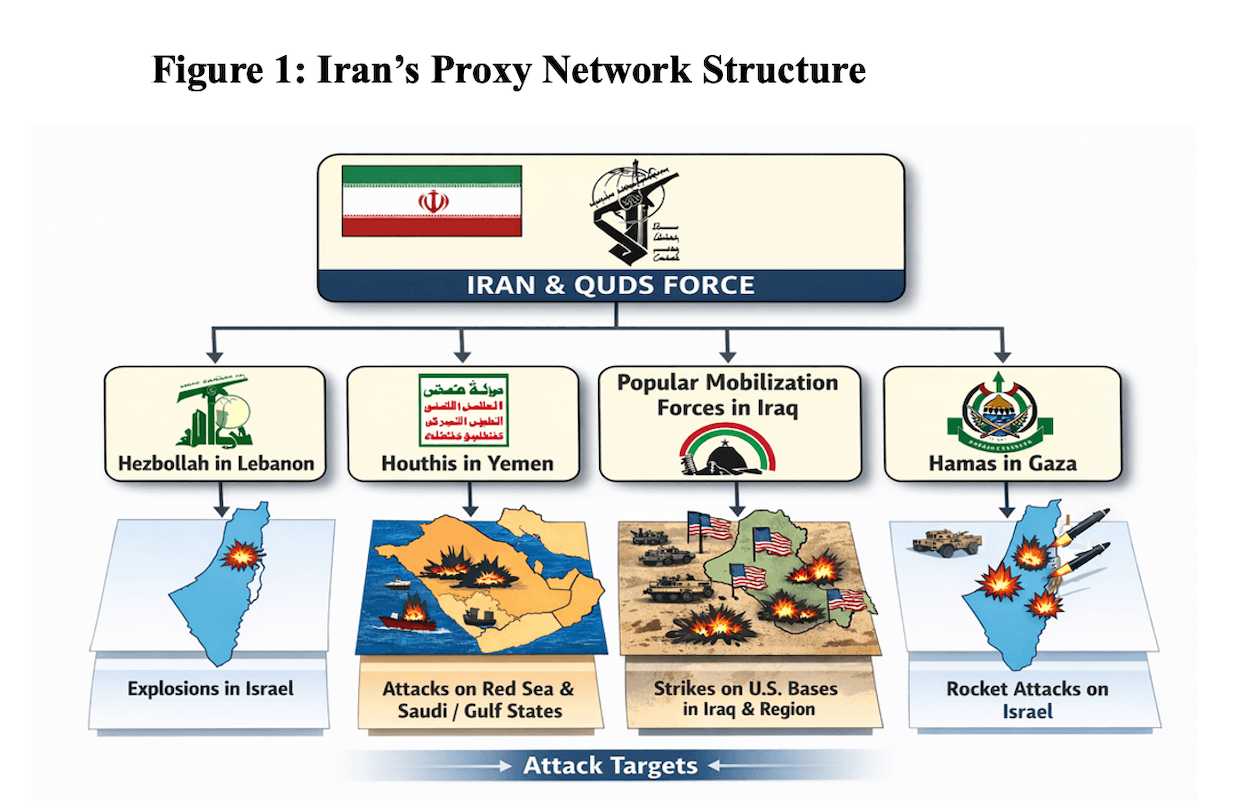
On 6 July 2020, President Trump announced that the United States would formally withdraw from the WHO, effective 6 July 2021. The Biden administration suspended notification of a withdrawal in 2021. That same year, the Independent Panel for Pandemic Preparedness and Response published its evaluation of pandemic management. The report included praise and criticism of the WHO and called for several reforms, including ’strengthen[ing] the independence, authority and financing of the WHO‘ (Independent Panel for Pandemic Preparedness and Response 2021, 48). In line with the intentions of strengthening the global health framework, two sets of negotiations were initiated. In December 2021, talks on a new WHO Pandemic Agreement were launched. The goal was to strengthen pandemic prevention, preparedness and response globally. In May 2022, negotiations on revising the IHR were initiated. These were based on the same goal. Then, on January 20, 2025 – on the day of his inauguration – President Trump once again notified that the United States would withdraw from the WHO, effective one year later (The White House 2025). In this letter, he repeated the criticism he made in 2020. The withdrawal was met with intense criticism and warnings about the long-term health consequences, both globally and in the United States (Horton 2020; Yamey and Titanji 2025). The negotiations and revisions to the IHR were finalized and adopted on 1 June 2024. After finalizing negotiations in April 2025, the WHO adopted the new Pandemic Agreement on 14 May 2025. The United States will not be part of either.

We can summarize turbulence in the WHO in a few brief words. The WHO has experienced severe turbulence in the last decades. Some of the turbulence has been caused by internal factors, such as funding (turbulent organization) and questions about decisions at different administrative levels, including the director-general, the Head Office, and the regional offices (turbulence of scale). Even more serious turbulence, however, has been caused by external factors, where the political situation in the United States and its withdrawal from the WHO stand out as pivotal (turbulent environments).

Implications for EU–US Cooperation on Health

The United States has been central to the development and operation of the WHO for much of the organization’s history. The EU did not engage actively in the WHO until the early 2000s, and particularly after 2010 – reflecting the parallel strengthening of the EU’s general engagement in health policies. The EU’s increased support for international health cooperation can also be seen in connection with the EU’s role as a ‘soft superpower‘ (Meunier and Milada 2018). This role implies gaining influence internationally through attraction and persuasion rather than coercion or military force, by means of ‘soft measures‘ such as humanitarian aid and health assistance in capacity-building and knowledge-building. Health cooperation can thus be used as both ‘soft’ and ‘smart’ power to advance foreign policies (McInnes and Lee 2012, 54–55).

In 2022, the EU published its new Global Health Strategy, signalling its intention to play a more active role on the international stage and to provide strong support for the WHO and other multilateral organizations (European Union 2022). The report states that global health is an ‘essential pillar of EU external policy, a critical sector geopolitically and central to the EU’s open strategic autonomy‘ and that ‘the EU intends to reassert its responsibility and deepen its leadership in the interest of the highest attainable standards of health based on fundamental values, such as solidarity and equity, and the respect of human rights‘ (European Union 2022, 4). The strategy also points to the need for ‘a new focus to maintain a strong and responsive multilateral system, with a World Health Organization (WHO) at its core which is as sustainably financed as it is accountable and effective‘ (European Union 2022, 7). Two of the strategy’s guiding principles emphasize the importance of international institutions. Guiding principle 14 states the support for ‘a stronger, effective and accountable WHO‘ and lists several prioritized actions the EU will take, such as seeking “formal EU observer status with full participation rights as a first step towards full WHO membership, contribut[ing] to making the financing of WHO more sustainable, advanc[ing] WHO reform to strengthen its governance, efficiency, accountability and enforcement of rules, and strengthen[ing] the WHO’s focus on its normative role in areas of global relevance,” (European Union 2022, 21).

Furthermore, guiding principle 16 states the general intention to ‘ensure a stronger EU role in international organisations and bodies’ (European Union 2022, 22). The EU also signals its intention to use a ‘Team Europe’ approach to follow up on the Global Health Strategy. Team Europe brings together a variety of relevant actors, such as EU institutions, member states and their diplomatic networks, financial institutions and other relevant organizations, to strengthen coordination, coherence and complementarity of actions and ensure the EU’s influence and impact.

Thus, in recent decades, there has been a paradoxical development in the positions of the EU and the United States towards global health governance in general and the WHO in particular. Whereas the EU has engaged more actively and stated strong support for the WHO and other multilateral organizations, the United States has retracted from international organizations and agreements, thus prioritizing attempts at using its power to gain influence through unitary action and bilateral agreements (Hopewell 2021; Lake et al. 2021; Hylke et al. 2024; Flint 2025). This retreat from the liberal international order implies abandoning the recognized relevance and authority of common values, ideas and norms, which have been incorporated into and are an essential part of this order since the Second World War.

The question of the consequences of the United States’ retreat for the transatlantic relationship thus arises. Is the relationship breaking down, or is it being renewed? Or is it ‘muddling through’ by adjusting cooperation based on issues seen as mutually advantageous? To make such assessments, it is necessary first to analyse the kinds of changes we are witnessing in the approaches of the EU and the United States to international health cooperation. In this context, two sets of concepts are relevant: bilateralism vs. multilateralism and transactionalism versus reciprocity (Keohane 1986; Bashirov and Yilmaz 2020; Flint 2025).

Table 12.1: Ideal types of approaches to international cooperation

  Bilateralism Multilateralism
Transactionalism Zero-sum games outside of international institutions (Approach 1) Zero-sum games within international institutions (Approach 2)
Reciprocity Plus-sum games outside of international institutions (Approach 3) Plus-sum games within international institutions (Approach 4)

Reciprocity here refers to the principle of mutual exchange and equal treatment, often involving shared values and long-term cooperation. At the same time, transactionalism is a pragmatic, short-term approach focused on immediate, tangible gains in a zero-sum ‘give and take’ scenario. Reciprocity implies a relationship built on mutual respect and consistent, predictable behaviour where cooperation is assumed to serve the interests of all (‘plus-sum game’). In contrast, transactionalism views relations as a series of discrete, one-off ‘deals‘ in which each party seeks to maximize its immediate benefit, often with no expectation of future cooperation beyond the current exchange. It is important to note that the approaches presented in Table 12.1 represent ideal types; in practice, states may use one or more approaches, or a combination of them, in different settings and at different times.

Approach 1 refers to a state`s emphasis on using its power to achieve (asymmetrical) bilateral agreements with short-term gains. The approach implies a lack of support for international institutions and unpredictable cooperative relationships, where common norms and values are downplayed in favour of relative gains. The Trump administration’s approach, particularly in its second term, shares many of these characteristics.

In Approach 2, international institutions are viewed as powerful tools for enforcing a state’s will on others. The approach is based on the precondition that powerful states can dominate and control the international institution at stake. The United States arguably used this approach in the early years of the global trade framework established in 1947 with the General Agreement on Tariffs and Trade (GATT) and its successor institution, the World Trade Organization, established in 1995. Here, the United States used its powers to dominate the shaping of the rules and operation of the framework in favour of specific national economic interests.

Approach 3 refers to the idea of mutual gains through broad long-term cooperation outside of multilateral institutions. The close relationship between the EU and Norway and (until recently) between the United States and Canada can illustrate this approach. 

Approach 4 refers to the core idea of a liberal international order: that states should be governed by agreed-upon legal and political international institutions and norms, rather than solely by power or force, and that such international cooperation may serve the interests of all. Here, possible short-term losses from international commitments are assumed to be offset by long-term gains. This approach has received sufficient support in the post-Second World War period, including from the United States, so that a predominantly liberal international order has been maintained to date. This order has been characterized by a multitude of international organizations and agreements, as well as successive multilateral negotiations, which have provided binding national commitments across a wide range of issues – from trade and health to human rights and climate and environmental protection. However, as stated earlier, this order is now under severe pressure.

Based on the developments in global health cooperation described above, the EU and the United States have arguably moved in opposite directions regarding their approaches to international cooperation. Whereas the EU has become a more vigorous defender of multilateralism, seeking to play a more active role in international organizations, the United States has abandoned multilateralism in favour of bilateralism. The US withdrawal from the WHO, the United Nations Human Rights Council (UNHRC) and the Paris Agreement on climate change, as well as the Trump administration’s circumvention of World Trade Organization (WTO) rules through its trade policies, are just a few examples of this. Moreover, whereas the EU emphasizes reciprocity and shared norms and values, Trump has clearly moved the United States further towards transactionalism.

Returning to the consequences for the transatlantic relationship of the United States’ retreat from multilateralism, the question arises: How are transatlantic relations changing under the Trump administration? Three scenarios are possible, and I will describe each in turn below.

Scenario 1: A possible strengthening of the transatlantic relationship. One scenario suggests that the transatlantic relationship may move forward and be strengthened in the face of global uncertainty and common challenges, threats and needs. Clearly, there is currently little to support this scenario. When it comes to transatlantic cooperation within the framework of global health governance, we first and foremost see a decline. There were attempts to strengthen health cooperation from the late 1990s onwards. Some of these – such as the TTIP negotiations – while others succeeded, such as the global health security initiative and the EU–US task forces for health and for antimicrobial resistance (AMR). However, the US withdrawal from the WHO means that the United States has put itself outside the EU’s view of the core pillar of global health cooperation. This approach affects the WHO’s operations and also spills over into transatlantic cooperation, for example, by putting many projects relevant to this cooperation at risk, including humanitarian aid, the fight against HIV/AIDS, and the fight against AMR. The potential to strengthen transatlantic cooperation on health is also undermined by the Trump administration’s general bilateral and transactional approach to international cooperation, its withdrawal from multilateral agreements and organizations that the EU strongly supports, and its frequent shifts in positions and policies toward other countries. In addition, the harsh and distrustful rhetoric of President Trump against the EU does not help, as with his claims, for example, that the EU is a ‘foe on trade‘ (BBC 2018), that it ‘was set up to take advantage of the United States‘ (Politico 2018), that it ‘was formed to screw the United States‘ (France 24 2025), and that it ‘is, in many ways, nastier than China‘ (Axios 2025). Such rhetoric does not serve as a sound basis for a trustworthy, strengthened cooperative partnership.

Scenario 2: Maintain the transatlantic relationship by ‘muddling through’. This scenario suggests that the transatlantic partnership will ‘muddle through’ geopolitical and domestic challenges through functional adjustments, while maintaining cooperation in areas seen as mutually advantageous. Some minor developments could support such a scenario – for example, that cooperation has continued to progress in technical and less political areas of health, such as mutual recognition of conformity assessment. However, the overall transatlantic relationship has been seriously damaged by the Trump administration’s approach, which clearly limits the adjustments that can be made. First, the United States’ withdrawal from the WHO puts many WHO-initiated cooperative projects involving both the United States and the EU at risk. One example is the combat against AMR. Second, many cooperative health projects depend on long-term commitments from involved parties to have any effect. The short-term, unpredictable approach of the Trump administration thus creates significant risks for engaging bilaterally with the United States on such projects. Third, much of the transatlantic cooperation on health is based on mutual trust, including technical cooperation such as mutual recognition of conformity assessment. Such trust has clearly been reduced in recent times.

Scenario 3: The disintegration of the transatlantic relationship. Following the assessments of the two other scenarios, recent developments clearly show a decline and disintegration in the transatlantic relationship. Two developments are particularly important in this context. First, the United States’ withdrawal from the WHO – and from other multilateral arrangements – makes it a less relevant partner for the EU, which prioritizes cooperation through the WHO (and other multilateral institutions). Second, the Trump administration’s seemingly abandonment, or at least serious downplaying, of international law and common norms and values, such as human and democratic rights, clashes with the norms, values and principles emphasized by the EU. Third, the Trump administration’s performance on the international stage, including its stance against the EU, makes it a less reliable partner – thereby creating high political risk for entering long-term commitments with the United States.

Responding to the Turbulence: Four Recommendations for the EU

The United States’ withdrawal from the WHO creates a void in influence and authority that others can fill. The EU can contribute to filling this void by:

1. Continuing to support and prioritize the WHO and speed up contributions to strengthen the WHO’s independence and financial situation. This can be achieved by contributing to maintaining and strengthening the EU’s role as a ‘soft superpower’ using health to advance foreign policy aims.

2. Building ‘coalitions of the willing’ within the WHO to strengthen the organization, influence and develop the global health agenda. Experiences from major transboundary crises, such as the COVID-19 pandemic and the war in Ukraine, as well as the wear and tear on transatlantic cooperation under the Trump administration, have revealed vulnerabilities in Europe and the need to reduce the EU’s dependence on other countries.

To address these challenges, the EU needs to:

3. Strengthen its ability to ensure health security and continue to prioritize strategic autonomy in the health area.

4. Downplay transatlantic cooperation on short- and medium-term commitments and avoid long-term commitments.

This way, political risks related to (health) cooperation can be reduced. The strain on the transatlantic partnership and the question of whether the United States can be considered a reliable partner reflect an uncertain, high-risk situation for the EU. A pragmatic approach is thus needed, where the EU leverages mutually beneficial transatlantic ties while simultaneously developing supplementary and compensatory strategies.

The EU should therefore:

5. Strengthen bilateral health cooperation with like-minded partners, including Canada, non-EU countries in Europe and other trustworthy countries.

Implementing these recommendations would go a long way toward ensuring that the EU retains the ability to exercise independence in health policy and responses to global health emergencies in the long term.


(*) Frode Veggeland has a PhD in political science from the University of Oslo and has published extensively on the EU, international organizations, regulatory governance, public administration and food and health policies, including crisis preparedness and crisis management. In 2006, he was Head of the Secretariat of the Governmental Commission that investigated the E. coli O103 outbreak in Norway. In 2021–2022, he was part of the Secretariat of the Norwegian Corona Commission, which investigated the government’s management of the COVID-19 pandemic. In 2022–2024 he was part of the Secretariat of the government-appointed committee that reviewed Norway’s experience of cooperation under the EEA Agreement and other agreements Norway has had with the EU over the past ten years, including cooperation on civil protection and health preparedness. Email: frode.veggeland@inn.no


References

Ansell, Christopher, and Jarle Trondal. 2015. “Governing Turbulence: An Organizational-Institutional Agenda.” Perspectives on Public Management and Governance 1 (1): 43–57. https://doi.org/10.1093/ppmgov/gvx013

Axios. 2025. “Trump Says European Union Is ‘Nastier than China’.” May 12. https://www.axios.com/2025/05/12/trump-european-union-trade-war-china-tariffs

Bashirov, Galib, and Ihsan Yilmaz. 2020. “The Rise of Transactionalism in International Relations: Evidence from Turkey’s Relations with the European Union.” Australian Journal of International Affairs 74 (2): 165–84.

BBC. 2018. “Donald Trump: European Union Is a Foe on Trade.” July 15. https://www.bbc.com/news/world-us-canada-44837311

Bergner, Stefanie, Robin van de Pas, Louise G. van Schaik, and Martin Voss. 2020. “Upholding the World Health Organization: Next Steps for the EU.” SWP Comment No. 47/2020. Stiftung Wissenschaft und Politik. https://doi.org/10.18449/2020C47

Brooks, Eleanor, Anniek de Ruijter, Scott L. Greer, and Sara Rozenblum. 2023. “EU Health Policy in the Aftermath of COVID-19: Neofunctionalism and Crisis-Driven Integration.” Journal of European Public Policy 30 (4): 721–39.

Brown, Theodore M., Marcos Cueto, and Elizabeth Fee. 2006. “The World Health Organization and the Transition from International to Global Public Health.” American Journal of Public Health 96 (1): 62–72.

Chorev, Nitsan. 2020. “The World Health Organization between the United States and China.” Global Social Policy 20 (3): 378–82.

Council of the European Union. 2019. “Trade with the United States: Council Authorises Negotiations on Elimination of Tariffs for Industrial Goods and on Conformity Assessment.” Press release, April 15.

Ekengren, Magnus, Nina Matzen, Mikael Rhinard, and Maria Svantesson. 2006. “Solidarity or Sovereignty? EU Cooperation in Civil Protection.” Journal of European Integration 28 (5): 457–76.

European Commission. 2010. The EU Role in Global Health. COM(2010)128 final. Brussels, March 31.

European Commission. 2025. Report from the Commission … on the Implementation of the EU Global Health Strategy.COM(2025) 392 final. Brussels, July 10.

European Union. 2022. EU Global Health Strategy: Better Health for All in a Changing World. https://health.ec.europa.eu/publications/eu-global-health-strategy-better-health-all-changing-world_en

Flint, Colin. 2025. “Hegemonic Retreat: Transactionalism as Foreign Policy.” The Geographical Journalhttps://doi.org/10.1111/geoj.70007

France 24. 2025. “EU Was Born to ‘Screw’ US, Trump Says.” February 26. https://www.france24.com/en/live-news/20250226-eu-was-born-to-screw-us-trump-says

Greer, Scott L., and Holly Jarman. 2021. “What Is EU Public Health and Why? Explaining the Scope and Organization of Public Health in the European Union.” Journal of Health Politics, Policy and Law 46 (1): 23–47. https://doi.org/10.1215/03616878-8706591

Hopewell, Kristen. 2021. “Trump and Trade: The Crisis in the Multilateral Trading System.” New Political Economy 26 (2): 271–82. https://doi.org/10.1080/13563467.2020.
1841135

Horton, Richard. 2020. “Offline: Why President Trump Is Wrong about WHO.” The Lancet 395 (April 25): 1330.

Dijkstra, Hylke, Laura von Allwörden, Leonard A. Schütte, and Giuseppe Zaccaria. 2024. “Donald Trump and the Survival Strategies of International Organisations: When Can Institutional Actors Counter Existential Challenges?” Cambridge Review of International Affairs 37 (2): 182–205. https://doi.org/10.1080/09557571.2022.
2136566

Independent Panel for Pandemic Preparedness and Response. 2021. COVID-19: Make It the Last Pandemic.https://theindependentpanel.org/wp-content/uploads/2021/05/COVID-19-Make-it-the-Last-Pandemic_final.pdf

Jarman, Holly. 2014. “Public Health and the Transatlantic Trade and Investment Partnership.” European Journal of Public Health 24 (2): 181. https://doi.org/10.1093/eurpub/ckt201

Khan, Usamah, Rory Pallot, David Taylor, and Panos Kanavos. 2015. The Transatlantic Trade and Investment Partnership: International Trade Law, Health Systems and Public Health. Modus Europe Report, London School of Economics.

Kaiser Family Foundation (KFF). 2025. The U.S. Government and the World Health Organization. Factsheet, January 20. https://www.kff.org/global-health-policy/the-u-s-government-and-the-world-health-organization/

Keohane, Robert O. 1986. “Reciprocity in International Relations.” International Organization 40 (1): 1–27.

Lake, David A., Lisa L. Martin, and Thomas Risse. 2021. “Challenges to the Liberal International Order: International Organization at 75.” International Organization 75 (2): 225–57.

McInnes, Colin, and Kelley Lee. 2012. Global Health and International Relations. Polity.

Meunier, Sophie, and Milada Anna Vachudova. 2018. “Liberal Intergovernmentalism, Illiberalism and the Potential Superpower of the European Union.” Journal of Common Market Studies 56 (7): 1631–47.

Official Journal of the European Communities. 1999. “Agreement on Mutual Recognition between the European Community and the United States of America.” OJEU L 31/3 (February 4).

Park, Chanwoo. 2022. “Lessons Learned from the World Health Organization’s Late Initial Response to the 2014–2016 Ebola Outbreak in West Africa.” Journal of Public Health in Africa 13 (1254): 1–3.

Politico. 2018. “Trump: EU Was ‘Set Up to Take Advantage’ of US.” June 28. https://www.politico.eu/article/donald-trump-eu-was-set-up-to-take-advantage-of-us-trade-tariffs-protectionism/

Ruijter, Anniek de. 2019. EU Health Law and Policy: The Expansion of EU Power in Public Health and Health Care.Oxford: Oxford University Press.

The White House. 2020. “Letter to the Director-General of the WHO.” May 18. https://trumpwhitehouse.archives.gov/wp-content/uploads/2020/05/Tedros-Letter.pdf

The White House. 2025. “Withdrawing the United States from the World Health Organization.” Presidential Actions, January 20. https://www.whitehouse.gov/
presidential-actions/2025/01/withdrawing-the-united-states-from-the-worldhealth-organization/

World Health Organization. 1946. Constitution of the World Health Organization. Geneva: WHO.

Yamey, Gavin, and Boghuma K. Titanji. 2025. “Withdrawal of the United States from the WHO – How President Trump Is Weakening Public Health.” New England Journal of Medicine 392 (15): 1457–60.

Youde, Jeremy. 2012. Global Health Governance. Polity.

German press kiosk in Trier with Der Spiegel featuring Donald Trump as “world policeman” on the cover on July 3, 2025. Photo: Dreamstime.

Why Europe, Not China or Russia, Is the Civilisational Problem in Trump’s NSS

Trump’s National Security Strategy marks a sharp break from post-Cold War US diplomacy: it portrays Europe, not rival powers, as the core site of Western civilisational decline. Warning of “civilisational erasure” through migration, demographic change and secularisation, it urges support for “patriotic European parties” resisting this shift. In this framing, the danger to the West is internal, not external, and the US becomes guardian of authentic Western identity—aligning more closely with Orbán, Meloni and PiS than with many elected governments. This leaves Europe facing a strategic dilemma: remain reliant on Washington or assert its own civilisational narrative. Europe must choose—adapt, resist, or define itself.

By Nicholas Morieson

The release of its National Security Strategy shows the Trump Administration to be especially concerned with the decline of Western civilization. One passage in the document drew considerable international attention. It warned that Europe now faces the risk of “civilisational erasure” driven by migration, cultural and religious change, low birthrates and the loss of historical identity. Unless Europe “corrects its current trajectory,” the document claims it could become “unrecognisable in 20 years or less.” The United States, it argues, should help by supporting the “patriotic European parties” resisting this shift.

This language marks a significant break with post-Cold War US diplomacy, and signals that Washington intends to treat its relationship with Europe as an arena of ideological struggle. Throughout the document, Europe appears both as an ally and as a civilisation in decline. Moreover, European governments are portrayed as having adopted values and migration policies that undermine the foundations of the West itself. As a result, the document implies, the United States has no choice but to ‘correct’ Europeans and essentially force them to reconnect with their traditional and authentic Christian-based civilization. 

Fears of Western decline are not new. Even in the year 2000, which may have been the high point of Western power and influence, American writer Jacques Barzun argued in his surprise bestseller From Dawn to Decadence that the West had entered a period of decadence. Barzun meant cultural exhaustion and the fading of artistic and intellectual ambition, not geopolitical weakness. He was not concerned with demography or the strategic balance of power. A generation later the picture is different. The sense of Western decline is no longer limited to cultural pessimists. Analysts now describe American relative decline, a stagnant Europe, and a China confident enough to present its rise as civilizational renewal.

This raises an important puzzle. The National Security Strategy presents Europe as a civilisation in decline but does not treat Russia, China or India in the same civilizational terms, even though these states are the United States’ principal strategic competitors. This is especially surprising insofar as those nations often position themselves as ‘civilization-states’ at odds with Western culture and avowed enemies what of what they view as American imperialism. Yet the document reserves its sharpest language for European societies that, in its view, have abandoned the cultural and religious foundations of the West. Why, then, should the Trump Administration attack allies in explicitly civilizational language while avoiding it with rival powers? The answer is that the Trump administration sees the main threat to Western civilisation as internal rather than external. In their view, the West is being weakened by its own governments and its own cultural choices. Europe therefore becomes the object of correction. The United States, as they understand it, must pressure Europe to return to the values that once defined Western civilisation rather than treat Europe as an equal partner in managing global competition.

The National Security Strategy places the United States at the centre of Western civilisation. In this narrative America becomes the core state responsible for restoring the cultural confidence that Europe has supposedly lost. Trump and Vance describe themselves as defending the West, however what is immediately obvious in the document is that the object of defence is not the geopolitical order that linked the United States and Europe throughout the Cold War. Rather, it is a set of cultural and religious markers that they believe Europe has abandoned. Civilisational rhetoric therefore becomes a tool for a nationalist project. The document justifies pressure on European governments, portrays right-wing populist parties as cultural allies, and reframes transatlantic relations as a struggle over the meaning of the West rather than as a partnership between democratic states.

While we should not overstate its importance, it is significant that an American strategic document now aligns the US more closely with Europe’s populist right than with many of Europe’s elected governments. Indeed, the Trump Administration appears to divide Europe in two. One Europe consists of liberal governments, EU institutions and political leaders committed to secular cosmopolitanism. The other Europe is defined by Christianity, firm borders, and inherited Western values and is represented above all by Viktor Orbán’s Hungary, Giorgia Meloni’s Italy, and Poland’s PiS opposition, right-wing populists who share the Trump Administration’s concerns over Europe’s civilisational decline. In their National Security Strategy, the Trump Administration presents the former as pushing Europe toward collapse and the latter as Western civilisation’s last remaining defenders. 

Although the Trump Administration positions itself and America as the arbiter of authentic Western values, the National Security Strategy contains an unresolved tension insofar as many of the social and cultural trends it critiques in Europe also exist within the United States. The United States is itself experiencing demographic change, declining Christian affiliation, and widening cultural diversity, which complicates claims that Europe alone is departing from the Western tradition. This raises a definitional problem because if the West is understood in civic terms Europe and America remain Western despite cultural change, but if it is defined by racial or religious identity, then the pressures described in the National Security Strategy are shared on both sides of the Atlantic. Moreover, several of the identity debates the administration portrays as corrosive in Europe originated in American academic and activist contexts, suggesting that the cultural dynamics it attributes to Europe are partly American in origin. This is why the Macron government in France ‘wages war’ on ‘wokeness,’ something they perceive to be a form of unwanted American cultural imperialism spreading throughout French institutions.  

The National Security Strategy therefore confronts Europe with a strategic and conceptual dilemma. Should Europe define Western culture on its own terms, and can it articulate a political and cultural identity that differs from the one now promoted by Washington? European governments speak of strategic autonomy, but their nations remain dependent on American security guarantees, particularly in defence and intelligence. European publics remain divided on migration and identity, which complicates any attempt to articulate a coherent cultural and political narrative. Furthermore, EU institutions prefer to define Europe as a legal and political project grounded in universal rights rather than as a civilisation with a particular religious or ethnic foundation. This makes it difficult for Europe to respond to the NSS, which casts it as a civilisation in decay and implies that its renewal requires a return to Christian cultural markers.

This tension has led some analysts, such as Aris Roussinos, to argue that Europe must either consolidate around its own values or accept a subordinate position in a Western order increasingly defined in Washington. Emmanuel Macron has attempted to present Europe as a civilisational actor capable of independent strategic judgement, yet it remains unclear whether this project can succeed given institutional fragmentation and the absence of a shared European cultural story. The National Security Strategy highlights that uncomplicated civilisational unity with the United States is no longer plausible. Such unity would require Europe to adopt a civilisational narrative aligned with American right-wing populist thought, something most European governments are unwilling to do.

The future of transatlantic relations may depend on the outcome of the next American Presidential election. A J.D. Vance victory would almost certainly deepen civilisational language in US strategy, increase pressure on the EU project and expand American support for right-wing populist parties in Europe. Europe shows little capacity to respond to this approach because it remains structurally dependent on American security and politically divided on issues of identity. Continued subordination would leave European governments reacting to American preferences rather than shaping their own strategic environment.

A Democratic victory would return the United States to its traditional support for the European Union. Civilisational rhetoric would recede, and Washington would again treat Europe as a partner in a rules-based and liberal international order. Yet this scenario also carries risks for Europe. A return to the status quo would still leave Europe reliant on American power and vulnerable to future political shifts in Washington. In the long term, Europe may need to assert greater strategic and political autonomy if it wishes to avoid oscillating between two competing American visions of the West.

Photo: Alejandro Perez.

Trump’s New Heavy Hand Strategy in Latin America

In this sharp geopolitical analysis, Dr. Imdat Oner examines the far-reaching implications of Operation Southern Spear, the Trump administration’s unprecedented shift from counternarcotics interdiction to direct military attrition across Latin America. Dr.Oner argues that the new strategy—marked by lethal maritime strikes, FTO designations, and carrier-led patrols—reflects far more than drug policy. It fuses domestic political messaging, America First security rhetoric, and a renewed push to reclaim hemispheric dominance amid Chinese and Russian encroachment. As Washington mobilizes a coalition of regional partners and intensifies pressure on Venezuela, Dr. Oner warns that this emerging “neo-Monroe Doctrine” could redefine US–Latin America relations for years to come. 

By Imdat Oner*

When Defense Secretary Pete Hegseth announced “Operation Southern Spear” earlier this month, the language was typically martial, but the implications were far more profound than the standard Pentagon briefing. Hegseth did not just promise more patrols; he declared a mission to “remove narco-terrorists from our hemisphere.”

If there was any doubt about what “remove” meant, the wreckage of smuggling vessels in the Caribbean and Eastern Pacific makes it clear. Since September, US forces have carried out more than 20 lethal strikes against suspected drug boats, killing over 80 people. This is no longer a law enforcement mission. It marks a shift in Washington’s approach to Latin America, one that combines domestic politics, great-power competition, and the reassertion of regional primacy into a single, forceful strategy.

The most significant change in Operation Southern Spear is the move from interdiction to outright attrition. For decades, the US approach relied on Coast Guard vessels chasing fast boats, arresting crews, and bringing cases to federal court. Now, US forces are authorized to neutralize targets on the spot.

The administration insists these groups can no longer be treated as ordinary criminal networks. By designating them as “Foreign Terrorist Organizations” (FTOs), Washington has reclassified them as armed adversaries. What was once a judicial process has now been militarized. Smugglers are no longer suspects entitled to due‑process rights; they are cast as enemy combatants, comparable to Middle Eastern terror groups, and subject to the laws of war.

The consequences are already visible. The deployment of carrier strike groups, including the USS Gerald R. Ford, to the Caribbean signals a new operational posture. These assets bring the surveillance reach and strike precision of a full military campaign, enabling US forces to detect and destroy targets in real time. Some allies, notably the UK, have pulled back intelligence cooperation over legal concerns. Yet Washington presses forward, wagering that the American public cares more about stopping fentanyl and cocaine than parsing the fine points of international law.

Low-Cost Abroad, High Reward at Home

The expansion of US activity in Latin America is not just about drug interdiction, it is about domestic politics. For the Trump administration, counternarcotics operations deliver a message that resonates deeply with the MAGA base: toughness on crime, border security, and sovereignty. Unlike distant wars in the Middle East, which drained resources and eroded public support, operations in the Caribbean and Pacific are geographically closer, politically safer, and far less expensive.

Latin America provides a theater where Washington can project military strength without massive deployments, nation-building, or trillion-dollar costs like those seen in Iraq and Afghanistan. Strikes against drug boats are framed as defending American communities from narcotics and illegal flows, tying directly into the administration’s America First agenda. For Trump’s supporters, this is not abstract geopolitics, it is a fight that connects directly to domestic concerns about drugs, immigration, and security.

Counternarcotics is therefore more than a foreign policy initiative. It is a domestic political tool, a way to demonstrate action on issues that matter most to the MAGA base while avoiding the political toxicity of “forever wars.” By shifting the line of defense from the border wall to the open seas, the administration has turned Latin America into the frontline of its domestic security narrative: low cost, high reward, and central to sustaining its political appeal.

But this approach is not cost‑free. Precision strikes and carrier deployments may be cheaper than ground wars, yet they still require billions in defense spending, expanded surveillance, and long‑term naval commitments. Legal challenges, strained alliances, and the risk of civilian casualties already sparked discussions at home. What looks like a low‑cost, high‑reward strategy abroad may prove politically and financially demanding at home.

The Neo-Monroe Doctrine in the Hemisphere

Operation Southern Spear should not be understood narrowly as a counternarcotics initiative or a maneuver in domestic politics. It represents Washington’s delayed response to a strategic vacuum in Latin America that persisted for two decades, a vacuum that China and Russia systematically exploited.

Between 2000 and 2020, Beijing and Moscow pursued complementary strategies that reshaped the geopolitics of the hemisphere. China adopted an economic statecraft approach, expanding trade with the region from $12 billion in 2000 to more than $315 billion by 2020. Through the Belt and Road Initiative, Beijing extended over $130 billion in state-backed loans, securing long-term stakes in critical infrastructure such as ports, energy grids, and mining concessions from Ecuador to Brazil. This economic entrenchment was not merely commercial; it was designed to translate into political leverage and strategic dependency.

Russia, by contrast, sought to erode US security primacy directly. Leveraging the “Pink Tide” of leftist governments, Moscow became the leading arms supplier in the region, providing Venezuela alone with more than $20 billion in advanced systems including Su‑30 fighter aircraft and S‑300 missile defenses. Russian Tu‑160 nuclear-capable bombers flying sorties over the Caribbean in 2008, 2013, and 2018 underscored Moscow’s intent to contest US dominance in its own near abroad.

For US policymakers, these developments constituted not a marginal nuisance but a sustained strategic encirclement. Operation Southern Spear must therefore be read as an effort to reassert hemispheric control. The recent designation of Venezuela’s Cartel de los Soles, a network allegedly embedded within the Venezuelan military, as a Foreign Terrorist Organization is central to this recalibration. By reframing Venezuela from a diplomatic irritant into a national security threat, Washington lowers the threshold for coercive measures and broadens the toolkit available.

This designation opens the door to cyber operations, tougher financial sanctions, and possible military strikes. It marks a clear doctrinal shift: Washington now views Latin America as a strategic theater, not a peripheral concern. The United States is moving to reassert dominance in its own hemisphere, even if that means greater confrontation with China and Russia.

A New Neighborhood Watch

Operation Southern Spear comes at a moment when regional politics are shifting in Washington’s favor. Argentina is aligning more closely with US security frameworks. Ecuador is recalibrating in similar fashion. Bolivia is engaging more constructively with US initiatives. Several Caribbean states are also moving toward Washington. Together, these shifts give the United States the foundation for a coalition designed to isolate Venezuela.

Argentina under Javier Milei has embraced a pro‑Washington agenda. It has signed trade and investment frameworks that bind its economy to US markets while distancing itself from Beijing and Moscow.

Ecuador has recalibrated in similar fashion. It is reducing reliance on Chinese loans and deepening cooperation on counternarcotics and security.

Bolivia, once a stalwart of the “Pink Tide,” now engages more constructively with US initiatives. This shift signals the erosion of the leftist bloc.

The Caribbean adds strategic depth. Guyana, buoyed by its oil boom, has welcomed US energy firms and defense cooperation, positioning itself as a bulwark against Venezuelan claims. Trinidad and Tobago, a regional energy hub, has expanded counterterrorism and maritime security ties, anchoring Washington’s presence in the southern Caribbean.

Together, these moves give Washington real support. They build a coalition that isolates Venezuela both diplomatically and militarily. Operation Southern Spear is not a unilateral show of force. It is the core of a broader strategy of punitive containment, treating the Caribbean and northern South America as one theater of operations.

Yet, it’s also important to note that this is not an Iraq‑style invasion. President Trump has little interest in a ground war that could bog down his administration. The strategy instead points to a blockade enforced by precision strikes, supported by regional partners that give US action legitimacy.

Operation Southern Spear is more than a tactical campaign. It signals a new phase in which US influence must be defended with force, rival powers contained, and the region’s trajectory actively shaped. The question is not whether Washington will stay engaged in Latin America, but how far it will go to redefine the balance of power. Judging by the smoke rising over the Caribbean, the Trump administration’s answer is clear: as far as necessary.


(*) Dr. Imdat ONER is a Senior Policy Analyst at the Jack D. Gordon Institute for Public Policy at Florida International University (FIU). He holds a Ph.D. from FIU, where he completed a dissertation titled “Great Power Competition in Latin America Through Strategic Narrative.” Prior to joining FIU, he served as a Turkish diplomat, most recently at the Turkish Embassy in Caracas, Venezuela, where he was the Deputy Head of Mission and Political Officer. His expertise lies in International Relations, with a primary focus on Latin American politics. Dr. Oner has published extensively on Venezuelan politics and Turkish foreign policy, with articles appearing in War on the Rocks, The National Interest, Americas Quarterly, Foreign Affairs Latinoamérica, and the Miami Herald. He is also a frequent contributor to Global Americans. His analyses have been featured in international media outlets, including Bloomberg, Al Jazeera, Miami Herald, and Agencia EFE.

Dr. Cristian Cantir is an Associate Professor of Political Science at Oakland University.

Assoc. Prof. Cantir: Moldova’s Election a Victory for EU, Defeat for Kremlin

In an interview with ECPS, Dr. Cristian Cantir (Oakland University) described Moldova’s 2025 parliamentary elections as “a major win for the European Union and a major defeat for the Kremlin.” Despite massive Russian interference—including vote-buying, cryptocurrency transfers, and efforts to incite unrest—Moldovan institutions responded with unprecedented consistency, demonstrating what Dr. Cantir calls a “confirmation of Moldova’s democratic resilience.” Yet, he warns that Moscow remains influential through populist narratives exploiting poverty and weak institutions. The results, he argues, reflect both the enduring popularity of EU integration and the failures of pro-Russian opposition parties. For Dr. Cantir, Moldova offers a striking example of how Russian influence faces diminishing returns when met with institutional strength and sustained Western support.

Interview by Selcuk Gultasli

The outcome of Moldova’s 2025 parliamentary elections has been widely interpreted as a defining moment in the country’s European trajectory and its long struggle to resist Russian influence. In an interview with the European Center for Populism Studies (ECPS), Dr. Cristian Cantir, Associate Professor of Political Science at Oakland University, framed the results in stark geopolitical terms: “At a macro level, I would say this election represents a major win for the European Union and a major defeat for the Kremlin. I think it’s fair to frame it in those terms as a general way of understanding what happened.”

Dr. Cantir’s assessment reflects not only the electoral success of the pro-European Action and Solidarity Party (PAS), but also the broader resilience of Moldova’s democratic institutions in the face of Moscow’s sustained interference campaigns. International observers judged the elections to be generally free and fair, even amid bomb threats, electoral violations, and widespread attempts at corruption. As Dr. Cantir explains, this points to a “confirmation of Moldova’s democratic resilience,” if not yet full consolidation, as state institutions and law enforcement demonstrated an increased capacity to respond to hybrid threats.

Russia’s interference toolkit—long tested in Moldova—appeared less effective in this cycle. The Kremlin poured more resources into the effort, funding political actors, experimenting with cryptocurrency transfers, and attempting to stoke unrest. Yet, Dr. Cantir argues, these strategies delivered “diminishing returns” in a political environment where institutions had grown more proactive. “Moscow has been somewhat taken aback by the extent to which Moldovan institutions have now responded in such a consistent way to Russian interference,” he observes. The shift suggests that the Kremlin’s approach is increasingly constrained by its own reliance on disinformation and narratives fed by loyal pro-Russian politicians, which often fail to reflect the realities of Moldovan society. As Dr. Cantir notes, “some of the claims you see in Russian propaganda are so laughable and rudimentary… you wonder whether they actually believe them, because they don’t even work as propaganda.”

Still, Russia remains a formidable actor in Moldova’s domestic politics. Populist narratives that exploit socioeconomic hardship, corruption, and weak institutions continue to resonate with segments of the population, leaving Moldova’s pro-European course vulnerable to authoritarian retrenchment. Dr. Cantir highlights the need for PAS and other pro-EU forces to demonstrate tangible benefits of integration to disengaged citizens, warning that otherwise they may fall “much more easily to populist messaging” that is Eurosceptic and pro-Russian in nature.

Ultimately, the Moldovan case illustrates both the persistence and limitations of Russia’s hybrid influence operations in the post-Soviet space. Unlike Ukraine or Georgia, where Moscow has resorted to military force, Moldova demonstrates how resilience is possible when domestic institutions respond effectively and Western partners provide consistent support. As Dr. Cantir emphasizes, this election represents more than just a partisan victory—it is a symbolic moment of geopolitical realignment: a triumph for Europe, and a setback for the Kremlin.

Here is the transcript of our interview with Associate Professor Cristian Cantir, lightly edited for clarity and readability.

Moldova’s Elections Confirm Democratic Resilience

A man casts his ballot during parliamentary elections in Moldova, in front of the national flag. Photo: Dreamstime.

Professor Cristian Cantir, thank you very much for joining our interview series. Let me start right away with the first question: How would you characterize the broader significance of Moldova’s 2025 parliamentary elections, particularly in the light of the pro-European Action and Solidarity Party’s (PAS) ability to withstand unprecedented Russian interference campaigns? To what extent can this outcome be read as a genuine consolidation of Moldova’s democratic resilience, and to what degree is it contingent upon extraordinary external support from the EU and its allies?

Assoc. Prof. Cristian Cantir: Thank you very much for inviting me. It’s a pleasure to be here, and I’m always glad to talk about Moldova—a topic that doesn’t usually get much attention in international affairs. At a macro level, I would say this election represents a major win for the European Union and a major defeat for the Kremlin. I think it’s fair to frame it in those terms as a general way of understanding what happened.

To the extent that it was generally a free and fair election, according to most international observers—even in the face of massive Russian interference—it was consistent with Moldova’s tradition of holding competitive elections since independence. I would take this as a positive sign of the relative health of Moldovan democracy. The process was conducted competently, with electoral authorities and law enforcement responding promptly to challenges, including bomb threats, reported violations, and instances of electoral corruption. From that standpoint, it serves as a solid example—not necessarily a consolidation, but certainly a confirmation—of Moldova’s democratic resilience. Of course, there remain significant challenges to Moldova’s democratic consolidation, but overall the outcome is good news for the country’s democracy.

I do think the election results can be partly attributed to external EU support, but it’s important to refine this point by highlighting one individual in particular—Moldovan President Maia Sandu. Sandu is a unique figure, not only in Moldova’s political history but also in the broader Central and Eastern European context. She has consistently been a popular, anti-corruption, reformist, pro-European leader. Many of the criticisms and attacks directed at her by the pro-Russian opposition have not gained much traction. She has remained highly popular within Moldova, due in part to her strong international reputation, especially among EU politicians. In this sense, when we talk about external influence, it is really a combination of two factors: Sandu’s personal popularity and the EU’s admiration for, and support of, her during this campaign. That said, I would not be so confident in giving the ruling party, PAS, too much credit for the victory. There remain fundamental issues with PAS as a pro-EU force, which we can also discuss further.

Moldovans Voted for Europe, Not PAS

Do the results primarily reflect a deepening consolidation of Moldova’s pro-European trajectory, or are they better understood as a rejection of entrenched pro-Russian elites such as Igor Dodon and his allies? In other words, should we interpret the outcome as an ideological commitment to Europe or as an electoral repudiation of discredited political actors?

Assoc. Prof. Cristian Cantir: We could start by noting that EU integration is genuinely popular with a majority of the Moldovan population. Most polls confirm this, and even the 2024 referendum—though decided by a razor-thin margin—pointed to its broad appeal. That narrow margin can be attributed, at least in part, to vote-buying allegations and to the pro-Russian opposition framing the referendum as a judgment on PAS, the ruling party, rather than on the EU itself. Since PAS has become almost synonymous with the pro-EU position, this image has limited the viability of any other pro-European force. As a result, most pro-EU Moldovans voted for PAS, even if they were frustrated with the party’s slow response to major challenges such as poverty or judicial reform. To some extent, then, the outcome reflects support for EU integration combined with the absence of credible alternatives. Much of the vote was strategic: it did not necessarily indicate satisfaction with PAS as a party or with its performance, but rather the lack of any real choice.

The other parties in the election can also be faulted for failing to develop a narrative that offered a genuine alternative to PAS. Many claimed to support some degree of EU integration—even pro-Russian parties promised to negotiate more with Brussels. They tried to emphasize sovereignty and introduced socially conservative themes aimed at countering what they viewed as the EU’s liberal values. Yet this did not resonate with most Moldovans, as it came across as vague messaging—essentially, “we will slow down EU integration,” without explaining what that would mean or why it was necessary. By contrast, tangible benefits such as visa-free travel or lower roaming fees—everyday concerns tied directly to EU integration—proved far more compelling. As a result, the opposition’s alternative was unclear and largely reduced to a promise of “we are not the current political elites.”

The results, therefore, can be attributed both to the continuing popularity of the EU and to the weakness of the opposition leaders. Their campaigns were driven more by resentment of the ruling party and calls to “purge the system,” or what they called “the regime,” than by any proactive or positive electoral platform.

Moldovan President Maia Sandu speaks at a press conference following her meeting with Bulgarian President Rumen Radev in Chișinău, Moldova, on October 27, 2022. Photo: Dreamstime.

Diaspora Has Become the Backbone of Moldova’s Pro-EU Course

The Moldovan diaspora appears to have played a decisive role in shaping the electoral outcome. How should we understand the implications of this phenomenon for the transnationalization of Moldovan democracy, particularly regarding questions of sovereignty, external leverage, and the construction of a political community that extends well beyond national borders?

Assoc. Prof. Cristian Cantir: The question of the Moldovan diaspora is particularly interesting, as it has been essential in consolidating Moldova’s pro-EU course, especially in recent years. Voting has also become much easier for diaspora members, particularly in Western countries, which is where most diaspora ballots are cast. As a result, the Moldovan diaspora is strongly pro-Western in its orientation—overwhelmingly so, judging by the last few elections.

With some exceptions, the Moldovan diaspora is relatively recent, with the first wave beginning in the 1990s. Attachments to the homeland remain very strong, and personal connections are still close. Travel has also become much easier—for example, low-cost airlines have made going back and forth far more accessible. And because most Moldovans abroad now reside legally, there is far less fear than in the 1990s and 2000s, when many migrated illegally or crossed borders without visas and were hesitant to return. For all these reasons, the diaspora’s ties to Moldova remain particularly strong.

The diaspora has not yet developed a separate identity; it remains very much rooted in Moldova. For example, if you visit Moldova in August, it is striking—you hear Moldovan children speaking with Portuguese accents in shops, and it becomes difficult to get a dentist appointment because so many diaspora members return home for treatment. This illustrates how deeply the diaspora remains part of Moldovan society. The ruling PAS, like other parties, has been very friendly and encouraging toward the diaspora. There are events organized exclusively for them, success stories highlighted in the media, and programs inviting them to return and share their experiences. There is also considerable gratitude for remittances, which have helped offset some of the country’s socioeconomic inequalities.

It is also important to remember that Moldovans’ understanding of sovereignty has always carried a transnational dimension. Many have looked to Romania for cultural and ethnic identity markers, while others have looked to Russia. As a result, Moldovans are more accustomed to hybrid and multiple identities. They can remain deeply connected both to the countries where they now live and to Moldovan politics—connections that are further strengthened by technology such as Facebook, online news, and live-streamed broadcasts.

The picture becomes more complicated when we look at the politicization of the diaspora, particularly by pro-Russian forces. Because the diaspora is strongly supportive of pro-Western groups, pro-Russian politicians have advanced a narrative—especially visible in recent years—that Moldovans inside the country oppose PAS, while those abroad support it. The argument is that Moldova’s diaspora is effectively holding those who remain at home hostage to the PAS regime. Pro-Russian groups have been trying to inflame tensions between these two communities. Igor Dodon, Moldova’s most prominent pro-Russian politician, has even described the diaspora as a “parallel electorate.” Another pro-Russian politician, Irina Vlah, has pursued what can only be described as an unusual campaign, promoting narratives such as asking Moldovans to “adopt” a fellow citizen inside the country who is suffering under the pro-EU PAS. I would not be surprised if such narratives continue to spread and further deepen tensions between diaspora communities and Moldovans still at home.

Finally, one more point: Russia’s invasion of Ukraine and its interference in Moldovan politics has highlighted an unresolved issue concerning the Moldovan diaspora in Russia. Estimates of the diaspora there range from about 100,000 to several hundred thousand people. Because of Russian interference, Moldovan authorities have opened only a minimal number of polling stations, most of them in Moscow. Given the vast size of Russia, this makes it much more difficult for Moldovans living there to cast their ballots. Authorities argue that this limitation is necessary to ensure ballot security, but it leaves unresolved the broader problem of how to guarantee equal voting rights for all members of the diaspora, regardless of where they reside. This remains a pressing question that Moldovan politicians will eventually have to address, even though, for now, it has been overshadowed by Russia’s interference.

Former Moldovan President Igor Dodon attends a Party of Socialists meeting in Bălți, Moldova, on October 17, 2021. Photo: Iuri Gagarin.

Low Turnout Makes Moldova Vulnerable to Populist Messaging

With voter turnout just above 50%, what does the relative disengagement of a significant portion of the electorate reveal about the legitimacy and durability of PAS’s mandate? To what extent does persistent electoral apathy constrain the prospects for long-term democratic consolidation and weaken the societal foundations of Moldova’s pro-European orientation?

Assoc. Prof. Cristian Cantir: I want to make a quick statistical note first. The 2024 Moldovan Census identified about 2.3 to 2.4 million Moldovans in the country with stable residency. Meanwhile, the electoral rolls from the Central Electoral Commission list close to 300,000 Moldovans abroad, which doesn’t quite capture reality. In fact, there are many more Moldovans who still hold residency but live or work abroad. This makes turnout somewhat harder to assess in Moldova, given the fragmented data we have.

That said, the general premise of the question still holds, because the turnout percentage does indicate a degree of disengagement. This poses a problem for PAS and for Moldova’s pro-European orientation. People who are disengaged—who don’t feel invested in Moldova’s pro-EU path or don’t perceive clear benefits from EU integration—are much more susceptible to populist messaging. In Moldova, such messaging tends to be Eurosceptic and pro-Russian. As a result, these citizens may be more easily mobilized by populist politicians, giving those actors greater institutional power to undermine EU integration.

For this reason, demonstrating the tangible benefits of EU integration to more apathetic groups should be a key part of PAS’s strategy. Otherwise, we may see rising support for populist politicians. A few have already begun to gain visibility—there are two in particular I could highlight—but the broader risk of growing populist appeal is certainly there.

Russia May Be Falling Victim to Its Own Propaganda in Moldova

Observers have described Moldova as a “laboratory” for Russia’s hybrid interference strategies. In your assessment, what does the 2025 electoral cycle reveal about both the adaptive capacities and structural limitations of Moscow’s toolkit of influence? Can we speak of a paradigmatic shift in the Kremlin’s approach, or are we witnessing the persistence of familiar strategies with diminishing returns?

Assoc. Prof. Cristian Cantir: That’s a really good question. The simplest answer is that we don’t know yet, and there’s a reason for that. The 2025 election was marked by greater intensity and a wider range of Kremlin interference efforts. They invested more money, backed more political actors, and became more involved in attempts to stoke violence and protests. Yet none of these efforts proved particularly effective.

There are a couple of points to keep in mind here. First of all, Moldovan law enforcement and the broader institutional response have become more active, dealing more effectively—even compared to 2024—with clear cases of electoral interference. This included vote buying, the use of cryptocurrency to transfer funds, and the use of cash for illegal financing. Another important factor in understanding the Kremlin’s difficulties in Moldova is that, for a long time, Russia had grown accustomed to acting with relative impunity there. Even when pro-European or centrist coalitions were in power, Moldovan institutions and politicians were rarely proactive in curbing Russian influence. At best, they ignored Moscow’s efforts; at worst, pro-Russian politicians openly reinforced them. I think Moscow has been somewhat taken aback by the consistency with which Moldovan institutions have now responded to Russian interference.

So, I don’t know if we are going to see a full shift in the Kremlin’s approach, but I do think there is more re-evaluation and discussion about how it might adjust its strategies. One additional point is that the Kremlin actually knows a great deal about Moldova—more so than many in the West. The problem, however, is that it continues to rely heavily on information fed by pro-Russian politicians, who often promote narratives that are simply inaccurate. For example, the claim by some pro-Russian groups that EU integration is not popular in Moldova is simply not true. It’s difficult to tell whether the Kremlin and its allies are falling victim to their own narratives, which distort their understanding of Moldovan dynamics and render their strategies less effective. That’s something I’ve often thought about, because some of the claims you see in Russian propaganda are so laughable and rudimentary. You start to wonder whether they actually believe them, since they don’t even work effectively as propaganda. That’s how rudimentary they are.

Pro-Russian supporters attend Victory Day celebrations on May 9 in Chișinău, Moldova. Alongside World War II veterans displaying their medals, members of the public dressed in Soviet-era military uniforms highlighted the enduring strength of Russian influence. Photo: Dreamstime.

Moldova Now Frames Itself as Belonging in Europe

In the light of your previous work on Moldova’s foreign policy balancing, how would you assess Chisinau’s current capacity to resist Moscow’s strategies of destabilization, particularly given Russia’s reliance on authoritarian-style tactics such as elite capture, patronage networks, and the exploitation of populist narratives?

Assoc. Prof. Cristian Cantir: When it comes to balancing, we’ve seen a noticeable shift. The perception of the EU as a counterbalance to Russia—once more prominent among pro-Russian or centrist groups—was grounded in the idea that Moldova should extract benefits from all its major geopolitical partners. That view has given way to a more cultural and identity-based argument. The ruling pro-European group now frames Moldova as inherently European, emphasizing that the country “belongs in Europe” and should “go home” to Europe.

As a result, the EU is now articulated less as a strategic tool for Moldova’s foreign policy goals and more as a natural place of belonging for Moldovans. Pro-Russian parties still advance the balancing argument, but it has been severely undermined by Russia’s invasion of Ukraine in 2022. They have not substantially re-evaluated or adjusted their rhetoric since then, but the post-2022 context is fundamentally different. Thus, the balancing argument no longer carries the same weight. While it still registers some support in polling data, it is far less compelling from a political standpoint.

With respect to elite capture, the Kremlin is beginning to understand that Moldovan institutions are responding more coherently to Russian threats. Some of its old patronage networks or elite-capture strategies are not working as effectively because Moldovan law enforcement is pushing back. One example of this would be Russia’s attempts to infiltrate Moldovan politics or encourage spying, which the Moldovan Secret Service has been more proactive in addressing. I’m not sure how the Kremlin will deal with this particular problem.

That said, the Kremlin still retains significant power when it comes to the populist narratives, and the vulnerabilities they exploit. Given Moldova’s socioeconomic issues, including high rates of poverty, these vulnerabilities can be easily leveraged by populist politicians, and consequently by pro-Kremlin groups as well.

Odessa Looms Large in Moldova’s Strategic Calculus

What does the Moldovan case tell us about Russia’s evolving approach to influence operations in the post-Soviet space, especially compared to its tactics in Ukraine or Georgia?

Assoc. Prof. Cristian Cantir: One of the key differences between Ukraine and Georgia is that, where Russia lacks either the ability or the immediate interest to engage in military action—as opposed to what it is doing in Ukraine or what it did in Georgia—its influence operations become less effective when faced with strong institutional responses and consistent support from Moldova’s allies. Because direct military threats are not immediate, Moldova has more space to resist Russian influence.

This dynamic is often reflected in discussions by Moldovan politicians about Odessa. Odessa looms large in Moldovan politics, because if the city were to fall, the strategic calculus would change significantly. If Odessa does not fall, and if Ukraine continues to resist the Russian army in southern Ukraine and around Odessa specifically, it will be considerably easier for Moldova to counter influence operations without the constant pressure of an imminent military threat.

Hybrid Warfare Is a Transnational Problem—It Requires a Transnational Response

Russian military expert at a government operations base, engaged in cyber activities aimed at spreading disinformation and hybrid warfare propaganda. Photo: Dragos Condrea.

How sustainable is Moldova’s reliance on Western partners for countering hybrid threats, given the country’s domestic vulnerabilities such as corruption, weak institutions, and economic hardship?

Assoc. Prof. Cristian Cantir: That’s a good point. Ideally, you would want a sovereign state with strong institutions, fewer socioeconomic problems, and a consistent fight against corruption. That would give it the capacity to resist Russian influence more effectively without significant outside support. The European Union also needs to focus on those factors—tackling corruption, strengthening institutions, and addressing economic hardship.

At the same time, Moldova’s reliance on Western partners to counter Russian hybrid warfare is unavoidable, because this is not only Moldova’s problem. To the extent that it is a transnational challenge, it requires a transnational and coordinated response. Moldova cannot and should not handle this alone. Long-term, institutionalized cooperation with the EU is essential—both because Russian hybrid attacks extend beyond Moldova and because Moldova’s own capacities remain limited. Even if Moldova had strong governance and robust institutions, it would still need to work closely with the European Union to meet this particular threat.

Polarization in Moldova Is Fluid, Not Fixed

How realistic is Moldova’s aim to achieve EU accession by 2030, given both the demanding structural reforms and potential geopolitical vetoes within the Union, and in what ways might deep internal polarization between pro-European and pro-Russian constituencies undermine the legitimacy of this process by opening space for populist mobilization and authoritarian retrenchment?

Assoc. Prof. Cristian Cantir: Internal geopolitical polarization is a serious problem in Moldova, but it is also important to remember that polarization is a fluid phenomenon. Polling, for instance, used to show much stronger support for integration with Russian projects even 10 or 20 years ago, and much less support for NATO membership. This shows that polarization can shift over time.

The strategy of Moldovan authorities has been to make a compelling economic, or quality-of-life, case for EU integration, even in regions where the political dimension of integration is less popular. In places like Gagauzia and parts of northern Moldova, the aim is to erode polarization by demonstrating the tangible economic benefits of closer ties with the EU. If successful, this could help offset some of the effects of geopolitical polarization by easing tensions.

So, the biggest question isn’t really polarization, but whether pro-EU forces can articulate and illustrate the benefits of EU integration clearly to more people, including those in pro-Russian propaganda bubbles. To a large extent, integration by 2030 is driven more by the speed with which Moldovan authorities can enact reforms, by developments in the Russian invasion of Ukraine, and also by the situation in Transnistria—which we can talk about—and what exactly Moldovan authorities are going to do with that separatist region.

The Cyprus Model Is a Real Option for Moldova

Monument to Vladimir Lenin in front of the Parliament building in Tiraspol, Transnistria, Moldova. Photo: Dreamstime.

Given the persistence of Russian troops in Transnistria, how does the unresolved status of the region constrain Moldova’s European ambitions and its sovereignty more broadly?

Assoc. Prof. Cristian Cantir: The number of Russian troops in Transnistria isn’t sufficient to threaten Moldova’s European ambitions or its sovereignty. Greater risks could come from a hypothetical mobilization of a large part of the Transnistrian population during a potential conflict, but that scenario carries its own difficulties. Nor does the Russian military presence pose an immediate threat to sovereignty in the sense that Moldova is able to control most of its territory fairly effectively, aside from Transnistria. In that respect, it is not an urgent danger.

The war in Ukraine has also constrained Transnistria’s potentially aggressive orientation, or even its foreign policy toward Ukraine, Moldova, and the EU more broadly. Within Moldova, there is a growing sense that EU integration must move forward and can happen without Transnistria. Moldovan authorities have explicitly stated that it is possible for Moldova to join the EU first, using the Cyprus model. Cyprus is a common example cited by Moldovan officials and has even been echoed by former EU leaders. José Manuel Barroso, for instance, recently affirmed that the Cyprus model is indeed a possibility for Moldova.

At this stage, Chișinău does not view Transnistria as an obstacle to EU integration. Instead, it argues that pre-integration measures demonstrating the economic benefits of EU membership will gradually draw Transnistria closer. If necessary, Moldova can join the EU without Transnistria and then work toward integrating the region into the Union over the longer term.

Populists Give Moscow Veto Power over Moldova’s EU Path

Lastly, Professor Cantir, what scenarios do you consider most plausible for the future of the Transnistria conflict: gradual reintegration under EU auspices, continued limbo, or renewed escalation tied to Russia’s strategic setbacks in Ukraine? And in any of these scenarios, how might populist or authoritarian actors instrumentalize the issue domestically to challenge Moldova’s European orientation? 

Assoc. Prof. Cristian Cantir: The most important point to note—the elephant in the room—is that everything depends on how Russia’s invasion of Ukraine unfolds. If Ukraine manages to resist in the south and hold Odessa, then what we are most likely to see, at least in the short term, is the maintenance of the status quo. The EU would continue efforts to trade with, develop, and engage local organizations in Transnistria—essentially trying to connect the region more closely to Europe, with the long-term goal of gradual reintegration. That will be the general orientation, or at least the attempt, always contingent on developments in Ukraine and particularly in Odessa.

When it comes to the question of populist or authoritarian actors instrumentalizing the issue, one of the biggest patterns to watch in the next few years in Moldova is how they frame the argument about the Cyprus model. PAS has argued that Moldova can join the EU without Transnistria first. By contrast, many other actors—including pro-Russian politicians in the Patriotic Bloc, the largest opposition group in Parliament, as well as Alternativa, a centrist, self-defined pro-EU bloc—have insisted that Moldova must not enter the EU without Transnistria. In effect, this position grants Transnistria—and, to some extent, Moscow—veto power over Moldova’s EU integration aspirations.

So, populist politicians and authoritarian actors in Moldova will seek to instrumentalize the Transnistria issue by insisting that the country must not—and cannot—join the EU without first resolving the conflict. This, of course, significantly prolongs the timeline and effectively ties Moldova’s European integration to Moscow’s willingness to settle the dispute.

Dr. Mark Levene is a genocide scholar, peace activist, and Emeritus Fellow in History at the University of Southampton.

Dr. Levene: Dysfunctional International System Enables Israel’s Genocide in Gaza

A new United Nations commission of inquiry has concluded that Israel has committed genocide in Gaza, citing mass killings, forced displacement, the destruction of essential infrastructure, and even measures to prevent births as evidence of genocidal intent. While Israel has rejected the findings as “distorted and false,” the commission underscored that all states are legally obliged to prevent and punish genocide. Against this backdrop, the ECPS spoke with genocide scholar and peace activist Dr. Mark Levene. In the interview, he warns that genocide is not an aberration but “a dysfunction of the international state system,” arguing that Gaza exemplifies how structural failures and powerful alliances allow atrocities to continue unchecked.

Interview by Selcuk Gultasli

A United Nations commission of inquiry has concluded on Tuesday that Israel has committed genocide against Palestinians in Gaza, finding “reasonable grounds” that four of the five genocidal acts defined in the 1948 Genocide Convention have been carried out since the war began in October 2023. These include mass killings, inflicting serious bodily and mental harm, deliberately creating conditions to destroy the group, and preventing births. The report cites statements by Israeli leaders, such as Prime Minister Benjamin Netanyahu’s vow to bring “mighty vengeance,” as evidence of genocidal intent reinforced by systematic military actions. Israel has categorically rejected the findings, denouncing them as “distorted and false,” but the commission underscored that all states bear a legal duty under international law to prevent and punish genocide.

It is against this backdrop that the European Center for Populism Studies (ECPS) spoke in depth with Dr. Mark Levene, genocide scholar, peace activist, and Emeritus Fellow in History at the University of Southampton. In this wide-ranging conversation, Dr. Levene situates Israel’s ongoing war on Gaza within a broader theoretical and historical framework of genocide studies. His intervention goes beyond the binaries of “self-defense” and “terrorism” to expose the systemic dysfunctions of the international state order that allow such atrocities to persist.

The urgency of Dr. Levene’s analysis is underscored by his activism. On September 6, 2025, he was arrested during a peaceful sit-down protest in London’s Parliament Square. Alongside nearly 900 others, he was detained under the Terrorism Act simply for holding a sign declaring, “I Oppose Genocide, I Support Palestine Action.” This lived commitment frames his reflections on Gaza and lends moral force to his scholarly perspective.

The title of this interview—“A Dysfunctional International System Enables Israel’s Genocide in Gaza”—captures its central thesis. For Dr. Levene, genocide is not an aberration but “a dysfunction of the international state system.” Contrary to the dominant framing of genocide as a violation of an otherwise rules-based order, he argues that “you cannot separate what is happening in one state from its relationships with others.” Modern genocides, whether in Myanmar, Rwanda, or China, must be understood within the interlocking political economy of nation-states. Gaza, in this reading, is not exceptional but symptomatic: a structural outcome in which powerful allies shield perpetrators from accountability.

What emerges in this interview is both a historical and moral diagnosis. Dr. Levene emphasizes the asymmetry of power between Hamas and the Israeli state, notes the persistence of genocide despite multiple international rulings, and insists that the key question is systemic: “Why has this been allowed to continue?” His reflections range from the rationalization of mass violence through developmentalist fantasies—such as the so-called “Trump-Riviera Plan”—to the moral responsibilities of genocide scholars. Speaking as both historian and activist, he affirms that “we do have to speak truth to power,” even when power refuses to listen.

Here is the transcript of our interview with Dr. Mark Levene, lightly edited for clarity and readability.

Genocide Is a Dysfunction of the International State System

UN Security Council meeting on the United Nations Interim Administration Mission in Kosovo, New York, August 25, 2016. Photo: Ognjen Stevanovic.

Dr. Mark Levene, thank you very much for joining our interview series. Let me start right away with the first question: In The Changing Face of Mass Murder” (2002), you argue that extreme violence cannot be understood solely through the acts of perpetrators but must be situated within broader political and societal conditions. How might this framework help us interpret Israel’s ongoing campaign in Gaza beyond the binaries of “self-defense” and “terrorism”?

Dr. Mark Levene: That’s a big question! Let me go back a little beyond that particular article, which was written quite a long time ago. I’ve always argued that genocide cannot be understood as something attributable to a single actor. There is always a dynamic at play between what we call perpetrators and victims, and I think that kind of categorization is not always helpful.

In the case of Gaza, we can identify two sets of perpetrators, but the asymmetry between them in terms of power and actions is very stark. Hamas can be seen as a perpetrator, if we use that term, but the Israeli state is also a perpetrator—albeit one with vastly greater lethal capacity. So, the dynamic is profoundly unequal.

In genocide—or at least in the mindset of those who commit it—there is always this dynamic with the other party. In law, this often translates into ordinary people being encompassed within broader categories. What is significant is that when there is a political-military struggle between two sides, entire populations become encompassed within that logic. They are punished simply because they are perceived as part of the “other side” of the conflict. And that is what is happening here.

But the point I want to make is that genocide, in the modern world, occurs essentially within the framework of nation-states—not all nation-states, not all the time, but often enough to form a recurring pattern. I see it as happening within an interconnected, interrelated political economy—in other words, within the international system of nation-states. You cannot separate what is happening in one state from its relationships with others. I cannot think of a single modern case of genocide—whether in Myanmar, Rwanda, or even China—that can be understood entirely in isolation, as if it were only about internal dynamics between a state and a population it deems so troublesome that it considers or actualize the destruction of that whole communal population.

Does that help as a starting point? It’s a tricky issue and difficult for us to fully grasp—not least because genocide is so often understood primarily through the prism of the UN Convention on Genocide, as if it were an aberration. It is framed as something that violates the norms of a rules-based, civilized international system of nation-states, in which genocide is presumed not to occur, and any such event is treated as a transgression. I don’t see it in those terms at all. I see genocide rather as a dysfunction of the international state system. In that sense, we have to view what is happening in Gaza, for instance, by asking: how is it that almost two years on from its beginning in October 2023, the genocide committed by Israel is still continuing? I actually warned on October 11, just four days after it began, that Israel was on the cusp of committing genocide.

And I do want to say something about the other side as well, because Hamas also has a role. As I said earlier about perpetrators and victims, the reality is always more complex. But the question we must ask, nearly two years on, is: why has this been allowed to continue? It’s a fundamental issue, because we’ve had so many statements, analyses, and commitments—culminating in the UN grouping, which just yesterday (September 16, 2025) declared this a case of genocide. The ICJ, ICC, and countless scholars weighed in much earlier, affirming the same. Yet it continues. That sense of helplessness felt by so many around the world, horrified by this abomination, stems from precisely this question: why is it still happening?

I think the answer lies in Israel’s relationships—not only what Israel itself is doing, which I see not as exceptional but symptomatic of the world system we inhabit. What is happening is clearly tied to Israel’s relationship with an extremely powerful actor on the international stage, namely the United States, but also with countries such as my own, the United Kingdom, where the response has been, to put it mildly, ambivalent. Why has the UK not been more proactive? On the one hand, the legal framework is very clear: this is genocide, and it has been clear from very early on. Yet on the other hand, we face the evident failures of the political system. This, I believe, reflects the deeper dysfunction of the global order itself.

States That Oppose Genocide Routinely Assist Those Who Commit It

Anti-Israel flyers displayed during a demonstration at Place du Châtelet, Paris, March 28, 2009. Photo: Olga Besnard.

Your essay Why Is the Twentieth Century the Century of Genocide?” (2000) links genocide to the structural dynamics of the modern international system. Do you see the current assault on Gaza as symptomatic of a systemic dysfunction within the nation-state order, especially when powerful states shield Israel from accountability?

Dr. Mark Levene: The simple answer is yes—I’ve just explained why. Yes, clearly that is the case. But, again, I should say that I have not spent the last two years, or indeed the last 30 or 40 years, just looking at Israel’s relationship with Palestine or Gaza. What is happening here reflects the way that states that commit acts of genocide are often shielded by other states. 

I wouldn’t say it’s normal, but the ambivalence of other states in relation to those committing such acts is rather standard. There is almost a routine process whereby a state might commit genocide, while the rhetoric of other states suggests opposition, yet their actions and policies—through omission or commission—may actively assist that state in what it is doing. And one can think of, indeed I could enumerate, examples in the recent past where this has been the case. 

So, in a way, I have a very gloomy prognosis here: I don’t think what is happening in the case of Israel, and what it is doing as a state in relation to Gaza, is somehow entirely exceptional. It is actually indicative of something broader—a deeper malaise, a wider dysfunction that exists within the international system of nation-states. These are the same states that, on the one hand, created the Genocide Convention, which in effect says, “thou shalt not do this.” That is how I see it, in almost religious terms—an extension of “thou shalt not do this.” But in practice, the system still allows it to happen.

Gaza Is Accelerated Genocide; the West Bank Is Creeping Genocide

In your study of the Chittagong Hill Tracts (1999), you coined the term “creeping genocide” to describe gradual elimination under a developmentalist state agenda. Could Israel’s long-term blockade, de-development of Gaza, and deliberate destruction of infrastructure be understood as a comparable case of creeping genocide?

Dr. Mark Levene: Well, yes and no. I’d say something rather different here. I think what is going on in relation to the entirety of Palestine, i.e. what we would now include as the West Bank, is creeping genocide, though it is accelerating. What I think is happening in Gaza is at the extreme end of accelerated genocide. I don’t think this is creeping, actually, even though it has taken two years to get Israel thus far. And I would emphasize this developmental—you mentioned development. The developmentalist aspect is something we should focus on a little bit. And the way I would approach it is by returning to what is, in my view, highly indicative of what is actually taking place here—and what, to ordinary eyes, might seem completely off the map—namely, the Trump-Riviera Plan. But this is going to be determined, this area is going to be turned into a sort of Riviera of the Middle East. That, to me, is not, in terms of how genocidal actors think things through, off the map. We ought to take it extremely seriously. Because genocide is always, in some ways, linked to the latent ideas, even in the back of one’s head, of states that are trying to envisage transcending the conditions under which they normally exist into something else, into something where they can truly develop themselves as they would like to in their heads. 

Does this make sense? What I’m trying to say here is that states in the modern world, the international system of nation-states—are developmentalist. They have to develop in order to survive within an international system which is, by definition, social Darwinian. It’s a sort of, almost a competitive race to the top, or race to the bottom. Normally, states cannot realize what is unrealizable. If we take the case of Israel, the thinking would be we would really love to have a state which was streamlined, which didn’t have any Palestinians in it, which we could turn into a corporate security entity, as we have it in our heads, which is going to be the Mecca of the Middle East, if I can be a little bit ironic. Before October 2023, Israel was maneuvering around that idea, but no concrete projection of a developmentalist arrangement granting them the totality of Palestine to use as they wished yet existed.

The crisis of October 7th—and it really was that—I mean, I’m sure you’ve spoken to Omar Bartov about the trauma Israel suffered on that day—it’s what I would call the perpetrator’s never-again syndrome. Namely, we have a situation where, in the past, the victim group has attacked us, posing a mortal threat to our existence. This came to pass in a very real way on October 7th with what Hamas did. One could argue that what Hamas was attempting was itself genocidal; it simply lacked the means and capacity to carry it through. This became a green light for the Israeli state to bring out its tucked-away, last-resort plans—to tear up what had been in place up to that point and strike out toward something completely different and new. In other words, even if what Israel was doing up to 2023 was grotesque and hideous in relation to the West Bank and Gaza, after that moment there was a genuine rupture. From then on, Israel was attempting to realize what had previously been unrealizable: sweeping away the population of Gaza and creating something entirely new.

Now, this is hideous, but it is part of the mindset of genocide. It’s a sort of drive toward transcendence. That Riviera plan sits at the extreme end of that developmentalist thinking. You might call it fantasy, but it is fantasy being put into practice. The way the Israeli defense forces are bulldozing Gaza into non-existence—turning it into rubble—is a precondition for that transformation. What is actually happening on the ground is the pulverization of a people, of an entire population, rendering them so destitute and degraded that they can be removed.

Now, again, I can make comparisons. I wouldn’t say this is a unique action of Israel. Israel’s ethnic cleansing of Gaza should be seen within a much broader framework of politically mandated ethnic cleansings in the modern era. But that doesn’t excuse it in any sense, because all those ethnic cleansings—though not listed as elements of genocide in the Genocide Convention—are, in practice, genocidal. I have no doubt of that, even if it puts me at variance with the Convention. 

What is happening in the West Bank, however, is creeping genocide. You could put it like this: Gaza is stage one; the rest—the Bezalel Smotrich plan for the West Bank, which also entails total ethnic cleansing and is unfolding piece by piece, olive grove by olive grove, village by village—is creeping genocide, but under the aegis of the international state system. And the fact that Israel has a powerful ally supporting it, doing nothing to stop this—namely, the United States—means this creeping genocide is accelerating very rapidly. These facts on the ground are intended to sabotage any aspiration of those states and people who advocate a two-state solution. This is precisely what Smotrich and those within the Israeli government are attempting to achieve. That’s the way I see it. It may sound horribly cynical, but then genocide is, by definition, cynical.

Framing Gaza as a ‘Problem Population’: The Logic of Genocide

Pro-Palestinian protesters hold signs. Photo: Oliver Perez.

You argue that genocide is often undertaken by states perceiving a “problem population” as a threat to their developmental or geopolitical survival. How does this resonate with Israel’s depiction of Gaza’s entire civilian population as complicit with terror organization Hamas?

Dr. Mark Levene: That’s a rather tricky question, isn’t it? I’m not sure that I am entirely—again, if we take other historical examples, one closer to home: the Armenian Genocide of 1915 in Turkey. There were groups who were defined as terrorists by the Ottoman state in 1915, and there is still a problem area I have written about: the degree to which insurrectionary groups, or groups challenging the integrity of the Ottoman state in wartime, were clearly—some of them at least—debating or actually practising terrorism against the state. That’s my position. There were other insurrectionary groups in Europe at that time; it was not only Armenian groups.

The difference here is that the Ottoman response—more specifically, the Committee of Union and Progress (CUP) response—was enacted by a regime that did not represent the Ottoman population as a whole. The Israeli government does not necessarily represent the Jewish population in Israel as a whole. But that CUP regime chose to encompass the entire Armenian population as insurrectionary—despite many complex cross-currents—and pursued a programme of their deportation or elimination. The stated aim was ethnic cleansing—to remove them to the desert regions to the south of the empire—but the result was genocidal.

Now, in the Palestinian population in Gaza, which I’ve never been to, so I can only speak second- or third hand, I’m sure there are a lot of crosscurrents of political, social, and cultural attitudes and feelings, as there are in all societies. Those would include people who were supporters of Hamas, and who—part of the thinking—would like to wipe Israel off the map. Does this, therefore, justify an attack on the whole population of that region: a population that is not just a “problem population,” but one that is co-responsible for what Hamas did? You can hear what I’m saying: I cannot justify what Hamas did. I think it was not only morally wrong but strategically an error. But can one justify treating the whole population as collectively responsible—and therefore punishable—which in effect legitimizes what Israel is now attempting, namely ethnic cleansing that, given there is nowhere else to go, results in creeping elimination day by day, hour by hour?

So again, this is what I’m saying: I hate what I’m saying, but I think there is a general genocidal thinking that goes on here. We almost have to get into the mindset of a perpetrator, and one can read it in, actually, all the various utterances of government ministers, but also social commentators and so on, who have been speaking in the last two years of wiping this “problem population” off the map, of making it disappear somewhere else. This is the mindset of genocide, unfortunately.

Holocaust Memorialization Risks Collapse in the Face of Gaza

In “The Holocaust Paradigm as Paradoxical Imperative” (2022), you warn against a sacralized, exceptionalist reading of the Holocaust that blocks solidarities with other victims of mass violence. How might this paradigm be shaping Western reluctance to acknowledge Gaza as genocidal?

Dr. Mark Levene: So again, it’s a very big question. The brief answer might be this: what I call the Holocaust paradigm refers to the way what happened to the Jewish populations of Europe under the Nazi aegis—not just under Nazi occupation, but, and this is a historical point I would want to develop more fully elsewhere, involving the co-responsibility not only of the Nazis but also of other European states in the destruction of the Jews. That is a major theme of mine.

Looking back retrospectively, the key moment was the 1990s, and I think that timing is significant because it came at the end of the Cold War. From then onward, the West, primarily, elevated this destruction of the Jews, of a key component of the European population, into something sacralized—turned into a kind of sacred act. It was not only made exceptional but also set up as the benchmark by which we ought to understand genocide.

Part of the reason lies in why this memorialization took shape. On one hand, it was tied to notions of tolerance and possibly of a multicultural society, which Europe by that time seemed more willing to embrace. The Holocaust became a peg upon which that notion could be hung. On the other hand, my argument is that this came after the collapse of the West’s number one enemy, the Soviet Union. With the Soviet Union gone, the West needed a figure of antithesis, and the Nazis filled that role—as the most awful, insidious, diabolical example imaginable.

At the same time, in the 1990s, genocides were occurring within Europe—most notably in Bosnia-Herzegovina after the collapse of the Soviet system in the East—which showed how close such horrors could be. And so there emerged an almost edifice of Holocaust memorialization that became very significant. It became, as you say, sacralized. One could not touch it. If you wanted to talk about other genocides, you had to do so by asking whether they fit within the frame of this sacralized genocide.

This shaped interesting directions of travel: one could point to Rwanda and say, yes, here is another genocide we should also recognize and memorialize. But Armenia in 1915, for instance, was always politically fraught, for reasons tied to structural relationships between states, and so it never fully entered the pantheon of what was considered “in” or “out.”

So, to return to your question, the simple answer is yes: Holocaust memorialization became central to a self-referential notion of the West as the “good guys.” The Holocaust carried a significant emotional weight within that way of thinking.

I think what’s striking about the present—and I say this as someone who is Jewish—is that I do not wish Holocaust memorialization ill; on the contrary, I wish it well. It offered us an opportunity, potentially, to recognize that the world has witnessed many genocides. But I believe it is now in danger of being smashed to smithereens by what is happening in Gaza.

There is another aspect here. We are very focused on Gaza, yet Holocaust memorialization in this country—in Britain, for example—still issues statements as if Gaza were not happening. It continues to speak only about what befell the Jews in the 1940s, which of course it should do, but it seems unable to draw any reference to what is unfolding today. That inability is deeply troubling. It creates an obstacle to connecting past genocide to contemporary atrocities.

What is revealing about Holocaust memorialization is that it deals with something fixed in the past. You can point to it and say: this was terrible. But what is terrible now is not being addressed. From a Jewish communal perspective, and from the broader framework of Holocaust memorialization, this represents another catastrophe—a consequence of the many consequences flowing from the genocide in Gaza.

We Have to Speak Truth to Power

Israelis walk next an Israeli election billboard of Likud Party showing US President Donald Trump shaking hands with Likud chairman and Israeli Prime minister Benjamin Netanyahu in Beth Shemesh, Israel on September 8, 2019. Photo: Gil Cohen Magen.

Finally, across your scholarship you stress the moral responsibility of genocide scholars not only to analyze but also to warn. In the face of Gaza, what role should genocide scholars play: cautious analysts, public intellectuals, or active witnesses?

Dr. Mark Levene: Again, that’s a very big question, because it involves a whole spectrum of human beings who are “genocide scholars.” And I can’t speak for them. Some see themselves as public intellectuals, while others see our role as being able to have an impact on situations like this through our analysis and what we say. I’d also note, of course, that within the genocide and Holocaust arenas of scholarship there is a lot of unease and fractiousness now about how we view what is happening in Gaza. Not everybody is on the same page, and I think one should acknowledge that there is a multiplicity of viewpoints.

I can only speak for myself here. My background is not only as a genocide scholar but also as a peace activist. I spent my formative years, my late 20s and early 30s, as a peace activist in a Europe which, as we saw it, was on the verge of nuclear annihilation. So, my own position, for what it’s worth, is about speaking truth to power. And the sadness of that, from a personal point of view, is that power is not very interested in listening.

In the end, one has to resort to action, as I did last week. I felt impelled to join Palestine Action, a group in Britain challenging the relationship of the British government to the genocide in Gaza—through what it allows to happen on its soil, or through its engagement in selling components for F-35 planes that have been used to bomb Gaza. Palestine Action has been challenging, non-violently, the British state’s role in this process, as well as companies on British soil, including one just down the road from where I live in the Welsh borders: Elbit Systems, a major Israeli defense manufacturer with an embedded role in the British defense industry.

I felt impelled to support Palestine Action, even though it has been proscribed as a terrorist organization. Ultimately, I can only do what other human beings can do: put my feet non-violently on the ground—and in this case, be arrested under Section 12 or 13 of the Terrorism Act in Britain—for saying no to genocide. I was arrested simply for sitting in Parliament Square in London with a poster saying, “I oppose genocide, I support Palestine Action.” And for that, I am now, apparently, a supporter of terrorism.

We have reached a point where what should be blindingly obvious—that my government, and all governments, should be doing something to stop this—seems to be beyond their capacity. So, I don’t exaggerate my role as a genocide scholar. Most of the time, we are not listened to in high political or elite circles. So, there is a limit. We have to be aware of those limitations. But we still have to speak truth to power.