Hayrettin Karaman, a prominent Islamic law professor and columnist for the pro-Erdogan daily Yeni Safak, has become one of the most influential figures in supporting Erdogan’s parallel legal system. Karaman is pictured here on January 5, 2012. Photo: Shutterstock.

Fatwas as Tools of Religious Populism: The Case of Turkish Islamist Scholar Hayrettin Karaman

DOWNLOAD PDF

Please cite as:

Kenes, Bulent & Yilmaz, Ihsan. (2024). “Fatwas as Tools of Religious Populism: The Case of Turkish Islamist Scholar Hayrettin Karaman.” Populism & Politics (P&P). European Center for Populism Studies (ECPS). September 1, 2024. https://doi.org/10.55271/pp0037     


Abstract

This paper investigates the entanglement of religious authority, religious populism, political narratives, and societal transformation within the complex terrain of Turkish politics, through the influential role of Hayrettin Karaman, an Islamist scholar closely aligned with the AKP government under Recep Tayyip Erdogan. Karaman’s fatwas and writings, disseminated through various media channels, have significantly impacted AKP supporters, fostering a radicalization that manifests in hate speech, intimidation, and reported acts of aggression toward political dissenters. The fusion of religious interpretations with political discourse has been crucial in legitimizing controversial governmental actions and policies, extending beyond domestic issues to global dynamics and defense strategies, including Karaman’s advocacy for the acquisition of weapons of mass destruction.

Keywords: religious populism, radicalism, Islamism, fatwas, unofficial law, Turkey, Erdogan, AKP, Hayrettin Karaman


By Bulent Kenes & Ihsan Yilmaz

Introduction: AKP’s Religious Populism and Radicalization 

Recent scholarly works have explored the convergence of authoritarianism, democracy, and Islamic movements across diverse regions. These studies delve into religious and pro-violence populism and assess the societal impacts of various far-right Islamist movements. Additionally, there’s a significant emphasis on the collaboration between Islamist populist parties and secularist far-right parties, examining how these partnerships influence and shape political landscapes. Further academic investigations have probed the relationship between populism, violence, and the stability of authoritarian regimes, including consideration of the concept of necropolitics within specific national contexts. Studies also dissect the role of religion in generating populist appeal, examining, for instance, the impact of the Friday sermons and the utilization of diverse populist narratives for political mobilization (Barton et al., 2021a; Barton et al., 2021b).

The Erdogan regime has cultivated a parallel legal system underpinned by unofficial and clandestine fatwas. To appease its religious constituents, the regime seeks validation for its actions from Islamist legal scholars. This article uses the case study of one such scholar, Hayrettin Karaman, to demonstrate how these Islamist figures can generate an ideological defense and validation for repressive Erdoganist policies, appeals and practices. 

The Legitimizing Role of Hayrettin Karaman for the AKP

Hayrettin Karaman, a prominent Islamic Law professor and columnist for the pro-Erdogan daily Yeni Safak, has become one of the most influential figures in supporting the Erdogan’s parallel legal system. Karaman serves as an Islamist authority issuing fatwas which often legitimize illicit and corrupt practices among Islamist politicians and businessmen. These fatwas are connected to a range of political and social agendas, such as obtaining interest-based credit from banks and funneling substantial donations to politicians’ charities in exchange for lucrative public tenders and contracts.

Aligned with Karaman, numerous pro-Erdogan Islamist preachers espouse the belief that Turkey exists within a dar al-harb, an un-Islamic territory where their activities are considered jihad. In light of this argument, they argue for the circumvention of Islamic rules out of necessity, and they disregard official laws, which they perceive as products of the “infidel West.” They assert that the Erdogan’s AKP is the sole political representation of Islam in Turkey, and argue it is a religious duty for Muslims to vote for the party to prevent the division (fitnah, tafriqa) of the ummah, which is seen as being a graver offence than killing a fellow Muslim. The preachers propagate the idea that winning elections is akin to winning a jihad.

Political observers recognize the significant influence of figures like Karaman and the preachers supporting him within the AKP government and Erdogan’s inner circle. His fatwas and policy recommendations are perceived as authoritative in Islamic contexts, giving his statements substantial weight and warranting serious consideration. The remainder of this article presents and analyzes various statements, fatwas, and opinions provided by Karaman, which have helped legitimize and entrench Islamist ideas in Turkish society and support the Islamist populist agenda of the ruling AKP and authoritarian Erdogan regime.

Karaman’s support for the AKP and Erdogan extends to justifying even their controversial or morally contested actions, using interpretations of Islamic principles that benefit the ruling party. An illustrative instance is the 2010 incident involving Deniz Baykal, the former leader of the main opposition party, Republican People Party (CHP), and the release of a purportedly scandalous sex video he participated in. The surfacing of this scandal provoked reactions and criticisms from both sides, but significantly from those with the view that prying into an individual’s private life contradicts Islamic values.

The AKP and Erdogan defended the video’s release and were interestingly supported by Karaman, who stepped in to provide religious legitimacy to their defense. Karaman’s argument revolved around the idea of prioritizing the state’s interests over individual rights to privacy, aligning with the AKP’s stance that the exposure of such scandalous content was warranted for the greater good. Karaman wrote in his column: 

If one committing a sin in secret is a public office holder or trying to be one, in this case, ‘the duty of protecting people from its harm’ forestalls the duty of concealing of dishonor. The related people should be informed regarding the scandal. This sin and dishonor should not be concealed. If the law, without permission, forbids the prying and recording of the private activity, this law must be respected, unless there is no state of necessity (zaruret). According to Islamic ethic, it is also forbidden to attempt for prying and disclosing the secret behaviors of the individuals. However, if the concealed sin and misconduct bear upon the public and the act of concealing harms the public, the state of necessity becomes effective. In this case, this sin or misconduct can be released and publicized within the limits of the state of necessity allows” (Karaman, 2011).

His interpretation offered religious legitimacy by emphasizing the preservation of Islamic values within the context of governance and the political landscape. 

Karaman’s Defense for the AKP During the 2013 Corruption Probe

Hundreds protest in Istanbul on December 22, 2013, against the country’s worst corruption scandal in years, which was linked to Prime Minister Recep Tayyip Erdogan. Photo: Sadık Gulec.

During the notorious corruption probe of December 17-25, 2013 Karaman staunchly supported Erdogan and the AKP, fabricating religious fatwas in favor of the party’s politicians (Karaman, 2014a). Under this proposed system, elected Islamist officials may receive bribes, such as a 10—or 20 percent commission on billion-dollar public tenders from construction contractors, a practice Karaman likens to the share of “alms collectors” in the early days of Islamic civilization.

Karaman’s articles following the December 17-25, 2013, graft and bribery investigations take an intriguing turn, openly addressing the bribery and corruption associated with Erdogan. In an apparent effort to sway religious Erdogan supporters, Karaman endeavored to portray these actions not as personal misconduct but as contributions to the Islamic cause – a form of dawah and jihad, ostensibly carried out for the Islamist movement rather than Erdogan’s personal gain. Karaman defended the AKP’s actions in his minimizing statement that “corruption is not theft” (Yilmaz & Bashirov, 2018).

Karaman’s Framing of the 2017 Referendum as a Religious Obligation

Intensifying his explicit support for the AKP and Erdogan, Karaman was also notably involved in discriminating against voters based on their political choices before the April 2017 referendum on Turkey’s Constitution, which facilitated the shift to an executive presidential system. His statements aligned voters’ preferences with fatwas, adding a religious connotation to the political decision. Karaman disseminated the view that casting a “yes vote” was not just a political act but also an Islamic obligation, intertwining religious obligation with the referendum. In another article, he openly states that Naysayers are those who are standing against the Islam (Karaman, 2017f). 

This stance concurred with that of Erdogan and his affiliated media outlets, who emphatically emphasized that a devout Muslim should support the “Yes” vote, and that “No voters will go to hell.” The entanglement of religious authority and political discourse was crucial to the public debate, with religious rhetoric explicitly influencing the referendum’s outcome (Yayla, 2017). According to Karaman, since Erdogan’s actions are aimed at fulfilling a religious obligation (to form an Islamic state), “every action that brings us closer to this goal is a religious obligation (fardh), including a ‘yes’ vote in the referendum.”

Karaman as a Key Agitator Against the West

Karaman has been outspoken in his disdain and distrust towards the West. Karaman utilizes his platform to critique the behavior of Western countries, particularly regarding their interactions with Turkey under Erdogan regime, and has become an important figure in broader discussions on international relations and perceptions of Turkey within global contexts (O’Brien, 2017).

In a statement attributed to the scholar, Karaman blames the US for employing strategies that contradict conscience, religious values, and legal principles (Karaman, 2017b). He reflects on the perceived intentions and actions of the US in the Middle East and globally, suggesting that the US sought dominance over the Middle East and the entire world, driven by insatiable interests. Karaman implies that any entity attempting to challenge or impede US interests faced coercion, manipulation, and subjugation through various, potentially unethical means (Karaman, 2017b). He accuses the US of using alliances and collaborations within different countries to incite unrest, create chaos, provoke conflicts, propagate terrorism, and manipulate perceptions to serve its agenda (Karaman, 2017b).

Karaman is also a vocal critic of Western countries, particularly in Europe, for their negative attitudes towards Turkey and Islam. In an online post for instance, Karaman addressed Christian countries in the West, accusing them of egotism and racism and claiming their negative sentiments towards Turkey have been rapidly escalating (O’Brien, 2017). In another statement, Karaman (2017a) shares his perspective on Europe’s attitude toward religion, particularly Islam, and the economic aspects associated with it. He portrays Europe as a continent disconnected from a fulfilling religion that guides human life in both this world and the afterlife. He criticizes Europe for rejecting its original religion, conforming religious beliefs to fit personal desires, and even embracing atheism when conformity fails.

Karaman also alleges that Europe does not welcome Islam as a potential replacement for this void in religious guidance. He draws parallels between historical exploitation, mentioning the use of workers from Muslim countries for labor-intensive jobs, and a contemporary narrative where Europe, facing economic decline, turns its attention to the assets of Muslims residing in the continent (Karaman, 2017a). 

Pushing an Islamist Agenda for Turkey, the Muslim World and the Ummah

Karaman has also disseminated a range of Islamist ideas that often align with or presumably generate interest in Erdoganist Islamist populism. He portrays Turkey under Erdogan rule as representing an Islamic movement that can liberate the Ummah from various forms of perceived oppression and take a stance against exploitation and subjugation (Karaman, 2017b). Karaman has also made statements that deepen religio-political tensions in society, such as in his writing about the Gulen movement, when he insinuated that the movement acts against the state’s interests, fostering division (fitnah), thus legitimizing state intervention to counter it (Yilmaz, 2015b).

Moreover, a sense of Islamist victimhood is identifiable in the scholar’s statements. His statements evoke a sense of crisis, which helps justify the Islamist agenda in Turkish politics and beyond. In one statement, for example, he claims, “the opposition and enmity that began when our prophet openly started to invite people to Islam in Mecca, has, to date, found members from almost all corners of the world, and their destructive activities are ongoing. They have tried everything to destroy Islam and Muslims or to deviate the religion from its original form to achieve their aims. One of their methods was to divide Muslims and ensure that the divided parts consume each other” (Karaman, 2017d). 

Promoting the View that Turkey Should Strengthen Its Military and Acquire WMDs

The Turkish Army and Free Syrian Army operated in Afrin, Syria, on February 23, 2018. Photo: Shutterstock.


Karaman’s discourse reflects a strong belief in the need for Turkey to strengthen its military capabilities. He underscores the necessity for Turkey to maintain comprehensive power, including a robust military, to safeguard its interests. Karaman expresses hope that Turkey will become powerful across various domains, emphasizing the importance of strength in addressing geopolitical challenges (Karaman, 2017c).

Karaman pushes his view that Turkey needs to achieve a balance with the Western and non-Muslim world, and this will be achieved in part by matching or attaining comparable weaponry to counter potential adversaries (Karaman, 2017c). He envisions the unification of all Muslims, the ‘ummah,’ as a force to deter external threats, particularly those stemming from the West (Karaman, 2017c). 

Concerningly, the Islamist scholar has expressed a deep interest in Turkey acquiring nuclear capabilities, which he positions a a means of establishing a balance of power against imperialist forces and as a deterrent against oppression (Karaman, 2017c). Karaman’s stance, as articulated in the Yeni Safak daily, strongly advocates for Turkey’s acquisition and production of weapons of mass destruction (WMDs), including nuclear arms, to counter the perceived dominance of Western powers (Karaman, 2017c). He emphasizes the need for Turkey to consider creating these weapons autonomously, disregarding any opposition or constraints from Western entities (Karaman, 2017c).

In a notable example, Karaman not only sanctioned the government’s acquisition of weapons of mass destruction (WMDs) but also urged Turkish leadership to pursue this path. The gravity of his statements shouldn’t be underestimated, considering their potential impact on policy directions, especially concerning the alarming proposal for WMDs (Bozkurt, 2017).

Karaman justifies this perspective by advocating for a realist approach in world politics, suggesting that smaller states with nuclear arsenals can exert considerable influence over larger populations (Karaman, 2017c). Karaman claims that the US and the West have attempted to control or restrict Muslim nations like Pakistan (possessing nuclear weapons) and have concerns about Iran acquiring similar capabilities. However, Karaman highlights a perceived shift in Turkey’s approach under the leadership of President Recep Tayyip Erdogan. He presents Erdogan as a determined leader who seeks to resist oppression and support the oppressed. Indeed, in 2018 President Erdogan expressed Turkey’s initiative in producing similar military capabilities as Western nations (El, 2018). 

Conclusion

The context of Turkey’s political landscape involves a multifaceted interplay between religious authority, political narratives, and societal dynamics. Hayrettin Karaman’s influential role as an Islamist scholar and his ideological alignment with the AKP government under Islamist authoritarian populist Erdogan underscore a significant fusion of religious interpretation and political discourse. Karaman’s fatwas and writings, disseminated through media channels, have wielded substantial influence, particularly among the supporters of the Erdogan regime.

The influence of excommunicative fatwas and the narratives propagated by Islamist figures like Karaman within the media have had a notable impact on AKP/Erdogan followers. Karaman’s interpretations have bolstered the Erdogan regime’s stance on contentious issues and contributed to a radicalization of AKP/Erdogan followers. This radicalization is evident in the propagation of hate speech, intimidation tactics, and reported instances of physical aggression toward those holding opposing political affiliations. 

Furthermore, Karaman’s narratives have extended beyond domestic matters, delving into geopolitical dynamics, defense strategies, and international relations. His assertions advocating the acquisition of weapons of mass destruction (WMDs) and narratives concerning global powers highlight a vision of Turkey reliant on a robust stance against perceived adversaries.

The significance and widespread impact of Karaman’s controversial religious fatwas and recommendations within Islamist circles in Turkey and among Muslims should not be underestimated. They also have the potential to influence Turkey’s foreign policy and its relationships with other nations, particularly in defense and regional dynamics.


References

Akyol, A.R. (2016). “Iranian film about Prophet Muhammad causes stir in Turkey.” Al Monitor. November 15, 2016. https://www.al-monitor.com/originals/2016/11/turkey-iranian-movie-about-prophet-causes-stir.html#ixzz7BczW8uvz (accessed on August 24, 2024).

Barton, G.; Yilmaz, I. and Morieson, N. (2021a). “Authoritarianism, Democracy, Islamic Movements and Contestations of Islamic Religious Ideas in Indonesia.” Religions12, 641. https://doi.org/10.3390/rel12080641

Barton, Greg; Yilmaz, I. and Morieson, N. (2021b). “Religious and Pro-Violence Populism in Indonesia: The Rise and Fall of a Far-Right Islamist Civilisationist Movement.” Religions12(6), 397. https://doi.org/10.3390/rel12060397

Bozkurt, Abdullah. (2017). “Is Erdogan’s Turkey after nuclear weapons?” Thema Newsroom. August 7, 2017. https://en.protothema.gr/2017/08/07/is-erdogans-turkey-after-nuclear-weapons/ (accessed on August 24, 2024).

El, Kivanc. (2018). “Erdoğan’dan tartışılan açıklamalar yapan ilahiyatçılara tepki: ‘Bunlar bu asırda yaşamıyor’.” Milliyet. March 9, 2018. http://www.milliyet.com.tr/erdogan-dan-tartisilan-aciklamalar-siyaset-2623988/ (accessed on August 27, 2024). 

Karaman, Hayrettin. (2011). “Günah kasetleri/teşhiri.” Yeni Safak. May 12, 2011. http://www.yenisafak.com/yazarlar/hayrettinkaraman/gunah-kasetleritehiri-27334 (accessed on August 24, 2024). 

Karaman, Hayrettin. (2014a). “Yolsuzluk başka hırsızlık başkadır.” Yeni Safak. December 21, 2014. http://www.yenisafak.com/yazarlar/hayrettinkaraman/yolsuzluk-baka-hırsızlık-bakadır-2006694 (accessed on July 17, 2024).

Karaman, H. (2017a). “Europe does not want Islam and Muslims.”https://www.yenisafak.com/en/columns/hayrettinkaraman/europe-does-not-want-islam-and-muslims-2038967 (accessed on July 17, 2024).

Karaman, H. (2017b). The US, UAE, Jordan and others. Yeni Safak. https://www.yenisafak.com/en/columns/hayrettin-karaman/the-us-uae-jordan-and-others-2038853 (accessed on July 17, 2024).

Karaman, H. (2017c). “The powerful are also the right in today’s world order.” Yeni Safak. July 27, 2017https://www.yenisafak.com/en/columns/hayrettin-karaman/the-powerful-are-also-the-right-in-todays-world-order-2039242 (accessed on July 17, 2024).

Karaman, H. (2017d). “Muslims, wake up and unite.” Yeni Safak. February 17, 2017. https://www.yenisafak.com/en/columns/hayrettin-karaman/muslims-wake-up-and-unite-2036239 (accessed on July 17, 2024).    

O’Brien, Zoie. (2017). “Nuclear Turkey? Imam close to Erdogan calls for weapons NOW amid tensions with EU.” Express. March 16, 2017. https://www.express.co.uk/news/world/780240/TURKEY-Imam-Erdogan-nuclear-weapons-NOW-EU-tension-Germany-Netherlands (accessed on July 20, 2024).         

Yayla, Ahmet S. (2017). “Turkish Referendum: When Democracy Falls Short of A Majority.” Huffington Post. April 15, 2017. https://www.huffingtonpost.com/entry/turkish-referendum-when-democracy-falls-short-of-a_us_58f23649e4b048372700d8a9 (accessed on July 20, 2024).

Yilmaz, I. & Erturk, O. (2022). “Authoritarianism and necropolitical creation of martyr icons by Kemalists and Erdoganists in Turkey.” Turkish Studies23(2), 243–260. https://doi.org/10.1080/14683849.2021.1943662  

Yilmaz, I.; Shipoli, E. & Demir, M. (2021). “Authoritarian resilience through securitization: an Islamist populist party’s co-optation of a secularist far-right party.” Democratization. 28(6), 1115–1132. https://doi.org/10.1080/13510347.2021.1891412

Yilmaz, I.; Demir, M. & Morieson, N. (2021). “Religion in Creating Populist Appeal: Islamist Populism and Civilizationism in the Friday Sermons of Turkey’s Diyanet.” Religions (Basel, Switzerland). 12(5), 359-. https://doi.org/10.3390/rel12050359

Yilmaz, I.; Morieson, N. & Demir, M. (2021b). “Exploring Religions in Relation to Populism: A Tour around the World.” Religions (Basel, Switzerland)12(5), 301-. https://doi.org/10.3390/rel12050301

Yilmaz, I. & Erturk, O. F. (2021). “Populism, violence and authoritarian stability: necropolitics in Turkey.” Third World Quarterly42(7), 1524–1543. https://doi.org/10.1080/01436597.2021.1896965

Yilmaz, I. (2015b). “Erdogan Regime’s Chief Fatwa-Giver: Hayrettin Karaman,” Today’s Zaman, June 16, 2015. 

Yilmaz, I. (2018). “Islamic Populism and Creating Desirable Citizens in Erdogan’s New Turkey.” Mediterranean Quarterly. 29(4), 52–76. https://doi.org/10.1215/10474552-7345451

Yilmaz, I. (2021a). Creating the Desired Citizens: State, Islam and Ideology in Turkey. Cambridge and New York: Cambridge University Press.

Yilmaz, I. (2021b). “Islamist Populism in Turkey, Islamist Fatwas and State Transnationalism.” In: Shahram Akbarzadeh (ed) The Routledge Handbook of Political Islam, 2nd Edition, 170-187. London and New York: Routledge.

Yilmaz, I. (2022). Authoritarianism, Informal Law, and Legal Hybridity: The Islamisation of the State in Turkey. Singapore: Palgrave Macmillan.

Yilmaz, I. and Barton, Greg. (2021). “Political Mobilisation of Religious, Chauvinist and Technocratic Populisms in Indonesia and Their Activities in Cyberspace.” Religions12(10), 822. https://doi.org/10.3390/rel12100822

Yilmaz, I. & Bashirov, G. (2018). “The AKP after 15 years: emergence of Erdoganism in Turkey.” Third World Quarterly. 39(9), 1812–1830. https://doi.org/10.1080/01436597.2018.1447371

Yilmaz, I. & Morieson, Nicholas. (2021). “A Systematic Literature Review of Populism, Religion and Emotions.” Religions. 12, no. 4: 272. https://doi.org/10.3390/rel12040272

SummerSchool

ECPS Summer School 2024 — Populism and Foreign Policy: How Does Populist Politics Influence Foreign Affairs?

ECPS organized its fourth virtual Summer School on July 1-5, 2024, focusing on the relationship between populism and foreign policy. The five-day program offered young participants a dynamic, engaging, and interdisciplinary learning environment. Presented by world-class scholars of populism, this intellectually stimulating program helped participants develop as future academics, intellectuals, activists, and public leaders. It also provided an opportunity to gain valuable cross-cultural perspectives and foster knowledge exchange beyond European borders, preparing them for future endeavors.

By Radoslav Valev

ECPS organized its fourth virtual Summer School on July 1-5, 2024, focusing on the relations between populism and foreign policy. The goal was twofold: to examine the theories related to the influence of populism on international relations and analyze case studies such as the US, Turkey, India, Brexit, and Israel to see how leaders use populist instruments in external politics. 

Populism has often been studied as a subject of political science and investigated as a topic of domestic affairs, namely party politics and elections. Nevertheless, a growing body of literature suggests that this phenomenon is not confined to the borders of nation-states; it interferes with international relations thanks to populist leaders’ desire to shape foreign affairs with a populist and mostly revisionist view. Trump’s threats to withdraw the US from NATO, Modi’s handling of India’s relations with Pakistan, Erdogan’s diaspora politics towards European countries, Orbán’s instrumentalization of migration in the EU, Netanyahu’s approach to the Israeli-Palestinian conflict, Johnson’s management of the Brexit process and numerous attempts by populist leaders to undermine or subvert international or supranational organizations, such as the UN, WTO, and EU, are among many examples that showcase how external relations can be blended with populism. 

Considering the current political landscape in which the number of populist figures is on the rise, we may witness more similar instances in the international political arena in the period to come. Populism in international relations has the potential to complicate existing problems, create new ones and bring about repercussions for the multilateral liberal global system. In this light, this year, the summer school examined the theoretical background of the interplay between populism and foreign affairs and examined a number of case studies from different parts of the world with a view to see similarities as well as differences between the ways populist leaders craft external politics.

The lecturers for this year’s summer school were Professor Sandra Destradi, Associate Professor Angelos Chryssogelos, Associate Professor Jessica Greenberg, Dr. Thorsten Wojczewki, Dr Georg Loefflman, Professor Cengiz Aktar, Professor Emeritus Louis Kreisberg, Professor Bertjan Verbeek, ECPS President Irina Von Wiese, Professor Craig Calhoun and Professor Joanna Dyduch. Each session was moderated by a scholar. Hence, the moderators were Dr Rubrick Biegon, Dr Gustav Meibauer, Dr Jonny Hall, Professor Ana E. Juncos Garcia, Professor Franco Zappettini, Professor Allison Carnegie, Dr Ajay Gudavarthy, Dr Aleksandra Spancerska, Professor Alexandra Homolar and Dr Andrei Zaslove.

The opening lecture by Professor Destradi examined the international implications of populism, first by outlining how populism has been conceptualized in comparative politics and political theory. It also introduced the current state of research on the global effects of populism, particularly its potential impact on foreign policy, international disputes, contributions to global public goods, participation in multilateral institutions, and the formation of partnerships with authoritarian and populist governments. The following lecture by Dr Angelos Chryssogelos examined the global rise of populism and how it sparked debate about its impact on the liberal international order. He argued that a deeper understanding of populism is needed to appreciate its varied effects on the international system. 

On the second day, the first lecture by Dr Jessica Greenberg explored the paradox of increasing reliance on international legal institutions to address conflict and bolster governance while populists use these same institutions to authorize antidemocratic policies. The lecture discussed the conditions under which this paradox emerged and how to address it, examining the relationship between populism and the rule of law and how populists subvert the law from within. 

The following two lectures by Dr Georg Loefflman and Dr Thorsten Wojczewski examined the practical manifestations of populism on foreign policy in the cases of the United States and India. 

On the third day, Professor Cengiz Aktar examined another practical populist case, namely Turkey. The following lecture by Professor Louis Kriesberg examined populism as non-governmental actions aimed at changing the conduct of resistant groups, often influencing established institutions. The presentation also examined such actions in the US, Europe, and other countries, assessing their constructiveness or destructiveness based on conflict resolution research, including factors like persuasion, promised benefits, and coercion.

On the fourth day, Professor Bertjan Verbeek and Irina Von Wiese’s lectures examined the role of populism in the EU’s foreign policy and what the EU could do as a foreign affairs actor. 

On the final fifth day, the opening lecture by Professor Craig Calhoun examined Britain’s withdrawal from the EU in the context of populist politics and argued that it stemmed from contingent circumstances, mobilizations, and deeper political shifts, notably influenced by national conservatism and English nationalism prioritizing ethnonationalist identity. The final lecture by Professor Joanna Dyduch gave insights on populism and foreign policy based on the example of Israel, distinguishing between ‘liberalist’ and ‘historicist’ orientations, highlighting how historical memory drives state actions, with ‘Foreign Policy Historicism’ emphasizing a hawkish, emotionally charged approach tied to national identity and othering.

This year’s program was enriched by the participation of around 60 attendees from diverse backgrounds and various parts of the world. They found the opportunity to engage in discussions with the lecturers on the topics mentioned, and they networked with each other in small groups and practiced peer-to-peer learning in a truly international environment.

The Summer School also featured a unique learning opportunity in the form of a case competition, held over five days from 1-5 July. The competition was designed to help participants transform their academic knowledge into practical policy suggestions, providing a hands-on learning experience. 

The competition tackled a real-life problem within the broad topic of populism, specifically populism and US foreign policy. The groups were expected to focus on a specific foreign policy or action Trump has carried out during his past presidency, or that he may carry out if he were to be re-elected in Autumn. These included the withdrawal from the Paris Climate Accord, the renegotiation of NAFTA to USMCA, the trade war with China, immigration policies and the border wall, North Korea diplomacy, the withdrawal from the Iran Nuclear Deal (JCPOA), NATO relations and defense spending, the response to the Syrian civil war, and US relations with Russia. 

The participants could position themselves as think tank members preparing policy suggestions for the US Department of State, the EU, or NATO; advisors to the Secretary of State, the Secretary of Defense or the Vice President; lobbyists aiming to change a policy in a particular direction; or academics drawing policy suggestions from their research on a specific foreign policy topic.

Participants were divided into teams to work together on solving the case and were expected to prepare policy suggestions. The proposals of the participants were then rigorously evaluated by an assessment committee composed of scholars and experts. The committee assessed the proposals based on criteria such as creativity, feasibility, and presentation skills, ensuring a high standard of competition. On the first day of summer school, ECPS provided the groups with an information pack that included documents and sources that outlined the case and its context. Moreover, each day, a one-hour-long consultation session was arranged for the competitors when the teams could discuss their progress and partake in the case-solving activity together. On the final day of the competition, short presentations were carried out and thoroughly evaluated by the assessing committee, which gave valuable feedback to the attendees.

The participants were divided into ten working groups, each named after a US state, and examined the various populist policies enacted by Trump. Two teams, the Texas group and the Utah-Kansas group, finished with the same number of points. Utah-Kansas group (Chiara Cerisola, Martina Micozzi, Muhammad Muhammad, Junsoek Lee, Adriana Duthon, Mohammad Shakib, Sana Akhter, Syed Waqas Bokhari) positioned themselves as a think-thank, examined the populist aspects of US migration policy and designed national and regional policy suggestions to address migration issue and brought recommendations to ensure the continuity of policies across different administrations. Texas group (Anton Miguel De Vera, Olivia Gheyselinck, Giada Pasquettaz, Reka Koleszar, George Kutty, Viktoriia Hamaiunova, M. Fahmi Asshidgy, Sara Torabian) brought suggestions for the EU to strengthen its technology security resilience in light of US technology policy towards China during Trump administration. Taking this opportunity, ECPS congratulates the teams for their diligence and professionalism in research and great talent in presenting their policy suggestions. 

All in all, our five-day schedule provided young people with a dynamic, engaging, and interdisciplinary learning environment. This intellectually challenging program, presented by world-class scholars of populism, allowed them to grow as future academics, intellectuals, activists, and public leaders. Participants had the opportunity to develop invaluable cross-cultural perspectives and facilitate a knowledge exchange beyond European borders, empowering them for their future endeavors.

ECPS Academy Summer School 2024

SummerSchool

ECPS Academy Summer School — Populism and Foreign Policy: How Does Populist Politics Influence Foreign Affairs? (July 1-5, 2024) 

Are you passionate about global politics and understanding the dynamics that shape it? Are you looking for a way to expand your knowledge under the supervision of leading experts, seeking an opportunity to exchange views in a multicultural, multi-disciplinary environment, or simply in need of a few extra ECTS credits for your studies? Then, consider applying to ECPS Summer School. The European Center for Populism Studies (ECPS) is looking for young people for a unique opportunity to assess the relationship between populism and foreign policy in a five-day Summer School led by global experts from a variety of backgrounds. The Summer School will be interactive, allowing participants to hold discussions in a friendly environment among themselves in small groups and exchange views with the lecturers. You will also participate in a Case Competition on the same topic, a unique experience to develop problem-solving skills in cooperation with others and under tight schedules. 

Overview 

Populism has often been studied as a subject of political science and investigated as a topic of domestic affairs, namely party politics and elections. Nevertheless, a growing body of literature suggests that this phenomenon is not confined to the borders of nation-states; it interferes with international relations thanks to populist leaders’ desire to shape foreign affairs with a populist and mostly revisionist view. Trump’s threats to withdraw the US from NATO, Modi’s handling of India’s relations with Pakistan, Erdogan’s diaspora politics towards European countries, Orban’s instrumentalization of migration in the EU, Netanyahu’s approach to the Israel-Palestinian conflict, Johnson’s management of the Brexit process and numerous attempts by populist leaders to undermine or subvert international or supranational organizations, such as the UN, WTO, and EU, are among many examples that showcase how external relations can be blended with populism. 

Considering the current political landscape in which the number of populist figures is on the rise, we may witness more similar instances in the international political arena in the period to come. Populism in international relations has the potential to complicate existing problems, create new ones and bring about repercussions for the multilateral liberal global system. This outlook urges scholars and policy-makers to understand the interwoven relationship between populism and external relations more deeply and take into account the populist dimension of problems while crafting solutions to interstate issues. 

Against the background explained above, at the ECPS Summer School this year, we would like to look at populism from an international relations perspective. To this end, we will discuss the theoretical background of the interplay between populism and foreign affairs and examine a number of case studies from different parts of the world with a view to see similarities as well as differences between the ways populist leaders craft external politics. 

The lecturers for this year’s Summer School are:

  • Professor Sandra Destradi
  • Associate Professor Angelos Cryssogelos
  • Associate Professor Jessica Greenberg
  • Dr. Thorsten Wojczewski
  • Assistant Professor Georg Loefflman
  • Professor Cengiz Aktar
  • Professor Emeritus Louis Kreisberg
  • Professor Bertjan Verbeek
  • Irina Von Wiese
  • Professor Craig Calhoun
  • Professor Joanna Dyduch

Sessions will be moderated by:

  • Dr. Rubrick Biegon
  • Assistant Professor Gustav Meibauer
  • Associate Professor Jessica Greenberg
  • Dr. Jonny Hall
  • Professor Ana E. Juncos Garcia
  • Professor Franco Zappettini

The program will take place on Zoom, consisting of two sessions each day. Over the course of five days, interactive lectures by world-leading practitioners and experts will discuss the nexus between populism and foreign policy. The lectures are complemented by small group discussions and Q&A sessions moderated by experts in the field. The final program with the list of speakers will be announced soon. 

Moreover, as last year, the Summer School will comprise a Case Competition on a real-life problem within the broad topic of populism and foreign policy. Participants will be divided into teams to work together on solving the case and are expected to prepare policy suggestions. The proposals of the participants will be evaluated by a panel of scholars and experts based on criteria such as creativity, feasibility, and presentation skills. 

Our five-day schedule offers young people a dynamic, engaging, and interdisciplinary learning environment with an intellectually challenging program presented by world-class scholars of populism, allowing them to grow as future academics, intellectuals, activists and public leaders. Participants have the opportunity to develop invaluable cross-cultural perspectives and facilitate a knowledge exchange that goes beyond European borders. 

Schedule 

Monday, 1 July 2024 

Populism and International Relations: A Theoretical Overview

Lecture One: (15:00–16:30) – Populism and International Relations: Introducing a Dynamic Research Field

Lecturer: Dr. Sandra Destradi (Professor at the University of Freiburg).

Moderator: Dr. Rubrick Biegon (Lecturer at the University of Kent).


Lecture Two: (17:30–19:00) – Populism and the Challenge to the International Order

Lecturer: Dr. Angelos Cryssogelos (Associate Professor at London Metropolitan University).

Moderator: Dr. Gustav Meibauer (Assistant Professor, Radboud University).

Tuesday, 2 July 2024

Lecture Three: (15:00–16:30) – Populism, Conflicts and International Courts

Lecturer: Dr. Jessica Greenberg (Associate Professor at the University of Illinois, Urbana-Champaign).

Moderator: Dr. Allison Jean Carnegie (Professor of Political Science at Columbia University). 

Lecture Four: (17:30–19:00) – Populism, Hindu Nationalism and Foreign Policy in India

Lecturer: Dr. Thorsten Wojczewski (Lecturer at Coventry University).

Moderator: Dr Ajay Gudavarthy (Associate Professor at Jawaharlal Nehru University).


Wednesday, 3 July 2024

Populism, Peace and Security

Lecture Five: (14:00–15:30) – America First and the Populist Impact on US Foreign Policy

Lecturer: Dr. Georg Loefflman (Assistant Professor at Queen Mary University of London).

Moderator: Dr. Jonny Hall (Fellow at the London School of Economics and Political Science).


Lecture Six: (16:00–17:30) – Showcase: Turkey

Lecturer: Dr. Cengiz Aktar (Professor at the University of Athens).

Moderator: Dr. Aleksandra Spancerska (Research Fellow at the Polish Institute of International Affairs).


Lecture Seven: (18:00–19:30) – Populism, Constructive and Destructive

Lecturer: Dr. Louis Kreisberg (Professor Emeritus at Syracuse University).

Moderator: Dr. Alexandra Homolar (Professor at the University of Warwick).


Thursday, 4 July 2024

Populism and the EU Foreign Policy

Lecture Eight: (15:00–16:30) –EU’s External Relations: Do Populists Propel It, Or Does It Propel Populists?

Lecturer: Dr. Bertjan Verbeek (Professor at Radboud University Nijmegen Netherlands).

Moderator: Dr. Ana E. Juncos Garcia (Professor at the University of Bristol).


Lecture Nine: (17:30–19:00) –Populism and the EU Foreign Policy

Lecturer: Irina Von Wiese (President of ECPS, a former member of the European Parliament).

Moderator: Dr. Andrei Zaslove (Associate Professor at Radboud University).


Friday, 5 July 2024

Lecture Ten: (15:00–16:30) – Brexit and “National Conservatism”

Lecturer: Dr. Craig Calhoun (Professor at Arizona State University).

Moderator: Dr. Franco Zappettini (Senior Lecturer at the University of Liverpool).

Lecture Eleven: (17:30–19:00) –Populist Foreign Policy: The Israeli Case Study of Hawkish- Historicist Foreign Policy

Lecturer: Dr. Joanna Dyduch (Professor at the Israel Institute, Jagiellonian University-Institute of Middle East and Far East).


Who should apply? 

This unique course is open to master’s and PhD level students and graduates, early career researchers and post-docs from any discipline. The deadline for submitting applications is June 21, 2024. The applicants should send their CVs to the email address ecps@populismstudies.org with the subject line: ECPS Summer School Application. 

We value the high level of diversity in our courses, welcoming applications from people of all backgrounds. Since we have a limited quota, we suggest you apply soon to not miss this great opportunity. 

Evaluation Criteria and Certificate of Attendance 

Meeting the assessment criteria is required from all participants aiming to complete the program and receive a certificate of attendance. The evaluation criteria include full attendance and active participation in lectures. 

Certificates of attendance will be awarded to participants who attend at least 80% of the sessions. Certificates are sent to students only by email. 

Credit 

This course is worth 5 ECTS in the European system. If you intend to transfer credit to your home institution, please check the requirements with them before you apply. We will be happy to assist you; however, please be aware that the decision to transfer credit rests with your home institution.


Brief Biographies and Abstracts


Day One: Monday, July 1, 2023

Populism and International Relations: Introducing a Dynamic Research Field

Dr. Sandra Destradi is a Professor of International Relations at the University of Freiburg, Germany. She currently serves as a DAAD long-term guest professor at Reichman University, Israel. Together with Johannes Plagemann, she leads the project “Populism and Foreign Policy”, funded by the German Research Foundation.

Abstract: The lecture will introduce into the research field that studies the international implications and effects of populism. It will start by outlining how populism has been variously conceptualized in comparative politics and political theory. Second, it will introduce into the state of the art on the international effects of populism, a dynamic research field that has developed tremendously over the past few years. The third part of the lecture will outline some hypotheses on how populism might impact foreign policy, focusing on the escalation of international disputes, contributions to global public goods provision, participation in multilateral institutions, and the formation of alternative partnerships with authoritarian and other populist governments. The presentation will build on insights from a project funded by the German Research Foundation.

Reading List

Destradi S and Plagemann J (2019). Populism and International Relations: (Un)predictability, personalisation, and the reinforcement of existing trends in world politics. Review of International Studies 45 (5), 711–730.

Lacatus C, Meibauer G and Löfflmann G (eds) (2023), Political Communication and Performative Leadership: Populism in International Politics (Cham: Palgrave Macmillan).

Plagemann J and Destradi S (2019). Populism and Foreign Policy: The Case of India. Foreign Policy Analysis 15 (2), 283–301.

Spandler K and Söderbaum F (2023). Populist (De)legitimation of International Organizations. International Affairs 99 (3), 1023-1041.

Moderator Dr. Rubrick Biegon was appointed Lecturer in International Relations in 2018. He has convened modules on US foreign policy, international political economy, international security, terrorism and political violence, and foreign policy analysis, among other subjects.

Prior to coming to Kent to complete his PhD, Biegon worked as an analyst and consultant with several organisations in Washington, DC. He holds a BA in Political Science from the University of Minnesota and an MA in International Politics from the American University’s School of International Service. He currently serves as the lead editor of Global Society, an interdisciplinary journal of international studies published by Taylor & Francis.

Biegon’s main areas of research explore the political violence and political economy of US power in international relations. He is the author of US Power in Latin America: Renewing Hegemony (2017). He is currently working on two book projects: a co-authored history of the US War on Terror (with Agenda publishing); and a research monograph on remote warfare and American hegemony (with McGill-Queen’s University Press).  


Populism and the Challenge to the International Order

Dr. Angelos Chryssogelos is Reader in Politics and International Relations in the School of Social Sciences of London Metropolitan University. He has worked in the past at LSE, King’s College London, Weatherhead Center of Harvard and SAIS Johns Hopkins. In 2020-21 he was Jean Monnet fellow at the Schuman Centre of the EUI in Florence.

Abstract: The global rise of populism as a major political force has given rise to the debate about its international repercussions and whether it constitutes a threat to the ‘liberal international order’. While this assessment is not wrong as such, it underappreciates the variety of populist phenomena around the world and the ability of populists to engage and even usurp elements of the LIO. This talk will argue that only a thorough conceptual understanding of populism can allow us to appreciate consistently its effects on the international order; and that the international impact of populism is less uniform and linear than often assumed, but no less important.

Reading List

Chryssogelos, A (2021) Is there a Populist Foreign Policy? London: Chatham House

Chryssogelos, A (2020) State transformation and populism: From the internationalized to the neo-sovereign state? Politics, 40(1), 22-37.

Chryssogelos, A et al (2023) New Directions in the Study of Populism in International Relations, International Studies Review, Volume 25, Issue 4, viad035, https://doi.org/10.1093/isr/viad035

Moderator Dr. Gustav Meibauer is an Assistant Professor, Radboud University. Meibauer has research interests in foreign policy analysis, security studies and international relations theory. His research focuses on muddled state behavior, decision-making and the political dynamics of foreign policy choice, especially with regards to tools such as no-fly zones and buffer zones. Meibauer has published on the theoretical contributions of neoclassical realism to foreign policy analysis and international relations theory, as well as on the role of political ideas, rhetoric and communication in decision-making processes. He contributes to on-going projects on gender & diversity representation in academia as well as on novel approaches to experiential and active learning. Meibauer holds degrees from the London School of Economics, the Fletcher School of Law and Diplomacy, and the University of St Gallen.


Day Two: Tuesday, 2 July 2024

Populism, Conflicts and International Courts

Dr. Jessica Greenberg is An Associate Professor of Anthropology at the University of Illinois, Urbana-Champaign.  Prior to coming toUIUC, Greenberg was an Academy Scholar at the Harvard Academy for International and Area Studies, and an assistant professor in Communication Studies at Northwestern University. She recently earned a Master of Studies in Law at the College of Law, University of Illinois. She is also currently the Co-Editor of the Political and Legal Anthropology Review (PoLAR). Her research interests include anthropology of democracy, legal studies, youth, social movements, revolution, Serbia/Balkans, Europe, Human Rights.


Populist Foreign Policy: The Israeli Case Study of Hawkish- Historicist Foreign Policy

Dr. Joanna Dyduch is a Professor at the Institute of the Middle and Far East of the Jagiellonian University, and head of the Department of Israel. Visiting scholar at the: University of Oxford (2023-2024), University of Potsdam (2022), Matej Bel University in Banská Bystrica (2019),  University of Vienna (2017). In 2018 she was a research fellow at the German Institute for International and Security Affairs (SWP). Prof. Dyduch is an author of several scientific articles and books on foreign policy and other public policies (e.g. energy policy), recently her research interest has focused on European-Israeli relations, as well as Israel’s foreign policy. She has been also engaged in several research projects, among the most recent ones, there are: OPUS project funded by Poland’s National Science Center (NCN) entitled: “Energy security and the growing international interdependence. Israeli energy policy in the process of transition” (2022-2025). HORIZON-CL2-2021-DEMOCRACY – project entitled: “Rethinking and Reshaping the EU’s Democracy support in its Eastern and Southern Neighbour”, (contractor in the project. Project implemented in 2022-2025.COOPERATION financed by the European Commission; PARTNERSHIPS IN HIGHER EDUCATION (KA220-HED) titled: “Jews, Muslims and Roma in the 21st Century Metropolises: Reflecting on Polyphonic Ideal and Social Exclusion as Challenges for European Cohesion carried out in cooperation with the Charles University in Prague (project leader) and the Moses Mendelssohn Center for European-Jewish Studies (University of Potsdam).

Abstract: Building on existing literature, the paper tries to bridge and integrate scholarly insights on the causalities between populism and foreign policy. Against this backdrop, the paper suggests distinguishing between the two types of foreign policy ideological orientations: 1. ‘liberalist’ and 2. ‘historicist’ (Bjereld and Demker 2000), where the differentiating variable is the engagement of historical memory in the process of national identity construction and policy strategies conceptualisation and operationalisation. Consequently, the historical memory becomes a specific framework and driver of state international activity. In light of the above consideration, the paper introduces and utilises the concept of ‘Foreign Policy Historicism’ (FPH), (Reynolds 1999). FPH, contrary to the liberalist variant is identified with a hawkish approach, emphasising national values and interests – very often fuelled and empowered by emotions (national pride, fear, victimhood, etc.). This specific approach is strongly tied to the process of ‘othering’ as a key element of national identity formation, and therefore very much influences foreign bilateral and multilateral relations. 

Reading List

Wajner, Daniel F., and Philip Giurlando. (2024) Populist Foreign Policy: Mapping the Developing Research Program on Populism in International Relations. International Studies Review, https://doi.org/10.1093/isr/viae012

Sharon Pardo, Dani Filc (2012). EU–Israeli relations. Geopolitical perspectives in the wake of nationalist populism. In: Routledge Handbook of EU–Middle East Relations, Routledge.

Dani Filc & Sharon Pardo (2021) Israel’s Right-wing Populists: The European. Connection, Survival, 63:3, 99-122, DOI: 10.1080/00396338.2021.1930409.

 Joanna Dyduch (2021) “Israel and East-Central Europe: Case Studies of Israel’s Relations with Poland and Hungary.” Israel Studies Review, vol. 36, no. 1, spring 2021.

 Joanna Dyduch (2024) Israel and Poland. [in]: Routledge Handbook on Israel’s Foreign Relations, Routledge.


Day Three: Wednesday, 3 July 2024

Populism, Peace and Security

Showcase: United States 

Dr. Georg Loefflman is Assistant Professor at Queen Mary University of London. Previously, he was Assistant Professor in War Studies and US Foreign Policy at the Department of Politics and International Studies (PAIS) at the University of Warwick (until March 2023). Before that, he undertook a three-year Early Career Fellowship (2018-2021) funded by the Leverhulme Trust with a research project on the interlinkage of security discourses and populist rhetoric in the United States under the Trump presidency.

His other academic appointments include his role as research fellow working with Nick Vaughan-Williams on his project ‘Everyday Narratives of European Border Security and Insecurity’ (2016-2018) and a one-year PAIS teaching fellowship in American politics and US foreign policy (2015-2016). Between 2011 and 2014, He undertook his PhD studies the University of Warwick. His PhD thesis is titled: ‘The Fractured Consensus – How competing visions of grand strategy challenge the geopolitical identity of American leadership under the Obama presidency,’ and was supervised by Prof. Stuart Croft and Prof. Nick Vaughan-Williams. The thesis was nominated for the 2016 Michael Nicholson Prize for best doctoral thesis in International Studies. Before his PhD, he studied International Relations in Germany at the FU Berlin, the HU Berlin, and the University of Potsdam, and Social Sciences and History at the University of Erfurt in Germany.

Moderator Dr. Jonny Hall is a Lecturer at Department of International Relations at London School of Economics.  Prior to being an LSE Fellow, he was a Lecturer in Politics and International Relations at the University of Surrey. He previously completed his PhD in the International Relations department at LSE before spending a year as an IRD Fellow. 


Showcase: Turkey 

Dr. Cengiz Aktar is an adjunct professor of political science at the University of Athens. He is a former director at the United Nations specializing in asylum policies. He is known to be one of the leading advocates of Turkey’s integration into the EU. He was the Chair of European Studies at Bahçeşehir University-Istanbul.

In 1999, he initiated a civil initiative for Istanbul’s candidacy for the title of European Capital of Culture. Istanbul successfully held the title in 2010. He also headed the initiative called “European Movement 2002” which pressured lawmakers to speed up political reforms necessary to begin the negotiation phase with the EU. In December 2008, he developed the idea of an online apology campaign addressed to Armenians and supported by a number of Turkish intellectuals as well as over 32,000 Turkish citizens.

In addition to EU integration policies, Dr. Aktar’s research focuses on the politics of memory regarding ethnic and religious minorities, the history of political centralism, and international refugee law.


Populism, Constructive and Destructive

Dr. Louis Kriesberg is the Maxwell Professor Emeritus of Social Conflict Studies and Professor Emeritus of Sociology at Syracuse University. He has published widely on diverse areas of sociology and social conflicts, including the US-Soviet Cold War, Israeli-Palestinian-Arab relations, non- governmental organizations, and social movements. His recent work focuses on constructive ways of fighting, conflict transformation, and conflict resolution methods. Kriesberg has been highly active in regional, national, and international associations of sociology, conflict resolution, and international peace, for which he has received numerous awards. He was also the founding director of the Program on the Analysis and Resolution of Conflicts (PARC) at Syracuse University. He received his PhD in Sociology at the University of Chicago in 1953.

Abstract: Populism is variously defined. For the purposes of this analysis, it refers to non-governmental people taking direct actions trying to change the conduct of some other resistant group. They are in conflict. In all human societies there are procedures to pursue and settle many such conflicts – the procedures are embodied in legal and political institutions. However, members of one or more contending parties often choose to take actions which are deemed populist. Often, the actions are intended to influence the conduct of members of established institutions. In this presentation, I will examine the actions of people engaged in conflicts resorting to populist conduct. I will discuss cases in the United States, in European states, and in other countries. In accord with work in the field of conflict resolution, I will assess their degree of being constructive or destructive. This is based on my many years of research and publications on this matter. Constructiveness varies in the nature of the inducements employed in a conflict, persuasion, promised benefit, and coercion. Usually all are employed in varying degree over time. Persuasion varies in different degrees of presumed effectiveness. Promised benefits relate to the terms of settlement being sought. Coercion varies in severity and therefore destructiveness, in varying degrees of violence and denial of benefits. Constructiveness also varies by the conception of each side has of itself and of its antagonists. Finally, constructiveness varies with the degree of differences each side has about the terms of a conflict settlement. In addition to assessing varying degrees of constructiveness, I will discuss how conflict destructivity can be reduced.

Reading List

Cas Mudde and Cristóbal Rovira Kaltwasser, Populism: A Very Short Introduction, New York, Oxford University Press, 2017 Louis Kriesberg, Realizing Peace: A Constructive Conflict Approach, NY: Oxford University Press, 2015.

Louis Kriesberg, “Interactions among Populism, Peace, and Security in contemporary America,” S&F Sicherheit und Frieden; Security and Peace, 37 (1) pp. 1-7, 2019.

Louis Kriesberg, Fighting Better: Constructive Conflicts in America, New York: Oxford University Press, 2023.

Moderator Dr. Alexandra Homolar is Professor of International Security at the University of Warwick. Homolar has taught and researched at universities in Germany, the US, and the UK. She currently holds a Leverhulme Research Fellowship for her project ‘Populist FantasylandLink opens in a new window‘ (RF-2021-527/7), and from 2013-2017 she was the Principal Investigator of the ESRC Future Research Leaders project ‘Enemy Addiction‘ (ES/K008684/1). At Warwick, Homolar is the academic lead of Speaking International Security at Warwick (SISAW) and the co-lead of the interdisciplinary Research in Global Governance Network (RiGG NetLink opens in a new window) as well as the organizer of the Annual Masterclass in CSS/IR. She served as Director of Research Degrees and on the PAIS Senior Management Team in 2018-2020. Homolar received her Diplom [BA Hons., MA] in Political Science, Law, History, and Empirical Research Methods as well her Dr. phil [PhD] from J.W. Goethe University Frankfurt.


Day Four: Thursday, 4 July 2024

Populism and the EU Foreign Policy 

EU’s External Relations: Do Populists Propel It, Or Does It Propel Populists?

Dr. Bertjan Verbeek is a Professor of International Relations at the Department of Political Science at Radboud University, Nijmegen, the Netherlands. He publishes on the impact of populism on foreign policy; on crisis decision making; and on the role of intergovernmental organizations in contemporary world politics.

Abstract: In this seminar we will discuss the interrelationship between populism and the external relations of the EU. On the one hand, the stronger the presence of populists in EU member states governments and the EU’s institutions, the more likely it is that the EU’s external relations are reflecting populists’ foreign policy preferences.  However, this requires us to first discuss whether such a thing as a populist foreign policy preference exists in the first place. On the other hand, the EU’s external relations may have an impact on the position of populist parties within its member states. We will address these topics by focusing on the EU’s worldwide promotion of democracy as well as on the impact of the Russian-Ukrainian war on populism’s strength within the EU.

Reading List

Bertjan Verbeek & Andrej Zaslove, “Populism and Foreign Policy” in Cristóbal Rovira Kaltwasser, Paul A. Taggart, Paulina Ochoa Espejo, and Pierre Ostiguy (eds) Oxford Handbook of Populism, Oxford: Oxford University Press, 2017, pp. 384-405.

Cadier, David, and Christian Lequesne. How Populism Impacts EU Foreign Policy. SciencesPo Working Paper, (2020). downloadable at https://sciencespo.hal.science/hal-03592985/

Buzogány, Aron, Oriol Costa, and Magdalena Góra. “Contesting the EU’s external democratization agenda: an analytical framework with an application to populist parties.” Cambridge Review of International Affairs 35.4 (2022): 500-522.

Ivaldi, Giles & Zankina, Emilia. (2023). “Conclusion for the report on the impact of the Russia–Ukraine War on right-wing populism in Europe.” In: The Impacts of the Russian Invasion of Ukraine on Right-wing Populism in Europe. (eds). Gilles Ivaldi and Emilia Zankina. European Center for Populism Studies (ECPS). March 8, 2023. Brussels.  https://doi.org/10.55271/rp0035

Moderator Dr. Ana E Juncos Garcia is Professor at the University of Bristol. Her primary research interest lies in European foreign and security policy, with a particular focus on the development on the EU’s conflict prevention and crisis management capabilities and its role in conflict resolution. Her previous research project examined the EU’s intervention in the Western Balkans since the dissolution of the Yugoslav Federation in 1991. This study looked into the coherence and effectiveness of EU foreign policy over time and assessed the EU’s contribution to post-conflict stabilisation and peacebuilding in Bosnia. In other work, she has examined EU security sector reform and the institutionalisation of EU foreign policy, in particular, in relation to the newly created European External Action Service. Her current research examines EU peacebuilding in the neighbourhood, including the shift towards resilience approaches at the EU level.


Populism and the EU Foreign Policy

Irina von Wiese, who is Honorary President of ECPS, was born in Germany, the daughter and granddaughter of Polish and Russian refugees. After completing her law studies in Cologne, Geneva and Munich, she obtained a scholarship to study at the Harvard Kennedy School where she gained a master’s in public administration. Her subsequent legal training took her to Berlin, Brussels and Bangkok, and gave her a first insight into the plight of refugees and civil rights defenders across the globe.

From 1997 to 2019, Irina lived and worked as a lawyer in private and public sector positions in London. During this time, she volunteered for human rights organisations, advising on migration policy and hosting refugees in her home for many years.

In 2019, Irina was elected to represent UK Liberal Democrats in the European Parliament. She served as Vice Chair of the Human Rights Subcommittee and as a member of the cross-party Working Group on Responsible Business Conduct. The Group’s main achievement was the introduction of EU legislation to make human rights due diligence mandatory in global supply chains. During her term, she was also elected to the Executive Committee of the European Endowment for Democracy, whose task is to support grassroots civil society initiatives in fragile democracies.

Having lost her seat in the European Parliament after the UK’s withdrawal from the European Union, Irina returned to the UK, where she was elected to the Council of Southwark, one of London’s most diverse boroughs. Her links to Brussels are maintained through an advisory role at FGS Global, where she works on EU law and ESG issues. In addition, Irina is an Affiliate Professor at European business school, the ESCP, teaching international law and politics (including a course entitled ‘Liberalism and Populism’).

Abstract: In an increasingly bipolar world, marred by two wars on Europe’s doorstep, the geopolitical influence of the EU is at risk. Accused of double standards in its response to Russia’s invasion of Ukraine compared to other conflicts, under pressure from populists in virtually all member states and unable to rid itself of an autocracy within its own borders, does the EU still have moral and political capital to spend? The lecture will explore this question and investigate, in particular, the EU’s powers in the areas of foreign policy and security and defence, and its record in conflict intervention. It will also discuss the ‘soft’ power of the EU as the world’s biggest single market. Economic tools include direct mechanisms such as sanctions, tariffs and industrial policies such as ‘friend-shoring’, but also more subtle tools like free trade negotiations, supply chain monitoring and the involvement of private actors (e.g. large companies) exerting political pressure. I will draw on my experience as vice-chair of the European Parliament’s human rights subcommittee and my work at Liberal International.

Reading List

Timothy Garton Ash, Homelands https://youtu.be/Y4_O7HIjkdA?si=veruZJjY7YqqSwCQ


Day Five: Friday, 5 July 2024

Showcase: Brexit 

Dr. Craig Calhoun is a Professor at Arizona State University. Craig Calhoun is a comparative and historical sociologist, social theorist, and scholar, known for his interdisciplinary work in anthropology, communications, economics, history, international studies, political science, philosophy, and science and technology studies. His latest book, “Degenerations of Democracy,” co-authored with Charles Taylor and Dilip Gaonkar, was published by Harvard University Press in 2022. He edited “The Green New Deal and the Future of Work” with Benjamin Fong (Columbia University Press, 2022) and has collaborated with former students to create widely used anthologies covering classical and contemporary sociological theory. Calhoun has authored nine books and published over 150 peer-reviewed papers, articles, and chapters.

Calhoun currently serves as the University Professor of Social Sciences at Arizona State University. Prior to joining ASU, he served as president and director of the London School of Economics and Political Science (LSE), president of the Social Science Research Council (SSRC), and president of the Berggruen Institute. Calhoun has taught at Columbia University, NYU, where he founded the Institute for Public Knowledge, and the University of North Carolina at Chapel Hill, where he also served as dean of the graduate school and directed the University Center for International Studies. In addition, he has been a visiting professor at universities and institutes in the U.S. and abroad, including in Asmara, Beijing, Bristol, Khartoum, Oslo, and Paris, and as an Einstein Fellow in Berlin.

Calhoun’s research focuses on contemporary transformations, possible futures, and the political economy of the modern world-system. He is also committed to studying universities and knowledge institutions, democracy, and shifting structures of social solidarity. In his philosophical pursuits, Calhoun explores the relationship between transformation and transcendence in understanding human existence.

Calhoun is actively engaged in advancing political, economic, and social democracy locally, nationally, and internationally. Calhoun serves on the board of the MasterCard Foundation, the American Assembly, the Center for Transcultural Studies, the Pulaski Institution, and Reset Dialogues. Calhoun is also active in speaking and supporting programs for a range of organizations and communities in Arizona, elsewhere in the US, and internationally.

Moderator Dr. Franco Zappettini is a Lecturer in the Department of Communication and Media at the University of Liverpool (where he is also the current Director of the PhD Programme). He previously held the post of Adjunct Professor of English at the Faculty of Education, University of Genoa, Italy and was Honorary Researcher Associate at Royal Holloway, University of London. He is the Book Review Editor at the Journal of Language and Politics edited by John Benjamins Publishing.


Showcase: India / Populism, Hindu Nationalism and Foreign Policy in India

Dr. Thorsten Wojczewski is a Lecturer in International Relations at Coventry University. Previously, he was a Leverhulme Early Career Fellow in the School of Global Affairs, King’s College London. His research interests are foreign policy analysis, populism and the far right, world order, poststructuralist IR and critical security studies. His research has been published or is forthcoming in International Affairs, International Relations, International Studies Review, Foreign Policy Analysis, and Journal of International Relations & Development, among others. He is the author of the books ‘The Inter- and Transnational Politics of Populism: Foreign Policy, Identity and Popular Sovereignty’ (Cham: Palgrave, 2023) and ‘India’s Foreign Policy Discourse and its Conceptions of World Order: The Quest for Power and Identity’ (London: Routledge, 2018).

Abstract: This lecture discusses the relationship between Populism, Hindu Nationalism and Foreign Policy in India. It unpacks the major ideological themes and issues of Hindu nationalism and outlines the Hindu Nationalist foreign policy outlook. Drawing on discourse-theorical approaches to populism and nationalism, it then shows how populism and nationalism are related and can be used to construct and mobilize collective political identities such as ‘the people’ in the realm of foreign policy. It discusses how the Bharatiya Janata Party (BJP) and Prime Minister Narendra Modi used foreign policy issues for the purpose of political mobilization and rallying ‘the people’ behind their political project. At the same time, it discusses the impact of Hindu Nationalism and populism on India foreign policy. Finally, the lecture looks at Modi’s outreach to fellow populist radical right politicians in the United States and Europe and sheds light on the rationale and effects of this international collaboration.

Reading List

Shani, Giorgio. 2021. Towards a Hindu Rashtra: Hindutva, religion, and nationalism in India. Religion, State and Society 49(3), 264–280. https://doi.org/10.1080/09637494.2021.1947731

Kinnvall, Catarina. 2019. Populism, ontological insecurity and Hindutva: Modi and the masculinization of Indian politics. Cambridge Review of International Affairs 32(3), 283–302. https://doi.org/10.1080/09557571.2019.1588851

Wojczewski, Thorsten. 2020. Populism, Hindu Nationalism, and Foreign Policy in India: The Politics of Representing “the People”. International Studies Review 22(3): 396–422. https://doi.org/10.1093/isr/viz007 

Dr. Othon Anastasakis is the Director of the European Studies Centre and South East European Studies at Oxford (SEESOX) at St Antony’s College, Oxford University.

Dr. Anastasakis: Biggest Risk in the EU is Far-right Parties Deciding to Unite in the EP

From a historical perspective, Dr. Othon Anastasakis acknowledged that the rise of far-right parties in the European elections does not represent a significant rupture from the past. The mainstream political context still dominates European politics, which he finds reassuring. However, he sees two main risks for the future: the unification of far-right parties within the European Parliament and the potential alliance of center-right parties with far-right elements, which could normalize extremist rhetoric.

Interview by Selcuk Gultasli

Following the European Parliament elections, Dr. Othon Anastasakis gave an interview to ECPS, discussing the risks confronting the European Union and European liberal democracies. Dr. Anastasakis, the Director of the European Studies Centre and South East European Studies at Oxford (SEESOX) at St Antony’s College, Oxford University, stated, “What I see in Europe today is a process of securitization and the geopoliticization of the European Union. This shift is largely a response to the wars in neighboring regions, especially Russia’s full-scale invasion of Ukraine. In the face of these realities and a multipolar global environment, there is a turn towards a defense-oriented agenda.” He emphasized that this process of geopoliticization is shaping the EU’s future direction.

Dr. Anastasakis underscored the significant risk to the EU’s normative agenda, noting that the EU, as a democratic club, shares specific values, rules, and procedures. He expressed concern that as the EU faces increased geopolitical and security challenges, it may struggle to maintain its commitment to these normative values, particularly in external relations, trade, and foreign policy decisions. He highlighted the risk that the EU might compromise its democratic credentials to bring in countries that may not yet be ready for membership.

Another risk Dr. Anastasakis highlighted is the potential for far-right parties in Europe to unite within the European Parliament to create obstacles on issues such as migration and climate change. He also pointed out the risk that center-right parties, particularly those in the Christian Democrat bloc, might be tempted to ally with far-right parties on certain issues or adopt parts of their discourse, leading to the mainstreaming of far-right rhetoric. He noted that this has already been observed in the field of migration, where mainstream parties are often influenced by far-right narratives.

However, from a historical perspective, Dr. Anastasakis acknowledged that the rise of far-right parties in the European elections does not represent a significant rupture from the past. The mainstream political context still dominates European politics, which he finds reassuring.  Overall, Dr. Anastasakis cautioned that while the current situation does not mirror the catastrophic rise of far-right movements in the early 20th century, it poses significant challenges that require vigilant attention to safeguard the EU’s democratic values and stability.

Here is the transcription of the interview with Dr. Othon Anastasakis with some edits.

Populism and the Far-Right Are Broad Umbrella Concepts

How do you see the historical evolution of populism and far-right movements in Europe influencing current political landscapes, particularly in the context of the recent European Parliament elections?

Dr. Othon Anastasakis: Populism and the far right are two broad umbrella concepts that encompass a wide variety of parties and formations. Due to their broad nature, they are understood in different ways and include many different far-right parties and movements. This makes it very challenging to group them together or understand them as a single entity.

Far-right parties themselves are not united as a whole. Their intrinsic nationalism means they have very specific goals related to their own nation-states. When observed collectively, especially in contemporary Western and European politics, they can be highly disruptive and reactionary to mainstream democratic politics, which has been the norm in Europe for the past eight decades or so.

Far-right politics are also evolving, often softening their positions when they are close to power. As long as nationalism and the nation-state remain central in international politics, far-right parties will continue to advocate their extreme nationalistic, racist and populist discourse. They are particularly influential during times of low economic growth and increasing economic inequality, as they find audiences receptive to their messages.

Finally, when democratic leadership is weak or lacks determination, it creates an environment where far-right parties can infiltrate, penetrate and promote their ideas.

What happened in the European Parliament elections regarding populism and the far-right? Is this a watershed moment in European history?

Dr. Othon Anastasakis: I wouldn’t call it a watershed moment. Yes, there was an expectation and a lot of publicity about the rise of far-right politics during these European elections. However, the outcomes showed no massive change overall. While there was some rise of far-right parties in various national European settings, the Christian Democrats managed to increase their position in the Parliament, the Liberals lost somewhat, and the Social Democrats remained more or less the same. Mainstream parties maintained their numbers and power within the European Parliament.

That said, what we did see was significant: the rise of the far right in two particularly influential countries in Europe. In France, the far right gained ground, impacting national politics and leading to immediate elections under Macron. Similarly, in Germany, the AfD’s rise weakened the Social Democratic Party. These developments in France and Germany, which are often pivotal in shaping European politics, are more indicative of the rise of the far right than the overall European Parliament spectrum.

One Lesson from History Is the Danger of Appeasement

Poster of Vladimir Putin looking like Hitler in a demonstration against the invasion of Ukraine by Russia in Valencia, Spain on February 27, 2022. Photo: Shutterstock.

Considering the rise of far-right parties across Europe as proved once again by EP elections, can we draw parallels with similar movements in the early 20th century? What historical lessons should we keep in mind to understand and address these modern developments?

Dr. Othon Anastasakis: First, let me say that history never repeats itself in exactly the same way, which is important to keep in mind. We never encounter identical circumstances that produce the same outcomes repeatedly. However, understanding what happened in the past helps us comprehend why the present has unfolded as it has.

Given that history doesn’t repeat itself precisely, we can still draw valuable lessons from it. One common question we face today is whether we are seeing a repeat of the 1930s with the rise of the far right, and to what extent. The 1930s were unique in European history due to the circumstances that led to the rise of many fascist parties, especially the Nazi party in Germany.

One lesson from history is the danger of appeasement during moments of aggressive behavior. The 1938 appeasement of Hitler serves as a lesson not to follow a similar path with someone like Putin, who has invaded Ukraine. Negotiating with aggressive behavior can lead to further territorial ambitions.

Another lesson is that persistent economic inequality, especially during times of economic crisis, can bolster the strength of far-right parties. This was evident in the 1930s following the 1929 economic crisis. These historical insights remind us to address economic disparities and avoid appeasement to prevent similar political outcomes today.

In your 2001 article “Post-communist extremism in Eastern Europe: The nature of the phenomenon,” you discussed the emergence of far-right parties in Eastern Europe, particularly in Poland and Hungary, years before the governments of Kaczynski and Victor Orbán. Do you think the dynamics that led to the rise of far-right parties have changed in Eastern Europe? What patterns can you identify?

Dr. Othon Anastasakis: First, let me say that while far-right politics is a wider European phenomenon, it is not exclusively a Central European issue. In my reading of the European continent, three main factors may create divergences between Western Europe and Eastern Europe.

First, there is the Communist legacy. This long and totalitarian history has created circumstances that can sometimes lend themselves to a lingering appeal of authoritarianism. The Communist legacy remains a significant point of reference in these regions.

Second, we must consider the legacy of empires versus those who were colonized. When discussing post-Empire Europe, we often assume all countries were colonizers, which is not the case. Western European countries like Britain, France, Italy, Spain, and the Netherlands had overseas empires. In contrast, many Eastern European countries, from Poland down to Greece, were part of empires. This division affects the development of politics, particularly nationalistic politics.

Third, connected to the second point, is the division between civic and ethnic nationalism. The understanding of national development and the way citizens are embedded within this context vary significantly. In Western Europe, there is often a more civic understanding of nationalism, whereas, in Eastern Europe, there is a longer historical experience of ethnic nationalism. This influences how far-right nationalism behaves and forms its ideology in these regions.

How has the narrative and strategy of far-right parties evolved from the post-communist era in Eastern Europe to the present day? Are there historical factors that continue to play a significant role in their resurgence?

Dr. Othon Anastasakis: Even in Eastern Europe, where we can roughly divide nationalism into civic versus ethnic types, history plays a very important role in the development of far-right parties and politics in general. The national experiences of these countries significantly impact how their politics evolve.

For example, Hungary, part of the Austro-Hungarian Empire, became a nation-state after World War I, leaving many ethnic Hungarians outside its borders. This created a unique brand of Hungarian nationalism. In contrast, Poland, which also faces issues with the rule of law similar to Hungary, has a different historical background. Poland, often caught between Russia and Germany, has experienced its territory being divided and annexed by these powers. This historical context results in a far-right experience that can be either anti-German or very much anti-Russian.

Thus, the historical experiences of these countries influence how far-right parties develop and form their own versions of nationalism.

Meloni Is Not Mussolini, the AfD Is Not Comparable to Hitler’s Germany

Giorgia Meloni, Italy’s prime minister, speaks at the Atreju convention in Rome, Italy on December 16, 2023. Photo: Alessia Pierdomenico.

In the same article, you discuss four theses about the rise of far-right extremism, one of which is the revival of the fascist era. With the rise of Giorgia Meloni in Italy and her party, Brothers of Italy, and the rise of the AfD in Germany, do you see a revival of the fascist era?

Dr. Othon Anastasakis: Not in the way that it happened in the 1930s. As I mentioned earlier, history doesn’t repeat itself exactly. There are lessons to be learned, but the context is always different. In the 1930s, the aftermath of World War I played a significant role. The experience of being winners or losers, especially in Germany’s case, where it was a clear loser, defined how the country developed during the turbulent interwar period. This era saw the testing and eventual failure of liberal politics, leading to the authoritarian regimes of the 1930s.

Today, the background is very different. We have the European Union, which provides a unique context of political and economic integration among its member countries. Any attempt by far-right parties or anti-European, protectionist forces to gain power would first have to involve dismantling the EU, which is not an easy task.

In this sense, we are in a different historical moment. Meloni is not Mussolini, and the AfD is not comparable to Hitler’s Germany. However, these parties do contain elements that make them susceptible to fascist ideas, language, and rhetoric.

One important and common issue that enables these parties to develop their discourses is migration. Unlike in the 1930s, today’s migration context has been developing for a few decades, but under conditions of crisis, it becomes a significant scapegoat. Migration is an issue that many far-right parties across Europe use to their advantage.

In your article “Europeanization of the Balkans,” you underline how the EU membership process has transformed Balkan countries in terms of consolidating democracy and the rule of law. When you consider the surge of far-right populism in Western Europe, can we talk about the Balkanization of Europe?

Dr. Othon Anastasakis: Overall, I don’t use the term “Balkanization” because I think it’s a stereotypical and simplistic way of understanding a region. It doesn’t accurately reflect the true complexity of the area. My thesis back then was that the conditionality imposed by the European Union, particularly in the political context, was crucial. This conditionality made the countries accept and adopt certain norms required for EU membership. In this sense, Europeanization—a much broader concept—was able to take root in those countries.

What I see in Europe today is not Balkanization, but a process of securitization and the geopoliticization of the European Union. This shift is largely a response to the wars in neighboring regions, especially Russia’s full-scale invasion of Ukraine. In the face of these realities and a multipolar global environment, there is a turn towards a defense-oriented agenda. This shift could change the nature and spirit of the EU, moving it beyond its historical focus on economic integration and soft power.

One significant risk I see is the potential impact on the EU’s normative agenda. The EU is a democratic club, a group of countries that share specific values, rules and procedures. As the EU faces increased geopolitical and security challenges, it may struggle to maintain its commitment to these normative values. This concern is particularly relevant in its external relations, trade and foreign policy decisions. Even with the enlargement agenda, there is a risk that the EU may compromise some of its democratic credentials to bring in countries that may not yet be ready for membership.

So, while I do not fear Balkanization, I do see a process of geopoliticization that is shaping the future direction of the European Union.

In your doctoral thesis “Authoritarianism in 20th Century Greece,” you examine the authoritarian ideology and educational policy of two dictatorial regimes in 20th century Greece: the Metaxas dictatorship of 1936-1941 (the 4th of August regime) and the military junta of 1967-1974 (the 21st of April regime). What interactions do you observe between these two periods and the rise of Golden Dawn in the 2010s and the Greek Solution party now?

Dr. Othon Anastasakis: Dictatorships, particularly in the Greek context, belong to the past and do not present themselves as viable alternatives for political power and governance after the transition from dictatorship to democracy in 1974. The periods of the 1930s and 1960s were different as the military was a significant force in Greek politics. During political or party crises, the military often positioned itself as an alternative, intervening in politics multiple times. For instance, Metaxas, a military man, managed to influence politics in the interwar years, and the colonels in 1967 abruptly halted the democratic process.

The rise of far-right parties like Golden Dawn in Greece is not reminiscent of those military interventions. Golden Dawn, which gained prominence during the severe economic crisis in Greece, is also a criminal organization and most of its members are now imprisoned, rendering it unable to operate as a political party. Other nationalistic and far-right parties, such as the Greek Solution, exist but are often not sustainable. Over the past three decades, we have seen how some far-right parties have managed to raise their percentages. For instance, the Orthodox Popular Rally led by Georgios Karatzaferis in the 1990s and early 2000s, and the Independent Greeks, who cooperated with Syriza during the mid-2010s crisis. These far-right parties experienced a rise but eventually descended, demonstrating a pattern of emergence and decline.

These parties tend to be disruptive, reactionary and extremely nationalistic. They often gain support during times of political crisis or when mainstream parties struggle to address issues. This pattern of rise and fall is evident in the Greek Solution and two other extreme nationalist parties that secured seats in recent elections. The fact that these three far-right parties collectively garnered around 18-19% of the vote is concerning, indicating a particular situation in the Greek political context.

Populism and Populist Leaders Will Continue to Exist

In your research on authoritarian regimes in Greece, what historical patterns do you see re-emerging in contemporary European politics? What impact do you think, as an historian, the resurgence of far-right populism will have on the future of European integration and the EU’s democratic values? Are we witnessing a cyclical pattern of populist surges similar to previous historical periods?

Dr. Othon Anastasakis: Populism and populist leaders will continue to exist, whether they are on the far-right, far-left or somewhere in between. Populism, as a broad umbrella term, encompasses various parties and movements, making it an enduring feature of the political landscape. A specific example of this is Brexit, which was a significant populist moment in Europe. Brexit challenged the European edifice as the UK, driven by populist sentiments, decided to leave the EU. This move was representative of both Euroscepticism and Europhobia.

Brexit demonstrates both the potential and the drawbacks of populism. On one hand, it successfully led a country out of the EU, showcasing populism’s power. On the other hand, it highlighted the immense challenges and turbulence associated with such a move. This experience serves as a lesson to other Eurosceptic parties that exiting the EU is not a straightforward endeavor.

Today’s far-right parties, which are often very Eurosceptic and reactionary, face a dual challenge. They must navigate their national political landscapes, creating an environment of opposition to their own elites while also dealing with the supranational context of Europe. They are limited in how reactionary they can be because pushing too hard against the EU could lead to their countries leaving the union, something that most populations do not desire. This tension makes it difficult for far-right parties to fully adopt their reactionary, nationalistic and racist rhetoric.

From a historical perspective, how concerned are you about the rise of far-right parties in the European elections? Many pundits argue that the center-right and center-left have held strong, and there is not much to worry about. Do you agree with these pundits?

Dr. Othon Anastasakis: I agree that this is not a significant rupture from the past. We haven’t seen a massive surge that could radically change the landscape. The mainstream context still dominates European politics, which is reassuring. However, I see two risks for the future.

The first risk is whether far-right parties in Europe will decide to unite within the European Parliament to create obstacles on issues such as migration or climate change. While it’s challenging for them to achieve unity, it is not entirely out of the question.

The second risk involves the extent to which center-right parties, particularly those in the Christian Democrat bloc, might be tempted to ally with far-right parties on certain issues or adopt parts of their discourse. This could lead to the mainstreaming of far-right rhetoric. We have already seen this in the field of migration, where mainstream parties are often influenced by far-right narratives.

A notable example is the European People’s Party (EPP), which for many years included Hungary’s Fidesz party. Although they eventually decided to expel Viktor Orbán’s party, they tolerated his presence for some time to maintain their numbers and votes. This indicates a potential risk where center-right parties might seek alliances with far-right parties to further their own interests.

Illustration by Ulker Design.

Techno-Populism: The Youth Electorate in Europe and the Interplay Between Social Media and Populism

As proven by a 2021 European Parliament Youth survey, which supported that people rely primarily on the web, whether this is social media or online news outlets to be informed for political and societal developments. This ultimately explains why politicians gradually turn to social media – it broadens their electoral base as they attempt to connect to younger voters but has the negative consequence of popularizing populism. 

By Konstantina Kastoriadou

Social media has become integral to our lives, profoundly influencing our political landscape. While its pervasive presence is undeniable, there is often little analysis of how it shapes electoral campaigns, which are increasingly prevalent across Europe. Political advertisements and activities are widely disseminated on social media platforms, subtly and overtly shaping public opinion. This article delves into the complex interplay between contemporary politics and social media, drawing inspiration from Bickerton and Invernizzi Accetti’s (2021) work, Techno-populism — The New Logic of Democratic Politics. It explores how this dynamic interaction (sub)consciously affects our political preferences and contributes to rising populist parties and figures globally. 

Almost 400 million people all over Europe were eligible to vote in the 2024 European Elections. Several parties across Europe have tried their best to engage longtime supporters and attract new ones, securing their votes either way, under the light of the pressuring events that have surrounded Europe for the last two years.  However, the most complex war is fought during the pre-electoral period on social media platforms, where parties, party leaders and candidates try to engage the most difficult-to-convince audience – the youth. For years, the younger generations proved challenging to engage with as it was widely believed that they abstained from politics, yet some researchers claim this was never the case. More specifically, they support the idea that the youth has always been politically engaged. Still, this engagement is taking many forms, with one notable case being social media (Del Monte, 2023: 3). According to Flew and Iosifidis (2020), the internet allows social, political or cultural movements to form alliances and communities internationally (For example, BLM, and the equal rights movement), as people now exchange opinions and experiences with other people from across the globe which helps shape opinions about situations and problems that appear in different parts of the world. 

Social media users, as of 2024, were estimated to be roughly around 5.17 billion globally, with the most active users being the youngest generation (Shewale, 2024). The significant number of users and the popularity of some social media platforms decisively reshaped political communication. As proven by a 2021 European Parliament Youth survey, which supported that people rely primarily on the web, whether this is social media or online news outlets to be informed for political and societal developments (Del Monte, 2023: 3). This ultimately explains why politicians gradually turn to social media – it broadens their electoral base as they attempt to connect to younger voters but has the negative consequence of popularizing populism. This turn of events in the political reality is of enormous interest as it shows a dismissal of the traditional political divide of the left/right axis, which now, according to Bickerton & Accetti (2021), was transformed into a dipole between populism and technocracy which are better understood as “modes of political action” rather than solid ideological systems. 

Techno-populism is “the new logic of political action based on the combination of populist and technocratic traits,” somehow like the definition of techno-populism by Lorenzo Castellani, who defines the latter as a “political regime” characterized by “an interaction between global capitalism, technocratic institutions and new polarizing populist political movements” (Bickerton & Accetti, 2021: 18). Techno-populism is also a relatively new phenomenon, as there has been a steadily growing appeal to the concept of the “people” during recent years, that did not exist during the 20th century. Political parties, especially after World War II, had their target group (For example, the Christian Democrats, the Socialists, etc.) and therefore did not appeal to the masses in general. Compared to contemporary politics, more and more politicians claim to represent the people, as in mainstream political parties, there wasn’t a notion of the “people” as we know it, but society consisted of different groups and classes that each party represented (Bickerton & Accetti, 2021: 7).

Many scholars argue that populism is a mainstream phenomenon. Roitman et al. (2023) argue that: “The rise of populist discourses in many countries in the last decades may have been due to changes in political communication.” This argument is strongly supported by data that show the rise of political and party participation on social media platforms. As argued by Bickerton and Accetti (2021: 21), this shift in political communication is an attempt for parties to become more attractive towards the youth, helping themselves to secure more votes, as the sole goal of political competition in all electoral democracies is the rise to power (Accetti & Bickerton, 2021: 21).

A strong case of this trend is presented in the work of Cervi et al., (2021: 269 – 270), who examined the interplay between TikTok and political communication. As a primary example, the Spanish populist parties, Vox and Podemos, seem to have claimed the most significant gains out of the other mainstream established parties, as most of their supporters come from the youngest generation. Podemos is the most followed (191.400 followers) and the most active party on social media, having gathered more than 3.1m likes. The youngest generation represents the bulk of the supporters gathered on the platform.

In Podemos’ case, social media is tightly interwoven into the very existence of the party, as they broadly use it as a means in its political strategy – mobilizing its audience both online and offline (Cervi et al., 2021: 271). Similarly to Podemos is the case of the Five Star Movement (M5S) in Italy. The M5S, undoubtedly classified as a populist party, claims to have an unmediated relationship with the people, especially by utilizing the internet. By accessing the internet and mobilizing the citizens by creating cyberspaces in which they interact with their electoral base, the M5S claims that it can offer more efficient government by utilizing the collective intelligence” it gathers through the web. M5S use the internet to access ordinary citizens’ competence, making the web a means to provide a better quality of public policy. This is described by Accetti and Bickerton (2021) as: techno-populism from below (Bickerton & Accetti, 2021: 4). 

Another case that proves the rising power of social media in politics is the example of Ireland, where the current Prime Minister (Irish term: Taoiseach) of the Fine Gael party, Simon Harris, is characterized as the first TikTok Prime Minister of the country, and coincidently also the youngest leader of the nation, rising to the chair of the party thanks to his TikTok popularity (Pogatchnik, 2024). Such cases can be observed in every established democracy in the Western world – not exclusively by populist leaders but also by the traditionally established parties’ leaders, who try to expand their electoral base to the young electorate. 

Social Media and the New Reality of Politics

As mentioned above, politics have been transformed since the mid-20th century, and society catalyzes this change. Bickerton & Accetti (2021: 35) argue that society is far more complex than in the 20th century when society seemed more homogenized. This complexity makes societal formations more fragile and fluid than they used to be, therefore making the electoral appeal of contestants for office harder than before. Perhaps due to this fragmentation and fragility, it is more effective for political contestants to appeal to emotion and, therefore, adopt post-truth tactics than to rely on the old ways of political communication to secure people’s support. According to data, 97% of world leaders use Twitter, being the first and leading social media platform for political communication (Munoz, Ripolles, 2020).

The importance of social media is also reflected in the enormous sums of money parties have spent advertising on social media during this European Electoral Campaign. Based on Google and Facebook data, such examples are Fidesz with €60.000 spent on one single ad; the separatist Flemish party Vlaams Beelang spent around €50 – 60.000 as well; and Macron’s party seems to have spent approximately €50.000 (Shickler, 2024). However, the most shocking numbers come from Greece, where the governing right-wing party New Democracy (Νέα Δημοκρατία) has spent €192.000 on Google ads alone, while the total amount of spending of the country is €321.800 for 5.753 digital ads (Μπογιόπουλος, 2024a). New Democracy’s spending on Facebook accounts for €31.430, while €17.276 of this was spent on the advertisement of Prime Minister Kyriakos Mitsotakis (Μπογιόπουλος, 2024b). Such amounts show that the presence on social media is now necessary, as parties won’t survive in the new political reality without them since society now prefers to be more active than passive news consumers (Putmans, 2017: 2). 

Post-Truth, Propaganda and Skepticism

Although one use of social media platforms is for advertisement, for most, social media serves primarily as a source of information and the exchange of opinions, which shapes everyday life. Yet, social media has a “dark side” as they are closely linked to the spread of fake news and post-truth politics (Flew & Iosifidis, 2020). Misinformation and post-truth political rhetoric are commonalities and apply firmly to pre-electoral campaigns. The BBC found plenty of misleading content on social media platforms during the pre-electoral campaign in the UK. The content is AI generated (Spring, 2024) and could be passed as accurate, especially by people who are not so familiar with the newly introduced technologies.

Post-truth politics is widely associated with populist parties and personas. According to ECPS’ (n.d.) dictionary of populism, post-truth is: “a political culture in which debate is framed largely by appeals to emotion disconnected from the details of policy, and by the repeated assertion of talking points to which factual rebuttals are ignored.” Taş (2021: 169) further supports that post-truth politics are in fact: “a reliance on assertions that ‘feel true’ but have no basis in fact” – therefore minimizing the importance of facts in the process of shaping the public opinion. As social media lacks supervision or strict political guidelines, which is more likely to happen to television, radio or press, communication among peers is loose and emotionally charged, as they mostly share their opinions and experiences. This makes social media the most appropriate medium for “disseminating” meta-truth, affecting politics and everyday life.

In the Western sphere, the truth can be explained – proved scientifically, so the truth is perceived as objective. However, since the 20th century, the perception of truth has changed again taking Nietzsche, or the post-structuralists like Foucault as an example – who highlighted the relevance of truth, making it a subjectivity and therefore contradicting the previous perception of truth as objectivity. Finally, the digital era reshaped the perception of truth, as misinformation and fake news became a common incident in our era (Youvan, 2024: 4). Post-truth, therefore, comes directly in contrast with the primary perception of “the truth” being objective, as it is based on the 20th-century revision on the objectivity of the truth highlighting the subjective nature of it. This, combined with the rise of social media, made people in advanced democracies more skeptical towards democracy and governments and even questioned the integrity of the press industry, which overall is boosted by a generalized discontentment created by the declining quality of life. 

For many political and social analysts, social media is a reason of high significance that democracies are in decline. According to research conducted in 19 countries by the Pew Research Center in 2022, social media seems to be perceived overall as a good thing for democracy, with the exception being the US, where the survey concluded that social media are perceived as a bad thing for democracy with 64%. This trend seemed popular among Republicans and Republican-leaning supporters, as they proved to be the social group more likely to be critical and negative towards social media (Wike et al., 2022). 

Additionally, 84% of the questioned people across the 19 countries believe that social media and the internet made people more accessible to manipulate with false information and/or news. 70% of them support that fake news is the second biggest threat globally, just after climate change. Another interesting finding is that across the 19 countries that participated in the Survey, people agree that social media had a positive impact on people in terms of information about worldwide and domestic events, which is believed to make people good citizens of the world – and work in favor of acceptance of different races and religions. Yet, they find that they contribute negatively to how people talk about politics, finding that 46% of individuals believe social media makes people less civil in the way they talk about politics. Maybe this is related to the fact that 65% support the idea that social media has made people divided on their political opinions (Wike et al., 2022). 

In this framework of division, confusion and growing disappointment are where the populists flourish the most. If we were to hypothesize that fear is constantly generated within our societies, through our everyday lives, then a feeling of powerlessness may occur. According to Müller (2022), fear is a medium for populist leaders, who invoke fear to provoke a revolt against the “corrupt establishment.” However, he finds that fear must not exceed a certain point, for populist leaders do not want their societies to live in fear. If this happens, populist personas will betray their promise of “being better democrats.” Wike et al. (2022) found that social media can affect people’s psychological stance, making them feel less powerless as they grow more informed about international and domestic situations. Maybe here, the fact that social media are a place where people can form alliances and exchange their views and experiences is the most critical factor contributing to a growing feeling of empowerment. 

This empowerment may stem from consumption and people’s identification with populistic agendas promoted on social media, leveraging the dissatisfaction of the masses. As populism is traditionally based on the emotional stance of society, post-truth political rhetoric is the most efficient medium to secure support and broaden their electoral base. This trend has been evident since the 2016 US Presidential election when people seemed to believe and identify more with fake news than facts. As Dan (2023) supports, populism is a force that can change the collective memory and shape peoples’ opinions and ideas, which in this case is the primarily exclusionary right-wing populism stands for identity. It promotes the protection of the mass identity, which is being attacked by various factors such as economic, class, or alternative ethnicity. Hayes defines identity politics as: “a phrase that has come to signify a wide range of political activity and theorizing founded in the shared experiences of injustice of members of certain social groups. Rather than organizing solely around belief systems, programmatic manifestos, or party affiliation, identity political formations typically aim to secure the political freedom of a specific constituency marginalized within its larger context” (Heyes, 2020).

Even from the definition, it shows that identity politics is a phenomenon of a strong psychological and emotional background that is the backbone of its very existence (Dan, 2023). Maybe that’s an essential factor that makes people in the Western sphere more critical of social media and democracy. It’s found that nativists are the most skeptical among citizens. Usually, they are dissatisfied with electoral outcomes, regardless of being on the winning or losing end of the electoral process (Kokkonen & Linde, 2022).

Conclusion

Political reality has been drastically transformed over the past years, and populism can be considered both the result and the cause of the new political reality, which depends on the latest technologies for the political actors to secure support from their peers. To this progress and change of political reality, Bickerton & Accetti’s book is a perfect and realistic approach to the new way of political action, as techno-populism seems to be a phenomenon that explains precisely the current state of politics, with people growing dissatisfied with democracy due to the existing economic struggles and with populism, that will not cease. 

This transformation could be the outcome of the “win” of capitalism at the end of the Cold War Era, which established capitalism as the dominant, unchallenged system and gradually made the distinction between left and right irrelevant and outdated. It’s not a coincidence that populist figures have continuously risen and taken over globally since the 2000s. However, the most critical factor lies in this societal transformation of recent years that made society more fragmented and fragile than before, making the electoral appeal of contestants for office harder than it was during the 20th century. 

To the latter, social media are an essential factor, as they shape the opinions and dissatisfaction of the masses because they provide them with the opportunity to have almost complete access to everything. This free flow of information can also justify the rising skepticism of people towards their governments, as nowadays, it is more feasible to identify aberrant and reprehensible actions, such as institutional corruption. Also, with the free flow of experiences and opinions, people grow even more critical of their political, social or economic situation, as they can easily compare their reality with the reality of citizens from different parts of the world and are more susceptible to populistic agendas. Most importantly, on many occasions, social media presents the truth compared to television. In many instances, there is proof that television is under governmental or special interests’ control, contributing to the growth of skepticism inside liberal democracies. 

Politically speaking, this may be a strong reason why social media seem to have such overwhelming approval overall, as people see it as a positive asset for democracy, with the only exception being the US, where mostly the conservatives were more prone to rejecting social media as a beneficial factor for democracy. While people generally agree that social media made them more accepting towards different cultures and races, there is an explicit acknowledgement that social media generates a lot of negative emotions and affects people’s way of expressing political opinions, as there is a consensus that social media makes people politically divided. This could be attributed to the success of populism, which penetrated society, and the accessibility to information provided by the internet. This is the combination that Bickerton & Accetti discussed. In contemporary politics, the fight over political power doesn’t revolve around the traditional divide between right and left, but how the already established political parties with either the left or right use both populism and technocracy to their benefit. 

It’s sensible that people feel vulnerable to fake news, as the populist mode of communication seems to be the predominant one, with post-truth politics spreading steadily over the internet. Their anger and frustration can be amplified or soothed, and due to the structure of social media platforms, they can be controlled and guided in a specific direction. This controlled environment makes a “safer” framework for the contestants to power to survive and adapt. Youth engagement seemed to be the ulterior motive for political personas to turn to the web for promotion. Still, this move is undoubtedly populistic, as it builds rapport with the base, creating the illusion of closeness to the people. However, the youth is committed and politically active, and with all the necessary equipment, they seem ready to claim the change for a better tomorrow. 


References

 (n.d.). Post-Truth Politics. European Center for Populism Studies. Available at: https://www.populismstudies.org/Vocabulary/post-truth-politics/

Μπογιόπουλος, Γ. (2024a, June 3). Νέα Δημοκρατία: Ο καλύτερος πελάτης της Google στην πολιτική διαφήμιση, παρά το εξωφρενικό χρέος της. Documento. https://www.documentonews.gr/article/nea-dimokratia-o-kalyteros-pelatis-tis-google-stin-politiki-diafimisi-para-to-exofreniko-xreos-tis/ (accessed on June 15, 2024). 

Μπογιόπουλος, Γ. (2024b, June 4). Προσωπική διαφήμιση 401.000 ευρώ ο Μητσοτάκης στο Facebook και… μόνο 377.000 η Νέα Δημοκρατία. Documento. https://www.documentonews.gr/article/prosopiki-diafimisi-401-000-eyro-o-mitsotakis-sto-facebook-kai-mono-377-000-i-nea-dimokratia/ (accessed on June 15, 2024). 

Bickerton, J. C., & Accetti, I. C. (2021). Technopopulism – The new logic of democratic politics (1st ed.). Oxford University Press. 

Cervi, L.; Tejedor, S. & Marín Lladó, C. (2021): “TikTok and the new language of political communication: The case of Podemos. “Cultura, Lenguaje y Representación, XXVI. 267-287. DOI: http://dx.doi.org/10.6035/clr.5817

Dan, P. (2023, May 18-20). “The Consequences of Populism: Truth Decay and the Fact Free Society.” [Conference Paper]. ASN Convention. Columbia University, New York. Available at: https://www.researchgate.net/publication/370934507_Truth_decay (accessed on June 15, 2024).

Del Monte, M. (2023, December). Y”outh Participation in European Elections (Issue Brief PE 754.634).” European Parliament. https://www.europarl.europa.eu/RegData/etudes/BRIE/2023/754634/EPRS_BRI(2023)754634_EN.pdf

Flew, T. & Iosifidis, P. (2020). “Populism, Globalization and Social Media.” International Communication Gazette. 82:1. 7 – 25. DOI: https://doi.org/10.1177/1748048519880721

Heyes, C. (2020). Identity Politics (Stanford Encyclopedia of Philosophy). [online] Standford Encyclopedia of Philosophy. (Originally published: July 16, 2002; substantive revision July 11, 2020). https://plato.stanford.edu/entries/identity-politics/ (accessed on June 15, 2024).

Kokkonen, A. & Linde J. (2022). “A nativist divide? Anti-immigration attitudes and diffuse support for democracy in Western Europe.” European Journal of Political Research. European Consortium for Political Research, 62: 3. 977-988.https://doi.org/10.1111/1475-6765.12551

Müller, J. W. (2022). “The politics of fear revisited.” In: Nationalism and Populism: Expressions of Fear or Political Strategies? Berlin. Boston: De Gruyter Oldenbourg. 11–21 https://doi.org/10.1515/9783110729740

Muñoz, A. L. & Ripollés C. A. (2020, August 7). “Populism Against Europe in Social Media: The Eurosceptic Discourse on Twitter in Spain, Italy, France, and United Kingdom During the Campaign of the 2019 European Parliament Election.” Media Governance and the Public Sphere. Frontiers Communication. Frontiers. 5. https://doi.org/10.3389/fcomm.2020.00054

Pogatchnik, S. (2024, March 26). “Meet Simon Harris, Ireland’s first TikTok prime minister.” Politicohttps://www.politico.eu/article/who-is-simon-harris-irelands-first-millennial-leader-has-come-a-long-way-quickly/(accessed on March 26, 2024).

Roitman, M.; Bernal, M.; Premat, C. & Sullet-Nylander, F. (2023). “Introduction: Populism, political representation and social media language.” In: M. Roitman, M. Bernal, C. Premat, & F. Sullet-Nylander (Eds.), The new challenges of populist discourses in romance speaking countries (pp. 1–9). Stockholm University Press. https://doi.org/10.16993/bcj.a

Shewale, R. (2024, March 4). “Social media users 2024 (Global data & statistics).” Demand Sagehttps://www.demandsage.com/social-media-users/ (accessed on March 22, 2024).

Shickler, J. (2024, May 28). “Revealed: The far-right EU election ads flooding social media.” Euronewshttps://www.euronews.com/my-europe/2024/05/28/revealed-the-far-right-eu-election-ads-flooding-social-media (accessed on June 5, 2024).

Spring, M. (2024, June 2). “TikTok users being fed misleading election news, BBC finds.” BBChttps://www.bbc.com/news/articles/c1ww6vz1l81o (accessed on June 5, 2024).

Taş, H. (2021, August). “Politics of truth and post-truth.” In: J. Jongerden (Ed.), The Routledge handbook on contemporary Turkey (1st ed.). https://www.researchgate.net/publication/354207641_Politics_of_Truth_and_Post-truth(accessed on June 5, 2024).

Wike, R.,;Silver, L. & Fetterlof, J., et al. (2022, December 6). “Social media seen as mostly good for democracy across many nations, but U.S. is a major outlier.” Pew Research Center https://www.pewresearch.org/global/2022/12/06/social-media-seen-as-mostly-good-for-democracy-across-many-nations-but-u-s-is-a-major-outlier/ (accessed on June 5, 2024).

Youvan, C. D. (2024, January 30). “Arbitrage of truth: Unveiling the exploitation of reality in the post-truth era.” https://doi.org/10.13140/RG.2.2.10575.87201.  

EP

EP Elections and the Connection Between Populism and Identity Politics in the EU

The 2024 EU parliament election polls show the populist right and far-right as the main winners. The tendency of voters to choose populist parties could push the populist agenda of the left to compete with the far-right. This could be an attempt to transform xenophobic tendencies by the right into inclusionary populism, which describes the conservative elite as the other and creates further social conflicts. Therefore, we need to ask ourselves how populism (both left and right) impacts EU legislation now.

By Katharina Diebold

The mostly expected European Parliamentary elections results and the next presidency of the Council of the EU, Hungary, will likely be contentious issues for the European Community (Henley, 2024). The 2024 EU elections and the Hungarian presidency polls have indicated a rise of right-wing and anti-Europe populist parties. These tendencies fuel the transformation of the EU towards the right and conservativism (Wax & Goryashko, 2024). 

The 2024 EU parliament elections has showed the populist right and far right as the main winners. The fact that voters tend to choose populist parties could increase the populist agenda of the left to compete with the far right as an attempt to transform xenophobic tendencies by the right into inclusionary populism, which describes the conservative elite as the “other” and creates further social conflicts (Henley, 2024; Suiter, 2016; Stavrakakis & Katsambekis, 2014). Therefore, we must ask ourselves how populism (both left and right) impacts EU legislation and what predictions can be made for the post-2024 elections.

In this essay, it will be argued that recently adopted EU legislation—the Green New Deal (including the Nature Restoration Regulation and Deforestation Regulation) and the New Pact on Migration and Asylum—is influenced by populist rhetoric and identity politics, which ultimately harms the EU. In connection with this, populist candidates driven by identity politics will be shown to threaten the future of the EU. 

Theoretical Framework 

Populism is a thin ideology comprising three key elements: the people, the general will and the elite, (Zulianello & Larsen, 2021; Mudde, 2004). Additionally, it incorporates the dimension of the “dangerous others,” often represented by migrants, positioned in contrast to the people (Rooduijn & Akkerman, 2015).

Previous research suggests that populism, taken as a framework for populist communication and rhetoric (Aalberg et al., 2017), is also used by mainstream parties to improve their relationship with voters on social media (Lin et al., 2023). Key themes identified are people-centrism, anti-elitism, restoring popular sovereignty and exclusion (Aalberg et al., 2017; Engesser et al., 2017). Additionally, specific negative and emotional populist communication styles on social media correlate with a positive increase in relationships between mainstream parties and their voters (Lin et al., 2023, p. 608). This analysis will use populism as a guide for identifying potential populist rhetoric. 

Even though populism in Western Europe is often associated with the right, the left has increasingly adopted populist strategies, specifically in the aftermath of the 2008 financial crisis, which was covered in the media as “the rise of leftist populism” (Gross, 2022). The negligence of academic research about the populist left could be responsible for the recent findings. This seems even more relevant when we consider the electoral performance of populist left parties compared to populist right parties for the elections of the European Parliament in 2019, such as Podemos in Spain, Syriza in Greece, and Sinn Féin in Ireland (Bernhard & Kriesi, 2021; Statista, 2024). For example, the Greek Syriza Party (founded in 2004) and the Irish Sinn Féin Party (founded in 1905) were only recognized as left-wing populist parties in 2014 (O’Malley & Fitzgibbon, 2014;Stavrakakis & Katsambekis, 2014). Nevertheless, Syriza’s populism has been questionable throughout its government term and recent opposition in 2021 (Markou, 2021). Recently, the focus on populism in Western countries shifted again towards right-wing populist parties (Bartel, 2023; Morison, 2023). 

Identity is a set of labels describing persons distinguished by attributes (Noury & Roland, 2020). Identity politics is the belief that identity is a fundamental focus of political work, which can be connected to lifestyle and culture (Bernstein, 2005). Politicizing immigrants as the “other” is an example of that. In Europe, identity politics is referred to as the protection of the “silent majority” from harmful consequences of immigration, which is used by right-wing populists (Noury & Roland, 2020). 

The effect of rising populism within the EU on the right- and left-wing can be recognized by looking at EU-party campaigns or populist candidates for the recent EP elections. Similar to the right-wing, the left-wing populists also employ identity politics. Leftist-populism can be seen promoting marginalized identities, such as racial and ethnic identities and seeking to transform the shame previously associated with these identities into a point of pride (Salmela & Von Scheve, 2018). Accordingly, these protests generate “others,” including people who abide by a different value system and also the privileged “elite” who overlook intersectional identities as a threat. While promoting human rights, advocacy for intersectional identities can also fall into the trap of populism among leftist groups and other advocates (Stavrakakis & Katsambekis, 2014). However, intersectionality may not be the only advocacy that can turn into a populist movement in the name of advocacy. Climate and human rights activists can also be politicized and positioned as polarized identities (Mackay et al., 2021). 

Inherent Populism in EU Legislation

Environmental politics presents a point of contention for both the right- and left-wing parties. Both sides instrumentalize newly adopted legislation to increase the public appeal of voters (European Commission, 2023). This can be exemplified in the recent regulations. The newest adopted legislation, the European Green New Deal, including its Deforestation Regulation and its Regulation on Nature Restoration, and the New Pact on Migration and Asylum, have elements of this otherization and marginalization of identities. 

A closer examination of de jure analysis and how these laws, as portrayed in political language, unearths the need for more interest in realizing the general goals of protecting nature. It looks like nature is wiped of its identity within the hands of humans who instrumentalize nature as a theme broadly advocated by large swaths of society. Therefore, identity politics exploiting nature must be identified and widely discussed to protect nature and the shared values of humanity, not to sacrifice basic human dignity for politics. 

The European Green New Deal

The European Green New Deal, including the Deforestation Regulation, entered into force on June 29, 2023, and the provisional agreement for the Regulation on Nature Restoration was accepted on November 9, 2023. These legislations gaining the left’s support have also been instrumentalized to boost the attention and sympathy of left-wing parties.

The populist rhetoric surrounding the Nature Restoration Regulation can be approached as a case exemplifying populist politics appealing to the left (The EU #NatureRestoration Law, 2023). The left uses advocacy of this legislation, especially the Greens/EFA, in the elections for greenwashing purposes and voter accumulation. However, this law focused more on economic benefits than actual environmental protection and lost its progressiveness throughout the legislative procedure. Therefore, it is based on the misconception that this regulation substantially improves nature restoration and indigenous rights protection (Pinto, 2023). Moreover, the conservative European People’s Party (EPP) claims this law increases the financial burden for the forestry, fishery, and farming sectors (Weise & Guillot, 2023). However, these realities are dismissed in the political language of environmental advocacy. 

We can assess that the Greens-European Free Alliance (Greens/EFA) campaign for 2024 EP elections utilised populist rhetoric by defining the people as the “citizens, farmers, fishers and business in the EU;” The elite as “the conservatives, far right and some liberals” who “try to tear down a new EU law to restore nature;” and The general will of the people could be characterized as focussing on tackling biodiversity and the climate crisis (Greens/EFA, 2023b). The campaign by the Greens/EFA for this regulation played into identity politics as the party used a language claiming to advocate for the protection of marginalized Indigenous and local communities. While this claim remains to be only a discourse, regardless, it boosts the popularity of the Greens. Examined closely, the ostensibly evergreen legislation advocating biodiversity protection promotes local cartels and exploitative companies that benefit and take advantage of the EU partnerships (Euronews, 2023). The hypocrisy and the tact in the use of language can be seen in the advocacy language of the party, which left these cartels out intentionally.

Deforestation Regulation 

The Greens/EFA campaign for the Deforestation Regulation shows characteristics of populist rhetoric (European Commission, 2023). The Greens/EFA emphasize the importance of the people,” for example, by the quote “The rights of people and nature must always come before profit,” which could be interpreted as people-centrism (Greens/EFA, 2023c). 

Another example of anti-elitism could be identified by emphasizing the misinformation and fake news campaign against the nature restoration law in a video by the Greens/EFA (Greens/EFA, 2023d). The misinformation campaign was conducted before the 2024 EP elections in multiple EU countries, including Germany, Belgium, the Netherlands and Poland by political parties, Member of the European Parliament (MEP)-candidates and farming groups such as the Dutch National Farmers Party (BoerBurgerBeweging-BBB), the Dutch far-right fringe party (Forum voor Democratie) and the polish Earth farmer’s support foundation (Greens/EFA, 2023d; Carlile, 2023). 

The MEP negotiator for the nature restoration law, Jutta Paulus, mentions the agriculture lobby as a factor that made the legislation less progressive and ambitious and prevented meaningful, sustainable EU laws, such as laws regarding agricultural goods (Paulus, 2023a). Paulus mentions in another video about the nature restoration law that, specifically, the conservatives and the far-right are responsible for preventing and decreasing the effectiveness of the new legislation (Paulus, 2023b). Those examples do not mention misinformation campaigns by politicians, farming groups, the agriculture lobby, or the far-right elite. However, it can be argued that this language and framing emphasizing the element of conspiring groups could be interpreted as populist rhetoric.

This connects to other findings that suggest that left parties connect political anti-elitism to economic anti-elitism and the argument that hardworking, ordinary citizens are betrayed by the political-economic power elite (Rooduijn & Akkerman, 2015). Additionally, the new regulation on deforestation will only prevent EU customers from buying products derived from deforestation. However, deforestation and sales of deforested products to other customers worldwide can continue (Greenpeace, 2021). The regulation also lost its progressive and ambitious character throughout the legislation procedure (Fairtrade.net, 2022).

New Pact on Migration and Asylum 

The left and the right used identity politics as a tool to increase sympathy for the EP elections through the usage of marginalized identities such as “migrants” and “asylum seekers” (Greens/EFA, n.d.). The recent pact on migration can be shown as an example of populist identity politics transcending the right and left binary, uniting the voters around the so-called threat posed by the influx of migrants and asylum seekers. 

The New Pact on Migration and Asylum reinforces the topic of illegal migration and thus supported the right-wing campaigning for the European Elections 2024. The political language on this regulation is laden with populist elements. Firstly, the right-wing European Peoples Party defines the people as “European citizens” or “our citizens” who deserve security, safety and protection in times of migration (EPP Group, 2023; EPP, 2016). Secondly, von der Leyen specifically points out in her New Pact on Migration statement that smugglers and traffickers control illegal migration (Press Statement von der Leyen, 2023). This can be understood as a symptom of a “corrupt elite” in government that allows smugglers and traffickers to run unhampered (Rusev, 2013). Thirdly, a comment by the leader of the EPP, Manfred Weber, could give insight into how his party wants to respond to the “general will” of the people (including the voters for the EP elections). He said the EPP would be “crystal clear about its desire to reduce immigration in the campaign for European elections” (O’Carroll, 2024). The populist language forebears the identity politics around migration, appealing to both the right and the left. The New Pact and statements by the EU Commission play into identity politics through the terminology of the “bad migrants,” positioning them as dangerous others.” Unfortunately, the New Pact has been under debate in the EU since 2020 and was used as a promotional tool for the EP elections to attract voters on both the left and right (Georgian, 2024). 

The New Pact has also been used by the Greens/EFA populist campaign for the European Elections 2024, reinforced the idea of a unified peace union. In this instance, we can deduce that “the people” could be defined as “us and the migrants and asylum seekers, that we do not leave behind;” “the general will” could be characterized as ” upholding human rights and international law” (Greens/EFA, 2023a). 

The Greens/EFA shadow rapporteur for the new asylum and migration management regulation (which is part of the New Pact on Migration and Asylum), Damien Carême, emphasized in a post on his social media that EU interior ministers and the European Commission adopted vocabulary regarding migration that pleases the far right only to gain popularity and votes for the EU elections (Carême, 2024). In his view, this rhetoric compromises the truth and neglects migrants (Carême, 2024). Another post criticizes the former director of the European Border and Coast Guard agency (FRONTEX), Fabrice Leggeri, for spreading fake news and lies about the new pact on migration (Carême, 2024b). Those examples do not specifically mention politicians or the far-right as elites. However, it can be argued that this language and framing emphasize an element of conspiring groups spreading fake news to increase distrust. This could be interpreted as constituting populist rhetoric, which characterizes an “elite.”

Additionally, another shadow rapporteur of the Greens/EFA responsible for the crisis and force majeure regulation (also part of the New Pact on Migration and Asylum), Damian Boeselager, emphasizes yet more rhetoric element connected with populism – the element of populist sovereignty. In one of his posts, he claims that the EU asylum system can only be tackled on the EU level if the EU regains its sovereignty (Boeselager, 2024). Moreover, he claims that if “we” want to win sovereignty back, we must do this at the EU level (Boeselager, 2024). Concerning the New Pact on migration, specifically migration agreements with Tunis, Libya and Egypt are increasingly scrutinized in the media and by the Greens/EFA (Greens/EFA, 2023e; Carême, 2024c).

Another interesting element is that research suggests that an “emotional” populist communication style positively increases the relationship between mainstream parties and their voters. By looking at postings by the Greens/EFA and their MEPs, it can be argued that dramatic music, pictures of migrants in boats at sea, in refugee and asylum camps and centers used by Carême, as well as the main Greens/EFA page could be identified as emotional communication style. Additionally, the new Migration Pact favors the reinforcement of border controls, returns and re-admissions over legal migration opportunities. Those stay symbolic, vague, and distant policy goals. Recent reviews of policy documents show that the EU prioritizes regulating irregular migration, and despite its rhetoric for “strengthening legal migration,” concrete action is missing (Sunderland, 2023). 

Identity Politics and Candidates 

Introducing inexperienced candidates tailored to resonate with particular social groups was a common strategy employed by both left and right populist parties to garner support. This practice is another instance of identity politics shaping the European political landscape. Following in the footsteps of their forerunners, like Marie Le Pen or Hugo Chávez from the past, these charismatic political figures engage in populist rhetoric, addressing a diverse range of social and legal issues in their political discourse—from environmental protection to EU identity and migration (Serra, 2017).

Examples for the European Parliament elections 2024 included Nicola Gehringer, promoted by the German right-wing party CSU (Christian Social Union), on place nine. Gehringer is a successful executive assistant of a big corporation, “Neoloan AG,” with the potential to attract successful business owners. Another figure is the farmer and agriculture expert Stefan Köhler, who run for the CSU on place six to attract farmers (Zeit Online, 2023). Farmers have become increasingly crucial in the European discourse, with the recent increase in farmer protests in Germany, France, and the Netherlands (Trompiz & Levaux, 2024). 

Legal and security experts also run with public appeal to the voters across political divides. Carola Rackete, the German candidate for “Die Linke,” a leftist Party, is a human rights activist fighting for better refugee rights and asylum laws, run for the second position (MDR.DE., 2023). The human rights activist as a candidate were expected to increase the number of radical voters from the left. The German Green Party was heading with a policeman on place eighteen in the EP elections, tried to include more right-leaning social groups in the Green voter repertoire since police officers tended to vote for conservative and right-wing parties (Papanicolaou & Papageorgiou, 2016).

In Austria, the first candidate for the Greens party was Lena Schilling, a climate activist of “Fridays-for-future.” Schilling had a high chance of attracting young voters as she was the only young female top candidate among all running top party candidates in Austria (Völker, 2024). The second place was Thomas Waitz, a sustainable and organic farmer who aimed to attract sustainable farmers in Austria (Waitz, 2023; Schweighofer, 2024).

The references to the people vs. lying or misinformation-spreading groups blurred the lines between right and left ideologies and connected these figures around a shared sentiment: fighting for the people against a designated other. 

Conclusion 

The increasing populist rhetoric of left and right parties in the EU and the fanatism of those who want to increase their share of voters for the EU elections are responsible for the outcomes of recent EU legislation. The populist rhetoric before and after the adoption of new EU legislation shows how parties instrumentalize the outcomes of EU legislation procedure instead of trying to find real compromises and long-term, future-oriented solutions for the problems of unregulated migration and the climate crises. 

Regulated migration is still almost not touched upon in the New Pact on Migration and Asylum, which has been part of discussions in the EU since 2020. The Green New Deal, especially with the Nature Restoration and Deforestation Regulations, was a proper start to increase sustainability, environmental protection, and indigenous rights. However, both proposals lost their progressiveness and lacked ambition and actual help for developing countries outside of the profit-making fetishism of the EU. If the upward trend of populist communication persists on both the left and right, EU politics and legislation may increasingly adopt populist and voter-driven approaches, potentially jeopardizing the democratic and compromise-oriented decision-making process within the EU. This heightened polarization between parties could further contribute to a bashing climate and hinder cooperative efforts.

Remarkably, identity politics has not only permeated the populist rhetoric of EU party politics but also extended to the selection of candidates for the EP elections. If identity politics continues to embed itself deeply within the strategic political framework of EU parties, the shift towards prioritizing short-term voter turnout and popularity contests over substantive and long-term democratic considerations seems inevitable. This trend risks undermining EU values by leveraging EU legislation for immediate political gains rather than establishing enduring goals for the European Community. It is imperative to educate voters about this form of political manipulation that compromises EU values for short-term advantages. No political gain should supersede long-term EU objectives, as such a scenario would entail the erosion of EU values and identity.

References

— (n.d.). “A humane EU migration pact.” Greens/EFAdhttps://www.greens-efa.eu/en/fighting-for-you/a-humane-eu-migration-pact (accessed on February 5, 2024).

— (2021). “Briefing: EU anti-deforestation law could have serious holes – Greenpeace European Unit.” Greenpeace.September 11, 2021. https://www.greenpeace.org/eu-unit/issues/nature-food/45908/briefing-eu-anti-deforestation-law-could-have-serious-holes/ (accessed on February 5, 2024).

— (2023a). “Dignity is a fundamental right.” Greens/EFA. December 18, 2023. https://www.instagram.com/p/C0_Z8D-NZ_9/?utm_source=ig_web_copy_link (accessed on February 5, 2024).

— (2023). “Global impact of the EU’s anti-deforestation Law.” S&P Global. August 31, 2023. https://www.spglobal.com/esg/insights/featured/special-editorial/global-impact-of-the-eu-s-anti-deforestation-law (accessed on February 5, 2024).

— (2023). “Linke wählt Rackete und Schirdewan für Europa, Gegenkandidat rastet aus.” MDR.DE. November 19, 2023. https://www.mdr.de/nachrichten/deutschland/politik/linke-parteitag-ausraster-wahl-schirdewan-rackete-100.html  (accessed on February 5, 2024).

— (2023b). “Natural Deforestation.” GreensEFA. June 13, 2023. https://www.instagram.com/p/CtcGghutIkj/?utm_source=ig_web_copy_link (accessed on February 5, 2024).

— (2023c). “No more EU-driven deforestation.” Greens/EFA. April 19, 2023. https://www.instagram.com/p/CrOT8yytKaT/?utm_source=ig_web_copy_link (accessed on February 5, 2024).

— (2023d). “Nature restoration law adopted.” Greens/EFA. February 27, 2023. https://www.instagram.com/reel/C33DDkot2a9/?utm_source=ig_web_copy_link&igsh=MzRlODBiNWFlZA==(accessed on February 5, 2024).

— (2023e). “Europe stop paying for human rights violation at our borders!” Greens/EFA. November 29, 2023. https://www.instagram.com/p/C0OTNG2IfEg/?utm_source=ig_web_copy_link&igsh=MzRlODBiNWFlZA==

— (2023). “Parliament adopts new law to fight global deforestation.” European Parliament. April 19, 2023. https://www.europarl.europa.eu/news/en/press-room/20230414IPR80129/parliament-adopts-new-law-to-fight-global-deforestation (accessed on February 5, 2024).

— (2023). “The EU’s deforestation law was cheered here. Brazilian experts and farmers are skeptical.” Euronews. October 10, 2023. https://www.euronews.com/my-europe/2023/08/31/the-eus-deforestation-law-was-cheered-here-brazilian-experts-and-farmers-are-skeptical (accessed on February 5, 2024).

— (2023). Europawahl: Landwirt neu auf Platz sechs: CSU nominiert KandidatenZeit Online. November 25, 2023. https://www.zeit.de/news/2023-11/25/landwirt-neu-auf-platz-sechs-csu-nominiert-kandidaten (accessed on February 5, 2024).

— (2024). “Topic: Populism in Europe.” Statista. January 10, 2024. https://www.statista.com/topics/3291/right-wing-populism-in-the-european-union/#topicOverview (accessed on February 5, 2024).

 (2022). (The EU’s Deforestation Proposal Must Do More for Smallholder Farmers. Fairtrade International. February 16, 2022. https://www.fairtrade.net/news/the-eus-deforestation-proposal-must-do-more-for-smallholder-farmers (accessed on February 5, 2024).

Aalberg, T., Esser, F., Reinemann, C., Strömbäck, J., & Vreese, C. H. (Eds.). (2017). Populist political communication in Europe.

Bartels, L. M. (2023). Democracy Erodes from the Top: Leaders, Citizens, and the Challenge of Populism in Europe.

Bernhard, L. & Kriesi, H. (2021). “Populism in election times: a comparative analysis of 11 countries in Western Europe.” In: Varieties of Populism in Europe in Times of Crises (pp. 48-68). Routledge. 

Bernstein, M. (2005). “Identity politics.” Annual Review of Sociology31(1), 47–74. https://doi.org/10.1146/annurev.soc.29.010202.100054

Boeselager, D., (2024, May 15). Winning sovereignty back. https://www.instagram.com/reel/C6_p77isTnL/?utm_source=ig_web_copy_link&igsh=MzRlODBiNWFlZA== (accessed on February 5, 2024).

Bulman, M. (2016). “Labour plans to relaunch Jeremy Corbyn as left-wing populist in bid to seize on anti-establishment sentiment” The Independent. December 16, 2016. https://www.independent.co.uk/news/uk/politics/labour-jeremy-corbyn-jon-trickett-leftwing-populist-antiestablishment-general-election-a7478516.html (accessed on February 5, 2024).

Carême, D., (2024a, February 22). Pacte européen sur la migration et l’asile: un néchec et une honte. https://www.instagram.com/p/C3qEZSKte_d/?utm_source=ig_web_copy_link&igsh=MzRlODBiNWFlZA==  (accessed on February 5, 2024).

Carême, D., (2024b, March 1). Ma response à Fabrice Leggeri. Infox, Frontex & Rassemblement National. https://www.instagram.com/reel/C3-5LbkLelw/?utm_source=ig_web_copy_link&igsh=MzRlODBiNWFlZA== (accessed on February 5, 2024).

Carême, D., (2024c, March 27). La Méditerranée n’est pas bleue. https://www.instagram.com/p/C5A9k4VtoUW/?utm_source=ig_web_copy_link&igsh=MzRlODBiNWFlZA== (accessed on February 5, 2024).

Carlile, C., Ramaer, C., Villadiego, L., Carboni, K., Kasztelan, M., Wecker, K., Sherrington, R. & Grostern, J. (2024, June 7). “The false claims on food and farming that may sway EU elections.” DeSmog.https://www.desmog.com/2024/06/07/the-false-claims-on-food-and-farming-that-may-sway-eu-elections/ (accessed on February 5, 2024).

Chastand, J. (2024). “Austrian Greens pick 23-year-old climate activist to lead European election bid.” Le Monde.fr. January 30, 2024. https://www.lemonde.fr/en/international/article/2024/01/30/austrian-green-party-pick-23-year-old-climate-activist-to-lead-european-election-bid_6478723_4.html (accessed on February 5, 2024).

CSU. (n.d.). Landesdelegiertenversammlung zu Europawahl 2024. https://www.csu.de/common/csu/content/csu/hauptnavigation/aktuell/meldungen/PDFs/Ergebniss_CSU-Europaliste.pdf  

Engesser, S., Ernst, N., Esser, F., & Büchel, F. (2017). “Populism and social media: How politicians spread a fragmented ideology.” Information, communication & society20(8), 1109-1126.

EPP Group. (2023, February 1). Group Position Paper on ASYLUM AND MIGRATIONhttps://www.eppgroup.eu/newsroom/epp-group-position-paper-on-asylum-and-migration_42fa8ed (accessed on February 5, 2024).

EPP. (2016, November 15). Protecting Lives and Controlling Migration to Europe. Resolution adopted by the EPP political Assemblyhttps://www.epp.eu/papers/protecting-lives-and-controlling-migration-to-europe/ (accessed on February 5, 2024).

European Commission. (2020, September 23). New pact on migration and asylumhttps://commission.europa.eu/strategy-and-policy/priorities-2019-2024/promoting-our-european-way-life/migration-and-asylum/new-pact-migration-and-asylum_en (accessed on February 5, 2024).

Gehringer, Nicola. (n.d.) LinkedI.n.  https://www.linkedin.com/in/nicola-gehringer-0370711a1/?originalSubdomain=de (accessed on February 5, 2024).

Georgian, A. (2024). “Talking Europe – Will EU migration deal convince voters? Pact is stark dividing line in EU elections.” France 24. January 26, 2024. https://www.france24.com/en/tv-shows/talking-europe/20240126-will-eu-migration-deal-convince-voters-pact-is-stark-dividing-line-in-eu-elections (accessed on February 5, 2024).

Gross, S. G. (2022). Understanding Europe’s populist right: the state of the field. Contemporary European History32(3), 489–497. https://doi.org/10.1017/s0960777322000261

Henley, J. (2024). “Anti-European’ populists on track for big gains in EU elections, says report.” The Guardian. January 24, 2024. https://www.theguardian.com/world/2024/jan/24/anti-european-populists-on-track-for-big-gains-in-eu-elections-says-report (accessed on February 5, 2024).

Lin, J. C., d’Haenens, L., & Liao, D. (2023). On mainstream parties’ professionalized use of populist communication on social networking sites: an analysis of party Facebook contents in Taiwan’s 2020 national election. Media Asia50(4), 596–615. https://doi.org/10.1080/01296612.2023.2212502

Mackay, C. M.; Cristoffanini, F.; Wright, J. D.; Neufeld, S. D.; Ogawa, H. F. & Schmitt, M. (2021). “Connection to nature and environmental activism: Politicized environmental identity mediates a relationship between identification with nature and observed environmental activist behaviour.” Current Research in Ecological and Social Psychology2, 100009. https://doi.org/10.1016/j.cresp.2021.100009

Markou, G. (2021). “The systemic metamorphosis of Greece’s once radical left-wing SYRIZA party.” Open Democracy. June 14, 2021. https://www.opendemocracy.net/en/rethinking-populism/the-systemic-metamorphosis-of-greeces-once-radical-left-wing-syriza-party/ (accessed on February 5, 2024).

Morieson, N. (2023). Understanding Civilizational Populism in Europe and North America: The United States, France, and Poland. Religions14(2), 154. 

Mudde, C. (2004). “The populist Zeitgeist.” Government and Opposition39(4), 541–563. https://doi.org/10.1111/j.1477-7053.2004.00135.x

Noury, A. & Roland, G. (2020). “Identity politics and populism in Europe.” Annual Review of Political Science23(1), 421–439. https://doi.org/10.1146/annurev-polisci-050718-033542

O’Carroll, L. (2024, March 6). Von der Leyen’s EU group plans Rwanda-style asylum schemes. The Guardianhttps://www.theguardian.com/world/2024/mar/06/eu-group-european-peoples-party-von-der-leyen-migration-reforms(accessed on February 5, 2024).

O’Malley, E. & Fitzgibbon, J. (2014). “Everywhere and Nowhere: Populism and the puzzling Non-Reaction to Ireland’s Crises.” Social Science Research Networkhttps://papers.ssrn.com/sol3/Delivery.cfm/SSRN_ID2496354_code1086919.pdf?abstractid=2496354&mirid=1

Papanicolaou, G. & Papageorgiou, I. (2016). “The police and the far right in Greece: a case study of police voting behaviour in Athens.” Crime Law Social Change 66, 397–419. https://doi.org/10.1007/s10611-016-9633-7

Paulus, J. (2023a, April 16). General-Angriff auf unsere Natur. https://www.instagram.com/reel/C5z7tOYN2IZ/?utm_source=ig_web_copy_link&igsh=MzRlODBiNWFlZA== (accessed on February 5, 2024).

Paulus, J. (2023b, May 8). Nature Restoration law. Peter Wohlleben über den aktuellen Stand des Gesetzes. https://www.instagram.com/reel/C6swqEctBCA/?utm_source=ig_web_copy_link&igsh=MzRlODBiNWFlZA==(accessed on February 5, 2024).

Pinto, D. (2023). “Backlash against Nature Restoration Law shows deep divides in European Parliament.” France 24. July 11, 2023. https://www.france24.com/en/europe/20230711-backlash-against-nature-restoration-law-shows-deep-divides-in-european-parliament (accessed on February 5, 2024).

Press Statement von der Leyen. (2023, December 20). European Commission – European Commission. https://ec.europa.eu/commission/presscorner/detail/en/STATEMENT_23_6781 (accessed on February 5, 2024).

Rooduijn, M. & Akkerman, T. (2015). “Flank attacks.” Party Politics23(3), 193–204. https://doi.org/10.1177/1354068815596514

Rusev, A. (2013). Human trafficking, border security and related corruption in the EU. Migration and the security sector paper series.

Salmela, M. & Von Scheve, C. (2018). “Emotional dynamics of right- and left-wing political populism.” Humanity & Society42(4), 434–454. https://doi.org/10.1177/0160597618802521

Schweighofer, C. (2024). “Grüne: EU-Abgeordneter Thomas Waitz tritt erneut bei EU-Wahlen 2024 an.” OTS.at. January 10, 2024. https://www.ots.at/presseaussendung/OTS_20240110_OTS0007/gruene-eu-abgeordneter-thomas-waitz-tritt-erneut-bei-eu-wahlen-2024-an (accessed on February 5, 2024).

Serra, G. (2017). “The electoral strategies of a populist candidate: Does charisma discourage experience and encourage extremism?” Journal of Theoretical Politics30(1), 45–73. https://doi.org/10.1177/0951629817737860

Stavrakakis, Y. & Katsambekis, G. (2014). “Left-wing populism in the European periphery: the case of SYRIZA.” Journal of Political Ideologies19(2), 119–142. https://doi.org/10.1080/13569317.2014.909266

Suiter, J. (2016). “Ireland: The rise of populism on the left and among independents.” In: (Eds) Toril Aalberg, Frank Esser, Carsten Reinemann, Jesper Strömbäck, and Claes H. de Vreese, Populist Political Communication in Europe on July 26, 2016. Routledge eBooks (pp. 137–147). https://doi.org/10.4324/9781315623016-18

Sunderland, J. (2023). “EU’s migration pact is a disaster for migrants and asylum seekers.” Human Rights Watch. December 21, 2023. https://www.hrw.org/news/2023/12/21/eus-migration-pact-disaster-migrants-and-asylum-seekers#:~:text=Under%20the%20new%20system%2C%20many,years%20old%20will%20be%20fingerprinted (accessed on February 5, 2024).

The EU #NatureRestoration Law. (2023, December 19). Environment. https://environment.ec.europa.eu/topics/nature-and-biodiversity/nature-restoration-law_en (accessed on February 5, 2024).

Trompiz, G. & Levaux, C. (2024). “European farmers step up protests against costs, green rules.” Reuters. January 31, 2024. https://www.reuters.com/world/europe/farmers-europe-step-up-protests-against-rising-costs-green-rules-2024-01-31/ (accessed on February 5, 2024).

Völker, Michael. (2024). “Lena Schilling wäre die ideale Kandidatin der Grünen.” Der Standard. January 16, 2024. https://www.derstandard.at/story/3000000203419/lena-schilling-waere-die-ideale-kandidatin-der-gruenen (accessed on February 5, 2024).

Waitz, T. (2023). “Meine Kandidatur für die EU-Wahl 2024.” Oktober 2023. https://thomaswaitz.eu/language/de/meine-kandidatur-fuer-die-eu-wahl-2024/ (accessed on February 5, 2024).

Wax, E. & Goryashko, S. (2024). “EU election 2024: New poll shows right-wing populist surge.” POLITICO. January 24, 2024. https://www.politico.eu/article/right-wing-populist-surge-eu-election-policy/ (accessed on February 5, 2024).

Weise, Z. & Guillot, L. (2023). “How repairing nature became the EU’s most contentious green project.” POLITICO. June 1, 2023. https://www.politico.eu/article/how-repairing-nature-became-the-eus-most-contentious-green-project/(accessed on February 5, 2024).

Wulff, Jan-Denis. (n.d.). Unsere Vielfalt ist Europas Stärke https://www.jandeniswulff.de/ (accessed on February 5, 2024).

Zulianello, M. & Larsen, E. G. (2021). “Populist parties in European parliament elections: A new dataset on left, right and valence populism from 1979 to 2019.” Electoral Studies71, 102312. https://doi.org/10.1016/j.electstud.2021.102312

Migrants boat

Death Toll Much Higher Than Reported: Rising Casualties Among Migrants Attempting to Reach the EU

Statistics on the EU migration crisis indicate that over 3,000 lives have been lost in the Mediterranean Sea, with 60% of the deaths linked to drowning. However, these figures are not precise, many ‘ghost boats’ disappear from radar with no record of the number of migrants on board. Indeed, the majority of migrant deaths worldwide go unrecorded.

By Greta Martinez

In recent years, Europe has witnessed a large number of migrants risking their lives in search of better life and opportunities. Tragically, this search sometimes results in death. The danger of this route is too great to ignore, and this paper aims to examine the intersection between migration policies, populism, human rights, and the escalating number of deaths.

In the last decade, Europe has faced an unprecedented number of migrants attempting to cross its borders, particularly via the Mediterranean Sea, which is infamous for being the deadliest migration route. The number of deaths is alarming; in 2023, the total number increased by 20%, making it the deadliest year for migrants since the International Organization for Migration (IOM) began keeping records (IOM Report, 2024). Statistics on the EU migration crisis indicate that over 3,000 lives have been lost in the Mediterranean, with 60% of the deaths linked to drowning. However, these figures are not precise, as the IOM explains, many ‘ghost boats’ disappear from radar with no record of the number of migrants on board. Indeed, the majority of migrant deaths worldwide go unrecorded (Migration Data Portal, 2024).

Populist Migration Policies to Blame for Increasing Death Tolls

To understand the reasons behind the rising death toll and the increasing number of migrants taking more dangerous routes, it is necessary to examine the interaction between these deaths and populist migration policies. The growing popularity of populist politics across Europe has dramatically impacted migration policies. Populist policymakers are known for their nationalistic rhetoric, which fosters fear of the unknown and of those who are different. Border protection policies are a central element of populism, prioritizing border security over human lives. This results in policies that focus on protecting borders rather than saving the lives of those fleeing unstable states, poverty, or wars (Osuna, 2022). When countries restrict legal routes for refugees, they force individuals to undertake even more perilous journeys to reach safety (Oxford, 2024).

The externalization of border control by populist governments often involves proposing migration deals to improve partner countries’ border management and migrant interception capabilities. Examples of these policies include the recent bilateral agreement between Italy and Albania signed by Italian populist Prime Minister Giorgia Meloni, and a similar agreement with Libya, primarily signed by former populist Prime Minister Silvio Berlusconi (Martini & Megerisi, 2023). These agreements shift the responsibility of handling migrants to third-party states, which do not always respect fundamental human rights or adhere to the Geneva Convention. Populist migration policies are frequently criticized by international human rights organizations for violating international laws and agreements on asylum and refugee rights (Muižnieks, 2017).

The migration policies followed by populist governments, which often result in more deaths, include measures such as refusing docking rights to rescue ships. A notable example of this was the ‘Sea Watch Case’ in Italy. The then Italian Interior Minister, Matteo Salvini, did not permit the docking of the NGO “Open Arms” rescue ship. However, the ship’s captain, Carola Rackete, defied his orders and docked anyway, sparking a legal dispute about the interpretation of humanitarian aid for migrants with sanitary needs. The policy of denying docking rights to ships in the European Union after a long and perilous journey often leads to more deaths in the Mediterranean Sea due to delayed responses from authorities. It is crucial to highlight the dangerous situations that delayed responses create for migrants arriving in the EU on illegal boats. Late actions by the European Border and Coast Guard Agency (FRONTEX) or national authorities can result in shipwrecks, such as the one that occurred in Cutro, Italy, on the night of February 25, 2023.

Border States’ Responsibility to Save Lives: The Italian Example

Populist parties in Mediterranean countries such as Spain, Italy, and Greece are known by the EU Commission (Triandafyllidou, 2013) for emphasizing migration issues more strongly than other EU states, as these border countries are more affected by the illegal arrival of irregular ships. The increase in deaths is linked to the inadequate response of these states often lacking the resources and infrastructure to cope with the influx of arrivals. For example, the Italian approach to the migrant crisis has gained significant attention and generated controversy, with their closed-border policies raising critical humanitarian concerns. Italy has been a primary destination for migrants coming from North Africa and the Middle East.

The new regulations, which are part of the migration policy followed by Italian PM Meloni to prevent irregular migration, reduce the possibility of multiple rescues and introduce sanctions and administrative measures for violations. These measures have consequently led to an increase in deaths on the Mediterranean Sea. By closing ports and restricting rescue operations, Italy has effectively left thousands of migrants stranded at sea in dangerous conditions, as seen in the Cutro catastrophe. This fatal incident occurred just three days after the approval of the restrictions on NGO rescues. The cause of this shipwreck was Italy’s delayed response following the FRONTEX report of a ship needing rescue. The Italian authorities approached the situation as a police operation to stop irregular migration, not as a humanitarian mission (Pons, 2023). Despite the application of this new regulation, in 2023, Italy experienced a 50% increase in migrants arriving by sea compared to 2022.

Conclusion 

As noted in the analyzed example of Italy, populist governments justify stringent migration policies as necessary for their national security and sovereignty. However, they often do not respect international refugee and migration law and fundamental human rights. The protection of borders, fueled by populist agendas, perpetuates and maintains a lack of empathy towards the deaths during the migration process, reducing these tragedies to mere numbers in European newspapers. Furthermore, populist agendas create and perpetuate a narrative of “us versus them,” neglecting the ethical imperative to protect human rights. This undermines European credibility as an exemplar of human rights advocacy on the global stage. The escalating number of deaths at EU borders is a stark reminder of the human cost of racist and restrictive migration policies driven by populist agendas. To prevent further deaths, the EU must adopt an approach that prioritizes protecting human rights, human lives and fosters international cooperation to avoid casualties.
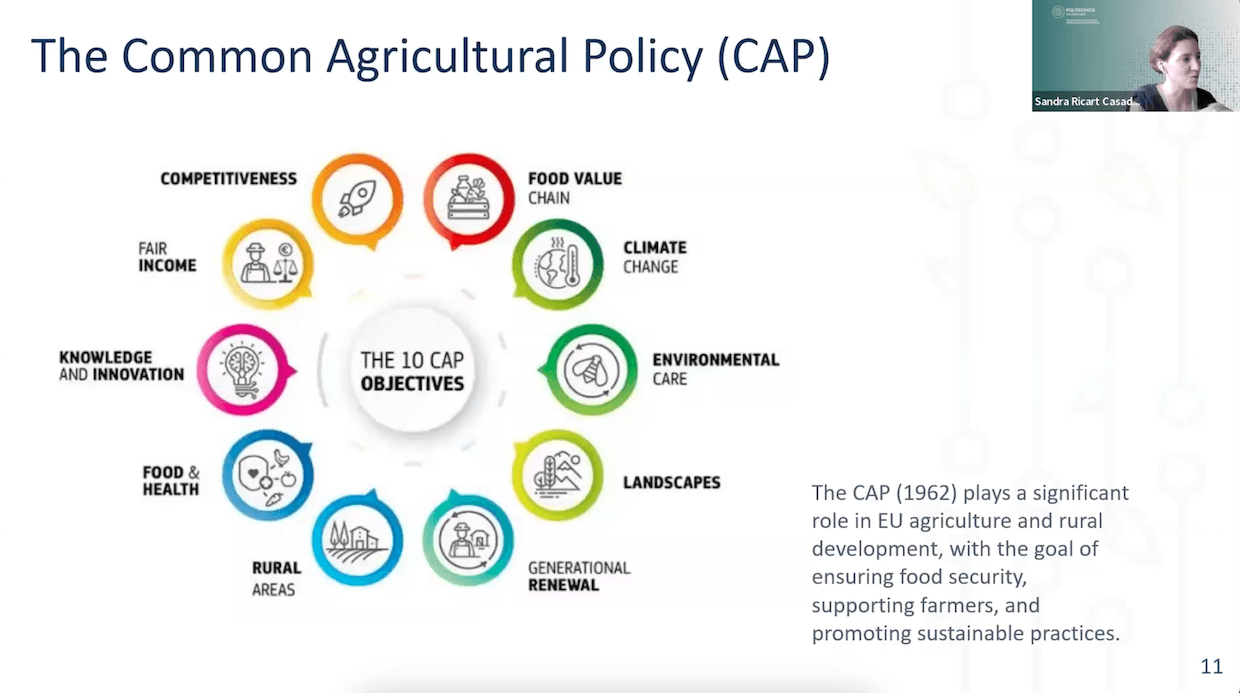

References

Oxford, D. (2024). “Why refugee deaths at an all-time high.” Al-Jazeera. March 8, 2024. https://www.aljazeera.com/news/2024/3/8/why-are-refugee-deaths-at-an-all-time-high (accessed on May 15, 2024).

Osuna, J. J. O. (2024). “Populism and Borders: Tools for Constructing ‘The People’ and Legitimizing Exclusion.” Journal of Borderlands Studies, 39(2), 203–226. https://doi.org/10.1080/08865655.2022.2085140

Black, J.; Warner, K.; Manke, M.; Borja, M.G.; Abdelazim, M. & Sigman, Z. (2024). A Decade of Documenting Migrant Deaths: Data analysis, and reflection on deaths during migration documented by IOM’s Missing Migrants Project,International Organization for Migration. Berlin. https://missingmigrants.iom.int/MMP10years (accessed on May 15, 2024).

Martini, L.S. & Megerisi, T. (2023) “Road to Nowhere: Why Europe’s Border Externalisation is a Dead End.” European Council on Foreign Relationshttps://ecfr.eu/publication/road-to-nowhere-why-europes-border-externalisation-is-a-dead-end/ (accessed on April 15, 2024).

Migration Data Portal. (2024). Migrant deaths and disappearanceshttps://www.migrationdataportal.org/themes/migrant-deaths-and-disappearances (accessed on April 16, 2024).

Muižnieks, N. (2017). Populism? Human Rights Regression and the Role of the Ombudsman. Keynote Speech at IOI Europe Conference, Barcelona. https://rm.coe.int/16807095ff (accessed on May 20, 2024).

Pons, L. (2023). “Naufragio di Cutro, cosa è successo: la dinamica e le responsabilità.” Fanpage. June 7, 2023.  https://www.fanpage.it/politica/naufragio-di-crotone-cosa-non-ha-funzionato-nella-catena-dei-soccorsi-ai-migranti/ (accessed on May 15, 2024).

Triandafyllidou, A. (2013). “Migration policy in Southern Europe: challenges, constraints and prospects.” European Website on Integration. October 18, 2013. https://migrant-integration.ec.europa.eu/library-document/migration-policy-southern-europe-challenges-constraints-and-prospects_en (accessed on May 20, 2024). 

EU flags in EU Council building during the EU Summit in Brussels, Belgium on June 28, 2018. Photo: Alexandros Michailidis.

Ventotene Manifesto, Europe, and Federalist Liberalism Today

The Ventotene Manifesto beautifully weaves together the aspirations for a united Europe with the principles of (federalist) liberalism. Its legacy should encourage European citizens to ponder the significance of European values and to defend them. How? By promoting a system both market-based and social; that rejects collectivism and embraces individualism; that prompts personal responsibility and denounces populism; that promotes transparent, efficient, and democratic governance; that acknowledges liberal democracy’s flaws but knows that the authoritarian pathway – fostered by populist forces – is ruinous. This is federalist liberalism.

By Amedeo Gasparini

The European Union (EU) has historically been seen as a beacon of peace, cooperation, and shared values. However, in recent years, there has been a noticeable rise in populist movements – from the right to the left – across several EU countries. The use of nationalist discourse, the unabashed use of demagogy and populism as a method of political offer, and the recourse to the “protection” of the state, are elements which demonstrate today’s crisis in the EU. These elements typically belong to the populist discourse and weaken the EU as a whole. In particular, the surge in right and far-right movements has led to increased polarization in the member states (Roberts, 2022), with political discourse becoming more confrontational. Alongside the rise of far-right ideologies, euroscepticism has also gained momentum. Eurosceptics often criticize the EU’s institutions for being bureaucratic, undemocratic, and infringing upon national sovereignty.

A general sense of dissatisfaction concerning the economic conditions in some EU countries, immigration, the post-Covid-19 pandemic, and the Russian war in Ukraine are among the conditions that enable right- and left-wing populism and anti-Europeanism to gain popularity. Growing eurosceptic sentiment fuels debates about the EU’s future, with traditional debates on supranationalism – that is, supranational actors promote integration through the spillover effect – and intergovernmentalism – that is, member states, following national interests, dictate control (Schmidt, 2016). Modern Europe has a decade-long legacy of fighting against totalitarian regimes and defending democratic values; and this should remind the EU about its determination to overcome internal divisions and continue to promote peace, prosperity, and solidarity.

The 80th anniversary of the Ventotene Manifesto, penned by Altiero Spinelli and Ernesto Rossi (2006 [1944]) is being celebrated this year and continues to stand as an inspirational cornerstone text of the EU and its values. However, it is also a useful guide for dealing with the multiple crises plaguing the EU. Conceived in 1941 while the two authors were confined on the island of Ventotene, the document was initially distributed covertly. Eugenio Colorni later published it, adding a preface. Secretly printed in Rome in January 1944, it was later complemented with two essays by Spinelli, “The United States of Europe and the Various Political Tendencies” (1942) and “Marxist Politics and Federalist Politics” (1942-1943). While Richard Coudenhove-Kalergi’s Pan-Europe (1997 [1923]) advocated for a European union steered by technocrats (thus more functionalist), the Manifesto proposed a European Federation with a parliament and a government wielding substantial powers in areas like economics and foreign policy.

While this article reviews Spinelli’s and Rossi’s work, it starts from the Manifesto and its legacy to outline some priorities for the EU to return to the federal spirit and the renewal of liberal ideas in a federalist key considering the EU’s current political context. The Manifesto proposed the creation of a “United States of Europe” as a solution to avoid future conflicts on the continent and to promote peace and prosperity through greater political and economic integration between European nations (D’Auria, 2011). The document, which has had a major impact on the federalist movement (Vayssière, 2005), is still a roadmap towards an unfinished project in today’s EU, threatened in its cohesion and unity by internal – populists – and external actors – autocrats. The Manifesto’s principles and ideals might serve as a guide to strengthen the European integration process and face the current challenges with determination and common vision.

In his preface, anti-fascist Italian philosopher Eugenio Colorni cautioned against merely rearranging populations after the Second World War, advocating instead for a genuine European Federation, more advanced than the ineffective League of Nations. Mindful of the 1930s they experienced, Spinelli and Rossi argued that an integralist principle of non-intervention among European nations was absurd; and no country should freely opt for an authoritarian regime – as this would have, as it had, dramatic consequences for its neighbors. Thus, they emphasized the need to establish a new transnational political entity, a European Federation. Colorni called for the establishment of a unified federal army, a single currency, the elimination of customs barriers and migration restrictions between states, representation of citizens in federal institutions, and a cohesive foreign policy.

There is little point in listing the Manifesto’s achieved and unachieved policies, as the world today is significantly different from the mid-1940s’. It is rather useful instead to focus on the major insights set out by the authors and to understand how these can be adapted today and how they can benefit the European governance. At the Manifesto’s core lies the principle of freedom and the four liberties – free movement of goods, people, capitals, and services. For Spinelli and Rossi, a free and united Europe represented the path to rekindling the development of modern civilization oriented on liberal democracy. They envisioned a federal union enhanced by the close cooperation among member states, democratic representation for European citizens, and an unwavering respect for the continent’s cultural diversity.

The authors started by proposing to overcome territorial selfishness, both at the national and European levels, and to eliminate obstacles to the free movement of people and goods. They aspired to a reduction of state interference in citizens’ lives, openly criticizing authoritarian approaches (2006 [1944]). A significant section of the Manifesto addresses economic issues. The authors argued that given the global economic interconnectedness, the entire world has become the living space for people eager to maintain a modern way of life. In an age of economic interdependence, the authors argued, trade wars are counterproductive and unnecessary. Rossi and Spinelli highlighted how the total nationalization of the economy was seen as a liberating utopia by the working classes; however, once realized, it did not lead to the desired goal, but rather to a system in which the population is subservient to the bureaucratic managerial class.

A Europe that is truly free and ready to face future challenges is also one that values the free market and assigns the state an appropriate role, one that does not see it as a protagonist in the lives of citizens. On these notes, without mentioning it, the Manifesto was to designate federalist liberalism as the way forward for a future European construction – not by chance, both federalism and liberalism champion individual freedom, advocate for the autonomy of local communities, checks and balances. Federalist liberalism aims to strike a harmonious balance between the sovereignty of member states, and prioritizes safeguarding individual rights, while fostering economic growth and welfare. Within this framework, European federalism emerges as an indispensable system for securing peace, stability, and progress across the continent, harmonizing the individual nations’ autonomy with collaborative efforts at the European level.

The federalist vision of a united, free, and democratic Europe shines as a beacon of hope, and serves as both compass and inspiration. The Manifesto’s relevance endures today for several reasons, each aligning with five EU’s key priorities: an effective European Federation, the emphasis on peace and democracy, the spirit of solidarity, the quest for a shared European identity, and the promotion of democratic governance.

The vision of a European Federation has seen significant realization with the gradual formation of today’s EU. Given today’s global challenges, there’s an amplified need for increased integration and cooperation among EU member states. But most of all, there is still much to be done in terms of the EU’s efficiency and integration (Schimmelfennig et al.,2023) – for example fiscal union, cooperation in the energy sector, policies for high-tech companies. Today’s EU needs Spinelli’s and Rossi’ enthusiasm to reinvigorate, enhancing cohesion and cross-collaboration among its member states. It is in times of change that the concept of a European Federation might renew its significance. While deepening integration in key areas like defense, health, and foreign policy will pave the way for more effective EU as local and global actor. Just as in the early days of the European Community, when nations pooled coal and steel within the supranational organization European Coal and Steel Community (Glockner-Rittberger, 2012).

Secondly, the Manifesto underscored the pivotal role of peace and democracy in averting conflicts and ensuring the citizens’ welfare. Peace in Europe is not a given; and it is indispensable for forging a united and prosperous Europe. However, geopolitical tensions, regional crises, and autocratic and terrorist threats still test the continent’s security. Thus, upholding democratic values and fostering unity among European nations remain crucial for peace and stability. There cannot be peace without rule of law. European-style democracy is not merely a political system; it embodies a set of values, principles, and rights safeguarding well-being and freedom. But again: without the rule of law, democracy is also vacuous. It is from freedom that peace and democracy are achieved, not the other way around. See, for example, the accession of some former Warsaw Pact countries to the European Community in 2004: only under conditions of freedom they were able to develop a modern economy and liberal democracy, thus true peace, and welfare.

Solidarity is emphasized in the Manifesto as a vital principle binding the peoples of Europe together and it continues to resonate in today’s European political discourse. Solidarity – an ethical guideline and element of integration – is a hidden principle of federalist liberalism: the better-off helps the weaker – not only out of a spirit of charity, but because it may be in its interest to deal with partners in the best conditions to cooperate. Effective solidarity transcends national divisions. A unified response from EU member states, solidarity is also sharing responsibility in the current challenges. It encompasses respecting human rights, but it is also pivotal in the economic sphere as well, fostering also growth, dignity, and prosperity.

The Ventotene Manifesto advocated for a European identity rooted in shared values, cultures, and a common historical legacy. Federalist liberalism would preach that fostering European identity might be an answer to rising nationalism. The concept of European identity is not necessarily at odds with the idea of nationhood and national identity. It offers a pathway to a united yet open and uncertain future, complementing – and not substituting – national identities. It offers a shared platform where diverse European cultures and traditions coexist, fostering mutual enrichment and collaboration. While the European identity has been and still is object of debate (Wallace-Strømsnes, 2008), the European identity is an identity among other global identities. It is on this common ground that European states came together and federated; and today it needs further integration via a new European governance model (Kaplan, 2018).

A fifth element is a governance system grounded in democratic principles and transparency. Amid ongoing critiques of EU bureaucracy, the Manifesto – again – offers valuable perspectives on this. The transparency of European institutions cannot only be a matter of fact but must also be perceived by the population (Brandsma, 2019, Font-Pérez-Durán, 2022). Such a governance framework would prioritize European citizens’ democratic representation and their interests, ensuring that European-level decisions resonate with people’s interests and values. Transparency empowers citizens with access to information and involve them in decision-making processes, expanding their rights, bolstering the legitimacy and efficacy of European institutions to get the new European governance more efficient and accountable.

Today the Manifesto underscores the significance of a free and open society, a fundamental framework cherishing individual freedom, market economy, and the rule of law. The Ventotene Manifesto beautifully weaves together the aspirations for a united Europe with the principles of (federalist) liberalism. Its legacy should encourage European citizens to ponder the significance of European values and to defend them. How? By promoting a system both market-based and social; that rejects collectivism and embraces individualism; that prompts personal responsibility and denounces populism; that promotes transparent, efficient, and democratic governance; that acknowledges liberal democracy’s flaws but knows that the authoritarian pathway – fostered by populist forces – is ruinous. This is federalist liberalism. Spinelli and Rossi could not have imagined today’s EU, which has made huge strides from post-World War Two Europe, but they wanted a transnational and social, open, and transparent European federalist movement.

The Manifesto stands as a symbol of the quest for a European identity anchored in cooperation, unity, and solidarity. Federalist liberalism not only represents a perfect synthesis between supranationalism and intergovernmentalism, but it might reinvigorate the current EU. Spinelli and Rossi envisioned a federation as the output of a new governance. However, the realization of this project has been gradual, and the journey remains unfinished. The Ventotene Manifesto is not only a historical reference point, but also a source of inspiration and a call to action for who believe in the European project. It is a reminder of the need to overcome national divisions and to work together to enhance a united, free, and prosperous Europe. It offers both a history lesson and a roadmap for the future. Its federalist viewpoint, rooted in liberal and democratic principles, is still valid today for us to recognize the compatibility of cooperation and freedom.


References

Brandsma, Gijs J. (2019). “Transparency of EU informal trilogues through public feedback in the European Parliament: promise unfulfilled.” Journal of European Public Policy, Volume 26, Issue 10, pp. 1464-1483, DOI: 10.1080/13501763.2018.1528295 

Coudenhove-Kalergi, Richard Nicolaus. (1997 [1923]). Pan-Europa. Un grande progetto per l’Europa unita. Rimini: Il Cerchio Iniziative Editoriali.

D’Auria, Matthew. (2011). “The Ventotene manifesto: The crisis of the nation state and the political identity of Europe.” In: Spiering, Menno; Wintle, Michael (Ed.). European identity and the second world war. Basingstoke: Palgrave Macmillan.

Font, Nuria; Pérez-Durán, Ixchel. (2022). “Legislative Transparency in the European Parliament: Disclosing Legislators’ Meetings with Interest Groups.” Journal of Comon Market Studies. Volume 61, Issue 2, pp. 379-296, 10.1111/jcms.13371.

Glockner, Iris; Rittberger, Berthold. (2012). “The European Coal and Steel Community (ECSC) and European Defence Community (EDC) Treaties.” In: Laursen, Fin (Ed.). Designing the European Union. London: Palgrave Macmillan.

Kaplan, Yılmaz (2018). “(Re)considering sovereignty in the European integration process.” Asian Journal of German and European Studies. Volume 3, Issue 1, DOI: 10.1186/s40856-017-0023-4.

Roberts, Kenneth M. (2022). “Populism and Polarization in Comparative Perspective: Constitutive, Spatial and Institutional Dimensions.” Government and Opposition. Volume 57, Issue 4, pp. 680-702, DOI: 10.1017/gov.2021.14.

Schimmelfennig, Frank; Leuffen, Dirk; De Vries, Caterine. E. (2023). “Differentiated integration in the European Union: Institutional effects, public opinion, and alternative flexibility arrangements.” European Union Politics. Volume 24, Issue 1, pp. 3-20, DOI: 10.1177/14651165221119083.

Schmidt, Vivien A. (2016). “The ‘new’ EU governance: ‘new’ intergovernmentalism versus ‘new’ supranationalism plus ‘new’ parliamentarism.” Les Cahiers du Cevipol. Volume 5, pp. 5-31.

Spinelli, Altiero; Rossi, Ernesto. (2006 [1944]). Il Manifesto di Ventotene. Milan: Mondadori.

Vayssière, Bertrand. (2005). “Le manifeste de Ventotene (1941) : acte de naissance du fédéralisme européen.” Guerres mondiales et conflits contemporains. Volume 217, Issue 1, pp. 69-76, DOI: 10.3917/gmcc.217.0069.

Wallace, Claire; Strømsnes, Kristin. (2008). “Introduction: European Identities.” Perspectives on European Politics and Society. Volume 9, Issue 4, pp. 378-380, DOI: 10.1080/15705850802416762 

The demonstration "Jogja Bergerak untuk Keadilan dan HAM" in Yogyakarta, Indonesia, on December 18, 2020, calls for the release of Rizieq Shihab and an investigation into the shooting incident involving the FPI members. Photo: Hariyanto Surbakti.

Use of Informal Sharia Law for Civilizational Populist Mobilization in the 2024 Indonesian Elections 

DOWNLOAD PDF

Please cite as:

Bachtiar, Hasnan; Shakil, Kainat & Smith, Chloe. (2024). “Use of Informal Sharia Law for Civilizational Populist Mobilization in the 2024 Indonesian Elections.” Populism & Politics (P&P). European Center for Populism Studies (ECPS). April 26, 2024. https://doi.org/10.55271/pp0035   


Abstract

The Defenders Front of Islam or the Front Pembela Islam (FPI) is an Islamist civilizational populist movement in Indonesia. Its religious and political blueprints have been a challenge to the elites in power. In 2017 and 2019, it was involved in the contest of electoral politics to fight against the elites by implementing the populist politics that tends to undermine the democratic process. As a result, it was banned in 2020 but re-established a year later. In 2024 elections, it supports for Anies Baswedan-Muhaimin Iskandar to compete against Prabowo Subianto-Gibran Rakabuming and Ganjar Pranowo-Mahfud MD. The findings suggest that by applying the Islamist civilizational populism, the FPI instrumentalizes the informal religious law to support its political mobilization. It emphasizes the legal-centric perspective of “sharia,” which gives the FPI’s activists and its wider audience only one imperative option to solve the problem: join in the populism. We arguably state that the informal religious law can contribute to the process of Islamist civilizational populist mobilization. 

By Hasnan BachtiarKainat Shakil Chloe Smith

Introduction

The Defenders Front of Islam or the Front Pembela Islam (FPI) is an Islamist civilizational populist movement in Indonesia (Barton et al., 2021; Yilmaz et al., 2022). It was born on August 17, 1998, in Jakarta when the country was undergoing political reform and transition from authoritarian to democracy. The FPI emerged as an Islamist movement that upholds the mission of fighting against immorality such as thuggery, prostitution, alcohols, drugs, gambling, and other street evils, while other Muslim organizations did not spread the Islamic messages in this level (Facal, 2020). In addition, when immorality tended to increase crime during the Reformasi, the police were seen as unable to solve the social problem (Jahroni, 2004: 222-227). To carry out its religious mission, the FPI has frequently implemented violent and vigilante methods to ensure the safety of society.

The FPI wants to Islamize state and society. It desires Indonesia to be a modern state based on the Islamic sharia. It’s ideal, similar to that of the Islamist party Masyumi (1943-1960), is to install the Islamist phrases in the first principles of the state, Pancasila. The FPI wants to transform the principle of “Belief in one Almighty God” (Ketuhanan Yang Maha Esa) to become “Belief in one Almighty God with the obligation to carry out the sharia Islam for its adherents.” In 2002, the FPI attempted to transform (Islamize) constitution, but failed (Wilson, 2015). However, it has maintained its ideal persistently by implementing the Islamization of society. In 2012, its top leader, Muhammad Rizieq Shihab published his book “Wawasan Kebangsaan Menuju NKRI Bersyariah” (The National State of Mind towards the Shariatized NKRI/Indonesia). This book presents the FPI’s thoughts on Islamist politics, suggesting that the Islamist struggle is crucial to establishing a religious society. Accordingly, some scholars identify the FPI as the Islamist populist movement (Hadiz, 2016; Hadiz and Robison, 2017; Hadiz, 2018; Mietzner, 2018; Mietzner & Muhtadi, 2018; Aspinall & Mietzner, 2019; Mietzner, 2020). 

The FPI’s Islamist da’wa blueprints have been a challenge to the government. In 2016, the FPI was involved in the cross-class alliances of the populist rally that brought together more than five hundred thousand masses to oust Ahok (a Hakka name for Basuki Tjahaya Purnama) a Chinese-Christian governor of Jakarta. At the time, Rizieq was hailed by the populists as their “Grand Imam” (Imam Besar), leading the pure people in their fight against the corrupt elites. As a result, the FPI’s chosen leader, Anies Baswedan had won the chairmanship of the capital in the 2017 gubernatorial election (Bachtiar, 2023a). With Ahok having the backing of President Jokowi, the FPI was also forging a message that the central government is the next target to be overthrown. In the 2019 election, the FPI endorsed Jokowi’s rival, a retired Indonesia special forces general, Prabowo. 

The government banned the FPI in 2020 because of the issue of its relationship with the Islamist extremist groups and its radical campaign to Islamize the republic (Yilmaz et al., 2022; Yilmaz, 2023). In addition, its leader, Rizieq was imprisoned for violating the health quarantine during the Covid-19 pandemic, although he was released on parole in July 2022. Since then, the police have continued to prohibit the FPI’s political actions both in the public sphere and the cyber space. In January 2021, however, the neo-FPI was reborn, changing its name to the Front of Islamic Brotherhood or Front Persaudaraan Islam (FPI) (Tsauro & Taufiq, 2023; Taufiq & Tsauro, 2024). In this new form, Rizieq handed over leadership to his son-in-law, a young and charismatic Muslim preacher, Muhammad Husein al-Attas. In the 2024 Indonesian elections, the FPI backed Anies to run as one of the presidential candidates. Even after its dissolution, the FPI still can play a crucial role in the country’s electoral politics. 

This paper aims to analyze the role of the FPI in the context of the 2024 elections in Indonesia. We argue that by implementing the Islamist civilizational populism, the FPI is instrumentalizing the informal religious law to support its populist political mobilization. It emphasizes the legal-centric perspective of sharia, which gives the FPI’s supporters and the public only one imperative option to solve the problem: join in the populism. It is in line with the populist promise that populism is the only solution to the crises. The subsequent section discusses the theory of Islamist civilizational populism and informal religious law. It is followed by the context of the 2024 elections in Indonesia, the FPI’s Islamist civilizational populism, and the FPI’s instrumentalization of the informal religious law in its Islamist civilizational populist mobilization. 

Islamist Civilizational Populism and Informal Religious Law

The mass demonstration “Jogja Bergerak untuk Keadilan dan HAM” in Yogyakarta, Indonesia, on December 18, 2020, demands the release of Rizieq Shihab and an investigation into the shooting incident involving FPI members. Photo: Hariyanto Surbakti.

Populism, theoretically, is non-monolithic. There are many definitions of it. In this paper, however, we use the minimal definition of populism that is developed further by Yilmaz and Morieson (2023) which includes not only the vertical element of populism but also its horizontal element so-called civilizationism as a thicker ideology that contributes to the populist identification of ‘self’ and ‘the other.’ They define civilizational populism as a set of ideas that collectively hold that politics must serve the people’s general will, and that “society is ultimately separated into two homogenous and antagonistic groups, ‘the pure people’ versus ‘the corrupt elite,’ who collaborate with the ‘dangerous others’ belonging to other civilizations and who pose a clear and present danger to the civilization and way of life of the pure people” (Yilmaz and Morieson, 2023: 4). 

In civilizational populism, the role of religion is crucial. It is because civilizationism highly frequently includes religious aspects such as particularly informal religious law (Yilmaz, 2022). It is the law that the religious society has implemented in an informal way beyond the legal system of the state. Accordingly, we define this informal religious law “as a legal entity outside the formal legal system of a state, and the people of that state uphold and respect this law as it governs all aspects of their lives.” In the context of Muslim society, this informal religious law can be sharia and the other legal entities derived from it such as fiqh (Islamic jurisprudence) and fatwa (Islamic legal opinion), as the sharia is considered the most significant source of guidance for the lives of Muslims (Yilmaz, 2022: 20). Sharia also contributes significantly to shaping the legal centric perspective among Muslims (Said, 1994).  

The Context of the 2024 Elections in Indonesia

There are three pairs of presidential and vice-presidential candidates for the 2024 elections in Indonesia. The first is Anies Baswedan-Muhaimin Iskandar (AMIN), while the second and the third are Prabowo Subianto-Gibran Rakabuming Raka and Ganjar Pranowo-Mahfud MD respectively. 

In the 2019 elections, the FPI supported Prabowo Subianto-Sandiaga Uno to compete against Jokowi-Ma’ruf Amin. At that time, Prabowo-Sandi was defeated. However, after the FPI experienced political difficulties – the dissolution of the organization, the imprisonment of its leader, the death of its six laskars – Prabowo accepted the Jokowi’s offer to join his cabinets. Prabowo was appointed Defense Minister. This led the FPI to perceive Prabowo as betraying the ummah including in the context of the 2024 elections. 

Prabowo’s running mate, Gibran, is the son of Jokowi. Ganjar Pranowo, a member of the Indonesian Democratic Party of Struggle (PDIP), backed Jokowi in both the 2014 and 2019 elections. Mahfud MD, Jokowi’s Coordinating Minister for Politics, Legal, and Security Affairs, has aligned with Ganjar’s candidacy. Despite their prior support for Jokowi’s administration, Ganjar and Mahfud oppose the Prabowo-Gibran ticket because they perceive Jokowi’s endorsement of his son’s candidacy as a bid to extend his political influence (Bachtiar, 2023b).

The FPI’s support for AMIN is strengthened by the political frauds allegedly committed by the Prabowo-Gibran camp, especially through Jokowi’s political power. These include the perpetuation of Jokowi’s political dynasty, legal manipulation by the Constitutional Court, abuse of authority and power as a state official, and vote counting fraud (Yilmaz et al., 2024a; Yilmaz et al., 2024b; Slater, 2024).

The FPI’s Islamist Civilizational Populism

The FPI is an Islamist civilizational populist movement that is considered still influential in shaping the political dynamics of the Indonesia’s 2024 election. This movement plays a crucial role in supporting one of the pairs of the presidential and vice-presidential candidates, Anies Baswedan and Muhaimin Iskandar (AMIN), who are competing with Ganjar Pranowo and Mahfud MD, and mainly Prabowo Subianto and Gibran Rakabuming Raka. 

Although all the candidates tend to build their image as pro-diversity nationalists, the FPI helps promote AMIN as the pious leaders of the ummah. The FPI’s image-building of AMIN purposes at retaining the Islamist voters and attracting the public attention, as most of the country’s population is Muslim. 

By supporting AMIN, the FPI produces Islamist civilizational populist narratives and rhetoric that guarantee its populist identification of “the self” and “the other” to distinguish those who are on the side of the ummah from those who are not. Accordingly, the FPI defines certain boundaries between those who can be identified as Islamist civilizational populists and those who are their adversaries. 

The FPI perceives that AMIN’s opponents are its populist enemies. They are the other electoral candidates that have been supported by “corrupt elites.” The FPI directs its identification towards Ganjar-Mahfud, Prabowo-Gibran, and their backers. Ganjar-Mahfud has been proposed by the winning political party in the last election, the Indonesian Democratic Party of Struggle (PDIP), which is also a political force that recommended the banning of the FPI. Meanwhile, Prabowo-Gibran has been supported by incumbent president Jokowi, who backed Ahok, the FPI’s most hated political figure in the 2017 gubernatorial election (Yilmaz et al., 2024a; Yilmaz et al., 2024b). 

The two enemies of the FPI, the PDIP politicians and Jokowi, had been working together in the context of the 2019 elections. The FPI perceives them as the corrupt elites who have invited foreign powers such as the West and China to participate in the exploitation of the country’s natural resources (Yilmaz et al., 2022). Those powers, as the FPI claimed, are categorized as the dangerous others. 

The FPI’s view of the corrupt elites and its civilizational enemies is reflected in a statement by one of its leaders, Munarman: “Currently, we are witnessing that those who are in power, are those who are anti-Islam, anti-Islamic teachings, anti-Muslims, and even accuse the teachings of Islam of being a lie. In terms of global geopolitics, we should not hope for anyone, because it is precisely the power of the White Wolf (the West) that has been a place of dependence for compradors, foreign accomplices. Indonesia has been in contact with the White Wolf. Now the compradors are also accomplices of the Red Dragon (China)” (Munarman, 2016). 

Since then, as well as in the context of the 2024 elections, according to the FPI, the elites have involved the Muslim ummah’s civilizational enemies (the dangerous others) in the social, cultural, political, and economic destructiveness, primarily in a way of undermining the ummah’s general will. The FPI claims that because of the civilizational threats of foreign forces, the ummah have remained marginalized with no access to economic resources or social welfare.

FPI’s Instrumentalization of the Informal Religious Law in Its Islamist Civilizational Populist Mobilization 

The Grand Imam of the Islamic Defenders Front (FPI), Habib Rizieq Shihab, upon his arrival in Jakarta on November 10, 2020. Photo: Angga Budhiyanto.

In its mission to combat perceived threats against the ummah, the FPI actively urges its activists and the public to participate in its populist agenda. The FPI frames this mission as a religious obligation, asserting that it is incumbent (wajib) upon Muslims to engage in it. We contend that the FPI strategically utilizes informal religious laws such as sharia, fiqh, and fatwa to ensure the success of its Islamist populist mobilization efforts.

The FPI employs informal religious law through three primary methods: Firstly, it implements a legal-centric perspective in applying its Islamist doctrine of “commanding good and forbidding evil” (amar ma’ruf nahi munkar), particularly in its populist political struggle. Additionally, the FPI mobilizes the masses by advocating adherence to Sharia principles in electing leaders, often based on outcomes from deliberative consultations (musyawarah) among Ijtima’ Ulama. Lastly, the FPI rallies its supporters and the public to combat alleged political fraud perpetrated by its adversaries.

First, the FPI perceives politics as the arena for its religious struggle in which this Islamist civilizational populist movement must implement its Islamist doctrine of amar ma’ruf nahi munkar. This doctrine urges Muslims to command good and at the same time to forbid evil. It is rooted in the Islamic scripture, Surah Ali Imran verse 104, “And let there be among you a group of people who call to virtue, commanding the good and forbidding the evil; they are the fortunate ones.” Other verses such as Ali Imran 110 and 114, Al-Araf 157, Al-Taubah 71, Al-Haj 41, and Al-Luqman 17 substantively also emphasize this doctrine. According to the FPI’s top leader, Rizieq Shihab, the level of obligation to implement amar ma’ruf nahi munkar is fardu ‘ain (individual obligation) for those in authority, and fardu kifayah(communal obligation) for those who are not (Shihab, 2024). When the authority undermines his or her obligation, however, it becomes the duty of everyone in the Muslim community, including the FPI, to conduct the amar ma’ruf nahi munkar. Therefore, in order to implement it, it is imperative to emphasize the fight against the populist enemies in the context of the electoral politics. 

Second, the FPI trusts the informal religious institution that enables “Islamist” scholars (ulama) from across the country to engage in the collective Islamic legal reasoning (ijtihad) to find a solution to the political problem and select the best leaders from among the available candidates. On November 18, 2023, in the Adz Dzikro Mosque, Sentul, Bogor, West Java, the Ijtima’ Ulama concluded their ijtihad and decided that AMIN was the candidate to vote for (Faktakini, 2023). Rizieq Shihab claims that the result of the Ijtima’ Ulama is based on the Islamic practice of deliberative consultation (musyawarah) which is commanded by God. At length, he expresses his thought that: 

“In matters of struggle, including social and political matters, we have upheld musyawarah. First of all, musyawarah is a command from Allah in the Qur’an. Allah says, ‘wa shawirhum fi al-amri,’ inviting them to deliberate on important matters, especially for the benefit of many people. In another verse, Allah subhanahu wa ta’ala makes deliberation the identity of the believers. Allah says, ‘wa amruhum shura’ bainahum,’ meaning that the affairs of the believers are discussed among themselves. …So, decisions made by musyawarah, that’s the advantage, Insha Allah, will be much better than personal decisions because many opinions are taken into account. And that’s not all. Decisions made through musyawarah become a shared responsibility. So, even if there are mistakes or shortcomings in the future, we won’t point fingers (not blame anyone). But if it’s a personal decision, it can be pointed at (personally blamed). That’s the advantage of reflection. And musyawarah is because of Allah’s command, if we carry it out, it will be blessed. Well, a blessed decision, God willing, is not wrong. That is why many people have asked me, what is our attitude towards the 2024 presidential elections? I have answered that I am waiting for the decision of the Ijtima’ Ulama,” (Shihab 2023). 

Based on this FPI’s informal religious law, one of its leaders, Hanif Alatas had mobilized the FPI supporters and the public in various religious assemblies across the country. He strongly promoted the Ijtima’ Ulama’s decision to vote for AMIN. He stated that: “Are you ready to follow the command of the ulama? Are you ready to follow the ulama who are highly consistent (istiqamah)? Are you ready to follow the direction of the Ijtima’ Ulama? We obey the Ijtima’ Ulama! 2024, Anies becomes the president. Takbir!!!” (Alatas, 2024). Ultimately, the FPI organized the massive religious gathering (Istighotsah Kubro) at Benyamin Suaeb Stadium, Kemayoran, Central Jakarta on February 8, 2024, to mobilize Islamist masses to vote for AMIN. 

Third, by using the informal religious law, the FPI mobilizes its supporters and the public to fight against its enemies that who are allegedly involved in political fraud. Rizieq Shihab calls on the masses to fight the political fraud that is taking place, while at the same time building mass confidence that the pure ummah can win against Ahok in the 2017 gubernatorial election, despite not being supported by a large political force. According to Rizieq Shihab, the FPI’s resistance to political fraud and confidence in implementing amar ma’ruf nahi munkar is part of an effort to uphold the sharia. He said:

“Well, because of that, if you want AMIN (Anies-Muhaimin) to win, that’s why I invite you, let’s fight fraud. …Don’t be afraid if there are other candidates supported by economic power, political power… We have experience in Jakarta. In Jakarta, when we fought Ahok, what did we have? …Ahok was supported by the President, supported by the Chief of Police, supported by the TNI Commander, supported by all mainstream TV media, supported by major parties, supported by Taipan conglomerates, supported by the Nine Dragons, supported by survey institutions, brothers. … Those who supported Anis at that time were only parties, brother, whose votes were actually not as big as the parties that supported Ahok. Ahok was backed by foreign powers, brother. On paper, Ahok won. But what happened after that? It turned out that God’s will was different. …Allah Subhanahu wa taala still forced Ahok to resign. The Muslims won, brother. Right? Takbir!!! If we obey Allah, we don’t have to worry. ‘Intansurullah, yansurkum.’ If you defend Allah, uphold His law, uphold His sharia, ‘yansurkum,’ surely Allah will win you all this. Allah’s promise is sure to be true, Allah’s promise is impossible to miss, ya Ikhwan!” (Shihab, 2024b). 

The FPI accused the Prabowo-Gibran political carriage of fraud because they are backed by Jokowi who has committed abuses of power as a state official. Gibran, Jokowi’s son, does not actually meet the requirements of the election law to run for vice-president, mainly because he is under 40. As a result, the Prabowo-Gibran political force filed a judicial review with the Constitutional Court to change the age for vice-presidential candidacy. They managed to change this requirement, especially as the Chief Justice of the Constitutional Court is Anwar Usman, Jokowi’s brother-in-law. Their success is suspected to have been due to a collusive and nepotistic practice that manipulated the country’s highest judicial system. In addition, according to the FPI, Jokowi used his social, political, and economic resources to support his son. Jokowi ordered his ministers, police and military chiefs and other officials to mobilize the masses to ensure they voted for Prabowo-Gibran. In addition, they (state officials) were also mobilized to distribute social aid to society, which certainly contained certain political messages in favor of Prabowo-Gibran’s victory. 

Conclusion

Despite its disbandment in 2020, the FPI underwent a resurgence as a similar Islamist civilizational populist movement in early 2021, emerging as a significant extra-parliamentary force in Indonesia’s 2024 elections. Endorsing Anies Baswedan-Muhaimin Iskandar (AMIN) as the presidential and vice-presidential candidates against Prabowo Subianto-Gibran Rakabumin and Ganjar Pranowo-Mahfud MD, the FPI positioned itself prominently. Its support for AMIN stems from its perception of the other candidates and their supporters as populist political adversaries. Specifically, the FPI identifies the Prabowo-Gibran political alliance, endorsed by Jokowi, as representing corrupt elites who allegedly align with dangerous external influences, particularly Western powers and China, posing a threat to the ummah’s civilization.

We contend that in mobilizing its supporters during the 2024 elections, the FPI utilized informal religious law, encompassing sharia, fiqh, and fatwa. The FPI employed this legal framework in three keyways: Firstly, it adopted a law-centric approach in applying the principle of amar ma’ruf nahi munkar, particularly within its political activism. Secondly, the FPI mobilized the masses by advocating adherence to Sharia principles in selecting leaders, often guided by deliberative consultations (musyawarah) among Ulama during Ijtima’ gatherings. Thirdly, the FPI rallied its supporters and the public to combat alleged political fraud perpetrated by its adversaries.

We also arguably state that the FPI uses informal religious law as an ideological expression that helps its populist mobilization. This has to do with the legalistic nature of sharia law, which has nuances of halal (permissible) and haram(forbidden) or black and white. Furthermore, according to the FPI’s sharia-centric perspective, politics tends to be positioned as a field of da’wah (religious proselytization). Thus, for the FPI, politics must have a religious mission. If there is a concept of Islamic politics, then in this context it is sharia-based populist politics. 

So far, in the case of the FPI in Indonesia, we have seen this as part and parcel of Islamist civilizational populism. However, is this also the case for other civilizational populist movements elsewhere in the world?


Funding: We acknowledge that this research is supported by the Australian Research Council (ARC) the Discovery Project – DP220100829, titled “Religious Populism, Emotions and Political Mobilisation: Civilisationism in Turkey, Indonesia and Pakistan” (2022-2025). 


References

Alatas, H. (2024). “Habib Hanif Bersama Jutaan Umat Islam Dukung Amin, Capres Cawapres Pilihan Ijtima Ulama.” Islamic Brotherhood Television. YouTube. https://www.youtube.com/watch?v=O4uT9Lhafek (accessed on April 23, 2024).

Aspinall, E. & Mietzner, M. (2019). “Indonesia’s Democratic Paradox: Competitive Elections Amidst Rising Illiberalism.” Bulletin of Indonesian Economic Studies. 55(3), pp. 295-317. https://doi.org/10.1080/00074918.2019.1690412

Bachtiar, H. (2023a). “Indonesian Islamist populism and Anies Baswedan.” Populism & Politics (P&P). European Center for Populism Studies (ECPS). https://doi.org/10.55271/pp0025

Bachtiar, H. (2023b). “Ganjar Pranowo’s Quest: Resisting Islamist Civilizational Populism in Indonesia.” Populism & Politics (P&P). European Center for Populism Studies (ECPS). https://doi.org/10.55271/pp0028

Barton, G.; Yilmaz, I. & Morieson, N. (2021). “Religious and Pro-Violence Populism in Indonesia: The Rise and Fall of a Far-Right Islamist Civilisationist Movement.” Religions. 12(6) 397. https://doi.org/10.3390/rel12060397

Facal, G. (2020). “Islamic Defenders Front Militia (Front Pembela Islam) and Its Impact on Growing Religious Intolerance in Indonesia.” Trans-regional and -National Studies of Southeast Asia. 8(1), pp. 7-20. https://doi.org/10.1017/trn.2018.15

Faktakini. (2023). “Hasil Ijtima Ulama & Tokoh Nasional 2023 di Aula Masjid Az-Zikra Sentul Bogor.” Faktakini.Info. November 18, 2023. https://www.faktakini.info/2023/11/video-hasil-ijtima-ulama-rekomendasikan.html (accessed on April 21, 2024).

Hadiz, V.R. & Robison, R. (2017). “Competing Populisms in Post-authoritarian Indonesia.” International Political Science Review. 38(4), pp. 488-502. https://doi.org/10.1177/0192512117697475

Hadiz, V.R. (2016). Islamic Populism in Indonesia and the Middle East. Cambridge: Cambridge University Press.

Hadiz, V.R. (2018). “Imagine All the People? Mobilising Islamic Populism for Right-Wing Politics in Indonesia.” Journal of Contemporary Asia. 48(4), pp. 566-583. https://doi.org/10.1080/00472336.2018.1433225

Jahroni, J. (2004). “Defending the Majesty of Islam: Indonesia’s Front Pembela Islam (FPI) 1998-2003.” Studia Islamika. 11(2), pp. 197-256. https://doi.org/10.15408/sdi.v11i2.601

Mietzner, M. & Muhtadi, B. (2018). “Explaining the 2016 Islamist Mobilisation in Indonesia: Religious Intolerance, Militant Groups and the Politics of Accommodation.” Asian Studies Review. 42(3), pp. 479-497. https://doi.org/10.1080/10357823.2018.1473335

Mietzner, M. (2018). “Fighting Illiberalism with Illiberalism: Islamist Populism and Democratic Deconsolidation in Indonesia.” Pacific Affairs. 91(2), pp. 261-282. https://doi.org/10.5509/2018912261

Mietzner, M. (2020). “Rival Populisms and the Democratic Crisis in Indonesia: Chauvinists, Islamists and Technocrats.” Australian Journal of International Affairs. 74(4), pp. 420-438. https://doi.org/10.1080/10357718.2020.1725426

Munarman (2016). “Munarman Malam Doa Syuhada 411 – Sudah 70 Tahun Umat Islam Jadi Tukang Dorong Mobil Mogok.” TV. https://www.youtube.com/watch?v=TIUtuyrYsN0&t=53s (accessed on April 21, 2024).

Said, A.H. (1994). Al-Thabit wa al-Mutahawwil, Vol. 1. Beirut: Dar al-Saqi.

Shihab, R. (2024a). “Merinding! HRS Bebas! Dicecar RH 1 Jam, Keluar Semuanya: Konseptual, Jauh dari Radikal.” Refly Harun. YouTube. https://www.youtube.com/watch?v=1o2UwKDOZgA (accessed on April 21, 2024).

Shihab, R. (2024b). “Musuh Paslon Anies Baswedan-Muhaimin Hanyalah Kecurangan.” Islamic Brotherhood Television. YouTube. https://www.youtube.com/watch?v=HutlOcXicHU (accessed on April 21, 2024).

Slater, D. (2024). “Indonesia’s High-Stakes Handover.” Journal of Democracy. 35(2), pp. 40-51. https://doi.org/10.1353/jod.2024.a922832

Syihab, M.R.H. (2012). Wawasan Kebangsaan Menuju NKRI Bersyariah. Jakarta: Suara Islam Press.

Taufiq, F. & Tsauro, A. (2024) “Radical Turn: The Case of Front Persaudaraan Islam (Neo-FPI) in Indonesia.” Journal of Asian Wisdom and Islamic Behavior. 2(1), pp. 11-23. https://jawab.web.id/index.php/JAWAB/article/view/67

Tsauro, A. & Taufiq, F. (2023). “What Neo-FPI offers toward the Muslim Community: Exploring a New Face of Islamic Activism and Populism in Indonesia.” At-Tafkir. 16(2) (2023), pp. 119-138. https://doi.org/10.32505/at.v16i2.7365

Wilson, I.D. (2015). The Politics of Protection Rackets in Post-New Order Indonesia: Coercive Capital, Authority and Street Politics. London: Routledge.

Yilmaz, I. (ed.). (2023). Civilizational Populism in Democratic Nation-States. London: Palgrave Macmillan.

Yilmaz, I.; Hasnan, B.; Smith, C. & Shakil, K. (2024b). “Fluctuating Populism: Prabowo’s Everchanging Populism Across the Indonesian Elections.” Populism & Politics (P&P). European Center for Populism Studies (ECPS). https://doi.org/10.55271/pp0030

Yilmaz, I. & Morieson, N. (2023). Religions and the Global Rise of Civilizational Populism. Singapore: Palgrave Macmillan.

Yilmaz, I.; Morieson, N. & Bachtiar, H. (2022). “Civilizational Populism in Indonesia: The Case of Front Pembela Islam (FPI).” Religions 13(12) 1208. https://doi.org/10.3390/rel13121208

Yilmaz, I.; Triwibowo, W.; Bachtiar, H. & Barton, G. (2024a). “Competing Populisms, Digital Technologies and the 2024 Elections in Indonesia.” Populism & Politics (P&P). European Center for Populism Studies (ECPS). https://doi.org/10.55271/pp0029

residential candidate Prabowo Subianto delivers a speech at a campaign event in Jakarta, Indonesia on January 19, 2024. Photo: Shutterstock.

Appealing to a Religiously Defined ‘the People’: How Religion Was Performatively Operationalized in the 2019 and 2024 Election Campaigns of Indonesia’s President-Elect 

DOWNLOAD PDF

Please cite as:
Smith, Chloe; Bachtiar, Hasnan; Shakil, Kainat; Morieson, Nicholas & de Groot Heupner, Susan. (2024). “Appealing to a Religiously Defined ‘the People’: How Religion Was Performatively Operationalized in the 2019 and 2024 Election Campaigns of Indonesia’s President-Elect.” Populism & Politics (P&P). European Center for Populism Studies (ECPS). April 25, 2024. https://doi.org/10.55271/pp0034   


Abstract

Observers widely acknowledged the lack of divisive Islamist populism in Indonesia’s 2024 Presidential Elections. This was in stark contrast to the 2019 elections in which Prabowo Subianto, the case study of this article and new leader of Indonesia, led a campaign that overtly supported Islamist interests and actors, and deepened religio-ethnic tensions in society. Despite this acknowledgement, it remains unclear if religion was still operationalized – albeit differently – in his most recent campaigning efforts. This article therefore seeks to examine if religion was politicized and performed by Prabowo in 2024 and contrast the findings with 2019 to address how and why his instrumentalization of religion varied significantly. Applying a discursive-performative lens, discourse analysis will be used to determine if and how religion featured in a sample of Prabowo Subianto’s speeches (six speeches in total, three from each election campaign). Specifically, this analysis will explore how references to religion and a religious community reflect a) his political goals and b) the political community he is attempting to engage. It will also discuss these findings in the context of contemporary populism studies. 

By Chloe Smith, Hasnan Bachtiar, Kainat Shakil, Nicholas Morieson & Susan de Groot Heupner

Introduction: Religion in Populist Campaigning

Although there has been significant progress in recent years, the study of religious populism in non-Western democratic campaigning remains underdeveloped (Sumiala et al., 2023; Zuquete, 2017; Beuter et al, 2023). This is an important gap to address, because understanding the role of religion in electoral politics is important when religion and religious majoritarianism are tightly entangled in national identity, culture, and society and resulting in an inherently more complex phenomenon (Yabanci, 2020: 93; Yilmaz & Morieson, 2022). 

Electoral campaigns in these countries may feature both exclusionary populist appeals in which the religiously defined in-group is often used as a juxtaposition with ‘evil’ elites and ‘others’ (DeHanas & Shterin, 2018). What has been examined less, particularly in empirical research, is the politicization of religion to link together and homogenize a range of interests and identities (Laclau & Mouffe, 2001), influence the perception of the leader, and create enthusiasm for their political mission.

Indonesia’s 2024 presidential election – and its winner – provides a fascinating account of the instrumentalization of religion in political campaigning. To better understand Indonesia’s new leader and how he may command over the county’s religio-political space, this article considers Prabowo Subianto’s populist orientation toward Islamism in 2019 and compares it with his use of religion in 2024’s campaign, when Islamist rhetoric was notably absent. This has not yet been addressed adequately, nor supported by empirical research, although the change has been widely observed in political commentaries of the recent election (Ismail & Koh, 2024; Chaplin & Jurdi, 2024; Rozy, 2024). 

A Brief Note on Indonesia’s Recent Religious-Political Context

In cases of Islamist populism, researchers have found that ‘the people’ are a collectivized identity group (‘pious Muslims’) consisting of a range of Muslim identities and interests that are grouped together and politicized (Susanto, 2019; Hadiz, 2018). In Indonesia, the literature indicates that in recent history, a range of actors have interacted with or influenced religious populism in Indonesia: from politicians and parties, social media influencers and online preachers, through to grassroots movements and organizations (Mietzner, 2020; Hadiz, 2018; Barton et al., 2021; Kayane, 2020; Widian et al., 2022). 

In 2019, Prabowo Subianto constructed his political image, narratives, and performances in response to the socio-political tensions that had been heightening for some time in Indonesia. Although beyond the limitations of this article to explain in detail, it is suffice to note here that polarization in recent years had been exacerbated by various populist and extreme actors who used religion to inflame tensions, push for social and political change, and destabilize conditions for religious minorities (Mietzner, 2020; Widian et al., 2022; Temby, 2019). 

The most notable period of intensification occurred during the ‘anti-Ahok’ mass protest movement, born in the lead up to the 2017 gubernational elections. The then Christian-Chinese governor of Jakarta, Busaki Tjahaja Purnama (‘Ahok’) was accused of blasphemy after citing a single verse from the Qur’an, and this shared grievance brought together a range of Islamist actors and many Indonesians in a significant period of populist mobilization (Mietzner, 2020; Hadiz, 2018; Mietzner & Muhtadi, 2018; Jaffrey, 2021: 224-225). Mietzner (2020) notes that Prabowo attached himself to this mobilization event, and incorporated Islamist populism and Islamist actors into his campaigning effort. Operationalizing religious populism in his election campaign, Prabowo became a highly influential player in one of the most divisive political contestations in Indonesia’s history (Ismail & Koh, 2024). 

This article contributes to the developing field of religious populism by studying its manifestation in the discourses and performances of Prabowo Subianto in the last two Indonesian elections (2019 and 2024). In both election cycles, Prabowo makes references to religion and conveys religious meaning to the audience he is seeking support from. Yet, scholars widely agree that in 2019, Prabowo used Islamist populism to further his political agenda, mobilize supporters and exploit religio-ethnic tensions in Indonesia (Mietzner, 2020; Hadiz, 2018; Barton et al., 2021). In 2024 however, observers noted that Prabowo refrained from religious populism’s polarizing and antagonistic accounts of people in society (Ismail & Koh, 2024; Chaplin & Jurdi, 2024; Rozy, 2024), although there is little written about his broader incorporation – or eradication – of religion in his most recent political performances. 

Equally, by using Indonesia as a case study, this article underlines how religious populism in the socio-political context of more religious societies usually presents quite differently from democracies of the secularized Western variety (Wawrzynski & Marszalek-Kawa, 2022: 2; Falki, 2022: 227).

Methodology

This research employs a deductive qualitative approach, in which the theoretical framework of this paper will guide the analysis of collected data (Widian et al., 2022: 354). Discourse analysis will be used to identify and compare the rhetorical religious elements of a sample of Prabowo’s communications. 

The article will ultimately explore how Prabowo’s political style has pivoted away from an exclusionary religious populist style – and what it can teach us about the under-studied role of religion in electoral campaigning. 

Sample Data Collection

This article will use a sample of Prabowo’s campaign speeches which were selected based on a number of considerations, including: Prabowo discussing his campaign and policies, the length of the speech – longer speeches were favored because they provided more data to analyze, and speeches that occurred shortly (in the three months maximum prior) before the election when a leader is likely to most powerfully perform their political persona. 

Sample 1: Prabowo’s official national speech, ‘Indonesia Menang’ at the Jakarta Convention Center, Jakarta, 2019. 

Sample 2: Opening campaign speech in Kotabaru, Gondokusuman – Yogyakarta, 2019.

Sample 3: Prabowo. CNN Indonesia. Pidato Berapi-Api GBK, 2019. 

Sample 4: Prabowo’s political speech in Stadion Gelora Bandung, Bandung, West Java, on February 8, 2024.

Sample 5:  The People Party for the Progress of Indonesia (Pesta Rakyat untuk Indonesia Maju) in Gelora Bung Karno (GBK) Stadium, Senayan, Jakarta, February 10, 2024. 

Sample 6: Prabowo Subianto’s speech at a volunteer consolidation event at the Pekanbaru Youth Center, Riau, 2024. 

Data Analysis

Each author contributing to this research is familiar with and currently undertaking scholarship into the context of Indonesia and Indonesian politics, and religious populism. Our analyses have been guided by our understanding of the socio-political context these speeches have been presented in. One contributor is a native Indonesian and has assisted in ensuring the integrity of the transcribed and translated speeches. 

The four speeches were read in full several times before selecting the passages that have been used for the following analyses. These passages were selected based on their relationship with key themes of religion, religious populism, and religious association. This process resulted in the identification of certain key narrative themes, which the passages have been categorized under below. 

References to God, Prophet Muhammad, and Religion

Prabowo Subianto gives a speech about the vision and mission of the 2019 Indonesian presidential candidate in front of a crowd of supporters on the campaign in Yogyakarta, Indonesia on April 8, 2019. Photo: Aidil Akbar.

In all sets of 2019 and 2024 speeches, Prabowo references Islam as a shared religion with the Indonesian people, and in each case, he opens with an Islamic greeting to the crowd. 

In the 2019 speeches, Prabowo drew attention to his personal affinity with God and religion.  In sample one (2019), he frames his concluding comments by declaring himself “a proud son of the nation and of Islam.” Similarly, in sample two (2019), he greets the crowd and immediately declares himself a Muslim: 

“I pray that Yogyakarta is in a state of health and well-being. As a Muslim, let us send prayers and peace to our beloved Prophet Muhammad, who has enlightened us all.”

Populism often involves the personalization of politics, where voters connect with a political actor and their representation rather than strictly the set of policies and party affiliation they have (Soare, 2017; Weyland, 2017). In the above examples, Prabowo is drawing attention to himself as a Muslim and son of Islam, which supports his attempts at presenting himself as a pious religious figure throughout the 2019 campaign, and as will be demonstrated below, the savior of Indonesia. 

In sample 3 (2019) Prabowo demonstrates this personalization again and links his happiness with serving the Indonesian people. He owes this to God for providing him with the opportunity to serve:

“And I invite all my friends to do the same. We are devoted, we serve the state and the nation and the people. And I am already 68 years old. The Almighty has given me too much. I am determined. The rest of my life is for the people of Indonesia. My happiness, my joy, if I can see the wealth of Indonesia returning to the people of Indonesia. I am happy.”

In one of the 2024 sample speeches (sample 4), Prabowo ends his speech with a prayer:

“I close my remarks with my prayer, I pray for the presence of Allah, subhanahu wa taala, God the Great, God the Almighty, who rules all the worlds. It is only to You that we pray, only to You that we ask for help. O Allah, O Lord, give us strength, amen, so that we are strong to receive the mandate from the people of Indonesia, so that we have the ability, wisdom, intelligence, courage, honesty, sincerity to protect the people of Indonesia … O Allah, give us the strength, give us the power to continue to be loyal to the nation and the people of Indonesia, amen. Thank you, O Allah, thank you for everything you have given, thank you for your favor, thank you for all the gifts you have given. Thank you. Wassalamualaikum warahmatullahi wabarakatuh.”

This prayer frames the Prabowo and the audience as collective Muslims who are seeking the right direction for Indonesia from God. While the sincerity of this prayer is not for our judgement, we can comment that religion is politicized to create unity and to frame Prabowo’s seeking of power as a holy and pious mission. 

In sample 6 (2024) Prabowo expresses moral absolutisms of right, wrong and evil to highlight the virtuous path he is on: 

“I got teachings from my ustaz-ustaz, from my kiai-kiai, from my teachers. If you are insulted, if you are mocked, if you are slandered, return it to the almighty. I believe that right is right, wrong is wrong, evil is evil, I continue on the right path, I have no doubt, O God, O Allah subhanahu wa ta’ala.”

The Discursive Construction of Crisis, Breakdown, and Threat

The sample speeches show Prabowo constructing a rhetorical crisis to a much greater degree in 2019 than he did in 2024 campaigning. Although these passages are not always inherently related to religion, the analysis will demonstrate how these crises can be used to augment an image of saviorhood by the political actor from ‘evil’ elites, which tends to lean on religious ideals and association. 

A key narrative theme in the 2019 samples is that Indonesia is weak, threatened and at a crucial crossroads for its survival. This is most pronounced in the first sample, in which he shares a tragic story of a farm laborer and father who died by suicide because of the burden of his debts, and of the one in three Indonesian children who are malnourished, the ordinary people who can’t afford to live, and the debt Indonesia keeps accruing on a global scale. In the second sample, Prabowo evocatively claims that “our country is sick” and “Mother Earth is being raped” and “the rights of people are being trampled on.”

This state of crisis is attributed to the “handful of elites in Jakarta” that “do as they please.” Prabowo personalizes this state of crisis such as in sample 2 (2019) when he declares: 

“I speak what’s in my heart. I’m fed up, fed up with the antics of the evil elite in Jakarta. Fed up. Always lying, always lying, lying, lying. Lying to the people.”

Religious populism is often used, as it has been here, to create moral distinctions between the ‘good’ people and the ‘evil’ others (e.g. DeHanas and Shterin, 2018).

The perpetuation of crisis, threat and blame was almost absent in the most recent election. In a significant pivot in 2024, Prabowo became allies with and endorsed by his former opposition President Jokowi, despite Prabowo having spread unfounded rumors about Jokowi secretly being a Chinese Christian who was selling out Indonesia in the former election (Lam, 2023). This consequently saw a change in Prabowo’s rhetoric, in which he stopped performing a state of despair when discussing Indonesia and blaming the political elites and government. For example, in sample 3 (2024), Prabowo claimed that Indonesia will become great and prosperous:

“Brothers and sisters, on the 14th of February, all of us, brothers and sisters, will determine the future of your children and grandchildren, brothers and sisters. We are now at a crossroads. Do we want to improve, do we want to progress, do we want to become a prosperous country, or do we want to become a mediocre country? Ladies and gentlemen, Prabowo Gibran and Koalisi Indonesia Maju, we are determined to continue all the foundations that have been built.”

In sample 4 (2024) Prabowo again optimistically describes Indonesia and the state of the country left by President Jokowi:

“We are also grateful to President Joko Widodo, ladies and gentlemen, ladies and gentlemen, ladies and gentlemen, the Indonesian nation is a great nation, not just a great territory, not just a great population, but a great heart, a great soul, a great character, ladies and gentlemen.”

We can see a clear change in Prabowo’s strategy from the above passages, from claiming that Indonesia is facing imminent threats from internal and external factors and urgently needing a leader to save the country and its people, to portraying Indonesia as being on the right track but needing a leader to lead it to greatness.

Prabowo as the Savior of Indonesia

Former Minister of Defense and winner of the February 14, 2024, Presidential election, Prabowo Subianto, pictured at the 77th-anniversary celebration of the Indonesian Air Force in Jakarta on April 9, 2023. Photo: Donny Hery.

Political actors using a populist style generally rely on constructing a state of crisis, and then portraying themselves as the one – perhaps the only one – that can lead the people through the crisis or breakdown (Moffitt, 2016; Moffitt, 2020). 

When religion is incorporated into this rhetoric, it can enhance and add credibility to these claims by sacralizing the leader (as the ‘savior’) and consequently, their politics take on a transcendent nature (Zuquete, 2017; Yilmaz, Morieson & Demir, 2021; Yabanci, 2020). Furthermore, when a leader references the majority religion, and appeals to the religious community, they are lending legitimacy and authenticity to their political agenda. We can see this in sample 1 (2019) when Prabowo ends his speech with:

“As a proud son of the nation and of Islam, allow me to proclaim the takbir, ‘Allahu Akbar! Allahu Akbar! Allahu Akbar! Independence! Independence!’ ‘Good luck fighting, together for a victorious Indonesia’.”

In this passage, Prabowo is creating a connection between himself (a son of Islam), God and religion of ‘the people’ (Allahu Akbar! God is Greatest!) and Indonesia’s independence (exclaiming and repeating Independence! following the takbir). Prabowo concludes his address in sample 2 (2019) in similar terms:

“Then, after voting, guard the counting until it’s finished. God willing, the people will win, Indonesia will win. Allahu Akbar, Allahu Akbar, Allahu Akbar, Independence, Independence, Independence. Thank you.”

In sample 3 (2019) Prabowo once again portrays his political career as a sacred mission that has been granted by God. This example highlights his perceived role as fighting for justice and against those he opposes (the elite government):

“I am grateful. I am grateful. To God Almighty. God is great. Thank you, God. You gave me the opportunity. To defend the people. Danio. You gave me a chance. With these noble figures. You gave me a chance. To stand up for truth and justice. Thank you, Lord. You gave me the opportunity. To fight against the budget of wrath. To fight against injustice. To fight against leaders who deceive their own people.”

Interestingly, while Prabowo’s 2024 speeches did not construct a vision of Indonesia in crisis like they did in 2019, the most pronounced instance of Prabowo performing as the savior of Indonesia came from one of the 2024 campaign speeches (sample 3). In this example, Prabowo narrates to the crowd: 

“Ladies and gentlemen, from the young age of 18, I have pledged that I am ready to die for the nation and people of Indonesia. Ladies and gentlemen, my ustaz, my kiai, taught me, ‘Prabowo, as a Muslim, before you spend your last breath, you must say two sentences of shahada.’ And I have said it in my life, because I should have been called by God. It turns out that God still gives, Allah subhanahu wa ta’ala still gives me breath, still gives me strength, still gives me health. That means I have to fulfil my duty to the nation and the people of Indonesia. And I, at this moment, after I have risked my life for decades for this republic, I am not willing to still see poor people in Indonesia.” 

In this passage, Prabowo describes his political career as a sacred mission. Claiming that he is ready to die for the nation to fulfil this religious duty from God, Prabowo is making a passionate appeal to the emotions of the audience.  

This is an interesting finding. It is quite evident that Prabowo was operationalizing exclusionary religious populism in 2019 to engage with the surging popularity of Islamist sentiment at the time. Yet in 2024, the above examples highlight Prabowo performatively and discursively communicating his religious identity and appealing to the religious identity of his audience. 

Support for Islamist Actors and Collectives

Across the two election cycles, Prabowo expressed his support for very different political and social actors. In 2019 Prabowo clearly signaled to and supported to Islamist influences in Indonesian society. In sample 2 (2019) for example, Prabowo directly endorses the National Movement to Guard Ulama’s Religious Edicts (GNPF Uluma) and the populist Islamist group the Islamic Defenders Front (FPI):

“Ladies and gentlemen, thank you GNPF, thank you 212, thank you FPI. They want to accuse you of being radical. I say you are not radical. Why, do they want to pit Islam against Nationalism? Why do they want to pit Islam against Pancasila? Islamic leaders who participated in the birth of Pancasila, ladies and gentlemen.”

This quote demonstrates how Prabowo aligned himself with Islamist groups and movements that were widely acknowledged as accelerating religio-ethnic tensions and hostilities in Indonesian society, particularly against ethnic Chinese Christians. However, in this passage, Prabowo is implying that ‘they’ (the ‘others’) are responsible for these tensions by pitting Islam (Islamists) against the state and its ideology. Later in the speech, he directly places himself in the Islamist camp, stating: 

“To say we are radical Islamists is an overstatement; we respect and protect all religions, all ethnic groups, and ethnicities.”

Although Prabowo is attempting to portray his mission as one of inclusivity, in this same statement he is also drawing attention to his association with the populist Islamist movement and the figures attached to it. As pointed out above, these figures are known to work against various types of pluralism in society. 

In sample 3 (2019), Prabowo once again casts a blurry shadow of his position towards Islamism, which likely reflects an attempt to appeal to a broader support base. We also note an attempt to minimize negative perceptions of the Islamist actors he has associated with:

“Ladies and gentlemen. I am with Sandiaga Uno. We have no intention. We have no intention. Apart from working, serving, and devoting to all the people of Indonesia. Some say Prabowo-Sandi, the Coalition of Indonesia Adil Makmur, will change the Pancasila state. Lies! We will establish a khilafah state. Lies! This I say is slander. Cruel slander. Cruel slander. Cruel slander. But it doesn’t sell. The Indonesian people will not be affected, brothers and sisters. That’s right. That’s right. Our Ustadz-ustadz, our kiai-kiai, always teach that Indonesian Islam is Islam rahmatan lil alamin. Our Islam, peaceful Islam.”

By the 2024 election, Prabowo had publicly cut all ties with Islamist figures and instead allied himself with more moderate religious figures and organizations, including the leadership of one of Indonesia’s largest Islamic organizations, Nahdlatul Ulama (NU) (Chaplin & Jurdi, 2024; Lam, 2023). As demonstrated in earlier passages analyzed, he redirected his support to the mainstream and became a vocal supporter of his predecessor – and former opponent – President Jokowi. 

Calling for Unity and Inclusivity

Instead of the polarizing religious rhetoric Prabowo became known for in his 2019 campaigning, 2024 saw the leader operationalize religion to strengthen his new political agenda of unity and inclusion. For instance, in sample 3 (2024), he claimed:

“Prabowo, Prabowo, Prabowo, ladies and gentlemen, our ustadz-ustadz, our kiai-kiai, our religious leaders, teach us, religious people, pious people, you can’t demonize others, you can’t insult others, you can’t slander others, you can’t fight against each other, right, ladies and gentlemen…”

Prabowo is still displaying a people-centeredness here, and addressing those who follow and study Islam. Religion here becomes a driver for Prabowo’s new agenda for the de-polarization of Indonesian society (Arifianto & Budiatri, 2024). In sample 4 (2024), Prabowo expresses a similar desire and need for peace and the unification of the Indonesian people, although he steers away from using religious justifications:

“The condition is that we must get along, we must unite, we must be peaceful, we must not fight anymore, we must not divide, we must not suspect each other, demonize each other, ridicule each other, slander each other. No, we must unite so that we become a great country, our people prosper, we eliminate poverty from the land of Indonesia, ladies, and gentlemen.”

In sample 4 (2024) we also see Prabowo making a rhetorical effort to include the ethnic Chinese Christians he had vilified in the past. Although staying away from religious categorization, he stated:

“Firstly, I would like to congratulate all Muslims for celebrating the great day of Isra Mikraj, and also to wish our brothers and sisters of Chinese ethnicity who are celebrating the Lunar New Year. If I am not mistaken, today is exactly the Lunar New Year for the Chinese ethnic group, ladies, and gentlemen.”

These samples are a clear demonstration of Prabowo’s decision to move away from polarizing and antagonistic discourses and performances. There are several reasons why he has changed his strategy (Yilmaz et al., 2024 discuss these in their recent work) but this discourse analysis has also demonstrated that he continues to rely on the mobilizing and legitimizing power of religion in addressing and collectivizing ‘the people’ and connecting his political agenda with the beliefs and culture of the majority religion. 

Concluding Remarks and Future Research

Whether or not Prabowo will return to a religious populist style that antagonizes ‘elites’ and ‘others’ and aligns itself with Islamist actors and ideals cannot yet be determined. What we can identify is that his political style in the most recent election was distinctly flavored by a characteristically populist effort to appeal to ‘the people,’ achieved by communicative strategies that sought the approval of various segments of society (see Yilmaz et al., 2024). Most relevant to this article was Prabowo’s use of religious rhetoric which, as this discourse analysis highlighted, continues to play a central role in his campaign speeches and efforts and showed a distinct effort to appeal to a (shared) collective Muslim identity. With recent polling showing that religious affiliations and identities continue to inform how many Indonesians vote (Chaplin & Jurdi, 2024), this undoubtedly contributed to his electoral success. 

Ultimately, we note a shift from Islamist mobilization to a mobilization directed towards Indonesian Muslims. Like other politicized religions, Islamist ideals are often far removed from the religion it is associated with. Islamist movements and parties have developed their ideologies based on a range of factors such as the political, institutional, and historical legacies of colonialism and nation-building, Pan-Arabism and Pan-Islamism, and in response to authoritarian regimes (Cesari, 2021). 


Funding: We acknowledge that this research is supported by the Australian Research Council (ARC) the Discovery Project – DP220100829, titled “Religious Populism, Emotions and Political Mobilisation: Civilisationism in Turkey, Indonesia and Pakistan” (2022-2025).


References

Arifianto AR & Budiatri, AP. (2024). “From polarisation to opportunism: organised Islam and the 2024 elections.’ New Mandala. January 22, 2024. https://www.newmandala.org/from-polarisation-to-opportunism-organised-islam-and-the-2024-elections/ (accessed on April 21, 2023).

Barton, G; Yilmaz, I. and Morieson, N. (2021a). “Authoritarianism, democracy, Islamic movements and contestations of Islamic religion ideas in Indonesia.” Religions. 12. https://doi.org/10.3390/rel12080641  

Barton, G; Yilmaz, I. and Morieson, N. (2021b). “Religious and pro-violence populism in Indonesia: The rise and fall of a far-right Islamist civilisationist movement.” Religions. 12. https://doi.org/10.3390/rel12060397

Beuter, C; Kortmann, M.; Netter, LK. and Rucktaschel, K. (2023). “Populism and Religion: an intricate and varying relationship.” Politics and Religion. 16: 346-350.

Cesari, J. (2021). “Political Islam: More than Islamism.” Religions. 12:199. https://doi.org/10.3390/rel12050299

Chaplin, C. and Jurdi, S. (2024). “Faith, democracy, and politics in Indonesia: Explaining the lack of Islamic mobilisation in 2024.” The London School of Economics and Political Science. https://blogs.lse.ac.uk/religionglobalsociety/2024/02/faith-democracy-and-politics-in-indonesia-explaining-the-lack-of-islamic-mobilisation-in-2024/ (accessed on April 21, 2023).

DeHanas, DN. and Shterin, M. (2018). “Religion and the rise of populism.” Religion, State & Society. 46(3): 177-185. https://doi.org/10.1080/09637494.2018.1502911

Falki, SM. (2022). “The strands of religious populism and otherization of Muslims in India” Journal of Indian Studies.8(2):227-240.

Hadiz, VR. (2018a). “Imagine all the people? Mobilising Islamic populism for right-wing politics in Indonesia.” Journal of Contemporary Asia 48(4):566-583. https://doi.org/10.1080/00472336.2018.1433225

Hadiz, VR. (2018b). On Islamic populism in Indonesia and the Middle East, Discussion Paper Series, University of the Philippines Center for Integrative and Development Studies. https://cids.up.edu.ph/wp-content/uploads/2022/02/UP-CIDS-Discussion-Paper-Series-18-001-1.pdf

Ismail, S. and Koh, F. (2024). “Indonesia Elections 2024: Presidential hopefuls avoid religious, ethnic narratives to win over votes.” Channel News Asia. February 13, 2024. https://www.channelnewsasia.com/asia/indonesian-presidential-candidates-avoid-religious-ethnic-narratives-appealing-voters-ahead-feb-14-polls-4119611 (accessed on April 22, 2024).

Jaffrey, S (2021). “Right-wing populism and vigilante violence in Asia.” Studies in Comparative International Development. 56:223-249. https://doi.org/10.1007/s12116-021-09336-7

Kayane, Y. (2020). “The populism of Islamist preachers in Indonesia’s 2019 presidential elections.” The Muslim World.110:605-624. https://doi.org/10.1111/muwo.12368

Laclau and Mouffe. (2001). Hegemony and socialist strategy: Towards a radical democratic politics. 2nd edn, Verso, London. 

Lam, A. (2023). “From populist pariah to ‘Jokowi’s Man’: Analyzing Prabowo Subianto’s transformation in the lead-up to the 2024 Indonesian elections.” Center for Strategic & International Studies. December 4, 2023https://www.csis.org/blogs/new-perspectives-asia/populist-pariah-jokowis-man-analyzing-prabowo-subiantos-transformation (accessed on April 5, 2024).

Mietzner, M. and Muhtadi, B. (2018). “Explaining the 2016 Islamist mobilisation in Indonesia: Religious intolerance, militant groups and the politics of accommodation.” Asian Studies Review. 42(3): 479-497. https://doi.org/10.1080/10357823.2018.1473335

Mietzner, M. (2020). “Rival populisms and the democratic crisis in Indonesia: Chauvinists, Islamists and technocrats.” Australian Journal of International Affairs. 74(4): 420-438. https://doi.org/10.1080/10357718.2020.1725426

Moffitt. B. (2016). The global rise of populism: Performance, political style, and representation, Stanford University Press, Redwood City.

Moffitt, B. (2020). Populism. Wiley, New Jersey.  

Rozy, YF. (2024). “The muted Islamist populism in Indonesia.”  Stratsea. February 4, 2024. https://stratsea.com/the-muted-islamic-populism-in-indonesia/ (accessed on April 5, 2024).

Soare, S. (2017). “Populism and leadership: Is there anything new under the sun?” Studia Europaea. 62(3).

Sumiala, J.; Hoover, SM. and Laughlin, C. (2023). “Religious populism? Rethinking concepts and consequences in a hybrid media age.” International Journal of Communication. 2795-2804.

Susanto, NH. (2019). “Politicization of religion and the future of democracy in Indonesia in populism theory.” Journal for the Study of Religions and Ideologies. 18(54): 139-158.

Temby, Q. (2019). “Disinformation, violence, and anti-Chinese sentiment in Indonesia’s 2019 elections.” ISEAS Yusof Ishak Institute. (67).

Wawrzynski, P. and Marszalek-Kawa, J. (2022). “Emotional dynamics of populism and its non-populist alternatives: Discussing the role of compassion and pride.” Polish Political Science Yearbook. 51. https://doi.org/10.15804/ppsy202267

Weyland, K. (2017). “Populism: A political-strategic approach.” In: Kaltwasser CR, Taggart P, Espejo PO, Ostiguy P (eds). The Oxford Handbook of Populism. Oxford University Press, Oxford.         

Widian, R.; Satya, Panip & Yazid, S. (2022). “Religion in Indonesia’s elections: An implementation of a populist strategy?” Politics and Religion. 16(2): 351-373. https://doi.org/10.1017/S1755048321000195

Yabanci, B. (2020). “Fuzzy borders between populism and sacralized politics: Mission, leader, community and performance in ‘New’ Turkey’.” Politics, Religion & Ideology. 21(1): 92-112. https://doi.org/10.1080/21567689.2020.1736046

Yilmaz, I.; Bachtiar, H.; Smith, C. & Shakil, K. (2024). “Fluctuating Populism: Prabowo’s Everchanging Populism Across the Indonesian Elections.” Populism & Politics (P&P). European Center for Populism Studies (ECPS). March 15, 2024. https://doi.org/10.55271/pp0030  

Yilmaz, I.; Morieson, N. and Demir, M. (2021). “Exploring religions in relation to populism: A tour around the world.” Religions. 12(5). https://doi.org/10.3390/rel12050301

Yilmaz, I. and Morieson, N. (2022). “Civilizational populism: Definition, literature, theory and practice.” Religions.13(1026). https://doi.org/10.3390/rel13111026  

Zúquete, JP. (2017). “Populism and religion.” In: Kaltwasser, CR; Taggart, P.; Espejo, PO.; Ostiguy, P. (eds). The Oxford Handbook of Populism. Oxford University Press, Oxford.