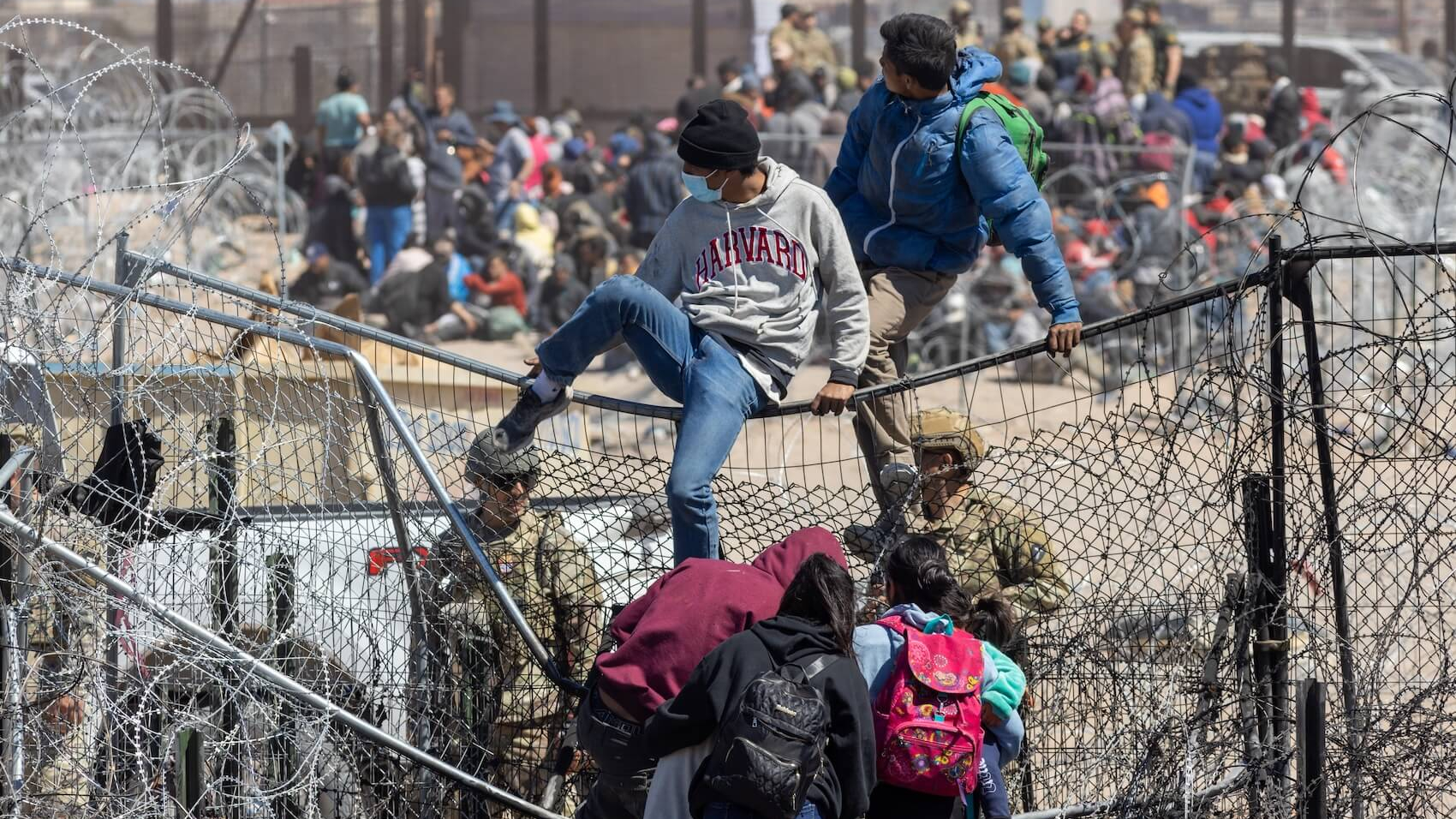
The emergence of repressive and authoritarian “hybrid regimes” poses one of the most significant threats to democracy today. These regimes and authoritarian actors wield information suppression and manipulation as essential tools to disseminate narratives that erode democratic institutions. This issue transcends national borders; digital technologies now enable authoritarian states to infiltrate robust democracies, allowing them to project their authoritarian narratives globally. The transnationalization of authoritarian politics, facilitated by digital technologies, presents substantial challenges to the integrity of democratic processes and institutions.
In response to these challenges, our workshop aims to investigate how various actors—governments, non-state organizations, state-sponsored entities, and political parties—suppress and manipulate information to erode trust in democratic processes, both domestically and internationally. The workshop will also examine the darker dimensions of social media, focusing on the interactions between misinformation, negativity, and polarization.
The workshop, a collaborative effort organized by the Alfred Deakin Institute for Citizenship and Globalisation (ADI) at Deakin University, Australia, and the European Center for Populism Studies (ECPS) in Brussels, Belgium, will also address strategies to counter misinformation and disinformation, along with intervention techniques to mitigate their impacts. It will focus on countering disinformation through activism and explore everyday online experiences with misinformation, emphasizing the importance of evidence-based media literacy education initiatives. Additionally, the event will discuss necessary curricular reforms to combat disinformation, toxicity, and polarization in educational contexts, as well as the responses of political elites to conspiracy theories.
The organizing team, led by Professor Ihsan Yilmaz, encourages all participants to actively engage in discussions and share insights throughout the workshop. The aim of the workshop, funded by the Australian Political Studies Association (APSA), the Australian Research Council (ARC), and the Gerda Henkel Foundation, is to deepen the understanding of these critical issues and explore collaborative strategies to combat misinformation and disinformation in our increasingly complex digital environment.
Portugal is facing heightened scrutiny after a young, inexperienced policeman fatally shot Odair Moniz, a Black man, under dubious circumstances. This incident has reignited longstanding debates about structural racism and revealed deep-seated cultural and social divides, exposing unresolved issues around race, security, and the state’s role. Reflecting James Davison Hunter’s concept of “culture wars,” these moral conflicts have deepened into societal divisions that erode shared values. Portugal’s colonial legacy further intensifies these tensions, perpetuating systemic racial exclusion and fostering fertile ground for populist narratives.
James Davison Hunter stands as one of the most prominent and enduring authors on the topic of “cultural wars” in the United States. He emphasizes how so-called moral issues tend to undermine the “common ground” that forms societies, with the potential to become an effective war by sharpening citizens’ moral divisions (Hunter, 1991). Conversely, Fiona Morris and other contributors in Culture War? The Myth of a Polarized America (2005) challenge this view, arguing that polarization largely operates within the media, while society as a whole tends toward consensus.
However, time has lent more credence to Hunter’s perspective and the work of other scholars who focus on cultural wars. Ezra Klein, in Why We’re Polarized (2020), argues that moral values and social identity issues have become central to our political identity, aligning with Cass Sunstein’s arguments in #Republic: Divided Democracy in the Age of Social Media(2018), which highlights how social media has become an echo chamber for tensions around morality and “customs,” amplifying socially divisive themes. But what does this theoretical prelude have to do with recent events in Portugal involving the case of Odair Moniz and the ensuing public unrest? Quite a lot, as it turns out, and the reasons are worth exploring.
Among the polarizing issues within society, racial matters stand out prominently. In Portugal, we have engaged in ongoing debates over whether or not racism exists, what constitutes racism, whether Portugal is a racist country, and if structural racism is present. Much of this discussion is either redundant, given the evidence, or overly theoretical.
In summary:
i) racism exists wherever individuals are differentiated based on race, creating hierarchies of value and access (Bonilla-Silva, 2014; Fanon, 2008);
ii) racism operates as a social process in which such differentiation disadvantages some while benefiting a dominant group—typically Caucasian in Western societies due to the legacies of slavery and colonialism. According to Achille Mbembe (2019), colonial histories have left profound imprints on social hierarchies, with racialized groups enduring forms of systemic marginalization that permeate all levels of society. In his concept of “racialized social systems,” Eduardo Bonilla-Silva (2014) argues that racism is not a mere individual prejudice but is embedded in societal structures, creating a social order that inherently privileges certain racial groups over others. Theoretical discussions around power, privilege, capitalism, and racialization are ideologically relevant yet often seem to lack practical contributions in tackling urgent issues, though they offer critical insights into systemic challenges (Wynter, 2003).
iii) Portugal is a country where racism is evident, with unique characteristics that should not be oversimplified through comparative analysis with other contexts. Its documented history includes ties to late colonialism and scientific justifications for the supposed cultural, biological, and mental inferiority of Black populations (Mbembe, 2001). The continued influence of colonial narratives has shaped racial and social dynamics within contemporary Portugal, as examined by Carla Rodrigues and Jorge Leal (2009), who reveal how these legacies reinforce discriminatory practices that marginalize racialized communities.
To understand the recent incidents centered in Zambujal – the neighborhood where protesters fired cars and a bus, with latter mimetic acts in some areas of Lisbon – it is necessary to consider a history of misguided policies regarding the inclusion of racialized individuals within Portuguese society, as discussed in O Estado do Racismo em Portugal (2021), edited by Silvia Rodriguez Maeso. Despite critiques of its activist bias, this work rigorously details systemic issues related to racial policies in Portugal, including urban planning and policing, which are directly relevant to this case. Such policies, compounded by socioeconomic inequalities and an enduring colonial mentality, contribute to a racialized social order that perpetuates marginalization and exclusion for racialized communities (Mbembe, 2019; Fanon, 2008).
The decision—albeit somewhat understandable—to address the urban integration of people from former Portuguese colonies by establishing social housing has, as in other countries, led to ghettoization. This pattern has perpetuated social exclusion and generational poverty, with vulnerable families often lacking resources or sufficient parental involvement, leaving children exposed to criminal networks. Meanwhile, underfunded schools and educational neglect further diminish prospects for youth in these areas. Together, these factors create a “social cauldron” that stigmatizes these communities as socially excluded islands, often becoming the target of state policing.
Policing such isolated social islands fosters a cycle of mutual distrust, generating a divisive “us vs. them” mentality. For many in these communities, the police are the sole representatives of the state, fostering stereotypes and resentment. Bonilla-Silva (2014) describes how such dynamics reinforce the racialized social system, where state practices contribute to the social reproduction of racial hierarchies. Furthermore, police violence against racialized individuals in Portugal has been documented in international human rights reports, compounded by reports of far-right groups within the security forces. These conditions highlight a significant state failure on racial matters.
The Cultural War over the Police State
While we await judicial proceedings in the case of Odair Moniz’s death, another discussion has emerged. In summary, Portugal faces an endemic racism problem affecting opportunities for racialized populations, who generally confront the intersection of economic, educational, and gender-related issues. Although white social groups may share some of these challenges, racialized groups face additional disadvantages due to “race.” Portugal also has issues with the rapid and haphazard urban integration of racialized groups, leading to territories where poverty and crime are disproportionately associated with these communities. Consequently, policing efforts, compounded by resentment and distrust as well as racism within segments of the security forces, have sparked a surge in police violence against racialized individuals.
Thus, poverty, social exclusion, urban segregation, and police violence underlie these events, fueling popular outrage. However, as this outrage increasingly manifests as vandalism—absent an organized structure and peaceful leadership—it loses the capacity to garner widespread empathy, as it impinges upon fundamental and primary rights within the rule of law, such as the right to security and private property.
Hence, the “cultural war” over a “police state” or “security state” emerges from chaos. André Ventura’s – radical right Chega party leader – recent calls for a protest supporting the police, framing it as “cleaning the streets” of “criminals,” echo Brazil’s Bolsonaro and his supporters, embodying the mantra, “A good criminal is a dead criminal.” By organizing a pro-police demonstration, Chega openly aligns with a surveillance state model that prioritizes “law and order” over constitutional governance—a step towards a state that surveils citizens beyond constitutional limits. Public support for this stance has been evident on social media, as people trade freedom for order, recalling Alexis de Tocqueville’s warning that in times of chaos, people are prone to sacrifice freedom for the promise of order.
Meanwhile, for the cultural war to thrive, two opposing poles are necessary. Radical elements within the Left, associated with the Bloco de Esquerda party, have seized upon these events to encourage a racial revolution. While motivated by a desire to rectify racial injustices, this rhetoric parallels the radical right’s, both potentially threatening social cohesion and the “common ground” essential for future generations. Social changes addressing racial dynamics should not take a revolutionary approach, which may ultimately intensify racial divisions and compromise democracy.
Thus, it is within democracy and the hard-won social-liberal principles that we must pursue the republican ideal of effective equality—not authoritarian “equality” under radical poles, but the equality promised by constitutional ideals under the banner of human rights. Achieving this requires justice in Odair’s case and others like his, alongside public policies that, while slower than revolutionary impulses, restore the rule of law, social peace, and constitutional norms—enabling us to address what we’ve thus far swept under the rug.
Conclusion
The case of Odair Moniz and the ensuing public response illustrate a deep-seated cultural and social rift in Portugal, revealing unresolved tensions around race, security, and the role of the state. This incident aligns with James Davison Hunter’s concept of culture wars, where moral divisions sharpen into polarized conflicts, eroding shared social foundations. In Portugal, these conflicts intersect with a colonial legacy that perpetuates systemic exclusion and racial disparities, creating an environment ripe for populist rhetoric.
As seen in André Ventura’s reaction, populist figures often exploit such moments, promoting a “law and order” narrative that taps into public fears, mirroring strategies observed in other countries. This populist stance risks shifting Portugal toward a security state model that emphasizes control over democratic principles. On the other side, radical responses advocating racial revolution pose their own challenges, as they could polarize society further and jeopardize social cohesion.
Ultimately, meaningful progress requires that Portugal confront these issues within a democratic framework, advancing policies that address structural racism and urban inequality while upholding the rule of law and human rights. Only by fostering genuine social inclusion and resisting polarizing impulses can Portugal hope to rebuild its social contract on a foundation of equality and shared values.
References
Bonilla-Silva, E. (2014). Racism without Racists: Color-Blind Racism and the Persistence of Racial Inequality in the United States. Rowman & Littlefield.
Fanon, F. (2008). Black Skin, White Masks. Grove Press.
Hunter, J. D. (1991). Culture Wars: The Struggle to Define America. Basic Books.
Klein, E. (2020). Why We’re Polarized. Simon & Schuster.
Maeso, S. R. (Ed.). (2021). O Estado do Racismo em Portugal. Edições 70.
Mbembe, A. (2001). On the Postcolony. University of California Press.
Mbembe, A. (2019). Necropolitics. Duke University Press.
Morris, F., Fiorina, M. P., Abrams, S. J., & Pope, J. C. (2005). Culture War? The Myth of a Polarized America. Pearson Longman.
Rodrigues, C. U., & Leal, J. (2009). Portugal não é um país pequeno: Contar o “império” na pós-colonialidade. Edições 70.
Rodrigues, S. R., & Araújo, M. (2019). Racism and Racialization: Experiences in Portugal. In Lentin, A., & Titley, G. (Eds.), Racism and Media (pp. 113–126). Routledge.
Sunstein, C. R. (2018). #Republic: Divided Democracy in the Age of Social Media. Princeton University Press.
Wynter, S. (2003). Unsettling the Coloniality of Being/Power/Truth/Freedom: Towards the Human, After Man, Its Overrepresentation—An Argument. CR: The New Centennial Review, 3(3), 257–337.
Kenes, Bulent. (2024). “Islamist Parties and Power in Democratic Nation-States: A Comparative Analysis of Six Muslim-Majority Countries.” ECPS Book Reviews. European Center for Populism Studies. October 30, 2024. https://doi.org/10.55271/br0020
In “Islamist Parties and Power in Democratic Nation-States: A Comparative Analysis of Six Muslim-Majority Countries,” authors Ihsan Yilmaz and Syaza Shukri argue that Islamist parties, at their core, are political entities that prioritize practical governance over strict ideology when necessary, leaving them vulnerable to voter rejection if they fail to address economic and social issues effectively. This adaptability underscores the book’s central argument that policy efficacy often takes precedence over Islamist rhetoric, shaping the evolution of Islamist parties within democratic contexts. While it occasionally includes a wealth of historical details that may seem excessive, the book’s nuanced approach offers a valuable resource for understanding the intersections of Islamism, Islamist populism, authoritarian Islamism, and democracy on a global scale.
In the book titled Islamist Parties and Power in Democratic Nation-States: A Comparative Analysis of Six Muslim-Majority Countries, authors Ihsan Yilmaz and Syaza Shukri explore the multifaceted strategies of Islamist parties operating within democratic and semi-democratic settings across various Muslim-majority countries such as Malaysia, Indonesia, Pakistan, Morocco, Tunisia and Turkey. The book examines how these parties adapt ideologically and pragmatically to maintain influence, highlighting a shift from traditional opposition roles to coalition-building and power-sharing with secular or non-Islamist entities. The authors underscore that while Islamist parties share a religious foundation, their approaches to governance and democracy are diverse, challenging simplistic views that position them solely as anti-democratic.
Yilmaz and Shukri aim to provide a nuanced understanding of how these parties manage power, respond to crises, and navigate issues like minority rights and foreign policy, particularly in today’s globalized and interconnected political landscape. The introduction of the book under the title of “Islamist Parties Operating in Democracies,” sets the stage by examining the multifaceted nature of Islamist movements, defining them as entities aiming to incorporate Islamic principles into political and social realms. The authors clarify that while these groups are often perceived as monolithic, they are, in fact, a “diverse array of voices” with varying ideological and strategic priorities shaped by unique regional contexts.
One key strength of the introduction is its contextual framing of Islamist parties not just as ideological entities but as pragmatic actors responsive to “evolving conditions and societal expectations.” Yilmaz and Shukri discuss how these groups, while rooted in shared religious values, exhibit adaptability by forming coalitions and engaging in “power-sharing and coalition-building” with secular or even oppositional parties, particularly when in governance roles. This approach marks a significant departure from previous literature, as the authors aim to present Islamists as dynamic participants in democratic systems rather than static opponents to democratic principles.
Furthermore, the introduction highlights the book’s comparative methodology, which sets it apart from similar works that typically focus on a single region. By juxtaposing cases from countries like Turkey, Indonesia, and Tunisia, the authors aim to draw broader insights into “the complex dynamics” of Islamist governance. Yilmaz and Shukri suggest that understanding these dynamics is crucial for a “nuanced understanding” of Islamist politics that moves beyond reductive assumptions. Thus, the introduction promises a rich comparative analysis, shedding light on the strategic adaptability of Islamist parties and their potential to balance ideological goals with pragmatic governance in diverse political settings.
Islam and Politics
In Chapter 2 which is titled “Islam and Politics in Democratic Muslim-Majority Countries,” Yilmaz and Shukri present an insightful analysis into the complexities of Islamism and its intersection with democratic politics across diverse Muslim-majority nations. By grounding the discussion in scholarly debate, they explore how Islamist movements navigate between mainstream and extremist strands and examine the adaptive strategies employed by these parties in response to their unique political environments.
The chapter explores a critical dichotomy within Islamism, distinguishing between mainstream Islamists who participate in elections and seek gradual reform through democratic means and more extremist groups that often reject democratic processes. This distinction underlines the authors’ main argument about the adaptability of Islamist parties, emphasizing that while many engage in democratic processes, others lean toward authoritarian tendencies. This adaptation, as the authors argue, is driven by both political and socio-economic pressures, shaping Islamist strategies across different contexts.
Moreover, Yilmaz and Shukri delve into the ideological tensions within Islamist politics, such as the potential for majoritarianism and religious hegemony. They caution that unchecked Islamism could risk eroding minority rights and compromising democratic principles, especially in polarized societies. The authors support this claim by discussing the experience of Turkey under the Justice and Development Party (AKP), where populist tendencies and majoritarianism have raised concerns about the preservation of democratic institutions.
Finally, the chapter addresses the broader implications of Islamist governance and the complex role of political Islam. By examining case studies in countries like Tunisia, Indonesia, and Morocco, the authors provide a robust framework for understanding how Islamist parties balance religious principles with governance. This nuanced examination makes Chapter 2 a foundational overview for readers, highlighting both the potential and challenges of Islamism within democratic contexts.
PAS and Malaysia
In Chapter 3, Yilmaz and Shukri provide a comprehensive examination of Malaysia’s Parti Islam Se-Malaysia (PAS) under the title of “Seven Decades of PAS in Malaysian Politics,” tracing its strategic evolution across the nation’s politically complex landscape. The authors explore PAS’ adaptability and pragmatism within Malaysia’s semi-democratic environment, highlighting how PAS has shifted from conservatism to moderate pluralism and, recently, to ethno-religious populism.
The chapter outlines PAS’ historical journey, from its foundation in 1951 as an offshoot of UMNO, focused on Malay-Muslim identity, to its modern status as a dominant Islamist party. PAS’ relationship with UMNO, marked by both rivalry and cooperation, underscores the party’s flexibility. The authors note that PAS has shifted between opposing UMNO’s secular nationalism and forming alliances under banners of “Muslim unity,” depending on political needs. Yilmaz and Shukri point to PAS’ success in adapting its ideology to suit changing political climates, illustrating its willingness to collaborate across the political spectrum for electoral gains.
According to the book, PAS’ governance of Kelantan since 1990 serves as a case study in implementing an Islamist agenda within a multicultural society. Despite advocating for “shariazation” policies, PAS has shown restraint at the federal level, balancing Islamic values with the realities of Malaysia’s diverse demographics. This pragmatic approach, the authors argue, has allowed PAS to maintain its influence, especially during its brief time in federal power from 2020-2022.
Further, the authors discuss PAS’ strategic response to global and national crises, including the COVID-19 pandemic, which bolstered its populist appeal through welfare measures. Yilmaz and Shukri conclude that PAS’ electoral flexibility and populist tactics have solidified its position among conservative Malay-Muslims, marking it as a key player in Malaysia’s evolving political landscape. The chapter demonstrates how PAS’ resilience and adaptability, despite operating within Malaysia’s semi-authoritarian framework, have contributed to its growing strength in Malaysian politics.
PKS and Indonesia
Chapter 4 of the book offers a nuanced analysis of Islamism within Indonesia’s multiparty political system under the title of “PKS in Indonesia’s Multiparty System,” by spotlighting the evolution of the Partai Keadilan Sejahtera (PKS) and its role as a major Islamist party. The chapter contextualizes PKS within Indonesia’s post-1998 democratization efforts, focusing on how the nation’s rich cultural diversity and democratic constitution impact the moderation of Islamist agendas. Yilmaz and Shukri highlight PKS’s pragmatic approach, noting its blend of Islamic values with democratic ideals as it navigates Indonesia’s secular and religious pluralism.
The authors emphasize that PKS has achieved influence without strictly seeking to impose sharia law, contrasting with more radical movements like Hizbut Tahrir Indonesia (HTI). PKS’s stance on social justice, anti-corruption, and minority rights demonstrates a commitment to Indonesia’s Pancasila foundation, balancing Islamic identity with pluralist values. This adaptability has allowed PKS to participate in coalition governments while maintaining a distinct Islamist identity.
The chapter also explores PKS’s responses to regional and global Islamist trends, highlighting that PKS favors a moderate stance on Islamic solidarity, promoting peaceful international relations and opposing extremist ideologies. However, as the authors note, PKS faces rising pressures from conservative Islamic populism, which challenges Indonesia’s secular state model. They point to the complex balancing act of PKS as it negotiates between religious values and national priorities amid Indonesia’s diverse electorate.
Chapter 4 presents PKS as an example of Islamist pragmatism within a democratic framework, stressing its role in maintaining Indonesia’s status as a moderate Muslim-majority nation. The analysis showcases PKS’s strategic positioning within Indonesia’s political landscape, where moderation often proves more sustainable than radicalism.
Jamaat-e-Islami (JI) and Pakistan
In Chapter 5 of the book, authors Yilmaz and Shukri provide an in-depth exploration of Jamaat-e-Islami (JI), one of Pakistan’s most influential Islamist parties. This chapter, which is titled “A Faithful Force: Jamaat-E-Islami and Islamist Politics in Pakistan,” examines JI’s evolution from a supporter of military regimes to a unique voice advocating social development within an Islamic framework. Describing JI as a “faithful force,” the authors highlight the party’s struggle to reconcile its foundational principles with the realities of ‘Pakistani democracy,’ illustrating both its successes and limitations in influencing national politics.
Initially, JI supported Pakistan’s military leadership, particularly during General Zia-ul-Haq’s regime, which advanced the Islamization process in Pakistan. The authors emphasize how JI’s alliance with Zia enabled it to push for Islamic laws, giving JI a rare moment of influence. However, as the chapter reveals, JI’s strict Islamist stance limited its broader appeal, especially as it encountered Pakistan’s diverse political landscape and increasing calls for pluralism.
Yilmaz and Shukri delve into JI’s organizational structure, describing it as both a strength and a “double-edged sword.” JI’s internal hierarchy, according to the authors, deeply rooted in discipline and loyalty, provides a solid foundation, yet its rigid framework hinders adaptability. Despite its “commitment to democratic principles” and holding intra-party elections, JI has struggled to expand its influence beyond its core supporters, often failing to capture significant electoral success on a national level.
The authors explore JI’s stance on the controversial blasphemy law and its impact on Pakistan’s democracy, particularly in relation to minority rights. JI’s call for the law’s strict enforcement has complicated its image, as it aligns the party with hardline interpretations of Islam that conflict with Pakistan’s aspirations for a more inclusive society. While JI advocates for “social justice, anti-corruption, and anti-imperialism,” its approach has been criticized for not sufficiently addressing the needs of Pakistan’s minority communities, a factor that limits its broader political appeal.
In discussing JI’s ideological adaptability, the authors argue that JI has recently shifted towards a “second-generation Islamism,” with an emphasis on social development and community welfare. The chapter notes JI’s active involvement in charitable work through its Al-Khidmat Foundation, an outreach strategy that has helped it maintain influence despite its limited political successes. This evolution highlights JI’s pragmatic side, as it aligns its goals with broader social issues while retaining an Islamic identity.
Yilmaz and Shukri conclude that JI’s trajectory exemplifies Pakistan’s complex relationship with Islam and democracy, where Islamist parties face the challenge of preserving religious identity while adapting to democratic norms. They suggest that while JI has struggled to secure a dominant political position, it remains a potent force due to its strong organizational base and grassroots support. Ultimately, Chapter 5 sheds light on the “delicate balance” between faith-based politics and the realities of Pakistan’s evolving democratic landscape.
PJD and Morocco
In Chapter 6, titled “Islamist PJD and the Monarchy in Morocco,” the authors delve into the dynamics between Morocco’s monarchy and the Justice and Development Party (PJD), focusing on Morocco’s unique Makhzen system. This system, led by the king as emir al-mu’minin or “commander of the faithful,” establishes him as both a secular and religious authority, allowing the monarchy to manage Islam as an integral part of Morocco’s national identity. The chapter emphasizes how this framework has been crucial in tempering “the potency of political Islamism” and limiting the PJD’s influence, even as it formed a government following its 2011 electoral success.
The chapter examines the PJD’s decade in power, a tenure punctuated by moments of compromise and concession. Initially, the party enjoyed significant popular support, riding the wave of Arab Spring reforms that included expanded parliamentary power. However, as the chapter illustrates, the PJD quickly encountered the limits of its influence. The authors highlight how the monarchy’s interventions in key government functions, especially in “sensitive roles and veto powers,” underscored the persistence of monarchical authority, often stifling the PJD’s ability to implement its agenda fully.
The COVID-19 pandemic further strained the PJD’s position, contributing to its electoral decline in 2021 and symbolizing the end of its era of Islamist governance in Morocco. This chapter argues that the monarchy’s symbolic Islamic leadership, combined with its political authority, successfully framed itself as the true custodian of Moroccan identity, relegating the PJD to “a second-generation Islamist party forced to work within the system.” This analysis reveals that the PJD’s journey reflects the complex interplay of religious and political authority in Morocco, where Islam is strategically woven into the fabric of governance, ultimately ensuring that power remains centered in the monarchy.
Ennahda and Tunisia
Chapter 7, titled “Ennahda as Tunisia’s Muslim Democratic Party,” delves into the rise, evolution, and challenges faced by Tunisia’s Ennahda party, highlighting its remarkable adaptability within the country’s political landscape. Initially, Ennahda emerged from Tunisia’s conservative Muslim roots, but, in the wake of the Arab Spring, it evolved into what the authors describe as Tunisia’s “Muslim Democratic Party.” This transformation underscores Ennahda’s pragmatism and its attempt to blend religious principles with democratic ideals. After winning Tunisia’s first democratic elections in 2011, Ennahda adapted its stance to suit a diverse political landscape, opting for “a practical kind of national reconciliation”with secular parties, which became crucial for political stability.
The authors highlight Ennahda’s ideological moderation, particularly when it decided not to impose Sharia as the foundation of the 2014 constitution. This choice, according to Yilmaz and Shukri, reflected Ennahda’s understanding of “the importance of Maqasid al-Sharia over specific rules,” showcasing the party’s evolving position on Islamic law to resonate with a broader national identity. The shift was further reinforced during the 2016 Tenth General Congress, where Ennahda officially prioritized politics over religious preaching, effectively becoming “a conservative political force capable of handling governance.”
The chapter also sheds light on the recent strain in Tunisian democracy, exacerbated by the COVID-19 crisis, which impacted Ennahda’s reputation and led to widespread disapproval. Ennahda’s subsequent absence from the 2023 elections reflects a shift in its strategy, possibly spurred by President Kais Saied’s consolidation of power. In sum, Chapter 7 paints a nuanced picture of Ennahda’s transformation and challenges, illustrating its continued struggle between ideological values and the demands of a pragmatic political approach in Tunisia’s ever-shifting political terrain.
AKP and Turkey
Titled “Islamist Populist AKP and Turkey’s Shift Towards Authoritarianism,” Chapter 8 of the book presents an in-depth analysis of Turkey’s Islamist Justice and Development Party (AKP) under President Recep Tayyip Erdogan, exploring its journey from “Muslim democrat” roots to an authoritarian populist regime. Initially, the AKP championed democratization, economic reform, and EU membership; however, its trajectory shifted post-2011, notably after the “Gezi protests of 2013” and the controversial 2016 coup attempt. These events, according to the authors, paved the way for a clampdown on dissent, particularly targeting journalists, activists, and opposition politicians, marking a stark turn towards authoritarianism.
Erdogan’s leadership has progressively consolidated power, transforming Turkey’s democratic infrastructure into what the authors describe as a “competitive authoritarian regime.” With the 2017 constitutional referendum, the office of the prime minister was abolished, granting the president sweeping executive powers, leading one observer to note that “Erdogan [became] the virtually unassailable ruler of Turkey.” By diminishing checks on presidential authority, Erdogan’s AKP harnessed Islam and nationalism to foster a narrative that secures his base while casting opposition voices as foreign-controlled threats to national unity.
In this chapter, Yilmaz and Shukri also examine the Turkish Directorate of Religious Affairs (Diyanet), highlighting its instrumental role in promoting the AKP’s vision of Islam as a component of Turkish identity. This vision extends internationally, where Turkey navigates a complex geopolitical landscape. According to the authors, through selective alliances, including with Russia and China, the AKP leverages religious and nationalist rhetoric to mitigate Western criticism, particularly regarding human rights issues. Yet, its economic policies, based on unorthodox monetary approaches, have led to high inflation and decreased living standards. The authors note that Erdogan’s insistence on low-interest rates, justified by Islamic teachings against usury, has led to what the text calls an “accelerated currency devaluation” that further strains Turkey’s economy.
In sum, Chapter 8 paints the AKP as a party that, while initially promising democratic reform, has instead pursued populist authoritarianism. This has strained Turkey’s democratic structures and polarized its society, positioning Erdogan as a powerful, divisive figure whose policies reflect both the aspirations and challenges of modern Turkish Islamism.
Trajectory of Islamist Parties
In Chapter 9, the authors overview “Trajectory of Islamist Parties” and synthesize the book’s key findings, examining how various Islamist parties navigate the balance between Islamism and democracy. The chapter delves into how Islamist parties, when allowed political participation, engage in governance yet often struggle with the tension between God’s sovereignty and popular sovereignty. This complex relationship has led to a diversity of outcomes, ranging from authoritarian shifts in Turkey under the AKP to democratic engagement in Malaysia, Morocco, and Tunisia.
The authors highlight the significance of “strategic interaction theory,” which suggests that an Islamist party’s moderation is contingent upon its relationships with secular forces and the military. “Credibility of signals sent by the Islamist party” is crucial in establishing trust with non-Islamist actors, although, as in the AKP’s case, prolonged power can erode democratic practices. The chapter notes that the AKP’s “immoderation was the result of dismantling institutional checks and balances” due to political crises like the Gezi protests and the 2016 coup attempt.
Through comparative analysis, the authors argue that some Islamist parties adapt to electoral losses, as seen in Tunisia and Morocco, where they have “accepted defeat albeit with some resistance.” However, once in power, these parties tend to favor pragmatism over strict adherence to religious principles to sustain governance. This adaptability is essential, particularly in Muslim-majority secular states like Indonesia, where the “balance between Islamic identity and democratic diversity” is necessary for political survival.
The authors suggest in brief that Islamist parties are, at their core, political entities that prioritize practical governance over ideology when necessary, making them susceptible to voter rejection if they fail to deliver on economic and social issues. This adaptability underscores the book’s central argument that policy efficacy outweighs Islamist rhetoric, shaping the evolution of Islamist parties within democratic frameworks. While it occasionally includes abundance of historical details that may seem excessive, the book’s nuanced approach provides an insightful resource for understanding the intersections of Islamism, Islamist populism, authoritarian Islamism and democracy on a global scale.
Ihsan Yilmaz & Syaza Shukri. (2024). Islamist Parties and Power in Democratic Nation-States: A Comparative Analysis of Six Muslim-Majority Countries. Palgrave Macmillan. 313 pp. Hardcover: EUR 139.09. ISBN-10: 9819743427, ISBN-13: 978-9819743421.
Please cite as: Bottura, Beatrice; O’Keeffe-Johnston, Paris; Gkampeta, Pinelopi; Malai, Ludmila; Lynch, Matt; Park, Joon & Gräf, Leon. (2024). “Anticipating the Trump Effect: Strengthening the EU Pact on Migration and Asylum Amid Populist Pressures.” Policy Papers. European Center for Populism Studies (ECPS). October 24, 2024. https://doi.org/10.55271/pop0001
This policy paper analyzes the potential effects of the 2024 US presidential election on EU politics, particularly the EU Pact on Migration and Asylum. A Trump victory may intensify Euroscepticism and lead to more restrictive migration policies among his European allies. Conversely, a Trump defeat could fuel distrust in electoral processes, potentially triggering events similar to the 2021 Capitol attack. The paper recommends regular in-depth country reviews (ICRs) to develop tailored migration strategies, anticipating that either election outcome could increase fragmentation and populist influence within EU member states, though with varying degrees of impact.
Authored by Beatrice Bottura, Paris O’Keeffe-Johnston, Pinelopi Gkampeta, Ludmila Malai, Matt Lynch, Joon Park & Leon Gräf
As the “Common Implementation Plan” for the EU Pact on Migration and Asylum was adopted by the European Commission in June 2024 (European Commission, 2024a), the European and international political landscape was changing. The results of the EU 2024 parliamentary elections revealed a rise of Right-wing populist parties (RPP) on the European scene, a trend which mirrors recent national electoral results (Europe Elects, 2024; Europe Politique, 2024). This right-wing shift is causing a tightening of migration policy across EU countries and affecting the viability of the EU Pact on Migration, with almost half EU countries openly contesting its initiatives and some countries even considering an opt-out, following the Netherlands’ recent opt-out request (Carlson, 2024; Liboreiro, 2024). Simultaneously, former president Donald Trump is running for office once again.
This policy paper examines how the results of the 2024 presidential election might affect EU politics, especially in regard to the EU Pact on Migration and Asylum. Though a horizon scanning methodology, the paper found that Trump’s previous presidency coincided with a period of increased Euroscepticism within member countries (Langlois, 2021; Löfflmann, 2019). Additionally, Trump has built strong connections with RPP leaders which, in the past, have become more vocal as Trump gained power (Fusiek & Marconi, 2021). Given Trump’s stance on political elites, supra-national organizations and migration, the paper predicts that:
– in the case of Trump’s victory: Eurosceptic sentiments and restrictive migration policies might increase across the EU, especially among Trump’s European supporters
– in the case of Trump’s loss: events similar to the 2021 Capitol attack might occur (Abramowitz, 2024) which could further distrust in electoral processes both in the US and the EU. This could be leveraged by populist actors, which, to a lesser extent compared to a Trump victory, could still increase fragmentation across EU member states
Finally, given these findings, the paper provides policy options for the European Commission to take into consideration for a successful implementation of the plan. Among these, the paper focuses on the introduction of regular in-depth country reviews (ICRs) which are aimed at creating country-tailored implementation strategies for the Pact. In practice, by shedding light onto nation-specific issues when it comes to migration and asylum, these ICRs would allow national leaders to have more control over the actual implementation of the Pact. This should increase the willingness to cooperate of RPPs as it brings together both national sovereignties, an important value to these parties, and European policy.
1. Introduction
Migration is one of the most discussed political and security challenges today. Worsening conflicts, natural disasters, and the hopes of better economic opportunities bring people from across the world to migrate to other areas that are deemed more prosperous or can offer something their homeland cannot. The nature of migration is transboundary, often exacerbating geopolitical issues among countries that are expected to share the burden. This can be illustrated by Trump’s abandonment of the EU during the refugee crisis, leaving Europe alone in dealing with the issue (Koppa, 2017).
As of 2022, there are 46.1 million migrants in the US (Geiger, 2024). Anti-migration and its link to nationalism are core aspects of Trump’s political campaigns and of his past presidency (Löfflmann, 2019). Indeed, during his past campaigns, Trump had made promises for stricter migration policies. Quotes such as “America First” and “Make America Great Again” were commonplace in his speeches and rallies (Lacatus, 2021; Löfflmann, 2022; Magcamit, 2017; Mirza et al., 2021). Unlike other populists, Trump succeeded in passing several anti-migration policies while in office (Table 1).
Europe has also faced difficulties controlling the increasing numbers of its migrant population. According to the International Organization for Migration (McAuliffe & Oucho, 2024), there are approximately 87 million migrants living in Europe. In the context of migration crises, which often disproportionately impact EU member states, balancing European cohesion has fragmented the Union. Additionally, in recent years, Western politics has witnessed a trend of a right-wing shift (see Figure 1) and increased support for populist leaders, which exacerbates this fragmentation (Europe Elects, 2024; Europe Politique, 2024).
Trump’s US presidency coincided with a period of EU instability which saw the rise of right-wing populist parties (RPP) in Europe and the significant decision for Britain to leave the EU, with migration a core topic for the Leave campaign (Langlois, 2021; Löfflmann, 2019). Authors such as Fusiek & Marconi (2021) argue that the popularity of a nationalistic populist in the US gave confidence to populist political actors in Europe to become more vocal and gather support. In the face of EU fragmentation, the Union must be prepared for leniency with its Pact on Migration and Asylum if it wishes to maintain cohesion.
Note: Data sourced from European parliament election 2024, by Europe Elects, 2024 (https://europeelects.eu/ep2024/). Data sourced from Parliament Européen (2019, 2014, 2009, 2004, 1999, 1994, 1989, 1984, 1979), by Europe Politique, 2024.(https://www.europe-politique.eu/parlement-europeen.htm).
This paper delivers policy suggestions for the successful implementation of the Pact, especially in the context of the 2024 US Presidential elections and of its possible repercussions. To do so, the paper briefly delves into the 2024 EU Pact on Migration and Asylum, focusing on its strengths, its weaknesses, and how it is perceived by EU member states. Following, the paper conducts a horizon scanning methodology to discuss the possible outcomes of the 2024 US elections and how they could affect international politics and the implementation of the Pact. Finally, the paper provides recommendations to the European Commission to ensure readiness and resilience in the implementation of the Pact in any scenario deriving from the result of the upcoming US elections.
2. The EU and Migration
The EU has faced difficulties in dealing with migration, especially as the issue disproportionately affects certain member states. In dealing with this issue, the EU has developed the EU Pact on Migration, for all EU member states to adhere to.
2.1 The Pact on Migration and Asylum
The 2024 EU Pact on Migration and Asylum establishes a comprehensive and flexible framework that addresses border management, asylum processes, and migrant integration while introducing a mandatory yet adaptable solidarity mechanism (European Commission, 2024b). This framework, as shown in Figure 2, aims to distribute responsibilities more fairly among member states, allowing contributions through relocations, financial support, or alternative measures (Ibid.). However, the Pact faces significant challenges, including bureaucratic complexity, varying political will, and potential conflicts with member states resistant to migration, such as those of the Visegrád Group (V4: Poland, Czechia, Slovakia, and Hungary), which will be discussed in section 2.2 of the paper.
Note: From Pact on Migration and Asylum, by European Commission, 2024b. (https://home-affairs.ec.europa.eu/policies/migration-and-asylum/pact-migration-and-asylum_en). Copyright 2024 by the European Union.
A SWOT analysis of the Pact (Figure 3) was made by the authors which found that the resource-intensive nature of the Pact may strain member states’ capacities, particularly amid shifting political priorities. Nonetheless, it offers opportunities for enhanced cooperation, stronger external partnerships, and economic benefits through managed migration. These potential gains are counterbalanced by threats such as geopolitical instability, rising anti-immigration sentiment, legal disputes within the EU, and the risk of migrants resorting to more dangerous routes due to increased border controls. The success of the pact will depend on its ability to navigate these complexities while ensuring the protection of human rights and fair distribution of responsibilities.
Note: Authors’ creation.
2.2 Backlash from Member States
The Pact has received severe backlash from a number of actors within the EU for very different reasons. On the one hand, due to its attempt at regulating and partially restricting immigration, many on the political left view the Pact as giving too many concessions to the far right, and failing to protect fundamental rights (Griera, 2024). For example, the German Left MEP Cornelia Ernst called the pact “a pact of shame and disgrace,” while other MEPs from Left and Green parties considered the Pact to be a model for a fortress of Europe and a victory for the far-right (Ibid.). Many NGOs also criticized the Pact, with Amnesty International attesting a “surge in suffering” for asylum seekers, if the Pact was to enter into effect (Nattrass, 2024). On the other hand, right-wing governments and parties across the EU also greatly criticized the Pact.
However, contrary to the above-mentioned examples, their main concern is that the Pact is not strict enough on immigration regulation and forces every EU member state to contribute and show solidarity, hence overruling national sovereignty (Nattrass, 2024). The Visegrád countries in particular – namely: Poland, Czechia, Slovakia, and Hungary – heavily criticized the Pact and its solidarity mechanisms, with Polish Prime Minister Donald Tusk promising that Poland will “find ways so that even if the migration pact comes into force in a roughly unchanged form, we will protect Poland against the relocation mechanism” (Nattrass, 2024), while the Hungarian government also pledged to find ways to avoid taking in immigrants and called the Pact “another nail in the coffin of the European Union” (Nattrass, 2024).
In addition to the Visegrád Group, an increasing number of member countries is expressing its discontent with the Pact, a trend tied to the rise of RPPs throughout Europe (Vinocur et al., 2024). In particular, this is manifesting through a push for tighter deportation and border control measures across Europe (Vinocur et al., 2024). 17 countries in the Schengen area – Austria and the Netherlands and endorsed by Croatia, the Czech Republic, Denmark, Finland, France, Germany, Greece, Italy, Luxembourg, Malta, Slovakia and Sweden. Norway, Switzerland and Liechtenstein – have recently signed an appeal to the EU executive to toughen return policies when asylum applications are rejected as well as increasing European coordination when it comes to deportations (Carlson, 2024; Liboreiro, 2024). Additionally, numerous countries in the Schengen area – i.e. Austria, Denmark, France, Italy, Norway, Slovenia, and Sweden (Dell’Anna, 2024) – are increasing border controls, which hinders the right to freedom of movement. In addition to these general trends, in countries where RPPs are gaining executive positions, the stance on migration policy is toughening even more (Carlson, 2024; Stekić, 2024; Vinocur et al., 2024). Recent examples of this trend – including the extreme example of the Netherlands’ request to opt-out of the Pact – are shown visually in Figure 4 and a full table is available in Appendix A.
Note: Authors’ creation.
This restrictive stance appears also at the European level where, as illustrated in section 1, right-leaning groups have gained more influence (Vinocur et al., 2024). In particular, members of the European Conservatives and Reformists (ECR) and of the European People’s Party (EPP) support the toughening of deportation mechanisms, the increase of asylum-seeker reception centers outside of the EU, and the funding for extra EU border control (Ibid.).
In sum, the Migration Pact, which is supposed to offer a compromise, is seen negatively by both sides of the political spectrum for respectively leaning too much into the opposite political spectrum, a trend that has led countries to push for a re-draft of the pact (Vinocur et al., 2024). In this context, the main challenge to the successful implementation of the Pact remains to satisfy parties and voters on the left-wing and pro-immigration side and on the right-wing anti-immigration side concurrently. This challenge will be addressed in section 5 of this policy paper, where policy options and recommendations are provided.
3. Methodology
Horizon scanning is used by building on early warning signs and predictions based on current events, by analyzing political discourse. Geopolitical issues are increasingly complex and interconnected. With such challenges, the use of horizon scanning is crucial to prepare and inform policymakers and decision-makers about potential opportunities and threats (Amanatidou et al., 2012). There are two core aspects of horizon scanning: alerting and creating. Alerting includes the early identification of emerging issues, whereas the creative aspect refers to the reassembly of current issues into a prediction for what might develop into a policy problem. Current political discourse in Europe has centered around a migration debate and discontent towards failing solutions to handle the issue, simultaneously the US Presidential debate has Donald Trump potentially returning for a second term.
4. Examinations of Findings: The US 2024 Presidential Elections
As a two-party system, there exists only two possible results of the US Presidential election – a Trump victory, or a Harris victory. Regardless, there shall be a possibility of outcomes in either scenario. Having conducted horizon scanning, there are two possible scenarios that may impact European politics on migration: whether Trump should achieve victory, or whether Trump reacts poorly and encourages disruption in the event of a loss.
4.1 A Trump Victory
In the event that Trump achieves victory, there are two core aspects that will shape the political landscape around migration. Trump has demonstrated an ability to influence and encourage populists in the EU to be more vocal and gather support, as illustrated in Figure 5 (Fusiek & Marconi, 2021). In this regard, it can be expected that the political landscape in Europe will continue to favor populism during a revival of right-wing shift while Trump would have his second term. A second Trump presidential term would likely embolden European populist leaders such as Viktor Orbán, Marine Le Pen, Matteo Salvini, Jarosław Kaczyński, and even populist parties such as the Alternative for Germany (AfD) or Austria’s Freedom Party (FPÖ) by validating their nationalist, anti-EU, and illiberal policies (Naughtie, 2024). During his first presidency, Trump openly praised some of these leaders, especially Viktor Orbán, Trump was quoted saying “Let me just say about world leaders, Viktor Orbán, one of the most respected men, they call him a strong man” and undermined multilateral bodies, sending a clear signal that illiberal governance and nationalist policies are able to thrive without any significant repercussions from the US (Euractiv, 2024).
Note: Authors’ creation. Purple shows the Visegrád Group countries and yellow shows Western European states. Politicians who have a direct link or friendship with Trump are highlighted in red.
Trump’s alignment with right-wing ideologies would also likely embolden these leaders to promote policies that further marginalize minority groups, restrict immigration, and consolidate political power by undermining judicial independence and press freedoms. In a second term, Trump’s open disdain for international organizations like NATO and the EU would likely reduce pressure on these populist leaders to adhere to democratic norms (Stekić, 2024). By downplaying concerns over democratic backsliding and encouraging isolationist policies, Trump would create an EU environment where these leaders and parties continue to push their nationalist agendas further, almost completely free from the fear of diplomatic or economic consequences.
Further issues that may surface from a Trump victory is the implementation of Project 2025: a Republican policy mantra with strict consequences for migration (The Heritage Foundation, n.d.). Core proposals of the project include continued and increased funding of the ‘Border Wall’, the deportation of migrants, and the removal of visa categories for victims of crime and human trafficking (Wendling, 2024). The project calls for the dissemination of the Department of Homeland Security to be replaced with stronger immigration enforcement bodies for stricter border control (Ibid.). Legal migration would also face stricter measures, through increased fees for visa applications (Ibid.). Donald Trump, as a form of populism, has been linked to the Brexit debate and fueling the “politics of anger”, a concept which some believe has contributed to euroscepticism across the Union (Smorag, 2020; Wind, 2017). If Trump were to be re-elected, it could be expected such sentiments may become prevalent in European political discourse again.
Should Trump win and implement Project 2025, the EU could mirror a restrictive stance again. This prediction is increasingly plausible (Vinocur et al., 2024), especially given the latest trends highlighted in section 2b. Overall, Trump’s influence has the power to destabilize democracies through the use of disinformation which causes greater distrust. Trump may prompt RPP leaders and their parties to entrench their power through policies aimed at curbing media freedom, overhauling the judicial system and the rule of law both at the national and supranational level, and even denouncing opposition parties.
4.2 Reactions to A Trump Loss
On the contrary, should Harris be elected as the first woman President, implications will lead to different roads. It is possible that the post-election events of January 2021 – i.e. the Capitol attacks – could have a sequel (Abramowitz, 2024). Many EU leaders took to the media to condemn the attack on the Capitol, denouncing the use of violence in any form of democratic process. Most were outright with their criticism of Trump’s handling of the situation and the consequences of his words. Common responses from RPP leaders and members – i.e. Marine Le Pen, Giorgia Meloni, and Victor Orbán- were to include a condemning of violence, protecting democracy, whilst simultaneously illustrating Trump in a positive light, often as a ‘peacemaker’ for his limited calls to avoid violent attacks during the protest, whilst others excused Trump of any wrongdoing (Herszenhorn et al., 2021). Should a similar situation arise, where Trump would instigate a protest after losing the election, it is expected that the previously mentioned EU leaders would follow similar actions as before. In this scenario, European leaders are likely to hold a consensus view that democracy is the forefront of our political system, not to be undermined. Likewise, it is expected that Harris would share the same sentiments for democracy and condemn his final attempt at power.
Regardless of the outcome of the 2024 US presidential election, Europe is undeniably fragmented politically, which significantly impacts the practical implementation of the EU Migration Pact. In recent months, in Germany, the far-right party Alternative for Germany (AfD) has been vocal about its opposition to migration. It further supports a “remigration” implementation (Hockenos, 2024) that has surged in federal elections. In Austria, the Freedom of Austria Party (FPÖ) won in the recent election. The FPÖ is expected to push a hardline stance on immigration and resist EU-level initiatives. The FPÖ will likely join forces with other mainstream populist parties (Cameron & and Goldstein, 2024).
In addition to the success of far-right parties across Europe, the ongoing war in Ukraine continues to drive a wedge between nations more friendly and dependent on Russia to take a harder line on accepting Ukrainian refugees, let alone migrants from the Middle East or North Africa. Nations such as Greece and Italy continue to deal with the Mediterranean migration crisis, which is expected to continue for years. These existing crises continue to be a launch pad for far-right populist parties’ rhetoric.
5. Policy Options
At the time of writing, there was around one month remaining until the 2024 US Presidential election would be held. Three policy options were created for the European Commission to consider for a smooth and coherent implementation of the 2024 EU Pact on Migration and Asylum.
The European Commission must organize a commonly managed and coordinated European asylum systemcentered around the wellness of human beings: the EU should work on the defense of fundamental human rights, immigrants’ safety and dignity. It is also suggested that the Union ought to use the reservation of migrants as a last resort and try to create other effective solutions, like open reception centers, since prolonged detention results in devastating effects on migrants’ mental health (International Rescue Committee, 2023).
The European Commission should strengthen the resettlement of refugees in the Union Resettlement Framework (URF): this includes timely and just handling of the reception and integration of refugees and immigrants from day one. More specifically, the Union must offer decent reception conditions throughout the EU, such as providing education and healthcare. Moreover, the Union ought to worry about the progress with an organized and transparent mechanism for monitoring the fundamental rights of asylum seekers.
The European Commission should fund and conduct regular in-depth country reviews (ICRs) to track the impact of the Pact on Migration and Asylum at a national level and allow for country-tailored implementation strategies:similar reviews are already conducted by the Commission such as European Semester reports, the Environmental Implementation Review and economic IDRs annually. These reviews would provide a mechanism for member states to detail the impact of migration in areas that are core concerns for countries. Each country review should conclude with action points and priorities at the member state and EU-level.
Though all three policy options are of equal importance to ensure the successful and coherent implementation of the plan, this paper proceeds to focus on the last policy option as a strong recommendation to the European Commission, in order to ensure preparedness for the ongoing implementation of the Pact in this time of political uncertainty. The reasons and specifics behind this recommendation follow in the next subsection.
5.1 Recommendations
The recommendation of ICRs within the context of the implementation of the Pact acts as a preventative method which focuses on three areas and values that are important for European RPPs with the aim of ensuring their increased cooperation in the implementation of the Pact. First, the country-specific analyses yielded by the IDRs would allow national leaders to suggest implementation strategies tailored to each nation’s socio-economic needs and capabilities. These tailored solutions will preserve national sovereignty. Second, through these country-specific analyses and implementation strategies, it would be possible to put a specific attention on a proper cultural integration of migrants, ensuring their wellbeing within society whilst preserving national traditions. This possibility could strengthen social cohesion, hence appeasing any anti-immigration sentiments that are likely to be strengthened by Trump’s influence. Finally, IDRs would strengthen national agencyand allow for national interests to be at the heart of policy implementation whilst EU’s core objectives and values are upheld.
In particular, to ensure their above-mentioned purpose, we envision ICRs to present key sections as follows. First, an Economic Contributions and Challenges of Migration section of the review would report statistics relating to the economy, workforce and their welfare states. This will allow member states to further detail shortages in the job market where migration of people with work experiences related to the field are required. For example, countries experiencing shortages of agricultural workers, healthcare, or otherwise may request that their migrant quota includes those able to contribute to those sectors. Migration is often talked about as a burden by RPPs, highlighting the skills and benefits migrants can bring to suffering industries should mitigate this issue.
Second, a section dedicated to reporting on Social Dynamics and Community Integration would allow states to report statistics related to socio-cultural data, such as attendance to language courses, educational attendance, and integration into society through work or social programmed. This would address the common concerns of RPP tied to the erasure of national identity and traditions due to immigration. It is hoped that providing member states an avenue to report on socio-cultural impacts of migration will demonstrate an effort to protect national identity whilst promoting integration
Finally, a section for Impacts Not Otherwise Stated is proposed. This would allow member states to flag any additional issues they are facing in the implementation of the Pact to EU institutions. Such issues could include difficulties in processing of incoming migrants, including manpower, biometrics, and service availability. Overall, this should help with national governance for the Pact.
All ICRs ought to conclude with a plan for the future. Plans should enable co-working between the Commission and Member States to come up with priorities and action points for each stakeholder going forward with the Pact, as similar EU reports conclude with. With this recommendation, member states can agree with the EU on what is most important and applicable to the individual country, rather than having a “one size fits all” method applied to all EU members.
Due to the politically sensitive nature of migration, the importance of impartiality was noted. It is recommended that the ICRs are conducted independently, with assistance from the Eurostat peer-review team. The EU has six funding pools that it may draw from that can achieve this recommendation feasibly: (1) Asylum, Migration and Integration Fund, (2) Internal Security Fund, (3) European Social Fund Plus, (4) European Regional Development Fund, (5) Neighborhood, Development and International Cooperation Instrument, and (6) Emergency Assistance and Other Ad Hoc Funding.
6. Conclusion
At this stage, the result of the American elections is ambiguous. The scenario of Trump’s re-election to power will bring about unfavorable results both at the overall EU level and on the immigration issue, as a Trump presidency would entail significant disruptions in US-EU relations (Frangeul-Alves & Weber, 2024). Trump’s troubled relations with the EU and his pursuit of isolationism, as well as his apparent apathy towards immigrants and refugees, mean that the former president will once again leave the Union alone on the issue that plagues it. Therefore, the developments in the field of immigration will differ greatly depending on the US election results.
In any case, the EU should not be complacent, regardless of the election result, as the migrant – refugee crisis plagues Brussels. Migration is one of the most important policy issues (Lovato, 2021) and it has turned into a geopolitical issue. Immigration is a labyrinthine for the EU and a complex problem, thus the solution will not be easy, especially given EU member states’ diverse opinions on the matter (Donceel, 2024).
To conclude, this policy paper delved into the implementation of this Pact, focusing on how it is susceptible to the rise of populism both in Europe and abroad. In particular, after conducting a SWOT analysis of the Pact and providing an overview of how it is perceived across Europe, the paper focused on how the implementation of the Pact could be affected by the results of the upcoming US presidential elections. Based on previous cases, it is expected that in case of victory Trump will incentivize his EU “allies”, such as Hungary’s Orban, Italy’s Meloni, and Slovakia’s Fico (Naughtie, 2024), resist the Pact in the name of national sovereignty and anti-elitism. In the case of Trump’s loss however, the likely scenario is that the former president would encourage them to challenge the election outcomes and attempt to undermine democratic processes. This could deepen the public’s distrust in representative institutions across the US and the EU, ultimately furthering the disengagement from electoral processes (i.e. increasing voter absenteeism).
The authors of this paper believe that the recommended introduction of periodic in-depth country reviews (ICRs) would serve as a preventative measure in anticipation of Trump influencing RPPs in Europe. Of course, whilst future outcomes are uncertain due to the vivacity of the electoral campaigns in the US as well as worsening international orders, we are confident that as the European Commission sustains the cooperative nature of the Pact across political spectrums – which we recommend doing by ensuring tailored implementation strategies across member states’ government – its implementation will be successful.
(*) This policy paper is based on research conducted by Beatrice Bottura, Paris O’Keeffe-Johnston, Pinelopi Gkampeta, Ludmila Malai, Matt Lynch, Joon Park and Leon Gräf during the ECPS Case Competition “US Foreign Policy and Populism,” held as part of the ECPS Summer School from July 1-5, 2024.
Authors’ Biographies
Beatrice Bottura is a Sciences Po master student in Public Policy, specializing in Social Policy and Social Innovation, and a Central European University (CEU) graduate in Philosophy Politics and Economics. Her research interests revolve around the crisis of democracy and how it relates to political attitudes and policymaking. She has explored this in her bachelor thesis “Ethnopopulists’ reaction to crises: the case of Fratelli D’Italia”, from which she derived an article for the Horizon Europe project “AuthLIB – Neo-Authoritarianisms in Europe and the Liberal Democratic Response”, which she is involved in as a research assistant. For this project she has worked with CEU’s Democracy institute and Sciences Po’s Centre d’Études Européennes (CEE). Particularly, she conducted discourse analyses for the working paper “Illiberalism and Social Policy: A Four-Country Comparison”, is authoring an upcoming publication on varieties of illiberalism across policy areas with CEU and has coded speech for the CEE’s work measuring “Ideological configurations”.
Joon Park is a third-year student at George Washington University, pursuing a bachelor’s in international Affairs and Finance with a minor in Economics. Born to Korean immigrants and raised in Germany, her academic focus spans EU economics, German domestic and foreign politics, U.S. foreign policy, and East Asian geopolitical strategy. She is currently researching the rise of right-wing populism in Europe in collaboration with the Center for Faith, Identity, and Globalization in Washington, D.C. Joon’s passion lies in exploring how global political systems and economic dynamics intersect to shape international relations and policy.
Matthew Lynch is a Master of Science candidate in Global Studies and International Relations at Northeastern University in Boston. He received a Bachelor of Science in Supply Chain Management from the University of Massachusetts Dartmouth. With a background in international business, his current research focuses on how populism creates vulnerabilities in EU defense and security, particularly the potential for external actors to exploit these weaknesses. He also researches German foreign and defense policy.
Leon Gräf holds a BA in Political Science and Philosophy, University of Heidelberg, Germany and an MA in Political Science, University of Mannheim, Germany. He is currently working as Research Fellow at the Max Planck Foundation for International Peace and the Rule of Law, and as a Research Assistant at the Chair of Empirical Macrosociology at Heidelberg University. Additionally, is has been working as a researcher at the Heidelberg Institute for International Conflict Research (HIIK) since 2021. His MA thesis focused on mediator characteristics and their effect on ceasefire success across different regions.
Pinelopi Gkampeta is a graduate student in the Advanced M.Sc. in “European Integration” in Brussels School of Governance (VUB) and she currently lives in Brussels. Furthermore, she has obtained a master’s degree in “International and European Governance and Politics” from the National and Kapodistrian University of Athens and a bachelor’s degree in “Philosophy” from the same university. She has taken part in the Erasmus+ Program “Maritime Security Common Module “by European Security and Defence College and Hellenic Naval Academy. Moreover, she is a research intern in the Institute of International Relations (Athens, Greece) and also an editor and analyst at the Association of International and European Affairs. Pinelopi worked as a research assistant for the Identity and Conflict Lab (Yale University) for some months. Her areas of interest and research are EU as a Global Actor, EU External Relations, EU Security and Defense Policy, Maritime Security and Immigration Policy.
Paris O’Keeffe-Johnstonholds an MA in International Relations, Conflict & Security from Northumbria University. Her research focuses primarily on societal security, with an emphasis on digital threats. Her dissertation explored how EU policy documents framed cybersecurity as an existential threat. Currently, her research interests have expanded to include the societal risks posed by AI. This includes how populists may use generative AI to either gather support or create the illusion of widespread backing, as well as to drive disinformation campaigns. By investigating this area, she aims to uncover how algorithms could be leveraged for early detection and mitigation of polarizing content ahead of elections.
Ludmila Malaiis an experienced EU Project Manager at the Intercultural Dialogue Platform, with a diverse academic background in Economics, Administration, Politics, Diplomacy, and Conflict Resolution. She holds a Master’s in International Law and Security Studies from the Free University of Brussels and is fluent in English, French, Russian, Italian, and Romanian. Over the past six years, Ludmila has specialized in writing and coordinating European projects focused on CVE/PVE, radicalization, combating racism, Antisemitism, Islamophobia, the security of places of worship, women’s empowerment, and youth civic engagement.
Amanatidou, E., Butter, M., Carabias, V., Konnola, T., Leis, M., Saritas, O., Schaper-Rinkel, P., & van Rij, V. (2012). “On concepts and methods in horizon scanning: Lessons from initiating policy dialogues on emerging issues.” Science & Public Policy, 39(2), 208–221. https://doi.org/10.1093/scipol/scs017
European Commission. (2024b). Pact on migration and asylum. Migration and Home Affairs. https://home-affairs.ec.europa.eu/policies/migration-and-asylum/pact-migration-and-asylum_en
Frangeul-Alves, A. & Weber, G. (2024). The United States’ EU policy after 2024. GMFUS. https://www.gmfus.org/news/united-states-eu-policy-after-2024
Fusiek, D. A., & Marconi, C. (2021). “Trumpism and the European far right: An analysis of Trumpism’s impact on the post-2016 AfD, Lega Nord, and Fidesz.” Środkowoeuropejskie Studia Polityczne, 4, 61–84. https://doi.org/10.14746/ssp.2021.4.5
Lacatus, C. (2021). “Populism and President Trump’s approach to foreign policy: An analysis of tweets and rally speeches.” Politics, 41(1), 31–47. https://doi.org/10.1177/0263395720935380
Langlois, L. (2021). “The Brexit Vote and The Trump Vote: A comparative study of the common trends and factors that led to a populist radical right vote in Britain and the United States.” Revue LISA / LISA e-Journal, 19(51). https://doi.org/10.4000/lisa.13054
Löfflmann, G. (2022). “‘Enemies of the people’: Donald Trump and the security imaginary of America First.” British Journal of Politics & International Relations, 24(3), 543–560. https://doi.org/10.1177/13691481211048499
Magcamit, M. (2017). “EXPLAINING THE THREE‐WAY LINKAGE BETWEEN POPULISM, SECURITIZATION, AND REALIST FOREIGN POLICIES: President Donald Trump and the pursuit of “America First” doctrine.” World Affairs, 180(3), 6–35. https://doi.org/10.1177/0043820017746263
McAuliffe, M., & Oucho, L. A. (2024). “Report overview: Migration continues to be part of the solution in a rapidly changing world, but key challenges remain.” World Migration Report, 2024(1). https://doi.org/10.1002/wom3.33
Mirza, M. N.; Ali, L. A. & Qaisrani, I. H. (2021). “Populism in the United States: Binary constructions by Donald Trump in the domestic and foreign policies.” Global Social Sciences Review, VI(III), 59–71. https://doi.org/10.31703/gssr.2021(vi-iii).07
Wendling, M. (2024, June 12). “What is Project 2025? Wish list for a Trump presidency, explained.” BBC. https://www.bbc.com/news/articles/c977njnvq2do
Wind, M. (2017). “Brexit and Euroskepticism: Will ‘Leaving Europe’ be Emulated Elsewhere?” In: F. Fabbrini (Ed.), The Law & Politics of Brexit (pp. 221-246). Oxford University Press.
Please cite as: Watmough, Simon P. (2021). “From Political Pariah to President: Prabowo Subianto and the Perils of Populism in Indonesia.” ECPS Leader Profiles. European Center for Populism Studies (ECPS). October 24, 2024. https://doi.org/10.55271/lp0011
Prabowo Subianto’s victory in Indonesia’s February 2024 presidential election marks a pivotal moment in the nation’s democratic evolution, echoing a global shift towards nationalist populism. As Indonesia’s eighth president, Prabowo’s political journey and ideological stance have sparked concerns about the future of the country’s democratic institutions. His controversial military past, including allegations of human rights abuses in East Timor and Aceh during the 1990s, continues to raise alarms about the potential for authoritarianism under his leadership. Critics fear his presidency may signal a return to repressive practices, with threats to civil liberties and increased polarization. Prabowo’s background as a former military general adds to concerns about a consolidation of power and the erosion of democratic checks and balances in one of the world’s largest democracies.
Prabowo Subianto’s[1] stunning victory in Indonesia’s presidential elections in February marks a significant moment in the country’s democratic journey, reflecting a global trend towards authoritarian nationalist populism. As he assumes the presidency of the world’s third-largest democracy, Prabowo’s political career and ideological stance have ignited conversations about the potential implications for Indonesia’s democratic institutions and pluralistic society, prompting observers at home and abroad to scrutinize the trajectory Indonesia might take under his administration. This profile joins that conversation, asking: Who is Prabowo Subianto, Indonesia’s eighth president?
If the “peculiarity of populist discourse is to frame politics as an antagonistic confrontation between the people and the oligarchy” (de la Torre, 2007: 389), then Prabowo hits the mark. Known for his assertive rhetoric and strongman persona, Prabowo – a retired lieutenant general in the Indonesian Armed Forces (Tentara Nasional Indonesia, TNI) – has successfully tapped into a vein of nationalist sentiment in Indonesia, promising robust leadership in the face of mounting economic and security challenges.
It is scarcely surprising that Prabowo embodies all the qualities of a “warrior populist” in the vein of Venezuela’s Hugo Chavez, as he has publicly declared his admiration for the late Venezuelan general-turned-dictator (Aspinall, 2015: 2). Equally, as the brother of one of Indonesia’s richest men (and a multimillionaire in his own right), we can see him as the paradigmatic “pluto-populist” in the vein of Donald Trump, the late Silvio Berlusconi and of course, Thailand’s Thaksin Shinawatra, whom Prabowo openly admires (ibid.).
The country itself is no stranger to populism, which has “deep roots in Indonesia” (Aspinall, 2015: 3). “Diffuse” forms of populist mobilization have played an outsized role in the country’s mass politics since the beginning, even during the “Guided Democracy” of the founding president, Sukarno, and the authoritarian “New Order” period under Suharto (ibid.). Some have even located the roots of Indonesian populism in the country’s birth as an independent nation (van Klinken, 2020). However, Indonesia’s current “populist moment” reflects conditions that have emerged in the 21st century, not least the attenuation of party functioning in the campaigns of political actors and the rise of “media-based populism,” which is “now the default mode of electioneering” (Gammon, 2023: 442). The allure of authoritarian nationalist populism, with its promise of decisive action and appeal to traditional values, poses questions about the future of Indonesia’s open and inclusive political climate. Critics argue that this could lead to a regression in human rights, freedom of the press and minority protections, elements that are foundational to Indonesia’s democratic framework.
This profile offers a comprehensive overview of the factors that have shaped Prabowo’s outlook and approach, including his early life, his military career (including his close links with the Suharto regime and his role in the transition to democracy in 1998) as well as his subsequent business and political ventures, all of which have led him to the seat of ultimate power. Charting his move from political pariah to perennial contender and now president, it sketches the key influences that have shaped his authoritarian populist outlook and the controversies that continue to devil him and give his critics pause for concern. Ultimately, it suggests he is likely to work to centralize power in the hands of the presidency, undermine Indonesia’s independent institutions, take the country backwards and possibly threaten to ignite conflicts far and wide.
A Cosmopolitan “Third Culture Kid” Forged in Exile
Indonesian presidential candidate Prabowo Subianto greets the public during a 2024 general election campaign in Bengkulu City, Indonesia, on January 11, 2024. Photo: Shutterstock.
Prabowo Subianto Djojohadikusumo was born on 17 October 1951, in Jakarta, Indonesia, into an aristocratic Javanese family “line that goes back centuries” (Connelly & Laksmana, 2018). His grandfather, Margono Djojohadikusumo (1894–1978), a prominent economist and founder of Bank Negara Indonesia (also serving as its first president), was a leading figure in Indonesia’s independence movement, while his father, Sumitro Djojohadikusumo (1917–2001), held key positions as Indonesia’s minister of trade and industry. Growing up amidst this political and economic elite exposed Prabowo to the inner workings of government and economics from a very young age (Purdey, 2016).
In the late 1950s, at just seven years of age, Prabowo was forced into exile with his family, his father and grandfather having been central players in an internal rebellion against Sukarno. Exile took the family first to Singapore, Malaysia and Thailand, then Switzerland and later to the United Kingdom, where Prabowo studied, graduating from the prestigious American School in London (ASL) in 1968 (Tanu, 2004). This international journey at a young age had a profound impact on Prabowo, exposing him to a wide range of cultures and shaping him into a “third culture kid” (Pollock & Reken, 2009), one who learned precisely how to navigate elite cosmopolitan circles (Tanu, 2004).
After the fall of Sukarno and the rise of the New Order regime in 1966 (headed by Suharto), the family were no longer political exiles. As Aspinall (2015: 3) notes, Prabowo returned to Indonesia “more comfortable speaking English than Indonesian, yet with powerful ambitions” to make something of himself in the country of his birth. Indeed, from a young age, Prabowo displayed a natural aptitude for strategy and a strong aspiration to the grand exercise of political power – a particular fascination in his youth was the Turkish general-turned-founding father Kemal Mustafa Ataturk (Friend, 2003: 323). Recognizing his teenage son’s leadership potential, Sumitro encouraged Prabowo to attend the military academy and pursue a career in the armed forces.
Military Career and Accusations of Human Rights Abuses
Understanding Prabowo’s military career is central to understanding both his outlook and style and the controversies that have dogged him in politics since 2004. His military journey began in 1970 when he enrolled in the Indonesian Military Academy in Magelang. He graduated in 1974, alongside fellow cadets who would go on to hold senior leadership positions, including Indonesia’s sixth president, Susilo Bambang Yudhoyono (widely known as SBY).
After graduation, Prabowo served in elite regiments of the TNI, first in the Indonesian Special Forces (known as Kopassus), which he joined in 1976 and where he gained experience in counterinsurgency operations (Aspinall, 2015: 6). Indeed, during his several tours of East Timor after the Indonesian invasion in December 1975, he was responsible for many human rights violations. At just 26 years old, Prabowo became the youngest commander of a key commando unit operating in East Timor and was implicated in the execution of East Timor’s first prime minister and freedom fighter, Nicolau dos Reis Lobato, in December 1978 (van Klinken, 2014).
Prabowo’s career took off after his marriage to Siti Hediati Hariyadi (“Titiek”) – the daughter of Indonesia’s strongman President Suharto – in 1983. His marriage to Titiek further elevated his status within the ruling political elite and gave him access to important networks and resources, allowing him to rise through the ranks of the Indonesian military more swiftly than many of his peers.
In the early 1990s, Prabowo, now a Major General, led Kopassus Group 3 in its attempts to suppress the East Timorese independence movement. His methods included using irregular troops, known as “ninja” gangs, and militias directed by Kopassus commanders, leading to a rise in human rights abuses. He has also been implicated in killings in Indonesia’s restive province of West Papua, particularly targeting the region’s independence activists (Nairn, 2024). During the dying days of his father-in-law’s regime, “Prabowo emerged as the leader of a palace guard of generals most willing to use coercion to defend the regime” (Aspinall, 2015: 6). In March 1998, Prabowo was appointed as the head of the 27,000-strong Army Strategic Reserve Command (Kostrad) – a position Suharto himself once held, which he used to topple Sukarno and propel himself to power in 1965.
Just three months into this role, during the May 1998 riots, Prabowo sought to deploy Kostrad units to restore order in Jakarta. This move was met with controversy as it involved hundreds of individuals trained by Kopassus, Prabowo’s former command. Accusations of importing trouble and seeking to discredit rivals were raised, with some arguing that Prabowo was putting pieces in place for a military coup in which he would assume command of Indonesia. These events escalated tensions and played a role in the resignation of President Suharto on May 21, 1998 (Aspinall, 2005: 212).
In the aftermath of the 1998 riots, investigations revealed allegations of human rights abuses and kidnappings involving Prabowo’s troops, including the torture of democracy activists. He acknowledged responsibility for the abductions (although he continues to deny any role in the activists’ deaths), leading to his discharge from military service in August 1998 (Nairn, 2024).
Second Exile and Business Empire
As soon as he was expelled from the military, Prabowo again went into exile (this time self-imposed), residing in Jordan (Prabowo is reportedly close to King Abdullah). During this time, he downplayed involvement in the 1998 riots and maintained that he was not responsible for betraying his country or its leaders (Tesoro, 2000). On his return to Indonesia in 2004, he immediately began to plot a path to the presidency (Aspinall & Mietzner, 2014: 352).
At the same time, Prabowo ventured into the business world, collaborating with his younger brother, Hashim Djojohadikusumo. His business interests reflect a pattern endemic to Indonesia’s “oligarchic” political economy (Winters, 2013). Today, Prabowo’s Nusantara Group oversees an extensive portfolio of 27 companies operating both within Indonesia and internationally. These companies cover a diverse range of sectors, including Nusantara Energy (focusing on oil, natural gas, and coal), Tidar Kerinci Agung (engaged in palm oil plantations), and Jaladri Nusantara (operating in the fishery industry) (Purdey, 2016).
From Political Pariah to Perennial Presidential Candidate
Even as a solider, Prabowo Subianto had established a reputation as a political player, leveraging his connections with President Suharto in the 1990s to engage in efforts to suppress critics in the journalistic and political spheres. In the dying days of the New Order, Prabowo attempted to sway Goenawan Mohamad to sell his controversial Tempo magazine (a leading mouthpiece of popular dissent) and warned various influential figures, including Abdurrahman Wahid (popularly known as Gus Dur, who served as Indonesia’s fourth president from 1999 to 2001) and Nurcholish Madjid, against taking a public stand against the regime (Friend, 2003: 203).
By 2004, Prabowo’s political aspirations led him to vie for the Golkar party’s presidential candidacy, but he received minimal support. He speaks of this campaign as a “trial run” that gave him the experience he needed to move forward. In this period, he also began to create grassroots networks, especially among farmers, small traders, and a wide range of other organizations, including “veterans’ associations, labor unions and organizations of village heads, which could provide him with access to a mass base” (Aspinall, 2015: 9) on which to ground a populist political movement.
In 2008, Prabowo’s inner circle established the Great Indonesia Movement Party (Gerindra), supporting his presidential run in 2009. Hashim Djojohadikusumo serves as party chairman. Despite not winning enough parliamentary seats, Prabowo ran as a vice-presidential candidate alongside Megawati Sukarnoputri, daughter of Sukarno. The pair, known as Mega–Pro, lost to SBY, who succeeded Megawati as Indonesia’s sixth president on 20 October 2004. Unbowed by this failure, Prabowo doubled down on building up Gerindra, his business interests, and his populist networks (Mao, 2024).
The 2014 Presidential Election: The “Battle of the Populists”
President-elect Prabowo Subianto with the 7th President of Indonesia, Joko Widodo, at the 79th Indonesian National Armed Forces Anniversary in Jakarta, Indonesia, on October 5, 2024. Photo: Donny Hery.
By 2014, Indonesian politics had reached a critical juncture, one that was ripe for populist mobilization. While SBY’s ten years in office had seen the country bed down several important reforms, recover fully from the 1997 Asian financial crisis, and resolve some longstanding regional conflicts, they were largely seen as a lost opportunity, mainly due to the vacillating leadership of President Yudhoyono himself (Aspinall et all., 2015: 1–2). The period of political indecision and policy stagnation that characterized the last years of his presidency set the stage for the rise of a “populist challenger” in Indonesian politics, something “political scientists had been predicting for years” (Aspinall & Mietzner, 2014: 351; see also Anugrah, 2020: 5). Indeed, as Aspinall has rightly noted, “The rise of an authoritarian populist challenger like Prabowo was almost overdetermined in contemporary Indonesia” (Aspinall, 2015: 3)
Scholars widely agree that 2014 was a “watershed” and a “turning point” in Indonesian democracy in the post-Suharto era (see, for example, Anugrah, 2020: 6; Aspinall & Mietzner, 2014: 347). It was the year that saw Indonesia join “the new wave of illiberal populist mobilization in both established and newer democracies” (Anugrah, 2020: 11). The result was an epic “battle of the populists” – Joko Widodo (“Jokowi”), the incumbent governor of Jakarta, and Prabowo – in the presidential elections in July. While both were clearly populist, each had a distinctive populist style that contrasted with the other. For his part, Jokowi showcased a provincial “everyman” populist style (he promised to meet Yudhoyono’s do-nothing elitism with workaday governance on a platform of good governance and populist policies like cheap healthcare and education). As Aspinall & Mietzner (2014: 351) have noted: “In Jokowi, Indonesians found someone who possessed a popular touch that was the antithesis of Yudhoyono’s wooden formality.” In stark contrast stood Prabowo, who instead offered “‘firm leadership’ as the antidote to Yudhoyono’s hesitant style of leadership” (Ibid.). Despite his impeccable establishment credentials, Prabowo cast himself in classical populist terms as an “outsider” ready to take on the Indonesian elite.
Prabowo ran a lavish campaign funded mostly by his brother, Hashim, a wildly successful businessman and one of Indonesia’s dollar billionaires. Notwithstanding his claims of wanting to fight a corrupt oligarchy, Prabowo’s campaign was “organized using a pattern of cash-driven informal networking” (Aspinall, 2015: 3) that drew in many constituencies. Despite a campaign levelled at “corrupt elites,” Prabowo managed to perfect the game of “patronage democracy” that Indonesia has become known for (Van Klinken, 2009).
Consistent with a turn to “media-based populism” in Indonesia (Gammon, 2023: 442), Prabowo campaigned “with relentless media advertising and set piece mass rallies all stressing a simple message: Prabowo was the man Indonesia needed to lead it towards a desperately needed national renaissance” (Aspinall & Mietzner, 2014: 357). Prabowo’s appeal was enhanced by a “widespread – though diffuse – mood of nostalgia for the certainties of the New Order” regime of his father-in-law Suharto, Indonesia’s longest-serving president (Aspinall, 2015: 3).
His campaign adopted classic populist discursive frames, and he cast himself as Indonesia’s “savior” with promises to rescue the country from a rapacious elite in cahoots with foreigners seeking to exploit Indonesia’s vast natural resources (Hellmann, 2019: 13). His style was avowedly nationalist and sought to both burnish his credentials as a “strong leader” and draw on the symbolism of the populist Sukarno era: “His campaign appearances had a highly theatrical character, with lots of uniforms, marching, and fiery oratory, and with much of the styling obviously based on that of Sukarno and other nationalist leaders from the 1940s, 1950s, and 1960s” (Aspinall & Mietzner, 2014: 352).
Moreover, despite his claims to be the answer to the corruption and money politics of the Indonesian campaign system, Prabowo himself marshalled a wide range of constituencies through vote buying. In this way, he was able to galvanize Islamic groups, small businessmen and other mass constituencies. As Aspinall & Mietzner (2014: 359) note, “like his Thai role model Thaksin Shinawatra,” Prabowo “appealed mainly to the rural poor for support” (although in the end, he garnered as much or more urban support). Despite his mass appeal and backing from the outgoing SBY (the president reportedly held Prabowo “unfit to be president” but bowed to pressure and opinion polling to swing his weight behind the former general at the last minute), Jokowi won with 53% of the vote, after a late scramble to get out his base of his voters to the polls.
In the aftermath of the elections, both candidates declared victory. Jokowi’s claim was backed by most independent quick counts, showing a slight lead over Prabowo. The latter, however, citing different polls, also claimed victory, a strategy he would repeat in 2019. However, he withdrew from the race on the day the official tally was to be announced, citing “massive cheating” and declaring the election unconstitutional, a move that sparked legal and political controversies, culminating in an appeal to the Constitutional Court alleging significant voting irregularities, which the court unanimously rejected.
The 2019 Rematch: Islamic Populism and a Promise to “Make Indonesia Great Again”
Indonesian presidential candidate Prabowo Subianto at a campaign event in Jakarta, Indonesia, on April 4, 2014. Photo: Simon Roughneen.
The 2019 campaign set up a “rematch” between the two populists and was even more divisive than their 2014 contest (Arifianto, 2019: 46). As had been the case in 2014, Prabowo’s participation in the 2019 campaign was contentious. He initially claimed victory despite independent counts favoring Jokowi (he was eventually declared the winner with 55.5% of the vote), who later faced violent protests from his supporters challenging the results, which were ultimately upheld by the Constitutional Court (Jakarta Globe, 2019). During the campaign, Prabowo was accused of emulating the tactics used by Donald Trump in his 2016 bid for the US presidency, particularly in emphasizing economic inequalities and foreigners ripping the country off. In a speech given in October 2018, Prabowo echoed Trump’s infamous slogan by declaring his desire to “Make Indonesia Great Again.”
In a pattern that has recurred across his presidential campaigns, Prabowo reinvented himself going into the election campaign, in this case as a pious Muslim, appearing at religious festivals and Islamist rallies and actively courting Muslims: “Unlike in the 2014 election, when the Islamists were just a small contingent of Prabowo’s mainly ultranationalist coalition, the Islamists had now become an integral part of his campaign team” (Arifianto, 2019: 47). He made much of his connections with hardline Muslim groups, notably exemplified by his relationship with Muhammad Rizieq Shihab of the Islamic Defenders Front. Rizieq, in self-imposed exile in Mecca at the time, was a vocal critic of Jokowi and supporter of Prabowo. The former general pledged to facilitate Rizieq’s return to Indonesia if he won the election. Prabowo’s courting of the populist Islamic vote shifted the entire tenor of the campaign, forcing Jokowi to select the “conservative cleric Ma’ruf Amin” (Arifianto, 2019: 46) as his running mate.
Amidst a rancorous campaign, voter turnout in the 2019 elections reached record highs, fueled largely by the populist mobilization of Islam by the two leading contenders: “Religious-based polarization conducted by both sides during their campaigns helped boost total voter turnout to 154 million—approximately 80% of the electorate” (Arifianto, 2019: 49). This was up from the 69% who turned out to vote in the 2014 presidential poll (Anugrah, 2020: 9).
Rapprochement, Political Reinvention, and “Digital Populism” in the 2024 Presidential Campaign
Despite the bitterly fought campaign and Prabowo’s alleged role in violent post-election riots in Jakarta that killed six people (Soeriaatmadja & Chan, 2019), the ex-general opportunistically sought a rapprochement and approached Megawati and Jokowi to see if Gerindra could be included in the governing coalition (Indonesia’s party system is highly cartelized and parties often bandwagon in exchange for spoils; see Slater, 2018). In turn, and notwithstanding the rancor that had characterized their relations for half a decade, Jokowi appointed Prabowo his defense minister in October 2019 “as a gesture of national unity” (Anugrah, 2020: 1). Moreover, “[d]espite earlier tensions, Prabowo and Jokowi found common ground in a nationalist vision that emphasized sovereignty, defense, food security and energy security” (Utama, 2023).
His appointment as defense minister resurfaced criticisms of his past human rights abuses and comments praising charismatic populists who later became dictators, such as Hugo Chavez. Dogged by these criticisms, Prabowo sought to shed his image as a firebrand strongman (see below) in the run-up to the 2024 campaign, which culminated in a landslide win on February 14 (Prabowo took over 58% of the vote with another record turnout of 82%; Strangio, 2024).
Prabowo’s 2024 triumph after successive failed attempts rested on three central (and interrelated) dimensions, all of which contributed to his landslide win. The first was the backing of President Jokowi and the full force of the Indonesian state, which deployed a mix of “retail corruption” and “wholesale coercion” on a scale not seen in Indonesia since the 1970s (Nairn, 2024). This approach was coupled with a populist policy of offering one free meal to every child of school age in order to address malnutrition and stunting. A laudable policy on the face of it, it remains to be seen whether the US$30 billion price tag can be met from Indonesia’s strained central budget (Lindsey, 2024). Jokowi, who was term-limited, saw in Prabowo a chance to “carry forward his plans for a political dynasty and, with it, continued influence” (Utama, 2023). In late 2023, Prabowo skillfully wooed the president, offering the second spot on his ticket to Jokowi’s eldest son, Gibran Rakabuming Raka, whose constitutional ineligibility for the office was overruled by Indonesia’s Supreme Court, headed by none other than Gibran’s maternal uncle, Anwar Usman, in October 2023. Secondly, Prabowo had the backing of Indonesia’s elite, in particular his brother and “an alliance of mining oligarchs and several giant capitalists who … supported the pair behind the scenes” (Hermawan, 2024).
Finally, Prabowo reinvented himself yet again – this time as a “gemoy” (cute) grandpa – and launched a campaign of “digital populism” on social media (primarily the video platform TikTok), featuring him “dad dancing” on campaign stages and adopting an approach vaguely reminiscent of Trump’s rally antics. This “reinvention tour” appealed to thrill Indonesia’s GenZ and millennial voters, who make up the majority of the country’s electorate and have little or no memory of Indonesia’s authoritarian past or Prabowo’s role in the violent end to the New Order in 1998. Here, too, Jokowi’s backing was also critical, not only in furnishing the young Gibran as Prabowo’s campaign sidekick. As Ary Hermawan (2024) has noted, “Prabowo’s new persona as a ‘cuddly grandpa’ [was] manufactured by an army of cybertroopers,” the majority of which were inherited from Jokowi’s political outfit and which the Prabowo camp deftly used to blunt “campaigns targeting the former general’s checkered human rights record—a key issue in the 2014 election” that Prabowo, ironically enough, lost to Jokowi (Ibid.)
Political Style and Controversies
Presidential candidate Prabowo Subianto and vice-presidential candidate Gibran Rakabuming Raka deliver a speech to their supporters in Jakarta, Indonesia, on February 14, 2024. Photo: Prayoga Nugroho.
Prabowo has been famously described as a chameleon, presenting different colors depending on the audience. As one profile put it on the eve of the 2014 presidential campaign, “The pro-business cosmopolitan who can ‘knock Indonesia together’ is the one who shows up to events at posh Jakarta hotels with diplomats and investors. The fist-shaking demagogue is the one who appears in front of the voters” (Tanu, 2004). Prabowo’s past has been a subject of scrutiny, particularly during his presidential campaigns in 2014, 2019 and 2024, with many organizations calling for investigations into his actions during this period. As far as personality is concerned, he is often described as “temperamental,” with “a propensity for outbursts of rage that sometimes involve physical violence, with reports circulating widely of him throwing cellphones, ashtrays, and even punches when angered by his associates or underlings” (Aspinall, 2015: 8–9).
His political style is emblematic of a broader global trend towards authoritarian nationalist populism, a mode of governance characterized by strong leadership, assertive nationalism, and, often, a skepticism towards liberal democratic norms. In Indonesia, Prabowo has cultivated an image of a decisive leader, one who promises to restore order, enhance national pride and protect Indonesian interests from foreign encroachment. This approach has garnered substantial support, particularly among voters disillusioned with the perceived inefficacies of previous administrations.
Despite his impeccable elite credentials (he descends from Javanese aristocracy on his father’s side and is the scion of one of Indonesia’s wealthiest and best-connected families), Prabowo loves to style himself as an “outsider” and a “maverick.” The latter is not actually far from the truth, a personality trait that has been in evidence since his days at the military academy in the early 1970s, where — despite his impressive mastery of military lore and practice — he quickly developed a reputation for independence (his graduation was delayed because he spent some time AWOL), most likely a reflection of his experience as a “third culture kid” in exile around the world in the 1960s.
However, this same political style raises concerns about the potential erosion of democratic principles, including checks and balances, freedom of speech and minority rights. Prabowo’s emphasis on nationalism and sovereignty taps into deep-seated sentiments among the populace, yet it also risks inflaming divisions within Indonesia’s ethnically and religiously diverse society. The manifesto of his Gerindra Party calls for a rollback of the post-Suharto constitutional reforms and a return to Indonesia’s original 1945 Constitution, which Indonesia’s first two presidents, Sukarno and Suharto, had used to establish authoritarian regimes over five decades.
Prabowo’s approach to governance also reflects a skepticism towards liberal internationalism, favoring instead a more insular, Indonesia-first policy. This stance is evident in his critiques of foreign investment and his proposals to reevaluate Indonesia’s participation in international trade agreements, which he argues disadvantage Indonesian workers and compromise national sovereignty. Such positions resonate with nationalist sentiments within Indonesia, promising economic sovereignty and the protection of local industries against global market forces. However, this economic nationalism has sparked debates about the practical implications for Indonesia’s economy, with critics cautioning that protectionist policies could isolate Indonesia from global supply chains and hinder economic growth.
Conclusion: What Can We Expect from a Prabowo Presidency?
After decades of aspiring to lead Indonesia, we can be sure that Prabowo has a clear idea of where he wants to take the country and a clear plan of how to do so. Volatile and mercurial, he is equally pragmatic and will almost certainly be looking to cut deals and build alliances, not least with his major opponent, Megawati’s Indonesian Party of Struggle (PDI–P), which has the largest number of seats in Indonesia’s House of Representatives (DPR). But at 72 years of age and in less-than-robust health, time is not on his side, and he is likely to quickly lose patience with Indonesia’s messy consensus-building approach or overt political opposition, be it in the DPR or on the streets.
Throughout his political career, Prabowo Subianto has faced numerous controversies, many of which stem from his tenure in the Indonesian military, as detailed above. Allegations of human rights abuses during his leadership of the special forces in the 1990s, particularly in regions like East Timor and Aceh, have dogged him, casting a long shadow over his subsequent political endeavors. While Prabowo has consistently denied any wrongdoing, these allegations have been a focal point for critics who argue that his presidency could signal a return to the repressive practices of Indonesia’s past. This history, combined with his current political rhetoric, feeds into fears of an authoritarian drift should Prabowo consolidate power, potentially leading to a curtailment of civil liberties and a crackdown on dissent.
Prabowo’s casual disregard for democracy has also been on display during his successive presidential bids. For example, his 2014 campaign “espoused an authoritarian populist message suggesting he wanted to recentralize power and dismantle key democratic institutions” (Aspinall & Mietzner, 2014: 347). He has also floated the idea that “the country to do away with direct elections of executive government leaders—which he described as a Western product inappropriate for Indonesia” (Ibid.: 352). Before constitutional reforms in the 2000s instituted popular elections of Indonesia’s president and regional governors, they were appointed by their respective legislatures. As Tim Lindsey (2024) has recently pointed out, much of the work of dismantling the reforms of the last 30 years has already been accomplished: “Many of the elements of the New Order are already in place. Much of the work of dismantling Indonesia’s liberal democracy has already been done by the outgoing president” Jokowi, who has overseen an “illiberal turn in Indonesian democracy” over the last decade (Anugrah, 2019).
These points underscore concerns about the erosion of democratic norms and the potential for increased polarization within one of the world’s most diverse countries. Prabowo’s background as a former military general with a controversial record further compounds fears about the centralization of power and the undermining of checks and balances in governance. As this profile shows, these fears are hardly overblown – Prabowo’s record offers clear pointers as to how he is likely to attempt to govern.
Indonesia now stands at a crossroads. President Prabowo’s leadership will test the resilience of the country’s democratic institutions and its capacity to navigate the tension between strongman governance and pluralistic values. Prabowo’s tenure could bring decisive action on issues like economic sovereignty and national security, but at what cost to civil liberties and political freedoms? His legacy will be determined not just by the policies he enacts but by how he handles the delicate balance between authority and accountability, nationalism and inclusivity. The question that now lingers is whether Prabowo’s leadership will unite Indonesia under a shared vision or deepen the divisions that have long shaped the nation’s complex political landscape.
References
Anugrah, I. (2020). “The Illiberal Turn in Indonesian Democracy.” The Asia-Pacific Journal: Japan Focus, 18(8), 1–17.
Arifianto, A. R. (2019). “What the 2019 Election Says About Indonesian Democracy.” Asia Policy, 26(4), 46–53.
Aspinall, E. (2005). Opposing Suharto: Compromise, Resistance and Regime Change in Indonesia. Stanford University Press.
Aspinall, E., & Mietzner, M. (2014). “Indonesian Politics in 2014: Democracy’s Close Call.” Bulletin of Indonesian Economic Studies, 50(3), 347–369. https://doi.org/10.1080/00074918.2014.980375
Aspinall, E., Mietzner, M., & Tomsa, D. (2015). The Yudhoyono Presidency: Indonesia’s Decade of Stability and Stagnation. Institute of Southeast Asian Studies.
De la Torre, C. (2007). “The Resurgence of Radical Populism in Latin America.” Constellations, 14(3), 384–397.
Friend, T. (2003). Indonesian destinies. Belknap Press of Harvard University Press.
Gammon, L. (2023). “Strong ‘Weak’ Parties and ‘Partial Populism’ in Indonesia.” Contemporary Southeast Asia: A Journal of International and Strategic Affairs, 45(3), 442–464.
Hellmann, O. (2019). “Populism in East Asia.” In: C. Rovira Kaltwasser, P. A. Taggart, P. Ochoa Espejo, & P. Ostiguy (Eds.), The Oxford Handbook of Populism (pp. 161–178). Oxford University Press.
Pollock, D. C., & Reken, R. E. V. (2009). Third Culture Kids: Growing Up Among Worlds (2nd edition). Nicholas Brealey America.
Purdey, J. (2016). “Narratives to Power: The Case of the Djojohadikusumo Family Dynasty over Four Generations.” South East Asia Research, 24(3), 369–385. https://doi.org/10.1177/0967828X16659728
Slater, D. (2018). “Party Cartelization, Indonesian-style: Presidential Power-sharing and the Contingency of Democratic Opposition.” Journal of East Asian Studies, 18(1), 23–46. https://doi.org/10.1017/jea.2017.26
van Klinken, G. (2009). “Patronage Democracy in Provincial Indonesia.” In: O. Törnquist, N. Webster, & K. Stokke (Eds.), Rethinking Popular Representation (pp. 141–159). Palgrave Macmillan. https://doi.org/10.1057/9780230102095_8
van Klinken, G. (2020). “The Origins of Indonesian Populism: Public Debate in Java, March–June 1945.” Indonesia, 110(1), 43–72.
Winters, J. A. (2013). “Oligarchy and Democracy in Indonesia.” Indonesia, 96(1), 11–33.
[1] Indonesian naming conventions differ significantly from the Western model of first, middle and last names. Names may consist of one or more words, with one-word names particularly common among the Javanese (e.g., Suharto). Prabowo Subianto is commonly referred to by his first name, “Prabowo,” which aligns with Indonesian naming conventions, where individuals with multiple names are often identified with a single, unique personal name. Thus, he does not generally use the family name “Djojohadikusumo,” in contrast to his father and brother, Hashim. In this profile I introduce each politician with his or her first and second names and refer subsequently to their most commonly used one-word identifier.
In exploring the socio-political dynamics behind white Evangelicals’ support for Donald Trump and right-wing populism in the United States, Professor Marcia Pally of New York University identifies what she calls a “double loss” experienced by this group. She explains that white Evangelicals face both economic and societal losses—challenges shared by many Americans—which are further intensified by their distinct struggles as a religious community. This “double loss,” Pally argues, is coupled with a “double suspicion” of government and “outsiders”: a widespread American distrust of centralized authority, minorities, and new immigrants, paired with a doctrinal suspicion rooted of priestly and other authorities in Evangelical religious beliefs.
In a thought-provoking interview with the European Center for Populism Studies (ECPS), Professor Marcia Pally of New York University delves into the socio-political dynamics driving the support of white Evangelicals for Donald Trump and right-wing populism in the United States. Highlighting what she describes as a “double loss” experienced by this demographic, Professor Pally explains how both economic and societal losses—shared by many Americans—are compounded by the unique religious challenges facing white Evangelicals. This sense of loss, she argues, is accompanied by a “double suspicion” of government and of “outsiders” (minorities and new immigrants): a general American wariness of centralized authority, alongside a doctrinal distrust of priestly and other authorities and of “outsiders’ rooted in Evangelical religious teachings.
Throughout the interview, Professor Pally unpacks the role of white Evangelicals in American right-wing populism, tracing their political engagement to a deep-seated suspicion of government and of “outsiders” and to a perceived erosion of cultural influence. She elaborates on the phenomenon of “Christian nationalism,” a relatively recent term describing a political movement that uses particular readings of Christianity to justify nationalist goals. However, she notes, Christian nationalism is not truly a form of Christianity but rather a form of nationalism that taps into the anger that arises from significant socio-economic losses and cultural marginalization.
Professor Pally also addresses how Trump’s rhetoric and policies—particularly on immigration and national identity—resonate with white Evangelicals, drawing on long-standing cultural anxieties about “outsiders” and threats to community. Finally, she explores the global implications of Trump’s potential re-election, predicting that right-wing populist movements around the world would likely adapt his strategies and rhetoric to their own contexts.
In this wide-ranging conversation, Professor Pally provides a nuanced understanding of the political and cultural forces shaping the white Evangelical electorate and their continued support for Donald Trump’s populist rhetoric in the United States.
Professor Marcia Pally is an expert in theology and political culture, teaches at New York University and was awarded the Mercator Professorship in the Theology Faculty at Humboldt University, where she is an annual guest professor.
Here is the transcription of the interview with Professor Marcia Pally with some edits.
Populism as a Response to Duress: Loss, Threat, Fear or Anxiety about Change
What key differences do you observe between left- and right-wing populisms in the US, in particular the role of Evangelicals in American right populism, and how do these movements draw differently from America’s religio-cultural history? Could you elaborate on the American religio-political background from which populist beliefs emerge, and explain how this historical and cultural trajectory influenced Trump’s election in 2016?
Professor Marcia Pally: That’s a series of very complex questions. Let me take them step by step. You asked about the differences between left-wing and right-wing populism. Let me begin by saying that, following prominent research, I’ve developed a minimal core definition of populism. Then we can talk about left, right, strong and weak variants. The core definition of populism is that it’s a response to duress: loss, threat, fear of loss or anxiety about changes in economic situations, ways of life, technology, demographics, gender roles, etc.
When these losses or fears accumulate, people naturally shift their focus outward. They move away from their usual preoccupations—family, friends, schools, teams—and focus instead on identifying a “them” who is perceived to be causing harm to “us.” This shift to an “us versus them” mentality is a normal human response. It’s not specific to Europe, America or any particular ideology—it’s a species-wide reaction to perceived threats.
The third prong in this response to duress is identifying “them.” Populist movements—especially right-wing ones—seek to identify those they see as causing the harm. This identification usually draws from culturally familiar “others,” which can differ from culture to culture or even subculture to subculture. For instance, in the US, we don’t hear much about the Roma people because they play a negligible role in American history. But in other parts of the world, the Roma people have been historically singled out as a “them” responsible for certain fears or harms.
The “them” in the “us versus them” dynamic draws from historical and cultural ideas about society–who is “in” and who is “out”– as well as beliefs about the proper role and size of government.
To sum up, we can define populism as driven by duress, leading to an “us versus them” binary, where the “them” is identified based on long-standing cultural and historical factors. The key difference between left-wing and right-wing populism lies in who the “thems” are. Right-wing populism traditionally identifies the “them” as outsiders—new immigrants, religious and racial minorities and sometimes a corrupt government.
Left-wing populism, on the other hand, doesn’t usually target the government, as the left often views democratic governments as representatives of the people and legitimate agents of governance. Instead, left-wing populism tends to focus on economic exploitation, rather than identity politics, and identifies “them” as those responsible for economic inequality rather than as racial, ethnic or religious minorities. So, one key difference is that the right is more suspicious of government, while the left sees it as a potential agent of positive change.
I should also note that populism is not a static concept; it exists on a continuum. On one end, you have softer forms of populism, which align more closely with the normal agonistic aspects of democratic processes. For example, Bernie Sanders or Martin Luther King Jr. could be considered proponents of “soft” populism, which stays within the realm of democratic debate.
As you move along the continuum, populism can grow stronger, characterized by a much sharper “us versus them” binary and a diminished tolerance for ambiguity. In softer populism, someone can be an ally on one issue and an opponent on another. For instance, a corporation might support climate change action but oppose raising the minimum wage, and soft populism would recognize this complexity as part of politics.
In stronger populism, however, the “us versus them” division becomes much more rigid, often framing the struggle as a battle between good and evil, with existential stakes. This can lead to more extreme and uncompromising solutions.
The second part of your question, about cultural history and its impact, was quite broad. Could you narrow it down so I can address it more specifically?
The Problems People Face Are Often Real and Justified
Can you elaborate on the role of Evangelicals in American right-wing populism?
Professor Marcia Pally: Sure. I’m going to break this down by distinguishing between white Evangelicals and Evangelicals of color, because their histories in the US are very different. Evangelicals of color have a rich and vibrant history that really deserves its own study. Since my research focuses on white Evangelicals, I’ll focus on them here.
White Evangelicals—and their ancestors—have been coming to the US since the 17th century. They’ve contributed to and participated in the development of the country and contributed to three of the most foundational aspects of American political culture.
First, there’s covenantal political theory, which views the governed as a covenanted community. In this theory, sovereignty rests with the people, not the king or a ruler. If the leader—what we might now call the President or Prime Minister—violates the covenant with the governed, it is seen as legitimate to remove them. This is a productive heritage, and the ancestors of today’s Evangelicals played a significant role in introducing this idea to the United States.
Second, they contributed to republicanism—with a small “r”—which comes from Aristotelian thought. It emphasizes that citizens run the polis or state. This idea also centers around community engagement and governance, with sovereignty rooted in the people themselves.
Third, Evangelicals played a role in shaping liberalism, which, while less focused on the community aspect, emphasizes individual opportunity. However, like the other two traditions, liberalism maintains a strong suspicion of any government or ruler that abuses power. This suspicion runs through all three aspects: A leader who violates the covenant with the people; a tyrant who attempts to take control of the republic; and a ruler who tries to constrain individual freedoms.
Evangelicals, like other immigrants, contributed to all three of these foundational elements of American political culture. Additionally, two other important factors shaped their current position on the right wing of American politics.
First, their doctrinal belief that all governments are flawed and imperfect—none embody the Kingdom of God—leads them to be wary of authority. Each person, they believe, must determine how to live a moral life and foster a moral society, reinforcing their suspicion of centralized authority.
The Evangelicals we’re discussing are Protestants, heirs of the Protestant Reformation, which emphasized the individual conscience in developing a moral life and society. They are skeptical of priestly authority and instead trust the individual’s conscience. This, again, amplifies their wariness of government. This may foster the fear that the government could violate their covenant, their republic, their liberal rights and their doctrinal obligation to uphold the moral life. This suspicion also extends to outsiders who might interfere with their way of life.
This skepticism can be positive: a healthy distrust of government can guard against authoritarianism, bolster democracy and promote individual opportunity. Their strong sense of community has been a key factor in local development and community engagement. This commitment to community and localism is part of a long tradition in the US, especially within Evangelical circles.
However, under duress, things change. The usual focus on community and democratic localism can shift outward, leading to suspicion and fear of outsiders. Under pressure, the commitment to community may flip into an “us vs. them” mentality, where outsiders are perceived as threats to the community. Similarly, a healthy suspicion of autocratic government can morph into a blanket distrust of all government. Under stress, people tend to look for a “them” to blame for their problems, and nuanced thinking can give way to simplistic explanations.
Under these conditions, a suspicion of autocracy turns into a general suspicion of government, except when government is used to constrain outsiders. This shift makes it difficult for society to function effectively—if government is distrusted and outsiders are seen as threats, collaboration and compromise are stifled. If the government itself is seen as inherently suspect and if outsiders—who often bring talent, innovation, and entrepreneurialism—are also viewed with suspicion, a final tragedy emerges. This shift in perception, from community cohesion to distrust of outsiders and from a healthy skepticism of tyrants to a blanket suspicion of all government, leads to a loss of nuance in understanding the original sources of duress.
In today’s interconnected global economy, with its complex networks of transportation, communication and technology, problems such as economic hardship or changes in ways of life often have multiple, intertwined causes. This complexity can be overwhelming, leaving individuals feeling powerless to address the issues. In this context, the “us vs. them” mentality offers a simple explanation by blaming an identifiable group for the strain.
However, this appealing simplification can prevent people from recognizing the more intricate, systemic causes behind the challenges they face. In my research, I have found that the problems people experience are often very real and justified—people are generally aware when they are being impacted. The tragedy is that, if they can’t properly identify the true causes of their struggles, they may misdirect their frustration and fail to address the root issues.
Nothing Trump Said Is New in the American Cultural or Political Context
Former US President Donald Trump with a serious look as he delivers a speech at a campaign rally held at the Mohegan Sun Arena in Wilkes-Barre, PA – August 2, 2018. Photo: Evan El-Amin.
We know that it is not only Trump but other Republicans as well addressed economic and way-of-life duress but what made Trump’s policies so effective and ‘persuasive’ in garnering the votes? In what ways does the evangelical sense of cultural and political marginalization influence their embrace of Trump’s rhetoric and policies on immigration and national identity?
Professor Marcia Pally: This is a complex question but let me address it step by step.
First, it’s crucial to recognize that nothing Donald Trump said was new in the American cultural or political context. His identification of the “deep swamp,” the insider elite in Washington and the so-called elite media or “fake news,” is not new. It’s an expression of the long-standing suspicion of government in the US. As I’ve mentioned, this suspicion has a healthy, democratic side but can also morph into a general distrust of government. Trump was able to tap into this long-standing element of American political culture.
Similarly, regarding outsiders—whether new immigrants, religious minorities like Muslims or occasionally even anti-Semitic themes—Trump was able to activate these entrenched cultural anxieties. When you ask why he was so effective, it’s because he tapped into sentiments that had existed for a long time. In the 2015–2016 campaign, he experimented with different slogans to see what resonated, and when he received applause for certain themes, he kept using them.
When a political message touches on a long-standing concern—one that feels familiar or “right” to people—it’s likely to gain traction. Trump successfully tapped into both anti-government and anti-outsider sentiments and he continued to use those themes because they worked. But it’s important to emphasize that these ideas were not new.
For example, “America First” was not Trump’s invention. Woodrow Wilson used the phrase in 1916 in his efforts to keep the US out of World War I. Senator William Borah from Idaho also used it to argue against US involvement in the League of Nations after the war.
Similarly, “Drain the Swamp” was not Trump’s creation either—it was a campaign promise used by Ronald Reagan in the 1980s.
Now, for the second part of your question regarding evangelicals, could you clarify what specifically you’d like me to follow up on?
In what ways does the evangelical sense of cultural and political marginalization influence their embrace of Trump’s rhetoric and policies on immigration and national identity?
Professor Marcia Pally: Thank you for that. Let’s return to our core definition: duress and the “us vs. them” shift through culturally familiar themes.
The pressures that white Evangelicals face are real and legitimate concerns. White Evangelicals experience the same duress many Americans do. There has been a loss of purchasing power since the 1980s, a decline in unionization and the disappearance of jobs for which Americans had been trained, alongside insufficient training for new jobs emerging from new technologies. Health care, housing, education, day care, senior care are all expensive for middle- and working class- Americans. Rapid technological advancements and changes in gender roles have also contributed to the sense that life today is harsher and more difficult than it was for their parents or grandparents.
There’s a growing sentiment that life has become less fair. People work hard, yet they lose their jobs or find themselves underemployed and communities are devastated when factories close or, more significantly, when technological changes increase productivity, reducing the need for workers. These are legitimate, very real hardships and neither political party did much to address them—until the Obama and Biden administrations, which took several productive steps, though not enough.
In addition to these economic hardships, Americans face “way of life” losses. By this, I mean the sense that one’s standingas respectable, middle-class individuals is being eroded or undermined. They feel powerless to change this, as policies are made by distant decision-makers who seem out of reach and unaccountable. These complaints are quite real.
On top of that, white Evangelicals have suffered a demographic loss. In 2004, they made up about 23–25% of the population; today, they are roughly 13%. They are the most aged of all religious groups in America, with an average age of around 56, and there is a growing fear of losing cultural influence in the US.
White Evangelicals once held more “soft power,” or cultural sway, in American life. As society has become more secular, urbanized and socially progressive, they’ve seen a decline in their influence. These demographic and cultural losses are felt as real and painful, compounding the economic and social changes that many in the middle and working classes are experiencing.
In summary, Evangelicals face a “double loss”: the economic and societal losses many Americans endure and the unique losses faced by their religious group. This double loss is paired with a “double suspicion” of government and “outsiders”—both the general American wariness of centralized authority and “others” (minorities, new immigrants) and the religious, doctrinal suspicion of priestly and other authorities.
This combination of double loss and double suspicion, particularly under duress, creates a volatile situation. When people are under pressure, they look for a “them” to blame and they turn to familiar explanations for their very real difficulties—ones that are culturally familiar, understandable, and resonate with their lived experiences.
You underline that in late 2019, the influential, mainstream evangelical publication, Christianity Today, ran an editorial calling for Trump’s removal from office. Yet in the 2016 presidential election, 81 percent of white evangelicals voted for Trump. How do you explain this strong bond despite forceful Evangelical reservations?
Professor Marcia Pally: It’s important to remember that Americans, in general, are suspicious of authority and evangelicals are doubly so. While Christianity Today is an influential magazine, an editorial it publishes doesn’t dictate how evangelicals across the country will respond. Evangelicals are likely to make up their own minds, based on their individual assessments of the situation, their personal sense of duress, loss or threat, and their views on the root causes of these challenges.
I’m not at all surprised that a major, influential magazine would criticize Donald Trump and declare him unfit for office, while at the same time, a substantial portion of evangelicals make their own decisions, grounded in their own perspectives and evaluations.
Christian Nationalism Is Not a Form of Christianity, but a Form of Nationalism
Christian singer Sean Feucht hosts a “Worship Protest” on the National Mall in Washington, DC, during the COVID-19 pandemic on October 25, 2020. Photo: Nicole Glass.
Can you elaborate on the concept of “Christian nationalism” and how it has been employed by White Evangelicals to justify their support for Trump and right-wing populism?
Professor Marcia Pally: Christian nationalism is a relatively recent term and it’s an important one, developed by colleagues of mine who have done excellent work. However, I’m not convinced that white evangelicals are actively using Christian nationalism. It might be more accurate to say that Christian nationalism is using white evangelicals. Let me explain.
First of all, Christian nationalism is not a form of Christianity; it is a form of nationalism. The core of it—the noun—is nationalism.
Christian nationalism aims to implement specific political, economic and social policies. It is a political position, not a faith tradition that aligns, for instance, with the teachings in Matthew 25, which calls for caring for “the least of these.” Rather, Christian nationalism is a political ideology that its proponents claim is justified by their particular readings or interpretations of Christianity.
Adherents of Christian nationalism argue that their political stances are rooted in their understanding of Christian doctrine and the Bible. However, it’s crucial to note that many Christians in the US have vastly different interpretations of Christianity. These Christians are working tirelessly to promote other understandings of the faith. This includes 20–25% of white evangelicals, whose voices are often underrepresented in mainstream media. They are actively advocating for alternative interpretations of the Bible and the Christian doctrine.
It’s also important to point out that Christian nationalism is not a uniquely white evangelical invention or “brand.” The movement extends far beyond white evangelicals, encompassing individuals from the broader religious right, including Catholics and mainline Protestants. So, while some white evangelicals may identify with Christian nationalism because they align with its “us vs. them” themes, it is a much broader political movement that goes beyond just one group.
How do you think right-wing populism will be affected globally if Trump gets elected on November 5?
Professor Marcia Pally: Right-wing movements around the world communicate with one another. Of course, this is not unique—left-wing movements, centrist movements, governments and NGOs also communicate globally. This is to be expected.
Given that right-wing populist movements exchange ideas and strategies, closely observing each other’s successes and failures in order to learn from them, if Trump is re-elected in November, I expect right-wing groups and leaders—or those aspiring to leadership on the right—to examine the strategies, rhetoric and promises of Trump’s campaign. They will likely try to adapt and apply these approaches within their own political contexts.
As Austrians head to the polls on Sunday, Professor Reinhard Heinisch contends that “If you don’t want the Freedom Party (FPÖ) in government, you might actually hope they come in first.” He explains this paradoxical statement by noting, “If the FPÖ comes in first, there’s a much greater probability that no other party would want to join a government led by someone as radical as Herbert Kickl. The Conservative Party (ÖVP) would have several options available—they could form a coalition with either the Social Democrats (SPÖ) and a smaller party, or with the FPÖ. But why would the ÖVP want to be the junior partner in a coalition under Kickl when they could be the senior partner in a coalition with the SPÖ?”
As Austrians head to the parliamentary elections on Sunday, September 29, 2024, the political landscape is tense, with the far-right, anti-immigration Freedom Party (FPÖ) potentially poised to achieve an unprecedented success. Although the FPÖ is unlikely to secure an outright majority in the 183-seat Nationalrat (National Council), the implications of their potential rise to power have sparked widespread debate and concern.
In a timely interview with the European Center for Populism Studies (ECPS), ProfessorDr. Reinhard Heinisch, a leading expert on Austrian politics from the University of Salzburg, provides critical insights into the possible outcomes of this election. Professor Heinisch offers a paradoxical yet intriguing perspective: “If you don’t want the Freedom Party (FPÖ) in government, you might actually hope that they come in first.” He elaborates on this by explaining that if the FPÖ wins, there is a greater chance that other parties, particularly the Conservative Party (ÖVP), will refuse to join a coalition led by such a radical figure as FPÖ lider Herbert Kickl. “The ÖVP could form a coalition with the Social Democrats (SPÖ) instead, avoiding the complications of being a junior partner under Kickl,” Professor Heinisch notes.
However, Professor Heinisch also highlights the risks if the ÖVP comes in first and the FPÖ follows closely behind. In this scenario, the likelihood of an ÖVP-FPÖ coalition increases, with potentially significant implications for Austria and the European Union (EU). Professor Heinisch warns that Kickl, unlike some other far-right leaders who moderate once in power, has a clear agenda to fundamentally alter Austria and its position within the EU. “I take him seriously when he speaks about his goals,” Professor Heinisch asserts, pointing to Kickl’s past actions and statements that suggest a deep commitment to his radical agenda.
The interview with Professor Heinisch delves into the historical factors that have shaped the FPÖ, the party’s impact on Austria’s political dynamics and the broader European implications of its rise. Heinisch’s analysis provides a comprehensive understanding of the potential consequences of the upcoming election, making it essential reading for anyone interested in the future of Austrian and European politics.
Here is the transcription of the interview with Professor Reinhard Heinisch with some edits.
FPÖ Poised to Emerge as Leading Party in Sunday’s Elections
Professor Heinisch, thank you very much for joining our interview series. Let me start right away with the first question: Can you elaborate on the historical factors that have contributed to the rise of populist radical right movements in Austria? How far back can we trace these influences?
Professor Reinhard Heinisch: That’s a very good question. The Austrian Freedom Party (FPÖ) is a populist radical right party, formed after World War II. However, it inherited a tradition that dates back to the Austrian Empire and the monarchy. Because Austria was not part of the German Empire during the reunification process in the 19th century, some people in Austria became German nationalists who wanted the German-speaking regions of Austria to join Germany. This sentiment laid the groundwork for what would later become the Freedom Party.
The FPÖ was founded after World War II and represented the aspirations of Austrians who identified themselves as Germans, including a significant number of former Nazis. Many of these former Nazi party members, once allowed to vote, did not align with the dominant conservative (Catholic) or socialist/social democratic parties. This led to the creation of a new party—the FPÖ—which was a German nationalist party that initially never exceeded more than 5% of the vote. It was a minor player in a political system dominated by two major parties: the Austrian People’s Party (ÖVP), a Christian Democratic party and the Social Democratic Party (SPÖ), which together controlled 95% of the electorate.
Over two generations, as the impact of the war receded, the FPÖ underwent a period of liberalization, attracting new members. In the early 1980s, it even partnered with the Social Democrats in government. However, the party was internally divided and during this time, a charismatic young leader from one of Austria’s provinces, Jörg Haider, recognized that future success depended on transforming the FPÖ from a nationalist, radical right party into a populist party.
A populist party, as Haider understood, positions itself against the elites, claiming that they have robbed ordinary people of their sovereignty. Under Haider’s leadership, the FPÖ rapidly grew, moving from 5-6% of the vote to 27%, largely on the strength of its populist appeal. Populist parties, even those on the right, are often less dogmatic than other radical right parties. For example, the FPÖ was initially pro-European integration, then turned against it; it was initially anti-Catholic, but later defended Europe against Islam. The party was highly flexible, adapting its platform to address societal grievances and attract voters.
Austria’s integration into Europe and the accompanying issues of borders, identity, immigration, globalization and European integration became increasingly important to the FPÖ. This focus allowed the party to capitalize on voter discontent with the dominant parties, particularly during times of political change, uncertainty and insecurity. Events such as the collapse of the Iron Curtain and the war in Yugoslavia—during which Austria, as a border country, experienced significant immigration—further fueled the FPÖ’s rise.
By 2000, the FPÖ had gained 27% of the vote and joined a conservative-led government, which caused a stir in Brussels and led to sanctions against the Austrian government. This was the first time a radical right populist party had become a junior partner in government. However, the FPÖ, as an opposition party, was ill-equipped to govern and its voters quickly became disillusioned. The party split, imploded and the government ended prematurely. After another round of elections, the coalition continued briefly before imploding again. The party split into a more moderate faction and a fundamentalist faction led by Haider. However, after Haider’s death in a car accident, his faction essentially disappeared.
The FPÖ reemerged and moderated itself when seeking office, but radicalized when rebuilding in opposition. In 2017, the FPÖ, once again seeking office, formed a government with the conservatives under the leadership of Sebastian Kurz, a young leader from the People’s Party. However, this government also ended prematurely due to the infamous Ibiza video, in which the FPÖ leader was seen offering influence to someone posing as a Russian oligarch. This scandal led to the collapse of the government and the FPÖ returned to opposition, where it had to reinvent itself once more.
Thanks to issues like the pandemic and problems within the government, the FPÖ rebuilt itself impressively and is now in a position where it is likely—or at least highly probable—that it will emerge as a leading party in the upcoming elections on Sunday, September 29 or at least finish as a close second. That, in a nutshell, is the situation.
FPÖ Takes Inspiration from Viktor Orbán’s Hungary
Protesters gather outside as the far-right Freedom Party (FPÖ) joins the coalition government in Vienna, Austria, on December 18, 2017. Photo: Shutterstock.
To what extent do socioeconomic issues like unemployment, immigration, economic inequality and globalization contribute to the appeal of the populist radical right in Austria? How do populist attitudes and attitudes based on populist radical right and left host ideologies affect citizens’ conceptions of democratic decision-making?
Professor Reinhard Heinisch: The Freedom Party (FPÖ), if we imagine political contestation along two axes—the socioeconomic and the sociopolitical—traditionally aligns more to the center-left on socioeconomic issues. This alignment has enabled them to form coalitions with the Social Democrats on economic matters. However, on sociocultural issues, they are quite far to the right, which currently gives them a unique selling position.
Both factors, socioeconomic and sociocultural, are important, but Freedom Party voters are probably more concerned with cultural issues, particularly questions of identity and immigration. You cannot completely separate these concerns from socioeconomic factors because the Freedom Party engages in welfare chauvinism. They often mobilize against immigrants or asylum seekers using socioeconomic arguments, such as advocating for cuts to subsidies and benefits for non-citizens, while emphasizing support for native Austrians. This approach is sometimes echoed by the Conservatives, making it a broader discourse that encompasses both socioeconomic and sociocultural issues.
Structurally, the overarching concern among Freedom Party voters is a fear of change and a sense of decline in their future prospects. This anxiety is encapsulated in the party’s election slogan, “Fortress Austria,” which speaks directly to these fears. What makes Austria unique is its historical difficulty in defining national identity, particularly in relation to Germany. In the past, German-speaking Austrians often considered themselves as Germans living in Austria-Hungary, where “Austria” referred to the Habsburg Empire’s territory, not to an ethnicity. It wasn’t until after World War II that Austrians began to see themselves as distinct from Germans.
Given this complex identity, Austrians often define themselves through lifestyle, traditions and customs. In the context of globalization and immigration, these customs and traditions feel particularly under siege. For example, in Vienna, the Freedom Party has mobilized support by highlighting issues such as schools no longer serving pork schnitzel due to the dietary restrictions of Muslims and Jews. While this might seem trivial, these identity issues resonate strongly with those who view their way of life as an authentic expression of Austrian culture. This divides the population, with elites and educated people defining themselves differently from those who see lifestyle as central to their identity.
This debate is not particularly intellectual, but it significantly affects Austria. The Freedom Party, however, is not as radical as the Alterantive for Germany (AfD) in Germany. Unlike in the past, the Freedom Party today does not philosophize about the “Germanness” of Austria. Instead, it is more pragmatic, drawing inspiration from Viktor Orbán’s Hungary and aiming to create an Austrian version of that model, rather than engaging in debates about national identity.
The Freedom Party Poses a Particular Challenge to the Conservatives
You argue that radical right fringe parties often act as agenda setters, with main parties responding by accommodating and adopting their most salient issues. How do you think radical right fringe parties affect the main parties in Central and Eastern Europe (CEE)?
Professor Reinhard Heinisch: Well, I think it’s important to distinguish between Central Europe—those countries that were under communism—and those that were not. The main issue in Eastern European countries that were once communist is the contestation over cultural issues. There is very little debate over economic policy because the only consensus is on European Union (EU) integration and foreign investment. There’s not a significant difference in what center-left and center-right parties can offer their voters in economic terms, which is why center-left parties in Eastern Europe are often weak and underdeveloped. Where we do see substantial debate is around identity issues. Many unresolved identity issues exist and centrist conservative parties in these countries must constantly guard their right flank. Fringe parties often mobilize people on identity issues, positioning themselves to the right of mainstream parties. This is why we see so much identity-based populism in Eastern Europe and the Balkans.
In contrast, Austria has a more developed party system that spans economic and social fault lines. However, identity issues still play a significant role and the discourse around identity is particularly intense. On the right, we have the Freedom Party (FPÖ) in Austria and while there are smaller parties trying to establish themselves, they may not make it into Parliament this time. On the other end of the spectrum, we have the Greens and a small liberal party occupying the left.
The contestation on the identity axis often influences the socioeconomic debate. Traditional parties like the Social Democrats would prefer to focus on social issues, but they are constrained by internal divisions. They must appeal to both progressive urban voters and more traditional constituencies, which often splits the party. The Conservatives face a similar problem, having experienced a split that led to the formation of the small The New Austria and Liberal Forum (NEOS) party.
The radical right poses a particular challenge to the Conservatives, pulling them further to the right. The future of democracy in Europe may well depend on how Conservatives handle this challenge. In Austria, the typical response has been co-option—embracing the radical right and bringing them into the fold. This strategy has led to the Freedom Party’s implosion on three occasions, but it has also validated the Freedom Party’s agenda. When the Freedom Party makes a comeback, they can point to the Conservatives and say, “We’re not saying anything different from what they said five years ago.”
So the question is: What are the risks of validating these parties versus trying to neutralize them through co-option? The verdict is still out, at least in the Austrian context.
As a Hard Eurosceptic Party, the FPÖ Would Advocate for Leaving the EU
How did the radical-right populist Austrian Freedom Party (FPÖ) construct its sovereignty claims, and how did the mainstream right Austrian People’s Party (ÖVP) adopt these claims? In doing so, how did the ÖVP significantly narrow the gap with the far-right FPÖ on the national and economic dimensions of sovereignty and largely renounce its previously pro-European and anti-sovereigntist positions?
Professor Reinhard Heinisch: The Freedom Party (FPÖ) is a hard Eurosceptic party. We distinguish between hard and soft Euroscepticism. Hard Euroscepticism refers to a stance where a party, if it had the opportunity, would advocate for leaving the European Union. However, the FPÖ knows this is a difficult and still a minority position, as two-thirds of Austrians want to remain in the EU, even if Austria is not a particularly enthusiastic member state.
To navigate this, the FPÖ hedges its bets, a strategy we described as “equivocal Euroscepticism” in an article in the Journal of Common Market Studies. They push their critique of the EU to the brink but stop short of calling for an outright exit. Instead, they vaguely advocate for major reforms and restoring sovereignty to nation-states. The FPÖ aligns itself with European groups like the “Patriots for Europe,” which includes parties like the Rassemblement National (RN) in France, the Party for Freedom in the Netherlands and figures like Viktor Orbán. They are comfortable in this coalition and aim to weaken the EU as much as possible.
For the FPÖ, sovereignty means that decisions should be made within Austria. They advocate for weakening international judicial bodies like the European Court of Human Rights and the EU Courts, arguing that any international involvement should be strictly voluntary and based on national decision-making. This understanding of sovereignty is almost exclusivist and they push it as far as they can. For example, regarding the Sky Shield initiative—a missile defense system being developed by Austria, Switzerland, Germany and others—the FPÖ claims it’s a backdoor attempt to join NATO, illustrating their strict interpretation of sovereignty.
In contrast, the Conservatives (ÖVP) are fundamentally pro-European. While they might exhibit what we call “soft Euroscepticism,” this typically involves negotiating hard on behalf of national interests, as seen with the “frugal” alliance of countries. The Conservatives are far from the FPÖ’s stance, although they have shifted from their earlier, more enthusiastic pro-European position.
Historically, the ÖVP was the driving force behind Austria’s accession to the EU, even branding themselves as the “Europe party” in Austria. They were the main architects of Austria’s EU membership. However, over time, the ÖVP has moved away from this position. While they are still where most Austrian parties are in terms of EU support, they have significantly distanced themselves from their early 1990s stance. Today, the most pro-European party in Austria is NEOS, a small liberal party that consistently defends the EU. Meanwhile, the ÖVP often adopts a stance of blaming Brussels when things go wrong, while taking credit for EU successes.
Austria: From Islam-Friendly to Islamophobic
Activists from the Identitarian Movement Austria block the access road to the Hungary-Austria border at Nickelsdorf on October 17, 2015. Photo: Johanna Poetsch.
Austria was one of the first European states to officially recognize Islam in 1912. How has the rise of right-wing populism and party competition changed Austria’s policies toward Islam?What role did FPÖ play in this change of policy toward Islam?
Professor Reinhard Heinisch: Yes, that’s a very interesting question. Austria has historically had a progressive relationship with Islam, dating back to the monarchy. Islam has been a fully recognized and equal religion, sanctioned by the courts and rooted in the inclusion of Bosnian Muslims in the Austro-Hungarian Empire. Traditionally, the Austrian military even had imams, rabbis and Catholic priests. These protections have been carried over and reinforced by the Islam Law of 1912, making it difficult for anyone to weaken the role of Islam in Austria.
Interestingly, Austrian Conservatives and other political parties historically defended the role of Islam and the autonomy of religious institutions. Austria has a tradition of autonomous interest associations, where the state allows these groups to self-govern within their areas of jurisdiction. This applies to labor markets as well as to religious institutions. For instance, religious communities in Austria have the autonomy to organize their own school curricula, appoint teachers, imams and other religious leaders, all within the framework of their contract with the government.
Initially, religion wasn’t a major issue for the FPÖ. Their focus was more on immigration rather than religion. For quite some time, the FPÖ even maintained strong, positive relationships with several Arab countries, such as the ties between Jörg Haider, the FPÖ leader and figures like Saddam Hussein and Muammar Gaddafi. Even after 9/11, Austrians, including the FPÖ, differentiated between Islam and terrorism, seeing them as two separate issues.
However, as the FPÖ began competing with a splinter party led by Haider, they sought new ways to differentiate themselves. This led to an increasing focus on Islam and Islamophobia began to take root. The existing Islam Law became a focal point of controversy, and identity issues were increasingly linked to it.
At some point, these issues were picked up by the Conservative Party (ÖVP), which was locked in competition with the radical right, particularly in areas with larger concentrations of immigrants. Gradually, these ideas went mainstream. Meanwhile, the Greens and Social Democrats distanced themselves from the issue of religion, leaving it to the Conservatives, who were more traditionally aligned with religious matters.
While in a coalition government with the Social Democrats, the Conservatives began rewriting the Islam Law, largely under pressure from the radical right. Around this time, several Islamist terrorist attacks occurred in different European countries, heightening the sense of insecurity and driving a securitization of the new law. The focus shifted toward “Austrianizing” Islam, which included requirements for official translations of the Quran, preaching in German and school curricula reflecting these changes. The Islamic community was pressured to be more proactive in cooperating with government authorities, as outlined in the new version of the Islam Law.
By the 2016 election campaign, when Sebastian Kurz emerged as the strongman of the ÖVP, the question of Islam and “political Islam” became a central campaign issue for both the Conservatives and the FPÖ. Ironically, the Conservatives amplified this issue so much that the FPÖ had to remind voters that they were the first to raise these concerns. Since then, the ÖVP has continued to use the issue of Islam, even establishing a committee and a website to investigate “political Islam,” though the exact nature of this remains unclear. It became a political tool for them, although recently they seem to have stepped back from this focus, possibly realizing it benefits the radical right more than themselves. However, there remains a faction within the Conservative Party that continues to see Islam as a key issue and uses it opportunistically when they believe it can garner votes.
President’s Potential Actions Remain a Significant Unknown That Could Influence the Outcome
Austrian President Alexander Van der Bellen during an interview with Russian television in Vienna on April 26, 2019. Photo: Shutterstock.
How do you assess the significance of the September 29 elections for the populist radical right in Austria? What are the key factors that could influence their performance this time? Most pundits in the media argue that FPÖ could make a comeback and can win elections on Sunday? What is your take on the elections in terms of the potential success of populist parties?
Professor Reinhard Heinisch: I want to start with a paradoxical statement: If you don’t want the Freedom Party (FPÖ) in government, you might actually hope that they come in first. Let me explain this.
If the FPÖ comes in first, there’s a much greater probability that no other party would want to join a government led by someone as radical as Herbert Kickl. The Conservative Party (ÖVP) would have several options available, as they could form a coalition with either the Social Democrats (SPÖ) and a smaller party or with the FPÖ, but why would the ÖVP want to be the junior partner in a coalition under Kickl when they could be the senior partner in a coalition with the SPÖ?
Kickl has very far-reaching ideas about transforming the state, heavily influenced by the Hungarian model, which are not aligned with the interests of the ÖVP. This would likely result in constant conflict, with the ÖVP being forced to explain the radical actions of the FPÖ, as they have had to do in the past. ÖVP leader Karl Nehammer has ruled out such a coalition so many times that it seems almost impossible for him to go back on that promise—unless he is forced out, which I don’t see happening.
If the ÖVP comes in first and the FPÖ is a close second, the likelihood of a coalition between the ÖVP and the FPÖ increases. In that scenario, Kickl might not insist on becoming Chancellor since his party didn’t win, and he could remain the head of the faction in Parliament while playing both an opposition and government role. The FPÖ is not monolithic; there are members who could be appointed to government positions. In fact, in two Austrian states, including Salzburg, the FPÖ is already in coalition with the Conservatives, so there are experienced individuals who could step up at the national level.
Regardless of what happens, the FPÖ would need to enter a coalition, which would likely dilute its agenda. However, if the FPÖ were to secure the Chancellorship and the Foreign Ministry, it would have significant implications for the European Union. Although Austria is not a major power, a government led by the FPÖ, alongside other like-minded governments such as those of Viktor Orbán in Hungary or Robert Fico in Slovakia, could complicate EU policymaking, particularly on issues like sanctions against Russia, which the FPÖ opposes, or the Green Deal. The more governments embrace FPÖ-like positions, the more difficult it becomes to achieve consensus on critical European policies.
At this stage, I see the radical right as spoilers rather than as architects or agenda setters, at least not on the European level. They can disrupt important initiatives and use certain issues as bargaining chips to extract concessions. The FPÖ could potentially leverage Austria’s role in the EU, although I don’t see that as a likely scenario.
One unknown factor that could play a significant role is the Austrian President. The President has powers comparable to those of the French President, although he typically does not exercise them. However, President Alexander Van der Bellen, who is in his second term and has a popular mandate, has already announced that he would not appoint Kickl as Chancellor and that he would insist on a pro-European government. These declarations could factor heavily into the calculations of the different parties. Since Van der Bellen is from the Green Party and not aligned with the parties likely to emerge on top in the elections, his potential actions remain a significant unknown that could greatly influence the outcome.
FPÖ’s Success Would Be Seen as a Positive Signal by Putin
Media outlet Politico argues that ‘most worryingly, an FPÖ win would establish a populist, Russia-friendly Central European bloc stretching from Ukraine’s border with Slovakia and Hungary to Austria’s frontier with Switzerland, making it easier for President Vladimir Putin to sow discontent at the heart of Europe.’ Do you think a win by FPÖ will create for Putin to make more inroads to EU?
Professor Reinhard Heinisch: I would say yes, but with some qualifications. For this scenario to fully materialize, the FPÖ would need to gain 50% of the vote, which I don’t see happening. Additionally, I don’t see any coalition partner the FPÖ could align with that would fully support a pro-Russia stance. Even the Conservatives have defended Ukraine and criticized Russia, so the FPÖ wouldn’t be able to push this agenda on its own.
However, the election or success of a pro-Russian party, or a party friendly to Russia, would certainly be seen as a positive signal by Putin. It would be another piece in the puzzle for Russia, absolutely. If this trend continues, it could indeed lead to closer alignment with Putin.
That said, the upcoming US election is likely to be a much bigger issue on the global stage and will likely overshadow whatever happens in Austria. Given the lengthy negotiations that typically follow Austrian elections, it’s possible that the US election will be over before a new Austrian government is even formed. While the potential for increased Russian influence is there, the FPÖ would need to become much stronger to significantly impact EU-Russia relations. There would also be considerable pushback within Austria against such a shift.
FPÖ Leader Kickl: The Law Must Follow Politics
Some in Austria’s establishment believe that Herbert Kickl, the leader of FPÖ, would inevitably moderate should the FPÖ gain power, à la Giorgia Meloni, the leader of the far-right Brothers of Italy, who has taken a more pragmatic course than most expected since becoming Italy’s prime minister two years ago. Do you think we can witness a ‘Melonization of Kickle’ should FPÖ win the elections?
Professor Reinhard Heinisch:Generally, I’m not an alarmist, and I’ve always viewed the radical right as a more heterogeneous group. I should also disclose that one of the radical right leadership figures was a student of mine and I’ve known her for a long time. I’m not suggesting that we’re dealing with pure evil here.However, I do think we should take people at their word. I’m very much persuaded that when people make certain announcements, they mean what they say. When it comes to Kickl, we don’t know much about him, which is surprising for a political figure with his longevity and standing. He has no close allies within the party and we can’t look into his soul.
That said, he is one of the best communicators in Austrian politics. He’s extremely clever and was once known as the brain behind the previous party leader, the architect of many of the hard-right slogans. He skillfully peddles conspiracy theories and uses them to his advantage, but he’s also extremely disciplined. Kickl can tailor his message and say tough, often troubling things with a calm and reflective demeanor.
I believe he has an overarching agenda, one that involves fundamentally changing Austria and the European Union, if given the chance. I don’t think he’s simply interested in power for its own sake. Unlike other leaders who are content with a bit of glory and power, Kickl seems to have a mission. I take him seriously when he speaks about his goals.
If given the opportunity, I think he would go as far as he could to implement his agenda. If not, he might easily shift his stance and claim that his intentions were misunderstood. His brief tenure as Minister of the Interior was quite chilling; for instance, he once stated that “the law must follow politics,” rather than politics adhering to the Constitution. This gives us some insight into his mindset.
So, I believe it’s legitimate to be concerned about the extent of power Kickl might attain. He has surrounded himself with ideologically driven individuals who have become quite dogmatic. He has also used Nazi-era terminology, such as describing himself as a “Volkskanzler” (People’s Chancellor) and claims to represent a silent majority of Austrians. Despite the FPÖ garnering only around 27% of the vote, and survey after survey showing that the majority of Austrians are opposed to the Freedom Party being in government— with Kickl consistently ranking at the bottom of public trust indices—his discourse creates a distinctly different impression.
Kenes, Bulent. (2024). “Saffron Republic – Hindu Nationalism and State Power in India.” ECPS Book Reviews. European Center for Populism Studies. September 22, 2024. https://doi.org/10.55271/br0019
The book edited by Thomas Blom Hansen and Srirupa Roy offers a critical examination of the rise and entrenchment of New Hindutva as a dominant force in Indian politics, providing an in-depth analysis of its implications for democracy, social cohesion, and the secular fabric of the nation. By critically examining the ideological foundations and practices of New Hindutva, the authors reveal the complexities and contradictions inherent in its project of constructing a Hindu majoritarian state. Ultimately, Saffron Republic serves as an essential resource for understanding the broader implications of Hindu nationalism’s ascendancy, particularly its impact on the erosion of democratic principles, the marginalization of minority communities, and the reconfiguration of Indian national identity. The book’s scholarly rigor and interdisciplinary approach make it an indispensable contribution to contemporary debates on populism, nationalism, authoritarianism, and the future of democracy in India.
The book Saffron Republic – Hindu Nationalism and State Power in India, edited by Thomas Blom Hansen and Srirupa Roy, examines the phenomenon of contemporary Hindu nationalism or ‘new Hindutva’ that is presently the dominant ideological and political-electoral formation in India. There is a rich body of work on Hindu nationalism, but its main focus is on an earlier moment of insurgent movement politics in the 1980s and 1990s. In contrast, new Hindutva is a governmental formation that converges with wider global currents and enjoys mainstream acceptance. To understand these new political forms and their implications for democratic futures, a fresh set of reflections is in order. This book approaches contemporary Hindutva as an example of a democratic authoritarianism or an authoritarian populism, a politics that simultaneously advances and violates ideas and practices of popular and constitutional democracy. Therefore, this volume is crucial for understanding the ideological and political transformations within India since the Bharatiya Janata Party (BJP) and Narendra Modi came to power in 2014.
The book seeks to explore and explain key questions surrounding the rise of Hindutva and its impact on India’s electoral democracy. It examines the causes and consequences of the ascent of Hindu nationalist organizations like the Rashtriya Swayamsevak Sangh (RSS) within a competitive democratic framework. The book also investigates the transition from nationalist mobilization to authoritarian populist governance, questioning what changes when Hindu nationalism becomes the mechanism of rule rather than protest. Additionally, it delves into how civilizational boundaries are defined, the nature of the Indic identity, and what constitutes the Indian way of life—a central concept in civilizational discourse. The book further explores how the core tenets of Hindutva have become ingrained in everyday common sense and widespread sentiment, enabling the BJP to maintain and expand its influence across northern, central, and western India for over three decades.
The authors, Hansen and Roy, structure the book around four key themes: rule, articulation, inclusion, and violence, each representing a facet of New Hindutva. The discussion of “rule” highlights how the BJP, since coming to power in 2014, has engaged in practices of institutional capture and bypass, filling key positions with ideologically loyal individuals and undermining democratic checks and balances. The theme of “articulation” explores how Hindutva has become embedded in the social and spatial fabric of India, particularly in regions where anti-minority sentiments have been normalized. The “inclusion” theme examines the strategic incorporation of marginalized groups into the Hindutva fold, while “violence” addresses the central role of anti-Muslim violence in the project of Hindu nationalism.
The opening chapter of Saffron Republic, titled “What Is New about ‘New Hindutva’?” by Thomas Blom Hansen and Srirupa Roy, offers a deep exploration of the evolution of Hindu nationalism into a dominant ideological force in contemporary India. Hansen and Roy argue that New Hindutva marks a shift from a movement-based identity project to an institutionalized form of governance embedded within state structures. The chapter traces the transition from the insurgent mass mobilizations of the 1980s and 1990s—often centered around temple-building and religious identity—to the present-day governmental formation known as New Hindutva, which has gained significant institutional power and mainstream acceptance.
The authors emphasize that contemporary Hindu nationalism under New Hindutva differs markedly from its earlier versions. While cultural and religious identity remain central, the movement now also prioritizes economic and foreign policy initiatives. Hansen and Roy contend that New Hindutva embodies a form of democratic authoritarianism or authoritarian populism, paradoxically advancing and undermining democratic principles simultaneously. This governance style utilizes the mechanisms of constitutional democracy to legitimize and entrench its power, while gradually eroding the foundational norms of democratic governance.
The chapter reflects on the scholarly engagement with Hindu nationalism over the decades, noting that earlier studies primarily focused on the movement’s role in social engineering and identity formation. In contrast, the current scholarly focus has shifted to understanding how Hindu nationalism, now embedded in state power, seeks to transform India into a Hindu state. This transformation has led to the consolidation of Hindutva ideology across various societal domains, effectively blurring the distinction between a secular democracy and a majoritarian Hindu state. Overall, this chapter provides a compelling framework for understanding the multifaceted nature of New Hindutva, offering valuable insights into its ideological underpinnings and its efforts to reshape Indian society and politics. The authors’ analysis is both thorough and timely, making it an essential read for anyone interested in the current political landscape of India.
In Chapter 2, “New Hindutva Timeline: September 2013–October 2020” by Ashwin Subramanian, provides a detailed timeline of key events that have shaped the trajectory of New Hindutva, focusing on the period from September 2013 to October 2020. Subramanian highlights significant policy changes, legal reforms, and major incidents that have reinforced the BJP’s ideological project. This chronological overview serves as a useful reference for understanding the political and social milestones of Hindutva’s ascent to power.
In the chapter titled “Normalizing Violence: Lessons from Hindu Nationalist India,” Amrita Basu offers a compelling analysis of the evolving nature and growing normalization of violence under Hindu nationalism in contemporary India. Basu highlights how the RSS and its affiliates, which once orchestrated communal riots through carefully engineered rumors, now rely on decentralized acts of violence fueled by grassroots Hindutva sentiment. This shift reflects a broader societal acceptance of violence, particularly against religious minorities such as Muslims and Christians, as well as Dalits, women, and intellectuals who challenge the prevailing orthodoxy.
Basu argues that this normalization is deeply rooted in the current political environment, where the BJP under Modi has effectively blurred the lines between state and religion. By promoting leaders who endorse violence and enacting laws that implicitly encourage it, the BJP has created a climate where violence is not only tolerated but also justified as a defense of Hindu identity. Basu emphasizes that this violence serves to enforce upper-caste dominance and align Hindu nationalism with Indian nationalism, thereby redefining the boundaries of citizenship and nationhood. The chapter effectively illustrates how this modality of violence impacts not only the immediate targets but also the broader social fabric, signaling to minorities and dissenters that their place in society is conditional on their adherence to Hindu norms. Basu’s analysis is crucial for understanding the implications of Hindutva violence on the reconstitution of social identities and the erosion of democratic principles in India.
In Chapter 4, “Hindutva Establishments: Right-Wing Think Tanks and the Mainstreaming of Governmental Hindutva,” Srirupa Roy examines the transformation of Hindu nationalism into a governing ideology since the BJP’s rise to power in 2014. Roy highlights the pivotal role of right-wing think tanks in this shift, arguing that they have been instrumental in legitimizing and embedding Hindutva within India’s political mainstream. These think tanks function by translating Hindutva themes into the language of governance, connecting nationalist actors with existing power structures, and using strategic visibility and secrecy to advance their agenda. Roy also discusses the concept of “civilizational power,” used by these think tanks to subtly reframe Indian identity around Hindu values while marginalizing non-Hindu communities. This approach allows Hindutva to present itself as both modern and rooted in tradition, appealing to a broad spectrum of the Indian elite. The chapter offers a critical analysis of how Hindu nationalism has moved from the fringes to the center of Indian politics, raising concerns about the implications for democratic governance. Roy’s insights provide a deep understanding of the institutionalization of right-wing populism in contemporary India.
In Chapter 5, titled “New Hindutva and the ‘UP Model,’” Srirupa Roy and Thomas Blom Hansen present a revealing interview with journalist Neha Dixit and filmmaker Nakul Sawhney, exploring the institutionalization of Hindu nationalist ideologies in Uttar Pradesh under Chief Minister Yogi Adityanath. Dixit and Sawhney discuss the normalization of anti-minority violence, the politicization of law enforcement, and the consolidation of a Hindu majoritarian state in the region. The chapter illuminates how previously fringe practices, such as the “Love Jihad” narrative, have become formalized, and how state power is used to target dissenters, particularly Muslims, Dalits, and other marginalized groups. The interview highlights the growing complicity of the police in enforcing Hindutva agendas, the suppression of free speech, and the normalization of media censorship and self-censorship. These insights underscore the broader implications of the “UP Model” as a microcosm of authoritarian populism in India, raising critical concerns about the erosion of democratic principles and civil liberties under the guise of governance.
In Chapter 6, “The Making of a Majoritarian Metropolis: Crowd Action, Public Order, and Communal Zoning in Calcutta,” Ritajyoti Bandyopadhyay explores the historical processes that have transformed Calcutta into a majoritarian city, where Hindu dominance over urban space has become normalized. The chapter traces the marginalization and ghettoization of Muslims following the Partition of India in 1947 and examines how these developments laid the groundwork for the rise of Hindutva in the city. Bandyopadhyay argues that communal zoning and the systematic exclusion of Muslims from key areas have created a “majoritarian common sense” that shapes everyday urban life. The chapter reveals how long-standing societal divisions and tacit violence have facilitated the contemporary rise of Hindutva, making it an integral part of Calcutta’s socio-political landscape. The chapter offers a critical approach on how historical segregation and the normalization of communal identities continue to influence urban governance and electoral politics in the city today.
In Chapter 7, “Social Segregation and Everyday Hindutva in Middle India,” Thomas Blom Hansen provides a nuanced exploration of how Hindutva ideology has been deeply embedded in the everyday life and social structures of northern and western India, particularly in the city of Aurangabad. Through longitudinal fieldwork, Hansen examines the historical and contemporary processes that have led to the spatial and social segregation of Muslims and Hindus, highlighting how the rise of Hindu nationalism has co-opted and amplified pre-existing social divisions. The chapter emphasizes the role of industrial growth in reinforcing these divisions, as Muslims and Dalits were systematically excluded from economic opportunities, further entrenching their marginalization. Hansen argues that Hindutva’s success lies in its ability to adapt to local contexts, merging historical narratives of conflict with contemporary political agendas. This chapter offers a nuanced analysis of how Hindu nationalism has permeated the socio-economic and cultural fabric, as well as the everyday life, of middle India.
In Chapter 8, titled “‘Mitakuye Oyasin – We Are All Related’: Hindutva and Indigeneity in Northeast India,” author Arkotong Longkumer explores the intersection of Hindutva ideology with indigenous traditions in Northeast India and its international dimensions. Longkumer examines how Hindutva seeks to co-opt indigenous identities by aligning them with Hindu cultural and religious frameworks, thereby integrating them into a broader Hindu universe. The chapter delves into the strategic use of indigenous symbols, land, and rituals to strengthen Hindu nationalist narratives, particularly through organizations like the RSS, RIWATCH, and the International Center for Cultural Studies (ICCS), which operate both domestically and internationally. The ICCS, for example, is involved in fostering connections between Hindu nationalism and indigenous movements globally, promoting the idea that Hinduism shares common ground with various indigenous and pagan traditions around the world. This alignment is presented as a form of cultural nationalism that supports a universalizing narrative of Hindutva, while simultaneously challenging the distinctiveness of indigenous practices. Longkumer provides critical insights into how these international linkages reinforce Hindutva’s ideological expansion and cultural appropriation, complicating the relationship between indigenous identities and the homogenizing impulses of Hindu nationalism.
In Chapter 9, “From Castes to Nationalist Hindus: The Making of Hinduism as a Civil Religion,” Suryakant Waghmore explores how Hindutva has transformed Hinduism into a civil religion that merges religious identity with nationalist ideology. Waghmore critiques the common distinction between Hinduism and Hindutva, arguing that Hindutva has not only survived but thrived by integrating caste into a broader nationalist project. The chapter emphasizes how Hindutva strategically co-opts elements of Hinduism, particularly by downplaying caste hierarchies and promoting Hindu solidarity against external threats, such as Muslims and Christians. This transformation aims to create a unified, modernized Hindu identity that aligns with the values of nationalism, equality, and progress. However, Waghmore notes the inherent contradictions in this project, as caste remains deeply entrenched in Hinduism’s social fabric.
In Chapter 10, “When Hindutva Performs Muslimness: Ethnographic Encounters with the Muslim Rashtriya Manch,” Lalit Vachani provides a critical analysis of the RSS’s Muslim outreach initiative through the formation of the Muslim Rashtriya Manch (MRM, Muslim National Forum). Vachani argues that the MRM’s primary function is not genuine inclusion but rather a performative strategy aimed at projecting a sanitized, compliant version of Indian Muslims that aligns with the RSS’s Hindu nationalist agenda. This chapter highlights how the MRM stages symbolic acts of Muslim participation in Hindu cultural practices to create a narrative of “inclusive Hindutva,” while simultaneously reinforcing the marginalization and secondary citizenship of Muslims. Vachani emphasizes that these performances are primarily designed for a Hindu audience, serving to legitimize the RSS’s broader majoritarian projects and deflect criticism. The chapter exposes the instrumentalization of Muslim identity within the framework of Hindutva, highlighting the complexities and contradictions inherent in the RSS’s outreach efforts.
In Chapter 11, “Violence after Violence: The Politics of Narratives over the Delhi Pogrom,” Irfan Ahmad critically examines the terminology used to describe communal violence, specifically focusing on the events of February 2020 in Delhi, which he argues should be accurately termed a “pogrom” rather than a “riot.” Ahmad challenges the pervasive nationalist epistemology that often equalizes Hindu and Muslim violence, thereby obscuring the significant power imbalances between these communities. He contends that this false equivalence perpetuates a biased narrative that overlooks the systematic nature of anti-Muslim violence in India. By engaging with historical and contemporary examples, Ahmad illustrates how this nationalist framework shapes both academic discourse and public perception, ultimately contributing to the ongoing marginalization of Muslims. The chapter is a powerful critique of the ways in which language and narrative are manipulated to serve political ends, emphasizing the need for precise terminology to understand and address the root causes of communal violence.
In Chapter 12, “Development: India’s Foundational Myth,” Mona Bhan critically explores the Indian government’s abrogation of Articles 370 and 35A in August 2019, which stripped Jammu and Kashmir of its semi-autonomous status. Bhan argues that this move was justified under the guise of promoting development, yet it is deeply rooted in a settler-colonial agenda aimed at erasing Kashmir’s Muslim-majority identity. The chapter challenges the myth that Kashmir is economically backward and dependent on India, revealing how this narrative has historically been used to legitimize Indian occupation and control. Bhan delves into how development has been weaponized as a tool of demographic warfare, with the intent to displace Kashmiri Muslims and alter the region’s cultural and religious landscape. Through a detailed examination of the economic, political, and ecological impacts of India’s policies in Kashmir, the chapter exposes the broader implications of India’s authoritarian turn under the Modi regime, which seeks to transform Kashmir into a Hindu-majoritarian state.
Although it contains editorial weaknesses, such as unnecessary and lengthy details about the weird speaking style of a Hindu peasant who built a shrine on land that a Muslim saint (pir), who frequently appeared in his dreams, claimed to belong to him in the past, Parvis Ghassem-Fachandi’s Chapter 13, titled “Pratikriya, Guilt, and Reactionary Violence,” offers a critical examination of the 2002 Gujarat pogrom. The chapter focuses on the politics of narrative, particularly the use of terms like “riot” and “pratikriya” (natural reaction) to downplay the severity of anti-Muslim violence. Ghassem-Fachandi argues that such terminology obscures the organized and premeditated nature of the violence, reframing it as a spontaneous response to the Godhra train incident. This narrative shift, he suggests, absolves Hindu perpetrators while placing collective blame on the Muslim community. The chapter also explores the broader socio-political implications, highlighting how this framing facilitated Narendra Modi’s rise to power by exploiting communal tensions and solidifying a majoritarian Hindu identity in Gujarat. Ghassem-Fachandi contends that the lack of public discourse on guilt and accountability has entrenched social divisions and normalized violence in the state’s political landscape.
Overall, Saffron Republic offers a critical examination of the rise and entrenchment of New Hindutva as a dominant force in Indian politics, providing an in-depth analysis of its implications for democracy, social cohesion, and the secular fabric of the nation. The contributors to this volume illuminate how Hindu nationalism have evolved from a fringe movement into a governmental ideology, now deeply embedded within state structures and mainstream political discourse. Through a comprehensive exploration of various regional and national contexts, the book highlights the pervasive influence of Hindutva on India’s socio-political landscape, including the normalization of violence, communal segregation, and the strategic manipulation of narratives that obscure state complicity in acts of violence.
By critically examining the ideological foundations and practices of New Hindutva, the authors reveal the complexities and contradictions inherent in its project of constructing a Hindu majoritarian state. Ultimately, Saffron Republic serves as an essential resource for understanding the broader implications of Hindu nationalism’s ascendancy, particularly its impact on the erosion of democratic principles, the marginalization of minority communities, and the reconfiguration of Indian national identity. The book’s scholarly rigor and interdisciplinary approach make it an indispensable contribution to contemporary debates on populism, nationalism, authoritarianism, and the future of democracy in India.
Thomas Blom Hansen & Srirupa Roy. (2022). Saffron Republic – Hindu Nationalism and State Power in India. Cambridge University Press. 330 pp. $99.99, ISBN: 978-1009100489, DOI: https://doi.org/10.1017/9781009118873
Nguijoi, Gabriel Cyrille. (2024). “A World of Insecurity: Democratic Disenchantment in Rich and Poor Countries.” ECPS Book Reviews. European Center for Populism Studies. September 19, 2024. https://doi.org/10.55271/br0018
In this book, Professor Pranab Bardhan examines the complex interplay between economic and cultural insecurities through a mixture of empirical data and comparative case studies covering different socio-political backgrounds. It emphasizes populist politics by capitalizing on widespread feelings of vulnerability and disenchantment with traditional democratic institutions. Bardhan argues that populists tend to adopt a simplified, emotive rhetoric that appeals to fears of economic displacement, cultural loss, and existential threats, thereby circumventing nuanced, evidence-based discussions on the actual causes of insecurity. Unlike many studies that narrowly focus on economic inequality as the sole driver of populism, Bardhan’s work explores the broader spectrum of insecurities-economic, cultural, and existential-that foster democratic disenchantment. This book makes a significant contribution to the literature by providing a comprehensive, interdisciplinary analysis that enhances our understanding of the multifaceted challenges facing democracies today.
How do global societies navigate the increasing complexities and contradictions inherent in democratic governance amidst rising insecurity? What roles do economic anxieties, and cultural tensions play in shaping populist movements across the world? Why is understanding the multifaceted forms of insecurity essential to diagnosing the current democratic crisis? What drives citizens, particularly in diverse socio-political contexts, to place their trust in authoritarian figures who promise stability and protection?
These are the pressing questions that Pranab Bardhan, Distinguished Professor Emeritus of Economics at the University of California, Berkeley, addresses in his critical work, A World of Insecurity: Democratic Disenchantment in Rich and Poor Countries. Published by Harvard University Press in 2022, Bardhan’s book offers a comprehensive exploration of the factors driving democratic backsliding and the erosion of civic norms across both developed and developing countries. Drawing on a wealth of empirical data and comparative case studies, Bardhan challenges the prevailing assumption that rising inequality is the sole driver of democratic disenchantment, proposing instead that a broader and deeper sense of insecurity-economic, cultural, and existential is at the core of this global phenomenon. Through a rigorous interdisciplinary approach, Bardhan offers a nuanced analysis that bridges the divide between the experiences of rich and poor countries, demonstrating that the threats to democracy are both universal in their essence and unique in their manifestation.
Bardhan’s exploration begins with an incisive critique of the commonly held belief that economic inequality is the predominant cause of democratic erosion. While acknowledging the importance of inequality, Bardhan shifts the focus toward a more complex web of insecurities that underlie the current discontent with democratic governance. He argues that economic insecurity, which includes job loss, wage stagnation, and the erosion of social safety nets, has fundamentally altered the political landscape in both wealthy and poorer nations. Drawing from recent data from the V-Dem Institute, Freedom House, and other democratic indexes, he notes that the world is witnessing a dramatic rise in “autocratization” with liberal democracies declining in number and influence. Autocracies now govern the majority of the world’s population, and only a small fraction of people live in countries that are becoming more democratic. The author’s argument is that this is not simply the result of increased economic inequality but is deeply tied to broader insecurities that extend beyond the economic domain, encompassing cultural, social, and even existential dimensions.
The book meticulously dissects the interplay between economic insecurity and cultural anxieties. Bardhan emphasizes that the economic anxieties triggered by globalization, automation, and technological disruptions have been compounded by cultural insecurities related to immigration, national identity, and perceived threats to social cohesion. He examines the populist backlash against globalization, noting that while there has been some decline in international trade due to geopolitical tensions and supply chain disruptions, the more significant issue is the perceived cultural threat posed by immigrants and minorities. Bardhan draws on case studies from various countries, including the United States, India, Brazil, and European nations, to illustrate how populist leaders exploit these insecurities to foster support for authoritarian measures. He highlights how figures like Donald Trump, Narendra Modi, Jair Bolsonaro, Viktor Orbán, and Recep Tayyip Erdogan have utilized nationalist rhetoric, historical grievances, and cultural myths to galvanize support and undermine democratic norms. By framing their leadership as a defense against external and internal enemies, these leaders create a narrative of existential threat that justifies the erosion of democratic institutions and civil liberties.
Bardhan’s analysis is particularly compelling in its examination of the dynamics of “majoritarianism” and the way populist leaders manipulate democratic processes to entrench their power. He provides a thorough critique of how elected leaders in countries such as India, Hungary, Turkey, and the United States have systematically undermined judicial independence, curtailed press freedom, and eroded checks and balances to consolidate authority. He argues that these leaders exploit cultural insecurities, presenting themselves as defenders of the “real” people against corrupt elites and dangerous minorities. This tactic resonates strongly with populations experiencing rapid social and economic change, who feel their traditional ways of life are under threat. The author presents evidence that these populist strategies are often successful in garnering mass support, especially in environments where economic insecurities are compounded by cultural fears of displacement and loss.
In addition to his analysis of populism and majoritarianism, Bardhan also tackles the growing attraction to authoritarian capitalism, particularly the “China model.” He explores how China’s perceived economic success has led to a fascination with authoritarian governance in many parts of the world, both among political elites and ordinary citizens who are disillusioned with democratic performance. He critiques the simplistic binary of democracy versus authoritarianism, arguing that the success of the Chinese model is not purely a result of its authoritarian nature but is also due to specific historical, institutional, and policy factors that are not easily replicable elsewhere. He points out that many democratic countries have adopted elements of state-led capitalism, such as strategic state investments in key industries, without abandoning democratic governance. Bardhan thus challenges the notion that authoritarianism is necessary for economic development, arguing instead for a democratic governance model that incorporates strong state capacity and effective public policies to promote social and economic stability.
Throughout the book, he skillfully combines theoretical insights with empirical data to support his arguments. He uses a wealth of examples from different regions to illustrate the universality and specificity of democratic disenchantment. For instance, he draws parallels between the cultural nationalism of Modi’s (India), which seeks to marginalize religious and ethnic minorities, and Trump’s (America), where the rhetoric of “America First” has been used to justify exclusionary policies and undermine democratic norms. The author’s global perspective is one of the major strengths of the book, as it allows him to highlight both the commonalities and differences in the experiences of democratic backsliding across various contexts.
The interdisciplinary approach is another notable feature of Bardhan’s book. He draws on insights from economics, political science, sociology, and cultural studies to provide a comprehensive understanding of the forces driving democratic erosion. His discussion of the economic dimensions of insecurity, such as the impact of globalization and automation on job security and wages, is particularly illuminating. Bardhan also explores how cultural insecurities are intertwined with economic anxieties, as people who feel left behind by economic changes often perceive themselves to be culturally marginalized as well. This dual focus on economic and cultural insecurity provides a more nuanced understanding of the populist challenge to democracy, as it shows how these two forms of insecurity reinforce each other to create a fertile ground for authoritarianism.
His discussion of potential solutions to the democratic crisis is just as thorough and well-founded. He advocates for a rejuvenation of social democracy as a viable alternative to both unfettered capitalism and authoritarian populism. Bardhan argues that social democracy, with its emphasis on social justice, economic security, and democratic participation, offers a path forward that can address the insecurities driving democratic discontent. He suggests that social democrats must reorient their policies to better address the needs of those who feel left behind by globalization and technological change. This includes advocating for policies such as universal basic income, progressive taxation, and public investment in education, healthcare, and infrastructure. He also emphasizes the importance of strengthening democratic institutions and promoting civic engagement to counter the influence of populist narratives and rebuild trust in democratic governance.
However, Bardhan does not shy away from acknowledging the challenges and limitations of his proposed solutions. He recognizes that the revival of social democracy will require significant reforms in welfare states, labor markets, and public finance, which may be politically difficult to achieve, especially in contexts where democratic institutions are already weakened. He also discusses the challenges of implementing social democratic policies in countries with weaker state capacity and more polarized political environments. He provides a critical examination of the obstacles to policy implementation, including resistance from powerful vested interests, bureaucratic inefficiencies, and the complexity of coordinating policy efforts across different levels of government. The author’s recognition of these challenges adds depth to his analysis and prevents it from becoming overly idealistic.
The book concludes with a reflection on the future of democracy in an age of insecurity. Bardhan reiterates his argument that the current crisis is not merely a result of economic inequality but is rooted in deeper insecurities that cut across economic, cultural, and social dimensions. He calls for a renewed commitment to democratic values and institutions, emphasizing that the solution to democratic disenchantment lies not in abandoning democracy but in reimagining it to meet the challenges of the twenty-first century. Bardhan’s call for a rejuvenation of social democracy is both a critique of current democratic practices and a hopeful vision for the future. He argues that by addressing the insecurities that fuel populism, democracies can be revitalized and made more resilient to the challenges they face.
Overall, Bardhan’s book A World of Insecurity: Democratic Disenchantment in Rich and Poor Countries is a thought-provoking and timely contribution to the literature on democratic erosion and populism. It offers a fresh perspective on the current democratic crisis by shifting the focus from inequality to insecurity and provides a nuanced analysis of the complex forces driving democratic disenchantment around the world. The book’s comparative approach, interdisciplinary method, and focus on both developed and developing countries make it a valuable resource for scholars, policymakers, and anyone interested in understanding the future of democracy. While Bardhan’s call for a revival of social democracy is compelling, his analysis also serves as a sobering reminder of the challenges involved in achieving such a transformation. The book is a must-read for those seeking to understand the underlying causes of democratic backsliding and the potential pathways to democratic renewal in an age of uncertainty and insecurity.
Bardhan, P. (2022). A World of Insecurity: Democratic Disenchantment in Rich and Poor Countries. Harvard University Press. 240 pp. Hardcover €25.95, ISBN 9780674259843
Ronco, Massimo & Pretorius, Christo. (2024). “Revising the Trumpian Legacy in the US Foreign Policy towards Latin America.” Policy Papers. European Center for Populism Studies (ECPS). September 16, 2024. https://doi.org/10.55271/pop0003
Abstract
This paper revisits the legacy of former US President Donald Trump’s foreign policy towards Latin America and the Caribbean (LAC), with a particular focus on economic policies and their long-term impact. It argues that Trump’s policies eroded US soft power in the region and failed to adequately address China’s expanding influence. Although the Joe Biden administration sought to reset US relations with LAC, it retained the bulk of Trump’s protectionist policies, perpetuating ongoing trade volatility and regional instability. This paper emphasizes the need for a revised US economic strategy in Latin America that both counters China’s influence and fosters deeper economic integration across the region. The authors propose three policy scenarios for the future: a more aggressive protectionist stance under a second Trump administration, a continuation of Biden-era policies under potential future Democratic leadership, or a more integrative approach that enhances regional cooperation and infrastructure development.
Authored by Massimo Ronco & Christo Pretorius
Edited by Angelica Lisa Rossi-Hawkins
Introduction
Although the US influence in Latin America and the Caribbean (LAC) has been undermined by a lack of targeted engagement following the Cold War (McKinley, 2023), at the beginning of Donald Trump’s presidency, US policy choices in LAC rapidly eroded American soft power and compromised the US’s regional interests by inadequately addressing China’s growing regional influence. The paper intends to outline the features of a revised American foreign policy towards LAC by focusing on the economic policies enacted by Trump. The aim of this brief is to provide recommendations on how to develop a strategy to rebuild trust with Latin American countries and prevent China from further increasing its influence on the continent. While the focus is on Trump’s policies, this paper remains highly relevant, as much of the former president’s foreign policy has been maintained by President Joe Biden. Many protectionist policies remain in place – and some tariff barriers and subsidies to national companies have even increased. The paper argues that any responsible economic policy launched in the region should be integrated into a comprehensive strategy which acknowledges that the main obstacle to unlocking the region’s potential as a partner remains the trade volatility between North and Global South economies, in this case, between the US and the LAC.
The paper’s focus on economic policies is warranted by three considerations. The first is that trade constitutes the foundation for future, deeper cooperation and the conditions for developing political and strategic partnerships (Kehonane & Nye, 2011; Haas, 1964). Second, economic agreements are more palatable to foreign allies. Against the backdrop of Trump’s rhetorical resort to the Monroe Doctrine (PBS NewsHour, 2018), economic policy is perceived as less damaging to state sovereignty than agreements of a political, military or strategic nature. The third reason has to do with the nature of the regimes of some countries in Latin America, which display some socialist tendencies and may offer reduced margins for cooperation in the political or military fields. This paper also emphasizes the connection between the economic policies enacted in the region under Trump and the populist character of the broader strategy from which they emerged, which approaches foreign policy issues as opportunities to appeal to the domestic base (Cadier, 2024; Hall, 2021).
Revising Trump’s Economic Policy
Although outspoken about how the US would ‘reject the interference of foreign nations in this hemisphere’ during his 2018 address to the United Nations General Assembly (UNGA), the Trump administration’s general approach to Central and Latin America was marked by a blend of strategic disinterest in the region and isolationist closure, as exemplified by the barriers established at the border with Mexico in 2018 or by Trump’s stated intention of withdrawing from the NAFTA (PBS NewsHour, 2018). The US’s relative indifference to the LAC region is to be contextualized within a progressive loss of appeal following the collapse of the Soviet Union (Campos & Prevost, 2019: 22; Gurtov, 2021), which originally comprised three components: free trade and economic liberalization, democracy and governance, and security. Trump’s rise to power meant the restructuring of such a triad and a weakening of the first two pillars. The economic policy choices made by Trump’s administration were mainly motivated by the desire to correct the terms of trade relations that were considered detrimental to US interests and American workers and to curb the expansion of China’s influence on the continent.
This paper proposes to revise and mitigate some populist elements of Trump’s foreign policy in the region, which are considered counterproductive and weakening the US influence.
The first amendable element is the transactional and short-term approach to dealing with trade agreements and, more broadly, the economic issues of the continent. The promise to withdraw from NAFTA and the imposition of tariffs on items like steel and aluminum resulted in negative consequences, as the volatility of Latin American countries’ markets increased due to the uncertainty of access to the US market or aid assistance, Latin American countries became more vulnerable to the Chinese debt trap and, finally, during Trump’s tenure China became Latin America’s largest trading partner, with the exception of Mexico. (Stuenkel, 2020; Roy, 2023).
The second element worthy of scrutiny is the Trump presidency’s anti-globalist rhetoric and adoption of old-style protectionist policies. Trump’s economic policies were guided by the objective of reducing US dependency on other productive economies, such as China and South Korea, without fully taking into account that reducing dependency does not necessarily translate into autonomy because value chains still have an important global dimension. The result of this approach was a substantial blow to US credibility in the eyes of Latin American countries, even those considered more aligned, such as Brazil. In fact, despite former Brazilian President Jair Bolsonaro’s anti-Chinese stance and ideological affinities with Trump, the US president still imposed barriers on products and metals from Brazil, such as steel and aluminum (Gilardi, 2019).
Assessing Three Policy Options
At the moment of the writing, three policy scenarios can be envisaged:
The first policy option, likely to be implemented if Trump is elected in the 2024 US presidential elections on November 5, will consist of putting pressure on Mexico to review the United States-Mexico-Canada Agreement (USMCA) in view of its renegotiation scheduled for 2026. In this case, further restrictions on rules of origin would be included with the intention both to bar China from accessing the Mexican market and to continue to shrink trade deflection, which would otherwise allow some imported goods from non-USCMA countries to enter the US market via Mexico without paying tariffs.
Furthermore, Trump may engage in a trade war with some other countries in the region. He may suspend the Free Trade Agreement (FTA) with Nicaragua if its policies towards illegal migration do not change, while relations with Colombia, the US’s closest partner in the region, which in 2022 saw the first leftist government of the country’s modern history, may cool due to ideological divergences. Likely, the result of the will to impose tariff barriers, introduce reinforced rules of origin and subside the American national industry would damage US interests by precipitating higher domestic inflation, reallocation of market shares towards less efficient domestic producers, lower capital investment, the decline of the demand for domestic goods, and a loss of jobs in the USMCA area.
The second option would be to multiply the number of economic agreements and partnerships in the region while maintaining or doubling down on protectionist policies. This scenario would be most likely in the case of Democratic nominee Kamala Harris’ victory in the presidential elections. As Biden’s vice president with limited previous experience in foreign policy (Ashford & Kroenig, 2024) and with not a dominating character (Jenkins, 2024), Harris may seek to preserve some of Biden’s economic policies in the region, founded on subsidies to national industry, tariffs and “Buy American” rules (White House, 2021). For instance, the new partnerships negotiated by the Democratic presidency, such as the “Americas Partnership for Economic Prosperity” (APEP), did not foresee provisions of preferential access to the US market, thus denying the eleven Latin American countries who signed the pact to benefit from a reduction of tariffs or a significant increase in trade flow (Hufbauer & Hoogan, 2021). If, on the one hand, Biden rejected the populist character of his predecessor’s strategy, on the other hand, he did not substantially change the US’s economic approach, including towards Latin America. Closer economic cooperation between the US and Latin America ties into supranationalist and intergovernmentalist theories of integration, reinforcing regional ties whilst maintaining peace and stability (Leuffen et al., 2022).
The third option, recommended by the writers of this paper, is to implement a set of measures which would aim to offset the disparity of trade relations between Northern and Global South economies. Indeed, in 2023, the relations between the US and Latin American countries were characterized by low levels of trade in comparison with those between the US and other advanced economies, such as European countries or Japan. In other words, Northern American countries record a higher level of economic integration (EI) than Latin American countries. This third scenario would entail a mitigation process of the dragging effect of the protectionist policies enacted by the last two presidencies with the aim of gaining the trust of Latin American countries. One step in this direction would be the enlargement of the USCM, an FTA to which the US, Mexico, and Canada are already signatories, to other Latin American countries (de la Calle, 2023). The USMCA could be extended to Chile, which has a solid market-oriented economy and stable democratic institutions; Panama, which constitutes a major distribution center for goods moving between North and South America; and Costa Rica, given its economic stability, strong regulatory alignment, and existing close ties with the US and Canada. The enlargement of the market would allow Mexico to offset the economic loss derived from the imports coming from extra-USCMA countries, especially the EU and China, by exporting to the FTA products with a higher level of foreign backward participation originating from Costa Rica and Panama.
Secondly, the US should support a modification of the economic agreement, which will discipline the expansion of the free trade area in order to reduce the instability of preferential market access. The targets of the amendments should concern three provisions of the current agreement. The first is the sunset clause, which foresees the agreement’s expiration after sixteen years since its entry into force and a review period after six years, weakening the investors’ trust for long-term investments. Regarding this point, the US should introduce automatic renewal mechanisms and extend review periods to create stability in the markets and members of the USMCA. The second provision concerns the limitation of Investor-State Dispute Settlement (ISDS) to only certain sectors with high upfront costs, including oil and gas. In future negotiations, the US should consider extending the protection to a higher number of economic sectors to provide more guarantees to investors.
Finally, the third provision established three new rules concerning automotive rules of origin: the extension of the Regional Value Contents (RVCs) to core parts of vehicles, the requirement that 70% of a vehicle’s steel be sourced from North America and, finally, the requirement that the production of 40/45% of a vehicle or a truck occur in factory plants where the Mexican workers’ wage is five to eight times higher than average (Ludovic, 2023: 365). These measures contributed to a decline in investments and a 0.971% reduction in Mexico’s annual real GDP in 2020, other than an estimated loss of US GDP of 0.12% compared to NAFTA (Manak, 2020). There is evidence to suggest the objective of strengthening the North American value chains was not achieved, as, between 2019 and 2022, imports from the USMCA area (29%) rose less than imports from the rest of the world (32%) (Sarukhán et al., 2023). To counter the negative impact of the tightening of the rules of origin, the US should negotiate an enlargement of the USMCA with Chile, Costa Rica, and Panama, as already mentioned above, and provide incentives to small and medium-sized companies of the members of the expanded USMCA.
Thirdly, the US should launch a long-term program of targeted investments in the construction and improvement of infrastructure in Latin American countries. The construction of ports, airports, canals and highways is an essential condition for reaching the objective of offsetting the structural volatility of trade relations between the US and Latin American countries, but also within Latin America. Investments in the infrastructure field would equip Latin American countries with the appropriate platforms, hubs and roads to increase the trade flows within the continent.
Conclusion
The paper tackled not only the economic policy choices towards Latin America undertaken during Trump’s presidency but, by embracing a broader timeline, analyzed the more problematic subject of the legacy of Trump’s foreign policy in Latin America. Despite Biden’s entry into office and the current president’s stated intention to reset relations with Latin American countries and increase cooperation, relatively scarce attention has been given to the Latin American strategic quadrant in the past four years.
The fact that after the first six months of the Democratic administration, the position of Assistant Secretary for Western Hemisphere Affairs was still vacant indicates what little priority Latin America has for current US policymakers. As the Western Hemisphere can be considered the US’s “backyard,” it is a region in which the emergence of a hegemonic country – like China- cannot be tolerated, and current US foreign policy does not seem suited to address this challenge.
This paper emphasized the cruciality of the Latin American strategic quadrant for the US’ interests by recommending a set of economic policy measures which should respond to an organic and coherent economic-strategic logic, aimed at increasing trade flows and boosting regional economic integration. Since the 1950s, scholars have tried to find a solution for the trade volatility between LAC countries and industrialized countries, such as the US or EU. They proposed implementing measures aimed at privileging intra-regional trade and building a regional integration process (Goodman & Schneider, 2023).
Nonetheless, the failure of economic integration from the inside should make the US consider how it can foster both trade flows with LAC countries and favorable conditions for building a regional integration process. Such a strategy would also counter China’s growing influence, derived from their FTAs already negotiated with four countries and the Belt & Road Initiative (BRI) (Duckworth, 2023). Chinese funding for infrastructure projects leveraged LAC countries’ structural need to build a regional integration space to face the low levels of trade with more advanced economies such as the US and EU and the uncertainty of access to their markets.
(*) This policy paper is based on research conducted by Andrea Sanchez, Angelica Lisa Rossi-Hawkins, Christo Pretorius, Massimo Ronco, and Muhmmed Sihabudheen during the ECPS Case Competition “US Foreign Policy and Populism,” held as part of the ECPS Summer School from July 1-5, 2024.
Authors’ Biographies
Massimo Ronco is a Researcher and International Policy Analyst with a master’s degree in international studies from Turin and a master’s degree in EU external relations from the Brussels School of International Studies of Kent. He is currently working in Brussels in the field of EU research and project management. In 2023, he became a member of the “German-Italian Young Leaders Dialogue,” a forum promoted by the Italian and German Ministries of Foreign Affairs. Also, in 2023, he obtained a diploma in Geopolitics at the Italian Institute for International Political Studies. His areas of interest and research are geopolitics, US foreign policy, European security, Russian foreign policy, politics and culture of the Middle East, and political philosophy.
Christo Pretorius graduated with an MSc in International Public Policy and Diplomacy from University College Cork and was the first student to receive a postgraduate “Student of the Year” award from the Department of Government. His dissertation was published and acquired by the Bar of Ireland’s Law Library and has gone on to support Irish policymakers. Stemming from his undergraduate degree in Ancient and Medieval History and Culture from Trinity College Dublin, his research interests include the mechanisms for authoritarian power and control, as well as democratic backsliding, particularly when viewed from a historical lens.
Angelica Lisa Rossi-Hawkins is a second-year Ph.D. researcher at the University of Oxford. Her research primarily concerns studies of masculinity and elite culture in post-WWII Italy. By examining a number of clusters of upper-middle-class male networks of solidarity from 1945 to the mid-1970s, she hopes to understand the fabric of the post-war democratic ‘classe dirigente.’ While working on her thesis, she also continues to research the development of Christian Democratic politics in the 20th century and remains broadly interested in the history of gender, the history of friendship, and – when time allows — 19th and 20th-century art history.
References
— (2018). “Watch: President Donald Trump’s full address to the United Nations General Assembly.” PBS NewsHour.September 25, 2018. https://www.youtube.com/watch?v=wGK4DPn2R58 (accessed on August 9, 2024).
Arnaud, L. (2024). “From NAFTA to USMCA: revisiting the market access – policy space trade-off.” New Political Economy. 29(3), 356–369. https://doi.org/10.1080/13563467.2023.2260986
Cadier, D. (2023). “Foreign Policy as the Continuation of Domestic Politics by Other Means: Pathways and Patterns of Populist Politicization.” Foreign Policy Analysis. 20(1). https://doi.org/10.1093/fpa/orad035
Campos, C. O. & Prevost, G. (2019). “The Trump Administration in Latin America: Continuity and Change.” The International Journal of Cuban Studies. 11(1), 13–23. https://doi.org/10.13169/intejcubastud.11.1.0013
Duckworth, E. (2023). “Latin American and Caribbean Participation in China’s Belt and Road Initiative.” Cornell International Affairs Review. 16(1), 115–161. https://doi.org/10.37513/ciar.v16i1.710
Goodman, L.W. & A. Schneider. (2023). “Conflict, Competition, or Collaboration? China and the United States in Latin America and the Caribbean.” In: Schneider A. & Teixeira A.G. (eds.) China, Latin America, and the Global Economy. Cham: Palgrave Macmillan. pp 163–185. https://doi.org/10.1007/978-3-031-18026-2_8
Gurtov, M. (2021). America in Retreat. Foreign Policy under Trump. Rowman & Littlefield.
Haas, E.B. (1964). Beyond the Nation-State: Functionalism and International Organization. Stanford: Stanford University Press.
Hall, J. (2021). “In search of enemies: Donald Trump’s populist foreign policy rhetoric.” Politics (Manchester, England). 41(1), 48–63. https://doi.org/10.1177/0263395720935377
Leuffen, D., Rittberger B., & Schimmelfennig F. (2022). “Supranationalism.” In: Integration and Differentiation in the European Union. Palgrave Macmillan: Switzerland, (pp.89-116). https://doi.org/10.1007/978-3-030-76677-1_4