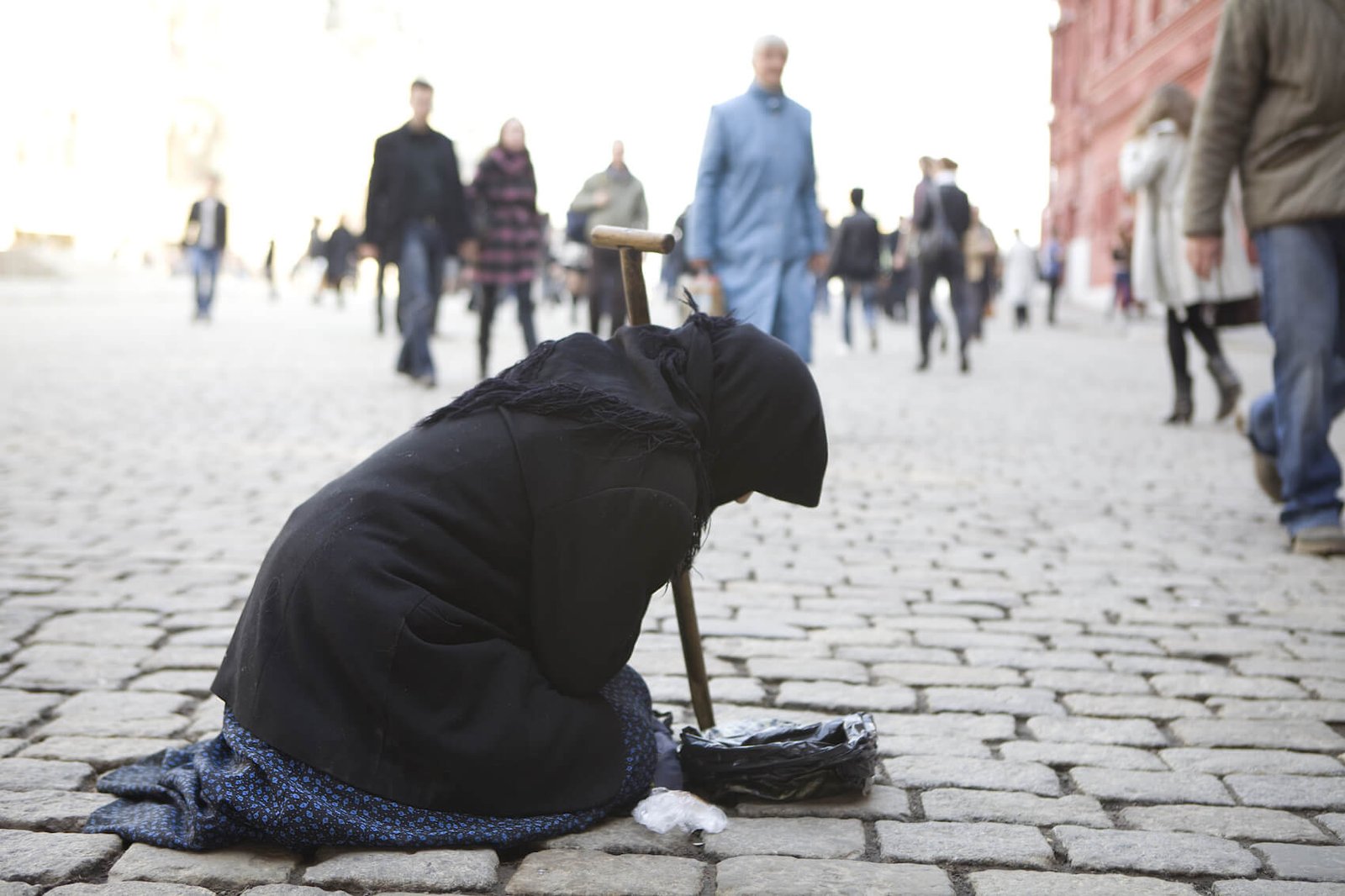
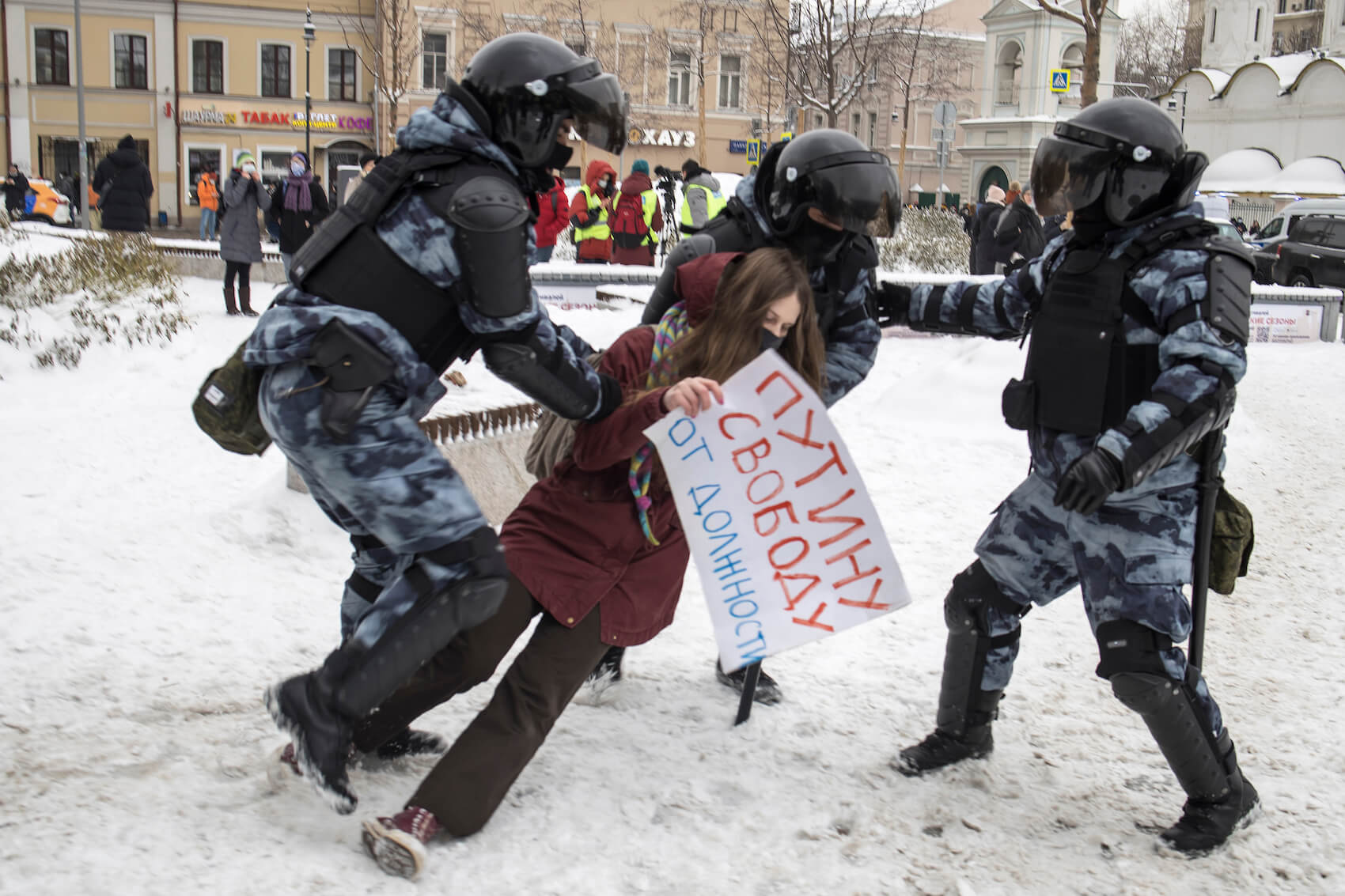
The banner 'Potato, onion, goodbye Erdogan' was carried in the 1 May rally än Istanbul, which coincided with the critical 14 May elections in Turkey. Photo: Shutterstock.

A Lesson from Turkey: Economic Crises as Steppingstones, but not Exit Routes for Authoritarian Populists

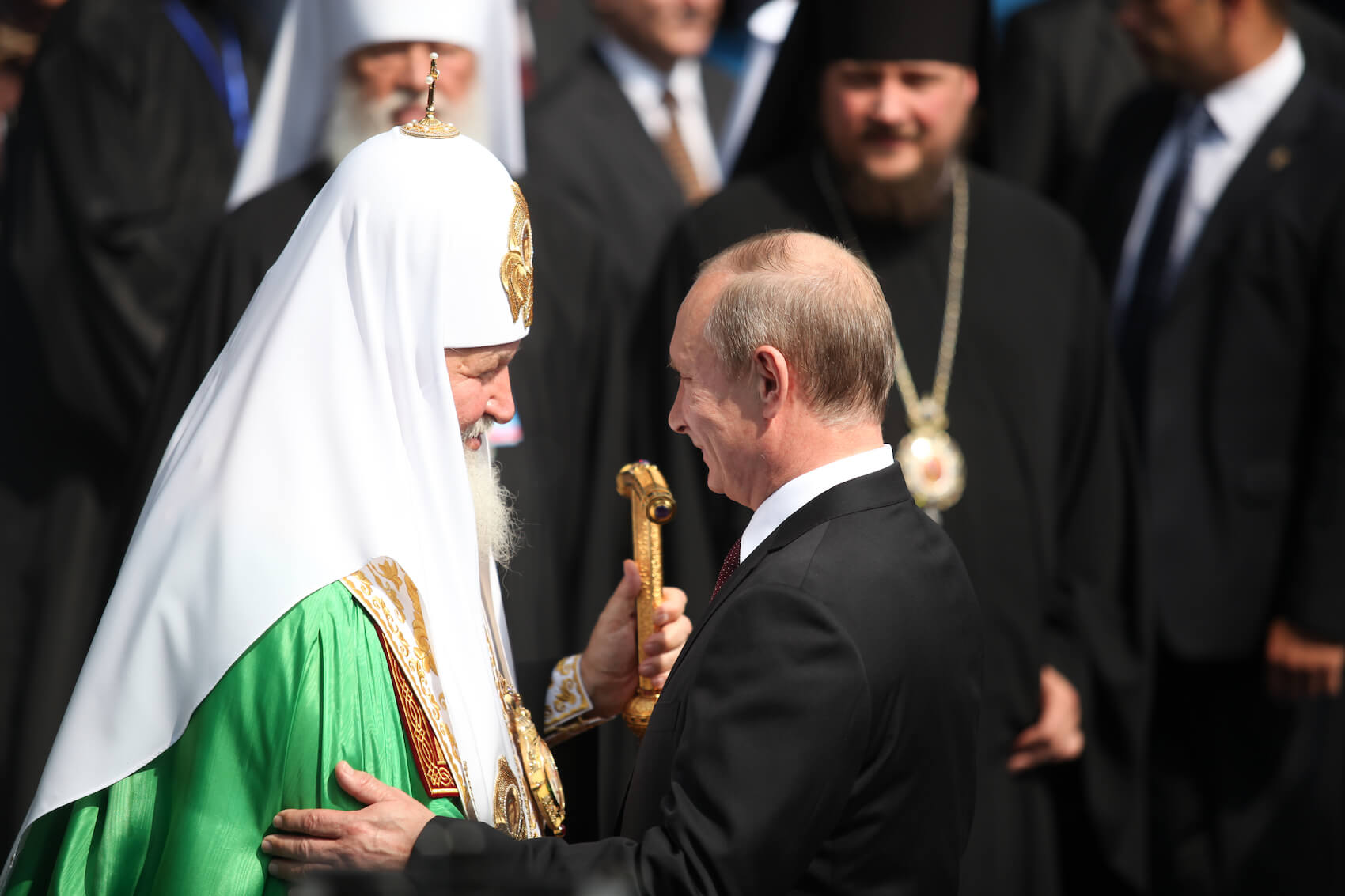
It is evident that populist politicians, even if they come to power through free elections, deviate from the same path when they stay in power for an extended period and transform the regime. Turkish President Erdogan’s prolonged tenure in Turkey allowed him to skillfully reshape the political regime into a one-person rule. By monopolizing the achievements of his ancestors and emphasizing religious values in opposition to ultra-secularist elites, whom he portrayed as foreign puppets and defenders of the oppressive status quo that insulted the way of life of ordinary citizens, Erdogan successfully created a deep polarization in society to maintain his grip on power.

By Ibrahim Ozturk

In my Project Syndicate piece titled “Erdogan’s Success Story” (June 14, 2011), I provided a positive assessment of Erdogan’s remarkable economic achievements over the past decade, highlighting Turkey’s expected entry into higher-income country status during his third term. However, I concluded the article by posing the question: “How will Turkey utilize its rapidly growing economic power?”

In a notable departure from the initial period (2003-2011) when Erdogan strengthened his position and reformed the regime, he veered away from the essential factors that contributed to his success. The period following the 2011 election victory witnessed a shift towards a process of power intoxication, culminating in the complete consolidation of the presidential government system (PGS) in 2018. This marked a departure from the so-called “orthodoxy,” replaced by a more arbitrary approach characterized by learning by doing and trial-and-error, which Erdogan referred to as “heterodoxy.” Although this era resulted in unprecedented economic and political turmoil, Erdogan’s election for a third term as president raises the question of why a populist government that initially came to power amidst an economic crisis did not encounter more significant challenges.

However, empirical evidence suggests that populists often come to power through relatively “free,” if not entirely “fair,” elections, yet only a few of them are consistently able to exit power. This usually occurs through being voted out of office, primarily if they manage to stay in control long enough to transform the system into a more authoritarian one. Consequently, the modes of departure often involve scandals, impeachment or resignations, constitutional crises, refusals to step down, coups, suicides, or tragic accidents. The recent elections in Turkey have demonstrated that in cases of democratic backsliding, an economic crisis alone is a necessary but insufficient condition for an authoritarian leader to change course. The positive case of successfully defeating an authoritarian populist in Brazil in March 2013 highlights that the sufficiency condition lies in the opposition’s ability to employ and manage various factors more effectively than the government, even when the latter abuses state power.

Erdogan as a Mastermind of Populism

Engaging in debates about the fairness or fraudulence of Erdogan’s election victory at this stage does not provide significant insights. As highlighted by Funke et al., when populists manage to remain in power for a decade or longer, they often shape their country’s political destiny in negative ways. After Erdogan’s prolonged tenure, Turkey has regressed from being considered a “free” country, as indicated by the Freedom House Index of 2023, and the elections can no longer be deemed fair. In a country like Turkey, where the general election results show that the opposition party (Republican People’s Party, CHP – 25%) consistently lags behind the ruling party (Justice and Development Party, AKP – 35% on May 14, 2023) by approximately 10 percentage points for nearly 21 years, the transfer of power appears unlikely, regardless of the coalition formed.

While the definition of populism may vary, as the Pope declared, it is commonly viewed as an “evil” that tends to lead to undesirable outcomes. Erdogan’s brand of populism aligns perfectly with a Machiavellian approach, where any means or methods to secure victory are deemed permissible or legitimate. Engaging in a political game with a leader like Erdogan, who does not hesitate to employ divisive tactics and polarize society through the creation of antagonistic groups such as “us vs. them,” “the people (ordinary, virtuous citizens) vs. the elite (pro-statuesque, corrupt, self-serving),” “true believers vs. infidels,” and “nationalists vs. traitors,” is a recipe for a nightmare scenario. He consistently invents and substitutes (foreign or domestic) enemies, identifies (internal or external) scapegoats, stokes security concerns within society, and perpetuates a state of conflict to solidify his hold on power.

Populism, with its rhetoric in defense of the rights of the “innocent and silent majority” against the perceived beneficiaries of an establishment or elite, implies that political power should not be held by economic, financial, intellectual, or political elites, but by a homogenous and virtuous “people.” This perspective, as highlighted by Arnesen and Peters, draws from Norris (2018) and encourages the emergence of a charismatic leader who presents themselves as an outsider to the establishment and claims to understand the “true desires” of the people, representing their voice and serving their interests. Consequently, this discourse undermines the significance of “mediating institutions,” particularly in the countries dominated by a paternalistic or patrimonial culture like Turkey. As a result, modern governance institutions, norms, and values, such as the division of labor and expertise, lose their relevance. Merit is increasingly replaced by loyalty and militant advocacy, and professional, autonomous specialized institutions are either weakened or filled with supporters. Erdogan’s era exemplifies the harm inflicted upon institutions and the economy as populists remain in power. It is important to note that Erdogan’s “populism” is not a learned, an acquired or imported ideology but an original synthesis deeply connected to geography, culture, history, and the cult of his leadership personality.

Several factors play a decisive role in Erdogan’s populist discourse:

  1. A multipolar world in power transition without an omnipotent hegemonic power dictating its unilateral will to the “rest.” 
  2. Geopolitics, which can be negotiated and marketed in such a world, just like the geography of Turkey. A situation that brings both high risk and return. 
  3. A majority population whose “memory” has been manipulated and updated with an older version of the software, ancestors, and religion being the two strategic tools. 

In such a geostrategic location of great power rivalries, Erdogan’s situation can be likened to a person who owns few rooms but several keys to open them. Obviously, it is almost impossible to find the right key and open the door in time always quickly. But he doesn’t waste time opening the door; either he breaks it in an emergency or uses the only lock in this geography to open all the doors with a magical capacity; culture! In that regard, Erdogan can be called the “inventor of populism” in the 21st century when it comes to the creation and exploitation of a nostalgic “populist heartland” that corresponds to a retrospectively imagined utopia built on an abandoned but undead human based past. 

As Yilmaz and Morieson put,“the addition of religion has made populism a formidable force capable of producing a range of emotions among segments of the public, thereby increasing the demand for populism.” Keeping society intact with his constantly renewed agenda, Erdogan’s emotional populism allows him to employ the elements of religion-history-culture and friends-foes antagonism.

An additional defining trait, and perhaps surprising to some, is Erdogan’s religious belief, encapsulated by the motto “After you have done all you can, leave the rest to God and trust it.” This philosophy stems from the recognition that in the face of complex and ever-changing circumstances, risks are amplified by deteriorating institutions and declining human capital. Such challenges reflect the vulnerability of the “one-man system,” where even an omnipotent dictator cannot single-handedly handle significant challenges. In such situations, prayer becomes the only recourse, driven by the conviction that “the new day will come with new hopes or opportunities!”

Erdogan’s approach to economic management serves as a field where his populism is exemplified through the stylized characteristics outlined above.

The Transformation of Turkey’s Economy: From Orthodoxy to Heterodoxy

In countries with strong institutions, an orthodox economy signifies a market that operates based on its internal dynamism, guided by market-friendly rules that address potential market failures. Conversely, in a country dominated by authoritarian populism, a heterodox economy implies arbitrariness and uncertainty. Both of these approaches were tested and experienced in Turkey from 2003 to 2023. In this article, Erdogan’s economic management can be examined within three distinct periods: the first period (2003-2011) characterized by the application of good governance principles to a reasonable extent, the second period (2011-2018) marked by a turbulent transition to a completely different regime, and finally, the consolidation of the authoritarian PGS since 2018.

In the following discussion, I will summarize the key achievements and highlight unresolved problems that have spiraled out of control, particularly with the consolidation of the single-man regime under the PGS.

During the first period, the orthodox approach primarily involved:

(i) the establishment of quality institutions such as central bank autonomy and the rule of law,

(ii) fostering peaceful coexistence and regional relations through the “zero problems with neighbors” policy, and

(iii) pursuing integration with the EU, the global community, and global governance institutions.

Except for the global economic crisis of 2008-2009, the first period witnessed domestic reforms, solid institutional capacity, and comparable long-term growth performance to similar countries. The economy expanded by an average of around 5.8 percent, as depicted in Figure 1, although with a visible loss of momentum. By 2013, national income surpassed the trillion-dollar threshold, and per capita GDP reached $12,500, propelling Turkey to the status of an “upper middle-income country” for the first time.

Figure.1 Economic Growth in Turkey (2003-2022)

Source: https://www.macrotrends.net/countries/TUR/turkey/gdp-growth-rate

i) According to Acemoglu and Üçer, a notable development during this period was the dominance of overall productivity growth over factor inputs, marking a significant shift. Additionally, the implementation of monetary and fiscal discipline contributed to a decrease in inflation from 55% in 2002 to single-digit figures by 2005.

ii) In terms of financing economic growth, there was a notable increase in capital inflows across all categories and terms, which facilitated a smooth expansion. Furthermore, thanks to fiscal and monetary discipline, interest rates experienced a significant decline across all categories and terms. This period also witnessed a reduction in the budget deficit and a decrease in the share of interest burden on the budget.

iii) According to World Bank data, there was a striking improvement in income distribution during this period. This was evident in the decrease of the Gini Coefficient from 0.45 in 2005 to 0.38 by 2007, indicating a more equitable distribution of income.

On the downside, despite positive progress in leading economic indicators and relative macroeconomic stabilization, the following aspect remained fragile, with long-term implications:

i) While the population increased from nearly 65 million to 85 million as of 2023, primarily due to the influx of millions of unorganized refugees, GDP receded to nearly 800 billion dollars after 2019. As a result, per capita GDP also declined by 8000-9000 dollars, indicating Turkey’s middle-income trap status as of 2022.

ii) Turkey’s potential for growth did not improve, primarily due to a decline in productivity growth resulting from the discontinuation of reforms after losing external anchors, such as Turkey’s full membership negotiations process with the EU.

iii) The halted structural transition led to the persistence of a growth model based on classical low-value-added, capital-labor intensive industries. Moreover, the share of upper-middle-income technology in production and exports remained stagnant at around 2.5% until 2022, showing no improvement over nearly two decades. It is worth noting that countries like South Korea and China achieved a share of 35% at a similar development level.

iv) Reflecting the insufficiency of national savings and structural weaknesses, Turkey’s reliance on imports and capital inflows for growth persisted. As a result, each period of economic growth led to a significant increase in the current account deficit, which reached approximately 5-6 percent of GDP in 2022.

In his third term, which began in June 2011, Erdogan exhibited an increasing authoritarian tendency, reflecting a sense of power intoxication. Unfortunately, this period saw a decline in the gains that had been achieved. The process was initiated by the corruption operations on December 17-25, 2013, and further exacerbated by the self-orchestrated coup attempt by “the team Erdogan” on July 15, 2016. It culminated in a complete overhaul of the system in 2018, leading to a severe economic downturn referred to as a “free fall.”

Throughout the years, Erdogan systematically politicized and undermined the independence of key judicial institutions, including the Council of State, Court of Cassation, Court of Accounts, and the Constitutional Court. He also exerted control over institutions such as the Central Bank, Statistical Institute, Competition Authority, and banking supervision and regulation bodies. This process resulted in a loss of control over inflation, unemployment, domestic and foreign deficits, and the accumulation of national debt. Official figures indicate that annual inflation reached 86% in 2022, significantly higher than the global average rate of less than 8%. These macroeconomic imbalances were primarily causedby the excessively low policy rate pressure imposed on the Central Bank of Turkey and excessive monetary expansion, which became rapidly unsustainable. Moreover, these policies enabled Erdogan-backed speculators to generate exorbitant profits.

Then Why and How Erdogan Wins: A Hate and Hope Paradigm

Displays of a foreign currency exchange bureau in Istanbul, Turkey, on May 5, 2023. Photo: Tolga Ildun.

In a country the size of Turkey, lacking abundant natural resources, it is impossible to conceal economic facts and failures from the public and international community for an extended period. Manipulating data through Soviet-style fabricated politburo methods or exerting strict militant control over autonomous policy-making authorities like the statistical institute is ineffective. This is because the impact of these developments is directly felt in people’s daily lives.

This finding aligns with the overall understanding that populist economic policies have a short lifespan and are not sustainable. Furthermore, it predicts that such a government either loses power or transitions into complete authoritarianism. Unfortunately, Turkey currently teeters on the brink of such a development following the May 2023 elections.

Does Erdogan’s continued stay in power, particularly with the main opposition party CHP trailing the ruling party by almost 10 points, imply that economic factors have lost importance in authoritarian regimes during elections? While the literature suggests that populist parties often come to power after a macroeconomic crisis, the reverse is not necessarily true. These elections demonstrated that an economic crisis is necessary but insufficient to dislodge an authoritarian government. It also indicates that Erdogan skillfully constructed an ‘uneven playing field’ and relied on a dependent electoral majority. The opposition made every effort to win the rigged game, even adopting the populist-ethnonationalism strategies of its adversary, but ultimately failed. In addition to Erdogan’s “success” in providing livelihood security to a significant portion of the electorate, he also stoked security concerns and fear of a return of the old status quo elites, known as “White Turks,” who previously threatened and humiliated the lifestyle of ordinary citizens.

The most crucial factor that neutralized or balanced the devastating economic crisis, as indicated in Table 1, is the extensive and effective use of the “Welfare regime.” Despite Turkey’s unfavorable rankings in all categories compared to similar authoritarian populist countries like Argentina and Brazil, it excelled in implementing widespread social support programs, including those targeting the most vulnerable families. Furthermore, these measures were presented skillfully within the framework of culture and religion, yielding profound political consequences. Culture matters. In a region where the notion of citizenship demanding justice and the rule of law as a public good has remained premature for centuries due to the culture of patrimonialism, citizens perceived “social support” not as a constitutional guarantee but as a benevolent offering from the Sultan. Their “loyalty” was consequently secured through a minimum level of economic security, protecting those who felt neglected and left behind.

Table.1 Governance in Selected Populist/Authoritarian Countries

The second decisive factor is the utilization of immigrants as a source of cheap labor and a voting reserve for the ruling AKP. Despite having to work informally in low-wage sectors without social security protection, Erdogan adeptly leveraged foreign funds, primarily from the EU, to compensate for their losses, including providing social protection. In the midst of a deteriorating economic environment, the opposition’s discourse of repatriating immigrants did not resonate, particularly among small and medium-sized companies, due to this practice that alleviates labor costs for millions of refugees and grants a comparative advantage to low value-added sectors.

In addition to financial support, Erdogan fostered a strong emotional connection and sense of belonging among the immigrants by invoking a highly susceptible concept from religious literature known as “ummah” or “Ansar brotherhood.” Moreover, he transformed this imaginary notion into tangible expectations that shape the minds of millions of people. Depicting a mythical “global land of brotherhood” based on religious commonalities and historical memories, Erdogan conveys the message: “Just like our esteemed ancestors, it is time to reclaim our history as the worldwide Muslim diaspora eagerly looks to us as protectors.” As a result, sympathy towards Erdogan among the average person on the streets of any Muslim country may be higher than in Turkey itself.

While these “pull factors” served their economic purpose, Erdogan also strategically employed “push elements” in his rhetoric. Believing in the power of media under his control and the limited memory of the people, Erdogan not only took credit for past successes but also shifted blame for past failures onto present-day politicians who were not in power at the time and never governed Turkey. In a country with low levels of political, religious, and economic literacy, he manipulated the decision-making capacity of the electorate through the media he seized. The production of manipulated statistics, inventions, and innovations within this context instilled a sense of pride and superiority in a society yearning for a return to the glory days of the past.

Conclusion

Therefore, it is evident that populist politicians, even if they come to power through free elections, deviate from the same path when they stay in power for an extended period and transform the regime. Erdogan’s prolonged tenure allowed him to skillfully reshape the political regime into a one-person rule.

By capitalizing on and monopolizing the achievements of his ancestors and emphasizing religious values in opposition to ultra-secularist elites, whom he portrayed as foreign puppets and defenders of the oppressive status quo which oppressed and insulted the life patterns of ordinary citizens, Erdogan successfully created a significant divide that was crucial for maintaining control.

To secure the loyalty of the people, with whom he had “connected with heart and imagination,” particularly those who were likely victims of economic difficulties, Erdogan employed a combination of cultural and economic transactional policies. He not only provided various economic benefits but also manipulated them by instilling fear of losing their privileges and fostering a sense of national security, sovereignty, and even independence. When one considers the opposition parties’ leadership, policy quality, and communication skills with the public, it becomes clear that Erdogan would not be replaced with the configuration of such a coalition.

SummerSchool

ECPS Academy Summer School — Populism, War and Crises: How populism interacts with crises during wartime? (July 3-7, 2023)

Are you passionate about global politics and understanding the dynamics that shape it? Are you looking for a way to expand your knowledge under the supervision of leading experts, seeking an opportunity to exchange views in a multicultural, multi-disciplinary environment, or simply in need of a few extra ECTS credits for your studies? Then consider applying to ECPS Summer School. The European Center for Populism Studies (ECPS) is looking for young people for a unique opportunity to assess the relationship between populism, war and crises in a five-day Summer School led by global experts from a variety of backgrounds. The Summer School will be interactive, allowing participants to hold discussions in a friendly environment among themselves in small groups and exchange views with the lecturers. You will also participate in a Case Competition on the same topic, a unique experience to develop problem-solving skills in cooperation with others and under tight schedules. 

Overview 

Our world is going through turbulent times on many fronts struggling with complex challenges emanating from various crises in different spheres of life. In parallel to this, we observe that these crises create convenient environments for populist politics and, in some cases, contribute to the emergence and success of populist parties. These developments align with the conclusion that populism usually occurs within a crisis scenario. Thus, we have decided to discuss the relationship between crises and populism at this year’s ECPS Summer School. To this end, for practicality, we categorise contemporary crises into five groups and will analyse them accordingly: political crisis and populism, economic crisis and populism, cultural crisis and populism, environmental crisis and populism, and health crisis and populism. Keeping in mind that crises vary in nature, and each has different consequences depending on the conjuncture in which they emerge; we will examine these five groups by taking into account the repercussions of the current international political context, particularly the war in Ukraine. 

The lecturers for this year’s Summer School are Professor Kai Arzheimer, Professor Jocelyne Cesari, Professor Sergei Guriev, Dr Heidi Hart, Dr Gideon Lasco, Professor Nonna Mayer, Professor John Meyer, Professor Ibrahim Ozturk, Professor Neil Robinson, and Professor Ewen Speed.  

The program will take place on Zoom, consisting of two sessions each day. Over the course of five days, interactive lectures by these world-leading experts will discuss the nexus between populism and the crises we are facing today from a variety of angles. The lectures are complemented by small group discussions and Q&A sessions moderated by experts in the field. The final program with the list of speakers will be announced soon. 

Moreover, this year, the Summer School will comprise a Case Competition on a real-life problem within the broad topic of populism, crises and war.  Participants will be divided into teams to work together on solving the case and are expected to prepare policy suggestions. The proposals of the participants will be evaluated by a panel of scholars and experts based on criteria such as creativity, feasibility, and presentation skills. 

Our five-day schedule offers young people a dynamic, engaging and interdisciplinary learning environment with an intellectually challenging program presented by world-class scholars of populism, allowing them to grow as future academics, intellectuals, activists and public leaders. Participants have the opportunity to develop invaluable cross-cultural perspectives and facilitate a knowledge exchange that goes beyond European borders.

Who should apply?

This unique course is open to master’s and PhD level students and graduates, early career researchers and post-docs from any discipline.  The deadline for submitting applications is June 23, 2023. The applicants should send their CVs to the email address ecps@populismstudies.org with the subject line: ECPS Summer School Application.

We value the high level of diversity in our courses, welcoming applications from people of all backgrounds. 

Evaluation Criteria and Certificate of Attendance

Meeting the assessment criteria is required from all participants aiming to complete the program and receive a certificate of attendance. The evaluation criteria include full attendance and active participation in lectures.

Certificate of Attendance will be awarded to the participants who attend at least 80% of the sessions. Certificates are sent to students only by email.

Credit

This course is worth 5 ECTS in the European system. If you intend to transfer credit to your home institution, please check the requirements with them before you apply. We will be happy to assist you; however, please be aware that the decision to transfer credit rests with your home institution.


Topics and Lecturers


Day 1: July 3, 2023

Political Crisis and Populism


Lecture 1

Dr Kai Arzheimer: Political crisis and populism

Bio: Kai Arzheimer is Professor of German Politics and Political Sociology at the University of Mainz, Germany. He has published widely on voting behaviour, particularly on voting for the radical right in Europe.  

Abstract: In this short lecture, I will try to disentangle the relationship between populist actors and crises. I will start with an attempt to clarify both concepts. Following that, I will show that populists often benefit from events that are not crises in a strict sense but are framed as such. In turn, populist policies may lead to genuine political crises.  

Moderator: Dr Vasiliki Tsagkroni

Bio: Dr Vasiliki (Billy) Tsagkroni is an Assistant Professor of Comparative Politics at the Institute of Political Science, Leiden University. His research interests include far-right parties, populism and radicalisation, political discourse, narratives in times of crisis, political marketing and branding and policy making. 


Lecture 2

Dr Neil Robinson: The Russian-Ukrainian war and the changing forms of Russian populism

Bio: Neil Robinson is Professor of Comparative Politics at the University of Limerick. His research focusses on Russian and post-communist politics, particularly the political economy of post-communism and post-communist state building. He is the author and editor of books on Russia and comparative politics, including most recently Contemporary Russian Politics (Polity, 2018) and (with Rory Costello, editors) Comparative European politics. Distinctive democracies, common challenges (Oxford University Press, 2020), and has published articles on Russian politics in many journals including Europe-Asia Studies, Review of International Political Economy, International Political Science Review, Russian Politics.

Abstract: ‘Official populism’ developed in Russia in the 2010s to provide a project from Putin’s return to the presidency in 2012. This project centred on a particular relationship that Putin claimed existed between state and people in Russia. It was developed to counter other possible populist projects based on nationalism and/or anti-corruption campaigning. The ‘official populist’ project helped to close the political space in Russia after 2012 but was at risk of failing because it proposed a way of being ‘Russian’ that was dependent on the behaviour of forces and states not under Russian control, namely the former Soviet states, and particularly Ukraine, that Russia wanted to dominate through institutions such as the Eurasian Union. The risk of failure was one factor that helped push Russia to invade Ukraine in 2022. This invasion has opened up space to contest elements of the ‘official populism’ by new actors. The talk will examine some of these and what they might mean for Russia’s political development.

Reading List

Fish, M. Steven (2018) ‘What Has Russia Become?’, Comparative Politics, 50 (3): 327-46

Morris, J. (2022) ‘Russians in Wartime and Defensive Consolidation’, Contemporary History,  121 (837): 258–263.

Putin, V.V. (2021) ‘On the Historical Unity of Russians and Ukrainians’, http://en.kremlin.ru/events/president/news/66181

Putin, V.V. (2022) ‘Address by the President of the Russian Federation’ http://en.kremlin.ru/events/president/news/67843(text and video version)

Reid, A. (2022) ‘Putin’s war on history. The thousand year struggle over Ukraine’, Foreign Affairs (101): 54-63.

Robinson, N. and S. Milne (2017) ‘Populism and political development in hybrid regimes: Russia and the development of official populism’, International Political Science Review, 38 (4), 412-25.

Tipaldou, S., and P. Casula (2019) ‘Russian nationalism shifting: The role of populism since the annexation of Crimea’, Demokratizatsiya: The Journal of Post-Soviet Democratization, 27 (3): 349-70.

Treisman, D. (2022). ‘Putin unbound. How repression at home presaged belligerence abroad’, Foreign Affairs (101): 40-53.


Moderator: Marina Zoe Saoulidou

Bio: Marina Zoe Saoulidou is a PhD candidate in Political Science and Public Administration at the National and Kapodistrian University of Athens (NKUA). Her thesis focuses on the dynamics of both left- and right-wing populist parties in Europe in the context of economic crises. Marina Zoe is an IKY Scholar (State Scholarships Foundation) and was awarded an NKUA Compensatory Fellowship (teaching assistantship). She is a Junior Research Fellow at the Hellenic Foundation for European and Foreign Policy (ELIAMEP), and a member of the Hellenic Society of International Law and International Relations.


Day 2: July 4, 2023

Health Crisis and Populism 


Lecture 1

Dr Ewen Speed: Health crisis and populism

Bio: Dr Ewen Speed is a Professor of Medical Sociology in the School of Health and Social Care at the University of Essex. He has research interests in health policy, particularly in the context of the NHS. He is also interested in critical approaches to understanding engagement and involvement in healthcare, and in critical approaches to psychology and psychiatry. He is currently an Associate Editor for the journal Critical Public Health. He is also a member of the National Institute of Health Research East of England Applied Research Collaboration, contributing directly to the Inclusive Involvement in Research for Practice Led Health and Social Care theme and is Implementation Lead for this theme.


Moderator: Caitlin R. Williams

Bio: Caitlin R. Williams is a PhD candidate and Adjunct Instructor in the Department of Maternal and Child Health at the UNC Gillings School of Global Public Health. She is also a researcher and advocate whose work centers on scaling and sustaining policies, programs, and practices that advance health, rights, and justice. Meanwhile, she serves as a Research Consultant with the Instituto de Efectividad Clínica y Sanitaria in Buenos Aires, Argentina and a Research Collaborator with the Black Mamas Matter Alliance (Atlanta, GA, USA). Some of her recent projects include validating measures of global policy indicators for maternal health (including abortion access), assessing the threat posed by populist nationalism to human rights-based approaches to health, and analyzing national policies on obstetric violence and respectful maternity care. Caitlin has contributed her expertise to amicus briefs for cases in front of the Supreme Court of the United States, a memo to the U.S. Office of Civil Rights, and a statement to the Ways and Means Committee of the U.S. House of Representatives.


Lecture 2

Dr Gideon Lasco: COVID-19 and the evolving nature of medical populism

Bio: Gideon Lasco, MD, PhD is a physician and medical anthropologist. He is senior lecturer at the University of the Philippines Diliman’s Department of Anthropology, affiliate faculty at the UP College of Medicine’s Social Medicine Unit, research fellow at the Ateneo de Manila University’s Development Studies Program, and honorary fellow at Hong Kong University’s Centre for Criminology. Dr. Lasco’s research projects have focused on contemporary health issues, including drug issues, COVID-19, health systems, and politics of health, and yielded over 50 journal articles and book chapters in the past five years. They have also led to two academic books: Drugs and Philippines Society (Ateneo de Manila University Press, 2021), an edited volume which features critical perspectives on drug use and drug policy in the country, as well as Height Matters, forthcoming monograph on human stature with the University of the Philippines Press. He also maintains a weekly column on health, culture, and national affairs in the Philippine Daily Inquirer, as well as acolumn in SAPIENS, the online anthropology magazine, that focuses on the relationships of humans with other species. 

Abstract: Over 3 years since the advent of the COVID-19 pandemic, numerous political analyses have extensively documented the ways in which political actors have responded to the health crisis, including the resort of many of them to populist performances. Less established, however, are the ways in which these actors evolve their political styles as the pandemic also evolves politically, socially, and epidemiologically. This presentation reviews and critically engages with the concept of medical populism, its elements of spectacularization, simplification, forging of divisions, as well as the literature on its figurations during the pandemic in different countries. It then (re)applies this concept to major events in the pandemic after the initial responses – e.g. the development of vaccines, the emergence of variants, the debates over whether the pandemic is over. Overall, this longer-term analysis shows that while politicians continue to dramatize their responses, offer simplistic solutions, and divide their publics, these characteristics do not necessarily coexist at a given political moment. Medical populism, then, viewed as a repertoire of styles rather than a fixed set of characteristics.  

Reading List

Lasco, G. (2020). Medical populism and the COVID-19 pandemic. Global public health, 15(10), 1417-1429. 

Moderator: Dr Vassilis Petsinis

Dr Vassilis Petsinis is an Associate Professor of Political Science at the Corvinus University of Budapest, Hungary (Institute of Global Studies). He is a political scientist with expertise in European Politics and Ethnopolitics. Dr Petsinis has conducted research and taught at universities and research institutes in Estonia (Tartu University), Germany (Herder Institut in Marburg), Denmark (Copenhagen University), Sweden (Lund University, Malmö University, Södertörns University, and Uppsala University), Hungary (Collegium Budapest/Centre for Advanced Study), Slovakia (Comenius University in Bratislava), Romania (New Europe College), and Serbia (University of Novi Sad). He holds a PhD in Russian & East European Studies from the University of Birmingham (UK).

Respondent: Dr Maria Paula Prates

Dr Maria Paula Prates is a medical anthropologist at the Department of Anthropology at UCL. She is interested in the embodied inequalities of the Anthropocene, specially that concerning Indigenous Women in lowland South America. She has worked with and among the Guaran-Mbyá in the last 20 years. She has ongoing research projects in reproductive justice, encompassing birthing, unconsented episiotomies, sterilization and c-section, and on the imbricated relation between Tuberculosis and environmental degradation. She worked as an Adjunct Professor in Anthropology of Health at UFCSPA, Brazil and moved to the UK in 2018 as a Newton International Fellowship holder awarded by the British Academy and Newton Fund.


Day 3: July 5, 2023

Economic Crisis and Populism 


Lecture 1

Dr Ibrahim Ozturk: The abuse of the negative repercussions of an unmanaged globalisation in economics by the populists

Bio: Professor Ibrahim Ozturk is a visiting fellow at the University of Duisburg-Essen since 2017. He is studying developmental, institutional, and international economics. His research focuses on the Japanese, Turkish, and Chinese economies. Currently, he is working on emerging hybrid governance models and the rise of populism in the Emerging Market Economies. As a part of that interest, he studies the institutional quality of China’s Modern Silk Road Project /The Belt and Road Initiative (BRI), its governance model, and implications for the global system. He also teaches courses on business and entrepreneurship in the Emerging Market Economies, such as BRICS/MINT countries. Ozturk’s Ph.D. thesis is on the rise and decline of Japan’s developmental institutions in the post-Second WWII era.

Dr. Ozturk has worked at different public and private universities as both a part-time and full-time lecturer/researcher between 1992-2016 in Istanbul, Turkey. In 1998, he worked as a visiting fellow at Keio University, in Tokyo, and again in 2003 at Tokyo University. He’s also been a visiting fellow at JETRO/AJIKEN (2004); at North American University, in Houston, Texas (2014-2015); and in Duisburg/Germany at the University of Duisburg-Essen (2017-2020).

Dr. Ozturk is one of the founders of the Istanbul Japan Research Association (2003-2013) and the Asian Studies Center of Bosporus University (2010-2013). He has served as a consultant to business associations and companies for many years. He has also been a columnist and TV-commentator. Dr. Ozturk’s native language is Turkish; he is fluent in English, intermediate in German, and lower-intermediate in Japanese. 

Abstract: This seminar aims to introduce the concept of populism in economics in terms of its causes (i.e., globalization, income inequality, financial crisis), its mechanism of execution in economics by the populists (i.e., macroeconomics and institutions of populism), and its consequences. The economic argument for populism is straightforward: poor economic performance feeds dissatisfaction with the status quo. It fosters support for populist alternatives when that poor performance occurs on the watch of mainstream parties. Rising inequality augments the ranks of the left behind, fanning dissatisfaction with economic management. Declining social mobility and a dearth of alternatives reinforce the sense of hopelessness and exclusion. However, unlike the argument they use when they are in opposition, in power, by denying and undermining professional and autonomous institutions, discrediting science and scientific knowledge, and rejecting resource constraints in economics, populists would give even more harm to the people they promised to help.


Moderator: Dr Dusan Spasojevic

Bio: Dušan Spasojević is an associate professor at the Faculty of Political Sciences, University of Belgrade. His main fields of interest are political parties, civil society, populism and the post-communist democratization process. Spasojević is a member of the steering board of the Center for Research, Transparency and Accountability (CRTA) and the editor of Political Perspectives, scientific journal published by FPS Belgrade and Zagreb.


Lecture 2

Dr Sergei Guriev: The political economy of populism

Bio: Sergei Guriev, Provost, Sciences Po, Paris, joined Sciences Po as a tenured professor of economics in 2013 after serving as the Rector of the New Economic School in Moscow in 2004-13. In 2016-19, he was on leave from Sciences Po serving as the Chief Economist and the Member of the Executive Committee of the European Bank for Reconstruction and Development (EBRD). In 2022, Sergei Guriev was appointed Sciences Po’s Provost. Professor Guriev’s research interests include political economics, development economics, labor mobility, and contract theory. Professor Guriev is also a member of the Executive Committee of the International Economic Association and a Global Member of the Trilateral Commission. He is also a Research Fellow at the Centre for Economic Policy Research, London. He is a Senior Member of the Institut Universitaire de France, an Ordinary Member of Academia Europeae, and an Honorary Foreign Member of the American Economic Association. 

Abstract: We synthesize the literature on the recent rise of populism. First, we discuss definitions and present descriptive evidence on the recent increase in support for populists. Second, we cover the historical evolution of populist regimes since the late nineteenth century. Third, we discuss the role of secular economic factors related to cross-border trade andautomation. Fourth, we review studies on the role of the 2008–09 global financial crisis and subsequent austerity, connect them to historical work covering the Great Depression, and discuss likely mechanisms. Fifth, we discuss studies onidentity politics, trust, and cultural backlash. Sixth, we discuss economic and cultural consequences of growth in immigration and the recent refugee crisis. We also discuss the gap between perceptions and reality regarding immigration. Seventh, we review studies on the impact of the internet and social media. Eighth, we discuss the literatureon the implications of populism’s recent rise.

Reading List

Guriev, S., Melnikov, N., & Zhuravskaya, E. (2021). 3g internet and confidence in government. The Quarterly Journal of Economics, 136(4), 2533-2613.  

Guriev, S., & Papaioannou, E. (2022). The political economy of populism. Journal of Economic Literature, 60(3), 753-832. 

Henry, E., Zhuravskaya, E., & Guriev, S. (2022). Checking and sharing alt-facts. American Economic Journal: Economic Policy, 14(3), 55-86. 


Moderator: Afonso Biscaia

Bio: Afonso Biscaia is a PhD student in Comparative Politics at the Instituto de Ciencias Sociais, Universidade de Lisboa. Afonso’s research focuses on digital political communication and right wing populism. His published work includes “Placing the Portuguese Radical Right-Wing Populist Chega Into Context: Political Communication and Links to French, Italian, and Spanish Right-Wing Populist Actors” (2022), and The Russia-Ukraine War and the Far Right in Portugal: Minimal Impacts on the Rising Populist Chega Party”, both in co-authorship with Susana Salgado. 


Day 4: July 6, 2023

Environment, Religion and Populism


Lecture 1

Dr Heidi Hart: Populism and environmental crisis – From denial to the new deep ecology

Bio: Heidi Hart, a senior researcher at the ECPS and Linnaeus University (Sweden), is a researcher and educator based in the US and Scandinavia. She holds a Ph.D. in German Studies from Duke University and focuses on intersections of the arts and politics, including environmental crisis. She is currently a guest researcher at SixtyEight Art Institute in Copenhagen, where she has contributed curatorial work on climate art, and at the Linnaeus University Center for Intermedial and Multimodal Studies, where she is completing the research project “Instruments of Repair.” 

Abstract: This talk provides an overview of the various populist strains of engagement with environmental crises. Beginning with pro-business climate denialism and moving to the surprising overlap between left and far-right ecological activism in Europe, I will show how these strains are not limited to one ideological viewpoint. Examples of nationalist, agrarian, nativist, traditionalist, and protectionist viewpoints will fill this discussion with a common thread of fear-based thinking. Examples of left-wing environmental populism further complicate the picture but arise from a more critical position. I will then trace the history of illiberal environmentalism through the Nazi period in Germany to contemporary appropriations of “deep ecology,” with several examples from popular culture that make this ideology more appealing than it might at first appear. Finally, I will invite all to discuss the Malthusian temptations implicit in wishing for a cleaner, less crowded, more protected planet.  

Reading List

Buzogány, A., Mohamad-Klotzbach, C. (2022). Environmental Populism. In Oswald, M. (eds) The Palgrave Handbook of Populism. Palgrave Macmillan, Cham. https://doi.org/10.1007/978-3-030-80803-7_19 

François, S., Nonjon, A. (2021). “Identitarian Ecology”: The Far Right’s Reinterpretation of Environmental Concerns. Illiberal Studies Program, 1 February 2021, https://www.illiberalism.org/identitarian-ecology-rights-reinterpretation-environmental-concerns/ 

Leigh, A. (2021). How Populism Imperils the Planet. The MIT Press Reader, 5 November 2021,https://thereader.mitpress.mit.edu/how-populism-imperils-the-planet/ 

Marquardt, J., Lederer, M. (2022) Politicizing climate change in times of populism: an introduction. Environmental Politics, 31:5, 735-754, DOI: 10.1080/09644016.2022.2083478 

Ofstehage, A. et al. (2022). Contemporary Populism and the Environment. Annual Review of Environment and Resources, 47, 671-696, https://doi.org/10.1146/annurev-environ-012220-124635 

Serhan, Y. (2021). The Far-Right View on Climate Politics. The Atlantic, 10 August 2021,https://www.theatlantic.com/international/archive/2021/08/far-right-view-climate-ipcc/619709/ 


Moderator: Dr João Ferreira Dias

Bio: João Ferreira Dias holds a Ph.D. in African Studies from ISCTE-Instituto Universitário de Lisboa (2016). He is a researcher at the International Studies Centre of ISCTE (CEI-ISCTE) in the research group Democracy, Activism, and Citizenship. He is also an associate researcher at the History Centre of the University of Lisbon and a member of the research network of the European Center for Populism Studies. He is a regular columnist in leading newspapers of the Portuguese press. His areas of research and interest are: Religious Anthropology (Yorùbá, Candomblé, Umbanda, rituals, thought patterns, politics of memory and authenticity), Political Science (culture wars, identity politics, nostalgia and politics of memory and nationalism, populism) and Constitutional Law (Constitutional Principles, Fundamental Rights, Religious Freedom). 


Lecture 2

Dr Jocelyn Cesari: Why religious nationalism is not populism 

Bio: Dr Jocelyn Cesari holds the Chair of Religion and Politics at the University of Birmingham (UK) and is Senior Fellow at the Berkley Center for Religion, Peace, and World Affairs at Georgetown University. Since 2018, she is the T. J. Dermot Dunphy Visiting Professor of Religion, Violence, and Peacebuilding at Harvard Divinity School. President-elect of the European Academy of Religion (2018-19), her work on religion and politics has garnered recognition and awards: 2020 Distinguished Scholar of the religion section of the International Studies Association, Distinguished Fellow of the Carnegie Council for Ethics and International Affairs and the Royal Society for Arts in the United Kingdom. Her new book: We God’s Nations: Political Christianity, Islam and Hinduism in the World of Nations, was published by Cambridge University Press in 2022 (https://www.cambridge.org/core/books/we-gods-people/314FFEF57671C91BBA7E169D2A7DA223). Other publications: What is Political Islam? (Rienner, 2018, Book Award 2019 of the religion section of the ISA); Islam, Gender and Democracy in a Comparative Perspective (OUP, 2017), The Awakening of Muslim Democracy: Religion, Modernity and the State (CUP, 2014). She is the academic advisor of www.euro-islam.info

Abstract: The lecture will offer an ideal type of the relations between religion and populism to show the difference between religious nationalism and populism; highlight the importance political history and secular cultures on the political role of religion in any given country; and include the international and transnational religious forms of populism.

Reading List

“Populism and religion: an intricate and varying relationship” by Christopher Beuter, Matthias Kortmann, Laura Karoline Nette and Kathrin Rucktäschel (pdf attached) https://forum.newsweek.com/profile/Jocelyne-Cesari-Professor-Religion-Politics-Georgetown-University-and-Harvard-University/37c1d797-c04c-4b41-9aef-8bdd4479d0de


Moderator: Dr Jogile Ulinskaite

Bio: Jogilė Ulinskaitė is an Assistant Professor at the Institute of International Relations and Political Science, Vilnius University. She defended her PhD thesis on the populist conception of political representation in Lithuania. Since then, she has been part of a research team that studies the collective memory of the communist and post-communist past in Lithuania. As a postdoctoral fellow at Yale University in 2022, she focused on the reconstruction of emotional narratives of post-communist transformation from oral history interviews. Her current research integrates memory studies, narrative analysis, and the sociology of emotions to analyse the discourse of populist politicians.


Day 5: July 7, 2023

Culture, Crisis and Populism 


Lecture 1

Dr Nonna Mayer: Cultural explanations of right- wing populism… and beyond

Bio: Dr Nonna Mayer is CNRS Research Director Emerita at the Centre for European Studies and Comparative Politics of Sciences Po, former chair of the French Political Science Association 2005-2016), member of the National Consultative Commission for Human Rights (since 2016), co-PI of its annual Racism Barometer. Her current fields of expertise are electoral sociology, radical right populism, racism and anti-Semitism, intercultural relations.  

Abstract: Taking the French case as an example,  this presentation revisits and nuances the explanations of right wing populism in terms of “cultural backlash” and “cultural insecurity.” Marine Le Pen and Eric Zemmour both frame immigration as a deadly threat to French identity and values, nativist attitudes are the main driver of their voters. While anti feminism and sexism drive male votes for Zemmour, but not for Le Pen. However cultural  factors are tightly  mixed with social and economic factors.  


Moderator: Dr Sorina Soare

Bio: Dr Sorina Soare is a lecturer of Comparative Politics at the University of Florence. She holds a PhD in political science from the Université libre de Bruxelles and has previously studied political science at the University of Bucharest. Before coming to Florence, S. Soare obtained funding from the Wiener Anspach foundation for 1 year Post-Ph Programme in St. Antony’s College, Oxford University. Her work has been published in Democratization, East European Politics, etc. She taught at the Central University of Budapest, Université libre de Bruxelles, University of Palermo and University of Bucharest. She works in the area of comparative politics. Her research interests lie primarily in the field of post-communist political parties and party systems, democratisation and institutional development.


Lecture 2

Dr John M. Meyer: The ambiguous promise of climate populism

Bio: Dr John M. Meyer is Professor in the Department of Politics at Cal Poly Humboldt, on California’s North Coast. He also serves in interdisciplinary programs on Environmental Studies and Environment & Community. As a political theorist, his work aims to help us understand how our social and political values and institutions shape our relationship with “the environment,” how these values and institutions are shaped by this relationship, and how we might use an understanding of both to pursue a more socially just and sustainable society. His current project explores the intersection between climate politics and the political potentials and dangers of populism. Meyer is the author or editor of seven books. These include the award-winning Engaging the Everyday: Environmental Social Criticism and the Resonance Dilemma (MIT, 2015) and The Oxford Handbook of Environmental Political Theory (Oxford, 2016). He is editor-in-chief of the international journal, Environmental Politics

Abstract: The entanglements of climate change politics with populism are beginning to receive the attention they deserve. Many have argued that an exclusionary conception of “the people” and a critical account of scientific expertise make populism a fundamental threat to effective action to address climate change. While this threat can be real, I argue that it can also mislead us into reaffirming trust in mainstream political actors as a viable alternative. Instead, I explore opportunities for effective climate change action to be found in a more encompassing conception of populism, one rooted in an inclusive conception of “the people,” and an embrace of counter-expertise grounded in local knowledge of climate vulnerability and injustice.

Reading List 

John M. Meyer, Power and Truth in Science-Related Populism: Rethinking the Role of Knowledge and Expertise in Climate Politics, Political Studies, 2023.

John M. Meyer, ‘The People’ and Climate Justice: Rethinking Populism and Pluralism within Climate Politics, DRAFT.  

Kai Bosworth, Pipeline Populism: Grassroots Environmentalism in the Twenty-First Century, University of Minnesota Press, 2022. 

Aron Buzogány and Christoph Mohamad-Klotzbach, Environmental Populism, The Palgrave Handbook of Populism, 2022. 

Will Davies, Green Populism?—Action and mortality in the Anthropocene, Centre for the Understanding of Sustainable Prosperity, 2019. 

Shane Gunster, Darren Fleet, Robert Neubauer, Challenging Petro-Nationalism: Another Canada Is Possible? Journal of Canadian Studies, Winter 2021. 

Amanda Machin and Oliver Wagener, The Nature of Green Populism?, European Green Journal, 2019. 

Jane Mansbridge and Stephen Macedo, Populism and Democratic Theory, Annual Review of Law and Social Science, 2019. 

Jens Marquardt and Markus Lederer, eds., Operating at the Frontiers of Democracy? Mitigating climate change in times of populism, special issue, Environmental Politics, 2022.  

Chantal Mouffe, Toward a Green Democratic Revolution, Verso, 2022. (excerpt here


Moderator: Dr Tsveta Petrova

Bio: Dr Tsveta Petrova is a Lecturer in the Discipline of Political Science at Columbia University. She received her Ph.D. in Political Science from Cornell University in 2011 and then held post-doctoral positions at Harvard University and Columbia University. Her research focuses on democracy, democratization, and democracy promotion. Dr. Petrova’s book on democracy export by new democracies, From Solidarity to Geopolitics, was published by Cambridge University Press in 2014 and her articles have appeared in Comparative Political Studies, Journal of Democracy, Government and Opposition, Europe-Asia Studies, East European Politics & Societies, Review of International Affairs, and Foreign Policy among others. Her research has been supported by the European Commission, the US Social Science Research Council, American Council of Learned Societies, National Council for Eurasian and East European Research, Council for European Studies, Smith Richardson Foundation, and IREX. She further serves a Series Editor for the Memory Politics and Transitional Justice collection at Palgrave-Mcmillan as well as a Scholar with the Rising Democracies Network at the Carnegie Endowment and an Advisor to the Nations in Transit Program at the Freedom House.


Literature Review on Populism and Crises

 By Anita Tusor

Populism usually occurs within a crisis scenario (Laclau, 1977: 175); however, crises vary in their nature and thus have several consequences and effects, affecting populist parties differently. This literature review aims to briefly showcase how different crises have affected populist parties. We have decided to merge UNDP’s Human Security Framework (1994) and combine its seven interdependent pillars into five fields to obtain a comprehensive selection on the different possible crises. The resulting fields have been populism and political crises, populism and health crises, populism and environmental crises, populism and economic crises, and populism and cultural crises.

Political Crisis and War 

One of the main causes behind the recent rise of populism across the world has to do with the shortcomings of democracy, as can be observed in a constant weakening of traditional party identities and changing party functions (Kriesi & Pappas, 2015; Mair, 2002). This political crisis, according to Caiani and Graziano (2019) and Kriesi (2018), has reinvigorated populist actors all across the world, who have used it as an opportunity to channel popular discontent and turn it into electoral success. Furthermore, some authors have argued that rather than just triggering populist actors, populism frequently aims to act as a trigger for crisis and actively participate in the “spectacularization of failure” that underlies such crises, allowing them to pit the people against a dangerous other (Stavrakakis et al., 2017; Moffitt, 2015). So, to act as a trigger for a crisis, populist parties usually follow six major steps that are aimed at elevating a simple failure to the level of crisis and through which they also seek to divide the people from those who are responsible (Moffitt, 2015). According to Moffitt, these six major steps are (1) identity failure, which consists of choosing a particular failure and bring attention to it as a matter of urgency; (2) elevate to the level of crisis by linking into a wider framework and adding a temporal dimension, which is the act of linking the already chosen failure with other failures, locating it within a wider structural or moral framework in an attempt to make such failure to seem symptomatic of a wider problem; (3) frame the people against those responsible for the crisis, which consists of identifying those who are responsible for the crisis, and setting them against the so-called “people,” demonizing them and providing populist parties with an enemy to overcome and allowing them, first, to portray the so-alleged responsible for the crisis as a chronic problem and cause of every crisis, and, second, to offer populist parties a seemingly objective rationale for targeting their enemies, beyond outright discrimination; (4) use media to propagate performance, which is used by populist actors to disseminate and perpetuate a continuing sense of crisis; (5) present simple solutions and strong leadership, which refers to the presentation of themselves, through performative methods -such as portraying other political actors as incompetent and weak, offering simple answers for the crisis, and advocating the simplification of political institutions and processes-, as the only plausible alternative to solve the crisis; and (6) continue to propagate the crisis, which consists of the populist constant switch of the notion of crisis in order to overcome the unavoidable loss of interest by the population.

Lastly, the war in Ukraine has had a significant impact on Kremlin-backed populist parties, which have been forced to shift their positions from expressing support for Putin’s Russia to showing strong support for Ukraine to maintain their legitimacy in their respective countries (Albertazzi et al., 2022; Leonard, 2022). Notable among these Kremlin-supported populist parties are Lega, VOX, FN, and FPÖ, among others, as highlighted by Weiss (2020). The war has also led to the strengthening of mainstream pro-democratic parties, which have seen electoral successes as a result (Leonard, 2022; Pearce, 2022); however, the war has also had negative impacts on European economies and societies, which is expected to lead to dissatisfaction and distrust in democratic institutions, leading to a context that has already been beneficial for populist parties in the past, as they have been able to use sources of frustration to gain popular support (Docquier et al., 2022). Therefore, it can be assumed that European populist parties may adapt to this new context and use these sources again to gain popular support (Legrain, 2022). However, the literature on this topic is still limited. Furthermore, Farrell (2022) argues that the War in Ukraine may be actually benefiting populist radical right parties across European countries since it has put the raison d’être of such parties -the defense of the nation-state and national sovereignty- back at the top of the political agenda. This claim is supported by recent events, such as the victories of Hungary’s, Serbia’s, Sweden’s, and Italy’s radical right populist leaders, as well as in the increasing support for populist radical right leaders such as Marine Le Pen (Lika, 2022).

Health Crisis 

Health crisis refers to a situation that poses a significant threat to public health, either in a specific location or globally. It can arise from a variety of causes, including disease outbreaks, natural disasters, environmental disasters, or other public health emergencies. Most recent examples of health crises challenging governments include the COVID-19 pandemic, the Ebola outbreak in West Africa, and the Zika virus epidemic. These crises had a profound impact on individuals, communities, and entire populations, and required a coordinated response from governments, public health organizations, and other stakeholders to address the immediate and long-term effects.

As with other crises, populist may look at a health crisis as a “window of opportunity” and utilize it as a way to rally public support by presenting themselves as champions of the people and promoting policies that they claim will protect citizens from the perceived threat (Caiani & Graziano, 2019). However, although populist politicians are excellent at identifying problems and thematizing public discourse at times of crisis, they may be less successful at addressing them.

Populism can sometimes itself contribute to health crises by promoting distrust of scientific and medical experts, as well as government institutions responsible for public health; and by polarizing the political discussion about public health policies, along with underrating and undervaluing public service work. Moreover, populist leaders may downplay the severity of a medical crisis or spread misinformation, leading people to ignore public health guidelines or refuse to follow vaccination programs, which then exacerbate the spread of a disease and prolong the duration of a crisis. Moffit (2015: 195) reminds us that “populist actors actively perform and perpetuate a sense of crisis, rather than simply reacting to external crisis.” They pit the ordinary/true people against the elites, who in this case can be doctors and scientists as well, not exclusively the political establishment (Schwörer & Fernández-García 2022). In the case of Mexican populism, measures taken by “the Mexican populist government were based on negative beliefs towards expert scientific knowledge from outside the government; a disinterest in searching for more information from distant or unfamiliar sources” (Renteria & Arellano-Gault, 2021: 180), and to tackle the upcoming economic crisis, the primary approach would involve bolstering the core programs. 

Summarizing the administrative steps and policies of populists during a health crisis, Lasco (2020) coined the term ‘medical populism’ which can be defined as a political style that centers on public health crises and creates a division between “the people” and “the establishment.” Medical populism has 4 main features: (1) downplaying of the pandemic, (2) dramatization or spectacularization of the crisis, (3) polarization of society where the ‘others’ include pharmaceutical companies, supranational bodies (WHO), the ‘medical establishment’ (i.e. ‘vertical divisions’) or ‘dangerous others’ like migrants that can be blamed for the crisis and cast as sources of contagion (i.e. ‘horizontal divisions’) and (4) making knowledge claims which included the spread of disinformation (Ibid.: 1418-1419). In most countries, “populist leaders have monopolized on discontent with COVID-19 policies and related conspiracy beliefs” (Eberl et al., 2021: 284) as well as created ‘populist tropes’ of testing and “shaped knowledge of the epidemic” to garner support (Hedges & Lasco, 2021: 83).

In some cases, populist could also block the coordination of a global response as they oftentimes prioritize national interests over global ones (Spilimbergo, 2021), leading to delays in sharing information and resources that are necessary to combat the crisis effectively. Cepaluni and colleagues (2021: 1) found that – although earlier research demonstrated that “more democratic countries suffered greater COVID-19 deaths per capita and implemented policy measures that were less effective at reducing deaths than less democratic countries in the early stages of the pandemic” –  at the end, populism were associated “with a greater COVID-19 death toll per capita, although the deleterious effect of populism is weaker in relatively more democratic states.” Fernandes and de Almeida Lopes Fernandes (2022) identified strong evidence of link between poor response to the pandemic and right-wing populism in Brazil, where Jair Bolsonaro was one of the most prominent denialists of the effects of the global health crisis. Furthermore, there is also a correlation between relying on social media as the primary means of obtaining information, voting for populists and being more receptive to misinformation, including conspiracy theories (Ferreira, 2021). 

Times of crisis exacerbate some of the above-mentioned effects. In addition, asking the questions, why some citizens ignore common logic, scientific results and medical advice, Eberl et al. (2021: 272) demonstrated a “positive relationship of populist attitudes and conspiracy beliefs, above and beyond political ideology.” Despite this, some state that there is no clear evidence that populists systematically mismanaged the pandemic (Spilimbergo, 2021), although the pandemic is still ongoing as of March 2023 according to the WHO. Further evaluation of the management of the Covid-19 health crisis by populist forces therefore must wait.

Focusing on the first years of the pandemic, Kavakli (2020) observed slower reaction to the pandemic by populist and economically right-wing governments. These administrations were also more likely implementing fewer health measures and required no or limited social isolation compliance due to the lack of trust in health care professionals and scientists. The uncertainties communicated in expert messaging at the wake of the pandemic has reflected the realities of the learning process among medical professionals, nonetheless the lack of clarity deepened public anxiety and distrust in the competence of officials and redoubled feelings of being left behind and alone among voters at a time when people’s need for competent elites were heightened (Csergő, 2021). This then has been exploited by populists who challenged what counts as credible knowledge. Right-wing populists have attracted the most skeptical segment of the general public and mobilized masses against ‘science-driven’ measures. Former U.S. President Donald Trump has even decided to withdraw from the WHO questioning the credibility of the organization. This disengagement from WHO was a divisive decision: According to Panizza (2005), if populism serves as a reflection of democratic institutions, then it is also true for global governance organizations such as the WHO, as argued by Reddy et al. (2018). However, Mazzeloni and Ivaldi found that “right-wing populist voters were more likely to prioritize health over the economy, and that this was very significant among those voting for Trump in the US, Alternative für Deutschland in Germany, Lega and Fratelli d’Italia in Italy, and the SVP in Switzerland.” Therefore, withdrawal from the WHO amid the pandemic seems like a surprising choice.

One of the central questions of the literature is investigating the question of whether the Covid-19 pandemic has strengthened or weakened the discursive opportunities of populist political parties. Schwörer and Fernández-García (2022) argue the latter but indicate that populist radical right parties (PRRP) “are able to electorally survive a pandemic that does not deliver favorable nativist discourses opportunities by emphasizing their populist profile and blaming elites without references to immigration” (no pagination). Their manual content analysis of Twitter discourses of populist radical right parties (PRRP) from 6 West European country found that as nativist messages become restricted with PRRP’s growing support against restrictions (post first wave); they started “using anti-elitist demonizing discourses against the national government accusing it of abolishing democracy and undermining freedom” (no pagination). By this reframing, PRRPs positioned the health crisis as a domestic political crisis instead of an international one. Some presidents and prime ministers went as far as using war metaphors such as ‘fighting the virus’, ‘defeating the virus’ or ‘the war against the virus’ (Ajzenman et al., 2020; Wodak, 2022). This discourse strategy was adopted by French president Emmanuel Macron and Hungarian Prime Minister Viktor Orbán among others, although the former tried to justify strict measures by this rhetoric, while the latter aimed to fight panic and instrumentalize the crisis to further undermine Hungarian democracy.

Amid the health crisis, authoritarian orientation of populist parties in place has become evident. In line with the theory, in-group threat is central to an authoritarian attitude (Feldmann & Stenner, 1997; Adorno et al. 2019), research conducted during the pandemic has found that voters associated with right-wing authoritarian views and ethnocentric, prejudicial attitudes become more nationalistic and anti-immigrant as levels of anxiety grow generated by the perceived threat of a virus (Hartman et al., 2021: 1282).

As Spilimbergo (2021) and Eberl et al. (2021) states, the pandemic did not kill populism, it might have weakened support for it, but post-pandemic issues – fueled by economic insecurity – may lead to yet another surge of populist support among voters. Biancalana and colleagues (2021) had come to a similar conclusion after examining the emerging literature on the relationship between populism and health crisis. On the contrary, Guliano and Hubé (2021) analyzed 8 European countries in the context of the pandemic and found that the health crisis has only benefited populist parties in office (who sustained or significantly improved their primacy, while hindered their prospects in opposition. Either way, populism will stay with us.

Environmental Crisis 

The escalating environmental crisis has prompted a wide range of groups, organizations, and political parties to devise innovative strategies to address this global predicament. Eco-populist actors, organizations, and parties are playing a crucial role in demanding systemic change and attempting to overhaul the exploitative capitalist system, identified as a primary cause of the climate crisis due to its constant Greenhouse Gas emissions and exploitation of natural resources (IPCC, 2022; Torres-Wong, 2019). Such actors range from left-wing organizations, associations, indigenous groups, and NGOs to far-right political parties and right-wing extremist armed militias (see Middeldorp & Le Billon, 2019; Haggerty, 2007; Wittmer & Birner, 2005), which have seen the current climate crisis as an opportunity to gain broader support and impose their nativist ideas. In fact, there are several far-right and Populist Radical Right Parties that have renewed their interest in environmental issues, thus integrating ecological stances in their agendas ultimately aimed at promoting their nationalist views (Lubarda, 2022; Forchtner & Kølvraa, 2015).

Hence, populist parties approach the ongoing climate crisis in different ways, depending on their ideology and political agenda. Right-wing populists around the world have seriously challenged the narrative of climate change as a global challenge that rests on complex interdependencies, accumulated greenhouse gas emissions, and a threat to the world population as a whole, as could have been observed in national leaders like Donald Trump, Rodrigo Duterte, and Jair Bolsonaro, who led mobilizations against climate change mitigation efforts (Marquardt & Lederer, 2022). Nonetheless, as above-mentioned, other far-right and Populist Radical Right Parties have adopted different approaches to the ongoing climate crisis, such as the Front National’s approach of “patriotic ecology,” which aims to protect the French people, culture, and environment from climate change, pollution, and resource depletion by emphasizing French natural resources and national identity, but ultimately masks nativist and Eurosceptic policies; the United Kingdom Independence Party’s (UKIP) approach to the British countryside by politicizing the environmental debate and blaming the European Union, overpopulation, and immigration for its deterioration; or the Czech far-right’s discourse on the environment, which criticizes eco-terrorism and evokes a spiritual and nativist Czech environment (Boukala & Tountasaki, 2020; Tarant, 2020; Turner-Graham, 2020; Forchtner & Kølvraa, 2015).

On the other hand, populist parties on the left may adopt a progressive stance, and argue that the crisis is caused by the capitalist system and the exploitation of workers and natural resources by the rich and powerful elites, claiming that the climate crisis disproportionately affects marginalized communities and advocating for more redistributive and egalitarian policies to address it, as can be observed in Ecuadorian President Rafael Correa but also civil society groups like the climate justice movement, Fridays for Future or Extinction Rebellion, that have popularized progressive action on climate change through unconventional modes of protest, disruptive arguments, and demands for systemic change (Scherhaufer et al., 2021; Brünker et al., 2019; Kingsbury et al. 2019, Figueres et al., 2017). 

In sum, how populist actors tackle the ongoing environmental crisis vary in relation to their agenda and their ideological interests; while right-wing populist actors may either embrace skepticism and denial or address the issue through the implementation of nativist and protectionist policies, left-wing populist actors and parties usually opt for the design and execution of more redistributive policies that approach the problem from a more systemic perspective. 

Economic Crisis 

The vast majority of the current literature focuses on the whys and wherefores rather than the effects and impacts of populism, seeking to assess whether the rise of populism is best seen as driven by economic or cultural factors, perhaps both (Iversen & Soskice, 2019; Rooduijn & Burgoon, 2018). In the next section, cultural backlash theory (Inglehart & Norris, 2016: 30) is discussed in detail, therefore, here we focus more on the explanation of economic materialists who identify economic insecurities as the cause of populism such as financial crises, austerity and harsh economic measures, a pushback against neoliberalism and globalization (Rodrik 2018, Snegovaya 2018). 

Economic insecurity as a driver of populism has been investigated extensively following the 2008-euro crisis (Margalit, 2019). Research investigated the developments which eroded voters’ trust in the political system and led those on the losing side to opt for populist parties, to have a break from the status quo and offer seemingly appealing solutions to voters’ economic malaise – be it trade protectionism, building a border wall, or exiting the EU. Sonno et al. (2022) examined the impact of the financial crisis on the middle class suggesting that “financial crisis broadened the pool of disappointed voters, prompting, on the supply side, political parties to enter the political arena with platforms giving the disillusioned voters a new hope for simple and monitorable protection.” 

Guiso and others (2017) studied the demand for and supply of populism, both empirically and theoretically. They document a link between individual-level economic insecurity and distrust toward political parties, voting for populist parties, and low electoral participation. Economic crises are generally known to create a sense of dissatisfaction and disillusionment among citizens. In some cases, it can also create a power vacuum or a sense of uncertainty that allows populist politicians to gain more influence or even come to power. This can be seen in some recent examples of populism, such as the rise of far-right parties in Europe in the aftermath of the global financial crisis of 2008 or the 2015 immigration crisis in Europe. As we could see, populist politicians were able to take advantage of voters’ dissatisfaction by tapping into people’s fears and offering simple nationalist solutions to complex socio-economic problems. Some specifically investigated (Beck, Saka & Volpin, 2020) why the right-wing populist parties were the ones that disproportionately benefit from crises. Populists often blamed specific groups, such as immigrants or wealthy elites, for the economic woes, or/and promised to restore jobs and prosperity through policies that may not be feasible or sustainable (Moffit, 2015).

While populist movements can offer temporary relief for those affected by economic crises, there are concerns about the long-term consequences of populism since the economic policies of right-wing populists can be controversial and have been subject to criticism from economists and other commentators. Populist leaders often promote protectionist economic policies that can harm international trade and cooperation, leading to further economic uncertainty, while their proposed tax cuts may disproportionately benefit the wealthy. Additionally, some argue that anti-immigration policies can harm the economy by reducing the size of the labour force and limiting opportunities for growth. Classical macroeconomic populism – for instance – has typically been crisis-prone and ultimately unsustainable (Kaufman & Stallings, 1991). Furthermore, populist movements often promote simplistic solutions to complex problems, leading to policy decisions that may exacerbate economic crises rather than resolve them.

According to ‘relative deprivation’ theories, economic hardships are the main causes of populist attitudes (Guiso et al., 2017: 4). Poverty – exacerbated by a crisis – is often linked with support for authoritarianism. Neerdaels and his colleagues (2022) found that “shame and exclusion from society lead to increased support for authoritarianism […] because authoritarian leaders and regimes promise a sense of social re-inclusion through their emphasis on strong social cohesion and conformity” (Hedrih 2023). Consequently, alleviating economic hardships above a certain level is not always beneficial for populist political parties. In addition, authoritarian populist policies and capturing the media might have a higher explanatory power in how populist came in power during or after a crisis. Salgado et al. (2021) investigated the junction between populism and economic crisis (Euro Crisis) and hypothesized that media coverage and the communicative and rhetorical aspects of populism are the key reasons for its allure, not the level of how the economic crisis did impact national politics (Ibid: 574).

Economic crisis facilitates populism and reinforces the division between the winners and the losers of globalization (Kriesi & Pappas, 2015), however there are findings countering these statements (Lisi et al., 2019). Examination of populist rhetoric amid economic downturn (Ibid.) in the new democracies of Southern Europe (Greece, Portugal, Spain) has proved that the economic crisis has impacted the party system on all levels, but Lisi et al. (2019: 1288) also argues that “The key factors that are likely to favor the emergence or predominance of inclusionary rather than exclusionary populism in the aftermath of an economic crisis can be argued to lie in high levels of crisis intensity, in the retrenchment of welfare states in the face of economic crisis, and in the lack of partisan programmatic responsiveness. On the other hand, exclusionary populism, which is mostly associated with transformations taking place in the cultural and symbolic dimensions, is more likely to emerge when the salience of immigration increases, and mainstream right-wing parties do not politicize or give priority to xenophobic public preferences.”

Consequently, economic, and cultural crises “have a differential impact on the emergence and consolidation of populist parties – the former are more relevant for inclusionary populist parties, the latter are more conducive to the success of exclusionary populist parties” (Caiani & Graziano, 2019: 1153). 

In conclusion, as Margalit (2019) contended, the economic-centric accounts are likely to overstate the role of economic insecurity as an explanation of the rise of populism. The author argues that the financial crisis contributed to the populist wave but views the crisis as more of a trigger than a root cause of widespread populist support. Similarly, while immigration is often a major concern of populist voters, treating it as an economic driver of populism is misguided (Hainmueller et al., 2015; Bansak et al., 2017; Hainmueller & Hopkins, 2014).

The rise of populism cannot be explained alone with the impact of the economic crisis. Other crises, namely political and cultural/moral, play a crucial role in the populist upswing as well. These crises reinforce and may interact with each other (Kriesi, 2018: 16). Caiani & Graziano (2019: 1141) found that “although the economic crisis has without any doubt provided a specific ‘window of opportunity’ for the emergence of new political actors, which have capitalized on citizens’ discontent, long-lasting political factors – such as the increasing distrust toward political institutions and parties – and the more recent cultural crisis connected with migration issues have offered further fertile ground for the consolidation of populist parties in several European countries.” The authors also posit that “the success of populist parties depend on the capacity to ‘politicize’ crises in terms of a need to rescue the ‘pure’ people from a greedy and corrupt elite” (Ibid., 2019: 1144).

In Greece, subsequent to the eruption of the economic crisis, both left-wing and right-wing populist parties could capitalize on the moment and increase their electoral support. Response to the economic crisis was expressed through the narratives of all political actors and observed across the party system. However, what happened in Athens in 2009, it was not only a crisis of economy, but overall, a crisis of democracy and political representation as well (Halikiopoulou, 2020). “This suggests that the rise of the Golden Dawn is closely related to the breakdown of political trust, good governance and the perceived efficacy of the state” (Ibid.).

As we can see, in identification of the relation between populism and economic crisis, one section of the literature aims to define populism and identify its causes, as well as models that explain how economic crises can fuel the rise of populist movements. Some of the most influential theories in this area include the concept of “populist mobilization” and the idea that economic crises create a “window of opportunity” for populist politicians to exploit. In contrast, others may examine the policy responses to economic crises and their impact on the development of populist movements by assessing the effectiveness of policy measures, such as austerity measures or stimulus programs, in addressing the root causes of the crisis and mitigating the rise of populism. Populist parties jumped to the front of the line to reject or shape the economic policies of neoliberalism. Ivaldi and Mazzeloni (2019: 202) noted that “the economic supply of radical right populist parties is best characterized by a mix of economic populism and sovereigntism.” This is exemplified by the unique political economic model of populists in power (See Poland, Hungary and Serbia).

Although the literature on the economic policies associated with contemporary populism (See Bartha et al., 2020; Markowski, 2019; Orenstein & Bugarič, 2020; Toplišek, 2020) is slowly growing; it is often discussed in the frame of causes of populist surge and does not dive deep into the new, viable illiberal economic policy model of populism, which may prove to be resilient in face of harsh economic environment (Feldmann & Popa, 2022: 236). The political economy of populism is described as the following by Orenstein and Bugaric who believe that populism arose due to both cultural and economic reasons, especially in Central- and Eastern European context: “After the global financial crisis, populist parties began to break from the (neo)liberal consensus, ‘thickening’ their populist agenda to include an economic program based on a conservative developmental statism” (Orenstein and Bugaric, 2020: 176). Feldmann and Popa’s research (2022) builds on the findings of this paper and calls for more research of the unorthodox economic model of populists.

Cultural Crisis

Cultural studies have been heavily influenced by the latest wave of populism (Moran & Littler, 2020). One major change in how we think about the intersection of culture, politics and economics occurred in 1992 when the publication of Jim McGuigan’s titled Cultural Populism came out. His book critically analyzed the ways in which popular culture functions as a source of resistance and as a means of ideological control, while he focused on (popular) culture (sport, television, film, pop music) outside of high culture (classical arts) – a popular instrument for authoritarian populism. He argued that cultural populism is a response to the growing sense of disaffection and frustration among people with the traditional political establishment, and that cultural populism offers a way for people to reclaim power and agency through cultural means. Valdivia (2020: 105) – in questioning of Mudde’s notion of populism – even states that “populism is a cultural narrative more than a thin-centered ideology.” In sum, cultural populism marks the emergence of a political frontier around cultural issues and crises.

The latter refers to a situation in which the values, norms, and beliefs of a society are being called into question. This can happen for a variety of reasons, such as rapid social or economic changes, the impact of globalization and technological advancement, immigration (the mixing of different cultures), or political upheaval, which can challenge established norms and ways of life or can lead to a sense of cultural displacement and loss of identity among certain groups of people. During a cultural crisis, the basic assumptions and shared understandings that hold a society together are called into question, leading to feelings of uncertainty and anxiety among members of the society. It can manifest in different ways, such as a loss of trust in institutions, a decline in traditional values, a rise in extremism, or a fragmentation of society, which can then lead to the rise of populism and new-old cultural values, which are “usually combining anti-elite and anti-immigrant nationalism with nationally and locally bounded demands for social justice” (Palonen et al., 2018: 12), as people may turn to leaders who promise to restore traditional values and return society to a perceived past golden era.

This idea is repeated in Inglehart and Norris’ (2016, 30) concept of ‘cultural backlash’ which argues that “the rise of populist political parties reflects, above all, a reaction against a wide range of rapid cultural changes that seem to be eroding the basic values and customs of Western societies.” In this idea, traditional cultural values and attitudes are making a comeback in response to the increasing secularization and liberalization of societies as people, who perceive their social status as declining, are pushing back against the changes and express support for more traditional, conservative cultural norms and values (Bornschier & Kriesi, 2013).

In the 21st century, one of the first elected political leaders who breached modern liberal democracy and created an authoritarian regime that enjoys popular support by making empty populist promises and exploiting the political short-sightedness of ordinary people was Vladimir Putin. Natalia Mamonova (2019: 591) argues that in rural Russia, the supporters of authoritarian populism, often referred to as ‘the silent majority’, does approve of the president and Putin’s traditionalist authoritarian leadership style appeals to this archetypal base of the rural society who creates the base of populist movement. The same has been observed in Hungary and Poland, although Tushnet and Bugaric (2022: 81) warns that in the case of Orbán and Kaczyński, their authoritarianism is more important than their populism. 

Nonetheless, the social status of voters for candidates and causes of the populist right and left is under researched, although their motivations have similar cultural and economic roots (often a cultural or economic crisis). Some scholars and political analysts have argued that a cultural crisis, marked by the erosion of traditional values and a perceived loss of national identity, is one of the main drivers of populist movements in recent years, especially in Central- and Eastern-Europe (Orenstein & Bugaric, 2020; Krastev, 2017; Verovšek, 2020; Vachudova, 2020). Populist leaders often appeal to people’s sense of cultural nostalgia and offer a vision of a return to a simpler, more traditional way of life in these countries, but this rhetoric has been evident in Donald Trump speeches as well (whose populism is rather cultural than political) (Bonikowski & Stuhler, 2022; Brownstein, 2016; Elgenius & Rydgren, 2022; Goodheart, 2018).

According to Gidron and Hall (2017: 58), electoral support of populism has a common feature as a transnational phenomenon; “at its core lie key segments of the white male working class.” Support for populism is also stronger among the older generation, the less well-off, and women: essentially among citizens whose social status has been depressed by the economic and cultural developments following the fall of the Soviet Union. These changes are intertwined: people who see themselves as economically underprivileged, see their social status declining also tend to feel culturally-distant from the dominant groups in society (Ibid: 59-60). They likewise lean “to envision that distance in oppositional terms, which lend themselves to quintessential populist appeals to a relatively ‘pure’ people pitted against a corrupt or incompetent political elite.” Threats to a person’s social status evoke feelings of hostility to outgroups, especially if the latter can be associated with the threat of status. Populism grabs the essence of this threat and politicizes social status.

Social status was identified by German sociologist Max Weber (1968) as a distinctive feature of stratification in all societies, which is not synonymous with occupation or social class. It can be rather understood as a person’s position within a hierarchy of social prestige. A person’s objective social status depends on “widely shared beliefs about the social categories or “types” of people that are ranked by society as more esteemed and respected compared to others” (Ridgeway, 2014: 3). Concerns about subjective social status condition political preferences and play a role in political dynamics. Gideon and Hall’s (2017: 63) research proves how status concerns impinge on the decision to support one candidate or cause: “Just as citizens may vote for a party because they believe it will improve their material conditions, so they might support one because they believe it will improve their social status, either by altering socioeconomic conditions in ways that augur well for their social status or by promoting symbolic representations that enhance the status of the groups to which they belong.”

Even more, in many cases, populists do not need to substantially improve the material conditions or the social status of their electorate, it is sufficient to pit against and sustain hostility to outgroups and associate them with the threat of social status decline. The outgroups are clearly identified both by the European far right and cultural populists: the liberal world order, the “loose consensus” of parliamentary democracy, the supranational construction of EU, and “what they call cultural Marxism, that is individualism and the promotion of feminism and minority rights” (Laruelle, 2020). Furthermore, most scholar agrees on that cultural populism has more in common than just these well-identified enemies: “a coercive, disciplinary state, a rhetoric of national interests, populist unity between ‘the people’ and an authoritarian leader, nostalgia for ‘past glories’ and confrontations with ‘Others’ at home and/or abroad” (Mamonova, 2019: 562) In the case of cultural populism, the ‘Others’ include immigrants, criminals, ethnic and religious minorities, LQBTQ communities, feminists and cosmopolitan elites, whose subjective social status has increased in the last twenty years. This does not need to contribute to a decline in the subjective social status of the native members of the nation-state who are claimed to be the ‘true people’. However, because social status is based on a rank ordering, “it is somewhat like a positional good, in the sense that, when many others acquire more status, the value of one’s own status may decline” (Gidron & Hall, 2017: 68). The subjective social status of many men and women (without tertiary education, living outside big cities), rural dwellers and older generations is dependent on the belief that they are socially superior to the ‘Others’. 

Regional decline seems closely coupled to cultural resentment. “The cultural trends that have raised the social prestige associated with urban life and working women have drawn firms offering good jobs and social care packages while seeking away employees from smaller cities and the countryside, intensifying the regional economic disparities that may feed cultural resentment and support for right populism” (Ibid: 78; Pfau-Effinger, 2004). The weakness of support for right populism in large metropolitan centers may reflect, not only relative prosperity, but the extent to which the experience of life within big cities promotes distinctive cultural outlooks” as the electoral results of the 2018 Polish local, the 2019 Hungarian local, the 2019 Turkish local, or the 2020 Russian regional elections shows (Ibid: 60). 

All in all, socio-economic power structure in the countryside and the perceived social status of rural men and women largely defines the political posture of different rural groups. “Less secure socio-economic strata respond more strongly to material incentives, while better-off villagers tend to support the regime’s ideological appeals – often out of fear for their social status” (Mamonova, 2019: 579).

Populism and cultural crises are closely related and can be interdependent (Aslanidis, 2021). In some cases, they are mutually reinforcing and can exacerbate each other, creating a cycle of cultural and political upheaval or even culture wars (see the Brazilian case by Dias, 2022). On the one hand, Brubaker (2017: 373) stresses that “crisis is not prior to and independent of populist politics; it is a central part of populist politics.” Populism as a strong social force can contribute to a cultural crisis by challenging and undermining established values, norms, and institutions (Maher et al., 2022). Populist leaders and movements may use their power to reshape the cultural and political landscape, often in a way that promotes their agenda and ideology, which can contribute to a cultural crisis (Stavrakakis et al., 2018). This might be done by changing laws, policies, and institutions, and by promoting certain ideologies and narratives. On the other hand, some believe populism is a response to multiple major forms of crisis (see the division of present paper); as reported by Inglehart and Norris (2016), institutional distrust stemming from the economic crisis (Algan et al., 2017: 316) gives rise to populism. 

Populist leaders and movements often present themselves as outsiders and can be critical of the status quo (anti-elitism), which can lead to a sense of uncertainty and disorientation among members of society. Additionally, populist movements can also polarize societies, by promoting nationalism and anti-immigrant sentiment, which can lead to a fragmentation of society and a rise of nativism (Brubaker, 2017). Right-wing populism is more likely to divide insiders-outsiders based on cultural differences by emphasizing the outsiderhood of cultural elites (Ibid, 364). According to Kyle and Gultchin (2018: 12-13), this polarization is the 3rd strategy of populists to stoke insider-outsider division. Sharp division is exacerbated, dramatized and exaggerated by “a rhetoric of crisis that elevates the conflict between insiders and outsiders to a matter of national urgency.” Rhetoric of crisis (Moffitt, 2016) spans from populist protectionism – one of the five elements of populist repertoire – which includes cultural protectionism where populists highlight “threats to the familiar life world from outsiders who differ in religion, language, food, dress, bodily behavior, and modes of using public space” (Brubaker, 2017: 364).

Populists do love a ‘good crisis’: One of the most effective strategies of cultural populism is to perform a pervasive crisis dramatizing social division. “Populists are adept at linking failures in one policy area to failures in another, making them appear part of a broad and systematic chain of unfulfilled demands” (Kyle and Gultchin, 2018: 15). Immigrants, sexual minorities, women, religious and ethnic minorities all fall victim of this rhetoric. The changing theme of populist rhetoric is a common feature among long reigning populists in power. If they perform the same crisis, wage war against the same enemy for too long, they lose support, therefore, to maintain the fundamental crisis, they look for new ‘Others’. This however leads to deep social division as the circle of pure people is narrowing.


References

Adorno T., Frenkel-Brenswik E., Levinson D. J. and Sanford R. N. (2019). The Authoritarian Personality. Verso Books.

Ajzenman, N., Cavalcanti, T. and Da Mata, D. (2020). “More than Words: Leaders’ Speech and Risky Behavior During a Pandemic.” Cambridge Working Papers in Economics 2034. University of Cambridge. 

Albertazzi, D., Favero, A., Hatakka, N. and Sijstermans, J. (2022). “Siding with the underdog: Explaining the populist radical right’s response to Russia’s invasion of Ukraine.” LSE European Politics and Policy (EUROPP) Blog. URL http://eprints.lse.ac.uk/114727/1/europpblog_2022_03_15_siding_with_the_underdog_explaining_the.pdf (accessed 1.25.23).

Algan, Y., Guriev, S., Papaioannou, E. and PassariI, E. (2017). “The European Trust Crisis and the Rise of Populism.”Brookings Papers on Economic Activity. 309–382. http://www.jstor.org/stable/90019460

Aslanidis, P. (2021). “Coalition-making under conditions of ideological mismatch: The populist solution.” International Political Science Review 42(5): 631–648. https://doi.org/10.1177/01925121211040946

Bansak, K., Hainmueller, J. and Hangartner, D. (2017). “Europeans support a proportional allocation of asylum seekers.” Natural Human Behaviour. 1(7): 0133. https://doi.org/10.1038/s41562-017-0133

Bartha, A., Boda, Z., and Szikra, D. (2020). “When populist leaders govern: Conceptualising populism in policy making.”Politics and Governance 8(3): 71–81. https://doi.org/10.17645/pag.v8i3.2922

Beck, T., Saka, O. and Volpin, P. (2020). “Financial crises and right-wing populism: how do politics and finance shape each other?” LSE Business Review. July 7. Accessed on 13 March 2023. https://blogs.lse.ac.uk/businessreview/2020/07/07/financial-crises-and-right-wing-populism-how-do-politics-and-finance-shape-each-other/

Bernhardt, T. (1996). L’origine. Gallimard.

Biancalana, C., Heinisch, R. and Mazzoleni, O. (2021). “Chapter 34: Populism facing the Coronavirus Outbreak.” In:Political Populism: Handbook of Concepts, Questions and Strategies of Research. Nomos Verlag, pp. 569-584.

Bonikowski, B. and Stuhler, O. (2022). “Reclaiming the Past to Transcend the Present: Nostalgic Appeals in U.S. Presidential Elections.” Sociological Forum 37(51): 1263-1293. https://doi.org/10.1111/socf.12838

Bornschier, S. and Kriesi, H. (2013). “The populist right, the working class, and the changing basis of class politics.” In: J. Rydgren (Ed.), Class politics and the radical right. Abingdon: Routledge, pp. 10–30.

Boukala, S. and Tountasaki, E. (2020). “From black to green: Analysing Le Front National’s “patriotic ecology.” In: Bernhard Forchtner (Eds.) The Far Right and the Environment: Politics, Discourse, and Communication, Fascism and the Far Right. Routledge, London & New York, pp. 72–88.

Brownstein, R. (2016). “Donald Trump’s Fragile Hold on America.” The Atlantic. November 24. Accessed on 1 March 2023. https://www.theatlantic.com/politics/archive/2016/11/trump-bannon-election/508688/

Brubaker, R., (2017). “Why populism?” Theory and Society 46(5): 357–385. http://www.jstor.org/stable/44981871

Brünker, F., Deitelhoff, F. and Mirbabaie, M. (2019). “Collective Identity Formation on Instagram – Investigating the Social Movement Fridays for Future.” Presented at the Australasian Conference on Information Systems, Perth Western Australia, pp. 304–310.

Caiani, M. and Graziano, P. (2019). “Understanding varieties of populism in times of crises.” West European Politics42(6): 1141-1158. DOI: 10.1080/01402382.2019.1598062

Cepaluni, G., Dorsch, M. T., and Branyiczki, R. (2022). “Political regimes and deaths in the early stages of the COVID-19 pandemic.” Journal of Public Finance and Public Choice 37( 1): 27-53. https://doi.org/10.1332/251569121X16268740317724

Csergő, Zs. (2021). “Populism and the crisis of expertise: A commentary on Rogers Brubaker’s essay.” Intersections.7(3): 29-35. DOI: 10.17356/ieejsp.v7i3.934.

Dias, J. F. (2022). “Culture wars in a fragmented Brazil, a guide to understanding what happened in Brazilian elections.” European Center for Populism Studies. November 4. Accessed on 2 March 2023. https://www.populismstudies.org/culture-wars-in-a-fragmented-brazil-a-guide-to-understanding-what-happened-in-brazilian-election/

Docquier, F., Peluso, E. and Morelli, M. (2022). “Democracies in Danger: How Can We break the Vicious Circle of Populism?” (Policy Brief No. 05), Crossing Borders. LISER – Luxembourg Institute of Socio-Economic Research, Luxembourg.

Eberl, J-M., Huber, R. A. and Greussing, E. (2021). “From populism to the ‘plandemic’: why populists believe in COVID-19 conspiracies.” Journal of Elections, Public Opinion and Parties 31(1): 272-284. DOI: 10.1080/17457289.2021.1924730

Elgenius, G. and Rydgren, J. (2022). “Nationalism and the Politics of Nostalgia.” Sociological Forum 37(51): 1230-1243. https://doi.org/10.1111/socf.12836

Farrell, N. (2022). “The war in Ukraine may benefit the populist right.” The Spectator 19.

Feldmann, M. and Popa, M. (2022). “Populism and economic policy: lessons from Central and Eastern Europe.” Post-Communist Economies 34(2): 219-245. DOI: 10.1080/14631377.2022.2029253

Feldman S. and Stenner K. (1997). “Perceived threat and authoritarianism.” Political Psychology 18(4): 741–770.

Fernandes, G.A.A.L. and de Almeida Lopes Fernandes, I. F. (2022). “Populism and health. An evaluation of the effects of right-wing populism on the COVID-19 pandemic in Brazil.” PLoS ONE 17(12): 1-13. https://doi.org/10.1371/journal.pone.0269349

Ferreira, G. B. (2021). “Conspiracy Theories in Times of the Covid-19 Pandemic: Populism, Social Media and Misinformation.” Comunicação e sociedade 40: 129-148.

Figueres, C., Schellnhuber, H.J., Whiteman, G., Rockström, J., Hobley, A. and Rahmstorf, S. (2017). “Three years to safeguard our climate.” Nature 546: 593–595.

Forchtner, B. and Kølvraa, C. (2015). “The Nature of Nationalism: Populist Radical Right Parties on Countryside and Climate.” Nature and Culture 10: 199–224.

Gidron, N. and Hall, P. A. (2017). “The politics of social status: Economic and cultural roots of the populist right.” The British Journal of Sociology 68: S57–S84.

Giuliano, B. and Hubé, N. eds. (2021). Populism and the Politicization of the COVID-19 Crisis in Europe.  Cham:  Palgrave Macmillan.

Goodheart, E. (2018). “Trump’s Cultural Populism.” Society 55: 22–24. https://doi.org/10.1007/s12115-017-0207-9

Guiso, L., Herrera, H., Morelli, M. and Sonno, T. (2017). “Demand and Supply of Populism.” IGIER Working Paper No. 610.

Haggerty, J.H. (2007). “‘I’m not a greenie but…’: Environmentality, eco-populism and governance in New Zealand Experiences from the Southland whitebait fishery.” Journal of Rural Studies 23: 222–237.

Hainmueller, J., Hiscox, M. J. and Margalit, Y. (2015). “Do concerns about labor market competition shape attitudes toward immigration? New evidence.” Journal of International Economics 97(1):193–207.

Hainmueller, J. and Hopkins, D. J. (2014). “Public attitudes toward immigration.” Annual Review of Political Science 17: 225-249.

Halikiopoulou, D. (2020). “Economic Crisis, Poor Governance and the Rise of Populism: The Case of Greece.” Intereconomics 55: 34–37. https://doi.org/10.1007/s10272-020-0866-4

Hartman, T. K., Stocks, T. V. A., McKay, R., Gibson-Miller, J., Levita, L., Martinez, A. P., Mason, L., McBride, O., Murphy, J., Shevlin, M., Bennett, K. M., Hyland, P., Karatzias, T., Vallières, F., and Bentall, R. P. (2021). “The Authoritarian Dynamic During the COVID-19 Pandemic: Effects on Nationalism and Anti-Immigrant Sentiment.” Social Psychological and Personality Science 12(7): 1274–1285. https://doi.org/10.1177/1948550620978023

Hedges, K. and Lasco, G. (2021). “Medical Populism and COVID-19 Testing.” Open Anthropological Research 1(1): 73-86. https://doi.org/10.1515/opan-2020-0109

Hedrih, I. (2023). “Shame makes people living in poverty more supportive of authoritarianism, study finds.” Psypost. March 2. Accessed on 14 March, 2023. https://www.psypost.org/2023/03/shame-makes-people-living-in-poverty-more-supportive-of-authoritarianism-study-finds-68719

IPCC. (2022). Climate Change 2022: Impacts, Adaptation, and Vulnerability. Cambridge University Press.

Ivaldi, G. and Mazzoleni, O. (2020). “Economic populism and sovereigntism: the economic supply of European radical right-wing populist parties.” European Politics and Society 21(2): 202-218. DOI: 10.1080/23745118.2019.1632583

Iversen, T. and Soskice, D. (2019). “The Politics of the Knowledge Economy and the Rise of Populism.” In: Democracy and Prosperity: Reinventing Capitalism through a Turbulent Century. Princeton: Princeton University Press, pp. 216-256. https://doi.org/10.1515/9780691188874-008

Kaufman, R. and Stallings, B. (1991). “The political economy of Latin American populism.” In R. Dornbusch, and S. Edwards (Eds.), The macroeconomics of populism in Latin America. Chicago: University of Chicago Press, pp. 15-43.

Kavakli, K. C. (2020). “Did Populist Leaders Respond to the COVID-19 Pandemic More Slowly? Evidence from a Global Sample.” COVID-19 and Populist Governments Project.

Kingsbury, D.V., Kramarz, T. and Jacques, K. (2019). “Populism or Petrostate?: The Afterlives of Ecuador’s Yasuní-ITT Initiative.” Society & Natural Resources 32: 530–547.

Krastev, I. (2017). After Europe. University of Pennsylvania Press.

Kriesi, H. (2018). “The Determinants of the Vote for the Radical Right and the Radical Left in Western Europe.” Paper Presented at the EUI Workshop on Populism, 3–4 May 2018, Fiesole.

Kriesi, H. and Pappas, T. (2015). eds. European Populism in the Shadow of the Great Recession. Colchester: ECPR Press.

Kyle, J. and Gultchin, L. (2018). “Populists in Power Around the World.” The Tony Blair Institute for Global Change. Online: https://doi. org/10.2139/ssra, 3283962.

Laclau, E. (1977). Politics and Ideology in Marxist Theory: Capitalism, Fascism and Populism, First. ed. New Left Books, London.

Laruelle, M. (2020). “The Kremlin’s Conservative Playbook.” Berkley Center for Religion, Peace and World Affairs.January 2. Accessed on 10 March 2023.. https://berkleycenter.georgetown.edu/responses/the-kremlin-s-conservative-playbook?fbclid=IwAR34M3DmDzWInnOKffrkTBw_BLvkl_KXtjh9s3dLPz1Hvu64adpZSXFz3Yg

Lasco, G. (2020). “Medical populism and the COVID-19 pandemic.” Global Public Health 15(10): 1417-1429. DOI: 10.1080/17441692.2020.1807581

Legrain, P. (2022). “Can Anti-EU Populism Survive Putin’s War?” Project Syndicate.

Leonard, M. (2022). “A Blueprint for Europe.” Journal of Democracy 33: 162–166.

Lika, I. (2022). ANALYSIS – Ukraine war and right-wing populism in Europe. AA.

Lisi, M.,  Llamazares, I. and Tsakatika, M. (2019). “Economic crisis and the variety of populist responses: evidence from Greece, Portugal and Spain.” West European Politics 42(6): 1284-1309. DOI: 10.1080/01402382.2019.1596695

Lubarda, B. (2022). “The rise of ecofascism: climate change and the far right.” Environmental Politics 31: 1104–1106.

Maher, P.J., Lüders, A., Erisen, E., Rooduijn, M. and Jonas, E.M. (2022). “The Many Guises of Populism and Crisis: Introduction to the Special Issue on Populism and Global Crises.” Political Psychology 43:  819-826. https://doi.org/10.1111/pops.12840

Mair, P. (2002). Populist Democracy vs. Party Democracy, in: Democracies and the Populist Challenge. Palgrave Macmillan, Basingstoke, pp. 81–98.

Mamonova, N. (2019). “Understanding the silent majority in authoritarian populism: what can we learn from popular support for Putin in rural Russia?” The Journal of Peasant Studies 46(3): 561-85.

Margalit, Y. (2019). “Economic causes of populism: Important, marginally important, or important on the margin.” CEPR VoxEU. December 20. Accessed on 14 March 2023. https://cepr.org/voxeu/columns/economic-causes-populism-important-marginally-important-or-important-margin

Markowski, R. (2019). “Creating authoritarian clientelism: Poland after 2015.” Hague Journal on the Rule of Law 11(1): 111–132. https://doi.org/10.1007/s40803-018-0082-5

Marquardt, J. and Lederer, M. (2022). “Politicizing climate change in times of populism: an introduction.” Environmental Politics 31: 735–754.

Mazzoleni, O. and Ivaldi, G. (2022). “Right-Wing Populism and the Trade-Off Between Health and the Economy During the COVID-19 Pandemic: A Comparison Between Western Europe and the United States.” In: Populism and Science in Europe, Palgrave Studies in European Political Sociology. Springer International Publishing, pp.255 – 284. 978-3-030-97534-0. ⟨10.1007/978-3-030-97535-7_12⟩

McGuigan, J. (1992). Cultural Populism. London: Routledge.

Middeldorp, N. and Le Billon, P. (2019). “Deadly Environmental Governance: Authoritarianism, Eco-populism, and the Repression of Environmental and Land Defenders.” Annals of the American Association of Geographers 109: 324–337.

Moffitt, B. (2015). “How to Perform Crisis: A Model for Understanding the Key Role of Crisis in Contemporary Populism.” Government and Opposition 50: 189–217.

Moffitt, B. (2015). The Global Rise of Populism. Stanford: Stanford University Press.

Moffitt, B. (2016). The global rise of populism: Performance, political style, and representation. Stanford: Stanford University Press.

Moran, M. and Littler, J. (2020). “Cultural populism in new populist times.” European Journal of Cultural Studies 23(6): 857–873. https://doi.org/10.1177/1367549420960477

Neerdaels, J., Tröster, C., and Van Quaquebeke, N. (2022). “It’s (a) Shame: Why Poverty Leads to Support for Authoritarianism.” Personality and Social Psychology Bulletin, 0(0). https://doi.org/10.1177/01461672221141509

Norris, P. and Inglehart, R. (2019). Cultural Backlash: Trump, Brexit, and Authoritarian Populism (Cambridge University Press)

Orenstein, M. A. and Bugarič, B. (2022). “Work, family, Fatherland: the political economy of populism in central and Eastern Europe.” Journal of European Public Policy 29(2): 176-195. DOI: 10.1080/13501763.2020.1832557

Palonen, E., Kovala, U., Ruotsalainen, M., et al. (eds) (2018). Populism on the Loose. Helsinki: tekijät ja Nykykulttuurin tutkimuskeskus.

Panizza, F. (2005). “Introduction: Populism and the mirror of democracy.” In: Panizza, F. (Ed.), Populism and the mirror of democracy. Verso Books, pp. 1-31.

Pearce, K. (2022). “The Profound Effects of the War in Ukraine.” John Hopkins University Hub. Accessed on 25 January 2023. URL https://hub.jhu.edu/2022/05/19/ongoing-war-in-ukraine/ 

Pfau-Effinger, B. (2004). “Socio-historical paths of the male breadwinner model – an explanation of cross-national differences.” The British Journal of Sociology 55(3): 377-399. https://doi.org/10.1111/j.1468-4446.2004.00025.x

Reddy, S. K., Mazhar, S. and Lencucha, R. (2018). “The financial sustainability of the World Health Organization and the political economy of global health governance: A review of funding proposals.” Globalization and Health 14(1): 1–11. https://doi.org/10.1186/s12992-018-0436-8

Renteria, C. and Arellano-Gault, D. (2021). “How does a populist government interpret and face a health crisis? Evidence from the Mexican populist response to COVID-19.” Revista de Administração Pública 55(1): 180-196. https://doi.org/10.1590/0034-761220200524

Ridgeway, Cecilia L. (2014). “Why Status Matters for Inequality.” American Sociological Review 79 (1): 1–16. https://doi.org/10.1177/0003122413515997.

Rodrik, D. (2018). “Populism and the economics of globalization.” Journal of International Business  Policy, 1(12): 12–33. https://doi.org/10.1057/s42214-018-0001-4

Rooduijn, M. and Burgoon, B. (2018). “The Paradox of Well-being: Do Unfavorable Socioeconomic and Sociocultural Contexts Deepen or Dampen Radical Left and Right Voting Among the Less Well-Off?” Comparative Political Studies 51: 1720 – 1753.

Salgado, S.,  Luengo, G. Ó., Papathanassopoulos, S., Suiter, S. and Stępińska, A. (2022). “Crisis and populism: a comparative study of populist and non-populist candidates and rhetoric in the news media coverage of election campaigns.” European Politics and Society 23(5): 563-578. DOI: 10.1080/23745118.2021.1896882

Scherhaufer, P., Klittich, P. and Buzogány, A. (2021). “Between illegal protests and legitimate resistance. Civil disobedience against energy infrastructures.” Utilities Policy 72: 1–9.

Schwörer, J. and Fernández-García, B. (2022). “Populist radical right parties and discursive opportunities during Covid-19. Blame attribution in times of crisis.” Zeitschrift für Vergleichende Politikwissenschaft. https://doi.org/10.1007/s12286-022-00540-w

Snegovaya, M. (2018). Ex-Communist Party Choices and the Electoral Success of the Radical Right in Central and Eastern Europe. Columbia University

Sonno, T.,  Herrera, H., Morelli, M. and Guiso L. (2022). “Financial crises as drivers of populism: A new channel.” CEPR VoxEU. July 7. Accessed on 15 March 2023. https://cepr.org/voxeu/columns/financial-crises-drivers-populism-new-channel

Spilimbergo, A. (2021). “Populism and Covid-19.” CEPR VoxEU. July 13. Accessed on 17 March 2023. https://cepr.org/voxeu/columns/populism-and-covid-19

Stavrakakis, Y., Katsambekis, G., Kioupkiolis, A., Nikisianis, N. and Siomos, T. (2018). “Populism, anti-populism and crisis.” Contemporary Political Theory 17(1): 4– 27. https://doi.org/10.1057/s41296-017-0142-y

Tarant, Z. (2020). “Is Brown the New Green? The Environmental Discourse of the Czech Far Right.” In: In Bernhard Forchtner (Eds.) The Far Right and the Environment: Politics, Discourse, and Communication, Fascism and the Far Right. Routledge, London & New York, pp. 201–215.

Toplišek, A. (2020). “The political economy of populist rule in post-crisis Europe: Hungary and Poland.” New Political Economy 25(3): 388–403. https://doi.org/10.1080/13563467.2019.1598960

Torres-Wong, M. (2019). “Natural Resources, Extraction and Indigenous Rights in Latin America: Exploring the Boundaries of Environmental and State Corporate Crime in Bolivia, Peru and Mexico.” First. ed, Crimes of the Powerful. Routledge, New York.

Turner-Graham, E. (2020). “Protecting our Green and Pleasant Land”: UKIP, the BNP and a history of green ideology on Britain’s far right.” In: In Bernhard Forchtner (Eds.) The Far Right and the Environment: Politics, Discourse, and Communication, Fascism and the Far Right. Routledge, London & New York, pp. 57–71.

Tushnet, M. and Bugarič, B. (2022). “Populist Authoritarianism: Hungary and Poland.” In: Power to the People: Constitutionalism in the Age of Populism (New York, 2022; online edn, Oxford Academic, 20 Jan. 2022) Accessed on 17 March 2023. https://doi.org/10.1093/oso/9780197606711.003.0005 

UNDP. (1994). New dimensions of human security, in: Human Development Report. Oxford University Press, New York, pp. 22–40.

Vachudova, M. A. (2020). “Ethnopopulism and democratic backsliding in Central Europe.” East European Politics 36(3): 318-340.

Valdivia, P. (2020). “Cultural Narratives of Crisis and Populism in Spain: Metaphor, Nation-branding, and Social Change.” In: Boletsi, M., Houwen, J., Minnaard, L. (eds) Languages of Resistance, Transformation, and Futurity in Mediterranean Crisis-Scapes. Palgrave Studies in Globalization, Culture and Society. Palgrave Macmillan, Cham. https://doi.org/10.1007/978-3-030-36415-1_6

Verovšek, P. (2020). “Caught Between 1945 and 1989: collective memory and the rise of illiberal democracy in the postcommunist Europe.” Journal of European Public Policy. DOI: 10.1080/13501763.2020.1768279

Weber, M. (1968). Economy and Society. Berkeley, CA: University of California Press.

Weiss, A.S. (2020). “With Friends Like These: The Kremlin’s Far-Right and Populist Connections in Italy and Austria, The Return of Global Russia.” Carnegie Endowment for International Peace. Washington, United States.

Wittmer, H. and Birner, R. (2005). Between Conservationism, eco-populism and developmentalism: discourses in biodiversity policy in Thailand and Indonesia (Working Paper No. 37). CAPRi Working Paper. International Food Policy Research Institute. Washington, United States.

Wodak, R. (2022). “Legitimizing Crisis Management during COVID-19.” Argumentation et Analyse du Discours 28. https://doi.org/10.4000/aad.6483


Feedbacks From Former Participants

Chloe Smith: ECPS Summer School was an outstanding program. Over the course of a week, participants were fortunate to not only listen to – but engage with – a range of academics and experts working in the field of populism studies. The order of speakers/topics worked well, with initial discussions exploring what populism is, and later discussions centered on more specific manifestations of populism.

Maya Sopory: I had a great time and thoroughly enjoyed it! I really appreciated the clear communication and structure, the inclusive culture, and the learning opportunity. I would recommend this program to others and would happily participate in any of their programs again!

Daniel Gamez: The ECPS course was an interesting and forming experience. From time to time, I still make use of the literature that we have been given. Thank you for the opportunity.

Saurabh Raj: I am thrilled to be a part of this excellent initiative. This was a great exposure for me. For the very first time I was a part of a community of some brilliant international minds. All lectures were quite moving, informative, engaging, and insightful as well. This program helped me to understand populism as a subject, and developed my basic understanding about populism, its varieties, impact, and relevance in the current time. This gave me a critical lens to analyze populism of different countries. Now I am able to identify populist traits and rhetoric and the most significant outcome for me is that I can articulate my area of interest within the subject. I think this is a great beginning for me and I am hopeful that I will keep getting support from the ECPS community in my evolution as an expert of this field.

President of Turkey Recep Tayyip Erdogan arrives at the European Council building in Brussels, Belgium, on May 25, 2017. Photo: Alexandros Michailidis.

Populism reigns supreme in Turkey, what next for European Union?

While a new term for Erdogan will bring more challenges, Turkey will remain a crucial interlocutor for the EU on many issues, including migration, energy, and regional security, particularly against the backdrop of Russia’s war in Ukraine. Despite EU has clearly determined that Turkey under Islamist populist Erdogan has been less democratic and more authoritarian, the Union falls short of making serious warnings in this regard.

By Selcuk Gultasli

Turkey’s Islamist-populist president Recep Tayyip Erdogan beat his rival Kemal Kilicdaroglu, the chairman of the main opposition party CHP and the candidate of six-party opposition bloc in the elections held on Sunday. Despite the twin earthquakes that killed more than 50.000 people in early February, a looming economic crisis, and the deepening polarization, Erdogan managed to secure another five years at the helm of Turkey. Seemingly, his Islamist populism entrenched with authoritarianism paid off at the ballot box and enabled him to enter the third decade of his rule which means he will be ruling Turkey for a quarter of a century. While he received 52 percent of the vote, his challenger Kilicdaroglu got 48 percent. 

The Turkish Parliament, whose members were elected in the first round of the vote on May 14, 2023, is deemed to be the most conservative-nationalist House in the hundred years of the Republic. Combined with increasingly authoritarian regime of Erdogan, the future does not bode well for almost half of the population who voted for the opposition. As BBC put it ‘the strategic NATO nation’ had chosen its path, most voters opting for a seasoned autocrat rather than an untested democrat in the form of Kilicdaroglu. While Kilicdaroglu stressed the need to revitalize the relations with the European Union (EU) – which is frozen for almost a decade – and revise the migrants deal that was agreed in 2016, Erdogan barely mentioned the EU in his election campaign. For Erdogan, the relationship with Brussels is run on a transactional basis.

For the first round of elections of May 14, the joint observation mission from the OSCE Office for Democratic Institutions and Human Rights (ODIHR), the OSCE Parliamentary Assembly (OSCE PA), and the Parliamentary Assembly of the Council of Europe (PACE) found that the legal framework did not fully provide a basis for holding democratic elections. Frank Schwabe, head of the PACE delegation, underlined that Turkey did not fulfil the basic principles for holding a democratic election. “Key political and social figures are in prison even after judgments of the European Court of Human Rights, media freedom is severely restricted and there is a climate of self-censorship. Turkey is a long way from creating fair election campaign conditions,” said he. For the second round, Schwabe reiterated his position that the second round also took place in an environment that in many ways did not provide the conditions for holding democratic elections. Selahattin Demirtas, the former leader of the second largest opposition party, pro-Kurdish HDP is still in jail despite the ruling by the European Court of Human Rights that he should be freed with immediate effect.

The election on Sunday was closely watched by European Union, US, the Middle East and Russia. The point was made by Baroness Cathy Ashton, the EU’s former foreign policy chief. 

“What happens in Turkey in terms of its democracy and in terms of its place in the region has a huge impact on Europe, on Asia, and of course on all of the global issues that we’re all grappling with. So, it is really important,” said she. And the Economist, the British weekly announced on its cover that the Turkish election was the most important of 2023. “Most important, in an era when strongman rule is on the rise, from Hungary to India, the peaceful ejection of Mr Erdogan would show democrats everywhere that strongmen can be beaten,” wrote the weekly. There was hope if Erdogan could be defeated at the ballot box, it would send a message to all the populist authoritarian regimes across the globe. 

Although it was not unexpected that Erdogan would use a populist discourse to demonize his opponents, what is surprising was Kilicdaroglu’s embrace of populist rhetoric right after it became obvious that the presidential election would go to a run-off on May 28. Kilicdaroglu who lost the first round of presidential elections by almost 5 percent of the vote immediately changed his course and employing an ethnonationalist strain, swerved right. He promised to send home millions of Syrian refugees and doubled down the nationalist tone in his rhetoric. According to an Al Monitor/Premise poll which was conducted between May 19-23 across Turkey, 71 percent of the respondents favored an imminent return of refugees. The economy and refugees stood out as the top two issues that the respondents deemed challenges for the country. To win the nationalist votes, Kilicdaroglu signed a protocol with the leader of the far-right Victory Party, Umit Ozdag. Ozdag proclaimed the return of the refugees as the number one priority for his party. The protocol promised to return all of the refugees within a year. Right after the first round of elections, Kilicdaroglu claimed Erdogan had brought 10 million refugees to the country and that number would increase if he would remain in power. Adopting a fearmongering style, Kilicdaroglu implied that ‘our daughters’ would not be able to go around safely if the Syrian and other refugees would stay in Turkey.

While Kilicdaroglu was busy in forming alliances with the far-right parties, Erdogan, too, was seeking to enlist the support of religious populist and far-right parties. Erdogan who won five parliamentary elections, two presidential polls and three referendums, this time around, felt he could be beaten by the opposition. Thus, he agreed to create an alliance with the Islamist New Welfare Party and the Kurdish Islamist Huda-Par (Free Cause Party). Huda-Par is essentially the political projection of Kurdish Hizbullah, an Islamist organization, unrelated to Lebanese Hezbollah, known for its gruesome murders in the 1990s. These two parties have declared that they want Turkey to withdraw from the Istanbul Convention and the repeal of the Law 6284 which basically provides protection for women against violence. Moreover, Erdogan went ahead to court far-right leader Sinan Ogan campaigning heavily on terrorism. In the large meetings which hosted tens of thousands of people, he showed fake videos that falsely implied his opponent Kilicdaroglu had links with outlawed Kurdistan Workers’ Party (PKK). 

Cultural Metamorphosis 

Besides politics, Erdogan has successfully pursued a populist political ideology together with cultural populism. Erdogan’s authoritarianism is more than ballot box as he employs television and music, monuments and memorials that have been prime levers of a political project, a campaign of cultural ressentiment and national rebirth. As the New York Times reported it, this cultural metamorphosis reoriented national culture and promoted a nostalgic revival of the Ottoman past ‘sometimes in grand style sometimes as pure kitsch.’.

What Next With EU? 

While a new term for Erdogan will bring more challenges, Turkey will remain a crucial interlocutor for the EU on many issues, including migration, energy, and regional security, particularly against the backdrop of Russia’s war in Ukraine. 

Turkey has applied EU back in 1959, was declared candidate in 1999 and started accession talks in October 2005. It is the longest history of a candidate country ever. It has been 18 years since the accession talks started however barely16 chapters out of 35 have been opened and only one chapter has been provisionally closed. Former French President Nicolas Sarkozy and former German Chancellor Angela Merkel together with the Greek Cypriots have been instrumental in blocking the accession talks. Erdogan’s authoritarian populist streak has also been pivotal in European Council’s decision to freeze accession talks in 2018. This is due to Ankara backtracking on democracy and civil liberties, particularly following the 2016 coup attempt (whose details are still murky), and tensions over developments in Turkish foreign policy. Included were Ankara’s naval operations in the Aegean and Eastern Mediterranean, as well as Ankara’s Syria policy and Cyprus. In 2018, after a similar decision by the European Parliament, the EU froze the accession negotiations, although they were already comatose.

‘The EU’s serious concerns on the continued deterioration of democracy, the rule of law, fundamental rights and the independence of the judiciary have not been addressed. There was further backsliding in many areas,’ said the European Commission country report of 2022. On most democracy indexes, Turkey has gone down dramatically. According to World Press Freedom Index published by Reporters Without Borders (RSF) in the beginning of May, Turkey together with Tajikistan and India dropped from being in a “problematic situation” into the lowest category and now ranks 165 out of 180. “Turkey jails more journalists than any other democracy,” said RSF. After Erdogan’s win of the presidential election, it will not be surprising if he tightens his grip on fundamental freedoms and on freedom of expression, in particular. 

The relations between Turkey and EU have been transactional since almost 2013 when Erdogan embraced authoritarianism after a huge corruption scandal erupted implicating his son and several of his ministers. One of the milestones of this relationship has been the refugee deal of 2016 according to which Turkey would prevent the crossings of migrants to EU.

EU, without committing itself to any form of membership talks has openly called for ties based on mutual benefit. “The EU and Türkiye continued high-level engagement in areas of common interest such as climate, health or migration and security. This was in line with the EU’s offer to support a more positive dynamic in EU-Türkiye relations, expressing readiness to engage with Türkiye in a phased, proportionate, and reversible manner in a number of areas of common interest, subject to the conditions set out by the European Council. On energy, Türkiye continues to be an important and reliable transit country for the EU,’ said the country report of 2022. On the refugee deal, the EU has commended Turkey for hosting more than 3.5 million people.

EU has clearly determined that Turkey under Erdogan has been less democratic and more authoritarian, however, Brussels falls short of making serious warnings in this regard. “There are serious deficiencies in the functioning of Türkiye’s democratic institutions. During the reporting period, democratic backsliding continued. Structural deficiencies in the presidential system remained in place. Key recommendations from the Council of Europe and its bodies have yet to be addressed. Parliament continued to lack the necessary means to hold the government accountable. The constitutional architecture continued to centralize powers at the level of the Presidency without ensuring the sound and effective separation of powers between the executive, legislative and the judiciary. In the absence of an effective checks and balances mechanism, the democratic accountability of the executive branch continues to be limited to elections,’ remarked the country report. 

This transactional nature of the relationship has been confirmed by the messages of EU leaders in the wake of the presidential elections. While the foreign policy chief Josep Borrell congratulated Erdogan and called for the continuation of relations based on mutual interest, the German Chancellor Olaf Scholz has invited Erdogan to Berlin without mentioning the serious backsliding on fundamental freedoms. 

The world order has been rapidly shifting from a unipolar to a multipolar one. The battle over Europe’s future and the emerging new security architecture will have major implications for the EU and Turkey. As a major security, political and economic actor, Turkey will have a vital role in the future of EU. Thus, Brussels should craft a clear strategy to address dramatic deterioration of fundamental freedoms on the one hand and deepen relations with a view to revitalize the accession process, on the other.

Turkish President Recep Tayyip Erdogan watching the August 30 Victory Day Parade in Ankara, Turkey on August 30, 2014. Photo by Mustafa Kirazli.

The short story of Erdogan’s election victory(!)

Erdogan’s primary adversary is no longer the opposition, but rather the anticipated deepening of the economic crisis. A climate of uncertainty, compromised rule of law, and suspended democracy hinders substantial investments. The potential for democratic change could arise if the nation reaches a state of ungovernability, prompting conservative voters to transcend their historical reservations against secularists. Alternatively, the Erdogan regime may solidify its support base irreversibly by effectively managing the economy to prevent social upheavals, ultimately establishing a system where elections serve as mere symbolic displays.

By Savas Genc*

Under the leadership of Recep Tayyip Erdogan for a span of almost 22 years, Turkey recently witnessed an election in which the opposition had a chance of victory for the first time. In a nation grappling with an official inflation rate of approximately 80 percent, opposition leaders united to form an electoral coalition with the aim of securing success in the election. Hinging on the fervor of the masses to bring an end to the Erdogan regime, the opposition parties engaged in lengthy negotiations and crafted policies that pledged a restoration of the parliamentary system. By emphasizing the strengthening of democracy, an independent judiciary, and transparent governance, the opposition diligently conducted extensive public engagements over several months to instill confidence in the electorate.

In various independent international indices, Turkey has steadily witnessed a decline in terms of justice, democracy, media freedom, human rights, and corruption, progressively exhibiting an authoritarian trajectory. The opposition formulated its entire electoral strategy around the backdrop of economic distress, the repatriation of over 4 million Syrian and Afghan migrants, and the disintegration of a modern state along with its liberal democratic institutions. They presented a vision of a democratic system in alignment with European Union (EU) standards, incorporating merit-based recruitment schemes for public positions, and advocating for gradual repatriation of migrants through negotiations with the Assad regime in Syria and the EU. The opposition introduced an election program that was virtually flawless in its technical details and captivated the public with its competent cadre of seasoned politicians and academics.

Discussions on Opposition Candidate

The coalition of six opposition parties, having conducted thorough deliberations on the political and economic agenda to be presented to the electorate, deliberately deferred discussions regarding the presidential candidate during their gatherings for months. This cautious approach was adopted to prevent any potential disintegration of the electoral alliance. The criteria for a viable candidate were well-defined. The candidate would originate from the main opposition Republican People’s Party (CHP), the dominant party within the alliance, and would need to garner support from both Kurdish voters and conservative masses. Various opinion polling firms consistently indicated Ekrem Imamoglu, the mayor of Istanbul, as the candidate who best embodied this criterion.

Recognizing Imamoglu’s growing popularity and his strong prospects of winning the elections, President Erdogan took notice and, having faced defeat in Istanbul twice before, invoked judicial mechanisms. It became evident that Erdogan had exerted influence over the judiciary to impose a political ban on Imamoglu. On the day when the decision on the political ban was announced, CHP leader Kemal Kilicdaroglu, who was anticipated to express support for Imamoglu, coincidentally had a scheduled trip to Germany. In the aftermath of the court’s verdict and the subsequent political ban imposed on Imamoglu, Kilicdaroglu, who had been contemplating a presidential candidacy, engaged in discussions of significance over breakfast with prominent figures from the Peoples’ Democratic Party (HDP), a Kurdish party with close ties to the center. The Kurdish leaders conveyed their intention to field their own candidate if Kilicdaroglu chose not to run, citing concerns regarding the nationalist background of another potential contender, Mansur Yavaş, the mayor of Ankara.

Alliance Reaches a Critical Juncture as Kilicdaroglu Insists on Candidacy

Following Erdogan’s official decision to call early elections in the aftermath of the devastating earthquake on February 6, 2023, the opposition alliance initiated meetings with the objective of nominating a joint candidate. Kilicdaroglu successfully advanced the nomination process by offering each of the three smaller parties in the alliance a minimum of 10 parliamentary seats and a ministerial position. However, the Good Party (İYİ Party), which holds the second strongest position in the alliance and does not rely on the CHP’s support in the parliamentary elections, sought to halt this trajectory.

Meral Aksener, the leader of the Good Party, raised objections to Kilicdaroglu’s candidacy, citing doubts about his electability. Observing that her concerns were being disregarded, she issued a strongly worded press release announcing their departure from the alliance. This development shattered the hopes of opposition voters. Kilicdaroglu, who had made considerable headway in positioning himself as the preferred candidate for the Kurdish constituency, was taken aback by the fierce reaction of his nationalist partner. In the face of a vehement response from opposition constituents following the dissolution of the alliance, Aksener had no choice but to return to the negotiation table. Reluctantly, she declared their support for Kilicdaroglu’s candidacy, on the condition that the two mayors, Imamoglu and Yavaş, assume the role of vice presidents.

The Electoral Process

Kilicdaroglu embarked on the election with two formidable and popular vice-presidential candidates, resulting in a commendable performance. His campaign maintained a positive tone, refraining from responding to Erdogan’s provocations, while focusing on democratization initiatives. Conversely, Erdogan accused the opposition, which enjoyed Kurdish support, of being linked to terrorism. Employing deep fake videos, he asserted that banned PKK leaders were collaborating with Kilicdaroglu. The masses, initially distancing themselves from Erdogan due to the economic crisis, began to rally behind him again, fueled by concerns over Kilicdaroglu’s security policies. 

The opposition was taken aback when Erdogan secured 49.4 percent of the vote in the first round. Their hopes of outpacing Erdogan and even winning the election outright were drastically altered as they entered the second round with a recalibrated strategy. Kilicdaroglu, in a bid to appeal to nationalist voters, who were crucial for securing their support, made a significant shift by signing a memorandum of understanding with the ultra-nationalist and anti-immigrant Zafer Party. However, this move disappointed Kurdish voters and dissuaded their participation in the elections.

The Factors Behind Erdogan’s Re-election

It is widely recognized that Erdogan does not possess the qualities of an intellectual politician. However, his remarkable ability to win elections and retain power for 22 years showcases his prowess as an election-winning machine. Faced with the looming risk of electoral defeat, Erdogan strategically relied on identity politics as his trump card. He tapped into the deeply held sentiments of nationalist and religious conservatives who view the Turkish republic, once controlled by secular elitist forces, as a cherished possession they are unwilling to relinquish. By portraying the opposition as godless, Erdogan positioned himself and his party as the safeguarders of the religious masses’ interests and achievements.

The primary fault line in Turkish politics lies in the clash between secular/modern and conservative/traditionalist voters. Despite the nation grappling with a profound economic crisis, erosion of judicial independence, curtailment of media freedoms, and the failure to address the immigration problem, the broad conservative electorate rallied behind Erdogan’s leadership.

Erdogan’s prospects of securing re-election appeared highly improbable merely a year ago, given the prevailing deep economic crisis, as indicated by numerous opinion polls. However, he resorted to political tactics aimed at enticing voters, including the liquidation of all foreign currency and gold reserves held by the treasury. Additionally, the early retirement law was passed, granting hundreds of thousands of citizens under the age of 50 the right to retire. By increasing the minimum wage above the inflation rate, Erdogan successfully garnered support from the Anatolian masses, where the cost of living is relatively lower. Moreover, Erdogan’s position was bolstered by Russia’s decision to postpone Turkey’s $20 billion natural gas debt until after the elections, while countries like Qatar, the United Arab Emirates, and Saudi Arabia extended billions of dollars in loans to the Erdogan government through swap agreements, further consolidating his position of influence.

Erdogan’s Media Empire: An Unassailable Armada

Erdogan, leveraging his extensive media apparatus, has amassed an overpowering media presence that has transformed into an invincible armada. Through awarding substantial public tenders to crony companies, Erdogan’s administration effectively facilitated the acquisition of nearly all major media outlets in the country. For those private media outlets that could not be directly acquired, coercion tactics were employed to align them with a pro-Erdogan stance. Furthermore, the state broadcaster, TRT, funded by public resources, was fortified by the establishment of numerous television channels. During the electoral process, Kilicdaroglu, Erdogan’s opponent, was limited to appearing on a modest news channel, while Erdogan enjoyed the privilege of addressing the public for hours on 24 national news channels. Despite Kilicdaroglu’s repeated invitations, Erdogan refrained from engaging in a political debate on-screen, thereby obstructing his opponent’s visibility. By even impeding opposition advertisements on television through financial means, Erdogan effectively isolated Anatolian voters who relied predominantly on TV channels for news, limiting their exposure to a narrow political bubble.

The Election Turnout

In the context of the election, the opposition demonstrated its strength by securing victories in the metropolitan areas. However, Erdogan’s widespread support among the populace in the expansive Anatolian region played a pivotal role in determining the overall outcome. Through the formation of an alliance encompassing Islamist and nationalist elements, Erdogan exceeded expectations by attaining greater voter support. While Erdogan’s AKP party experienced a decline of 8-9 percentage points in votes, those who did not endorse his party redirected their support to other parties within his political alliance. In the second round, Erdogan, who narrowly missed a first-round victory, successfully gained the backing of his nationalist rival, Sinan Ogan.

The performance of Erdogan had a demoralizing effect on opposition voters, as the first-round results starkly diverged from the data projected by various polling companies. This perception of manipulated elections and the belief that their support for the opposition would be ineffectual led to a significant decline in voter participation during the second round. While the first round witnessed an 87 percent turnout, this figure dipped to 85 percent in the subsequent round. Remarkably, Erdogan maintained a 52 percent share of the vote, positioning himself to potentially govern uninterrupted for 27 years, coinciding with the centenary of the republic.

Erdogan employed strategies such as providing employment opportunities to the offspring of his party’s loyal supporters in roles such as teachers, policemen, watchmen, and salaried sergeant specialists in the Turkish army. Additionally, he bolstered the economic well-being of conservative masses by allocating tenders to his senior executives through his construction industry network. As aptly stated by Brezinski, “Just as oil is a decisive factor in Arab countries, the construction sector and real estate investments play a crucial role in Turkish politics.” Erdogan effectively generated jobs and wealth for substantial segments of the population through his wealth-sharing model centered around construction revenues. The masses, concerned about the potential collapse of the established order, disregarded the country’s institutional and economic crises, experiencing upward economic mobility under Erdogan’s leadership.

The Potential Success of the Opposition with a Different Candidate?

The question arises as to whether the opposition would have achieved success had they fielded a different candidate. In this context, it is crucial to examine Kilicdaroglu’s political track record, characterized by 17 prior unsuccessful attempts in general and local elections, during which he never ventured to challenge Erdogan directly as a candidate. Interestingly, Kilicdaroglu, confident in the prospects of his election chances amidst the deepening economic crisis and the earthquake’s impact, exhibited a reluctance to entertain discussions regarding alternative candidates. Seizing upon the political ban imposed on Imamoglu as an opportunity, Kilicdaroglu engaged in strategic deliberations with Kurdish politicians, aiming to obstruct Mansur Yavas, the mayor of Ankara, from pursuing candidacy. This particular course of action instigated dissatisfaction among opposition voters.

While it remains true that Yavas hailed from nationalist roots, it was precisely this background that rendered him a potential contender capable of garnering support from protest voters disenchanted with Erdogan. Multiple opinion polls consistently identified Yavas as the candidate most likely to secure victory against Erdogan in the initial round of elections. Yavas, with his history within nationalist parties, would have been well-positioned to effectively counter Erdogan’s accusations of association with “terrorists” and Kurdish support.

It is important to note that definitive assertions regarding Yavas’ victory over Erdogan cannot be made, given Erdogan’s prowess as an election-winning machine and his mobilization of state institutions to this end. However, it is reasonable to suggest that Yavas’ prospects of success would have been considerably higher compared to Kilicdaroglu, irrespective of the ultimate outcome.

The Future of Turkey Following Erdogan’s Re-election

Numerous political analysts and scholars contend that the recent election outcome in Turkey may represent the final opportunity for democratic reform. With another five years of governance ahead and parliamentary support, Erdogan aims to shape the opposition into a force that merely legitimizes his authority, akin to regimes observed in Central Asia.

Considering Erdogan’s advancing age and increasingly evident health concerns, he must also cultivate a new and trustworthy leader to safeguard his family’s political legacy. Similar to practices in Central Asian regimes, he may need to involve one of his sons or sons-in-law in politics, thereby paving the way for a future leadership transition and the preservation of his family’s influence.

In this process, Erdogan’s primary adversary will not be the opposition, which has encountered challenges in securing electoral victories, but rather the anticipated deepening of the economic crisis. Turkey currently grapples with significant debt, leading to borrowing at prohibitively high interest rates due to its credit default swap (CDS) scores. Although Erdogan managed to stabilize the exchange rate by injecting all available foreign currency reserves into the markets prior to the elections, attracting new investors to the country remains unlikely. A climate of uncertainty, compromised rule of law, and suspended democracy hinders substantial investments. The potential for democratic change could arise if the nation reaches a state of ungovernability, prompting conservative voters to transcend their historical reservations against secularists. Alternatively, the Erdogan regime may solidify its support base irreversibly by effectively managing the economy to prevent social upheavals, ultimately establishing a system where elections serve as mere symbolic displays.


(*) Dr. Savas Genc completed his doctoral studies at the esteemed University of Heidelberg and has been serving as a Visiting Scholar at the Institute for Political Science at the University of Heidelberg since 2020, supported by the Alexander von Humboldt Foundation’s PSI program. Prior to this, he held the position of Professor of International Relations in Istanbul, where he also served as an Erasmus Visiting Professor, imparting his knowledge to students at various European universities. Dr. Genc’s academic contributions encompass a wide range of research interests, including directing the “Research Center for Contemporary Civilizations” and leading notable projects such as “The Perception of Turkish Foreign Policy in the Middle East.”

Turkish President Recep Tayyip Erdogan has attended the rally in Izmir as part of the May 14, 2023 elections campaign in Izmir, Turkey on April 29, 2023. Photo: Idil Toffolo.

Erdogan’s winning authoritarian populist formula and Turkey’s future

After the election results, Erdogan is likely to feel vindicated, but being a vindictive populist, he will not forgive those who did not vote for him. In his celebratory speech, which was previously unifying and conciliatory in tone, he exhibited aggression, polarization, and securitization of the opposition. Despite his extensive efforts, 48 percent of voters remain “ungrateful” in his eyes. This narrow margin of victory makes him vulnerable and fuels his fury. Consequently, he will attempt to weaken the opposition both domestically and abroad.

By Ihsan Yilmaz 

Recep Tayyip Erdogan’s recent electoral victory in Turkey exemplifies the winning formula of populism in deeply divided and polarized societies. His authoritarian populism has effectively tapped into the fears, grievances, nostalgia, and hopes of the Turkish people, enabling him to consolidate his authoritarian regime. However, it is important to note that Erdogan’s success cannot be solely attributed to his populist rhetoric, especially considering the ongoing economic crisis in the country.

In addition to his Islamist populism, securitization of the opposition, manipulation, and fearmongering, Erdogan has also employed tactics of electoral authoritarianism and manipulation of electoral processes. Furthermore, he has greatly benefited from economic populism and neo-patrimonialism. Understanding Erdogan’s winning formula allows us to examine the predicaments Turkey currently faces and consider what Erdogan may do in the future to maintain his winning streak.

After explaining Erdogan’s winning formula, I will try to look at Turkey’s predicaments from the lens of this formula. Unfortunately, there is no good news for Turkey’s educated, Westernized sections of society, as well as Kurds, Alevis, and other political minorities. Erdogan’s approach tends to marginalize and oppress these groups, leading to their continued exclusion and marginalization in the political sphere.

Electoral Authoritarianism and Manipulation of Electoral Processes

Erdogan’s regime is characterized by electoral authoritarianism, where the playing field for opposition parties is heavily skewed, resulting in elections that lack both freedom and fairness. Despite the presence of opposition parties, Erdogan utilizes the full extent of state apparatuses, including security forces and the judiciary, as well as his own party’s massive machinery, which boasts 12 million members (around 20 percent of the country’s adults). Additionally, his control over approximately 90 percent of the conventional media and a powerful digital authoritarianism machine enables him to manipulate information and disseminate disinformation to undermine opposition parties.

Erdogan employs various tactics of electoral authoritarianism to ensure that opposition parties are unable to secure a majority of votes, serving primarily to create a façade of legitimacy for his authoritarian political system. These tactics include gerrymandering, restrictions on opposition campaigns, and the suppression of independent media. Furthermore, the counting of votes is under Erdogan’s control, and opposition parties lack the capacity to substantiate their allegations of election rigging. They are unable to address issues such as the significant increase in the number of registered voters, which has outpaced the population growth of Turkey over the past two decades.

Since 2018, the deteriorating state of the political system in Turkey has led to its classification as “unfree” by organizations like Freedom House. Despite rulings from the European Court of Human Rights (ECtHR) advocating for their release, many democratically elected Kurdish mayors and parliamentarians remain imprisoned. Journalists, academics, and activists critical of the government face intimidation, imprisonment, and media censorship. This has transformed Turkey into one of the most repressive regimes for journalists in recent history.

While Turkey lacks significant oil reserves like countries such as Russia, Iran, or Saudi Arabia, it still needs to remain open to tourists, businesses, and investments from the West. As a result, the regime cannot fully suppress opposition parties and civil society, as they need to maintain the illusion of a competitive political landscape. However, in the end, the regime maintains control, ensuring that the house always wins.

Despite some semblance of political participation and limited space for opposition, Erdogan’s regime employs a wide range of tactics to consolidate power and undermine the principles of democracy, ultimately resulting in the erosion of civil liberties, media freedom, and the ability of opposition parties to challenge the ruling party effectively.

Islamist Populism, Securitization of the Opposition, Manipulation, and Fearmongering

Populism often seeks to create a divisive narrative that separates society into two distinct groups: “the morally righteous people” and “the corrupt elite” who allegedly deny the people their rightful sovereignty. This aspect is fundamental to Erdoganism, the ideology associated with President Erdogan. According to this ideology, “the corrupt elite” consists of the educated, Westernized, and secular segments of society, who are often referred to as “White Turks” and represent around 30-35 percent of the population. On the other hand, Erdoganists consider themselves as “Black Turks,” even though many elite members of the AKP (Justice and Development Party) have lifestyles aligned with the “White Turkish” segment.

Given Turkey’s current challenges in competing with the West, both culturally and technologically, Islamists in Turkey harbor deep resentment towards the West, blaming it for the issues facing the Muslim world. To cope with this, they turn to a nostalgic yearning for the glory of the Ottoman Empire and project it as a Pan-Islamist vision, aspiring for a future Sunni caliphate under Turkey’s leadership. This narrative often involves the propagation of various anti-Western conspiracy theories. According to this view, Western powers and Jews are perceived as determined to impede Turkey’s rise to leadership in the Islamic world, using diverse instruments such as the Kurds, Alevis, Gulenists, secular Westernized Turks, academics, journalists, NGOs, and human rights defenders within the country.

During election campaigns, dissenters and opposition figures are frequently demonized and labelled as traitors, terrorists, internal enemies, non-Muslims, fake Muslims, hypocrites, deviants, or supporters of the LGBT community. Erdogan capitalizes on creating and perpetuating crises to instill fear among Sunni Turks and position himself and the AKP as the sole saviors capable of protecting the country and Islam.

By promoting this narrative and generating fear among his Sunni Turkish support base, Erdogan seeks to present himself and his party as the only reliable protectors of the nation and Islam. This approach helps to solidify his power and maintain a significant level of control, particularly through the marginalization and vilification of dissenting voices and opposition groups.

Economic Populism and Neo-Patrimonialism

Erdogan’s populist approach extends beyond politics and spills over into economic populism as well. Throughout his time in power, Erdogan has implemented various social welfare programs and policies aimed at assisting economically disadvantaged individuals. This strategy not only helps those in need but also cultivates loyalty among his supporters.

One way Erdogan maintains this loyalty is by providing neo-patrimonial public welfare, which can be seen as a form of “charitable patronage.” This involves the redistribution of public resources and the granting of preferential access to public jobs, healthcare, and housing. However, these benefits often come at the expense of marginalized ethnic, religious, and political groups who do not align with Erdogan’s agenda.

What sets Erdogan’s approach apart is his careful presentation of these benefits. He and his party have strategically framed them in a way that portrays the source of these benefits not as the state, taxpayers, or future generations burdened with loans, but rather as coming directly from the merciful and benevolent AKP and Erdogan himself. This messaging resonates particularly well with Erdogan’s Sunni Turkish pious support base.

Furthermore, thanks to the AKP’s extensive party machinery, they have a deep understanding of the demographics of each street and village. This knowledge enables them to target their assistance effectively and maintain a close connection with their supporters. As a result, even amidst economic crises, Erdogan’s supporters continue to appreciate him, while those from non-AKP backgrounds and educated middle classes often find themselves overwhelmed by the challenges.

This dynamic is evident even in regions devastated by natural disasters such as earthquakes. Despite clear failures in addressing these crises, Erdogan and his party have not faced significant repercussions at the ballot box. This can be attributed to the continued support from his loyal base, who remain steadfast in their backing of Erdogan despite any shortcomings or failures.

Erdogan’s populist neo-patrimonial economic model extends to his approach to interest rates as well. Despite the prevailing orthodox wisdom in economics, Erdogan argues that lower interest rates will lead to a decrease in inflation. He also invokes Islamic principles, stating that interest is considered haram (forbidden) in Islam. Many people perceive his stance on interest as stemming solely from his Islamist beliefs. However, there is a patrimonial populist dimension to this approach.

Firstly, it is worth noting that many of Erdogan’s associates and close allies are involved in the construction sector. This sector plays a significant role in Turkey, as they continually build houses to accommodate the country’s growing population. By keeping interest rates low, Erdogan enables his cronies in the construction industry to sell houses, while simultaneously catering to the desires of his supporters, who mainly come from lower-income backgrounds and aspire to own homes.

This policy of maintaining low interest rates benefits his cronies in the construction sector by stimulating housing demand. Simultaneously, it weakens the overall economy and has adverse effects on the middle class. While this policy serves the interests of his supporters by allowing them to afford housing, it comes at the expense of the broader economy and harms the middle classes. As a result, the middle class, who are not necessarily Erdogan’s core supporters, experience a weakening of their economic standing. This indirect wealth transfer through state policies contributes to the erosion of the middle class, consequently weakening the opposition as well.

By implementing such economic policies, Erdogan is not only pursuing his own interests and those of his cronies but also undermining the strength of the middle classes, which poses a challenge to his opposition. Ultimately, this strategy helps consolidate his power by weakening potential sources of dissent and opposition.

Overall, Erdogan’s economic populism, combined with strategic messaging and a strong support base, allows him to maintain political control and keep his voters loyal, even in the face of challenging circumstances and criticism.

What Does Erdogan’s Winning Formula Mean for Turkey’s Future?

After the election results, Erdogan is likely to feel vindicated, but being a vindictive populist, he will not forgive those who did not vote for him. In his celebratory speech, which was previously unifying and conciliatory in tone, he exhibited aggression, polarization, and securitization of the opposition. Despite his extensive efforts, 48 percent of voters remain “ungrateful” in his eyes. This narrow margin of victory makes him vulnerable and fuels his fury. Consequently, he will attempt to weaken the opposition both domestically and abroad using the methods described earlier.

His vindication and vindictiveness will work against the opposition, dissidents, and minority groups. Erdogan will continue to attack and suppress Kurds, Alevis, “White Turks,” Gulenists, and others. He will intensify his narratives about Western crusaders, Jewish lobby, and portray LGBT individuals as enemies of the Turkish people, labeling dissenters as traitors and terrorists.

Erdogan’s electoral authoritarianism and manipulation of electoral processes will persist without restraint. He may establish new so-called “opposition” TV channels and newspapers or capture existing ones to create a loyal opposition media. Additionally, digital authoritarianism will increase, aiming to curtail the influence of social media.

Due to growing repression and the negative impact of his economic populism and neo-patrimonialism on the educated middle classes, many educated Turks and Kurds will choose to leave the country, resulting in a brain drain. “White Turks,” fearing a fate similar to that of Gulen Movement supporters, whose businesses, properties, and homes were seized by Erdogan regime and transferred to AKP supporters, will transfer their wealth to Western nations.

To compensate for the decreasing population numbers and simultaneously decrease the opposition’s vote share, Erdogan will increasingly grant citizenship to Sunni Arabs, Afghans, and Pakistanis, not only in Turkey but also in Western countries and even in their countries of origin. Leveraging his party machine, Islamist pro-AKP NGOs abroad, and a trusted network of Muslim Brotherhood affiliates, these new citizens will be carefully selected.

BillWatson

COMTOG Interview with Bill Watson on ‘Path Out’

Bill Watson is an associate professor of learning design and technology and director of the Purdue Center for Serious Games and Learning in Virtual Environments. According to Dr Bill Watson, video games are extremely powerful in engaging students’ attention, but it is the role of the teachers to focus their attention. The game allows students to step out of the classical learning environment and interact with their subject material on a more personal level. Path Out successfully teaches people about the realities of conflict due to its well-researched background, appealing art direction, authentic storytelling and exploration opportunities. Path Out is a unique game providing students with an education in empathy and acts as an interesting template for how niche commercial games are able to find success in formal education.

FrederikSmets

COMTOG Interview with Frederik Smets on ‘Path Out’

Frederik Smets is a UNHCR Education Officer. Path Out is a part of the UNHCR’s broader catalogue of teaching materials on refugees, asylum, and migration. Frederik Smets, UNHCR Education Officer, noted that this initiative was a direct response to the requests of teachers. In 2015, the peak of the migration crisis, educators contacted the UNHCR for help tackling classroom discussions about why people are crossing the Mediterranean. Today, conversations on migration are still highly politicised and frequently misinformed, which makes education and open discussions on this topic vital.

GeorgHobmeier

COMTOG Interview with Georg Hobmeier on ‘Path Out’

Georg Hobmeier is Path Out’s lead designer. Path Out is an example of a successful game that employs its format to express the consequences of conflict effectively. The autobiographical adventure game recounts the story of a young Syrian man’s life before the war when the war started and how he had to flee his home country in the wake of the Syrian uprising and civil war. The game was created by Vienna-based production company, Causa Creations, in collaboration with its refugee protagonist, (now called) Jack Gutmann. The game’s playful yet honest tone has been very well received by players and critics alike and has even been adapted into a teaching aid by the UNHCR for lessons on refugees and migration.

Turkish women took action on May 8, 2020 in Istanbul not to repeal the Istanbul Convention, which provides protection against domestic and male violence. Photo: Emre Orman.

Gender Populism: Civilizational Populist Construction of Gender Identities as Existential Cultural Threats

DOWNLOAD PDF

Yilmaz, Ihsan & Shakil, Kainat. (2023). “Gender Populism: Civilizational Populist Construction of Gender Identities as Existential Cultural Threats.” Populism & Politics (P&P). European Center for Populism Studies (ECPS). May 24, 2023. https://doi.org/10.55271/pp0023


Abstract

In the Islamist version of civilizational populism, the emotional backlash against the rise of secularism, multiculturalism, progressive ideas, and ‘wokeness,’ has been skillfully employed. While for the populists, populist far right and civilizational populists in the West, usually the Muslims are the civilizational other, we argue in this article, in the Islamist civilizational populism, the list of civilizational enemies of the Muslim way of life also includes feminists and LGBTQ+ rights advocates. Gender populism is a relatively new concept that refers to the use of gender symbolism, language, policy measures, and contestation of gender issues by populist actors. It involves the manipulation of gender roles, stereotypes, and traditional values to appeal to the masses and create divisions between “the people” and “the others.” This paper looks at the case study of gender populism in Turkey, where the Justice and Development Party (AKP) has been in power for over two decades. The AKP has used gender populism to redefine Turkish identity, promote conservative Islamism, and marginalize women and the LGBTQ+ community. The paper also discusses how gender populism has been used by the AKP to marginalize political opponents.


By Ihsan Yilmaz & Kainat Shakil

Introduction

In minimal terms, populism is conceived as a unique set of ideas, one that understands politics as a Manichean struggle between a reified will and sovereignty of the morally pure people and a conspiring elite (Hawkins et al., 2018: 15). In addition to this vertical dimension, populism’s horizontal dimension posits the Manichean binary opposition betweeninsiders and outsiders,  whereby the outsiders, who may even be citizens, are regarded as foreigners,  if not internal enemies, based on their identities. In some cases, these demonized individuals and groups are seen as internal extensions, agents, puppets and pawns of foreign conspiring forces and institutions such as the European Union (EU), “the Jewish lobby,” and extremist Islam. All these are seen as threatening the people’s security, identity, and way of life. In these manifestations of populism, the binary is based on not just national differences but an imagined civilizational enmity (Brubaker, 2017). This type of populism has been dubbed as ‘civilizational populism’ (Yilmaz & Morieson, 2022a; 2022b).

Populism is involved in interpretative processes that lead to intense emotions  (Salmela & von Scheve, 2017; 2018). It paints the events, in-groups, and out-groups in certain light (such as harmful vs. beneficial) that precipitate sharp emotions in the audience (Brady et al., 2017; Graham et al., 2011). Emanating from structural (national and international) as well as affective foundations, populism has been effective in speaking to the deep emotions of the masses. It mobilizes people against other groups and/or the state by generating feelings of belonging, love, passion, fear, anger and hate (Morieson, 2017; DeHanas & Shterin, 2018; Yilmaz, 2018; 2021).

In the Islamist version of civilizational populism, the emotional backlash against the rise of secularism, multiculturalism, progressive ideas, and ‘wokeness,’ has been skillfully employed. While for the populists, populist far right and civilizational populists in the West, usually the Muslims are the civilizational other, we argue in this article, in the Islamist civilizational populism, the list of civilizational enemies of the Muslim way of life also includes feminists and LGBTQ+ rights advocates.

What Is Gender Populism?

Much like the highly contested definitional parameters of populism, there is no singular definition of the term ‘gender populism.’ It is a rather new combination that has peaked the interests of academics since the mid-2010s. Gender populism is essentially the use of gender symbolism, language, policy measures and contestation of gender issues by populist actors. For instance, both left- and right-wing populist groups in many Western communities have expressed a need to “protect” their countries, specifically women, from the “illiberal” or “conservative” influences of migrant groups. They profile migrant men as a security threat or as “groomers” and some countries have taken issue with women’s choice to wear a headscarf (Hadj-Abdou, 2018). 

At the same time, it is not uncommon to see a huge wave of resistance from right-wing groups reading gender roles. These groups aim to “restore” traditional gender roles which leads them to marginalize feminist directives and disapprove of the LGBTQI+ movements (Agius et al., 2020; Roose, 2020; Gokariksel et al., 2019). 

This first stream of literature shows how gender populism helps in the creation of an ideal people or “the people” as opposed to “the others” based on what they consider deviance from their relative gender norms. This also intertwines with the idea of civilizational populism because it gives an image of a utopian dream society or urges people to revert to “the golden era” e.g., the promotion of traditional roles for women (Sledzinska-Simon, 2020). 

Gender populism also helps in creating the image of populist leaders in many cases (Ashwin & Utrata, 2020; Löffler et al., 2020; Eksi & Wood, 2019; Roose, 2018). The leader is not only pure from the corruption of conventional “elite” politicians, but he is also a strongman. The populist demagogue is constructed as a ‘strongman’ who can keep threats a bay and take ‘tough decisions’ (Roose, 2022; 2018). Zia (2022) notes that in Pakistan and India, Imran Khan and Narendra Modi present their ‘strongman’ images and vitality as part of their gender populism. Similarly, Eksi and Wood (2019) discuss how both Vladimir Putin and Recep Tayyip Erdogan through symbolic (language and body language) present themselves as a mixture of strongmen but at the same time fatherly figures to guide “the people.” 

Studies of female populist leaders show that gender plays a critical role in shaping the image of the leader in the eyes of “the people.” In France, Marine Le Pen’s gender populism constructs her as a mother saving the country from the cultural threats posed by ‘the others’ and her comparison to Jonah of Arc makes her the ‘brave hero’ who needs to act against threats such as migration (Geva, 2019; Sayan-Cengiz & Tekin, 2019).

Effeminization of the Elites and Dangerous Others by Populists 

The literature on gender populism also points out that gender populism is used to marginalize “the others” or “the elite.” One of the most common manifestations is the effeminization of ‘the elites’ and ‘the others’ by populist leaders (Agius et al., 2020; Ashwin & Utrata, 2020; Löffler et al., 2020; Eksi & Wood, 2019; Roose, 2018). 

By contrasting “feminine” political opposition, populist leaders contrast them with their “strong” image to gain credibility in the eyes of voters. For example, in the Philippines, the former President Rodrigo Duterte, is known for this ‘tough man’ acts and imagery while he uses terms such as “bitches,” “son of a bitch,” “chicken-hearted,” “sissy” and “idiots” to address all those who oppose him (UCA News, 2019; Bonnet, 2018; McKirdy, 2016). 

In short, gender populism manifests in various forms and is highly determined by contextual factors. It helps in the creation of “the people,” the populist leader/party, and “the others.” Simultaneously, it adds layers to the idea of an “ideal” society and is frequently used to marginalize both civilian and political opposition to populist forces. In a nutshell, it adds a layer to the divisiveness of populism using gender as the focus. 

Turkey’s AKP: A Case Study of Gender Populism         

Turkish women rallied in Istanbul to protest proposed anti-abortion laws by then-Turkish Prime Minister Recep Tayyip Erdogan on June 18, 2012 in Istanbul, Turkey. Photo: Sadık Güleç.

In Turkey, the Justice and Development Party (AKP) has been in power for over two decades. These two decades have been marked by political as well as major social transitions. This has been a phase of reengineering Turkish citizens from a Kemalist identity to an Erdoganist one: an Islamist, militarist, civilizational populist, neo-Ottomanist citizen and a staunch follower of Erdogan’s personality cult (Yilmaz, 2021; Yilmaz & Shakil, 2021). 

At the heart of this recreation of Turkish identity, people and homeland gender has taken center stage. This makes the case of Turkey quite important to understand gender populism.  Given the heated debates around the 2023 general elections, various hues of gender populism have emerged which this article will discuss along with the party’s past recorded use of the phenomenon.  

The first signs of AKP’s populism were via the means of gender populism in 2007 when the party was contesting to secure its second term. To maintain its support, AKP positioned itself directly in a clash with the Kemalist principles of modernization which had previously barred women from wearing headscarves in public offices and educational institutions (Yilmaz & Shakil, 2021). At that time, AKP predominantly represented Muslims and the future (possible) first lady wore a headscarf which was unprecedented in the republic’s history. AKP presented itself as a defender of women’s rights as it sought to reverse the headscarf ban. This led to a mass protest by the Kemalist elite especially on social media which was dubbed “a digital coup” and in-person rallies “Republican Rallies.”  

To counter this Kemalist resistance, AKP did not simply make this a matter of right of choice for women, but it constructed the issue as a Manichean binary between Islam and the West, Western ideals being imposed by the Kemalists (Yilmaz & Shakil, 2021). This overtly ‘human rights issue’ was, at its core, the beginning of the populist Islamist ideology of AKP. Erdogan in 2013 led the country to abolish this ban as he announced in the parliament, “We have now abolished an archaic provision which was against the spirit of the republic. It’s a step toward normalization.” 

But this “normalization” is towards Islamist ideas of gender roles. For instance, during the 2010s on several occasions, the then Prime Minster and now President Erdogan expressed gender conservatism. In 2014 during an international summit,he said, “You cannot make men and women equal,” […] That is against creation. Their natures are different. Their dispositions are different.” He also accused feminists of not understanding the idea of “motherhood.” He also openly said Muslim families should not use birth control, “I will say it clearly … We need to increase the number of our descendants.” He added, “People talk about birth control, about family planning. No Muslim family can understand and accept that. As God and as the great Prophet said, we will go this way. Over the years he has glorified the role of mothers and demonized the idea of a non-traditional women, for example, he said, “A woman above all else is a mother.” He has also called women “half workers” and labelled childfree women “deficient.” His exact quote for this instance reads, “A woman who rejects motherhood, who refrains from being around the house, however successful her working life is deficient, is incomplete.” 

In 2021, during a meeting with various officials from the EU, Erdogan ignored the head of the Union, Ursula von der Leyen, and left her standing while all the other men were seated on chairs. In a later comment, von der Leyen noted, “I am the first woman to be President of the European Commission. I am the President of the European Commission, and this is how I expected to be treated when visiting Turkey two weeks ago, like a commission president, but I was not […] Would this have happened if I had worn a suit and a tie? In the pictures of previous meetings, I did not see any shortage of chairs, but then again, I did not see any women in these pictures either.” 

These are not just simple comments by an elected official, they have real-life consequences for women in the country. Since AKP’s ascend to power, the rights of women have greatly suffered in the country compared to its European counterparts e.g., an increase in violence against women. Due to the growing discontent in 2015, following the murder of a woman, a social media and in-person campaign featured men wearing skirts to show solidarity with women who were being brutally attacked for wearing “Western attire” or were increasingly being subjected to violence without any state efforts to curb them. 

A direct policy consequence of this growing disregard for women’s safety is the historical pull out of the country from the Istanbul Convention in 2021. The Convention was designed to ensure pathways of seeking safety in case of domestic abuse by providing not only legal support but ensured victims safe places to reside when feeling from violent partners. AKP and its ultra-conservative alliance argued that this convention was hurting family values or was a hurdle in traditional ways of family law even though the murder rate of Turkish women rose from 66 women being killed in 2002 to 953 in 2009 which is an increase of 1400 percent. Erdogan and his party scraped this crucial form of protection by simply saying, “We will not leave room for a handful of deviants who try to turn the debate into a tool of hostility to our values.”

In addition to Erdogan, over the years various AKP officials and allies have issued highly contested remarks about women and their rights. For instance, in 2014 former Turkish Deputy Prime Minister Bulent Arinc publicly on national television advised women not to “laugh in public.” Arınç has also told Nursel Aydoğan, a member of the Turkish Parliament from the Peoples’ Democratic Party (HDP), to be quiet because she is a woman. He said, “Madam be quiet. You, as a woman, be quiet.” On a state-sponsored television program, Omer Tugrul Inancer an Islamist religious leader, said that it is a shame for pregnant women to be out in public. Turkey’s Finance and Treasury Minister, Nureddin Nebati, while discussing economic factors clearly stated that women should not or are not “suited” for “heavy work.” He defended his stance by saying, “Women are the crown of our heads, the medicine for our hearts. We do not care about some extremist and ideological discourses. Our values, this civilization and beliefs already order us to be sensitive about women. We just need to understand it. The enrolment rate in school for girls increased to 97 percent. The number of female MPs increased from 4.4 percent to 17.5 percent [under the AKP government]. The participation rate of women in the workforce has increased.” 

After over a decade of gender populism, women from within the party and from other opposition parties are open to sexist attacks within the parliament and also by citizens on online social media platforms. Arrest patterns since the 2016 mysterious coup attempt show that women along with dependent children and babies in thousands have been arbitrarily arrested because of their alleged involvement with what the government terms “terrorist” organizations. Women face a greater brunt of state-sponsored violence because they are harassed during “strip searches,” separated from their dependent children and infants, and at times are arrested because of the alleged crime of their husbands. 

Religious Turks was marching in an anti-LGBT demonstration in Şanlıurfa, Turkey in October 2022. Hundreds of people attended the protest with signs that read “Protect your family and your generation.” Photo: Hakan Yalçın.

Another gender dimension of AKP’s populism has been directed at the LGBTQI+ community. As early as 2013 the group has been repeatedly targeted by the party. In the country, there are no laws that criminalize or legalize the community but in recent years with the growth of Islamist views, state-led persecution and hate crime towards the community has escalated.

One of the most prominent waves of opposition to AKP took place in 2013 in the form of the Gezi Park protests. The protests began as a peaceful denunciation of AKP’s gentrification of public spaces in Istanbul and soon turned into a violent spectacle due to police brutality. After the death and injury of several peaceful protests and mass rioting, the Gezi Park protest fiasco was framed by the AKP as a ‘foreign’ attempt to curtail Turkey’s progress (Yilmaz, 2021).  

It was after the mass protests and their violent aftermath that AKP directly targeted the LGBTQI+ community by barring the Pride Parade under the guise of security. Since 2015, the state has actively tried to stop the parade but rather than security concerns the parade is framed as a ‘threat’ to Turkish culture and society as well as a foreign agenda to ‘mislead the youth.’ Nearly a decade after Erdogan has blamed ‘deviant’ youth for causing unrest and rioting over the years. In 2021 during a mass protest at a higher educational institute, the President Erdogan again blamed the group and said, “You are not the LGBT youth [to his followers], not the youth who commit acts of vandalism. On the contrary, you are the ones who repair broken hearts.” In 2022 he hinted at introducing legislation to criminalize LGBTQI+ communities in Turkey and he justified these actions by saying, “Can a strong family have anything to do with LGBT? No, it cannot. … We need a strong family. … Let’s protect our nation together against the onslaughts of deviant and perverted currents.” 

Turkish Interior Minister, Suleyman Soylu called the LGBTQI+ community a “propaganda of a terrorist organization” in 2022. He also added, “There is cultural terrorism. The propaganda of a terrorist organization tries to make people forget their values, their religion, unity, parental love, and family loyalty. It is exactly Europe’s policy, exactly America’s policy of divide and rule.” He added, “What will happen? They will bring LGBT to Turkey. Forgive me, men will marry men, women will marry women. It just suits (the main opposition CHP leader Kemal) Kilicdaroglu. What a shame. It lacks all values. They are trying to create a policy based on an understanding that will alter almost all our values so that they can win the hearts of the Europeans and the West.”

The 2023 elections have sadly become a showcase of homophobia by AKP. Various AKP electoral candidates along with Erdogan have weaponized gender populism. They have attacked and accused the opposition coalition as supporters of ‘un-Islamic’ and ‘Western agendas’ because they supported the LGBTQI+ community and at times AKP has attacked the opposition by labelling them as ‘gay’ or ‘LGBT’ to construct them as weak, alien and loyal to the West. 

In 2023, during a re-election campaign Erdogan said, “In this nation, the foundations of the family are stable. LGBT will not emerge in this country.” He went on to say, “Stand up straight, like a man: that is how our families are.” He contrasted this by publicly accusing Kemal Kilicdaroglu, the alliance opposition leader, of being gay, as Erdogan at a rally said, “We know that Mr Kemal is an LGBT person.” 

During the period the LGBTQI+ community has been demonized as a threat to “family” and a ploy of the West, which according to AKP, represents “deviant structures” and stands as a symbol of a “virus of heresy.” At the same time, political opposition is not only targeted for its support for the community, but they are emasculated by being labelled as part of the community. 

Conclusion

While the 2023 presidential and general elections hold political significance for all those in Turkey, for women and the LGBTQI+ community these elections directly impact their future existence. This wave of Islamist reengineering of society, under the AKP regime, has changed the country’s social fabric. Women are increasingly left without state support when at their most vulnerable while top ministers and officials are openly issuing sexist comments and remarks. The Turkish idea of womanhood has undergone extensive change. Motherhood, virtue, and modesty are new parameters where those who oppose these traditional confines are constantly demonized, marginalized, or demonized. Similarly, the LGBTQI+ community, which enjoyed a relatively obscure existence, has become the front of a cultural battle. Their existence is seen as a direct existential threat positioned by the West to the Turkish ‘traditional’ values. 

These are not merely instances of the state being simply sexist or sexism being displayed by elected parliamentarians. It is rather a marriage between populism and gender conservatism which has fed AKP’s civilizational populism. It is a layer of populism that helps in the creation of “the others” and “the people” while remaining a useful tool to discredit the political opposition also called “the elite.” It also gives a threatening face to the ‘crises’ under the guise of being a threat to family and the way of life, making it quite simple and relatable for many. In essence, gender populism also feeds off the sentiments of the masses, it is not purely created by populists. 

The election results do matter, but what is worrying is the toll gender populism has taken on the Turkish social fabric. Its attempts to redefine gender roles have been met with opposition but at the same time have found a home in various quarters of society. This means a possible clash of narratives and further polarization in society which emanates gender-based hatred towards women and LBGTQI+ individuals might continue. 


Funding: This work was supported by the Australian Research Council [ARC] under Discovery Grant [DP220100829], Religious Populism, Emotions and Political Mobilisation.


References

— (2019). “Duterte’s secret to continued success.” UCA News. July 22, 2019. https://www.ucanews.com/news/dutertes-secret-to-continued-success/85688 (accessed on May 24, 2023).

Agius, Christine; Edney-Browne, Alexandra; Lucy, Nicholas & Cook, Kay. (2022). “Anti-feminism, gender and the far-right gap in C/PVE measures.” Critical Studies on Terrorism. 15(3), pp. 681–705. https://doi.org/10.1080/17539153.2021.1967299  

Ashwin, S. & Utrata, J. (2020). “Masculinity Restored? Putin’s Russia and Trump’s America.” Contexts. 19(2), pp. 16–21. https://doi.org/10.1177/1536504220920189

Bonnet, F.-X. (2018). “Portrait of Rodrigo Duterte – President of the Philippines.” Institut Montaigne. https://www.institutmontaigne.org/en/analysis/portrait-rodrigo-duterte-president-philippines (accessed on May 24, 2023). 

Brady, W. et al. (2017). “Emotion shapes the diffusion of moralized content in  social networks.” Proceedings of the NAS.114(28), 7313-7318.

Brubaker, Rogers. (2017). “Between nationalism and civilizationism.” Ethnic and Racial Studies. 40(8), 1191-1226

DeHanas, D.N & Shterin, M. (2018). “Religion and the rise of populism.” Religion, State and Society. 46(3), 177-185.

Eksi, B. & Wood, E.A. (2019). “Right-wing populism as gendered performance: Janus-faced masculinity in the leadership of Vladimir Putin and Recep T. Erdogan.” Theory and Society. 48(5), pp. 733–751. https://doi.org/10.1007/s11186-019-09363-3  

Geva, D. (2019). “Non-au gender: Moral epistemic and French conservative strategies of distinction.” European Journal of Cultural and Political Sociology. 6(4), pp. 393–420. https://doi.org/10.1080/23254823.2019.1660196  

Gökarıksel, B.; Neubert, C. & Smith, S. (2019). “Demographic Fever Dreams: Fragile Masculinity and Population Politics in the Rise of the Global Right.” Journal of Women in Culture and Society. 44(3), pp. 561–587. https://doi.org/10.1086/701154

Graham, J.; Nosek, Brian A.; Haidt, Jonathan; Iyer, Ravi; Koleva, Spassena & Ditto, Peter H. (2011). “Mapping the moral domain.” Journal of Personality and Social Psychology. 101, 366-385.

Hadj-Abdou, L. (2018). “’Gender(ed) nationalism’ of the populist radical right: An extreme typicality.” In: Populism and the Crisis of Democracy. Routledge. 

Hawkins, K. A. & Kaltwasser, Cristóbal Rovira. (2018) The ideational approach to populism. Routledge.

Löffler, M.; Luyt, R. & Starck, K. (2020). “Political masculinities and populism.” NORMA, 15(1), pp. 1–9. https://doi.org/10.1080/18902138.2020.1721154

McKirdy, E. (2016). “Philippines President Rodrigo Duterte insults US ambassador.’ CNN PoliticsCNNhttps://www.cnn.com/2016/08/10/politics/duterte-us-ambassador-comments/index.html (accessed on May 24, 2023).

Morieson, N. (2017). “Are contemporary populist movements hijacking religion?”  Journal of Religious and PoliticalPractice3(1-2), 88-95.

Roose, J.M. (2018). “Non-Western new populism: Religion, masculinity and violence in the East.” In: Populism and the Crisis of Democracy. Routledge. 

Roose, J.M. (2020). The New Demagogues: Religion, Masculinity and the Populist Epoch. London: Routledge. https://doi.org/10.4324/9780429431197  

Salmela, M. & von Scheve, C. (2017). “Emotional roots of right-wing political populism.” Social Science Information. 56(4), 567-595. 

Salmela, M. & von Scheve, C. (2018). “Emotional dynamics of right- and left-wing political populism.” Humanity&Society. 42(4), 434-454.

Sayan-Cengiz, F. & Tekin, C. (2019). “The ‘Gender Turn’ of the Populist Radical Right.” Open Democracy. December 16, 2019. https://www.opendemocracy.net/en/rethinking-populism/the-gender-turn-of-the-populist-radical-right/ (accessed on May 24, 2023).

Śledzińska-Simon, A. (2020). ‘Populists, gender, and national identity.” International Journal of Constitutional Law. 18(12), pp. 447–454. https://doi.org/https://doi.org/10.1093/icon/moaa047

Yilmaz, I. (2021). Creating the Desired Citizen: Ideology, State and Islam in Turkey. Cambridge University Press.

Yilmaz, I. & Shakil, K. (2021). “The AKP’s Authoritarian, Islamist Populism: Carving out a New Turkey.” ECPS Party Profiles. European Center for Populism Studies (ECPS). February 5, 2021. https://doi.org/10.55271/op0005

Yilmaz, Ihsan & Morieson, Nicholas. (2022). “Civilizational Populism Around the World.” Populism & Politics. European Center for Populism Studies (ECPS). July 31, 2022. https://doi.org/10.55271/pp0012

Yilmaz, Ihsan. (2018). Islamic populism and creating desirable citizens in Erdogan’s new Turkey, MediterraneanQuarterly 29 (4): 52-76.

Yilmaz, Ihsan & Morieson, Nicholas. (2022). “Civilizational Populism: Definition, Literature, Theory, and Practice.” Religions. 13, no. 11: 1026. https://doi.org/10.3390/rel13111026

Zia, A.S. (2022). “Pious, populist, political masculinities in Pakistan and India.” South Asian Popular Culture. 20(2), pp. 181–199. https://doi.org/10.1080/14746689.2022.2090679

Photo: Shutterstock

ECPS’ Never Again initiative and COMTOG project

Our collective history offers stories of war, resistance, intolerance, and perseverance. ECPS’ Never Again initiative prompts us to look back at these memories of conflict and democratic backsliding so that we, citizens, can be better informed of their causes and realities. A wealth of research has highlighted how mainstream media, i.e., TV, film, radio & news, have shaped the collective memory of these conflict narratives. However, as media technology evolves rapidly, the research studying collective memory must evolve with it.

The Collective Memory Through Online Games (COMTOG) project has emerged under this Never Again initiative to showcase the educational and social potential of serious, transformative gaming (video games, LARPs, tabletop roleplaying games) relaying the realities of conflict through a nuanced, well-researched, and empathetic lens. COMTOG is set to publish a series of interviews exploring the research process, artistic direction, and dissemination of these conflict-centred games. The game creator’s insights are included in interviews alongside the experience of diverse experts in the field (i.e. historians, policymakers, activists), thus creating a resource improving historical serious games’ ability to aid active remembering.

Moreover, serious gaming can provide the population with an immersive experience that can be used for educational purposes such as raising awareness, boosting ethical values, and preserving collective memory. Existing research has found their integration into educational programmes promising and positively impactful. We aim to understand how serious games discussing and portraying the victims of the conflict were researched and developed to stimulate interest in creating similar kinds of games.

Bury Me My Love

Bury Me My Love is a game about distance. It is a game which places front and center relationships between humans, how they interact, and what drives people to take a leap into the unknown and risk their lives in the hope of reaching safety. The eponymous phrase, ‘Bury Me My Love,’ is an Arabic expression to take care roughly meant to signify, “don’t think about dying before I do.” The game is inspired by but does not tell, the real-life story of Dana, a Syrian woman having left her country in September 2015.

Interviews


My Memory of Us


My Memory of Us is a narrative-driven puzzle-adventure video game developed by Juggler Games. The game is set in a fictional version of Poland during World War II and tells the story of a young boy and girl who must navigate through a city that has been divided into two parts: one for Jews and one for non-Jews. The game features hand-drawn art, puzzle-solving, and stealth elements, as well as a unique memory-manipulation mechanic that allows players to change the past to solve puzzles and progress through the story. The game received positive reviews for its story and art. Overall, My Memory of Us is a touching and emotional game that tells a story of friendship, love, and survival during a war.

Interviews


The Light in the Darkness


Luc Bernard’s The Light in the Darkness is a narrative-driven, educational game about the Holocaust written by a survivor of the 1942 Vel’ d’Hiv’ Roundup. It tells the story of a working-class immigrant family of Polish Jews in Vichy France during World War II from before the occupation up until the Vel’ d’Hiv’ Roundup. The game conveys the painful, tragic, real-life stories of Jews in vivid detail and helps to keep them alive in the hearts and minds of generations to come by teaching their stories in ways that will help others learn and help humanity avoid repeating its worst mistakes. Directed by Bernard, The Light in the Darkness can not only educate future generations but also inspire game developers to create video games about one of the darkest periods in human history.

Interviews


Path Out


Path Out is an example of a successful game that employs its format to express the consequences of conflict effectively. The autobiographical adventure game recounts the story of a young Syrian man’s life before the war when the war started and how he had to flee his home country in the wake of the Syrian uprising and civil war. The game was created by Vienna-based production company, Causa Creations, in collaboration with its refugee protagonist, (now called) Jack Gutmann. The game’s playful yet honest tone has been very well received by players and critics alike and has even been adapted into a teaching aid by the UNHCR for lessons on refugees and migration. 

Interviews