ECPS-MGP-Panel11

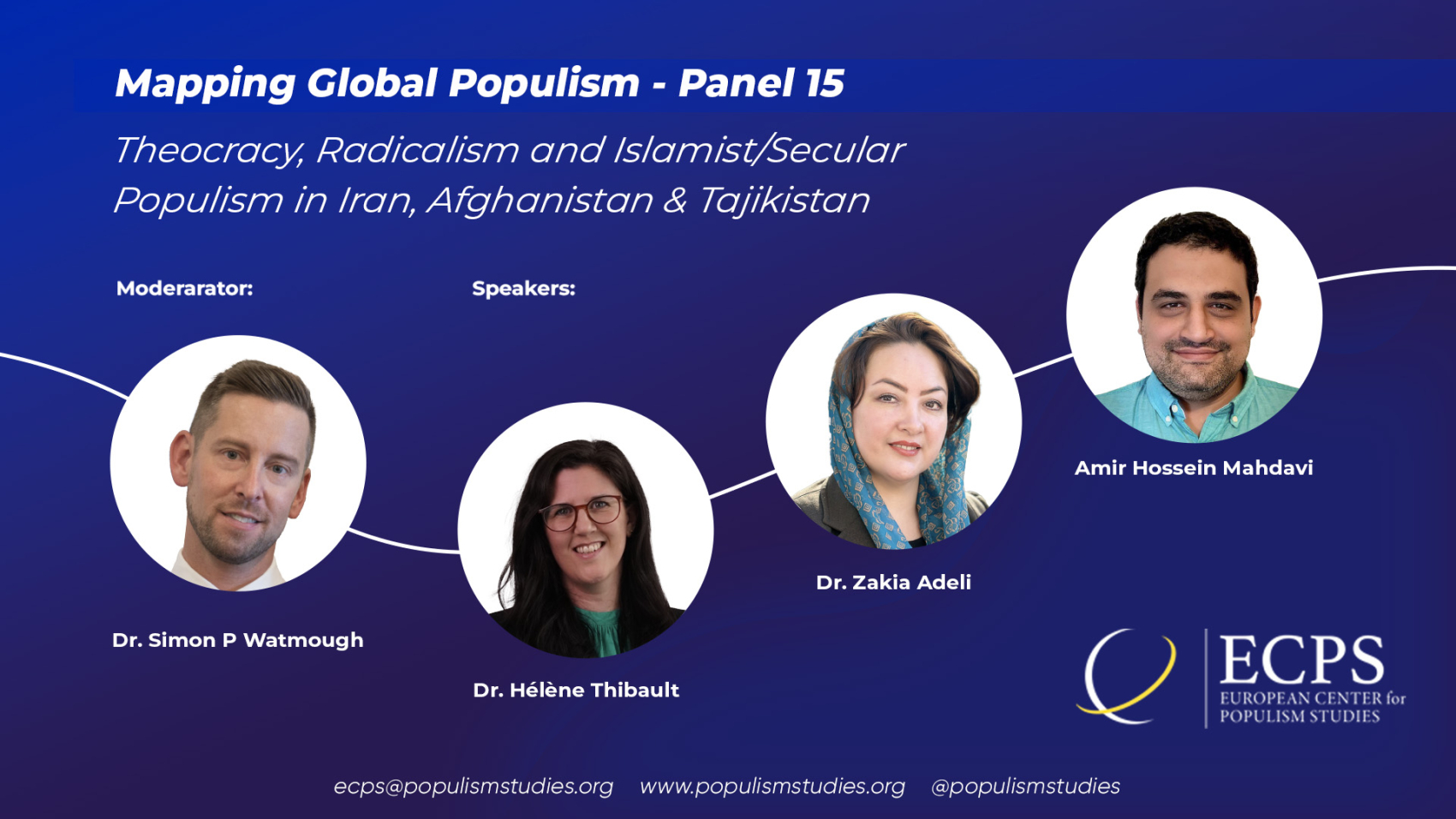
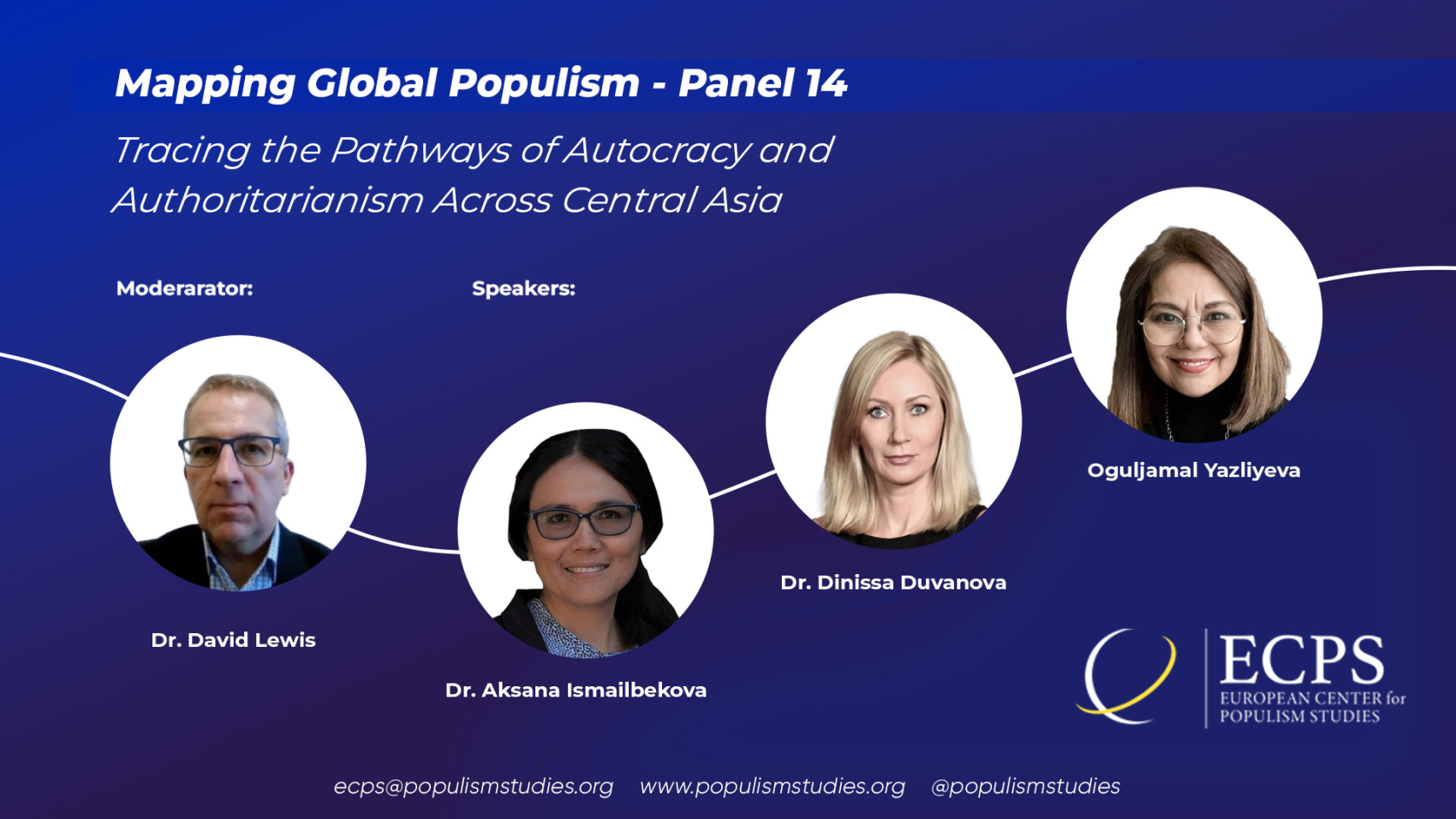
Mapping Global Populism — Panel 11: Forces Shaping Populism, Authoritarianism and Democracy in South Korea, North Korea and Mongolia

Moderator

Dr. John Nilsson-Wright

(Associate Professor in Modern Japanese Politics and International Relations at University of Cambridge).

Speakers

“Discourse Regimes and Liberal Vehemence,” by Dr. Joseph Yi (Associate Professor of Political Science at Hanyang University, Seoul).

“Foreign Threat Perceptions in South Korean Campaign Discourse: Japan, North Korea and China,” by Dr. Meredith Rose Shaw (Associate Professor, Institute of Social Science, The University of Tokyo).

“Transformation of Populist Emotion in Korean Politics from 2016 to 2024,” by Dr. Sang-Jin Han (Emeritus Professor of Sociology, Seoul National University). 

“Nationalism and Resilience of Authoritarian Rule in North Korea,” by Dr. Junhyoung Lee (Research Professor in the School of International Relations at the University of Ulsan, South Korea).

Populist Nationalism as a Challenge to Democratic Stability in Mongolia,” by Dr. Mina Sumaadii (Senior Researcher at the Sant Maral Foundation, Ulaanbaatar, Mongolia).

Neil Robinson

Professor Neil Robinson: Evolution of Putinism as ‘Collective Putin’ Reshapes Russian Politics

Professor Neil Robinson expresses his concerns regarding a potential escalation in the crackdown on dissent, heightened control measures, intensified efforts to label domestic opponents as foreign agents or traitors, and increased indoctrination through the education and media systems following Vladimir Putin’s resounding victory in the recent election. Additionally, he underscores the notion that Putin does not operate alone at the apex of power but rather is bolstered by a circle of allies. Robinson argues, “While this has always been true, there’s now an effort to transform this ‘collective Putin’ into more than just a hegemonic identity that Russians are expected to adhere to; it’s becoming a true collective, an unquestionable identity. Thus, the expansion of these dynamics may lead us to reconsider Putinism as something distinct from official populism.”

Interview by Selcuk Gultasli

In a landscape characterized by shifting power dynamics and heightened political tensions, Professor Neil Robinson, a distinguished scholar of Comparative Politics at the University of Limerick, offers profound insights into the evolving nature of Putinism and its ramifications for Russian politics. In an exclusive interview with the European Center for Populism Studies (ECPS), Professor Robinson delves into the intricate layers of Vladimir Putin’s regime, shedding light on the mechanisms through which power is consolidated and dissent suppressed.

Professor Robinson’s analysis underscores a fundamental shift in the dynamics of Putinism, emphasizing the emergence of what he terms as the ‘collective Putin.’ Contrary to conventional perceptions of Putin as a solitary figure at the helm, Professor Robinson elucidates how Putin operates within a circle of allies, transforming this collective into an unquestionable identity for the Russian populace. He warns against overlooking this transformation, asserting that it signifies a departure from traditional notions of official populism, warranting a re-evaluation of Putinism as a distinct political phenomenon.

Moreover, Professor Robinson highlights his concerns regarding an escalation in the crackdown on dissent, heightened control measures, intensified efforts to label domestic opponents as foreign agents or traitors, and increased indoctrination through the education and media systems in the aftermath of Vladimir Putin’s decisive victory in the recent election.

Drawing from his extensive research, Professor Robinson elucidates the evolution of populist rhetoric in Russia, contextualizing it within broader political frames such as constitutional order and legality. He delves into the strategic deployment of these discourses to stabilize regime hybridity, putting forward how they interact to shape the political landscape. Robinson’s nuanced analysis dispels simplistic characterizations of Putinism, emphasizing its complex ideological layers rather than a cohesive doctrine. He cautions against dismissing Putinism as devoid of ideology, highlighting its profound impact on political discourse and policy formulation.

Professor Robinson provides critical insights into the intersection of official populism with cultural themes, probing its implications for addressing the material needs of diverse social groups within Russia. He explains how the cultural-centric approach adopted by the regime has ramifications for economic development and social cohesion, underscoring the inherent tensions between the cultural narrative of official populism and the economic realities faced by the populace.

Furthermore, Professor Robinson examines the strategies employed by Putin to consolidate power domestically and advance Russia’s interests on the global stage. He analyzes the utilization of events such as terror attacks and elections as opportunities to bolster the regime’s position, both domestically and internationally. Professor Robinson’s comprehensive analysis offers invaluable insights into the complexities of contemporary Russian politics, providing a nuanced understanding of Putinism and its implications for the trajectory of the Russian state.

Here is the transcription of the interview with Professor Neil Robinson with some edits.

Symposium3ClosingSession

Third Symposium / Closing Session: Economic Implications of Rising Populism and Multipolarity

The Third Annual International Symposium on “The  Future of Multilateralism Between Multipolarity and Populists in Power”

Closing Session

Economic Implications of Rising Populism and Multipolarity

Moderator

Dr. Patrick HOLDEN (Associate Professor in International Relations at School of Society and Culture, University of Plymouth).

Speaker

“Demise of Multilateralism and Politicization of International Trade Relations and the Multilateral Trading System,” by Dr. Giorgio SACERDOTI (Professor of Law, Bocconi University; Former Chairman of the WTO Appellate Body).

Closing Remarks

Dr. Cengiz AKTAR (Adjunct Professor of Political Science at the University of Athens and ECPS Advisory Board Member).

Symposium

The Third Annual International Symposium on “The Future of Multilateralism Between Multipolarity and Populists in Power”

Day I (March 19, 2024)

Opening Session

Welcome Remarks

Dr. Ibrahim OZTURK

(Professor of Economics at the Institute of East Asian Studies, University of Duisburg-Essen and ECPS Senior Researcher).

Opening Speech

Irina VON WIESE (Honorary President of the ECPS).

Moderator

Dr. Simon P. WATMOUGH (Non-Resident Fellow in the Authoritarianism Research Program at ECPS).

Keynote Speech

“The Implications of Rising Multipolarity for Authoritarian Populist Governance, Multilateralism, and the Nature of New Globalization,” by Dr. Barrie AXFORD (Professor Emeritus in Politics, Centre for Global Politics Economy and Society (GPES), School of Social Sciences and Law, Oxford Brookes University).


Panel -I-

Interactions Between Multilateralism, Multi-Order World, and Populism

Moderator

Dr. Albena AZMANOVA (Professor, Chair in Political and Social Science, Department of Politics and International Relations and Brussels School of International Studies, University of Kent).

Speakers

“Reimagining Global Economic Governance and the State of the Global Governance,” by Dr. Stewart PATRICK (Senior Fellow and Director, Global Order and Institutions Program, Carnegie Endowment for International Peace).

“Multipolarity and a post-Ukraine War New World Order: The Rise of Populism,” by Dr. Viktor JAKUPEC (Hon. Professor of International Development, Faculty of Art and Education, Deakin University, Australia; Faculty of Economics and Social Sciences, Potsdam University, Germany).


Panel -II-

The Future of Democracy Between Resilience & Decline

Moderator

Dr. Nora FISHER-ONAR (Associate Professor of International Studies at the University of San Francisco).

Speakers

“The Impact of Populist Authoritarian Politics on the Future Course of Globalization, Economics, the Rule of Law and Human Rights,” by Dr. James BACCHUS (Distinguished Professor of Global Affairs; Director of the Center for Global Economic and Environmental Opportunity, School of Politics, Security, and International Affairs, University of Central Florida, Former Chairman of the WTO Appellate Body).

“Resilience of Democracies Against the Authoritarian Populism,” by Dr. Kurt WEYLAND (Mike Hogg Professor in Liberal Arts, Department of Government University of Texas at Austin).

“Global Trends for Democracy and Autocracy: On the Third Wave of Autocratization and the Cases of Democratic Reversals,” by Dr. Marina NORD (Postdoctoral Research Fellow at V-Dem Institute, University of Gothenburg).


Day II (March 20, 2024)

Keynote Speech

“How Globalization, under Neoliberal Auspices, Has Stimulated Right-wing Populism and What Might Be Done to Arrest That Tendency?” by Dr. Robert KUTTNER (Meyer and Ida Kirstein Professor in Social Planning and Administration at Brandeis University’s Heller School, Co-Founder and Co-Editor of The American Prospect).


Panel -III-

Globalization in Transition

Moderator

Dr. Anna SHPAKOVSKAYA

(Postdoctoral Research Fellow, China Research Analyst at Institute of East Asian Studies, Duisburg-Essen University).

Speakers

“China’s Appeal to Populist Leaders: A Friend in Need is a Friend Indeed,” by Dr. Steven R. DAVID (Professor of Political Science at The Johns Hopkins University).

“Belt and Road Initiative: China’s Vision for Globalization?” by Dr. Jinghan ZENG (Professor of China and International Studies at Lancaster University).

“Predicting the Nature of the Next Generation Globalization under China, Multipolarity, and Authoritarian Populismby Humphrey HAWKSLEY (Author, Commentator and Broadcaster). 

Special Commentator Dr. Ho Tze Ern BENJAMIN (Rajaratnam School of International Studies in Singapore, Coordinator at the China Program, and International Relations Program).

Closing Session

Economic Implications of Rising Populism and Multipolarity

Moderator

Dr. Patrick HOLDEN 

(Associate Professor in International Relations at School of Society and Culture, University of Plymouth).

Speaker

“Demise of Multilateralism and Politicization of International Trade Relations and the Multilateral Trading System,” by Dr. Giorgio SACERDOTI (Professor of Law, Bocconi University; Former Chairman of the WTO Appellate Body).

Closing Remarks

Dr. Cengiz AKTAR 

(Adjunct Professor of Political Science at the University of Athens and ECPS Advisory Board Member).

Symposium3Panel3

Third Symposium / Panel 3: Globalization in Transition

The Third Annual International Symposium on “The Future of Multilateralism Between Multipolarity and Populists in Power”

Moderator

Dr. Anna SHPAKOVSKAYA

(Postdoctoral Research Fellow, China Research Analyst at Institute of East Asian Studies, Duisburg-Essen University).

Speakers

“China’s Appeal to Populist Leaders: A Friend in Need is a Friend Indeed,” by Dr. Steven R. DAVID (Professor of Political Science at The Johns Hopkins University).

“Belt and Road Initiative: China’s Vision for Globalization?” by Dr. Jinghan ZENG (Professor of China and International Studies at Lancaster University).

“Predicting the Nature of the Next Generation Globalization under China, Multipolarity, and Authoritarian Populism” by Humphrey HAWKSLEY (Author, Commentator and Broadcaster). 

Special Commentator Dr. Ho Tze Ern BENJAMIN (Rajaratnam School of International Studies in Singapore, Coordinator at the China Program, and International Relations Program).

Symposium3Keynote2

Third Symposium / Second Keynote Speech Delivered by Professor Robert KUTTNER

Moderator

 Dr. Simon P. WATMOUGH

(Non-Resident Fellow in the Authoritarianism Research Program at ECPS).

Keynote Speech

“How Globalization, under Neoliberal Auspices, Has Stimulated Right-wing Populism and What Might Be Done to Arrest That Tendency?” by Dr. Robert KUTTNER (Meyer and Ida Kirstein Professor in Social Planning and Administration at Brandeis University’s Heller School, Co-Founder and Co-Editor of The American Prospect).

Symposium3Panel2

Third Symposium / Panel 2: The Future of Democracy Between Resilience and Decline

Moderator

 Dr. Nora FISHER-ONAR (Associate Professor of International Studies at the University of San Francisco).

Speakers

“Global Trends for Democracy and Autocracy: On the Third Wave of Autocratization and the Cases of Democratic Reversals,” by Dr. Marina NORD (Postdoctoral Research Fellow at V-Dem Institute, University of Gothenburg).

“Resilience of Democracies Against the Authoritarian Populism,” by Dr. Kurt WEYLAND (Mike Hogg Professor in Liberal Arts, Department of Government University of Texas at Austin).

“The Impact of Populist Authoritarian Politics on the Future Course of Globalization, Economics, the Rule of Law and Human Rights,” by Dr. James BACCHUS (Distinguished Professor of Global Affairs; Director of the Center for Global Economic and Environmental Opportunity, School of Politics, Security, and International Affairs, University of Central Florida, Former Chairman of the WTO Appellate Body).

Symposium3Panel1

Third Symposium / Panel 1: Interactions Between Multilateralism, Multi-Order World, and Populism

Moderator

Dr. Albena AZMANOVA (Professor, Chair in Political and Social Science, Department of Politics and International Relations and Brussels School of International Studies, University of Kent).

Speakers

“Reimagining Global Economic Governance and the State of the Global Governance,” by Dr. Stewart PATRICK (Senior Fellow and Director, Global Order and Institutions Program, Carnegie Endowment for International Peace).

“Multipolarity and a post-Ukraine War New World Order: The Rise of Populism,” by Dr. Viktor JAKUPEC (Hon. Professor of International Development, Faculty of Art and Education, Deakin University, Australia; Faculty of Economics and Social Sciences, Potsdam University, Germany).

Symposium3-OpeningSession

Opening Session of Third Annual International Symposium on “The Future of Multilateralism Between Multipolarity and Populists in Power”

Welcome Remarks

Dr. Ibrahim OZTURK

(Professor of Economics at the Institute of East Asian Studies, University of Duisburg-Essen and ECPS Senior Researcher).

Opening Speech

Irina VON WIESE 

(Honorary President of the ECPS).

Moderator

 Dr. Simon P. WATMOUGH

(Non-Resident Fellow in the Authoritarianism Research Program at ECPS).

Keynote Speech

“The Implications of Rising Multipolarity for Authoritarian Populist Governance, Multilateralism, and the Nature of New Globalization,” by Dr. Barrie AXFORD (Professor Emeritus in Politics, Centre for Global Politics Economy and Society (GPES), School of Social Sciences and Law, Oxford Brookes University).

ShahramAkbarzadeh

Professor Akbarzadeh: Election Results Confirm Iranian Regime’s Legitimacy at Risk, Potentially Non-existent

Reminding that elections are pivotal in justifying Iranian religious leadership and sustaining political legitimacy, Professor Shahram Akbarzadeh emphasizes that the recent turnout data from Iran’s elections serves as a stark wake-up call for authorities. He argues that the low turnout raised serious concerns for the regime’s legitimacy and underscores that the Iranian regime has come to recognize that its legitimacy is significantly at risk, perhaps even non-existent.

Interview by Selcuk Gultasli

Professor Shahram Akbarzadeh, a distinguished Research Professor at the Alfred Deakin Institute, Deakin University, emphasizes that the recent turnout data from Iran’s elections serves as a stark wake-up call for authorities. He underscores the significance of Supreme Leader Ali Khamenei’s consistent emphasis on the necessity of voter participation to validate the regime’s legitimacy. “Elections are pivotal in justifying Iranian religious leadership. Despite its reluctance to relinquish control, the Supreme Leader has adamantly advocated for the continuation of elections, emphasizing their importance in sustaining political legitimacy,” underlines Professor Akbarzadeh.

Iran witnessed its lowest voter turnout since the 1979 Revolution during the parliamentary elections held on March 1, 2024. Conservative politicians secured a dominant position in Iran’s parliament, maintaining control over the Islamic Consultative Assembly despite a record-low turnout amid widespread boycott calls. These results unfolded against the backdrop of heightened tensions following the tragic death of Mahsa Amini, sparking widespread protests that directly challenged the legitimacy of the regime. Akbarzadeh notes, “The low turnout raised serious concerns. The national figure of 41% is alarming, but it’s even more concerning when considering urban centers. For instance, in Tehran, the turnout was approximately 25%, significantly lower than the national average. Only a quarter of eligible voters cast their ballots in Tehran. I think the regime has come to recognize that its legitimacy is significantly at risk, perhaps even non-existent.”

In an exclusive interview with the European Center for Populism Studies (ECPS), Professor Akbarzadeh offers a critical analysis of the regime’s response to societal unrest and the evolving dynamics within the women’s empowerment movement against the backdrop of heightened tensions following the death of Mahsa Amini. Despite the regime’s efforts to suppress opposition, particularly in the aftermath of Mahsa Amini’s killing, Professor Akbarzadeh pays homage to the resilience of Iranian women who continue to defy oppressive norms and assert their rights.

Moreover, Professor Akbarzadeh highlights the consolidation of power by hardliners within the Iranian government and parliament, signaling a concerning homogenization of power in the hands of conservative circles. He underscores the regime’s increasing detachment from the electorate, fueled by a lack of responsiveness to popular demands and a narrowing space for dissent within the Parliament.

Looking ahead, Professor Akbarzadeh also warns of a turbulent future characterized by an increasingly hardline Iran and the potential return of the Trump administration in the US. He cautions against the uncertainty surrounding US policy towards Iran, particularly in light of past decisions that destabilized diplomatic efforts, such as the withdrawal from the nuclear agreement. Against this backdrop, Professor Akbarzadeh emphasizes the need for vigilance and foresight in navigating the complex geopolitical landscape, where the interplay between domestic discontent and international relations shapes the trajectory of Iran’s governance structures.

Here is the transcription of the interview with Professor Shahram Akbarzadeh with some edits.