Volunteers of Rashtriya Swayamsevak Sangh (RSS) on Vijyadashmi festival, a large gathering or annual meeting during Ramanavami a Hindu festival in Ghaziabad, Uttar Pradesh on October 19, 2018. Photo: Pradeep Gaurs.

Saffron Republic – Hindu Nationalism and State Power in India

Kenes, Bulent. (2024). “Saffron Republic – Hindu Nationalism and State Power in India.” ECPS Book Reviews. European Center for Populism Studies. September 22, 2024. https://doi.org/10.55271/br0019


The book edited by Thomas Blom Hansen and Srirupa Roy offers a critical examination of the rise and entrenchment of New Hindutva as a dominant force in Indian politics, providing an in-depth analysis of its implications for democracy, social cohesion, and the secular fabric of the nation. By critically examining the ideological foundations and practices of New Hindutva, the authors reveal the complexities and contradictions inherent in its project of constructing a Hindu majoritarian state. Ultimately, Saffron Republic serves as an essential resource for understanding the broader implications of Hindu nationalism’s ascendancy, particularly its impact on the erosion of democratic principles, the marginalization of minority communities, and the reconfiguration of Indian national identity. The book’s scholarly rigor and interdisciplinary approach make it an indispensable contribution to contemporary debates on populism, nationalism, authoritarianism, and the future of democracy in India.

Reviewed by Bulent Kenes

The book Saffron Republic – Hindu Nationalism and State Power in India, edited by Thomas Blom Hansen and Srirupa Roy, examines the phenomenon of contemporary Hindu nationalism or ‘new Hindutva’ that is presently the dominant ideological and political-electoral formation in India. There is a rich body of work on Hindu nationalism, but its main focus is on an earlier moment of insurgent movement politics in the 1980s and 1990s. In contrast, new Hindutva is a governmental formation that converges with wider global currents and enjoys mainstream acceptance. To understand these new political forms and their implications for democratic futures, a fresh set of reflections is in order. This book approaches contemporary Hindutva as an example of a democratic authoritarianism or an authoritarian populism, a politics that simultaneously advances and violates ideas and practices of popular and constitutional democracy. Therefore, this volume is crucial for understanding the ideological and political transformations within India since the Bharatiya Janata Party (BJP) and Narendra Modi came to power in 2014. 

The book seeks to explore and explain key questions surrounding the rise of Hindutva and its impact on India’s electoral democracy. It examines the causes and consequences of the ascent of Hindu nationalist organizations like the Rashtriya Swayamsevak Sangh (RSS) within a competitive democratic framework. The book also investigates the transition from nationalist mobilization to authoritarian populist governance, questioning what changes when Hindu nationalism becomes the mechanism of rule rather than protest. Additionally, it delves into how civilizational boundaries are defined, the nature of the Indic identity, and what constitutes the Indian way of life—a central concept in civilizational discourse. The book further explores how the core tenets of Hindutva have become ingrained in everyday common sense and widespread sentiment, enabling the BJP to maintain and expand its influence across northern, central, and western India for over three decades. 

The authors, Hansen and Roy, structure the book around four key themes: rule, articulation, inclusion, and violence, each representing a facet of New Hindutva. The discussion of “rule” highlights how the BJP, since coming to power in 2014, has engaged in practices of institutional capture and bypass, filling key positions with ideologically loyal individuals and undermining democratic checks and balances. The theme of “articulation” explores how Hindutva has become embedded in the social and spatial fabric of India, particularly in regions where anti-minority sentiments have been normalized. The “inclusion” theme examines the strategic incorporation of marginalized groups into the Hindutva fold, while “violence” addresses the central role of anti-Muslim violence in the project of Hindu nationalism.

The opening chapter of Saffron Republic, titled “What Is New about ‘New Hindutva’?” by Thomas Blom Hansen and Srirupa Roy, offers a deep exploration of the evolution of Hindu nationalism into a dominant ideological force in contemporary India. Hansen and Roy argue that New Hindutva marks a shift from a movement-based identity project to an institutionalized form of governance embedded within state structures. The chapter traces the transition from the insurgent mass mobilizations of the 1980s and 1990s—often centered around temple-building and religious identity—to the present-day governmental formation known as New Hindutva, which has gained significant institutional power and mainstream acceptance.

The authors emphasize that contemporary Hindu nationalism under New Hindutva differs markedly from its earlier versions. While cultural and religious identity remain central, the movement now also prioritizes economic and foreign policy initiatives. Hansen and Roy contend that New Hindutva embodies a form of democratic authoritarianism or authoritarian populism, paradoxically advancing and undermining democratic principles simultaneously. This governance style utilizes the mechanisms of constitutional democracy to legitimize and entrench its power, while gradually eroding the foundational norms of democratic governance.

The chapter reflects on the scholarly engagement with Hindu nationalism over the decades, noting that earlier studies primarily focused on the movement’s role in social engineering and identity formation. In contrast, the current scholarly focus has shifted to understanding how Hindu nationalism, now embedded in state power, seeks to transform India into a Hindu state. This transformation has led to the consolidation of Hindutva ideology across various societal domains, effectively blurring the distinction between a secular democracy and a majoritarian Hindu state. Overall, this chapter provides a compelling framework for understanding the multifaceted nature of New Hindutva, offering valuable insights into its ideological underpinnings and its efforts to reshape Indian society and politics. The authors’ analysis is both thorough and timely, making it an essential read for anyone interested in the current political landscape of India.

In Chapter 2, “New Hindutva Timeline: September 2013–October 2020” by Ashwin Subramanian, provides a detailed timeline of key events that have shaped the trajectory of New Hindutva, focusing on the period from September 2013 to October 2020. Subramanian highlights significant policy changes, legal reforms, and major incidents that have reinforced the BJP’s ideological project. This chronological overview serves as a useful reference for understanding the political and social milestones of Hindutva’s ascent to power.

In the chapter titled “Normalizing Violence: Lessons from Hindu Nationalist India,” Amrita Basu offers a compelling analysis of the evolving nature and growing normalization of violence under Hindu nationalism in contemporary India. Basu highlights how the RSS and its affiliates, which once orchestrated communal riots through carefully engineered rumors, now rely on decentralized acts of violence fueled by grassroots Hindutva sentiment. This shift reflects a broader societal acceptance of violence, particularly against religious minorities such as Muslims and Christians, as well as Dalits, women, and intellectuals who challenge the prevailing orthodoxy.

Basu argues that this normalization is deeply rooted in the current political environment, where the BJP under Modi has effectively blurred the lines between state and religion. By promoting leaders who endorse violence and enacting laws that implicitly encourage it, the BJP has created a climate where violence is not only tolerated but also justified as a defense of Hindu identity. Basu emphasizes that this violence serves to enforce upper-caste dominance and align Hindu nationalism with Indian nationalism, thereby redefining the boundaries of citizenship and nationhood. The chapter effectively illustrates how this modality of violence impacts not only the immediate targets but also the broader social fabric, signaling to minorities and dissenters that their place in society is conditional on their adherence to Hindu norms. Basu’s analysis is crucial for understanding the implications of Hindutva violence on the reconstitution of social identities and the erosion of democratic principles in India.

In Chapter 4, “Hindutva Establishments: Right-Wing Think Tanks and the Mainstreaming of Governmental Hindutva,” Srirupa Roy examines the transformation of Hindu nationalism into a governing ideology since the BJP’s rise to power in 2014. Roy highlights the pivotal role of right-wing think tanks in this shift, arguing that they have been instrumental in legitimizing and embedding Hindutva within India’s political mainstream. These think tanks function by translating Hindutva themes into the language of governance, connecting nationalist actors with existing power structures, and using strategic visibility and secrecy to advance their agenda. Roy also discusses the concept of “civilizational power,” used by these think tanks to subtly reframe Indian identity around Hindu values while marginalizing non-Hindu communities. This approach allows Hindutva to present itself as both modern and rooted in tradition, appealing to a broad spectrum of the Indian elite. The chapter offers a critical analysis of how Hindu nationalism has moved from the fringes to the center of Indian politics, raising concerns about the implications for democratic governance. Roy’s insights provide a deep understanding of the institutionalization of right-wing populism in contemporary India.

In Chapter 5, titled “New Hindutva and the ‘UP Model,’” Srirupa Roy and Thomas Blom Hansen present a revealing interview with journalist Neha Dixit and filmmaker Nakul Sawhney, exploring the institutionalization of Hindu nationalist ideologies in Uttar Pradesh under Chief Minister Yogi Adityanath. Dixit and Sawhney discuss the normalization of anti-minority violence, the politicization of law enforcement, and the consolidation of a Hindu majoritarian state in the region. The chapter illuminates how previously fringe practices, such as the “Love Jihad” narrative, have become formalized, and how state power is used to target dissenters, particularly Muslims, Dalits, and other marginalized groups. The interview highlights the growing complicity of the police in enforcing Hindutva agendas, the suppression of free speech, and the normalization of media censorship and self-censorship. These insights underscore the broader implications of the “UP Model” as a microcosm of authoritarian populism in India, raising critical concerns about the erosion of democratic principles and civil liberties under the guise of governance.

In Chapter 6, “The Making of a Majoritarian Metropolis: Crowd Action, Public Order, and Communal Zoning in Calcutta,” Ritajyoti Bandyopadhyay explores the historical processes that have transformed Calcutta into a majoritarian city, where Hindu dominance over urban space has become normalized. The chapter traces the marginalization and ghettoization of Muslims following the Partition of India in 1947 and examines how these developments laid the groundwork for the rise of Hindutva in the city. Bandyopadhyay argues that communal zoning and the systematic exclusion of Muslims from key areas have created a “majoritarian common sense” that shapes everyday urban life. The chapter reveals how long-standing societal divisions and tacit violence have facilitated the contemporary rise of Hindutva, making it an integral part of Calcutta’s socio-political landscape. The chapter offers a critical approach on how historical segregation and the normalization of communal identities continue to influence urban governance and electoral politics in the city today.

In Chapter 7, “Social Segregation and Everyday Hindutva in Middle India,” Thomas Blom Hansen provides a nuanced exploration of how Hindutva ideology has been deeply embedded in the everyday life and social structures of northern and western India, particularly in the city of Aurangabad. Through longitudinal fieldwork, Hansen examines the historical and contemporary processes that have led to the spatial and social segregation of Muslims and Hindus, highlighting how the rise of Hindu nationalism has co-opted and amplified pre-existing social divisions. The chapter emphasizes the role of industrial growth in reinforcing these divisions, as Muslims and Dalits were systematically excluded from economic opportunities, further entrenching their marginalization. Hansen argues that Hindutva’s success lies in its ability to adapt to local contexts, merging historical narratives of conflict with contemporary political agendas. This chapter offers a nuanced analysis of how Hindu nationalism has permeated the socio-economic and cultural fabric, as well as the everyday life, of middle India.

In Chapter 8, titled “‘Mitakuye Oyasin – We Are All Related’: Hindutva and Indigeneity in Northeast India,” author Arkotong Longkumer explores the intersection of Hindutva ideology with indigenous traditions in Northeast India and its international dimensions. Longkumer examines how Hindutva seeks to co-opt indigenous identities by aligning them with Hindu cultural and religious frameworks, thereby integrating them into a broader Hindu universe. The chapter delves into the strategic use of indigenous symbols, land, and rituals to strengthen Hindu nationalist narratives, particularly through organizations like the RSS, RIWATCH, and the International Center for Cultural Studies (ICCS), which operate both domestically and internationally. The ICCS, for example, is involved in fostering connections between Hindu nationalism and indigenous movements globally, promoting the idea that Hinduism shares common ground with various indigenous and pagan traditions around the world. This alignment is presented as a form of cultural nationalism that supports a universalizing narrative of Hindutva, while simultaneously challenging the distinctiveness of indigenous practices. Longkumer provides critical insights into how these international linkages reinforce Hindutva’s ideological expansion and cultural appropriation, complicating the relationship between indigenous identities and the homogenizing impulses of Hindu nationalism.

In Chapter 9, “From Castes to Nationalist Hindus: The Making of Hinduism as a Civil Religion,” Suryakant Waghmore explores how Hindutva has transformed Hinduism into a civil religion that merges religious identity with nationalist ideology. Waghmore critiques the common distinction between Hinduism and Hindutva, arguing that Hindutva has not only survived but thrived by integrating caste into a broader nationalist project. The chapter emphasizes how Hindutva strategically co-opts elements of Hinduism, particularly by downplaying caste hierarchies and promoting Hindu solidarity against external threats, such as Muslims and Christians. This transformation aims to create a unified, modernized Hindu identity that aligns with the values of nationalism, equality, and progress. However, Waghmore notes the inherent contradictions in this project, as caste remains deeply entrenched in Hinduism’s social fabric. 

In Chapter 10, “When Hindutva Performs Muslimness: Ethnographic Encounters with the Muslim Rashtriya Manch,” Lalit Vachani provides a critical analysis of the RSS’s Muslim outreach initiative through the formation of the Muslim Rashtriya Manch (MRM, Muslim National Forum). Vachani argues that the MRM’s primary function is not genuine inclusion but rather a performative strategy aimed at projecting a sanitized, compliant version of Indian Muslims that aligns with the RSS’s Hindu nationalist agenda. This chapter highlights how the MRM stages symbolic acts of Muslim participation in Hindu cultural practices to create a narrative of “inclusive Hindutva,” while simultaneously reinforcing the marginalization and secondary citizenship of Muslims. Vachani emphasizes that these performances are primarily designed for a Hindu audience, serving to legitimize the RSS’s broader majoritarian projects and deflect criticism. The chapter exposes the instrumentalization of Muslim identity within the framework of Hindutva, highlighting the complexities and contradictions inherent in the RSS’s outreach efforts.

In Chapter 11, “Violence after Violence: The Politics of Narratives over the Delhi Pogrom,” Irfan Ahmad critically examines the terminology used to describe communal violence, specifically focusing on the events of February 2020 in Delhi, which he argues should be accurately termed a “pogrom” rather than a “riot.” Ahmad challenges the pervasive nationalist epistemology that often equalizes Hindu and Muslim violence, thereby obscuring the significant power imbalances between these communities. He contends that this false equivalence perpetuates a biased narrative that overlooks the systematic nature of anti-Muslim violence in India. By engaging with historical and contemporary examples, Ahmad illustrates how this nationalist framework shapes both academic discourse and public perception, ultimately contributing to the ongoing marginalization of Muslims. The chapter is a powerful critique of the ways in which language and narrative are manipulated to serve political ends, emphasizing the need for precise terminology to understand and address the root causes of communal violence.

In Chapter 12, “Development: India’s Foundational Myth,” Mona Bhan critically explores the Indian government’s abrogation of Articles 370 and 35A in August 2019, which stripped Jammu and Kashmir of its semi-autonomous status. Bhan argues that this move was justified under the guise of promoting development, yet it is deeply rooted in a settler-colonial agenda aimed at erasing Kashmir’s Muslim-majority identity. The chapter challenges the myth that Kashmir is economically backward and dependent on India, revealing how this narrative has historically been used to legitimize Indian occupation and control. Bhan delves into how development has been weaponized as a tool of demographic warfare, with the intent to displace Kashmiri Muslims and alter the region’s cultural and religious landscape. Through a detailed examination of the economic, political, and ecological impacts of India’s policies in Kashmir, the chapter exposes the broader implications of India’s authoritarian turn under the Modi regime, which seeks to transform Kashmir into a Hindu-majoritarian state.

Although it contains editorial weaknesses, such as unnecessary and lengthy details about the weird speaking style of a Hindu peasant who built a shrine on land that a Muslim saint (pir), who frequently appeared in his dreams, claimed to belong to him in the past, Parvis Ghassem-Fachandi’s Chapter 13, titled “Pratikriya, Guilt, and Reactionary Violence,” offers a critical examination of the 2002 Gujarat pogrom. The chapter focuses on the politics of narrative, particularly the use of terms like “riot” and “pratikriya” (natural reaction) to downplay the severity of anti-Muslim violence. Ghassem-Fachandi argues that such terminology obscures the organized and premeditated nature of the violence, reframing it as a spontaneous response to the Godhra train incident. This narrative shift, he suggests, absolves Hindu perpetrators while placing collective blame on the Muslim community. The chapter also explores the broader socio-political implications, highlighting how this framing facilitated Narendra Modi’s rise to power by exploiting communal tensions and solidifying a majoritarian Hindu identity in Gujarat. Ghassem-Fachandi contends that the lack of public discourse on guilt and accountability has entrenched social divisions and normalized violence in the state’s political landscape.

Overall, Saffron Republic offers a critical examination of the rise and entrenchment of New Hindutva as a dominant force in Indian politics, providing an in-depth analysis of its implications for democracy, social cohesion, and the secular fabric of the nation. The contributors to this volume illuminate how Hindu nationalism have evolved from a fringe movement into a governmental ideology, now deeply embedded within state structures and mainstream political discourse. Through a comprehensive exploration of various regional and national contexts, the book highlights the pervasive influence of Hindutva on India’s socio-political landscape, including the normalization of violence, communal segregation, and the strategic manipulation of narratives that obscure state complicity in acts of violence.

By critically examining the ideological foundations and practices of New Hindutva, the authors reveal the complexities and contradictions inherent in its project of constructing a Hindu majoritarian state. Ultimately, Saffron Republic serves as an essential resource for understanding the broader implications of Hindu nationalism’s ascendancy, particularly its impact on the erosion of democratic principles, the marginalization of minority communities, and the reconfiguration of Indian national identity. The book’s scholarly rigor and interdisciplinary approach make it an indispensable contribution to contemporary debates on populism, nationalism, authoritarianism, and the future of democracy in India.


Thomas Blom Hansen & Srirupa Roy. (2022). Saffron Republic – Hindu Nationalism and State Power in India. Cambridge University Press. 330 pp. $99.99, ISBN: 978-1009100489, DOI: https://doi.org/10.1017/9781009118873

Illustration: Design Rage.

A World of Insecurity: Democratic Disenchantment in Rich and Poor Countries

Nguijoi, Gabriel Cyrille. (2024). “A World of Insecurity: Democratic Disenchantment in Rich and Poor Countries.” ECPS Book Reviews. European Center for Populism Studies. September 19, 2024. https://doi.org/10.55271/br0018


In this book, Professor Pranab Bardhan examines the complex interplay between economic and cultural insecurities through a mixture of empirical data and comparative case studies covering different socio-political backgrounds. It emphasizes populist politics by capitalizing on widespread feelings of vulnerability and disenchantment with traditional democratic institutions. Bardhan argues that populists tend to adopt a simplified, emotive rhetoric that appeals to fears of economic displacement, cultural loss, and existential threats, thereby circumventing nuanced, evidence-based discussions on the actual causes of insecurity. Unlike many studies that narrowly focus on economic inequality as the sole driver of populism, Bardhan’s work explores the broader spectrum of insecurities-economic, cultural, and existential-that foster democratic disenchantment. This book makes a significant contribution to the literature by providing a comprehensive, interdisciplinary analysis that enhances our understanding of the multifaceted challenges facing democracies today.

Reviewed by Dr. Gabriel Cyrille Nguijoi 

How do global societies navigate the increasing complexities and contradictions inherent in democratic governance amidst rising insecurity? What roles do economic anxieties, and cultural tensions play in shaping populist movements across the world? Why is understanding the multifaceted forms of insecurity essential to diagnosing the current democratic crisis? What drives citizens, particularly in diverse socio-political contexts, to place their trust in authoritarian figures who promise stability and protection? 

These are the pressing questions that Pranab Bardhan, Distinguished Professor Emeritus of Economics at the University of California, Berkeley, addresses in his critical work, A World of Insecurity: Democratic Disenchantment in Rich and Poor Countries. Published by Harvard University Press in 2022, Bardhan’s book offers a comprehensive exploration of the factors driving democratic backsliding and the erosion of civic norms across both developed and developing countries. Drawing on a wealth of empirical data and comparative case studies, Bardhan challenges the prevailing assumption that rising inequality is the sole driver of democratic disenchantment, proposing instead that a broader and deeper sense of insecurity-economic, cultural, and existential is at the core of this global phenomenon. Through a rigorous interdisciplinary approach, Bardhan offers a nuanced analysis that bridges the divide between the experiences of rich and poor countries, demonstrating that the threats to democracy are both universal in their essence and unique in their manifestation.

Bardhan’s exploration begins with an incisive critique of the commonly held belief that economic inequality is the predominant cause of democratic erosion. While acknowledging the importance of inequality, Bardhan shifts the focus toward a more complex web of insecurities that underlie the current discontent with democratic governance. He argues that economic insecurity, which includes job loss, wage stagnation, and the erosion of social safety nets, has fundamentally altered the political landscape in both wealthy and poorer nations. Drawing from recent data from the V-Dem Institute, Freedom House, and other democratic indexes, he notes that the world is witnessing a dramatic rise in “autocratization” with liberal democracies declining in number and influence. Autocracies now govern the majority of the world’s population, and only a small fraction of people live in countries that are becoming more democratic. The author’s argument is that this is not simply the result of increased economic inequality but is deeply tied to broader insecurities that extend beyond the economic domain, encompassing cultural, social, and even existential dimensions.

The book meticulously dissects the interplay between economic insecurity and cultural anxieties. Bardhan emphasizes that the economic anxieties triggered by globalization, automation, and technological disruptions have been compounded by cultural insecurities related to immigration, national identity, and perceived threats to social cohesion. He examines the populist backlash against globalization, noting that while there has been some decline in international trade due to geopolitical tensions and supply chain disruptions, the more significant issue is the perceived cultural threat posed by immigrants and minorities. Bardhan draws on case studies from various countries, including the United States, India, Brazil, and European nations, to illustrate how populist leaders exploit these insecurities to foster support for authoritarian measures. He highlights how figures like Donald Trump, Narendra Modi, Jair Bolsonaro, Viktor Orbán, and Recep Tayyip Erdogan have utilized nationalist rhetoric, historical grievances, and cultural myths to galvanize support and undermine democratic norms. By framing their leadership as a defense against external and internal enemies, these leaders create a narrative of existential threat that justifies the erosion of democratic institutions and civil liberties.

Bardhan’s analysis is particularly compelling in its examination of the dynamics of “majoritarianism” and the way populist leaders manipulate democratic processes to entrench their power. He provides a thorough critique of how elected leaders in countries such as India, Hungary, Turkey, and the United States have systematically undermined judicial independence, curtailed press freedom, and eroded checks and balances to consolidate authority. He argues that these leaders exploit cultural insecurities, presenting themselves as defenders of the “real” people against corrupt elites and dangerous minorities. This tactic resonates strongly with populations experiencing rapid social and economic change, who feel their traditional ways of life are under threat. The author presents evidence that these populist strategies are often successful in garnering mass support, especially in environments where economic insecurities are compounded by cultural fears of displacement and loss.

In addition to his analysis of populism and majoritarianism, Bardhan also tackles the growing attraction to authoritarian capitalism, particularly the “China model.” He explores how China’s perceived economic success has led to a fascination with authoritarian governance in many parts of the world, both among political elites and ordinary citizens who are disillusioned with democratic performance. He critiques the simplistic binary of democracy versus authoritarianism, arguing that the success of the Chinese model is not purely a result of its authoritarian nature but is also due to specific historical, institutional, and policy factors that are not easily replicable elsewhere. He points out that many democratic countries have adopted elements of state-led capitalism, such as strategic state investments in key industries, without abandoning democratic governance. Bardhan thus challenges the notion that authoritarianism is necessary for economic development, arguing instead for a democratic governance model that incorporates strong state capacity and effective public policies to promote social and economic stability.

Throughout the book, he skillfully combines theoretical insights with empirical data to support his arguments. He uses a wealth of examples from different regions to illustrate the universality and specificity of democratic disenchantment. For instance, he draws parallels between the cultural nationalism of Modi’s (India), which seeks to marginalize religious and ethnic minorities, and Trump’s (America), where the rhetoric of “America First” has been used to justify exclusionary policies and undermine democratic norms. The author’s global perspective is one of the major strengths of the book, as it allows him to highlight both the commonalities and differences in the experiences of democratic backsliding across various contexts.

The interdisciplinary approach is another notable feature of Bardhan’s book. He draws on insights from economics, political science, sociology, and cultural studies to provide a comprehensive understanding of the forces driving democratic erosion. His discussion of the economic dimensions of insecurity, such as the impact of globalization and automation on job security and wages, is particularly illuminating. Bardhan also explores how cultural insecurities are intertwined with economic anxieties, as people who feel left behind by economic changes often perceive themselves to be culturally marginalized as well. This dual focus on economic and cultural insecurity provides a more nuanced understanding of the populist challenge to democracy, as it shows how these two forms of insecurity reinforce each other to create a fertile ground for authoritarianism.

His discussion of potential solutions to the democratic crisis is just as thorough and well-founded. He advocates for a rejuvenation of social democracy as a viable alternative to both unfettered capitalism and authoritarian populism. Bardhan argues that social democracy, with its emphasis on social justice, economic security, and democratic participation, offers a path forward that can address the insecurities driving democratic discontent. He suggests that social democrats must reorient their policies to better address the needs of those who feel left behind by globalization and technological change. This includes advocating for policies such as universal basic income, progressive taxation, and public investment in education, healthcare, and infrastructure. He also emphasizes the importance of strengthening democratic institutions and promoting civic engagement to counter the influence of populist narratives and rebuild trust in democratic governance.

However, Bardhan does not shy away from acknowledging the challenges and limitations of his proposed solutions. He recognizes that the revival of social democracy will require significant reforms in welfare states, labor markets, and public finance, which may be politically difficult to achieve, especially in contexts where democratic institutions are already weakened. He also discusses the challenges of implementing social democratic policies in countries with weaker state capacity and more polarized political environments. He provides a critical examination of the obstacles to policy implementation, including resistance from powerful vested interests, bureaucratic inefficiencies, and the complexity of coordinating policy efforts across different levels of government. The author’s recognition of these challenges adds depth to his analysis and prevents it from becoming overly idealistic.

The book concludes with a reflection on the future of democracy in an age of insecurity. Bardhan reiterates his argument that the current crisis is not merely a result of economic inequality but is rooted in deeper insecurities that cut across economic, cultural, and social dimensions. He calls for a renewed commitment to democratic values and institutions, emphasizing that the solution to democratic disenchantment lies not in abandoning democracy but in reimagining it to meet the challenges of the twenty-first century. Bardhan’s call for a rejuvenation of social democracy is both a critique of current democratic practices and a hopeful vision for the future. He argues that by addressing the insecurities that fuel populism, democracies can be revitalized and made more resilient to the challenges they face.

Overall, Bardhan’s book A World of Insecurity: Democratic Disenchantment in Rich and Poor Countries is a thought-provoking and timely contribution to the literature on democratic erosion and populism. It offers a fresh perspective on the current democratic crisis by shifting the focus from inequality to insecurity and provides a nuanced analysis of the complex forces driving democratic disenchantment around the world. The book’s comparative approach, interdisciplinary method, and focus on both developed and developing countries make it a valuable resource for scholars, policymakers, and anyone interested in understanding the future of democracy. While Bardhan’s call for a revival of social democracy is compelling, his analysis also serves as a sobering reminder of the challenges involved in achieving such a transformation. The book is a must-read for those seeking to understand the underlying causes of democratic backsliding and the potential pathways to democratic renewal in an age of uncertainty and insecurity.


Bardhan, P. (2022). A World of Insecurity: Democratic Disenchantment in Rich and Poor Countries. Harvard University Press. 240 pp. Hardcover €25.95, ISBN 9780674259843

YaschaMounk Thumbnail

Professor Mounk: Second Trump Presidency Could Be Even More Dangerous Than His First

Professor Yascha Mounk observes that many Americans perceive the Democratic Party as being out of sync with mainstream values and believe that Kamala Harris is too progressive, while fewer think Donald Trump is too conservative. He suggests that Democrats should consider making cultural concessions that align with public opinion, particularly where common sense prevails. Mounk presents two very different scenarios in the event of Trump’s victory on November 5. On one hand, he notes that Trump’s first term, though damaging and chaotic, was perhaps less consequential than some, including Mounk himself, feared in 2016. On the other hand, Mounk offers a sobering analysis of what a second Trump term could mean for the future of the US.

Interview by Selcuk Gultasli

In a comprehensive interview with the European Center for Populism Studies (ECPS) on Tuesday, Dr. Yascha Mounk, Professor of the Practice of International Affairs at Johns Hopkins University’s School of Advanced International Studies and founder of Persuasion—an online magazine dedicated to defending the values of free societies—delivers a compelling analysis of the rise of populism and its implications for the future of democracy. Professor Mounk identifies three key drivers that have contributed to the rise of populism in the United States: the stagnation of living standards for ordinary citizens, rapid cultural and demographic transformations, and the rise of the internet and social media. These factors, he argues, have collectively fueled a sense of disillusionment and alienation among significant segments of the population, creating fertile ground for populist leaders like Trump to thrive.

As the November 5, 2024, US presidential election approaches, the stakes have never been higher. With Donald Trump’s re-election campaign gaining momentum, Professor Mounk states that ‘there are two very different prognostications. On one hand, you could argue that Trump was in power for four years, which turned out to be damaging and chaotic, but perhaps less consequential than some of us, including myself, feared in 2016’. He also offers a sobering analysis of what a second Trump term could mean for the future of the United States. He reflects on the evolution of Trump’s political influence, noting that “Trump now has about a 45% chance, according to betting markets, of regaining power,” highlighting the tight race and the potential consequences of his victory. Touching on the potential consequences of a second Trump presidency, Professor Mounk warns that while Trump’s first term was damaging, his probable second term could be even more dangerous given his increased experience, a loyal base within the Republican Party and a desire for retribution against institutions he believes hindered his first administration. The risks to American democracy, Professor Mounk suggests, are substantial, and the outcome of the 2024 election could have long-lasting implications for the country’s political landscape.

Reflecting on the broader debate about the resilience of democracies in the face of populist threats Professor Mounk acknowledges the strengths that have allowed American democracy to endure, while he also cautions against complacency, noting that the challenges posed by populism are far from over. Mounk points out that Trump’s four years in office, while chaotic, were mitigated by the resilience of American institutions, including the federal system and the economy. 

One of the central themes of the discussion in the interview is the impact of the changing demographic landscape on American politics. Professor Mounk notes that while immigration and demographic change are related, they are conceptually distinct phenomena. He argues that frustration over perceived loss of control—over borders and the cultural direction of the country—has been a significant driver of populist sentiment. This has been particularly evident in the case of Trump, whose appeal to voters is deeply rooted in cultural identity politics rather than purely economic concerns. Professor Mounk explains that Democrats had once banked on demographic shifts securing their electoral future, assuming that as the number of non-white voters increased, so too would their dominance. However, this assumption has not played out as expected. “The leftward drift of the Democratic Party has pushed many of these voters away,” Professor Mounk notes, underscoring the complex dynamics that have kept Trump competitive.

Professor Mounk also delves into the evolving media landscape, highlighting the profound shift from traditional broadcast networks to a more fragmented and polarized media environment dominated by social media, podcasts and independent platforms. He expresses concern over the term “misinformation” and how it has been used to suppress certain viewpoints, urging a more nuanced approach to the concept in public discourse. Professor Mounk’s insights provide a timely and critical perspective on the future of democracy in the United States and beyond.

Here is the transcription of the interview with Professor Yascha Mounk with some edits.

Dr. Yascha Mounk, Professor of the Practice of International Affairs at Johns Hopkins University's School of Advanced International Studies and founder of Persuasion—an online magazine dedicated to defending the values of free societies.

Professor Mounk: Second Trump Presidency Could Be Even More Dangerous Than His First

Professor Yascha Mounk observes that many Americans perceive the Democratic Party as being out of sync with mainstream values and believe that Kamala Harris is too progressive, while fewer think Donald Trump is too conservative. He suggests that Democrats should consider making cultural concessions that align with public opinion, particularly where common sense prevails. Mounk presents two very different scenarios in the event of Trump’s victory on November 5. On one hand, he notes that Trump’s first term, though damaging and chaotic, was perhaps less consequential than some, including Mounk himself, feared in 2016. On the other hand, Mounk offers a sobering analysis of what a second Trump term could mean for the future of the US.

Interview by Selcuk Gultasli

In a comprehensive interview with the European Center for Populism Studies (ECPS) on Tuesday, Dr. Yascha Mounk, Professor of the Practice of International Affairs at Johns Hopkins University’s School of Advanced International Studies and founder of Persuasion—an online magazine dedicated to defending the values of free societies—delivers a compelling analysis of the rise of populism and its implications for the future of democracy. Professor Mounk identifies three key drivers that have contributed to the rise of populism in the United States: the stagnation of living standards for ordinary citizens, rapid cultural and demographic transformations, and the rise of the internet and social media. These factors, he argues, have collectively fueled a sense of disillusionment and alienation among significant segments of the population, creating fertile ground for populist leaders like Trump to thrive.

As the November 5, 2024, US presidential election approaches, the stakes have never been higher. With Donald Trump’s re-election campaign gaining momentum, Professor Mounk states that ‘there are two very different prognostications. On one hand, you could argue that Trump was in power for four years, which turned out to be damaging and chaotic, but perhaps less consequential than some of us, including myself, feared in 2016’. He also offers a sobering analysis of what a second Trump term could mean for the future of the United States. He reflects on the evolution of Trump’s political influence, noting that “Trump now has about a 45% chance, according to betting markets, of regaining power,” highlighting the tight race and the potential consequences of his victory. Touching on the potential consequences of a second Trump presidency, Professor Mounk warns that while Trump’s first term was damaging, his probable second term could be even more dangerous given his increased experience, a loyal base within the Republican Party and a desire for retribution against institutions he believes hindered his first administration. The risks to American democracy, Professor Mounk suggests, are substantial, and the outcome of the 2024 election could have long-lasting implications for the country’s political landscape.

Reflecting on the broader debate about the resilience of democracies in the face of populist threats Professor Mounk acknowledges the strengths that have allowed American democracy to endure, while he also cautions against complacency, noting that the challenges posed by populism are far from over. Mounk points out that Trump’s four years in office, while chaotic, were mitigated by the resilience of American institutions, including the federal system and the economy. 

One of the central themes of the discussion in the interview is the impact of the changing demographic landscape on American politics. Professor Mounk notes that while immigration and demographic change are related, they are conceptually distinct phenomena. He argues that frustration over perceived loss of control—over borders and the cultural direction of the country—has been a significant driver of populist sentiment. This has been particularly evident in the case of Trump, whose appeal to voters is deeply rooted in cultural identity politics rather than purely economic concerns. Professor Mounk explains that Democrats had once banked on demographic shifts securing their electoral future, assuming that as the number of non-white voters increased, so too would their dominance. However, this assumption has not played out as expected. “The leftward drift of the Democratic Party has pushed many of these voters away,” Professor Mounk notes, underscoring the complex dynamics that have kept Trump competitive.

Professor Mounk also delves into the evolving media landscape, highlighting the profound shift from traditional broadcast networks to a more fragmented and polarized media environment dominated by social media, podcasts and independent platforms. He expresses concern over the term “misinformation” and how it has been used to suppress certain viewpoints, urging a more nuanced approach to the concept in public discourse. Professor Mounk’s insights provide a timely and critical perspective on the future of democracy in the United States and beyond.

Here is the transcription of the interview with Professor Yascha Mounk with some edits.

There Are Broad Commonalities in the Rise of Populism Across the World

Professor Mounk, thank you very much for joining our interview series. Let me dive right in with the first question. In your analysis, what are the key historical events that have contributed to the rise of populism in the US and how do they compare it to similar movements in other democracies?

Professor Yascha Mounk: I think the best way to approach this topic is by comparing different countries. While different factors play varying roles in different places, there are broad commonalities. In my book The People versus Democracy, published in 2018, I focused on three key factors.

First, there is the stagnation of living standards for ordinary citizens in many democracies, particularly in Western Europe and North America. In the immediate post-war era, people in these democracies felt that their life opportunities were vastly different from those of their parents. That sense of progress is no longer true for most citizens today.

Second, I highlighted the rapid cultural and demographic transformations in many of these countries. This includes ethnic diversification and, for example, the significantly larger role of women in society and greater acceptance of sexual minorities. While these are positive developments, they have also triggered fears among some segments of the population who feel that their social status has declined—they can no longer take for granted the status they once enjoyed.

Third, I discussed the rise of the internet and social media, which has made it easier for populist parties and candidates to build political movements. Social media has also shifted public opinion by making it easier to spread hatred and misinformation.

Today, I would add a fourth factor, which is partially mediated by social media but also relates to a deterioration in governance. This is the perceived distance between ordinary people and the elite. Many citizens feel that elites are not only corrupt in some places but also culturally distant. They live in separate circles and seem to look down on average citizens. This is a factor I didn’t emphasize as much initially, but now I would give it greater weight.

You’ve written extensively about the erosion of democratic norms. How has the US’s unique political culture contributed to the vulnerability of its institutions to populist movements?

Professor Yascha Mounk: Well, again, this is something we’re witnessing in many different countries at the same time, which suggests that a universally relevant factor—social media—plays a significant role. The ability to reach voters directly through social media platforms and make emotional, polarizing appeals has largely contributed to the breakdown of democratic norms. Social media platforms have been instrumental in this process.

When we look specifically at the United States, polarization plays a significant role. The primary system, in particular, makes most Congress members and many Senators more dependent on keeping the goodwill of the 5 to 10% of the population that are decisive in primary elections, rather than appealing to the median voter who decides elections in closely contested seats or states, of which there are not many. This has had a significant impact as well.

Economic inequality is often cited as a driver of populism. To what extent do you believe the economic policies of the last few decades have fueled populist sentiments in the US?

Professor Yascha Mounk: Certainly, the economy plays a role. As I mentioned earlier, it helps explain the erosion of what political scientists call “output legitimacy.” In the past, people might have said, “I don’t fully understand or trust politicians, but they seem to be delivering for us.” Now, many people feel that politicians are not delivering, leading them to question why they should trust them and consider trying something new. The sentiment of “how bad could things get?” is increasingly common.

However, I believe cultural factors likely play a bigger role than economic ones. If economic factors were the primary drivers, you would expect people to vote for populist parties that focus mainly on the economy, perhaps even those on the left. We’ve seen this in Greece with Syriza, where economic concerns were paramount and more recently in Argentina with Javier Milei, where hyperinflation fueled the rise of a right-wing populist movement.

But for the most part, this isn’t the case with leaders like Donald Trump, Marine Le Pen, Narendra Modi and Recep Tayyip Erdoğan. While they do talk about the economy and make economic promises, their primary appeal is cultural. They position themselves as defenders of the moral and religious traditions of a supposed majority—often a real majority—that feels sidelined and believes its preferences haven’t sufficiently shaped the public culture of the country.

Democrats Hold False Assumptions About Demographic Groups in the US

A Trump supporter engages in conversation with a pedestrian at Columbus Circle on October 17, 2020, in New York City. Photo: Ron Adar.

How has the changing demographic landscape in the US influenced the rise of populism and what role does identity politics play in this phenomenon?

Professor Yascha Mounk: We need to distinguish between immigration and demographic change. Immigration plays a significant role in the United States, as well as in many European countries. Most Americans and Europeans are willing to see the benefits of migration and recognize that countries need highly qualified migrants for economic reasons, acknowledging the real benefits they bring. However, opinion polls have shown that, for several decades now, majorities in these populations have preferred less, rather than more, migration. They feel that moderate and established political parties have ignored this preference. The frustration isn’t necessarily with the presence of immigrants but with the sense of having no control over who enters the country and no control over borders. This sentiment has been a big part of Donald Trump’s appeal. In the US, Trump is currently building his case for re-election not only on inflation during the Biden administration but also on the inflow of migrants in recent years. This is a real vulnerability for moderate political parties and a significant reason they’ve lost credibility among ordinary voters.

Demographic change is, of course, related to immigration, but it is conceptually distinct. Here, I would say the problem for moderate political parties, particularly the left in the US, has been a more roundabout one. Democrats had a very demographic view of the electorate, especially during the years when George W. Bush seemed dominant. They latched onto the hope that as the demographic balance in the country shifted, with the number of white voters declining and non-white voters growing, this would ensure inevitable electoral victories for them. However, this hasn’t turned out as expected. It was supposed to secure Hillary Clinton’s win in 2016, yet Donald Trump won the electoral college, even if he didn’t win the popular vote. The same assumption was expected to shift the electorate towards Biden in 2020. While Biden did improve his share of the white vote, Trump significantly increased his share among non-white voters, particularly among Latinos.

This false assumption—that victory was just going to fall into their lap—has been a real strategic problem for Democrats. They believed they could avoid making difficult trade-offs, thinking non-white voters were their base and were very progressive, which led them to think they didn’t need to moderate on any unpopular issues to win. However, this failed to recognize that historically, non-white voters in the Democratic electorate have been more moderate or even conservative than white voters. For instance, conservative white voters likely supported Republicans, but conservative Black or Latino voters often supported Democrats because they didn’t feel welcome in the Republican party. The leftward drift of the Democratic party has pushed many of these voters away and the anticipated demographic majority has not materialized. In fact, many working-class Latinos, some working-class Asian Americans and an increasing number of working-class African Americans are now tempted to vote for the Republican party, which is one of the reasons why Trump continues to be competitive.

This phenomenon isn’t unique to the US. In Brazil, for example, which is majority non-white, if non-white voters systematically refused to vote for Jair Bolsonaro, he would never have won the presidential election. His competitiveness was partly due to strong backing from evangelical non-white voters, including some of the less affluent segments of Brazilian society.

The Term ‘Misinformation’ Should Be Treated with More Skepticism

In your writings, you discuss the role of misinformation and media in the spread of populist ideas. How has the US media landscape, particularly the rise of social media, impacted the populist narrative?

Professor Yascha Mounk: Certainly, there’s been a significant structural transformation in the media landscape, particularly with the diversification of media sources. Fifty or sixty years ago, there were just a few major broadcast networks and most people got their news from them. Then came the introduction of cable news, which began to polarize information sources and made it much easier to broadcast purely partisan opinion programs. This was an important shift.

Then, of course, we saw the rise of social media, podcasts, YouTube channels and even talk radio, which really grew in importance. Today, Fox News isn’t as dominant as it once was. For example, in prime time, Fox News might have an audience of 300,000 to 400,000 viewers, whereas the Joe Rogan podcast can reach 5 to 6 million listeners per episode. Tucker Carlson appears to have even increased his audience since leaving Fox News and distributing his show independently on platforms like YouTube and X (formerly Twitter). This shift helps explain the irresponsible and partisan nature of much of our media today.

At the same time, I’m concerned about the profligate use of the term “misinformation.” Often, we refer to something as misinformation simply because it presents a worldview we disagree with or have misgivings about. Some positions that were censored as misinformation in recent years have turned out to have some truth to them, or at least some plausibility. For example, during the pandemic, scientists who speculated about the possibility that COVID originated from gain-of-function research in labs, potentially due to an inadvertent lab leak, were heavily censored. Now, this theory is taken seriously by mainstream news outlets and many federal agencies in the United States. This was perhaps the most prominent instance where the term “misinformation” was used to shut down a debate, and it should make us more self-critical about how we define and apply the term.

I believe we would benefit from treating the term “misinformation” with more skepticism than it currently receives.

Populism in the US has been linked to a growing distrust in traditional institutions. What socio-political factors do you believe are most responsible for this erosion of trust?

Professor Yascha Mounk: Well, we’ve touched on this issue throughout our discussion. It ties back to several key factors. First, there’s the lack of output performance—people feel that institutions are no longer delivering the results they expect. Then there’s the sense among some segments of the population that they’ve been deprived of the social status they once had and believe they naturally deserve.

Social media also plays a significant role. It’s now easier to highlight the actual failings of governing elites, who have always been imperfect, but whose flaws are much more visible now than in the past. Additionally, social media makes it easier for irresponsible actors to gain influence, to distort the failings of institutions, or to take decisions out of context, making them appear horrendous or obviously incompetent when there might be valid reasons for those actions.

In essence, the factors contributing to the loss of trust in institutions are the same as those driving the rise of populism.

Liberal Democracy Is Still the Only Legitimate Regime

In your article, “The End of History Revisited,” you argue in the conclusion, “It follows that the tempting phrase ‘the end of the end of history’ is, for now, premature.” It seems that you give credit to the thesis of The End of History, do you think the thesis is still valid?

Professor Yascha Mounk: In that article, I argue that it’s important to distinguish between two claims made in Francis Fukuyama’s seminal work. The first claim is that, during the mid-20th century, genuine ideological competitors to liberal democracy existed—namely fascism and communism. Each, in its own way, posed a serious challenge to liberal democracy and presented a consciously articulated alternative vision for legitimate governance. However, these alternatives ultimately failed and they failed catastrophically. By the time Fukuyama was writing, he argued that the only remaining grand theory of legitimate government with genuine international appeal was liberal democracy. This, for him, was the “end of history.” The second, more implicit claim was that liberal democracies would be particularly adept at solving their internal problems and would, therefore, prove to be more stable than those alternative regime forms.

On the first point, I think Fukuyama has largely been proven right—at least so far. I can’t say with certainty that we’ll never see another regime form that can genuinely compete with liberal democracy, but when we look around the world today, it’s clear that liberal democracy remains the only genuinely legitimate regime form. The alternatives each have significant limitations. For example, you have a form of Shia theocracy in Iran, but that doesn’t appeal to anyone outside of the Muslim world, or even outside of the Shia world, and it’s facing significant trouble even within Iran.

You also have strongman leaders like Vladimir Putin in Russia, who might appeal to some authoritarian-leaning individuals around the world, but there’s no global movement to adopt a “Russian model” of governance. Similarly, China is a genuine geopolitical and economic competitor to the West and perhaps a cultural one at some point. However, while the Chinese model might work well in theory, it’s a mess in practice and it’s entirely unclear how it could ever be exported. For instance, would people in Zimbabwe agree to be governed the way China is governed if it meant achieving the same level of wealth and development? Probably yes. But would they agree to let their leaders implement the Chinese model? Likely not, because it’s unclear what that would entail. While they might trust their leaders to centralize power in the way the CCP has in Beijing, they wouldn’t trust them to deliver the same results.

The Chinese model is built on 3,000 years of Mandarin meritocracy, 100 years of a centralized Communist Party and 30 years of a peculiar form of capitalism that claims to be socialist or communist while actually marketizing everything, including retirement and healthcare. It’s entirely unclear what it would mean to replicate this model elsewhere.

This situation highlights the continuing legitimacy of liberal democracy, as even clearly non-liberal and non-democratic regimes often pretend to embody both. There’s currently a lot of intellectual effort in China to argue why China is the true democracy, which you wouldn’t see if there were a self-conscious ideological alternative to the prevailing liberal democratic paradigm.

Where Fukuyama might have been overly optimistic, however, is in his predictions about the stability of liberal democracy at home. While liberal democracy remains the only legitimate regime form with genuine mass appeal worldwide, it is much more embattled and less popular domestically than it was in the past. This, I think, helps explain some of the chaos and uncertainty we are experiencing in our political moment.

In the same article you underline that “While there has of late been extensive speculation about the future of liberal democracies, there has been far less reflection on how dictatorships that issue from populism may fare in the long run.” In the year 2024 where populist movements all over Europe are on the rise, do you think we can now predict the future of populist parties more accurately or is it still very difficult?

Professor Yascha Mounk: Well, it’s clear that populism has become one of the dominant modes of politics today. Populist political parties, particularly those on the right, are now some of the largest political families around the world. In the European Parliament, for example, various incarnations of right-wing populism form a significant bloc and this is mirrored in national parliaments, which are even more consequential.

The critical question is what happens when populists actually win elections and begin to govern. Over the past decades, we’ve seen very different paths in different countries. On one side, you have countries like Venezuela and perhaps Turkey, where populist leaders have undermined democratic institutions to such an extent that free and fair elections are either nonexistent, as in Venezuela, or are in serious doubt, as in Turkey, where it’s questionable whether the opposition can still oust the sitting leader by democratic means.

Secondly, there are countries where populist movements have significantly damaged democratic institutions—limiting free speech, decimating independent institutions—but where elections remain meaningful, though perhaps no longer entirely fair. India, the world’s largest democracy, might be an example of this.

Lastly, there are countries where populists have, at least for now, failed to maintain power. Despite efforts to handicap the opposition, the opposition was able to remove them through elections. This has been the case in Brazil, in Poland and, at least in 2020, in the United States. However, as the American case indicates, this doesn’t necessarily mean it’s the end of the story. For example, betting markets currently give Trump about a 45% chance of regaining power through the ballot box.

So, what we need to recognize is that there is a large variance in outcomes when populists take over. We also need to move away from thinking of democracy in binary terms—either perfect or completely destroyed. Populist victories don’t necessarily mean the imminent death of democracy, but they do often cause serious damage. The extent and lasting impact of that damage depend on a variety of complex social factors.

In your article written back in 2017, “European Disunion- What the rise of populist movements means for democracy,” you argue: “We’ve made real progress in understanding the nature of populism, moderate progress in analyzing its causes, and barely any progress in identifying its potential remedies.” In the year 2024, do you think we now have some remedies or are we at a total loss?

Professor Yascha Mounk: I don’t remember writing that article or that specific line, but I stand by it a hundred percent. Unfortunately, I don’t think much has changed since 2017.

Many Americans Feel the Democratic Party Is Out of Touch with the Mainstream

Before the presidential debate last Tuesday, you wrote that “Americans view Harris as too progressive. Tonight, may be her last best chance to course correct…Harris is on track to lose the election.” What do you think now, after the debate? Will she win the elections or lose it?

Professor Yascha Mounk: Well, as I mentioned earlier, betting markets, the last time I checked, gave Trump about a 45% chance of winning and Harris about a 55% chance. Harris did quite well in the debate. It always helps to remind the American electorate of just how irresponsible and chaotic Donald Trump can be. While he still has a base of supporters, most Americans do not like that approach.

Kamala Harris came across as competent and composed, while Trump made a series of outrageous claims, lost his temper and didn’t control himself well. This certainly helped her significantly. However, the election remains very close and I still believe there are actions Harris and the Democrats could take to increase their chances of victory in November. 

More importantly, to put an end to Donald Trump’s political career and the broader danger posed by his MAGA-inspired politics, we need to build a much broader electoral coalition. This coalition must be strong enough to win a series of elections decisively, forcing the Republican Party to transform itself. And the same is true inversely—if Republicans move to a more moderate stance, they could push Democrats to do the same.

I think it’s fine for Democrats to lean somewhat to the left on economic issues. Most Americans, like most Europeans, want a robust welfare state and policies that ensure wage growth for lower earners, even as they also believe in a market economy and care about economic growth. These priorities can be combined.

However, on cultural issues, it’s clear that many Americans feel the Democratic Party is out of sync with the mainstream. While I don’t personally share that opinion, more Americans believe Kamala Harris is too progressive than think Donald Trump is too conservative. To address this, Democrats, I believe, need to champion the values of inclusion and tolerance, which are non-negotiable. However, they should also make some cultural concessions that align with public opinion, particularly where common sense prevails.

A Second Trump Presidency Could Be Even More Dangerous Than the First

Former US President Donald Trump with a serious look as he delivers a speech at a campaign rally held at the Mohegan Sun Arena in Wilkes-Barre, PA – August 2, 2018. Photo: Evan El-Amin.

What will happen to American democracy if Donald Trump is re-elected on November 5?

Professor Yascha Mounk: There are two very different prognostications. On one hand, you could argue that Trump was in power for four years, which turned out to be damaging and chaotic, but perhaps less consequential than some of us, including myself, feared in 2016. America has certain strengths compared to other democracies, such as the federal system, which distributes power to governors—many of whom would still be Democrats. The system also includes numerous veto points in the legislative process, which made it possible for Democrats, especially after the 2018 midterm elections, to block much of what Trump wanted to do. Additionally, the US economy is sufficiently robust and the media landscape is developed enough that it’s difficult for the state to fully capture it, reducing the incentives to comply with the executive’s dictates. These strengths would likely remain in place.

However, there are also ways in which Trump could be more dangerous now than he was in 2016. Back then, he had no political experience, lacked a trusted team of people who shared his worldview and had limited control over the Republican Party, which at the time included many representatives and senators who were publicly ambivalent and privately disdainful of him. Moreover, Trump did not have a clear sense of the institutional changes he wanted to make.

Now, things are different. He has four years of experience in the executive office, has built a deep bench of loyalists willing to do his bidding from day one and the Republican Party has transformed itself. Many of the people currently in the House of Representatives and a significant number in the Senate ran as Trump Republicans and are much more aligned with his political agenda. Those who weren’t initially aligned have often made a political turn toward him, as it has become a necessity for survival in Republican politics. Trump also has loyalists who served with him in lower positions and now understand how the federal bureaucracy works. Lastly, Trump is out for revenge—he believes the institutions hampered his efforts during his first term and targeted him after he left office. He may now aim to dismantle those institutions to ensure that what he calls the “deep state” can no longer contain him.

These factors suggest that a second Trump presidency could be more dangerous than the first. How much damage he might manage to inflict is difficult to predict and could ultimately depend on various circumstances, including how much discipline he applies to transforming the system—something that, thankfully, remains uncertain.

Academicians like Steven Levitsky and Kurt Weyland argue that democracies have shown, time and again, resilience on the face of populist threat however institutions like V-Dem strongly argue that democracy is under serious threat. Where do you stand in this debate?

Professor Yascha Mounk: Perhaps somewhere in between. It’s interesting to note that some objective metrics for measuring how democratic a country is seem to be holding up better than subjective ratings from institutions like V-Dem or Freedom House. For instance, if you look at how many journalists are in jail, the duration of governments in office, or how often term limits have been repealed, there doesn’t appear to be a significant change. The best research on this topic, in my view, comes from political scientists like Daniel Treisman and Sergei Guriev.

However, these statistics might not fully capture the extent of polarization, the breakdown of informal political norms, or the potential dangers on the horizon. In a country like the United States, for example, we’re certainly not at the point where journalists are being jailed, but we might be two or three steps away from a scenario where newspapers start to fall in line with more authoritarian tendencies.

This recent research provides a necessary and helpful corrective to some of the pessimism in the field, encouraging us to analyze the situation more carefully and perhaps with a bit more optimism that we can navigate through this moment. However, it’s certainly not a reason to stop being alarmed altogether.

NataliaSatyro

Professor Sátyro: Authoritarian Leaders in Brazil Face Fewer Obstacles to Implementing Harmful Strategies

In her deep analysis of the challenges facing Brazil’s democracy under the influence of authoritarian populism, Professor Natália Sátyro, editor of the recently released book “Social Policies in Times of Austerity and Populism – Lessons from Brazil,” highlights the vulnerabilities within Brazilian social policies and democratic institutions. She notes how these weaknesses have allowed authoritarian leaders to introduce harmful strategies with fewer obstacles. As Brazil navigates its political future, Professor Sátyro warns of the potential consequences if such populist strategies persist. She argues that Brazil’s resilience, while notable, will be further tested if global trends toward authoritarian populism continue to gain momentum, particularly with the possibility of leaders like Donald Trump regaining power in other countries.

Interview by Selcuk Gultasli

In an exclusive interview with the European Center for Populism Studies (ECPS), Dr. Natália Guimarães Duarte Sátyro, a professor and researcher at the Post-Graduate Program of Political Science at the Federal University of Minas Gerais (UFMG) in Belo Horizonte, Brazil, provides a deep analysis of the challenges facing Brazil’s democracy under the influence of authoritarian populism. Highlighting the vulnerabilities within Brazilian social policies and democratic institutions, Professor Sátyro notes how these weaknesses have allowed authoritarian leaders to introduce harmful strategies with fewer obstacles.

Reflecting on Brazil’s political landscape, Professor Sátyro emphasizes that while some areas of the country’s social policies are strongly institutionalized, the impeachment of Dilma Rousseff exposed significant fragility in Brazil’s democratic institutions. “They withstood the process, but the effects were significant,” she states, drawing parallels with how populist authoritarian governments in other countries, like the United States and Hungary, have exploited identity-based antagonisms to mask their true predatory interests.

Professor Sátyro also discusses the broader global context, comparing Brazil’s right-wing populist movement with similar movements worldwide. She points out that the post-material issues such as neo-conservatism, gender debates and family roles distinguish the populist radical right from the mainstream right. Additionally, she stresses the inherent anti-democratic nature of the populist radical right’s reliance on fake news and disinformation drawing a connection to the strategies used by Donald Trump in the United States.

As Brazil continues to navigate its political future, Professor Sátyro warns of the potential consequences if similar populist strategies persist. She argues that Brazil’s resilience, while notable, will be tested further if global trends toward authoritarian populism continue to gain momentum, particularly with the possibility of leaders like Trump regaining power in other countries. This interview offers a compelling examination of the complex dynamics at play in Brazil’s ongoing struggle between democratic resilience and the rise of authoritarian populism.

Here is the transcription of the interview with Professor Natália Sátyro with some edits.

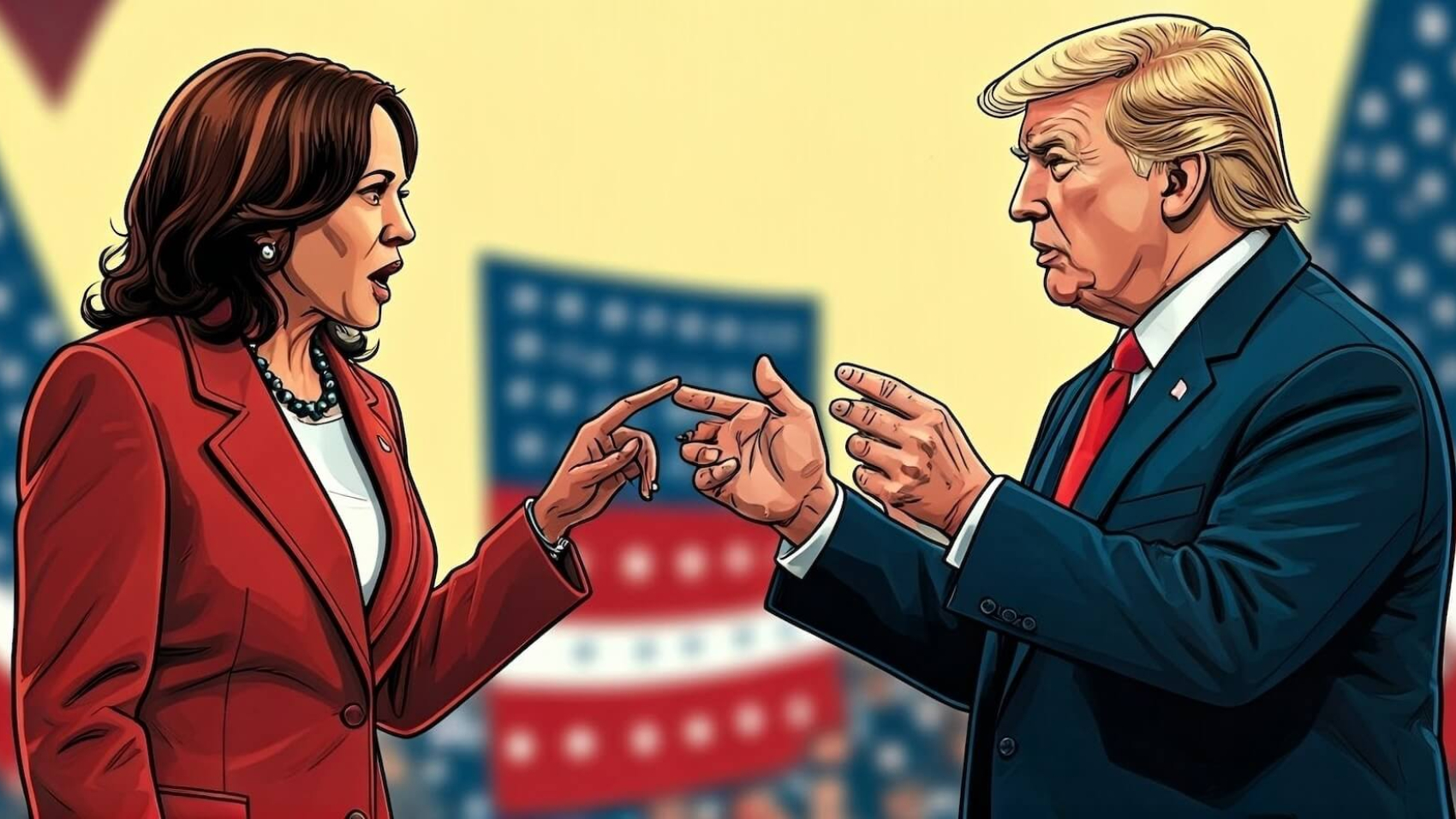
US presidential candidates Kamala Harris and Donald Trump. Photo: Shutterstock.

Revising the Trumpian Legacy in the US Foreign Policy towards Latin America*

DOWNLOAD POLICY PAPER

Please cite as:

Ronco, Massimo & Pretorius, Christo. (2024). “Revising the Trumpian Legacy in the US Foreign Policy towards Latin America.” Policy Papers. European Center for Populism Studies (ECPS). September 16, 2024. https://doi.org/10.55271/pop0003


Abstract 

This paper revisits the legacy of former US President Donald Trump’s foreign policy towards Latin America and the Caribbean (LAC), with a particular focus on economic policies and their long-term impact. It argues that Trump’s policies eroded US soft power in the region and failed to adequately address China’s expanding influence. Although the Joe Biden administration sought to reset US relations with LAC, it retained the bulk of Trump’s protectionist policies, perpetuating ongoing trade volatility and regional instability. This paper emphasizes the need for a revised US economic strategy in Latin America that both counters China’s influence and fosters deeper economic integration across the region. The authors propose three policy scenarios for the future: a more aggressive protectionist stance under a second Trump administration, a continuation of Biden-era policies under potential future Democratic leadership, or a more integrative approach that enhances regional cooperation and infrastructure development.


Authored by Massimo Ronco & Christo Pretorius

Edited by Angelica Lisa Rossi-Hawkins

Introduction 

Although the US influence in Latin America and the Caribbean (LAC) has been undermined by a lack of targeted engagement following the Cold War (McKinley, 2023), at the beginning of Donald Trump’s presidency, US policy choices in LAC rapidly eroded American soft power and compromised the US’s regional interests by inadequately addressing China’s growing regional influence. The paper intends to outline the features of a revised American foreign policy towards LAC by focusing on the economic policies enacted by Trump. The aim of this brief is to provide recommendations on how to develop a strategy to rebuild trust with Latin American countries and prevent China from further increasing its influence on the continent. While the focus is on Trump’s policies, this paper remains highly relevant, as much of the former president’s foreign policy has been maintained by President Joe Biden. Many protectionist policies remain in place – and some tariff barriers and subsidies to national companies have even increased. The paper argues that any responsible economic policy launched in the region should be integrated into a comprehensive strategy which acknowledges that the main obstacle to unlocking the region’s potential as a partner remains the trade volatility between North and Global South economies, in this case, between the US and the LAC. 

The paper’s focus on economic policies is warranted by three considerations. The first is that trade constitutes the foundation for future, deeper cooperation and the conditions for developing political and strategic partnerships (Kehonane & Nye, 2011; Haas, 1964). Second, economic agreements are more palatable to foreign allies. Against the backdrop of Trump’s rhetorical resort to the Monroe Doctrine (PBS NewsHour, 2018), economic policy is perceived as less damaging to state sovereignty than agreements of a political, military or strategic nature. The third reason has to do with the nature of the regimes of some countries in Latin America, which display some socialist tendencies and may offer reduced margins for cooperation in the political or military fields. This paper also emphasizes the connection between the economic policies enacted in the region under Trump and the populist character of the broader strategy from which they emerged, which approaches foreign policy issues as opportunities to appeal to the domestic base (Cadier, 2024; Hall, 2021). 

Revising Trump’s Economic Policy

Although outspoken about how the US would ‘reject the interference of foreign nations in this hemisphere’ during his 2018 address to the United Nations General Assembly (UNGA),  the Trump administration’s general approach to Central and Latin America was marked by a blend of strategic disinterest in the region and isolationist closure, as exemplified by the barriers established at the border with Mexico in 2018 or by Trump’s stated intention of withdrawing from the NAFTA (PBS NewsHour, 2018). The US’s relative indifference to the LAC region is to be contextualized within a progressive loss of appeal following the collapse of the Soviet Union (Campos & Prevost, 2019: 22; Gurtov, 2021), which originally comprised three components: free trade and economic liberalization, democracy and governance, and security. Trump’s rise to power meant the restructuring of such a triad and a weakening of the first two pillars. The economic policy choices made by Trump’s administration were mainly motivated by the desire to correct the terms of trade relations that were considered detrimental to US interests and American workers and to curb the expansion of China’s influence on the continent. 

This paper proposes to revise and mitigate some populist elements of Trump’s foreign policy in the region, which are considered counterproductive and weakening the US influence. 

The first amendable element is the transactional and short-term approach to dealing with trade agreements and, more broadly, the economic issues of the continent. The promise to withdraw from NAFTA and the imposition of tariffs on items like steel and aluminum resulted in negative consequences, as the volatility of Latin American countries’ markets increased due to the uncertainty of access to the US market or aid assistance, Latin American countries became more vulnerable to the Chinese debt trap and, finally, during Trump’s tenure China became Latin America’s largest trading partner, with the exception of Mexico. (Stuenkel, 2020; Roy, 2023). 

The second element worthy of scrutiny is the Trump presidency’s anti-globalist rhetoric and adoption of old-style protectionist policies. Trump’s economic policies were guided by the objective of reducing US dependency on other productive economies, such as China and South Korea, without fully taking into account that reducing dependency does not necessarily translate into autonomy because value chains still have an important global dimension. The result of this approach was a substantial blow to US credibility in the eyes of Latin American countries, even those considered more aligned, such as Brazil. In fact, despite former Brazilian President Jair Bolsonaro’s anti-Chinese stance and ideological affinities with Trump, the US president still imposed barriers on products and metals from Brazil, such as steel and aluminum (Gilardi, 2019).

Assessing Three Policy Options

At the moment of the writing, three policy scenarios can be envisaged: 

The first policy option, likely to be implemented if Trump is elected in the 2024 US presidential elections on November 5, will consist of putting pressure on Mexico to review the United States-Mexico-Canada Agreement (USMCA) in view of its renegotiation scheduled for 2026. In this case, further restrictions on rules of origin would be included with the intention both to bar China from accessing the Mexican market and to continue to shrink trade deflection, which would otherwise allow some imported goods from non-USCMA countries to enter the US market via Mexico without paying tariffs. 

Furthermore, Trump may engage in a trade war with some other countries in the region. He may suspend the Free Trade Agreement (FTA) with Nicaragua if its policies towards illegal migration do not change, while relations with Colombia, the US’s closest partner in the region, which in 2022 saw the first leftist government of the country’s modern history, may cool due to ideological divergences. Likely, the result of the will to impose tariff barriers, introduce reinforced rules of origin and subside the American national industry would damage US interests by precipitating higher domestic inflation, reallocation of market shares towards less efficient domestic producers, lower capital investment, the decline of the demand for domestic goods, and a loss of jobs in the USMCA area.

The second option would be to multiply the number of economic agreements and partnerships in the region while maintaining or doubling down on protectionist policies. This scenario would be most likely in the case of Democratic nominee Kamala Harris’ victory in the presidential elections. As Biden’s vice president with limited previous experience in foreign policy (Ashford & Kroenig, 2024) and with not a dominating character (Jenkins, 2024), Harris may seek to preserve some of Biden’s economic policies in the region, founded on subsidies to national industry, tariffs and “Buy American” rules (White House, 2021). For instance, the new partnerships negotiated by the Democratic presidency, such as the “Americas Partnership for Economic Prosperity” (APEP), did not foresee provisions of preferential access to the US market, thus denying the eleven Latin American countries who signed the pact to benefit from a reduction of tariffs or a significant increase in trade flow (Hufbauer & Hoogan, 2021). If, on the one hand, Biden rejected the populist character of his predecessor’s strategy, on the other hand, he did not substantially change the US’s economic approach, including towards Latin America. Closer economic cooperation between the US and Latin America ties into supranationalist and intergovernmentalist theories of integration, reinforcing regional ties whilst maintaining peace and stability (Leuffen et al., 2022).

The third option, recommended by the writers of this paper, is to implement a set of measures which would aim to offset the disparity of trade relations between Northern and Global South economies. Indeed, in 2023, the relations between the US and Latin American countries were characterized by low levels of trade in comparison with those between the US and other advanced economies, such as European countries or Japan. In other words, Northern American countries record a higher level of economic integration (EI) than Latin American countries. This third scenario would entail a mitigation process of the dragging effect of the protectionist policies enacted by the last two presidencies with the aim of gaining the trust of Latin American countries. One step in this direction would be the enlargement of the USCM, an FTA to which the US, Mexico, and Canada are already signatories, to other Latin American countries (de la Calle, 2023). The USMCA could be extended to Chile, which has a solid market-oriented economy and stable democratic institutions; Panama, which constitutes a major distribution center for goods moving between North and South America; and Costa Rica, given its economic stability, strong regulatory alignment, and existing close ties with the US and Canada. The enlargement of the market would allow Mexico to offset the economic loss derived from the imports coming from extra-USCMA countries, especially the EU and China, by exporting to the FTA products with a higher level of foreign backward participation originating from Costa Rica and Panama.

Secondly, the US should support a modification of the economic agreement, which will discipline the expansion of the free trade area in order to reduce the instability of preferential market access. The targets of the amendments should concern three provisions of the current agreement. The first is the sunset clause, which foresees the agreement’s expiration after sixteen years since its entry into force and a review period after six years, weakening the investors’ trust for long-term investments. Regarding this point, the US should introduce automatic renewal mechanisms and extend review periods to create stability in the markets and members of the USMCA. The second provision concerns the limitation of Investor-State Dispute Settlement (ISDS) to only certain sectors with high upfront costs, including oil and gas. In future negotiations, the US should consider extending the protection to a higher number of economic sectors to provide more guarantees to investors. 

Finally, the third provision established three new rules concerning automotive rules of origin: the extension of the Regional Value Contents (RVCs) to core parts of vehicles, the requirement that 70% of a vehicle’s steel be sourced from North America and, finally, the requirement that the production of 40/45% of a vehicle or a truck occur in factory plants where the Mexican workers’ wage is five to eight times higher than average (Ludovic, 2023: 365). These measures contributed to a decline in investments and a 0.971% reduction in Mexico’s annual real GDP in 2020, other than an estimated loss of US GDP of 0.12% compared to NAFTA (Manak, 2020). There is evidence to suggest the objective of strengthening the North American value chains was not achieved, as, between 2019 and 2022, imports from the USMCA area (29%) rose less than imports from the rest of the world (32%) (Sarukhán et al., 2023). To counter the negative impact of the tightening of the rules of origin, the US should negotiate an enlargement of the USMCA with Chile, Costa Rica, and Panama, as already mentioned above, and provide incentives to small and medium-sized companies of the members of the expanded USMCA.

Thirdly, the US should launch a long-term program of targeted investments in the construction and improvement of infrastructure in Latin American countries. The construction of ports, airports, canals and highways is an essential condition for reaching the objective of offsetting the structural volatility of trade relations between the US and Latin American countries, but also within Latin America. Investments in the infrastructure field would equip Latin American countries with the appropriate platforms, hubs and roads to increase the trade flows within the continent. 

Conclusion

The paper tackled not only the economic policy choices towards Latin America undertaken during Trump’s presidency but, by embracing a broader timeline, analyzed the more problematic subject of the legacy of Trump’s foreign policy in Latin America. Despite Biden’s entry into office and the current president’s stated intention to reset relations with Latin American countries and increase cooperation, relatively scarce attention has been given to the Latin American strategic quadrant in the past four years. 

The fact that after the first six months of the Democratic administration, the position of Assistant Secretary for Western Hemisphere Affairs was still vacant indicates what little priority Latin America has for current US policymakers. As the Western Hemisphere can be considered the US’s “backyard,” it is a region in which the emergence of a hegemonic country – like China- cannot be tolerated, and current US foreign policy does not seem suited to address this challenge. 

This paper emphasized the cruciality of the Latin American strategic quadrant for the US’ interests by recommending a set of economic policy measures which should respond to an organic and coherent economic-strategic logic, aimed at increasing trade flows and boosting regional economic integration. Since the 1950s, scholars have tried to find a solution for the trade volatility between LAC countries and industrialized countries, such as the US or EU. They proposed implementing measures aimed at privileging intra-regional trade and building a regional integration process (Goodman & Schneider, 2023).

Nonetheless, the failure of economic integration from the inside should make the US consider how it can foster both trade flows with LAC countries and favorable conditions for building a regional integration process. Such a strategy would also counter China’s growing influence, derived from their FTAs already negotiated with four countries and the Belt & Road Initiative (BRI) (Duckworth, 2023). Chinese funding for infrastructure projects leveraged LAC countries’ structural need to build a regional integration space to face the low levels of trade with more advanced economies such as the US and EU and the uncertainty of access to their markets. 


(*) This policy paper is based on research conducted by Andrea Sanchez, Angelica Lisa Rossi-Hawkins, Christo Pretorius, Massimo Ronco, and Muhmmed Sihabudheen during the ECPS Case Competition “US Foreign Policy and Populism,” held as part of the ECPS Summer School from July 1-5, 2024. 


Authors’ Biographies

Massimo Ronco is a Researcher and International Policy Analyst with a master’s degree in international studies from Turin and a master’s degree in EU external relations from the Brussels School of International Studies of Kent. He is currently working in Brussels in the field of EU research and project management. In 2023, he became a member of the “German-Italian Young Leaders Dialogue,” a forum promoted by the Italian and German Ministries of Foreign Affairs. Also, in 2023, he obtained a diploma in Geopolitics at the Italian Institute for International Political Studies. His areas of interest and research are geopolitics, US foreign policy, European security, Russian foreign policy, politics and culture of the Middle East, and political philosophy.

Christo Pretorius graduated with an MSc in International Public Policy and Diplomacy from University College Cork and was the first student to receive a postgraduate “Student of the Year” award from the Department of Government. His dissertation was published and acquired by the Bar of Ireland’s Law Library and has gone on to support Irish policymakers. Stemming from his undergraduate degree in Ancient and Medieval History and Culture from Trinity College Dublin, his research interests include the mechanisms for authoritarian power and control, as well as democratic backsliding, particularly when viewed from a historical lens. 

Angelica Lisa Rossi-Hawkins is a second-year Ph.D. researcher at the University of Oxford. Her research primarily concerns studies of masculinity and elite culture in post-WWII Italy. By examining a number of clusters of upper-middle-class male networks of solidarity from 1945 to the mid-1970s, she hopes to understand the fabric of the post-war democratic ‘classe dirigente.’ While working on her thesis, she also continues to research the development of Christian Democratic politics in the 20th century and remains broadly interested in the history of gender, the history of friendship, and – when time allows — 19th and 20th-century art history.


References

— (2018). “Watch: President Donald Trump’s full address to the United Nations General Assembly.” PBS NewsHour.September 25, 2018. https://www.youtube.com/watch?v=wGK4DPn2R58 (accessed on August 9, 2024).

Arnaud, L. (2024). “From NAFTA to USMCA: revisiting the market access – policy space trade-off.” New Political Economy29(3), 356–369. https://doi.org/10.1080/13563467.2023.2260986

Ashford E. & Kroenig M. (2024). “Does Harris Have a Foreign Policy?” Foreign Policy. August 30, 2024. https://foreignpolicy.com/2024/08/30/harris-ukraine-gaza-israel-lebanon-dnc-hezbollah-foreign-policy/ (accessed on August 10, 2024).

Cadier, D. (2023). “Foreign Policy as the Continuation of Domestic Politics by Other Means: Pathways and Patterns of Populist Politicization.” Foreign Policy Analysis20(1). https://doi.org/10.1093/fpa/orad035

Campos, C. O. & Prevost, G. (2019). “The Trump Administration in Latin America: Continuity and Change.” The International Journal of Cuban Studies11(1), 13–23. https://doi.org/10.13169/intejcubastud.11.1.0013

De la Calle, L. (2023). “Time to Analyze Expansion of USMCA? Costa Rica and Uruguay Would Be Potential Candidates.” Wilson Center. January 12, 2023. https://www.wilsoncenter.org/article/time-analyze-expansion-usmca-costa-rica-and-uruguay-would-be-potential-candidates (accessed on August 9, 2024).

Duckworth, E. (2023). “Latin American and Caribbean Participation in China’s Belt and Road Initiative.” Cornell International Affairs Review. 16(1), 115–161. https://doi.org/10.37513/ciar.v16i1.710

Gilardi, J. (2019). “Brazil and Argentina Surprised by Tariff Announcement: What Comes Next?” Atlantic Council. December 3, 2019. https://www.atlanticcouncil.org/blogs/new-atlanticist/brazil-and-argentina-surprised-by-tariff-announcement-what-comes-next/ (accessed on August 9, 2024).

Goodman, L.W. & A. Schneider. (2023). “Conflict, Competition, or Collaboration? China and the United States in Latin America and the Caribbean.” In: Schneider A. & Teixeira A.G. (eds.) China, Latin America, and the Global Economy. Cham: Palgrave Macmillan.  pp 163–185. https://doi.org/10.1007/978-3-031-18026-2_8

Gurtov, M. (2021). America in Retreat. Foreign Policy under Trump. Rowman & Littlefield. 

Haas, E.B. (1964). Beyond the Nation-State: Functionalism and International Organization. Stanford: Stanford University Press.

Hall, J. (2021). “In search of enemies: Donald Trump’s populist foreign policy rhetoric.” Politics (Manchester, England)41(1), 48–63. https://doi.org/10.1177/0263395720935377

Hufbauer, G.C. & Hogan, M. (2023). “Biden Embraces Buy America, Doubles Down on Trade Protection.” Promarket.February 21, 2023. https://www.promarket.org/2023/02/21/biden-embraces-buy-america-doubles-down-on-trade-protection/ (accessed on August 9, 2024).

Jensens, S. (2024). “Kamala Harris is no dominating leader – and that may be her biggest strength.” The Guardian. July 22, 2024. https://www.theguardian.com/commentisfree/article/2024/jul/22/kamala-harris-democrats-us-presidential-election-donald-trump (accessed on August 8, 2024).

Keohane, R. O. & Nye, J. S. (1987). “Power and Interdependence revisited.” International Organization41(4), 725–753. https://doi.org/10.1017/S0020818300027661

Leuffen, D., Rittberger B., & Schimmelfennig F. (2022). “Supranationalism.” In: Integration and Differentiation in the European Union. Palgrave Macmillan: Switzerland, (pp.89-116). https://doi.org/10.1007/978-3-030-76677-1_4  

Manak, I. (2020). “Canada Evaluates USMCA, Raises More Questions than Answers.” CATO Institute. February 28. 2020. https://www.cato.org/blog/canada-evaluates-usmca-raises-more-questions-answers#:~:text=Howe%20Institute%2C%20a%20Canadian%20think,0.097%25%20for%20the%20United%20States. (accessed on August 9, 2024).

McKinley P.M. (2023). “Inflection Point: The Challenges Facing Latin America and U.S. Policy in the Region”. Center for Strategic and International Studieshttps://www.cato.org/blog/canada-evaluates-usmca-raises-more-questions-answers#:~:text=Canada%20Evaluates%20USMCA%2C%20Raises%20More%20Questions%20than%20Answers,-By%20Inu%20Manak&text=This%20week%2C%20Canada%20released%20its,referred%20to%20in%20Canada%2C%20CUSMA (accessed on August 10, 2024).

Roy, D. (2023). “China’s Growing Influence in Latin America, Council on Foreign Relations.” Council on Foreign Relations. June 15, 2023. https://www.cfr.org/backgrounder/china-influence-latin-america-argentina-brazil-venezuela-security-energy-bri (accessed on August 9, 2024).

Sarukhán, A.; Rangel, B.; McCoy, M.; Ciuriak, D. & Huenemann, J.E. (2023). “How Well Is the USMCA Working After Three Years.” The Dialogue. June 22, 2023. https://www.thedialogue.org/analysis/how-well-is-the-usmca-working-after-three-years/#:~:text=Formal%20analysis%20of%20the%20USMCA’s,percent%20compared%20to%20the%20NAFTA (accessed on August 9, 2024). 

Stuenkel, O. (2020). “Trump Drove Latin America Into China’s Arms.” Foreign Affairs, November 13. https://www.foreignaffairs.com/articles/south-america/2020-11-13/trump-drove-latin-america-chinas-arms (accessed on August 9, 2024).

White House. (2021). Biden-⁠Harris Administration Issues Proposed Buy American Rule, Advancing the President’s Commitment to Ensuring the Future of America is Made in America by All of America’s Workers, July 28, 2021. https://www.whitehouse.gov/briefing-room/statements-releases/2021/07/28/fact-sheet-biden-harris-administration-issues-proposed-buy-american-rule-advancing-the-presidents-commitment-to-ensuring-the-future-of-america-is-made-in-america-by-all-of-americas/ (accessed on August 9, 2024).

Further Reading

— (2024). Text – S.3878 – 118th Congress (2023-2024): Americas Act. Congress. March 6, 2024. https://www.congress.gov/bill/118th-congress/senate-bill/3878/text/is (accessed on August 9, 2024).

Cheng, D. (2023). “U.S. Needs to Invest More in Latin America to Counteract China in the Region.” United States Institute of Peace. https://www.usip.org/publications/2023/10/us-needs-invest-more-latin-america-counteract-china-region (accessed on August 9, 2024).

Marczak, J.; Bozmoski, M.F. & Kroenig, M. (2024). Redefining US strategy with Latin America and the Caribbean for a new era. Atlantic Council. February 26, 2024. https://www.atlanticcouncil.org/in-depth-research-reports/report/redefining-us-strategy-with-latin-america-and-the-caribbean-for-a-new-era/ (accessed on August 9, 2024).

Meltzer, J.P. (2021). Developing a roadmap for USMCA success. Brooking’s Institute. https://www.brookings.edu/wp-content/uploads/2021/09/Developing-roadmap-USMCA.pdf (accessed on August 9, 2024).

Photo: Nico El-Nino.

International Conference on ‘Digital Complexity and Disinformation in the Indo-Pacific’

DOWNLOAD CONFERENCE BOOKLET


Click here to register!

We are pleased to announce that the International Conference on ‘Digital Complexity and Disinformation in the Indo-Pacific’ is scheduled to take place on September 25-26, 2024, both online via Zoom and in person in Melbourne. This significant conference is a collaborative effort organized by the Alfred Deakin Institute for Citizenship and Globalisation (ADI) at Deakin University, Australia; the Department of Communication Sciences at Universitas Indonesia (UI); the Institute of Social Sciences and Humanities at the National Research and Innovation Agency (BRIN); the Faculty of Social and Political Sciences at Universitas Gadjah Mada (UGM); the Faculty of Social and Political Sciences at Universitas Muhammadiyah Malang (UMM); the Department of Political Science at Kulliyyah of Islamic Revealed Knowledge and Human Sciences, International Islamic University Malaysia (IIUM); the State Islamic University (UIN) Salatiga; and the European Center for Populism Studies (ECPS) in Brussels, Belgium.

While digital technologies have revolutionized many aspects of our societies, the promises of inclusivity and progress they bring often do not align with the realities on the ground. These technologies are increasingly being exploited as tools for disinformation, political manipulation, and even digital authoritarianism, posing significant challenges to democratic values and social cohesion.

The Indo-Pacific region is particularly susceptible to these challenges, as disinformation and misinformation spread rapidly across digital platforms such as Facebook, Twitter, Instagram, Telegram, and WhatsApp, exacerbating societal divisions. Moreover, political actors often leverage these platforms to silence criticism, control information flows, and even restrict access to critical digital infrastructure to consolidate their power.

The discussions during this international conference will explore the complex interactions between digital technologies, cyberspace, social media platforms, and political dynamics in the region. Scholars, practitioners, and policymakers from various institutions will offer insights into the impacts of digital disinformation and explore pathways to counter these challenges while promoting digital literacy and inclusivity.

This conference is made possible through the generous support of the Australian Research Council (ARC) via a Discovery Project grant, the Gerda Henkel Foundation, the European Center for Populism Studies (ECPS), and the Alfred Deakin Institute (ADI), all of which are committed to fostering academic inquiry into this pressing global issue. The conference aims to serve as a platform for fruitful discussions and meaningful collaboration, enabling us to better understand digital complexity and its implications for democracy in the Indo-Pacific.

Click here to register!


Turkey's President Recep Tayyip Erdogan and Ali Erbas, the head of the Directorate of Religious Affairs (Diyanet) is seen during a public rally in Istanbul on the second anniversary of failed coup attempt on July 15, 2016. Photo: Shutterstock.

Digital Authoritarianism and Religious Populism in Turkey

DOWNLOAD PDF

Please cite as:
Kenes, Bulent & Yilmaz, Ihsan.(2024). “Digital Authoritarianism and Religious Populism in Turkey.” Populism & Politics (P&P). European Center for Populism Studies (ECPS). September 14, 2024. https://doi.org/10.55271/pp0042


Abstract

This article explores the interplay between religious populism, religious justification and the systematic attempts to control cyberspace by the Justice and Development Party (AKP) in Turkey. Drawing from an array of scholarly sources, media reports, and legislative developments, the study unravels the multifaceted strategies employed by the ruling AKP to monopolize digital media spaces and control the information published, consumed and shared within these spaces. The narrative navigates the evolution of the AKP’s tactics, spotlighting the fusion of religious discourse with state policies to legitimize stringent control mechanisms within the digital sphere. Emphasizing the entwinement of Islamist populism with digital authoritarianism, the article provides evidence of the strategic utilization of religious platforms, figures, and media outlets to reinforce the narrative of digital authoritarianism as a protector of Islamic values and societal morality. Key focal points include the instrumentalization of state-controlled mosques and religious institutions to propagate government narratives on digital media censorship, alongside the co-option of religious leaders to endorse control policies. The article traces the rise of pro-AKP media entities and the coercive tactics used to stifle dissent, culminating in the domination of digital spaces by government-aligned voices. Furthermore, the analysis elucidates recent legislative endeavors aimed at further tightening the government’s grip on social media platforms, exploring the potential implications for free speech and democratic discourse in the digital realm. 

Keywords: Digital Authoritarianism, Religious Populism, Media Control, Islamism, Digital Governance, Cyberspace, Fatwas, Sermons


By Bulent Kenes & Ihsan Yilmaz

Introduction

The rise of religious populism and authoritarianism marks Turkey’s political trajectory under Erdoganism, in which the ruling Justice and Development Party (AKP) has transformed the nation’s governance since 2002. The aftermath of Kemalism brought with it a paradoxical quest for modernization within a less-than-democratic framework. The AKP’s ascent heralded a shift, initially portraying pro-democratic sentiments, but is now defined by authoritarian leanings akin to those of the Kemalist regime. This metamorphosis mirrors global trends that have witnessed authoritarian governance seeping into democratic systems.

The distinctiveness of Erdoganism lies in its merging of Islamist populism into Turkey’s political fabric, fostering electoral authoritarianism, neopatrimonialism, and populism. AKP leader and Turkish President Recep Tayyip Erdogan’s centralized authority converges the Turkish state, society, and governmental institutions, perpetuating a widespread sense of uncertainty, fear, and trust in a strong leader that bolsters authoritarianism. The dynamics of religion, state, and identity construction redefine Turkey’s sociopolitical landscape, with governmental activities aimed at constructing a ‘pious generation’ while diminishing voices of dissent (Yabanci, 2019).

The political landscape in Turkey, particularly under the rule of the AKP, has witnessed a discernible shift marked by increasingly stringent measures against various segments of society. This trend notably encompasses a wide spectrum of individuals, including political opposition factions, minority groups, human rights advocates, academics, journalists, and dissenting voices within civil society (Westendarp, 2021; BBC News, 2020; BBC News, 2017a; Homberg et al., 2017).

Statistics paint a stark picture of the government’s crackdown: alarmingly, more than 150 thousand individuals have faced dismissals from their positions, while over 2 million people have become subjects of “terrorism investigations” following a coup attempt in the country in 2016 (Turkish Minute, 2022). Furthermore, approximately 100 thousand arrests have been documented since the onset of these measures in 2016. The widespread erasure of oppositional or critical voices – real or potential – extends beyond the targeting of individuals and encompasses entire institutions. Academic institutions have borne the brunt of this oppressive regime, resulting in the closure of more than 3 thousand educational establishments, and the dismissal of 6 thousand scholars. The media sector has also suffered a significant blow, with 319 journalists arrested and 189 media outlets forcefully shut down, signaling a profound attack on free speech and the press. The legal profession has also faced targeting, witnessing the loss of 4 and a half thousand legal professionals (Turkey Purge 2019).

Moreover, the AKP’s influence has transcended national borders, impacting Turkish citizens living in diasporas around the world. Instances of extradition of members of the Turkish diaspora on charges related to terrorism or alleged connections to security threats have been reported, highlighting the government’s efforts to exert control beyond its territorial boundaries. This phenomenon has led to the perception of the government as possessing “long arms,” capable of reaching, influencing, and punishing individuals even when living outside the country (Edwards, 2018).

The evolution of Turkey’s digital landscape since 2016 reveals a pronounced shift marked by intensified security protocols and offline repressions. A critical assessment conducted by Freedom House, evaluating global internet freedom between 2016 and 2020, highlights a concerning and tangible decline in internet freedom in Turkey, which significantly intensified following the failed coup attempt in 2016. Notably, the classification of internet freedom as being “not free” underscores the severity of limitations imposed during these years (Daily Sabah, 2021a, 2021b; World Bank, 2021).

Pervasive Online Presence of Turkish Citizens

Despite this lack of freedom, statistics highlight the pervasive influence of the internet within Turkish society (World Bank, 2021). A study from the initial quarter of 2021 indicated that over 80 percent of internet users were consistently active online during these three months, highlighting the integral role the internet plays in the lives of citizens (Daily Sabah, 2021). Data reports tracking internet usage of Turkish citizens suggest that in early 2024, internet penetration in Turkey was at its highest level at 86.5 percent (Kemp, 2024). These findings demonstrate a picture of sustained and pervasive digital engagement within the populace.

Social media findings further underscore the influence of internet usage, revealing an average daily duration of 7 hours and 29 minutes per individual (Bianet, 2020). By January 2024, the number of social media users in the country stands at 57.5 million users, or nearly 70 percent of the total population (Kemp, 2024). Social media platforms, including Facebook, YouTube, WhatsApp, Instagram, TikTok, Snapchat, and Twitter, account for this considerable online presence (Bianet 2020). 

Crucially for this discussion, this digital landscape has become a vital arena for dissenting voices, particularly as traditional media outlets witness declining audience numbers.

Consequently, the internet has emerged as a potent tool for voices of opposition within Turkey. In response to the increased possibilities for these voices in an increasingly online society, the AKP government has initiated various regulatory and surveillance measures aimed at controlling and monitoring the digital sphere, reflecting efforts to suppress dissenting narratives and oppositional voices (Bellut, 2021). Their efforts at digital governance reflect and intensify the government’s broader strategy of curtailing dissent across various levels of society.

The AKP’s Use of Religion to Legitimize a Digital Authoritarian Agenda

The intertwining of religion and state under the AKP’s governance has legitimized and fortified its digital authoritarianism. For example, a recent trend reveals the government’s adept use of Islamic discourse to rationalize the imposition of censorship and crackdowns on online opposition, portraying control over digital technology as a safeguard for Turkish values and moral rectitude. The strategic operationalization of religious values as a legitimizing force for digital authoritarianism is highly indicative of the AKP government’s efforts at consolidating power and suppressing opposition within the online sphere, profoundly shaping the contours of digital discourse and expression in Turkey.

Central to this strategy is the dissemination of Islamic values through state-managed religious institutions, traditional media, and social media platforms, all serving as conduits for aligning public sentiment with the government’s digital autocratic agenda. The propagation of Islamic tenets has been instrumental in molding public opinion to favor the government’s stringent and increasingly authoritarian approach to digital governance. In an effort to increase legitimacy and garner wider support, religious leaders and organizations have been strategically co-opted to support the government’s digital authoritarian agenda.

The cumulative effect of the integration of religion and digital governance has created a pervasive climate of censorship and self-censorship online. Individuals are discouraged from expressing dissenting views or disseminating information that could be perceived as contradictory to religious principles. This climate of caution and apprehension consequently serves to inhibit free expression and discourse within the digital realm, by not only fortifying the government’s authoritarian stance but also influencing the behavioral patterns of online users, curtailing the free flow of information and divergent opinions.

By adopting an interdisciplinary approach encompassing political science, religious studies, media analysis, and socio-political discourse, the paper aims to provide a comprehensive and empirically informed understanding of how religious justification has been systematically employed to legitimize methods of controlling voices of dissent online and foster a pro-AKP narrative in Turkey’s digital governance landscape.

This analysis will contribute to a deeper comprehension of the complex interplay between religion, politics, and digital authoritarianism in contemporary Turkey. This study will highlight how the ruling AKP fuse religion with the state’s digital agenda. It will also demonstrate their reliance on a network of religious platforms, figures, and media to reinforce the narrative of digital authoritarianism as a means of upholding Islamic values and protecting societal morality. The confluence of religious influence and governmental objectives, it will be argued, serves to shape public opinion and garner support for stringent control measures within the digital realm.

Religious Populism of Erdoganism and the AKP’s Authoritarianism

Since the country’s formation in 1923, Turkey has never been perceived as a highly democratic country from the perspective of Western libertarianism. Its initial phase featured a sort of national reconstruction from the worn-out centuries of the Ottoman Empire, which had faced a humiliating defeat at the hands of the Allied forces in World War One (WWI) towards the Republic. The Young Turks, who later became the Kemalists, set the country on a path of reformation with paradoxical ideas of modernization. While the country moved from a centuries-old monarchy to a parliamentary system, it remained far from democratic (Yilmaz’ 2021a). Between 1923 and 1946, Turkey was ruled by the Kemalist Republican People’s Party (CHP) alone. Even following the commencement of multi-party elections, the Turkish political and institutional landscape continued to be dominated by Kemalists until the AKP rose to power. The only exception was a brief period between 1996 and 1997 when Necmettin Erbakan and his right-wing Milli Gorus’s (National View) inspired Welfare Party (RP) held office (Yildiz, 2003). 

The transition from Kemalism to Erdoganism, President Erdogan’s political ideology, was meticulously orchestrated, consolidating the state narrative and silencing opposing voices. The AKP initiated significant constitutional changes, starting with a referendum aimed at removing the Kemalist judiciary from power, and the Ergenekon and Sledgehammer trials which targeted key Kemalist military figures (Kuru, 2012: 51). Although these trials did not conclusively prove the accused’s ‘anti-state’ intentions, they significantly swayed public opinion against Kemalist control of the judiciary and military.

The 2010 Turkish Constitutional Referendum overwhelmingly favored the AKP, seeking increased control over the judiciary and military (Kalaycioglu, 2011). As a result, the outcome expanded parliamentary and presidential authority over appointments to the Constitutional Court and the Supreme Board of Judges and Prosecutors (HSYK), enabling the AKP government to install its own appointees. This marked the end of Kemalist dominance in these institutions and paved the way for AKP influence – and an increasingly authoritarian agenda.

The AKP’s authoritarianism is distinguished from Kemalism by its adept blending of Islamist populism into its political discourse and agenda. While Kemalists championed secularism and Turkish nationalism, Erdoganists espouse an iron-fisted Islamist ideology rooted in the legacy of the Ottoman Empire. This has birthed a new form of autocracy known as “Erdoganism” (Yilmaz & Bashirov, 2018), characterized by four pivotal elements: electoral authoritarianism, neopatrimonialism, populism, and Islamism. (Yilmaz & Turner, 2019; Yilmaz & Bashirov, 2018).

The socio-political landscape of Turkey has experienced a rapid decline, from an initially promising image of democratization to an authoritarian posture of governance with the ascent of AKP in 2002. The AKP’s transition from a seemingly pro-democracy to an authoritarian party has come to resemble the Kemalist tradition of violating democratic freedoms and rights (Yilmaz & Bashirov, 2018). Today, the public presence of the military, arbitrary crackdowns and arrests are now normalized activities of the Turkish state.

Erdogan’s dominant persona has resulted in the centralization of power around his leadership. This was particularly evident following the 2017 Constitutional Referendum, which transitioned the country into a Presidential system. Under this concentration of power, Erdoganism brought about an assimilation of the Turkish nation, state, and its economic, social, and political institutions (Yilmaz & Bashirov, 2018). By positioning himself as a referent object, Erdogan reinforces his grip on power while redefining the contours of Turkish identity, politics, and, as will be developed in this paper, the relationship between religion and the state (Yilmaz, 2000; Yilmaz, 2008, Yilmaz et al., 2021a; Yilmaz & Erturk 2022, 2021; Yilmaz et al., 2021b).

Co-opting of Religious Authorities and the Diyanet to Support AKP’s Authoritarian Agenda

President Erdogan has solidified the politicoreligious ideology of Erdoganism by fostering a close alliance with Turkey’s official religious authority, the Directorate of Religious Affairs (Diyanet). Initially established in 1924 by the Kemalist regime to centralize religious activities and advocate for a ‘secular’ form of Turkish Islam, Diyanet’s role has significantly expanded since the ascent of the AKP and has transformed to accommodate the party’s political Islamist identity.

This relationship is reflected in the increased budget allocation to the religious authority. The Turkish government’s 2023 budget proposal notably elevated Diyanet’s budget by 117 percent (Duvar, 2022). This influenced a substantial increase in funding grants, financial incentives and the heightened prestige of religious leaders and prominent imams. In return, Diyanet extends its loyalty and political support, including aligning with the AKP on digital policy and governance. President Erdogan strategically appoints pro-government religious figures such as Ali Erbas now President of Diyanet, to influential positions. Erbas, recognized for his religious conservatism, has cultivated a close relationship with President Erdogan and endorsed his call for a new Constitution (Martin, 2021).

Erbas’ conspicuous presence in public and political affairs underscores the intimate rapport between him and Erdogan. For instance, during the inauguration of the new Court of Cassation building, attended by President Erdogan, Erbas led a prayer praising its new location (Duvar, 2021). Additionally, Erbas represented President Erdogan at the funeral of Islamic cleric Yusuf al-Qaradawi, a supporter of Erdogan and the Muslim Brotherhood, in 2022 (Nordic Monitor, 2022). The building of ties between members of the government and the religious organization strengthens Diyanet’s role not just as a religious institution but also as a significant political force.

The Erdogan/AKP government has harnessed religious institutions, in particular mosques, to disseminate its positions and policies to the broader public through sermons, religious teachings, and various activities. A content analysis spanning from 2010 to 2021 reveals that Diyanet-run Friday sermons mirror the political stance of the AKP. These sermons were found to support Turkey’s involvement in the Syrian conflict, while vilifying ‘FETOists’—referring to the Gulen movement accused of terrorism. This analysis showcases how Diyanet employs affective religious rhetoric to endorse Erdogan’s decisions, discourage opposition, vilify perceived adversaries, propagate fear and conspiracies, and divert attention from the government’s shortcomings in areas spanning foreign policy, economics, and beyond (Yilmaz & Albayrak, 2022; Rogenhofer & Panievsky, 2020).

The Diyanet, has significantly expanded its media presence since 2010, operating television and radio channels, with an escalating expenditure on publicity. The organization and its leader Erbas also have an active presence and significant following on social media platforms such as YouTube, Twitter, and Facebook (Yilmaz & Albayrak, 2022). This heightened outreach has effectively filled the void created by the purge of groups like the Gulen movement and critical academic voices, both in the digital sphere and beyond (Yilmaz & Albayrak, 2022; Andi et al., 2020; Parkinson et al., 2014).

The close alliance between the Diyanet and the AKP has seen the past two heads of the organization employing faith-based justifications to support Erdogan’s moral campaign against perceived ‘internal’ and ‘external’ adversaries (Andi et al., 2020; Parkinson, et al., 2014). The increasingly stringent control over the digital sphere is justified by Diyanet with Islamic framing and justification. Thus, the emotionally charged narratives instrumentalized by the AKP (Yilmaz & Bashirov, 2018) have become directly intertwined with the religious directives and stances of the Diyanet (Yilmaz & Albayrak, 2022; Yilmaz et al., 2021a; Rogenhofer & Panievsky, 2020). Diyanet extends its influence not only within Turkish territories but also among the Turkish diaspora, functioning as an advisor for the AKP in diaspora communities. Consequently, through the transnational reach of the religious organization, the AKP’s authoritarian agenda has transcended national borders.

The Diyanet’s Moral Stance Against Social Media

Under the Presidential system, the President of Diyanet, appointed by Erdogan, wields significant influence as the centralized religious authority in Turkey and globally through its network of mosques (Danforth, 2020). Former President of Diyanet, Mehmet Gormez, openly criticized social media, attributing various societal harms to it. In 2016, Diyanet organized a forum titled “Social Media and the Family in the Context of Privacy,” aligning with the government’s calls for social media control. The forum aimed to emphasize traditional family values and discuss the perceived negative impact of social media on privacy and marriage. Gormez advocated for Diyanet to create a social media catechism, reinforcing the ideological harmony between Diyanet and Erdogan’s regime, consolidating authoritarianism both online and offline (Yilmaz & Albayrak, 2022; Yilmaz et al., 2021a; Danforth, 2020).

Diyanet has also actively engaged in efforts to exert stronger control over social media by publishing a booklet titled “Social Media Ethics,” using Islam as a guiding principle for this framework (Duvar, 2021). In the preface he personally authored, top imam Ali Erbas cautioned readers about the omnipotent governance of God extending to social media activities under Islamic law. Additionally, believers were alerted to the perils of “fake news” and urged to create a “world of truth” (Duvar, 2021; Turkish Minute, 2021).

Moreover, Diyanet’s Friday sermons have increasingly addressed themes related to social media, technology, and morality. On January 17, 2020, a sermon titled ‘Technology Addiction and Social Media Ethics’ was circulated by Diyanet, cautioning people about the dangers of the Internet violating the five fundamental values of Islam. It highlighted that the indiscriminate use of technology poses threats to human health, causes financial losses, erodes human dignity through unethical behaviors, undermines human faith with radical ideologies, and impairs cognitive abilities (Diyanet, 2020).

The Role of Islamic Scholars in Legitimizing the AKP Digital Authoritarian Agenda

Within academia, several pro-AKP Islamic scholars have aligned themselves with the government’s digital authoritarian agenda. Figures like Nihat Hatipoglu and Hayrettin Karaman (Kenes, 2018), associated with the AKP, believe that social media spreads misinformation targeting Turkish national interests and could mislead youth. Since 2016, Karaman, who has advised Erdogan on creating a more Islamist – and less tolerant – society has frequently accused social media of being used by “anti-Turkey” groups to spread lies (Yeni Safak, 2013). He highlights the dangers of false information being spread on these platforms, claiming that there’s no room for rebuttal (Yeni Safak, 2021). A poem written by Karaman supports AKP’s stance on social media, advocating for increased control to cultivate a “pious youth” and suppress critical remarks aimed at the AKP (Yeni Safak, 2020).

Nihat Hatipoglu, a prominent pro-AKP Turkish academic and theologian, has utilized his ATV show to issue fatwas, cautioning viewers about the potential sins associated with social media usage. For instance, he warns that engaging with “questionable” individuals on these platforms can lead to false rumors and sin, and accountability will come in the afterlife (Akyol, 2016). His messaging is potent in digital governance because it moves beyond conventional vices like alcohol or adultery and highlights the significance of sins associated with online behaviors and consumption, such as false testimonies and envy.

Furthermore, both Karaman and Hatipoglu are openly critical of “Western” media and social platforms, and advocate for Islamic content. Together, they represent a prevalent viewpoint supporting AKP discourse that emphasizes caution and adherence to Islamic principles while engaging with digital platforms.

Digital Authoritarian Measures Against the LQBTQ+ Community

The intersection of religion, politics, and social media in Turkey has also created a complex landscape where certain communities, particularly LGBTQ+ groups, have faced significant challenges. Religious leaders and government officials have used their platforms to vilify LGBTQ+ activists and communities, contributing to a hostile environment for these individuals (Greenhalgh, 2020).

This hostility has significantly deepened with anti-LQBTQ+ messaging from Turkish leadership. President Erdogan’s agenda has consistently focused on promoting a “pious youth” while openly expressing disapproval of atheists and LGBTQ+ identities as threats to societal and religious values (Gall, 2018). His party has employed rhetoric targeting Western values and certain youth groups, framing them as corruptive influences on Turkey’s future.

Although identifying as LGBTQ+ is not illegal in Turkey, the government has taken steps to restrict LGBTQ+ content and activism online (Woodward, 2019). This included censoring LGBTQ+ content on platforms like TikTok and imposing restrictions on advertising across social media channels to suppress opposition groups (Euronews, 2021).

Moreover, there have been instances of attempts to ban LGBTQ+ content, such as Netflix being prohibited from airing a movie with an LGBTQ+ storyline, and the mobilization of hashtags advocating for bans on LGBTQ+ content such as #LGBTfilmgunleriyasaklansin (#BanLGBTFilmDays); #İstiklalimizeKaraLeke (#StainOnOurIndependence) (Banka, 2020; Sari, 2018). These actions reflect the charged anti-LGBTQ+ sentiment prevalent in certain spheres of Turkish society and the state’s efforts to curtail LGBTQ+ visibility in the media and online discourse.

Government efforts at controlling and silencing LGBTQ+ members have clear repercussions in society. For example, influencing the demonization of LGBTQ+ youth during the Bogazici University protests in 2021 and subsequent limitations on LGBTQ+ content across various platforms (Kucukgocmen, 2021; Woodward, 2019; Euronews, 2021).

AKP’s Digital Network Control, Restrictions, and Bans

The Gezi Park protests in 2013 marked a turning point for the Turkish government’s efforts at controlling the digital landscape. During this period, civil society groups and activists turned to social media to coordinate the protests, prompting the government to denounce Twitter as a significant threat to society. Internet governance subsequently tightened, and internet blackouts were orchestrated by the newly established Telecommunication Technologies Authority (BTK) under government directives. While the government justified these internet restrictions as anti-terrorism measures, their political motives were evident. 

The pinnacle of Turkish government internet shutdowns occurred between 2015 and 2017. This was facilitated by Internet Law No. 5651, introduced in 2007, permitting website blocking on multiple grounds, including for terrorism-related content. The broadened definition of “terrorism” that had been enacted by the Erdogan regime was manipulated to silence dissenting voices and serve the interests of the ruling power. Gradually, the scope of a “terrorist” in Turkey expanded to encompass peaceful protesters from events like the Gezi Park protests, anti-government activists labelled as “FETOists,” and students involved in activism during Istanbul’s Bogazici University events in 2021 (Wilks, 2021; Yesil et al., 2017).

Internet Law 5651 thus became a tool to marginalize digital spaces for non-AKP or critical groups, using the power of the TIB (Telecommunication and Information Technology Authority) and imposing additional responsibilities on hosting services and intermediaries. The 2014 amendment to the Law on State Intelligence Services granted the National Intelligence Service (MIT) authority to gather, record, and analyze public and private data, compelling intermediaries to comply with MIT’s requests under the threat of incarceration (Human Rights Watch, 2014).

The eastern regions of Turkey, particularly areas with strong Kurdish resistance, bore the brunt of internet and cellular shutdowns during critical events like the 2015 Suruc suicide bombing and the 2016 Ataturk Airport bombing. These shutdowns were often localized and imposed during high-risk security incidents. The government’s increasingly authoritarian approach leveraged digital anti-terrorism laws to target marginalized groups, particularly the Kurds. It is noteworthy that most shutdowns occurred in the southeast, where political activities are more prevalent. For instance, the 2016 closure of internet and landlines in 11 cities following the arrests of Diyarbakir’s mayor and co-mayor sparked protests and incurred significant economic costs for Turkey (Yackley, 2016).

Although internet shutdowns decreased from six in 2016 to one in 2020, the financial toll remains substantial, reaching $51 million in 2020 (Buchholz, 2021). While the precise role of religious justification and religious organizations in legitimizing comprehensive network governance remains unclear, their collaboration remains crucial to the government. It also plays a significant role in legitimizing various forms of digital governance and actions taken by the government – such as these internet shutdowns – that undermine democratic and digital freedom principles.

Digital Oppression Through the ‘Safe Use of the Internet’ Campaign

The 2011 “Safe Use of the Internet” campaign initiated by the Telecommunication Technologies Authority (BTK) promoted a Turkish-built filter called the ‘family filter.’ However, despite its name, the campaign primarily focused on regulating internet access in public spaces like cafes and libraries, rather than imposing ‘safe’ restrictions within domestic settings. The campaign purported to protect children from accessing non-age-appropriate content by blocking adult websites, both foreign and domestic. Interestingly, this campaign didn’t enforce mandatory installation of the ‘family filter’ at home, seemingly placing the responsibility on parents to supervise their children’s internet use. Discussions about children’s privacy were also notably absent from the campaign despite the stated objective (Hurriyet Daily News, 2014; Brunwasser, 2011).

Over time, concerns have emerged regarding the broader implications of the ‘family filter.’ Many speculate that this initiative, while supposedly aimed at blocking pornographic content, also serves as a tool for the state to censor critical voices within the digital space (Yesil et al., 2017). The criteria for blacklisting websites remain ambiguous, granting significant power to state authorities. By 2017, approximately 1.5 million websites had been blocked, particularly in public areas like cafes. The BTK has concerningly refrained from disclosing the list of websites it restricts (Yesil et al., 2017). The lack of transparency has contributed to concerns about digital oppression and censorship orchestrated by the AKP through the guise of protecting children and youth online. 

AKP’s Digital Authoritarianism: Sub-Network, Website and Platform Level

The Internet Law (No. 5651) described above has facilitated the monitoring and blocking of webpages and websites in Turkey. Despite amendments, the law remains problematic due to its arbitrary and vague provisions. Internet governance institutions hold broad discretion in determining acceptable versus unacceptable content. According to Freedom House’s latest report, internet freedoms in Turkey have been increasingly restricted in recent years (Freedom House, 2021). 

In 2006, prior to the introduction of the Internet Law, only four websites were blocked in Turkey. However, by 2008, this number had escalated to 1,014, reaching a staggering 27,812 in 2015. Government decisions using this law lack transparency and accountability, as blocking orders, often issued by the BTK, lack clear justifications, leaving website owners with limited recourse for appeal. Suspicion and precautionary measures are sometimes the sole reasons cited for blocking a website.

Following the 2016 coup attempt in Turkey, websites related to the Gulen movement, Gezi Protests, corruption allegations, and terrorism charges were blocked or taken down (Ergun, 2018). Government actions also targeted websites advocating opposition, Kurdish rights, LGBTQ+ rights, and pornography. Several news outlets, including Zaman and Today’s Zaman, were shut down in 2016. Websites promoting atheism, such as the Atheism Association, were also blocked under Article 216 of the Turkish Penal Law, which prohibits actions inciting hatred or enmity among people (Hurriyet Daily News, 2015).

Digital Control at the Proxy or Corporation Level

The politicization and framing of the July 2016 events by Erdogan and the AKP as an assault on Turkish sovereignty triggered severe digital restrictions. The disbandment of the TIB over alleged pro-Gulenist ties led to the transfer of its powers to the Information and Communication Technologies Authority (BTK). Consequently, approximately 150 online and traditional media outlets were completely shut down, resulting in the loss of jobs for 2,700 Turkish journalists (Kocer & Bozdag, 2020). The legal framework governing digital spaces in Turkey has been wielded against opposition and civil society voices while favoring AKP and pro-AKP groups.

Social media intermediaries operating in Turkey have faced various restrictions. According to the Internet Law, they are required to comply with the Turkish government’s requests or face bans. During a period of heightened discontent against the AKP in 2014, the TIB pressured Twitter, YouTube, and Facebook to remove critical content damaging to the ruling party. While Facebook swiftly complied, Twitter and YouTube faced national blockades for several hours before eventually complying with the requests (Yesil et al., 2017). In 2016, Google also adhered to thousands of content removal requests from the Turkish state (Yesil et al., 2017).

The 2019 Transparency Reports from Twitter and Facebook shed light on Turkey’s extensive governmental demands for information and content removals. Twitter was issued with 350 information requests involving 596 accounts, and 6,073 removal requests affecting 8,993 accounts. The report indicated a compliance rate of 5 percent. Turkey was number one on the list for the highest number of legal demands for removals. Meanwhile, Facebook received 2,060 legal requests and 2,537 user information requests, complying with 73 percent of these requests (Freedom House, 2021).

Adding to this overall picture of digital surveillance and control, Turkey has imposed bans on approximately 450,000 domains, 140,000 URLs, and 42,000 tweets (Timuçin, 2021). IFOD announced on August 7, 2024, that by the end of the first quarter of that year, a total of 1,043,312 websites and domain names had been blocked in Turkey, based on 892,951 decisions from 833 different institutions and courts. The organization highlighted that this number could rise as more domain names are identified (IFOD, 2024). Furthermore, in 2017, Wikipedia was banned in Turkey following a ruling from Ankara’s first Criminal Court, linking certain articles to terror organizations. The court mandated edits to the articles before allowing the website to resume being accessible in the country in 2020 (Hurriyet Daily News, 2020; The Guardian, 2017).

The Turkish government’s manipulation of news and entertainment content distribution is a well-documented strategy, implemented through its control over media outlets both locally and internationally. Beyond influencing social media and restricting local websites, additional methods of control are exercised over television, streaming and various over-the-top media services (OTTs). In 2019, the government empowered the Radio and Television Supreme Council (RTUK) to issue licenses and make them mandatory to access content streaming in Turkey (Pearce, 2019; Yerlikaya, 2019).

The Turkish government has also employed various financial penalties, including fines and heavy taxes, to curb critical voices and hinder their independent operations. These tactics have forced many critical media outlets out of business, enabling pro-government entities to acquire their assets. For instance, the pro-government Demiroren Group acquired the Dogan Media Group following high taxes imposed by the government. Anadolu Ajansi (AA), enjoying government support, has significantly increased its backing for the AKP government by 545 percent since 2002, with 91.1 percent of its Twitter coverage found to favor the government. The government’s informal means of bolstering pro-government content include shutting down anti-government entities and transferring or selling their outlets or platforms to pro-government supporters, establishing a clientelist relationship between the state and media (Yilmaz & Bashirov, 2018). For example, during the state of emergency in 2016, the Gulen-linked Samanyolu Group, Koza Ipek Group, and Feza Publications were seized and redistributed to President Erdogan’s loyalists (Timucin, 2021; BBC News, 2016; Yackley, 2016).

Digital Authoritarianism at the Network-Node or Individual Level

The Turkish government has intensified its crackdown on individual social media and online activities, particularly following the 2016 coup attempt. The Ministry of Interior, for example, reported investigations on over ten thousand individuals for their online engagements, resulting in legal action against over 3,700 and the arrest of more than 1,600 people. Within a two-month span between January and March 2018, over 6,000 social media accounts were probed, leading to legal consequences for over 2,000 individuals. Freedom House’s 2021 assessment further revealed that between 2013 and 2018, the government initiated over 20,000 legal cases against citizens due to their social media activities (Ergun, 2018).

A climate of self-censorship among Turkish internet users has become entrenched. This is owing to multiple actions and crackdowns taken by the government in recent years. Following the coup attempt, for example, academics and civil society voices were targeted by pro-AKP media outlets that alleged their involvement in “terrorism” (GIT North America, 2016). Journalists have faced a diminished space to express dissenting opinions and face being accused of or charged with terrorism under various legal articles, including Article 314/2, related to association with armed organizations, and Article 147 and Article 5, concerning crimes associated with terrorist intent and groups (Sahinkaya, 2021). The restriction of anti-AKP voices has heavily tilted mainstream conversation in favor of pro-AKP narratives, dominating both online and offline domains.

The Turkish government actively suppresses dissent on social media, resorting to threats and arrests against individuals. In a 2014 incident, a Turkish court ordered Facebook to block pages and individuals engaging with content from Charlie Hebdo, a French magazine that published a cartoon insulting Prophet Muhammad (Johnston, 2015). The Director of Communications of the Presidency warned citizens in May 2020 that even liking or sharing a post deemed unacceptable by the government could lead to trouble. Journalists, scholars, opposition figures, and civil society leaders critical of the government are increasingly vulnerable to prosecution.

The AKP’s influence in the digital public sphere is also notable in its internet trolling and online harassment campaigns, which are aimed at shaping narratives in favor of the party and against the opposition. Critics of the AKP, including journalists, academics, and artists, face a culture of “digital lynching and censorship” perpetrated by an army of party-affiliated trolls (Bulut & Yoruk, 2017). Post-2016, this situation has worsened, subjecting critical voices to intensified cyberbullying and making their persecution more challenging (Shearlaw, 2016). Many of these trolls are graduates of pro-AKP Imam Hatip schools and reportedly receive a payment. Successful trolls likely receive additional benefits from pro-AKP networks, including the TRT and Turkcell (Bulut & Yoruk, 2017). In addition to employing trolls, the AKP also uses automated bots to amplify its presence in the digital space, disproportionately projecting their narrative across platforms (Irak & Ozturk, 2018). 

The manipulation of social media platforms across the globe has become a significant concern, and this is particularly the case in Turkey. In 2020, Twitter’s deletion of a substantial number of accounts from China, Russia, and Turkey revealed the extent of propaganda spread by these accounts. Many were focused on supporting President Erdogan, attacking opposition parties, and advocating for undemocratic reforms (Twitter Safety, 2020). The proliferation of fake accounts and bots, and the significant portion of posts originating from these accounts, has skewed the representation of daily Twitter (renamed as X) trends, and consequently affected political discourse.

Disturbingly, instances of online harassment and hate speech targeting individuals based on their political stance or ethnic background have been observed without effective intervention. For instance, Garo Paylan, an HDP deputy with Turkish-Armenian heritage, faced online harassment for his political stance during the Azerbaijan-Armenian skirmish in 2020 (Briar, 2020). Meanwhile, controversial statements, such as Ibrahim Karagul’s suggestion of ‘accidentally’ bombing Armenians, didn’t receive the same scrutiny for hate speech (Barsoumian, 2020). 

Conclusion

The merging of religion and the state’s digital authoritarian agenda serves as a potent tool for steering public opinion, validating control mechanisms, and fortifying the government’s authority. It exemplifies how the discourse of upholding Islamic values and societal morality can be strategically harnessed to garner support for stringent digital control measures, influencing public perception and behavior within the digital landscape. 

This article identifies numerous ways the AKP and its leader, administer their authority over the digital realm in Turkey. Voices of dissent and opposition are silenced through the enactment of a range of legislative and strategic measures, such as Internet Law No.5651, the “Safe Use of the Internet” campaign, and online trolling and harassment practices that directly target critics of the government. Additionally, the AKP make considerable attempts at controlling the online content its citizenry can or want to access; the discussion highlights the internet lockdowns, blacklisting of websites, and issuing warnings to Turkish citizens of the consequences of engaging with certain (oppositional) content.

The above measures are supported and legitimized by the AKP and Erdogan’s religious discourse, and through its network of pro-AKP religious authorities including the Diyanet, Islamic scholars and preachers. By aligning digital control measures with Islamic values and societal morality, the government can justify its actions as essential for preserving the ethical fabric of society. This moral grounding lends an air of legitimacy and righteousness to measures that might otherwise be viewed as intrusive or oppressive.

The fusion of religious rhetoric with digital governance acts as a deterrent to dissent. The government discourages dissenting voices by associating opposition to these measures with a departure from religious principles, fostering a climate of self-censorship and compliance within the digital sphere.

Religious institutions, particularly Diyanet, are heavily influential in conversations about social media ethics and endorsing greater control over digital spaces, leading to an Islamization of digital spaces. Strict limitations on blasphemy and criticism of Islamic beliefs curtail freedom of expression online.

Ultimately, the combination of information and content control, legal measures, religious influence, and online manipulation creates a challenging scenario for digital governance in Turkey. These various elements work together to shape narratives, control dissent, create a pervasive environment of censorship and self-censorship, and restrict freedoms in the digital realm, impacting the country’s broader socio-political landscape.


References

— (2014). “Turkey: Spy Agency Law Opens Door to Abuse.” Human Rights Watch (HRW). April 29, 2014. https://www.hrw.org/news/2014/04/29/turkey-spy-agency-law-opens-door-abuse (accessed on August 17, 2024).

— (2014). “’Turkey’s new Internet law is the first step toward surveillance society,’ says cyberlaw expert.” Hurriyet Daily News. February. 24, 2014 https://www.hurriyetdailynews.com/turkeys-new-internet-law-is-the-first-step-toward-surveillance-society-says-cyberlaw-expert-62815 (accessed on August 27, 2024).

— (2015). “Turkey Blocks Website of Its First Atheist Association.” Hurriyet Daily News. March 4, 2015. https://www.hurriyetdailynews.com/turkey-blocks-website-of-its-first-atheist-association-79163 (accessed on August 22, 2024).

— (2016). “Zaman newspaper: Seized Turkish daily ‘now pro-government’.” BBC News. March 6, 2016. https://www.bbc.com/news/world-europe-35739547 (accessed on August 18, 2024).

— (2017). “Turkey blocks Wikipedia under law designed to protect national security.” The Guardian. April 30, 2017. https://www.theguardian.com/world/2017/apr/29/turkey-blocks-wikipedia-under-law-designed-to-protect-national-security (accessed on August 21, 2024).

— (2017). “Turkey reverses female army officers’ headscarf ban.” BBC News. February 22, 2017. https://www.bbc.com/news/world-europe-39053064 (accessed on August 18, 2024).

— (2017a). “Turkey arrests 1,000 in raids targeting Gulen suspects.” BBC News. April 26, 2017.  https://www.bbc.com/news/world-europe-39716631 (accessed on August 18, 2024).

— (2019). “Turkey’s post-coup crackdown.” Turkey Purgehttps://turkeypurge.com/

— (2020). “Disclosing networks of state-linked information operations we’ve removed.” Twitter Safety. June 12, 2020.  https://blog.twitter.com/en_us/topics/company/2020/information-operations-june-2020 (accessed on October 21, 2023).

— (2020). “Turkey court jails hundreds for life for 2016 coup plot against Erdogan.” BBC News. November 26, 2020. https://www.bbc.com/news/world-europe-55083955 (accessed on August 18, 2024).

— (2020). “Wikipedia ban lifted after top court ruling issued.” Hurriyet Daily News. January 15, 2020.https://www.hurriyetdailynews.com/wikipedia-ban-lifted-after-top-court-ruling-issued-150993 (accessed on August 12, 2024).

— (2020). “There are 54 million social media users in Turkey.” Bianet. July 2, 2020.  https://m.bianet.org/english/society/226764-there-are-54-million-social-media-users-in-turkey (accessed on August 17, 2024).

— (2020). “Technology Addiction and Social Media Ethics.” Diyanet. January 17, 2020.  https://dinhizmetleri.diyanet.gov.tr/Documents/Technology%20Addiction%20and%20Social%20Media%20Ethics.doc

— (2020). “Turkey.” Freedom House. https://freedomhouse.org/country/turkey/freedom-net/2020 (accessed on August 14, 2024).

— (2021). “Individuals using the Internet (% of population).” World Bank Data Bank.  https://data.worldbank.org/indicator/IT.NET.USER.ZS?locations=TR (accessed on August 15, 2024).

— (2021). “Turkey’s top imam calls for social media regulation amid discussions on new gov’t body.” Turkish Minute.September 7, 2021. https://www.turkishminute.com/2021/09/07/rkeys-top-imam-calls-for-social-media-regulation-amid-discussions-on-new-government-body/ (accessed on October 21, 2023).

— (2021). “Turkey: Events of 2020.” Human Rights Watch (HRW).  https://www.hrw.org/world-report/2021/country-chapters/turkey#8e519f (accessed on August 17, 2024).

— (2021). “Turkey bans advertising on Twitter and Pinterest under social media law.” Euronews. January 19, 2021. https://www.euronews.com/2021/01/19/turkey-bans-advertising-on-twitter-and-pinterest-under-social-media-law (accessed on August 14, 2024).

— (2021). “Turkish religious authority recommends Islamic jurisprudence to curb social media in new book.” Duvar.September 7, 2021. https://www.duvarenglish.com/turkish-religious-authority-recommends-islamic-jurisprudence-to-curb-social-media-in-new-book-news-58737 (accessed on August 12, 2024).

— (2021). “Turkish Parliament to create ‘digital map’ of country.” Daily Sabah. May 24, 2021. https://www.dailysabah.com/politics/legislation/turkish-parliament-to-create-digital-map-of-country (accessed on August 23, 2024).

— (2021a). “Turkey to open social media directorate.” Daily Sabah. August 23, 2021. https://www.dailysabah.com/politics/legislation/turkey-to-open-social-media-directorate (accessed on August 23, 2024).

— (2021b). “Rate of internet users in Turkey rises to 82.6%.” Daily Sabah. August 26, 2021. https://www.dailysabah.com/turkey/rate-of-internet-users-in-turkey-rises-to-826/news (accessed on August 23, 2024).

— (2022). “More than 2 million terrorism investigations launched in Turkey following failed coup: official data.” Turkish Minute. December 13, 2022. https://www.turkishminute.com/2022/12/13/e-than-2-million-terrorism-investigations-launched-in-turkey-following-failed-coup-official-data/ (accessed on August 29, 2024).

— (2022). “Erdoğan sent his chief imam to the funeral of cleric who endorsed suicide bombings.” Nordic Monitor.October 3, 2022. https://nordicmonitor.com/2022/09/erdogan-sent-his-chief-imam-to-the-funeral-of-cleric-who-endorsed-suicide-bombings/ (accessed on August 7, 2024).

— (2024). “1 Milyondan Fazla Alan Adı Erişime Engelli.” IFOD. August 7, 2024. https://ifade.org.tr/engelliweb/1-milyondan-fazla-alan-adi-erisime-engelli/ (accessed on August 9, 2024). 

Akyol, A.R. (2016). “Iranian film about Prophet Muhammad causes stir in Turkey”. Al Monitor. November 15, 2016. https://www.al-monitor.com/originals/2016/11/turkey-iranian-movie-about-prophet-causes-stir.html#ixzz7BczW8uvz (accessed on August 19, 2024).

Andi, S.S.; Erdem A. & Carkoglu, A. (2020). “Internet and social media use and political knowledge: Evidence from Turkey.” Mediterranean Politics (Frank Cass & Co.)25(5), 579–599. https://doi.org/10.1080/13629395.2019.1635816

Banka, N. (2019). “Why Netflix cancelled a Turkish drama after row over an LGBTQ character.” Indian Express. July 22, 2019. https://indianexpress.com/article/explained/explained-why-netflix-cancelled-a-turkish-drama-after-row-over-an-lgbtq-character-6518401/# (accessed on August 11, 2024). 

Barsoumian, Nanore. (2020). “Sharp Rise in Hate Speech Threatens Turkey’s Armenians.” Armenian Weekly. October 8, 2020.  https://armenianweekly.com/2020/10/08/sharp-rise-in-hate-speech-threatens-turkeys-armenians/ (accessed on August 18, 2024). 

Bellut, D. (2021). “Turkish government increases pressure on social media.” DW. September 9, 2021. https://www.dw.com/en/turkish-government-increases-pressure-on-social-media/a-59134848 (accessed on August 13, 2024).

Briar, N. (2020). “Negligent Social Media Platforms Breeding Grounds for Turkish Nationalism, Hate Speech.” The Armenian Weekly. October 29, 2020. 2020https://armenianweekly.com/2020/10/29/negligent-social-media-platforms-breeding-grounds-for-turkish-nationalism-hate-speech/ (accessed on August 23, 2024).

Brunwasser, M. (2011). “Turkish Internet filter to block free access to information.” DW. January 6, 2011. https://www.dw.com/en/turkish-internet-filter-to-block-free-access-to-information/a-15123910 (accessed on August 30, 2024).

Buchholz, K. (2021). “The Cost of Internet Shutdowns.” Statista. January 6, 2021. https://www.statista.com/chart/23864/estimated-cost-of-internet-shutdowns-by-country/ (accessed on August 28, 2024).

Bulut, E. & Yoruk, E. 2017. “Digital Populism: Trolls and Political Polarization of Twitter in Turkey.” International Journal of Communication. 11, 4093–4117.

Conditt, Jessica. (2016). “Turkey shuts off internet service in 11 Kurdish cities.” Engadget. October 27, 2016. https://www.engadget.com/2016-10-27-turkey-internet-shutdown-kurdish-cities.html (accessed on August 22, 2024).

Danforth, N. (2020). “The Outlook for Turkish Democracy: 2023 and Beyond.” Washington Institute for Near East Policyhttps://www.washingtoninstitute.org/media/632 (accessed on August 12, 2024).

Colborne, Michael & Edwards, Maxim. (2018). “Erdogan’s Long Arm: The Turkish Dissidents Kidnapped from Europe.” Haaretz. August 30, 2018. https://www.haaretz.com/middle-east-news/turkey/.premium-erdogan-s-long-arm-the-turkish-nationals-kidnapped-from-europe-1.6428298 (accessed on August 13, 2024).

Elmas, Tugrulcan. (2023). “Analyzing Activity and Suspension Patterns of Twitter Bots Attacking Turkish Twitter Trends by a Longitudinal Dataset.” ArXiv. April 16, 2023. https://arxiv.org/abs/2304.07907 (accessed on August 23, 2024).

Ergun, D. (2018). “National Security vs. Online Rights and Freedoms in Turkey: Moving Beyond the Dichotomy.” Centre for Economics and Foreign Policy Studies (EDAM). https://edam.org.tr/wp-content/uploads/2018/04/TurkeyNational-Security-vs-Online-Rights.pdf

Gall, C. (2018). “Erdogan’s Plan to Raise a ‘Pious Generation’ Divides Parents in Turkey.” The New York Times. June 18, 2018. https://www.nytimes.com/2018/06/18/world/europe/erdogan-turkey-election-religious-schools.html (accessed on August 3, 2024).

GIT North America. (2016). “Pro-AKP Media Figures Continue to Target Academics for Peace.” Jadaliyya. April 27, 2016. https://www.jadaliyya.com/Details/33208 (accessed on August 23, 2024).

Greenhalgh, Hugo. (2020). “Hundreds of global faith leaders call for ban on LGBT+ conversion therapy.” Reuters.December 16, 2020. https://www.reuters.com/article/world/hundreds-of-global-faith-leaders-call-for-ban-on-lgbt-conversion-therapy-idUSKBN28Q00T/ (accessed on August 22, 2024).

Homberg, J.; Said-Moorhouse, L. & Fox, K. (2017). “47,155 arrests: Turkey’s post-coup crackdown by the numbers.” CNN. April 15, 2017. https://edition.cnn.com/2017/04/14/europe/turkey-failed-coup-arrests-detained/index.html (accessed on August 27, 2024).

Irak, D. & Ozturk, A. E. (2018). “Redefinition of State Apparatuses: AKP’s Formal-Informal Networks in the Online Realm.” Journal of Balkan and Near Eastern Studies20(5), 439–458. https://doi.org/10.1080/19448953.2018.1385935

Johnston, C. (2015). “Facebook Blocks Turkish Page That ‘Insults Prophet Muhammad’.” The Guardian. January 27, 2015. https://www.theguardian.com/technology/2015/jan/27/facebook-blocks-turkish-page-insults-prophet-muhammad (accessed on August 27, 2024).

Kalaycioglu, E. (2012). “Kulturkampf in Turkey: The Constitutional Referendum of 12 September 2010.” South European Society & Politics17(1), 1–22. https://doi.org/10.1080/13608746.2011.600555

Karaman, Hayreddin. (2013). “Çoğunluğu kale almamak.” Yeni Safak. November 7, 2013. https://www.yenisafak.com/yazarlar/hayrettin-karaman/cogunlugu-kale-almamak-40566 (accessed on September 1, 2024). 

Karaman, Hayreddin. (2020). “İnternet deryası ve pazarı.” Yeni Safak. October 25, 2020. https://www.yenisafak.com/yazarlar/hayrettin-karaman/internet-deryasi-ve-pazari-2056600 (accessed on September 1, 2024).

Karaman, Hayreddin. (2021). “Sosyal medya yalanları.” Yeni Safak. October 10, 2021. https://www.yenisafak.com/yazarlar/hayrettin-karaman/sosyal-medya-yalanlari-2059831 (accessed on September 1, 2024).

Kemp, S. (2024). “Digital 2024: Turkey.” Datareportal. February 23, 2024. https://datareportal.com/reports/digital-2024-turkey (accessed on August 18, 2024).

Kenes, Bulent. (2018). “Instrumentalization of Islam: Hayrettin Karaman’s Role in Erdogan’s Despotism.” Politurco.May 30, 2018. https://politurco.com/instrumentalization-of-islam-hayrettin-karamans-role-in-erdogans-despotism.html (accessed on September 1, 2024).

Kocer, S. & Bozdag, C. (2020). “News-Sharing Repertoires on Social Media in the Context of Networked Authoritarianism: The Case of Turkey.” International Journal of Communication. 14: 5292-5310. https://ijoc.org/index.php/ijoc/article/view/13134

Kuru, A.T. (2012). “The Rise and Fall of Military Tutelage in Turkey: Fears of Islamism, Kurdism, and Communism.” Insight Turkey. 14(2): 37–57.

Kucukgocmen, A. (2021). “Twitter labels Turkish minister’s LGBT post hateful as students protest.” Reuters. February 2, 2021. https://www.reuters.com/article/turkey-security-bogazici-int-idUSKBN2A21C1 (accessed on August 21, 2024).

Martin, Jose Maria. (2021). “Turkey’s judiciary calls on Ali Erbas to tone it down.” Atalayar. September 10, 2021. https://www.atalayar.com/en/articulo/politics/turkeys-judiciary-calls-ali-erbas-tone-it-down/20210909133027152860.html (accessed on August 19, 2024).

Parkinson, J.; Schechner, S. & Peker, E. (2014). “Turkey’s Erdogan: One of the World’s Most Determined Internet Censors.” The Wall Street Journal. May 2, 2014. https://www.wsj.com/articles/SB10001424052702304626304579505912518706936 (accessed on August 12, 2024).

Pearce, J. (2019). “Turkey to introduce new regulations for OTT services.” IBC. August 6, 2019. https://www.ibc.org/trends/turkey-to-introduce-new-regulations-for-ott-services/4239.article (accessed on August 16, 2024).

Rogenhofer, J. M. & Panievsky, A. (2020). “Antidemocratic populism in power: comparing Erdoğan’s Turkey with Modi’s India and Netanyahu’s Israel.” Democratization27(8), 1394–1412. https://doi.org/10.1080/13510347.2020.1795135

Sahinkaya, E. (2021). “Erdogan Says Media Are ‘Incomparably Free,’ But Turkish Journalists Disagree.” VoA. October 13, 2021. https://www.voanews.com/a/turkey-erdogan-press-freedom/6269435.html (accessed on August 11, 2024).

Shearlaw, M. (2016). “Turkish journalists face abuse and threats online as trolls step up attacks.” The Guardian. November 1, 2016. https://www.theguardian.com/world/2016/nov/01/turkish-journalists-face-abuse-threats-online-trolls-attacks (accessed on August 1, 2024).

Timucin, Fatma. (2021). 8-Bit Iron Fist: Digital Authoritarianism in Competitive Authoritarian Regimes: The Cases of Turkey and Hungary. (Master’s thesis, Sabanci University, Istanbul, Turkey). https://research.sabanciuniv.edu/42417/(accessed on August 21, 2024).

Westendarp, L. (2021). “Turkey orders arrests in latest crackdown on Gülen network.” Politico. October 19, 2021. https://www.politico.eu/article/turkey-arrest-crackdown-fethullah-gulen-network/ (accessed on August 11, 2024).

Wilks, A. (2021). “Turkey’s student protests: New challenge for Erdogan.” Al Jazeera February 6, 2021. https://www.aljazeera.com/news/2021/2/6/turkeys-student-protests-new-challenge-for-erdogan (accessed on August 15, 2024).

Woodward, A. (2019). “Documents Reveal That TikTok Once Banned LGBTQ, Anti-Government Content in Turkey.” Forbes. October 2, 2019. https://www.forbes.com/sites/annabellewoodward1/2019/10/02/documents-reveal-that-tiktok-once-banned-lgbtq-anti-government-content-in-turkey/?sh=5145d5c81d7e (accessed on August 15, 2024).

Yabanci, B. (2019). Work for the Nation, Obey the State, Praise the Ummah: Turkey’s Government-oriented Youth Organizations in Cultivating a New Nation. Ethnopolitics, 20(4), 467–499. https://doi.org/10.1080/17449057.2019.1676536

Yackley, J.A. (2016). “Turkey closes media outlets seized from Gulen-linked owner.” Reuters. March 1, 2016. https://www.reuters.com/article/us-turkey-media-gulen-idUSKCN0W34MLa (accessed on August 15, 2024).

Yerlikaya, T. (2019). “Supervision or Censorship? Turkey’s Regulation on Netflix and Web-Based Broadcasting.” Politics Today. August 29, 2019. https://politicstoday.org/supervision-or-censorship-turkeys-regulation-on-netflix-and-web-based-broadcasting/ (accessed on August 15, 2024).

Yesil, B.; Efe, K.Z. & Khazraee, E. (2017). “Turkey’s Internet Policy After the Coup Attempt: The Emergence of a Distributed Network of Online Suppression and Surveillance.” Internet Policy Observatoryhttps://repository.upenn.edu/internetpolicyobservatory/22 (accessed on August 25, 2024).

Yildiz, A. (2003). “Politico-Religious Discourse of Political Islam in Turkey: The Parties of National Outlook.” The Muslim World (Hartford)93(2), 187–209. https://doi.org/10.1111/1478-1913.00020

Yilmaz, I. (2000). “Changing institutional Turkish-Muslim discourses on modernity, West and dialogue.” Congress of The International Association of Middle East Studies (IAMES). Freie Universitat Berlin, Germany, October 2000. 

Yilmaz, I. (2008). “Influence of Pluralism and Electoral Participation on the Transformation of Turkish Islamism,” Journal of Economic and Social Research. 10(2): 43-65.

Yilmaz, I. (2009a). “Predicaments and Prospects in Uzbek Islamism: A Critical Comparison with the Turkish Case.” USAK Yearbook of International Politics and Law, 2: 321-347.

Yilmaz, I. (2009b). “An Islamist Party, Constraints, Opportunities and Transformation to Post-Islamism: The Tajik Case.” Uluslararası Hukuk ve Politika5(18), 133–147.

Yilmaz, I. (2009c). “Socio-Economic, Political and Theological Deprivations’ Role in the Radicalization of the British Muslim Youth: The Case of Hizb ut-Tahrir.” European Journal of Economic and Political Sciences 2(1): 89-101.

Yilmaz, I. (2009d). “Was Rumi the Chief Architect of Islamism? A Deconstruction Attempt of the Current (Mis)Use of the Term ‘Islamism’.” European Journal of Economic and Political Studies. 2(2): 71-84.

Yilmaz, I. (2010a). “A Comparative Analysis of Anti-Systemic Political Islam: Hizb ut-Tahrir’s Influence in Different Political Settings (Britain, Turkey, Egypt and Uzbekistan).” In: Michelangelo Guida and Martin Klus (eds) Turkey and The European Union: Challenges and Accession Perspectives. Bruylant, 253-268.

Yilmaz, I. (2016b). “The Experience of the AKP: From the Origins to Present Times.” In: Alessandro Ferrari and James Toronto (eds) Religions and Constitutional Transitions in the Muslim Mediterranean: The Pluralistic Moment. Abingdon, Oxon; New York, NY: Routledge, 2016, 162-175.

Yilmaz, I. (2018a). “Islamic Populism and Creating Desirable Citizens in Erdogan’s New Turkey.” Mediterranean Quarterly. 29(4): 52-76. https://doi.org/10.1215/10474552-7345451

Yilmaz, I. & Bashirov, G. (2018). The AKP after 15 years: emergence of Erdoğanism in Turkey. Third World Quarterly39(9): 1812–1830. https://doi.org/10.1080/01436597.2018.1447371

Yilmaz, I. (2019c). “Potential Impact of the AKP’s Unofficial Political Islamic Law on the Radicalisation of the Turkish Muslim Youth in the West.” In: Mansouri F., Keskin Z. (eds) Contesting the Theological Foundations of Islamism and Violent Extremism. Middle East Today. Palgrave Macmillan, Cham, 2019, 163-184. https://doi.org/10.1007/978-3-030-02719-3_9

Yilmaz, I. (2020a). “Islamist Populism in Turkey, Islamist Fatwas and State Transnationalism.” In: Shahram Akbarzadeh (ed) The Routledge Handbook of Political Islam, 2nd Edition. London and New York: Routledge.

Yilmaz, I. (2021a). Creating the Desired Citizens: State, Islam and Ideology in Turkey. Cambridge and New York: Cambridge University Press. 

Yilmaz, I. (2021b). “Islamist Populism in Turkey, Islamist Fatwas and State Transnationalism.” In: Shahram Akbarzadeh (ed) The Routledge Handbook of Political Islam, 2nd Edition, 170-187. London and New York: Routledge.

Yilmaz, I. & Albayrak, I. (2022). Populist and Pro-Violence State Religion: The Diyanet’s Construction of Erdoğanist Islam in Turkey. Singapore: Palgrave Macmillan.

Yilmaz, I.; Demir, M. & Morieson, N. (2021a). “Religion in Creating Populist Appeal: Islamist Populism and Civilizationism in the Friday Sermons of Turkey’s Diyanet.” Religions. 12: 359. https://doi.org/10.3390/rel12050359/

Yilmaz, I.; Shipoli, E. & Demir, M. (2021b). “Authoritarian resilience through securitization: an Islamist populist party’s co-optation of a secularist far-right party.” Democratization28(6), 1115–1132. https://doi.org/10.1080/13510347.2021.1891412

Yilmaz, I. & Erturk, O. (2022). “Authoritarianism and necropolitical creation of martyr icons by Kemalists and Erdoganists in Turkey.” Turkish Studies23(2), 243–260. https://doi.org/10.1080/14683849.2021.1943662

Yilmaz, I. & Erturk, O. F. (2021). “Populism, violence and authoritarian stability: necropolitics in Turkey.” Third World Quarterly42(7), 1524–1543. https://doi.org/10.1080/01436597.2021.1896965

Yılmaz, Z. & Turner, B. S. (2019). “Turkey’s deepening authoritarianism and the fall of electoral democracy.” British Journal of Middle Eastern Studies46(5), 691–698. https://doi.org/10.1080/13530194.2019.1642662

Dr. Natália Guimarães Duarte Sátyro, a professor and researcher at the Post-Graduate Program of Political Science at the Federal University of Minas Gerais (UFMG) in Belo Horizonte, Brazil.

Professor Sátyro: Authoritarian Leaders in Brazil Face Fewer Obstacles to Implementing Harmful Strategies

In her deep analysis of the challenges facing Brazil’s democracy under the influence of authoritarian populism, Professor Natália Sátyro, editor of the recently released book “Social Policies in Times of Austerity and Populism – Lessons from Brazil,” highlights the vulnerabilities within Brazilian social policies and democratic institutions. She notes how these weaknesses have allowed authoritarian leaders to introduce harmful strategies with fewer obstacles. As Brazil navigates its political future, Professor Sátyro warns of the potential consequences if such populist strategies persist. She argues that Brazil’s resilience, while notable, will be further tested if global trends toward authoritarian populism continue to gain momentum, particularly with the possibility of leaders like Donald Trump regaining power in other countries.

Interview by Selcuk Gultasli

In an exclusive interview with the European Center for Populism Studies (ECPS), Dr. Natália Guimarães Duarte Sátyro, a professor and researcher at the Post-Graduate Program of Political Science at the Federal University of Minas Gerais (UFMG) in Belo Horizonte, Brazil, provides a deep analysis of the challenges facing Brazil’s democracy under the influence of authoritarian populism. Highlighting the vulnerabilities within Brazilian social policies and democratic institutions, Professor Sátyro notes how these weaknesses have allowed authoritarian leaders to introduce harmful strategies with fewer obstacles.

Reflecting on Brazil’s political landscape, Professor Sátyro emphasizes that while some areas of the country’s social policies are strongly institutionalized, the impeachment of Dilma Rousseff exposed significant fragility in Brazil’s democratic institutions. “They withstood the process, but the effects were significant,” she states, drawing parallels with how populist authoritarian governments in other countries, like the United States and Hungary, have exploited identity-based antagonisms to mask their true predatory interests.

Professor Sátyro also discusses the broader global context, comparing Brazil’s right-wing populist movement with similar movements worldwide. She points out that the post-material issues such as neo-conservatism, gender debates and family roles distinguish the populist radical right from the mainstream right. Additionally, she stresses the inherent anti-democratic nature of the populist radical right’s reliance on fake news and disinformation drawing a connection to the strategies used by Donald Trump in the United States.

As Brazil continues to navigate its political future, Professor Sátyro warns of the potential consequences if similar populist strategies persist. She argues that Brazil’s resilience, while notable, will be tested further if global trends toward authoritarian populism continue to gain momentum, particularly with the possibility of leaders like Trump regaining power in other countries. This interview offers a compelling examination of the complex dynamics at play in Brazil’s ongoing struggle between democratic resilience and the rise of authoritarian populism.

Here is the transcription of the interview with Professor Natália Sátyro with some edits.

Theoretical Frameworks Don’t Always Fully Capture Brazil’s Complexity

Professor Sátyro, thank you very much for joining our interview series. We will be discussing the new book that you edited, “Social Policies in Times of Austerity and Populism – Lessons from Brazil.” Let me begin with the first question. In the conclusion of the book, you refer to the musician Antonio Carlos Jobim, who famously said, “Brazil is not for beginners.” As a beginner myself, what should I understand from this phrase?

Professor Natália Sátyro: Thank you for the invitation. This phrase conveys the complexity of the Brazilian case and highlights the theoretical and practical challenges we face as academics. For instance, if we examine a political competition indicator at the subnational level, such as the number of effective parties, it might suggest the presence of three competitive parties in certain states. However, qualitatively, we must consider that each member of the same traditional political family may belong to a different party, rendering the measure of competition somewhat meaningless.

Another example is the need to understand Brazil as a presidential federation. It’s crucial to think about the coordination between the executive and legislative branches. In theory, to ensure governability, the president must maintain a majority in the legislative board, which is intuitive and applies to other political regimes as well. However, when we look at the context in which Jair Bolsonaro governed, for instance, he had a majority in the legislative branch, but he did not fully utilize this majority. He was a president who garnered less support from Congress for his proposals than Dilma Rousseff, who had such a poor relationship with Congress that it ultimately led to her impeachment. In other words, Bolsonaro could have accomplished much more in line with his agenda if he had chosen to or had the necessary skills.

This is the essence of Jobim’s statement—Brazil’s reality is more complex than it sometimes appears, and theoretical frameworks don’t always fully capture this complexity. That’s the idea behind this statement.

In your book, you highlight that the 13-year of left-wing governments came to an end through a broad coalition and an impeachment process. Could you elaborate on how President Dilma Rousseff’s 2016 impeachment contributed to the rise of right-wing populism in Brazil? What impact did Operation Car Wash (Operação Lava Jato) have on eroding public trust in Brazil’s democratic institutions, thereby enabling populist rhetoric? What key factors led to the downfall of left-wing governance in Brazil?

Professor Natália Sátyro: These are three distinct and complex questions.

First, it’s crucial to understand that President Rousseff, who was elected by popular vote, was removed from power without any reasonable justification—a fact that has since been confirmed by the judiciary. This is highly irregular in a presidential system. In parliamentary systems, a political leader can be removed without significant consequences if they do not meet expectations. However, Brazil had rejected the option for parliamentary governance twice in referendums. So, while the impeachment process followed institutional rituals, it was fundamentally flawed from the outset, which destabilized the political system. This opened the door for the emergence of a right-wing populist leader like Bolsonaro, someone without a strong political background who could barely articulate coherent thoughts but had significant popular appeal.

Regarding the second part of your question, Operation Car Wash was highly influential. It effectively removed the principal candidate from the left, Luiz Inácio Lula da Silva, through an illegitimate process where the same individual acted as both judge and prosecutor. This lack of impartiality was later demonstrated, and the process was overturned, but the damage was done. Judge Sérgio Moro’s actions disqualified Lula from the 2018 presidential race, completely altering its outcome. Ironically, Operation Car Wash began with the strengthening of the Public Prosecutor’s Office during Lula’s administration but devolved into a witch hunt targeting only left-wing figures. Sérgio Moro later became a minister under Bolsonaro, further illustrating the political motivations behind the operation.

Finally, regarding the factors that led to the downfall of the left, it’s important to note that it wasn’t merely a downfall—it was a forceful removal. This distinction matters because Dilma Rousseff lacked the same economic acumen that Lula had. The economy was already struggling during the last year of her first term, and it was widely understood that an economic crisis was imminent, which indeed occurred. This reality weighed heavily on the electorate, as demonstrated by Perez Linan’s book titled Presidential Impeachment and the New Political Instability in Latin America, which emphasizes the economic factor.

Additionally, Dilma was not a natural politician; she was more of a technician, whereas Lula was an exceptional statesman and negotiator. Anyone succeeding him would inevitably face challenges in maintaining cooperation. Moreover, we must recognize that Dilma was a woman, and gender issues cannot be ignored. She was a tough woman, not very flexible in negotiating with the predominantly white, sexist men in the Brazilian Congress. There’s also an argument that she encouraged investigations into corruption across all parties, including her own, and the judiciary. A famous recording by Senator Romero Jucá spoke about her removal as part of a concerted effort that also involved the judiciary. This truly was a coordinated effort to bring down the left in Brazil.

“Where There Is No Money, There Can Be No Policy”

You argue that the purpose of the book is to analyze the drivers and the scope of the changes and reforms in the Brazilian system of social protection over the period of Michel Temer and Jair Bolsonaro governments to understand how the golden age of social protection led to the dismantling of these systems. Can you elaborate what policies and strategies did Temer and Bolsonaro administrations use to dismantle the social protection system?

Professor Natália Sátyro: Oh, many strategies were used, and they varied depending on the specific social policy in question. The tactics included reforms, re-regulation, defunding, and deregulation of social policies. One of the most famous phrases during this period was, “Where there is no money, there can be no policy,” which reflects the strategy of defunding as a way to undermine social protection.

In the Brazilian case, we saw a combination of reforms, cutbacks, policy termination and deregulation, all aimed at containing and reducing social expansion. When observed together, it’s clear that these actions constituted a systematic retrenchment and dismantling of social policies. Different policies faced different strategies, but the overall goal was the same: to roll back the advancements made during the golden age of social protection.

Could you explain how neoliberal austerity measures and populist rhetoric interacted in Brazil during the presidencies of Michel Temer and Jair Bolsonaro? What were the significant challenges that traditional social policies in Brazil encountered due to the combined pressure of neoliberal austerity and populist rule?

Professor Natália Sátyro: First, it’s important to recognize that these two objectives—neoliberal austerity and populism—did not apply equally to Temer and Bolsonaro. Temer was the representative of austerity. He was not a populist; he communicated in formal Portuguese, without any intention or ability to connect with the masses. Bolsonaro, on the other hand, was very much a populist. Unlike Temer, Bolsonaro did not advocate for austerity; in fact, he spent heavily and this was not only due to the pandemic. In his last year, he went beyond any minimal restraint in using public resources.

When it comes to fiscal austerity, it’s a tricky subject. Of course, maintaining fiscal balance is important, but we also know that social policies during times of crisis can be crucial drivers for the market. For example, the Bolsa Família (BF)program in Brazil had a huge impact on local markets.

Another point to consider is the difference between public and private management, particularly in terms of fiscal austerity. The concept of the public good doesn’t always align with efficiency, but in Brazil’s case, the greatest limitation of social policy is not just austerity—it’s inequality itself. Inequality in Brazil is so extreme that it creates enormous costs to maintain social systems. For instance, the real problem with social security isn’t the basic pensions, but rather the retirement benefits and privileges of the military and judiciary, which are extremely expensive. These privileges are difficult to reform due to the strength of pressure groups, making the system unsustainable.

When we consider austerity alongside populism, it’s clear that Latin America has always had populist politicians, both on the left and the right. Similarly, fake news has long been a part of the political landscape. However, what’s concerning today is the scale of the disinformation ecosystem. It has taken fake news to a new level, destabilizing democratic systems. This combination of disinformation and populism creates a significant challenge for democracy. In a debate, for example, a populist politician has an advantage over opponents because they are not committed to the truth and they can use widespread social media to spread misinformation. I believe this is a new and serious threat to democracy.

Bolsonaro Used Public Resources in a Very Aggressive and Abusive Manner 

Brazilian President Jair Bolsonaro during 74th Anniversary of Parachutist Infantry Battalion held at Military Village in Rio de Janeiro, Brazil on November 23, 2019. Photo: Celso Pupo

How did the rise of populist radical right ideologies during Bolsonaro’s presidency contribute to the reshaping and dismantling of Brazil’s social protection systems? Can you discuss the specific strategies used by the Bolsonaro administration to dismantle Brazil’s social welfare system, particularly regarding social security and healthcare?

Professor Natália Sátyro: The pension reform was introduced in the first year of Bolsonaro’s government, but it’s important to note that the entire negotiation process for this reform was actually initiated under Temer. The pension reform implemented in 2019 was radical in its aim to reduce the attractiveness of the public system. It was a strategic move because its consequences are long-term rather than immediate.

According to the authors who contributed to the chapter on social security, even without directly adopting a full capitalization system, the reform carried out during Bolsonaro’s presidency established a reduction in benefits and increased the requirements for granting them. This encouraged workers to migrate to complementary private pension systems. Moreover, there was a significant decrease in the government’s commitment to maintaining the attractiveness and robustness of the contributory public pillar of the social security system.

On the one hand, the reform created an alternative for high-income workers to build their complementary pensions outside the public system. On the other hand, it imposed many restrictions, making it almost impossible for low-income workers to receive full pensions after a lifetime of contributions. This reform effectively created a two-tier system, where high-income individuals could exit the public system, while low-income individuals faced increased barriers to accessing benefits.

In terms of healthcare, both Temer and Bolsonaro pursued similar strategies, emphasizing privatization and valuing curative services over preventive ones. Their approach involved deregulating the public and universal aspects of the healthcare system and opening it up to private initiatives. Deregulation, re-regulation and, above all, defunding were key strategies used to undermine the public health system.

Ironically, the arrival of the pandemic in some ways saved Brazil’s Unified Health System (SUS) from complete dismantling. The importance of a system that virtually serves everyone became clear during the pandemic. However, Bolsonaro’s inability to coordinate the response to the pandemic was evident. He refused to provide leadership and instead allowed states and municipalities to handle the crisis independently, in addition to promoting denialism with statements against vaccines and other public health measures.

Ultimately, the dismantling of social security was far more severe and impactful than the challenges faced by the healthcare system, though both were targeted by the Bolsonaro administration.

Bolsonaro was not re-elected in 2022 however received 58 million votes against the winner’s 60 million. How do you explain the relative success of Bolsonaro despite his policies to dismantle Brazilian social welfare regime?

Professor Natália Sátyro: Yes, this is why I mentioned that Brazil is not for beginners—it’s truly remarkable. It’s important to understand how Bolsonaro used government resources in a very aggressive and, frankly, abusive manner during his final year in office to boost his re-election chances. 

For example, the government created and accelerated the release of over 6,000 benefits for truck drivers and taxi drivers. Bolsonaro also authorized 12 banks, including public ones, to extend loans to recipients of the Brazil Aid (the new name for the cash transfer program that replaced the Bolsa Família) and the Continuous Benefit Payment, which provides a minimum wage to the elderly and people with disabilities. In 2022, he increased the number of families receiving Brazil Aid by 6.6 million and raised the benefit amount, but this increase was only budgeted for that year—clearly intended to influence the election.

Furthermore, the 6.6 million cards distributed for the Brazil Aid had the symbol of Bolsonaro’s electoral campaign. He also used TV Brasil to broadcast numerous speeches and propaganda, particularly from the Minister of Economy, Paulo Guedes. By the end of the year, more than 400 billion reais (around 80 billion dollars) had been spent beyond what was originally planned—this is not what one would expect from someone supposedly committed to austerity.

In addition to these actions, Bolsonaro’s campaign was supported by a powerful fake news machine, which served as a smokescreen for many of his questionable practices. We are living in an era of post-truth, where a massive echo chamber of misinformation can significantly influence public opinion. The 58 million votes Bolsonaro received are a direct result of these efforts to secure re-election, despite his harmful policies.

Authoritarian Leaders Face Fewer Obstacles in Brazil 

A key question the book explores is whether populist radical right parties (PRRPs) in Brazil differ from the mainstream right, and if so, how? How does the Brazilian PRRPs’ approach to social policies compare to that of the traditional right, especially regarding welfare state retrenchment? Additionally, can you discuss the similarities and differences between Bolsonaro’s Social Liberal Party (PSL) and populist parties in Europe and the US in terms of economic, social and cultural issues? How does Brazil’s right-wing populist movement align with or differ from similar movements globally, particularly in social policy and governance?

Professor Natália Sátyro: There are at least two major differences between populist radical right movements and the mainstream right, at least in Brazil. The first major difference lies in post-material issues that characterize the far right, such as neo-conservatism, gender issues and debates on the role of the family. The second difference is their respect for democratic rules. While the mainstream right generally respects democratic norms, the populist radical right, as seen in their use of fake news on a large scale, is inherently anti-democratic.

I don’t consider myself an expert on other countries to make strong comparisons, but it’s clear that similar strategies are being used by figures like Donald Trump in the US. For instance, during the debate with Kamala Harris, Trump falsely claimed that immigrants were eating dogs and cats, a blatant lie that even the journalists had to immediately refute. Such absurd claims make meaningful debate difficult because they are so extreme that the opposition struggles to respond effectively.

Looking at Europe, the persistence of leaders like Viktor Orbán in Hungary, the victory of Giorgia Meloni in Italy, and Marine Le Pen’s strong showing in France, along with developments in Spain and Austria, highlight a broader cultural phenomenon affecting politics globally. In the Brazilian context, where social policies and institutions are weakly institutionalized or where democratic institutions are fragile, authoritarian leaders face fewer obstacles in introducing harmful strategies.

While Brazil has strong institutionalized policies in many areas, the impeachment of Dilma Rousseff revealed the vulnerability of our democratic institutions. They managed to endure the process, but the effects were significant. Some cases confirm that populist authoritarian governments exploit identity-based antagonisms to obscure their true commitment to predatory interests, as seen with Trump in the US or Orbán in Hungary. Scholar Kanchan Chandra describes Brazil and India under their respective leaders as exhibiting “ethnocratic populism,” where populism is intertwined with a fearmongering, traditional, social and cultural hierarchy. 

These differences between the populist radical right and the mainstream right are crucial for understanding the current political landscape.

While concluding the book, you argue that “Brazil appears to be a compelling case of resilience worth considering… it has resisted a violent and explicit attack.” Thinking the possibility that Donald Trump can be re-elected as the president of the US, how do you think Brazilian democracy will react? Will it galvanize populist movements and populists like Bolsonaro in Brazil?

Professor Natália Sátyro: There are two possible paths and the outcome will largely depend on who wins the election in Brazil. If the radical right wins the presidential elections again, Trump’s re-election could have a significant impact on Brazil. Following Bolsonaro’s line, we could see further subordination to similar political ideologies and movements, potentially leading to events like the January 6, 2021, insurrection in the US and the January 8, 2023, attack in Brazil. However, if the left or a more democratic and less authoritarian right wins in Brazil, I don’t foresee as much of a problem. While Trump’s potential re-election might not directly affect Brazil in that scenario, the broader consequences of Trump’s actions and irresponsibility would still have global repercussions.

A poster for the 2024 European elections featuring Italian Prime Minister Giorgia Meloni in Rome, Italy on May 4, 2024. Photo: Stefano Chiacchiarini.

The Role of Mainstream Parties in the Success of Radical Right Populists 

Populist radical right parties (PRRPs) have been gaining votes in recent decades, votes that were once almost exclusively given to mainstream parties. At the same time, voter turnout has declined. Regardless of the analytical reasons, mainstream parties are losing ground and are not convincing as many people as they once did. While it’s easy to blame external factors like misinformation or divisive rhetoric, that’s not enough in a democratic system. Our system is straightforward: parties and politicians need to win votes. If people aren’t convinced, they will shift their support to other parties. Blaming factors beyond their control will only further harm liberal democratic mainstream parties. 

By Maël Jones

The issue of radical right populism (RRP) has exploded onto the political science scene in the last two to three decades. Naturally, this was to be expected after the success of these parties in elections across western democracies. As a result, a flurry of different opinions on the causes of the success of RRP parties have emerged, some mutually inclusive others less so. 

Much of the focus has been on the voter, the so-called demand-side. Here the big divide is generally between those who believe that RRP parties succeed because of economic reasons, while others believe the main driver to be cultural issues (Engler & Weisstanner, 2020; Bornschier, 2018: 213). Some other researchers have focused specifically on the supply-side: the parties (Mols & Jetten, 2020; Russo & Brock, 2024). In this case the focus is generally on the role of the radical right parties themselves (Mols & Jetten, 2020), or in rarer cases, the way in which other parties have interacted with RRPs (Russo & Brock, 2024). By focusing too much on the phenomenon of RRP itself, students of this discipline have forgotten much of what surrounds it. Because, while RRPs do influence voter decisions, voters do not only vote for RRPs they also vote against those parties that they, and the generations before them, trusted for decades – mainstream parties. To avoid lengthy definitions, we will consider mainstream parties as those broadly situated in the middle of the political spectrum and encompassing the country’s political establishment. In the EU, these parties are generally affiliated with the S&D, EPP, Renew, or the Greens. 

Since the onset of the liberal democratic model, mainstream parties have been central actors of the system – parties played an important role in simplifying the political process, representing a large amount of people and pulling people into the political process (Stokes, 1999: 243-244). Of course, the system of parties is imperfect, but the division of the political system into segments of society that were more or less adequately represented by said parties made for a stable system (Lipset, 2000: 50-51). Generally, left-wing parties represented the poorer working class while richer, middle- and upper-class voters opted for right-wing parties. Some systems also had a divide along race lines or religious beliefs (Lipset & Rokkan, 1967; 2000: 50) Yet, in recent years, the decline of these parties has been apparent (Casal Bértoa & Rama, 2021: 37). At times, the green or liberal parties attracted voters away from the mainstream. Increasingly, though, as the latter have been integrated into the political establishment (Burchell, 2014), it has been the radical right that has taken over many of the votes previously held by mainstream parties. One of the main reasons for why this has happened, is due to political disaffection (Ziller & Schübel, 2015: 382; Söderlund & Kestilä‐Kekkonen, 2009: 174, Hooghe et al., 2011).

The first strong indicator of such disaffection emerged in the decades around the end of the cold war: declining rates of voter turnout (Hay, 2007; Mair, 2011). Today, this issue is still at the heart of many political debates despite slowing down and even showing some signs of improvement (IDEA, 2024). In its stead, in the last 20 or so years we have seen votes for the radical right populists increase drastically across the board (Ivaldi, 2024). 

Political Disaffection

European Parliament offices and European flags in Brussels, Belgium on July 20, 2020. Photo: Lena Wurm.

Let us first analyze what has driven political disaffection before turning to how voter turnout and the success of RRPs are linked.

There are multiple drivers for political disaffection. What is clear is that for people to feel implicated in a system and for that system to be of interest to them, they must feel like they have some power within it (Harder & Krosnick, 2008: 538). Thus, drivers of disaffection would cause people to doubt their importance within the political system and abandon it or look for ways to regain this power. Yet, increasingly, mainstream parties have taken steps to decrease the power of the people (Mair, 2011).

First, is the convergence of mainstream parties on policy issues. Some might be surprised by the claim that parties are “converging” when we are constantly being told that our democracies and societies are becoming increasingly polarized (Nguyen & Vu, 2019). But one must not automatically exclude the other. A convergence can exists on policy issues even when political rhetoric is as divided as ever. Additionally, the attention here is specifically on mainstream parties.

For decades, a body of literature has argued that the more political parties converge to the center, the better they will perform electorally (Spoon & Klüver, 2019: 1023). The theory holds merit and cannot entirely be dismissed. Yet, while maximizing their votes in order to win over the ‘median voter,’ mainstream parties have failed to represent those with more radical values. This creates a more volatile political arena that is more inclined to turn to the extremes (Bartolini & Mair, 1990: 1).

As some have remarked, Germany might be the best example for this in Western Europe. For decades now, the CDU and the SPD have moved towards the center (Berman & Kundani, 2021: 23). The former – a family and Christian-oriented party – increasingly moved left on social issues, while the latter – a left-wing workers’ party – increasingly moved to the right on certain economic issues. Both forming a ‘Grand Coalition’ and working together across most of the beginning of the 21st Century (Berman & Kundani, 2021).

But even France, an oftentimes divided society with historically strong labor movements, experienced a neoliberal transformation that transcended party politics. As some of the biggest neoliberal decisions were taken by socialist Presidents François Mitterand and François Hollande (Masquelier, 2021; Pinçon & Pinçon Charlot, 2014). Other countries have seen similar trends within their borders as well. Tony Blair’s Labor Party and Bill Clinton’s democrats both became important drivers of neo-liberalization in their respective countries, with little protest from opposition parties on that particular matter (Rieger, 2021: 113; Meerpool, 2019). 

Today, as Mair (2011: 72) notes, the question between state-controlled and market-controlled economies has been answered: the winners are market-controlled economies. The left-right divide on this issue has thus eroded and the current positions present a far less clear distinction. Therefore, mainstream parties attempt to find distinctions somewhere else: they insist on personalities, character traits and rhetorical differences. But these significantly impoverish the possible policy changes once in power and thus deprives electors of a feeling of potential change (Hay, 2007: 56-58).

In parallel to party convergence, a similar but distinct phenomenon has also been changing Western European societies: the depoliticization of many issues and the rise of the regulatory state. The effect of this is that many decisions which once lay with elected politicians – and thus by extension with the people – have been removed from the political sphere and into the bureaucratic and/or the market-controlled sphere. 

For example, a case of this is Central Bank independence. Central Banks originally emerged in very different circumstances depending on the countries and their history – some were private, others independent, and some were dependent on the national treasury (Wachtel & Blejer, 2020). But today, the idea that these institutions must be independent has been dominant for decades and remains almost entirely unchallenged. This idea was first formulated in 1962 by Milton Friedman (Wachtel & Blejer, 2020), an economist dubbed by Krugman (2007) as an “ideologue [and] the great popularizer of the free-market doctrine.” He was incidentally the man who went on to advise Raegan and Thatcher for their economic policies. While he remains one of the most influential and knowledgeable economists ever to live, he can hardly be described as neutral or apolitical. Yet, his long-term fight to make Central Banks independent has today been made to seem exactly that: neutral and apolitical. In turn, this has justified the depoliticization of central banks and its removal from public decision-making.

In the UK, the Bank of England was one of the last Central Banks to remain under the responsibility of the treasury, but in 1998, under Tony Blair’s Labor government, this changed, and the Bank was granted independence to set interest rates (Burnham, 2001). In a more global study encompassing 155 countries, Romelli (2024: 3), found that out of 370 reforms to central bank designs between 1923 and 2023, over 75 percent of them increased the bank’s independence. In the European Union (EU), the Maastricht treaty required EU countries to have an independent Central Bank. This was in addition, of course, to the European Central Bank (ECB) which is also independent and covers all 27 EU countries (Bruni, 1997).

The EU has not only pushed the depoliticization of central banks, but it has also brought about many depoliticizing policies within its member states. In the early 1990s, the European Commission began heavily banking on regulation and became a powerful actor in restraining an increasingly privatized market; thus began the regulatory state in Europe (Majone, 1994). 

Regulation became a way for a Commission with a low budget to increase its decision-making powers without changing the rules of the game. At the beginning, this did not really pose too many problems. The Commission played a role which, in other democracies, was often taken on by independent agencies and this role was limited in scope (Majone, 1994). But with years passing, the Commission became more powerful, and the roles it took on, outgrew those that made it possible to overlook the institution’s undemocratic nature (Majone, 2014: 1217). Because after regulation came financial control. Of course, member states signed up to this. For example, they agreed to adhere to the so-called ‘Fiscal Stability Treaty’ in 2012 which significantly restrained individual state’s fiscal policies. States must for example avoid excessive public debt and must also submit their budget plans to the Council in order for them to be scrutinized (and possibly asked to be altered). This constrained governments’ actions and put more power into the hands of those with little to no accountability (Majone, 2014: 1220).

While it may seem that the blame is being shifted onto the EU and away from mainstream parties, this is not entirely accurate for two main reasons. First, as Mair (2011: 127) rightly argues, the EU did not grow organically, instead it was built by its architects. These architects were primarily the foreign ministers and leaders of European countries and thus members of the political establishment. Second, critique of the EU has been very constrained, especially in Western Europe. When governments disagree with EU policies, they blame Brussels without calling for real change. When they are happy with these policies, they take credit for them. The only real critics of the EU have been populist parties from both the left and the right (Grzymala-Busse, 2019: 43). Thus, anyone who does not entirely agree with the European project or with the direction it has taken, has to either accept it or vote for populists.

Some other factors can also be named which originate from the political establishment and foster disaffection. Some examples of this are globalization which has deeply affected western societies but has been regarded by the political establishment as the only way forward (even though, in recent years, this enthusiasm has been curtailed slightly); as well as the metamorphosis of mainstream parties, going from ones representing specific groups and interests to catch-all parties with a hugely eroded identity (Mair, 2011: 79-85). 

Consequences of Political Disaffection

Photo: Shutterstock.

Having established the factors of political disaffection, we can move our focus to attempting to understand its consequences.

As mentioned earlier, lower voter turnout has been one of the main symptoms of political disaffection in the last few decades. The direct impact of the latter onto the former is of course hard to assess analytically because it contrasts a subjective state (disaffection) with a phenomenon that is directly and objectively quantifiable (turnout). 

Whether the existence of a link between low turnout and political disaffection needs to be “proven” is debatable. One could argue that the theoretical framework of representative democracy is sufficient to establish this connection. After all, the election of politicians to represent us is fundamental to the functioning of our system. This does not mean that those who do not vote are necessarily apolitical, indeed, many other ways to express one’s opinions exist. Yet, within the formal system, voting is the only universal way of making one’s opinions heard. Choosing not to vote – whether out of apathy or out of protest – can thus be seen as a symptom of disaffection from the present political system.

Based on this though, a vote for radical right populists must not necessarily be a sign of disaffection. And this is true, it is not per se a vote of disaffection, many other reasons exist to vote for RRPs, from authoritarian tendencies to a simple agreement with the party’s policies (Tillman, 2015). But what is of interest to us is specifically the rise of RRPs and why people today are far more likely to vote for such parties than they were 40 years ago. Here, it seems extremely likely that the disaffected have played an important role.

Not all scholars agree on the idea that those who are more dissatisfied will vote for RRPs. This is in large parts because those academics seem to associate disaffection with the idea of ‘protest votes,’ the latter of which is seen as an extension of ‘non-ideological votes’ (Arzheimer, 2008; Van der Brug et al. 2000). Yet, a protest vote must not necessarily be non-ideological. Voters can feel dissatisfaction with a political system because the parties that once represented them do not align with them anymore and thus their ideology is not represented anymore. In this case, an ideological vote simultaneously becomes a protest vote. 

In addition, in the likely case that parties do truly influence political opinion (Slothuus & Bisgaard, 2021), voters who might once have felt only some affinities to RRPs are likely to have developed a stronger ideological overlap over time – Thus distorting studies based on ideological overlap.

It thus seems obvious that when defined right and seen from a broader angle, disaffection from the political system and distrust of its main actors is a central driver of this political movement. People are more likely to vote for the radical right when politicians lose their trust and in turn radical right voters trust mainstream politicians less (Ziller & Schübel, 2015: 382; Söderlund & Kestilä‐Kekkonen, 2009: 174). We know from Germany for example that “turnout surges benefit the populist right ‘Alternative für Deutschland’ (AfD) in contexts of widespread political distrust” (Schulte-Cloos & Leiniger, 2022: 431) meaning that those who did not go out to vote in past elections and were dissatisfied with the system voted in large parts for the AfD. Additional research such as Hooghe et al.’s work (2011: 265) in Belgium also showed how those who are dissatisfied or distrustful are more likely either not to vote or to vote for populist radical right parties.

More simply though, radical right parties have been winning over votes in recent decades, votes that once were almost exclusively given to mainstream parties. Additionally, turnout has dwindled. Whatever the analytical reason, mainstream parties are losing ground and are not winning over or convincing as many people as they once were. One can always blame external factors such as misinformation or divisive rhetoric for this but that is not sufficient in our democratic system. Our system is simple, it requires parties and politicians to win votes. People thus need to be won over and convinced, if they are not, they will defect to other parties. Blaming elements out of their control will only make matters worse for liberal democratic mainstream parties.

Conclusion 

Having established a link between mainstream parties and disaffection with the political system in a first instance, and then between disaffection and radical right votes in a second; one can see a clear link between the mainstream’s failures and the success of RRPs. This link is important to make for a number of reasons. Firstly, simply because it has been overlooked by researchers. Secondly because it shifts a part of the responsibility from the voters onto the political establishment. This matters because the often-used argument that those who vote for RRPs are simply ill-informed or racist is analytically and politically rather unhelpful and oftentimes overlooks important components of the RRP vote. Lastly, establishing this link gives mainstream parties the tools to recenter their fight against the radical right. Many have attempted to fight this fight, but a misunderstanding of the causes seems to have led most of these efforts to failure. To truly fight RRPs, mainstream parties must know their voters, aim to truly represent them, and ensure that their policies – rather than their rhetoric – truly stand out and distance themselves from their political opponents and rivals.


References 

— (2024). “Voter Turnout Database.” International IDEA. www.idea.int website: https://www.idea.int/data-tools/data/voter-turnout-database (accessed on August 31, 2024).

Bartolini, S. & Mair, P. (1990). “Policy competition, spatial distance and electoral instability.” West European Politics13(4), 1–16. https://doi.org/10.1080/01402389008424816

Berman, S., & Kundnani, H. (2021). “The Cost of Convergence.” Journal of Democracy32(1), 22–36. https://doi.org/10.1353/jod.2021.0013

Bornschier, S. (2018). Globalization, cleavages, and the radical right. The Oxford handbook of the radical right, 212-238.

Bruni, F. (1997). Central bank independence in the European Union. In Towards More Effective Monetary Policy (pp. 341-386). London: Palgrave Macmillan UK.

Burchell, J. (2014). The evolution of green politics: development and change within European Green Parties. Routledge.

Burnham, P. (2001). New Labour and the politics of depoliticisation. In The British Journal of Politics & International Relations, 3(2), pp.127-149.

Casal Bértoa, F., & Rama, J. (2021). “The Antiestablishment Challenge.” Journal of Democracy32(1), 37–51. https://doi.org/10.1353/jod.2021.0014

Engler, S. & Weisstanner, D. (2020). Income inequality, status decline and support for the radical right. Springer. https://doi.org/10.5167/uzh-194698

Grzymala-Busse, A. (2019). “The Failure of Europe’s Mainstream Parties.” Journal of Democracy30(4), 35–47. https://doi.org/10.1353/jod.2019.0067

Harder, J. & Krosnick, J. A. (2008). “Why Do People Vote? A Psychological Analysis of the Causes of Voter Turnout.” Journal of Social Issues64(3), 525–549. https://doi.org/10.1111/j.1540-4560.2008.00576.x

Hooghe, M.; Marien, S.; & Pauwels, T. (2011). “Where Do Distrusting Voters Turn if There is No Viable Exit or Voice Option? The Impact of Political Trust on Electoral Behaviour in the Belgian Regional Elections of June 2009.” Government and Opposition (London)46(2), 245–273. https://doi.org/10.1111/j.1477-7053.2010.01338.x

Ivaldi, G. (2024). “EU elections: far-right parties surge, but less than had been expected.” The Conversation. June 10, 2024. https://theconversation.com/eu-elections-far-right-parties-surge-but-less-than-had-been-expected-232018 (accessed on August 30, 2024).

Arzheimer, Kai. (2008). “Protest, Neo-Liberalism or Anti-Immigrant Sentiment: What Motivates the Voters of the Extreme Right in Western Europe?” Zeitschrift Für Vergleichende Politikwissenschaft2(2), 173–197. https://doi.org/10.1007/s12286-008-0011-4

Krugman, P. (2007). “Who Was Milton Friedman?” New York Review of Books. February 15, 2007. 54(2), 27. https://www.nybooks.com/articles/2007/02/15/who-was-milton-friedman/ (accessed on September 13, 2024).

Lipset, S. M. (2000). “The Indispensability of Political Parties.” Journal of Democracy11(1), 48–55. https://doi.org/10.1353/jod.2000.0016

Lipset, S. M. & Rokkan, S. (1967). Cleavage Structures, Party Systems and Voter Alignments. New York: Free Press.

Mair, P. (2013). Ruling the Void: The Hollowing-Out of Western Democracy. London: Verso Books.

Masquelier, C. (2021). “Theorising French neoliberalism: The technocratic elite, decentralised collective bargaining and France’s ‘passive neoliberal revolution.” European Journal of Social Theory24(1), 65–85. https://doi.org/10.1177/1368431020915855

Meeropol, M. (2017). Surrender: How the Clinton administration completed the Reagan revolution. University of Michigan Press.

Mols, F. & Jetten, J. (2020). “Understanding Support for Populist Radical Right Parties: Toward a Model That Captures Both Demand-and Supply-Side Factors.” Frontiers in Communication5https://doi.org/10.3389/fcomm.2020.557561

Pinçon, M., & Pinçon-Charlot, M. (2014). La violence des riches: chronique d’une immense casse sociale. La découverte.

Rieger, Bernhard. (2021). “British varieties of neoliberalism: unemployment policy from Thatcher to Blair.” In: The Neoliberal Age? (pp. 112-). UCL Press. https://doi.org/10.2307/j.ctv1smjwgq.13

Romelli, D. (2024). Trends in central bank independence: a de-jure perspective. BAFFI CAREFIN Centre Research Paper, (217).

Russo, L., & Schulze Brock, P. (2024). “Mainstream partisans’ affective response to (non) cooperation with populist radical right parties.” West European Politics. 1–39. https://doi.org/10.1080/01402382.2024.2336436

Schulte-Cloos, J. & Leininger, A. (2022). “Electoral participation, political disaffection, and the rise of the populist radical right.” Party Politics28(3), 431–443. https://doi.org/10.1177/1354068820985186

Slothuus, R. & Bisgaard, M. (2021). “How Political Parties Shape Public Opinion in the Real World.” American Journal of Political Science65(4), 896–911. https://doi.org/10.1111/ajps.12550

Söderlund, P. & Kestilä-Kekkonen, E. (2009). “Dark Side of Party Identification? An Empirical Study of Political Trust among Radical Right-Wing Voters.” Journal of Elections, Public Opinion and Parties19(2), 159–181. https://doi.org/10.1080/17457280902799014

Spoon, J.J. and Klüver, H. (2019). “Party convergence and vote switching: Explaining mainstream party decline across Europe.” European Journal of Political Research58(4), 1021–1042. https://doi.org/10.1111/1475-6765.12331

Stokes, S. C. (1999). “Political parties and democracy.” Annual Review of Political Science2(1), 243–267. https://doi.org/10.1146/annurev.polisci.2.1.243

Tillman, E. (2021). “Authoritarianism and support for populist radical right parties.” In: Authoritarianism and the Evolution of West European Electoral Politics (pp. 115–144). Oxford: Oxford University Press.

Van der Brug, W., Fennema, M., & Tillie, J. (2000). “Anti-immigrant Parties in Europe: Ideological or Protest Vote?” European Journal of Political Research37(1), 77–102. https://doi.org/10.1111/1475-6765.00505

Wachtel, P. & Blejer, M. I. (2020). “A Fresh Look at Central Bank Independence.” The Cato Journal40(1), 105–132. https://doi.org/10.36009/Cj.40.1.7

Ziller, C. & Schübel, T. (2015). “‘The Pure People’ versus ‘the Corrupt Elite’? Political Corruption, Political Trust and the Success of Radical Right Parties in Europe.” Journal of Elections, Public Opinion and Parties25(3), 368–386. https://doi.org/10.1080/17457289.2014.1002792