
Professor Jonathan Portes

Ten Years on with Brexit / Prof. Portes: Brexit Has Not Solved Britain’s Problems; It Made Them Worse

As the United Kingdom nears the tenth anniversary of the 2016 Brexit referendum, Professor Jonathan Portes offers a sober, evidence-based reassessment of its economic and political legacy. In this ECPS interview, Professor Portes argues that Brexit did not resolve the structural problems it promised to overcome; rather, “the UK still confronts the same fundamental problems it did 10 years ago,” and, in key respects, they have worsened. Drawing on a decade of research on trade, migration, labor markets, and policy autonomy, he shows how weakened investment, reduced integration, and persistent political tensions have defined the post-Brexit settlement. Moving beyond slogans, Professor Portes situates Brexit within broader debates on sovereignty, interdependence, and populist politics in an increasingly unstable international order.

Interview by Selcuk Gultasli

As the United Kingdom approaches the tenth anniversary of the 2016 Brexit referendum, the debate has moved decisively from slogan to scrutiny, from promises of restored sovereignty to the measurable consequences of economic and political separation. In this context, the European Center for Populism Studies (ECPS) is pleased to host Professor Jonathan Portes, Professor of Economics and Public Policy at the School of Politics & Economics, King’s College London, whose extensive scholarship has been central to understanding the economic and labor-market consequences of Brexit. Throughout the past decade, Professor Portes has offered one of the most rigorous and evidence-based assessments of how trade, migration, policy autonomy, and public expectations have evolved under the post-Brexit settlement.

This interview is framed by a stark and sobering conclusion that runs through Professor Portes’s reflections: Brexit did not resolve the structural dilemmas it claimed it would overcome. Rather, as he puts it, “the UK still confronts the same fundamental problems it did 10 years ago.” The core promise of Brexit, he argues, was that it would allow Britain to escape the constraints associated with globalization, immigration, and post-2008 economic stagnation. Yet the reality has been quite different. “Rather than solving those problems,” he observes, Brexit “has probably made them worse.” In Professor Portes’s analysis, the UK remains what it always was: “a middle-sized, advanced Western European economy,”still grappling with familiar pressures, but now doing so from a more exposed and less advantageous position.

The interview explores this argument across several interrelated domains. On the economic front, Professor Portes notes that the evidence on growth, trade, productivity, and investment has broadly confirmed the mainstream pre-referendum consensus: Brexit was never likely to produce collapse, but it would impose “significant and material long-term damage”on British economic prospects. Trade, especially goods trade, emerges in his account as the most enduring site of disruption, while weakened investment and reduced integration with the European market suggest an adaptation process that may culminate in a “permanent loss of integration.”

On migration, Professor Portes offers an especially illuminating account of Brexit’s unintended consequences. Rather than simply reducing immigration, Brexit reconfigured it, replacing free movement from within the EU with larger-than-expected inflows from outside it. That outcome, he suggests, exposed a contradiction at the heart of the Leave campaign: the demand for both lower migration and greater economic flexibility under national control. More broadly, the interview shows how the promise of sovereignty often failed to produce meaningful control in practice. As Professor Portes cautions, sovereignty “in the abstract legal and political sense does not necessarily translate into having control.”

Taken together, Professor Portes’s reflections offer a penetrating assessment of Brexit not as a completed nationalist correction, but as a prolonged and costly reconfiguration of Britain’s political economy. His analysis challenges triumphalist narratives from both the sovereigntist and populist right, while posing deeper questions about the limits of national autonomy in an interdependent world.

Here is the edited version of our interview with Professor Jonathan Portes, revised slightly to improve clarity and flow.

Brexit Has Intensified, Not Resolved, Structural Economic Pressures

A Brexit Day ‘Independence’ parade was held at Whitehall and on Parliament Square in London to celebrate the UK leaving the European Union on January 31, 2020.

Professor Portes, welcome. You have been among the most careful and empirically grounded observers of Brexit’s economic and political consequences over the past decade. As we approach the ten-year mark since the 2016 referendum, how would you characterize the overall trajectory of the UK economy and policy landscape under Brexit? What stands out most when you step back and take a long view?

Professor Jonathan Portes: I think what stands out most, perhaps, is that the UK still confronts the same fundamental problems it did 10 years ago. The UK remains very much a middle-sized, advanced Western European economy, with many of the same issues and problems as other such economies. The difference, however, is that Brexit was, in some ways, touted as a means for the UK to escape some of those problems, issues, and constraints relating to globalization, immigration, and economic stagnation since 2008, as well as a range of political problems within the UK that arose from those economic challenges.

But rather than solving those problems, as Brexit was presented as doing by some of its proponents, it has probably made them worse. This is partly because it led, obviously, to a period of political chaos in the UK. Even after that, and despite a degree of relative stability being restored, it has possibly caused some damage to the UK’s political institutions. At the same time, rather than resolving any of these political economy problems, it has arguably exacerbated them.

In other words, the difficulties of managing globalization and its impacts were already very apparent when the UK was a member of the EU. They manifested themselves partly through EU membership and partly outside it. However, outside the EU, these difficulties have become even starker. Rather than being resolved by Brexit, as was hoped, they have become more visible and more difficult. This is partly due to the structural contradiction of Brexit itself. It is also, of course, partly the result of global developments since then—most notably the election of Trump—which have made the UK’s position outside the EU more difficult for fairly obvious reasons.

Growth, Trade, and Investment Have Weakened as Expected

Much of your work highlights the gap between political expectations and economic outcomes—particularly in areas like growth, trade, and migration. Looking across the evidence now available, how should we understand the real costs of Brexit compared to what was anticipated or promised at the time?

Professor Jonathan Portes: Of course, politicians on both sides said a lot about Brexit. In terms of the economic impacts of Brexit on things like growth, trade, and investment, this is one area where we economists can actually be rather pleased with ourselves. Economic forecasts rarely turn out to be accurate, and of course there is still quite a lot of debate about the precise impacts of Brexit. But we now have a wide range of economic evidence on the impact on growth, trade, and investment, and it is pretty much entirely consistent with the mainstream economic consensus that I and others formed part of, before Brexit: that Brexit would not be a complete catastrophe for the UK economy, but it would do significant and material long-term damage to our economic prospects by reducing growth, productivity growth, trade, and investment. And all of those have been fairly clearly borne out.

The interesting difference is on migration, where both I and others thought that Brexit would reduce migration through the free movement channel within the EU, which would only be partly offset by increased inflows from outside the EU. In fact, it has turned out that the direction for both of those numbers has been correct. But the relative magnitudes were wrong, and the increase in migration from outside the EU has more than offset the reduction in flows within the EU. As a result, the UK population and labor force are actually larger than they would have been without Brexit, not smaller. That provides, not a small, offset to the negative impacts of Brexit, although it has also generated a great deal of political backlash. From an economic point of view, however, this is a positive—though certainly not by anywhere near enough to offset the negative impacts of Brexit on trade and investment.

Trade Took the Hardest Hit, While Services Showed Resilience

If we think of Brexit as a large, multi-dimensional economic shock, where do you see its most significant and lasting effects—across trade, investment, labor markets, and productivity—and which of these have proven more resilient than many expected?

Professor Jonathan Portes: The biggest persistent shock has been to trade, particularly trade in goods. The UK did quite well out of EU membership in terms of being integrated into pan-European and hence pan-global supply chains for goods. We have seen that small and medium-sized exporters benefited from being able to export to the EU without regulation or red tape. And, of course, British consumers benefited from frictionless imports from within the EU. None of that has disappeared completely—you still have trade under the Trade and Cooperation Agreement, and the EU remains by far our largest trading partner. But nonetheless, there has been a significant impact, particularly for those manufacturers integrated into global supply chains, who have faced increased costs as a result, and also for some of those small and medium-sized businesses that benefited from frictionless trade within the single market.

On the more resilient side, there has also been some damage to the financial services sector, which, of course, was a major issue in the run-up to Brexit. Again, the UK’s financial services sector is large and resilient, and London remains by far the largest financial center in Europe, but it is nonetheless somewhat smaller than it would have been without Brexit. There has been some damage there, but the sector is not going anywhere and will continue to be an important part of the UK economy.

There has been more resilience in other areas of the high-productivity tradable services sector—things like consultancy, legal services, and accountancy—where trade barriers were never that large, because there are no tariffs and there is less in the way of regulation than in financial services. Hence, the UK has actually done pretty well; it has not just been resilient but has also seen very fast growth in those sectors. This has helped preserve the overall picture and means that the economic impacts have not been as clear, as severe, or as visible as they might have been, as some people at one end of the spectrum feared.

And then on the labor market, there was considerable concern that the end of free movement would do quite a bit of damage to sectors that relied on European migration. While migration from outside the EU is not a perfect substitute—because it involves different types of people in different sectors with different skills and so on— overall, the rather large increase in non-EU migration has done a lot to cushion the UK labor market and sectors that are dependent on migrant labor from what the impacts would otherwise have been. So, it has been a mixed picture.

Short-Term Adjustment, Long-Term Disintegration

Brexit.
Photo: Dreamstime.

There is now substantial evidence that UK trade with the EU has underperformed relative to its pre-Brexit trajectory, alongside signs of weakened investment. How should we interpret these developments in structural terms—do they reflect a permanent loss of integration, or an ongoing process of economic adaptation?

Professor Jonathan Portes: I think the answer is, in some ways, both. It is an ongoing process of adaptation that, eventually, leads to a permanent loss of integration, assuming that the new situation continues as it is. Of course, because this has done significant damage to the UK economy, both politicians and the public are now trying to think of ways to reverse that damage, at least in part. So, we do not know exactly where we will be in five or ten years. But if the current status quo continues, then you have, as you suggest, a process of adaptation that has partly happened but still has some way to run, leading to a permanent loss of integration.

On the other hand, as I said, there are now active discussions acknowledging that this is a bad outcome—recognized as such from an economic perspective by the UK public and policy establishment—and efforts are being made to think of ways to reverse it, at least to some extent.

Migration Fell from the EU, Rose from Elsewhere

Your research shows that Brexit fundamentally reshaped the composition of migration rather than reducing it overall, with declines in EU-origin workers offset by increases from non-EU countries. How should we interpret this outcome in relation to the central political promise of “taking back control”?

Professor Jonathan Portes: This is absolutely fascinating, because there was a very large implicit contradiction in some of the arguments made by pro-Brexit campaigners, which sought to present it both as a way of substantially reducing immigration overall and, by taking back control, ensuring that migration policy would be tailored to the needs of the UK economy or labor market, rather than dictated by EU rules.

But it turned out that, particularly at the time of Brexit and in the aftermath of the pandemic, the interpretation of the then-government—which was the government that delivered Brexit—was that what the UK economy needed was a significant increase in migration, and that is what we got. So, you had people within the Brexit movement saying, “We have been betrayed, immigration is going up,” and others saying, “No, we have control—yes, immigration is going up, but it is immigration that is entirely under our control and dictated by the needs of the UK economy and labor market.”

That contradiction was always implicit in some of the claims made by Brexit proponents at the time of the referendum, when it was never entirely clear whether they were making a concrete pledge to reduce immigration or not. But nobody, certainly not me, expected that contradiction to become so obvious and so large as it did in the post-pandemic period, because of the significant labor shortages that emerged post-Brexit and post-pandemic in the UK, and, to some extent, in other countries as well. 

The result is that the UK political system has not really been able to cope with this. It has done a great deal of damage to the Conservative Party and has been one of the significant factors behind the rise of the Reform Party, contributing to divisions within the Conservative Party. Despite the fact that the Labour Party opposed Brexit but is now having to manage this new post-Brexit immigration system, it is also leading to very severe tensions within the Labour Party and the current government between those who believe that immigration needs to be reduced regardless of the needs of the economy, and those who, for economic or broader political reasons, think that, on the whole, a relatively liberal and open immigration system is a good thing.

Migration Policy Reveals the Limits of Political Steering

In your analysis, the UK has moved from a largely automatic free-movement regime to a highly managed, points-based system—yet with outcomes still strongly shaped by labor demand and external shocks. Does this suggest limits to how far governments can actually steer migration and labor markets?

Professor Jonathan Portes: It illustrates the difficulties and contradictions in having control. One of the perceived disadvantages, from a political point of view, of free movement was that we could not say who could come. People would simply come and go as they wished, and we had no control over that because of EU rules. But the upside, of course, was that this had two advantages. From an economic perspective, it meant that these flows were, to a significant extent, determined by the market. Labor demand led to people coming in, a weak labor market led to people leaving, and these things happened more or less automatically. From an economic perspective, that, on the whole, is a good thing.

But the second advantage was political, and I think people did not fully appreciate it. Governments could largely sit back and say, “well, these are market decisions, and we do not have the remit to interfere with them,” so migration could be somewhat removed from the political process. The disadvantage of the current system, as it has turned out, is that having control means there is a great deal of political pressure on governments to do something about migration, regardless of whether it is actually a problem in economic terms.

That leads to sharp swings in policy, and often, as we are seeing at the moment, swings that are somewhat counter cyclical. This reflects an old problem that we used to discuss as macroeconomists with demand management through fiscal policy in a Keynesian framework: in principle, it is good to cut taxes when the economy is weak and increase taxes when the economy is strong. But in practice, because governments react slowly and economic data comes through with delays, it often turns out that policies are implemented at the wrong time—by the time you cut taxes, the economy is already recovering, or by the time you raise taxes, the economy is already weakening.

We seem to be seeing something similar with migration. The government was panicked by the large rise in migration in 2022 and 2023 and has now put in place very draconian measures to reduce migration at exactly the time when migration to the UK was already falling very sharply. That is a very bad way of making policy. We have control—this is all entirely under government control—but we have ended up with policy where that control is being exercised in a way that is quite damaging economically and does not really convince the public that we actually have control. To the public, it looks as though the government is just flailing around and does not really know what it is doing. To be honest, they are not wrong about that.

Mismanaged Migration Policy Fuels Shortages and Bottlenecks

Air Travellers Proceed to Passport Control at a British Airport. Photo: Dreamstime.

You have described post-Brexit migration patterns as producing “unintended consequences,” particularly in terms of scale and sectoral distribution. To what extent do these dynamics help explain persistent labor shortages, sectoral imbalances, and broader economic bottlenecks?

Professor Jonathan Portes: I think it goes back to what I just said, which is that, as in many other things, a relatively free market is the worst possible way of managing the matching of supply and demand, except for all the other ways of doing it. So, when you have a government that is trying, in some way, to use the migration system to match supply and demand and is also doing so in an environment where it faces all these political constraints, real or imagined, it ends up getting things wrong.

Partly this is because you simply cannot manage an economy or a labor market in that way, and partly it is due to politics. Once you have said you are in control, and that everything is under control, you face pressure to make policy changes that are not necessarily justified by anything in particular, except perceived political pressures. As a result, the government ends up getting a number of things wrong.

This has been particularly evident in the health and care sector, where the government liberalized probably too much, too quickly, in a way that did not take account of the dynamics of the immigration system or the labor market, and has now tightened up too much, too quickly, again without taking those dynamics into account, or considering how the labor market works or its own role in shaping pay and conditions in this workforce.

The result is both poor policymaking and poor political outcomes—shortages, bottlenecks, and broader imbalances. It also causes significant harm to individuals caught up in this system, including migrants, who can find the rug pulled out from under them and are sometimes treated very badly, both by their employers and by the government, as well as the people who depend on care—the consumers of these services—who ultimately should be our primary concern.

Widespread Impact Undermines Claims of Uneven Gains

Brexit’s economic consequences have not been evenly distributed. How important are these distributional effects—for workers, firms, and regions—in shaping both the economic outcomes and the political sustainability of Brexit?

Professor Jonathan Portes: In one sense, there has been a great deal of work on the regional impacts of Brexit, and I am not sure it has demonstrated that they are as differential as one might expect. You can, of course, point to very specific examples, such as the loss of European regional funding in some disadvantaged areas. There has also been a particularly negative impact on parts of the food and agriculture sector. I mentioned the City of London and the financial services sector, but overall, the impact has been quite diffuse across the economy as a whole.

So, you can point to individuals or particular businesses that have been put out of business by Brexit, and there are people who are especially dependent on certain sectors. But beyond that, there has mostly been a general pattern of lower growth, lower trade, and lower investment, affecting pretty much the entire UK economy to a greater or lesser extent.

You can see that in the opinion polling. The view that Brexit has been an economic failure is very widely shared across UK society. It is very hard to find a section or interest group that says Brexit was great for them, even if it was bad for others. Rather, there is a broad consensus that, from an economic point of view, Brexit has been a failure across the board. So, while you can identify individuals or businesses that have suffered much more than someone like me, for the most part it has been a broadly shared, generalized negative impact.

Formal Sovereignty Cannot Override Economic Realities

Your work suggests that while Brexit restored formal policy autonomy, outcomes have remained difficult to control in practice. Does this point to a deeper structural tension between political sovereignty and economic interdependence in advanced economies?

Professor Jonathan Portes: Yes, and I think that goes back to what I was saying before. You may or may not have thought it was plausible for the UK to argue, in 2016, that as a middle-sized, advanced economy—like other European countries—dependent on global trade and investment, there were nonetheless various structural, political, and economic reasons why it should not be part of the EU. Partly political—we have a different political tradition—and partly structural and economic. We are much more dependent on services trade, particularly high-value services, and while we are economically integrated with the EU, it is not to the same extent as countries like Germany or France. So, the UK could, and should, for this combination of reasons, be independent, make its own trade policy, and make its own, to some extent, foreign policy, retain close economic links with the EU, but not subordinate its political, economic, or trade decision-making to the EU. And we could make a success of it as a global economy, just as some other countries—whether Singapore or Australia, or to some extent Switzerland—have done. That case was always flawed, and most economists thought it was flawed, but it was not obviously unreasonable.

But it is now pretty clear that geopolitical developments over the last ten years have been very unfavorable to that strategy. It is much easier to pursue such a strategy when there is a benign, liberal hegemon—or perhaps two hegemonic powers, the US and China—both with a strong interest in a stable, liberal international trading order that accommodates countries in the position I have just described. You can argue about what might have happened without Trump. I think it is plausible that even without Trump, we would have been moving, to some extent, in the direction we are already going, which would have made that strategy increasingly implausible. But it is clear that Trump has accelerated this trajectory, to the point where that strategy now looks unrealistic.

That is where we are now, unfortunately. Even if Trump himself were reversed, it is very hard to see a return to the sort of benign, liberal international trading order I described—one in which a middle-sized power like the UK can comfortably pursue an independent path while still participating fully in global trade.

Brexit Reconfigures Long-Standing Migration Debates

In your work on free movement and the UK, you situate Brexit within a longer trajectory of labor mobility and political contestation. From that perspective, does Brexit represent a rupture, or a reconfiguration of deeper structural tensions within the British political economy?

Professor Jonathan Portes: It is very much the latter. Immigration—both its political, economic, and social consequences—has been an issue in British politics that has gone up and down in prominence for a very long time, certainly in the post-war era, from the mid-1950s to now, over the last 70 years. Brexit has clearly changed things. It has changed the system, as we have just discussed, and it has changed the environment. But many of the issues being contested now are very much the same as those that were contested in the 1960s, in the Powell era, were contested again in the 2000s immediately after enlargement, and are being contested today.

These include questions such as: to what extent is the UK—like other European countries, albeit in a different context—a country shaped by migration? What is the role of migration in a modern economy and labor market? What is its role given the demographic challenges and ageing that all our countries face? And what are the implications of migration for a country’s national and cultural identity?

We are not, for the most part, countries of immigration in the same way as the US, but equally, certainly in the UK—and in most of Europe—we are no longer monocultural or ethnically homogeneous societies either. Those who seek to take us back to that are very dangerous. So, the question becomes: what is the model of a multi-ethnic European democracy? That is something we are all struggling with. The UK was struggling with it before Brexit, and it is struggling with it now.

Brexit Pushed the Far Right Toward a European Strategy

Brexit was widely seen as a landmark moment for populist and sovereigntist politics, including the rise of far right and populist radical right mobilization around migration and national control. Looking back, how do you assess the relationship between Brexit and these broader political currents—both at the time and in their evolution over the past decade?

Professor Jonathan Portes: It has been quite interesting in that Brexit has, in a sense, forced European far-right movements to reconfigure their offer. What most of them seem to have recognized is that Brexit is neither a success nor is it perceived as a success, either domestically in the UK or in their own countries. So, you have far-right movements that were, at the time and immediately afterwards, flirting with their own ideas of exit from the European Union, but have now reconfigured themselves to retain the same focus on migration issues while embedding those concerns within a European frame rather than a purely domestic one.

This has, if anything, been bolstered by what we see from across the Atlantic, with figures such as J.D. Vance talking about European culture or European Christian values, rather than Italian or French values. So, you have this form of ethnically based, anti-immigrant nationalism that has, in a sense, shifted toward a European-level identity, alongside a domestic one.

In that respect, these movements have been, whether one likes it or not, quite effective in adapting. When you look at figures like Le Pen and Meloni, they have pivoted away from overt anti-Europeanism toward a form of European white nationalism.

Populist Right Is Here to Stay—but Its Shape Is Uncertain
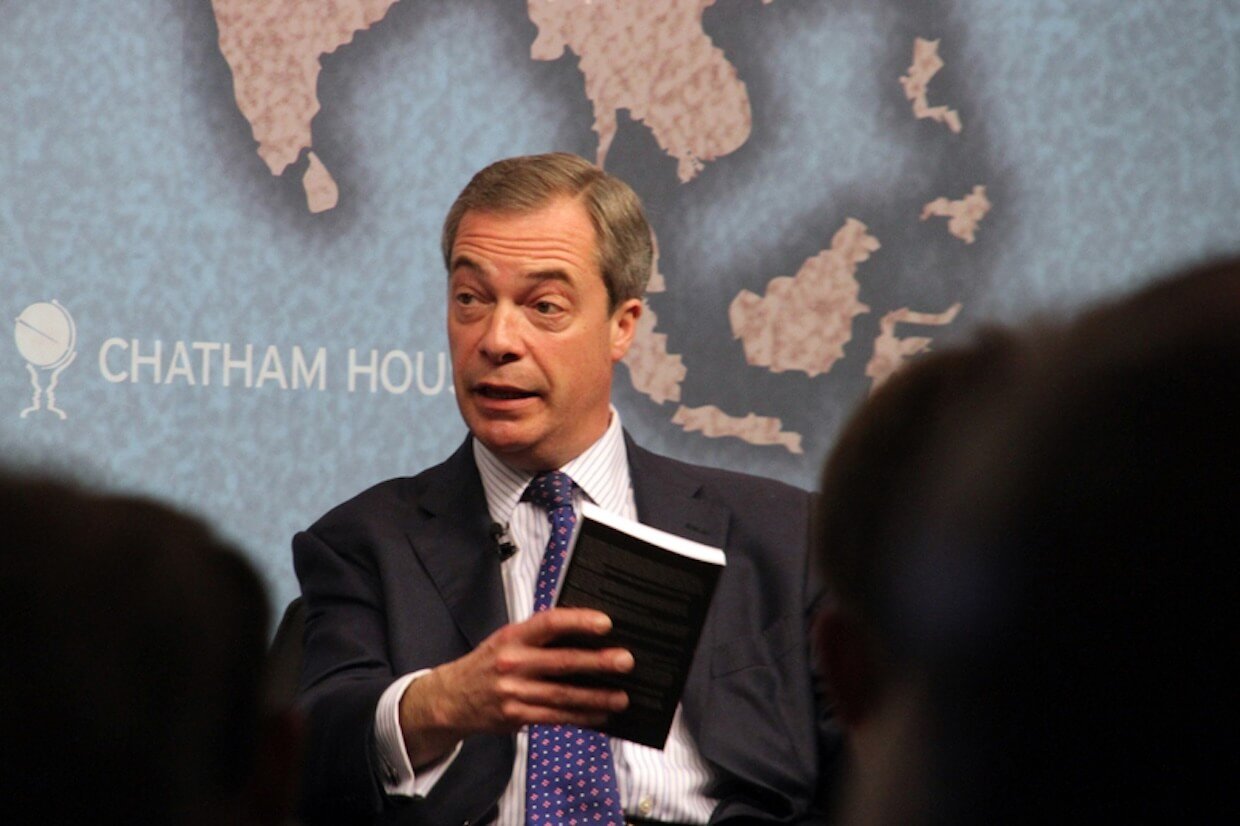
Nigel Farage, leader of the UK Independence Party UKIP. Nigel Farage, leader of the UK Independence Party, speaking at Chatham House in London on March 31, 2014. Photo: Dominic Dudley / Dreamstim.

In the same context, how do you interpret the continued prominence of Nigel Farage and the rise of Reform UK within the UK’s political landscape? Does their trajectory suggest that Brexit has consolidated a durable populist radical right (PRR) and far-right constituency, or are we witnessing a more fluid and contingent phase of political realignment?

Professor Jonathan Portes: I hesitate to make predictions on this. But the obvious answer is a bit of both. The presence of Farage and the populist right in the UK is now well established; it is no longer a flash in the pan. We now have some years of it, so I think it is not going away. But how the current political shake-up in the UK plays out is very difficult to assess.

Structurally, our political system is configured around a two or two-and-a-half-party system. We have a roughly 50–50 division between right and left blocs, with a group of voters in the middle who are willing to support either side on occasion. That is a reasonably stable political configuration. But when you have four or five parties, the system becomes much more unstable, especially when these cleavages cut across both economic and socio-cultural dimensions.

It is not clear that the current first-past-the-post system is well suited to this new context. Whatever one thinks in the abstract about first-past-the-post versus different forms of proportional representation, the dynamics look very different in a two or two-and-a-half-party system than in a four or five-party system, where instability increases significantly.

So, it is very unclear how this will shake out. Populism—and in particular far-right populism—is certainly not going away in the UK. But how it will reconfigure the right of the UK political spectrum, and to what extent the more traditional conservative right, which still has a constituency in the UK, can reassert itself and regain control, remains very uncertain at the moment.

Economic Reality Challenges Populist Narratives

To what extent do the economic and migration outcomes of Brexit challenge or reinforce the core claims of populist narratives about globalization, elites, and national sovereignty?

Professor Jonathan Portes: As discussed, they illustrate some of the limitations of national sovereignty and the fact that sovereignty in the abstract legal and political sense does not necessarily translate into having control. There is a fundamental issue here: people felt that they wanted more control over their lives, and Brexit was sold to them as a way of achieving that, yet they certainly do not feel that this has been delivered. That is a fundamental problem.

It is also a fundamental problem for politicians, because it is very difficult to explain to people that, on the one hand, politicians need to demonstrate concretely that they have given people back some control over their lives, while on the other hand they must also be honest about the fact that there are areas where national governments simply cannot exercise control and must be realistic about those limits.

We are seeing this right now with oil and gas prices. The UK government cannot stop global oil and gas prices from rising. At some point, politicians have to be honest and say that we can try to protect the most vulnerable households and mitigate the impact of this economic shock, but it remains an economic shock, and that means the country as a whole is poorer, and we have to live with that.

Populists Shift Strategy as Exit Loses Appeal
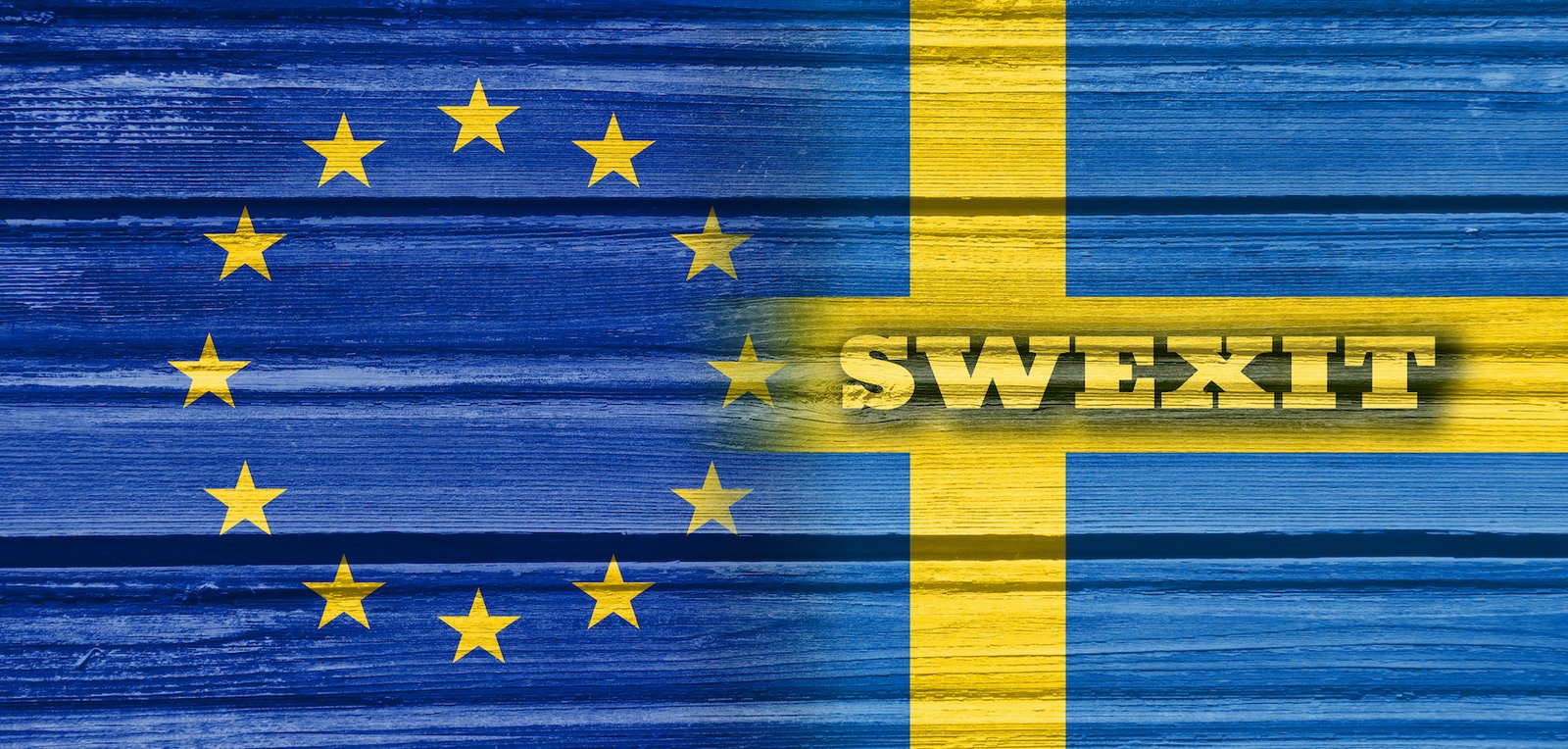
Finally, for other sovereigntist or “exit” movements across Europe that have looked to Brexit as a model, what lessons—economic, political, or institutional—should be drawn from the UK’s experience over the past decade?

Professor Jonathan Portes: As I said, populists have correctly learned that Brexit, or its equivalent, is largely going to be a political loser, and they have pivoted away from that. They have shifted towards a more pan-European, ethnically based opposition to immigration—a form of pan-European white nationalism that mirrors some of what is going on in the US at the moment. To some extent, they have done this quite successfully in countries such as France and Italy.

To my mind, the challenge is for those of us who are not part of these movements and do not want to see them succeed: what is the narrative—economic, political, and cultural—that we use to push back against this and say that this is not the sort of Europe we want? The kind of Europe we seek to build is not one that will be economically successful, nor one that most people would want to live in. That is the challenge, and frankly, I do not think we have met it yet.

Ecuador Police

Security at What Cost? Punitive Populism and Democratic Trade-offs in Ecuador

In this commentary, Emilio Hernández examines Ecuador’s recent security crisis through the lens of punitive populism, offering a nuanced account of how crime control becomes intertwined with political legitimacy. Moving beyond conventional policy analysis, he demonstrates how states mobilize insecurity not only to justify coercive measures but to reshape the very logic of governance. By situating Ecuador’s militarized response within broader theoretical debates—from Bottoms and Garland to Simon’s “governing through crime”—the piece highlights how emergency discourse, symbolic action, and the construction of internal enemies converge to produce authority. Hernández’s analysis ultimately raises a critical question: when security becomes a political performance, what are the long-term costs for democratic institutions, rights, and accountability?

By Emilio Hernandez*

Security crises are rarely only about security. They are moments in which states redefine the boundaries of authority, recalibrate the balance between coercion and rights, and reconstruct their relationship with the public. In such contexts, crime ceases to be treated solely as a policy problem and becomes instead a central organizing principle of political action. The language of emergency, the visibility of force, and the promise of immediate control begin to shape not only how governments respond to violence, but also how they seek to be perceived. What emerges is not simply a shift in security policy, but a transformation in the political logic through which legitimacy is produced.

Ecuador provides a particularly illustrative case of these dynamics. Following a rapid deterioration of security conditions and the onset of a major crisis in early 2024, the government adopted a series of highly visible and coercive measures, including the militarization of public security, the expansion of punitive legal frameworks, and the articulation of a confrontational discourse centered on the identification of an internal enemy, often labeled as “terrorists” (Voss, 2024). 

These responses, while framed as necessary to restore order, also reconfigured the relationship between crime control and political authority. Rather than operating solely as instruments of crime control, these measures point toward a broader shift in governance, where punishment, coercion, and political communication converge. In this sense, Ecuador’s response can be understood as part of a wider turn toward punitive populism, in which the management of insecurity becomes inseparable from the construction of political legitimacy.

Punishment, Power, and the Politics of Insecurity

Moments of acute insecurity tend to reorganize the relationship between crime, politics, and state authority. In such contexts, criminality is no longer framed exclusively as a social problem to be addressed through technical or institutional responses. Instead, it becomes a central axis of political articulation, around which governments construct narratives of crisis, order, and control. As Jonathan Simon (2007) argues in his notion of “governing through crime,” crime increasingly operates as a framework through which political authority is exercised and communicated. A key feature of this transformation lies in the growing importance of visibility and immediacy. 

Political responses to insecurity are evaluated not only in terms of their effectiveness, but also in terms of their capacity to signal action, decisiveness, and control. As David Garland (2001) notes, contemporary crime control strategies are deeply embedded in a political logic that prioritizes responsiveness to public anxieties, often privileging symbolic action over expert-driven policy. In this sense, punitive measures acquire a dual function: they operate both as instruments of policy and as mechanisms of political communication.

It is at the intersection of crime control and political communication that the concept of punitive populism becomes analytically useful. Originally conceptualized by Anthony Bottoms (1995) and further developed by David Garland (2001) and John Pratt (2007), punitive populism refers to the political mobilization of crime and punishment in ways that appeal to public sentiment while expanding the scope and severity of penal intervention.

Crucially, as Elena Larrauri (2006) suggests, these dynamics are not merely a response to public demand but are actively shaped and amplified by political actors themselves. Under these conditions, the appeal of punitive action lies less in its long-term effectiveness than in its capacity to provide immediate reassurance and to align political authority with perceived public expectations. Punishment, in this sense, becomes not only a tool of control, but a central mechanism in the construction of political legitimacy.

From Crisis to Exception

Ecuador’s recent security crisis emerged from a rapid and profound transformation in patterns of violence, driven by the expansion and fragmentation of organized criminal groups, as well as the erosion of state control over key territories and prison systems. After years of relatively low levels of violence, homicide rates increased dramatically between 2020 and 2023, positioning the country among the most violent in the region (UNODC, 2023; Voss, 2024). This escalation culminated in early 2024 with a series of highly visible and coordinated events, including prison uprisings, attacks on public institutions, and the escape of a high-profile criminal leader, Adolfo Macías from a maximum-security prison, which exposed the limits of state capacity and intensified public perceptions of insecurity. 

The government’s response took the form of a series of exceptional measures that went beyond conventional crime control strategies. These included the formal declaration of an internal armed conflict, the expanded use of the military in domestic security roles, and the legal reclassification of criminal groups as terrorist organizations (International Crisis Group, 2025). 

At the same time, these policies were embedded within a broader transformation of legal frameworks and political discourse, in which insecurity was increasingly portrayed as an existential threat demanding immediate and decisive action. This approach has also relied heavily on the sustained use of emergency powers. According to the Ecuadorian Conflict Observatory (2025) some key provinces, including Guayas, Los Ríos, Manabí, and El Oro remained under states of exception for approximately 82% of the first two years of President Daniel Noboa’s administration, allowing the military to support policing functions while suspending certain constitutional protections.

Although these measures initially received broad public support and were associated with short-term reductions in violence, their longer-term impact has been more ambiguous. Levels of insecurity have remained persistently high, and in some cases have intensified, raising questions about the sustainability of this approach (International Crisis Group, 2025; Voss, 2026).

Reframing Crime as War

Crucially, these developments did not simply transform Ecuador’s security landscape; they redefined the political meaning of crime. The government’s framing of the crisis as an “internal armed conflict” marked a decisive shift from a criminal justice approach to a war-based logic of governance, in which crime is no longer treated as a social phenomenon but as an existential threat. This reframing enabled the expansion of executive power and the normalization of exceptional measures, while simultaneously constructing a clear moral boundary between “law-abiding citizens” and criminal actors, portrayed as enemies of the state. 

In this context, security policy became not only a tool for controlling violence but also a central mechanism for demonstrating political authority. The visibility of coercive action, including military deployment, mass arrests, and punitive reforms, served to signal decisiveness and control, reinforcing the government’s claim to legitimacy. Rather than being evaluated solely in terms of effectiveness, these measures functioned as political performances, aligning state authority with public demands for order and protection. As recent analyses suggest, the government’s “war on gangs” has struggled to produce sustained control, instead contributing to cycles of violence and instability (Dudley, 2025; Newton, 2026).

Mechanisms of Punitive Populism and Political Legitimacy

The Ecuadorian case shows that punitive populism operates through a set of mechanisms that translate insecurity into political authority. Rather than simply responding to crime, these mechanisms reshape how it is governed and communicated. First, crisis conditions enable the expansion of executive power. The declaration of an internal armed conflict facilitated the adoption of exceptional measures and the suspension of ordinary legal constraints, contributing to the normalization of emergency governance (Observatorio Ecuatoriano de Conflictos, 2025). 

Second, public security has become increasingly militarized. The deployment of the armed forces in domestic roles reinforces a war-based understanding of crime, privileging confrontation over institutional or preventive approaches. 

Third, political discourse constructs criminal actors as “internal enemies,” often labeled as terrorists. This framing simplifies complex dynamics into a moral binary, legitimizing punitive responses and aligning political authority with public fears (Pratt, 2007). 

Finally, punishment functions as a form of political communication. Visible and immediate measures, such as mass arrests and harsher penalties, signal control and decisiveness, often prioritizing symbolic impact over long-term effectiveness (Garland, 2001). These dynamics also carry heavy electoral implications. President Daniel Noboa’s re-election in 2025 occurred in a context shaped by sustained militarization and emergency governance, suggesting that punitive strategies can generate political legitimacy through visibility and immediacy.

Normalization of Emergency and the Costs of Punitive Governance

However, the expansion of punitive populism raises important concerns for democratic governance. Measures initially justified as temporary responses to crisis, such as states of exception and military involvement in policing, risk becoming normalized, blurring the line between extraordinary and ordinary rule. This process reshapes the balance between security and rights. When insecurity is framed as an existential threat, restrictions on due process and legal safeguards are more easily justified and publicly accepted. Over time, this can weaken institutional oversight and reduce the capacity of democratic systems to limit executive power. 

At the same time, reliance on punitive strategies as a source of legitimacy may narrow the space for alternative responses. Governments become incentivized to prioritize visible and immediate action over long-term institutional solutions, reinforcing a cycle in which political authority depends on the continued performance of control.

Ecuador’s recent crisis illustrates how insecurity can be transformed into a central mechanism of political governance. Punitive populism operates not only through policy, but through the visible exercise of authority and the construction of legitimacy. As similar dynamics emerge elsewhere, understanding how crime is politically mobilized becomes essential for assessing the future of democratic governance.


(*) Emilio Hernández is an Ecuadorian lawyer and PhD candidate in Criminology at Universitat Pompeu Fabra (Barcelona). His research focuses on punitive populism, criminal policy, and the relationship between security crises, political narratives, and justice systems.


References

Bottoms, A. (1995). “The philosophy and politics of punishment and sentencing.” In: C. Clarkson & R. Morgan (Eds.), The politics of sentencing reform (pp. 17–50). Clarendon Press.

Dudley, Steven. (2025). “How organized crime shaped the agenda of Ecuador’s presidential elections.” InSight Crime. February 5, 2025. https://insightcrime.org/news/organized-crime-agenda-ecuadors-presidential-elections/

Garland, D. (2001). The culture of control: Crime and social order in contemporary society. University of Chicago Press.

Newton, Christopher; Manjarrés, Juliana; Cavalari, Marina and Macías, Luis Felipe Villota. (2026). “2025 homicide round-up.” InSight Crime. March 11, 2026. https://insightcrime.org/news/insight-crime-2025-homicide-round-up/

International Crisis Group. (2025, November 12). Paradise lost? Ecuador’s battle with organised crime (Latin America Report No. 109). https://www.crisisgroup.org/rpt/latin-america-caribbean/ecuador/109-paradise-lost-ecuadors-battle-organised-crime

Larrauri, E. (2006). Populismo punitivo… y cómo resistirlo. Jueces para la Democracia, (55), 15–22.

Observatorio Ecuatoriano de Conflictos. (2025). Ecuador en llamas: Conflictividad y seguridad en Ecuador[Report]. https://www.llamasuce.com/_files/ugd/7c86d8_532216924def4fb8a8d7845c0609cd1f.pdf

Pratt, J. (2007). Penal populism. Routledge.

Simon, J. (2007). Governing through crime: How the war on crime transformed American democracy and created a culture of fear. Oxford University Press.

United Nations Office on Drugs and Crime (UNODC). (2023). Global study on homicide 2023. https://www.unodc.org/documents/data-and-analysis/gsh/2023/Global_study_on_homicide_2023_web.pdf

Voss, Gavin. (2024) “Gamechangers 2024: Ecuador finds victory elusive in ‘war on gangs’.” InSight Crime.December 27, 2024. https://insightcrime.org/news/gamechangers-2024-ecuador-finds-victory-elusive-war-gangs/

Voss, Gavin. (2026). “From airstrikes to cooperation: Will the “new phase” of Ecuador’s drug war deliver?”InSight Crime. March 31, 2026.  https://insightcrime.org/news/airstrikes-cooperation-will-the-new-phase-of-ecuadors-drug-war-deliver/

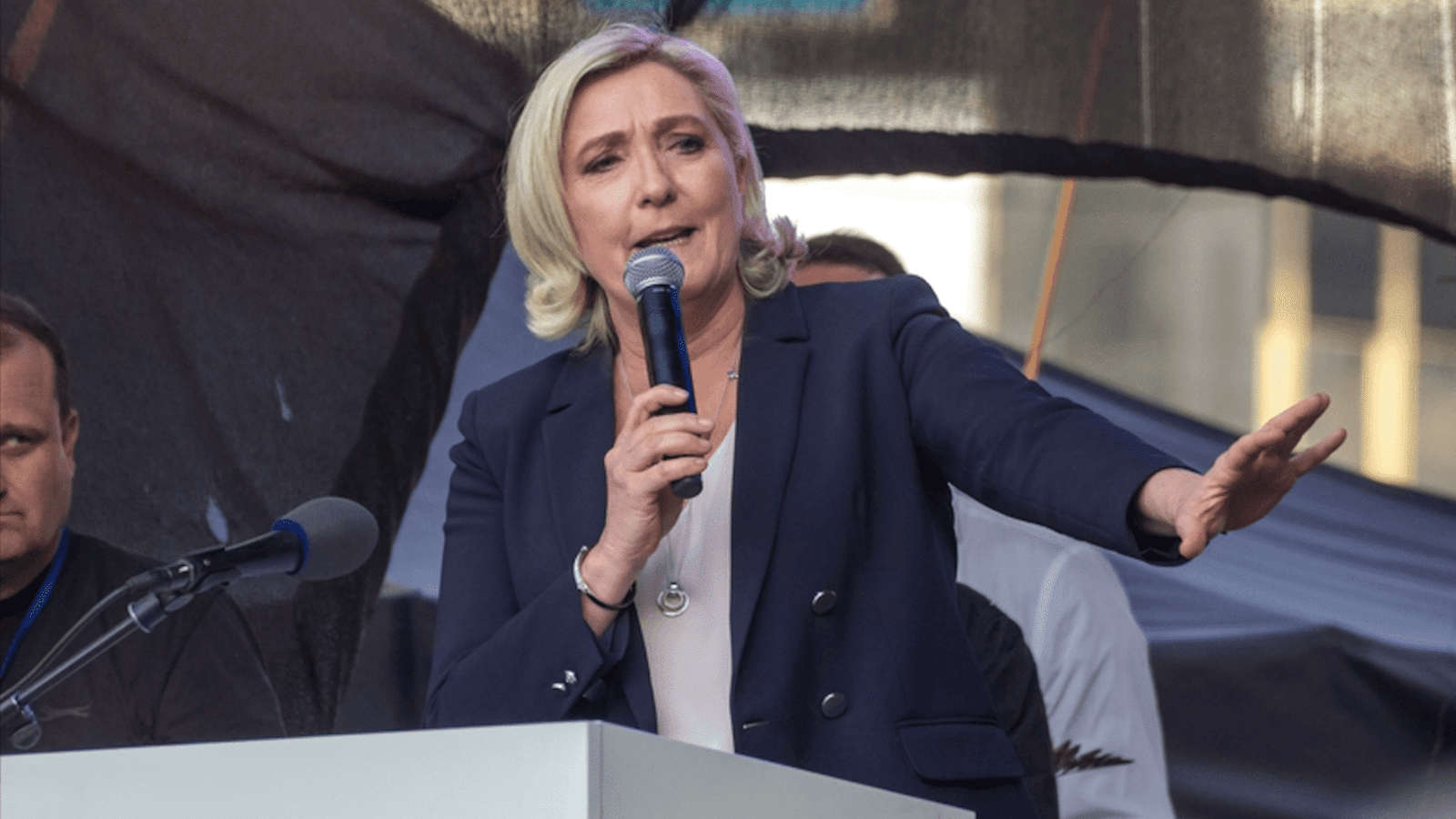
Marine Le Pen

What Orbán’s Defeat Changes—and Does Not Change—for France’s Far Right

In this incisive commentary, Dr. Gwenaëlle Bauvois examines the broader European implications of Viktor Orbán’s electoral defeat, focusing on its strategic significance for France’s Rassemblement National (RN) ahead of the 2027 presidential race. Moving beyond surface-level interpretations, she argues that Orbán functioned as a crucial “proof of concept” for sovereigntist politics within the EU—an external validation that strengthened the RN’s claims to governability. His defeat, therefore, does not destabilize the party electorally but compels a recalibration of its narrative. By reframing the outcome as democratic alternation rather than ideological failure, the RN preserves its political coherence. The analysis offers a nuanced account of how transnational references shape—and are reshaped within—contemporary far-right strategy.

By Gwenaëlle Bauvois

The defeat of Viktor Orbán is not merely a Hungarian political event. It constitutes a broader stress test for the coherence of the European far right—and, more specifically, for the strategic positioning of the Rassemblement National (RN) ahead of the pivotal 2027 French presidential election. For years, Orbán was more than an ally for Marine Le Pen and her party; he served as a demonstration case—a tangible and living example that a sovereigntist, anti-liberal project could not only attain power within the European Union but sustain it over time.

Orbán as a ‘Proof’ That the Model Works

Hungary under Orbán has long served as a proof of governability, allowing the RN to argue that its political project is not theoretical but already implemented in another EU member state. Marine Le Pen’s participation in the Budapest rally on March 23, 2026, illustrated this alignment. During the event, she explicitly praised Viktor Orbán, describing him as “a visionary” and “a pioneer,” while also referring to him as her “friend” (Le Monde, 2026). This reflects a broader pattern in far-right politics: the use of cross-national examples as legitimacy tools, where foreign governments become narrative evidence of domestic feasibility. However, the RN’s strong endorsement of Orbán, followed by his significant electoral setback, forced the party to reinterpret the result in a way that preserves its own political narrative.

Reframing Defeat as Democratic Confirmation

The RN has strategically reframed the meaning of the defeat. Rather than appearing weakened by its strong support for a losing leader, it presents the outcome as evidence of normal democratic functioning. Orbán is depicted as a legitimate leader who, after a prolonged period in power, is simply being replaced through free elections. In this narrative, he is not discredited; instead, his defeat is recast as part of routine democratic alternation.

RN leading figure Jean-Philippe Tanguy stated: “We see that not only are voters free, but they are free to make a massive choice… After 16 years in power […] it is the desire for alternation expressed by a sovereign people,” (France Inter, April 13, 2026).

In this reading, Orbán’s defeat does not call his political model into question, because it is explained as the result of voters freely exercising their sovereignty. The RN therefore maintains a dual posture: continued political sympathy for Orbán’s project combined with respect for electoral sovereignty. This allows the party to neutralize any potential credibility costs associated with its earlier endorsement, while also reinforcing the idea that national political changes do not disrupt the broader continuity of sovereigntists politics across Europe.

No Electoral Spillover into France

Electorally, the impact on the RN in France is likely to be limited. Despite Orbán’s defeat, the RN remains one of the strongest political forces ahead of 2027 and is consistently ranked as the leading party in voting intention polls. Its support base continues to be shaped primarily by domestic factors, including immigration, cost-of-living pressures, and persistent dissatisfaction with traditional governing parties. Orbán’s setback does not significantly alter these underlying dynamics.

However, it does remove an important external reference point that the RN had used to demonstrate that its political model had already been successfully implemented elsewhere in Europe. Without this example, the argument shifts from demonstrative to more declarative, weakening the party’s comparative narrative without significantly affecting its core electorate.

Orbán’s weakening, therefore, does not destabilize the RN’s position in France, nor does it alter its trajectory toward the 2027 presidential election. What it does affect is a narrative structure—the party’s ability to rely on external validation as evidence of political feasibility. The key development, then, is not an ideological rupture but an interpretative adjustment.

References

Le Monde. (2026, March 23). “Marine Le Pen voices support for her ‘friend’ Viktor Orbán.”
https://www.lemonde.fr/en/international/article/2026/03/23/marine-le-pen-voices-support-for-her-friend-viktor-orban_6751749_4.html

France Inter. (2026, April 13). “Interview with Jean-Philippe Tanguy. https://youtu.be/ZzXNS8REZH8?si=h_7Qj50qux6ldvsm

Associate Professor Jason Anastasopoulos.

Assoc. Prof. Anastasopoulos: AI May Transform Populism by Mobilizing Highly Skilled Workers

Assoc. Prof. Jason Anastasopoulos argues that AI is not merely a tool of efficiency, but a political force that may reconfigure both democratic governance and populist mobilization. In this ECPS interview, he warns that replacing bureaucrats with AI can erode “democratic legitimacy” and produce what he calls “automated majoritarianism,” where average cases are processed efficiently while minorities and outliers are disadvantaged. He also challenges the assumption that AI automatically strengthens authoritarian rule, showing instead how false positives, false negatives, and “threshold whiplash” can generate resistance within authoritarian systems. Most strikingly, he suggests that AI may transform populism itself: unlike earlier technological disruptions centered on manual labor, AI increasingly threatens “intellectual work and highly skilled labor,” potentially broadening the social base of anti-elite backlash and reshaping the future of political discontent.

Interview by Selcuk Gultasli

At a moment when artificial intelligence is increasingly presented as a transformative force in governance, public administration, and political control, Jason Anastasopoulos, Associate Professor of Public Administration and Policy at the University of Georgia, offers a far more cautious and analytically nuanced perspective. In this ECPS interview, he argues that the effects of AI cannot be understood through simplistic assumptions of either technological salvation or authoritarian omnipotence. Instead, AI emerges in his account as a politically embedded system whose consequences depend on data quality, institutional incentives, and the broader regime context in which it operates.

A central theme running through the interview is the challenge AI poses to conventional understandings of democratic legitimacy and representation. Anastasopoulos warns that “replacing bureaucrats with AI has the potential to erode democratic legitimacy and decrease the extent to which people not only perceive the legitimacy of the system but also actually receive fair outcomes.” This concern is rooted in his broader claim that algorithmic governance does not merely automate decisions; it subtly transforms the normative foundations of administration itself. Because AI systems rely on “data from the past and on statistical averages,” whereas human officials can apply individualized judgment, the shift toward automation risks creating what he calls “automated majoritarianism,” in which average cases are processed efficiently while minorities and outliers are systematically disadvantaged.

At the same time, Assoc. Prof. Anastasopoulos highlights the political implications of AI beyond democratic administration, particularly in relation to populism and authoritarianism. Against the widespread belief that AI necessarily strengthens authoritarian rule, he emphasizes the “autocrat’s calibration dilemma,” showing how false positives and false negatives generate what he terms “threshold whiplash.” Far from ensuring seamless control, AI can create backlash, misclassification, and resistance, even within highly monitored societies. In this respect, the interview complicates dystopian assumptions about authoritarian omniscience by showing how predictive technologies can also destabilize the very regimes that rely on them.

Most strikingly, however, Assoc. Prof. Anastasopoulos suggests that AI may reshape populist politics in new ways. Whereas earlier waves of technological disruption primarily displaced manual and industrial labor, contemporary AI increasingly threatens “intellectual work and highly skilled labor.” This shift, he argues, may transform the social basis of political discontent. Populist mobilization, long rooted in anti-elite appeals to economically dislocated working-class constituencies, may now expand to incorporate professional and knowledge-sector groups who find themselves newly exposed to technological precarity. In that sense, AI may transform populism not only by intensifying backlash against opaque governance, but also by mobilizing constituencies that have not historically stood at the center of populist revolt.

In sum, Assoc. Prof. Anastasopoulos’s reflections offer a sophisticated intervention into contemporary debates on AI and politics. His analysis underscores that AI is neither politically neutral nor institutionally self-executing. Rather, it is a force that can unsettle democratic legitimacy, complicate authoritarian control, and reconfigure the social terrain of populist mobilization. Far from being merely a tool of efficiency, AI may become a catalyst for profound political realignment.

Here is the edited version of our interview with Associate Professor Jason Anastasopoulos, revised slightly to improve clarity and flow.

AI Doesn’t Simply Strengthen Authoritarian Control

AI generative technology, big data, globalization, and analytics management concepts. Photo: Dreamstime.

Professor Anastasopoulos, welcome. In “The Limits of Authoritarian AI,” you introduce the “autocrat’s calibration dilemma,” where predictive systems must tradeoff between false positives and false negatives. How does this structural constraint reshape prevailing assumptions that AI inherently strengthens authoritarian control?

Assoc. Prof. Jason Anastasopoulos: That’s a really good question. I think the common conception of AI is that it will strengthen authoritarian control in a linear fashion, and this makes sense to a certain extent. It is also true in the short run. One of the recurring themes in dystopian narratives is the emergence of a surveillance state in which authoritarian governments exert control over their populations through cameras, social credit systems, and similar technologies. To some extent, this does seem to be the case in the short term. In the long run, however, the use of AI is much more complicated.

This is because of the errors that it generates—namely, Type 1 and Type 2 errors. For readers who may not be familiar with these concepts, they refer to false positives and false negatives, respectively, and are commonly introduced in basic statistics. A Type 1 error occurs when someone is incorrectly identified as a positive case—for example, when a COVID test indicates that a person has the virus when they do not. A Type 2 error, by contrast, occurs when the test indicates that someone does not have the virus when they actually do.

All AI systems, as fundamentally predictive systems, operate under these same constraints. They can misclassify individuals—identifying someone as a threat to the regime when they are not or failing to identify someone who actually poses a risk. These errors carry political consequences, and managing those consequences becomes an inherent challenge for authoritarian regimes. Each type of error entails distinct political trade-offs, which I would be happy to elaborate on further.

Authoritarian Regimes Risk ‘Threshold Whiplash’ When Using AI for Control

Building on this dilemma, to what extent does the probabilistic nature of AI undermine the aspiration of authoritarian regimes to achieve total informational dominance and preemptive repression?

Assoc. Prof. Jason Anastasopoulos: This is where the political consequences of Type 1 and Type 2 errors come into play. This is where authoritarian regimes run into resistance when using AI in the long run, as opposed to the short run. In the short run, these tools are indeed tremendous for monitoring populations. Facial recognition systems can be linked to databases that identify people instantaneously. In China, for example, a social credit system is being developed that could potentially track movements and shape behaviors in ways consistent with regime preferences. But in the long run, the calibration dilemma that autocrats face becomes decisive.

This is something authoritarian regimes actually institutionalize. In China, bureaucracies exist to calibrate AI systems for these kinds of Type 1 and Type 2 errors. Let me outline the political issues that arise from these errors. For Type 1 errors, the biggest problem in an authoritarian context—where a leader is trying to predict who is risky—is that individuals are labeled as threats when they are not. When too many false positives are generated, opposition to the regime itself increases. In other words, you might have 100 individuals who are genuinely threatening, and the AI system identifies them—but it also identifies 100,000 others who are not. Those individuals, ironically, may become threats precisely because they are falsely labeled as such.

So, because of false positives, the regime creates more threats than it would have had otherwise. Authoritarian rule depends on a belief that compliance leads to tolerable outcomes—being left alone, not punished, not having one’s mobility restricted. Type 1 errors undermine this expectation, producing backlash and fueling social movements.

We have seen this in cases such as Zero-COVID policies and the Henan bank protests, which we discuss in the paper. Individuals were falsely labeled as COVID-positive to prevent them from protesting a banking scandal. This generated public outrage and forced the government to scale back. In other words, the use of AI produced the very instability it was meant to prevent.

For Type 2 errors, the problem is reversed. The regime faces real threats, and if AI systems fail to detect them, those threats can operate in the shadows. This dynamic produces what we call a cycle of “threshold whiplash.” Initially, regimes set thresholds low to maintain tight control, which increases Type 1 errors and triggers backlash. In response, they raise the threshold, which increases Type 2 errors, allowing real threats to go undetected.

At the same time, individuals alienated by false labeling may become politically active and organize against the regime. In this way, AI generates a cycle in which efforts at control inadvertently produce the very resistance the regime seeks to suppress.

Authoritarian Incentives to Report Stability Degrade AI from Within

Artificial Intelligence.
Artificial intelligence as a next-generation technology shaping the digital era. Photo: Dreamstime.

Your work suggests that prediction systems are not merely technical tools, but political instruments embedded in institutional incentives. How do bureaucratic and party-level incentives distort AI outputs in authoritarian settings?

Assoc. Prof. Jason Anastasopoulos: That’s a really good question. The focus here is primarily on China, where regional bureaucratic leaders have incentives to report stability metrics to Beijing. There is a strong desire for Beijing to see that, across all regions within China, things are looking good—that conditions are stable.

What happens with AI systems, then, is that officials tend to downplay any activity identified by these systems that might suggest instability in a region. As a result, when such distorted data is fed into the new AI systems being developed, it creates a significant gap between on-the-ground realities and what the AI system reports, ultimately degrading the quality of the system itself. In this way, bureaucratic incentives to report stability end up undermining AI performance over time, as these systems are trained on data that is simply of low quality.

AI Decision-Making Can Erode Both Perceived and Actual Fairness

In your research on democratic administration, you argue that replacing human discretion with AI risks eroding accountability and reason-giving. How should we theorize the relationship between algorithmic governance and democratic legitimacy?

Assoc. Prof. Jason Anastasopoulos: One of my papers on the problem of replacing bureaucratic discretion with AI identifies a recent trend in many places; some of it is aspirational, and some of it has actually been implemented. The trend is that many regimes, not just authoritarian regimes but democratic countries as well, are seeking to replace bureaucratic discretion, and bureaucrats more generally, with AI systems.

For example, Keir Starmer is one of the figures who is very interested in doing so in the UK. Widodo in Indonesia has actually replaced a few levels of the bureaucracy with AI systems. One of the problems that the paper identifies is that when you replace bureaucratic discretion with AI systems, you remove some of the important safeguards that exist for democratic governance.

Specifically, AI systems have this issue where they do not think like human beings—that is the fundamental problem. Democratic legitimacy, in many ways, is based on the idea that another human being will review your case and be able to reason through whatever decision needs to be made by the state in your particular situation. What I argue in that paper is that there are certain types of decisions—decisions relating to rights, and decisions involving very important issues where someone’s rights could be taken away—that should not be delegated to automated systems. This is because the idea of justice and democracy itself depends on a human being assessing your case at an individual level and applying human judgment in a way that would be deemed fair both theoretically, from a philosophical perspective, and in terms of the perceptions of those being judged.

So, a lot of it comes down to the fact that replacing bureaucrats with AI has the potential to erode democratic legitimacy and decrease the extent to which people not only perceive the legitimacy of the system but also actually receive fair outcomes.

Another problem I identify in that paper is a technical one. I have training in machine learning and statistics, as well as in political philosophy, and I try to understand how these systems work and what their technical implications are. One of the problems with AI, and with any prediction system, is that it does a very good job of assessing the average case, but a very poor job of assessing cases that would be considered edge cases. If the circumstances that a person brings to an AI system are very unusual, the system is not going to be able to provide a good prediction.

As a result, you have what I call automated majoritarianism, where the AI system performs well for most people, but for minority groups and for individuals whose cases fall outside the norm, it performs very poorly. This can ultimately alienate a large segment of the population. These are some of the key issues I identify regarding the risks of replacing bureaucratic discretion with AI.

Automated Majoritarianism Leaves Minority Cases Behind

AI facial recognition in a crowded urban setting, highlighting risks to privacy and personal freedom (AI-generated). Photo: Irina Yeryom / Dreamstime.

If democratic governance depends on individualized judgment and justification, can AI ever be reconciled with these normative commitments, or does it fundamentally reconfigure the meaning of administrative fairness?

Assoc. Prof. Jason Anastasopoulos: I think it actually does end up fundamentally reconfiguring the meaning of administrative fairness, and it does so in a way that is subtle and not very obvious. A lot of it, again, comes down to how AI systems make decisions versus how humans make decisions.

Humans make decisions based on their experience and their adherence to norms that are either embedded in institutions or exist in society. Whereas AI systems simply make decisions based on data from the past and on statistical averages. So, with a human being, you get an individualized decision, whereas with an AI system, you get a decision based on aggregate data.

That has implications for the future of administrative fairness, because the types of decisions made by AI systems, given how they function, are fundamentally different from those made by humans. How those decisions differ will depend on the circumstances to a certain extent. But we have already seen, for example, in cases from the criminal justice system, that AI systems, when they try to predict whether someone is likely to be a recidivist, can produce problematic outcomes. There is a system called the COMPAS.

This is not really an AI system per se; it is more of a machine learning algorithm, although most AI systems are based on machine learning to some extent. What the COMPAS system does is to make predictions about who would be considered at high risk of recidivism in the future. Imagine someone is arrested, their data is collected, and it is fed into this algorithm. The algorithm then predicts whether that person is risky, on a scale from 1 to 10, and this affects how they are treated within the criminal justice system. If they are predicted to be high risk, they may receive a harsher sentence and be treated more punitively; if they are predicted to be low risk, they are more likely to receive leniency.

What some authors at ProPublica found in a 2016 study was that these systems generated a much higher false positive rate for African American offenders compared to white offenders. In other words, they predicted that Black offenders were more likely to be a future risk even when they were not. This is what the well-known ProPublica article “Machine Bias”demonstrated.

In that case, it showed that AI systems can perpetuate biases into the future. They can create a situation where past discrimination becomes embedded in the criminal justice system, and once that happens, it is much more difficult to correct than with human decision-makers. With humans, you can intervene more directly—you can audit decisions or remove individuals—but with AI systems, you would have to change the entire system, including vendors and underlying models, which is far more complex.

So, these are some of the ways in which AI can reshape our understanding of administrative fairness. We will need to develop systems to audit AI in order to prevent bias, and we will have to continually ensure that these systems do not embed biases that could create long-term unfair outcomes for minority groups and others whose lives are affected by AI-driven decisions.

AI Should Inform Decisions, but Humans Must Remain in the Loop

You propose a “centaur model” where AI complements rather than replaces human decision-makers. What institutional safeguards are necessary to prevent this hybrid model from drifting toward de facto automation and accountability erosion?

Assoc. Prof. Jason Anastasopoulos: The idea behind the Centaur model is pretty simple. We need to ensure that when really important decisions are being made within government—decisions that can affect people’s lives and relate to issues of fairness or justice—there is always a human decision-maker in the loop. An AI system can be good at making predictions, but it should only be used as one piece of information within a broader file that a human decision-maker can draw upon.

The problem with this kind of Centaur model, however, is that it runs up against the incentives many governments have to cut costs. This is especially true at the state and local levels in the United States, and also for lower-level governments in Europe and elsewhere, where there are strong incentives to automate decisions.

What may ultimately prevent the Centaur model from being implemented—even though I think it is a good model—is the political economy of governance. A system that combines human judgment with AI could produce decisions that are both fairer and more just than those made by humans alone, who have biases, or by AI systems alone, which come with their own set of problems.

But these advantages may be outweighed by structural pressures. If there is insufficient tax revenue, sustained pressure to cut costs, and a broader cultural disposition—especially in the United States—that views bureaucrats as unnecessary or ineffective, then populist demands to reduce administrative capacity may lead to full automation. In such a scenario, the Centaur model would not take hold.

Instead, you could end up with layers of bureaucracy fully delegated to AI, which introduces its own risks. In that sense, the key issue is public pressure to shrink bureaucracies—something we have seen in various reform movements—combined with governments’ ongoing efforts to reduce costs. Together, these dynamics can push systems toward automated governance rather than hybrid models, and that is something people need to be aware of.

Addressing this requires a broader cultural shift. People need to understand that bureaucrats are not simply obstacles—such as those encountered at the Department of Motor Vehicles—but are integral to ensuring fairness and accountability in governance. Without that shift, we risk moving toward fully automated systems that may replicate the flaws of bureaucracies while simply making decisions faster, not better. That is the main concern I have.

AI Can Centralize Power by Aligning Decisions More Closely with Political Leaders

Three high-definition video surveillance cameras operated by the city police. Photo: Dreamstime.

Your work on delegation highlights how authority is structured through constraints and discretion. How does the delegation of decision-making authority to AI systems alter classic principal–agent problems in democratic governance?

Assoc. Prof. Jason Anastasopoulos: That’s a really good question. The way in which the delegation of authority to AI systems alters the classical problem is the following. The traditional principal–agent problem between bureaucracies and higher levels of authority is that, say in the United States, Congress wants a law passed. They pass the law and then expect it to be implemented in a way that is consistent with their intentions.

However, members of Congress and other elected leaders often lack the expertise required to implement laws themselves. For example, in the case of environmental legislation, they do not have the technical knowledge to determine how regulations should be applied in practice. As a result, they delegate this authority to expert bureaucrats, such as those in the EPA, who are responsible for implementation. The principal–agent problem arises because bureaucrats may have preferences that differ from those of elected leaders, meaning that delegation can produce outcomes that do not fully align with the preferences of those who delegated the authority.

In theory, AI could mitigate this problem. Elected leaders could design and select AI systems that align more closely with their own preferences, whether ideological or pragmatic. From the perspective of higher-level officials, AI systems can therefore be appealing, as they may replace bureaucrats who exercise independent discretion and might make decisions that leaders do not favor.

However, I think this is problematic from the public’s perspective. It leads to greater centralization of power and reduces discretion at the ground level. Bureaucrats often possess forms of expertise that elected leaders simply do not have and replacing that expertise with AI systems could introduce significant risks. Laws might not be implemented correctly, and outcomes might reflect not the interests of the public, but rather the preferences of elected leaders—or even the interests of the vendors who design the AI systems. This is where a new kind of principal–agent problem can emerge.

Perceived Unfair AI Decisions Can Fuel Populist Backlash

In the context of populism, how might the increasing use of AI in governance deepen representation gaps, particularly if citizens perceive decisions as opaque, impersonal, or technocratically imposed?

Assoc. Prof. Jason Anastasopoulos: I think that’s a real problem, and much of it comes down to the idea of backlash that I discuss in my paper on “The Limits of Authoritarian AI” with my co-author, Jason Lian.

If people perceive that AI systems are making decisions that are unfair, the resentment and backlash this generates can fuel an increase in populist movements and a desire to remove those who rely on AI systems but are not populists. That is one key risk I see emerging. 

AI can certainly increase support for populist leaders. Such leaders are often somewhat anti-technology and frequently campaign on anti-technology platforms. If AI-based decisions generate sufficient backlash, this can provide them with powerful political fuel. In that context, we could see a sharp rise in support for populist leaders as a means of rolling back the system to a time before AI systems were producing decisions perceived as unfair.

Technological Displacement Expands the Social Base of Populism

Senior male manager addressing workers.
Senior male manager addressing workers in open plan office. Photo: Monkey Business Images / Dreamstime.

Your research on technological change and populism suggests that economic disruption can fuel political discontent. How might AI-driven labor displacement interact with democratic backsliding and the rise of populist movements?

Assoc. Prof. Jason Anastasopoulos: There’s a lot of research on this, which finds that populists often draw on the idea that technology—especially automation—will replace people and take their jobs away. This is something we’ve seen since in the beginning of the Industrial Revolution. The Luddites in England were, of course, a well-known populist movement that relied on an anti-technology stance.

The Luddite movement emerged in response to the invention of the steam engine, which displaced large amounts of guild labor in textile production. Whenever there is labor displacement due to technological change, there is almost certainly backlash from those who are unemployed or otherwise disaffected by these new automation systems.

In that sense, AI is no different. It gives populist leaders something to point to, allowing them to claim that they will provide solutions to AI-driven displacement. But in practice, when they are elected, they often fail to deliver those solutions. Instead, they may cooperate with those who develop AI systems and even promote their expansion.

Nevertheless, this remains a powerful and enduring populist position. Historically, populist leaders promise to address the consequences of technological change, yet technological progress continues regardless. Still, their ability to mobilize those affected by labor displacement is likely to grow as more jobs are disrupted.

What is particularly interesting about AI, compared to earlier technologies like the steam engine, is that it is displacing not only manual labor but also intellectual work and highly skilled labor. As a result, the nature of populist and social movements may evolve, as populists begin to incorporate these groups into their constituencies rather than focusing primarily on the working class. This could become an important new dimension of populist politics moving forward.

Distrust of Bureaucracy Could Enable ‘Algorithmic Populism’

To what extent does AI governance risk creating a new form of “algorithmic populism,” where political actors leverage automated systems to claim efficiency while obscuring responsibility?

Assoc. Prof. Jason Anastasopoulos: That’s exactly the problem I identified before. Could you explain what you mean by algorithmic populism more specifically? Political leaders or actors leveraging automated systems to claim efficiency while obscuring responsibility.

That’s the general problem with AI. It’s one of the key tensions. I’m not entirely sure about the idea of algorithmic populism in general, but one condition that could give rise to it is, especially in cultures like the United States where there is a deep distrust of bureaucracies, a situation in which AI systems are perceived as being better than human bureaucrats.

In those cases, it would be easy for a political actor—an “algorithmic populist,” as you put it—to accelerate the replacement of bureaucrats with AI in government, which would again lead to many of the problems I discussed earlier. And some figures—Donald Trump, for example, who could be considered a populist—might even be seen as algorithmic populists to a certain extent, in that they promote technology and advance a strong AI agenda.

In such situations, you create a scenario where you end up with the same problems associated with AI that I mentioned earlier, but the process continues to advance. I don’t know exactly what the future would look like in terms of how an algorithmic populist movement might develop, but it is an interesting idea to consider.

Data Quality Will Determine Whether AI Supports Democracy or Control

Internet Surveilance.
Photo: Shutterstock

And lastly, Professor Anastasopoulos, looking ahead, do you see AI as ultimately stabilizing or destabilizing democratic systems—and what key variables will determine whether it becomes a tool of democratic renewal or authoritarian entrenchment?

Assoc. Prof. Jason Anastasopoulos: I’m actually pretty hopeful about AI and its effect on democracy. I think it’s going to have two effects in general: one within democratic systems and the other within authoritarian systems.

I think a lot of it comes down to data quality. In democratic systems, AI can do a very good job of helping decision-makers make fairer, more just, and more efficient decisions. That’s because, within democratic systems, the information fed into AI systems comes from a range of democratic processes—deliberation, free speech, and so on. As a result, the quality of AI systems is very high when they are used to further democratic principles and support democratic rule.

However, in authoritarian systems—and this is something I discuss in “The Limits of Authoritarian AI”—authoritarian regimes seek to use AI to control their populations. The fundamental problem they encounter is one of information. This problem relates directly to the fact that when people are being monitored, they change their behavior and hide their preferences. As a result, the information that feeds into AI systems ends up being of much lower quality in authoritarian regimes than in democratic ones. I believe this tends to further destabilize authoritarian regimes as they attempt to tighten control through AI systems and encounter the kind of threshold whiplash I mentioned earlier. Over time, authoritarian regimes may come to realize that AI tools are not the panacea they may have expected. That realization could open the door for social democratic movements within authoritarian regimes to take advantage of the instability created by AI. 

In sum, for democratic nations, as long as we avoid a situation in which we eliminate all layers of government and replace them with AI, it can be a stabilizing force. In contrast, in authoritarian regimes, it is likely to be destabilizing—at least temporarily—and may eventually push those systems toward greater democratization if they continue to rely on AI. They might, of course, decide to abandon AI systems and revert to older forms of authoritarian control, but I don’t think that is very feasible in the modern world. Instead, what we may see is a gradual broadening of democracy globally as AI systems are adopted for different purposes.

Helsinki Pride parade.

The Ripple Effect: How a Finnish Hate Speech Case Fuels Transatlantic Culture Wars

Dr. Gwenaëlle Bauvois shows how a single legal case can reverberate far beyond its national context, becoming a transnational resource in contemporary culture wars. The conviction of Päivi Räsänen by the Finnish Supreme Court—carefully distinguishing between protected religious expression and punishable factual claims—has been rapidly reframed into a simplified narrative of “persecuted faith.” In this process, complex legal reasoning gives way to emotionally resonant claims about censorship and moral decline. Dr. Bauvois highlights how transatlantic conservative networks mobilize such cases to advance broader agendas, transforming local disputes into symbolic battlegrounds. The episode ultimately reveals how culture wars today are not merely domestic conflicts but globally circulated struggles over truth, authority, and the boundaries of legitimate speech.

By Gwenaëlle Bauvois

The Event: A Controversial Verdict

On 26 March 2026, Finland’s Supreme Court convicted Päivi Räsänen, a long-serving Christian Democrat MP and former Minister of the Interior, of incitement against a minority group. The conviction concerned a 2004 pamphlet by Räsänen, whose title roughly translates to “Male and Female He Created Them: Homosexual Relationships Challenge the Christian Understanding of Humanity.” The Court noted that Räsänen described homosexuality as “a disorder of psychosexual development” and a “sexual abnormality.”

The pamphlet’s claims about homosexuality were found to be framed as factual generalizations, not religious expression, and therefore fell within hate speech law. By contrast, her 2019 social media post—which quoted a Bible verse to criticize the Evangelical Lutheran Church of Finland for sponsoring Helsinki Pride and added that homosexuality was “shameful and sinful”—was deemed protected religious expression.

The political reaction was swift. Riikka Purra, Deputy Prime Minister and Minister of Finance from the Finns Party, wrote on social media: “Freedom of speech took another serious hit today through the supreme court’s voting decision.” But the ripple effect extended beyond Finland. The US Embassy in Finland called the verdict “a troubling ruling for religious freedom and freedom of expression.” A Washington Post editorial sharply criticized the decision, opening with: “Finland is often ranked as the happiest country on Earth, but that’s only if you like cold winters and harsh limitations on freedom of expression.” The conviction also drew a response from the Trump administration. Riley Barnes, a top official in the US State Department, argued on X that the conviction is “baseless” and that “in a democracy, no one should face trial for peacefully sharing their beliefs.”

The Context:  Struggles over Gender and Sexuality 

The Räsänen case is not an isolated legal dispute. It exemplifies a broader shift in Western democracies: the growing centrality of culture wars to populist mobilization. Increasingly, conflicts are driven by cultural backlash—a reaction against progressive value change that fuels today’s culture wars (Norris & Inglehart, 2019). Nowhere is this more evident than in the transnational struggles over gender and sexuality, which are the central front of contemporary culture wars (Ayoub & Stoeckl, 2024; Goetz & Mayer, 2023).

At stake in the Räsänen case is therefore not only a legal boundary but an epistemic conflict: a struggle over who has the authority to define truth, normality, and the limits of acceptable speech regarding gender and sexuality. On one side stand scientific and legal institutions that define homosexuality as a normal variation of human sexuality – a position codified by the WHO’s removal of homosexuality from its list of mental disorders in 1990. On the other side are religiously grounded claims asserting moral truths, often framed as non-negotiable values.

The Finnish Supreme Court’s reasoning reflects this tension. By classifying Räsänen’s pamphlet statements as factually incorrect generalizations, the court affirms the authority of scientific and legal knowledge. At the same time, it draws a clear line: religious belief remains protected, but its translation into degrading claims about a minority group is not.

“Flagship” for Transatlantic Conservative Networks

The significance of the Räsänen case extends far beyond Finland. It has become a resource in transnational culture wars, especially around gender and sexuality. Contemporary conservative politics are indeed increasingly organized through cross-border networks that coordinate legal strategies, political messaging, and legislative agendas (Cooper, 2017; Du Mez, 2020).

For instance, the Alliance Defending Freedom (ADF) —a US-based conservative Christian legal advocacy group classified by the Southern Poverty Law Center as an anti-LGBTQ+ hate group—has supported Räsänen throughout her trial, providing legal aid and raising funds. ADF has framed her case as prime evidence of a growing threat to free speech and religious liberty in Europe.

This framing has reached the highest levels of US politics. On 4 February 2026—over a month before the Finnish Supreme Court’s final conviction—Räsänen testified before the US House Judiciary Committee at a hearing titled “Europe’s Threat to American Speech and Innovation.” She was invited by Republican lawmakers, including Committee Chairman Jim Jordan, who has very strong ties with the conservative Christian think-tank The Heritage Foundation. During her visit, Räsänen also attended a Prayer and Repentance gathering alongside Speaker of the House Mike Johnson, a prominent conservative Republican who has expressed alignment with Project 2025, the ideological and political programme laid out by the Heritage Foundation.

For transatlantic conservative and Christian-right networks, Räsänen functions as a “flagship” —a symbolic figure they can brandish to illustrate how bad things are in Europe. Her experience is a cautionary tale used to support claims that Europe is suppressing Christian expression, that European legal systems are hostile to traditional religious beliefs, and that free speech protections are under threat from European regulatory models. The fact that she was actually acquitted of the Bible-quoting charge is conveniently omitted. The narrative that she was prosecuted for “quoting the Bible” is politically useful, even if factually false.

The Politics of Simplification: From Legal Nuance to Moral Narratives

The Räsänen case illustrates how complex legal judgments are translated into simplified moral narratives. Nuanced legal distinctions—such as the Supreme Court’s careful separation of protected religious speech (the social media post) from punishable factual generalizations (the pamphlet)—are flattened into binary oppositions: freedom versus censorship, faith versus secularism, Christian truth versus gender ideology.

Media coverage sympathetic to Räsänen conveniently ignores the complexity of the ruling—which found that context, framing, and genre matter. Conservative and Christian media outlets such as The European Conservative, Christian Network Europe, and The Hungarian Conservative have covered the case with simplifying headlines like “Is It Hate Speech to Call Homosexuality a Sin?” These outlets frequently refer to hate speech laws as instruments of secular oppression, ignoring the court’s explicit reasoning that religious expression remains protected.  

This simplification is not accidental but constitutive of populist politics. It enables actors to construct clear moral boundaries, mobilize emotions, and reinforce collective identities. The Räsänen case thus functions as a symbolic resource, anchoring abstract claims about moral decline in concrete, personalized narratives that can travel across borders.

The distinction between protected belief and punishable speech is replaced by a more resonant narrative: Räsänen is a respectable Christian politician, a grandmother and physician, sanctioned simply for expressing her faith. This narrative ignores the court’s explicit acquittal on the Bible charge and its careful reasoning. But in the logic of culture war mobilization, accuracy is secondary to affective resonance. A long, complex legal judgment does not rally supporters. A story of martyrdom does.

Conclusion

The Räsänen case is no longer about what she wrote or said, but about what others have made of her. A complex verdict has been simplified and redeployed, its original details mattering less than its political and ideological utility.

The involvement of The Heritage Foundation and the broader MAGA movement is not coincidental. In recent years, The Heritage Foundation has actively cultivated alliances with European conservative, right-wing and far-right actors—politicians, think tanks, and nationalist movements—across Hungary, Czechia, Spain, France, and Germany, and has reportedly engaged with parliamentary groups such as Patriots for Europe.

Räsänen did not become a flagship on her own. Within these conservative circles, some ideas from Project 2025 are seen as transferable to European debates on immigration, sexuality and regulation. Räsänen’s case, her hearing, and her symbolic elevation by US conservative networks are small but significant components of this larger agenda.

The Räsänen case illustrates a wider pattern: culture wars are increasingly produced transnationally, circulating through networks that reframe narratives across borders. A local case becomes a global resource, translated and repurposed for the aims of the culture war.

References

Ayoub, P. M. & Stoeckl, K. (2024). The global fight against LGBTI rights: How transnational conservative networks target sexual and gender minorities. NYU Press.

Du Mez, K. K. (2020). Jesus and John Wayne: How white evangelicals corrupted a faith and fractured a nation. Liveright.

Goetz, J. & Mayer, S. (2023). Global Perspectives on Anti-Feminism. Edinburgh University Press.

Norris, P., & Inglehart, R. (2019). Cultural Backlash: Trump, Brexit, and Authoritarian Populism. Cambridge University Press.

Southern Poverty Law Center. (2017, July 24). “Alliance Defending Freedom through the years.” SPLC Hatewatch. https://www.splcenter.org/hatewatch/2017/07/24/alliance-defending-freedom-through-years

Washington Post. (2026, March 27). “A free-speech farce in Finland.” [Editorial]. https://www.washingtonpost.com/opinions/2026/03/27/finland-free-speech-religion-paivi-rasanen/

Anti-Islam demonstration in Rotterdam, the Netherlands, on January 20, 2017. Protesters carry signs opposing “Islamization.” Photo: Jan Kranendonk.

When Change Becomes Conflict: Immigration and the Politics of Cultural Backlash

This analysis by Yacine Boubia challenges the dominant economic explanations of populism by foregrounding the central role of cultural transformation. Drawing on Ronald Inglehart’s “silent revolution” and the cultural backlash thesis, it argues that immigration has become the most visible and politically charged symbol of broader shifts in identity, values, and social order. Populism, in this account, is not simply a reaction to material deprivation but a response to perceived cultural displacement and status loss. By linking economic disruption with identity-based anxieties, the article demonstrates how immigration functions as a focal point for wider conflicts over belonging, representation, and democratic legitimacy in contemporary Western societies.

By Yacine Boubia

The dominant narrative surrounding the rise of populism in Europe and the United States has long been grounded in economics. Globalization, automation, and trade shocks are often said to have produced a class of “left behind” voters who turned to populist leaders out of material deprivation. While this account captures an important dimension of structural change, it ultimately misdiagnoses the core political dynamics at work. Populism is not simply a reaction to economic hardship. It is, more fundamentally, a response to cultural transformation—one in which immigration has become the most visible and politically salient symbol of broader social change. 

To understand this shift, it is necessary to return to the long arc of value change identified by Ronald Inglehart. Beginning in the postwar decades, advanced industrial societies underwent what he termed a “silent revolution,” as rising prosperity and educational expansion reshaped public priorities. Survival-oriented values gradually gave way to self-expression, autonomy, and cosmopolitan openness (Inglehart, 1977; Inglehart & Norris, 2019). Over time, these shifts became embedded in institutions, elite discourse, and policy frameworks, particularly within urban, highly educated populations. 

Yet this transformation was never evenly distributed. Large segments of the population—often older, less formally educated, and more rooted in national or local traditions—did not merely lag behind this shift; they experienced it as a form of displacement. What appeared to some as progress appeared to others as erosion: of authority, of social cohesion, and of a familiar moral order. The political consequences of this divergence became increasingly visible after the late 1960s, when cultural liberalization accelerated across Western democracies and elite consensus around multiculturalism and individual autonomy solidified. 

It is within this context that immigration assumes its central political role. Immigration is not merely one issue among many; it is the issue through which broader cultural transformations are rendered visible, tangible, and politically immediate. Debates over borders, asylum, and integration are simultaneously debates about national identity, social trust, and the pace of cultural change itself. The European migration crisis did not create these tensions, but it crystallized them, transforming diffuse anxieties into direct political conflict across the continent. 

The differential reception of refugee populations further illustrates how cultural categorization shapes political responses. The Ukrainian refugee crisis, following Russia’s 2022 invasion, was widely framed in Europe as a conventional interstate war producing displaced populations that were more easily incorporated into existing asylum systems. By contrast, earlier inflows of refugees from Syria and parts of the Middle East were more frequently politicized through debates over long-term integration, welfare capacity, and security concerns. Material conditions alone cannot explain these differences. They reflect processes of perceived cultural proximity, geopolitical framing, and institutional response mechanisms within the European Union. 

Scholars of migration and political psychology have long noted that public attitudes toward migration are structured not only by economic calculations but also by perceived cultural distance and social trust. Emmanuel Todd’s recent work, La Défaite de l’Occident (2024), contributes to this discussion by emphasizing that societies interpret geopolitical and demographic change through deeper assumptions about cultural cohesion and civilizational identity. From this perspective, differential refugee reception reflects not simply policy design but underlying social narratives about similarity, belonging, and national self-understanding. 

The framework developed by Pippa Norris and Ronald Inglehart captures these dynamics with particular clarity. Their “cultural backlash” thesis argues that support for populist parties is driven less by absolute economic deprivation than by perceived status loss among groups once embedded within dominant cultural hierarchies (Norris & Inglehart, 2019). Immigration, in this context, functions not merely as a policy issue but as a symbolic focal point through which broader anxieties about identity and social change are expressed. It becomes the terrain on which struggles over cultural authority are fought. 

The United States exhibits a parallel trajectory. The rise of Donald Trump cannot be fully understood through economic grievance alone. Empirical studies of the 2016 election have consistently shown that attitudes toward immigration, cultural change, and racial identity were among the strongest predictors of support for Trump (Sides et al., 2018). His appeal lay less in policy detail than in his ability to articulate a sense of loss—of border control, national coherence, and institutional trust. Immigration functioned as the central issue through which these concerns were politically mobilized. 

This mobilization was amplified by changes in the digital information environment. Scholars of political communication have highlighted how social media platforms and data-driven campaigning enabled more granular targeting of affective and identity-based grievances. While the precise influence of firms such as Cambridge Analytica is debated in the academic literature, broader research on “computational propaganda” and social listening suggests that political actors increasingly adapt messaging to pre-existing online sentiment patterns rather than shaping them from above (Bennett & Livingston, 2018). 

None of this implies that economic factors are irrelevant. On the contrary, the structural effects of globalization have played a crucial role in shaping the terrain on which cultural conflict unfolds. Trade exposure, deindustrialization, and regional inequality have increased perceptions of economic insecurity in many Western societies (Autor et al., 2013). However, these economic disruptions do not translate mechanically into political outcomes. Their salience is mediated through cultural interpretation. Economic decline becomes politically consequential when it is embedded within narratives of identity, recognition, and perceived neglect. 

In this sense, globalization operates as a force multiplier rather than a primary cause of populism. Communities experiencing economic stagnation are more likely to interpret immigration through lenses of competition and cultural threat, and more likely to view political elites as detached from their lived realities. Populist movements succeed precisely because they fuse economic anxiety with cultural grievance into a single coherent narrative—one that pits “the people” against both external pressures and internal elites (Mudde, 2004). 

Across Europe, parties such as the Alternative for Germany (AfD) and the National Rally (RN) in France have institutionalized this synthesis. While differing in national context, these movements share a common structure: opposition to immigration, skepticism toward supranational governance, and a broader critique of liberal elite consensus. Their success underscores the extent to which cultural backlash has become embedded within contemporary political competition. 

The policy implications are significant. If populism were driven primarily by economic inequality, then redistribution and growth-oriented policies might be sufficient to mitigate its rise. But if it is rooted in cultural backlash, such measures will prove insufficient on their own. Economic policy cannot resolve conflicts over identity, belonging, and social norms. Nor can these conflicts be dismissed as irrational without further deepening political polarization. 

A more realistic approach begins by recognizing that populism emerges from genuine, if conflicting, experiences of social transformation. The “silent revolution” identified by Inglehart has reshaped Western societies in profound ways, but it has also produced new forms of cultural stratification. In the United States, this process was accelerated by the political economy of the 1980s and 1990s, where deregulation and neoliberal convergence under both Republican and Democratic administrations coincided with the rise of cosmopolitan urban centers and multicultural policy frameworks. These developments, reinforced during the Clinton and Obama eras, contributed to a perception among some voters that cultural and institutional change was occurring without adequate democratic mediation. 

Immigration, as the most visible manifestation of these broader transformations, will therefore remain central to political conflict in advanced democracies. Understanding populism requires moving beyond the false dichotomy between economics and culture. It is the interaction between structural change and subjective perception that drives political behavior. Until this interplay is fully acknowledged, explanations will remain partial, and policy responses will continue to fall short. 


References

Inglehart, R. (1977). The Silent Revolution – Changing Values and Political Styles Among Western Publics, Princeton University Press.

Inglehart, R. & Norris, P. (2019). Cultural Backlash: Trump, Brexit, and Authoritarian Populism, Cambridge University Press.

Autor, D., Dorn, D., & Hanson, G. (2013). “The China Shock: Learning from Labor Market Adjustment to Large Changes in Trade,” ANNUAL REVIEW OF ECONOMICS, Vol. 8:205-240 (Volume publication date October 2016)  https://doi.org/10.1146/annurev-economics-080315-015041

Sides, J., Tesler, M., & Vavreck, L. (2018). Identity Crisis: The 2016 Presidential Campaign and the Battle for the Meaning of America, Princeton University Press.

Mudde, C. (2004). “The Populist Zeitgeist.” Government and Opposition, 39(4), 541–563. http://www.jstor.org/stable/44483088

Bennett, W. L. & Livingston, S. (2018). “The disinformation order: Disruptive communication and the decline of democratic institutions.” European Journal of Communication, 33(2), 122–139. https://doi.org/10.1177/0267323118760317

Todd, E. (2024). La Défaite de l’Occident, Gallimard.

Professor Sheri Berman.

Prof. Berman: Democratic Backsliding Is Neither Sudden nor Surprising

In an interview with the ECPS, Sheri Berman challenges dominant crisis narratives by arguing that democratic backsliding is “neither unexpected nor, in many cases, recent in origin.” Situating current turbulence within long-term structural and historical trajectories, she emphasizes that democratic instability reflects the enduring difficulty of building and sustaining democratic institutions. Critiquing post–Cold War optimism, she characterizes today’s moment as “a kind of natural correction” to overly teleological expectations. Berman further conceptualizes populism as both symptom and driver of democratic dysfunction, rooted in representation gaps, economic insecurity, and institutional decay—dynamics that continue to reshape both domestic politics and the global liberal order.

Interview by Selcuk Gultasli

Giving an interview to the European Center for Populism Studies (ECPS), Sheri Berman, Professor of Political Science at Barnard College, Columbia University, argues that contemporary democratic erosion should not be understood as an abrupt rupture or an unprecedented crisis, but rather as the outcome of deeper structural, historical, and institutional processes long in the making.

At a time when democratic backsliding, populist mobilization, and institutional erosion are reshaping political landscapes across regions, Professor Berman’s intervention directly challenges prevailing interpretations that frame democracy’s troubles as sudden or exceptional. Instead, she insists that the current conjuncture must be situated within longer-term transformations affecting political representation, institutional trust, and the social foundations of democratic governance. As she puts it, these developments are “neither unexpected nor, in many cases, recent in origin.”

At the center of her argument lies a powerful critique of post–Cold War democratic optimism. The expansion of democracy in the late 20th and early 21st centuries fostered what she identifies as overly teleological assumptions about liberal democracy’s inevitability. Yet, drawing on historical patterns of democratic “waves” and their inevitable reversals, she emphasizes that “building stable, well-functioning democracies is extraordinarily difficult.” What many interpreted as linear progress was, in fact, always vulnerable to reversal. In this sense, today’s turbulence is best understood as “a kind of natural correction” to earlier expectations.

A central analytical contribution of Professor Berman’s framework is her insistence that populism should be understood simultaneously as symptom and driver. It reflects deep dissatisfaction with political institutions and representation—citizens do not support anti-establishment actors unless they believe existing systems are failing them. At the same time, once in power, populists can intensify polarization and further undermine democratic norms. As she notes, while populism begins as “a symptom of democratic dissatisfaction,” it can also “actively deepen the erosion of support for democracy” once it acquires political authority.

This dual perspective is closely tied to her emphasis on structural transformations, particularly the emergence of representation gaps and the long-term consequences of neoliberal economic change. Rising inequality, economic insecurity, and technological disruption—alongside cultural tensions around identity and migration—have combined to produce a multifaceted crisis of democratic legitimacy. Importantly, these forces do not operate in isolation but reinforce one another, generating a political environment marked by both widespread dissatisfaction and a striking absence of coherent ideological alternatives.

Extending her analysis to the global level, Professor Berman offers a sobering assessment of the liberal international order. In one of her most striking remarks, she observes that “the American-led international order, at least for now, is pretty much dead.” Yet even here, she resists simplistic explanations: the disruptive impact of Trumpism, she argues, reflects not only leadership choices but also preexisting structural vulnerabilities within both American democracy and the broader international system.

Taken together, Professor Berman’s reflections offer a historically grounded and analytically nuanced account of democratic decline. Rather than treating the present as an anomaly, her assessments invite a deeper reckoning with the long-term political, economic, and institutional dynamics that have made contemporary democratic backsliding both possible—and, in many respects, predictable.

Here is the edited version of our interview with Professor Sheri Berman, revised slightly to improve clarity and flow.

From Democratic Waves to Undertows

Berlin Wall.
Two rows of stones embedded in Berlin’s streets mark the former path of the wall dividing East and West Berlin. Photo: Ine Beerten / Dreamstime.

Professor Berman, welcome. In your recently published article “Democracy’s Troubles Should Be No Surprise,” you argue that current democratic backsliding reflects long-term structural and historical dynamics rather than a sudden rupture. In light of ongoing crises, how does this perspective challenge prevailing “crisis narratives” that frame democratic decline as unexpected or recent?

Professor Sheri Berman: I would say that the most obvious way is that these developments are neither unexpected nor, in many cases, recent in origin. Let me begin by differentiating between two types of cases. The first involves backsliding in recently transitioned countries. By this, I mean those that moved from authoritarianism to democracy during what we now refer to as the third wave—that is, the large set of countries that democratized during the late 20th and early 21st centuries. These are relatively recent transitions, meaning that democracy in these contexts is still comparatively young.

Then we have a second set of countries—those with long-standing democracies, including the country I am currently in, which is at the forefront of this not very auspicious group—where we have also seen significant democratic problems, even democratic backsliding.

It is important to distinguish between these two types of cases because the nature and causes of backsliding in recent versus more established democracies differ. However, in neither set of cases should these developments be considered surprising.

Let me explain why. With regard to recent cases, when we look back at history and examine previous democratic waves—such as those following the First and Second World Wars in the 20th century, as well as in Europe in 1848—we see that all of them were followed by undertows. This is precisely why we use the term “wave”: every wave has an undertow, referring to the failure or reversal of some of these new democratic experiments. Thus, the very concept of a wave should have reminded scholars and observers that such reversals are to be expected.

This is not simply a matter of history repeating itself; there is a causal logic at work. Building stable, well-functioning democracies is extraordinarily difficult. While it may seem that the hardest task is removing an authoritarian regime—and that is indeed difficult—it is, in fact, even harder to construct a stable democracy afterward.

We can observe this in the historical record: there are far more examples of democratic transitions than of successful democratic consolidations. Therefore, we should have anticipated that many countries undergoing transitions during the third wave would struggle or fail to consolidate democracy. This should not have come as a surprise.

What is more unusual—and what we were less theoretically and historically prepared for—is the extent of the problems now facing long-established democracies such as the United States. These countries were long considered “consolidated,” a term implying that they were stable and secure. That assumption has proven incorrect.

In my recent article in the Journal of Democracy, I outline some of the reasons for this. I argue that if we had paid closer attention to the social and economic foundations upon which scholars believed democracy rested, we would have seen that these foundations had been eroding for quite some time. As a result, the institutional weaknesses and political dissatisfaction currently affecting long-established democracies should not be regarded as particularly surprising.

Today’s Democratic Turbulence as a Correction, not a Collapse

Your work suggests that earlier waves of democratic optimism—especially after the Cold War—rested on overly teleological assumptions about liberal democracy’s inevitability. To what extent is today’s turbulence, including rising geopolitical conflict and democratic polarization, better understood as a correction of those expectations rather than a systemic breakdown?

Professor Sheri Berman: They are definitely a correction of those earlier, overly optimistic expectations. The advantage of being a scholar is that you get to study both history and contemporary events. Anyone familiar with the history of democracy would have understood, based on previous democratic waves, that the idea that all the countries transitioning in the late 20th and early 21st centuries would, within a generation or two, become something like Sweden was clearly unrealistic.

At the same time, the optimism is understandable. The late 20th century was, in many ways, a remarkable period. In some respects, I wish we were still living in it. It is better to be surrounded by optimism than by pessimism, which is now quite pervasive, particularly across the West. But while that optimism reflected genuine democratic progress and the expansion of freedom and liberty in formerly authoritarian societies, it was also bound to fade.

So, on one level, what we are experiencing today is a kind of natural correction. The specific trajectories—how newer democracies have backslid or how older democracies are encountering difficulties—are hard to predict in detail. But the broader shift away from the extraordinary optimism of the late 20th century—the belief that liberal democracy would not only succeed in the short term but also consolidate over the long term, bringing freedom and prosperity to all parts of the globe, even those not yet reached in that period—was always likely to be followed by significant disappointment. Anyone with a solid understanding of history, and of what it actually takes to make democracy work, should have recognized that.

Populism as Both Symptom and Accelerator of Democratic Decay

Labour Day celebrations
Labour Day celebrations at Old Town Square in Prague on May 1, 2017, featuring a banner depicting democracy as a leaf eaten by caterpillars labeled Putin, Kaczyński, Orbán, Babiš, Trump, and Fico.
Photo: Jolanta Wojcicka.

You have famously argued that populism is a symptom rather than a cause of democratic dysfunction. In the current conjuncture—marked by inflation, migration pressures, and governance crises—how should scholars distinguish between populism as a reactive phenomenon and as an active driver of democratic erosion?

Professor Sheri Berman: I think populism is both of those things, as you suggest. It is definitely a symptom. At the same time, once populist parties or politicians gain a certain degree of power, they acquire the ability to intensify dissatisfaction, polarization, and related dynamics. Let me unpack that a bit. Populism is a symptom in the sense that people will not vote for anti-establishment parties if they believe the establishment—that is, existing mainstream parties and political institutions—is doing a good job. That is simply a truism.

So, when politicians and parties begin to gain support by criticizing existing parties, politicians, and institutions as corrupt, ineffective, or unrepresentative, they are doing so because a significant portion of the population believes this to be true. In that sense, such parties should be understood as a symptom of dissatisfaction among a not insignificant number of citizens with the establishment and the existing order. They are, as you noted, clear indicators of democratic dysfunction.

However, once these actors begin to gain power—once they have a voice within the system, participate regularly in the political process, and perhaps even enter government or coalitions—they can further deepen this dissatisfaction. The most obvious way they do so, though not the only one, is through rhetoric. By persistently portraying the system as corrupt, demonizing opponents, and framing both rival politicians and voters not merely as people with different policy preferences but as actors opposed to the common good—people who do not have your best interests at heart or who would threaten you if they gained power—they amplify polarization and democratic discontent.

This dynamic operates alongside the policies that populists implement when in power, which, as numerous studies show, are often counterproductive. Thus, while populism originates as a symptom of democratic dissatisfaction, it can also actively deepen the erosion of support for democracy and broaden dissatisfaction once it gains voice and power within the system.

When Mainstream Parties Drift, Populists Fill the Void

How does this “symptom” framework reshape our understanding of the rise of the populist radical right in Europe and Trumpism in the United States, particularly in relation to declining trust in institutions and widening representation gaps?

Professor Sheri Berman: This is another way of getting at the same issue. It is absolutely correct for both scholars and concerned citizens to view populist parties—on both the left and the right—and actors like Trump as drivers of polarization and potential undermining of democratic institutions. However, if we fail to recognize that they are also symptoms of widespread dissatisfaction, frustration, and discontent with existing parties and political institutions, then we will never be able to, so to speak, “solve” the problem of populism.

You mentioned representation gaps, which I and many other scholars have examined closely. If we look at Europe—since this is an ECPS interview—there is no doubt that establishment parties, both center-left and center-right, have developed significant representation gaps, even with their own voters, on key issues. Center-left parties, for instance, moved away from their traditional, broadly defined left-wing economic profile in the late 1990s, which alienated many of their former working-class and otherwise disadvantaged supporters.

At the same time, both center-left and center-right parties drifted away from voters more broadly on a range of social and cultural issues, most notably immigration in the European context. Studies of party positions in the early 21st century show that these parties were often quite distant from the preferences of the median voter on this issue.

As a result, they opened up political space not only for new or challenger parties to advance positions that mainstream parties had effectively abandoned, but also for the perception to take hold that these established parties had lost either the willingness or the capacity to represent voters’ preferences.

Beyond Monocausal Explanations: The Complex Roots of Populism

In your review of populism’s causes, you emphasize the limits of monocausal explanations. In today’s context of digital campaigning, algorithmic amplification, and economic insecurity, how should we conceptualize the interaction between demand-side grievances and supply-side political entrepreneurship?

Professor Sheri Berman: This is a difficult issue, sometimes more so for scholars than for concerned citizens. When people look around today, in what feels like a world of pervasive pessimism, they see a wide range of problems. If you were to ask the proverbial man or woman on the street why Trump has been so popular, or why he was able to get elected twice, they would likely point to broad economic grievances—a sense that the economy is not doing well, that people’s futures are uncertain, and that they are worried about their children’s prospects. They might also point to perceived breakdown and dysfunction in their communities, concerns about illegal immigration and uncontrolled borders, anxieties about tech companies being out of control, and social media “frying” their children’s brains while making everyone more polarized and angrier.

In other words, the average person intuitively understands that multiple factors are contributing to dissatisfaction with the existing order and, in turn, feeding into populism. Scholars, however, tend to look for a single explanatory variable—an independent variable that allows for a clear causal account. The difficulty is that the world we are dealing with is simply too complex for such simplification.

There are clearly many forces driving the current moment, including support for populism and, more broadly, the democratic dissatisfaction and dysfunction we see today. These include significant economic challenges; the serious consequences of rapid demographic change in American and European societies, often—though not exclusively—linked to unprecedented levels of immigration; and, as you noted, technological transformations such as automation, social media, and now AI.

All of these are substantial challenges, and it would be difficult for any party or government to address them effectively. While one can imagine more effective responses than those we have seen, these pressures are nonetheless real and complex. They are shaping the current conjuncture, particularly in the West.

Democratic Erosion as the Product of Both Agency and Structural Decay

Figure from the V-Dem Institute Democracy Report 2026.

Given your skepticism toward rigid structure-versus-agency dichotomies, how can we better theorize elite responsibility in democratic backsliding—especially in cases where political leaders actively challenge electoral norms or judicial independence—without neglecting broader structural transformations?

Professor Sheri Berman: There is absolutely no doubt that we need, as both scholars and citizens, to focus closely on political actors who are playing fast and loose with the democratic rules of the game. If leaders pack or ignore the judiciary, sideline the legislative branch, or undermine the independence of civil society and the media, these are clear causes and drivers of democratic backsliding, and they deserve sustained attention.

Political actors who actively seek to undermine democracy are, therefore, a legitimate focus of scholarly analysis. We need to understand the processes of democratic erosion carried out by populist, illiberal, and anti-democratic politicians and parties. Citizens, too, should remain attentive to these developments, since democracy is what enables societies to function—at least potentially—in a peaceful way, to resolve conflicts, and to address collective challenges.

That said, this is the agency side of the story: the actors who are undermining norms and institutions. But we also need to recognize, as we have discussed, that widespread frustration with establishment parties, political elites, and democratic institutions is equally important. In other words, we need a kind of two-level analysis, recognizing that the actions of populist politicians and parties often represent the final step in a broader causal chain.

Donald Trump, for example, sought political office earlier, in the 2000s and again in 2012, but received virtually no support. He rose to power in 2016 when the broader context had deteriorated, and even then, the damage he caused was more limited compared to what we have seen more recently. The ability of politicians and parties to undermine democracy depends not only on their agency, but also on the strength of the institutions and norms they confront. When those institutions and norms have weakened, actors are able to exercise their agency far more effectively.

We therefore need to understand not only the multi-causal nature of democratic backsliding, but also the broader structure–agency dynamic that underpins political life in general and is especially visible in processes of democratic erosion.

Democratic Collapse Begins Long Before It Becomes Visible

Building on your engagement with How Democracies Die, how do you assess the relative importance of formal institutional weakening versus the erosion of informal norms—such as mutual toleration—in highly polarized democracies like the United States?

Professor Sheri Berman: That is, in a way, a follow-on question to the previous one. How Democracies Die, the seminal book by Dan Ziblatt and Steve Levitsky, helped both political scientists and concerned citizens understand that we had reached a point where politicians like Donald Trump and others were beginning to undermine norms and institutions in ways that were pushing democracies toward backsliding, or even autocratization.

To my mind, what they were doing—tracing these developments historically and highlighting their dangers—was identifying the end stage of a broader process. We had reached a point where politicians and parties were coming to power and actively engaging in democratic erosion. At the same time, we are now at a stage where we understand much more about how this process unfolds. Scholars like Ziblatt, Levitsky, and many others have done an excellent job of tracing what is now often referred to as the authoritarian playbook: how democratic backsliding occurs. In the West, this typically does not happen through coups, as it often did in the past, but through a gradual process in which norms and institutions are weakened from within.

However, this should be understood as the endpoint of a longer causal process. It is a crucial stage—one at which intervention is still possible—but by the time a system reaches this point, its norms and institutions have already weakened to a degree that makes them vulnerable. In that sense, we are now moving beyond the dynamics highlighted in How Democracies Die toward a broader recognition that the processes described in that book are rooted in deeper structural conditions.

Gradual Backsliding Is Harder to Recognize—and Resist

Do you see today’s pattern of democratic erosion—often gradual, legalistic, and electorally legitimated—as fundamentally different from earlier authoritarian breakdowns, or as part of a longer historical continuum that includes past democratic crises?

Professor Sheri Berman: These questions are helpful because they build on one another. As I mentioned, and as many scholars have emphasized, coups and immediate ruptures—quick authoritarian takeovers—were quite common in the past. What we are experiencing in the West today, less so than in other parts of the world, is different. We still see coups and rapid democratic breakdowns elsewhere, but in the West, the kind of post–third wave decay we are discussing has largely occurred through what is often called the authoritarian playbook—through a much more gradual undermining and hollowing out of democracy from within.

This pattern is therefore more common today, particularly in the West, than what we have seen historically. In a way, this also makes it more difficult to respond effectively, because there is often debate about how serious the erosion really is. Are we truly facing democratic backsliding? Is any particular move decisive in either accelerating or stopping the process? This creates a kind of puzzle for both scholars and citizens.

Many people do not fully recognize what is happening until it is too late, and this dynamic also generates significant divisions within the small-d democratic camp. For example, in the United States, while most within the Democratic Party believe that Trump and the Republicans pose a threat to democracy, there are very different views about how to respond—what the appropriate strategy is and where the core problem lies.

By contrast, when there are troops in the streets, it is clear to everyone that the priority is to get them back into the barracks. In a situation like this, however, where erosion is gradual and incremental, it becomes much harder to generate consensus and to coalesce around an effective strategy for resisting democratic decline.

Why Economic Insecurity Amplifies Cultural Grievances

Dutch farmers protest against measures to reduce nitrogen emissions in the city centre of The Hague, the Netherlands, on June 28, 2022. Photo: Dreamstime.

Your work links democratic instability to the long-term consequences of neoliberal capitalism. In light of current cost-of-living crises and inequality debates, to what extent should contemporary populism be understood as a political economy crisis rather than a cultural backlash?

Professor Sheri Berman: I think it’s both. As we have discussed before, there are a number of causes. On the demand side, both economic challenges and the grievances they generate are absolutely crucial. But social and cultural grievances are also important, along with, as we noted earlier, technological changes that are increasing polarization and dissatisfaction in our societies. It is very difficult to understand the democratic dissatisfaction that is feeding populism—and, partially through populism, democratic decay—without looking at economic grievances. That is to say, without considering rising inequality, growing insecurity, and disruptions stemming from automation, trade, and, potentially in the not-too-distant future, AI.

These are all factors creating a great deal of dissatisfaction among citizens. In turn, we know from strong scholarship that in such contexts it becomes much easier to increase the salience of social and cultural grievances, which are also central to contemporary democratic dysfunction. It becomes easier to direct attention to the perceived downsides of immigration when people believe that immigrants may be taking their jobs or using scarce public resources. Why, they might ask, should their tax money go toward housing for immigrants when there is not enough public housing for them? Why should they support a welfare state that can barely respond to their own needs, rather than helping those who have come from outside? These dynamics are therefore very difficult to disentangle, and they feed off each other in deeply pernicious ways.

From Grand Ideologies to Fragmented Discontent

You describe ideological transformation as a two-stage process requiring both the de-legitimation of existing paradigms and the emergence of alternatives. Are we currently in an “interregnum” where dissatisfaction is high but coherent ideological replacements—whether on the left or right—remain underdeveloped?

Professor Sheri Berman: I would say that this is indeed true. Part of this is that, as a historically minded social scientist, when I look back at previous eras of ideological ferment—the 1930s, for instance, the interwar period, or even the post-war period—we had real ideological alternatives. In the interwar period, we had fascism, National Socialism, and communism. These were ideologies—entire Weltanschauungen, or worldviews. They were not only opposed to liberal democracy—both clearly were—but also aspired to remake society and the economy.

What we have today are rather grievance-based movements on both the right and the left that share some similarities with their predecessors. On the left, we see anti-capitalist, anti-elite rhetoric, often accompanied by a degree of illiberalism. On the right, we see strong elements of nativism, xenophobia, and racism, as part of a broader illiberal backlash, along with, in some sectors, a kind of idealization of the past—the idea that society can return to a more traditional, often implicitly Christian, social order.

But these currents are much more inchoate than their predecessors. They draw on bits and pieces of earlier ideologies without the same coherence or power. I would also say they are more negative than positive on both the left and the right. They consist largely of grievances that have been brought together: dissatisfaction with capitalism on the left, anger about geopolitical issues such as Israel and Gaza, and on the right, resentment toward social change and elites.

It is important to remember, however unattractive it may seem to us now, that communism, fascism, and National Socialism also offered what I would carefully call positive visions. They articulated a sense of what a new future would look like. They did not only seek to destroy the old order but to create something new. I do not see that today.

That does not mean that these contemporary movements are not dangerous—they are, in many ways, very dangerous—but we are not dealing with the same kind of ideological conflict that characterized what Eric Hobsbawm and others have called the ideological twentieth century.

Why Exclusion of Populists Becomes Impossible

How does your framework help explain the persistence and normalization of far-right actors within democratic systems, even in relatively stable economies, and their increasing presence in mainstream coalition politics?

Professor Sheri Berman: To some degree, this is simply a result of their electoral success. It is very hard to keep out parties in proportional representation systems, as in Europe, that are getting 20–25% of the vote. The parties that have come to power in Europe have done so simply because they have won elections—not majorities, but enough that it is not possible to keep them out of power. In that sense, it is fairly straightforward to understand why they have gained the power and influence that they have. And it creates a number of knock-on effects, returning to the idea we discussed earlier about symptom and cause. If we look at a situation like the one that currently exists in Germany, the AfD is polling so high that it is almost impossible in many German states—and may very well soon be impossible at the national level—to put together a coalition government that does not include them.

You are therefore facing a situation in which the alternatives are either incoherent or minority governments, both of which have difficulty putting together coherent policy packages capable of solving society’s problems, thereby driving dissatisfaction further, or including in your coalition—especially in the German case, because the AfD is among the more radical right-wing parties in Europe today—a party that is clearly illiberal and potentially even anti-democratic.

This is a very difficult situation, simply from a mathematical perspective, in many of these countries. In other European countries, we have seen right-wing populists come to power, and, honestly, they have not had that much impact on democracy. We have had right-wing populists in power in the Netherlands, in Finland, and now, obviously, in Italy, and there, I would say that while they may be problematic in some ways, we have not seen the kind of democratic erosion that some predicted would occur.

So, you really have to look at these developments on a case-by-case basis. The AfD in Germany is something most observers are watching closely, because it is a much more radical right-wing party than its counterparts in places like the Netherlands, Finland, Denmark, or even Italy.

Trumpism as a Symptom of Deep Structural Divisions

Donald Trump’s supporters wearing “In God We Trump” shirts at a rally in Bojangles’ Coliseum in Charlotte, North Carolina, on March 2, 2020. Photo: Jeffrey Edwards.

In the case of Trumpism’s influence on US politics, should it be interpreted primarily as an expression of long-standing structural cleavages, or as the result of contingent elite strategies and institutional vulnerabilities?

Professor Sheri Berman: For me, Trump is very much a symptom. He has now caused a significant amount of democratic backsliding—an unprecedented amount, I would say—but there is simply no way to understand the Trump phenomenon without looking back, as I mentioned and as I discussed in the article you referenced at the beginning in the Journal of Democracy, at very deep structural problems in American society and the American economy.

There is no way to understand why people would, first, vote for him, and second, be so frustrated with the Democrats, without considering what are now decades of social decay and economic division. This is clearly a situation in which Trump was a symptom of underlying social, economic, and political problems and, once in power, has intensified all of the above—not only for the United States but for the rest of the world as well.

Trump and the Unraveling of a Fragile International System

Given your argument that democracy’s troubles are historically rooted, how should we interpret current claims about the “collapse” of the global liberal order—especially amid rising authoritarian powers and weakening multilateralism?

Professor Sheri Berman: That is downstream of many of the things we have been discussing here—most notably, but not exclusively, the rise of Donald Trump. Trump, as a key progenitor of democratic backsliding in the United States, has, since coming to power—particularly over the past year, but also since 2016—undermined democratic norms and institutions in a very significant way. He has also taken an axe to the liberal democratic order. But, again, that liberal democratic order was not particularly healthy beforehand.

I have used, in other writings—and I am sure others have as well—the idea of an immune system. If two people are standing in a train car and one has a compromised immune system, and someone coughs, that person might get sick, while the other simply leaves the train and continues with their life. The fact that Trump has been able to cause so much damage reflects the existence of significant structural weaknesses in the liberal democratic order to begin with.

This is a kind of iterative or cyclical process. At the same time, there is no doubt that the decay we have seen in the liberal democratic order over the past year, in particular, is very much the result of conscious choices made by the Trump administration—to increase divisions with allies, to attack institutions that had long been part of this order, and to form alliances with actors such as Russia that have been fundamentally opposed to it. All of these are clearly deliberate actions—agency, so to speak. But, again, his ability to come to power and to pursue this course reflects deeper structural weaknesses that he has been able to exploit.

Can Middle Powers Rebuild What US Leadership Abandoned?

Canadian Prime Minister Mark Carney attends a joint press conference with Ukrainian President Volodymyr Zelenskiy on Ukraine’s Independence Day in Kyiv, Ukraine on August 24, 2025. Photo: Vladyslav Musiienko / Dreamstime.

As transatlantic divergence becomes an observable reality—particularly under Trump’s renewed leadership—how should we interpret the effective “de-coupling” of the United States and Europe and its effect on the legitimacy and authority of international institutions? Does this fragmentation mark a structural erosion of the liberal international order, or the emergence of a more pluralized and contested system of governance with competing centers of norm-setting?

Professor Sheri Berman: I think it would be very hard to maintain, or to return to, some version of that liberal international order without American commitment and, alongside that, some kind of renewed alliance between the United States and Europe. I do not see that happening, even if Trump leaves, simply because at this point there is so much water under the bridge. If I were a European, even if a Democrat came to power in the next election, I would be very wary about hitching my horse to the United States, knowing that right around the corner there could come another version of Trump—Vance, Rubio, or someone similar. So, I think it is going to be very hard to recreate that, although I do think that if a Democrat comes to power, we will see some attempts to do so.

The alternative, as you mentioned, and as several people have been discussing—including Macron and Mark Carney in Canada—is to replace this American-led liberal international order with something new, potentially better, constructed by middle powers. My response to that is: more power to you. I hope you can do that. I think it would be good for those countries and for the globe. Historically, however, it is very difficult to construct an international order without some kind of hegemon, both pushing that project forward and willing to absorb some of the collective costs.

So, this is where we are right now. The American-led international order, at least for now, is pretty much dead. Whether middle powers can step in to patch things up enough to prevent further fragmentation remains to be seen. I hope they can, for the good not only of their own citizens but of the globe, but it concerns me greatly.

Rebuilding Representation as the Key to Democratic Stability

Finally, looking ahead, what are the most critical variables shaping democracy’s future in this context of geopolitical rivalry and domestic polarization: the renewal of representation, economic restructuring, or the restoration of democratic norms—and how might these interact to stabilize or further strain democratic systems?

Professor Sheri Berman: That is a very large question to end on. Let me say something broad and perhaps not particularly profound, which is that I actually think the domestic level is the key driver here. That is to say, the central challenge is figuring out how to get mainstream political parties—it does not necessarily have to be the old ones; again, some people may be fed up with social democratic, Christian democratic, and conservative parties—but parties that are committed to democracy need to figure out how to address, as we have discussed, the economic challenges their societies are facing, the social and cultural challenges they are confronting, and the technological changes that are driving so much disruption.

Can they do that? If they can, then we will see support for these anti-establishment, disruptive populist parties decline, and these political systems stabilize. I firmly believe that more stable democracies—not only in the West but also in other parts of the globe—will be in a much better position to address international challenges, whether civil wars, interstate wars, or climate change. They will also be better positioned to deal with international challenges and to recreate, as we discussed in the previous question, some form of viable international cooperation, including international institutions and organizations.

If we can reconstruct some degree of democratic stability, not just in the West but also elsewhere, the benefits would be significant. Turkey, for example, is a major actor and a bridge between the West and the Middle East. A stable, well-functioning democratic regime there would be a major boon, most importantly for Turkey’s own citizens, but also an important contribution to addressing a wide range of global challenges. So, again, I am hopeful that parties committed to liberal democracy can somehow manage to get their act together and become more effective and responsive to their citizens.

Associate Professor Attila Antal.

Assoc. Prof. Antal: Orbán’s Election Project Seeks Public Backing for Dictatorial Turn, Not Democratic Legitimacy

As Hungary approaches the April 12 elections, Viktor Orbán’s long-standing rule faces a critical test shaped by both domestic discontent and geopolitical realignments. In this interview, Associate Professor Attila Antal characterizes the regime as a “constitutional dictatorship,” arguing that the election is not about democratic legitimacy but about securing “public support for its own dictatorial turn.” He highlights how authoritarian legality, sustained through a “dual state” and permanent emergency governance, has hollowed out democratic competition. At the same time, the rise of Péter Magyar and mounting generational and material grievances signal growing resistance. Situated within broader transnational authoritarian networks, Hungary’s election emerges as both a domestic referendum and a geopolitical fault line for European democracy.

Interview by Selcuk Gultasli

As Hungary approaches its pivotal parliamentary elections on April 12, 2026, the country stands at a defining juncture in the trajectory of European populism. After more than a decade and a half of rule by Viktor Orbán, the electoral contest no longer centers merely on party competition, but on whether an entrenched authoritarian-populist regime—characterized by institutional asymmetries, constitutional engineering, and the continuous production of political enemies—can still be meaningfully challenged through democratic means. At the same time, the emergence of Péter Magyar and the Tisza Party has introduced new uncertainty into a system long sustained by what Attila Antal describes as a “hegemonic power bloc,” raising the stakes of what increasingly resembles a systemic referendum.

In this context, Attila Antal, Associate Professor at Eötvös Loránd University, offers a sobering interpretation of the current moment. In his view, the Orbán regime has evolved beyond conventional electoral authoritarianism into what he terms a “constitutional dictatorship,” where formal legality coexists with substantive domination. Most strikingly, Assoc. Prof. Antal argues that “the Orbán regime is not seeking democratic legitimacy in the 2026 elections, but rather public support for its own dictatorial turn.” This diagnosis reframes the election not as a mechanism of accountability, but as a plebiscitary instrument designed to consolidate power under conditions of managed legality.

Crucially, Assoc. Prof. Antal situates Hungary’s electoral moment within a broader geopolitical reconfiguration. He underscores that Orbán has increasingly treated foreign and European policy “as a kind of geopolitical playing field,” cultivating alliances with both Eastern and Western authoritarian actors. The alignment with figures such as Donald Trump and Vladimir Putin reflects not only ideological affinity but also strategic positioning within an emerging transnational authoritarian network. As Assoc. Prof. Antal notes, Hungary has come to function as a “Trojan horse” for Putinist influence within the European Union, transforming the election into “a European and Western geopolitical issue and interest.” This external dimension is mirrored internally by a deepening social cleavage, as segments of Hungarian society remain firmly oriented toward the West while the regime consolidates a pro-Russian political base.

This external dimension intersects with internal tensions, including growing social discontent and a generational divide that reflects what Assoc. Prof. Antal describes as “a very strong generational revolt against Orbán’s authoritarian populism.”

At the core of Assoc. Prof. Antal’s analysis is the concept of authoritarian law and the “dual state,” where a formally normative legal order coexists with a politically driven prerogative structure. Under prolonged states of emergency and rule by decree, Hungary has become, in his words, “a contemporary example of dual state,” raising profound questions about whether elections can still function as instruments of democratic alternation. The opposition’s strategy of contesting the regime “by its own rules” thus reflects a deeper dilemma: whether authoritarian systems can be dismantled through participation in the very institutional frameworks they have reshaped.

Assoc. Prof. Antal’s assessment is stark. The durability of Orbánism, he suggests, lies in its capacity to adapt, radicalize, and survive through escalating authoritarianism. As he warns, the regime “can only survive by becoming increasingly dictatorial,” a trajectory that poses not only a domestic challenge but “a grave danger to both Hungarian and European societies as a whole.”

Here is the edited version of our interview with Associate Professor Attila Antal, revised slightly to improve clarity and flow.

Geopolitics and Domestic Change Reshape Orbánism

From Left: Hungary PM Viktor Orban, Poland PM Beata Szydlo, Czech PM Bohuslav Sobotka and Slovakia PM Robert Fico pose prior their meeting in Prague on February 15, 2016.

Professor Antal, in your work you describe Hungarian authoritarian populism as a system that fuses political identity construction, executive aggrandizement, and the legal-institutional reorganization of power. In the 2026 campaign, do you see Orbánism still functioning as a hegemonic political project, or has it entered a phase of ideological exhaustion in which its capacity to define “the people” and monopolize popular sovereignty is beginning to weaken?

Associate Professor Attila Antal: This is a key issue for understanding the Orbán regime as a whole and the current situation. Indeed, Orbán has built an authoritarian regime in which the ruling parties have reigned as a kind of hegemonic center—or, to use Antonio Gramsci’s terminology, as a hegemonic power bloc. However, the transformation of the opposition has changed the situation and shaken this hegemonic project. This is, however, a complex situation: in recent years, Orbán had become so confident that he increasingly focused on geopolitics; more precisely, he treated foreign policy and European policy as a kind of geopolitical playing field, where he built power and political alliances with both Eastern and Western authoritarian regimes. It is no coincidence that the two most significant imperialist powers, Trump and Putin, have both assured Orbán of their support. So, I see the collapse of Orbán’s hegemonic project as only partially attributable to domestic political factors: we are witnessing that Orbán’s downfall has become a European and Western geopolitical issue and interest, and this resonates with the anger of Hungarian society, which, for the most part, remains oriented toward the West.

Enemy Narratives Persist but Face Social Limits

You have argued that authoritarian populism in Hungary relies on permanent enemy-production. In the current election, where Kyiv, Brussels, liberal elites, and domestic opponents are again being woven into a single antagonistic narrative, how should we understand this strategy: as a sign of discursive resilience, or as evidence that the regime has become trapped in repetitive forms of mobilization?

Associate Professor Attila Antal: The enemy creation of the Orbán regime is a highly complex story. There is no doubt that the constant creation of enemy images is one of the most prominent components of the authoritarian populist toolkit. Since 2010, the Orbán regime has operated with the following main enemy images: migrants, George Soros, civil society, Brussels, the gender politics, and the domestic political opposition. 

From this perspective, 2022 marks a turning point, as Putin’s aggression required the construction of a new enemy image – an incredibly difficult task, given that the attacked Ukraine must be transformed into the new enemy. All of this is connected to the “Putinization” that has taken place within the Orbán regime. The propaganda and discursive framework are thus in place, yet creating this new enemy image also means that Orbán and his allies face the reality that a significant portion of Hungarian society is quite averse to Russians due to Hungarian history. At the same time, Orbán and his allies have succeeded in turning their own camp into a pro-Russian faction, which has resulted in an incredibly deep social cleavage.

Anti-Orbánism Unites a Fragmented Opposition

Tisza leader Péter Magyar
Tisza leader Péter Magyar begins a symbolic “one million steps” march to Nagyvárad, Romania, addressing reporters with supporters in Budapest, Hungary on May 14, 2025. Photo: Istvan Balogh / Dreamstime.

To what extent should the April 12 vote be interpreted not simply as a contest between Fidesz and Tisza, but as a referendum on whether a mature authoritarian-populist regime can still be electorally displaced despite media asymmetries, constitutional engineering, and patronage entrenchment?

Associate Professor Attila Antal: As I mentioned earlier, the Orbán regime itself and the new opposition forming against it can be understood within a geopolitical context. One could also say that, in many respects, the European Union has had enough of the Putinist influence that the Orbán regime represents as a “Trojan horse.” At the same time, this dissatisfaction is just as true of Hungarian society: at the moment, the opposition is held together by anti-Orbánism and the fact that the Orbán regime has seriously neglected governance and the basic needs of the Hungarian people. In this sense, the Hungarian election can indeed be interpreted as a referendum on the political system.

Dual State Logic Structures Political Competition

Your recent work on authoritarian law suggests that contemporary autocratic projects do not abolish legality so much as repurpose it. In the Hungarian case, how should we conceptualize the election itself: as a democratic mechanism still capable of producing alternation, or as a legally managed arena whose formal openness coexists with substantive authoritarian constraint?

Associate Professor Attila Antal: I think this is a very important question. When I analyzed the legal system of the Orbán regime, I drew on the “dual state” approach developed by Ernst Fraenkel, who studied the nature of National Socialist law in the interwar period. In this authoritarian state, there exists a legal system that is totally influenced by politics (which Fraenkel calls the Prerogative State), while at the same time there is the Normative State, which is less defined by political influence. 

The Orbán regime has effectively been operating under a state of emergency since 2015, and since 2022, the prime minister has essentially been governing by decree. So, we are facing a contemporary example of dual state.

In my view, there is a very strong dilemma: can this system be overthrown by accepting its rules of the game and participating in the election, or can we overthrow the system as a result of a collective popular decision and establish new democratic electoral rules? It now appears that the opposition side of Hungarian society is choosing the former solution, that is, it wants to defeat the authoritarian system by its own rules. At the same time, it is certain that in the event of a possible change of government, we will have to face the problem posed by authoritarian law.

Enemy Logic Embedded in Governance Structures

Campaign poster of Viktor Orbán ahead of the April 12, 2026, parliamentary elections. Photo: Bettina Wagner / Dreamstime.

You have written about the “Constitutionalized Image of Enemy” embedded in the Hungarian Fundamental Law. How central is this constitutionalized enemy logic to the present campaign, especially in Orbán’s efforts to portray Tisza, Brussels, and Ukraine not as legitimate competitors, but as existential threats to the political community?

Associate Professor Attila Antal: The most recent amendment to the Fundamental Law took place in April 2025. The Hungarian Fundamental Law has indeed been used to create the prevailing political enemy images: certainly, with regard to migration and gender politics. I have termed this as the “Constitutionalized Image of the Enemy.” In this sense, therefore, the image of the enemy enshrined in the constitution did not play a role in the current campaign. At the same time, the 12th Amendment to the Fundamental Law established the Office for the Protection of National Sovereignty in December 2023, which played a very significant role in enabling the Orbán regime to essentially begin using state and bureaucratic tools against its political opponents and Hungarian society. In other words, the “dual state” mentioned earlier operates at the constitutional level as well.

Geopolitical Counterweight Shapes Opposition Rise

From the standpoint of your theory of authoritarian populism, is Péter Magyar best understood as a democratic challenger to Orbánism, or as a post-Fidesz corrective emerging from within the same political and ideological ecosystem?

Associate Professor Attila Antal: This is a very difficult question, and it would be too early to give any definitive answer at this stage. I would rather point out that the Hungarian election has a very strong geopolitical context. The Péter Magyar phenomenon and the European support structure behind it can also be understood as a geopolitical counterweight to Hungary’s shift toward Orbán and Putin. At the same time, there is no doubt that Orbán’s challenger was socialized within the Orbán regime and, in many respects, is attempting to correct the right-wing conservative politics that Orbán has betrayed. Here, however, it is worth noting once again that the vast camp behind the Tisza Party is far more complex and is currently held together by the constraints of the electoral system and anti-Orbánism.

Youth Revolt Meets Rural Entrenchment

Independent polling and current reporting suggest that younger voters are disproportionately aligning with Tisza, while Fidesz retains stronger support among older and more rural constituencies. Do you interpret this as a generational realignment against authoritarian populism, or merely as a contingent reaction to economic stagnation and elite scandal?

Associate Professor Attila Antal: This is also a key issue. There is no doubt that the authoritarian populism of the Orbán regime has, intentionally or not, created a generational and regional divide. A significant portion of rural and elderly Hungarian voters is far more susceptible to the enemy stereotypes and messages manufactured by the regime’s propaganda. Thus, there is a very strong generational revolt against Orbán’s authoritarian populism, particularly because Orbán is effectively blackmailing not only the EU but also Hungarian society: the former with constant vetoes, and the latter with constant threats of leaving the EU.

Middle-Class Erosion Fuels Political Backlash

Given your emphasis on the relationship between neoliberal restructuring and authoritarian populism, how important are material grievances—stagnant growth, inflation, deteriorating public services, and corruption fatigue—in weakening the regime’s capacity to maintain consent? Can economic deterioration disrupt a system whose legitimacy has long depended on symbolic conflict rather than policy performance?

Associate Professor Attila Antal: From a political-economic perspective, the Orbán regime was based on a class consensus in which the (upper) middle class and national big business formed an alliance. This was underpinned by pre-COVID-19 economic prosperity and massive amounts of EU funding. During this period of economic prosperity, however, a neoliberal state emerged that systematically dismantled public services, particularly in the healthcare and education sectors. When the polycrisis emerged (EU crises, pandemic, war), the dismantled Orbán state proved unable to handle the crisis: alongside the groups in the worst situations, the declining Hungarian middle class is the biggest loser of the Orbán regime. In other words, the rebellion against the Orbán regime is, in many respects, also of a material nature.

War Narrative Enables Democratic Suspension

How do you interpret Orbán’s continued “peace versus war” framing in light of your broader work on the politics of exception? Is this campaign discourse best seen as a contemporary form of emergency politics—one that converts geopolitical uncertainty into a justification for executive concentration and democratic suspension?

Associate Professor Attila Antal: As I mentioned, since 2022 the prime minister has essentially been governing by decree, encroaching even on areas of public policy where a state of emergency has no place. Meanwhile, political propaganda has constantly claimed that the Orbán regime is the only guarantee of peace. This has come to a head in the current campaign, with the Orbán machine conveying the message that the opposition is on the side of the Ukrainians and is dragging Hungary into the war. Governing through extraordinary measures is thus a political and communicative reframing: the Orbán regime has essentially suspended parliamentary democracy and portrayed the Ukrainian side (including the EU and the Hungarian opposition) as wanting war. I believe that this is not just some kind of fake news campaign, but the pure and frightening manifestation of an authoritarian state.

Sovereigntist Rhetoric Masks Strategic Dependence

Hungary’s pro-Russian posture has become a major campaign fault line. In your view, does Orbán’s Moscow-friendly stance still function as a coherent ideological expression of sovereigntist anti-liberalism, or is it increasingly becoming a liability as the war in Ukraine reshapes the moral and geopolitical boundaries of European politics?

Associate Professor Attila Antal: Orbán’s pro-Russian policy is a complex phenomenon. At least three aspects are worth highlighting. On the one hand, there is no doubt that, with regard to the international authoritarian right, there exists a kind of ideological coalition whose political-theoretical foundation is an anti-liberal conservative approach dating back to Carl Schmitt. Second, the Orbán regime has radically relinquished energy sovereignty in favor of Putinism. Third, there is also no doubt that Orbán and his regime are personally dependent on Putin’s system. Here, then, lies a radical contradiction: the Orbán regime, which is sovereignist at the level of propaganda, has deliberately renounced the sovereignty of the Hungarian state and is weakening European sovereignty in favor of Russia. The deeper implications of this can only be revealed after the election.

Militant Democracy as a Possible Path

You have shown how exceptional governance can become normalized. If Tisza were to win without a constitutional supermajority, would Hungary enter a phase of partial alternation without regime transformation—in other words, a situation in which a new government governs through institutions still structured by the old exception-centered order?

Associate Professor Attila Antal: I believe this is one of the main consequences of the dilemma I mentioned earlier: namely, how to dismantle an authoritarian system – either by adhering to its own rules or through more revolutionary means. If there is a change of government and a two-thirds majority is achieved, dismantling the authoritarian power of the Orbán regime will be a challenge. If, however, the change of government occurs with a simple majority, it may become inevitable to consider how the authoritarian system can be dismantled using the tools of militant democracy.

EU Influence and Domestic Revolt Intersect

Tisza Party volunteer collecting signatures in Mosonmagyaróvár, Hungary on June 5, 2024 during a nationwide campaign tour ahead of the European Parliament elections. Photo: Sarkadi Roland / Dreamstime.

What would a Tisza victory actually reveal about the Orbán system: that authoritarian-populist rule remains vulnerable to democratic challenge, or that only an insider-led revolt from within the regime’s broader political class can break such a system electorally?

Associate Professor Attila Antal: Based on what we’ve seen so far, I believe a potential victory for Tisza would have two implications. On the one hand, it would signal that the EU has had enough of Putinism directly influencing European politics. On the other hand, it would mean that authoritarian populism has become completely detached from social reality, and that Hungarian society has had enough of a political agenda built on constant hatemongering and the suspension of normality.

Authoritarian Consolidation Beyond Legitimacy

Conversely, if Fidesz were to retain power despite signs of economic strain, ideological repetition, corruption exposure, and opposition momentum, what would that tell us about the resilience of contemporary populist rule in Europe? Would it suggest that once authoritarian populism successfully constitutionalizes its power, elections alone become insufficient to dislodge it?

Associate Professor Attila Antal: I believe this is the most important issue of our time. Unfortunately, my grim assessment is that the Orbán regime is not seeking democratic legitimacy in the 2026 elections, but rather public support for its own dictatorial turn. I have long regarded the Orbán regime as a constitutional dictatorship, which means, on the one hand, that contemporary autocracies have a constitutional framework, and on the other hand, that certain segments of society have renounced democracy and accept the exercise of authoritarian power. Overall, therefore, the Orbán regime can only survive by becoming increasingly dictatorial, a trend that poses a grave danger to both Hungarian and European society as a whole.

Competing Visions of European Sovereignty

From the perspective of European integration, do you see this election as a struggle between two models of sovereignty: Orbán’s confrontational, anti-imperial, anti-Brussels sovereigntism and a more cooperative, rule-of-law-based claim to national interest that Tisza is trying to articulate? Or is that dichotomy too neat for the political realities of contemporary Hungary?

Associate Professor Attila Antal: First of all, the Orbán regime is indeed imperialist, and it pursues policies that serve Russian imperialist interests. The Hungarian election is crucial from the perspective of European integration, as the dilemma is whether there exists a European sovereignty that can be relied upon to stand up against authoritarian tendencies such as Trumpism and Putinism. I am committed to the idea, as Karl Loewenstein put it, that democracy must develop its own self-defense mechanisms and fight back – in our case, at both the member state and EU levels.

External Validation Meets Internal Resistance

Matryoshka dolls featuring images of Vladimir Putin and Donald Trump displayed at a souvenir counter in Moscow on March 16, 2019. Photo: Shutterstock.

Hungary has become a reference point within transnational right-wing networks, and Orbán continues to attract symbolic support from US and European conservative actors. In analytical terms, how much does this external validation matter domestically? Does it strengthen the regime’s legitimacy, or does it mainly reinforce Orbán’s self-image as a global ideological entrepreneur?

Associate Professor Attila Antal: From the perspective of ideological and political networking, the Orbán regime truly acts as a mediator between Western and Eastern authoritarian tendencies. This is why organizing the European far right is of key importance to Orbán. All of this undoubtedly has an impact on his own camp. At the same time, Orbán’s status as a “global ideological entrepreneur” represents the very project against which the Hungarian opposition has been able to unite and become committed to a change of government.

De-capture vs. Persistence of Orbánism

Finally, through the lens of your work on authoritarian law and exceptional governance, what would be the most theoretically significant post-election question for scholars to watch: whether electoral alternation occurs, whether institutional de-capture proves possible, or whether the deeper legacy of Orbánism survives regardless of who forms the next government?

Associate Professor Attila Antal: This is also one of the most important dilemmas of our era from both a Hungarian and a European perspective, as the political and legal consequences of the Orbán regime are toxic to European integration as a whole. On the one hand, just as happened after World War II, we must once again grapple with the question of how to take democratic action against authoritarian legal and political systems. On the other hand, and even more importantly: we must finally prevent the distortion of liberal democracies toward authoritarianism not only through constitutional institutions but also through effective economic and cultural means. In my view, it is crucial to examine how global capitalism and neoliberalism have distorted liberal constitutionalism and how they have eroded the social foundations of democracies through austerity measures and the dismantling of welfare systems.

Lagos, Waste, Nigeria.

Survival Populism: How Environmental Crisis Fuels Democratic Distrust in the Global South

In this commentary, Dr. Oludele Solaja introduces the notion of “survival populism” to capture how environmental crisis and material insecurity are reshaping democratic politics in the Global South. Moving beyond conventional ideational approaches, the article foregrounds lived experiences of hardship—linking fuel price shocks, flooding, energy insecurity, and inflation to moral claims about fairness, state responsibility, and distributive justice. Through the case of Nigeria, Dr. Solaja demonstrates how climate-related disruptions and policy reforms converge to erode institutional trust and reconfigure political contestation. Rather than rejecting climate policy per se, citizens contest its unequal burdens. The article thus reframes democratic distress as rooted in distributive conflict, offering a compelling framework for understanding how ecological crisis fuels new forms of populist mobilization and legitimacy crises.

By Dr. Oludele Solaja*

In much of the Global South, the politics of survival and the politics of environmental crisis have become deeply intertwined. What were once distinct policy domains—the politics of fuel prices, flood mitigation, food inflation, waste accumulation, and energy insecurity—have converged into a single, lived experience of persistent hardship. For millions of citizens, the environmental crisis is not primarily defined by climate reports, international negotiations, or adaptation frameworks, but by submerged homes, rising transport costs, prolonged electricity outages, disrupted livelihoods, and escalating prices for basic goods.

Within such contexts of livelihood insecurity, ecological degradation takes on political meaning. Citizens come to see hardship not just as the result of misfortune or climatic fluctuation, but as an instance of unequal protection, institutional neglect and democratic distance. Under such conditions, public politics enters a new phase: a populism of survival emerges.

“Populism of survival” names a distinct mode of political interpretation that links environmental and economic distress to moral claims about state responsibility, fairness, and sacrifice. It departs from classical theories of populism by foregrounding the lived experience of hardship. Unlike the variants often associated with populist mobilizations in the Global North and East—typically structured around a binary opposition between “the people” and “the elite”—populism of survival is rooted in citizens’ experiences of material insecurity. Fuel becomes political when rising prices constrain mobility and limit access to basic goods; flooding becomes political when relief is inadequate or unevenly distributed; waste becomes political when its unequal management deepens social inequalities and disproportionately endangers already vulnerable populations.

In such contexts, public anger arises not only from opposition to environmental policy reforms but also from citizens’ everyday moral intuitions about who bears the costs of environmental disruption, who is required to pay, and who is protected. The relationship between climate policy and democratic legitimacy begins to erode when policies are perceived as non-distributive or unfair. Increasingly, the roots of climate populism lie in conflicts over how the costs and benefits of environmental transition are allocated. As Harrison (2025) observes, “across many settings, opposition to environmental reforms may stem not from a rejection of climate policies per se, but from opposition to the inequities of how their costs are distributed.”

An illustrative example of these dynamics can be found in Nigeria, where the government removed fuel subsidies in May 2023 and framed the resulting increase in fuel prices as a necessary macroeconomic adjustment. Public discourse surrounding the policy quickly became highly politicized, as rising fuel costs contributed to significant inflation and tightened household budgets. While state officials justified the reform in terms of fiscal discipline and economic rationalization, many citizens interpreted it through a moral lens: why should those at the bottom struggle to make ends meet while those with access to power remain insulated from such burdens? As Gbadebo (2025) argues, public responses to subsidy removal were shaped not only by the material consequences of economic hardship but also by concerns over governmental credibility and the plausibility of promised developmental outcomes.

These processes were intensified by other long-standing environmental and structural vulnerabilities and crises that now affected a wider portion of society than in past years. Following the floods that devastated numerous states—destroying livelihoods, homes, and arable lands—rising costs merged with food insecurity and frequent blackouts to form an inseparable social and ecological predicament. The state could no longer frame this predicament as exclusively “natural” or solely as the outcome of a natural disaster or poor market conditions. The experience was one of combined, cumulative crisis, and the credibility of the state in addressing such predicaments is tied to its performance on both fronts.

Flooding has, in particular, emerged as a major site of citizen dissatisfaction and a potent factor driving democratic distress. Displaced communities that have lost homes and productive capacity immediately feel cheated when the amount or distribution of government aid seems to reproduce and reinforce existing patterns of social inequality, and they begin to ask why state assistance appears uneven across communities and is not delivered to them preferentially. Climate policy has entered a phase in which state legitimacy is judged not solely in terms of its objectives or rationale, but also in terms of the effectiveness and fairness of its management of combined environmental and social threats.

Studies such as those by Okonkwo and Ezenwegbu (2024), which find that subsidy removal in Nigeria sparked significant concern among citizens who lacked a clear understanding of mitigation strategies or social protection, as well as analyses of the success and failure of fossil-fuel subsidy reform across various settings by Droste et al (2024), indicate that, when it comes to distributing the burdens of adjustment policies effectively, “technical argumentation alone has rarely been able to overcome such deeply seated mistrust.” The need for state institutions to earn citizens’ confidence through fairness, reciprocity, and demonstrable competence is therefore crucial in contexts with lower levels of public trust.

These issues are exacerbated in countries such as Nigeria, which suffer from chronic failures in infrastructure provision. Hussainzad and Gou (2024) show, for instance, that informality places the burden of adapting to ecological threats onto already existing socio-ecological inequalities. The populism of survival therefore cannot be interpreted solely as a product of irrational or ideological anti-state discourse, but as a request for a visible display of state competence. It requires public recognition from the state that it is aware of how these crises disproportionately affect ordinary citizens and is therefore prepared to demonstrate fairness and protection when such crises occur. 

It may or may not amount to explicitly anti-government discourse; but at its core, it expresses a demand for visibility. What citizens seek is not just state intervention, but a demonstration of its commitment to justice when addressing both economic pressures and the demands of adapting to the climate crisis. These developments are interpreted by populists as a crucial and opening field of study centered on real, survival-oriented daily experiences, rather than on the ideologies and leaders of state actors. The main dilemma for democratic governments in the coming decade will be less about acknowledging that an environmental crisis is underway than about fairly distributing the costs of confronting it.


References

Droste, N.; Chatterton, B. & Skovgaard, J. (2024). “A political economy theory of fossil fuel subsidy reforms in OECD countries.” Nature Communications, 15, 5452. 

Gbadebo, A. D. (2025). “The political economy of fuel subsidy removal: Governance and sustainable development in Nigeria.” Journal of Governance and Administrative Reform, 6(1), 1–18. 

Harrison, L. (2025). “Climate populism: the limits of the ideational and discursive approaches.” Environmental Politics, 1–21. https://doi.org/10.1080/09644016.2025.2591469

Hussainzad, E. A., & Gou, Z. (2024). “Climate risk and vulnerability assessment in informal settlements of the Global South: A critical review.” Land, 13(9), 1357. 

Okonkwo, A. E., & Ezenwegbu, J. C. (2024). “Removal of petrol subsidies and its impact for democratic governance in Nigeria.” Nnamdi Azikiwe Journal of Political Science, 9(3), 38–47.

Associate Professor Robert Csehi.

Assoc. Prof. Csehi: Hungary’s Election to Test the Resilience and Limits of Populist Rule in Europe

Assoc. Prof. Robert Csehi argues that Hungary’s April 12 election represents a critical test of whether entrenched populist rule can be electorally challenged. While he notes that “it will definitely be a test of incumbency survival,” he emphasizes that deeper dynamics—“ideological adaptation, state resource asymmetries, and narrative control”—remain decisive. Assoc. Prof. Csehi highlights growing limits in Orbán’s populist discourse, which “has lost its novelty,” alongside shifting political conditions marked by economic grievances and the rise of the Tisza Party as a credible challenger. Yet, even in the event of electoral turnover, he cautions that deeply embedded institutional structures may persist, potentially leading to “a prolonged struggle over state capacity.” Hungary thus offers a crucial case for assessing the resilience and limits of populist governance in Europe.

Interview by Selcuk Gultasli

Giving an interview to the European Center for Populism Studies (ECPS), Dr. Robert Csehi, Associate Professor and Program Director of the Political Science Doctoral Program at the Corvinus University of Budapest, offers a nuanced and theoretically grounded assessment of Hungary’s evolving political landscape on the eve of a pivotal electoral contest.

As Hungary approaches its parliamentary elections on April 12, 2026, the country stands at a critical juncture. After sixteen years of rule under Viktor Orbán, the election has come to signify more than routine democratic competition. It represents a broader test of whether entrenched populist governance—characterized by institutional consolidation, discursive dominance, and asymmetrical resource control—can be meaningfully challenged through electoral mechanisms. The campaign unfolds amid deep polarization, intensifying geopolitical tensions, and mounting concerns over democratic resilience, media pluralism, and institutional fairness. At the same time, the emergence of Péter Magyar and the Tisza Party has introduced a new dynamic into Hungary’s political competition.

Against this backdrop, Assoc. Prof. Csehi underscores that “it will definitely be a test of incumbency survival,” while emphasizing that the stakes extend beyond electoral turnover to questions of “ideological adaptation, state resource asymmetries, and narrative control.” In his view, the durability of Hungary’s populist system is no longer assured. He identifies emerging cracks within the governing discourse, noting that “the supply of the populist worldview… has become less creative” and “has lost its novelty,” with the government increasingly relying on repetitive narratives—particularly around the war in Ukraine—to sustain mobilization.

At the same time, structural shifts on both the supply and demand sides of politics are reshaping the electoral terrain. The rise of the Tisza Party, Assoc. Prof. Csehi observes, has created “a new channel for people to express their grievances,”while also reactivating political engagement at the grassroots level. Concurrently, worsening economic conditions have intensified public discontent, as “people’s everyday grievances are rising,” and the government finds it increasingly difficult to externalize responsibility for inflation, corruption, and declining public services.

Assoc. Prof. Csehi’s analysis situates Hungary within a broader comparative framework, highlighting the uncertain trajectory of mature populist regimes. While electoral defeat could mark “the end of the Orbán regime” in formal terms, he cautions that deeply embedded institutional structures may persist, generating “a prolonged struggle over state capacity and institutional de-capture.” Conversely, a renewed victory for Fidesz would signal that such regimes retain significant resilience, even under conditions of economic strain and ideological fatigue.

Ultimately, as Assoc. Prof. Csehi concludes, the Hungarian case offers a critical empirical test: whether “a mature, populist-authoritarian regime can still be changed… in an electoral process.” In this sense, Hungary’s 2026 election stands as a defining moment not only for the country itself, but for understanding the resilience—and limits—of populist rule across Europe.

Here is the edited version of our interview with Associate Professor Robert Csehi, revised slightly to improve clarity and flow.

Populist Discourse Losing Creativity

Fidesz, Soros.
Poster from political party Fidesz showing the opponents of Hungarian PM Viktor Orban surrounding billionaire philanthropist George Soros, Budapest, April 8, 2017.

Professor Csehi, welcome. Let me begin with the broader picture: In your scholarship, you argue that Hungarian populism has endured through the continuous reconstruction of “the people,” the redefinition of “the elite,” and the rearticulation of popular sovereignty. In the current campaign, do you still see this triadic logic operating effectively, or are its mobilizational limits beginning to emerge?

Assoc. Prof. Robert Csehi: I don’t think we do see some limitations to the effectiveness of this renewed populist discourse in Hungary. I think there are fundamentally three changes that actually challenge Orban’s effective populist discourse.

The first one is, in essence, that the supply of the populist worldview in the discourse has become less creative. It has lost its novelty. There were references to the war, for example, in Ukraine already in the 2022 elections—so four years ago. I mean, the war had just broken out, and they already used warmongering during that period. They pushed the campaign to the extreme in 2024 during the European parliamentary elections. They used essentially the same narrative, the same discourse. And they haven’t managed to really renew this discourse, and they keep talking about the same thing. They keep appealing to people’s fear of the war now. So, in comparison to previous elections, where every four years you had a new enemy and a new elite that was conspiring against Hungary and the government, we don’t really see that in 2026 compared to 2022 or 2024. So that’s one major change.

The second one obviously also affects, or concerns, the supply side of politics, and you already mentioned the rise of the opposition Tisza Party, which means there is actually a new channel for people to express their grievances and to mobilize their political demands behind a party which seems to have more legitimacy. It’s probably not the right word, but it resonates with people much better than the old opposition parties, which, on many grounds, have lost the trust of the people over the years—not only because they were ineffective, but also because they were involved in all sorts of scandals throughout the years. And now there is a new party which actually effectively challenges the government on a lot of issues and calls attention to many things that previously the old opposition, as we refer to it now, had not done. Plus, they really go down to the countryside, and they really do talk to people. They are engaging with the people and the electorate, and that makes a huge difference. So these are on the supply side, which are extremely relevant.

And then there is one demand-side feature which really has had a great effect. Since 2022, the Hungarian economy has not been doing very well. So, this has put a lot of things on the political agenda. People’s everyday grievances are rising, from inflation to public services, corruption, etc. It is not like Fidesz or Orban is able to cover these up anymore. We had skyrocketing inflation in the past few years, and it has become extremely difficult for the government to externalize these kinds of problems. And so people don’t shove it off anymore, like, “Oh, well, we’re still doing better no matter what the government does.” “Yeah, they might be corrupt, they might be wrong on certain policy issues, et cetera, et cetera, but we’re still better off than we were four years ago.” They don’t say that anymore. So, effectively, the economy plays a huge role in this entire story as well.

Election Tests Incumbency Survival

To what extent should the April 12 election be understood not merely as a contest between Fidesz and Tisza, but as a broader test of whether long-term populist incumbency can withstand mounting economic pressures, corruption fatigue, and shifting voter expectations?

Assoc. Prof. Robert Csehi: That’s a good question. It will definitely be a test of incumbency survival, in a sense, but, in the background, it is really about ideological adaptation, state resource asymmetries, and narrative control—namely, the extent to which these can still be maintained and used to hold power. I’m not sure to what extent these can actually withstand all the structural- and agency-based challenges that I’ve mentioned previously. So, it is going to be an interesting test from a political science perspective as well, to see whether they actually manage to survive or not, and to what extent a mature, populist-authoritarian regime can still be changed or won over in an electoral process. The jury is still out, and I’m really looking forward to seeing what happens afterwards.

EU Framed As Background Enemy

Viktor Orban
Viktor Orban, Hungary’s prime minister arrives for a meeting with European Union leaders in Brussels, Belgium on Dec. 13, 2019. Photo: Alexandros Michailidis.

You have shown that Orbán’s Eurosceptic populism often adopts an anti-imperialist framing, portraying Brussels as an external elite constraining Hungarian sovereignty. How central is this narrative in the current campaign, and does it retain its resonance in a context where access to EU funds and economic stability are increasingly salient concerns?

Assoc. Prof. Robert Csehi: It’s a very important point in the elections. Not in terms of the EU being a central topic—by all means, that’s not the case. Really, Orbán’s campaign is focusing on the war in Ukraine. Still, they have managed to somehow link this up with the EU. They have had billboard campaigns showing Ursula von der Leyen and Manfred Weber together with Volodymyr Zelensky, suggesting that the EU is taking the money of Hungarians and channeling it to Ukraine and to President Zelensky. So, they try to mingle these things together, mix them, and bring in the EU as, again, this sort of background power that is mistaken and on the side of war.

They have populist, moralist, discursive division, where Orbán portrays himself as a pro-peace political actor, whereas everybody else who does not agree with him, by definition, becomes pro-war, even if it does not really make sense.

So, in a sense, the EU is still there; it is referenced as, once again, occupying a pro-war position. As I said previously, they try to repeat the same claims as they did in the 2024 European parliamentary elections—drawing these very fine lines between who is on the side of peace and who is on the side of war, and they clearly place Brussels and the EU on the side of the war. And as I said, it is not only about the war per se. They also try to refer to the financial side of it, bringing this back repeatedly—claiming that the EU is taking your money, holding back funds, and channeling them to Ukraine. So, they frame it as financing the war instead of supporting Hungarian people, etc.

So, it is not center stage—I would say it is still the sort of antagonistic relationship between Ukraine and Hungary at the moment—but they do try to bring this into the discussion: that the EU is somewhere in the background, conspiring and doing all sorts of shady and harmful things. And the reason why they do that is that over the past years they have managed to convert their electorate into the most Eurosceptic segment of the population. In comparison to all other party supporters—with the exception of Our Homeland, the far-right party—probably the most Eurosceptic electorate is behind Fidesz at the moment. So it is just natural that they also play those tunes for their voters.

Tisza Promises Policy Reset

Tisza leader Péter Magyar
Tisza leader Péter Magyar begins a symbolic “one million steps” march to Nagyvárad, Romania, addressing reporters with supporters in Budapest, Hungary on May 14, 2025. Photo: Istvan Balogh / Dreamstime.

From the perspective of European integration, do you interpret this election as a confrontation between two competing models of EU membership—one sovereigntist and illiberal, the other oriented toward re-integration through rule-of-law compliance and institutional alignment?

Assoc. Prof. Robert Csehi: Yes and no. On the one hand, I would agree that Orban has had a very particular idea of defending sovereignty in the EU. He has thought that the defense of national sovereignty and national interest could only be pursued in a confrontational way. You have to use the channels of the European Council or the Council itself to block things and not really participate in negotiations and deliberations.

There have been multiple occasions where Orban was not present—they sent him out to have a coffee. From research, we know that Council negotiations have shifted somewhat in recent years. What we would describe as a kind of de-Europeanization in the Hungarian approach to EU affairs is what has occurred on multiple fronts.

Compared to that, Tisza and Magyar’s approach are definitely different from Orban’s on some issues. You mentioned the rule of law. Tisza claims that it will join the European Public Prosecutor’s Office as soon as it is in government. It also promises to resolve some of these rule-of-law issues and to bring back the funds that have been frozen under Orban’s regime. So, we can expect a return to more normal relations with the EU. This promise is also supported by the personnel envisioned to lead foreign and European affairs within the party.

That said, I say yes and no because I do think that Tisza also supports a model of European integration based on strengthening intergovernmental relations, as opposed to a supranational takeover in multiple areas. We have seen this time and again. They have run into conflicts on different policy measures, even within the European Parliament and within their own faction in the European People’s Party.

So, on the one hand, there is likely to be an effort to restore relations and the credibility of Hungary as a partner within the EU. On the other hand, there will be areas where they confront and challenge the direction of European policy. It is not going to be a return to the old days where Hungarian representatives simply nodded to everything the European Union demanded from the government. Rather, it will involve a stronger representation of national interests, but in a more cooperative—as opposed to confrontational—manner than Orban has pursued.

Turnover Won’t End Orbánism

If Péter Magyar and the Tisza party were to win, would that necessarily signify the end of the Orbán era, or has Orbánism become sufficiently institutionalized within the state, the media landscape, and patronage networks to persist beyond electoral turnover?

Assoc. Prof. Robert Csehi: The easy answer, obviously, is that electorally this would be the end of the Orbán regime, at least temporarily. But when we really look into the structural features, I would say no. This will, in fact, be a very interesting period to study, to see how deep the roots of the regime actually went and grew, and how these roots actually act and behave under a new government. I would say there is fundamentally a deeper institutional structure here, which could make the life of the new government miserable on multiple accounts—from financial oversight to judicial oversight, etc. There are many aspects where the government has to govern effectively with its hands tied behind its back. So it is going to be difficult.

I would imagine that this will be something like a prolonged struggle over state capacity and institutional de-capture. They will try to take back some of these institutions with whatever legal means there are. Nevertheless, the government will have greater room for maneuver in terms of policies in many areas, and I do think that they can make changes that could have a positive outcome or resonance with the public.

And one thing we cannot really exclude as a possibility—again, the poll numbers are all over the place—but most independent pollsters show a 15 to even 20 percentage point lead for the opposition party, which could effectively also mean that Tisza would gain a two-thirds, or constitutional, majority. That would be a completely different ballgame, because with that, they could de-capture those institutions more easily. To what extent this would be done in a democratic way, or whether they would repeat something similar to what we have seen during the Fidesz era, I am not sure. I am just saying that there might be an opportunity for the new government to actually de-root the system, provided that they have a constitutional majority.

No Majority, No Regime Change

Some observers suggest that even a Tisza-led government could face significant institutional constraints stemming from constitutional engineering and entrenched loyalist networks. How should we conceptualize the possibility of electoral alternation without substantive regime transformation?

Assoc. Prof. Robert Csehi: This goes in line with my previous answer. Without a constitutional majority, what you will see is that there is likely to be governmental turnover, but there is not going to be a regime transformation. And then, there are different scenarios as to what will happen. If there is a constitutional majority, then we see a re-orientation or a re-democratization. If there is only governmental turnover without real regime transformation, what kind of room for maneuver does the new government have?

How do we conceptualize this? So this is definitely going to be an interesting case to analyze in terms of re-democratization attempts—whether they actually go deep or whether they are just going to hover at the surface, which we have seen before. We even had a study on this, on local governments, examining how they try to re-democratize even under a populist authoritarian regime. We might actually see something of this sort at the national level. But once again, the possible measures might be more confined if there is only a simple majority in Parliament, and that would definitely limit the options of the next government.

Loyalty And Shielding Protect Fidesz

Hungarian Prime Minister Viktor Orbán gives a speech to convince his respondents in Szeged on March 4, 2014.

Your work on populist resilience to corruption highlights how such regimes adapt to and withstand scandal. In Hungary today, which mechanisms—discursive reframing, institutional shielding, or partisan loyalty—appear most crucial in sustaining support for Fidesz?

Assoc. Prof. Robert Csehi: Given that the regime has reached its peak and is really a mature system, from a populist regime perspective, I would say, in line with our theoretical frame, that it is mostly the institutional shielding and the partisan loyalty that dominate at the moment. Let me give you an example, which is essentially a reflection of both. There is this huge scandal about the former governor of the National Bank (György Matolcsy) and his son. There is a scandal going around that hundreds of billions of forints were actually channeled out into private funds—essentially, they were just paid out to… we do not even necessarily know whom. We do know that the governor’s son really benefited from this. And what is happening now is that there is practically no police investigation going on, or, if there is, it is extremely slow. We do not really know what is happening. In the meantime, we already know that, for example, the governor’s son has tried to, or has already started to, ship his luxury car collection to Dubai, and these kinds of things.

So wealth is going out, and in the meantime, nothing is really happening. And nobody is really talking about the Matolcsy family, etc. So there is this partisan loyalty going on, and there is this institutional shielding, which does not allow these institutions to actually do anything about it. There is no prosecution going on. There might be some prosecution, but we do not really know why it is so limited, why it is so slow, why it is kept secret, and why they basically let the governor’s son do anything he pleases, given the fact that we know that hundreds of billions of forints were, in a sense, privatized. So, I do think that these two mechanisms are the most dominant ones.

Discursively, they do not even really try anymore. It is more like, “Well, we have nothing to do with the issue—let the institutions run their course,” but the institutions are not doing anything. So, it is just a sort of bogus narrative behind it.

What has really changed, on the other hand, is Péter Magyar’s rise in politics, because he is essentially an insider. And when he appeared, that was one of his biggest assets in politics, since this insider status was extremely relevant. When he talks about corruption claims against the government, it seems to mobilize anger much more effectively. This is what really matters here, because, on many issues, anger is a very strong motivational factor in politics, including in unseating incumbent governments. This is absolutely not a good feeling, I have to say, but it does trigger mobilization, and mobilization is key, obviously.

Peace Narrative Masks Polarization

The campaign has been strongly shaped by geopolitical narratives, particularly regarding Russia and Ukraine. Has Orbán’s positioning as a “peace-oriented” leader maintained its electoral appeal, or is his perceived proximity to Moscow becoming a source of political vulnerability?

Assoc. Prof. Robert Csehi: That’s not an easy question to answer. First of all, his portrayal of himself as “peace-oriented” is really just buying into his populist discourse of being a pro-peace person, while everybody else who does not agree with him is, by definition, pro-war. So, once again, you have this Manichean, moralistic kind of division within politics that populists are very fond of. Essentially, this type of division turns every political discussion and agenda point into a life-or-death situation. Here, it is literally portrayed as such: if we do not want this, then the next day, everybody is sent to the Ukrainian front and people will die there.

But I would not buy into this “peace-oriented leader” narrative at all. There is a columnist in one of the Hungarian weeklies who consistently describes Orbán as aggressor-oriented, and I think that is probably a better portrayal of what he actually is—without taking any normative position. If you ask what he means by peace, the government does not really have a clear idea of what peace would entail or how it should be achieved. In that sense, the aggressor-oriented description may be more accurate.

As for whether this narrative still works, I think it holds up quite well among the core electorate. We know from sociological and political studies that most of Orbán’s supporters come from the countryside, with lower levels of education and generally more limited economic means. Among these groups, the message still resonates. Talking about the war—through fearmongering, warmongering, and similar appeals—continues to be effective.

What they have also done quite effectively, and this is why they remain competitive, is to turn uncertainty around the war into anger. Studies on populism show that fear is not the main driver; anger is. Fear reflects uncertainty, whereas anger is directed—it needs a target. They have managed to convert uncertainty and fear into anger.

To some extent, President Zelensky also inadvertently contributed to this dynamic. A particular quote was picked up and amplified by pro-government media, portraying it as a threat to Orbán. This helped channel anger toward Zelensky and Ukraine.

They also continue to layer in additional discursive elements, such as claims that “they are taking your money.” Recently, the prime minister held town hall meetings across the country, where he accused protesters of siding with Ukraine and attempting to divert Hungarian resources there. This reflects a level of political rhetoric that is, frankly, quite unprecedented. Similarly, incidents such as damage to the Druzhba gas pipeline have been reframed as evidence that Ukraine is withholding Hungary’s energy supplies and weaponizing resources. This contributes to a constant, artificially orchestrated sense of anger directed at Ukraine. In that sense, the narrative still resonates with certain segments. There is some degree of creativity, but in terms of the broader narrative, they have not significantly shifted away from the war-centered discourse seen in 2022 and 2024.

Regarding Trump and Moscow, the situation is more complicated. Trump’s own actions—particularly the wars associated with his leadership—no longer support the earlier framing of him as a “pro-peace” figure. As a result, the government has largely stopped emphasizing this aspect and instead downplays it. Attempts to reinterpret such developments rhetorically have not been particularly convincing.

As for relations with Moscow, recent leaks concerning communications between Hungarian and Russian officials have raised questions. Depending on interpretation, these either reflect pragmatic diplomacy or suggest alignment with Russian interests, including the sharing of sensitive information.

Overall, both the Trump factor and the Russian connection appear to increase the government’s political vulnerability.

Trump Effect Mostly Symbolic

US President Donald Trump and Hungarian Prime Minister Viktor Orbán arrive for a working dinner at the NATO Summit in Brussels, Belgium on July 11, 2018. Photo: Gints Ivuskans / Dreamstime.

Hungary has long been embedded in a broader transnational network of right-wing populist actors. How significant is the “Trump effect” and Musk’s influence in this election, both in terms of symbolic validation and in reinforcing Orbán’s model of governance?

Assoc. Prof. Robert Csehi: I think it is really symbolic. I am not sure that, in terms of governance features, there is much there. Quite the reverse, I would say. It is really some American governors and high-ranking politicians who keep talking about copying this or that from Orbán, when it comes to, for example, dealing with LGBTQ issues in their states, etc. So, Orbán tries to position himself—and to some extent successfully—as a governance genius who should and could be copied by some of these international partners.

On the other hand, the extent to which they actually contribute to Orbán’s success is largely symbolic. As I said, the campaign is mainly about the war at this moment, so it is not really a question of whether there is transnational conservative endorsement or not—it does not matter that much. I do not see it that way. We had CPAC (the Conservative Political Action Conference) Hungary, which is a sort of mimic meeting of CPAC in the US where they invite right-wing politicians and intellectuals. It is a significant event. Just a couple of days ago, they announced that J.D. Vance, the US Vice President, is coming next Tuesday to Hungary. They probably wanted Trump to come but could not manage it, so it will be J.D. Vance. And the American government has already signaled that it supports Orbán’s re-election.

But, what matters most, once again, for the future—or for the short-term political room for maneuver of the government—is really the European partners. The EU and other European right-wing leaders are closely watching the election, because it could fundamentally change dynamics within the European Council and more generally within the integration process in the EU.

Hungary Tests Populism’s Limits

Finally, Professor Csehi, from a comparative perspective, what would each plausible outcome—a renewed Fidesz victory, a Tisza-led breakthrough, or a contested post-election scenario—tell us about the broader trajectory of populist rule in Europe and the capacity of democratic systems to dislodge entrenched illiberal incumbents?

Assoc. Prof. Robert Csehi: If Fidesz wins, this is still going to be an interesting scenario and an interesting political experience, which would tell us that, despite economic strains and despite the ideological fatigue that the government shows, and despite a strong challenger—a new challenger party emerging—the system still has some resilience. Then we would need to find out what actually triggered this resilience, or what made this resilience possible.

Now, this resilience, obviously, would send a message that electoral challenge is still possible, even with a populist regime that is extremely mature in its institutional design and structural features, etc. Therefore, none of these populist regimes are actually immune to a more systemic fatigue, and, if they want to survive, they need to be more creative in how they maintain the system.

But definitely, with a Tisza win, we would get very good information on how much democratic backsliding there actually was in the system, across different aspects. Most likely, this would generate immense knowledge that we could gain, and that would be extremely valuable for future studies. So I am very much looking forward to seeing what will happen. Those are my two cents on this point.