Professor Louis Kriesberg argues that right-wing populism, as represented by Donald Trump in the US, is ultimately doomed to failure, even if Trump were to be re-elected. He draws parallels to past episodes in American history, such as McCarthyism in the 1950s and the Ku Klux Klan’s influence in the 1920s, noting that while these movements caused significant harm, they eventually faded into obscurity as the country moved toward more inclusive and democratic norms. Although Professor Kriesberg expresses deep concern about the potential damage, he remains optimistic about the resilience of democratic institutions and the strength of resistance against authoritarian tendencies. He believes that the majority of Americans do not support Trump’s divisive rhetoric and that the country will ultimately reject right-wing populism in favor of more traditional, constructive political engagement.
Giving a compelling interview to the European Center for Populism Studies (ECPS), veteran scholar Dr. Louis Kriesberg, Professor Emeritus of Sociology, Maxwell Professor Emeritus of Social Conflict Studies at Syracuse University, delves into the complexities of right-wing populism in the United States (US), particularly in the context of Donald Trump’s political career. Central to the discussion with Professor Kriesberg is the idea that while Trump’s brand of right-wing populism has gained significant traction, it is ultimately doomed to failure. Professor Kriesberg draws parallels to past episodes in American history, such as McCarthyism and the Ku Klux Klan’s influence in the 1920s, to argue that while these movements caused significant harm, they eventually faded into obscurity as the country moved toward more inclusive and democratic norms.
However, the interview also touches on the possible dangers facing American democracy if Trump were to be reelected. Professor Kriesberg expresses deep concern about the potential damage but remains optimistic about the resilience of democratic institutions and the strength of the resistance against authoritarian tendencies. He believes that the majority of Americans do not support Trump’s divisive rhetoric and that the country will ultimately reject right-wing populism in favor of more traditional, constructive political engagement.
The conversation with Professor Kriesberg explores themes from his book Fighting Better, where he analyzes the constructive conflict approach in both international and domestic contexts. As a scholar with extensive experience in conflict resolution, Professor Kriesberg provides a nuanced perspective on how American democracy has been challenged, particularly during and after Trump’s presidency.
By reflecting on the motivations behind his book, Professor Kriesberg notes the increasing polarization and hostility in American politics. His work seeks to apply the principles of conflict resolution—traditionally used in international disputes—to the domestic conflicts tearing at the fabric of American society. He highlights how the progress of various status groups, such as African Americans, women, and LGBTQ people, has led to significant backlash, which right-wing populism has exploited to deepen divisions.
Professor Kriesberg also offers insights into the potential future of American democracy, stressing the importance of addressing the root causes of inequality and fostering greater cooperation across political divides. His analysis provides a hopeful yet realistic outlook on the challenges ahead, emphasizing that while the road may be difficult, constructive conflict resolution offers a path forward.
Here is the transcription of the interview with Professor Louis Kriesberg with some edits.
Conflict Resolution Could Also Be Relevant to Domestic Conflicts
What reasons compelled you to write the book ‘Fighting Better’ and what is the main purpose of this book? Why did you choose the title of ‘Fighting Better’ for your book?
Professor Louis Kriesberg: Most of my research has focused on international conflicts, particularly the Cold War and the Israeli-Palestinian conflict. However, over time, I developed an interest in the transformations occurring within my own country since the end of World War II. I was struck by the increasing troubles in our society, particularly the growing political divisions, the nastiness in politics, and the threats of violence. This led me to believe that the development of conflict resolution, which I had contributed to for many years, could also be relevant to domestic conflicts, not just international ones.
In the preface, I mention that I had the audacity to undertake this analysis because I had lived through these changes and possessed the necessary skills. I felt I could contribute to understanding how our society’s troubles became so severe and how a constructive conflict approach could provide solutions.
I was driven to write this book because I wanted it to reach a broad audience—not just my academic colleagues or university courses, but the public at large. The title Fighting Better seemed fitting as it encapsulates the essence of what I aimed to achieve: a proper statement on how we can address conflicts more constructively.
Can you please explain to our readers how conflicts can be waged constructively by analyzing American conflicts that did or did not work out well for the contenders and the country as a whole?
Professor Louis Kriesberg: Certainly. Let me outline some basic principles of constructive conflict. I’ve discussed these ideas extensively in another book, Constructive Conflicts, co-authored with Bruce Dayton. The first edition was published in 1986, but the concepts remain fundamental.
First of all, many conflicts are managed through established institutions. All societies have rules for dealing with conflict—through legal systems, politics, and other institutionalized methods. Conflicts handled within these frameworks tend to be more constructive, provided the rules are fair and widely accepted.
Secondly, coercion isn’t the only way to influence conflict outcomes. There are three major inducements: persuasion, promises of benefits, and coercion. In nearly every conflict, one side tries to convince others of the rightness of their cause. Sometimes, offering benefits or incentives can also play a role in resolving conflicts. This means that not all conflicts rely solely on coercion, whether violent or nonviolent.
Thirdly, conflicts are often interwoven. We might frame them as isolated, but they are connected to broader and smaller issues. This interconnectedness offers opportunities to find better solutions, rather than seeing conflicts as fixed, zero-sum battles.
Fourthly, often, conflicts are framed as a battle between good and bad, but in constructive conflict resolution, it’s crucial to genuinely understand the other side—their needs, perspectives, and misunderstandings. This can lead to more effective conflict resolution.
Finally, conflicts evolve as contexts change, and different factions within each side may shift their positions. This fluidity can make finding better outcomes more possible or less likely, depending on how the situation is handled.
These are some of the basic ideas behind constructive conflict. We’ve explored these concepts further in other publications as well.
The Republican Party Has Pursued Policies That Exacerbated Inequality
In your analysis of class-related conflicts, how did you observe the relationship between economic policies and the rise of class inequality from 1970 to 1992? What were the key factors contributing to the “hyper class inequality” that you describe as occurring between 1993 and 2022? How do conflicts across different dimensions of inequality (class, status, and power) interact and influence each other according to your findings?
Professor Louis Kriesberg: There has been remarkable progress in achieving greater equality for certain status groups in America, particularly African Americans, since the end of World War II. After the war, there were raised expectations among African Americans that they deserved much greater equality than they had experienced under the oppressive conditions of slavery and segregation. Even President Harry Truman recognized this, believing in the integration of African Americans into the army. However, the South’s conditions were dire, with many whites attempting to maintain the status quo and keep African Americans “in their place.” This led to increased resistance to Jim Crow laws, and the civil rights movement began to take shape, with leadership focused on nonviolent actions as a means to achieve change.
The situation in Birmingham, Alabama, was particularly troubling, with issues like the denial of equal seating on buses. This became a well-defined target for change, with African Americans demanding the right to sit anywhere on the buses. Leaders like Martin Luther King Jr., who was thoughtful and strategic, worked closely with other community leaders, particularly within the church, to build a movement that was carefully planned and constructively waged.
Despite the constructive approach, the white leadership in many Southern cities responded with destructive tactics, including repression, violence, and arrests. These actions, however, only garnered more support for the African American cause. The federal government, under President Lyndon B. Johnson, who was sympathetic to the movement, eventually intervened. The movement’s success inspired other groups of African Americans to employ nonviolent techniques in their own struggles for equality.
I was influenced by the traditional sociological framework that emphasizes the major dimensions of society: class, status, and power. The ideas of class inequality, particularly as discussed by Marx, provided a convenient way to organize my analysis. Class inequality was largely addressed through legislation rather than direct action. Initially, under Democratic leadership, particularly Lyndon B. Johnson, there were efforts to improve welfare payments for low-income people, including African Americans. This contributed to some increase in equality in the years following World War II, despite the negative impact of the Vietnam War.
However, when Ronald Reagan became President and leader of the Republican Party, there was a clear shift. Reagan cut back on welfare payments, limited worker union activities, and reduced taxes for the wealthy and corporations. These actions marked the beginning of a significant increase in class inequality, primarily driven by legislation and the idea that giving more money to the rich would benefit everyone through a “trickle-down” or supply-side economy. This theory, however, was widely discredited by economists who pointed out that increased demand from workers with higher wages is what truly drives economic growth, not the other way around. Despite this, the Republican Party continued to pursue policies that exacerbated inequality whenever they were in power.
While Inequality May Benefit Some in the Short Term, It Is Ultimately Destructive
In the introduction of the book, you refer to main written documents that created US like the constitution and the American Declaration of Independence which defends freedom, justice and life for all Americans however African Americans until the end of 1960s did not enjoy their full civic rights. What made Americans so indifferent to the plight of African Americans for so long?
Professor Louis Kriesberg: I wouldn’t necessarily call it indifference. Some people, particularly the white leadership in the South during the Jim Crow era, believed they were benefiting from the system. They thought they could maintain cheaper labor by paying African Americans less and denying them basic rights. They saw this as advantageous for their own interests. However, in the long run, it was a mistake, even for those who thought they were benefiting. The South’s economy improved after the end of Jim Crow, proving that equality was beneficial for everyone. One of the key ideas of constructive conflict is to analyze the motivations of different groups and recognize when those motivations are shortsighted or harmful.
My emphasis on the founding documents, which pledge freedom and equality for all, was to highlight that these principles are more constructive and beneficial for society as a whole. It’s a normative judgment, but I believe that working towards equality and justice aligns with the core values of the United States. While inequality may benefit some in the short term, it is ultimately destructive to the nation’s founding ideals and to humanity as a whole.
In the book, you refer to events in the US since the presidency of Donald Trump and conclude that widespread fears have been common about the survival of American democracy and underline in the concluding chapter that: “In recent years democracy have deteriorated significantly.” Do you agree with those pundits who argue that American democracy is dying? Based on your study, what are the greatest threats to American democracy, and what constructive approaches could mitigate these dangers?
Professor Louis Kriesberg: I wouldn’t necessarily use the word “dying.” I don’t think American democracy is doomed, but it has certainly been damaged. One peculiar aspect of this situation is that the progress made by various status groups—African Americans, women, LGBTQ people—through their actions, demands, and some legislative changes has led to significant social advances. However, this progress has sparked backlash. Some people resisted these changes, feeling that they were undesirable or even disruptive, leading to efforts to roll back these gains and return to more oppressive inequalities.
The Republican Party, in particular, became increasingly uncooperative with Democrats. Even attempts by leaders like Bill Clinton to bridge the divide were met with rigidity from Republicans, who increasingly embraced obvious falsehoods, misogyny, and racism, often appealing to white Christian identity. This strategy garnered some support, especially as it played into the anxieties of those who felt left behind by economic changes.
As income inequality grew, many working-class people experienced relative deprivation, with stagnating wages and a declining sense of economic security. This, combined with status anxieties—particularly among some men who felt their social standing was threatened—created fertile ground for the Republican Party to exploit cultural grievances while distracting from the real issue: the growing class inequality.
In this context, the interplay between status gains and the hyper-inequality in income and wealth has been particularly dangerous. The decreasing intergenerational mobility has made it harder for future generations to benefit from economic gains, further exacerbating tensions. To address these dangers, it’s crucial to focus on policies that reduce inequality, enhance social mobility, and foster greater cooperation across political divides.
Trump’s Right-Wing Populist Appeal Will Not Endure in the Long Term
Donald Trump vs Kamala Harris for US President. Photo: Qubix Studio.
With Donald Trump as former president and now president hopeful, right-wing populism has turned out to be a permanent feature of American democracy. Do you think right-wing populism will be here to stay or is it a phenomenon that will be forgotten after Trump ends his political life?
Professor Louis Kriesberg: I don’t think it will be forgotten, but I believe the falsehoods and extremism in Trump’s rejection of American democratic principles will ultimately lead to its failure. I think we’ll see a restoration of more traditional American politics. Historically, we’ve seen similar episodes. McCarthyism was a dreadful chapter, but today, no one wants to be associated with it—it’s a term of shame. Similarly, in the 1920s, the Ku Klux Klan had significant political influence in many areas, which was profoundly undemocratic. However, that period is now largely forgotten. I think right-wing populism, as represented by Trump, is also doomed to failure. Even if he were elected again, I don’t believe his appeal will endure in the long term.
In the last chapter of the book, you observe that Trump’s presidency has been and remain largely contrary to the constructive conflict approach. He has failed to achieve many of his stated goals and the results of what he has accomplished have worsened progress toward more class, status and political power equality. What will happen to American democracy if Trump is reelected on November 5?
Professor Louis Kriesberg: It would be terrible. However, I believe there will be significant resistance, and he won’t be able to impose his will entirely. During his first term, there was considerable pushback, and while he may have learned from that experience, I don’t think he will be more effective in overcoming the resistance. The strength of this resistance is well-grounded. Most people in this country are not staunch supporters of Trump—he has never had more than around 44% approval. As he tries to implement his agenda, I believe the resistance will only grow stronger.
After watching the debate of US presidential candidates on Tuesday night, who do you think will be the next US President?
Professor Louis Kriesberg: I’m not sure how much the debate will influence the outcome. There’s no question that Kamala Harris was very skillful in baiting Trump to be his typical self—going off on tangents, lying, distorting, blustering, and at times, appearing bewildered and incoherent. This might play a role in the electoral college outcome, but it’s not necessarily decisive.
I believe Harris did a brilliant job of proving that she would be an effective, powerful, and good President, while Trump showed none of those qualities. However, some people may need to witness even more failures before they reconsider their support. Overall, I think the American people, for the most part, are sensible, despite occasional evidence to the contrary.
It is evident that populist politicians, even if they come to power through free elections, deviate from the same path when they stay in power for an extended period and transform the regime. Turkish President Erdogan’s prolonged tenure in Turkey allowed him to skillfully reshape the political regime into a one-person rule. By monopolizing the achievements of his ancestors and emphasizing religious values in opposition to ultra-secularist elites, whom he portrayed as foreign puppets and defenders of the oppressive status quo that insulted the way of life of ordinary citizens, Erdogan successfully created a deep polarization in society to maintain his grip on power.
In my Project Syndicate piece titled “Erdogan’s Success Story” (June 14, 2011), I provided a positive assessment of Erdogan’s remarkable economic achievements over the past decade, highlighting Turkey’s expected entry into higher-income country status during his third term. However, I concluded the article by posing the question: “How will Turkey utilize its rapidly growing economic power?”
In a notable departure from the initial period (2003-2011) when Erdogan strengthened his position and reformed the regime, he veered away from the essential factors that contributed to his success. The period following the 2011 election victory witnessed a shift towards a process of power intoxication, culminating in the complete consolidation of the presidential government system (PGS) in 2018. This marked a departure from the so-called “orthodoxy,” replaced by a more arbitrary approach characterized by learning by doing and trial-and-error, which Erdogan referred to as “heterodoxy.” Although this era resulted in unprecedented economic and political turmoil, Erdogan’s election for a third term as president raises the question of why a populist government that initially came to power amidst an economic crisis did not encounter more significant challenges.
However, empirical evidence suggests that populists often come to power through relatively “free,” if not entirely “fair,” elections, yet only a few of them are consistently able to exit power. This usually occurs through being voted out of office, primarily if they manage to stay in control long enough to transform the system into a more authoritarian one. Consequently, the modes of departure often involve scandals, impeachment or resignations, constitutional crises, refusals to step down, coups, suicides, or tragic accidents. The recent elections in Turkey have demonstrated that in cases of democratic backsliding, an economic crisis alone is a necessary but insufficient condition for an authoritarian leader to change course. The positive case of successfully defeating an authoritarian populist in Brazil in March 2013 highlights that the sufficiency condition lies in the opposition’s ability to employ and manage various factors more effectively than the government, even when the latter abuses state power.
Erdogan as a Mastermind of Populism
Engaging in debates about the fairness or fraudulence of Erdogan’s election victory at this stage does not provide significant insights. As highlighted by Funke et al., when populists manage to remain in power for a decade or longer, they often shape their country’s political destiny in negative ways. After Erdogan’s prolonged tenure, Turkey has regressed from being considered a “free” country, as indicated by the Freedom House Index of 2023, and the elections can no longer be deemed fair. In a country like Turkey, where the general election results show that the opposition party (Republican People’s Party, CHP – 25%) consistently lags behind the ruling party (Justice and Development Party, AKP – 35% on May 14, 2023) by approximately 10 percentage points for nearly 21 years, the transfer of power appears unlikely, regardless of the coalition formed.
While the definition of populism may vary, as the Pope declared, it is commonly viewed as an “evil” that tends to lead to undesirable outcomes. Erdogan’s brand of populism aligns perfectly with a Machiavellian approach, where any means or methods to secure victory are deemed permissible or legitimate. Engaging in a political game with a leader like Erdogan, who does not hesitate to employ divisive tactics and polarize society through the creation of antagonistic groups such as “us vs. them,” “the people (ordinary, virtuous citizens) vs. the elite (pro-statuesque, corrupt, self-serving),” “true believers vs. infidels,” and “nationalists vs. traitors,” is a recipe for a nightmare scenario. He consistently invents and substitutes (foreign or domestic) enemies, identifies (internal or external) scapegoats, stokes security concerns within society, and perpetuates a state of conflict to solidify his hold on power.
Populism, with its rhetoric in defense of the rights of the “innocent and silent majority” against the perceived beneficiaries of an establishment or elite, implies that political power should not be held by economic, financial, intellectual, or political elites, but by a homogenous and virtuous “people.” This perspective, as highlighted by Arnesen and Peters, draws from Norris (2018) and encourages the emergence of a charismatic leader who presents themselves as an outsider to the establishment and claims to understand the “true desires” of the people, representing their voice and serving their interests. Consequently, this discourse undermines the significance of “mediating institutions,” particularly in the countries dominated by a paternalistic or patrimonial culture like Turkey. As a result, modern governance institutions, norms, and values, such as the division of labor and expertise, lose their relevance. Merit is increasingly replaced by loyalty and militant advocacy, and professional, autonomous specialized institutions are either weakened or filled with supporters. Erdogan’s era exemplifies the harm inflicted upon institutions and the economy as populists remain in power. It is important to note that Erdogan’s “populism” is not a learned, an acquired or imported ideology but an original synthesis deeply connected to geography, culture, history, and the cult of his leadership personality.
Several factors play a decisive role in Erdogan’s populist discourse:
A multipolar world in power transition without an omnipotent hegemonic power dictating its unilateral will to the “rest.”
Geopolitics, which can be negotiated and marketed in such a world, just like the geography of Turkey. A situation that brings both high risk and return.
A majority population whose “memory” has been manipulated and updated with an older version of the software, ancestors, and religion being the two strategic tools.
In such a geostrategic location of great power rivalries, Erdogan’s situation can be likened to a person who owns few rooms but several keys to open them. Obviously, it is almost impossible to find the right key and open the door in time always quickly. But he doesn’t waste time opening the door; either he breaks it in an emergency or uses the only lock in this geography to open all the doors with a magical capacity; culture! In that regard, Erdogan can be called the “inventor of populism” in the 21st century when it comes to the creation and exploitation of a nostalgic “populist heartland” that corresponds to a retrospectively imagined utopia built on an abandoned but undead human based past.
As Yilmaz and Morieson put,“the addition of religion has made populism a formidable force capable of producing a range of emotions among segments of the public, thereby increasing the demand for populism.” Keeping society intact with his constantly renewed agenda, Erdogan’s emotional populism allows him to employ the elements of religion-history-culture and friends-foes antagonism.
An additional defining trait, and perhaps surprising to some, is Erdogan’s religious belief, encapsulated by the motto “After you have done all you can, leave the rest to God and trust it.” This philosophy stems from the recognition that in the face of complex and ever-changing circumstances, risks are amplified by deteriorating institutions and declining human capital. Such challenges reflect the vulnerability of the “one-man system,” where even an omnipotent dictator cannot single-handedly handle significant challenges. In such situations, prayer becomes the only recourse, driven by the conviction that “the new day will come with new hopes or opportunities!”
Erdogan’s approach to economic management serves as a field where his populism is exemplified through the stylized characteristics outlined above.
The Transformation of Turkey’s Economy: From Orthodoxy to Heterodoxy
In countries with strong institutions, an orthodox economy signifies a market that operates based on its internal dynamism, guided by market-friendly rules that address potential market failures. Conversely, in a country dominated by authoritarian populism, a heterodox economy implies arbitrariness and uncertainty. Both of these approaches were tested and experienced in Turkey from 2003 to 2023. In this article, Erdogan’s economic management can be examined within three distinct periods: the first period (2003-2011) characterized by the application of good governance principles to a reasonable extent, the second period (2011-2018) marked by a turbulent transition to a completely different regime, and finally, the consolidation of the authoritarian PGS since 2018.
In the following discussion, I will summarize the key achievements and highlight unresolved problems that have spiraled out of control, particularly with the consolidation of the single-man regime under the PGS.
During the first period, the orthodox approach primarily involved:
(i) the establishment of quality institutions such as central bank autonomy and the rule of law,
(ii) fostering peaceful coexistence and regional relations through the “zero problems with neighbors” policy, and
(iii) pursuing integration with the EU, the global community, and global governance institutions.
Except for the global economic crisis of 2008-2009, the first period witnessed domestic reforms, solid institutional capacity, and comparable long-term growth performance to similar countries. The economy expanded by an average of around 5.8 percent, as depicted in Figure 1, although with a visible loss of momentum. By 2013, national income surpassed the trillion-dollar threshold, and per capita GDP reached $12,500, propelling Turkey to the status of an “upper middle-income country” for the first time.
i) According to Acemoglu and Üçer, a notable development during this period was the dominance of overall productivity growth over factor inputs, marking a significant shift. Additionally, the implementation of monetary and fiscal discipline contributed to a decrease in inflation from 55% in 2002 to single-digit figures by 2005.
ii) In terms of financing economic growth, there was a notable increase in capital inflows across all categories and terms, which facilitated a smooth expansion. Furthermore, thanks to fiscal and monetary discipline, interest rates experienced a significant decline across all categories and terms. This period also witnessed a reduction in the budget deficit and a decrease in the share of interest burden on the budget.
iii) According to World Bank data, there was a striking improvement in income distribution during this period. This was evident in the decrease of the Gini Coefficient from 0.45 in 2005 to 0.38 by 2007, indicating a more equitable distribution of income.
On the downside, despite positive progress in leading economic indicators and relative macroeconomic stabilization, the following aspect remained fragile, with long-term implications:
i) While the population increased from nearly 65 million to 85 million as of 2023, primarily due to the influx of millions of unorganized refugees, GDP receded to nearly 800 billion dollars after 2019. As a result, per capita GDP also declined by 8000-9000 dollars, indicating Turkey’s middle-income trap status as of 2022.
ii) Turkey’s potential for growth did not improve, primarily due to a decline in productivity growth resulting from the discontinuation of reforms after losing external anchors, such as Turkey’s full membership negotiations process with the EU.
iii) The halted structural transition led to the persistence of a growth model based on classical low-value-added, capital-labor intensive industries. Moreover, the share of upper-middle-income technology in production and exports remained stagnant at around 2.5% until 2022, showing no improvement over nearly two decades. It is worth noting that countries like South Korea and China achieved a share of 35% at a similar development level.
iv) Reflecting the insufficiency of national savings and structural weaknesses, Turkey’s reliance on imports and capital inflows for growth persisted. As a result, each period of economic growth led to a significant increase in the current account deficit, which reached approximately 5-6 percent of GDP in 2022.
In his third term, which began in June 2011, Erdogan exhibited an increasing authoritarian tendency, reflecting a sense of power intoxication. Unfortunately, this period saw a decline in the gains that had been achieved. The process was initiated by the corruption operations on December 17-25, 2013, and further exacerbated by the self-orchestrated coup attempt by “the team Erdogan” on July 15, 2016. It culminated in a complete overhaul of the system in 2018, leading to a severe economic downturn referred to as a “free fall.”
Throughout the years, Erdogan systematically politicized and undermined the independence of key judicial institutions, including the Council of State, Court of Cassation, Court of Accounts, and the Constitutional Court. He also exerted control over institutions such as the Central Bank, Statistical Institute, Competition Authority, and banking supervision and regulation bodies. This process resulted in a loss of control over inflation, unemployment, domestic and foreign deficits, and the accumulation of national debt. Official figures indicate that annual inflation reached 86% in 2022, significantly higher than the global average rate of less than 8%. These macroeconomic imbalances were primarily causedby the excessively low policy rate pressure imposed on the Central Bank of Turkey and excessive monetary expansion, which became rapidly unsustainable. Moreover, these policies enabled Erdogan-backed speculators to generate exorbitant profits.
Then Why and How Erdogan Wins: A Hate and Hope Paradigm
Displays of a foreign currency exchange bureau in Istanbul, Turkey, on May 5, 2023. Photo: Tolga Ildun.
In a country the size of Turkey, lacking abundant natural resources, it is impossible to conceal economic facts and failures from the public and international community for an extended period. Manipulating data through Soviet-style fabricated politburo methods or exerting strict militant control over autonomous policy-making authorities like the statistical institute is ineffective. This is because the impact of these developments is directly felt in people’s daily lives.
This finding aligns with the overall understanding that populist economic policies have a short lifespan and are not sustainable. Furthermore, it predicts that such a government either loses power or transitions into complete authoritarianism. Unfortunately, Turkey currently teeters on the brink of such a development following the May 2023 elections.
Does Erdogan’s continued stay in power, particularly with the main opposition party CHP trailing the ruling party by almost 10 points, imply that economic factors have lost importance in authoritarian regimes during elections? While the literature suggests that populist parties often come to power after a macroeconomic crisis, the reverse is not necessarily true. These elections demonstrated that an economic crisis is necessary but insufficient to dislodge an authoritarian government. It also indicates that Erdogan skillfully constructed an ‘uneven playing field’ and relied on a dependent electoral majority. The opposition made every effort to win the rigged game, even adopting the populist-ethnonationalism strategies of its adversary, but ultimately failed. In addition to Erdogan’s “success” in providing livelihood security to a significant portion of the electorate, he also stoked security concerns and fear of a return of the old status quo elites, known as “White Turks,” who previously threatened and humiliated the lifestyle of ordinary citizens.
The most crucial factor that neutralized or balanced the devastating economic crisis, as indicated in Table 1, is the extensive and effective use of the “Welfare regime.” Despite Turkey’s unfavorable rankings in all categories compared to similar authoritarian populist countries like Argentina and Brazil, it excelled in implementing widespread social support programs, including those targeting the most vulnerable families. Furthermore, these measures were presented skillfully within the framework of culture and religion, yielding profound political consequences. Culture matters. In a region where the notion of citizenship demanding justice and the rule of law as a public good has remained premature for centuries due to the culture of patrimonialism, citizens perceived “social support” not as a constitutional guarantee but as a benevolent offering from the Sultan. Their “loyalty” was consequently secured through a minimum level of economic security, protecting those who felt neglected and left behind.
Table.1 Governance in Selected Populist/Authoritarian Countries
The second decisive factor is the utilization of immigrants as a source of cheap labor and a voting reserve for the ruling AKP. Despite having to work informally in low-wage sectors without social security protection, Erdogan adeptly leveraged foreign funds, primarily from the EU, to compensate for their losses, including providing social protection. In the midst of a deteriorating economic environment, the opposition’s discourse of repatriating immigrants did not resonate, particularly among small and medium-sized companies, due to this practice that alleviates labor costs for millions of refugees and grants a comparative advantage to low value-added sectors.
In addition to financial support, Erdogan fostered a strong emotional connection and sense of belonging among the immigrants by invoking a highly susceptible concept from religious literature known as “ummah” or “Ansar brotherhood.” Moreover, he transformed this imaginary notion into tangible expectations that shape the minds of millions of people. Depicting a mythical “global land of brotherhood” based on religious commonalities and historical memories, Erdogan conveys the message: “Just like our esteemed ancestors, it is time to reclaim our history as the worldwide Muslim diaspora eagerly looks to us as protectors.” As a result, sympathy towards Erdogan among the average person on the streets of any Muslim country may be higher than in Turkey itself.
While these “pull factors” served their economic purpose, Erdogan also strategically employed “push elements” in his rhetoric. Believing in the power of media under his control and the limited memory of the people, Erdogan not only took credit for past successes but also shifted blame for past failures onto present-day politicians who were not in power at the time and never governed Turkey. In a country with low levels of political, religious, and economic literacy, he manipulated the decision-making capacity of the electorate through the media he seized. The production of manipulated statistics, inventions, and innovations within this context instilled a sense of pride and superiority in a society yearning for a return to the glory days of the past.
Conclusion
Therefore, it is evident that populist politicians, even if they come to power through free elections, deviate from the same path when they stay in power for an extended period and transform the regime. Erdogan’s prolonged tenure allowed him to skillfully reshape the political regime into a one-person rule.
By capitalizing on and monopolizing the achievements of his ancestors and emphasizing religious values in opposition to ultra-secularist elites, whom he portrayed as foreign puppets and defenders of the oppressive status quo which oppressed and insulted the life patterns of ordinary citizens, Erdogan successfully created a significant divide that was crucial for maintaining control.
To secure the loyalty of the people, with whom he had “connected with heart and imagination,” particularly those who were likely victims of economic difficulties, Erdogan employed a combination of cultural and economic transactional policies. He not only provided various economic benefits but also manipulated them by instilling fear of losing their privileges and fostering a sense of national security, sovereignty, and even independence. When one considers the opposition parties’ leadership, policy quality, and communication skills with the public, it becomes clear that Erdogan would not be replaced with the configuration of such a coalition.
We are looking for motivated interns to join our team. As an intern, you will have the opportunity to improve your analytical thinking, academic writing, research conducting, and organisational and networking skills in a multicultural and dynamic environment. The internship will start in May 2023 and last for six months.
Your main tasks will be:
• Conducting academic research (mainly desk research) and writing essays/commentaries/articles related to the topics covered by ECPS Research Programs: authoritarianism, digital populism, economics, gender, migration, environment and climate, extremism and radicalisation, foreign policy, human rights, global peace and order, leadership and persona.
• Prepare briefs and reports of monthly and annual activities (panels, seminars, conferences) to be published on the ECPS website.
• Assisting the ECPS experts in the preparation and organisation of various events (book talks, seminars, panels, summer school, symposiums).
• Supporting the ECPS team in communication activities (e.g., preparation of online Newsletter) and in the management of social media accounts.
• Contributing to the applications for various projects (e.g., EU-funded projects).
• Contributing to the implementation of the ongoing projects (Depending on the ECPS role in the project, interns will assist the team in data collection, report writing, dissemination and communication activities, event organisation etc.)
Who we are
The European Center for Populism Studies (ECPS) is an independent, nonpartisan, nonprofit organization based in Brussels for research on and analysis of challenges posed by increasing political populism. ECPS promotes open society by adhering to the principles of liberal democracy, including the rule of law, human rights, pluralism, freedom of speech, gender equality, social and environmental justice, transparency, and accountability. It does so by facilitating collaboration among networks of academic experts, practitioners, policymakers,
media, and other stakeholders, offering a platform for exploring policy solutions on issues relating to rising populism and providing insights for policy-making and critical analysis. To this end, ECPS prepares research publications, policy reports, white papers, and commentaries, conducts interviews with experts and organises events, seminars, workshops, and conferences.
Qualifications and Experience
Essentials
• Possess at least a master’s degree in social sciences (applications from master’s students at the stage of dissertation writing will be accepted)
• Knowledge and/or interest inglobal politics and populism-related topics, particularly in, but not limited to, the European context
• Knowledge and experience in academic writing
• Knowledge of scientific methodology (qualitative or quantitative research methods)
• Fluency in the English language (both verbal and written)
• Excellent influencing, facilitation and communication skills (both orally and in writing)
• Being able to work, organise and prioritize autonomously
• Being competent in off-the-shelf software (MS Excel, Word, Outlook and PowerPoint)
• A collaborative team member
• Experience of work/study in a multicultural environment
• Possess a creative, proactive and open mindset with high respect for deadlines.
Desirable
• Knowledge of French and/or Flemish or a second official European language will be an asset.
What we offer
• Enlarge your network with academics, policymakers, project experts and other stakeholders across Europe
• Learn about populism and gain a deeper insight into contemporary issues in European and global politics
• Publish your research product and related outputs through ECPS
• Take part in the EU events, academic conferences, seminars, workshops, project preparation and implementation activities in Brussels
• Improve your organisational, communication and networking skills through actively taking part in ECPS events
• Opportunity to be a permanent member of the ECPS Youth
• Gain invaluable experience in an international and multicultural environment
Internship conditions
• The internship is unpaid, remote and part-time for 6 months starting in early May 2023.
How to apply?
If you are interested in joining us and making ECPS your next professional experience, please send your CV and cover letter (1-page maximum) to Seyma Celem at her email address scelem@populismstudies.org by 30 April 2023 by 12:00 am CET, with the subject line “Internship at ECPS”.
Unfortunately, we cannot respond to every application; only short-listed candidates will be contacted. However, all applications will be kept in file, and candidates will be contacted if a suitable opportunity arises. The information provided in the applications is subject to EU legislation on the protection of personal data and confidentiality of information.
ECPS is committed to diversity and inclusion to ensure that everyone has equal opportunities for employment, advancement, and retention, regardless of their gender, age, nationality, ethnic origin, religion or belief, cultural background, sexual orientation, or disability
Despite some attempts of extolling individualism, human history has already proven that humans, through cooperation and alliances, can overcome any challenge posed by life. Therefore, ECPS is looking to empower PhD candidates and early-stage post-docs by launching the Early Career Researchers Network (ECRN) platform that ultimately aims at boosting cooperation, knowledge-sharing, and socialization amongst like-minded individuals.
Our contemporary society is becoming increasingly interconnected granting us unprecedented access to international knowledge. Having said that, this has also transformed academia, forcing scholars to become more competitive and innovative. This has resulted in academics having to be constantly up to date with the most advanced methods and theories. Hence, one vital element of current times is carrying out an ongoing dialogue between one’s work and other inspiring thinkers’ insights.
The ECPS recognizes the importance of a constant bilateral exchange of ideas, and it is acting accordingly. This time, we have decided to help PhD candidates and early-stage post-docs to connect, exchange perspectives, and collaborate with other candidates for their professional work. We want to make young researchers an integral component in the mosaic of ideas that are currently explaining the world we are living in.
Young researchers have to face a myriad of challenges and problems when doing their work. Suffering from mental health issues, lacking a professional network or being unaware of job and project opportunities are all concerns that are exacerbated by the solitary nature of research work. This is why belonging to a multidisciplinary network that is comprised of a wide variety of scholars from different fields is believed to be very beneficial to PhD candidates and early-stage post-docs.
With this in mind, we are looking to empower PhD and post-doc candidates by launching an international researchers’ network. We are happy to present our latest initiative: the Early Career Researchers Network (ECRN), a platform for PhD candidates and early-stage post-docs that ultimately aims at boosting cooperation, knowledge-sharing, and socialization amongst like-minded individuals.
What do you gain from becoming an ECRN member?
By becoming an ECRN member, you will get immediate access to inspirational discussions with other scholars from diverse disciplines. Moreover, you will have the chance to propose events aligned with your interests, as well as help in their design, elaboration, and execution. Further, ECRN members will enjoy the possibility of attending seminars, workshops and conferences that will increase their knowledge on multidisciplinary methodologies and new theoretical trends as well as provide them with career advisory focused on both the public and private sectors.
In addition to the aforementioned benefits, this network for PhD candidates and early-stage post-docs will be used to share job opportunities and potential collaborations with the media, specialized magazines, and other research institutes. It will also serve as a reminder for upcoming events, call for papers in academic journals, and deadlines for job applications!
Do you want to contribute to ECRN? If so, do not hesitate to contact us through our email ecps@populismstudies.org if you want more information about the next steps in becoming a member of this network.
Seeking the ways of keeping the world less cruel, if no less dangerous, in the critical decades ahead, Dr. Heidi Hart’s commentary considers books by Annie Dillard, Joanna Zylinska, Timothy Beal, and others in light of the climate crisis and populist fears in a changing world.
In the late 1990s, before terms like “Anthropocene” and “climate crisis” had become part of everyday vocabulary, I heard American writer Annie Dillard read from her book For the Time Being in manuscript form. This generously ecumenical cycle of prose fragments startled me: here was a writer describing humanity from the perspective of geologic time. The book had equally startling humor, too, even when facing grim facts: “Many of us will be among the dead then. Will we know or care, we who once owned the still bones under the quick ones, we who spin inside the planet with our heels in the air? The living might well seem foolishly self-important to us, and overexcited” (Dillard, 2000: 49). From the excavation of clay soldiers in China to a neonatal hospital ward, from the Qur’an to Kabbalah, Dillard’s incisive vision refuses to reduce human specificity and mystery, while at the same time acknowledging that all of this, too, will pass.
I return to this book in the burning summer of 2022, having fled the megadrought in the American West and watching in pain as war, water and food scarcity, fires, and floods threaten humans and many other species, and as populist fears continue to drive exclusionary thinking as resources contract across the world. Dillard’s take on humans’ brief, creative, and destructive reign on Earth comes as a welcome contrast to much Anthropocene writing of the past ten years, with all its wrangling over terminology and worry over how we humans perceive ourselves.
Two more recent books respond to the Anthropocene in bracing and generous terms that remind me of Dillard’s, but from very different perspectives. Joanna Zylinska, a photomedia artist and professor at Goldsmiths, University of London, published a slim but powerful book in 2018 titled The End of Man: A Feminist Counterapocalypse. Noting existing theoretical variations on the word “Anthropocene” (“the Anthrobscene, the Capitolocene, the Chthulucene, the Eurocene, the Plantationocene, and the Technocene,” to name a few [Zylinska, 2018: 5]), this author tests Kate Raworth’s term “Manthropocene” to signal the problem of mostly male climate science panels, Silicon Valley bro-culture neoliberalism, the cult of scientific genius, and Elon Musk-style “planetary messianism” (Zylinska, 2018: 15).
The End of Man is not the kind of “man-bashing” rant stereotyped in far-right circles but rather an effort to understand how the Anthropocene idea became entangled in gender and race norms that exclude “others.” This occurs either by focusing so much on humankind that other species become tokenized, fetishized, or simply sidelined, or by taking White male cultural norms for granted to the point that even educated thinkers can block movement out of the status quo, if not directly feeding populist fears of the White establishment being “replaced.” Zylinska draws on a key concept developed by science fiction writer Stanisław Lem (perhaps best known for inspiring – and resenting – Andrei Tarkovsky’s 1972 film Solaris): the idea of “encystment,” in which “a civilization … threatened with the loss of control over its own homeostasis … will construct ‘a world within a world,’ an autonomous reality” (Zylinska, 2018: 31, citing her translation of Lem, 2013) that sounds much like what current political commentators would call a “bubble.”
Progressive and regressive “cysts” are not mutually exclusive, however. Just as concerns about organic food and wellness culture can spill from left to right on the political spectrum, sometimes veering into conspiracy or “conspirituality”thinking, the wish to conserve a healthy planet can also feed xenophobic populism and even ecofascism. Zylinska puts it this way: “[t]he progressive politics of degrowth on the planetary scale in the face of the Anthropocene finds, perhaps too easily, its ugly twin in the localized discourses of information and matter overload: cyberterrorism, multiculturalism, immigration flood, the refugee crisis” (Zylinska, 2018: 32).
As an antidote to Anthropocen/tric end-times thinking that panics over White patriarchal structures at risk of collapse, Zylinska proposes what she calls a “counterapocalypse,” an alternative vision that includes both human-nonhuman “relationality” (a common thread in much feminist environmental writing) and “precarity” (drawing on Anna Tsing’s example of mushroom pickers and others who live without “the promise of stability” [Tsing, 2015: 2] outside privileged capitalist structures). This is not a romantic or naïve approach to “Nature” but an ethical re-orientation that accepts that humans are already “invaded” by the world (Zylinska, 2018: 56).
As Tsing notes, “Precarity is the condition of being vulnerable to others. Unpredictable encounters transform us; we are not in control, even of ourselves” (Tsing, 2015: 20). How different from the fear-based populist stance of barricading or “encycsting” oneself, as war and climate disaster send refugees fleeing for survival, and as other species need habitat protection and restoration as well. Tsing’s idea of the “encounter” recalls Annie Dillard’s recurring sections with that title in For the Time Being, in which she traces, without sentimentality, a shared cigarette and language misunderstanding with a Palestinian van driver, or a moment in the desert when “two humans stand side by side to look at a crab … Who are we people?” (Dillard, 2000: 112). Openness to the “other” is key to adapting to a burning world, where collective solutions must come before rigid or fear-based individualism.
But what if “we people” don’t actually survive the next century or centuries on a damaged planet trying to return to its own homeostasis? What if we are one more casualty of biodiversity loss? The Malthusian temptations of a “world without us” may seem grimly appealing (and they do drive some strains of ecofascism), but ultimately humans may not have a choice. The world may well go on, long after we are gone. How to imagine such a future without falling prey to populist fantasies of “other” people going first, or to simple depression that leaves no energy for creativity and care?
Pointing out that many ages have suffered from apocalyptic anxieties, Annie Dillard finds that fear of death is difficult enough for the human individual, not to mention the whole species. She asks, “Are we ready to think of all humanity as a living tree, carrying on splendidly without us?” (Dillard, 2000: 119). Extending this question to the planet at large, in a posthumanist sense, I keep returning to the word “splendidly.” The image of a thriving ecosystem that may or may not include humans as we currently know ourselves is unsettling but relieving, too. If the image loses its ecofascist utopian edge (of any remaining people looking White and heterosexual in a “pristine” landscape), it reminds me that every day we have on Earth is still worth savoring.
A newly released book takes this view, not from a feminist but from a critical religious-studies perspective. Timothy Beal’s When Time Is Short: Finding Our Way in the Anthropoceneargues for appreciation and “deep adaptation” over depression or overly optimistic, profit-driven climate fixes. The book is grounded in biblical thought but seeks to outgrow the “denial of death” that is also “denial of the body” (Beal, 2022: 68) and the exclusions that come from Christian populism (Beal, 2022: 37). Noting that the word “apocalypse” implies “unmasking” (102), Beal calls for honest grief that yields both anger (at White supremacist systems that harm both people and planet) and hope.
Learning from Indigenous and other traditions that resist what Beal calls “the dominionist strain” of the Anthropocene (Beal, 2022: 122) also helps to encourage respectful relationship with the Earth and the vulnerability to recognize our own small place in it. Robin Wall Kimmerer’s 2013 book Braiding Sweetgrass, which bridges Indigenous knowledge and academic botany, has become a touchstone for ecologists and general readers alike, as a guide to seeing other species as subjectivities in their own right. “In the indigenous view,” Kimmerer writes, “humans are viewed as somewhat lesser beings in the democracy of species. We are referred to as the younger brothers of Creation, so like younger brothers we must learn from our elders” (Kimmerer, 2013: 346). Throughout When Time Is Short, Timothy Bealuses the word “creatureliness” to describe this re-orientation. Like all creatures, we humans exist on Earth for a short time, enmeshed with others and more or less vulnerable to forces beyond our control. Knowing the limits of a lifetime makes that life more precious, as conventional wisdom goes, and there is truth in this.
Annie Dillard meditates repeatedly on sand, not only in the cinematic desert but also in the “micrometeorite dust” that “can bury you, if you wait,” in the detritus of locust swarms and spider legs, in the rising of the New York City streets (Dillard, 2000: 122-123). If she were writing about rising seas now, about deserts growing where seas used to be, about the floods that carry off small children in Kentucky and the wildfires burning from Yosemite to southern France, she would be as sad and anxious as most other humans. But I sense that she would also note the balance of the fight for what remains and the strange, generous acceptance that comes sometimes at the deathbed. She would note the beauty of a chance encounter with another creature in the woods or on the road. This is how to keep the world less cruel, if no less dangerous, in the critical decades ahead.
References
Beal, Timothy. (2022). When Time Is Short: Finding Our Way in the Anthropocene. Boston: Beacon Press.
Dillard, Annie. (2000). For the Time Being. New York: Vintage.
Kimmerer, Robin Wall. (2013). Braiding Sweetgrass. Minneapolis: Milkweed Editions.
Lem, Stanisław. (2013). Technologiae. Translated by Joanna Zylinska. Minneapolis: University of Minnesota Press.
Tsing, Anna Lowenhaupt. (2015). The Mushroom at the End of the World: On the Possibility of Life in Capitalist Ruins. Princeton, NJ: Princeton University Press.
Zylinska, Joanna. (2018). The End of Man: A Feminist Counterapocalypse. Minneapolis: University of Minnesota Press.
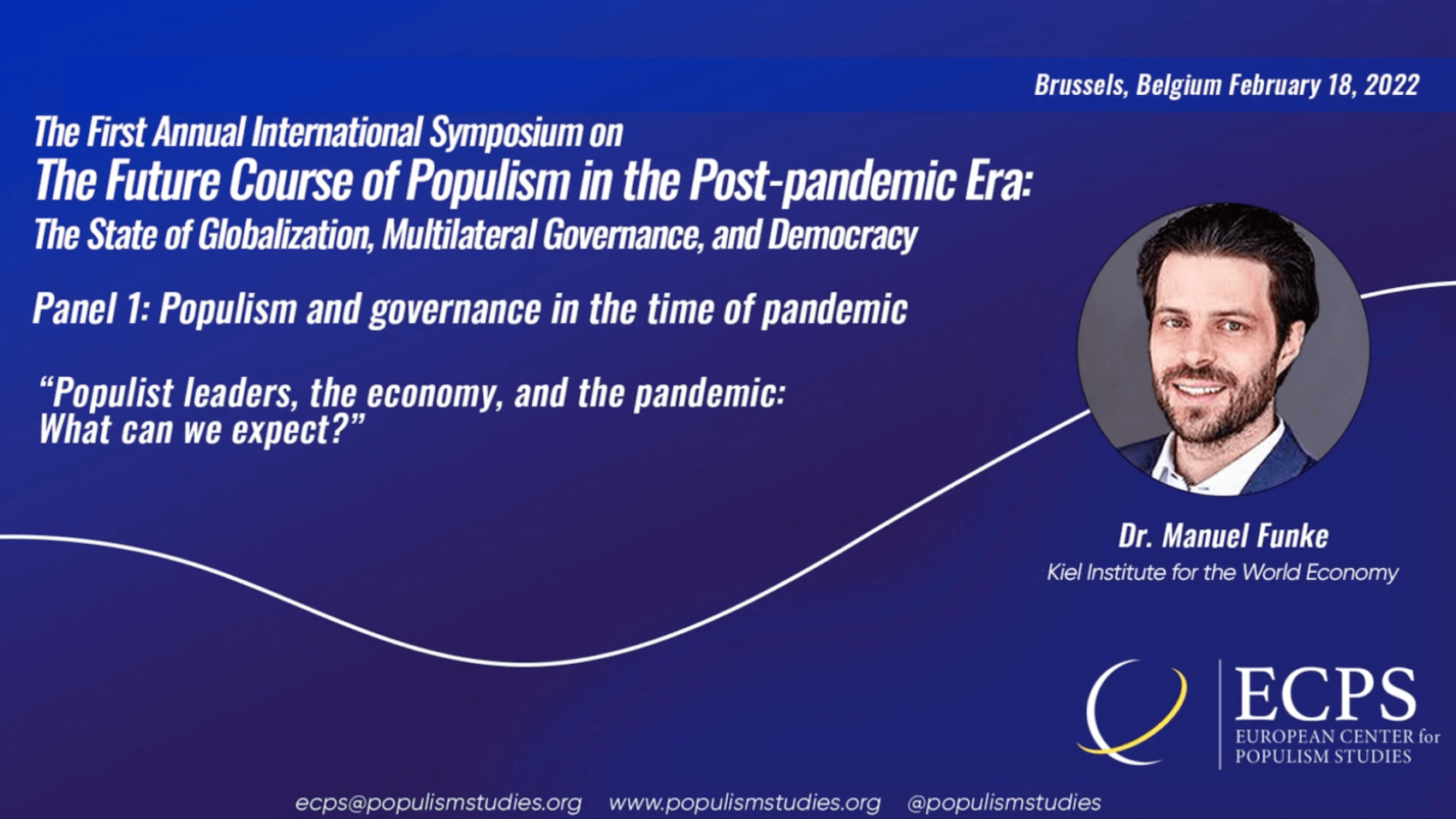
Dr. Manuel Funke (International finance and macroeconomic, Kiel Institute for the World Economy) made this presentation at the First Panel titled “Populism and governance in the time of pandemic: What we can expect?” during the First Annual International Symposium on The Future Course of Populism in Post-pandemic Era: The State of Globalization, Multilateral Governance, and Democracy — Brussels, Belgium, February 18, 2022.
Yilmaz, Ihsan & Saleem, Raja M. Ali. (2022). “Military and Populism: A Global Tour with a Special Emphasis on the Case of Pakistan.” Populism & Politics. European Center for Populism Studies (ECPS). March 1, 2022. https://doi.org/10.55271/pp0010
Abstract
Although populism has become a focus of research in the last decade, there hasn’t been much academic work on how militaries around the world have reacted/acted to the rise of populist leaders. There is some timeworn research on the relationship of militaries in Latin America with various left-wing populist governments and leaders from the 1930s to 1970s. Given that populism was largely understood in the context of left-wing politics, with the rise of right-wing populism, the literature on the military and populism needs to be advanced by studying the relationship between right-wing populism and the military. This article aims to address this gap by looking at the right-wing populism case study of Pakistan, where the military has actively participated in the rise of a religious populist leader. To situate the case study within the larger literature of the military and populism, the dynamics and history of military associations with populism and populist leaders are revisited in the article’s first part.
Even though a lot has been written about populism and its relationship with numerous institutions of the state, the link between current populism(s) and the military remains mostly unexplored (see for recent exceptions, Yilmaz and Saleem, 2021; Hunter and Vega, 2022). This article addresses that gap, giving a brief overview of the relationship between the military and populism. Populism and left- and right-wing populisms are explained in the first part of this article. In the second part, different relationships between the military and populism are explored. The final part gives a brief historical summary of how the Pakistani military helped Prime Minister Imran Khan’s populist party win elections against all odds in 2018 and has since helped govern the country.
What Is Populism?
Global politics is increasingly divided between “the people” who are galvanized against “the elite” and the “other.” As populist leaders and parties exploit these divisions based on religion, ethnicity, nationality, and other socio-political constructs, societies are becoming are fractured (Moffitt, 2016; Mudde, 2010; Albertazzi & McDonnell, 2008; Laclau, 2005). In the past, the concept was understood as something unique to Latin American politics, where left-wing populism predominated from the 1930s to the 1980s (Hawkins, 2010; Weyland, 2001). Even when there were populist leaders in other regions, they were rarely called or recognized as populists.
As populism rose in the twenty-first century, it has often been used as a right-wing narrative; some of the past explanations and theories were no longer useful. During the first two decades of this century, hundreds of articles have been written on how to define populism and attempting to understand what facilitates and maintains it.
The wave of Islamophobia post-September 11, increasing instability in the Middle East, and the resulting migration crises have led to populist ideas filtering into politics. In Europe, the Five Star Movement in Italy has vehemently opposed immigration and has repeatedly expressed its concerns with Islam (Fieschi, 2019; Mosca & Calderoni, 2012; Casertano, 2012). Its right-wing agenda has caught the increasing attention of many: the movement presents itself as the legitimate “volonté générale” of the true and pure Italian “people” against the “intruders.”
In a similar fashion, secular India—the world’s largest democracy—and its multicultural traditional is under increasing threat from the “saffron tide” of the Bharatiya Janata Party (BJP) (Saleem et al, 2022). The BJP government has used the populist ideological approach to divide the country based on religious lines: “the people” are Hindus and “the others” are Muslims and Christians (Hameed, 2020; Hansen, 1999).
As populism is a thin ideology, it can partake in both left-wing and right-wing ideas. Populist leaders attack the “corrupt elite” from both left and right. Their plans and policies can be a messy blend of left-wing and right-wing—and at times contradictory—ideas. The following section gives a brief overview of left-wing and right-wing populism.
Street posters in commemoration of the General Juan Domingo Peron death in Buenos Aires, Argentina on June 30, 2019. Photo: Alexandr Vorobev.
Left-wing Populism
Left-wing populism casts the “elites” as “the others” who have illegitimately seized power from “the people.” Left-wing populists want to return power to “the people” and re-balance society (Moffitt, 2016: 12-3). In practice, their policies differ from classical Marxists or socialists. Left-wing populists are closer to the concept of “populist socialism,” a hybrid of five elements: radical nationalism; a radical mood; populism; anti-capitalism; and a moderate form of socialism (Martin, 2012).
Earlier agrarian movements organically faded away in the early twentieth century. It was not until the rise of the left wing in the twentieth century that the term populism was extensively explored. Latin America, in particular, underwent a rapid political transformation and saw the rise of populist governments and dictatorships. A blend of style, ideology, strategy, and discourse was used by populist leaders, such as Júan Peron in Argentina, Velasco Ibarra in Ecuador, and Víctor Raúl Haya de la Torre in Peru, to gain popularity. With the help of personal charisma combined with the rhetoric of anti-elitism, these leaders amassed a huge amount of public support. Latin American politics was thus known as “populist”—gaining the support of “the people” by harbouring feelings of “popular resentment against the order imposed on society by a…ruling class which is believed to have a monopoly on power, property, breeding, and culture” (Shils, 1956: 100-101).
Left-wing populists gained prominence in twentieth-century Latin America, but they were not limited to the Western hemisphere, and many leaders in Asia and Africa adopted populist rhetoric and policies (Young, 1982). Many populist leaders of that era, such as Kwame Nkrumah, are still revered in their countries today. With the help of personal charisma and anti-elite rhetoric, which was directed at not only local elites but also international elites (Western governments and international companies primarily controlled by the West), these leaders became very popular. Neo-colonialism was regularly arranged by these leaders, and anti-globalization was part of the African and Asian left-wing populist repertoire.
With the fall of the communist bloc in the 1990s, both Marxism and left-wing populism saw a decline in popularity. There was the gradual, widespread acceptance of liberal democracy and neo-liberal economics.
Populism—on the left but especially the right—would return in the first decade of the 21st century. March and Mudde (2005) term this new surge in populism as “social populism,” a doctrine rooted in principles of “correct” and “fair” class politics and that seeks to establish an egalitarian society that is for the “proletarian” and has elements of “anti-elitism.” The “social populist” movement found support following the global financial crisis of 2008 when it emerged along with various other political movements that sought to “fix” the “broken” system (Augustin, 2020: 5-6; Gandesha, 2018). The new wave of left-wing populists is democratic, unlike its twentieth-century predecessors, yet it uses similar ideological strategies, discourses, and style.
Right-wing Populism
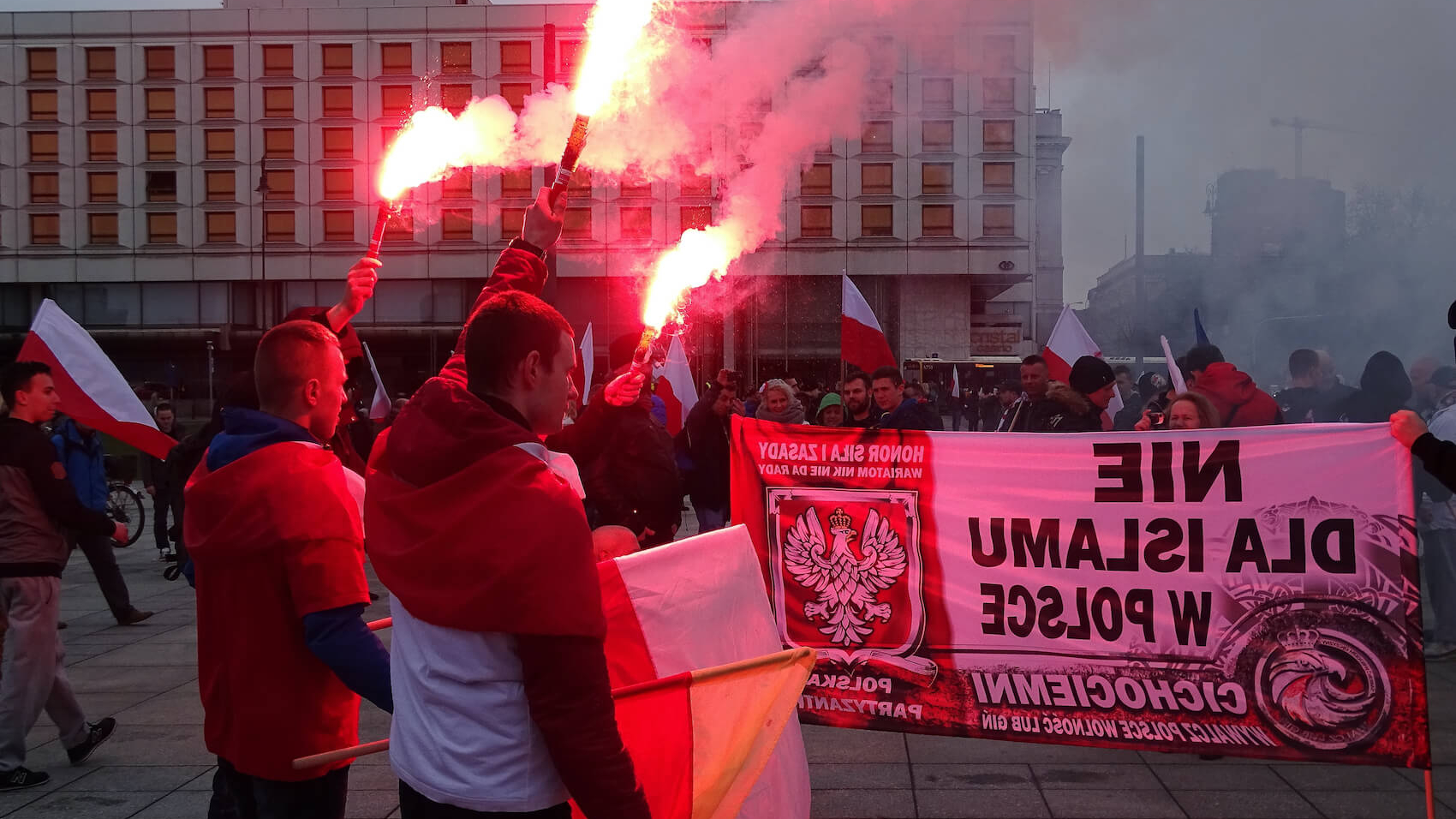
At the opposite end of the spectrum, global politics is undergoing a surge in right-wing populism. As opposed to its left-wing form, right-wing populism is rooted in ideas of “the pure,” religious “righteousness,” “nativism,” and a “sacred” right to “native” land (Haynes, 2020; Lobban et al. 2020; Röth, Afonso & Spies, 2017). “The people” increasingly feel it is their right to protect their culture and values from the “others.” These “others” are a wide variety of groups, based on ethnicity, language, race, religion, etc. For instance, in Central Europe, people who believe European civilization is a “Christian civilization” view Muslims as a threat, “outsiders” who are unable and/or unwilling to integrate. Haynes (2020:1) points out, “As Muslims are not capable, so the argument goes, of assimilating to European or American norms, values, and behaviour, then they must be excluded or strongly controlled for the benefit of nativist communities. Right-wing populists in both the USA and Europe pursue this strategy because they see it as chiming well with public opinion at a time of great uncertainty, instability, and insecurity.”
Along with this “Christian” civilizational, right-wing populist ideology—with Muslims as the outsiders—right-wing populists also sometimes engage in anti-Semitism and misogyny, are staunchly anti-immigrant, homophobic, and anti-EU and anti-globalization (Haynes, 2020; Lobban et al. 2020; Röth, Afonso & Spies, 2017). Thus, the discourse is built on a distrust of “outsiders” who are not part of the “true” culture.
Former US President Donald Trump entered the White House with the help of this right-wing populism. Trump’s brand of populism heavily relies on notions of Judeo-Christian—although unlike his running mate, Mike Pence, he did not clearly identify with the dominant and deep-seated emotions in the Bible Belt and beyond. He has constantly supported the idea of a Judeo-Christian civilization and has shown an aversion to “others”—even, paradoxically, including Mexican immigrants who are mostly Christians (Hosey, 2021; Mudde, 2021; Espenshade, 2020). The January 6th attack on the US Capitol has shown Trump’s encouragement of and tolerance for domestic far-right terrorist groups that are part of a radical right in America (Mudde, 2021).
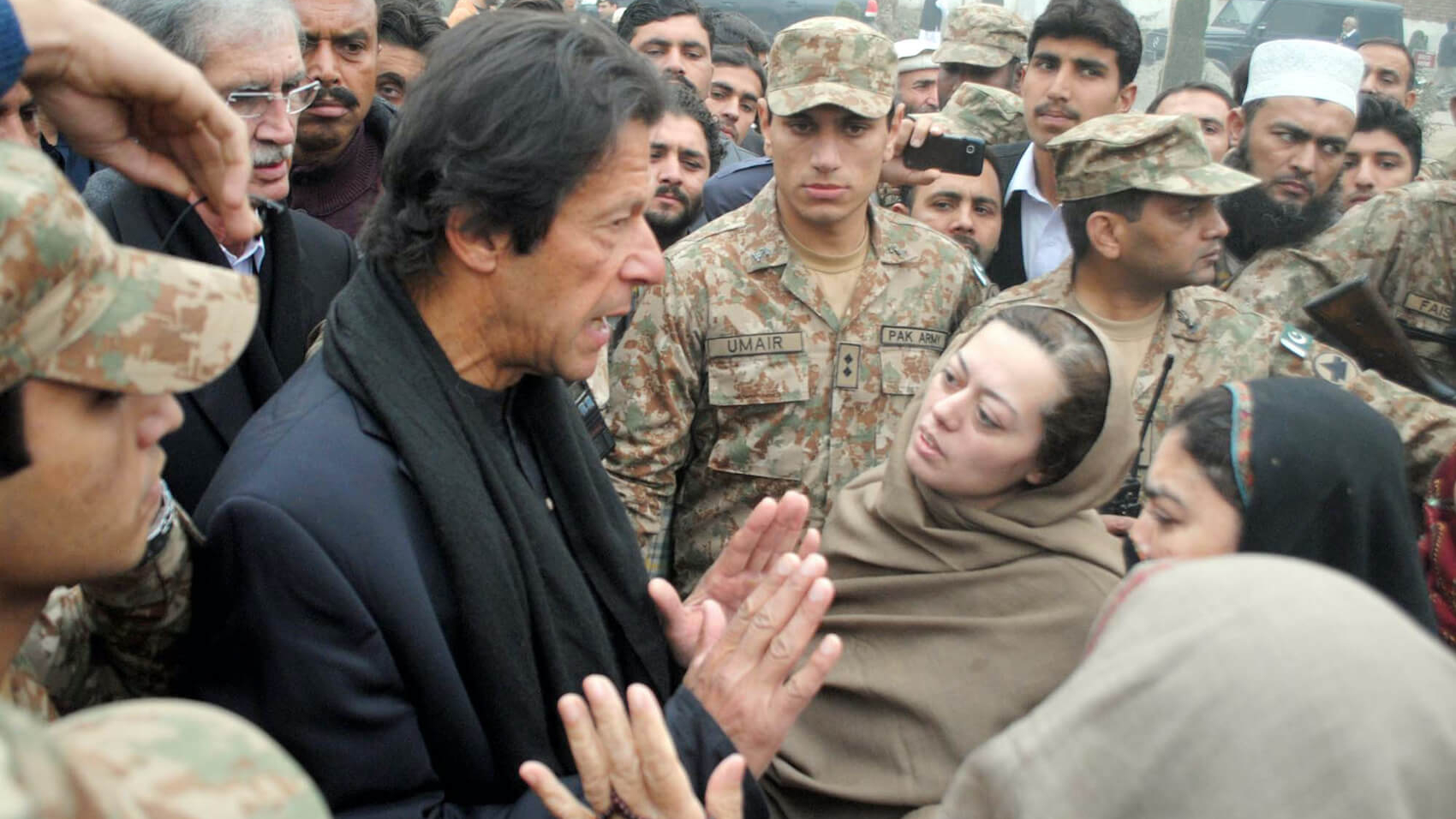
Beyond Europe and the Western world, right-wing populists have also prospered and even gained power in Asia and Africa. Prime Minister of India, Narendra Modi, has used a right-wing ensemble of Hindu nationalism and populism for over two decades and has essentially altered the social fabric of India (Human Rights Watch, 2020; Rogenhofer & Panievsky, 2020; Jaffrelot & Tillin, 2017: 184; Saleem et al, 2022). During Modi’s first and second tenure as Prime Minister, the Hindutva ideology—and Modi’s populism—engulfed not only the politics, but also the psyche, of Indian society. From revoking the autonomy of Indian-held Kashmir to instigating security forces’ violence against student protestors across India to the Citizenship Amendment Act, the Modi-led BJP has used Hindutva and populism to engulf the brains and bodies of ordinary Hindus (Human Rights Watch, 2020; Rogenhofer & Panievsky, 2020; Saleem et al, 2022). Next door in South Asia, Imran Khan has also used Islamist populism (Shakil and Yilmaz, 2021) —and the power of the military (to be discussed in detail later)—to gain power in Pakistan. He invites people to a new Pakistan that is a modern version of Prophet Muhammad’s state, called the Riyasat-e-Madina.
Beyond ideology and discourse, right-wing populism has also been used in a performative sense as a style and as a strategy. Modi’s use of the sacred saffron colour, Khan’s habit of carrying around prayer beads, Trump holding the Bible before ordering peaceful protesters to be shelled with tear gas, and Erdogan’s habit of crying while reciting the Qur’an are various strategy- and style-based right-wing populist tactics to evoke propitious, favourable emotions in “the people.”
The divisional lines between right- and left-wing populism are not always clear cut. For instance, the idea of anti-elitism can also be espoused by any populist. Leaders such as Modi and Erdogan have been using their humble beginnings to position themselves as a voice or of the common, working-class people. Thus, Erdogan calling himself a Black Turk (as opposed to an elite White Turk) and Modi referring himself as a chaye wala (tea seller) are symbolic gestures to highlight their working-class roots and deep relationship with an average Turkish or Indian citizen (Sen, 2019).
On the other hand, Mette Frederiksen and her party, the Social Democrats, in Denmark are proponents of left-wing values such as strong welfarism. Yet, in recent years, even when in power, the party has taken an anti-immigration stance which is traditionally a right-wing policy (Al Jazeera, 2019; Nedergaard, 2017). The party justifies its move by rationalizing, “As Social Democrats, we believe that we must help refugees, but we also need to be able to deliver results in Denmark via local authorities and for the citizens. […] We have therefore been tightening asylum rules and increased requirements for immigrants and refugees. And we will continue to pursue a tight and consistent asylum policy, which makes Denmark geared to handling refugee and migratory pressures” (Nedergaard, 2017).
The Military and Populism
While populism is largely a political ideology, when institutional boundaries are weak, the military can fall prey to populism, too. Some characteristics of populism endear the military to it while others make the military oppose it. Military men and women, being part of a bureaucracy and an institution working under strict rules and regulations, often dislike political manoeuvring and manipulation; they may be drawn to populists who commonly talk in simple, straight language and are not ready to spare those who they think are enemies of the nation. Although populist leaders do make deals and change their opinions based on what is politically feasible (such as Trump’s change of opinion about abortion), they project themselves as straight shooters, not politicians. This apparent dislike for political expediency is also appealing.
However, there are also many points of disagreement between the military and populists. Populists generally oppose wars and foreign interventions, as they take money away from domestic welfare programs. Many populists propose cutting defence budgets to increase domestic welfare spending. Most populist leaders are also anti-science or lack basic scientific knowledge. Trump, Modi, and Khan have said many things that would make a 10th-grader laugh. This makes populist leaders difficult partners for the military, home to the most sophisticated technologies available.
Populist Generals
There are many types of relationships between the military and populism. The most direct would be a coup leader himself becoming a populist. It is uncommon today, but in the 20th century, generals did transform themselves into populists after successful coups to gain legitimization and support. Perhaps the most famous left-wing populist general was the Argentinian Júan Peron, who became the face of socialist populism (Calvo, 2021; Gillespie, 2019). During his two terms in office, Peron was able to amass popular support through welfare and pro-labour policies combined with nationalization (Gillespie, 2019). While in the short term these benefited the Argentinian people, the government was unable to support such measures in the long run when combined with the growing military oligarchy in the country. “Peron used the presidency to maintain support for the military through modernization and promotion projects. […] Perón removed generals when he saw them as troublesome and promoted the generals who supported him instead” (Calvo, 2021). This clientelism between the military elite was used by Peron to prolong his “iron first” populist rule over Argentina (he ruled from 1946-55 and again from 1973-74).
Similarly, in Mexico too, General Lázaro Cárdenas (in power from 1934-40) adopted socialist populist policies that led to major improvements in the economy and also general welfare, as he touted issues such as affirmative action for indigenous groups and women’s rights (Philip, 2000). By mobilizing the rural poor and urban middle class, Cárdenas dominated Mexican politics with socialist ideas, but his military background led his government to assume the posture and course of populist authoritarianism (Philip, 2000).
Nasserist party supporters hold signs and pictures of Gamal Abdel Nasser during first anniversary of Egypt’s uprising in Tahrir Square in Cairo, Egypt on January 25, 2012. Photo: Tom Bert.
Left-wing populism was also adopted by many military coup leaders in Africa, such as Gamal Abdel Nasser in Egypt (ruled 1956-70), Ben Bella (ruled 1962-65) in Algeria, and Thomas Sankara (ruled 1983-87) in Burkina Faso. Some of these generals “thickened” their populism with nationalism and transnationalism. Nasser was traditionally a left-wing populist leader, yet he used the ideas of pan-Arabism to create not only a national identity for Egypt but for Arabs around the Middle East.
Right-wing populist generals are not uncommon. These populist generals have promoted nativism, militant nationalism, an aggressive stance against immigrants, minorities, and outsiders, and a “my country first” policy. The Greek “regime of the colonels” in the late 1960s and early 1970s was an example of right-wing military leaders employing populism. The regime coined the slogan, “Greece for Christian Greeks,” and its leaders frequently talked about one Greek people and nation. They also talked about a “national renaissance” to resurrect Greece, which was compared to a patient on her deathbed (Couloumbis, 1974; Xydis, 1974).
Military Support for / Opposition to Populists
Most of the time, the military supports or opposes populists but does not directly intervene in a country’s governance. Populists—who want to change the decades-old way of doing politics—usually need or feel the need to have this indirect support. Supporting populists indirectly allows the military to protect its interests, such as regular increases in military expenditures, as well as increase its political power.
The military’s support for left-wing populist leaders primarily comes from the mid-century period in Latin America. During the twentieth century, militaries in numerous countries supported left-wing populists. Brazilian President and dictator Getulio Vargas (1930-45 and 1951-54) came into power supported by the Brazilian military. He adopted a wide array of social and political policies that benefited labour, workers, and women, and the Brazilian military continued to support him even when he disbanded Congress and suspended the constitution (Green, Langland, & Schwarcz, 2019: 321-4).
Some left-wing populists have been opposed by the military. Paz Estenssoro, a left-wing Bolivian leader, who came to power with the Revolutionary Nationalist Movement, stayed in power from the 1950s to 1980s. His rhetoric was anti-elitism and targeted the ruling military elite. “In the revolution of April 1952, the worker and peasant masses defeated the oligarchy’s military,” and he established a rule which led to the rapid nationalization of resources (Funke, Schularick & Trebesch, 2020: 85).
Militaries supporting right-wing populism have become more common. One of the reasons might be the changing nature of the military vis-à-vis society in the decolonized world. Earlier, the military in most developing countries was a modernizing force as it had education, scientific knowledge, and regular interaction with other militaries. Numerous military coups led to land reforms and less power for the religious right. By the end of the 20th century, most militaries in these countries had become status-quo-supporting organizations.
In the Philippines, President Rodrigo Duterte, a right-wing “strongman” populist, has been able to garner support through his “tough” actions against “druggies,” “militants,” “radicals,” etc. (Dizon, 2020). Duterte’s “action” oriented strategy to “crush” the bad guys has led him to use penal populism. His aggressive policies are supported by the military, on whom he has relied heavily for cracking down “undesirables” (Dizon, 2020).
Brazilian President Jair Bolsonaro during 74th Anniversary of Parachutist Infantry Battalion held at Military Village in Rio de Janeiro, Brazil on November 23, 2019. Photo: Celso Pupo
Another instance of a right-wing populist leader being supported by the military comes from Latin America. In Brazil, conservative, populist President Jair Bolsonaro has appointed military officers to key technocratic, political, and bureaucratic positions. One figure suggests that “individuals with military experience have occupied almost half of all cabinet seats since 2019, including President Jair Bolsonaro himself as well as retired army general and current vice president Hamilton Mourão” (Scharpf, 2020).
Finally, right-wing populists have been opposed by the military in some countries. For nearly eight decades, the modern Turkish Republican was dominated by the Kemalist military elite that advanced a reformist agenda to modernize and secularize the country. After the right-wing Justice and Development Party (AKP) came to power, the Kemalist military launched a series of attacks on the AKP. This led to what the AKP called a “digital coup” against them when the Kemalist military questioned the AKP’s nationalism and loyalty as being counter to the constitutional spirit of the country (Elver, 2014). Between 2010 and 2020, the AKP became increasingly populist and used its increasing power to constitutionally limit the Kemalist military elite from interfering.
From this brief survey, it is evident that in developing countries where mass mobilization takes place on populist grounds, the military is likely to get involved directly or indirectly in state affairs due to the power vacuum left by politicians. The armed forces are either part of “the elite” that the populist wave rises against, or they are direct agents of “the people” or supporters of those who claim to represent “the people.”
Case Study of Pakistan
Pakistan is no stranger to military involvement in civilian matters (Amin, Qurban & Siddiqa, 2020; Taj, Shah & Ahmad, 2016; Hussain, 2012). The country witnessed its first military coup in 1958, hardly a decade after its formation in 1947. From the late 1950s to the late 2000s, the country experienced four successful military coups and numerous unsuccessful ones. Pakistanis lived nearly half of those seven decades under military dictatorships (1958-1971, 1977-1988, and 1999-2008). Over the years the military has not only deposed democratically elected leaders but forced them into exile—and in the case of Zulfiqar Ali Bhutto, organized his execution (Amin, Qurban & Siddiqa, 2020; Taj, Shah & Ahmad, 2016).
Since the last dictatorship, the military has adopted a covert approach regarding its involvement in politics. They have tried to manage Pakistani politics from backstage. The fame, power, and charisma of Imran Khan, a famous sportsman and philanthropist, has allowed the military to browbeat the two most popular parties in the country. With the rise of populism, Khan and his Pakistan Tehreek-e-Insaf (PTI) party (see in detail, Yilmaz and Shakil, 2021a; Yilmaz and Shakil, 2021b; Yilmaz and Shakil 2021c) and the military have cooperated repeatedly and projected themselves as the “defenders” or “the voice” of “the people” against the malicious “others.” Imran Khan’s journey to the country’s power corridors is closely tied to his relationship with the military. Khan’s PTI, however, has gone through various stages before becoming fully immersed with the military. Due to the changing dynamics of the relationship, we have divided Khan’s journey into various chronological periods.
Years of Warm Non-engagement (1996-2001)
The PTI was founded as an anti-elite and anti-corruption party that sought to bring social justice to the disenfranchised people of Pakistan. In its early stages, the party was welfarist and reformist in its ideas. It wanted to make politics “for the people,” as a break from conventional politics which was increasingly dynastic and self-centred. The party’s non-political background meant it had to work from the grassroots to ensure its political presence in a country where family and baradari (tribe or caste) ties play a key role in politics (Shah, 2020; Mushtaq, Ibrahim & Qaleem, 2013; Lancaster, 2003). During its initial years, the PTI was not a fixture on the political landscape other than Khan, its chairman, making headlines for issuing pro-people statements due to this social status as a former Pakistani cricketer. Abbas (2019) correctly notes that in its early years, the PTI was not seen as a political party but rather viewed as an Imran Khan fan club or a social justice movement; its membership was confined to the upper middle class and affluent members of society who wanted to play a proactive role in politics.
The PTI’s pro-establishment stance positioned it close to the military when General Musharraf deposed the sitting Prime Minister Nawaz Sharif. In Khan’s view, elite’s corrupt and incompetent leadership had come to an end, and Musharraf’s progressive ideals would benefit the country. During this period, the relationship between the PTI and the military was cordial. Shaukat Khanum Memorial Cancer Hospital, a charity founded by Khan, even was donated $500,000 by Musharraf in 2002 (Arab News, 2019).
Pervez Musharraf.
Antagonistic Relationship (2002-10)
The distant yet pleasant relationship between the regime and the PTI took a turn in 2002. Musharraf offered Khan a significant role in politics and a large number of seats in the 2002 national elections but, in turn, Khan had to support a large group of corrupt politicians. To his credit, Khan refused, and the PTI only won one seat in the 2002 military-rigged elections. Musharraf’s embrace of the corrupt and religious parties—including the KP, PTI’s political rival—turned Khan into a bitter rival. Khan also became a fierce critic of the Pakistani military’s role in the “war on terror” in Afghanistan. For nearly a decade, Khan increasingly became the face of resistance towards US-led or promoted operations in Pakistan’s rural tribal areas.
Khan’s opposition to the army’s activities and the Musharraf regime led to him being put on house arrest several times (Indurthy, 2004). In 2007, Khan and his party also publicly opposed the regime’s efforts to evacuate a hub of extremists from the Red Mosque in Islamabad (Samiuddin, 2018). Crucially, the PTI chose to remain silent on the issue of extremism being spread by the militants and radicals at the mosque and instead chose to criticize the draconian measures taken by the Musharraf-led government to dislocate the militants from the mosque complex. Later on, Khan was one of the leaders of the movement for the restoration of the Chief Justice of Pakistan, who was unconstitutionally sacked by Musharraf. It was this movement and the murder of Benazir Bhutto that resulted in the fall of Musharraf in 2008-9.
Close Alignment (2011-17)
With Musharraf in exile and The Pakistan Peoples Party (PPP) and The Pakistan Muslim League-Nawaz (PML-N) leading governments at the federal and provincial level, there was little hope for the PTI. Khan’s original supporters were long gone, and the PTI was unable to make a dent in the political arena. Similarly, the military was looking for partners to increase its clout after the undignified ouster of Musharraf. So, it seems that the two most probably decided to strike a deal. There aren’t signed papers but there is enough circumstantial evidence of the PTI’s support for the military and vice versa. The prime piece of evidence is the shift in the PTI’s “other.” While Khan was still passionately leading rallies and pointing out policy issues regarding the war on terror, the overall target of the party’s criticism was not the military but the “Western nations” which, according to Khan, had engulfed the Muslim nations into war (Dawn, 2013). Khan’s support of the Afghan mujahideen and his increasing focus on the “good” Taliban drew international criticism (Boone, 2014).
Gradually, the calls for accountability were targeted at the political elite, leaving the military out of the PTI’s retributive politics. While it’s true that civilian politicians such as the Sharifs and Bhutto-Zardaries had amassed fortunes by misusing their offices, so, too, had the military elite; generals became multi-millionaires (Siddiqa 2017). Yet PTI’s accountability was partisan: it sought a return of the looted wealth only from the civilian governments. The military supported Khan by providing him allies and ensuring favourable media coverage. Because of political deals and Khan’s alliance with the military, the PTI’s position became hypocritical. Khan spoke about those who were killed by the Western militaries in Afghanistan and refused to condemn the Taliban, who were also involved in killing innocent Afghans. While he drew excessive focus to the police brutality of the PML-N government against various protestors, such as at the Model Town incident in 2014, there was no mention the lives lost due to various military operations in the country’s western regions.
The PTI had always prided itself as a pro-democracy party, yet it did not object to the constitutional amendments that went against the democratic spirit of the country. For example, Khan did not raise an objection to the controversial 21stConstitutional Amendment, which was passed in 2015 (Amin, Qurban & Siddiqa, 2020; The News; 2014). Because of this amendment, the military could set up its own courts that could try civilians if they were deemed “terrorists.”
Muslim League-N President, Nawaz Sharif addresses PML-N workers during meeting in Peshawar, Pakistan on September 16, 2011. Photo: Asianet-Pakistan.
As the 2018 elections grew closer, Pakistan went through major political developments when Prime Minister Nawaz Sharif was disqualified from office after a prolonged court case. It was very difficult to believe that this verdict did not have the military’s support, as Military Intelligence (MI) and Inter-Services Intelligence (ISI) were major witnesses against the sitting PM. This sent into motion an openly bitter relationship between the military and the PML-N. The latter blamed the military for interfering with politics, as the exiled Sharif made speeches blaming the “aliens” or “deep state” that targeted him and his family through their “proxy,” the PTI (Dawn, 2018). Sharif went on the offensive and called out the military leadership for their constant interference in matters of the state while simultaneously labelling the PTI as the military’s “puppet” government (Dawn, 2020).
Support During the Election Campaign and On Election Day (2017-18)
By the end of the PML-N tenure, the party had suffered major setbacks. The PTI was the talk of the town and sought vengeance for the country’s “wronged” people. The PTI attacked the political elite, and its populist rhetoric resonated with the population, which felt failed by successive corrupt governments. The PTI emerged victorious in the National Assembly and in three provincial assemblies.
The PML-N, after its defeat, accused the PTI of using military support to rig elections to secure its victory. While the PML-N was a bitter loser, there was some truth in the allegations. For instance, in the July 2018 elections, the Pakistani Army had deployed over 371,000 troops to “secure” polling stations, and the counting of votes was delayed for several hours (Khan, 2018; Panda, 2018). While the presence of the military at voting stations was not new in a country where security has been a prolonged issue, there were worrying reports about the integrity of the election (Abi-Habib & Masood, 2018; Khan, 2018). Even before the election, various PML-N candidates issued statements claiming that they were being harassed by security forces and that their campaign headquarters were targeted (Abi-Habib & Masood, 2018). The allegations were profound enough that the spokesperson for the military, Major General Asif Ghafoor, had to address them during a press conference, where he brushed the allegations aside (Abi-Habib & Masood, 2018; Panda, 2018).
Following its electoral victory, the PTI revealed a plan to address the nation’s issues in 100 days. While most of the PTI’s campaign promises remain unfulfilled—and the party even reversed some of its positions—it is worth noting that a large number of former Pakistan Muslim League-Quaid-i-Azam (PML-Q) or pro-Musharraf/military political members have become part of Khan’s core team (Abbasi, 2018). At least 13 core ministries were handed out to former PML-Q members, or those who had served in an advisory capacity to Musharraf (Abbasi, 2018).
Support For PM Imran Khan (2018-21)
In office, Imran Khan has been an enthusiastic supporter of the military. A huge change in his previous stance was visible when a court announced a public hanging sentence for Musharraf for disrespecting and violating the constitution between 1999 to 2008 (Geo News 2019). In 2014, Khan himself urged the judiciary to do justice by not allowing Musharraf to escape trial (Ilyas, 2014). Once the 2019 verdict came down, Khan explicitly called the judge “mentally ill” for using such a “harsh” verdict as the Prime Minister felt it insulted the institution of the military (Shahzad, 2019). Khan gave a full three-year extension to the current Army Chief, after his normal three-year tenure ended in 2019, although previously Khan himself (and others) had publicly declared that giving Army Chiefs extensions undermines democracy (Philip 2019; Afzal, 2019). In, 2021 the PTI government passed another bill aimed at supporting the military. Under this new bill, anyone who criticizes the military will be tried under section 500A of the Pakistan Penal Code (PPC); the accused could face two years of jail time and/or a fine of up to 500,000PKR, or roughly 3,270USD (The News, 2021).
In addition to supporting legislative changes that bolster the military, Khan has openly talked about a “5th generation warfare” and the opposition’s “seditious” attempts. The government, with the help of the military, has registered numerous cases on major opposition figures and has used an anti-corruption agency to keep opposition leaders terrified and/or in jail. Khan and the military’s top brass have used the populist rhetoric of threats from “within” and “outside” the country to browbeat the political opposition (Butt, 2021; Sareen 2020). Both have synchronized efforts to portray the opposition as friends of India and the “enemy” of Pakistan, ensuring they’re viewed with suspicion while the PTI and military are viewed as the “protectors of the nation.”
Conclusion
This case study demonstrates the partnership between a populist leader and a country’s military leadership that allows the latter to play a covert role in politics. In Pakistan, the military has always been closely tied with politics. It has been deemed a necessary evil that is there to protect the people from the “incompetent political elite” or to defend the country against its many “enemies.” These notions have helped construct an image of the military as a “reliable” political actor who is normally incorruptible. However, with growing concerns in civil society over repeated military regimes, the military apparatus changed its form of involvement in politics. Rather than imposing martial law and becoming a pariah on the international stage, it decided to co-opt a populist party and “help” it form a government. The PTI government now provides the generals with the necessary leverage and cover through its verbal, legal, and legislative power while the military provides Khan and his PTI with political space to run the country even when its performance is pitiful and the opposition is numerically strong. Both get what they want while also maligning the opposition as “traitors” and “enemies of the people.”
The Pakistani case study is informative. It tells a story that can easily happen elsewhere in the developing world. A military, having staged many successful coups and accustomed to unconstitutional powers, looks to keep or increase its illegal powers against the onslaught of political parties, without imposing martial law. Thus, it decides to back a populist party, which is unable to challenge the control of the established parties on its own. Separately, both the military and the populist party may not succeed, but, using each other, they manage to take control of the government.
References
— (2013). “Thousands protest against drone strikes in Peshawar.” Dawn. November 23, 2013. https://www.dawn.com/news/1058051 (accessed on February 25, 2022).
Albertazzi, Daniele, and Duncan McDonnell. (2008). Twenty-First Century Populism: The Spectre of Western European Democracy. Cham: Palgrave.
Amin, Husnul, Qurban, Shafiq and Siddiqa, Maryam. (2020). “The Impact of Abusive Constitutionalism on Democracy in Pakistan.” Global Political Review. V(I), 46-54. doi:10.31703/gpr.2020(V-I).06
Augustin, G. Oscar. (2020). Left-Wing Populism: The Politics of the People. Emerald Publishing Limited: Bingley.
Fieschi, Catherine. (2019). Populocracy:The Tyranny of Authenticity and the Rise of Populism. Newcastle upon Tyne: Agenda Publishing, 2019. doi:10.2307/j.ctvnjbf2s
Funke, Manuel, Schularick, Moritz and Trebesch, Christoph. (2020). Populist leaders and the economy. Reinhard Selten Institute (RSI), University of Bonn and University of Cologne. ECONtribute Discussion Paper, No. 036.
Gandesha, S. (2018). “Understanding Right and Left Populism.” In: Morelock, J. (ed.) Critical Theory and Authoritarian Populism. Pp. 49–70. London: University of Westminster Press.
Green, James N., Victoria Langland, and Lilia Moritz Schwarcz. (2019). The Brazil Reader: History, Culture, Politics. Duke University Press.
Hameed, Usman. (2020). “Footprints of Fascism in India: Implications for Local Muslims.” Pluto Journals. 17(2), 27-46.
Hansen, T. (1999). The Saffron Wave: Democracy and Hindu Nationalism in Modern India. PRINCETON, NEW JERSEY: Princeton University Press. Retrieved April 16, 2021 from http://www.jstor.org/stable/j.ctt7s2fq
Hawkins, A, Karik. (2010). Venezuela’s Chavismo and Populism in Comparative Perspective. New York: Cambridge University Press.
Haynes, Jeffrey. (2020). “Right-Wing Populism and Religion in Europe and the USA.” Religions. 11 490. doi:10.3390/rel11100490
Hunter, Wendy and Diego Vega. (2022). Populism and the military: symbiosis and tension in Bolsonaro’s Brazil, Democratization, 29:2, 337-359, DOI: 10.1080/13510347.2021.1956466
Indurthy, Rathnam. (2004). “Musharraf’s Regime in Pakistan: The Praetorianism Faces an Uncertain Future.” The Indian Journal of Political Science. 65 (2) 259–282.
Jaffrelot, Christopher and Tillin, Louise. (2017). “Populism in India.” In: The Oxford Handbook of Populism. Edited by Cristóbal Rovira Kaltwasser, Paul Taggart, Paulina Ochoa Espejo, and Pierre Ostiguy.
Khan, A. I. (2018). “Quality of 2018 elections declined compared to 2013: Pildat.” Dawn. August 10, 2018. https://www.dawn.com/news/1426016 (accessed on February 28, 2022).
Laclau, Ernesto. (2005). On Populist Reason. London and New York: Verso.
March, L., Mudde, C. (2005). “What’s Left of the Radical Left? The European Radical Left After 1989: Decline and Mutation.” Comp Eur Polit. 3, 23–49. https://doi.org/10.1057/palgrave.cep.6110052
Martin, Guy. (2012). “The Socialist-Populist Ideology I.” African Political Thought. New York: Palgrave Macmillan. Pp. 71-84.
Moffitt, Benjamin. (2016). The Global Rise of Populism: Performance, Political Style, and Representation. Palo Alto: Stanford UP.
Mosca, Lorenzo, and Valeria Calderoni. (2012). “A Year of Social Movements in Italy: From the ‘No TAVs’ to the Five Star Movement.” Italian Politics. 28: 267-85. http://www.jstor.org/stable/24433801 (accessed on April 16, 2021).
Mudde, Cas. (2010). “The populist radical right: A pathological normalcy.” West European Politics. 33: 1167–86.
Philip, George. (2000). “Populist Possibilities and Political Constraints in Mexico.” Bulletin of Latin American Research.19(2), 207–221. www.jstor.org/stable/3339429
Rogenhofer, M. Julius and Panievsky, Ayala (2020). “Antidemocratic populism in power: comparing Erdoğan’s Turkey with Modi’s India and Netanyahu’s Israel.” Democratization. 27:8, 1394-1412, DOI: 10.1080/13510347.2020.1795135
Röth, L., Afonso, A., & Spies, D. (2018). “The impact of Populist Radical Right Parties on socio-economic policies.” European Political Science Review. 10(3), 325-350. doi:10.1017/S1755773917000133
Shakil, Kainat and Ihsan Yilmaz (2021). “Religion and Populism in the Global South: Islamist Populism of Pakistan’s Imran Khan,” Religions. DOI: 10.3390/rel12090777.
Shils, Edward. (1956). The Torment of Secrecy: The Background and Consequences of American Security Policies.Glencoe: Free Press.
Siddiqa, A. (2017). Military Inc.: Inside Pakistan’s military economy. Penguin Random House India.
Boguslawa Dobek-Ostrowska (Professor, the chair of the Department of Communication and Journalism, the Institute of Political Science, University of Wrocław, Poland).
Speakers
“Populism in Poland 2015-2021. A short journey from theory to praxis,” byDominika Kasprowicz (Professor of political science, the Institute of Journalism, Media and Social Communication, Jagiellonian University, Poland).
“The Orbán regime after 12 years, before the April 2022 general elections” by Zoltan Adam(Associate Professor and Chair, Department of Economic Policy and Labour Economics, Institute of Economic and Public Policy, Corvinus University of Budapest
“Scanning the far right in Croatia and Serbia” by Vassilis Petsinis(The University of Tartu, Johan Skytte Institute of Political Studies).
“Comparison of authoritarian and populist tendencies in the Czech Republic and Slovakia” by Miroslav Mareš(Professor, the Department of Political Science, Faculty of Social Studies, Masaryk University).
This commentary uses a case study of Indonesia’s Islamic Defenders Front (Front Pembela Islam, FPI) to explore crucial questions regarding the nature of populism in Indonesia. Some see the recent ban of the FPI by the administration of President Joko Widodo as a decisive clash between technocratic governance and right-wing Islamist populism. But while the banning of the FPI represents a significant move against Islamist populism, it will not necessarily weaken it in the longer run. Nevertheless, in a political environment largely devoid of competing forms of conviction politics, the campaigns for the 2024 presidential and parliamentary elections will continue to see Islamist populism playing a significant role.
Jokowi’s Ban of FPI: A Glimpse of Autorotation Paranoia?
Having been re-elected in April 2019, Indonesian President Joko Widodo (widely known as “Jokowi”) had just settled into his second five-year term when the COVID-19 pandemic began to impact. Like the rest of the world, Indonesia saw adverse health and economic impacts of the pandemic that crippled key industries such as tourism (Kelemen, 2021; Mietzner, 2020a). Jokowi’s government, like many others around the world, was seen as ill-prepared for the challenge, and the business-focused leader has been criticized for his mishandling of the virus. Within this context of uncertainty and resentment toward elected officials, Indonesia witnessed the return of one of its most outspoken Islamist populist leaders in November of 2020.
Muhammad Rizieq Shihab had led the Islamic Defenders Front or Front Pembela Islam (FPI) since its formation in 1998 as its chairman and later as its “grand imam.” The return of Shihab from self-imposed exile in Saudi Arabia drew fresh attention to the populist right-wing opposition force when Jokowi’s government was struggling. Shihab exploited this with his call for a “moral revolution” (Kelemen, 2021; FR24 News, 2020). This “moral revolution” was just the latest form of anti-government “politicaljihad” by the FPI as it advanced a familiar claim to be fighting for the Muslims of Indonesia to free the ummah from un-Islamic and “corrupt leaders” (Kelemen, 2021; FR24 News, 2020). The FPI has a history of attacking Jokowi with anti-government and anti-elite rhetoric loaded with religious connotations. Such rhetoric casts Shihab as the representative of the “pious people” (e.g., observant Muslims) and the president and state officials a “sinister” and “morally corrupt” elite.
Parade Tauhid or Parade of Tawheed, muslim marched from central stadium to the central city of Jakarta and back. Habib Riziq Shihab was giving oration in Jakarta, Indonesia on August 17 2015. Photo: Riana Ambarsari
Shihab’s call for a moral revolution commenced when huge crowds at the airport met him after returning from a two-year-old self-imposed exile in Saudi Arabia. Subsequently, the FPI spread the word on its moral revolution through multiple mass rallies across the country. Many political analysts interpreted this as the beginning of an Islamist populist campaign attempting to build momentum ahead of the 2024 general elections (Singh, 2020). In a time of pandemic, it was easy for the FPI to sell its religious populism by arguing that the people’s suffering stemmed from unjust and un-caring rulers who did not want to correct their ways and “repent.” Thus, it is “up to the people” to bring about a “moral revolution” by leading more pious lives and adhering to religious principles more strictly.
As the FPI doubled down on its trademark rhetorical refrain, calling for the imposition of sharia law in Indonesia (Maulia, 2020), the government issued increasingly severe warnings against holding mass rallies and gatherings in the context of the worsening pandemic. It also asked Shihab and his team to regularly submit to tests for the virus, all of which were denied. Yet, even with meager rates of testing, multiple positive cases were reported among rally-goers(Singh, 2020). Shihab was finally arrested for violating COVID-19 regulations, and the FPI was formally banned. Tensions peaked when six FPI members were shot dead in a police encounter in which they were described as a “threat” to the nation’s security and peace (Maulia, 2020; Singh, 2020).
While the FPI was hardly without blame, many observers have argued that Jokowi has used COVID-19 regulations and the alleged encounter to eliminate a growing anti-government political movement. This has reinforced the perception that the Jokowi administration is increasingly showing authoritarian tendencies (Kelemen, 2021; Parameswaran, 2021).
Is Populism New to Indonesian Politics?
Populist rhetoric is not new to Indonesian politics. The anti-colonial struggle against the Dutch led by the nation’s founding father, Sukarno, was inherently populist (Chalmers, 2019; Roosa, 2014). Given that the Dutch had exploited the Indonesian population and land for two centuries, it is hardly surprising that left-wing nationalist ideals were widely popular and that Sukarno is still remembered as a national hero, despite his later autocratic period of “guided democracy.”
Sukarno’s left-leaning “Old Order” government was followed in Indonesia by the anti-Communist “New Order” military-backed authoritarian regime of President Suharto. The previously little-known general emerged as a successor to Sukarno in the wake of a military takeover in October 1965 and subsequently bloody anti-Communist pogrom. In May 1998, after more than three decades in power, Suharto was forced to resign as his legitimacy faltered in the turbulence of the East Asian financial crisis. Calls for reform were led in part by the daughter of the very man whose power he had usurped, Megawati Sukarnoputri. She went on to become the first female leader of the country (Ziv, 2001).
For years, Megawati built her profile as a reformist leader channeling sympathy and respect for her larger-than-life late father. Much of her populism was based on a vague “anti-elitism” and “anti-corruption” agenda built around the promise of reformasi and returning power to “the people.” In the eyes of many, Megawati’s position enabled her to become “the face of the people” who felt increasingly oppressed through the 36-year-long military-backed dictatorship (Ziv, 2001).
The post-Suharto reformasi era not only opened the way for pro-democracy forces to participate in politics; it also saw a flood of right-wing religious parties. In the 1999 general elections, 48 new political parties took part in the democratic process, out of which 20 went on to formally contest the elections based on claims of being “Islamic” (Adiwilaga, Mustofa & Rahman, 2019: 434). Thus, from the beginning of this post-Suharto democratic period, right-wing populist parties have been a prominent element in the politics of Indonesia which is proud of its inclusive and open democracy (Tehusijarana, 2020).
President Joko Widodo campaigned in Banjarmasin Banjarmasin, South Kalimantan on March 27, 2019. Photo: Iman Satria
What was the FPI’s Populist Appeal?
Despite opportunities for political participation, Islamist parties have tended to underperform in general elections and fail to become significant partners in government. Since 2014, radical Islamist parties have tended to align with opposition forces led by PrabowoSubianto (Adiwilaga, Mustofa & Rahman, 2019: 435). In such a landscape, the FPI forged a close alliance with Prabowo as their right-wing and anti-Jokowi stances coincided. Jokowi himself has led Indonesia with his own mild variant of populism. He is framed as a champion of the “common man” and as a down-to-earth, solutions-orientated politician—a low-key “man of action.” Jokowi’s administration merges “technocratic” and somewhat left-wing solutions as well as capitalist economic models with welfare-ism. This “technocratic populism” has seen him elected president twice (Yilmaz, 2020; Roosa, 2014).
In politics, the FPI played a catalytic role in gathering votes for the parties its forms alliances with (de Haan, 2020; Hookway, 2017). The group’s core narrative of Islamist populism aids its case. Led by Shihab, a cleric with solid links to Saudi Arabia and Saudi Salafi conservatism, the FPI leadership claims to be the embodiment of the volonté générale (the general will) (Meitzner 2020; Peterson, 2020). Shihab and the FPI have maintained that an open political jihad against the government is essential since the democratically elected government is merely working in the interests of the “Western” and “Zionist” lobbies (Meitzner 2020; Peterson, 2020). Not only are the elected officials in the ranks of “the elite and corrupt,” they are, allegedly, advocates of powers working against Indonesia and Islam. The solution that Indonesia needs is to implement sharia laws (in accordance with orthodox and rigid Salafi interpretations) and act against all un-Islamic actors in the country (Amal, 2020).
While Indonesia is a Muslim majority country, it is a highly diverse society not just in terms of faiths and ethnicities but also within the majority Sunni community. It is home to a small but economically influential ethnic Chinese community, composed mainly of non-Muslims (Christians, Buddhists, Confucians, and the non-religious). Over the years, the FPI has targeted the Chinese by evoking the “communist threat” (Seto, 2019). FPI posters have frequently warned people about the “evils” and “threats” from the “traitors within.” One FPI poster reads, “Attention! Zionism, and Communism penetrate all aspects of life!” (Seto, 2019). Not only has the FPI targeted those well outside the Muslim community, but they have also targeted the marginal Ahmadiyya community in Indonesia, whose members, although living in most respects as Muslims, are condemned as being murtad (apostates). The FPI targets Ahmadiyya villages and incites violence (Amal, 2020: 585; Budiari, 2016; Woodward, 2014).
Protester waving Indonesian flag and Habib Rizieq Shihab picture during President Election Protest in front of Constitutional Court in Jakarta, Indonesia on May 24, 2020.
The political jihad championed by the FPI draws upon many of the same elements of Salafi ideology as exploited by violent jihadi groups such as al-Qaeda. Still, it largely confines its actions to inflammatory, hateful rhetoric and the largely symbolic violence of mob intimidation. Before being disbanded, the FPI marshaled para-military vigilante groups across the country to “save” the Muslim faith from the “evils” of the “enemies of the faith” (Amal, 2020; Fossati & Mietzner, 2019; Mietzner, 2018). The highly organized militant branch of the FPI has been involved in ethnic-religious rioting, and its members have used force to close down “hot spots” such as nightclubs and parties that it considers “sinful.” Various members of the organization have been arrested over charges of Islamist vigilantism. Hadiz (2016: 112) notes, “[the FPI is] believed to be involved in criminal activity, including racketeering, even as they ardently oppose the presence of ‘dens of vice’ such as nightclubs, pubs and massage parlours.”
The notorious activities of the FPI have earned it a prominent media profile and helped ensure that its call for “saving Islam” has been heard far and wide, earning the group a stable and sizable followership. Selling a narrative of victimhood, FPI imams and other leaders have ensured that their followers are kept constantly anxious about threats to their faith and way of life, and thus incentivized to hate “the Other” and at times manifest that hatred and insecurity in acts of intimidation, symbolic violence and hate speech toward out-group members (Peterson, 2020). As Mietzner (2020b: 425) has observed, Indonesian far-right populists hoodwink “pious believers” into believing they “are victimised, in Indonesia and elsewhere, by non-Muslim or otherwise sinful forces, mostly in the West but also, increasingly, China. For the Indonesian context, this means that devout Muslims are kept away from power through an inter-connected conspiracy by non-Muslim countries and Indonesian elites.”
This narrative reached a strident crescendo in late 2016. The FPI gained unprecedented approval ratings and became a powerful force in Indonesian politics during the so-called “Action to Defend Islam” (Aksi Bela Islam) demonstrations. These country-wide protests were led by the FPI and various other right-wing political groups and parties against Basuki Tjahaja Purnama (widely known by his nickname “Ahok”), the ethnic Chinese governor of Jakarta (Fealy, 2016). The nationwide protests climaxed with a call for Ahok to be prosecuted on charges of blasphemy, based on statements in a heavily edited video from the campaign hustings in which the governor had criticized the use of Islam as a campaign tool against Indonesian minorities. The xenophobic strain of criticism directed at “the Other”—in this case, the Indonesian Chinese and Christian community—was designed to mobilize the “pious people” against an otherized non-Muslim minority (Seto, 2019; Fealy, 2016). The anti-Ahok movement was framed as “defending Islam” by the FPI. The movement’s head, Shihab, moved to assume the mantle of leader of the Islamist populists by calling himself the “Great Leader of Indonesian Muslims” who would defend the faith by clashing with the authoritarian state, which was attacked for being both pro-Ahok and pluralistic (Fossati & Mietzner, 2019: 774).
At the same time, the influential, conservative Council of Indonesian Ulama (Majelis Ulama Indonesia – MUI) issued a fatwa declaring Ahok to be a blasphemer. Eventually, the FPI-led protests resulted in Ahok losing his governorship and serving two years in jail following blasphemy trials that ended his political career (Nuryanti, 2021). Subsequently, the FPI-supported opposition candidate won the governorship of Jakarta. In the run-up to the April 2019 parliamentary and presidential elections, the FPI became a formidable force supporting Prabowo. Even though this alliance failed in the elections continued to pose a threat to Jokowi and his government (Nuryanti, 2021; Adiwilaga, Mustofa, & Rahman, 2019).
The mass action ‘’Jogja Bergerak untuk Keadilan dan HAM” demands the release of Rizieq Shihab and the investigation of the shooting case of the FPI army in Yogyakarta, Indonesia on December 18, 2020. Photo: Hariyanto Surbakti
Is FPI the End of Islamist Populism in Indonesia?
Populist religious organizations in Indonesia such as the FPI exploit religious populism to gain the sympathies of “the people.” For the FPI, this was enabled by two decades of engagement with vulnerable communities at the grassroots level. The FPI has enhanced its reputation by providing voluntary-based welfare services in disaster-struck and poverty-stricken regions and neighborhoods by providing schooling, food supplies, and other humanitarian aid (Hookway, 2017).
This had helped FPI to position itself as a protagonist when the state was seen to have failed its citizens, thus becoming the ungiving and heartless antagonist. In contrast, the FPI became the altruistic and pious benevolent giver. Even after its ban, the FPI continues to court the support of a wide range of sympathizers. And despite the legal action he faces, Shihab’s populist influence has not diminished. This is evidenced by the fact that he is currently being imprisoned in an undisclosed location due to fears he could become the focus of protests and rioting. Thus, even behind bars, Shihab continues to effectively use Islamist populist rhetoric (detikNews, 2021). In an act of defiance against the “tyranny” of the amoral state, he refused to participate in an online trial in March 2021. Rather than responding to questioning in court, he engaged in theatrical non-corporation by constantly reciting verses from the Qur’an (detikNews, 2021).
The FPI might be one of the most notorious actors in Indonesian politics, but it is not the only right-wing Islamist group using populism. Prabowo has a strong alliance with various right-wing populist parties. The FPI’s culture of charismatic authority and considerable social capital means a high probability of the group being reborn in a new guise. Therefore, banning the FPI has done nothing to eliminate the threat posed by Islamist populism, particularly as the continuing COVID-19 pandemic is bound to result in long-lasting impacts on already marginalized groups in Indonesia. Given high levels of dissatisfaction with mainstream politics and a myriad of post-pandemic economic and social uncertainties, Islamist populist groups are bound to play a significant role in the run-up to the 2024 general elections.
(*) GREG BARTON is one of Australia’s leading scholars of both modern Indonesia and of terrorism and countering violent extremism. For more than 25 years he has undertaken extensive research on Indonesia politics and society, especially of the role of Islam as both a constructive and a disruptive force. He has been active in the inter-faith dialogue initiatives and has a deep commitment to building understanding of Islam and Muslim society. The central axis of his research interests is the way in which religious thought, individual believers and religious communities respond to modernity and to the modern nation state. He also has a strong interest in international relations and comparative international politics. Since 2004 he has made a comparative study of progressive Islamic movements in Indonesia and Turkey. He also has a general interest in security studies and human security and a particular interest in countering violent extremism. He continues to research the offshoots of Jemaah Islamiyah and related radical Islamist movements in Southeast Asia. He is frequently interviewed by the Australian and international electronic and print media on Islam, Islamic and Islamist movements around the world and on Indonesia and the politics of the Muslim world.
Adiwilaga, Rendy; Mustabsyirotul, Mustofa, U. and Ridha, Rahman, R. (2019). “Quo Vadis Islamic Populism? An Electoral Strategy.” Central European Journal of International and Security Studies. 13(4), 432–453.
Amal, K. M. (2020). “Islamic Populism in Southeast Asia: An Indonesian Muslim Intellectuals Perspective.” Journal of Critical Reviews. 7(5).
Mietzner, Marcus. (2018). “Fighting Illiberalism with Illiberalism: Islamist Populism and Democratic Deconsolidation in Indonesia.” Pacific Affairs. 91(2). https://dx.doi.org/10.5509/2018912261.
Mietzner Marcus. (2020a). “Populist Anti-Scientism, Religious Polarisation, and Institutionalised Corruption: How Indonesia’s Democratic Decline Shaped Its COVID-19 Response.” Journal of Current Southeast Asian Affairs. 39(2), 227-249. doi:10.1177/1868103420935561.
Mietzner, Marcus. (2020b). “Rival populisms and the democratic crisis in Indonesia: chauvinists, Islamists and technocrats.” Australian Journal of International Affairs. 74(4), 420-438, DOI: 10.1080/10357718.2020.1725426.
Nuryanti, Sri. (2021). “Populism in Indonesia: Learning from the 212 Movement in Responseto the Blasphemy Case against Ahok in Jakarta.” In: Populism in Asian Democracies. Sook Jong Lee, Chin- en Wu and Kaustuv Kanti Bandyopadhyay. Boston: Brill.
Seto, A. (2019). “Islamist buzzers: Message flooding, offline outreach, and astroturfing.” Austrian Journal of South-East Asian Studies. 12(2), 187-208.
Woodward, M., Yahya, M., Rohmaniyah, I. et al. (2014). “The Islamic Defenders Front: Demonization, Violence and the State in Indonesia.” Cont Islam. 8, 153–171. https://doi.org/10.1007/s11562-013-0288-1.
Yilmaz, Ihsan. (2020). “Populism Profile: Indonesia.” European Center for Populism Studies. October 21, 2020. https://www.populismstudies.org/tag/indonesia/ (accessed on April 30, 2021).
Ziv D. (2001). “Populist Perceptions and Perceptions of Populism in Indonesia: The Case of Megawati Soekarnoputri.” South East Asia Research. 9(1):73-88. doi:10.5367/000000001101297324.
In an exclusive interview with ECPS Prof. John Pratt of Victoria University of Wellington, New Zealand argued that in Western democracies populist leaders who gain power usually have short political lives. Prof. Pratt underlined that the reason for this was populist leaders were quickly shown up to be fraudulent and full of empty rhetoric. He added that the best example was former US President Donald Trump but stressed that the situation in non-Western societies was different. Because democratic institutions were not as strong as in the US, the populist leaders were staying in power for long periods of time.