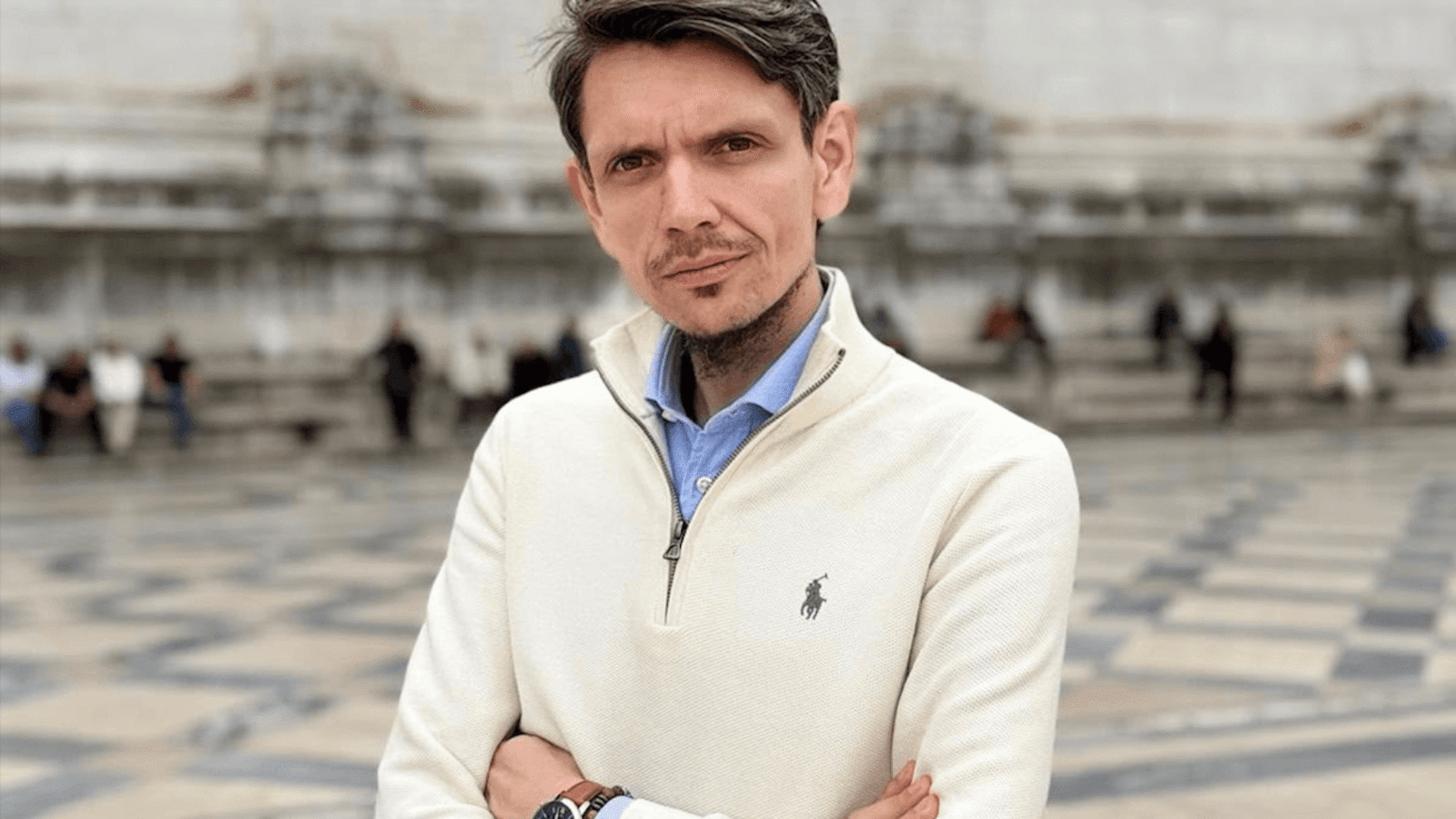
Professor Craig Calhoun

Ten Years on with Brexit / Prof. Calhoun: Brexit Reveals Regret, Weakened Influence, and Intensified Backsliding

In this ECPS interview, Professor Craig Calhoun, Professor of Social Sciences at Arizona State University, revisits Brexit a decade after the 2016 referendum, arguing that it has revealed “regret, weakened influence, and intensified backsliding.” While Brexit was presented as a remedy for national decline, Professor Calhoun notes that “there is now a degree of regret,” as its economic costs—shrinking growth, declining investment, and reduced productivity—have become clearer. Yet his analysis moves beyond economics, situating Brexit within deeper struggles over English identity, regional inequality, democratic legitimacy, and geopolitical decline. He argues that Brexit has acted as a “catalytic event,” intensifying existing democratic malaise while exposing Britain’s unresolved tensions over belonging, representation, and national purpose in an increasingly unstable global order.

Interview by Selcuk Gultasli

A decade after the 2016 referendum, Brexit remains a defining fault line in British politics, shaping not only institutional trajectories but also the deeper contours of political identity, democratic legitimacy, and geopolitical orientation. In this wide-ranging interview with the European Center for Populism Studies (ECPS), Professor Craig Calhoun, Professor of Social Sciences, Arizona State University, offers a striking reassessment of Brexit’s long-term implications, foregrounding a central paradox captured in the headline insight: “Brexit reveals regret, weakened influence, and intensified backsliding.” While the referendum was initially framed as a corrective to perceived national decline, Professor Calhoun underscores that “there is now a degree of regret,” as its economic consequences—“shrinkage of the economy, loss of investment and productivity”—have become increasingly apparent.

Yet Brexit’s significance extends beyond material outcomes. Professor Calhoun situates it within a broader transformation of democratic politics, arguing that it has functioned not merely as an event but as an accelerant: “Brexit has functioned as a catalytic event… it has made things worse and intensified democratic backsliding.” In this respect, the UK’s trajectory reflects a wider pattern across Western democracies, where populist mobilization intersects with declining institutional trust and growing dissatisfaction with representation. Although Britain retains relatively robust institutional foundations, he notes a discernible erosion, with the country becoming “less democratic… to a noticeable degree.”

A key contribution of Professor Calhoun’s analysis lies in his emphasis on the persistence of underlying structural and cultural drivers. Far from resolving political tensions, Brexit has entrenched them. “Many of the same factors are still in place,” he observes, pointing to regional inequality, anxieties over English identity, and unresolved questions regarding immigration and belonging. These dynamics have not only sustained polarization but have also contributed to a fragmented party system and a growing perception that “organized politics does not express the concerns that ordinary people have in their lives.”

At the same time, Brexit has come to symbolize a broader narrative of national and geopolitical decline. As Professor Calhoun notes, “the UK appears less powerful, less economically prosperous, and less influential globally,” a perception that has become more visible in the post-2016 period. Crucially, while the Leave campaign acknowledged decline, it promised reversal—a promise that, in his words, “has not occurred.” This disjuncture between expectation and outcome has reinforced both disillusionment and the continued appeal of populist narratives centered on “the people” rather than systemic or institutional considerations.

By placing Brexit at the intersection of populism, nationalism, and democratic transformation, Professor Calhoun’s reflections illuminate the enduring reconfiguration of political subjectivity in contemporary democracies. His analysis suggests that Brexit is not an isolated case but part of a wider shift toward more unstable, contested, and fragmented political orders—where regret, polarization, and uncertainty coexist with persistent demands for recognition, representation, and belonging.

Here is the edited version of our interview with Professor Craig Calhoun, revised slightly to improve clarity and flow.

Professor Craig Calhoun.

Ten Years on with Brexit / Prof. Calhoun: Brexit Reveals Regret, Weakened Influence, and Intensified Backsliding

In this ECPS interview, Professor Craig Calhoun, Professor of Social Sciences at Arizona State University, revisits Brexit a decade after the 2016 referendum, arguing that it has revealed “regret, weakened influence, and intensified backsliding.” While Brexit was presented as a remedy for national decline, Professor Calhoun notes that “there is now a degree of regret,” as its economic costs—shrinking growth, declining investment, and reduced productivity—have become clearer. Yet his analysis moves beyond economics, situating Brexit within deeper struggles over English identity, regional inequality, democratic legitimacy, and geopolitical decline. He argues that Brexit has acted as a “catalytic event,” intensifying existing democratic malaise while exposing Britain’s unresolved tensions over belonging, representation, and national purpose in an increasingly unstable global order.

Interview by Selcuk Gultasli

A decade after the 2016 referendum, Brexit remains a defining fault line in British politics, shaping not only institutional trajectories but also the deeper contours of political identity, democratic legitimacy, and geopolitical orientation. In this wide-ranging interview with the European Center for Populism Studies (ECPS), Professor Craig Calhoun, Professor of Social Sciences, Arizona State University, offers a striking reassessment of Brexit’s long-term implications, foregrounding a central paradox captured in the headline insight: “Brexit reveals regret, weakened influence, and intensified backsliding.” While the referendum was initially framed as a corrective to perceived national decline, Professor Calhoun underscores that “there is now a degree of regret,” as its economic consequences—“shrinkage of the economy, loss of investment and productivity”—have become increasingly apparent.

Yet Brexit’s significance extends beyond material outcomes. Professor Calhoun situates it within a broader transformation of democratic politics, arguing that it has functioned not merely as an event but as an accelerant: “Brexit has functioned as a catalytic event… it has made things worse and intensified democratic backsliding.” In this respect, the UK’s trajectory reflects a wider pattern across Western democracies, where populist mobilization intersects with declining institutional trust and growing dissatisfaction with representation. Although Britain retains relatively robust institutional foundations, he notes a discernible erosion, with the country becoming “less democratic… to a noticeable degree.”

A key contribution of Professor Calhoun’s analysis lies in his emphasis on the persistence of underlying structural and cultural drivers. Far from resolving political tensions, Brexit has entrenched them. “Many of the same factors are still in place,” he observes, pointing to regional inequality, anxieties over English identity, and unresolved questions regarding immigration and belonging. These dynamics have not only sustained polarization but have also contributed to a fragmented party system and a growing perception that “organized politics does not express the concerns that ordinary people have in their lives.”

At the same time, Brexit has come to symbolize a broader narrative of national and geopolitical decline. As Professor Calhoun notes, “the UK appears less powerful, less economically prosperous, and less influential globally,” a perception that has become more visible in the post-2016 period. Crucially, while the Leave campaign acknowledged decline, it promised reversal—a promise that, in his words, “has not occurred.” This disjuncture between expectation and outcome has reinforced both disillusionment and the continued appeal of populist narratives centered on “the people” rather than systemic or institutional considerations.

By placing Brexit at the intersection of populism, nationalism, and democratic transformation, Professor Calhoun’s reflections illuminate the enduring reconfiguration of political subjectivity in contemporary democracies. His analysis suggests that Brexit is not an isolated case but part of a wider shift toward more unstable, contested, and fragmented political orders—where regret, polarization, and uncertainty coexist with persistent demands for recognition, representation, and belonging.

Here is the edited version of our interview with Professor Craig Calhoun, revised slightly to improve clarity and flow.

Britain Remains Stuck on Brexit’s Cultural Divisions

A Brexit Day ‘Independence’ parade was held at Whitehall and on Parliament Square in London to celebrate the UK leaving the European Union on January 31, 2020.

Professor Calhoun, welcome. In your early interpretation of Brexit as “a mutiny against the cosmopolitan elite,” how should we reassess that diagnosis a decade on, particularly in light of the persistence of identity-based polarization and the consolidation of Brexit as a durable axis of political subjectivity rather than a transient electoral cleavage?

Professor Craig Calhoun: Many of the same factors are still in place: regional inequalities and disparities in Britain; anxieties about English identity—often more than British identity—and about White racial identity, though not always openly expressed; and concerns about the place of immigrants and minorities in the country. These factors help explain the Brexit vote and why it was possible to mobilize people for this decision.

What has changed? I think there is now a degree of regret, as it has become apparent that the decision has been economically counterproductive. It has contributed to the shrinkage of the economy, loss of investment and productivity, and even declines in household income and trade. So, there are clear material consequences.

In terms of cultural politics, however, Britain remains stuck on many of the same issues. Efforts to reposition politics after the Brexit vote included an attempt to reassert class in Labour Party politics during the Corbyn years, followed by a reaction against that, such that the Labour Party now can hardly mention it.

More broadly, British politics has become increasingly fragmented. The current government came in with a large majority but has been unable or unwilling to take bold action, making it a weak government despite its numbers.

At the same time, the Conservative Party has been weakened by the rise of Reform UK and defections. There has been some growth in the Liberal Democrats, but not enough to offset this. Britain once appeared closer to a two-party system; now it is more complex, with significant intra-party conflicts.

As a result, fewer people feel that organized politics reflects their concerns. Across the political spectrum, there is widespread frustration that politics in Westminster does not address the everyday issues people face—whether healthcare, the cost of living, immigration, or, for some, race and anxieties about Islam. 

These concerns continue to mobilize people but lack clear expression within party politics, generating ongoing tensions. This dynamic was central to Brexit itself, which represented a move outside the party system. David Cameron allowed the referendum but did not support the outcome, campaigned ineffectively, and assumed it would placate public discontent. It did not. The discontents persist, as do the cultural divisions that drive them. In that sense, Britain remains, in many ways, stuck.

Brexit Reasserted Majority English Identity

To what extent has Brexit transformed political preference into what might be theorized as a “thick” identity—embedding itself in everyday social belonging and moral worldviews in ways analogous to the forms of nationalism you describe as constitutive of modern political communities?

Professor Craig Calhoun: I would say there is a tendency in that direction, but so far it has not fully succeeded. One complication is that strong nationalism, or ethno-nationalism, in this context is English rather than British. Brexit reflected a shift away from foregrounding British identity as inherently multinational—Scots, Irish, Welsh, as well as English—toward a reassertion of a majority English identity.

This kind of majoritarianism is common across countries. Nationalist politics that constitute political communities are rarely without an element of majority identity, which often excludes certain minorities from its conception of the nation. It is never as simple as claiming that everyone is fully united by a single vision. That vision must be reflected in everyday life in multiple ways, which is why it develops over time. At the same time, it is always partly organized around projects of power or domination.

For example, one would not say that Turkish political subjectivity is completely unified by the idea of Turkish identity. It is strong in majoritarian terms, but there are significant minorities, and even within the majority there are differing interpretations of what that identity means. The same is true in Britain, and particularly in England, though the English focus further complicates the situation.

Over a fairly long period, Britain made significant progress in expanding opportunities for minorities to succeed—to attend university, gain employment, and participate in the economy. At the same time, however, there are large concentrations of minority populations, particularly Muslim communities, in specific geographic areas. This makes them highly visible and can generate dynamics of relatively closed communities.

Because populations are not evenly distributed across the country, the development of a unifying democratic nationalism is impeded. These “islands” of difference are reinforced by the dominance of London and a few other metropolitan areas. Cities such as London, and to some extent Manchester, offer more opportunities, enabling people—including minorities—to improve their socioeconomic position.

These relatively cosmopolitan centers tend to favor undoing Brexit, renewing solidarity with Europe, or embracing a more global identity, rather than English nationalism. English nationalism is relatively weak in London but stronger in other regions, and this divide is reinforced by economic disparities. Growth is concentrated in cities rather than in the countryside, which fuels resentment in areas that feel left behind.

This does not necessarily imply poverty. Much of the shift from the Conservative Party to Reform UK involves suburban populations who feel their status and prospects are declining. They are not poor, but they no longer see themselves or their children as future leaders or beneficiaries to the same extent.

As a result, there is a continuing, if partial, alliance between disaffected working-class populations and disaffected suburbanites in various parts of the country. Nigel Farage and Reform UK have been quite effective in building a kind of semi-party that mobilizes these groups through shared fears and resentments, but without offering a clear positive program.

Leave and Remain Became Struggles Over National Identity

Brexit suporters, brexiteers, in central London holding banners campaigning to leave the European Union on January 15, 2019.

Does the enduring entrenchment of “Leave” and “Remain” identities empirically reinforce your argument that nationalism—and adjacent identity formations—are not residual cultural artifacts but actively produced through ongoing political contestation and discursive construction?

Professor Craig Calhoun: Absolutely. The period leading up to Brexit, and even more so the period since the referendum, has been heavily shaped by efforts to forge a stronger sense of national identity. This includes self-declared nationalists—more often English than British—but also those who are concerned about national identity without adopting that label. As a result, the question of who the British people are has become a central political struggle, reinforced not only by the Leave–Remain divide but also by the persistence of the underlying issues that produced it.

Recent polling suggests that around 58 percent of Britons would now vote Remain if given the chance again, indicating that opinions have shifted. This change is largely driven by a growing recognition that people were misled about the material consequences of Brexit. The Leave campaign promised substantial economic benefits—recovering funds sent to Europe, compensating for lost trade through the Commonwealth—but these claims have not been borne out.

The symbolic and cultural dimensions, however, are different. While there is now greater clarity about the material effects of Brexit, identity-related frustrations remain strong for many. Yet political debate has focused primarily on economic conditions, often neglecting the importance of identity and cultural concerns.

It is also important to recognize that these dynamics are not confined to one side. In Scotland, for example, identity politics often take a more cosmopolitan, pro-European form in contrast to English nationalism. Identitarian concerns, therefore, exist across the divide.

At the same time, these issues have not been fully engaged in public debate. For many Britons, they remain somewhat uncomfortable or even taboo. This has enabled right-wing populists to address them more openly than actors on the left. During the Corbyn era, there was greater space for what might be called left-wing populism, but this was followed by a reassertion of control within the Labour Party that marginalized those voices.

For many working-class and less well-off Britons, this shift was experienced as exclusion, reinforcing the perception that urban professional elites dominate Labour and fail to represent their concerns. While the removal of Corbyn increased internal cohesion within the party, it also deepened disaffection among segments of the working class.

These groups engage in identity politics as well. They were not uniformly anti-European a decade ago, nor are they now. The key issue is which political actors provide them with a platform to express concerns that are not merely abstract but tied to lived experiences and ways of life.

Such concerns often originate locally rather than in explicitly national or European debates. For instance, the closure of a local pub due to regulatory or economic changes may be experienced as a loss of community and identity. These grievances can later be framed in nationalist terms, but they typically begin as local concerns.

Frustration intensifies when national political debates appear divided between an urban, metropolitan elite—perceived as disconnected from local realities—and a right-wing populist camp that becomes the primary voice engaging directly with those communities.

Polarization Now Shapes How People Understand Reality

In light of your work on the “degenerations of democracy,” how should we interpret Brexit-era polarization as a case of hyper-partisanship in which epistemic disagreement increasingly shades into ontological division, with opponents cast not merely as adversaries but as existential threats?

Professor Craig Calhoun: You raise three important points, and I agree with all of them. Let me separate them slightly differently, though, and raise a complication about one. I think Britain is highly polarized. The breakdown of the party system means that this polarization is not merely partisan in the traditional sense of competition between major political parties. There are sharp differences in views about how the world works, how things are going, and what is desirable, but these divisions often follow lines such as metropolitan versus non-metropolitan, rather than aligning neatly with party affiliation.

Second, you rightly emphasize the epistemic dimension. People’s basic understandings of how society works—what they take to be facts and valid knowledge—are increasingly contested. The widely discussed breakdown in trust is not simply about attitudes toward politicians; it concerns whether people believe that mainstream media, social institutions, and educational systems provide an accurate account of reality. Many do not, and they question dominant claims about what is true.

This was a major factor in Brexit. Many people accepted statements—often misleading or plainly false—about issues such as the financial relationship between Britain and the EU. Although most academics and journalists demonstrated that these claims were incorrect, this did not persuade a large portion of the electorate. Instead, such corrections were often dismissed as the opinions of pro-European elites, lacking any special epistemic authority. Being an economist or political scientist no longer confers greater credibility than figures such as Nigel Farage.

The erosion of epistemic authority is real. This is not to suggest that experts are always right, but rather that there once existed a broader social consensus about what counts as knowledge and how it should be verified. Today, when individuals encounter claims, the growing tendency is to “do their own research,” not by consulting established media or academic sources, but by browsing a handful of websites or following social media influencers. In this environment, information that is not systematically verified often prevails over more reliable forms of knowledge. This is not unique to Britain; it reflects a broader global trend.

What we often describe as the rise of populism is partly driven by the discrediting of elite claims to knowledge. This, however, raises an immediate question: where can people turn for alternative perspectives that reflect popular concerns while remaining epistemically sound? There is a clear shortage of institutions capable of fulfilling that role. Rather than the emergence of a strong new press, we have seen a proliferation of influencers.

There is, of course, a significant right-wing press, but it is not uniformly populist. It includes some who support more populist positions, alongside others who define themselves as traditional conservatives. This produces a somewhat fragmented and ambiguous informational landscape.

Finally, as you note, this is also the terrain on which political subjectivity is formed. This is not simply about electoral choices; it shapes how individuals understand who they are. Part of the process of polarization involves the development of durable identities. These are not limited to “Leave” and “Remain,” but encompass broader frameworks through which people interpret themselves, their fellow citizens, and what counts as credible knowledge about the world.

To reiterate, the extent to which established mainstream sources have been discredited among large segments of the population is significant. This includes major parts of the media, academia, and political parties. In the past, people tended to trust institutions such as party research offices or political leaders to provide reliable information. That trust has diminished. Many now assume they are receiving partisan messaging from politicians seeking to remain in power, fostering distrust not only toward opponents but also toward those they once supported.

Britain Still Has Institutions, But Democratic Norms Are Eroding

Party leader Nigel Farage speaks during the Brexit Party general election tour event at Little Mill village hall near Pontypool, Monmouthshire, Wales on November 8 2019.

The continued mobilization of Brexit sentiment by actors such as Nigel Farage and the electoral positioning of Reform UK suggest that populism remains a potent force in British politics. Do these developments represent a stabilization of populism within democratic competition, or do they exemplify the longer-term erosion of liberal-democratic norms you associate with populist mobilization?

Professor Craig Calhoun: I think there is a longer-term destabilization of democratic norms. I would hasten to add, however, that norms are not very strong if they exist only as free-floating beliefs rather than being embedded in institutional practices. The good news is that Britain still has relatively strong institutions. The courts, by and large, continue to function with a reasonable degree of independence from politics and with a serious grounding in legal reasoning and precedent.

Although it has suffered some decline, the National Health Service remains an institution to be valued and rebuilt. More broadly, Britain retains institutional foundations that help sustain the norms of a functioning democratic society.

That said, there has been erosion and decline. There are real problems, even if substantial institutional strength remains. I should also note a conceptual concern regarding how populism is often used. It is sometimes treated as a coherent body of thought, analogous to leftism or rightism, socialism or capitalism. I do not think this is accurate. Populism can appear across different points on the political spectrum because it is better understood as a style of mobilization centered on defining “the people” in opposition to elites.

In that sense, one can have both left- and right-wing populism. For example, the Corbyn campaigns represented a more populist alternative to the Starmer approach, even if this is not always recognized. Populism, in this view, prioritizes “the people” over systems—over the economy, the state, or other institutional frameworks—and centers politics on how ordinary people understand their lives and interests.

This helps explain why, during the Brexit debate, few people abandoned a Leave position when it was argued that Brexit would harm the City of London. The response was not to contest the economic analysis but to reject its relevance. Many simply did not care about the City of London; they cared about the English people. While economic consequences may shape material conditions over time, the core populist impulse remains focused on the people rather than on systemic or elite concerns.

Brexit Intensified Britain’s Democratic Backsliding

Would you characterize Brexit primarily as a symptom of deeper democratic malaise—rooted in declining perceptions of citizen efficacy, institutional trust, and representational legitimacy—or as a catalytic event that has itself intensified democratic backsliding in the UK?

Professor Craig Calhoun: I would say the former, though there is also an element of the latter. Brexit has functioned as a catalytic event: it has exacerbated existing problems and intensified democratic backsliding. In some respects, Britain has become less democratic—not to the same extent as the United States, but to a noticeable degree. Other developments, such as the pandemic, have also contributed to this trajectory.

That said, the core issue lies in what Brexit expressed: a prior deterioration in the conditions for democratic solidarity, which the 2016 vote both revealed and reinforced. This includes the factors you mentioned, but it also extends to material foundations and lived conditions. When I refer to metropolitan and non-metropolitan Britain, I use it as shorthand to highlight that people do not simply hold different views; they live under very different material circumstances that shape their priorities and values.

For many living outside major urban centers, aggregate indicators such as gross national product do not meaningfully reflect their experience of prosperity. Much of economic growth is concentrated in London, Manchester, and other large cities, with limited diffusion into local communities. This is not merely an abstract disagreement over economic metrics; it reflects everyday realities. These indicators feel distant from lived experience for material reasons, not simply due to informational deficits.

People’s outlooks are shaped by conditions in their immediate environments—the state of local labor markets, opportunities for younger generations, and access to housing. The housing crisis is particularly illustrative. Rising unaffordability has repeatedly influenced British politics and has eroded what was once a relatively stable upper working-class and middle-class position, weakening the social center.

In the 1970s, Margaret Thatcher promoted homeownership as a means of fostering a society of stakeholders, premised on the idea that property ownership would encourage long-term social commitment. Whatever one makes of that vision, subsequent developments have altered the landscape. After a period of relative accessibility, housing has become increasingly unaffordable due to insufficient supply, higher interest rates, regulatory constraints, and the geographic mismatch between affordable housing and employment centers. These material conditions play a central role in shaping how people interpret what might otherwise appear as abstract or theoretical propositions.

Brexit Made Britain’s Decline More Visible

How does Brexit illuminate the reconfiguration of political identity in ethnonational terms—what you have described as the contemporary shift toward the construction of “majority ethnicities” as politically salient categories?

Professor Craig Calhoun: There are two parts to this. In general, the rise of majoritarian identity politics—whether in Germany, France, England, or elsewhere—is a significant part of what is happening. It is shaping a new right wing that already has considerable political influence and may gain even more, including in the United States.

In framing it this way, I want to emphasize that it is not simply a matter of majorities uniformly embracing such identities. Rather, it involves politically mobilized majoritarian activism carried out in the name of the majority. Actors such as Reform in the UK are not themselves representative of the majority of the population—certainly not of all those who might be categorized as part of the English majority—but they claim to speak for it and mobilize around that claim. This form of mobilization has been growing in importance for decades.

The second part of the story, more specific to the UK, is that the period after Brexit coincides with a perception of decline. The UK appears less powerful, less economically prosperous, and less influential globally. One can debate whether this decline predates Brexit, but it has become more visible since 2016. The Leave campaign itself acknowledged a sense of decline but argued that Brexit would reverse it. That reversal has not occurred.

For many people who are not at the center of political or economic debates, Brexit has come to symbolize this trajectory of decline. At the same time, Europe more broadly is also experiencing challenges and, in some respects, decline. Brexit affected both the UK and the European Union, and the EU has faced internal divisions, including over migration, the war in Ukraine, energy policy, and rearmament.

More broadly, both the UK and Europe are grappling with shifting global power dynamics. The rise of China and India, increasing economic integration across Asia, and a more assertive Russia have all altered the geopolitical landscape. At the same time, the United States has become a less predictable partner, pursuing policies that have at times destabilized international relations and strained alliances.

These geopolitical shifts coincide with economic uncertainty. There is little clarity that current economic transitions will lead to improved outcomes. Even countries like Germany face employment challenges. The long-term decline of skilled manufacturing work continues, and its replacements have not fully materialized. Emerging technologies, including AI, may further intensify these pressures. As a result, personal economic insecurity is increasingly linked to a broader perception that one’s country—and the wider region—is in relative decline compared to rising global powers. 

Brexit Encourages a Dangerous National Myopia

Brexit.
Photo: Dreamstime.

In the current geopolitical context, do you see any viable synthesis between nationalism and cosmopolitanism capable of sustaining the liberal international order, or are we witnessing their progressive decoupling under the pressures of populism and sovereigntism?

Professor Craig Calhoun: We are witnessing a breakdown of the liberal international order. Whether it can be renewed remains an open question. It is not impossible, but what we have seen is a continued erosion in the context of the war in Ukraine, energy politics, conflicts in the Middle East, and related developments.

One feature of the Brexit debates—both in 2016 and in the years since—is that they have reduced attention to the broader ways in which global changes are affecting Britain. If everything is framed in terms of Leave versus Remain, then less attention is paid to ongoing conflicts in the Middle East or to the structural causes of migration. For example, migration is often discussed as simply a matter of people arriving, rather than as the consequence of specific events such as the war in Syria, which displaced large populations.

In this sense, the framing of Brexit encourages a kind of national myopia. A similar pattern can be observed in the United States, where political debates were long focused on internal issues even as international dynamics were shifting significantly. This makes it more difficult to address fundamental questions about what would make a country secure, prosperous, or resilient in a changing global context.

This raises the question of whether the renewal of the liberal international order is either feasible or desirable. It may be possible to reconstruct elements of it, but it could also take a different form. Some argue for protecting the West as a privileged space, accepting reduced global influence while maintaining internal stability. Others point to alternative visions of world order, including those centered on China, which emphasize order rather than liberal norms.

It is not clear that the breakdown of the liberal international order necessarily implies the absence of order altogether. It could lead to a transition toward a new multilateral arrangement or even to a form of hegemonic order. At the same time, there remains the risk of continued fragmentation, with more frequent and proximate conflicts.

These dynamics also affect national self-understandings. In Britain, for instance, there has long been a perception of maritime strength, encapsulated in the idea that “Britannia rules the waves.” The postwar decline of empire already challenged this view, but more recent events have further exposed limitations in military capacity. Such realizations can undermine confidence and reinforce a sense of vulnerability.

This, in turn, raises difficult questions about how national success should be understood in the post-Brexit context. If expectations of renewed strength and autonomy are not matched by material capabilities, the tension between nationalist aspirations and geopolitical realities becomes increasingly apparent.

Populism, Nationalism, and War Politics Are Converging

Finally, looking beyond the British case, do you see Brexit—and the continued resonance of figures like Farage—as indicative of a broader transformation across Western democracies, where populism, nationalism, and democratic dissatisfaction are converging into new, potentially unstable political equilibria?

Professor Craig Calhoun: I think they may not be equilibria. So, instability, yes. There is a very widespread shift away from more or less conventional left-right party politics, and in particular from the dominance of the liberal center, into an unstable era of problematic domestic politics, with parties themselves becoming unstable, new parties emerging, and increasing influence of what is commonly called the populist right, but also of non-populist right-wing currents. Not all of the right wing is automatically populist. There are a variety of extreme right-wing ethno-nationalist movements, particularly on the European continent and in the United States, that are not clearly populist. Some of these operate within frameworks that call for a return to a kind of right-wing, quasi-medieval vision of Europe.

There is also a rise of orthodoxy, not only in regions traditionally associated with it, such as Russia or Greece, but also in the West, where some right-wing thinkers and voices have converted to Orthodoxy. Some have even relocated to other countries and view Orthodoxy as a framework for rethinking the future. Others, like Rod Dreher, have advocated what he calls the “Benedict Option,” a return to forms of quasi-monastic community life. My point is simply that there are multiple kinds of emerging right-wing formations. They vary in how populist they are: some are clearly populist, while others are more explicitly elitist, focused on preserving elite authority.

There has not yet been a corresponding revitalization of left-wing thought. There are strong thinkers on the left, and such a renewal may come, but for now the intellectual and political dynamism appears more pronounced on the right. This development dovetails with broader shifts in international politics and geopolitics. Policies such as increasing tariffs and dismantling trade agreements are nationalist in one sense but are often driven by domestic political concerns that spill over into international relations.

At the same time, the spread of wars and aggressive international actions—sometimes pursued for their own sake, or because they help leaders remain in power—adds another layer of instability. In certain respects, figures like Putin and Netanyahu are in similar positions, where being at war helps sustain their political authority. This kind of dynamic is domestically rooted in nationalist configurations but poses wider global risks.

These actors are not identical to figures like Farage, but they are part of a broader global rise of various right-wing movements, some of which are primarily oriented toward power, while others are more explicitly concerned with the moral state of society. Notably, many of these pro-military, assertive right-wing movements are also strongly masculinist. They express concerns about declining birth rates, oppose expanded roles for women in public life, and often adopt homophobic positions. These stances reflect anxieties rooted in personal and social life within their respective societies, yet they are increasingly linked to broader geopolitical projects.

In that sense, questions that may seem unrelated—such as the connection between foreign policy actions and attitudes toward sexuality—are tied together through a shared emphasis on strength, both in individual, gendered terms and in national terms.

Professor Adam Przeworski

Professor Przeworski: There Is No Worldwide Crisis of Democracy

In this interview, Professor Adam Przeworski, Emeritus Professor of Politics at New York University, challenges dominant narratives of a global democratic crisis. Against widespread claims of democratic recession and authoritarian resurgence, he argues: “I do not believe there is a worldwide crisis of democracy.” For Professor Przeworski, democracy remains best understood as a mechanism for processing conflict through elections rather than as a system that resolves all social, economic, or moral disagreements. While he acknowledges unprecedented developments—party-system instability, polarization, and the rise of new right-wing parties—he cautions against conflating these shifts with systemic collapse. His analysis highlights democracy’s self-preserving capacity, insisting that while “small transgressions may be tolerated,” major violations of democratic rules eventually encounter resistance.

Interview by Selcuk Gultasli

In an era increasingly defined by claims of democratic recession, authoritarian resurgence, and the global diffusion of populist politics, few voices carry the analytical weight and empirical authority of Professor Adam Przeworski, Emeritus Professor of Politics at New York University (NYU). A foundational figure in democratic theory, Professor Przeworski has long conceptualized democracy not as a teleological endpoint, but as a contingent institutional arrangement grounded in electoral competition and the management of conflict. His minimalist definition—“a system in which governments can be selected and removed through elections”—offers a parsimonious yet powerful framework for evaluating both democratic resilience and vulnerability. In this interview, conducted against the backdrop of intensifying scholarly and public concern about democratic backsliding, Professor Przeworski advances a deliberately counterintuitive claim: “I do not believe there is a worldwide crisis of democracy.”

This assertion stands in sharp contrast to dominant narratives, including those informed by datasets such as V-Dem, which suggest a global shift toward autocratization. Yet Professor Przeworski challenges both the empirical basis and the interpretive framing of such claims. “What does it really mean to say that a majority of the world’s population lives under authoritarian governments?” he asks, expressing skepticism toward measurement strategies that, in his view, risk overstating crisis dynamics. Instead, he emphasizes a more structural and historically grounded perspective: “There are more democratic regimes—more democratic countries—in the world today than ever before.” For Professor Przeworski, the proliferation of democratic regimes, even amid evident tensions, complicates the narrative of systemic collapse.

At the core of his argument lies a reconceptualization of democratic instability. While acknowledging “recent changes that are indeed unprecedented—such as the weakening of political parties, the instability of party systems, and the emergence of new parties, particularly on the political right,” he resists interpreting these developments as evidence of a generalized breakdown. Rather, they reflect shifting configurations within democratic systems that have always been characterized by conflict, contestation, and dissatisfaction. Indeed, as he notes, “as much as half of the population is always dissatisfied with what democracy produces,” a condition intrinsic to competitive politics rather than indicative of systemic failure.

Crucially, Professor Przeworski situates contemporary democratic challenges within a broader theory of political conflict and institutional equilibrium. Democracy endures not because it resolves all conflicts, but because it provides a mechanism—elections—through which they can be processed and temporarily settled. Even processes of democratic erosion, he suggests, remain bounded by this logic. While incumbents may attempt to “undermine democracy without abolishing elections,” such strategies are neither universally successful nor irreversible. On the contrary, recent electoral developments in countries such as Poland and Brazil illustrate democracy’s capacity for self-correction. “Attempts to usurp power through various means eventually encounter resistance,” he observes, emphasizing that “small transgressions may be tolerated, but major violations of democratic rules are not.”

This perspective invites a more nuanced understanding of both populism and authoritarianism. Rather than external threats to democracy, they emerge as endogenous features of political competition under conditions of inequality, polarization, and institutional strain. At the same time, Professor Przeworski underscores the enduring appeal of democratic choice itself. “The very possibility of choosing who governs us,” he argues, “is an extraordinarily strong value to which people adhere.”

By challenging prevailing assumptions about democratic decline, this interview offers a sobering yet cautiously optimistic account of contemporary politics. It suggests that while liberal democracy faces significant pressures, its foundational mechanisms—and the normative commitments that sustain them—remain more resilient than often assumed.

Here is the edited version of our interview with Professor Adam Przeworski, revised slightly to improve clarity and flow.

Stop Trump Coalition march, Central London, United Kingdom, September 17, 2025. Protesters dressed as Musk, Farage, Vance, Putin, Trump, and Netanyahu. Photo: Ben Gingell.

Policy Brief: The Conditions for a Democratic Pushback Against Populism

This policy brief by Andrea Guidotti offers a research-based assessment of the conditions under which democratic actors can push back against populism. Synthesizing recent scholarship on populist emergence, incumbency, accountability, and democratic defense, the brief shows that populism thrives amid economic insecurity, cultural backlash, crises of representation, and weak party systems. Yet it also emphasizes that populist power is not immune to constraint: organizational weaknesses, governing responsibilities, institutional resistance, and crisis mismanagement can undermine populist appeal. The analysis cautions that neither confrontation nor accommodation provides a universal solution; both may backfire under specific conditions. Instead, effective democratic defense requires context-sensitive strategies combining institutional robustness, coordinated opposition, citizen engagement, and careful management of polarization. Ultimately, democratic erosion remains reversible, but not automatically so.

By Andrea Guidotti

Introduction

The literature on the study of populism has flourished, building on studies investigating the causes and roots of populism, from the West to Latin America, Southeast Asia, and beyond. On the one hand, scholars have defined different ways to conceptualize populism, notably the ideational (Mudde, 2004; Hawkins & Kaltwasser, 2018), political-strategic (Weyland, 2001 & 2021), discursive (Laclau, 2005a & 2005b), performative (Moffitt, 2015), and socio-cultural approaches (Ostiguy, 2017). On the other hand, there has been a development of historically informed reconstructions of how populism rises in certain contexts, especially after crises (Pappas, 2019; Weyland, 1999; Norris & Inglehart, 2019).

The latter research agenda mirrors comparative and empirical studies reconstructing how mainstream political forces and elected leaders erode institutional norms by fueling polarization and twisting democratic mechanisms (Levitsky & Ziblatt, 2018; Valentim et al., 2025; Stokes, 2025; Bunce et al., 2025). A more neglected niche in the academic literature has focused on the possibilities for political actors and the structural constraints they face when fighting against the contemporary surge of populist platforms and rhetoric. Building on academic work focusing on the protection of democratic norms and institutions, this policy brief is dedicated to offering a concise reconstruction of the major findings within this emerging literature and outlining potential policy actions to counter such developments.

Conditions for Populist Success

One of the main drivers of populist emergence concerns economic factors. Periods characterised by economic shocks and recessions favour the rise of populist movements. In the European context, the financial crisis played a key role, increasing the electoral support for populist parties by about ten to fifteen percentage points (Guriev & Papaioannou, 2022). A systematic meta-analysis of the literature confirms that a significant portion of cases of populist emergence is causally associated with economic insecurity (Scheiring et al., 2024).

Cultural shifts and perceived cultural crises are another major driver of populism. Between the end of the 20th century and the beginning of the 21st century, modern societies with developed liberal democracies experienced unprecedented changes in social attitudes, mainly a shift from material and physical security concerns to post-materialist demands for greater individual liberties and room for self-expression. This triggered what Norris & Inglehart (2019) call a cultural and populist backlash.

Nonetheless, other authors argue that cultural theories should search for different causal explanations, either suggesting that data show how young cohorts, as well as older ones, hold (authoritarian) populist attitudes and electoral behaviours (Schäfer, 2022), or stressing the importance of unresolved issues and older cleavages in explaining support for populist movements (Baro & Todal Jenssen, 2025).

From an organizational and strategic point of view, plebiscitarian populist leaders have gained political power by leveraging three factors (Weyland, 1999). The first is the weakness of the party system. Strong internal disagreement and inconsistencies within mainstream parties constitute a permissive cause for populist movements. The second is the adoption of an adversarial strategy towards political opponents, whereby populist leaders strengthen their position by undermining the credibility of other political actors. The third element is the promotion of a confrontational approach towards structured trade unions and lobbying organizations.

While theories of populist emergence based on economic crises tend to treat political processes as exogenous, this view builds on the idea that the most appropriate indicator to gauge the rise of populism is political crises of representation, mainly endogenous to politics (Pappas, 2012). Such crises are necessary but not sufficient conditions for populism to flourish, and they are sufficient as long as there is adequate political leadership ready to mediate between emergency scenarios and citizens’ demands (Pappas, 2019).

The traction acquired by plebiscitary populist leaders is something not to be underestimated. In Latin America, populist incumbents have often exploited crisis situations so severely as to hamper the space and agency for advancing legitimate political opposition, thus pushing the democratic system towards a competitive authoritarian setting (Levitsky & Loxton, 2013).

Crises of democratic representation are the other side of the coin of populist emergence. While populist leaders capitalize on structural developments and favorable political conjunctures, citizens find ways to express their dissatisfaction with the current state of democracy. Employing longitudinal individual-level data from the European Social Survey (2012–2020), researchers have found that the rise of populism is deeply rooted in democratic dissatisfaction. Populists and non-voters are the most dissatisfied with democratic features, displaying a strong overall mismatch in expectations: European citizens hold very high expectations for democracy, but they perceive that the social and direct democracy dimensions are underperforming (Favaretto & Mariani, 2024).

Some interpretations of the rational voting model help explain why citizens may opt for radical (right-wing) populist parties. Where parties retain a centralized and stable structure and, in parallel, externally project policy effectiveness and competence in their core issue area, voters perceive their decision to electorally support populist outsiders as a strategic way to influence the political agenda when they disagree with the actions of established parties (Betz, 2002).

Populist Accountability in Government

On a general level, personalistic populist parties face three structural constraints while in government: (i) the failure to achieve conflict resolution among major personalities within the party leadership; (ii) the lack of a coherent political platform capable of delivering concrete results; and (iii) the absence of an experienced and skilled governing class. These conditions tend to favor mainstream and conservative parties over populist actors in power (Heinish, 2003).

Nonetheless, the crucial determinant of populist parties’ success during incumbency is their ability to adapt the party’s strategies and priorities to the new goal of office maximization rather than populist vote attraction (Luther et al., 2011). As the Latin American experience shows, another key moment of confrontation arises when populist incumbents face constraints from oppositional forces and the judicial apparatus.

This decisive moment determines whether populists choose to create power asymmetries vis-à-vis other branches of government, thereby becoming an unconstrained governing majority. Throughout this process, populist leaders may mobilize societal organizations or even manufacture state-sponsored confederations to establish hegemonic or authoritarian rule, respectively (Carrion, 2021).

Besides cases of populist governing majorities, there is empirical evidence regarding the cost of converging toward more mainstream political platforms after entering a coalition with other political parties post-elections. Van Spanje (2011) shows that anti-political establishment parties incur an additional cost of governing, in terms of future electoral support, after becoming part of a governing coalition.

Rather than becoming doubtful about the policy compromises made by their populist representatives, supporters are dissuaded by the perceived lack of genuineness in their anti-establishment leitmotifs. Similar findings are presented by other scholars. Katsanidou and Reinl (2020) disprove the correlation between ideological congruence on the left-right and European dimensions and voter support for populist parties in government. Instead, the main driver of populist vote defection is the perception that newly elected representatives are no longer fighting against elites and protecting the people’s interests, thereby breaking the populist link.

Policy accountability for ruling-party populist coalitions follows the same logic. A bank expansion and demonetization policy program implemented in India in 2005 provides an indicative example. Even though individuals from areas most affected by demonetization, due to the presence of fewer banks in the region, were 4.7 percentage points less likely to support the ruling coalition, stronghold areas presented a more nuanced pattern.

Citizens were found to be, on average, unresponsive to the negative externalities of demonetization policies when strongly aligned with the ruling populist party (Khanna & Mukherjee, 2023). The picture changes when populists are confronted with crises.

In the case of the COVID-19 pandemic, populist governments were unable to “perform” the crisis, which consequently exposed their political incompetence. This reduced citizens’ support by 10 percentage points throughout the first year of the emergency (Foa et al., 2022), while in parallel decreasing the share of populist attitudes within the population (Daniele et al., 2020).

Opposing and Fighting (Illiberal) Populism

Countering Illiberal Threats

Empirical research reveals a new pattern of regime-type transformation. In this sense, U-turns can be characterized as episodes of autocratization followed by subsequent episodes of democratization. Specifically, Nord et al. (2025) demonstrate that nearly half of the 102 autocratization episodes taking place between 1900 and 2023 reversed course and eventually resulted in a restored or even improved level of democracy.

Data suggest that 85% of democratic regimes sliding into autocratization episodes U-turned into democracy. Accounting for a more recent period—the last three decades—democratic reactions represent 61% of all U-turns. It is thus clear that a window of opportunity for political action aimed at protecting democracy, its rules, and institutions has opened up in recent times.

As Capoccia (2001) puts it, defending democracy denotes “the elaboration and enactment of short-term political strategies, whether inclusive or repressive in nature, which are explicitly aimed at reacting against those political forces that exploit the rights and guarantees of democracy in order to undermine its fundamental bases.”

To properly deliver democratic defense against illiberal actors, some scholars have developed a series of tools and instruments. On a general level, one should be able to assess the level of threat depending on the nature of the organization—whether collective or individual—that is advancing the challenge. In addition, when confronted with a group, it is important to identify leaders and followers, as well as to understand its internal composition, with the aim of differentially targeting radical and moderate members. Finally, it is essential to establish the objective of one’s own actions: whether the goal of democratic defense is to (i) change illiberals’ attitudes and civic competence, (ii) change illiberals’ behavior, or (iii) mobilize democrats (Lurmhann et al., 2020).

On a more sophisticated level, this emerging literature has conceptualized the defense of democracy in different, but interconnected, ways. Merkel and Lührmann (2021) focus on a functionalist understanding of democratic resilience, clarifying how different responses to prevent or react to illiberal challenges—namely, withstanding major changes, adapting through internal reforms, and recovering after initial damage—are necessary but not sufficient conditions for successful democratic defense.

Two other constitutive dimensions to consider carefully are structural and actor-centered. The former examines the institutional relationships among governing bodies: the legislature, the executive, and the judiciary. The latter scrutinizes the conditions under which political agents can nurture democratic resilience, distinguishing among political parties, civil society, and citizens as members of a polity.

Tomini et al. (2022) provide a typology of so-called resisters to autocratization—namely institutional, political, and social actors—while highlighting that the regime type critically influences both the actors involved and the degree of their democratic resistance. Gamboa et al. (2023) detail the scope and nature of specific measures implemented by oppositional forces in response to incumbent-led democratic backsliding along two dimensions: strategy type and desired goals.

Briefly, strategies can be either institutional or extra-institutional, and goals can be either moderate or radical. The combination of these key dimensions shapes the incentives and costs faced by democratic defenders.

From a procedural and normative standpoint, democratic defense can be addressed in three different ways (Malkopoulou & Norman, 2018). An elitist conception of democracy informs militant democratic defense, consequently violating the principle of non-domination. A procedural account of democratic defense adopts an inclusionary posture but underestimates the role of ordinary citizens and their agency. By contrast, a social model of democratic self-defense enhances the credibility of civil society actors and their participation in such a process as a baseline condition for the full realization of democracy.

In this context, actor-centered approaches to democratic recession appear to hold strong explanatory power. According to Van Lit et al. (2024), the strategic interaction between elites and citizens is the key element within the two-level game of democratic defense. Following this framework, elites’ decision to defend democracy is a function of their self-interest in maintaining the democratic status quo and the threat of repression by incumbents.

On the other side, citizens’ engagement and considerations result from a comparison between the ambiguity of the incumbent’s threat and the democratic credibility of elite defenders (Van Lit & Meijers, 2025).

Building on these insights, a research agenda and theoretical account have been put forward, offering a comprehensive model for countering illiberalism in liberal democracies. In his framework, Capoccia (2026) refines the understanding of viable countermeasures that can be adopted by a range of actors against illiberal threats and defines the related successful outcomes. His dynamic approach helps to explain how endogenous and exogenous information affect the temporal structure, as well as the sources of variation in institutional legacies across time and space, of pro-democratic interventions.

Countering Populism

Populism has become a defining characteristic of contemporary democracies and has developed in many Western countries. To avoid an even greater surge, liberal democratic actors should reduce the level of polarization, especially on matters related to identity politics. To do so, their objective should be to avoid paternalistic narratives and direct opposition to populist actors. Rather, they should concentrate on shaping norms by allowing populists to enter governing coalitions under certain premises.

In this way, populist actors can be held accountable based on the success of their promised actions within such coalitions (Kendall-Taylor & Nietsche, 2020). By welcoming populist ideas within governing coalitions, mainstream parties can not only broaden their electoral support by adopting some of their core policy positions, but also ostracize the more extremist and divisive elements present in populist political agendas. As empirically shown by Van Spanje and de Graaf (2018), analogous strategies can help increase support and the electoral gains of incumbent parties.

This strategy does not come without risks. The strategies of mainstream parties critically influence the chances of success of emerging niche and populist parties in electoral terms (Meguid, 2005). According to Berman (2021), we can summarize three distinct strategies that mainstream parties can adopt to address the emergence of new populist movements. The first is a dismissive strategy aimed at ignoring the key issues of interest to populist newcomers. The second is an adversarial strategy based on direct and explicit opposition to populist newcomers. The third is accommodative in nature, entailing policy convergence toward the political platforms of emerging populists.

Overall, strategies emphasizing either convergence or polarization can be detrimental to democracy under certain conditions. On the one hand, during periods of economic distress, an emphasis on polarizing cultural issues can push citizens toward populist parties that offer scapegoats and simplistic solutions. On the other hand, when votes tend to disperse toward the extremes of the Gaussian distribution, mainstream parties’ convergence toward populist positions may directly nudge citizens to shift their preferences closer to new populist actors (Berman & Kundnani, 2021).

Safeguards against populist illiberal actors can be found on historical and institutional grounds. Populists’ attempts at strangling liberal democracy may be hampered by high levels of institutional solidity and organizational strength, thereby safeguarding pluralism and even indirectly revitalizing democratic participation and resilience (Weyland, 2024a).

When populists are in power, institutional parameters are not the only drivers enabling a pushback. In such cases, the strategies of oppositional forces largely depend on the strength or weakness of the institutional framework and the initial degree of institutional solidity. Moreover, conjunctural opportunities also play a decisive role. Unexpected favorable economic conditions can boost support for populists and expand their scope of action, while significantly limiting the agency of oppositional forces. Acute crises can also enhance charismatic populist leaders’ popular appeal by obscuring the public standing of democratic opponents (Weyland, 2025b).

There seems to be only negative evidence concerning effective, actionable strategies to implement against populist forces. An experiment in Italian municipalities during a 2020 constitutional referendum proposing a reduction in the total number of Members of Parliament (MPs) from 945 to 600 in the two chambers of the Italian Parliament offers some indications (Galasso et al., 2024). Deploying a two-tier advertisement campaign, Stanig et al. (2022) tested the efficacy of two approaches to opposing populism: (i) a “win the argument” strategy aimed at persuading voters by deconstructing populist ideas; and (ii) a “use the same weapons” strategy attempting to reduce populist parties’ credibility, thereby lowering populist voters’ turnout.

Findings from a follow-up survey conducted in 2023 show that, while the campaign reduced attachment to established populist parties, attempts to counter populism by applying its own tactics increased voter disaffection and ultimately backfired. Notably, individuals targeted by the campaign were more likely to support newer and emerging populist parties (Galasso, 2024).

Conclusion

In sum, the literature suggests that democratic pushback against populism is neither automatic nor uniformly effective, but contingent on a complex interaction of structural conditions, institutional resilience, and strategic agency. While economic insecurity, cultural backlash, and crises of representation create fertile ground for populist mobilization, the durability of such movements in power remains constrained by organizational weaknesses, accountability pressures, and their capacity to adapt from opposition to governance.

At the same time, evidence on counter-strategies reveals no universally effective blueprint. Both confrontational and accommodative approaches by mainstream parties carry significant risks, potentially reinforcing polarization or legitimizing populist agendas. Similarly, attempts to counter populism through its own communicative logic may generate unintended consequences, including increased voter disaffection and the emergence of new populist actors.

Nevertheless, recent patterns of democratic “U-turns” indicate that democratic erosion is not irreversible. Institutional robustness, coordinated opposition, and favorable conjunctural conditions can reopen pathways to democratic recovery. As a result, effective democratic defense depends on context-sensitive strategies that balance institutional safeguards, political competition, and citizen engagement, rather than relying on singular or deterministic solutions.


References

Baro, E. & Todal Jenssen, A. (2025). “Beyond the cultural backlash: Exploring diverse pathways to authoritarian populism in Europe.” Democratization32(2), 350–372. https://doi.org/10.1080/13510347.2024.2371453

Berman, S. (2021). “The Causes of Populism in the West.” Annual Review of Political Science24(1), 71–88.https://doi.org/10.1146/annurev-polisci-041719-102503

Berman, S. & Kundnani, H. (2021). “The Cost of Convergence.” Journal of Democracy32(1), 22–36.https://doi.org/10.1353/jod.2021.0013

Betz, H.-G. (2002). “Conditions Favouring the Success and Failure of Radical Right-Wing Populist Parties in Contemporary Democracies.” In: Y. Mény & Y. Surel (Eds.), Democracies and the Populist Challenge (pp. 197–213). Palgrave Macmillan UK. https://doi.org/10.1057/9781403920072_11

Bunce, V. J.; Pepinsky, T. B.; Riedl, R. B. & Roberts, K. M. (Eds.). (2025). Global Challenges to Democracy: Comparative Perspectives on Backsliding, Autocracy, and Resilience (1st ed.). Cambridge University Press.https://doi.org/10.1017/9781009602570

Capoccia, G. (2001). “Defending democracy: Reactions to political extremism in inter–war Europe.” European Journal of Political Research39(4), 431–460. https://doi.org/10.1023/A:1010886614303

Capoccia, G. (2026). “Countering Illiberalism in Liberal Democracies: Information, Legacies, Temporalities.” Comparative Political Studies59(6), 1123–1165. https://doi.org/10.1177/00104140261418663

Carrión, J. (2022). A dynamic theory of populism in power: The Andes in comparative perspective. Oxford University Press.

Daniele, G.; Martinangeli, A.; Passarelli, F.; Sas, W. & Windsteiger, L. (2020). “When Distrust Goes Viral: Causal Effects of COVID-19 on European Political Attitudes.” SSRN Electronic Journal. https://doi.org/10.2139/ssrn.3765302

Favaretto, F. & Mariani, M., (2024). “EDMocracy: populism and democratic dissatisfaction in Europe,” BAFFI CAREFIN Working Papers 24219, BAFFI CAREFIN, Centre for Applied Research on International Markets Banking Finance and Regulation, Università Bocconi, Milano, Italy. https://ideas.repec.org/p/baf/cbafwp/cbafwp24219.html

Foa, R.; Romero-Vidal, X.; Klassen, A.; Fuenzalida Concha, J.; Quednau, M. & Fenner, L. (with Apollo-University of Cambridge Repository & University of Cambridge). (2022). The Great Reset: Public Opinion, Populism, and the Pandemic. Bennett Institute for Public Policy, University of Cambridge. https://doi.org/10.17863/CAM.90183

Galasso, Vincenzo (2024): “The effects of fighting populism on the populist dynamic.” EconPol Forum, ISSN 2752-1184, CESifo GmbH, Munich, Vol. 25, Iss. 2, pp. 32-35.

Galasso et al. (2024). “The populist dynamic: Experimental evidence on the effects of countering populism.” CEPR VoxEUhttps://cepr.org/voxeu/columns/populist-dynamic-experimental-evidence-effects-countering-populism

Gamboa, L. (2022). Resisting backsliding: Opposition strategies against the erosion of democracy. Cambridge University Press.

Guriev, S. & Papaioannou, E. (2022). “The Political Economy of Populism.” Journal of Economic Literature60(3), 753–832. https://doi.org/10.1257/jel.20201595

Hawkins, K. A. & Kaltwasser, C. R. (2018). “Introduction: The ideational approach.” In: R. E. Carlin & L. Littvay (Eds.), The Ideational Approach to Populism: Concept, Theory, and Analysis (1st ed.). Routledge.https://doi.org/10.4324/9781315196923

Heinisch, R. (2003). “Success in opposition – failure in government: Explaining the performance of right-wing populist parties in public office.” West European Politics26(3), 91–130. https://doi.org/10.1080/01402380312331280608

Katsanidou, A. & Reinl, A.-K. (2020). “Populists in Government: Voter Defection and Party Resilience.” Representation,56(3), 349–366. https://doi.org/10.1080/00344893.2019.1700153

Kendall-Taylor, A., & Nietsche, C. (2020). “Combating populism.” Center for a New American Security.https://www.cnas.org/publications/reports/combating-populism

Khanna, G. & Mukherjee, P. (2023). “Political accountability for populist policies: Lessons from the world’s largest democracy.” Journal of Public Economics219, 104819. https://doi.org/10.1016/j.jpubeco.2023.104819

Laclau, E. (2005a). On populist reason (1. publ). Verso.

Laclau, E. (2005b). “Populism. What’s in a name?” In: F. Panizza (Ed.), Populism and the Mirror of Democracy (pp. 32–49). Verso.

Levitsky, S., & Loxton, J. (2013). “Populism and competitive authoritarianism in the Andes.” Democratization20(1), 107–136. https://doi.org/10.1080/13510347.2013.738864

Levitsky, S., & Ziblatt, D. (2019). How democracies die (First edition). Broadway Books.

Lührmann, A.; Finzel, L.; Gastaldi, L.; Grahn, S.; Hellmeier, S.; Hirndorf, D. & Maerz, S. F. (2020). “Defending Democracy against Illiberal Challengers — A RESOURCE GUIDE.” https://www.v-dem.net/documents/21/resource_guide.pdf

Luther, K. R. (2011). “Of goals and own goals: A case study of right-wing populist party strategy for and during incumbency.” Party Politics17(4), 453–470. https://doi.org/10.1177/1354068811400522

Malkopoulou, A. & Norman, L. (2018). “Three Models of Democratic Self-Defence: Militant Democracy and Its Alternatives.” Political Studies66(2), 442–458. https://doi.org/10.1177/0032321717723504

Meguid, B. M. (2005). “Competition Between Unequals: The Role of Mainstream Party Strategy in Niche Party Success.”American Political Science Review99(3), 347–359. https://doi.org/10.1017/S0003055405051701

Merkel, W. & Lührmann, A. (2021). “Resilience of democracies: Responses to illiberal and authoritarian challenges.” Democratization28(5), 869–884. https://doi.org/10.1080/13510347.2021.1928081

Moffitt, B. (2015). “How to Perform Crisis: A Model for Understanding the Key Role of Crisis in Contemporary Populism.” Government and Opposition50(2), 189–217. https://doi.org/10.1017/gov.2014.13

Mudde, C. (2004). “The Populist Zeitgeist.” Government and Opposition39(4), 541–563. https://doi.org/10.1111/j.1477-7053.2004.00135.x

Nord, M.; Angiolillo, F.; Lundstedt, M.; Wiebrecht, F. & Lindberg, S. I. (2025). “When autocratization is reversed: Episodes of U-Turns since 1900.” Democratization32(5), 1136–1159. https://doi.org/10.1080/13510347.2024.2448742

Norris, P. & Inglehart, R. (2019). Cultural Backlash: Trump, Brexit, and Authoritarian Populism (1st ed.). Cambridge University Press. https://doi.org/10.1017/9781108595841

Ostiguy, P. (2017). “Populism: A Socio-Cultural Approach.” In: C. R. Kaltwasser, P. Taggart, P. O. Espejo, & P. Ostiguy (Eds.), Populism (Vol. 1, pp. 73–98). Oxford University Press. https://doi.org/10.1093/oxfordhb/9780198803560.013.3

Pankakoski, T. (2025). “Battle, competition, and game: Three models for justifying democratic self-protection.”Philosophy & Social Criticism, 01914537251382647. https://doi.org/10.1177/01914537251382647

Pappas, T. S. (2012). Populism Emergent: A Framework for Analyzing its Contexts, Mechanics, and Outcomes.https://api.semanticscholar.org/CorpusID:141756553

Pappas, T. S. (2019). Populism and Liberal Democracy: A Comparative and Theoretical Analysis (1st ed.). Oxford University PressOxford. https://doi.org/10.1093/oso/9780198837886.001.0001

Schäfer, A. (2022). “Cultural Backlash? How (Not) to Explain the Rise of Authoritarian Populism.” British Journal of Political Science52(4), 1977–1993. https://doi.org/10.1017/S0007123421000363

Scheiring, G.; Serrano-Alarcón, M.; Moise, A.; McNamara, C. & Stuckler, D. (2024). “The Populist Backlash Against Globalization: A Meta-Analysis of the Causal Evidence.” British Journal of Political Science54(3), 892–916.https://doi.org/10.1017/S0007123424000024

Stanig et al. (2022). Fighting populism on its own turf: Experimental evidence. https://cepr.org/voxeu/columns/fighting-populism-its-own-turf-experimental-evidence

Stokes, S. C. (2025). The backsliders: Why leaders undermine their own democracies. Princeton University Press.

Tomini, L.; Gibril, S. & Bochev, V. (2023). “Standing up against autocratization across political regimes: A comparative analysis of resistance actors and strategies.” Democratization30(1), 119–138.https://doi.org/10.1080/13510347.2022.2115480

Valentim, V.; Dinas, E. & Ziblatt, D. (2025). “How Mainstream Politicians Erode Norms.” British Journal of Political Science55, e105. https://doi.org/10.1017/S0007123425100586

Van Lit, J., & Meijers, M. J. (2025). “Defending democracy: Investigating the efficacy of elite democratic defence in a competitive information environment.” West European Politics, 1–34. https://doi.org/10.1080/01402382.2025.2525601

Van Lit, J.; Van Ham, C. & Meijers, M. J. (2024). “Countering autocratization: A roadmap for democratic defence.” Democratization31(4), 765–787. https://doi.org/10.1080/13510347.2023.2279677

Van Spanje, J. (2011). “Keeping the rascals in: Anti‐political‐establishment parties and their cost of governing in established democracies.” European Journal of Political Research50(5), 609–635. https://doi.org/10.1111/j.1475-6765.2010.01984.x

Van Spanje, J. & De Graaf, N. D. (2018). “How established parties reduce other parties’ electoral support: The strategy of parroting the pariah.” West European Politics41(1), 1–27. https://doi.org/10.1080/01402382.2017.1332328

Weyland, K. (1999). “Neoliberal Populism in Latin America and Eastern Europe.” Comparative Politics31(4), 379.https://doi.org/10.2307/422236

Weyland, K. (2001). “Clarifying a Contested Concept: Populism in the Study of Latin American Politics.” Comparative Politics34(1), 1. https://doi.org/10.2307/422412

Weyland, K. (2021). “Populism as a Political Strategy: An Approach’s Enduring — and Increasing — Advantages.” Political Studies69(2), 185–189. https://doi.org/10.1177/00323217211002669

Weyland, K. (2024). Democracy’s Resilience to Populism’s Threat: Countering Global Alarmism (1st ed.). Cambridge University Press. https://doi.org/10.1017/9781009432504

Weyland, K. (2025). “Opposition to populist backsliding: Conditions, limitations, and opportunities.” Democratization,32(1), 1–26. https://doi.org/10.1080/13510347.2024.2405127

On April 20, 2026, the ECPS, in collaboration with the Center for American Progress (CAP), convened a closed expert roundtable in Washington, D.C., to examine the evolving nexus between populism and transatlantic relations.

ECPS Roundtable in Washington Examines Populism’s Impact on Transatlantic Relations

A high-level roundtable convened by the European Center for Populism Studies (ECPS) at the Center for American Progress (CAP) on April 20, 2026, brought together leading scholars and policy experts to examine how populism is reshaping transatlantic relations. Held under the Chatham House Rule, the discussion highlighted growing concerns over declining trust, institutional erosion, and the shift toward more transactional and unpredictable forms of diplomacy. Participants emphasized that populism operates less as a coherent ideology than as a governing style marked by rule-breaking and strategic uncertainty, with far-reaching consequences for global cooperation. The exchange pointed to an evolving transatlantic partnership—more selective, fragile, and contingent—while underscoring the need for renewed democratic coordination, institutional resilience, and sustained engagement beyond government channels.

Reported by ECPS Staff

On April 20, 2026, the European Center for Populism Studies (ECPS), in collaboration with the Center for American Progress (CAP), convened a closed expert roundtable in Washington, D.C., to examine the evolving nexus between populism and transatlantic relations. Bringing together a select group of scholars, policy analysts, and practitioners, the discussion focused on how contemporary political transformations—particularly the resurgence of populist leadership in the United States—are reshaping the strategic, institutional, and normative foundations of the transatlantic partnership. 

Building on ECPS’s prior engagements in European policy circles, the Washington meeting shifted analytical attention toward the United States as a central agenda-setter in transatlantic relations. The discussion was structured around three thematic blocks: (1) US strategic reorientation, (2) populism and commitment to liberal democracy, and (3) pathways to re-engagement. 

Framing the Discussion: A Relationship at a Turning Point

The roundtable opened with reflections on the ECPS report, which framed the current moment as a potential turning point in transatlantic relations. Participants broadly agreed that the relationship is undergoing a qualitative transformation, characterized by declining trust, shifting strategic priorities, and growing uncertainty about the durability of shared norms.

A central theme emerging from the introductory presentations was the distinction between structural and contingent explanations. While some developments—such as the US pivot to the Indo-Pacific and the relative rise of other global powers—reflect long-term structural changes, others appear closely tied to the political agency of contemporary populist leadership. 

The discussion underscored that these dynamics are not mutually exclusive. Instead, structural pressures and political contingencies interact in ways that amplify uncertainty. In particular, the return of a populist administration in the United States has accelerated tendencies toward unilateralism, transactional diplomacy, and skepticism toward multilateral institutions.

Participants noted that, unlike earlier periods of tension, current disruptions are compounded by a deeper erosion of trust. European actors increasingly perceive the transatlantic relationship as subject to abrupt shifts across electoral cycles, undermining its reliability as a strategic anchor.

Populism as Political Agency: Rule-Breaking and Uncertainty

A key analytical contribution of the discussion concerned the conceptualization of populism. Rather than treating populism as a coherent ideology, participants emphasized its manifestation through political agency—specifically, the capacity of populist leaders to disrupt established norms and institutional constraints.

In this regard, populism was associated with a distinctive governing style characterized by rule-breaking behavior and the strategic use of uncertainty. As one participant argued, populist leaders often derive power from their willingness to challenge established rules, thereby reshaping the expectations that underpin international cooperation. 

This dynamic has profound implications for the transatlantic system. The postwar order was built on a rules-based framework that enabled long-term planning, reduced transaction costs, and facilitated stable cooperation. When key actors repeatedly violate or reinterpret these rules, the system’s self-correcting mechanisms begin to erode.

Participants highlighted the cascading effects of such behavior. Even when most actors continue to adhere to established norms, the actions of rule-breaking leaders can disrupt dispute-resolution mechanisms, fragment global value chains, and generate systemic instability. 

This perspective shifts attention from populism as rhetoric to populism as practice—an approach that foregrounds the operational consequences of leadership choices in shaping international relations.

Trade, Institutions, and the Erosion of Multilateralism

The discussion devoted significant attention to the impact of populist governance on international economic and institutional frameworks. In the domain of trade, participants noted that recent policy shifts—particularly the imposition of unpredictable tariffs—have undermined the predictability essential to global commerce.

These developments reflect a broader move toward transactionalism, in which economic relations are subordinated to short-term political objectives. While the majority of international trade continues to follow established rules, the weakening of dispute-resolution mechanisms has diminished the system’s capacity to manage conflicts effectively. 

A parallel erosion was observed in multilateral institutions. Participants emphasized that these institutions depend not only on formal rules but also on the willingness of major powers to support and sustain them. When leading actors withdraw resources or disengage from cooperative frameworks, institutional effectiveness declines.

Examples discussed included the consequences of reduced US participation in global governance structures, which can create funding gaps, disrupt information-sharing networks, and weaken collective problem-solving capacities. 

Importantly, participants noted that the current crisis of multilateralism is not solely the result of populist leadership. It also reflects longstanding concerns about representation and legitimacy within global institutions. Populist actors have capitalized on these grievances, framing institutional disengagement as a defense of national sovereignty.

Strategic Reorientation: Competition, Cooperation, and Fragmentation

The first thematic block of the discussion addressed the strategic dimension of transatlantic relations. Participants debated whether recent shifts represent a temporary deviation or a more durable realignment.

Several contributors argued that the United States is undergoing a strategic reorientation driven by both domestic politics and global competition. The increasing emphasis on the Indo-Pacific, coupled with a more transactional approach to alliances, suggests a recalibration of priorities that may persist beyond any single administration. 

At the same time, the discussion highlighted the risks of fragmentation. As global value chains are reconfigured to enhance resilience and reduce dependency, they may become less compatible across regions. This process could lead to a form of “competitive strategic autonomy,” in which major actors develop parallel economic systems with limited interoperability.

For Europe, this presents a complex challenge. On one hand, there is a growing recognition of the need to reduce reliance on the United States and to enhance strategic autonomy. On the other hand, the transatlantic relationship remains a critical pillar of security and economic cooperation.

Participants suggested that the most plausible scenario is neither full decoupling nor a return to previous levels of integration, but rather a narrower and more selective partnership. 

Populism and Liberal Democracy: Normative Divergence

The second thematic block focused on the normative dimension of transatlantic relations, particularly the status of shared democratic values. Participants expressed concern that populist politics are contributing to a divergence in commitments to liberal democratic principles.

Key tensions identified included the relationship between geopolitics and democracy promotion, the credibility of values-based foreign policy, and the role of non-state actors in sustaining democratic norms. 

One line of argument emphasized that populist leaders often frame international institutions as constraints on national sovereignty, thereby weakening support for multilateral cooperation. Another perspective highlighted the internal contradictions of populist governance, noting that nationalist policies can lead to conflicts even among ideologically aligned actors.

The discussion also explored the potential for an alternative conception of transatlantic relations grounded in civilizational or cultural affinities rather than universalist values. While such narratives may resonate with certain political constituencies, participants questioned their viability as a basis for stable cooperation.

At the same time, the discussion acknowledged that populism is not inherently antithetical to democracy. Some participants emphasized its roots in legitimate grievances, including perceptions of inequality, corruption, and elite unresponsiveness. This perspective suggests that addressing the underlying drivers of populism is essential for restoring democratic legitimacy.

Pathways to Re-Engagement: Actors and Strategies

The final thematic block examined potential pathways for stabilizing and renewing transatlantic relations. Participants identified a range of actors and mechanisms that could mitigate political volatility and sustain cooperation.

At the governmental level, there was recognition of the need for pragmatic engagement across political divides. While ideological differences may limit the scope of cooperation, targeted initiatives in areas of mutual interest—such as security, trade, and technology—could provide a basis for continued collaboration.

Civil society and academic networks were highlighted as particularly important buffers against political disruption. Universities, think tanks, and research collaborations play a crucial role in maintaining dialogue, generating knowledge, and fostering mutual understanding.

Policy networks and economic stakeholders were also identified as key actors. Business communities, advocacy groups, and transnational partnerships can help sustain cooperation by emphasizing shared interests and interdependencies.

Participants emphasized that these actors are not substitutes for governmental engagement but rather complementary forces that can enhance resilience and adaptability.

Policy Reflections: Toward a More Resilient Partnership

In the concluding segment, participants were invited to propose concrete steps for improving transatlantic relations over the next two to three years. 

Several recurring themes emerged:

Rebuilding Trust: Restoring predictability in policy and communication was identified as a critical priority. This includes strengthening institutional mechanisms that can endure political transitions.

Enhancing Strategic Autonomy: European actors should continue to develop independent capabilities while maintaining cooperation with the United States.

Reforming Multilateral Institutions: Addressing concerns about representation and effectiveness could help restore confidence in global governance frameworks.

Investing in Non-State Networks: Expanding collaboration among civil society, academia, and the private sector can provide stability in times of political uncertainty.

Addressing Domestic Drivers of Populism: Tackling inequality, corruption, and governance deficits is essential for mitigating the appeal of populist narratives.

Conclusion

The ECPS roundtable provided a multidimensional assessment of the challenges facing transatlantic relations in an era of populist resurgence. While the discussion highlighted significant risks—including institutional erosion, normative divergence, and strategic fragmentation—it also identified opportunities for adaptation and renewal.

A central conclusion of the meeting is that the transatlantic relationship is unlikely to return to its previous form. Instead, it is evolving into a more contingent and selective partnership shaped by both structural transformations and political agency.

At the same time, the discussion underscored the enduring importance of shared interests and values. Even as these foundations are contested, they continue to provide a basis for cooperation and resilience.

Ultimately, the future of transatlantic relations will depend not only on the actions of governments but also on the capacity of societies to sustain democratic norms, foster inclusive growth, and engage constructively across borders. In this sense, the challenge is not merely to defend existing institutions but to reimagine them in ways that reflect the complexities of a changing world.

The roundtable thus reaffirmed the need for sustained dialogue, critical reflection, and collaborative action, and essential ingredients for navigating the uncertain terrain of contemporary global politics.

Professor Adam Przeworski.

Professor Przeworski: There Is No Worldwide Crisis of Democracy

In this interview, Professor Adam Przeworski, Emeritus Professor of Politics at New York University, challenges dominant narratives of a global democratic crisis. Against widespread claims of democratic recession and authoritarian resurgence, he argues: “I do not believe there is a worldwide crisis of democracy.” For Professor Przeworski, democracy remains best understood as a mechanism for processing conflict through elections rather than as a system that resolves all social, economic, or moral disagreements. While he acknowledges unprecedented developments—party-system instability, polarization, and the rise of new right-wing parties—he cautions against conflating these shifts with systemic collapse. His analysis highlights democracy’s self-preserving capacity, insisting that while “small transgressions may be tolerated,” major violations of democratic rules eventually encounter resistance.

Interview by Selcuk Gultasli

In an era increasingly defined by claims of democratic recession, authoritarian resurgence, and the global diffusion of populist politics, few voices carry the analytical weight and empirical authority of Professor Adam Przeworski, Emeritus Professor of Politics at New York University (NYU). A foundational figure in democratic theory, Professor Przeworski has long conceptualized democracy not as a teleological endpoint, but as a contingent institutional arrangement grounded in electoral competition and the management of conflict. His minimalist definition—“a system in which governments can be selected and removed through elections”—offers a parsimonious yet powerful framework for evaluating both democratic resilience and vulnerability. In this interview, conducted against the backdrop of intensifying scholarly and public concern about democratic backsliding, Professor Przeworski advances a deliberately counterintuitive claim: “I do not believe there is a worldwide crisis of democracy.”

This assertion stands in sharp contrast to dominant narratives, including those informed by datasets such as V-Dem, which suggest a global shift toward autocratization. Yet Professor Przeworski challenges both the empirical basis and the interpretive framing of such claims. “What does it really mean to say that a majority of the world’s population lives under authoritarian governments?” he asks, expressing skepticism toward measurement strategies that, in his view, risk overstating crisis dynamics. Instead, he emphasizes a more structural and historically grounded perspective: “There are more democratic regimes—more democratic countries—in the world today than ever before.” For Professor Przeworski, the proliferation of democratic regimes, even amid evident tensions, complicates the narrative of systemic collapse.

At the core of his argument lies a reconceptualization of democratic instability. While acknowledging “recent changes that are indeed unprecedented—such as the weakening of political parties, the instability of party systems, and the emergence of new parties, particularly on the political right,” he resists interpreting these developments as evidence of a generalized breakdown. Rather, they reflect shifting configurations within democratic systems that have always been characterized by conflict, contestation, and dissatisfaction. Indeed, as he notes, “as much as half of the population is always dissatisfied with what democracy produces,” a condition intrinsic to competitive politics rather than indicative of systemic failure.

Crucially, Professor Przeworski situates contemporary democratic challenges within a broader theory of political conflict and institutional equilibrium. Democracy endures not because it resolves all conflicts, but because it provides a mechanism—elections—through which they can be processed and temporarily settled. Even processes of democratic erosion, he suggests, remain bounded by this logic. While incumbents may attempt to “undermine democracy without abolishing elections,” such strategies are neither universally successful nor irreversible. On the contrary, recent electoral developments in countries such as Poland and Brazil illustrate democracy’s capacity for self-correction. “Attempts to usurp power through various means eventually encounter resistance,” he observes, emphasizing that “small transgressions may be tolerated, but major violations of democratic rules are not.”

This perspective invites a more nuanced understanding of both populism and authoritarianism. Rather than external threats to democracy, they emerge as endogenous features of political competition under conditions of inequality, polarization, and institutional strain. At the same time, Professor Przeworski underscores the enduring appeal of democratic choice itself. “The very possibility of choosing who governs us,” he argues, “is an extraordinarily strong value to which people adhere.”

By challenging prevailing assumptions about democratic decline, this interview offers a sobering yet cautiously optimistic account of contemporary politics. It suggests that while liberal democracy faces significant pressures, its foundational mechanisms—and the normative commitments that sustain them—remain more resilient than often assumed.

Here is the edited version of our interview with Professor Adam Przeworski, revised slightly to improve clarity and flow.

Democracy as Conflict Management

Israelis protest in Tel Aviv against Netanyahu’s Judicial Coup in Israel. Photo: Avivi Aharon.

Professor Przeworski, welcome. Your minimalist conception defines democracy as a system in which governments can be selected and removed through elections. In light of contemporary backsliding, does this procedural definition remain analytically sufficient, or do recent developments compel us to integrate more substantive criteria concerning rights, accountability, and the rule of law?

Professor Adam Przeworski: I think that to understand my view of democracy—the minimalist view of democracy—one has to start with the observation that, in every country, at every time, there is conflict. These conflicts are often normative; that is, people expect democracy to implement certain values, such as those you mentioned. There are also economic conflicts—indeed, most conflicts are economic—dealing with the distribution of income, work, and so on. Sometimes they are purely symbolic. I often cite the example of a government in the Weimar Republic that fell because it changed the colors of the national flag. But the key point is that there was conflict.

The essence of the minimalist conception is that we must find ways to manage these conflicts—ways to resolve them, at least temporarily. After all, different people expect different things from democracy: some emphasize freedom, others equality. So how do we resolve these conflicts? This is where my argument comes in. I contend that we resolve them through elections. Whatever else people expect from democracy, we must have a mechanism through which conflicts are processed and resolved.

No Generalized Crisis of Democracy

You distinguish democracy as a mechanism for processing conflict from democracy as a normative ideal. To what extent has the growing expectation that democracy should deliver not only representation, but also economic equality and moral outcomes contributed to its current crisis of legitimacy?

Professor Adam Przeworski: I am not sure that this represents something new. As long as democracy has existed—in some countries for 200 years, and in at least 13 countries for 100 consecutive years—there have been such divergences. We have always disagreed about what we should expect of democracy, and which values it ought to implement. There is nothing new about that.

From this perspective, some people—and perhaps, in many cases, as much as half of the population—are always dissatisfied with what democracy produces. From time to time, they express this dissatisfaction by voting incumbent governments out. That is the instrument available to them, and that is how the system works.

For this reason, I do not think there is something like a generalized crisis of democracy. That said, there are recent changes that are indeed unprecedented—such as the weakening of political parties, the instability of party systems, and the emergence of new parties, particularly on the political right. These are significant developments, and they should prompt concern. But I would not characterize them as evidence of a new, generalized crisis of democracy. As I said at the outset, I do not believe such a generalized crisis exists.

The US as the Exception

Your work emphasizes that democracy endures when the stakes of losing power are not existential. How should we interpret rising inequality, identity polarization, and winner-takes-all political competition in this regard—do they structurally raise the cost of electoral defeat beyond sustainable thresholds?

Professor Adam Przeworski: The stakes in elections have indeed increased in recent years. At the same time, however, I do not see a generalized threat to democracy. There is, of course, an elephant in the room: the United States. In the United States, democracy is truly in danger. But if we consider similar countries—economically highly developed societies with comparable, perhaps somewhat lower, levels of inequality, significant political polarization, and long democratic traditions—the picture looks different.

In these countries, even when right-wing parties, including those with fascist roots, come to power—at least as members of governing coalitions—they do not necessarily threaten democracy. What strikes me is that, if you look at Italy, for example, where a party with explicit fascist roots is governing, or Austria or Sweden, where such parties have been part of coalitions, they still adhere to democratic values. They may advance unprecedented programs—programs that many of us, including myself, may strongly dislike—but they do not, in themselves, threaten democracy. In that sense, the threat to democracy appears to be largely exceptional to the United States.

Democracy Under Formal Trappings

Following the arrest of Istanbul Mayor Ekrem Imamoglu, protests erupted across numerous cities in Turkey. Citizens took to the streets to voice their opposition to the decision and express growing discontent.
Photo: Dreamstime.

You have argued that contemporary democratic breakdowns occur primarily through elected incumbents. Does this shift from coups to endogenous erosion indicate that the institutional architecture of modern democracies has become intrinsically vulnerable to strategic capture?

Professor Adam Przeworski: That is an extremely controversial topic, but the answer is probably yes. When you look at the data, military coups have almost completely disappeared in the 21st century. Until around the year 2000, democracies were typically destroyed in a visible way—through military takeovers and coups. Since then, the only democracy that has experienced a coup is Thailand. While there have been many coups in Africa, particularly in North Africa, they have not been directed against democratic regimes. This suggests a new pattern.

It is likely new because some governments have learned that they can remain in power while preserving the formal trappings of democracy—by subordinating institutions other than the executive, controlling the media and economic resources, and employing a degree of repression, as in Turkey. In other words, they have learned to operate under the guise of democracy while using a range of instruments to entrench their rule.

At the same time, these governments do lose elections. They lost an election in Poland, and more recently in Hungary, contrary to many expectations and the more pessimistic forecasts of some analysts. This indicates that, while incumbents have developed strategies to gradually undermine democracy without abolishing elections or fully delegitimizing the opposition, the process is neither complete nor irreversible. For that reason, I would not characterize this as a universal phenomenon, and it remains unclear how durable it will be.

The Dilemma of Democratic Resistance

Within your strategic framework, incumbents choose whether to uphold or subvert electoral competition. How should we conceptualize “stealth authoritarianism,” where legalistic and incremental institutional changes cumulatively undermine democracy without triggering immediate resistance?

Professor Adam Przeworski: Let me begin with the question of immediate resistance. These governments win elections—Erdoğan won elections; Chávez and then Maduro won elections; Orbán won elections; and in Poland, the right-wing party won elections. They come to power on a program, and then the opposition faces a difficult choice. The opposition may see that these governments threaten democracy but opposing them can itself appear undemocratic. After all, these leaders have just won an election. Taking to the streets to say, “No, these people cannot govern,” risks being perceived as an anti-democratic act.

At some point, however, it may become too late. If these governments succeed in consolidating their partisan advantage—as in Venezuela or Turkey—then by the time the opposition decides that it can no longer tolerate the situation because democracy is being undermined, incumbents may already be too strong. They may be able to repress their opponents or otherwise entrench themselves in power. So, strategically, this is a very difficult situation. The opposition must be extremely careful about what to oppose and when to oppose it.

Public Tolerance and Democratic Erosion

Serbia protest.
Serbian students and citizens protest against government corruption following the Novi Sad railway station accident, at Slavija Square in Belgrade, Serbia, on December 22, 2024. Photo: Mirko Kuzmanovic / Dreamstime.

You suggest that democratic vulnerability can arise both from highly popular incumbents through populism and from deeply unpopular ones through polarization. How should we interpret cases where these dynamics converge, producing simultaneously mobilized support and entrenched opposition?

Professor Adam Przeworski: The way I think about it is that governments which, in fact, threaten democracy sometimes win elections. We now have extensive evidence, originally due to Professor Milan Svolik at Yale, showing that people are willing to tolerate certain violations of democratic norms and rules in exchange for substantive outcomes they value. As Svolik and Matthew H. Graham demonstrate in a well-known article, the number of unconditional democrats—that is, people who would not tolerate any violation of democratic norms for any substantive outcome—is very small in the United States. If I recall correctly, they estimate it at around 6 percent.

At the same time, evidence from Carlos Boix and his collaborators shows that when the question is framed more broadly—whether people are willing to give up democracy altogether—the answer is strongly negative. In other words, people may tolerate some transgressions, but not a complete abandonment of democracy. This creates a particular dynamic in processes of democratic backsliding. People may accept certain violations, but when governments go too far, they react—they protest, object, and sometimes vote incumbents out of office, as seen in Hungary and Poland.

In this sense, governments sometimes backslide because they can—because such actions are tolerated. At other times, however, they may backslide defensively, because failing to do so could risk electoral defeat. Thus, there are two distinct forms of backsliding: one supported by public tolerance, and another that unfolds in tension with public opinion.

Delegation, Trust, and Anti-Democratic Populism

Populist leaders frequently claim to embody a unified “people” against institutional constraints. In your analytical framework, is populism best understood as a pathology of democratic representation, or as an endogenous feature of electoral competition under conditions of high stakes and limited trust?

Professor Adam Przeworski: This is, again, a theme that is inherent in democracy. We do not like to be ruled. There is always a government that tells us what we can do and, very often, what we cannot do—and we do not like it. There have always been movements demanding a greater voice for the people in governance. As you know, there are many proposals aimed at increasing the role of voters in governing—various kinds of assemblies, referendums, participatory budgeting, and so on. Numerous reforms have sought to expand the role of citizens in their governments.

At the same time, there is a form of right-wing or anti-democratic populism in which people are willing to delegate governance to a leader, as long as that leader governs well. In such cases, people say, “We will place our trust in a government that does what we want.” Both of these tendencies can be dangerous to democracy.

Populism Is Inherent in Democracy

You have argued that citizens may knowingly tolerate democratic erosion when incumbents are perceived as highly appealing. Does this imply that populism is not external to democracy, but rather a rational equilibrium outcome within it?

Professor Adam Przeworski: I think that populism, understood as a desire among voters to have a stronger and more direct voice in governing, is inherent in democracy. Populism is a slippery concept. This is why Mudde, who popularized the term, has described it as a “thin” or weak ideology. At its core, it presents a view of the world that pits elites against the people. Some version of this dynamic has always been present. It was already visible at the time the American Constitution was being written. The Anti-Federalists, for example, were populists in this sense. They advocated very short terms of office—sometimes as short as one year—as well as prohibitions on re-election, reflecting a fear that elites would capture power and use it in their own interests rather than in those of the broader population.

This dynamic is therefore as old as democracy itself, and it resurfaces from time to time. At the same time, when the question is framed more fundamentally—whether people are willing to give up democracy altogether for some alternative—we have overwhelming evidence that they are not. People are not willing to accept that; they will defend democracy.

Dissatisfaction Is Democracy’s Constant

Given your argument that political conflict is structured by the available policy alternatives, how does populism reshape the political agenda in ways that both intensify polarization and foreclose the possibility of compromise?

Professor Adam Przeworski: We do have a great deal of evidence of polarization. The proportion of the electorate willing to change its partisan preferences is almost zero, which is somewhat surprising given that party systems themselves are quite unstable. People are increasingly likely to see one another as enemies, and as a result, they are less willing to accept compromise. That said, I do not think we are living in an era of a generalized crisis of democracy. Democracy continues to function quite well in several countries. The fact that we are often dissatisfied with the outcomes of governments and their policies is nothing new.

Consider that there are almost no democratic elections in which any party wins more than 50 percent of the vote. This means that roughly half of voters are dissatisfied with the result from the outset. Once in power, governments inevitably fail to implement all their promises, and perhaps about half of their own supporters become dissatisfied as well. What we observe, then, is a broad and persistent dissatisfaction with both electoral outcomes and government performance. Yet people continue to expect that next time they will prevail, and that the government will deliver on its promises. Elections are, in a sense, a siren song—they renew our optimism that, even if it did not work this time, it might work next time. This dynamic is inherent in democracy and is likely to persist. That is why I am not inclined to interpret current developments as evidence of a generalized crisis.

Why Some Autocracies Gain Support

The Indian Prime Minister, Shri Narendra Modi, is pictured with the President of the Russian Federation, Vladimir Putin, and the President of the People’s Republic of China, Xi Jinping, in Goa, India on May 25, 2019. Photo: Shutterstock.

Your work challenges the assumption that authoritarian regimes are inherently fragile, highlighting instead their capacity to govern effectively and generate support. Does this require a fundamental revision of democratic theory’s expectations about the instability of autocracies?

Professor Adam Przeworski: It is difficult for democrats to understand why someone would be satisfied with, or even support, an authoritarian regime. We tend to assume that people would not be willing to give up their political freedom—and sometimes more than that, their cultural freedom—and trust that a government will act in their interests. As a result, much of the literature we produce in the West suggests that authoritarian regimes survive only because of misinformation, censorship, and propaganda. I do not think that is entirely true. There are authoritarian regimes that enjoy passive acceptance, and perhaps even passive support. China is one example. Why? Because authoritarian governments still have to govern—and they do govern. They repair streets, issue licenses, collect garbage; in short, they perform the everyday functions of governance. Moreover, people often do not see viable alternatives. In China, for instance, many do not seriously consider a different system; they simply live within the one they have.

So, my view is that we should not be surprised that some authoritarian regimes are relatively successful and enjoy a degree of popular support. Singapore might be one example, China another. This does not mean that all authoritarian regimes do so—many rely heavily on repression, arbitrariness, and violence in the interests of narrow elites. But the broader point is that authoritarian regimes are not sustained only by deception. Some of them do enjoy genuine support.

Development Sustains Democracy, But May Not Create It

If authoritarian regimes can derive legitimacy through economic performance, symbolic politics, or identity appeals, how does this complicate the long-standing modernization thesis linking development to democratization?

Professor Adam Przeworski: This is a long topic on which I have written extensively. What we know from the evidence is that if a democratic regime exists in an economically developed country, it is very likely to endure. That is the central lesson. In a 1997 article co-authored with Fernando Limongi, we observed that no democracy had ever fallen in a country with a per capita income higher than Argentina’s in 1976. Since then, only Thailand has experienced a democratic breakdown at a slightly higher income level. Overall, however, the evidence is clear: when democracy exists in a developed country, it tends to persist.

A different question is whether countries are more likely to become democratic as they develop economically. This was a widespread belief in the 1960s and 1970s and formed the basis of modernization theory. My conclusion, based on empirical research, is that we have no evidence supporting this claim. In other words, higher levels of economic development do not necessarily make a country more likely to become democratic. So, in a sense, one half of modernization theory is supported by the evidence, while the other half is not.

Why Some Autocracies Endure

What, in your view, distinguishes durable authoritarian regimes from fragile ones—particularly in terms of their ability to balance repression, co-optation, and everyday governance?

Professor Adam Przeworski: I do not really know; I have not studied this question directly. My view is more of a conjecture—and it is no more than that, not strongly supported by empirical evidence, largely because we do not yet have sufficient data. My sense is that when authoritarian regimes reach high levels of income, they tend to become more stable. Singapore and China, for me, are illustrative examples.

When we look at the empirical data, authoritarian regimes appear to be most vulnerable at intermediate levels of income. That is when they are more likely to collapse. By contrast, once they reach sufficiently high levels of income—and there are very few such cases—they seem more likely to endure.

At present, there is only one authoritarian regime with a per capita income comparable to that of most democracies, and that is Singapore. China, despite its significant development, has not yet reached that level. So, from this perspective, we still do not know with certainty whether authoritarian regimes are more likely to survive in developed contexts. However, the available empirical patterns suggest that they probably are.

Legitimacy Without Alternatives

You have critiqued formal models of authoritarianism for neglecting the quotidian practices of governance. How should scholars reconceptualize authoritarian stability to account for these routine, non-coercive dimensions of rule?

Professor Adam Przeworski: I have a particular view of legitimacy, which I spelled out many years ago. I think a regime is legitimate when people do not perceive organized alternatives. When you think about China, whatever else may be true, people simply do not see an alternative. More broadly, our regime preferences are, to a large extent, endogenous—endogenous in the sense that people living under particular regimes, unless those regimes are especially flagrant, tend to accept them. They accept them passively because they do not see much chance of changing them.

Someone living in the state of Iowa in the United States does not think, “What if the American system were like the Chinese one?” Similarly, someone living in Guangdong does not think, “What if our system were like the American one?” People live their everyday lives, and they do not perceive politically organized alternatives. That is simply the way things are.

When such alternatives do appear—when there is a genuinely organized democratic opposition—open conflict emerges, and some authoritarian regimes collapse. We saw this in the fall of the communist bloc, where regimes collapsed one after another.

Challenging the V-Dem Crisis Narrative

Recent V-Dem report findings indicate that a substantial majority of the world’s population now lives under authoritarian regimes, with autocracies outnumbering democracies. How should we interpret this reversal in light of your argument that democracy is historically contingent rather than teleologically progressive?

Professor Adam Przeworski: I think this claim is simply false. In a sense, I see V-Dem as a figment of the imagination. What does it really mean to say that a majority of the world’s population lives under authoritarian governments? How is that measured? I do not have much trust in V-Dem’s measurements of democracy. I think they seek media exposure by heralding crises of democracy. I do not believe there is a worldwide crisis of democracy, so I do not take this claim seriously. On the contrary, there are more democratic regimes—more democratic countries—in the world today than ever before. I am not referring to population, but to the number of countries.

Electorates Can Reverse Illiberal Drift

And finally, Professor Przeworski, recent political developments in countries such as Poland, Brazil, and—potentially—Hungary suggest that electorates can reverse authoritarian or illiberal trajectories through democratic means. To what extent do these cases support the view that democracy retains a self-correcting capacity, and what structural or institutional conditions are necessary for such reversals to succeed rather than produce only partial or fragile restorations?

Professor Adam Przeworski: You are right that what has happened in Brazil, Poland, and Hungary shows that democracies possess a kind of self-preserving capacity. When democracy is truly at stake, people are willing to set aside other values and preferences in order to defend it. There is something about the very possibility of choosing who governs us that constitutes an extraordinarily strong value, to which people remain deeply attached. The examples you cited illustrate this clearly. Attempts to usurp power through various means eventually encounter resistance. Small transgressions may be tolerated, but major violations of democratic rules are not.

Figure from the V-Dem Institute Democracy Report 2026.

ECPS Symposium 2026: Reforming and Safeguarding Liberal Democracy — Systemic Crises, Populism, and Democratic Resilience

This collection distills the core insights of the ECPS Fifth Annual International Symposium, offering a comprehensive and interdisciplinary assessment of contemporary democratic crisis. Bringing together leading scholars, the symposium interrogates how systemic pressures—ranging from populist mobilization and institutional erosion to algorithmic politics and global economic disruption—reshape the conditions of democratic governance. From the conceptual reframing of anti-pluralism to comparative regional analyses and structural accounts of strongman politics, the contributions collectively move beyond surface-level diagnosis. Instead, they advance a deeper understanding of democratic resilience as a multidimensional project grounded in institutional integrity, civic agency, social cohesion, and transnational cooperation, highlighting both the fragility and the enduring adaptive capacity of liberal democracy.

Compiled by ECPS Staff

This collected file brings together the reports of the ECPS Fifth Annual International Symposium, Reforming and Safeguarding Liberal Democracy: Systemic Crises, Populism, and Democratic Resilience,” held online on April 21–22, 2026. Across two intellectually rich days, the symposium examined one of the defining political questions of our time: how liberal democracy can be defended, renewed, and reimagined amid accelerating autocratization, systemic crises, populist mobilization, and institutional fragility.

The symposium opened with remarks by Irina von Wiese, ECPS Honorary President, followed by a keynote lecture by Professor Staffan I. Lindberg, who situated the global crisis of democracy within the empirical findings of the V-Dem Democracy Report-2026 and foregrounded anti-pluralism as a central driver of contemporary autocratization. The first panel, “From Grievance to Radicalization,” explored how rhetoric, religion, humiliation, and international institutions shape the transformation of social discontent into exclusionary and anti-democratic politics. The second panel, “Institutions Under Pressure,” turned to courts, executive power, rule of law, bureaucratic autonomy, and coordinated democratic defense.

The third panel, “Normalizing Authoritarian Populism,” examined how authoritarian tendencies become embedded through institutional erosion, algorithmic media environments, and exclusionary political identities, while also considering multicultural nationalism as a democratic alternative. On the second day, Professor Richard Youngsdelivered a keynote on democratic resilience in Europe, assessing the EU’s emerging tools—such as the Democracy Shield, digital regulation, rule-of-law conditionality, civil society support, and participatory mechanisms—while emphasizing their uneven and incomplete character.

Panel 4, “Comparative Regional Pathways of Democratic Backsliding and Far-Right Mobilization,” widened the lens to Turkey, the United States, South Korea, East Asia, and Latin America, underscoring the need for conceptual precision and regional sensitivity. The final panel, “Democratic Resistance in a Hardening World,” addressed structural inequality, private power, neoliberal transformation, strongman politics, penal populism, and weaponized trade policy as core challenges to democratic legitimacy.

Overall, these reports offer a comprehensive scholarly record of a symposium that moved beyond diagnosis toward reflection on democratic renewal. They show that democratic resilience cannot depend on institutions alone; it also requires civic capacity, social trust, economic fairness, inclusive belonging, and transnational cooperation. This collection therefore stands as both an analytical resource and a call for sustained democratic imagination.

Keynote by Professor Staffan I. Lindberg: The Chicken-and-Egg Dilemma — Systemic Crises and the Rise of Populism

The opening session of the ECPS Fifth Annual International Symposium offered a timely and intellectually rigorous entry point into one of the central dilemmas of contemporary politics: how liberal democracy can be defended, renewed, and reimagined amid systemic crisis and accelerating autocratization. Moderated by Professor Ibrahim Ozturk, the session combined normative urgency with empirical depth. In her opening remarks, Irina von Wiese underscored the geopolitical immediacy of democratic strain, while Professor Staffan I. Lindberg’s keynote, grounded in V-Dem data, traced the global scale of democratic erosion and challenged simplistic readings of populism by foregrounding anti-pluralism as a more precise analytical category. The discussion that followed further enriched the session, probing the measurement, lived experience, and reversibility of democratic decline across contexts.

Panel 1: From Grievance to Radicalization — Rhetoric, Ideology, and the International Politics of Populism

This panel offered a concise yet conceptually rich account of how contemporary populism transforms diffuse grievances into structured political radicalization. Bridging discourse analysis, religious studies, international political economy, and historical sociology, the discussion illuminated the multi-layered processes through which democratic erosion unfolds. Rather than locating the problem solely within institutional decline, the panel foregrounded the interplay of rhetoric, identity, and emotional mobilization—particularly the roles of humiliation, status anxiety, and perceived loss of recognition. Contributions by Professors Ruth Wodak, Julie Ingersoll, Stephan Klingebiel, and Benjamin Carter Hett collectively demonstrated that populist dynamics are sustained by both narrative construction and structural change. The session thus advanced a nuanced analytical framework for understanding how anti-pluralist politics emerge, normalize, and gain legitimacy across diverse contexts.

Panel 2: Institutions Under Pressure — Rule of Law, Executive Power, and Democratic Defense

Second panel of ECPS Fifth Annual International Symposium examined how democracies confront coordinated pressures on courts, bureaucracies, electoral systems, and constitutional safeguards. Moderated by Yavuz Baydar, the session brought together Professor Susan C. Stokes, Dr. Robert Benson, Professor Barry Sullivan, and Professor Stephen E. Hanson to analyze both democratic erosion and possibilities for recovery. The panel moved from comparative evidence on how backsliding leaders leave office, to the transnational coordination of illiberal actors, the expansion of executive power under Trump’s second administration, and the patrimonial assault on rational-legal state institutions. Together, the speakers underscored that democratic defense requires coordinated resilience, institutional renewal, civic mobilization, and a renewed commitment to rule-bound governance.

Panel 3: Normalizing Authoritarian Populism — Institutions, Algorithms, and Fascist Drift

The third panel of the ECPS Fifth Annual International Symposium examined how authoritarian populism becomes normalized across institutions, media ecosystems, and political identities. Bringing together perspectives from political science, media studies, and political theory, the session highlighted the interplay between executive overreach, institutional erosion, and algorithmically amplified communication. Contributions by Professor Larry Diamond and Professor Bruce Cain underscored the dynamics of democratic backsliding and “autocratic drift” within the United States, while Assoc. Prof. Ibrahim Al-Marashi demonstrated how AI-driven media and “slopaganda” reshape populist mobilization in a hyperreal digital environment. Concluding the panel, Professor Tariq Modood proposed multicultural nationalism as a unifying alternative to exclusionary populism. Collectively, the panel offered a multidimensional framework for understanding and resisting contemporary authoritarian trajectories.

Keynote by Prof. Richard Youngs: Democratic Resilience in Europe — Can It Be Effective?

Professor Richard Youngs’ keynote examined the European Union’s evolving response to democratic backsliding, populism, and institutional fragility. Professor Youngs argued that the EU has developed important tools—including the Democracy Shield, digital regulation, rule-of-law conditionality, civil society funding, and participatory mechanisms—but that its approach remains uneven and incomplete. He emphasized that democratic resilience must address not only external threats such as disinformation and foreign interference, but also internal dysfunctions, including weakened civic space, far-right normalization, migration politics, and democratic recovery after state capture. The ensuing discussion underscored the need for a more coherent and holistic EU strategy that effectively connects institutional reform, grassroots mobilization, and long-term democratic renewal across member states.

Panel 4: Comparative Regional Pathways of Democratic Backsliding and Far-Right Mobilization

Panel 4 of ECPS Fifth Annual International Symposium examined democratic backsliding as a globally connected yet regionally differentiated phenomenon. Moderated by Professor Reinhard Heinisch, the session brought together comparative insights from Turkey, the United States, South Korea, East Asia, and Latin America. Professor Henri J. Barkey analyzed how personalistic leadership, institutional capture, and politicized law enable authoritarian consolidation in the cases of Trump and Erdoğan. Professor Hannes Mosler challenged the routine application of “populism” to East Asia, arguing that South Korea’s democratic erosion is better understood through far-right mobilization, historical revisionism, anti-feminism, and transnational networks. Professor María Esperanza-Casullo explored Latin American right-wing populism through narratives of grievance, hyper-masculinity, cultural antagonism, and elite collaboration, highlighting the need for conceptually precise and regionally sensitive democratic responses.

Panel 5: Democratic Resistance in a Hardening World — Civic Capacity, Strongmen, and Economic Coercion

Panel 5 of the ECPS Fifth Annual International Symposium, moderated by Professor Jocelyne Cesari, offered a comprehensive examination of democratic resistance amid intensifying global pressures. Bringing together perspectives from political sociology, democratic theory, criminology, and international political economy, the panel illuminated how structural inequality, cultural backlash, institutional erosion, and coercive economic practices converge to sustain contemporary strongman politics. Contributions by Professor Jack A. Goldstone, Professor Steven Friedman, Professor John Pratt, and Professor Kent Jones underscored that democratic backsliding is not reducible to leadership alone but reflects deeper transformations in governance, legitimacy, and global order. The panel ultimately highlighted the urgent need to rethink democratic resilience beyond institutional safeguards toward structural and societal renewal.

Stop Trump Coalition march, Central London, United Kingdom, September 17, 2025. A protester holds a sign reading “No to fascists — Trump, Musk, Farage.” Photo: Ben Gingell.

ECPS Symposium 2026 / Panel 5: Democratic Resistance in a Hardening World — Civic Capacity, Strongmen, and Economic Coercion

Please cite as:
ECPS Staff. (2026). “ECPS Symposium 2026 / Panel 5: Democratic Resistance in a Hardening World — Civic Capacity, Strongmen, and Economic Coercion.” European Center for Populism Studies (ECPS). April 28, 2026. https://doi.org/10.55271/rp00154


Panel 5 of the ECPS Fifth Annual International Symposium, moderated by Professor Jocelyne Cesari, offered a comprehensive examination of democratic resistance amid intensifying global pressures. Bringing together perspectives from political sociology, democratic theory, criminology, and international political economy, the panel illuminated how structural inequality, cultural backlash, institutional erosion, and coercive economic practices converge to sustain contemporary strongman politics. Contributions by Professor Jack A. Goldstone, Professor Steven Friedman, Professor John Pratt, and Professor Kent Jones underscored that democratic backsliding is not reducible to leadership alone but reflects deeper transformations in governance, legitimacy, and global order. The panel ultimately highlighted the urgent need to rethink democratic resilience beyond institutional safeguards toward structural and societal renewal.

Reported by ECPS Staff

Panel 5, titled “Democratic Resistance in a Hardening World: Civic Capacity, Strongmen, and Economic Coercion,”concluded on April 22, 2026, the second day of the ECPS Fifth Annual International Symposium, Reforming and Safeguarding Liberal Democracy: Systemic Crises, Populism, and Democratic Resilience.” Moderated by Professor Jocelyne Cesari, Professor and Chair of Religion and Politics at the University of Birmingham and Senior Fellow at Georgetown University’s Berkley Center, the panel examined the structural, ideological, institutional, and economic forces driving contemporary democratic erosion and the resurgence of strongman politics.

Professor Cesari’s moderation situated the panel within the symposium’s broader concern with democratic resilience under conditions of systemic crisis. The session brought together four distinguished scholars whose presentations approached the hardening global political environment from complementary disciplinary perspectives: historical sociology, political theory, criminology, and international political economy. Together, they explored how economic insecurity, democratic disillusionment, punitive politics, cultural backlash, and coercive trade policy have reshaped the terrain on which liberal democracy must now defend itself.

Professor Jack A. Goldstone, Virginia E. and John T. Hazel, Jr. Professor of Public Policy at George Mason University and Senior Fellow of the Mercatus Center, opened the panel with “Structural Pressures Behind Strongman Politics.”Professor Goldstone argued that the rise of authoritarian-populist leaders cannot be explained simply by demagoguery or declining democratic values. Rather, it reflects long-term structural pressures, including globalization, technological displacement, regional inequality, immigration surges, cultural diversification, fiscal stress, and declining confidence in mainstream institutions.

Professor Steven Friedman, Research Professor of Politics at the University of Johannesburg and former Director of the Centre for the Study of Democracy, followed with “Changing Democracy’s Address.” Professor Friedman challenged the assumption that contemporary democratic crises reflect a popular rejection of democracy itself. Instead, he argued that the dominant post-Cold War model of democracy has failed by neglecting private power and by presenting democracy as inherently Western, thereby weakening its legitimacy both in established democracies and across the Global South.

Professor John Pratt, Emeritus Professor of Criminology at Victoria University of Wellington, then presented “The Return of the Strong Men.” Professor Pratt traced the contemporary rise of populist strongmen to the neoliberal restructuring of the 1980s, the resulting legitimacy deficit, and the emergence of penal populism, anti-expert politics, enemy construction, and strongman promises of protection.

Professor Kent Jones, Professor Emeritus of International Economics at Babson College, concluded the presentations with “Weaponized Trade Policy: Tariffs, Industrial Policy, and the Future of Global Economic Governance.” Professor Jones analyzed how Trump’s populist trade agenda undermined the rules-based global trading system, transforming tariffs into instruments of executive power, coercion, and institutional destabilization.

Thıs, Panel 5 offered a wide-ranging account of democratic resistance in an era marked by structural insecurity, institutional erosion, and globalized authoritarian repertoires.


Professor Jack A. Goldstone: Structural Pressures Behind Strongman Politics

Professor Jack A. Goldstone, one of the world’s leading scholars of revolutions and social change, holds the Virginia E. and John T. Hazel, Jr. Chair in Public Policy at George Mason University. He is also a Senior Fellow at the Mercatus Center and Director of the Center for the Study of Social Change, Institutions and Policy (SCIP).

Professor Jack A. Goldstone’s presentation offered a structural account of the contemporary rise of strongman politics, situating it within long-term global transformations rather than attributing it to short-term political manipulation or individual leadership alone. Professor Goldstone began by emphasizing that authoritarian-populist leadership is now a genuinely global phenomenon, visible across the United States, Europe, Asia, and Latin America. This global spread, he argued, necessitates a shift in analytical focus: rather than concentrating solely on leaders or rhetoric, scholars and policymakers must examine the underlying structural pressures that have made such leadership politically viable and electorally successful.

Rejecting explanations that attribute democratic erosion to a simple decline in civic values or generational amnesia, Professor Goldstone noted that support for authoritarian-populist movements often comes disproportionately from older voters rather than younger cohorts. Nor, he argued, can the phenomenon be reduced to the manipulative success of demagogues. While acknowledging that leaders such as Donald Trump, Jair Bolsonaro, and Recep Tayyip Erdoğan have pursued personalistic and patrimonial forms of governance once in power, Professor Goldstone insisted that their ascent reflects genuine electoral demand for change. This demand, in turn, is rooted in structural transformations that have unfolded over several decades.

At the theoretical level, Professor Goldstone reaffirmed a key insight of modernization theory: rising prosperity and autonomy tend, over the long term, to foster demands for democratic accountability. However, he stressed that this trajectory is not linear. Periods of widespread anxiety and insecurity can reverse democratic inclinations, pushing citizens toward leaders who promise order, protection, and decisive action. Drawing historical parallels, Professor Goldstone suggested that the present moment resembles earlier waves of global instability, particularly the 1930s, when fear and uncertainty contributed to the erosion of democratic norms.

Structural Pressures Behind Strongman Politics

Professor Goldstone identified four principal structural pressures driving this contemporary wave. The first concerns the long-term economic transformations associated with globalization and technological change since the 1980s. These processes have disproportionately harmed working-class communities, particularly those dependent on manufacturing and mid-skill employment. While globalization generated aggregate economic gains, including lower consumer prices and expanded opportunities in high-skill service sectors, its benefits were unevenly distributed. Major metropolitan areas prospered, while rural and small-town regions experienced economic decline, reduced social mobility, and loss of status. Professor Goldstone highlighted the emergence of stark regional inequalities across countries, from the United States to Germany and the United Kingdom. These inequalities have been compounded by policy responses that prioritized corporate competitiveness—through deregulation, tax reductions, and the weakening of labor unions—over the protection of vulnerable communities. The result has been rising inequality, declining life prospects for many citizens, and a growing sense of economic insecurity.

The second structural pressure identified by Professor Goldstone relates to surges in immigration. While acknowledging that immigration can be economically beneficial and socially enriching, he argued that sudden and large-scale increases in migration generate widespread anxiety, even among populations that are generally supportive of immigration. These surges create perceptions of insecurity and loss of control, particularly when political elites fail to respond in ways that address public concerns. According to Professor Goldstone, elite discourse often emphasized tolerance and openness without adequately recognizing the psychological and social impact of rapid demographic change. This disconnect contributed to social tensions, anti-immigrant backlash, and growing distrust toward political elites.

A third factor concerns the broader increase in ethnic, cultural, and religious diversity. Professor Goldstone noted that diversification has been a global trend, but its political consequences vary depending on how it is managed. In many cases, right-wing actors have framed diversity as a threat to social cohesion and national identity. At the same time, Professor Goldstone argued that both progressive and conservative elites have struggled to respond effectively. In particular, he pointed to a widening cultural gap between elites and ordinary citizens, especially in relation to religion. Contrary to earlier expectations of secularization, religious identity remains a significant source of meaning and dignity for many individuals. Elite dismissiveness toward religious values, combined with policies perceived as privileging minorities, has fueled resentment and reinforced perceptions of cultural marginalization.

The fourth structural pressure identified by Professor Goldstone involves fiscal constraints and rising public debt. Increasing expenditures on pensions, healthcare, and interest payments have placed significant strain on government budgets. At the same time, political systems have struggled to address these challenges effectively, leading to persistent deficits and intensifying conflicts over resource allocation. According to Professor Goldstone, this fiscal environment has contributed to perceptions of governmental inefficiency and corruption, further eroding public trust in democratic institutions.

Erosion of Trust and the Rise of Populism

Taken together, these structural developments have produced a broad-based decline in confidence in political institutions, mainstream parties, and traditional media. This erosion of trust creates fertile ground for outsider candidates and anti-establishment movements. Professor Goldstone addressed the question of why this discontent has more often translated into right-wing rather than left-wing populism. While acknowledging the presence of left-wing populist movements, he argued that right-wing actors have been more effective in directing public anger toward cultural, intellectual, and political elites, rather than toward economic elites alone. In the current context, many citizens perceive professional and globalist elites as more directly responsible for their grievances than corporate actors.

Professor Goldstone also questioned the adequacy of the concept of “democratic backsliding” in describing recent developments, particularly in long-established democracies. In the case of the United States, he suggested that current dynamics more closely resemble a form of political transformation akin to a revolutionary shift, in which longstanding democratic arrangements are being fundamentally challenged. This perspective underscores the depth of the crisis and the extent of institutional change underway.

Despite this diagnosis, Professor Goldstone rejected the notion that such developments are inevitable or irreversible. Drawing on historical experience, he emphasized that periods of democratic erosion can be countered and reversed. However, he cautioned that removing individual leaders from power is insufficient. Lasting democratic recovery requires addressing the structural conditions that generated widespread discontent in the first place. This includes restoring social mobility, reducing inequality, strengthening public goods provision, and rebuilding trust in political institutions.

Professor Goldstone argued that democratic resilience ultimately depends on the ability of political systems to respond effectively to citizens’ concerns. Policies perceived as favoring corporate interests over workers, or prioritizing minority groups at the expense of broader societal cohesion, risk further undermining public confidence. Conversely, political strategies that focus on widely shared concerns—such as economic security, affordability, and corruption—may help rebuild support for democratic governance.

In his concluding remarks, Professor Goldstone emphasized that the current crisis reflects not only political failures but also deeper misjudgments by global elites in the post-Cold War era. The assumption that economic growth and globalization alone would ensure social and political stability proved misguided. By neglecting issues such as inequality, cultural identity, and social cohesion, elites contributed to the conditions that have enabled the rise of authoritarian-populist movements. Addressing these structural imbalances, Professor Goldstone concluded, is essential for restoring democratic legitimacy and resilience in the years ahead.


Professor Steven Friedman: Changing Democracy’s Address

Professor Steven Friedman.
Steven Friedman is Research Professor of Politics, University of Johannesburg; former Director, Centre for the Study of Democracy.


Professor Steven Friedman’s presentation offered a critical reflection on the contemporary crisis of democracy from the vantage point of South Africa and the Global South. He situated his remarks within his own experience of having lived under an undemocratic system before South Africa’s democratic transition in the mid-1990s. That transition occurred during the height of the global democratization wave and was accompanied by considerable optimism about the possibilities of democratic renewal. For Professor Friedman, the ideas associated with transition-to-democracy scholarship were deeply inspiring because they appeared to offer a way out of authoritarian rule. Yet, three decades later, he argued, the democratic model that generated such hope is itself in crisis.

Professor Friedman framed his central argument around the collapse of the particular model of democracy that became dominant in the 1990s. He stressed that the current moment should not be understood as a wholesale rejection of democracy itself. Rather, many citizens are rejecting a specific model of democracy that has failed to constrain certain forms of power and has presented democracy as essentially Western. This distinction, for Professor Friedman, is crucial: the problem is not democracy as such, but the limitations of the version of democracy that was globalized after the Cold War.

To illustrate the changing democratic landscape, Professor Friedman recounted an anecdote from his own academic experience. After publishing a book on Jewish identity and Palestine-related issues, he was invited by colleagues in Germany to present his work. Shortly before the seminar, he was informed that several colleagues would not participate because they feared losing their jobs if they joined the discussion. Others were prepared to attend but unwilling to ask questions for the same reason. Professor Friedman found this striking, given that he had once lived in a country without freedom of speech and had envied countries where open debate was possible. He now found himself in a South Africa where he felt able to speak freely, while European colleagues appeared increasingly constrained. This anecdote served as an entry point into his broader argument about the erosion of democratic freedoms in established democracies.

The Failure to Constrain Private Power

Professor Friedman challenged the common explanation that contemporary authoritarian-populist advances reflect majorities turning against democracy. He argued that this claim does not withstand empirical scrutiny. Donald Trump, he noted, was elected with approximately 31 percent of the voting-age population. If 69 percent did not vote for him, the key question is not why the majority chose authoritarianism, but why a minority was able to impose itself politically. Professor Friedman extended this point comparatively, observing that anti-democratic right-wing parties often do not win majority support. Even Narendra Modi, at the height of his power, secured a parliamentary majority with 42 percent of the vote. The problem, therefore, is not necessarily that majorities have embraced authoritarianism, but that minority forces are being enabled to dominate political systems, sometimes because majorities withdraw or disengage.

Professor Friedman attributed this disengagement to two core conditions embedded in the dominant post-1990s model of democracy. The first is the failure to democratize private power. In the prevailing model, democracy is understood mainly as a relationship between government and citizens: public power is held accountable by citizens, while citizens are assumed to be powerless political equals. Yet Professor Friedman argued that this conception ignores the reality that some citizens possess immense private power. Figures such as Elon Musk, Jeff Bezos, and Mark Zuckerberg cannot plausibly be understood simply as powerless citizens trying to hold government to account. They exercise power over others and shape public life in profound ways. A workable democratic model, Professor Friedman argued, must therefore constrain private power just as it constrains public power.

According to Professor Friedman, the 1990s model largely excluded this dimension. It coincided with a broader hollowing out of democracy in older Western democracies, where parties that had previously constrained private power increasingly stopped doing so. He cited the Clinton administration in the United States and New Labour under Tony Blair in the United Kingdom as examples of this shift. The postwar idea that government should ensure private power remained accountable to citizens gradually eroded. Whether theory followed practice or practice followed theory, Professor Friedman argued, the result was the same: democracy became less capable of meeting people’s needs.

This failure, he suggested, helps explain political disengagement. When citizens find that voting does not change their material conditions, labor market exclusion, or exposure to economic insecurity, they lose motivation to participate. Professor Friedman referred to research suggesting that Trump’s 2024 victory was shaped not only by active support but by the fact that millions who had voted against him in 2020 did not vote against him in 2024. He also noted evidence that Democratic candidates who challenged private power—by addressing high prices, exploitation, and unfair commercial practices—performed significantly better than those who did not. For Professor Friedman, this indicates that democratic renewal requires confronting private power within a liberal democratic framework. He emphasized that constraining private power is not contrary to liberal democracy; rather, it is integral to it when done within the rule of law.

Democracy as a Western Construct: A Contested Assumption

The second condition Professor Friedman identified is the assumption that democracy is inherently Western. He argued that the post-Cold War model often presented democracy as a gift from the West to the rest of the world. While this was rarely stated crudely, it was embedded in scholarly and policy frameworks, particularly in democratic consolidation theory. In his view, such approaches often asked not whether democracies were genuine or durable, but whether they were “Western enough.” This assumption has had damaging consequences, especially in the Global South.

Professor Friedman illustrated this through African debates in which anti-Western actors reject democracy precisely because they view it as Western. He referred to military coups in West Africa, where opposition to French influence has been linked to claims that democracy itself is a Western imposition. In Burkina Faso, he noted, the country’s leader recently dismissed democracy as unsuitable because it is allegedly Western. For Professor Friedman, those who defend democracy in Africa are not helped when Western scholars and policymakers reproduce the same assumption that democracy belongs to the West.

Professor Friedman connected this issue to multiculturalism in Western democracies. He argued that Western elites have struggled to adjust to multicultural realities partly because of an underlying assumption that democracy is culturally Western and that too much non-Western participation creates a problem. This, he suggested, can be empirically demonstrated in debates over immigration, rights, and citizenship.

The Palestine issue, for Professor Friedman, brings together both failures: the inability to constrain private power and the Westernization of democracy. He argued that Palestine has become a core democratic issue in established democracies for two reasons. First, support by Western elites for Israeli state actions in Palestine has provided a rationale for the retrenchment of democratic rights, including restrictions on protest, academic freedom, freedom of speech, and freedom to organize. Second, Palestine reveals a widening gap between citizens and elites. Polls after October 7, 2023, showed significant majorities in many established democracies supporting a ceasefire and an end to violence, yet political leadership often ignored these preferences. Professor Friedman suggested that one reason for this gap is the failure to constrain private power: politicians become more responsive to those with money than to those who vote for them.

Elite Responsibility and the Rightward Drift

Professor Friedman also rejected the tendency to blame ordinary citizens for democratic erosion. He argued that much of the responsibility lies with elites, especially the movement of the democratic center and conservative parties toward the right. In several countries, the traditional alternation between center-left and democratic center-right has weakened because the center-right itself has shifted or collapsed. He cited the United Kingdom, where the political choice increasingly appears to be between Labour and Reform, and France, where the alternative to Macron is no longer a Gaullist democratic right but the far right. This, he suggested, echoes the 1930s, when democratic collapse was substantially an elite failure rather than simply a popular one.

In the final section of his presentation, Professor Friedman developed the metaphor of democracy’s “change of address.” For those outside the West, he argued, the assumption that democracy is inherently Western has lost credibility. The future of democracy can no longer be understood as something decided primarily in the West. This does not mean that Global South democracies are all healthy or that Western democracies are uniformly failing. Rather, because democratic crisis is global, the idea of the West as democracy’s natural beacon has become untenable.

Professor Friedman concluded by calling for a renewed understanding of democracy grounded in its intrinsic value rather than its association with Western modernity, prosperity, or sophistication. Democracy should be embraced because people everywhere desire a share in the choices that affect their lives and because they value the freedoms that make such participation possible. For Professor Friedman, the task facing democratic actors in South Africa, the Global South, and beyond is to defend democracy not as a Western import, but as the most desirable form of social organization yet invented.


Professor Kent Jones: Weaponized Trade Policy — Tariffs, Industrial Policy, and the Future of Global Economic Governance 

Kent Jones is Professor Emeritus of International Economics at Babson College and author of Populism and Trade: The Challenge to the Global Trading System.

Professor Kent Jones’ presentation offered a focused analysis of the relationship between populism, trade policy, and the destabilization of the global trading system under President Donald Trump. Speaking as a trade economist rather than a specialist in populism, Professor Jones explained that his interest in the subject emerged after Trump’s first term, when it became clear that populist politics had become deeply entangled with trade conflict and institutional disruption.

Professor Jones argued that the Trump case represents a special and highly consequential form of populism: one in which a populist leader was uniquely positioned to undermine the institutional foundations of the global trading order. This was possible because the United States had historically been the principal architect, champion, and guarantor of that system. Under Trump, however, the same country that once sustained multilateral trade rules became the central force weakening them.

Populist Narratives and the Politicization of Trade

Professor Jones began by noting that Trump’s populist rhetoric consistently exploited the division between “the people” and “elites.” In the trade context, this meant portraying globalization as a project controlled by foreign and domestic elites at the expense of ordinary Americans. Trump linked trade anxiety to other grievances, especially immigration, presenting both imports and migrants as forms of external invasion. In this narrative, trade deficits became evidence that foreign countries were “cheating” the United States and extracting American wealth.

As an economist, Professor Jones rejected this framing, emphasizing that imports are not exploitation but voluntary exchanges that provide value to consumers and support economic growth. Yet he argued that Trump successfully transformed trade into a populist grievance by presenting imports as part of what Professor Jones described as a “trade-driven replacement theory.” Much like cultural replacement narratives, this economic version encouraged fear that globalization was displacing American workers, industries, and communities.

Professor Jones then distinguished between Trump’s first and second terms. During the first term, several institutional guardrails still constrained trade policy, including WTO rules, negotiated tariff commitments, NAFTA, and domestic trade law. Trump pursued a more aggressive version of traditional trade remedies, such as anti-dumping and countervailing duty cases, but generally operated within recognizable legal frameworks.

However, Professor Jones identified Trump’s first major attack on the global trading system in his use of the national security clause under Article XXI of the GATT. By claiming that lower employment and reduced output in certain industries constituted a national security emergency, Trump used a rarely invoked exception to justify unilateral trade restrictions. For Professor Jones, this exposed a major weakness in the WTO system: once a country defines an issue as a national security concern, it becomes difficult to challenge through dispute settlement. This opened the door for abuse, since any country could potentially invoke national security to justify protectionist measures.

Trump’s second term, in Professor Jones’ account, marked a far more radical phase. Trump became convinced that he could remove the remaining guardrails and assert near-total presidential control over tariffs. Professor Jones emphasized that Trump had long been fascinated by tariffs, dating back to his public statements in the 1980s about Japanese automobile imports. In office, this fascination merged with a broader drive to expand executive power and bypass institutional constraints.

Tariffs as Instruments of Discretionary Power

A key turning point came with the “Liberation Day” tariffs announced on April 2 of the previous year. These were justified through the International Emergency Economic Powers Act, based on Trump’s claim that trade deficits constituted an emergency caused by foreign cheating. Professor Jones described the tariff formula used to justify these measures as economically nonsensical. Nevertheless, it enabled the president to impose tariffs of any level, against any country, for any duration.

For Professor Jones, this amounted to a fundamental violation of the core principles of the GATT and WTO system. It undermined non-discrimination by imposing different tariff rates on different countries, ignored binding tariff commitments, and weakened the dispute settlement framework. Trump also used tariffs as leverage to pressure countries into bilateral trade deals, including with the European Union, demanding preferential access for American goods while maintaining US tariffs on European products.

This strategy, Professor Jones argued, effectively gave Trump control over the global trading system insofar as countries traded with the United States. It also generated anger among long-standing American partners that had previously relied on stable, rules-based access to US markets. Average US tariffs, once around 2–3 percent, rose dramatically to roughly 18–19 percent, creating both direct costs and deep uncertainty for businesses and governments.

Professor Jones described this as a “dictatorship of the tariff.” Trump reserved the right to alter tariffs at will, often in response to personal reactions or political moods. This unpredictability, he argued, reflected the autocratic dimension of Trump’s trade policy: tariffs became not merely economic tools but instruments of discretionary presidential power.

A central populist myth in Trump’s trade policy, Professor Jones noted, was the repeated claim that tariffs are paid by foreigners. This claim, despite being economically false, remained politically useful because it allowed Trump to present tariffs as costless punishment of foreign actors. Yet the economic consequences became increasingly visible, including higher costs, uncertainty, and failure to revive US manufacturing and employment as promised.

Patrimonialism and the Politicization of Trade Governance

Professor Jones connected these developments to Max Weber’s concept of patrimonialism. In Trump’s administration, loyalty often outweighed competence, producing corruption, administrative weakness, and policy failure. The tariff regime itself, he argued, was poorly managed and increasingly vulnerable to legal challenge. The Supreme Court’s decision overturning the Liberation Day tariffs provided an important legal backstop, demonstrating that constitutional and judicial limits still retained some force.

Yet Professor Jones warned that Trump responded by attempting to revive his tariff agenda through other legal mechanisms, particularly Section 301. This would enable new tariff measures based on alleged violations of trade practice, including forced labor content in global trade. Professor Jones emphasized the irony that such accusations could apply broadly, including to the United States itself, but would be used selectively to punish other countries. Europe, he noted, was especially concerned about this new route to expanded presidential tariff power.

In the final part of his presentation, Professor Jones turned to the future of the global trading system. He argued that the United States has forfeited its leadership role. This creates a profound challenge because the postwar trading system depended heavily on American hegemonic leadership: an open US market, a deep financial system, and the dollar’s role as a reserve currency helped stabilize global trade and finance.

The question now, according to Professor Jones, is whether the European Union or another coalition of countries can assume leadership. He expressed doubt that any actor can easily replace the United States, while also stressing that the rest of the world still appears committed to preserving a rules-based trading system.

Professor Jones concluded by identifying the need for WTO reform. The existing system, especially its consensus rule and single-undertaking model for multilateral agreements, has become increasingly difficult to sustain. Populism has intensified these challenges by turning globalization into a highly charged political issue. For Professor Jones, the central task is therefore not only to repair trade institutions, but also to understand how populist grievances have transformed trade from a technical policy domain into a battlefield over sovereignty, identity, and democratic authority.


Professor John Pratt: The Return of the Strong Men

Professor John Pratt.
John Pratt is Emeritus Professor of Criminology, Victoria University of Wellington.


Professor John Pratt’s presentation offered a historically grounded and theoretically rich account of the contemporary rise of populist strongmen, situating this development within the long-term transformation of democratic societies. Professor Pratt began by invoking a striking 1961 opinion poll in the United Kingdom, which found that 91 percent of young respondents believed the world would be a better place within a decade. For Professor Pratt, this optimism was not naïve but reflective of a broader post-war democratic settlement characterized by economic security, institutional trust, and a shared belief in progressive improvement.

This post-war order, as Professor Pratt outlined, was built on a combination of full employment policies, expansive welfare states, large public sectors, and significant investment in science and expertise. Governments were also committed to protecting citizens from abuses of state power, particularly in response to the lessons of totalitarian regimes such as Nazi Germany. These commitments were institutionalized through criminal justice reforms that limited the punitive capacity of the state and elevated the role of academic experts in shaping public policy. In this context, demagogues of the interwar period were widely believed to have been relegated permanently to history.

Neoliberal Transformation and the Rise of “Casino Economies”

Professor Pratt then posed the central question of his presentation: how did societies move from this optimistic and relatively stable democratic moment to the present resurgence of strongman politics? His answer centered on the transformative impact of neoliberal restructuring beginning in the 1980s. According to Professor Pratt, this shift fundamentally altered the economic and social foundations of democratic life, particularly in Anglo-American societies. The transition toward deregulated, market-driven economies created what he described as “casino economies,” in which the distribution of benefits became highly uneven. While some individuals and sectors thrived, many more experienced declining security, reduced opportunities, and a sense of marginalization.

This growing precarity, Professor Pratt argued, generated a profound legitimacy deficit between governments and their electorates. Citizens increasingly felt that democratic institutions were no longer responsive to their needs or capable of ensuring stable and predictable lives. In response, governments sought to restore their authority and credibility through a turn toward punitive governance, most notably through “tough on crime” policies. These policies represented an early manifestation of contemporary populism, as political leaders attempted to demonstrate responsiveness to public anxieties by targeting crime as a visible and emotionally resonant threat.

However, as Professor Pratt emphasized, this turn to penal populism did not resolve the underlying legitimacy crisis. Instead, it contributed to dramatic increases in imprisonment, particularly in Anglo-American democracies from the 1990s onward, while failing to restore public trust. The persistence of economic insecurity and social fragmentation ensured that populist sentiment continued to grow. This process was further intensified by two major developments: the global financial crisis of 2008, which deepened existing inequalities, and rising hostility toward immigration, particularly following increased mobility from Eastern Europe after the end of the Cold War.

Within this context, Professor Pratt identified four core themes that define contemporary populist discourse. The first is a commitment to destroying the establishment, often expressed through hostility toward experts, scientists, and technocratic governance. Populist leaders frame the establishment as corrupt and detached, responsible for the insecurities faced by ordinary citizens. In this framework, the strongman leader presents himself as possessing intuitive or innate knowledge that renders expert advice unnecessary.

Restoring Dignity Through Strongman Protection

The second theme is the systematic targeting of critical voices, particularly in the media and political opposition. Professor Pratt noted that in some cases, such as Hungary, this strategy has been largely successful, while in others, including the United States, it remains an ongoing project. By delegitimizing independent sources of information and critique, populist leaders seek to consolidate control over public discourse.

The third theme involves the construction and expansion of “enemies of the people.” Professor Pratt stressed that such enemies are essential to populist politics, as they justify the existence and authority of the strongman. Initially, these enemies were framed as criminals or individuals perceived as threatening public order, such as beggars and the homeless. Over time, however, the category has expanded to include immigrants, asylum seekers, political opponents, and various minority groups. This dynamic reinforces a narrative of constant threat, requiring strong leadership for protection.

The fourth theme is the promise to defend and restore the dignity of “the people,” understood as victims of both crime and broader social change. Populist leaders position themselves as protectors not only against physical threats but also against cultural and demographic transformations perceived as destabilizing. Professor Pratt highlighted how Donald Trump has extended this logic by presenting himself as a victim of institutional persecution, thereby aligning his personal narrative with that of his supporters.

Turning to the consequences of these dynamics, Professor Pratt offered a critical assessment of populist governance. He argued that key populist projects, such as Brexit, have failed to address the grievances that fueled their emergence. Instead of resolving social tensions, they have often exacerbated uncertainty and division. At the same time, Professor Pratt observed signs of democratic resilience, including electoral pushback against populist movements in parts of Europe.

In the case of the United States, Professor Pratt expressed concern about the potential trajectory of Trump’s leadership, particularly in light of suggestions that he might seek to extend his tenure beyond constitutional limits. Such a development, he argued, would represent a profound departure from democratic norms, challenging the very foundations of constitutional governance. This scenario would invert the optimistic vision of democratic consolidation articulated by Francis Fukuyama at the end of the Cold War.

Limits and Contradictions of Strongman Populism

Despite these concerns, Professor Pratt concluded on a cautiously optimistic note. He suggested that the internal contradictions of strongman populism—its reliance on charismatic authority, its policy failures, and its inability to deliver on its promises—may ultimately undermine its durability. In his view, Trump’s political success has depended heavily on personal charisma, which is unlikely to be replicated by potential successors who lack comparable appeal.

As a result, Professor Pratt argued that democratic systems may experience a form of reprieve once the current wave of populist leadership subsides. However, he emphasized that such a reprieve should not be mistaken for a return to the stable and optimistic conditions of the post-war era. The structural conditions that gave rise to populism—particularly economic precarity and the erosion of institutional trust—remain in place.

For Professor Pratt, the central lesson is that democracy’s resilience depends on its capacity to maintain legitimacy in the eyes of its citizens. If the legitimacy deficit that emerged during the neoliberal era is allowed to persist or deepen, democratic institutions will remain vulnerable to future populist challenges. The task, therefore, is not merely to resist individual strongmen but to address the underlying conditions that make their rise possible.


Discussions

Professor Jocelyne Cesari.
Jocelyne Cesari is Professor and Chair of Religion and Politics and Director of Research at the Edward Cadbury Centre for the Public Understanding of Religion at the University of Birmingham, and Senior Fellow at Georgetown University’s Berkley Center for Religion, Peace, and World Affairs.


The discussion session of the fifth panel brought together the central analytical threads of the preceding presentations and situated them within a broader comparative and theoretical framework. Modearor Professor Jocelyne Cesari opened the discussion by offering a synthetic assessment of the panel’s contributions, emphasizing that the diversity of disciplinary approaches reflected the current state of scholarship on democratic backsliding, authoritarianism, and populism. Professor Cesari identified several major explanatory frameworks that have emerged in the literature and were echoed in the panel’s presentations, while also pointing to key gaps and tensions within these approaches.

Professor Cesari first underscored the importance of structural economic transformations, particularly those associated with neoliberal restructuring. Drawing attention to themes raised by Professor John Pratt, Professor Cesari noted that the dualization of labor markets, regional economic decline, and the concentration of wealth have produced a growing imbalance within societies. This imbalance is not merely a matter of generalized impoverishment but rather reflects a widening divergence between those who benefit from globalized economic structures and those who experience diminished opportunities. Professor Cesari emphasized that this structural divergence constitutes a critical background condition for contemporary political discontent. However, she also cautioned against overly deterministic interpretations, noting that existing scholarship does not support a direct causal relationship between inequality and authoritarianism. Instead, economic grievances operate within a more complex constellation of political and cultural dynamics.

Hybrid Regimes and the Erosion of Democratic Standards

Building on this point, Professor Cesari introduced a second analytical perspective centered on cultural backlash. While not always explicitly foregrounded in the panel, she argued that several presentations implicitly engaged with this framework. Drawing on influential empirical studies, Professor Cesari highlighted that political mobilization is often driven less by material deprivation per se than by perceptions of status loss and cultural displacement. In this context, feelings of resentment, moral injury, and loss of social centrality can become powerful drivers of political behavior, even in cases where objective economic conditions are not the sole determinant. Professor Cesari suggested that this dimension is essential for understanding why populist movements are able to mobilize diverse constituencies across different socioeconomic contexts.

Professor Cesari then situated these dynamics within a broader historical trajectory, emphasizing the transformation of the global political order since the end of the Cold War. She noted that the post-Cold War period was marked by a widespread sense of optimism, encapsulated in narratives such as the “end of history,” which posited the universalization of liberal democracy as both inevitable and desirable. However, Professor Cesari argued that the current moment represents a profound backlash against this earlier consensus. The limitations and contradictions of the neoliberal order have become increasingly visible, yet traditional political actors, including mainstream parties and institutional elites, have largely failed to address these shortcomings. In contrast, populist leaders and, notably, religious actors have been more effective in articulating critiques of inequality, dignity, and redistribution. Professor Cesari emphasized that the political appeal of religious discourse in this context should not be dismissed as merely emotional or irrational, but rather understood as a response to perceived deficiencies in the prevailing economic and political order.

Turning to the nature of contemporary authoritarianism, Professor Cesari challenged conventional dichotomies between democracy and dictatorship. She argued that the current wave of democratic backsliding differs fundamentally from earlier historical experiences. Unlike the overtly coercive regimes of the twentieth century, contemporary authoritarian leaders operate within formally democratic frameworks. Elections remain central to their legitimacy, yet electoral competition alone is no longer a sufficient criterion for democratic quality. Professor Cesari pointed to additional dimensions, including elite turnover, redistribution, and the protection of civil liberties, as essential components of democratic governance. In many cases, these dimensions are being eroded not only by overtly authoritarian actors but also by mainstream political forces.

Personalized Leadership in the Digital Age

Professor Cesari further emphasized that contemporary authoritarianism is characterized less by abrupt institutional rupture than by gradual erosion and reorientation of existing institutions. Leaders such as those referenced throughout the panel—including figures in Turkey, India, and Hungary—operate within democratic systems while systematically reshaping them to consolidate power. This process is often accompanied by a shift away from comprehensive ideological frameworks toward more flexible, context-specific forms of populism. In this regard, Professor Cesari highlighted the concept of “thin” ideology, which allows populist movements to adapt to local cultural and social contexts. Religion, in particular, emerges as a key resource in this process, providing a readily available framework for articulating collective identity and political legitimacy.

Another significant transformation identified by Professor Cesari concerns the increasing personalization of political leadership. While charismatic authority has long been a feature of authoritarian regimes, its contemporary manifestations are amplified by the dynamics of the digital media environment. The proliferation of social media and continuous information flows has shifted political communication from traditional propaganda to interactive spectacle. Leaders are required to maintain a constant presence, with style and performance becoming as important as substantive policy content. This transformation, Professor Cesari suggested, has not yet been fully incorporated into existing analytical frameworks, despite its centrality to contemporary political dynamics.

In synthesizing these observations, Professor Cesari concluded that the current global landscape is best understood in terms of “hybrid” regimes, rather than a simple opposition between democracy and authoritarianism. Drawing on comparative insights, she argued that even established Western democracies exhibit significant deficiencies across key dimensions, including electoral participation, redistribution, and civil liberties. These shortcomings contribute to the broader legitimacy crisis that underpins the rise of populist and authoritarian actors. For Professor Cesari, a more productive analytical approach requires a systematic reassessment of democratic performance across multiple dimensions, rather than reliance on idealized models.

Competitive Authoritarianism and Limited Legitimacy

Following this comprehensive synthesis, Professor Jack Goldstone offered a response that introduced a more cautiously optimistic perspective. Professor Goldstone agreed that contemporary regimes are best characterized as competitive authoritarian systems, in which electoral processes remain meaningful, albeit constrained. He emphasized that support for authoritarian leaders typically constitutes a minority of the electorate, often ranging between one-quarter and one-third. This core base is driven by deep resentment toward perceived elite betrayal and seeks transformative leadership capable of disrupting existing institutions.

However, Professor Goldstone highlighted the importance of a broader group of “middling” or swing voters, whose support is more contingent and instrumental. These voters may support authoritarian-leaning leaders not out of ideological commitment but as a response to perceived failures of incumbent governments, particularly in areas such as economic inequality, immigration, and inflation. Crucially, this group remains open to shifting its support, as evidenced by electoral volatility in recent years. For Professor Goldstone, this dynamic suggests that authoritarian leaders remain vulnerable to electoral defeat if they fail to deliver on their promises. In this sense, the persistence of electoral competition provides a potential mechanism for democratic correction, even within constrained systems.

The discussion then moved to a question posed by ECPS-ECRN member Yacine Boubia, which addressed the puzzling tendency for individuals experiencing economic hardship to direct their grievances toward political and cultural elites rather than economic elites. Professor Goldstone responded by emphasizing the role of perception in shaping political attribution. According to Professor Goldstone, many individuals view economic competition as a legitimate “game” in which success is admired rather than resented. As a result, those who succeed within this framework, including wealthy economic actors, are often not perceived as responsible for inequality. Instead, blame is directed toward those who are seen as setting the rules of the game—namely governments and political elites.

Professor Goldstone further noted that this attribution dynamic is reinforced by the narratives advanced by right-wing populists, who emphasize themes such as immigration, globalization, and cultural change. These narratives provide clear and emotionally resonant targets for political mobilization, whereas critiques of economic elites are often less salient or more difficult to translate into effective political messaging. Consequently, left-wing populist movements have generally been less successful in directing public attention toward structural economic inequalities, despite the objective significance of these issues.

The discussion concluded with closing remarks by Professor Ibrahim Öztürk, who formally ended the panel and the broader symposium. The exchanges during the discussion session underscored the complexity of contemporary democratic challenges, highlighting the interplay between structural economic conditions, cultural dynamics, institutional transformations, and evolving forms of political communication. Collectively, the contributions of Professor Cesari and Professor Goldstone, along with the audience engagement, reinforced the need for multidimensional analytical frameworks capable of capturing the hybrid and evolving nature of modern political regimes.


Conclusion

Panel 5 illuminated the multidimensional nature of contemporary democratic crisis, underscoring that the resilience of liberal democracy cannot be secured through institutional defense alone, but requires a deeper engagement with the structural, cultural, and political transformations reshaping societies. Across the presentations, a common thread emerged: the erosion of democratic legitimacy is rooted not merely in the rise of charismatic strongmen, but in long-term shifts that have weakened the social and normative foundations of democratic governance.

Professor Jack A. Goldstone’s structural analysis highlighted how globalization, inequality, and demographic change have generated enduring pressures that fuel demand for authoritarian-populist leadership. Complementing this, Professor Steven Friedman’s critique of the post-Cold War democratic model exposed the failure to regulate private power and the limitations of framing democracy as a Western construct, both of which have undermined its global credibility. Professor John Pratt’s historical perspective further demonstrated how neoliberal restructuring has produced a legitimacy deficit that populist leaders exploit through punitive, anti-establishment, and exclusionary narratives. Meanwhile, Professor Kent Jones’s examination of trade policy revealed how economic governance itself has become a terrain of populist contestation, with significant implications for the stability of the global order.

The discussion, guided by Professor Jocelyne Cesari, reinforced the need to move beyond binary understandings of democracy versus authoritarianism and to recognize the prevalence of hybrid regimes characterized by gradual institutional erosion, personalization of power, and the strategic mobilization of cultural and economic grievances. At the same time, Professor Goldstone’s intervention suggested that democratic systems retain mechanisms of correction, particularly through electoral competition and the volatility of “middling” voters.

Ultimately, the panel underscored that democratic resistance must be grounded in restoring legitimacy—through addressing inequality, rebuilding trust, regulating power, and reimagining democratic inclusion in a global context. Without confronting these underlying conditions, liberal democracy will remain vulnerable to recurring waves of populist challenge.

Photo: Iryna Kushnarova.

ECPS Symposium 2026 / Panel 4: Comparative Regional Pathways of Democratic Backsliding and Far-Right Mobilization

Please cite as:
ECPS Staff. (2026). “ECPS Symposium 2026 / Panel 4: Comparative Regional Pathways of Democratic Backsliding and Far-Right Mobilization.” European Center for Populism Studies (ECPS). April 28, 2026.https://doi.org/10.55271/rp00153


Panel 4 of ECPS Fifth Annual International Symposium examined democratic backsliding as a globally connected yet regionally differentiated phenomenon. Moderated by Professor Reinhard Heinisch, the session brought together comparative insights from Turkey, the United States, South Korea, East Asia, and Latin America. Professor Henri J. Barkey analyzed how personalistic leadership, institutional capture, and politicized law enable authoritarian consolidation in the cases of Trump and Erdoğan. Professor Hannes Mosler challenged the routine application of “populism” to East Asia, arguing that South Korea’s democratic erosion is better understood through far-right mobilization, historical revisionism, anti-feminism, and transnational networks. Professor María Esperanza-Casullo explored Latin American right-wing populism through narratives of grievance, hyper-masculinity, cultural antagonism, and elite collaboration, highlighting the need for conceptually precise and regionally sensitive democratic responses.

Reported by ECPS Staff

Panel 4 of the ECPS Fifth Annual International Symposium, Reforming and Safeguarding Liberal Democracy: Systemic Crises, Populism, and Democratic Resilience,” convened on April 22, 2026, under the title “Comparative Regional Pathways of Democratic Backsliding and Far-Right Mobilization.” Moderated by Professor Reinhard Heinisch, Professor of Comparative Austrian Politics at the University of Salzburg, the panel examined how democratic backsliding and far-right mobilization unfold across distinct regional contexts, while also interrogating the conceptual vocabularies through which these phenomena are analyzed.

Professor Heinisch framed the panel around a central comparative premise: while democratic backsliding appears as a broadly shared global trend, its manifestations differ significantly across regions. He emphasized that regional variation concerns not only what is empirically observed, but also how scholars conceptualize and interpret developments such as populism, far-right politics, authoritarianism, and democratic erosion. His moderation therefore situated the panel as both an empirical and conceptual inquiry into the regional pathways through which democratic systems come under pressure.

The panel brought together distinguished scholars working on different geographical and theoretical terrains. Professor Henri J. Barkey, Cohen Professor of International Relations Emeritus at Lehigh University, opened with “Building an Authoritarian Edifice Step-By-Step,” offering a comparative analysis of Donald Trump and Recep Tayyip Erdoğan. Professor Barkey explored how personalistic leadership, institutional capture, attacks on expertise, and the politicization of law contribute to the gradual construction of authoritarian power.

Professor Hannes B. Mosler, Professor at Universität Duisburg-Essen’s Institute of Political Science and affiliated with the Institute of East Asian Studies (IN-EAST), shifted the focus to East Asia in “Populism and Transnational Ties of the Far Right in East Asia: Recent Developments in South Korea.” Professor Mosler questioned the applicability of populism as an analytical category in East Asia and argued that South Korea’s democratic challenges are better understood through the lens of far-right mobilization, historical revisionism, anti-feminism, and transnational ideological circulation.

Professor María Esperanza Casullo, Professor at the Institute of Political Science, Faculty of History, Geography and Political Science, Pontifical Catholic University of Chile, concluded with “Populist Narratives and Democratic Backsliding: Perspectives from Latin America.” Professor Esperanza-Casullo examined contemporary Latin American right-wing populism through the concept of the populist myth, highlighting narratives of grievance, cultural antagonism, hyper-masculinity, and elite collaboration.

Together, the panel offered a comparative account of democratic erosion as a globally connected but regionally differentiated phenomenon, underscoring the need for precise concepts, contextual analysis, and transnational democratic responses.


Professor Henri J. Barkey: Building an Authoritarian Edifice Step-By-Step
 

Professor Henri Barkey is an Adjunct Senior Fellow for Middle East Studies at the Council on Foreign Relations and holder of the Bernard L. and Bertha F. Cohen Chair in International Relations at Lehigh University.

In his presentation, Professor Henri J. Barkey offered a comparative analysis of populist leadership through the cases of US President Donald Trump and Turkish President Recep Tayyip Erdoğan. Professor Barkey framed his intervention around a central analytical question: whether populist politics is primarily driven by ideology or by the personalistic ambitions of leaders. Drawing on the trajectories of both figures, Professor Barkey argued that personalism ultimately outweighs ideological coherence, shaping both the methods and outcomes of contemporary populist governance.

Professor Barkey began by emphasizing the distinct societal contexts from which Trump and Erdoğan emerged, while noting striking similarities in how both leaders constructed and maintained their populist authority. Despite operating within different institutional and cultural environments, Professor Barkey underscored that their approaches to consolidating power, managing opposition, and restructuring state-society relations display notable convergence. Both leaders, he argued, have had profound domestic and international consequences, albeit to varying degrees due to structural constraints.

Erdoğan’s Turn to Personalism

Focusing first on Erdoğan, Professor Barkey highlighted the transformation of his political trajectory since coming to power in 2003. At that time, Erdoğan presented himself as a democratic reformer, committed to pluralism and coexistence between religious and secular segments of Turkish society. According to Professor Barkey, this early democratic posture was not merely ideological but strategic. Faced with a powerful military establishment that had historically intervened in politics, Erdoğan cultivated domestic liberal support and international backing, particularly from Europe, as a means of safeguarding his position.

Professor Barkey noted that this strategy proved effective, especially following the political turning point of 2007, when Erdoğan successfully confronted the military and secured an overwhelming electoral mandate. With the military effectively neutralized, Professor Barkey observed a gradual but decisive shift in Erdoğan’s governance style. Over time, Erdoğan moved toward a more assertive form of Muslim nationalism, increasingly aligning political identity with his own leadership. Yet, Professor Barkey emphasized that even this ideological turn remained subordinate to a broader imperative: the preservation and aggrandizement of personal power.

In Professor Barkey’s analysis, Erdoğan’s invocation of Turkey’s geopolitical importance and civilizational role functioned not only as a national project but also as a vehicle for enhancing his own global stature. By framing Turkey as a central actor in international politics, Erdoğan simultaneously elevated his personal authority. This fusion of national ambition and personal aggrandizement, Professor Barkey argued, is a defining feature of contemporary populist leadership.

Trump’s Escalation of Executive Power

Turning to Donald Trump, Professor Barkey identified both parallels and divergences. While Trump’s first term was marked by a degree of unpredictability and inconsistency, Professor Barkey argued that his second term revealed a more pronounced and consequential pattern of governance. Trump, like Erdoğan, exhibited strong nationalist tendencies, particularly in economic policy and immigration. However, he noted that Trump’s ideological framework appeared less systematically developed and more dependent on the actions of advisors and institutional actors during his first term.

In contrast, Professor Barkey described Trump’s second term as characterized by intensified personalism and a more direct challenge to institutional norms. Central to this evolution, according to him, was a pronounced hostility toward expertise. Trump illustrated this through proposed budgetary cuts to major scientific and research institutions, including the National Science Foundation, the National Institutes of Health, and the scientific components of NASA. These measures, combined with broader attacks on universities, non-governmental organizations, and the federal bureaucracy, signaled a systematic effort to undermine institutional sources of independent authority.

Professor Barkey argued that this anti-expert orientation reflects a broader populist logic that prioritizes loyalty over competence. In both the American and Turkish cases, professional civil servants and institutional actors are recast as obstacles to the will of the leader. The erosion of expertise thus becomes a key mechanism through which populist leaders consolidate control.

Across both cases, Professor Barkey identified a set of common targets that define populist strategies of power consolidation. These include the judiciary and rule of law institutions, the press, universities, civil society organizations, and opposition parties. In addition, both leaders rely on narratives of foreign and domestic conspiracies, often invoking external interference or internal enemies to justify repressive measures. Disloyal minorities and professional elites are similarly portrayed as threats to national unity, while patronage networks are constructed to reward loyal supporters and sustain political control.

Undermining Institutions through Legal Control

Professor Barkey devoted particular attention to the instrumentalization of the judiciary. In Turkey, he argued, constitutional changes—especially after 2017—have enabled Erdoğan to exert comprehensive control over the legal system. Judges and prosecutors are appointed through mechanisms aligned with executive authority, allowing for the selective application of laws. Broad and ambiguous legal provisions, such as those related to disinformation or insults against the president, provide a flexible toolkit for repressing dissent.

Through illustrative examples, Professor Barkey demonstrated how these legal instruments operate in practice, including the prosecution of journalists and the retroactive use of social media posts as evidence. He further highlighted the expansion of bureaucratic mechanisms designed to monitor and regulate civil society, enabling the state to scrutinize and potentially suppress independent organizations.

The targeting of opposition figures constituted another central theme in Professor Barkey’s analysis. He described a systematic pattern in which prominent political leaders are subjected to legal pressures, arrests, and prolonged judicial processes. In this context, Professor Barkey emphasized the role of fabricated or exaggerated charges, supported by compliant judicial actors, in neutralizing political competition.

Drawing a comparison with the United States, Professor Barkey argued that while institutional constraints remain stronger, similar tendencies are observable. Trump’s efforts to delegitimize political opponents, challenge independent agencies, and exert pressure on figures such as the Federal Reserve Chair reflect analogous strategies. Although differing in intensity and effectiveness, these actions reveal a shared inclination to weaken institutional autonomy in favor of executive authority.

A recurring theme in Professor Barkey’s presentation was the paradox inherent in populist rhetoric. Both Erdoğan and Trump claim to represent authentic democratic forces, portraying themselves as defenders of the marginalized. Yet, as he argued, their governance practices often undermine the very institutional foundations that sustain democratic systems. This contradiction is particularly evident in their frequent denunciations of a so-called “deep state,” even as they construct parallel systems of control that replicate and intensify the dynamics they criticize.

In concluding his speech, Professor Barkey reiterated that the comparative analysis of Trump and Erdoğan underscores the centrality of personalism in contemporary populism. While ideological elements remain present, they are consistently subordinated to the imperative of maintaining individual power. The erosion of institutional checks, the targeting of opposition, and the restructuring of state apparatuses all serve this overarching goal.

Professor Barkey’s intervention thus provided a comprehensive account of how populist leaders navigate different political environments while employing remarkably similar strategies. By situating these developments within a broader analytical framework, Professor Barkey illuminated the mechanisms through which democratic institutions are gradually transformed, highlighting the enduring tension between electoral legitimacy and institutional integrity in modern political systems.


Professor Hannes Mosler: Populism and Transnational Ties of the Far Right in East Asia — Recent developments in South Korea

Hannes B. Mosler is Professor at Universität Duisburg-Essen, Institut für Politikwissenschaft (IfP), Institute of East Asian Studies (IN-EAST).

Professor Hannes Mosler’s presentation shifted the geographical focus from Europe and North America to East Asia, with particular attention to South Korea. Professor Mosler set out to examine whether the concept of populism, as commonly used in comparative political analysis, adequately captures recent political developments in East Asia. His answer was deliberately cautious: in most East Asian cases, he argued, the label “populism” is often invoked but rarely withstands rigorous analytical scrutiny. In the South Korean case, Professor Mosler proposed that the far-right framework offers a more accurate and empirically grounded lens for understanding democratic erosion.

Professor Mosler organized his presentation around two connected arguments. First, he argued that populism is frequently misapplied in East Asia. Although the term is used regularly in discussions of political leadership, electoral rhetoric, and democratic stress, many of these usages rely on anecdotal evidence, eclectic definitions, or locally specific political standards rather than internationally recognized criteria. Second, Professor Mosler contended that South Korea’s recent democratic challenges are better explained through the rise and institutional embedding of far-right politics than through populism. This distinction, he emphasized, matters not only conceptually but also practically, because democratic defense requires an accurate diagnosis of the threat.

Situating his argument in the broader East Asian context, Professor Mosler noted that liberal democracies such as Japan, Taiwan, and South Korea have received relatively little attention in the comparative literature on populism. This absence, he suggested, is not accidental. The cases are relatively weak when measured against strict definitional standards. Japan has produced figures such as Koizumi, Hashimoto, and Koike, whose theatrical styles and antagonistic rhetoric may appear populist on the surface. Yet Professor Mosler argued that they do not consistently articulate the core populist claim: the exclusive representation of a unified, morally pure people against a corrupt elite. Taiwan comes somewhat closer, especially given the role of China-related identity politics and cases such as Han Kuo-yu and the Sunflower Movement. Even there, however, Professor Mosler argued that the fit remains partial and risks conceptual stretching.

Far-Right Dynamics without Populist Mobilization

South Korea, in Professor Mosler’s account, presents the most revealing puzzle. Liberal presidents such as Roh Moo-hyun, Moon Jae-in, and Lee Jae-myung have often been labeled populists, but Professor Mosler argued that such labeling usually functions more as a political smear term than as an analytical category. Conservative and far-right opponents use “populism” to delegitimize progressive political actors, rather than to identify a clearly defined populist phenomenon.

The puzzle is especially striking because the demand-side conditions for populism appear to be present in South Korea. Professor Mosler identified high socioeconomic inequality, low institutional trust, acute intergenerational grievances, and an intensely connected digital public sphere as conditions that could plausibly sustain populist mobilization. Survey evidence also suggests widespread populist dispositions, including mistrust of elites and strong identification with popular sovereignty. Yet, importantly, Professor Mosler noted that anti-pluralist attitudes are not central to these dispositions. For this reason, he described South Korea as a case of “phantom populism”: despite frequent references to populism and the presence of enabling conditions, there is no clear supply-side crystallization in the form of populist parties, movements, or leaders.

Professor Mosler argued that democratic backsliding is nevertheless occurring in South Korea, but not through a populist mechanism. To explain this, he insisted on distinguishing between populism and the far right. While the two often appear together in cases such as Trump, Orbán, or Meloni, where far-right ideology provides the political content and populism supplies the rhetorical vehicle, South Korea presents a different configuration. In this case, Professor Mosler argued, the far-right ideological “cargo” is clearly present, but the populist “vehicle” is absent. The Yoon Suk Yeol administration and the People Power Party did not organize politics around the claim that a pure people must reclaim power from a corrupt elite. Rather, they framed opponents as security threats, pro-North Korean sympathizers, or enemies of the state. This, for Professor Mosler, reflects an authoritarian friend-enemy logic rather than a populist architecture.

Five Drivers of Democratic Erosion in South Korea

To clarify what is actually threatening democracy in South Korea, Professor Mosler identified five recent developments. The first was historical revisionism. He discussed the New Right movement, which for roughly two decades has sought to rehabilitate Korea’s colonial and authoritarian pasts by reframing them as periods of modernization and anti-communist heroism. This memory politics, Professor Mosler argued, challenges the democratization narrative that forms a key normative foundation of South Korean liberal democratic identity. For the far right, control over historical memory becomes a means of legitimizing its present political role.

The second development was anti-feminist mobilization. Professor Mosler highlighted the 2022 presidential campaign, during which Yoon Suk Yeol and the People Power Party targeted young men in their twenties and thirties through narratives of male victimhood, reverse discrimination, and the promise to abolish the Ministry of Gender Equality. This strategy mobilized gendered resentment and brought together disparate social groups in opposition to liberal egalitarian norms. Professor Mosler located this within a wider far-right pattern, where hierarchical social arrangements are defended against feminist and egalitarian challenges.

The third development was the martial law crisis of December 3, 2024, when President Yoon declared martial law. Professor Mosler noted that the Constitutional Court later ruled this action a violation of the Free Democratic Basic Order. From the perspective of far-right typology, he described this as a textbook movement from radicalism to extremism: a government operating at the edge of constitutional norms crossed into active subversion of constitutional order. The response of the governing party was equally significant. Professor Mosler argued that the People Power Party remained passive during the crisis, later sabotaged the constitutional process, refused meaningful apology, and maintained alliances with extreme-right civil society actors.

The fourth development concerned transnational far-right linkages. Professor Mosler emphasized the growing ties between South Korean far-right forces and counterparts in Japan and the United States. The Japanese connection, he argued, provides financial resources, cooperation, and intellectual fuel for historical revisionism. The American connection supplies financial, organizational, rhetorical, and symbolic resources. Professor Mosler situated these developments within broader patterns of far-right diffusion, describing them as trans-Pacific rather than transatlantic forms of ideological and organizational circulation.

The fifth development was the growing resemblance between South Korean far-right repertoires and Western far-right practices. Professor Mosler pointed to election denialism, xenophobic hate demonstrations, and violent attacks on judicial institutions as new phenomena in South Korea. He noted that such actions had previously been almost unthinkable in the Korean context, but now increasingly resemble patterns associated with Western far-right mobilization.

Rethinking South Korea through the Far-Right Lens

In his concluding reflections, Professor Mosler argued that shifting the analytical lens from populism to the far right clarifies the South Korean case on three levels. First, it unmasks the far right’s strategic use of populist rhetoric. Second, it sharpens the diagnosis of the actual threat: not a charismatic outsider undermining institutions from outside, but a far-right formation embedded within the democratic system, rewriting memory, normalizing extremism, and engaging in constitutional subversion. Third, it directs attention to structural and agency factors, including the cartelized party system, affective polarization, far-right intellectual infrastructures, and choices made by political actors such as Yoon Suk Yeol.

For populism research, Professor Mosler argued that South Korea demonstrates that populism and the far right do not always come together. The case invites scholars to ask which component is doing the explanatory work. In South Korea, he suggested, it is far-right content rather than populist rhetoric. For resilience research, Professor Mosler emphasized that standard safeguards—judicial independence, legislative oversight, and civil society mobilization—remain essential, and South Korea’s institutional response shows that they can still hold. Yet the far-right lens adds attention to slower and less visible battlegrounds: memory politics, normalization of extremism, and anti-liberal norms embedded in established parties.

Professor Mosler concluded that South Korea should not simply be added to existing maps of populism or the far right. Rather, it asks scholars to redraw those maps. Democratic erosion has more faces than current frameworks often recognize, and East Asia reveals some of them. For him, this requires a more differentiated analytical vocabulary, one that takes non-Western cases seriously on their own terms rather than forcing them into pre-existing categories. At the same time, he warned that regional differences should not obscure global convergence. Far-right repertoires are increasingly traveling across borders, and democratic actors will need more sophisticated transnational alliances to respond effectively.


Professor Maria Esperanza-Casullo: Populist Narratives and Democratic Backsliding — Perspectives from Latin America

Professor María Esperanza Casullo
María Esperanza Casullo is a Professor at the Institute of Political Science, Faculty of History, Geography and Political Science, Pontifical Catholic University of Chile.

As last panelist of the panel, Professor Maria Esperanza-Casullo’s presentation offered a conceptually rich analysis of the current wave of right-wing populism in Latin America, situating it within both regional political history and wider global patterns of authoritarian-populist convergence. Building on the previous presentation, Professor Esperanza-Casullo began by noting striking parallels across regions, suggesting that contemporary societies increasingly appear to inhabit a shared political condition shaped by right-wing or outright populism. Her intervention focused on why, in the Latin American case, the term “populism” remains analytically useful, particularly when distinguishing the current wave of right-wing leaders from earlier forms of right-wing rule.

Professor Esperanza-Casullo argued that Latin America has experienced multiple varieties of right-wing politics. The current wave differs both from the technocratic right-wing governments of the 1990s and from the openly authoritarian regimes of the late 1970s. For this reason, she suggested, the concept of right-wing populism helps capture both continuity and novelty: the continuity lies in the broader right-wing orientation, while the novelty lies in the specific discursive, affective, and mobilizational forms adopted by contemporary leaders.

The Populist Myth and Shifting Narratives

A central theme of Professor Esperanza-Casullo’s presentation was the importance of studying populist discourse as an early warning system for democratic threats. She emphasized that right-wing populist leaders are often remarkably explicit about their intentions. Their discourse before coming to power already reveals the policies, enemies, and political transformations they intend to pursue. Yet she observed that much of the literature on democratic erosion tends to focus on what happens after such leaders take office, paying insufficient attention to the moment of movement formation. In this regard, Professor Esperanza-Casullo drew attention to the importance of populist discourse as a tool for constructing a political movement and framing the policies that will later be implemented.

Professor Esperanza-Casullo revisited her own earlier work on the “populist myth,” a concept she developed to analyze populist narrative structures. Although this framework was originally applied to left-wing populism, particularly the Latin American “pink tide” of the early twenty-first century, she argued that it remains highly useful for understanding contemporary right-wing populism. The populist myth, in her account, is not a syllogistic or technocratic discourse but a narrative structure built around a hero, a damage, a villain, and a promise of redemption. The populist “people” are defined as the totality of those who have been harmed by the same antagonist. Populism, therefore, is centrally organized around conflict with a common adversary.

In the earlier left-wing populist wave, Professor Esperanza-Casullo argued, the villain was typically located “above”: banks, landed interests, the International Monetary Fund, imperial powers, and socioeconomic elites. The promise of redemption was linked to sovereignty, redistribution, national dignity, and popular mobilization. The current right-wing wave retains the narrative structure of the populist myth but changes its content. The adversary is now largely cultural rather than socioeconomic. The villains are “gender ideology,” “cultural Marxism,” “wokeness,” feminists, migrants, Indigenous groups, queer people, academics, public servants, and other groups portrayed as beneficiaries of illegitimate privilege.

Professor Esperanza-Casullo stressed that this shift in the definition of the adversary also transforms the policy agenda. Whereas left populism was distributive and mobilizational, contemporary right-wing populism is pro-business, strongly pro-American, and increasingly connected to global networks of Trumpian conservatism. She highlighted the participation of Latin American right-wing populists in transnational forums and circuits, including conferences and gatherings in Madrid, Miami, Israel, and other locations. These networks, she argued, help circulate repertoires, resources, and ideological frames across national boundaries.

A particularly important part of Professor Esperanza-Casullo’s analysis concerned the figure of the populist hero. In the right-wing populist myth, she argued, the hero is dual: both the leader and the people. The leader often presents himself as a “wounded messiah,” someone who has been mistreated, marginalized, humiliated, or excluded, but who now stands near or within power as the vehicle of collective revenge. Javier Milei represents an especially clear example of this structure. His discourse highlights resentment, outsider status, and personal grievance as sources of political authenticity.

Hyper-Masculinity and the Entrepreneurial Hero

At the same time, the right-wing populist hero includes businessmen, billionaires, especially tech billionaires, and figures associated with capitalist entrepreneurship. Professor Esperanza-Casullo described an almost religious veneration of the entrepreneur within this discourse. She also emphasized the gendered dimension of this heroic universe: the celebration of the “manly man,” aggression, sacrifice, toughness, and the capacity to endure hardship. In this narrative, sacrifice is moralized. Economic pain is not merely an unfortunate consequence of reform but is framed as necessary, deserved, and purifying.

Professor Esperanza-Casullo examined Javier Milei as the most extreme current example of this populist configuration. In Milei’s discourse, she argued, one finds the themes of parodic hyper-masculinity, relentless aggression on social media, attacks on women and queer people, and the absence of any substantive promise of economic prosperity. Instead of promising technocratic competence, better governance, or state reform, Milei frames economic punishment as a moral project. Poverty, hardship, and sacrifice become part of a broader narrative of cleansing and redemption.

Professor Esperanza-Casullo then situated the rise of this new right-wing populism within the failure of moderate center-right projects in Latin America during the 2010s. Governments and leaders such as Michel Temer in Brazil, Mauricio Macri in Argentina, and Sebastián Piñera in Chile did not succeed in consolidating a stable moderate right-wing alternative. Their failure opened space for more radical right-wing forces that thrive on polarization, aggression, and cultural antagonism.

She further argued that these movements “punch downward” rather than upward. Unlike left populisms that targeted socioeconomic elites, contemporary right-wing populists direct hostility toward feminists, Indigenous peoples, migrants, queer communities, public servants, academics, scientists, and vulnerable groups, including people with disabilities. This downward aggression is central to their political appeal. Performances of aggression, cultural vulgarity, and hyper-masculinity become not incidental but constitutive features of the movement.

New Actors and Fragmented Political Arenas

Professor Esperanza-Casullo also noted the emergence of new political actors supporting these movements. These include Pentecostal networks, young men mobilized through social media, and the manosphere. These actors help reshape political alignments and reinforce the affective appeal of resentment, anti-feminism, and cultural backlash. Politically, however, she suggested that these movements may not be seeking long-term hegemonic party-building in the older Peronist sense. Rather, they may be adapting to fragmented political systems, thriving in conditions of chaos, low participation, and party disintegration, where winning elections with relatively limited vote shares becomes possible.

Turning to democratic threats, Professor Esperanza-Casullo argued that the danger posed by contemporary right-wing populism in Latin America differs from older authoritarian seizures of power through military coups. The primary threat is the creation of an indirect climate of violence and fear. Through aggressive discourse, stochastic violence, and the mobilization of followers, opposition figures are harassed, hounded, intimidated, or pushed out of public life. The state itself may be used to target opponents, not necessarily through overt dictatorship, but through intimidation, exclusion, and fear.

A second threat is the formation of authoritarian collaborative networks that channel resources, strategies, and repertoires toward aspiring despots across the region. A third is what Professor Esperanza-Casullo called “populist learning by elites.” Whereas Latin American economic elites were often anti-populist in the twentieth century, many have now learned to support and benefit from populist politics. Rather than backing technocrats with elite credentials and ties to economic institutions, business elites are increasingly willing to support figures like Milei or Bolsonaro, even when these leaders openly contribute to democratic erosion.

In closing, Professor Esperanza-Casullo outlined possible responses. First, she stressed the importance of empowering women and youth. Across the region, she argued, women constitute the core of resistance against this form of right-wing populism, as polling consistently shows. Yet this creates a structural challenge because women remain less empowered within political systems. Strengthening their voices and political capacity is therefore essential for democratic defense.

Second, she argued that electoral competition remains viable in much of Latin America and should still be prioritized. Courts, by contrast, are often highly politicized and polarized, and therefore cannot always serve as reliable venues for democratic resistance, except in specific cases such as Brazil.

Finally, she emphasized the need to confront global networks of authoritarian collaboration. Pro-democracy and progressive actors lack an equivalent to CPAC or to the transnational networks of billionaires funding right-wing populist convergence. Professor Esperanza-Casullo concluded that scholars and democratic actors must recognize that policy convergence among these leaders is being driven from above and that nationally bounded comparative studies are no longer sufficient to understand or counter the phenomenon.


Discussions

The discussion at the end of the fourth panel extended the comparative scope of the session by drawing together the presentations on Turkey and the United States, South Korea and East Asia, and Latin American right-wing populism. Moderated by Professor Reinhard Heinisch, the exchange returned to the panel’s central premise: although democratic backsliding appears as a broadly shared trend, its forms, vocabularies, and mechanisms differ significantly across regions. Professor Heinisch emphasized that these differences concern not only empirical developments but also the concepts through which scholars interpret them, particularly the categories of populism, far-right politics, authoritarianism, and democratic resilience.

The first substantive question came from Professor İbrahim Öztürk, who addressed Professor Mosler’s argument about the limited applicability of populism to East Asia. Drawing on his own interest in Japanese political economy and referring to the work of Axel Klein on Japanese politics, Professor Öztürk noted the claim that the “problem” of populism in Japan has often been its absence. Yet he also pointed to recent developments, including the emergence of a new party using populist rhetoric and the leadership of Prime Minister Takaichi, whom he described as right-wing-oriented and populist-leaning. He asked Professor Mosler to comment on whether these developments suggest that Japan may be moving closer to the kinds of populism observed elsewhere.

Professor Hannes Mosler responded by first clarifying that he was not a Japan specialist, while acknowledging that he could comment based on his collaboration and reading. He emphasized that Japan and Taiwan differ from South Korea, and that his argument was not that populism is entirely absent in East Asia. Rather, his point was that the diagnosis depends heavily on how populism is defined and operationalized. Populism, he noted, should not be treated as a simple binary category. Political actors may display partial or limited populist features without meeting the full criteria of populism as used in comparative scholarship. In this sense, Japanese cases such as Takaichi or smaller parties may show certain populist rhetorical tendencies, but they remain analytically distinct from the more fully developed populist formations commonly discussed in Europe, North America, or Latin America.

Professor Mosler concluded that there is potential for more recognizable forms of populism to develop in Japan or East Asia, but that such developments remain limited at present. For now, he argued, the more pressing threat is the far right rather than populism as such. This distinction matters because democratic defense requires accurate diagnosis. If the actual problem is far-right revisionism, anti-liberalism, or authoritarian radicalization, then framing it as populism may obscure the nature of the threat and weaken the design of appropriate responses.

Opposition Fragmentation under Authoritarian Pressure

The discussion then turned to Turkey and the United States through a question by Dr. Bulent Kenes addressed primarily to Professor Barkey. Dr. Kenes observed that Turkish society appears divided into ideological, social, and communal “neighborhoods” that exist in parallel universes, with limited cooperation among them. He suggested that even those who suffer under the current system continue to “otherize” other victims of the system, making it difficult to build the kind of broad opposition coalition seen in Poland or Hungary. He asked whether a similar situation exists in the United States and how such polarization among the opponents of authoritarian-populist systems might be overcome in both Turkey and the United States.

Professor Henri Barkey first interpreted the question as asking whether groups in the United States can coalesce in ways that seem difficult in Turkey because of the depth of polarization. Turning briefly to Turkey, Professor Barkey noted that the Kurdish question currently produces an unusual political configuration. The Kurds are “somewhere in between”: on one hand, they seek a peace process with the government; on the other, they clearly do not agree with the government and face undemocratic treatment. Professor Barkey suggested that five years earlier, the Kurds and the main opposition might have been more able to collaborate, whereas today the political terrain is more ambiguous.

By contrast, Professor Barkey argued that the United States differs because opposition can emerge not only through political parties but also through institutions. The federal system itself creates forms of resistance. State-level actors, including Republicans in federal states, may resist Trump’s pressures even if they do not formally join the Democratic opposition. Thus, institutional differentiation provides additional channels of opposition that Turkey lacks. Professor Barkey also suggested that the extent of defections from the governing coalition in the United States may be greater than is visible. He pointed to Trump’s policy reversals and contradictions, especially the fact that a leader who claimed to oppose wars is now associated with conflicts producing serious economic consequences. In his view, these developments may be weakening the ruling coalition, with the depth of this weakening likely to become clearer in upcoming elections.

Dr. Kenes then clarified that his concern was also about Turkey: whether Professor Barkey agreed that the opposition itself continues to reproduce otherization among those already excluded by the regime. He mentioned reservations within the CHP toward Kurds, so-called Gülenists, and Muslim groups not aligned with Erdoğan. Professor Barkey responded by emphasizing the scale of repression in Turkey. He argued that the current level of repression indicates that Erdoğan knows he has lost much of his support base. People can find themselves jailed for merely saying something, and may remain in detention for long periods before trial. For Professor Barkey, this level of repression suggests fear of political defeat. Diverse groups may remain divided, but many are likely to vote against Erdoğan in one way or another. He also noted that Hungary may have reinforced Erdoğan’s awareness of the risks faced by entrenched leaders.

Professor Barkey further highlighted the impact of Erdoğan’s long tenure. After 24 years in power, an entire generation of younger adults has known no other leader in their conscious political life. This may produce fatigue that is difficult to measure empirically but politically significant. Professor Barkey suggested that Erdoğan’s increasing repression reflects this exhaustion and the weakening of his coalition. Yet because Erdoğan remains in power and controls public discourse, the full extent of coalition disintegration is difficult to observe.

Women as a Counterforce to Populist Politics

Professor Kent Jones then shifted the discussion to the role of women in populist politics. Speaking as a non-specialist in populism but from an interest in its sociological dimensions, Professor Jones asked whether women play a systematic role either in supporting or opposing populism. He noted that cultural populism often politicizes women’s roles, while many populist leaders project strong masculine or macho styles. Referring to President Trump’s war against Iran, Professor Jones suggested that this may have generated particular opposition among women who did not believe they were voting for a warmonger. He asked whether there is a systematic way to study populism through the lens of feminism and gender.

Professor Maria Esperanza-Casullo answered first, framing her response around a sociological and quantitative observation. In every country she follows, she argued, women constitute the main base of opposition to right-wing populist governments. In Argentina, depending on the poll, there is a 17- to 20-point gender gap in support for Milei. Similar patterns appear in Brazil, Colombia, and Chile. The central question, for Professor Esperanza-Casullo, is how this gendered opposition can be politically leveraged.

Professor Esperanza-Casullo emphasized that while women may form the strongest base of democratic resistance, they participate less in politics, occupy fewer positions of power, and often have their voices suppressed. She noted that President Milei engages in intense harassment of female critics, including journalists and public figures, in ways that male critics do not experience to the same degree. Yet she also stressed that right-wing populist movements do include women leaders. Indeed, she observed that being an anti-feminist woman can be a viable political career within such movements.

For Professor Esperanza-Casullo, these developments pose a challenge to theories of political representation. Classical theories of political cleavages did not anticipate political systems structured so explicitly around gender as a cleavage. She raised the possibility that parties may increasingly be divided along gendered lines, with some parties attracting women and pro-women constituencies while others are disproportionately supported by men. This cleavage, she noted, cuts through private life itself, including families in which women and men vote for opposing political projects. She concluded that gender must be made central both to analysis and to new forms of democratic political practice.

Professor Öztürk then posed a question to Professor Esperanza-Casullo concerning Brazil and the transition from Bolsonaro to Lula. He argued that Lula’s success depended crucially on coalition-building, including the mobilization of civil society, elements of the top bureaucracy, and major opposition parties to ensure a peaceful power transition. Yet he suggested that coalition-building, while necessary, is not sufficient. It must be combined with charismatic leadership, convincing and legitimate rhetoric capable of unifying citizens, and an ability to persuade voters that the national interest can be protected. He asked Professor Esperanza-Casullo to reflect on these additional requirements for peaceful transition after authoritarian or populist rule.

Professor Esperanza-Casullo agreed with Professor Öztürk’s interpretation and stressed that the Brazilian case is difficult to replicate precisely because it involved such a rare combination of factors. Coalition formation was crucial, but so was the fact that segments of the business elite turned against Bolsonaro, something she noted is not yet visible with Milei. The presence of a charismatic leader such as Lula was also indispensable. At the same time, Professor Esperanza-Casullo suggested that the region may be moving toward a more permanent structure of competition between a populist left and a populist right. This raises the question of whether Latin American party systems may stabilize around a recurring confrontation between two populist coalitions rather than returning to previous patterns of party competition. She noted that this was an unexpected development and remains analytically unresolved.

Converging Pressures, Divergent Outcomes

Professor Heinisch then intervened with a broader comparative reflection tying together the panel’s regional cases. He asked what is fundamentally driving the phenomena under discussion. In Europe, he noted, explanations often point to modernity, globalization, modernization, and fears among social groups that their futures are worsening. In Latin America, older theories linked populism to modernization pressures and institutional incapacity, where leaders appealed directly to the masses as savior figures. He wondered whether contemporary politics still revolves around expectations of salvation, now expressed through competing left-wing and right-wing saviors.

Professor Heinisch contrasted this with Asia, where some ingredients common in other regions—such as immigration or similar patterns of societal marginalization—appear less central. In Professor Mosler’s account, the South Korean case is better understood through the far right than through populism, with some elements also infused through external or transnational connections. Professor Heinisch therefore asked whether the cases share common ingredients or whether they are fundamentally different stories developing in parallel under loosely similar external conditions.

Professor Hannes Mosler responded by suggesting that there is a strong common denominator: the global polycrisis of the last decade. Around the 2010s, and especially since the period associated with the fourth wave of far-right or populist politics, multiple global crises have exerted pressure on national political systems. These crises create common stress across countries, but each national context reacts differently depending on its own institutions, histories, party systems, and social structures. Some reactions therefore resemble one another, while others diverge significantly. Professor Mosler argued that the external factor has increasingly become internalized, shaping domestic political dynamics in different ways. The result is both convergence and variation: shared pressures, transnational connections, and regionally specific outcomes.


Conclusion

The deliberations of Panel 4 underscore a central paradox in contemporary debates on democratic backsliding: while the phenomenon appears globally pervasive, its drivers, expressions, and trajectories remain deeply conditioned by regional contexts and institutional configurations. Under the moderation of Professor Reinhard Heinisch, the panel illuminated both convergence and divergence, demonstrating that democratic erosion cannot be adequately captured through a single analytical lens. Instead, it requires a multidimensional framework attentive to personalistic leadership, ideological transformations, institutional resilience, and transnational linkages.

Across the contributions, a recurring theme was the tension between global structural pressures and locally mediated political outcomes. Professor Henri J. Barkey’s analysis highlighted the centrality of personalism in shaping authoritarian trajectories, showing how leaders strategically manipulate institutions to consolidate power. Professor Hannes Mosler’s intervention complicated dominant narratives by demonstrating that the analytical category of populism does not travel seamlessly across regions, and that in some contexts—such as South Korea—the far right provides a more precise explanatory framework. Professor María Esperanza-Casullo, in turn, revealed how populist narratives in Latin America operate through evolving mythologies that redefine antagonisms and reshape political alignments.

The panel also pointed to emerging dynamics that cut across regions, including the role of transnational networks, the politicization of gender, and the fragmentation of traditional party systems. At the same time, it emphasized that democratic resilience remains contingent upon context-specific factors, ranging from institutional safeguards to coalition-building capacities and social mobilization.

In sum, Panel 4 highlighted the need for greater conceptual precision, comparative sensitivity, and transnational awareness in the study of democratic backsliding. It suggested that future research and policy responses must move beyond one-size-fits-all explanations, instead engaging with the complex interplay between global pressures and regional political realities shaping the contemporary crisis of liberal democracy.

Professor Richard Youngs is a Senior Fellow in the Democracy, Conflict, and Governance Program at Carnegie Europe and Professor of International Relations at the University of Warwick.

ECPS Symposium 2026 / Keynote by Prof. Richard Youngs: Democratic Resilience in Europe — Can It Be Effective?

Please cite as:
ECPS Staff. (2026). “ECPS Symposium 2026 / Keynote by Prof. Richard Youngs: Democratic Resilience in Europe — Can It Be Effective?” European Center for Populism Studies (ECPS). April 28, 2026. https://doi.org/10.55271/rp00152


Professor Richard Youngs’ keynote examined the European Union’s evolving response to democratic backsliding, populism, and institutional fragility. Professor Youngs argued that the EU has developed important tools—including the Democracy Shield, digital regulation, rule-of-law conditionality, civil society funding, and participatory mechanisms—but that its approach remains uneven and incomplete. He emphasized that democratic resilience must address not only external threats such as disinformation and foreign interference, but also internal dysfunctions, including weakened civic space, far-right normalization, migration politics, and democratic recovery after state capture. The ensuing discussion underscored the need for a more coherent and holistic EU strategy that effectively connects institutional reform, grassroots mobilization, and long-term democratic renewal across member states.

Reported by ECPS Staff

The keynote session on the second day of the Fifth Annual International Symposium, Reforming and Safeguarding Liberal Democracy: Systemic Crises, Populism, and Democratic Resilience,” featured Professor Richard Youngs, Senior Fellow in the Democracy, Conflict, and Governance Program at Carnegie Europe and leader of the European Democracy Hub. In his keynote, “Democratic Resilience in Europe: Can It Be Effective?” Professor Youngs offered a focused and policy-oriented assessment of the European Union’s evolving efforts to respond to democratic malaise, backsliding, and the broader challenge of democratic renewal.

Moderated by Professor İbrahim Öztürk, the session situated Professor Youngs’ analysis within the symposium’s wider debates on democratic vulnerability, populism, and institutional resilience. Professor Öztürk guided the discussion by opening the floor to critical questions and reflections, enabling participants to connect the keynote’s policy analysis to pressing concerns over civic freedoms, migration, far-right influence, transatlantic lesson-learning, and democratic recovery after autocratization.

Professor Youngs argued that EU democratic resilience policy has advanced considerably in recent years, especially through initiatives such as the Democracy Shield, the Centre for Democratic Resilience, digital regulation, rule-of-law conditionality, civil society funding, and participatory mechanisms. Yet his assessment remained deliberately balanced: while the EU has become more active, its approach remains partial, uneven, and marked by significant blind spots. It has been strongest in addressing online disinformation, foreign interference, and formal rule-of-law concerns, but weaker in supporting bottom-up democratic mobilization, developing systematic strategies for democratic recovery, confronting internal democratic dysfunctions, and reforming the EU’s own institutional architecture.

The discussion following the keynote extended these themes into politically sensitive terrain. Participants raised questions about Europe-wide restrictions on pro-Palestinian activism, the mainstreaming of far-right influence in migration and climate policy, the erosion of the cordon sanitaire, and the relevance of Polish and Hungarian experiences for democratic recovery. Professor Youngs emphasized that Europe’s democratic resilience challenge is not only external but deeply internal, involving unresolved tensions over civic rights, identity conflicts, policy accommodation, and institutional credibility. Taken together, the keynote and discussion provided a nuanced account of both the promise and the limits of the EU’s emerging democratic resilience agenda.

Democratic Resilience in Europe

Professor Richard Youngs delivered the keynote speech with a focused and policy-oriented analysis of the European Union’s evolving approach to democratic resilience. Speaking from the perspective of his work at Carnegie Europe in Brussels, where he leads the European Democracy Hub, Professor Youngs framed his intervention as an assessment of recent practical policy initiatives developed by the EU to address democratic malaise, democratic backsliding, and the broader challenge of democratic renewal across Europe. Rather than approaching democratic resilience purely as an abstract or conceptual question, Professor Youngs sought to connect concrete EU policy developments to the more theoretical debates that had animated the symposium’s earlier panels.

At the outset, Professor Youngs emphasized that EU efforts in the field of democratic resilience have advanced significantly in recent years, but that these advances remain uneven, partial, and marked by important blind spots. European responses to democratic decline, he argued, were slow to emerge. Many of the initiatives now gaining prominence arrived relatively late, despite years of concern about democratic erosion within and around the EU. Nevertheless, over the last couple of years, democratic resilience has become a much more visible and urgent part of the EU agenda. A wide range of initiatives is now being developed to help contain, mitigate, and potentially reverse Europe’s democratic challenges.

Professor Youngs’s central assessment was therefore balanced: the EU has made important policy advances, but its approach remains patchy and incomplete. The Union has developed relatively strong instruments in some areas of democratic resilience, especially digital regulation and protection of the information space, but has been weaker in other domains, particularly bottom-up democratic mobilization, democratic recovery, and reform of the EU’s own institutional architecture. In this sense, Professor Youngs suggested that EU democratic resilience policy reflects aspects of different conceptual approaches, yet suffers from imbalances within each.

To establish the analytical framework for his discussion, Professor Youngs defined democratic resilience in two stages. The first concerns the capacity of democratic systems to resist immediate threats and crises while preserving their core democratic elements. The second is more forward-looking and concerns democratic renewal: the improvement of democratic quality in ways that reduce vulnerability to future crises. This two-level model allowed Professor Youngs to distinguish between short-term defensive measures and deeper, longer-term reforms aimed at strengthening democracy’s foundations.

Professor Youngs also emphasized that democratic resilience depends on multiple levels and actors. It may be provided through formal institutional actors, state bodies, political parties, civil society, local authorities, and, in the European context, the EU’s transnational dimension. A key question, therefore, is whether these different actors are acting in effective coordination with one another. This issue of coordination became one of the recurring themes of Professor Youngs’s keynote.

He further noted that much of the policy discussion in Europe is framed less explicitly in terms of “democratic resilience” and more in terms of how to respond to the far right. This distinction matters because it shapes the kinds of policies that are prioritized. While democratic resilience implies a broad concern with institutional quality, civic participation, political legitimacy, and democratic renewal, a narrower focus on the far right may lead to more defensive or tactical measures aimed primarily at containment.

From Stability to Strain

Professor Youngs distinguished between two ways of assessing the state of European democracy. If one looks at the immediate snapshot, the situation is not catastrophic. Democracy indices suggest that overall democratic levels in Europe have held up reasonably well, with only slight deterioration in several countries. Europe has not experienced wholesale democratic collapse. Yet the deeper concern is prospective: democratic quality may suffer significantly in the future unless more ambitious renewal efforts are undertaken. Thus, the EU’s resilience challenge is not only to resist immediate democratic breakdown but also to stave off future crises and assist democratic recovery in countries that have already undergone sustained backsliding.

The major policy development identified by Professor Youngs was the EU’s Democracy Shield, introduced as a key initiative to strengthen democratic resilience. The Democracy Shield is intended to bring together various strands of EU work aimed at defending and renewing democracy. Under this rubric, the EU has also opened a new Centre for Democratic Resilience. Professor Youngs described these initiatives as promising and tangible signs that the EU is beginning to take democratic resilience more seriously.

However, Professor Youngs also highlighted the main criticism directed at the Democracy Shield: its initial framing was overly defensive and externally focused. It tended to define the principal threat to European democracy as coming from non-democratic actors outside the EU, especially through foreign interference and online manipulation. This framing, Professor Youngs argued, risks placing too much emphasis on external threats while underplaying endogenous democratic weaknesses within European political systems. Although he acknowledged that this criticism remains partly valid, he also noted that the EU has gradually broadened its focus. The Democracy Shield now includes policies on elections, civic participation, civil society, and democratic resilience more generally.

Still, Professor Youngs argued that democratic resilience efforts across Europe remain scattered. Many initiatives exist at different levels, but they are not sufficiently joined together. Policy activity is expanding, but it has not yet been integrated into a holistic framework capable of addressing the full range of democratic challenges identified in academic debates.

Six Pillars of Resilience

Professor Youngs organized the main body of his keynote around six dimensions of EU democratic resilience policy: the online information space and foreign information manipulation and interference; rule of law conditionality; democratic hardball and alliances against far-right actors; civil society and participatory tools; democratic mobilization through protest; and reform of the EU itself.

The first and most developed area, according to Professor Youngs, is the online information space. He argued that this is where EU tools have advanced furthest and where the Union has the most concrete leverage. The EU has developed what it refers to as its “digital suite,” including the Digital Services Act and related measures, aimed at regulating large technology platforms and moderating their impact on democratic information spaces. These policies are being implemented increasingly assertively and form a central part of the EU’s democratic resilience agenda.

Professor Youngs noted that much of the work in this area is carried out through the new Centre for Democratic Resilience, which focuses on sharing lessons and best practices for countering online threats. This is the domain in which the EU possesses real institutional weight, particularly through legal and regulatory instruments. However, Professor Youngs also acknowledged criticism that the EU remains relatively cautious. More ambitious proposals—such as promoting pro-democratic algorithms, taxing anti-democratic disinformation, or moving toward public-interest digital infrastructure—remain part of policy debate but have not yet been fully adopted.

For Professor Youngs, the EU’s digital strategy is therefore significant but limited. It is strongest in containing the worst effects of online threats, but less developed in addressing the deeper structural model through which large technology platforms undermine democratic agency. The EU has done comparatively less to foster digital empowerment or use online tools to improve democratic deliberation. Thus, even in its most advanced area of policy, the EU’s democratic resilience strategy remains more regulatory than transformative.

The second major area Professor Youngs addressed was rule of law conditionality. He observed that the EU has gradually become tougher in using financial leverage against member states where rule of law concerns are acute. Since 2022, the EU has withheld large amounts of funding from Poland and Hungary on rule of law grounds. In Poland, this amounted to around €110 billion in support in the run-up to the 2023 elections. In Hungary, approximately €30 billion remains withheld, equivalent to roughly 14–15 percent of Hungarian GDP.

Professor Youngs argued that withholding funds has not been a primary driver of democratic resilience but has acted as a meaningful secondary factor. In Poland, for example, the EU’s withholding of funding may have played a relevant role in shaping the pro-democratic electoral outcome of 2023. However, he also stressed the limitations of this approach. EU conditionality remains relatively narrow and technical, focused on rule of law concerns that affect the functioning of the EU, rather than broader democracy conditionality. Moreover, the EU has not been able to use Article 7 effectively to suspend voting rights for member states that violate fundamental rule of law principles.

Professor Youngs noted that this may change under proposals for the next EU budget, which could extend rule of law conditionality to all EU funding and broaden the scope of rule of law pressure. If implemented, this would represent a significant policy development, potentially increasing the EU’s leverage over member states that backslide democratically.

The third area concerned emerging debates over democratic hardball and tactics against far-right parties. Professor Youngs observed that some member states have begun using more assertive tools against far-right leaders and parties, including legal provisions, increased surveillance, and multi-party alliances designed to prevent far-right actors from gaining power. These developments remain limited and ad hoc. There is no common EU-level strategy for dealing with the far right in this way.

Professor Youngs stressed that academic research does not prescribe a single approach to the far right. The appropriate balance between ostracism, confrontation, containment, and pragmatic engagement depends heavily on national political context. This diversity of analytical thinking is reflected in the diversity of strategies pursued across Europe. Still, Professor Youngs suggested that a hybrid EU approach may be emerging, combining tougher tactics against anti-democratic actors with pragmatic centrism as part of democratic resilience.

The fourth dimension was civil society and participation. Professor Youngs described this as an increasingly important and promising area. The EU has developed new funding streams for democratic groups working inside Europe—funding that did not previously exist at this scale. There are proposals to double these funds in the next budget, which would significantly increase the resources available for democratic resilience work.

In addition, the EU now organizes several citizen panels each year to promote citizen engagement in democratic debates. At national and subnational levels, there has also been significant growth in citizens’ assemblies, juries, and participatory panels. While these mechanisms are not entirely new, their number has increased notably. Professor Youngs also pointed to the rise of civil society-led participation initiatives, which are becoming more prevalent and influential.

Yet he also acknowledged skepticism about this area. Critics argue that these initiatives remain small-scale and that their concrete political impact is not yet visible at the overarching political level. Thus, while participatory democracy has gained attention, it has not yet become a fully transformative force in European democratic renewal.

The fifth dimension was democratic mobilization through protest. Professor Youngs noted that Europe has witnessed a wave of pro-democratic protests over the last two or three years, with most member states experiencing some form of democratic mobilization. Yet EU policy in this area has been cautious, and sometimes even negative. Governments have tended to contain or suppress protests rather than actively support them. In some countries, civic space has narrowed, making it harder for protests to be organized effectively.

This, for Professor Youngs, reveals a crucial imbalance in the EU’s democratic resilience approach. The EU remains more comfortable with top-down initiatives, regulation, and standard-setting than with genuinely bottom-up grassroots pluralism. Democratic resilience is therefore being supported from above more than cultivated from below.

The sixth dimension was reform of the European Union itself. Professor Youngs emphasized that many analysts argue democratic resilience measures will remain limited unless the EU addresses its own democratic deficit. Concerns about the EU’s democratic deficit have deepened in recent years and contribute to wider feelings of disenfranchisement among citizens. Although debates on EU reform have intensified, with many governments acknowledging the need for structural change, little has been done concretely.

Professor Youngs argued that placing democracy at the core of EU reform is a frequently expressed aspiration but remains underdeveloped in practice. This is one of the weakest links in the EU’s democratic resilience strategy: the Union seeks to strengthen democracy in member states without sufficiently democratizing its own structures and decision-making procedures.

The EU’s Unfinished Agenda

Professor Youngs then turned to democratic recovery, especially in relation to Poland and Hungary. He noted that the EU does not yet have a systematic strategy for helping countries re-democratize after sustained autocratization. This question has become more urgent because of developments in Poland after the 2023 elections and, more recently, Hungary. The EU was not especially effective in preventing democratic regression in either country, but some of the funding it kept in place for pro-democratic actors may now help democratic recovery.

Professor Youngs emphasized the central dilemma: how to recover democracy without using undemocratic means after periods of autocratization. Poland illustrates this difficulty, as the post-2023 government has faced significant challenges in restoring democratic norms. The EU, he argued, still lacks a well-developed line on democratic recovery.

He also noted that the EU’s response to Poland may have been overly generous and rapid. The Union released funds quickly to reward the new government’s pro-EU orientation, but some observers argue that this may have reduced the EU’s leverage over democratic recovery. This lesson is now shaping debates about Hungary, where the EU may be more cautious and severe in setting conditions before releasing withheld funds.

In concluding, Professor Youngs summarized five key imbalances in EU democratic resilience policy. First, the EU remains more focused on external threats than on internal democratic dysfunctions, though this imbalance is beginning to shift. Second, the EU is better at setting standards through regulation than at supporting local-level citizen participation. Third, it focuses more on rule of law than on broader indicators of democratic quality. Fourth, it is stronger in top-down regulation than in fostering bottom-up pluralism. Fifth, its approach to the far right remains pragmatic and fragmented rather than systemic.

Professor Youngs concluded that the EU’s democratic resilience agenda is becoming more prominent and has developed significantly, especially in the areas of disinformation, foreign interference, digital regulation, and formal civic participation. However, it remains mixed and uneven. It is less developed in relation to assertive responses to far-right parties, bottom-up democratic contestation, democratic recovery, and EU reform itself.

Ultimately, Professor Youngs argued that the EU still lacks a fully comprehensive understanding of democratic resilience. Its policies reflect partial elements of what democratic resilience requires, but not yet a holistic strategy. Much of the policy debate has focused on explaining the causes of democratic problems, while less attention has been given to developing operational frameworks for democratic resistance and renewal. The EU’s current approach, though promising, still needs a more coherent analytical framework against which its effectiveness can be judged.


Discussions

The discussion following Professor Youngs’ keynote speech deepened and extended the central themes of his presentation, particularly the tensions between democratic resilience, internal dysfunctions within Europe, the rise of the far right, civic freedoms, transatlantic lesson-learning, and the challenge of democratic recovery after periods of autocratization. Moderated by Professor Öztürk, the exchange moved from questions of Europe’s response to pro-Palestinian activism to the impact of far-right influence on EU policy, the comparative lessons of Hungary and Poland, the weakening of cordon sanitaire strategies, and the dilemmas faced by liberal-centrist governments attempting to reverse democratic backsliding without losing public support.

Opening the discussion, Professor Öztürk invited questions, comments, and criticism from the participants. The first intervention came from Professor Cengiz Aktar, who posed what he described as a straightforward but politically charged question concerning Europe-wide restrictions on pro-Palestinian narratives and activism. He asked Professor Youngs to assess the weight and impact of such repression on Europe’s democratic credentials and normative claims. Professor Aktar further emphasized that many European far-right parties, which democratic actors are ostensibly seeking to contain, have become increasingly pro-Israel, often as an extension of their anti-Islam orientation. In this sense, he framed the issue as a clear example of what Professor Youngs had earlier termed an “internal dysfunction” within European democracy. Rather than merely facing external democratic threats, Europe was, in Professor Aktar’s formulation, tolerating or even accommodating internal contradictions each time pro-Palestinian rallies were restricted in London, Berlin, or elsewhere.

Professor Youngs responded by acknowledging that this is indeed a growing democratic problem. He distinguished the impact of the Middle East conflict from the war in Ukraine, arguing that unlike the Ukrainian case, the Middle East conflict has had a negative effect on the quality of European democracy. In his assessment, Europe has effectively imported the tensions of the conflict into its own political systems. Restrictions on pro-Palestinian protests, he noted, have already been registered in democracy indices and help explain why civic rights indicators have deteriorated in several member states. Professor Youngs linked this directly to a point from his keynote: European governments have often failed to positively encourage democratic mobilization and have instead attempted to contain or hold protests at bay.

At the same time, Professor Youngs recognized the complexity of the issue. Were EU or national government officials present, he suggested, they would likely justify restrictions as necessary to limit antisemitism within some protests. This creates a difficult balancing act between protecting minority communities and safeguarding protest rights. Yet Professor Youngs emphasized that the issue also reinforces another theme from his keynote: the absence of a common European line. Some countries, such as Spain, have adopted more favorable positions toward the Palestinian issue, while others have imposed stricter limits. For Professor Youngs, this illustrates how external crises can expose internal democratic weaknesses and how the EU struggles to respond in an agile and democratically coherent fashion when member states diverge sharply.

Far-Right Influence and Strategic Dilemmas

Dr. Bulent Kenes then raised a question about whether the EU itself is genuinely moving in the right direction in reforming and strengthening democratic resilience. He asked whether, given recent shifts in EU migration policy, the Union can be considered immune to far-right influence or “contamination.” He further asked whether these policy adjustments reflect a deeper normative accommodation to far-right projects within the European project.

Professor Youngs responded by broadening the issue beyond migration to include climate policy as another area where far-right influence has become visible. He noted that the radical right and far right now have significant representation in the European Parliament, and this has begun to affect policy debates and outcomes. However, he cautioned that it is more complicated to determine whether such policy impacts are intrinsically anti-democratic. One may profoundly disagree with the policy positions adopted by far-right actors, but whether these positions directly undermine European democracy depends on the specific parties, countries, and policy areas involved.

Professor Youngs connected this question to ongoing debates over tactics against the far right. Academic research has long examined whether democratic actors should adopt constitutional hardball and assertive measures against anti-democratic parties, or whether they should pursue a more pragmatic and consensual approach that attempts to understand and address the root causes of far-right support. In practice, he argued, no common European line has emerged. Even some relatively liberal parties would argue that ostracizing far-right parties may increase their appeal among disaffected voters. Others contend that the greater danger lies in mainstream center-right parties becoming increasingly open to cooperation with far-right policy agendas. Professor Youngs concluded that the evidence is not yet conclusive as to which approach is more effective. However, the divergence itself reveals how difficult it is for the EU to develop a full-spectrum democratic resilience strategy while member states and political families remain divided on these tactical questions.

Transatlantic Lessons and Limits

Professor Kent Jones then introduced a comparative transatlantic perspective. Speaking as an American observer, he reflected on the different dimensions along which democratic resilience is being tested in the United States. He noted that federal courts have often provided a degree of resistance, even if the Supreme Court has sometimes been less helpful. Public backlash has also played a role in raising awareness, while the federal structure of the United States has limited some illiberal reforms during the Trump years. Against this background, Professor Jones asked whether there is a useful path for exchanging lessons between Europe and the United States. He asked what elements of the European experience might be transferable to the United States and what aspects of the American experience might be informative for Europe’s own resilience agenda.

Professor Youngs described this as a particularly important question and noted that Carnegie has been working with colleagues in the United States on precisely this issue. However, he argued that there has been a “woeful insufficiency” of lesson-learning not only across the Atlantic but also among European states themselves. This, he suggested, is an area in urgent need of development. For many years, both the EU and the United States had relatively well-developed external democracy support policies, but very little aimed inward at protecting their own democratic norms and institutions. This rested on the assumption that democracy was not seriously at risk internally. Recent trends have shattered that assumption.

Professor Youngs explained that the policy equation has now shifted. More European attention is being directed toward democratic resilience within Europe itself. Initial efforts are emerging to share lessons among member states, and he suggested that this could be extended to transatlantic cooperation. Given the political situation in the United States, this may not currently involve governmental actors, but there is considerable room for exchange among civic actors, protest movements, electoral experts, and digital democracy specialists. Professor Youngs identified the EU’s regulatory experience in the digital sphere as potentially relevant for the American context. At the same time, he emphasized that both Europe and the United States face the challenge of supporting many small grassroots efforts while ensuring that they acquire larger political significance. This, he suggested, is one of the weakest points in both contexts and perhaps the most promising area for mutual learning.

Professor Jones added that many Americans have drawn hope from the recent experiences of Hungary and Poland. In the United States, he argued, the struggle is increasingly coming down to voting, especially in the next midterm elections. The ability of Hungarian voters to remove a populist leader after 16 years has generated interest and even amazement among some American observers. Professor Jones suggested that the European experience may be most useful for the United States in showing how grassroots mobilization and effective voting can remove entrenched populist leaders. He added that while grassroots mobilization has been relatively successful in the United States, the political system has made it difficult to translate that energy into effective day-to-day opposition in Washington.

Professor Youngs responded by explaining how the Hungarian election is being interpreted in Brussels. The dominant reading, he said, is that the opposition made the right strategic choice by focusing intensely on corruption and avoiding being drawn into identity-war battles. He acknowledged that the reality is likely more complex, and that only some elements of the Hungarian experience are relevant to the United States. He also noted that Hungary’s EU membership likely acted as a secondary constraint on Orbán. Had Orbán attempted to falsify the elections in an overt way, Hungary’s EU membership would have been seriously jeopardized. In that sense, the EU functioned as a kind of external buttress, helping preserve enough political space for the opposition to retain a competitive chance.

Cordon Sanitaire and Electoral Signals

ECPS Chair Selçuk Gültaşlı then asked two related questions. First, he asked about the state of the cordon sanitaire against the far right in Europe and EU institutions, particularly given cooperation between the European People’s Party (EPP) and far-right blocs in the European Parliament. Second, he asked for Professor Youngs’ reading of Orbán’s defeat in Hungary and whether its implications for the future of far-right politics in Europe are being exaggerated or underestimated.

Professor Youngs responded by noting that the cordon sanitaire varies significantly across institutional and national contexts. In the European Parliament, there is clear concern because the traditional pro-EU coalition that had long dominated parliamentary dynamics has weakened. The center-right’s willingness to cooperate with far-right groups on some policy files has disrupted this earlier pro-EU bloc. In many national parliaments, however, the cordon sanitaire remains more firmly in place. Professor Youngs emphasized the difficulty of the challenge: if mainstream parties cooperate with the far right, far-right policies risk becoming normalized; if all other forces coalesce against the far right, the far right may use exclusion to strengthen its anti-establishment appeal.

Professor Youngs stated that the key question is whether cooperation between center-right and far-right parties on specific policy issues will become a systemic threat to democracy. He did not believe that this conclusion can yet be drawn definitively, but warned that such cooperation may open a slippery slope toward a broader democratic impact.

Returning to the question of Orbán’s defeat, Professor Youngs cautioned against interpreting it as a complete watershed moment for the European far right. The defeat is clearly good news for liberal democracy, but far-right fortunes across Europe fluctuate according to national circumstances. A far-right party may lose in one country and perform strongly in another soon afterward. The Bulgarian elections, he noted, point in a different direction from Hungary. Thus, he argued, Europe is likely to see continued fluctuation rather than either an inexorable rise or a uniform decline of far-right politics.

Poland’s Recovery Dilemma

The final question came from Matin Nikookar Ardestani, who drew on the Polish context. He observed that although the centrist, liberal-democratic, pro-EU coalition won the parliamentary election, the populist right returned through the presidential election, while the anti-populist coalition appears to have declined in support. At the same time, liberal-centrist parties seem to be adopting positions on migration, LGBTQ issues, and other cultural questions that were previously associated with right-wing populists. He asked how Professor Youngs would explain this policy shift and its correlation with declining support for liberal-centrist forces.

Professor Youngs responded by situating Poland within the broader EU dilemma of democratic recovery. He argued that fear of the far right returning to power encouraged the EU to provide generous and rapid support to Poland after the 2023 election, even before the government had fully implemented its promised democratic reforms. The new government faces the enormous challenge of dismantling or reforming a captured state apparatus built over many years by its predecessor, while doing so without violating core democratic procedures. Because of concern that the far right could return, the EU has been highly supportive of Poland, despite the fact that its democratic reform record still leaves room for improvement.

Professor Youngs suggested that this experience may shape the EU’s approach to Hungary, where it may impose tougher conditions before releasing withheld funds. He acknowledged that expectations for the Polish government after 2023 were very high, and that frustration has grown because reforms have not progressed as quickly or fully as many hoped. For Professor Youngs, the Polish case illustrates a difficult balancing act: the EU wants to support governments that move in a pro-European direction, but if it releases leverage too quickly, it may weaken its ability to encourage deeper democratic recovery.

Taken together, the discussion following Professor Youngs’ keynote underscored the complexity of democratic resilience in Europe. The exchange showed that the EU’s challenge is not only to defend democracy against external threats but also to confront internal contradictions: restrictions on protest rights, the mainstreaming of far-right policy preferences, the erosion of the cordon sanitaire, and the difficulty of restoring democracy after state capture. The discussion also highlighted the importance of comparative and transatlantic learning, especially around grassroots mobilization, electoral strategy, and institutional safeguards. Throughout the exchange, Professor Youngs maintained the balanced assessment that characterized his keynote: EU democratic resilience policy has advanced, but it remains incomplete, uneven, and often more reactive than transformative.


Conclusion

Professor Richard Youngs’ keynote and the ensuing discussion offered a nuanced assessment of the European Union’s emerging democratic resilience agenda. The central insight was that the EU has moved beyond rhetorical concern and begun to develop concrete instruments—such as the Democracy Shield, digital regulation, rule-of-law conditionality, civic participation mechanisms, and support for democratic actors. Yet these initiatives remain uneven, fragmented, and more advanced in some areas than others.

A key contribution of Professor Youngs’ analysis was his insistence that democratic resilience cannot be reduced to defensive responses against external threats. While disinformation, foreign interference, and digital manipulation remain serious concerns, Europe’s democratic vulnerabilities are also internal: weakened civic space, contested protest rights, far-right normalization, migration politics, declining trust, and the EU’s own democratic deficit. The discussion on pro-Palestinian activism, migration policy, and the cordon sanitaire underscored how difficult it is for the EU to defend democracy while managing sharp political divisions among member states.

The session also highlighted the unresolved challenge of democratic recovery. Poland and Hungary illustrate that removing or weakening autocratizing actors does not automatically restore democratic norms. Rebuilding institutions after state capture requires careful strategies that avoid reproducing undemocratic methods. Professor Youngs’ warning that the EU may have released leverage too quickly in Poland points to the need for a more systematic recovery framework.

In sum, the keynote showed that European democratic resilience is possible but not yet fully operationalized. The EU has developed promising tools, but it still lacks a holistic strategy connecting rule of law, civic mobilization, institutional reform, democratic recovery, and bottom-up pluralism. The task ahead is not merely to shield democracy from crisis, but to renew it.